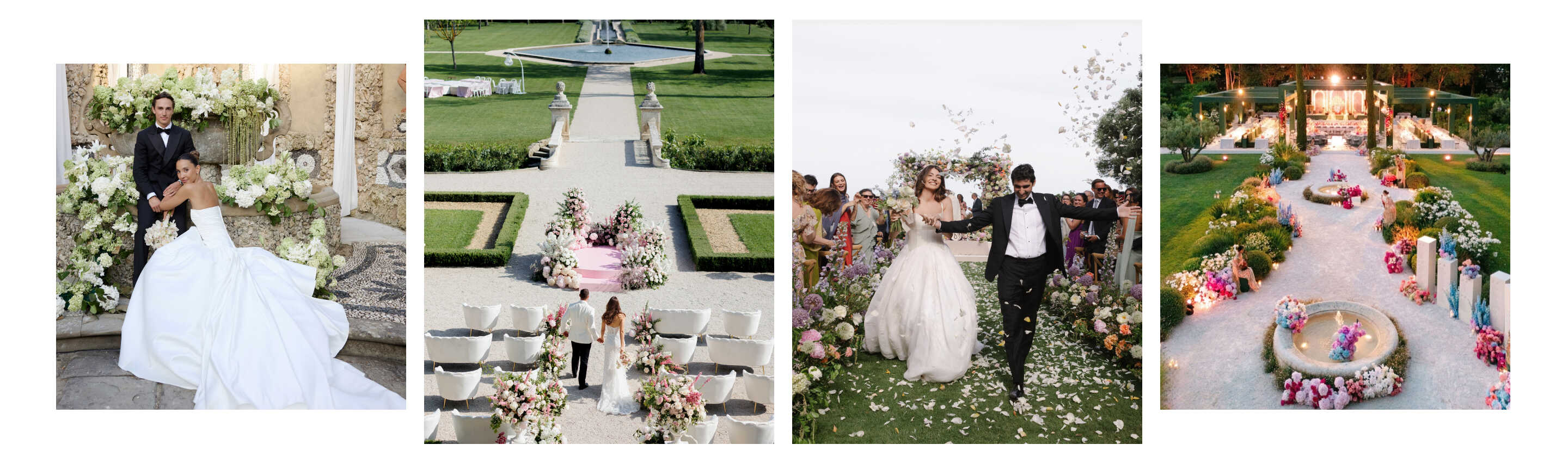
Full-Service Wedding Planning: What It Really Means


Full-service wedding planning means that one specialist will manage your entire wedding, rather than just a few aspects of it. It's like the difference between hiring someone to help with a single task and handing over the whole project to an experienced professional. A full-service wedding planning package usually includes budget management, venue sourcing, vendor coordination and day-of execution as part of one continuous service. This is what removes the stress that most couples associate with planning a wedding alone. You remain in control of every decision while someone else handles every phone call.
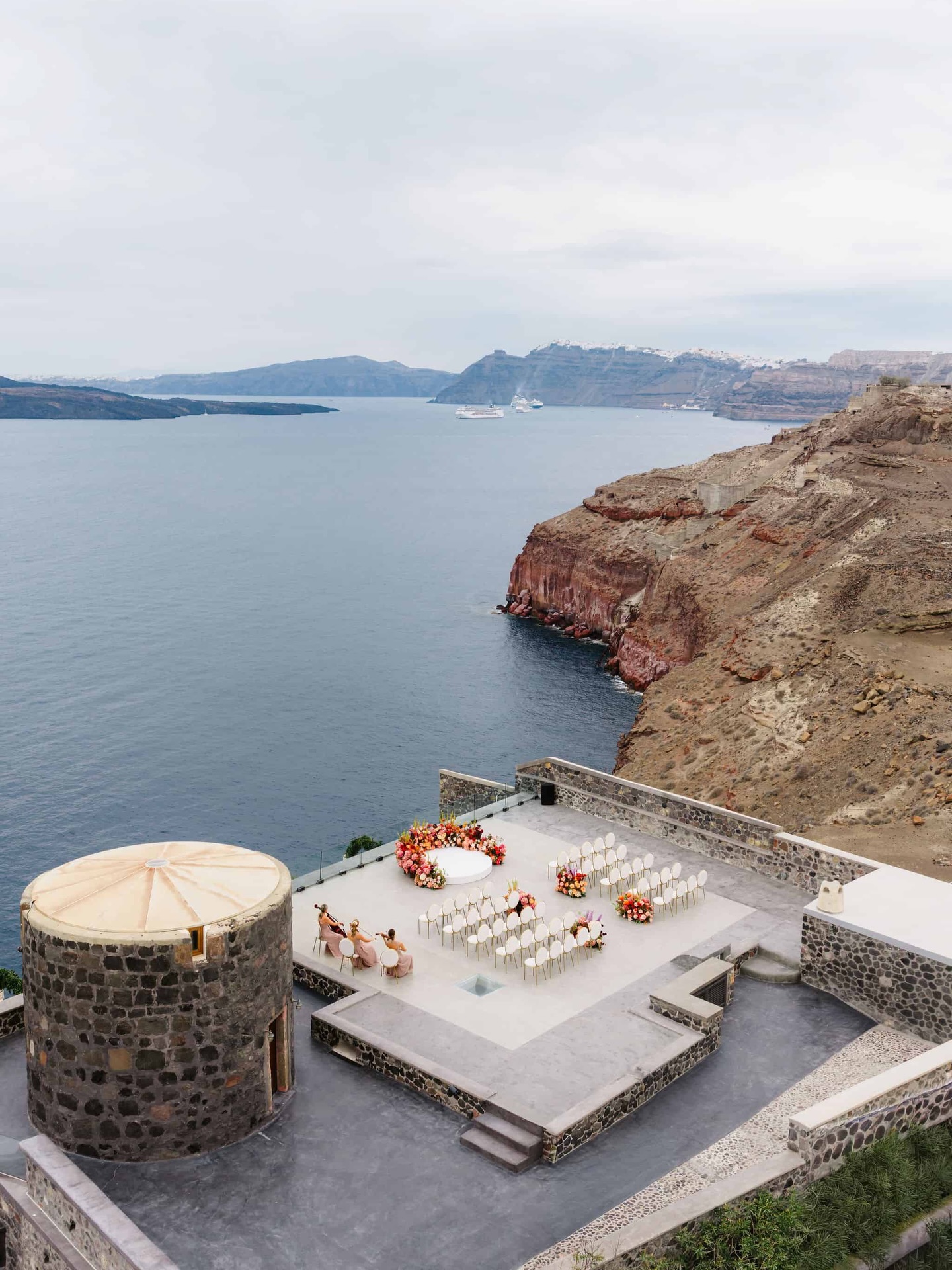
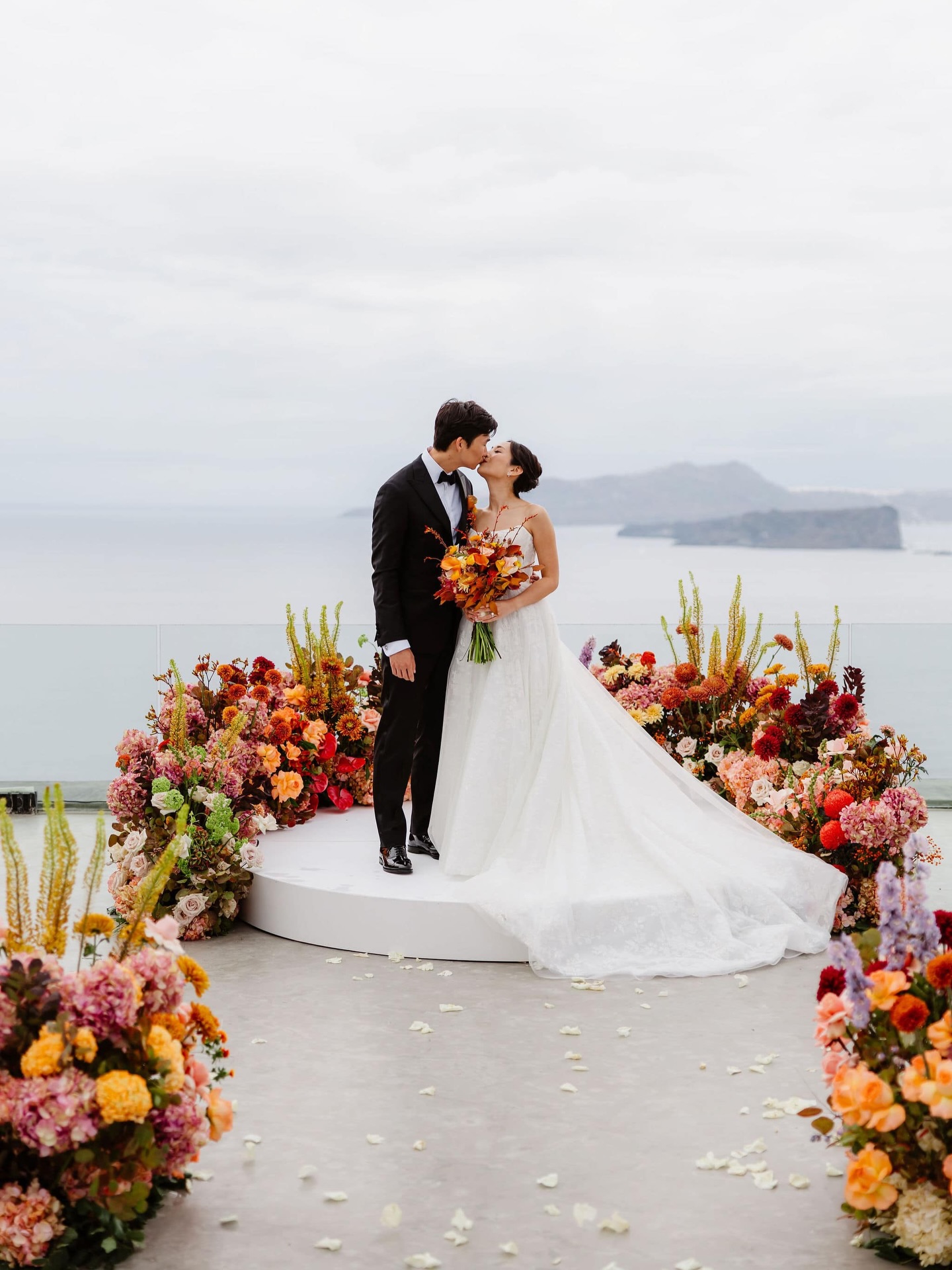
Here is what a strong full-service wedding planning package usually covers:
- Budget planning based on your actual figures
- Timeline management from the initial booking to the wedding weekend
- Venue sourcing to match guest numbers, style and location
- A vetted team of photographers, florists, musicians and stylists
- Handling vendor contracts and payment schedules
- Organizing guest transportation and day-of logistics
- Design direction for invitations and decor
- On-site coordination during the ceremony and reception
- Light honeymoon planning once the wedding has been finalized
Find Your Perfect Wedding Vendors




What Does a Full-Service Wedding Planner Do With Your Budget?
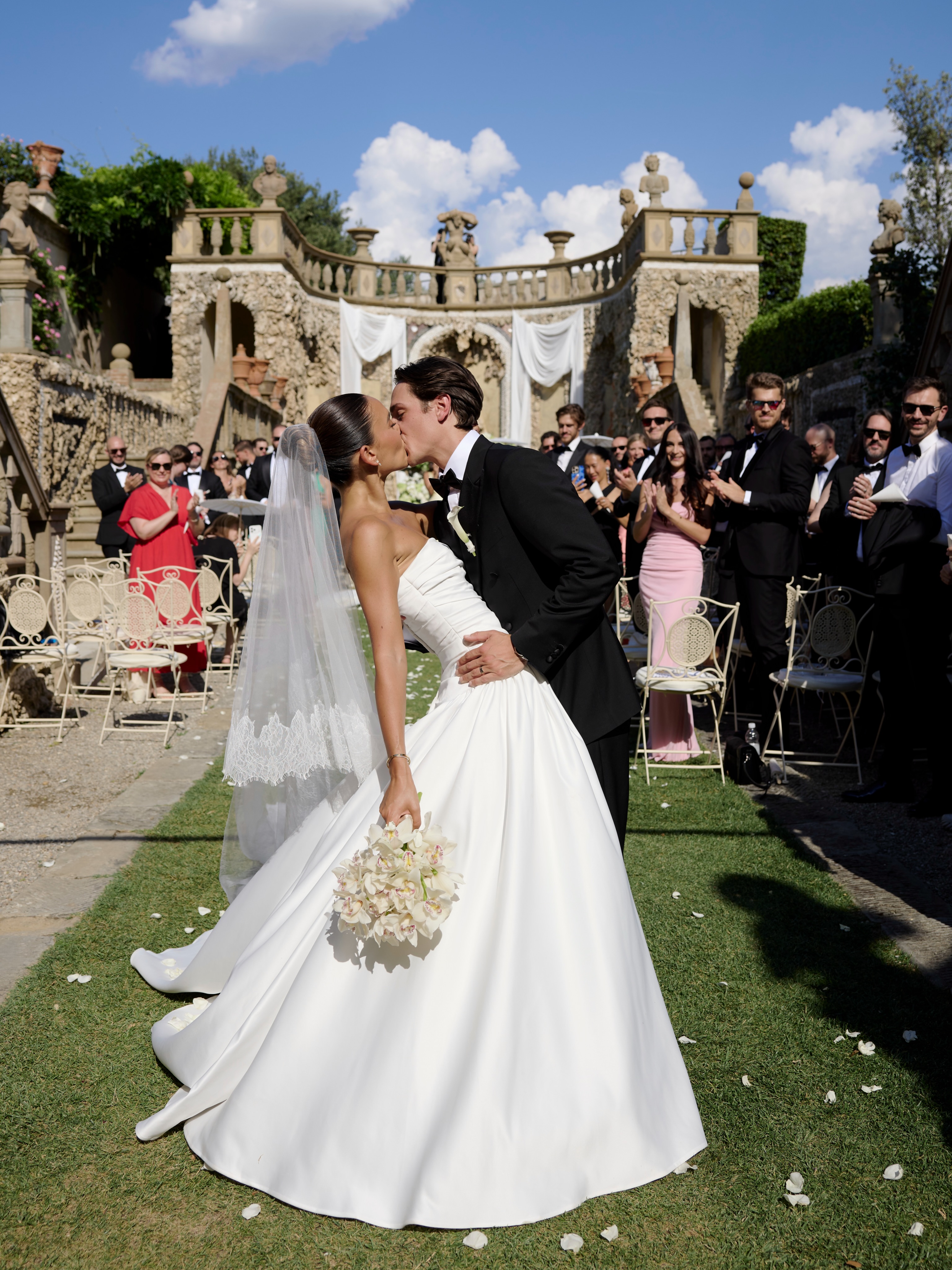
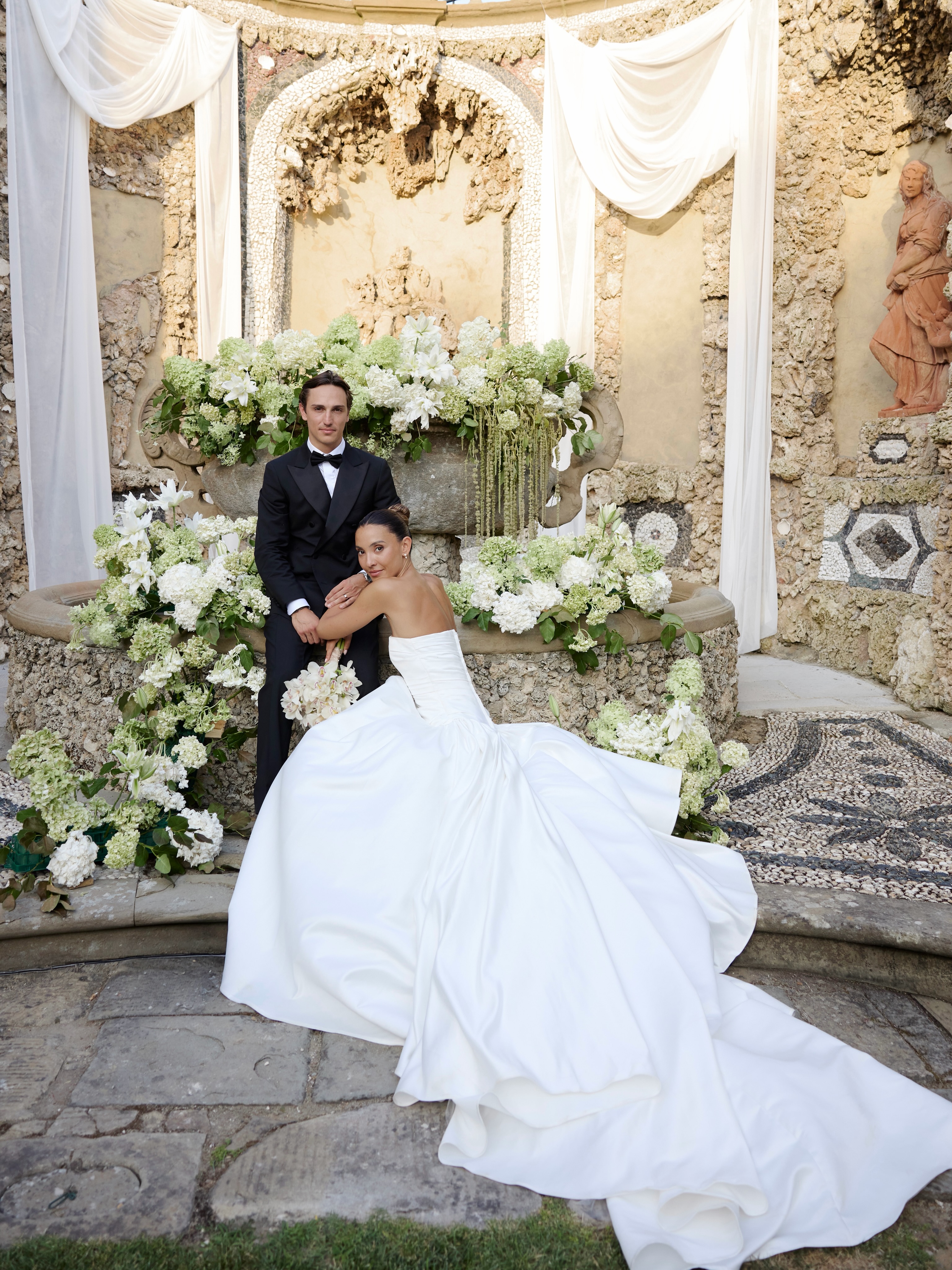
In almost every case, the answer lies in the budget. A planner will map your total funds against realistic vendor pricing before you make a single deposit. This initial step is one of the most valuable duties of a full-service wedding planner, since every subsequent decision depends on this figure being accurate. A planner who is familiar with current market prices can tell you during the initial meeting which venues are genuinely within your budget.
What Makes a Wedding Budget Realistic From the Start
A realistic wedding budget should be based on your savings, the date you want to get married on, and a built-in buffer for any unexpected costs. For this reason, planners typically add 10 to 15 percent on top of the initial estimate. This covers late rental fees, substitutions from the florist, and shipping delays close to the wedding date. Couples who skip this step are usually surprised by the final invoice.
How Do Planners Keep Spending Under Control?
Planners keep spending under control by comparing the price of every vendor line item with its quality. They know which upgrades actually change the photos and which only change the invoice. Full-service planners also track payment deadlines to ensure that nothing is paid late or twice. Budget control is one of the main reasons why couples choose a full wedding and event planning service instead of managing everything themselves.
How Do Full-Service Wedding Planners Choose the Right Venue?
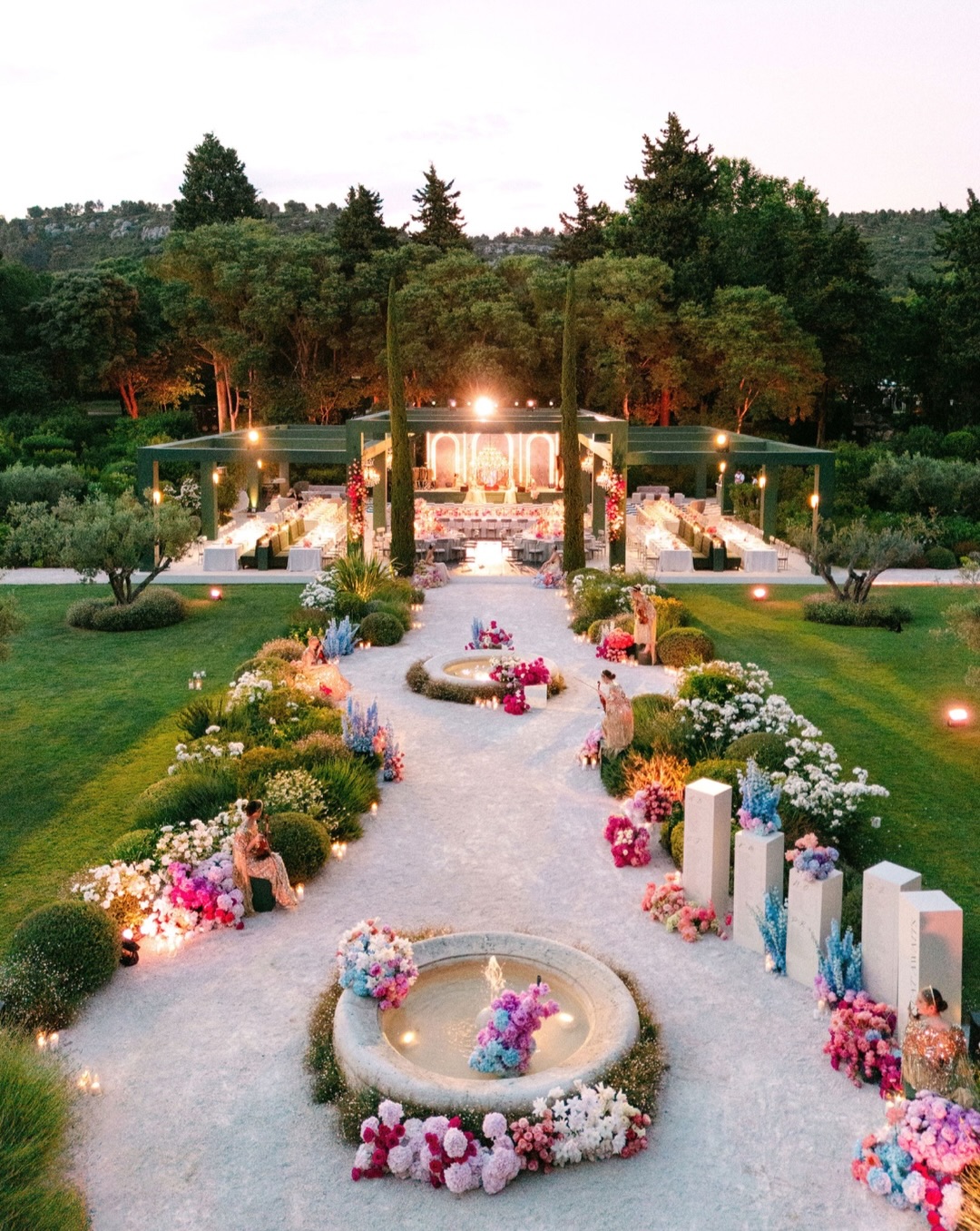
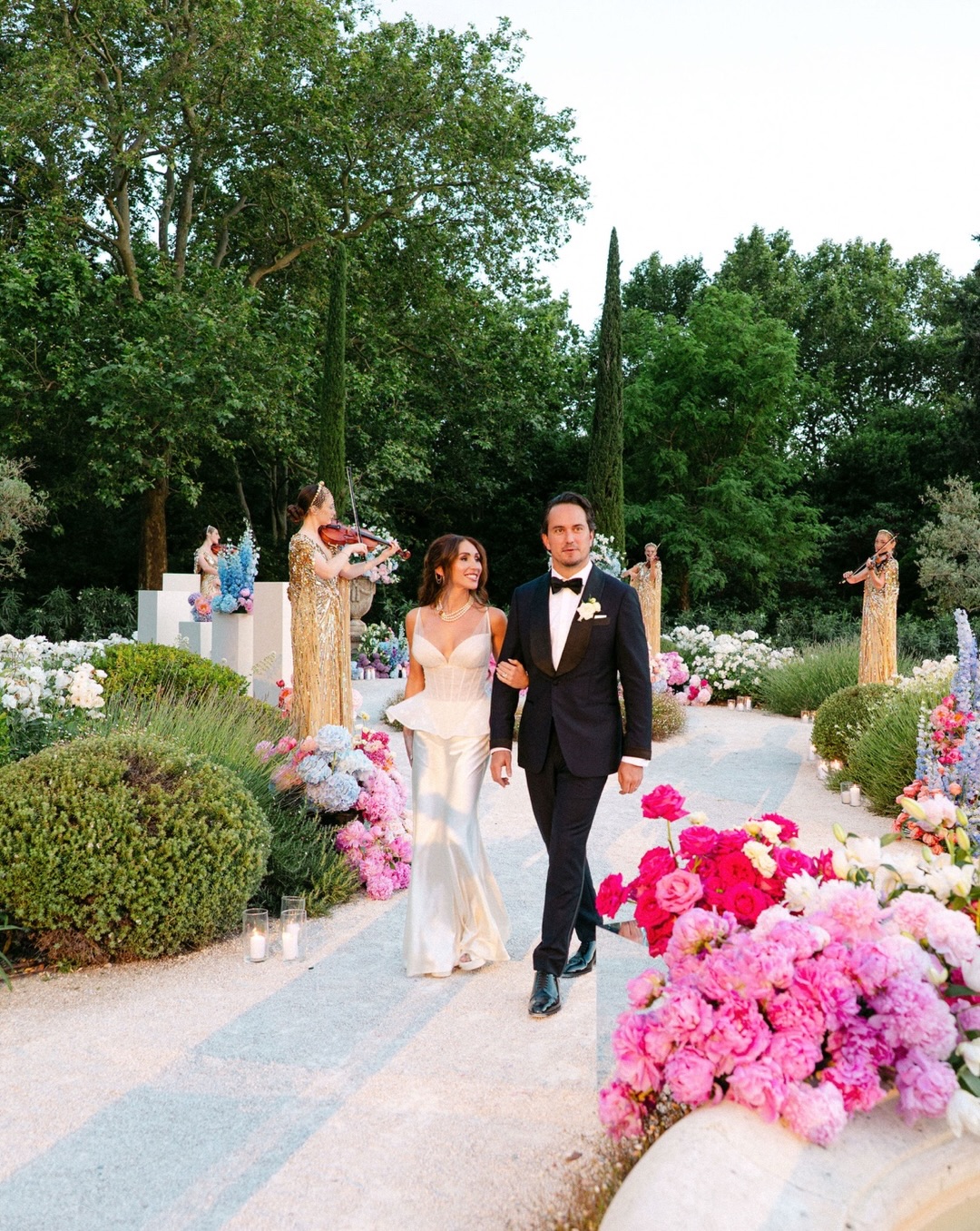
Full-service wedding planners select the right venue by working backward from your guest numbers, style preferences, and must-have moments. Venue selection usually comes after the budget stage in full-service wedding planning, since the budget determines which venues are realistic options. A planner who knows your budget can filter out beautiful venues that are impractical. This step alone can save you weeks of exchanging emails with venues that are not suitable.
The Details That Shape the Right Venue Choice
The right venue depends on a short, practical checklist rather than aesthetics alone. The guest count determines the room size long before the style of the decor even enters the conversation. The layout is important too: the space for the dance floor, the view of the ceremony, the number of restrooms and the coat storage all affect the day more than couples expect. A planner will work through this checklist before booking a venue.
How Do Planners Match a Venue to Your Vision?
Planners match venues to your vision, translating vague ideas into a concrete shortlist. Simply telling a planner that you want something romantic and outdoorsy is enough for them to narrow down dozens of venues to three or four that are a strong fit. They know which spaces photograph well in low light and which ones require additional equipment to look their best. This saves you money and decision fatigue during an already busy season.
Outdoor and Backyard Weddings
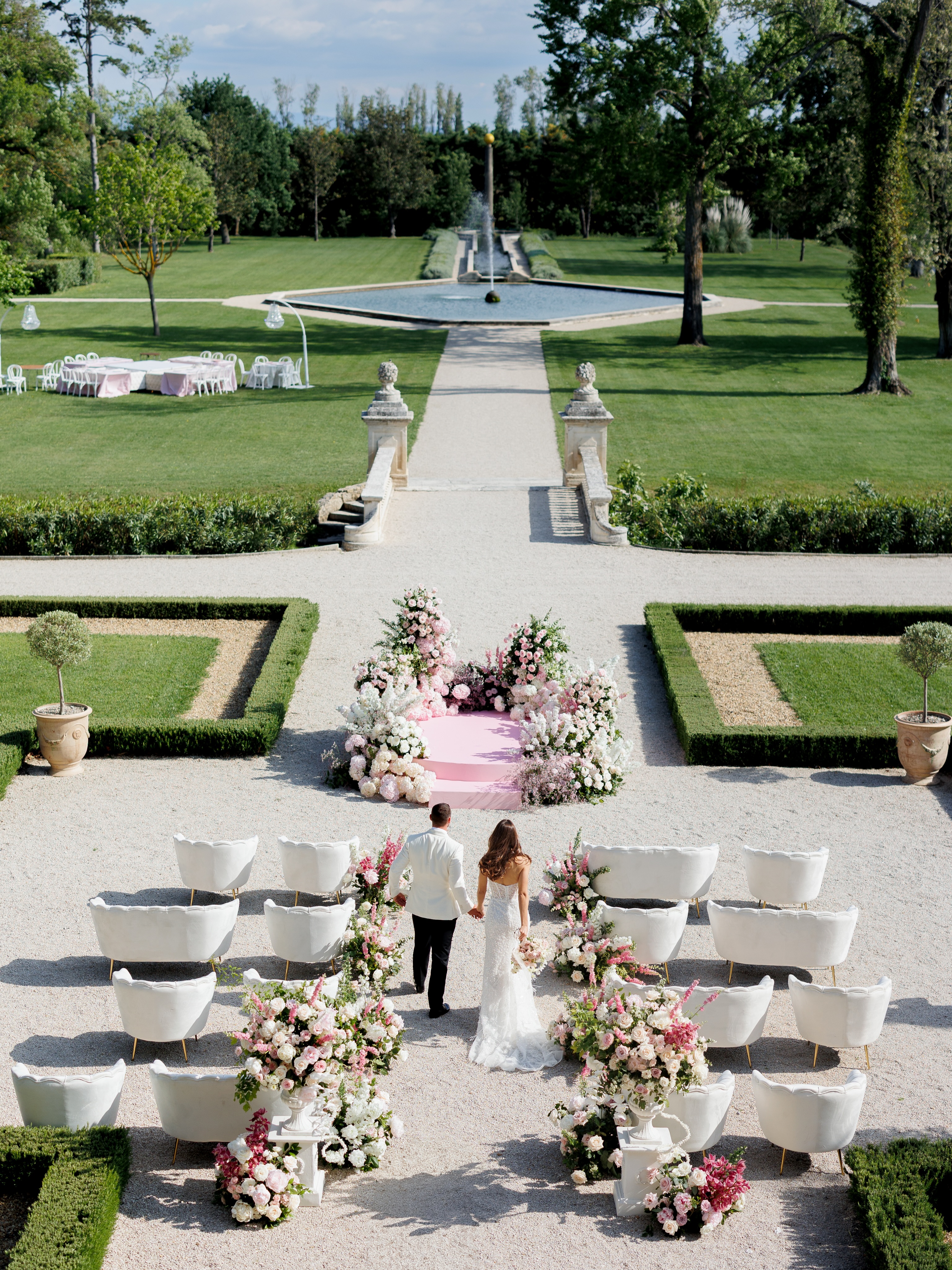
When it comes to outdoor and backyard weddings, venue planning requires a slightly different approach from the outset. Weather backup plans, permits, access to power and restroom rentals all need to be considered from the outset. Planners who offer a full wedding and event planning service handle these details in the same way as they would a booking for a hotel ballroom. Either way, the goal remains the same: to find a venue that fits your guest list and style without any hidden surprises.
What Do Full-Service Wedding Planners Handle Beyond the Venue?
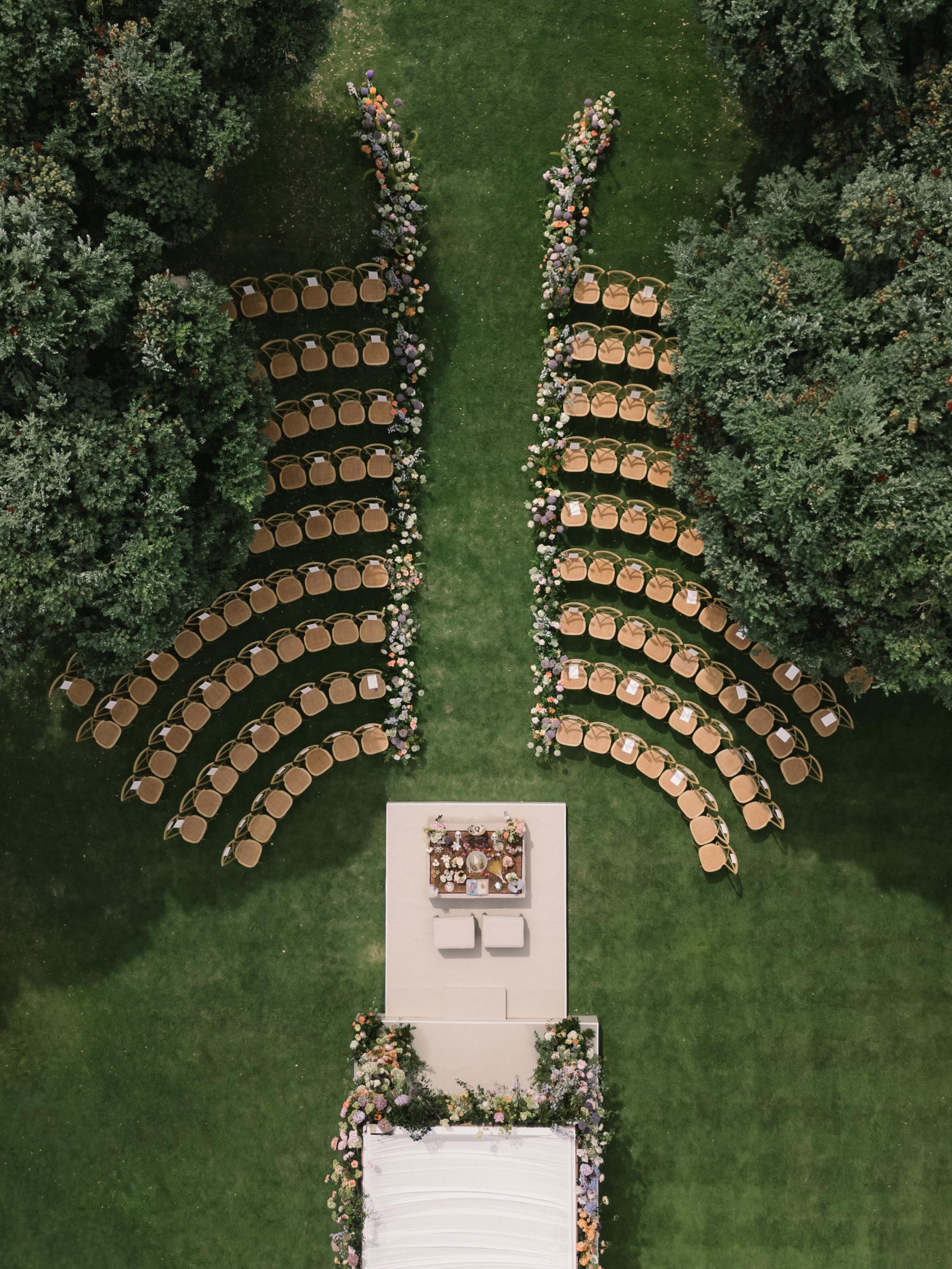
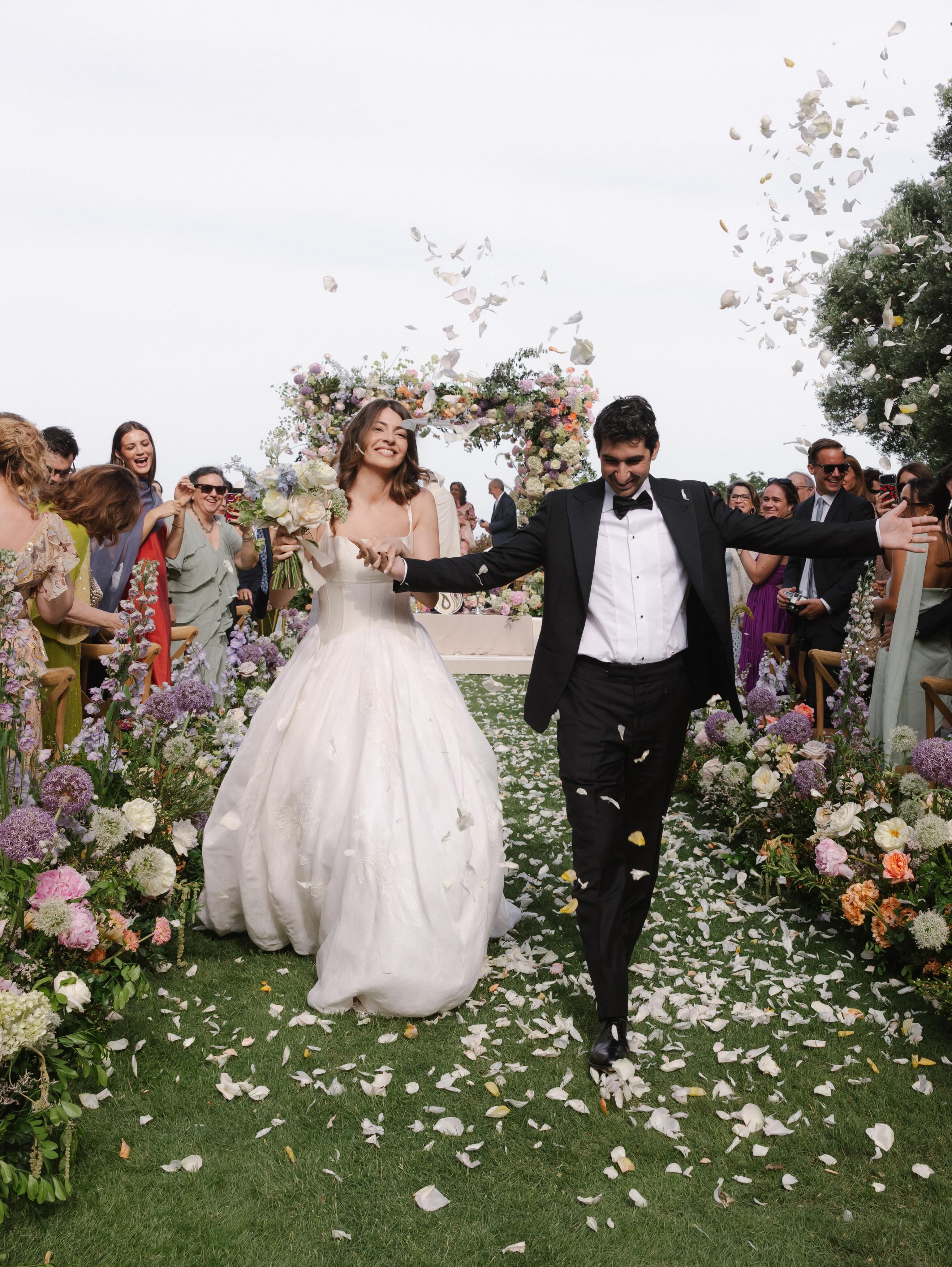
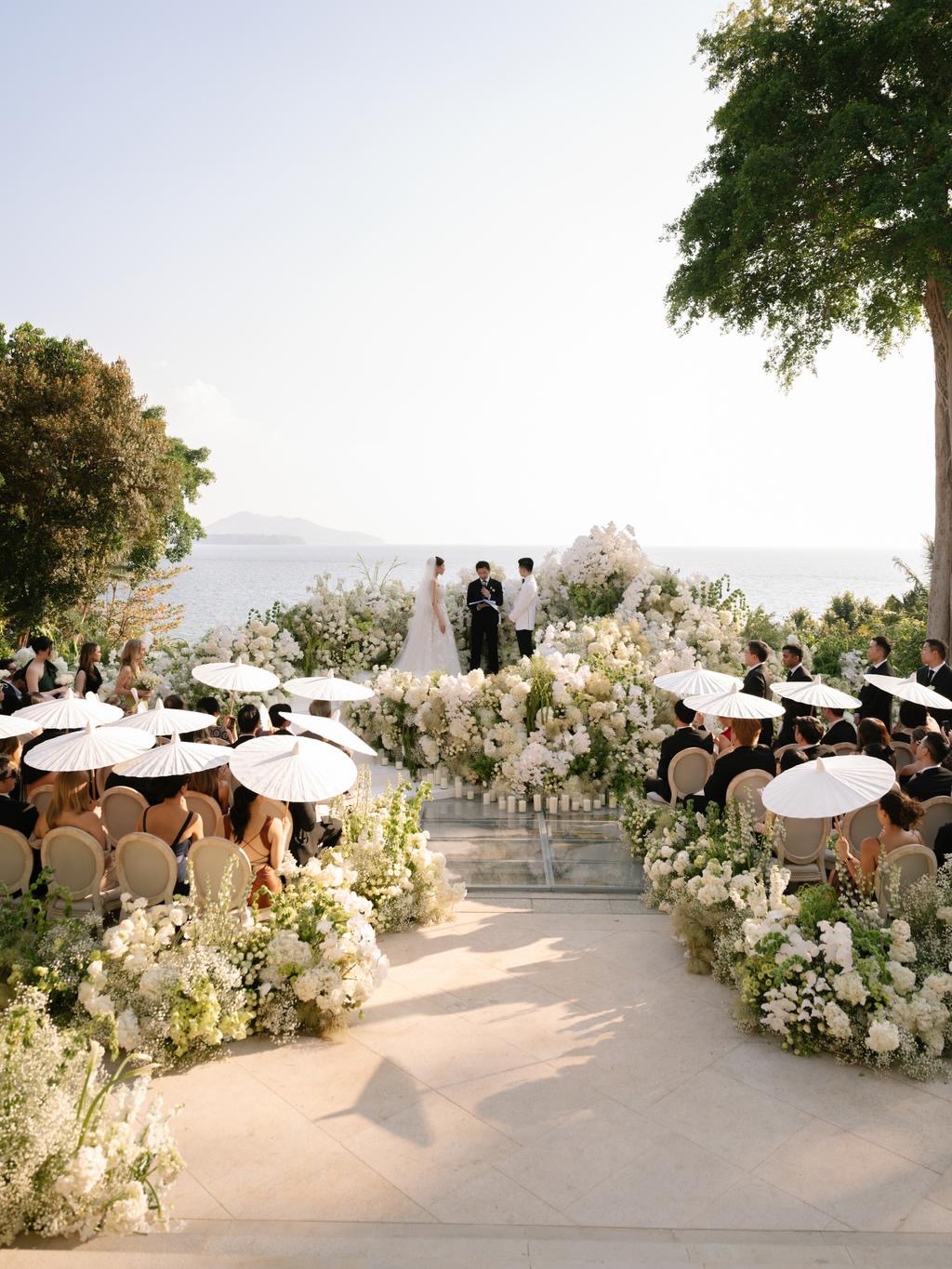
Full-service wedding planners handle vendors, guest logistics and decor direction, meaning you only need to review and approve the final result. This is where a full wedding and event planning service earns its keep, since its remit covers far more than just the ceremony venue. A planner who already has working relationships with photographers, bands and florists, for example, can negotiate better deals and work more quickly than a couple starting from scratch. This existing network is often worth more than the planning fee itself.
How Are Vendors Selected and Managed?
Vendors are selected from a planner's existing database of photographers, florists and musicians with whom they have previously collaborated. You review portfolios and make a decision, after which the planner handles all subsequent calls, contracts and payment schedules. This is one of the most time-consuming aspects of wedding planning that is done entirely on your behalf. It also reduces risk, since planners already know which vendors arrive on time.
What Does Guest Logistics Involve?
Guest logistics involves arranging transportation and ensuring that every guest arrives at the right place at the right time. Planners arrange shuttles, plan routes and keep in touch with drivers throughout the day. They also send guests clear instructions in advance so that nobody calls the couple for directions. This aspect of the role often goes unnoticed until it is absent, at which point it becomes the first thing people notice.
Decor Decisions Come Together Through Collaboration
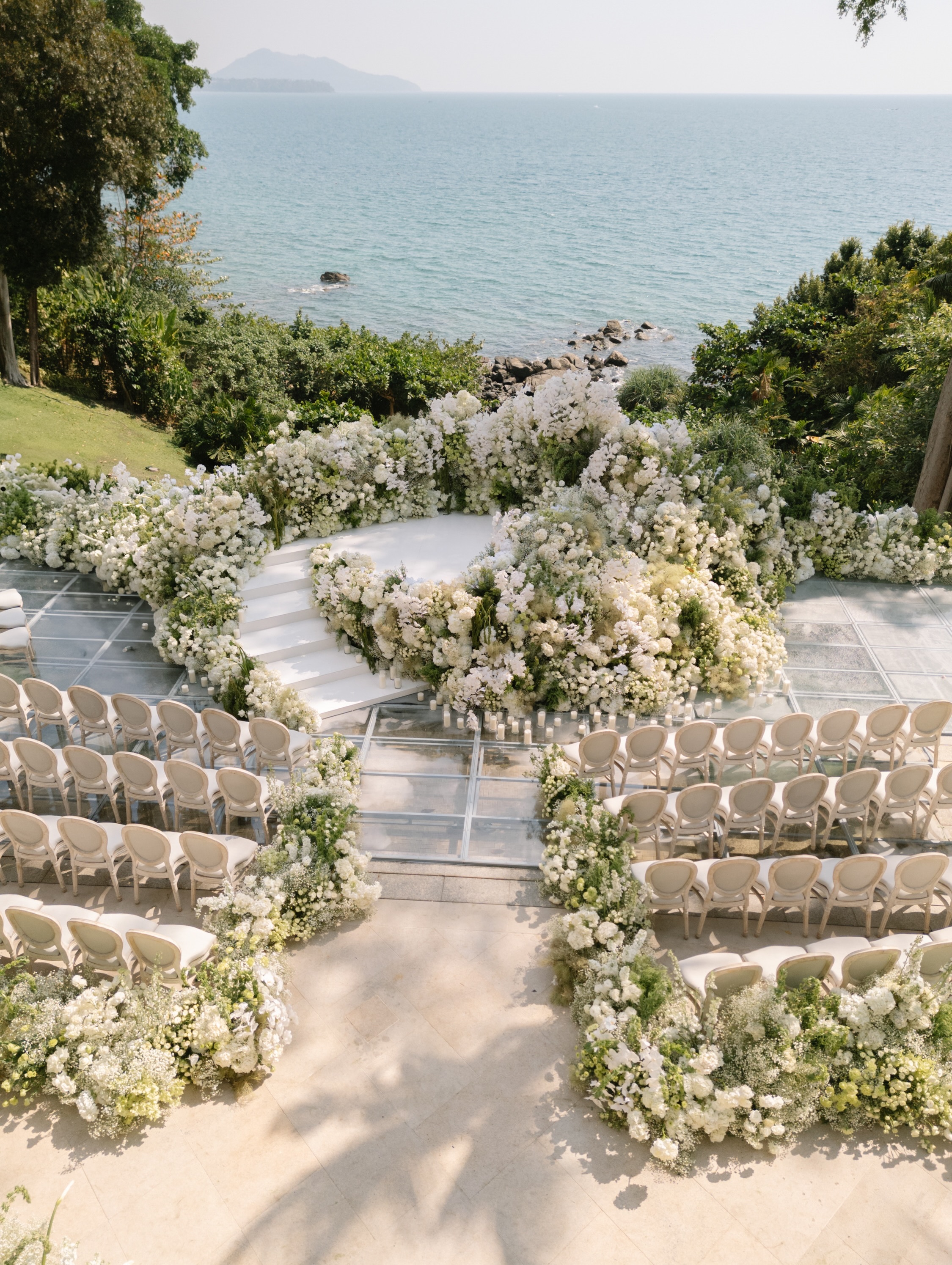
Decor decisions are made through close collaboration between the planner and the floral or decor team. Couples usually share reference photos, a color scheme and a few non-negotiable requirements. The planner then translates these into a floor plan, flower order and lighting scheme that fit the actual layout of the venue. Their experience enables them to spot small details that couples would only notice once it was too late to change them.

How Much Does a Full-Service Wedding Planning Package Cost?
A full-service wedding planning package usually costs between $1,500 and $5,000 as a flat fee, or between 10 and 30 percent of the total wedding budget. The price depends on the planner's experience, your location, and how much of the wedding they manage directly. Naturally, larger, multi-day weddings sit at the higher end of that range. The table below compares the two most common pricing models that couples encounter.
| Pricing Model | How It Works | Best For |
|---|---|---|
| Flat fee | Fixed amount, often around 15% of the minimum budget | Couples who want predictable costs |
| Percentage-based | 10-30% of the total wedding budget | Couples with a flexible, growing budget |
Neither model is necessarily more expensive than the other, as this depends entirely on your total budget. A flat fee keeps costs predictable, regardless of any changes that occur. A percentage-based fee increases in line with your spending, so it grows if the budget increases. Couples with a fixed budget usually prefer the flat fee for the predictability it offers.
Final wedding bills often exceed the initial budget by 35 to 70 percent, even when a skilled planner is involved. This difference usually comes from small upgrades made along the way rather than planning mistakes, so it is worth treating the early buffer as a starting point rather than a hard ceiling. Setting this expectation from the outset helps to prevent the final invoice from coming as a shock. A good planner will flag these additions as they happen instead of letting them accumulate quietly until the last payment.
This is exactly the kind of detail a full-service wedding planner is there to manage, so you can focus on the day itself rather than the spreadsheet behind it. If you are ready to start building your wedding with the right team from day one, browse verified wedding planners, venues, and vendors on Wezoree and turn your vision into a plan.


FAQ
What does a full-service wedding planner do?
They manage your budget, venue, vendors, timeline, decor and day-of coordination from start to finish. They act as the single point of contact for all vendors and deadlines related to the wedding. Some also assist with honeymoon planning once the wedding itself has been finalized. The exact scope varies by planner, so it is worth asking for a written list of services before booking.
What is included in a full-service wedding planning package?
It includes budget management, venue sourcing, vendor contracts, guest logistics, decor direction and on-site coordination. Some packages also cover invitation design and basic honeymoon planning. Couples should confirm the exact inclusions before signing, since packages can vary between planners. A written scope of work helps to prevent confusion later in the process.
How far in advance should you book a full-service wedding planner?
Ideally, you should book as early as possible, that is, 9 to 12 months before the wedding date. Popular venues and vendors get booked well in advance, particularly during peak wedding season. Booking early also gives the planner more time to negotiate prices on your behalf. A shorter timeline is still workable, but your options will be more limited.

Is a full wedding and event planning service worth the cost?
It is certainly worth it for couples who want to avoid the hassle of managing dozens of vendors and deadlines themselves. The value lies in the time saved, the existing vendor relationships and the protection of the budget throughout the process. Couples with demanding jobs or who are planning from afar tend to reap the greatest benefits. It is less necessary for very small weddings with few moving parts.
What are the main duties of a full-service wedding planner?
Budgeting, venue sourcing, vendor management, logistics, decor direction and day-of coordination are the main duties of a full-service wedding planner. A planner also handles contracts and payment schedules, leaving the couple to simply review and approve them. These duties combine to form one continuous service rather than separate, disconnected tasks. It is this continuity that distinguishes full-service planning from hiring individual vendors independently.