Church Wedding Photography Ideas


- What Makes Great Church Wedding Photography?
- Capturing the Church Exterior
- Before Walking Down the Aisle
- The Ceremony and Vows
- Inside the Church: Architecture and Detail
- Photographing Guests During the Ceremony
- Sweet Moments With Kids
- The Recessional and Exit
- Church Wedding Photo Moments at a Glance
- Practical Tips for Better Church Wedding Photography
- FAQ
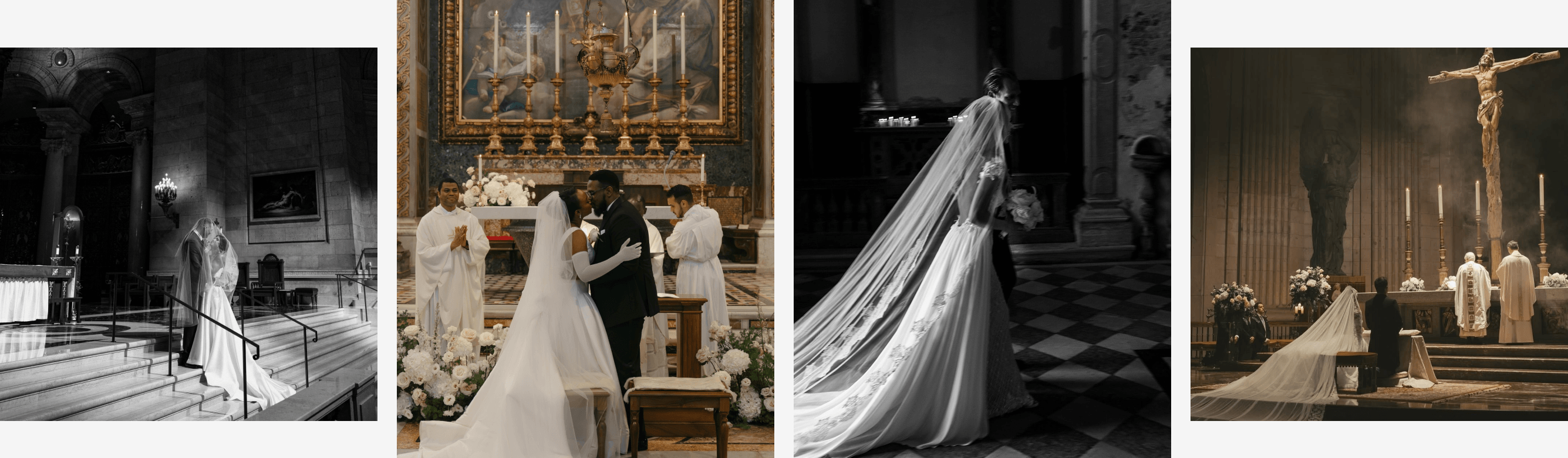
Church ceremonies move fast, so the best photos come from a photographer who knows exactly which moments matter before the guests have even sat down. Unlike at a reception, where there's time to reset and reshoot, at a church wedding you only get one chance to capture the vows, the walk down the aisle and the first kiss as a married couple. Add in the fact that churches are often dim and echoing spaces with strict rules about where photographers can stand, and it's clear that church ceremonies demand a different kind of preparation to outdoor or reception shoots. This guide breaks down the ceremony into its natural stages, from arrival to exit, enabling you and your photographer to arrive with a shared plan rather than having to improvise on the day.
Find Your Perfect Wedding Vendors

What Makes Great Church Wedding Photography?
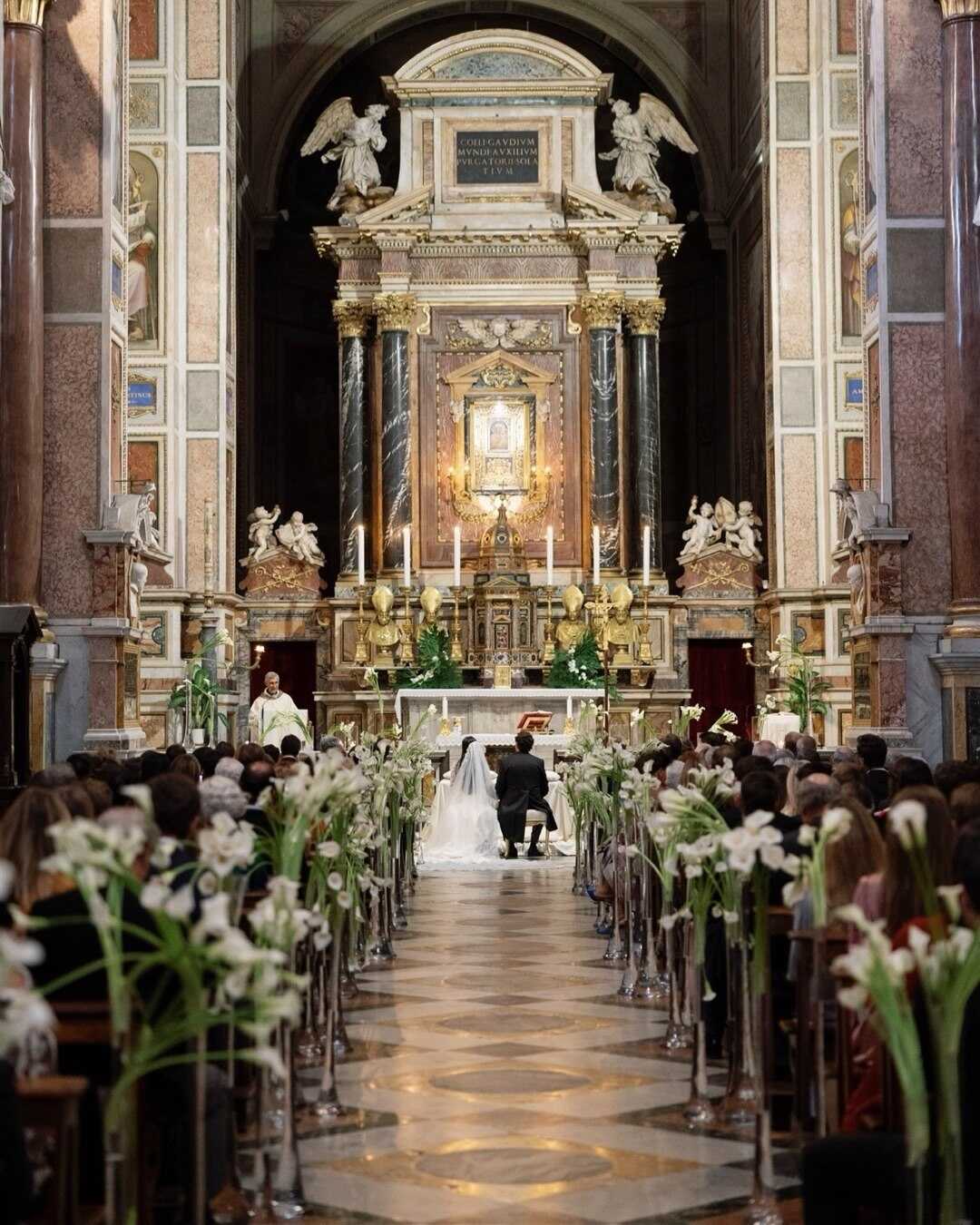
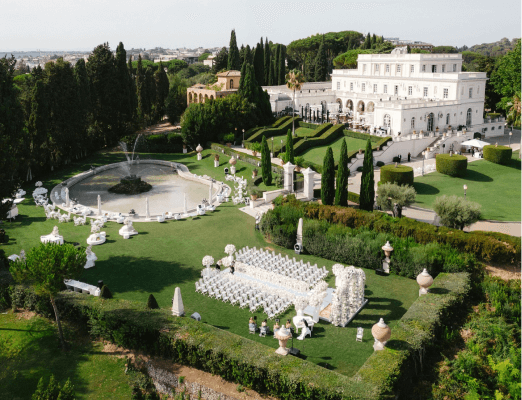
Great church wedding photography relies more on anticipation than equipment, since the best shots almost always capture moments that are too fleeting to recreate. A skilled photographer treats the ceremony as a live event rather than a posed session, positioning themselves ahead of each key moment rather than reacting after it has passed. This is why it's important to review a photographer's past church wedding photography rather than their studio portrait work, since the two skill sets barely overlap. The right approach balances genuine, undirected emotion with just enough technical planning to ensure that nothing important is missed. This also involves familiarizing yourself with the specific building well before the day itself, since a church's architecture, lighting and layout influence almost every decision a photographer makes once the ceremony begins.
Capturing the Church Exterior
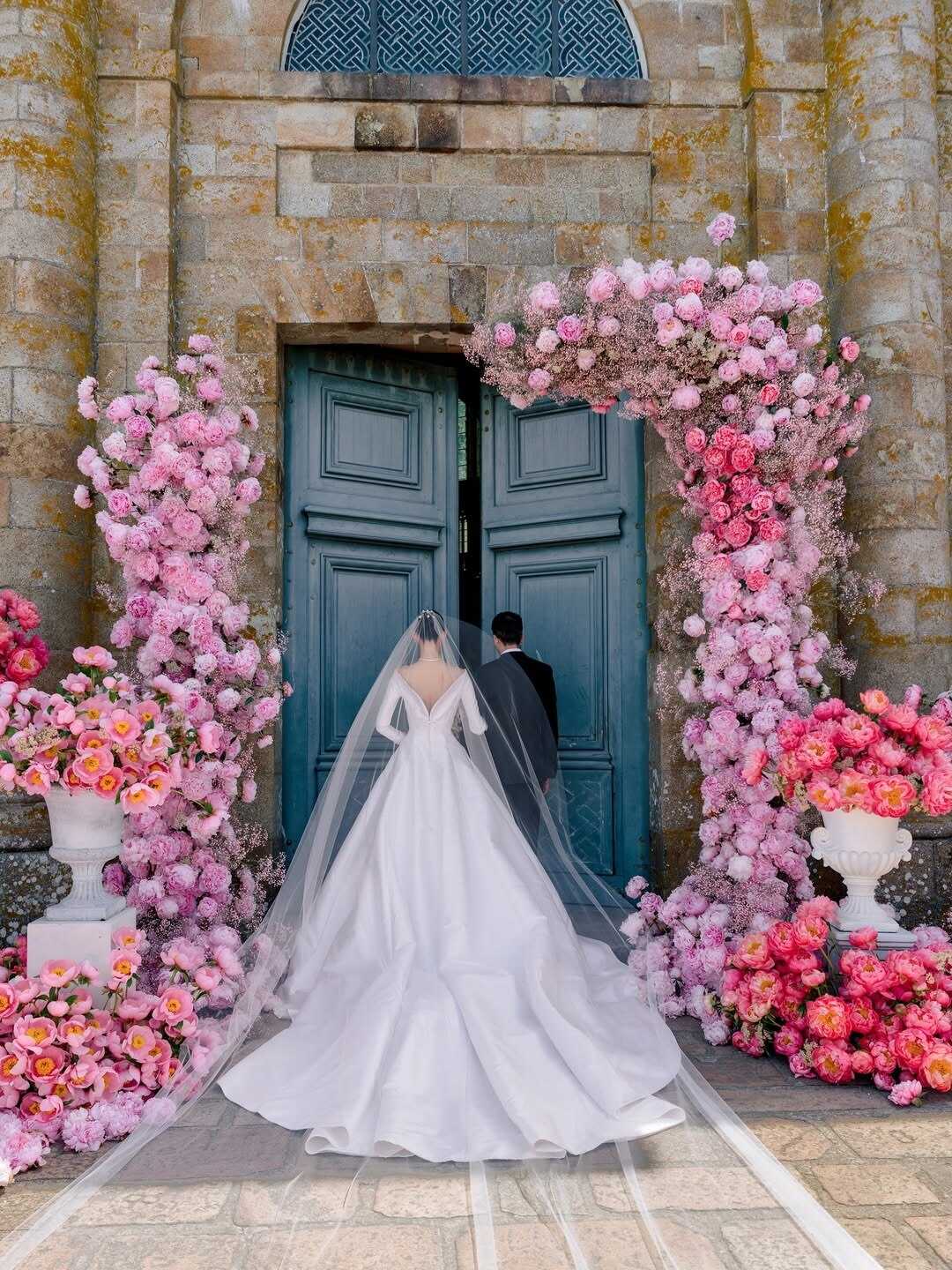
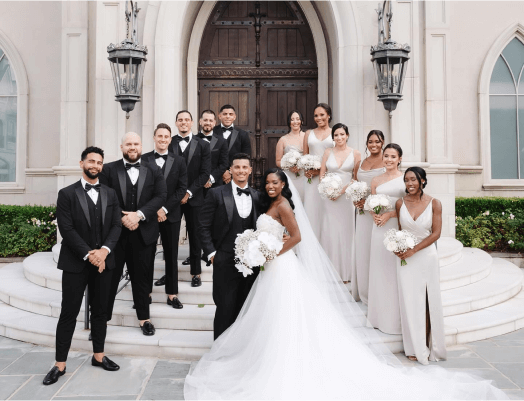
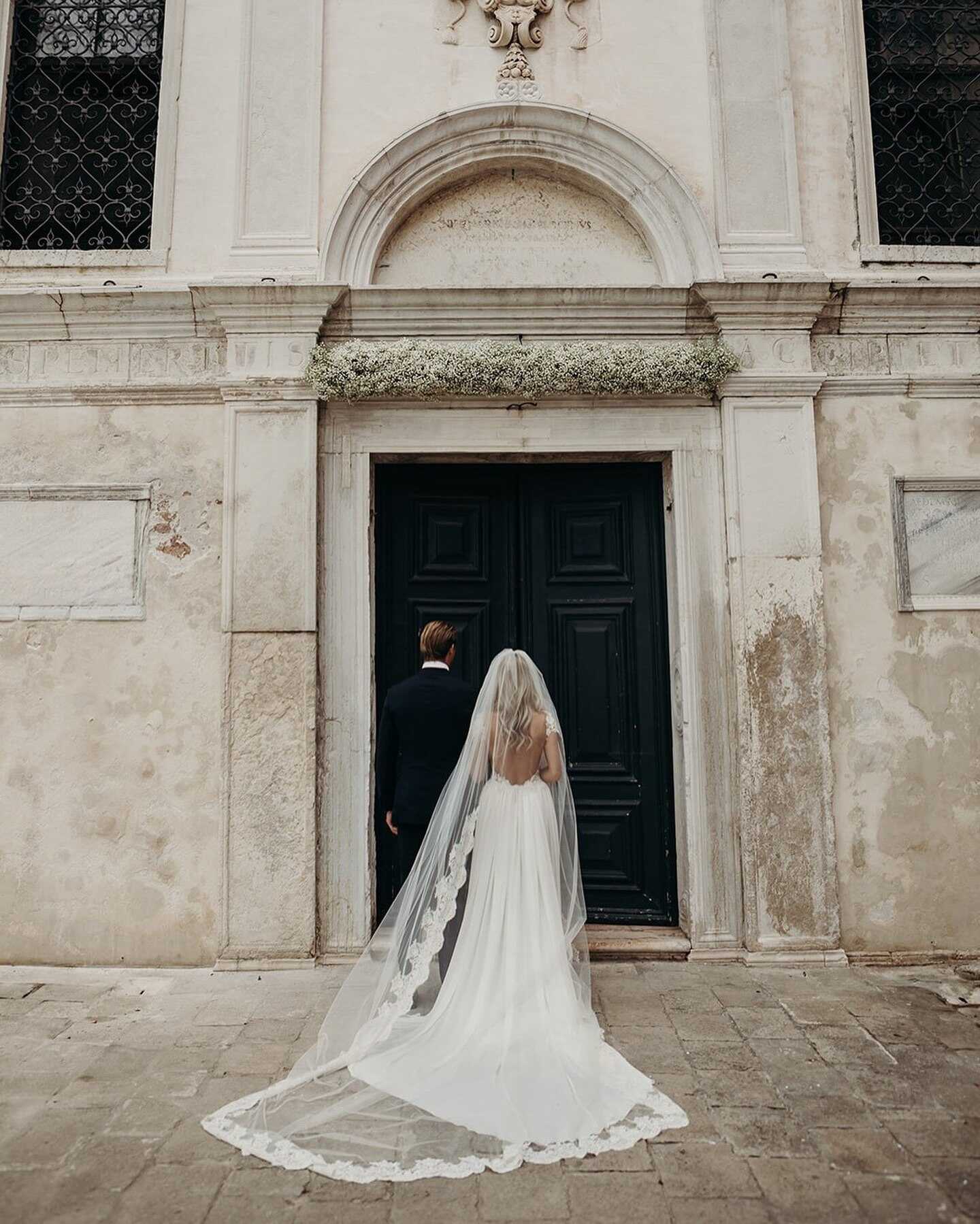
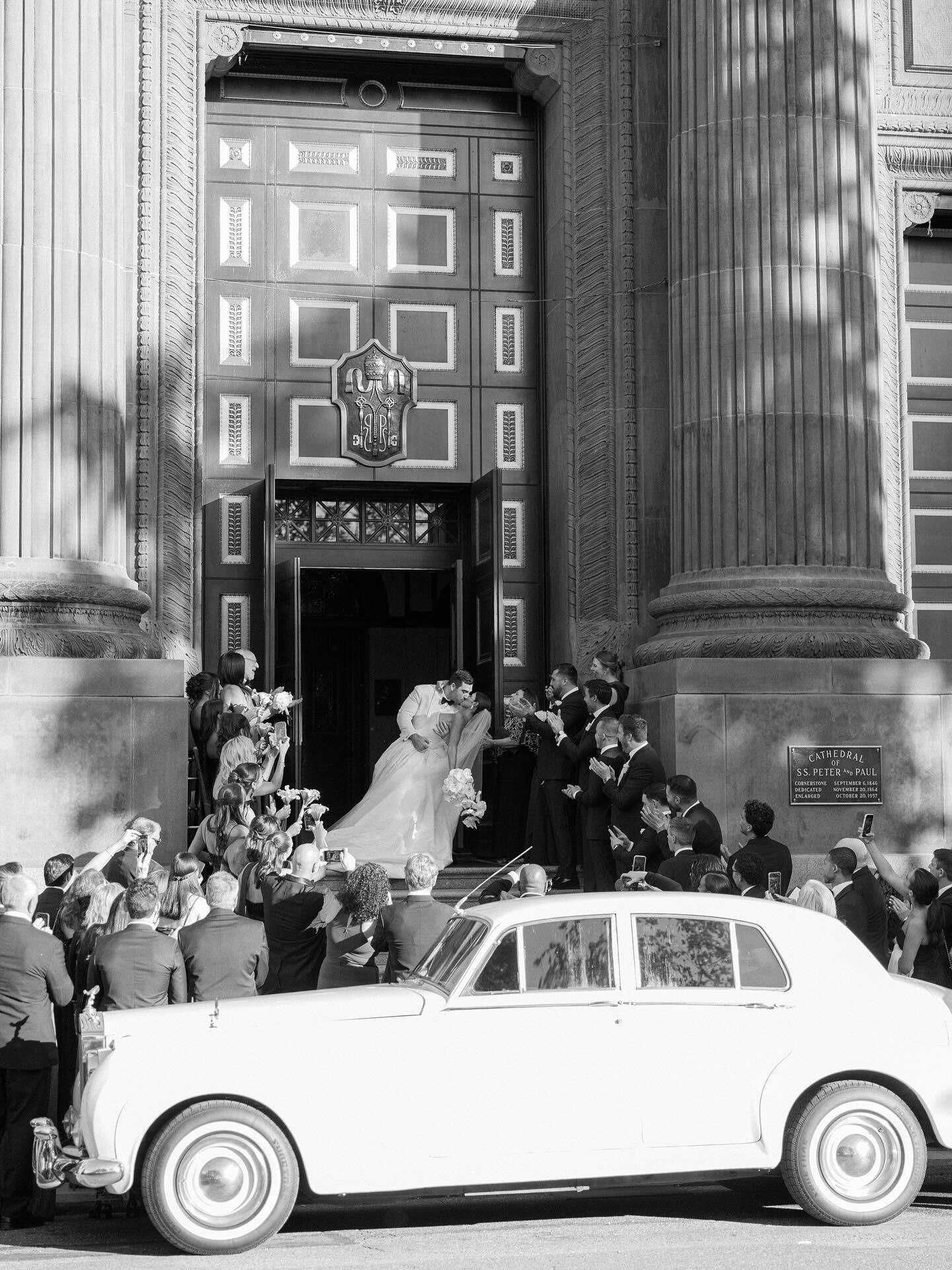
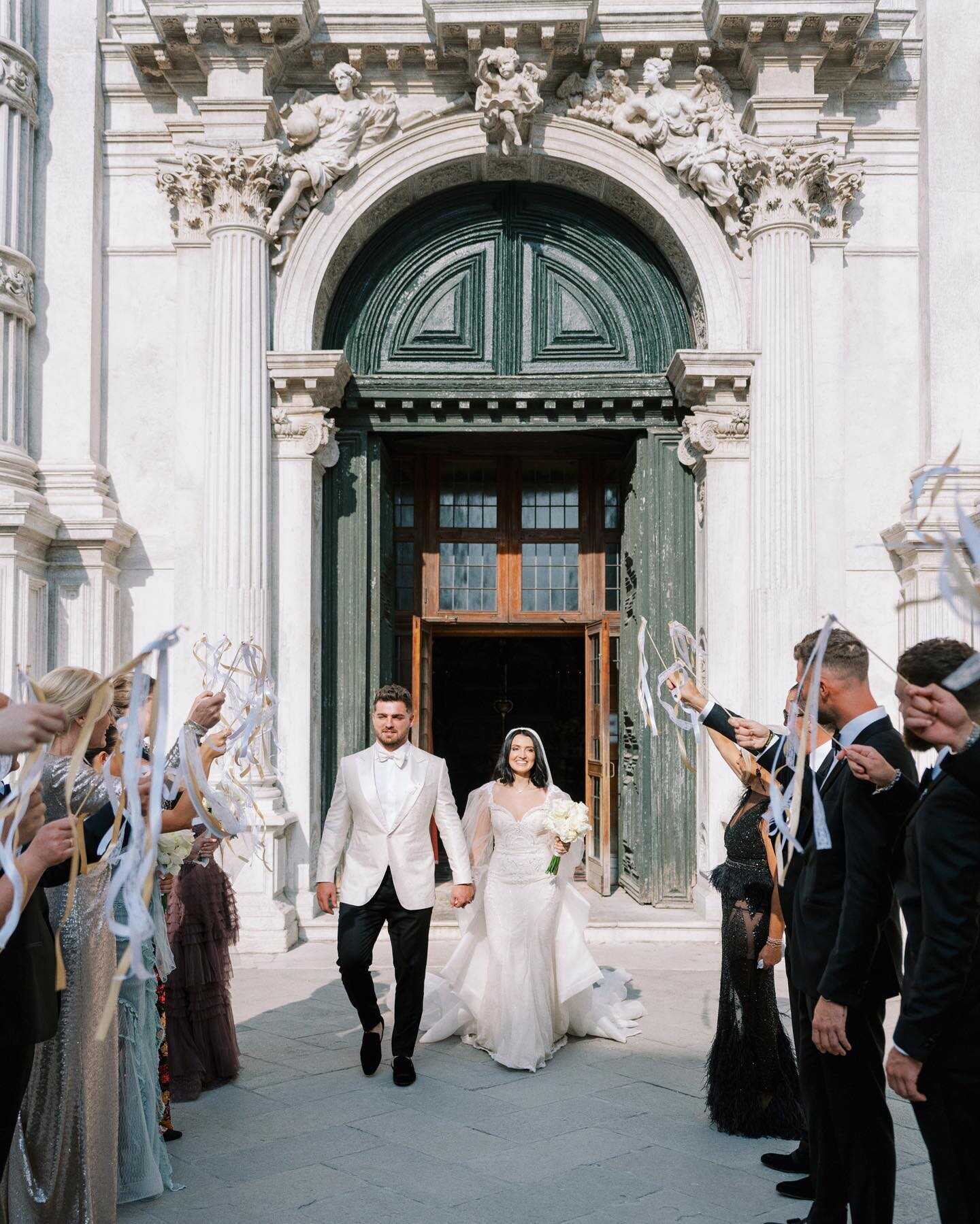
A church's architecture is often striking in its own right long before the ceremony begins, and its exterior deserves dedicated shots rather than being included in a rushed photo on the way inside. Wide shots placing the couple against the full facade, paired with close-ups of stonework, stained glass or an entrance arch, give the wedding album a genuine sense of place. Morning or late-afternoon light tends to flatter stone buildings far more than the flat light of midday, so the timing of this part of the shoot is as important as the composition. Couples getting married at a particularly historic or architecturally distinctive church should allow a few extra minutes for this.
Before Walking Down the Aisle
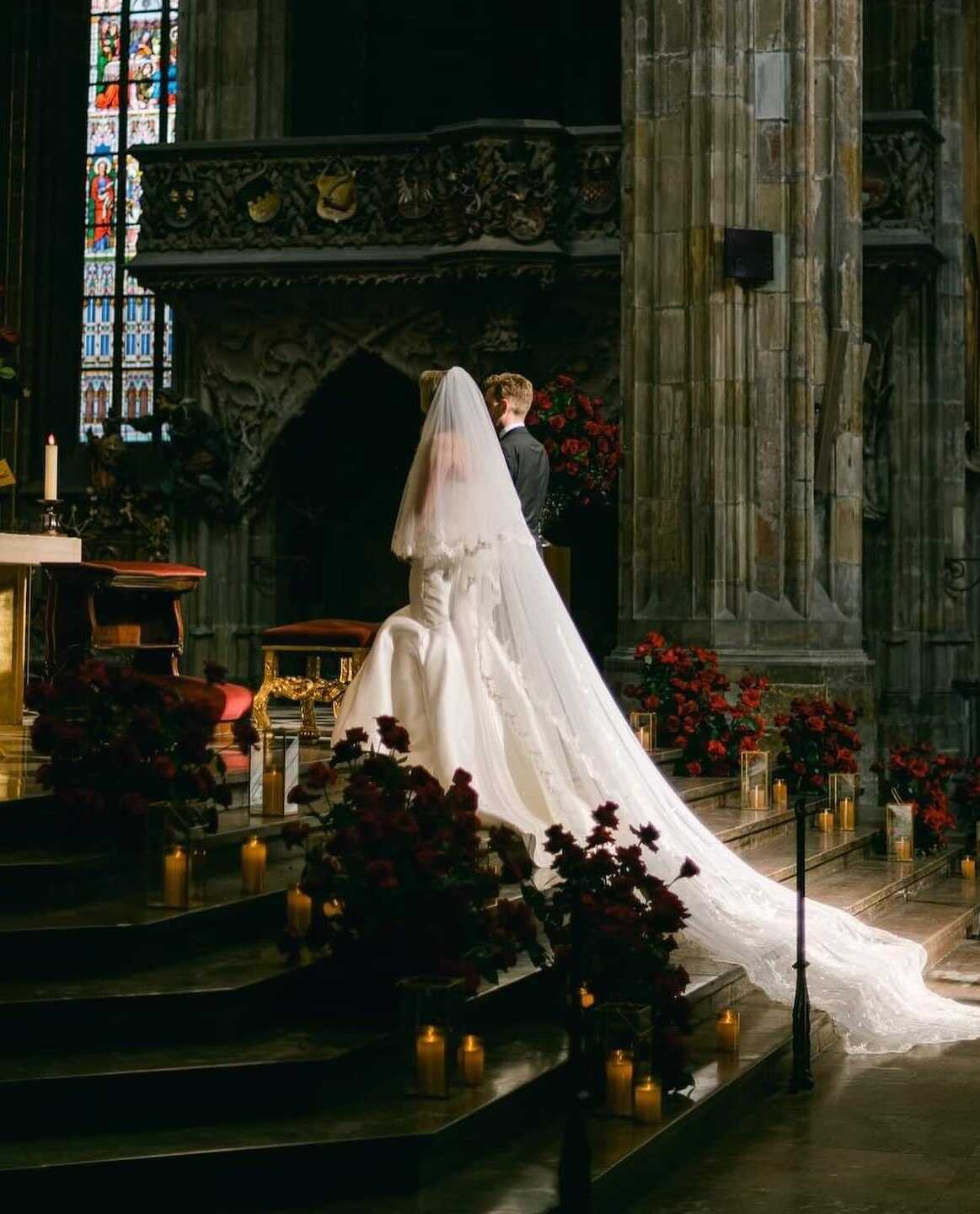
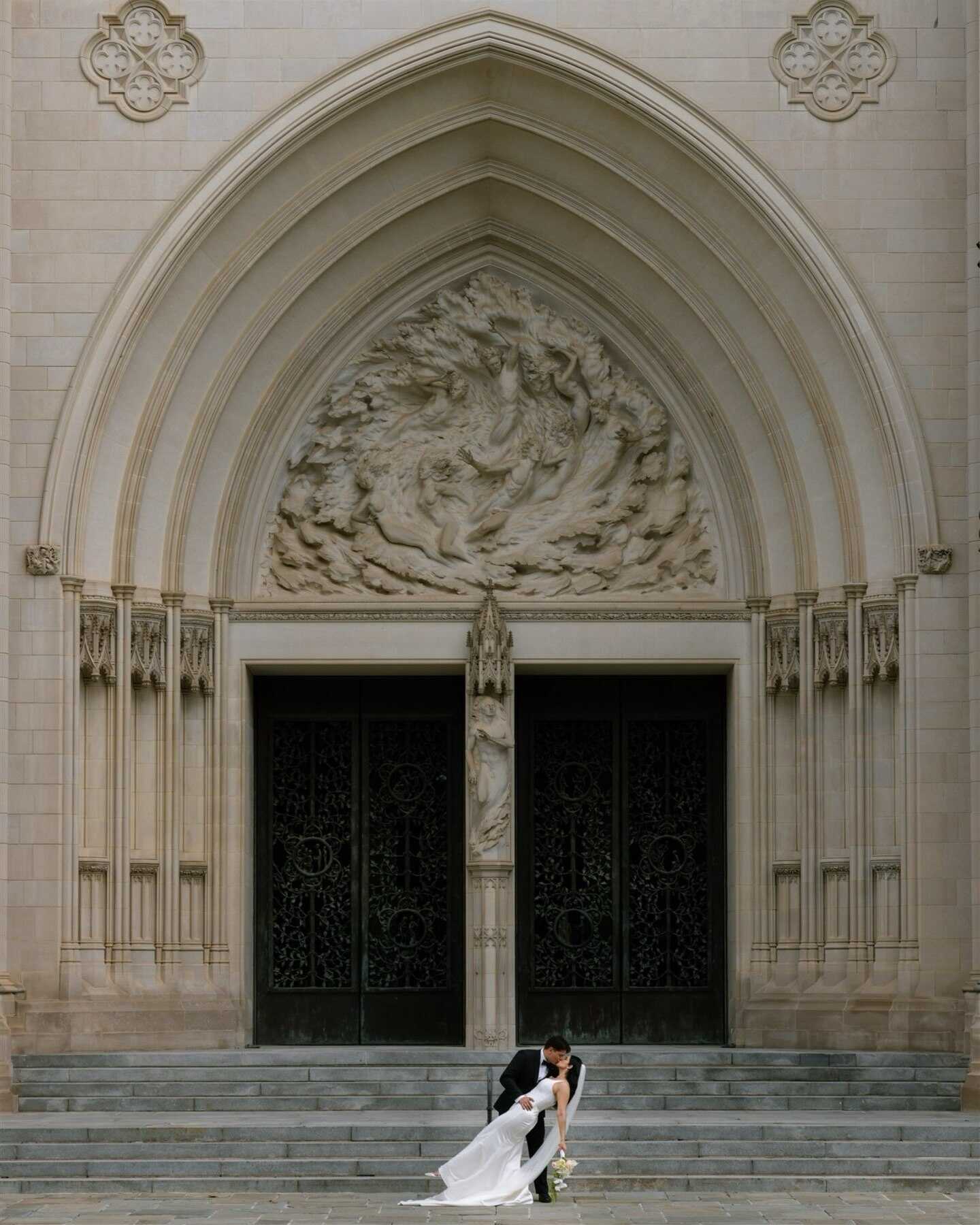
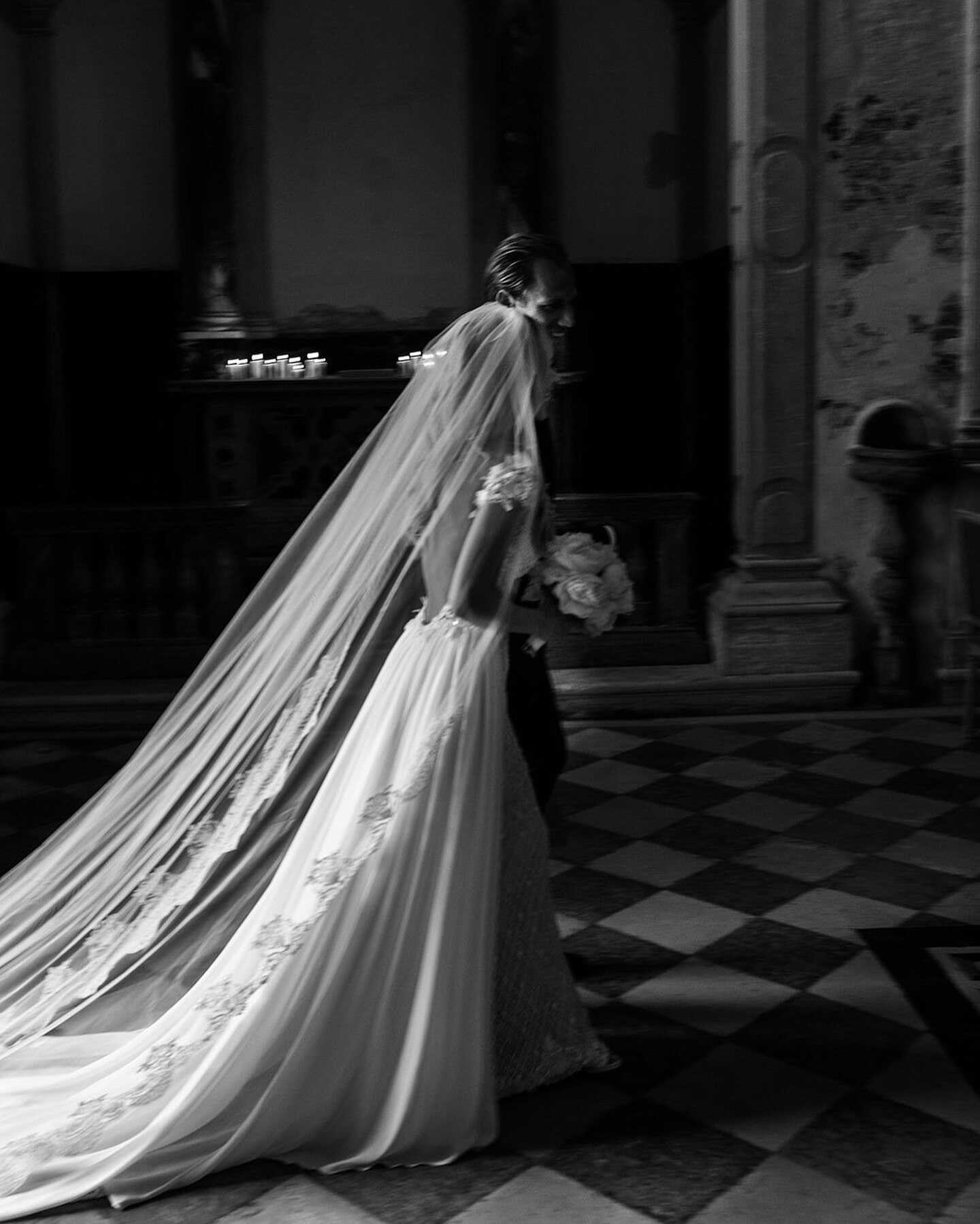
The minutes before the procession carry some of the rawest emotions of the entire day, making them one of the richest sources of authentic wedding photos in a church. Moments such as a father seeing his daughter in her dress for the first time, the bridal party steadying their nerves in a hallway or a quiet moment alone before the doors open capture the anticipation in a way that posed portraits simply cannot. These photographs work best when the photographer is unobtrusive and documents rather than directs, since any staging tends to flatten the emotion that the moment is built around. Couples who want this stage covered well should confirm in advance that their photographer has access to wherever the wedding party is gathering.
The Ceremony and Vows
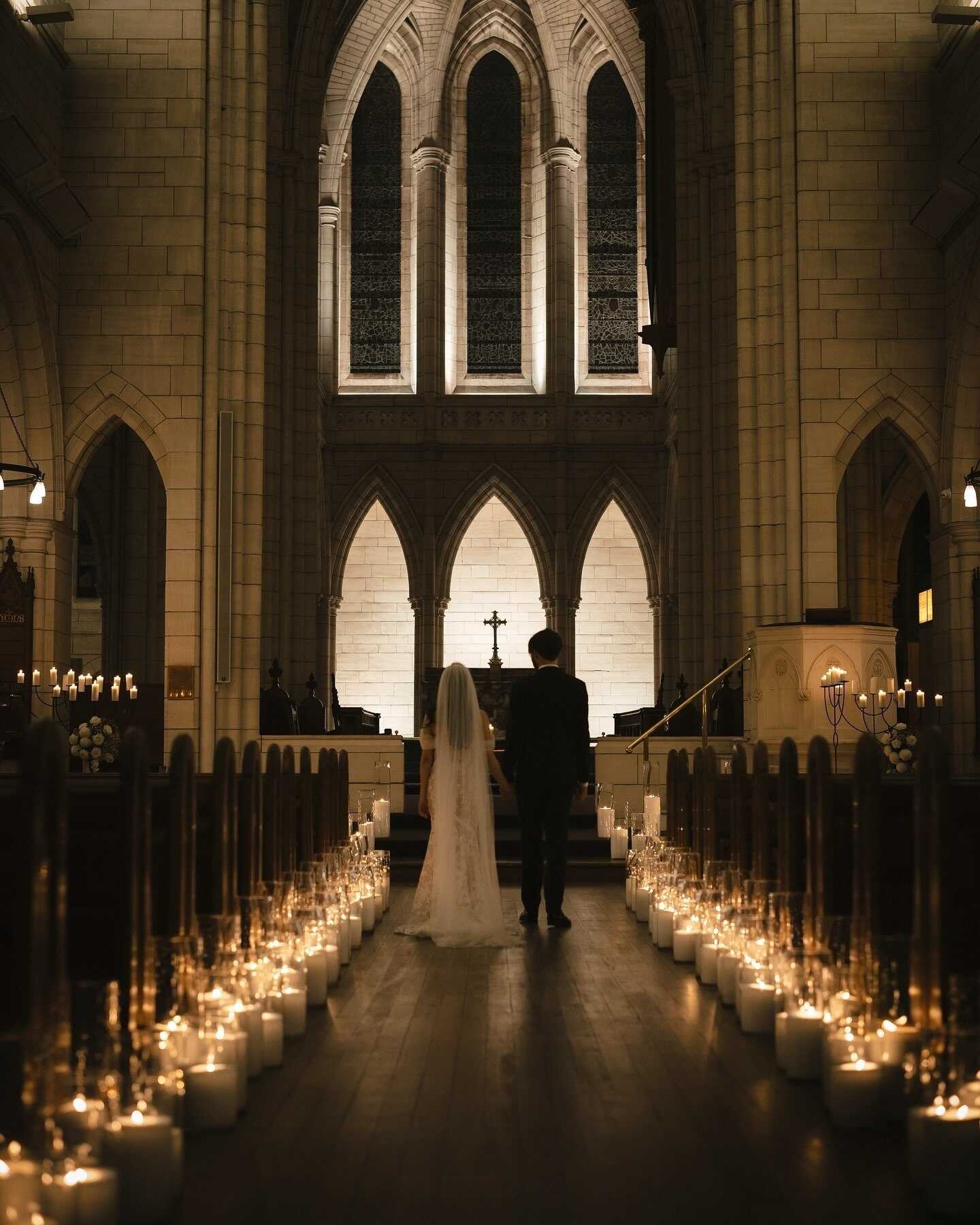
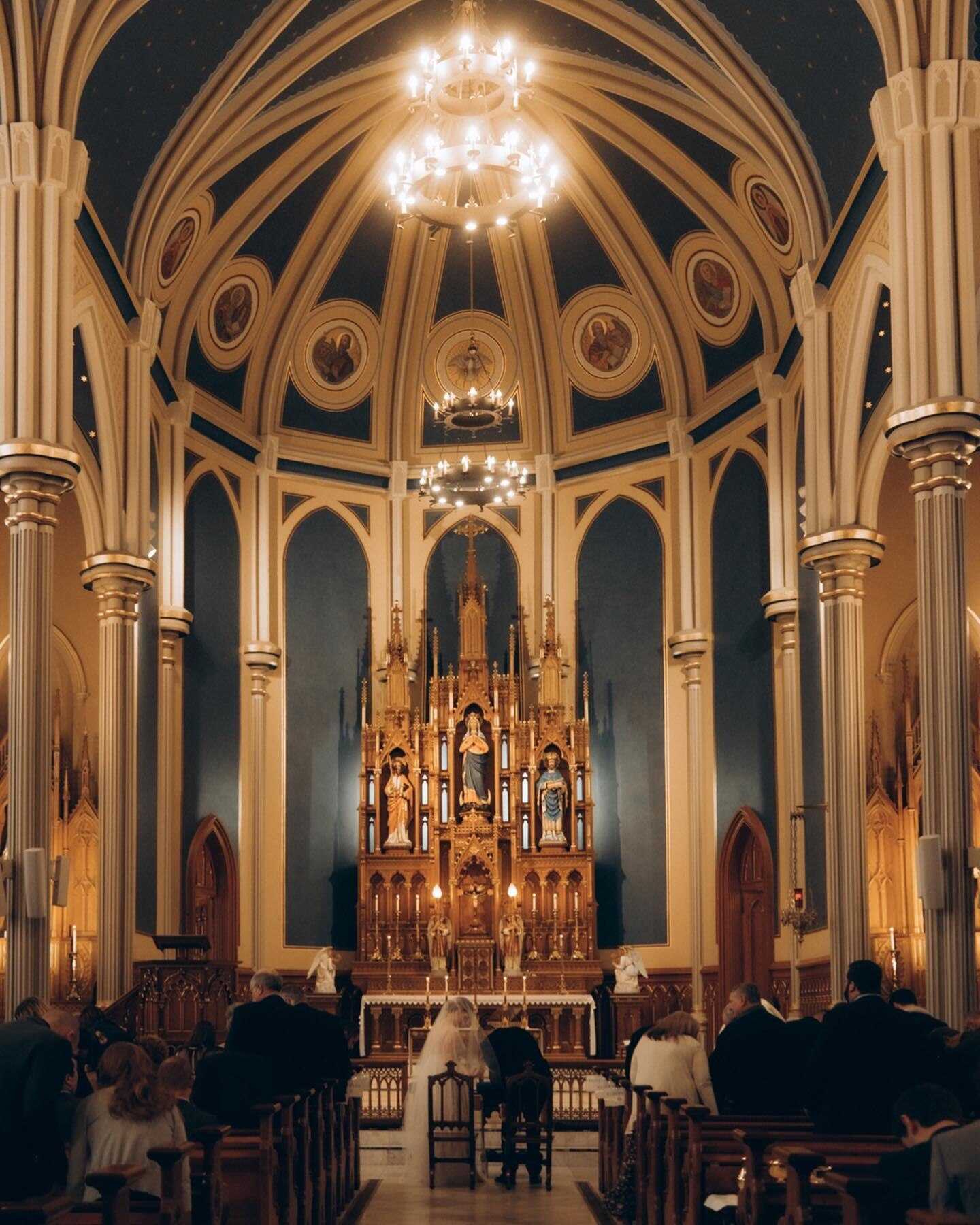
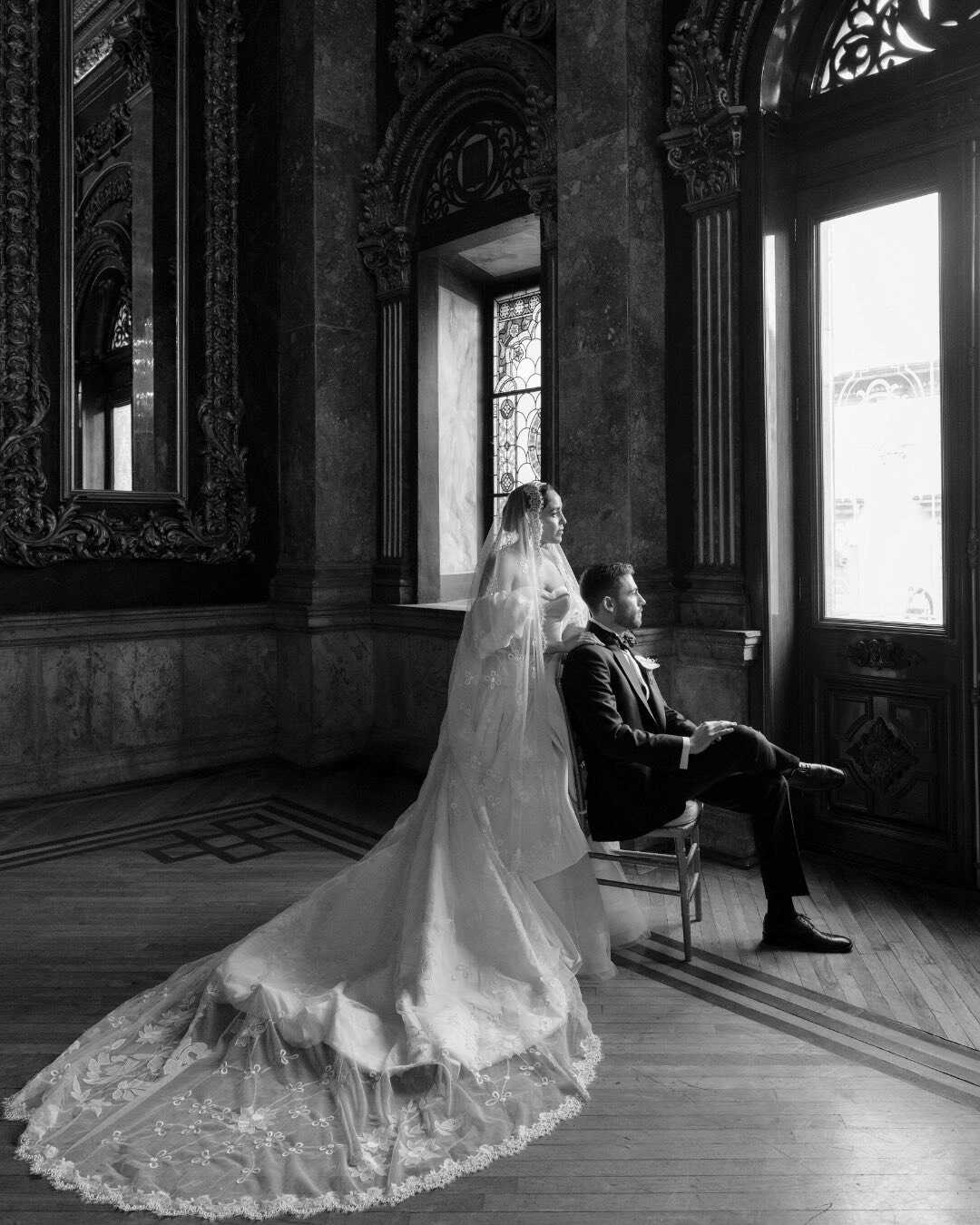
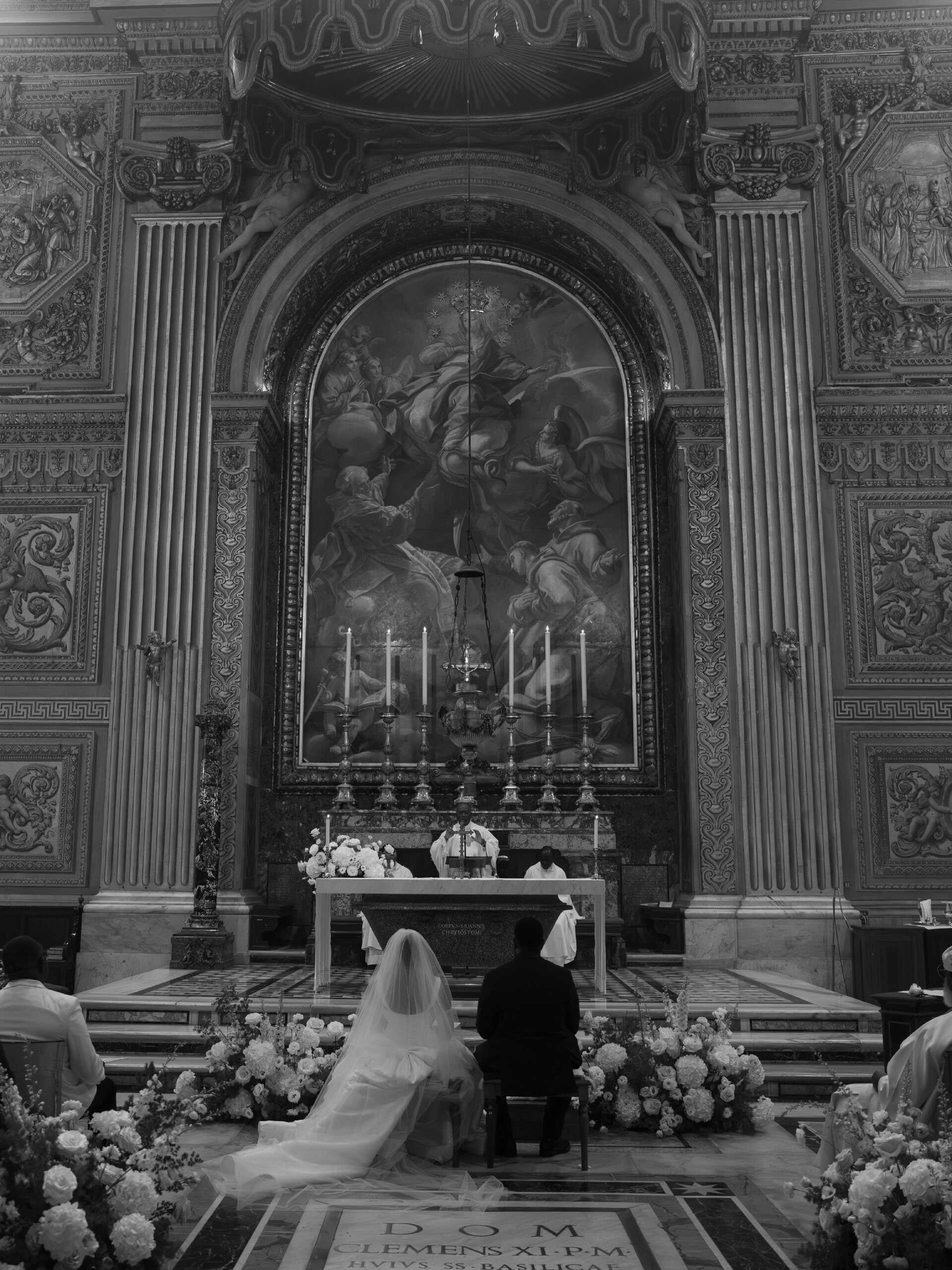
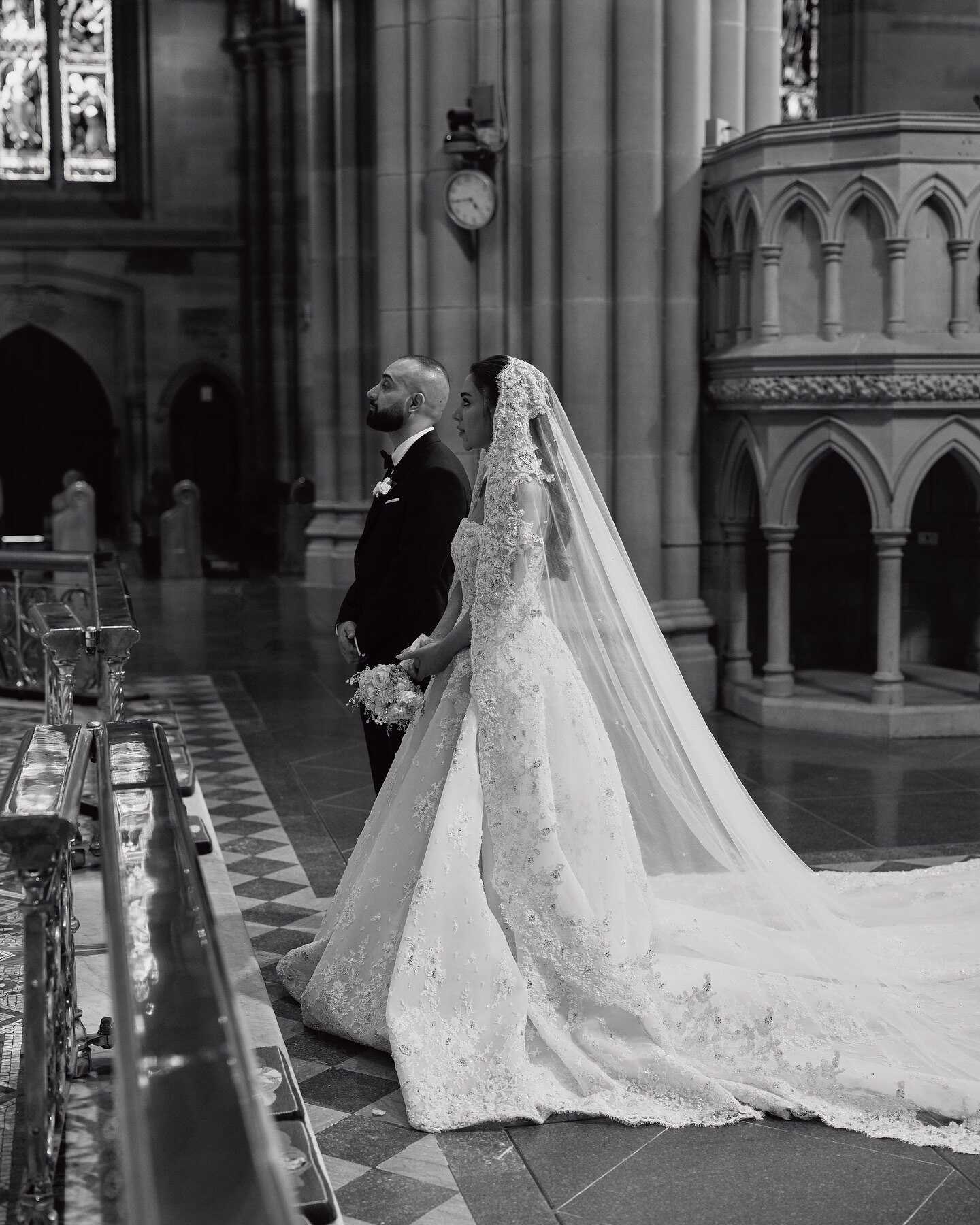
The vows are the emotional center of any church wedding photoshoot and demand a photographer who can capture genuine expressions without entering the couple's line of sight. A second photographer is invaluable here, since one can focus on the couple while the other captures the officiant, the rings, or the reactions of the family in the front pew. It is more important to take continuous, silent shots during the exchange of vows and rings than to take perfectly composed single frames, since so much of the emotion plays out across a few fast seconds. Couples should also flag any specific moments they want prioritized, such as a reading by a particular family member or a specific detail of the ring exchange.
Inside the Church: Architecture and Detail
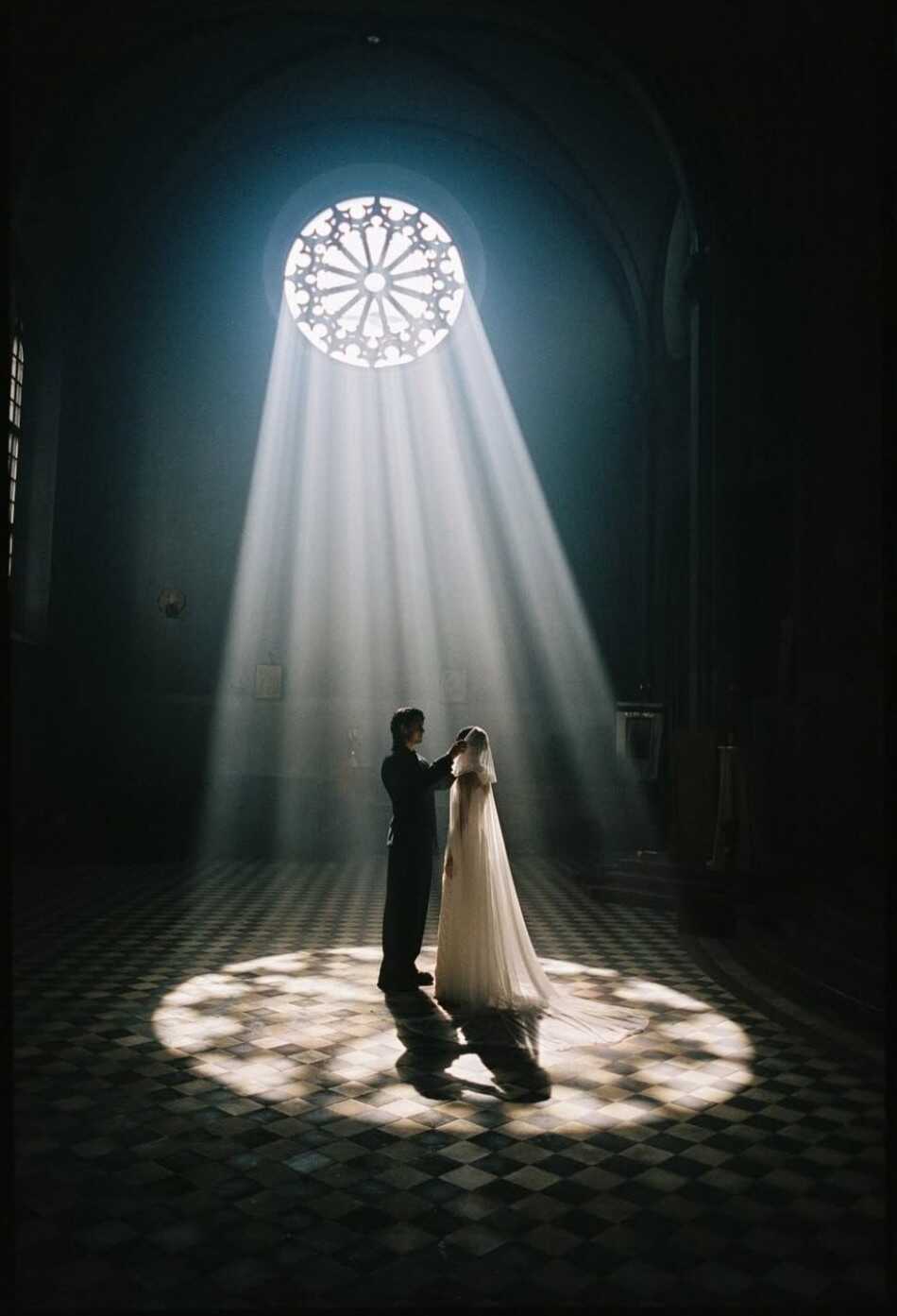
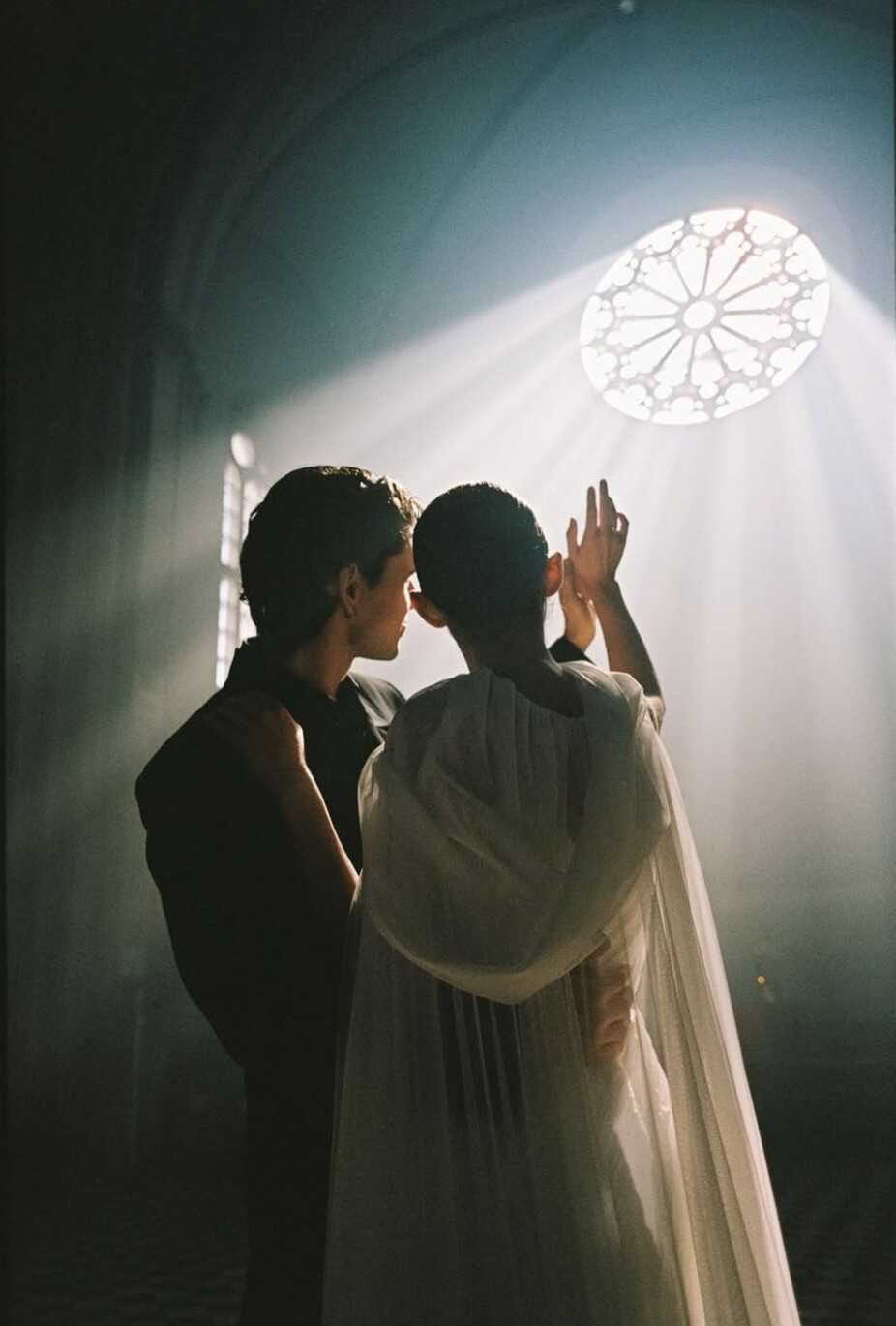
The interior of a church, including its altar arrangements, stained glass and candlelight, as well as any inherited architectural details, deserves the same attention as the couple themselves. After all, these elements set the visual tone for all the ceremony photos. Wide shots taken from the back of the church during a quiet moment capture the venue's scale and grandeur in a way that close-ups never can. Shots focusing on details such as floral arrangements, programs, or an aisle runner can add texture to the final album without requiring any additional posed time from the couple. Photographers who are unfamiliar with a specific church can benefit enormously from a walkthrough beforehand to learn where the light falls best throughout the day.
Photographing Guests During the Ceremony
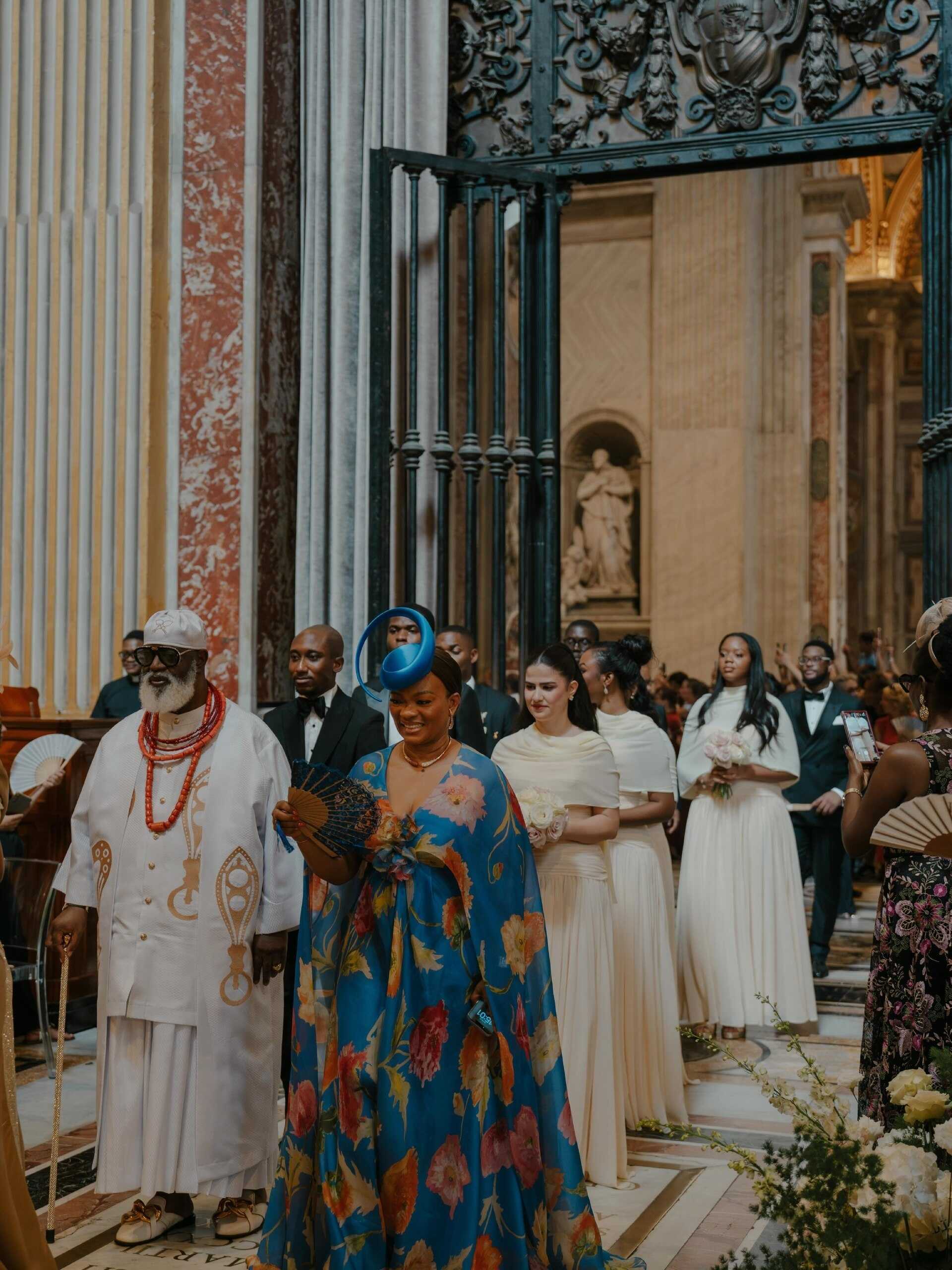
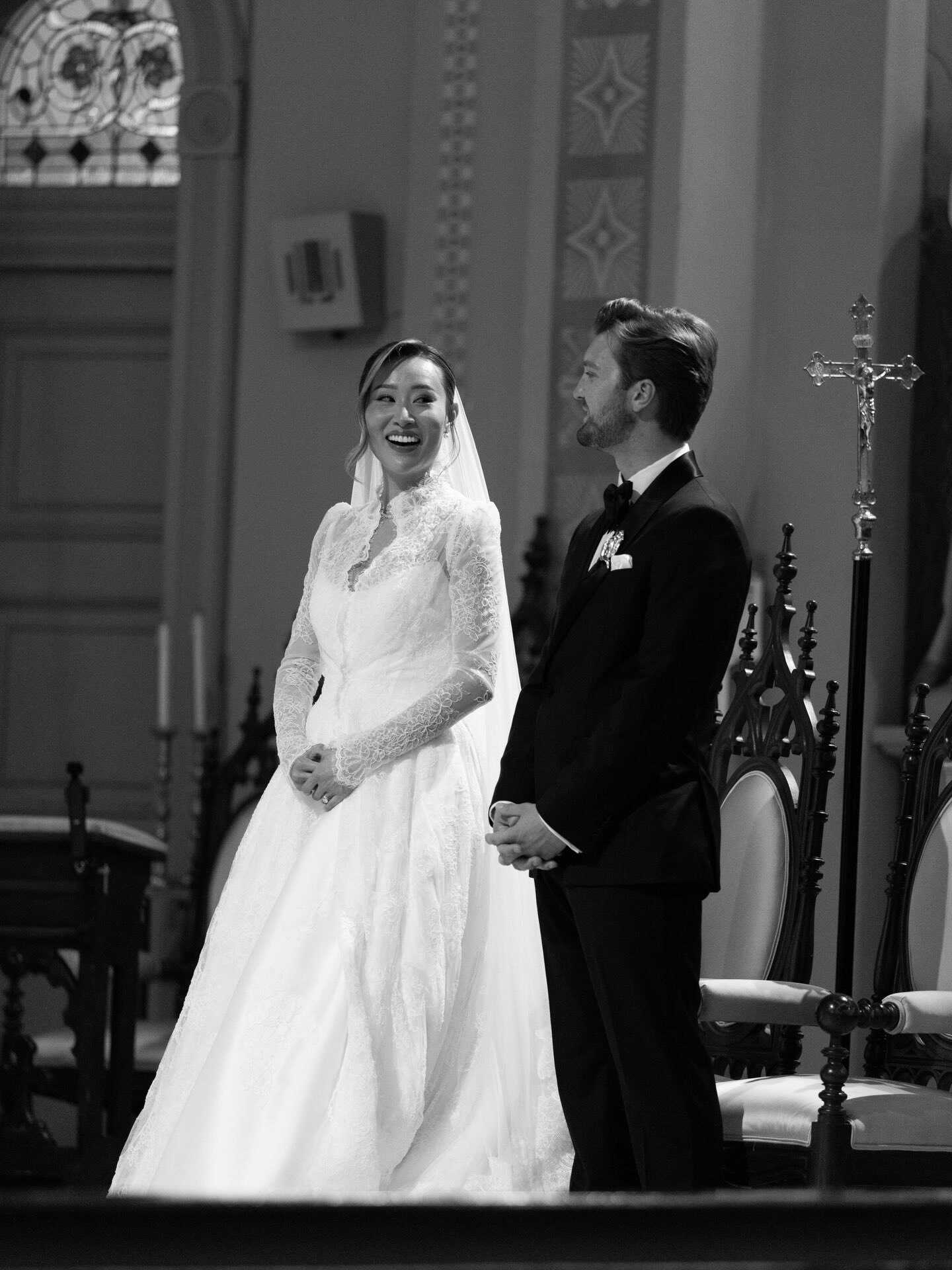
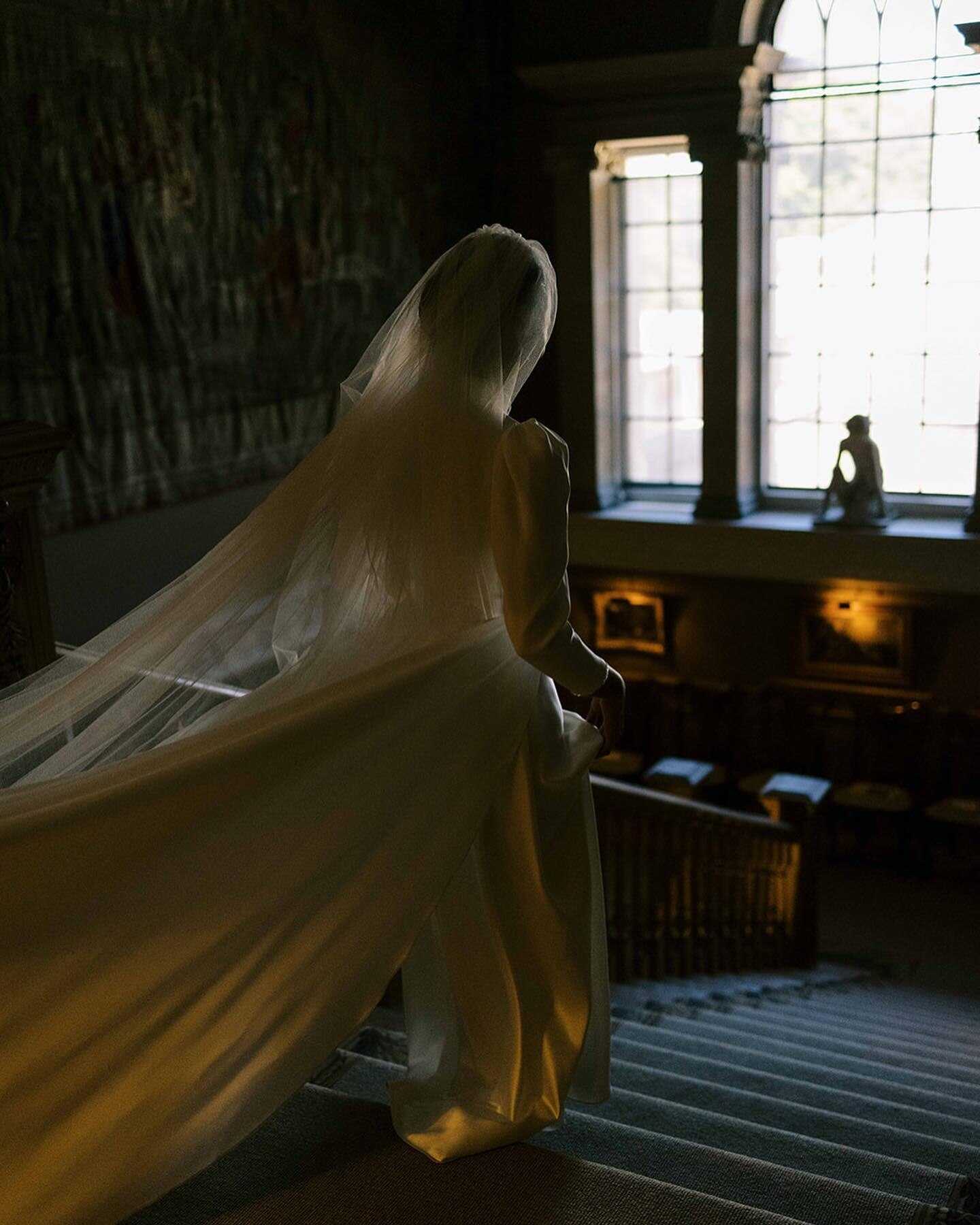
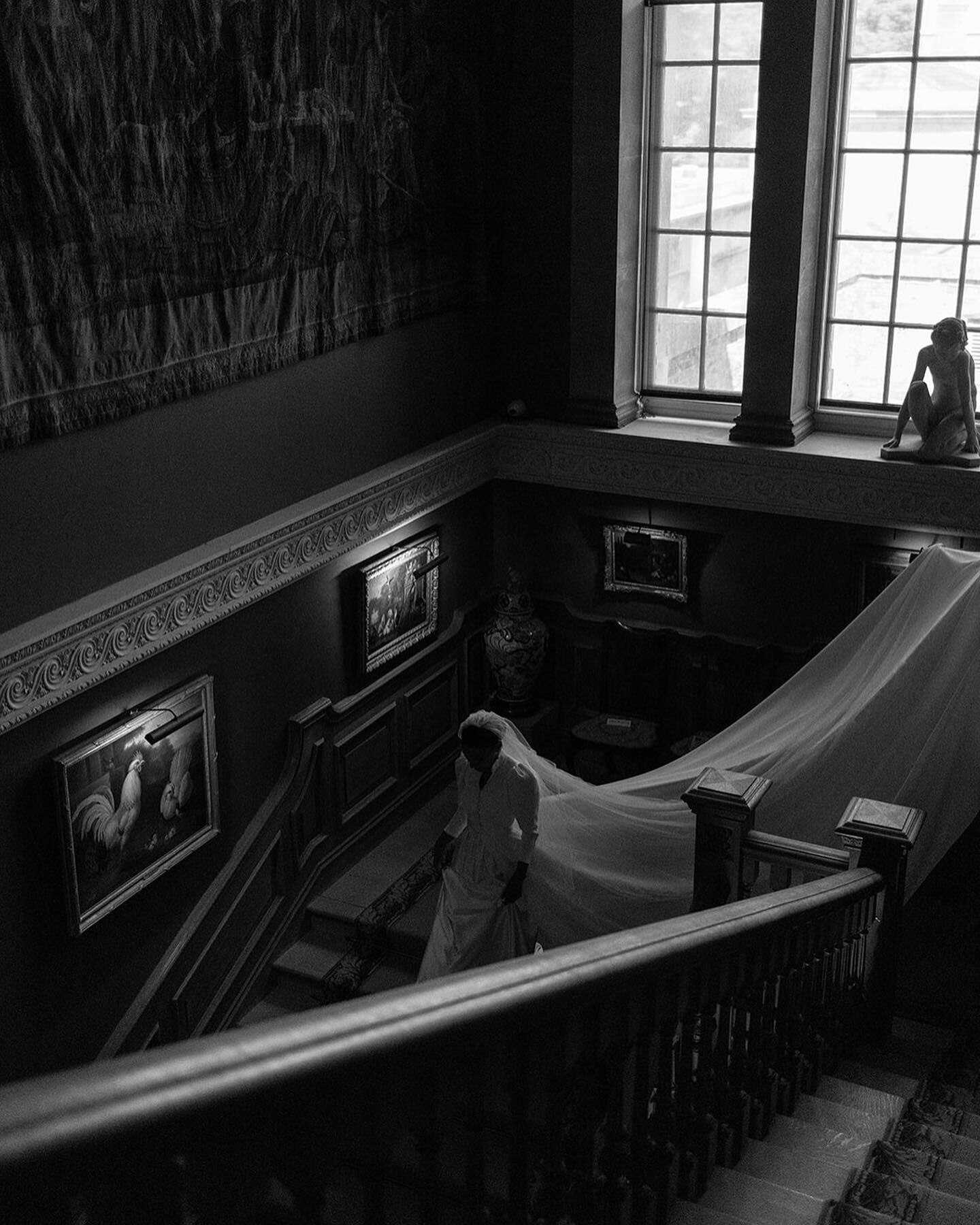
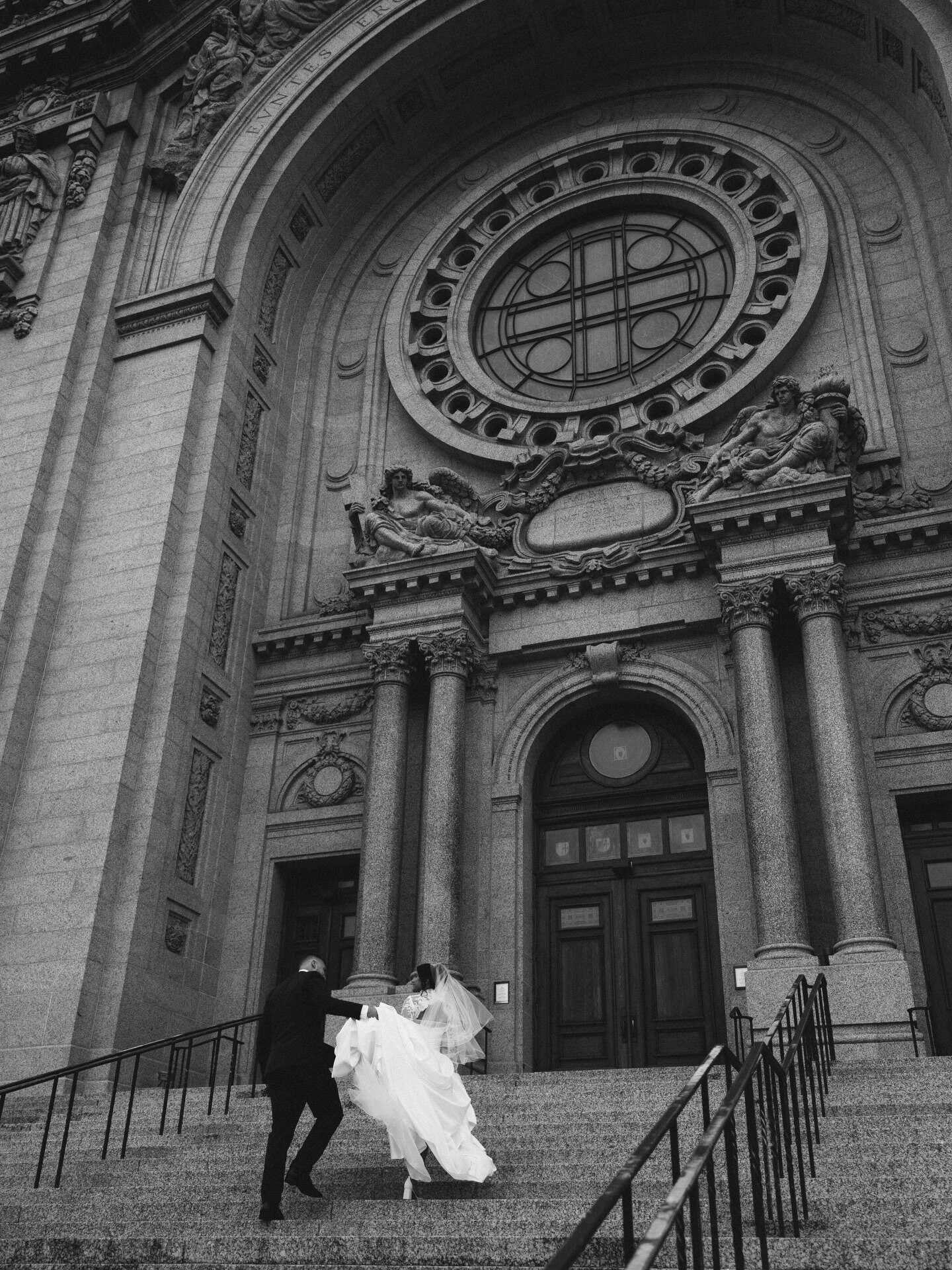
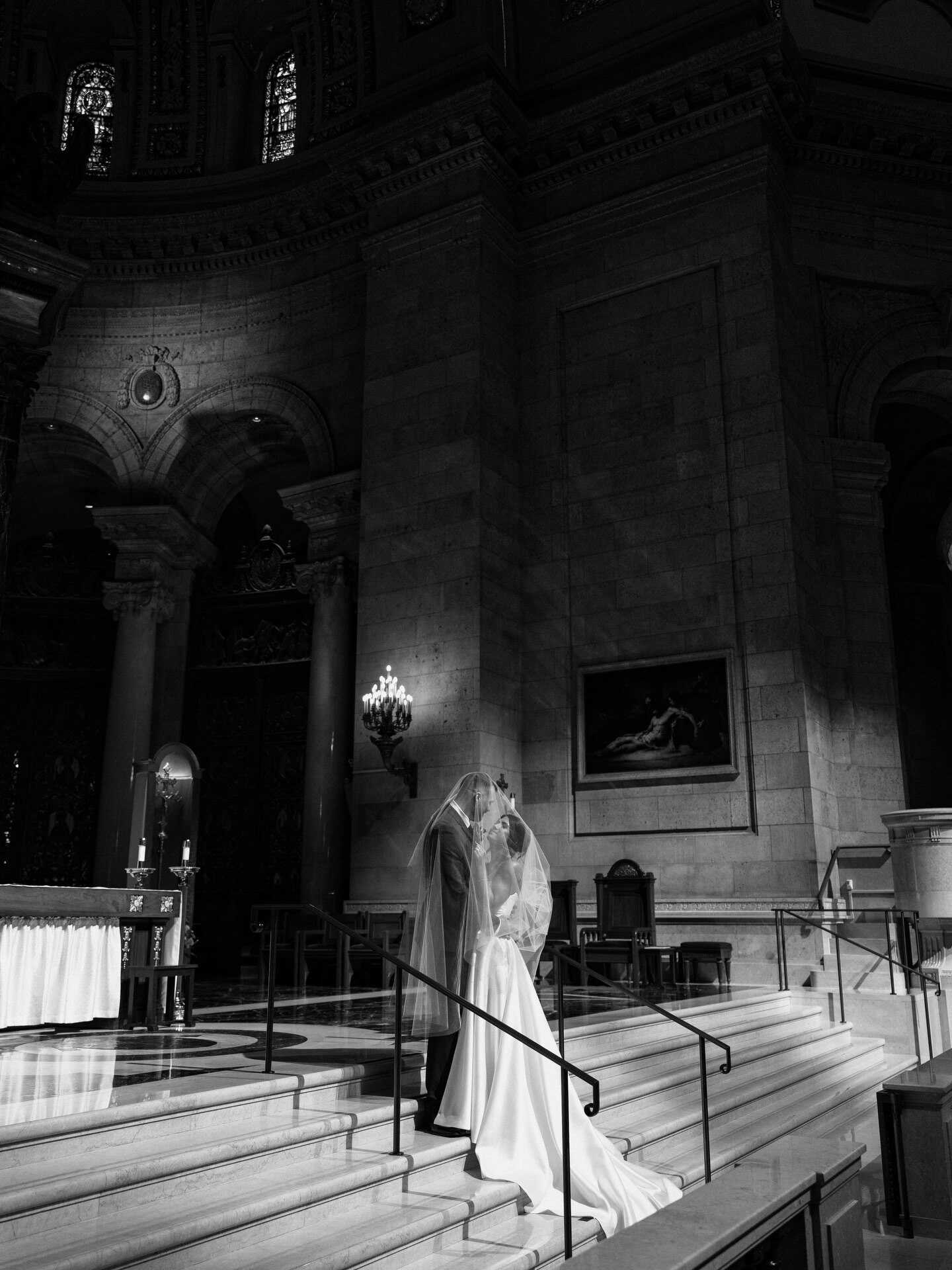
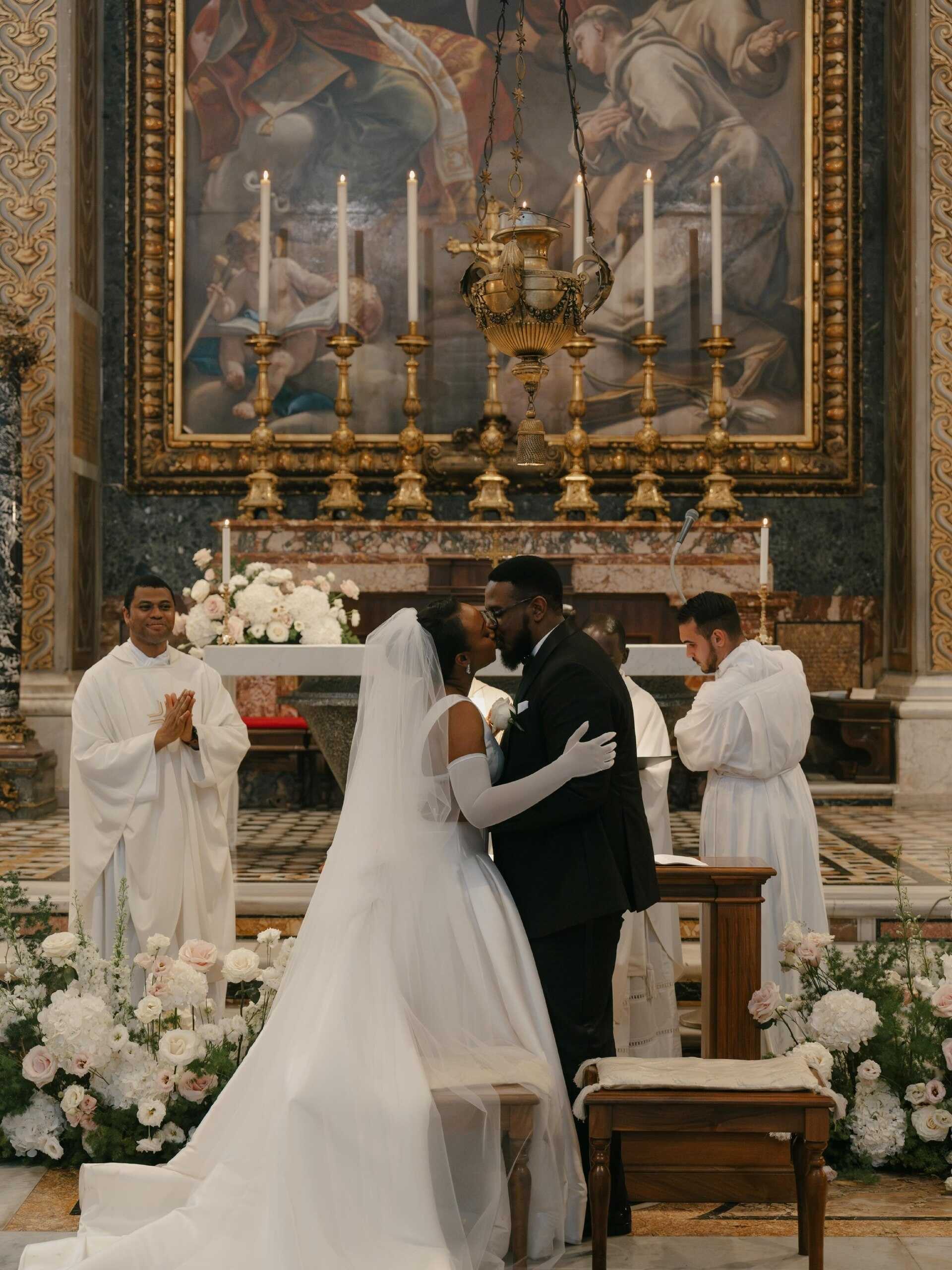
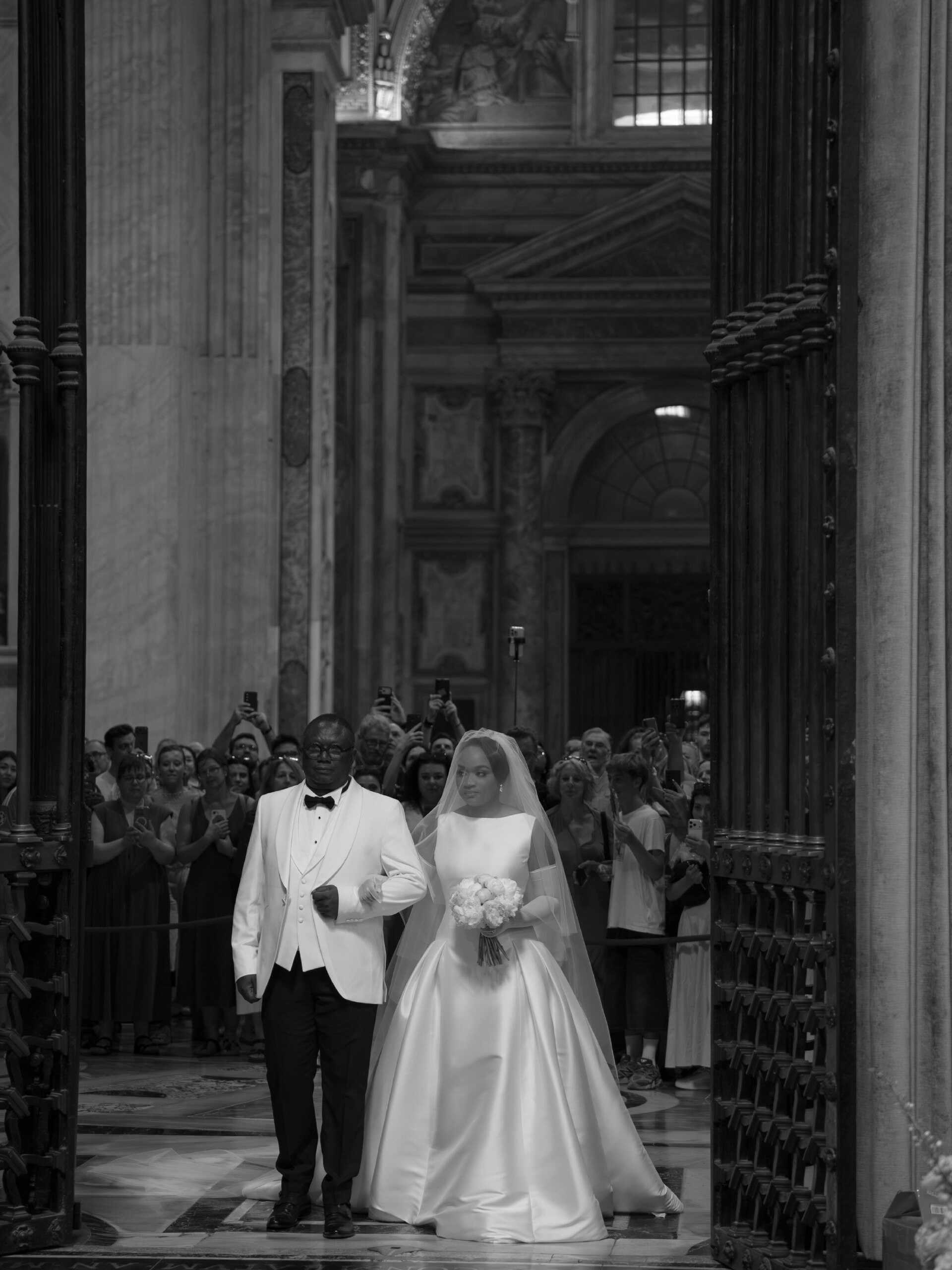
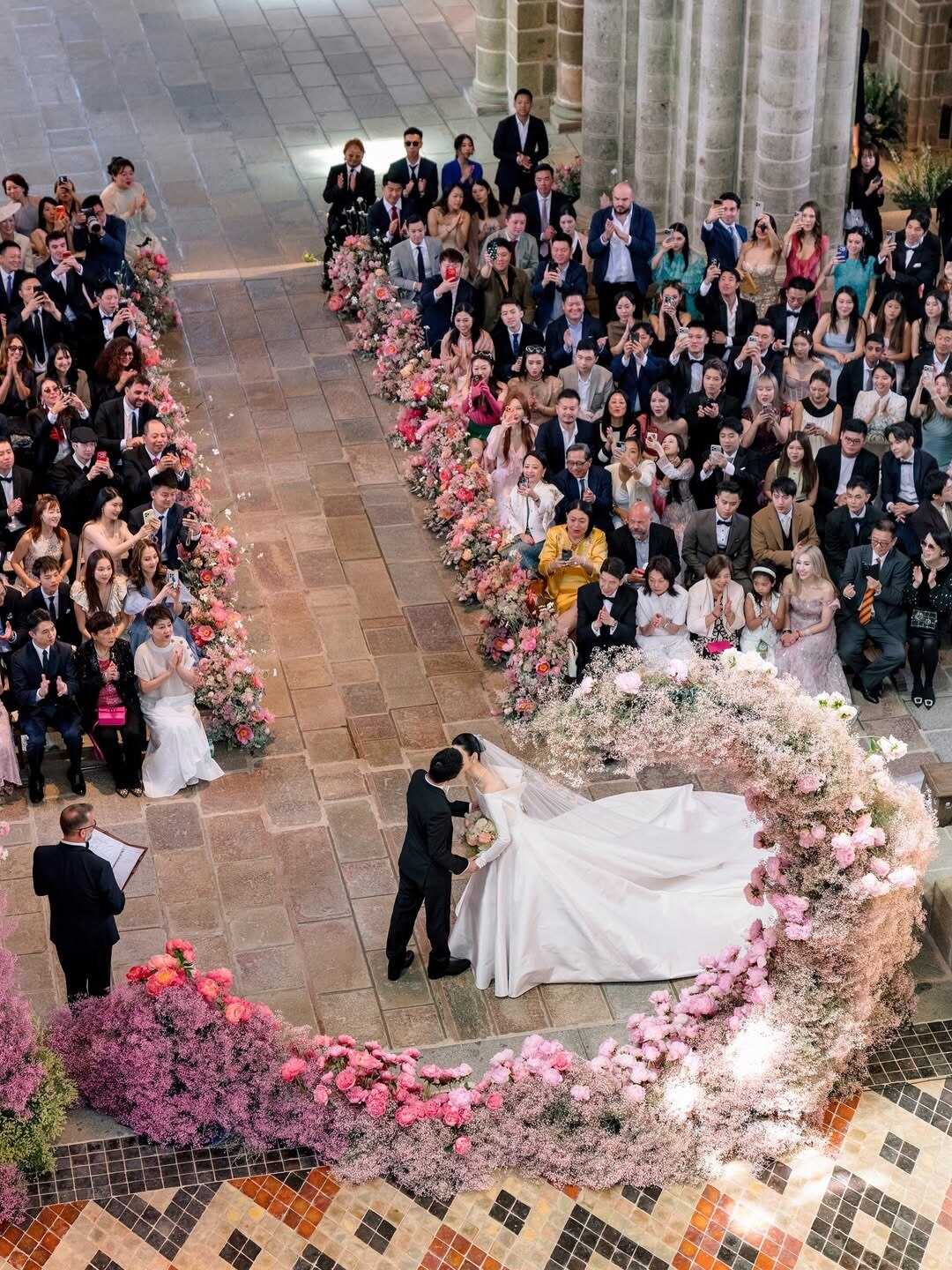
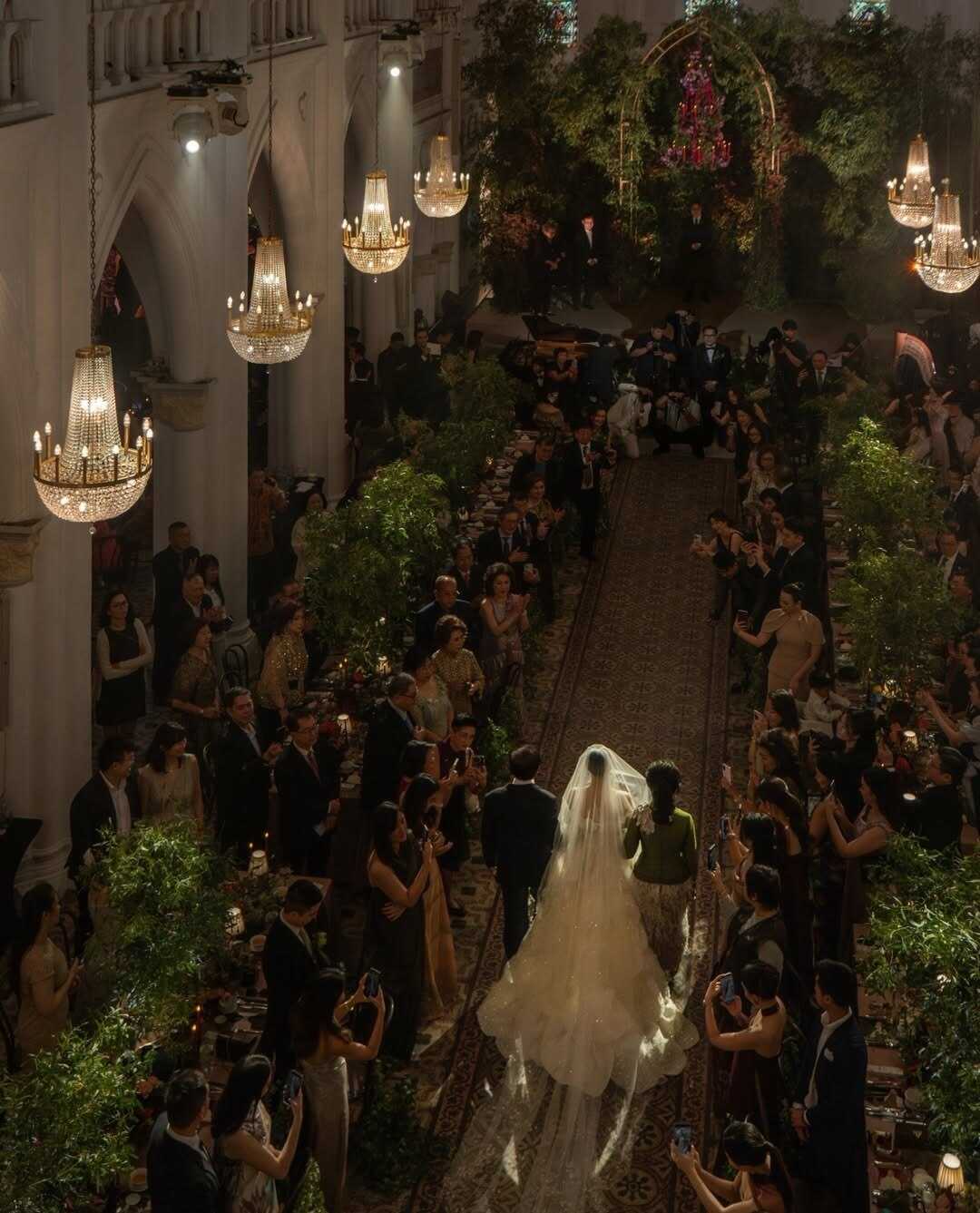
A church ceremony is an emotional experience for guests, too. Some of the most memorable church photographs capture the guests' reactions rather than just the couple. Capturing a parent's tearful expression, a sibling's proud grin or a grandparent quietly mouthing along to a hymn adds warmth and context that photos of just the couple can't provide. These shots are best captured candidly from the side aisles rather than directly in front of guests to keep the ceremony's intimate atmosphere intact. Couples who particularly want certain guests to be featured should mention this to the photographer in advance rather than hoping they will notice independently.
Sweet Moments With Kids
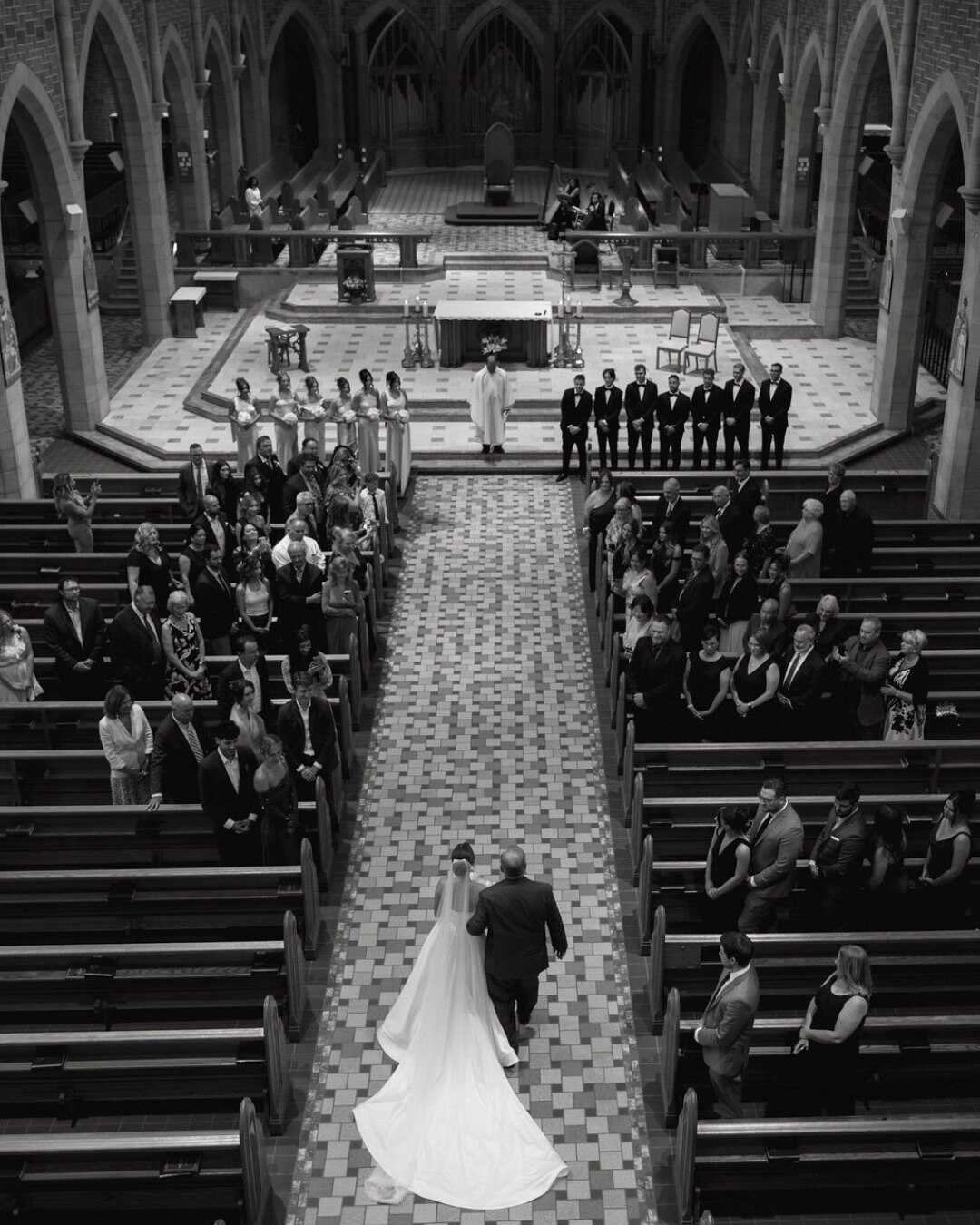
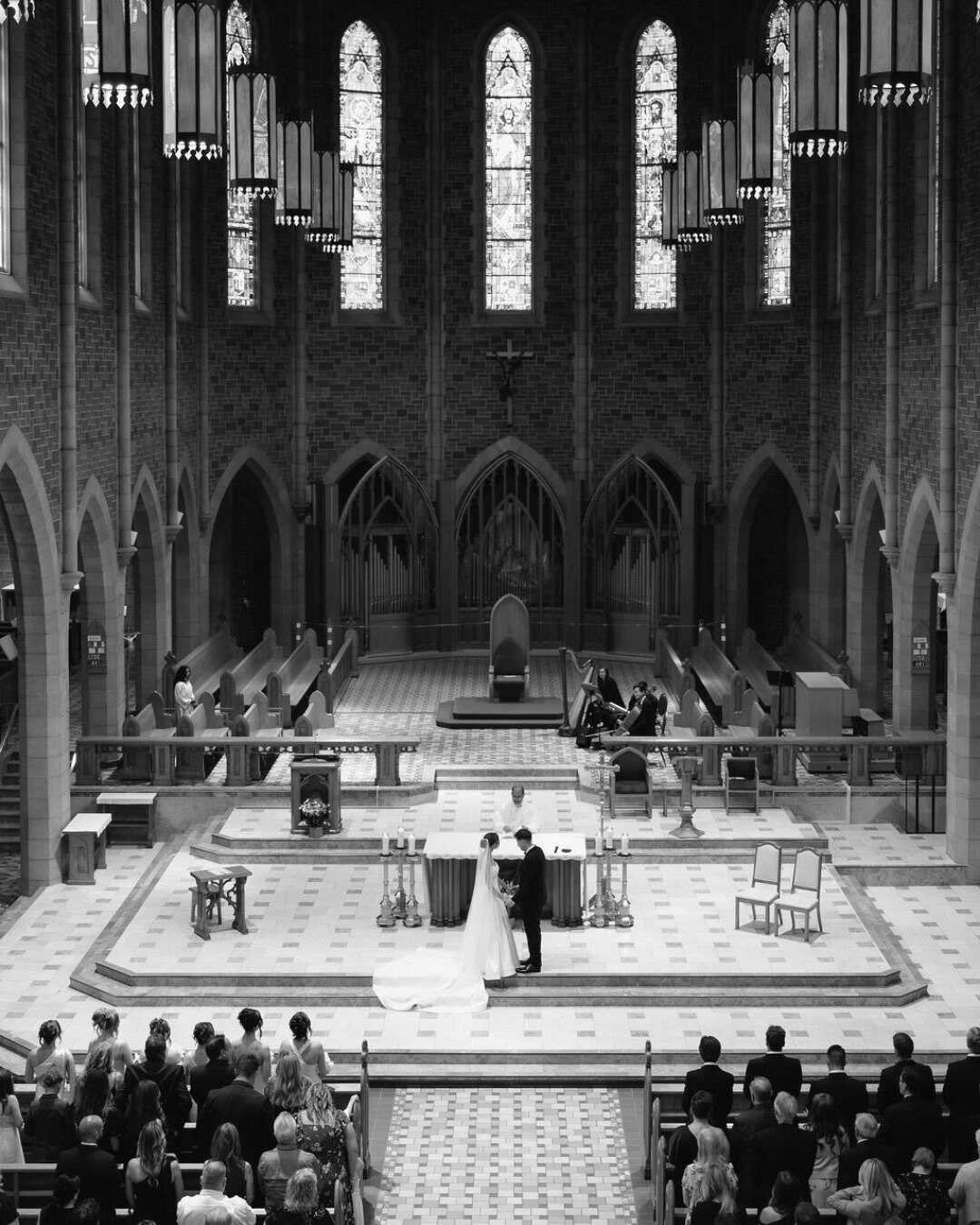
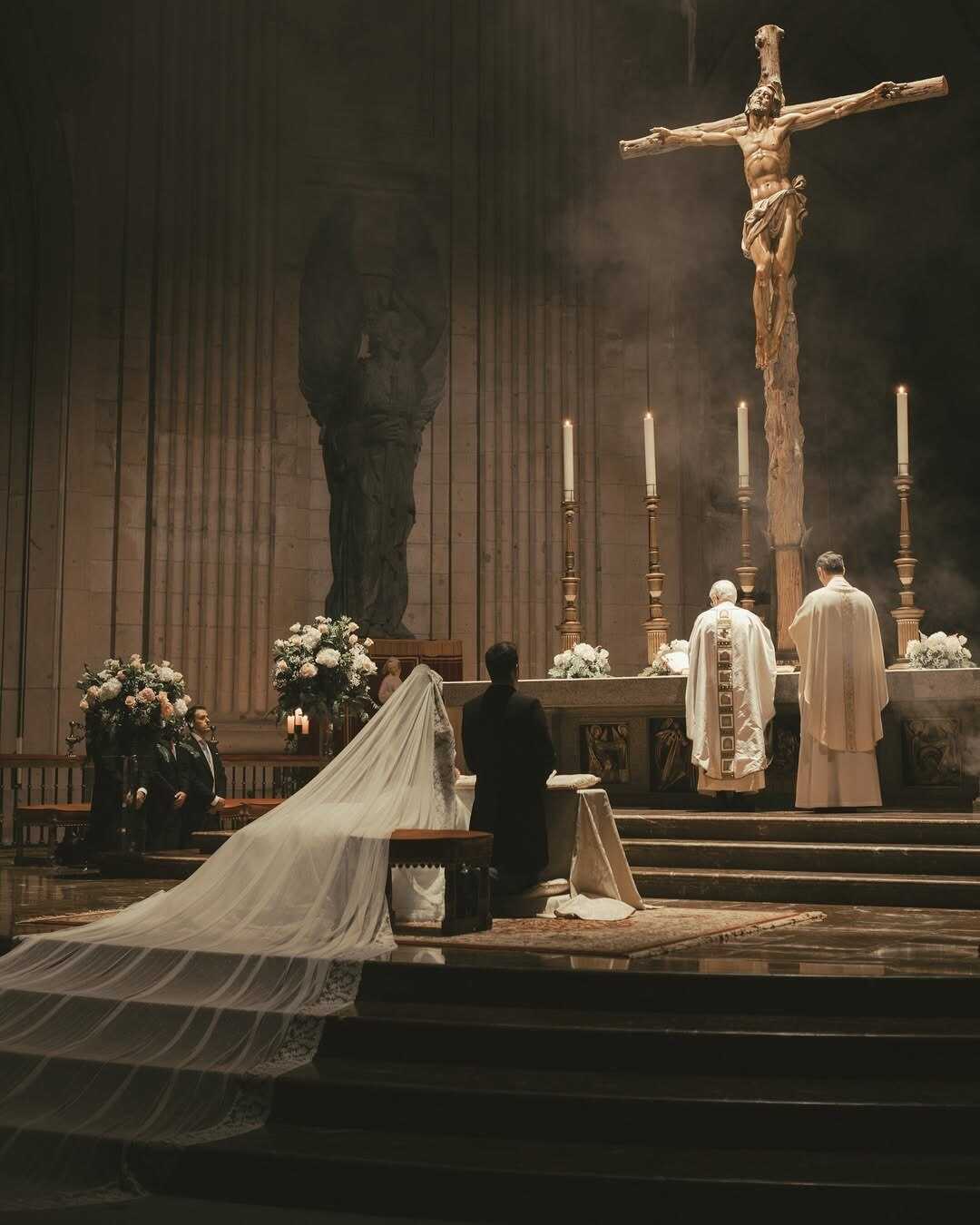
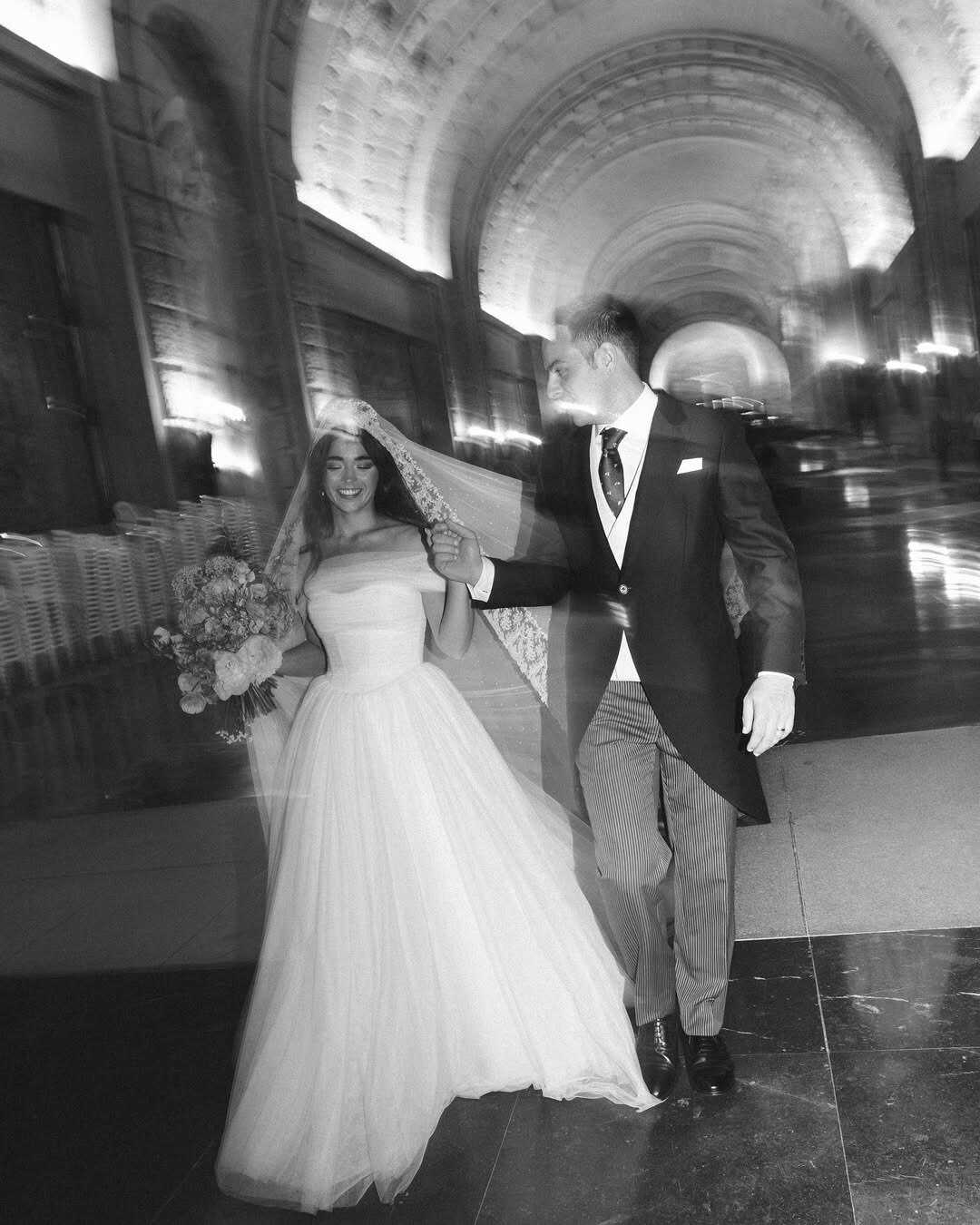
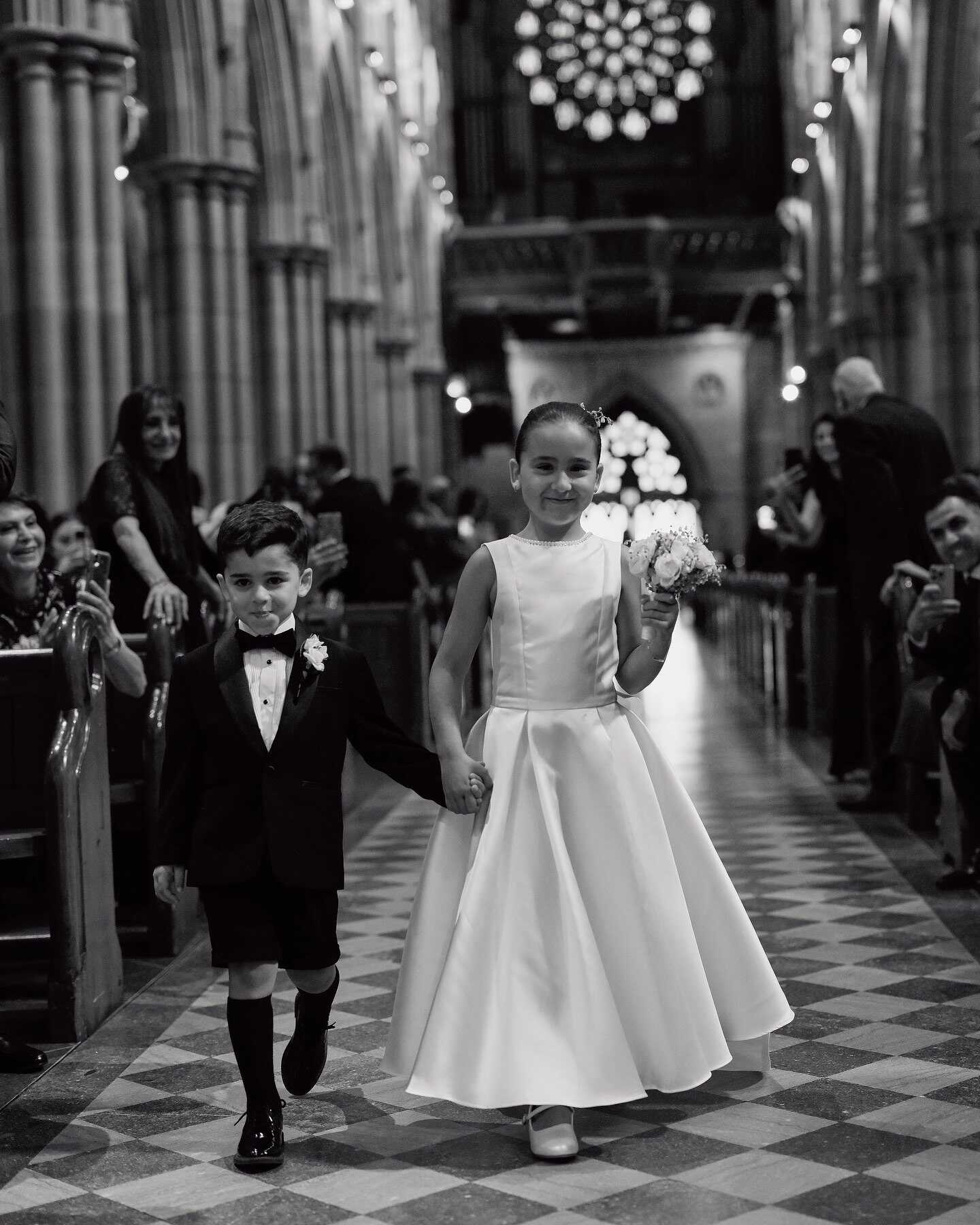
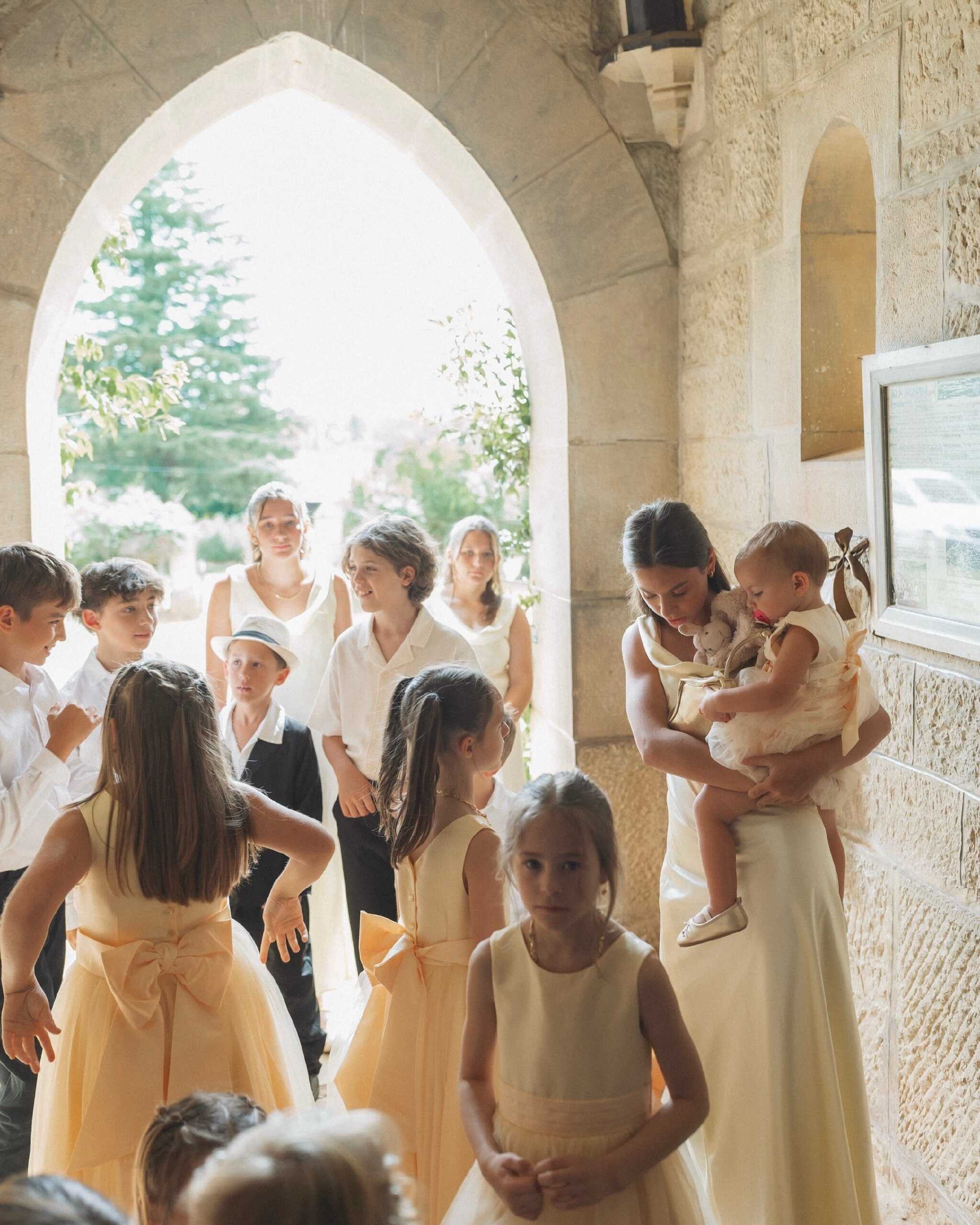
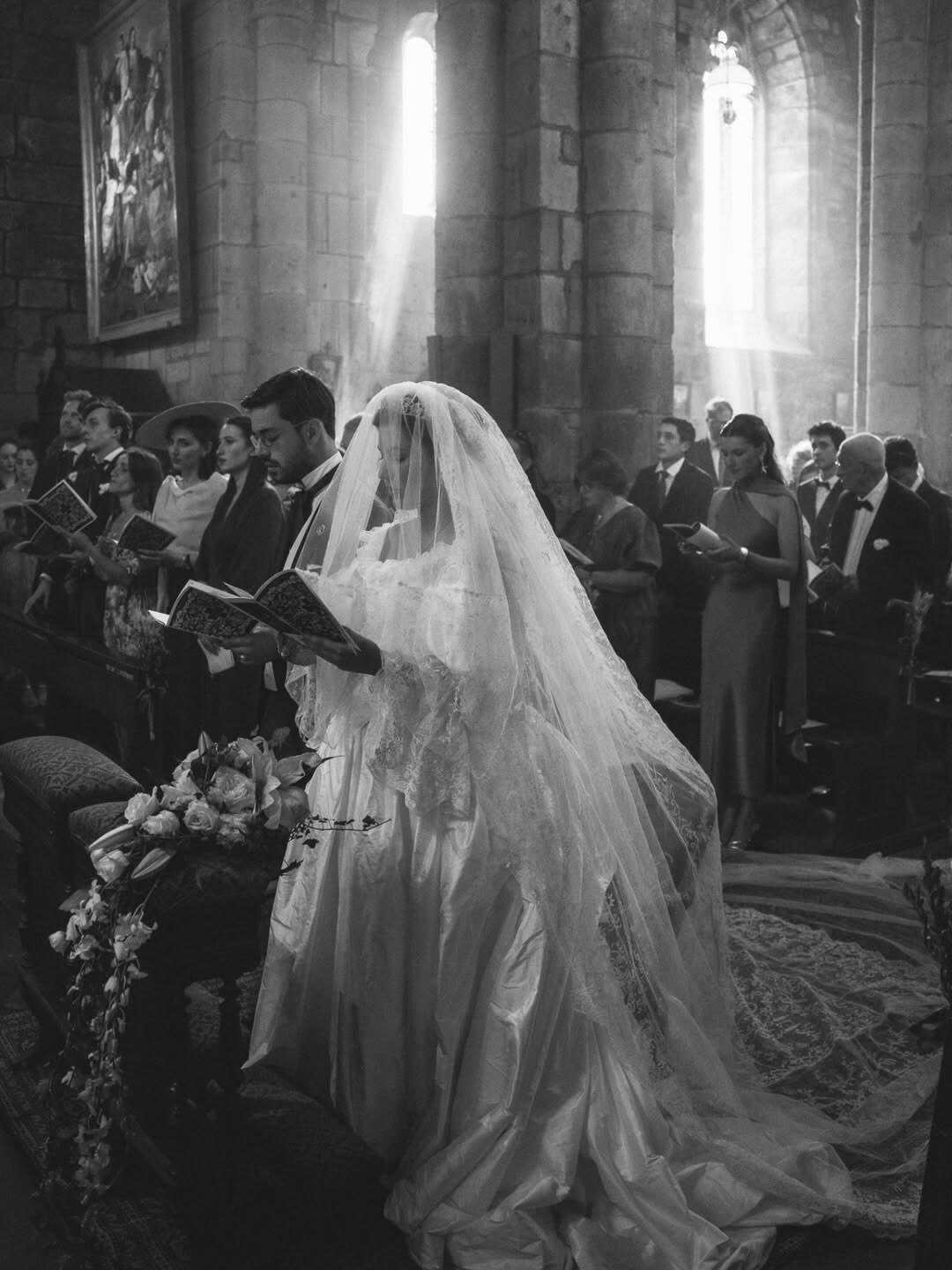
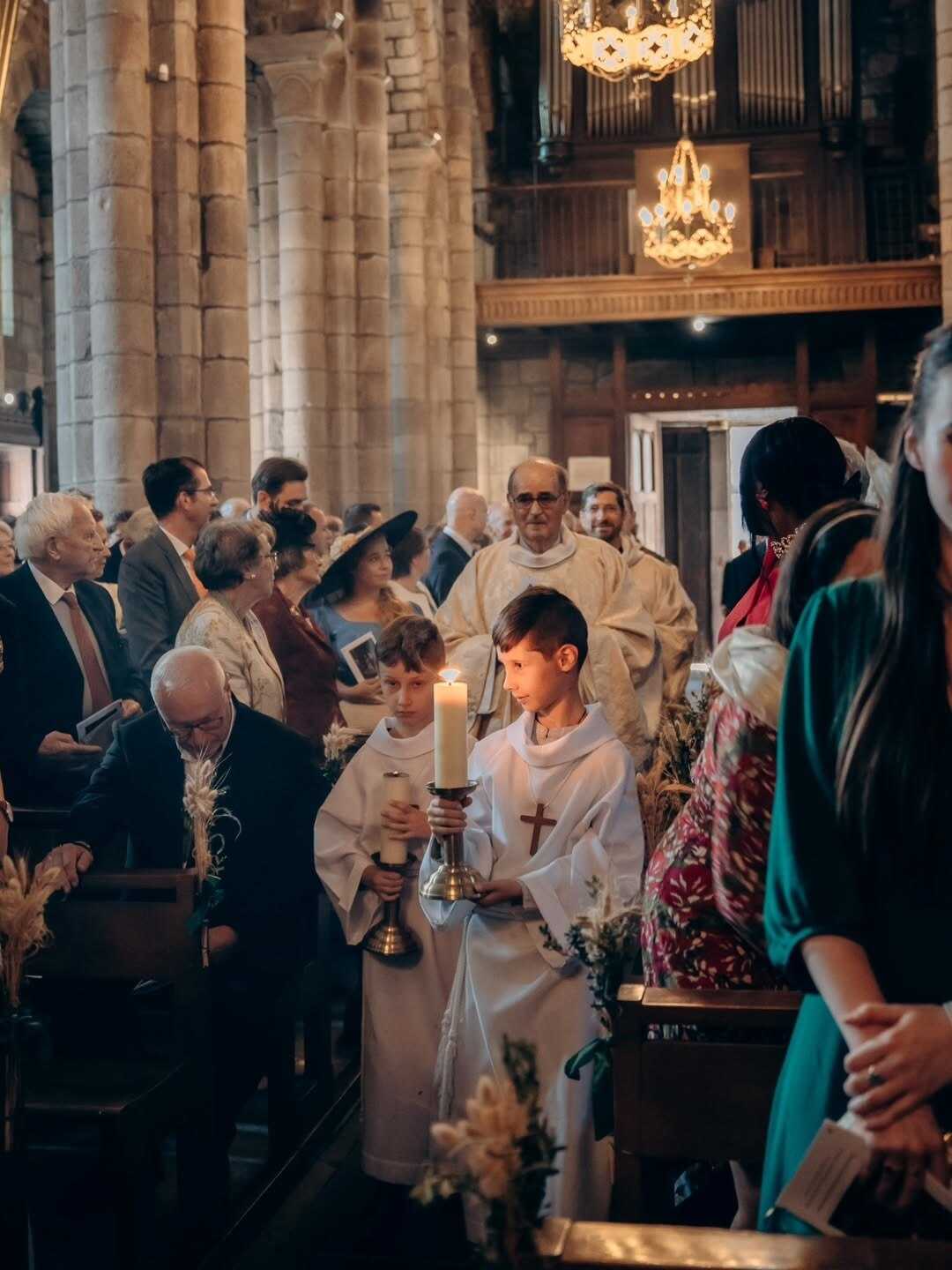
Children bring an unpredictable and genuinely charming energy to church wedding photos that adults simply can't replicate on cue. The walk back down the aisle after the ceremony, when the flower girls and ring bearers relax and start to be themselves again, tends to produce some of the day's most joyful, natural images. A photographer positioned near the church doors during the recessional will capture unplanned, delighted reactions from young guests without having to ask for a single pose. Couples with several young children in the wedding party should inform their photographer in advance, as a little extra patience goes a long way here.
The Recessional and Exit
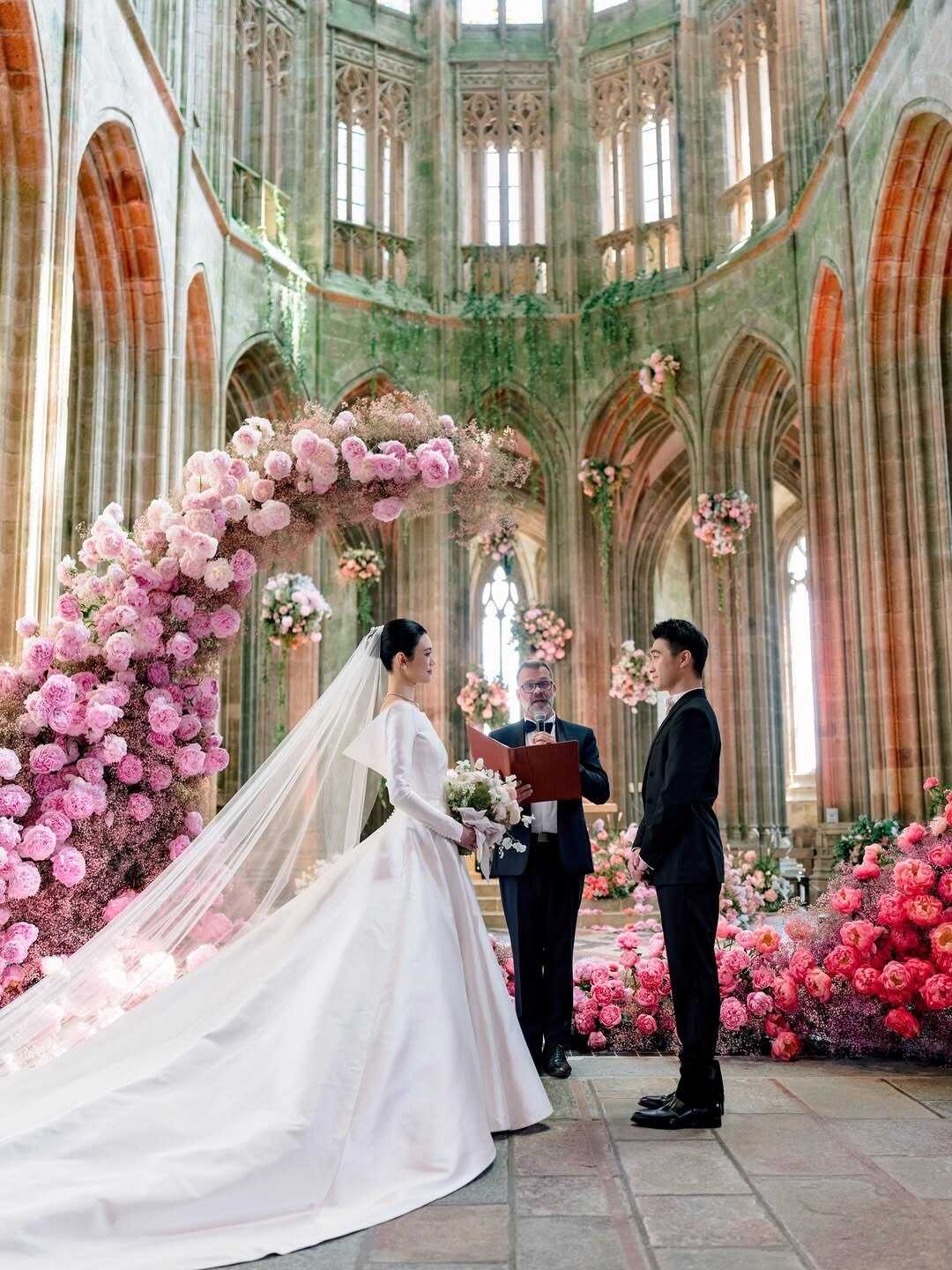
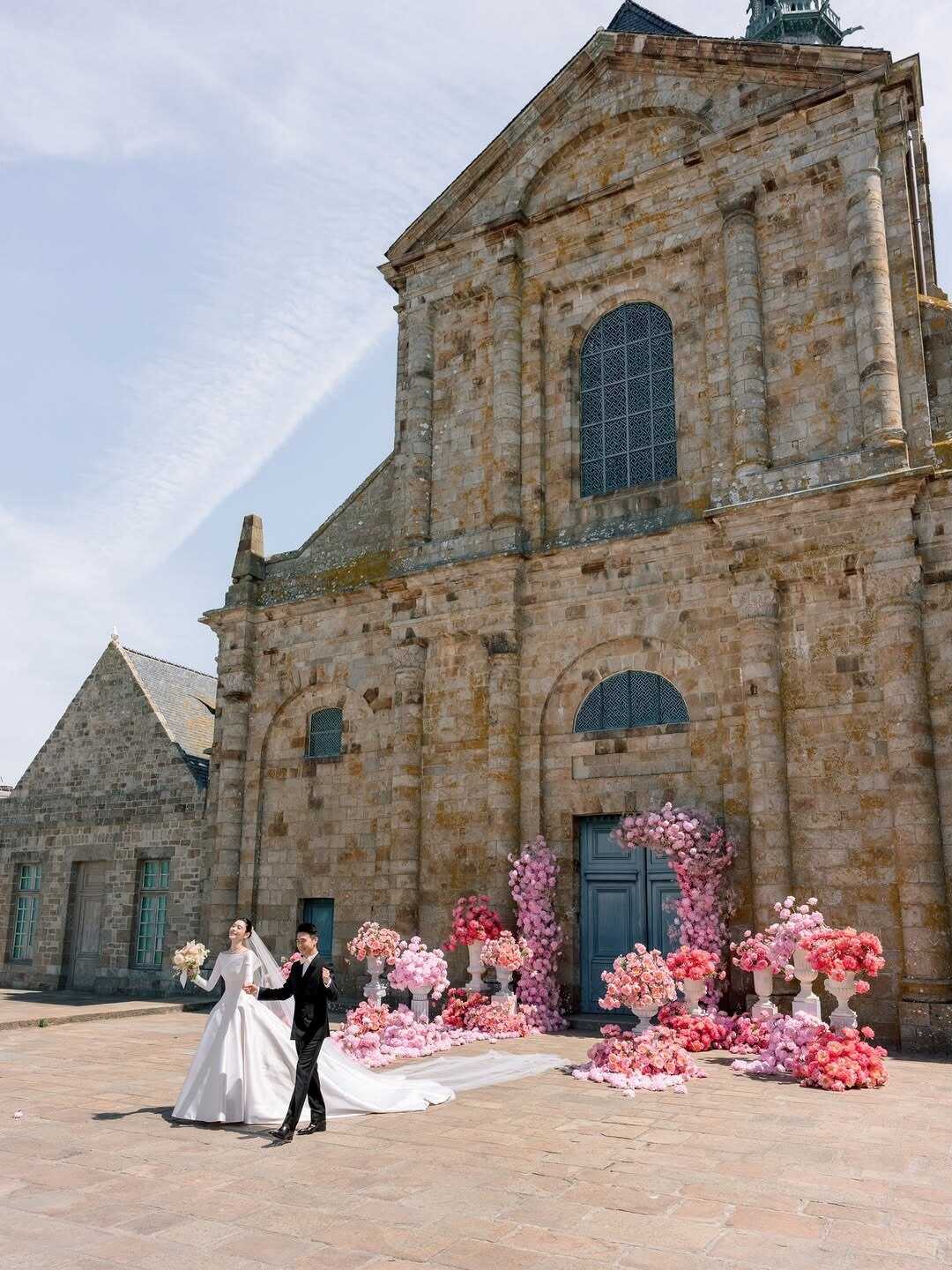
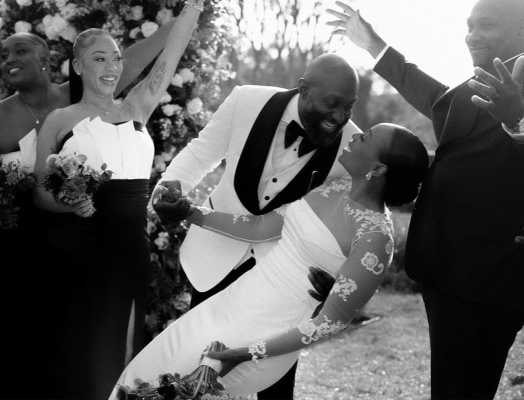
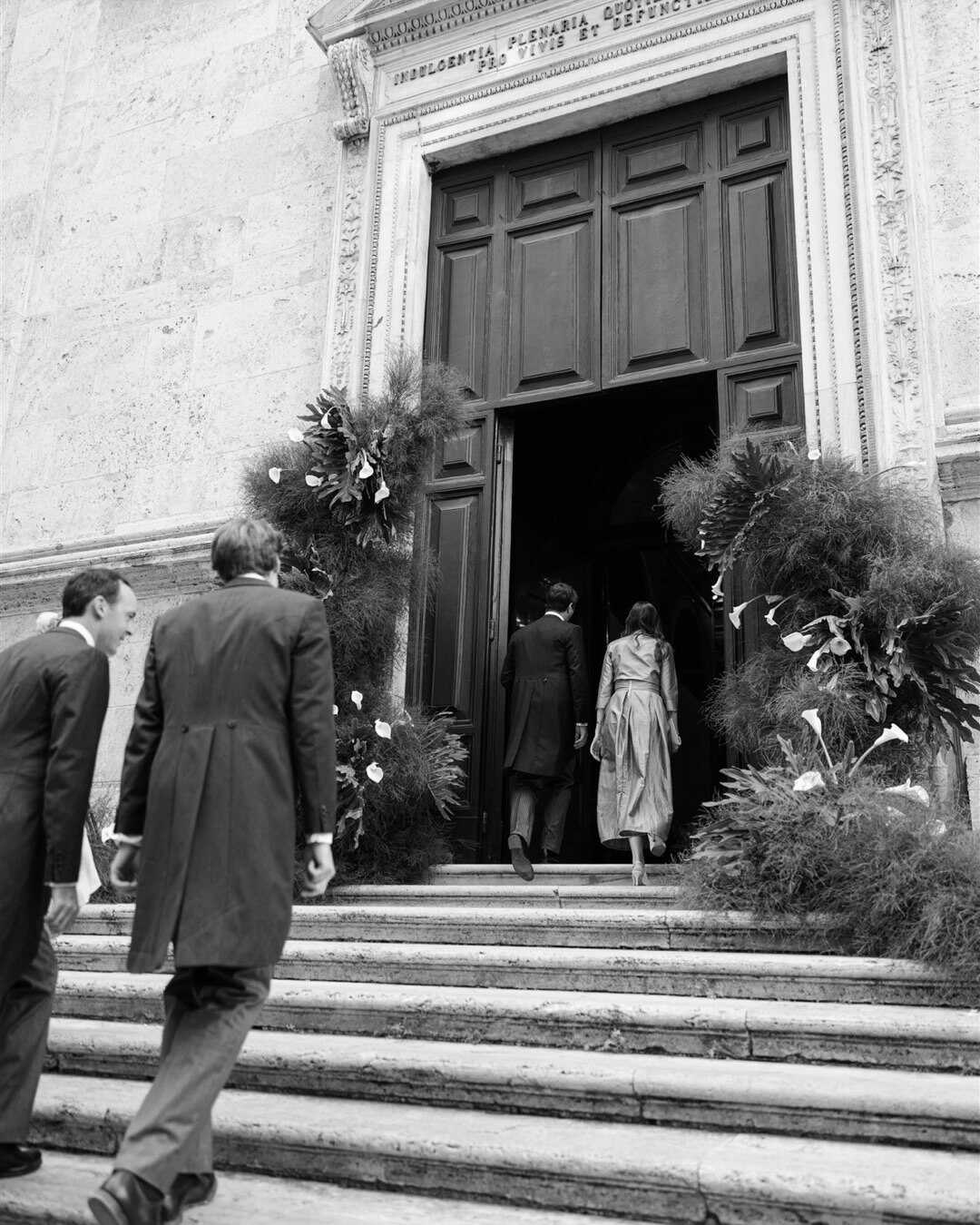
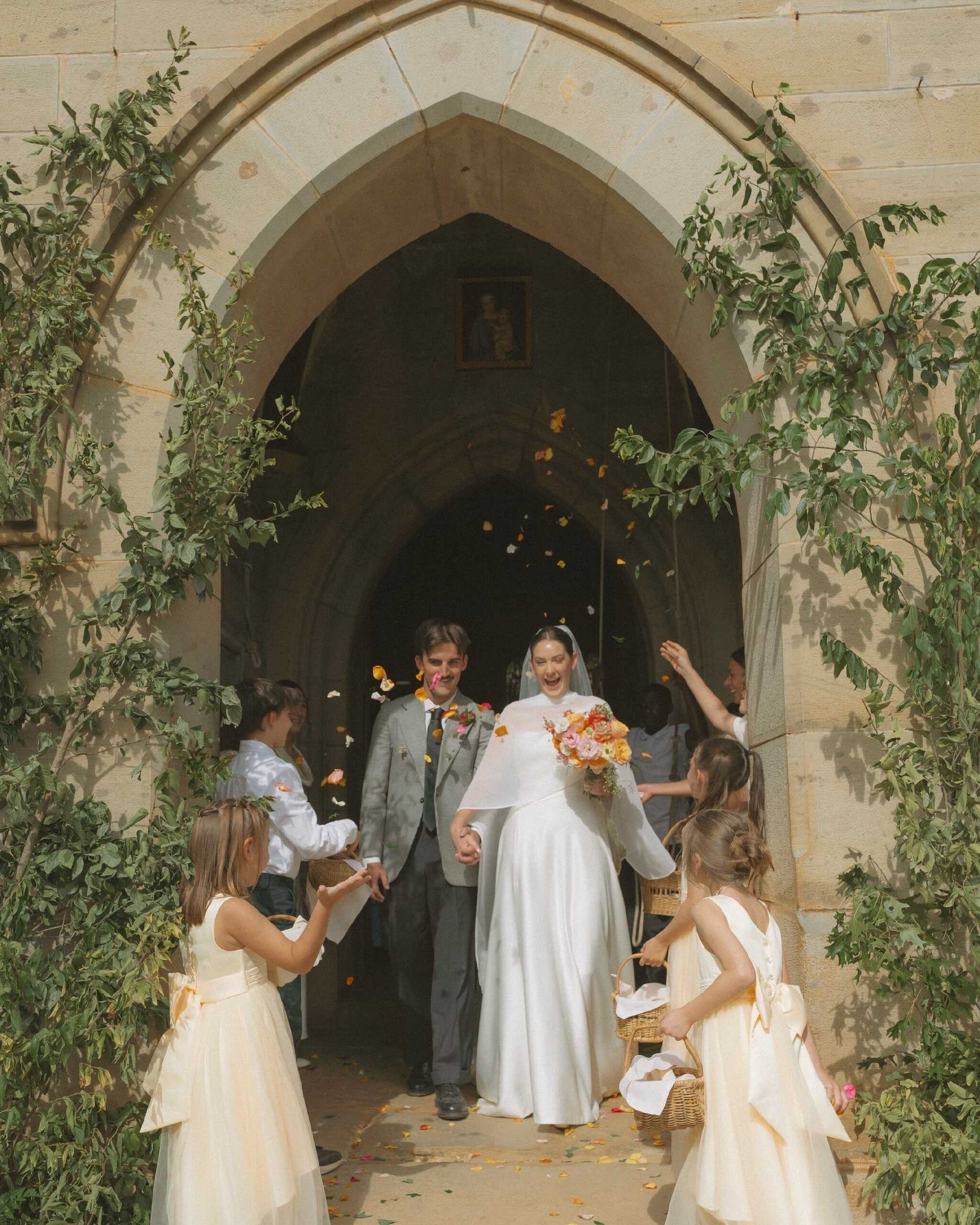
Walking out of the church as a married couple is one of the most photographed moments of the day, and for good reason: genuine joy is almost impossible to fake convincingly. The motion and color added by guests throwing confetti, bubbles or flower petals can't be captured in static portraits inside the church. During this walk, photographers should position themselves ahead of the couple rather than behind them to capture their faces rather than their backs. This moment also lends itself well to being shot from a slightly elevated position, such as the church steps, in order to capture the full scene rather than just the couple in close-up.

Church Wedding Photo Moments at a Glance
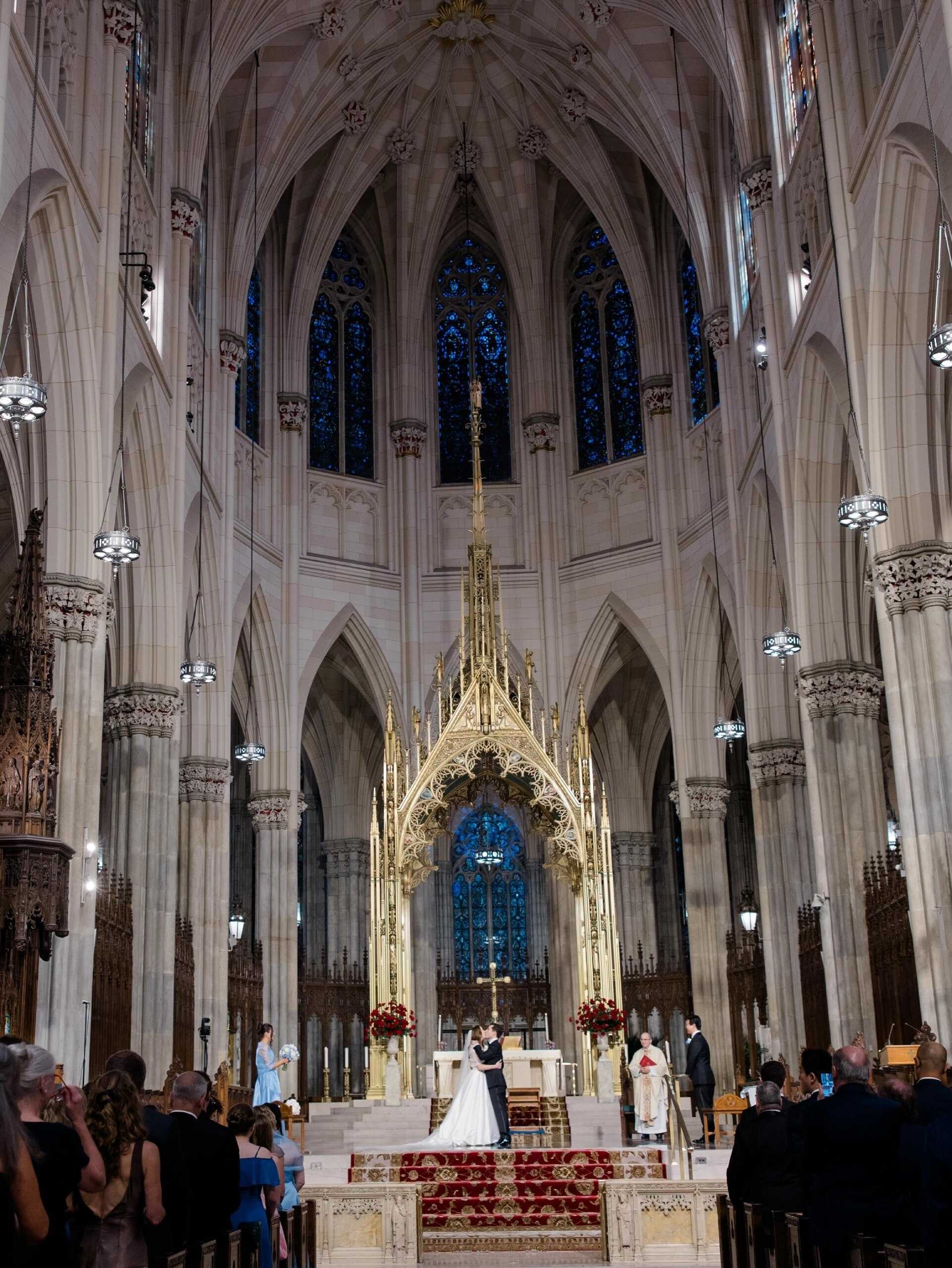
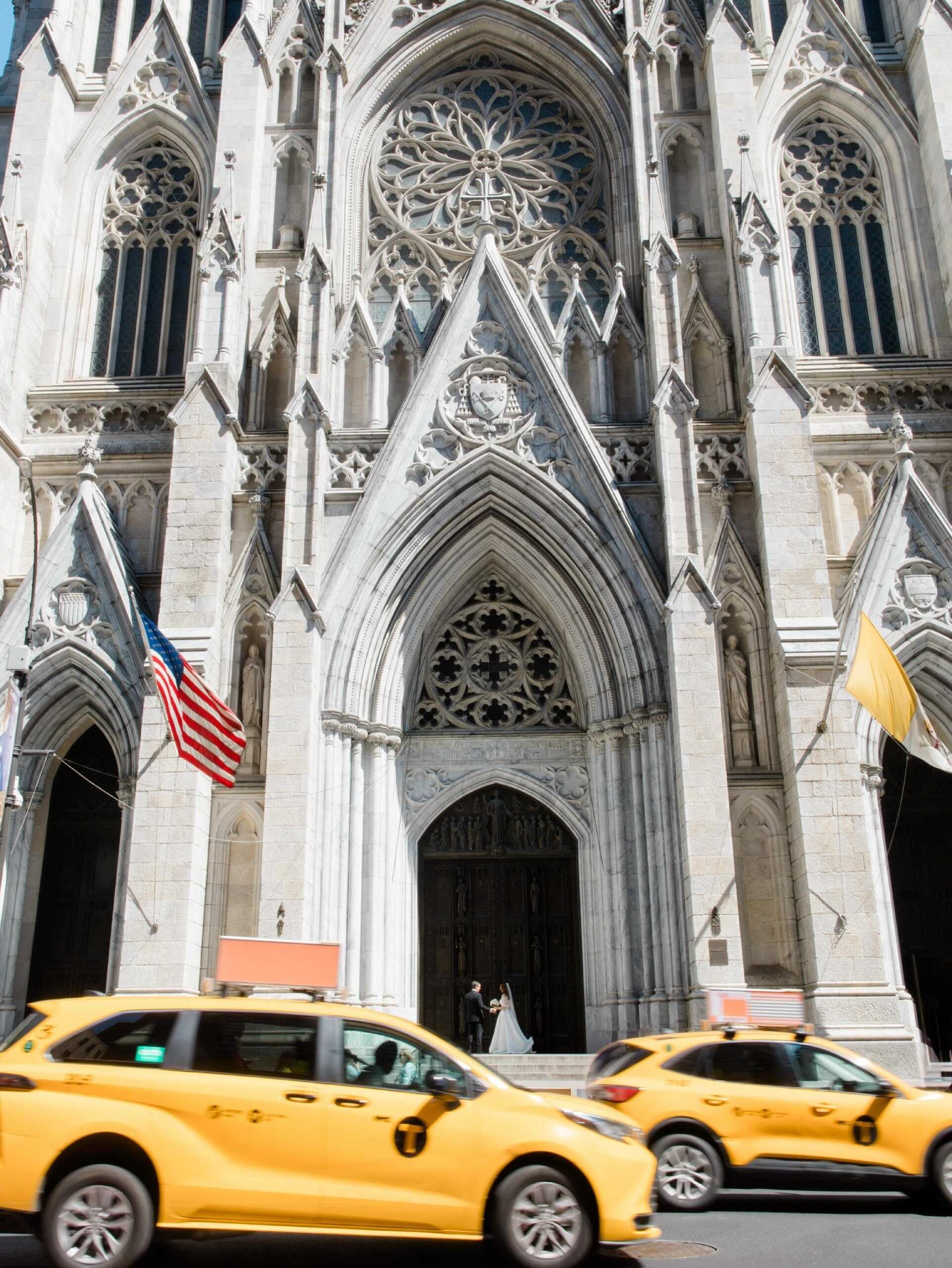
Taking the right approach at each stage of the ceremony helps to ensure that nothing important is missed on the day itself.
| Ceremony Stage | What to Prioritize | Best Approach |
|---|---|---|
| Church exterior | Architecture, wide shots, entrance details | Morning or late-afternoon light |
| Before the processional | Genuine emotion, family reactions | Candid, undirected documentation |
| Vows and rings | Facial expressions, ring exchange | Continuous shooting, second shooter if possible |
| Interior details | Altar, florals, stained glass | Wide shots from the back, quiet moments |
| Recessional | Joy, motion, guest reactions | Shoot ahead of the couple, elevated position |
Practical Tips for Better Church Wedding Photography
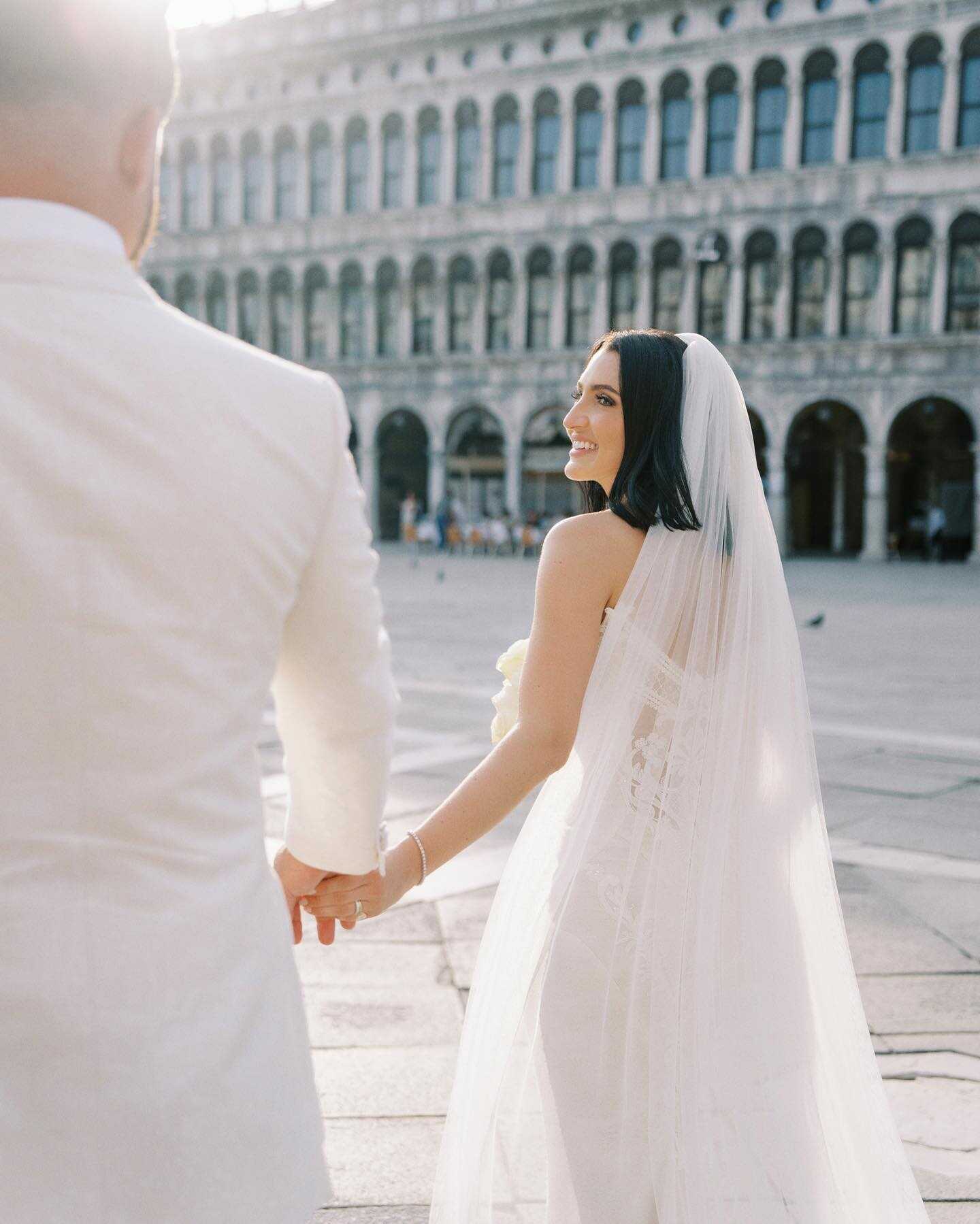
Taking a few practical steps before the ceremony tends to be more important than having any particular piece of camera equipment.
Confirm the Church's Photography Restrictions Early
Some churches impose restrictions on flash photography, movement during the ceremony and where photographers can stand. These rules can vary significantly from one venue to the next. It is advisable to confirm any restrictions directly with the officiant or wedding coordinator several weeks in advance to avoid any last-minute surprises that could limit coverage of key moments. Couples should inform their photographer of any restrictions as soon as they are confirmed, giving them time to plan around any limitations. An experienced church wedding photographer will usually already know the right questions to ask.
Bring Your Photographer to the Rehearsal
A rehearsal gives a photographer the chance to plan the ceremony in advance, noting where the light falls, where the guests will be seated and the exact route for the procession and recessional. This preparation is particularly valuable for small church weddings, where a tighter floor plan means every camera position has to be chosen deliberately rather than adjusted on the fly. Photographers who skip the rehearsal have to guess during the real event, which increases the odds of missing a fast-moving moment. Taking the time to plan in this way can have a noticeable impact on the final gallery.
Arrive With Time to Spare
Arriving early gives the couple and the photographer time to settle in before the ceremony begins, which reduces stress on an already emotional morning. It also allows time for candid photos of guests arriving and the finishing touches being made to the venue, which couples often treasure as much as the ceremony itself. A few unhurried minutes before the procession tends to produce calmer, more genuine expressions when the doors finally open. Building this buffer into the day's schedule is one of the simplest ways to improve the final photos.
The key to successful church wedding photography is to treat the ceremony as a unique event that requires careful planning, rather than a mere formality to be captured on the spot. Wezoree can help you find photographers who are experienced in church ceremonies, as well as providing inspiration for every other aspect of your wedding day.

FAQ
What are the best ideas for photographing a church wedding?
The most effective approach is to cover the ceremony in stages, starting with the exterior of the church, followed by the moments before the procession, the vows themselves, the interior architectural details and finally the recessional as the couple leaves. Treating each stage separately helps to ensure that no moment is overlooked in the hustle and bustle of the day. Candid, unposed shots of guests and children often add warmth to the gallery that posed portraits can't provide. The best way to judge a photographer's experience with this format is to review their past ceremony work rather than just their portrait portfolio.
How can you take good wedding photos in a church if flash photography isn't allowed?
The key to achieving this is a photographer's ability to shoot well in low light, using a fast lens and higher ISO settings rather than additional lighting. Positioning yourself near natural light sources, such as stained glass windows, can also make a meaningful difference during daytime ceremonies. Photographers who are experienced in church weddings will already have the necessary equipment, so it is worth asking about their experience of working in low light when booking. Confirming the church's specific restrictions in advance will ensure that your photographer arrives prepared rather than having to adjust on the spot.
What should a photographer prioritize at a small church wedding?
Ideas for photography at small church weddings generally prioritize interior details and intimate guest reactions, since smaller ceremonies often have fewer big, sweeping shots. Detail shots of florals, programs and architectural features help to fill out the album when the guest list itself is small, adding visual variety that a limited number of wide shots can't provide on their own. Positioning also needs more forethought than in a larger venue, since there's simply less physical space to work with once guests and the wedding party are seated. Confirming exact camera positions during the rehearsal, rather than figuring them out on the day, matters more here than in a more spacious church.
How many photographers are needed for church wedding photography?
Two photographers are generally recommended, since one can focus on the couple's expressions during the vows while the other captures the officiant, rings and guest reactions simultaneously. While a single photographer can still produce a beautiful gallery, they inevitably have to choose which moment to prioritize when several happen at once. Larger or more architecturally detailed churches also benefit from a second photographer to cover more ground during the limited ceremony time. Couples on a tight budget can prioritize a second photographer specifically for the vows and skip them for less important parts of the day.
What is the best time of day for taking photos at a church wedding?
This depends on the stage being photographed. Exterior shots benefit from morning or late-afternoon light, while interior shots depend more on the church's own windows and lighting setup. The midday sun tends to create harsh shadows on stone exteriors, so earlier or later ceremony times are better for outdoor shots. Interior lighting conditions vary greatly from building to building, which is exactly why a rehearsal visit is so important for planning around them. Talking to your photographer about the lighting conditions during the venue walkthrough helps to set realistic expectations for the final gallery.