How To Find A Wedding Photographer: Top 13 Tips
- Author: Natali Grace Levine
- Reading time: 11 min 15 sec
- Publication date: 06/30/2026
- Updated: 07/07/2026


- Decide on Your Style Before You Start Browsing
- Set a Realistic Budget Range First
- Search Beyond Instagram
- Ask Recently Married Friends
- Read Full Galleries, Not Highlight Reels
- Check If They've Shot Your Venue or a Similar Setting
- Have an Actual Call Before Booking
- Compare Second-Shooter and Package Details
- Trust Your Gut on Personality Fit
- Ask About Backup Plans
- Get Everything in Writing
- Don't Choose Solely on Price
- Book Earlier Than You Think You Need To
- FAQ
Most couples don't realize how important this decision is until weeks after the wedding when the dress, flowers, and cake are a distant memory and the photos are the only way to relive the day. Knowing how to find a wedding photographer isn't intuitive, and most people make a small mistake on their first attempt simply because nobody tells them where to start.
This guide offers 13 practical tips gathered from real conversations with photographers and couples who have been through the process. It covers everything from narrowing down your style to identifying the questions that distinguish a confident professional from someone who is just winging it.
Find Your Perfect Wedding Vendors

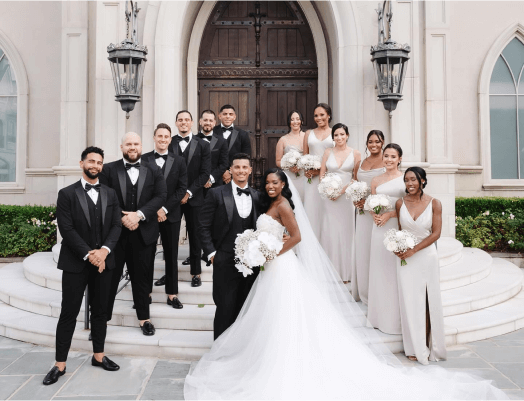
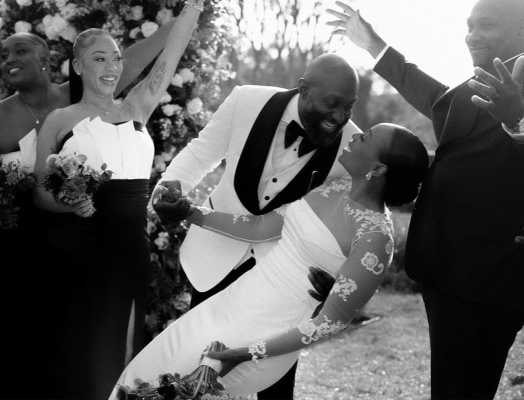
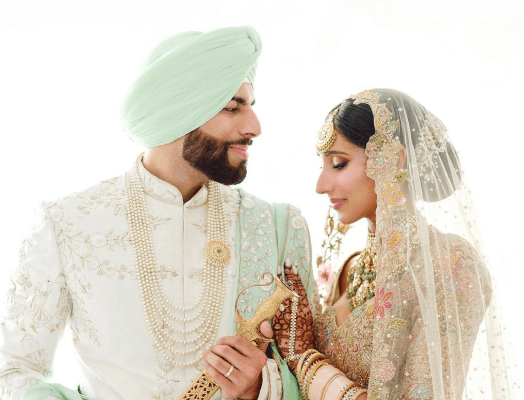
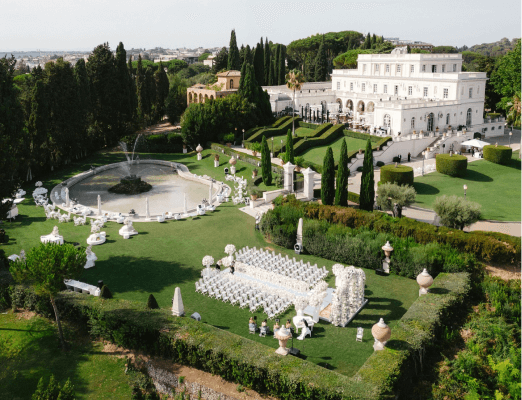
Decide on Your Style Before You Start Browsing
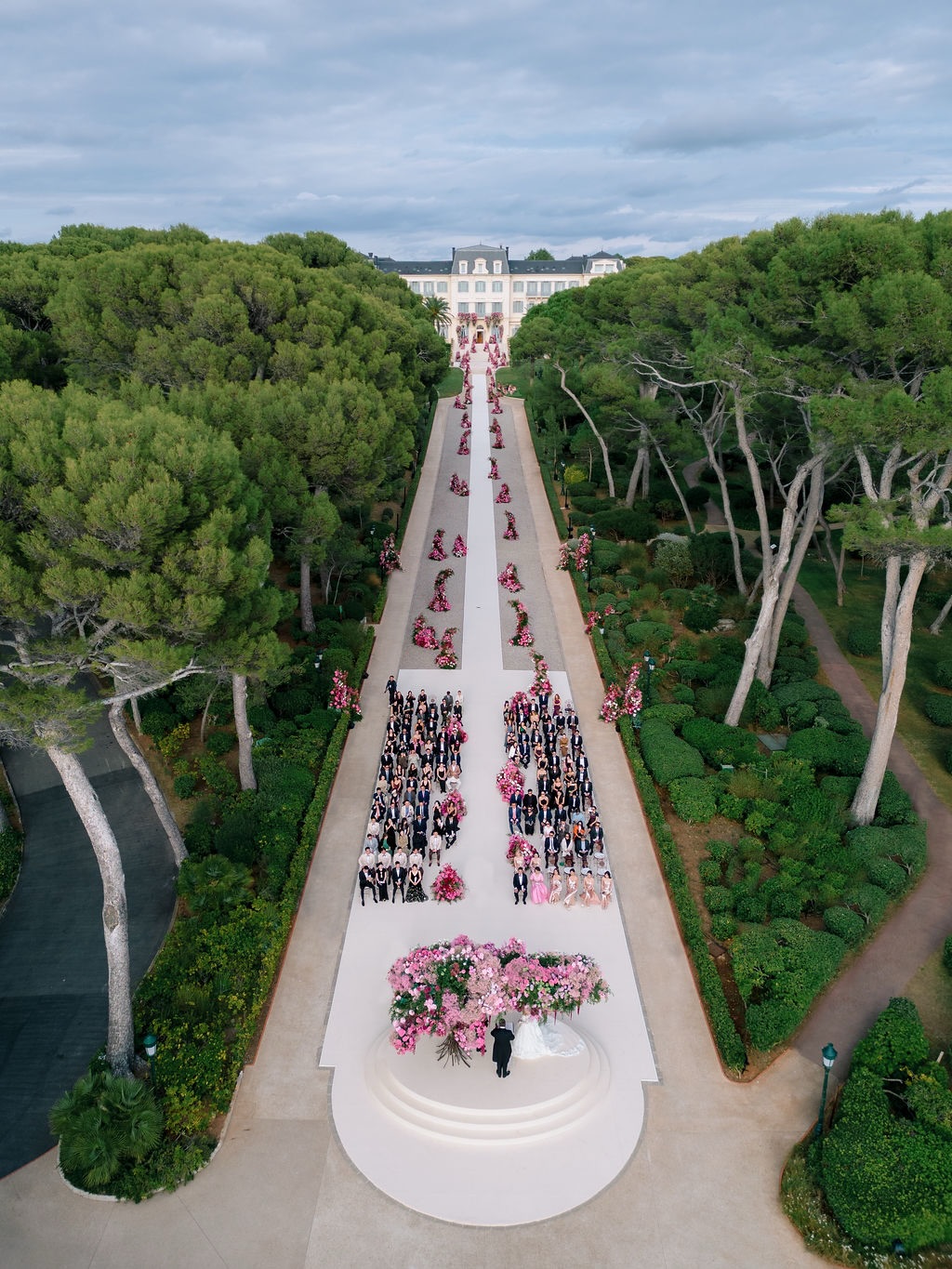
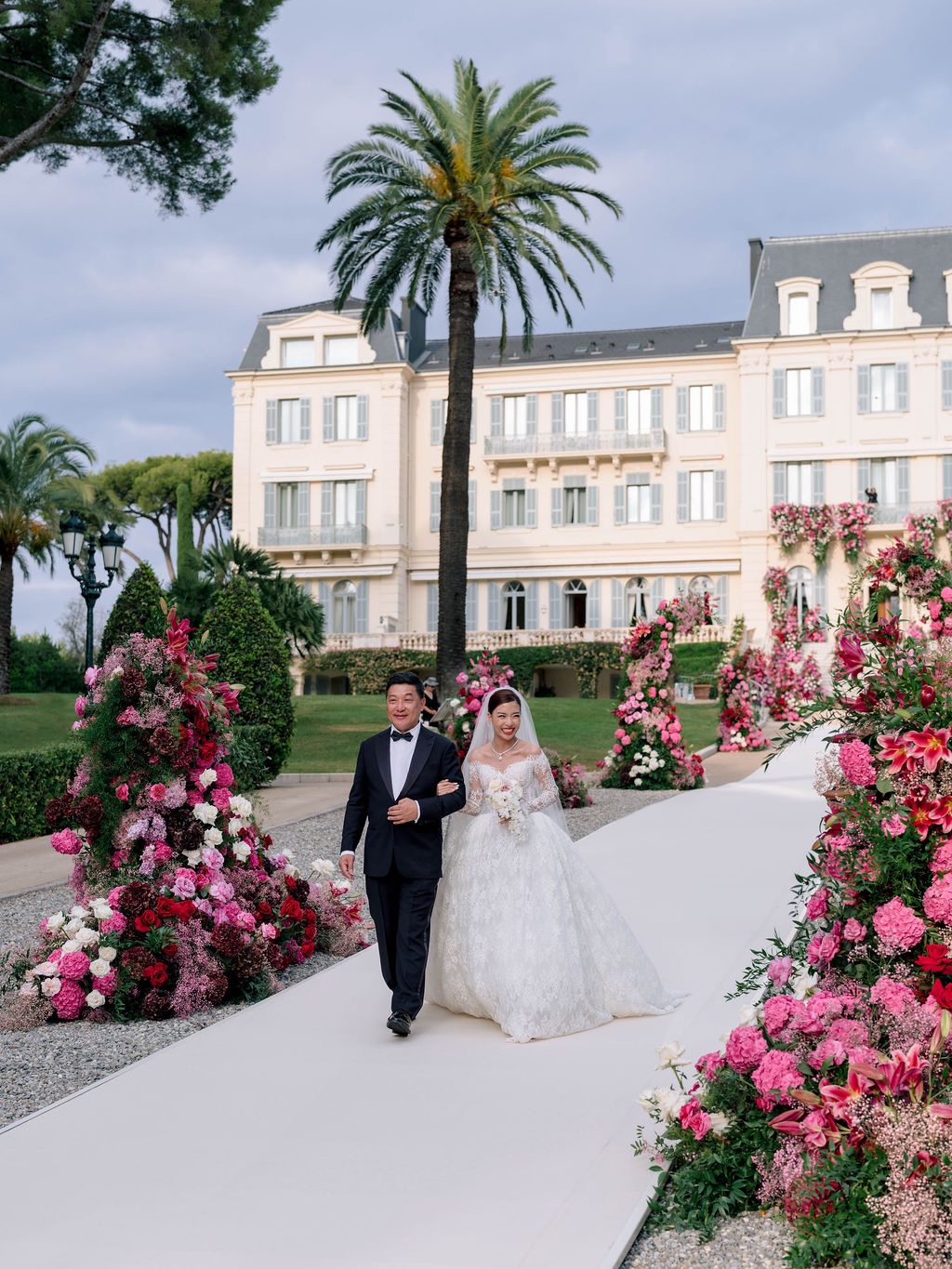
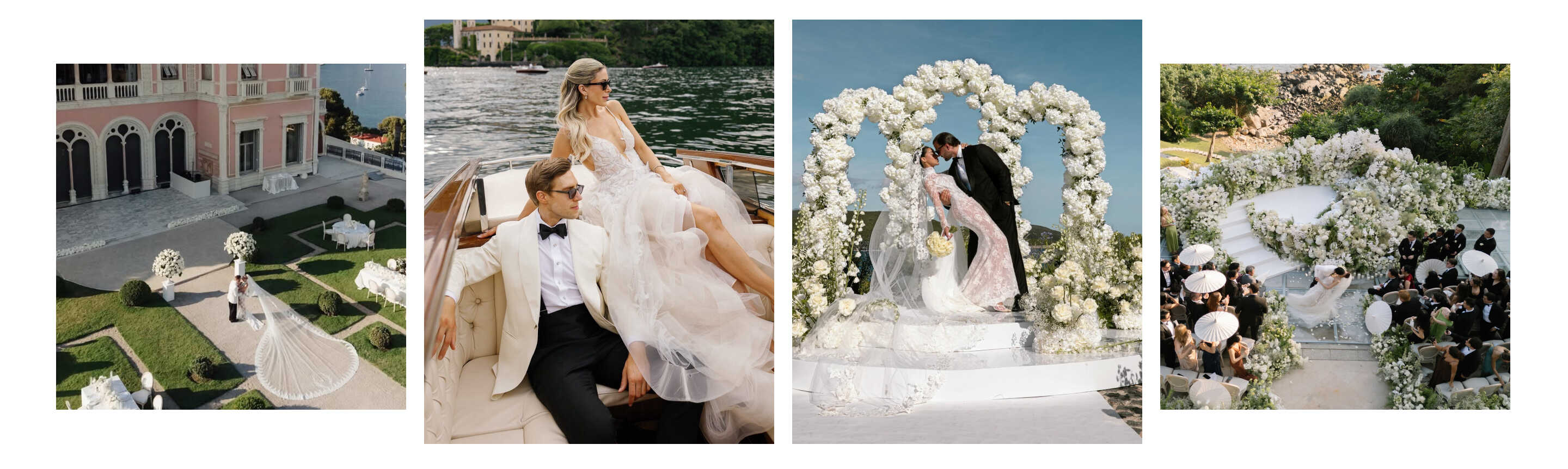
Before you can find a wedding photographer, you need a clear idea of what you're looking for. Having a vague sense that you'll "know it when you see it" is not enough. Documentary photographers capture moments as they happen, trusting that genuine moments don't require staging. Fine art photographers, on the other hand, compose deliberately, building each frame with intention before taking a photo. A meaningful middle ground exists too: photographers who take candid shots during the ceremony and reception, but pose subjects more carefully for portraits. Most couples end up wanting this hybrid approach without realizing it until they see examples side by side.
Some couples want soft, romantic images with warm tones and gentle light that resemble paintings. Others want something punchier and more saturated, similar to an editorial fashion shoot. Neither style is objectively better: the 'best' style depends on the couple's aesthetic preferences, the venue and how formal or relaxed the day feels. If you start your search without an opinion, you'll spend weeks scrolling through portfolios that don't match what you want, simply because you haven't identified it yet. Once you have, entire categories of photographers will be easy to eliminate at a glance.
Set a Realistic Budget Range First
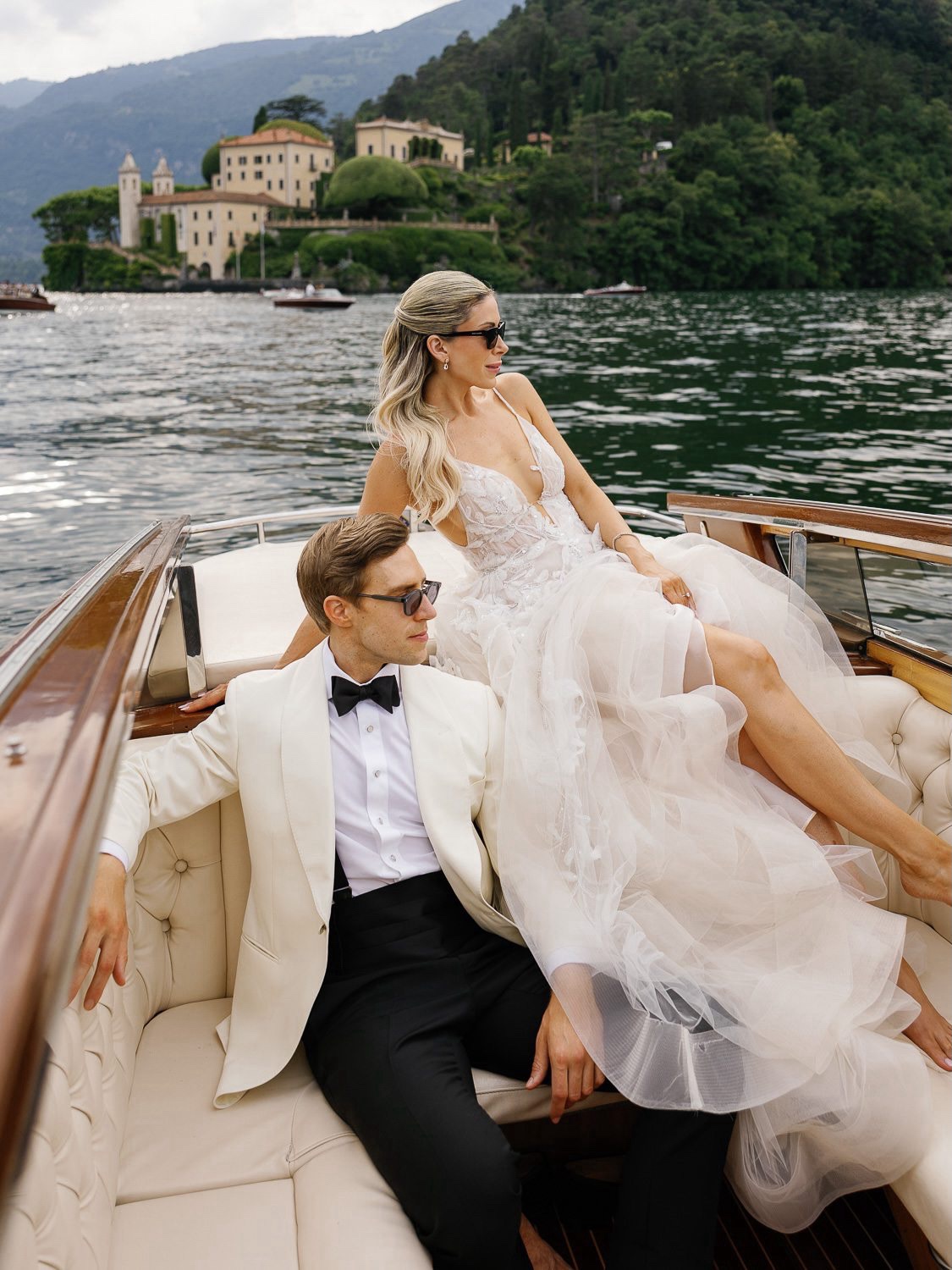
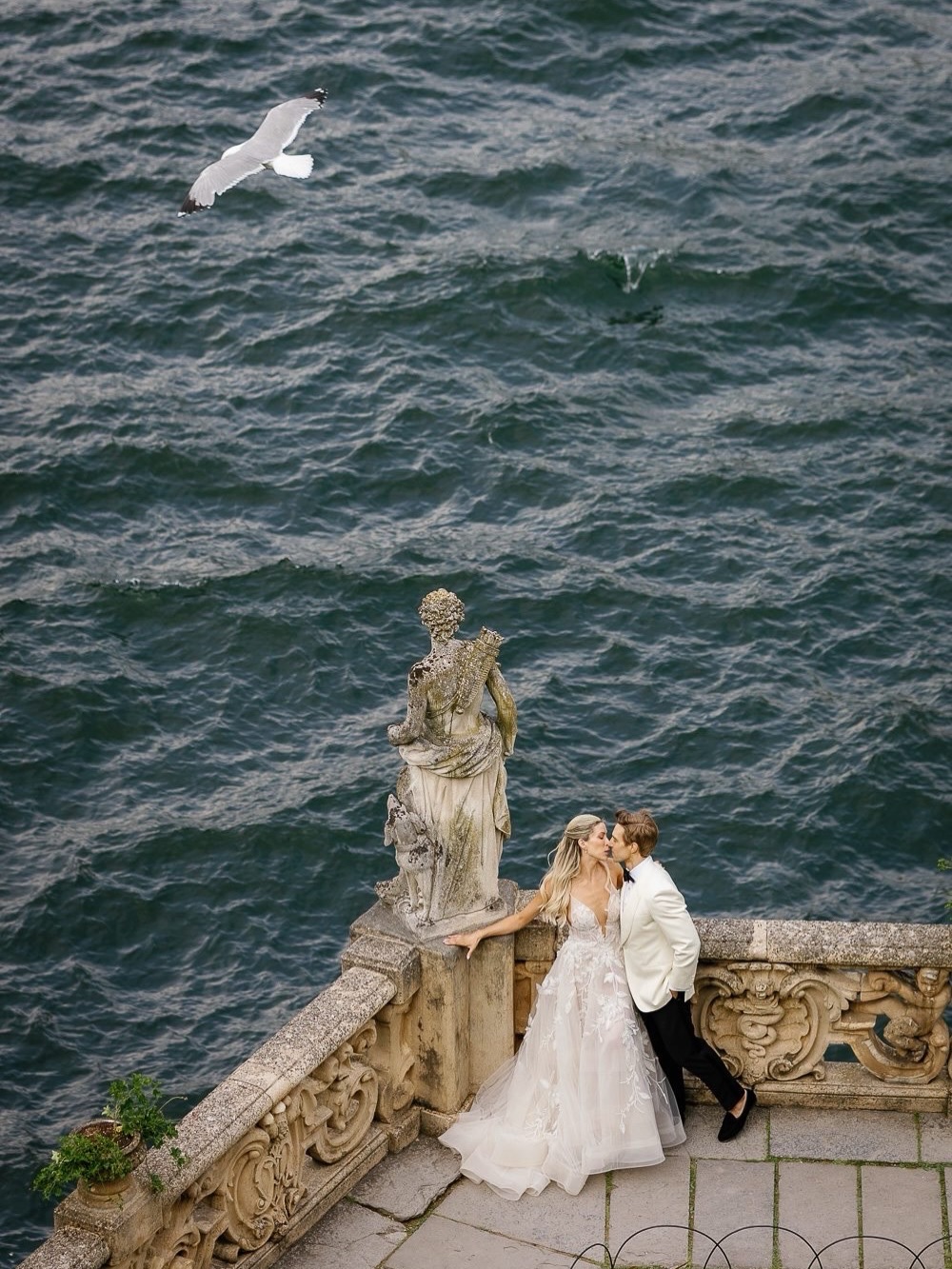
The most common reason why couples become frustrated halfway through their search is that they skip this step. It's important to know how to find a cheap wedding photographer at different price points rather than assuming that the lowest price comes with no real compromises. A tight budget usually means fewer hours of coverage, one photographer instead of two, and a smaller final photo gallery. None of these factors are necessarily deal-breakers, but they should be considered and agreed upon in advance.
It also helps to understand where the money actually goes before negotiating anything. A significant portion of a photographer's fee covers post-production editing time, not just the hours spent taking photos. A full wedding day can generate 2,000-3,000 raw images, and selecting and editing them into a polished gallery can take longer than the wedding itself. Knowing this can help you interpret a quote more accurately: a photographer who charges less for the same coverage time is often cutting corners in the editing process, resulting in a less consistent final gallery.
Search Beyond Instagram
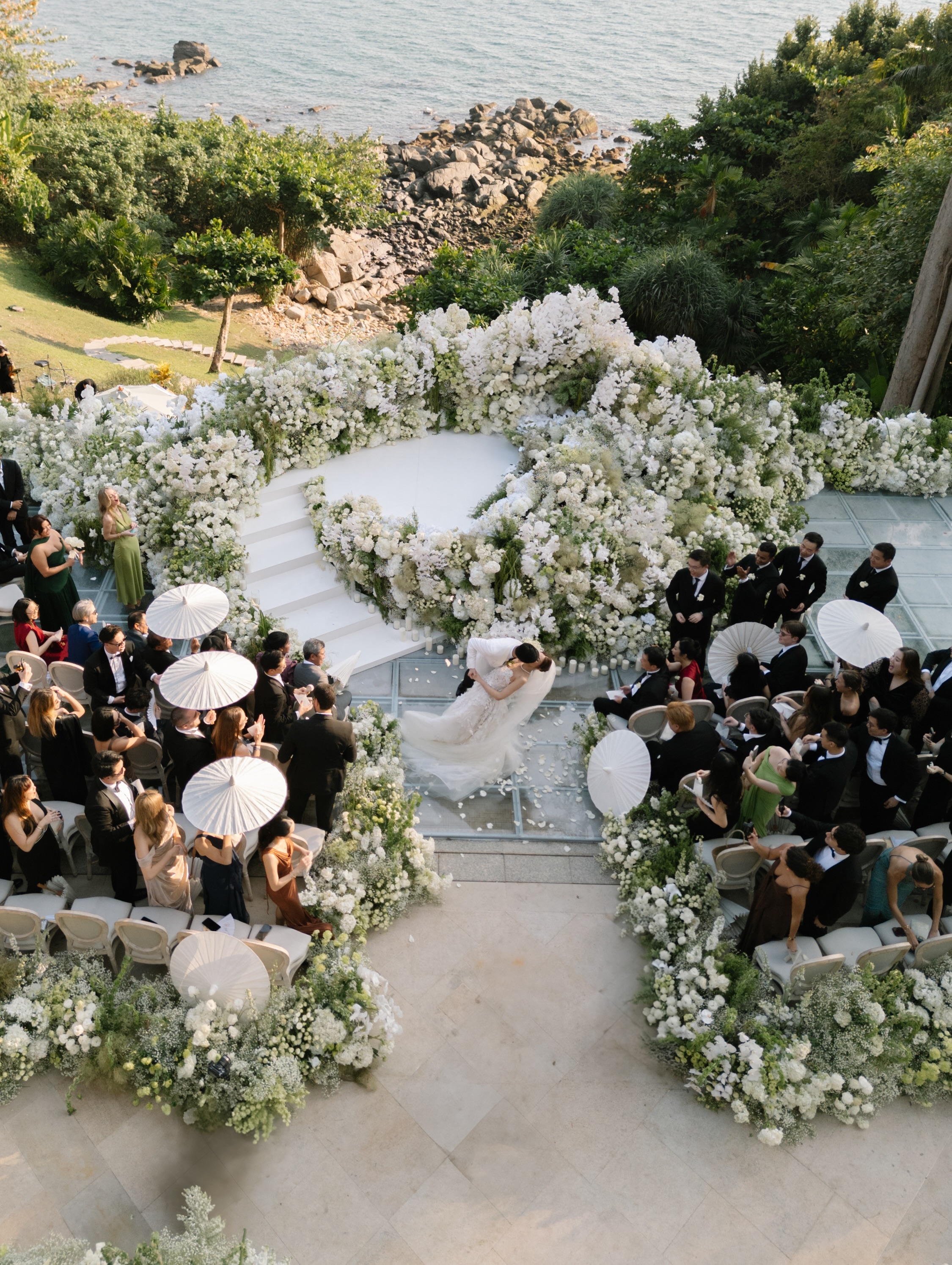
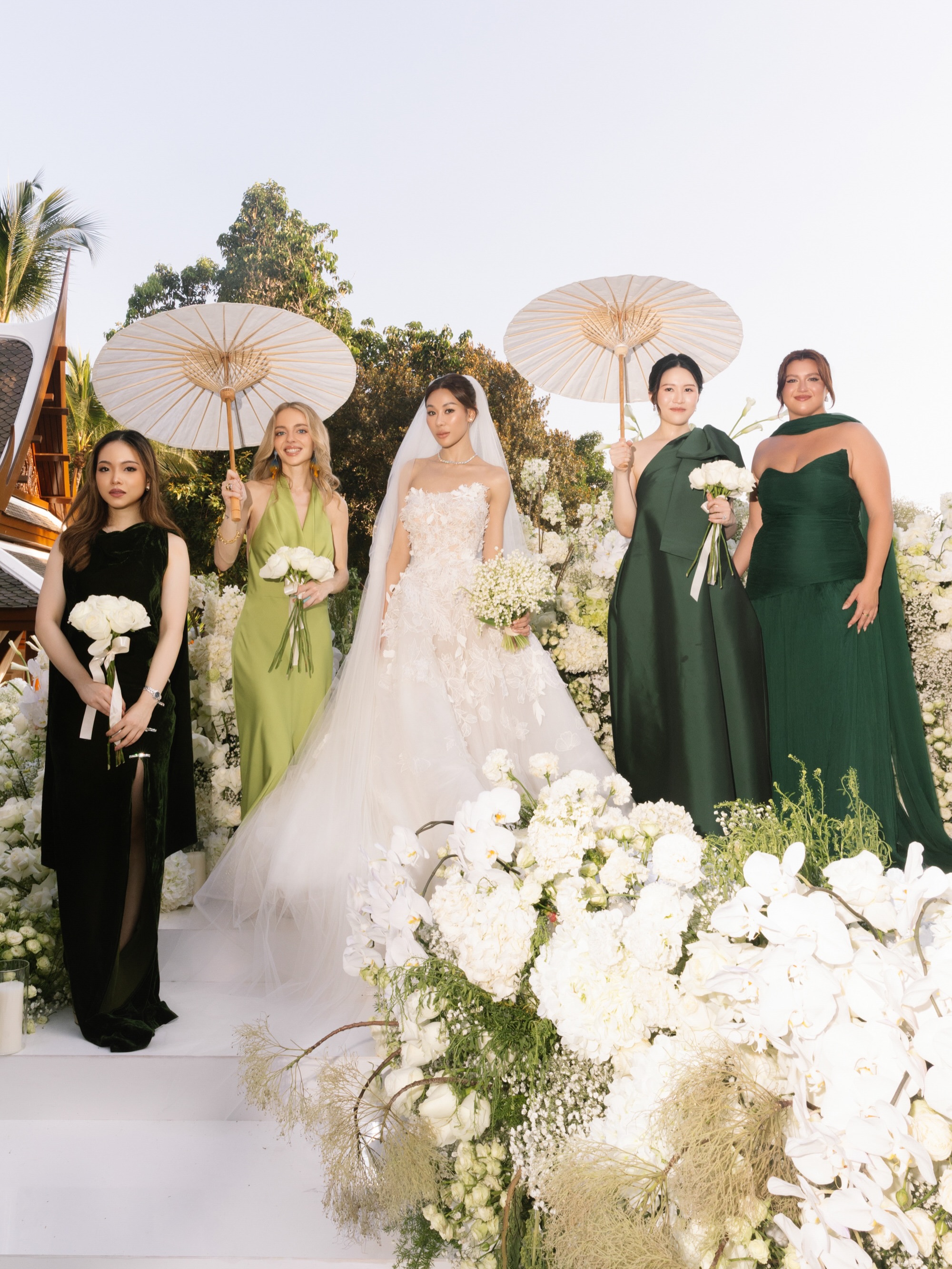
Instagram shows you a curated, algorithm-friendly highlight reel, making it a decent starting point, but a poor place to stop. The platform rewards photographers who post consistently and chase trends. However, this has little to do with whether they're a good fit for your wedding. Knowing where to find a wedding photographer who is actually a good fit for your wedding day, you usually have to cast a wider net.
Consider the following sources:
- Wedding directories and marketplaces with verified reviews
- Real wedding features in blogs or magazines that show full coverage rather than ten cherry-picked shots
- Venue and planner referrals, since these professionals constantly see photographers in action.
- Local photographer collectives or regional associations
- Word of mouth from recently married individuals
Each of these sources reveals a different type of photographer than Instagram's algorithm tends to favor. Combining a few sources almost always produces a stronger shortlist than relying on one alone. Venue referrals, in particular, tend to be underrated. Venue coordinators have watched dozens of photographers work in their specific space and know exactly who can handle tricky lighting or tight timelines - information that isn't available on social media.
Ask Recently Married Friends
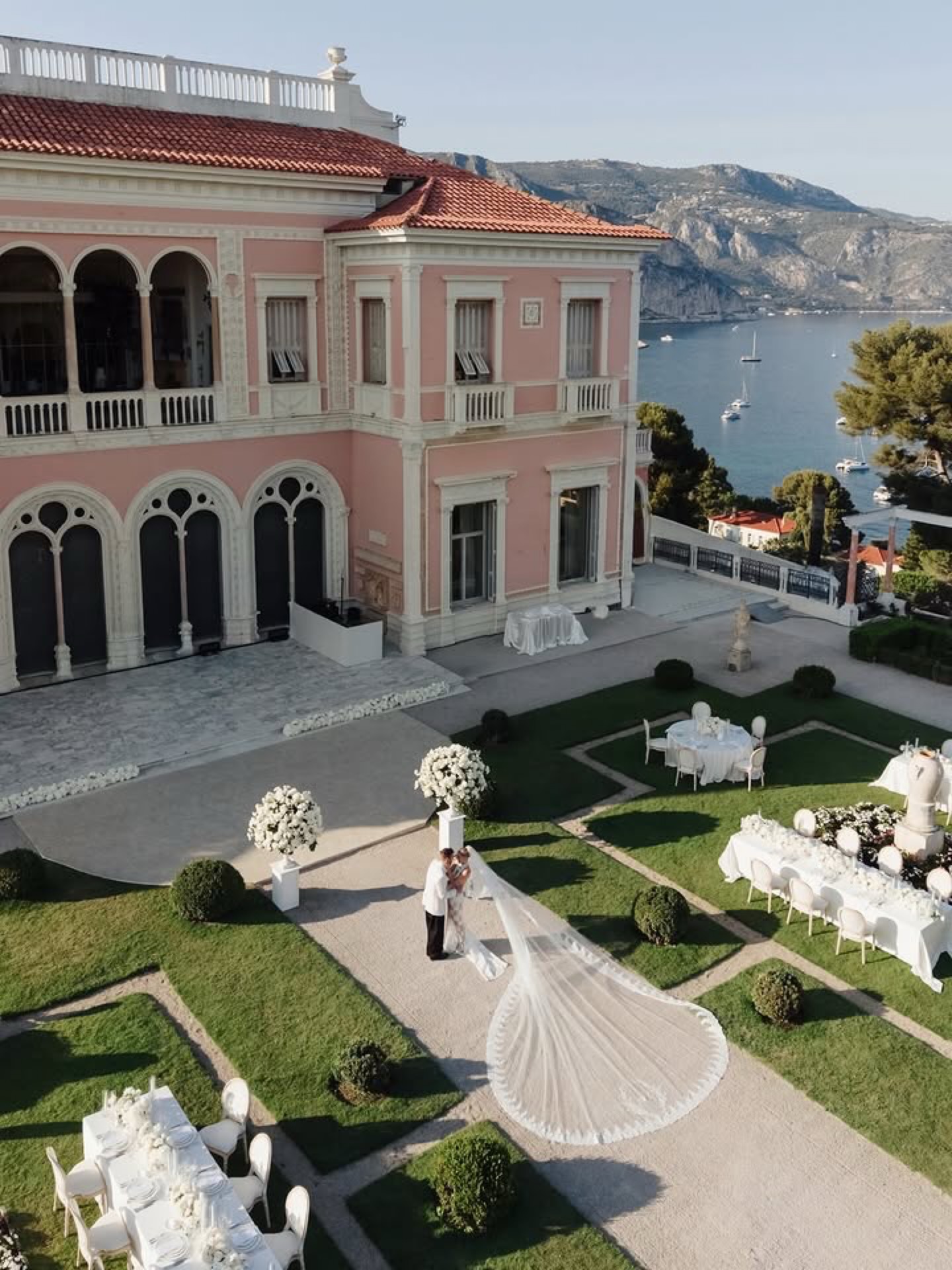
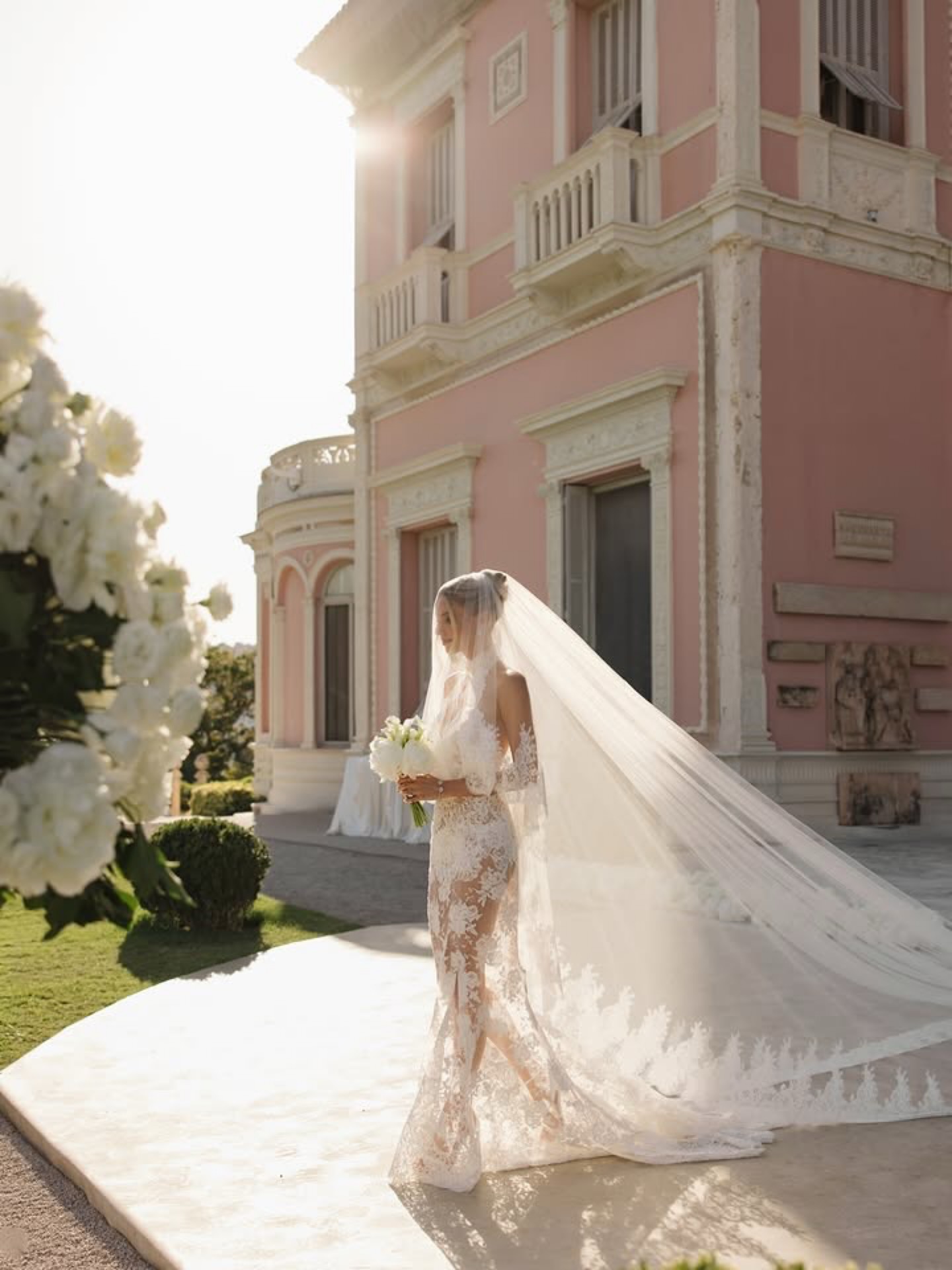
Talk to someone who has actually been through the process — from the deposit to the second-guessing to the wedding day to weeks of refreshing their inbox waiting for the gallery to arrive — and you'll get a level of honesty that review sites can't provide when it comes to finding a wedding photographer. A five-star review won't tell you that the photographer showed up forty minutes late or went silent for three weeks after the wedding before finally sending the photos. A friend will.
Don't limit yourself to superficial questions. By the end of the evening, were the newlyweds relaxed in front of the camera, or did the photographer continually make things awkward for them? Was the photographer present for the important moments, or did they disappear for long periods during the reception? Did everything go awry when the venue was changed at the last minute or it rained, or did it all fall into place? None of this is reflected in the rating. You'll learn all of this and more when your friend starts telling you about their wedding.

Read Full Galleries, Not Highlight Reels
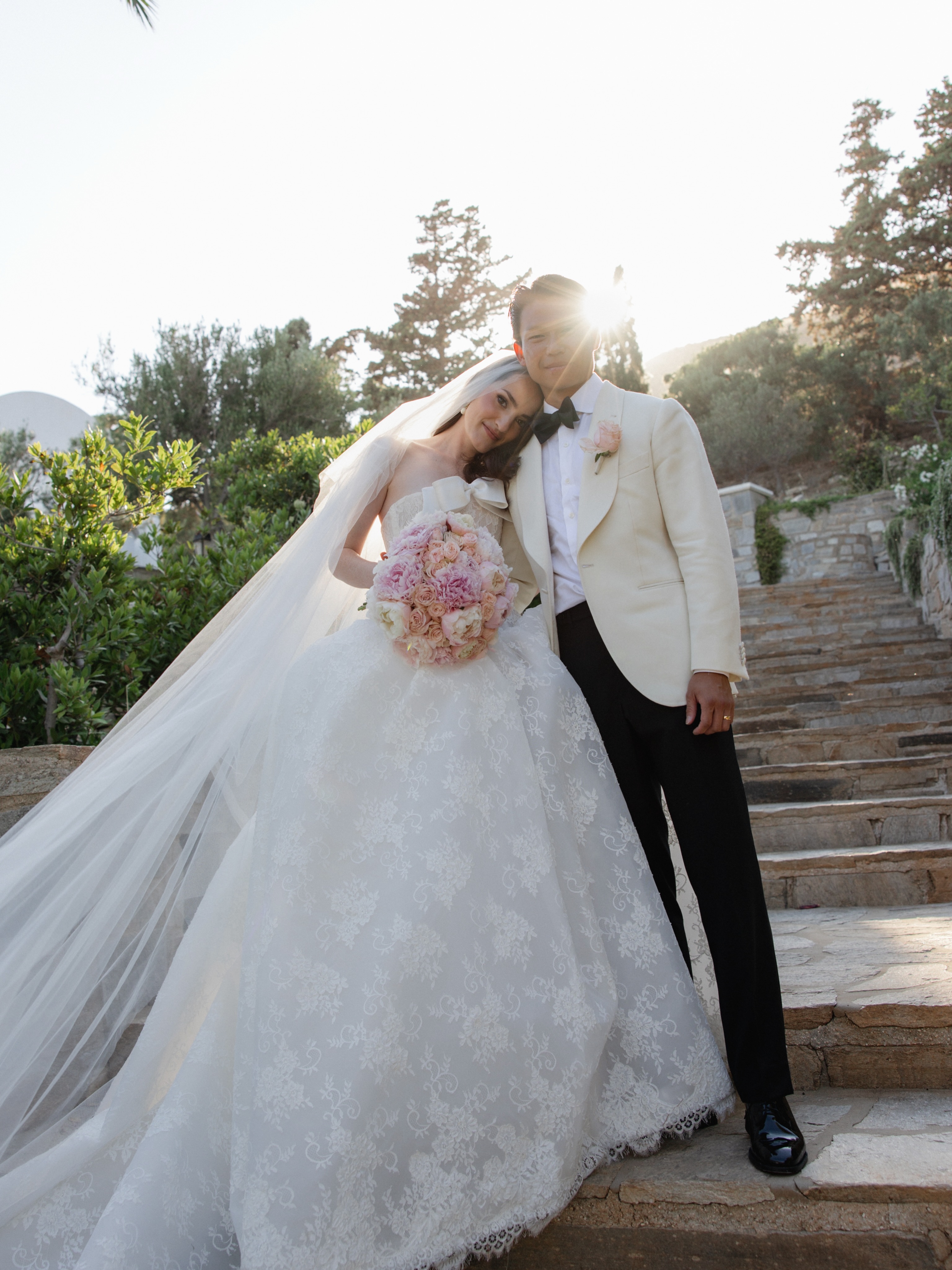
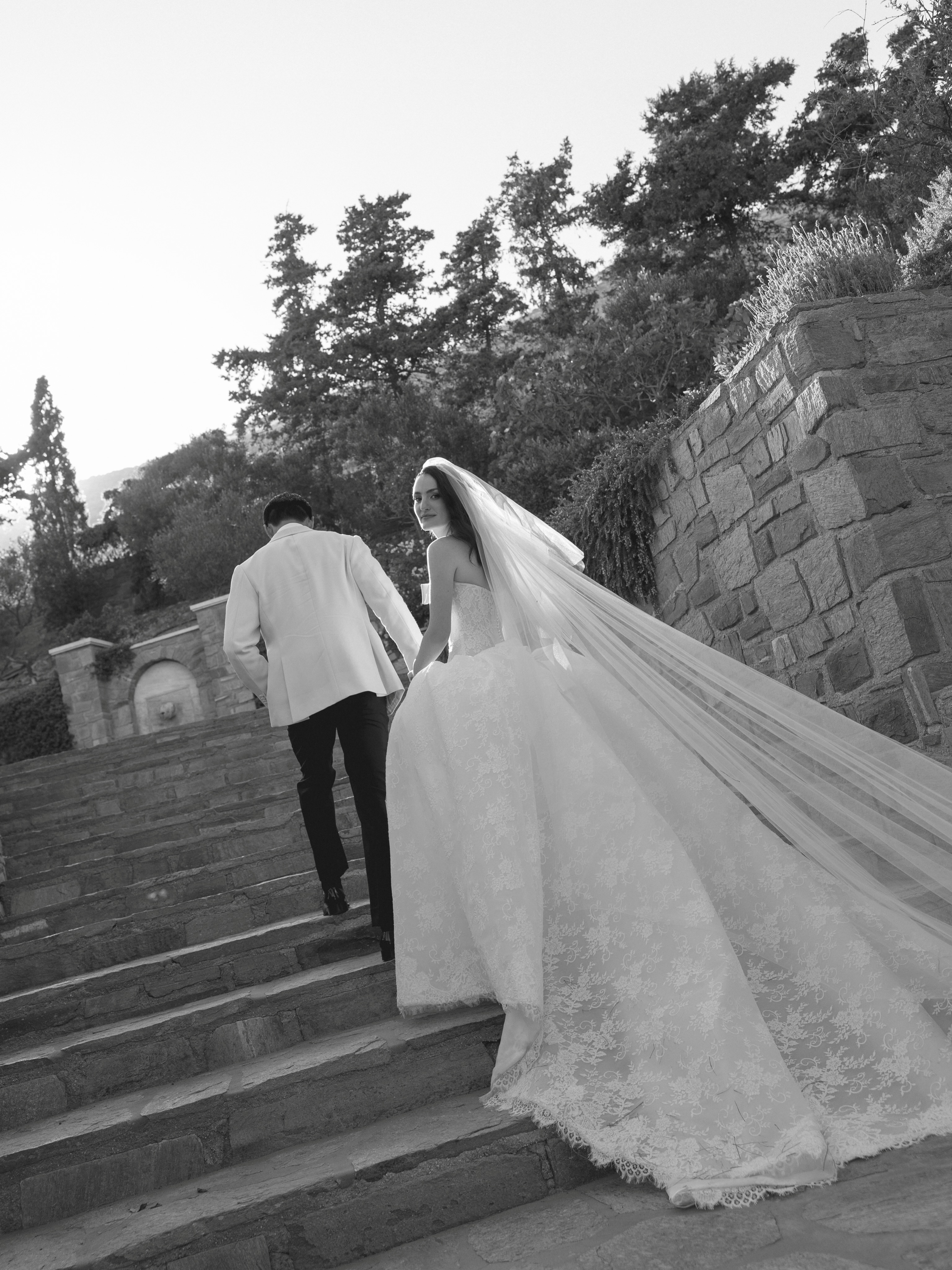
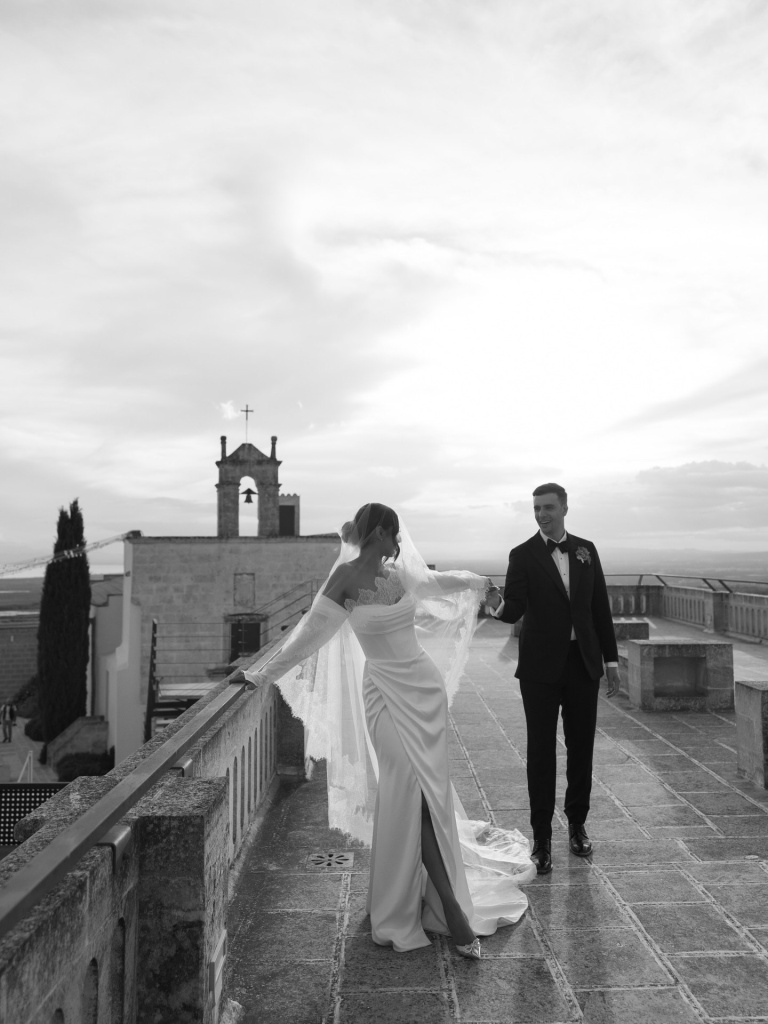
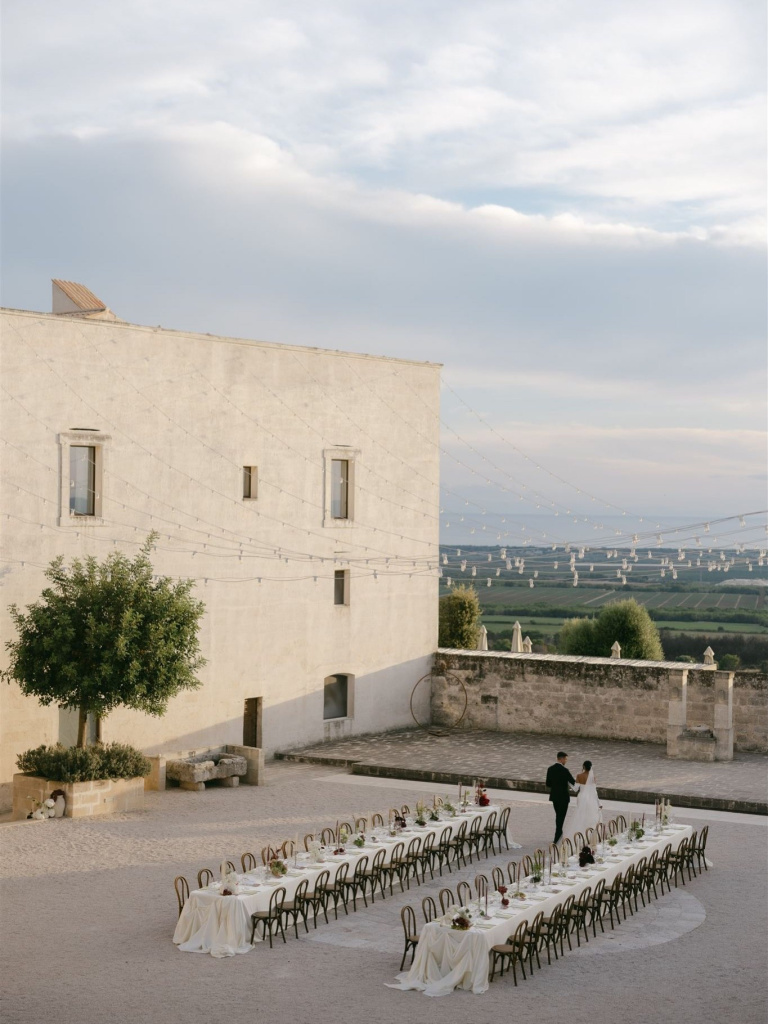
A photographer's ten best images, carefully selected from dozens of weddings, will always be impressive. More important is consistency across hundreds of unedited frames from a single day, including the parts of a wedding that aren't photogenic, dim lighting during dinner, and the chaos of taking group photos. Anyone serious about booking a wedding photographer should request at least one full, recent gallery before signing a contract since it's the only way to see how a photographer performs when the lighting and moment aren't ideal.
Pay special attention to how the photographer handles transitions, such as those from the ceremony to the reception and from the preparation stage to the first dance, especially in dim and inconsistent lighting. These are true tests of skill, and it's easy to miss key moments. The photographer who can maintain the quality of an entire 800-image gallery, not just the 20 strongest shots, is the one who will succeed on your wedding day.
Check If They've Shot Your Venue or a Similar Setting
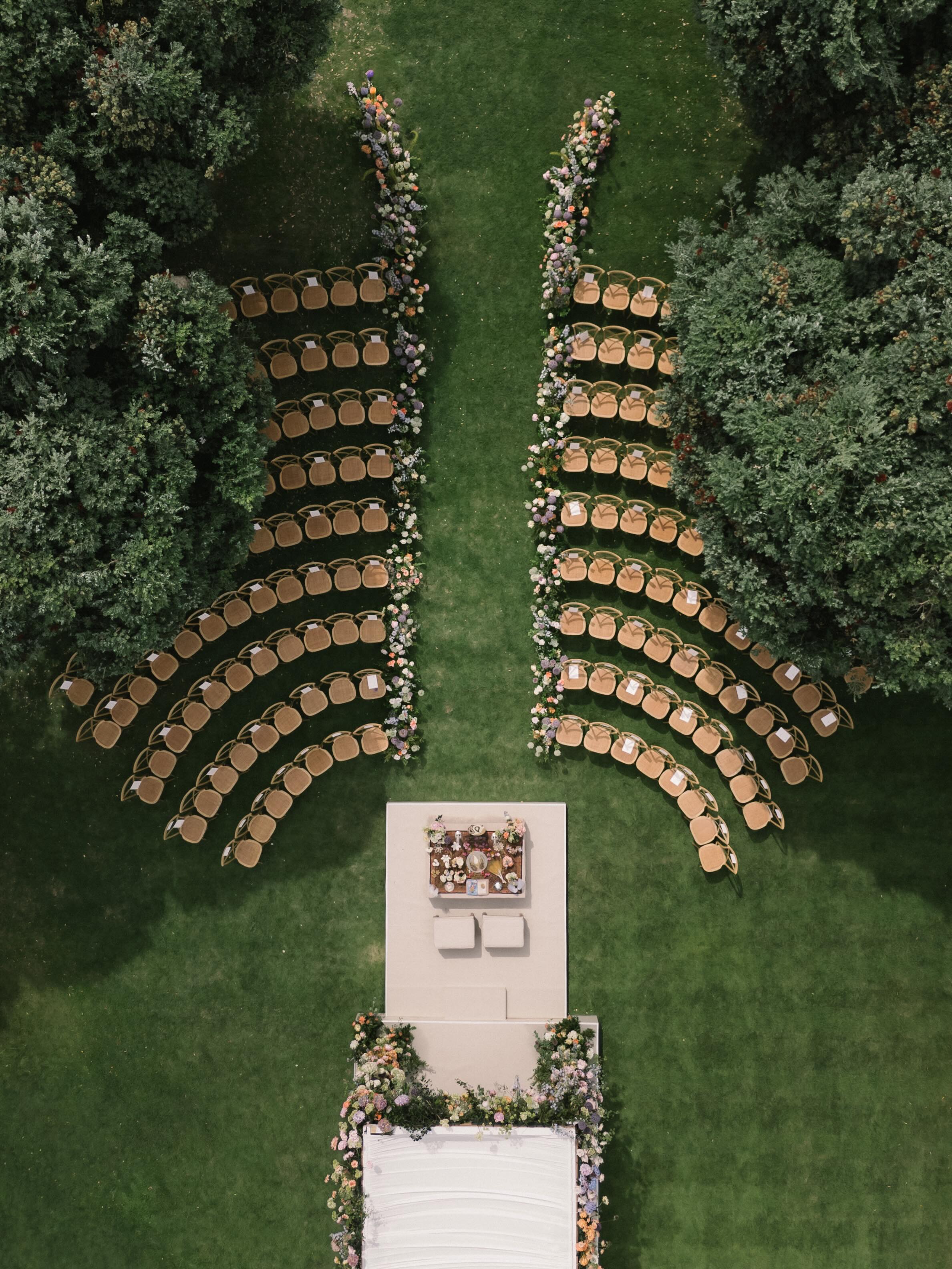
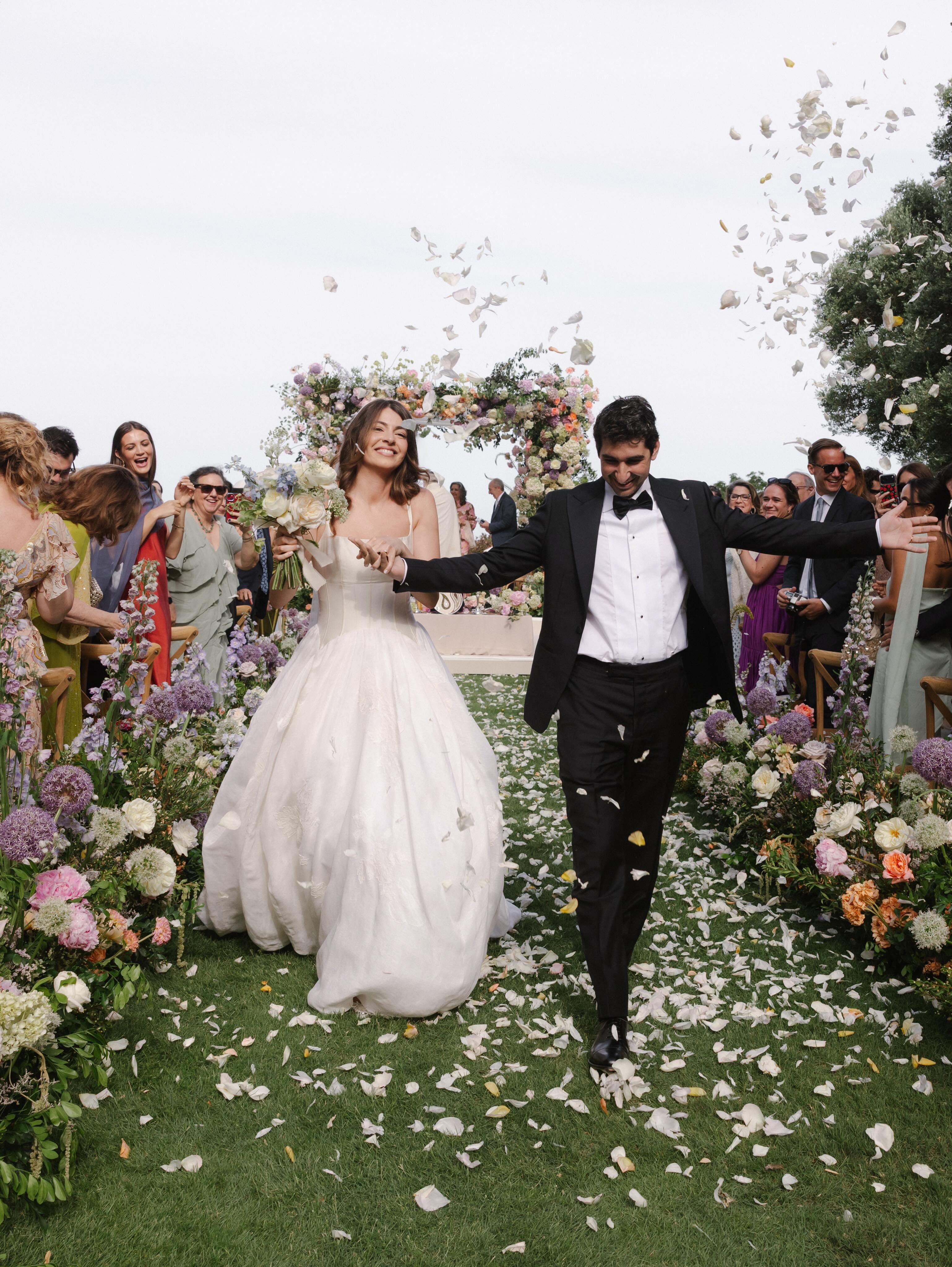
A photographer who is familiar with the venue has an undeniable advantage. They know where the light falls best during the golden hour, which corners darken too early, and where the backup locations are in case of bad weather. They have likely already addressed all the logistical issues associated with your venue. For example, they know the best places to position guests for optimal ceremony angles, which rooms are well-suited for pre-wedding photo sessions, and how the venue layout affects time management.
If no one on your shortlist has worked in your specific space, look for someone who has experience with a comparable setting, such as a similar architectural style, lighting challenge, or outdoor-to-indoor balance. Anyone genuinely committed to finding a photographer for wedding-day success will consider this a real filter, not a minor preference. Unfamiliar lighting and layout can undermine a talented photographer's instincts, resulting in missed shots or rushed compositions they wouldn't normally settle for.
Have an Actual Call Before Booking
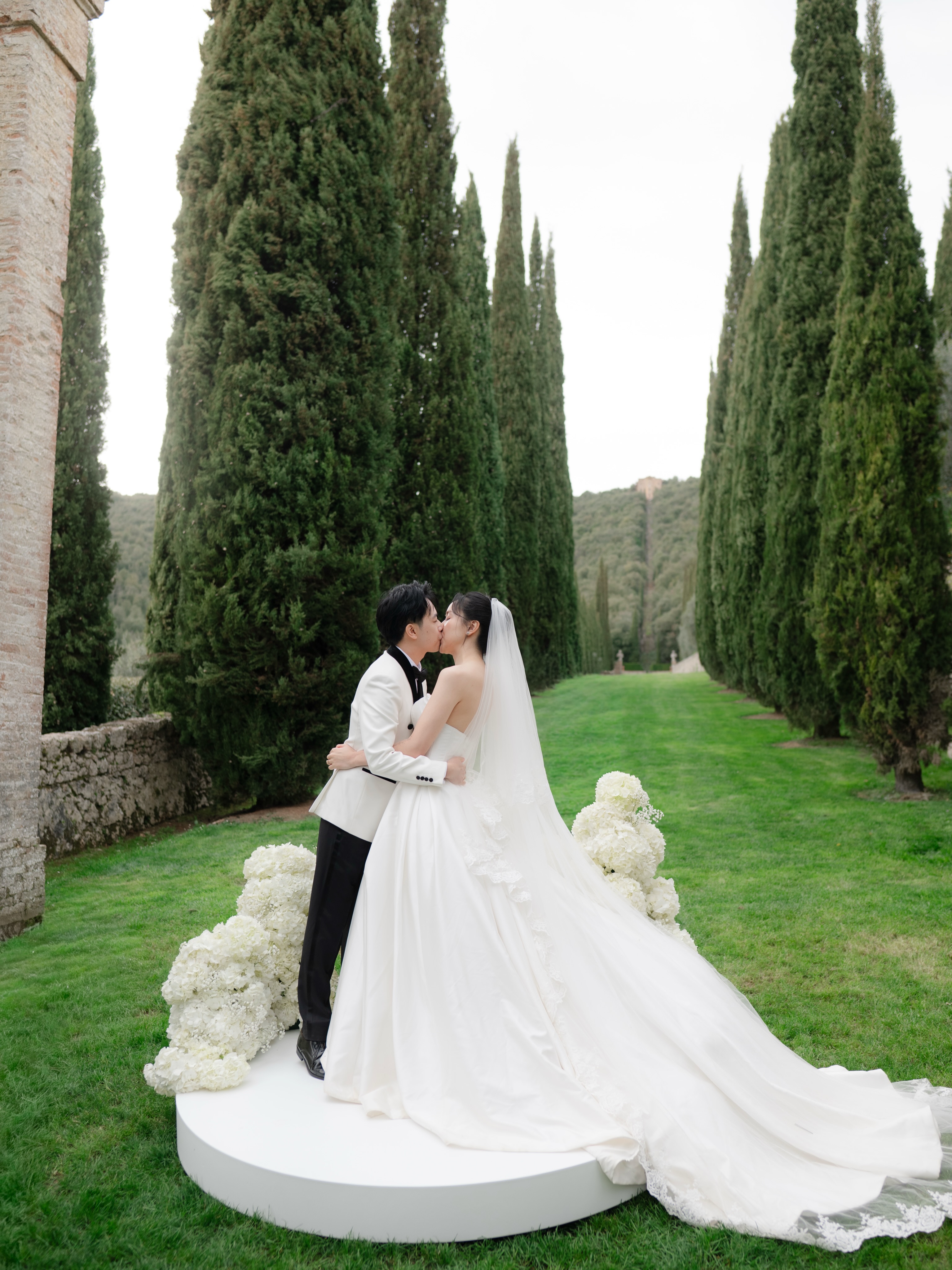
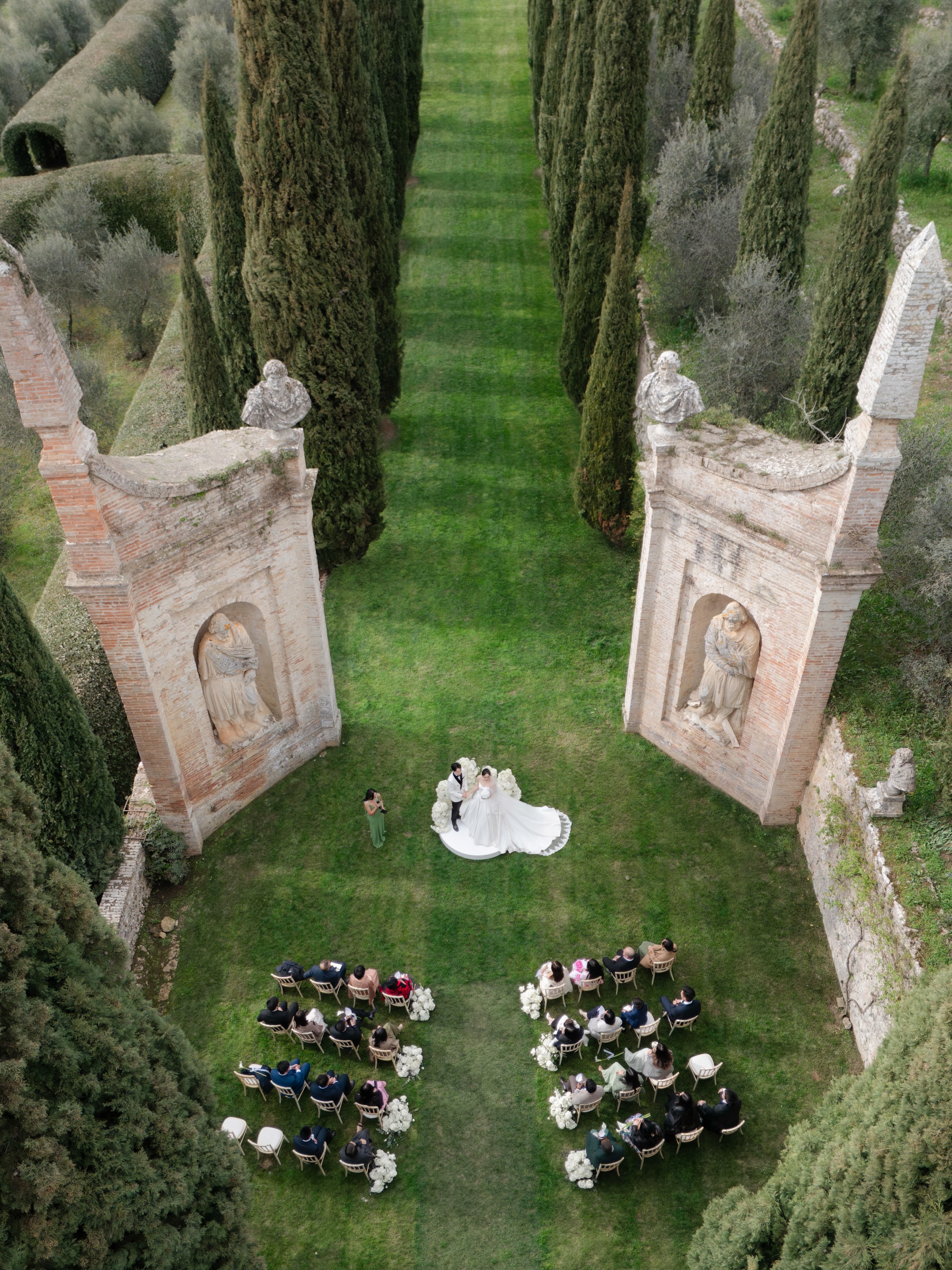
Email is fine for handling logistics, but it strips out everything that tells you who you're dealing with. Talk to someone on the phone for ten minutes, and you'll learn more than you would through three weeks of back-and-forth messages. Are they actually listening, or are they just waiting for their turn to talk? Do their questions feel specific to you, or could they be asking any couple the same five things on autopilot?
Watch how they react to your vision. Are they just nodding along, or are they really listening? A photographer who asks about your venue's lighting, your timeline, and who in the family needs careful handling is showing you the kind of attentiveness that will show up in the photos. Couples who ask the question "How to find a photographer for my wedding?" seriously almost always treat this call as mandatory, not optional, because nothing else gives you a clearer idea of what working together will actually feel like.
Compare Second-Shooter and Package Details
On the surface, packages may appear similar but differ greatly in what they include. A side-by-side comparison can quickly clarify things:
| Package Tier | Coverage | Second Shooter | Typical Deliverables |
|---|---|---|---|
| Essential | 4–6 hours | Rarely included | Online gallery only |
| Standard | Full day | Sometimes optional | Gallery, engagement session |
| Premium | Full day | Usually included | Gallery, album, engagement session |
| Luxury | Multi-day | Included | Full album, prints, multiple sessions |
Couples often underestimate the importance of hiring a second photographer. While the main photographer focuses on the bride walking down the aisle, the second photographer captures the groom's reactions. Second shooters also take candid shots of the guests while the main photographer takes formal portraits. They serve as backup in case the main photographer's equipment malfunctions or they're out of position.
Before comparing prices, make sure a second shooter is included or available as an add-on. An "affordable" offer without a second shooter may not be cheaper if you add one. Also, two seemingly identical offers may have completely different lighting.
Trust Your Gut on Personality Fit
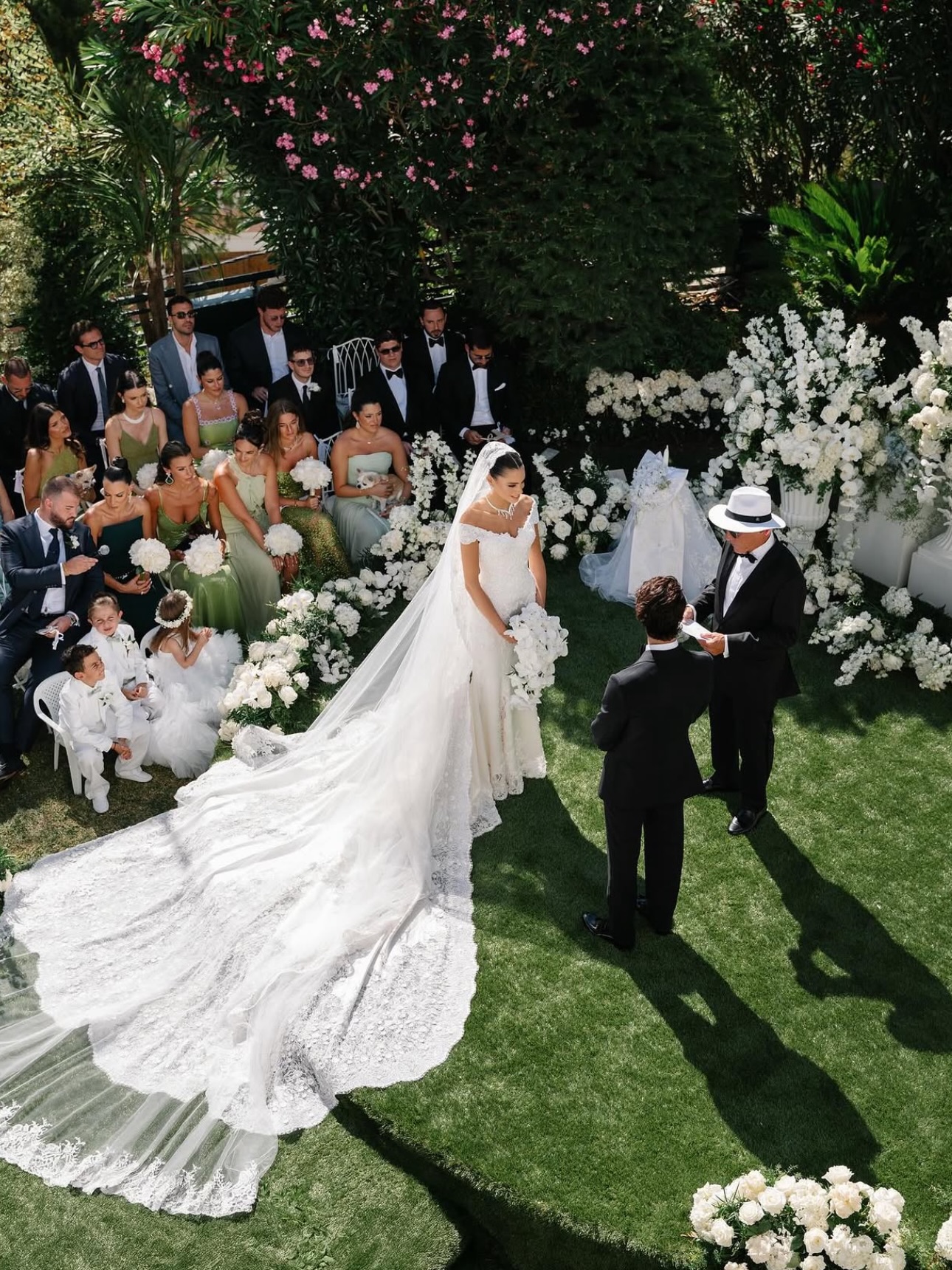
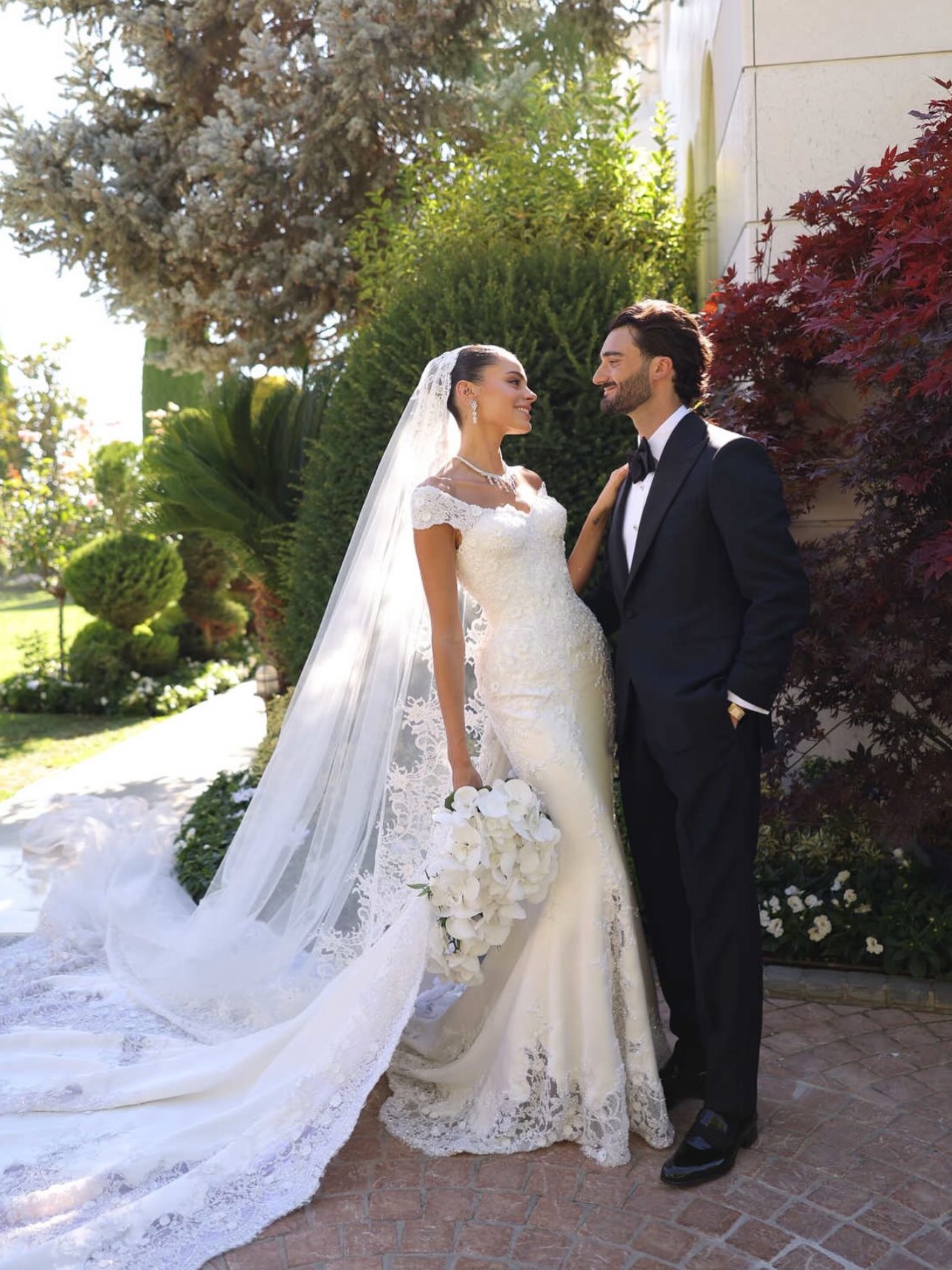
By this point, technical competence is basically a given. Most professional photographers can handle a camera in almost any lighting situation. What's harder to find and matters more in the end is whether a couple can relax around the photographer for ten or twelve hours, often during the most emotional and exposed moments they'll ever experience together. The best photos almost always come from days when the couple stops noticing the camera entirely, and that only happens when they're comfortable with the photographer, not just impressed by their portfolio.
If something feels slightly off during the consultation, even if you're looking at an objectively gorgeous portfolio, trust your instincts. Nobody's asking for a new best friend here. What matters is whether you could unwind in front of this person on a nerve-racking day, whether they read a room well, and whether their presence calms things down instead of adding to the chaos. None of that can be faked, and it shows in every frame they shoot.
Ask About Backup Plans
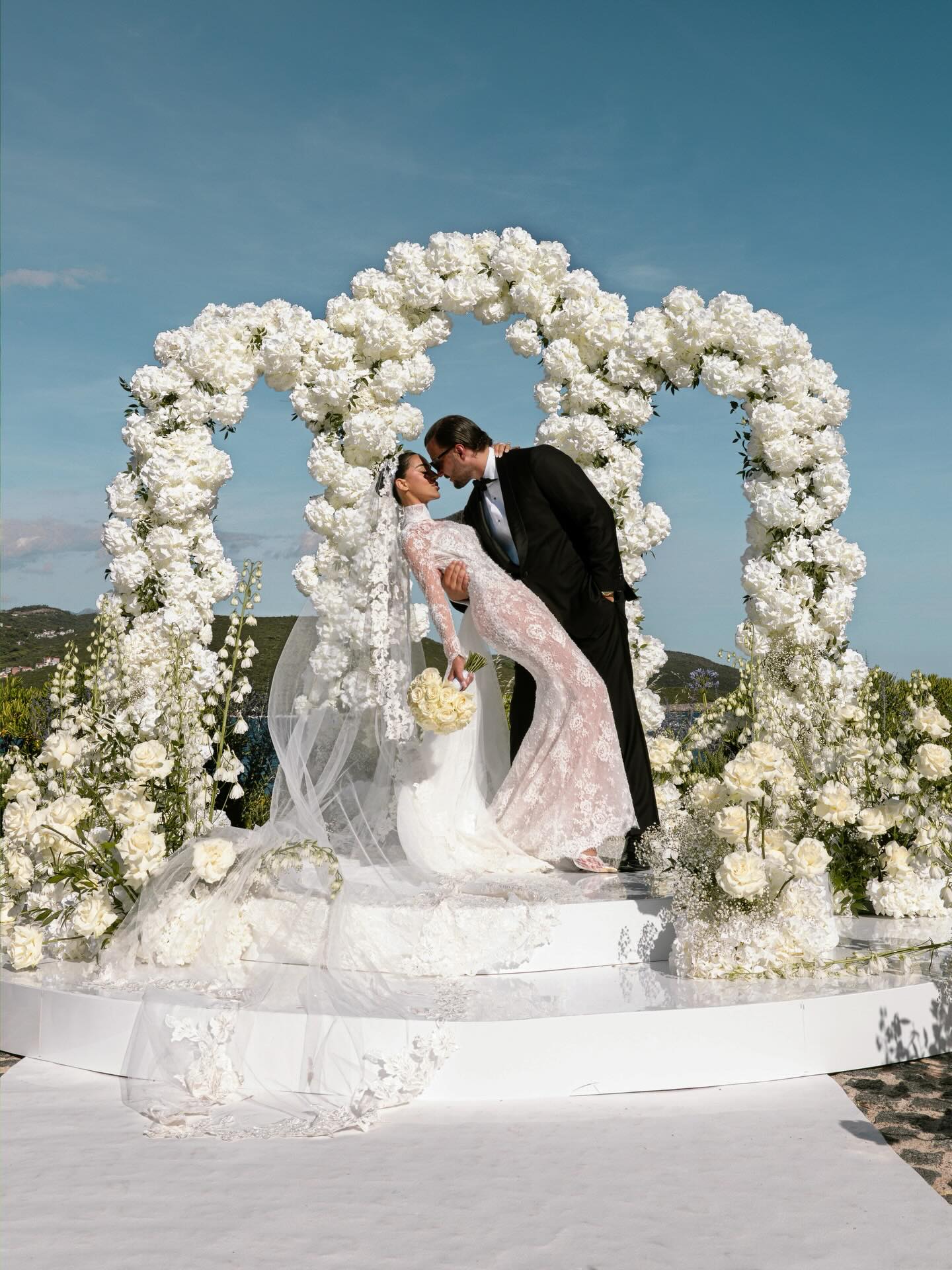
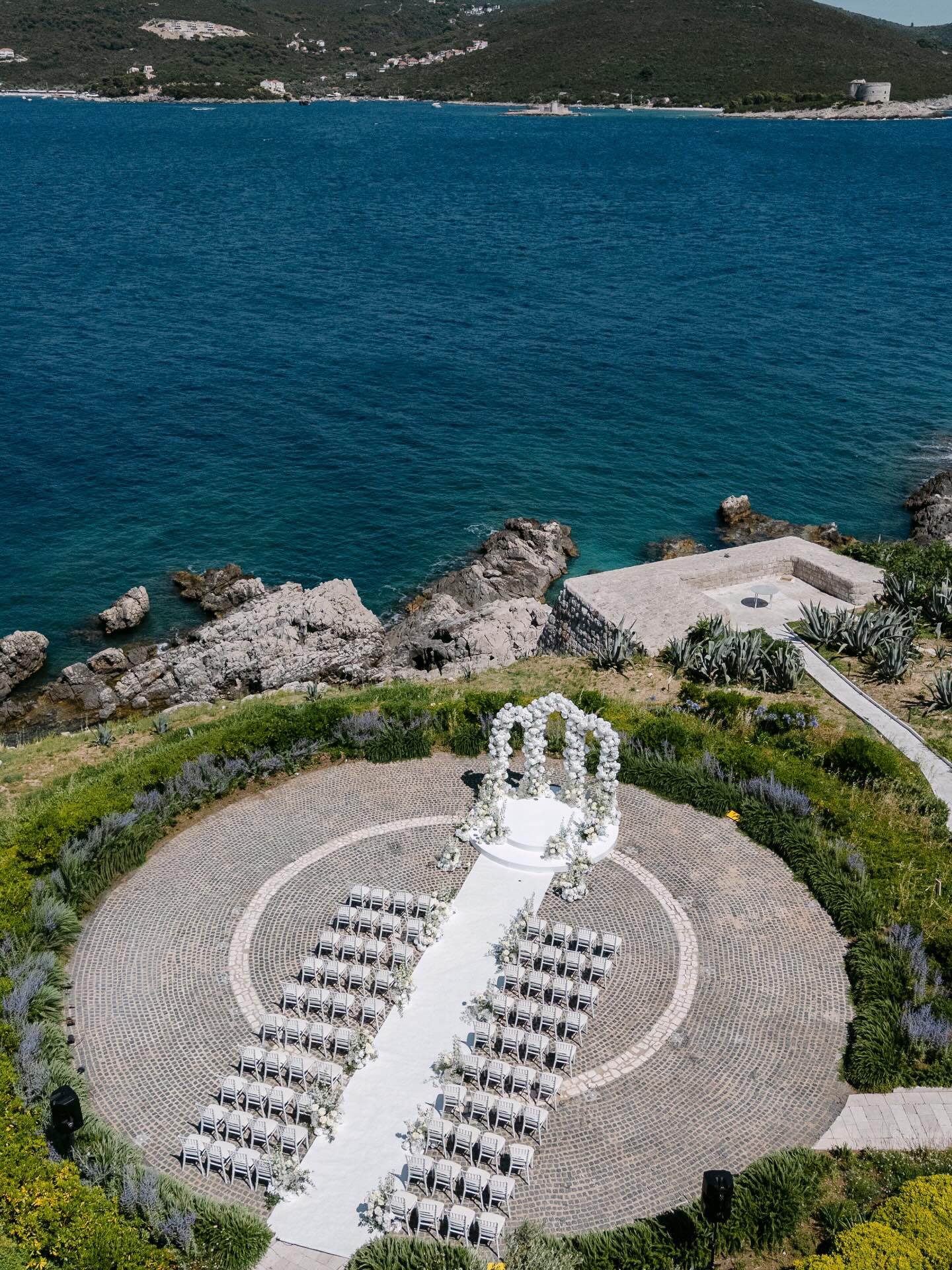
What if someone gets sick on the morning of the wedding? Gear failing mid-ceremony. No one likes to think about worst-case scenarios this specific, but that's exactly where a real professional stands out from someone who's just winging it: vague comfort versus an actual, rehearsed plan. It's worth asking directly:
- Who is the backup photographer, and have they worked together before?
- Do they carry extra camera bodies and memory cards, or can they improvise if something breaks?
- Does the insurance cover cancellation and equipment failure specifically, or just general liability?
- Has this contingency plan ever been used, and how did it go?
- What's the protocol if a memory card gets corrupted during the shoot? Do they use dual-card shooting as a standard practice, or do they just hope for the best?
- If they're suddenly unavailable, how quickly could a replacement be briefed on the day's full timeline and shot list?
- Does the contract spell out what happens if they can't shoot the wedding for any reason?
A dodgy or defensive answer to any of these questions speaks volumes. Photographers who have been doing this for a while usually have someone specific in mind - not a vague "we'd sort something out," but a real name. This kind of contingency planning is standard in the industry, and a photographer who hasn't thought it through isn't experienced enough.
Get Everything in Writing
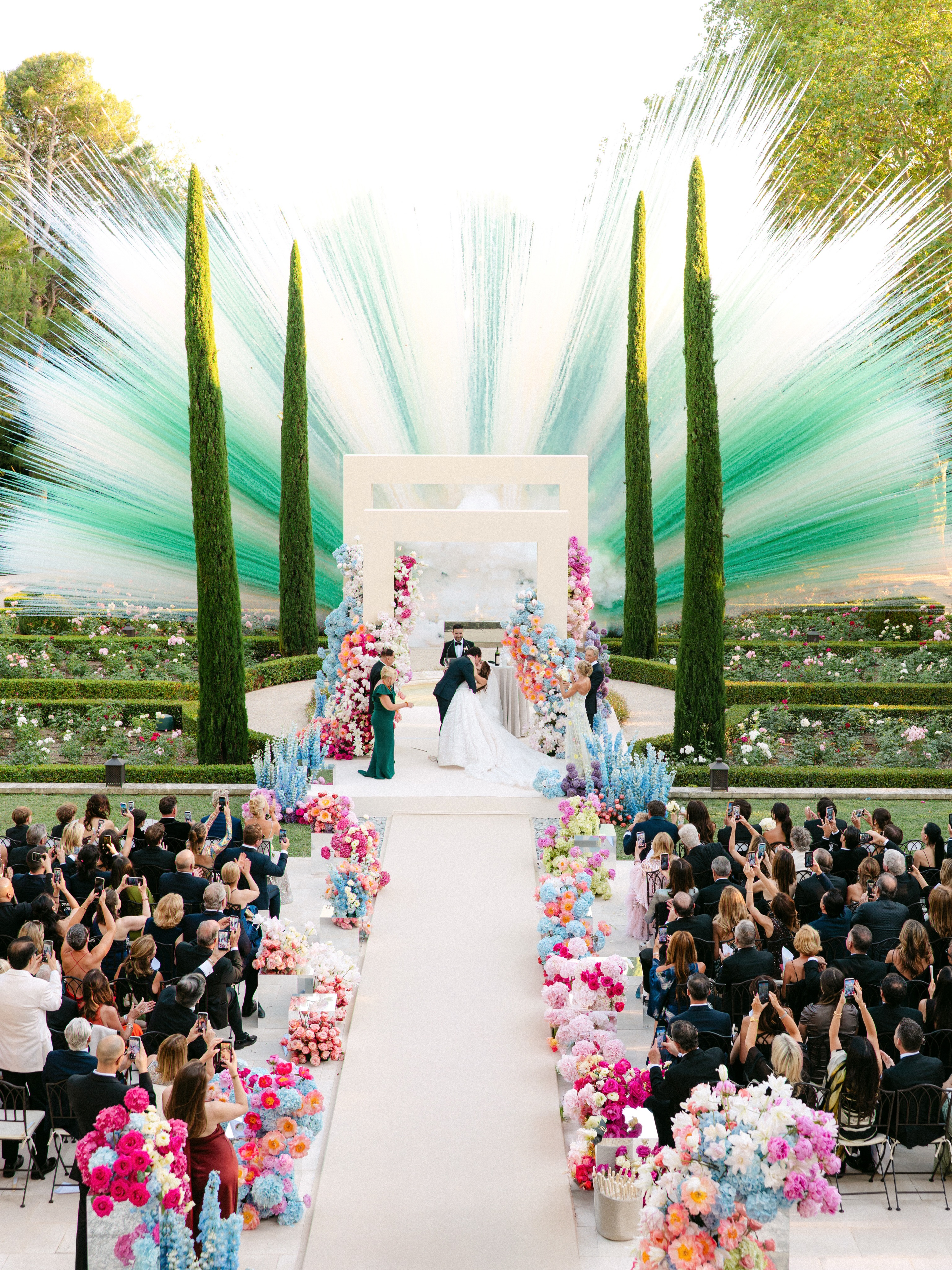
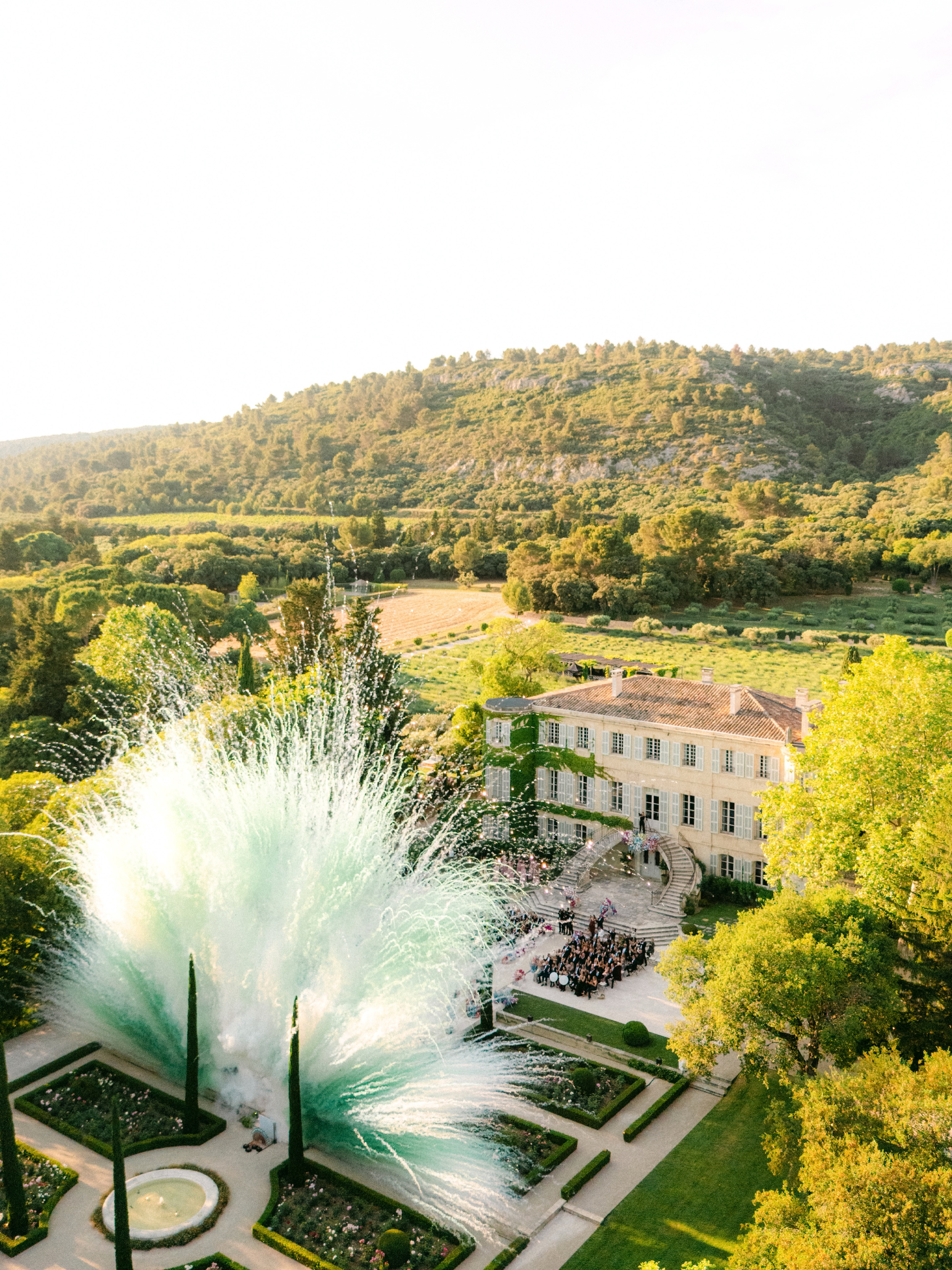
Verbal promises tend to disappear the moment something goes wrong. Details such as coverage hours, the number of edited images, delivery timing, what happens if the date changes, the payment schedule, and what constitutes overtime should not be discussed casually via text or with a casual "sure, no problem" during the initial call. These details belong in a signed contract with both names on it.
This isn't about assuming bad faith. It's about the fact that two people can sit through the exact same conversation and remember it differently three months later. That's just how memory works. It's not a character flaw. A solid contract addresses issues that couples rarely think to ask about initially, such as who owns the rights to the photos, whether the photographer can use them in their portfolio or ads, and the policy if the wedding is postponed. Reading the contract carefully before signing it is far more helpful than any reassuring phone call.
Don't Choose Solely on Price
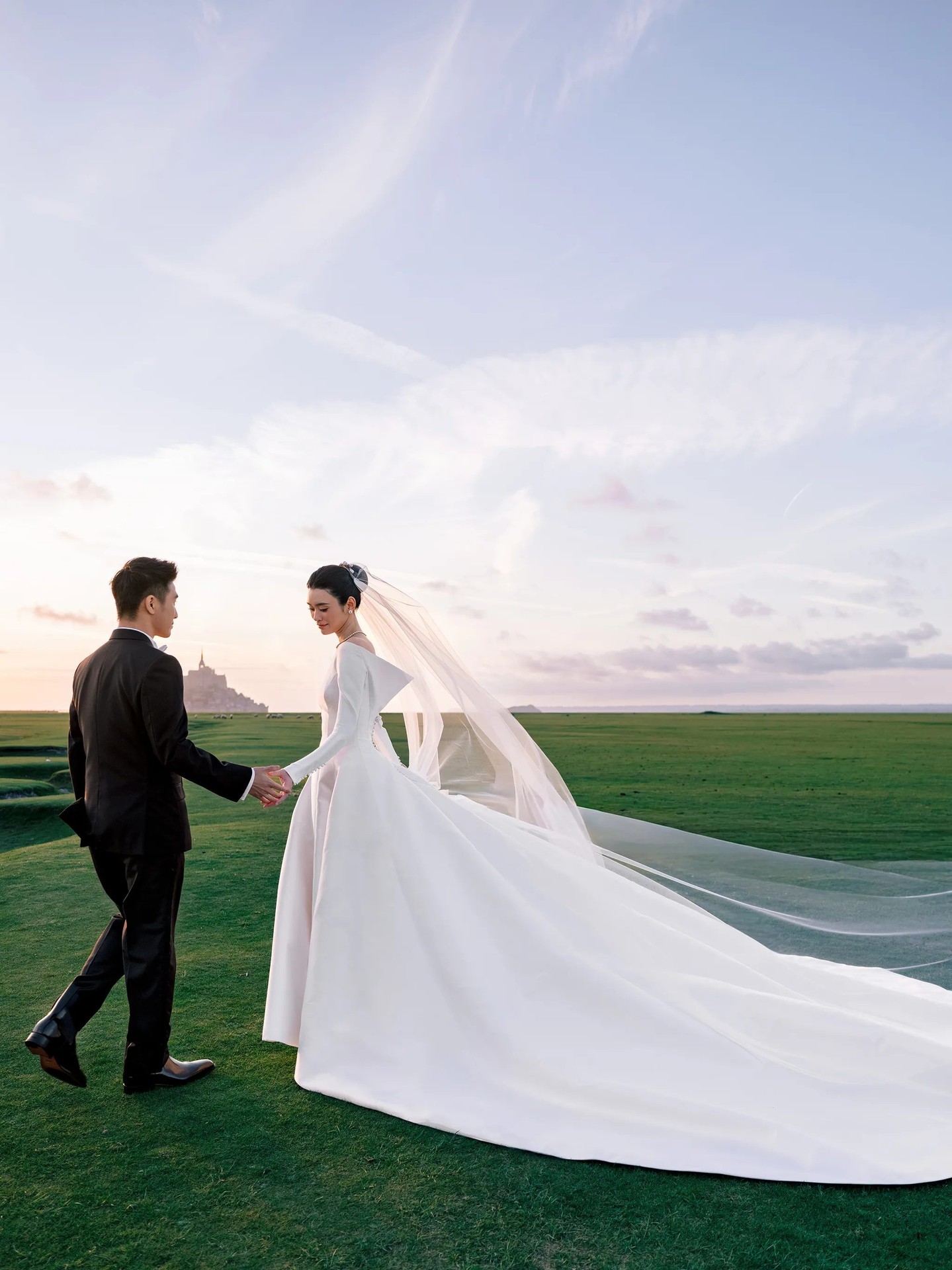
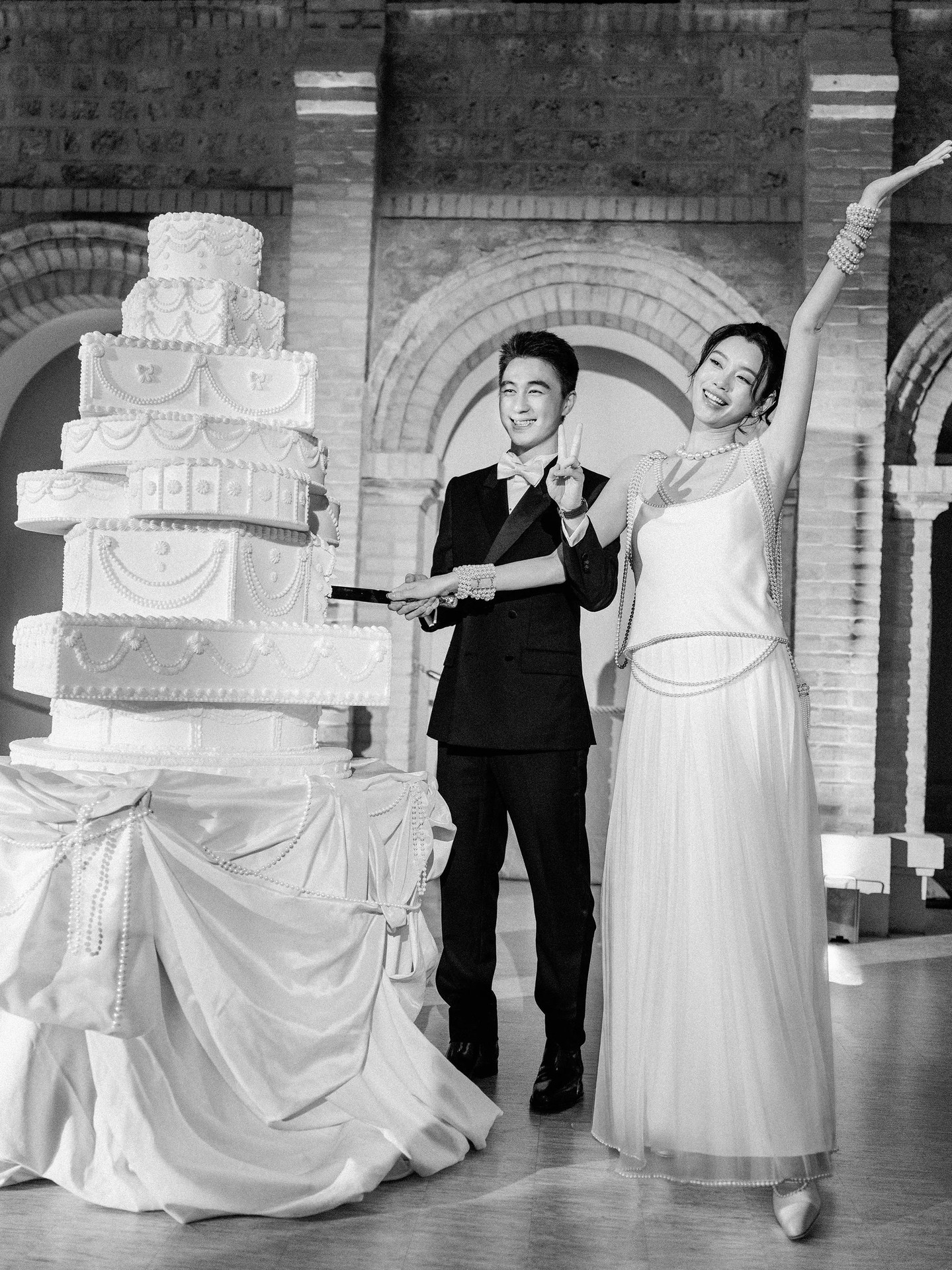
The cheapest name on the list isn't necessarily a mistake, nor is the priciest one necessarily the smart move. To find a good wedding photographer, consider other important factors, such as style, experience with the venue, personality, and what's included in the package.
A photographer who exceeds your budget but captures your exact vision will almost always be a better choice than a discount option that technically meets all your requirements but lacks the specific style or skill set your day actually calls for. The opposite is also true. The most expensive photographer on your shortlist isn't guaranteed to be the right choice, especially if their signature style doesn't match what you're looking for. Sometimes, the top-tier price tag is due to demand and name recognition rather than being a better fit for your wedding. Price should be part of the conversation, but it shouldn't be the only factor.
Book Earlier Than You Think You Need To
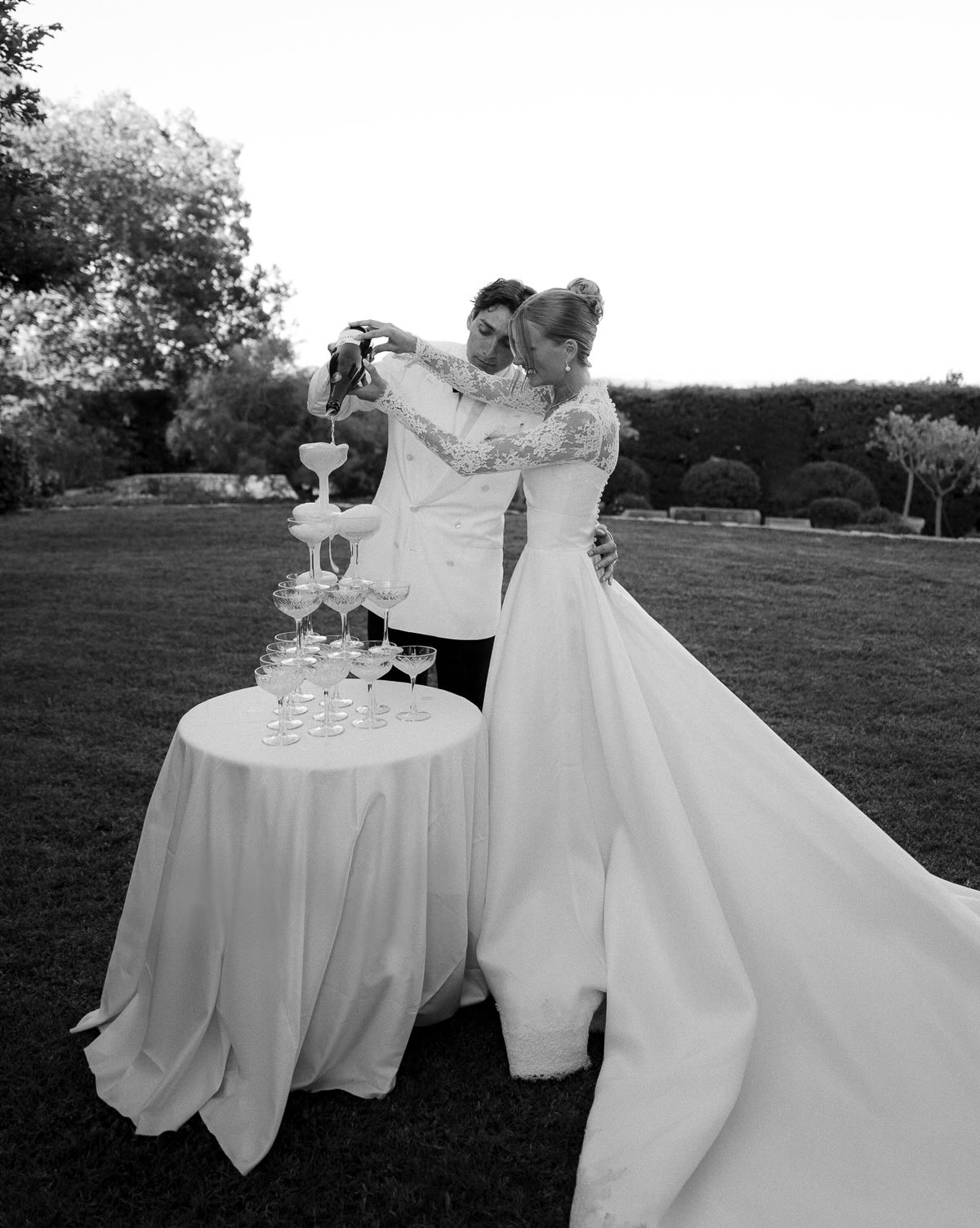
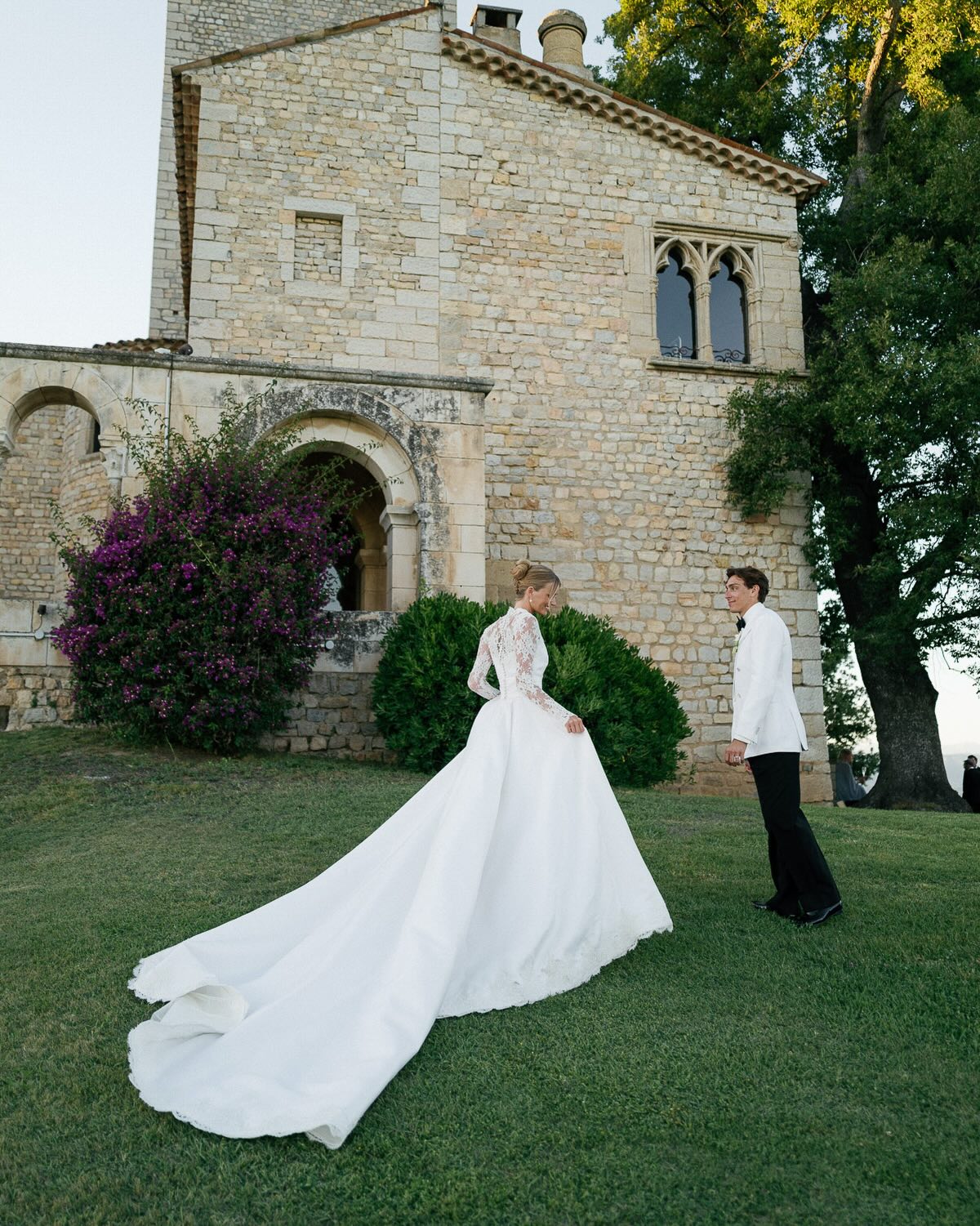
Some couples wait until three or four months before the wedding to start looking seriously, and then they're genuinely surprised when their top picks are booked solid. The good ones, especially those working during peak wedding months, fill their calendars a year in advance. By the time the search starts late, it's not really a choice anymore, but rather picking from whoever still has a free Saturday.
However, that's not an argument for rushing the decision. Booking early just buys time. It gives you time to schedule the engagement shoot without rushing it, time to build a real working relationship before the wedding day, and enough time to find a new photographer if the first choice falls through for any reason. None of that exists when there's only three months.
Since the best match depends on your style, venue, and how you want to feel in front of the camera all day, there's no universal formula for how to find wedding photographers. However, the process stays consistent. First, get clear on what you want. Then, look beyond the obvious places and trust both the portfolio and your instincts equally.
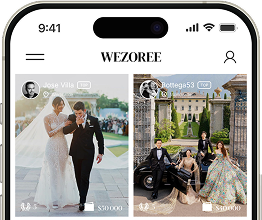
Ready to start your search? Browse Wezoree's full directory of wedding photographers from around the world. Use the filters to narrow down your search by style, location, and budget to find someone who feels like a good fit before you even pick up the phone.

FAQ
Is it normal to interview multiple photographers, or will it make me look indecisive?
It's completely normal. Most people talk to two or three photographers before committing to one. It's not about being difficult. Each conversation reveals information that a portfolio never will. Most couples end up choosing based on those conversations as much as the price.
Realistically, how far in advance should this be booked?
If you want someone who is in high demand, particularly for a popular date, a year in advance is a safe bet. However, six to nine months may still work, especially for off-peak seasons and weekday weddings, which tend to have more availability.
If the budget is tight, is it okay to just go with the cheapest photographer?
Not necessarily a great move. A photographer slightly above your budget who captures your style is usually a better investment than a bargain photographer whose work doesn't match your vision.
What counts as a reasonable response time when first reaching out?
Most photographers who run their businesses well will respond within a day or two. If it takes considerably longer than that to hear back before you've even booked, consider it an early indication of what communication might look like down the line.
Once a deposit is down, is backing out still possible?
It depends entirely on what the contract says. This is exactly why cancellation and rescheduling terms need to be spelled out clearly before any money changes hands—not assumed or left vague.
Does it matter if a photographer has never shot at our specific venue?
Not really, as long as they have comparable experience. A good photographer can adjust quickly. Ask them how they would prepare for a space they haven't seen yet. For example, ask if they would scout the venue in advance or if they would accept photos of the venue ahead of time.