How to Build a Wedding Day Timeline That Actually Works


What is a wedding timeline for the day? It's an hour-by-hour plan that tells everyone, from your hairstylist to your DJ, where they need to be and when. Think of it as the script that ensures your wedding day runs smoothly instead of descending into a beautiful yet chaotic guessing game. Without a timeline, even the best vendors end up improvising, and improvisation rarely looks as good as a plan. With a timeline, you can relax and enjoy your day instead of constantly checking the time. That's the whole point!
Find Your Perfect Wedding Vendors

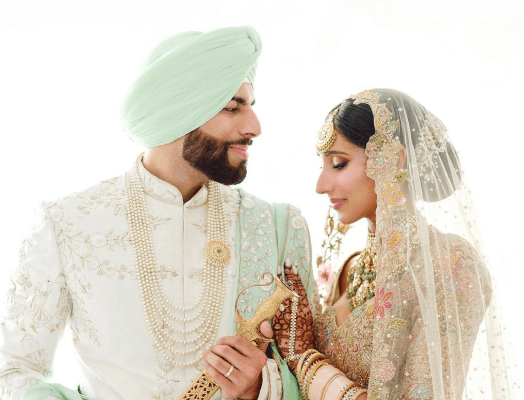

Wedding Day Timeline: Why Every Couple Needs It
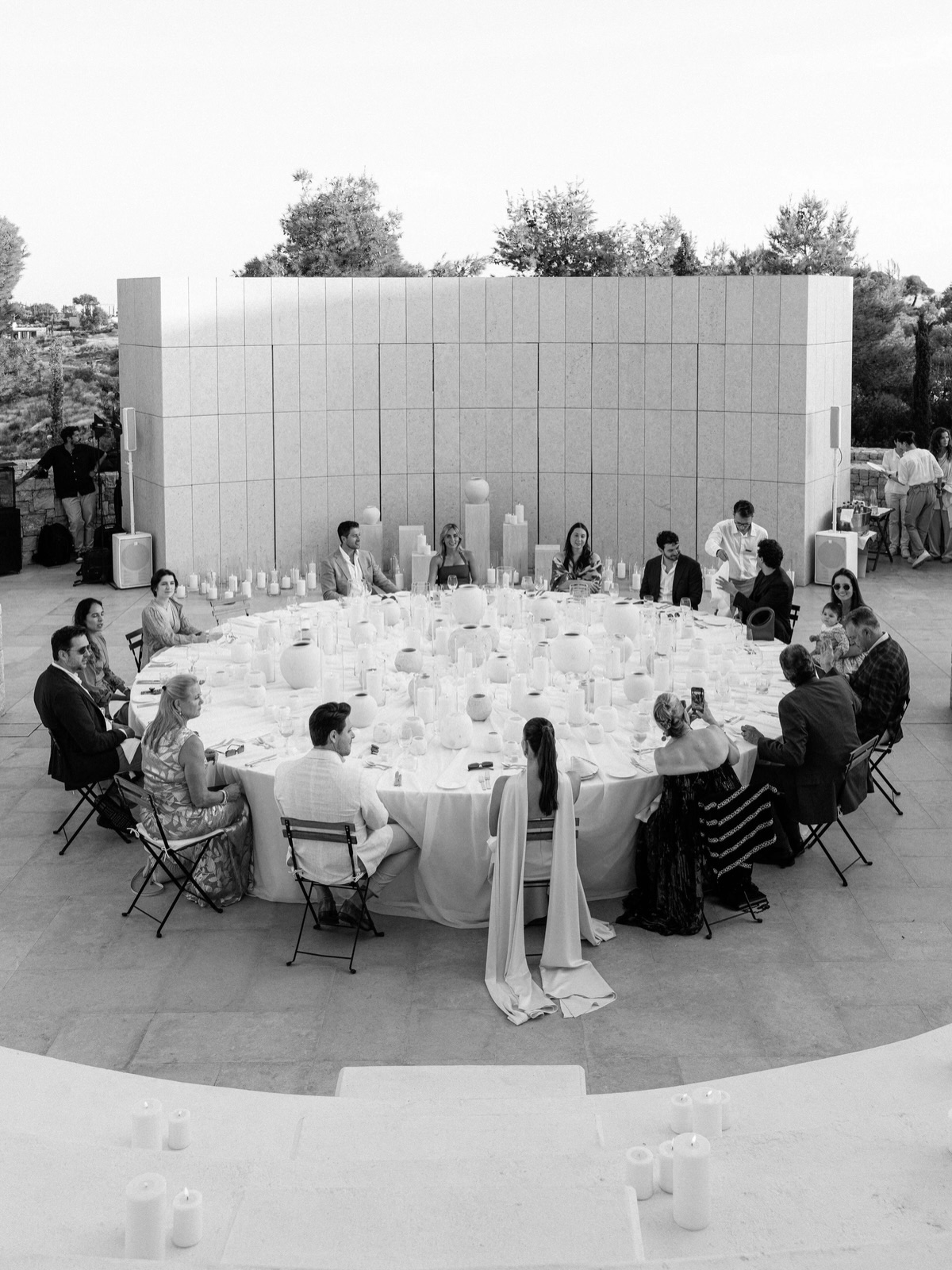
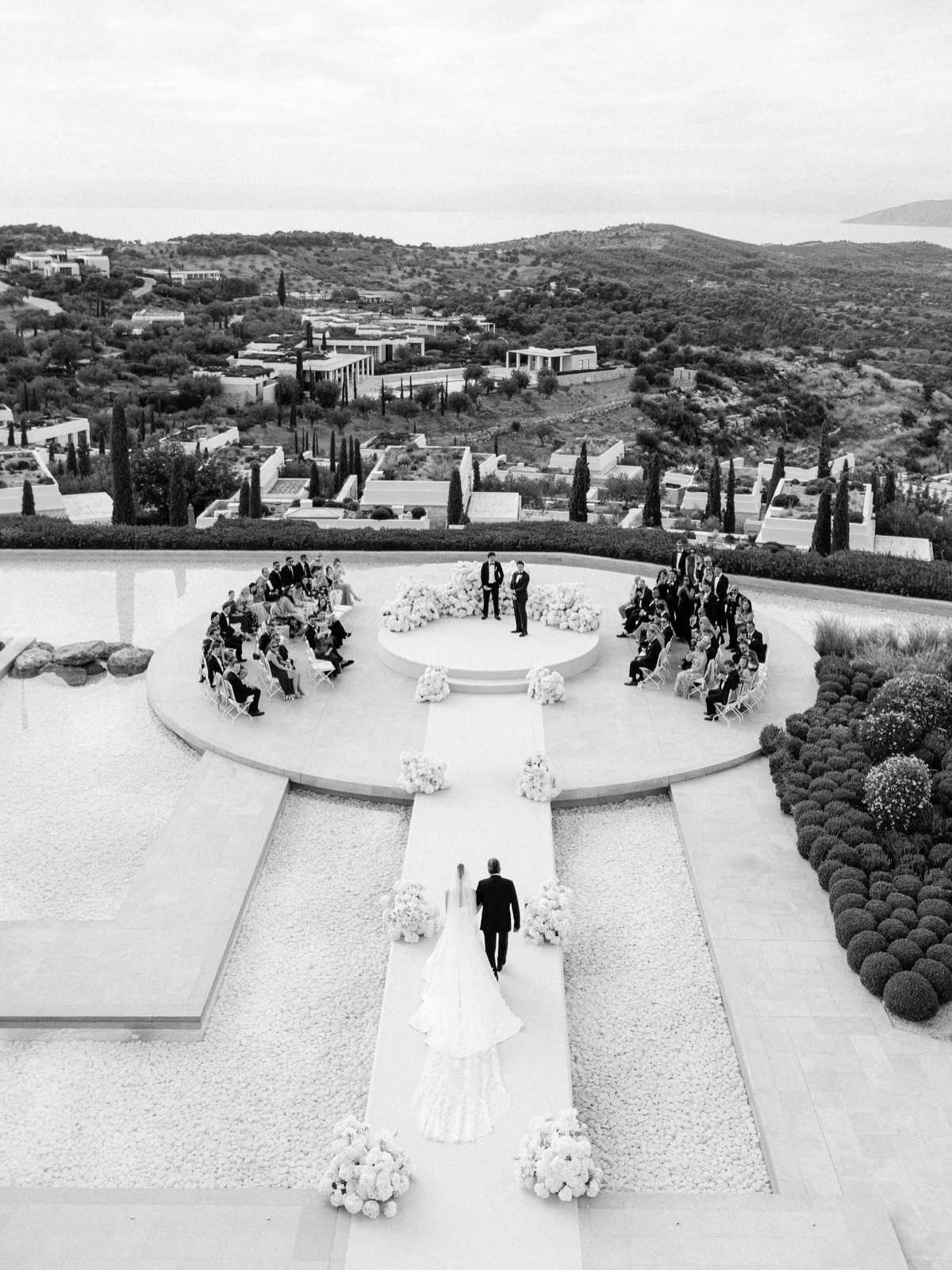
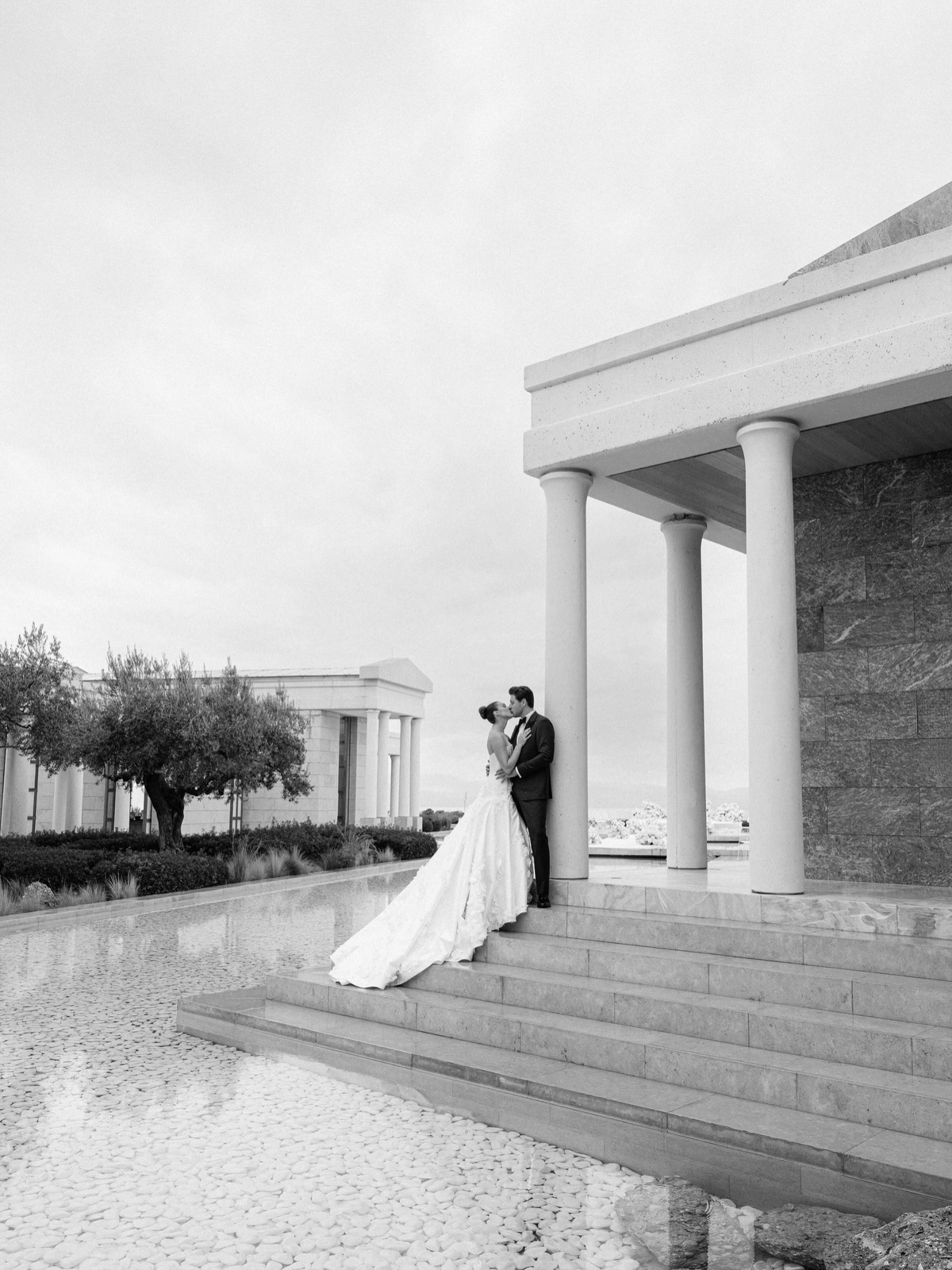
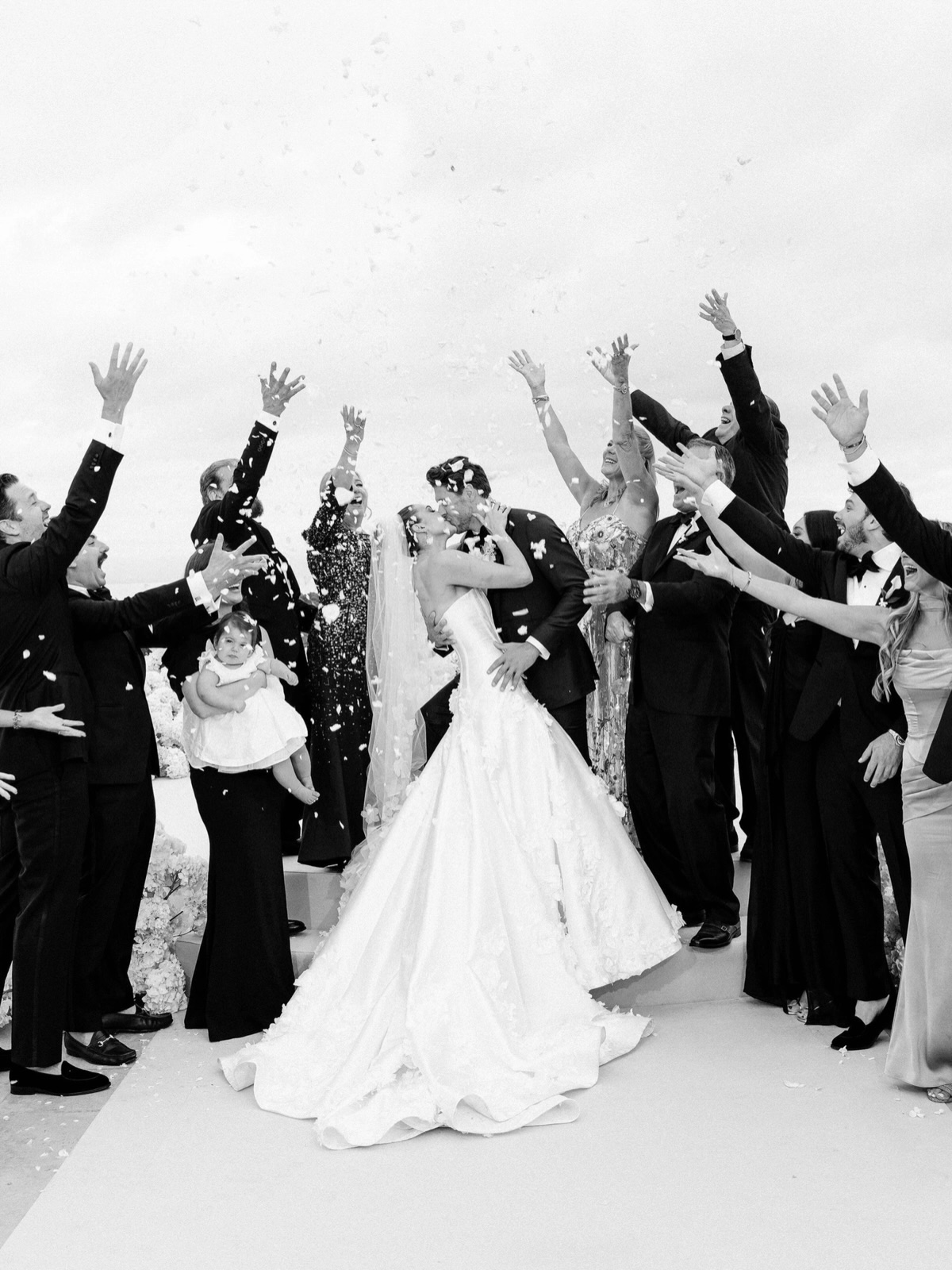
Every wedding needs a timeline for the big day because weddings involve more moving parts than almost any other event you'll ever host. There's hair and makeup, a photographer, a videographer, the ceremony and the reception, not to mention all the small moments in between that need their own slot. A timeline transforms that chaos into a checklist that everyone can follow without the need for constant check-ins. It's not about being rigid, but rather about giving your day room to breathe.
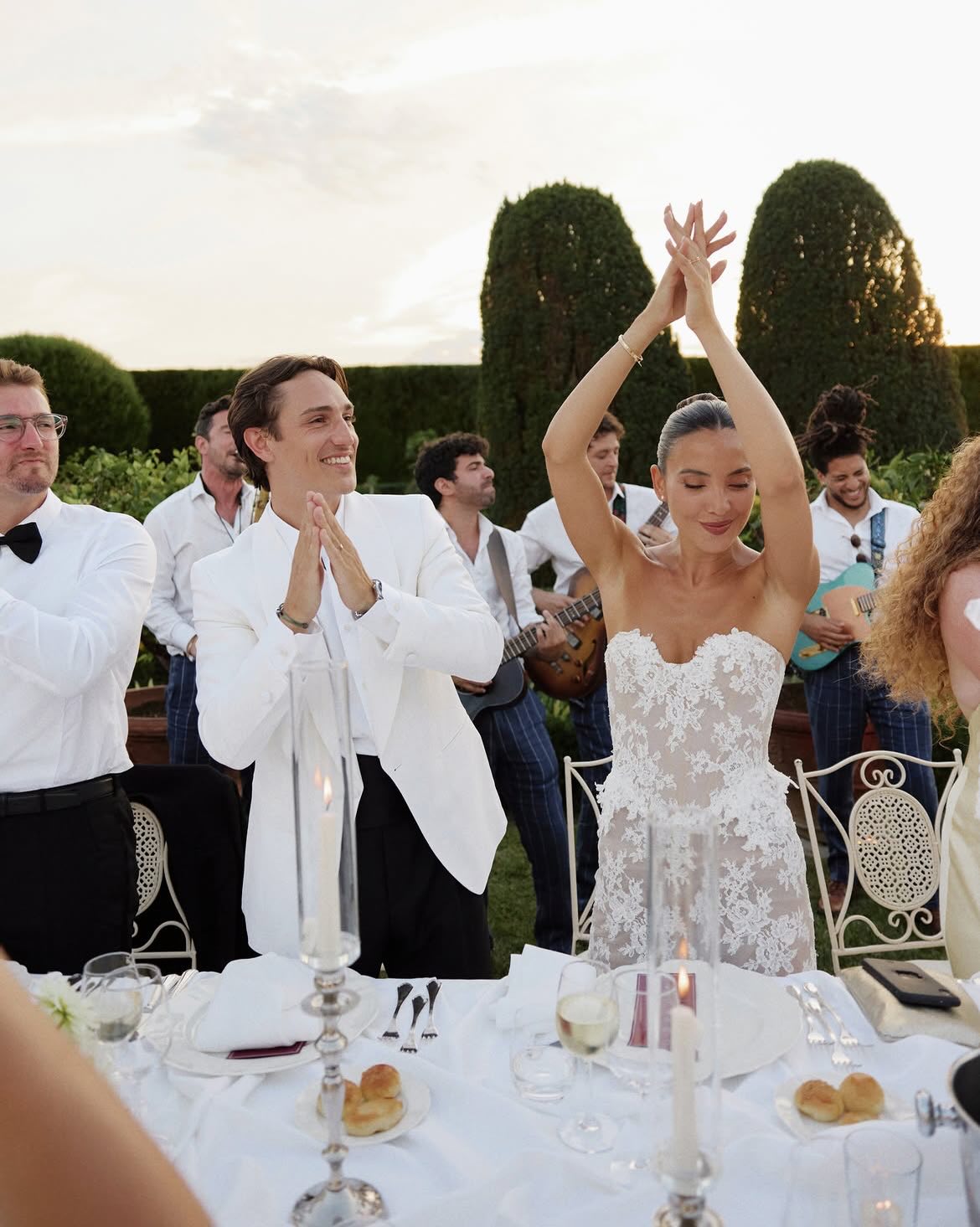
A timeline ensures that everyone is on the same page by providing each vendor with the same detailed schedule of the day's events. When your florist, planner and photographer are all working to the same schedule, nobody has to guess what happens next. This shared plan makes the vendors feel like a team rather than separate contractors who happen to be at the same venue. It also means that you, the bride, never have to be the one asking, "Wait, what's happening now?"
If you don't have a timeline, someone will end up in a panic, and it's often you. Without a clear schedule, the hair and makeup artist may take too long, the first look may be rushed, or the DJ may start the cake cutting before anyone is near the cake. None of these things alone will ruin a wedding, but they can quickly add up when nobody's keeping track of time. A simple written plan can prevent almost all of these issues before they arise.
What Does a Typical Wedding Day Timeline Look Like?
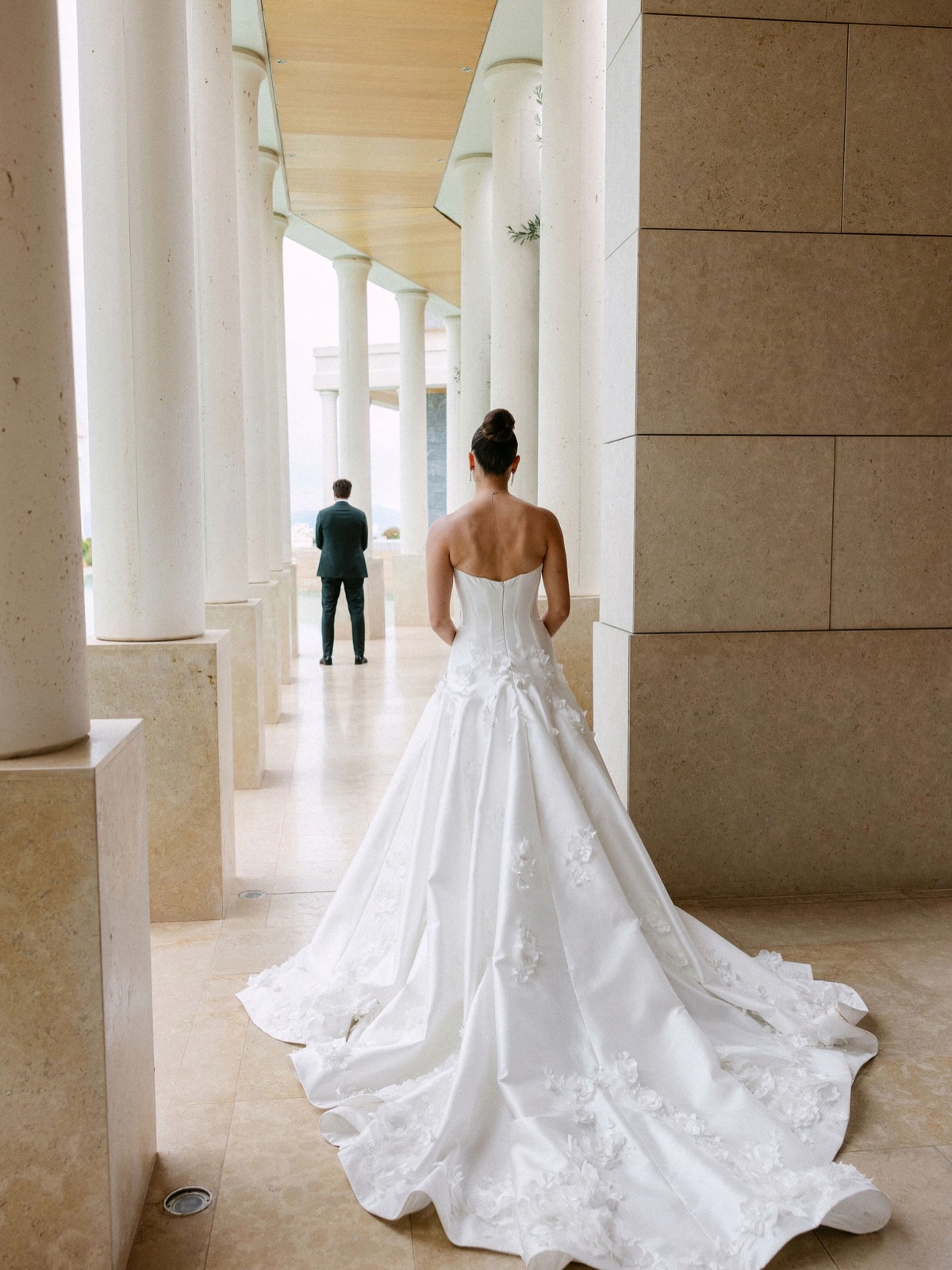
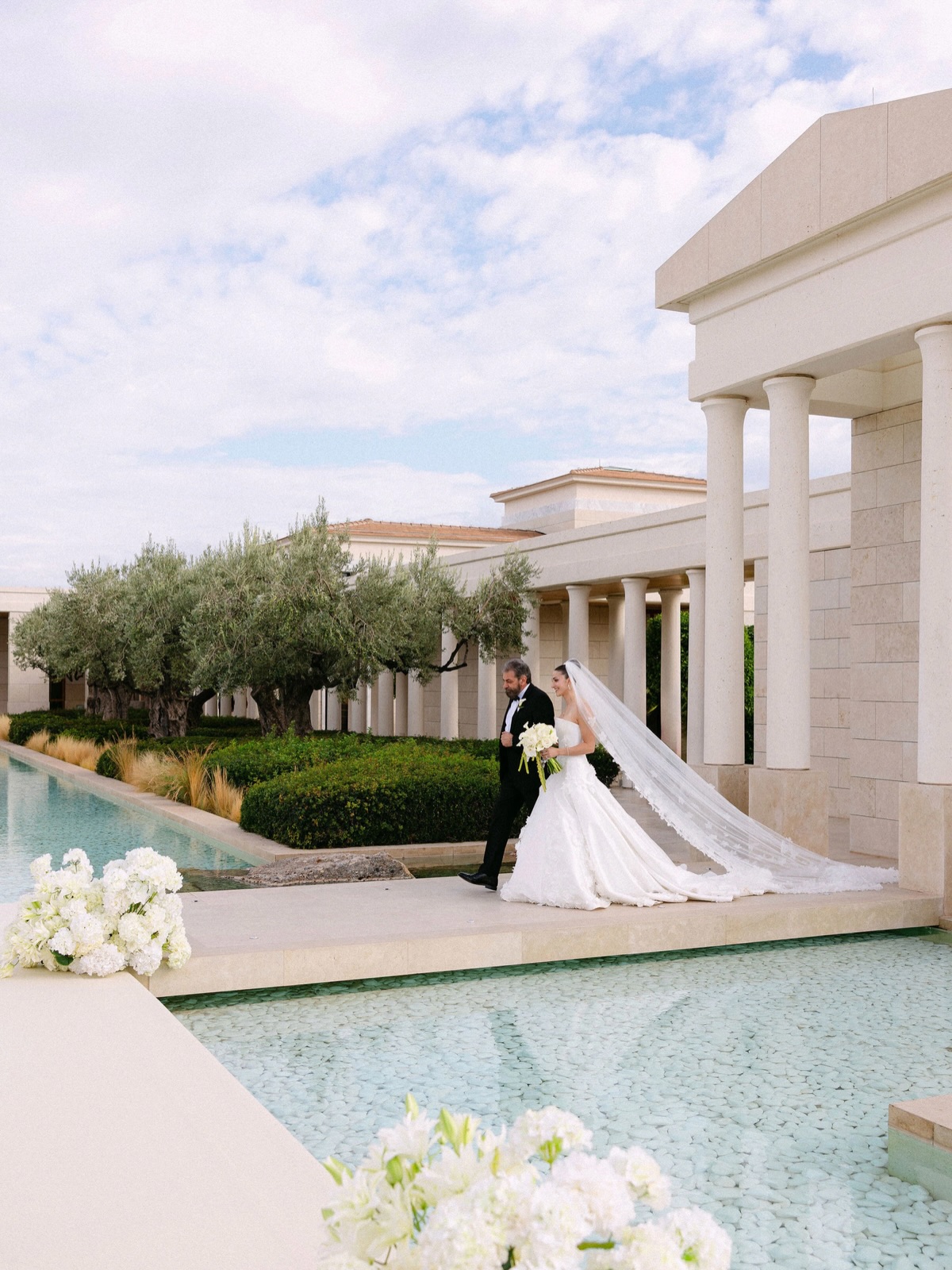
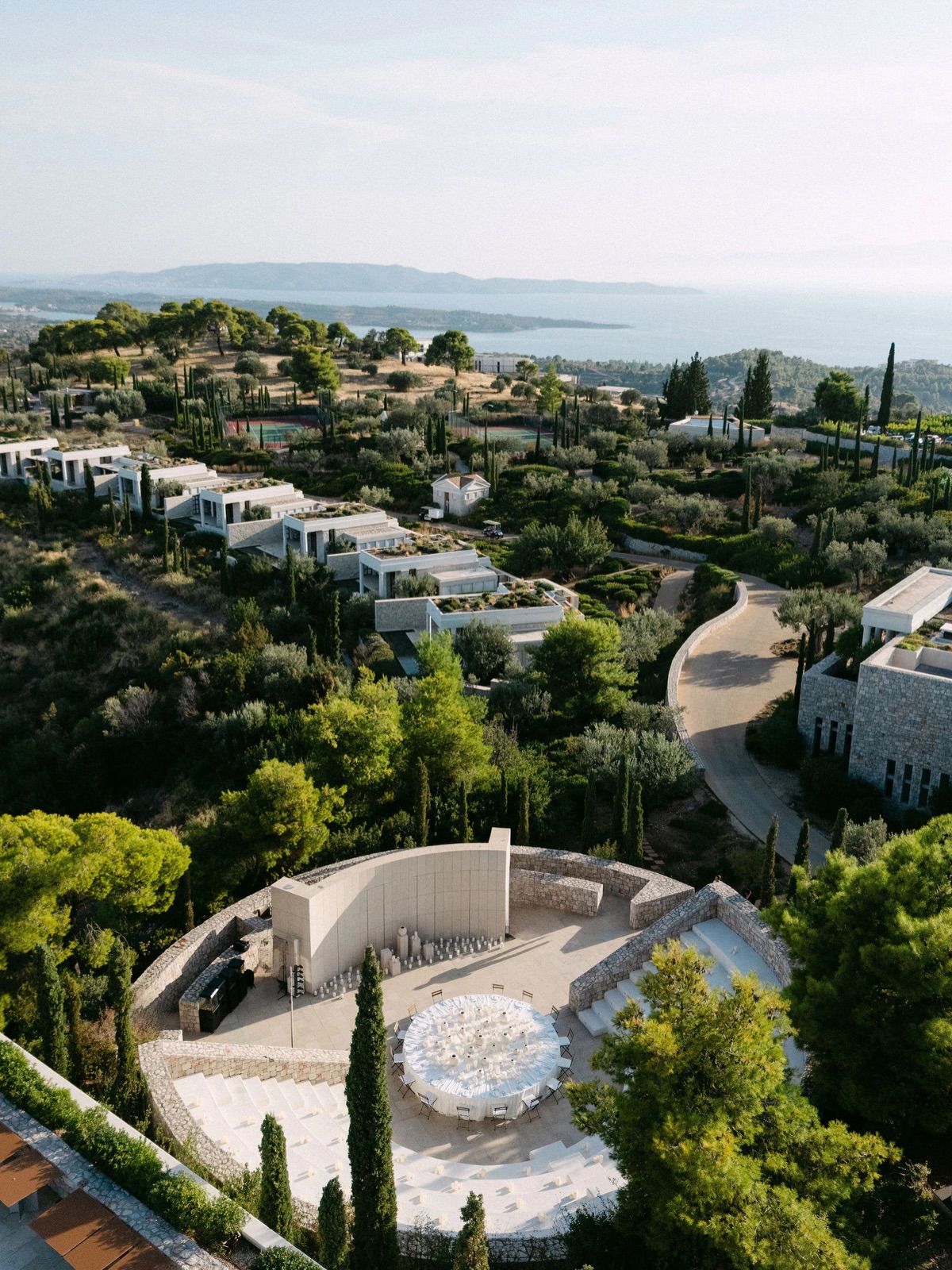
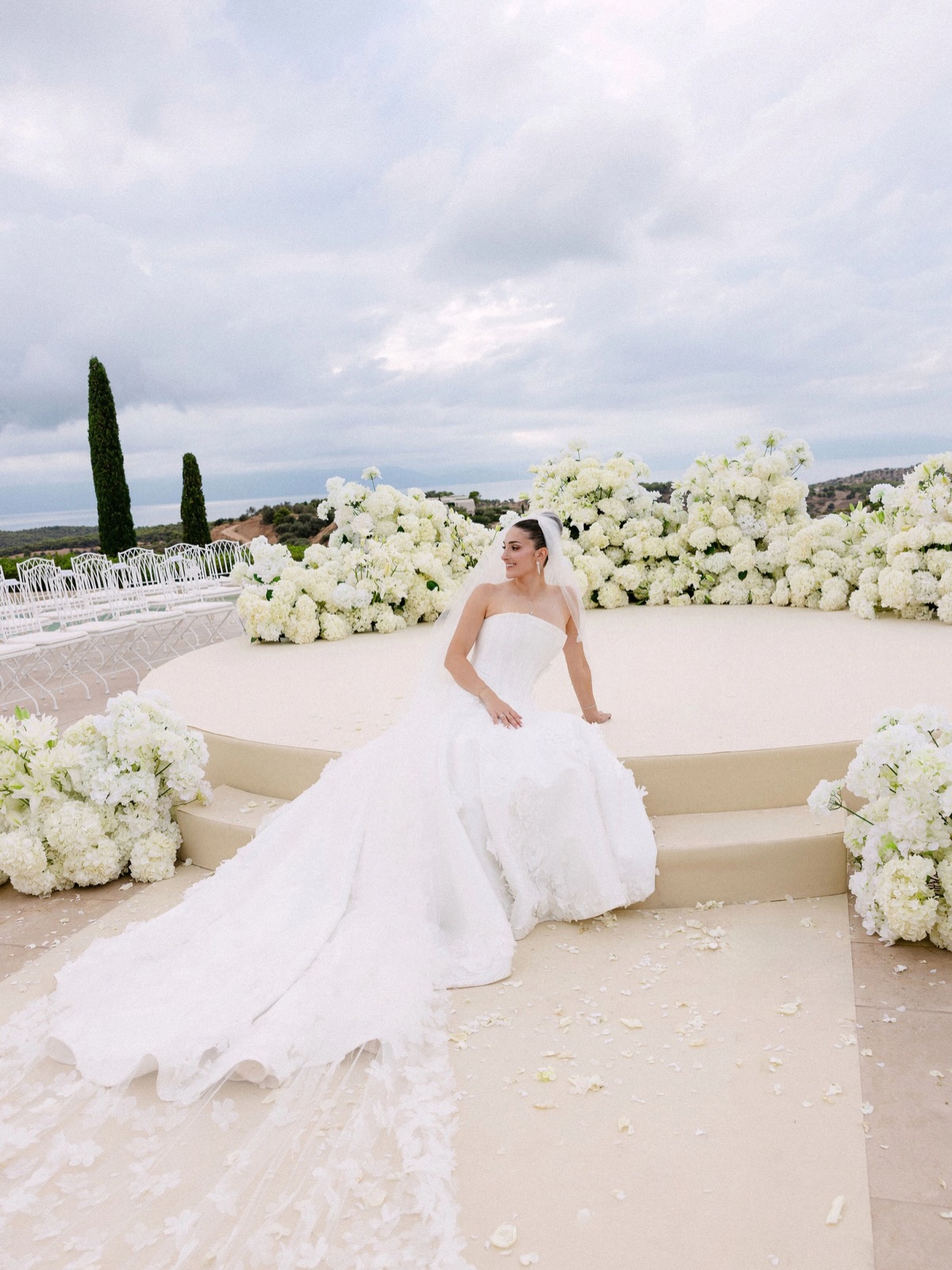
A typical wedding day timeline is usually planned around the ceremony time, since that is the one element that cannot be changed. Everything else - hair and makeup styling, photo shoots, and travel - is slotted in around it. While the details may differ, most weddings follow a similar rhythm: getting ready, the first look or portraits, the ceremony, the cocktail hour, the reception, and the send-off. The exact times vary depending on the ceremony time, but the overall structure remains consistent.
A Sample Morning-to-Ceremony Timeline
Here's a sample wedding day timeline for a late-afternoon ceremony, to give you an idea of the timings. For an evening ceremony, almost everything happens later, but the logic stays the same: family photos and the first look often happen earlier to save golden hour for the couple's portraits, while dinner, toasts and dancing simply start later to coincide with sunset.
- 9:00 am - Hair and makeup begins
- 11:30 am - Getting-dressed photos
- 12:15 pm - Bridal portraits
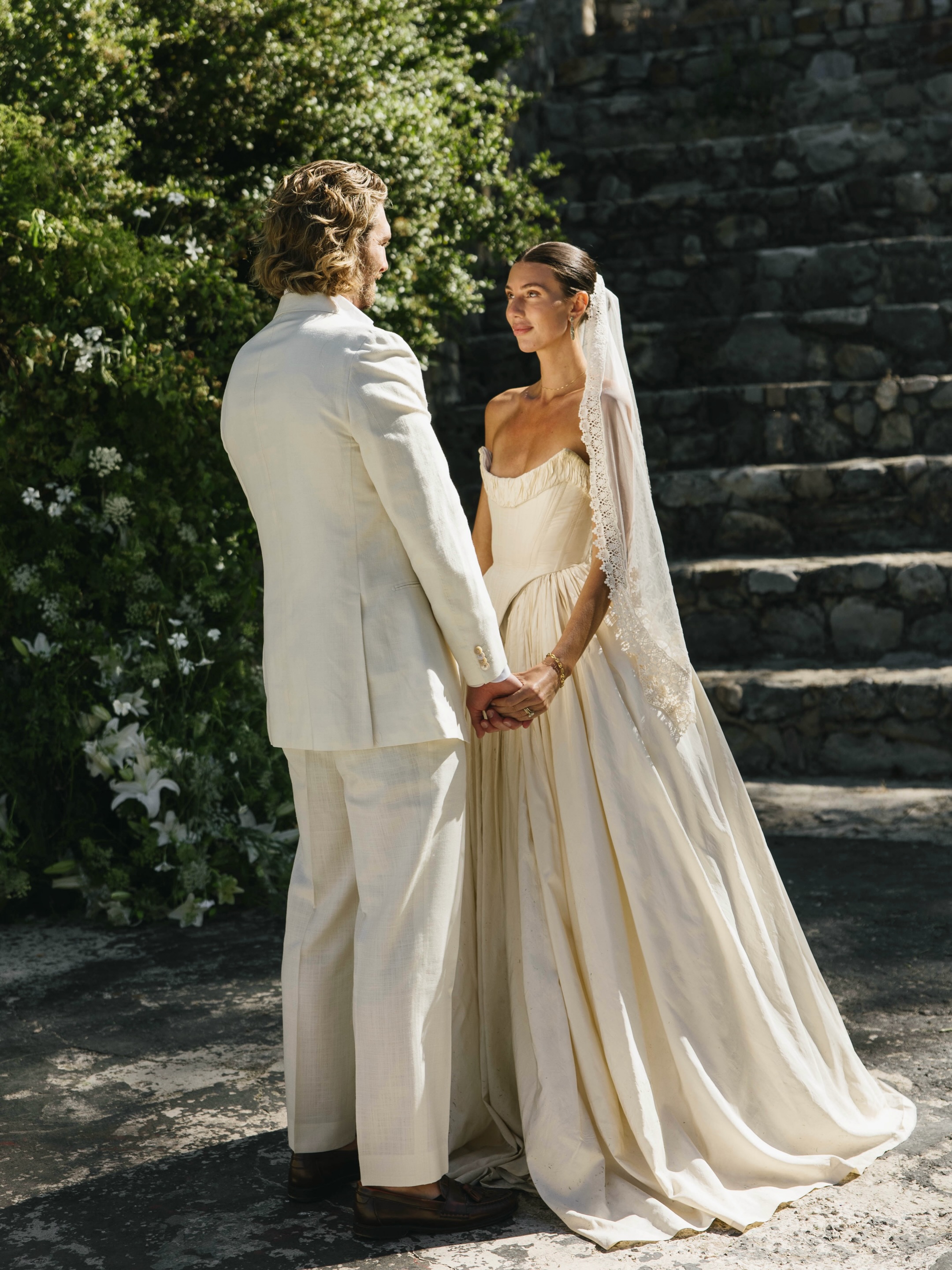
- 1:00 pm - First look with your partner
- 2:00 pm - Wedding party and family photos
- 3:30 pm - Guests arrive and take their seats
- 4:00 pm - Ceremony begins
Notice how each block has breathing room built in. That padding is what saves you when hair takes twenty extra minutes, which it almost always does.
A Sample Reception Timeline
Once the ceremony is over, the reception usually follows this timeline:
- 4:30 pm - Cocktail hour starts
- 5:45 pm - Guests move to the reception space
- 6:00 pm - Grand entrance
- 6:15 pm - Dinner service
- 7:15 pm - Toasts
- 7:45 pm - First dance and open dancing
- 9:30 pm - Cake cutting
- 11:00 pm - Send-off
This day of wedding timeline works for most receptions, though you can swap the order of toasts and dancing around based on your preference.

How to Build Your Own Wedding Day Timeline Template
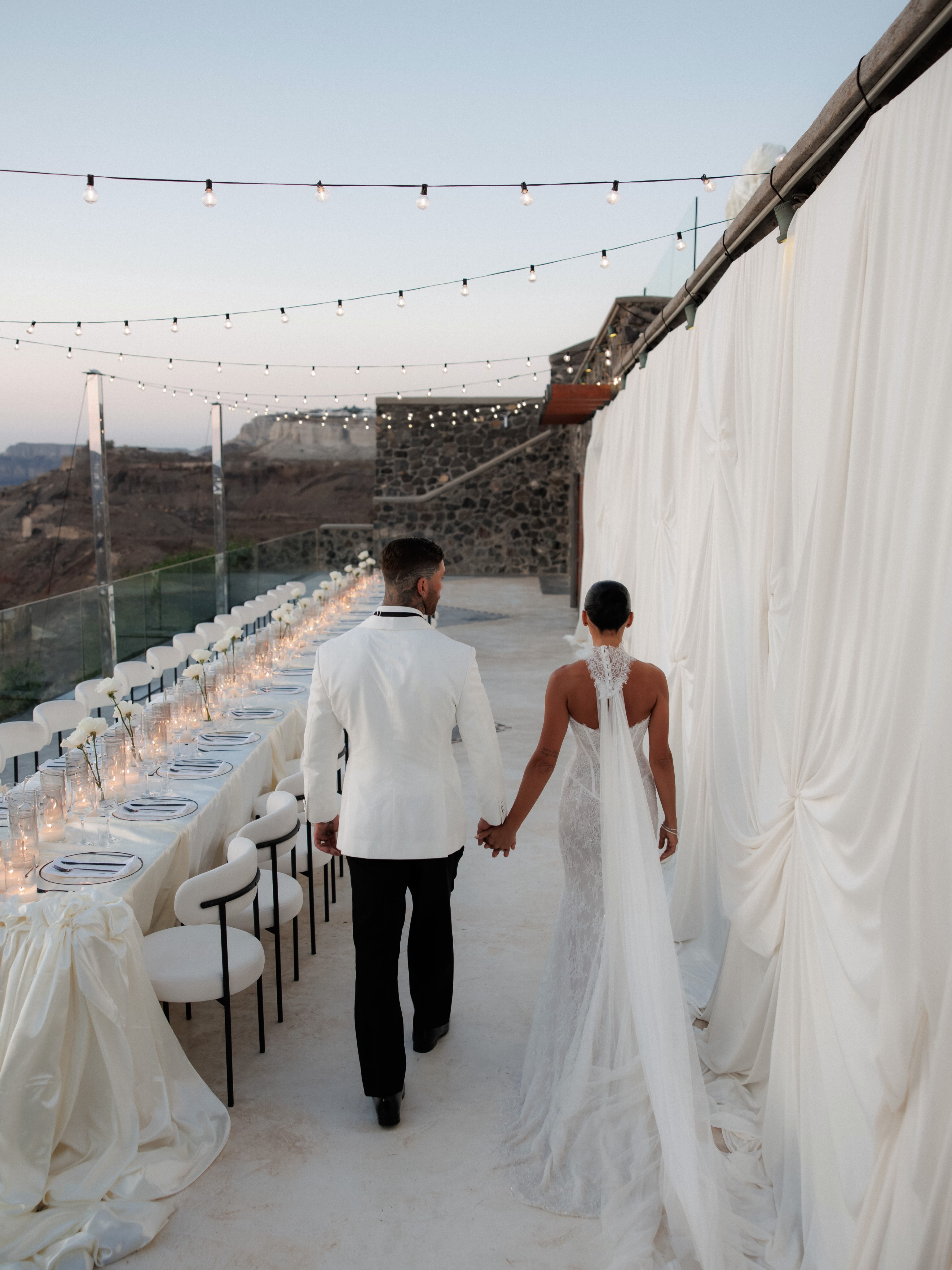
You can create your own wedding day timeline by starting with one fixed point - your ceremony time - and working outwards from there. Once this is confirmed, you can allow time for hair and makeup, photos, and travel, and then plan the cocktail hour, dinner, and dancing afterwards. Planning in any other order usually means having to constantly rearrange the whole day, so it's best to lock in the ceremony time first and let the rest fall into place. This is exactly what a wedding planner does during the initial planning meeting, and you can do it yourself with a little patience.
Leave Room for Hair, Makeup, and Photos
Hair and makeup for the bride usually takes between two and two-and-a-half hours, and that's before anyone else in the bridal party has their turn. Taking detailed shots and photos of the preparations adds another twenty to thirty minutes. First-look photos require an additional thirty minutes, even if the moment itself only lasts two. Underestimating this time is the most common mistake couples make when planning their timeline.
Comparing Timeline Styles at a Glance
The rhythm of the day is completely different depending on the style of the ceremony, so it helps to see them side by side.
| Wedding Style | Ceremony Timing | Best For |
|---|---|---|
| Daytime wedding | Late morning to early afternoon | Couples who want a full day of celebrating |
| Sunset wedding | Early to late evening | Couples chasing golden-hour photos |
| Brunch wedding | Mid to late morning | Couples who prefer a shorter, relaxed event |
No matter which style you choose, allow fifteen to twenty minutes between major activities instead of scheduling them back-to-back with no margin for error. Traffic, a late vendor or a dress that needs an extra pin can quickly eat into your schedule, and it's this small cushion that prevents one delay from snowballing into three. Professional planners build this into their schedules automatically, so if you're planning your own event, do the same.
Your Wedding Day Timeline Checklist
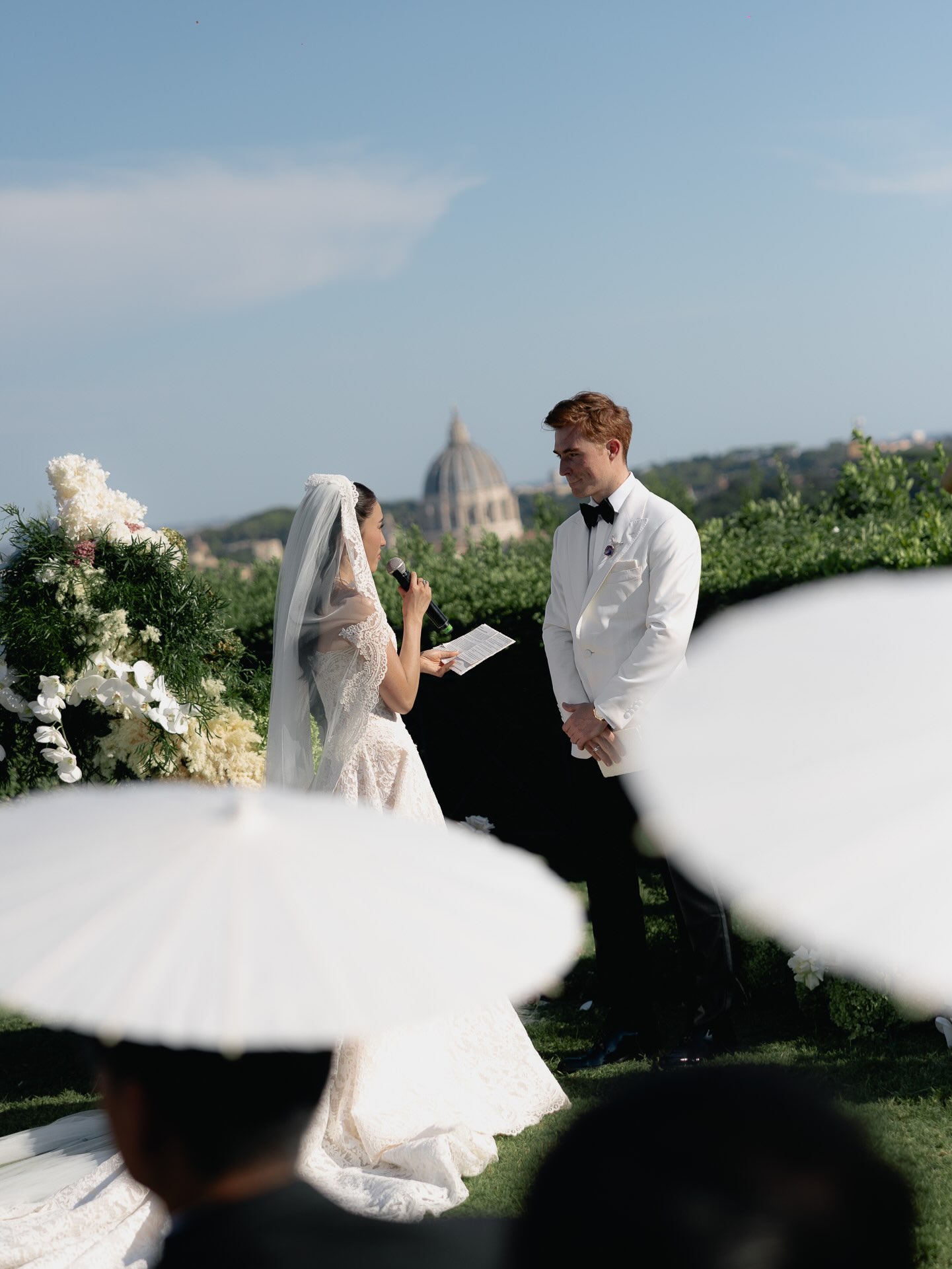
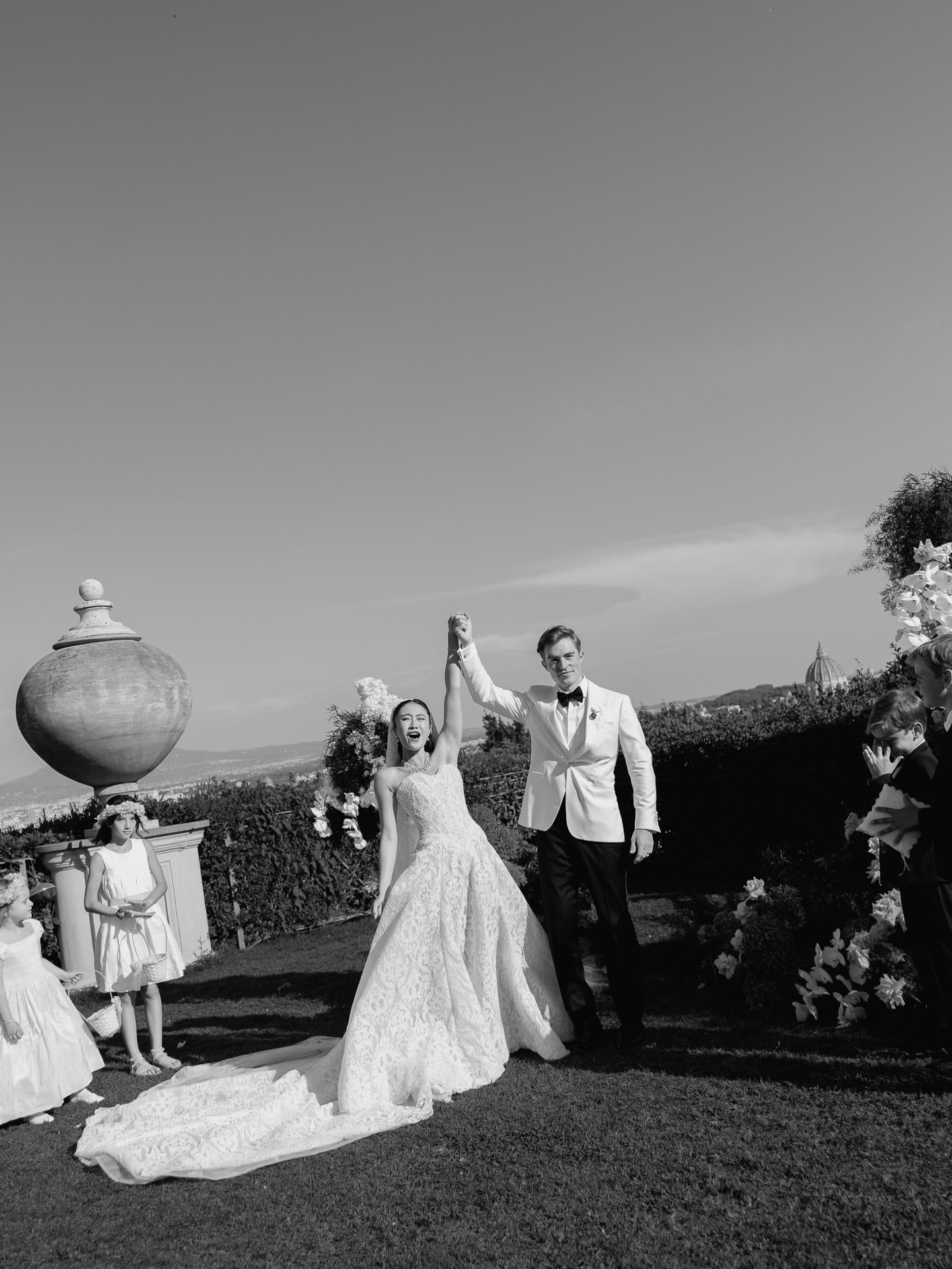
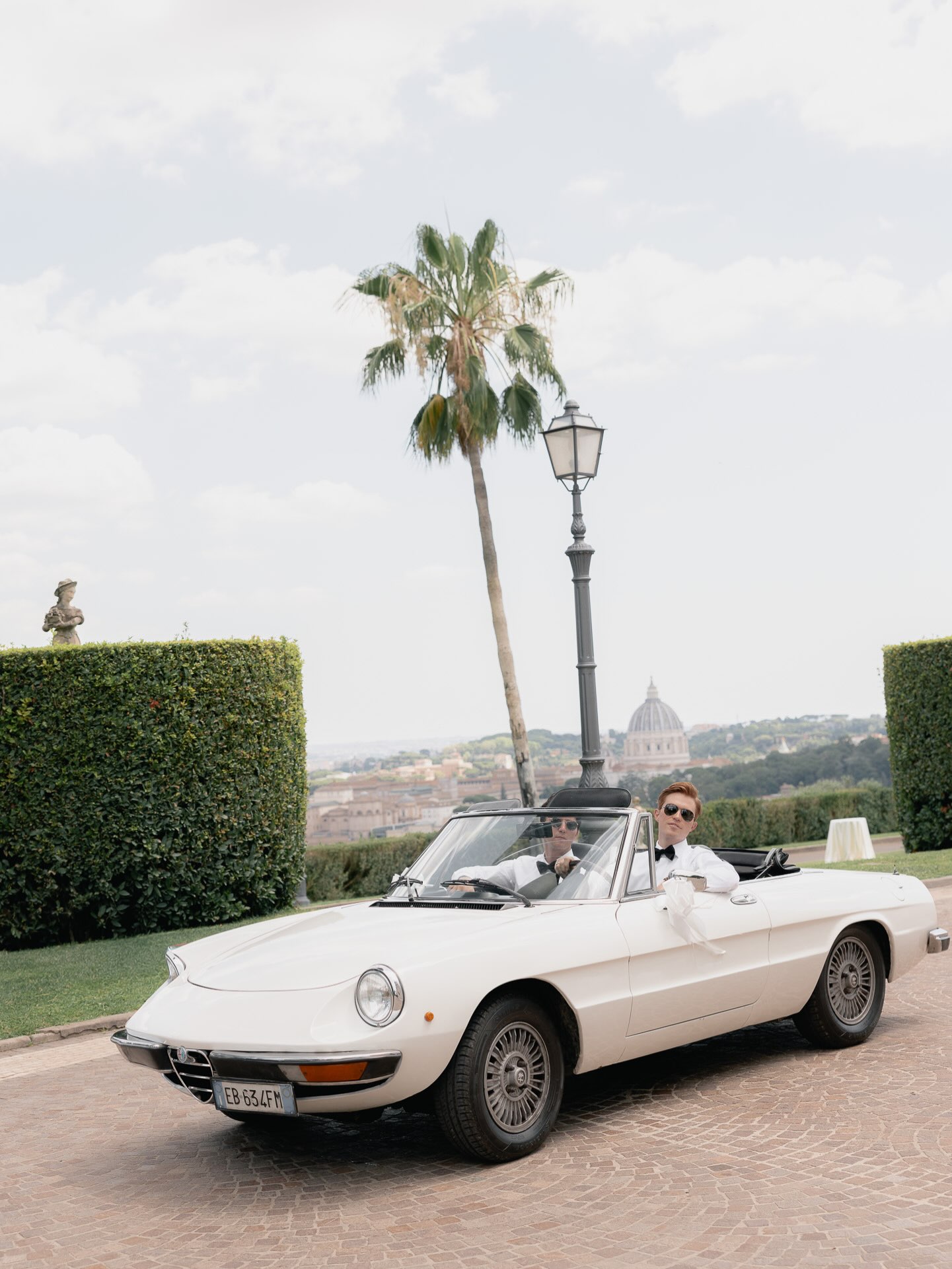
Your wedding day timeline checklist should cover not only the timings, but also the small details that ensure the day runs smoothly. A few extra minutes of preparation can save a lot of stress later on. The key to this is being prepared for minor emergencies and ensuring your vendors are communicating with each other.
A small emergency kit will cover you for those unpredictable moments:
- Comfortable backup shoes
- Safety pins
- A mini sewing kit
- Stain remover
- A phone charger
- Lip color
- Painkillers
- Insect repellent (if you're outdoors)
None of these items take up much space, each one has saved a wedding day at some point.
The other half of the checklist involves ensuring that your vendors are communicating with each other. This means your DJ will know exactly when to start the cake cutting, and your photographer will know when to start the first dance. Sending a shared timeline to everyone in advance makes this possible without you having to relay messages all day. When vendors are on the same page, minor issues are resolved seamlessly, and that's what transforms a stressful day into a smooth one.
Getting your timeline right removes the guesswork from the one day you actually want to enjoy. If you'd prefer to hand over the entire schedule to a professional, Wezoree can put you in touch with wedding planners who will plan every hour of your big day.

FAQ
What is a wedding timeline for the day?
It is a detailed, hour-by-hour schedule covering everything from hair and makeup to the last dance. It provides a shared plan for every vendor and member of your wedding party to follow. Most couples create it by working backwards from the ceremony time. This is the easiest way to ensure that the wedding day runs smoothly.
How detailed should a wedding day timeline be?
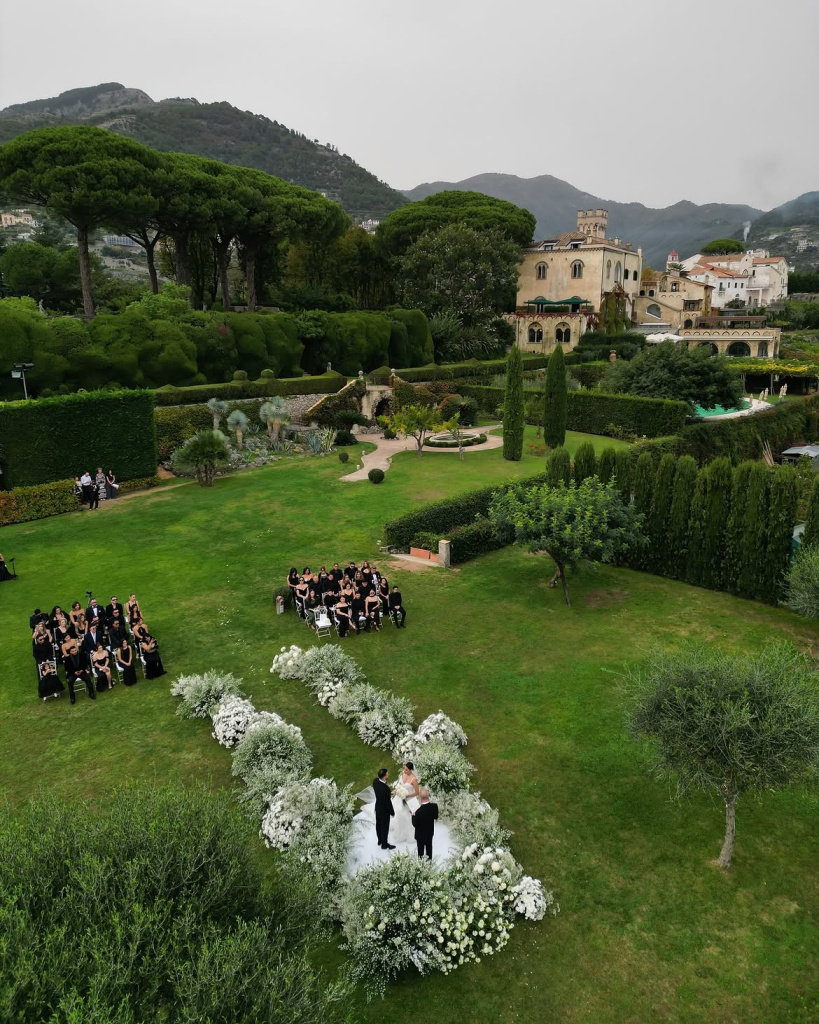
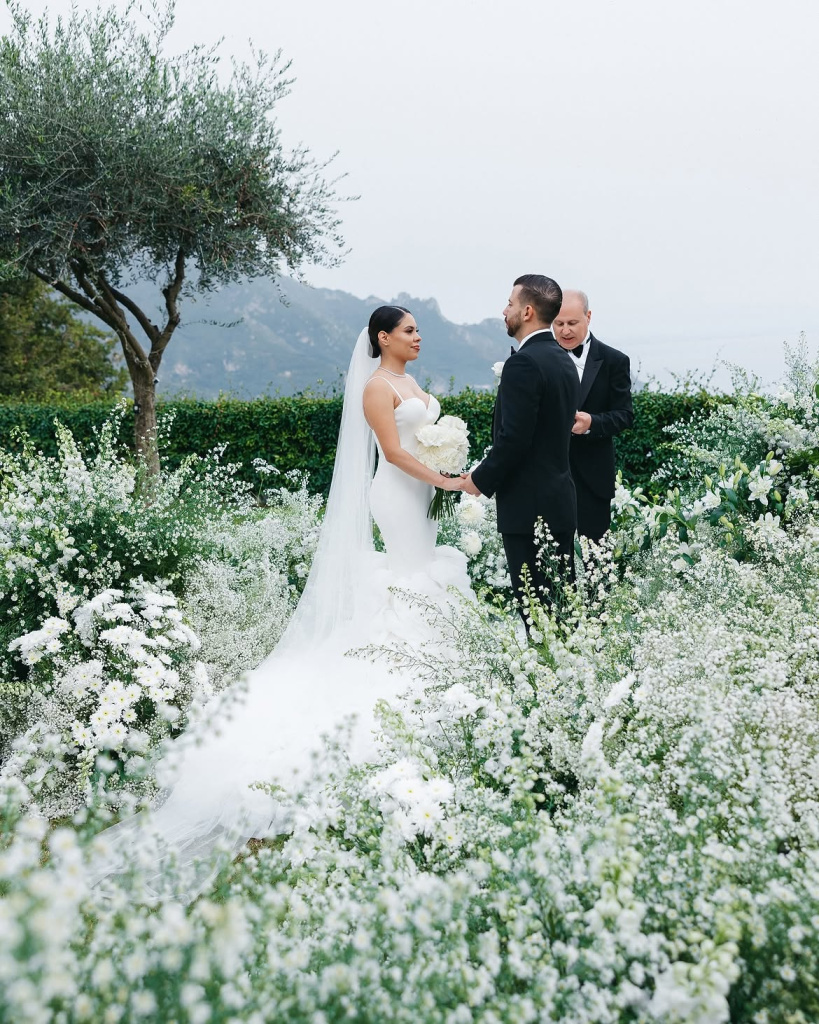
It should be detailed enough that no one has to guess what happens next. This usually means allocating time in fifteen- to thirty-minute increments, particularly during the preparations and photo shoot. Bigger, later events such as dinner and dancing can have slightly looser time slots. The goal is clarity, not a minute-by-minute script.
What should a typical wedding day timeline include?
It should include hair and makeup, photos, the ceremony, the cocktail hour, dinner, toasts, dancing and the send-off. Some couples also include extras such as a first look, family portraits or a bouquet toss. Each item gets its own time slot so that nothing is forgotten or rushed. The exact order can be flexible based on your ceremony and reception style.
Do I need a wedding day timeline template if I have a wedding planner?
Even with a planner, you can benefit from a wedding day timeline template, since it ensures that everyone is aligned with the exact same schedule. Your planner will probably create and refine it for you, but reviewing it yourself helps you to identify anything that doesn't feel quite right. It also provides a clear reference on the day itself. Think of it as combining your planner's tool with your peace of mind.
How far in advance should I finalize my wedding day timeline?
Ideally, you should finalize it about two to four weeks before the wedding, once all the vendors have confirmed their arrival times. It's fine to send it out earlier, but details like hair and makeup start times often change as the date gets closer. Share the final version with every vendor and your wedding party one or two weeks before the big day. This gives everyone enough time to ask questions and make any necessary adjustments.