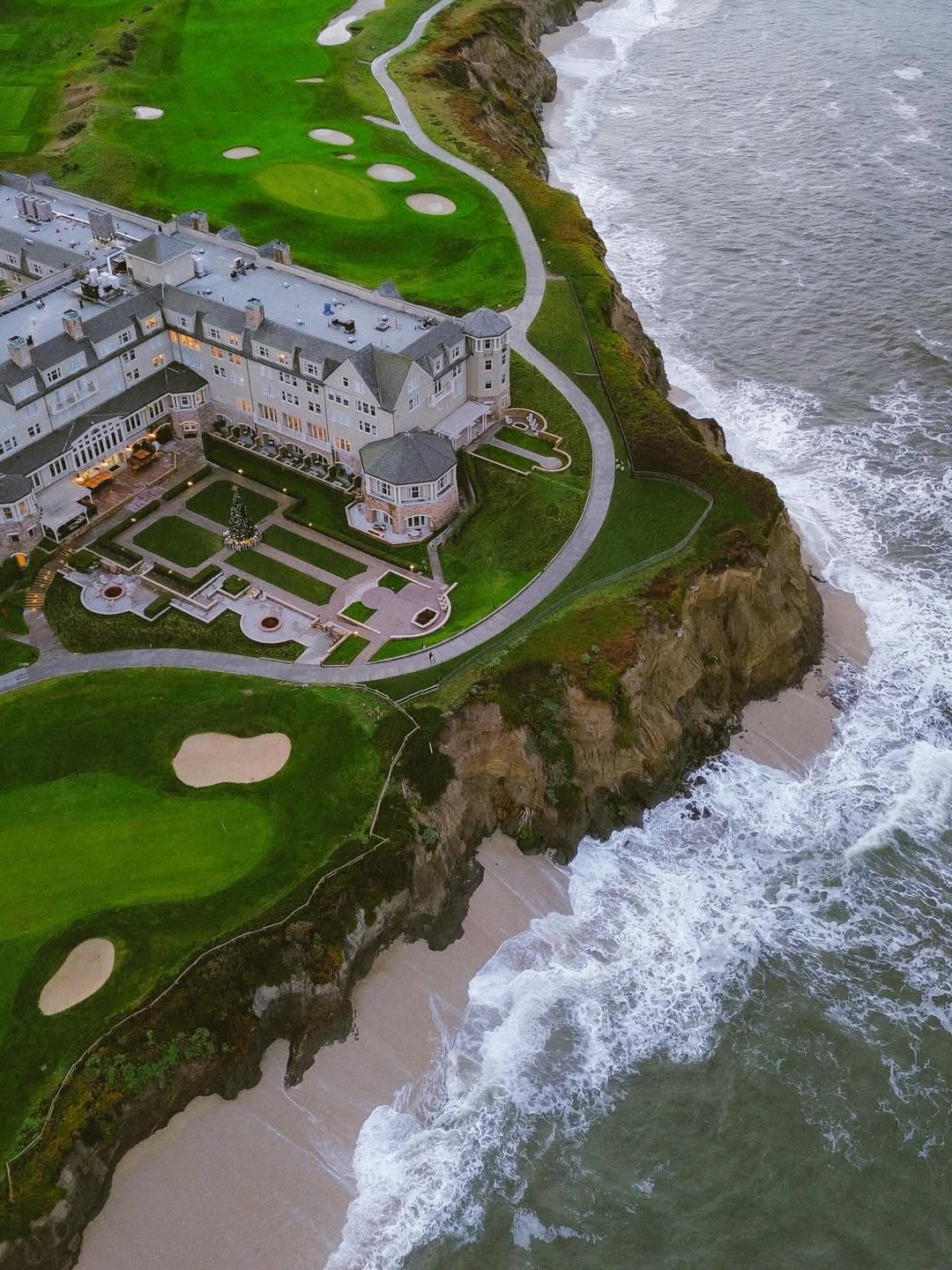
California
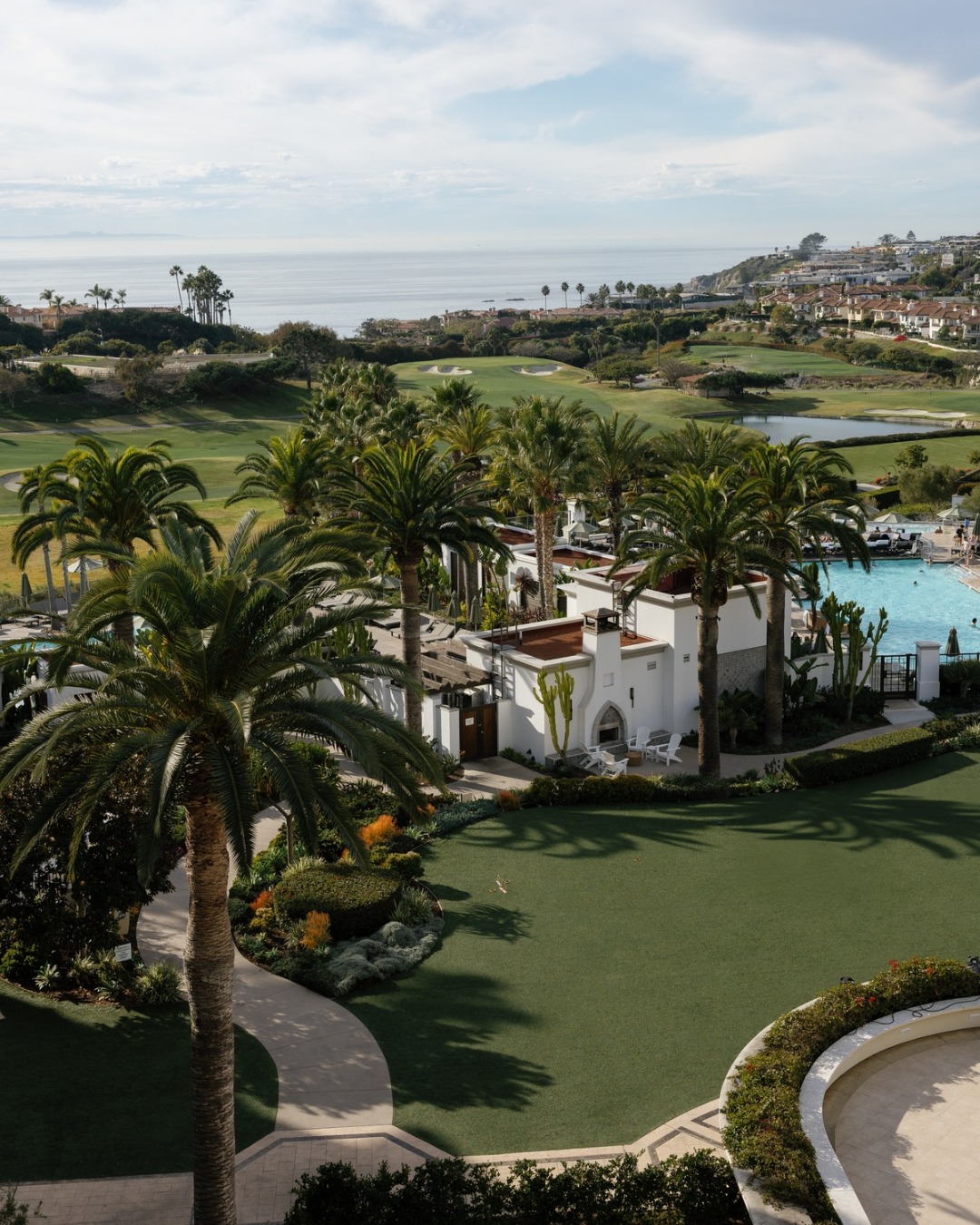
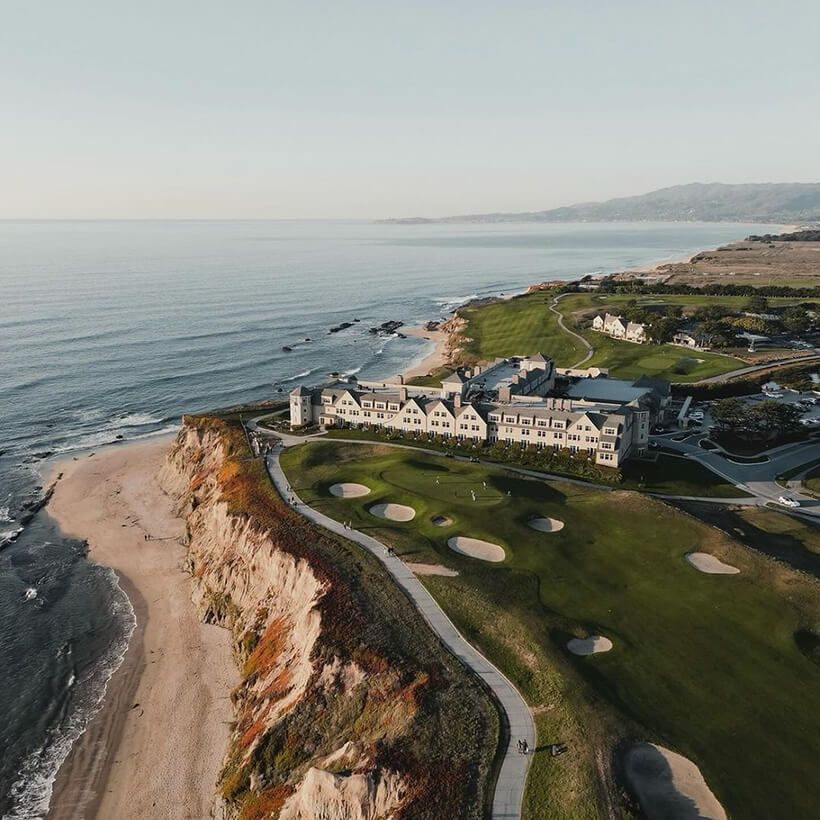
California doesn't just set the scene - it steals it. From the fog-laced cliffs of Big Sur to Napa's sun-warmed estates, this is a place where the landscape does half the work.
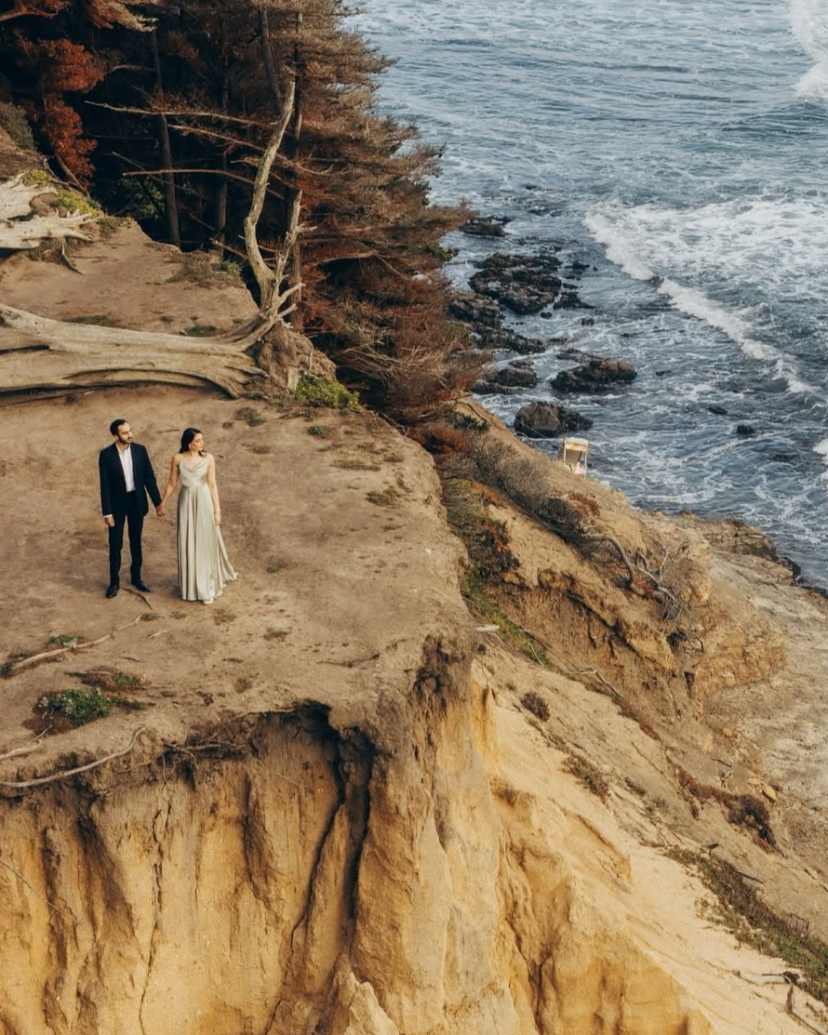
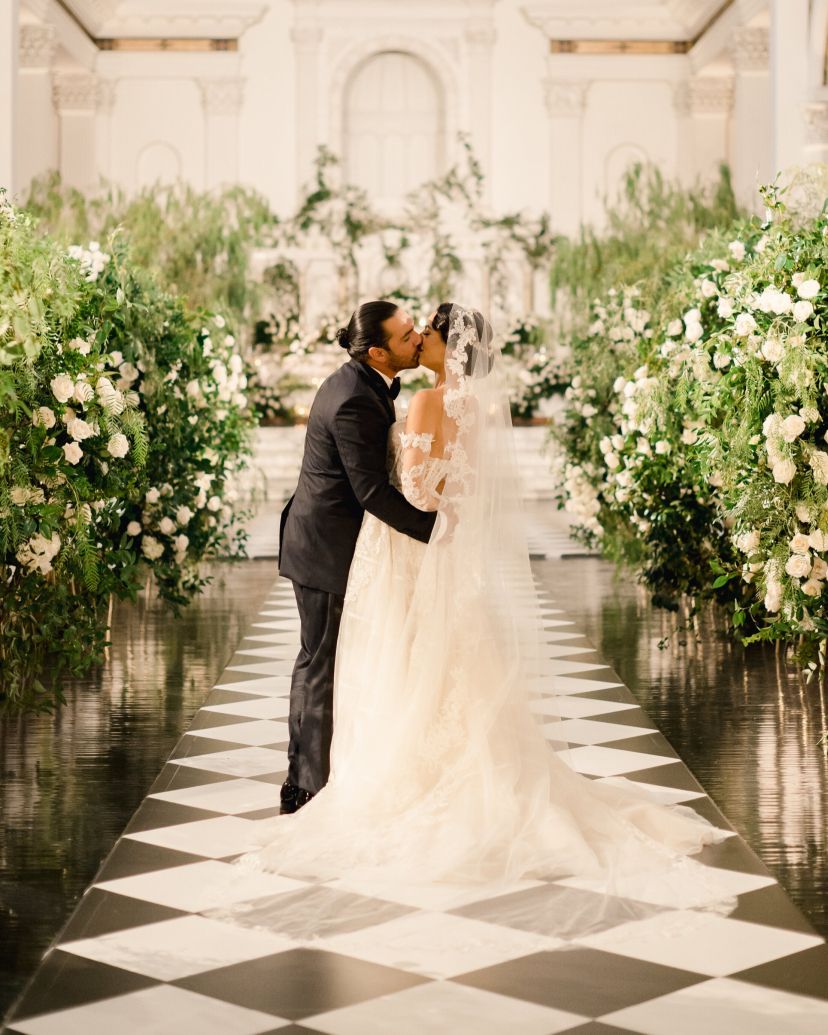
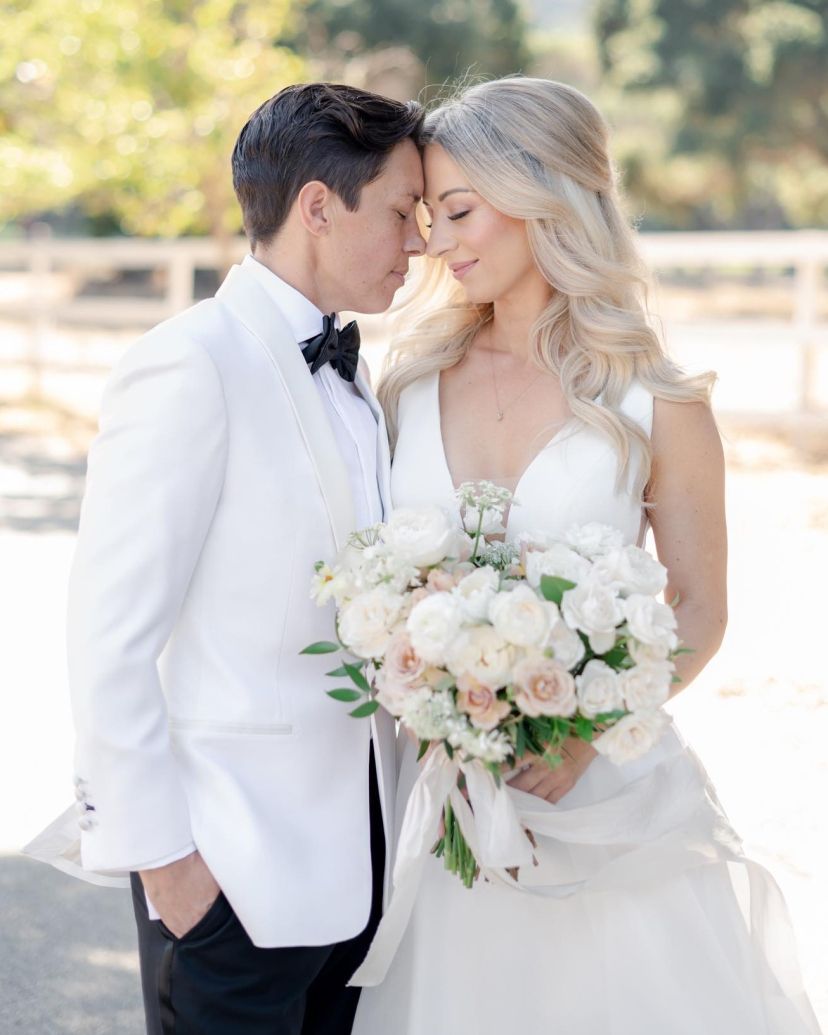
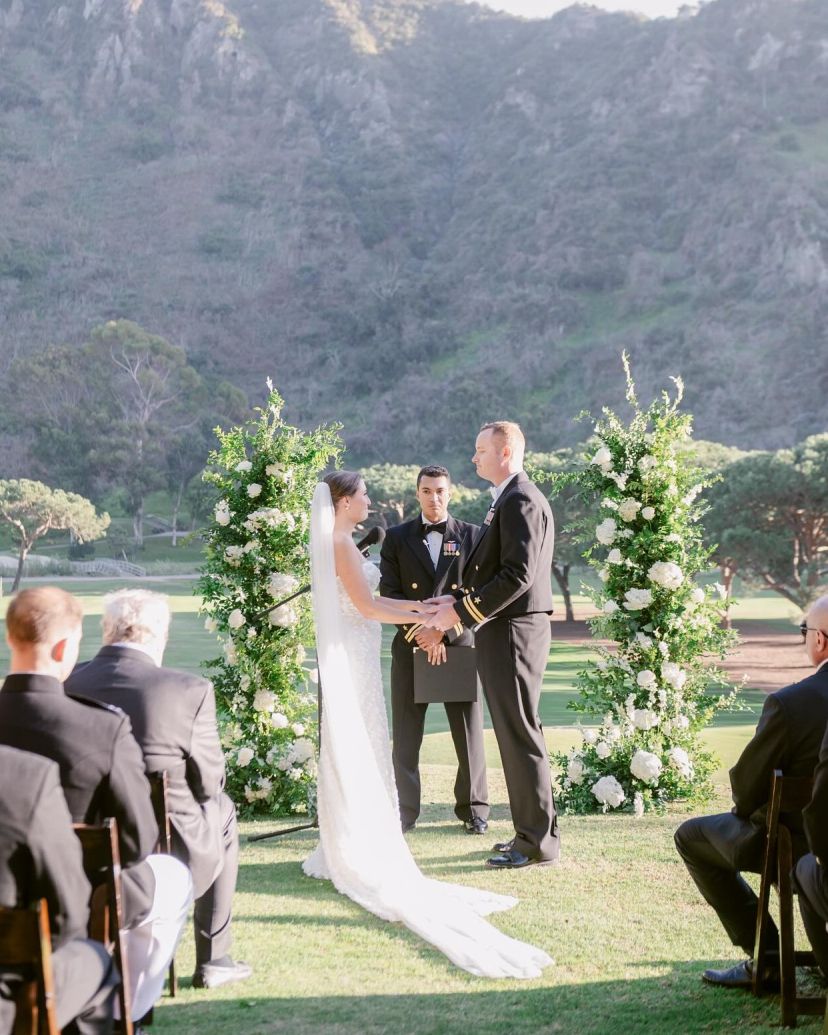
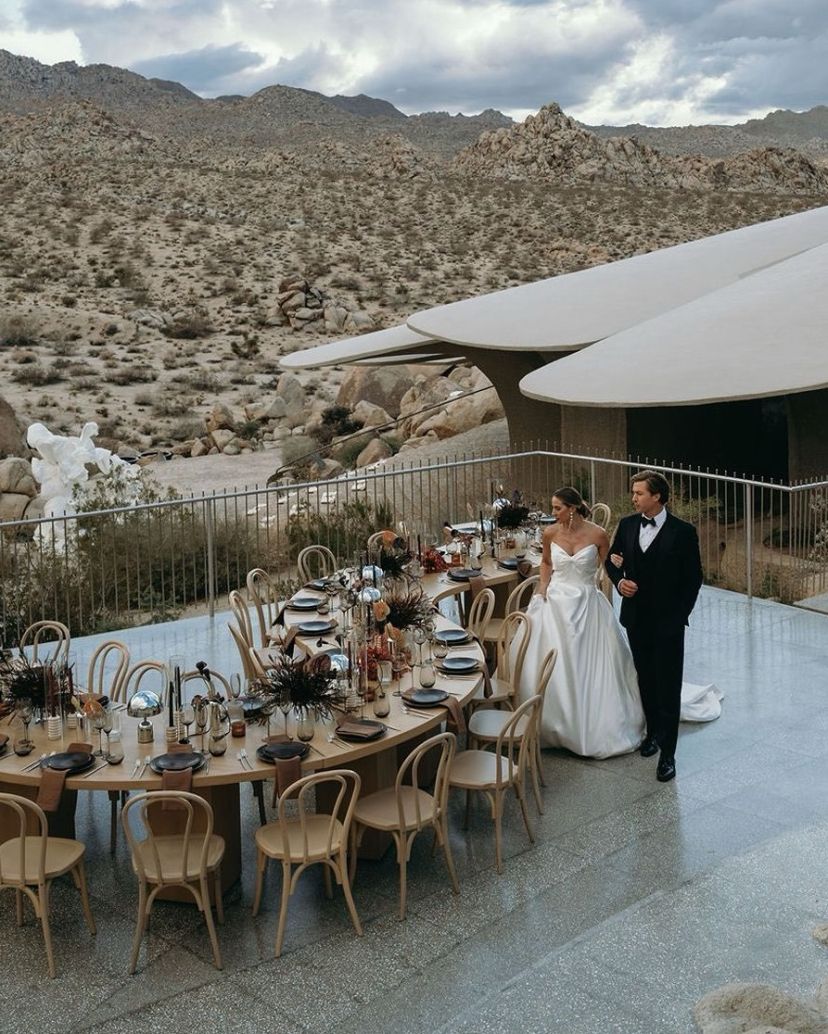
No two California weddings look alike. That's the point. A ceremony perched above the Pacific at dusk, a reception inside a century-old winery, a barefoot dinner in the desert at Joshua Tree - California hands couples a blank canvas and extraordinary light to paint it with.
California's wedding scene is as diverse as its geography. Find planners who know every permit on the Malibu coast, photographers who chase the golden hour like it's their religion, and venues that range from vineyard estates to architect-designed clifftop retreats.
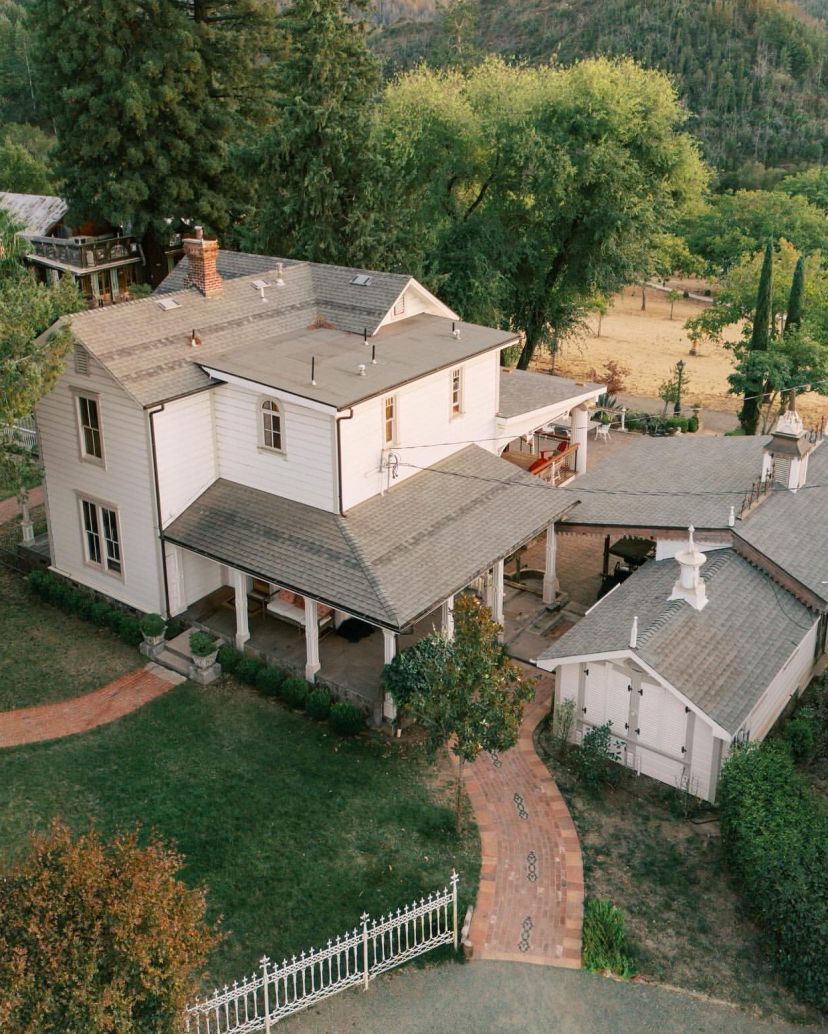

 Calistoga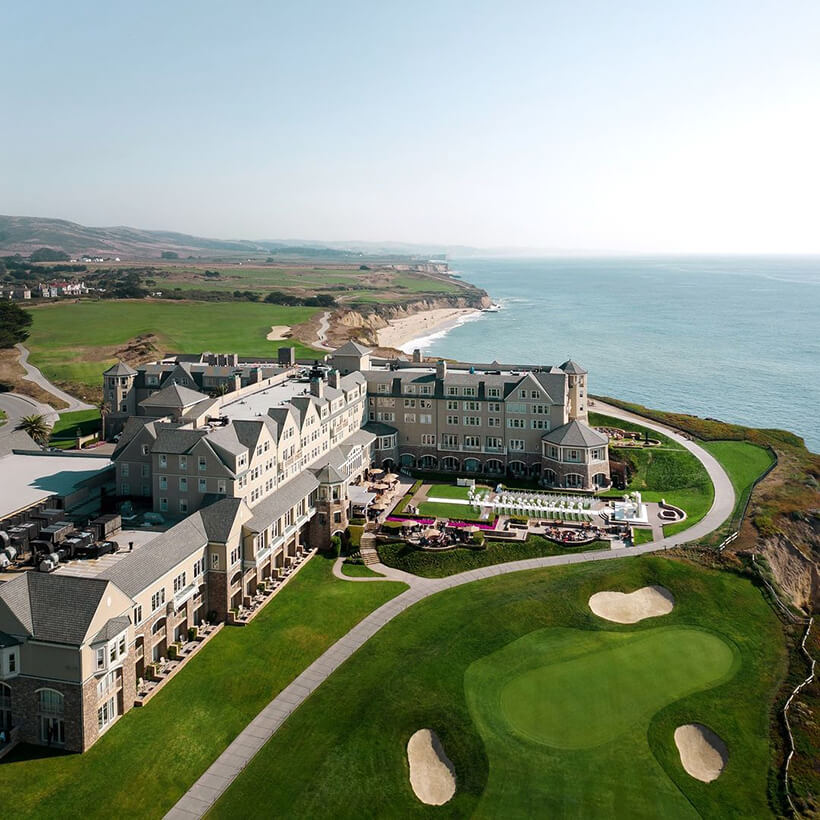







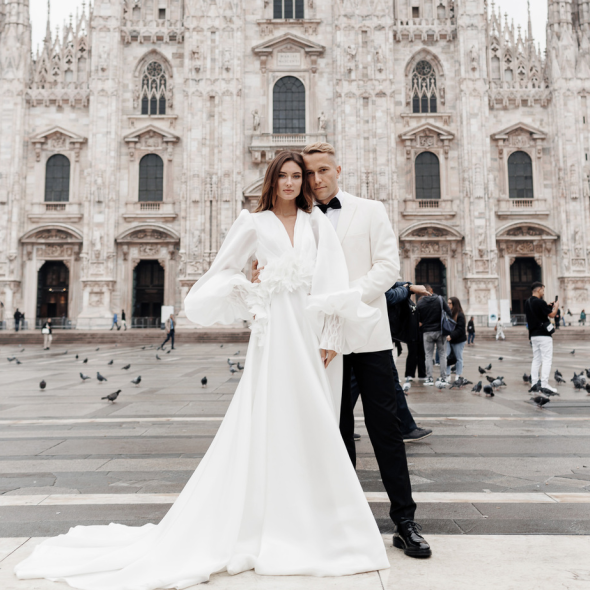
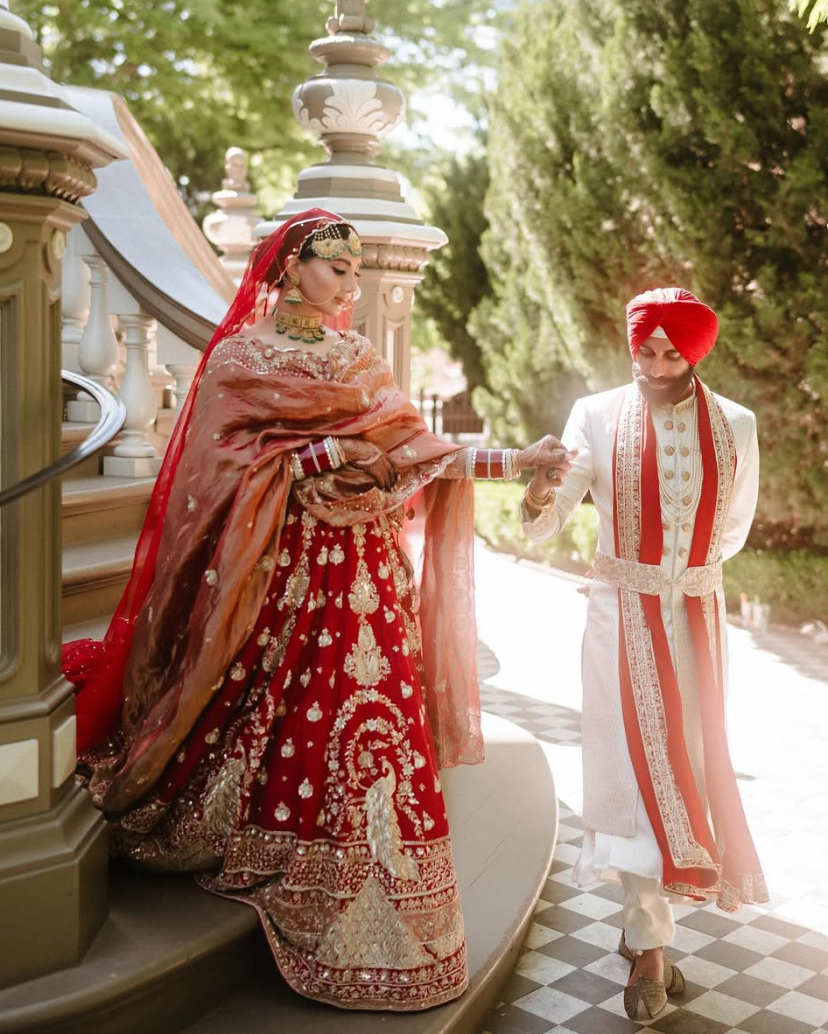


 Los Angeles
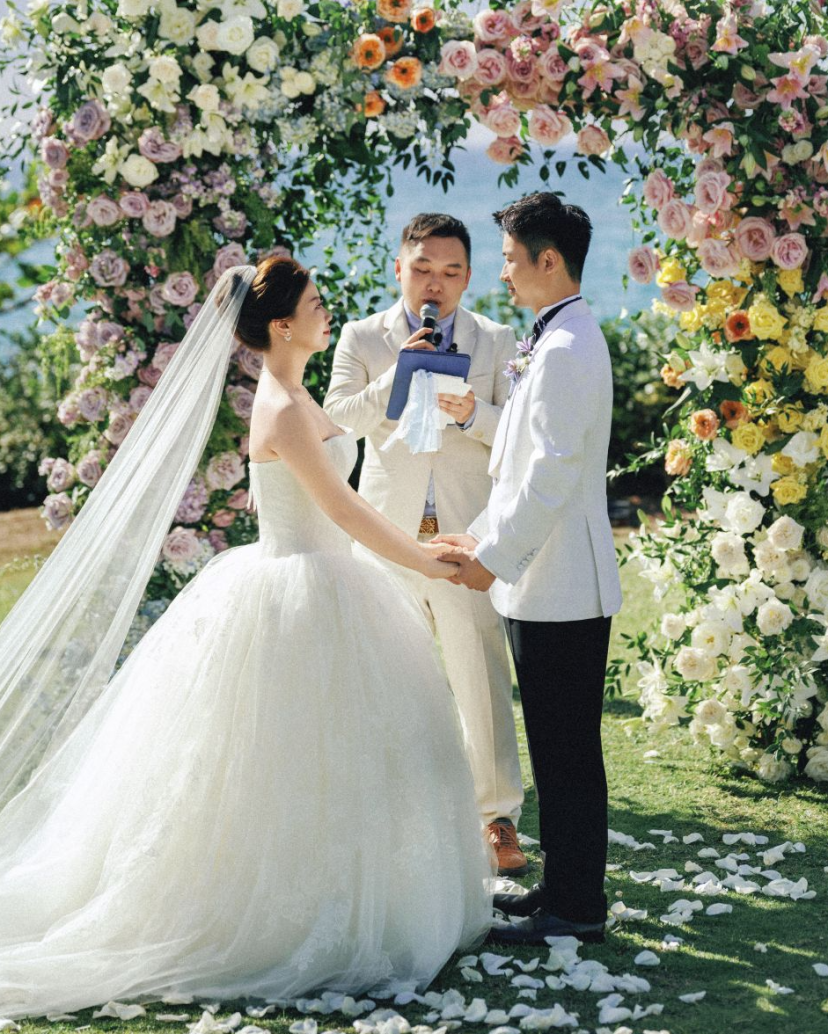
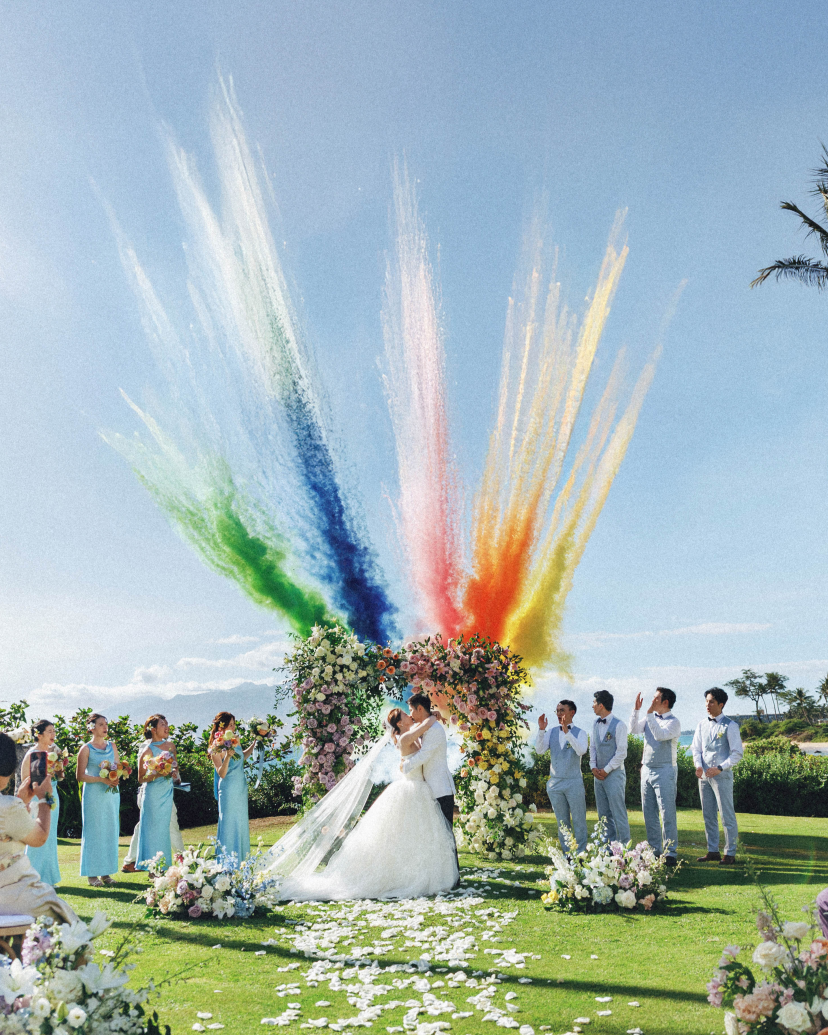
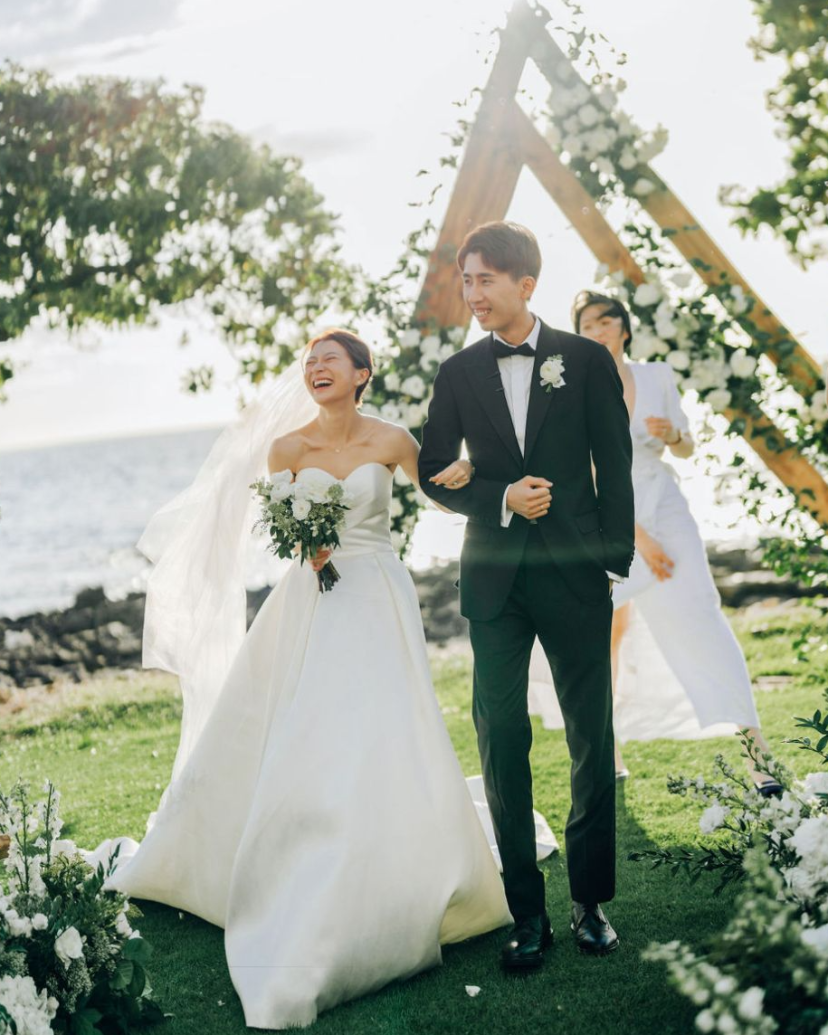

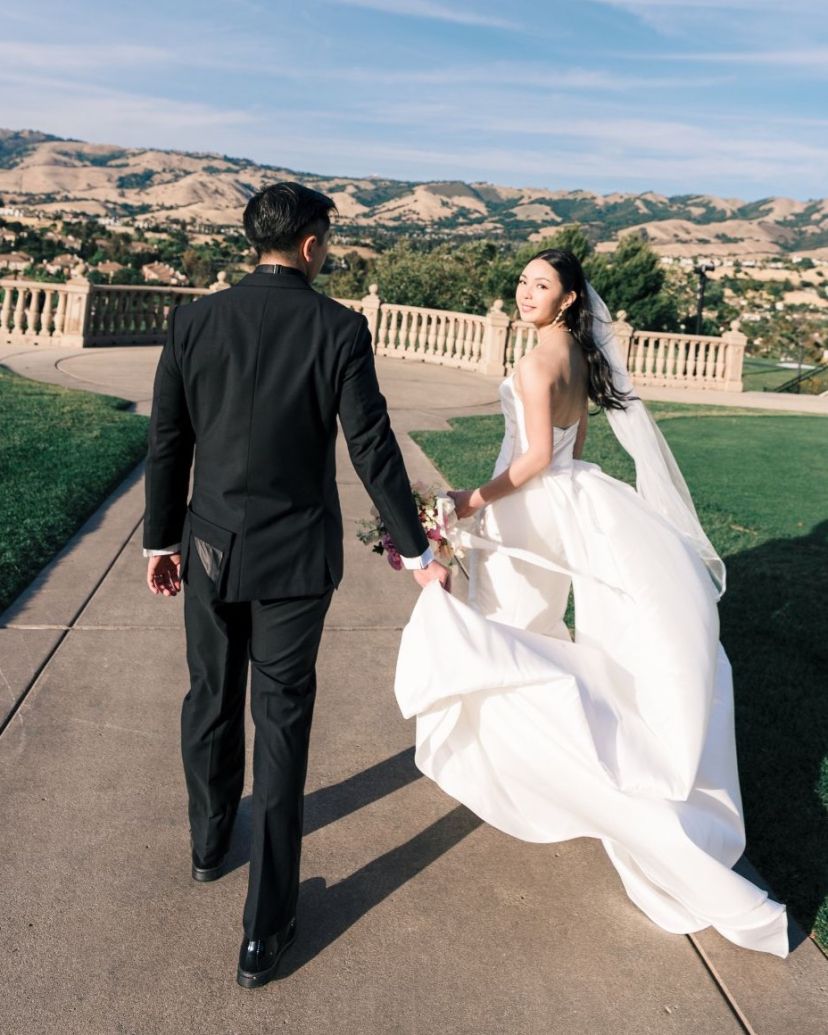
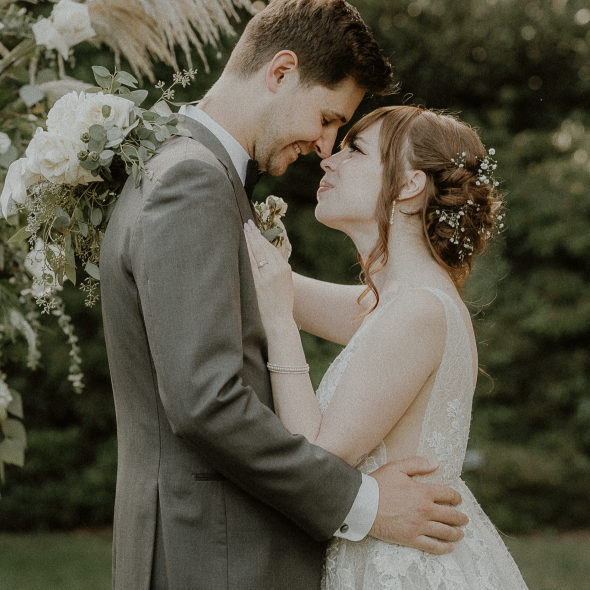
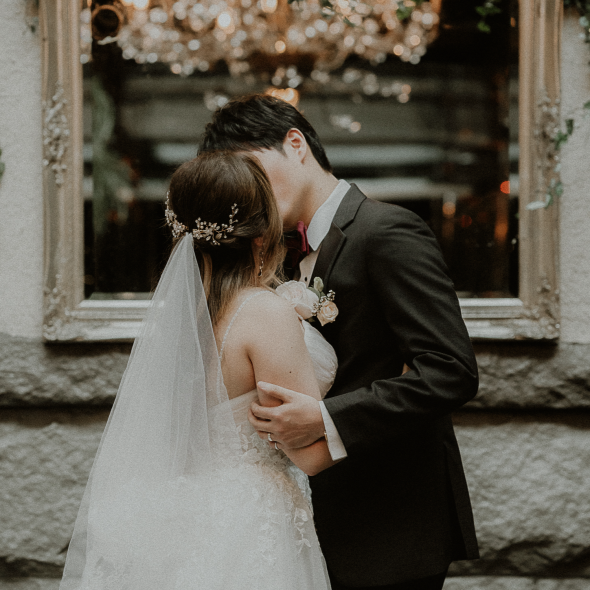
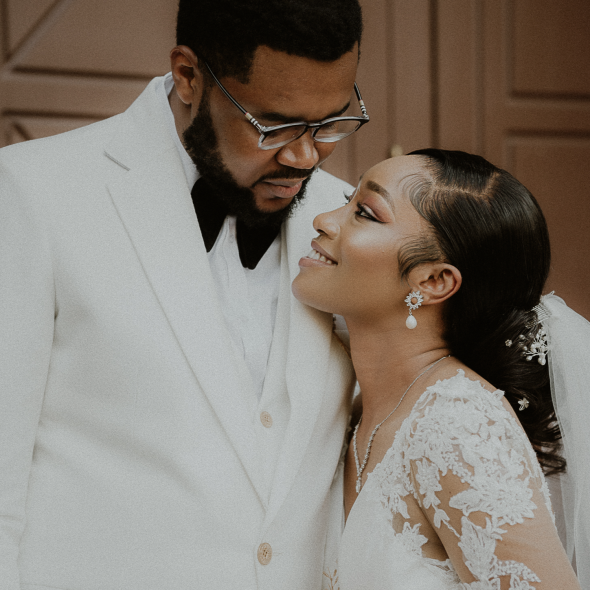
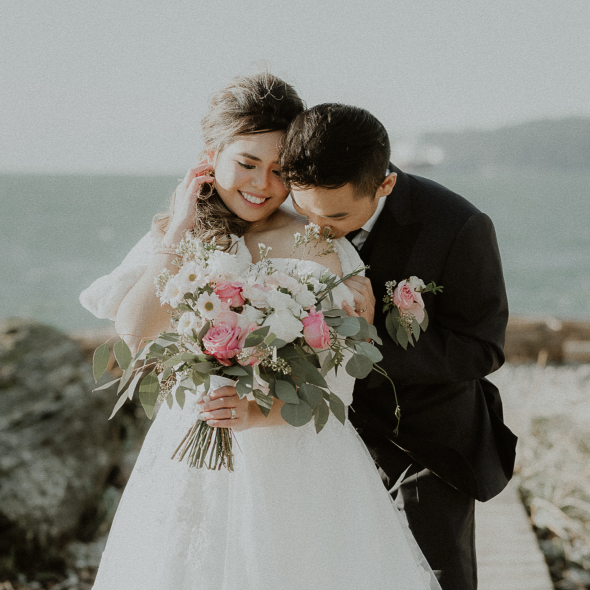






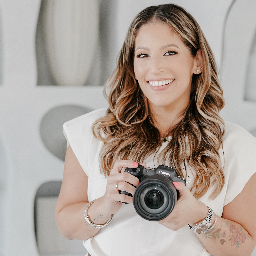
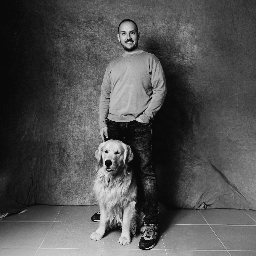
Search through a wide range of 300+ wedding Photographers to find the perfect fit on Wezoree




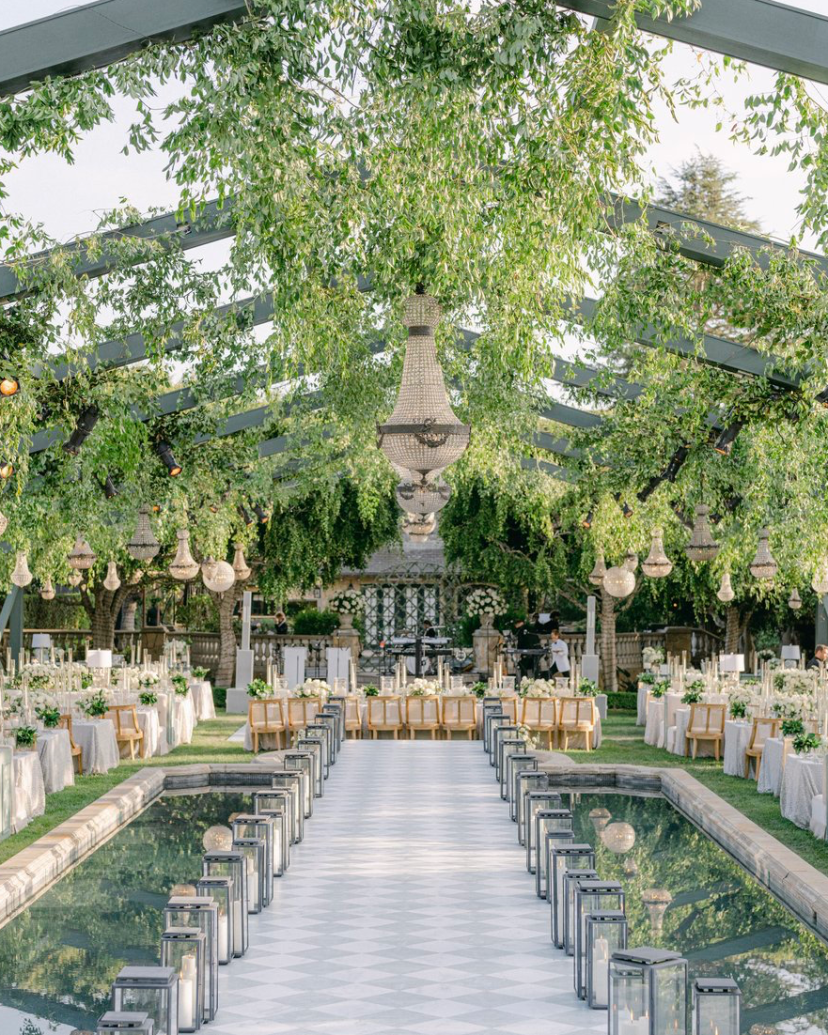
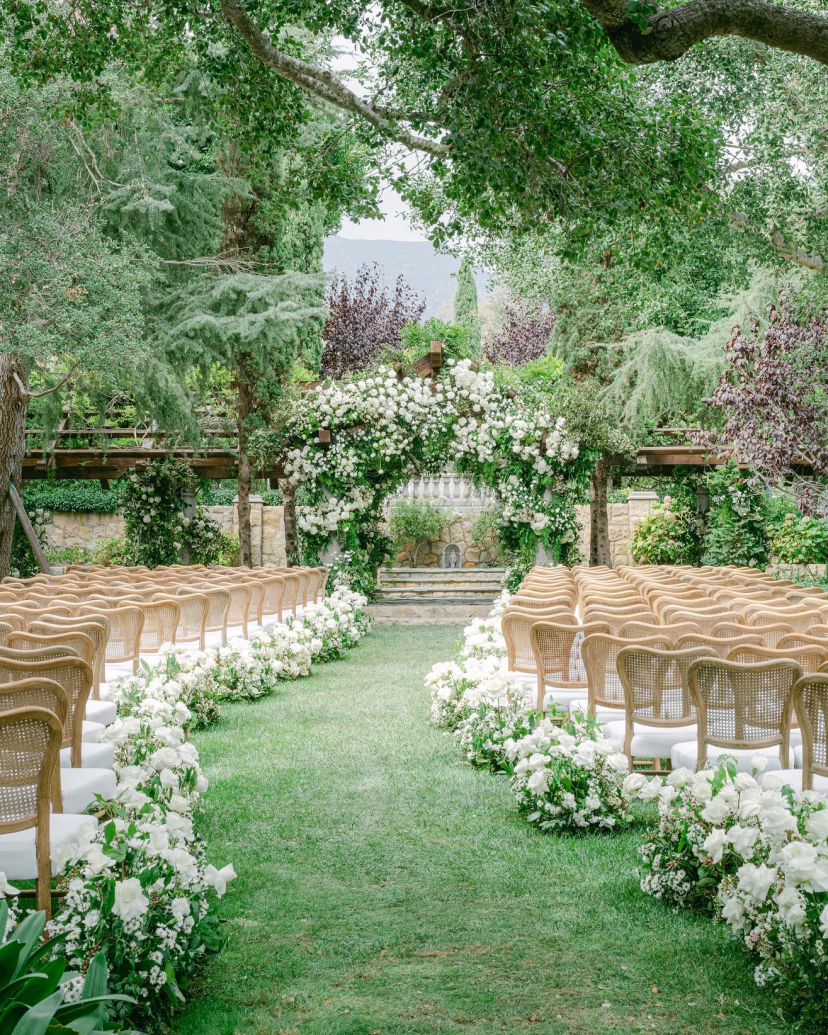
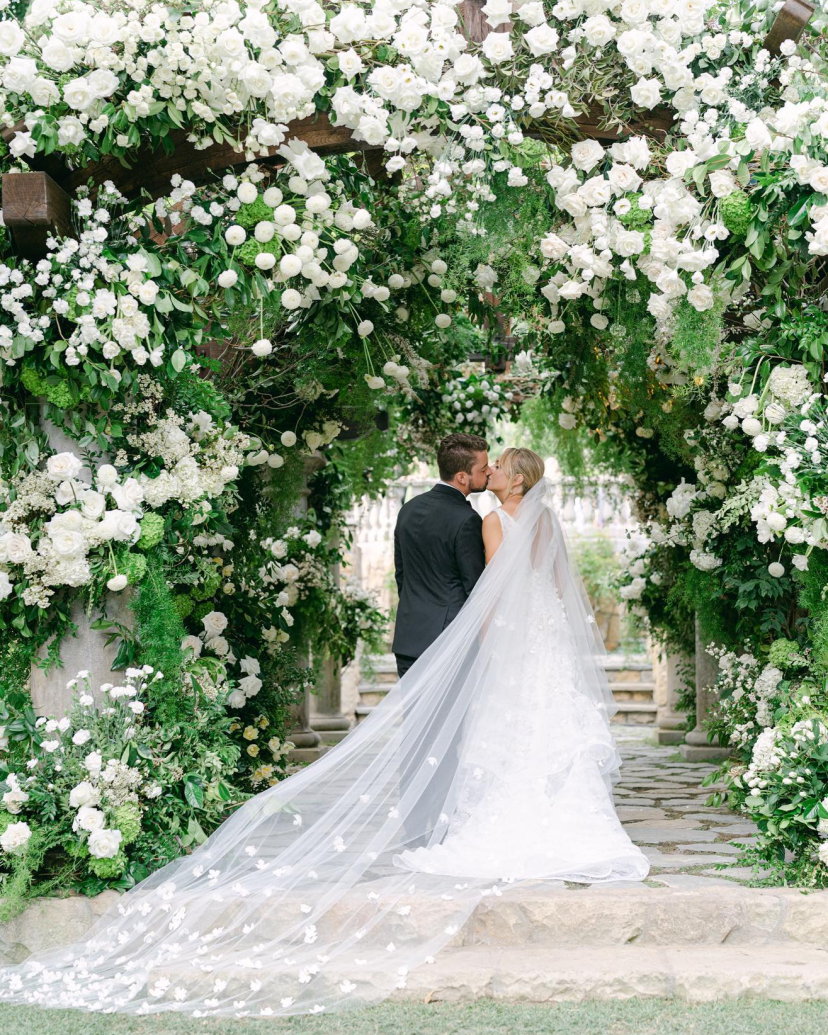

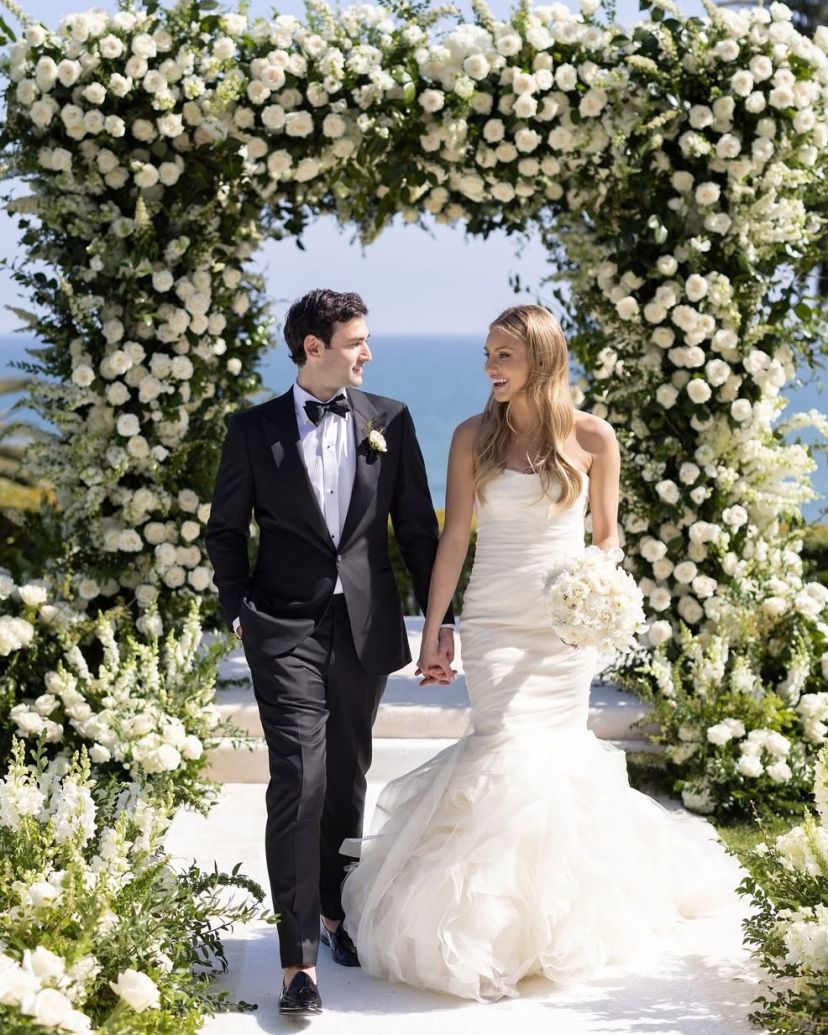
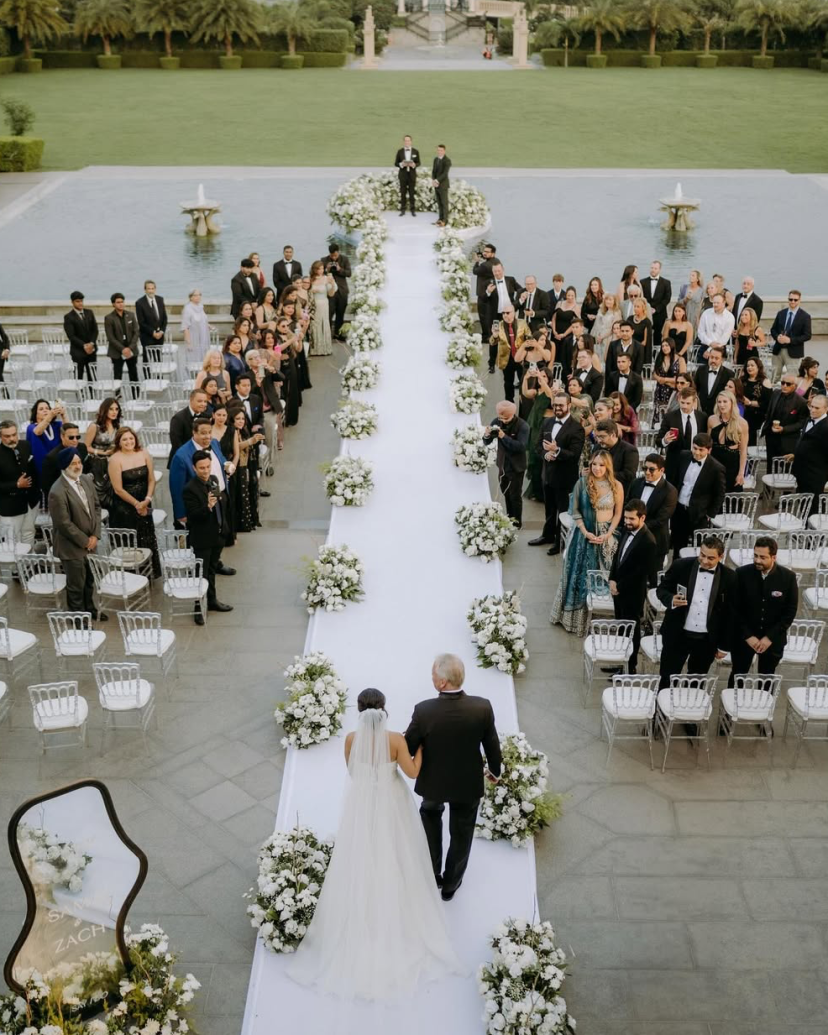
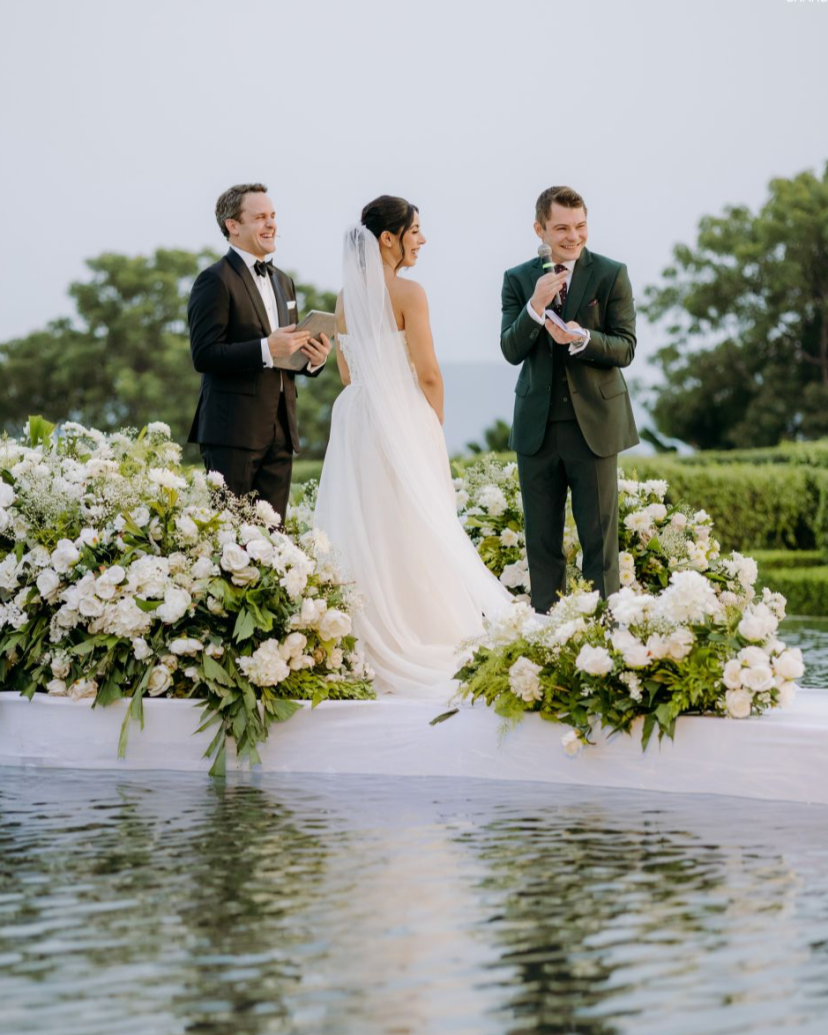








Memorable Add-Ons
to Your Wedding Journey


"I vacationed at this property with my family growing up, and it's the only place I’ve ever been where my initial reaction was, 'I want to get married here.'"
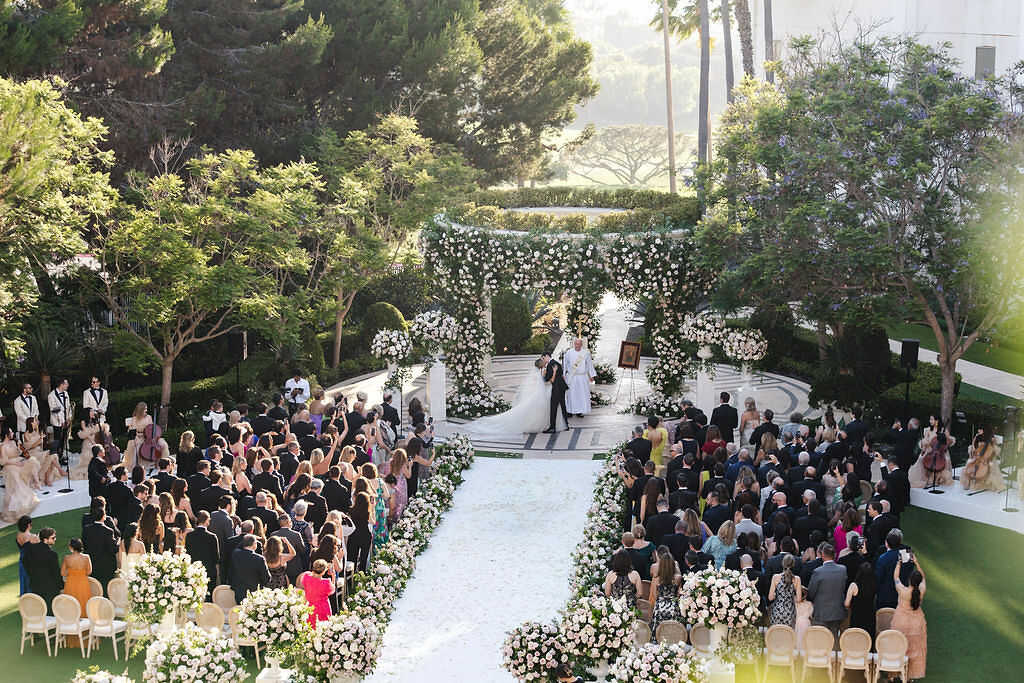

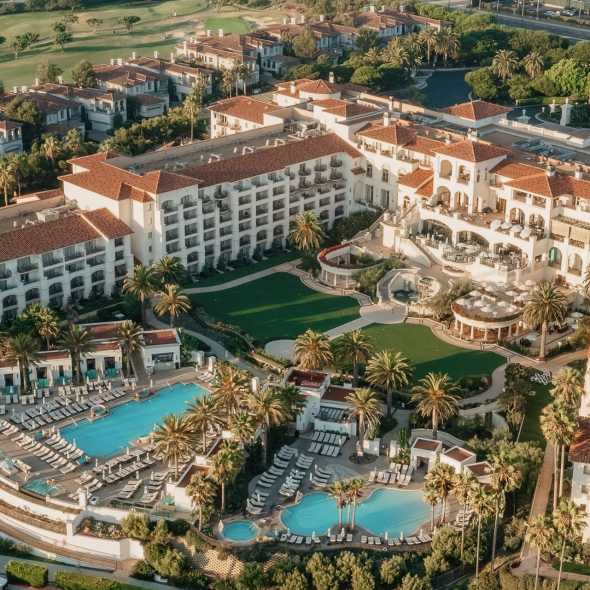
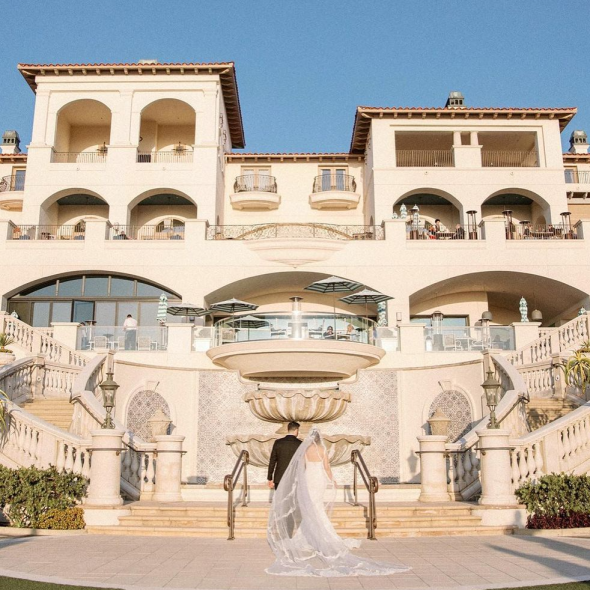
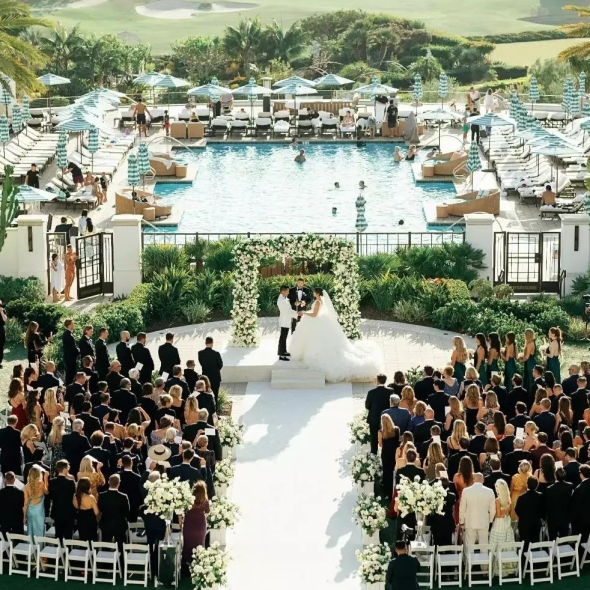
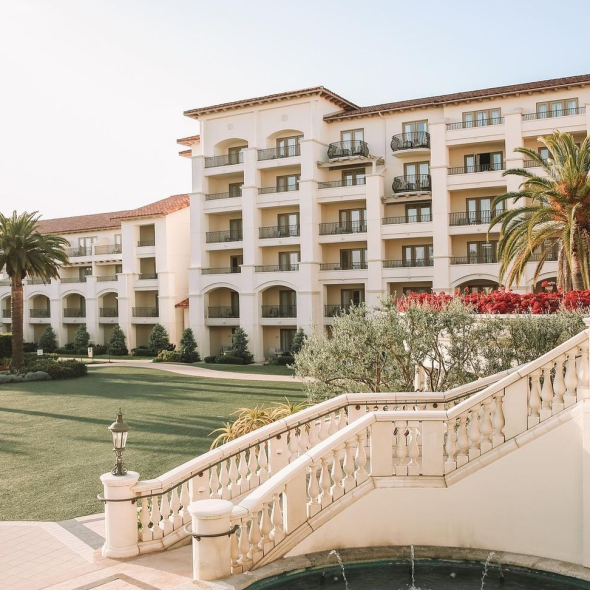
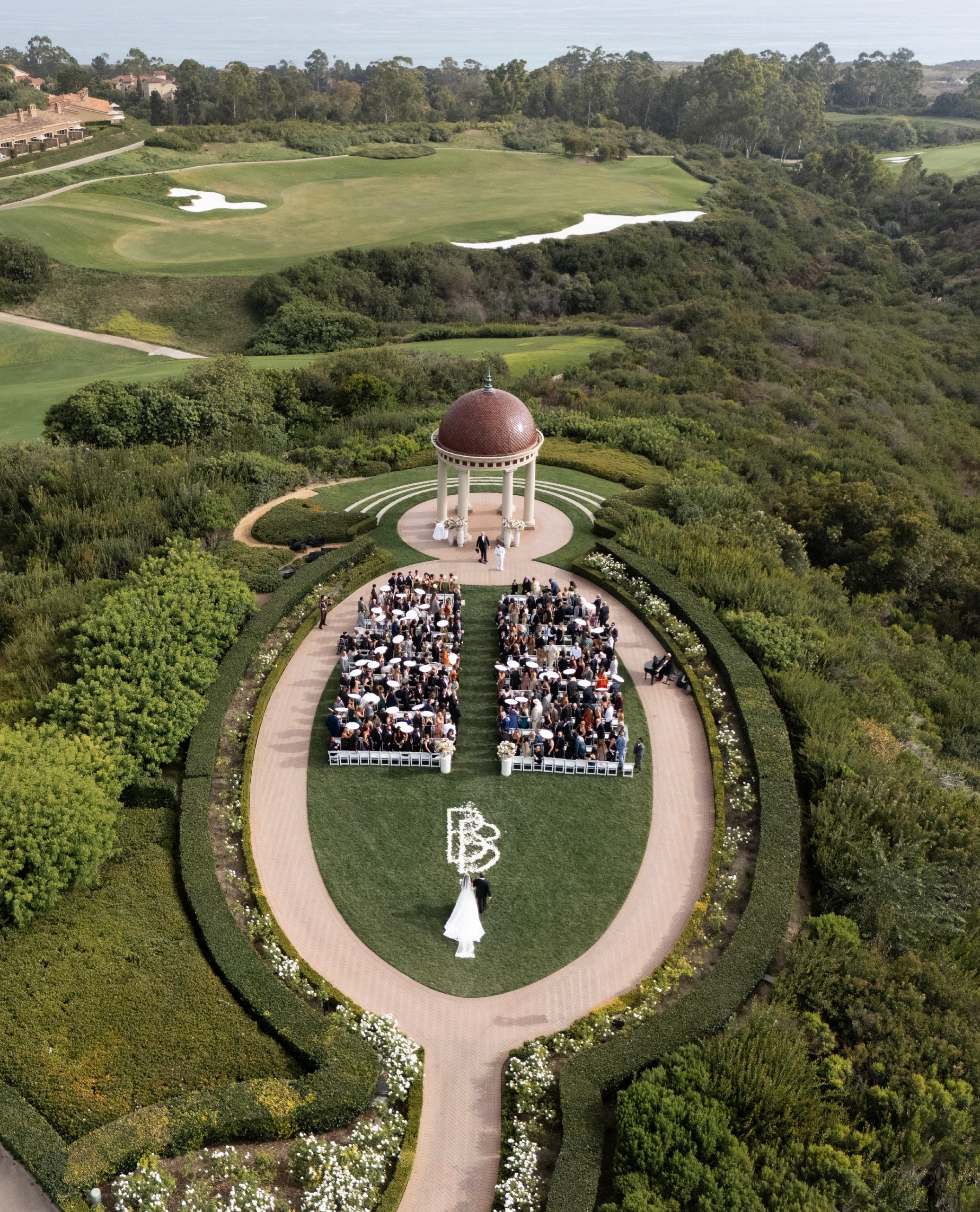
 Waldorf Astoria Monarch Beach Resort

Videos
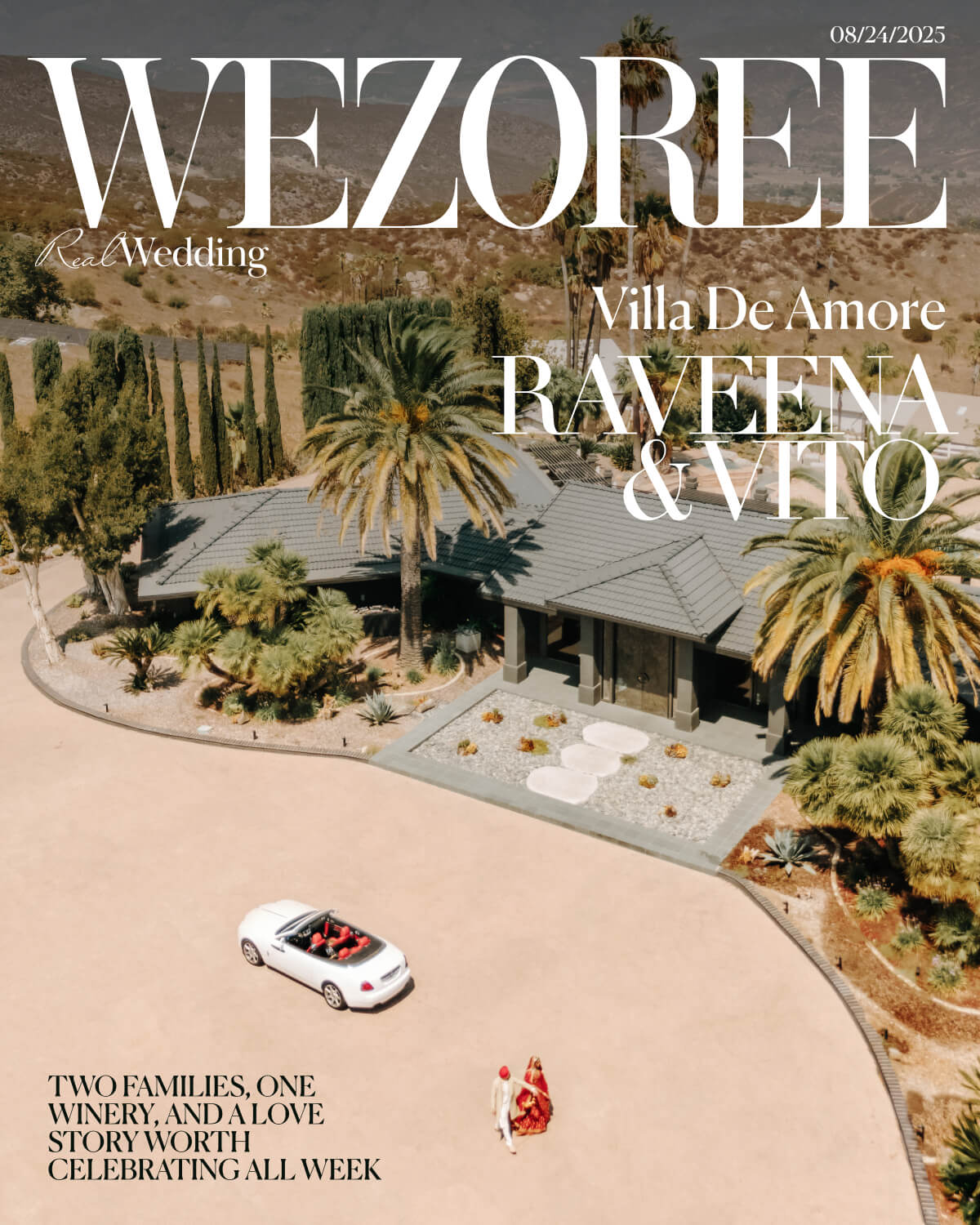

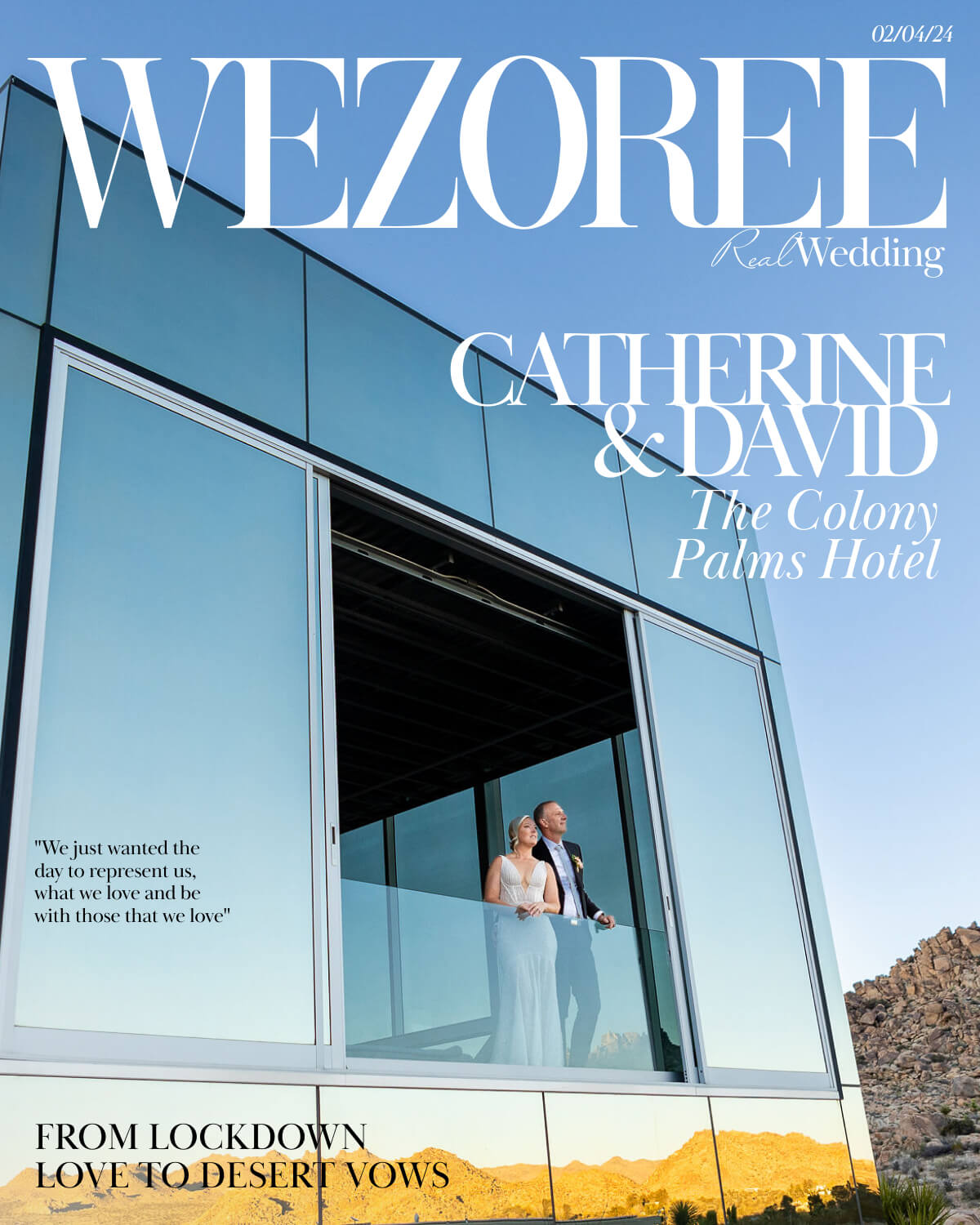
Explore More of USA
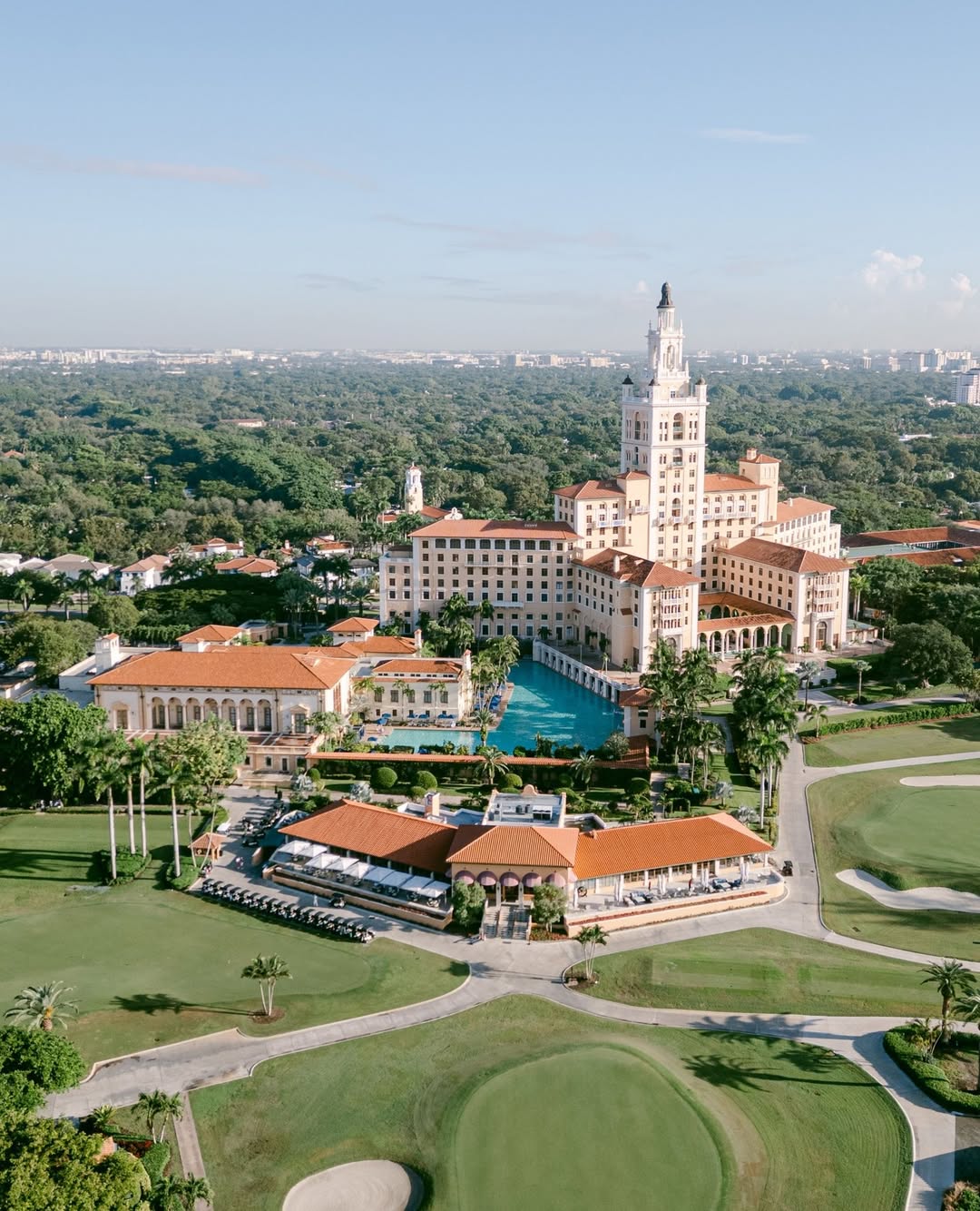



California has a way of making everything feel more cinematic. The light is different here - golden and unhurried - and falls generously on coastlines, vineyards and desert landscapes. So it's no surprise that couples from around the world choose a destination wedding in California as the backdrop for one of the most important days of their lives. From the wild drama of Big Sur to the relaxed luxury of Palm Springs, California offers a variety of settings that are hard to match anywhere else on earth. This guide covers everything you need to know to plan your wedding here - in a practical and clear way, without overwhelming you.
Why Couples Choose California for a Destination Wedding
.jpg)
.jpg)
The reasons are easier to experience than to list. California is a place of rare natural beauty and cultural sophistication, where you can get married on a cliff overlooking the Pacific and then enjoy a world-class dinner under the stars. But there are practical reasons too, beyond the aesthetics.
The state has an exceptionally well-developed wedding industry. The vendors here are experienced, creative and accustomed to working with couples from out of town. The infrastructure - including direct international flights and luxury accommodation in even the most remote wine country towns - makes organising a wedding much easier than in most other destinations. California's near-perfect weather for much of the year also means that outdoor ceremonies carry far less risk than they would elsewhere.
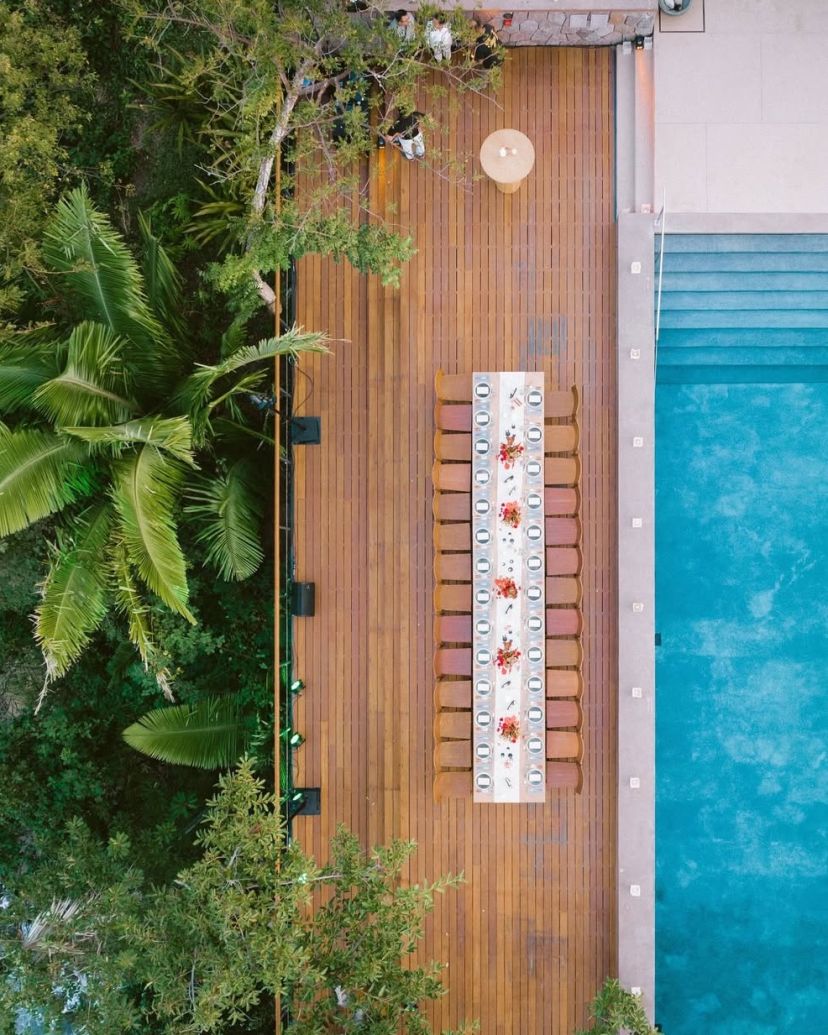
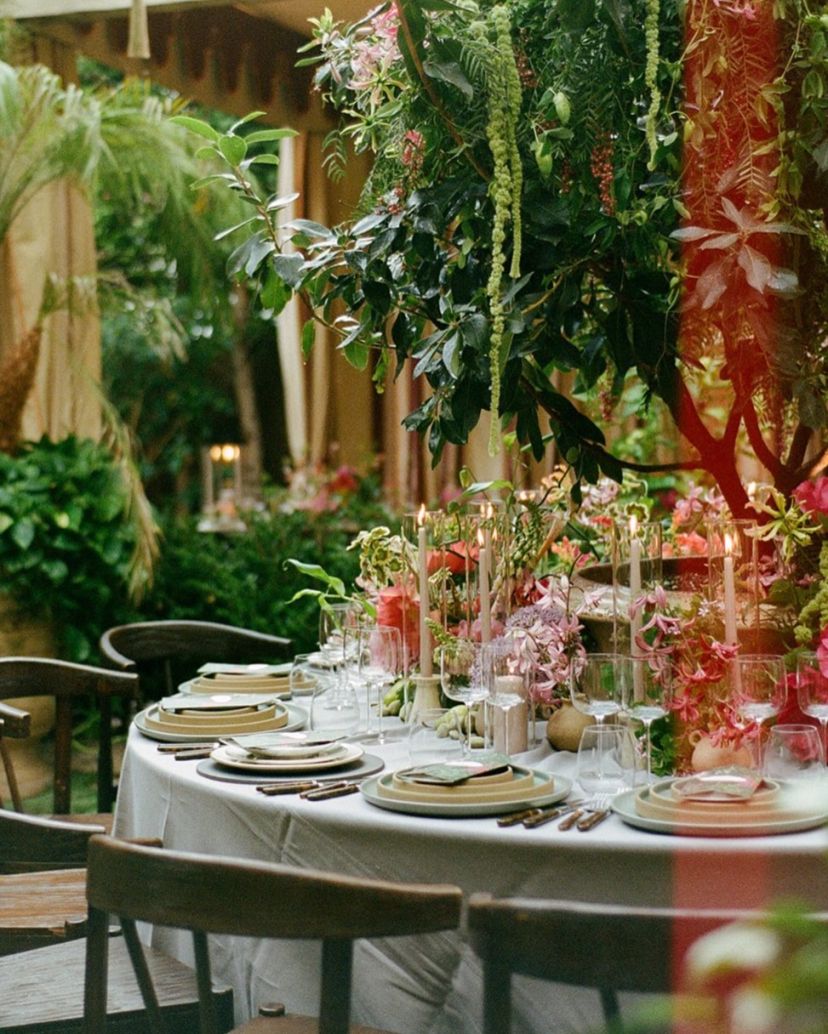
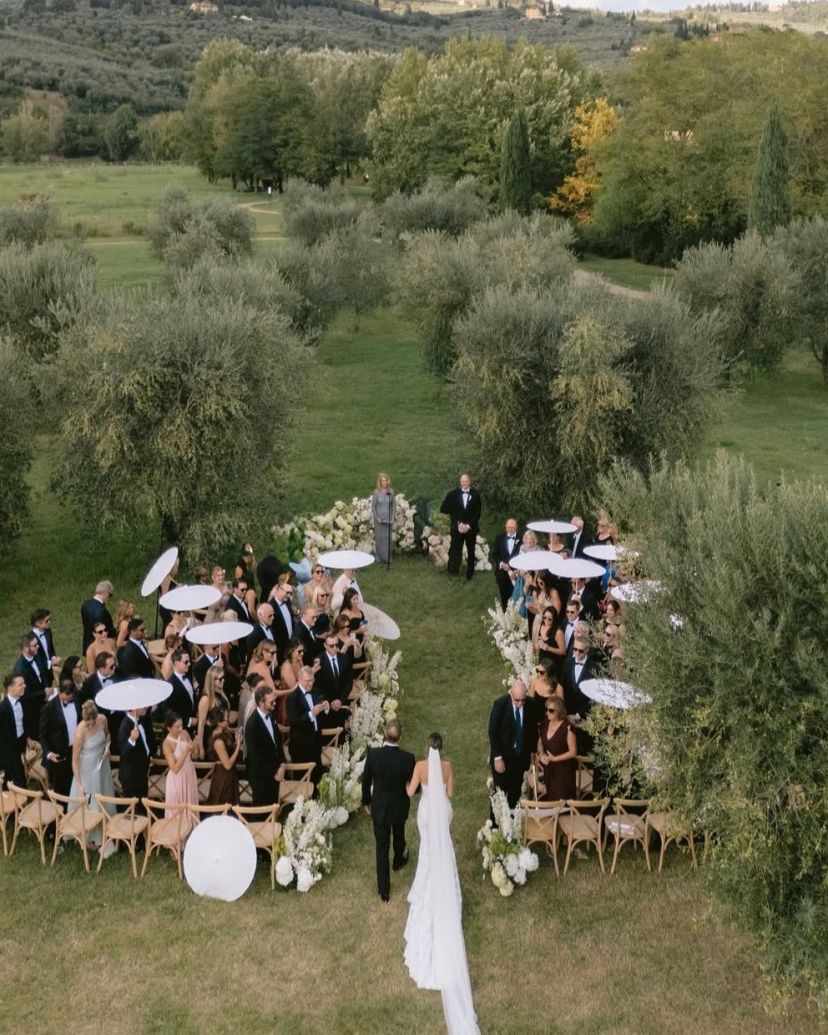
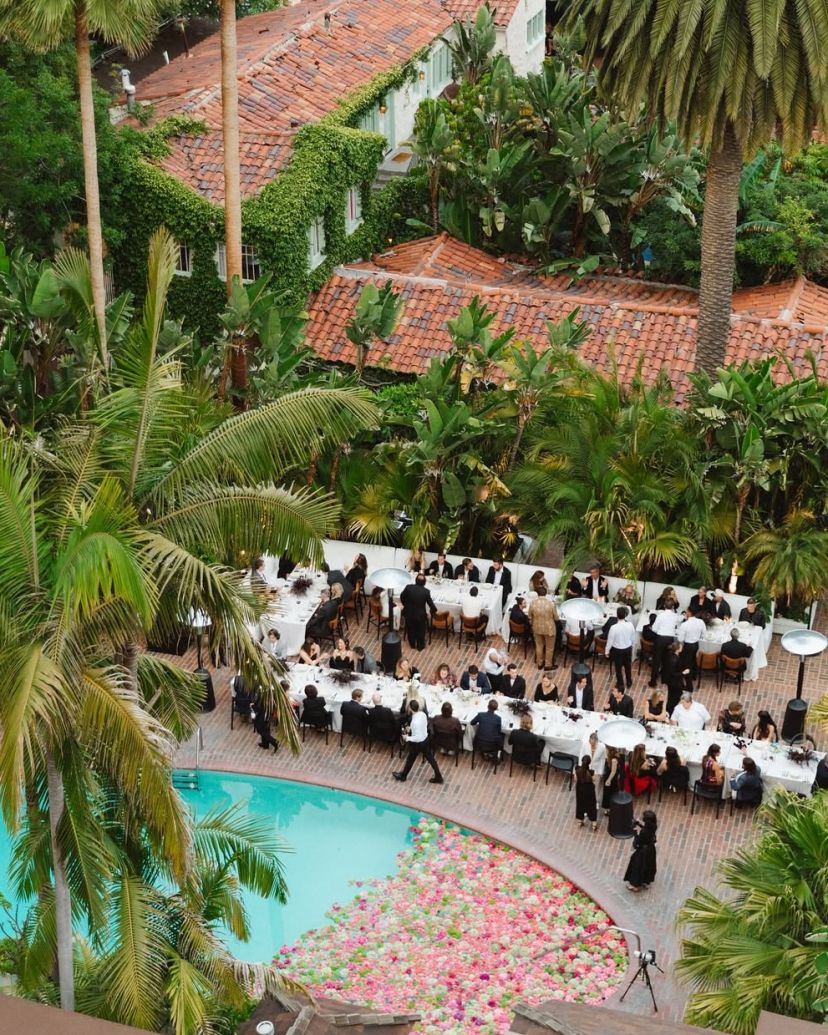
There is also a wide variety of options. A California wedding could be a barefoot ceremony on a Malibu beach, a black-tie dinner at a Napa Valley estate, a bohemian gathering in the Joshua Tree desert or an intimate elopement in a redwood grove. Whatever a couple's vision, the state has its own fully realised version already waiting.
Legal Requirements for Getting Married in California
.jpg)
%20jpg.jpg)
Getting legally married in California is one of the simpler parts of the entire planning process, and the state welcomes couples arriving from abroad. Both partners need to appear in person at any County Clerk's office with valid government-issued photo ID - a passport is ideal for international couples - and the licence is issued on the same day, with no waiting period. Fees vary by county, but typically cost between $35 and $100, and the whole visit takes under an hour. The licence is valid for 90 days from the date of issue, so most couples simply obtain it the day before the wedding, avoiding any stress.
California is also notably flexible when it comes to who can officiate: ordained ministers, judges and even a friend who registers online through an organisation like the Universal Life Church can all legally perform the ceremony. One detail worth knowing is that the state offers both public and confidential marriage licences. A confidential licence keeps your records private and accessible only to the couple themselves, while a public licence becomes part of the public record. Most couples who are getting married in a different location opt for confidentiality, and your wedding planner can talk you through the options when the time comes.
California's Best Wedding Destinations
.jpg)
%20.jpg)
California is so large that it feels like several different countries. The region you choose will determine the atmosphere of your wedding, so it's important to understand what each region has to offer.
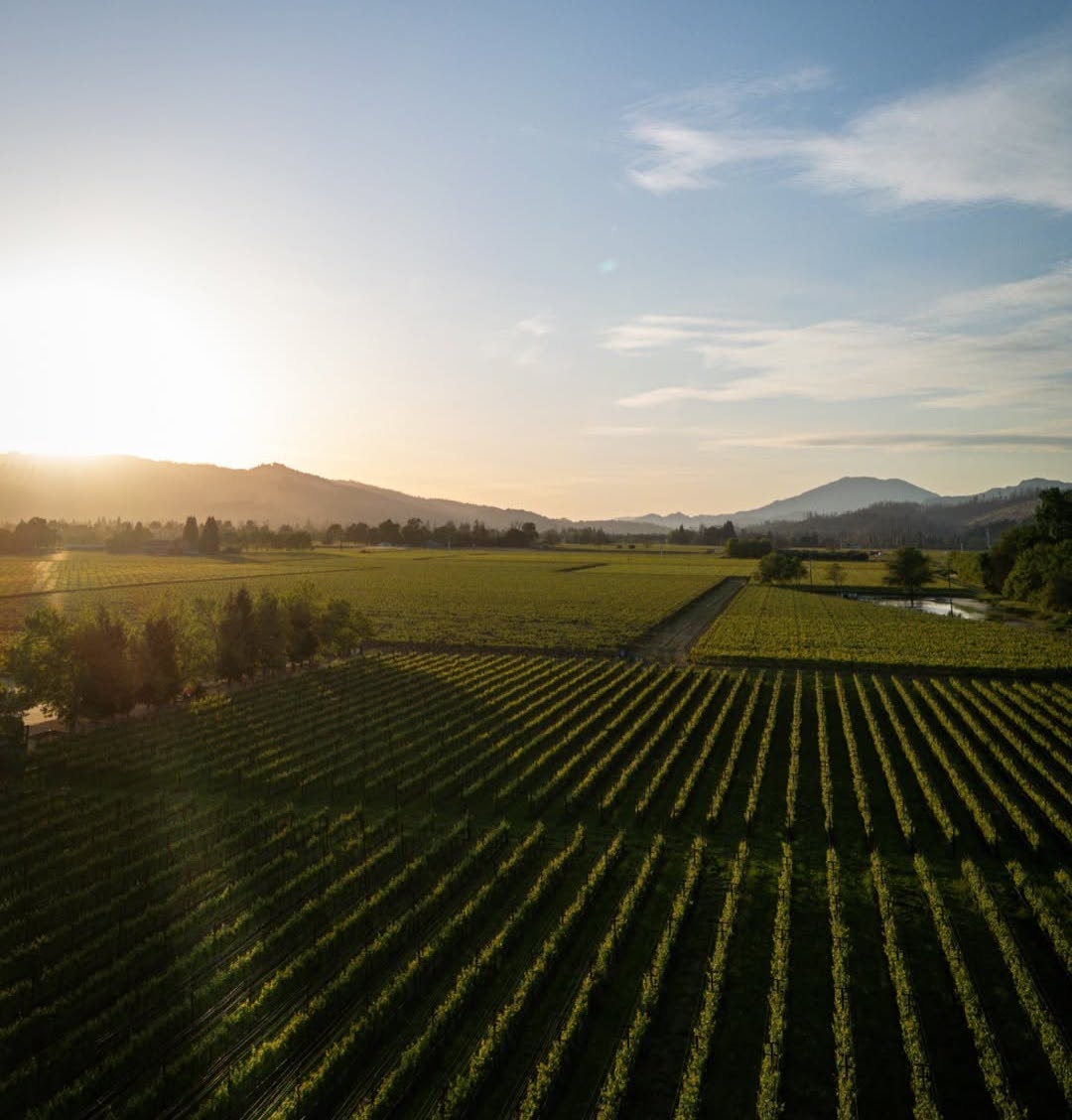
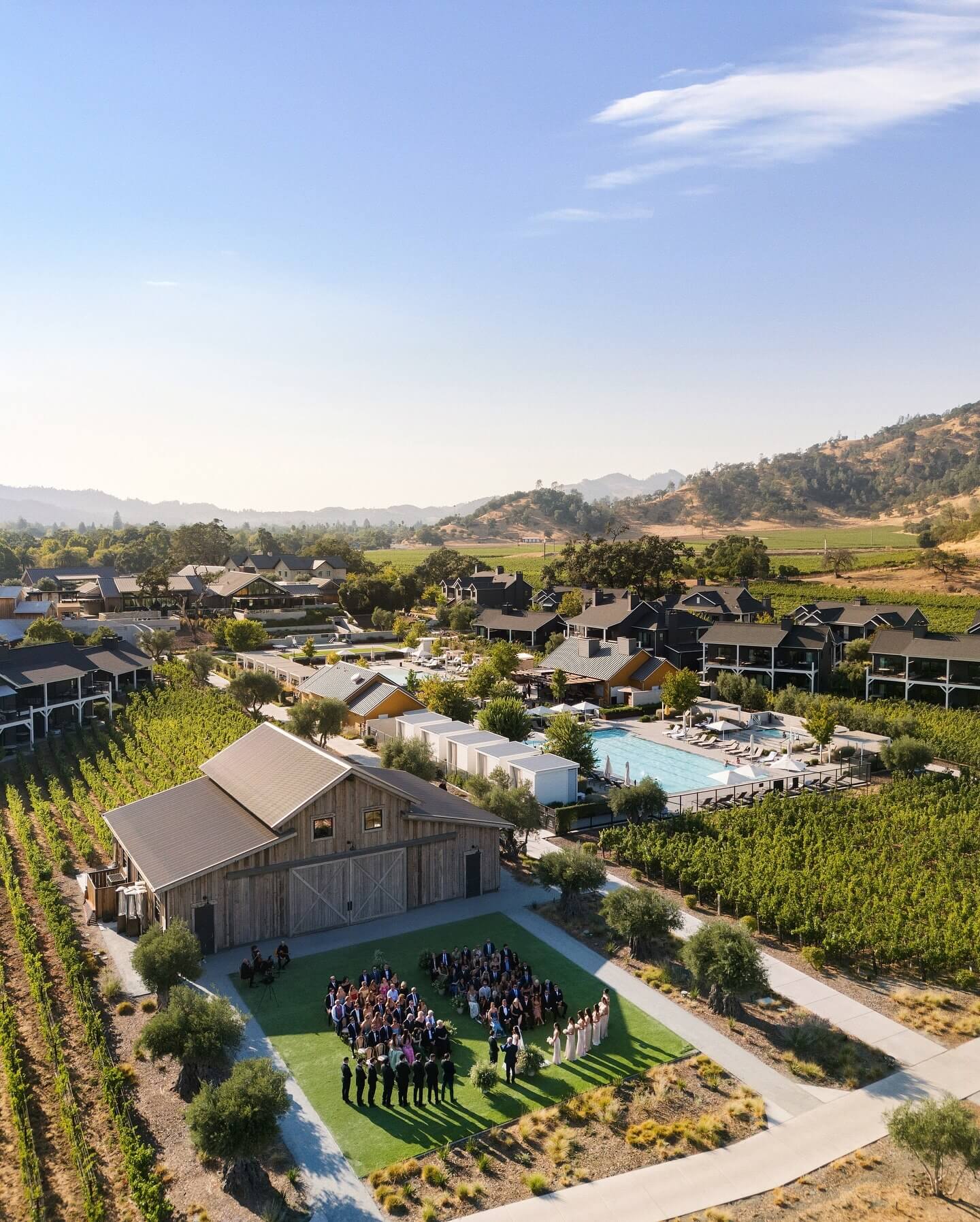
- Napa and Sonoma Valley - Wine Country is California's most popular destination for wedding venues, and it earns that status. The landscape is gentle and cultivated, with rolling vineyards and stone estates, and evenings that linger warmly into the night. The venues here are accustomed to large celebrations and the catering is exceptional by default. The setting is suitable for everything from intimate dinners of 30 to full-estate weddings of 200.
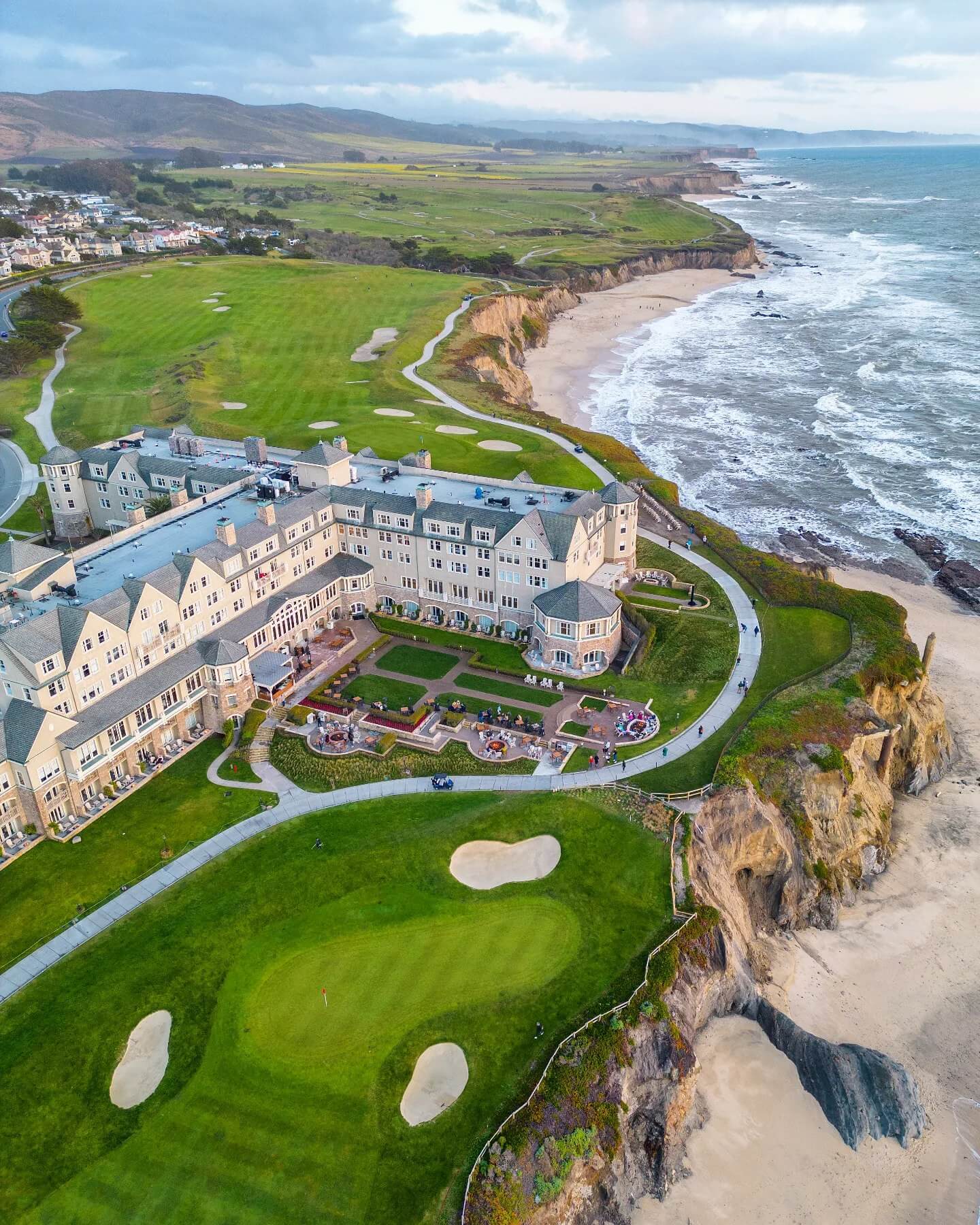
- Big Sur and Carmel - If you want drama, Big Sur delivers. The rugged, cinematic coastline is the kind of landscape that makes people go quiet. There are fewer venues here, which adds to the intimacy. This region is ideal for smaller weddings where the landscape itself makes a statement and the photographs will be unique.
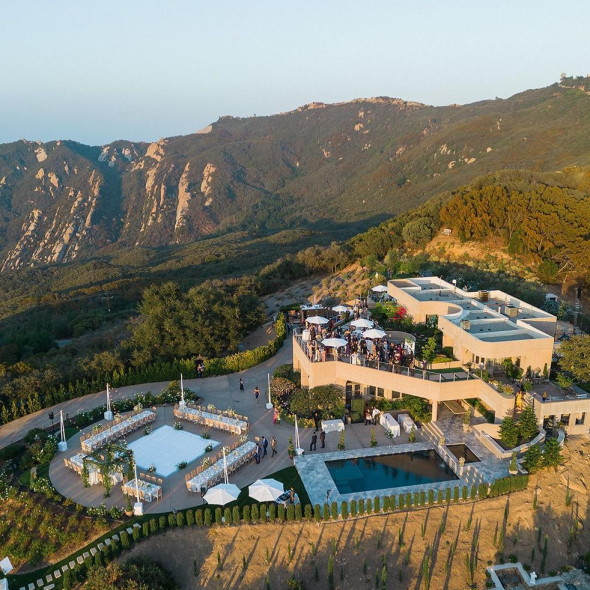
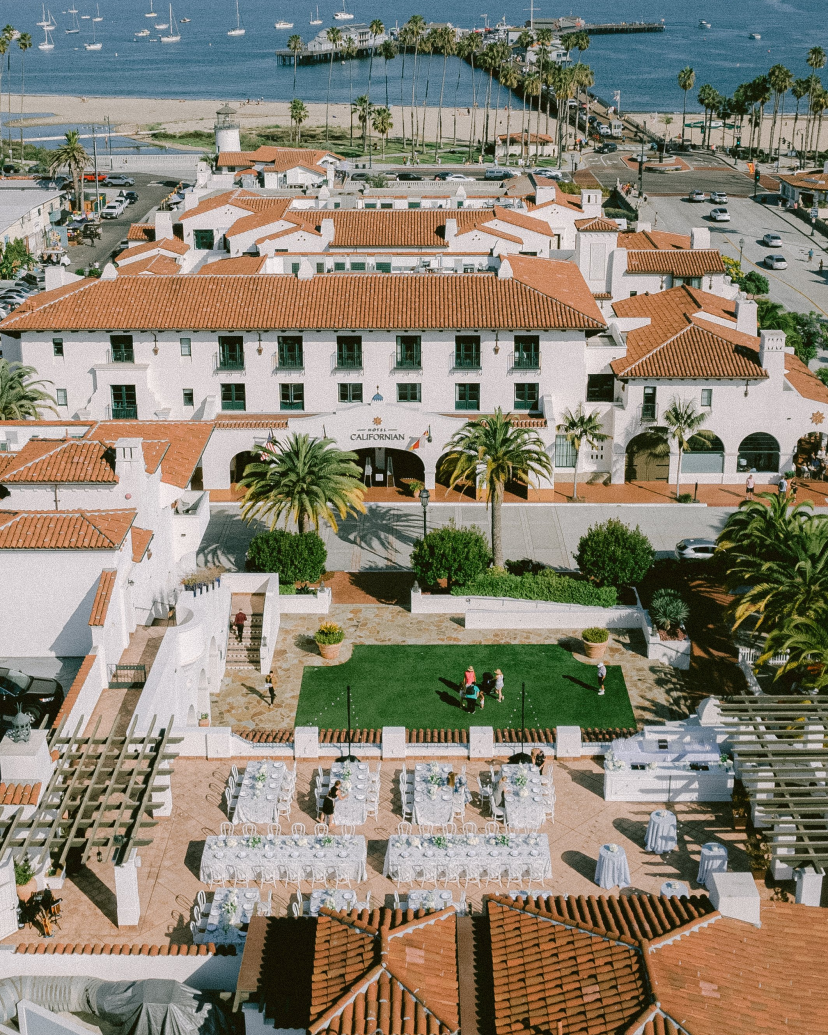
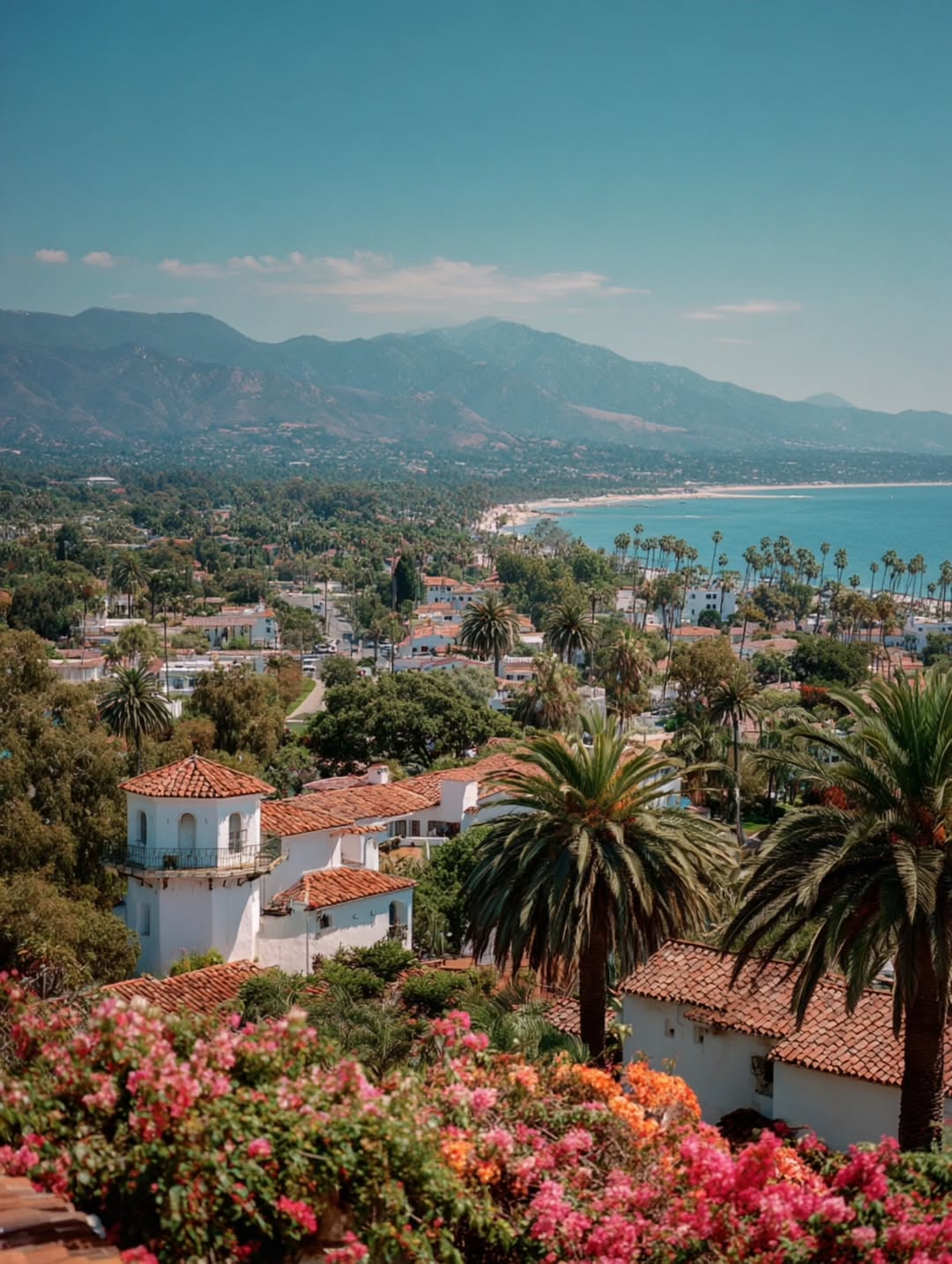
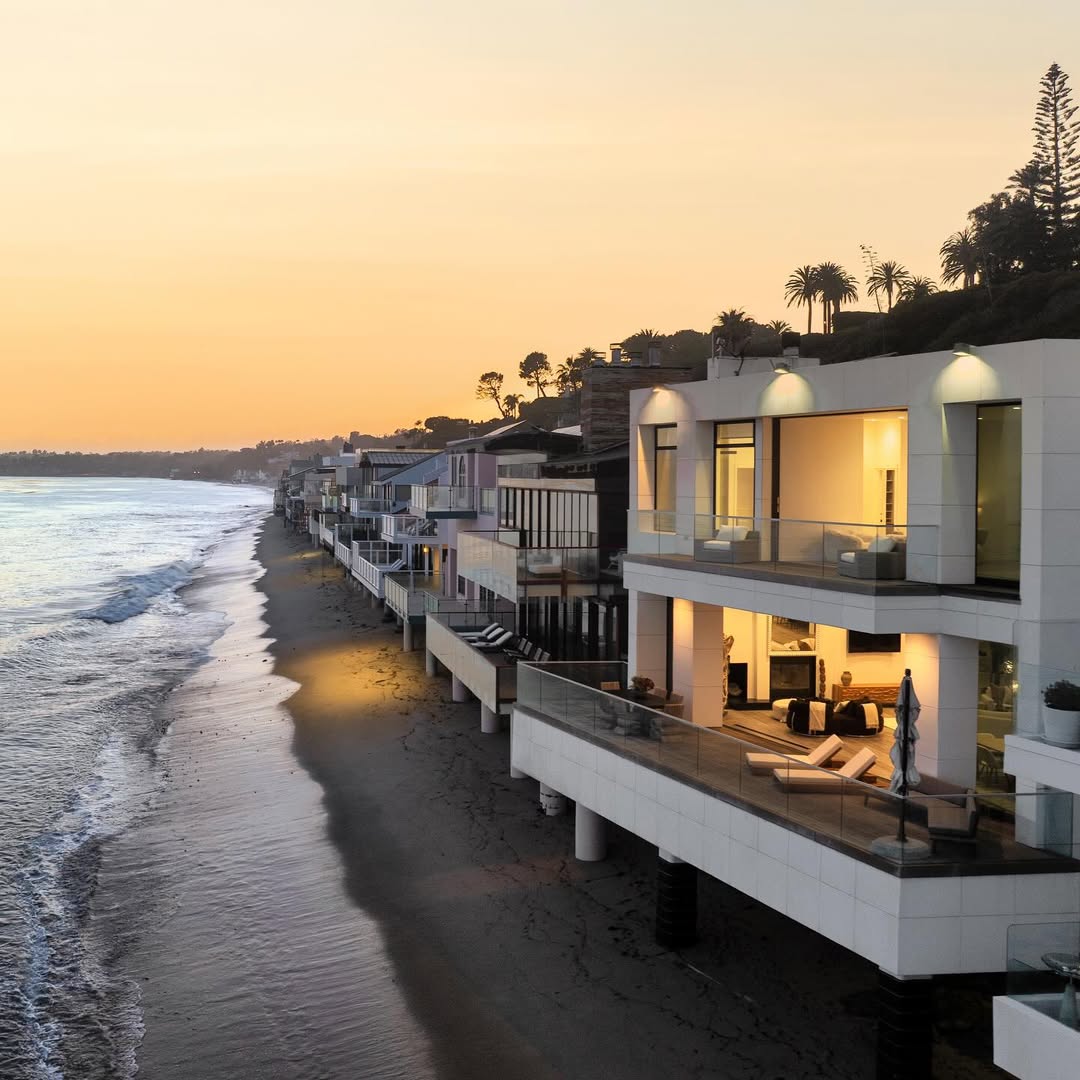
- Malibu and Santa Barbara offer a warmer, more relaxed version of the classic Californian wedding experience. Malibu estate weddings are particularly popular with international couples thanks to the combination of ocean views and accessibility - LAX is less than an hour away. Santa Barbara adds Spanish colonial architectural charm that looks beautiful in any season.
- Palm Springs and the desert are enjoying a long moment in wedding culture, and Palm Springs is its most refined expression. Mid-century modern venues, mountain backdrops, dramatic evening light and a cool climate from October to April make outdoor events genuinely comfortable. This location is particularly popular with design-conscious couples and those planning more intimate gatherings.
- Lake Tahoe is ideal for couples who prefer mountains to coastline and offers alpine beauty in every direction. Summer and early autumn provide ideal conditions with clear skies, mild temperatures and reflective lake light that makes every photograph look perfect. Venues range from rustic lodges to polished lakefront estates.
California Destination Wedding Cost
.jpg)
.jpg)
There's a wedding in California to suit almost every budget, but it's important to have realistic expectations. This is not the cheapest destination, and the difference between how things look on Pinterest and how much they actually cost can be significant if you haven't done your research. The good news is that California's wedding industry is transparent and well documented, so with the right guidance, there should be very few financial surprises.
The cost of a destination wedding here varies significantly by region, season and guest count. Napa in September and Palm Springs in November, for example, are very different in terms of pricing. A guest list of 40 and one of 150 are practically different events. The difference in price between a venue that includes catering and one that doesn't can be tens of thousands of pounds. Understanding these variables early on - before you fall in love with a specific venue or set a date - is what transforms a stressful planning process into a smooth one.
| Budget Tier | Guest Count | Estimated Range | What's Typically Included |
|---|---|---|---|
| Intimate | 20–40 guests | $15,000–$35,000 | Small venue, basic catering, local vendors |
| Mid-Range | 50–100 guests | $40,000–$80,000 | Full venue, planner, photo/video, décor |
| Luxury | 100–200+ guests | $100,000–$250,000+ | Premium venue, designer florals, full production |
There are a few cost categories that are worth understanding before you start talking to vendors:
- Venue: typically the largest expense, ranging from £3,800 for a simple outdoor permit to £38,000+ for a full estate buyout in wine country.
- Catering: per-person food and beverage costs range from $150 to $400 or more, depending on the level of service and quality.
- Photography and video: experienced destination photographers cost $5,000–$15,000. Many require travel reimbursement in addition to their fee.
- A full-service wedding planner: costs between $5,000 and $20,000. For destination weddings, this investment almost always pays for itself.
- Decor and florals: minimalist aesthetics can be achieved for $3,000–$8,000. Elaborate floral installations can easily cost $20,000+.
- Guest accommodation — most destination couples arrange room blocks at nearby hotels. Budget $300–$600 per room per night in peak season.
Best Destination Wedding Packages in California
.jpg)
.jpg)
Couples who want clarity from the outset, in the form of a set budget and defined scope, and who want to make fewer decisions from afar, should seriously consider destination wedding packages. They're not the right fit for everyone, but for the right couple, they can eliminate a lot of hassle.
Most packages are offered by resorts, boutique hotels and all-inclusive venues. They usually include venue hire, catering, basic decorations, and a coordinator for the day. Some also include accommodation for the couple or a welcome reception. What they rarely cover are photography, floristry, entertainment and guest transportation.
When evaluating a package, look closely at:
- Guest count minimums and maximums
- What the catering allowance actually covers (e.g. open bar, food stations, service staff)
- Whether the in-house coordinator is a true planner or a venue liaison
- Hidden fees (e.g. cake cutting, corkage, overtime charges, vendor meals)
- Flexibility to bring your own vendors vs. required vendor lists
Popular properties offering structured wedding packages include resort hotels in Palm Springs, Napa Valley wine estates, and coastal boutique venues in Santa Barbara and Malibu. Packaged options typically start at around $15,000, increasing with the number of guests and the level of customisation.
One honest note: packages simplify logistics, but they can also limit creative control. If you have a very specific vision for your wedding, a custom-planned approach with individual vendors may be a better option for you - even if it requires more coordination effort.
Which California Wedding Vendors to Book First and Why
A destination wedding lives or dies by its vendors. Unlike with a local wedding, where you can visit a florist's studio on a Saturday or attend a tasting in person, most of these decisions have to be made remotely. This means that trust, communication style and the depth of the portfolio matter more than almost anything else.
- The first thing you should do is book a wedding planner. A local Californian wedding planner is more than just a logistics coordinator - they're your primary advocate with every other vendor on the list. They know which venues have hidden costs, which photographers are worth the extra expense, and how to navigate permit requirements in Malibu or the Sonoma Valley. For couples planning a destination wedding, the most important investment in the entire budget is a full-service planner, not just day-of coordination. Look for planners with verifiable local experience, a portfolio that matches your aesthetic and who can communicate effectively across time zones.
- The venue is booked second, as soon as the planner is confirmed. The most in-demand venues in California's Napa, Big Sur and Malibu areas book up 18–24 months in advance for the peak season. Your planner will often have existing relationships that can give you access before venues publicly advertise their availability. If you are evaluating venues remotely, ask for a virtual walkthrough, a recent event portfolio and references from couples who have planned their wedding from abroad.
- The third booking to make is for a photographer and videographer. California has an extraordinary pool of wedding photographers - the state essentially shaped the modern editorial wedding aesthetic. Look for someone whose work consistently impresses you in different lighting conditions: golden hour on a coastline, candlelit reception interiors and harsh midday desert sun, for example. Most photographers charge a travel fee for bookings outside their home region.
- Catering and bar: Many California venues either have an in-house catering service or a defined list of preferred vendors. Where there is flexibility, the options are remarkable, ranging from private chefs trained by Michelin to farm-to-table specialists who source produce locally. Due to California's liquor licensing requirements, most venues must either provide in-house bar service or hire a licensed bartending company. Your planner will handle the details.
- Florist & Décor: California's floral industry is exceptional, particularly in wine country, where many florists have long-standing relationships with local growers. If you are working remotely, ask for a detailed proposal with inspirational imagery before committing. Most experienced florists offer virtual consultations and will create precise mood boards to ensure alignment well before the contract is signed.
- Hair, Makeup & Beauty Team: For destination weddings, it is far simpler to book a single lead artist who coordinates a small team than to book individuals separately. Most artists in California's main wedding areas offer travel packages that include accommodation, so it's easy to have them on site all day.
How to Plan a Destination Wedding in California: Month-by-Month Timeline
.jpg)
.jpg)
- 18–24 months out: Define your vision, approximate guest numbers and total budget. Research and interview wedding planners, then sign a contract. With the planner's guidance, begin creating your venue shortlist and settle on a wedding date - or narrow it down to two or three options based on venue availability.
- 12–18 months out: Sign the venue contract and pay the deposit. Book your photographer and videographer. Start talking to the florist, caterer and entertainment provider. Research hotel accommodation blocks for guests and send out save-the-date cards.
- 9–12 months out: Finalize the catering and menu. Book the florist and review initial design concepts. Confirm the officiant and start planning the ceremony. Book the hair and make-up team. Arrange guest room blocks at nearby hotels.
- 6–9 months out: Send out the formal invitations. Finalize the décor and floral brief with all vendors. Plan any additional guest events, such as a welcome dinner, a day-after brunch and excursions. Confirm transportation. Apply for the marriage licence (valid for 90 days, so three months out is ideal timing).
- 3–6 months out: Confirm RSVPs and finalise the catering headcount. Arrange a final venue walkthrough, either virtually or in person. Create the ceremony timeline and share it with all vendors. Arrange the logistics of the rehearsal dinner.
- 4–6 weeks out: Send the final timeline to all vendors. Confirm arrival times and logistics for each vendor. Pack and ship any personal items needed for the decorations. Arrange accommodation check-in for the couple and key family members.
- Wedding week: Arrive two to three days early to recover from travelling. Attend the rehearsal and rehearsal dinner. Have a final check-in with the planner on the morning of the wedding. Then hand over all remaining logistics to your planner and enjoy the day you planned!
When you build the right team around you, planning a wedding in California from a distance is entirely manageable. California's wedding industry is one of the most professional in the world. Its vendors are experienced with international couples, accustomed to remote planning and genuinely invested in delivering exceptional work. Start with your planner, take it one vendor at a time, and trust the process. California will take care of the rest.