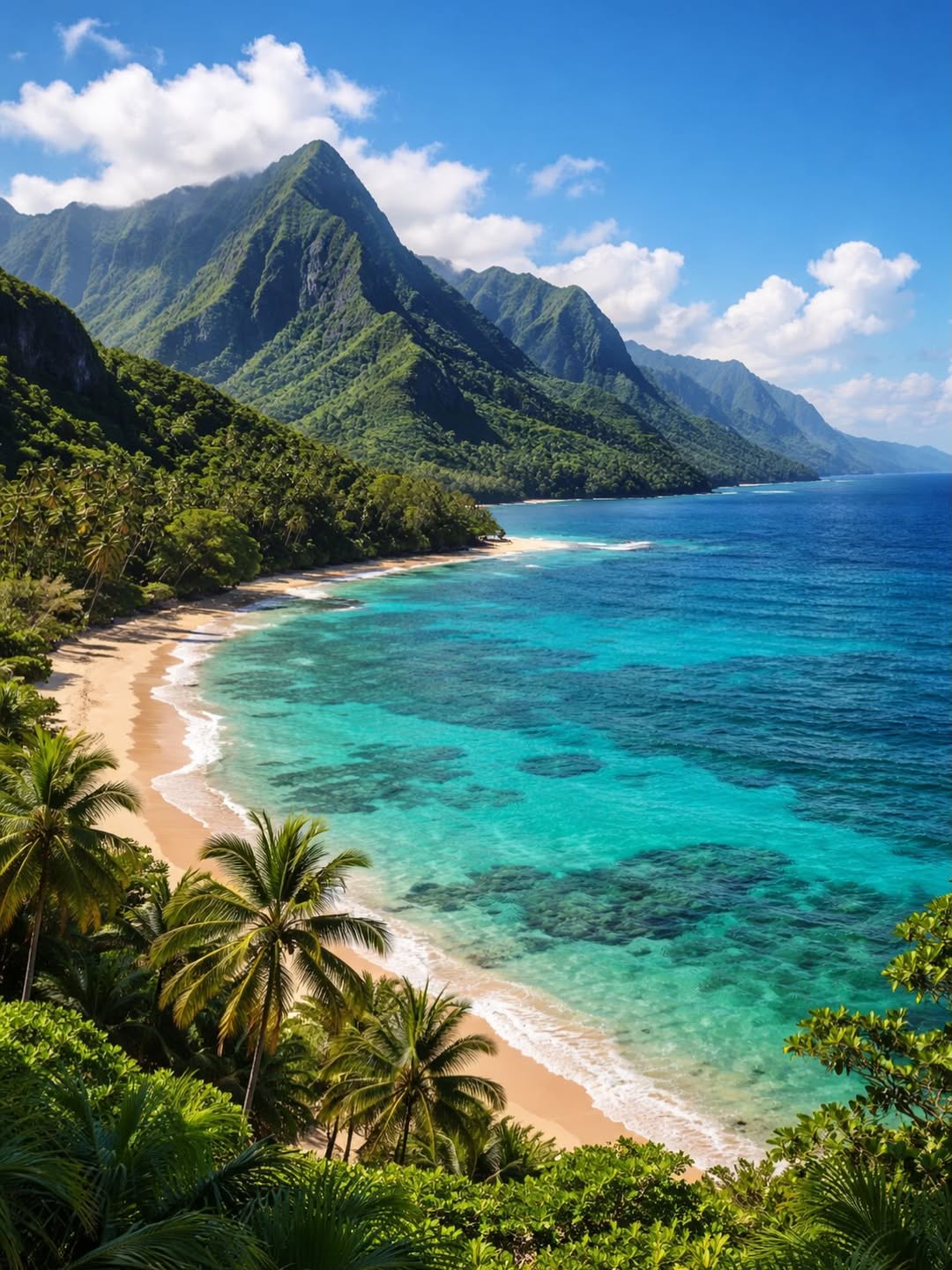
Hawaii
Hawaii's climate is less about temperature and more about transformation - mornings that smell of rain and plumeria, afternoons where rainbows appear without ceremony, evenings where the sky puts on a show that no photographer can fully capture.
Hawaii asks something of you. It asks you to slow down, to notice the way light moves across a lava field, to understand that the word aloha isn't a greeting - it's a way of approaching the world. Couples who marry here don't just have a wedding. They have an experience that becomes part of their story permanently.
Hawaii's specialists are a different breed. These are planners who understand sacred land permissions and the cultural weight of a Hawaiian blessing, photographers who have spent years learning to expose for volcanic black sand and open-ocean light, and venues - on clifftops, in bamboo forests, above crater lakes - that exist nowhere else on earth.
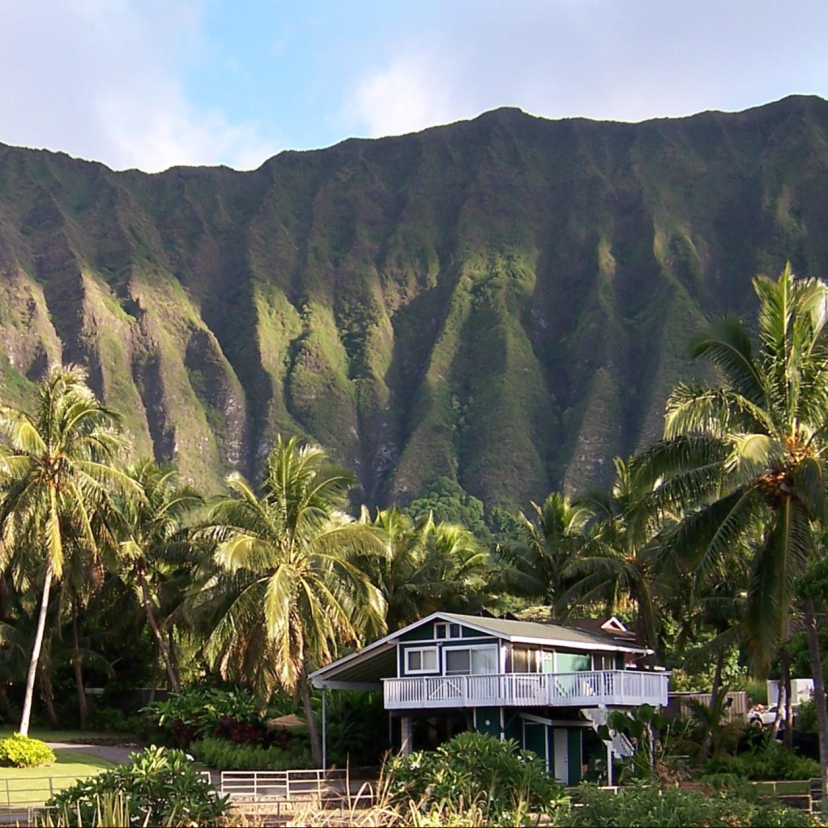
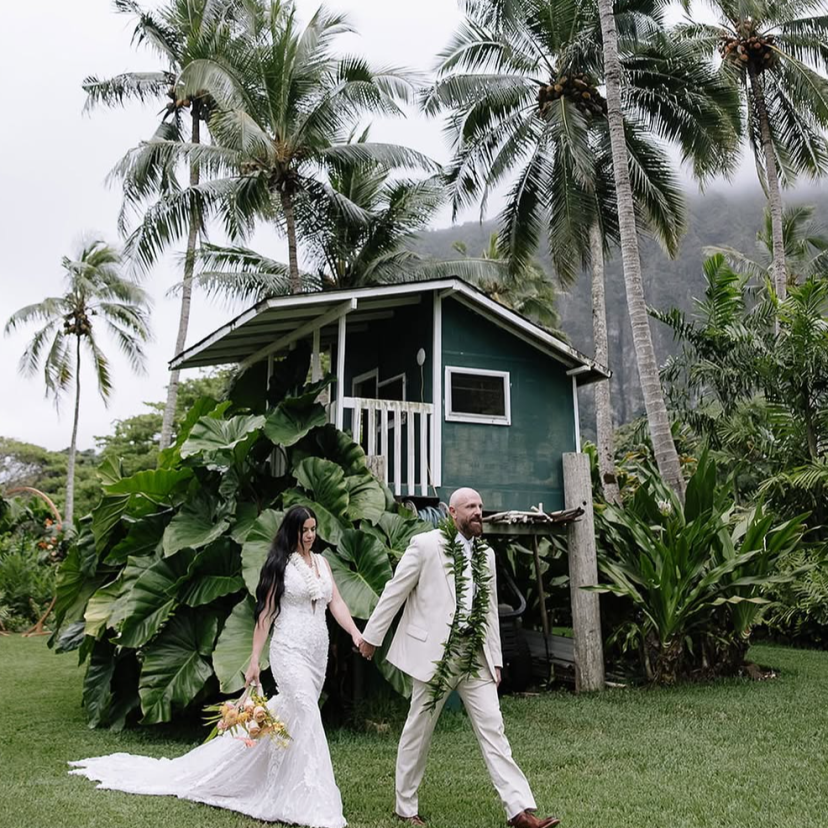
 Hawaii City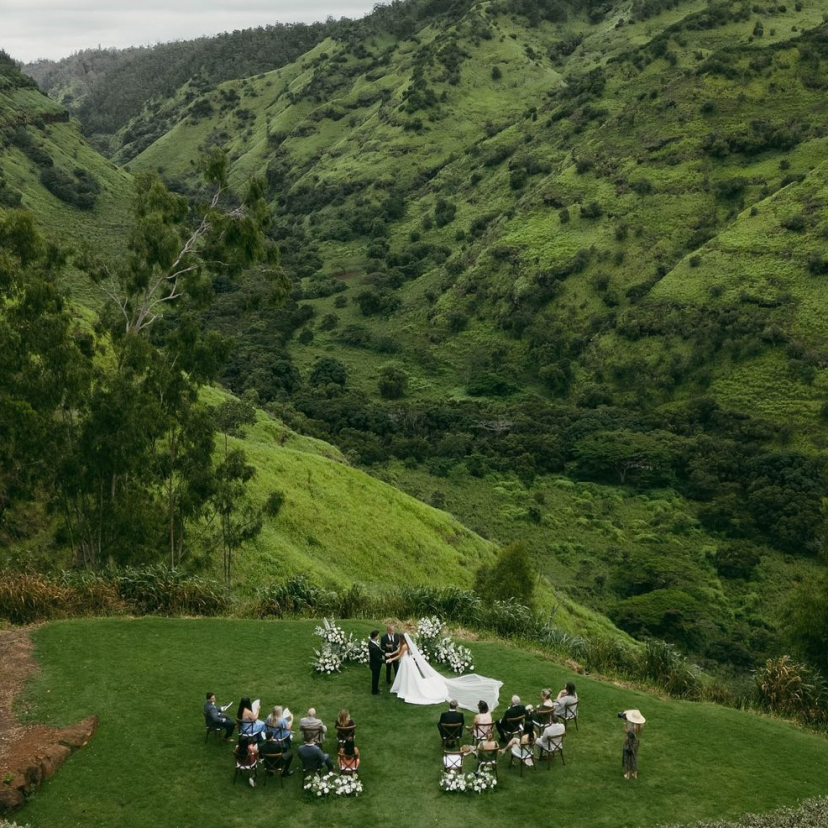
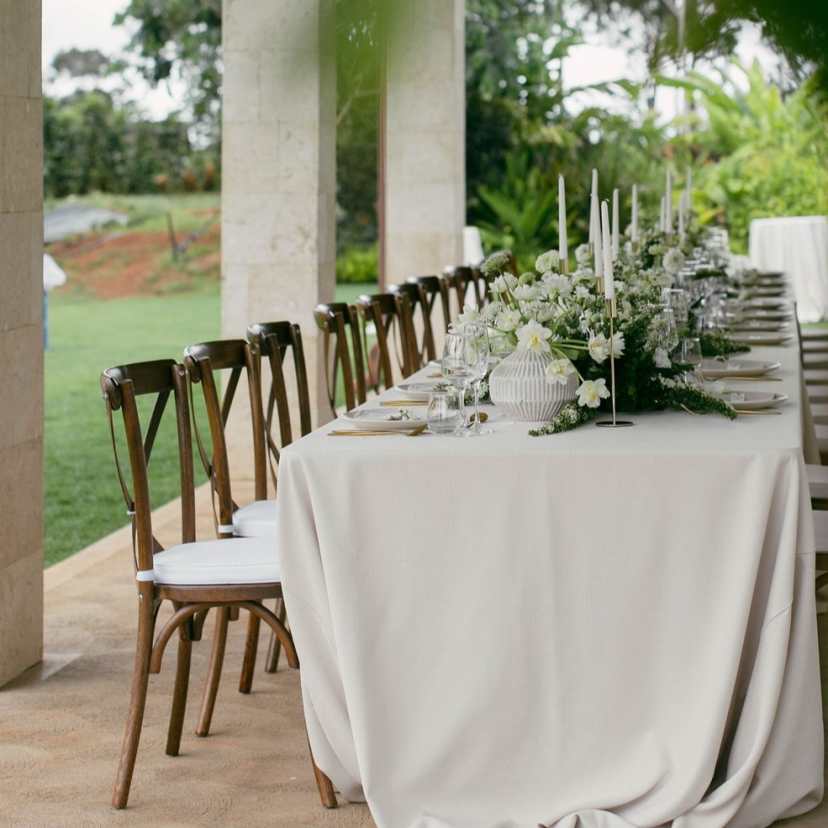
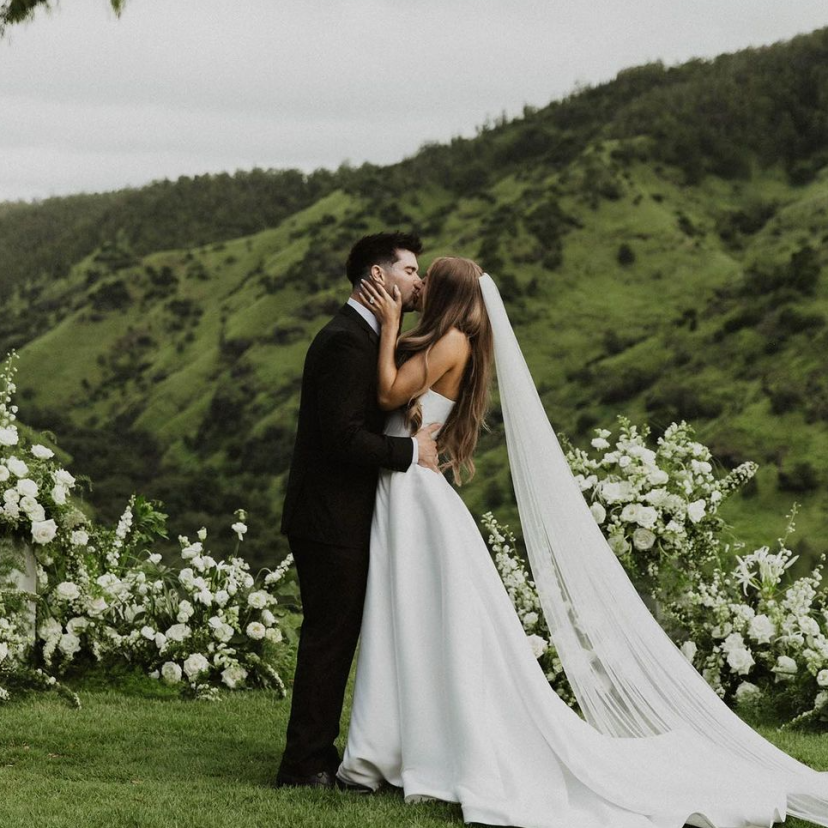
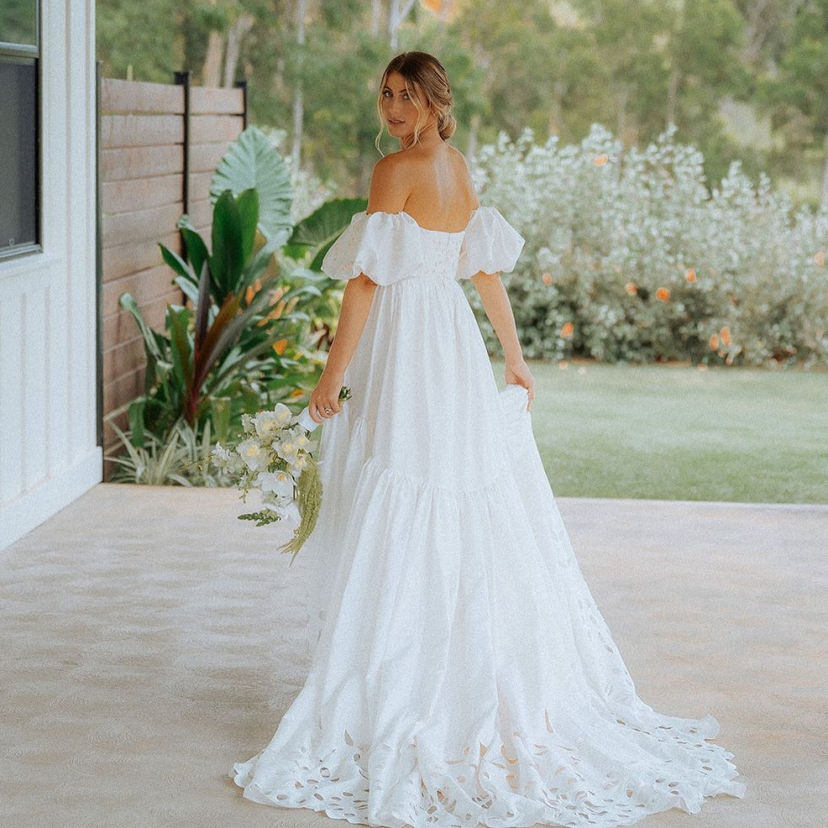
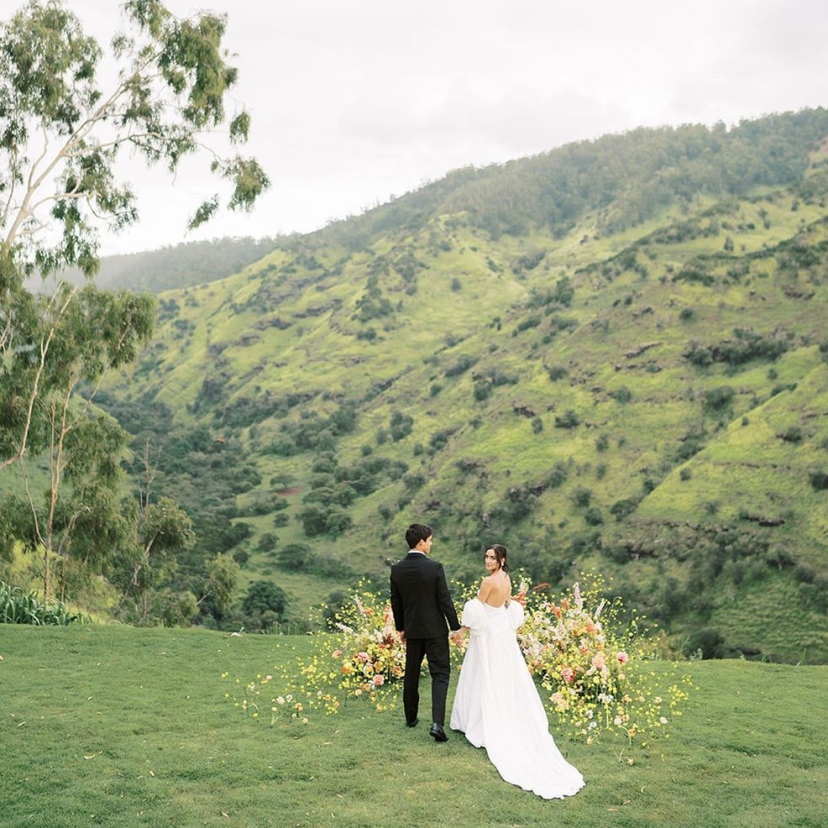
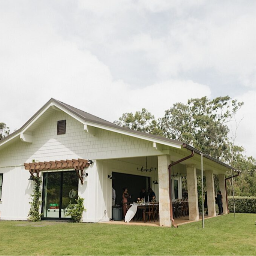
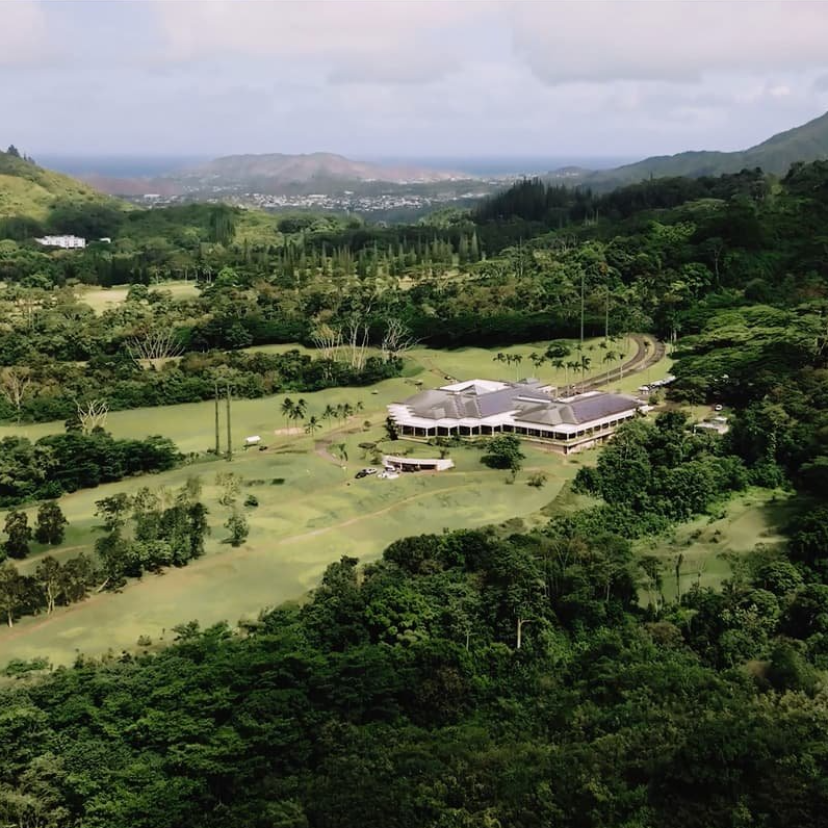
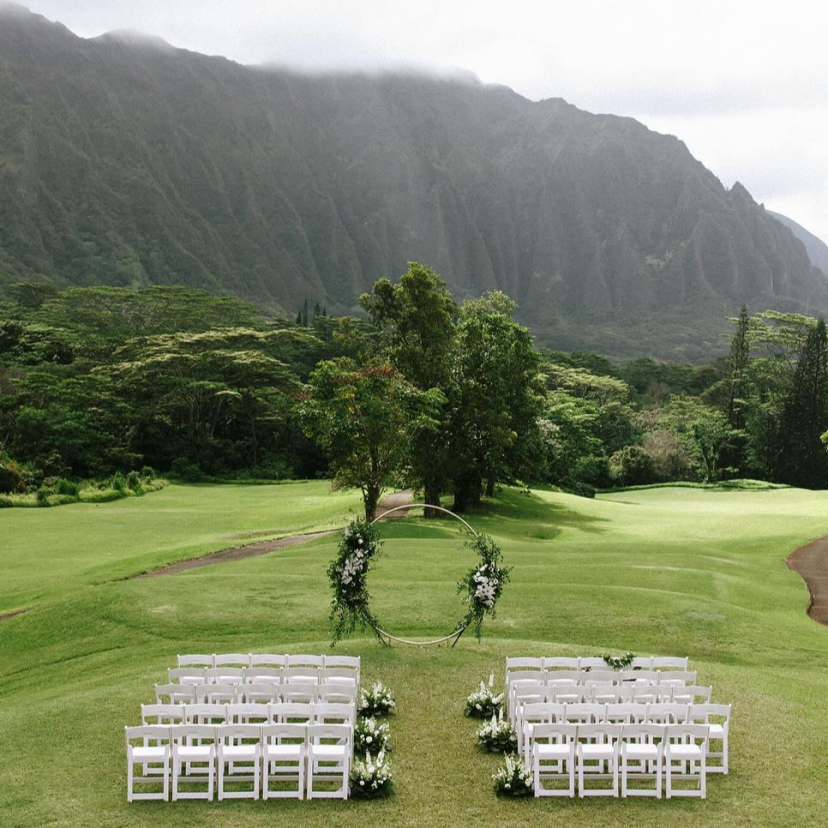
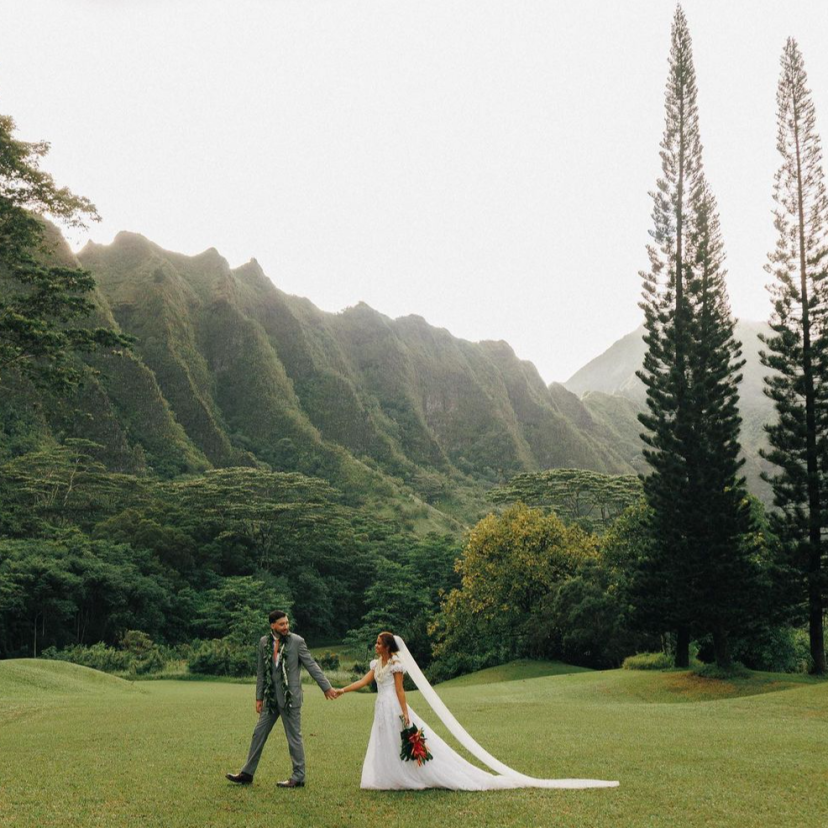
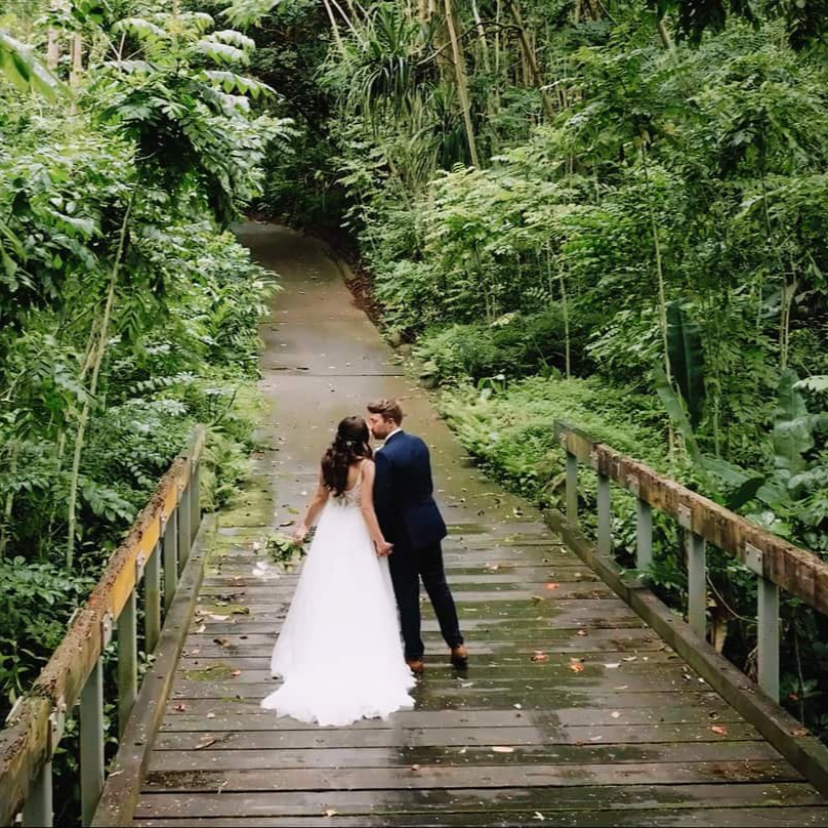
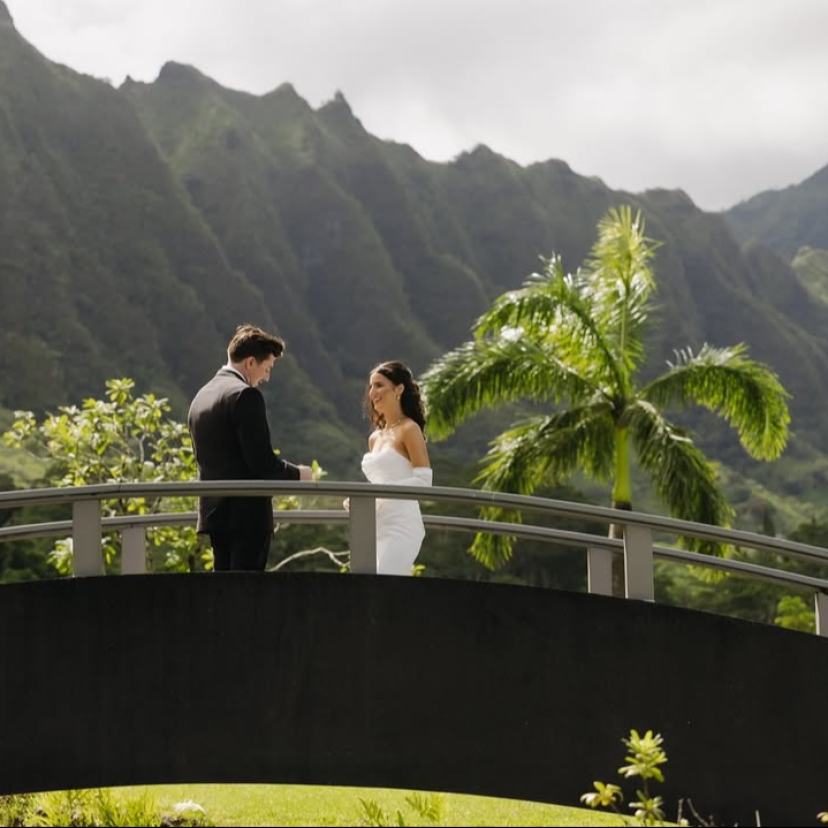
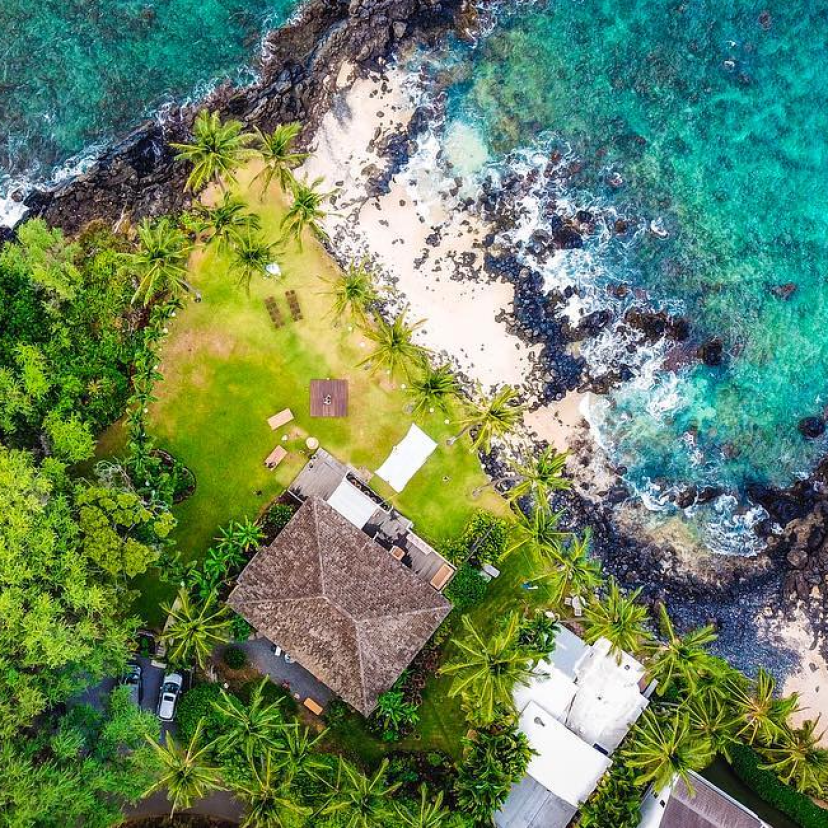
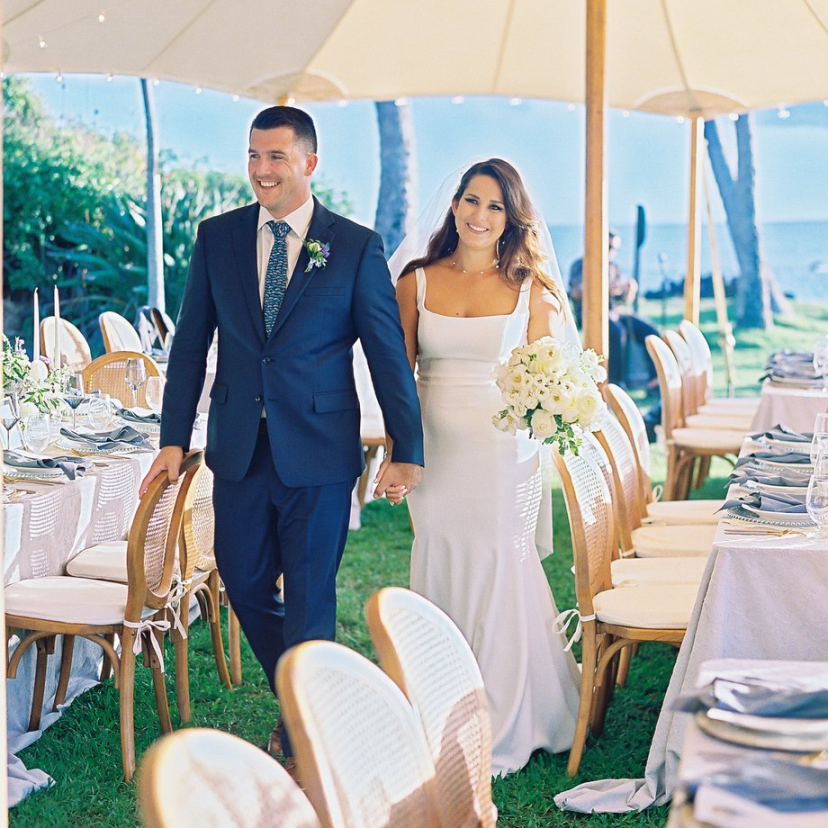
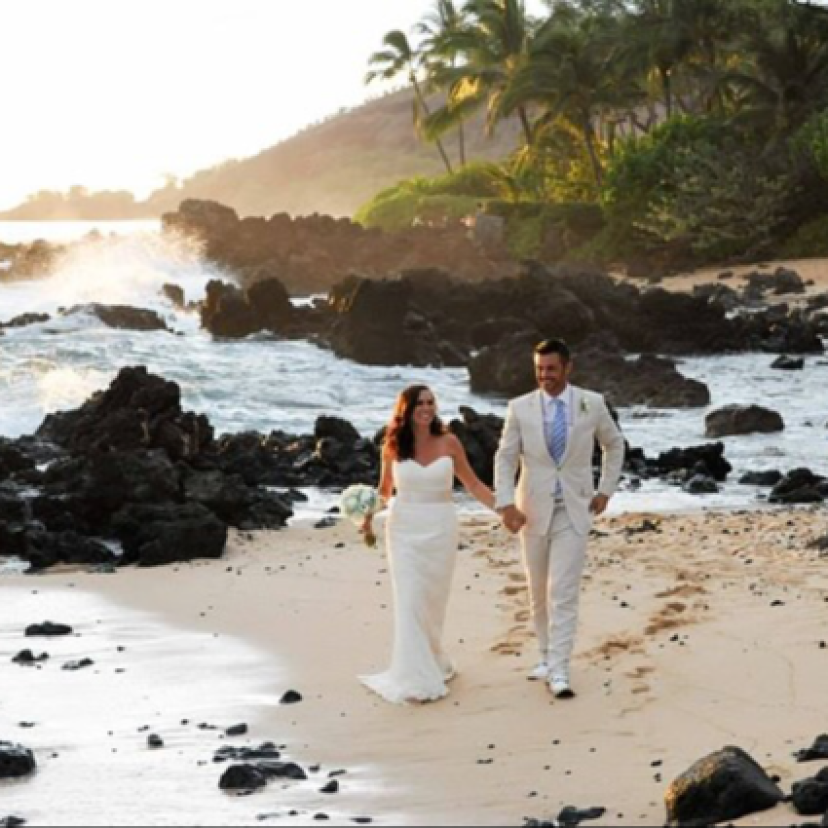
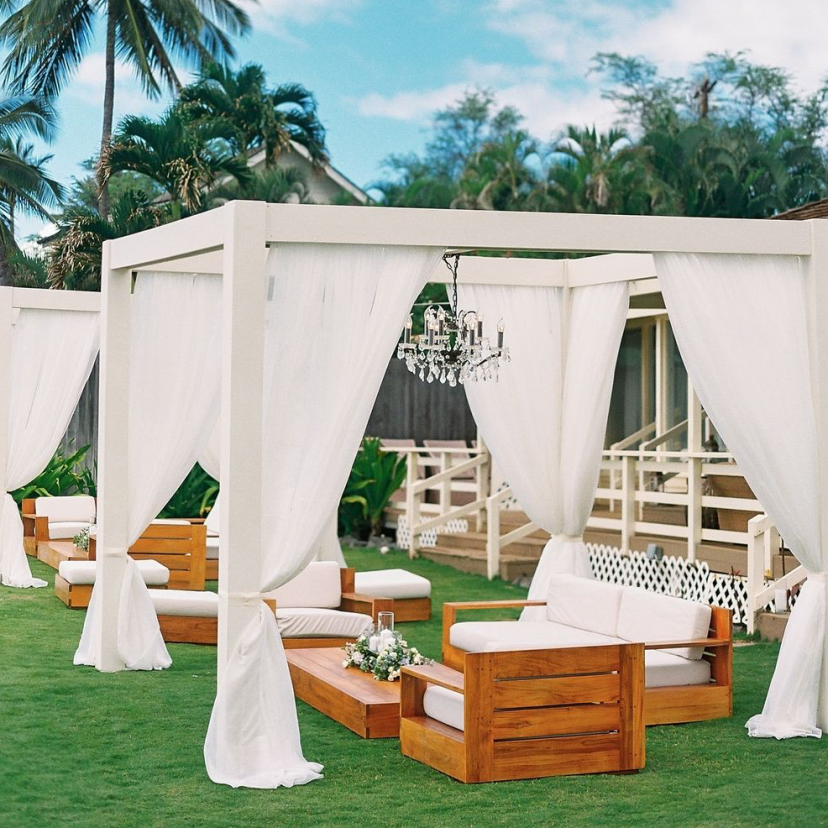
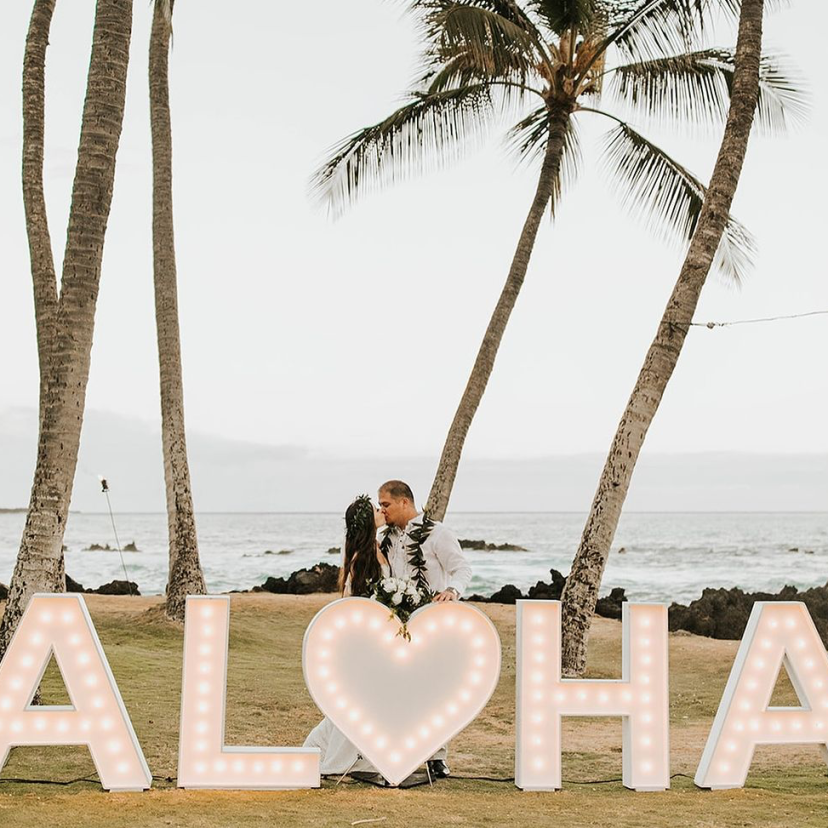
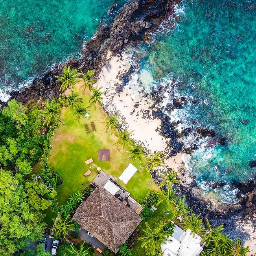
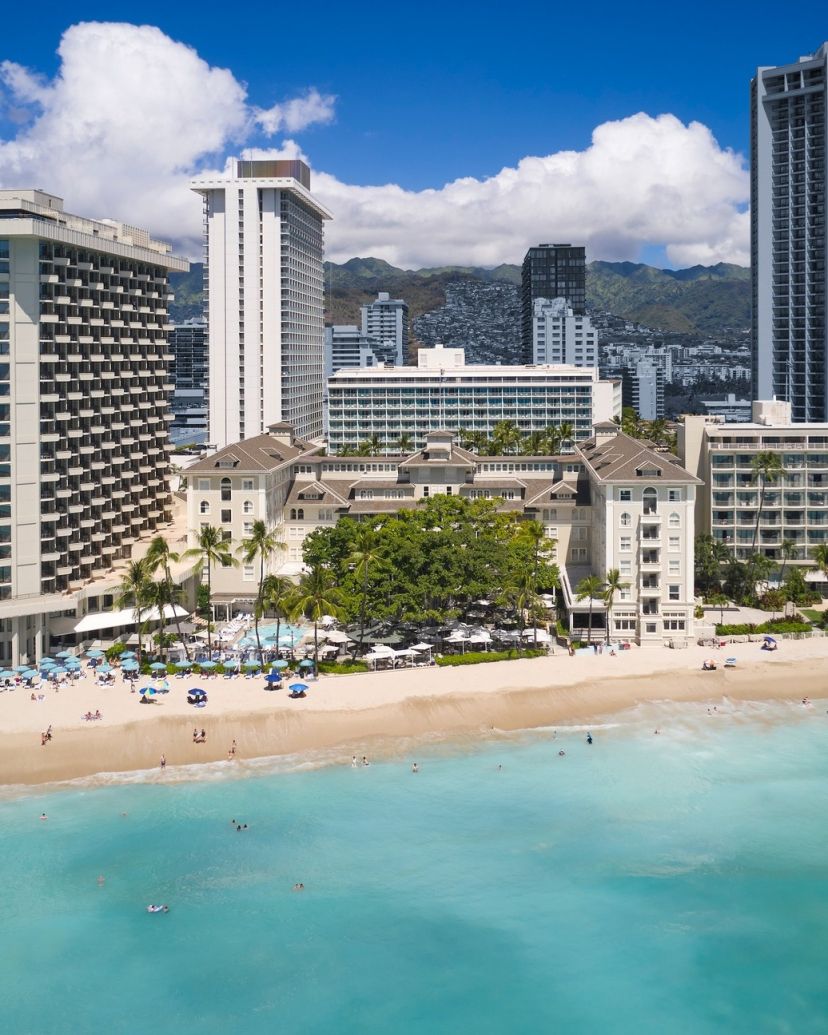

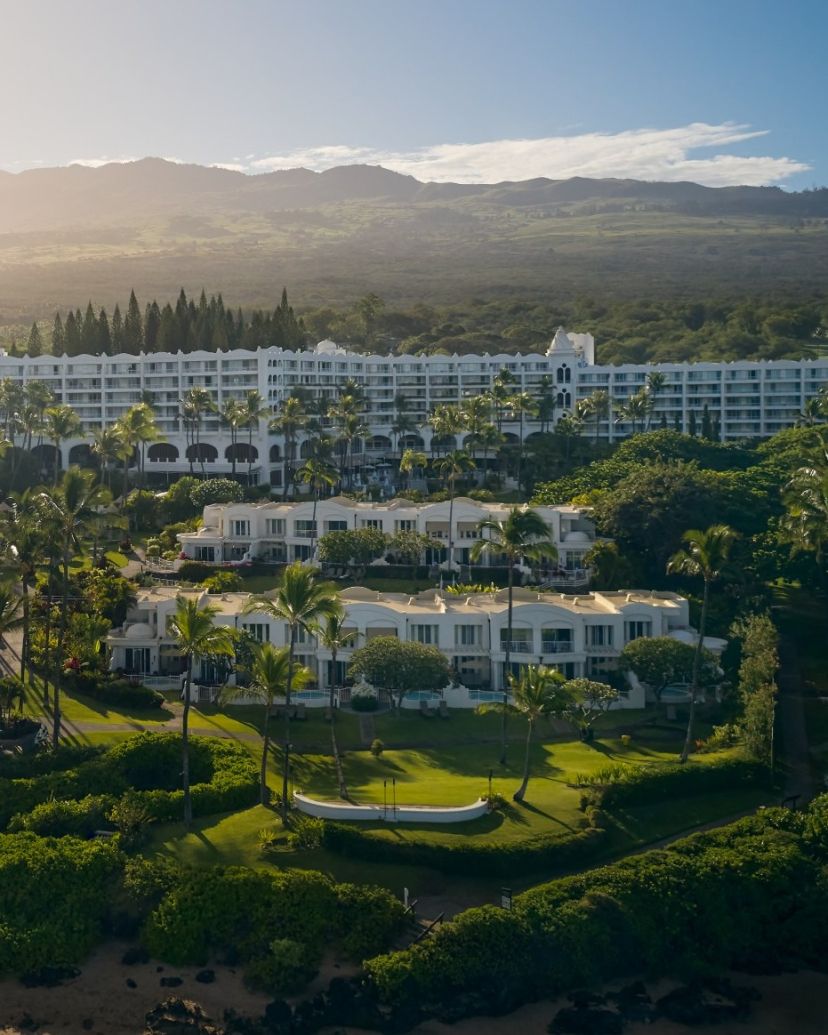

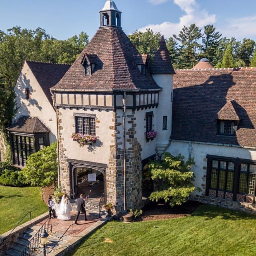

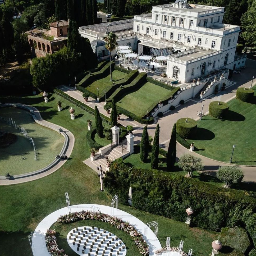
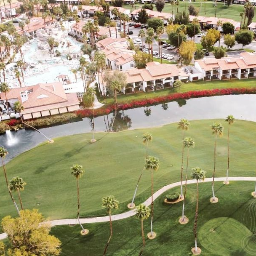
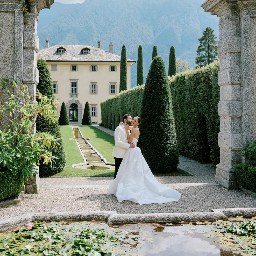



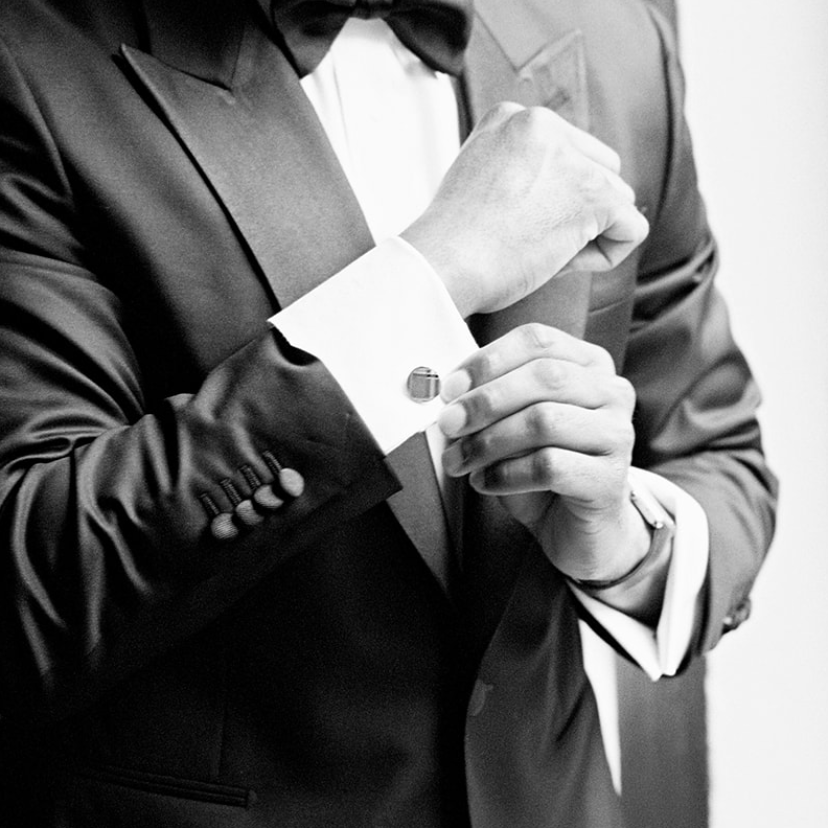
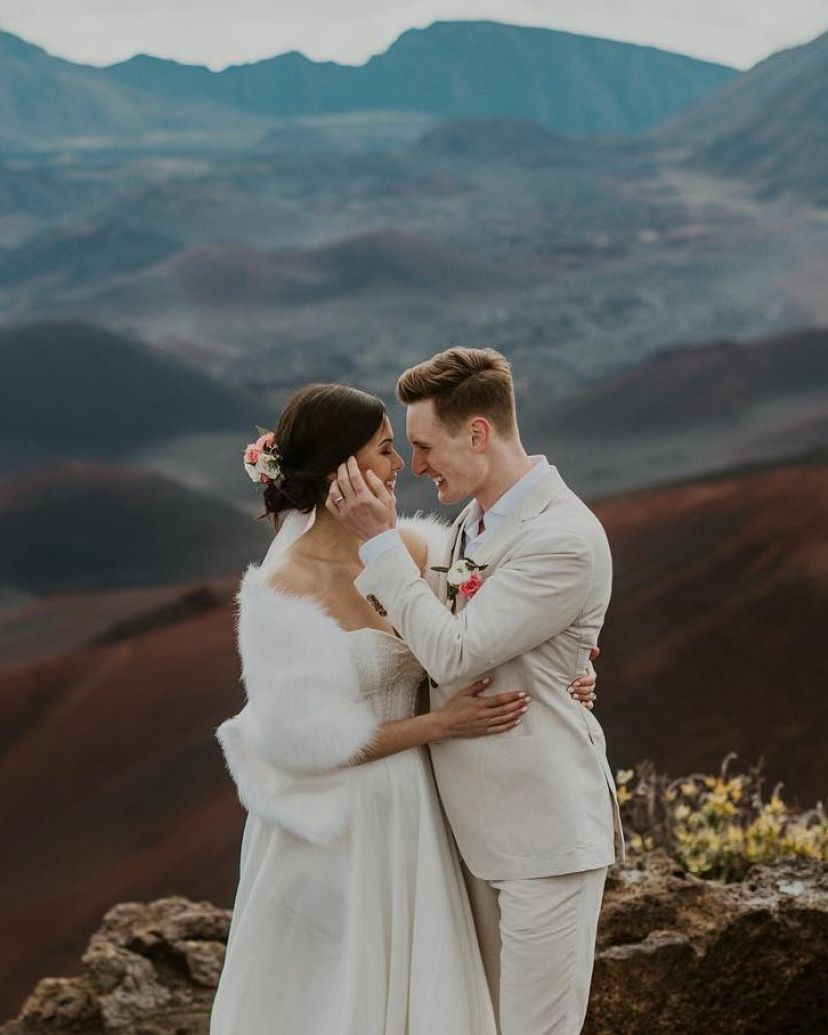
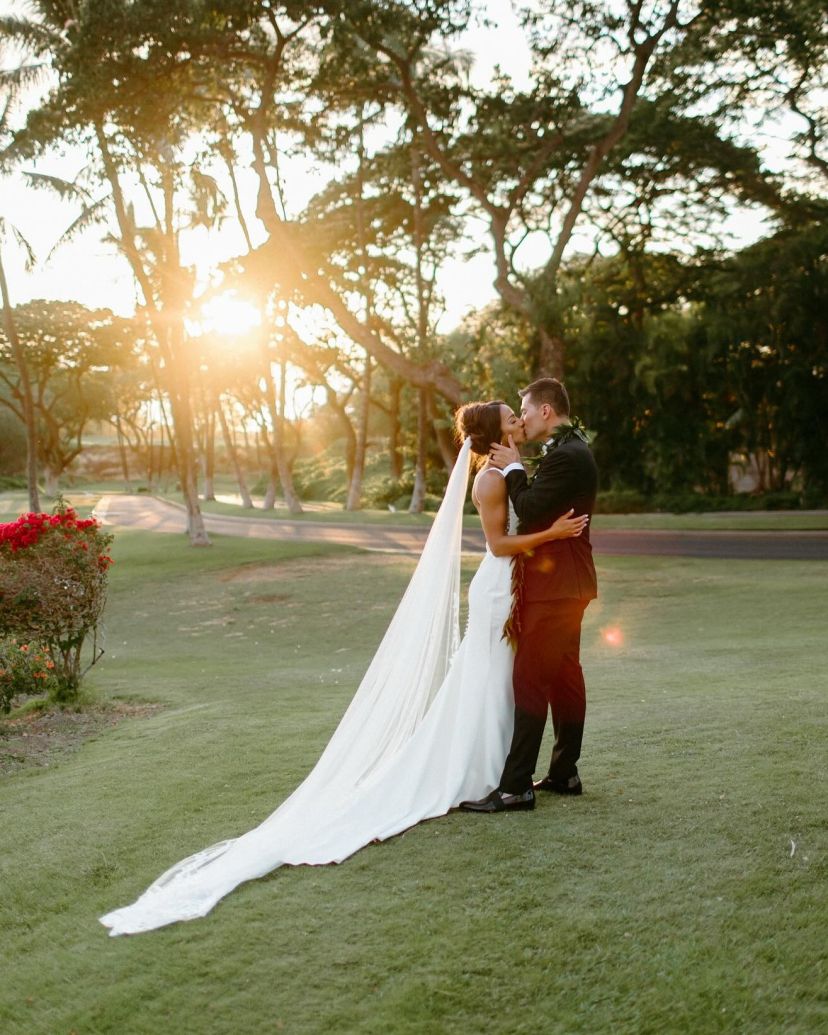
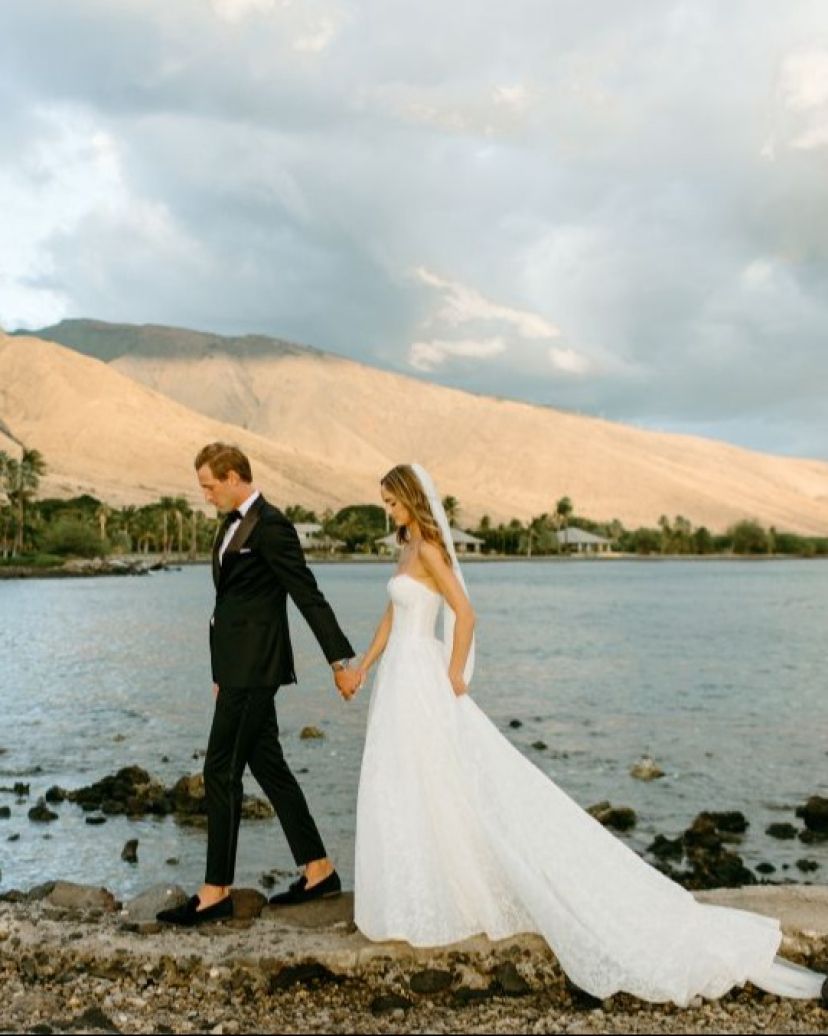
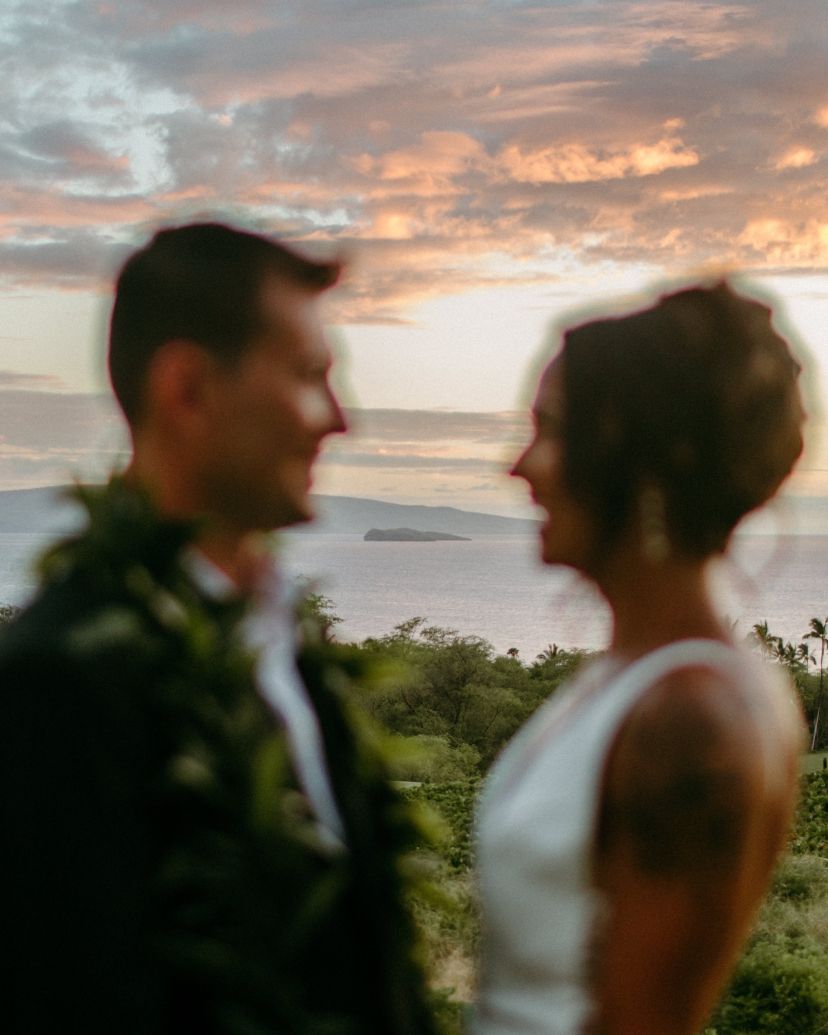
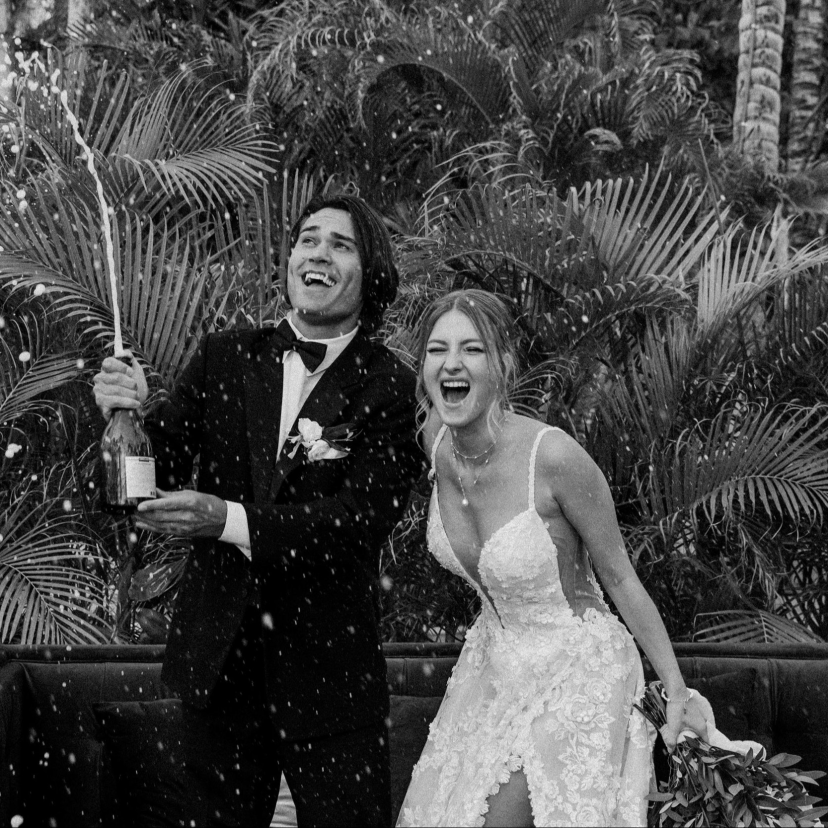
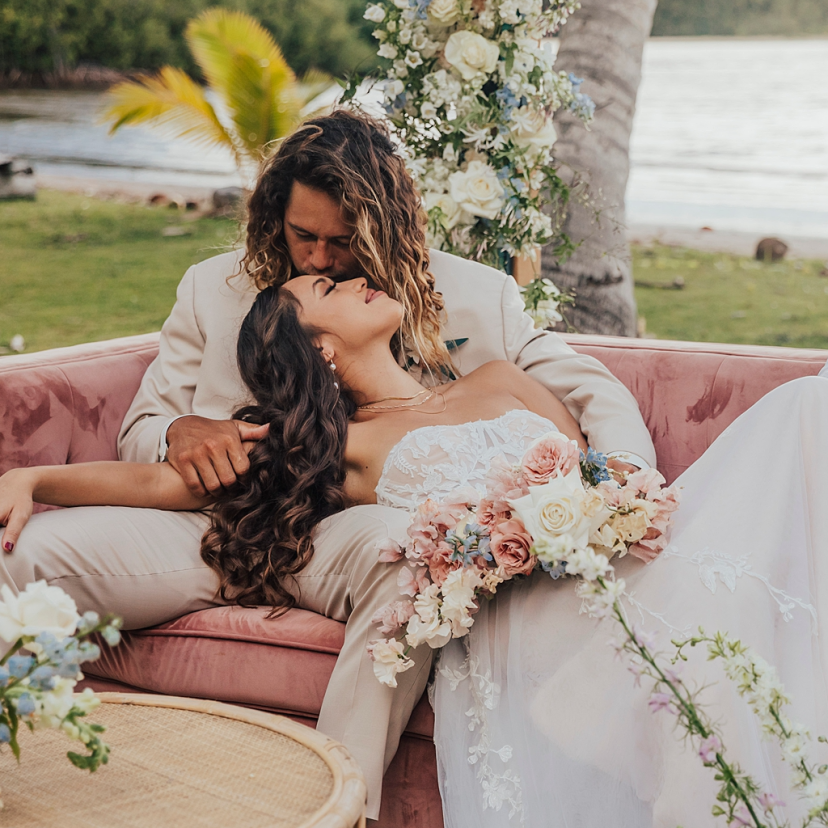
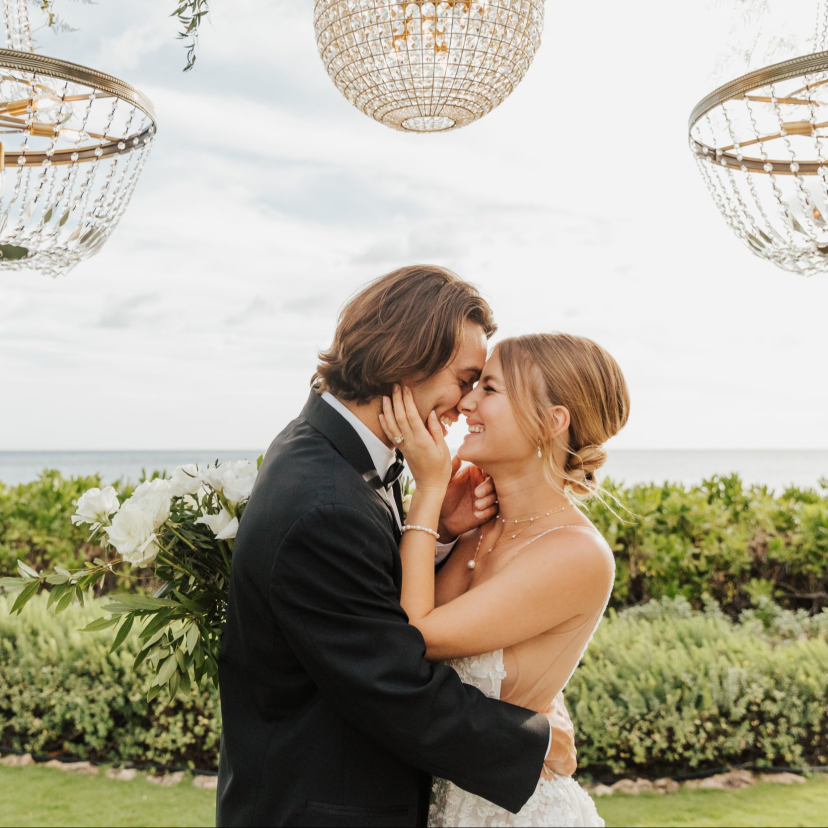
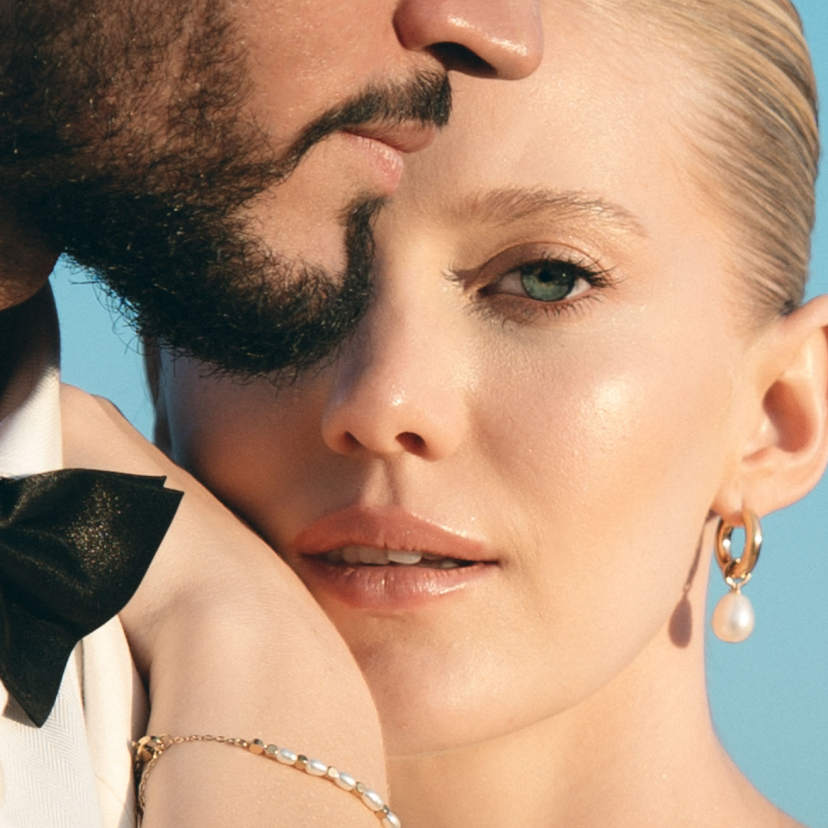
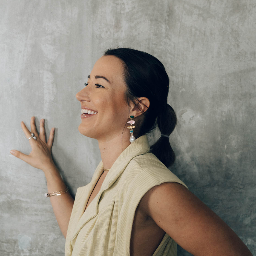
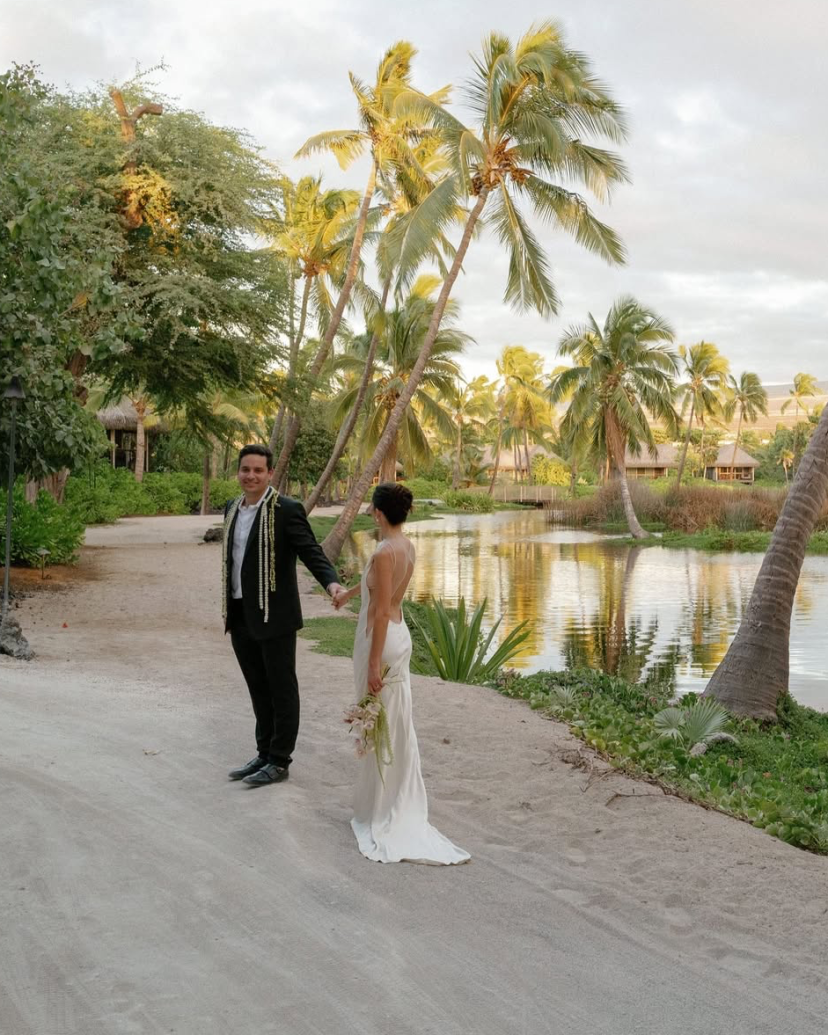
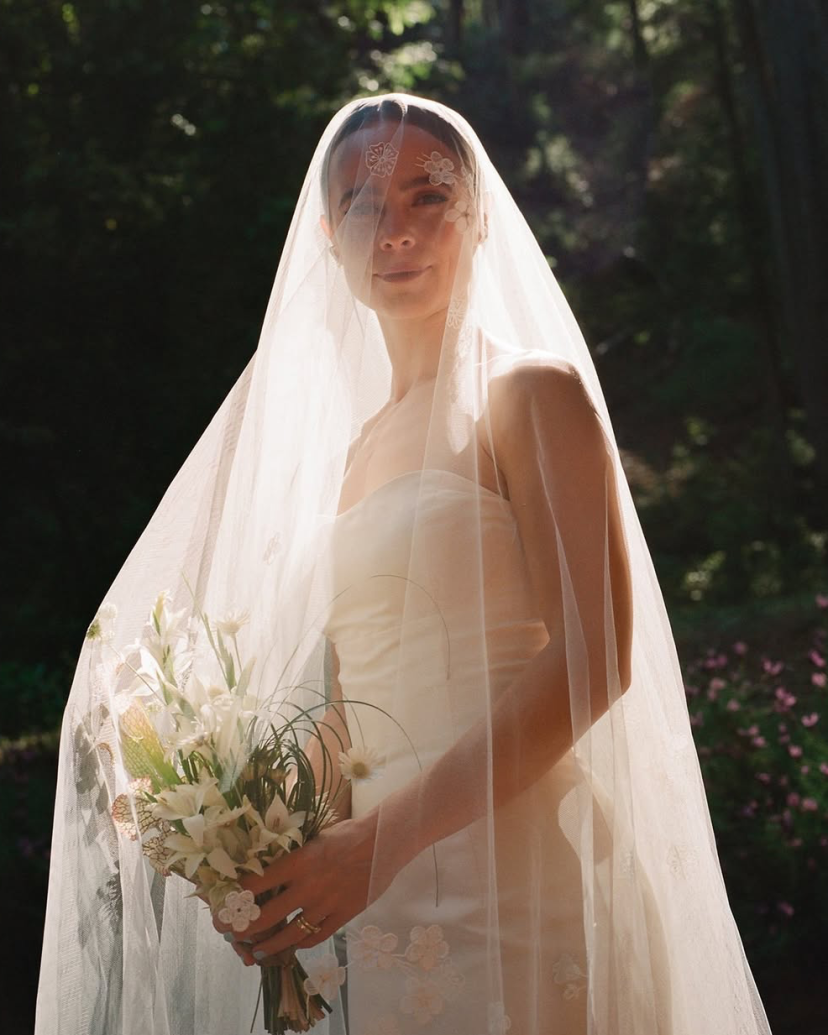
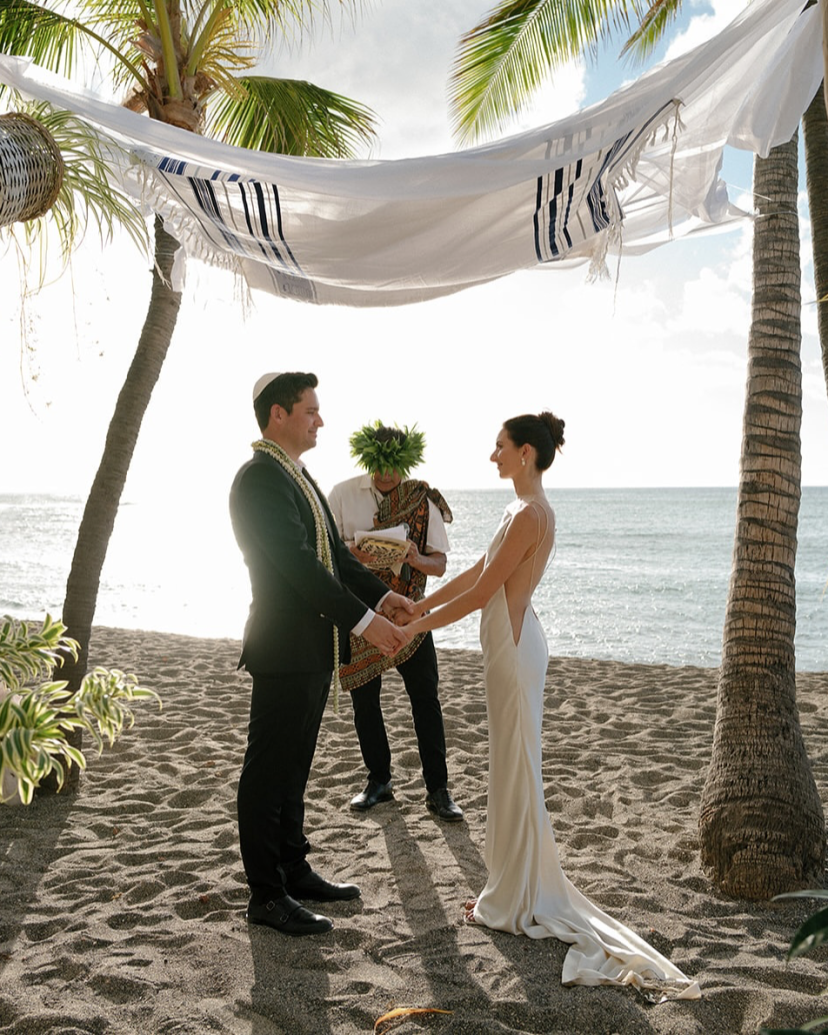
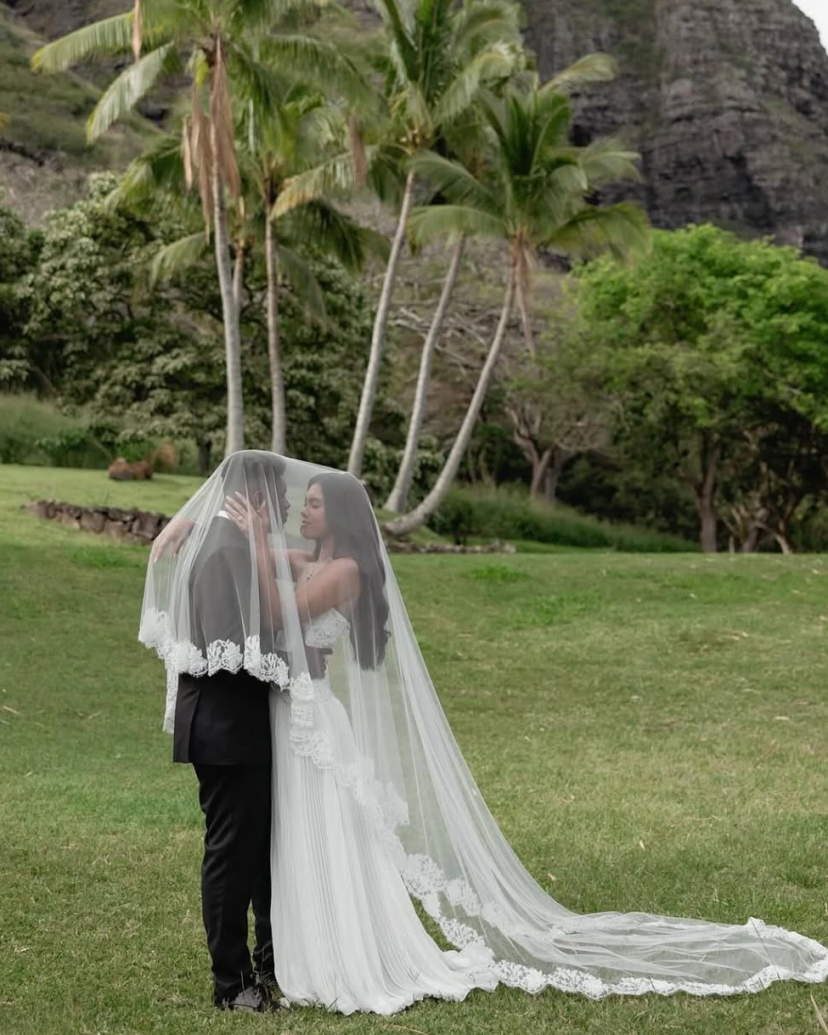
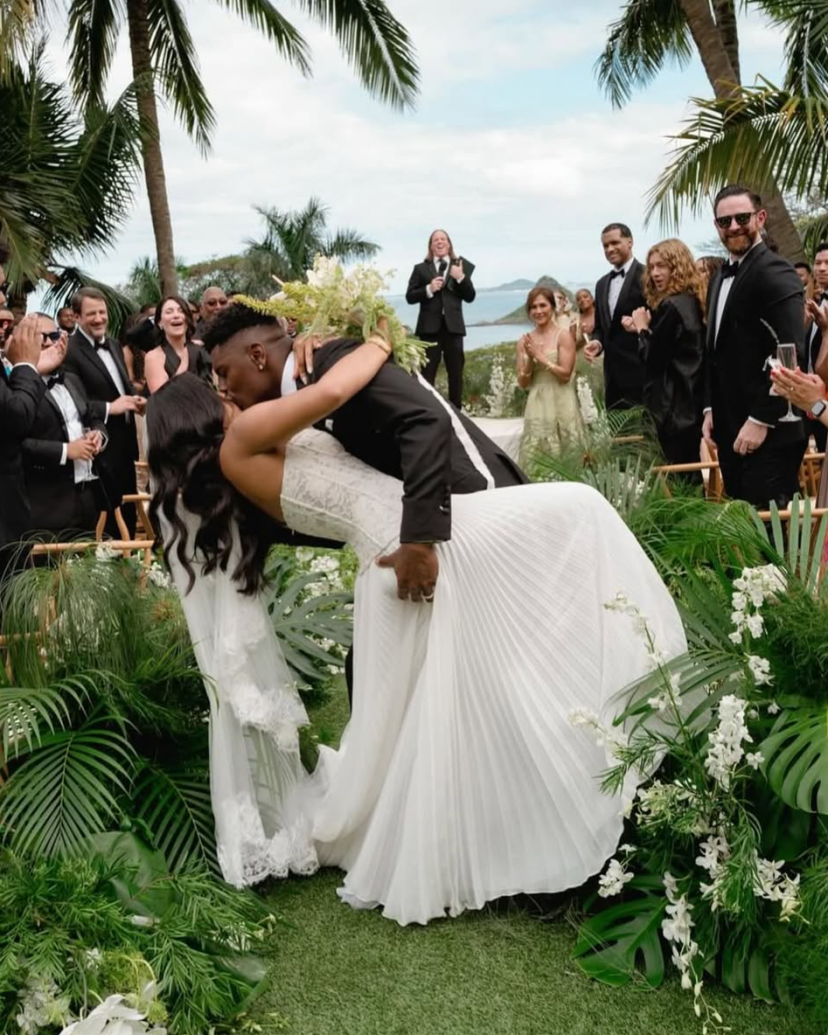
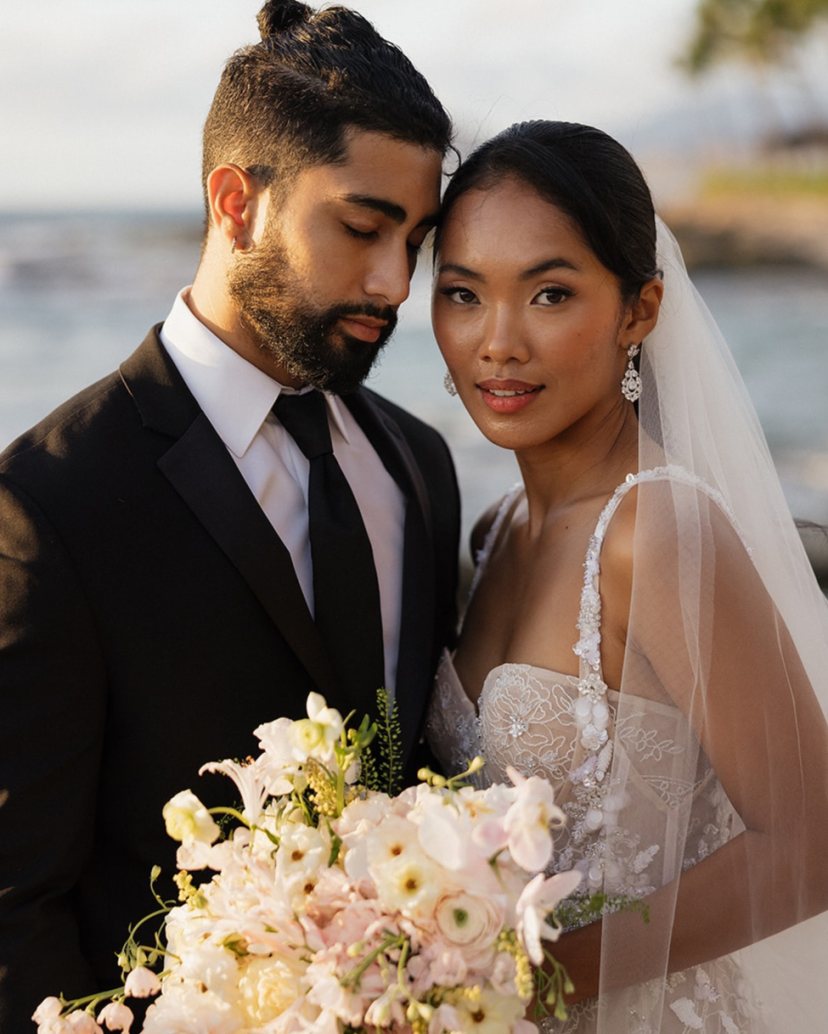
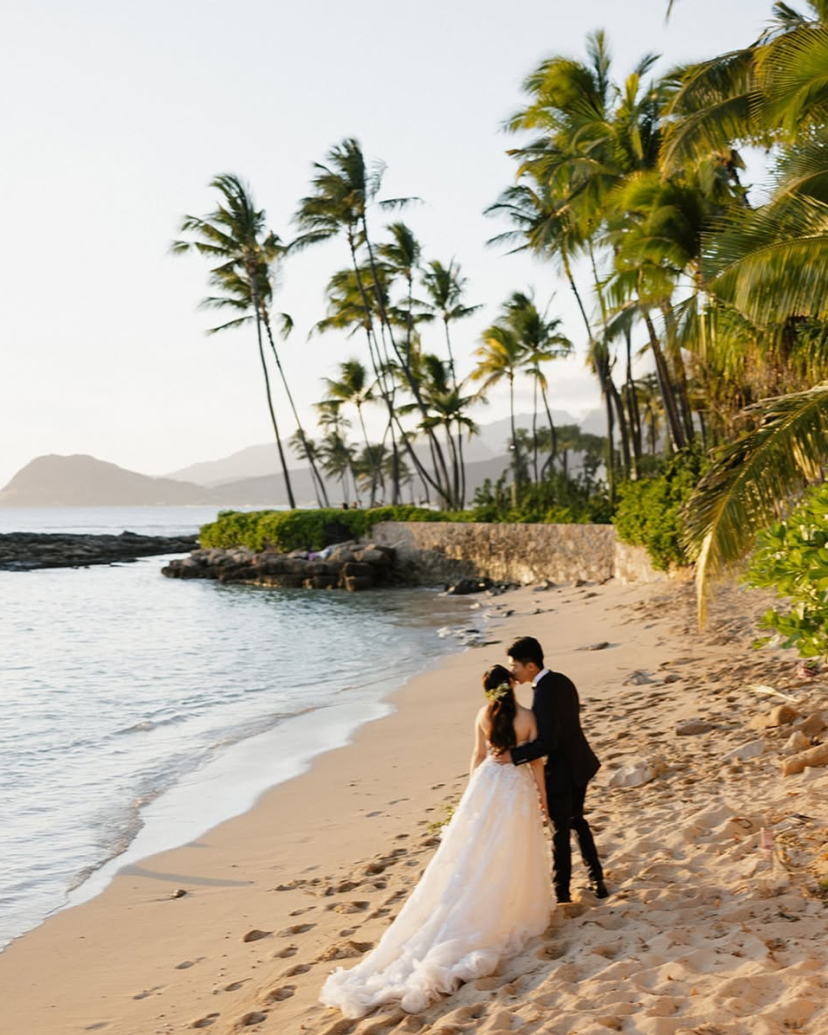
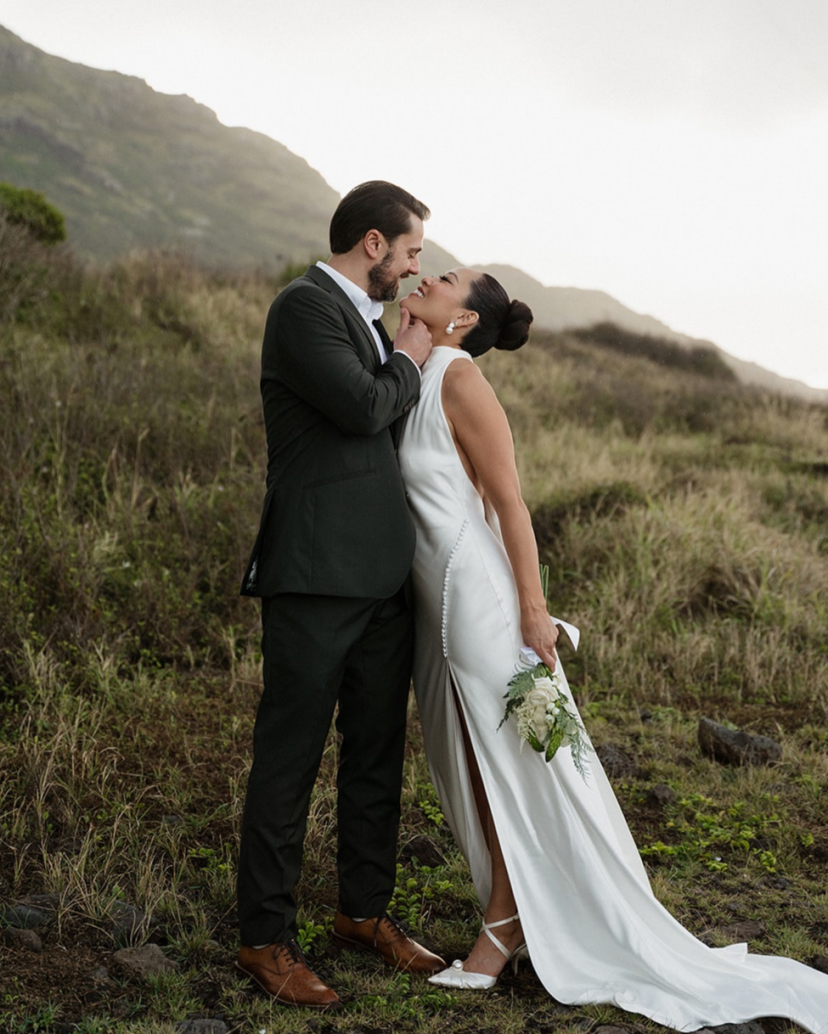

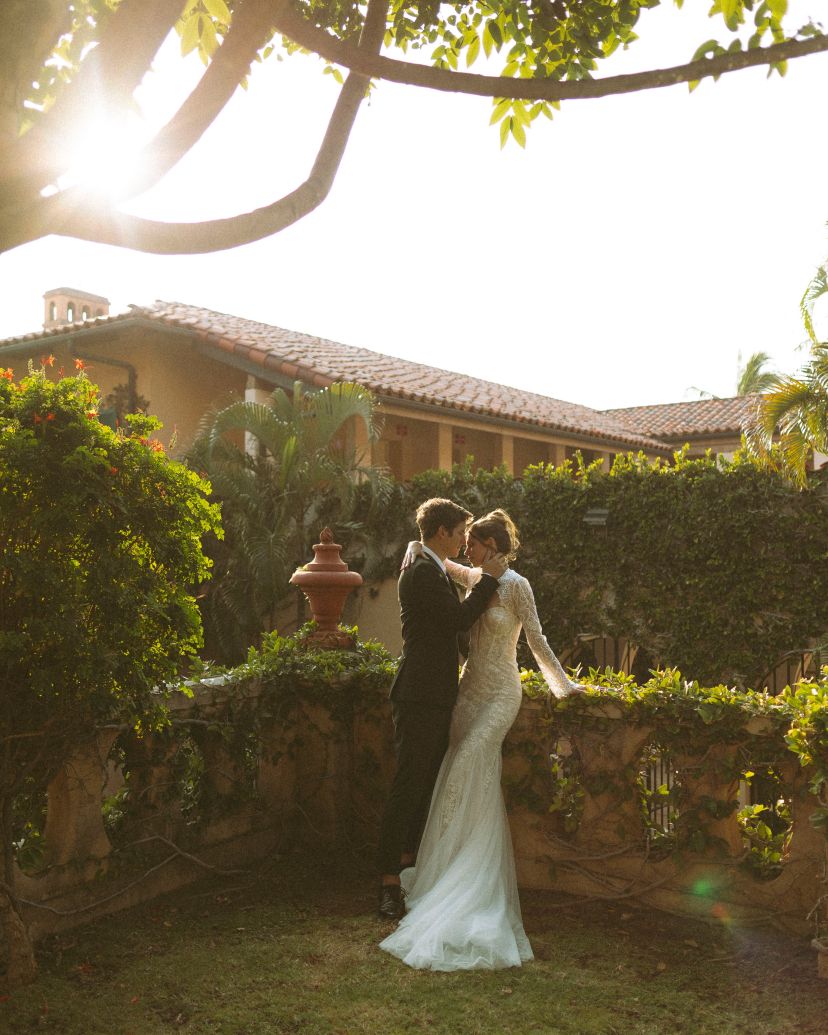
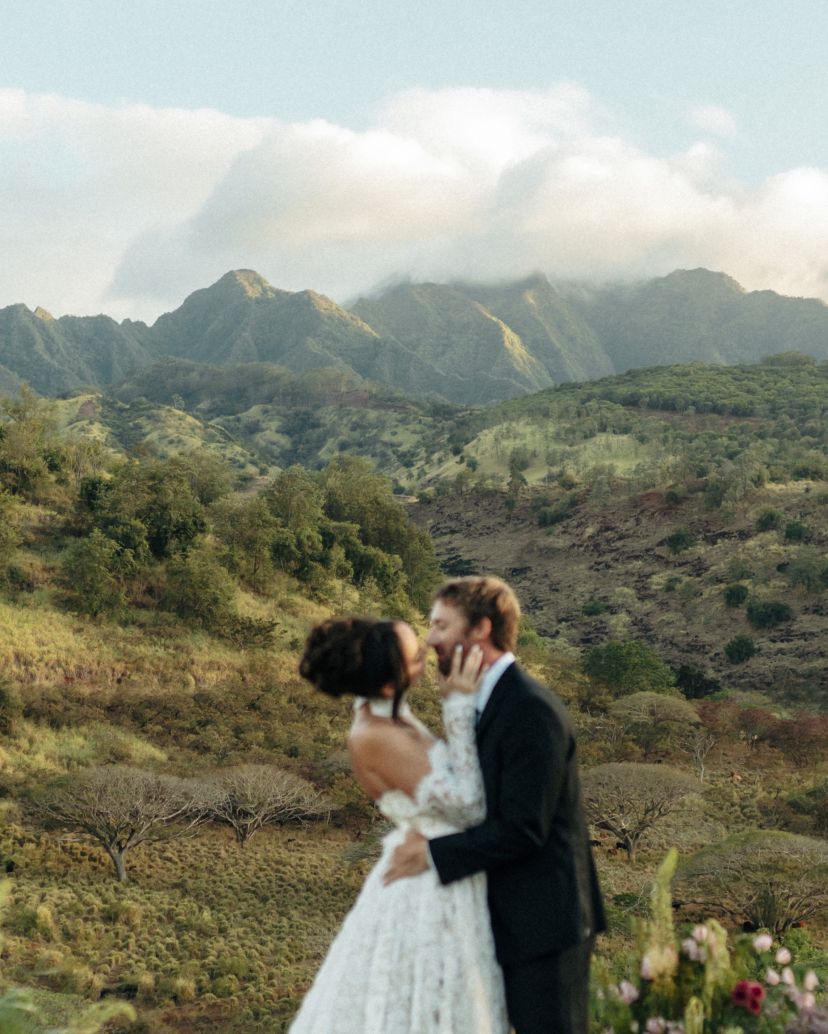





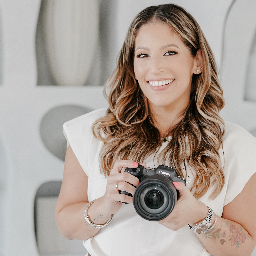
Search through a wide range of 20+ wedding Photographers to find the perfect fit on Wezoree
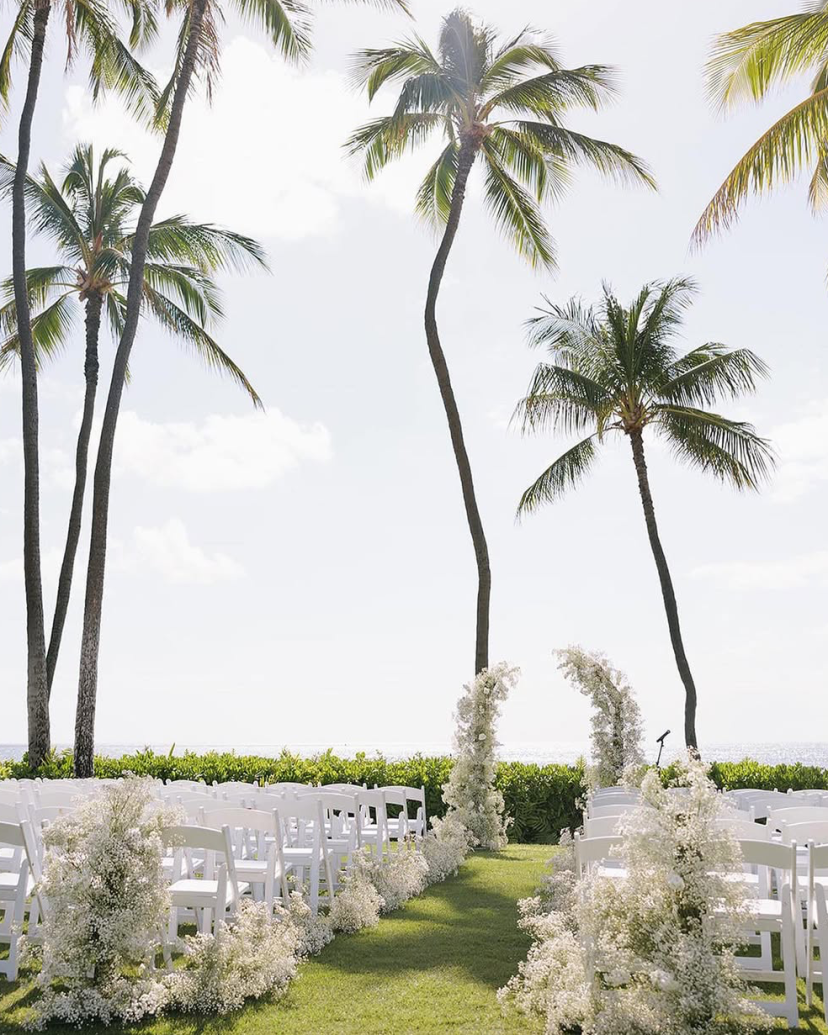
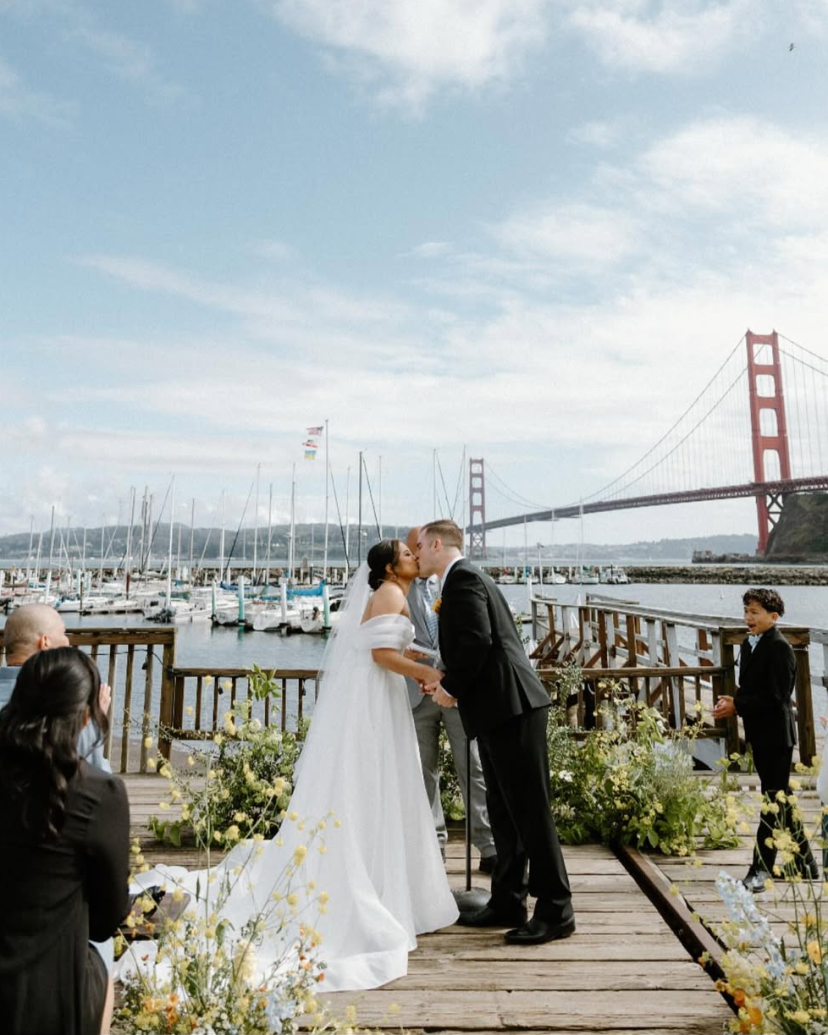
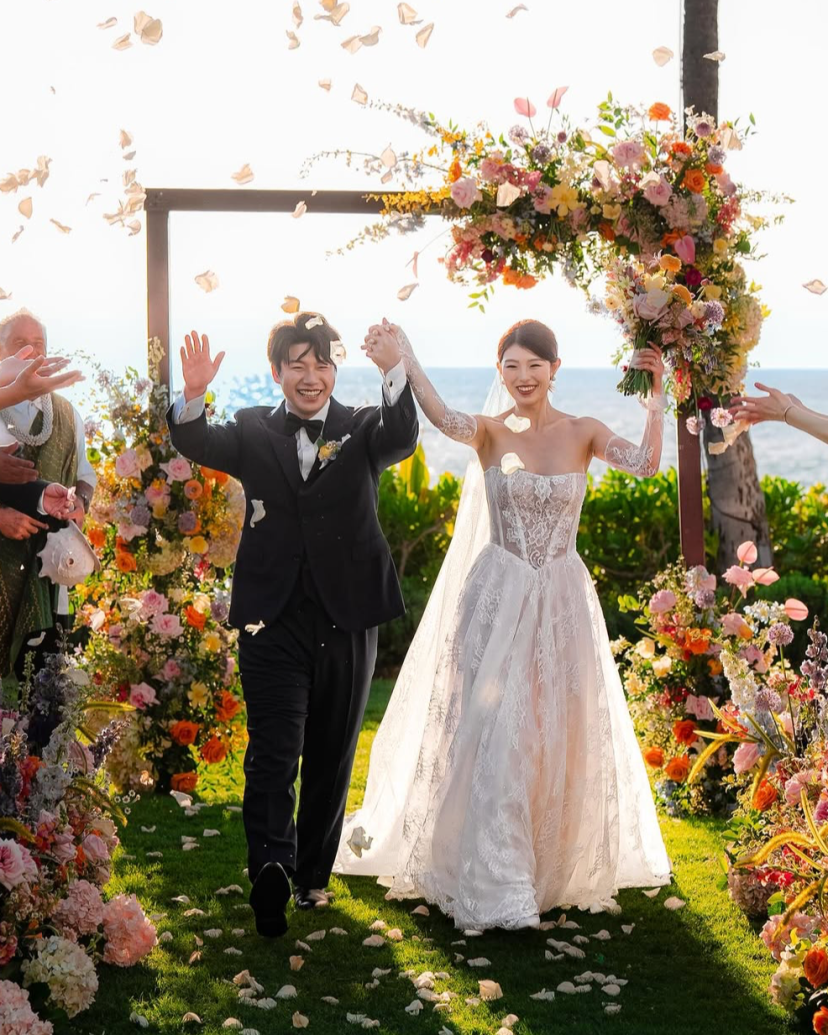
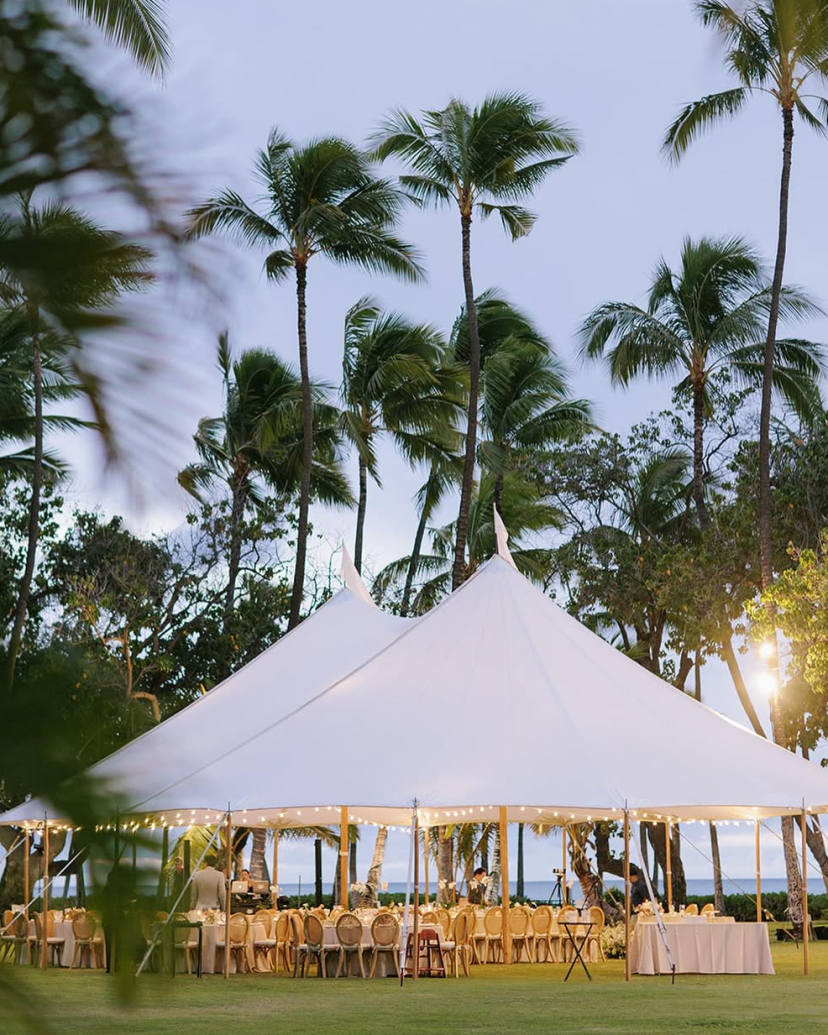
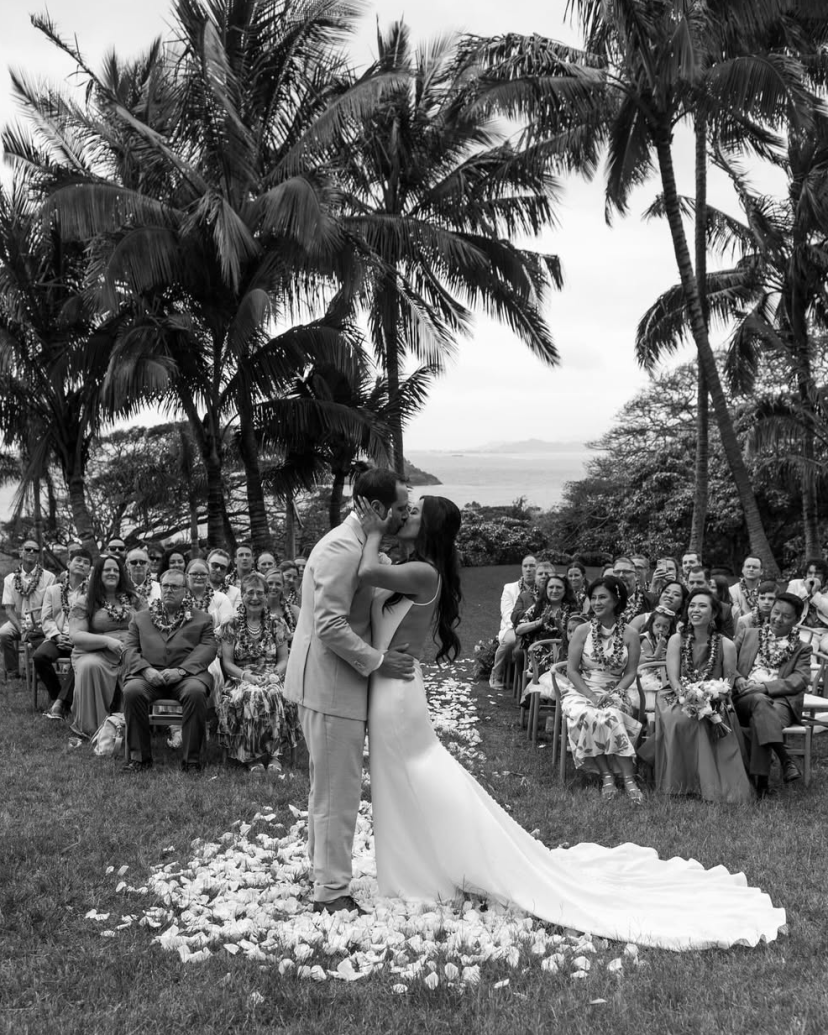
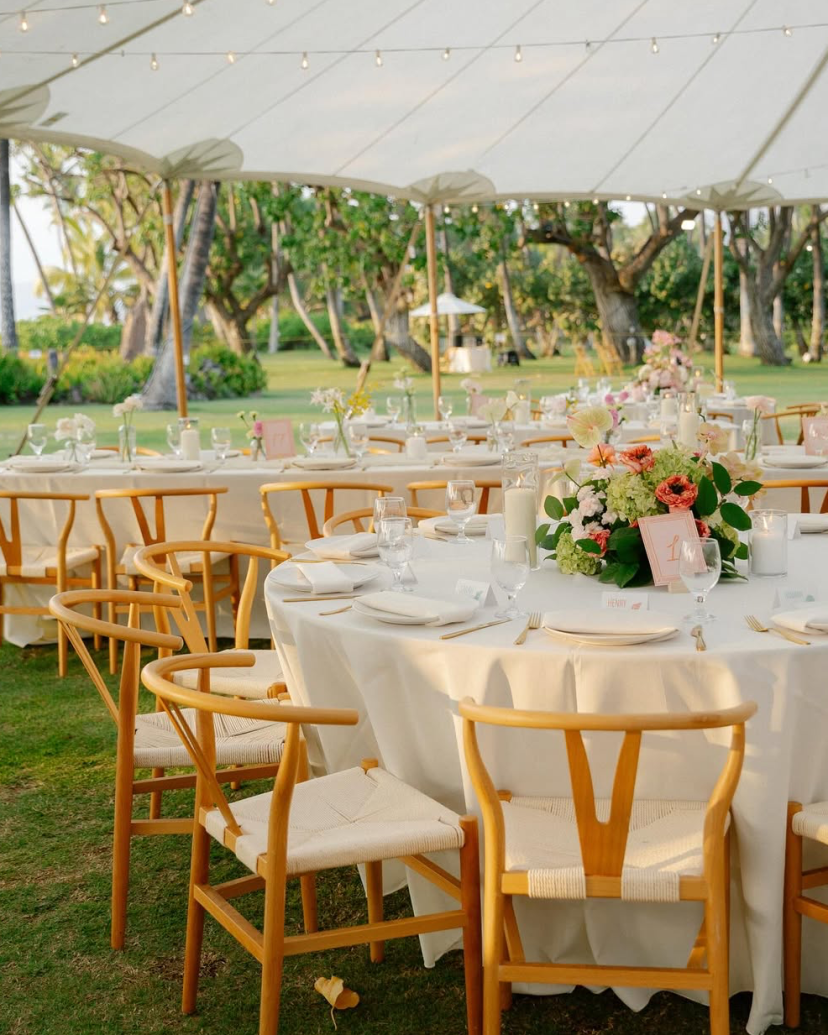
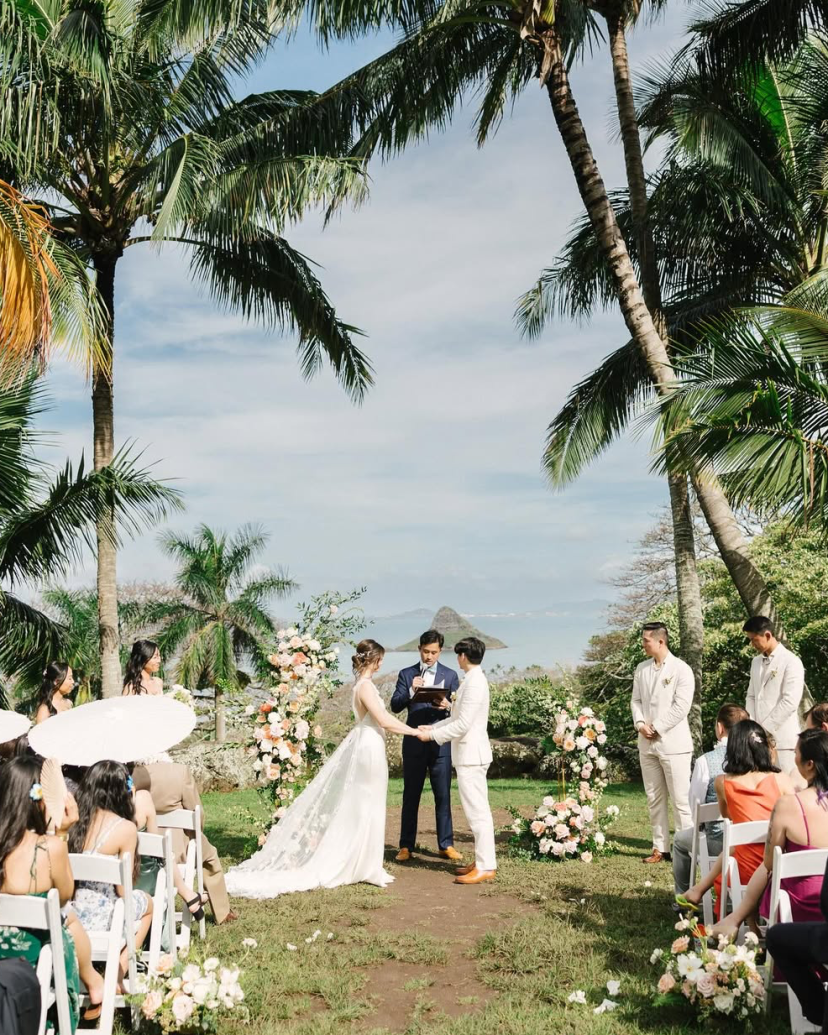





Memorable Add-Ons
to Your Wedding Journey
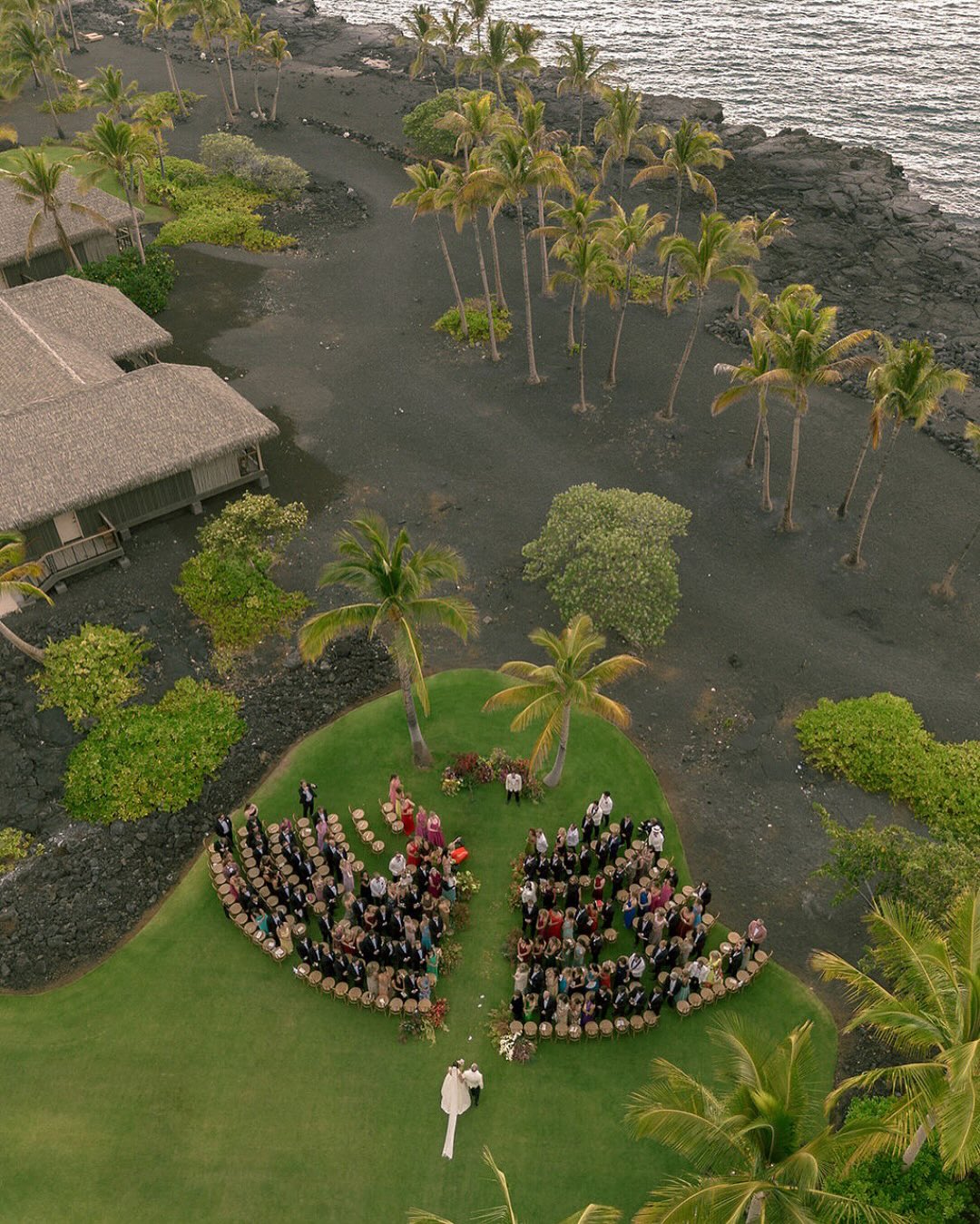


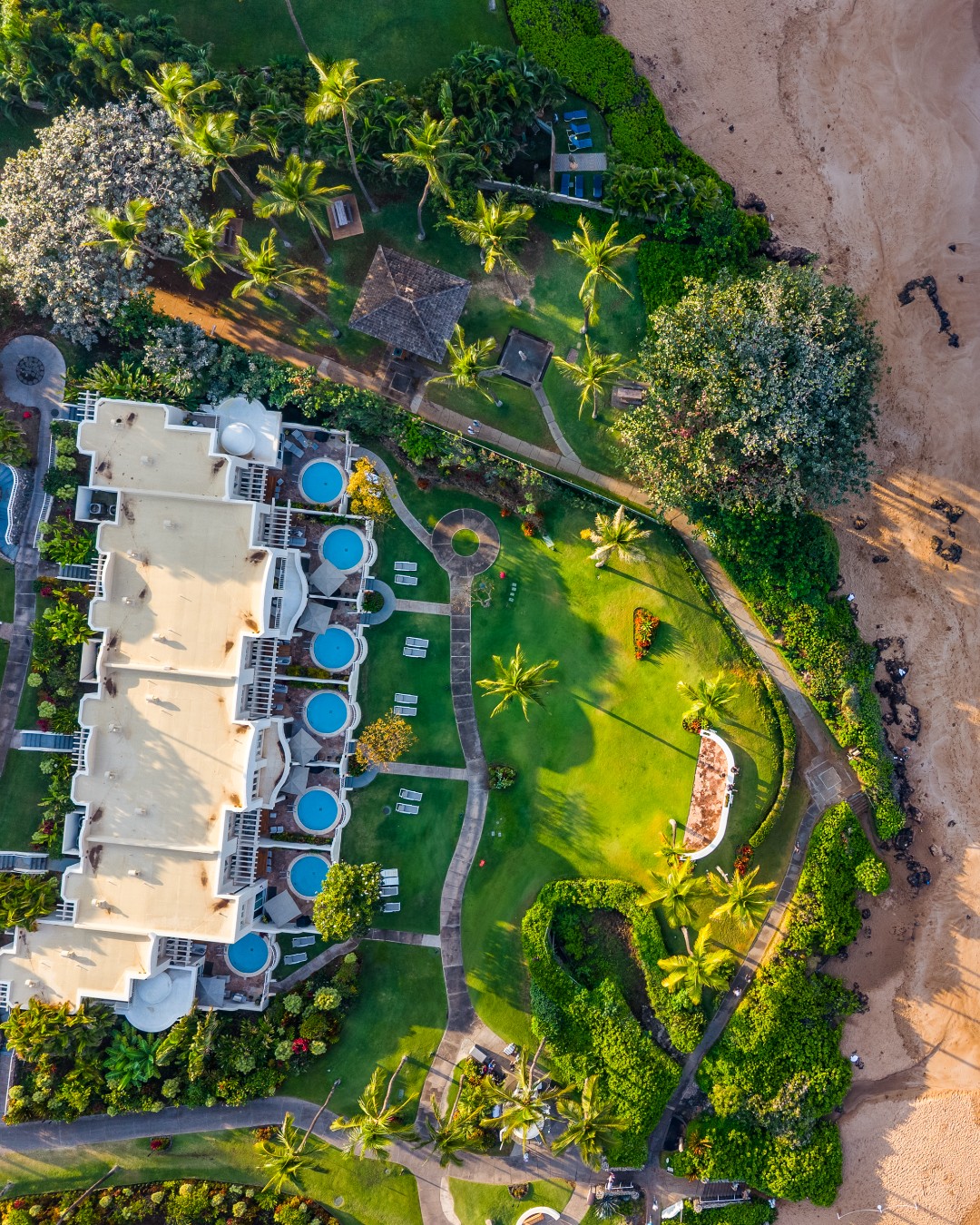
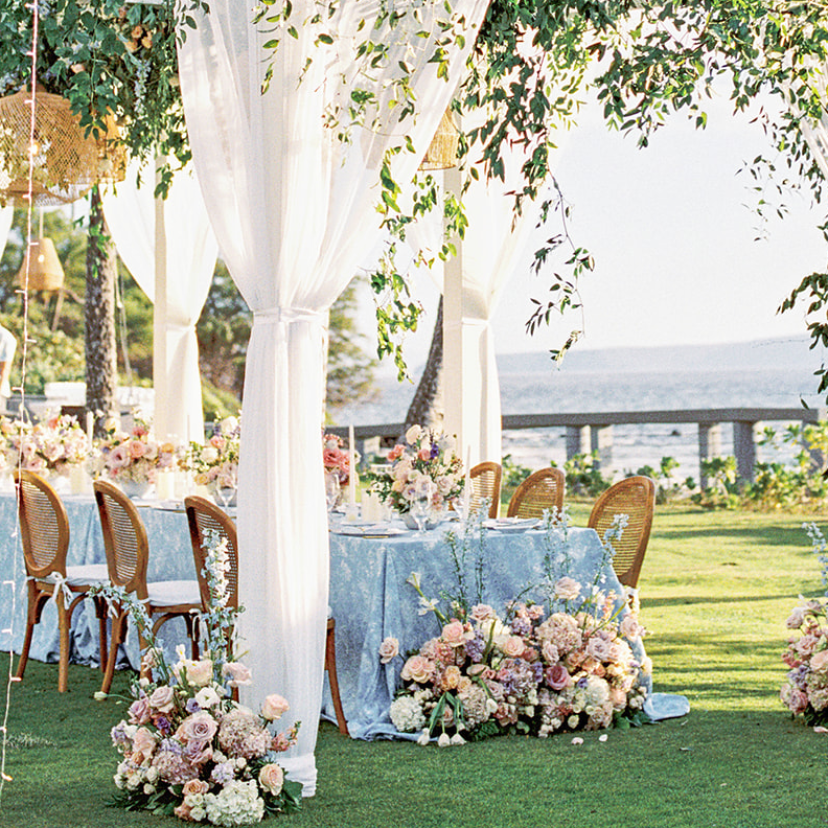
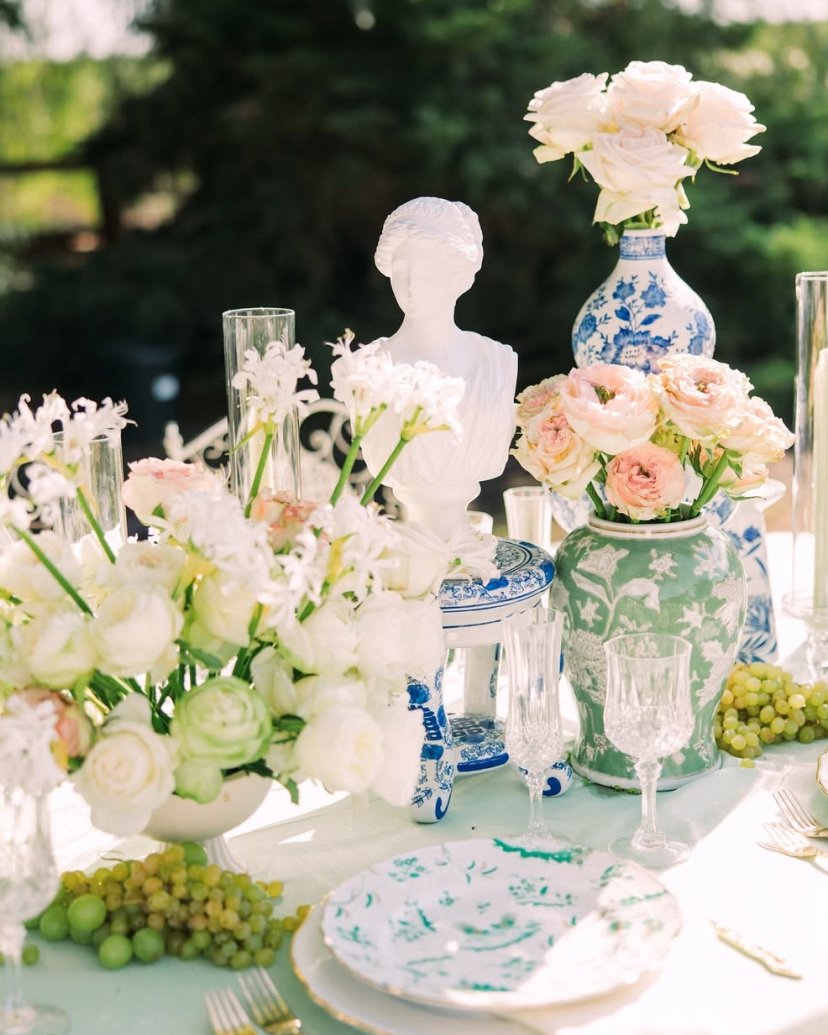
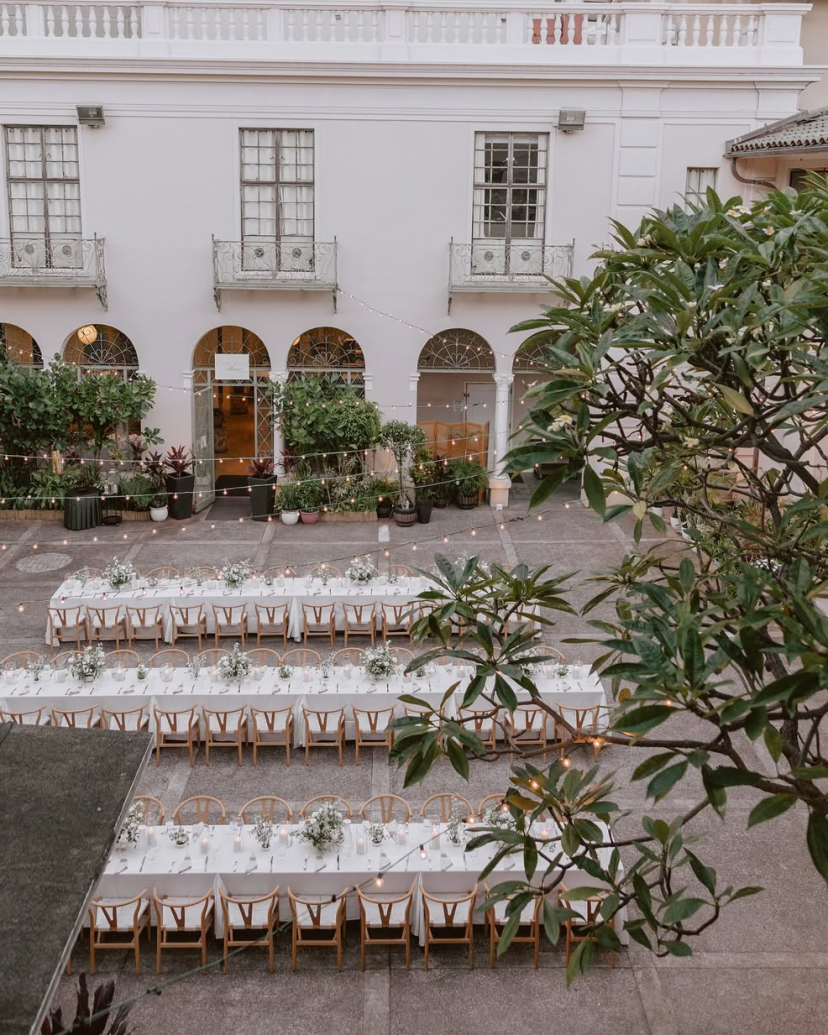
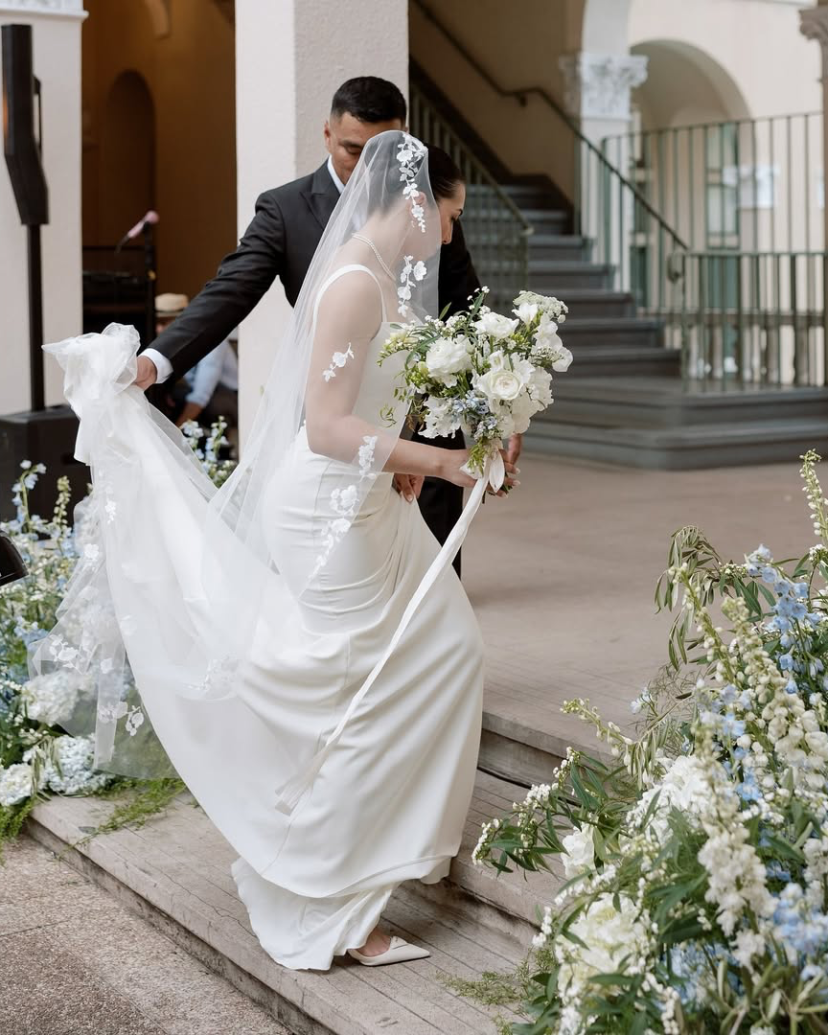
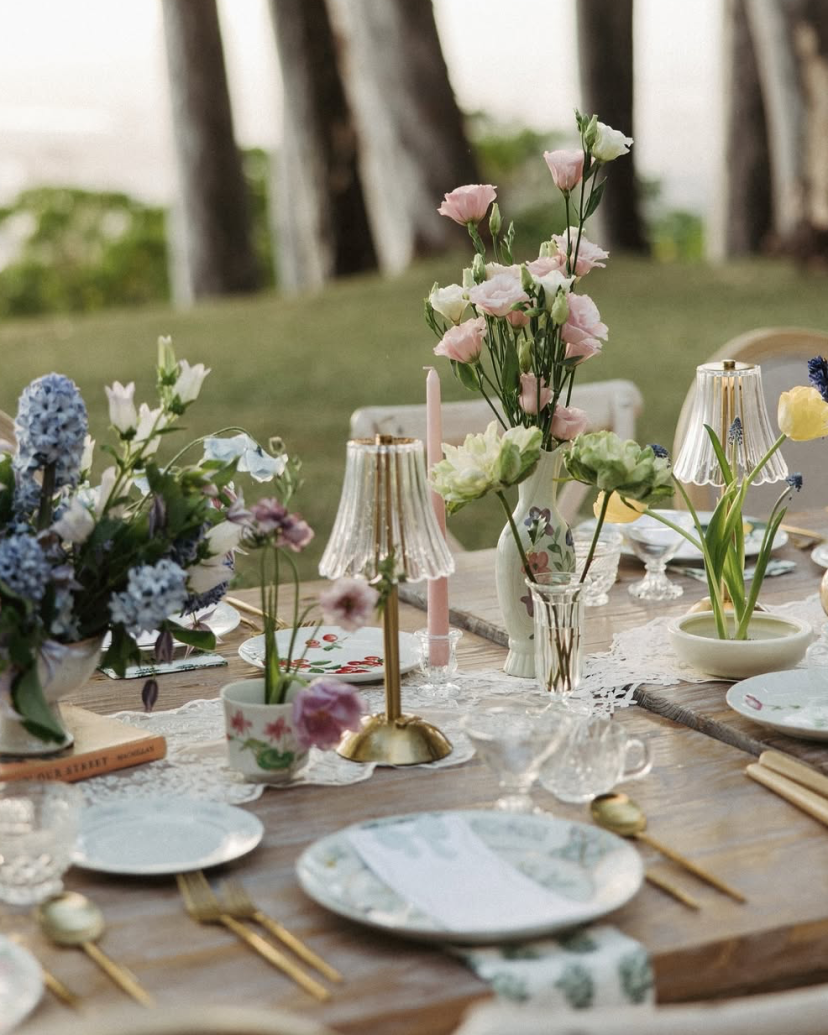
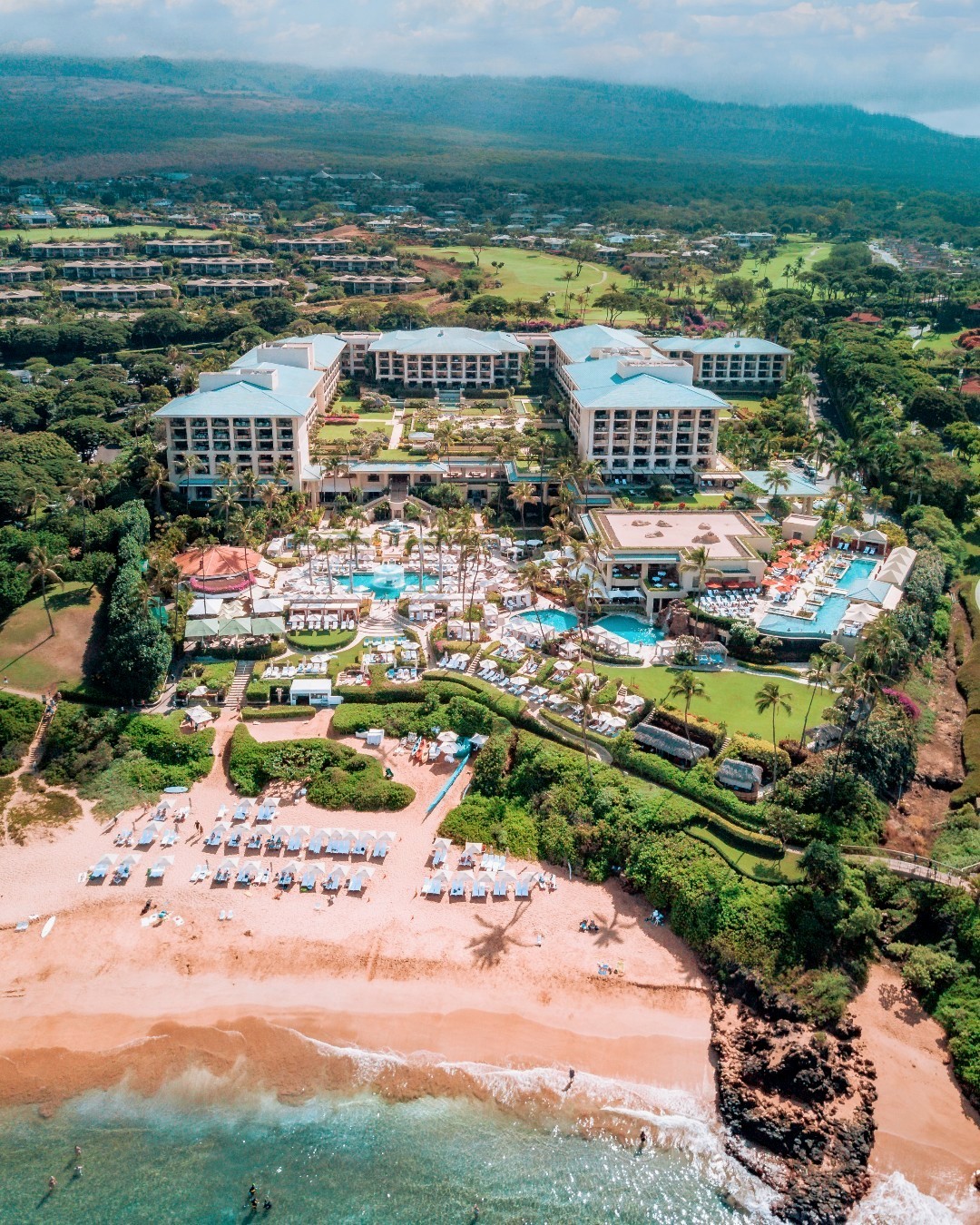
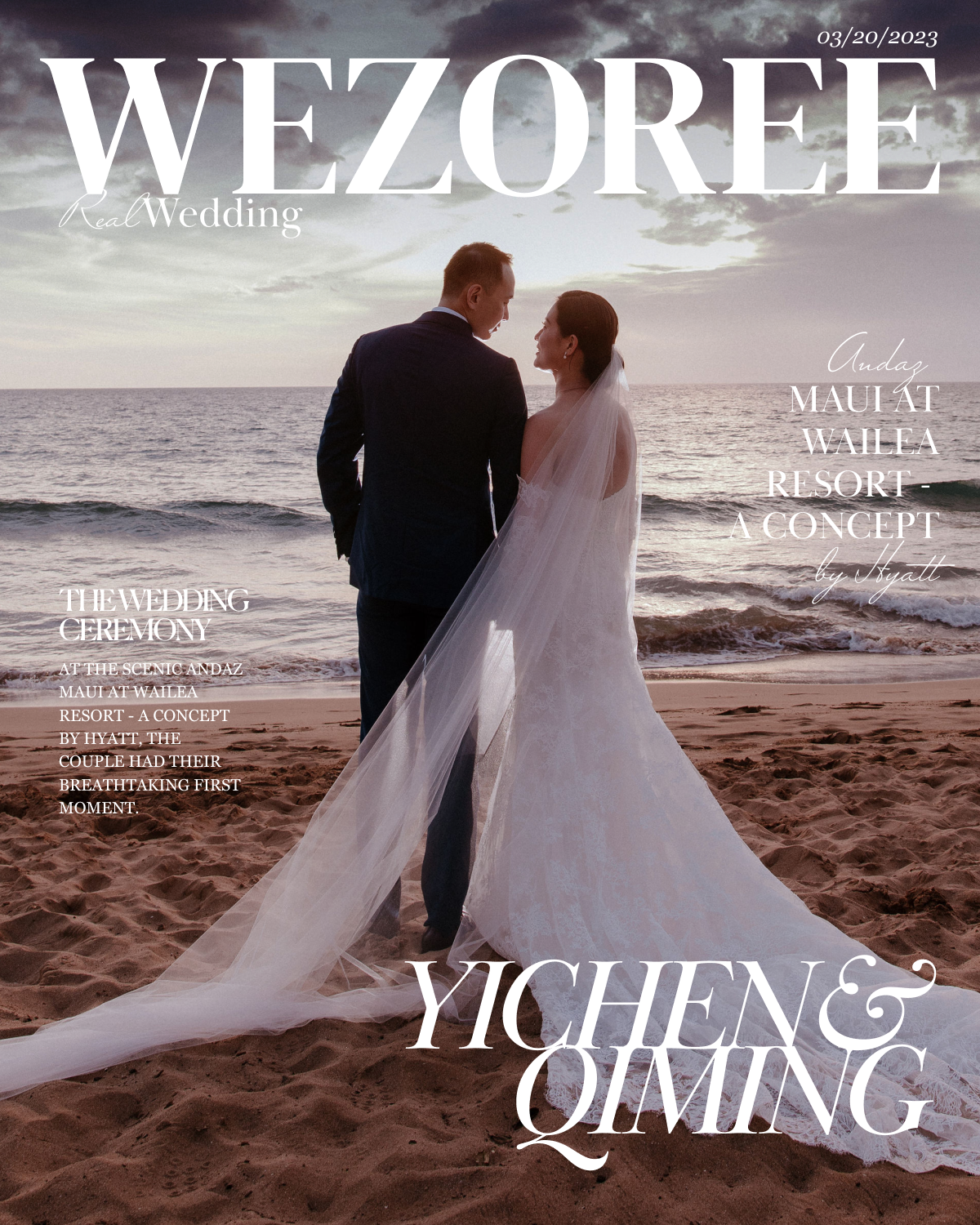
Blue, white, and those delightful pops of yellow brought an air of freshness and vibrancy to the wedding decor. It all came together so seamlessly, enhancing the beauty of the Andaz Maui At Wailea Resort - a Concept by Hyatt.
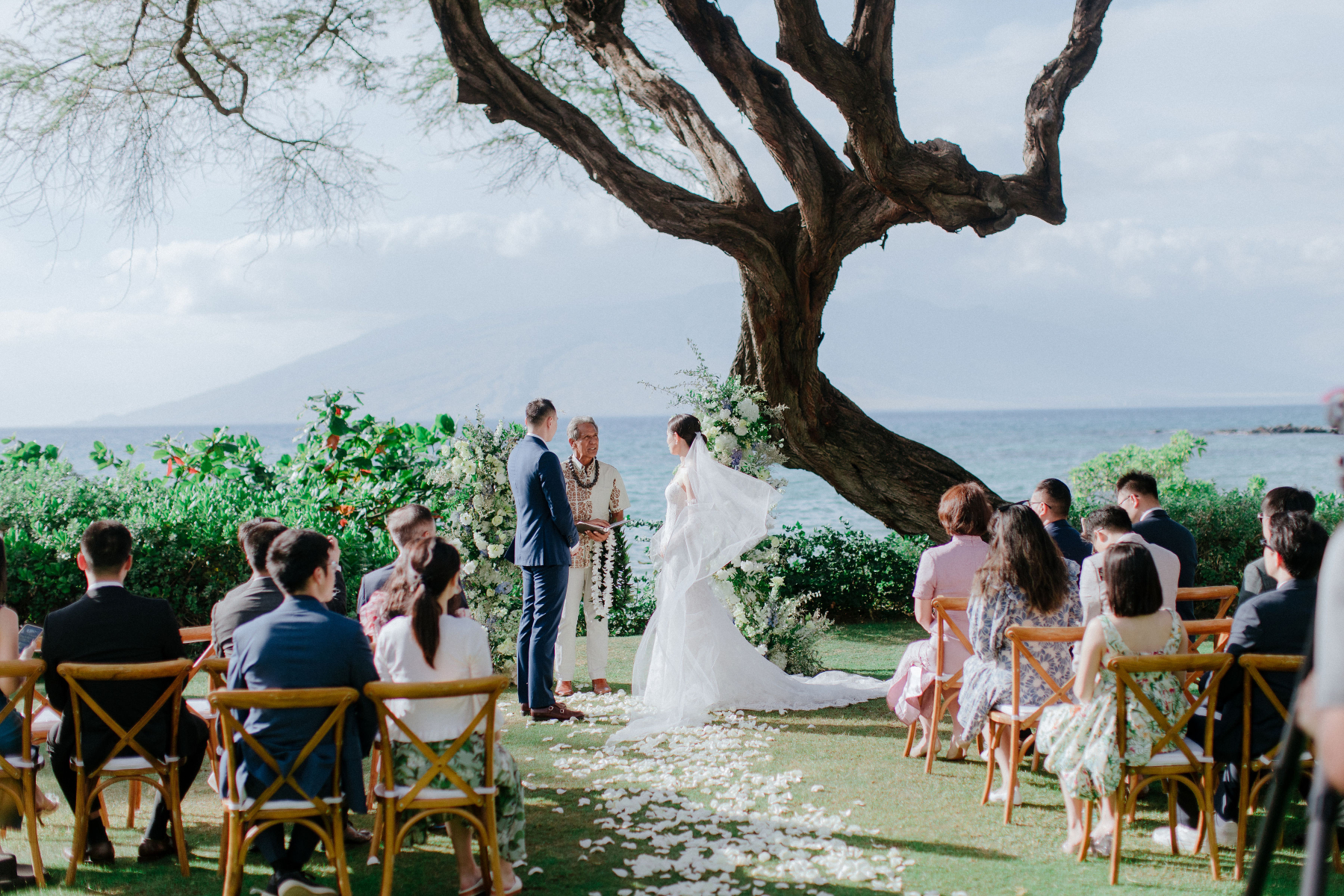

 Andaz Maui At Wailea Resort - a Concept by Hyatt

Videos

Explore More of USA


There's a reason Hawaii features on more wedding mood boards than almost anywhere else on Earth. The islands offer extraordinary natural beauty, warm, flattering light and a cultural tradition of celebration, making the whole experience feel less like an event and more like a special moment in time. Couples choose to have their Hawaii destination wedding not just for the spectacular photographs, but also because the place itself becomes part of the story. This guide covers everything you need to know to plan your own destination wedding in Hawaii, from choosing the right island to making the final vendor decisions on the morning of your big day.
Why Couples Choose Hawaii for a Destination Wedding
.jpg)
.jpg)
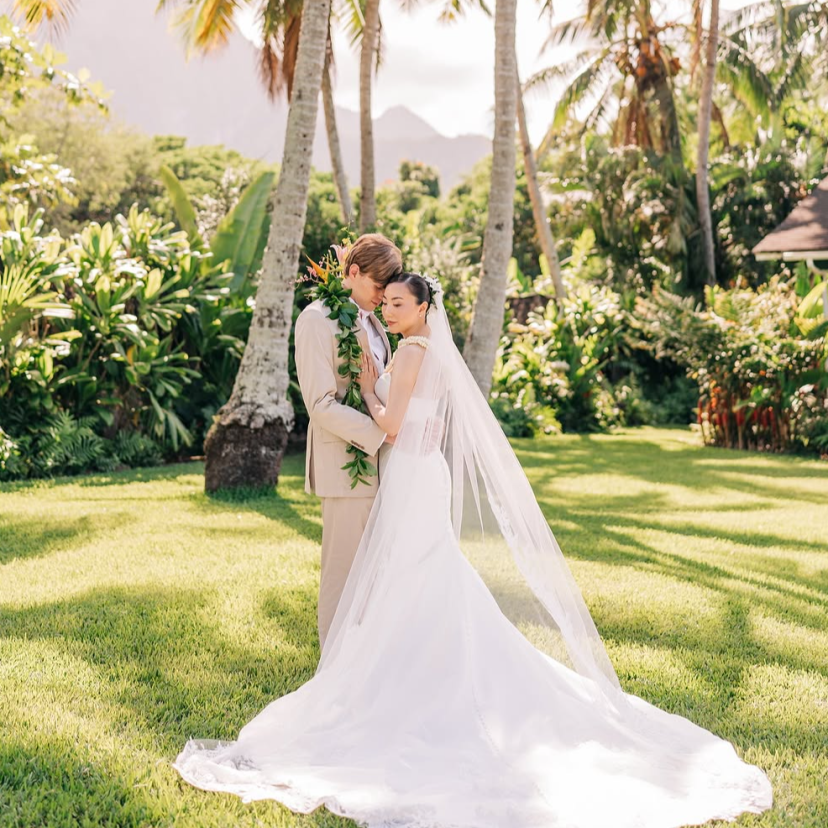
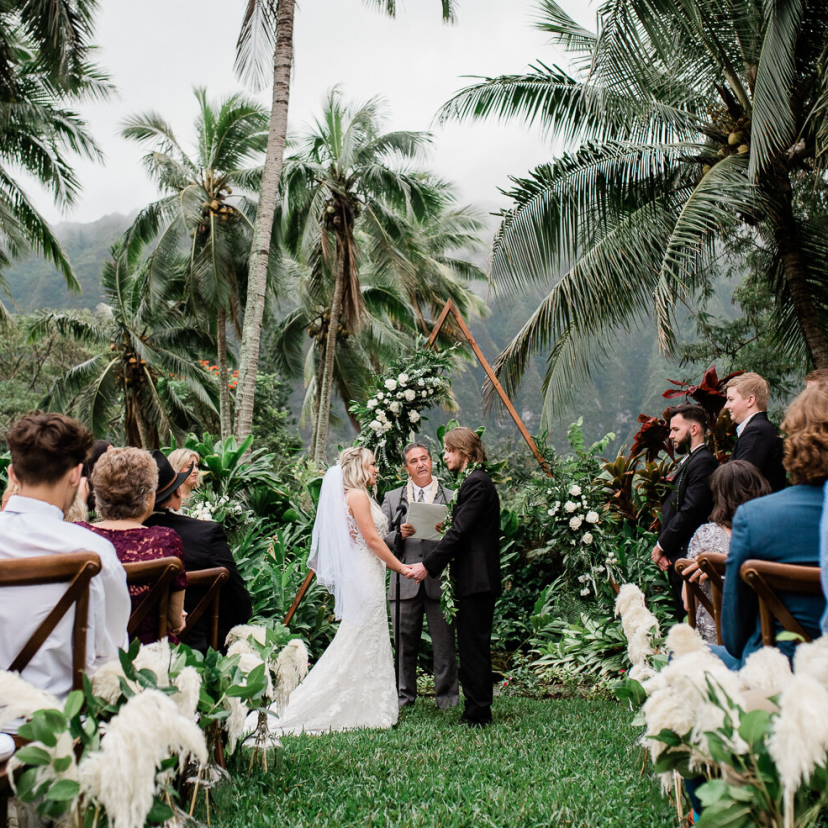
Hawaii is a popular wedding destination because it offers something for almost every couple, yet still feels unique. The varied landscapes mean that a ceremony on Maui’s coastline feels completely different from one in Kauai’s jungle or on the Big Island’s volcanic terrain. Yet they all share a special quality of light and a particular warmth in the air, making you feel as if you are slightly outside ordinary life.
There’s also the practical dimension. As a US state, Hawaii removes the legal complexities associated with international destination weddings. Couples marrying here don’t need to navigate foreign bureaucracy, currency, or unfamiliar legal systems. For American couples in particular, Hawaii offers the emotional experience of a destination wedding alongside the logistical ease of a domestic one.
And then there’s the guest experience. Hawaii is a place that people genuinely want to travel to. Unlike some other destinations, where guests may feel obligated to attend, most people are delighted to be invited to a destination wedding in Hawaii, which creates a more positive atmosphere for the whole celebration.
Legal Requirements & Beach Permits in Hawaii
jpg.jpg)
.jpg)
The legal side of getting married in Hawaii is straightforward, but obtaining the necessary permits requires careful attention, particularly for couples planning a beach ceremony - as most couples do.
To obtain a marriage licence, both partners must apply together in person at a Hawaii Department of Health office or online via the state's official portal. Both partners must be aged 18 or over, and the licence is valid for just 30 days from the issue date - shorter than in most other states, so timing is important. There is no waiting period or residency requirement, making it accessible to out-of-state and international couples alike. Fees are around $65.
Many couples are caught off guard by the beach permit question. Most of Hawaii's most popular beaches, including those on Maui, Oahu and Kauai, are located on state or county land, so a permit is required to hold a wedding ceremony there. Permit requirements, fees and restrictions vary by island and by specific location. Some beaches have a maximum guest number. Some prohibit amplified sound. Some require a licensed officiant to be named on the permit application. If you are not using a wedding planner, it is advisable to research the specific permit requirements for your chosen beach well in advance, as permits can take several weeks to process and availability is not guaranteed.
Choosing the Right Island: Maui vs Kauai vs Oahu vs Big Island
.jpg)
.jpg)
This decision shapes everything else: the venue options, the pool of vendors, the guest experience and the overall feel of the wedding. Each island has its own unique character, so the best choice is the one that matches the couple, rather than the one that is "best".
- Maui - the most popular wedding destination in Hawaii, and for good reason. It has the most developed wedding infrastructure of any island, offering the widest range of venues and the deepest pool of vendors. Its landscapes shift from the golden coast to lush upcountry within an hour’s drive. Wailea and Kaanapali offer luxury resort settings. The Road to Hana provides dramatic backdrops for more adventurous couples. If you want options, reliability and a well-oiled industry behind you, Maui delivers on all counts.
- Kauai - is the most visually dramatic of the Hawaiian islands and feels the most removed from the rest of the world. With the Na Pali Coast, the Waimea Canyon and the endless greenery of the interior, Kauai is ideal for couples who want their wedding to feel like an adventure. The vendor community is smaller and more intimate, which means there is less choice, but the experience is often more personal. It is best suited to smaller guest numbers and couples who prioritise atmosphere over logistics.
- Oahu - the most accessible and cosmopolitan island. Honolulu has international flight connections from more cities than any other Hawaiian airport, making it a practical choice for weddings with guests travelling from multiple countries. The North Shore offers a completely different atmosphere to the resort areas of Waikiki - it is more raw, quiet and genuinely beautiful. Oahu is particularly well-suited to larger weddings where guest convenience is a priority.
- The Big Island - the least conventional choice, but the most memorable for the right couple. The island's volcanic landscape is unlike anywhere else in Hawaii, with black lava fields, active craters and waterfalls dropping into the ocean. Venues here tend to be found on the Kohala Coast, where luxury resorts are set against a dramatic backdrop. If you're looking for something unique and unexpected, the Big Island has plenty to offer.
Hawaii Destination Wedding Cost
Hawaii is at the premium end of the destination wedding market, so it's important to understand the cost landscape before you start planning. Prices vary significantly by island - Maui and Kauai tend to be more expensive than Oahu and the Big Island - and by season. Peak demand is from June through September and again around the holidays.
What makes cost planning for a wedding in Hawaii slightly different from other destinations is the number of expenses that come with travelling there. Unlike a local wedding where vendors are already in the area, destination weddings in Hawaii often involve flying in hair and makeup artists, shipping decorations, and arranging accommodation for guests in a resort market where room rates are consistently high. These additional costs can be difficult to anticipate based on a venue quote alone.
| Budget Tier | Guest Count | Estimated Range | What's Typically Included |
|---|---|---|---|
| Intimate | 10–30 guests | $10,000–$30,000 | Beach permit, officiant, photographer, small florals |
| Mid-Range | 40–80 guests | $35,000–$80,000 | Venue, planner, catering, photo/video, décor |
| Luxury | 100–200+ guests | $100,000–$300,000+ | Premium resort, full production, designer florals |
Before vendor conversations begin, it is important to understand the key cost categories:
- Venue: resort venues on Maui or Kauai can cost between $10,000 and $50,000 for the venue hire alone. Private estates and permitted beach ceremonies are cheaper, but more complex to plan.
- Catering: expect to pay between $150 and $350 per person. Resort catering is often mandatory when using a hotel venue and is priced accordingly.
- Photography and video: quality destination photographers in Hawaii charge $5,000–$18,000. Most require travel costs to be covered if they are based on the mainland.
- A full-service wedding planner will cost between $4,000 and $15,000, depending on the island and scope. This is non-negotiable for most destination couples.
- Florals and décor: Hawaii’s local flower market is beautiful and relatively accessible. Expect to pay between $3,000 and $15,000, depending on the scale and style.
- Guest accommodation: resort room rates in peak season are $400–$1,200+ per night. It is essential to arrange room blocks early.
Hawaii Destination Wedding Packages
.jpg)
.jpg)
For many couples, the appeal of destination wedding packages in Hawaii boils down to one thing: simplicity. Planning a wedding from another state or country can be overwhelming due to the level of coordination required, but a well-constructed package replaces dozens of individual decisions with a single, clearly priced agreement.
Most packages are offered by resort hotels and all-inclusive properties, typically bundling the ceremony venue, basic floristry, an officiant, a photographer for a set number of hours and a day-of coordinator. Some packages also include extras such as a welcome dinner, a suite for the couple, or a cake-and-champagne service. What they rarely include: high-end photography, videography, hair and makeup styling, entertainment and guest transportation.
All-inclusive packages are a separate category that is worth understanding in its own right. These options are most commonly offered by larger resort properties on Maui and Oahu, and are designed to remove almost all vendor coordination from the couple. They are ideal for couples who want a contained, manageable experience, particularly those with a small number of guests who don't require extensive customisation. The trade-off is creative control: you get what's included in the package, and deviating from it often triggers significant additional charges.
When comparing packages, ask specifically about the following:
- What happens if your guest count changes after signing the contract.
- Whether the photographer is a member of staff or an independent contractor whose portfolio you can review.
- What the overtime rate is if the event runs long.
- Which vendors are fixed and which can be substituted.
- How the package price changes by season.
The destination wedding packages Hawaii has to offer typically start at $3,000–$5,000 for micro-ceremony packages (elopement style, with fewer than 10 guests) and increase to $30,000–$60,000+ for full resort packages with 80–100 guests. Custom-quoted packages at luxury properties can exceed this by a significant margin.
It is important to note that packages are designed around the venue’s strengths and preferred vendors, rather than your vision. Couples with strong aesthetic preferences or specific ideas about photography, flowers, or the style of the ceremony often find that they are paying for things they would replace anyway. If this applies to you, a custom approach led by a planner will likely be a better fit - even if it involves more moving parts.
Hawaii Wedding Vendors: Who to Book First and When
.jpg)
.jpg)
The vendor landscape in Hawaii is robust but limited. On popular islands such as Maui, the best photographers, planners and florists can be booked up to 18 months in advance for peak season dates. Knowing who to prioritise and why is the difference between building the team you want and having to work with whoever is still available.
- Wedding Planner
Book before anything else. A Hawaii-based planner has local knowledge and relationships that cannot be replicated from the mainland. They are familiar with the permit process for each beach, know which resort is best for your chosen island, can tell you whether coordinators are helpful or obstructive, know which photographers work well in your chosen island's specific light, and can manage the logistics of guests flying in from multiple locations. For a destination wedding in Hawaii in particular, a planner is not just a luxury, but a structural necessity. Prioritise someone with documented experience of your chosen island - planners on Maui and Kauai operate in meaningfully different environments.
- Venue
Lock in your second choice with the help of your planner. Venues in resorts and on private estates in Maui and Kauai, in particular, fill up quickly for summer and holiday dates. If you have a specific venue in mind, treat its availability as the foundation on which to build everything else - don't leave it to confirm after making other decisions.
- Photographer & Videographer
Third on the list and non-negotiable: book early. Hawaiian wedding photography has its own visual language - the golden hour light here is unlike anywhere else, and the best photographers know how to make the most of it. Look for someone whose Hawaii-specific work impresses you, rather than just their general portfolio. Ask to see full galleries, not just highlights, and confirm whether they are based on the island or if they require travel coverage.
- Officiant
The urgency of booking is often underestimated. Hawaii has excellent officiants who can handle the marriage licence process on your behalf, which makes things considerably simpler. The best ones get booked up quickly, especially for Saturday ceremonies during peak season. Book them at the same time as your photographer.
- Catering & Bar
If your venue offers in-house catering, your options will be limited. If not, Hawaii has a thriving independent catering scene that places a strong emphasis on locally sourced ingredients, such as fresh fish, tropical fruits and produce from local farms. It is advisable to confirm your caterer’s liquor licence status early on, as this significantly affects bar service options.
- Florist
Hawaii’s local flower market is one of the most beautiful in the world. Anthuriums, orchids, plumeria and birds of paradise are all grown locally to an unbeatable standard. A good Hawaii florist will prioritise genuinely local flowers over imports that could have come from anywhere. If you are planning from afar, ask for a detailed proposal with images before signing anything.
- Hair & Makeup
Rather than booking individuals separately, book a lead artist who travels with a small team - it’s far simpler to coordinate, and it ensures a consistent aesthetic across the bridal party. Ask specifically whether your artist has experience of working in Hawaii's humidity.
How to Plan a Destination Wedding in Hawaii: Step-by-Step Timeline
.jpg)
.jpg)
- 18–24 months out: Define your vision, preferred island and realistic budget. Interview and hire a wedding planner based in Hawaii. Use their guidance to begin creating a shortlist of venues. Set your date or narrow it down to two or three options based on venue availability and your preferred season.
- 12–18 months out: sign the venue contract and pay the deposit. Book your photographer, videographer and officiant. Start talking to the florist and caterer. Send out save-the-date cards including basic travel information for guests - flights to Hawaii tend to get booked up and prices increase.
- 9-12 months out: finalise the catering and start deciding on the menu. Book a florist and review the initial design ideas. Arrange hotel room blocks for guests - this is more urgent in Hawaii than in most other destinations because accommodation near popular venues fills up quickly. Book a hair and makeup team.
- 6-9 months out: send formal invitations. Finalise all vendor briefs and confirm signed contracts. Plan additional guest events, such as a welcome dinner, a snorkelling excursion and a morning-after brunch. Arrange transportation between accommodation and venue. Begin researching the marriage licence process - remember the 30-day validity window when timing your application.
- 3-6 months out: confirm guest RSVPs and provide the caterer with a final headcount. Arrange a virtual venue walkthrough if you have not visited in person yet. Create the full ceremony and reception timeline and share it with all vendors. Confirm that beach or venue permits have been secured.
- 4-6 weeks out: send the master timeline to every vendor. Confirm arrival times and logistics for each vendor. Send any personal décor items. Arrange accommodation for you and your immediate family. Apply for your marriage licence – you have 30 days to do this.
- Wedding week: Arrive two to three days early. Give your body time to adjust to the time zone and take in your surroundings. Resist the urge to keep working through a checklist. Attend the rehearsal. Have dinner with your loved ones. On the morning of the wedding, hand everything over to your planner and enjoy the occasion.
At its core, planning a destination wedding in Hawaii is an act of trust - in the location, the team you assemble, and the process itself. Hawaii’s wedding industry is experienced and professional, and genuinely passionate about what it does. Lay the right foundations early on, secure your essential bookings before the dates get snapped up, and allow the islands to work their magic and make everything feel a little more beautiful than before.