Wedding Photography Timeline: The Ultimate Guide
- Author: Natali Grace Levine
- Reading time: 10 min 1 sec
- Publication date: 05/25/2026
- Updated: 07/04/2026


- Why Your Photography Timeline Matters More Than You Think
- Build Your Timeline Around Light — Not the Other Way Around
- Getting Ready Coverage — How Much Time Do You Actually Need
- First Look vs. No First Look — How It Changes Your Entire Timeline
- Ceremony Coverage — What Happens and How Long It Takes
- Couple Portraits — The Most Skipped and Most Regretted Part
- Family Formals — How to Make Them Fast and Painless
- Reception Coverage — From First Dance to Last Song
- Sample Wedding Day Timelines
- FAQ
When planning a wedding, you have to make hundreds of decisions, but few will have as much impact on your photos as your wedding photography timeline. Not the dress, not the venue, and not even the photographer. A poorly planned timeline is the most common reason why couples end up disappointed with their wedding photos. The light was wrong, the portraits felt rushed, and the family formals took too long, eating into the golden hour. All of that can be prevented. This guide covers everything you need to know to create a photography schedule for your wedding day that works for you, your photographer, and the memories you'll treasure for the rest of your life.
Find Your Perfect Wedding Vendors

Why Your Photography Timeline Matters More Than You Think
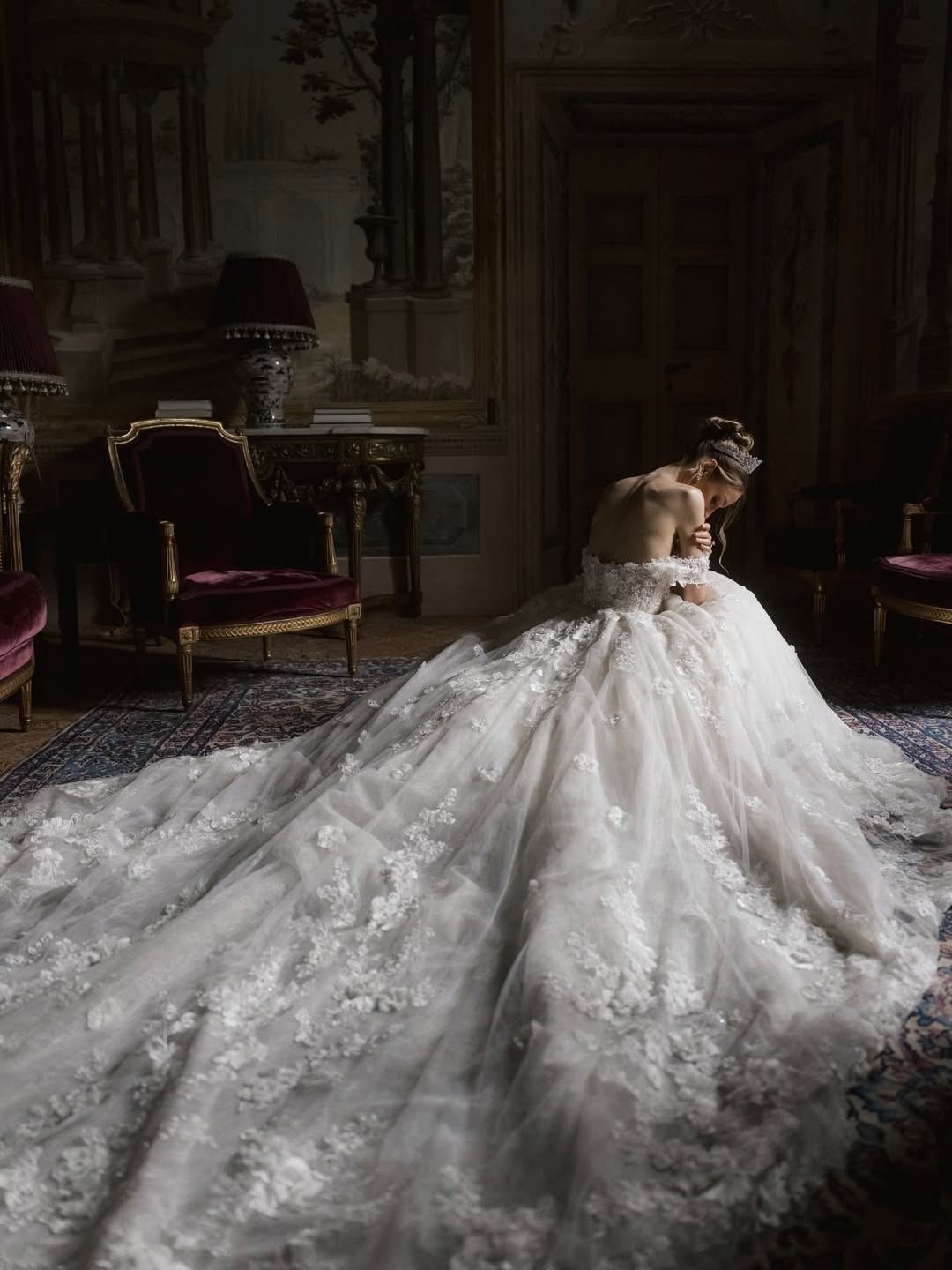
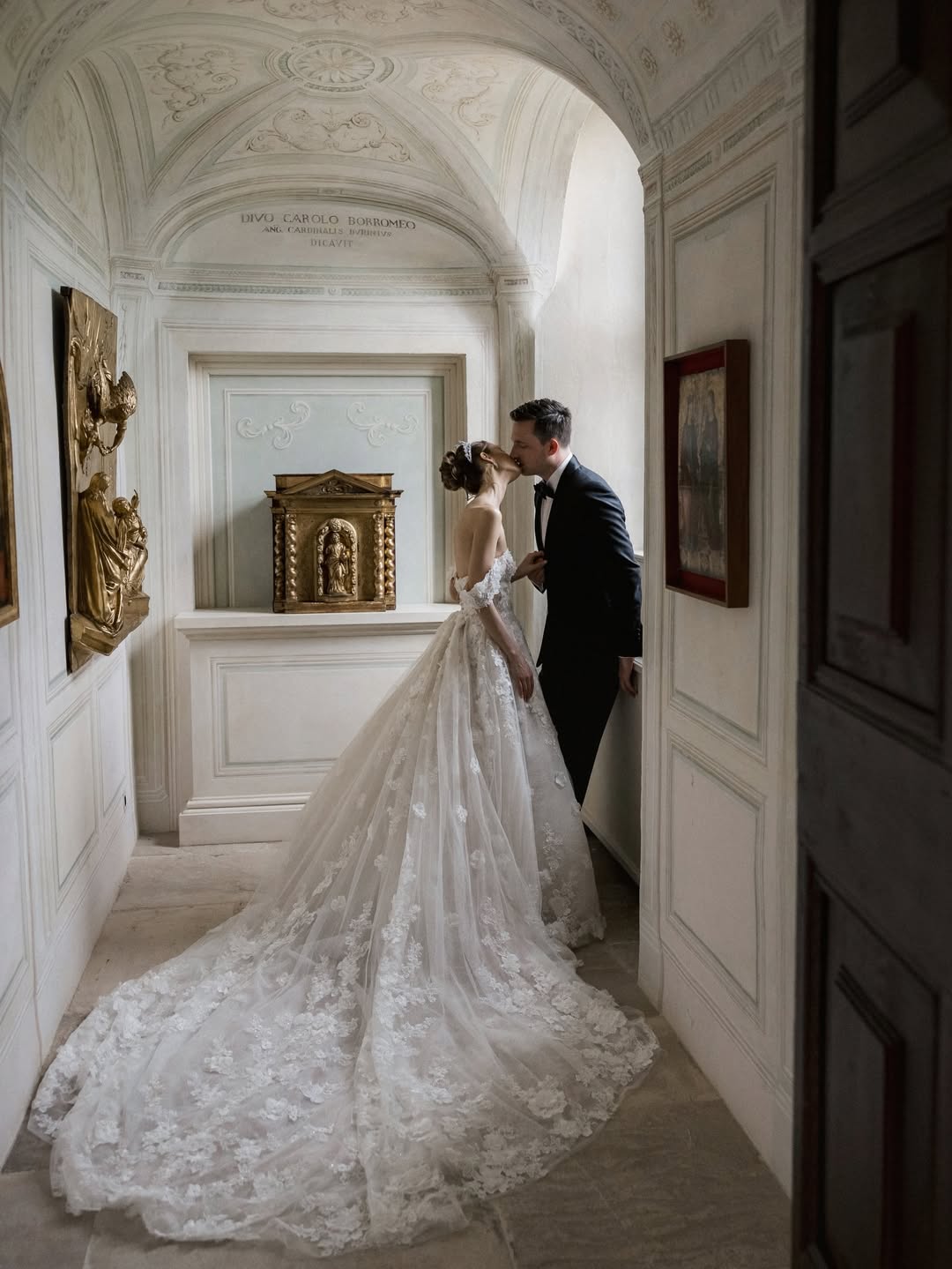
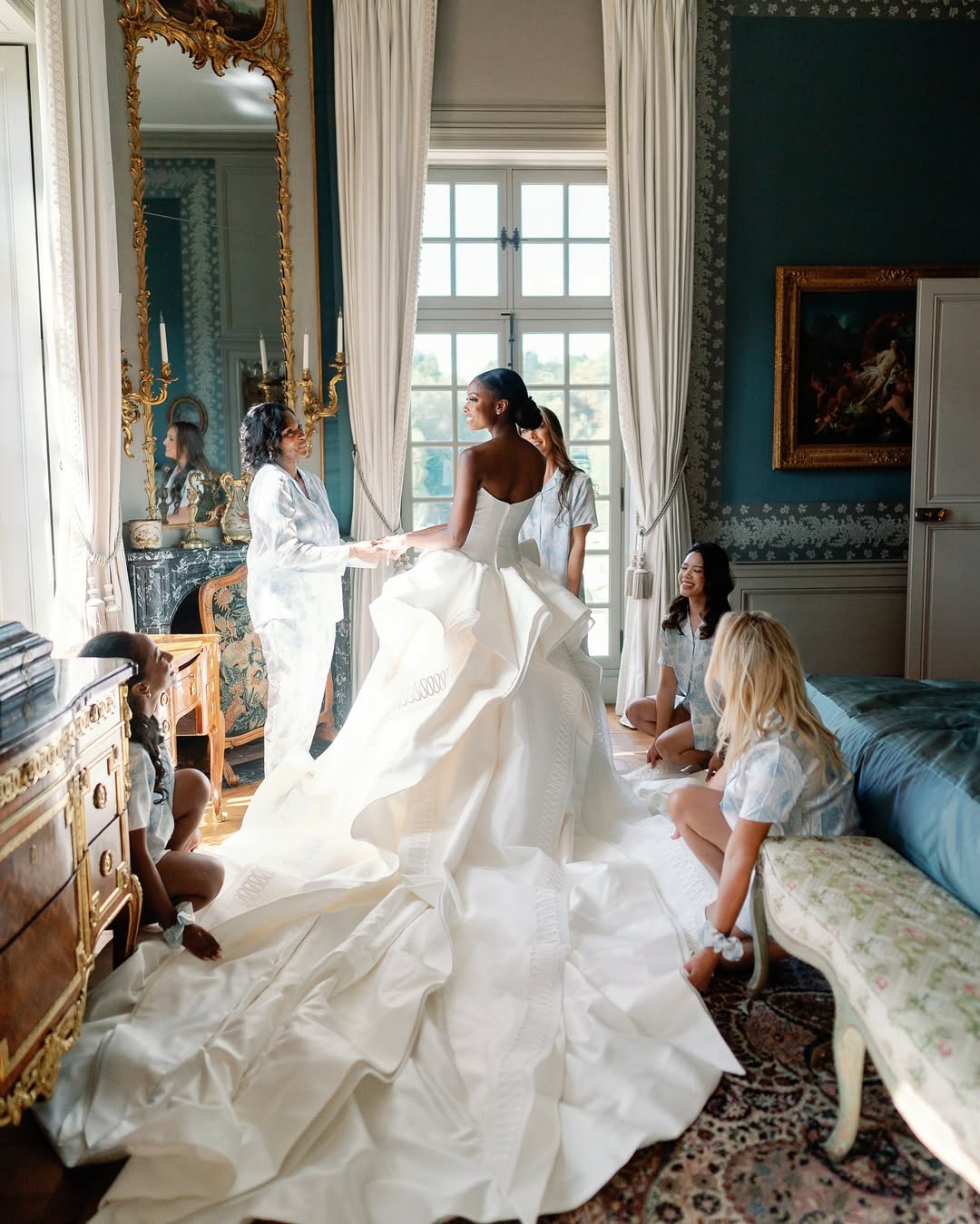
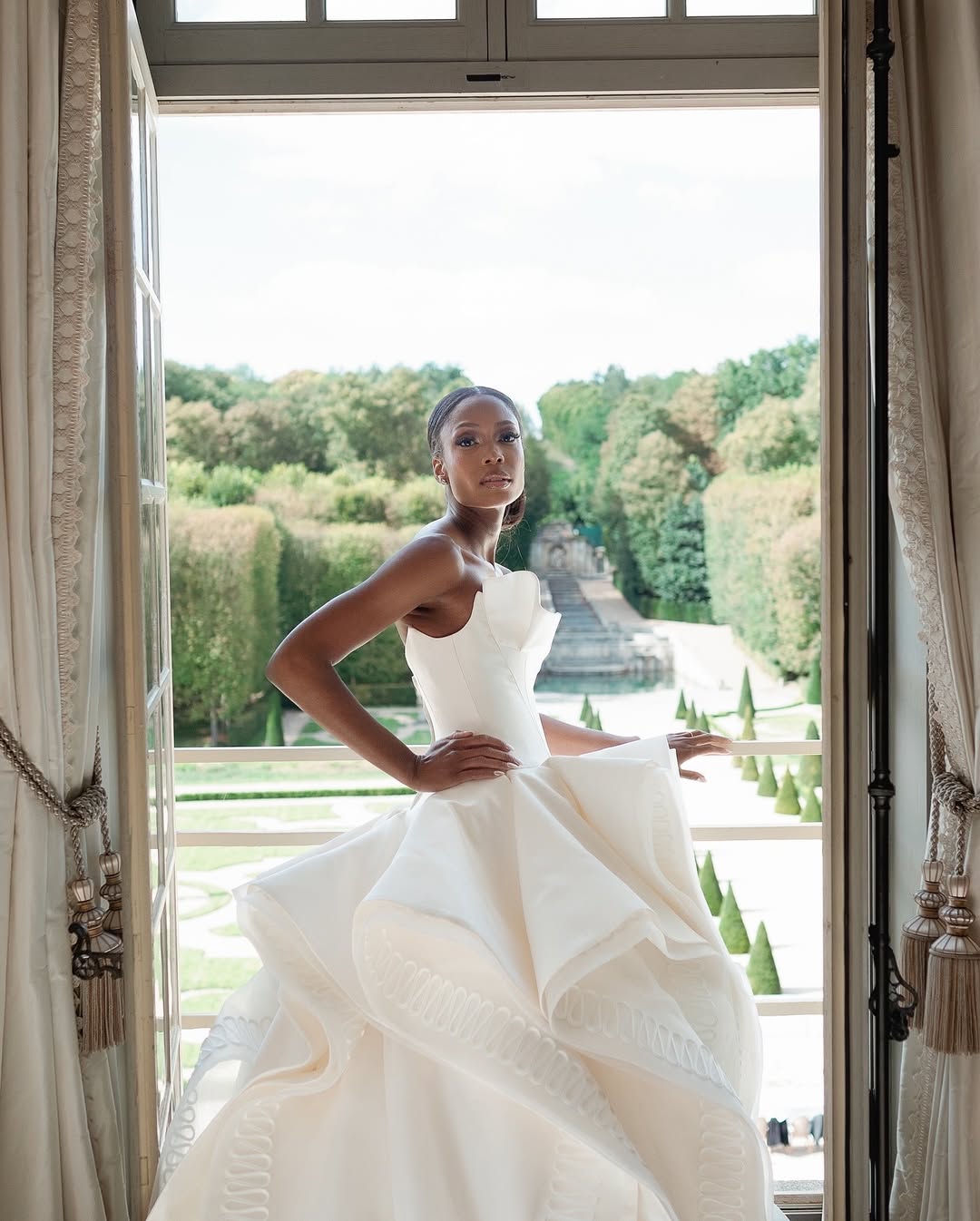
Most couples think of the timeline as a logistical document — a schedule to keep the day running smoothly. And it is that. However, for your photographer, it's something else entirely. It's the difference between having the time and light to create extraordinary photos and spending the day playing catch-up.
The best wedding photos aren't accidental. They're the result of a photographer having enough time in the right light with a relaxed couple. A well-planned photography timeline for the wedding day gives your photographer the conditions they need to do their best work and gives you the opportunity to enjoy your special day.
At Wezoree, we have worked with hundreds of photographers and reviewed thousands of wedding galleries. The pattern is consistent: weddings with the best photography almost always have a well-thought-out timeline. Those with missed moments, poor lighting, or hurried portraits almost always didn't.
Build Your Timeline Around Light — Not the Other Way Around
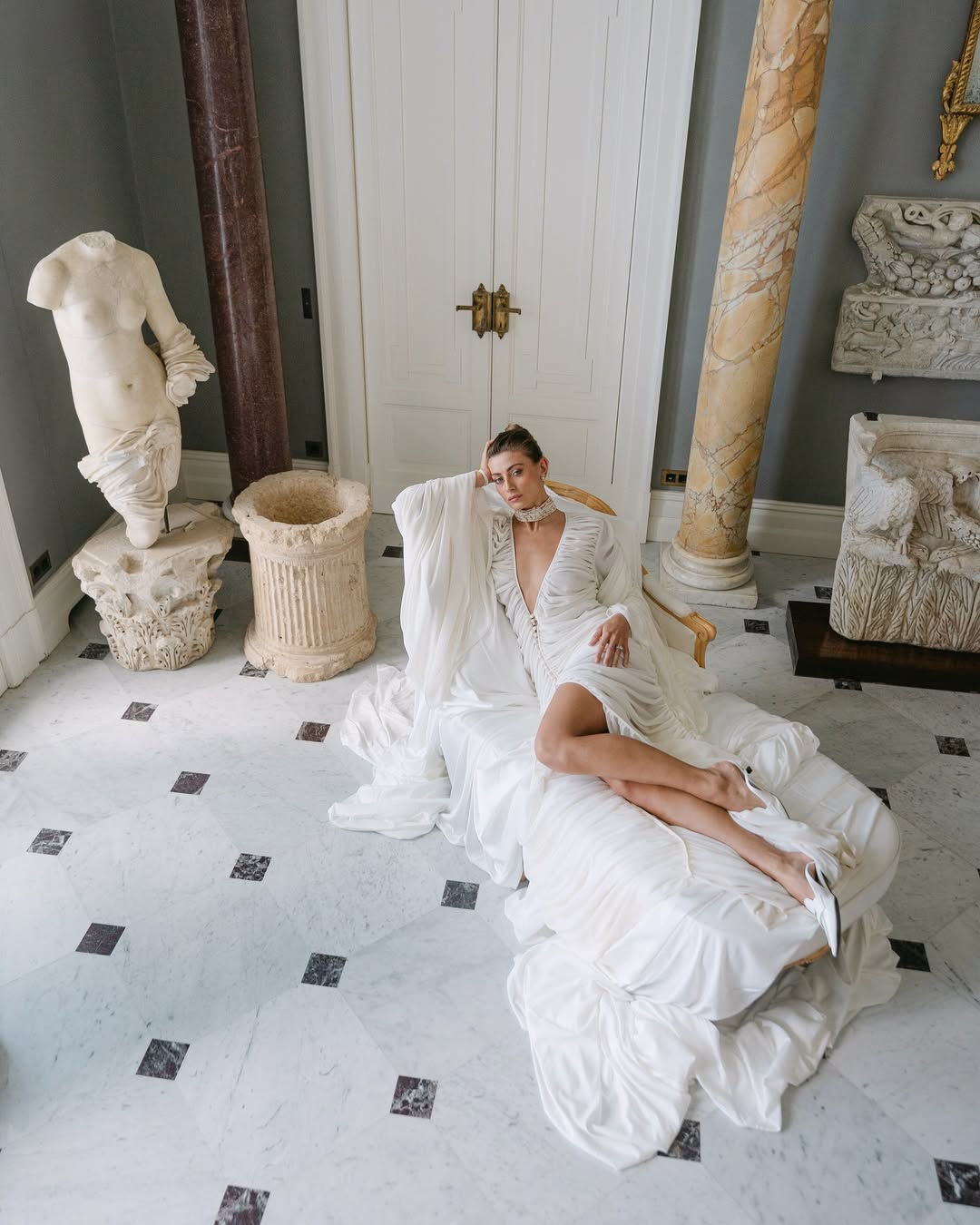
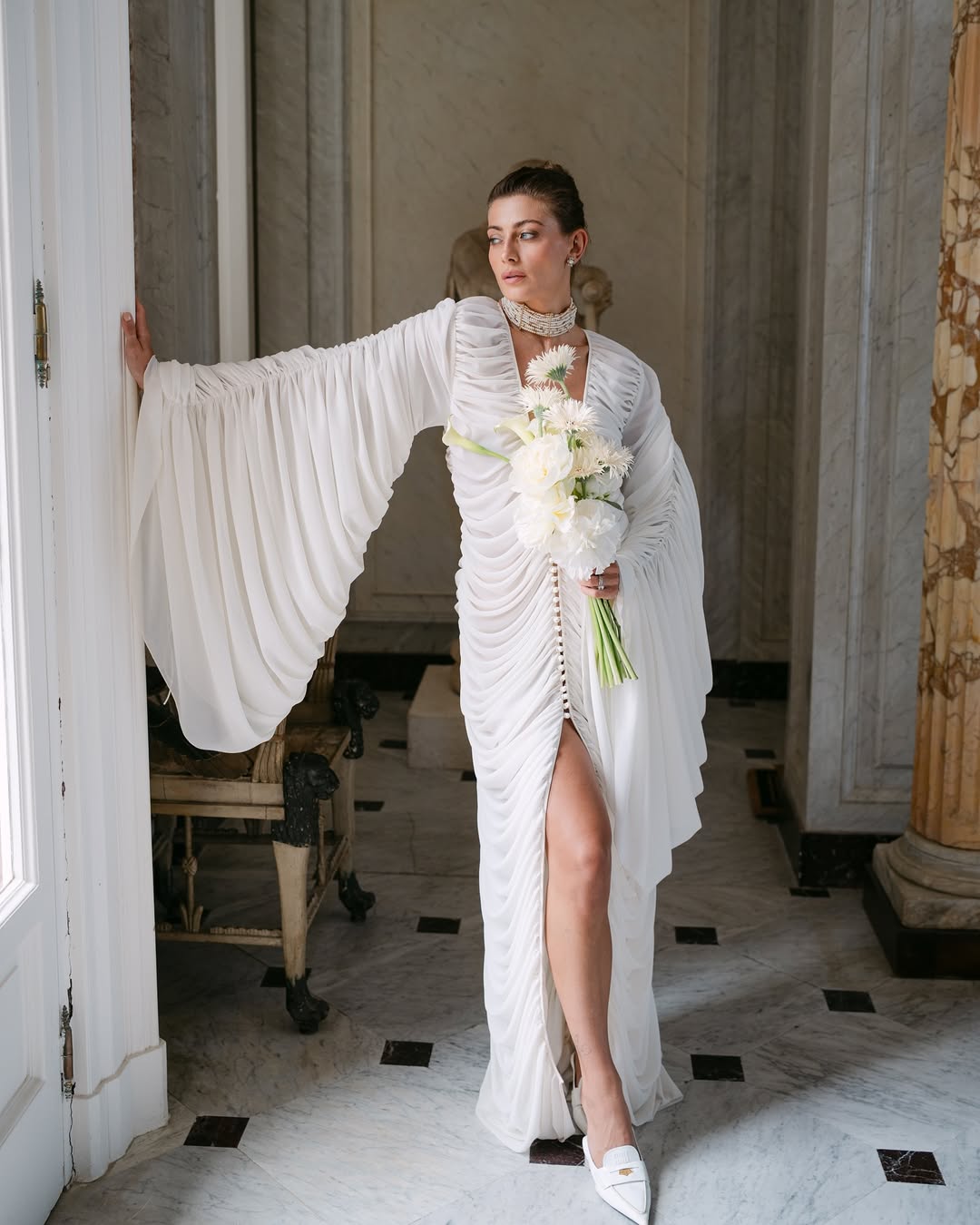
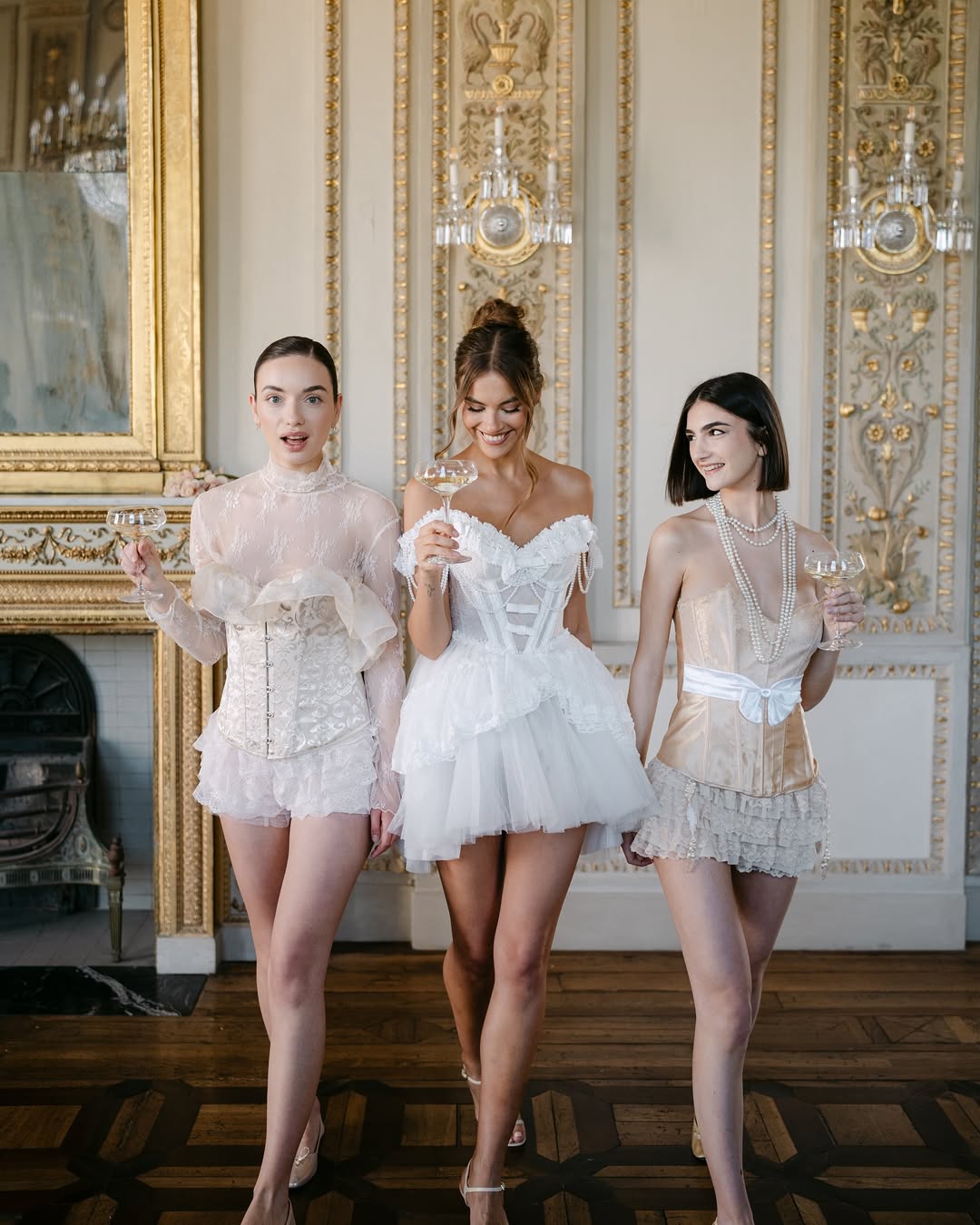
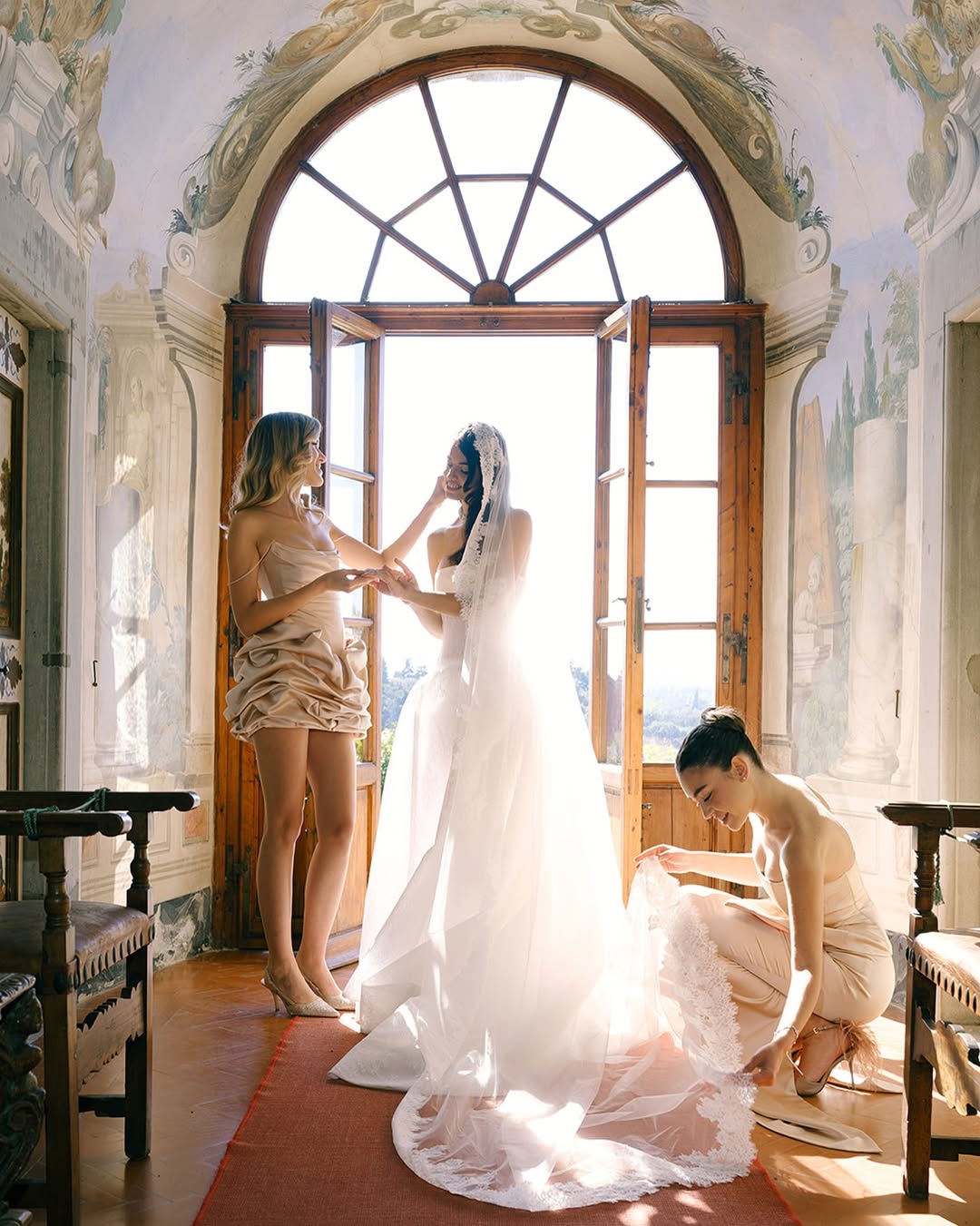
Most wedding planning guides won't tell you this, but your photography timeline should be based around the light. The ceremony time, portrait session, and reception entrance can all be adjusted. The sun, however, cannot.
Golden Hour — and Why It's Worth Planning Your Entire Day Around It
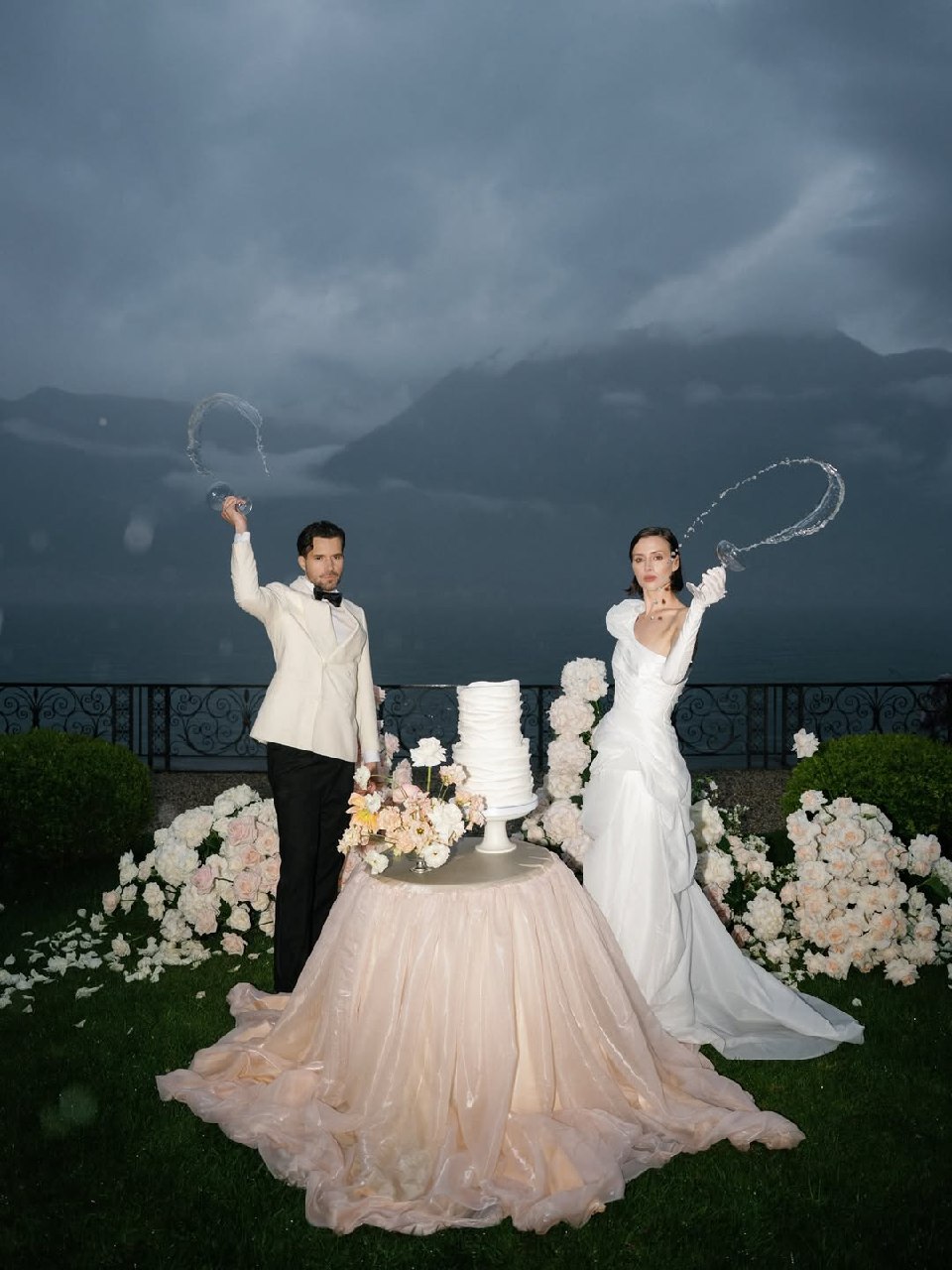
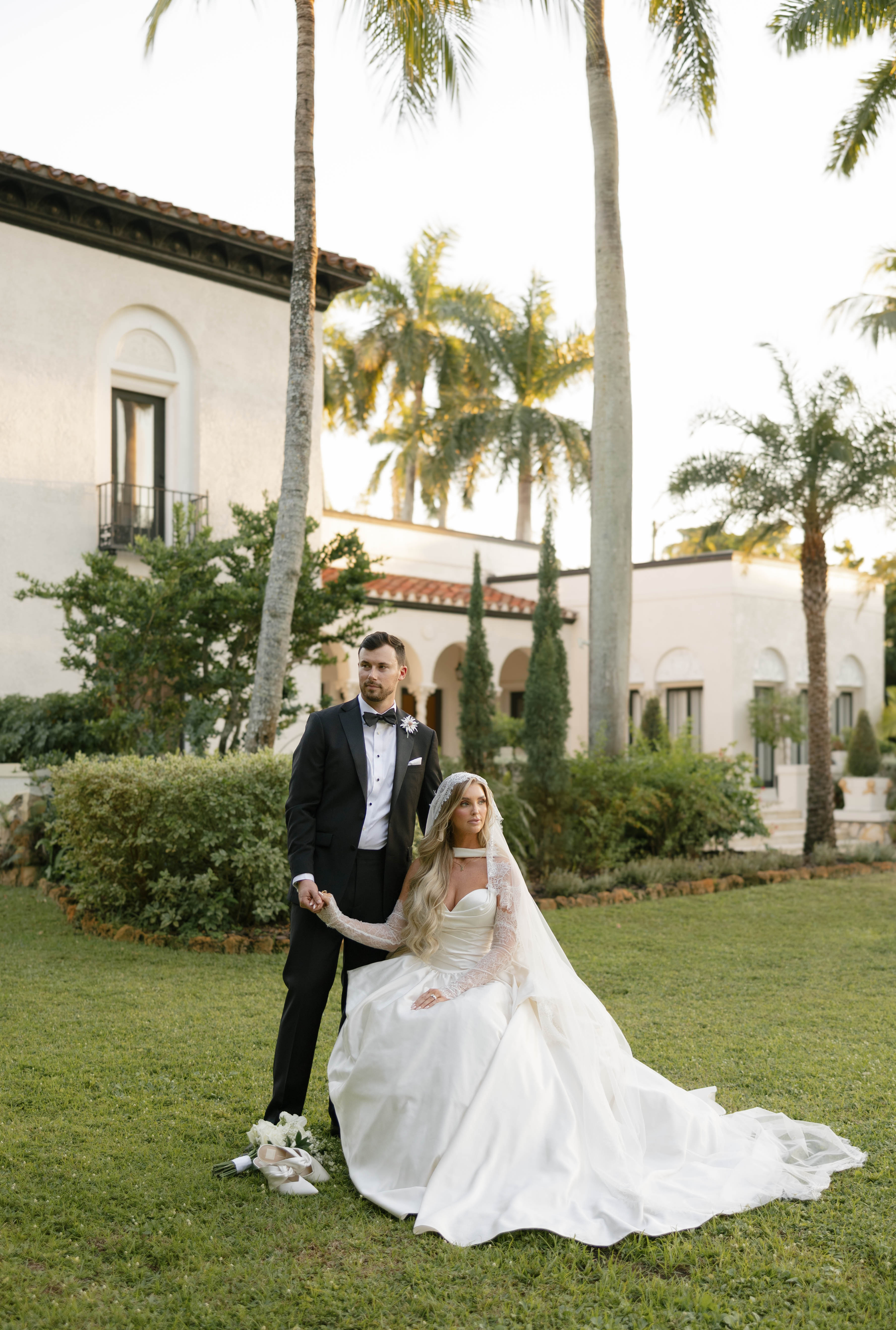
Golden hour — the time window roughly 45 to 60 minutes before sunset — produces the kind of light that makes wedding photos look cinematic without any effort. It is warm, directional, and soft. It wraps around faces and landscapes in a way that artificial lighting cannot replicate. A wedding photography timeline that includes a portrait session with the couple during golden hour will almost always produce the most memorable images of the day.
The practical implication is to work backward from your local sunset time. If sunset is at 7.30pm, aim to schedule your couple portraits between 6.30pm and 7.15pm. This may require adjusting the start time of the ceremony, shortening the cocktail hour, or bringing forward the reception entrance. It's worth every logistical adjustment.
What to Do When Golden Hour Doesn't Work for Your Schedule
Not every wedding can be planned around the golden hour, and that's OK. Winter weddings, indoor ceremonies, and tight venue schedules all present challenges. The solution in these cases is to identify the next best lighting conditions: open shade in the early morning, the soft, diffused light of an overcast day, or the warm glow of a well-lit interior. A good photographer will know how to work with whatever light is available. The key is to build in enough time to use the light intentionally rather than grabbing five rushed minutes between cocktail hour and dinner.
Getting Ready Coverage — How Much Time Do You Actually Need
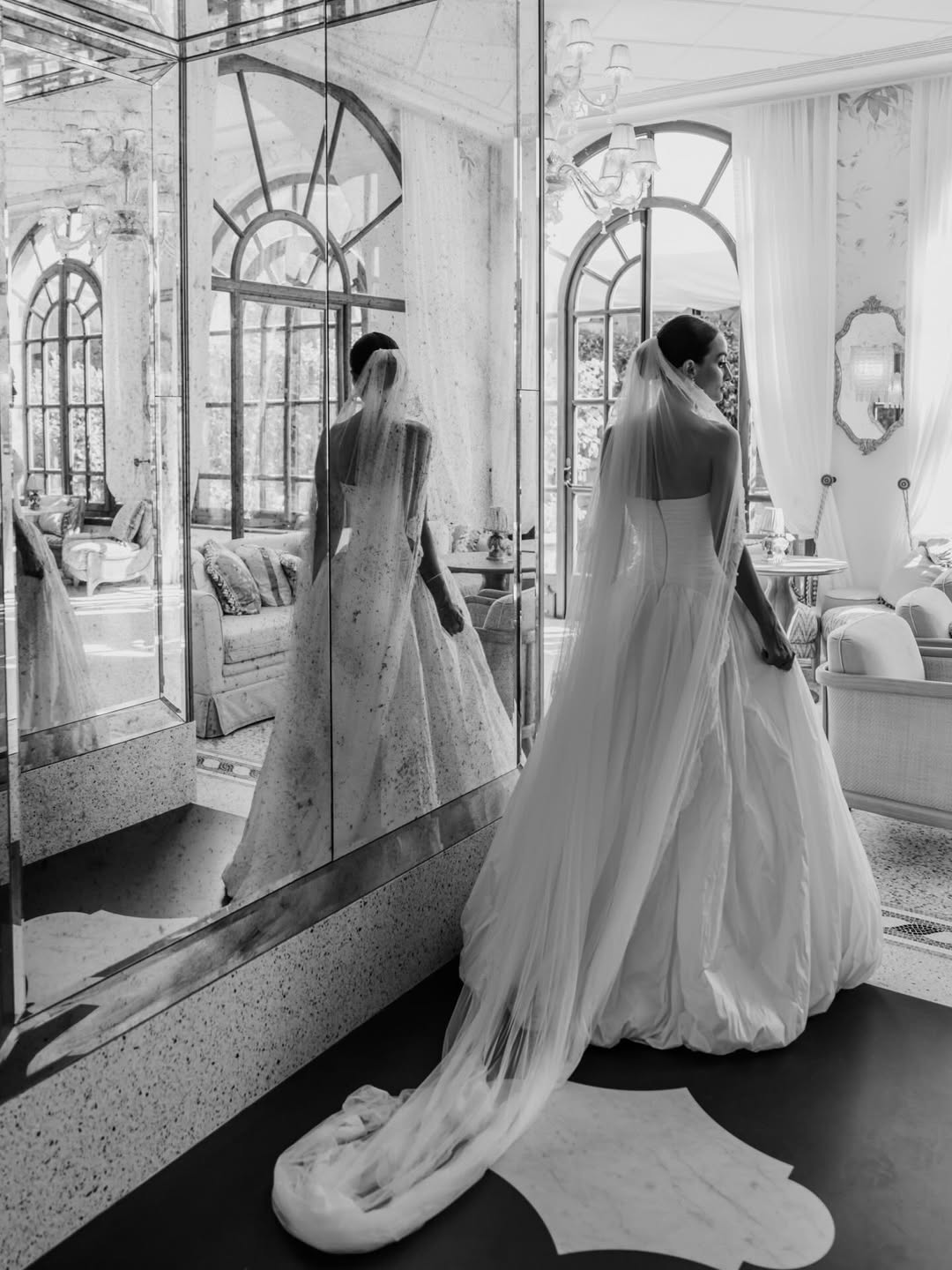
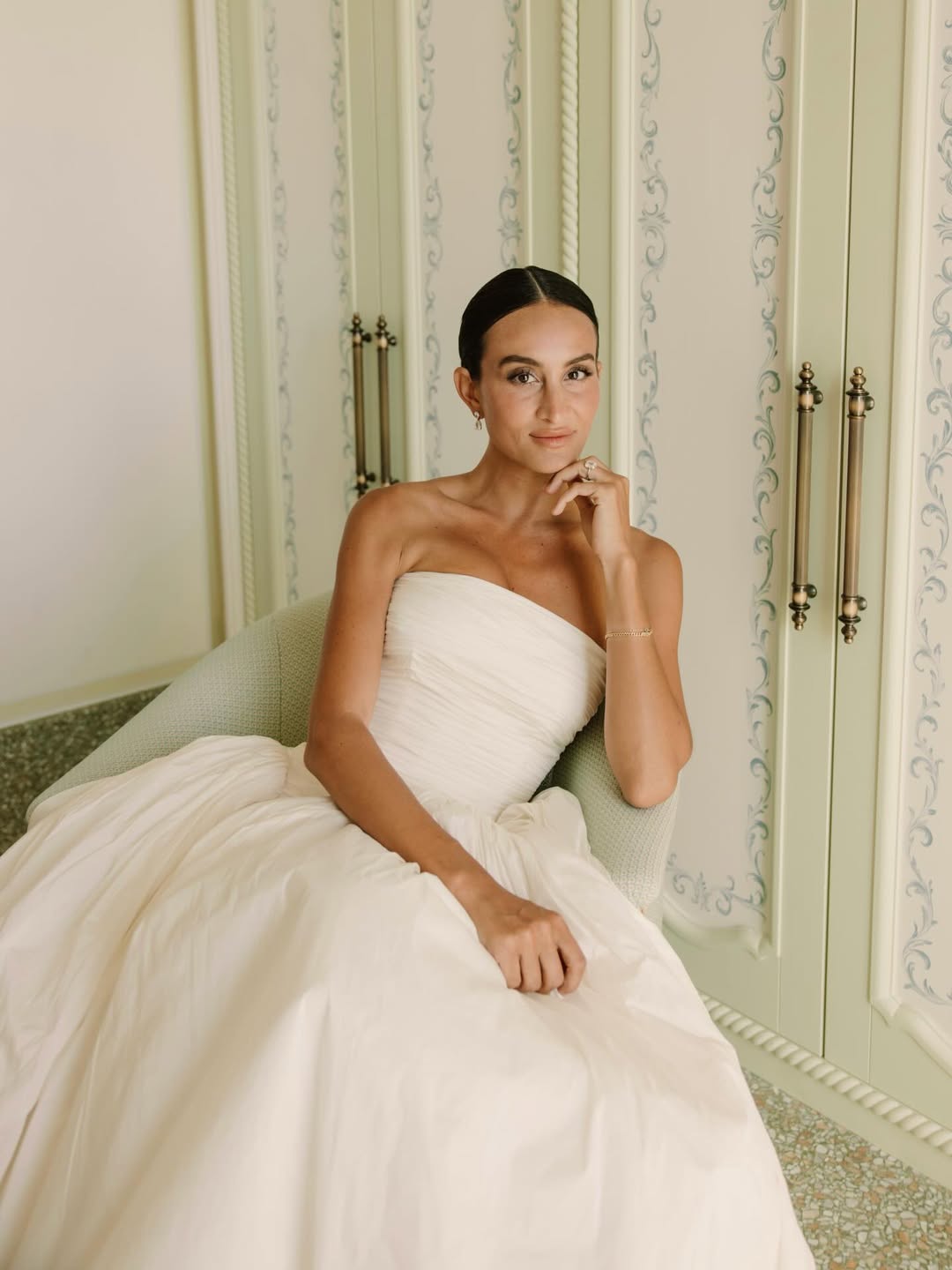
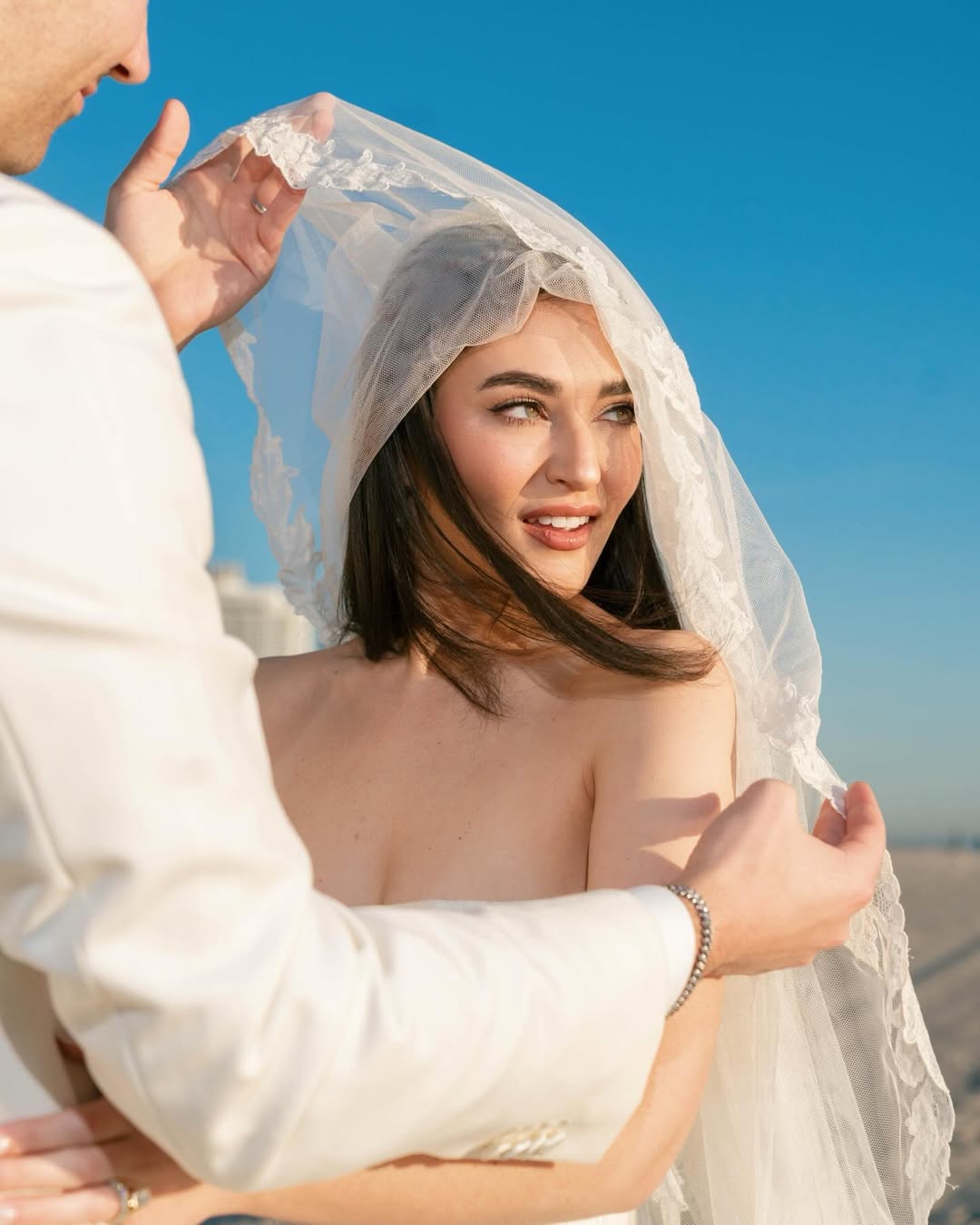
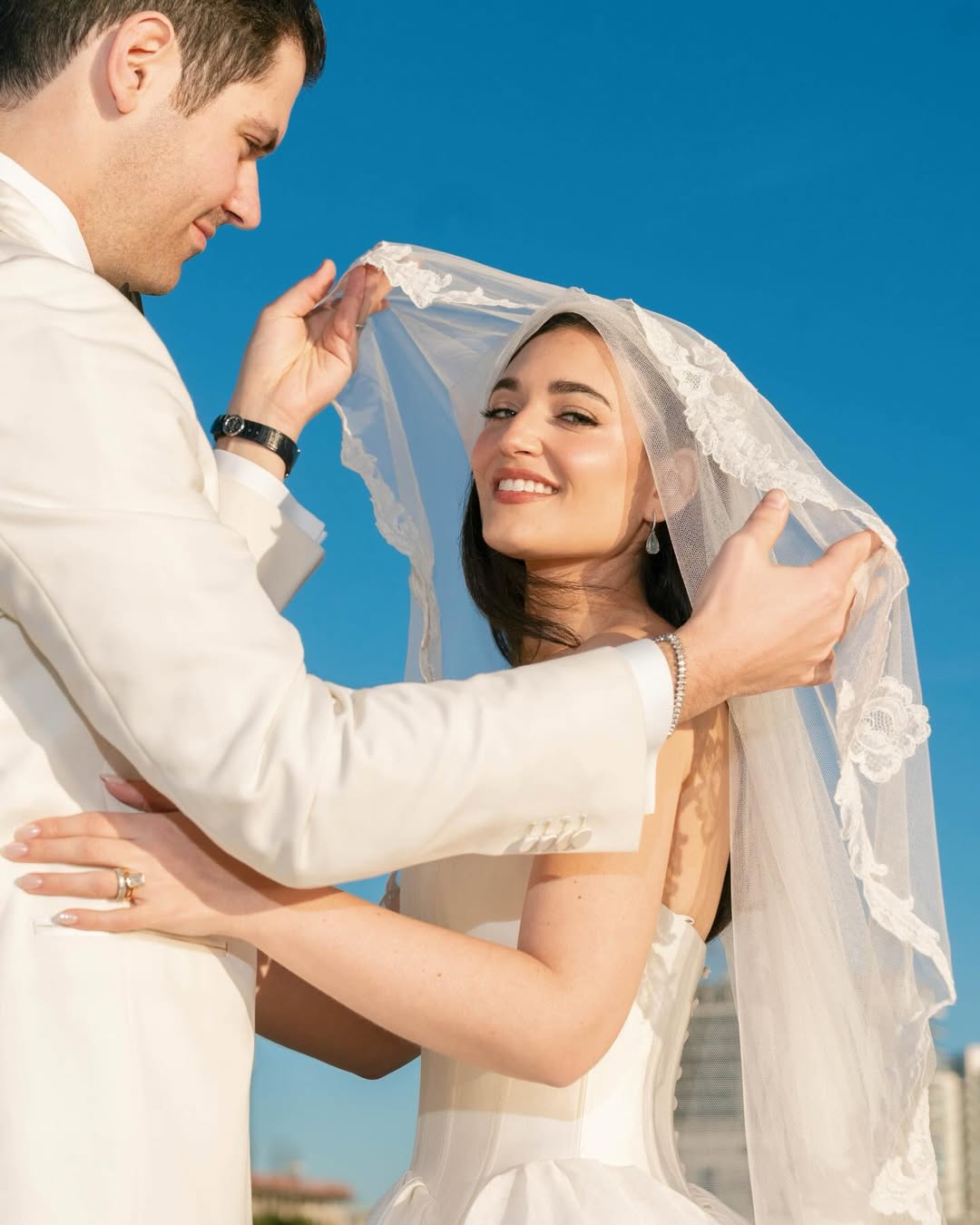
The day begins with getting ready — emotionally, visually, and logistically. It's also where timelines most commonly fall apart. Hair and makeup take longer than expected, someone can't find their shoes, and the florist arrives late. Allowing for extra time in this part of the day isn't pessimism — it's experience.
Bride Getting Ready
To capture all the getting-ready details, including the dress, accessories, hair, and makeup in progress, and the final reveal, allow a minimum of 90 minutes, ideally two hours. This allows the photographer time to photograph the dress, rings, shoes, and flowers before the chaos of getting dressed begins. These detailed shots often end up among the most used images of the entire wedding day, so it's important to allow enough time to take them properly.
One useful wedding photography timeline tip is to brief your hair and makeup team on the schedule in advance. Let them know when the photographer will arrive and when you will need to be fully ready. Most MUAH teams are very accommodating when they know the timing in advance.
Groom Getting Ready
Groom coverage is usually shorter — 30 to 45 minutes is typically enough time for suit details, candid shots with the groomsmen, and a few individual portraits. However, don't underestimate this part of the day. Some of the most genuine and unguarded moments of the entire wedding take place in that room: the quiet moment before the tie is fastened, the groomsmen who can't stop laughing, and the father adjusting his son's jacket without saying a word. A photographer who arrives with enough time will capture all of these moments. One who's been given 15 minutes will take a few photos of the cufflinks and then leave. If the groom is getting ready in a different location from the bride, factor in travel time for the photographer between the two locations. This detail is often overlooked, and it has a way of compressing everything that follows.

First Look vs. No First Look — How It Changes Your Entire Timeline

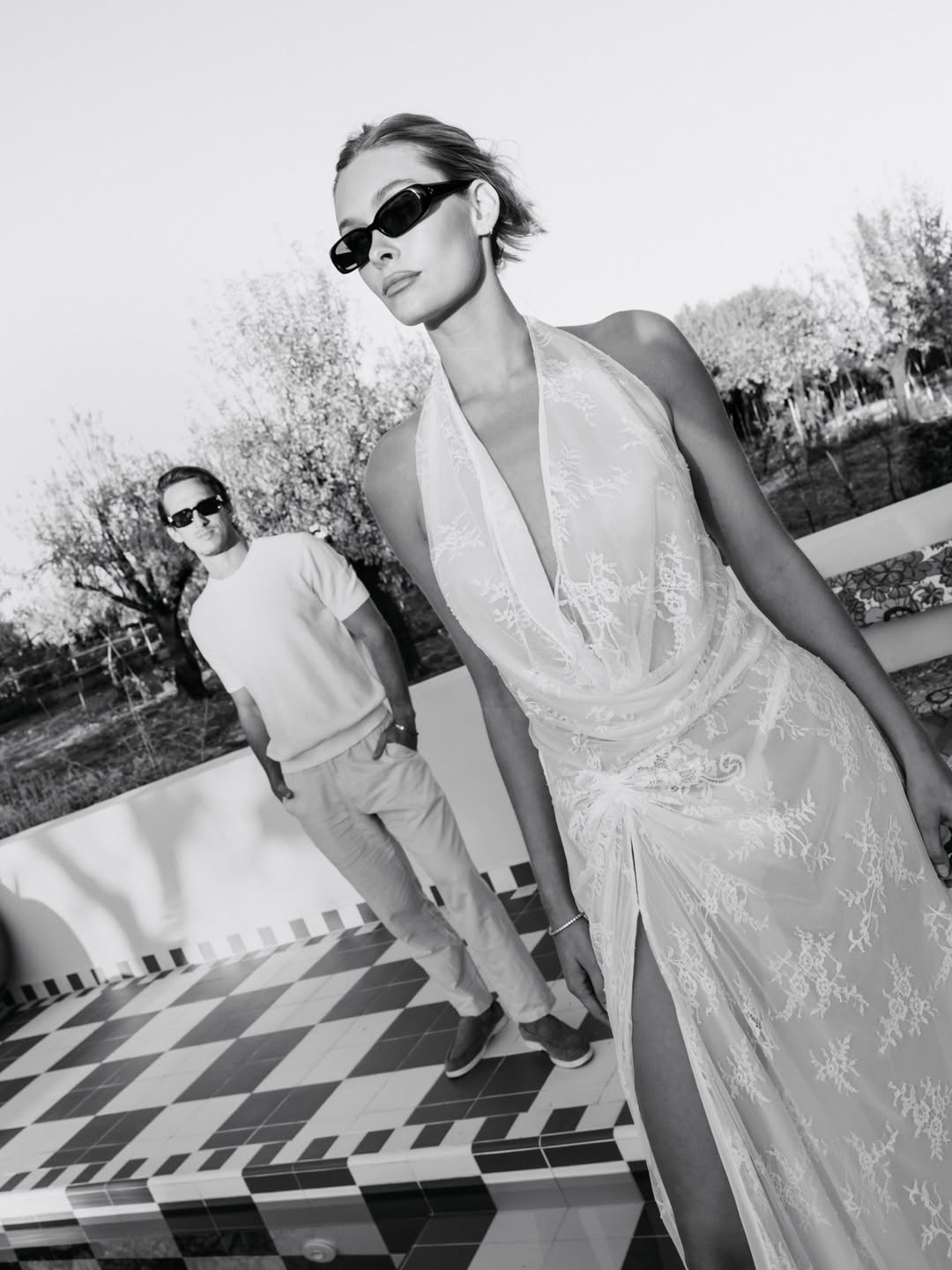
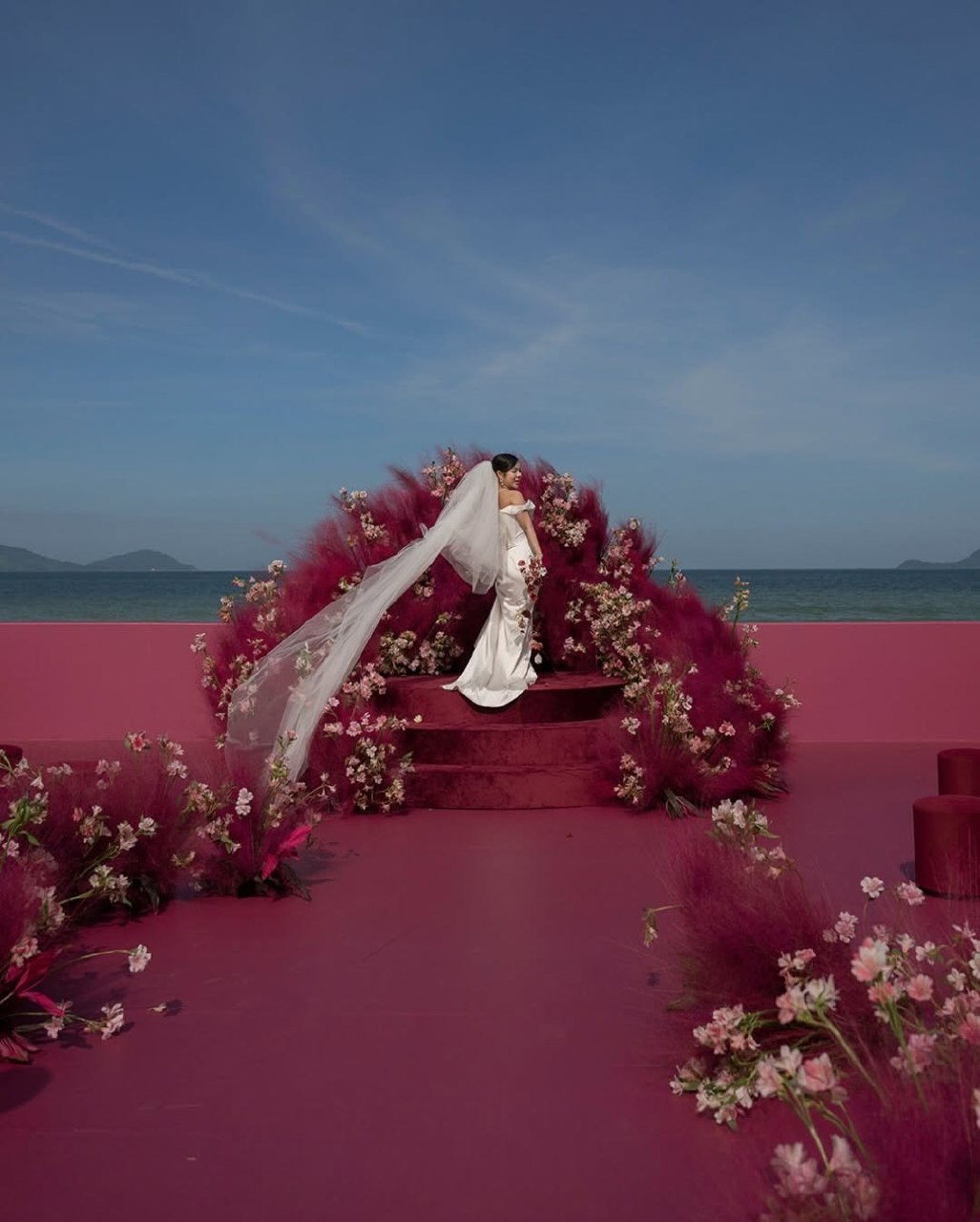
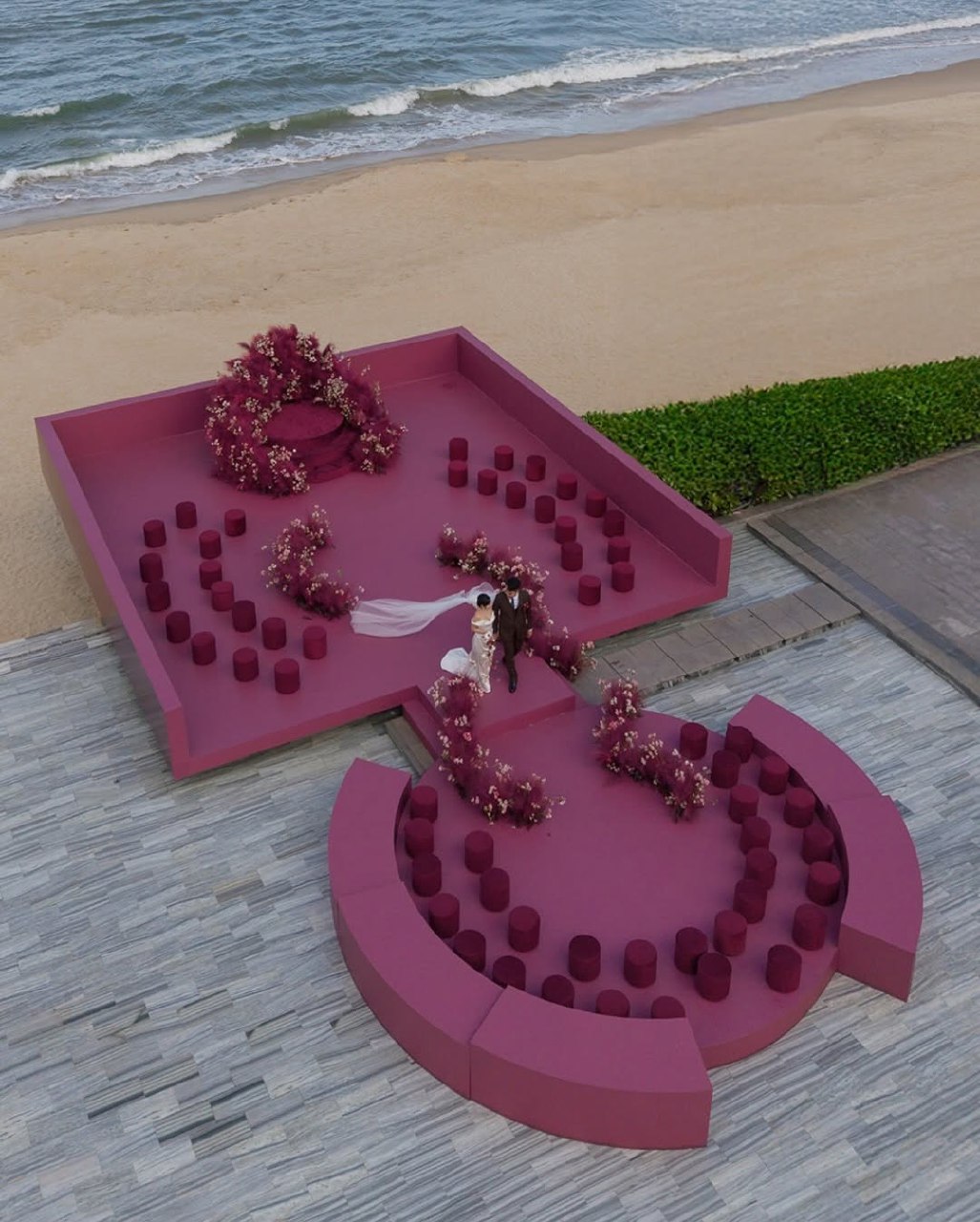
This is one of the most important decisions for your wedding day timeline photography, and it's about far more than emotion. Whether you choose to see each other before the ceremony or wait dramatically on the aisle reshapes the flow of the rest of the day.
Here's a direct comparison:
| First Look | No First Look | |
|---|---|---|
| Couple portraits | Before ceremony — relaxed, private | After ceremony — time pressure |
| Family formals | Can be done before ceremony | Must happen after ceremony |
| Emotional moment | Private, intimate, unhurried | Public, surrounded by guests |
| Golden hour | Easier to protect | Harder to guarantee |
| Timeline flexibility | More | Less |
| Ceremony anticipation | Different — not lesser | Traditional build-up |
A wedding photography timeline with 'first look' usually provides an additional 30 to 45 minutes for portraits and significantly reduces the pressure after the ceremony. A timeline without a first look requires tighter coordination, but it preserves a moment that many couples consider irreplaceable. Neither option is wrong, but it is essential to understand the implications of each choice before you decide.
Our Wezoree team’s consistent observation is this: couples who opt for a first look are almost always more relaxed during the portrait session because the initial wave of emotion has already passed. Couples who skip it usually say that the moment they walked down the aisle was worth every logistical challenge. Know which matters more to you.
Ceremony Coverage — What Happens and How Long It Takes
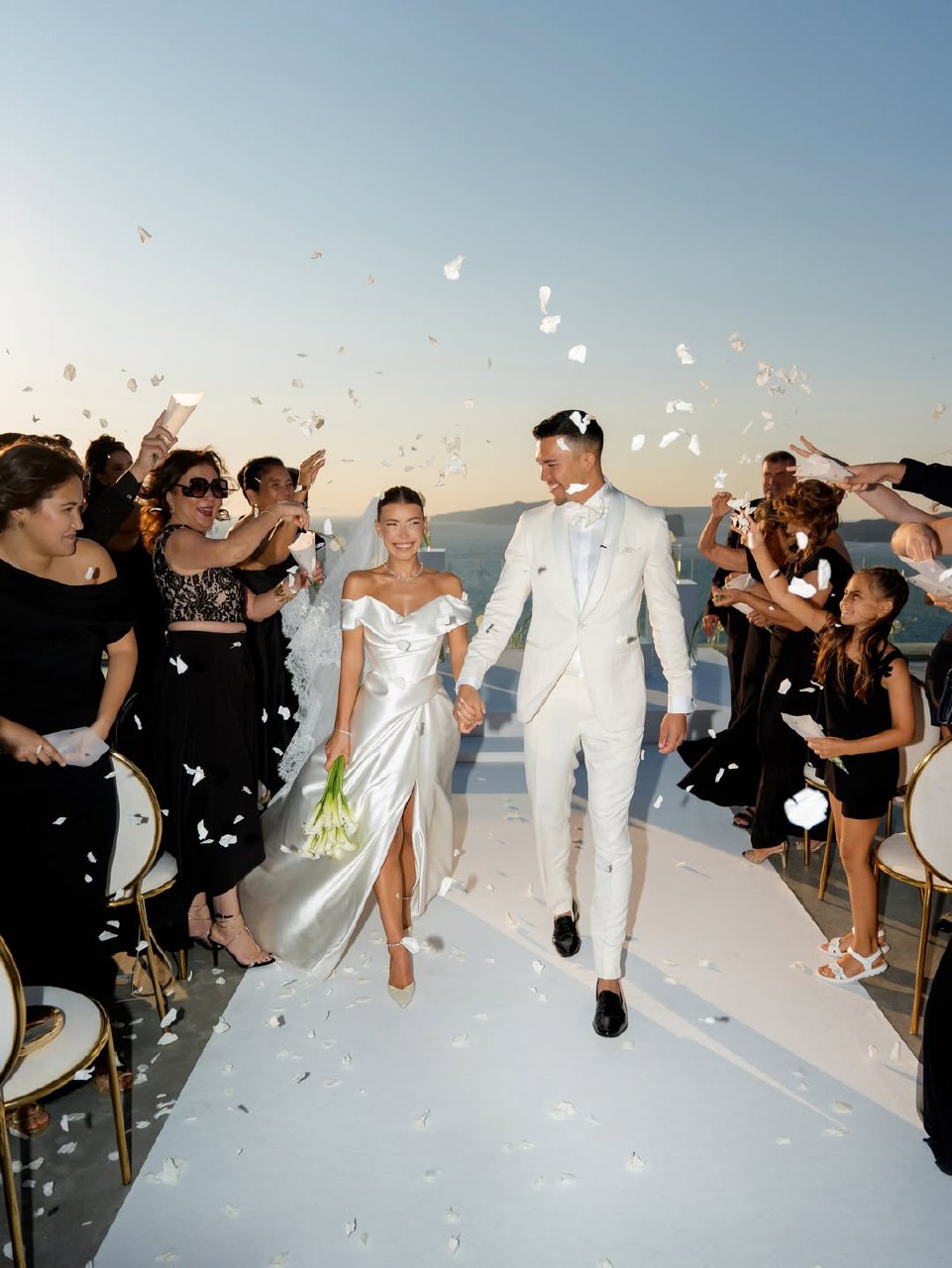
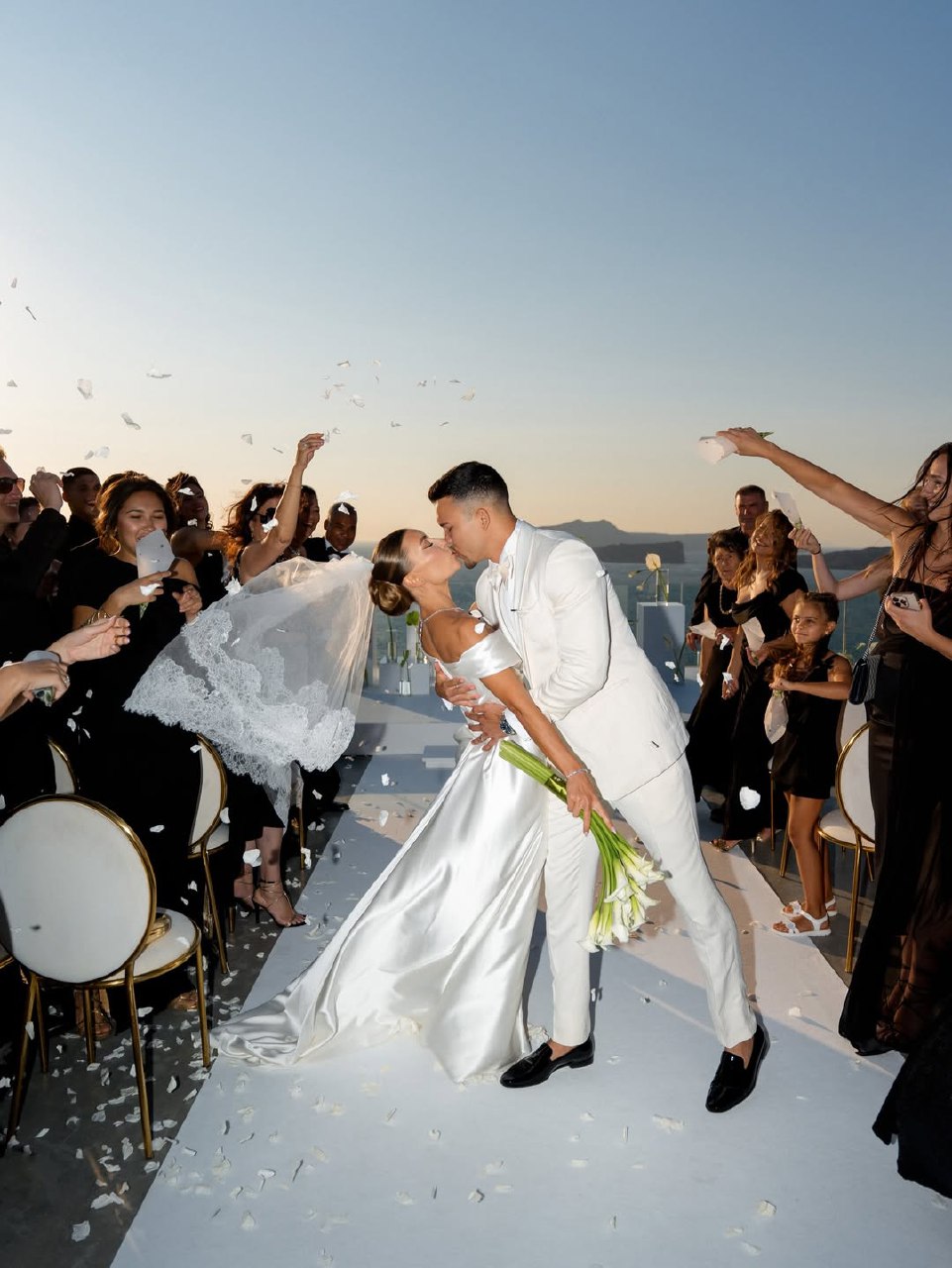
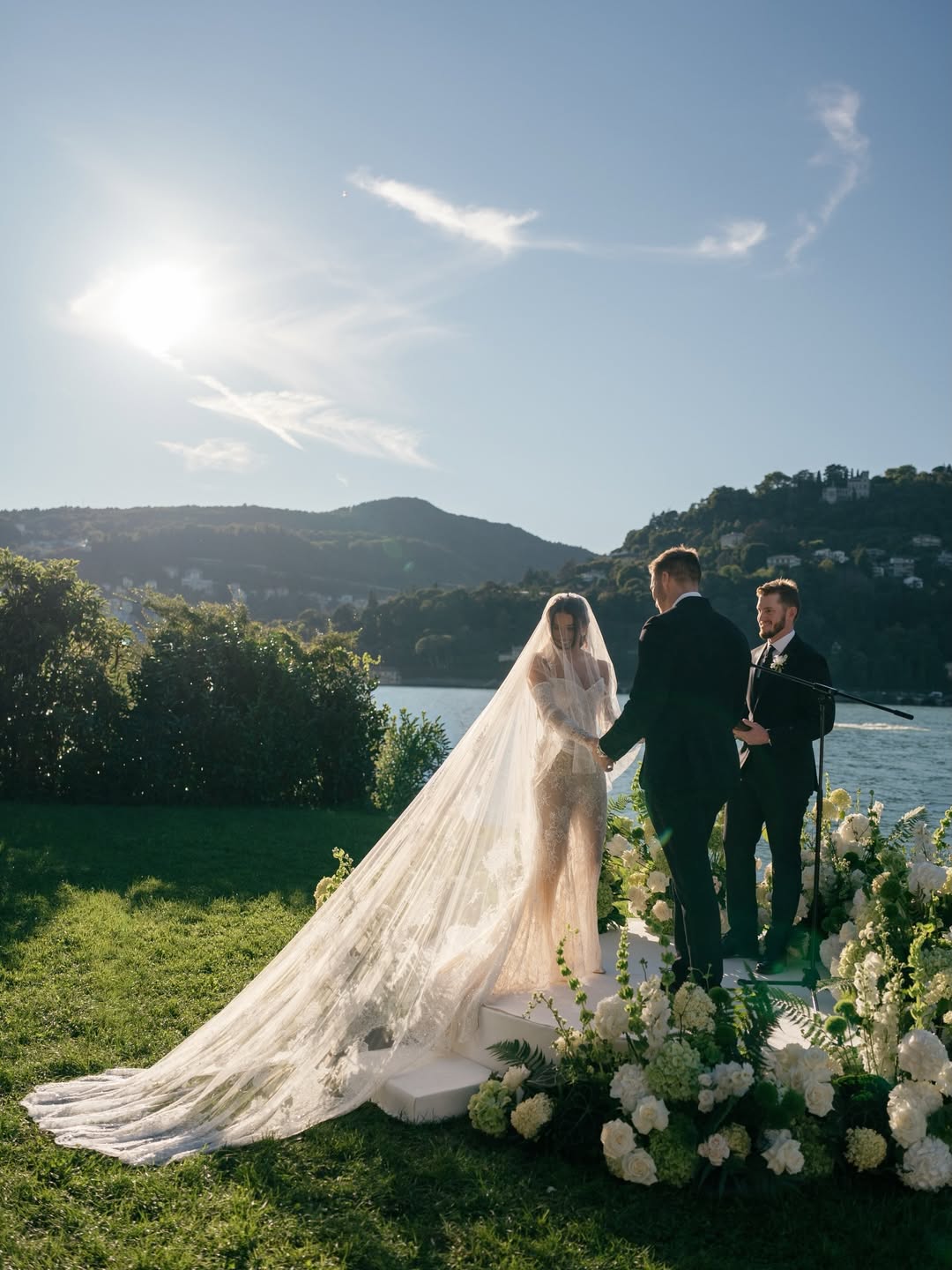
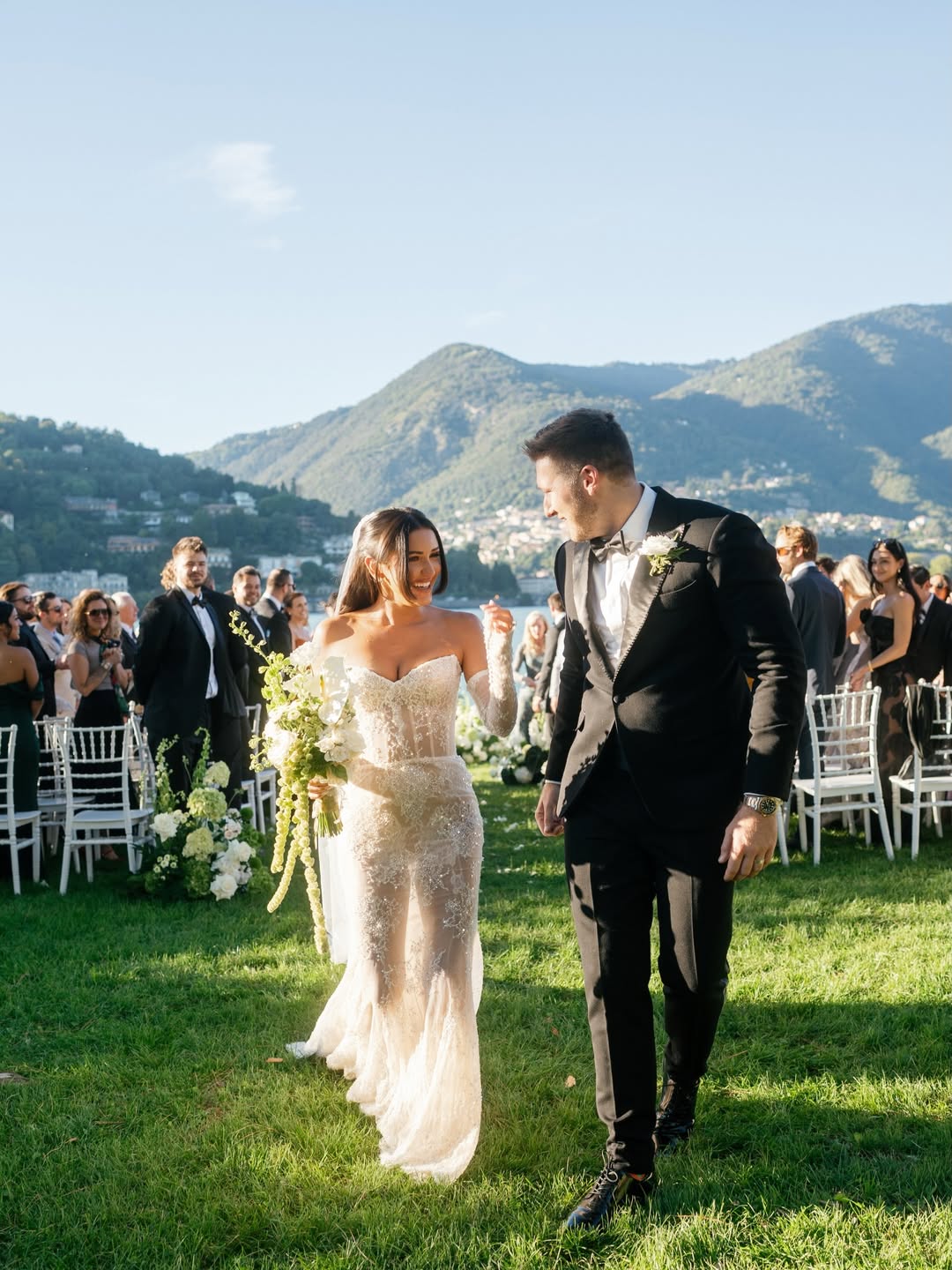
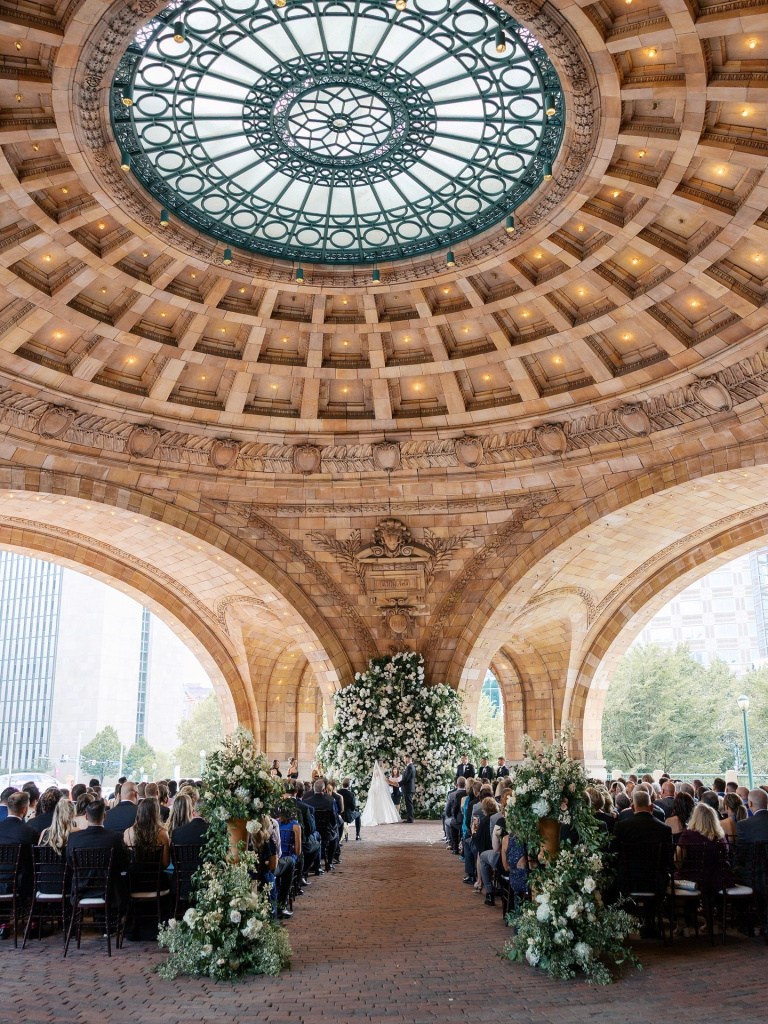
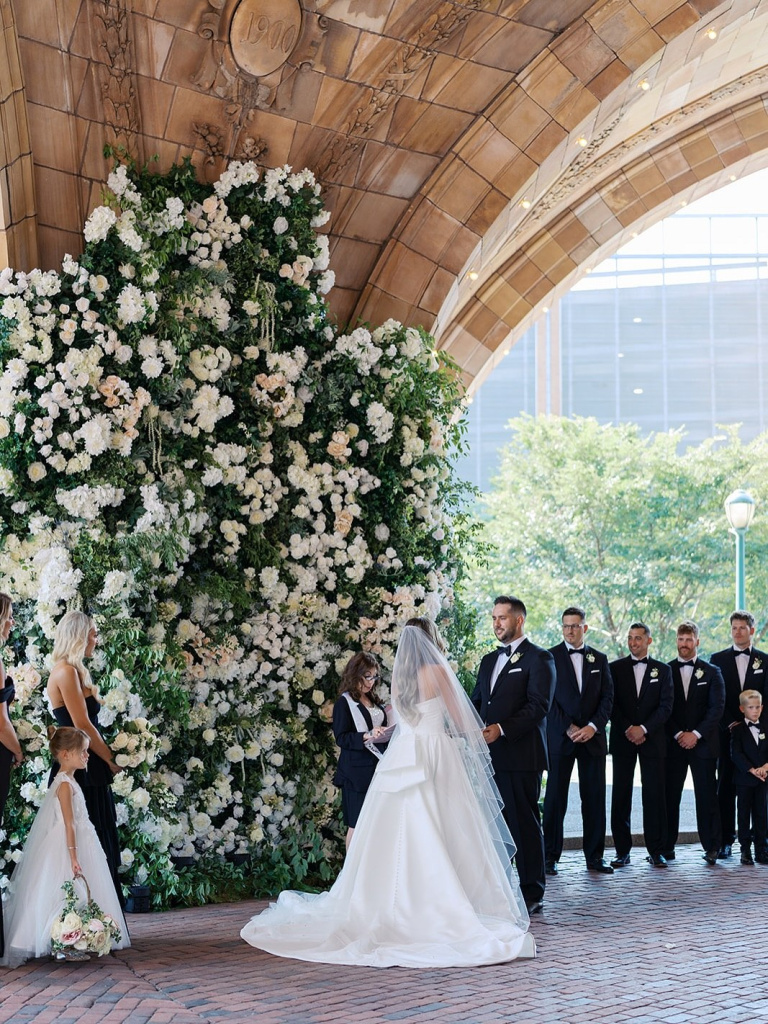
Ceremony coverage is one of the most emotionally significant and technically challenging parts of the day. Movement is restricted, the lighting is often unpredictable, and the moments are unrepeatable. A well-prepared photographer will have familiarised themselves with the venue before the ceremony begins, identified the best angles, and discussed access with the officiant.
Unplugged vs. Plugged Ceremonies
An unplugged ceremony is one of the most photographer-friendly decisions a couple can make. Guests are asked to put away phones and cameras. It is also one of the most underrated. There's nothing that interrupts a shot of the ceremony aisle quite like twelve phones on sticks blocking the view. Guests who aren't preoccupied with taking photos are actually present, and that energy is visible in every photograph. If you're undecided, the case for going unplugged is strong from a photography perspective.
Outdoor vs. Indoor — What Changes
Outdoor ceremonies offer natural light, but introduce the variables of weather and wind. Indoor ceremonies offer a controlled environment, but the lighting can be challenging — harsh overhead fixtures, mixed colour temperatures, or very low light. Both can be managed with an experienced photographer. The preparation required and, in some cases, the equipment used will differ. Specifically discuss your ceremony space with your photographer during the planning stage, rather than on the day.
Couple Portraits — The Most Skipped and Most Regretted Part
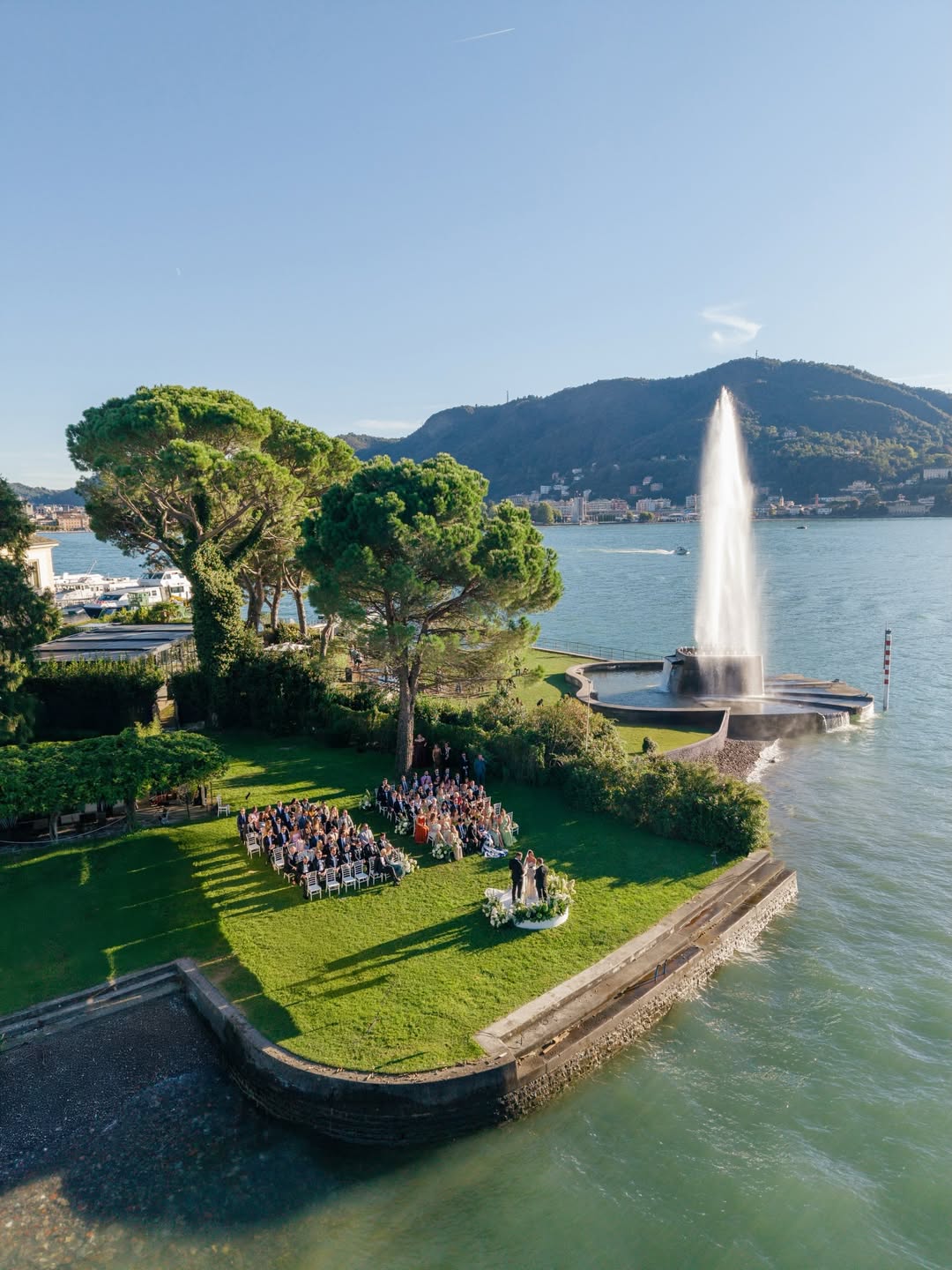
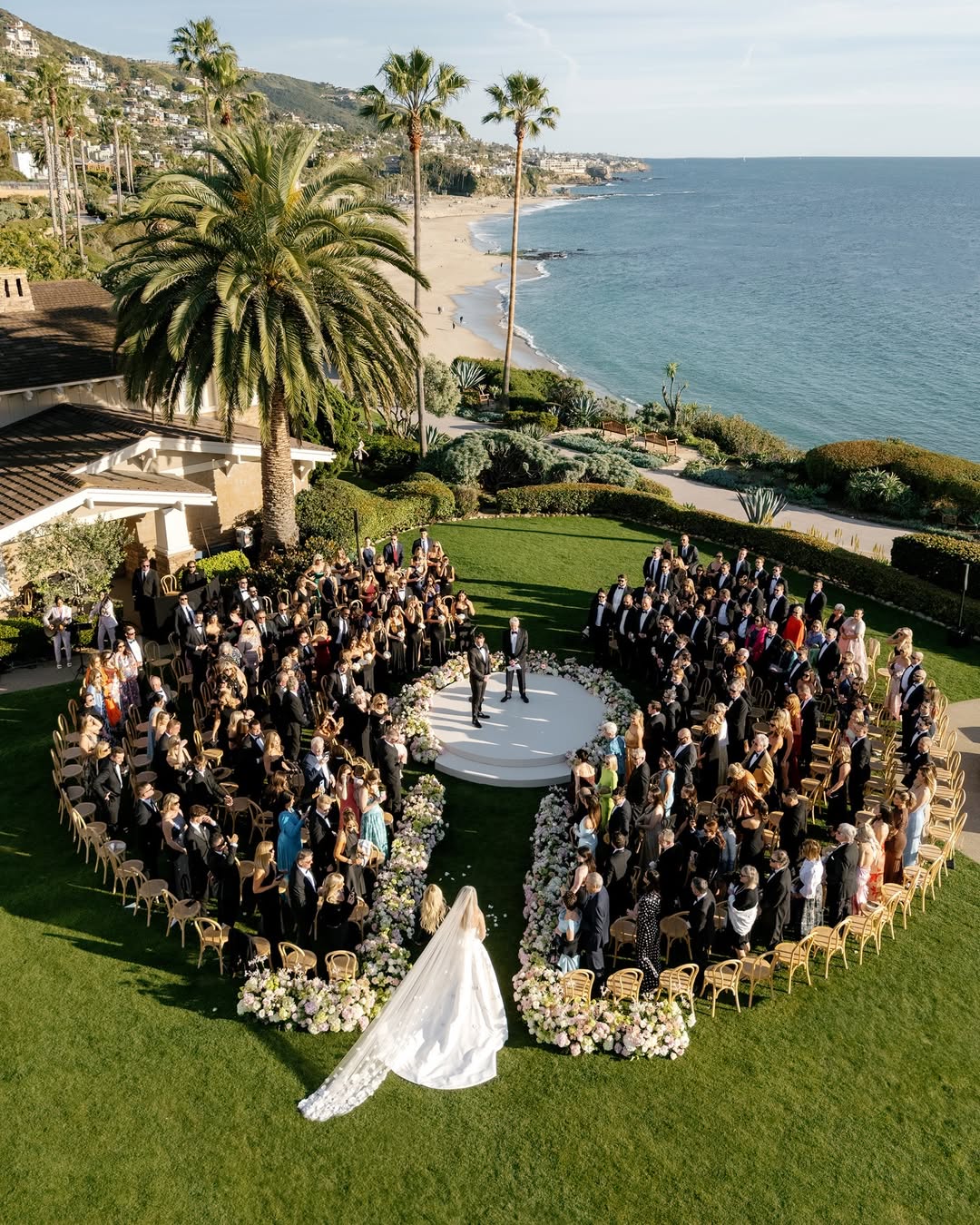
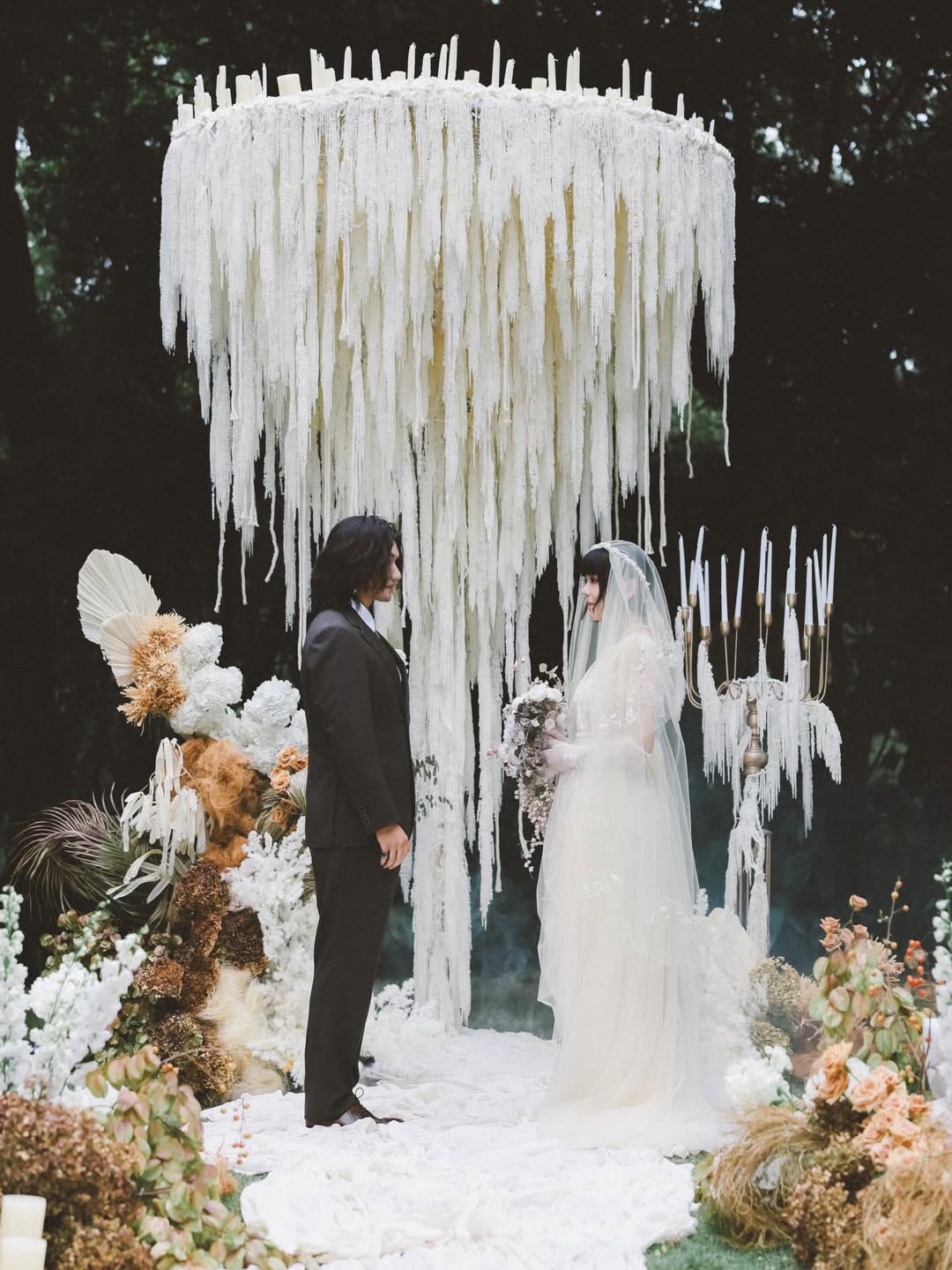
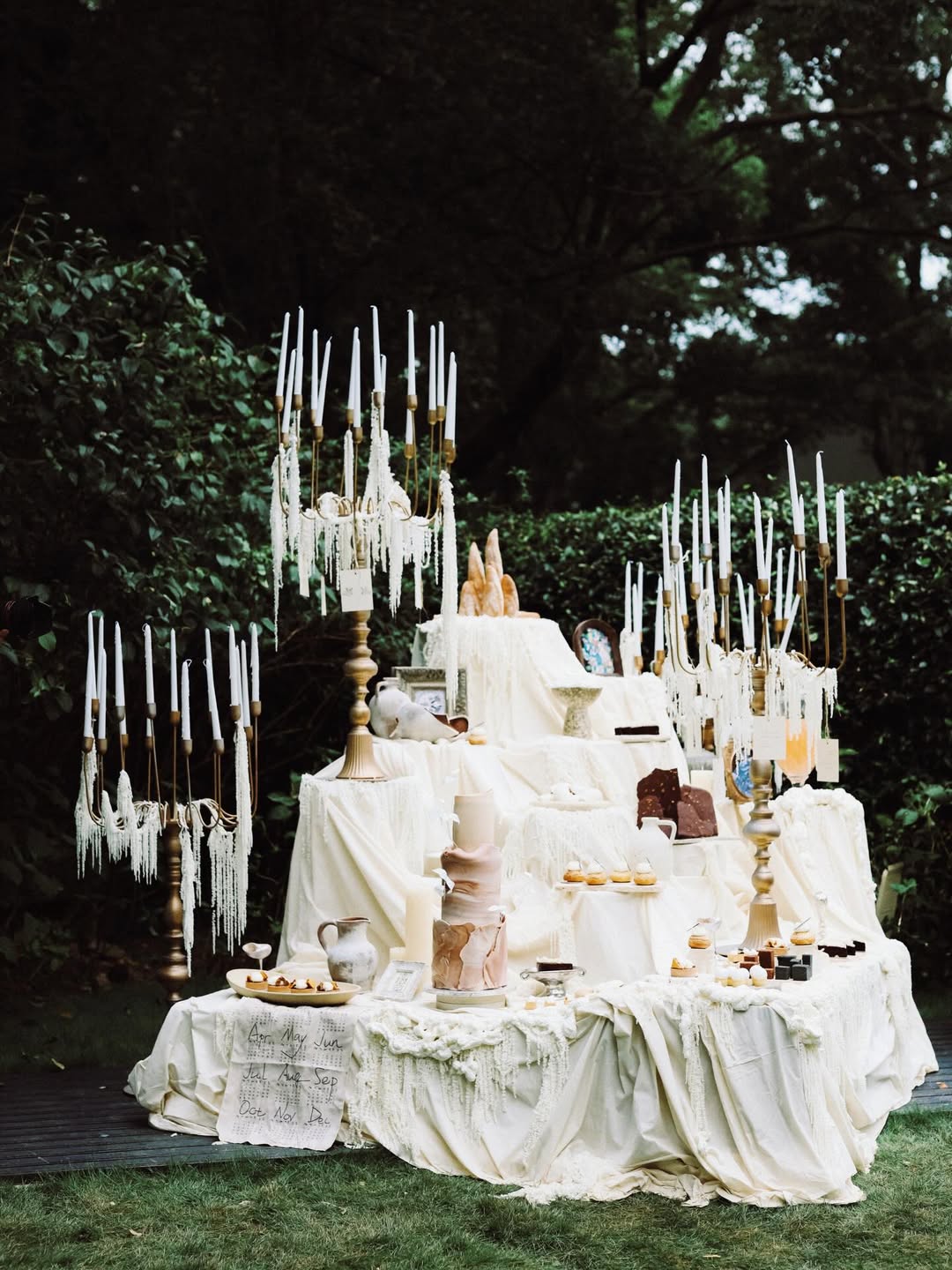
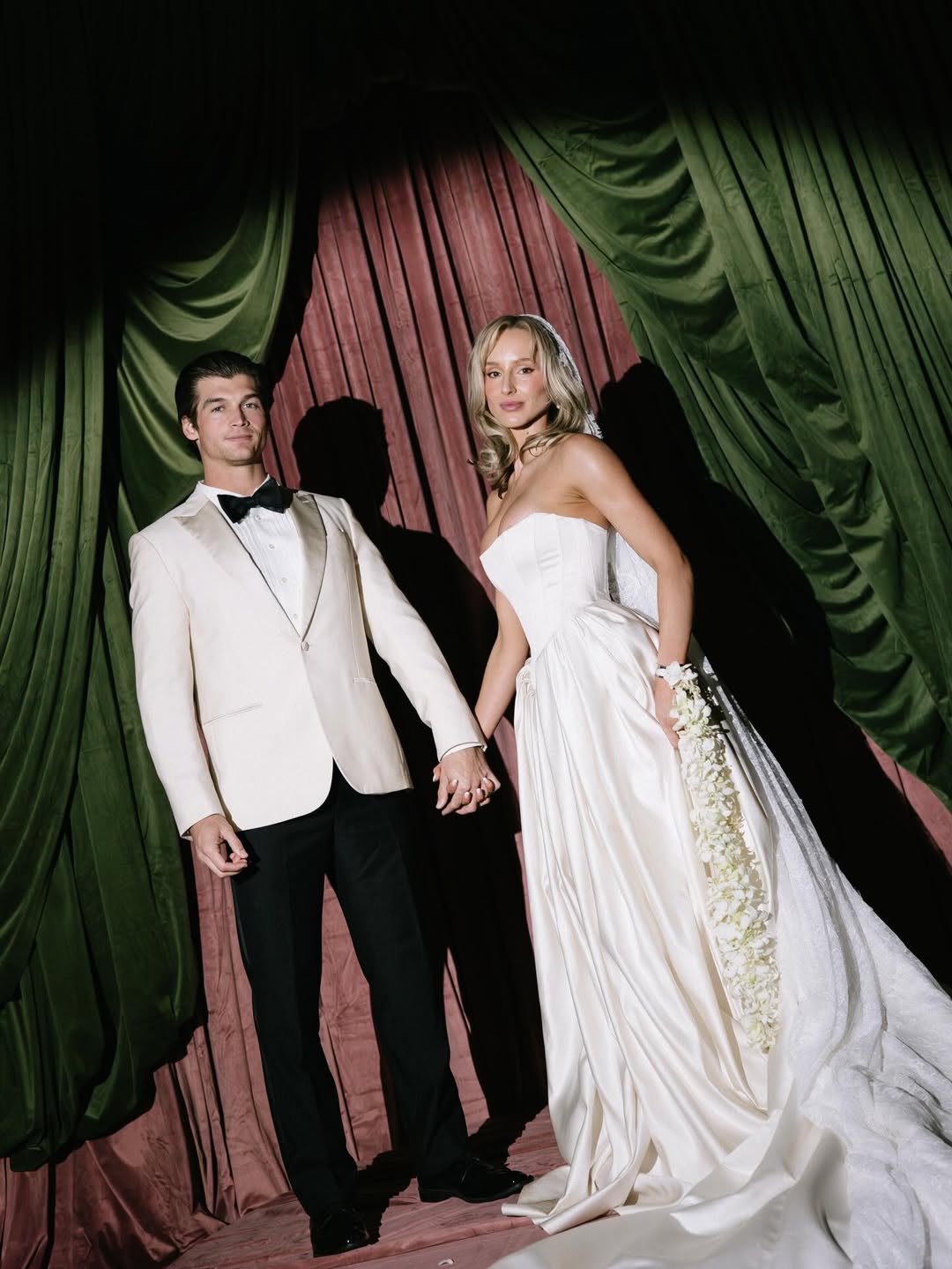
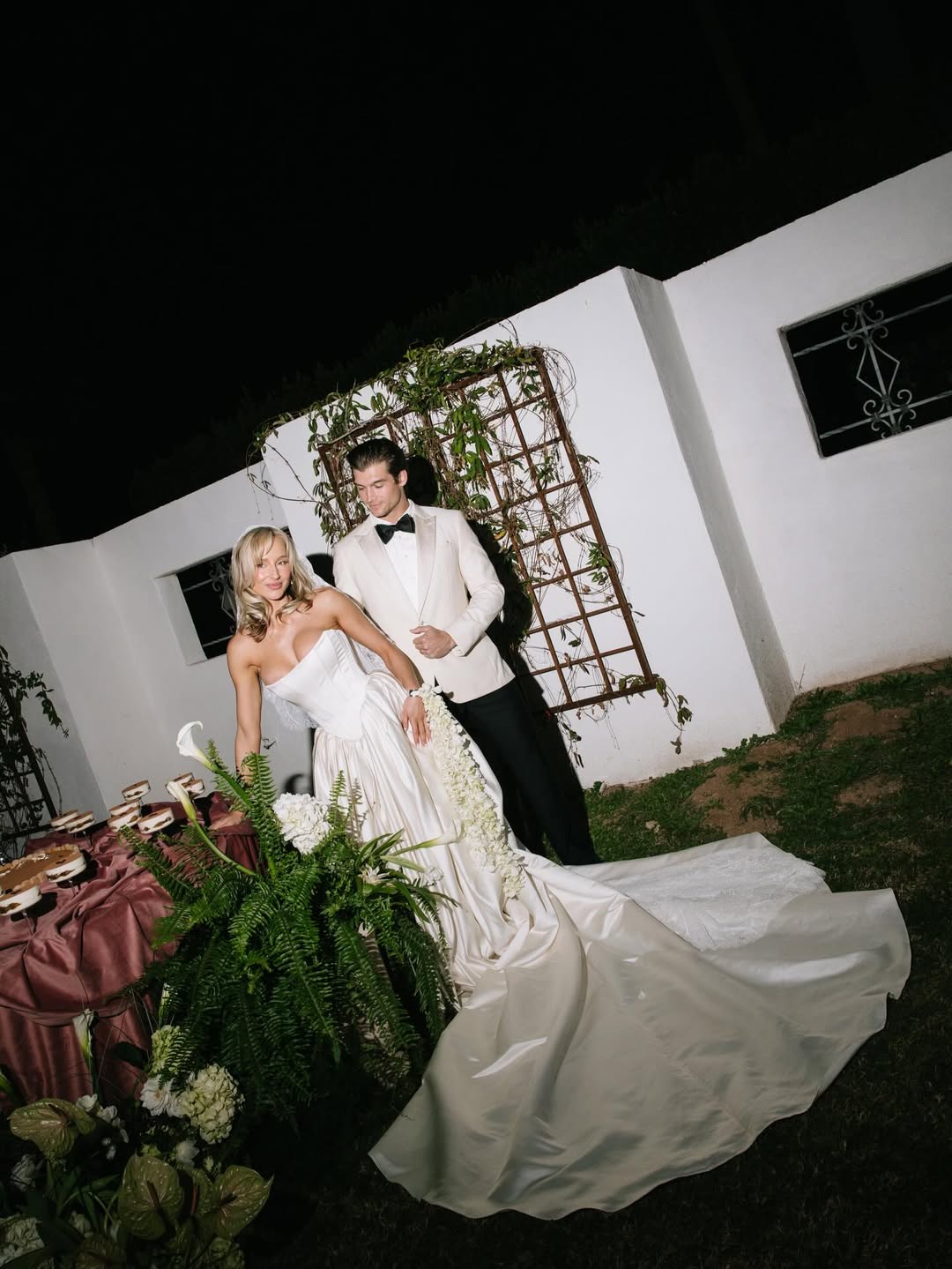
If there is one piece of consistent feedback that we hear from couples after their wedding, it's this: “We wish we'd given ourselves more time for portraits.” Without question, it is the most commonly skipped and most consistently regretted part of the wedding day photography timeline — and the reasons are always the same. Couples feel guilty about leaving their guests during cocktail hour; they feel that the day has been rushed, and someone has insisted that it wouldn't take long. But portrait time isn't just about getting good photos. It's about setting aside 20–30 minutes to be alone together, away from the hustle and bustle, to truly experience the day. To allow for a relaxed, unhurried session, set aside a minimum of 30 minutes — ideally 45 to 60. If golden hour is part of your plan, protect that time slot fiercely. It's the one part of the schedule that cannot easily be recovered once it's gone.
Family Formals — How to Make Them Fast and Painless
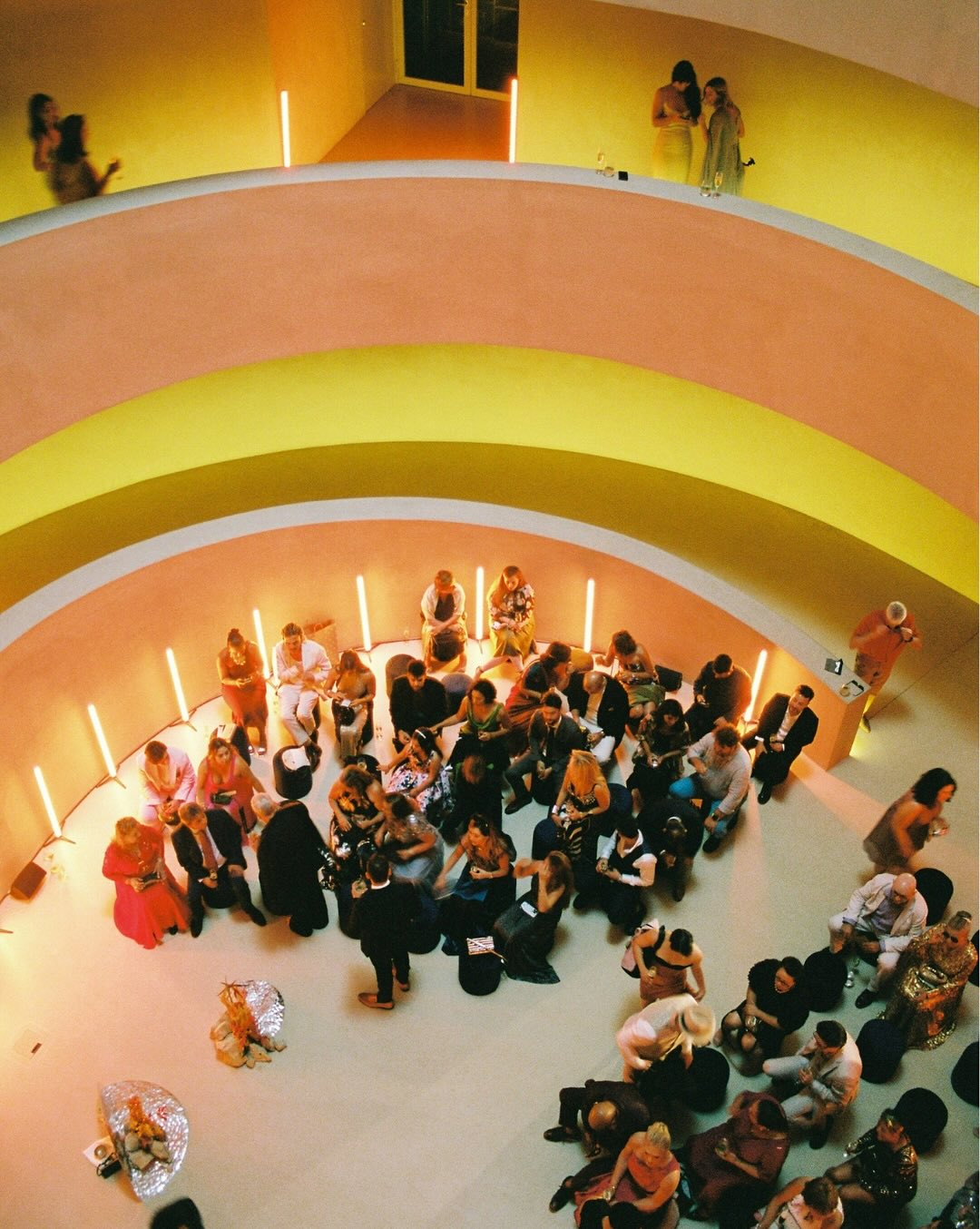
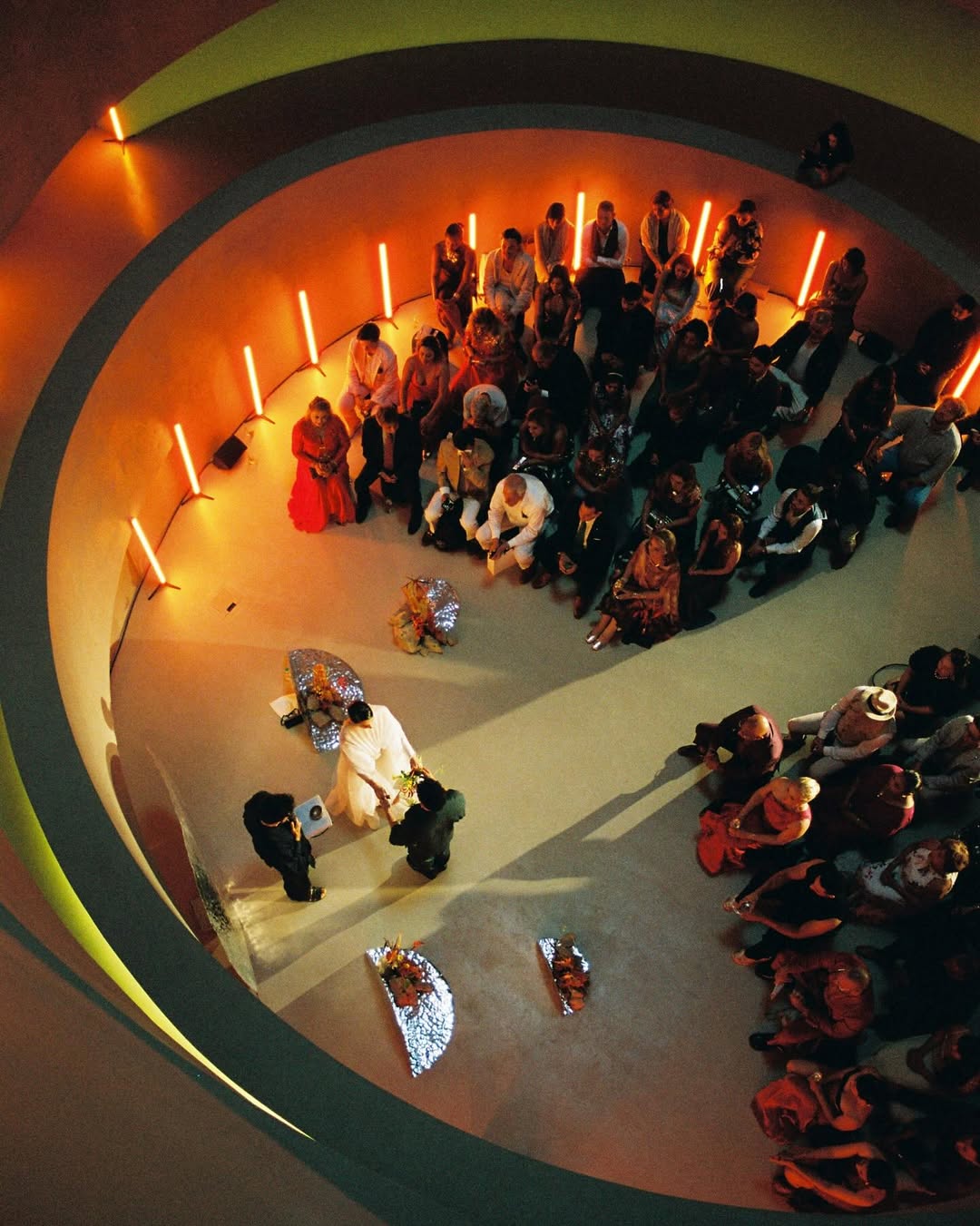
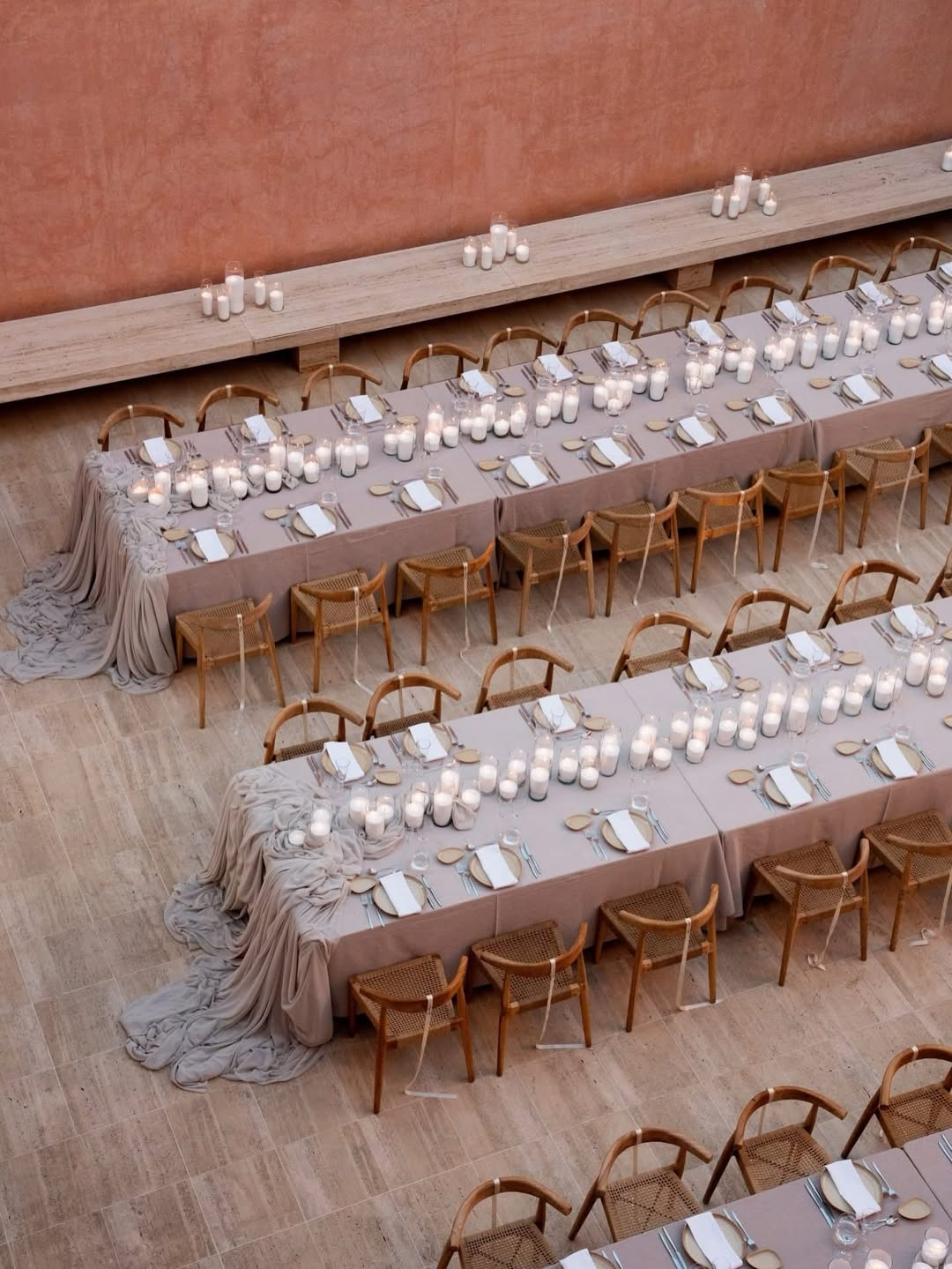
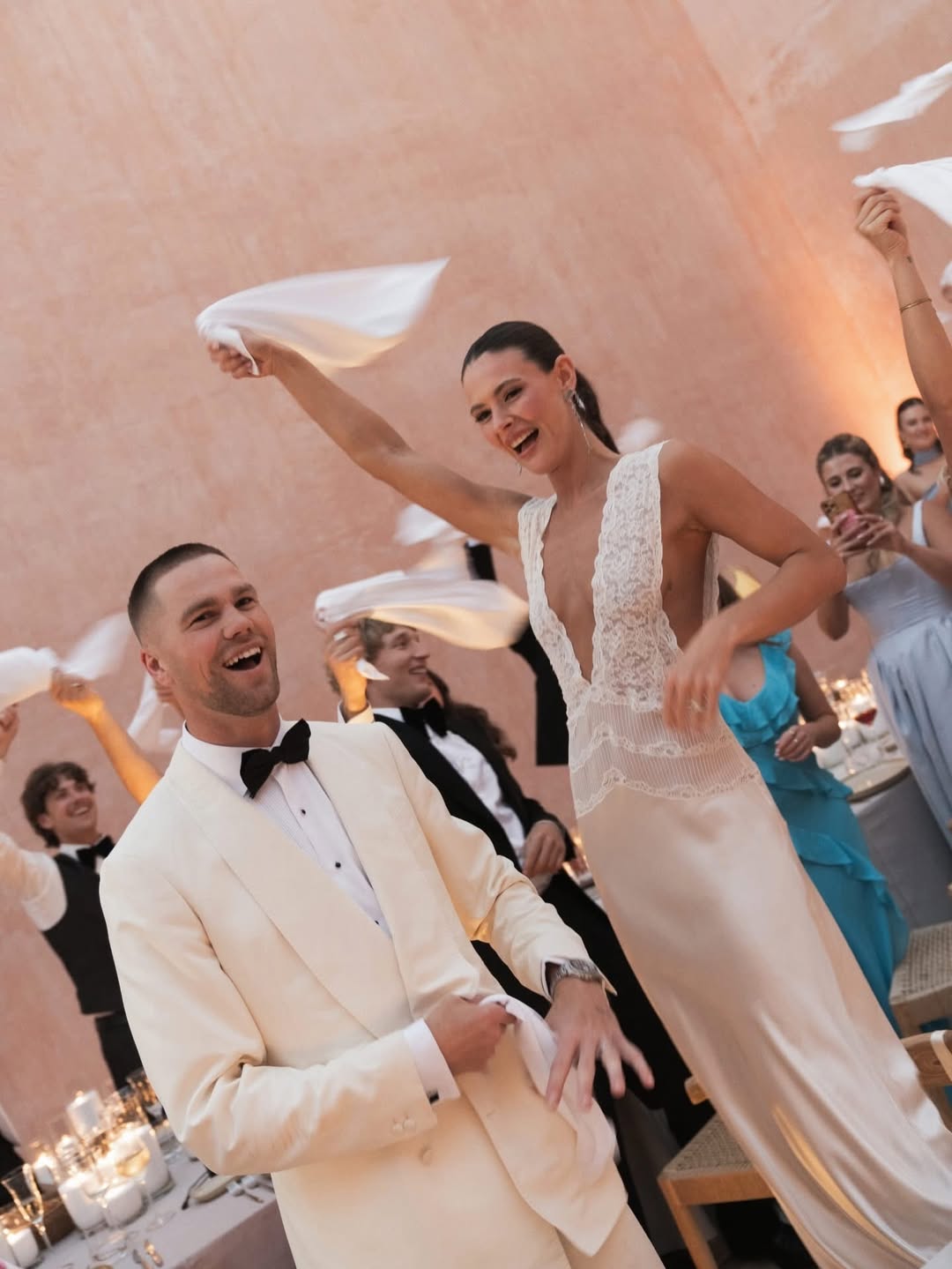
Family formals are necessary and meaningful, but if not managed properly, they can consume an extraordinary amount of time. The solution is to prepare in advance and not to rush.
Before your wedding day, send your photographer a written list of all the family group shots you want, in the order you want them taken. Group the shots logically, starting with all photos involving grandparents so they can be seated early. Large groups before small groups. Then take photos of the immediate family, and then the extended family.
A practical guide to timing:
- Allow 5–7 minutes per group
- For 10 groups, budget a minimum of 45–60 minutes
- Assign a family coordinator who knows everyone and can move people around efficiently
- Communicate the list to key family members in advance, so that nobody is searching for Uncle Marco at the critical moment
The family seating plan is one of the most valuable documents you will create during the entire wedding planning process. It sounds administrative. But it can save the day!
Reception Coverage — From First Dance to Last Song
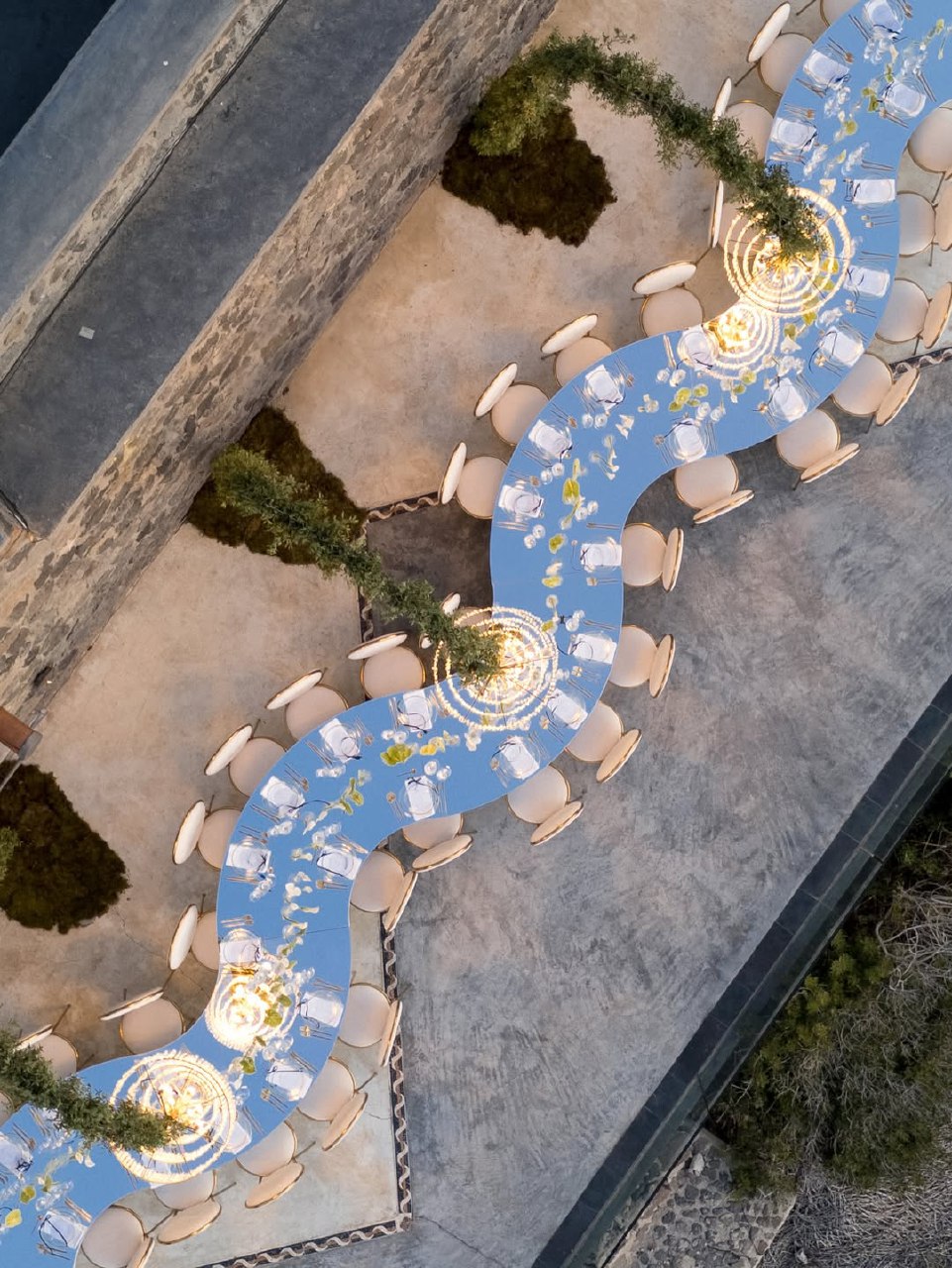
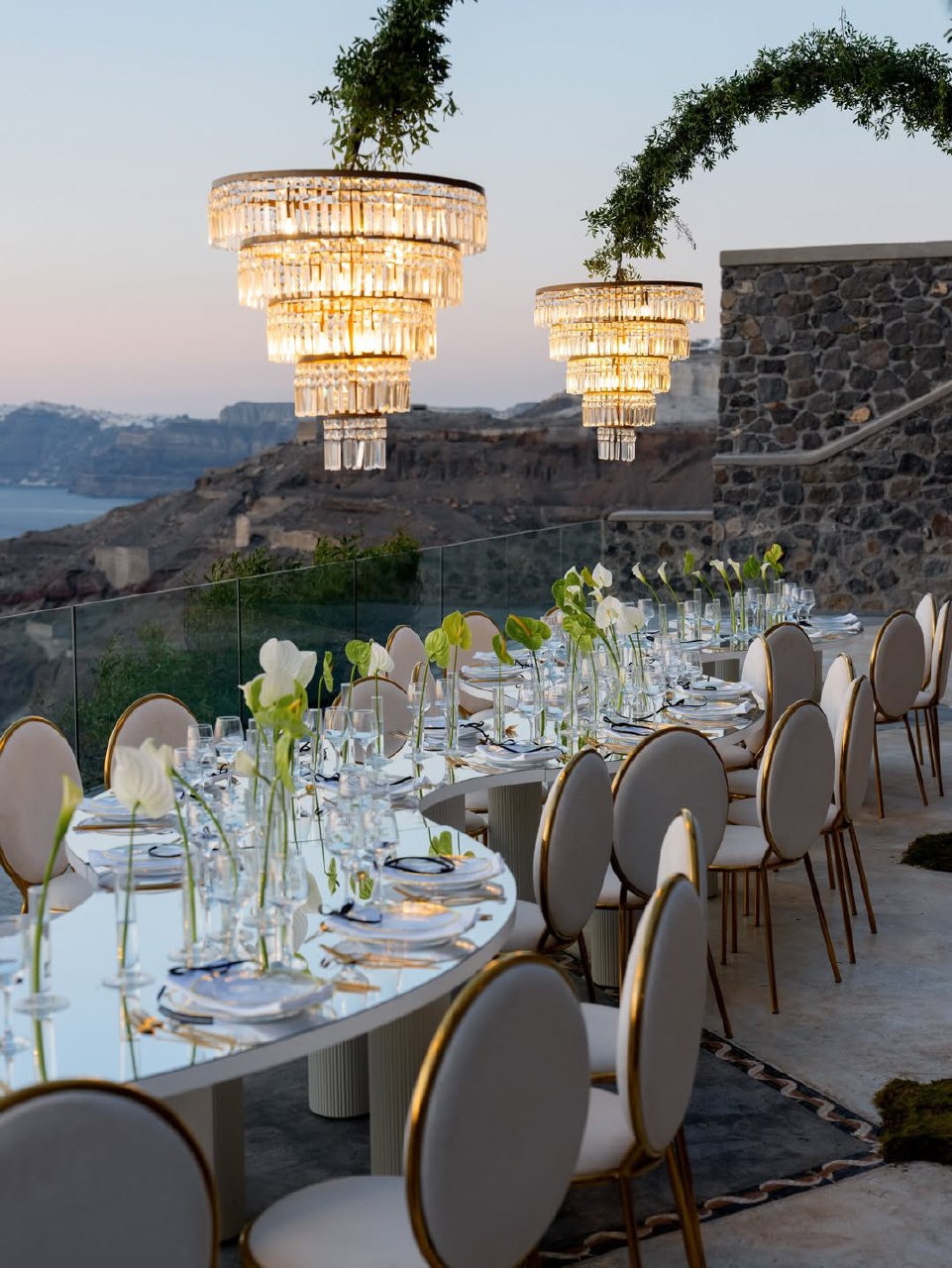
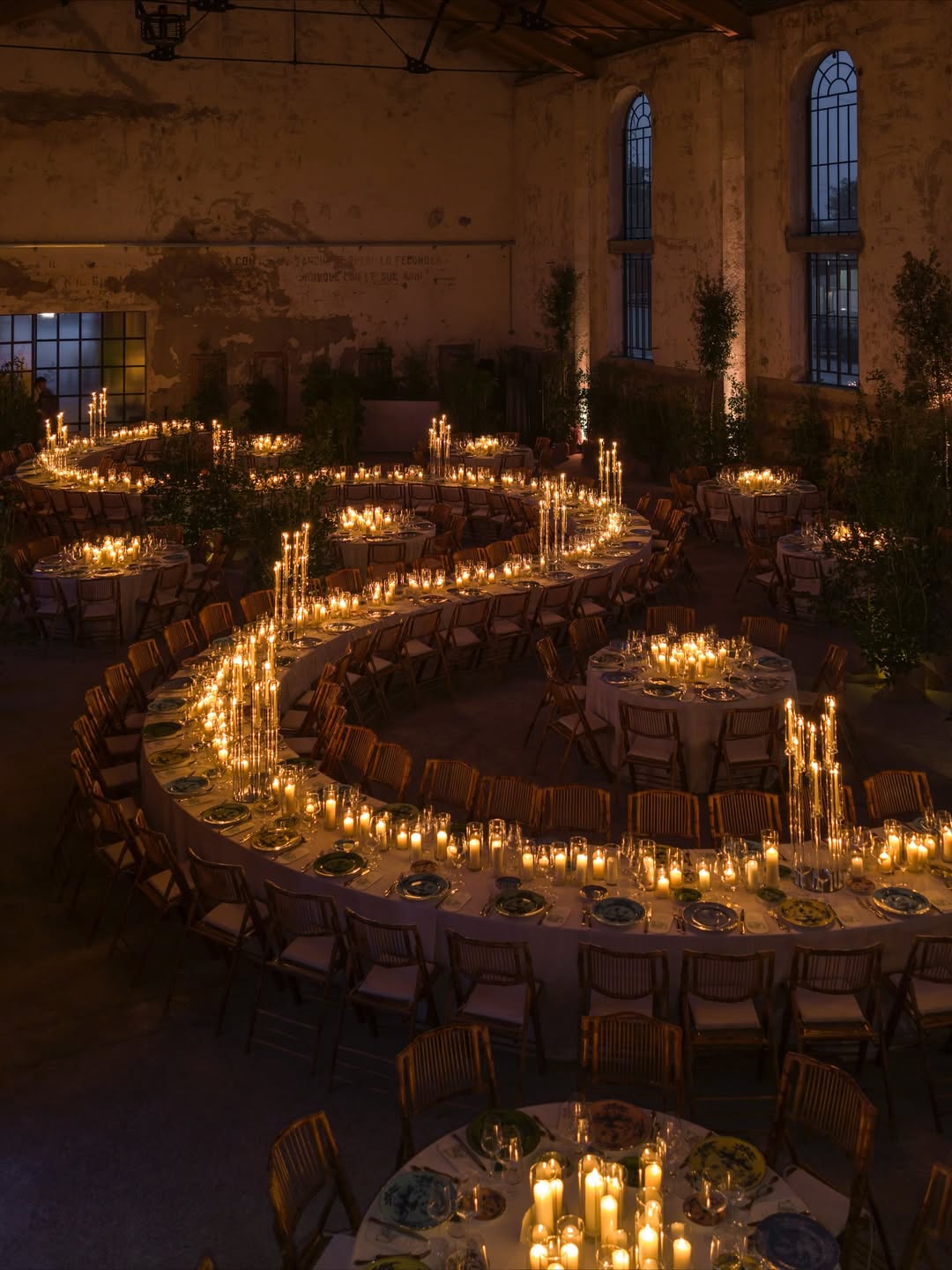
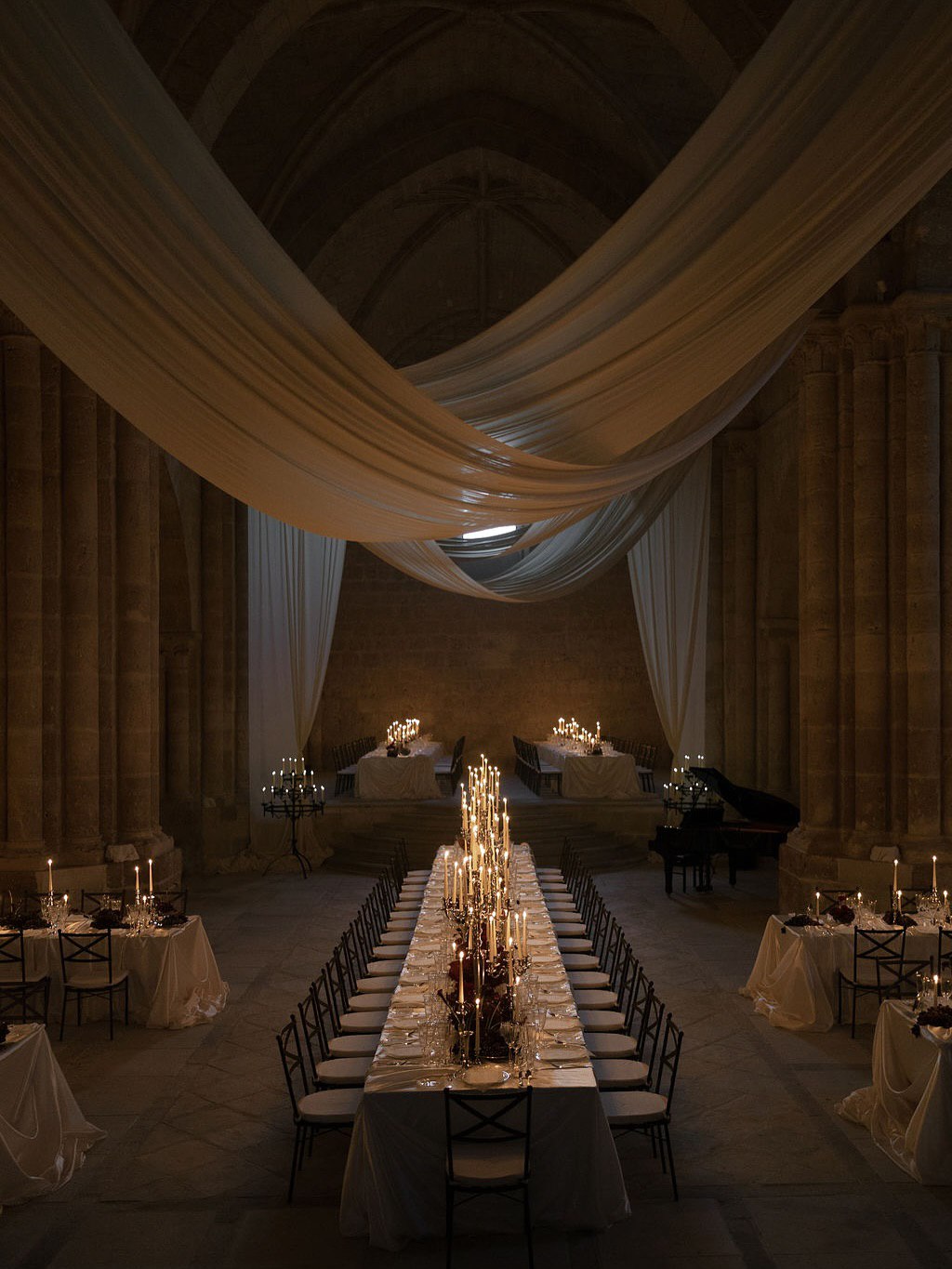
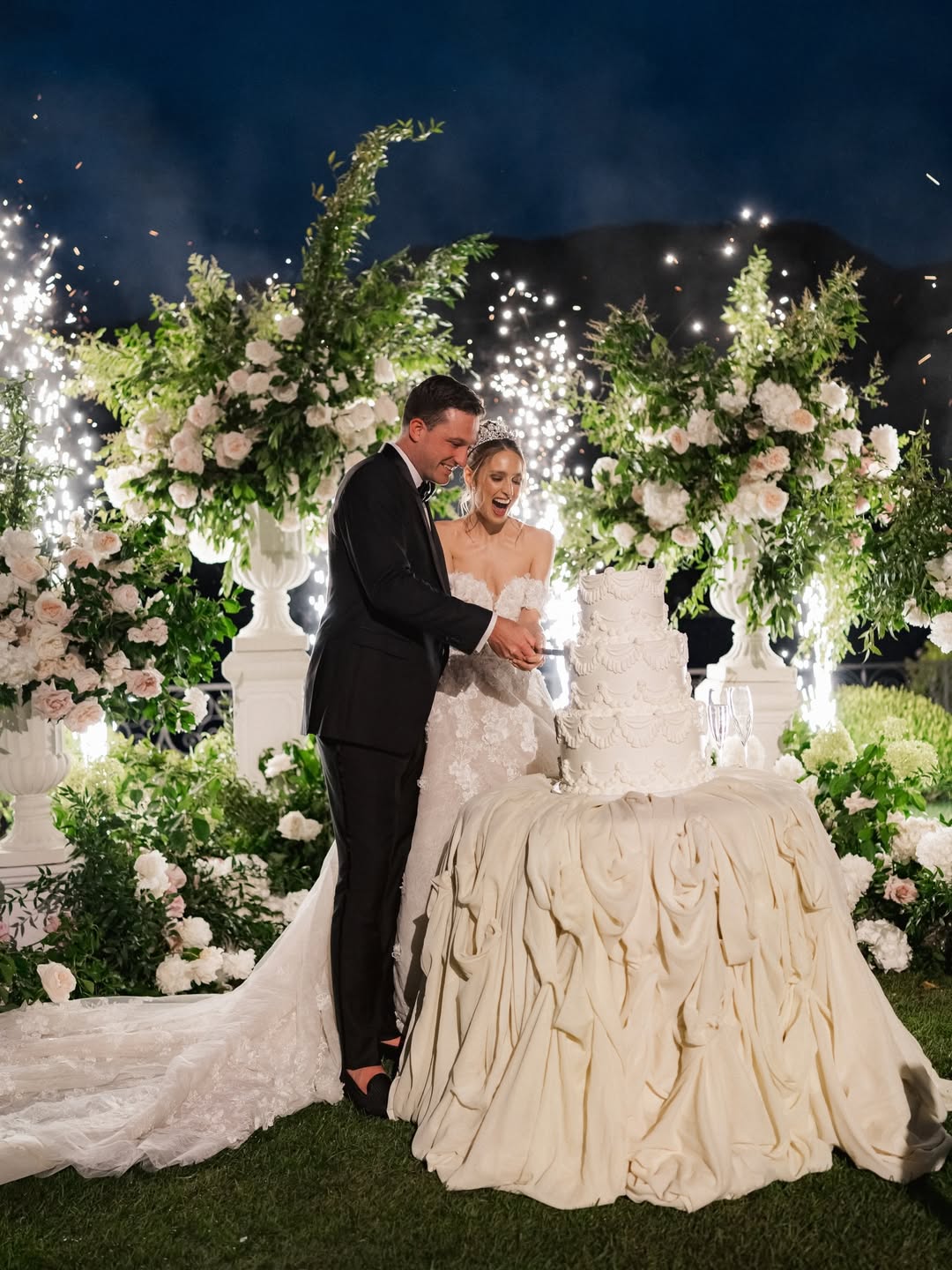
Documentary photography really comes into its own at the reception. The speeches, the first dance, cutting the cake, the parent dances and the moment the dance floor finally opens: these are the moments that capture the essence of your celebration.
Key Moments Your Photographer Needs to Capture
- Venue and table details before guests are seated
- Grand entrance
- First dance
- Parent dances
- Speeches and toasts — reactions as much as the speaker
- Cake cutting
- Open dancing — the energy, not just the moves
- Candid guest moments throughout
Brief your photographer on the schedule for the reception in advance. They need to know if there are any surprise performances, special toasts or unexpected moments planned. If a photographer is caught off guard, they will miss the setup, which is often the best part.
When to Let the Photographer Go
This is a question that most couples don't think to ask, but they should. Most full-day packages include 8-10 coverage hours. Once the dance floor is open and the formalities are over, the documentary value of any extra coverage decreases. Discuss your end-of-night plans with your photographer and establish whether extended coverage is necessary for your specific day.
Sample Wedding Day Timelines
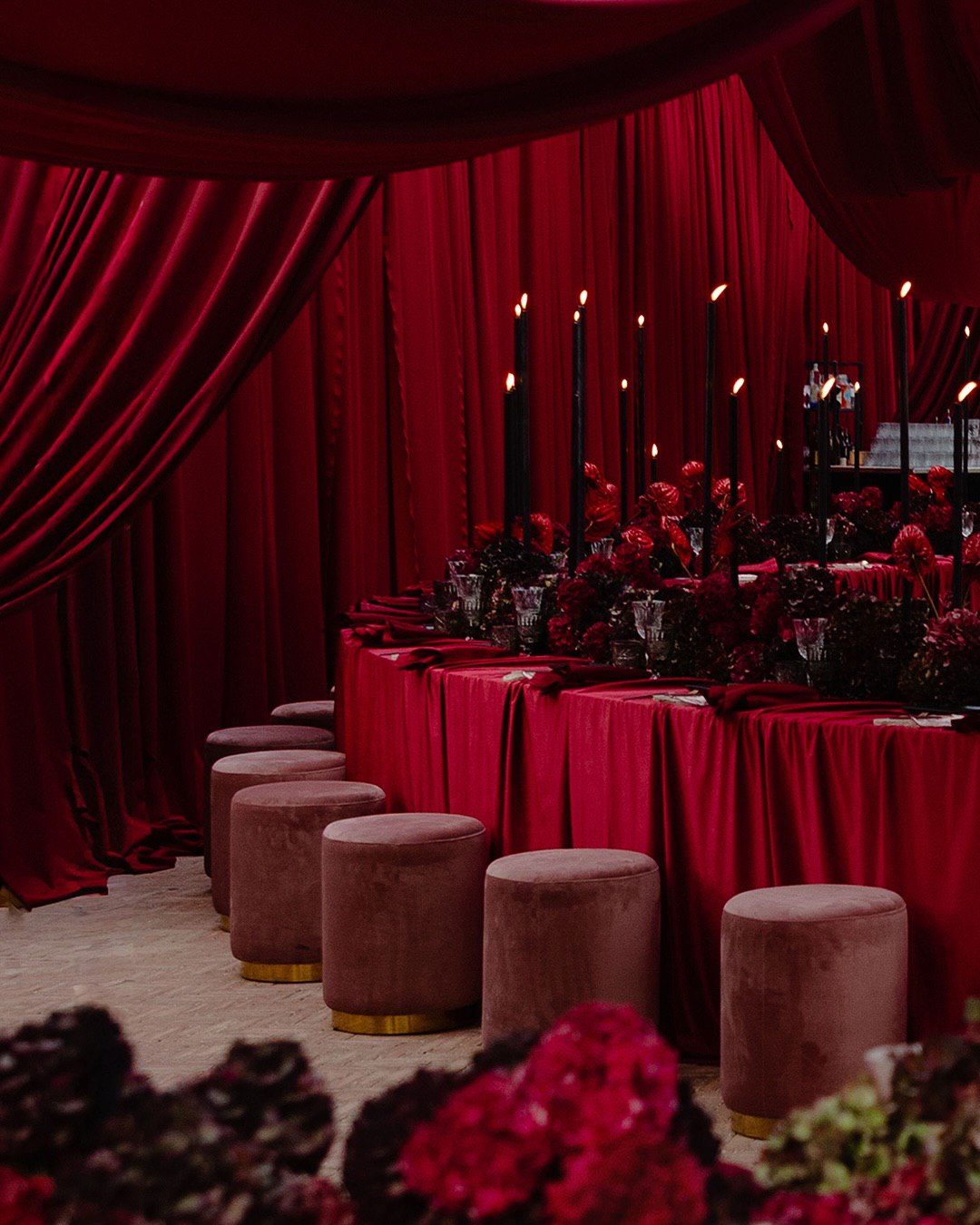
Although every celebration is different, having a sample wedding photography timeline to work from makes the planning process significantly easier. Below are three frameworks based on coverage length:
| Time | 4-Hour Timeline | 8-Hour Timeline | 10-Hour Timeline |
|---|---|---|---|
| 1:00 PM | — | Bride getting ready | Bride getting ready |
| 2:00 PM | — | Groom getting ready | Groom getting ready |
| 2:30 PM | Bride getting ready | First look & couple portraits | First look & couple portraits |
| 3:00 PM | — | Family formals | Family formals |
| 3:30 PM | Ceremony | Ceremony | Ceremony |
| 4:15 PM | Family formals | Cocktail hour coverage | Cocktail hour coverage |
| 4:45 PM | Couple portraits | Couple portraits / golden hour | Couple portraits |
| 5:30 PM | Reception begins | Reception begins | Golden hour portraits |
| 6:00 PM | First dance / speeches | First dance / speeches | Reception begins |
| 7:00 PM | Photographer departs | Open dancing | First dance / speeches |
| 8:00 PM | — | Photographer departs | Open dancing |
| 10:00 PM | — | — | Photographer departs |
A 4-hour photography package usually covers the preparations and the first hour of the reception, while a 10-hour wedding photography timeline gives you coverage of everything from the early preparations through to late-night dancing, with plenty of time at every stage.
A wedding photography timeline isn't restrictive — it makes everything else possible. It allows you to capture the light, take portraits, and enjoy unhurried moments with your loved ones. All of this depends on time being allocated thoughtfully and intentionally in advance. The difference between a wedding gallery you'll treasure and one that leaves you wanting more almost always comes down to planning, not luck or talent. Provide your photographer with the conditions to do their best work, and they will deliver.
If you're looking for a photographer who understands how to plan as well as how to shoot, browse our curated selection of wedding photographers on Wezoree.

FAQ
- What is a typical wedding photography timeline?
A full wedding day typically requires 8–10 hours of coverage, from getting ready to the first hour or two of open dancing. Shorter packages of four to six hours are ideal for intimate weddings or elopements, focusing on the ceremony and portraits.
- How do I create a timeline for my wedding photography?
Start with the time of the ceremony and work outwards in both directions. Factor in time for getting ready, traveling between locations, portrait sessions, family formals, and reception formalities. Share a draft with your photographer at least four to six weeks before the wedding — they will most likely suggest some adjustments based on their experience.
- How much time should I allow for couple portraits?
A minimum of 30 minutes, but ideally 45–60 minutes. If you want to take advantage of the golden hour, make sure you protect that time slot specifically — it's the hardest part of the schedule to recover once it's gone.
- Does the first look actually save time?
Yes - typically 30 to 45 minutes. A wedding photography timeline with no first look requires all couple portraits and most family formals to happen after the ceremony, which creates significant time pressure, especially if golden hour is a priority.
- What will happen if the timeline runs late?
It will. Build 10-15-minute buffers into every major transition: getting ready for the ceremony, the ceremony to the portraits, and the portraits to the reception. A timeline with no buffers will fall apart at the first delay.
- Should I share my timeline with all my vendors?
Yes, and not just with your photographer. This should include your planner, caterer, band or DJ, florist, and hair and makeup team. Misaligned vendor timelines are one of the most common and most preventable sources of wedding day stress, and it is important to be aware of this issue in order to avoid it.