How Much Should You Spend on an Engagement Ring


There is a certain kind of paralysis that occurs somewhere between the point at which one thinks they ought to begin and actually walking into a jewellery store. Different sources all give different advice. One friend follows the rule that you should spend no more than three months' salary. Another believes that rule is outdated nonsense. A jeweller's website states that the average is $5,200, alongside a diamond that costs four times that amount. At some stage while scrolling through the information, you begin to wonder whether there is a right answer that you simply haven't picked up on - a figure that everyone else knows and you don't.
There doesn't exist such a method, but there is a far clearer approach to deciding how much to spend on an engagement ring than the internet usually provides, and this approach begins with understanding the origins of the pressure surrounding this figure. The following points make no assumption as to whether a particular gender is the one buying or the one receiving - the mathematics and the pressure function in exactly the same way regardless of who is doing the shopping.
Find Your Perfect Wedding Vendors

Where the Whole "Rule" Even Came From
It's worth pausing to think about this for a moment since it alters the whole discussion: the notion that a ring should cost a fixed fraction of your salary wasn't a financial principle at all, it was an advertising slogan.
In the 1930s diamond sales had collapsed just as they did everywhere else because of the Great Depression. Since De Beers had a large stock of diamonds which no one was willing to buy, it needed the public to want them again - in particular it wanted engagement rings to stop seeming like an optional luxury and to instead appear as a necessary sign of commitment. The company's answer was a now-famous advertising campaign based on one concept: a diamond, and therefore the money spent on it, was 'forever'. The initial amount recommended for spending was one month's salary. Over the decades, despite never having added any real financial justification, that figure had gradually doubled and then tripled - all thanks simply to repetition, until it began to sound more like a tradition than a marketing strategy.
Therefore, if you're trying to decidehow much I should spend on an engagement ring, you should realize that you're not going against a long-established custom; rather, you're choosing to abandon a strategy which a diamond company came up with more than one hundred years ago in order to get rid of unsold stock, a strategy which has somehow survived all the other advertising campaigns from that period simply because of continuous cultural reinforcement.
What People Are Actually Spending in 2026
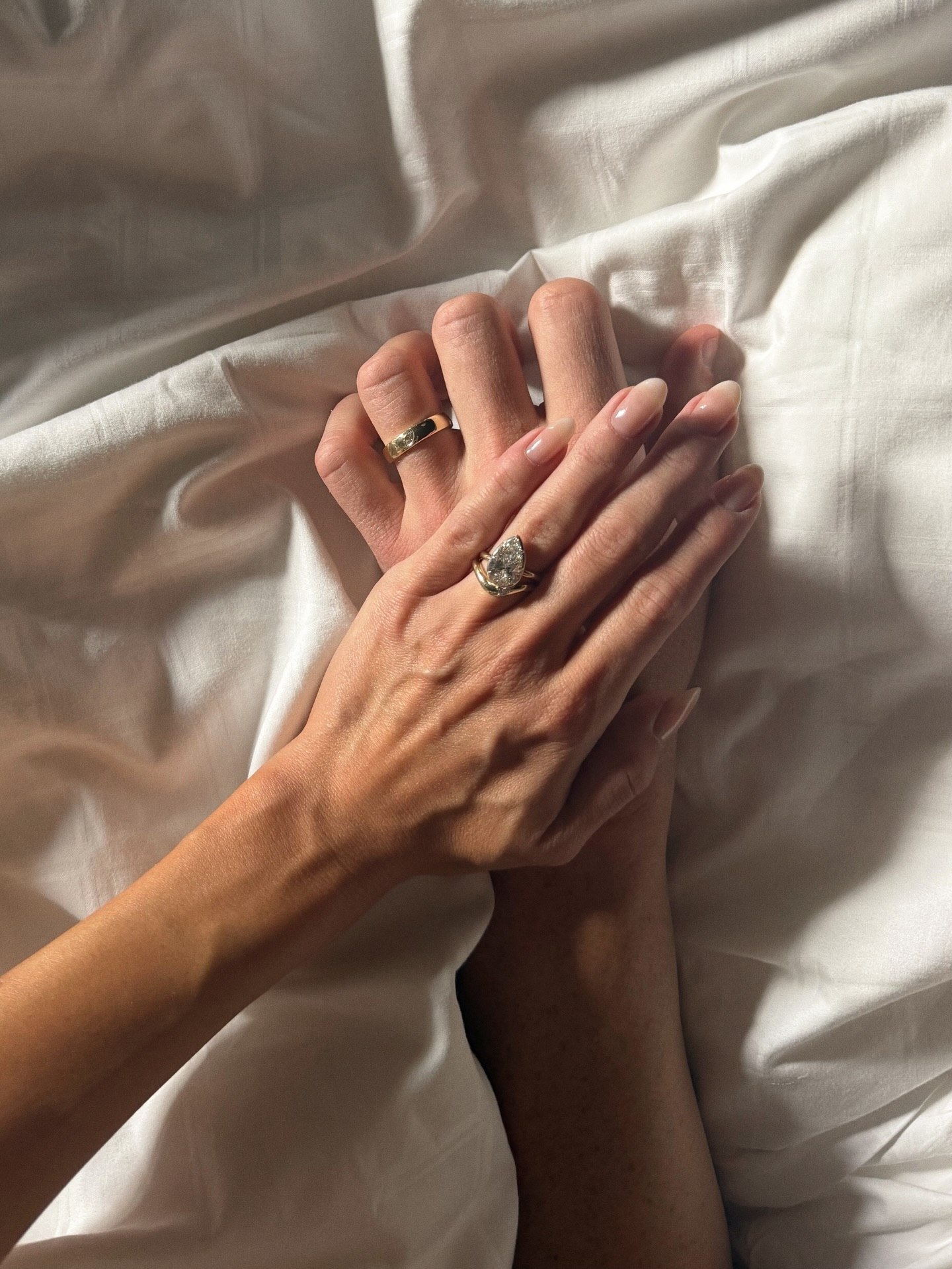
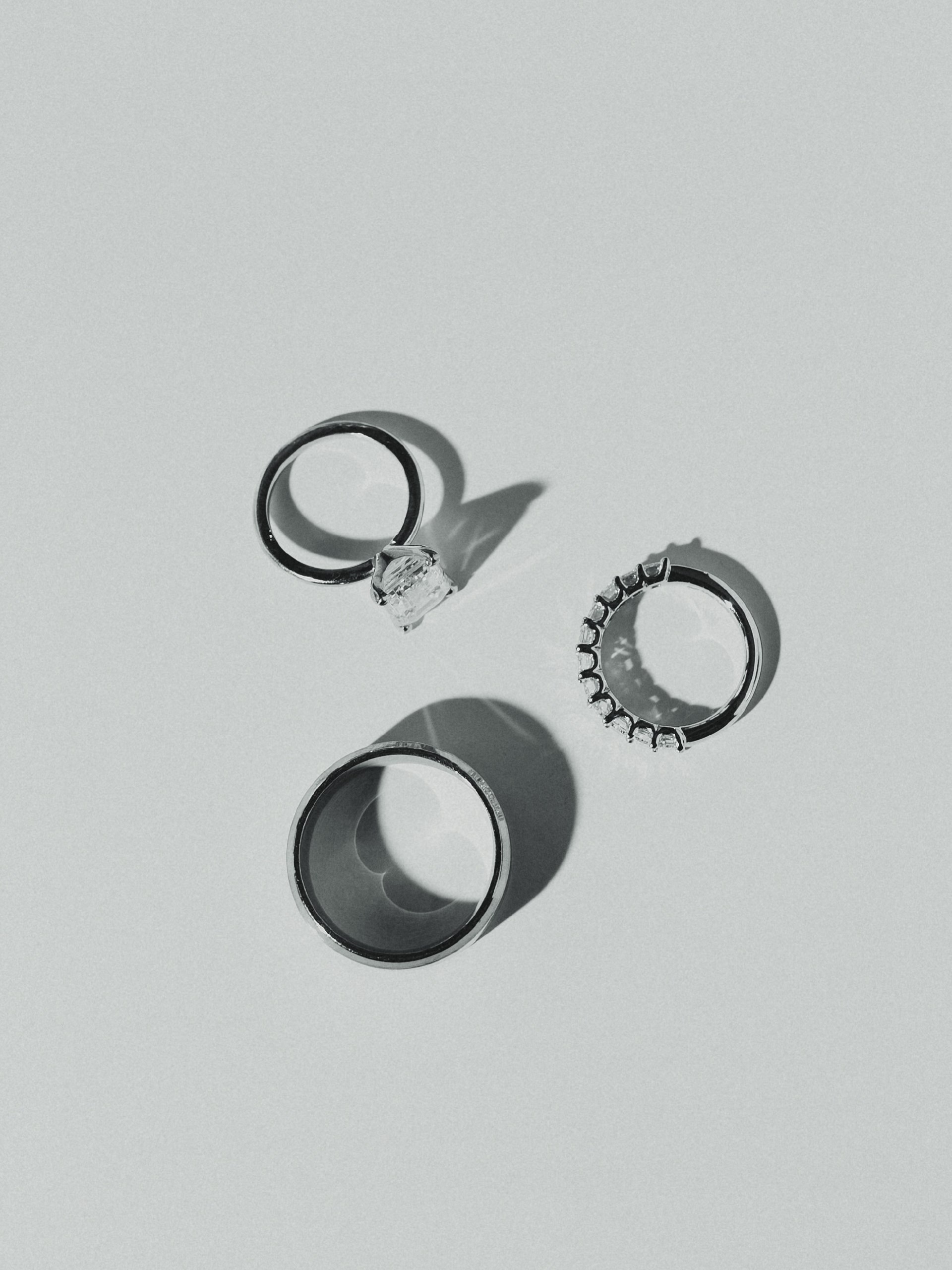
If we put the marketing figures aside, the actual figures tell a more interesting story than any one 'average' could show; the national amount spent on an engagement ring varies between $5,200 and $6,500 according to the industry study you refer to, but that range fails to reflect much of the activity going on beneath it.
Begin by looking at the way spending is actually distributed. About two-thirds of couples spend less than $6,000 and one-third spend less than $3,000; only about one in eight couples reach the five-figure amount. It follows that the 'average' is being pushed upwards by a relatively small number of heavy spenders and therefore most people's real budgets are well below the figure that a bridal blog says is typical.
Then there's the diamond-type divide, which has widened considerably in the past couple of years:
| Category | Typical Range (2026) |
|---|---|
| National average, all rings | $5,200 – $6,500 |
| Natural diamond rings | $7,300 – $10,800 |
| Lab-grown diamond rings | $4,300 – $5,200 |
| Non-diamond gemstone rings | ~$9,400 |
The two market changes currently account for a great deal of this trend. Gold prices have risen by over 70% since early 2025, which sets a minimum price for any ring made with actual gold or platinum, no matter what stone it contains. Meanwhile, the prices of lab-grown diamonds have fallen by about 40% over the same period - this is one of the reasons why more than 60% of the engagement rings sold today have a lab-grown central stone, a proportion that would have seemed almost impossible a decade ago.
Geography Still Has an Impact - Just Not in the Way Most People Think
Couples in Washington State spend, on average, about $10,100 on a wedding ring, while those in California spend nearly $9,500. However, when you look beyond the U.S. borders, the amounts vary considerably. Both the United States and Hong Kong are near the top of the global market, with typical expenditures ranging from $5,000 to $7,000. Couples in Pakistan, Bangladesh, and Nepal usually spend between $300 and $800 - this is not a sign of a smaller commitment, but rather reflects the different economic conditions and traditions regarding what the ring is meant to represent. In Ireland, the question of diamonds is almost entirely avoided: many couples there still opt for the traditional Claddagh ring, which features two hands holding a crowned heart, and this type of ring usually costs between $1,500 and $3,500.
Natural vs. Lab-Grown: The Decision That Actually Shapes Your Budget
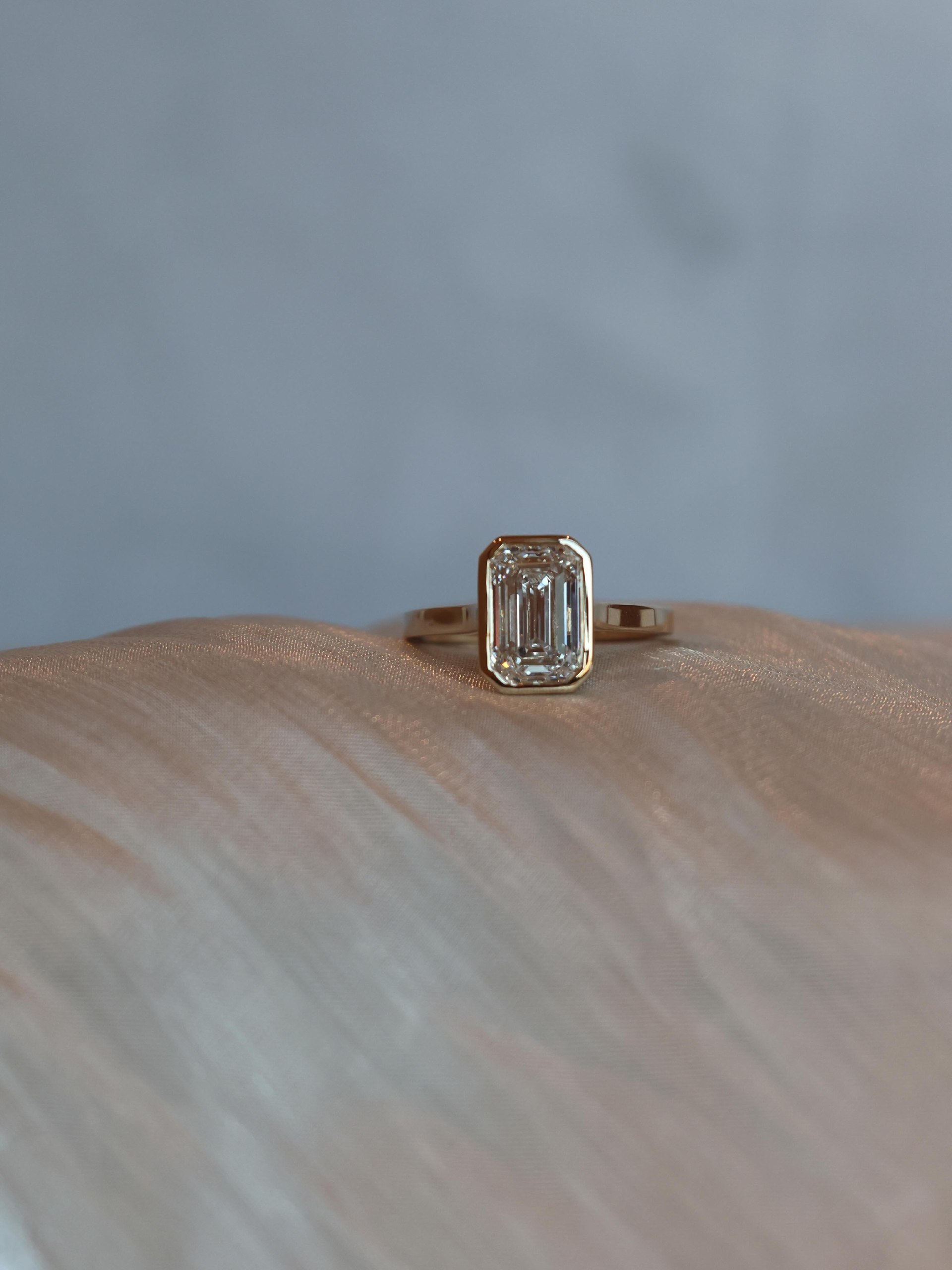
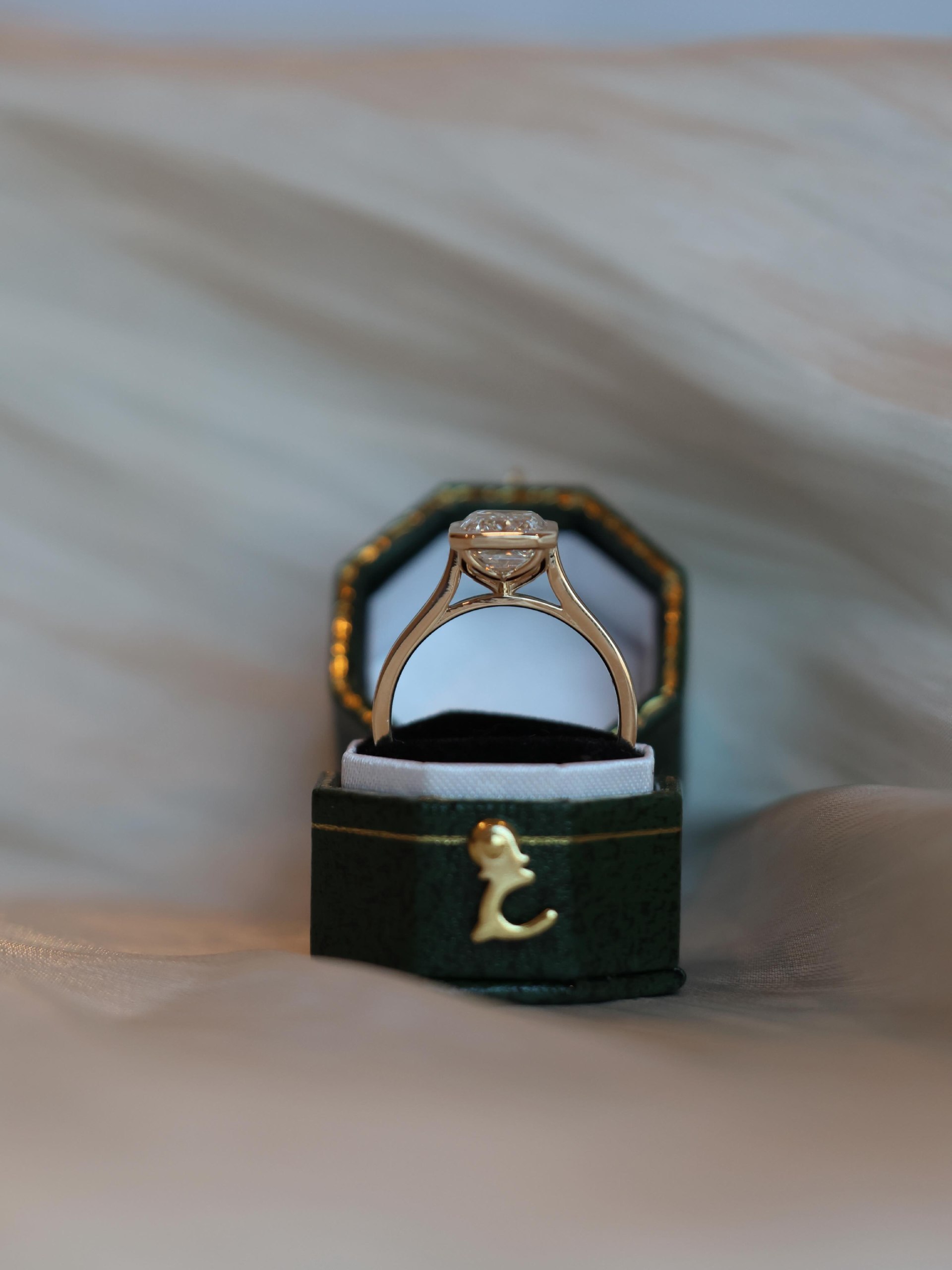
The single decision you can make to have the greatest effect on your final figure is this one, and it should be stated clearly from the beginning: there is no "better" answer in this case, only the one that corresponds with the way you personally consider the ring.
A natural diamond has with it a period of geological time. It took the Earth over a billion years to form, and for many people that history is the very thing that matters - it's a stone which existed long before either of you did, one that has been mined and cut rather than grown. In contrast, a lab-grown diamond is chemically and structurally the same as a natural one: it has the same hardness, the same fire, and the same sparkle when seen in the same light - the only difference being that it is produced in weeks not eons and nothing is taken from the ground. Neither option is more "real", and neither represents a downgrade; they are simply two different things that one might value, and 2026 is the first year when both have truly become equally easy to shop for together.
What actually shifts is what your money buys at each end of that choice:
| Natural Diamond | Lab-Grown Diamond | |
|---|---|---|
| 2-carat stone, comparable quality | ~$16,000 – $17,500 | ~$3,500 – $7,500 |
| At an identical budget | Noticeably smaller stone | Noticeably larger stone |
| What the price reflects | Rarity, geological age, resale history | Size, clarity, and design flexibility per dollar |
To put it plainly, if you want a natural stone you'll usually end up with a diamond that is visibly smaller for the same price, whereas if you're willing to consider lab-grown stones you can get a much larger one at a similar cost. In neither case are people being extravagant or sacrificing quality - they're simply preferring to trade off size for origin, and by 2026 the market has become sufficiently mature so that both options result in truly beautiful rings.

So, What's the Actual Number for You?
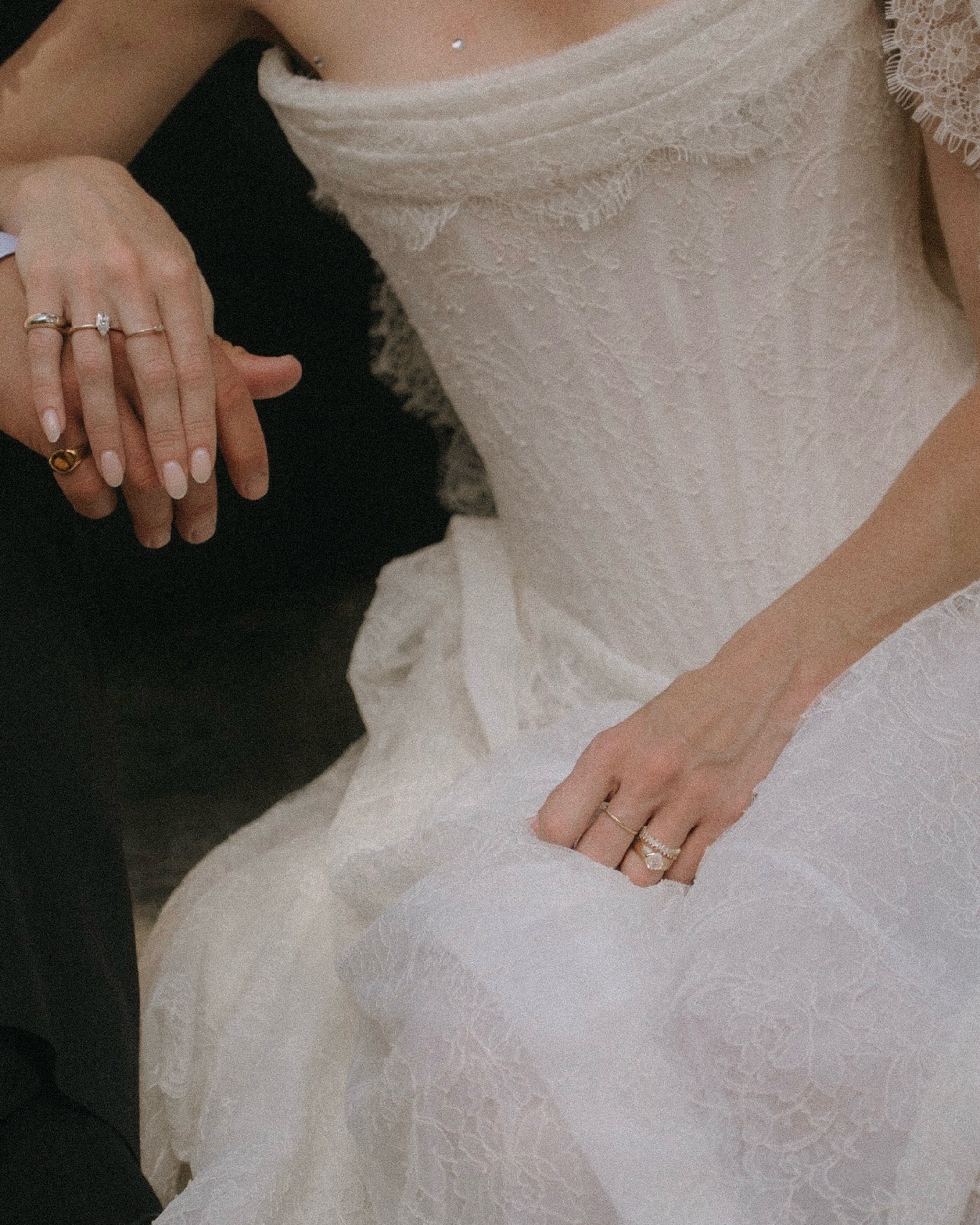
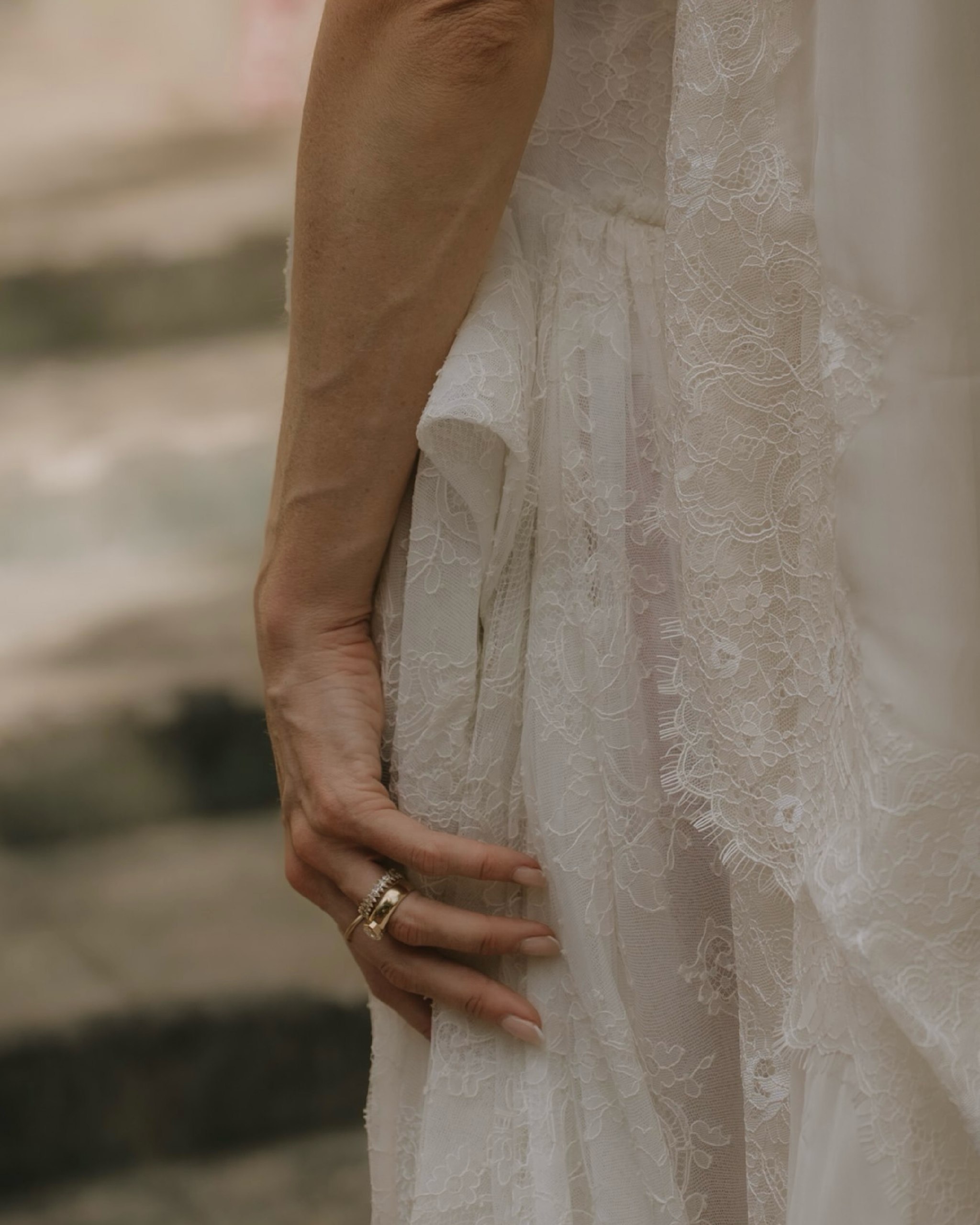
If you get rid of the advertising history and the country-by-country averages, how much you should spend on an engagement ring turns out to be based on a much shorter list of questions than the internet suggests - questions that are worth actually sitting down and answering together or on your own before you go into a store.
Start here:
- How much could you spend today without using money that has been set aside for some other purpose - such as a down payment on a house, the wedding itself, or an emergency fund you wouldn't want to draw from?
- Would your partner really take an interest in the carat weight and the cut, or would they prefer to have a smaller stone and use the difference on the honeymoon or the first year's rent?
- Would it be better to pay the full amount today or are you content to arrange financing for part of it - and if you choose that option, have you really calculated the cost of the interest?
- Should this ring be the final one, or would one of you actually be happy with an upgrade to the setting or the central stone some years from now?
There is no formula which can take the various answers and produce one absolutely correct figure, and that is the whole idea - there had never been meant to be such a thing. A ring that costs $1,800 and is paid for in full generally gets a marriage off to a much better start than one that costs $8,000 and has a balance to carry over into the first year.
The Small Decisions That Quietly Inflate the Price
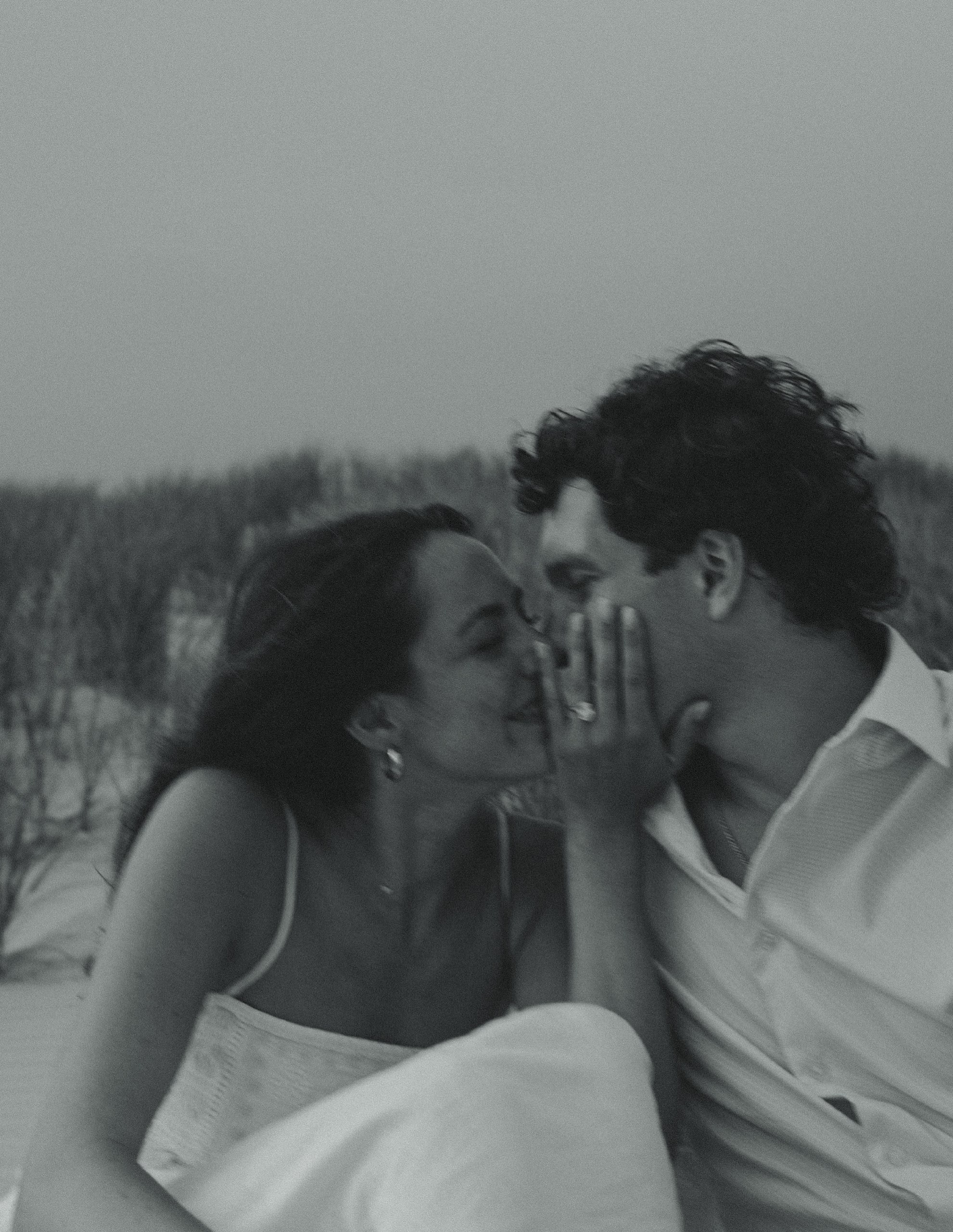
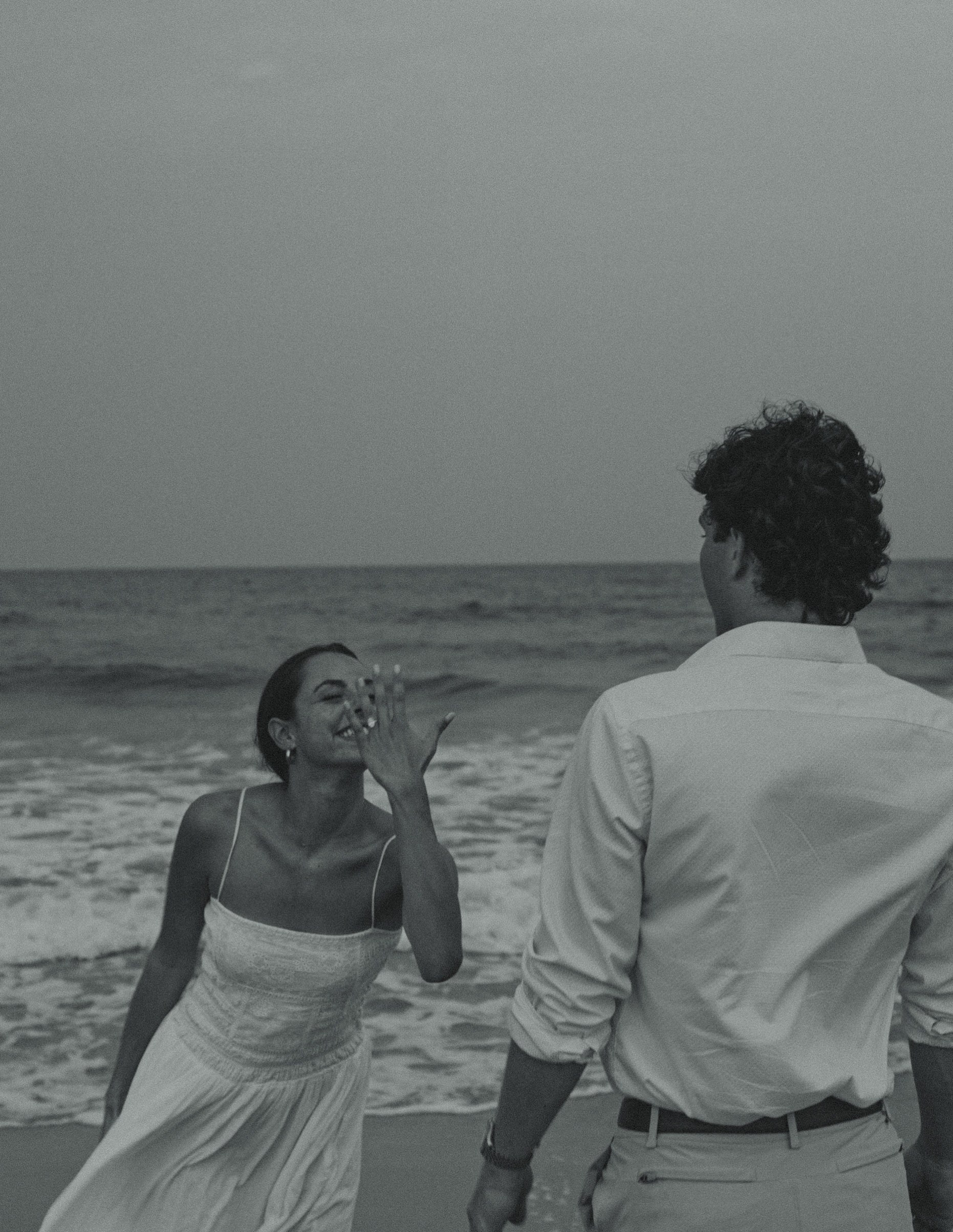
A rather large portion of the money people spend on a ring goes to various details which no one would ever notice when looking at the final product - not the size or the sparkle, merely the figures on the certificate or the receipt.
Consider a few of the more common ones:
- Whole-carat pricing. The price of diamonds rises disproportionately at each whole carat level - a 1.8-carat stone is meaningfully cheaper than a 2-carat one, even though almost no one could tell the two apart when looking at them. This is known as 'buying shy', which involves purchasing just below the next round figure and can thus save a real percentage of the price without altering how the ring appears on the finger.
- Color grade over-precision. Although diamonds are rated from D to Z in terms of color, those rated D up to about H appear essentially colorless to the unaided eye, particularly when set in yellow or rose gold. The extra cost of going from an H grade to a D is usually just the cost of a figure on the laboratory certificate, rather than any noticeable difference.
- Metal choice by default. When platinum and white gold are compared side by side, they look very similar, but platinum is much more expensive since it is rarer and more durable by nature. The extra cost is justified if you want a setting that never needs replating; it is less justified if you would have been happy to replate a white gold ring every few years anyway at a much lower cost.
- The costs that show up after the receipt. Include insurance, professional appraisals, occasional resizing, and regular prong maintenance, all of which accumulate gradually over time and are almost never factored in when people give the figure they call "what the ring cost." Although each of these costs, in itself, doesn't exceed the budget, together they often make the amount that seemed acceptable at the time of checkout feel much tighter a year later.
The One Study Worth Knowing (And Why It's Actually Reassuring)
This is a truly odd piece of data, and one that you should keep in mind the next time someone suggests that your ring should be larger: a study widely referenced and carried out at Emory University examined thousands of marriages and discovered that the amount spent on an engagement ring did not forecast a longer marriage. In certain spending ranges, it in fact showed a higher chance of eventual divorce.
It is reasonable to point out that this refers only to correlation, not to causation, and the researchers themselves are careful to make that distinction - the relationship isn't even a straightforward straight line, and many other factors are clearly more important in determining how well marriages actually last. Nevertheless, the straightforward conclusion remains valid after taking these reservations into account: no one has ever discovered a real and significant connection between the size of a diamond and the strength of what is below it. In fact, the data tends to go in the opposite direction.
If the amount that seems right for the two of you is less than the figure that a bridal magazine considers to be the standard, then you don't have to give anyone an explanation for that. How much should I spend on an engagement ring? It has only one audience whose opinion actually counts here - the two people who are getting married - and all the rest is just noise dressed up as tradition.
Are you going to carry on? The Wezoree Inspiration section has even more to offer from this point on - this season's trends regarding engagement rings, real proposal stories from actual couples, and all the things you should consider before you make your own proposal.

FAQ
How much should you spend on an engagement ring if you're working with a tight budget?
There is no minimum amount below which a ring ceases to count. Many couples do spend between $1,000 and $2,000 on a nice lab-grown or smaller natural stone and afterwards never give it a second thought. More important than the amount is whether the purchase caused financial strain - a small ring bought in cash generally gets a marriage off to a much better start than one that is bought larger and on credit.
How much of your salary should you spend on an engagement ring?
The rule of "three months' salary" is not genuine financial advice; it is an advertising slogan from decades ago with no connection to personal finance. A more practical method is to consider your real monthly budget, your current debts, and your savings objectives, and then go backward to arrive at a figure which you could pay off in a few months without affecting any of these.
How much do nice engagement rings cost in 2026?
You no longer need a budget of five figures to get a ring that looks really nice. Rings made with lab-grown diamonds have an average price of $4,300 to $5,200 and can appear identical to a natural stone which costs three to four times as much. Moreover, when it comes to the $2,000 to $3,000 range, a good setting combined with a slightly smaller stone can look just as well polished as one that is much more expensive.
What should I pay for an engagement ring if I specifically want a natural diamond?
Natural diamond rings run notably higher than lab-grown on average - typically $7,300 to $10,800 - with the price gap widening sharply at larger carat weights. If natural origin genuinely matters to you, expect that priority to translate into a smaller stone or simpler setting if you want to stay near the same overall budget as a comparable lab-grown ring.
How much should I spend on an engagement ring if my partner doesn't care much about diamonds?
Plenty of people would rather have a colored gemstone, a vintage or inherited piece, or a fully custom design over a traditional diamond solitaire - and none of those routes require anything close to the "average" spend. A meaningful, personal ring and an expensive one were never actually the same category, and the right number is simply whatever gets you to the former.