What To Wear To A Wedding
- Author: Natali Grace Levine
- Reading time: 6 min 18 sec
- Publication date: 05/15/2026
- Updated: 06/01/2026


Knowing what to wear to a wedding might seem straightforward, but when the big day is only three days away, and you're standing in front of your wardrobe completely clueless, it can seem like a real challenge. Is it too formal? Too casual? Is it too much? Not enough? The anxiety is real and universal. The good news is that 2026 is arguably the best year in recent memory to be a wedding guest. The trends are genuinely diverse, the rules are more relaxed than ever before, and there is an outfit to suit every body type, venue, and dress code. Whether you're looking for fashion-forward wedding outfits or simply want to get it right without overthinking it, this guide has you covered.
Find Your Perfect Wedding Vendors


Pastel Tones
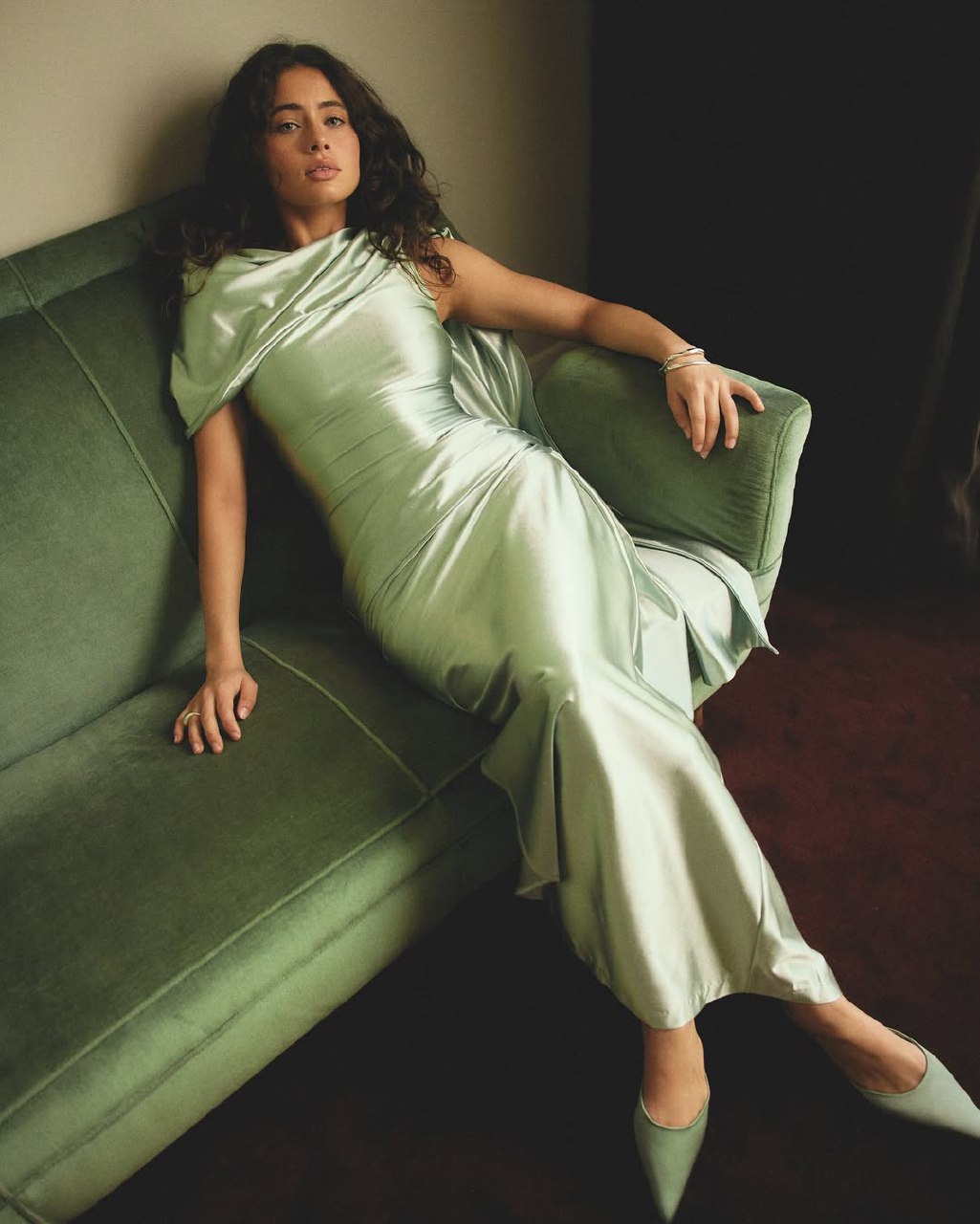
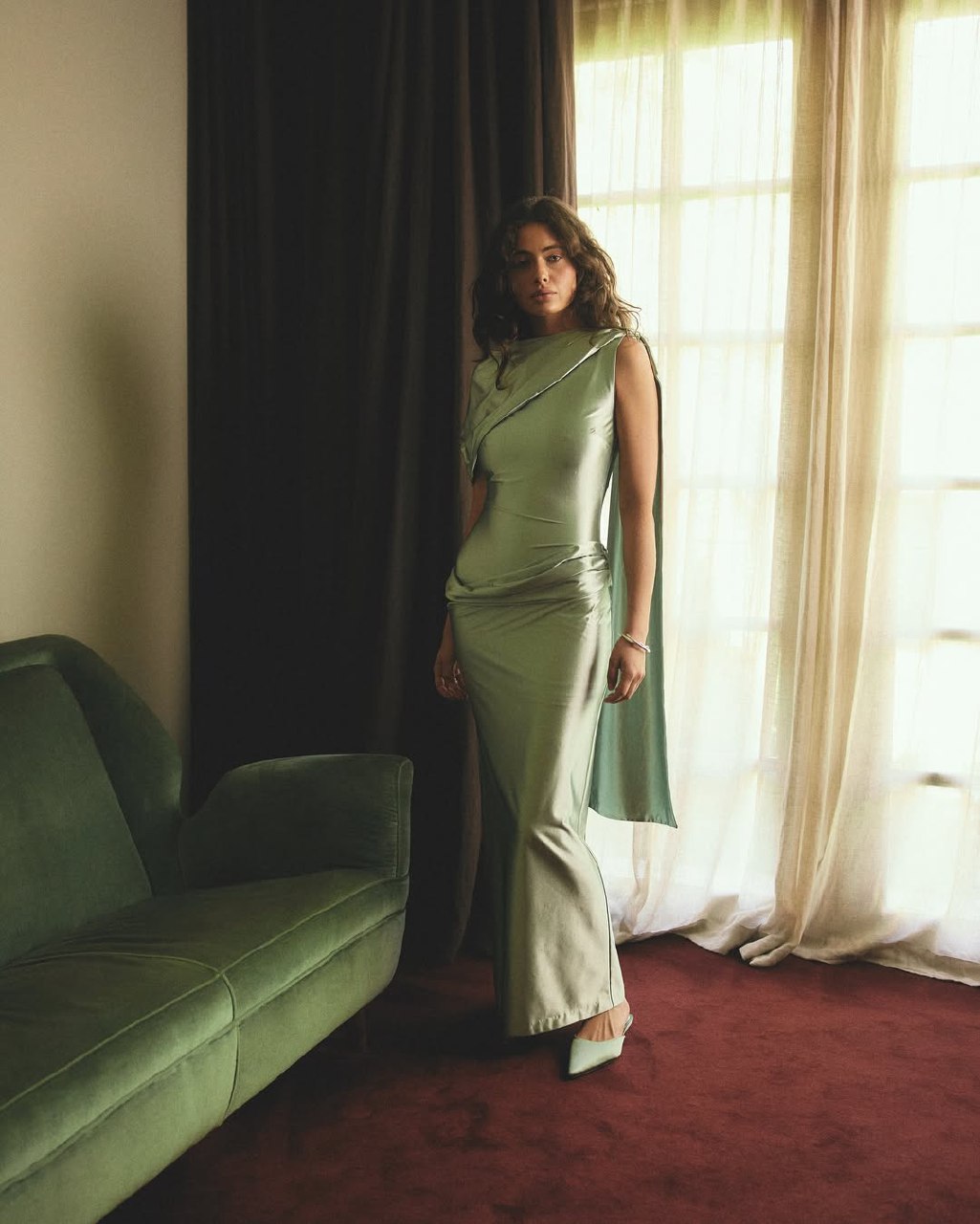
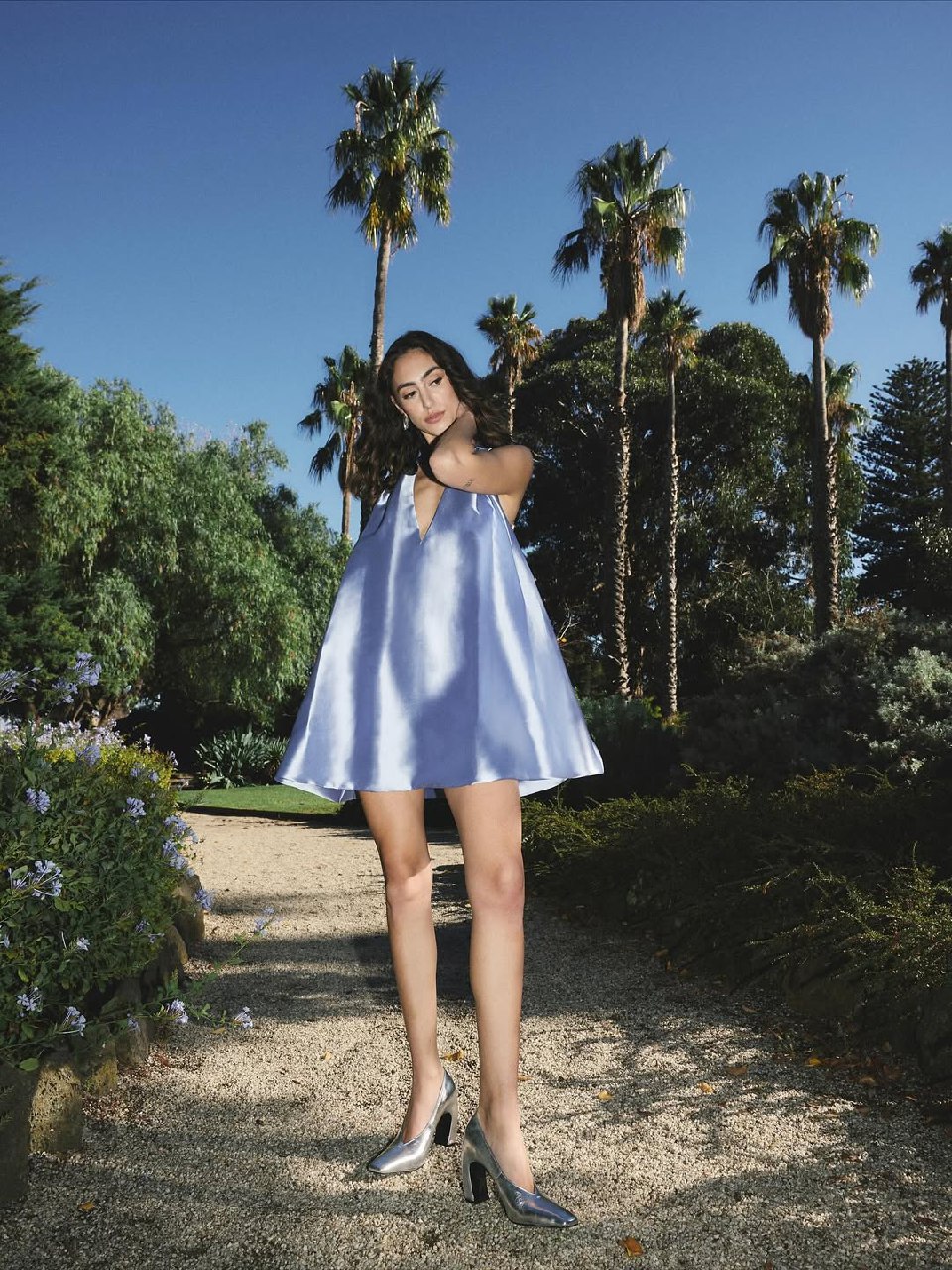
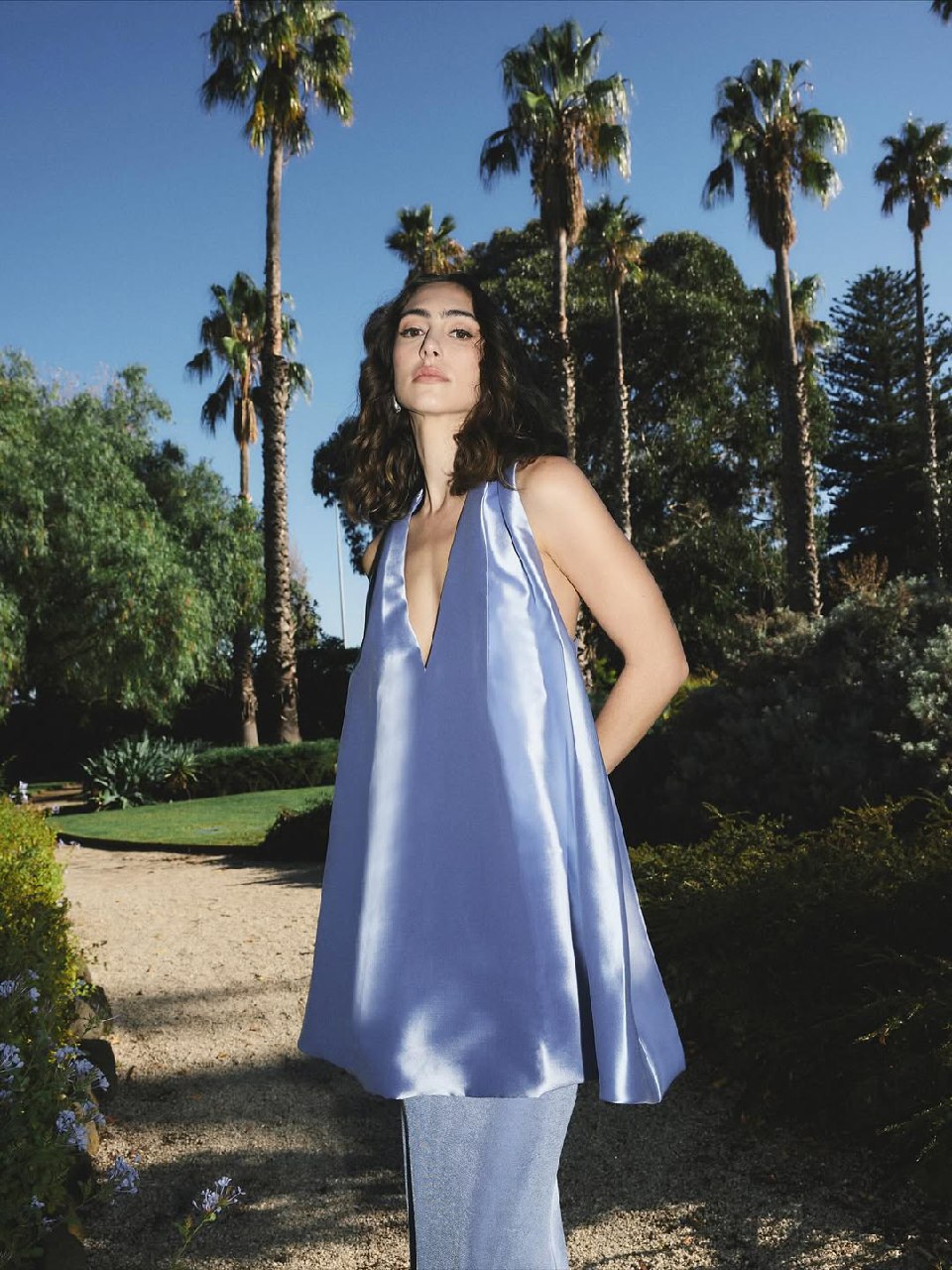
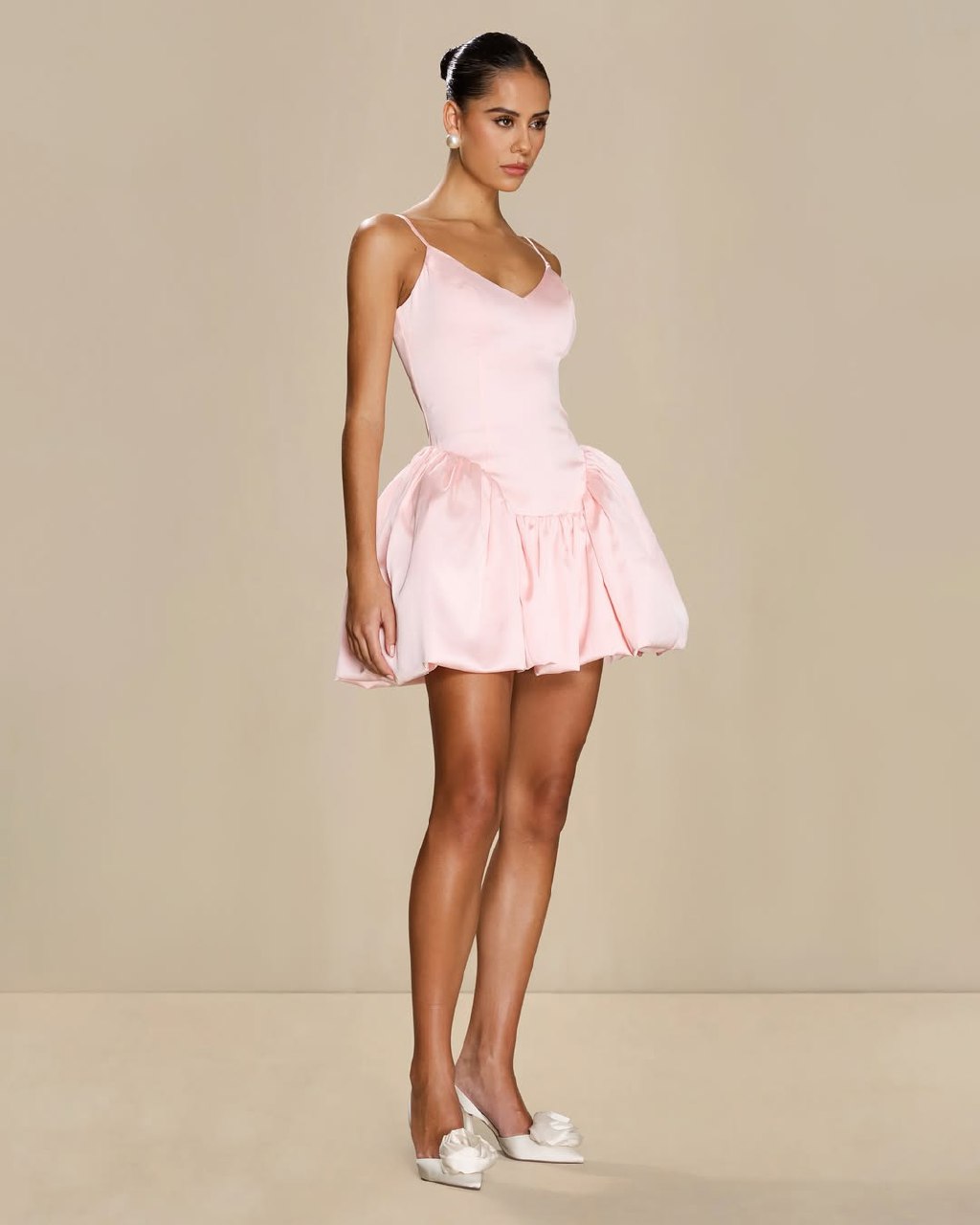
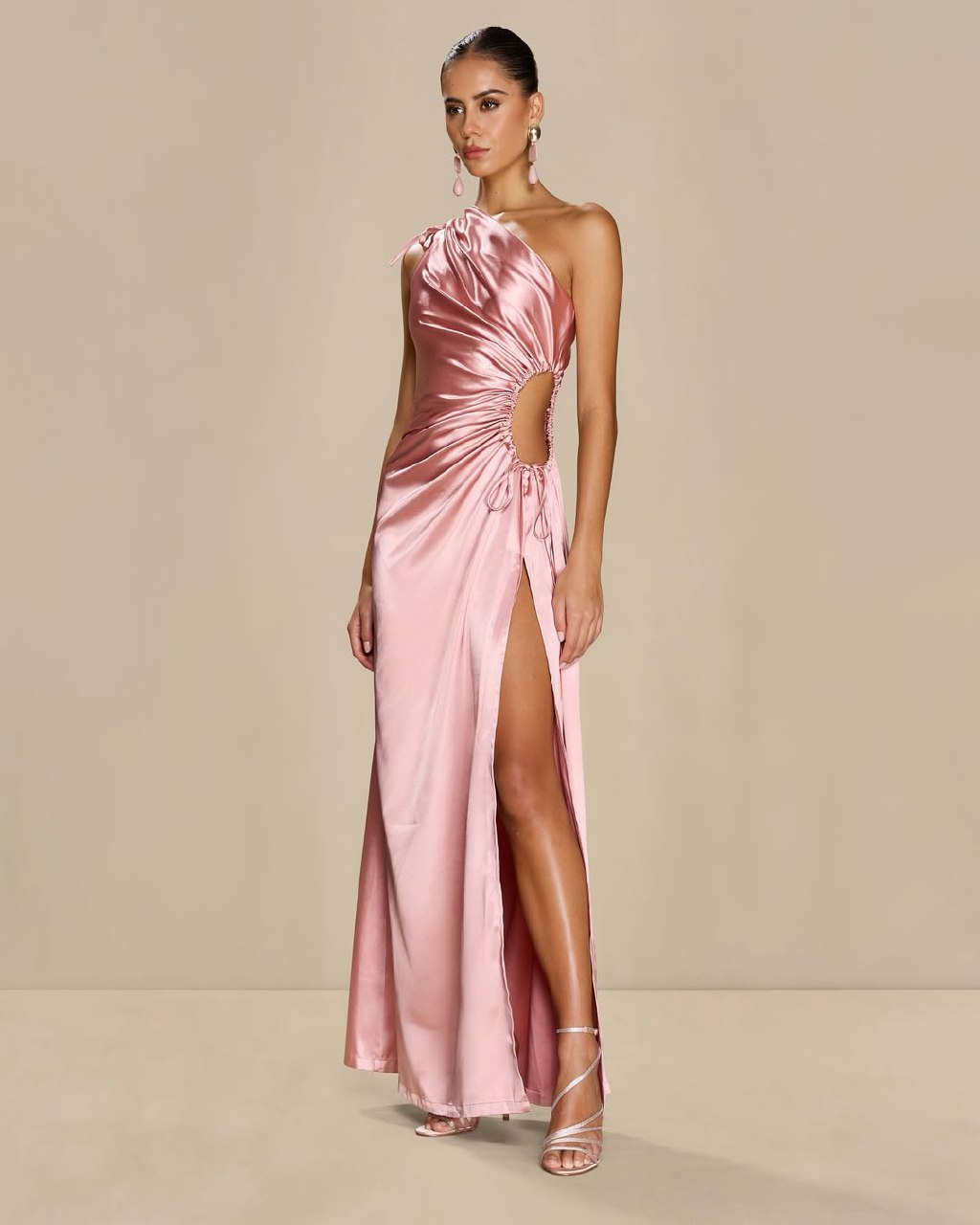
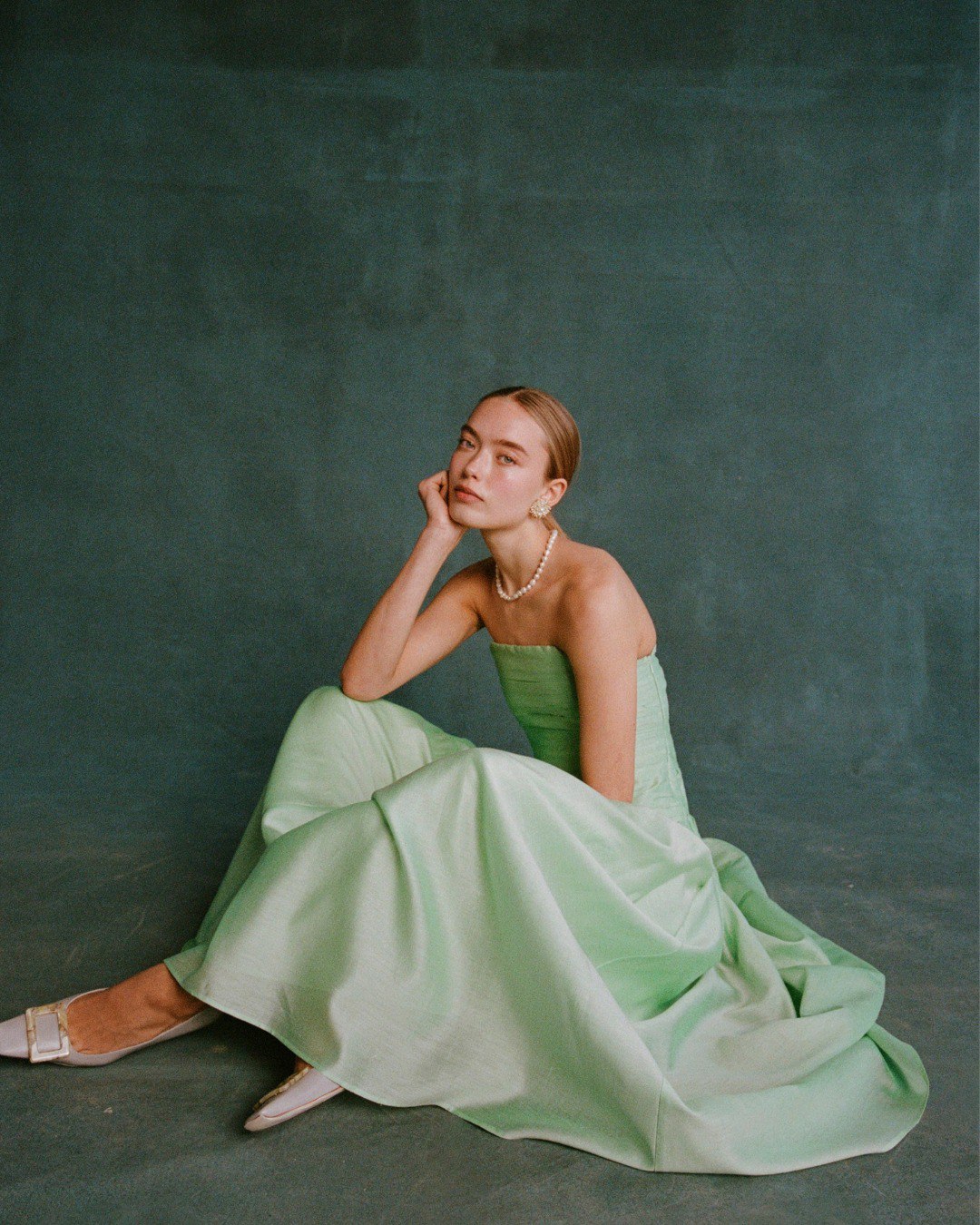
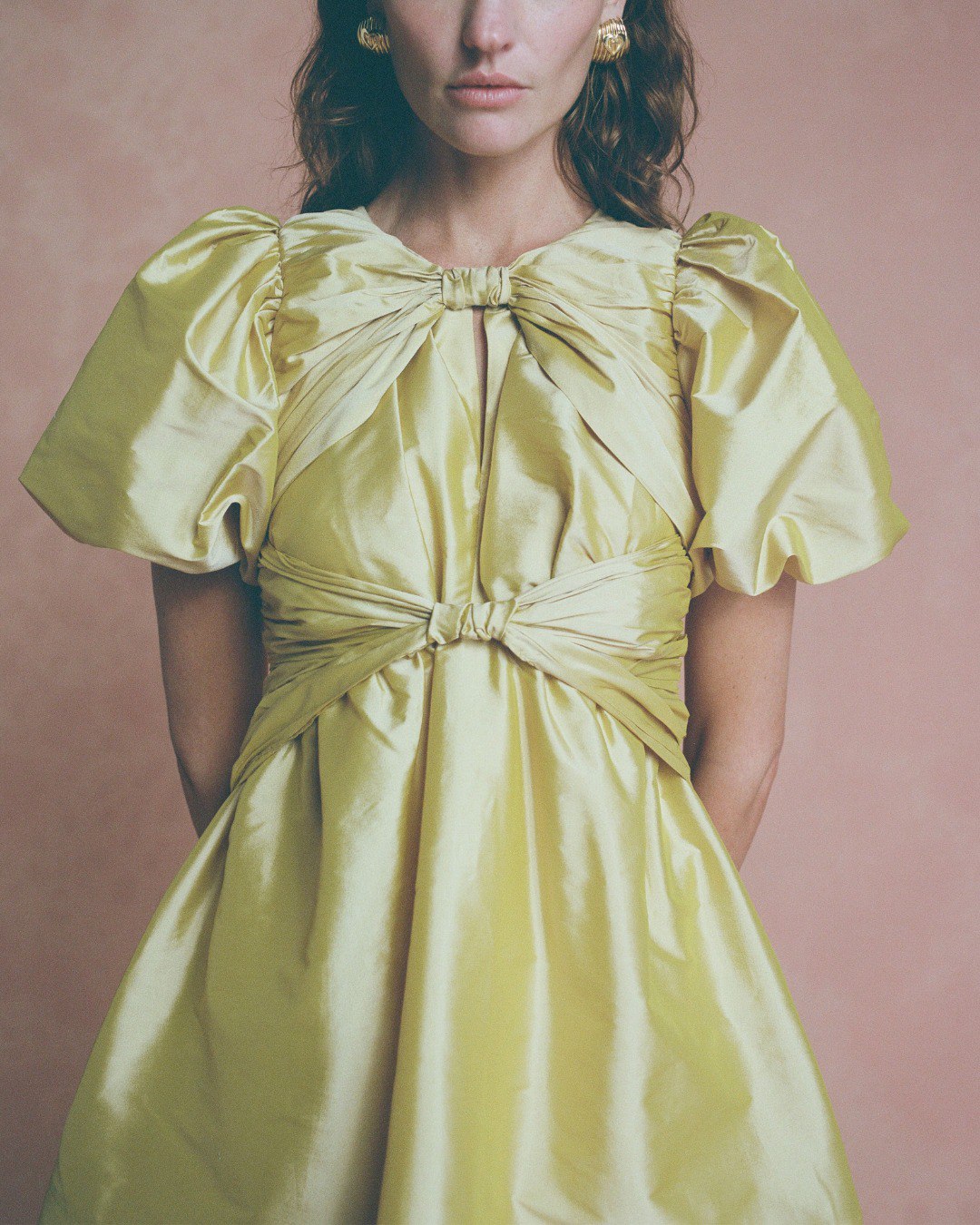
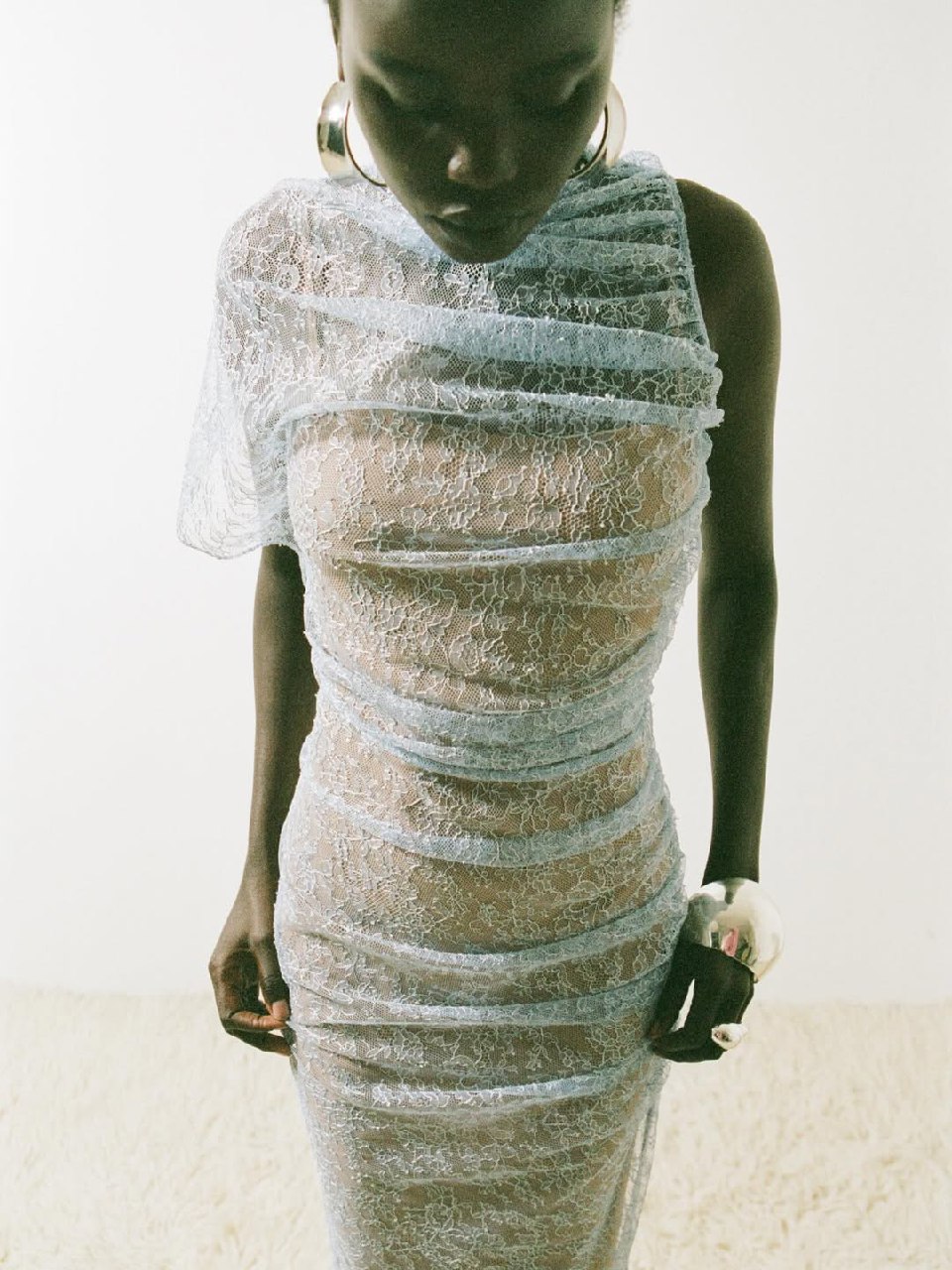
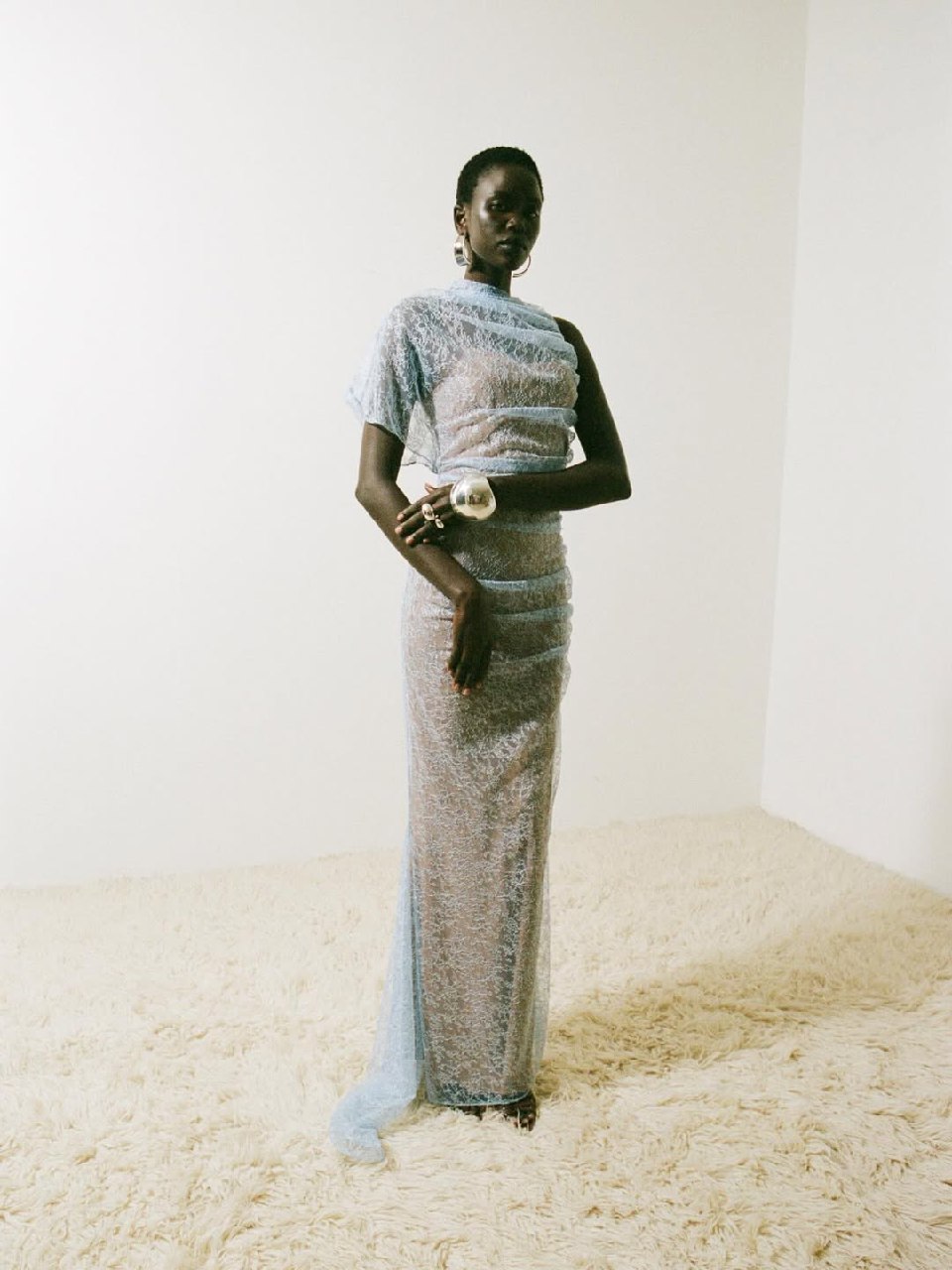
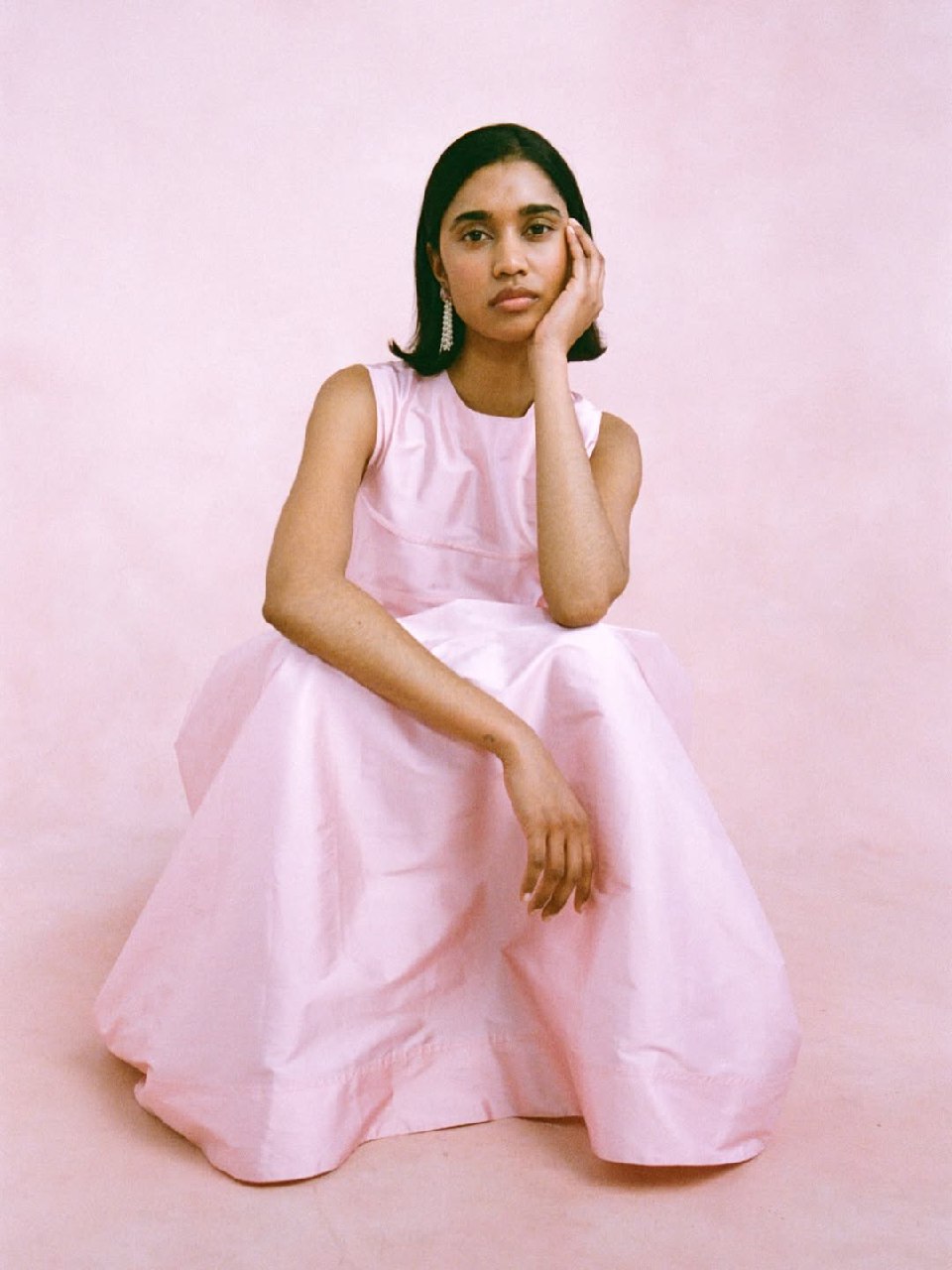
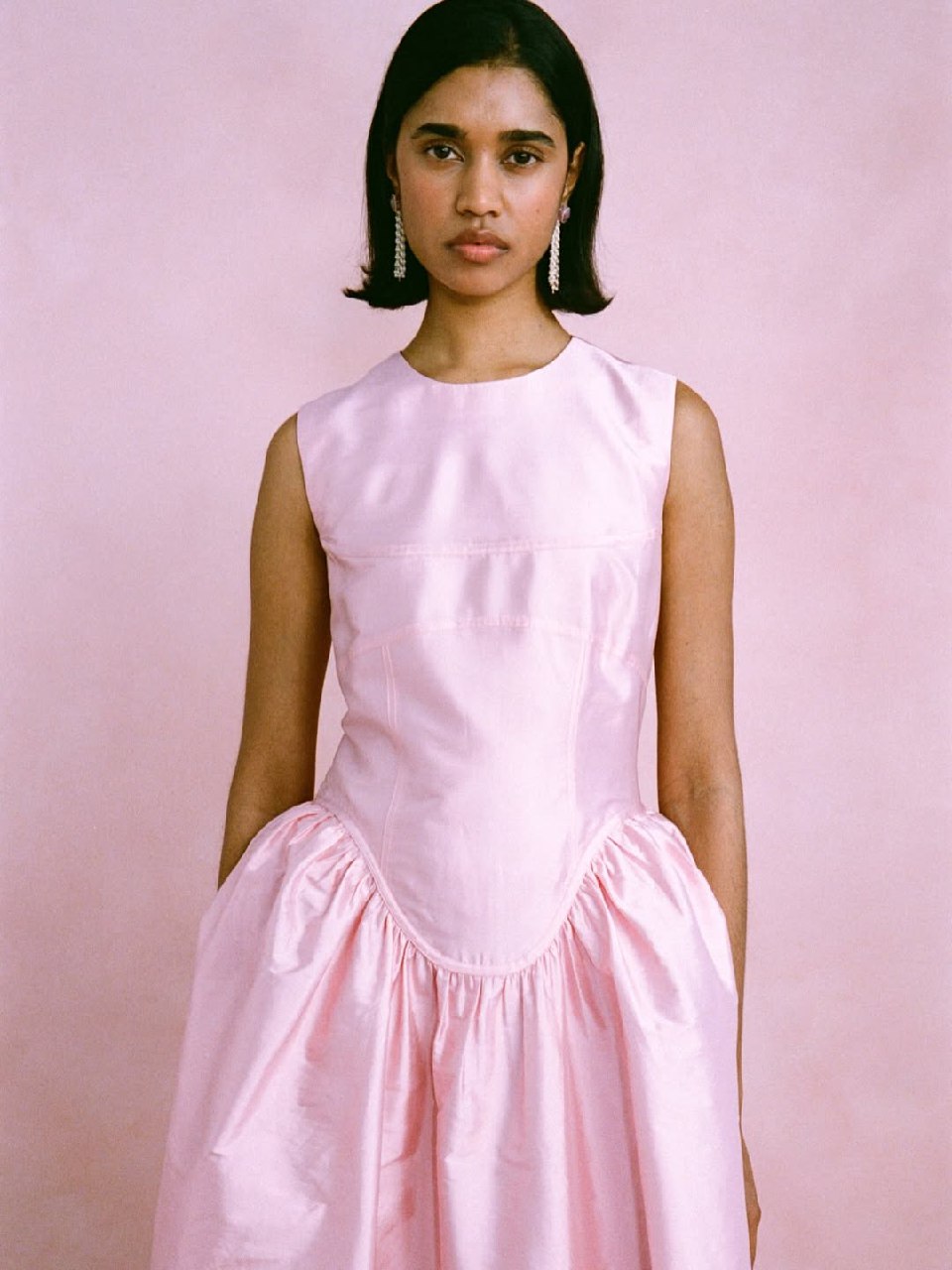
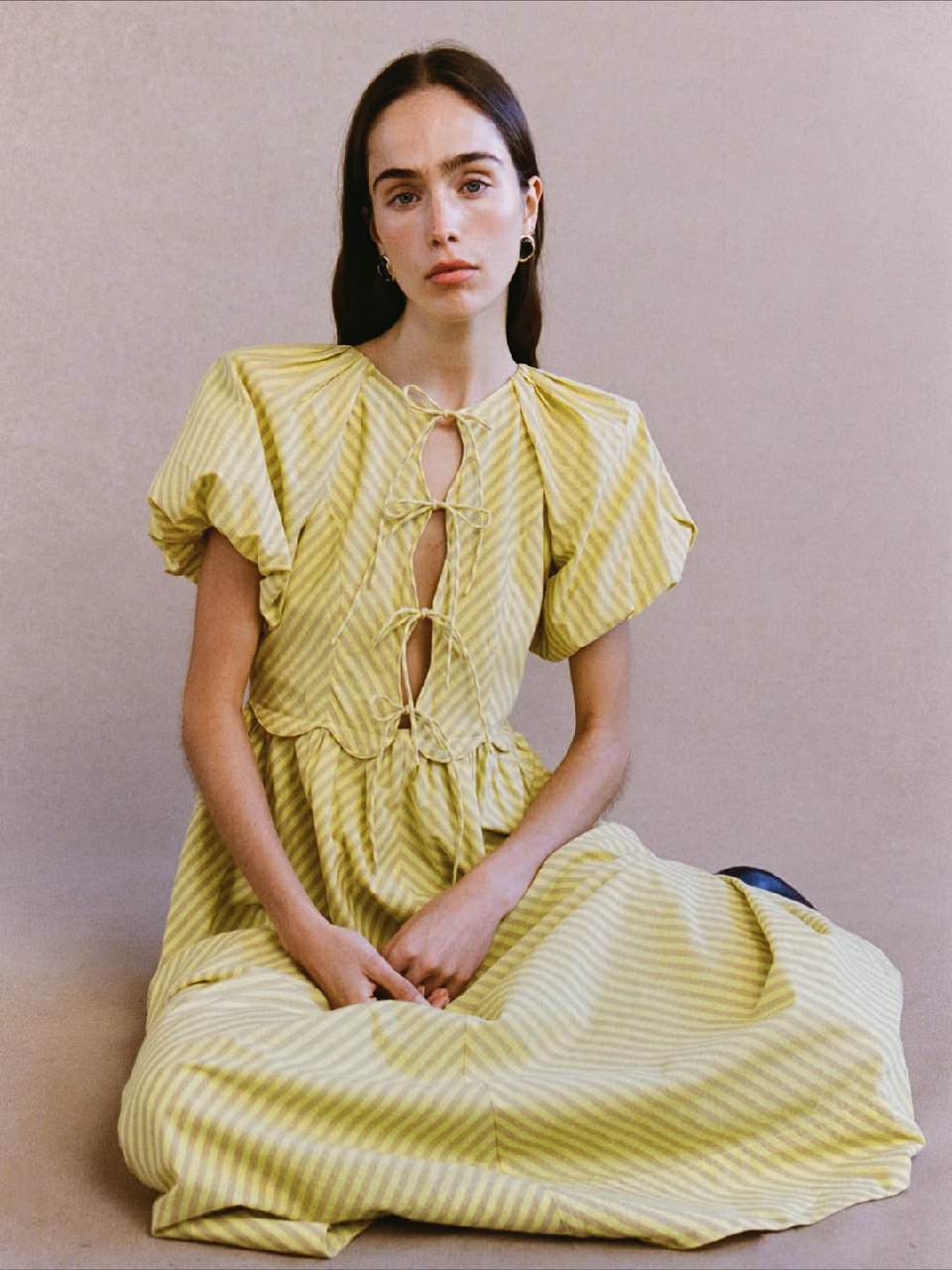
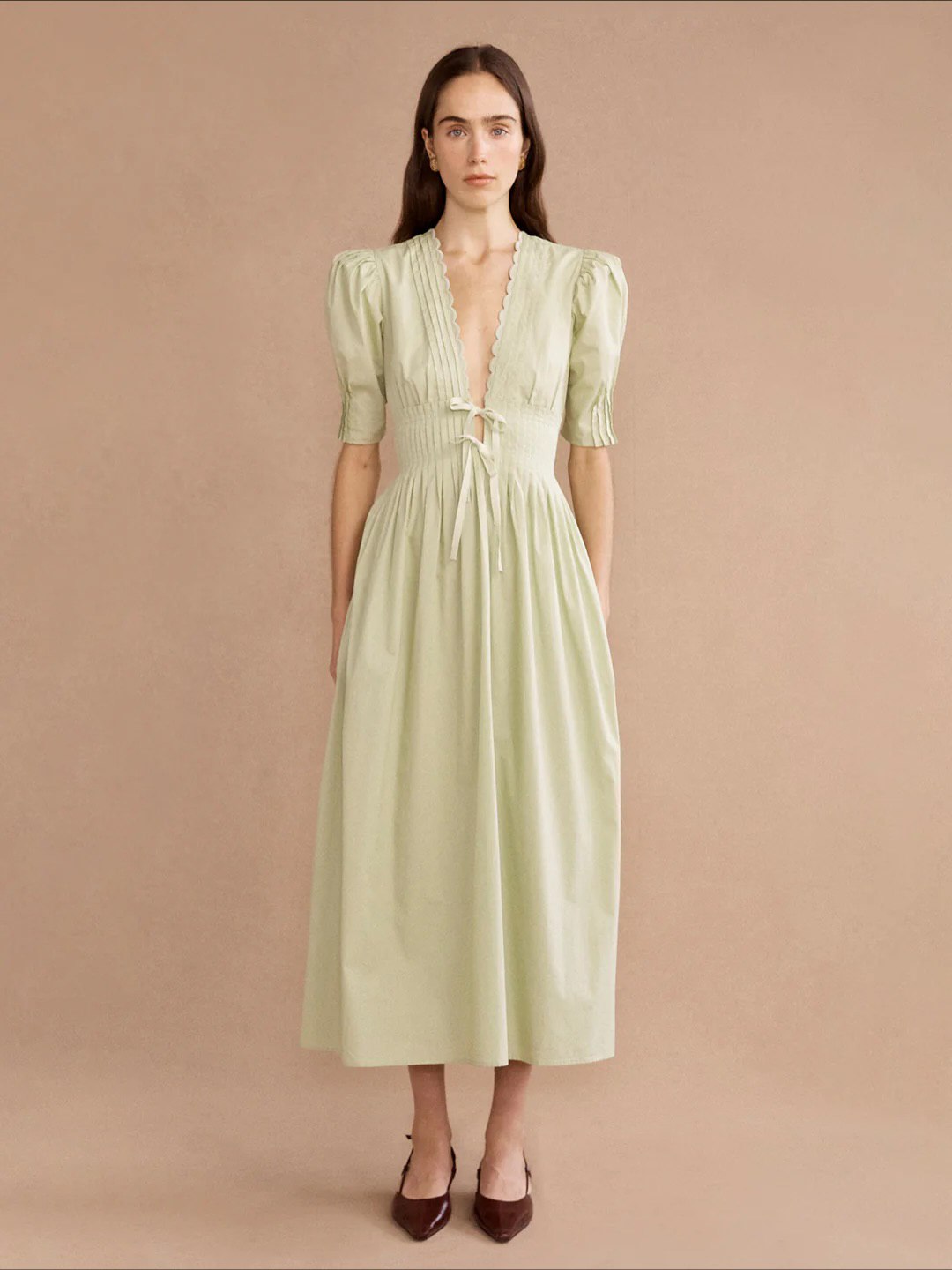
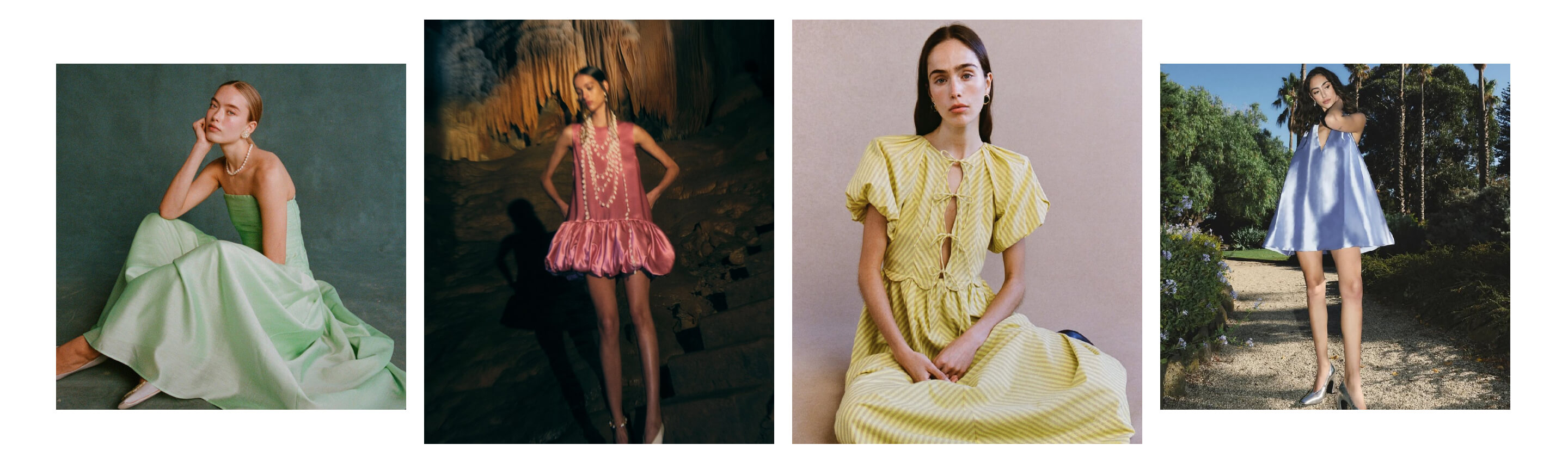
From shades of olive and dusty blue to blush, sage, and butter yellow, and even soft lavender, the range of pastel colours for wedding guests in 2026 has grown a lot beyond what was expected — and the results are truly beautiful. These tones sit naturally within the romantic atmosphere of a wedding without detracting from it, which is what makes them so effective. They look considered, seasonally appropriate, and quietly elegant in photographs.
The key lies in the fabric and fit. Structured fabrics, such as clean crepe or crisp cotton-linen blends, keep the look polished rather than washed out. Loose, unstructured cuts in pale colours can look underdressed, whereas the same colour in a tailored silhouette looks intentional. Choose your shade with the venue, the season, and your own colouring in mind, and the rest will fall into place.
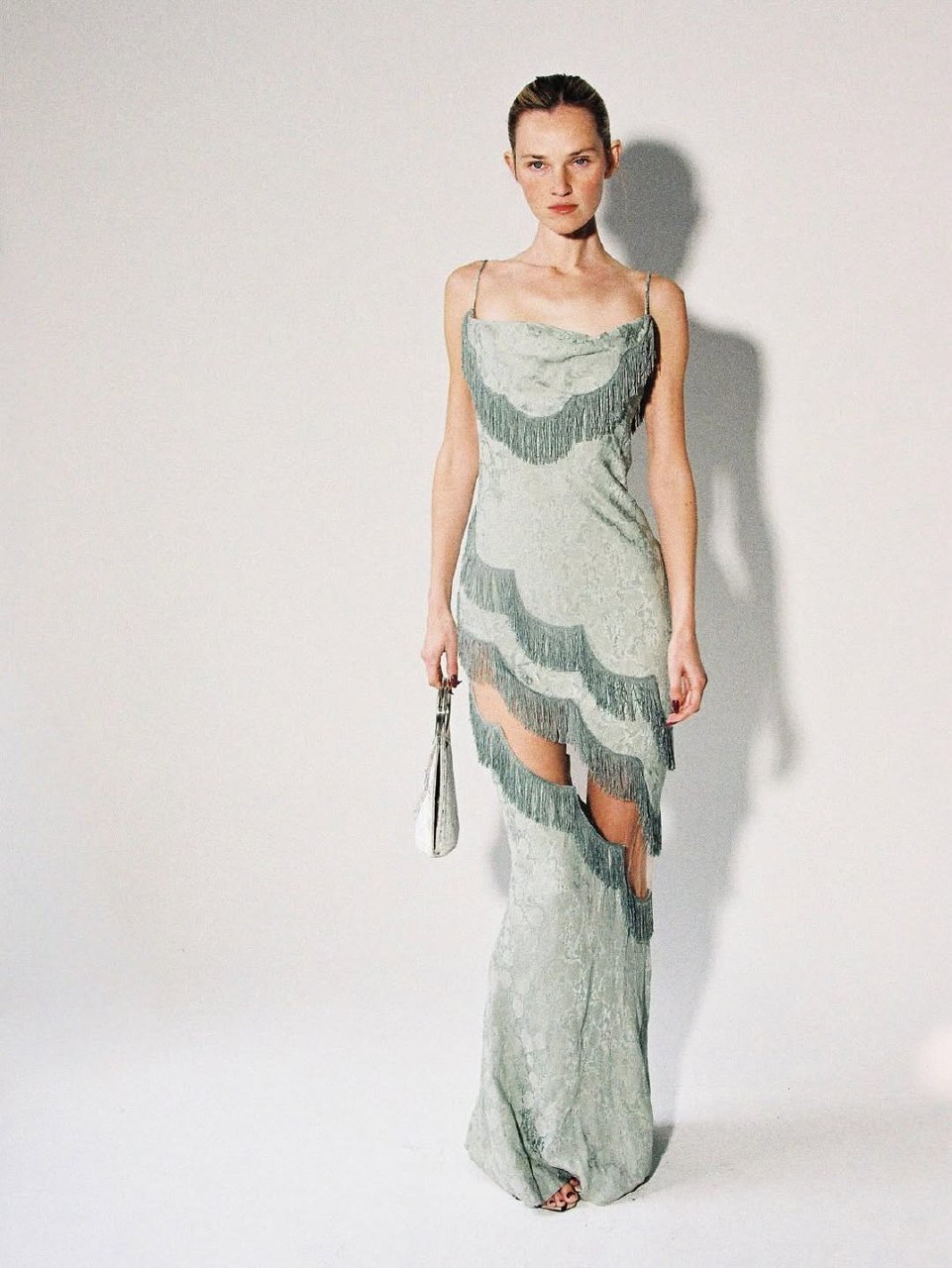
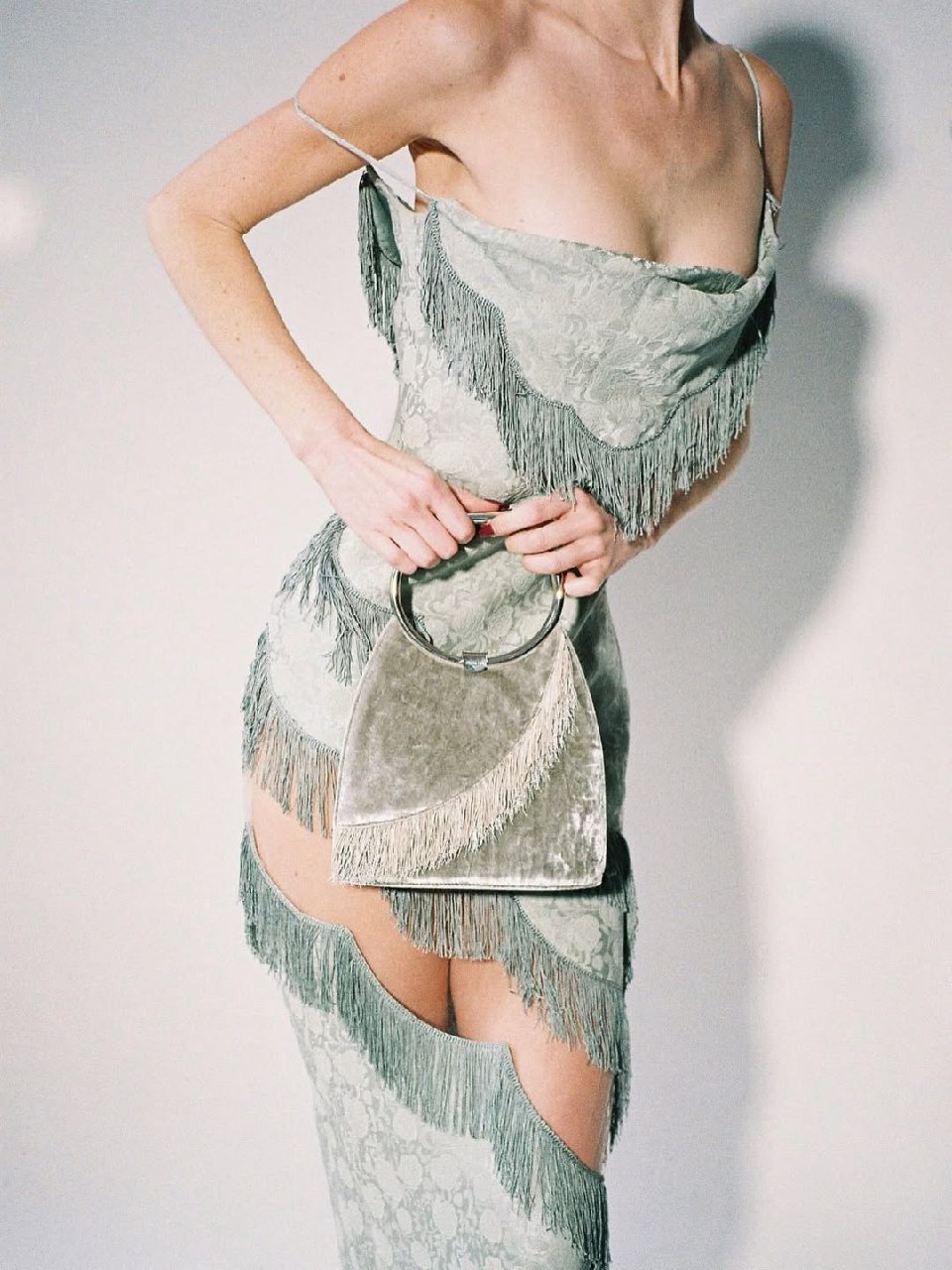
Pajama Suits & Feather Details
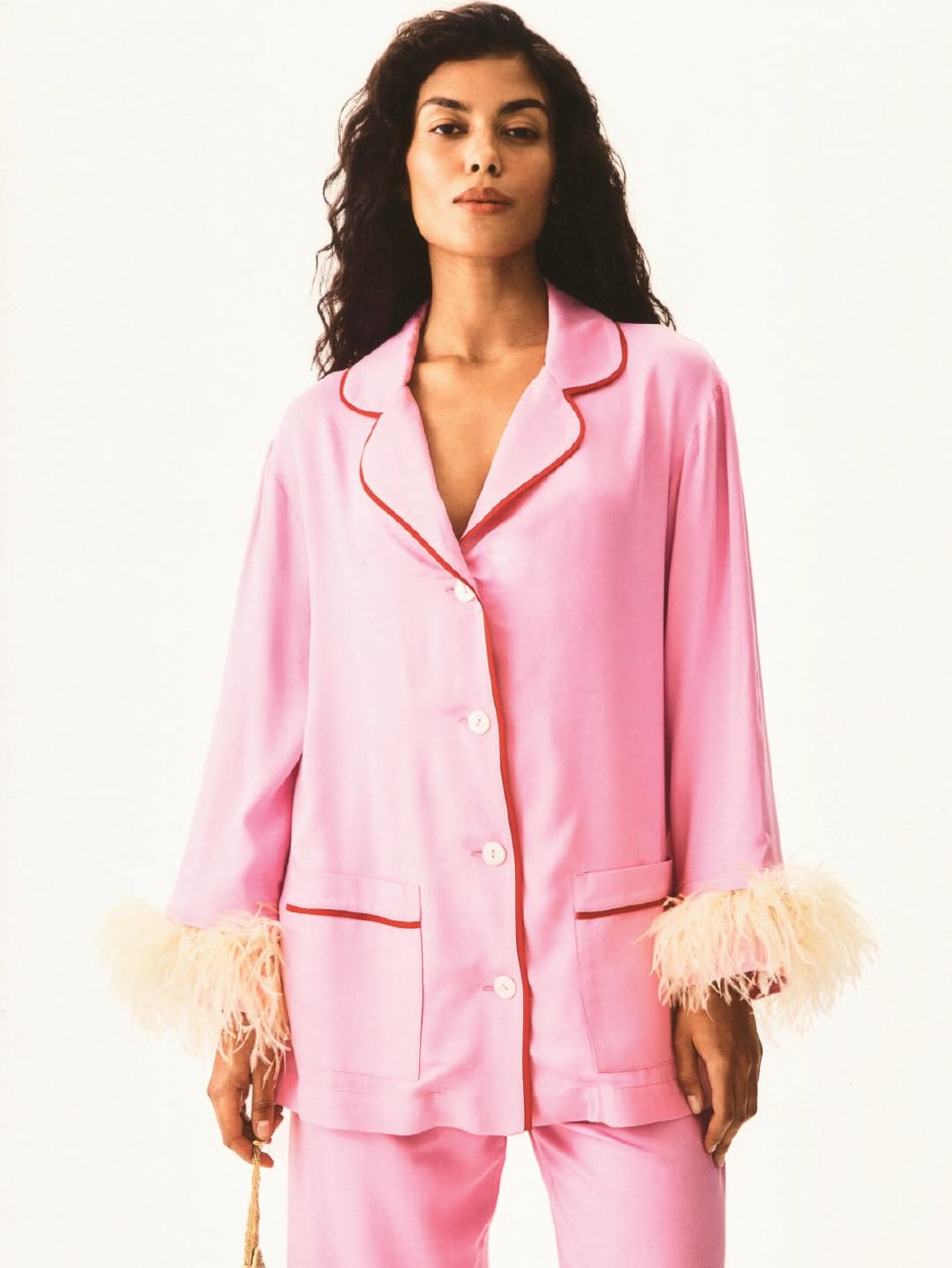
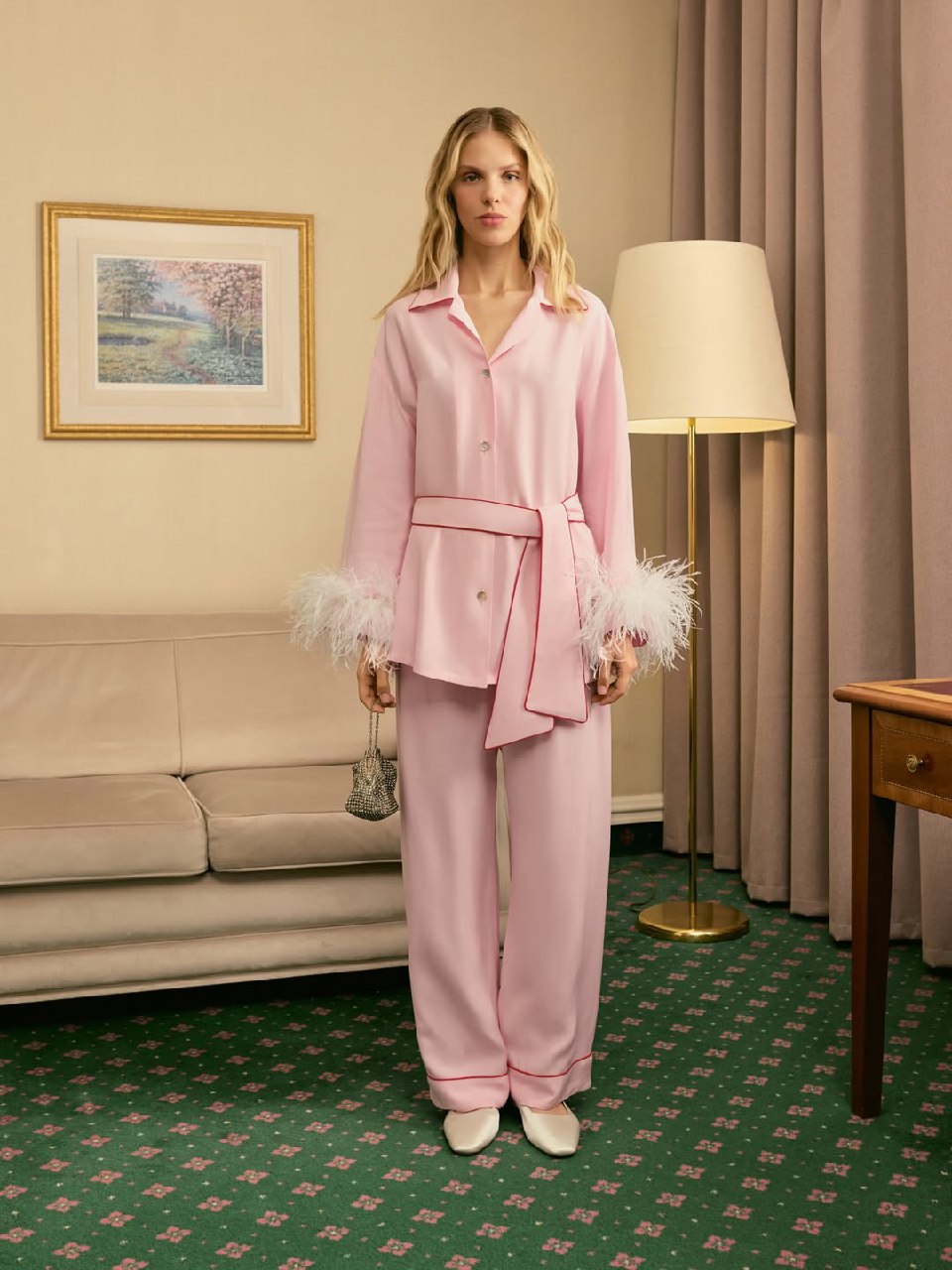
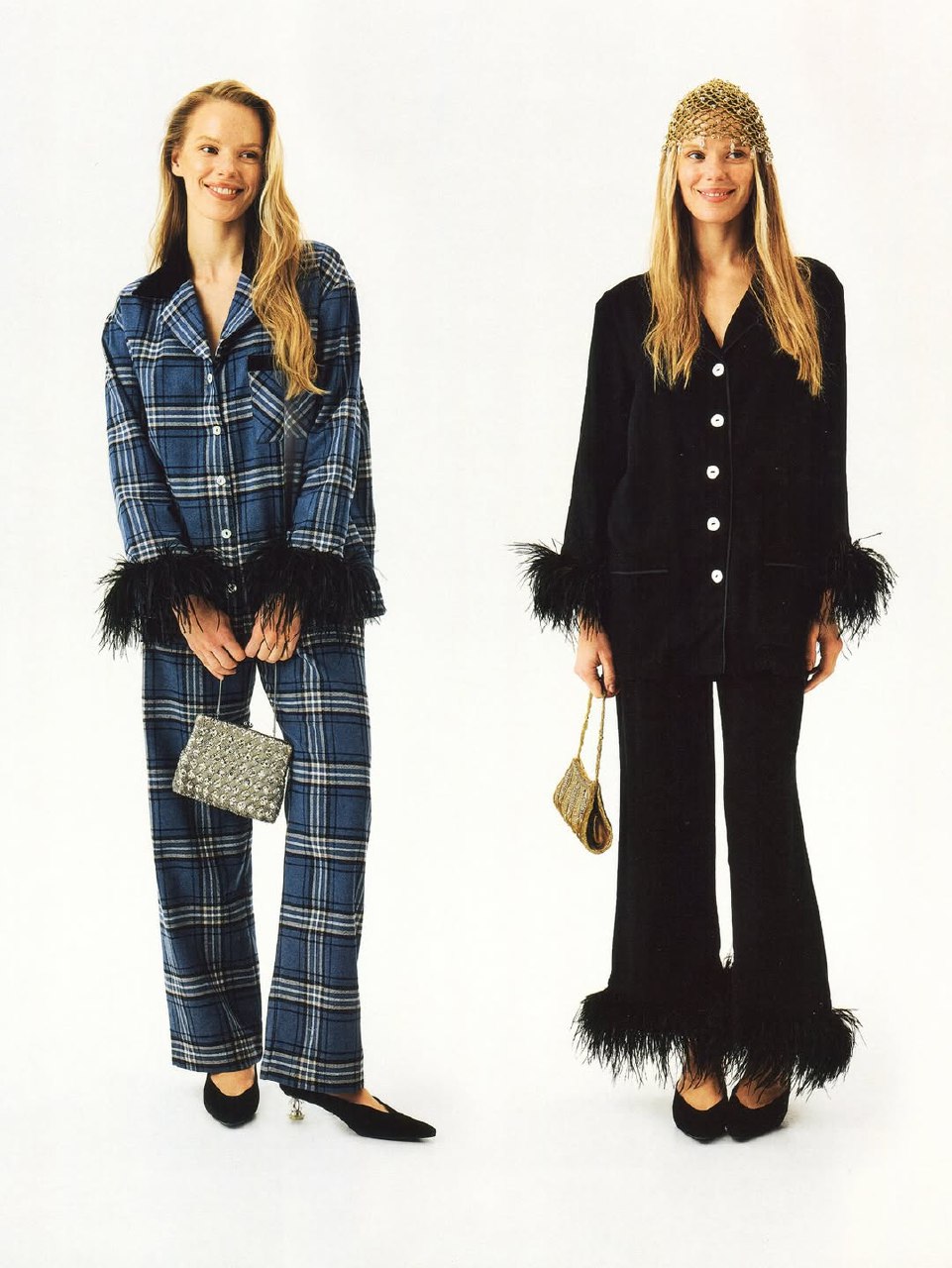
This is the trend that produces the most memorable photographs of wedding guests of the year — and the one that requires the most confidence to pull off.
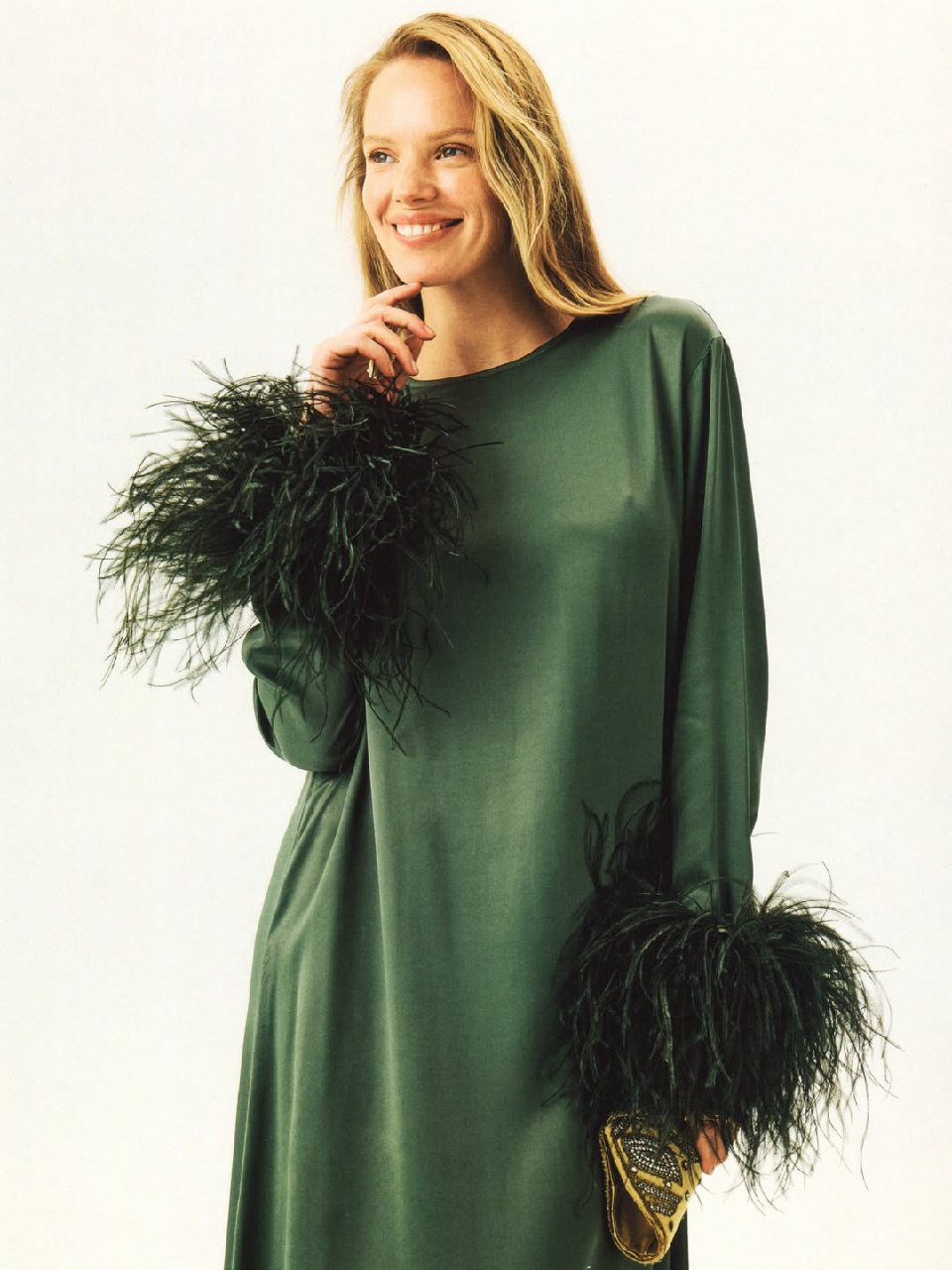
The pajama suit — typically fluid and wide-legged, often made of silk or satin — has firmly established itself in the realm of formal occasion dressing, and it looks best at weddings. When worn in pastels, ivory, or soft jewel tones, the result is an outfit that is simultaneously relaxed yet fully dressed up. The same logic applies to feather details: a feather-trimmed hem or feathered sleeve adds movement and visual interest without looking costume-like.
A few principles are worth bearing in mind:
- One statement piece per outfit — feathers on the hem or on the bag, but not both.
- Keep the rest of the look minimal so the detail has room to work.
- Feather details photograph particularly well at evening receptions, where they catch the light.
- Pajama suits work best at less formal weddings or where the dress code is fashion-forward.
The trick in both cases is fabric quality. Cheap satin reads as sleepwear. Quality silk reads as intentional elegance. The difference is visible from across the room.
Black Dress — and Beyond
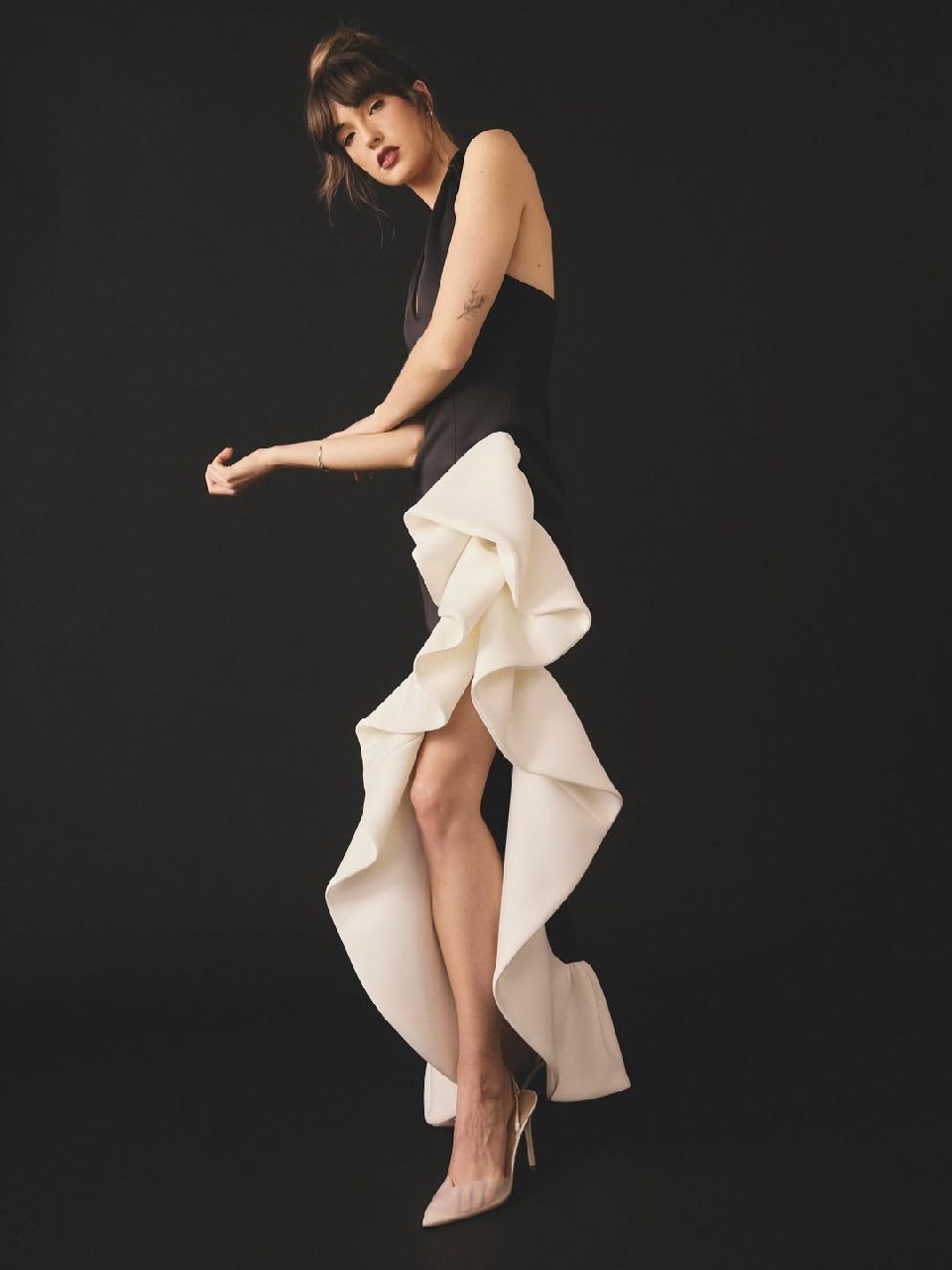
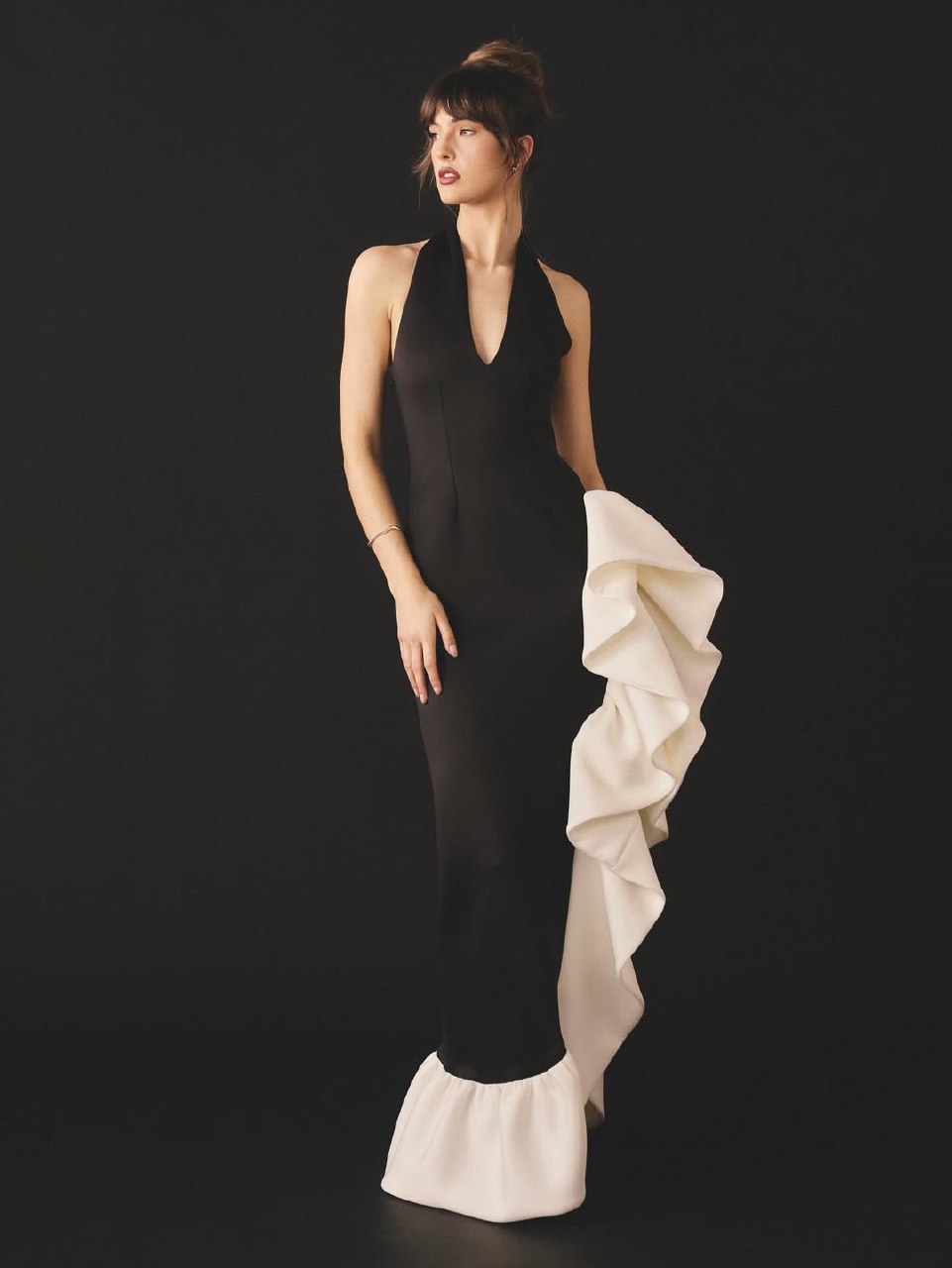
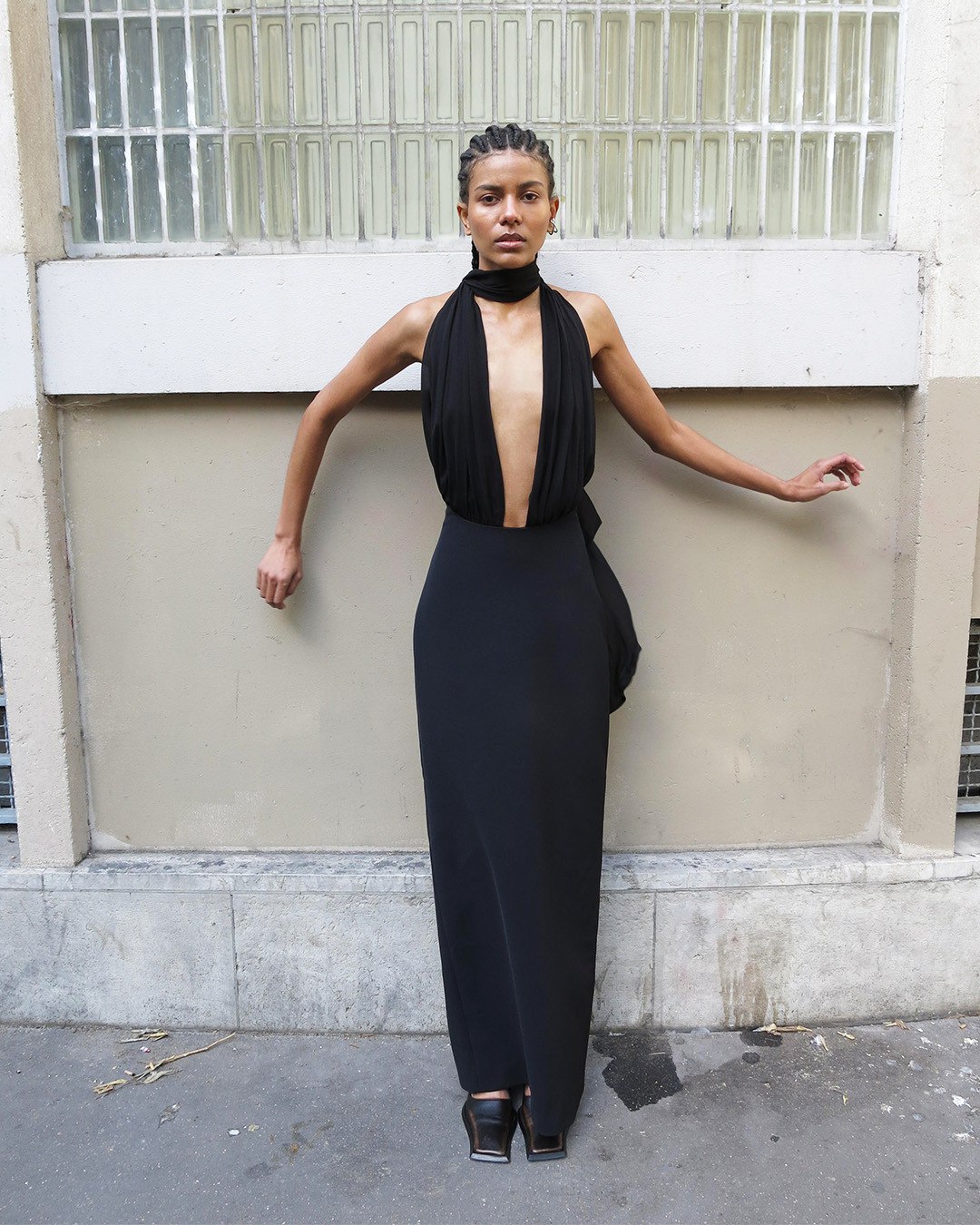
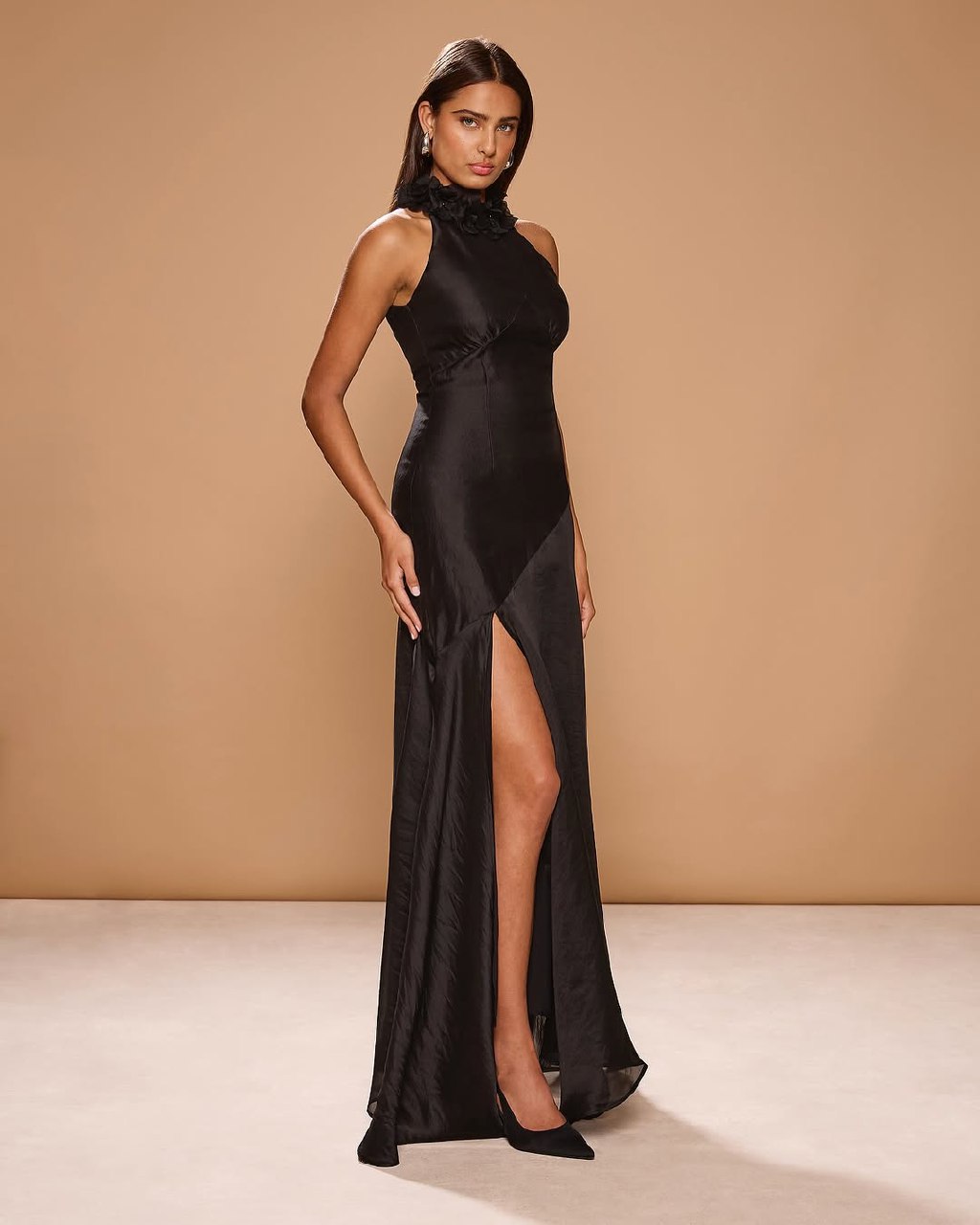
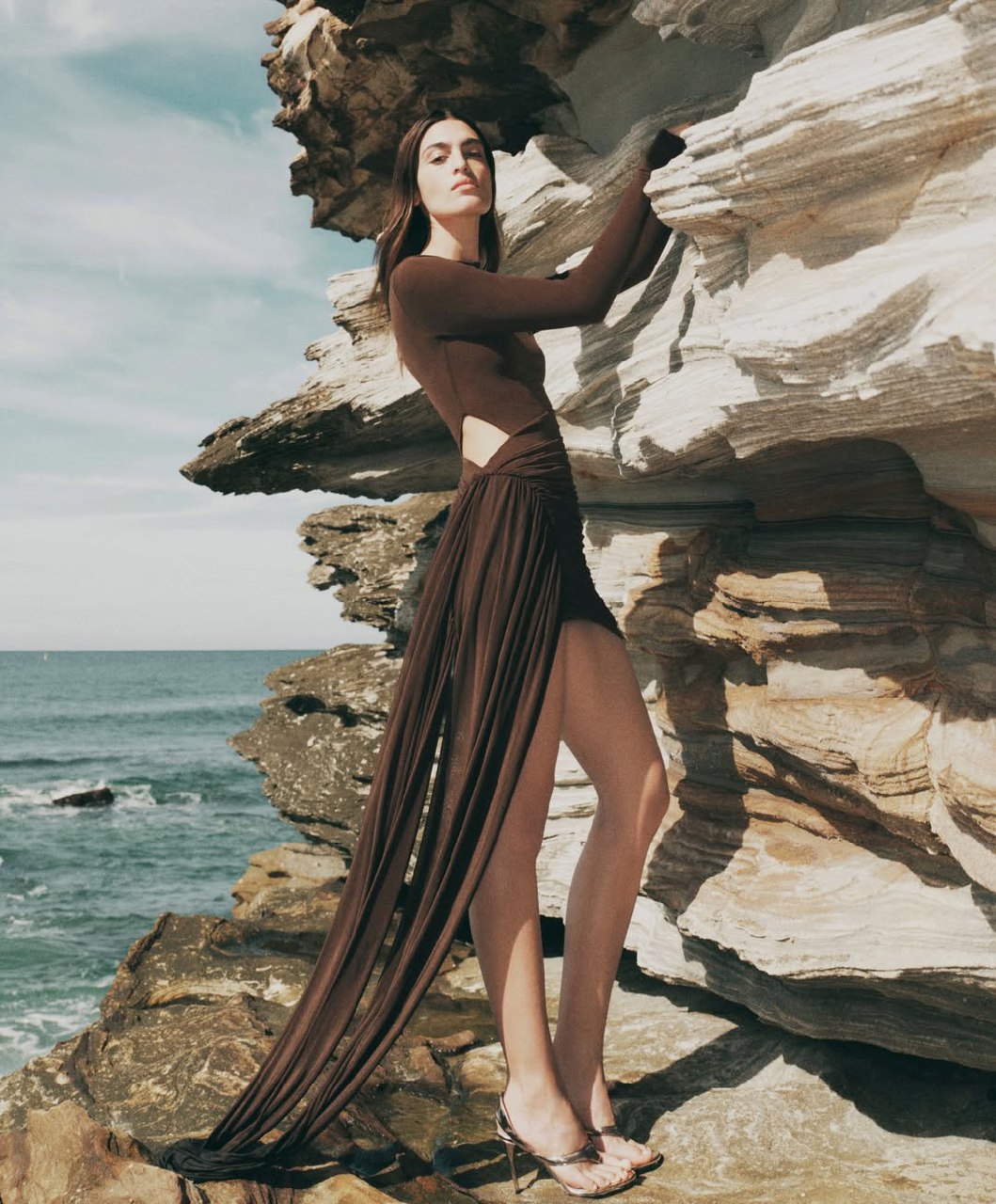
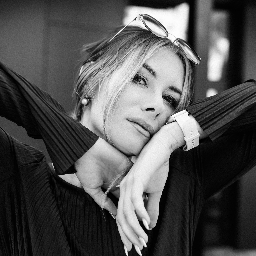
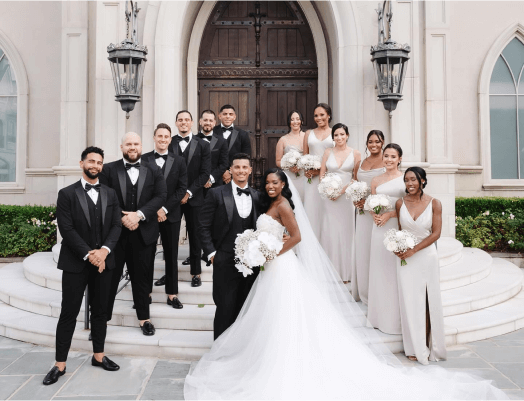
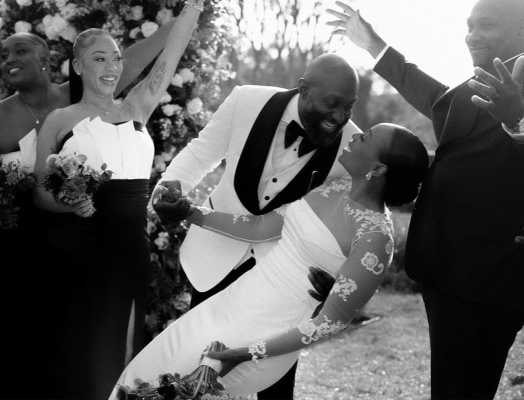
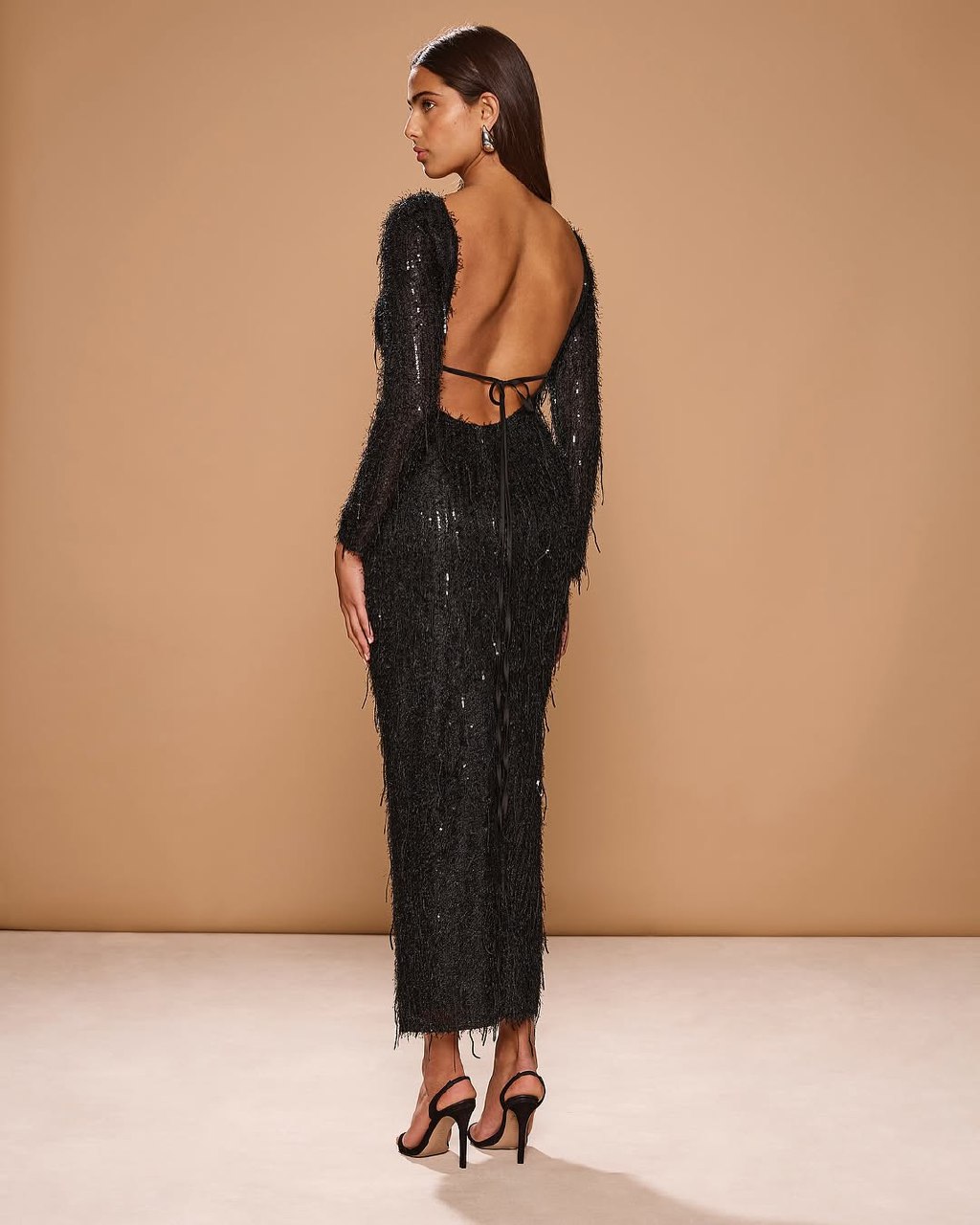
Let's settle this once and for all: black is not only acceptable at a wedding, it is often the best choice for guests. When it comes to what to wear to a formal wedding or black-tie event, a floor-length black gown is one of the most elegant options available. Clean lines, quality fabric, and considered accessories are all you need. For less formal occasions, a shorter black dress offers the same confidence with a lighter touch. Whether long or short, the principle is the same: black demands that everything around it works hard.
A black midi dress with gold jewellery and strappy heels is perfect for a celebration. The same dress with minimal accessories and flat shoes, however, reads as underdressed. Understand this distinction, and black becomes one of the most reliable and versatile options in your wedding guest wardrobe.

Dresses With a Detail Worth Talking About
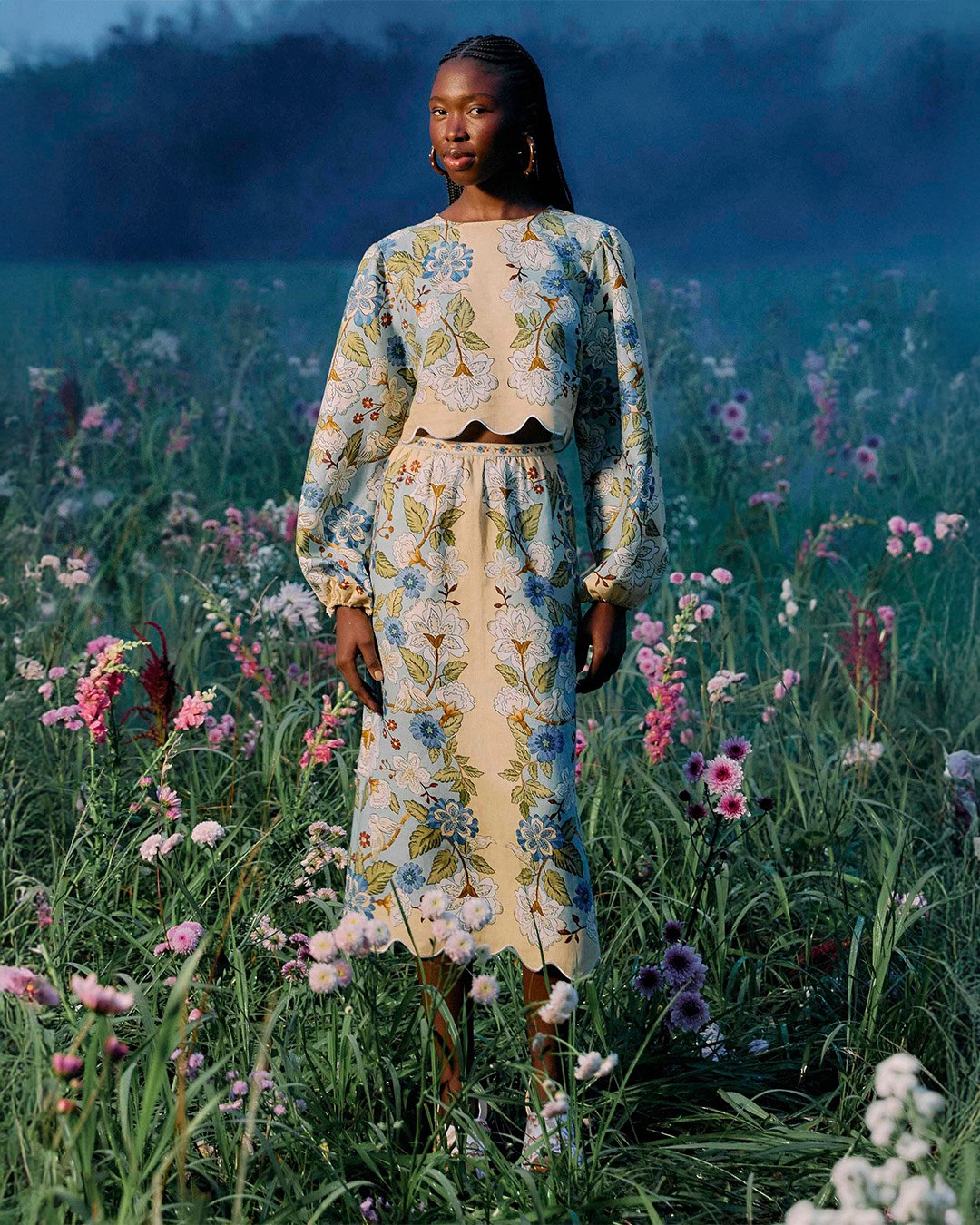
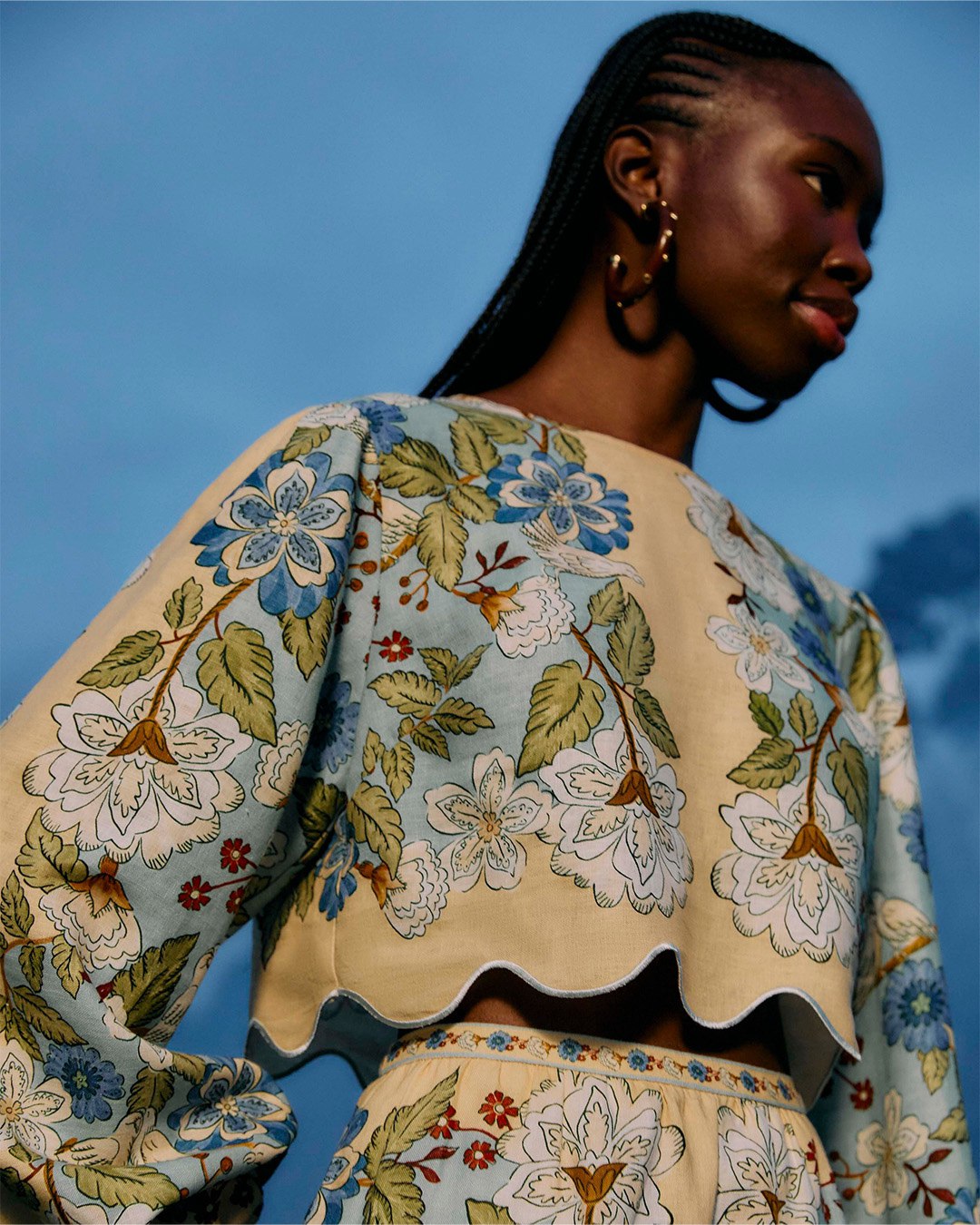
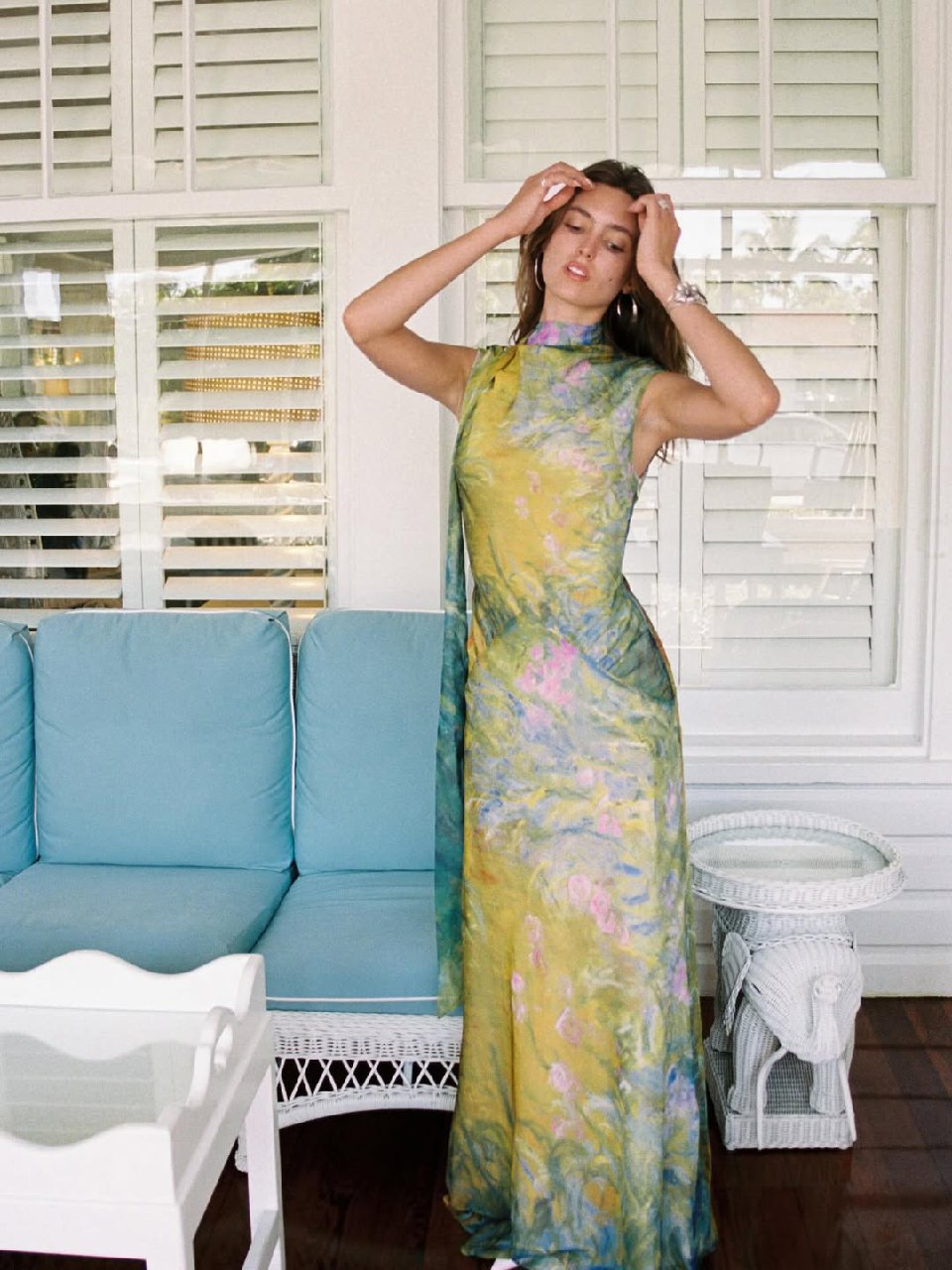
Large-scale floral prints, asymmetric hems that add movement to simple silhouettes, and ruffles at the shoulder that introduce texture without requiring any other embellishments are the kinds of looks that get remembered, not because they shout, but because they say something. When it comes to what to wear to a wedding as a female guest, this category consistently delivers the most distinctive results: a well-chosen detail can transform an outfit from merely dressed to truly you. The rule is simple: one standout detail is all you need, and everything else should be kept to a minimum. A dress with a single strong element is always more memorable than one with multiple competing elements.
Bold Summer Colours
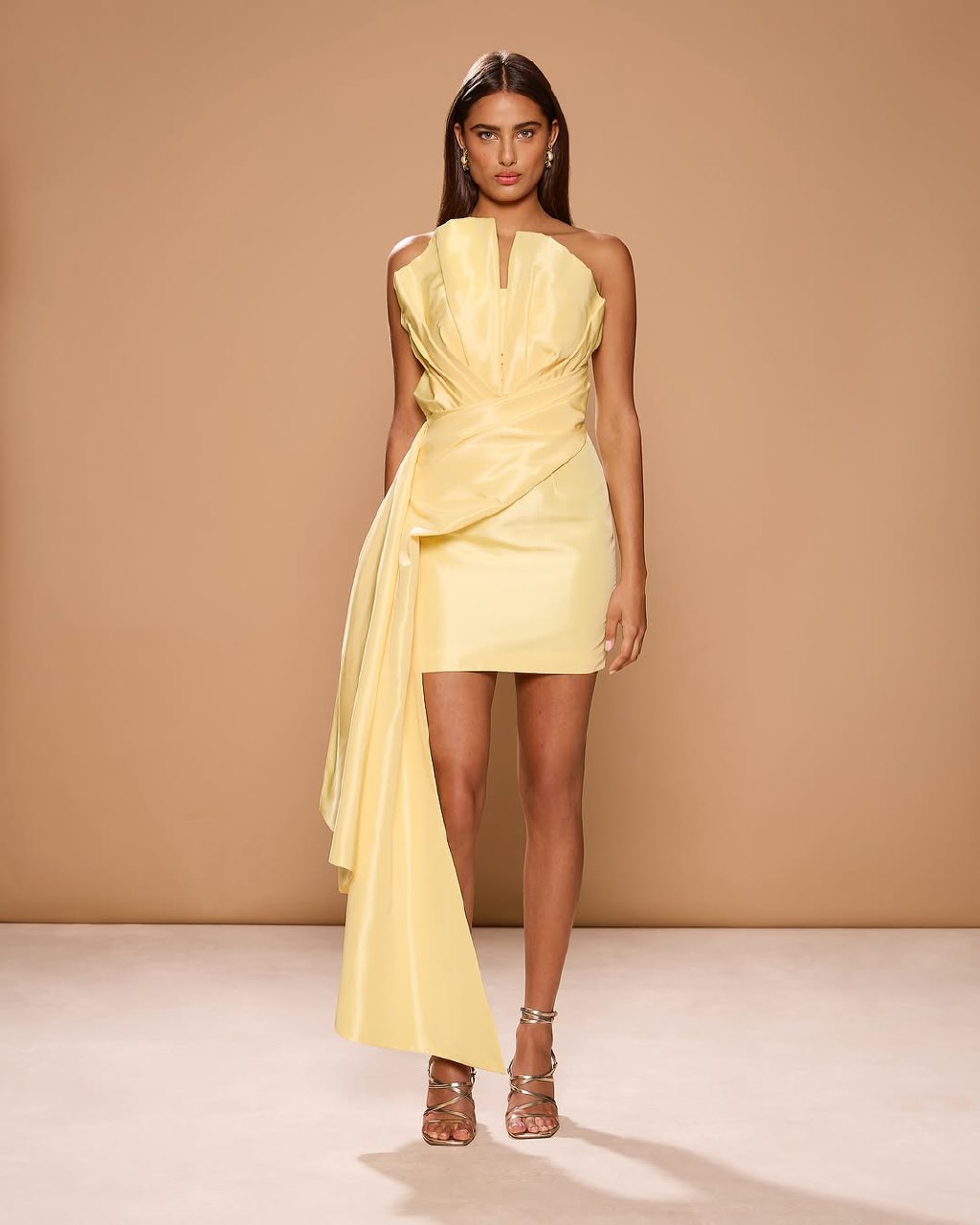
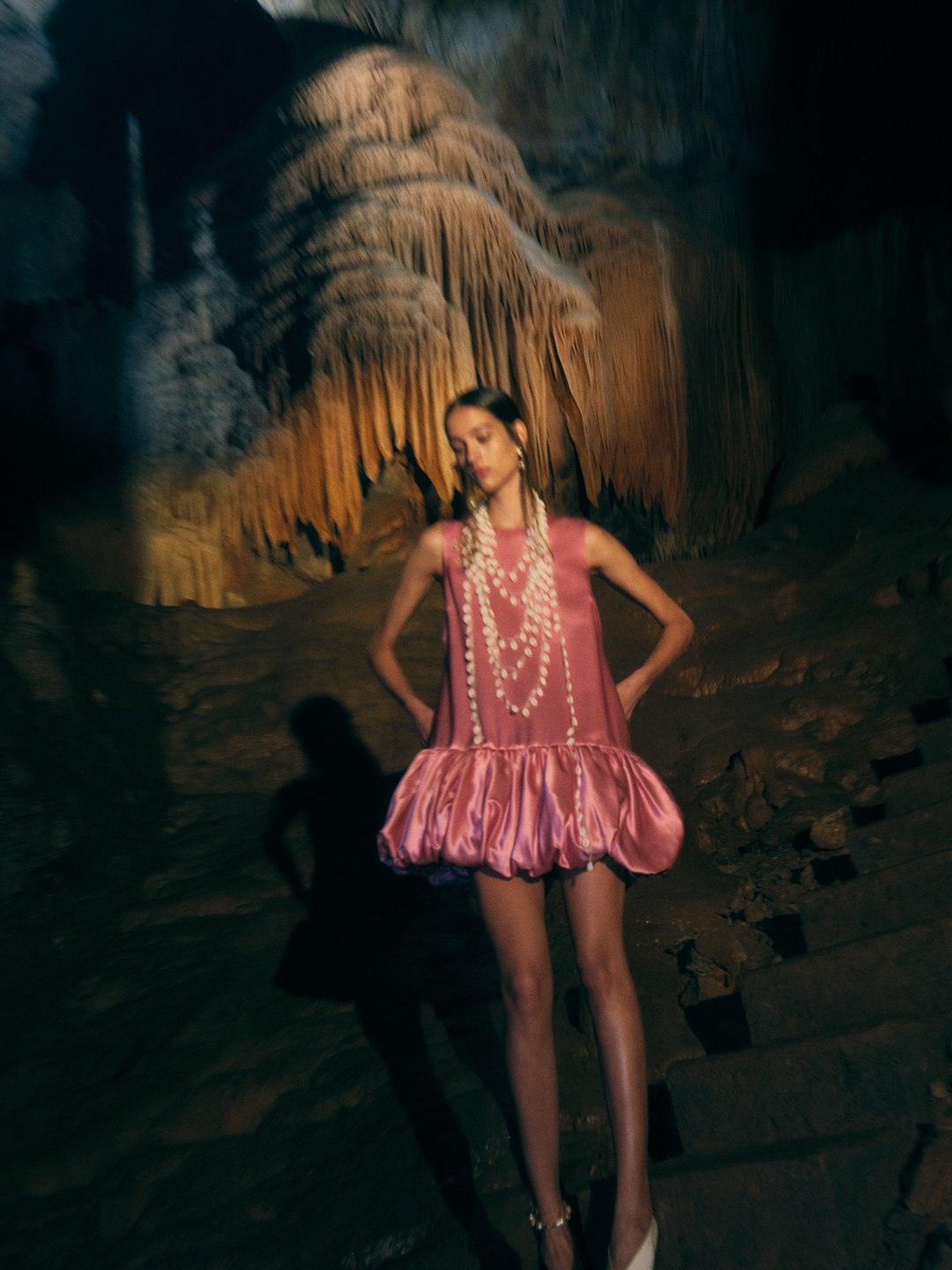
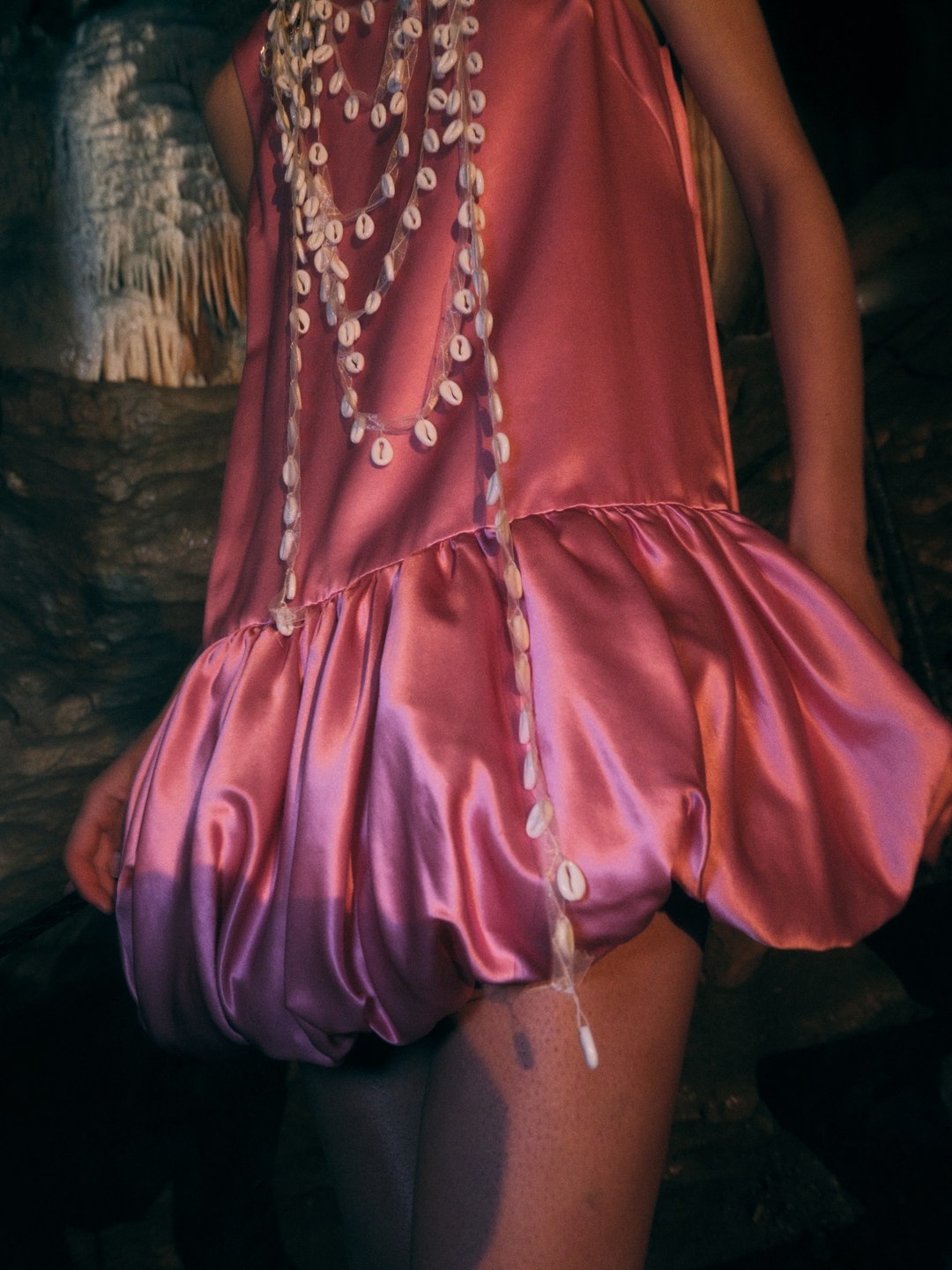
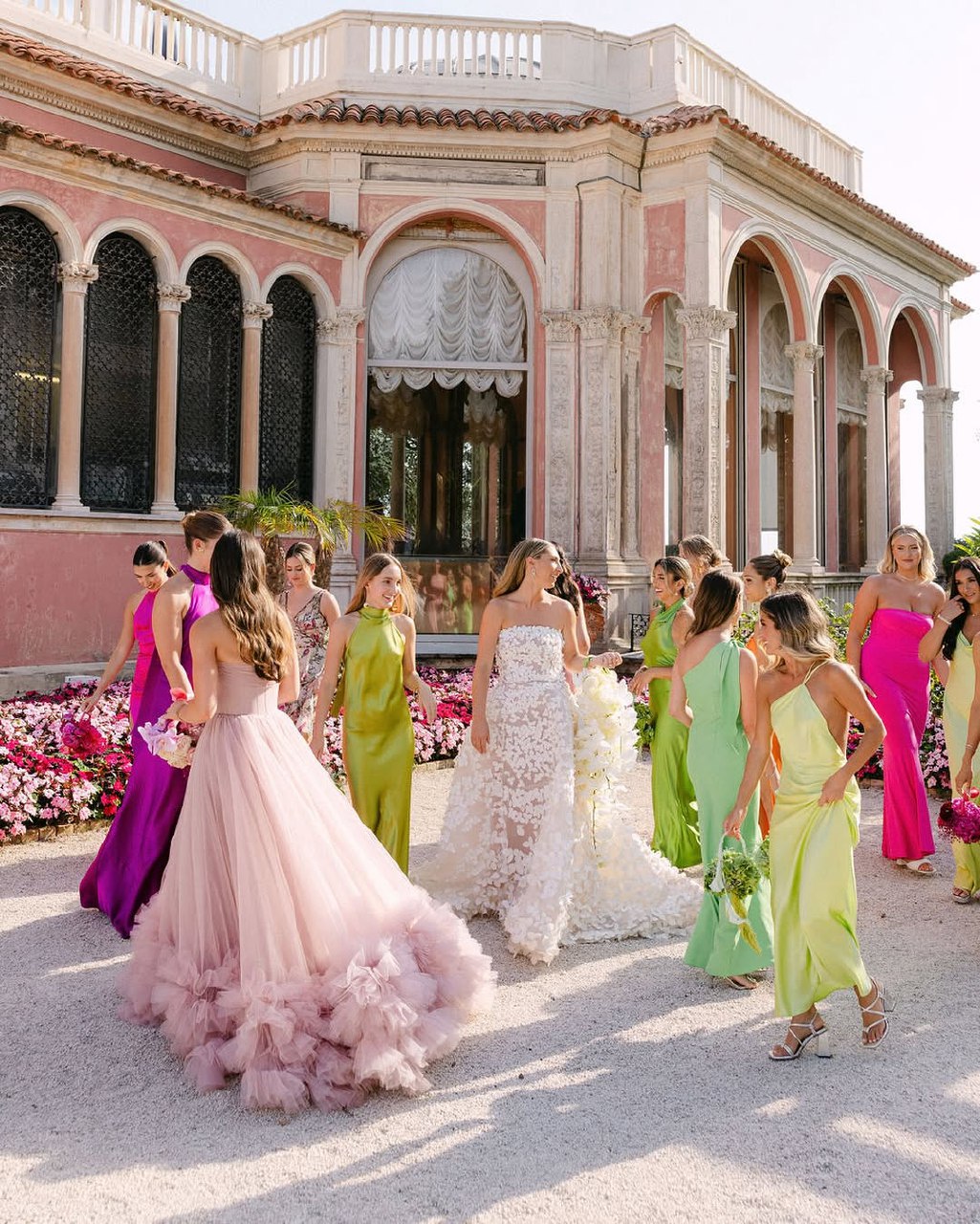
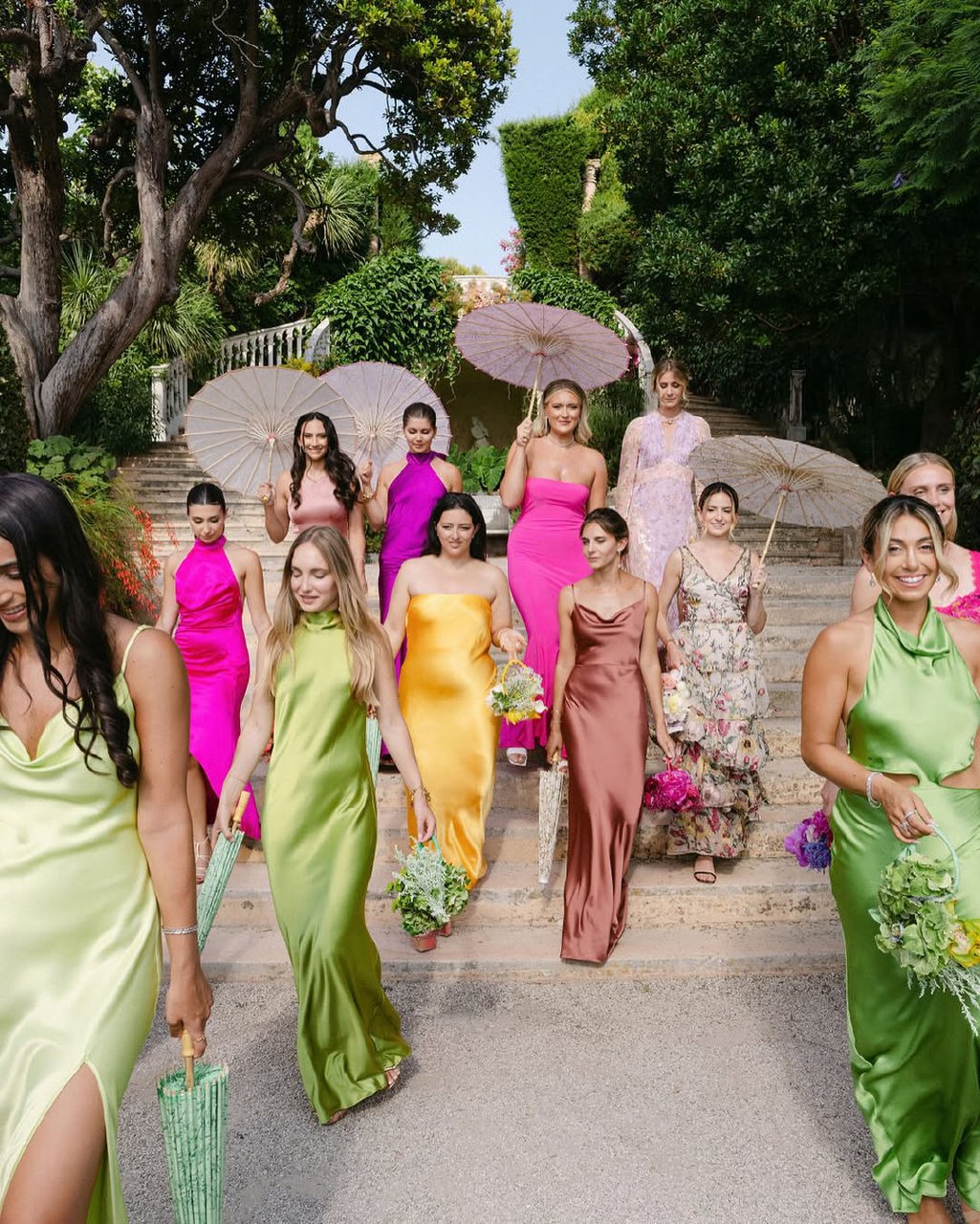
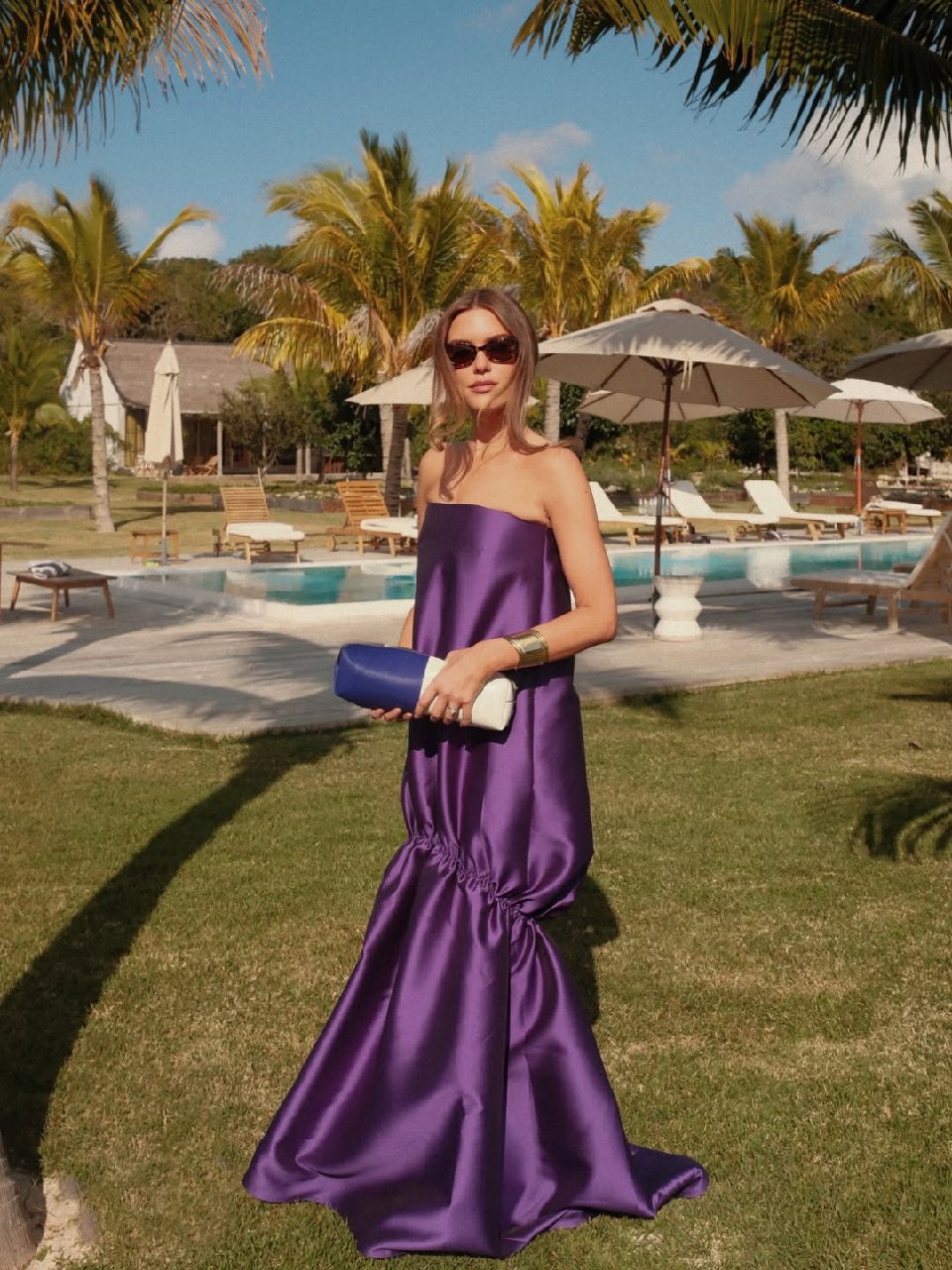
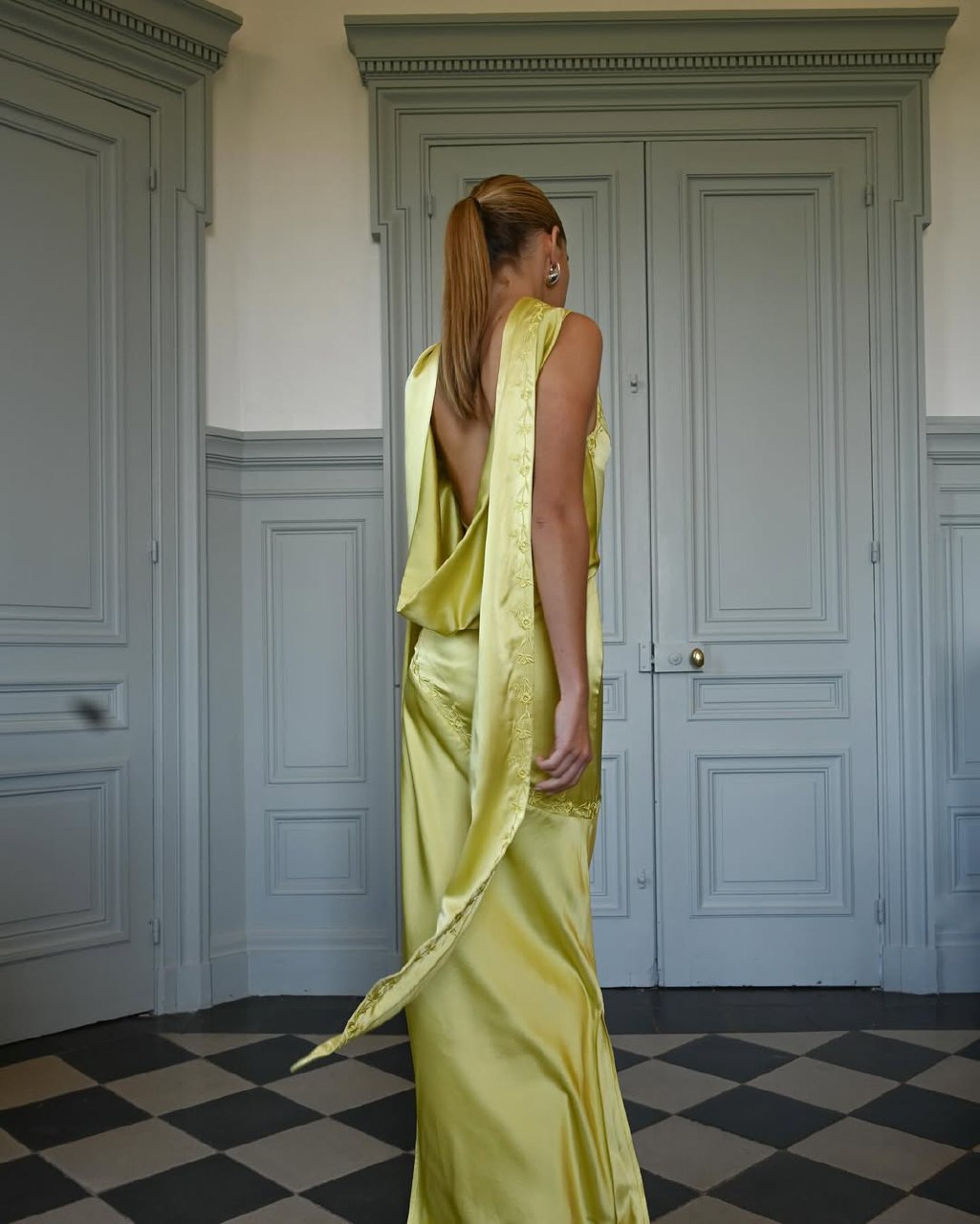
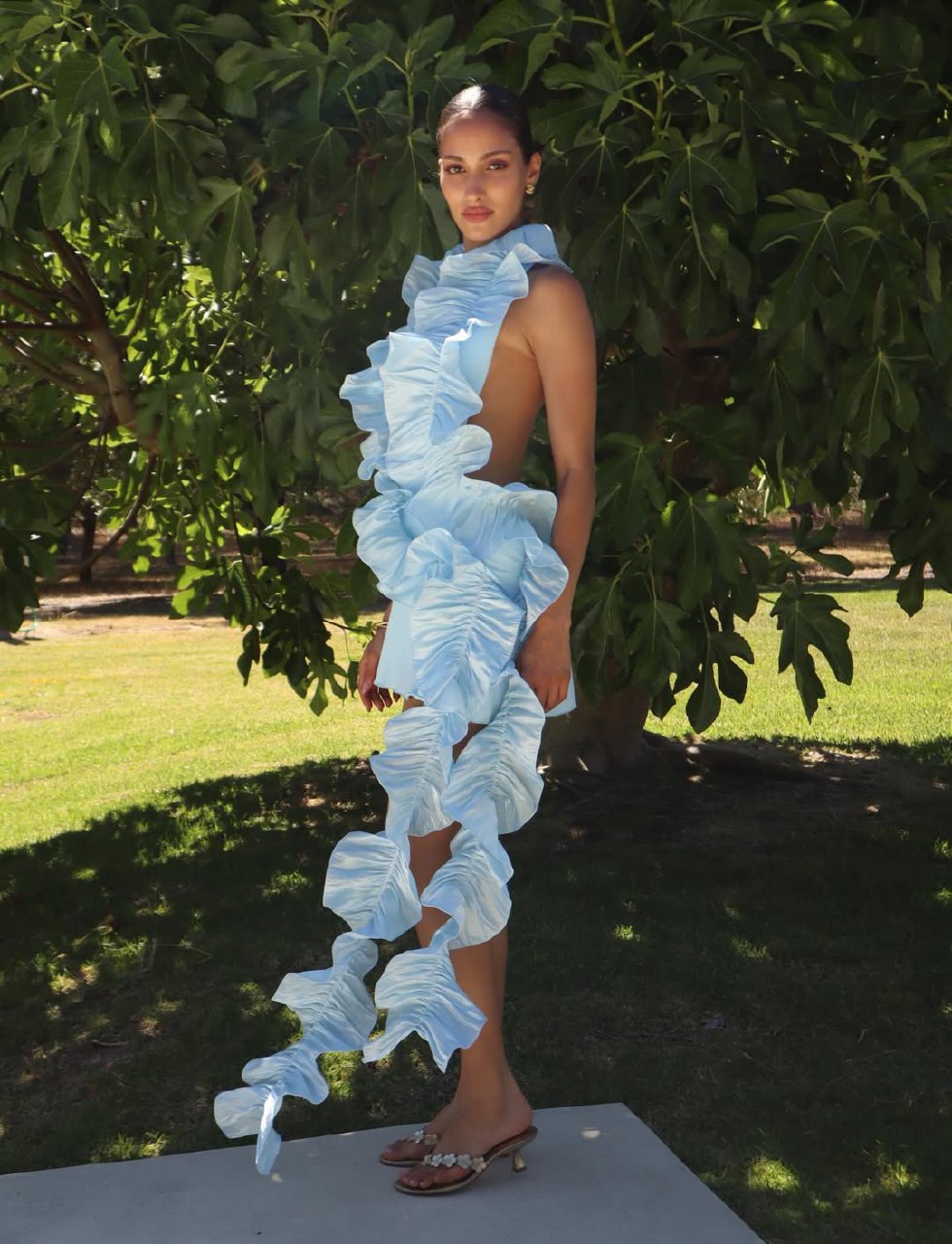
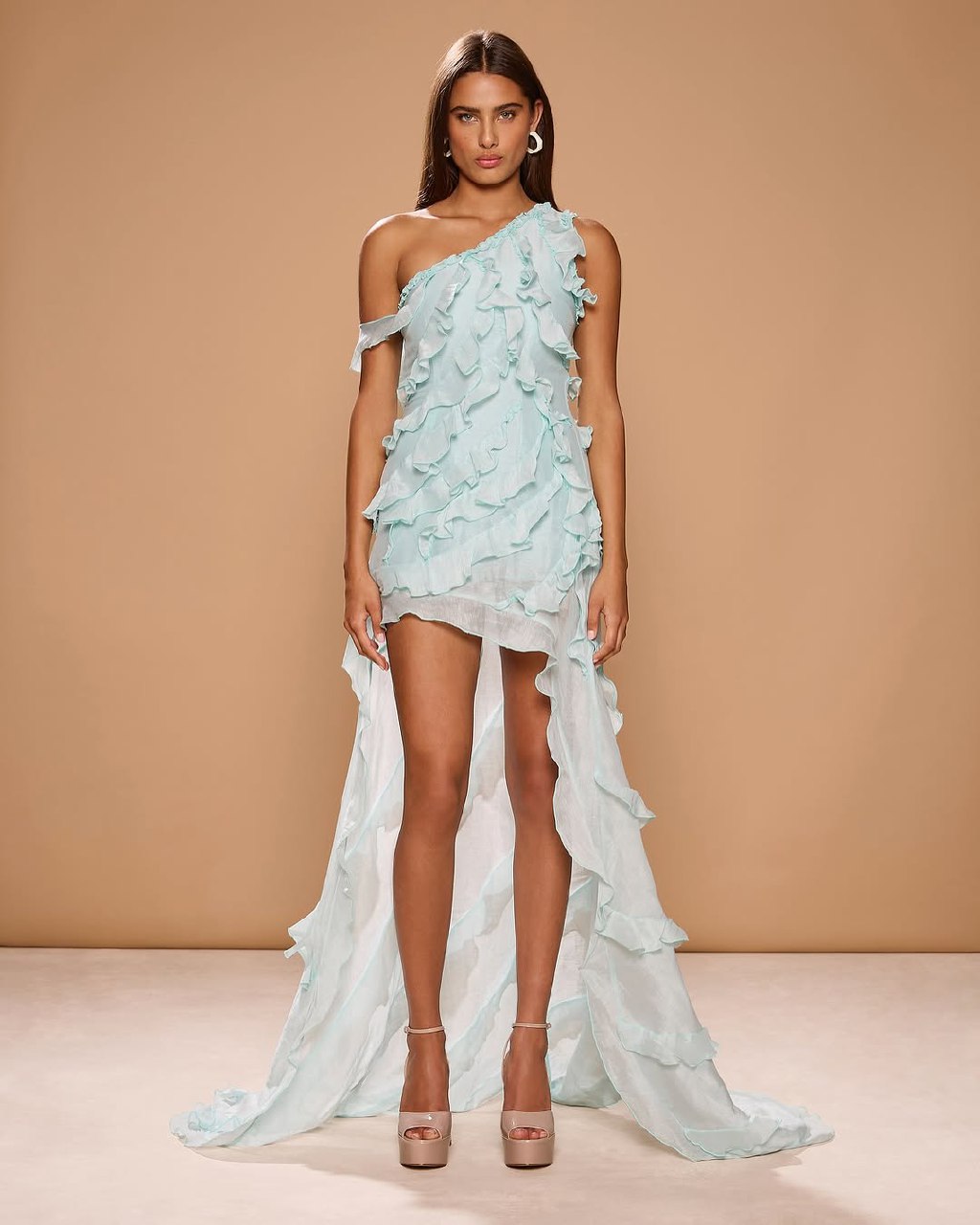
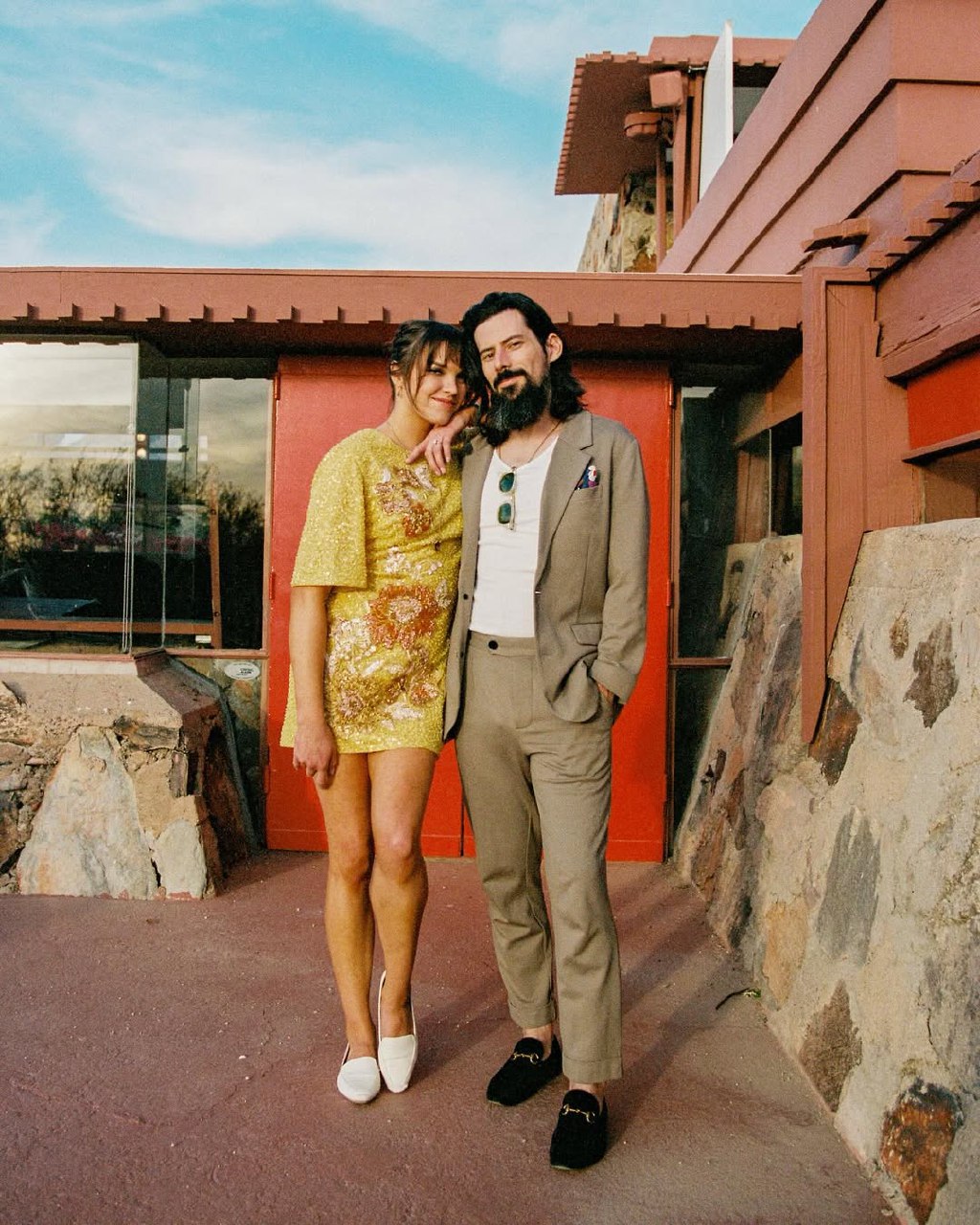
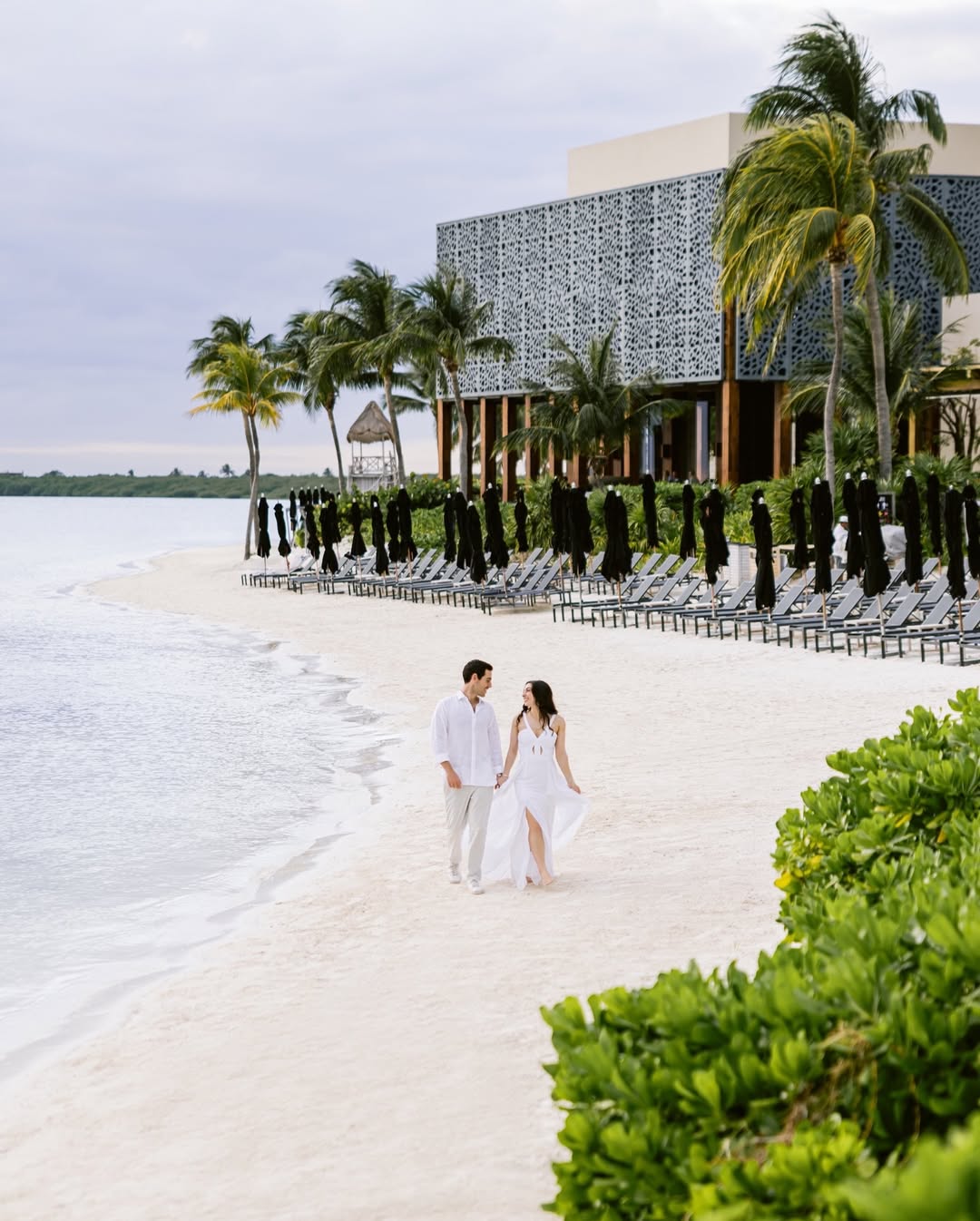
Cobalt. Coral. Fuchsia. Terracotta. Emerald. Bright yellow. Almost every shade of the colour spectrum is showing up at weddings right now, and the collective effect of a reception full of confident colour is one of the most beautiful sights at a wedding. Knowing what to wear to a summer wedding comes down to one principle: commit fully. Wearing one strong shade head to toe is far more elegant than having multiple bold tones competing at once. Accessories should anchor rather than amplify your look: think nude or metallic shoes, minimal jewellery and a bag that won't compete with your dress. Bold colour works particularly well for beach weddings: it looks beautiful in natural light, photographs well, and suits the relaxed atmosphere of an outdoor coastal setting.
Beige, Sand & Understated Elegance
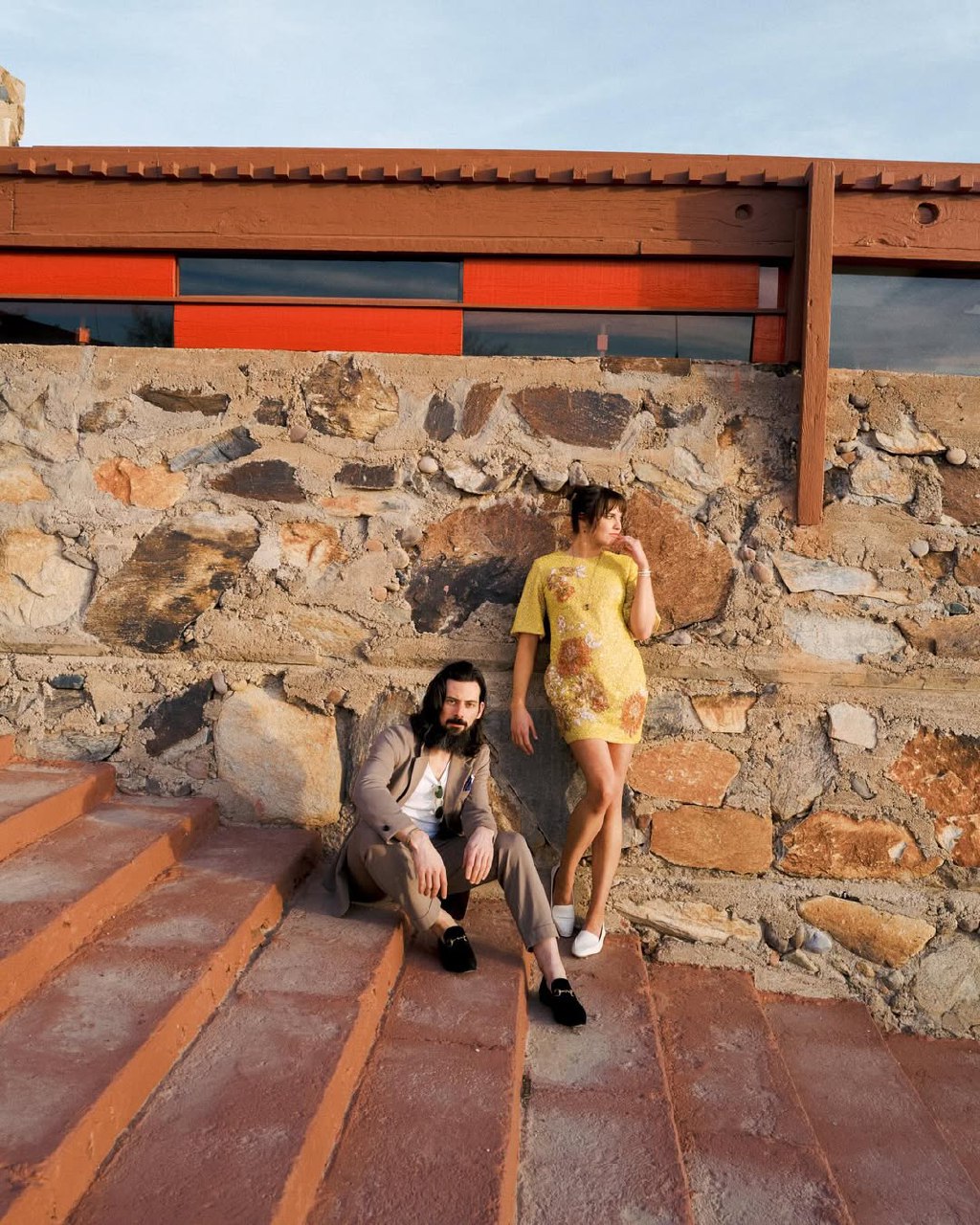
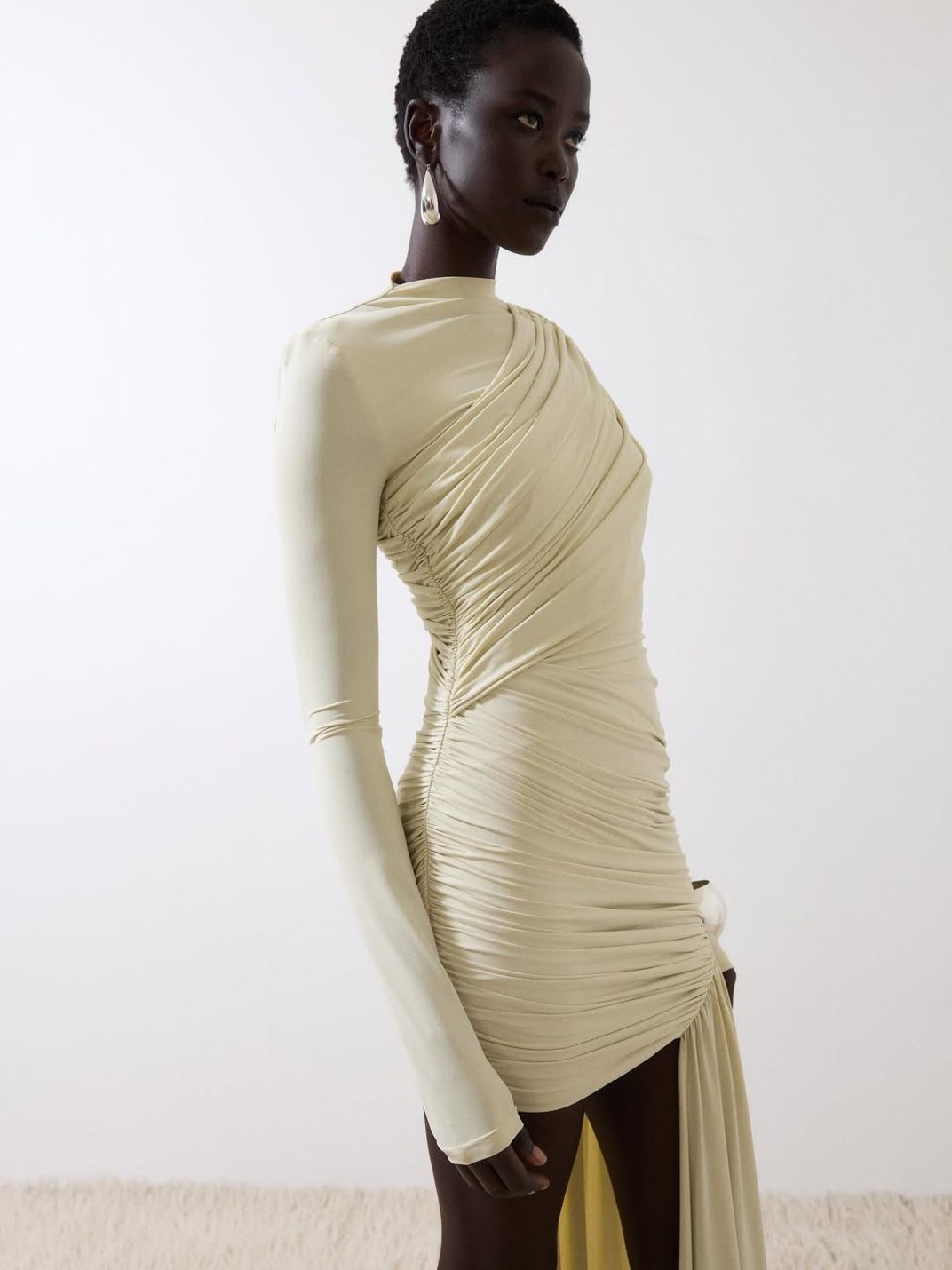
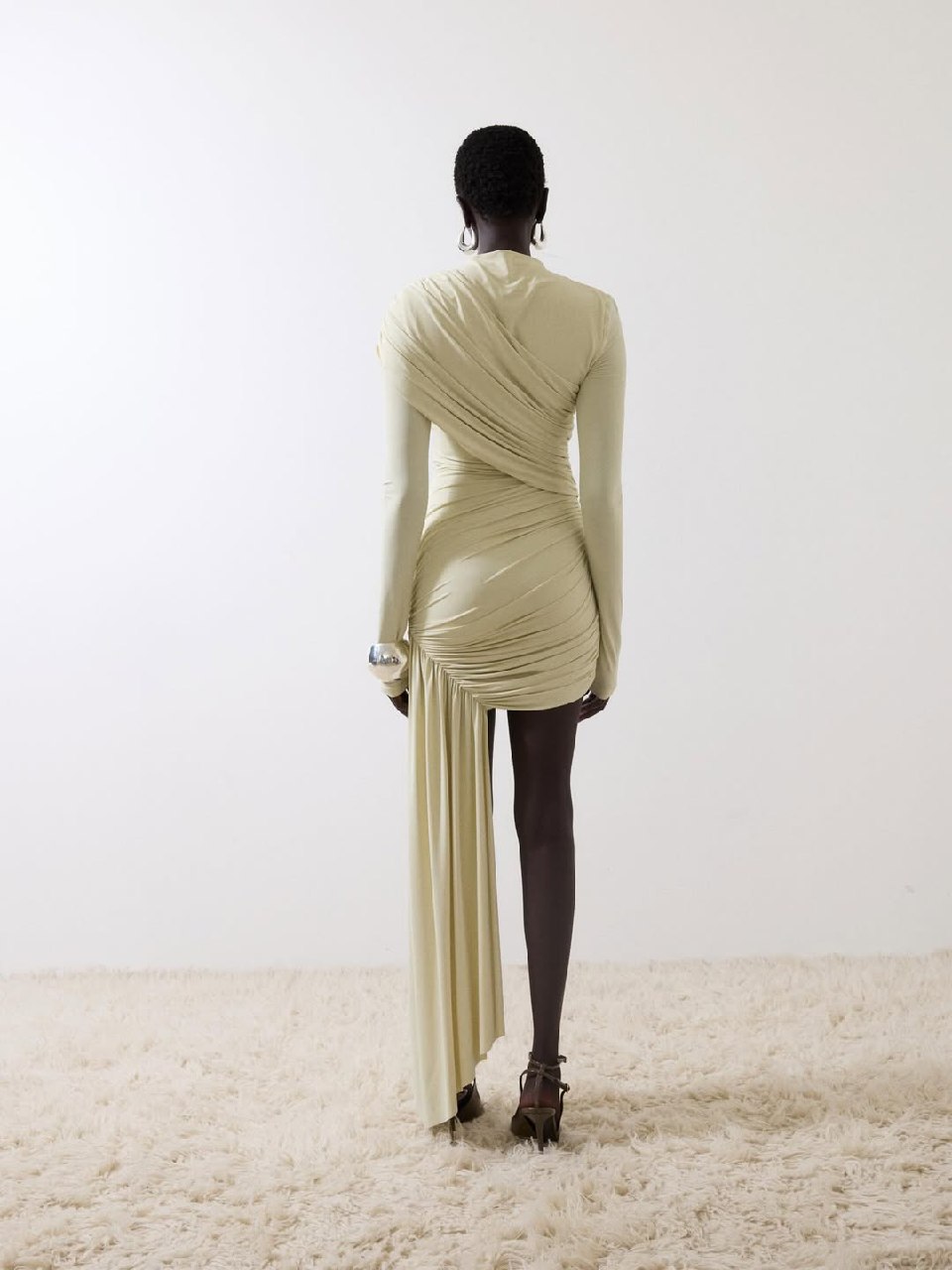
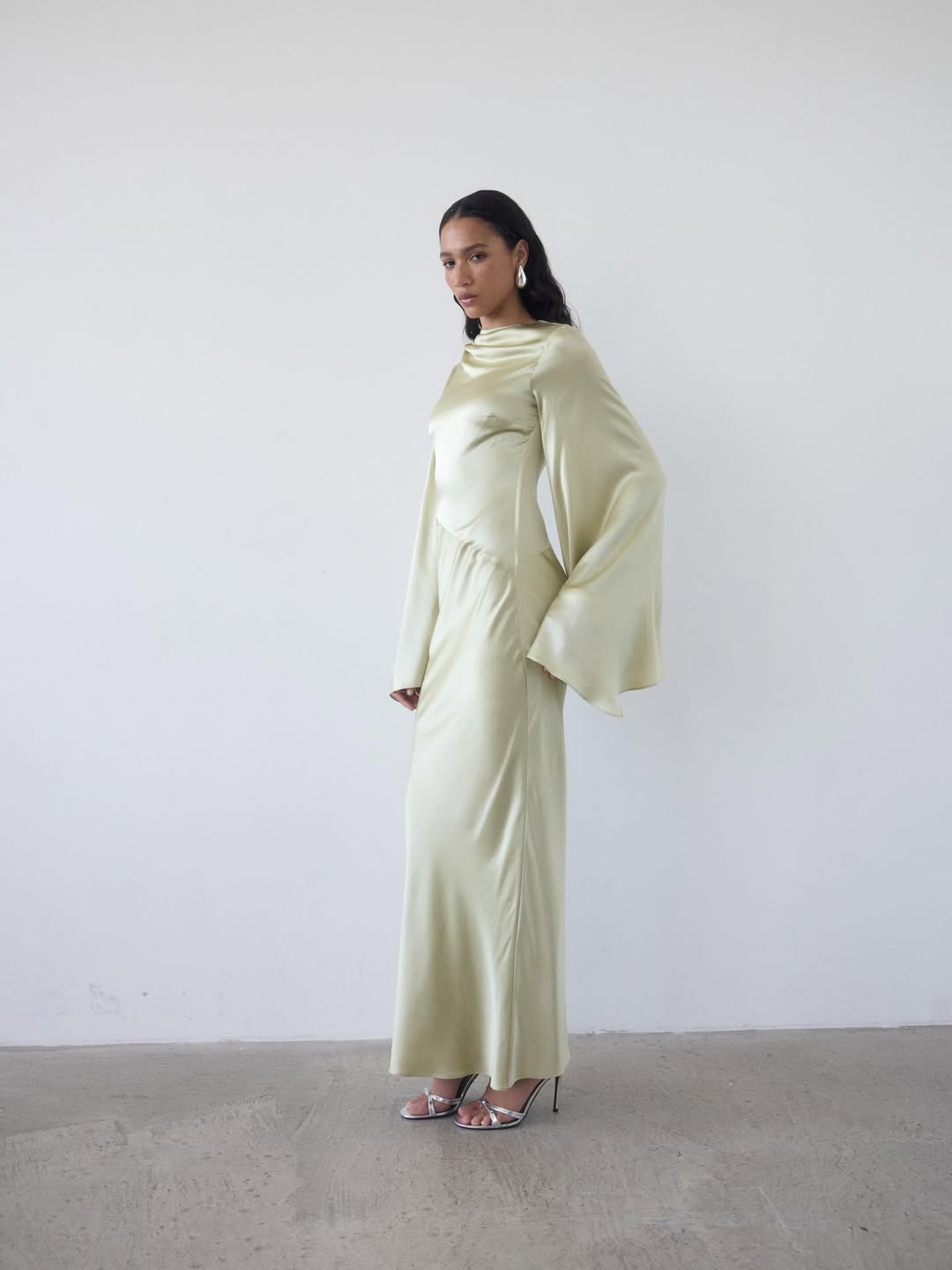
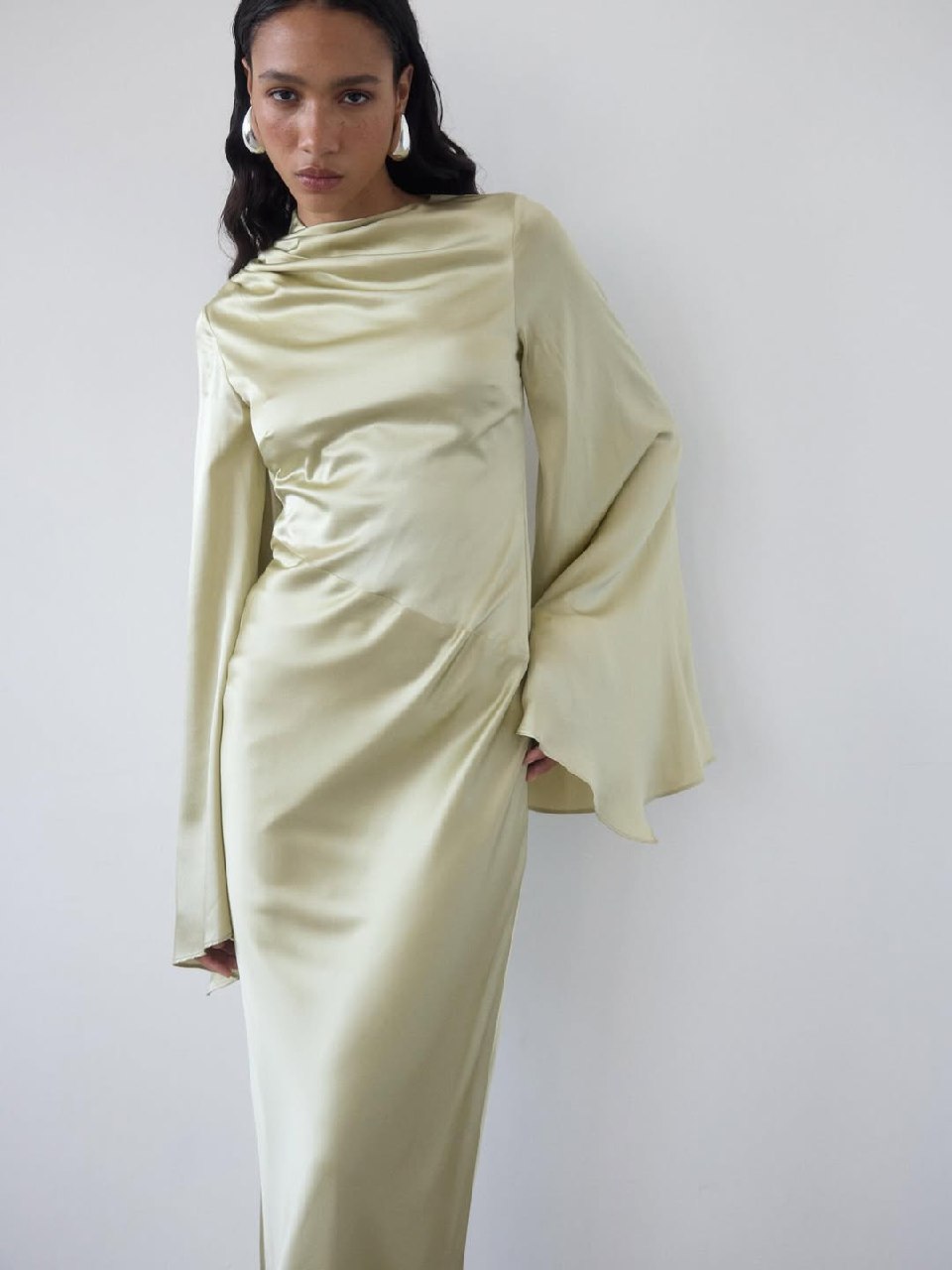
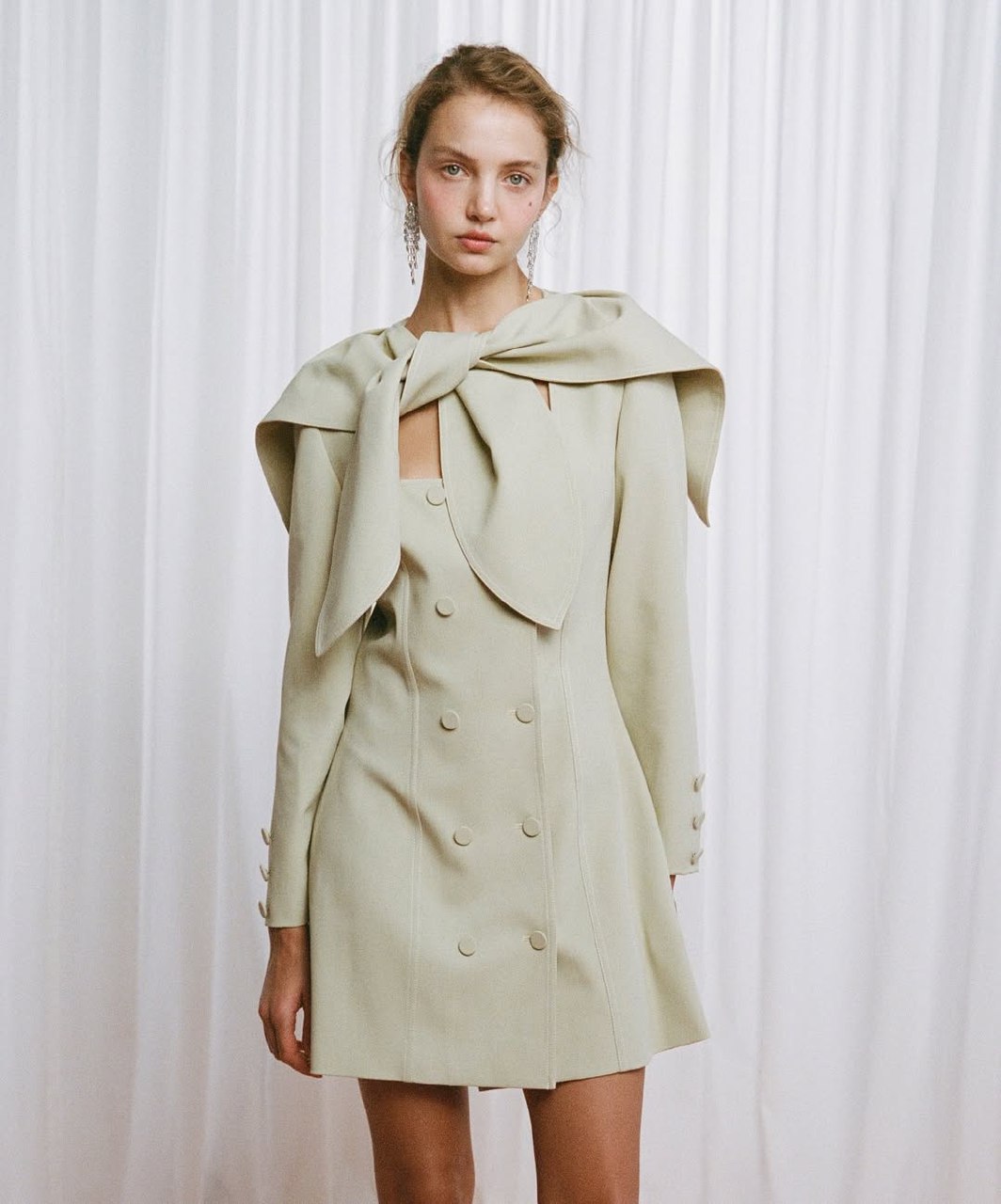
There is a shade of beige that looks neglected. Then there's a shade that looks like the most intentional thing in the room, and the difference lies entirely in the way it's executed. Texture and silhouette are paramount here: beautifully draped crepe, textured linen, and fluid satin in sand or ivory exude an understated elegance that a flat, unstructured fabric in the same colour could never achieve. When the colour isn't announcing itself, the cut has to do all the work, and structure becomes non-negotiable.
Accessories become the deciding factor: a sculptural heel, an interesting bag, or a single piece of substantial jewellery. Beige and sand also photograph exceptionally well in natural light, making this palette one of the most quietly intelligent choices for an outdoor summer wedding when worn well.
What Not To Wear To A Wedding
The old rules about wearing black or white to weddings have largely been rewritten — an all-black outfit is a perfectly elegant choice for most modern celebrations, and guests wearing white no longer cause any offence. The real question in 2026 is not about colour taboos. It's about context.
The most important thing is to avoid contradicting the couple's vision. If the invitation specifies a colour palette, dress code, or specific aesthetic — such as a garden party, black-tie dinner, or boho beach ceremony — dressing outside of these guidelines is the one genuine misstep a guest can make. It suggests that the couple's choices weren't worth considering, and that's never a good impression to give.
Beyond that, practical considerations matter more than any style rule:
- Stiletto heels at a beach or outdoor garden wedding are impractical and uncomfortable, and will look out of place.
- A short dress at an evening winter wedding will be uncomfortable, and this will be visible in every photograph.
- Heavy embellishment or overly formal styling at a casual daytime celebration will make you look like you are trying too hard.
- Avoid wearing anything you haven't worn before, as a wedding is not the place to test whether new shoes will survive six hours or whether that waistband is comfortable.
Ultimately, what colours not to wear to a wedding is determined by what the couple asked for, rather than by universal rules. If they requested a specific colour scheme, honour it. If not, dress appropriately for the setting, season and time of day. Everything else is up to you.

How to Choose What to Wear to a Wedding
The most important thing to know about how to dress for a wedding in 2026 is that there has never been a wider range of acceptable options. Every category mentioned above is genuinely on trend. The important thing is to choose the trend that is right for you and this specific wedding.
| Question | What it helps you determine |
|---|---|
| Question | What it helps you determine |
| What is the venue? | Indoor formal venues call for more structured looks; outdoor garden weddings allow more relaxed styling |
| What is the season and likely weather? | Fabric weight, coverage, and practicality all shift with temperature |
| What is the time of day? | Daytime weddings suit lighter fabrics; evening receptions support more drama |
| What is the dress code? | The couple's dress code is the most important single piece of information — always respect it |
| What suits my body and colouring? | The best outfit is the one you feel most confident in, regardless of trend |
| What is the formality of the event? | A black tie wedding and a casual garden party require genuinely different approaches |
| Is it a destination or seasonal wedding? | What to wear to a winter wedding differs significantly from a summer outdoor celebration |
The final and most important point is that what you wear as a guest is a matter of respect as well as style. The dress code set by the couple is an expression of how they have imagined their big day, so dressing in line with it is one of the most considerate things a guest can do.
In 2026, there will be more options than ever for what to wear to a wedding. Think pastel suits and feathered hems. Floor-length black gowns and bold, cobalt-coloured midi dresses. Sand-coloured crepe and asymmetric printed silk. The only real rule is to choose something that makes you feel like the best version of yourself and to wear it with confidence.
Want to stay ahead of what's next in wedding fashion? Explore the Wedding Fashion & Trends section on Wezoree Inspiration — new looks, emerging styles, and everything worth knowing before you get dressed.