Essential Tips to Choose the Perfect Bridal Shapewear



In a bridal boutique, a consultant watches a bride as she puts on her dream dress for the third and final fitting, and in silence notices the same slight lines along her hip that were there during the first fitting as well. At that first fitting, nobody had mentioned it out loud, but this time someone will. Bridal shapewear lies in that odd and little-talked-about area of wedding planning, being a thing that no one schedules time for right up until it makes the difference between a dress that looks exactly as intended in photographs and one that throughout the reception is constantly struggling with the fabric it's wrapped in. Most brides take months to select their gown but spend only about ten minutes considering what to wear underneath, and it's in that gap that problems usually arise. What follows covers what should have been included in that gap: why shapewear matters, how to match it to your gown's construction, and the details stylists share only when someone finally asks.
Find Your Perfect Wedding Vendors


What Is the Purpose of Wedding Shapewear?
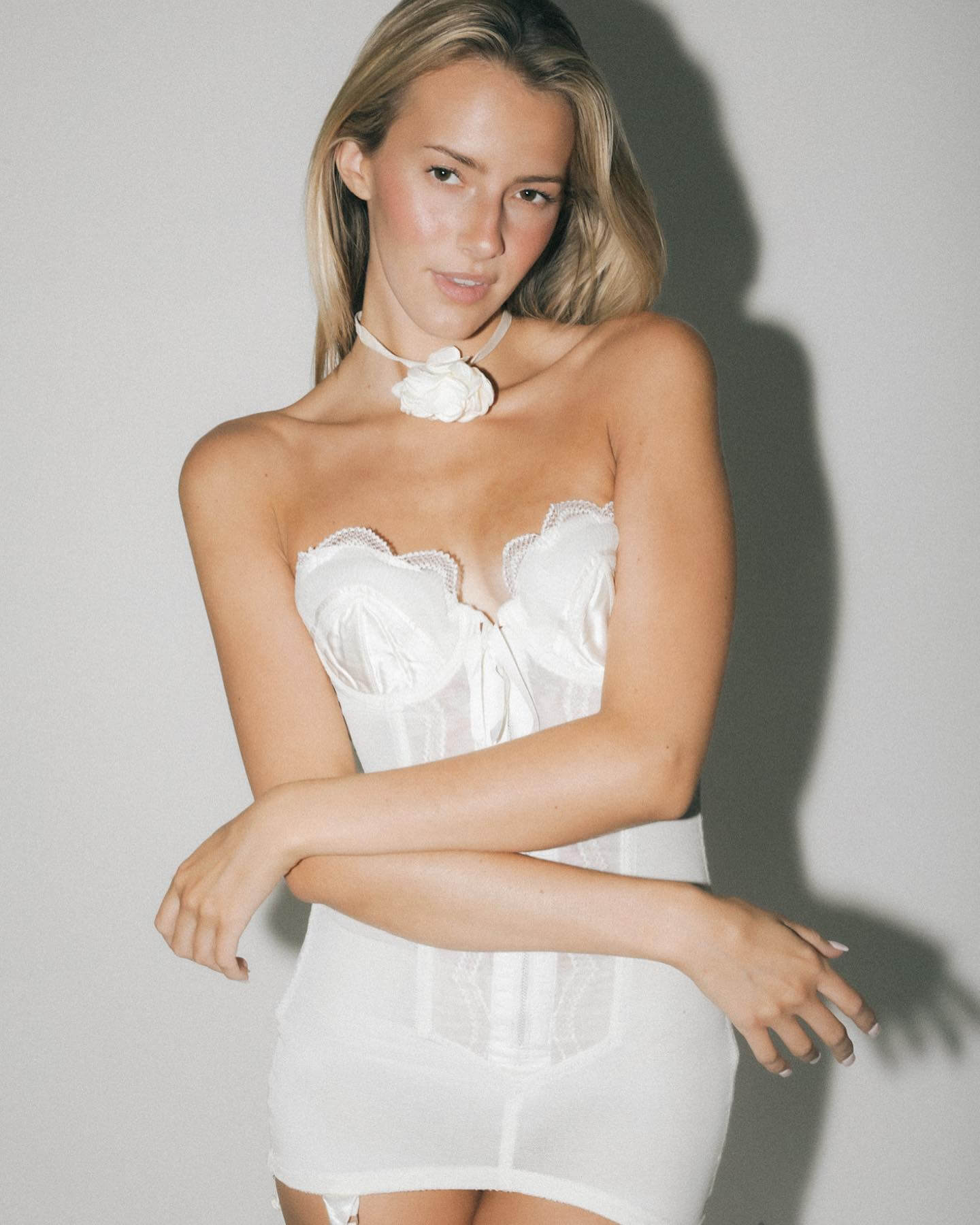
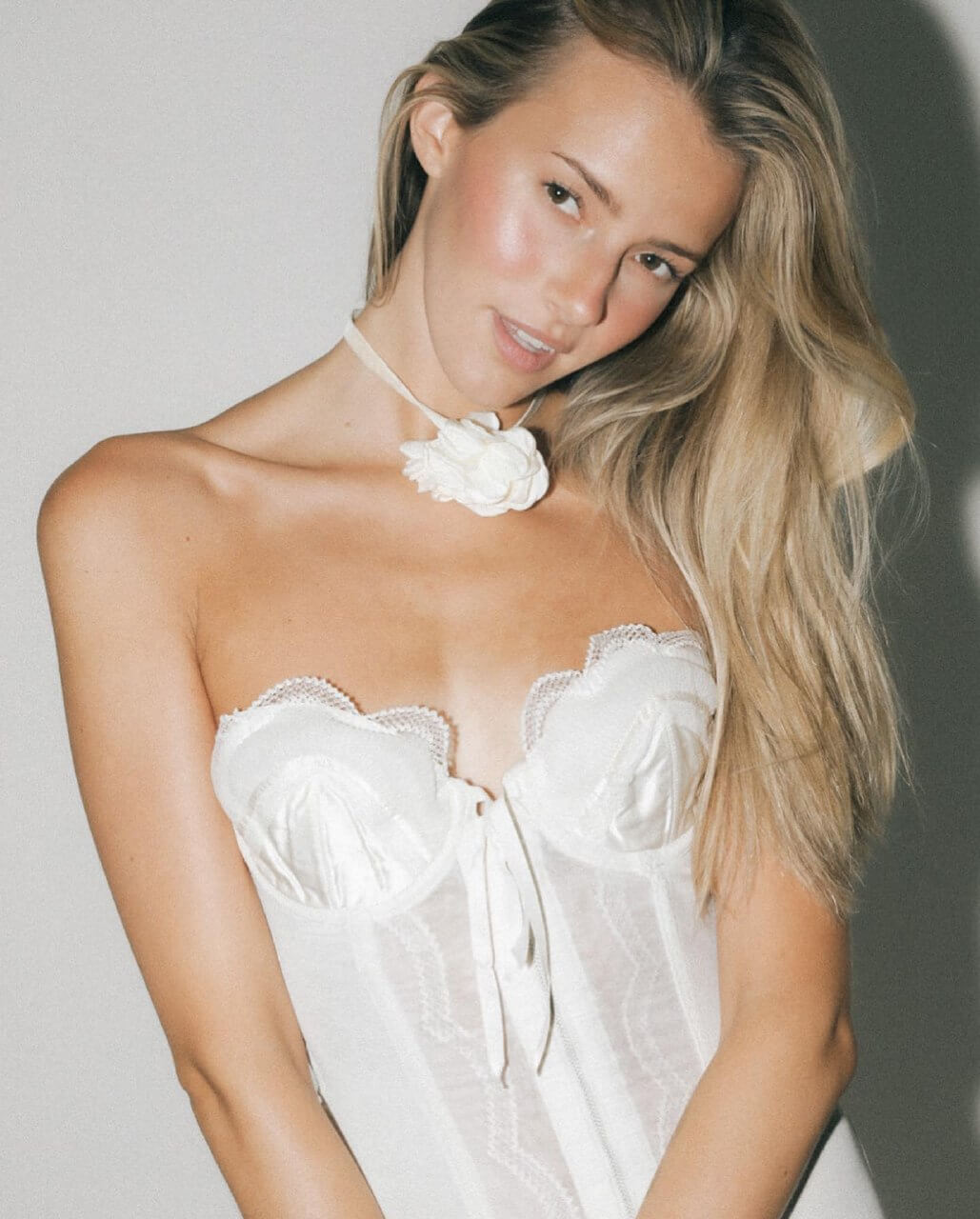
Good bridal undergarments don't just smooth out the shape; they also affect how the whole dress moves, how it sits, and how it looks when photographed over the twelve or so hours the bride actually wears it. Although most brides see shapewear as a cosmetic solution, something that simply pulls in a bit of extra fabric around the waist, in fact, it works more like structural engineering than merely for aesthetic purposes. Understanding what shapewear is really doing underneath the dress, and realizing that a design which looks perfect in the shop can behave in a totally different way under stage lighting or when photographed with a flash, makes the difference between selecting a piece that works with the construction of the gown and one that quietly opposes it all day.
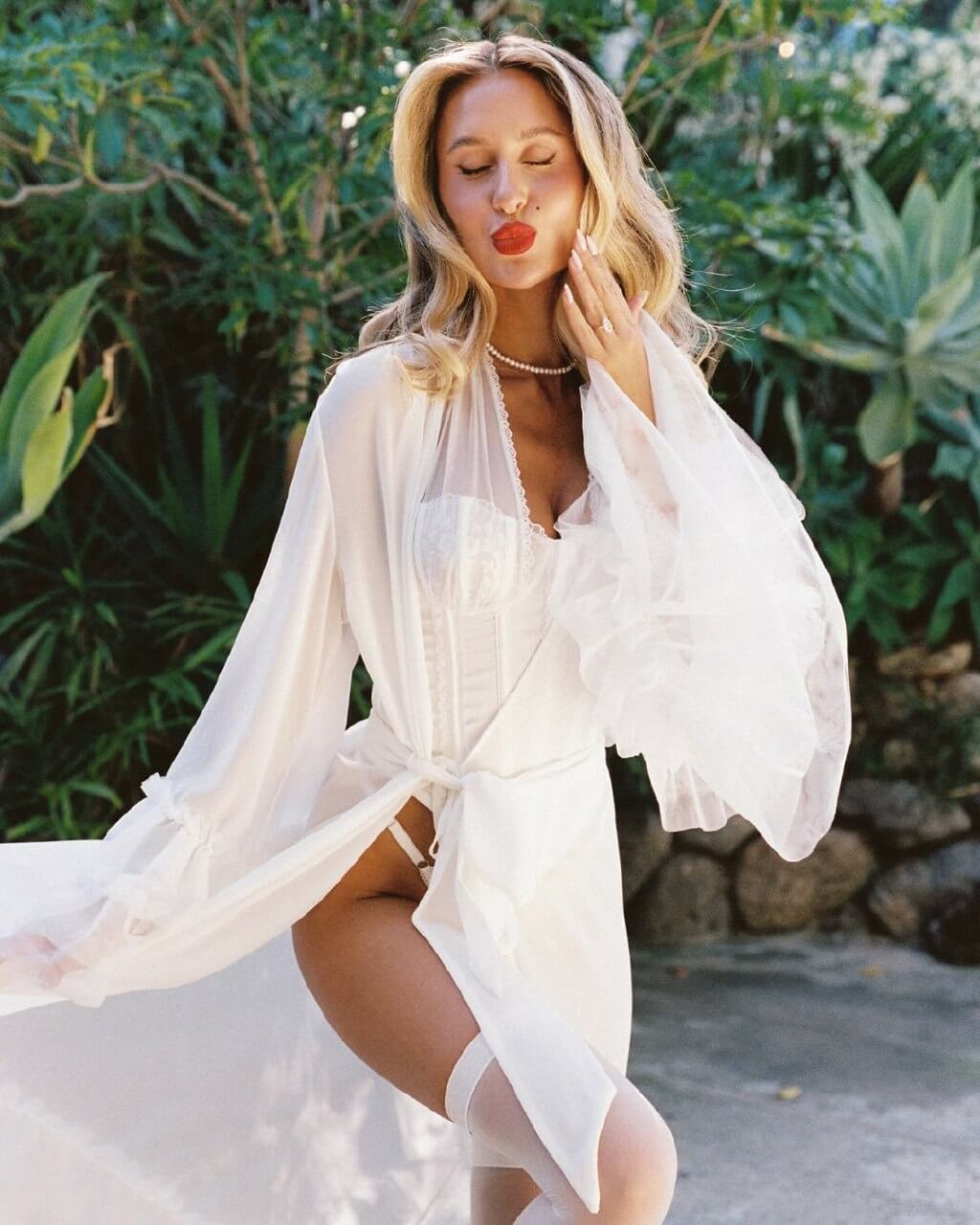
Improves the Wedding Gown’s Fit
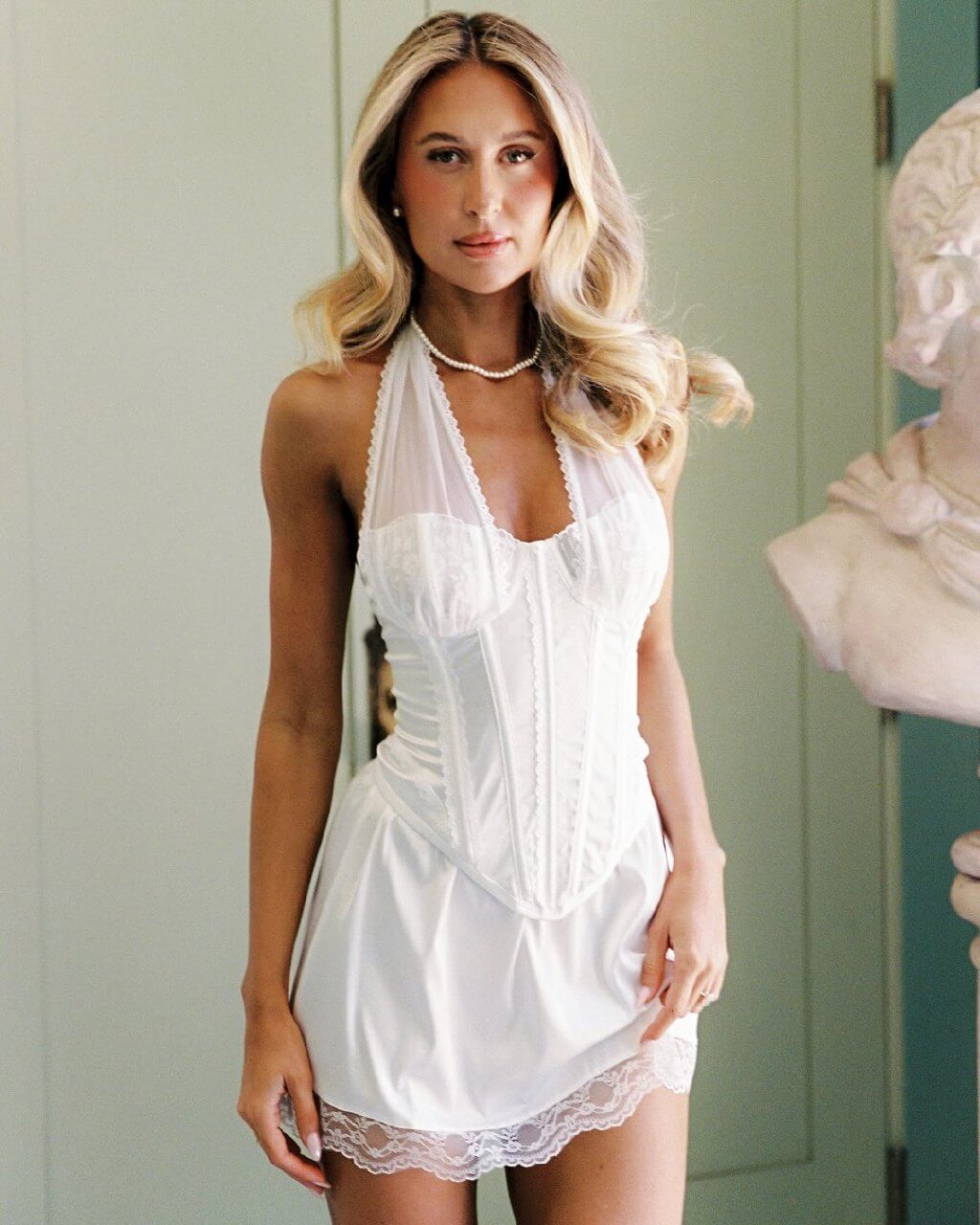
All dresses are based on the idea of what is underneath them, and the best shapewear for bridal gowns is specifically designed with that very idea in mind: it consists of shaped and structured items that are engineered to bridge the difference between what a gown claims to look like and what a body really looks like underneath. Shapewear closes that gap, removing the small lines and bulges that a stretch crepe or satin gown would otherwise show under any kind of light, particularly the harsh light commonly found at receptions. When designers make these gowns, they assume a certain level of smoothness beneath the surface, and if that step is omitted, the dress simply can't do what it was designed to do. The right shapewear doesn't just conceal; it lets the dress's true construction - the boning, the seaming, and the intended shape - show through as the designer intended, rather than as a result of what is underneath.
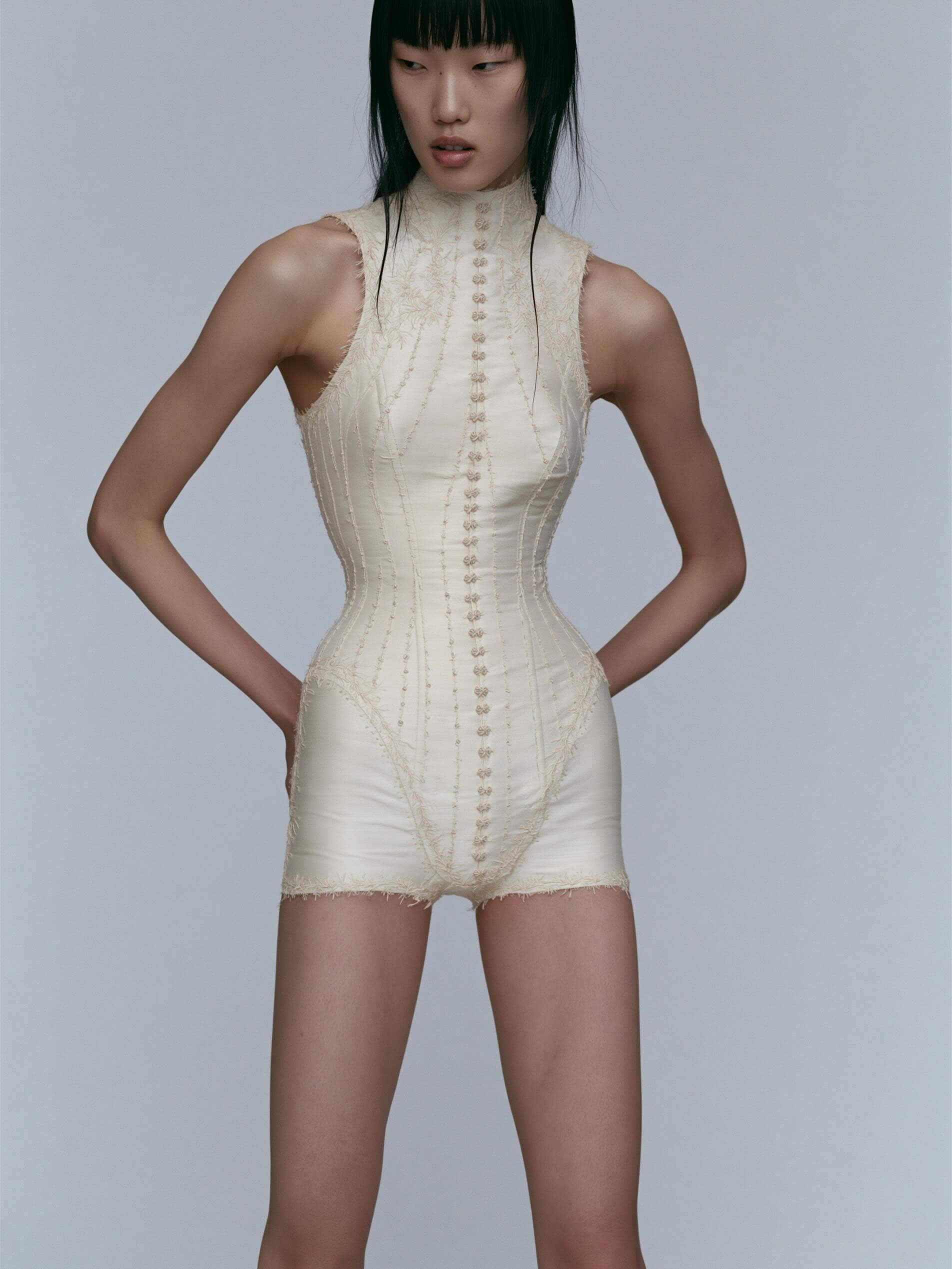
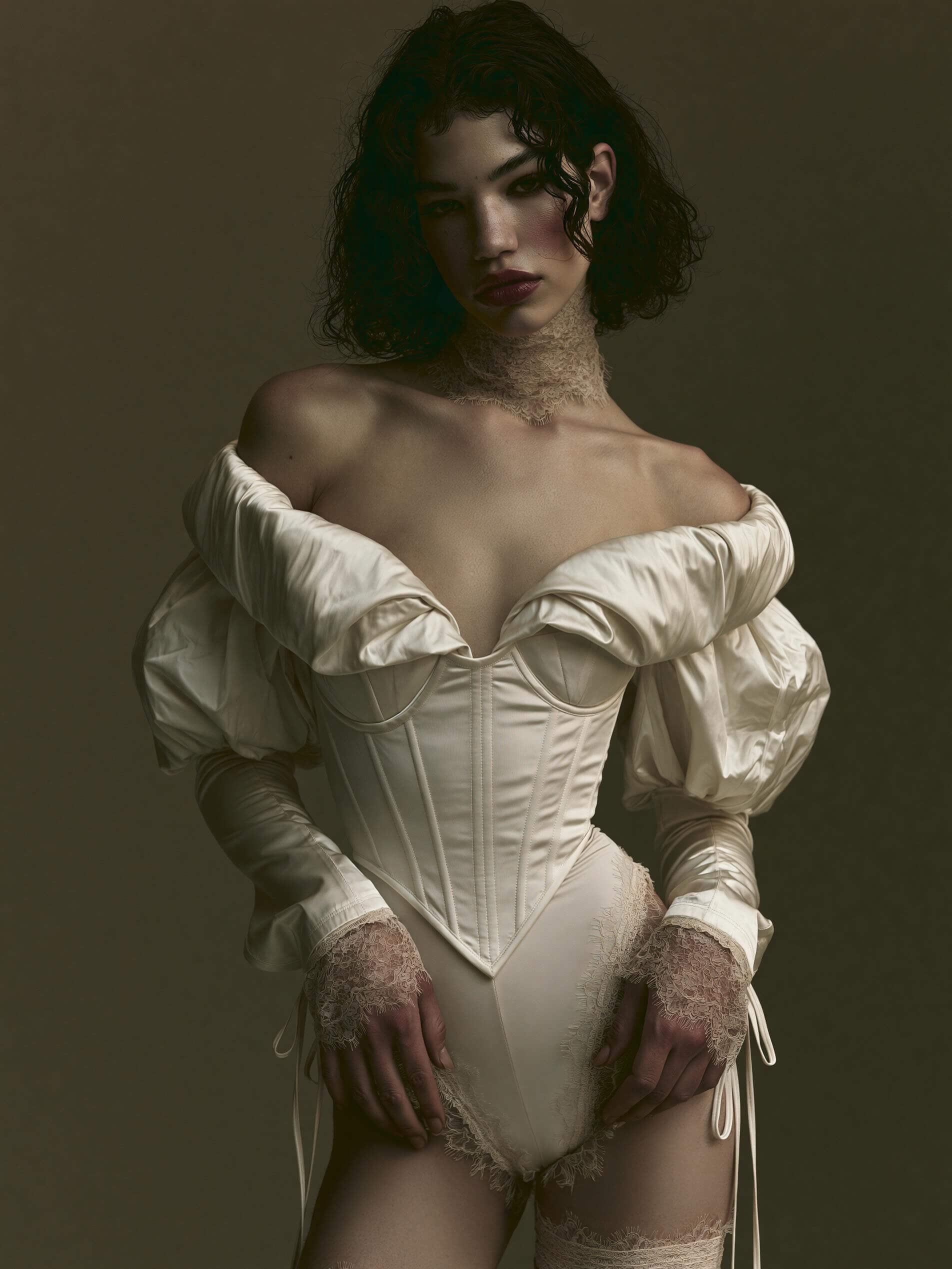
Elevates Self-Assurance
Wearing a wedding dress and feeling completely at ease in it changes how a bride moves throughout the day, and high-quality bridal shapewear contributes subtly but genuinely to that change. It's not mainly about changing one's appearance, but about getting rid of the low-level self-consciousness that comes from wondering whether the dress is positioned correctly, whether a bulge shows in a particular photo angle, or whether the fabric is performing as it should. Most brides don't realize they're paying for this kind of mental strain until it disappears, letting them focus on the day itself rather than constant, quiet self-monitoring. Consultants who have observed hundreds of brides during fittings consistently describe this difference: a bride who has confidence in her undergarments simply stands differently from one who doesn't.
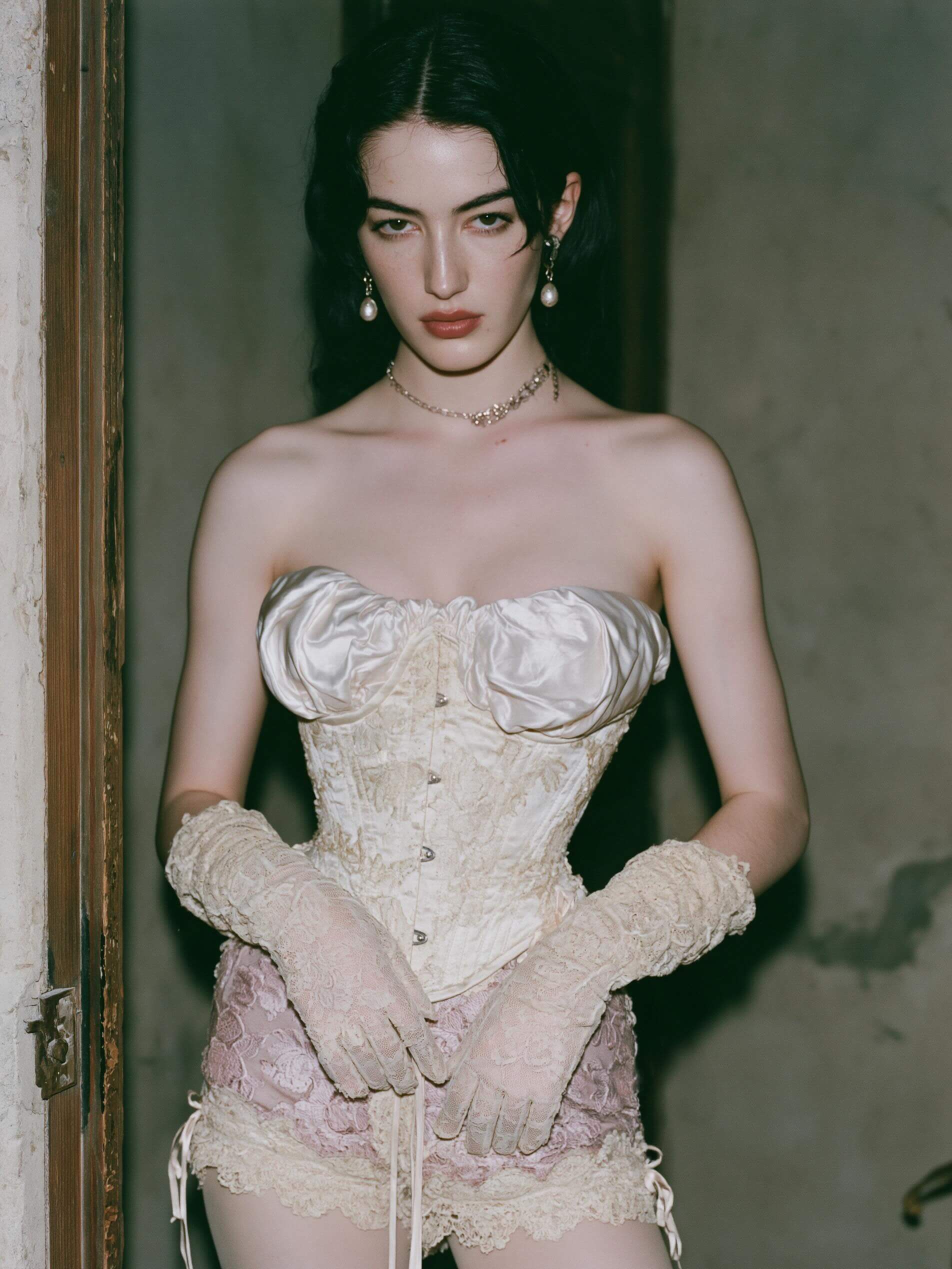
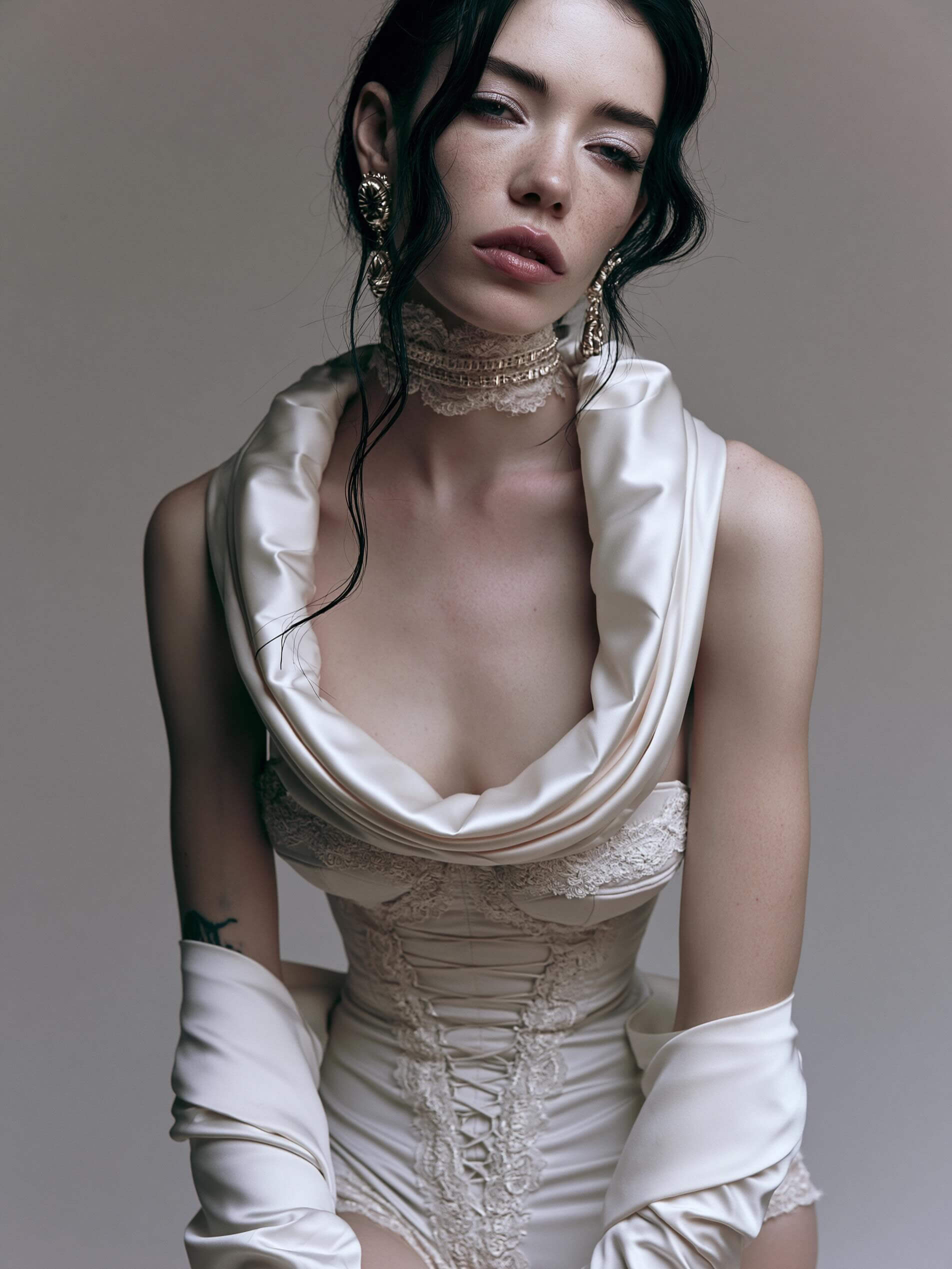
Comfort and Support
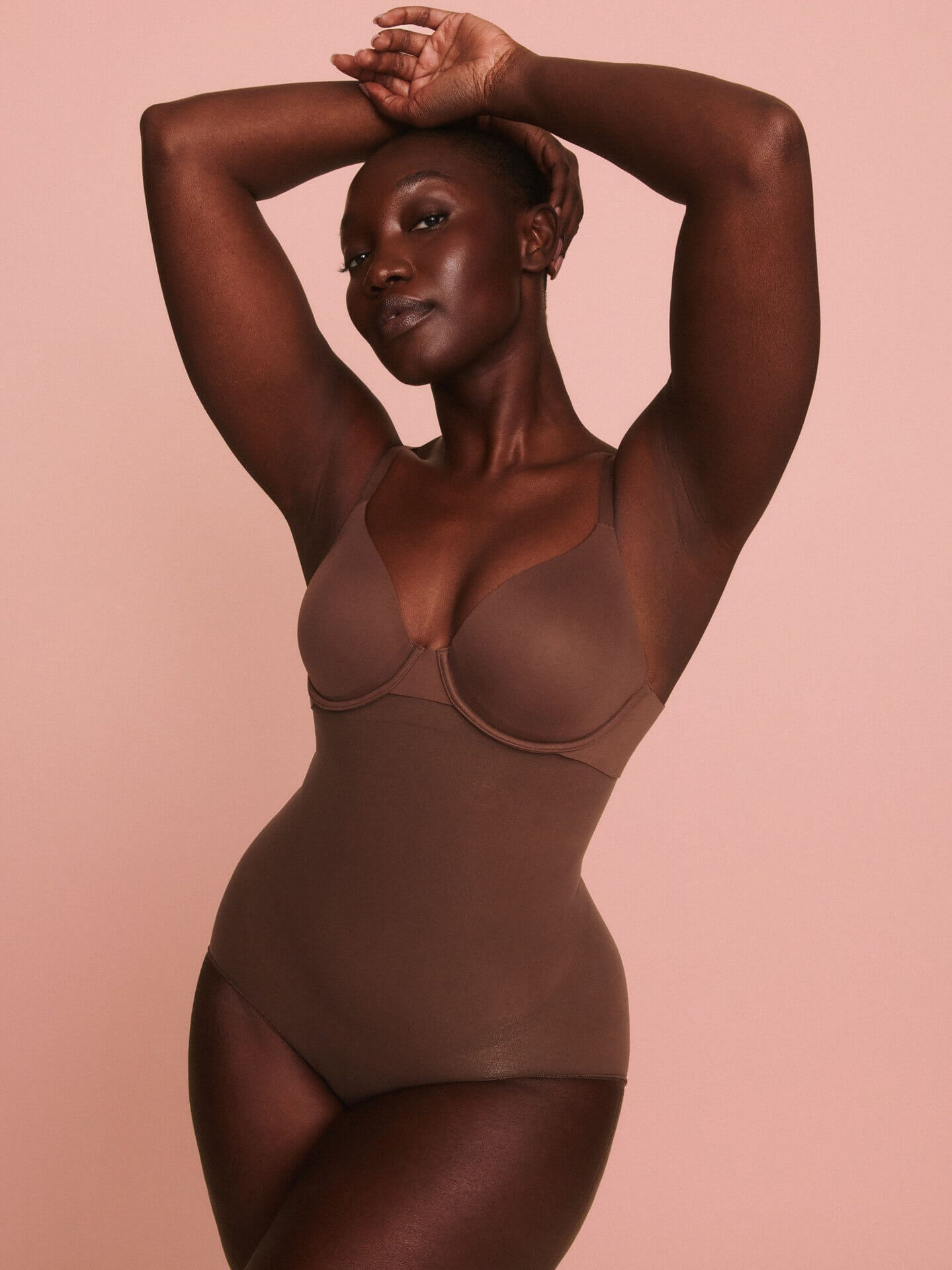
Today's shapewear is far beyond the stiff, tight styles bridal undergarments used to represent, with bridal shapewear shorts in particular made from flexible, breathable material designed to move with the body rather than against it. The importance of this difference becomes clear throughout a whole wedding day, since a garment made for a twenty-minute photo session is not in the slightest way the same as one designed to cope with dancing, eating a full meal, and a reception that goes past midnight, even though the two may look very similar on a hanger. It is only when things have gone wrong that the wrong choice is discovered, specifically three hours into the reception, during a dance, with no chance to change. In well-made shapewear, comfort and support are not opposing priorities; they are the same requirement seen from two different points of view.
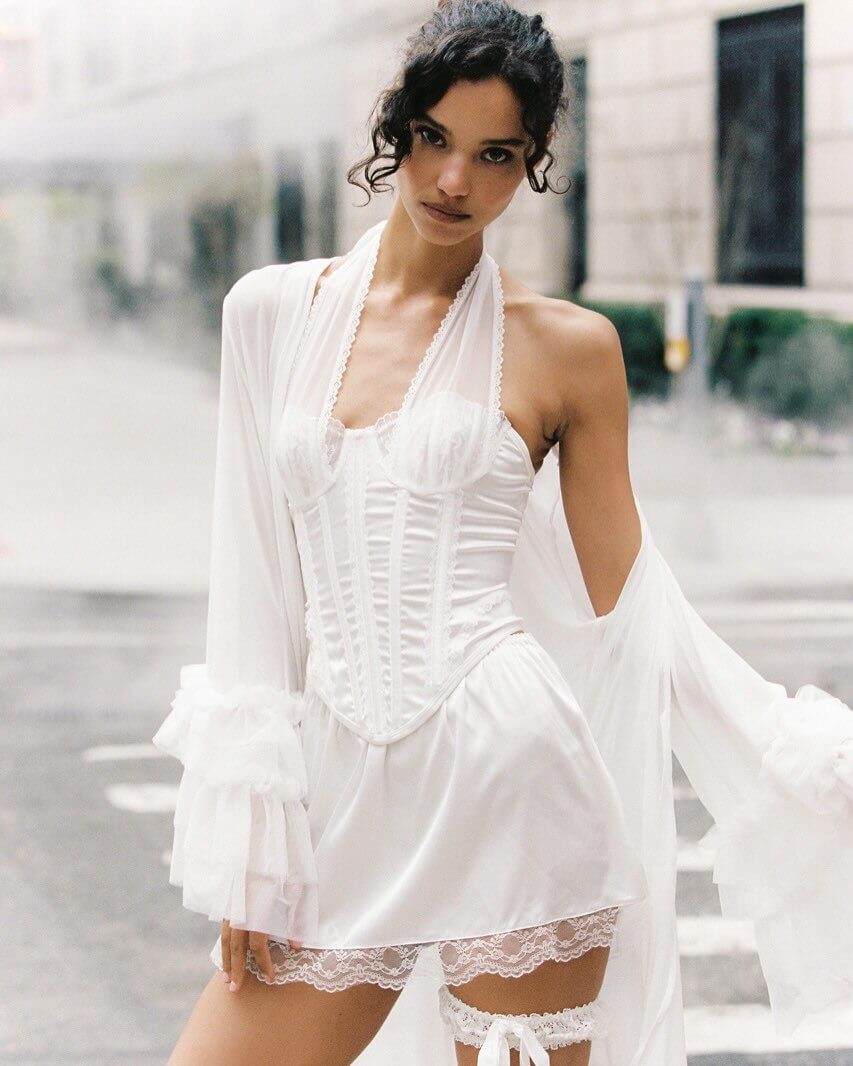
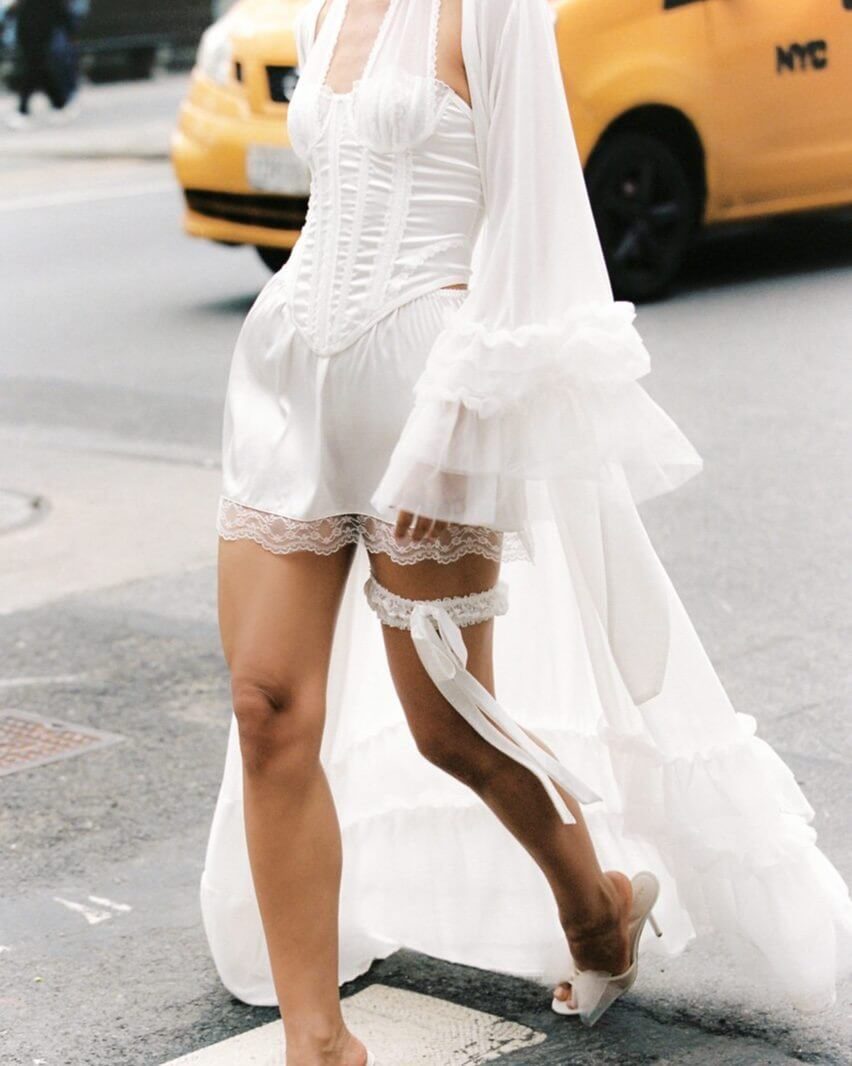
Enhancing Photographic Appeal
Wedding photography is in a way much more demanding than ordinary daily life because, whether it's flash or direct sunlight, both of these reveal texture and lines that are completely missed when looking in a bathroom mirror at home; that is precisely the reason why white bridal shapewear worn underneath a sheer or light dress must disappear rather than just blend in. Shapewear that is chosen properly produces a clean and uninterrupted line, one that is specifically designed to cope with the close examination by a camera, so that the images which a couple will keep for decades truly show the dress as it was intended to look rather than as it happened to sit on that particular afternoon. Photographers often notice the difference at once, since a smooth foundation looks effortless in photographs, while any visible lines or bunching draw the eye in the wrong direction. The fact that these pictures last well beyond the wedding day means that this detail is important in a way that goes far beyond the ceremony itself.

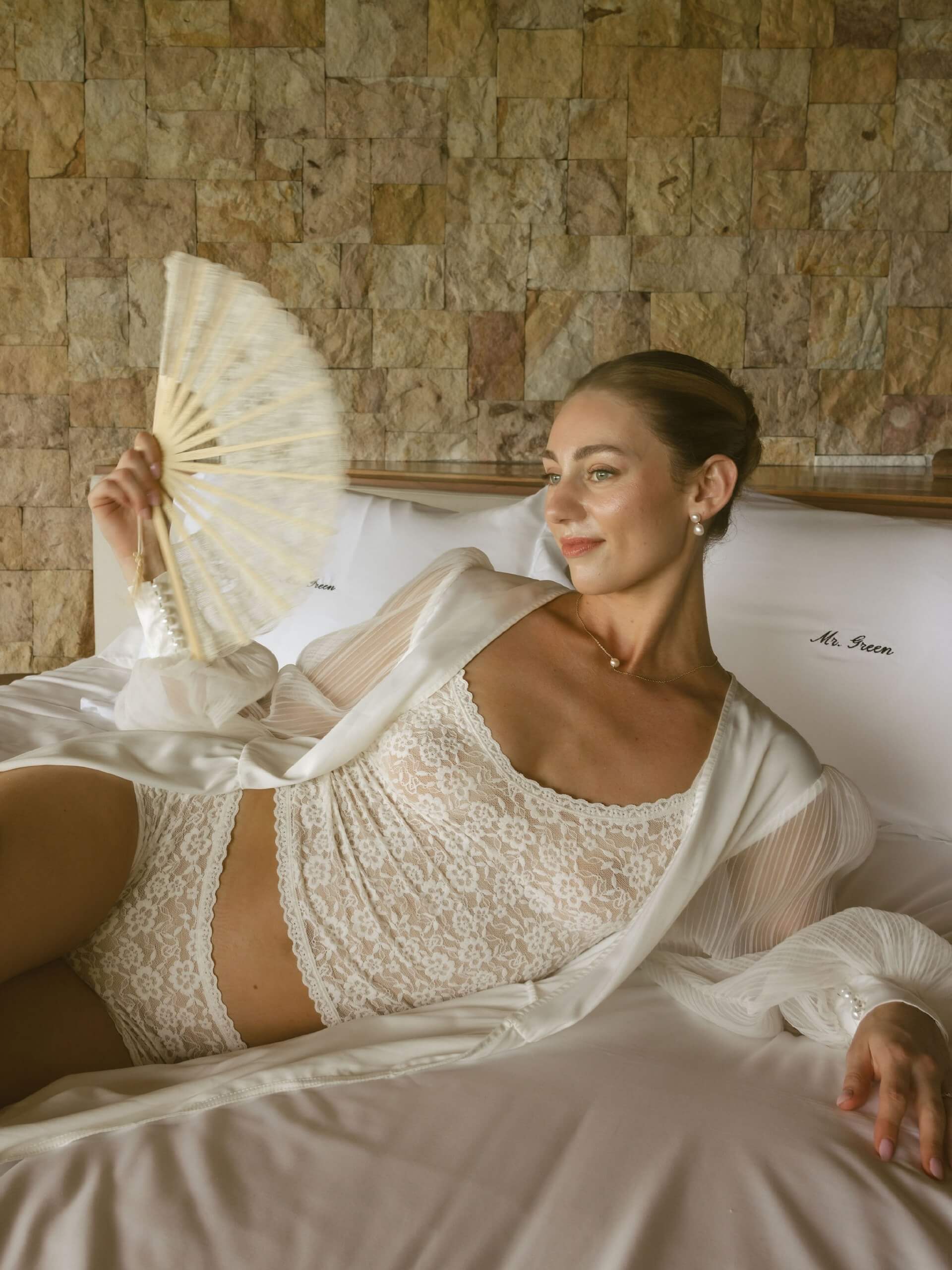
Posture Enhancement
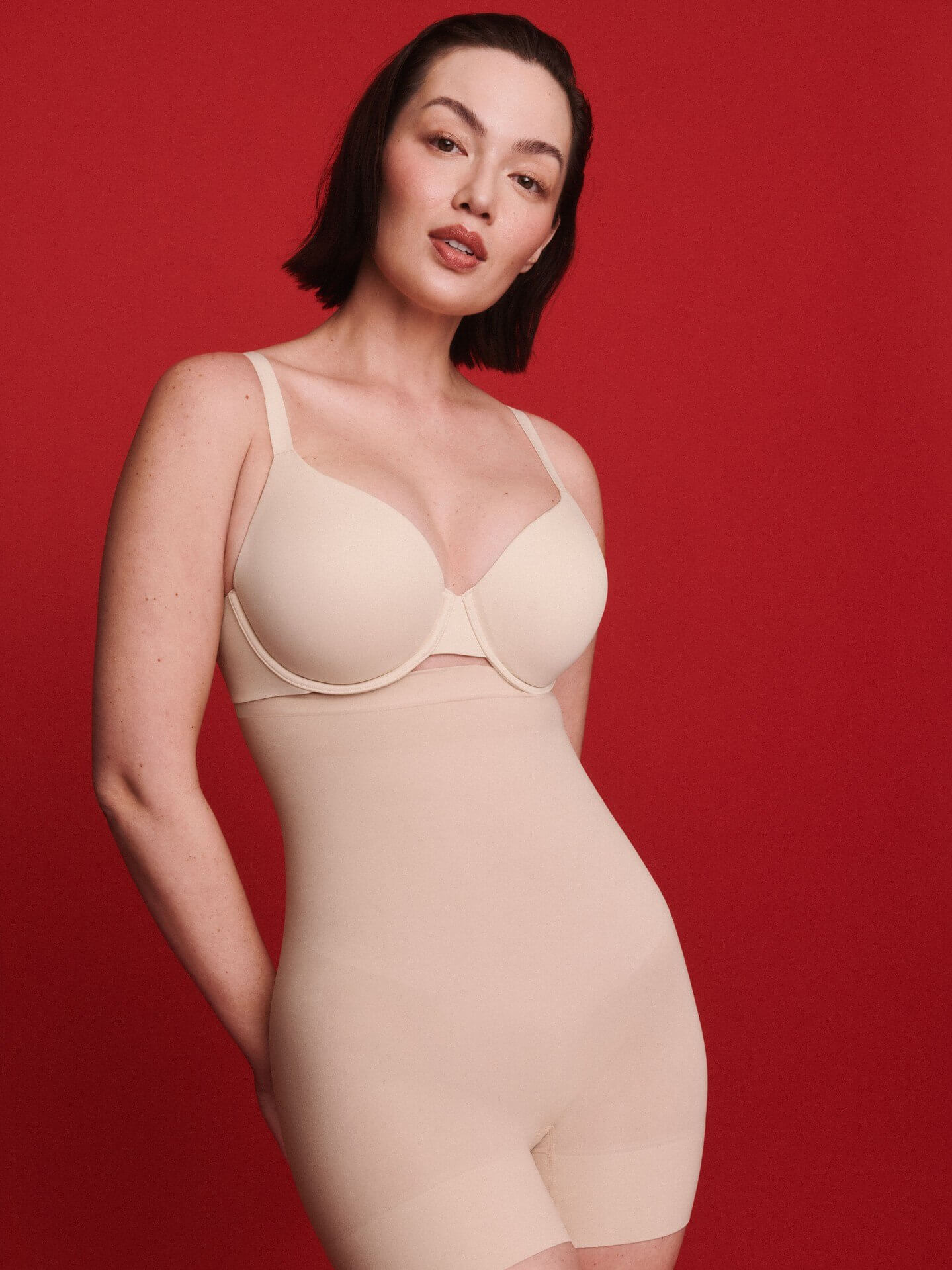
Well-constructed shapewear, especially bridal shapewear tummy control pieces with built-in back support or light boning, helps a bride to maintain a straighter and more stable posture without her having to think about it all day. The slight structural support it provides often appears in photographs as confidence, even though the bride is occupied with other matters, such as greeting guests, keeping track of the schedule, and simply trying to enjoy the moment. Posture influences not only how the gown's train falls or how the neckline sits, but also how the jewelry catches the light, although most brides never connect these small effects to what's happening underneath the dress. It is a subtle mechanical advantage visible in almost every formal photograph, without anyone needing to try to achieve it.
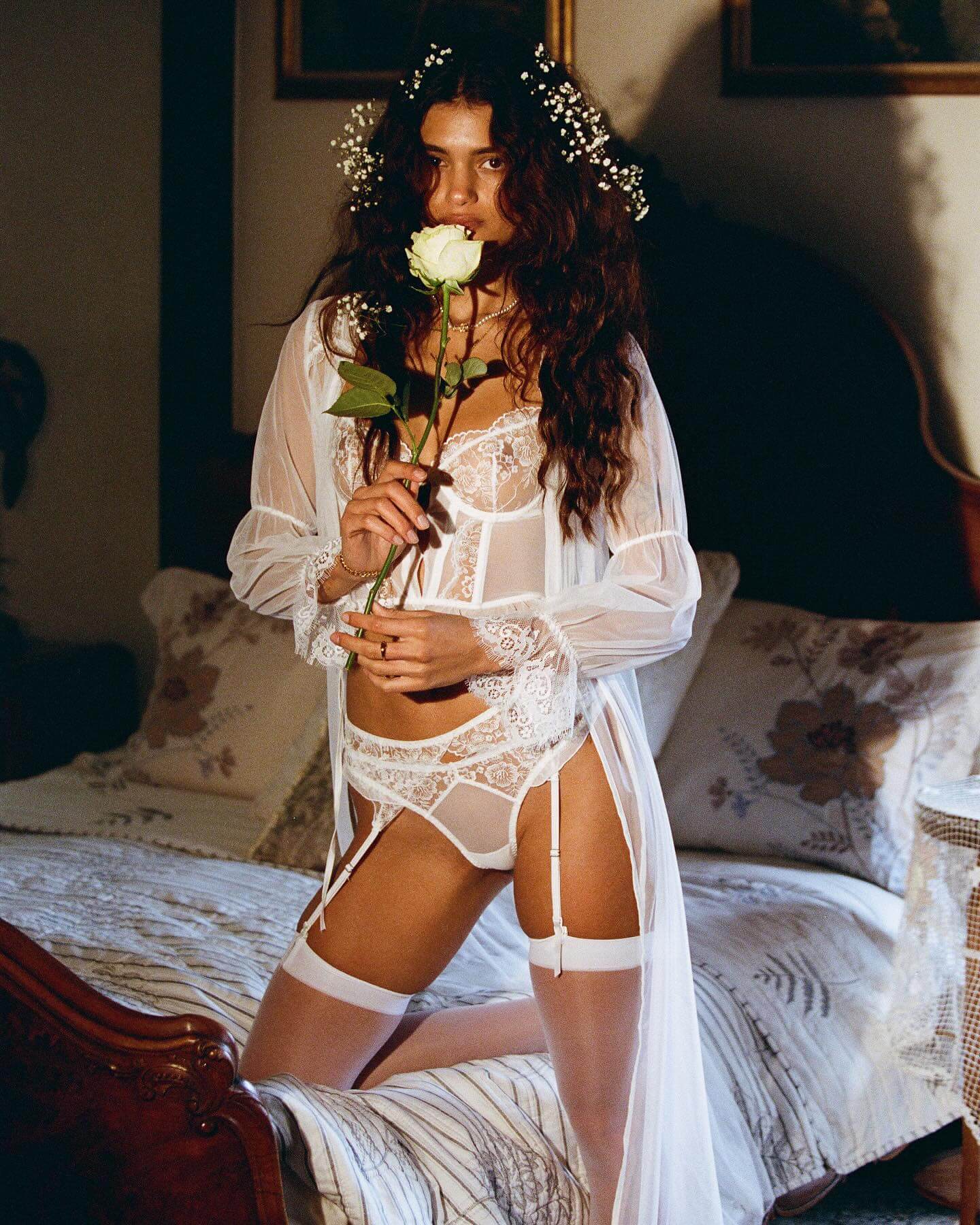
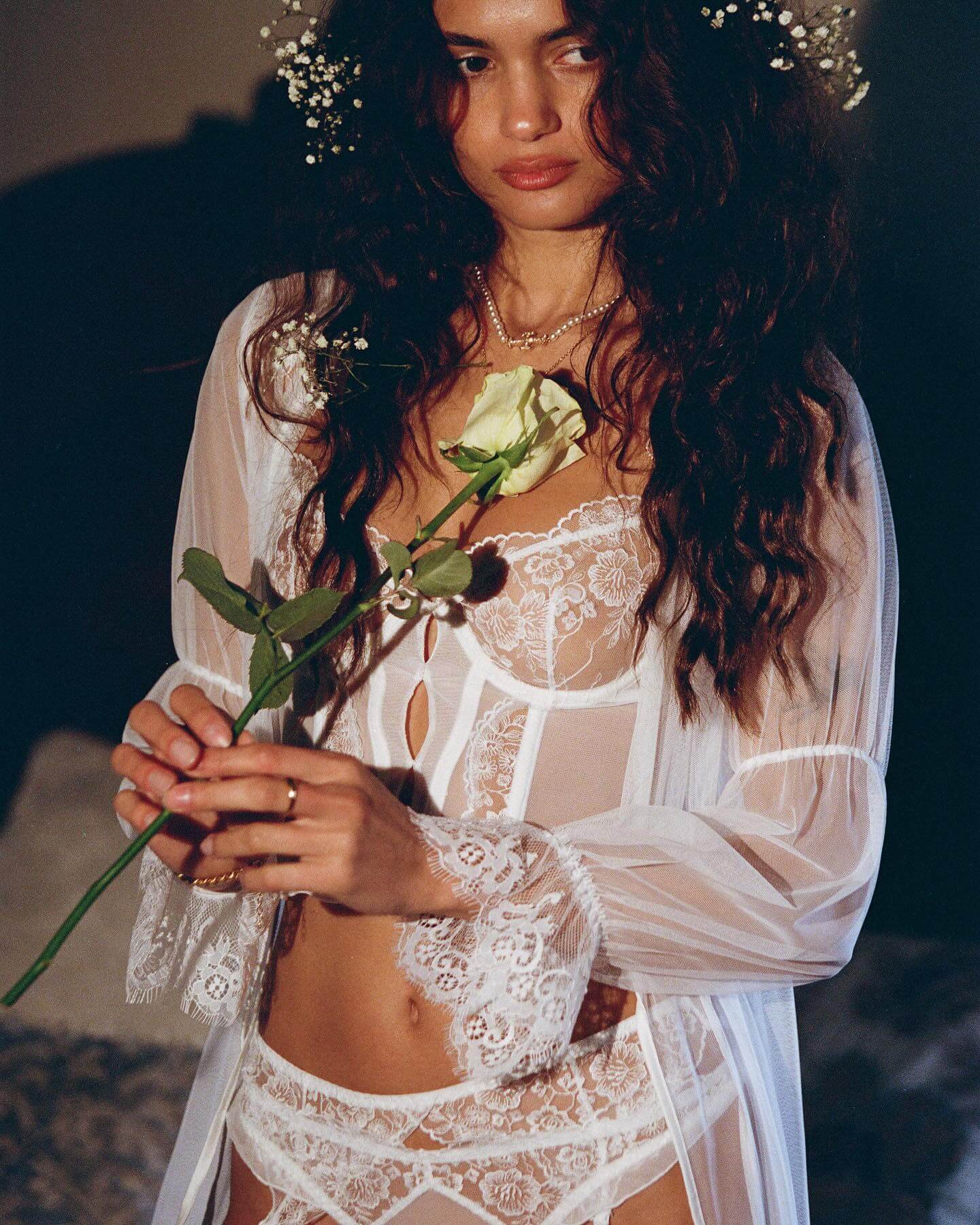
Tailored for Every Body
There is no one-size-fits-all solution for brides, and in the last few years the market has finally lived up to that fact. If a bride wants bust support, waist definition, or a smooth look from head to toe, plus-size bridal shapewear is now available with the same variety of construction and thoughtful design as standard sizes, specifically designed for curvy figures rather than just a smaller version of a standard pattern. Previously, the difference should have mattered more, but it didn't, since plus-size options were often given short shrift and not treated as a genuine design category. Nowadays, brands that take it seriously create entirely separate patterns, recognizing that support needs and how fabric behaves change significantly across sizes rather than increasing in a straight line.
Tips for Choosing the Best Wedding Dress Undergarments
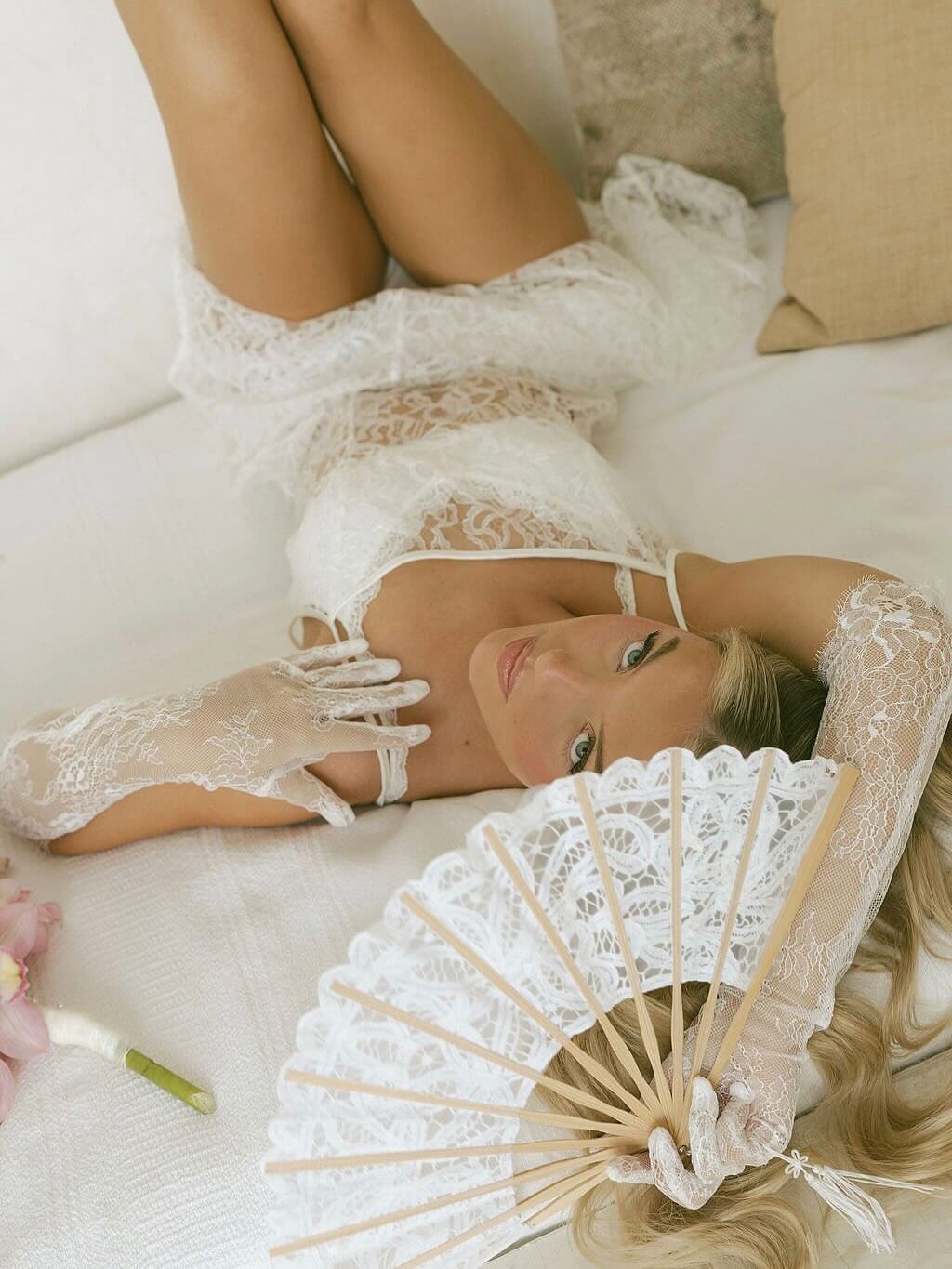

To select the right shapewear, start with the dress itself rather than a popular best-seller, since the wrong type of shapewear for a particular dress style can nullify hours of careful alteration work in a single fitting. Most brides learn this the hard way by buying shapewear based solely on reviews, without considering how their gown's specific cut works with a given style. A few factors reliably distinguish a good choice from an expensive guess, and going through them in order usually helps to save both money and last-minute anxiety near the wedding date.
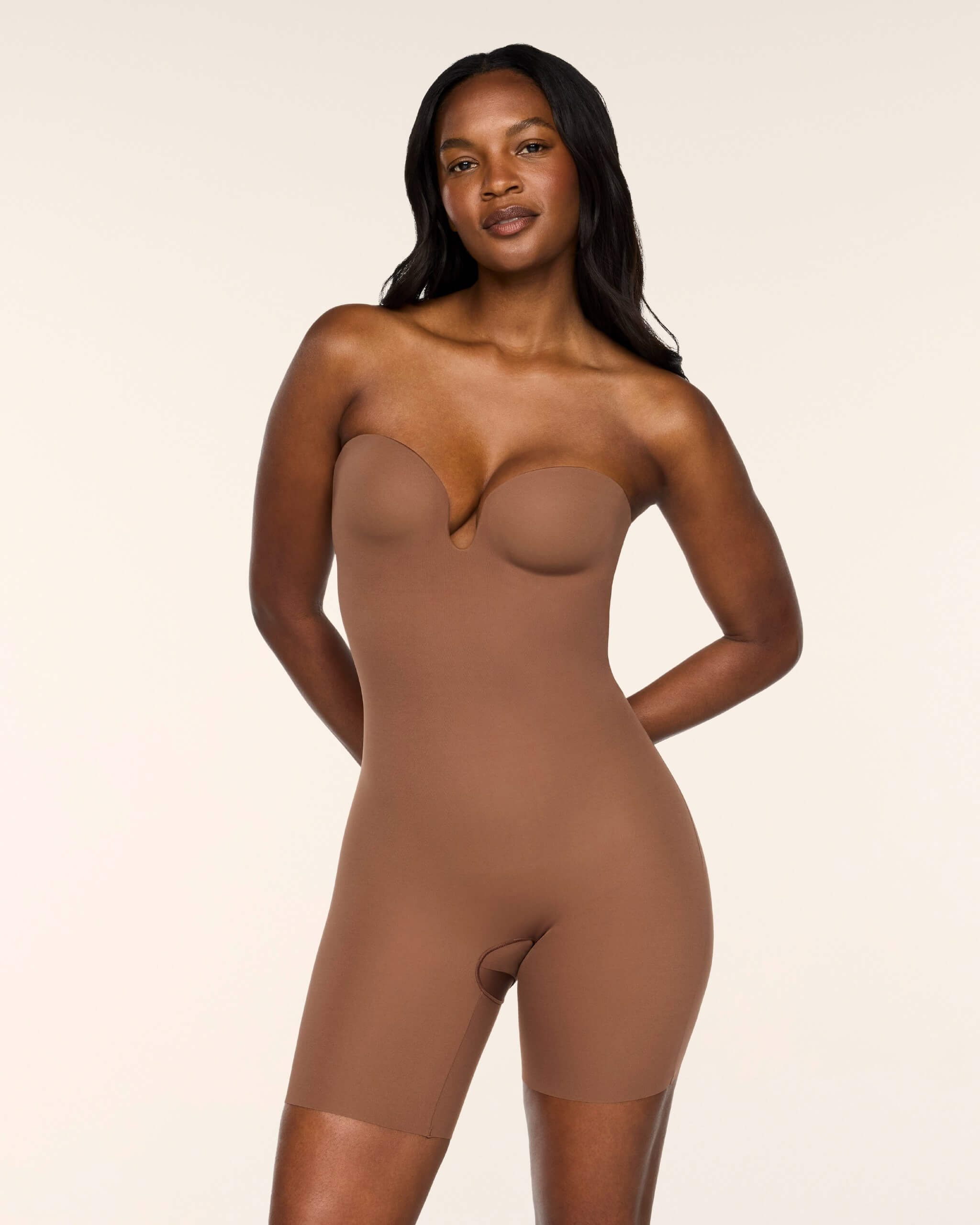
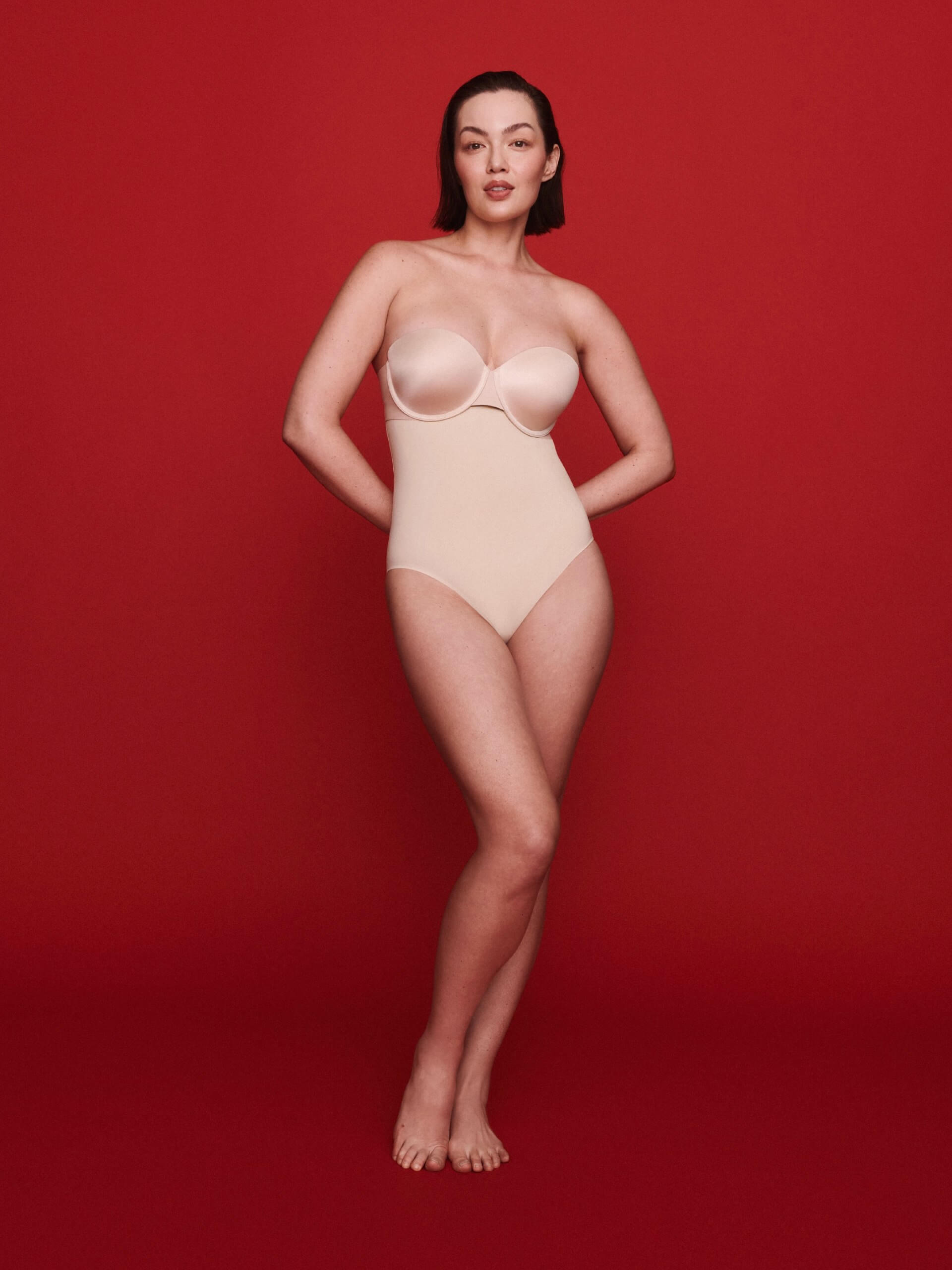
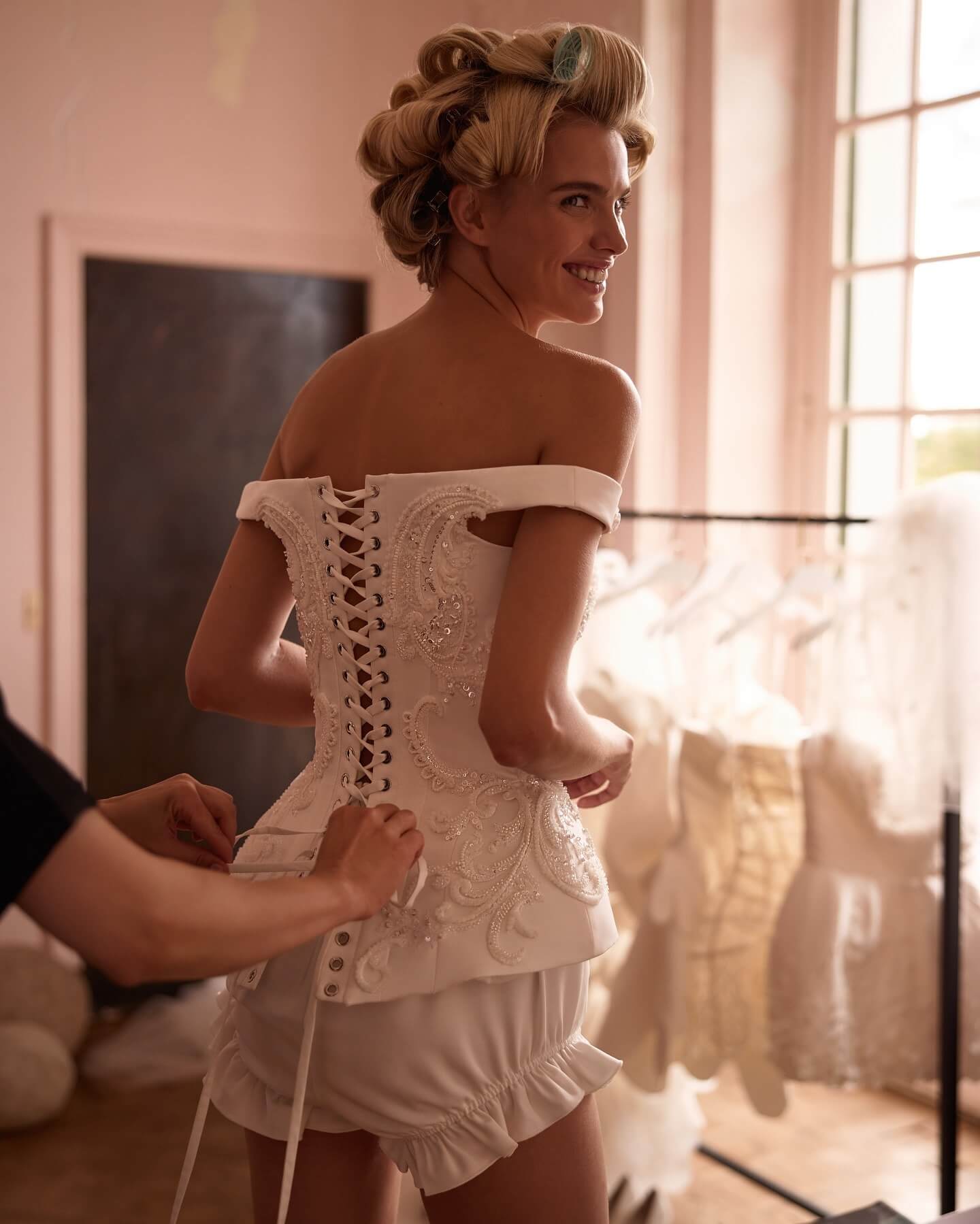
- Understand your gown’s construction. Gowns that are form-fitting, such as mermaid or sheath styles, generally require full-body support so that the seams won't be visible in the fitted areas, whereas a strapless bodice needs to be made using bridal shapewear designed for strapless use, since ordinary shapewear with straps will be visible under an off-shoulder or sweetheart neckline.
- Match color to your skin tone or gown. Nude and light colors tend to disappear when worn with most white and ivory gowns, whereas a color that doesn't match, even if the difference is only slight, can become visible through lighter fabrics such as chiffon or a lace overlay in a way that is almost invisible until the dress is photographed.
- Prioritize breathable, moisture-wicking fabric. For a wedding in a hot climate, or for a bride who runs hot, choose fabric that promotes airflow rather than just compression, since discomfort builds faster than most brides anticipate over a full day.
- Choose seamless construction. Bonded or laser-cut seams remove the visible ridges that traditional stitched shapewear leaves under fitted fabric, especially under satin or crepe ,where each seam is shown in the right light.
- Always test shapewear with the actual dress. A piece which appears flawless by itself can behave in a totally different way when placed under the gown's particular fabric weight and structure; one stylist remembers a bride whose shapewear had tested perfectly on its own but had produced visible ridges as soon as the satin overlay was put on, and therefore it is important to try both together, preferably during an actual fitting, in order to identify any problems before the wedding day rather than on it.
- Match the neckline exactly. For a gown with a low back or no back, you need low-back bridal shapewear, since standard shapewear will show the moment the bride turns around, and if the front is plunging, the piece must be cut to match that exact line.
- Look for adjustable construction. Hook closures and adjustable straps matter more than they may seem; weight can shift slightly between the final fitting and the wedding day, and adjustability handles that difference without needing a completely new item.
- Invest in quality over price. A well-made item, such as a bridal corset shapewear designed for structured gowns, is able to maintain its shape during hours of wear, whereas cheaper compression wear simply cannot, and you shouldn't find out about this difference for the first time on the day of the wedding.
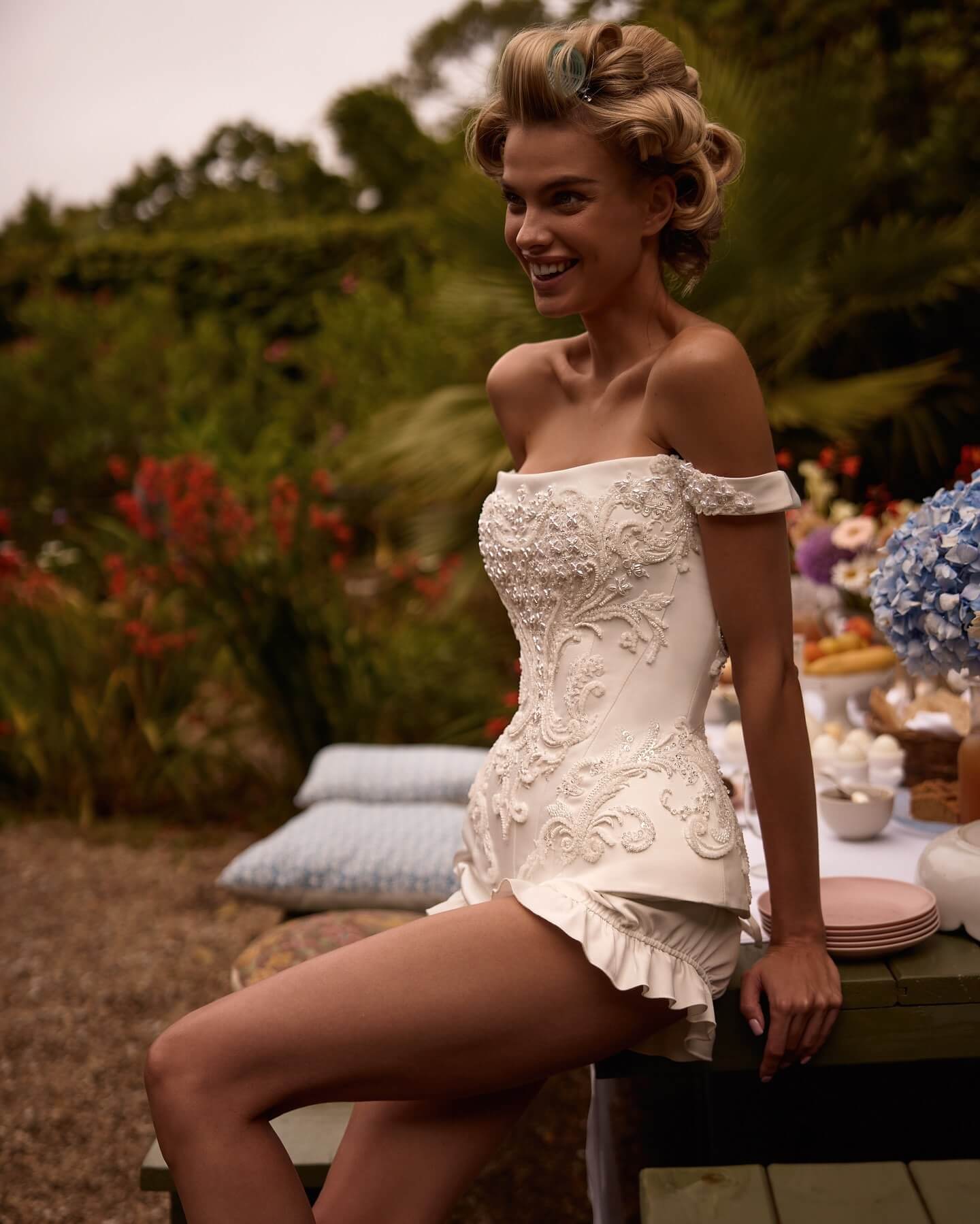
No single one of these factors can be considered on its own; if a gown conforms to the color guidelines but overlooks the way it's constructed, or matches the neckline but fails to take the quality of the fabric into account, it will result in precisely the kind of last-minute surprise that this list is intended to avoid. By reviewing all eight factors before buying, rather than only spotting shortcomings at the final fitting, shapewear shopping becomes a more focused activity than browsing bestseller lists in the hope that something will fit. The goal isn't to choose the most popular item, but to find the one designed specifically for your dress.

Matching Shapewear to Your Dress Style
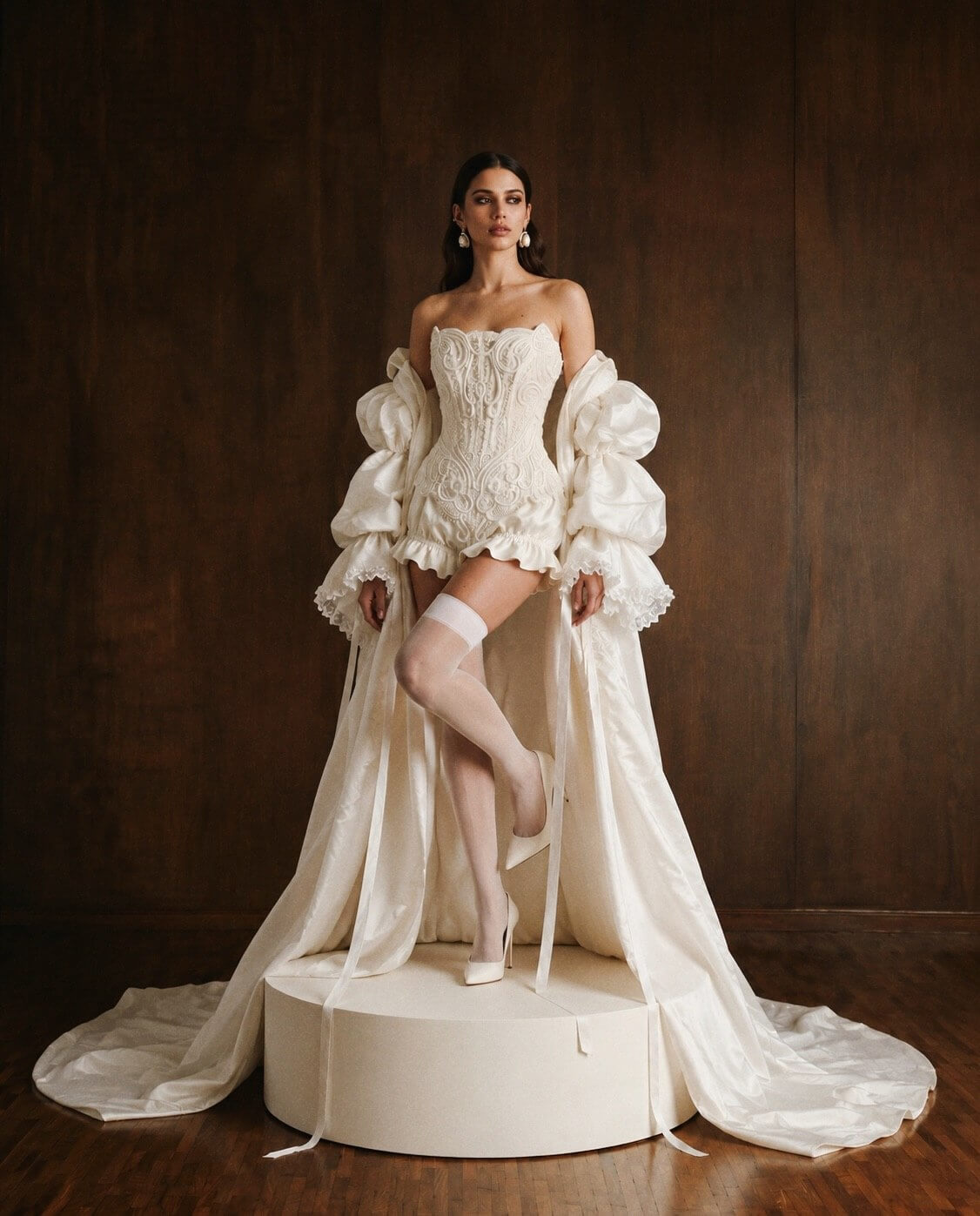
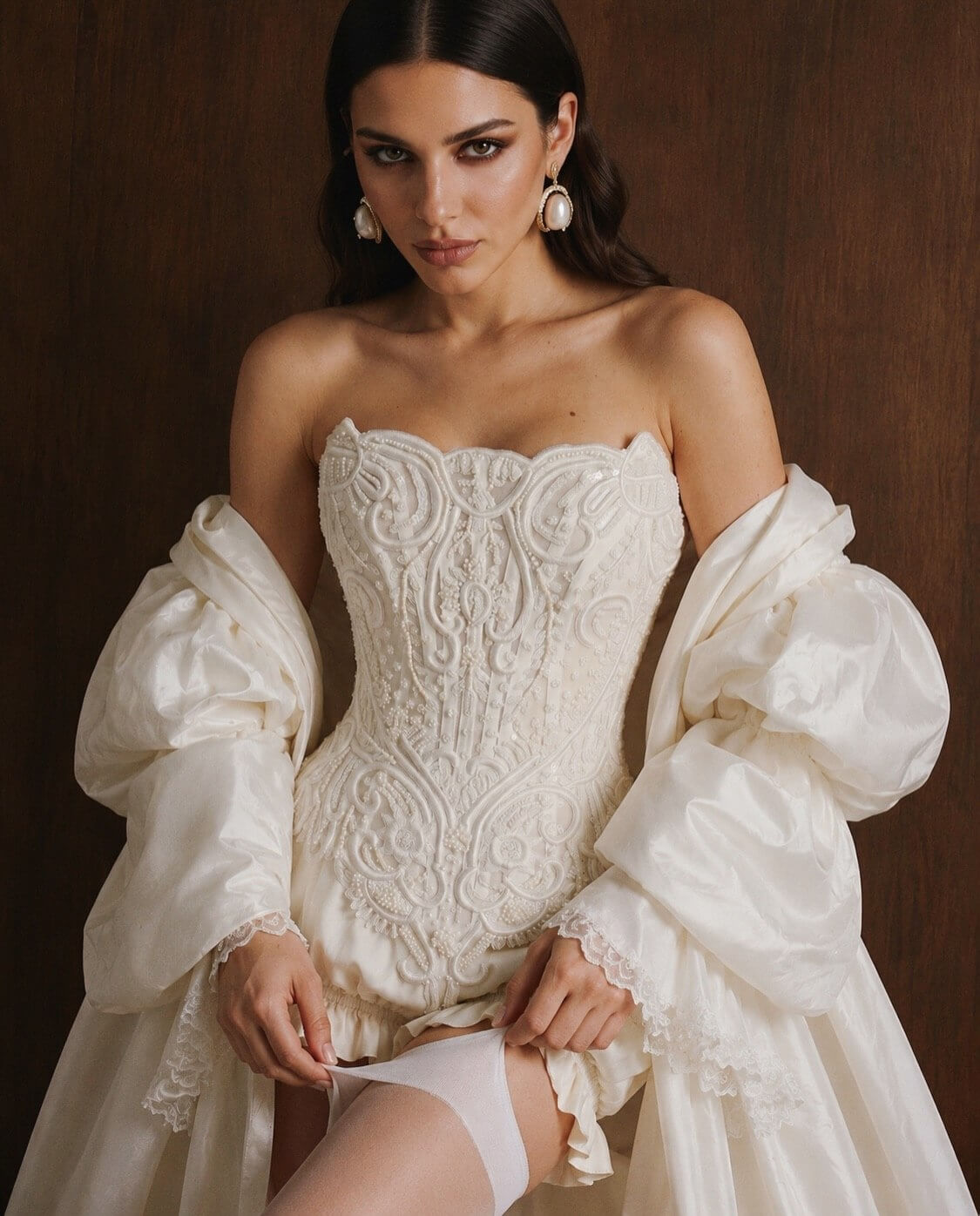
The right way to match a dress style with the right bridal underwear or shapewear becomes much clearer when you place the options side by side, since the differences between what a mermaid gown needs and what a ball gown needs are greater than most brides realize when they enter the fitting room. The silhouette determines almost everything about which piece will actually work, more than the brand's reputation or the price.
| Dress Style | Recommended Shapewear | Why It Works |
|---|---|---|
| Strapless / Sweetheart | Strapless bodysuit or bandeau shaper | No straps to show under the neckline |
| Backless / Low-Back | Low-back shaper or adhesive cups | Support without visible fabric across the back |
| Mermaid / Fitted Sheath | Full-body shaper, high compression | Smooths hips and thighs through the fitted portion |
| Ball Gown / Voluminous | Light waist and bust shaper | Subtle support without altering natural silhouette |
| Plus Size, Any Style | Structured plus size shaper | Built for curves, not resized from smaller patterns |
Before you go shopping, compare the details in this table with the kind of dress you plan to buy, and you'll find that this eliminates much more of your choices than simply going through general bestseller lists, because a piece which has been highly rated for a ball gown may still perform badly when worn as a strapless mermaid style even though both are simply described as "wedding shapewear". The way shapewear is constructed varies by category; not only do the sizes change, but also the fabric weight, compression level, and structural support, depending on the dress's requirements. First, match the dress type with the shapewear type, then compare brands or price levels, to avoid the annoyance of returns and the stress of discovering something is wrong in the week before the wedding.

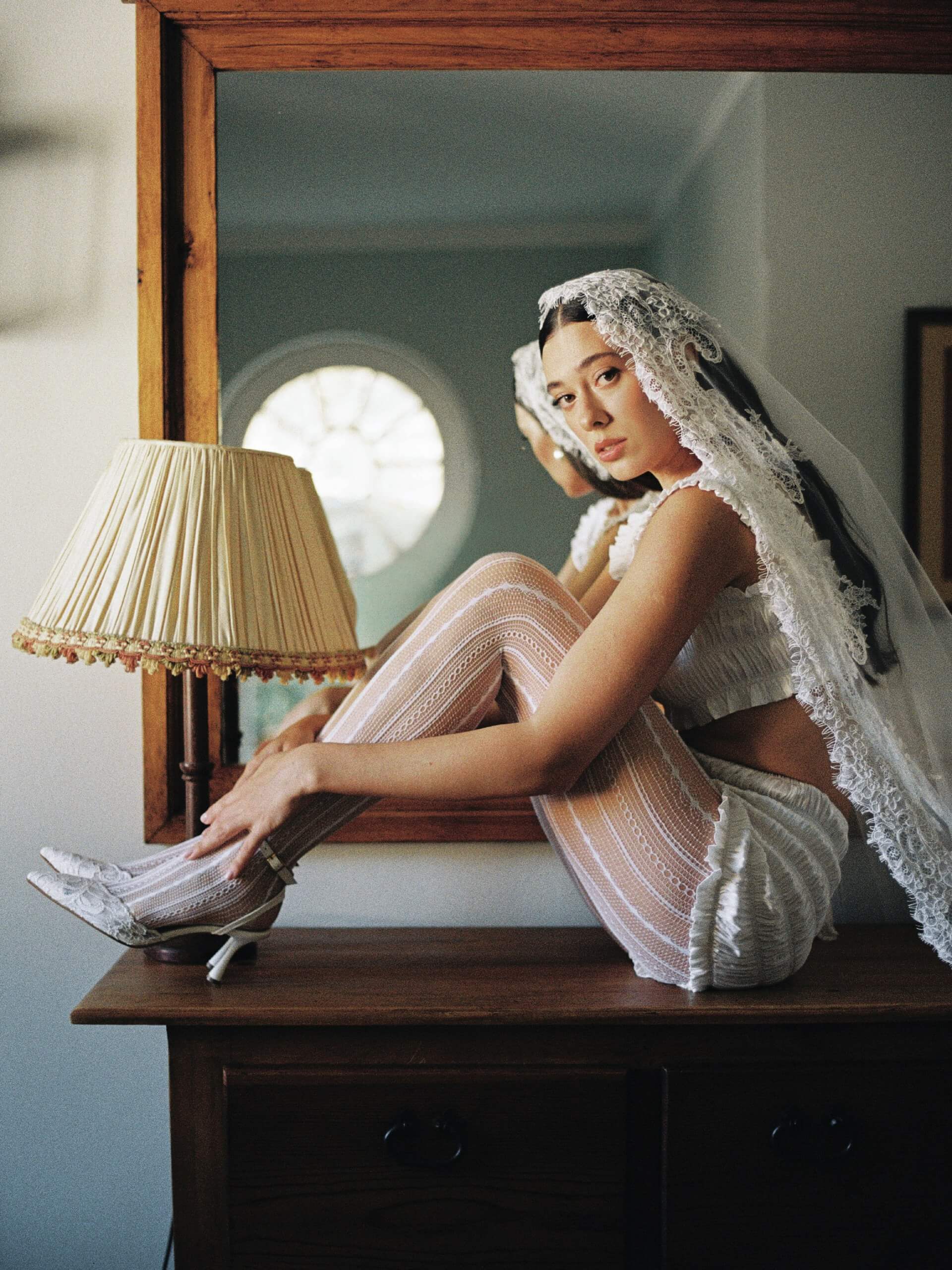
That fitting room moment, the one where a consultant finally says something about the lines nobody mentioned the first time, doesn’t have to happen at all. Choosing the right bridal shapewear really does come down to working backward from the dress rather than picking a piece first and hoping it works, since gown construction dictates far more of the decision than most brides expect walking in. Getting this right isn’t about vanity or perfectionism; it’s about removing one more variable from a day that already has enough, so the only thing left to think about on the wedding morning is actually getting married. For everything else worth sorting out before that morning arrives- gown shopping strategy, styling details, the dozens of small decisions nobody warns a bride about in advance- explore Wezoree's inspiration section for the kind of practical, tested guidance that makes the rest of the planning process considerably less overwhelming.

FAQ
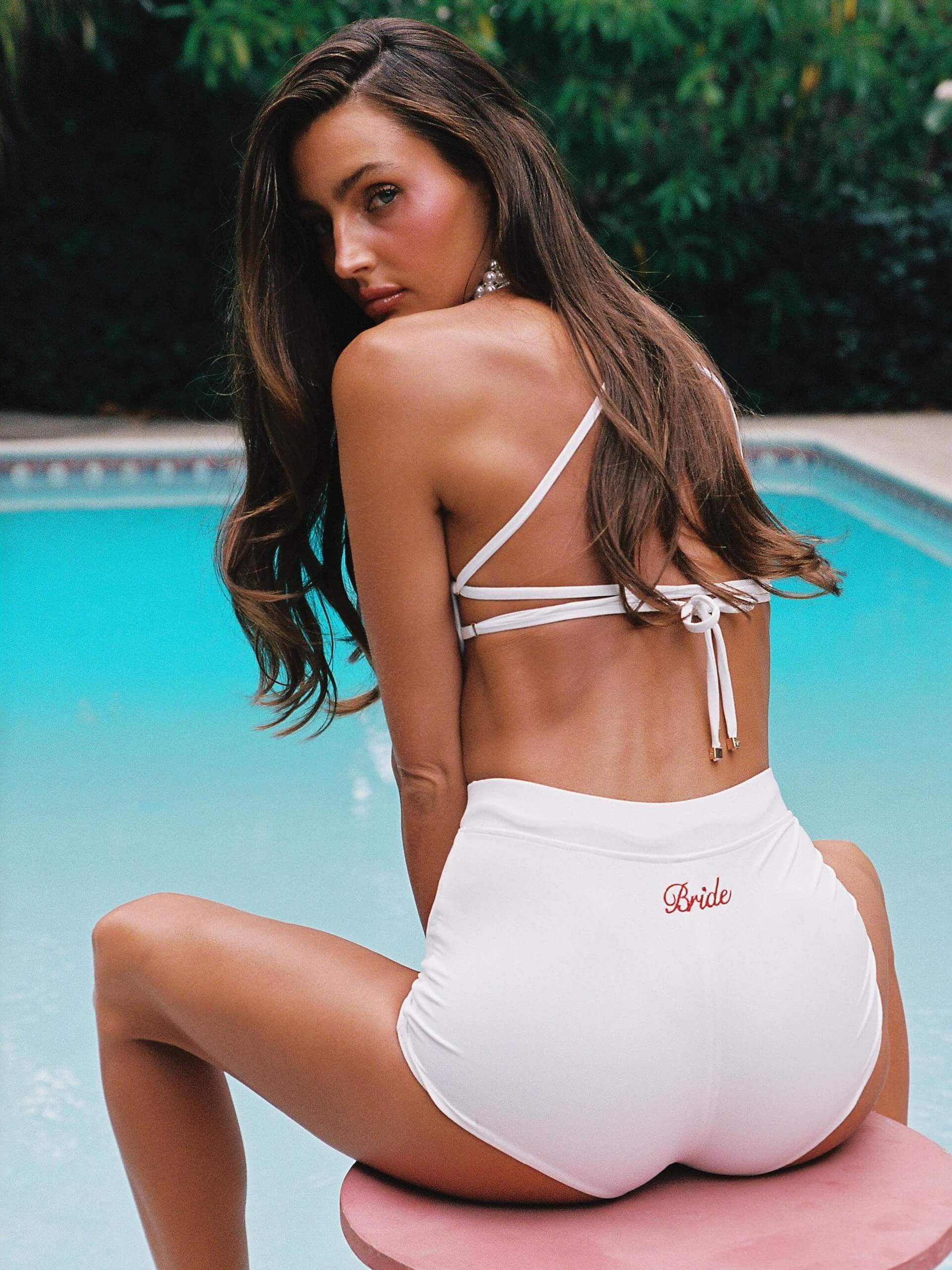
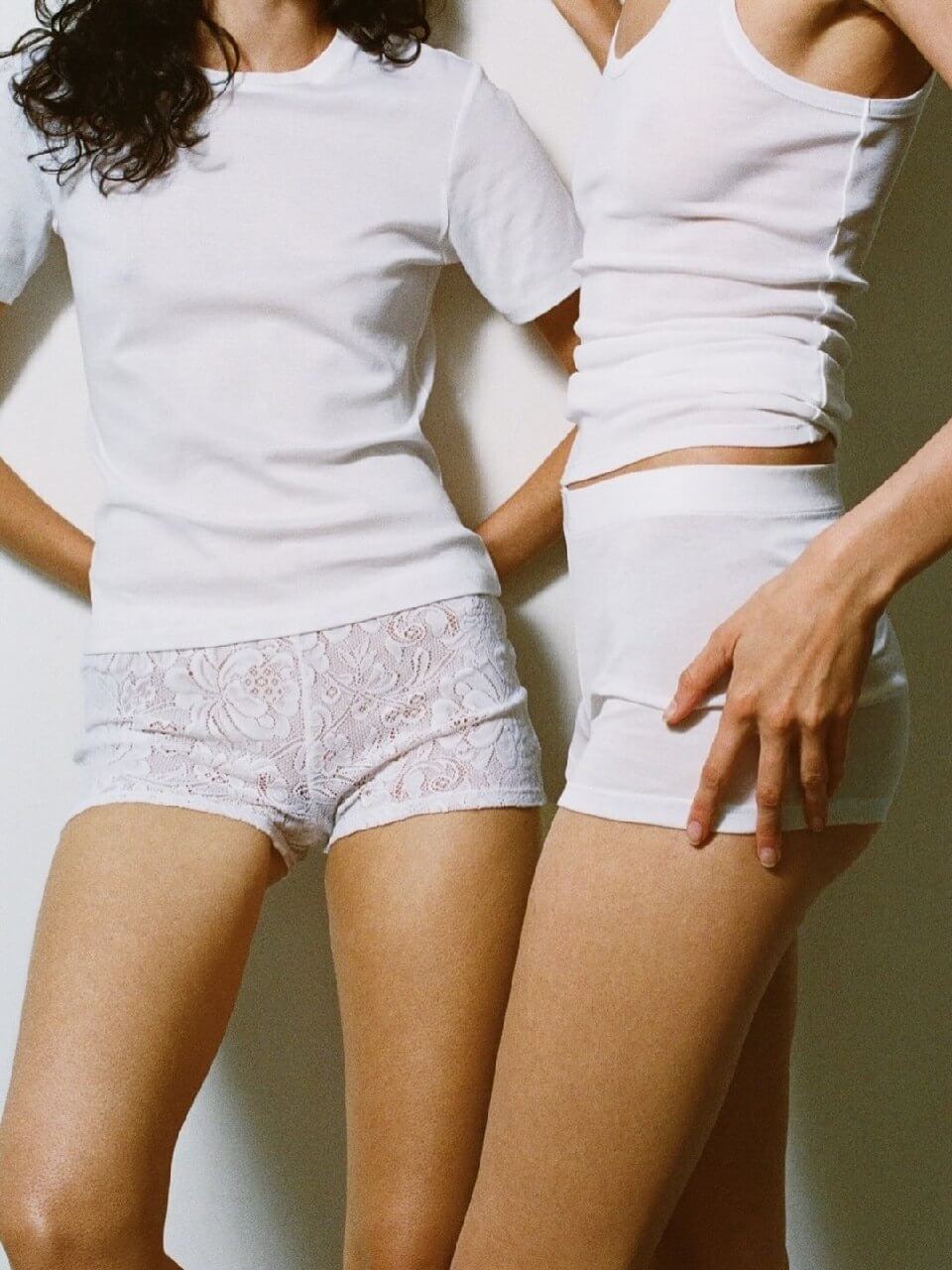
What’s the best bridal shapewear style for a mermaid gown?
For a mermaid gown that fits through the hips and thighs before flaring out at the bottom, a high-waisted thigh slimmer or full-body shaper generally works best. This type of garment creates a smooth, unbroken line over the fitted section of the dress without adding bulk that could interfere with the overall silhouette.
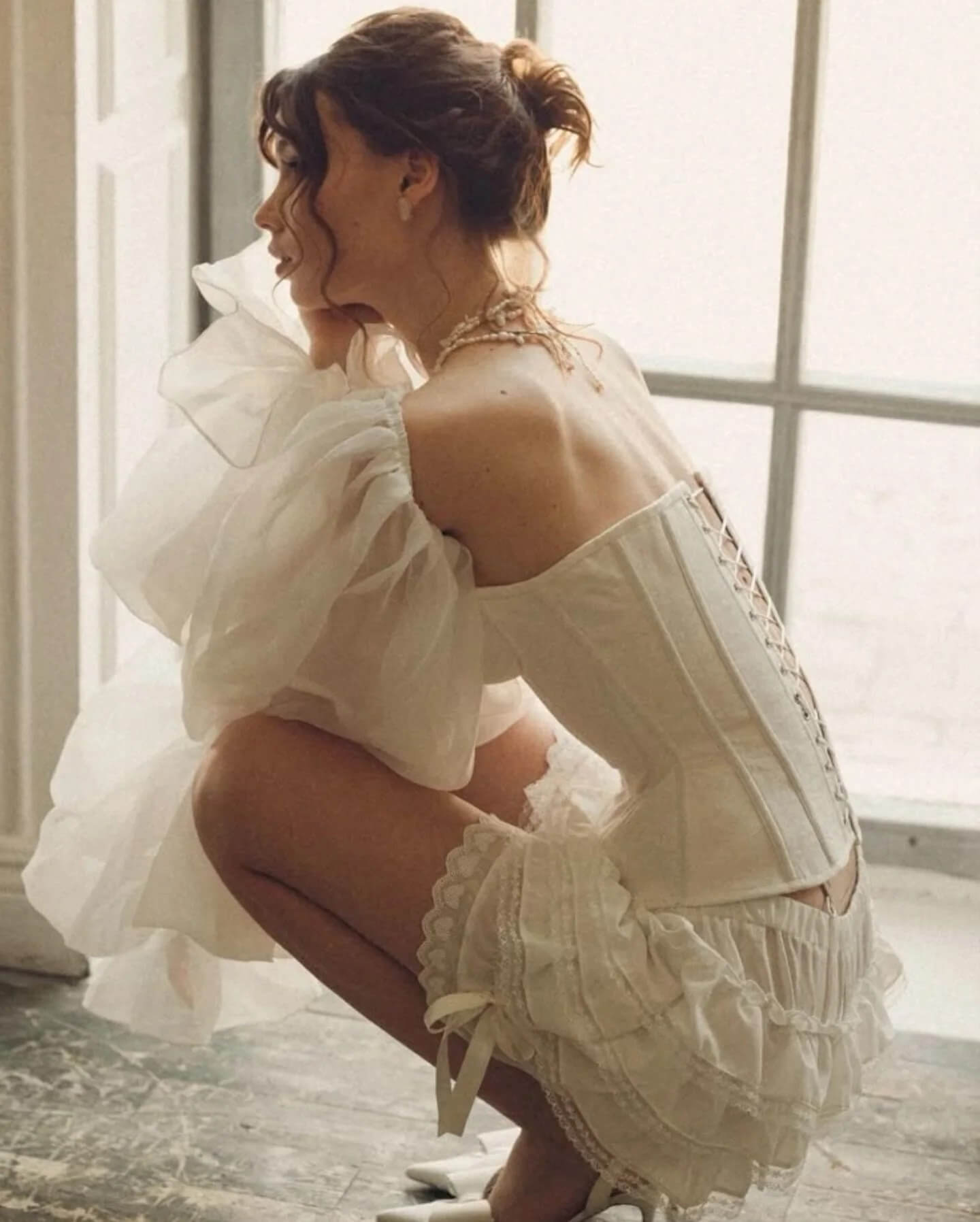
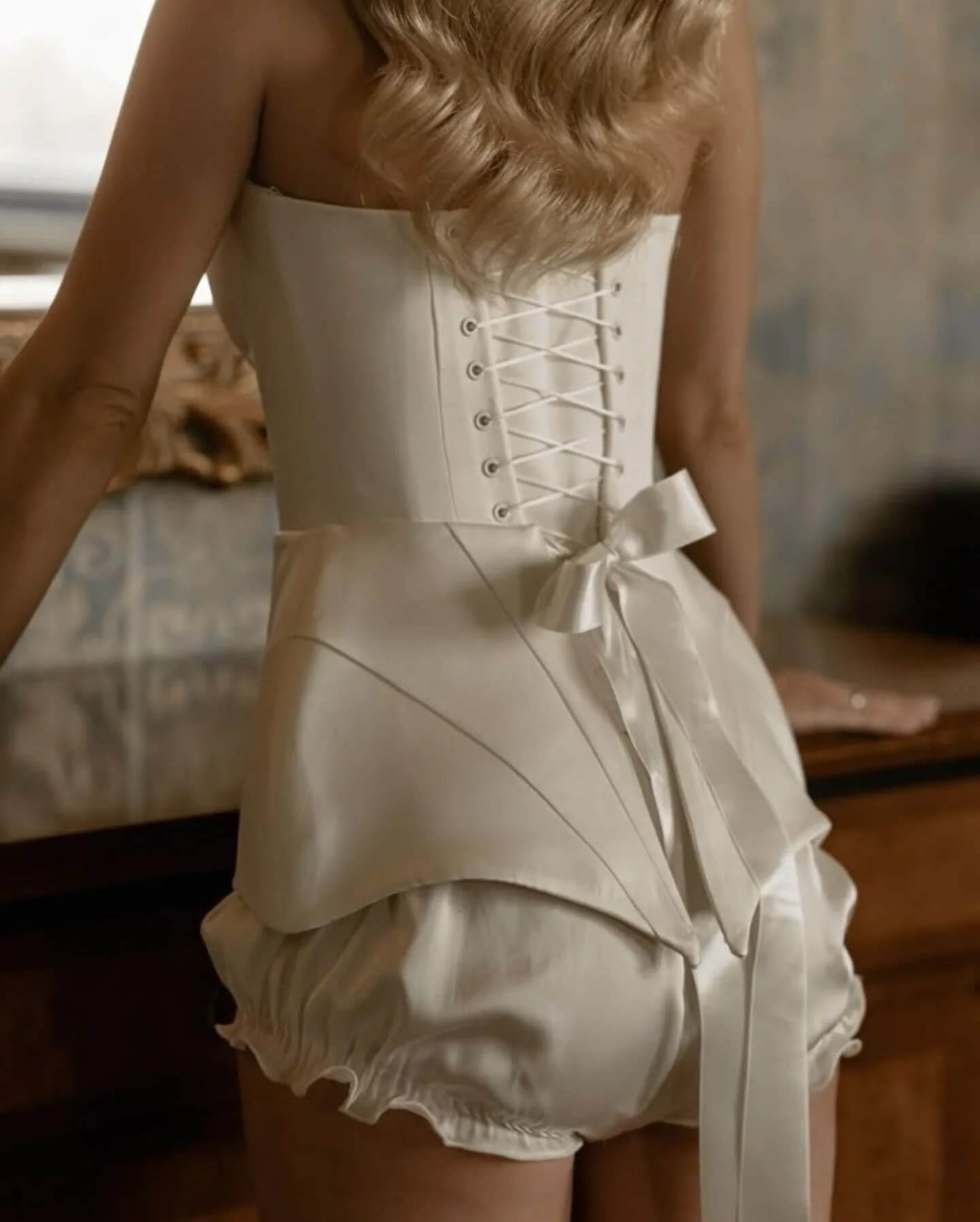
Can shapewear be worn with a backless dress?
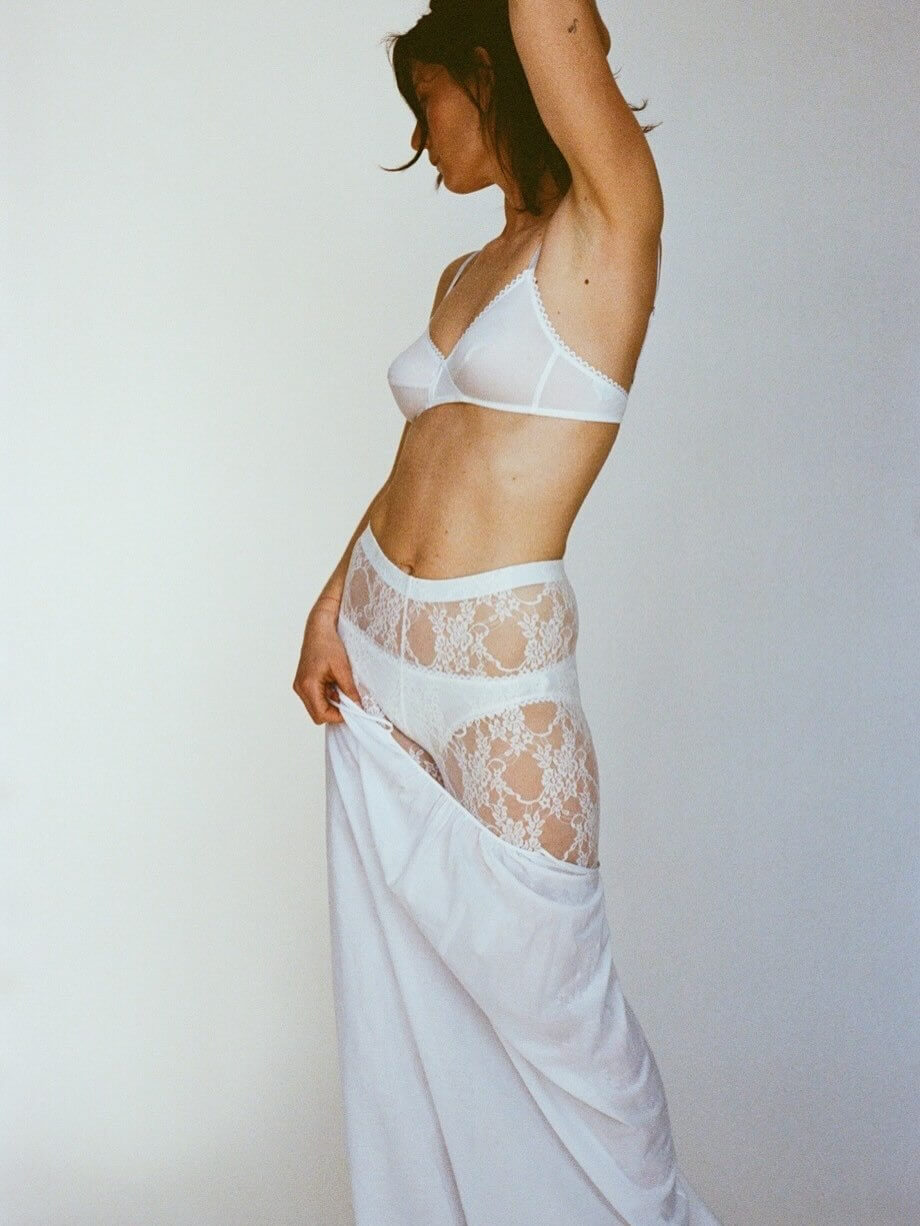
Certainly, although a particular style is needed, low-back bodysuits or adhesive cups must be used to give support and a shaped appearance without any visible fabric on the exposed back; since ordinary shapewear would be obvious in this type of neckline, it is very important to make sure the cut of the shapewear matches that of the dress before the wedding day.

How should I determine the correct size for shapewear?
It is better to choose shapewear based on your actual measurements than to go down a size for extra compression, since that can create the same bulges and discomfort the garment is meant to prevent. When choosing shapewear, follow the brand's sizing chart rather than assuming your usual size will fit; when possible, try on several sizes with the dress to find the most reliable fit.


Is shapewear necessary for a voluminous wedding dress?
A full ball gown still benefits from shapewear, which provides a smooth, supportive foundation around the waist and bust, matching the dress's natural shape without changing the overall form. In this case, lighter, gentler shaping is better than the heavier compression a closely fitted gown might need.
Can improperly fitted shapewear affect my breathing?
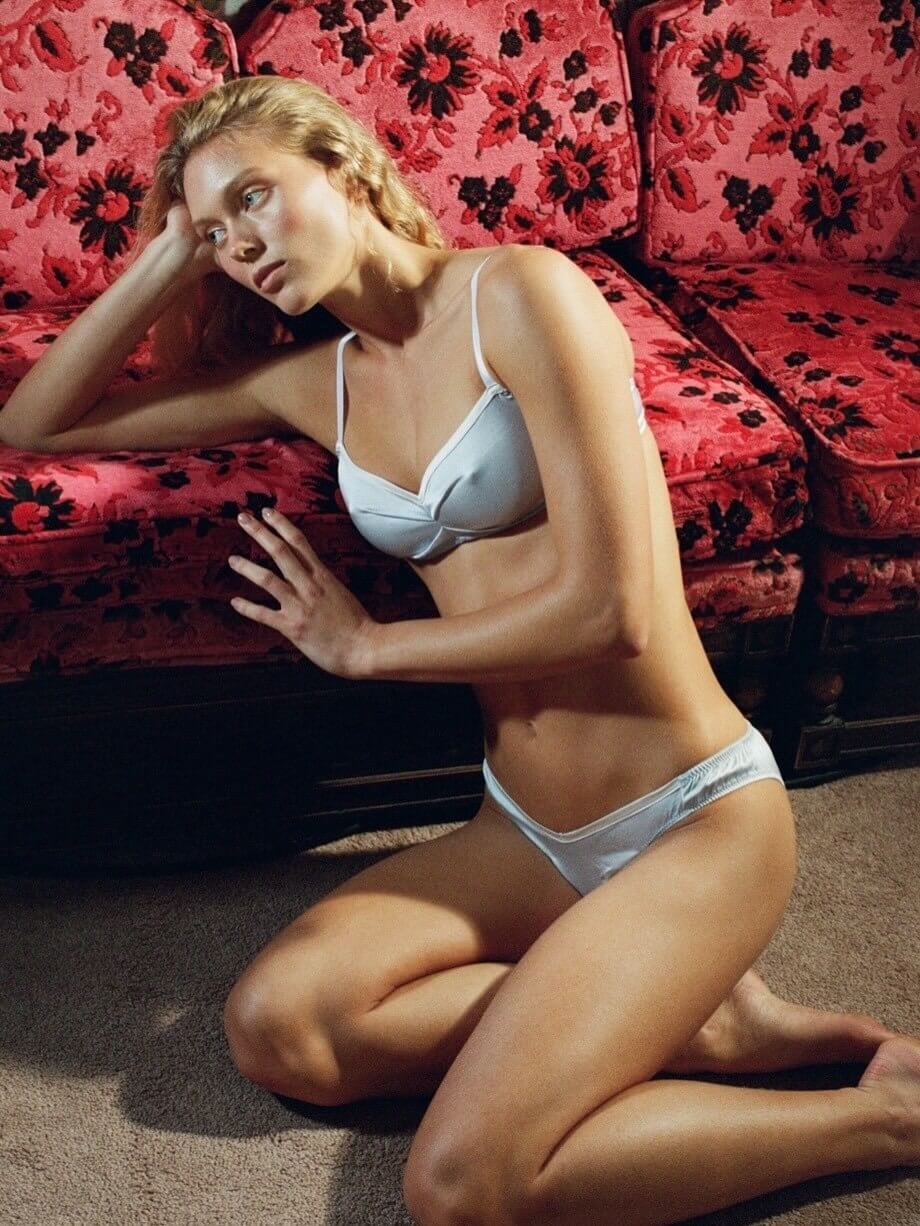
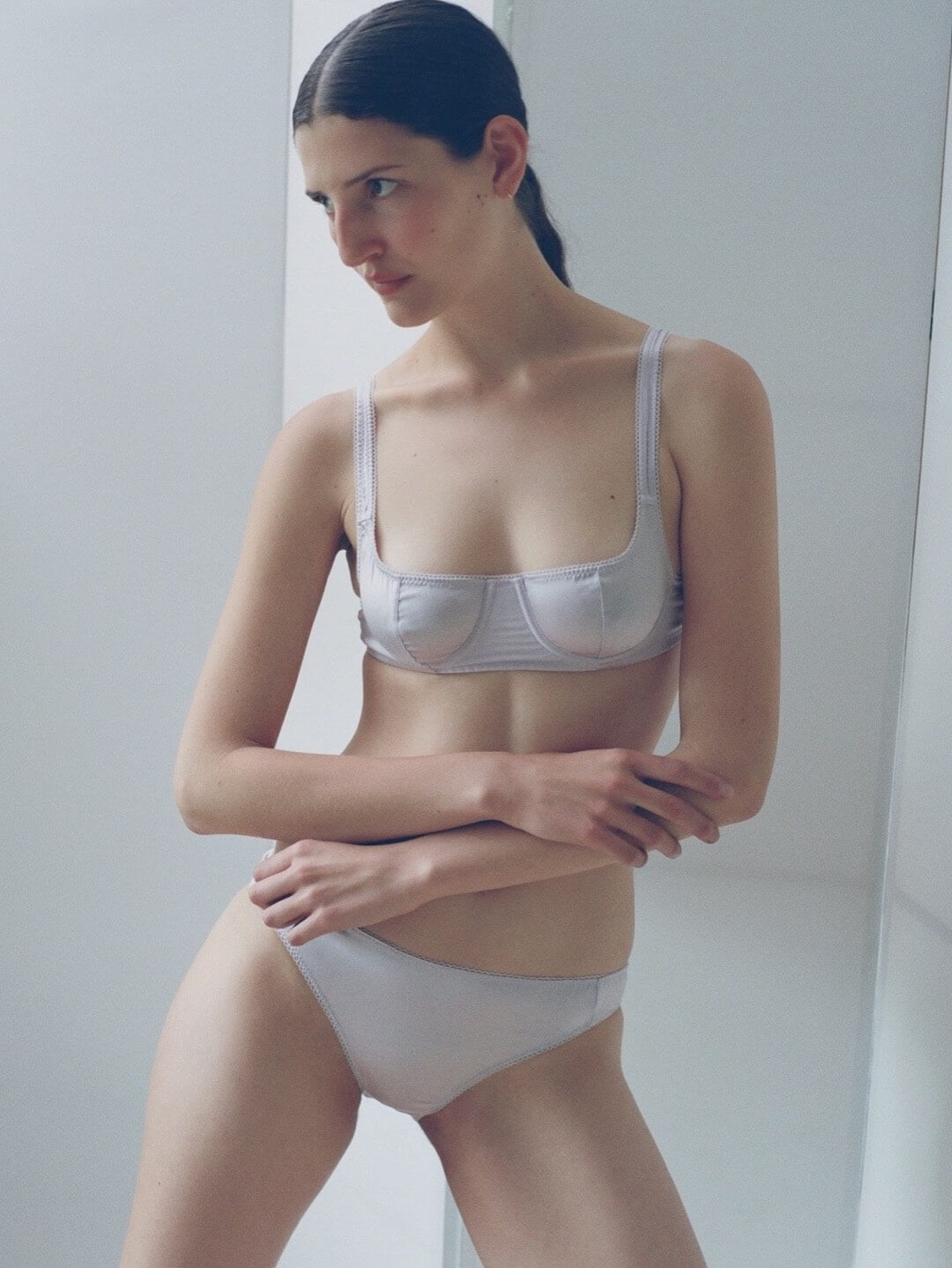
Properly sized shapewear should be snug but not restrict breathing, and if you have any real difficulty breathing, that's a clear sign the shapewear is too small. Since comfort matters when wearing a piece of clothing for an entire wedding day, it is almost always best to size up rather than endure discomfort.
Are there breathable options for wedding shapewear?
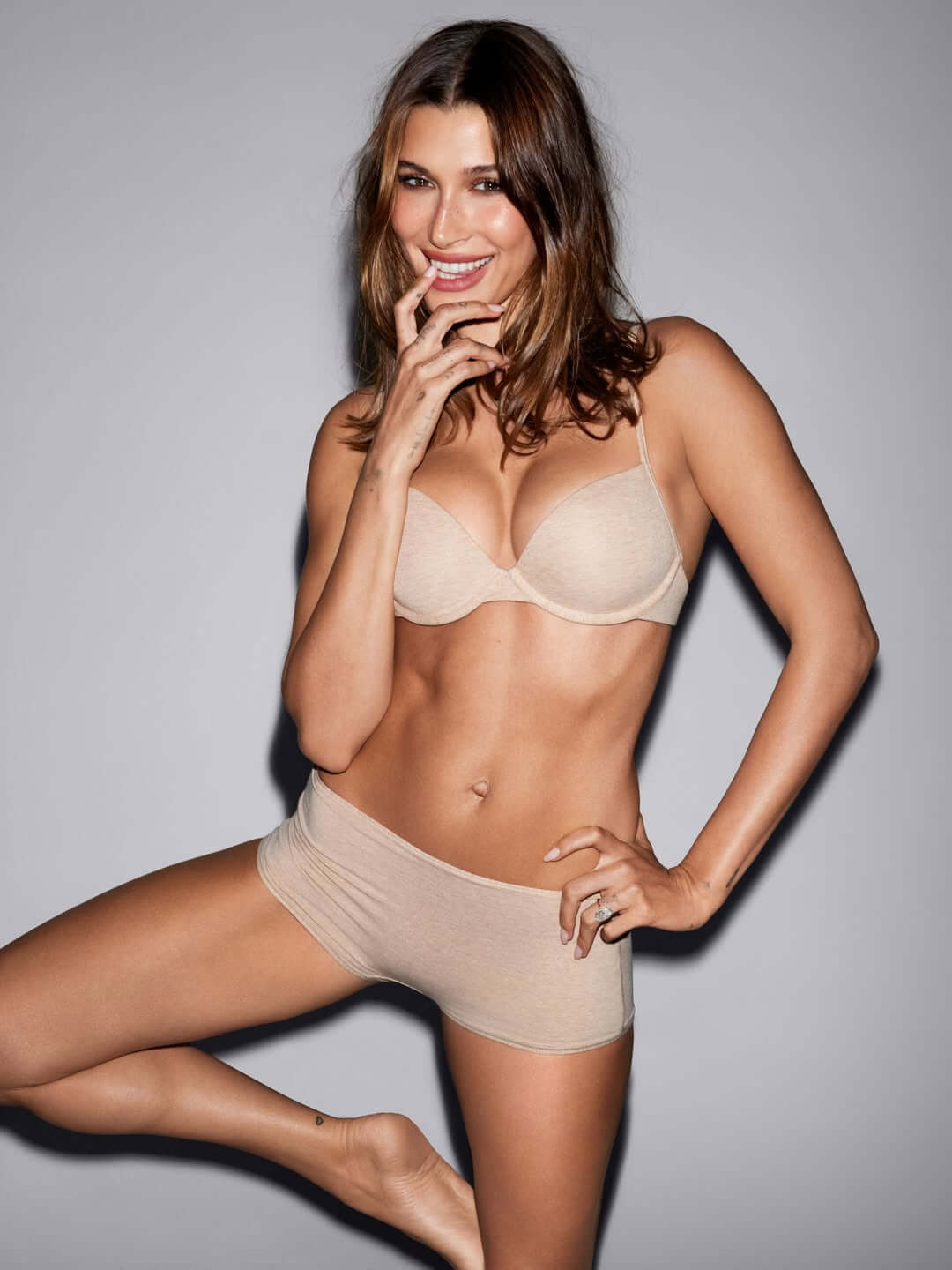
Yes, and this matters considerably more for warm-weather or destination weddings, where lightweight, moisture-wicking fabric keeps a bride comfortable through hours of wear. Look specifically for shapewear marketed around breathability rather than compression alone, since the two priorities aren’t always built into the same piece.


What features should I look for in shapewear for easy restroom access?
Hook-and-eye closures or built-in open gussets solve a practical problem most brides don’t think about until the wedding day. This detail matters more than it sounds, since a piece requiring full removal for a restroom break becomes a real logistical headache under a complicated gown.
Can Spanx be a suitable shapewear option for wedding dresses?
Yes, Spanx bridal shapewear offers a wide range of styles suited to different gown types, from strapless bodysuits to backless designs, and the brand’s reputation for quality construction holds up well through a full wedding day. It’s a reliable starting point for brides who want proven consistency rather than testing an unfamiliar label for the first time.