How to Choose a Wedding Dress: Your A-to-Z Guide to Finding the One
- Author: Natali Grace Levine
- Reading time: 14 min 36 sec
- Publication date: 09/30/2026
- Updated: 10/06/2026


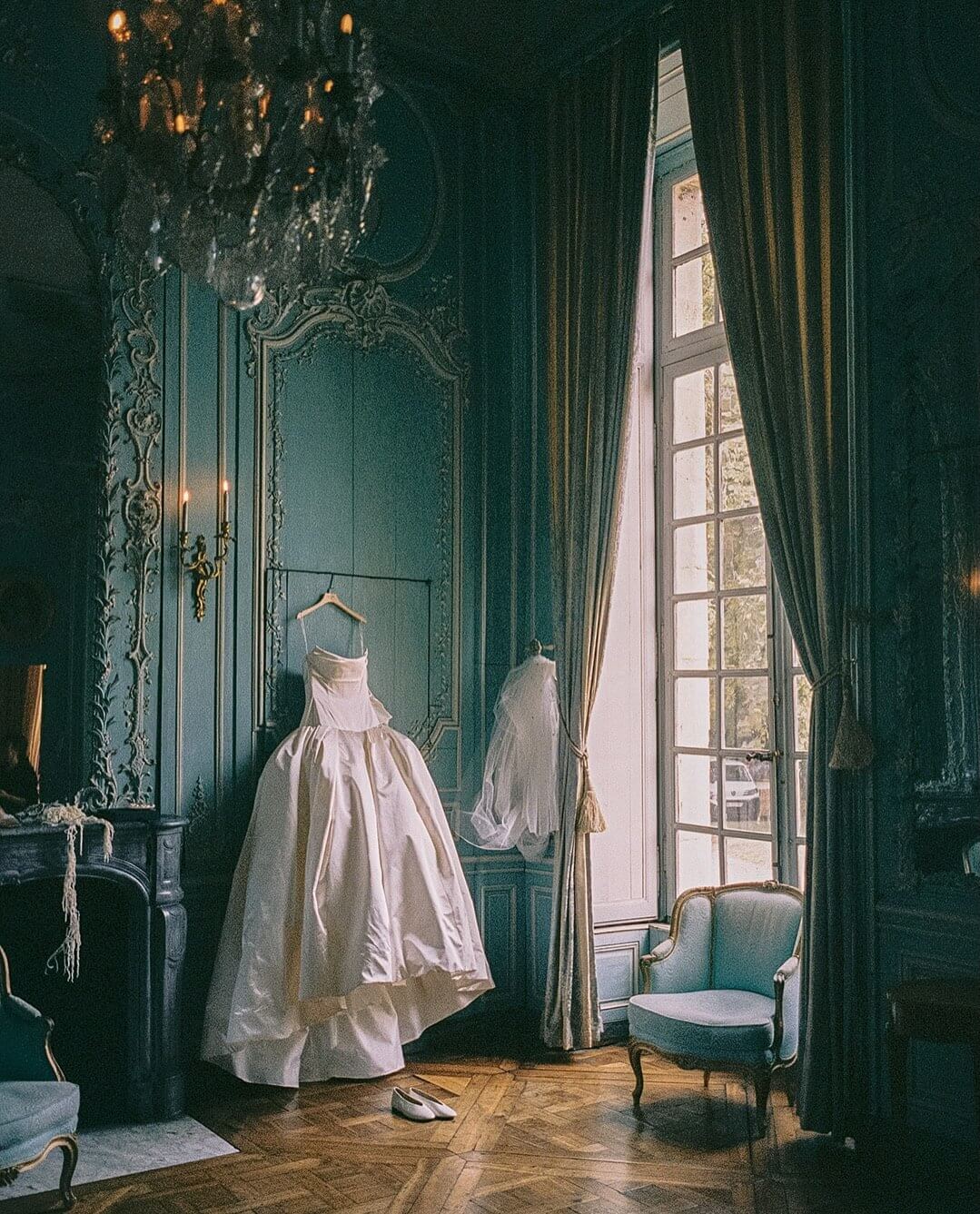
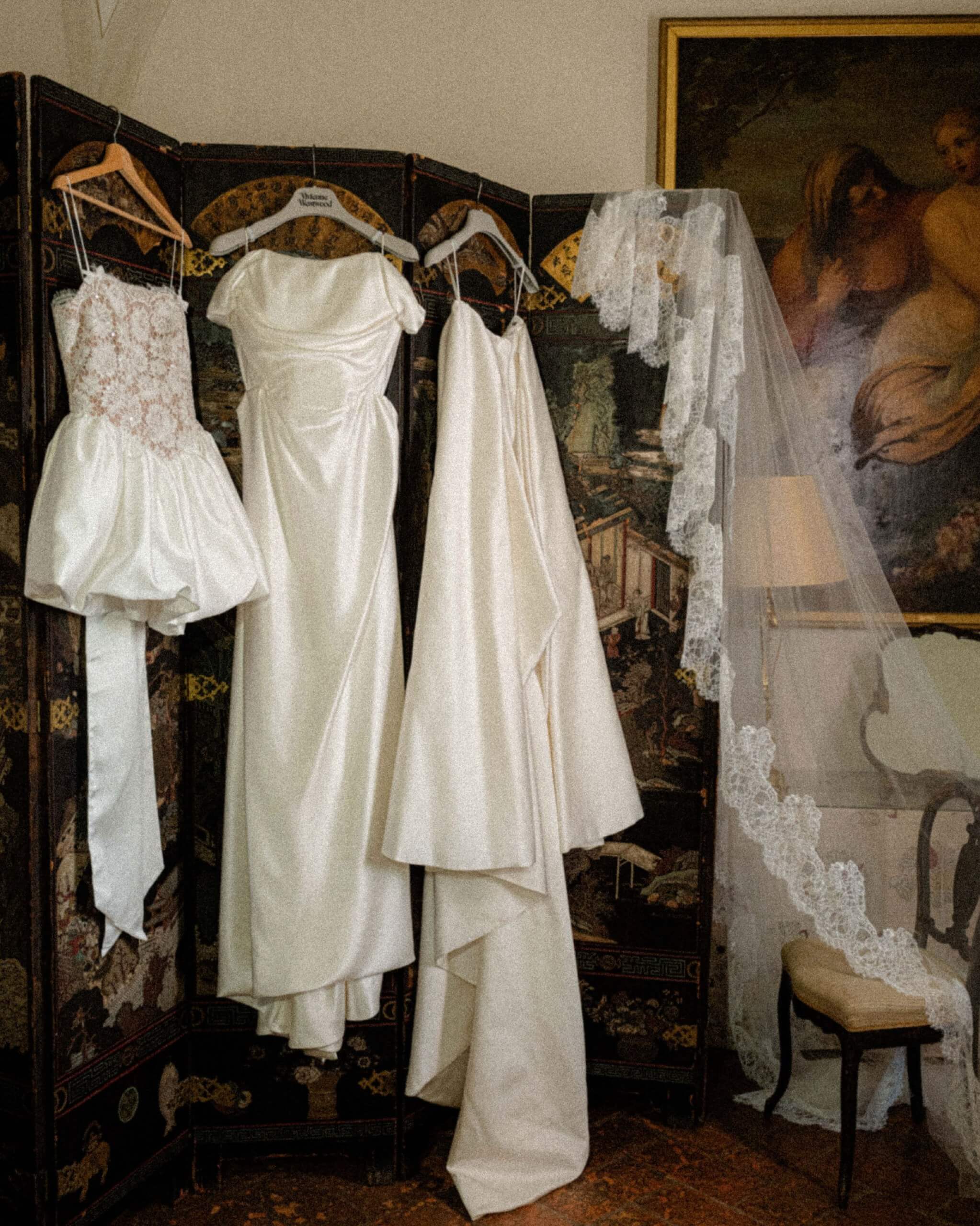
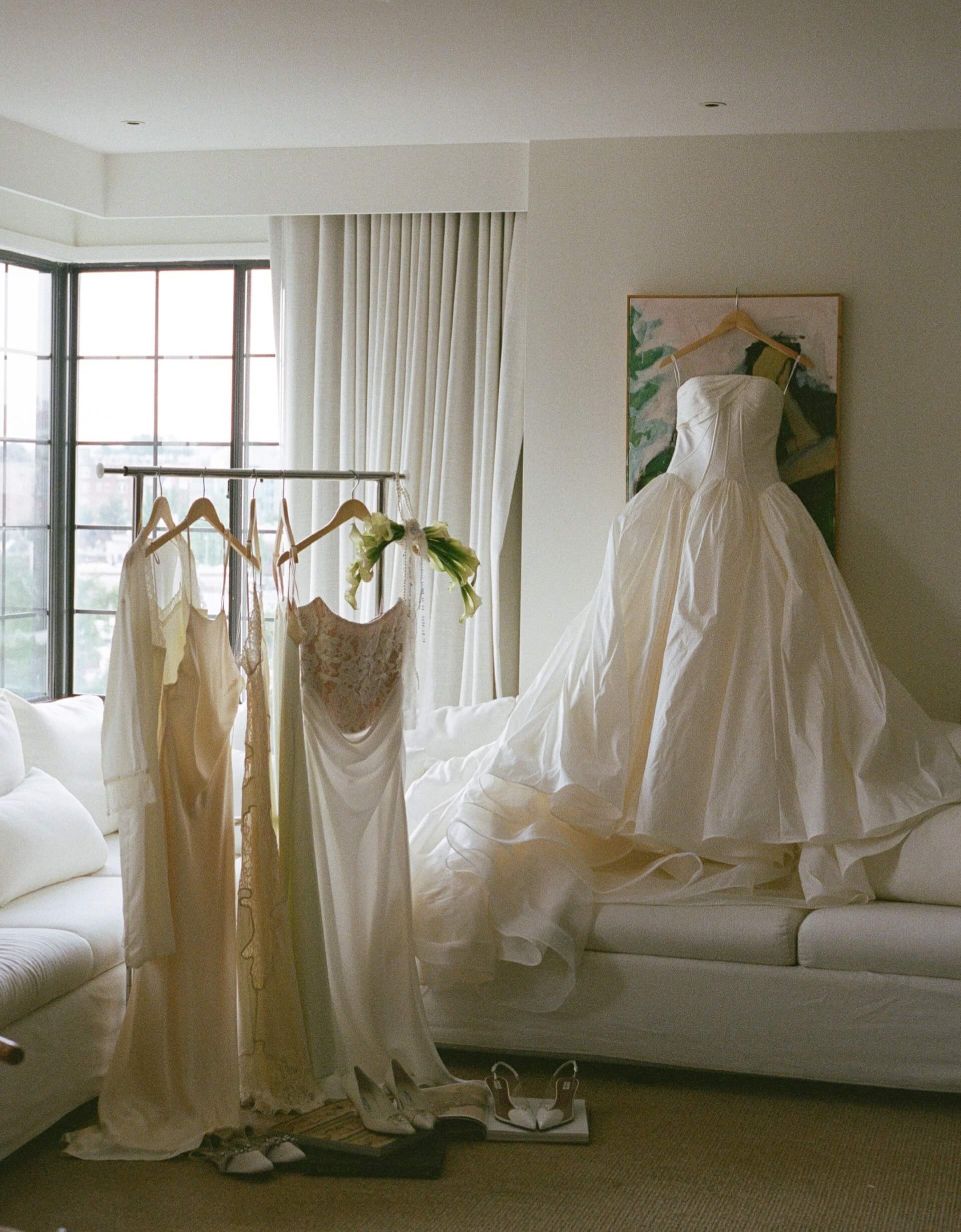
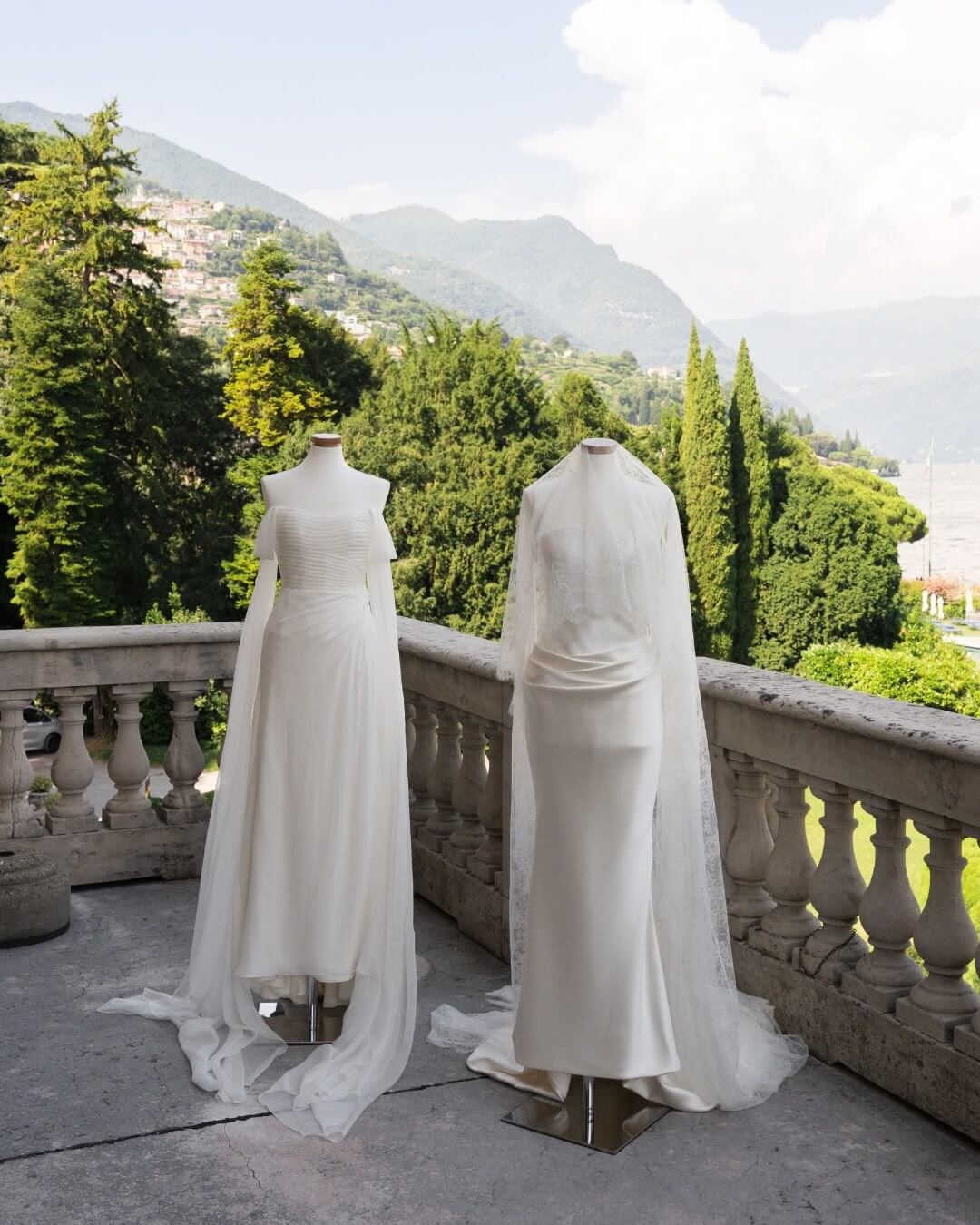
Between the engagement announcement and the wedding day, the average bride finds out that "how to choose a wedding dress" is far more complicated than anyone told her. It’s not really a matter of tulle or lace or which influencer chose which dress, but of walking into a room with hundreds of dresses and still picking the one you’ll actually remember standing in. This guide walks through the whole process honestly, the silhouettes worth knowing before your first appointment, the practical factors that quietly decide everything, and the timeline that keeps a dress from turning into a last-minute scramble.
Find Your Perfect Wedding Vendors

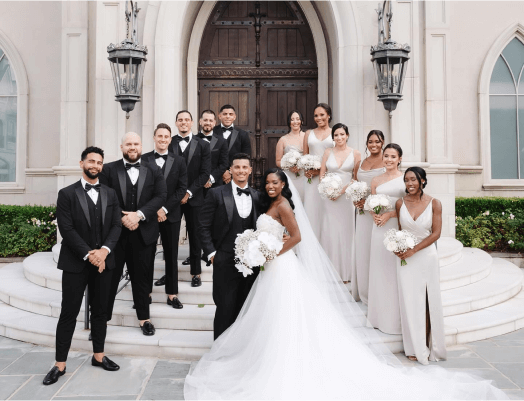
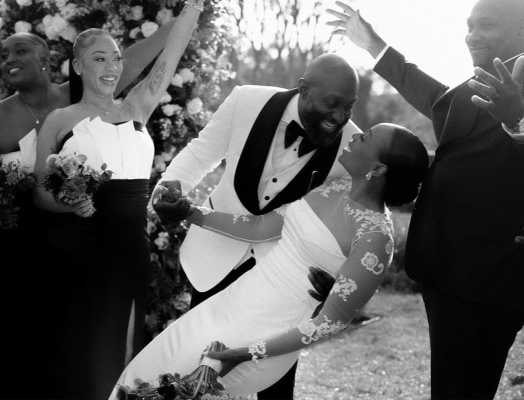
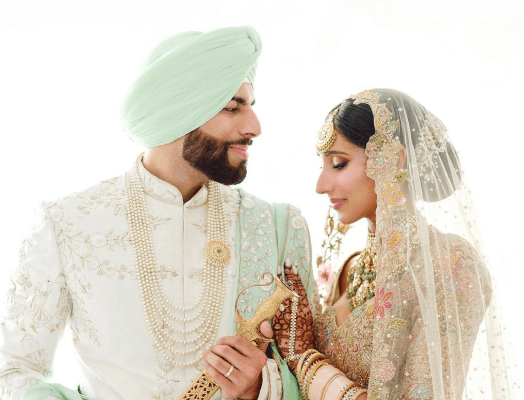

How to Find the Perfect Wedding Dress Style
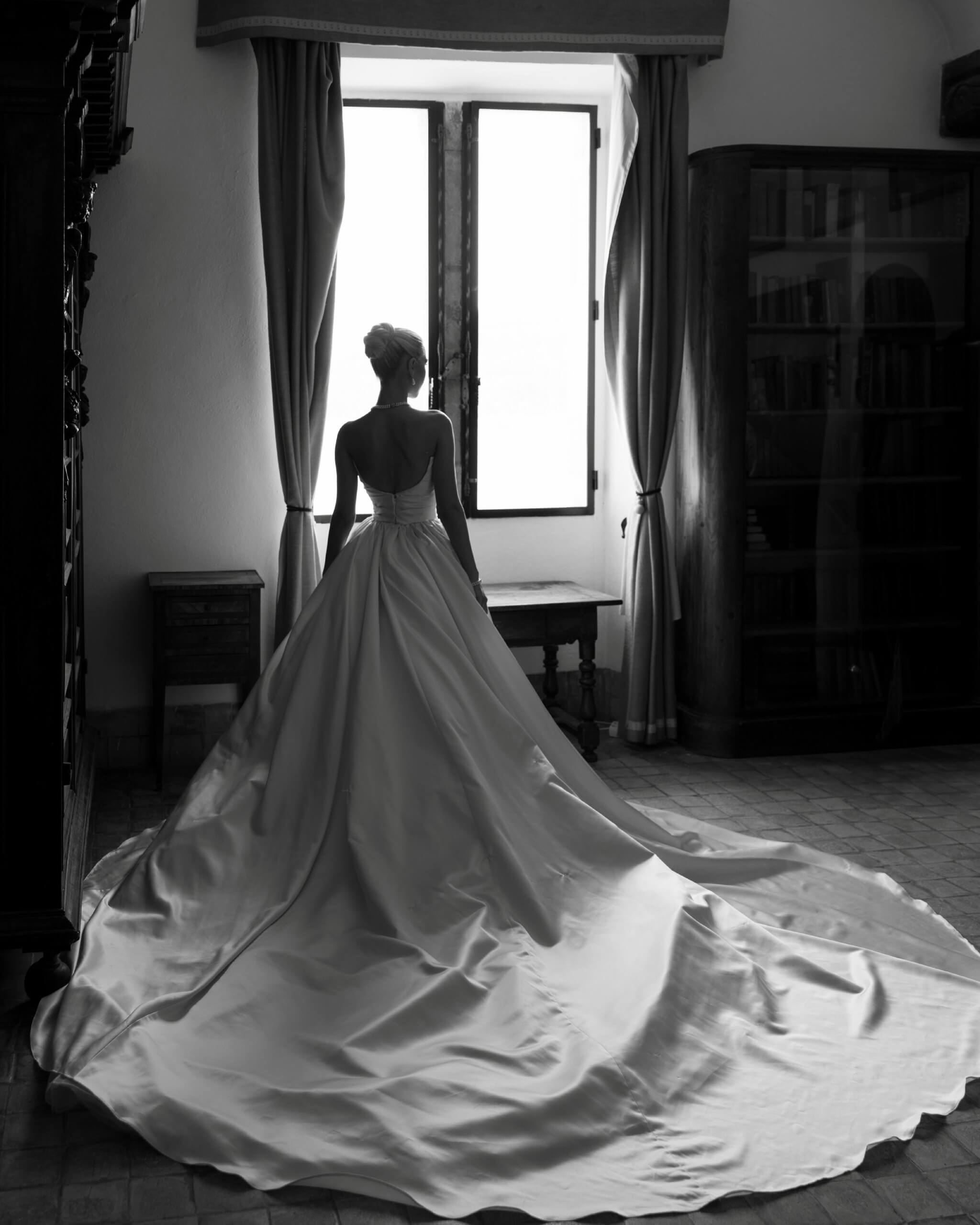
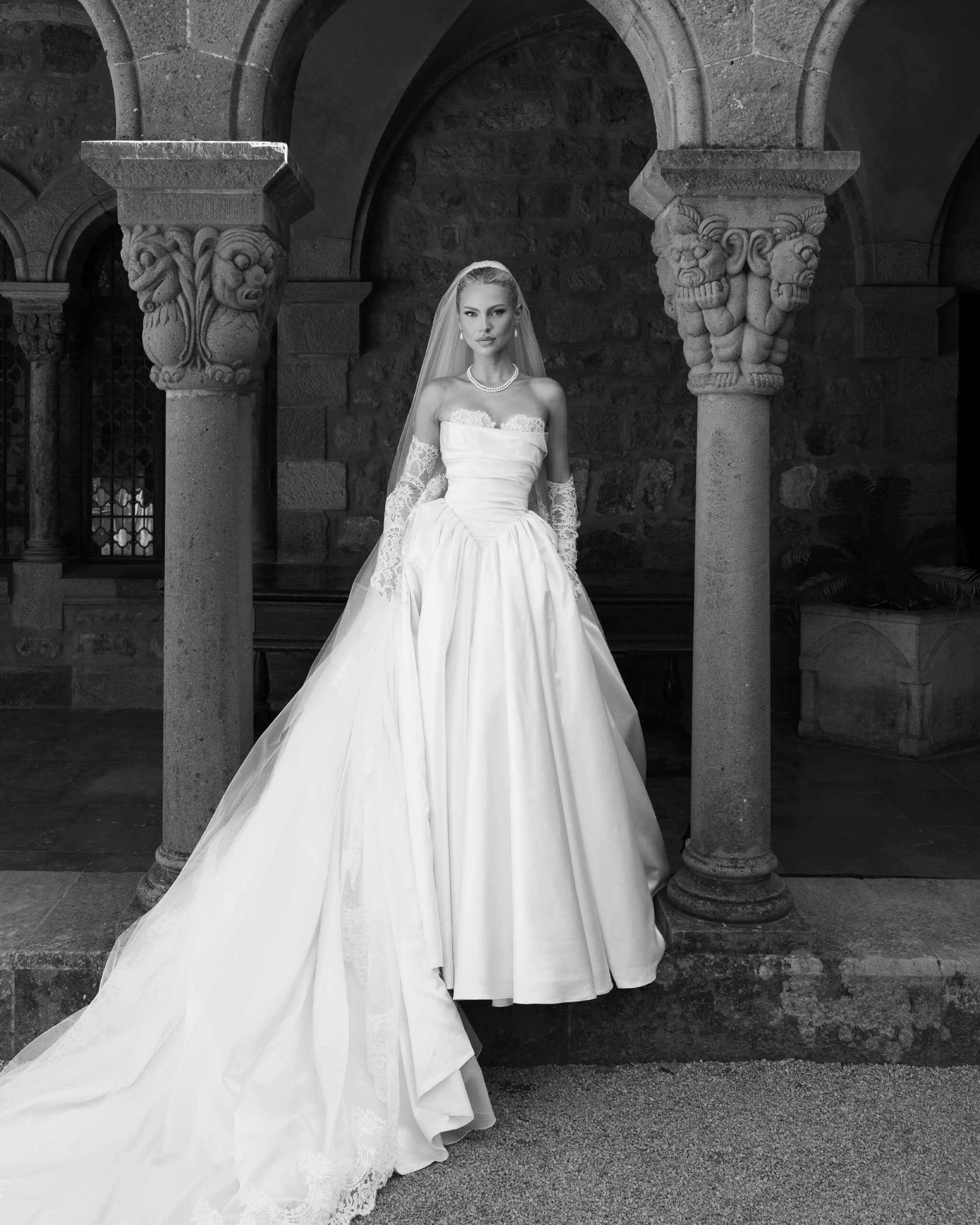
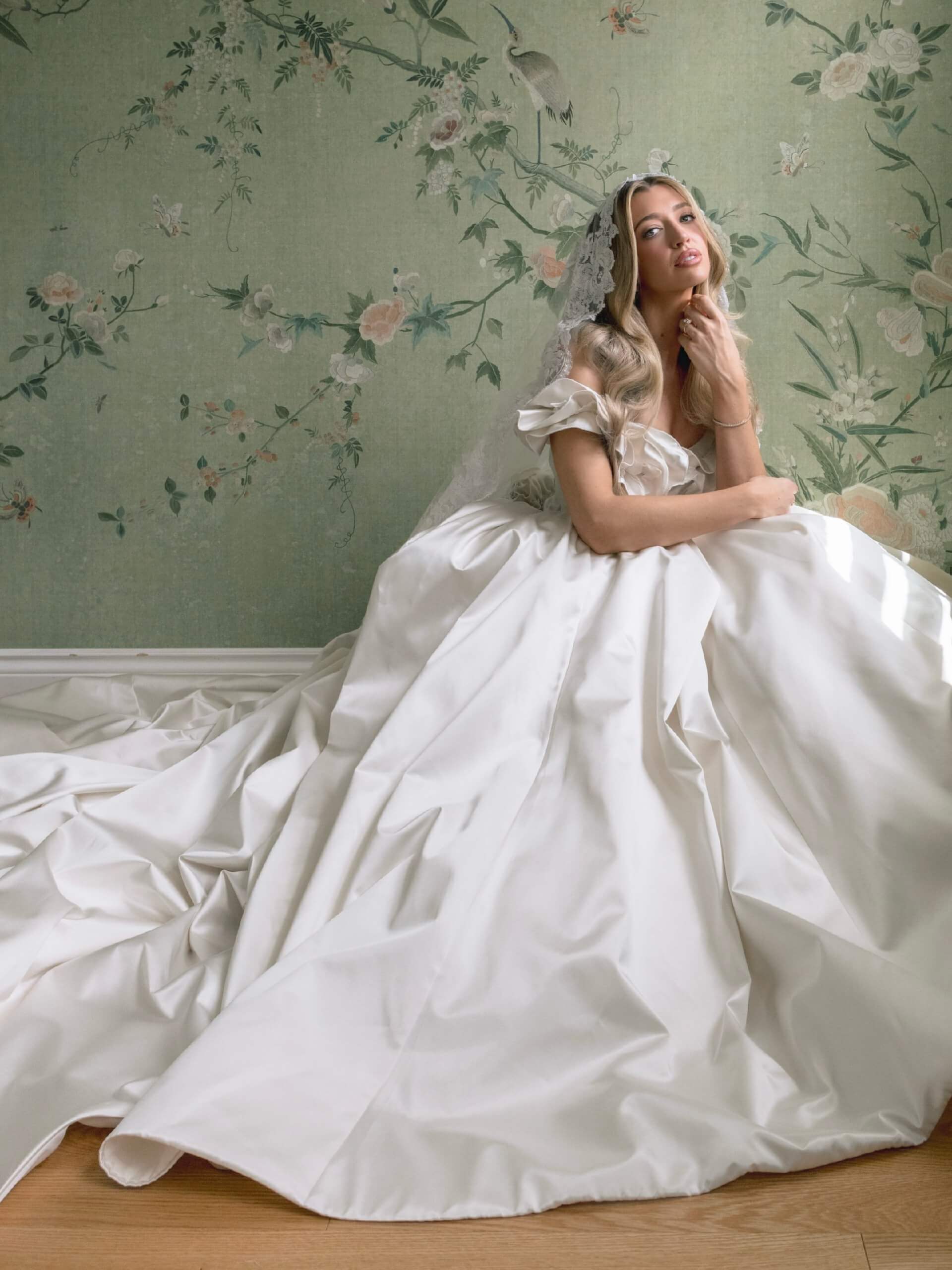
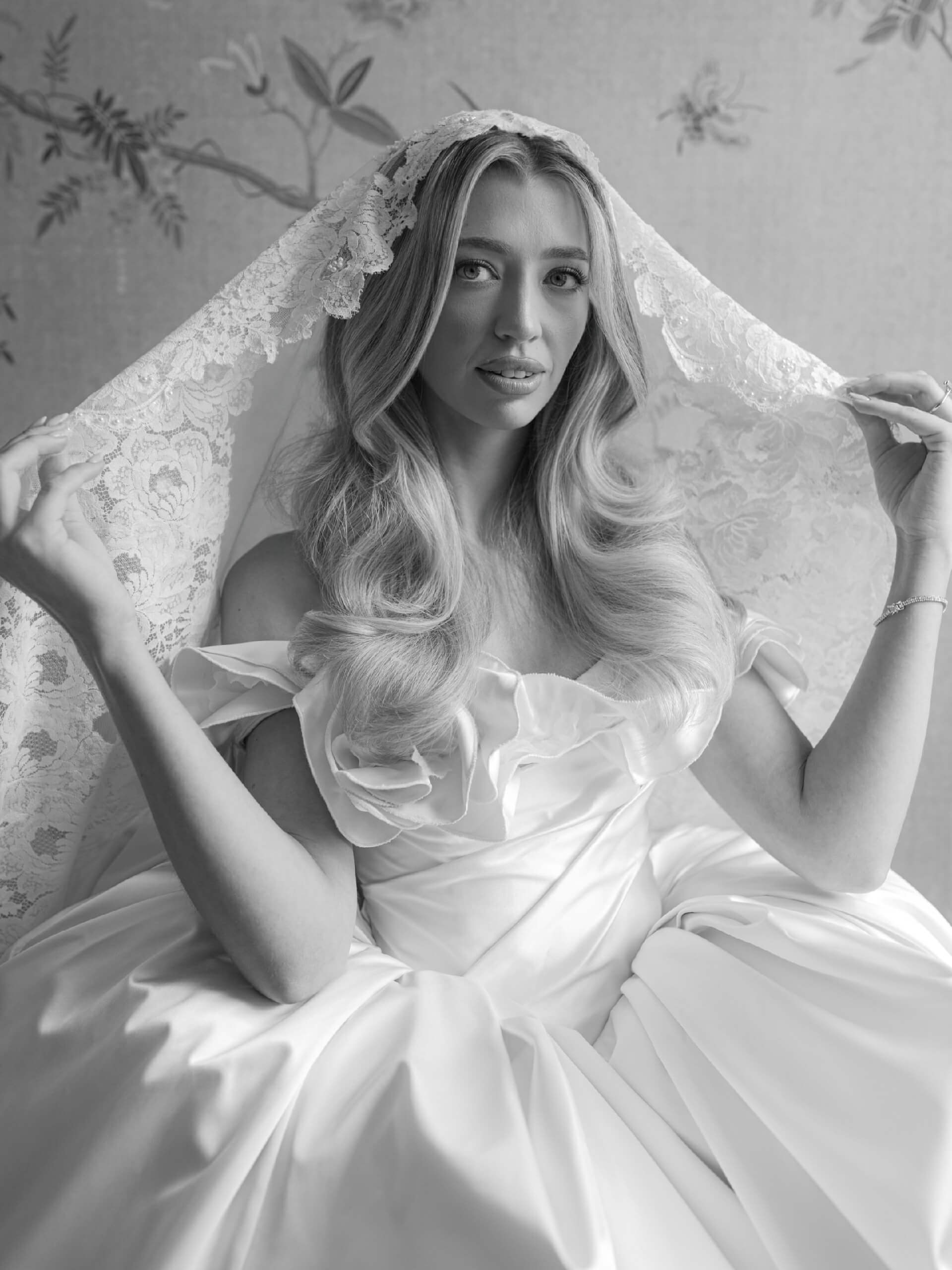
All brides choose a dress differently, with some sketching designs since childhood and others only starting to think about it the week after the proposal. In any case, going into a bridal salon without a basic understanding of style terms makes the experience much harder than it needs to be. If you know the five basic silhouettes before your first visit, the stylist’s questions shift from guesses to a real conversation, and you can quickly narrow options and find the ideal wedding dress for your body and personal vision.
Ball Gown
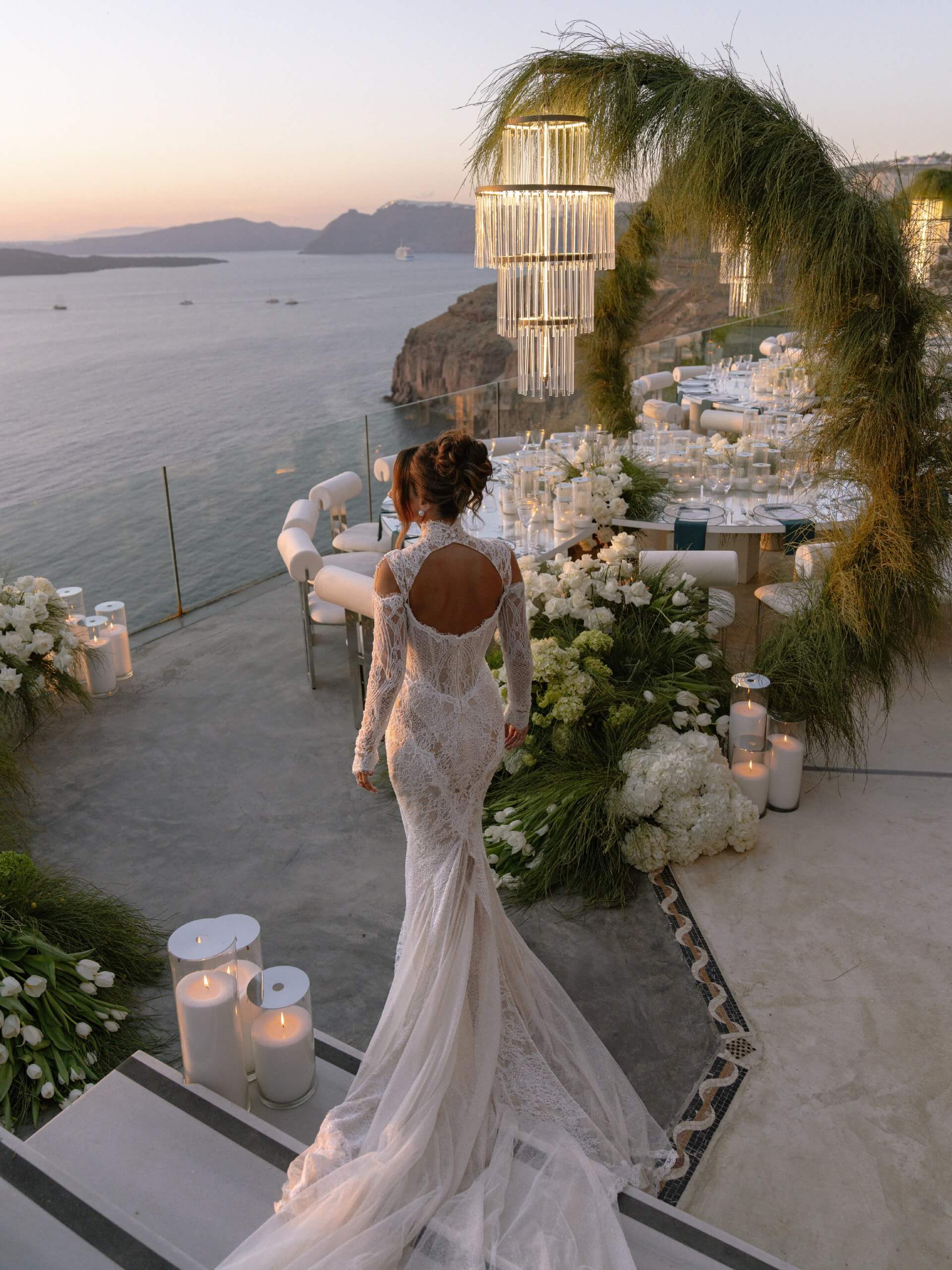
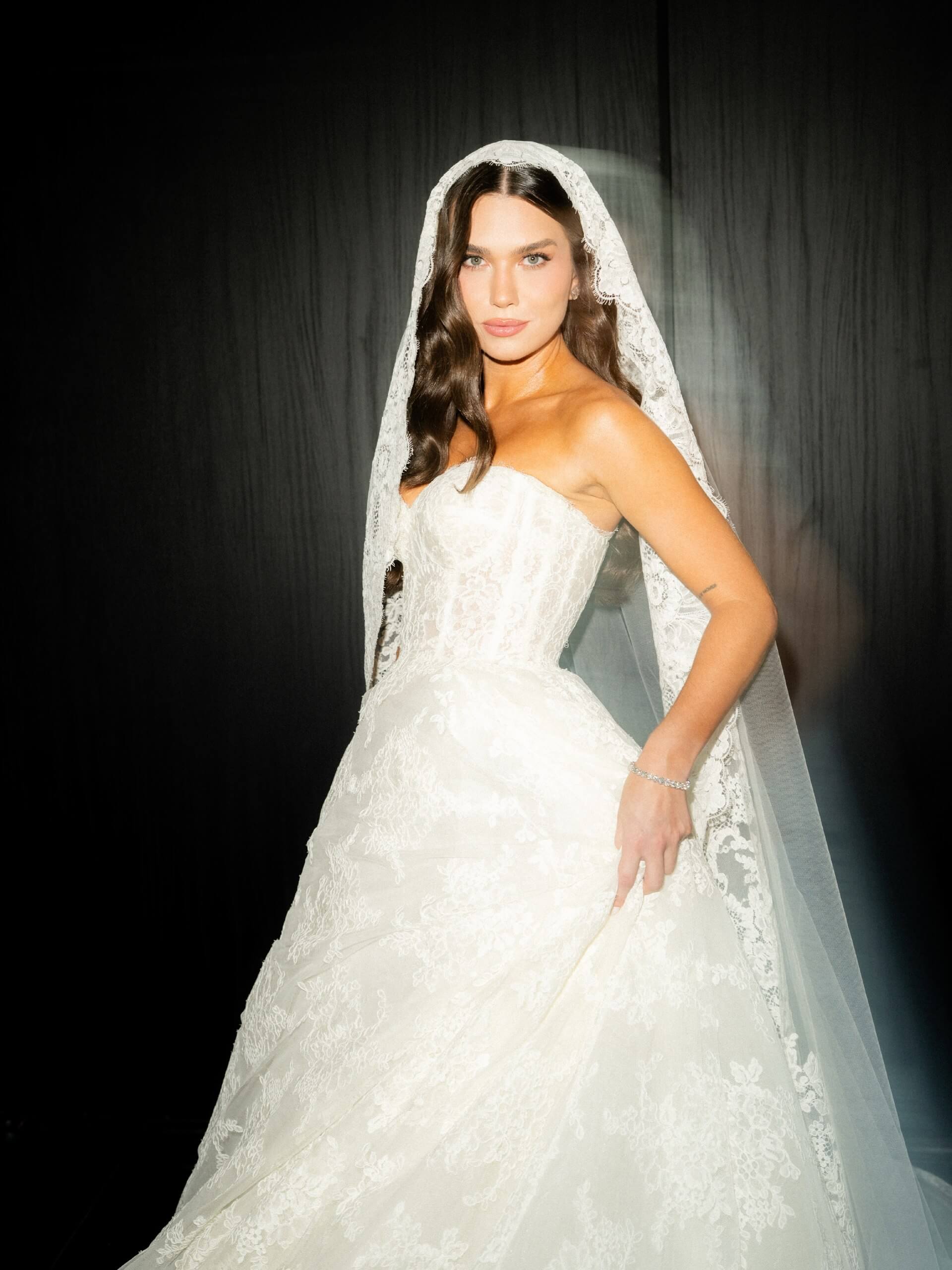
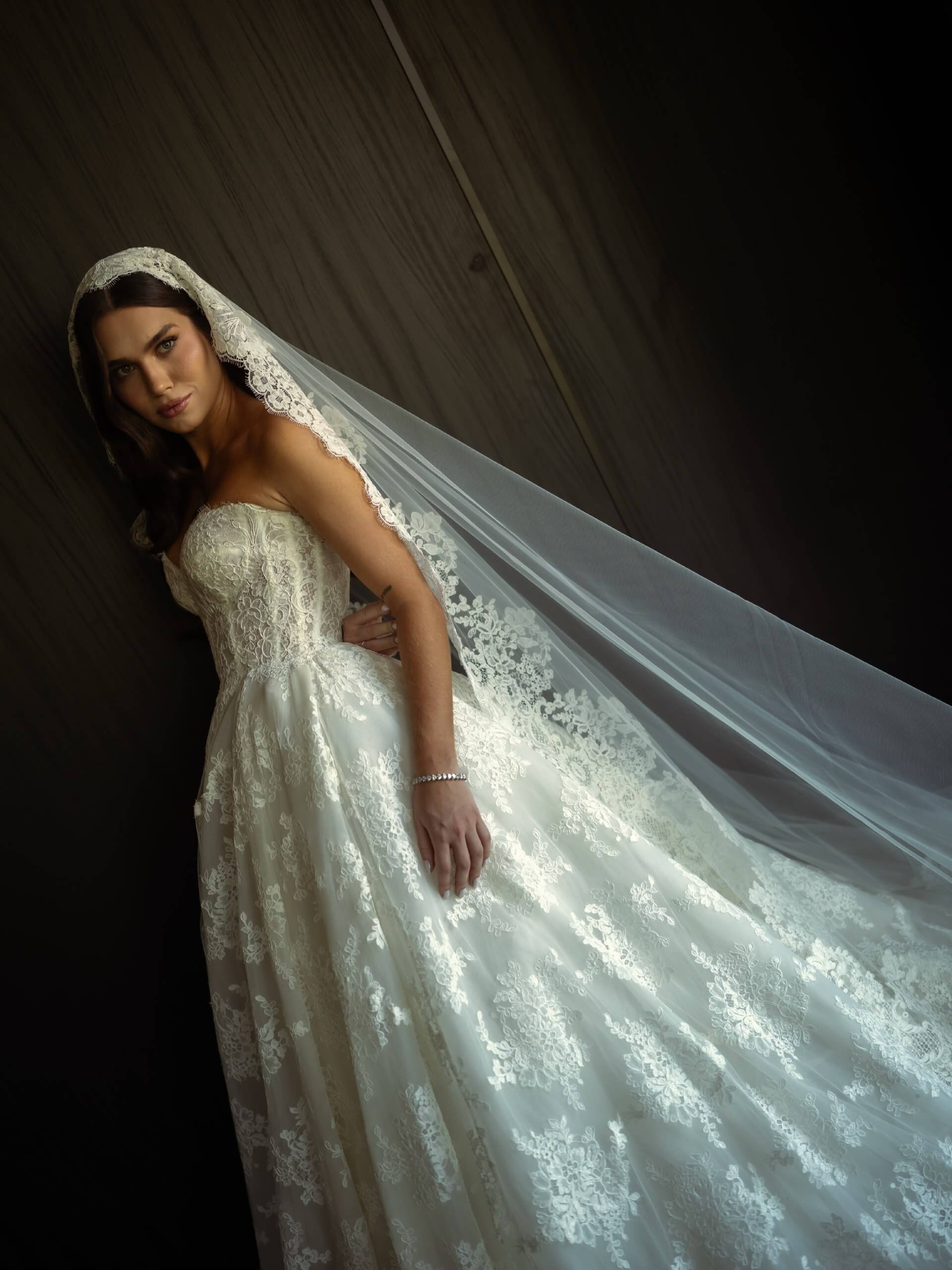
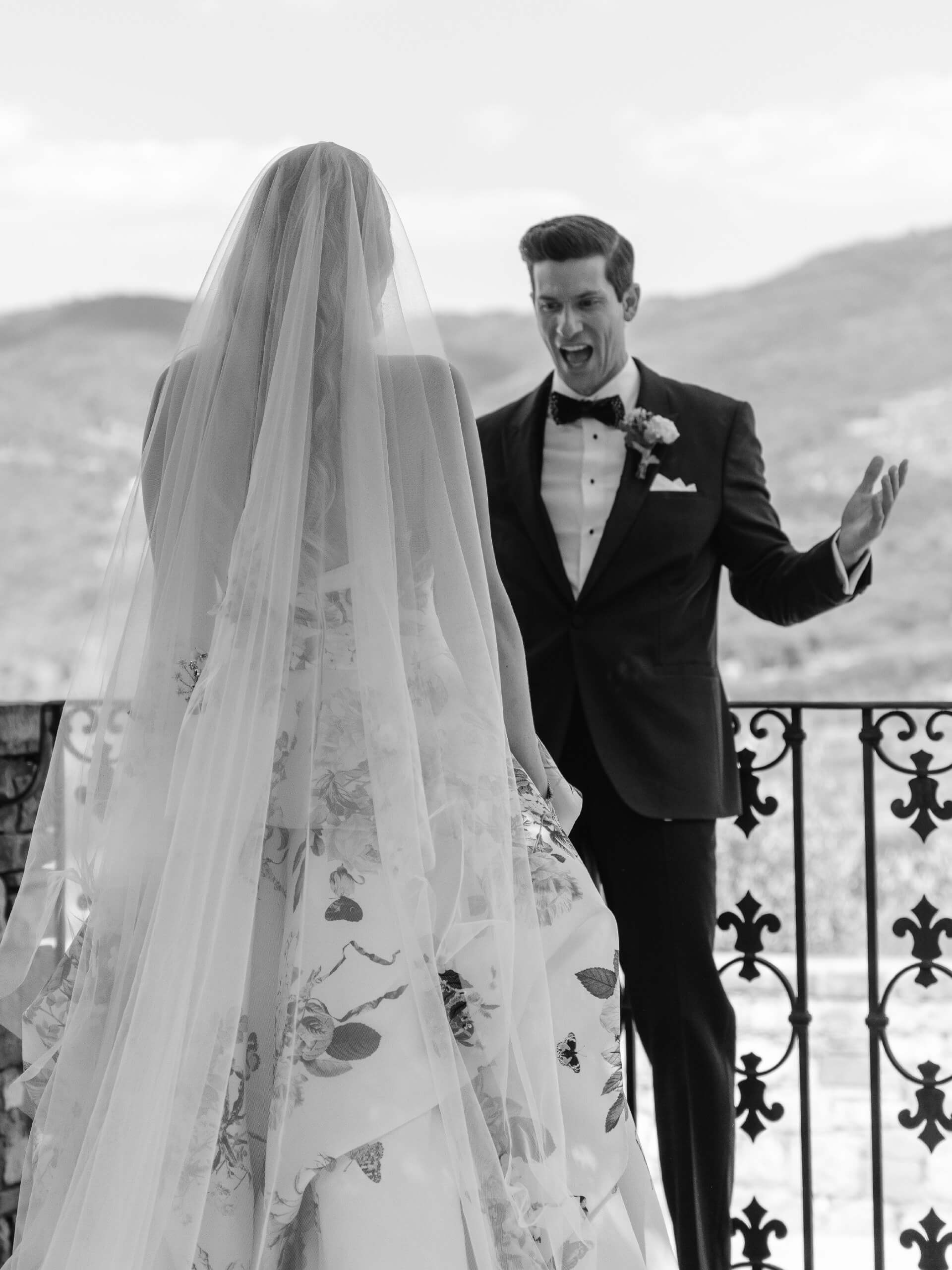
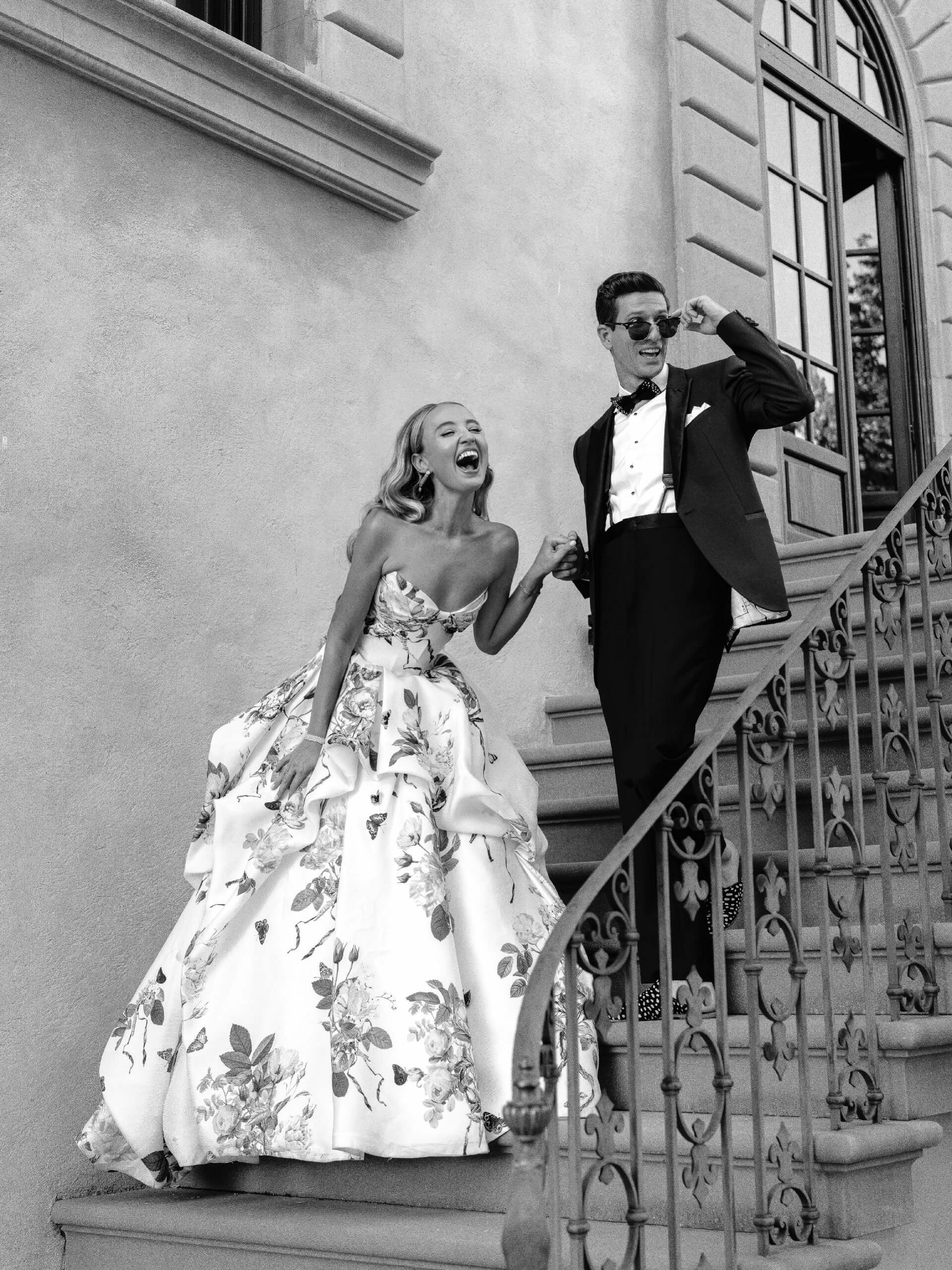
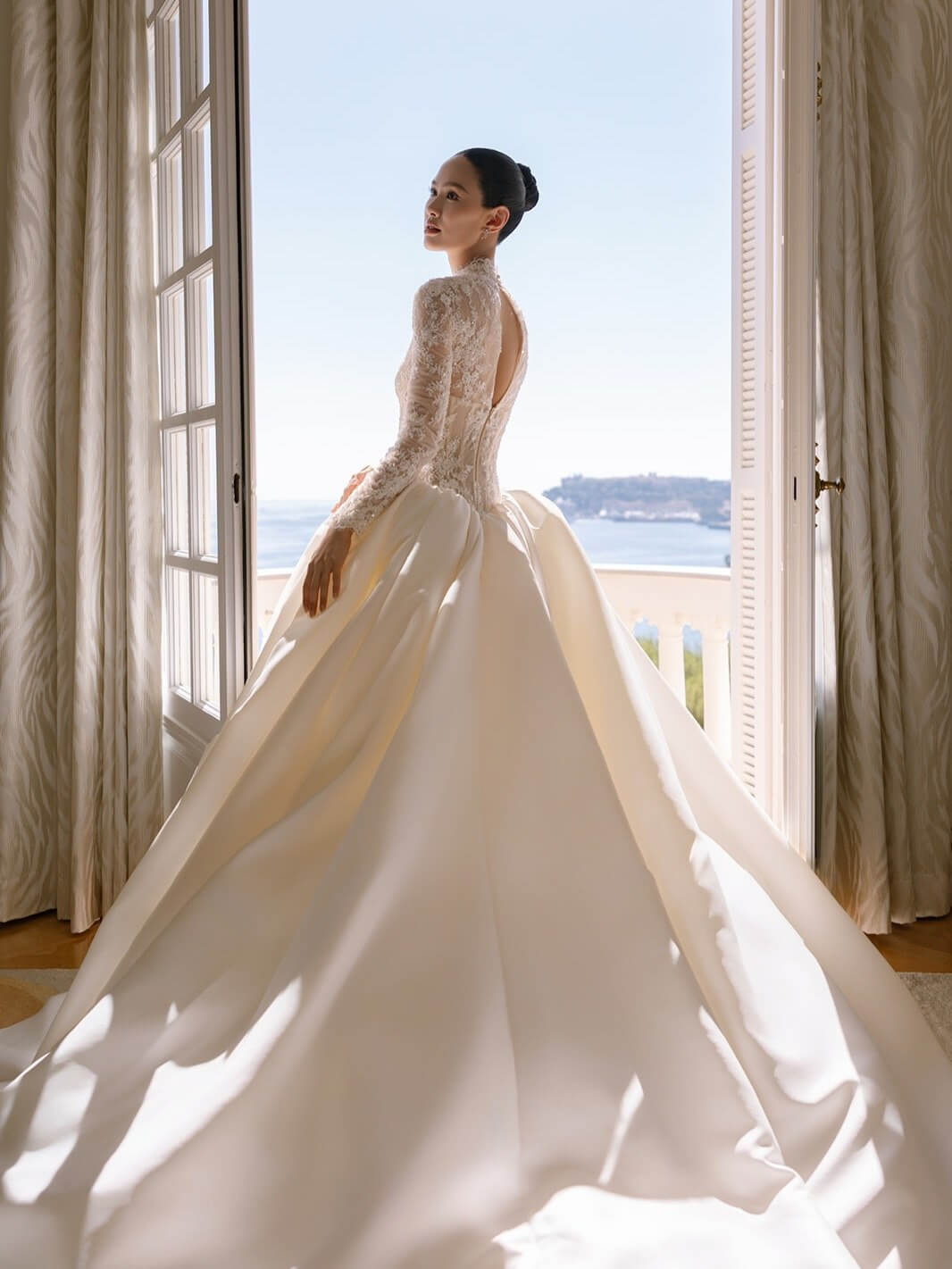
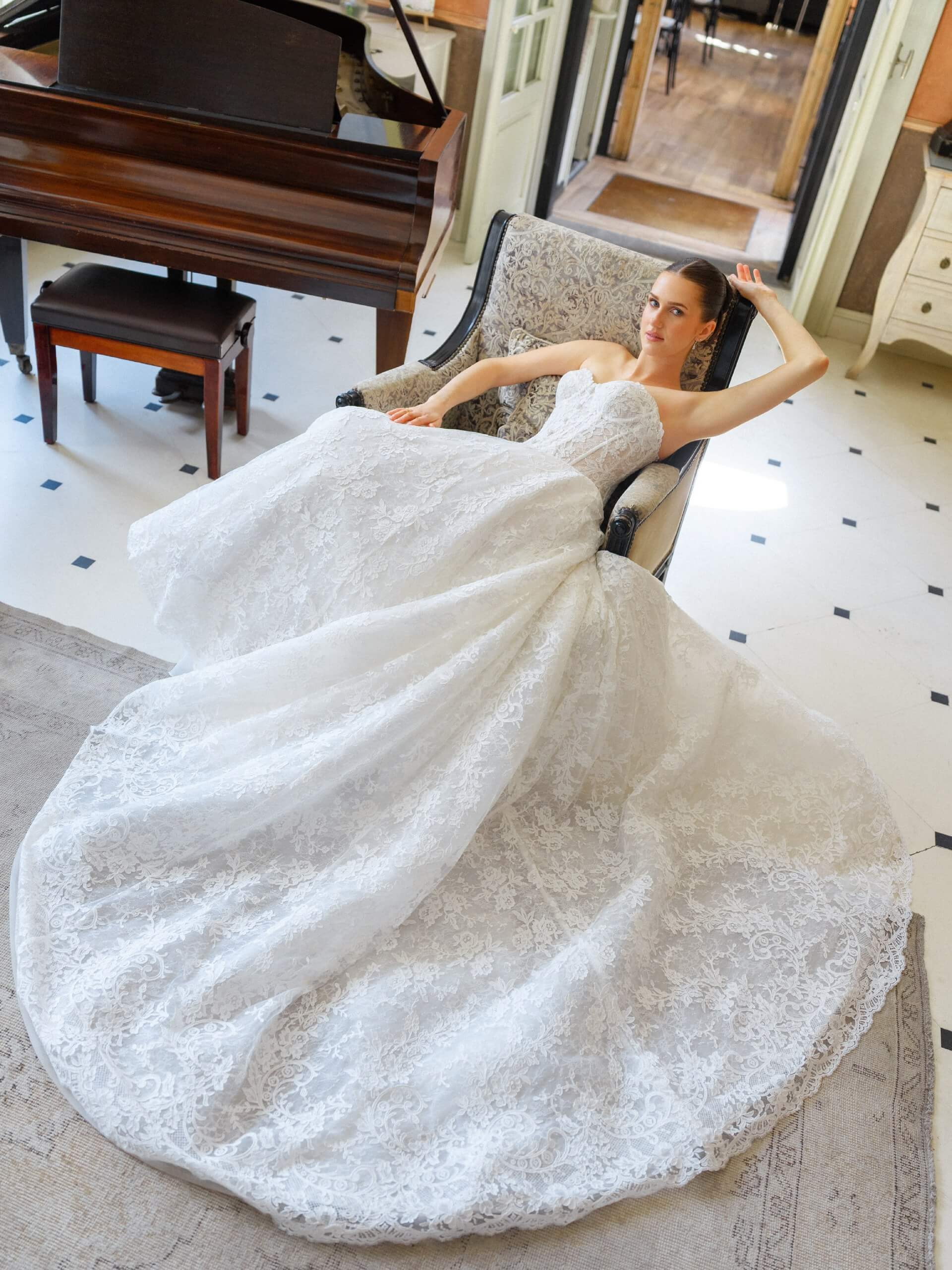
Known as the 'princess dress', this style has remained a cornerstone of bridal fashion since the Victorian period and shows no signs of disappearing. The dress features a fitted bodice that transitions into a very full skirt, designed to help the bride make a striking entrance as soon as the doors open. It is ideal for brides who want a traditional, formal look, and it works best in spaces with enough room for the skirt to spread out, such as cathedrals, large ballrooms, and wide staircases where the skirt can flow behind without obstructing people. Additionally, the large amount of fabric looks particularly attractive when photographed from above, which is one reason this style remains so common in many wedding albums decades after it became standard bridal wear.
Mermaid
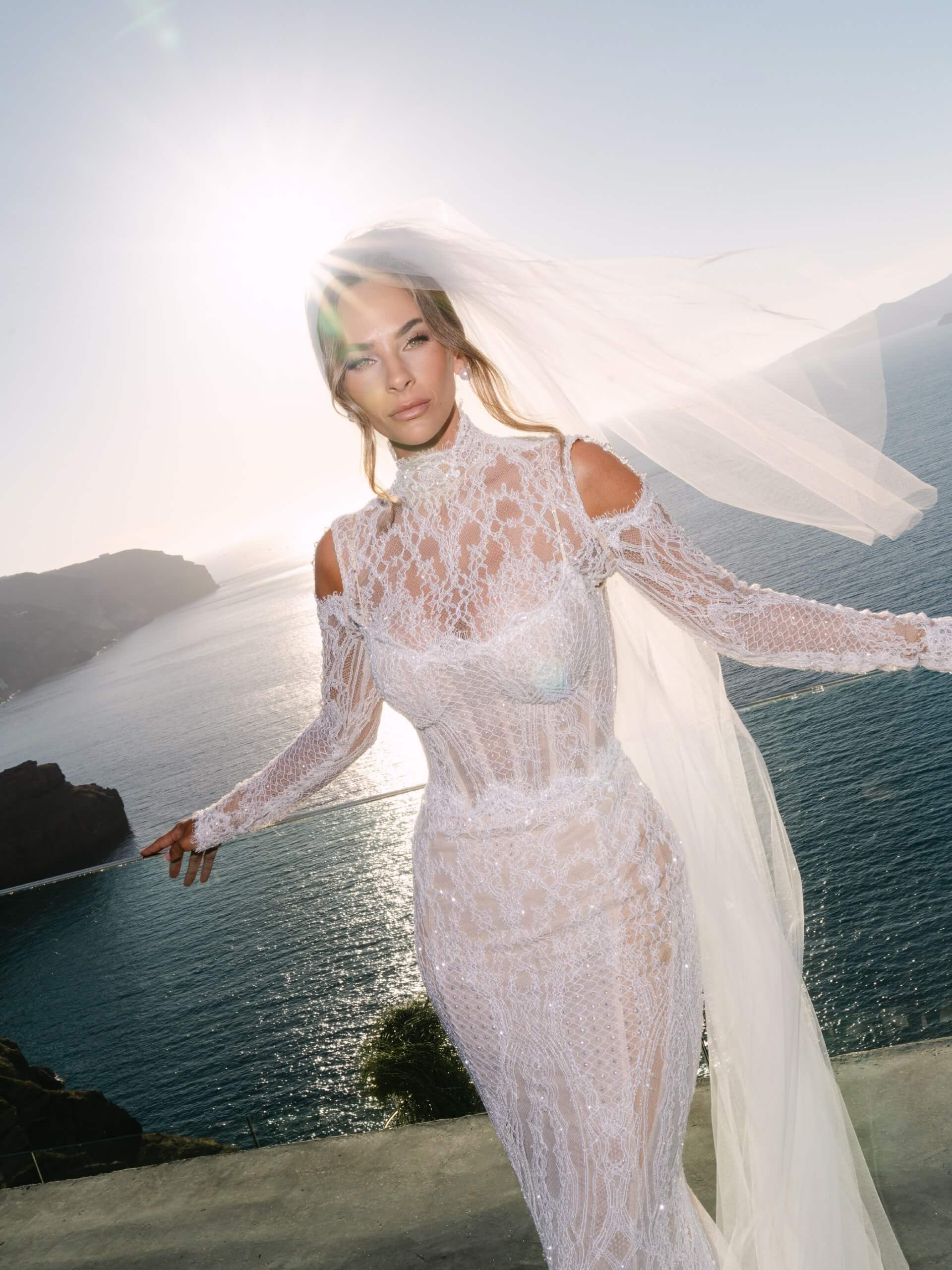
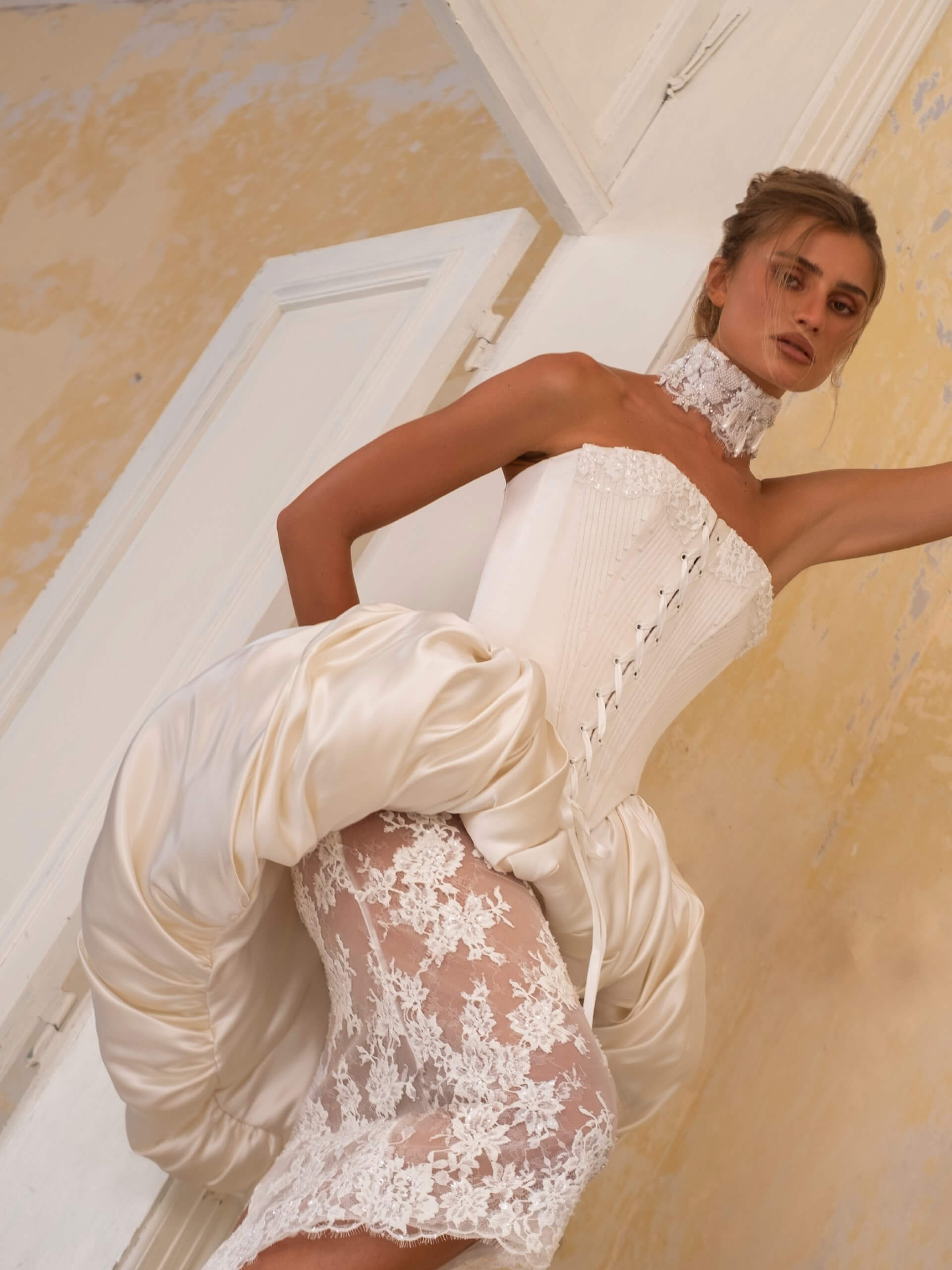
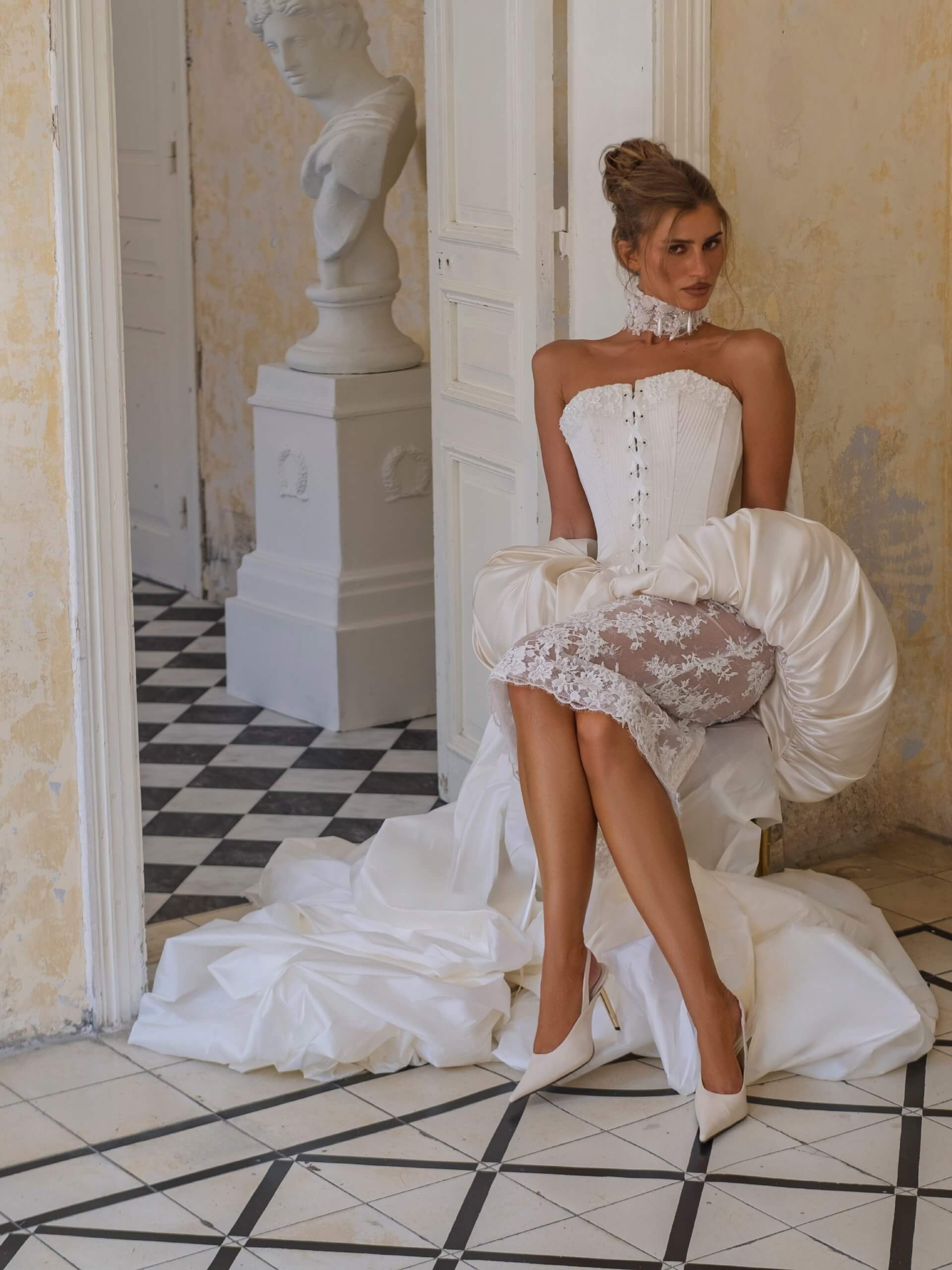
Named for the silhouette it borrows, it became one of the most popular bridal styles in the late 1900s and remains one of the most frequently requested types at bridal salons. It fits from the chest down to the knee before spreading out significantly at the bottom, a feature that requires a great deal of skill to achieve properly without restricting movement. This style is ideal for brides who want to confidently display their curves in a sensuous, unmistakably striking way, though it calls for a closer, more tailored fit than almost any other silhouette mentioned. Since the bodice fits so closely to the body, alterations are even more important here than in the case of most of the other styles, which is why it's worth giving priority to a skilled seamstress when planning the budget for this type of gown.
A-Line
The A-line was popularized in the mid-20th century; it gets its name from the shape it forms: fitted at the waist and then gradually spreading out towards the floor. It is the most universally flattering dress style in bridal fashion, suits almost any body type, and is practical enough for a bride to dance all night without worrying about tripping over the fabric. Because of its versatility, designers also prefer it, since the same basic shape can accommodate anything from simple crepe to elaborate lace without losing its essential silhouette. For brides who feel overwhelmed by the variety of options, starting with an A-line often speeds up the process of narrowing down choices, since it generally works no matter the venue, season, or body type.
Sheath
The sheath dress first became well known in the 1920s and made a comeback in the 1990s; it has a straight shape extending from the neckline to the hem with only a small amount of shaping or extra fullness. Brides who prefer a modern, minimalist, or effortlessly elegant look often choose this style, and it looks especially good on taller or thinner women. With so little structure to conceal, fabric quality and fit matter more; a poorly tailored sheath dress reveals every flaw in a way a fuller skirt simply does not. As Blanco Bridal Couture puts it,
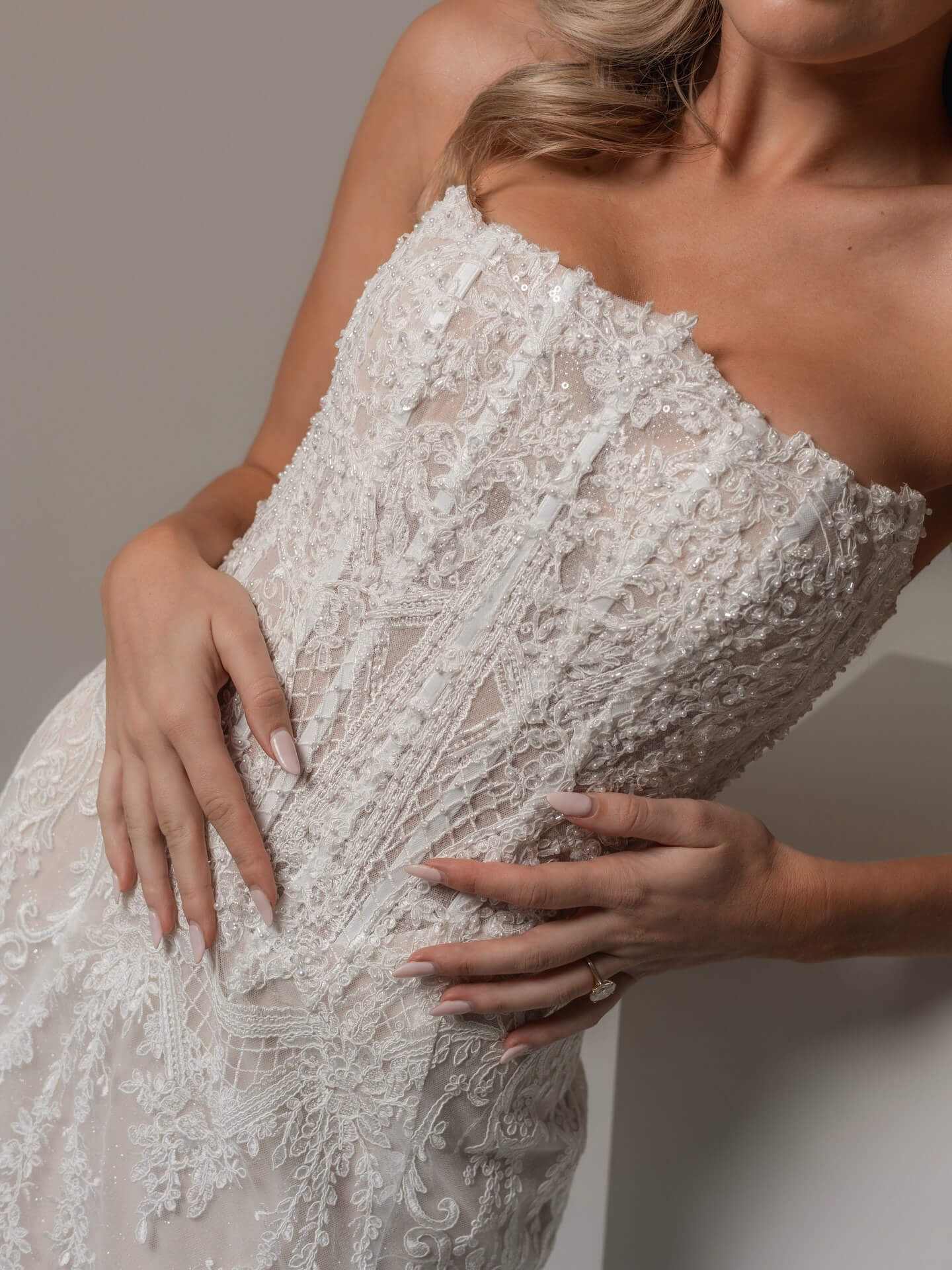
 a well-made gown should feel beautiful inside and out, with quality fabric, neat seams, secure embellishments and thoughtful structure
- comfort and natural movement matter just as much as how the dress photographs. Brides who choose this style usually spend more on alterations because the dress allows little tolerance for inaccuracies.
Bohemian
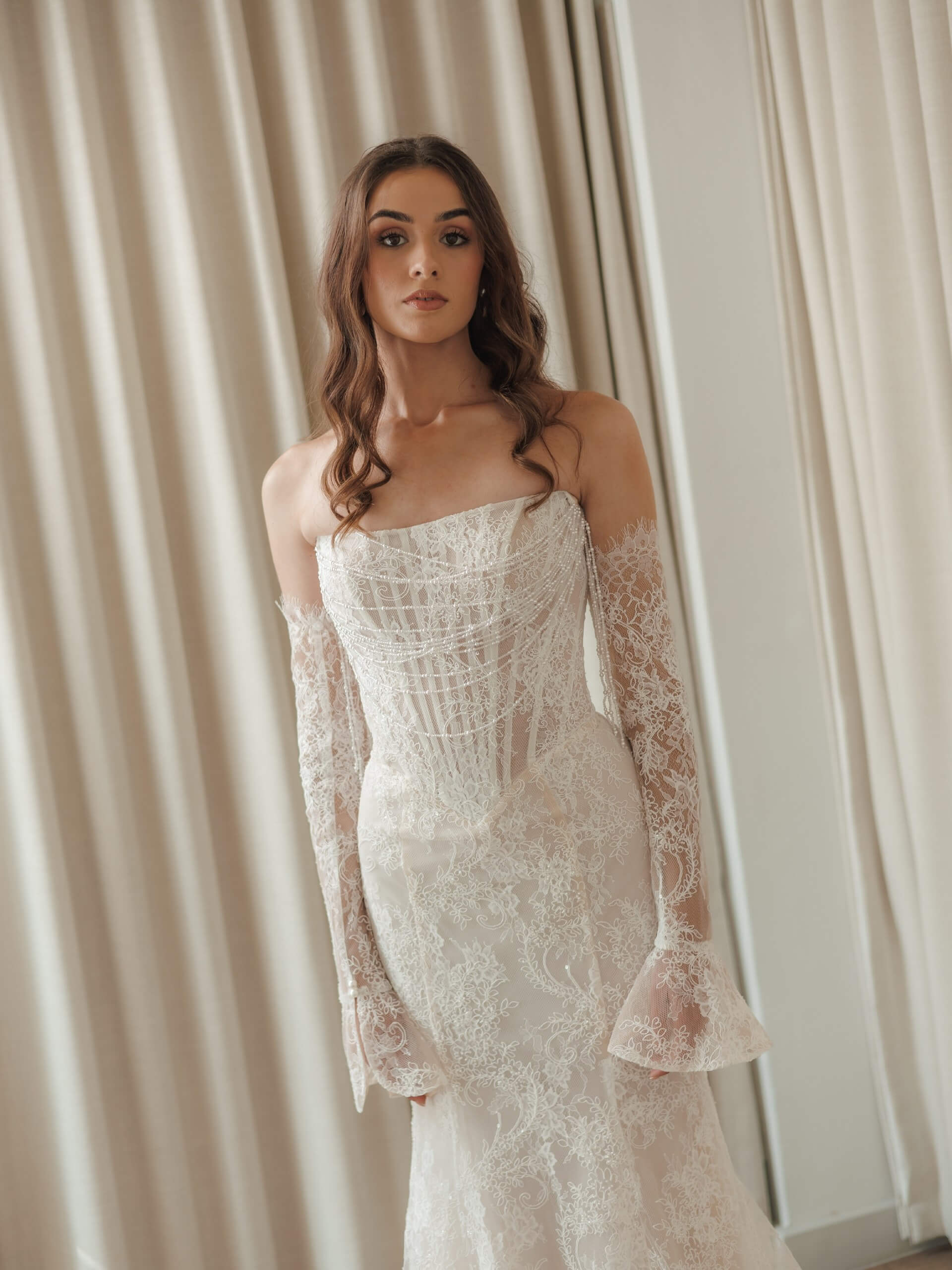
The bohemian gown style, emerging from the free-spirited fashion of the 1960s and 70s, favors lightweight materials, full-length skirts, and elaborate lace work over a stiff structure. It is therefore ideal for outdoor events, beach weddings, and those who want a loose, dreamy atmosphere rather than one filled with formality, as the fabric flows with the wind rather than resisting it. This style often features crochet details, bell sleeves, and a low, gently draped back, offering more variety than its casual image might suggest. Many brides also combine features from different styles, for example pairing a bohemian bodice with an A-line skirt or choosing a mermaid cut with the simplicity of a sheath, since the five silhouettes mentioned above constitute a basic set of options, not rigid rules that must be followed precisely.
Finding the Perfect Wedding Gown: Key Factors to Consider
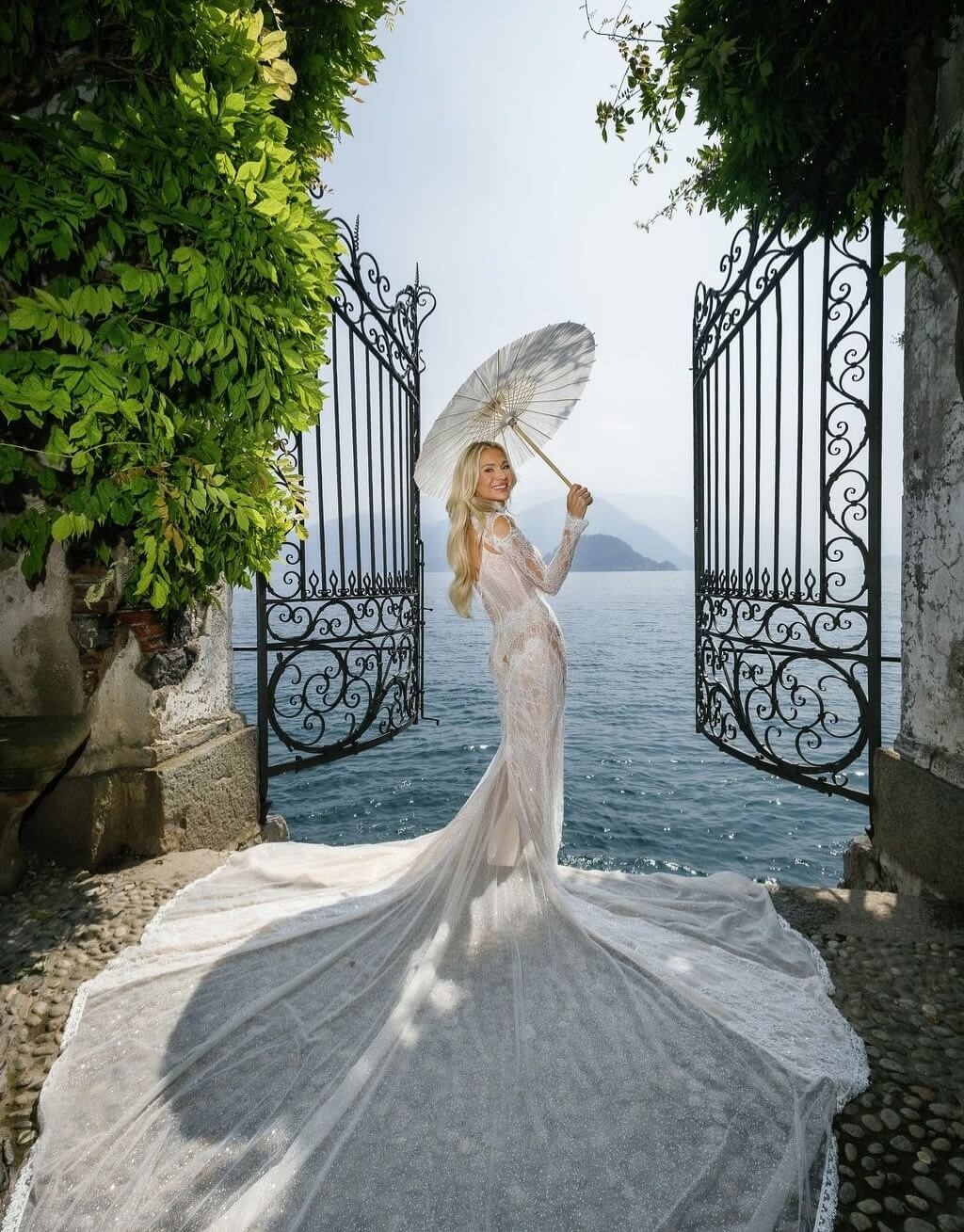
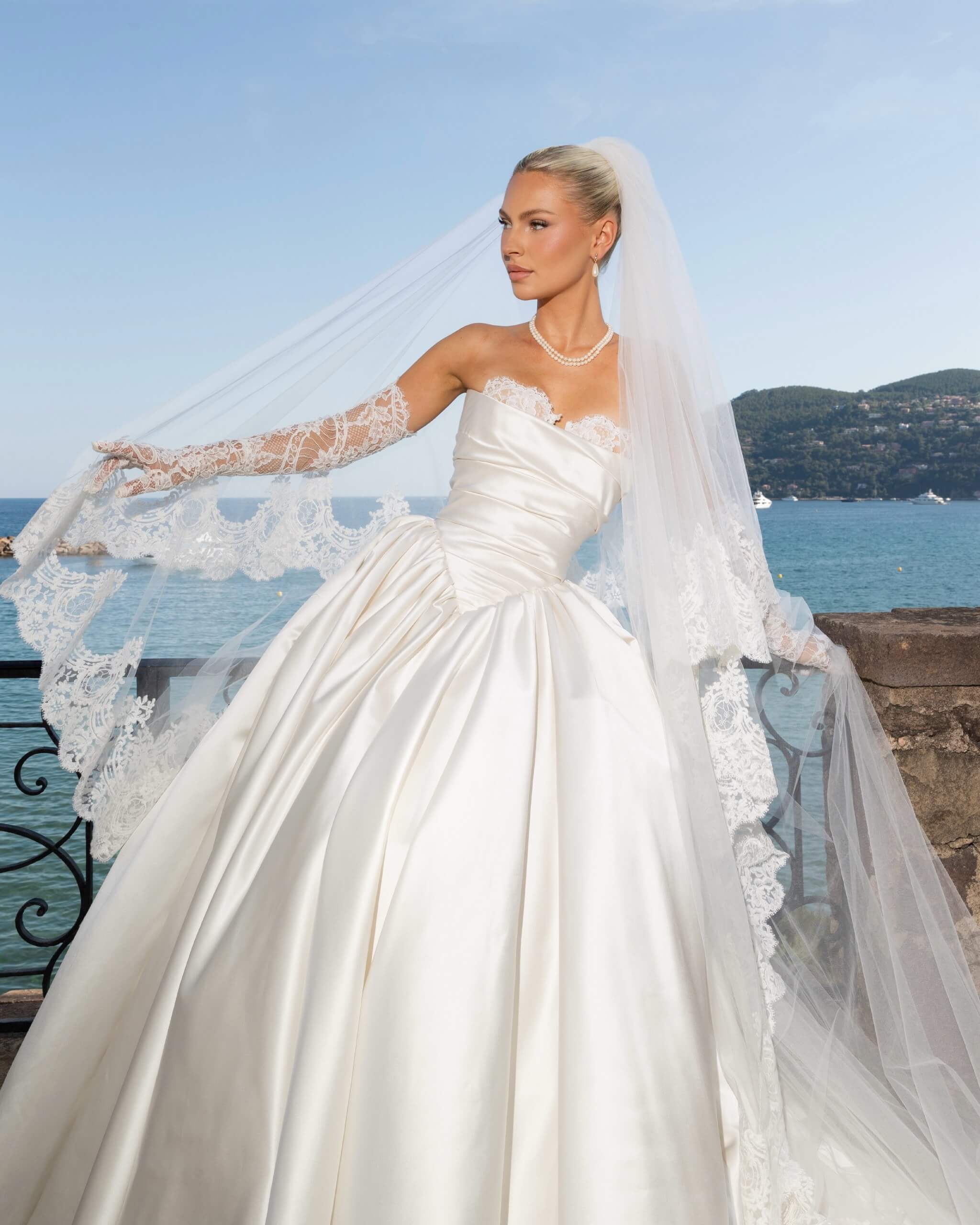
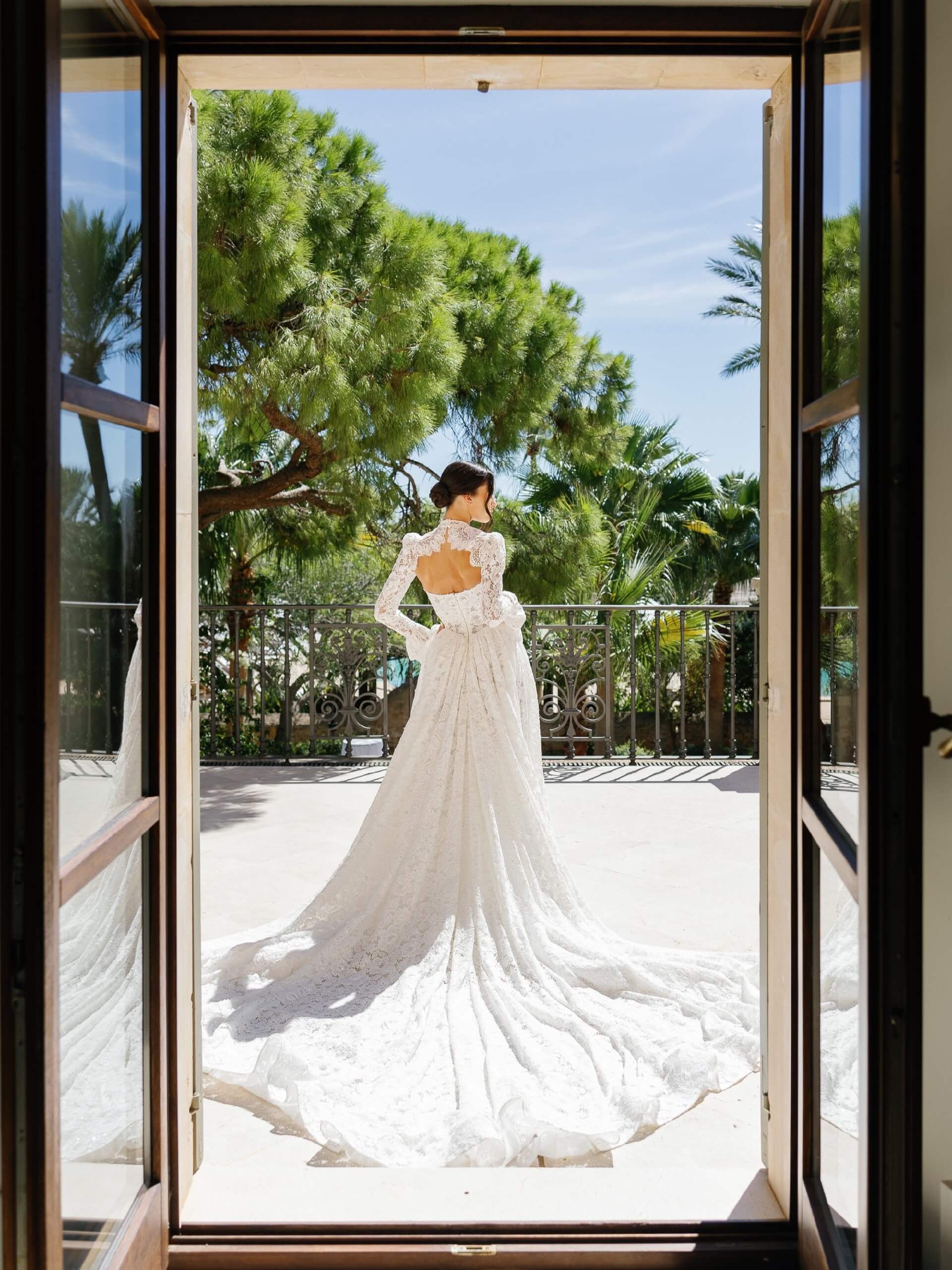
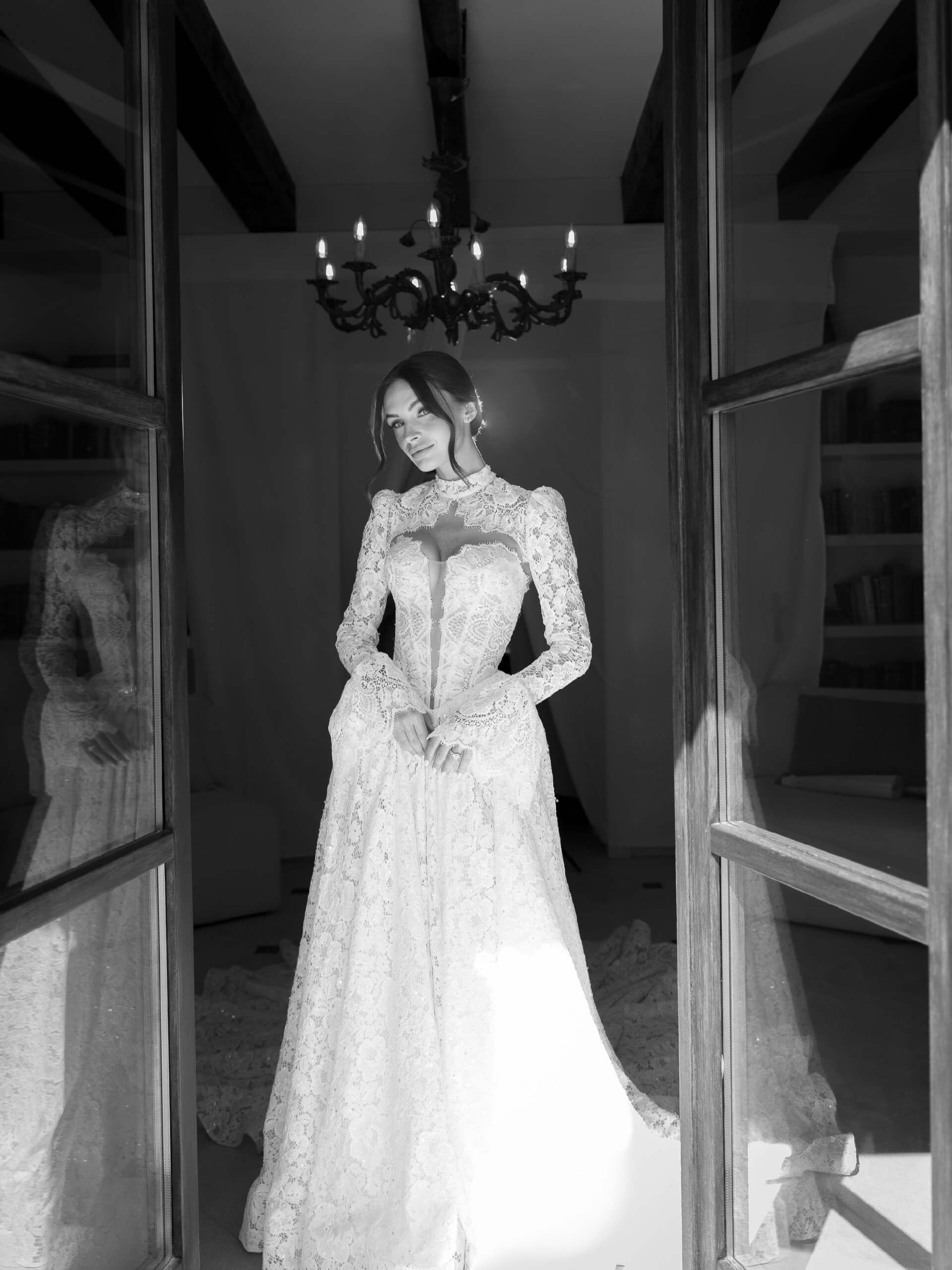
Picking out a wedding dress involves much more than an emotional response to a pretty dress in a showroom. A few practical considerations quietly influence which dresses actually work for your wedding, and ignoring them will usually leave you with more stress later than if you'd addressed them at the start. Usually, at their first appointment, brides focus entirely on style and forget that the dress also has to cope with the venue, the season, and a body going through hours of dancing and hugging. Considering these five factors before you fall in love with any particular dress can help you avoid a lot more heartbreak than going straight for the fun part.
- Budget. Walk into your first appointment with a clear number in mind, since this single choice rules out more possibilities than any other item on this list. The price printed on the label usually isn't the final amount, since changes alone generally cost between $200 and $800, depending on how much adjustment the dress needs, and that doesn't even include the veil, the shoes, or any other accessories. It is usually better to tell your consultant about your actual budget, including the money you'll need for alterations, than to remain vague and hope for the best. The key to selecting a wedding dress on a limited budget is to get in the habit of treating alterations and accessories as part of the initial budget, rather than something you only realize later.
- Venue and Theme.Your dress should feel like it belongs in the space you’ve chosen; a long cathedral-style dress works well in a large ballroom but not so well when moving through sand. If your wedding is outdoors, check the expected weather and choose a fabric weight that suits it, since heavy brocades and thick linings often don't cope well with direct summer heat. If your wedding has a clear theme - whether it's vintage, modern, or destination-specific - you can narrow the style and details, reducing a list of hundreds of dresses to a much more manageable number before you even enter a fitting room.
- Season. Winter weddings tend to favor heavier fabrics, long sleeves, or the option to add a cape or fur stole over a strapless dress for the wedding ceremony. For summer, light materials, shorter trains, and a breathable design that won't cause you to overheat by the first dance are best, especially if the ceremony takes place outdoors in direct sunlight. In spring and fall, it's somewhere in between: dresses can be flexible during the day, but plan for a drop in temperature after the sun goes down, especially if the evening reception is outdoors.
- Body Type and Comfort. Each body type has silhouettes that truly suit it, and discovering which ones work for you is less about following rules and more about understanding proportion. Bridal sizing rarely matches everyday clothing sizes either, since designers work from their own measurement charts - a detail the team at Blanco Bridal Couture stresses constantly: focus on the fit itself rather than the number on the label. Comfort is just as important as how the dress looks, since you'll be wearing it for several hours, spending time eating, dancing, and hugging family members, so a dress that looks great in photographs but restricts your breathing isn't really the best choice even though it may appear so on the rack. You must go to the fittings wearing the undergarments and with the shoe height you intend to wear on the day itself, as this is the only way to properly assess both the fit and comfort, rather than making an estimate based on how the dress feels when you're walking around barefoot in the fitting room.
- Personal Style. Trends are always changing; your own sense of taste tends to remain stable. A dress that suits you generally doesn't need to wait for a trend cycle to approve it before you feel confident. Although advice from your family and friends is valuable, you must make the final choice, since you'll be the one wearing it all day. It doesn't matter whether the right dress is the first one you try on or the fifteenth; once you've found it, the sequence of events matters little, and rushing your decision to meet someone else's expectations almost always leads to a poor outcome.
These five factors never act on their own; for instance, a dress that fits within the budget and suits the wearer's body shape but is inappropriate for the occasion is likely to cause the kind of regret this list is meant to avoid. By considering all five factors before your first appointment, rather than spotting shortcomings during the fitting, dressing becomes a more focused and less daunting affair. The goal isn't to memorize a checklist, but to have a general idea of what you're looking for before you go in.
Expert Tips for Finding Your Perfect Wedding Dress
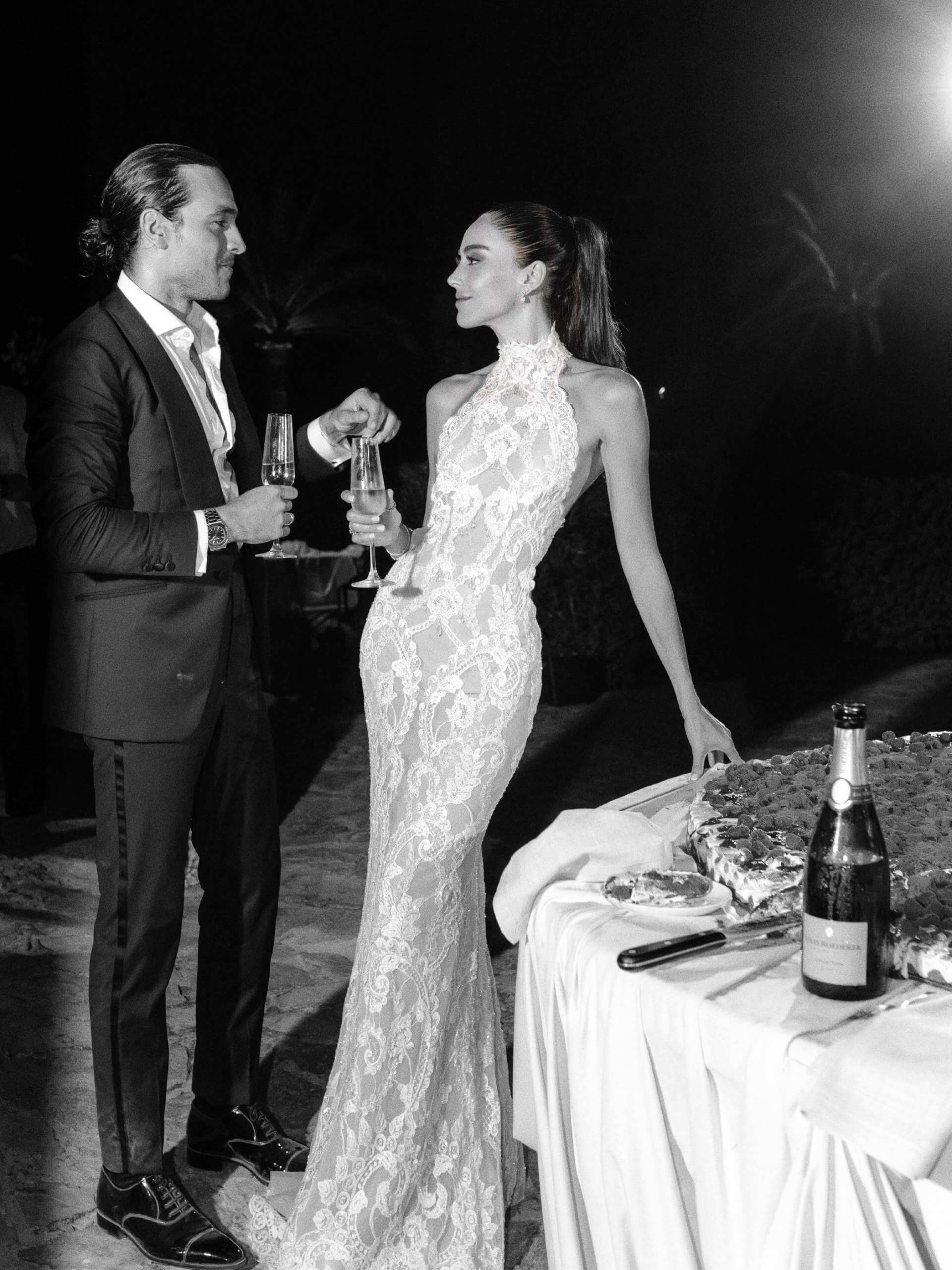
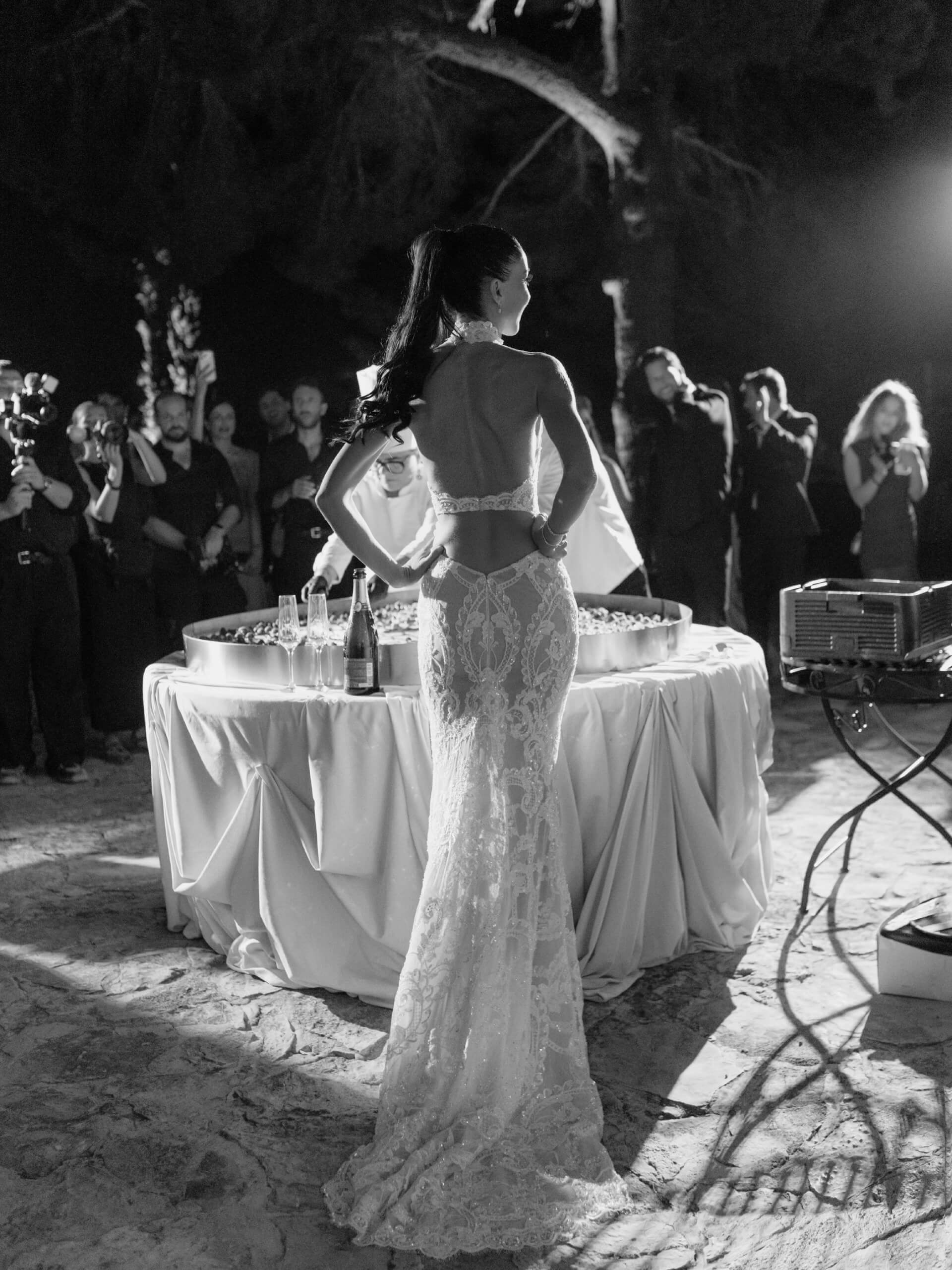
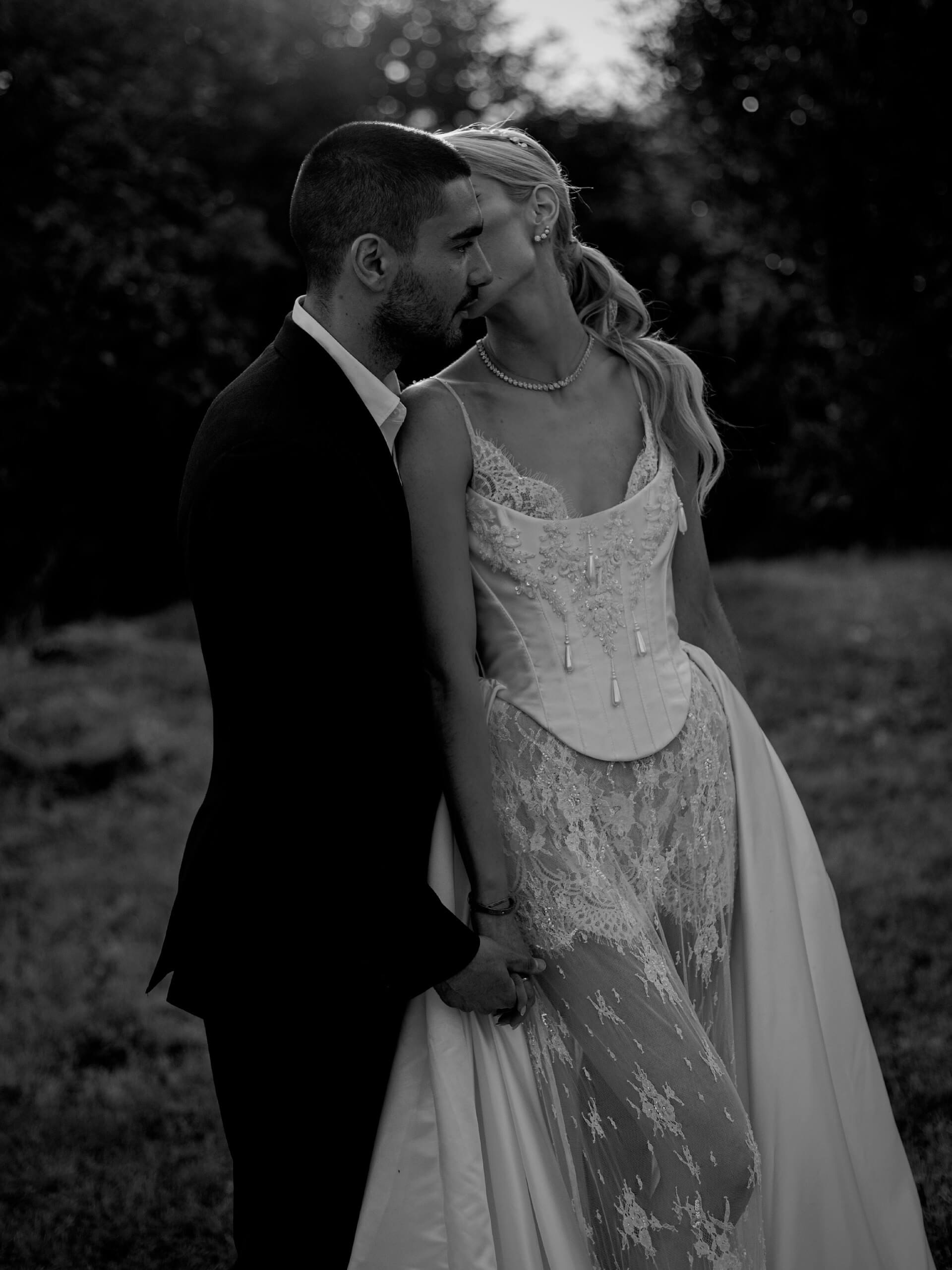
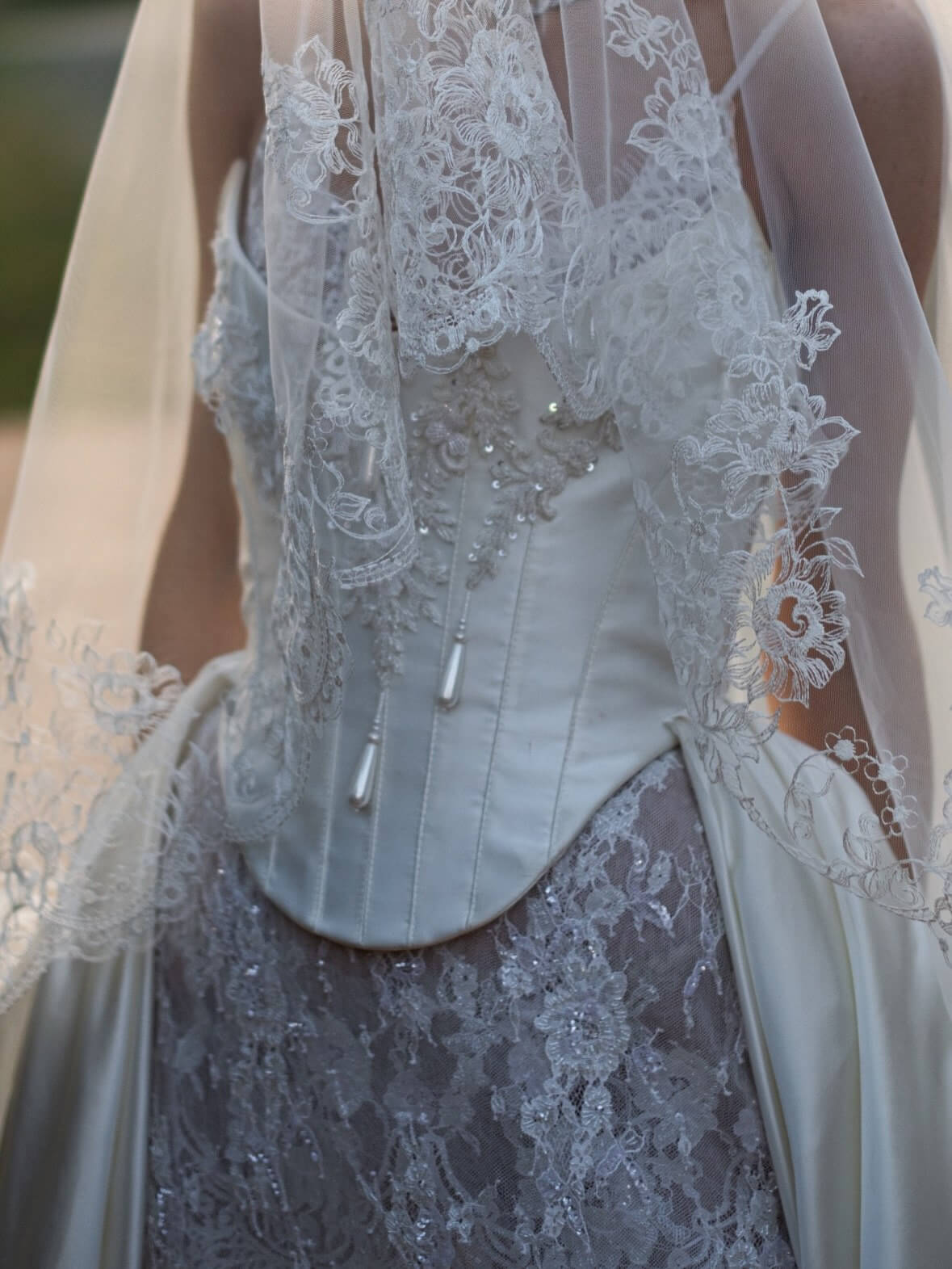
A small number of practical habits can make the difference between a stress-free shopping experience and one that is extremely tiring, and I've compiled them from stylists and consultants who have guided hundreds of brides through this process and seen what works. None of the advice called for spending extra money or arranging additional appointments; most of it simply involves guarding your own judgment against the kind of interference that tends to seep into what should be a joyful experience. By consistently applying a few simple habits at every appointment, you can avoid leaving each boutique feeling drained and instead finish each one feeling energized.
- Keep your entourage small. Too many opinions can shut down your instincts faster than anything else during the appointment. Instead of taking everyone who asks to come, choose only a few people whose taste you trust, since a smaller group will produce more honest reactions and less noise to wade through.
- Wear proper undergarments. A good foundation affects how a dress fits and moves more than most brides expect. Choose neutral, seamless ones, and if you prefer a bolder shape, make sure what is underneath is strong enough to support it.
- Space out your appointments. If you book a number of boutiques one after another on the same day, the gowns tend to blend together. By spacing out your visits over different days, each dress and each experience has time to make an impression before you compare them.
- Stay open to suggestions. The style you would have completely overlooked on a shelf often turns out to be the right one, and consultants frequently see this. Because of their experience, they can usually spot something worthwhile to try that you wouldn't have chosen yourself.
- Know that “the no” moments are normal. Many brides try on ten, fifteen, or even twenty dresses before one of them finally seems right, and that doesn't mean there's anything wrong with the process or with you. If still nothing has seemed to fit, this generally indicates that you haven't found the right dress, not that you're being overly picky, so don't feel pressured to make a decision just to get it over with.
- Trust the instinct when it finally shows up. This is known as the five-minute rule by some stylists, and most brides know it within the first five minutes of wearing the correct dress, usually before they've even seen the back or turned towards the mirror. That instinctive reaction is usually more reliable than any pros-and-cons list you could draw up later.
None of these habits guarantee the process will feel effortless; dress shopping is emotional because the stakes feel high. Nevertheless, they help reduce the fatigue and second-guessing that so often spoil the appointments. The aim isn't to visit every boutique in the area, but to leave with a real sense of certainty rather than just feeling relieved that the search is at last over. Brides who consistently follow even a few of these habits often say the process is much calmer than their friends warned them it would be, showing that most of the stress around dress shopping is avoidable rather than inevitable.

The Guide to Finding the Perfect Wedding Dress According to Your Body Type
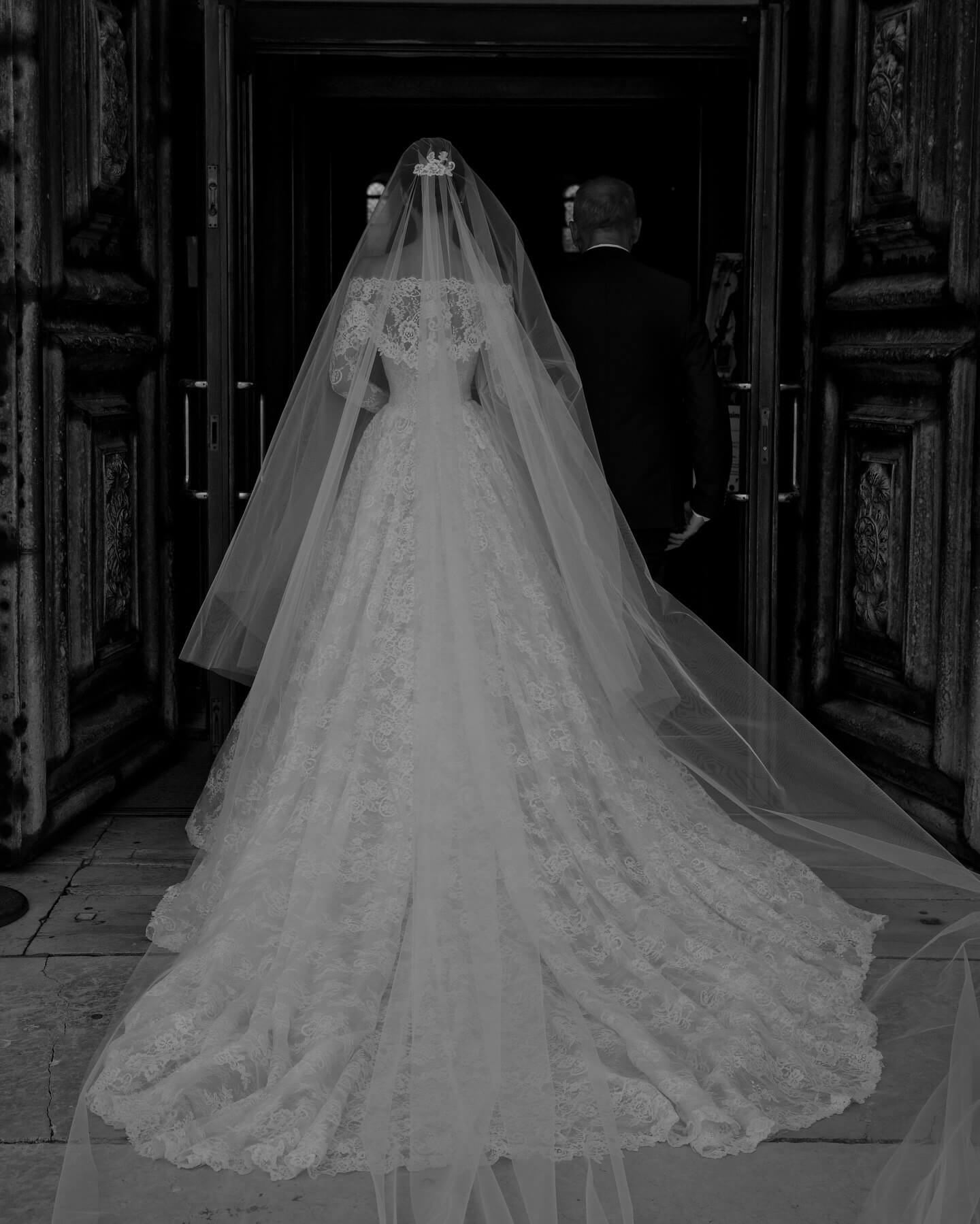
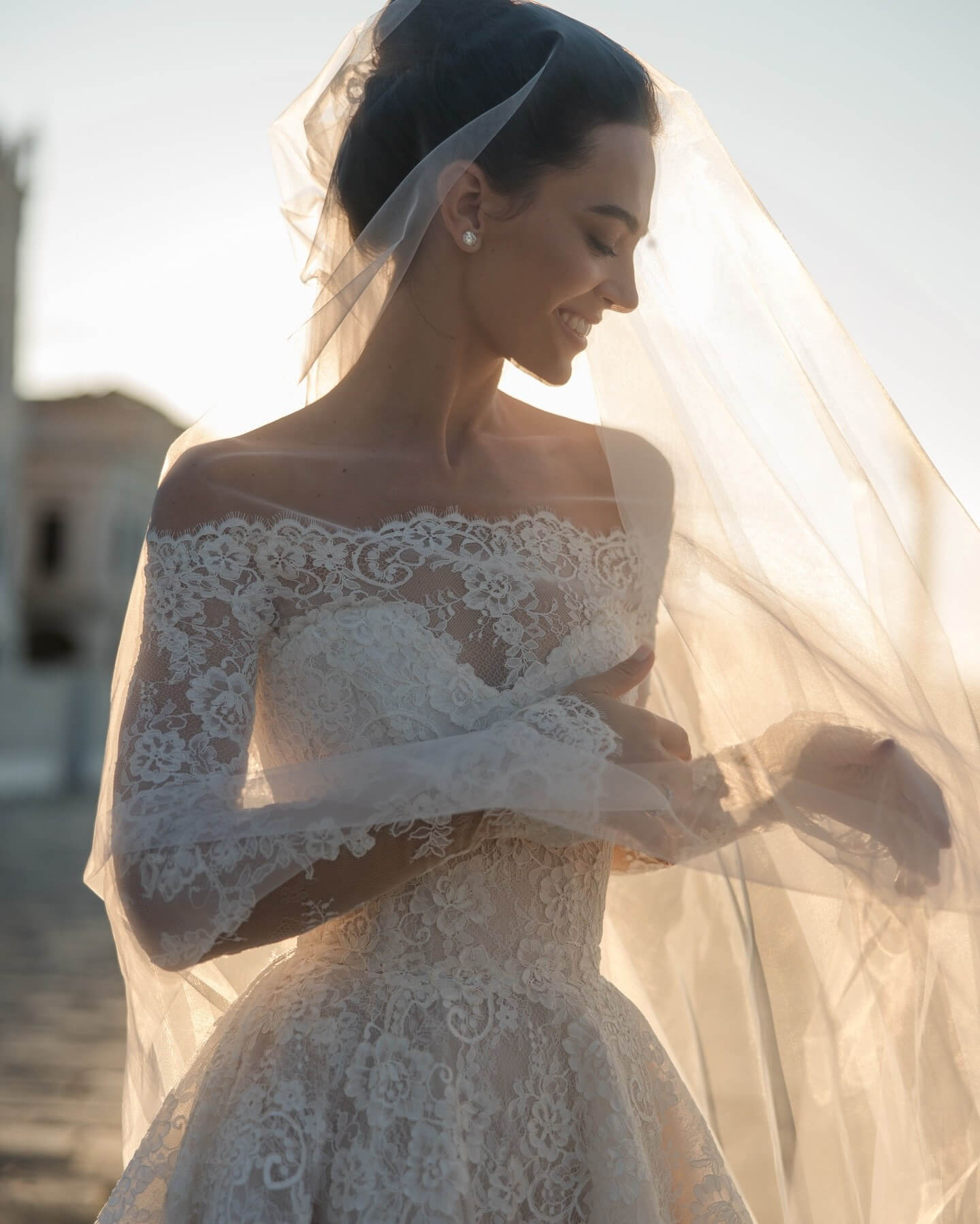
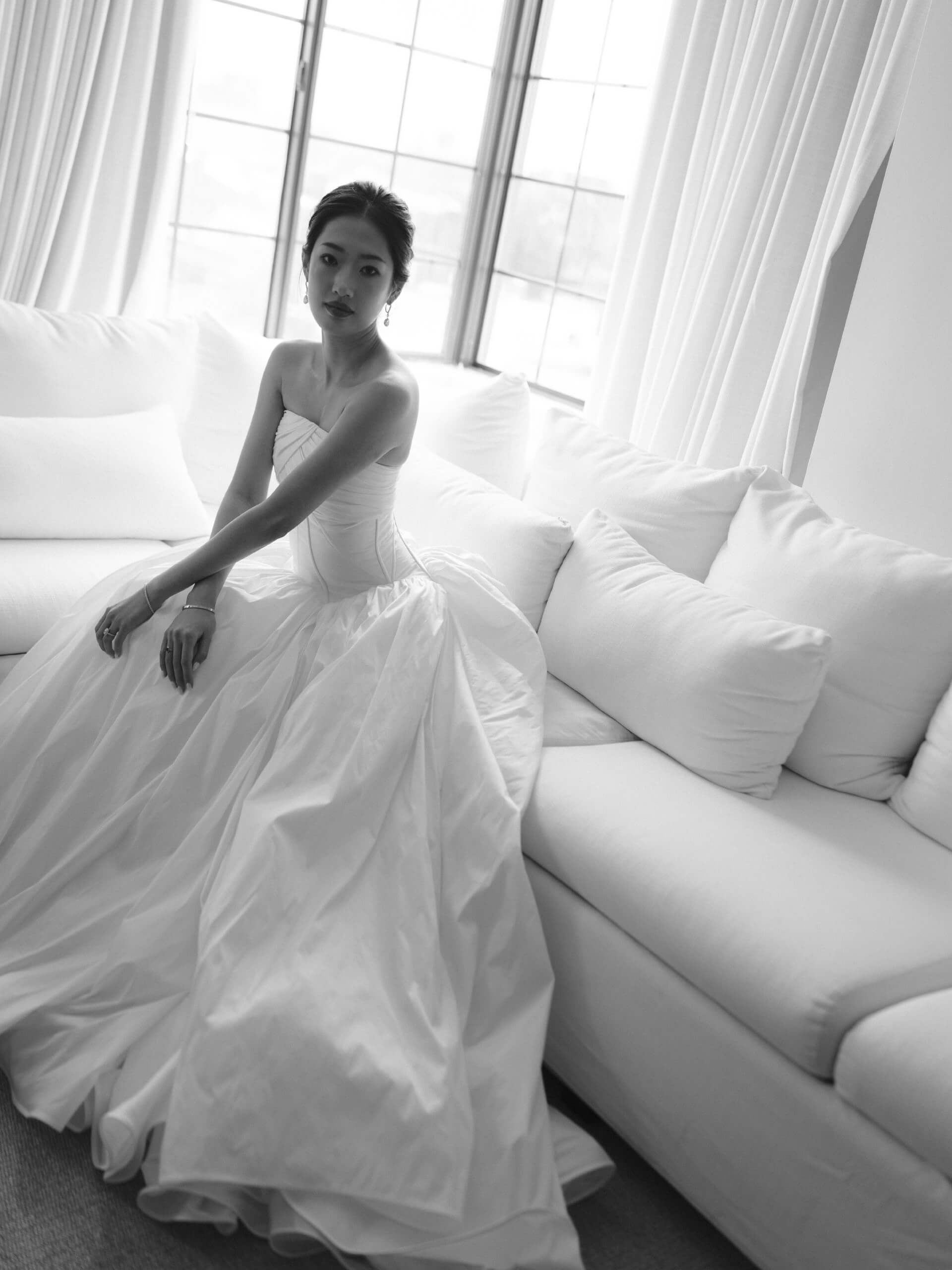
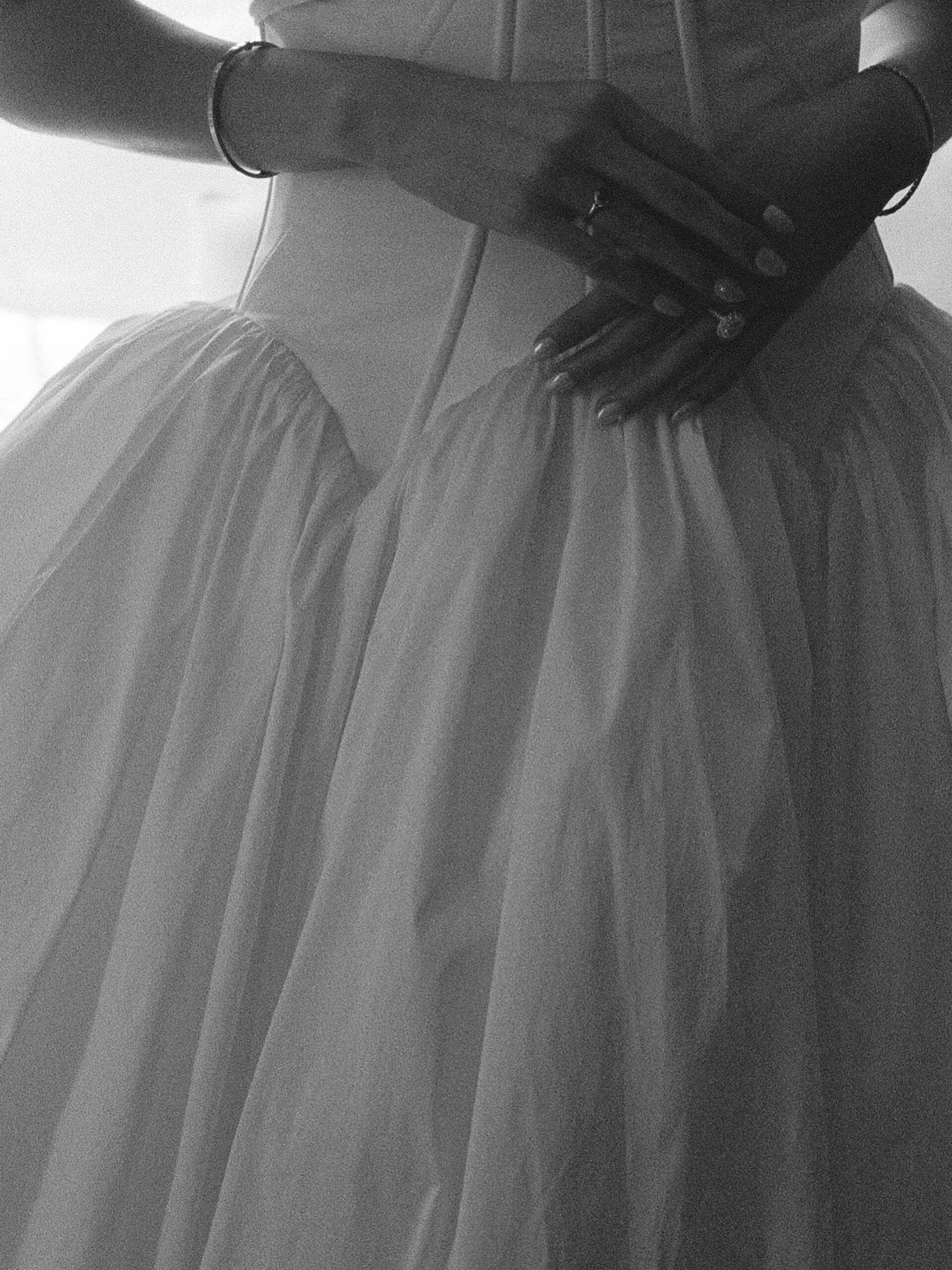
Everyone deserves a dress that highlights the features that make them unique, and understanding how to choose a wedding dress for your body type is matching the dress's silhouette to your proportions rather than trying to overcome them. Consultants often see this pattern because the same silhouette that overwhelms one figure can transform another; one body isn't inherently more difficult than another because different shapes require different levels of structure and volume. The table below offers a quick reference, followed by a more detailed explanation of each body type for those who want to understand the reasoning behind each suggestion.
| Body Type | Best Silhouettes | Why It Works |
|---|---|---|
| Hourglass | Mermaid, fit-and-flare | Hugs the natural waist and curves without adding bulk |
| Pear | A-line | Flares gently from the waist, balancing wider hips |
| Rectangle/Athletic | Ball gown, sheath with layers | Adds volume and the illusion of curves, or streamlines cleanly |
| Apple | Empire waist | Cinches under the bust, skims past the midsection |
| Petite | A-line, sheath | Elongates the frame without overwhelming a smaller build |
| Plus Size | A-line, empire waist | Structured support with a flattering, balanced line |
Hourglass figure - characterized by shoulders and hips that are roughly equal and balanced around a well-defined waist - looks especially attractive in mermaid or fit-and-flare gown styles, particularly when a structured corset highlights that natural waist. Those with a pear shape, whose hips are wider than their bust, usually look best in A-line cuts that spread smoothly from the waist, with a V-neck or ornate bodice to draw the eye upward and create balance. Individuals with a rectangular or athletic build, whose bust, waist, and hip measurements are all similar, will find that ball gowns or layered dresses help to create the illusion of curves, or that a sheath style suits their streamlined figure.
A-line gowns, which are wider across the shoulders and chest and have a less defined waist, work particularly well when they have an empire waist that gathers just below the bust and then spreads out from there. Women with a petite frame, typically under 5’4", appear most elongated in A-line or sheath styles since excessive fullness can easily overwhelm a smaller figure, and a higher waistline or vertical decorations give the illusion of greater height. Plus-size brides have just as wide a variety of options as women of other body types; A-line and empire-waist gowns made from structured fabric tend to provide support without losing style, and features such as off-shoulder necklines or a deep V can emphasize what feels best to the individual. Of course, none of these guidelines are set in stone; they're a starting point, and the final decision should be based on how the dress feels on your body.
Wedding Dress Shopping Timeline
Starting each stage about the right time prevents the whole process from becoming a last-minute rush, since it usually takes several months to build and alter most gowns properly.
12–9 Months Before: Start collecting a wide range of inspirational material, such as Pinterest boards, saved Instagram posts, magazine clippings, and anything else that will help you spot your preferences for lace, necklines, or overall shape. Book your boutique appointments as early as possible since weekend time slots get booked up quickly at well-known salons, and sometimes bookings are made months ahead during the busy wedding season. For your first couple of fittings, treat them as exploration rather than decision-making; take notes and photos so the patterns in what you like become clear over time.
8–6 Months Before: You should have a shortlist of genuine contenders who are worth looking at again, having eliminated the ones you tried on during the exploration period. This is your chance to decide on your final choice, since most gowns take four to six months to be made and delivered after an order has been placed, and that time frame hardly ever gets shortened, even if the bride really wants it to. If you wait any longer, you risk having to make alterations in a hurry, which usually means fewer fitting appointments and less opportunity to correct anything that doesn't fit properly.
5–4 Months Before: Start looking for accessories, a veil, jewelry, and hair pieces, choosing items that complement the dress rather than clash with it, since the gown is now finalized. It is also a good time to shop for undergarments, since the right foundation garments affect how the completed dress will fit when alterations start. It is usually very helpful to take swatches or photographs of the dress to accessory appointments, since matching both the color and level of formality in person is far more effective than trying to remember them.
3–2 Months Before: Your initial major fitting will take place at this stage, during which adjustments to the length, bust, and other structural features are made based on how the dress fits your body by now. Blanco Bridal Couture recommends budgeting for at least three fittings total to properly refine both fit and finishing details, since exactly how much a gown can be altered ultimately depends on its fabric, structure, and design. From this point on, bring the shoes you plan to wear on the day of the event to each fitting, as heel height affects how the hem falls and even half an inch can throw off the entire line. If you can, schedule a hair and makeup trial on the same day as the fitting so you get a more complete preview of the final look, since seeing all the elements together often reveals small changes worth making.
1 Month Before: Make the final adjustments during a final fitting, aiming for a dress that fits as if it were made especially for you, since by this stage it basically has been. Most brides collect their completed gown between one and two weeks before the wedding, and it should be kept in a breathable garment bag in a dry place until then, removed from direct sunlight or humidity, which could damage the sensitive fabric. It is a good idea to bring along a small emergency kit, some needles, thread, and a stain pen just in case there is a need for a quick repair on the day of the wedding, as even a meticulously tailored dress can suffer from an unforeseen snag a few hours before the ceremony.
Finally, choosing the right dress takes preparation and good instinct: knowing which silhouettes suit you, understanding your budget, and trusting the moment when a dress feels right rather than just looking right. The directory of bridal salons that Wezoree provides covers verified boutiques on almost every continent, including the design-oriented ateliers in Lisbon and the flagship showrooms in New York, for those who are ready to turn this guide into a real appointment.

FAQ
How do I choose a wedding dress that fits my budget?
Start with a clear number before your first appointment, and be upfront with your consultant about it rather than browsing gowns above your range. Remember that alterations typically add $200 to $800 or more on top of the dress itself, so build that into your budget from the start rather than treating it as a surprise later.
How do I find a wedding dress if nothing feels right yet?
It’s genuinely normal to try on ten or more dresses before anything clicks, and that doesn’t mean you’re being too particular. Take a break if appointments start blurring together, revisit boutiques you liked on a separate day, and stay open to silhouettes a consultant suggests even if they weren’t on your original list.
How far in advance should I start looking for a wedding dress?
Most experts recommend starting the search nine to twelve months before the wedding, since made-to-order gowns typically take four to six months to construct once you’ve placed the order. Waiting past the eight-month mark risks a tighter alteration timeline, so earlier is almost always safer.
How do I choose a wedding dress for my body type?
Focus on silhouettes that complement your proportions rather than what’s currently trending: A-line for pear shapes, mermaid or fit-and-flare for hourglass figures, and empire waist for apple shapes and petite frames. These are starting points, not strict rules, and trying dresses on in person usually reveals more than any guide can predict.
What should I bring to a wedding dress appointment?
Bring the undergarments and shoe height you plan to wear on the actual wedding day, since both meaningfully affect how a gown fits and falls. A small, trusted group of guests tends to work better than a large crowd, and photos from each appointment help you compare gowns accurately once you’re home and no longer standing in front of the mirror.
How much does it typically cost to alter a wedding dress?
Alterations generally run between $200 and $800, though the final number depends heavily on how much the gown needs adjusted; hemming alone costs far less than resizing a bodice or adding structural changes. Ask your bridal salon for a realistic alterations estimate at the same appointment where you order the dress, so the total cost is clear well before your final fitting.