Where to Start When Planning a Wedding in 2027





If you've just got engaged, everyone will congratulate you. The second thing they'll tell you is to start planning immediately. While this advice is valid, it fails to address the most important aspect: knowing where to begin, what to prioritise, and understanding that the order in which you make decisions is as important as the decisions themselves.
One of the most frequently asked questions by newly engaged couples is when to start planning a wedding. The answer is almost always the same: start earlier than you think and follow a more specific sequence than you might have imagined. Here at Wezoree, we collect real wedding stories from couples worldwide. Our data shows that most couples start planning 12–18 months before their wedding date, with those opting for a destination wedding usually starting at the upper end of this range. What is the shortest planning window for a genuinely stress-free experience? Around 10–12 months — but only with an experienced local planner.
Although this guide is intended for couples planning a wedding in 2027, the same logic applies to any year. Trends shift, venues change and vendors come and go, but the sequence does not change — only the sense of urgency does.
Find Your Perfect Wedding Vendors

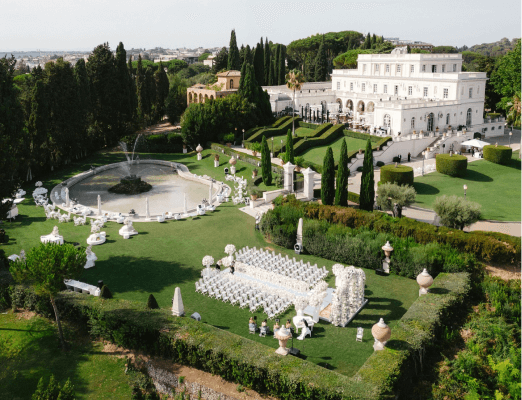
Where to Start When Planning a Wedding
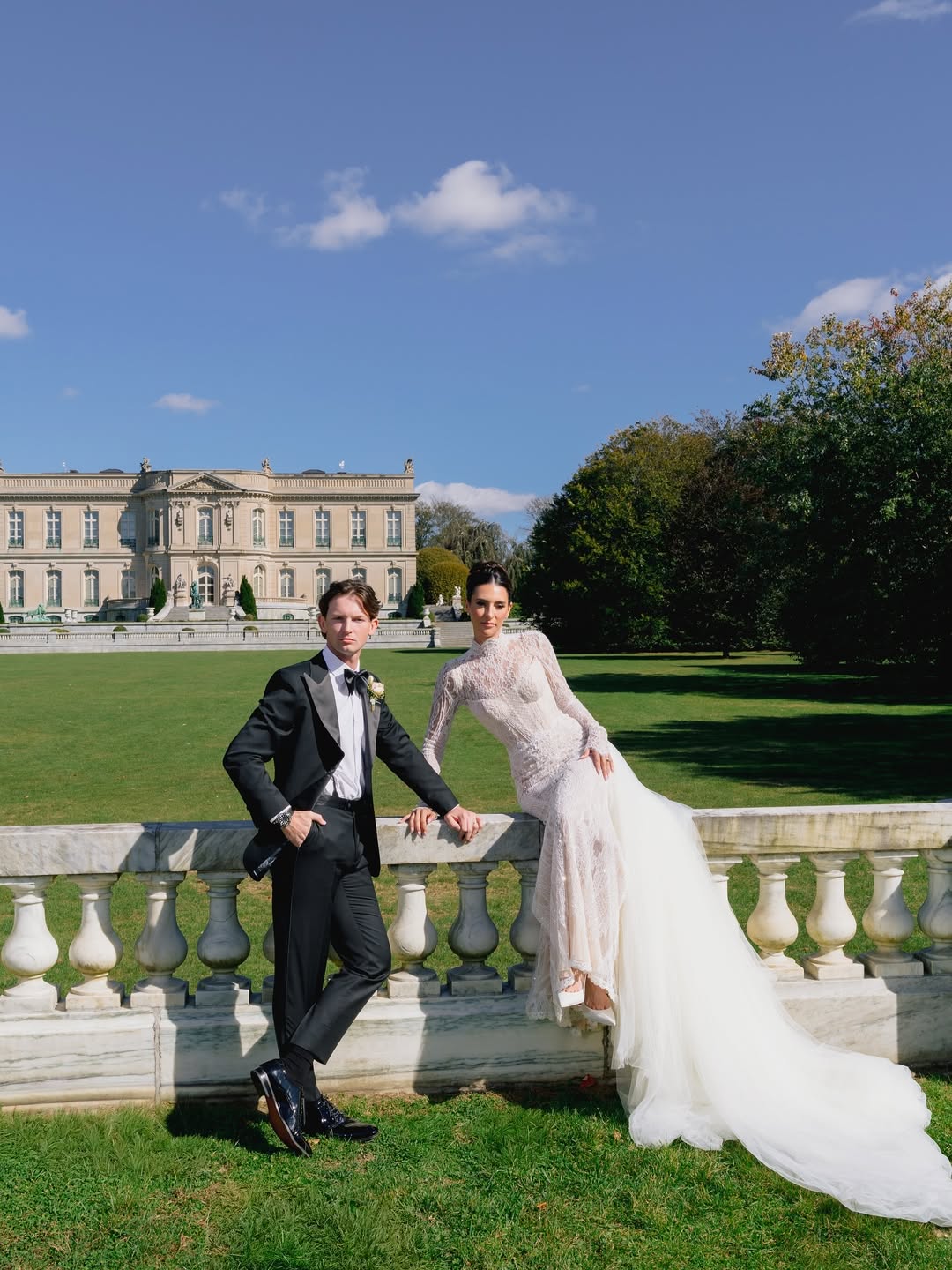

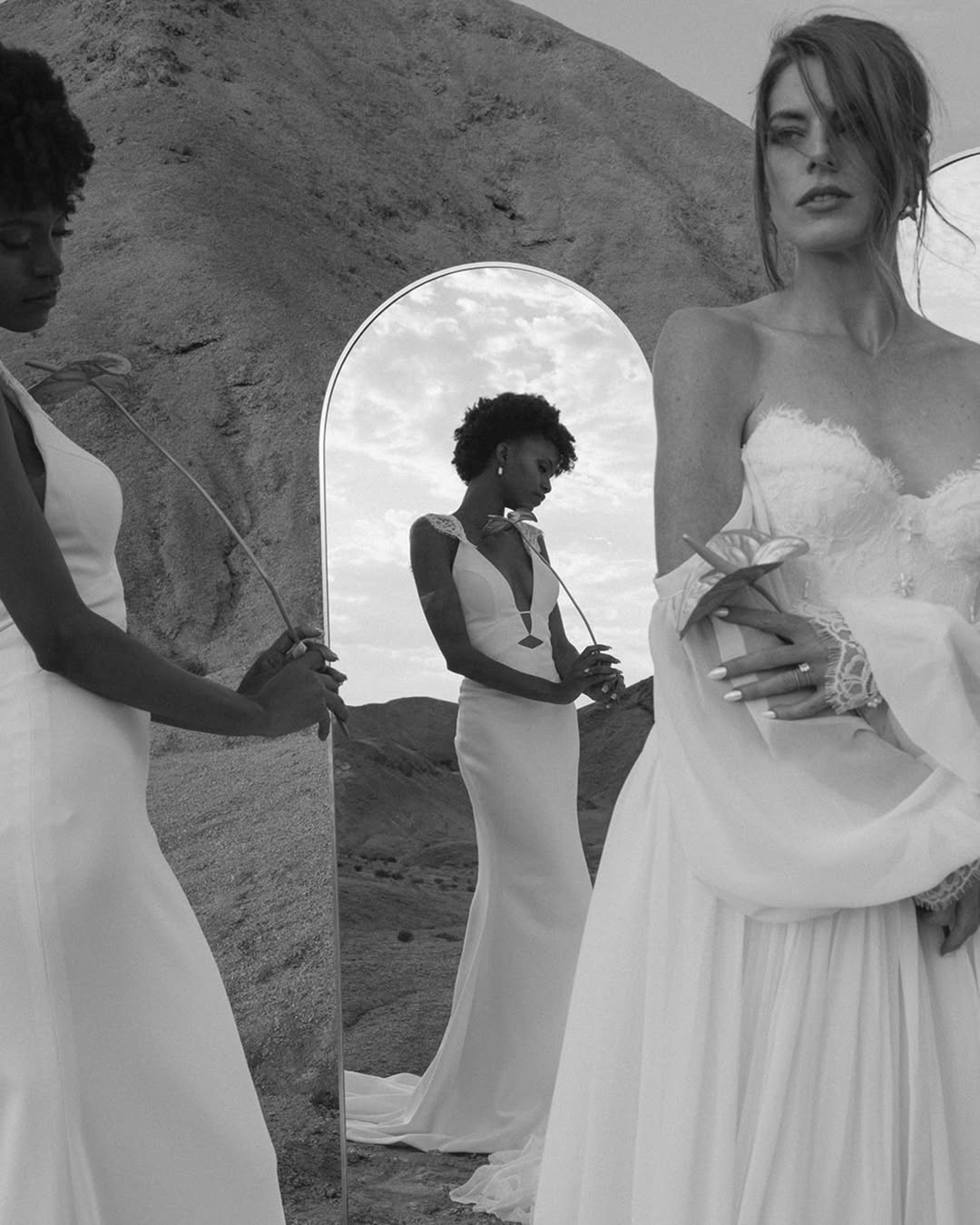

Before opening a wedding website, pinning an image or booking a call, five decisions must first be made. Most couples skip these steps in their excitement, only to spend the next twelve months regretting it.
The five things to decide on before anything else are:
- Approximate guest count: this number impacts venue options more than any other factor. The planning, budget and vendor requirements for a wedding with 30 guests and one with 150 guests are entirely different.
- Your overall budget should be a realistic range, not a precise figure. Have an honest conversation about money before you start searching for a venue.
- General location: home city, destination, or somewhere in between. This affects every other decision on the list.
- Non-negotiables: what matters most to each of you. For example, a specific photographer whose work you have followed for years. A live band. A garden ceremony? Identifying these early on will help you protect them when budget conversations become difficult.
- Who is contributing financially? Family contributions come with opinions and expectations. Understanding this dynamic before any vendors are booked can prevent significant conflict later.


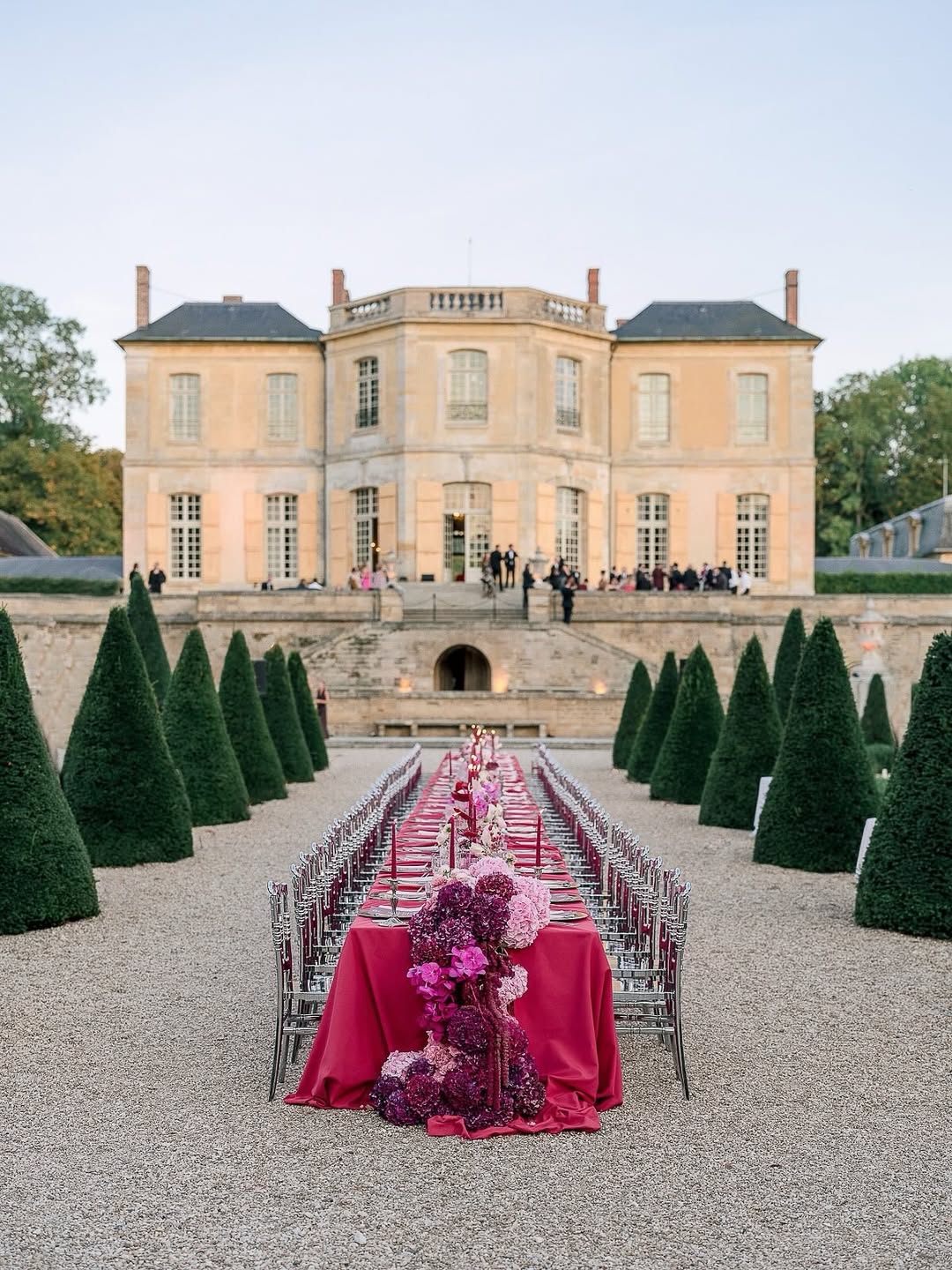
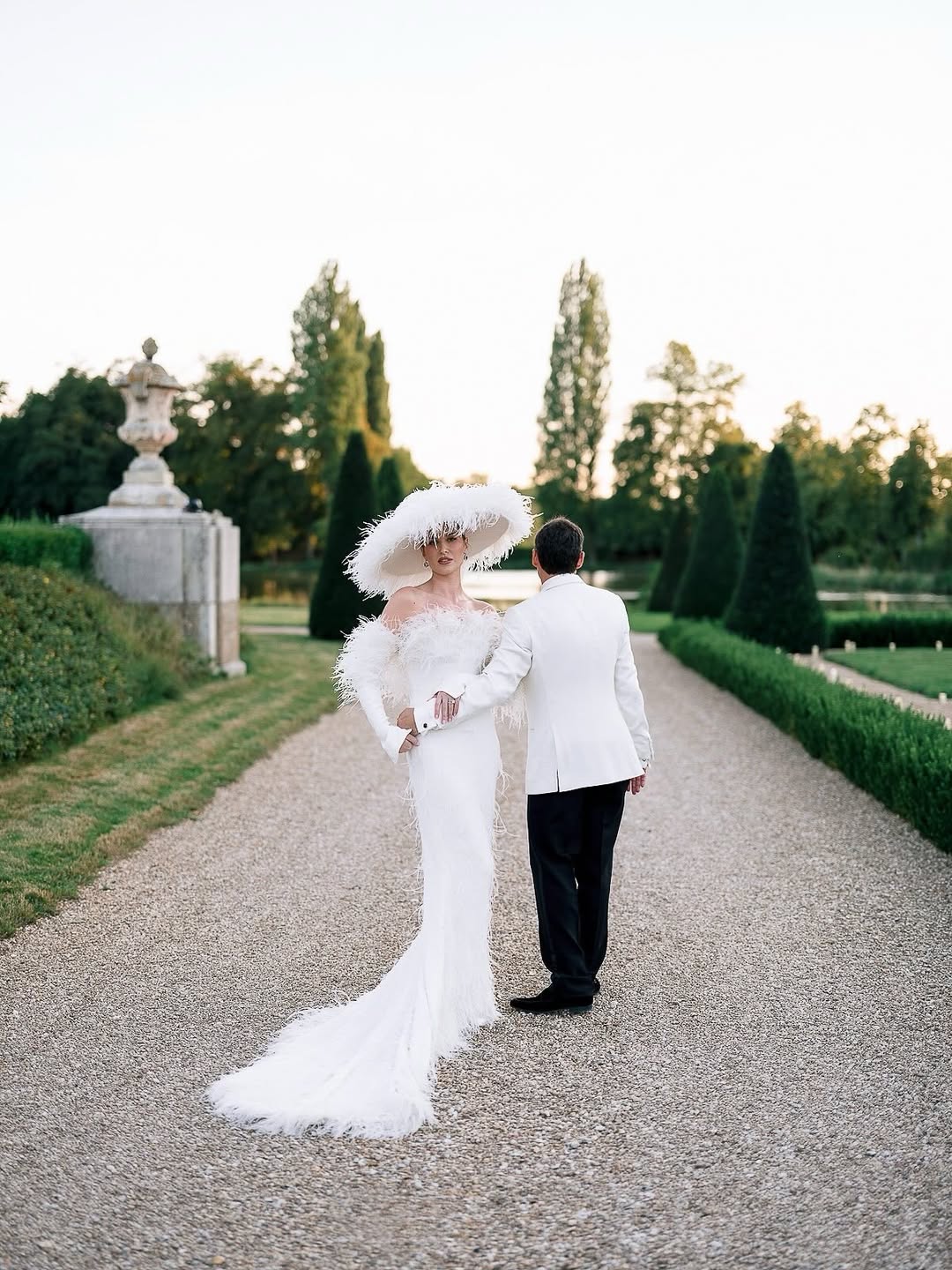
Once these five decisions have been made the practical planning process can begin. Everything before this is just excitement, which is wonderful, but not the same as making progress.
The year 2027 adds an extra layer of urgency to all of this. Although the post-pandemic backlog that stretched venue calendars through 2023 and 2024 has largely cleared, demand has not dropped. Many premium venues are already holding Saturday dates in peak season. Photographers with strong editorial portfolios are booked 18–24 months in advance in popular destinations such as Italy, Greece, France and the US coast. Wedding planners in popular destination markets are prioritizing enquiries that come with clear briefs and confirmed budgets. Couples who secure the best vendors for 2027 are those who started the conversation earlier than they thought necessary. That moment is now.
When to Start Wedding Planning: A Timeline That Works

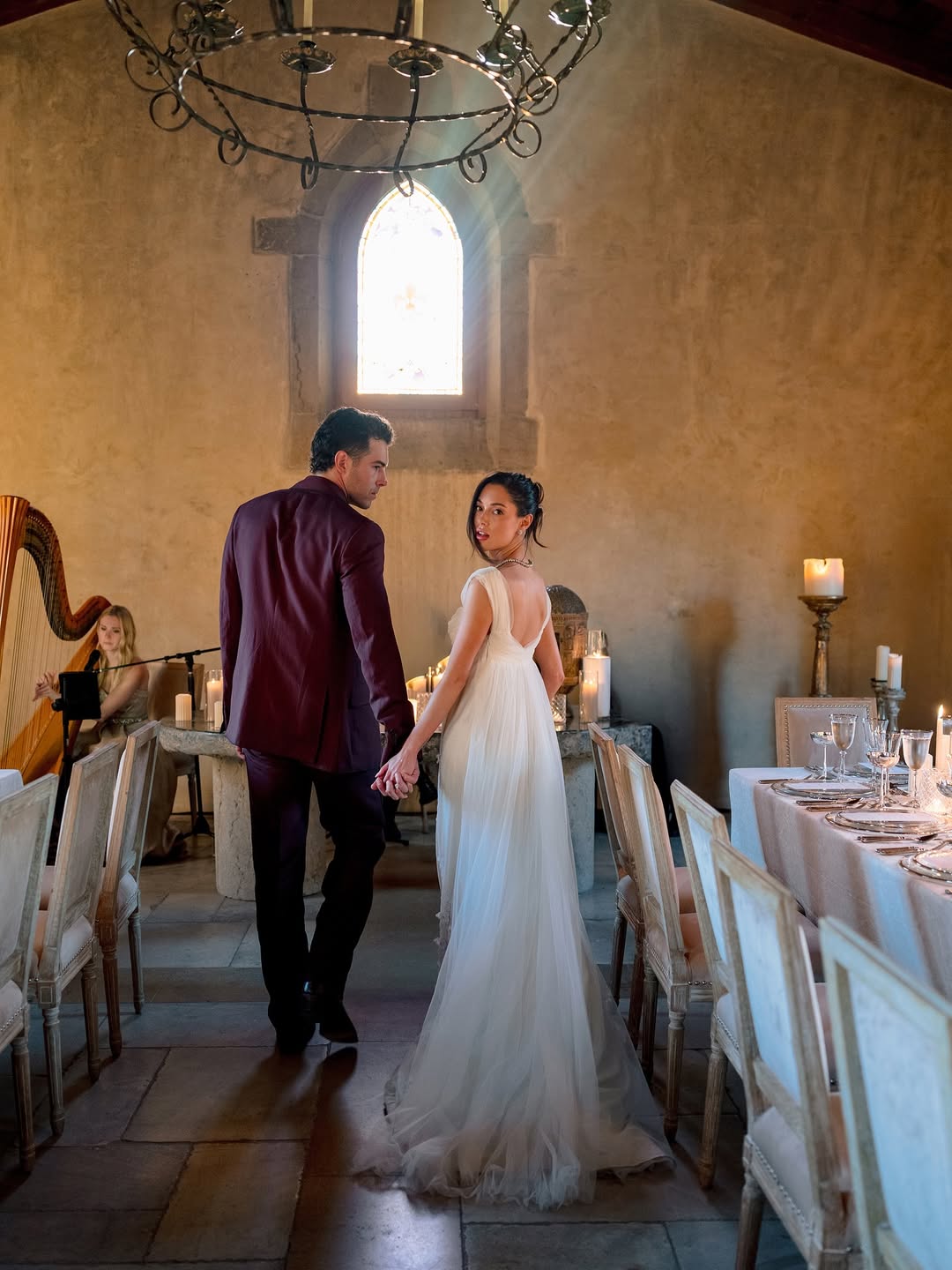
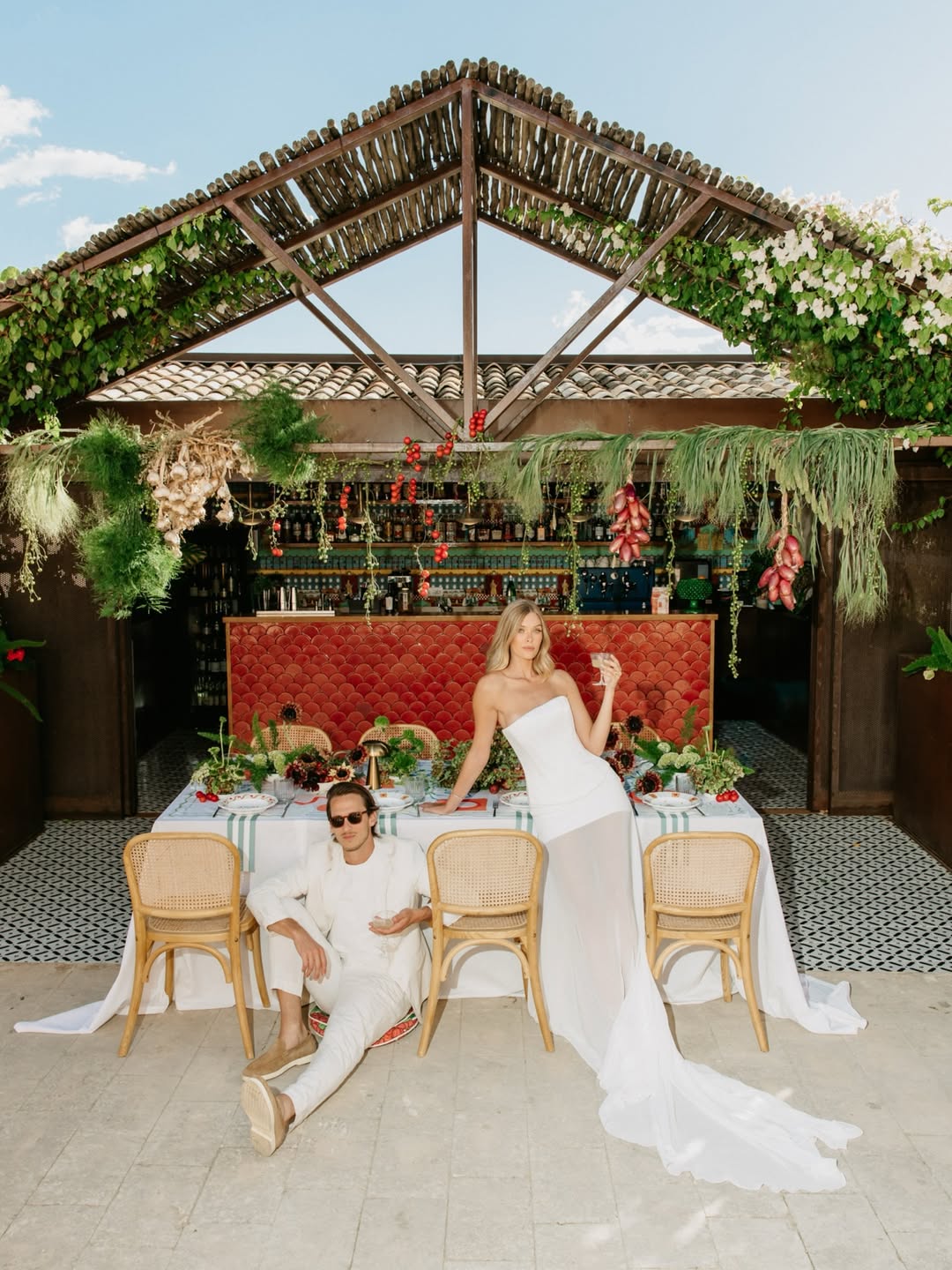
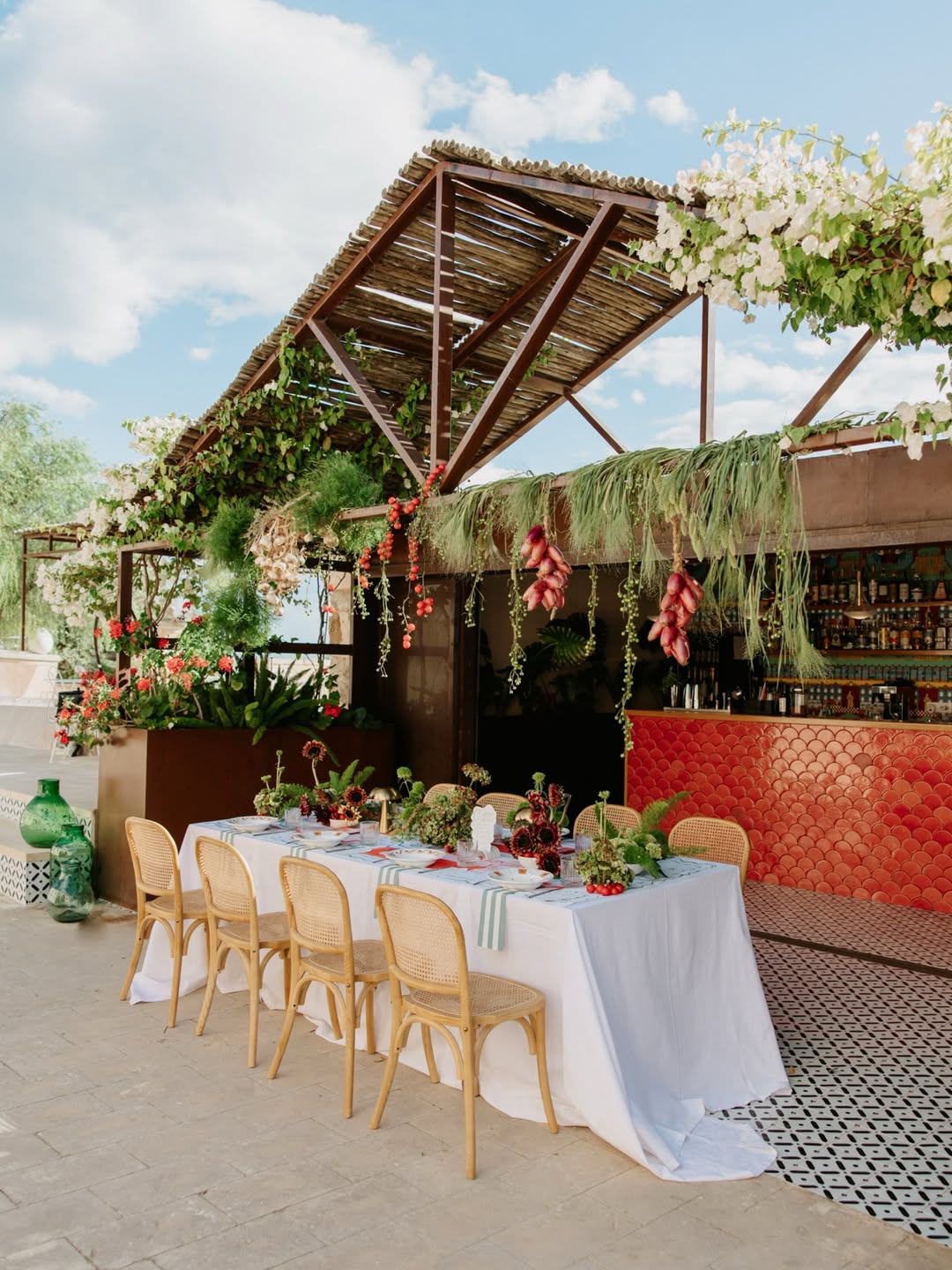
If you’re planning a wedding for 2027, it's time to start making decisions, but don't leave it too long. The sooner you work through the steps below, the more options you’ll have. The later you start, the more the process will become about finding whatever is left rather than choosing what is right for you.
Here is what the timeline actually looks like:
- 18–24 months out: set the budget, decide on the location, determine the guest count and begin venue research.
- 15–18 months out: book the venue and wedding planner – these two tend to be the first to get booked up.
- 12–15 months out: book the photographer, videographer and band or DJ.
- 10–12 months out: send out save-the-date cards, book the florist and caterer.
- 8–10 months out: choose and order the wedding dress, book hair and makeup.
- 6–8 months out: finalize all vendor contracts, begin honeymoon planning.
- 4–6 months out: send out formal invitations, finalize the menu and florals.
- 2–3 months out: confirm all vendors, finalize the day-of timeline with the planner.
- 4–6 weeks out: final dress fitting, send the timeline to every vendor.
- Final week: reconfirm everything, delegate logistics.Stop planning and start enjoying the occasion!
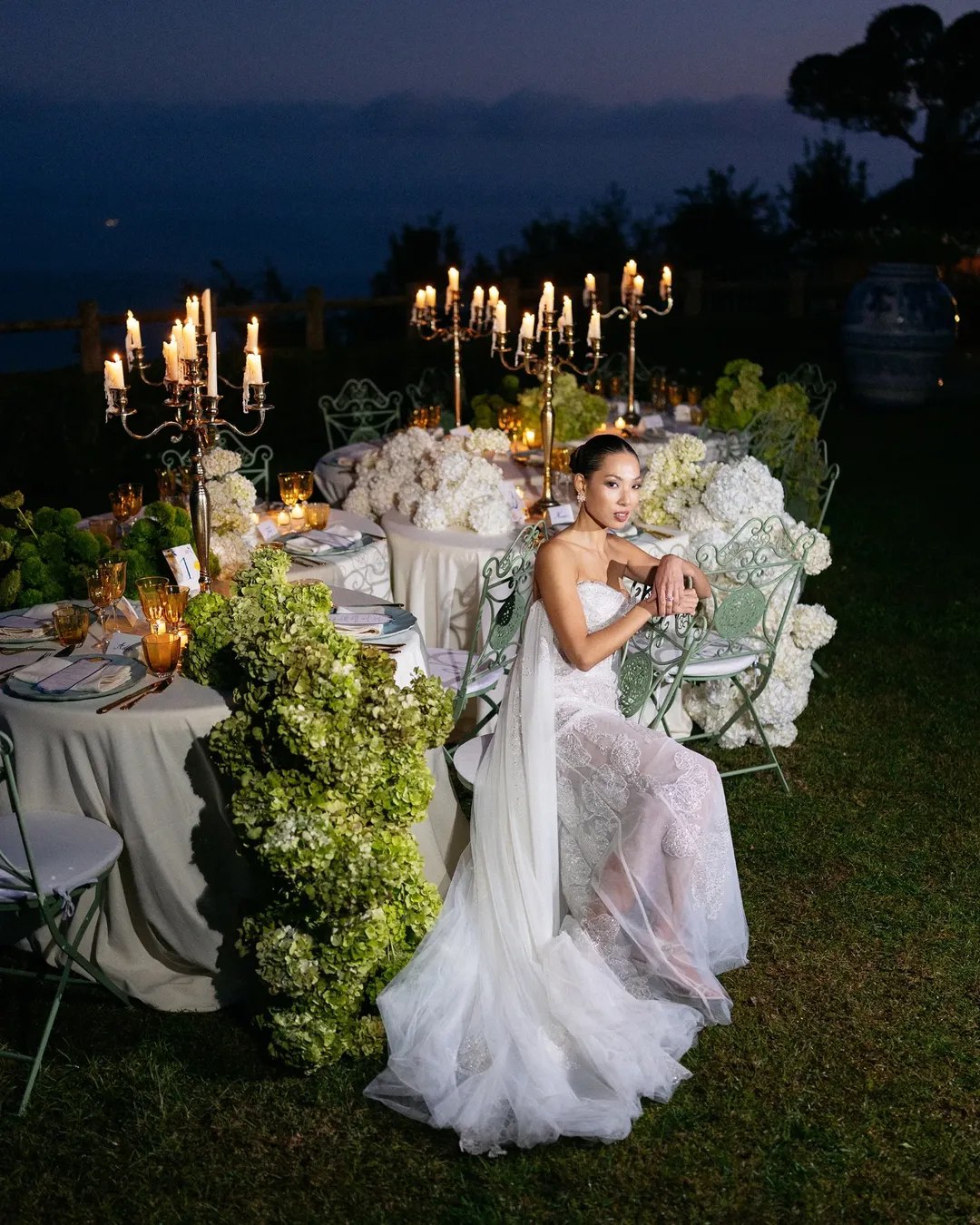

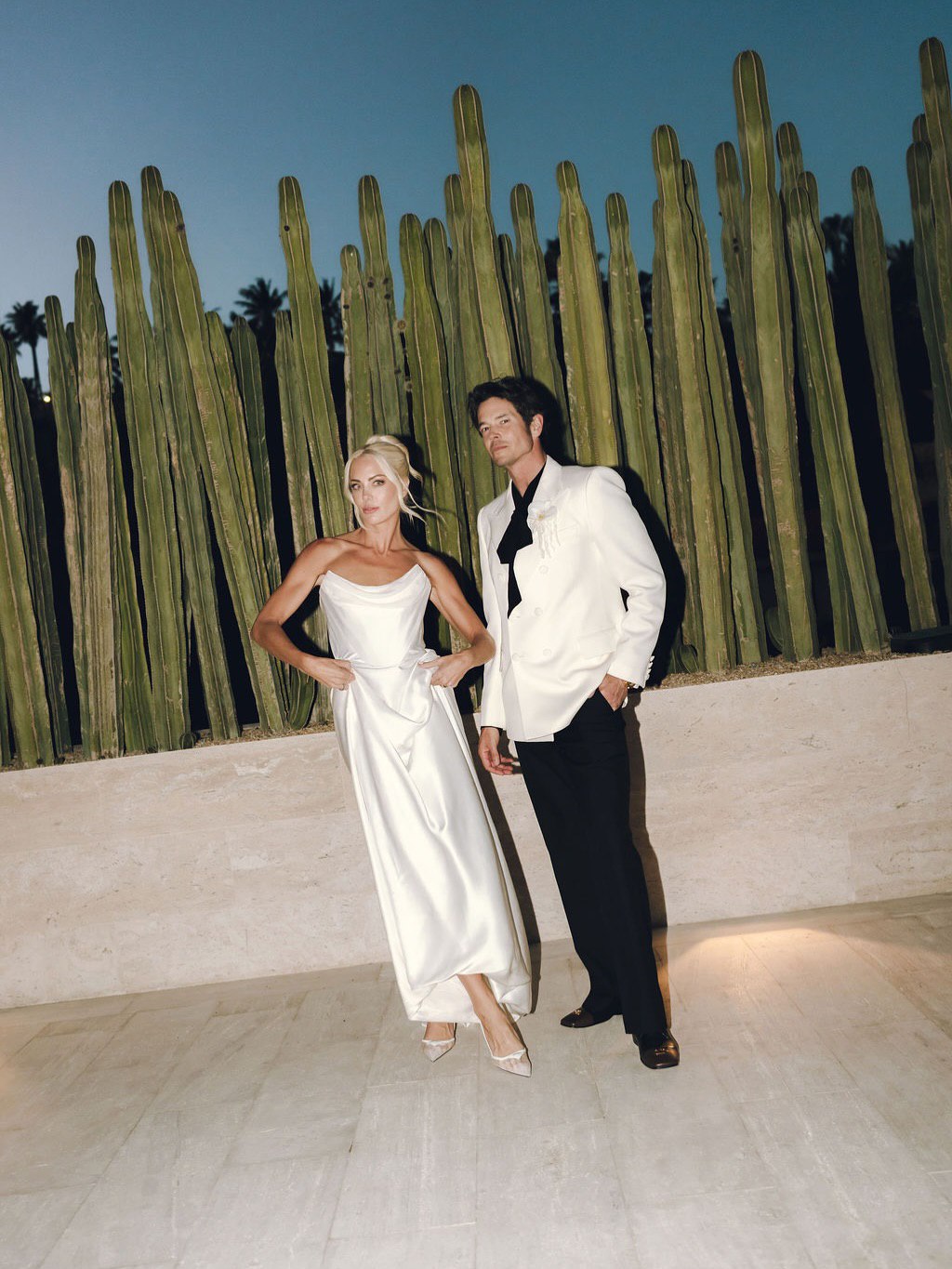
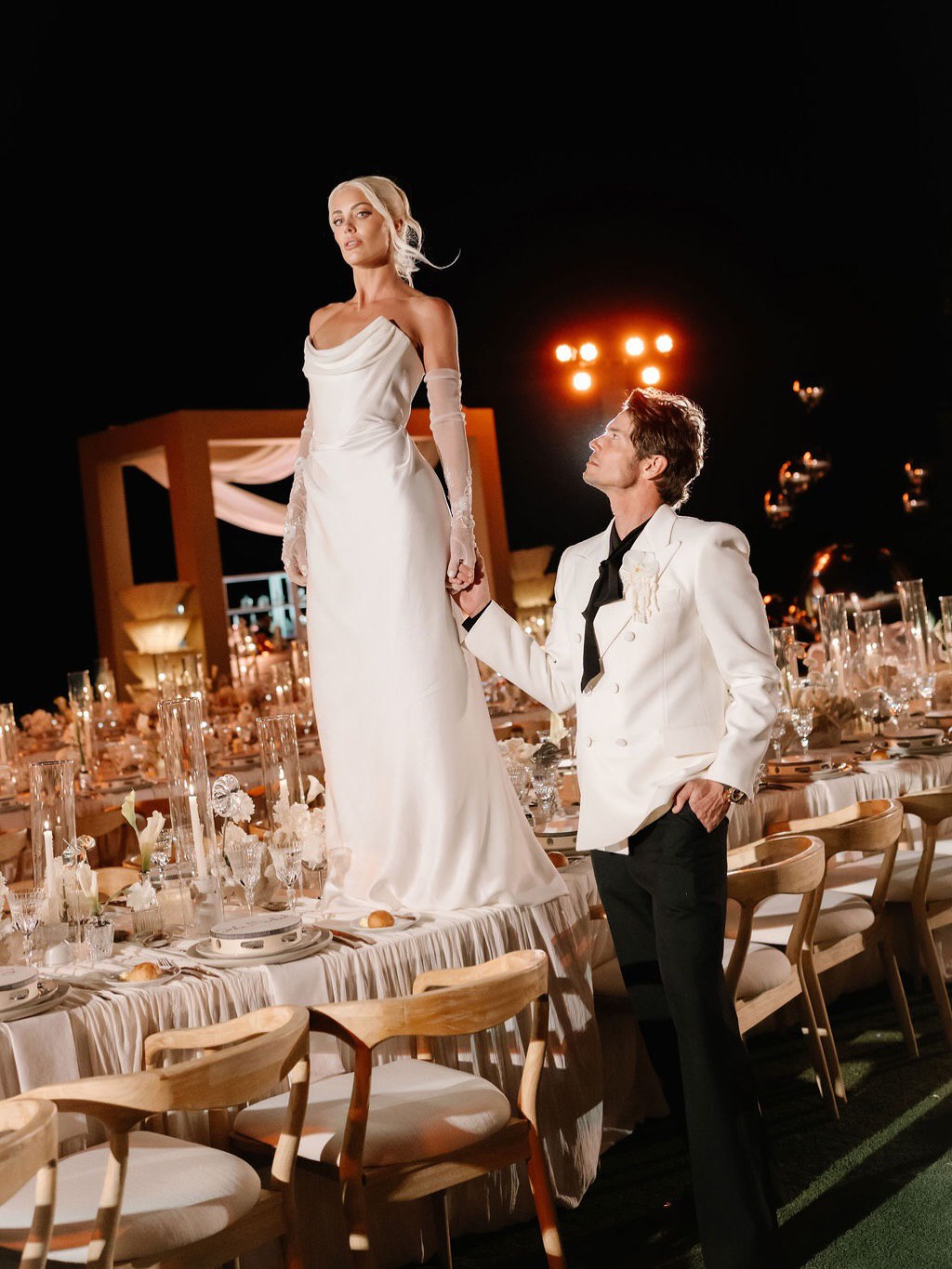
This sequence makes a few things clear: the venue and planner should be booked before the dress, flowers, and stationery. The photographer should be booked third, not fifth or sixth. Most brides instinctively think of the dress as the first decision, but it is actually a mid-planning purchase. The venue and date must be confirmed first to allow enough time for alterations.
During the first 30 days in particular, it is important to resist the temptation to browse Pinterest and Instagram — inspiration is research, not planning. Start by having the five foundational conversations from the previous section, then research venues to find out what is available and how much it will cost. Book a tour or two. Then create a shortlist of photographers whose work truly reflects your style. The planning stage begins when decisions are made and money is spent, and that process starts now.

When to Start Planning Your Wedding Vendors
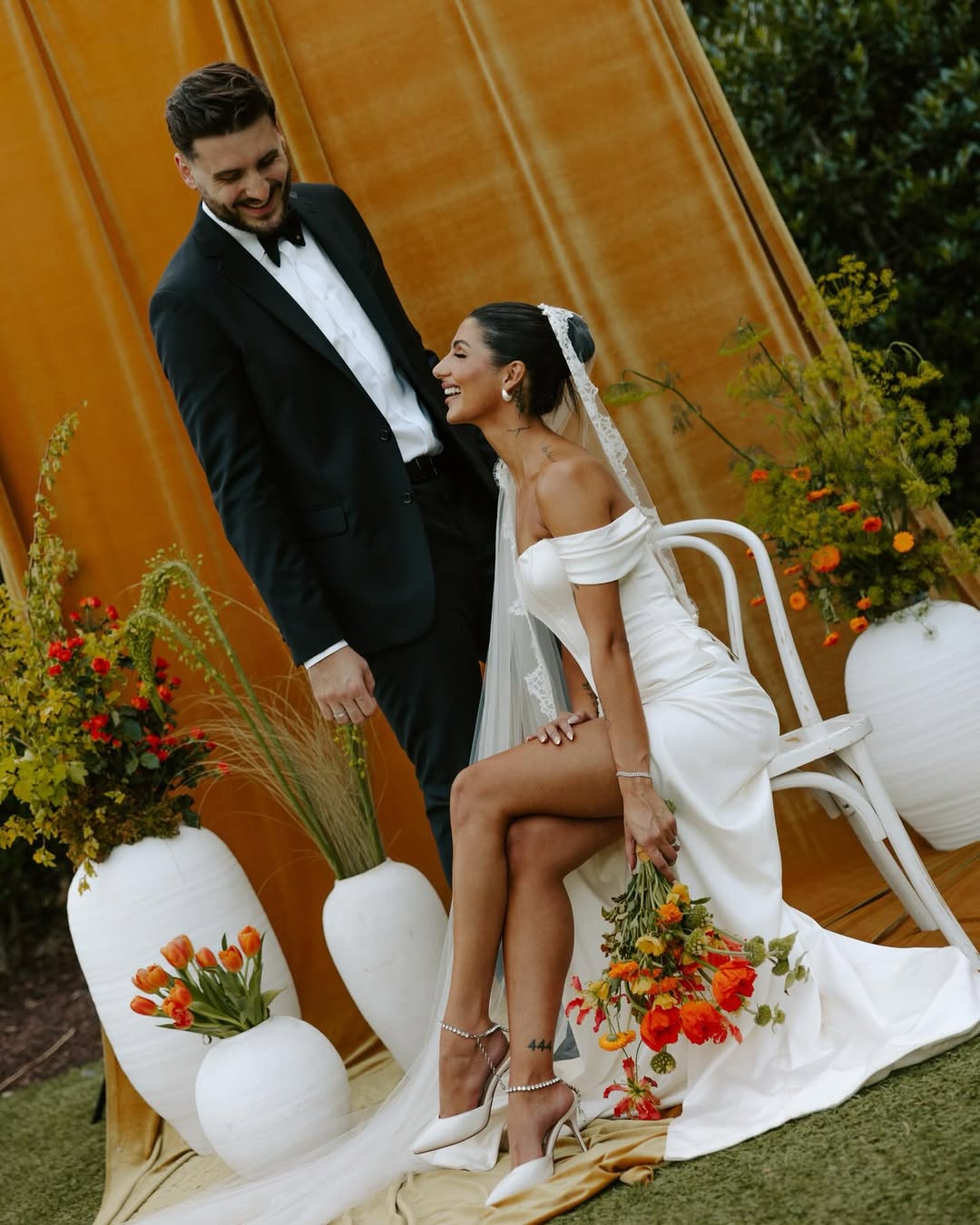
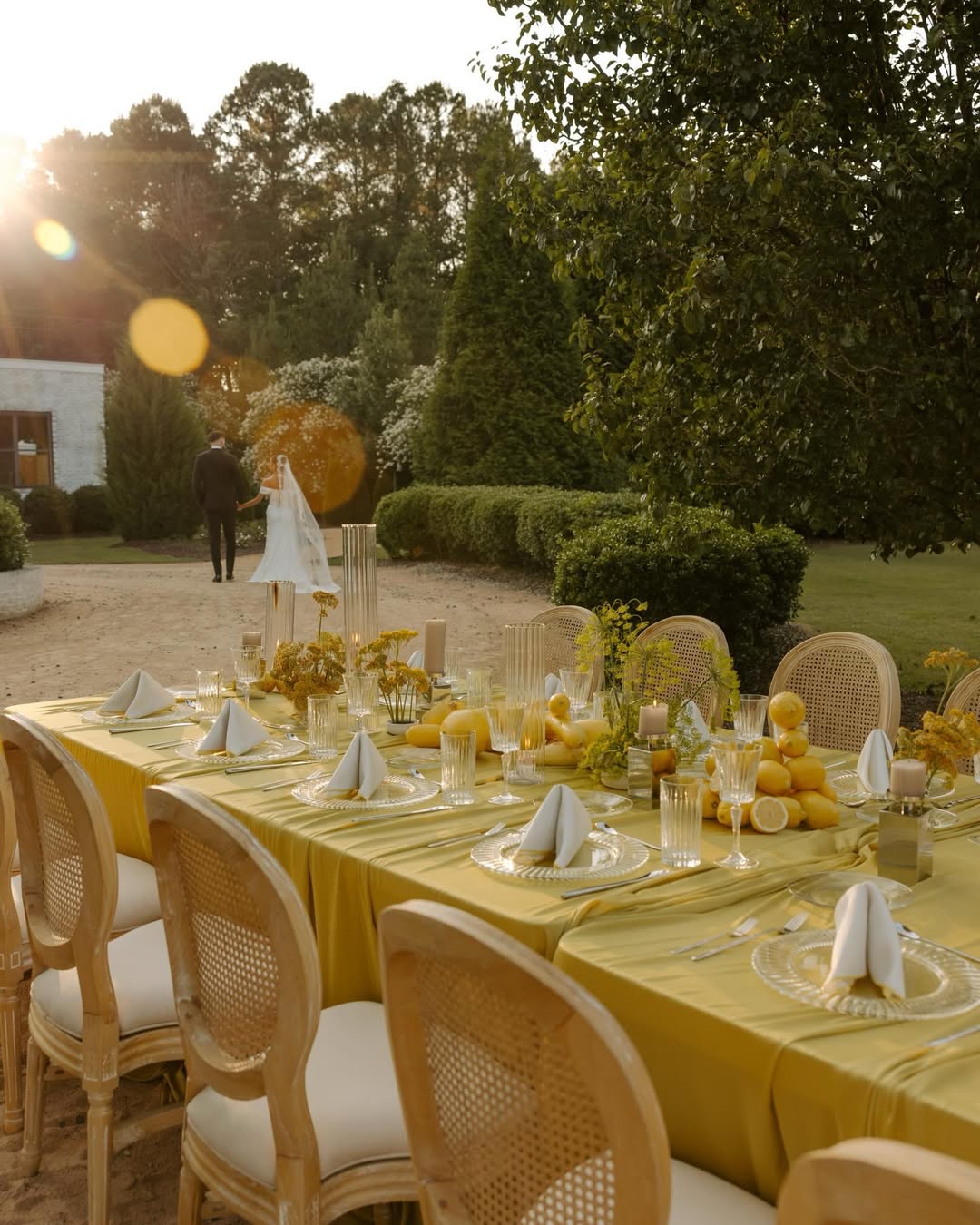
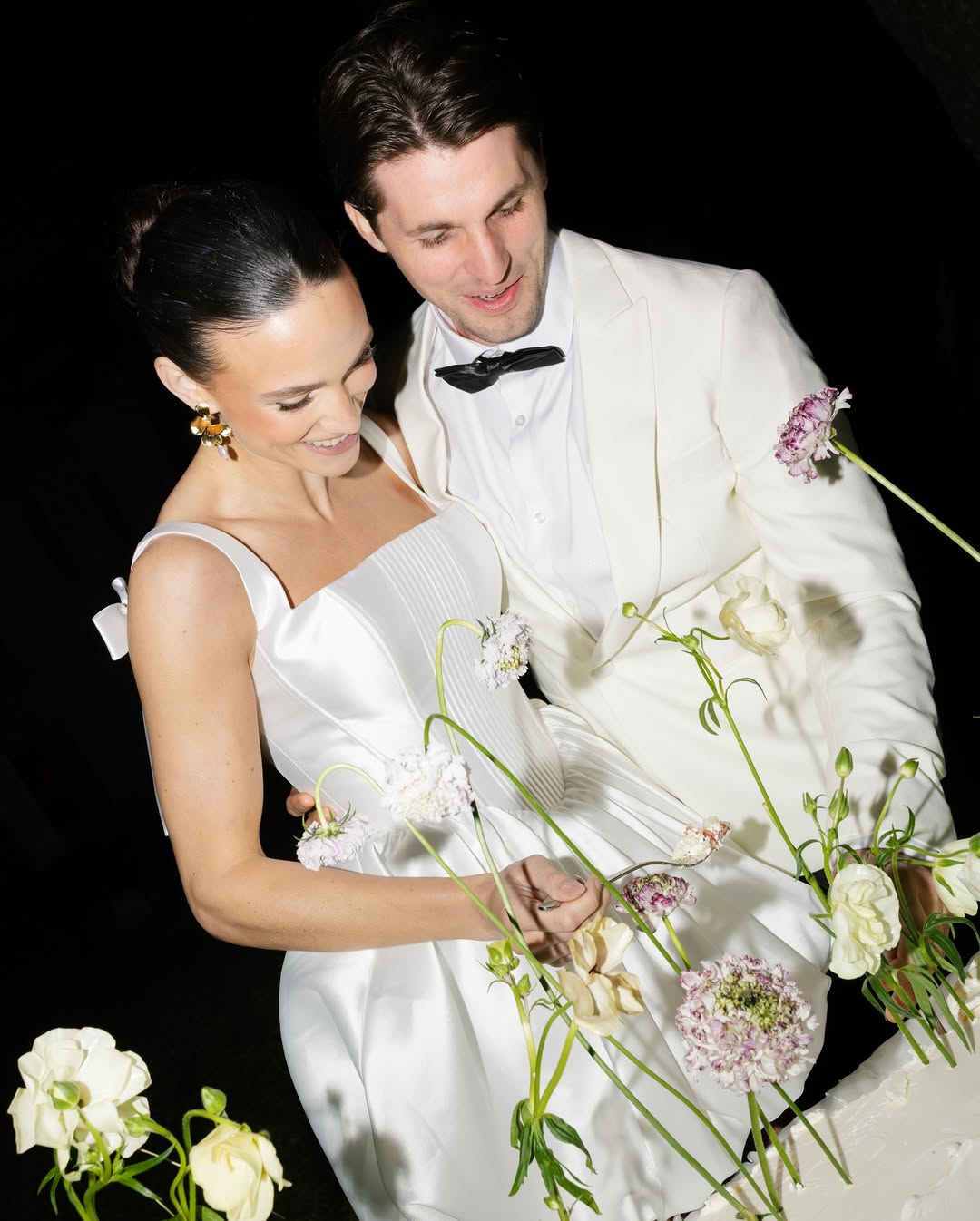

The urgency of vendors varies greatly, as do their availability windows. In a popular wedding year such as 2027, the time between vendors becoming available and reaching full capacity will be shorter than most couples expect.
The venue and planner are the first things to consider — always. Peak dates at popular venues disappear 18 to 24 months in advance. A planner hired before the venue is confirmed can advise on the choice of venue and negotiate terms that couples booking independently would not have access to. The photographer should be booked 12–18 months in advance. In competitive markets, established photographers with strong portfolios are booked one to two years in advance, and the best are often unavailable by the time couples start looking. Videographers and bands or DJs should be booked within the same timeframe, ideally together, to simplify coordination.
From there, the timeline relaxes slightly. Florists should be booked 8–12 months in advance, or earlier for large installations. Caterers should be booked 8 to 10 months in advance — venue-affiliated caterers may be booked automatically, so it is best to confirm this early rather than assuming it. Hair and makeup artists should be booked 6 to 8 months in advance, or sooner for larger bridal parties. The officiant and stationery are often left until too late and should be confirmed by the six-month mark.
| Vendor | Book This Far in Advance |
|---|---|
| Venue | 18-24 months |
| Wedding planner | 18 months |
| Photographer | 12-18 months |
| Videographer | 12-18 months |
| Band or DJ | 10-12 months |
| Florist | 8-12 months |
| Caterer | 8-10 months |
| Hair & makeup | 6-8 months |
| Officiant | 6-8 months |
| Stationery | 6 months |
The table above is a starting point. In destination markets and during peak seasons, the available time window shrinks. The vendors who will have the greatest impact on the day are those with the least availability. Book them first and plan everything else around their schedules.
Knowing when to start planning a wedding is only half the battle — the other half is finding the right team before they are fully booked. The Wezoree directory brings together the right venues, photographers, planners, and many more vendors, so your first call could be your last. Your 2027 date is still available. Go find it!
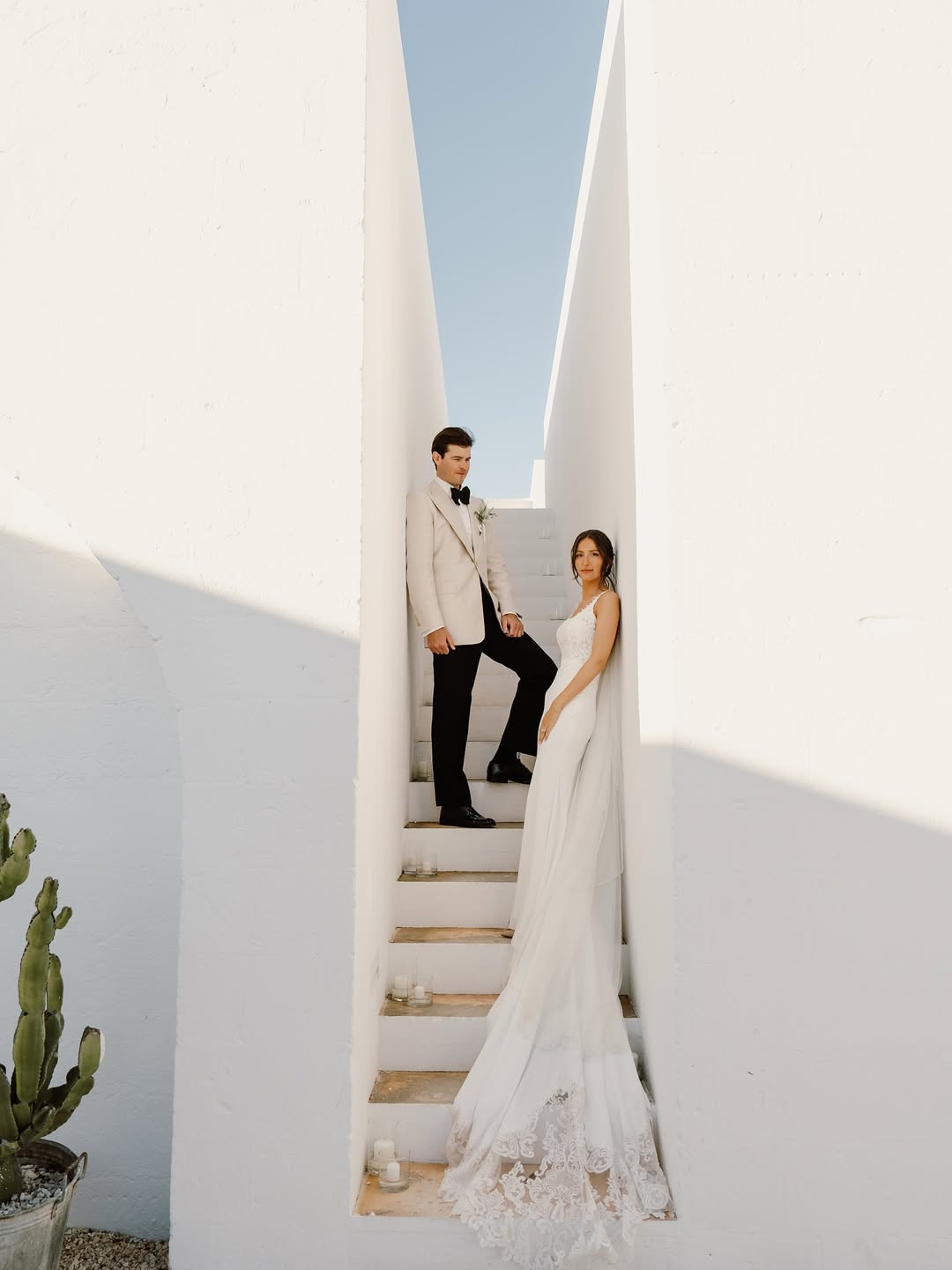
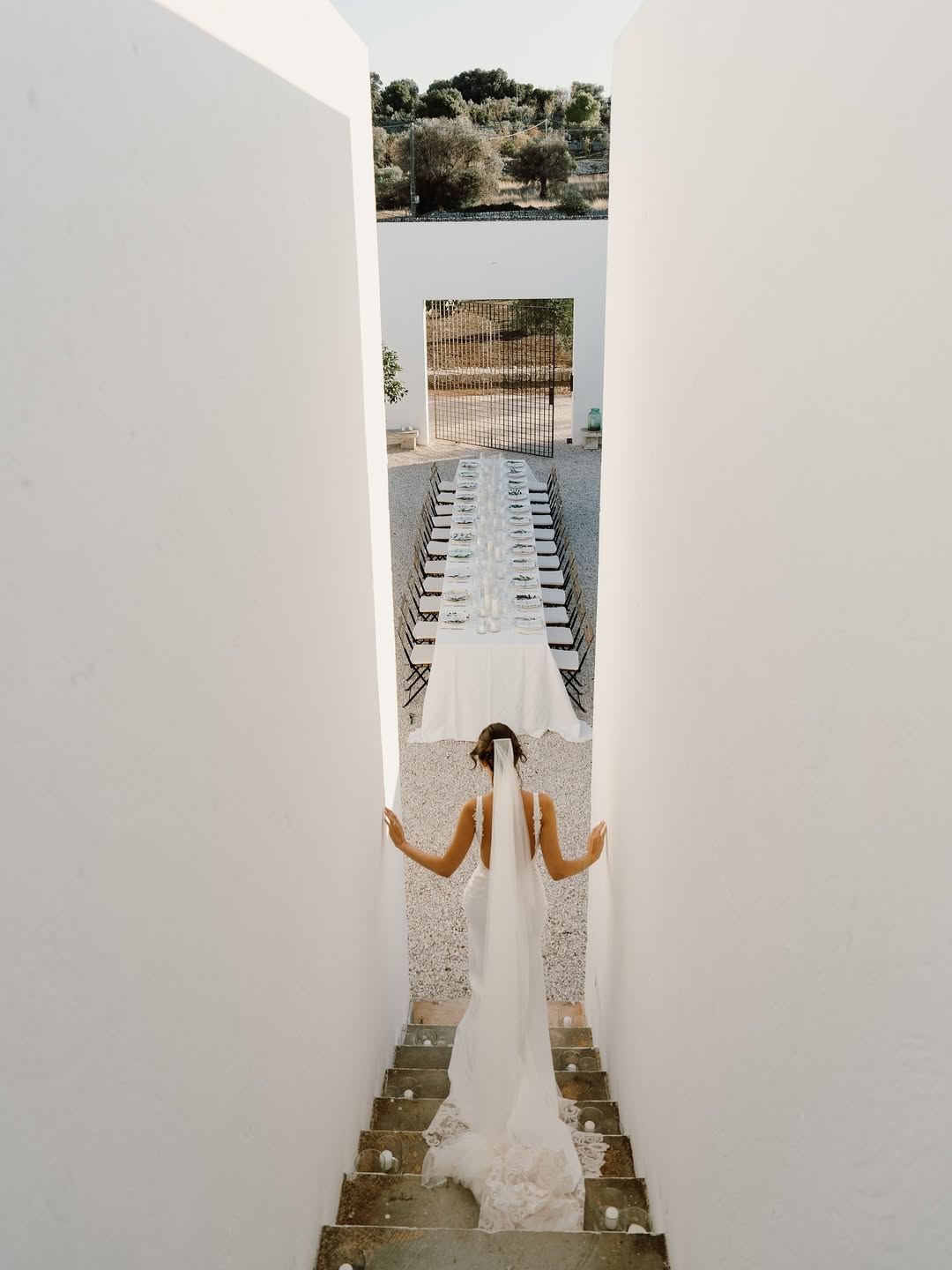

FAQ
Can a wedding in 2027 be planned in less than 12 months?
Yes, but this would require compromise, a significantly larger budget, or both. Six months is a realistic timeframe for planning a small, intimate wedding with a flexible date and a modest vendor list. For a larger celebration at a popular venue with a full team of vendors, six months is genuinely tight. Couples on Wezoree who planned in under 10 months consistently report higher stress levels and more frequent use of second-choice vendors. If a shorter timeline is unavoidable, hiring an experienced wedding planner becomes essential — they know what is still available and how to work quickly without compromising on quality.
What if we start planning too late for 2027?
Your first-choice venues and photographers may already be unavailable for your preferred date, but this does not mean that your wedding cannot be extraordinary. The most powerful tool a couple who start planning late has is flexibility on date: moving from a Saturday in June to a Friday in September, for example, or from peak season to shoulder season, can make venues and vendors that would otherwise be out of reach available. A local planner with strong relationships with vendors can also access availability that is not publicly listed.
Do we need a wedding planner if we start planning early?
Although starting early makes planning more manageable, it does not replace the value of a planner. A planner provides more than just organisation; they also offer vendor relationships, local knowledge, crisis management and the ability to anticipate problems before they escalate. Couples who start planning 18 months in advance and hire a planner consistently report a calmer experience than those who try to manage everything themselves during the same timeframe. For destination weddings in particular, hiring a local planner is the most impactful decision you can make, regardless of how early you start planning.
When should couples planning a destination wedding in 2027 start making arrangements?
Now — without question. Destination weddings require significantly more lead time than local weddings. Venue availability in popular destinations such as Italy, Greece, France and the Caribbean closes earlier. Guests need more advance notice to arrange travel and the logistics of coordinating vendors across time zones and language barriers are more time-consuming than most couples anticipate. Wezoree's data on real destination weddings shows that the average planning time is 12–18 months, and that the most stress-free experiences are at the longer end of this range. So, if you are planning a destination wedding for 2027 and haven't started yet, get going this week!
Is it too late to start planning a wedding for 2027 in the middle of 2026?
Not necessarily, but time is running out. By this time, the most popular venues for the peak season in 2027 will either be fully booked or have only a few Saturdays left. Photographers with strong portfolios in competitive markets are largely committed. However, dates outside the peak season — late autumn, early spring or weekdays — still offer good availability, and couples who are flexible with timing can access excellent vendors. The key is to act immediately rather than wait until the new year. Each week of delay in mid-2026 reduces the options for 2027, making it increasingly difficult to find what you want.
What is the most important first step in planning a wedding?
Deciding on the approximate number of guests. Every other decision — such as venue size, budget per head, catering format and table layout — depends on this figure. Couples who finalize the guest list early can make subsequent decisions more quickly and with greater confidence. Those who leave it vague, however, can find themselves spending months in a planning loop, unable to commit to venues or budgets because the foundational number keeps shifting.