New York Wedding Planning Guide




Planning a wedding in New York means discovering pretty quickly that this city has an opinion about literally everything, including your seating chart. Affordable wedding planning in New York sounds like a contradiction at first, given the city's reputation, but plenty of couples pull off genuinely beautiful weddings here without needing a Wall Street salary to do it. New York also has a habit of turning even the most stressful planning moments into a good story later, whether that's the venue tour that doubled as a subway adventure or the flower guy in the Flower District who somehow remembered your order from one conversation three weeks earlier. This guide walks through the parts nobody explains clearly enough, from the marriage license paperwork to which neighborhoods actually deliver the most value for your money, plus a realistic sense of when to actually start booking everyone.
Find Your Perfect Wedding Vendors


Why Planning a Wedding in New York Feels Different

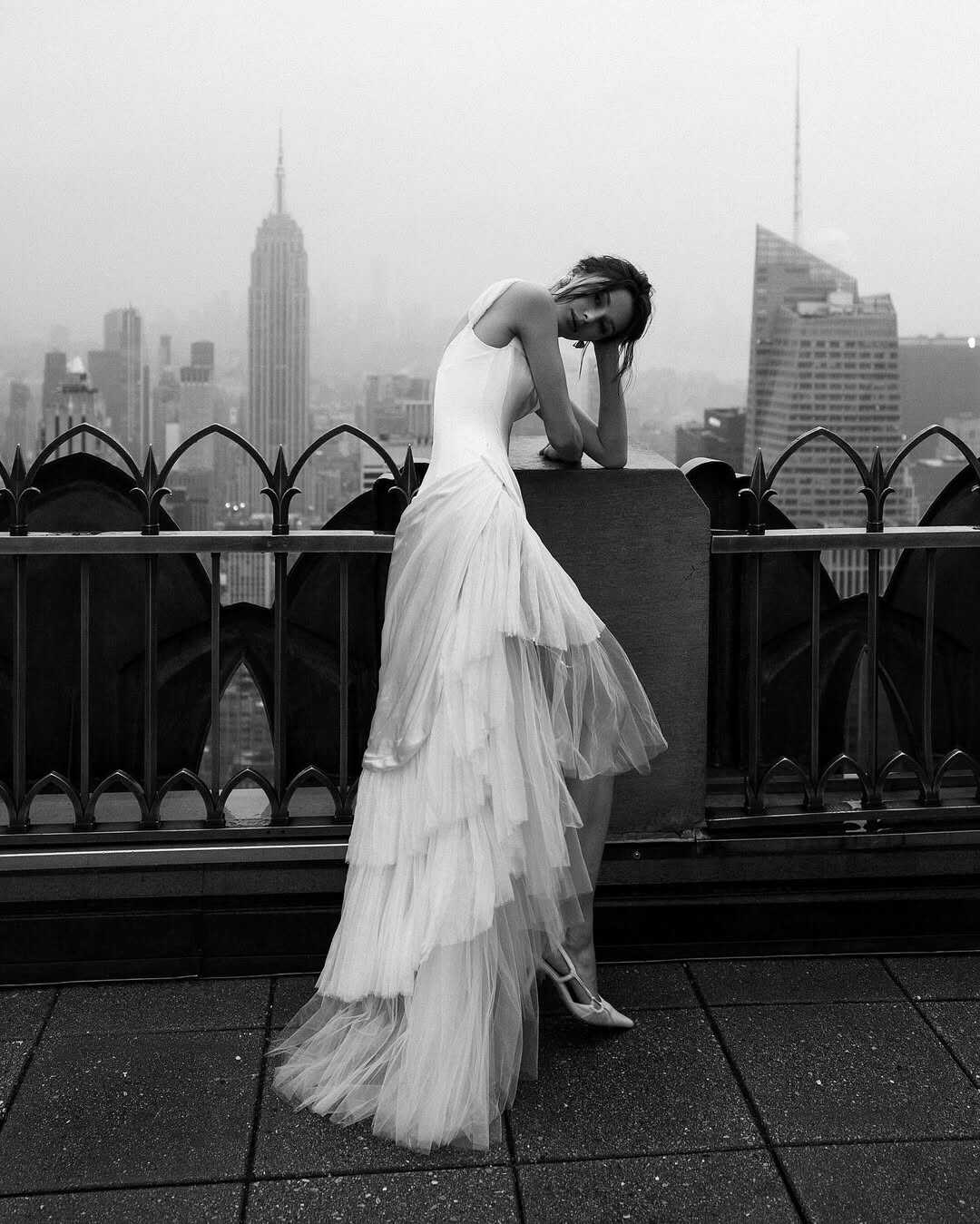
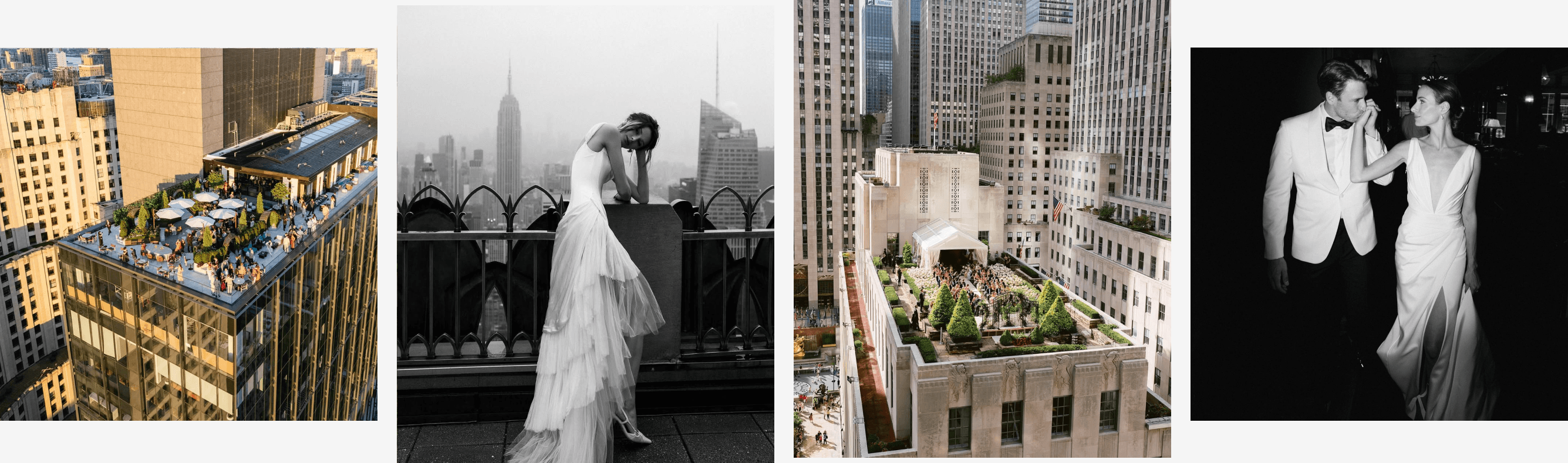
Wedding planning in New York comes with a few quirks that couples getting married elsewhere simply don't run into. Venue availability moves fast here, sometimes booking out a year or more in advance for popular Saturday dates, so the usual "we'll get to it eventually" approach tends to backfire. The upside is variety: you can get married in a converted warehouse in Brooklyn, a rooftop overlooking the skyline, or a marble-columned building downtown, all within the same five boroughs. Guests traveling in also tend to turn the wedding into a mini city trip of their own, which changes how you think about timing, hotel blocks, and even your own itinerary that weekend.
Logistics also work differently here than in most places. Parking is rarely something venues can guarantee, so transportation for guests, whether that's a hired shuttle, a subway map included in your invitation suite, or simply choosing a venue near multiple transit lines, becomes a real planning decision rather than an afterthought. Vendors also tend to have tighter, more specific windows for load-in and load-out at many venues, since buildings share freight elevators, loading docks, or narrow staircases with other tenants. And because so many New York venues occupy older or repurposed buildings, from converted factories to landmarked spaces, couples often need to double-check restrictions around candles, confetti, or even how late amplified music can legally run, since noise ordinances vary block by block in a way they simply don't in most other cities.
Getting Your New York Marriage License
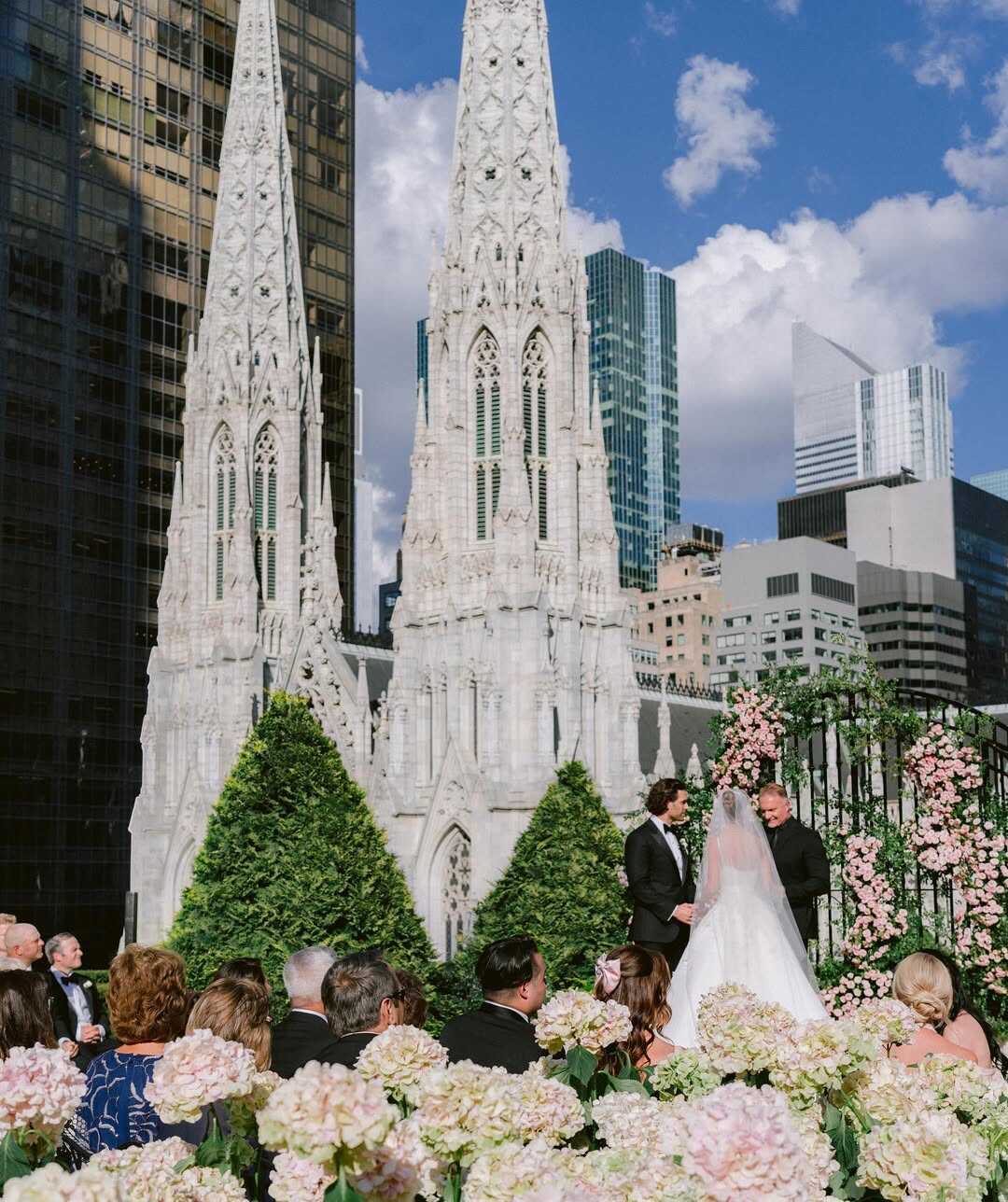

Every couple getting married in New York needs a marriage license, and the process is more straightforward than its reputation suggests once you know the actual steps, though there are more nuances here than most couples expect going in.
- Apply together, in person: New York doesn't allow one partner to apply alone, and there's no residency requirement, so out-of-state and international couples can apply just as easily as locals.
- Bring valid photo ID: A driver's license or passport works for both partners.
- Provide proof if previously married: You'll need documentation showing how a prior marriage ended, whether that's a certified copy of a divorce decree or a death certificate for a deceased former spouse.
- No blood test or physical exam required: This surprises couples used to older state laws elsewhere, but New York dropped that requirement.
- Pay the $35 fee: This covers the license itself and one certified copy of the marriage certificate.
- Wait 24 hours after issuance: Your ceremony can't legally happen until a full day has passed from when the license was issued.
- Use it within 60 days: The license expires after that window, so timing your appointment around your actual wedding date matters.
- Decide on names before your appointment: You can adopt your spouse's current or former surname, hyphenate both surnames, or combine them into a new shared name, but you can't change your first name or pick an entirely unrelated surname through this process. Neither partner is required to change their name, and matching last names aren't required to be legally married.
- Bring at least one witness to the ceremony: This person doesn't need to be involved in the license application beforehand.
- Return the signed license after the ceremony: Your officiant and witnesses sign it, and it needs to go back to the clerk's office to be officially recorded before you can request certified copies for things like a passport or Social Security name change.
- Know where your records live: Marriage records for licenses issued within the five boroughs are held separately from the rest of New York State's vital records, so future copies need to come from the same city office where you originally applied.
- Book your appointment through Project Cupid: The city's online booking system is worth using well ahead of time, since walk-ins at the Manhattan office can mean a long wait, especially during peak wedding season.
- Consider the on-site chapel option: The Manhattan Marriage Bureau offers an on-site wedding chapel for an additional $25, which some couples use for a quick legal ceremony before their real celebration elsewhere.
When to Start Booking Other Vendors
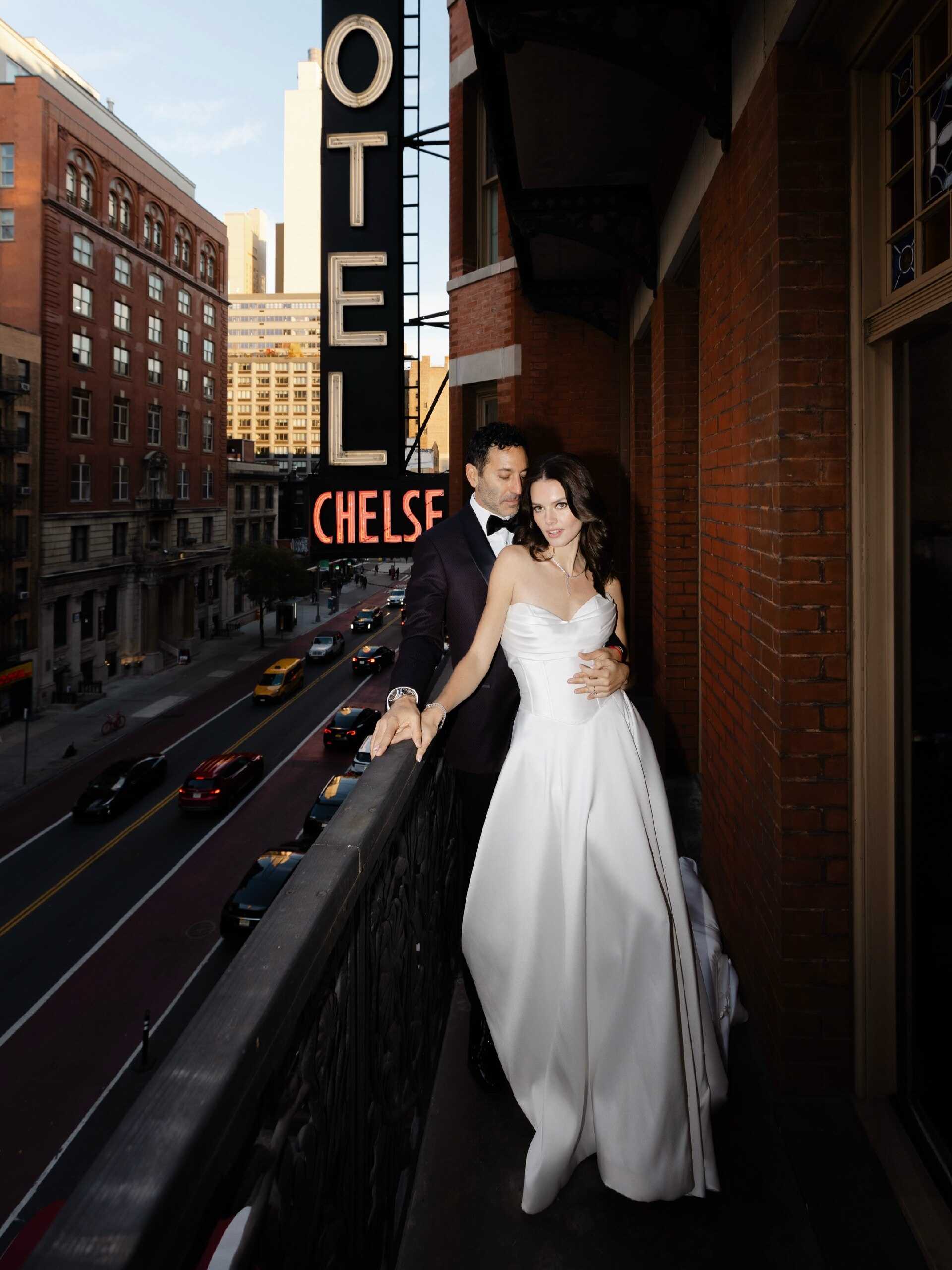
Vendor availability in New York moves faster than in most cities, and booking in the wrong order is one of the more common regrets couples mention after the fact.
- Venue, 12+ months out: This decision anchors everything else, including your date, guest count, and overall budget, so it should always come first.
- Photographer and planner, 10-12 months out: The most requested photographers and planners in the city often book eighteen months ahead for peak Saturdays, so waiting even a few months too long can mean losing your top choices entirely.
- Caterer, 8-10 months out: If your venue doesn't include catering in-house, this is one of the next calls to make, since good caterers also carry limited weekend availability.
- Florist and music, 6-8 months out: Both benefit from knowing your venue and overall vision first, which is why they typically come after the bigger decisions rather than before them.
- Hair, makeup, and attire, 6-9 months out: Dress fittings in particular need lead time for ordering and alterations, so this window shouldn't be pushed too close to the date.
- Invitations and stationery, 4-5 months out: This timing allows invitations to go out roughly two to three months before the wedding, giving guests enough notice to arrange travel.
- Final vendor confirmations, 1-2 months out: This is when you finalize headcounts, timelines, and any last logistical details with everyone you've already booked, rather than adding anyone new.
Affordable Wedding Planning in New York: Where to Save
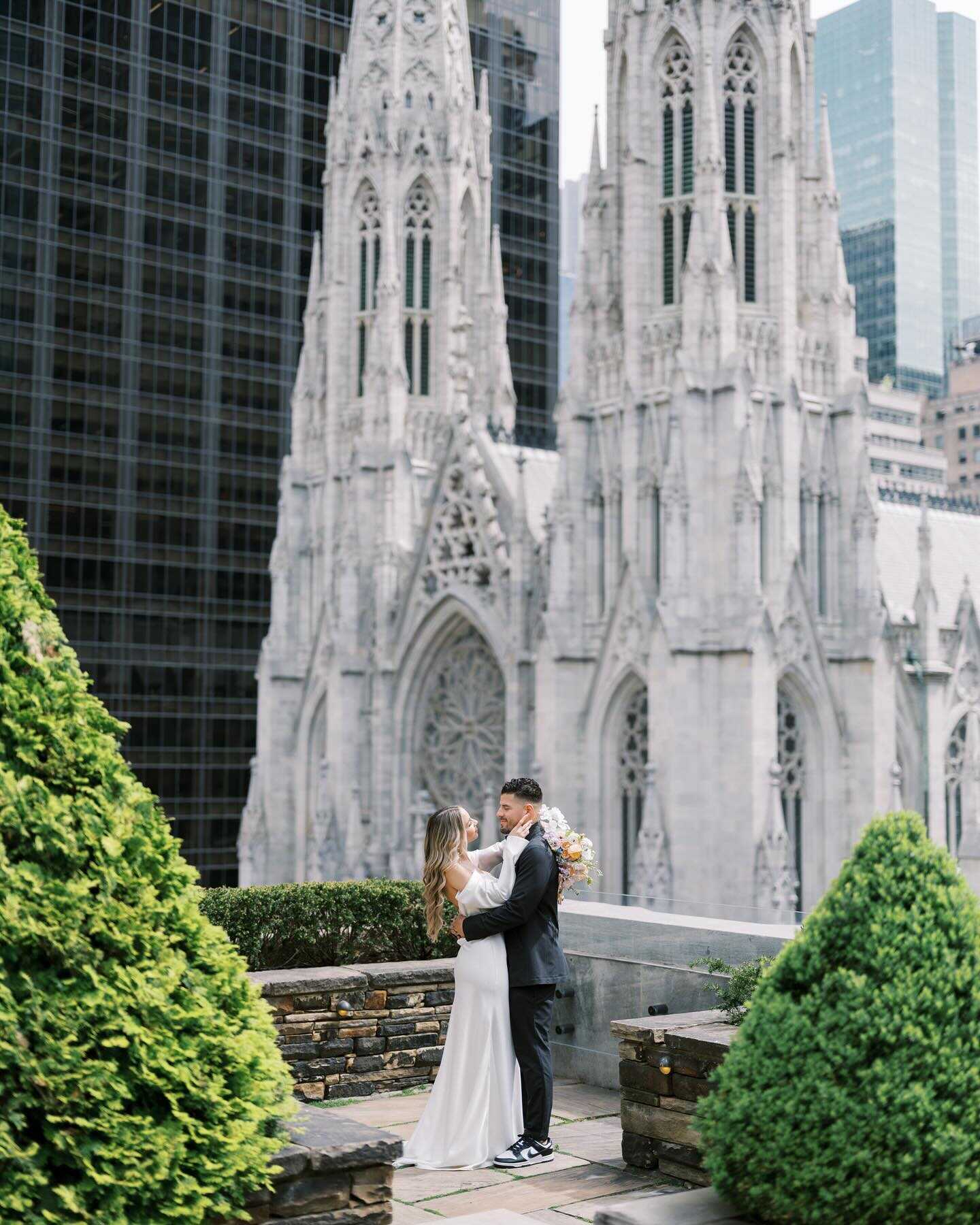
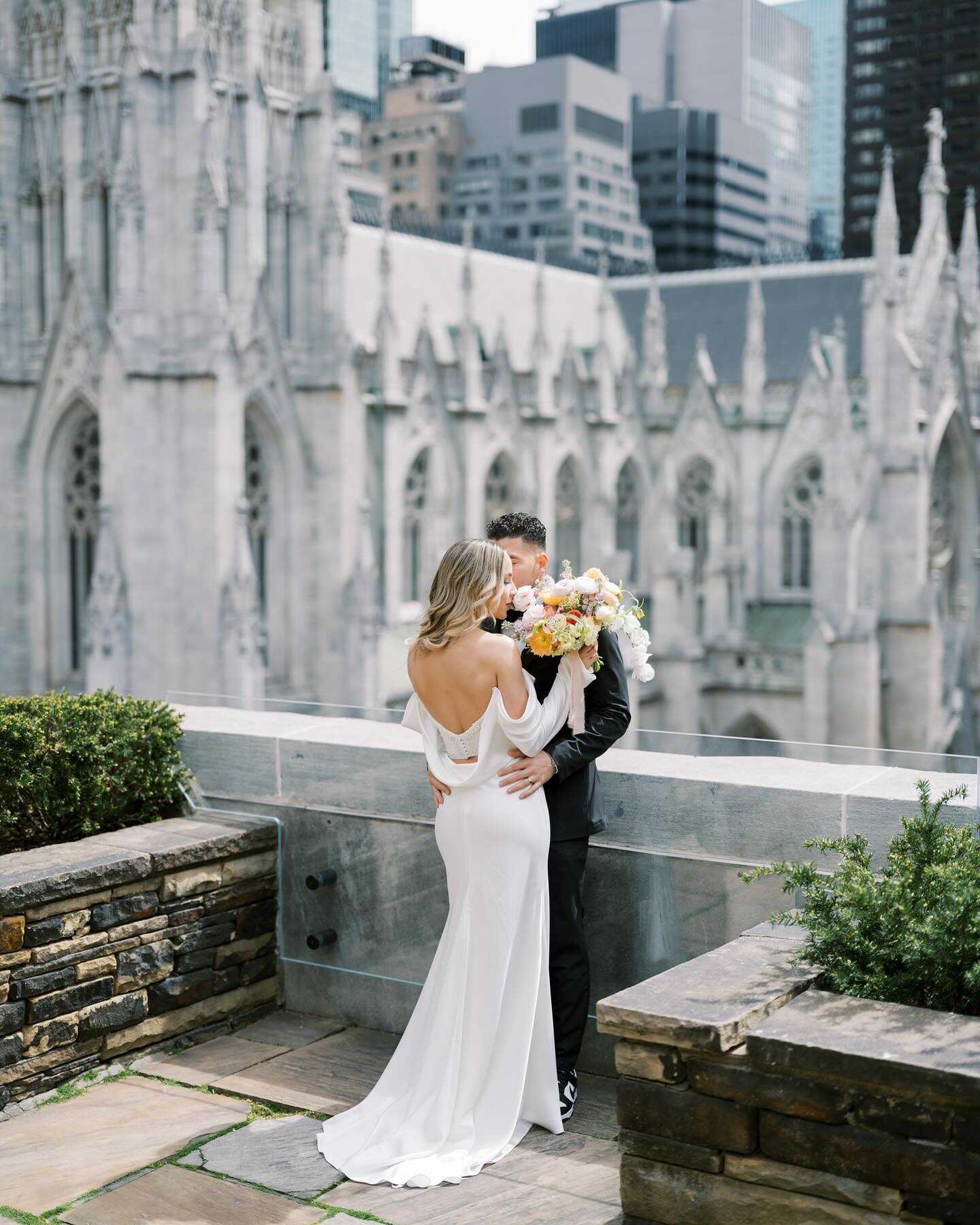
Affordable wedding planning in New York usually comes down to being strategic about a handful of big-ticket decisions rather than nickel-and-diming every detail.
Choose Your Date and Day Strategically
Saturday evenings in peak season, roughly May through October, command the highest prices across nearly every vendor category in the city. Shifting to a Friday or Sunday typically brings venue and vendor costs down by 15 to 20 percent compared to a Saturday, while a full weekday wedding can save 20 to 40 percent or more, since demand from other couples all but disappears on those dates. Moving your date into the off-season, particularly January through March, adds another 25 to 40 percent in potential savings on top of that, and combining a weekday with winter timing is where the biggest discounts tend to show up. Even shifting your ceremony a few hours earlier in the day, toward a brunch or early-afternoon reception, tends to come with noticeably lower catering minimums than a full evening event.

Get Creative With Your Venue Choice
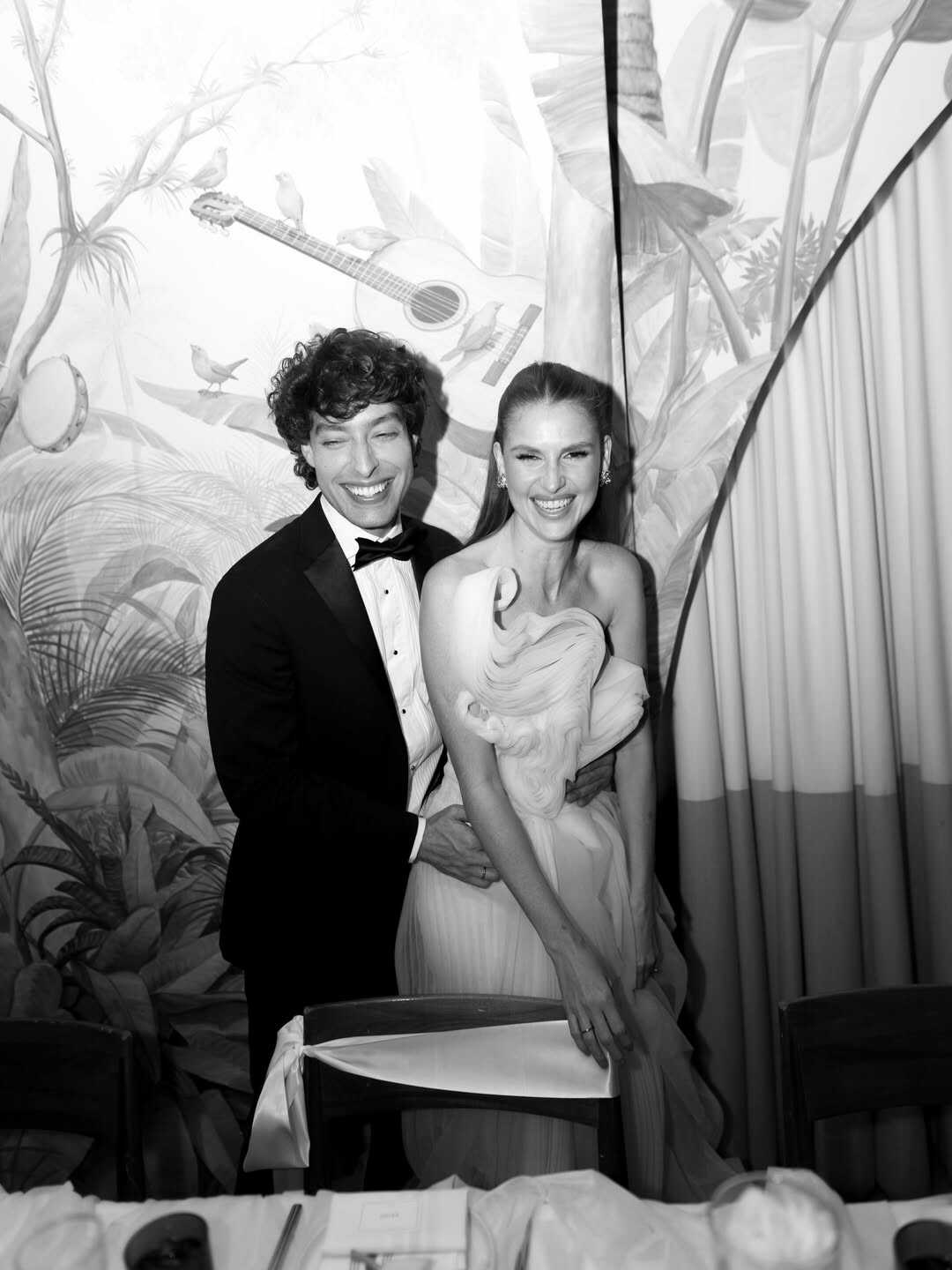
Some of the best value in New York comes from spaces that weren't originally built to be wedding venues at all, think restaurants with private rooms, art galleries, or rooftop bars that host events on off nights. These spaces often come with lower rental minimums than a dedicated wedding venue, precisely because hosting weddings isn't their primary business. Outer-borough neighborhoods in Brooklyn and Queens also tend to offer more space for the price than comparable venues in Manhattan, without sacrificing the skyline views couples usually want in their photos.

Choosing a New York Wedding Venue
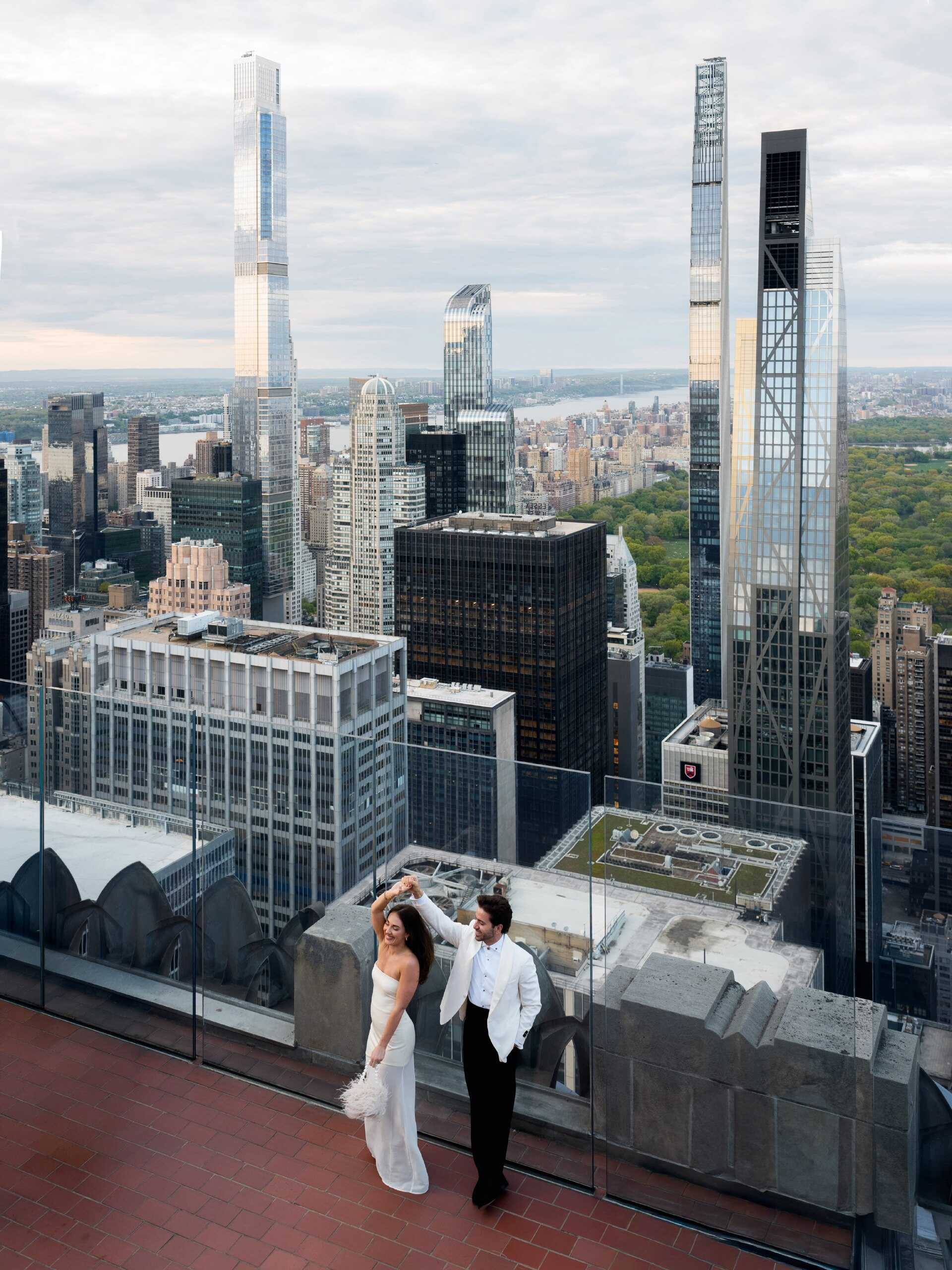

Where you get married shapes almost everything else about the day, and each borough brings a genuinely different feel to the table.
Manhattan
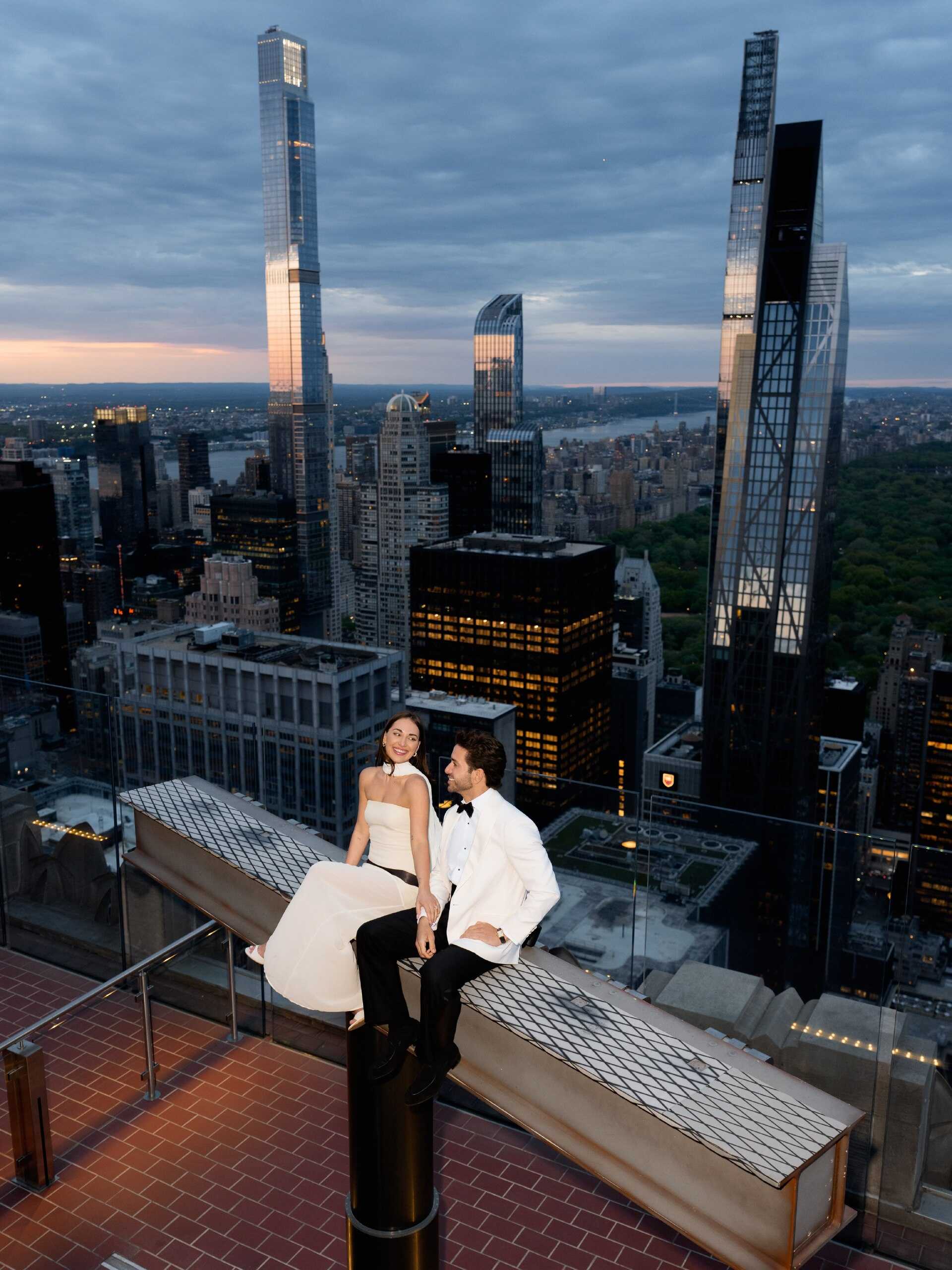
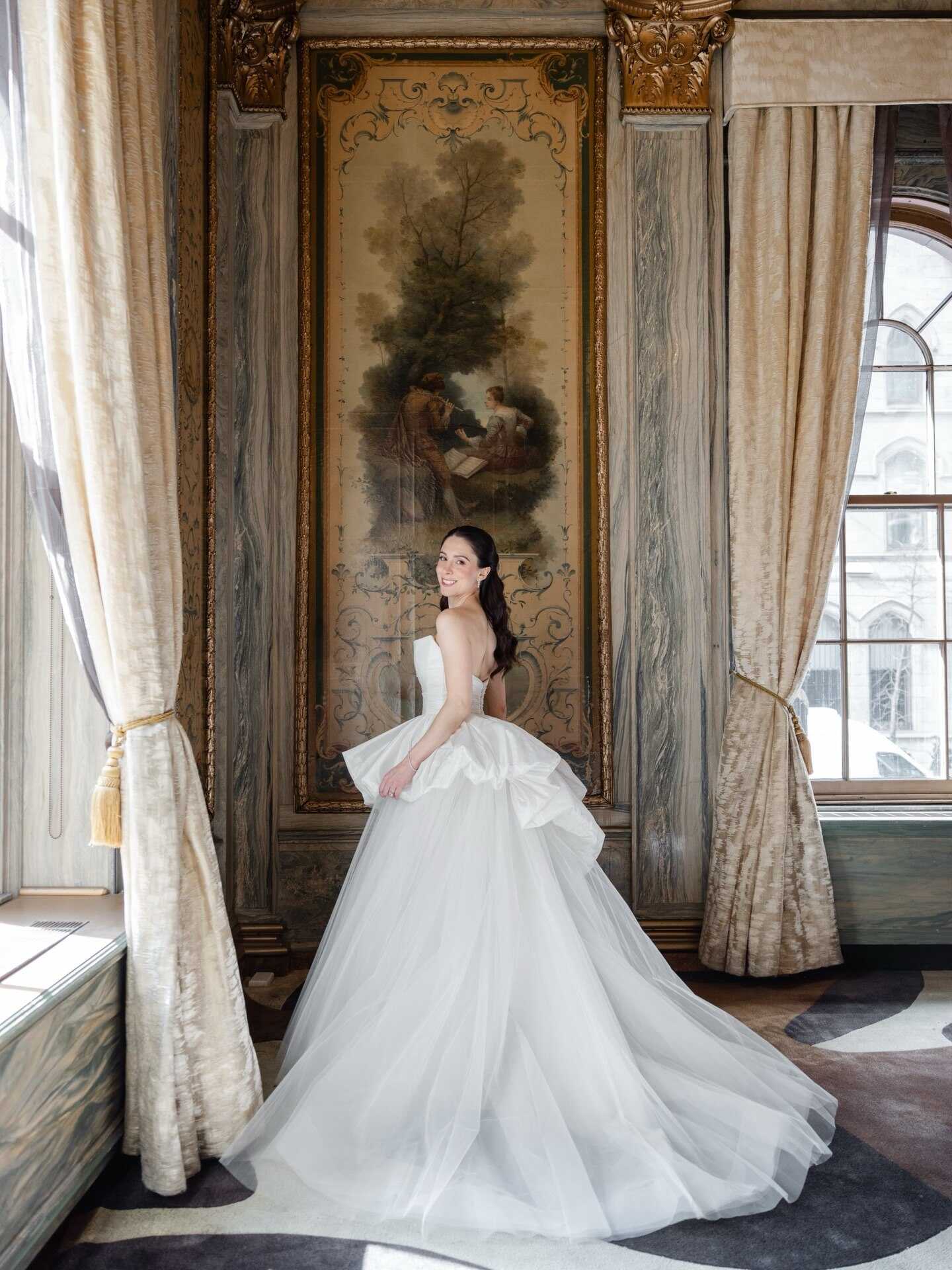
Manhattan delivers the classic, formal version of a New York wedding, with iconic backdrops that make even a simple ceremony feel like it belongs in a movie. Venues here range from marble-columned event spaces to rooftop bars overlooking the skyline, though that iconic setting generally comes with the highest price tag in the city. This borough suits couples who want timeless New York in every photo and are willing to build their budget around that priority.
Brooklyn
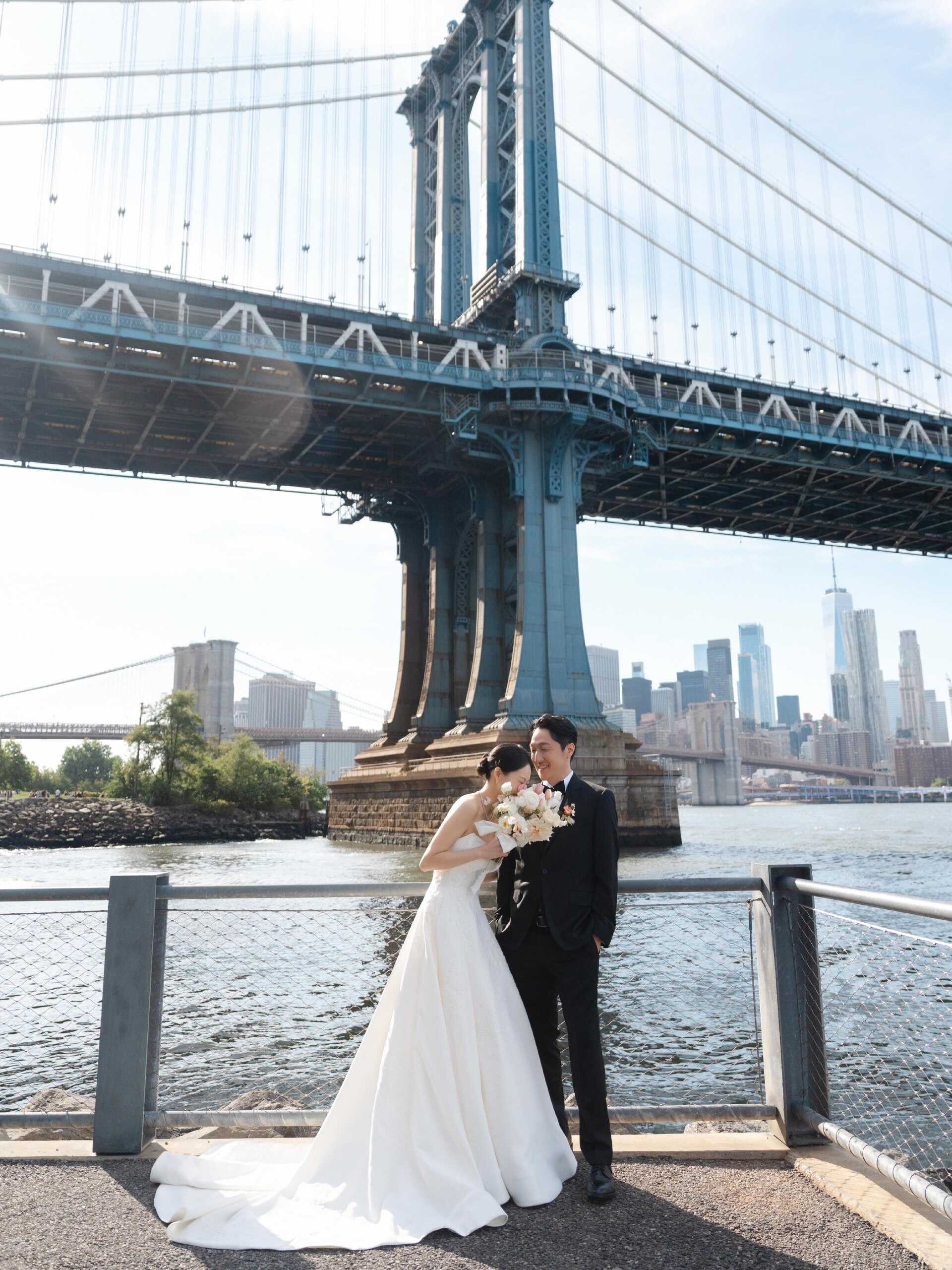
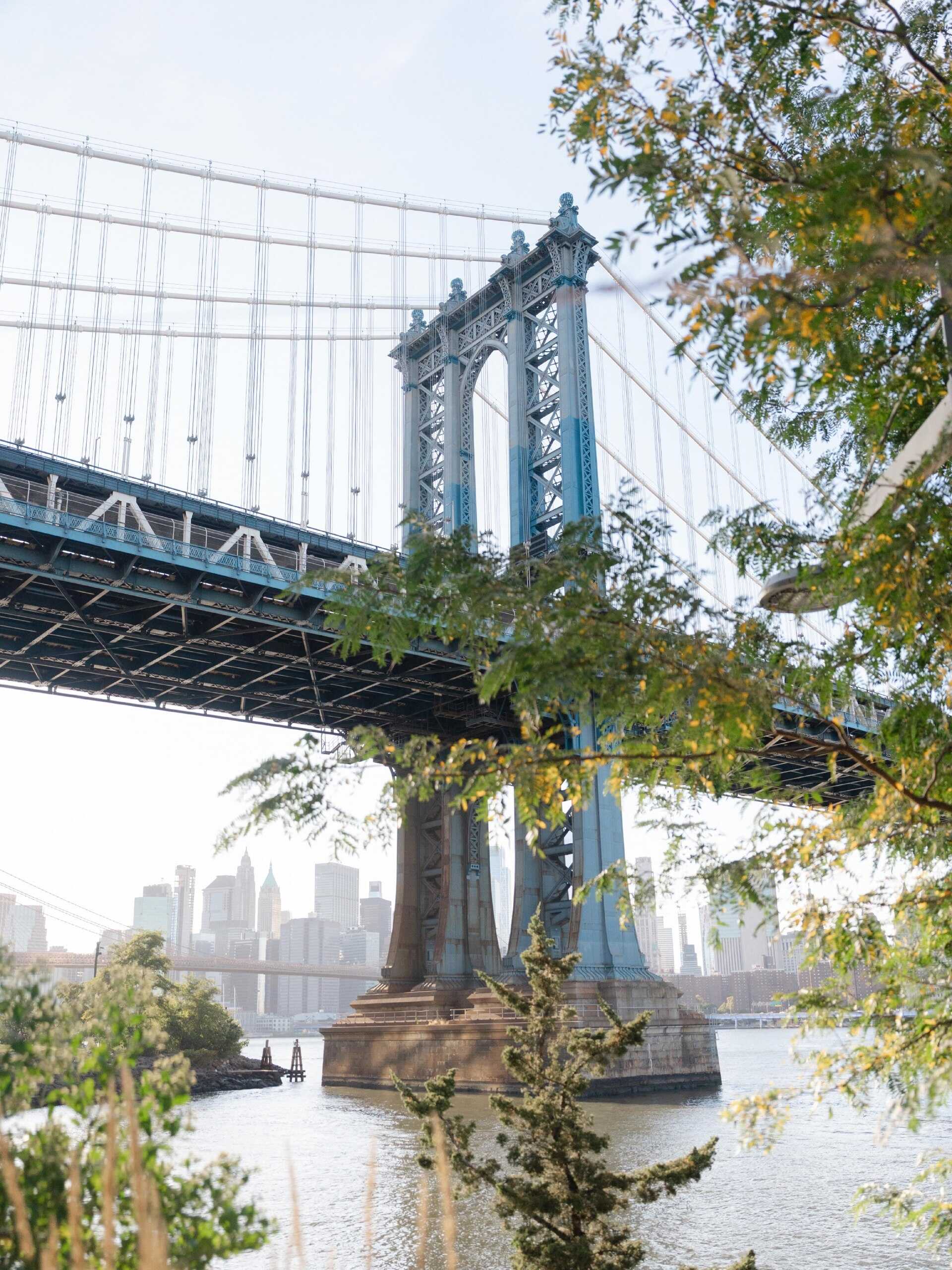
Brooklyn trades a few of Manhattan's landmark views for an industrial-chic, artsy atmosphere that's become genuinely popular in its own right rather than just a cheaper alternative. Converted warehouses, art galleries, and rooftop spaces in neighborhoods like Williamsburg and Dumbo offer a more relaxed, design-forward feel while often still delivering skyline views. Couples who want their wedding to feel modern and a little unexpected tend to gravitate here.
Queens
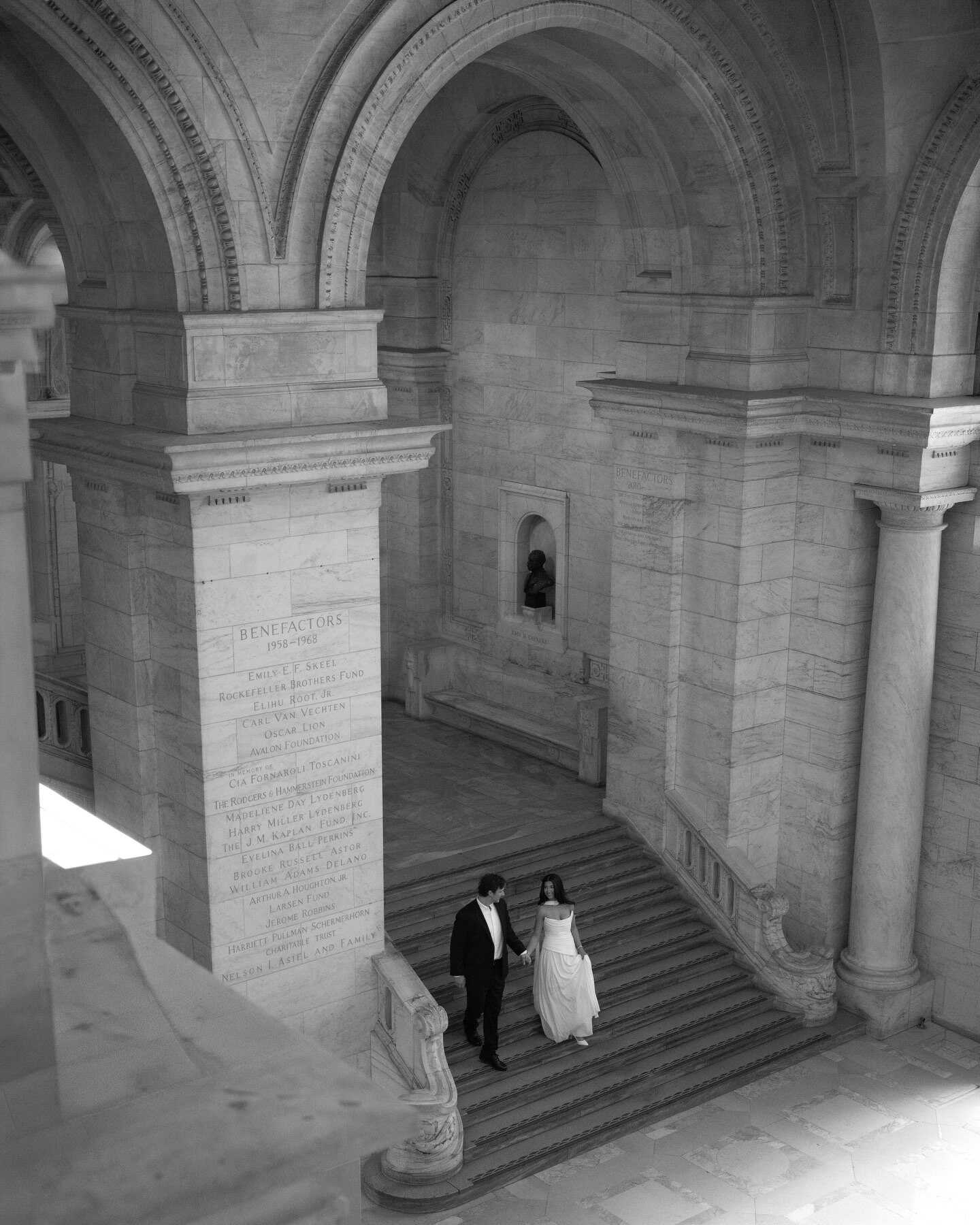
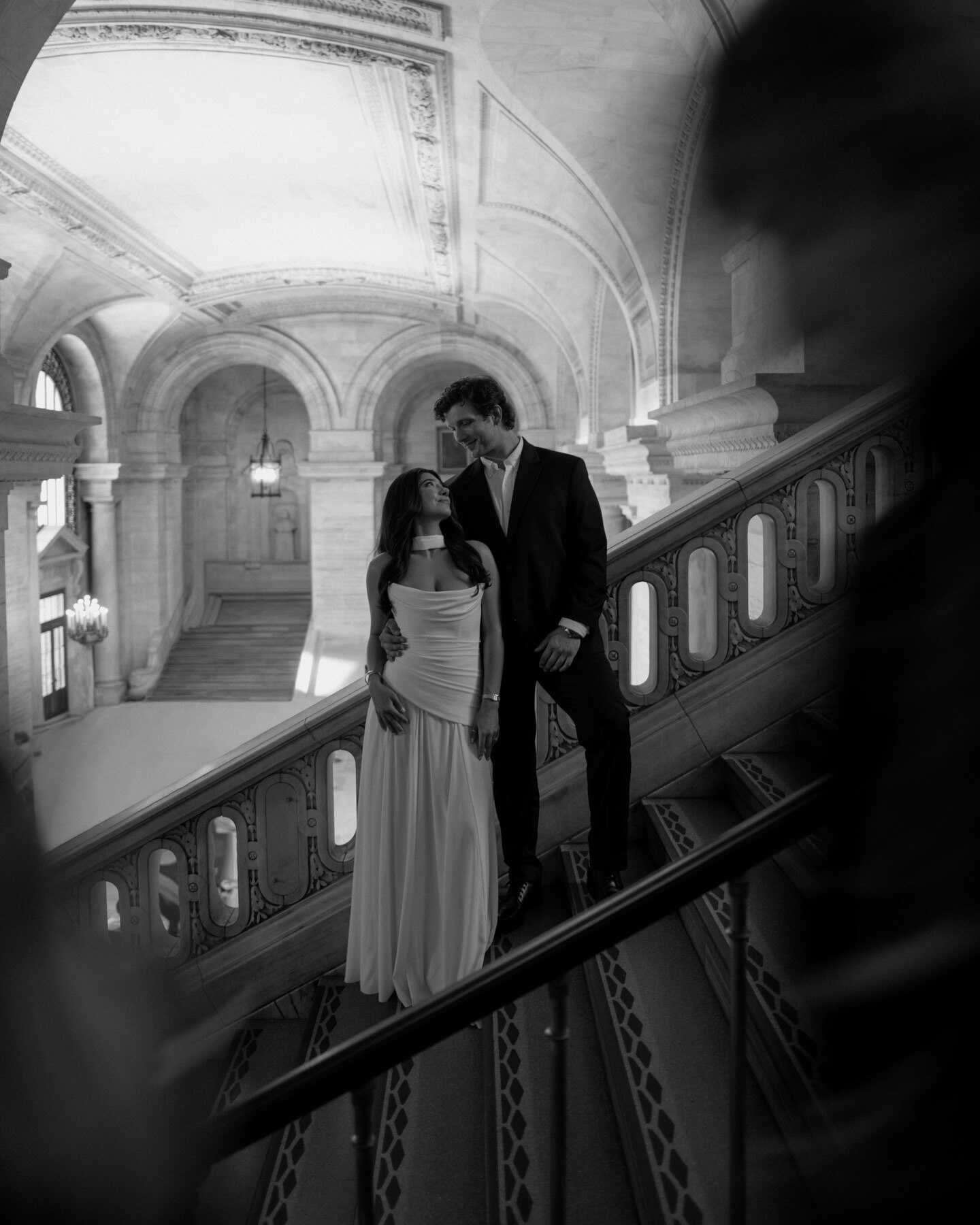
Queens tends to offer more physical space for the price than comparable venues in Manhattan or even Brooklyn, without requiring couples to leave the city entirely. The borough's diverse neighborhoods also bring a wider range of cuisines and cultural touches into catering and vendor choices, which many couples build directly into their day. This is a strong option for couples prioritizing value and space over a specific iconic backdrop.
Staten Island
Staten Island offers a genuinely quieter, more traditional wedding experience, with waterfront venues and more green space than the other boroughs typically allow. It suits couples who want a slower-paced day with water views, without needing to travel far outside the city to get it. The trade-off is a longer commute for guests coming from elsewhere in New York, which is worth factoring into your venue decision.
Comparing New York Wedding Venue Options
Here's how the four boroughs stack up side by side, once you've had a chance to picture yourselves in each one.
| Area | Typical Vibe | Best For |
|---|---|---|
| Manhattan | Classic, formal, iconic backdrops | Couples who want timeless New York in every photo |
| Brooklyn | Industrial-chic, artsy, more relaxed | Couples who want a modern, design-forward feel |
| Queens | More space for the price, diverse neighborhoods | Couples prioritizing value without leaving the city |
| Staten Island | Quieter, more traditional, waterfront options | Couples who want green space and water views |
Finding New York City Wedding Planning Services

Whether you need full-service planning or just a day-of coordinator depends largely on how much of the city's logistics you want to manage yourselves. A full planner earns their fee fastest in a city like this, since local vendor relationships and knowledge of which venues actually deliver on their promises can save real money, not just time. Couples who feel confident managing vendors themselves often do fine with a day-of coordinator instead, who steps in mainly to handle the timeline and logistics on the wedding day itself.
Planning a wedding in New York is really about learning which parts of the city's chaos to embrace and which parts to plan carefully around. Wezoree can help you find planners, photographers, and other vendors experienced with New York weddings, along with inspiration for building a day that actually feels like yours.


FAQ
Is it possible to plan an affordable wedding in New York?
Yes, affordable wedding planning in New York is realistic, particularly for couples willing to shift their date to a weekday, Sunday, or off-peak season rather than a Saturday evening in summer. Choosing a venue that wasn't originally built for weddings, like a restaurant or gallery, often comes with lower minimums than a dedicated event space. Outer-borough neighborhoods in Brooklyn and Queens also tend to offer more value than comparable Manhattan venues. Being flexible on timing and location are the two biggest levers for keeping costs down in this city specifically.
How do you get a marriage license for a wedding in New York?
Getting a marriage license for a wedding in New York requires both partners to apply in person together, provide valid identification, pay a $35 fee, and wait 24 hours after issuance before the ceremony can legally take place. If either partner has been previously married, documentation such as a divorce decree or death certificate is required. There's no residency requirement, so couples from outside the city or state can apply just as easily as locals. The license stays valid for 60 days, giving couples a reasonable window to plan their ceremony date around it.
How far in advance should wedding planning start in New York City?
Wedding planning in New York City should generally start twelve months or more before the date, particularly for couples targeting a popular Saturday in peak season. Venues typically get booked first, followed by photographers and planners around ten to twelve months out, then catering, florals, and music in the months after that. Couples with more flexible timing or an off-peak date can often work with a shorter runway, sometimes six to eight months. Starting early gives you first pick of vendors rather than settling for whoever still has your date open.
What are the best neighborhoods for wedding venues in New York City?
The best neighborhoods for wedding venues in New York City depend largely on the atmosphere you want, with Manhattan offering classic, iconic backdrops and Brooklyn delivering a more industrial, design-forward feel. Queens tends to offer more space for the price without leaving the city entirely, making it a strong option for couples focused on value. Staten Island suits couples who want a quieter, waterfront setting with more traditional charm. Visiting a few venues across different boroughs before deciding often reveals options couples hadn't initially considered.

Do you need a wedding planner for a wedding in New York City?
You don't strictly need a wedding planner for a wedding in New York City, but the city's fast-moving vendor market and competitive booking calendars make one genuinely useful, especially for a first-time planner unfamiliar with the local scene. A full-service planner often pays for part of their own fee through vendor relationships and negotiated rates unavailable to couples booking independently. Couples comfortable managing logistics themselves can often get by with a day-of coordinator instead, who focuses purely on execution rather than the full planning process. The right choice usually comes down to how much time and local knowledge you already have going in.