Wedding Videography Trends for 2027


- Documentary-Style Authenticity Is Replacing Heavily Directed Films
- Shots Are Being Held Longer Instead of Cut Quickly
- Audio Is Becoming as Important as the Visuals
- Unscripted, In-Between Moments Are Getting More Screen Time
- Couples Are Requesting Multiple Versions of the Same Film: New Wedding Video Trend
- Analog Film Grain Is Making a Genuine Comeback
- What Should Couples Look for When Hiring a Videographer in 2027?
- FAQ
The world of wedding videography is quietly moving away from the polished, trailer-style editing that defined the last decade. The wedding video trends that couples are looking for in 2027 lean closer to the documentary style, prioritising real sound and unscripted moments over tightly directed sequences. To understand what is actually driving this shift, we spoke with wedding filmmakers who are currently working with couples on set. Their observations line up around seven clear patterns.
Find Your Perfect Wedding Vendors

Documentary-Style Authenticity Is Replacing Heavily Directed Films
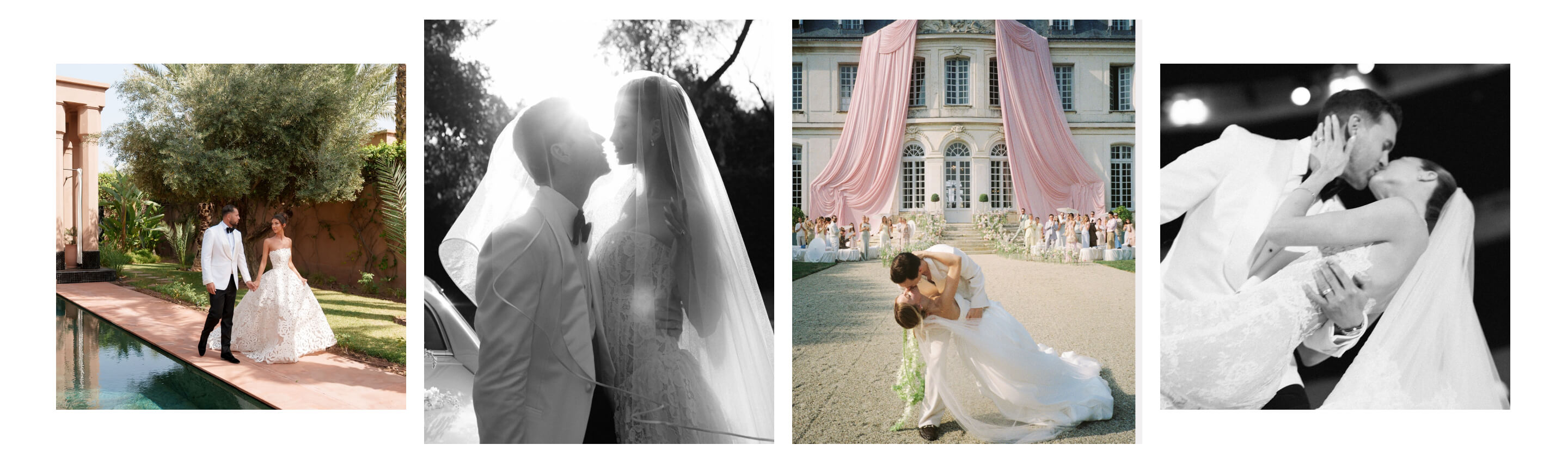
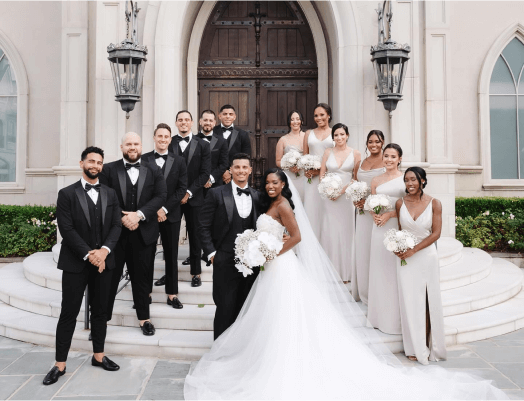
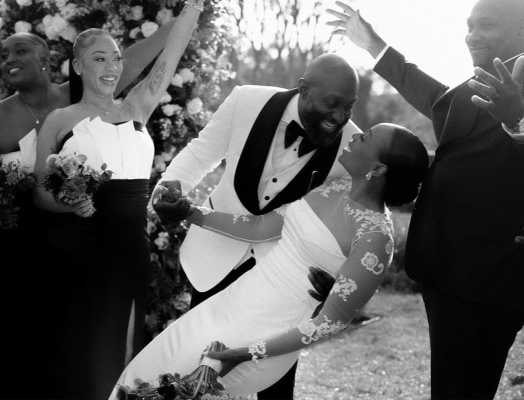
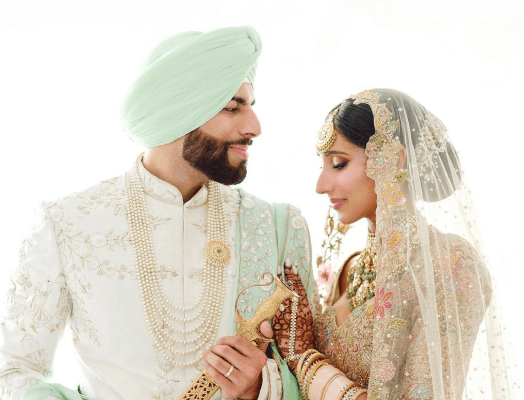
A defining shift in wedding videography in 2027 will be a move away from heavily directed, cinematic productions towards documentaries that capture real moments. Rather than choreographed walks and repeated takes, couples now want films built from genuine reactions as they happened. This doesn't mean lower production values: filmmakers are still using cinematic techniques, but directing happens quietly through how a moment is framed and lit rather than staging it from scratch.
Luis Silva of Lsfilmmaker sums up what's driving this change:
 More authentic, documentary-driven storytelling. Couples are moving away from heavily directed moments and choosing films that feel natural, emotional, and true to how the day actually happened.
Focus Videolab Films describes the same trend from the perspective of the filmmakers: "A documentary-driven cinematic approach. Couples want beautiful cinematography, but they also want authenticity. The goal is to create a film that feels observed rather than staged, with real conversations, natural reactions and carefully crafted storytelling." ENA Wedding Films sums it up even more simply: "I think we're going to see much more raw imperfect moments and documentary-style footage. Films that feel like memories rather than productions."
However, this shift also comes with a caveat worth taking seriously: not every filmmaker frames authenticity itself as a trend. Antonio De Masi Film argues that trends are "the exact opposite of authorship", warning that
fads pass, and looking back at a video in the style of the trend of the moment ten years later can turn out to be a boomerang.
For couples, the takeaway is less about picking a specific style and more about picking a filmmaker with a consistent point of view, whatever that may be.
Shots Are Being Held Longer Instead of Cut Quickly
Another related change is happening in the editing room: filmmakers are allowing individual shots to run for longer rather than cutting quickly between them. This is a pacing decision that is distinct from documentary authenticity itself since a slower edit can be applied to any moment, staged or unscripted, and simply gives it more time to have an emotional impact.
Journey Films by VVR describes this as one of the clearest shifts they are seeing: "I think we're starting to see a shift toward longer, more immersive storytelling. Couples want to see more, and there's something really special about allowing a shot to breathe a little longer, whether it's a glance, an embrace, or simply the way they move through the day." When asked which visual trend deserves a comeback, they point to the same instinct:
Long, intentional cinematic shots. I'd love to see more moments where the camera simply stays and lets the beauty of a shot unfold. Beautiful movement, thoughtful composition and subtle direction can make a moment feel elevated without feeling overly staged.
Audio Is Becoming as Important as the Visuals
Sound is no longer treated as a background layer beneath music. Filmmakers are increasingly capturing vows, toasts and even casual conversations on mic, treating real voices as a primary storytelling tool rather than something added in post-production. This is largely in response to how wedding films are actually rewatched: a beautiful shot with no meaningful audio tends to feel less impactful years later than a rougher moment with actual voices attached to it.
Focus Videolab Films describes this as "audio-first" storytelling:
The sound of a voice, a nervous laugh, a parent speaking, vows whispered before the ceremony, or the atmosphere of a destination can make a film feel incredibly personal and timeless.
HD Moments frames the same shift in more technical terms: "Documentary-style ambient audio is becoming a bigger focus than the visuals themselves. Videographers are mic'ing up more moments: vows, toasts and even candid conversations. This makes the film feel as if you're standing in the room rather than just watching a highlight reel with music over it."
Unscripted, In-Between Moments Are Getting More Screen Time
In 2027, the moments that earned more screen time were the ones that were never on the shot list: guests arriving, parents seeing the venue for the first time and the quiet walk between getting ready and the ceremony. These moments tend to stand the test of time better than posed portraits when revisited, since they capture something that cannot be recreated or restaged later.
Several filmmakers identified a similar time period in the day almost independently of each other. Journey Films by VVR singled out the first minutes of the cocktail hour: "Cocktail hour, especially those first moments when the couple joins their guests after the ceremony. I love seeing them surrounded by the people they love, hugging, laughing and celebrating together. There's so much genuine happiness in those moments because nothing feels posed or directed, the smiles and reactions just happen naturally." ENA Wedding Films focuses on the people around the couple rather than the couple themselves: "Parents watching from across the room, grandparents, friends laughing, people hugging after the ceremony. Those are usually the moments that become more valuable with time." Lsfilmmaker describes the same instinct in broader terms: "The in between moments. The quiet conversations, nervous looks, laughter with family, reactions from guests and the small interactions that often happen outside the main events. These moments are what make a wedding film feel personal and timeless."

Couples Are Requesting Multiple Versions of the Same Film: New Wedding Video Trend
A single wedding film now has to fulfil several different roles, and it is no longer possible for a single edit to fulfil all of these roles effectively. Couples want something that can be shared within hours, something that can be easily rewatched with family, and something that will function as a complete archive decades later. Rather than compromising on one length, filmmakers are now creating multiple versions of the same footage, which is one of the most obvious trends to emerge in wedding videography this year.
| Format | Typical Length | Best For |
|---|---|---|
| Same-day social edit | 60 to 90 seconds | Sharing to Instagram within hours |
| Cinematic highlight film | 3 to 6 minutes | Easy rewatching, sharing with family |
| Full documentary cut | 20 to 90 minutes | A complete archive to revisit for decades |
HD Moments describes this tiered structure perfectly:
Instead of one definitive film, couples want a tiered set: a same-day social edit, a 3-5 minute highlight film, and a longer 20-30 minute documentary cut, each serving a different audience and platform.
Antonio De Masi Film has observed a similar trend: "Lately they want a 10-minute long version and a shorter 1-minute version." ENA Wedding Films explains the reasoning behind this trend: "Short-form has its place and is amazing for sharing, but I think couples are realising that their wedding film is also an archive of their life. They want the beautiful highlights, but they also want the speeches, ceremony, voices, people and moments they'll want to revisit years from now."
Analog Film Grain Is Making a Genuine Comeback
Super 8 and 16mm film are making a comeback in modern wedding videography, not as digital filters, but as actual shooting formats used for select moments. The appeal isn't just nostalgia: filmmakers describe the qualities of grain and imperfect light as things that make a film feel personal, rather than tied to whatever current digital look happens to be popular.
Antonio De Masi Film is straightforward about the demand: "Super 8 or 16mm film, which is already in high demand. There is something incredibly tangible, imperfect, and warm about the analog look that instantly brings back emotion. In an era dominated by slick digital, film grain and its imperfect colors give memories a unique depth and poetry." HD Moments presents it as a deliberate contrast to overly polished footage: "Shooting on Super 8 or 16mm film for select moments, the grain, imperfect light leaks, and warmth give a wedding film a nostalgic, heirloom quality that digital footage, no matter how polished, struggles to replicate." ENA Wedding Films takes a more balanced view:
I love the comeback of that old vintage feel, but there's also a reason filmmaking technology has evolved. I think the sweet spot is honouring that nostalgia while still embracing the quality and possibilities modern filmmaking gives us.
What Should Couples Look for When Hiring a Videographer in 2027?
The most consistent advice from all the filmmakers interviewed is to judge someone by their full-length films, rather than their highlight reel. While a three-minute reel can be made to look good with just the right moments and music, a complete, unedited film reveals whether someone can actually sustain a story.
- HD Moments: "Watch a videographer's full, unedited wedding films, not just their highlight reels, since a highlight reel is easy to make look good with the right music and 5 great moments, but a full-length film reveals whether they can actually tell your story."
- Antonio De Masi Film: "Take the time to watch 3 or 4 full-length films of other couples; if by the third video you are still captivated by the stories, hire them. Otherwise, move on."
- ENA Wedding Films: "Choose based on how their films make you feel, not just how they look. Trends, transitions and beautiful shots are one thing, but ask yourself whether their work actually moves you. Your wedding film will become more valuable with time, so choose someone whose storytelling you trust."
- Journey Films by VVR: "Choose someone whose work makes you feel something and whose perspective you trust."
- Lsfilmmaker: "Choose a filmmaker whose style genuinely connects with you."
- Focus Videolab Films: "Choose a filmmaker whose way of seeing feels right for you, not simply the person with the most impressive shots."
Whatever direction your wedding film takes, the most important trend to follow is simple: choose a storyteller you trust over a style you've only seen once. This is what distinguishes the wedding videography trends that 2027 brides actually mention to their filmmakers from those that just make good headlines. Wezoree can help you find wedding videographers whose work reflects this kind of consistency.

FAQ
What will be the biggest wedding videography trend in 2027?
It is a move towards documentary-style authenticity, with real audio and unscripted moments taking priority over heavily directed, trailer-style editing. Filmmakers describe this as a reaction to films that initially look impressive but quickly become dated.
Do couples need more than one version of their wedding film?
Many couples now request multiple versions, typically a same-day social clip, a short cinematic highlight and a longer documentary-style edit, as each serves a different purpose. A short highlight clip is ideal for sharing, while a longer edit preserves the moments that couples will want to revisit years later.
Is Super 8 or film grain footage worth it for a modern wedding?
Yes, several filmmakers report a genuine demand for Super 8 and 16mm footage, as its grain and imperfect lighting give films a personal feel, rather than making them seem tied to a passing digital trend. It is typically used for select moments alongside standard digital footage, rather than for an entire film.
What questions should couples ask a videographer before booking them for 2027?
They should ask to watch several complete, unedited wedding films rather than relying on a highlight reel, since a full-length film reveals the pacing and storytelling that a short reel can hide. It is also helpful to ask how they approach capturing audio and unscripted moments, since this is where most of the shift in wedding video trends for 2027 is actually happening.
Are wedding videography trends worth following, or should couples ignore them?
While it is worth understanding wedding videography styles and trends, it is not worth chasing them, since filmmakers who capture weddings well tend to have a consistent style rather than one built around a passing look. A film built entirely around a current trend may feel dated within a few years, whereas an authentic, well-told story tends to stand the test of time.
Photo credits: