8 Trendy Wedding Menu Cards Ideas


Wedding menu cards are no longer just functional; they are an integral part of your table setting. The right design does more than just list courses; it enhances the entire dining experience. From tactile textures to striking colour schemes, these eight modern wedding menu card designs strike a balance between personality and polish, and look great in photographs. Whether you're drawn to the refined elegance of the Renaissance or the playful warmth of retro design, the art of menu card design for wedding celebrations speaks to your aesthetic sensibility even before the first course is served. Consider these creative designs as an extension of your overall wedding vision — pieces that your guests will notice and appreciate, and perhaps even take home as a memento of your carefully curated celebration.
Find Your Perfect Wedding Vendors

Renaissance Revival
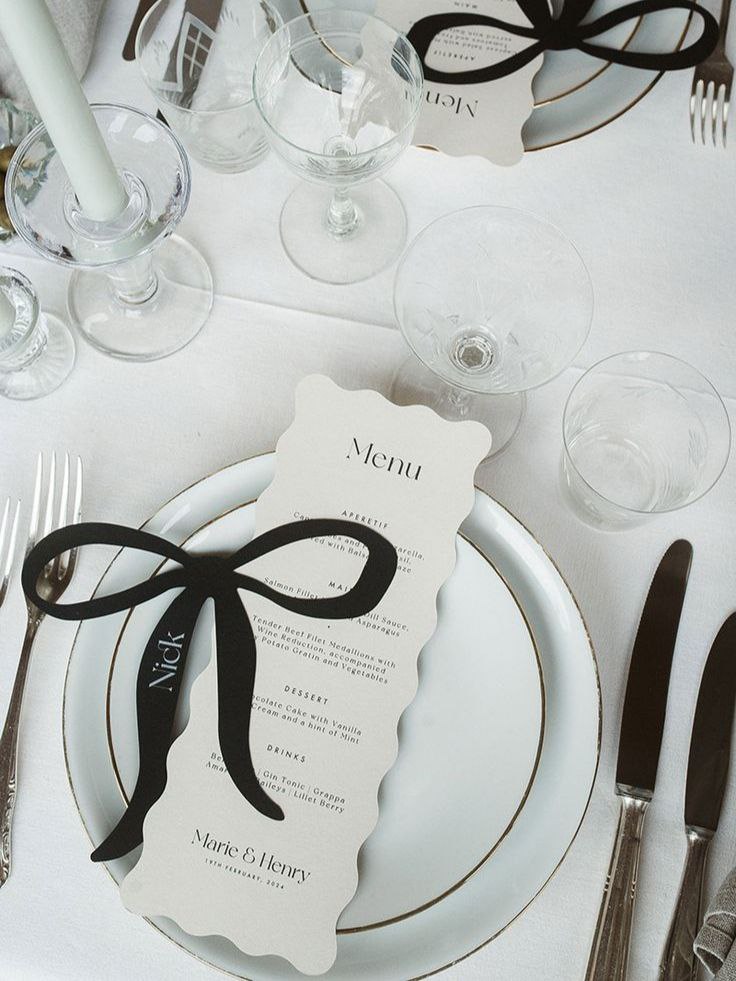
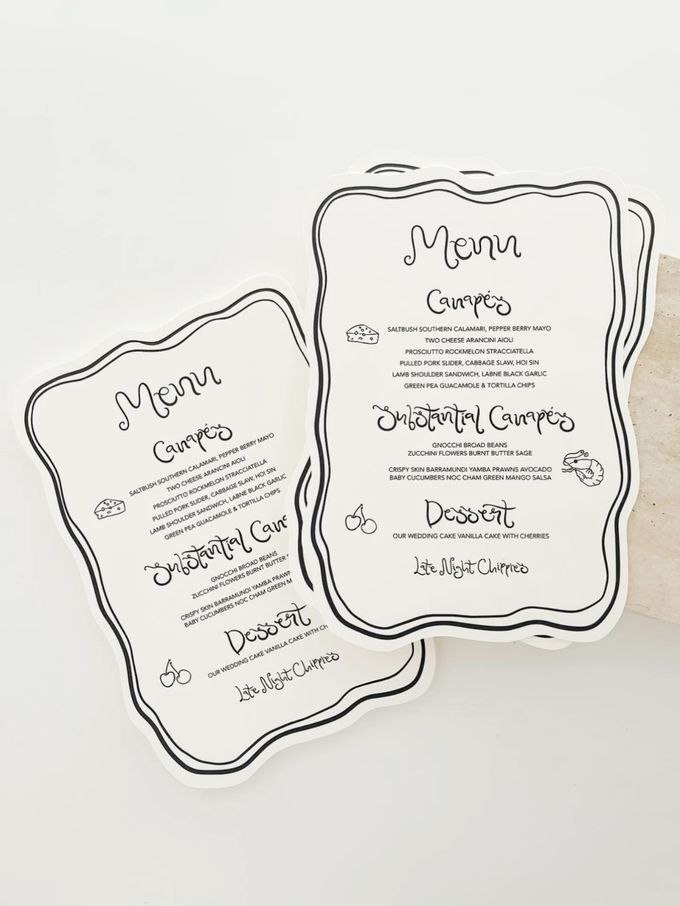
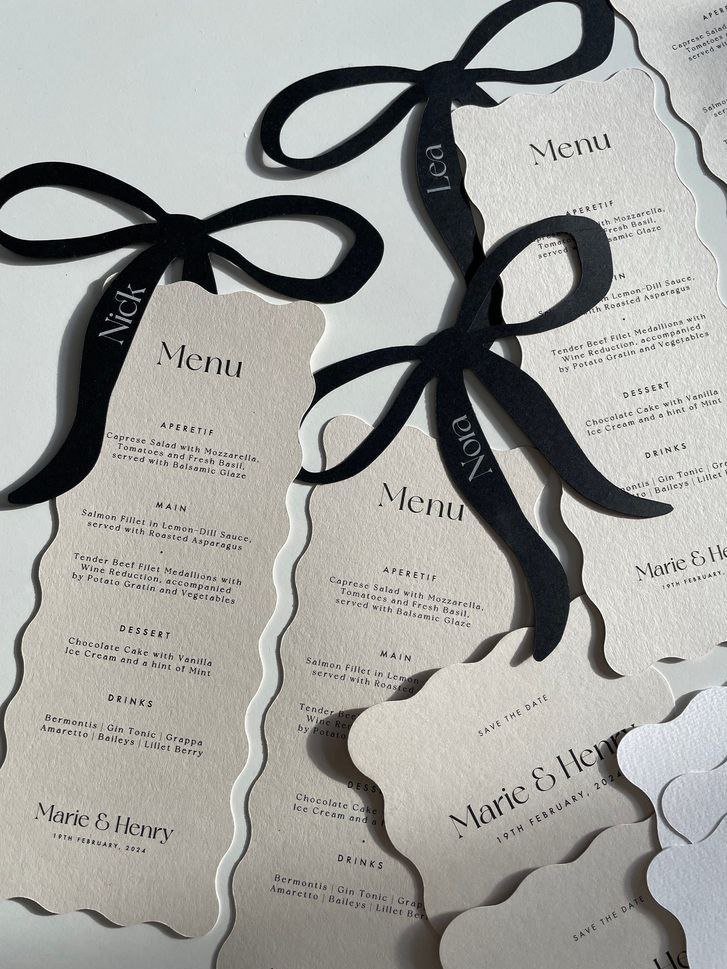
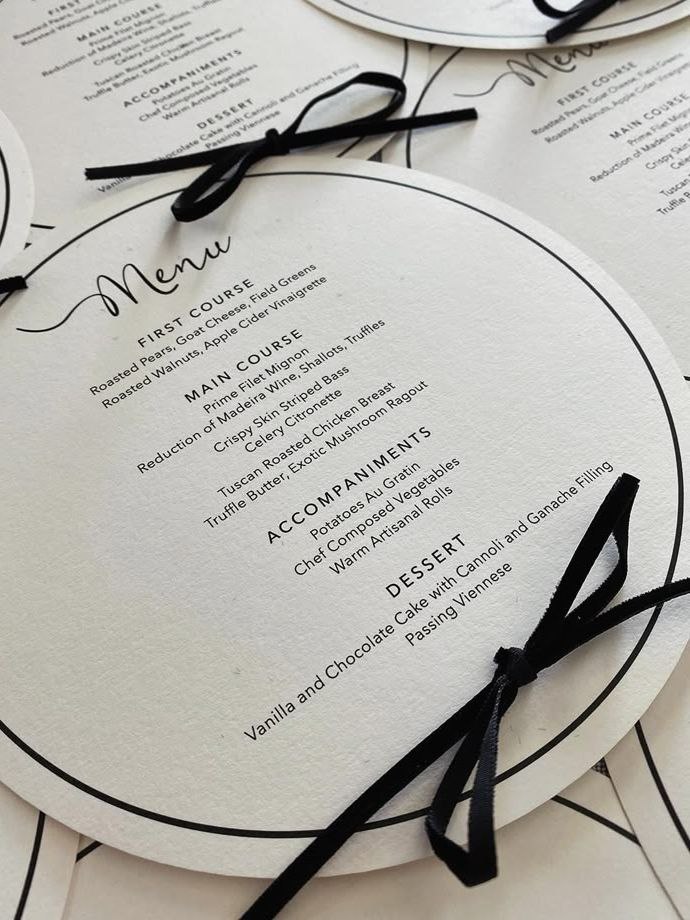
The old-world elegance of this style translates beautifully to contemporary celebrations when executed with restraint and quality materials. Scalloped or die-cut edges create architectural interest without being overwhelming, while black silk or velvet ribbon ties add a luxurious tactility that guests will immediately notice. Gold foil monograms, positioned thoughtfully rather than centred, lend an heirloom quality to wedding menu cards that feel collected rather than designed yesterday. The key to making a Renaissance-inspired wedding menu card design feel modern rather than costume-like lies in restraint. Choose one or two period elements, such as the scalloped edge and ribbon, rather than layering every available flourish. Premium cardstock with a subtle texture is particularly important here; guests will handle these cards physically, and weight instantly communicates quality.
Rich & Saturated Tones
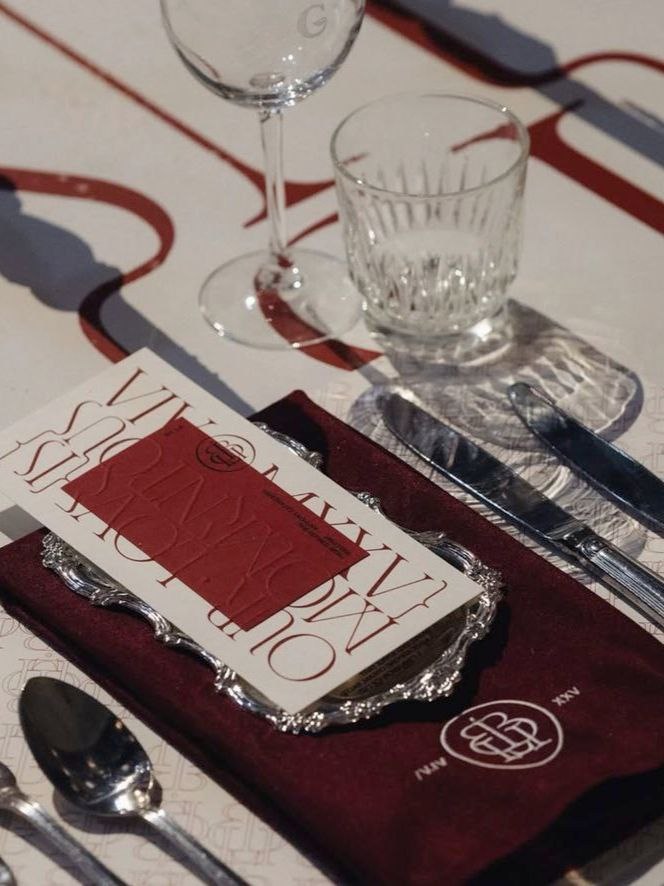
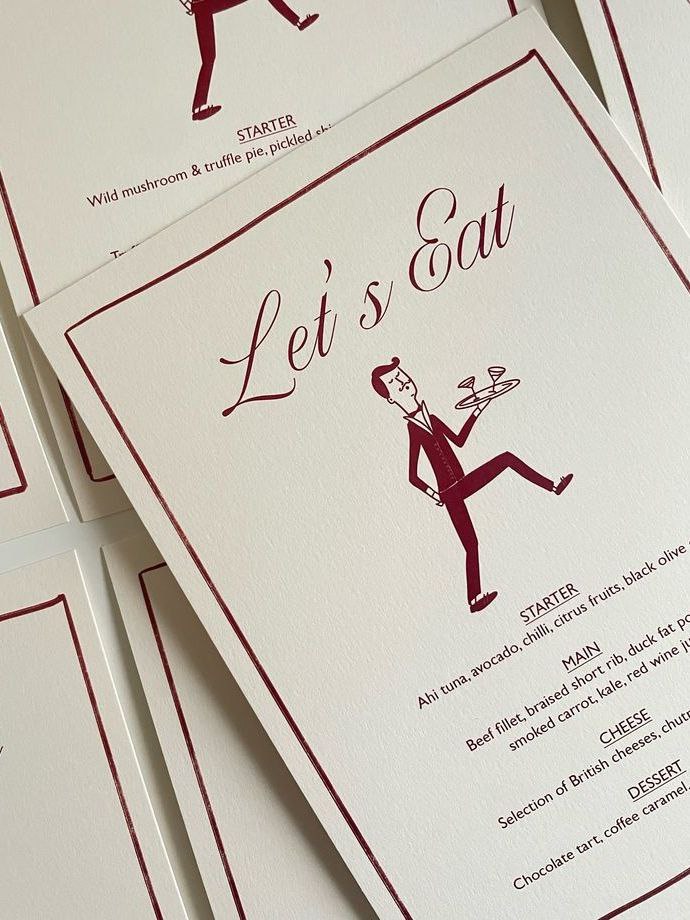
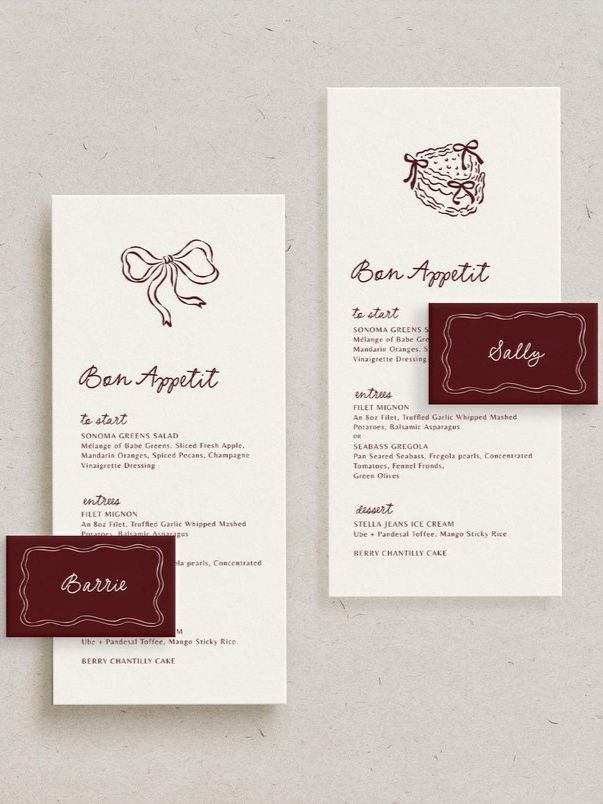
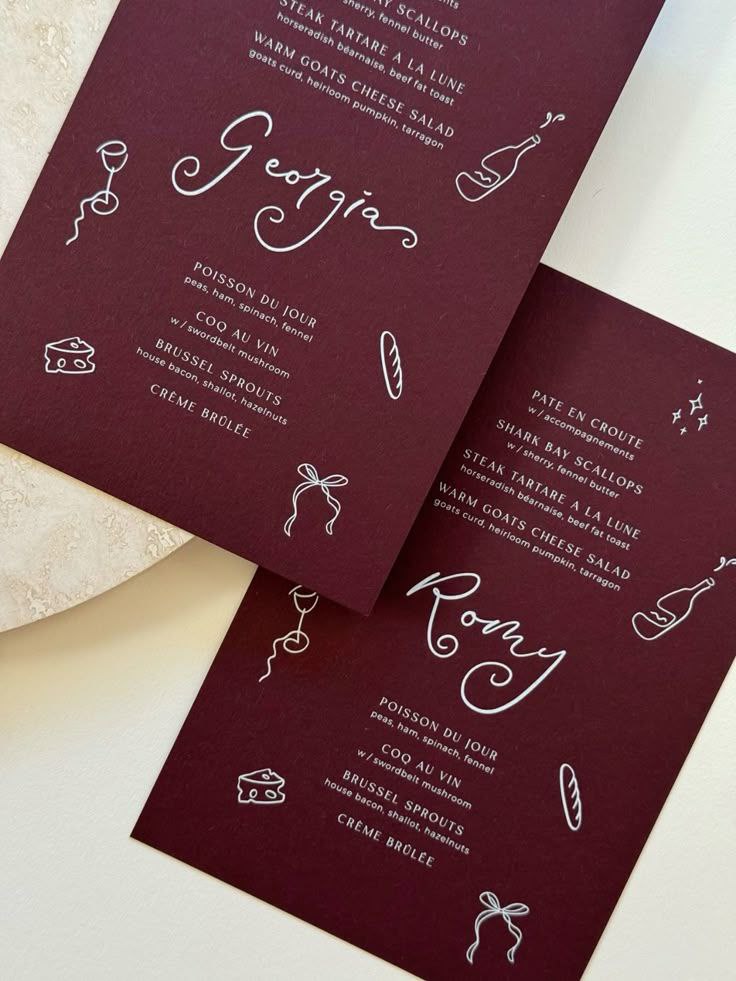
Bold colour choices can create an immediate visual impact on the reception tables and transform the wedding menu design from an informational piece to an atmospheric one. Deep burgundy, navy, forest green or plum backgrounds, paired with metallic or cream typography, set the mood even before guests read a single word. These saturated hues provide a dramatic contrast against white linens and floral arrangements, elevating the entire tablescape.
Color combinations that feel elevated:
- Burgundy + cream for classic warmth
- Navy + brushed gold for refined elegance
- Forest green + ivory for organic sophistication
- Plum + muted blush for unexpected softness
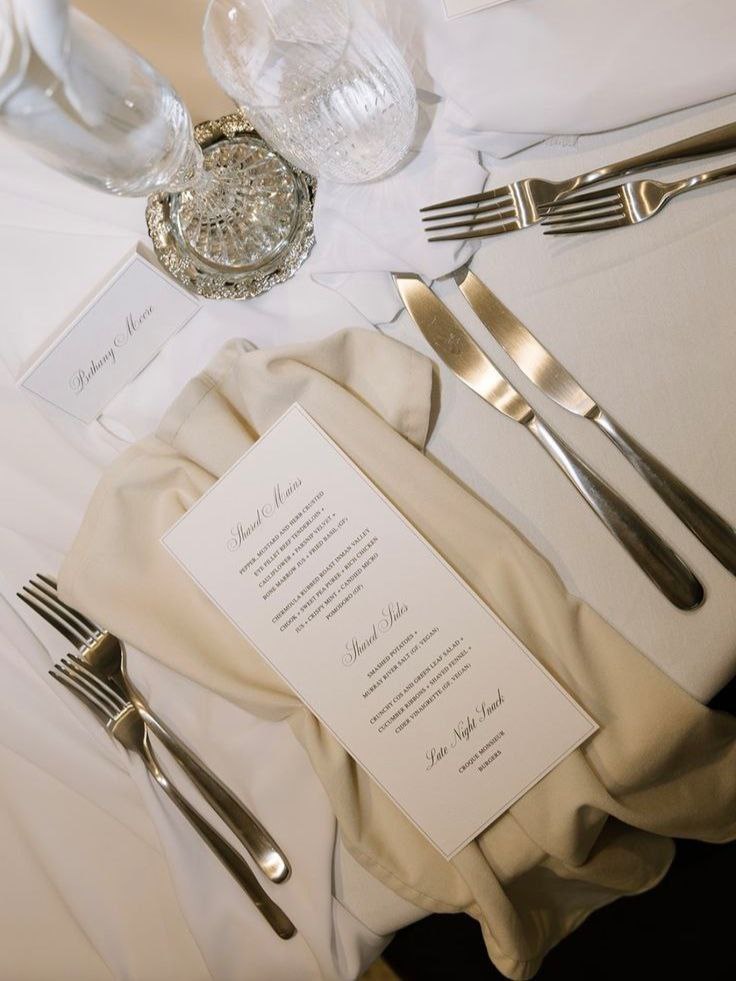
When designing menu cards for wedding celebrations with saturated tones, achieving balance is crucial. Pair your statement colour with ample white space and clean typography — the boldness should emanate from the background rather than competing decorative elements. Consider how your chosen colour interacts with the venue's lighting, as some colours can appear very different under warm restaurant lighting compared to natural daylight.
Natural & Sustainable Elegance
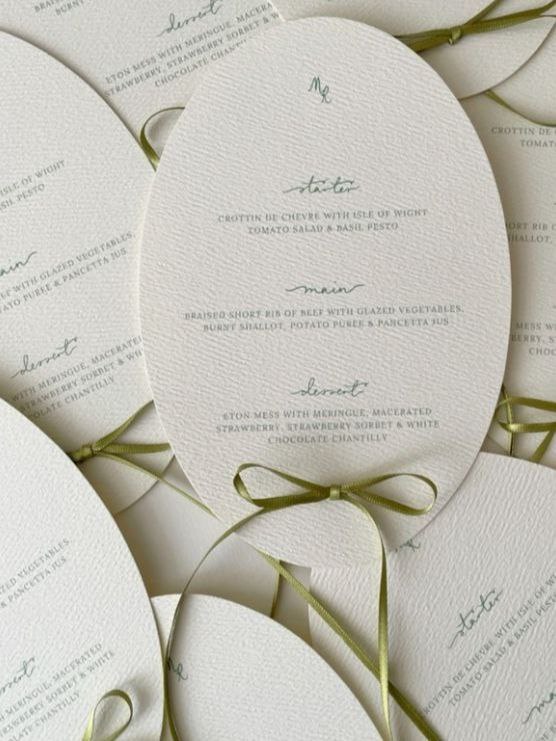
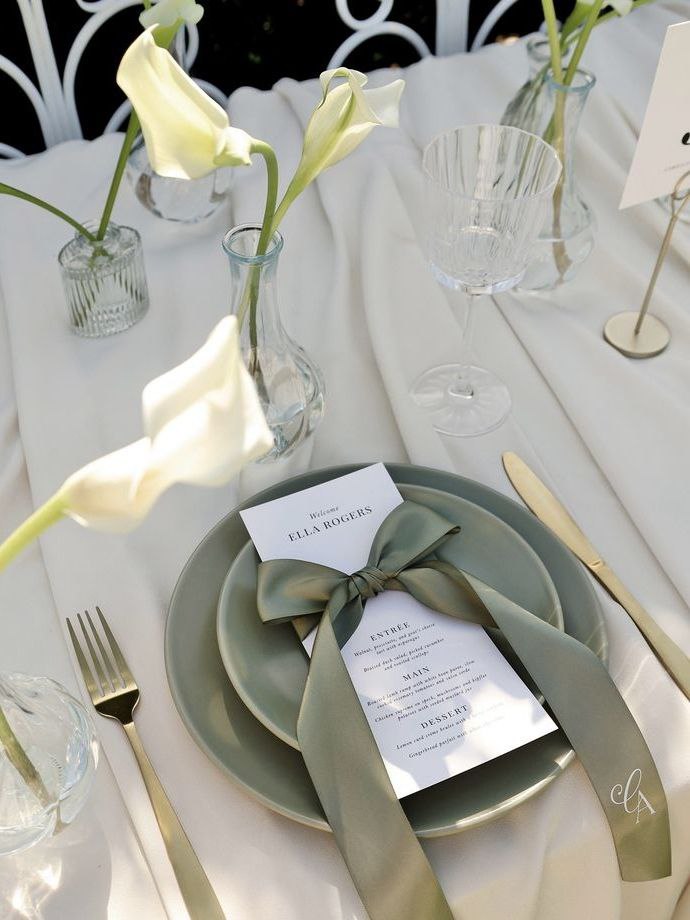
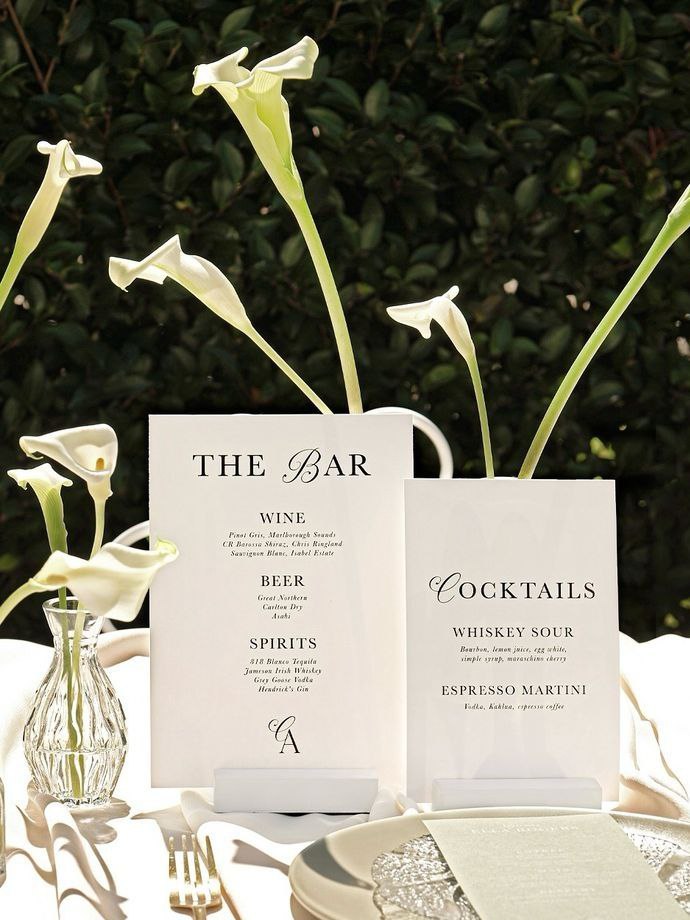
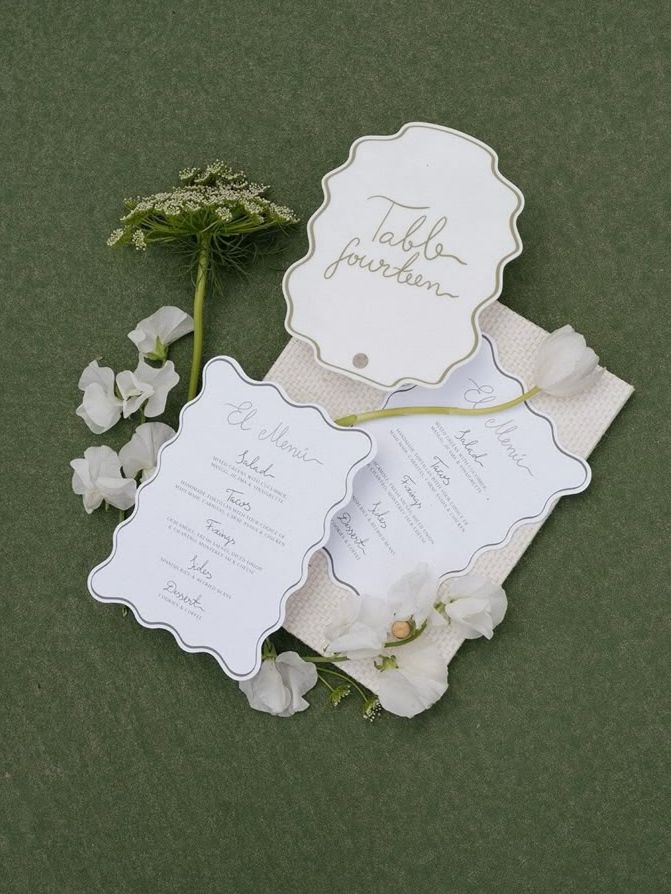
The world of organic wedding menu cards has evolved beyond obvious eco-messaging, entering a realm where sustainability meets sophistication. Seed paper, deckled edges, pressed florals and raw silk ribbons create tactile experiences that feel intentional rather than trend-driven. The appeal lies in authenticity — materials that look and feel genuinely natural, rather than attempting to imitate something else. When chosen thoughtfully, natural elements work across seasons and aesthetics. For example, consider wood grain textures for rustic venues, stone-inspired colour palettes for industrial spaces, or dried botanicals that reference your ceremony flowers. The goal isn't to loudly announce sustainability, but rather to let quality natural materials speak through their tactile presence and understated beauty in your unique wedding menu card designs.
Modern Minimalism
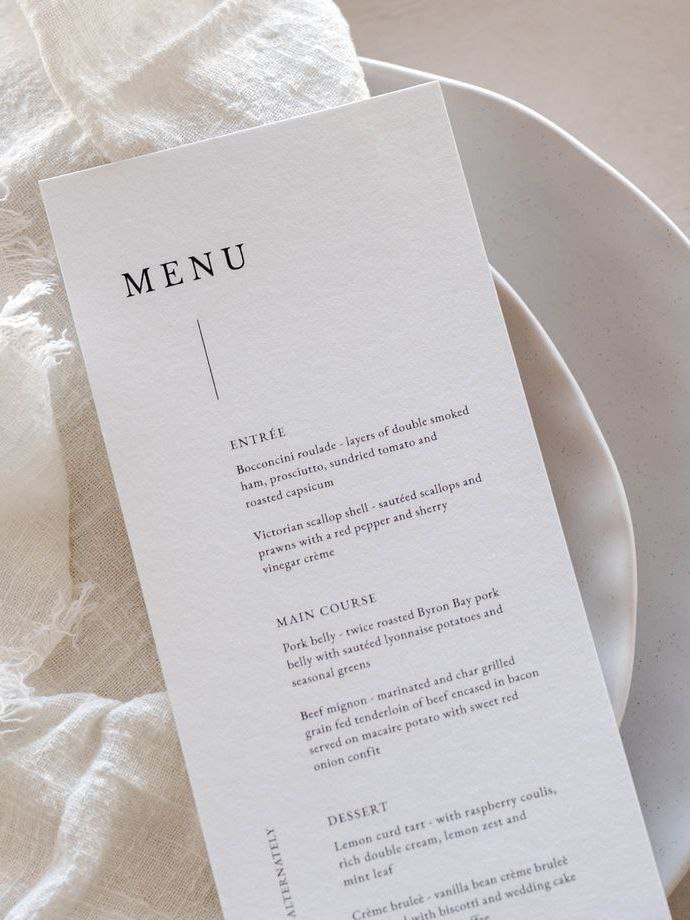
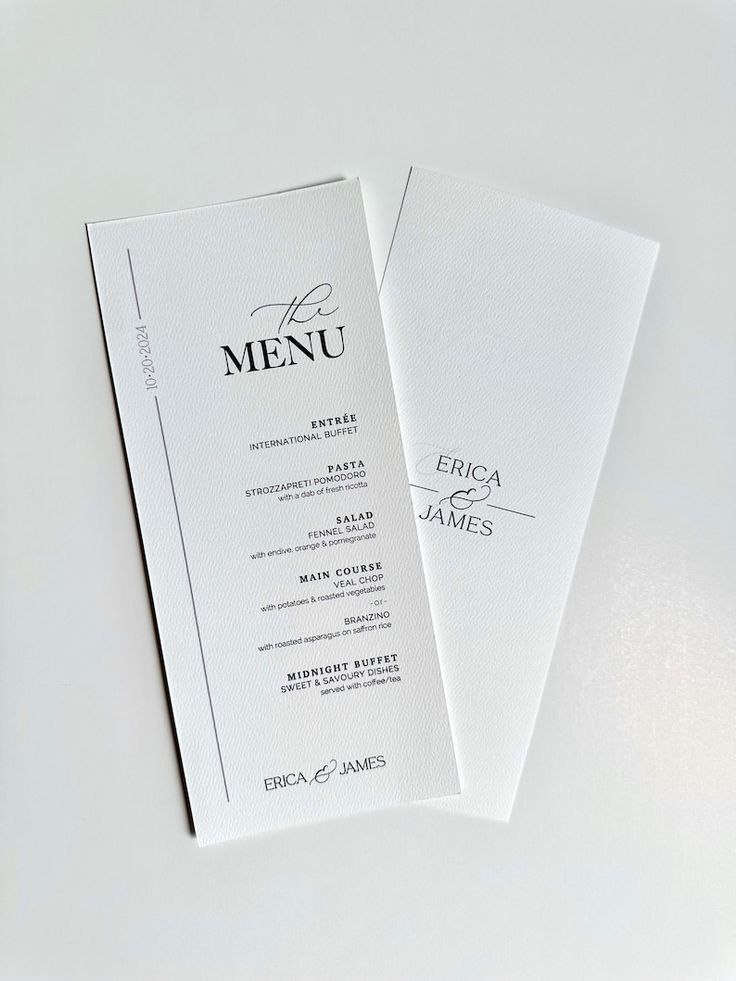
Clean lines and bold typography are the hallmarks of a minimalist wedding table menu card design that never feels cold or impersonal. The power lies in what's absent: no decorative borders or unnecessary flourishes. Instead, there is a strong typographic hierarchy and generous white space. Perhaps there is also a subtle blind emboss that reveals itself only upon close inspection. This approach allows your carefully curated menu to take centre stage, rather than competing with excessive design elements. Modern minimalism in creative wedding menu card ideas demands attention to micro-details that most guests won't consciously register, but which will definitely make an impact. Letter spacing, font weight, paper quality and ink saturation all become paramount when working with such restraint. Choose fonts with a distinct personality, such as a modern serif with interesting terminals or a clean sans-serif with carefully considered proportions. The result should feel effortless yet intentional, simple yet refined.
Choosing the Right Menu Card Style
| Style | Best For | Visual Mood |
|---|---|---|
| Renaissance | Formal ballroom weddings | Regal, romantic |
| Bold Saturated | Autumn or winter receptions | Dramatic, rich |
| Natural Organic | Garden or outdoor weddings | Soft, tactile |
| Minimalist | Modern venues | Clean, refined |
| Retro Warm | Spring & summer celebrations | Joyful, nostalgic |
Italian Romance
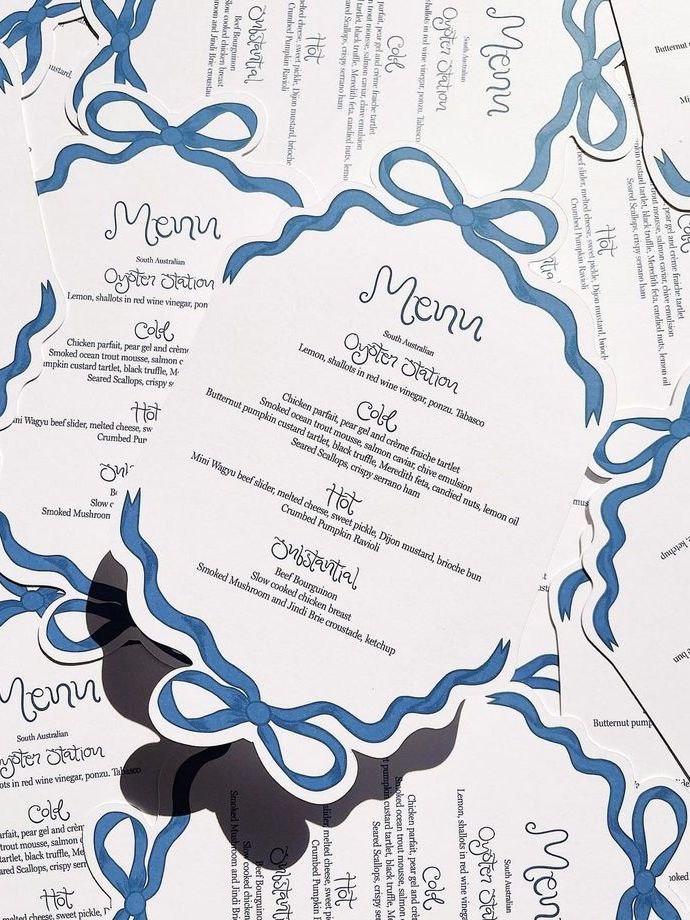
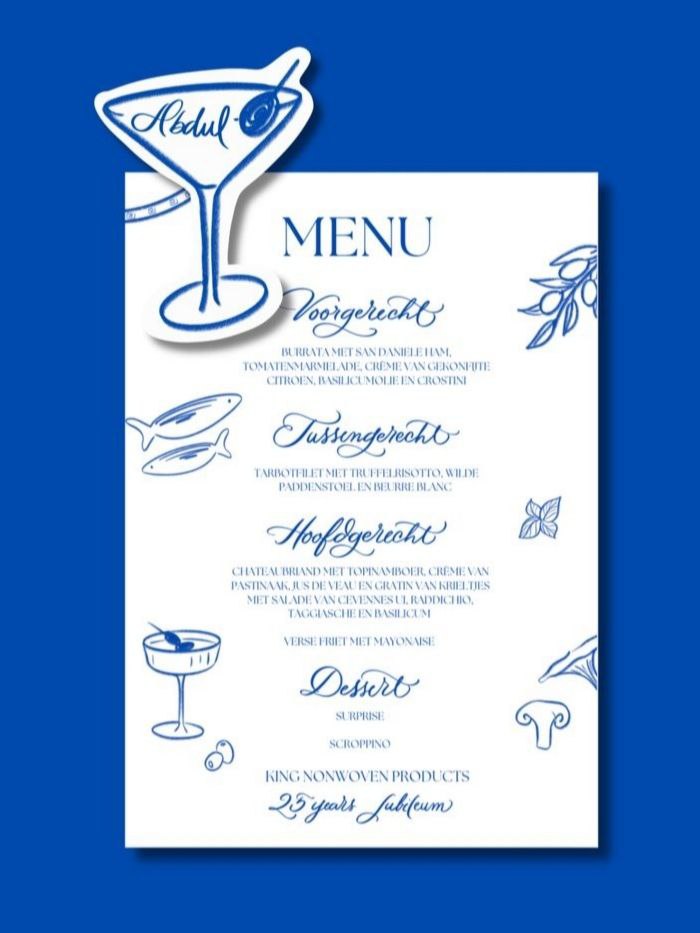
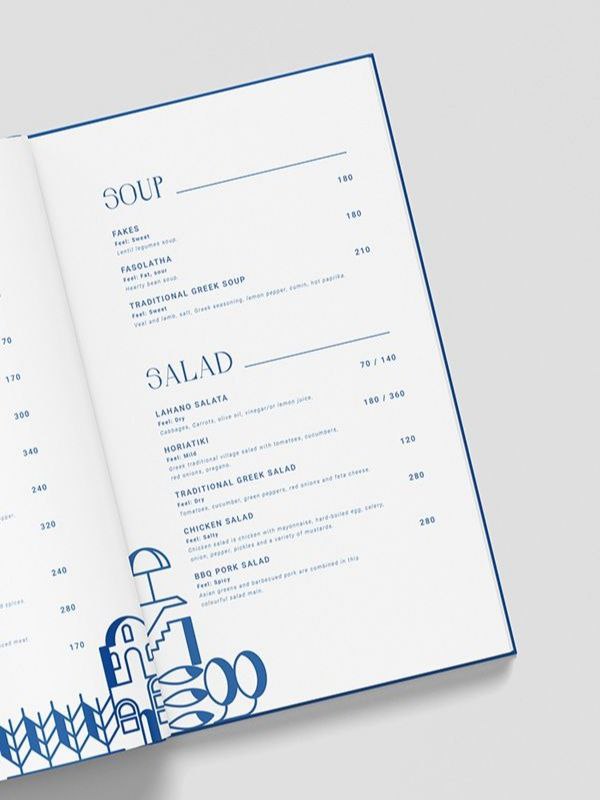
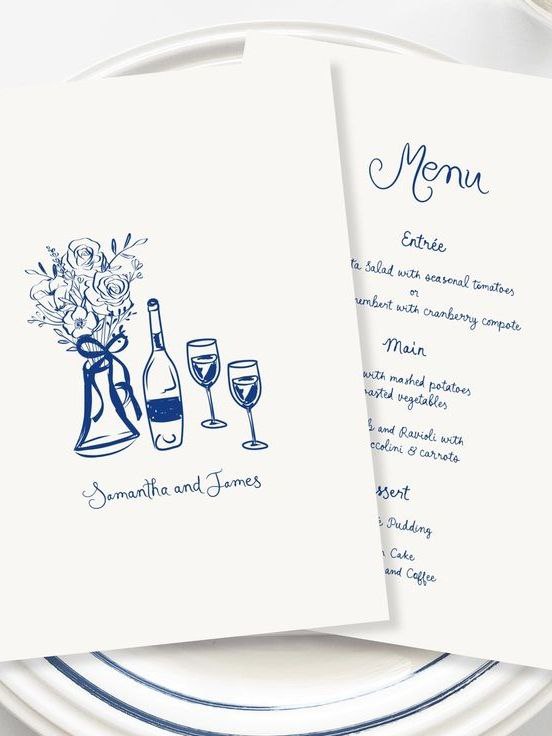
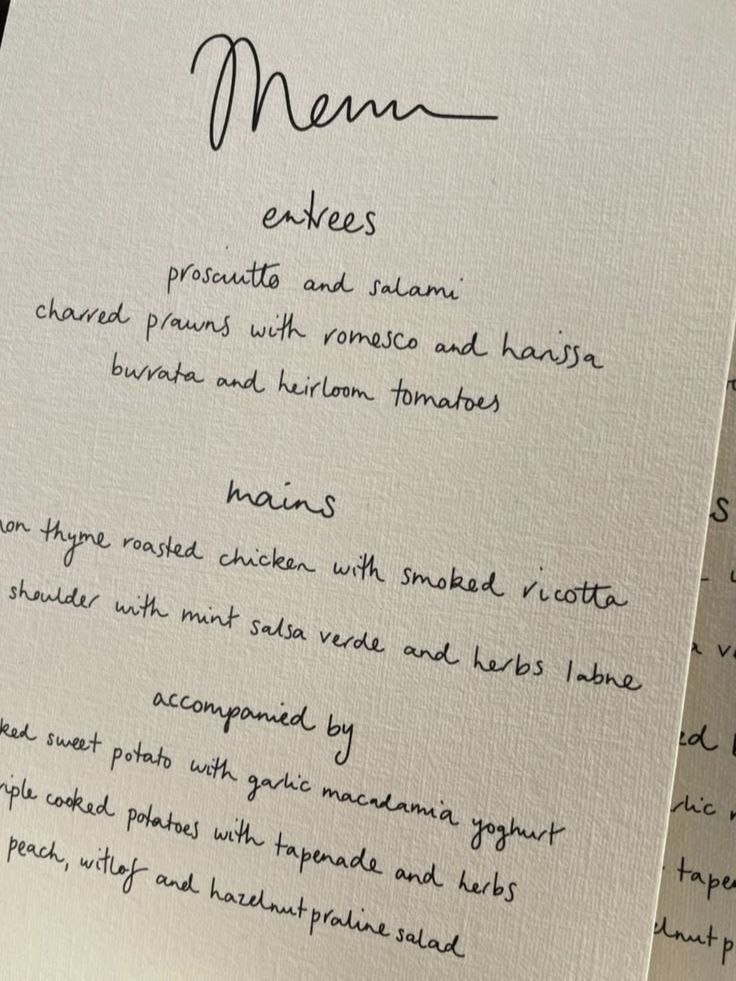
These Mediterranean-inspired wedding menu cards establish the atmosphere through thoughtful details rather than obvious motifs, transporting guests before the first course arrives. Wine pairing notes enhance the dining experience, while olive branch line art adds a touch of subtle elegance. Cream paper stock, which is warmer than bright white, paired with handwritten-style calligraphy, creates a 'la dolce vita' feeling without veering into theme territory. The sophistication of Italian-inspired menu cards for wedding celebrations lies in restraint. Rather than filling cards with vineyard illustrations or obvious Tuscan references, suggest Mediterranean elegance through typography choices, warm paper tones and perhaps one beautifully rendered botanical element. If they feel authentic to your menu and celebration style, consider incorporating regional wine terminology or Italian course names.
Soft Color Story
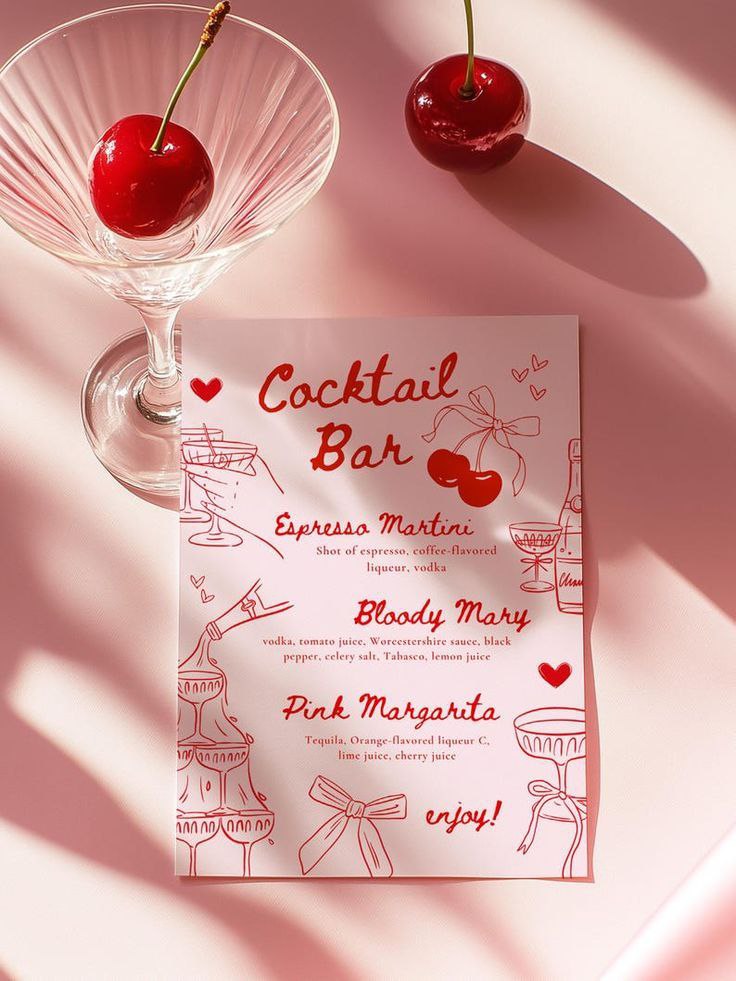
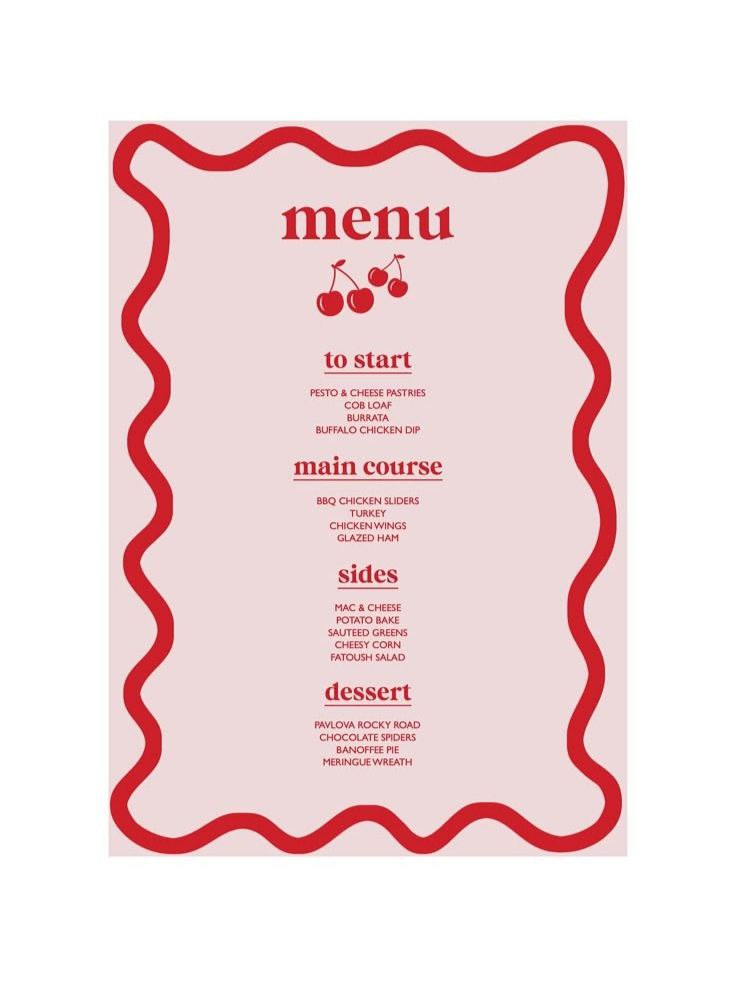
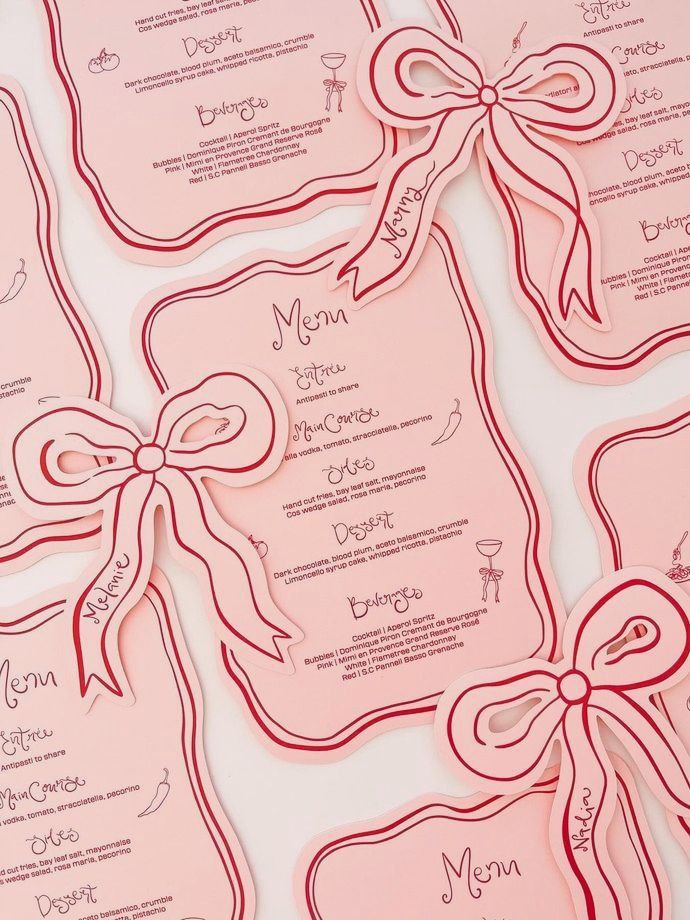
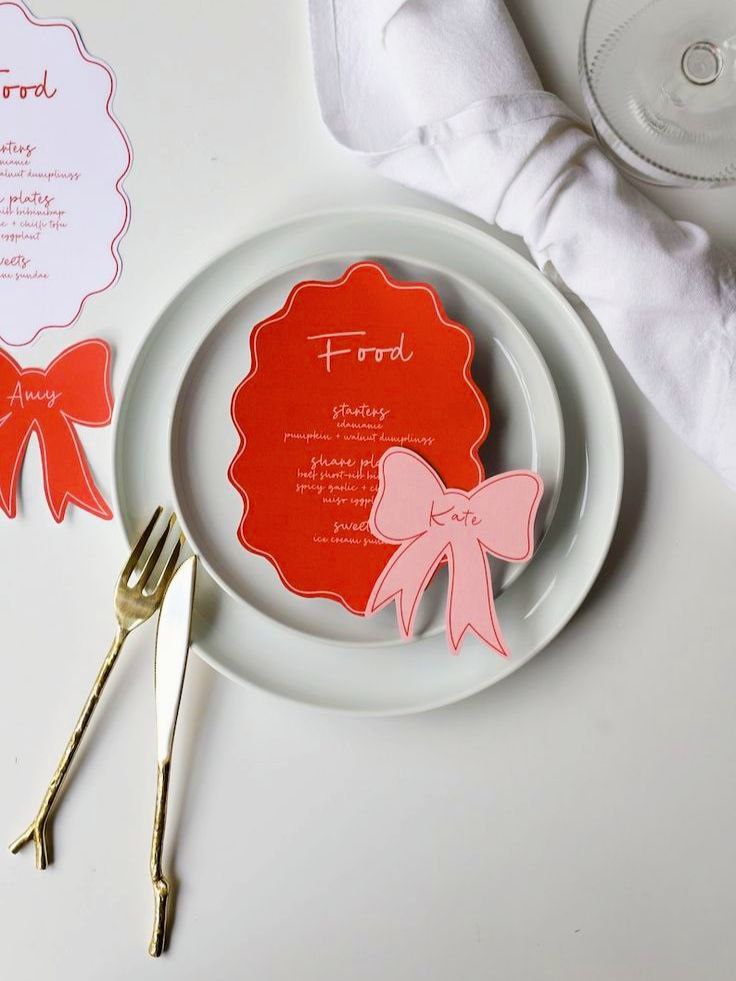
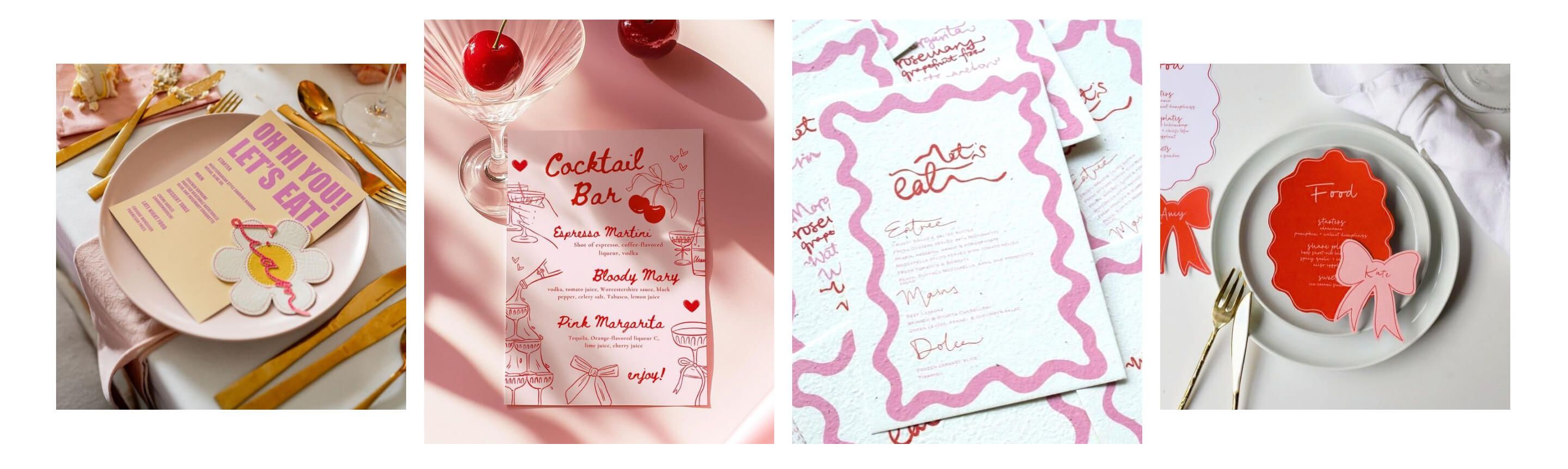
Tonal palettes create visual interest through subtle gradation rather than high contrast, resulting in wedding dinner menu card designs that feel contemporary and refined.
Tonal design elements:
- Monochrome palette layering for sophisticated depth without jarring transitions
- Tonal pinks or terracotta creating warmth without excessive sweetness
- Illustrated motifs rendered in same color family for cohesive storytelling
- Matte finish over gloss for understated elegance that photographs beautifully
Unique menu card designs for wedding in soft colours work across seasons when you choose hues thoughtfully. Dusty sage and olive tones suit autumn and winter celebrations, while pale peachy terracottas and warm neutrals are more fitting for spring and summer. The key is to maintain enough contrast for readability while achieving that coveted monochromatic sophistication that looks editorial rather than decorative.
Bold Statement Cards
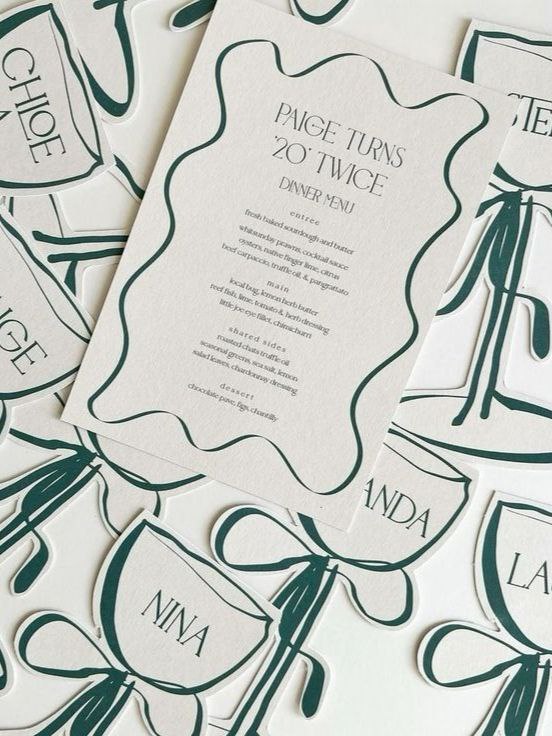
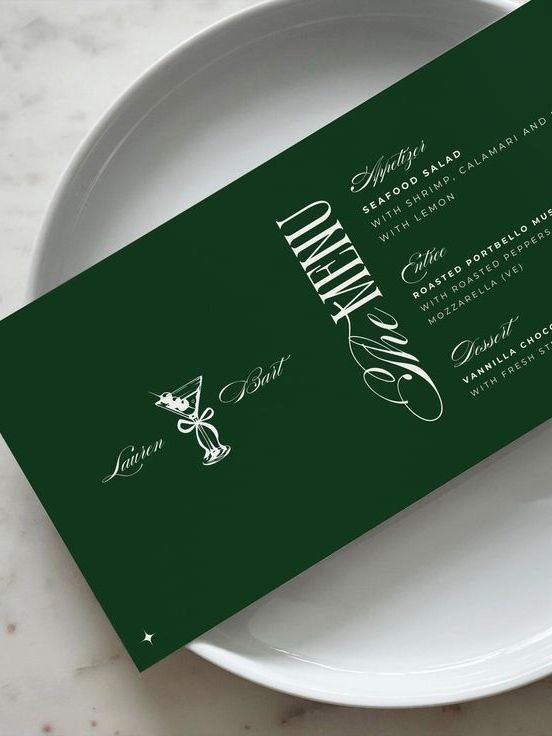
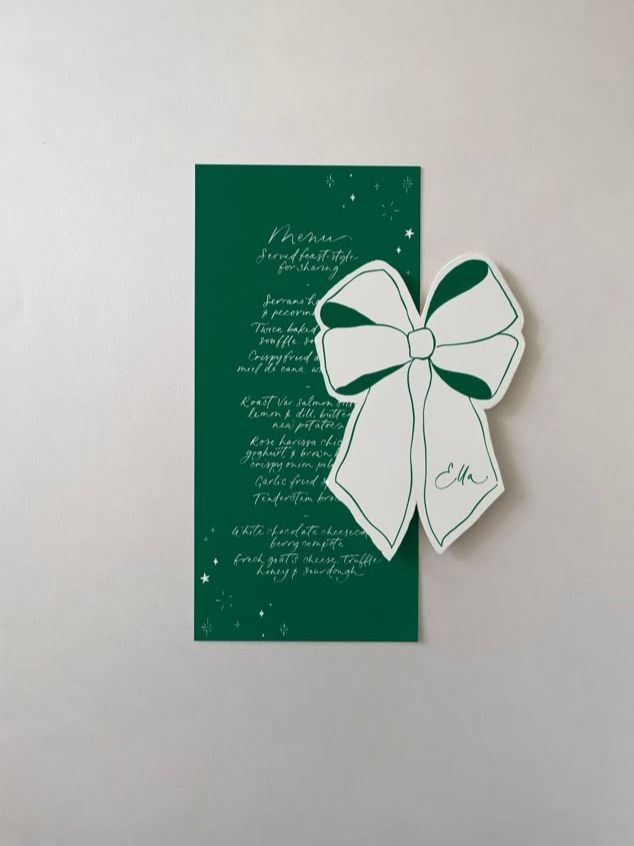
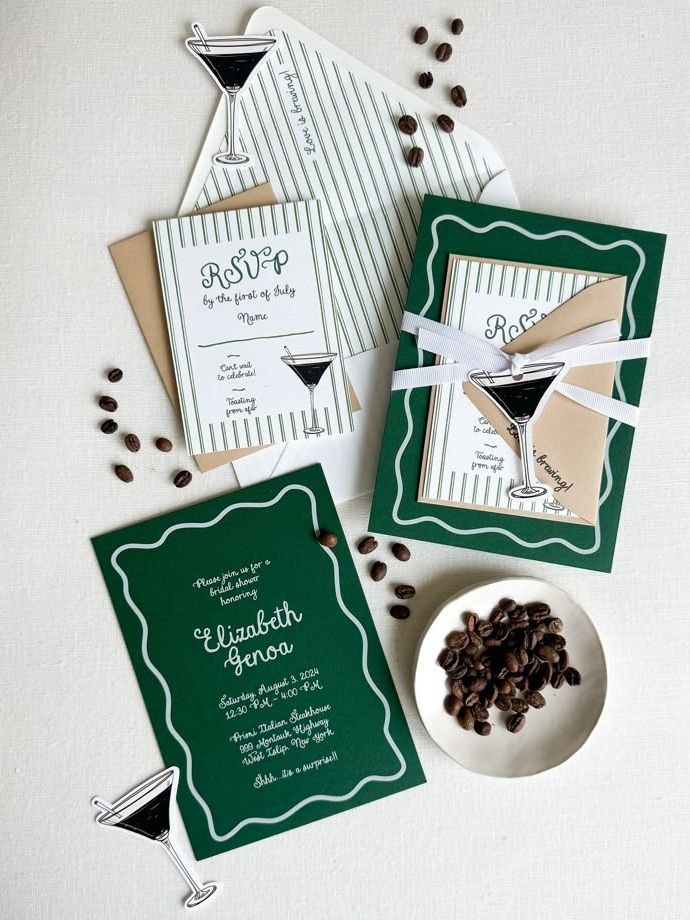
Daring colour choices require confidence, but when used sparingly, striking wedding reception menu cards become talking points. Deep emerald bases paired with high-contrast white ink create a striking visual impact without compromising readability. Clean serif typography and minimal decorative elements prevent these designs from feeling overwhelming; the boldness comes from the colour choice alone. Bold doesn't mean busy. The most successful examples of statement wedding menu cards use saturated background colour as their primary design element and exercise restraint everywhere else. The typography should be clean and highly legible; white space should balance the intensity; and any additional design elements should be minimal. Consider how your bold choice will photograph — deep jewel tones often appear even richer in professional wedding photography, creating stunning visual moments that your photographer will love to capture.
Playful Retro Warmth
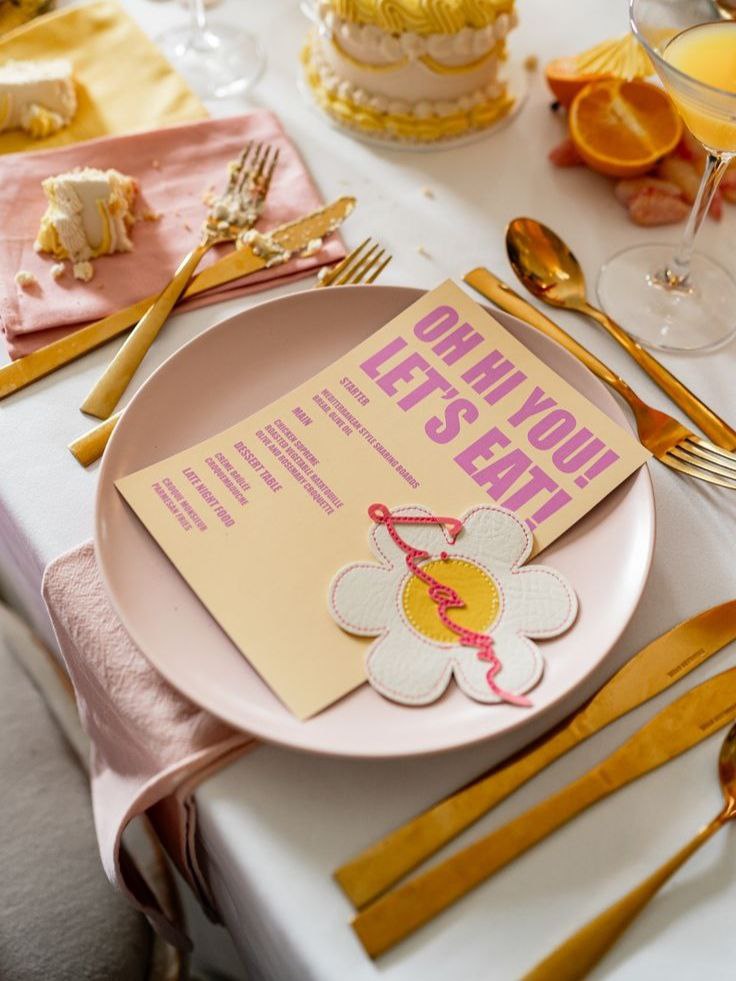
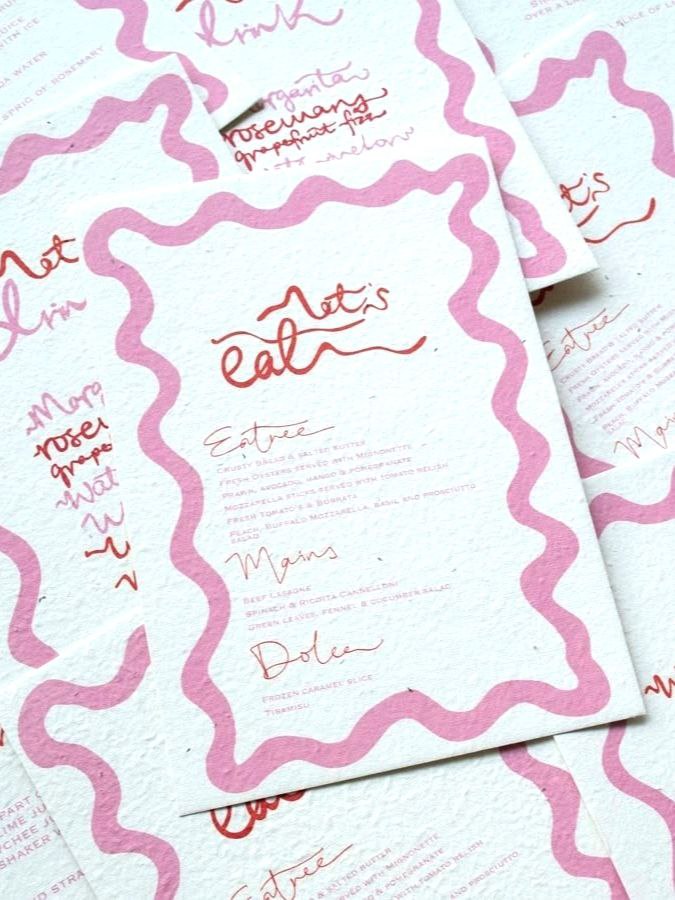
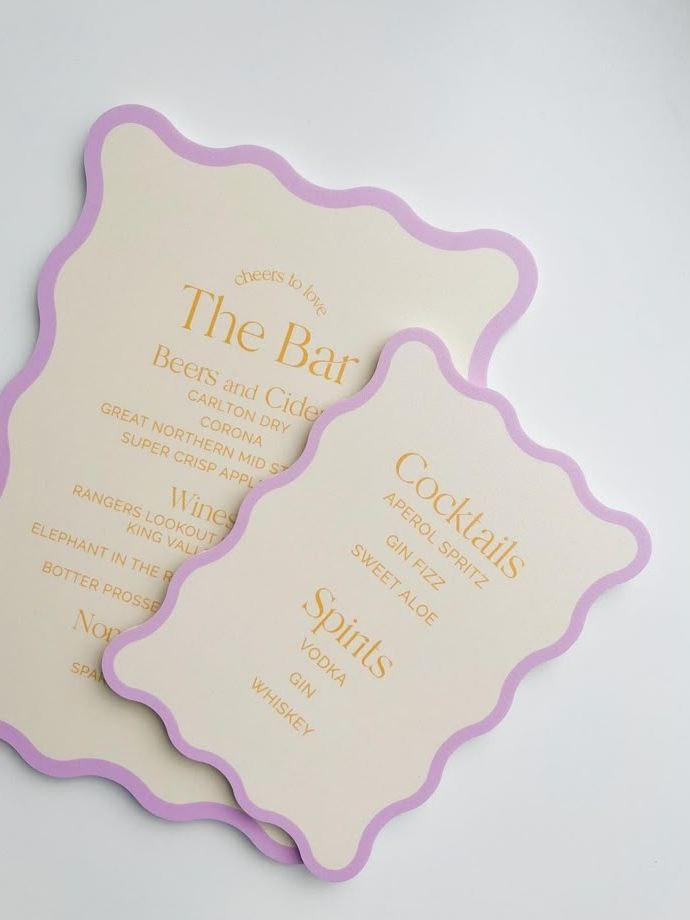
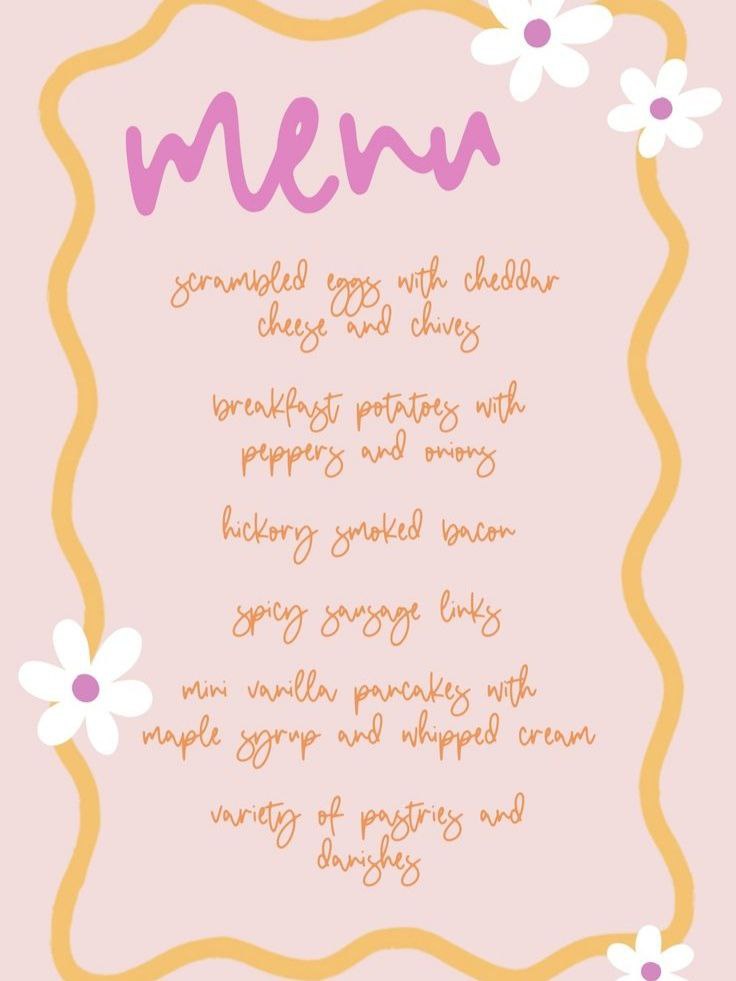
Vintage-inspired aesthetics feel fresh again when approached with a modern sense of restraint. Butter-yellow or soft marigold backgrounds, paired with curved typography, create a nostalgic warmth without compromising on sophistication. Subtle graphic accents, such as a simple line drawing or geometric border, add personality, and a balanced composition prevents these wedding menu header ideas from looking overly busy or costume-like. These creative wedding menu card ideas exude retro warmth and are perfect for spring and summer celebrations, garden parties, or couples whose aesthetic leans towards vintage markets and sunlit optimism. The challenge lies in achieving the perfect balance: nostalgic enough to feel intentional and restrained enough to feel refined. Choose one or two vintage elements, such as curved typography and a warm colour, rather than layering multiple retro references that could make it look themed rather than tasteful.
How to Make Your Menu Cards Feel Elevated
With a little thought, cheap wedding menu cards can look anything but budget-conscious. The context in which they are presented, what they are paired with and how they fit into your overall table design can elevate them as much as the cards themselves.
Styling strategies that create impact:
- Layer them with name cards for dimensional interest and visual hierarchy
- Use mixed textures—linen napkins, velvet ribbons, raw silk—so cards feel part of a curated composition
- Keep typography intentional with clear hierarchy and generous spacing that feels confident
- Think about lighting at your venue—certain colors and finishes photograph differently under warm restaurant lighting versus natural daylight
- Coordinate with flatware and linen so cards feel integrated rather than afterthought additions
Even simple printed cards can look sophisticated when presented as part of a carefully arranged place setting. Consider the journey from across the room to being held in the hand: does your card create visual interest from a distance and reward closer inspection? This layered approach to design and styling transforms functional pieces into memorable details that guests will actually notice and appreciate.
Wedding menu cards have evolved from being purely functional necessities to design opportunities that set the tone for your entire dining experience. Whether you're drawn to the elegance of the Renaissance era, with its scalloped edges and velvet ribbons; the immediate visual impact of bold, saturated tones; or the minimalist restraint that allows typography to take centre stage, the right menu card design for your wedding celebration will reflect your aesthetic sensibilities and elevate your tablescape. The most successful creative wedding menu card designs share common principles: quality materials that feel substantial; clear typographic hierarchy; and thoughtful integration with your broader wedding design. From designs featuring natural textures to bold colour statements, each approach offers personalisation opportunities that feel authentic. Consider these cards as tangible expressions of the care you've invested in creating a memorable experience for your guests, and as beautiful details that will look stunning in your wedding photographs for years to come.