Texas
Texas weather is part of the experience - warm evenings that stretch long into the night, spring bluebonnets blanketing the Hill Country, and autumn skies so wide and clear they make you feel genuinely small in the best possible way.
Texas doesn't do anything quietly. Weddings here tend to be generous - in scale, in warmth, in the food, in the dancing. But there's nuance too. The Texas Hill Country has a soft, almost European quality in spring. Marfa exists in its own artistic universe. San Antonio's River Walk carries centuries of layered history. Texas rewards couples who are willing to explore beyond the obvious and claim a corner of it as entirely their own.
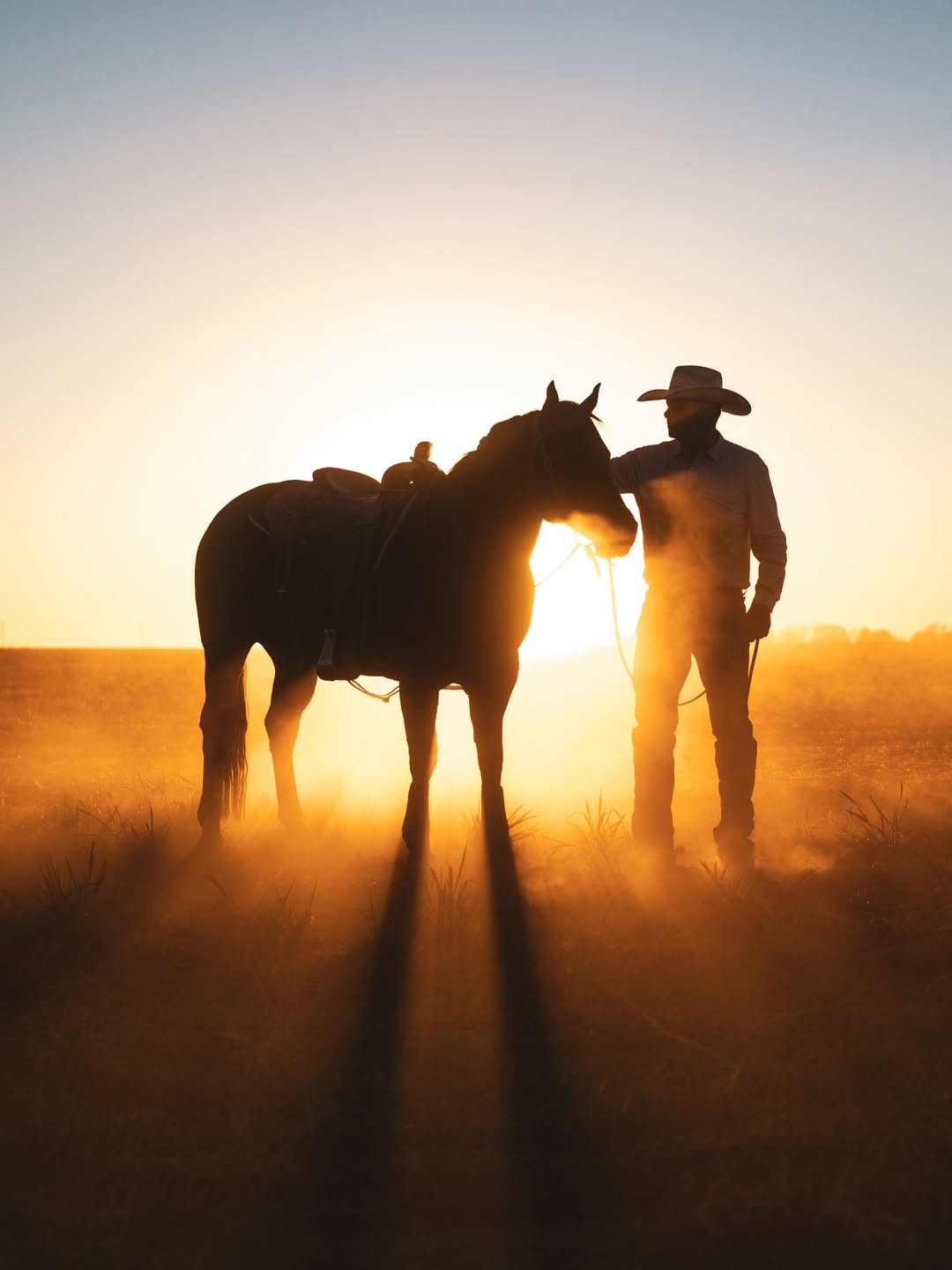
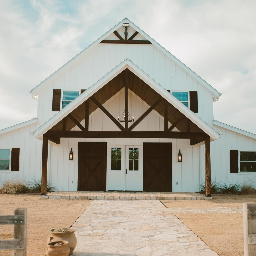
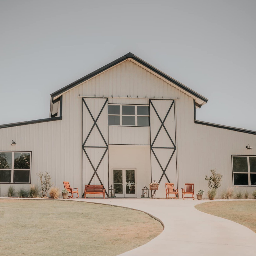
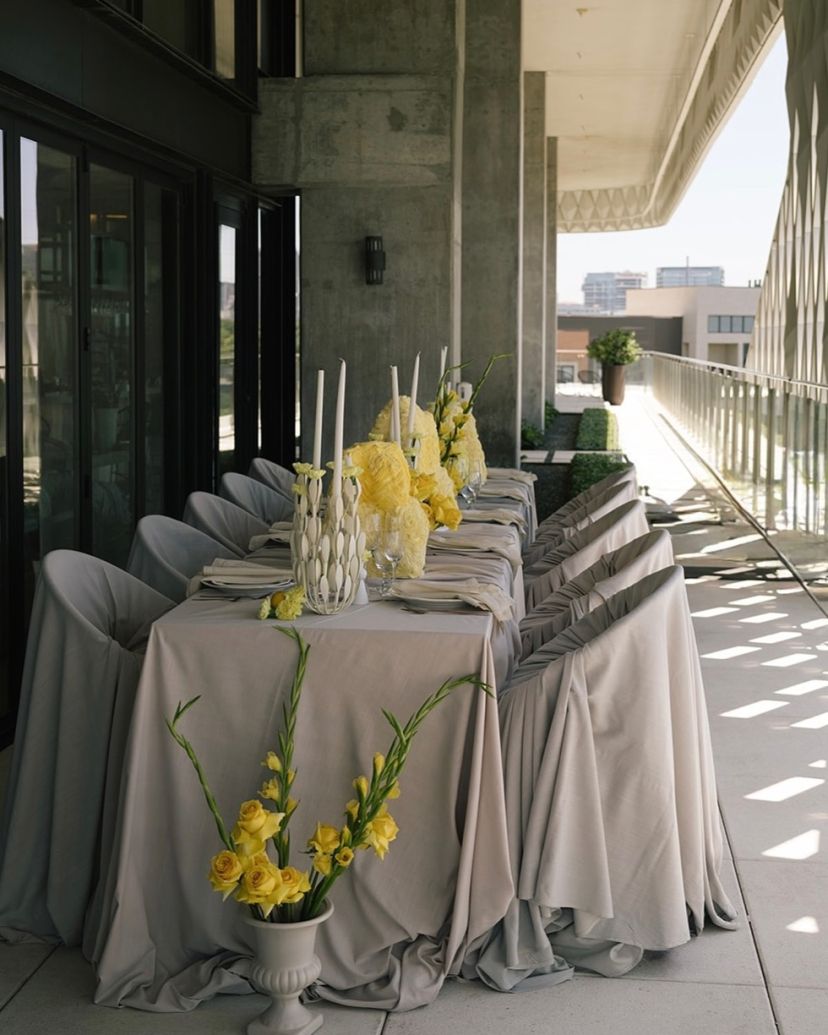
Texas vendors are fluent in scale and hospitality. Work with planners who can coordinate 300 guests on a working ranch without missing a single detail, photographers who were born knowing how to shoot against a burnt-orange Hill Country sunset, and venues that range from converted Hill Country barns to sleek downtown Dallas towers with views that stretch to the horizon.
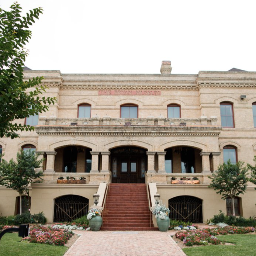
 Galveston
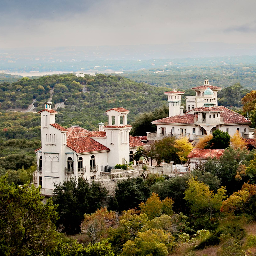

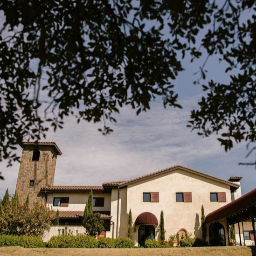
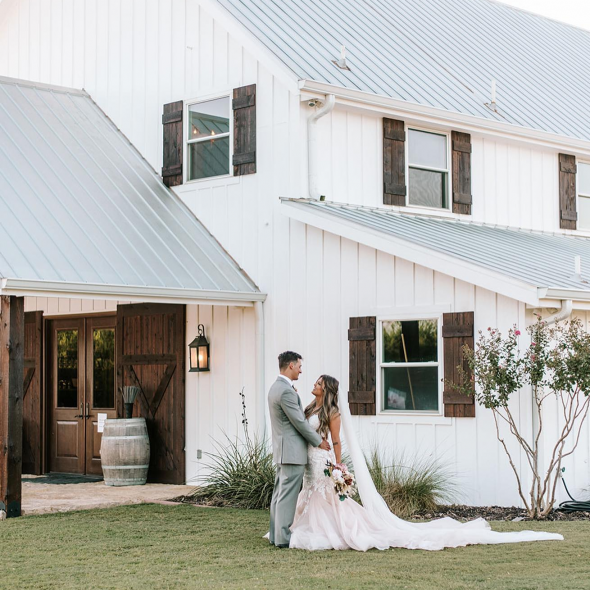




 Dallas

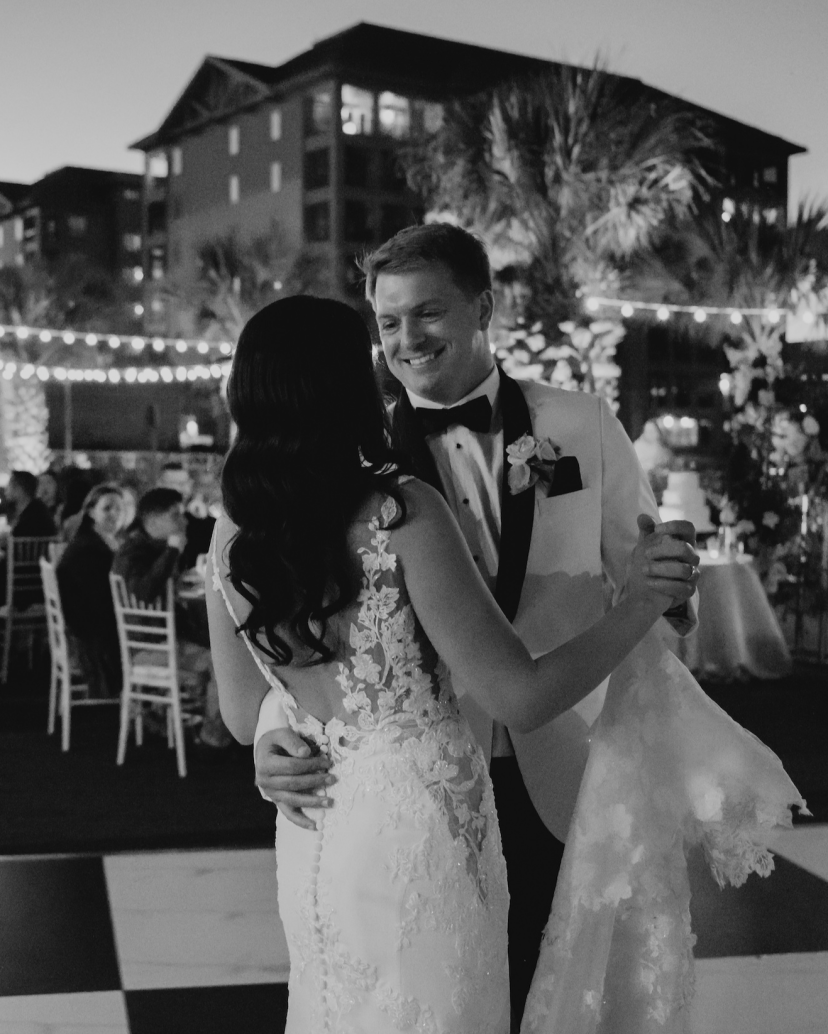

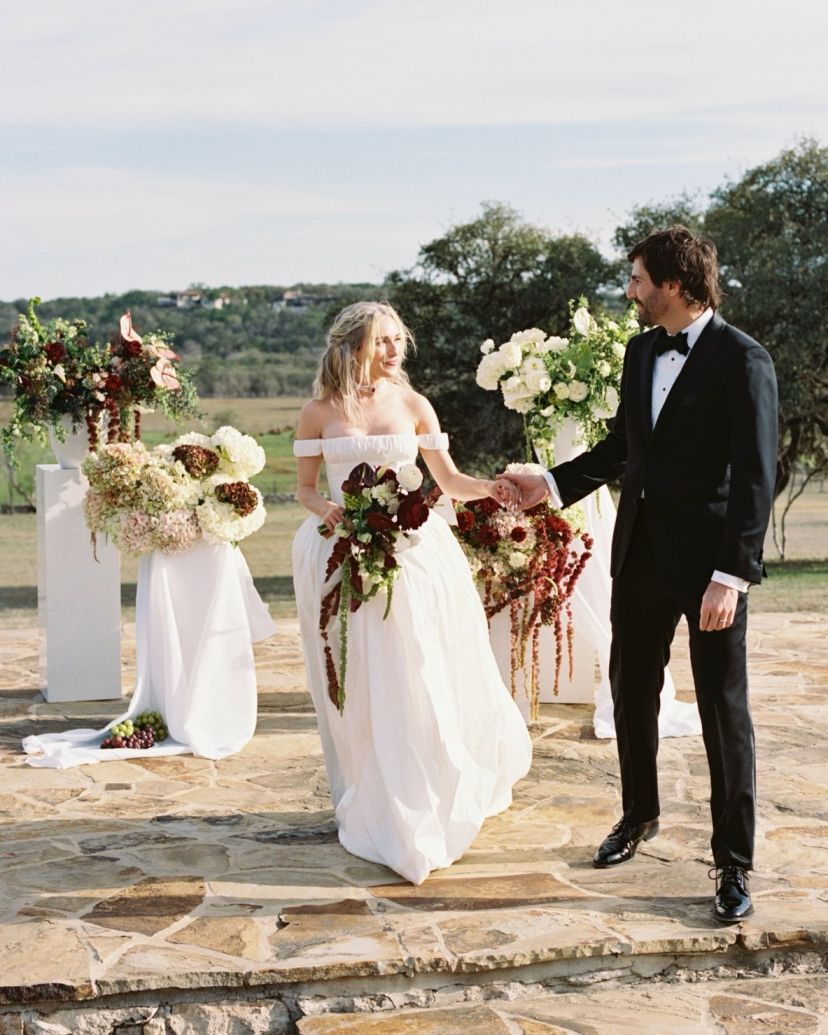


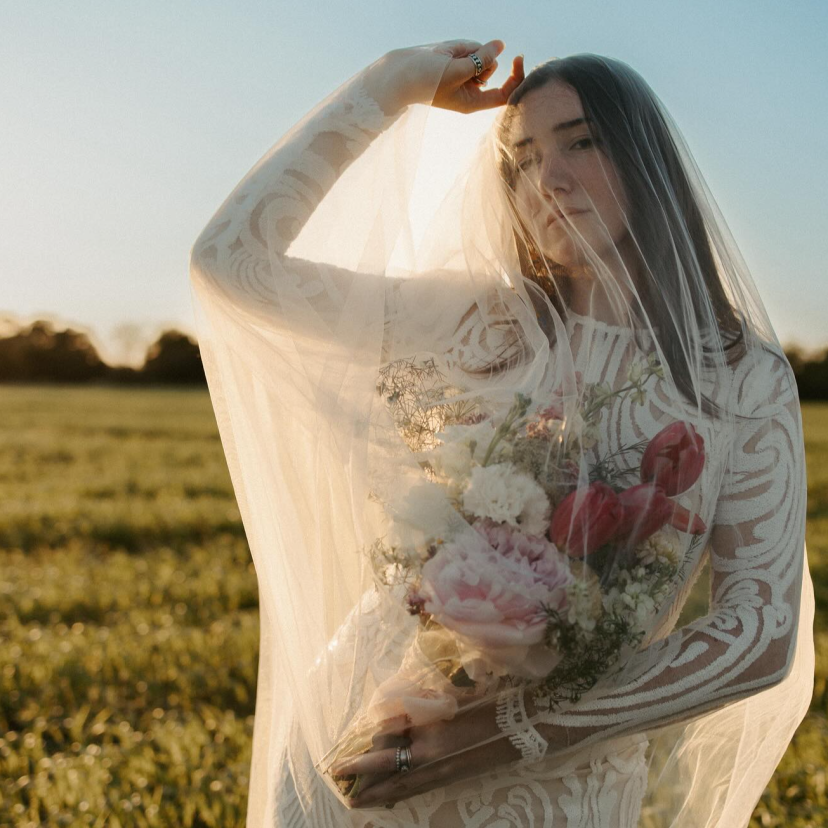
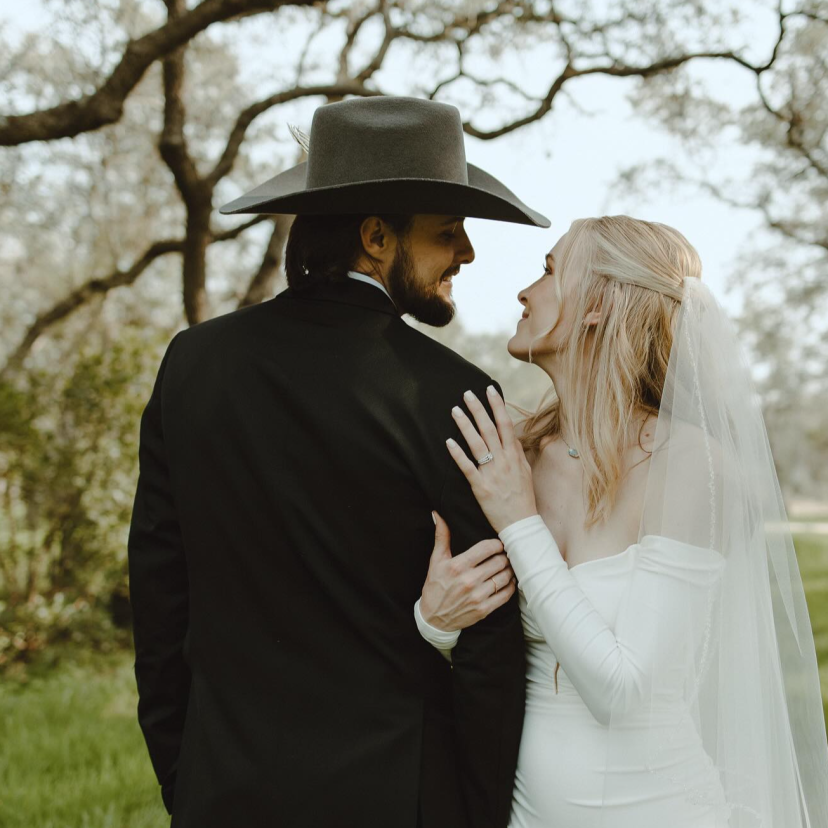
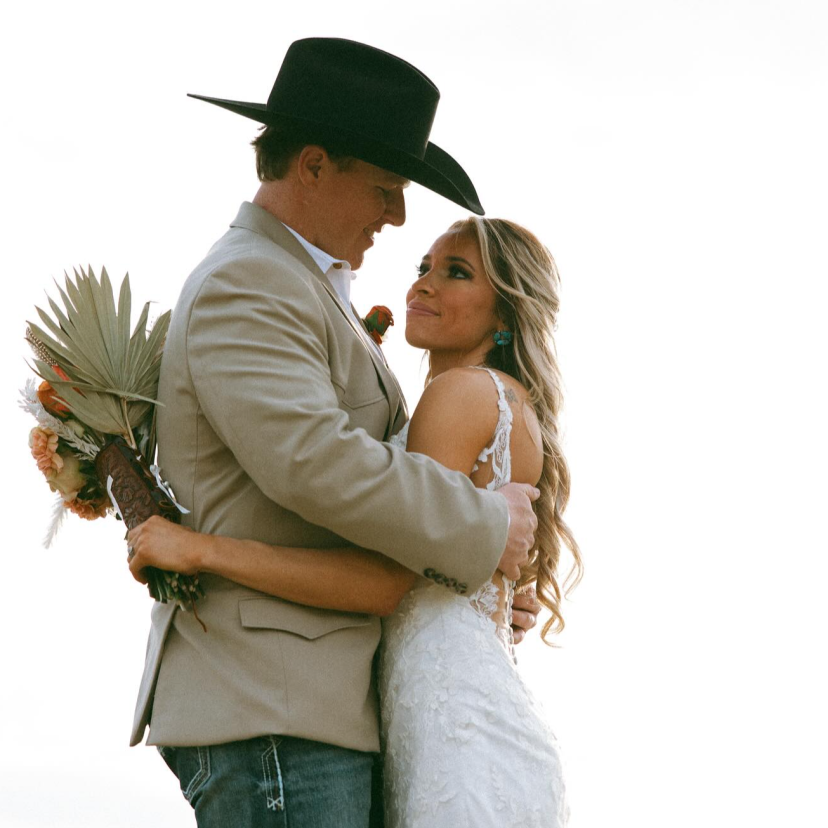
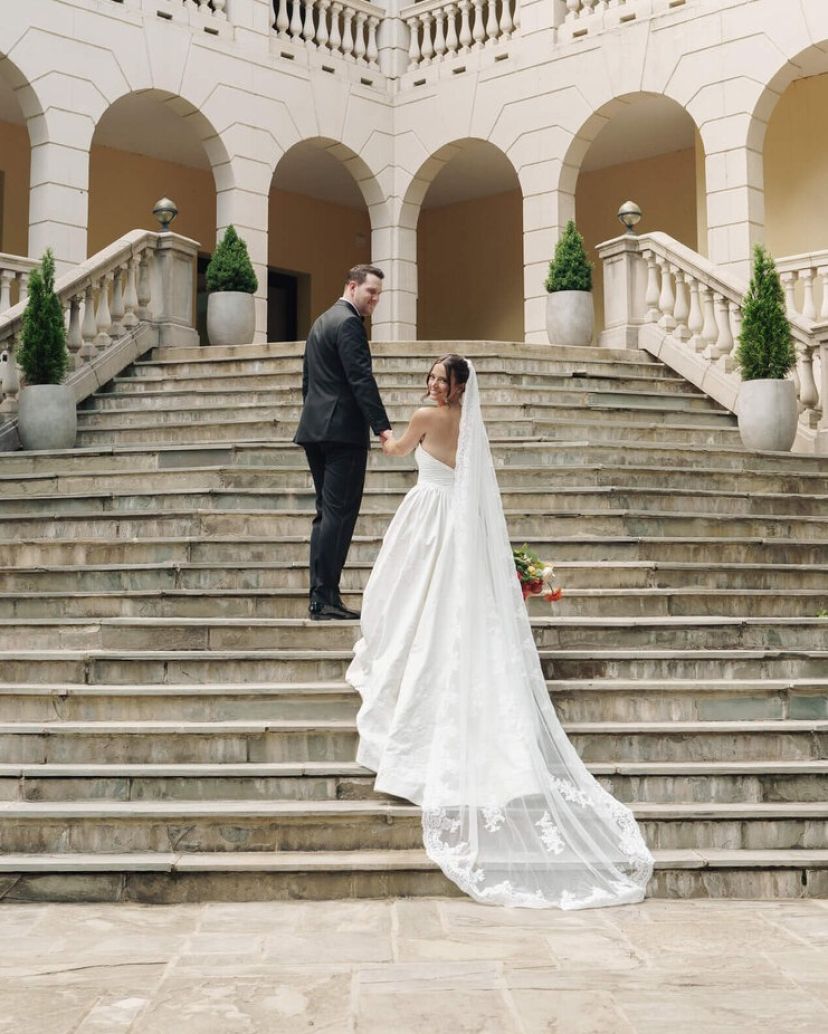
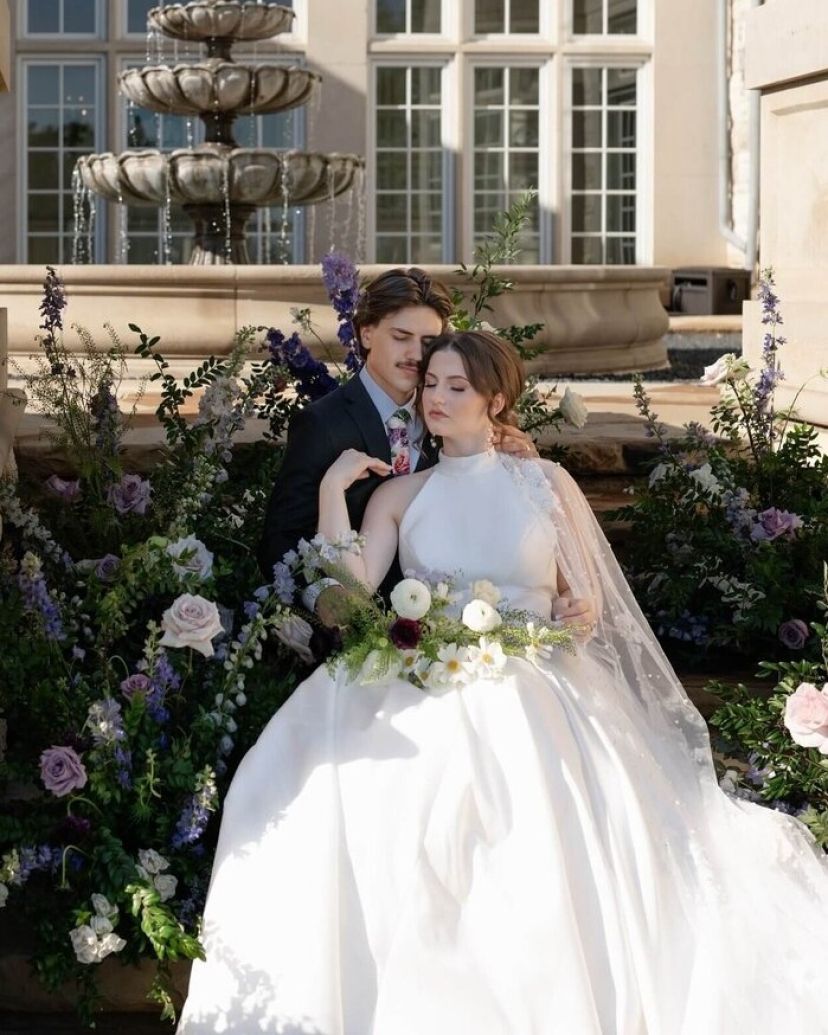
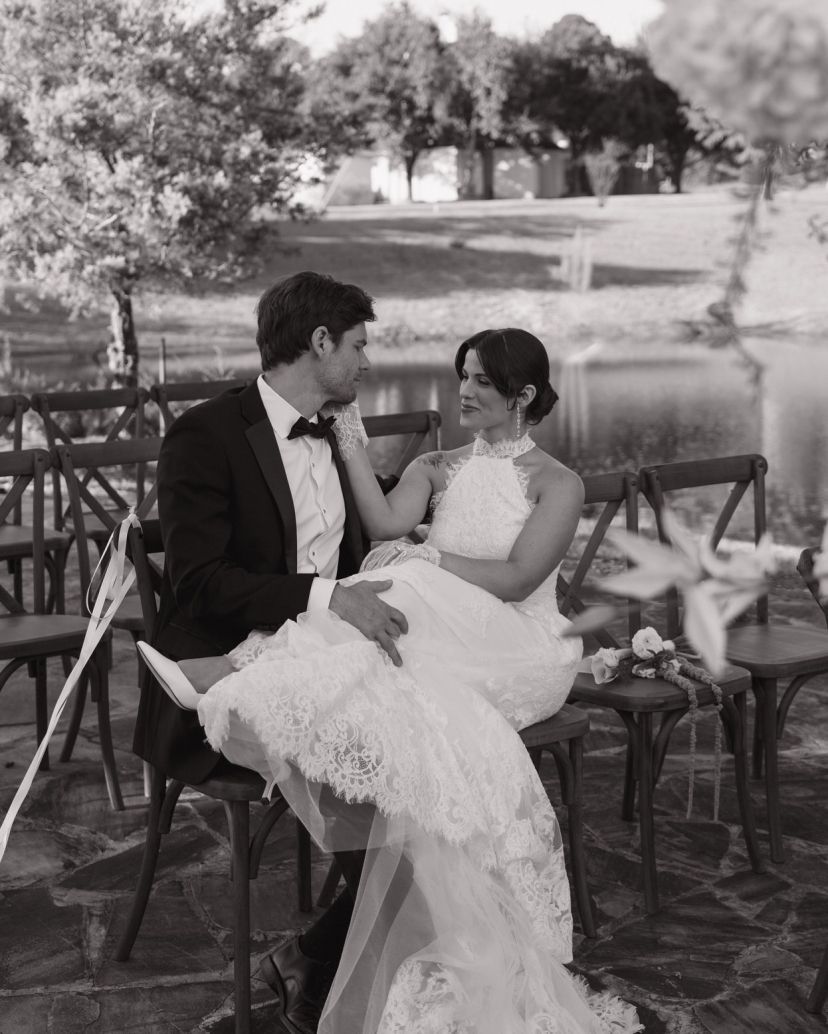
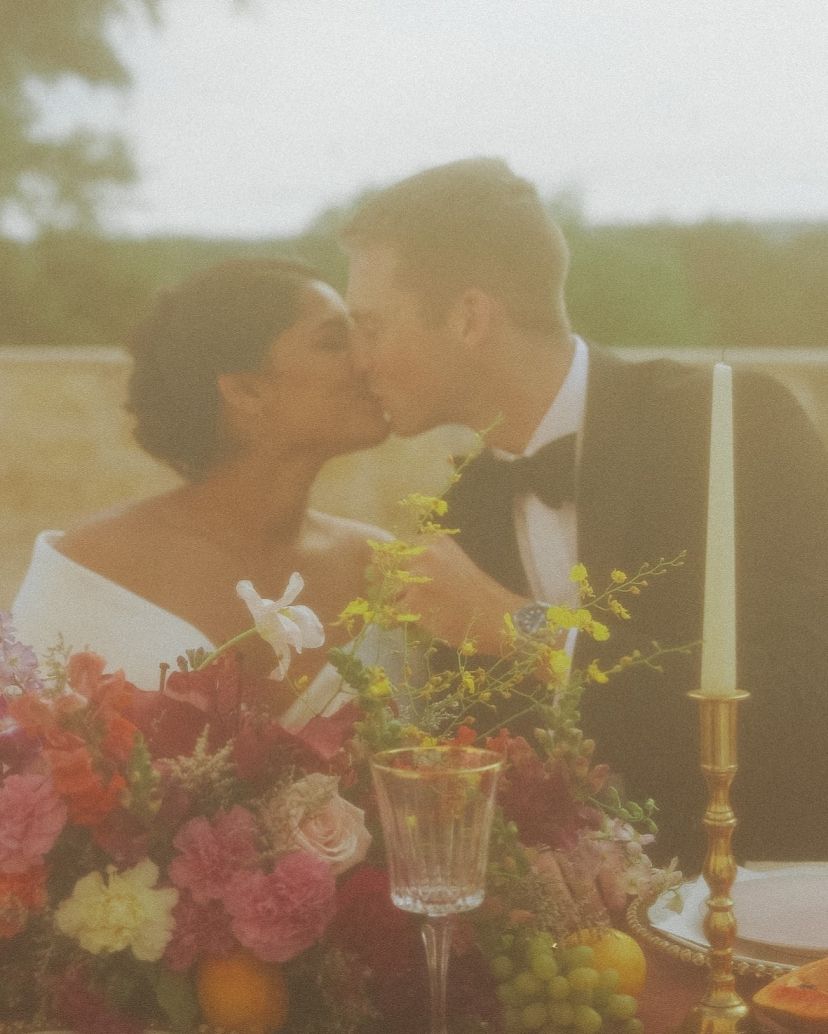

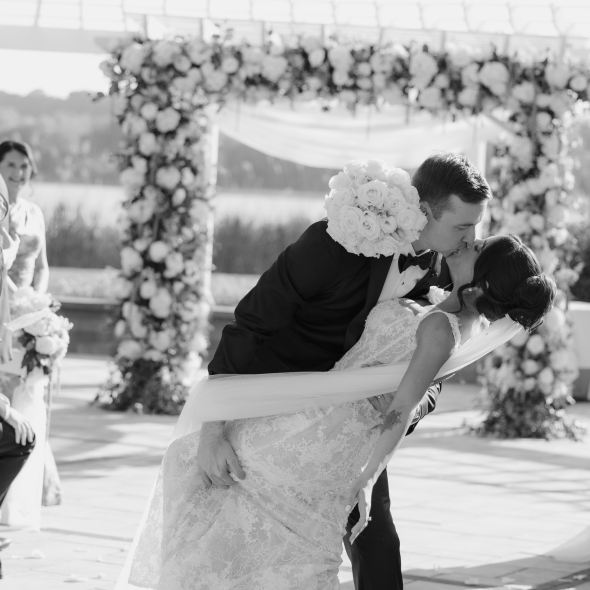
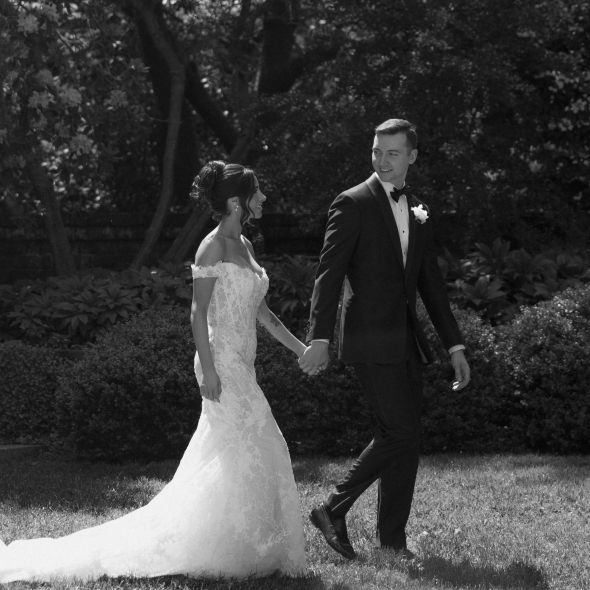
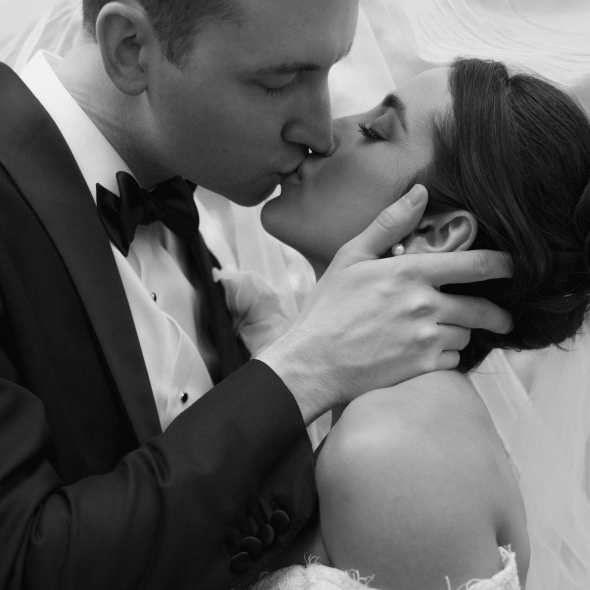
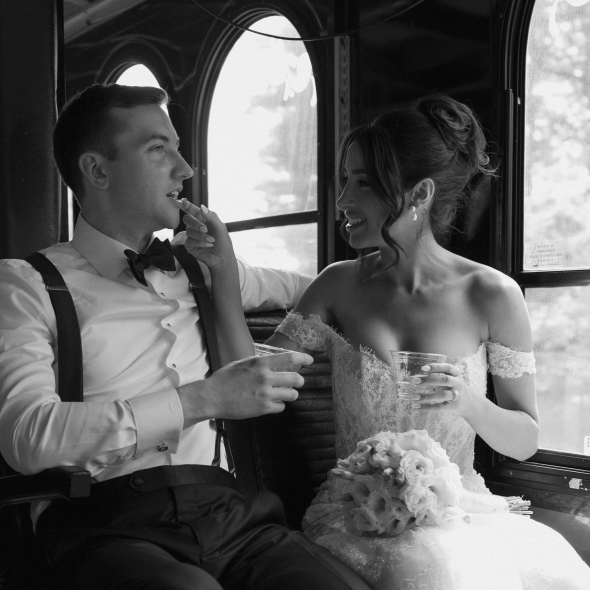

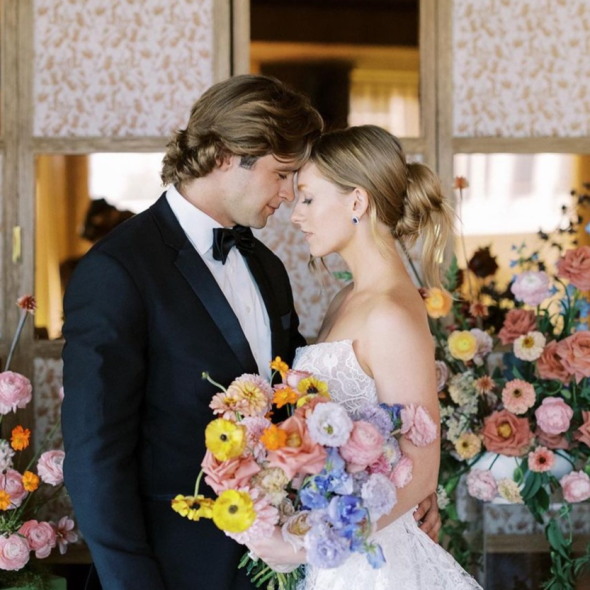








Search through a wide range of 200+ wedding Photographers to find the perfect fit on Wezoree


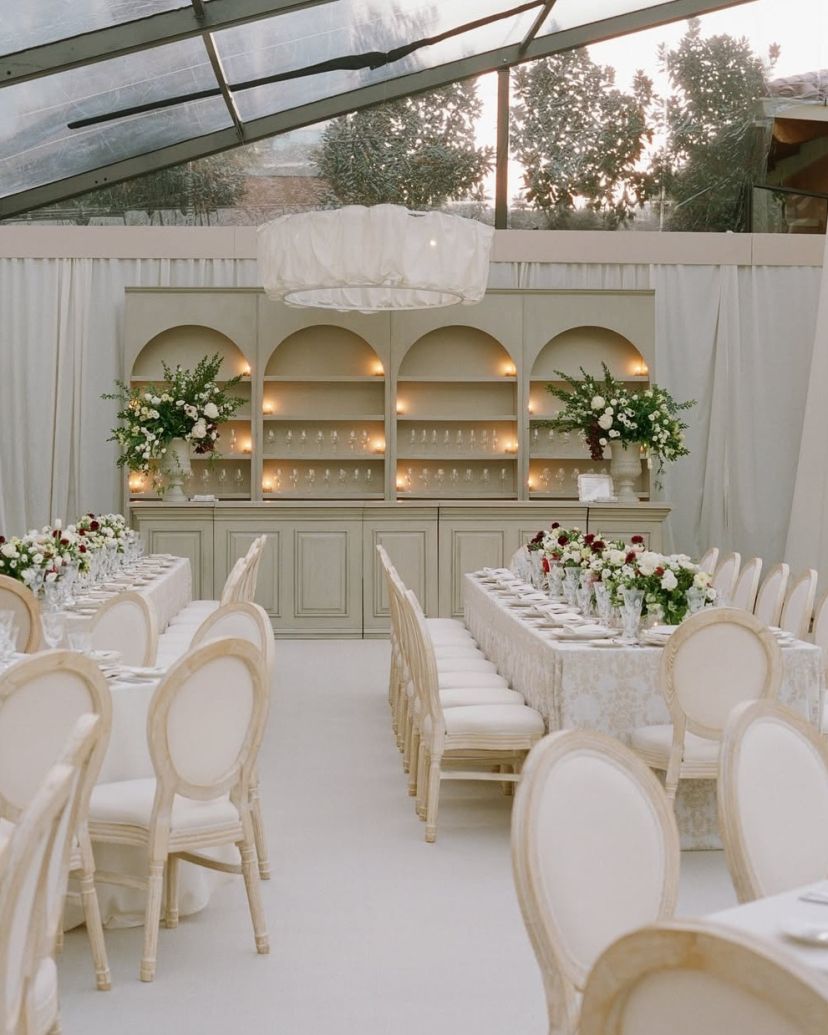
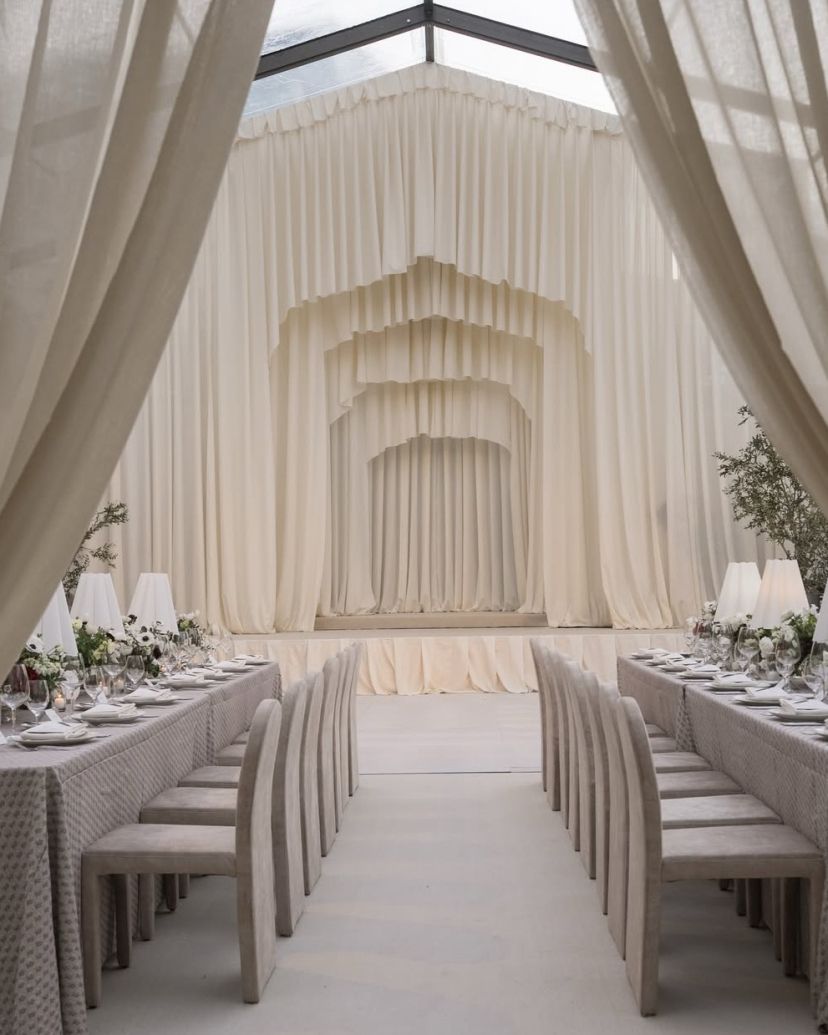

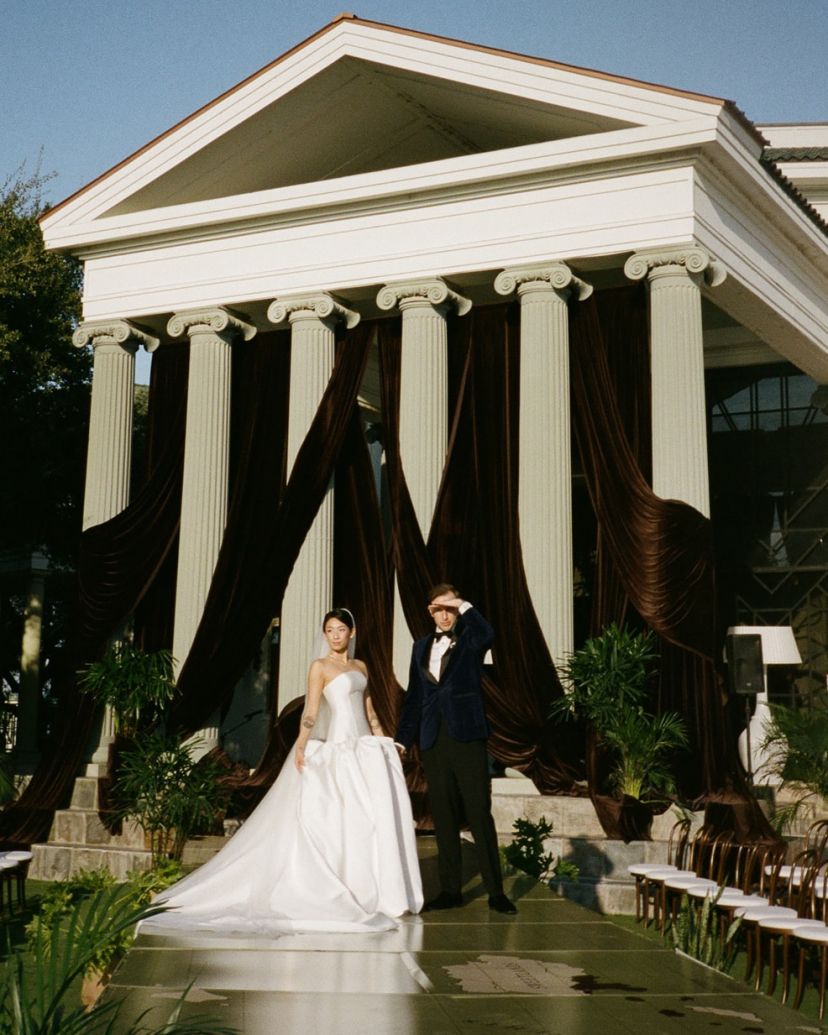
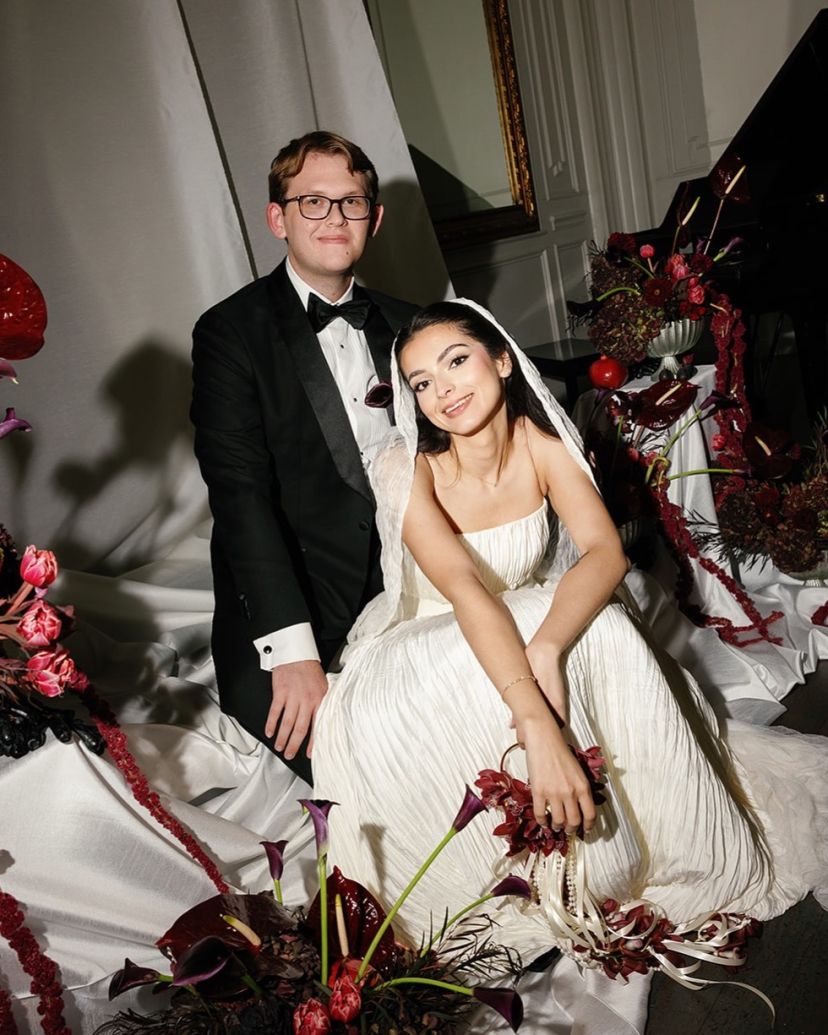

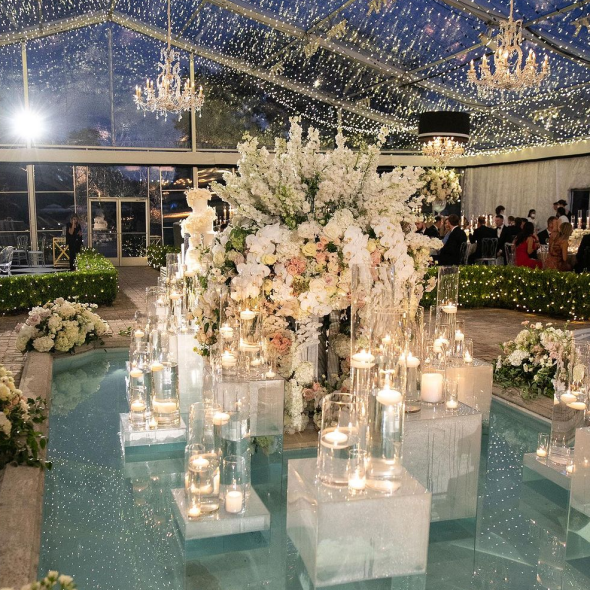
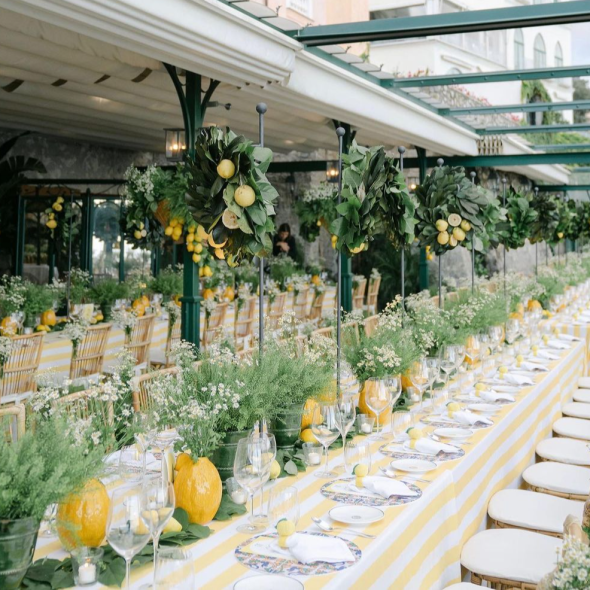
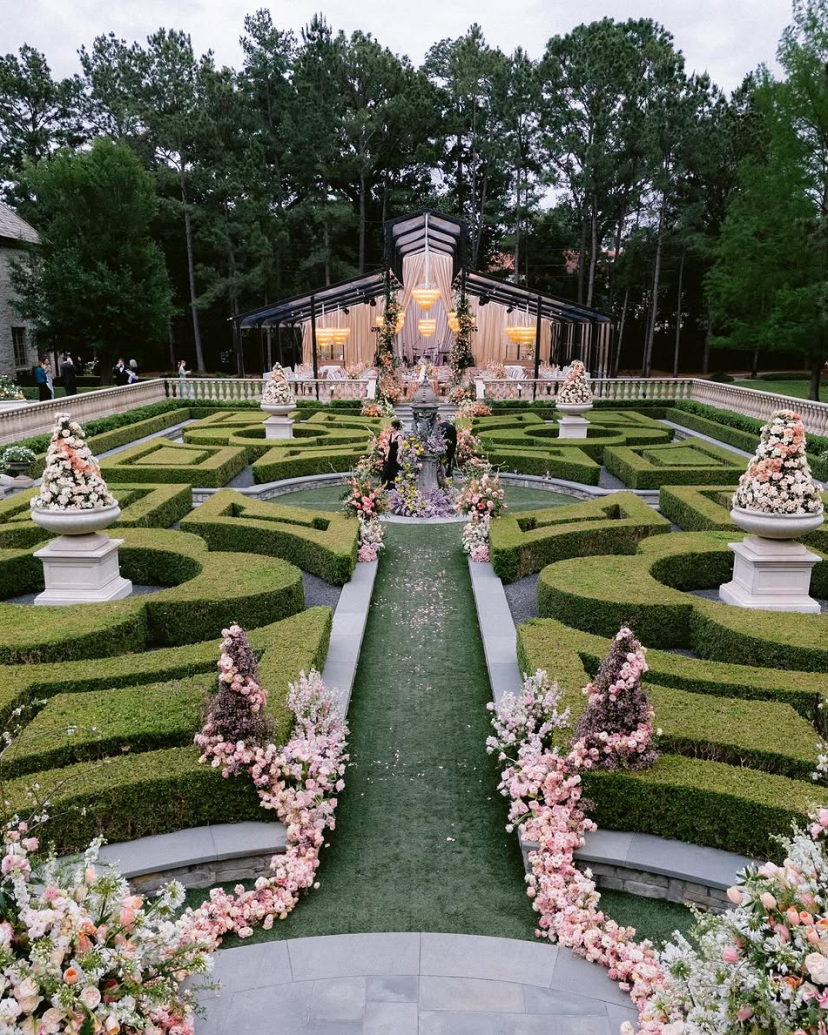
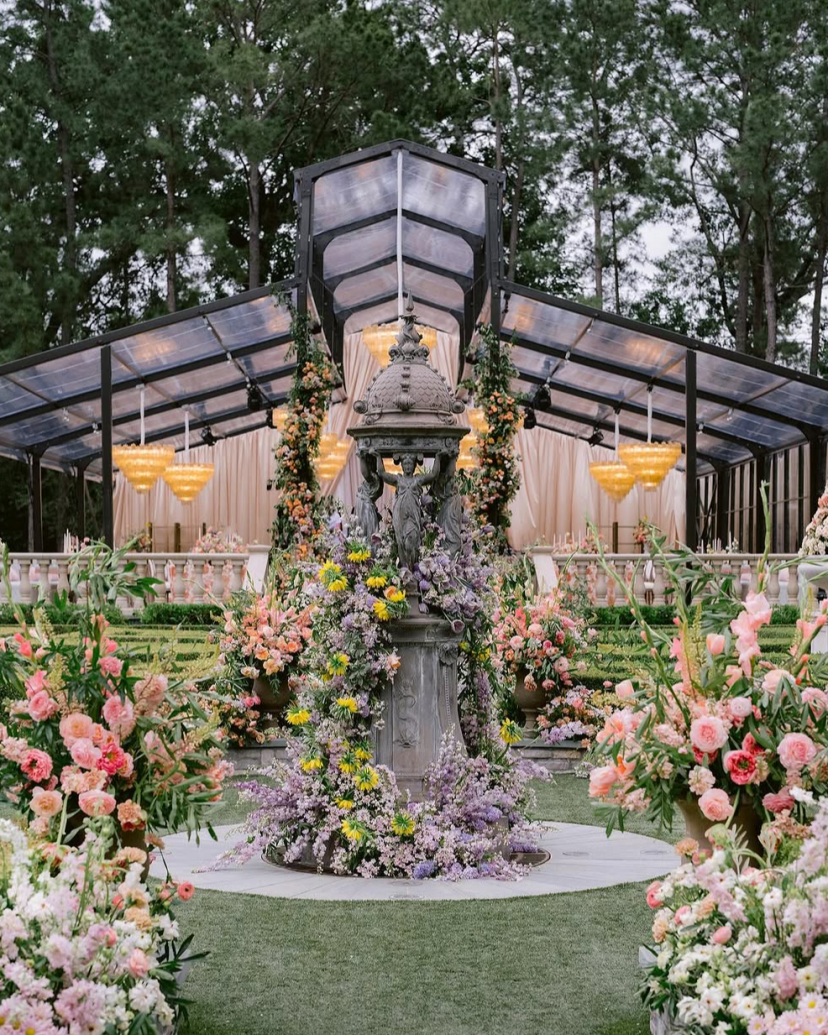







Memorable Add-Ons
to Your Wedding Journey
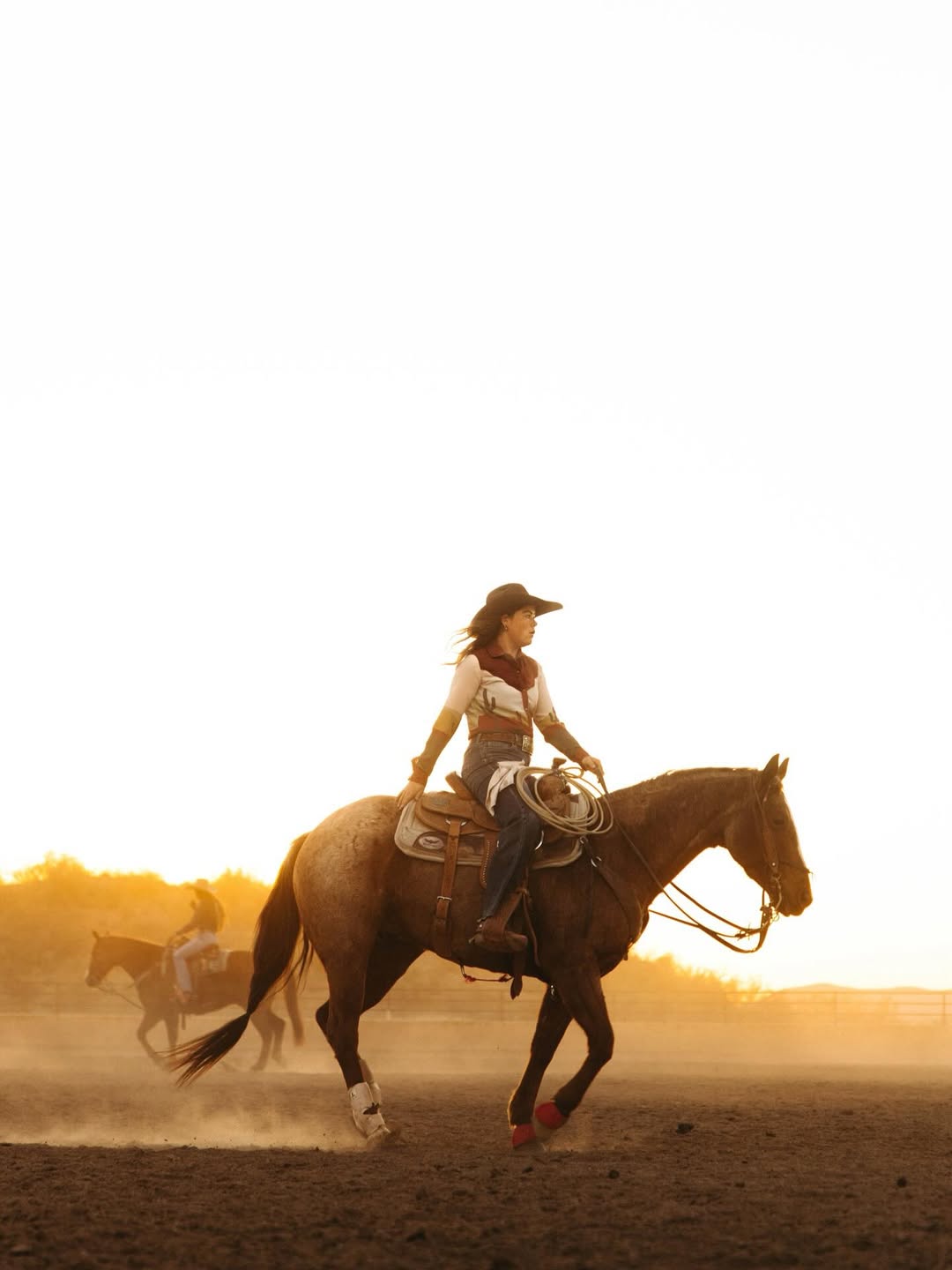


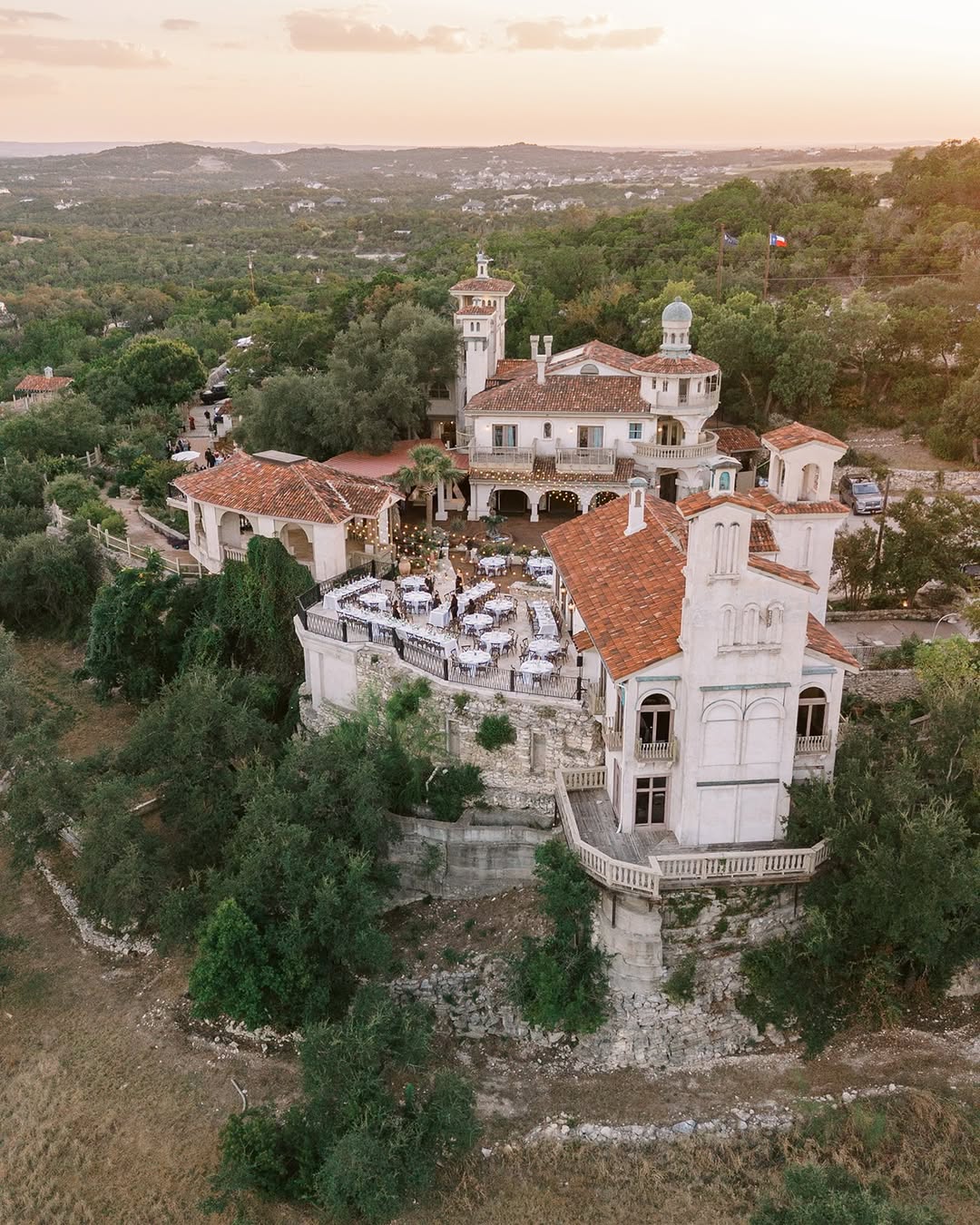

We can't imagine having our wedding anywhere other than Hidden River Ranch. The secluded ranch made for the most peaceful day. There was no detail spared when designing the venue. We couldn't ask for a better place to host our perfect day!
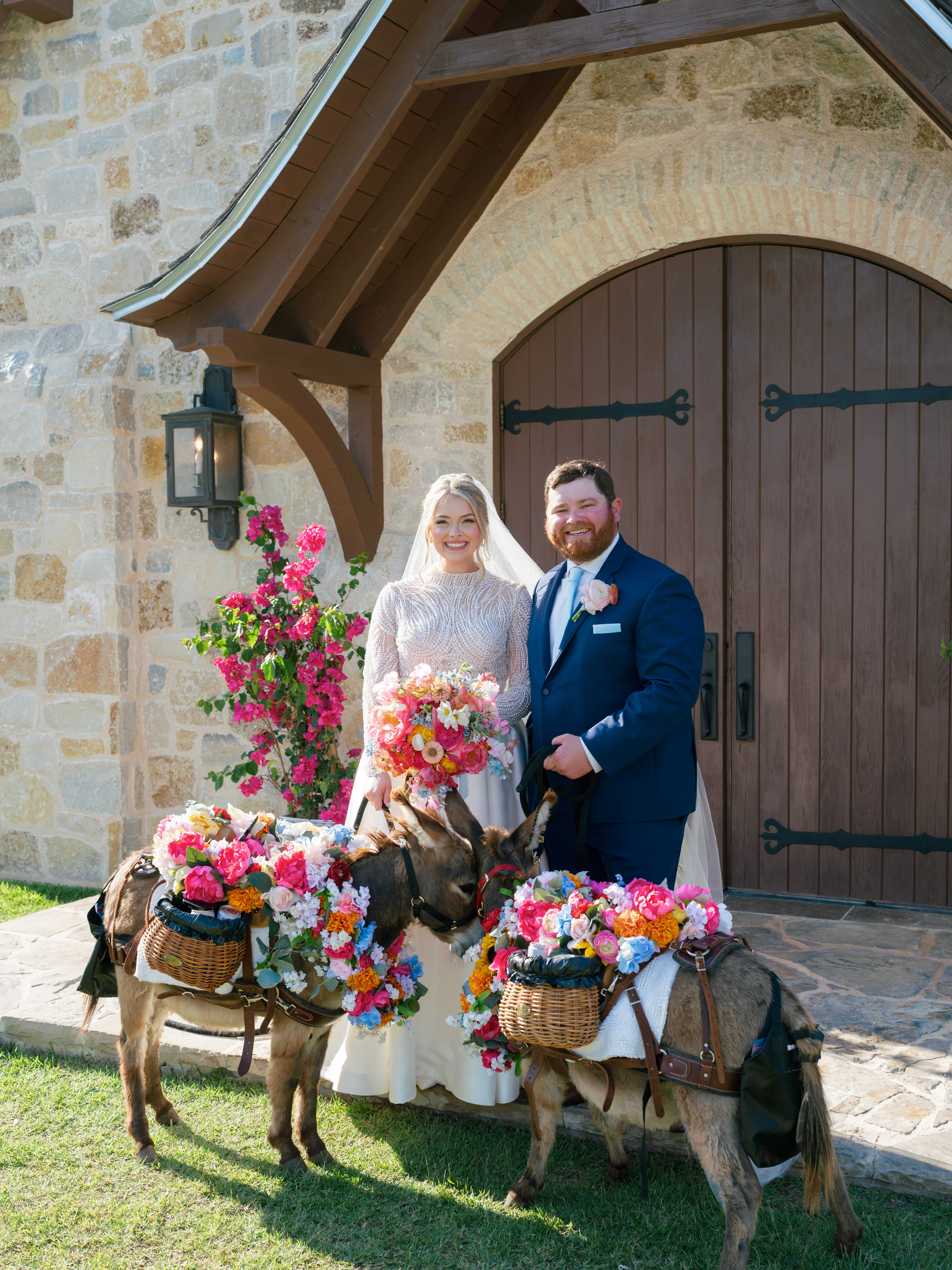
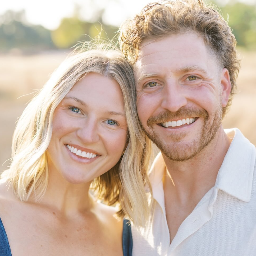
 Hidden River Ranch

Videos


Explore More of USA


Texas doesn’t do things by halves, and weddings are no exception. The state's size and self-assurance translates directly into its celebrations, from sprawling ranch properties stretching further than the eye can see to hill country vineyard estates that could pass for Tuscany on a warm evening. Not to mention cities with enough culinary and creative infrastructure to support weddings of any ambition level. At Wezoree, we’ve worked with hundreds of couples who did their celebrations across the state, and Texas consistently delivers on every level of ambition. Couples choose to have their wedding in Texas for the same reason they choose Texas for anything: because it delivers on its promises and more. This guide covers everything you need to plan yours.
Why Couples Choose Texas for a Destination Wedding
.jpg)
.jpg)
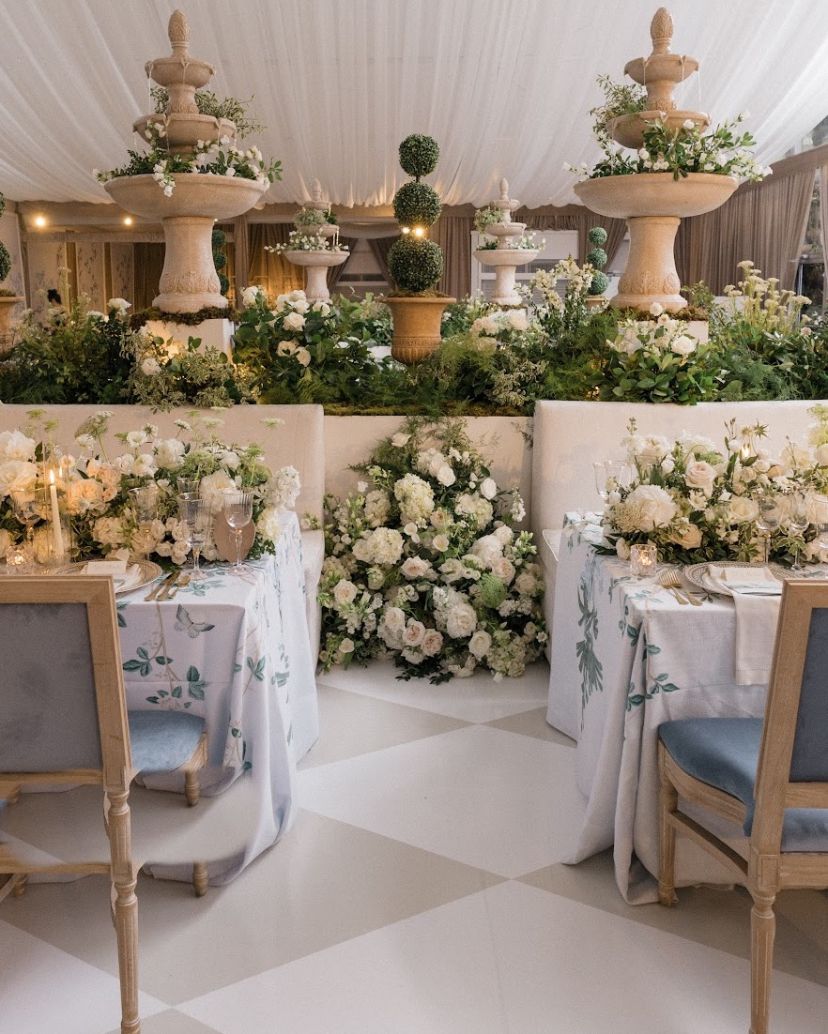
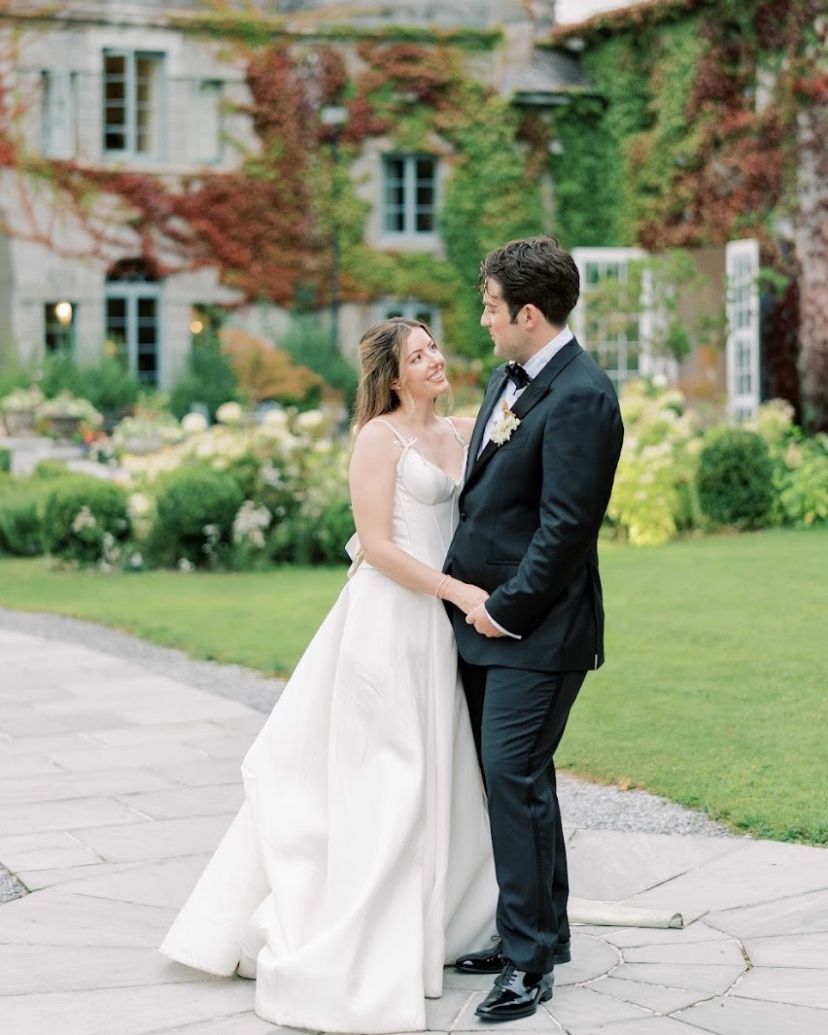
One of the things that makes Texas an appealing wedding destination is its genuine variety. Unlike destinations built around a single landscape, such as a coastline, wine region or mountain range, Texas contains multitudes. The same state that offers rugged ranch ceremonies under open skies also has sophisticated urban venues, intimate vineyard settings and towns lined with rivers that feel as though they were designed for celebrations.
The accessibility factor also matters more than couples sometimes expect when planning a destination wedding. Texas has some of the busiest airports in the country — Dallas/Fort Worth and Houston are major international hubs, and Austin and San Antonio handle significant direct traffic from both coasts. For weddings with guests coming from multiple cities or countries, this connectivity removes a lot of logistical hassle.
And then there’s the culture. Texas wedding hospitality is particularly generous, unhurried and warm, setting the tone for a celebration even before it begins. Vendors here are accustomed to large-scale events, outdoor productions in variable weather and the specific requirements of couples who want a grand occasion without it feeling stiff. The result is a wedding industry that far exceeds expectations in terms of experience and creative range.
Texas Wedding Destinations by Region
.jpg)
.jpg)
Texas is so big that saying you're getting married in Texas tells you almost nothing about what the experience will actually be like. Each region has its own distinct character, so choosing the right one is less about which is the most beautiful and more about which matches the couple.
- The Texas Hill Country - the most popular region in the state for destination weddings, centred around Fredericksburg, Kerrville and the Guadalupe River corridor. The landscape here is unlike anywhere else in Texas, with rolling, cedar-covered hills and clear, spring-fed rivers. The German-heritage towns are surprisingly sophisticated. Over the past decade, vineyard venues have proliferated, and the area now has one of the most developed wedding vendor ecosystems outside the major cities. It is ideal for couples who want a destination wedding without compromising on infrastructure. Peak season runs from September to November, when the light is golden and the heat finally subsides.
- Austin — the creative capital of Texas and the state's most cosmopolitan wedding destination. The city's range of venues is exceptional, including converted warehouses, lakeside properties, boutique hotels with genuine design sensibility, and outdoor spaces that make the most of the long warm season. The pool of vendors is extensive and highly talented — Austin has attracted a significant creative industry over the past decade, and this is reflected in the wedding industry. It is best suited to couples who want an urban edge alongside Texas character, and to weddings that draw in guests who appreciate good food, music and nightlife alongside the celebration.
- San Antonio - one of the most underrated wedding destinations in Texas, largely because its appeal lies in its architecture rather than its landscape. With the River Walk, Spanish colonial missions and the Pearl District's blend of historic buildings and modern hospitality, San Antonio boasts a romantic depth that translates beautifully into photographs and surprises guests who didn't know what to expect. It is particularly well-suited to couples with an appreciation for history and culture, as well as to weddings with international guests who want a city experience alongside a taste of Texas.
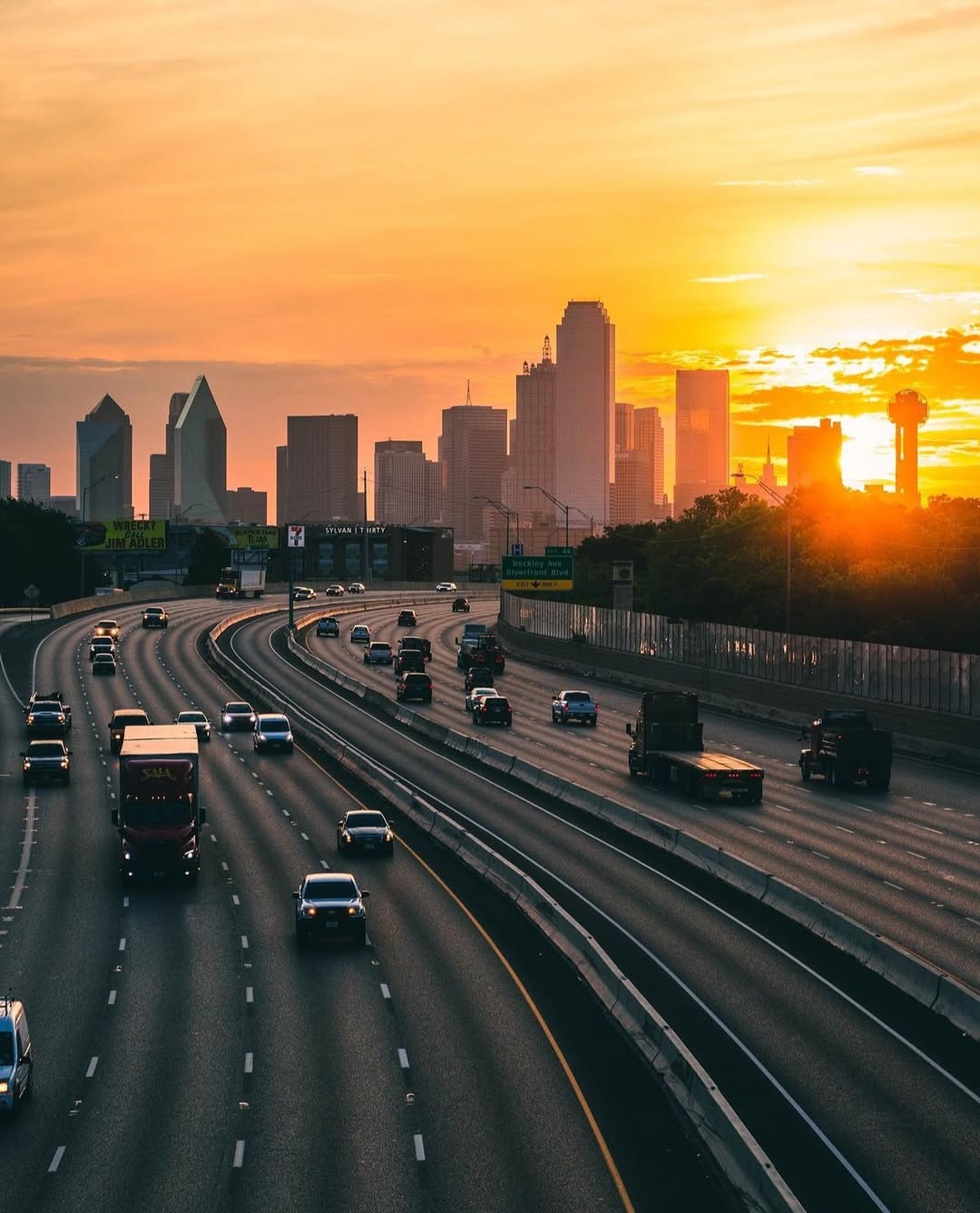
- Dallas/Fort Worth — the most logistically convenient destination in the state. It is anchored by DFW International Airport and boasts a hotel and venue infrastructure capable of handling weddings of almost any scale. Dallas's design scene is sophisticated and competitive, meaning that florists, caterers and decorators here operate at a high level. It is best suited to larger weddings where guest convenience and vendor range are more important than a specific landscape aesthetic.
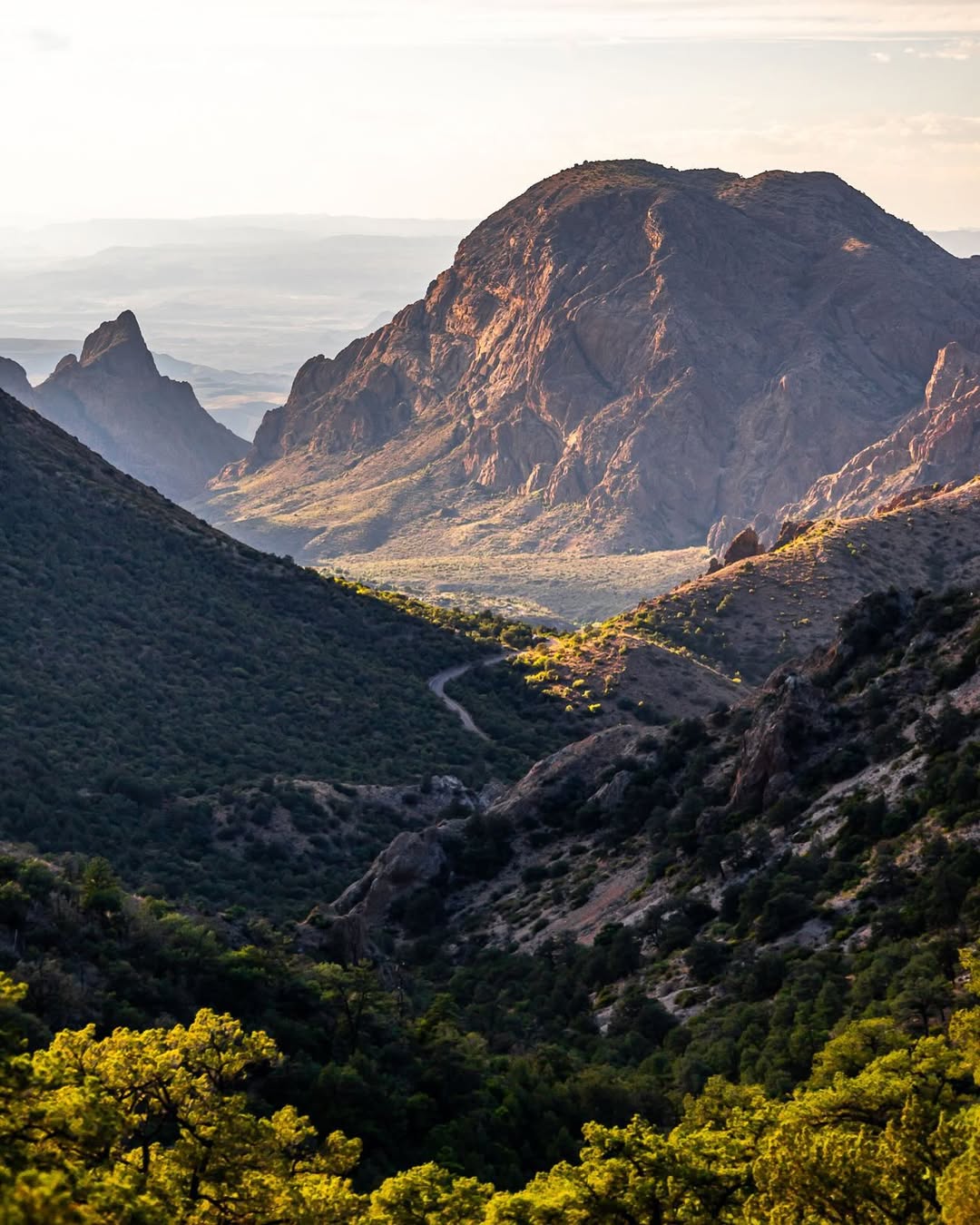
- West Texas and Big Bend Country — the most dramatic and unconventional choice. The vast, quiet, visually extraordinary high desert landscape around Marfa and the Davis Mountains is unlike anything else in the state — a genuinely remote place with a unique character. There are fewer venues and vendors here, which means more planning effort, but the result is a unique wedding. This option is best suited to couples who want the landscape to be the focus of the event and who don't require a large guest list to feel celebrated.
Texas Destination Wedding Cost: Ranch, Vineyard, and City Pricing
.jpg)
.jpg)
Cost planning in Texas requires a slightly different approach to most other destinations because the choice of venue has a significant impact on almost everything else. For example, a ranch wedding, a vineyard wedding and a city wedding in Texas are practically different events in terms of logistics, vendor requirements and overall expenditure. Understanding these differences early on can save a lot of confusion later on.
Another variable worth flagging up front is: Texas summers are extremely hot, so outdoor weddings in July or August require substantial infrastructure, such as cooling systems for tents, shade structures and upgraded bar service, which adds considerably to the budget. The peak season for outdoor weddings in Texas runs from October to April, and the prices reflect this demand.
| Budget Tier | Guest Count | Estimated Range | What's Typically Included |
|---|---|---|---|
| Intimate | 20–40 guests | $15,000–$35,000 | Small venue, catering, local vendors, and basic décor |
| Mid-Range | 50–120 guests | $40,000–$90,000 | Venue hire, event planning, photography/videography, floristry, catering |
| Luxury | 150–300+ guests | $100,000–$300,000+ | A premium property with full production and designer florals |
Ranch weddings are one of the most distinctive features of Texas, and the main reason why many couples choose to get married in the state. A full buyout is usually required at private ranch venues, meaning that you will rent the property for one or more nights, including accommodation for the couple and often part of the wedding party. Prices vary enormously depending on the size of the property and the amenities available, but expect to pay between $5,000 and $30,000 for the venue alone. The payoff is the exclusivity and scale, which are genuinely difficult to replicate elsewhere.
Vineyard and Hill Country venues occupy a middle ground: they are more intimate than ranches, yet more cultivated than raw land. Many of these venues have in-house catering and a preferred vendor list, which makes planning easier but limits customisation. Pricing here tends to be more predictable, with venues costing between $4,000 and $15,000, plus per-person catering costs.
City venues in Austin, Dallas and San Antonio offer the greatest variety, including rooftops, historic buildings, art spaces and boutique hotels, and the prices reflect the costs of urban real estate and services. Catering costs in a city setting typically range from $120 to $350 per person. The advantage here is the high level of competition among vendors, which ensures a high level of quality and gives couples genuine choice.
Other cost categories to factor in across all venue types:
- Wedding planner: $4,000–$18,000 for full-service planning. Essential for ranch and remote properties, where logistics are complex.
- Photography and video: $4,500–$14,000. Travel fees apply for photographers based outside the region.
- Florals and décor: $4,000–$20,000+. Ranch and vineyard settings often require more infrastructure than city venues.
- Transportation: Often overlooked, this is significant for ranch weddings, where guests need to be shuttled from their accommodation to the venue.
Texas Wedding Vendors: Who to Lock In First
.jpg)
.jpg)
The logistics of Texas weddings differ from those of almost any other destination, and this shapes how vendor planning works from the very first call. Whether it's a ranch two hours from the nearest city, a Hill Country vineyard in October or a West Texas desert ceremony at sunset, each location has specific requirements for the people you hire. The vendor team here isn’t a generic checklist. It’s a group of professionals who need to understand the literal and figurative terrain of your plans.
A few things that make Texas vendor selection distinct:
- Planner
Book first. Always. A local planner with specific Texas experience will have knowledge that no online guide contains, such as which properties lose cell service past the back gate, which venues have noise ordinances that aren't listed on their website, and what cooling infrastructure is required in the Hill Country in August. Book before doing anything else.
- Venue
It shapes everything else. Many properties in the ranch and Hill Country areas come with preferred vendor lists, on-site catering requirements or infrastructure limitations that restrict your options from the outset. Make sure you understand these constraints before you fall in love with a property.
- Photographers & Videographers
Texas rewards those who make the right choice more than most other destinations. The landscapes present technical challenges, such as vast open skies that can blow out in the wrong light, a short golden hour and wind and dust at ranch properties that require specific equipment. Ask to see full galleries from similar settings rather than curated highlight reels. A photographer who excels at intimate Austin venues may be genuinely unprepared for 500 acres of open Hill Country terrain.
- Catering
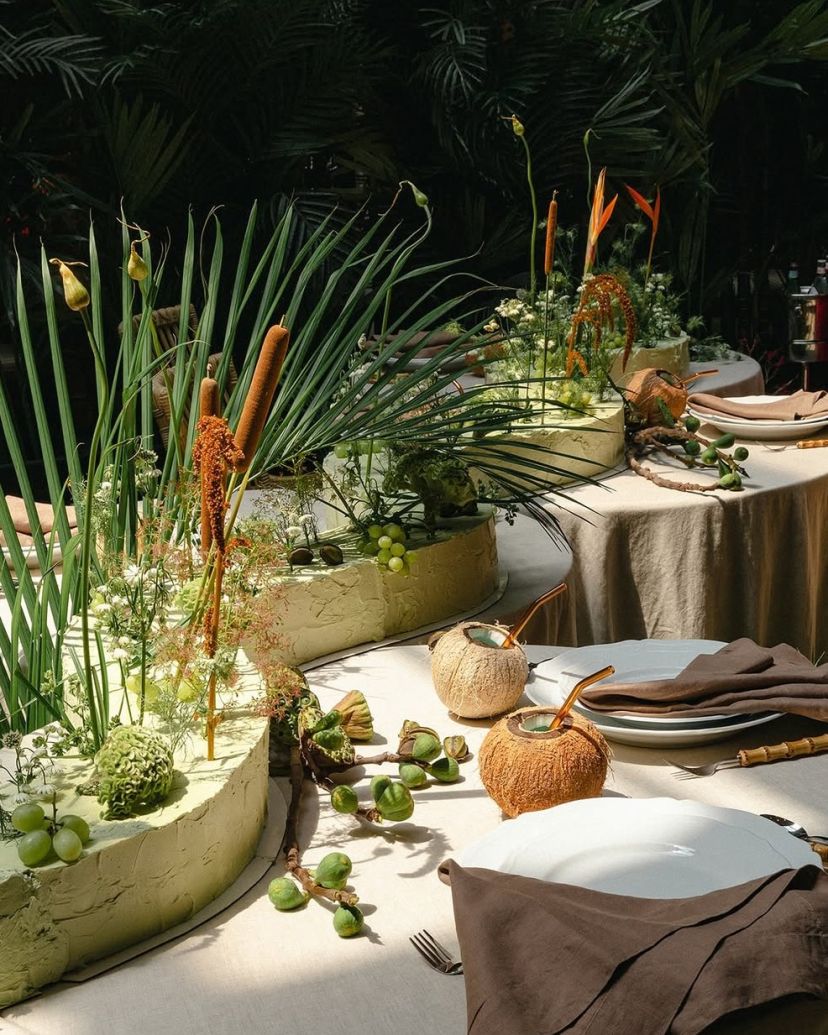
Don't treat this as an afterthought. Texas has a distinctive culinary identity, featuring live-fire cooking, locally sourced Hill Country ingredients and wine programmes from nearby vineyards. The right caterer will make the food feel like an integral part of the destination, rather than just fuel for the evening. If you're considering a ranch or remote venue, think about the practicalities in more detail: how will they transport equipment, do they have their own power supply, and how will they access water if the nearest tap is a mile away?
- Entertainment
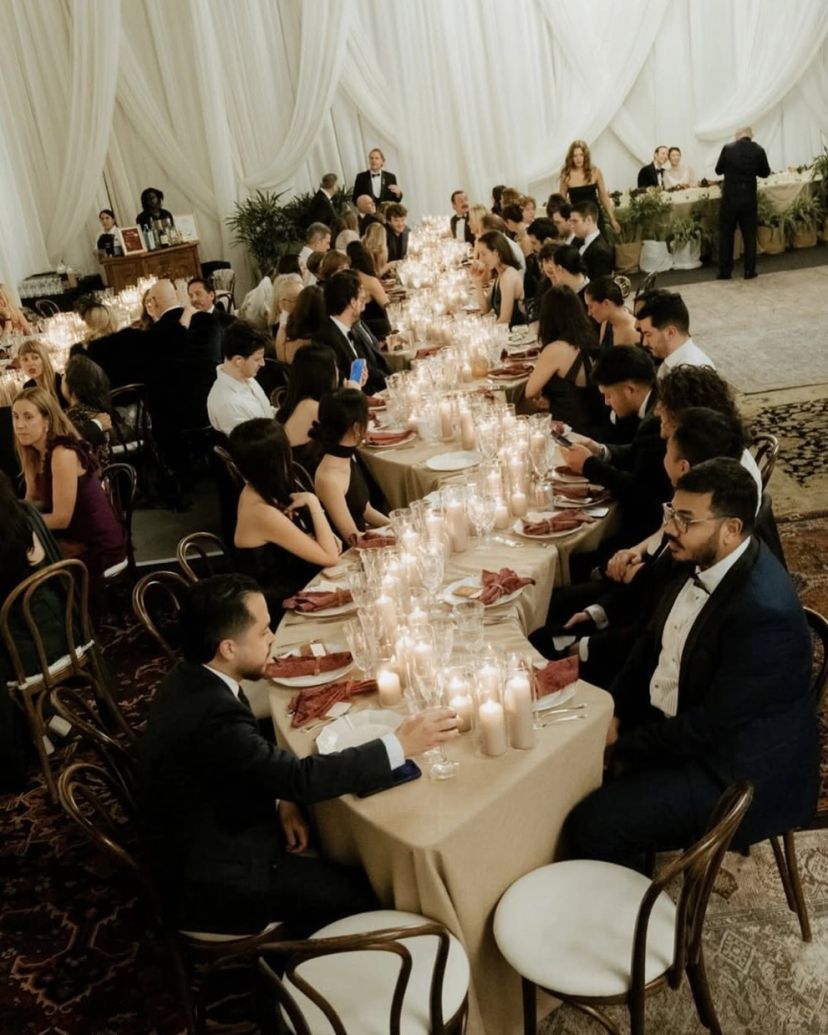
Live music isn't an add-on in Texas, it's part of the culture. A band at an open-air ranch venue with a warm night and a crowd that knows how to celebrate creates something that outlasts everything else guests remember. The best acts in Austin and Hill Country fill up fast — treat this booking with the same urgency as your photographer.
How to Plan a Destination Wedding in Texas: A Practical Timeline
.jpg)
.jpg)
- 18–24 months in advance: define your vision, preferred region and total budget. Interview and hire a wedding planner based in Texas who has specific experience in your chosen region, if possible. Use their guidance to create a shortlist of potential venues. Choose your date bearing in mind the seasonal realities of Texas – aim for October to April to avoid the peak summer heat if you want to hold your celebration outdoors.
- 12–18 months before the wedding: sign the venue contract and pay the deposit. Book a photographer and videographer. Start talking to the florist and caterer. If you are planning a ranch wedding, research accommodation options for guests, since on-property accommodation is often limited and nearby options may be scarce. Send out save-the-date cards with clear travel information.
- 9-12 months before the wedding: finalise the catering and start deciding on the menu. Book a florist and review initial design concepts. Arrange guest accommodation blocks. Book entertainment, such as a band or DJ. Book a hair and make-up team. Confirm any transportation logistics for remote venues.
- 6-9 months before the wedding, send out the formal invitations. Finalise all vendor briefs and confirm signed contracts. Plan additional guest events, such as a welcome dinner and a morning-after activity. If you are having a wedding in the Hill Country or on a ranch, consider what guests could do on the days before and after the wedding, such as visiting wineries, enjoying river activities, and taking part in guided experiences, to ensure that the trip feels like more than just a single day.
- 3-6 months out, confirm RSVPs and provide the caterer with a final headcount. Arrange a venue walkthrough, or a virtual one if you cannot visit in person. Create the full event timeline and share it with all vendors. Confirm transportation logistics and any infrastructure requirements for the venue.
- 4-6 weeks before the wedding, send the master timeline to every vendor. Confirm arrival times and logistics for each vendor. Send any personal décor items. Arrange accommodation for the couple and their immediate family.
- During wedding week - arrive two to three days early, especially if your venue is a ranch or somewhere remote, as there will be more to coordinate upon arrival. Attend the rehearsal. Let your planner take care of everything. On the morning of the wedding, hand over responsibility and enjoy the occasion!
Couples planning a Texas destination wedding need to think big, trust a vendor team operating in a landscape that rewards size, and embrace a place with a genuine identity rather than a manufactured one. The state generously rewards those who do so. Put together the right team and respect the calendar, and Texas will deliver a celebration that feels exactly the right size.
.jpg)
.jpg)