White Wedding: Everything You Should Know About It
- Author: Natali Grace Levine
- Reading time: 6 min 52 sec
- Publication date: 09/12/2026
- Updated: 09/19/2026


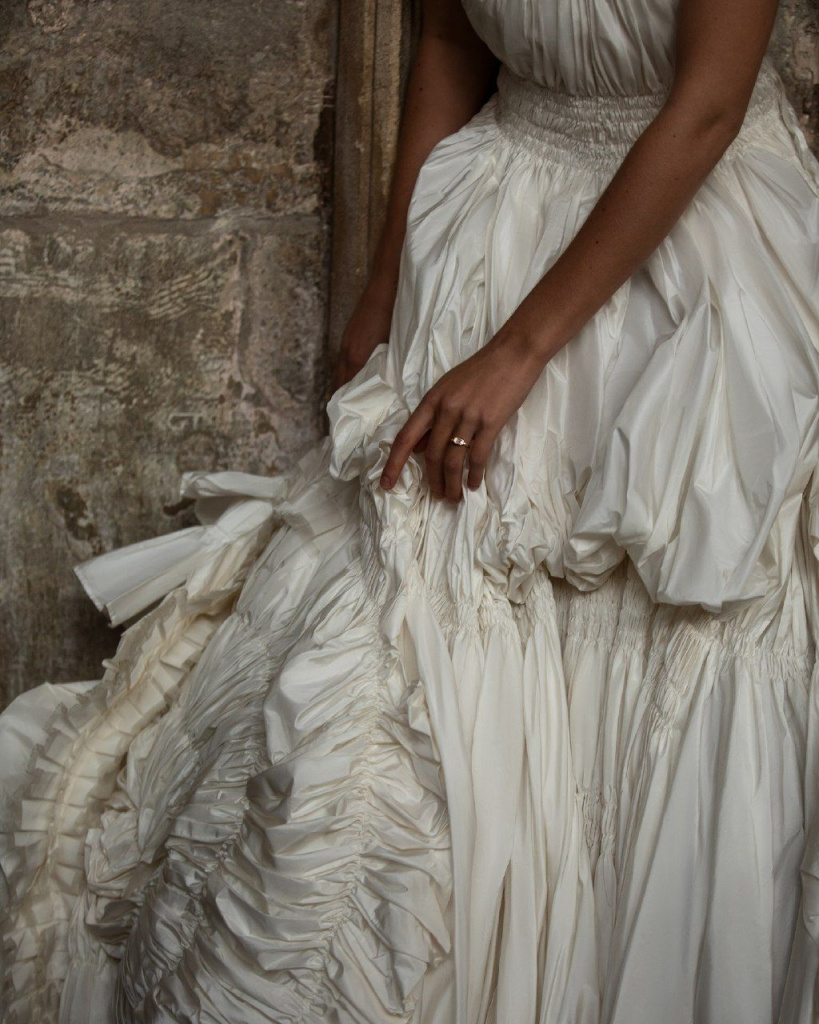
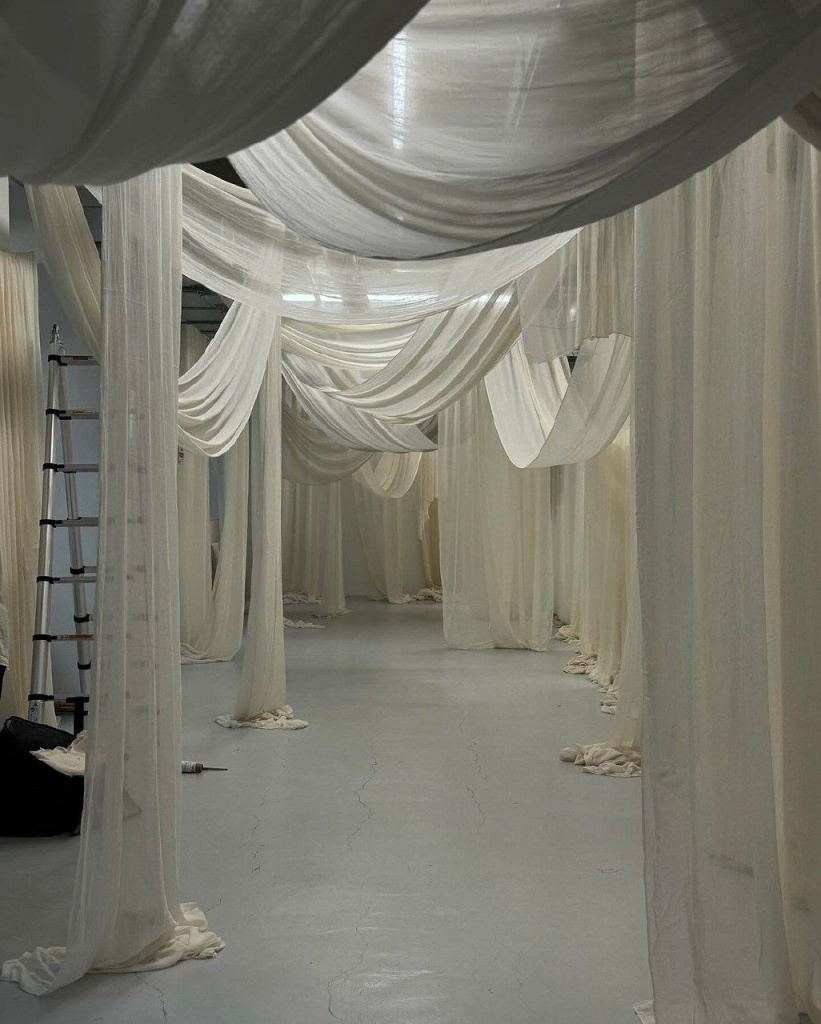
Few wedding planning options have such lasting appeal as an all-white wedding palette. Even after fashion trends move from sage green to terracotta and then back once more, white is the one color that never really goes out of style. To understand what a white wedding essentially is and make an all-white scheme feel purposeful rather than ordinary, you need to examine the tradition's origins and build on them in a way that still feels personal.
Find Your Perfect Wedding Vendors

What Colors to Choose for a Classic White Wedding
Choosing a color scheme for a traditional white weddingis one of the most important decisions a couple makes, since color sets the mood and atmosphere for the whole celebration. As a classic white wedding is generally linked with elegance, luxury, and timeless beauty, the tones you choose should match these qualities rather than go against them.
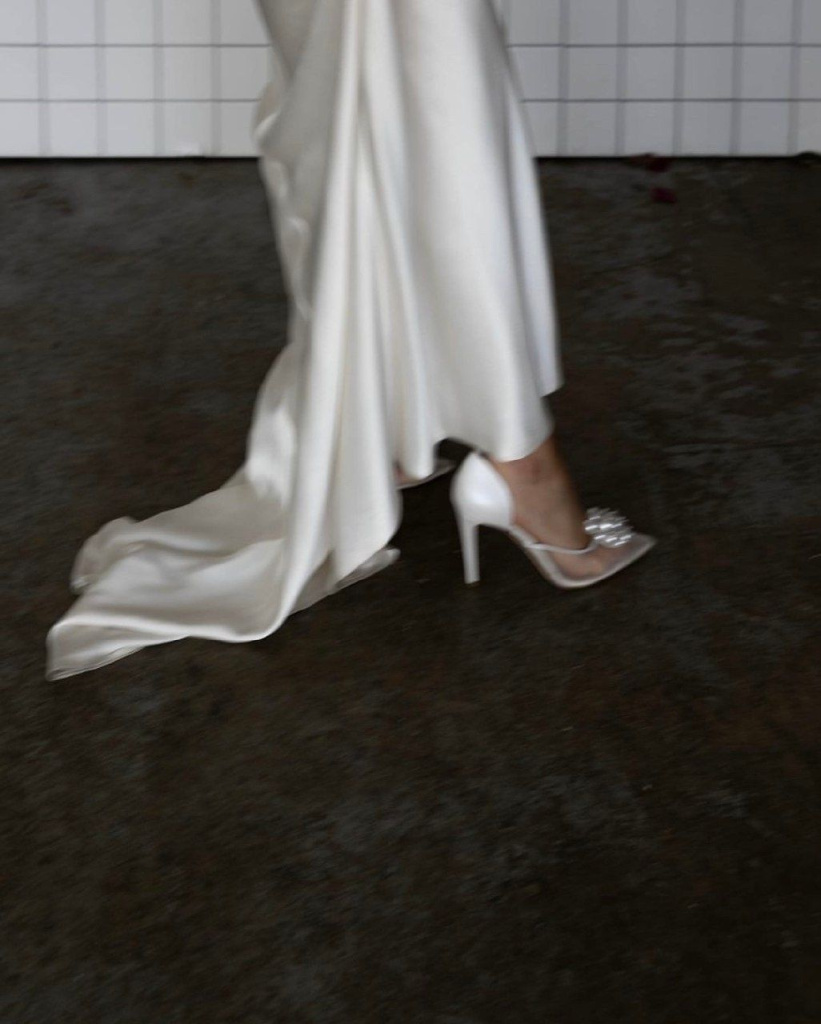
Most white wedding color palettes are based on white and ivory, two colors that stand for purity, simplicity, and sophistication. White usually appears in the dress, floral arrangements, and tablecloths, while ivory's warmer tint adds depth without departing from the overall white wedding color scheme. Together, they create a neat, unified look that has remained classic through many changes in bridal fashion.
A handful of complementary shades tend to pair especially well with an otherwise all-white base:
- Soft pastels - blush pink, lavender, and light blue add a romantic touch in florals, bridesmaid dresses, and small decorative accents
- Metallics - gold, silver, and rose gold bring genuine glamour to table settings, candle holders, and cake details, catching light in a way flat white never quite can
- Deeper jewel tones - navy blue, emerald green, or burgundy work well in smaller doses, adding contrast through bridal party attire or table runners without overwhelming the palette
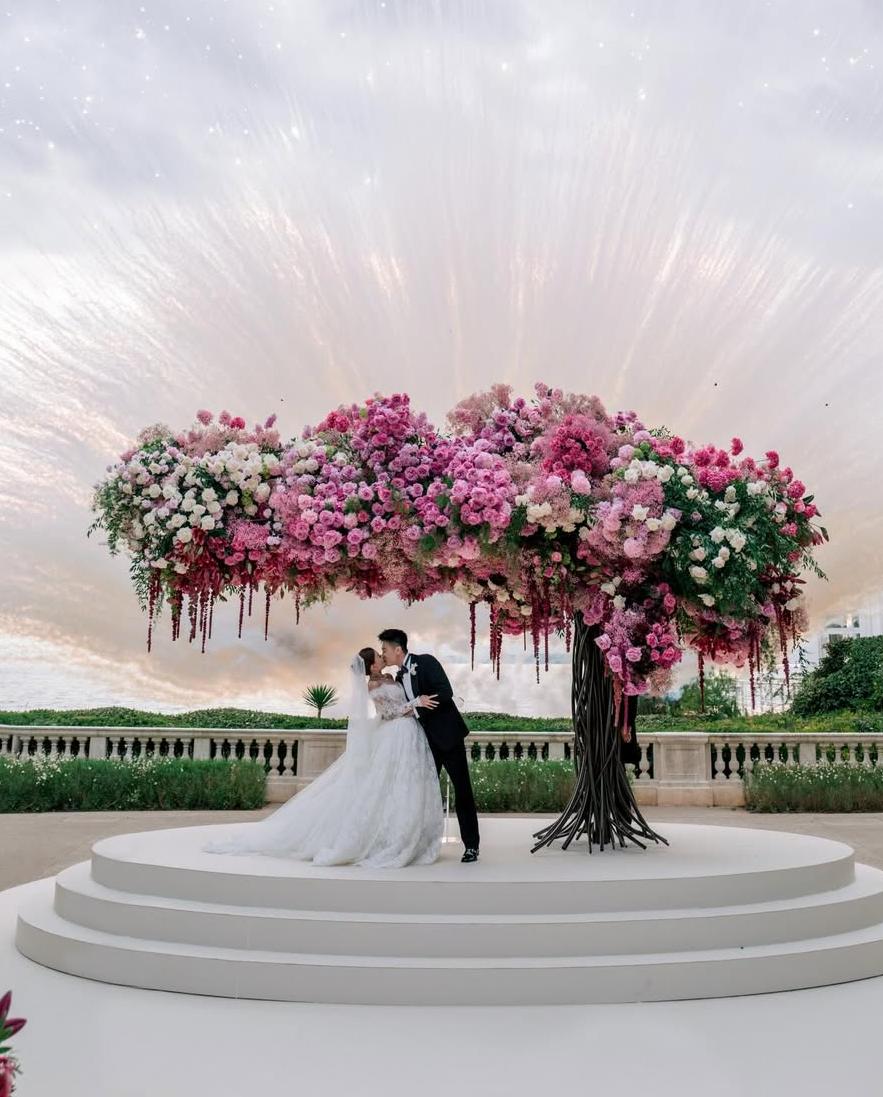
- Greenery - eucalyptus, sage, or other soft foliage keeps an all-white scheme from reading as too stark or clinical
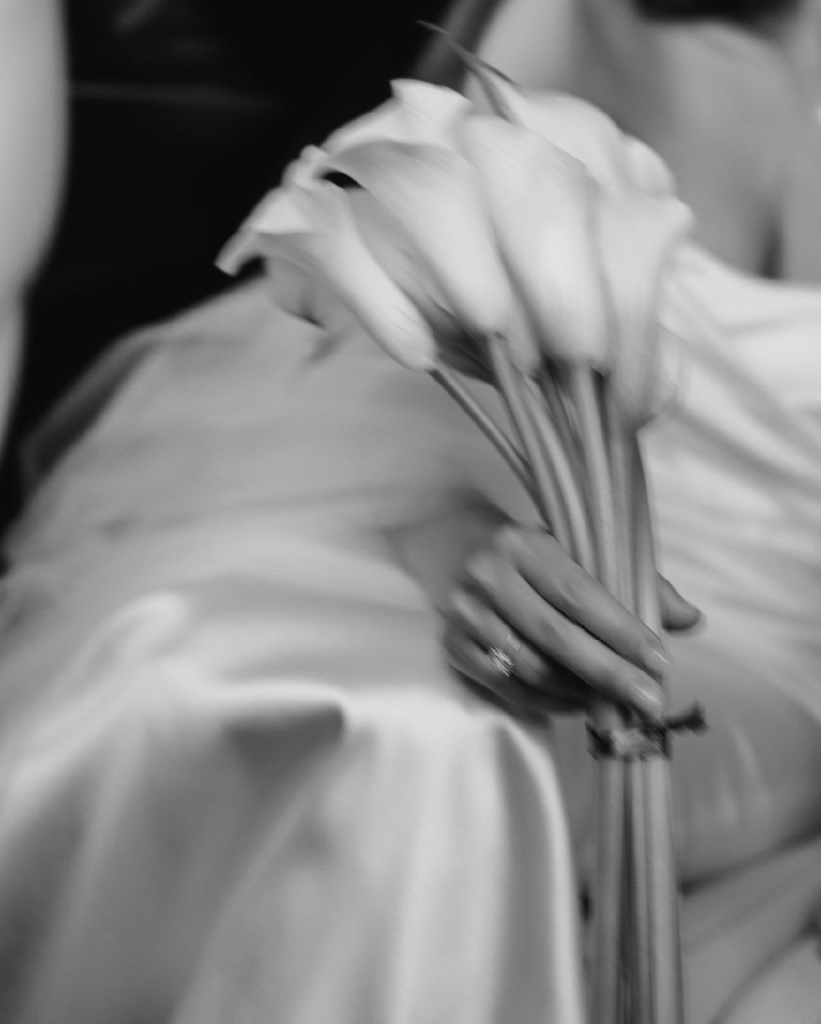
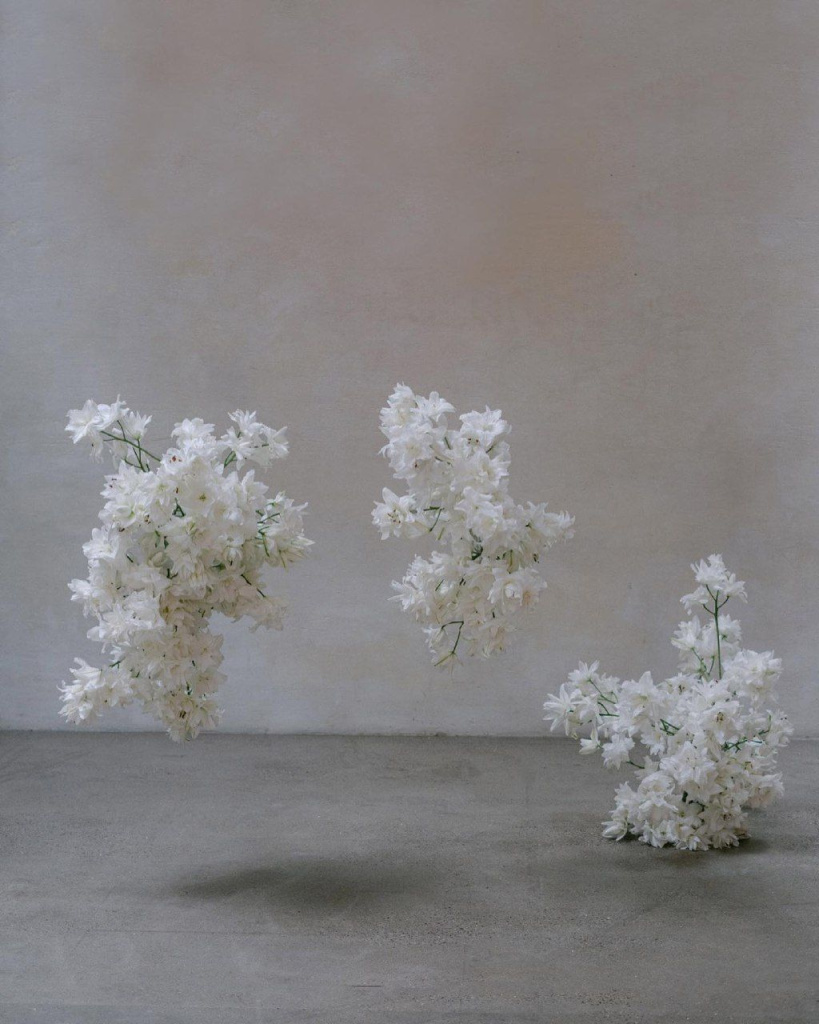
The season and venue each affect which color direction is most appropriate. For spring and summer weddings, lighter pastels are preferred to create a fresh, airy atmosphere, whereas fall and winter events tend to favor richer jewel tones and metallics to add warmth. When the wedding takes place in a large ballroom with chandeliers and elaborate details, a more traditional white-and-gold combination is often best, while an outdoor garden or beachfront location usually pairs well with softer pastels and the greenery already there. As Julianne Young of Julianne Young Weddings puts it,
 An all-white palette certainly doesn't have to mean boring. When it comes to any color palette, context matters just as much as colour.
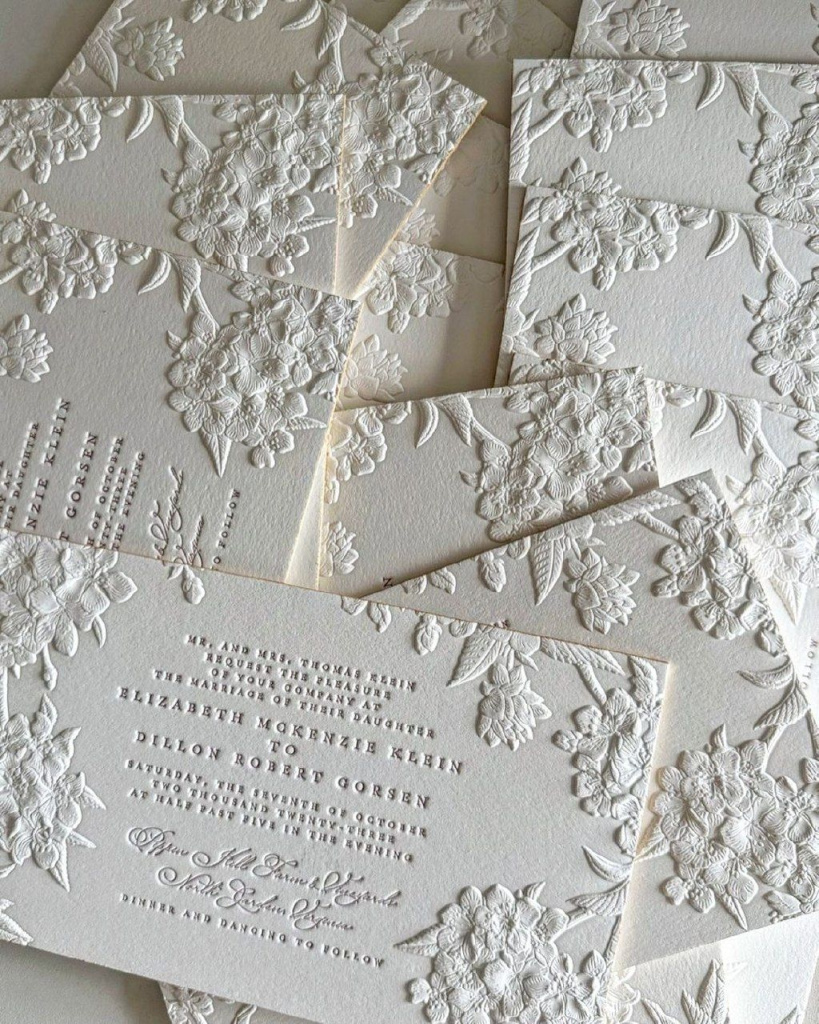
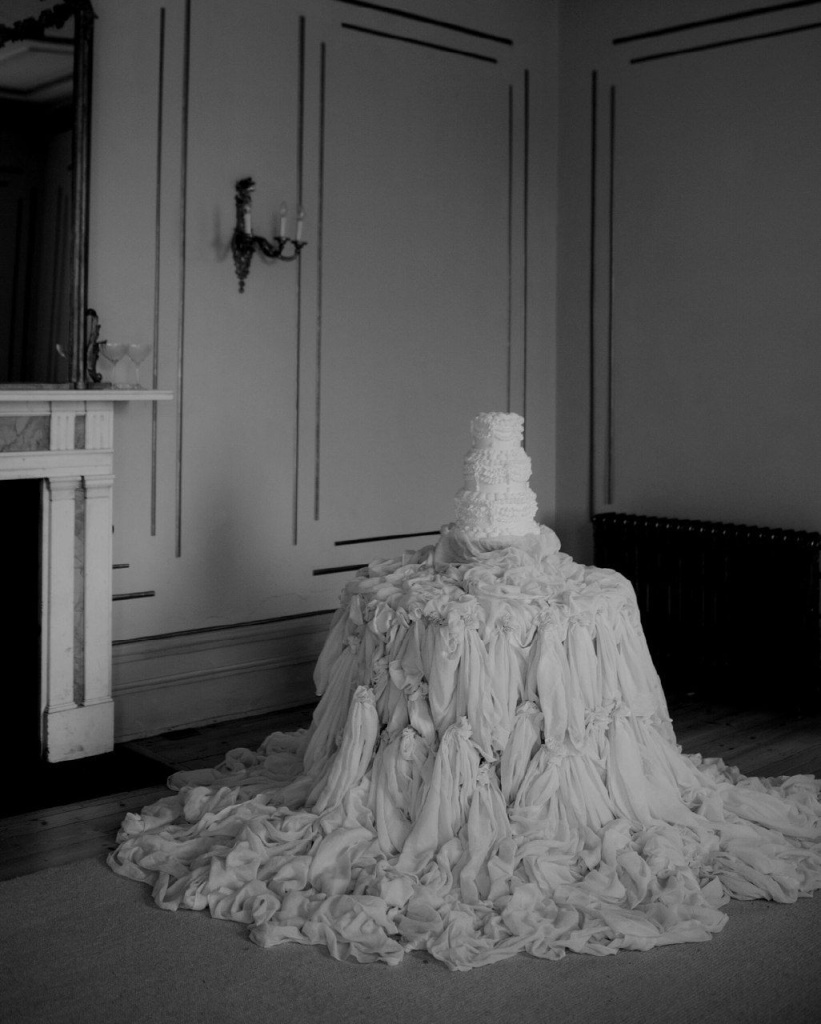
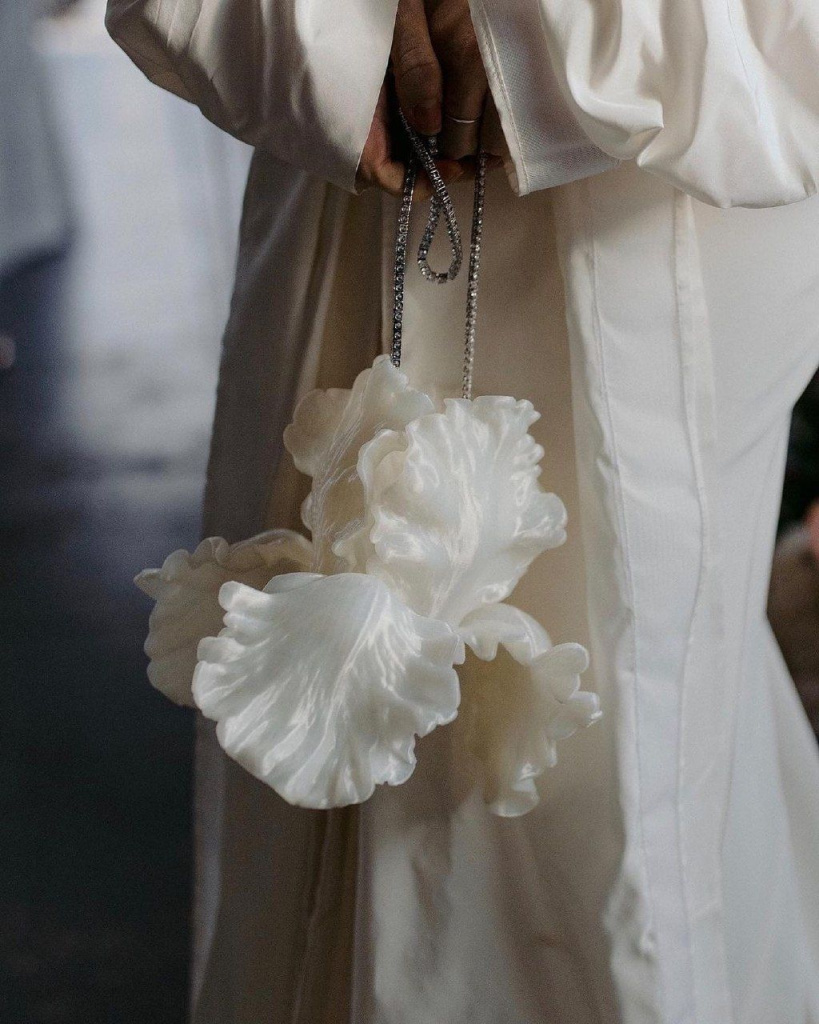
She points out that the setting and backdrop of the venue naturally become part of the visual story, while a monochromatic palette creates the perfect opportunity to play with texture, pattern, and materiality, bringing dimension, depth, and character to the design.

Ideal Locations for a Classic White Wedding
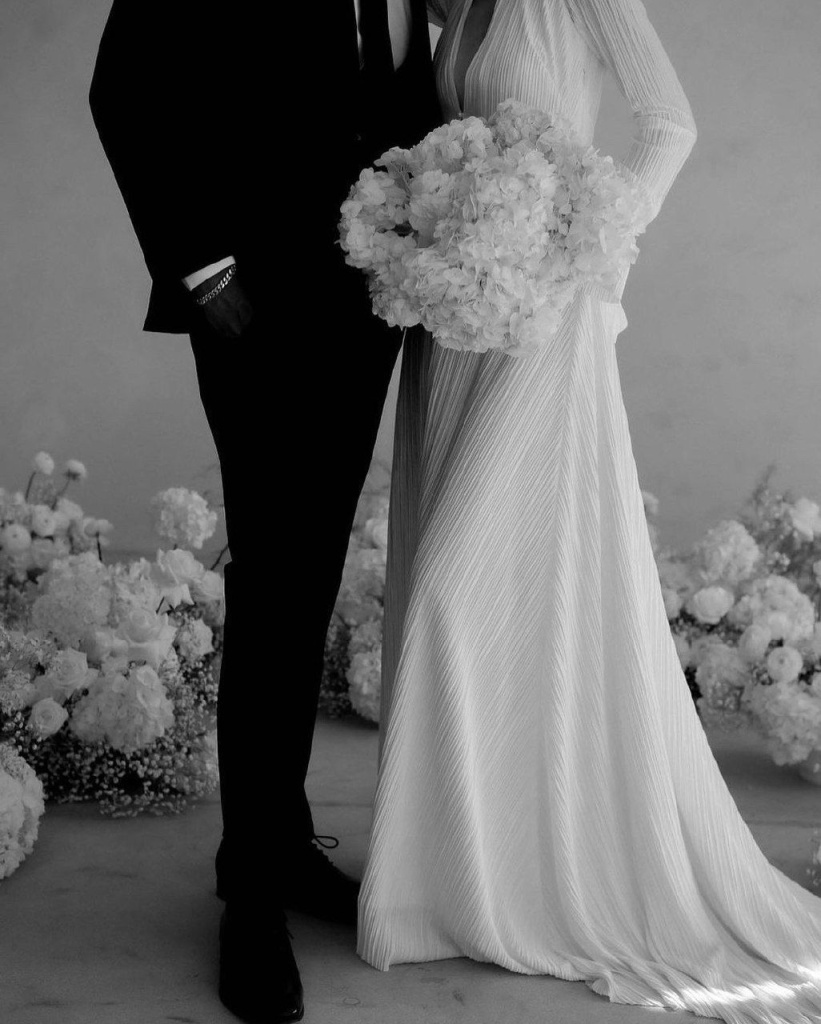
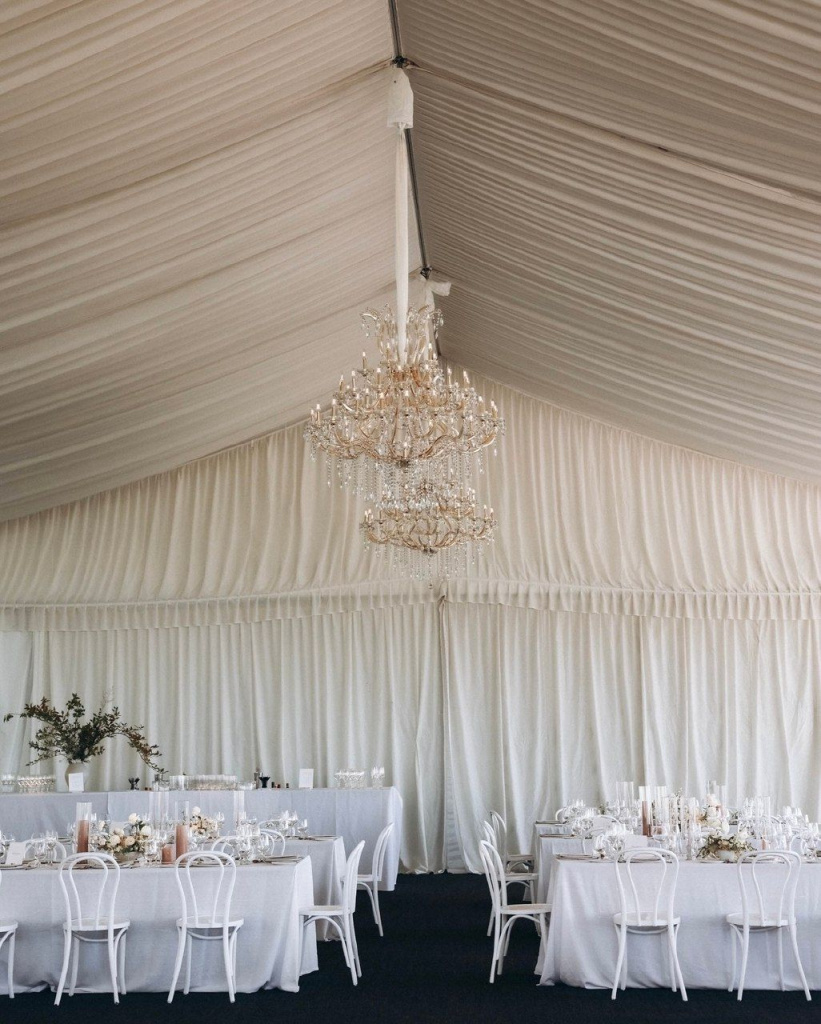
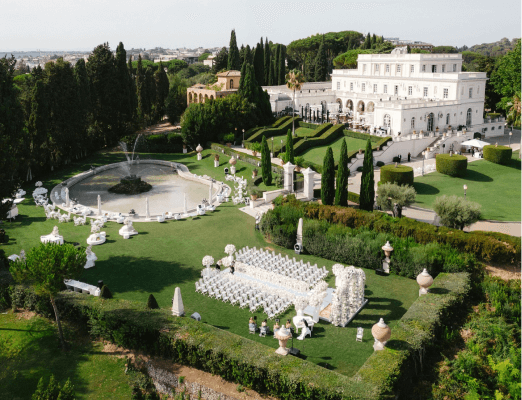
The venue does as much as the scheme in setting the atmosphere for a white wedding, and some locations pair perfectly with a completely white approach; a place that already has its own sense of grandeur or natural beauty lets the palette breathe on its own.
| Venue Type | Why It Works |
|---|---|
| Historic mansions and estates | Grand architecture and manicured gardens already carry an elegant, timeless quality |
| Luxury hotels and resorts | Polished event spaces and full-service planning simplify execution |
| Country clubs and golf resorts | Lush greenery and manicured lawns provide a refined natural backdrop |
| Vineyards and wineries | Rolling hills and warm indoor barrel rooms add romantic contrast |
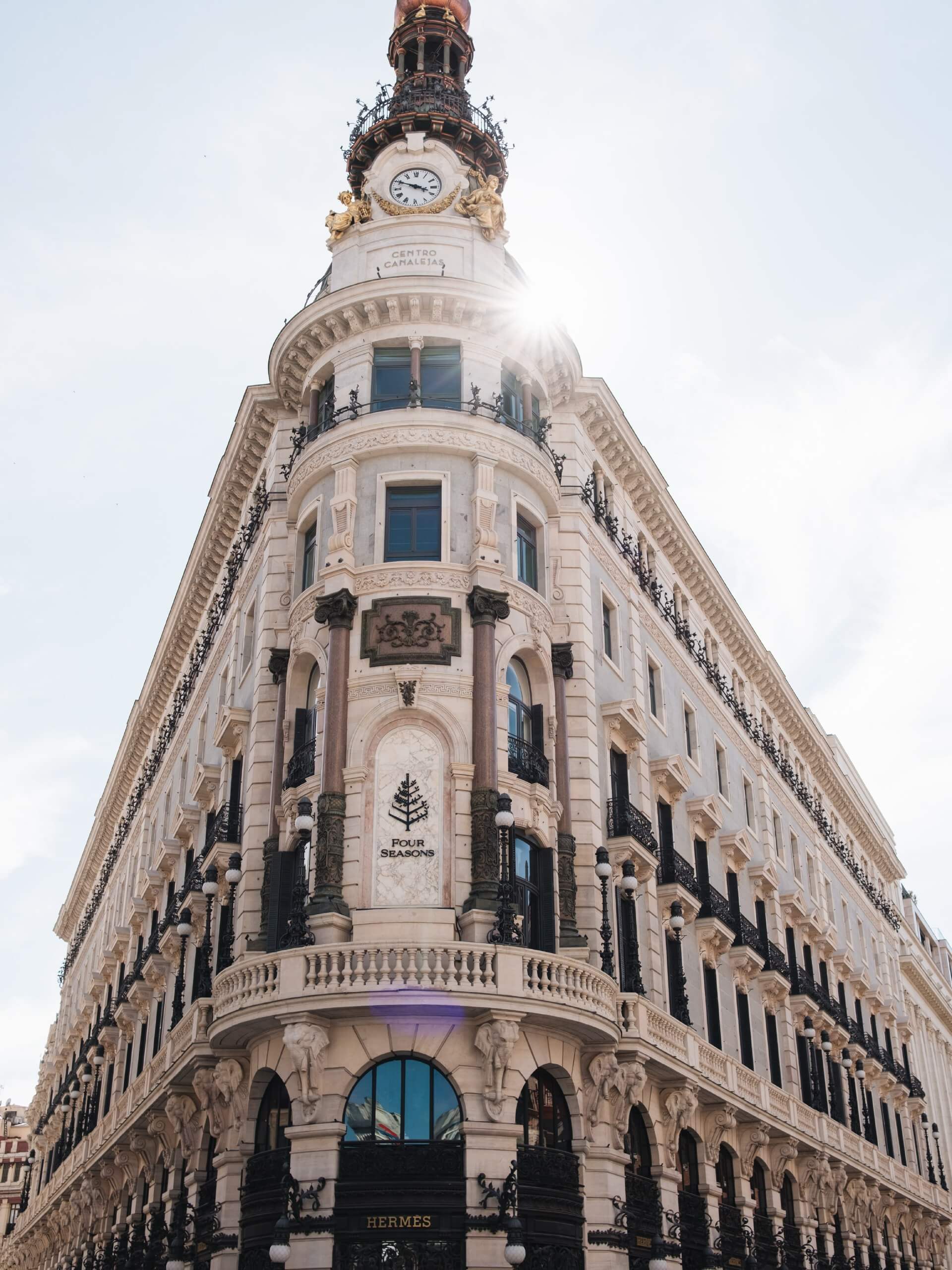
| Historic city hotels | Architectural detail brings sophistication with urban convenience |
| Botanical gardens and conservatories | Natural greenery and blooms complement white florals effortlessly |
| Castles and chateaus | Grand, fairy-tale architecture suits a fully traditional white wedding theme |
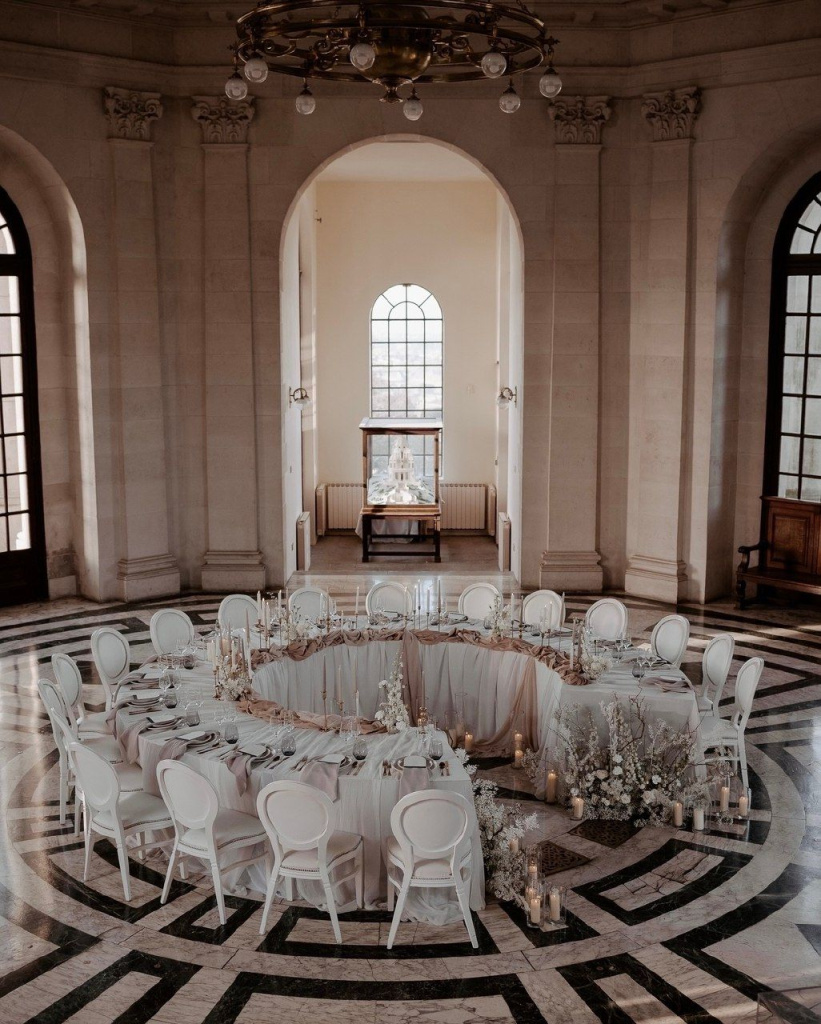
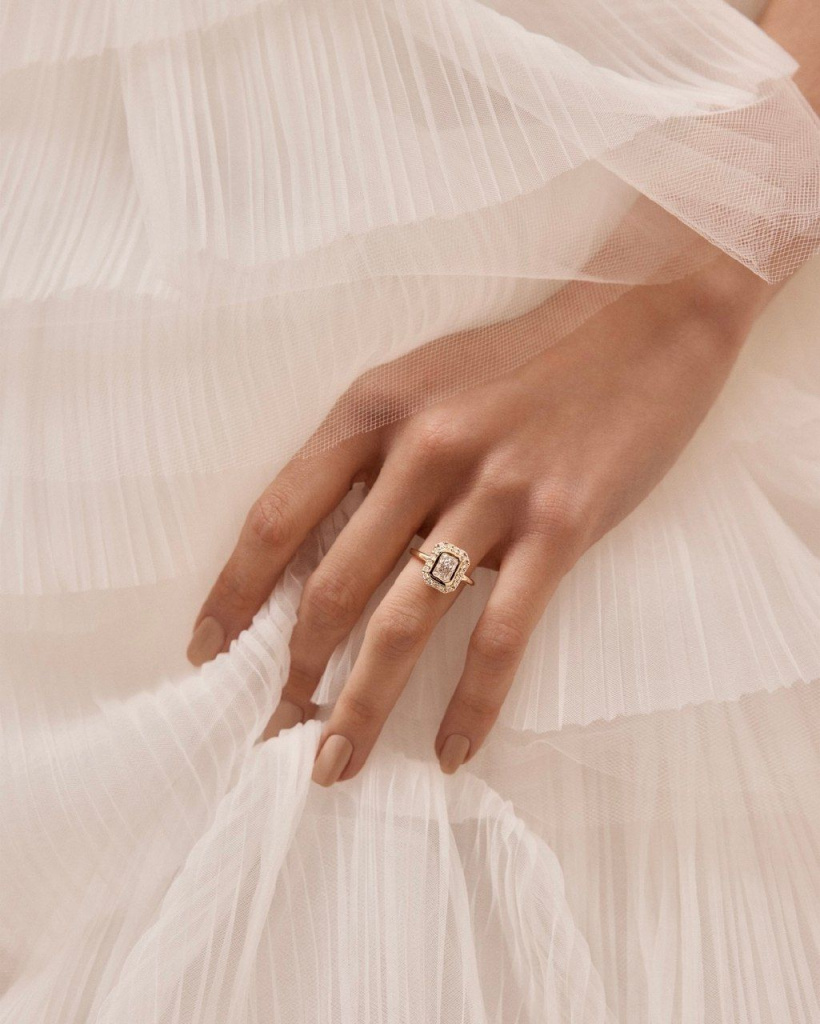
Whichever venue ends up chosen, the goal stays consistent. A space with its own architectural or natural character simply needs less added decor to feel intentional rather than sparse. For instance, the natural rolling hills of a vineyard can carry out the role that a florist would normally be paid to simulate, or a castle courtyard can be made to feel complete with just a single arrangement of white roses at the altar.
That said, not every venue suits the palette equally well.
An all-white wedding palette can work beautifully in almost any venue or season, but it should always be considered in relation to the setting,
says Serendipity Weddings. "I would be more cautious with spaces that are already very stark, monochromatic, or lacking in natural texture, as an entirely white design can sometimes feel flat rather than intentional." Rather than ruling the palette out entirely in those cases, Serendipity Weddings recommends introducing depth through different shades and finishes of white, layered textures, natural materials, sculptural florals, and carefully considered lighting, since the most sophisticated white wedding designs are ultimately about creating contrast and a sense of place while staying refined and timeless.
Top Ideas for Bringing a White Wedding Theme to Life
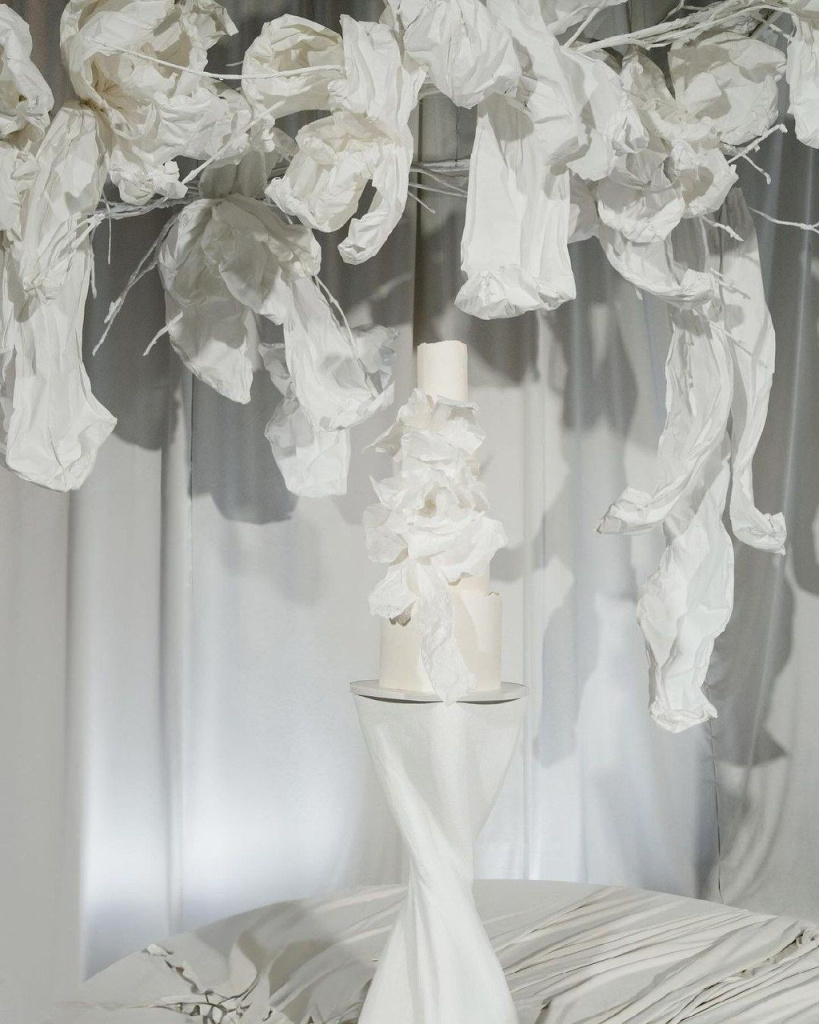
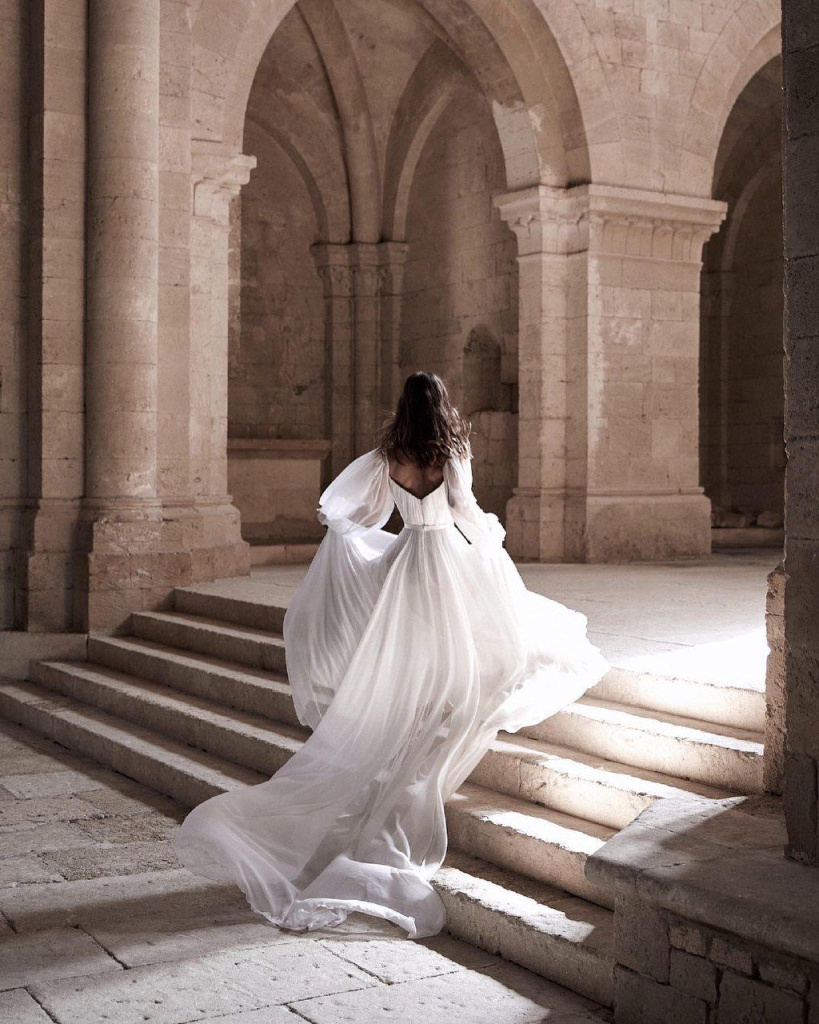
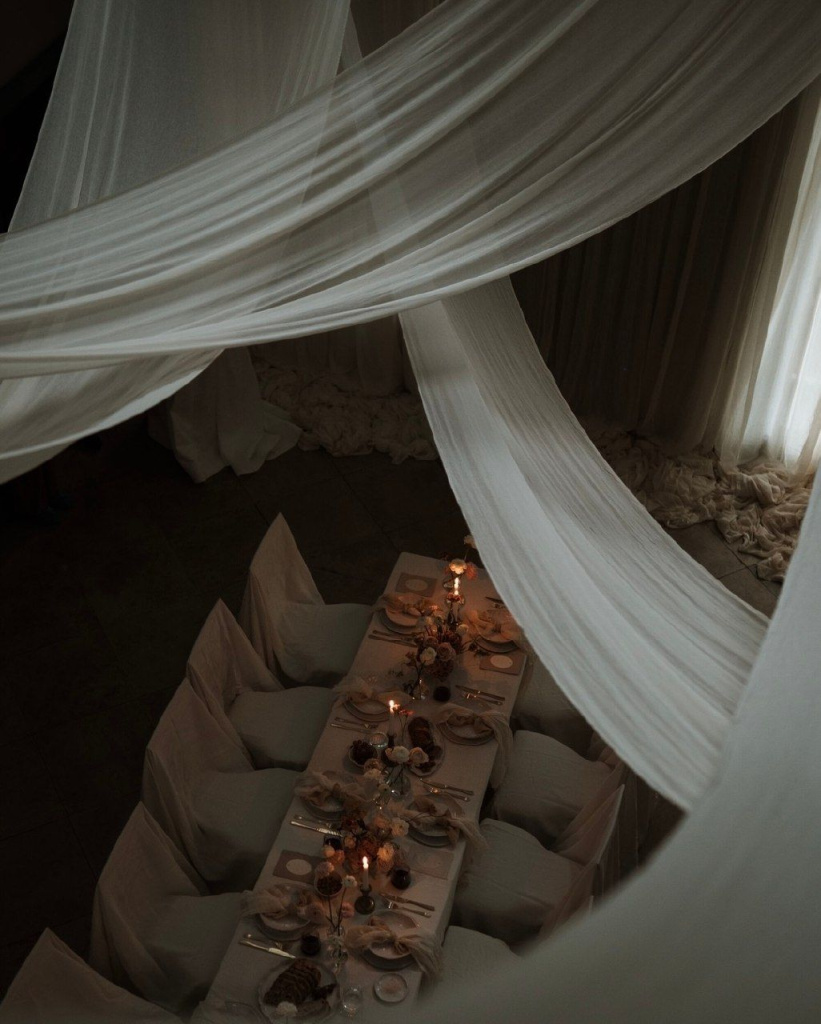
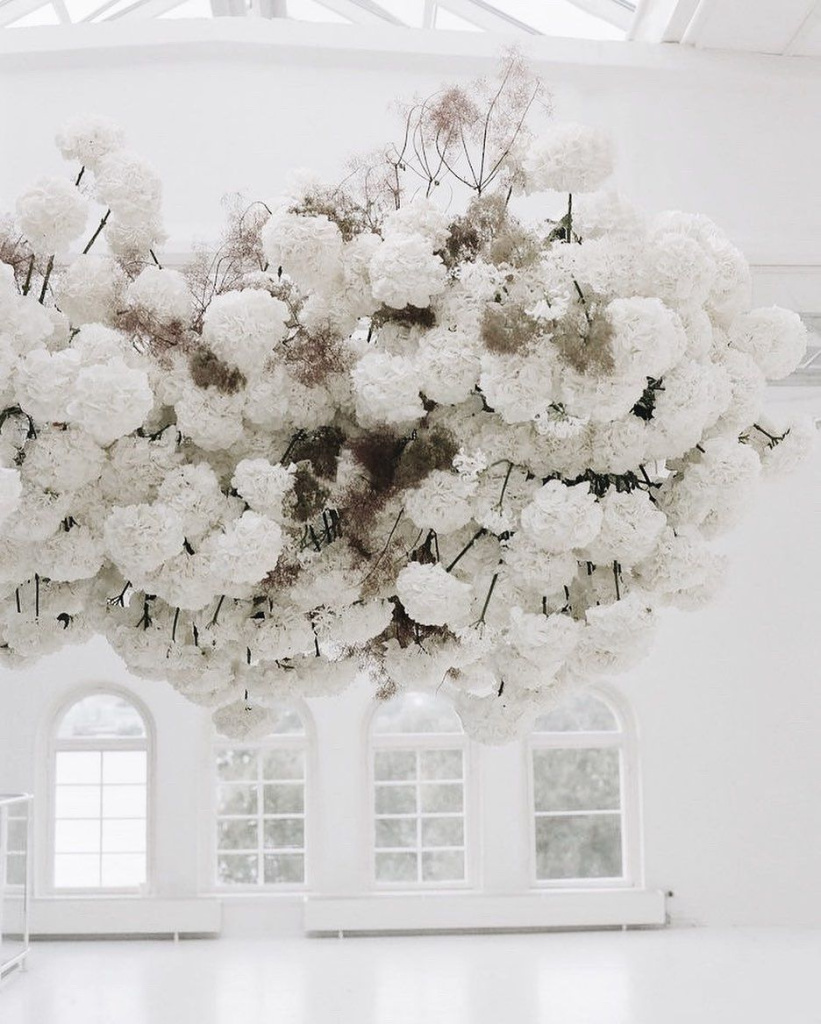
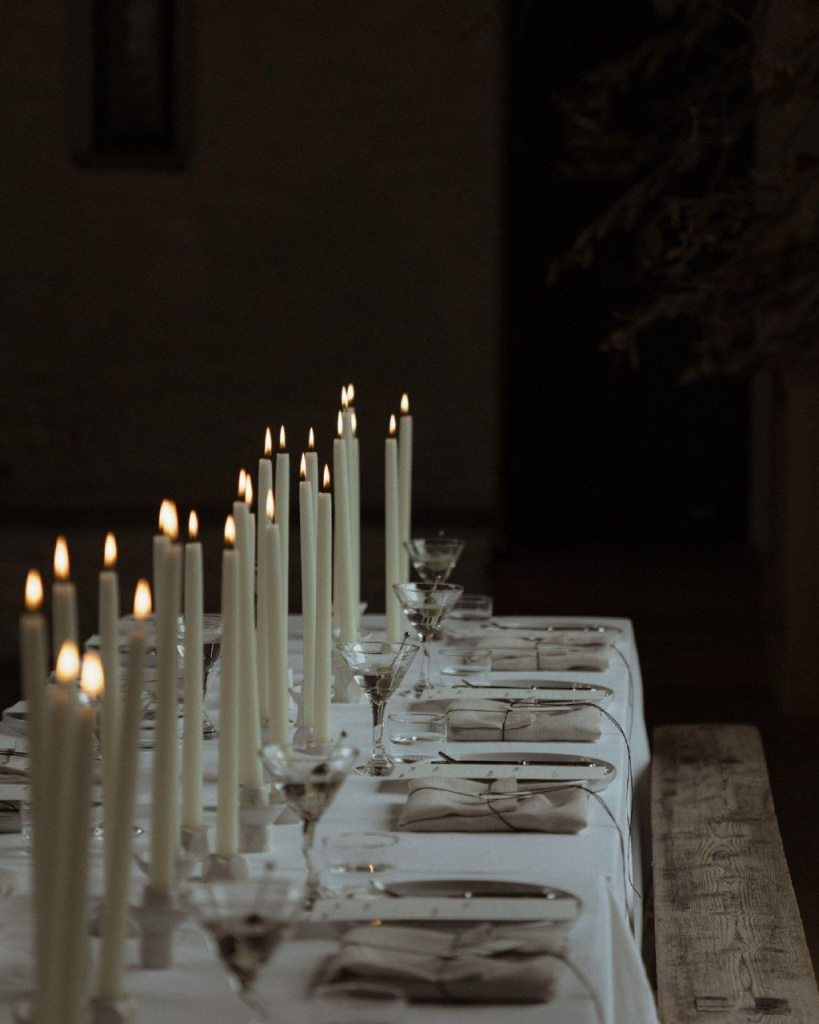
A white wedding theme succeeds when every part of the day, not just the color scheme, contributes to a feeling of timeless elegance. It is still a good idea to use traditional floral arrangements made up of white roses, peonies, and hydrangeas as a solid base, together with high-quality linens and lighting that add a refined touch without moving away from the main color scheme. Chandeliers, candelabras, and crystal decorations help create this sophisticated atmosphere, since candlelight reflects off crystal in a way it never does off a simple bulb, giving even a plain white background real visual depth. Linen deserves particular attention here, as Just Amore notes:
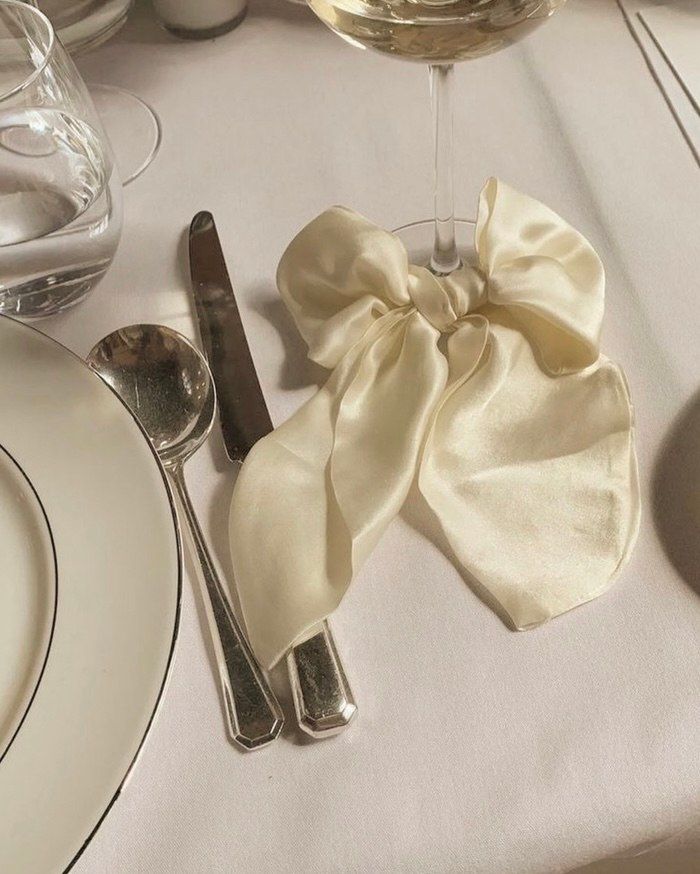
I personally love white and see very little downside to it - it is timeless, elegant, and incredibly versatile. The one thing couples often overlook is the linen: white is never just white, and its shade, texture, and quality can look completely different depending on the light and the setting.
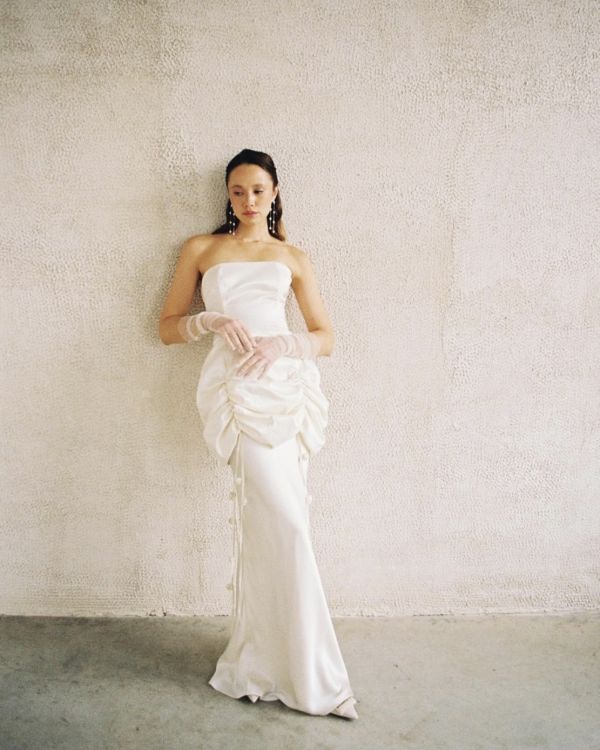
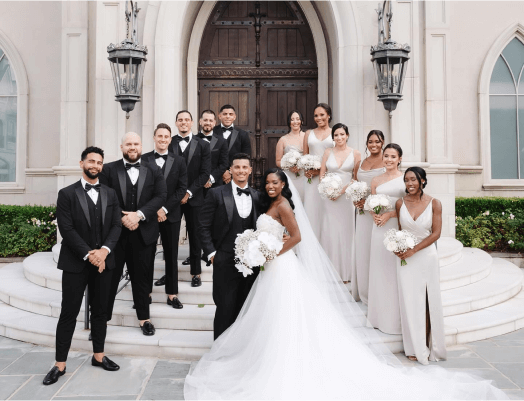
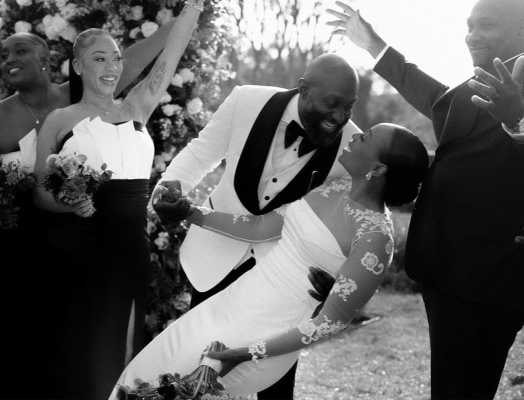
For the ceremony, the setting should still have restrained elegance, whether in a historic church, a large ballroom, or along a garden aisle bordered by white petals. Live music, whether performed by a string quartet or a solo pianist, adds a sophistication recorded music seldom achieves. At the reception, a cocktail hour featuring elegant hors d'oeuvres together with a live band or a DJ helps to maintain the same atmosphere from the ceremony right through to the dancing, while the choice of clothing - a traditional wedding dress with lace or beadwork for the bride and classic black or navy suits for the groom's party - brings the entire day back to the classic white theme.
Just as in any other kind of wedding, personal touches are just as important within this kind of wedding. Whether it's a family heirloom, a meaningful reading, or a small detail woven into an otherwise traditional white wedding, these elements ensure the day feels less like a template and more like a true reflection of the couple's marriage.
Is a Classic White Wedding Outdated, or Still the Foundation?
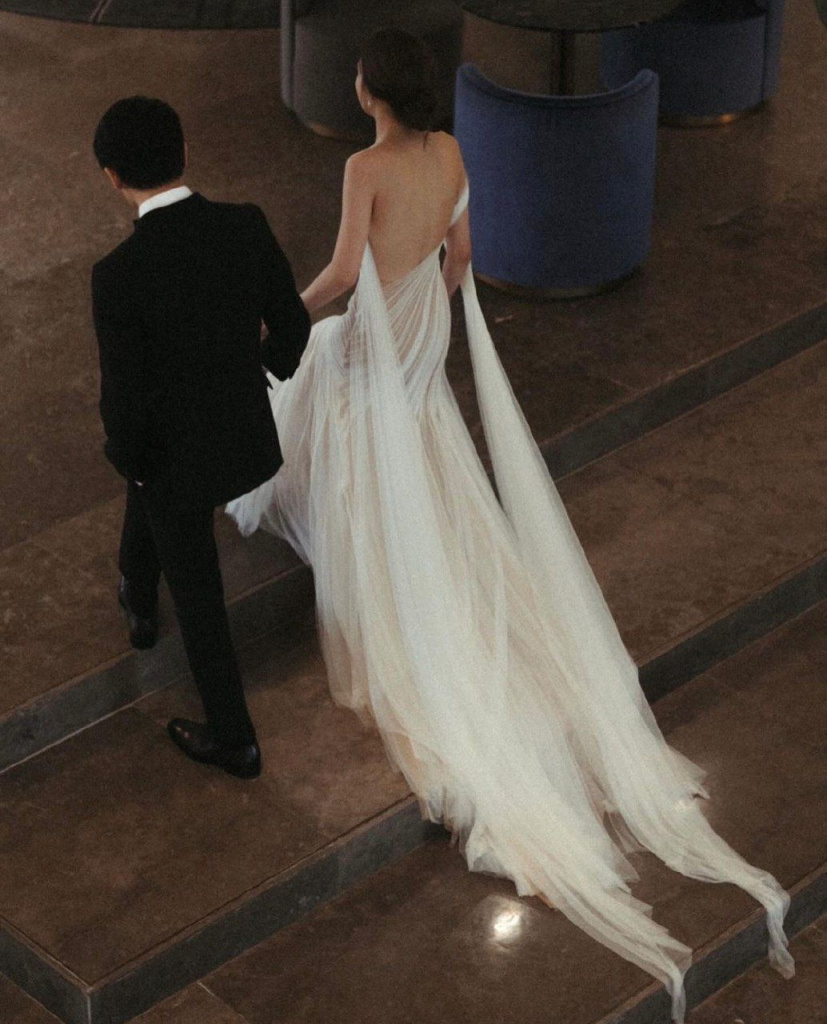
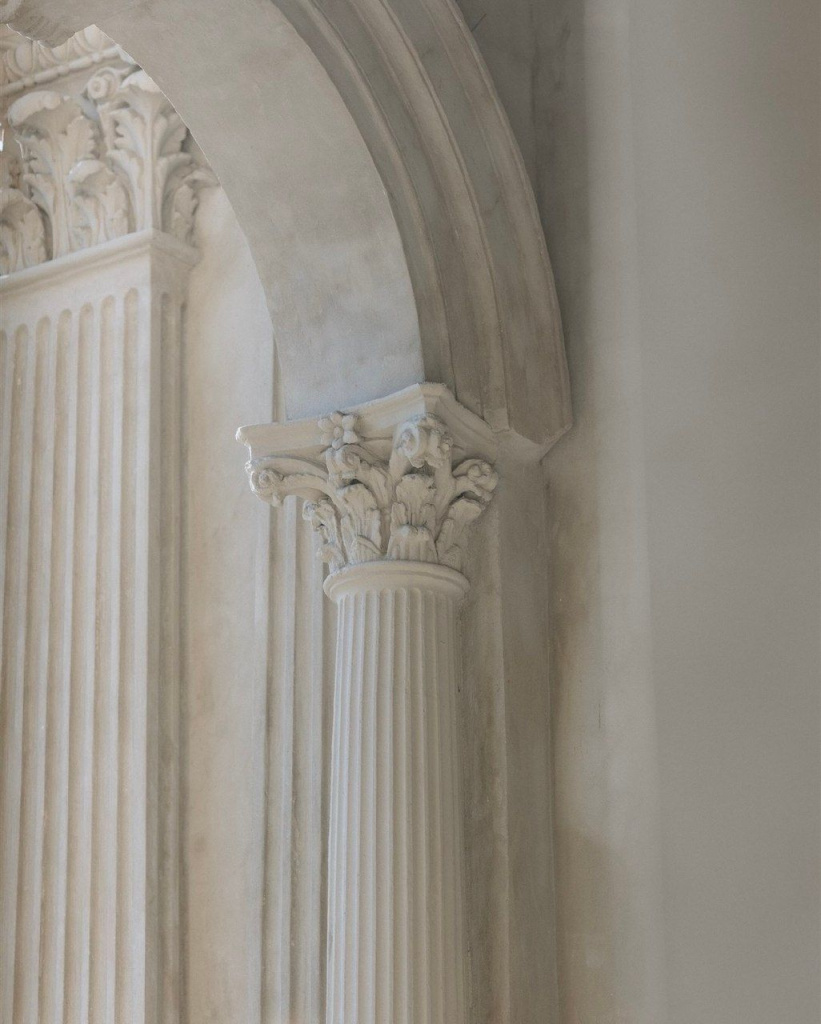
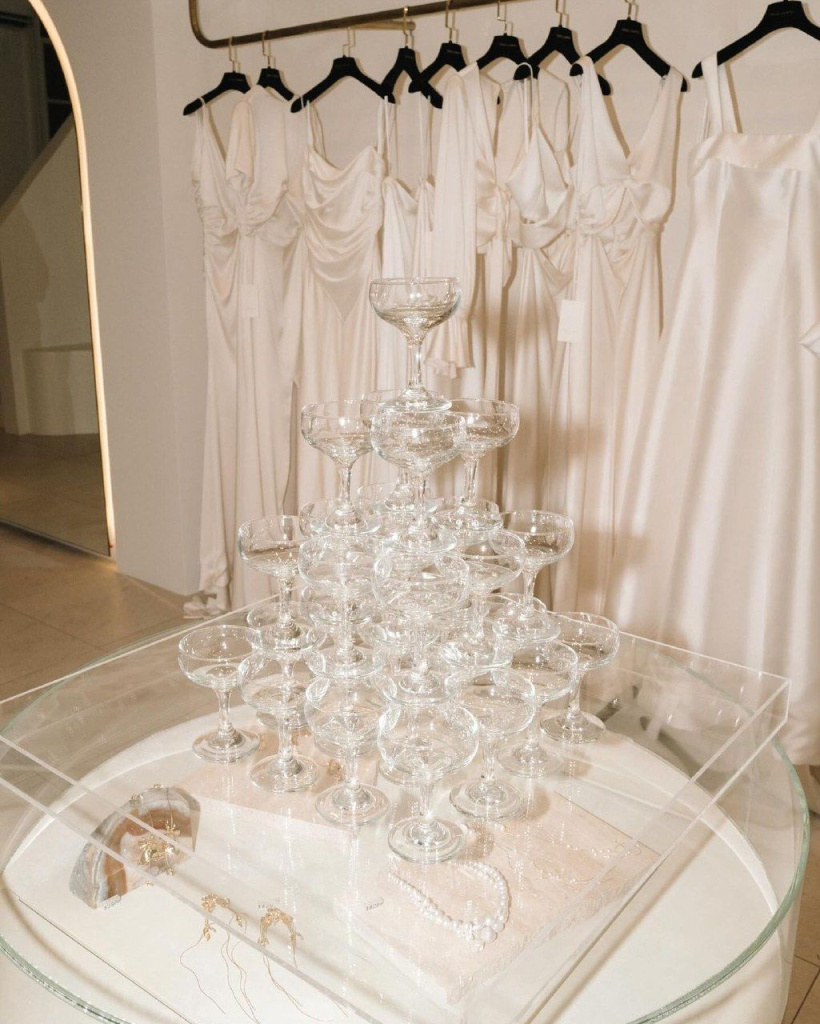
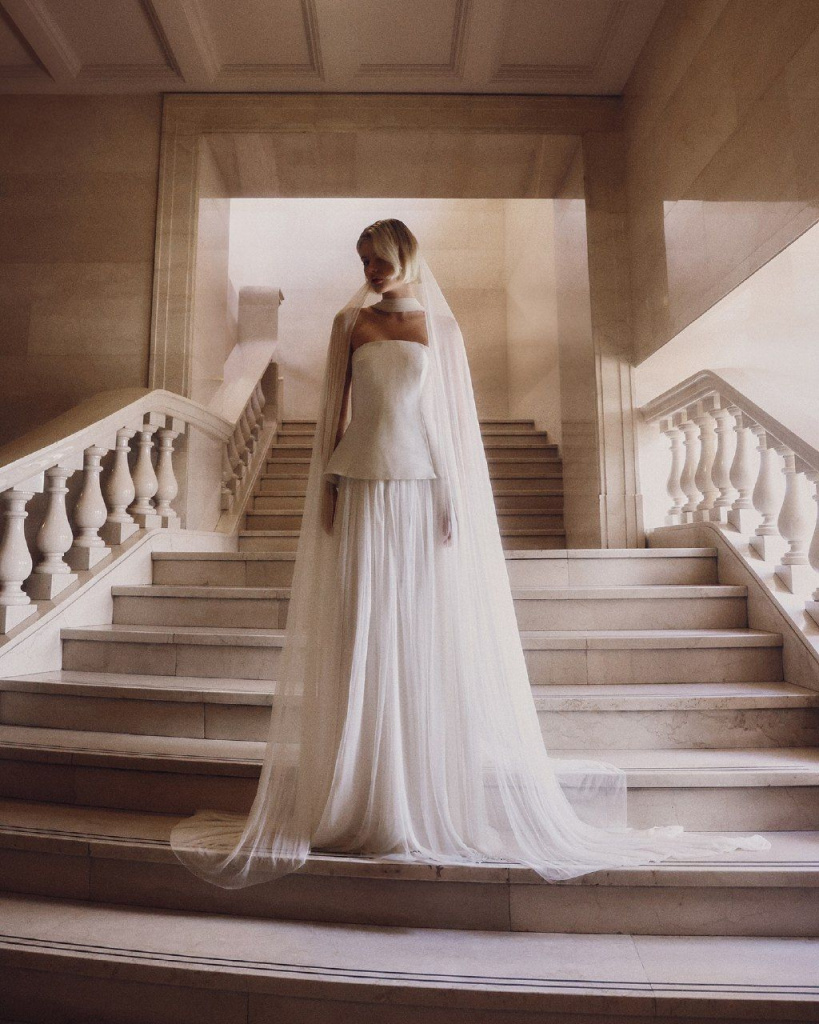
Wedding fashion continues to change, which leads to a reasonable query as to whether an all-white style is still worthwhile or if it has now become an outmoded standard rather than a real option; the straightforward reply is that white has stayed at the heart of the wedding industry simply because it has never had to rely on fashion trends to remain in favor.
White wedding themes draw on features that have stood the test of time, such as elegant decor, traditional clothing, and a conscious emphasis on romance and refinement rather than newness. This doesn't mean the wedding is unoriginal. A couple can have a completely all-white wedding theme and still make it feel like their own by choosing the venue, selecting the flowers, and adding personal touches to an otherwise timeless foundation. Choosing white doesn't mean making no decision at all; in fact, it is one of the few color options flexible enough to accommodate almost any other style.
An all-white palette only touches on the possibilities available in a wedding's overall color scheme; it is still one of the most dependable options for couples who want something that will look elegant in photographs many decades from now. The Wezoree directory of wedding planners goes well beyond white, offering a variety of color directions for couples still figuring out how their day should look.

FAQ
What is a white wedding, exactly?
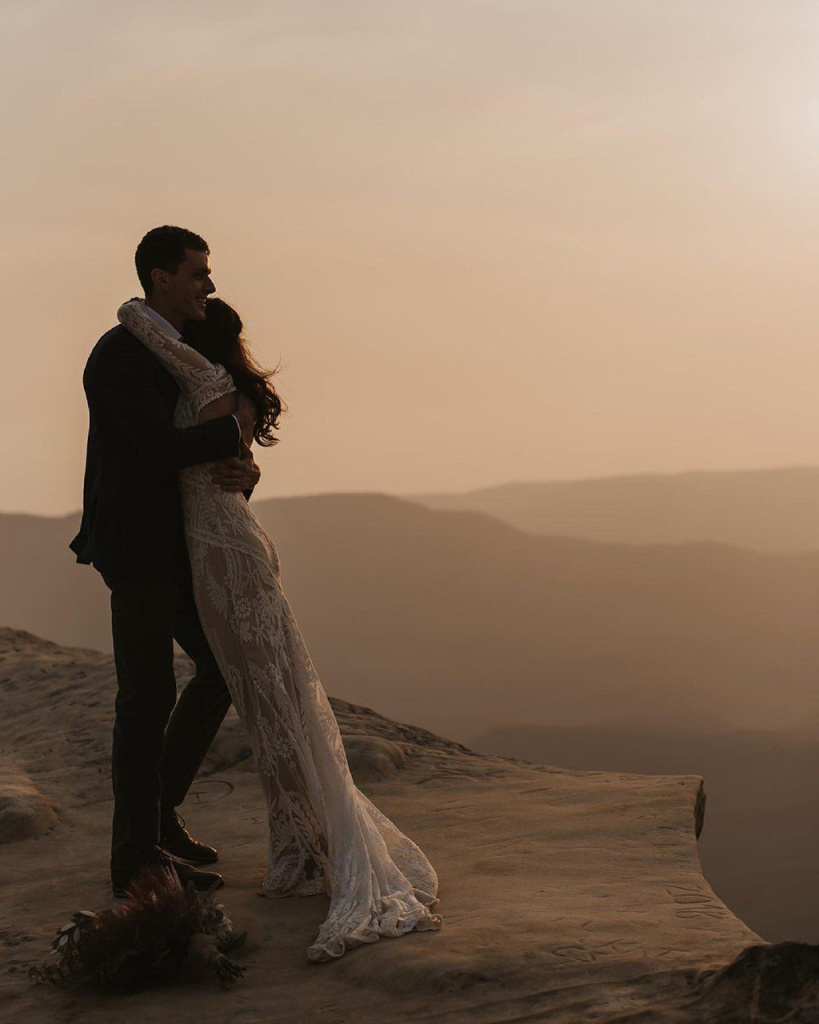
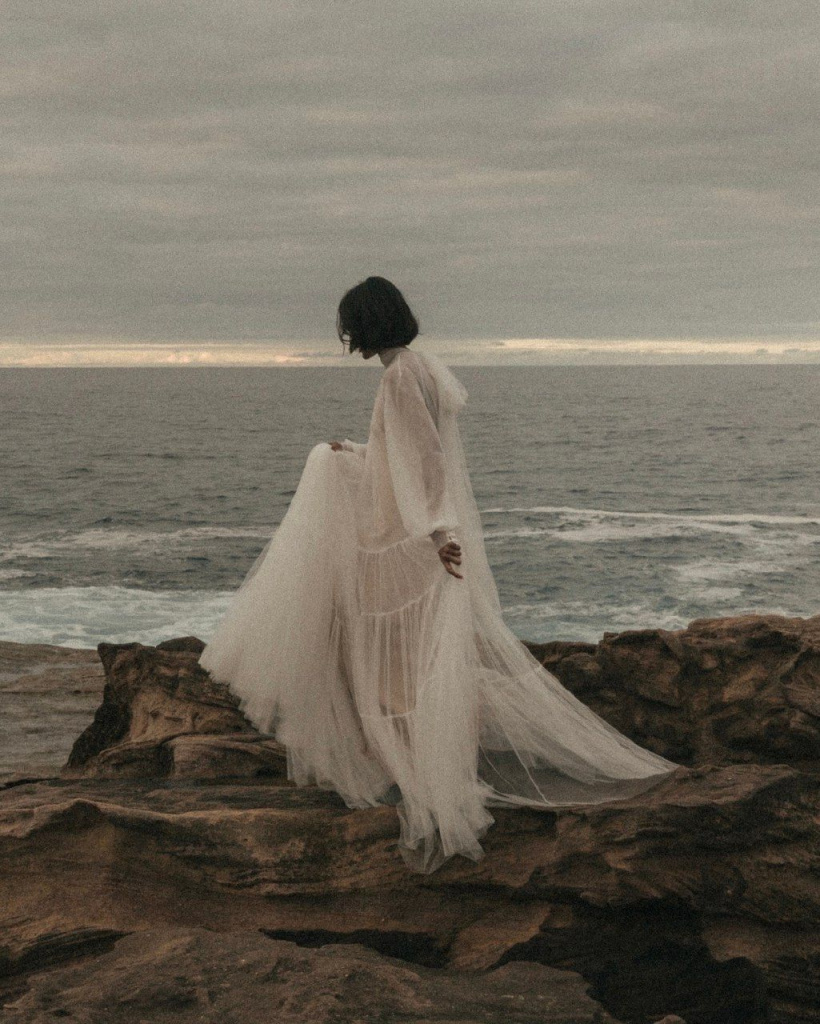
A white wedding refers to a wedding built around a white or ivory color palette, most visibly in the bride’s gown, but extending into florals, table linens, and overall decor. The term also carries a broader cultural meaning tied to traditional Western wedding customs, though as a design choice, it simply describes a palette centered on white as the dominant shade.
Is an all-white wedding color scheme too plain?
Not when it’s built thoughtfully, a wedding white color palette gains real depth through texture, metallics, greenery, or soft pastel accents layered on top of the white base rather than left completely bare. The palette reads as plain only when every element matches in both shade and texture with nothing to create visual contrast or interest.
What’s the difference between white and ivory in a wedding color combination?
White reads as crisp and cool-toned, while ivory carries a warmer, slightly creamier undertone, and a white wedding color combination built from both together tends to look more layered than either shade used entirely on its own. Photographers and planners often recommend testing both under the venue’s actual lighting, since ivory can shift more noticeably in artificial light than pure white does.
Can a white wedding theme work for an outdoor or rustic venue?
Yes, a fully white palette adapts easily to outdoor settings, greenery, wood tones, and natural textures already present at a garden or barn venue pair naturally with white linens and florals without needing heavy additional styling. The venue’s own natural elements often do more of the visual work than in a fully indoor, formal setting.
How do you keep an all-white wedding from feeling cold or sterile?
Warm lighting, natural greenery, and varied textures, linen, lace, dried florals, wood, all help an all-white wedding read as inviting rather than stark. Metallics like gold or rose gold also add warmth and visual interest without introducing a second dominant color into the palette.