Visual Identity Is the New Wedding Theme
- Author: Natali Grace Levine
- Reading time: 6 min12 sec
- Publication date: 09/07/2026
- Updated: 10/06/2026


For many years the key creative decision when planning a wedding had been to choose a "theme" - this could be a colour scheme, maybe a season, or a mood board assembled by a dozen different people. Nowadays, the planning of luxury weddings in 2026 is slowly moving away from this method altogether. The term that planners and designers are now employing is "identity", and the difference between the two extends well beyond a simple change of words; it influences where the design process starts and how extensively it is carried out.
Find Your Perfect Wedding Vendors

Forget “Theme”: Weddings Are Getting a Visual Identity Instead
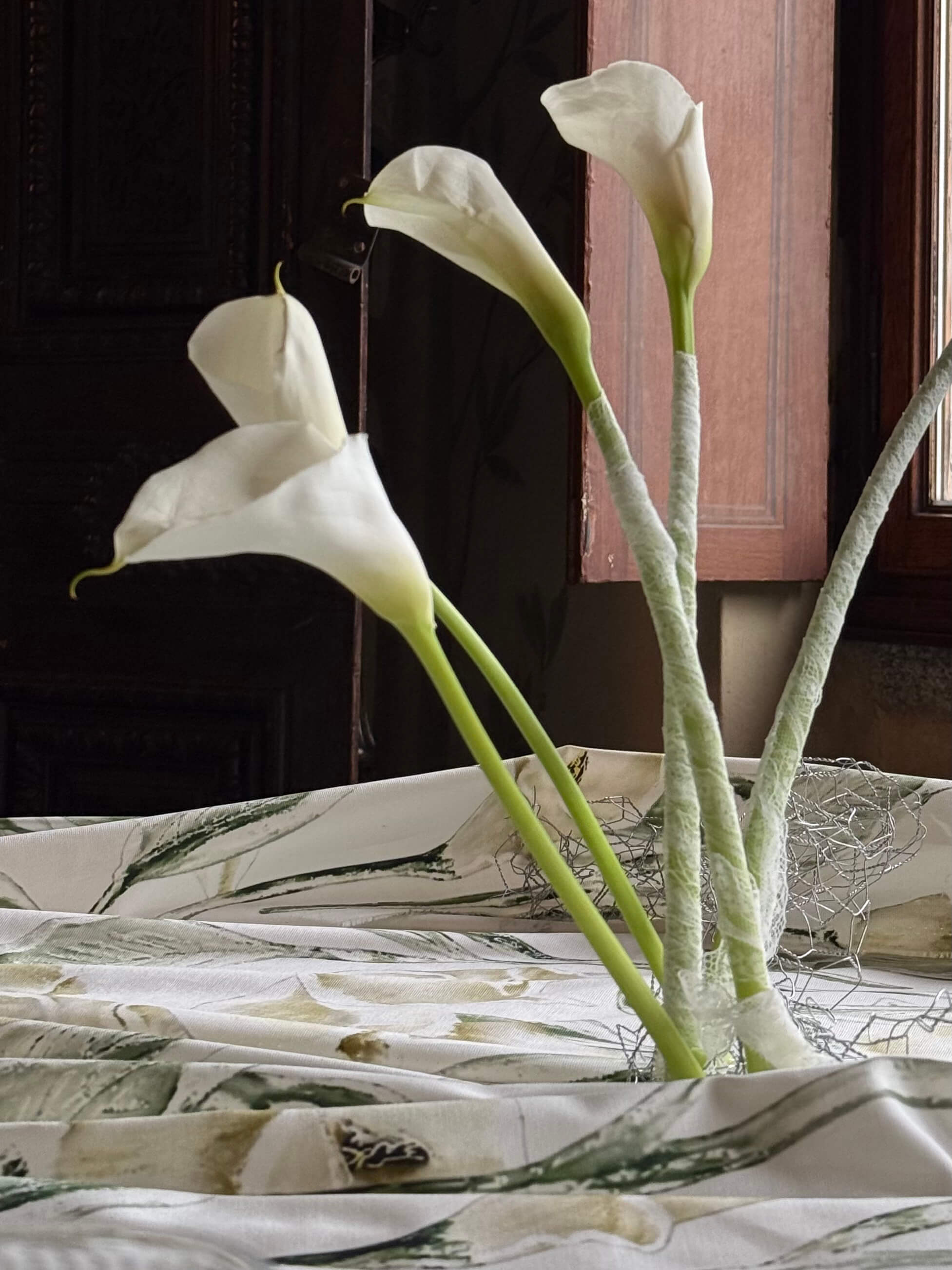
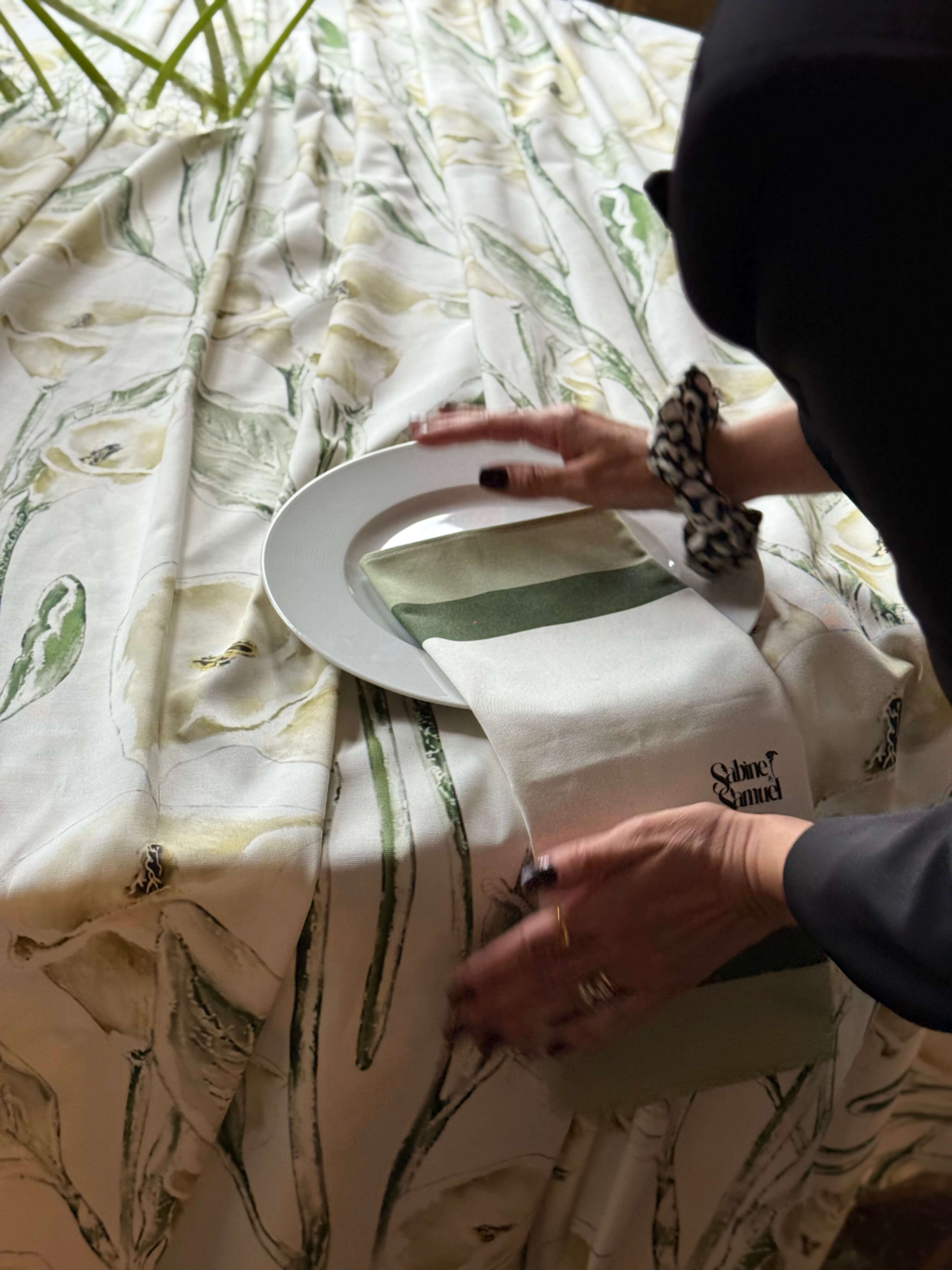
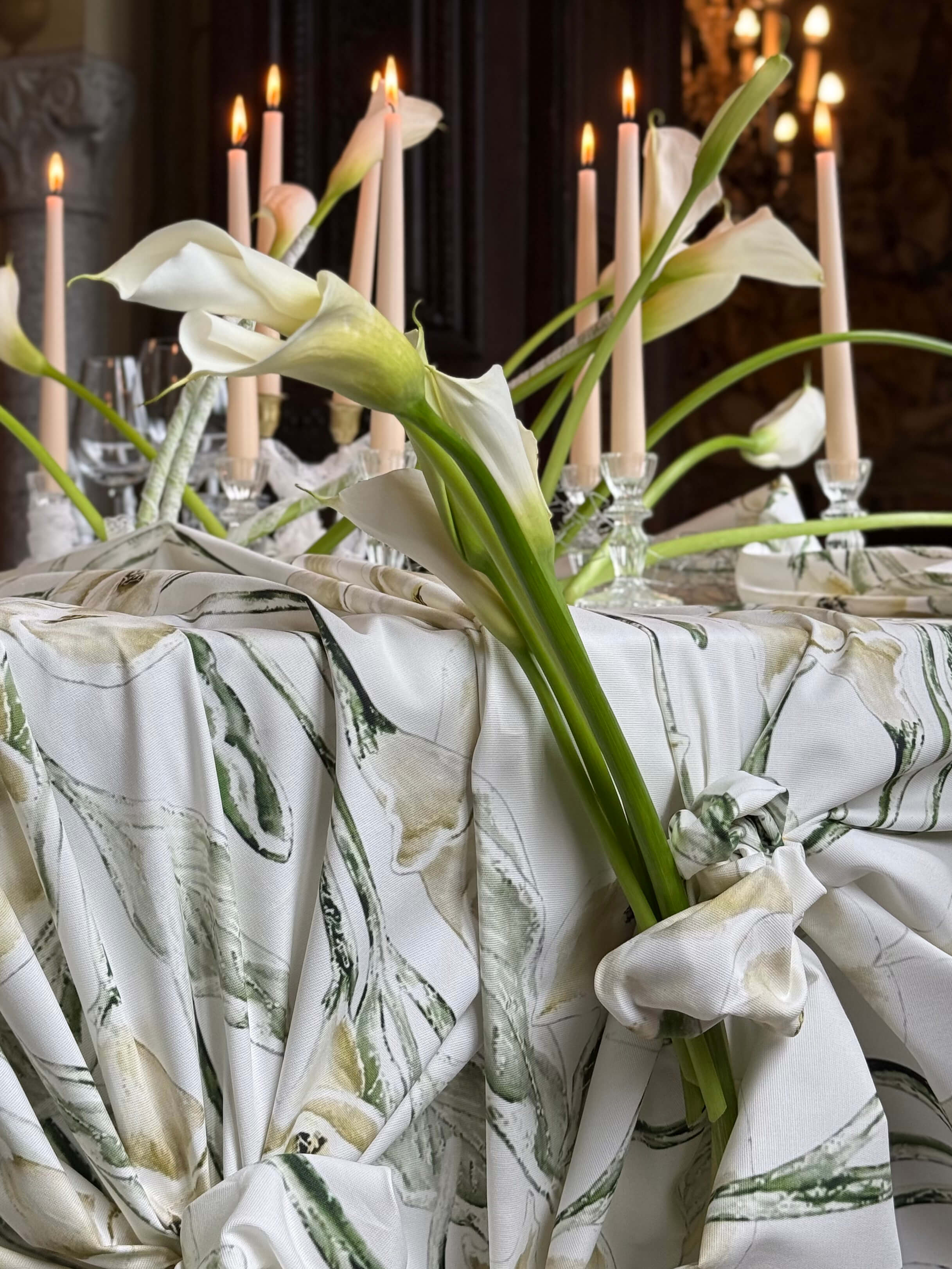
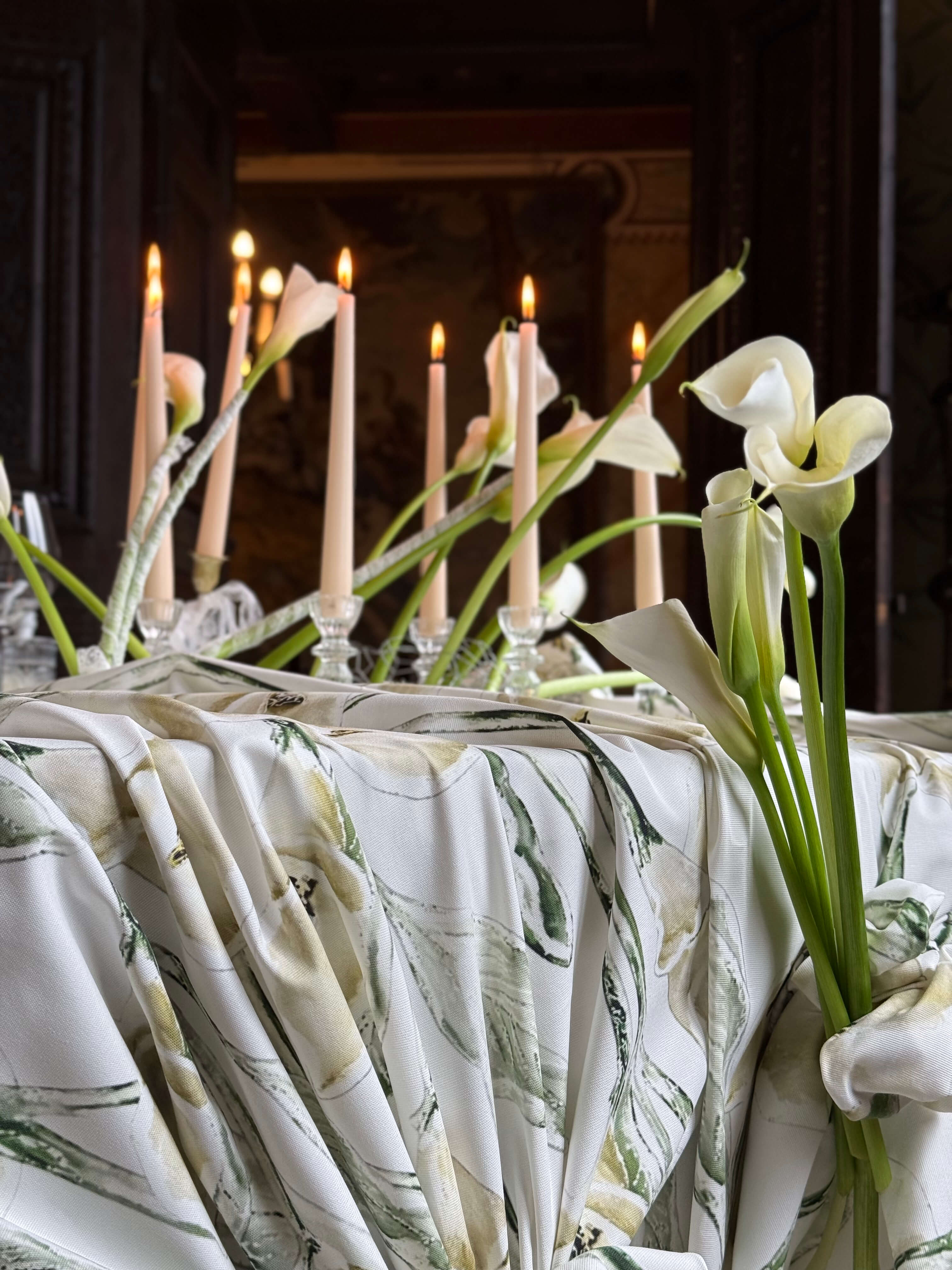
A mood is something that you choose after the fact; you decide that you want a particular “romantic garden” or “modern minimalist” style and then search for flowers, linen and stationery that fit that description. In the case of a visual identity it's the opposite: it starts with a single item of original creative work - for example, an illustration, a pattern, or even a single line or a colour study - and all the other elements are developed from that origin, just as a brand's visual system grows out of one logo rather than from a Pinterest board containing a number of unrelated references.
| Traditional Theme | Visual Identity | |
|---|---|---|
| Starting point | A mood, color, or season | One original illustration or design element |
| How decor gets chosen | Matched to fit the mood | Translated directly from the source artwork |
| Consistency | Similar tones and materials | Every detail traces back to the same original line |
| Feels like | A well-coordinated event | A single piece of design, expressed across a day |
The difference is important since it affects what can actually be done. A theme can be put together using the existing catalogs of various vendors but a visual identity generally cannot - it has to be designed, one element at a time, specifically for the couple you have in front of you.

Where a Visual Identity Actually Starts
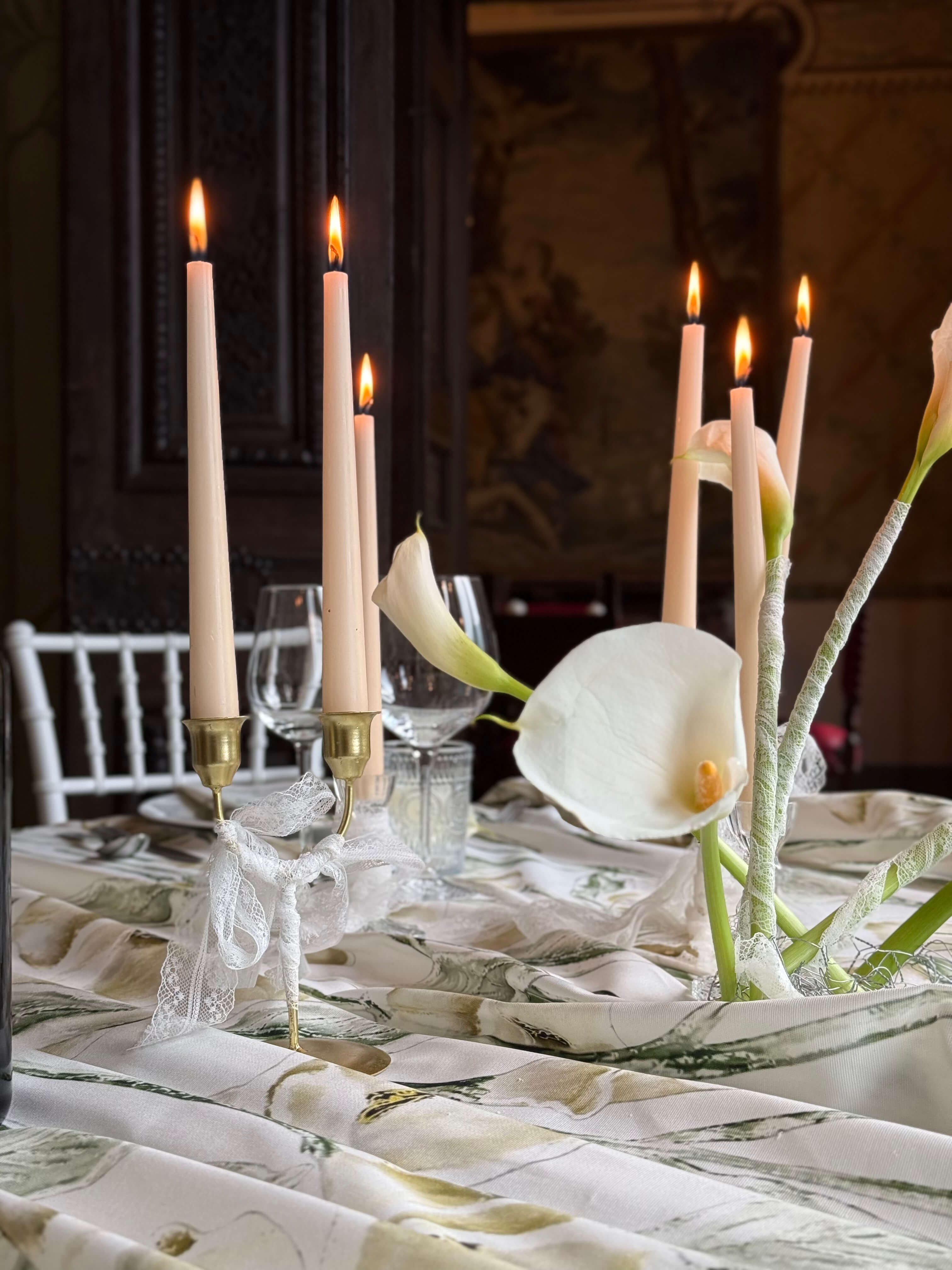
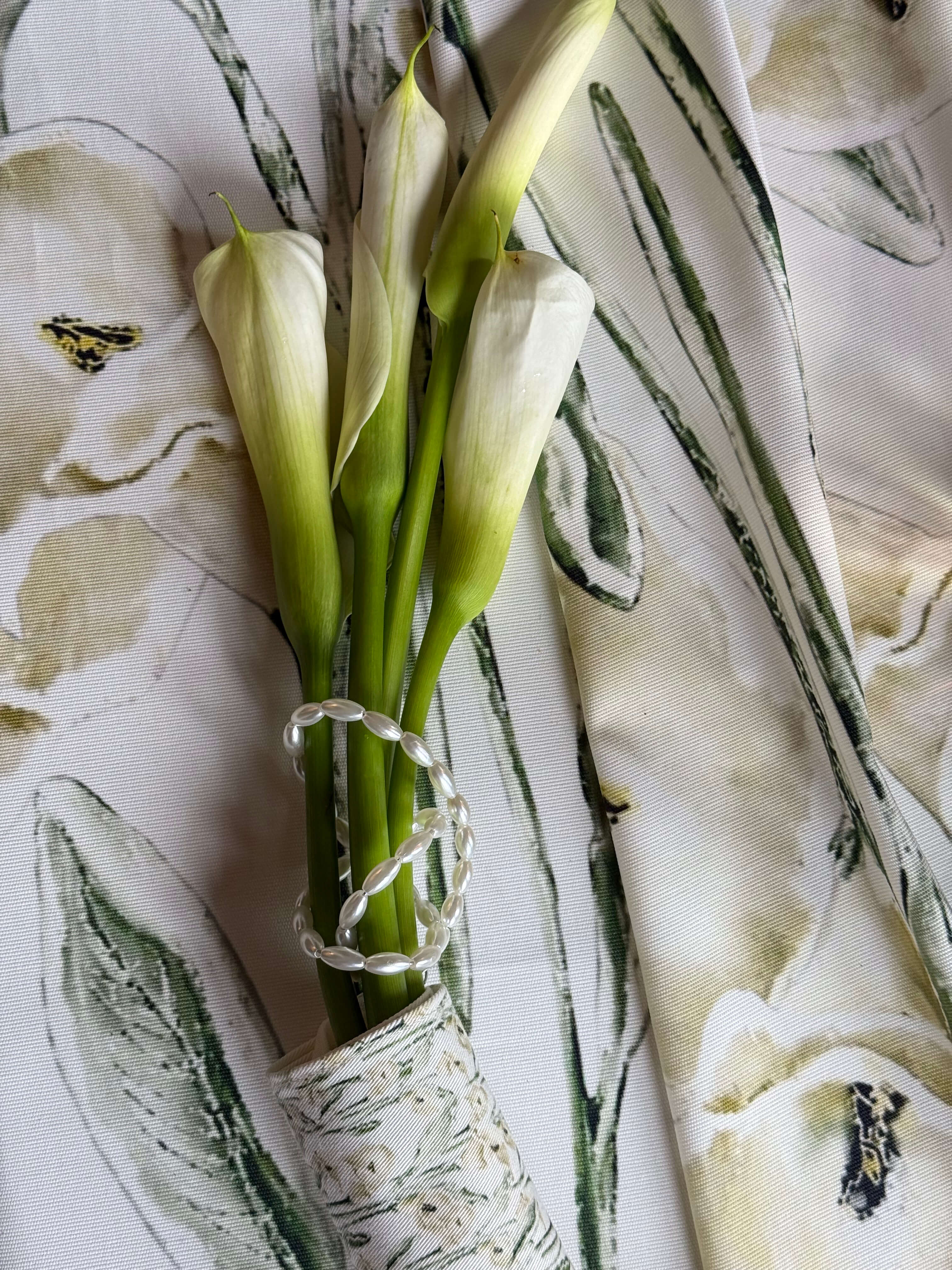
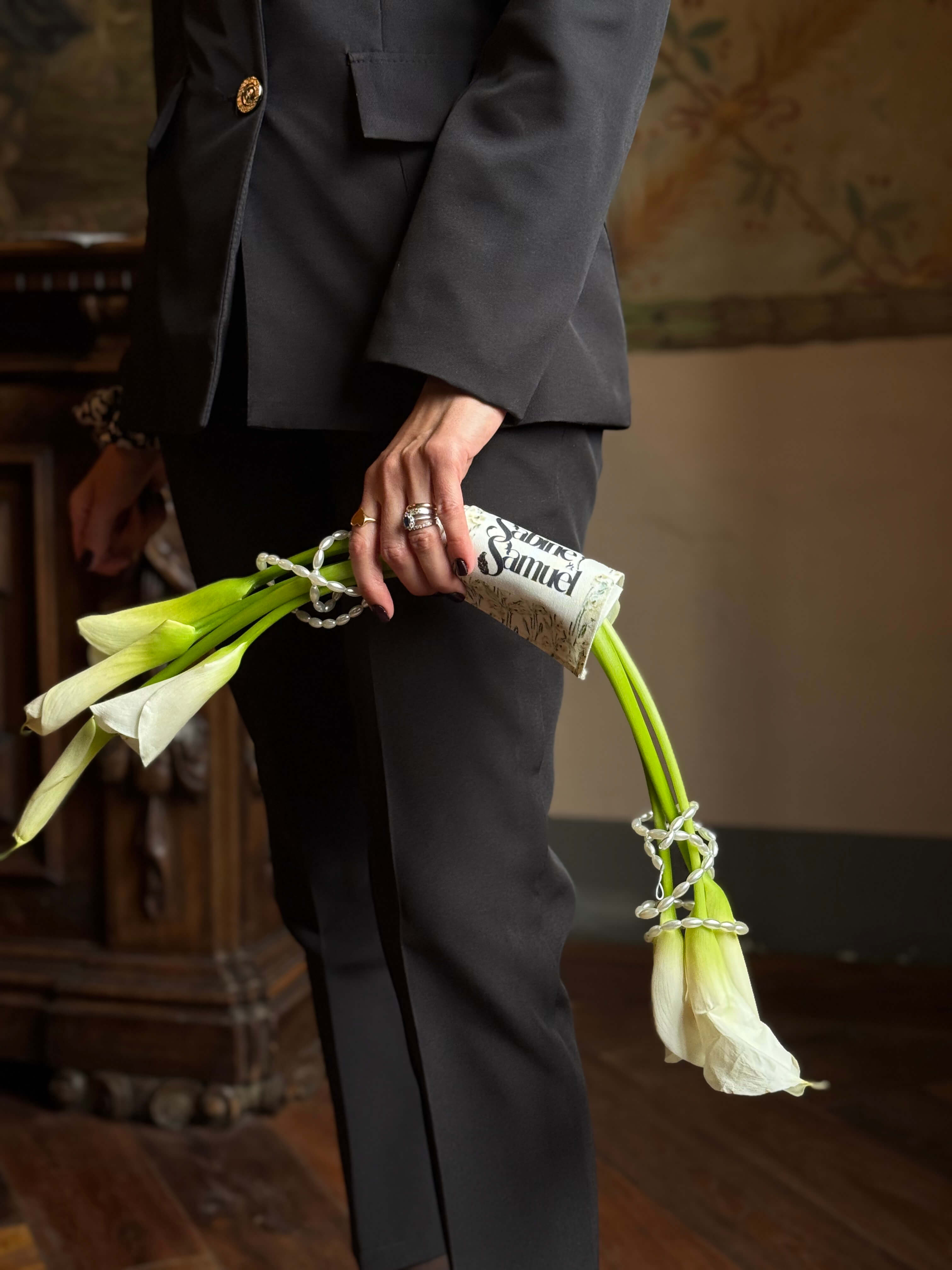
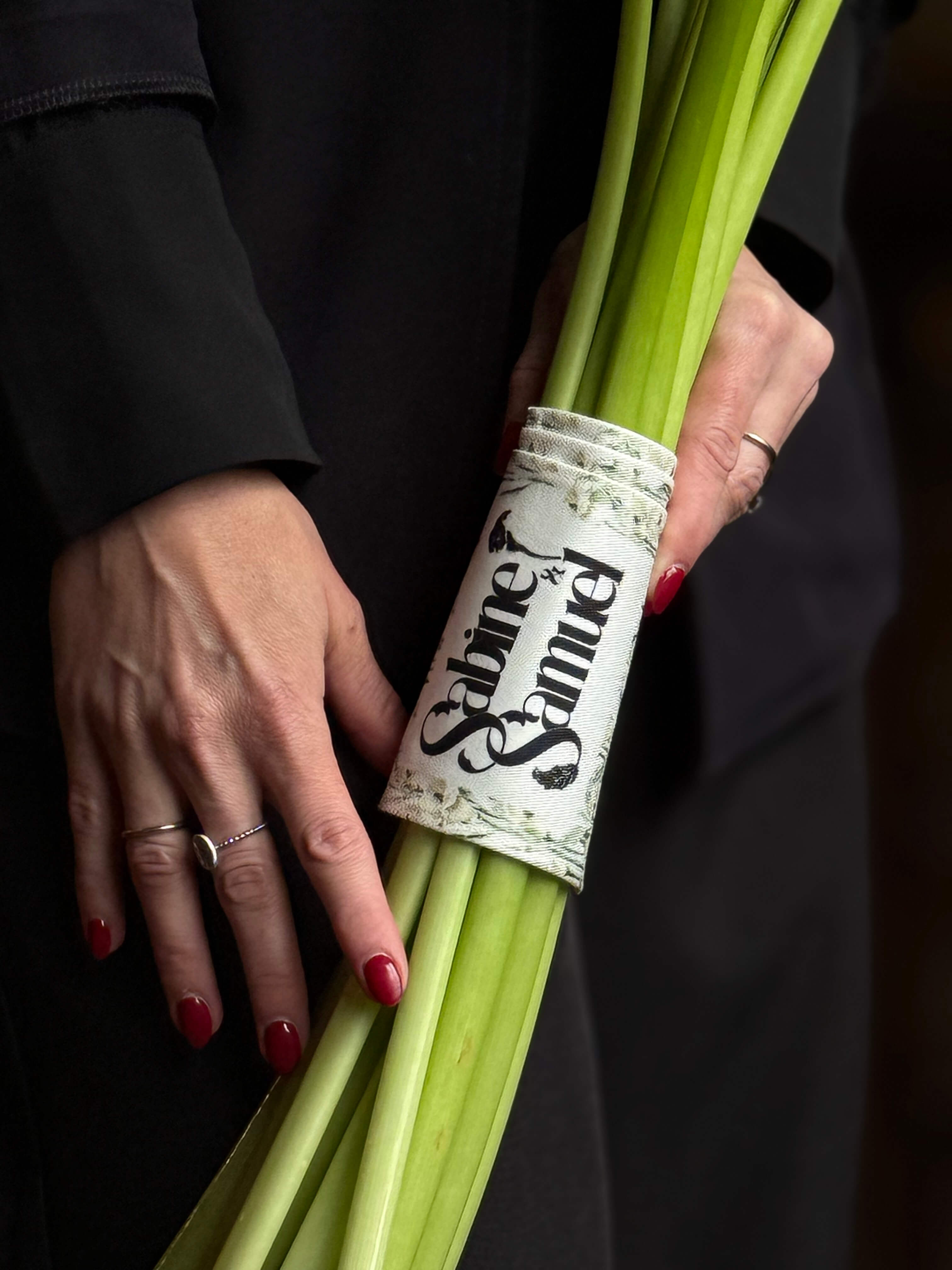
A genuine visual identity generally begins with a single creative decision, one that is made well in advance of any conversations with suppliers. In certain instances this means employing a designer to create a particular illustration for the couple; in other cases the choice is a colour drawn from something personal - for example, a family heirloom, a favourite flower, or the colour scheme of the venue. The key point is that it is not the medium that matters but the fact that the decision is made first, before the florist, before the stationer, and before anyone starts to consider the linens.
The fact that sequencing is the real difference from the way most weddings are still planned is that, instead of putting together separately chosen elements and hoping they appear cohesive, a visual identity approaches the wedding just as a brand approaches its own design system - with a single source of material being applied consistently rather than with several good ideas being loosely coordinated to look similar.
How One Idea Spreads Into Every Detail
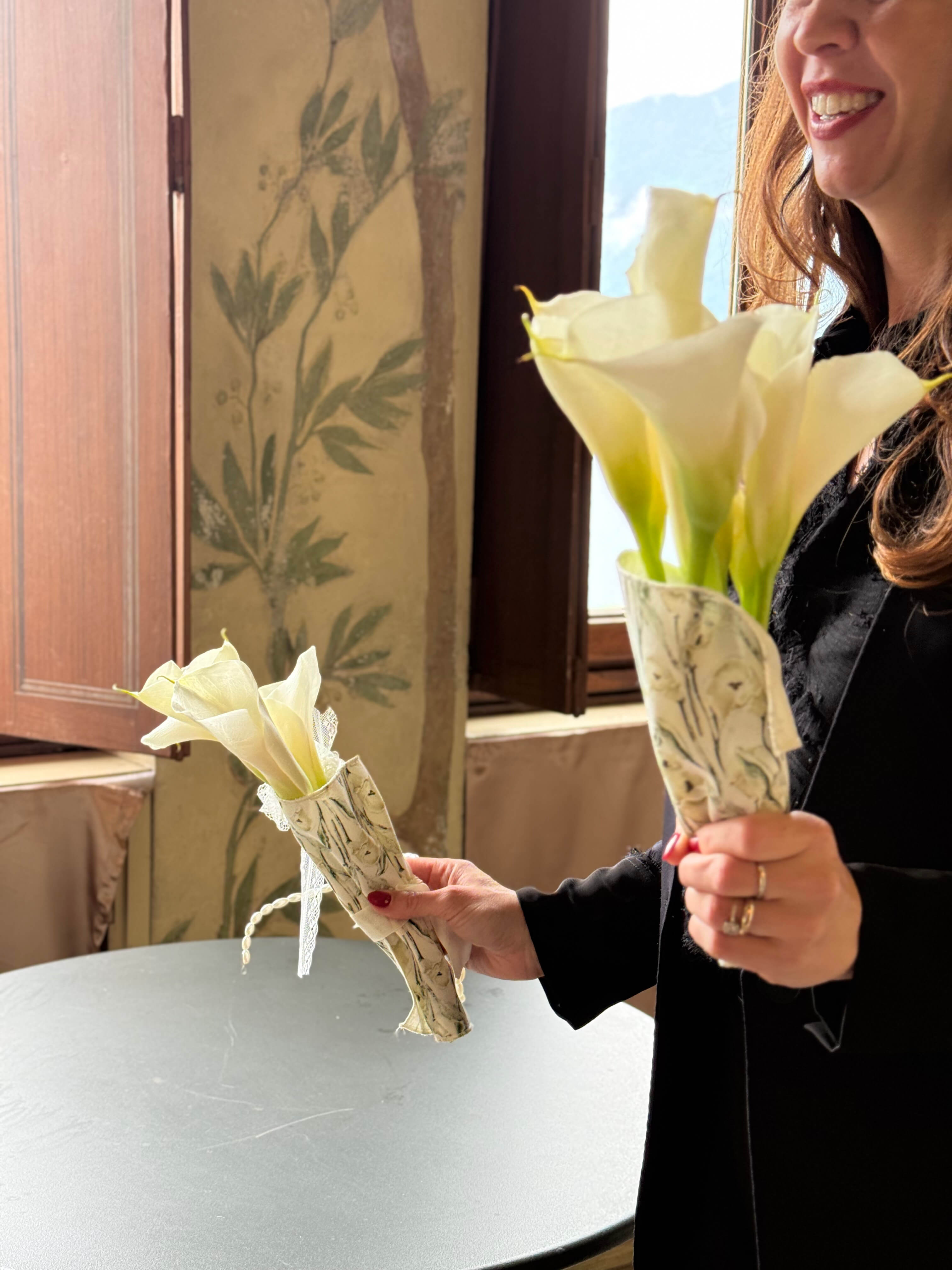
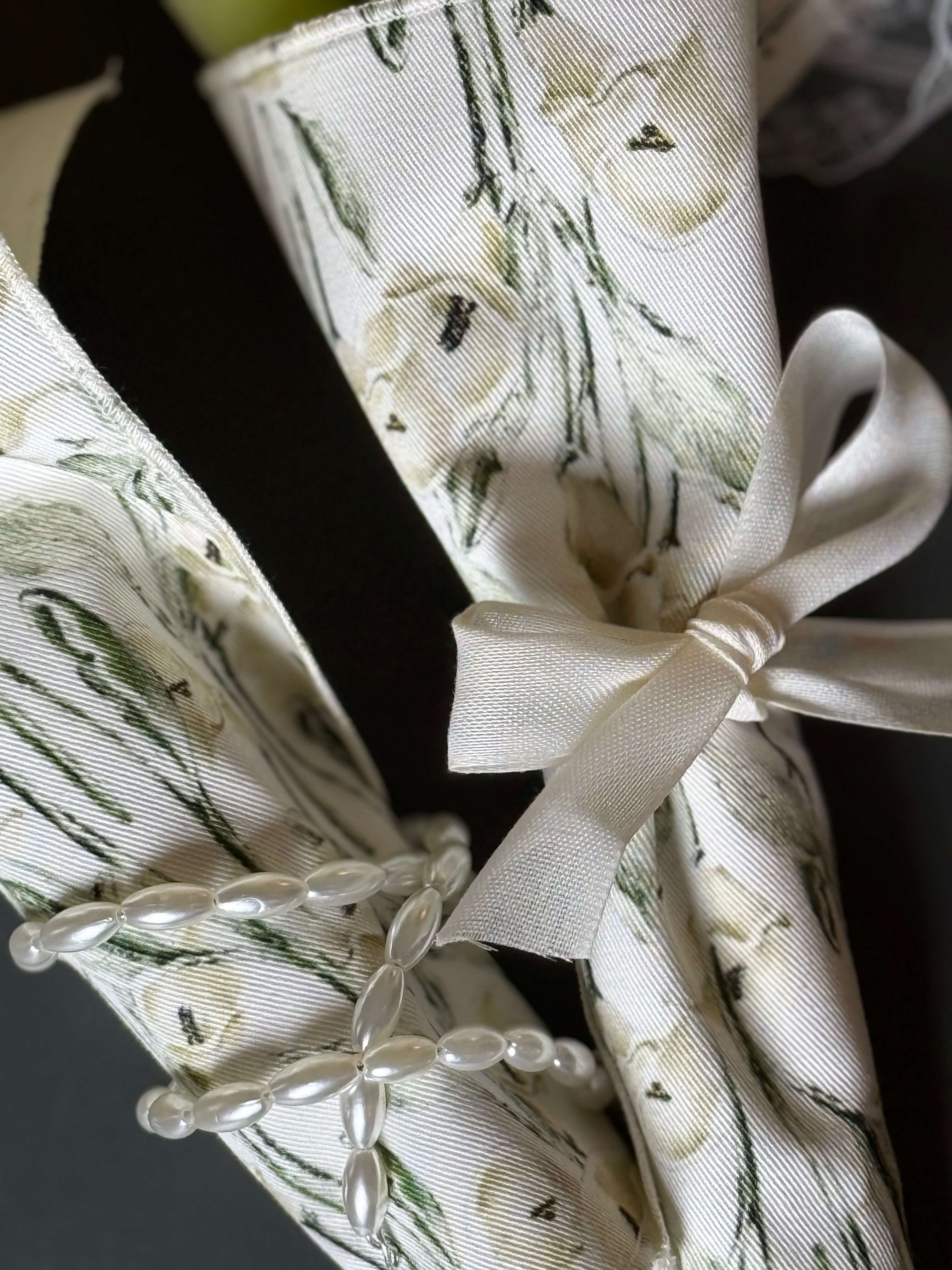
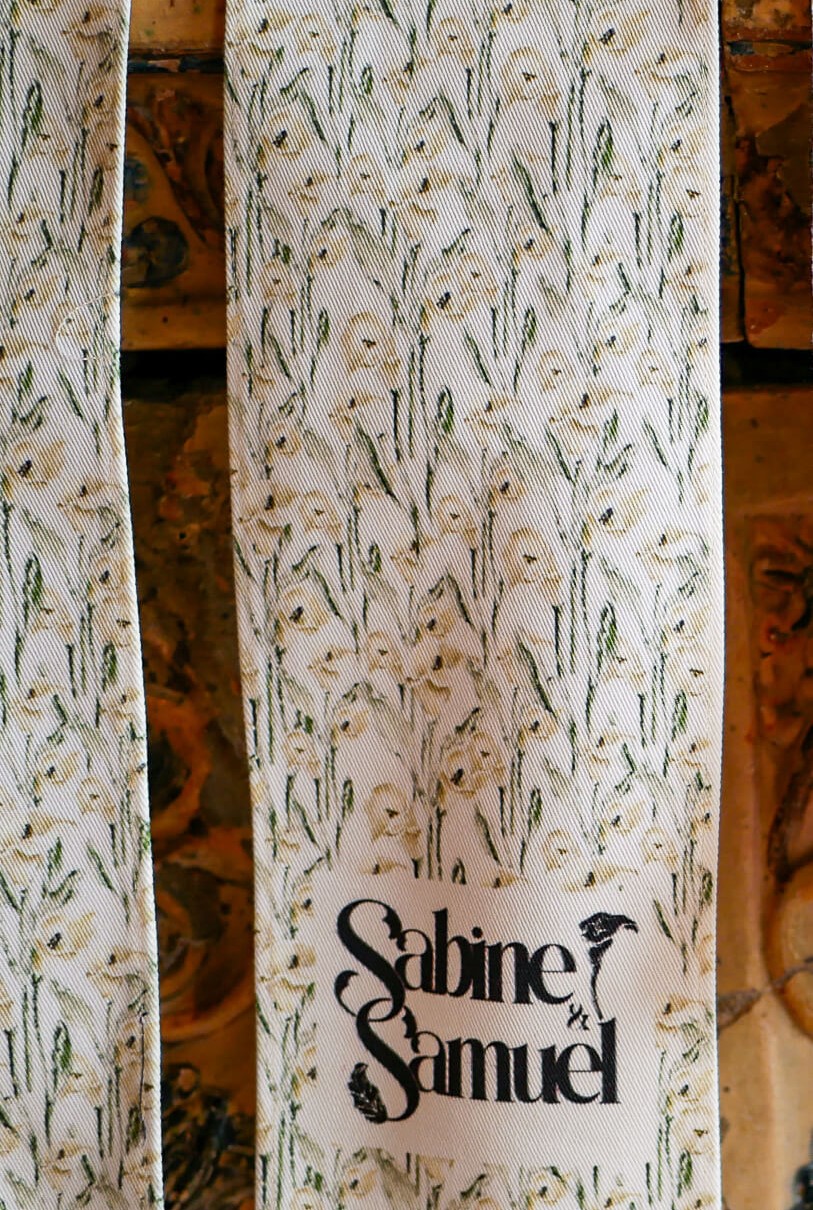
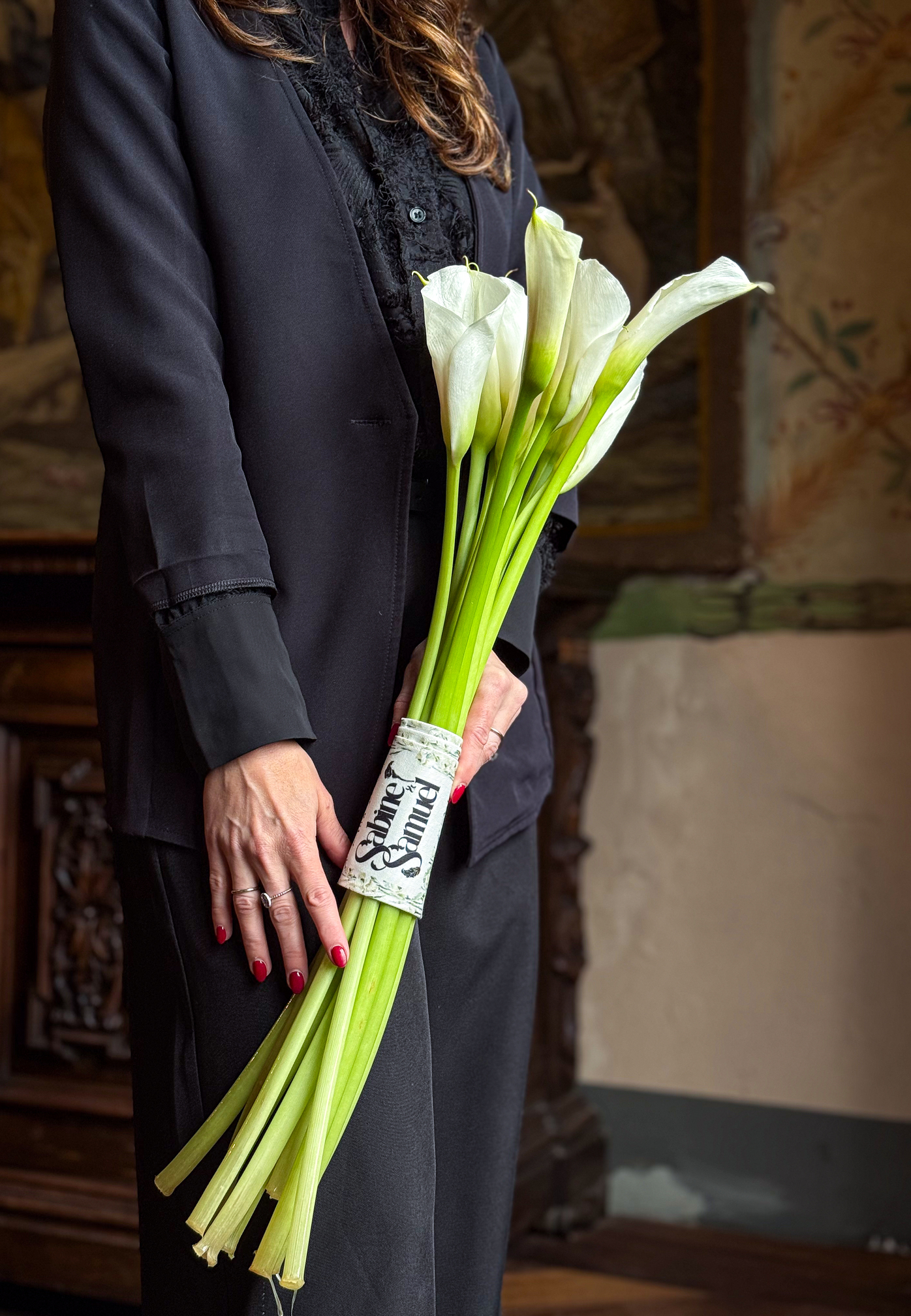
Once a source has been established, the actual design work involves translating rather than decorating - meaning that you take a single illustration or pattern and find its equivalent in a dozen different materials and textures during the day. Nothing here is chosen because it "matches" in the loose sense; each piece has to genuinely derive from the same original line, which is a much harder discipline than simply picking coordinating colors.
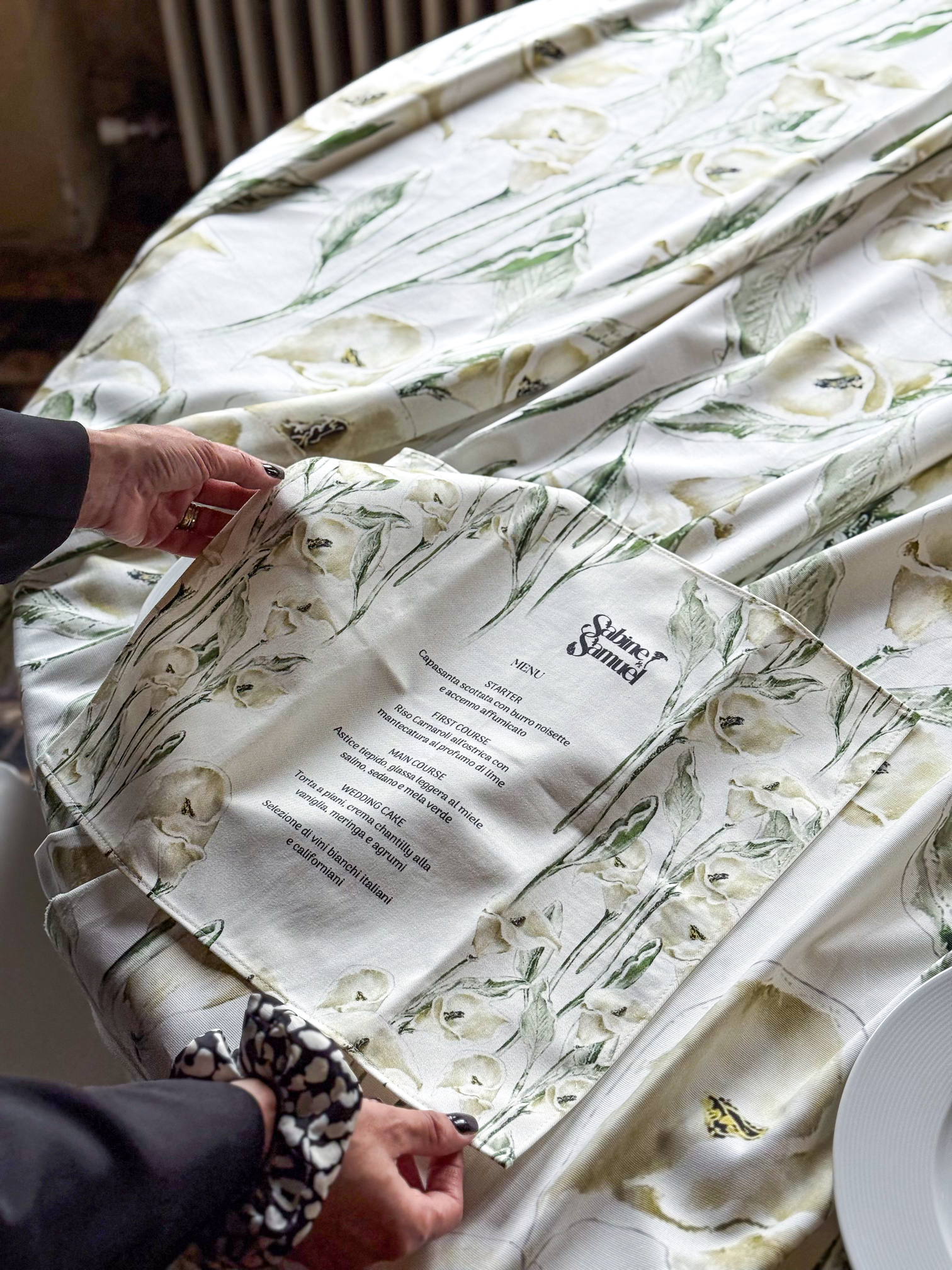
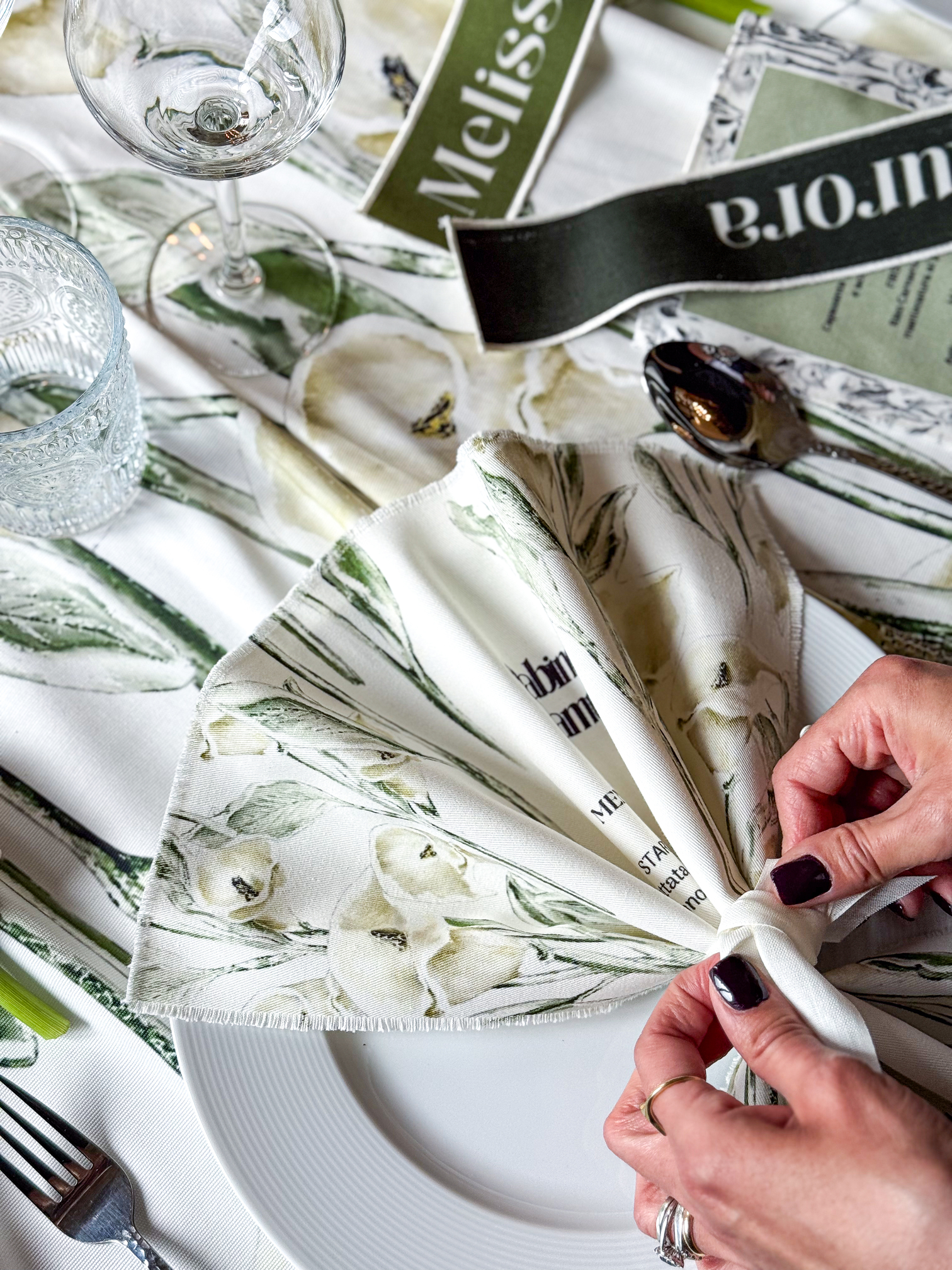
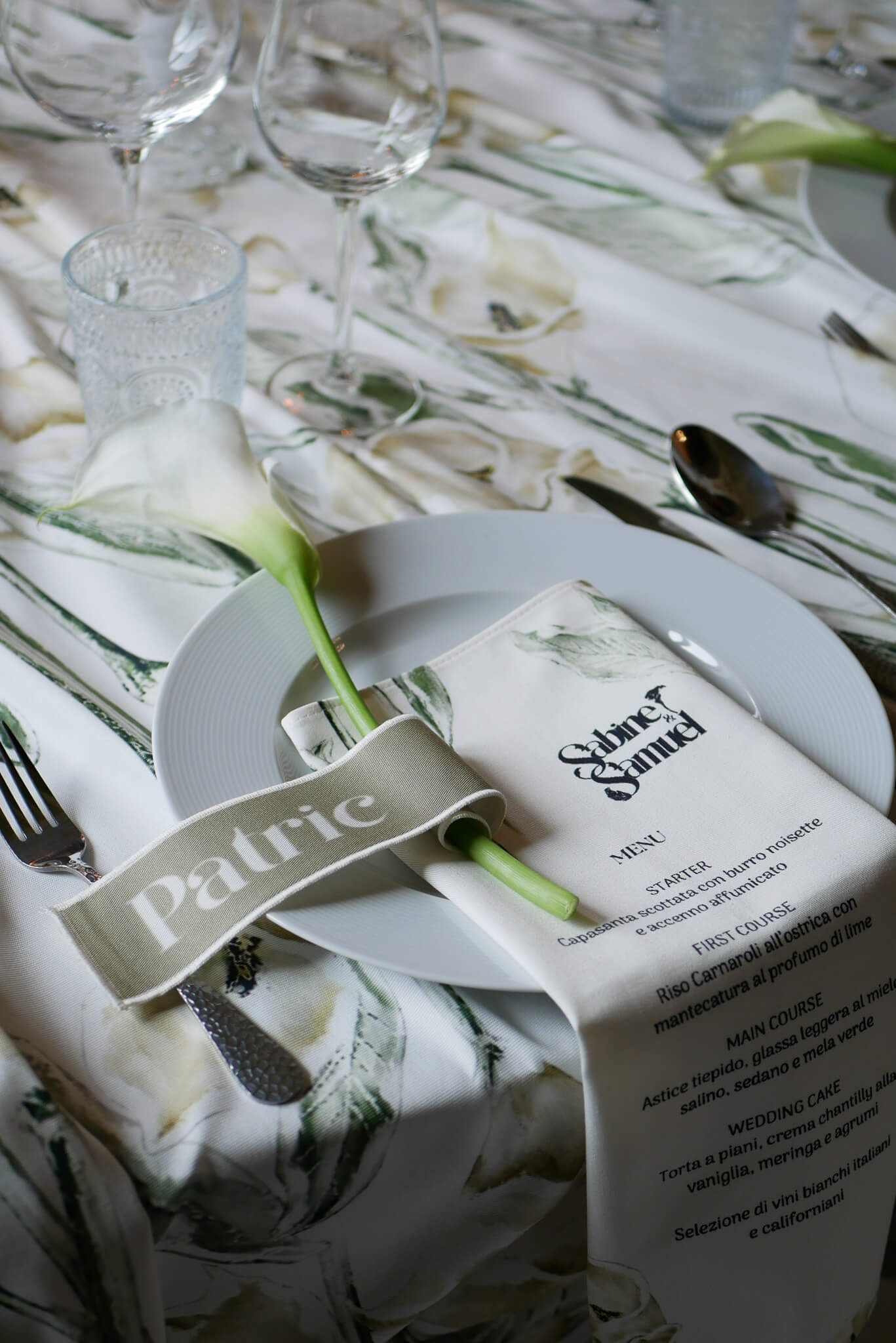
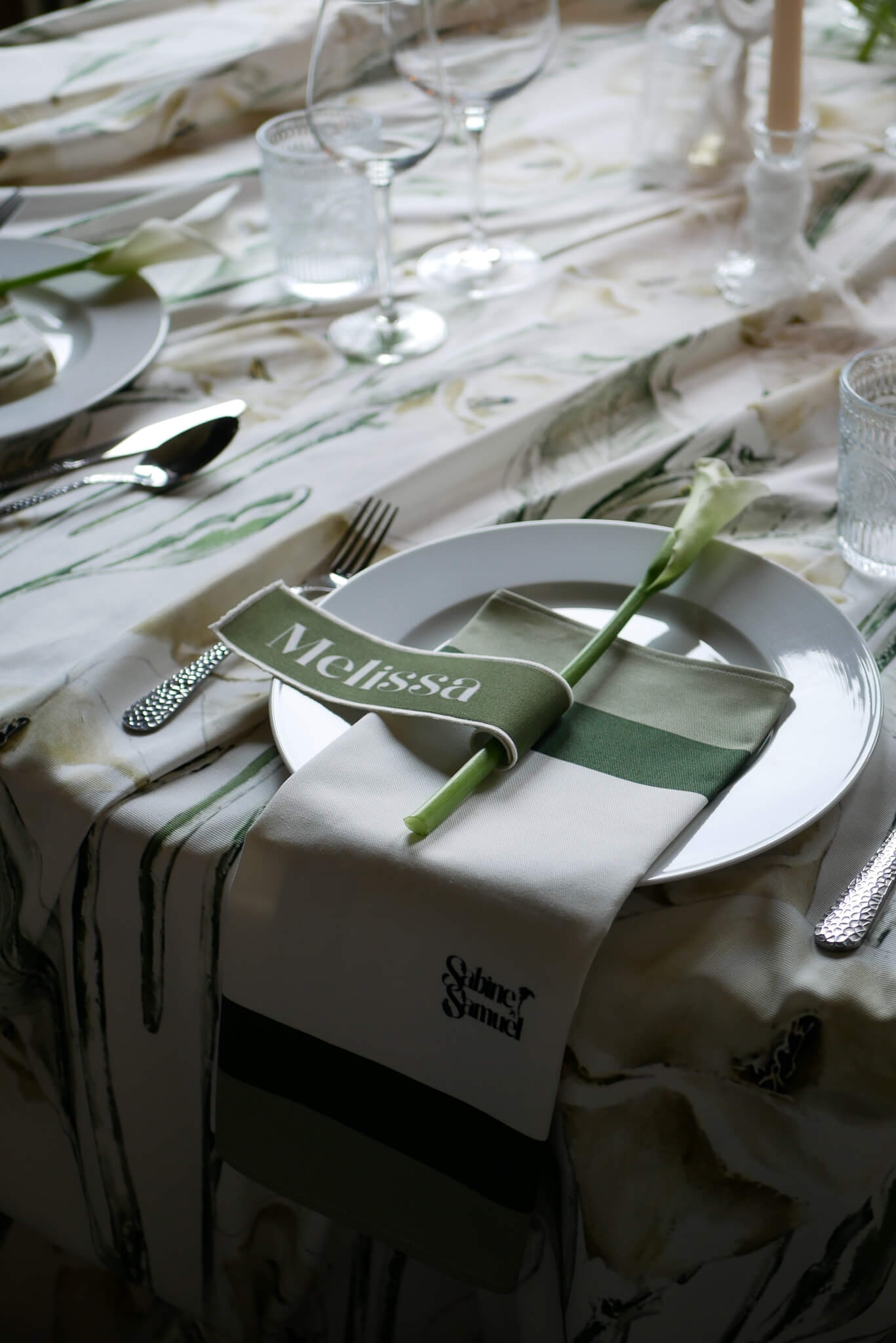
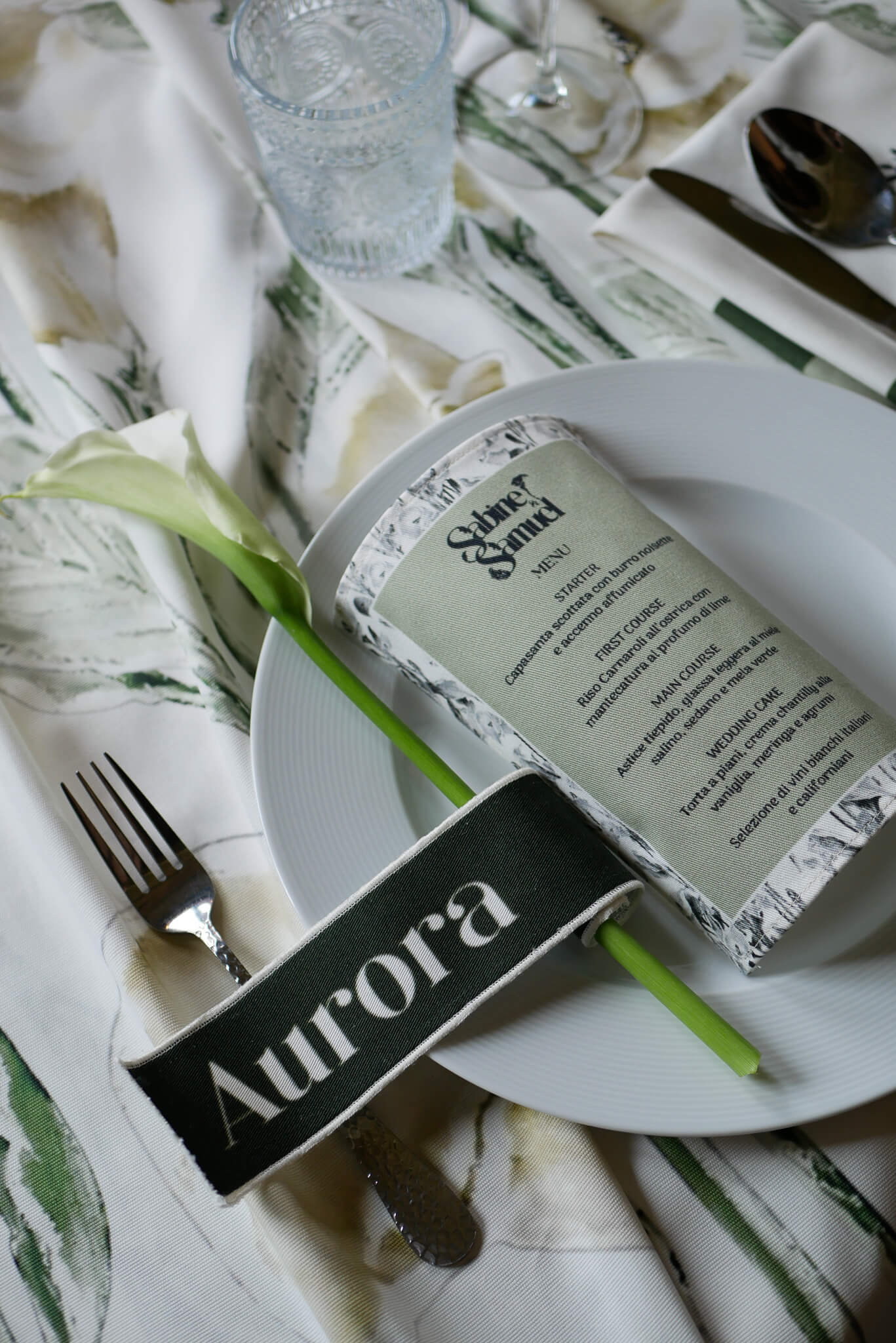
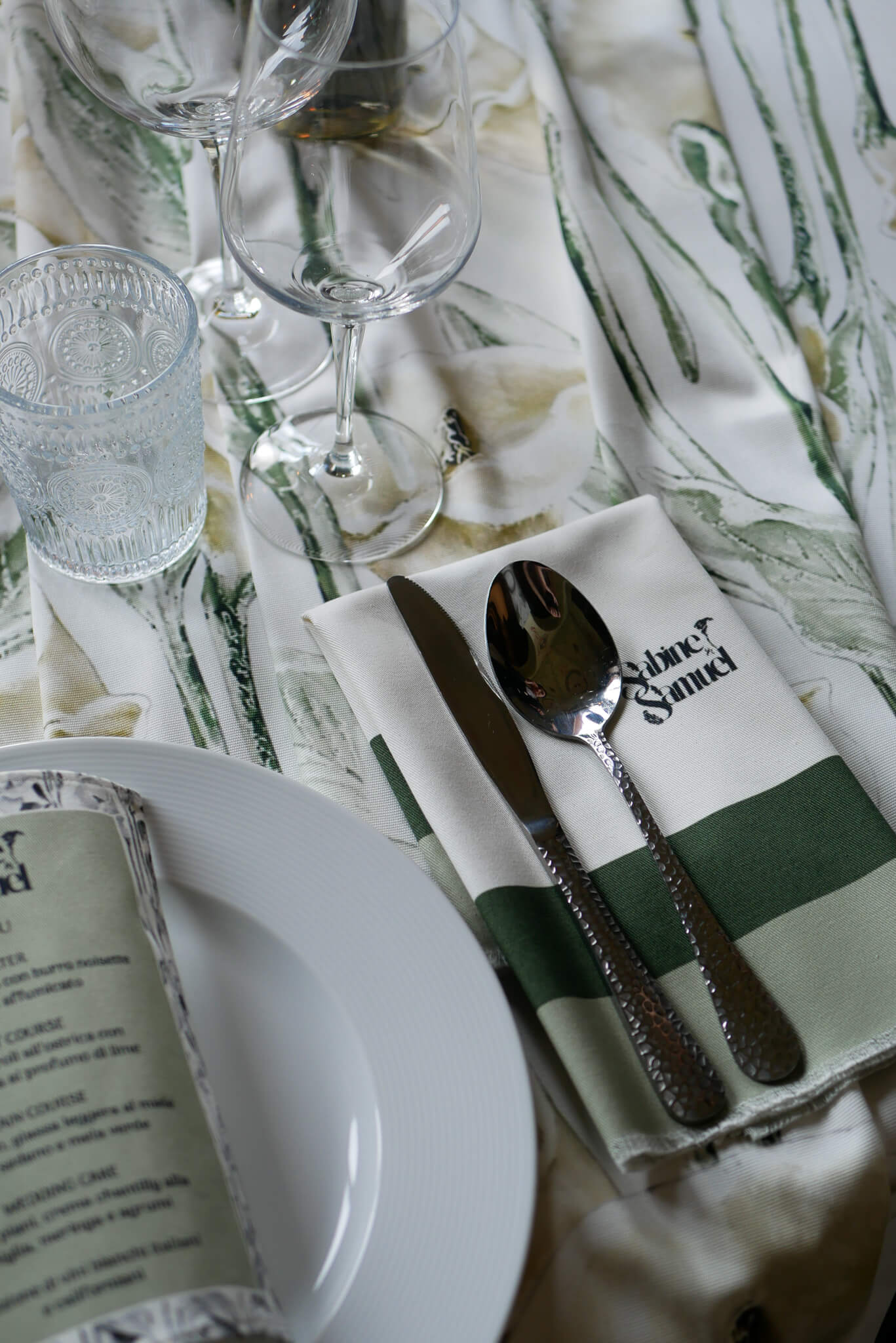
- Textiles - the original artwork gets printed or woven directly into fabric used for linens, drapery, or even the couple’s own clothing
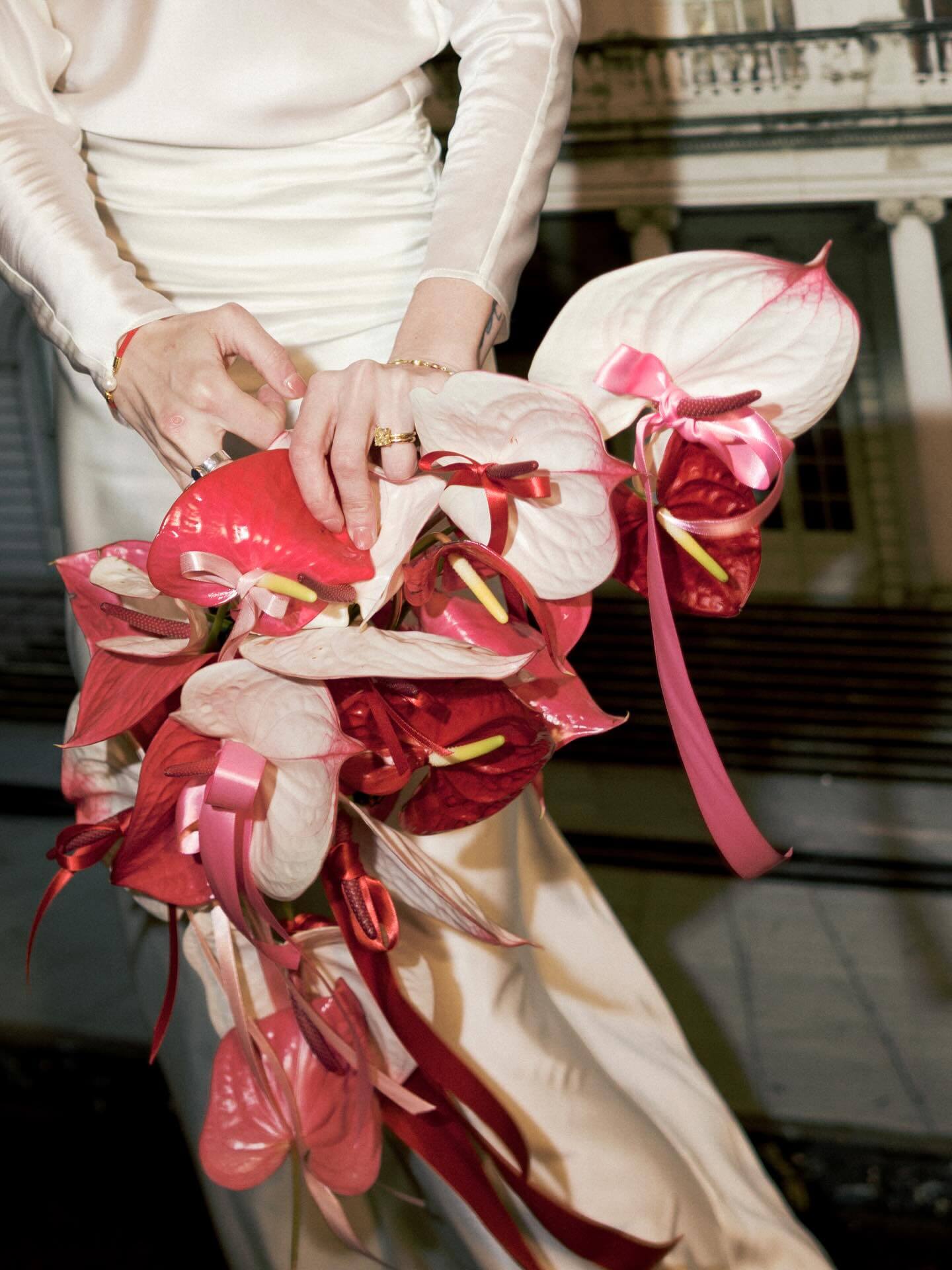
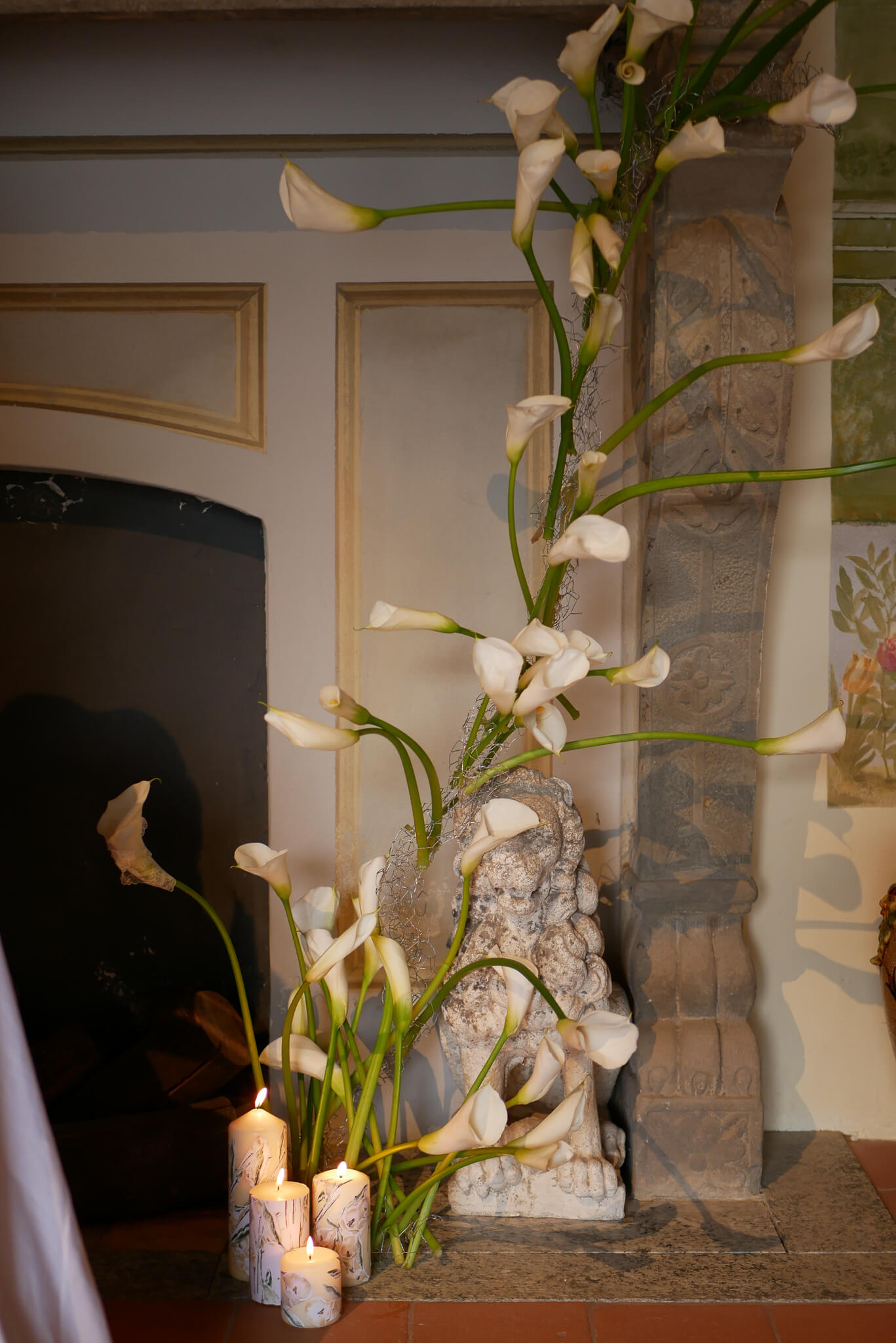
- Florals - bouquets and installations echo the shapes, colors, or composition of the source illustration rather than following generic seasonal arrangements
- Stationery - invitations, place cards, and menus carry the same line work, rather than a coordinating but separate design
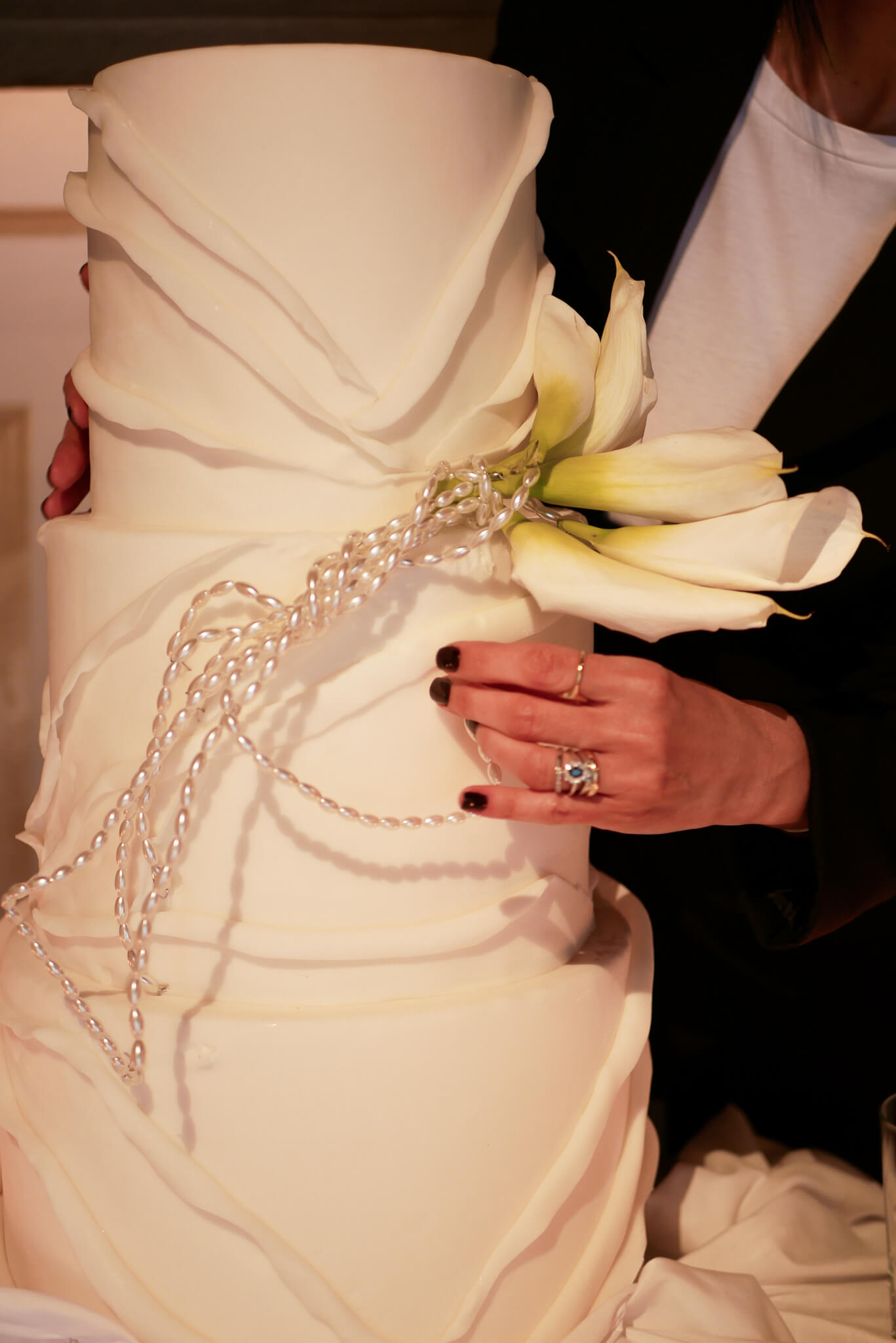
- The cake - surfaces and structure reinterpret the illustration’s forms sculpturally, turning dessert into one more canvas for the same visual language
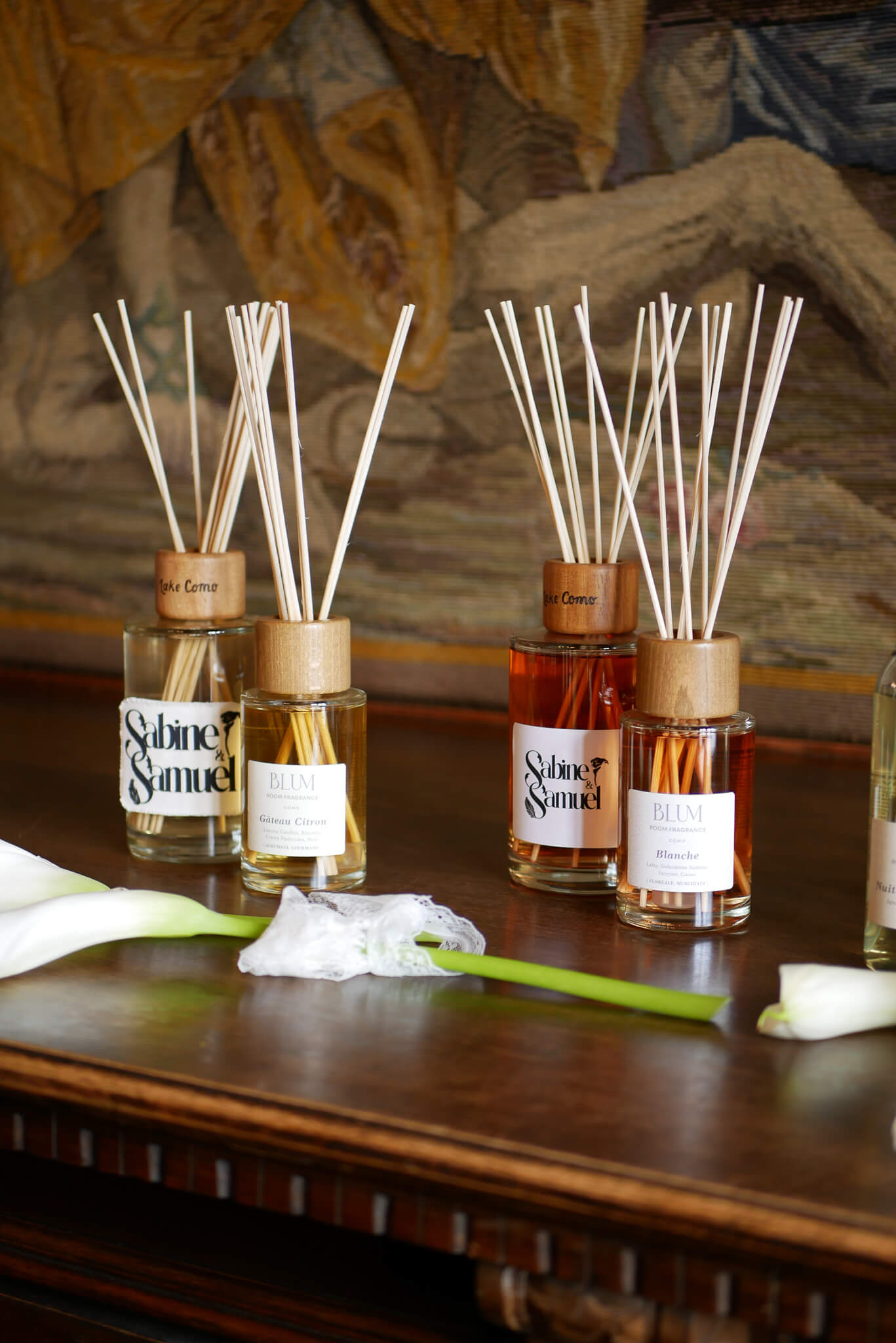
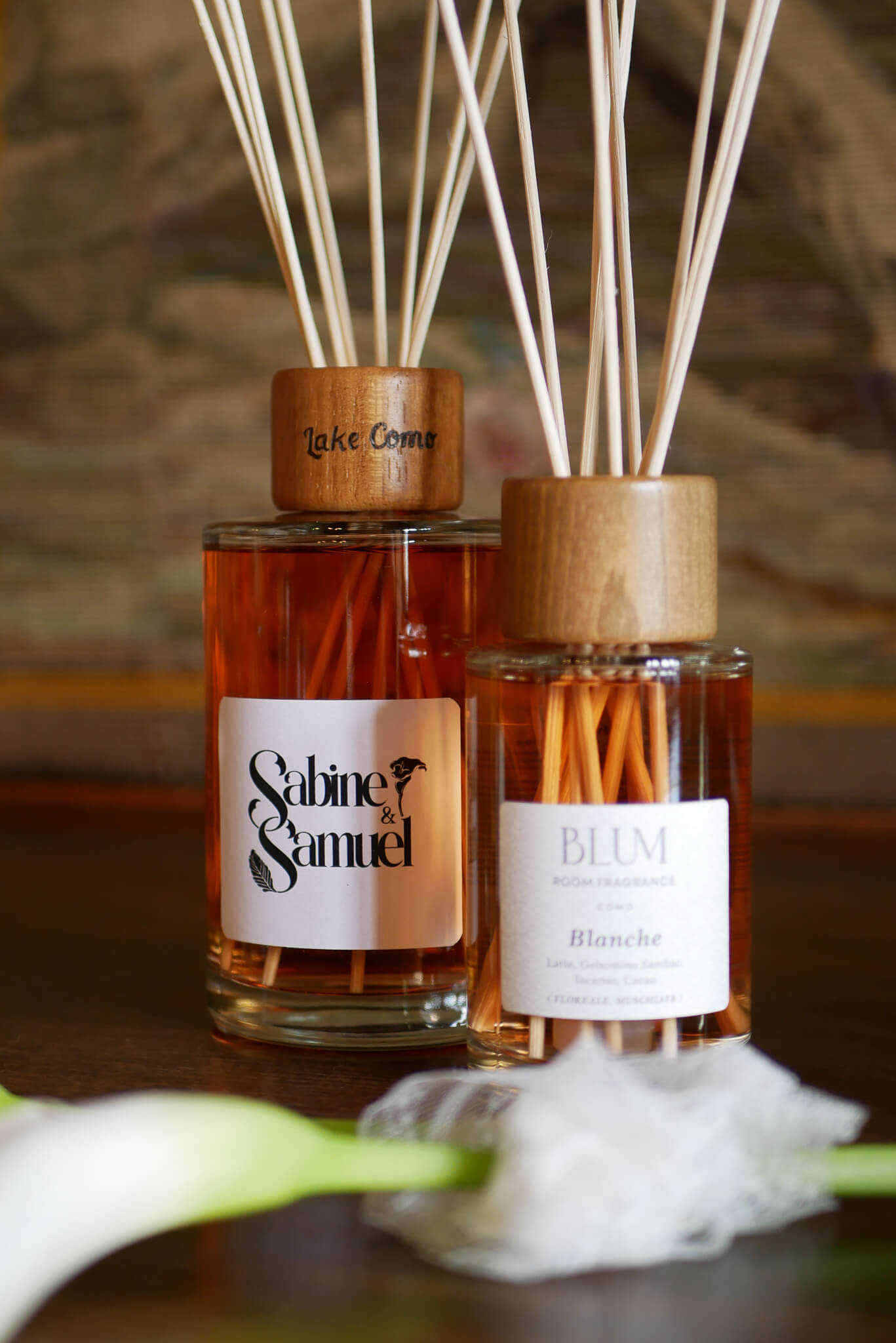
- Scent and small keepsakes - even sensory details, like a signature fragrance or a parting gift, get built to echo the same mood and materials as everything else
If it is done well, a guest will be able to walk from the ceremony to the reception and on to the dessert table yet see the same design DNA in all of those areas, even if they cannot explain why. That's really the test of whether an identity has actually been built, rather than just a very well-matched theme dressed up in more expensive language.
Real Example: A Wedding Built Around a Single Illustration
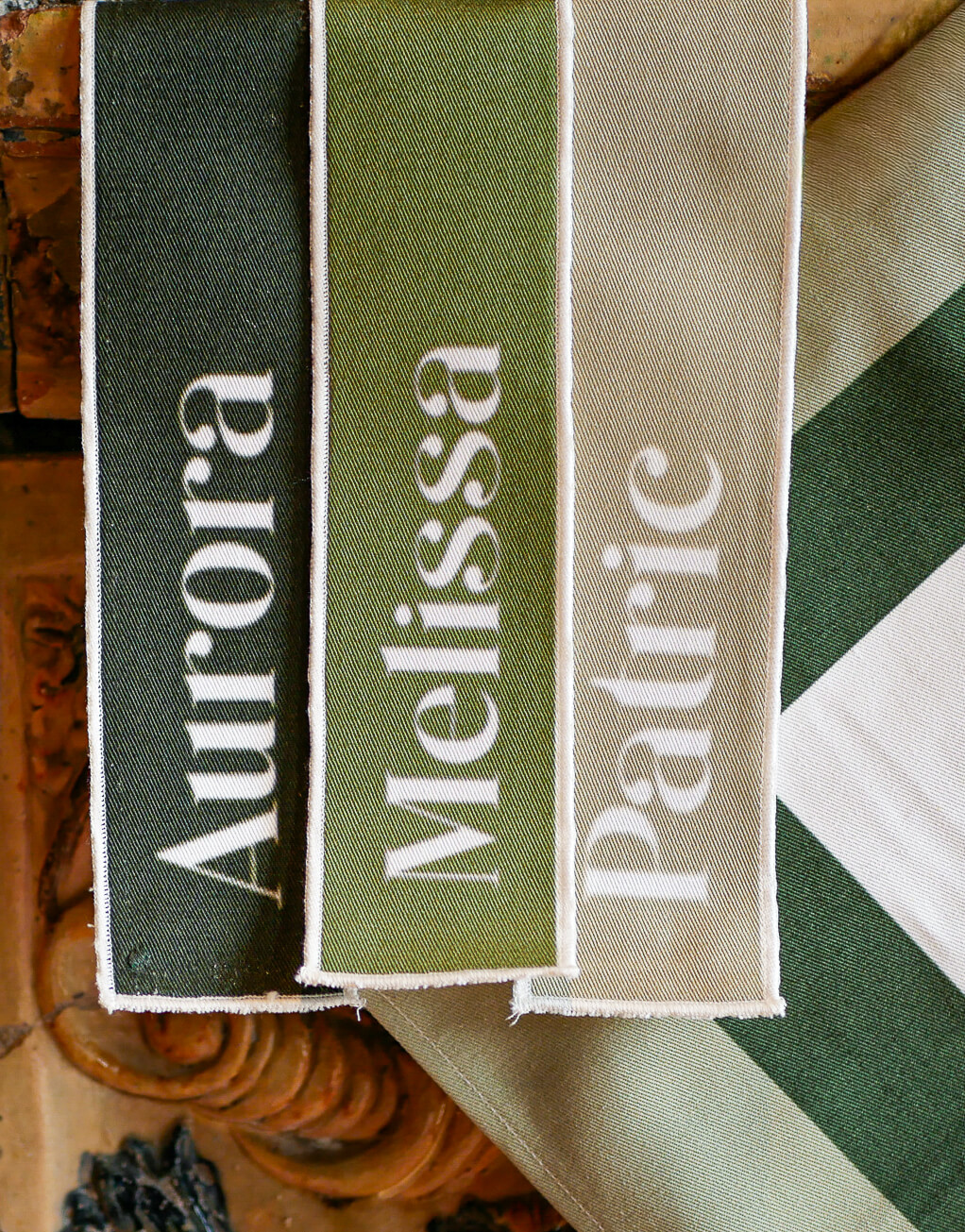
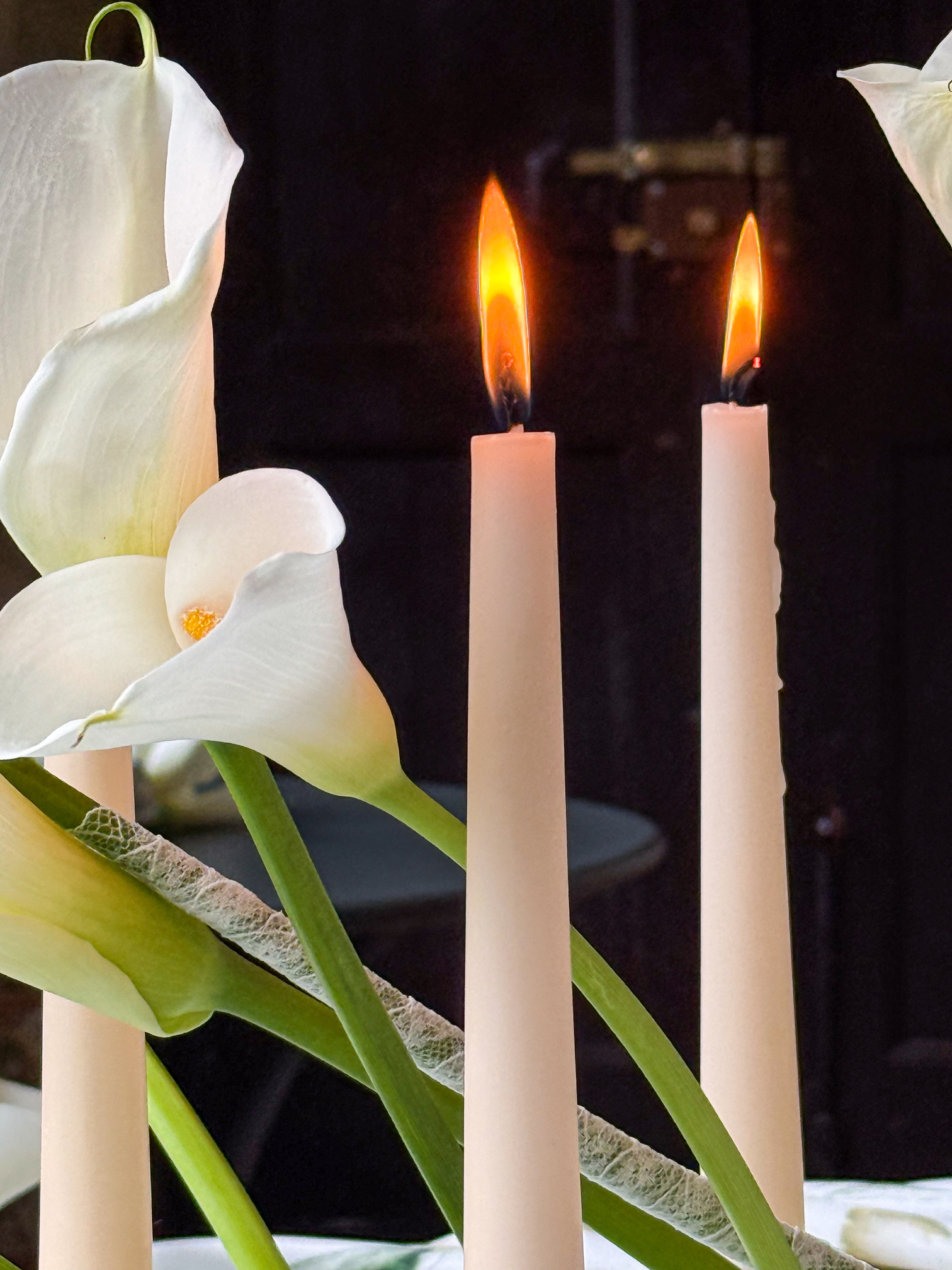
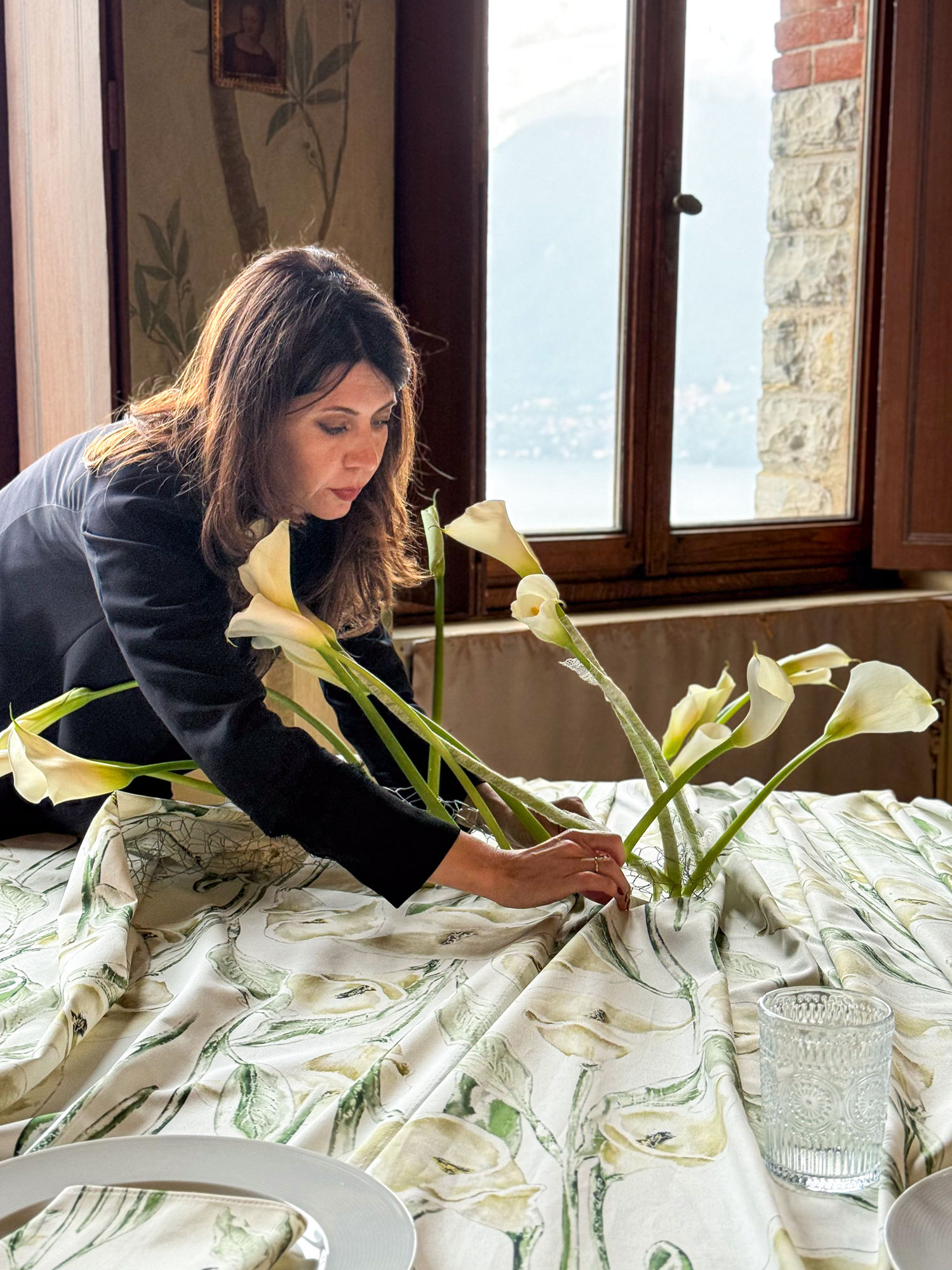
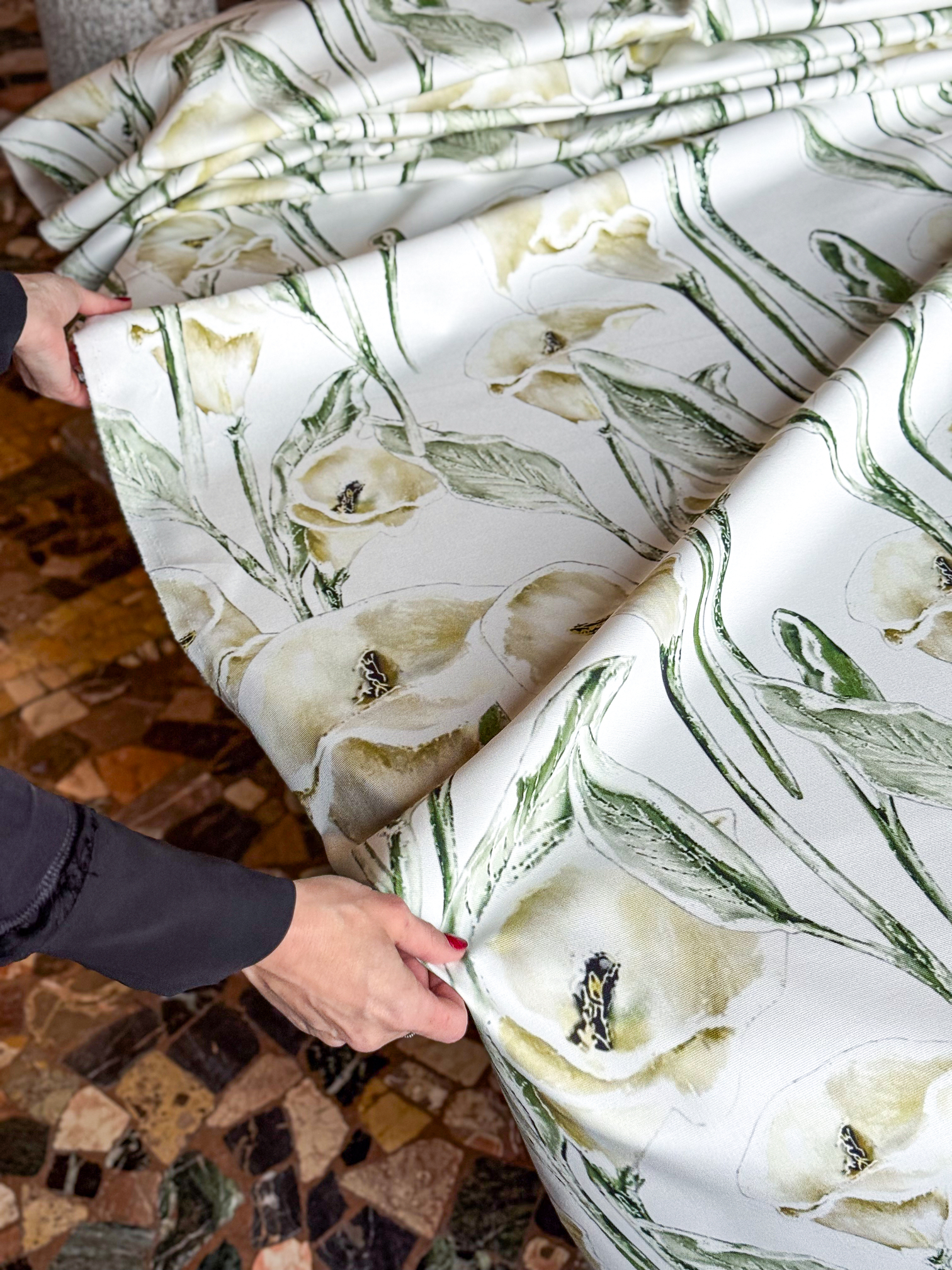
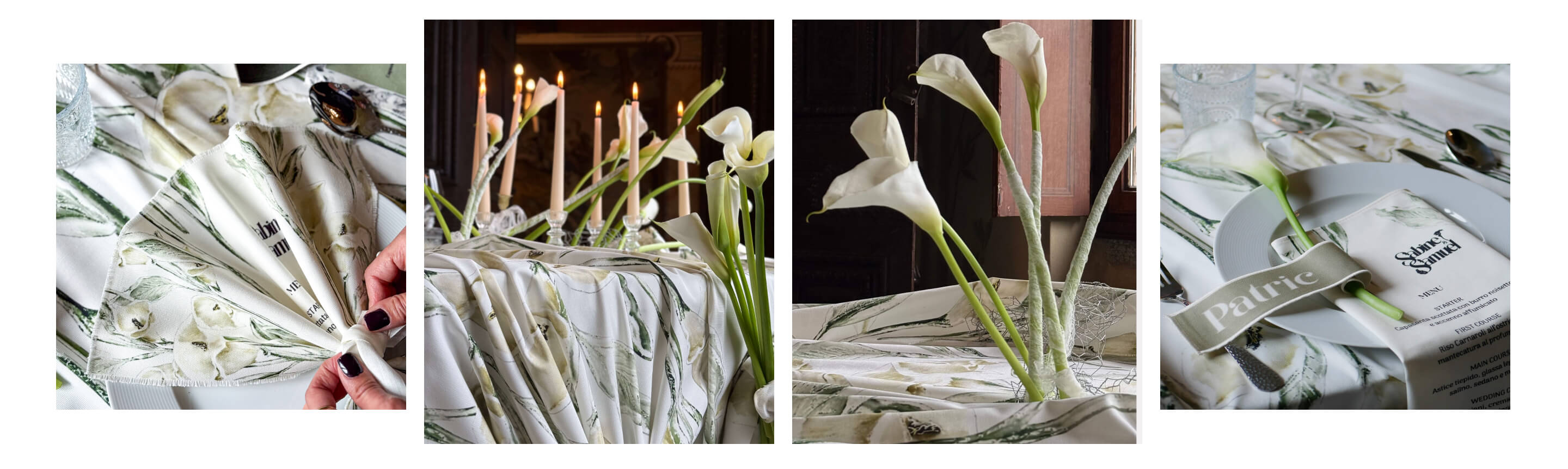
The designers Silvia Summa and Elena Donati put this approach into action by creating a concept called Where Fabric Meets Flowers, based on what they refer to as the Botanical Line - that is, a single botanical illustration that serves as the starting point for the entire event's visual style. The philosophy Elena developed during her time in Haute Couture, where each piece of clothing is made for just one wearer, was directly influenced by this experience: just as there is exclusivity and precision in fashion, so too should there be in weddings.
Silvia's background sits at the intersection of graphic and textile design, and it shows how the Botanical Line moves through the day. Rather than simply illustrating a motif, she develops the event's full visual concept and translates it into bespoke textiles, materials, objects, and scenography. Everything from the smallest printed detail to the full installation remains part of one continuous identity. That discipline is what the collaboration was built on: two designers working from the same premise that flowers and textiles could be treated as a single visual language rather than two separately coordinated elements.
The transition from the illustrative design to actual physical details applies to almost all aspects of the concept. Instead of being a simple arrangement, the Signature Bouquet takes the form of a sculptural piece with a custom monogrammed cotton handle. As a takeaway souvenir, a single calla lily, wrapped in fragranced fabric coordinated with the day's mood, is offered as the Scented Memory. Even the wedding cake is incorporated into this visual approach - a multi-level structure in which the soft curves of the calla are reinterpreted through more architectural and sculptural shapes. Nothing in the concept was designed in isolation and then later put together; all the elements can be traced back to the original drawing.
Why This Approach Is Gaining Traction in Luxury Weddings
There is a component of this change that reflects a broader trend in luxury weddings toward what planners call curated personalization - a design based on true emotional and personal significance rather than on visual fads borrowed from other sources. A bespoke visual identity is, in fact, the natural outcome of that approach: if the aim is for the wedding to be one that could not be duplicated or reproduced for anyone else, then beginning with a single original work of art provides a more straightforward way of achieving that goal than putting together a number of pre-existing items, no matter how well selected.
It reflects precisely the reason that initially attracted Elena to Haute Couture - clothes made for a single individual and therefore incapable of being produced on a large scale or given to someone else. When this principle is applied to a wedding, the whole day becomes more like a unified design than a series of individually beautiful choices.
Ready to build something considered for your own wedding? Wezoree connects you with hand-vetted wedding planners and floral designers - the kind of specialists who don't just execute a brief, but genuinely elevate it, treating every celebration as an original worth getting exactly right, not a template to fill in.

FAQ
Is a tailored visual identity only suitable for luxury weddings?
It is most common in the luxury sector simply because creating original artwork and translating it across various vendors requires both a budget and a lot of time. Nevertheless, the basic concept - beginning with one personal and original item rather than with a borrowed mood board - can be reduced in scope considerably, even down to the use of a single custom illustration on stationery and one or two key details.
What is the difference between this and simply choosing a consistent color scheme?
A color palette may be coordinated without necessarily having any original source. A visual identity begins with a single original piece of creative work and builds the other elements on it, leading to a more specific, less replicable outcome than simple color matching.
Where should a couple start if they want to try this approach?
It usually begins with the original source element - for example, hiring an illustrator, selecting a significant color scheme, or collaborating with a designer to produce that initial item before any discussions with vendors take place - with all the other steps coming after that rather than before.
Do all the vendors need to work together closely for this to work?
Yes, generally more closely than on a typical wedding. Because florals, stationery, cake design, and styling are all translating the same source material, close collaboration between vendors - or a single creative lead overseeing all of it - tends to produce a far more cohesive result than each vendor working independently from a shared mood board.
-
Founders @silviasummadesign Florèle
-
Creative Team Creative Direction & Design: @silviasummadesign
-
Floral Design: Florèle
-
Photography: @theivoryoyster
-
Venue: @lavillaregia_lakecomo
-
Wedding Cake: @qualcosadidolce_bakery
-
Fragrance: @blum_fragrance