Wedding Bouquet Guide: Styles, Flowers, and Everything In Between


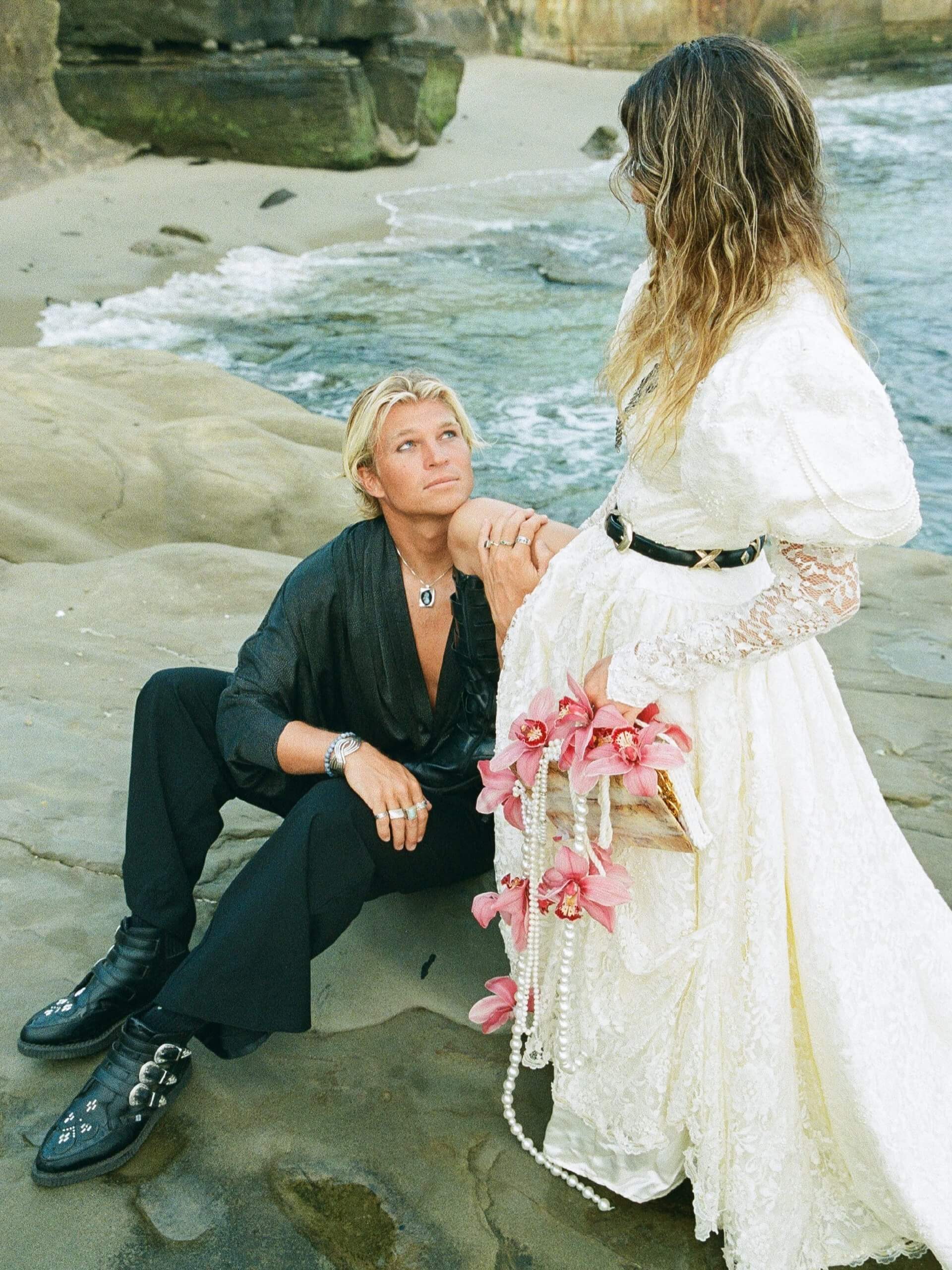
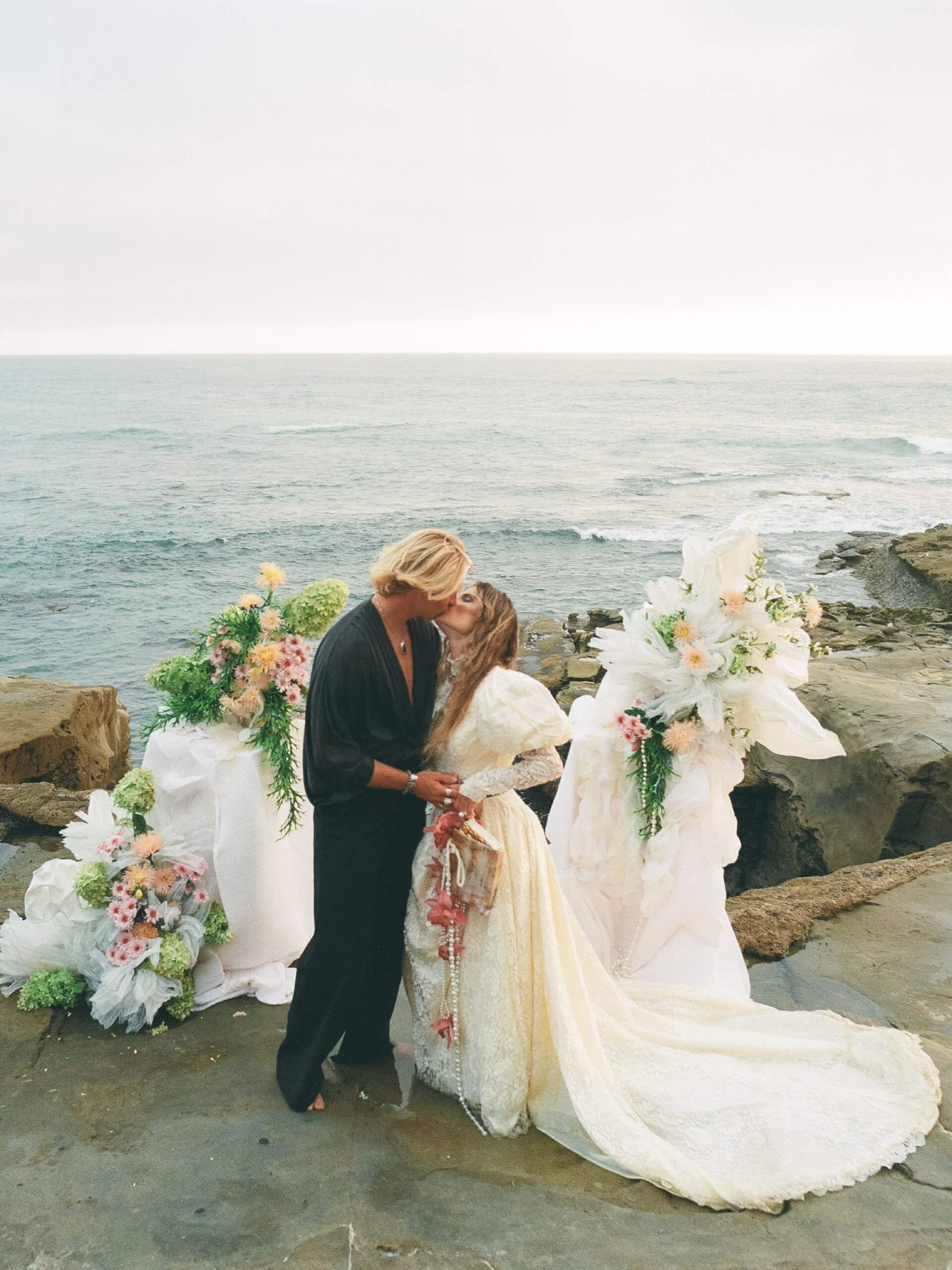
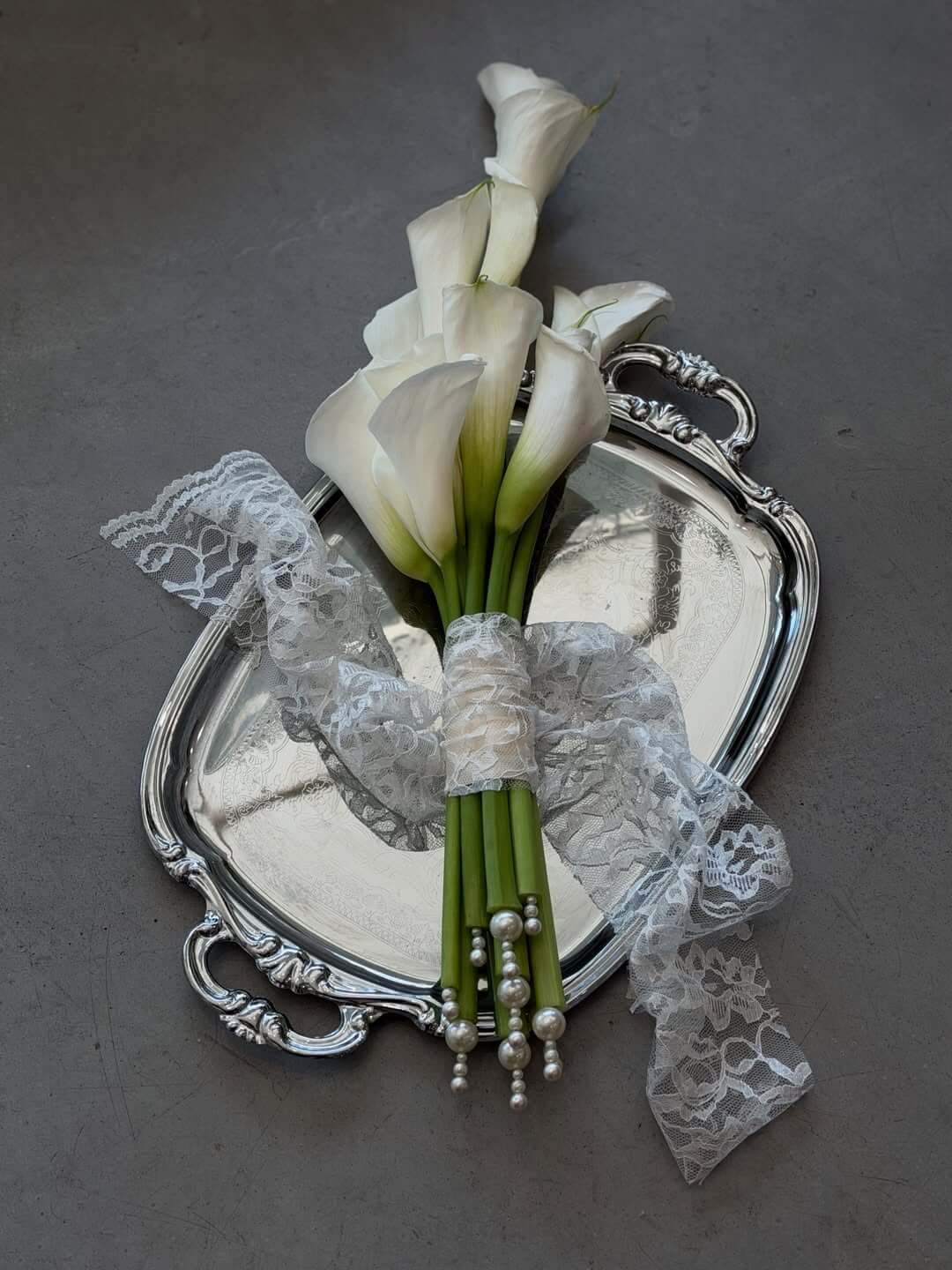
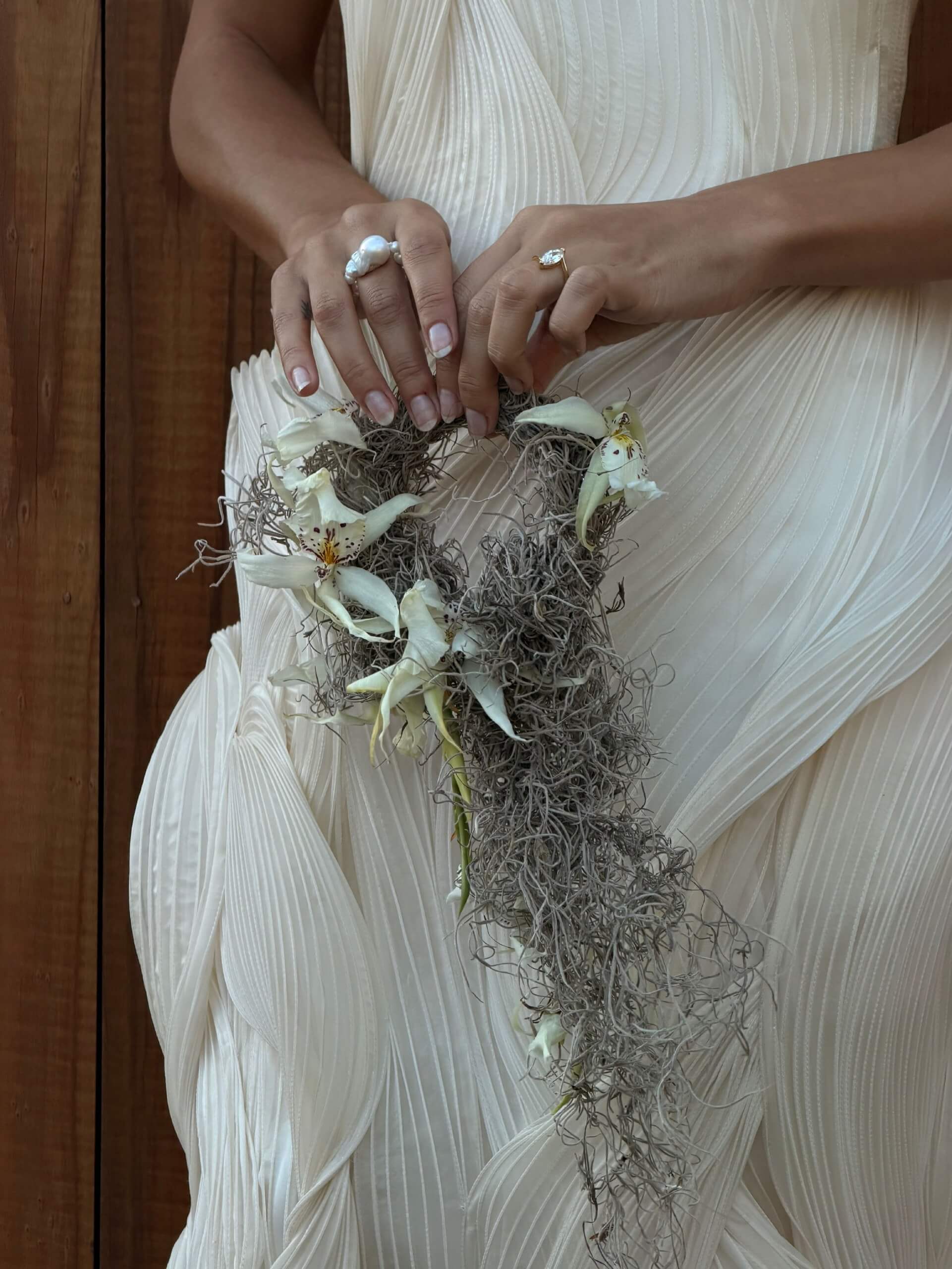
Every bride remembers the precise weight of their bouquet as they walk down the aisle, even if she doesn't realize it at the time. It is the only item that stays with her throughout the day and appears in every photograph, from the first look to the final toss, yet it is usually one of the last choices made rather than one of the first. If you want to put together the ideal wedding bouquet, then you have to realize that it is not just a nice decoration; it is, in fact, an authentic extension of the dress, the venue, and the particular story that the couple is trying to tell with all the other elements around them. This guide covers the decisions involved in selecting the perfect flower bouquet for a successful wedding day: style, flowers, color, budget, and the practical considerations that ensure the bouquet looks flawless from the ceremony through the last dance.
Find Your Perfect Wedding Vendors

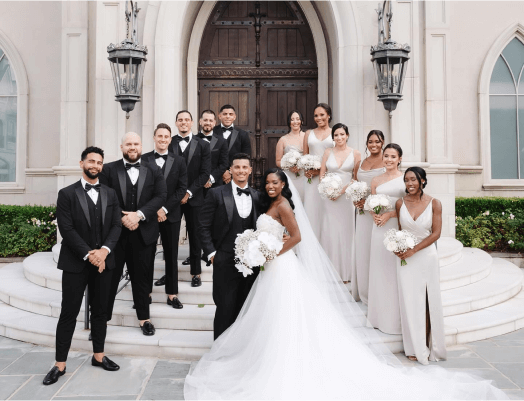
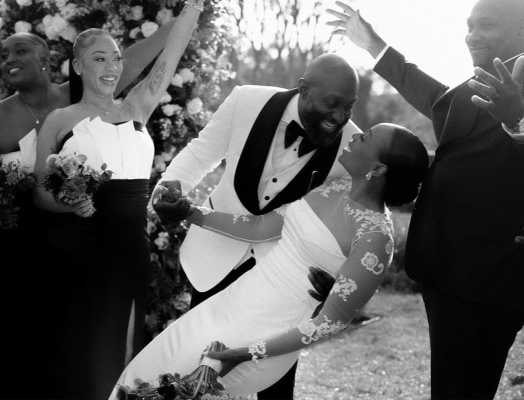
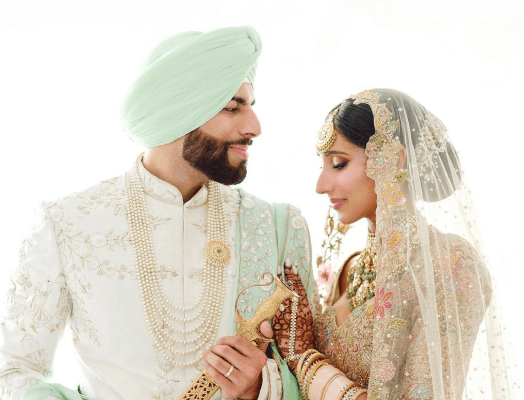
Wedding Bouquet Styles Explained
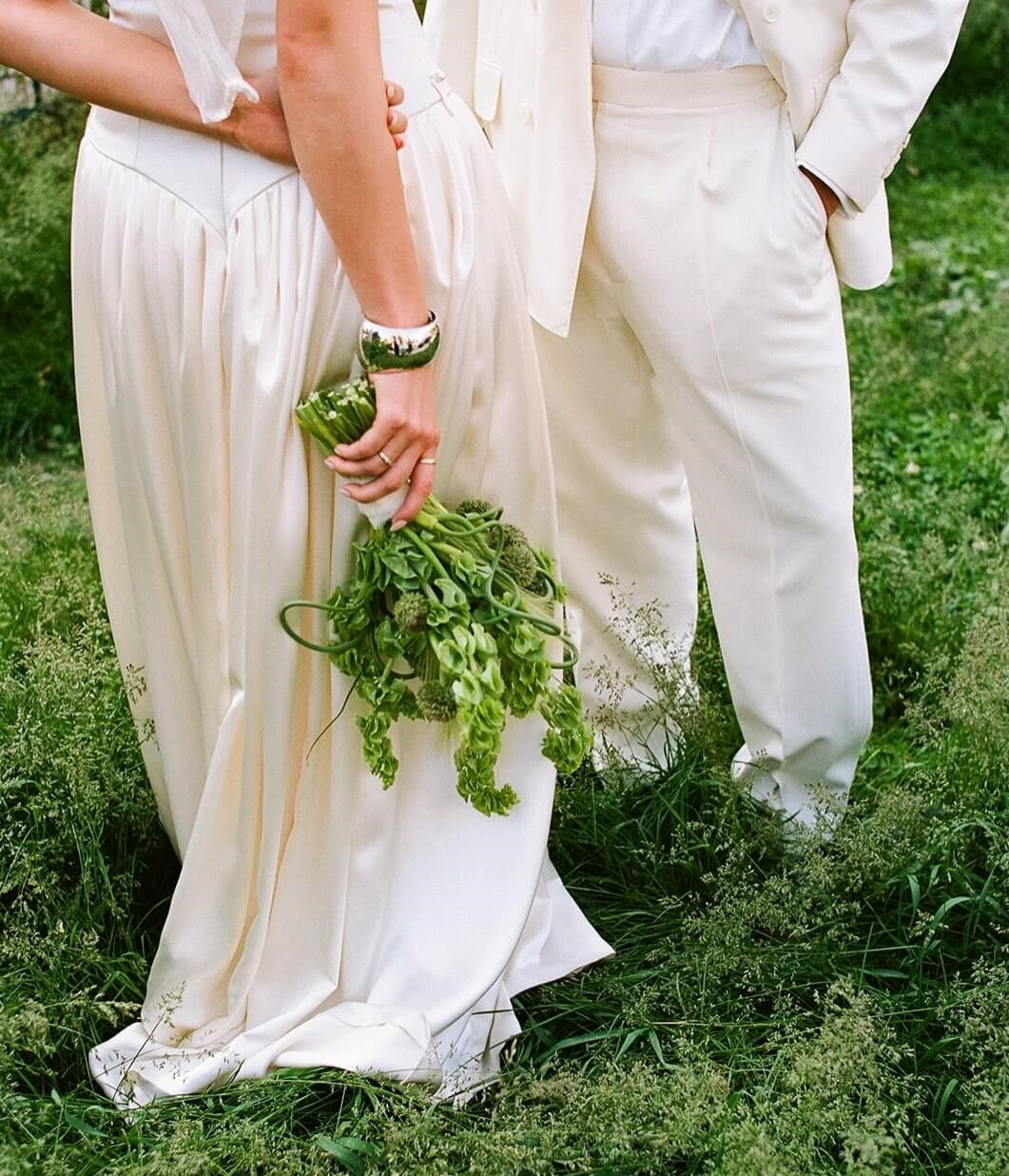
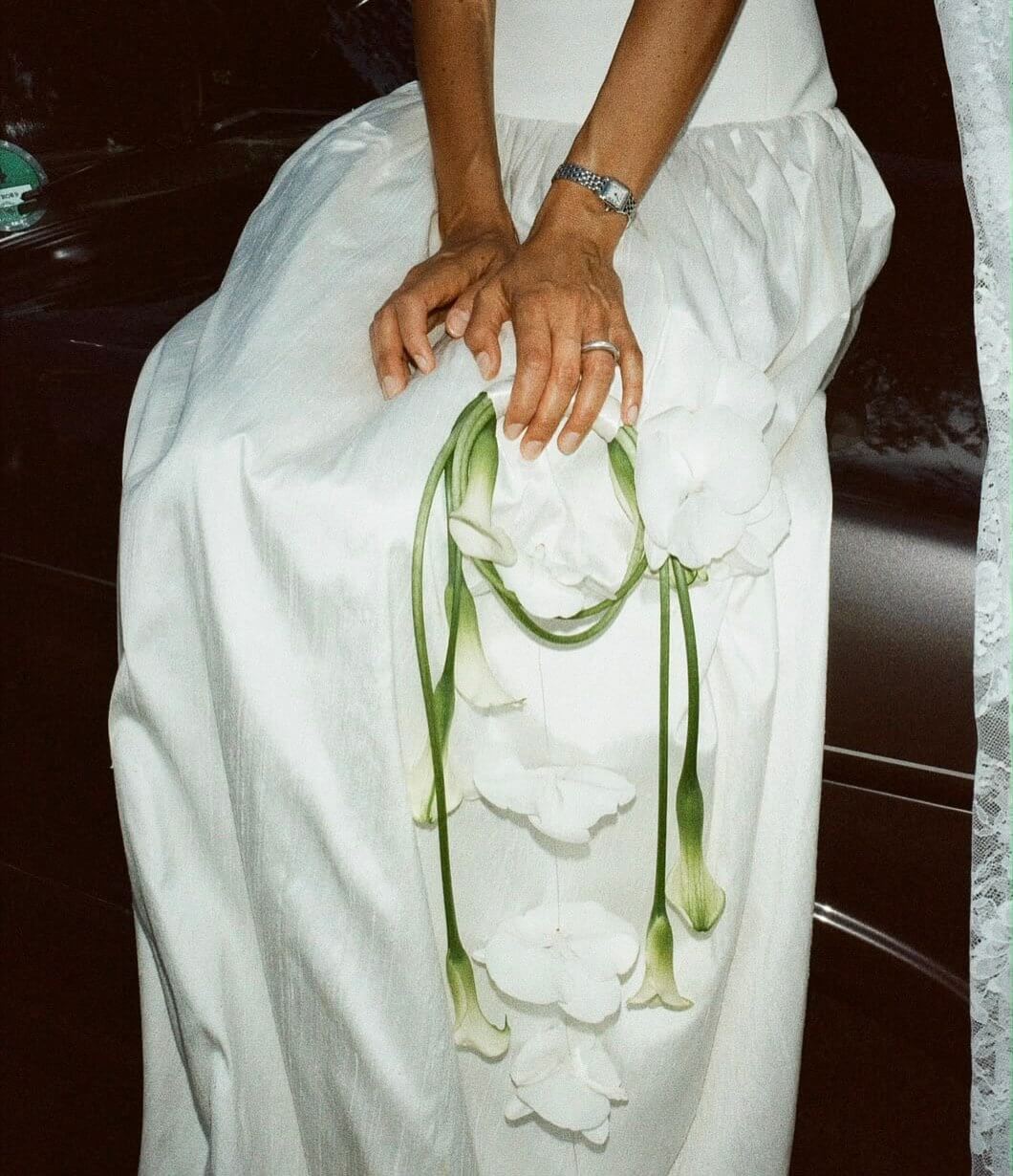
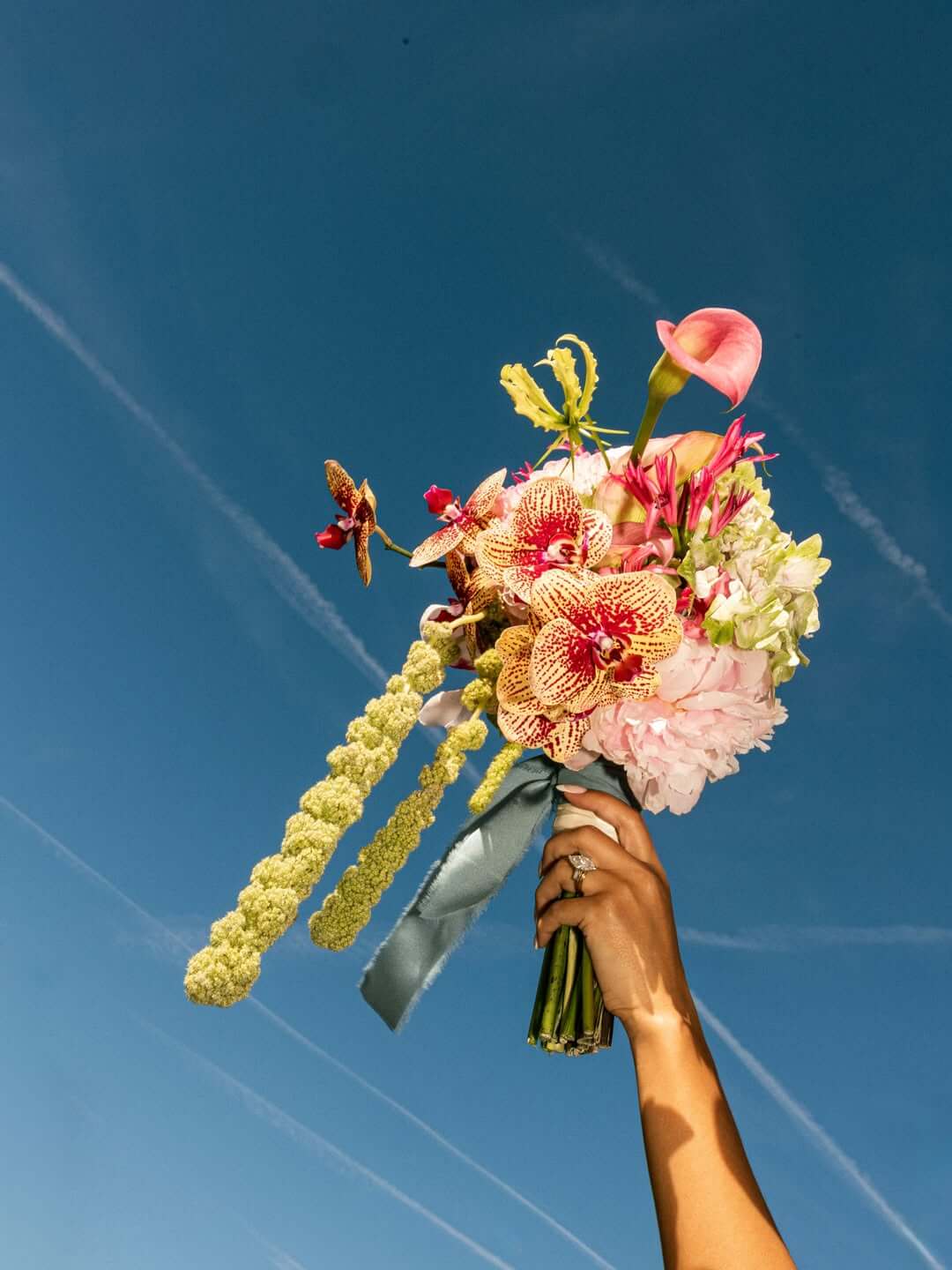
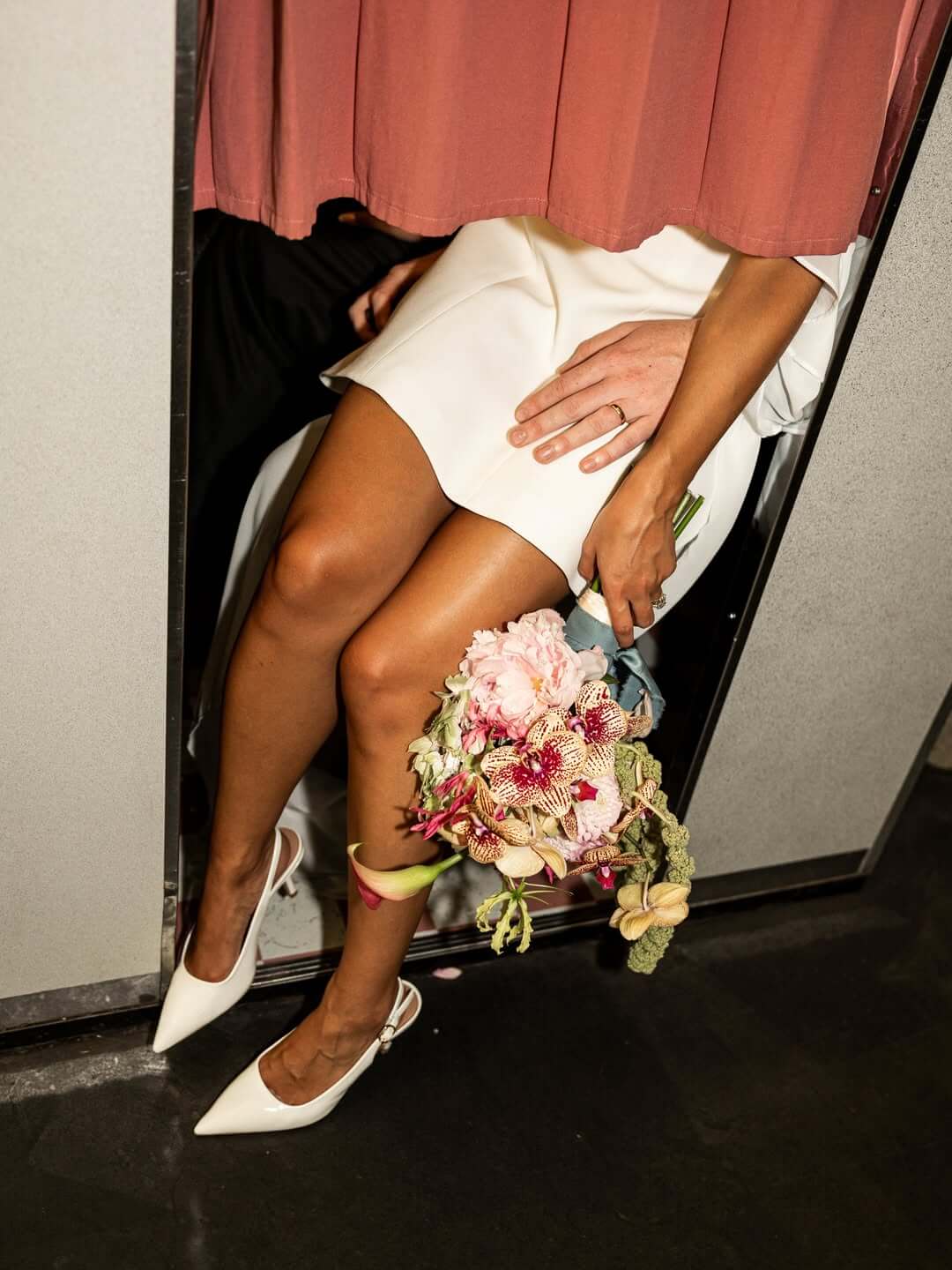
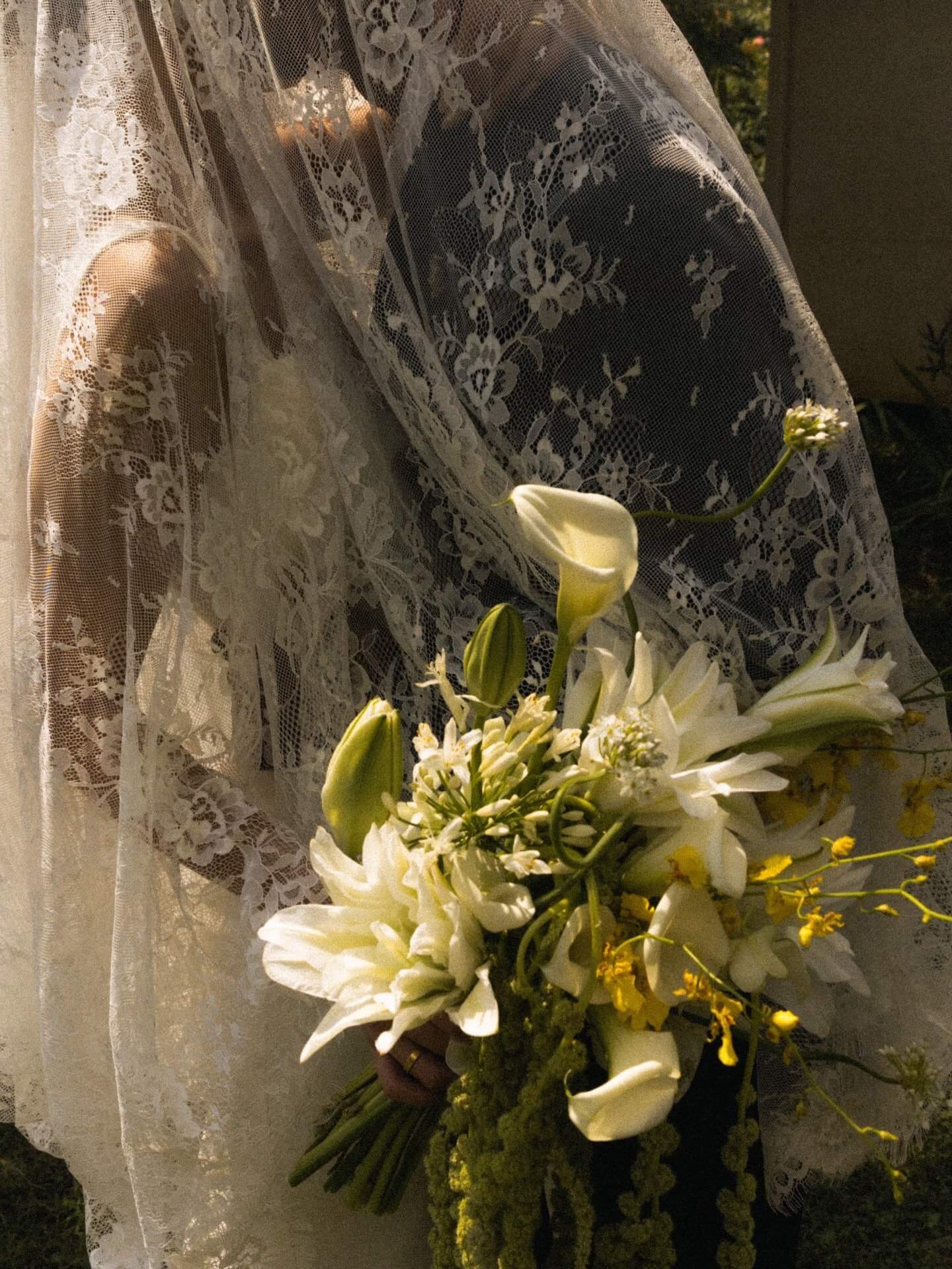
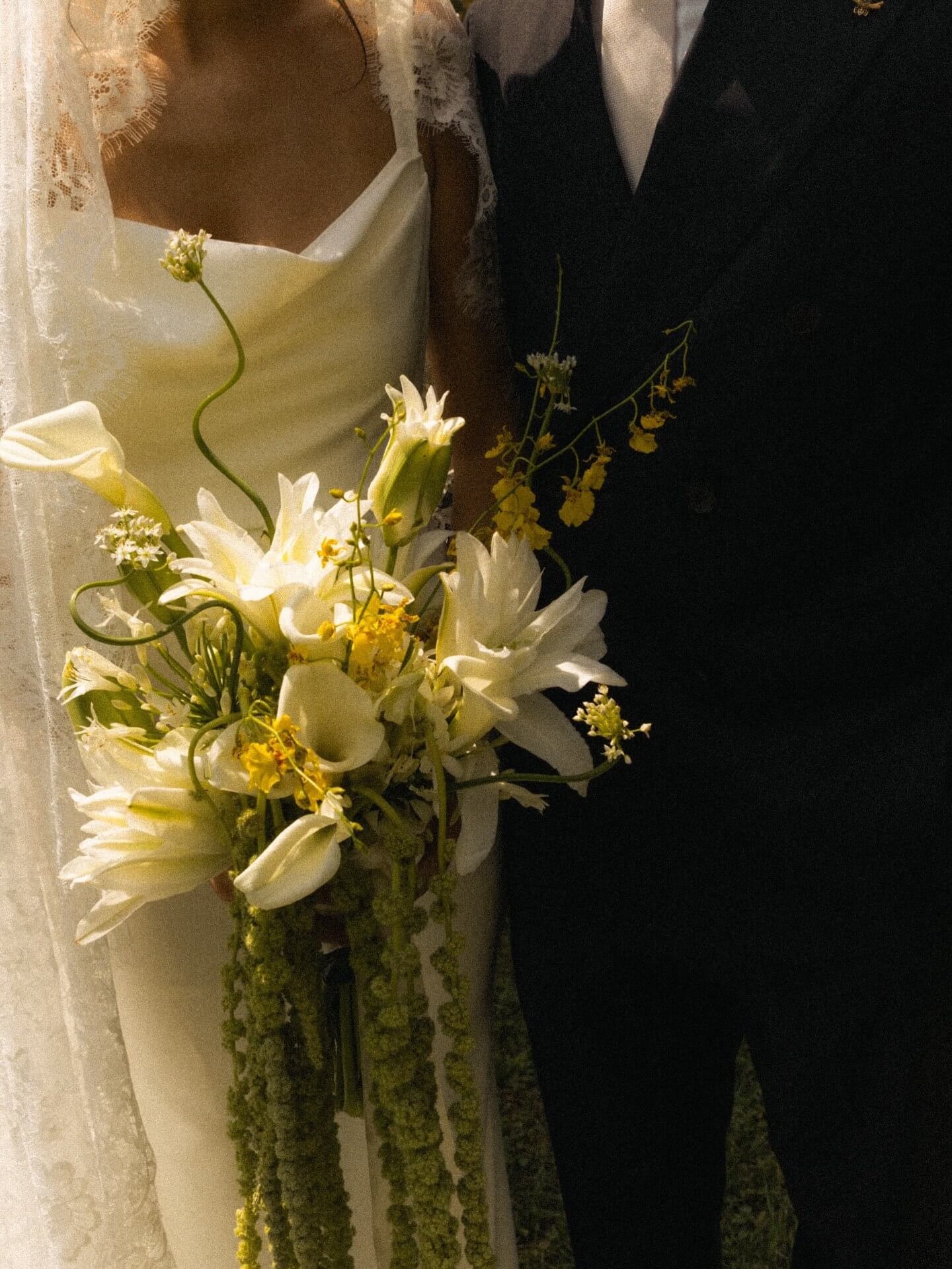
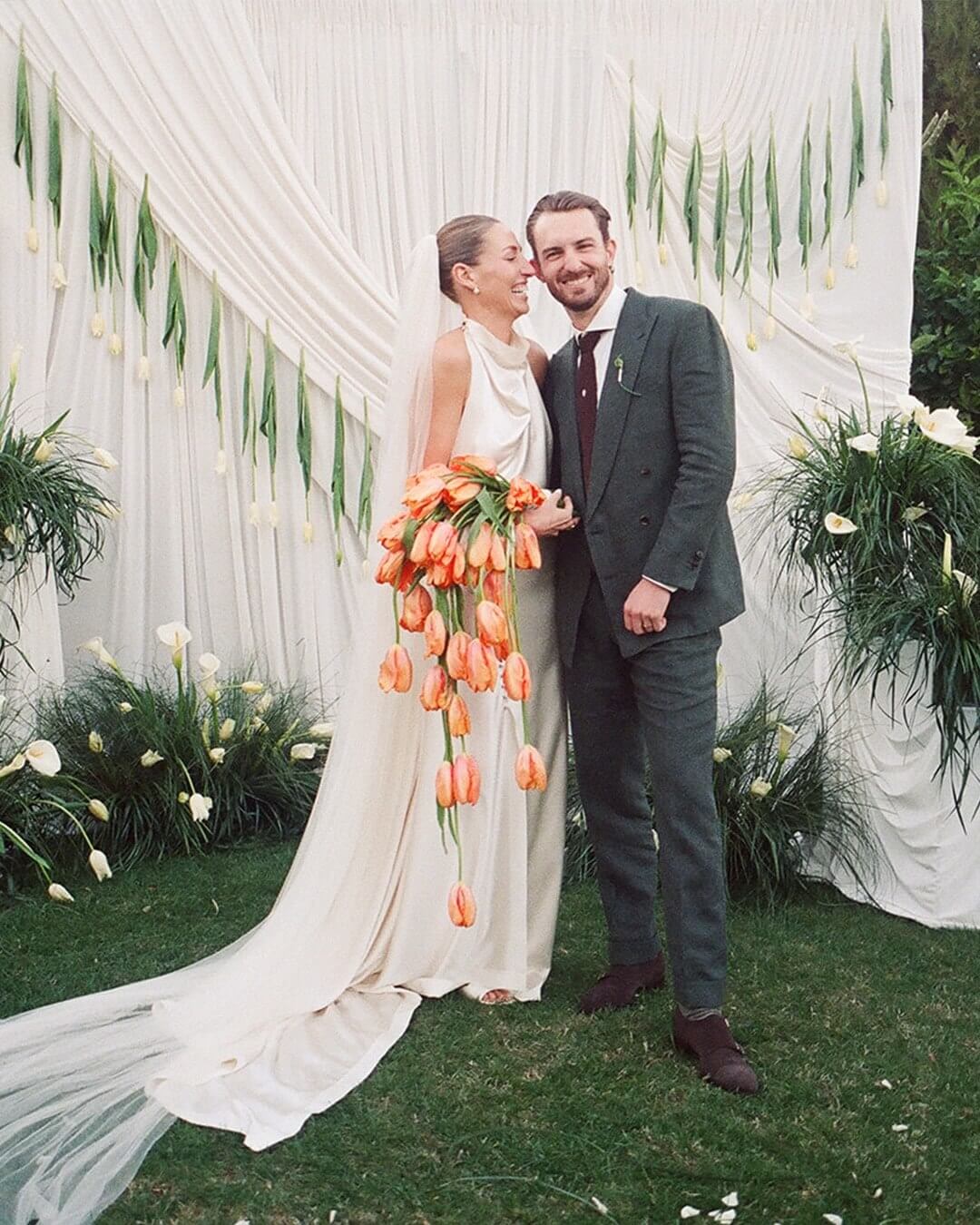
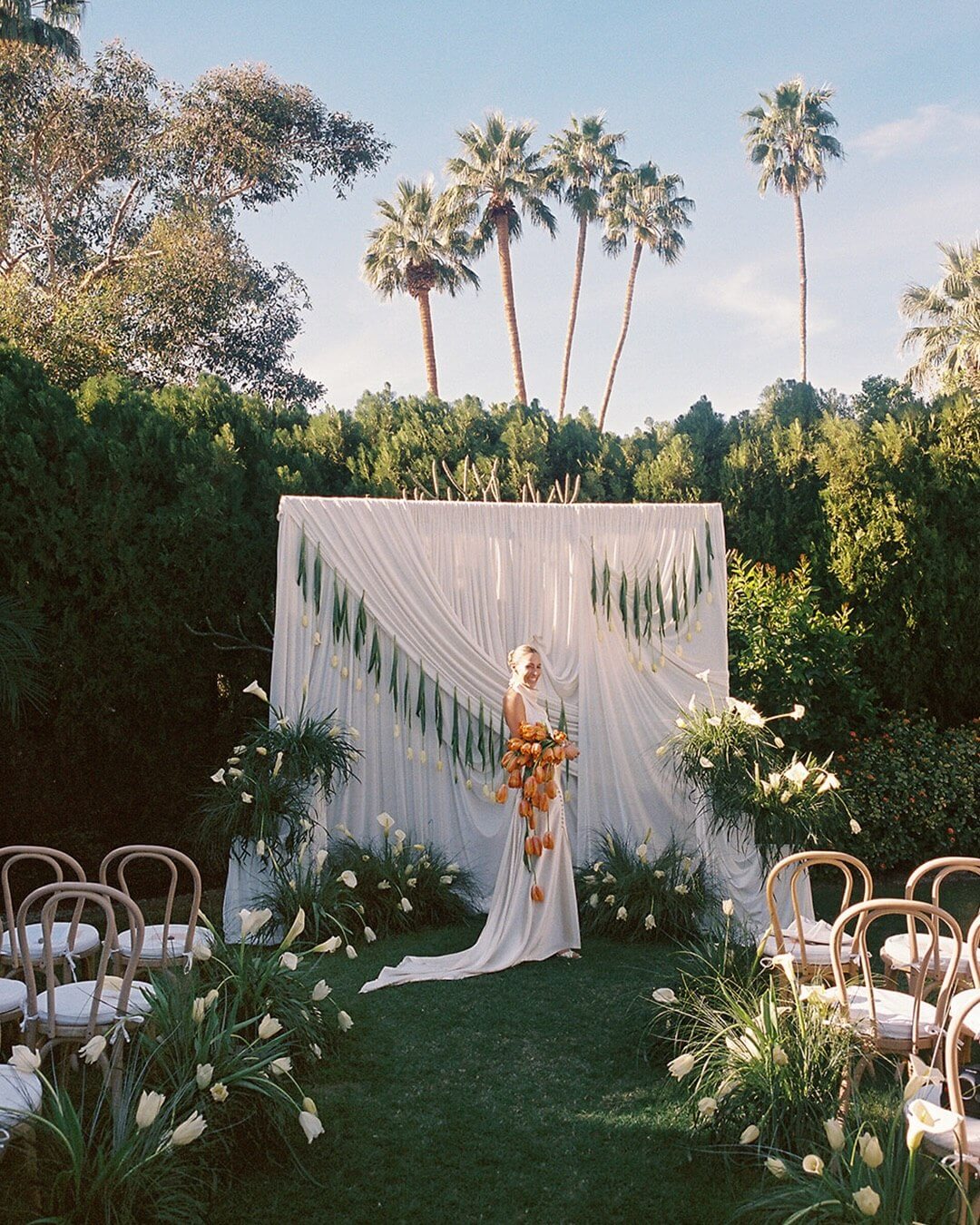
Picking from the various wedding bouquet ideas is more like selecting a dress silhouette than most brides at first realize, since the shape of the bouquet either matches or goes against all the other elements in the overall composition. A bouquet that flows down past the waist draws the eye downward and lengthens a fuller skirt; on the other hand, a small, tight posy has the reverse effect, holding in place a more slender silhouette without taking up visual space. Among these nine styles, none is by any means more "bridal" than the others; the appropriate choice simply comes down to the dress, the venue, and how formal the day is actually intended to be.
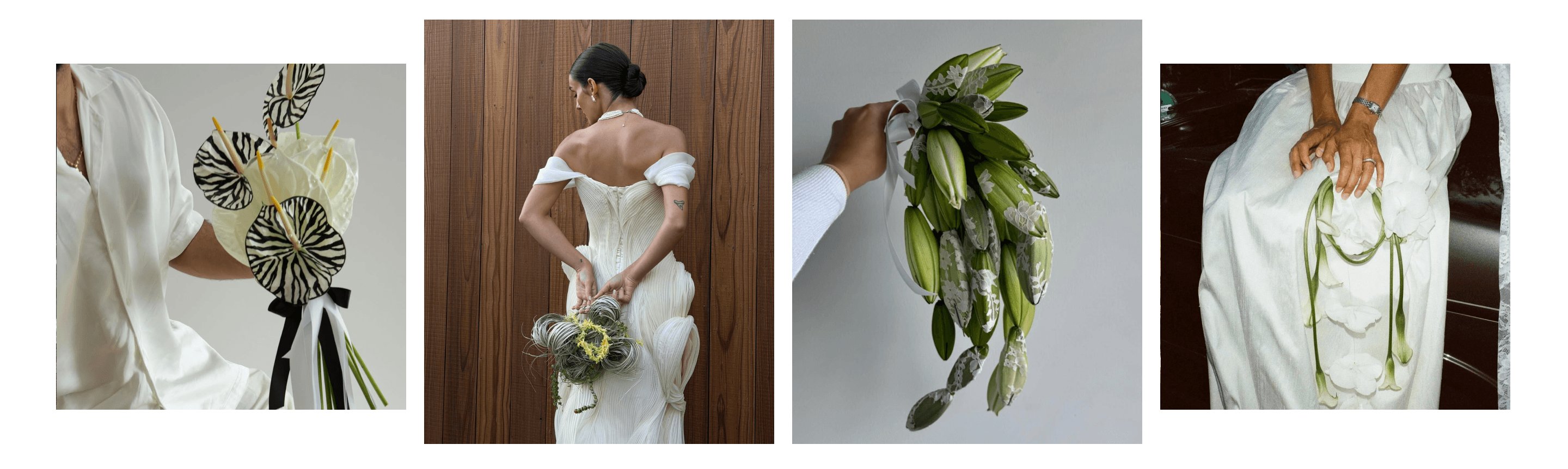
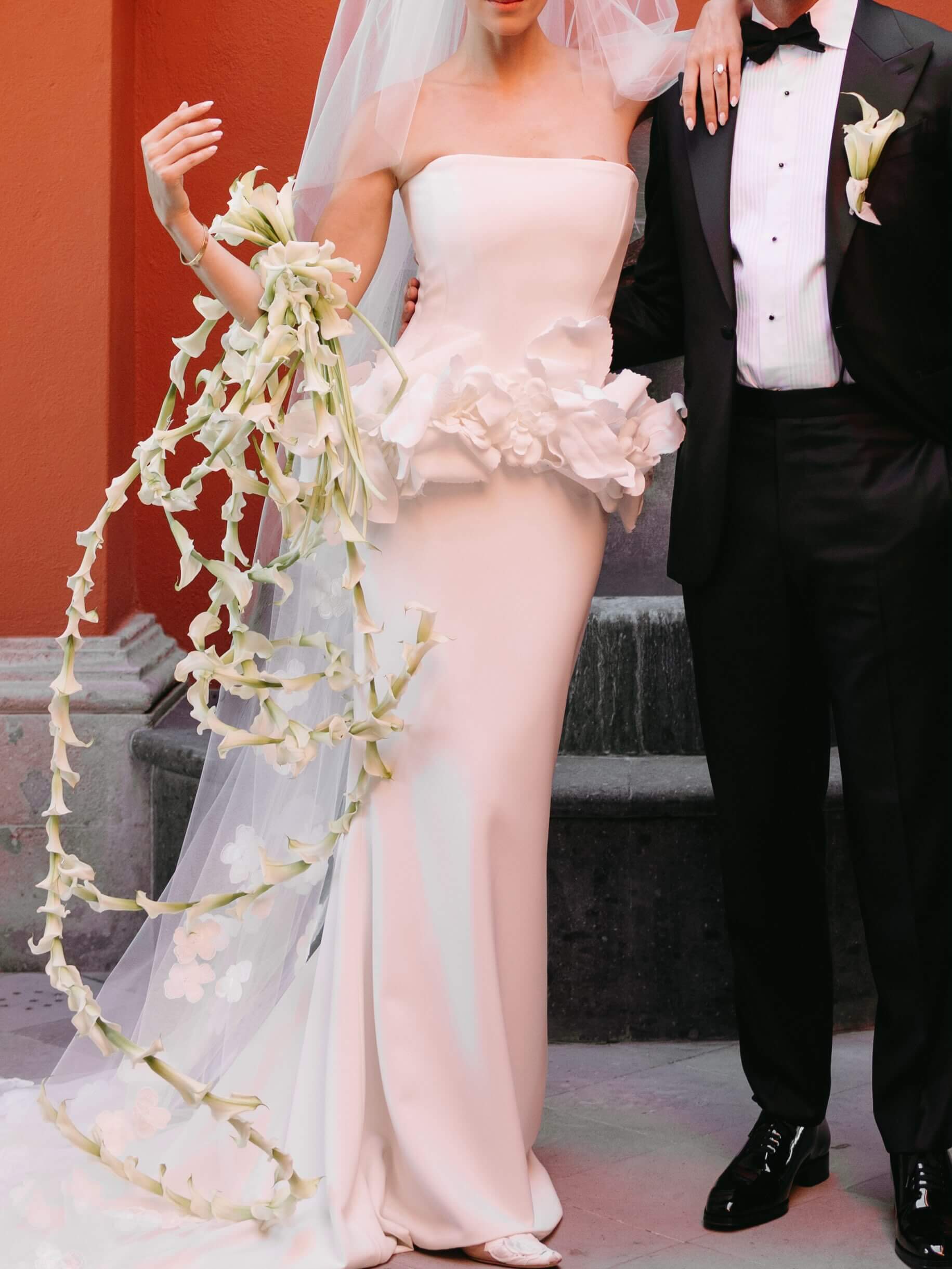
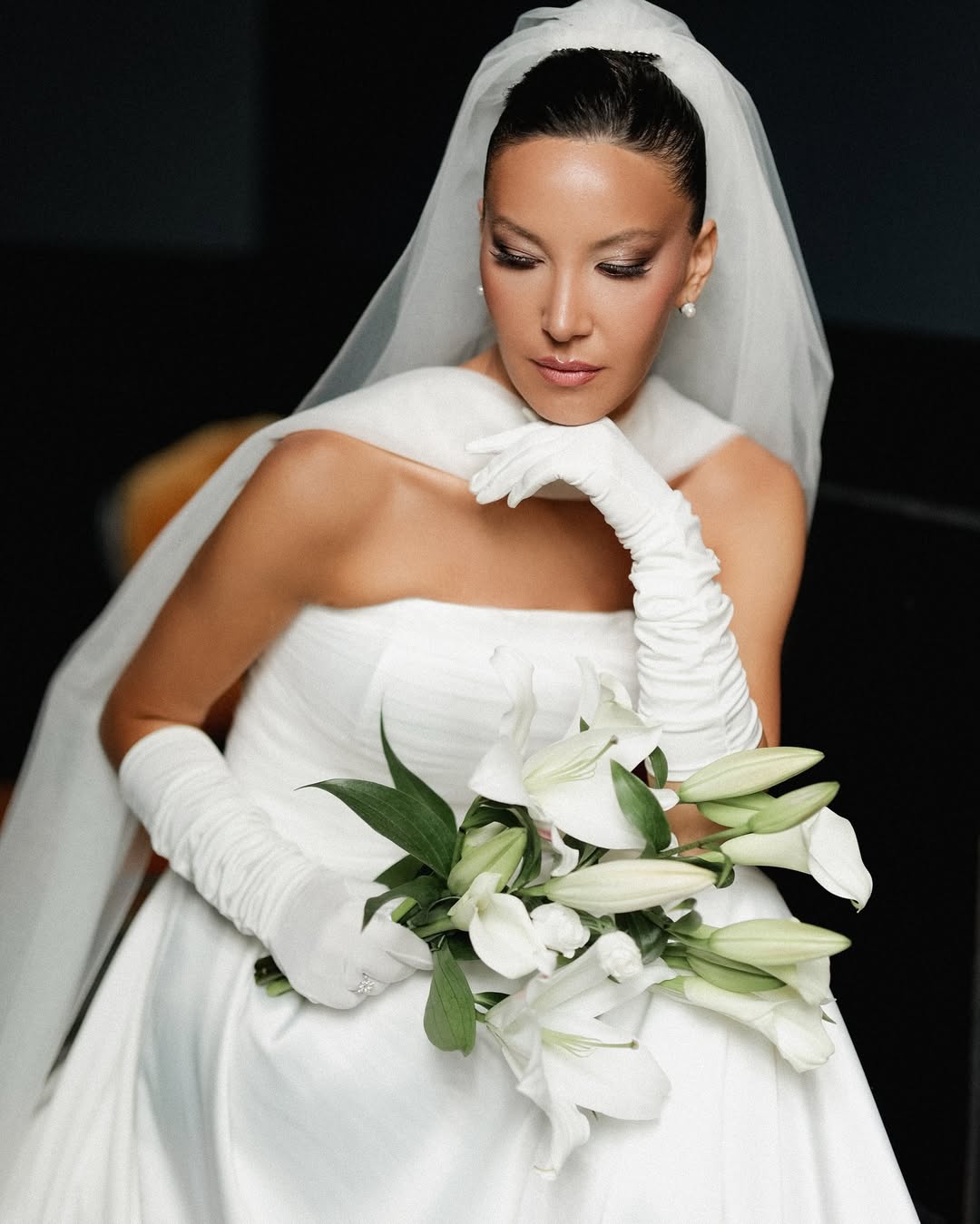
A cascading wedding bouquet, one that hangs dramatically past the waist, is included at the top of the list below, along with eight other structural recommendations worth comparing before the first consultation.
| Style | Best For | Popular Blooms |
|---|---|---|
| Classic Round | Traditional, elegant weddings | Roses, peonies, hydrangeas |
| Cascade | Formal, luxurious, fairytale-themed weddings | Orchids, ivy, calla lilies |
| Hand-Tied | Rustic, outdoor, or bohemian weddings | Wildflowers, daisies, sunflowers |
| Posy | Minimalist weddings, petite brides, bridesmaids | Lily of the valley, sweet peas, roses |
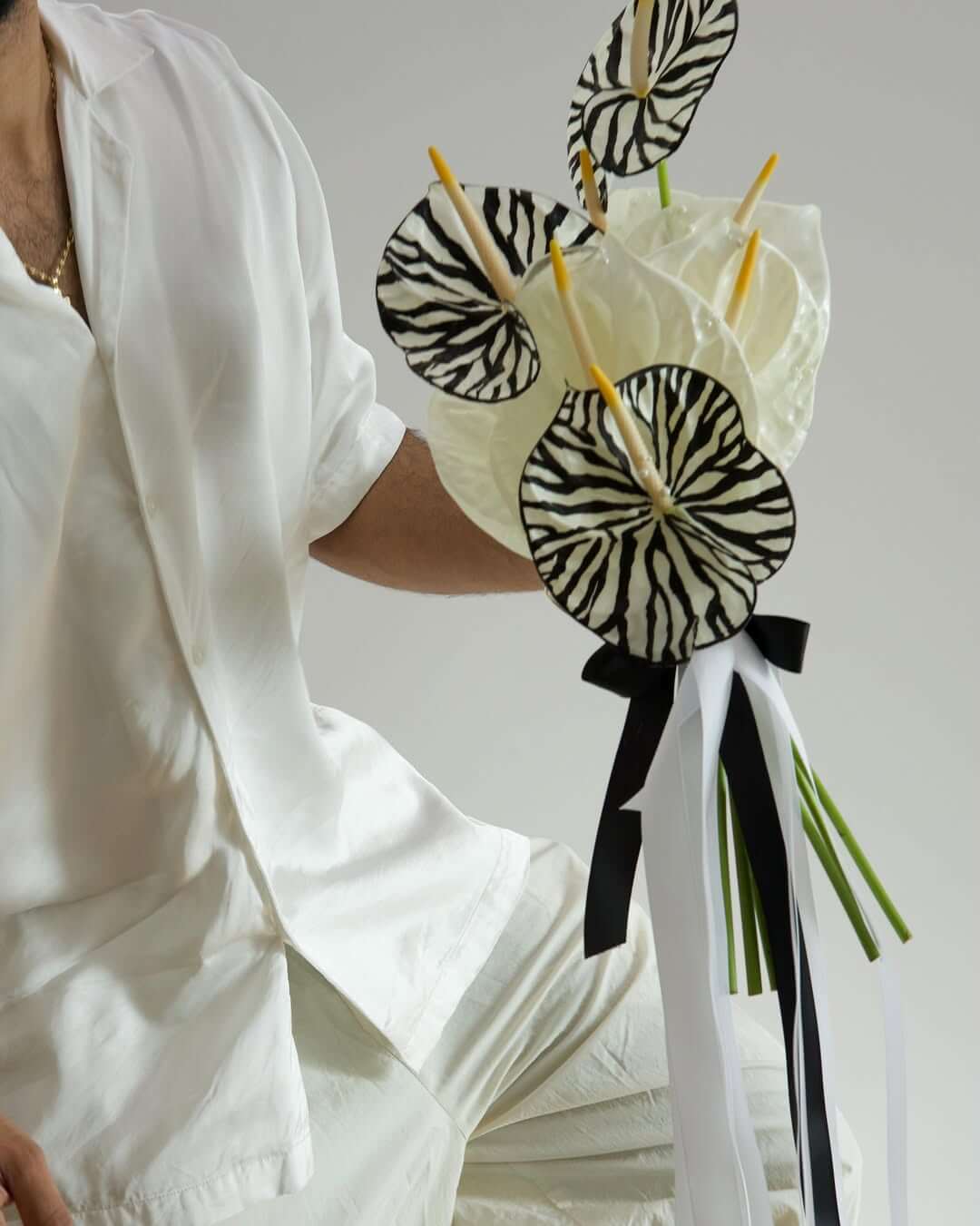
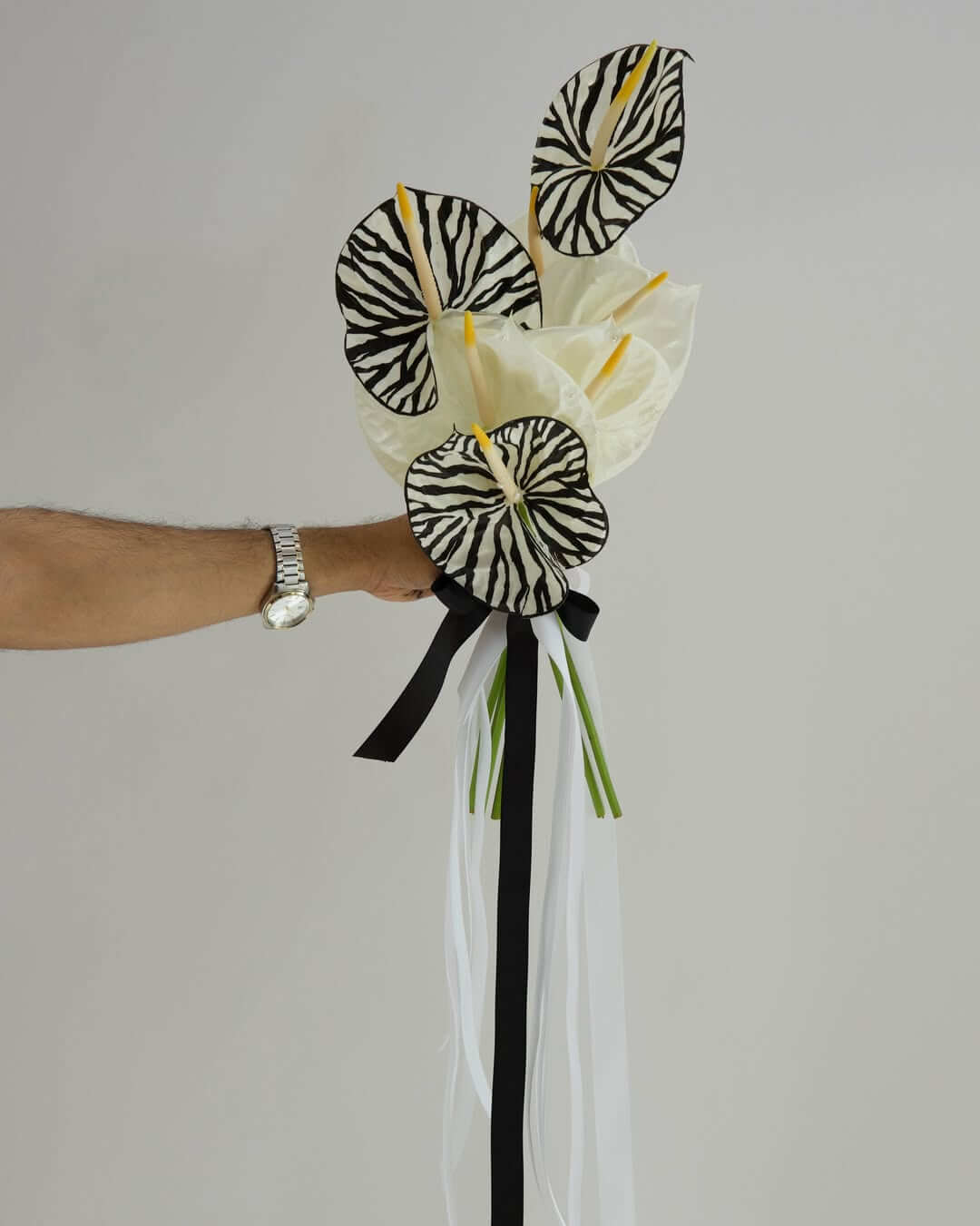
| Contemporary | Urban, avant-garde, or themed weddings | Succulents, exotic orchids, anthuriums |
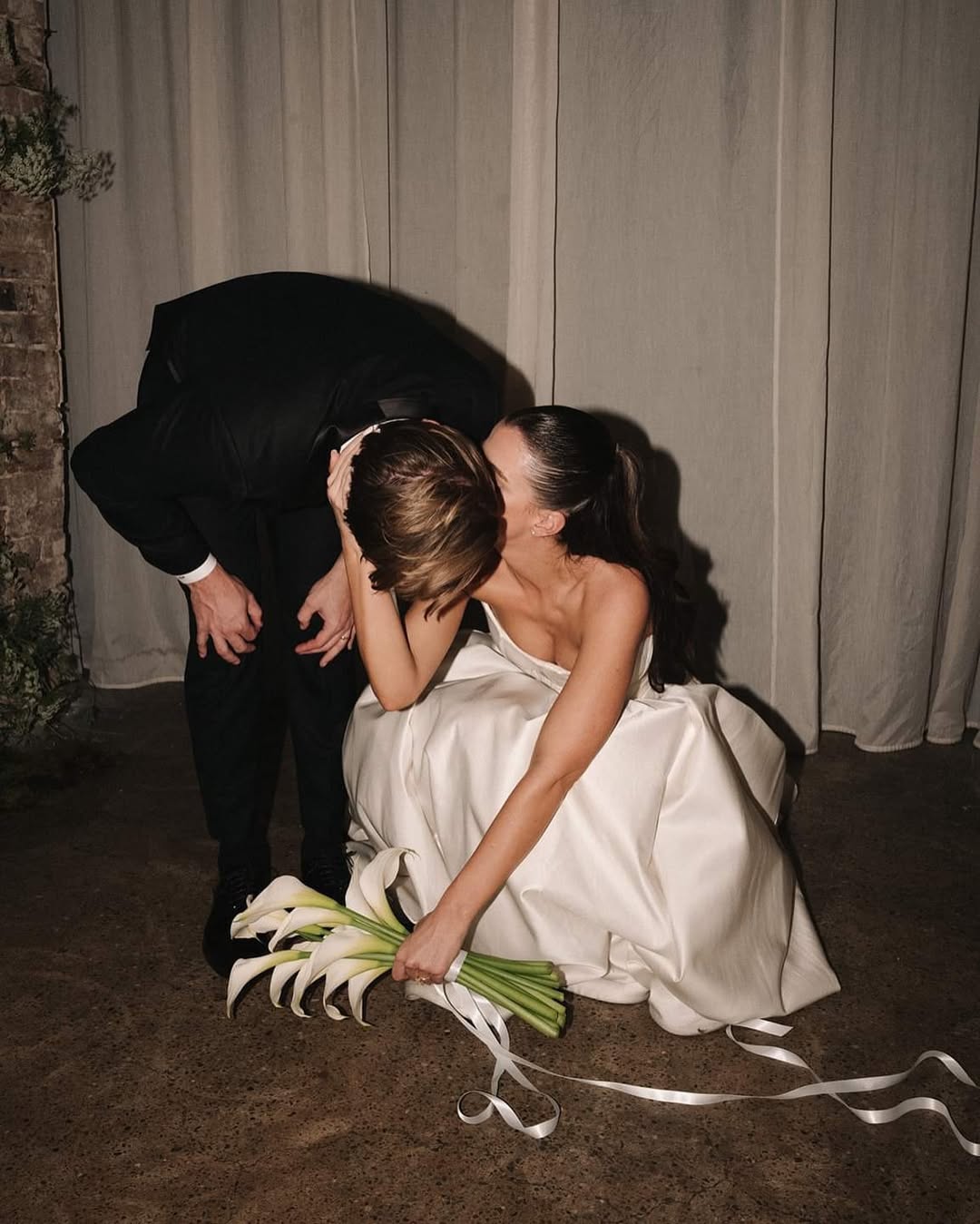
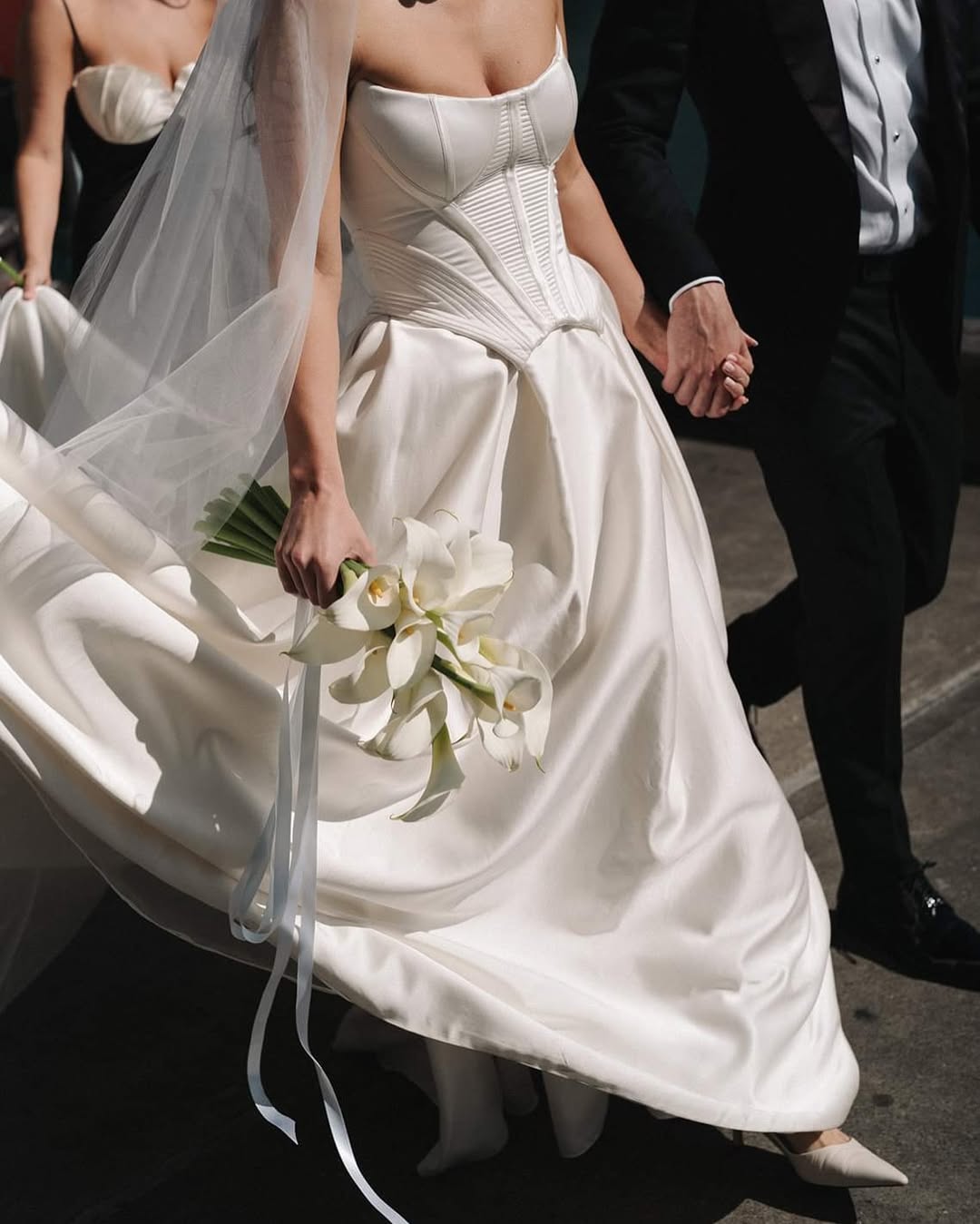
| Pageant | Glamorous, formal, vintage-inspired weddings | Calla lilies, long-stemmed roses, gladiolus |
| Pomander | Flower girls, informal weddings, garden ceremonies | Roses, carnations, chrysanthemums |
| Composite | Luxurious weddings, fashion-forward brides | Roses, orchids, lilies |
| Crescent | Romantic, unique, whimsical weddings | Orchids, lilies, baby’s breath |
A good way to quickly reduce your options is to match the bouquet shape to the dress shape. Round, posy bouquets work well with fitted or more straightforward silhouettes that don't need to compete with the lower part of the dress, while cascade and pageant styles suit flowing, dramatic gowns with real movement.
Selecting the Right Flowers
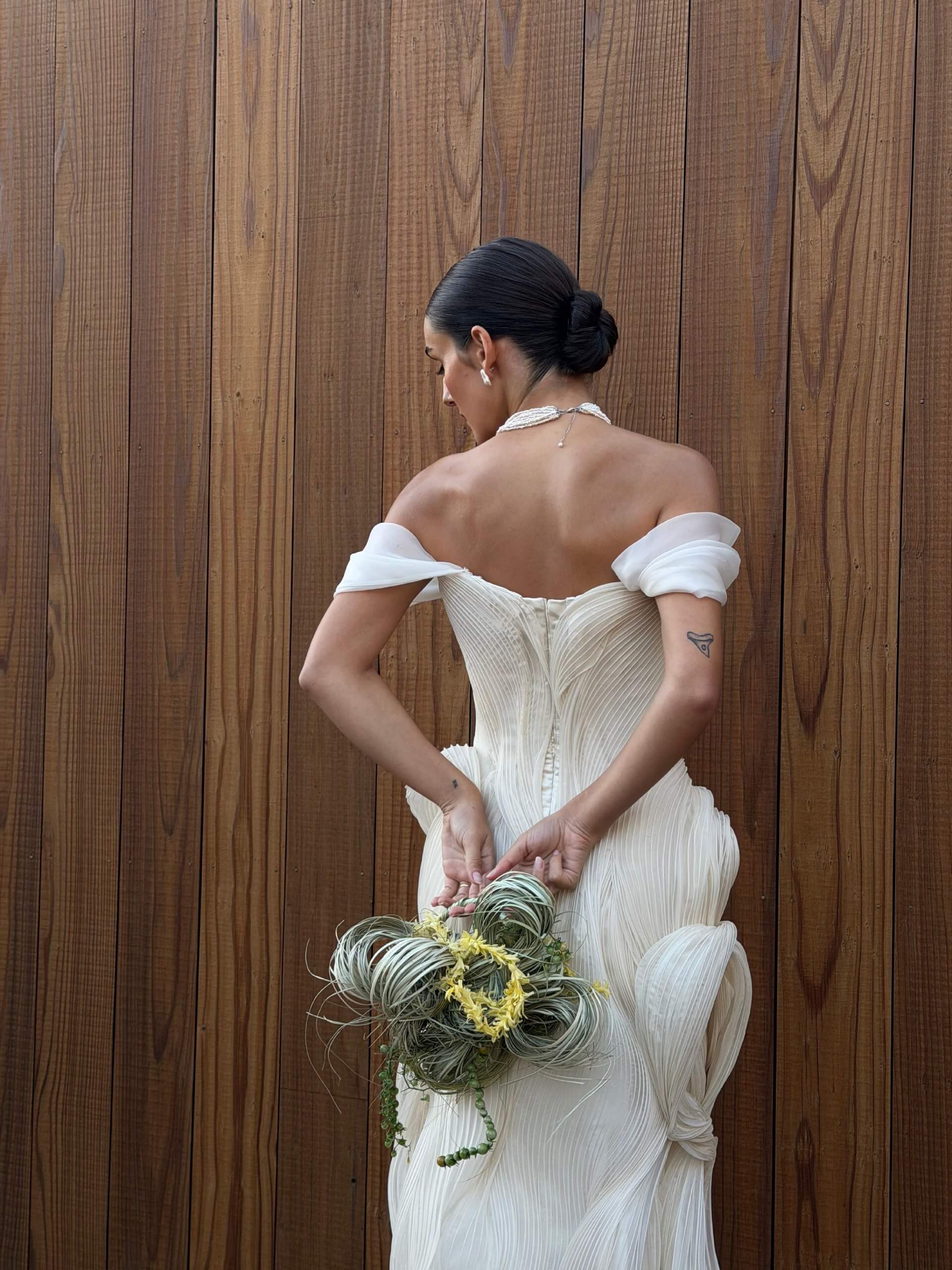
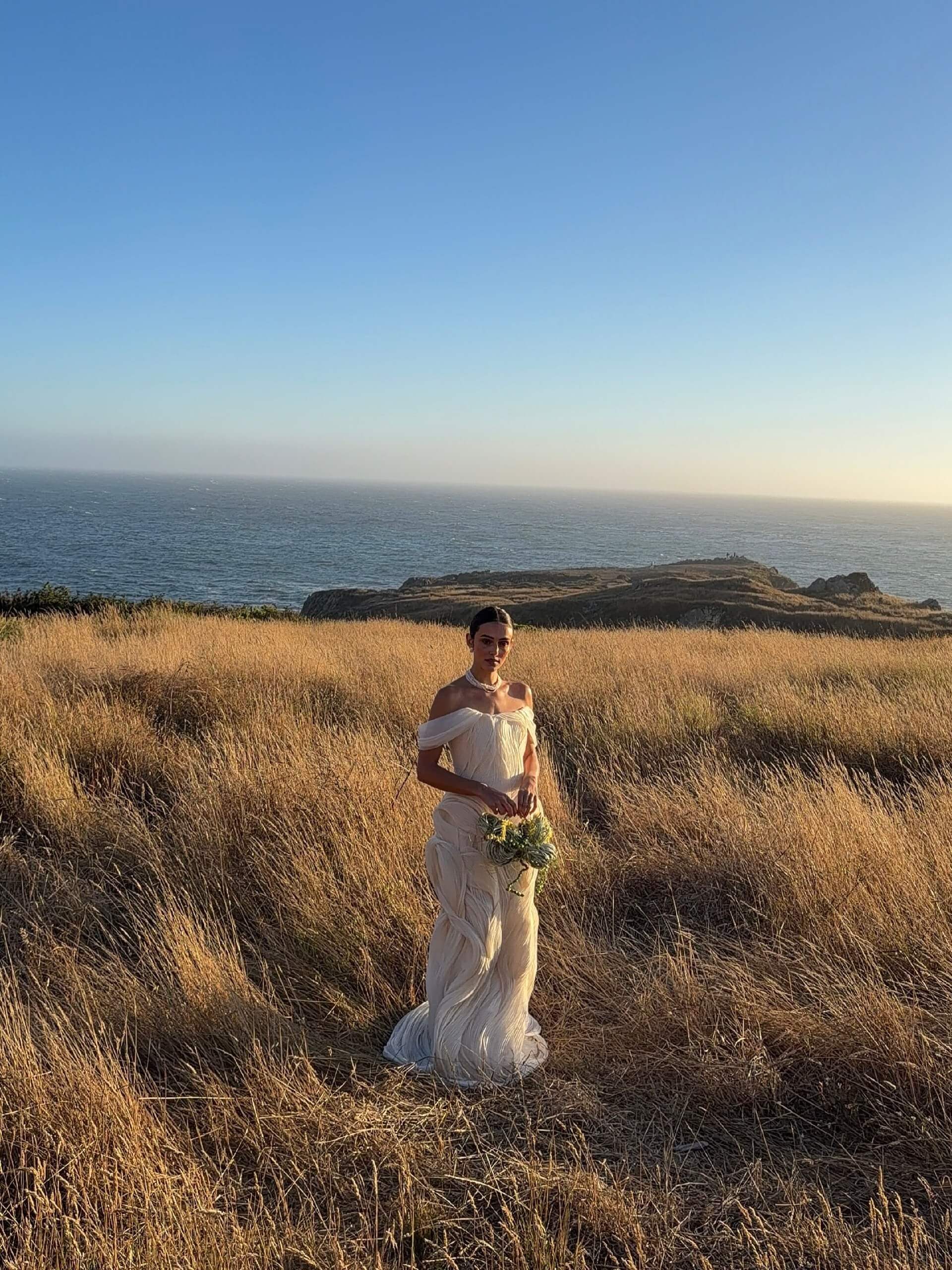
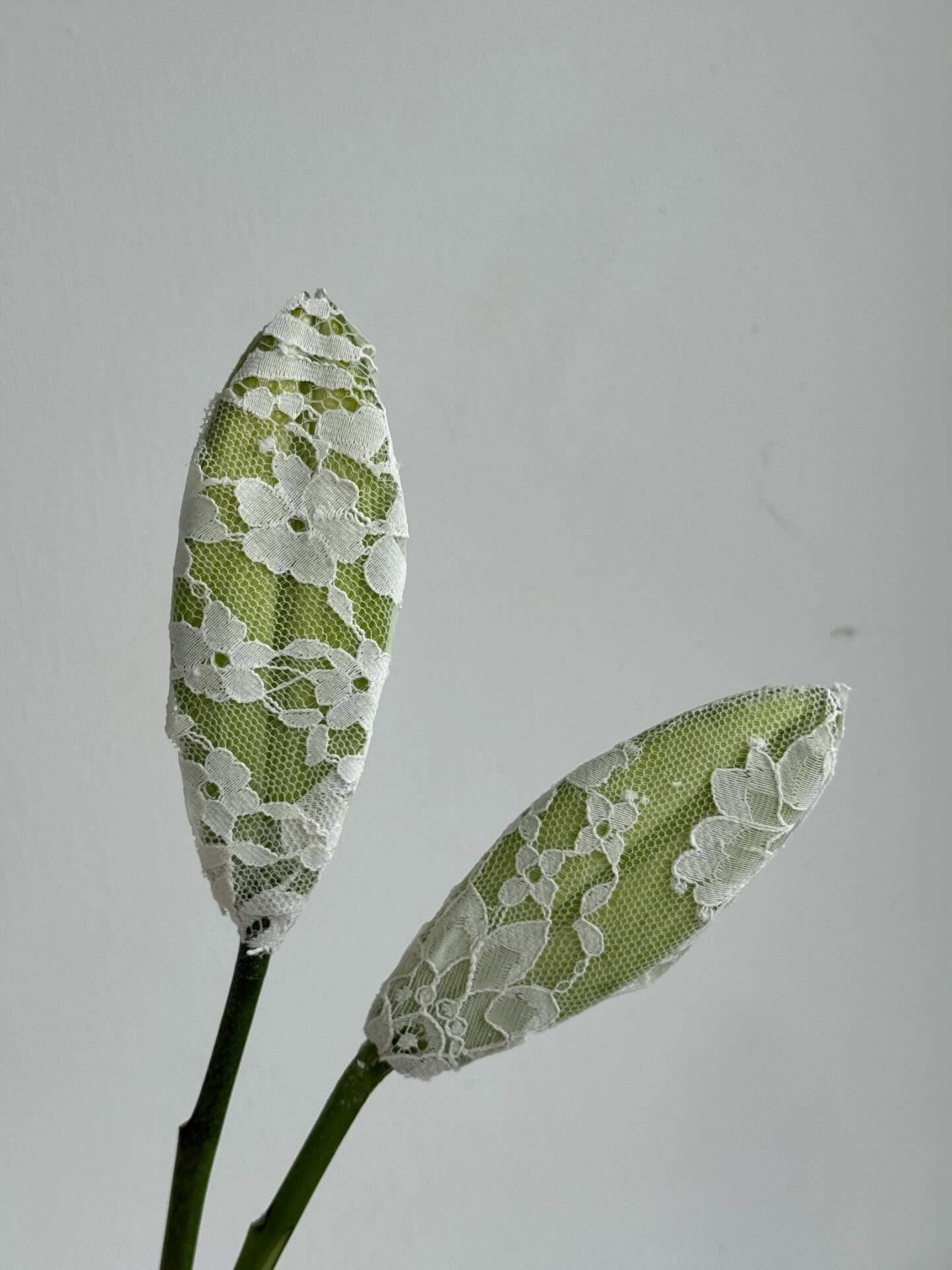
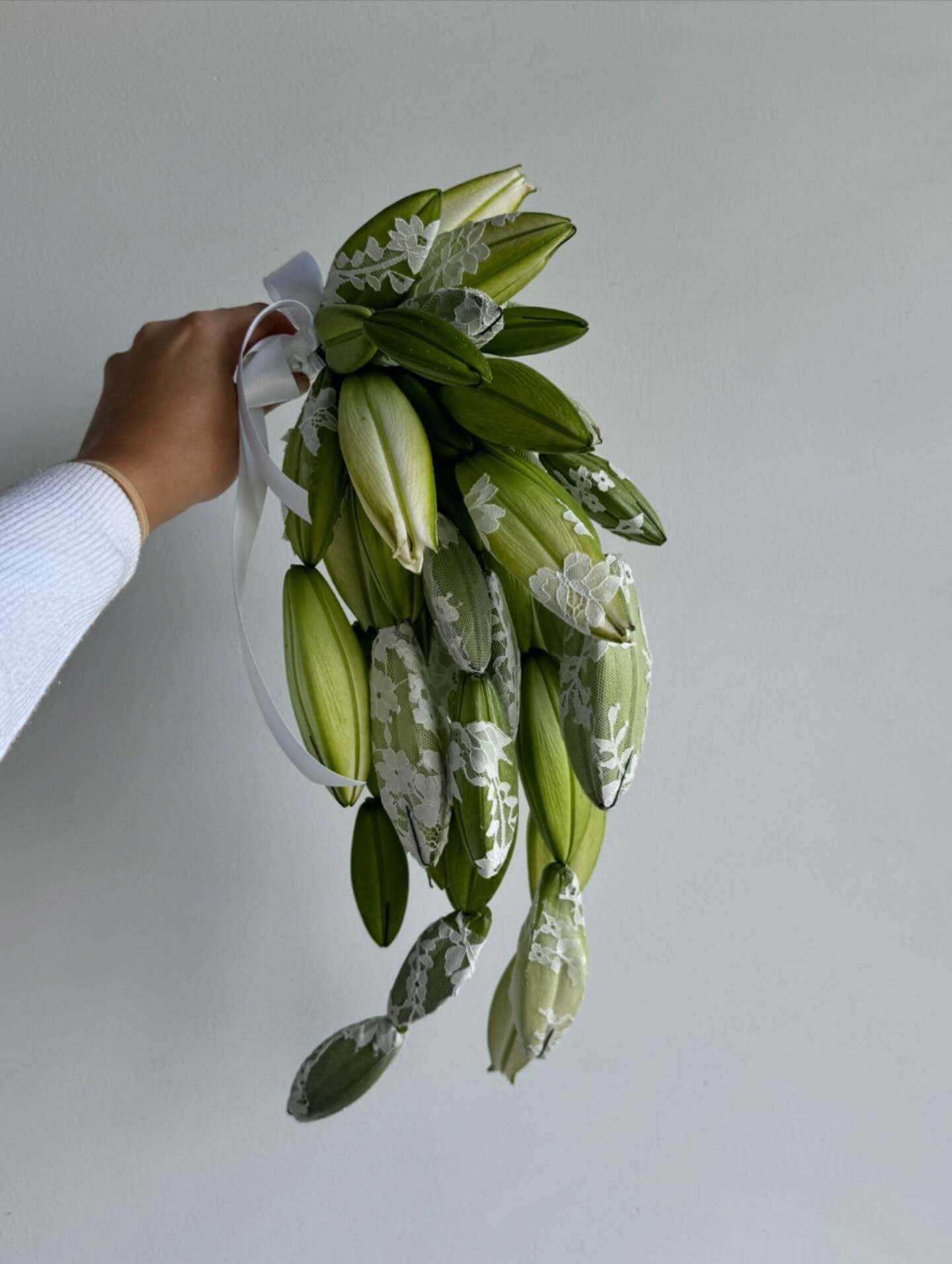
When selecting wedding flower bouquets, there are three practical questions that most brides never consider until they have already started the consultation process: what is in season, what each type of flower is intended to symbolize, and what will actually last for the number of hours the bouquet has to look good.
Seasonal Flower Guide
Flowers that are cut during their normal seasonal period not only cost less but also photograph with a greater saturation and vitality than out-of-season imports, which are forced to bloom early and are then transported across continents and thus rarely manage to pretend to have that effect. If a florist is using flowers that are actually in season locally, he or she also has more scope to make substitutions and to improvise should a particular type of flower fail right up to the wedding date. A summer wedding bouquet naturally includes roses and dahlias, whereas one for a wedding in the fall moves toward richer, warmer colors, with deep burgundy, rust, and gold replacing the softer pastels typical of the warmer months.
- Spring - Tulips, peonies, ranunculus, daffodils, hyacinths
- Summer - Roses, sunflowers, hydrangeas, dahlias, lavender
- Fall - Chrysanthemums, marigolds, proteas, zinnias, amaranthus
- Winter - Amaryllis, anemones, poinsettias, holly, camellias
It is usually the simplest way to get the most value from your floral budget: choose a florist who works with the seasons rather than sourcing whatever's requested, even if it goes against the calendar, so the bouquet doesn't look any less full or thoughtfully put together.
What Your Flowers Actually Mean
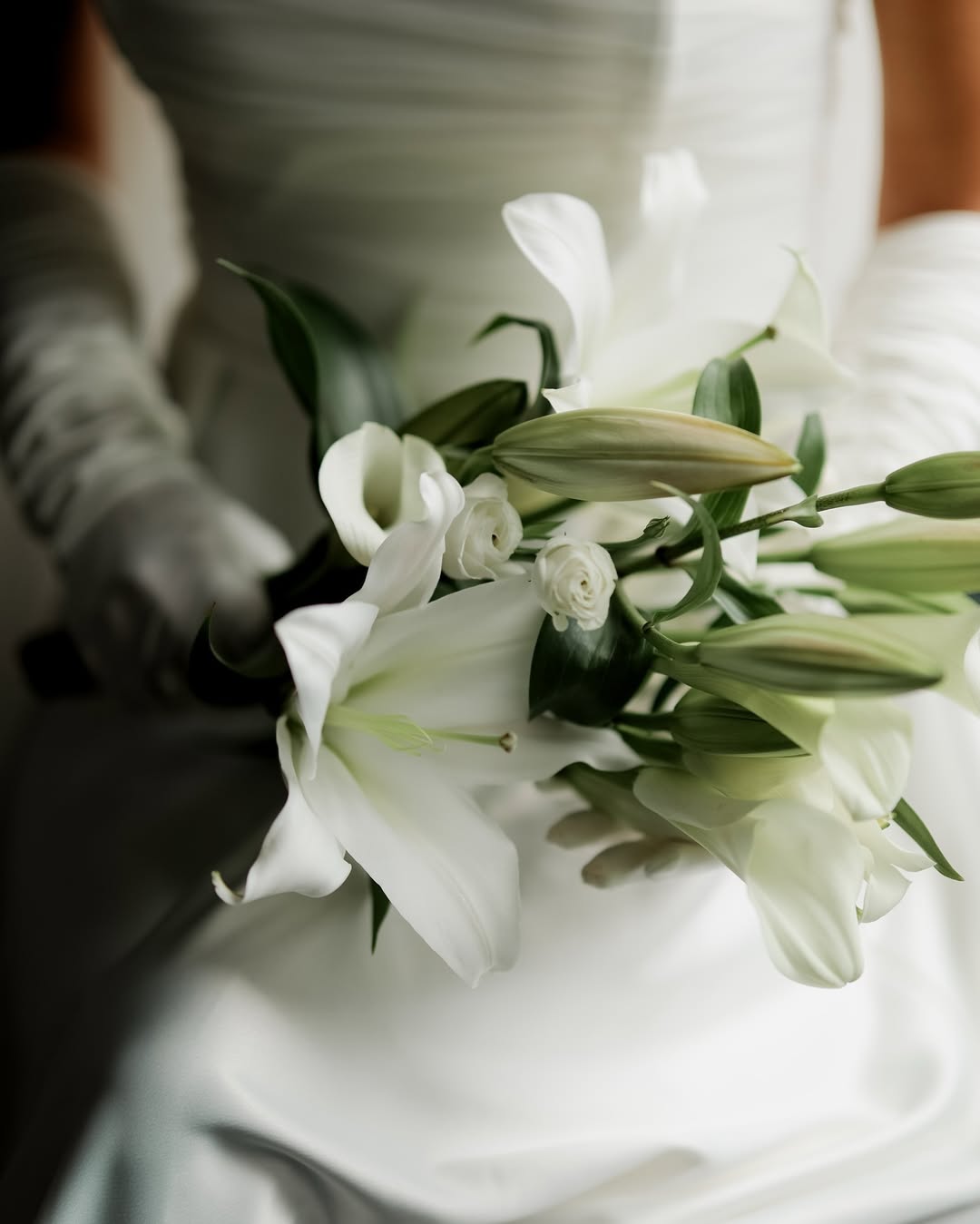
Many couples select flowers based on appearance, but many more want the symbolism behind their choice to carry a particular meaning. Roses are most closely linked with love and romance, peonies are associated with honor and prosperity, and lilies with purity and devotion. Orchids convey something more exotic and refined, sunflowers stand for loyalty and warmth, and baby's breath, although often treated as a filler flower, in fact stands for innocence and everlasting love. There is also a quiet history connected with rosemary when it is included in a wedding bouquet; the herb has for a long time stood for remembrance and fidelity, and because people understand the rosemary in a wedding bouquet meaning it has become a popular choice for brides who wish to honour the family members who have died or who simply want to add some fragrance and texture beyond the flowers themselves.
Practical Considerations
Once the ceremony photographs have been taken, the bouquet has no chance to rest; it must endure the receiving line, the cocktail hour with all the handshakes and hugs, and then however many hours until it is finally placed on the reception table. Flowers such as roses, orchids, and carnations tolerate this sort of handling without any problem, whereas peonies and gardenias, although impressive at 9 a.m., begin to show visible signs of wilting as soon as they stop being hydrated. The question of scent should also be considered, especially in an indoor setting: a strongly scented flower such as a lily or gardenia can quickly make the small, enclosed ceremony space unbearable because there is no place for the smell to go.

Choosing Your Color Palette
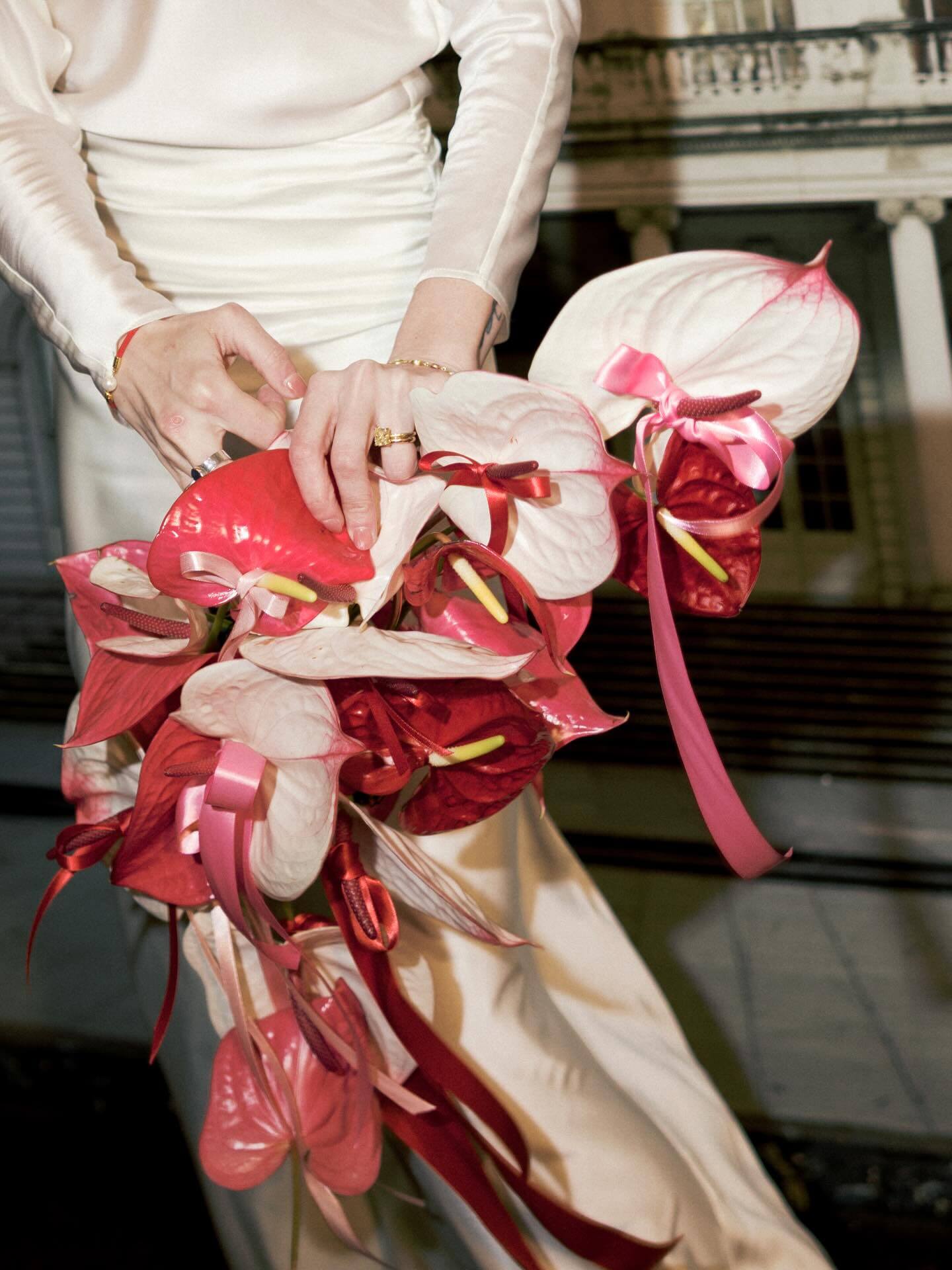
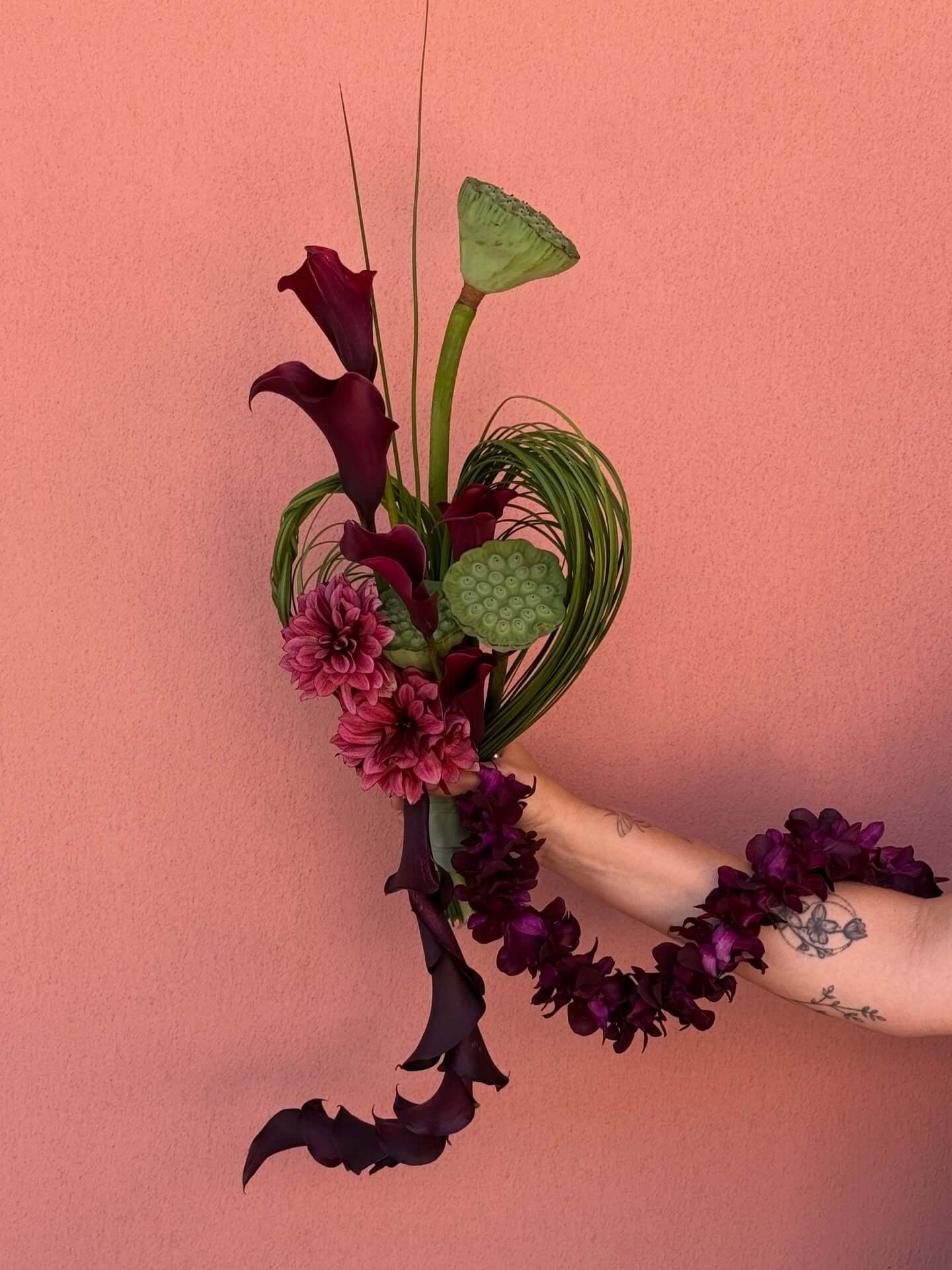
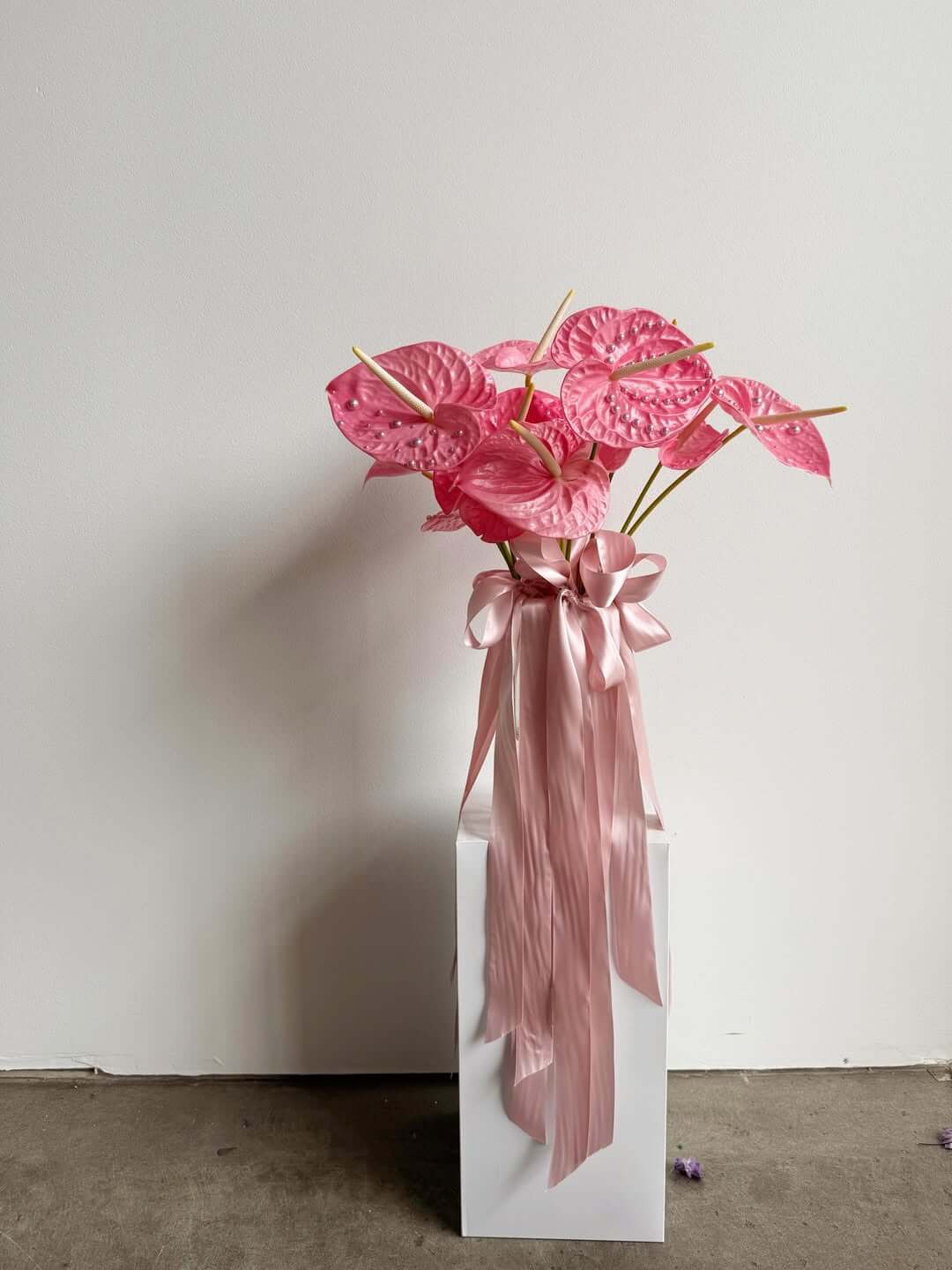
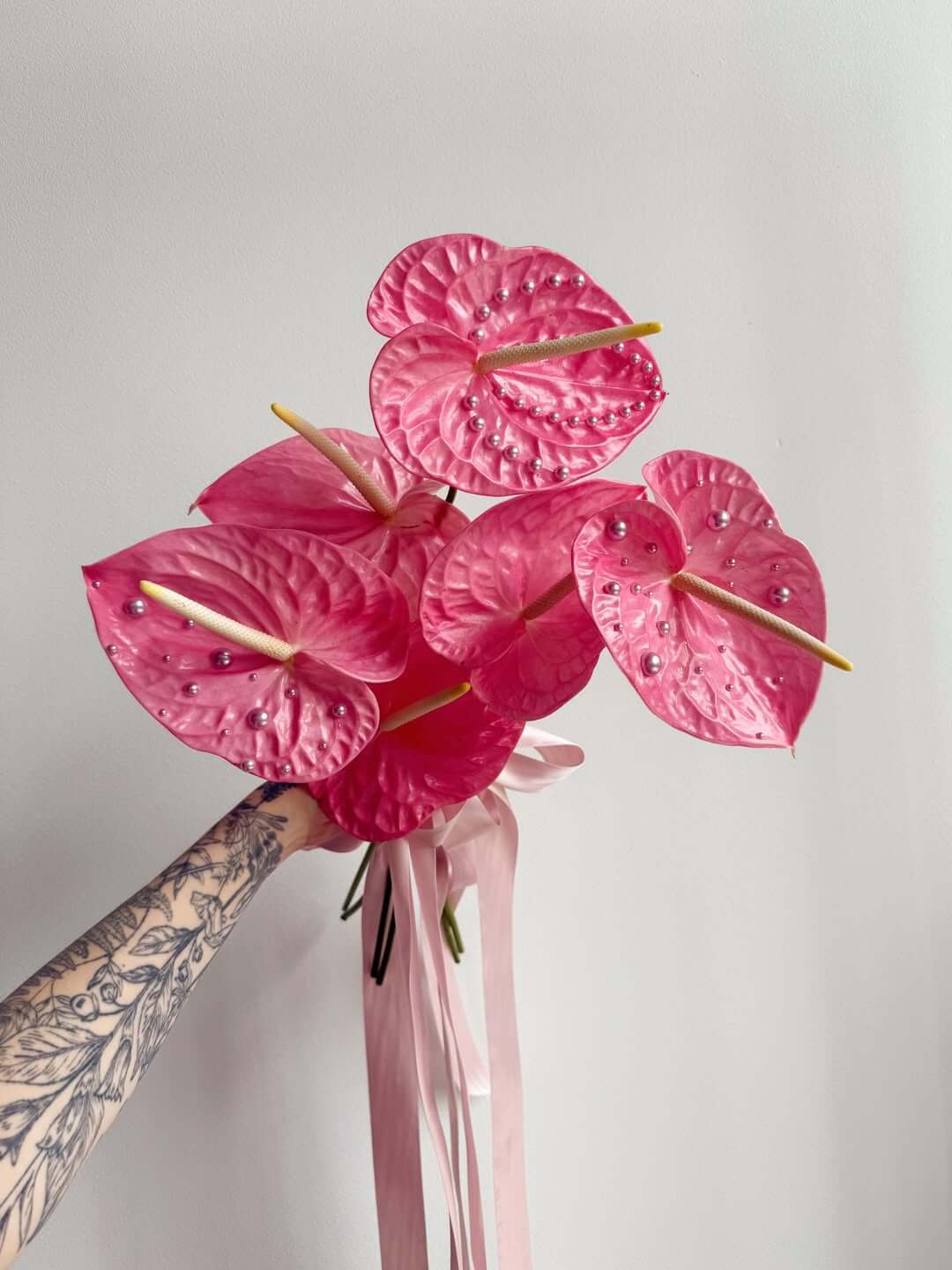
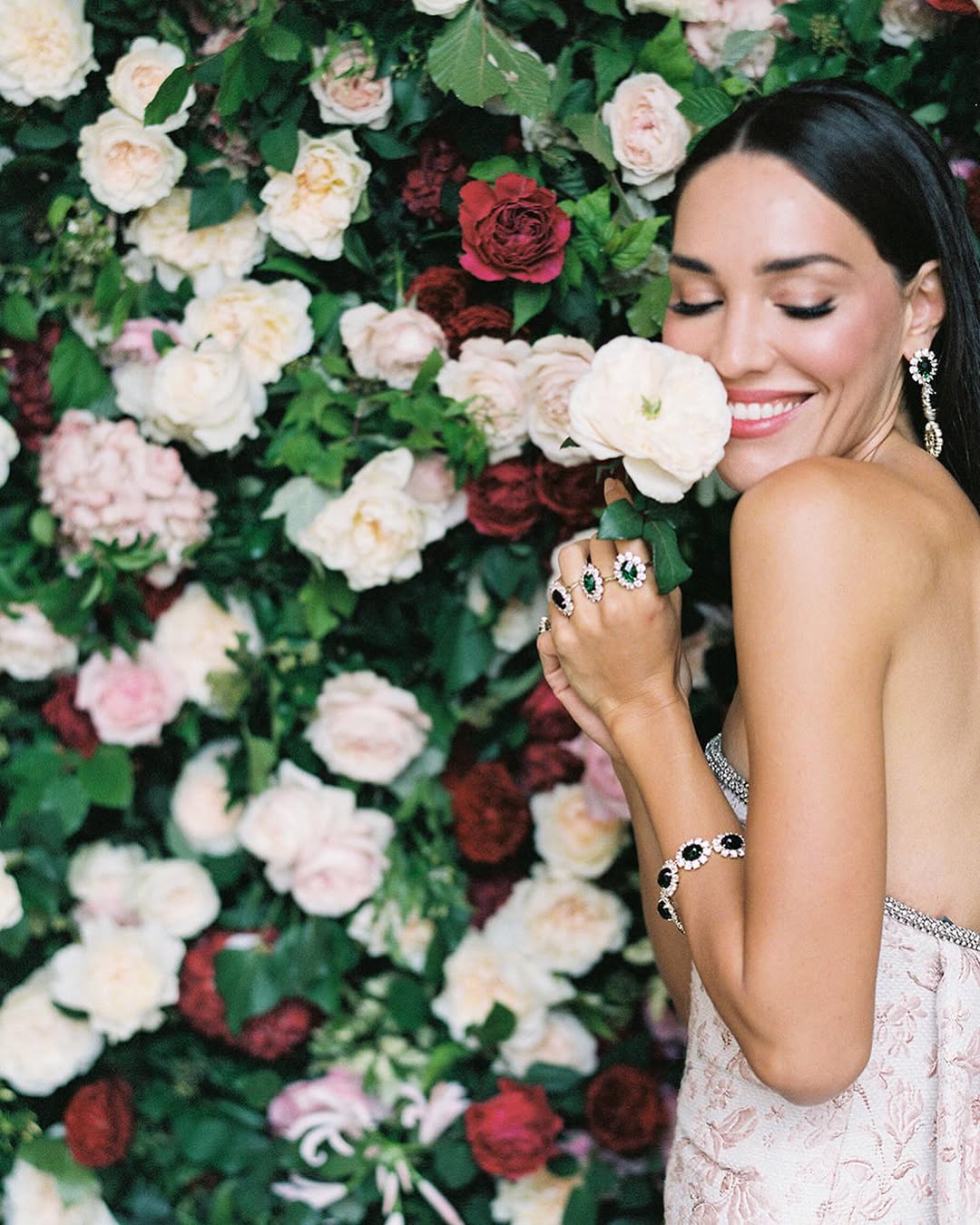
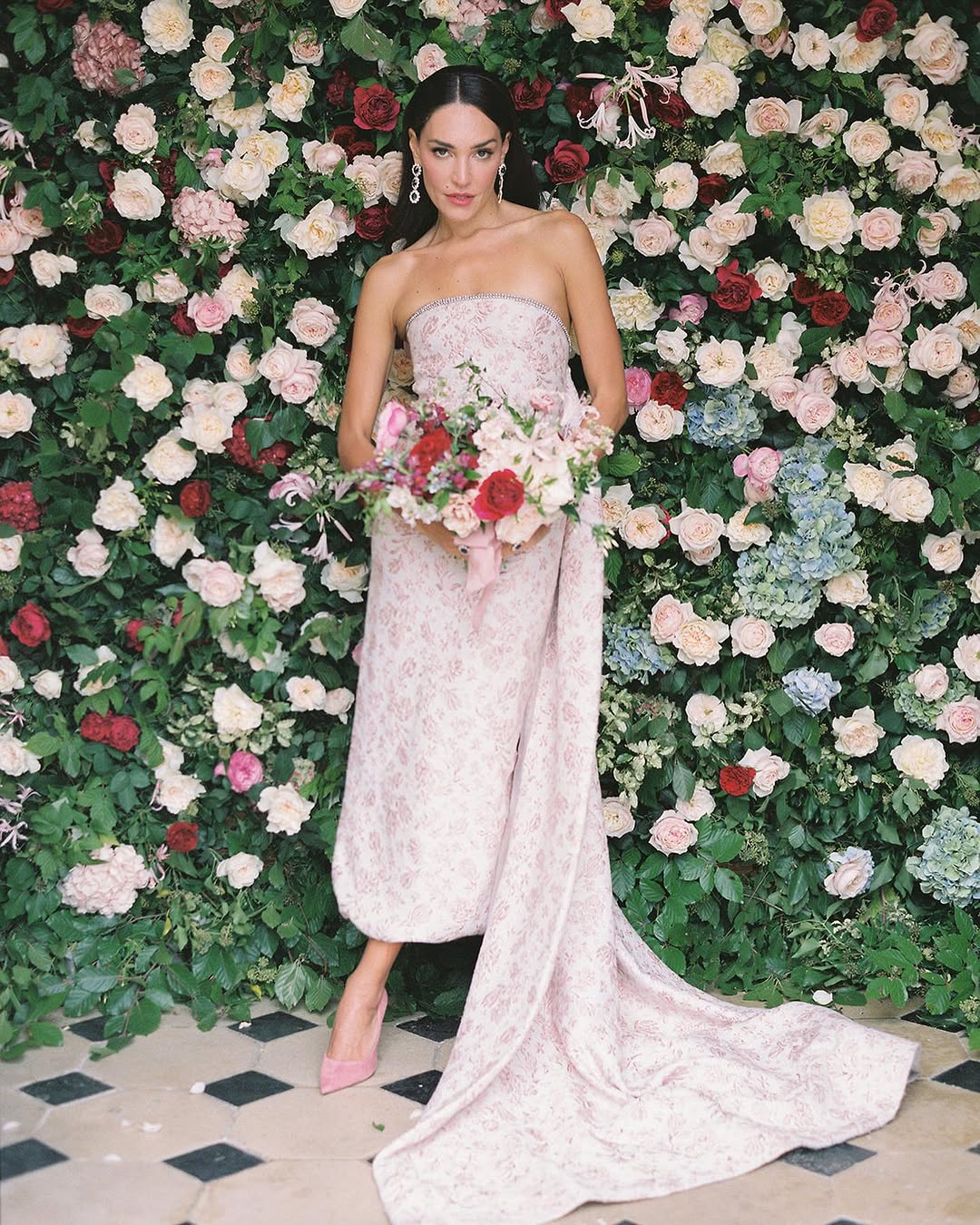
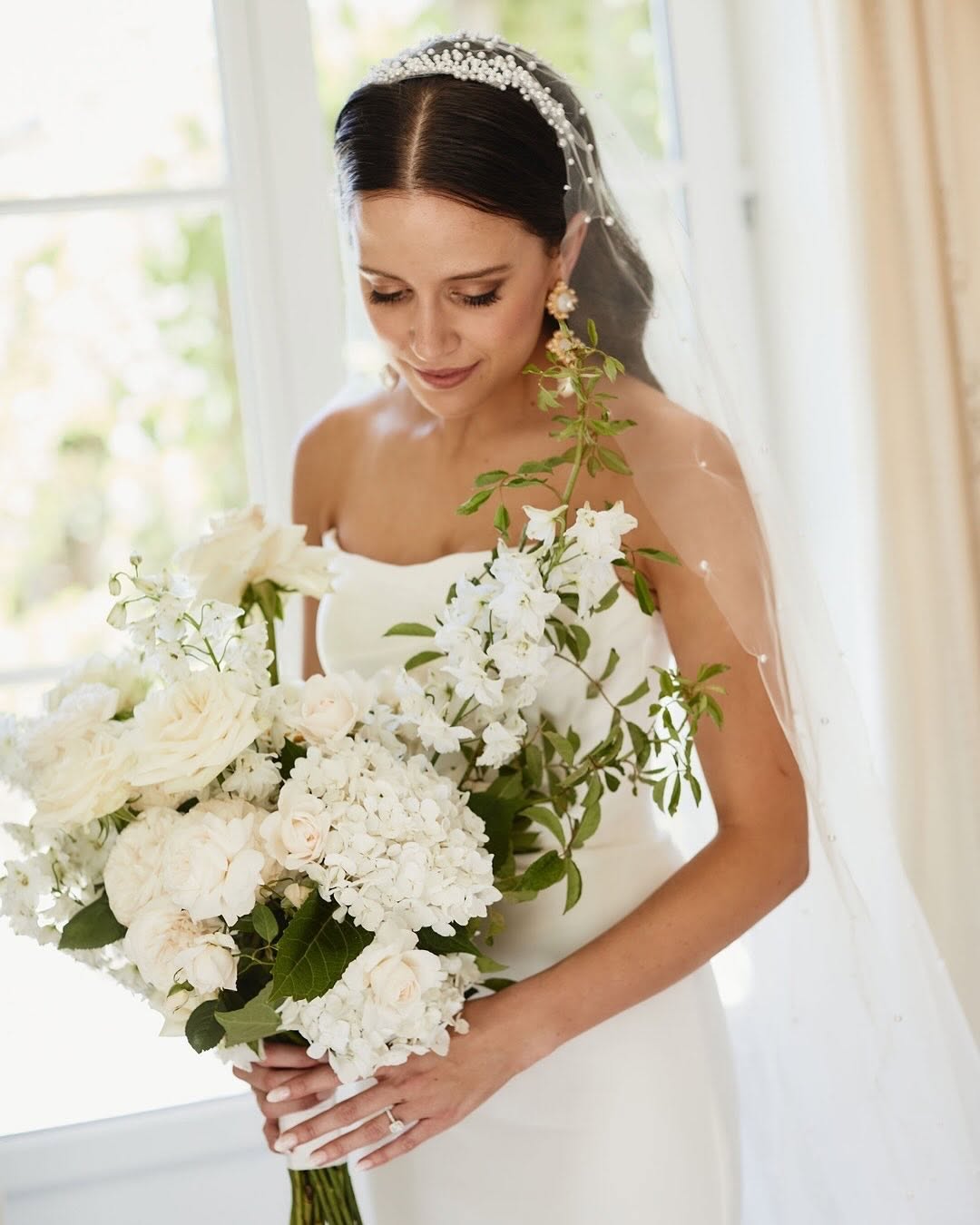
In wedding photography, the bouquet's color scheme carries out more visual impact than almost any other single decorative element, as it is seen in almost every picture, from the getting-ready photos up to the final exit. A blush wedding bouquet, consisting of different shades of a single color, from cream to dusty rose, has a naturally harmonious appearance that looks good in photographs over time, while a burgundy bouquet is more dramatic and is particularly appropriate for fall and winter weddings.
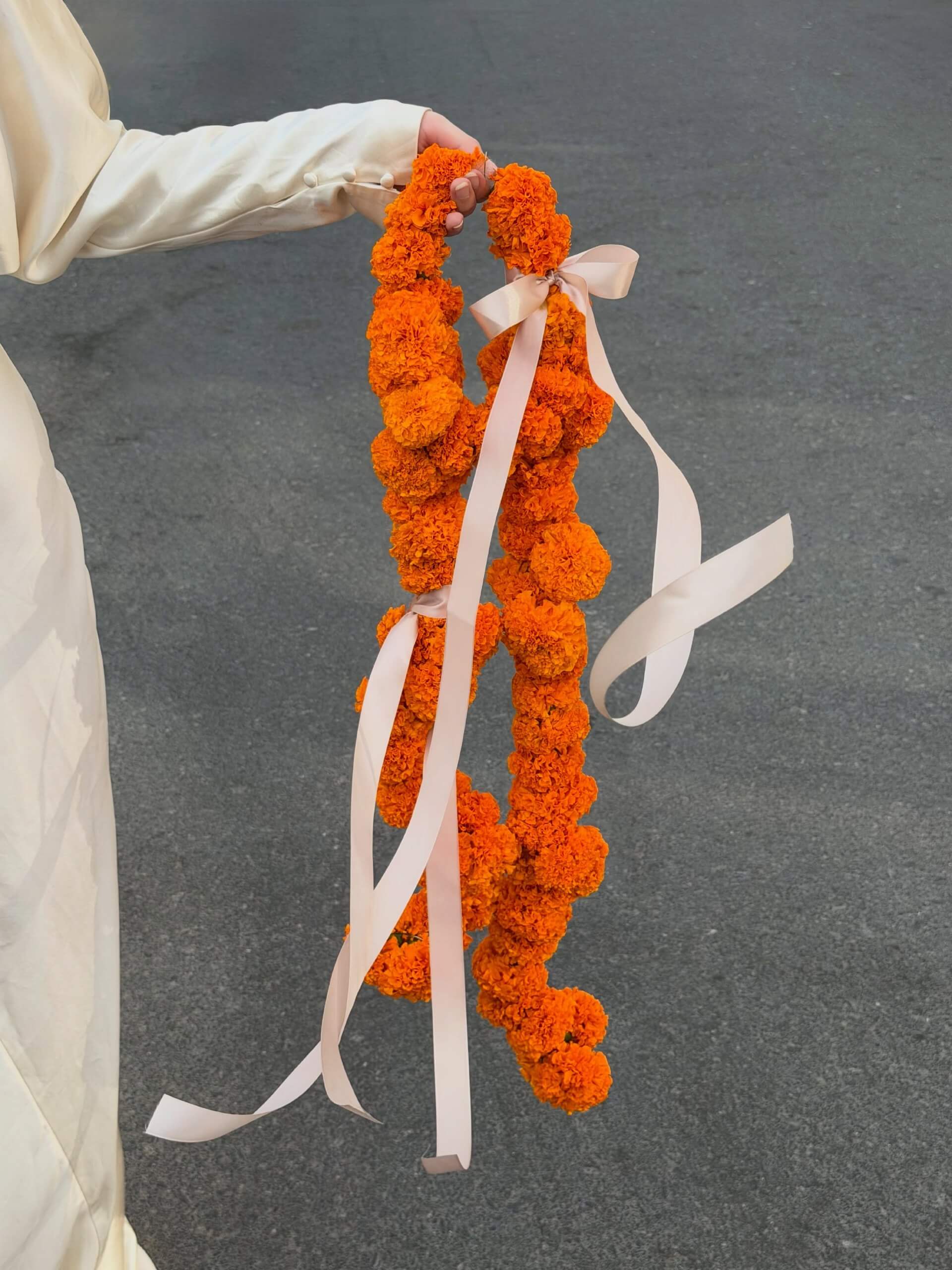
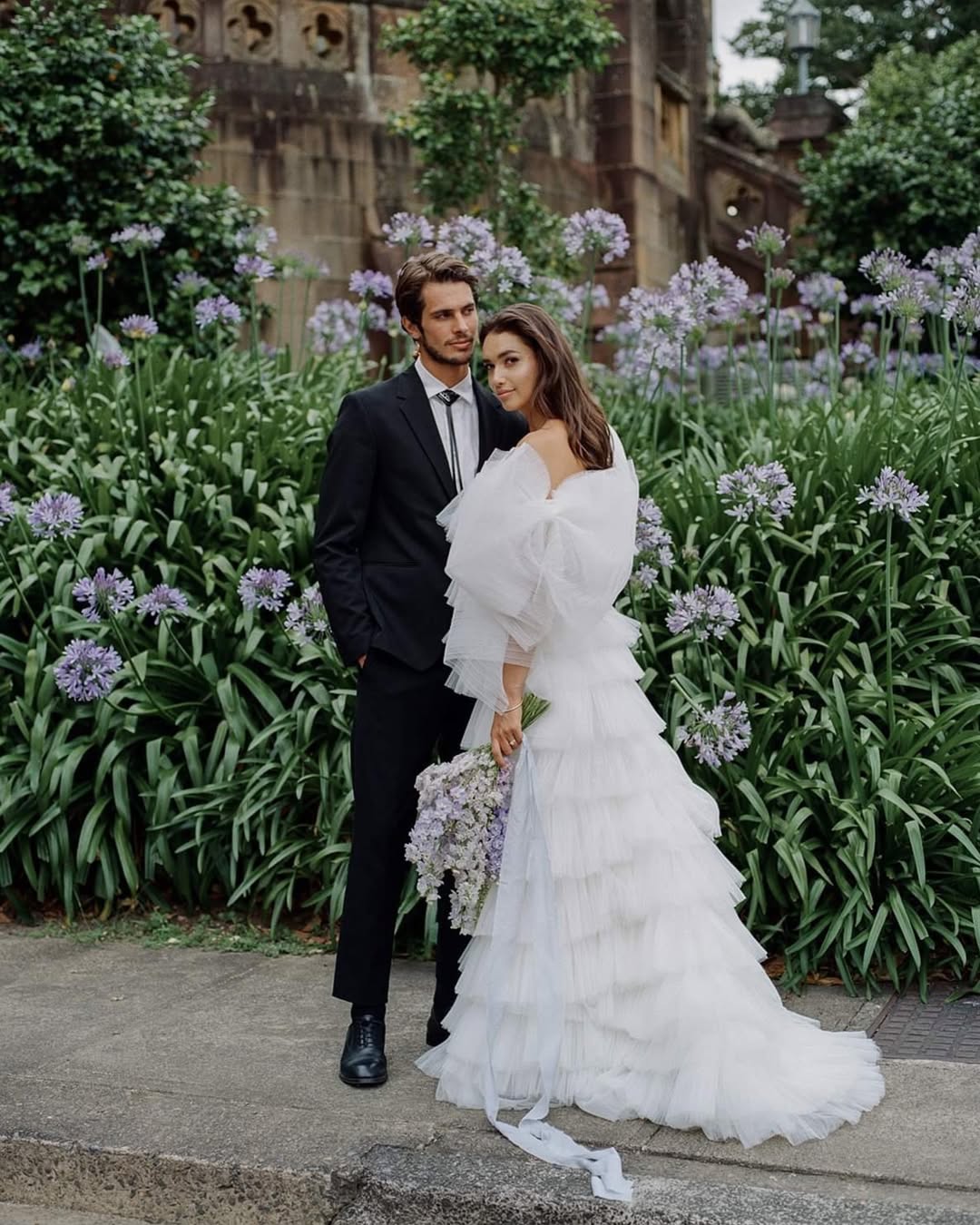
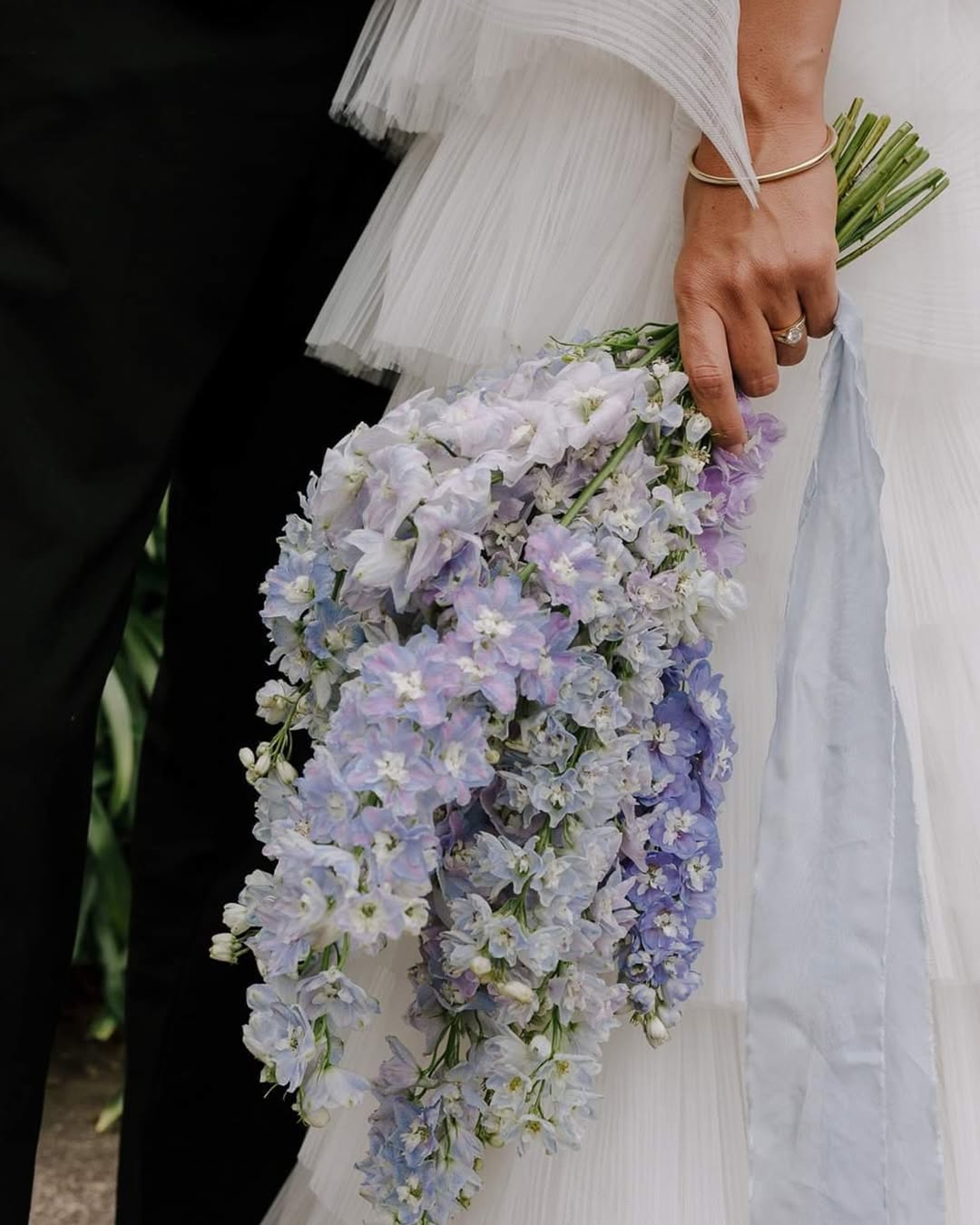
When you combine colors opposite each other on the color wheel, they have a real visual impact for couples who want to make a clear, noticeable statement; for example, a blue wedding bouquet paired with warm orange, or orange with soft peach, looks bright and purposeful rather than accidental. Purple is especially suitable for couples who want something majestic without it feeling too bright, and a pink-and-white wedding bouquet remains one of the most popular combinations for a good reason: it is soft, romantic, and hard to get wrong. If couples are looking for more warmth, then a palette featuring orange - based on dahlias or ranunculus - gives a sense of richness without appearing too formal.
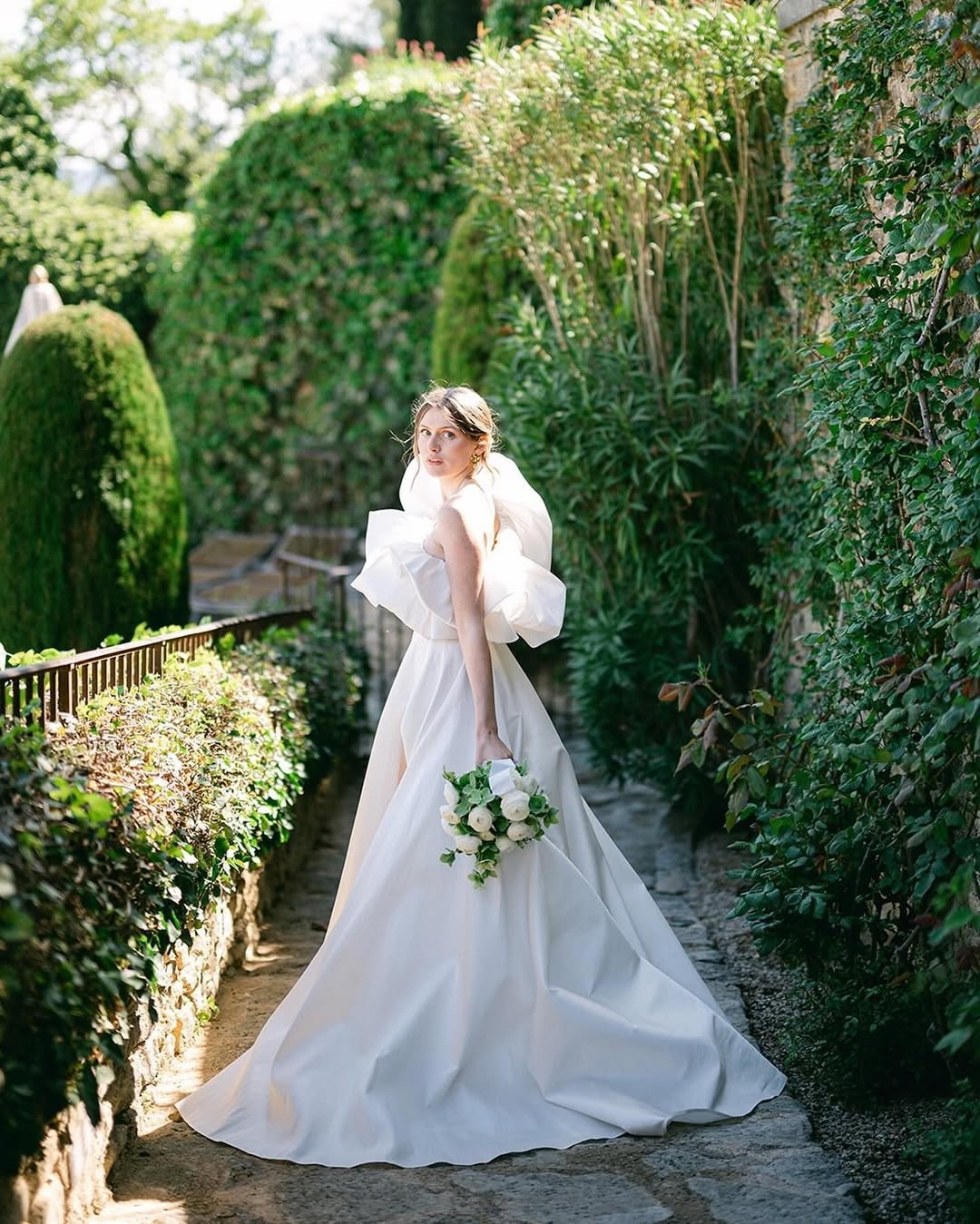
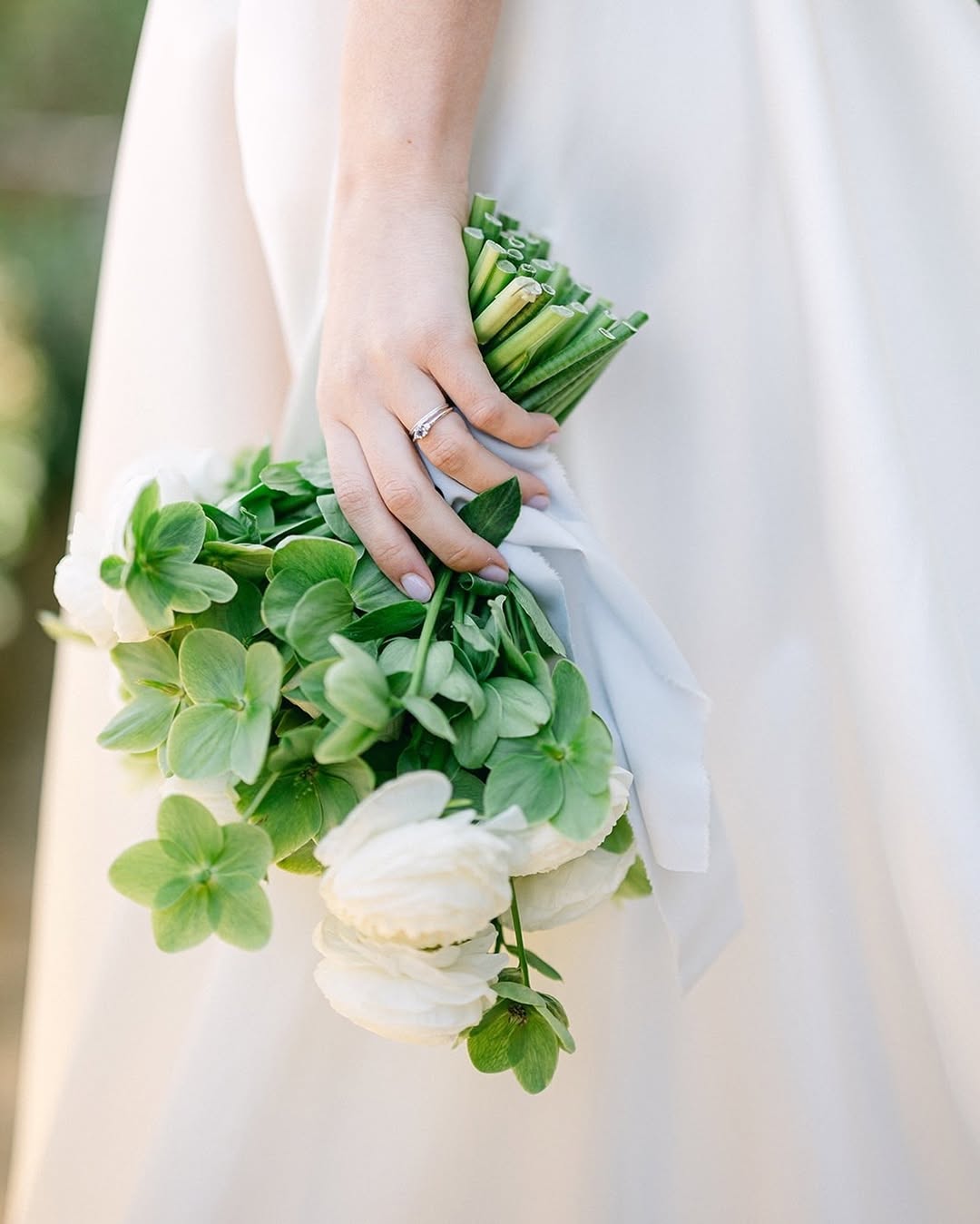
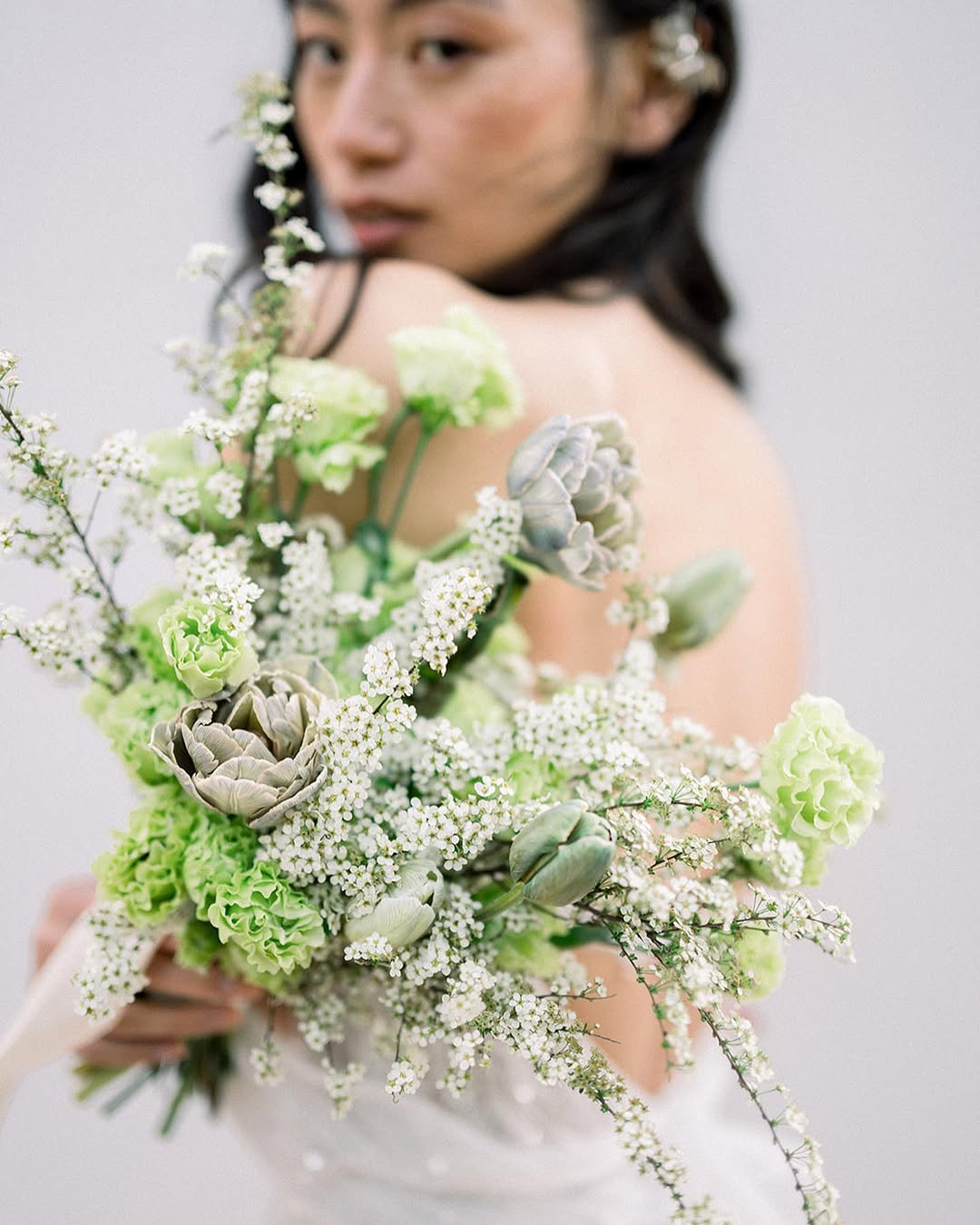
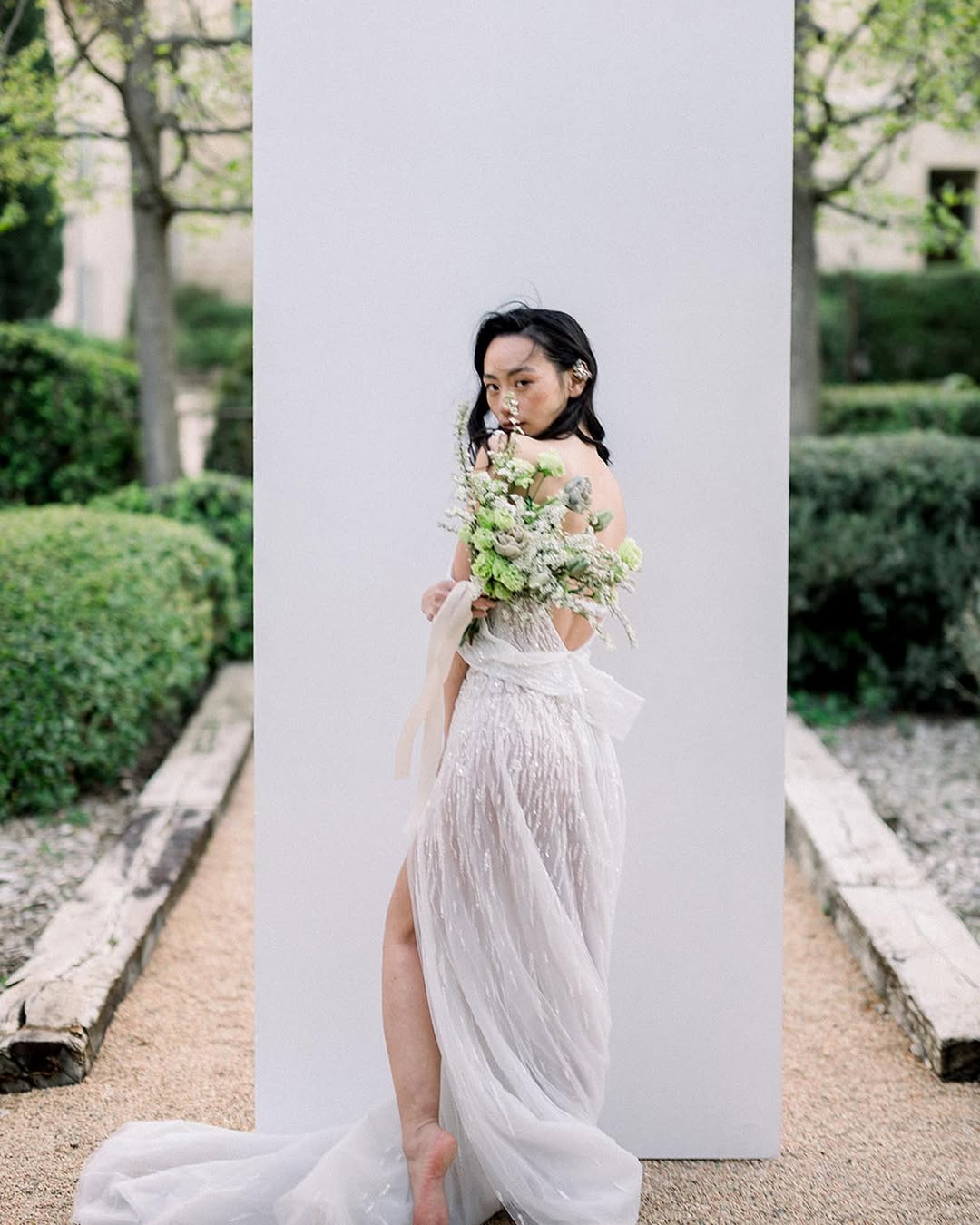
Neutral and green-forward palettes have become the default for couples chasing an organic, minimalist look, using texture and shape instead of intense colors to create visual interest. To add a formal touch to any of these approaches without making the flowers look overloaded, wrap metallic accents such as gold, silver, or copper ribbon around the stems.
Personalizing Your Bouquet
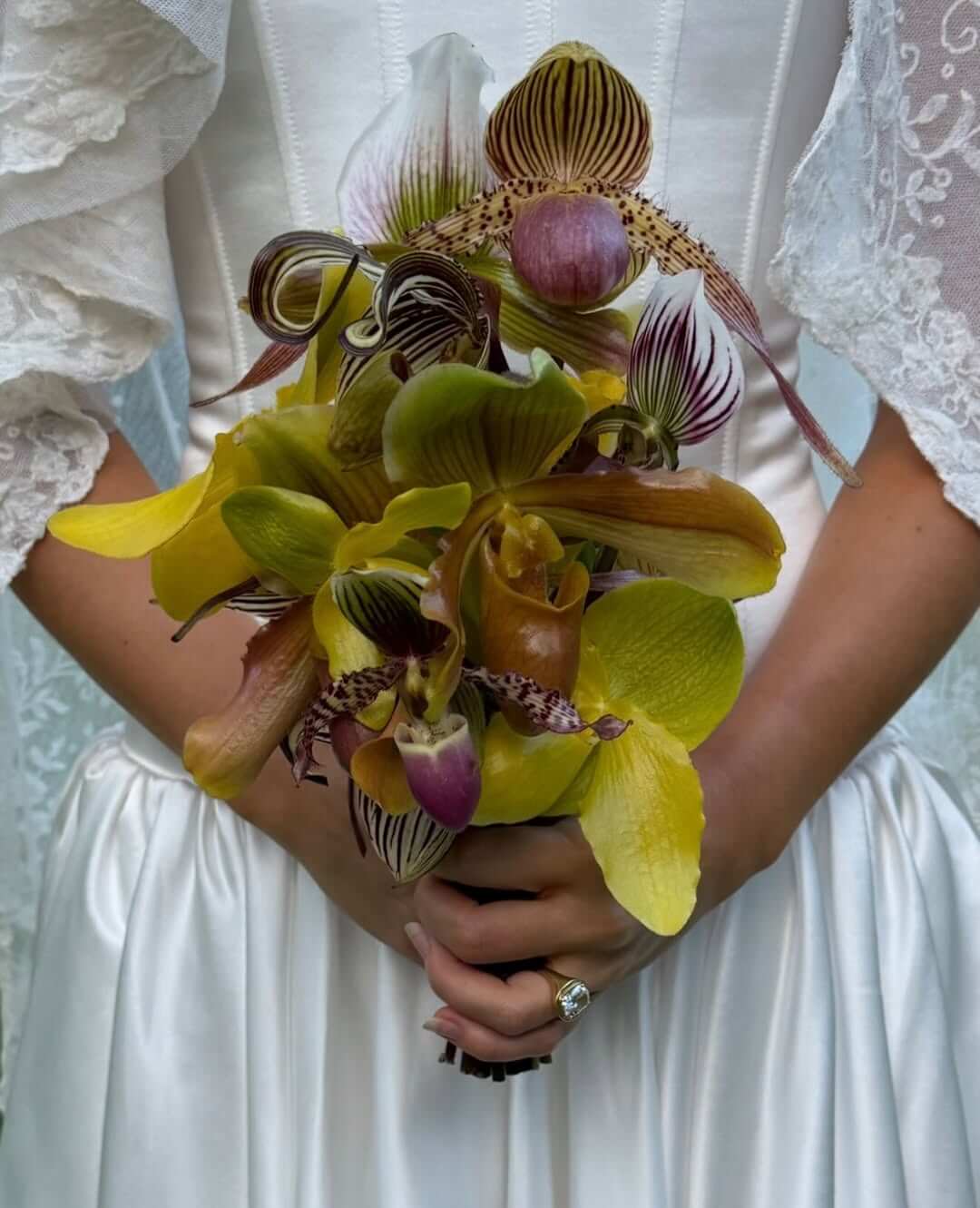
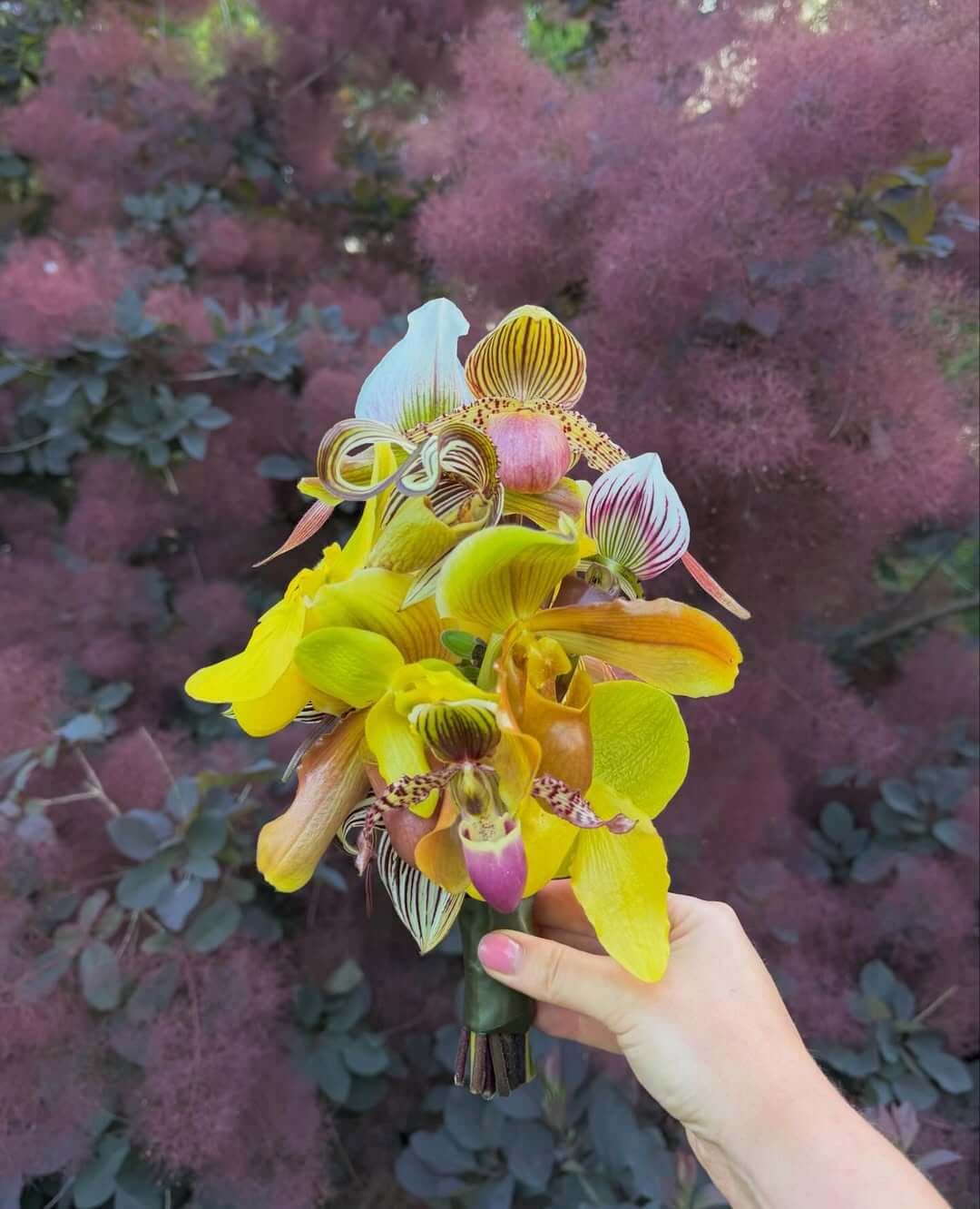
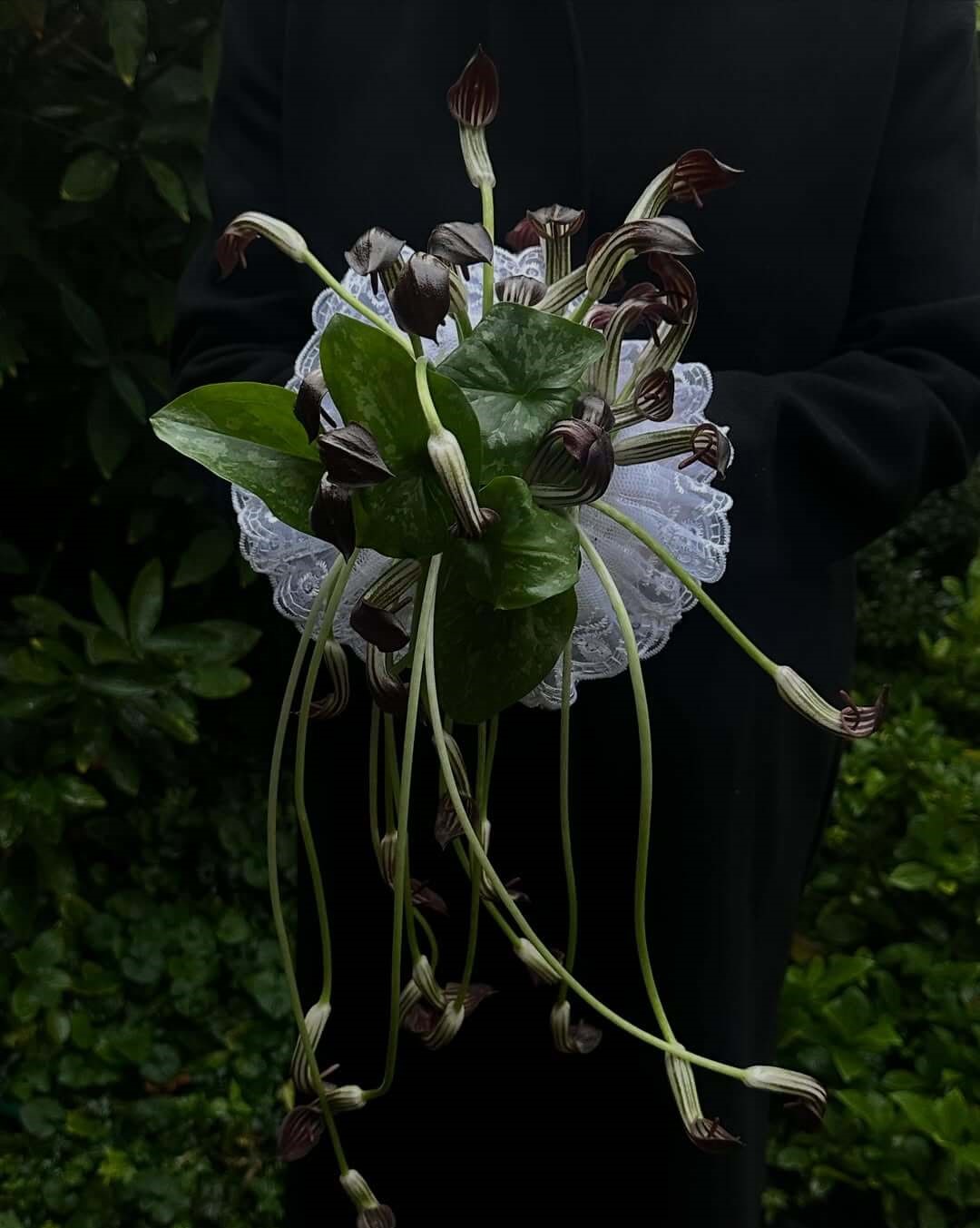
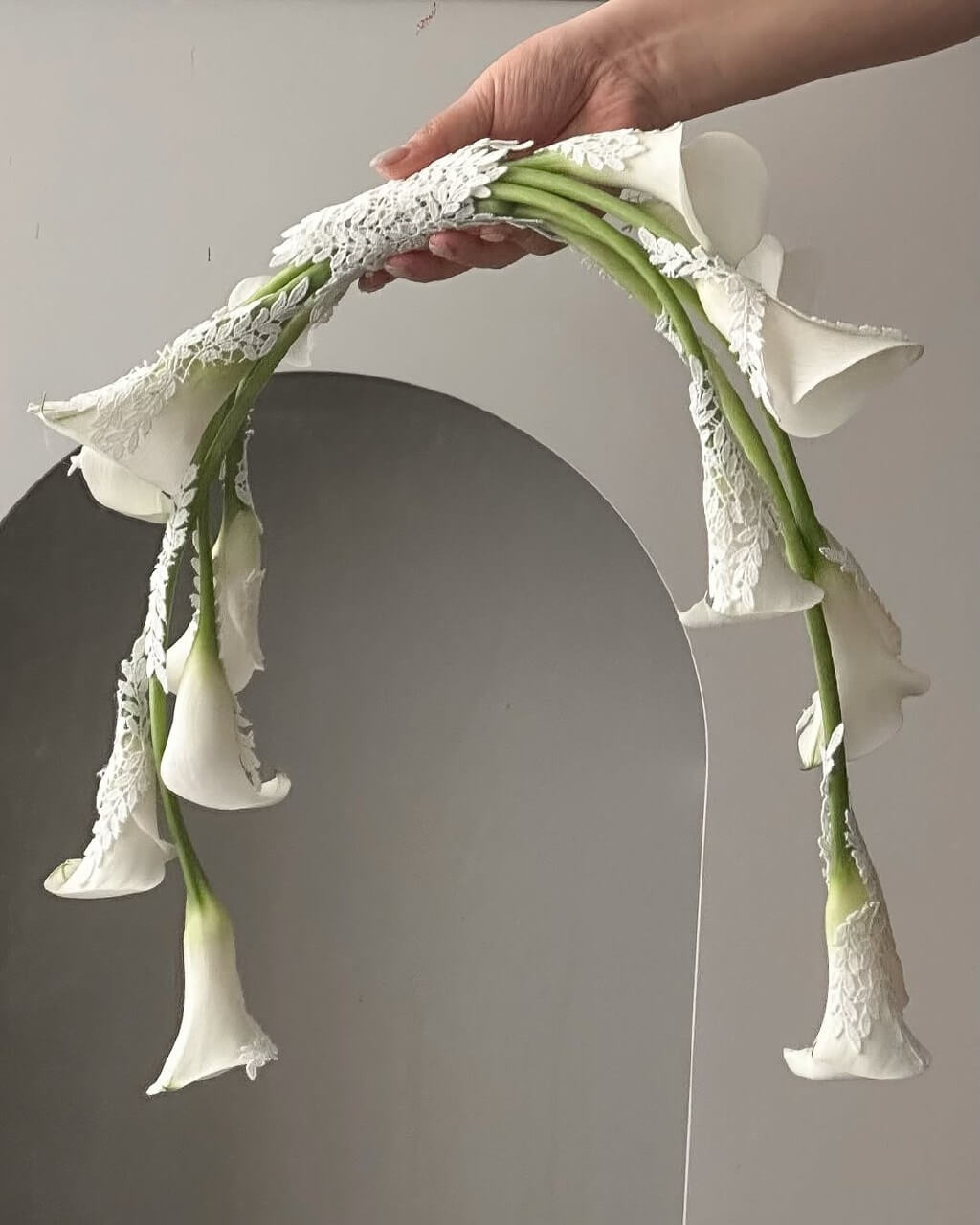
Half of what makes a flower bouquet wedding arrangement something a bride will remember years later comes from the flowers' color and style; personal touches turn it from a beautiful object into a genuine keepsake, and they mostly cost very little to include.
- Incorporate heirloom jewelry or a sentimental charm tucked into the stems
- Wrap the handle in fabric or lace cut from a mother’s or grandmother’s wedding gown
- Attach small photographs of loved ones who couldn’t be there in person
- Include birthstone gems or colors that quietly represent an important date
- Choose one or two flowers that hold specific meaning between the couple
- Have the ribbon embroidered with the wedding date or both sets of initials
It wasn't really about how visible it was from a distance in any case. In fact, one reason a personalized touch is so attractive is knowing it's there, hidden in the stems, even if no single guest ever notices.
Wedding Bouquet Alternatives Worth Considering
While it is true that not all brides choose fresh flowers, a real alternative to a traditional bouquet has become a well-regarded option rather than just a compromise. Silk flowers for wedding bouquets look good enough in photographs that guests usually don't notice the difference, and they also last as a permanent memento with no worry about wilting on the day. A dried flower wedding bouquet is also a different yet equally impressive choice: textured and subdued, it is becoming increasingly popular for rustic, boho, or fall-themed weddings because the slightly faded, sun-bleached look is exactly what is desired, not a defect. It has become a natural choice for an autumn wedding bouquet because the muted, earthy color scheme of dried flowers naturally matches the season's colors.
Both alternatives solve a practical problem: fresh flowers can’t: you can order a silk or dried bouquet months before the wedding, check the weight and grip well in advance, and keep it indefinitely afterward without any special preservation steps.
How Much Does a Wedding Bouquet Cost?
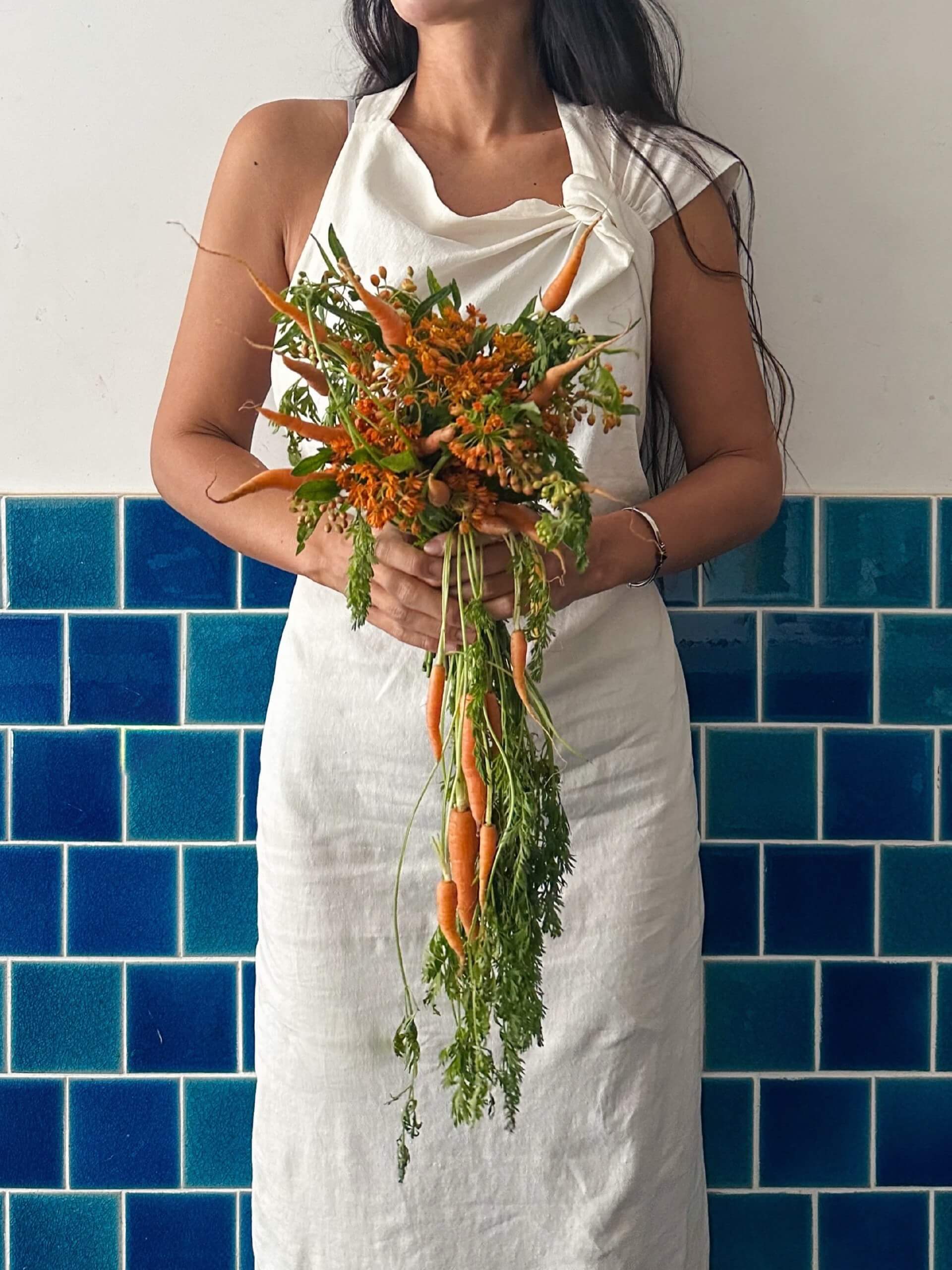
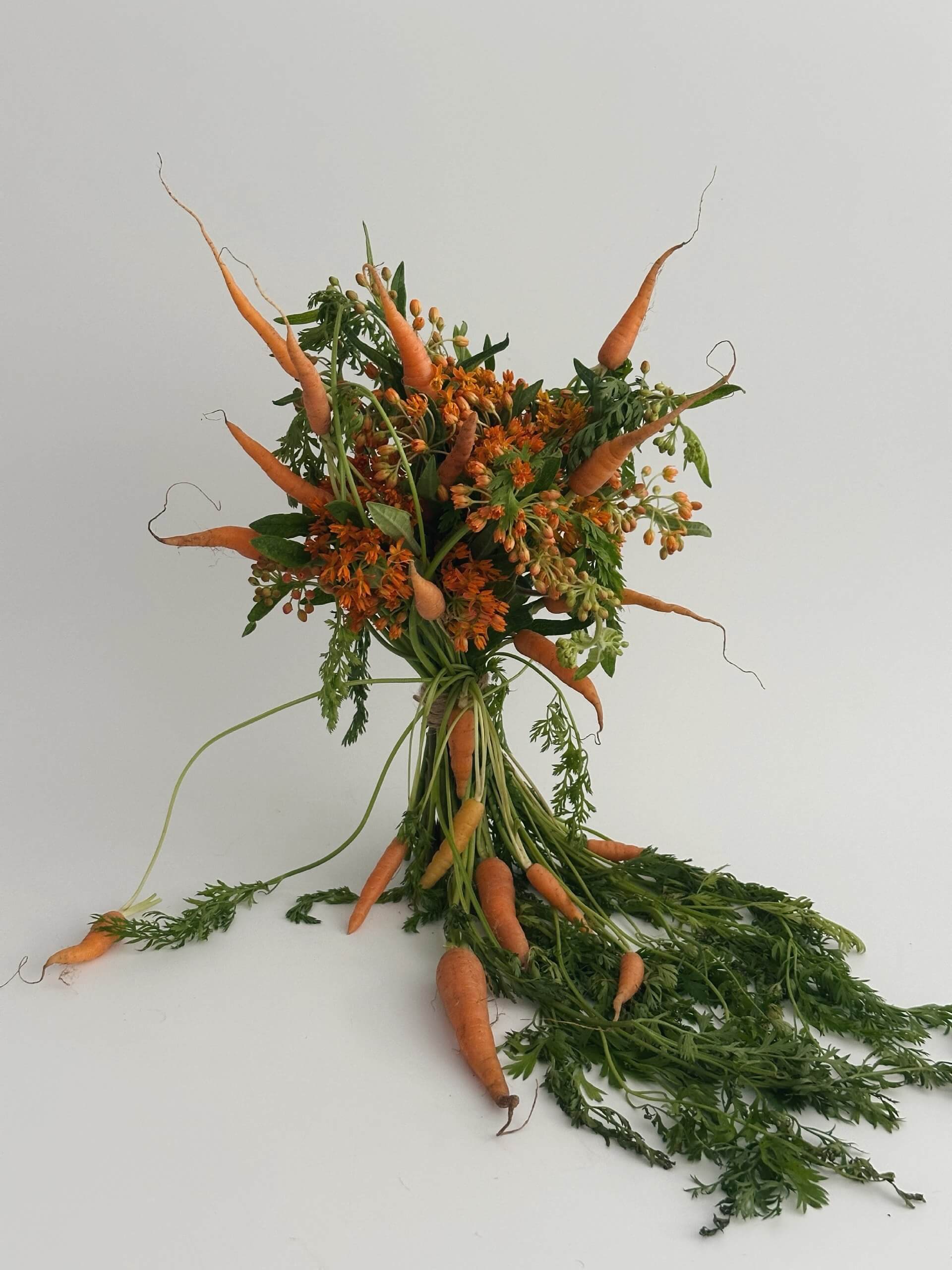
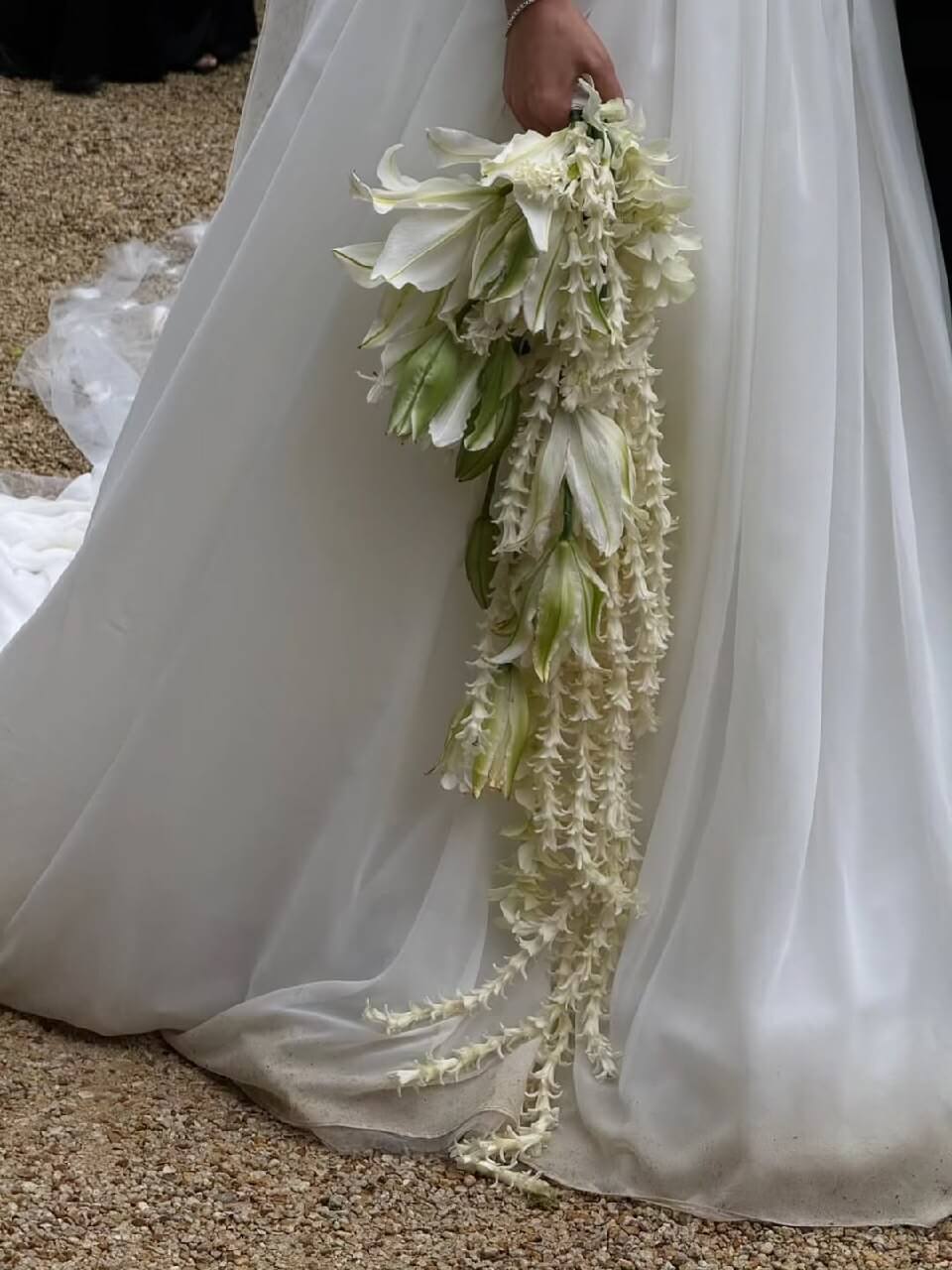
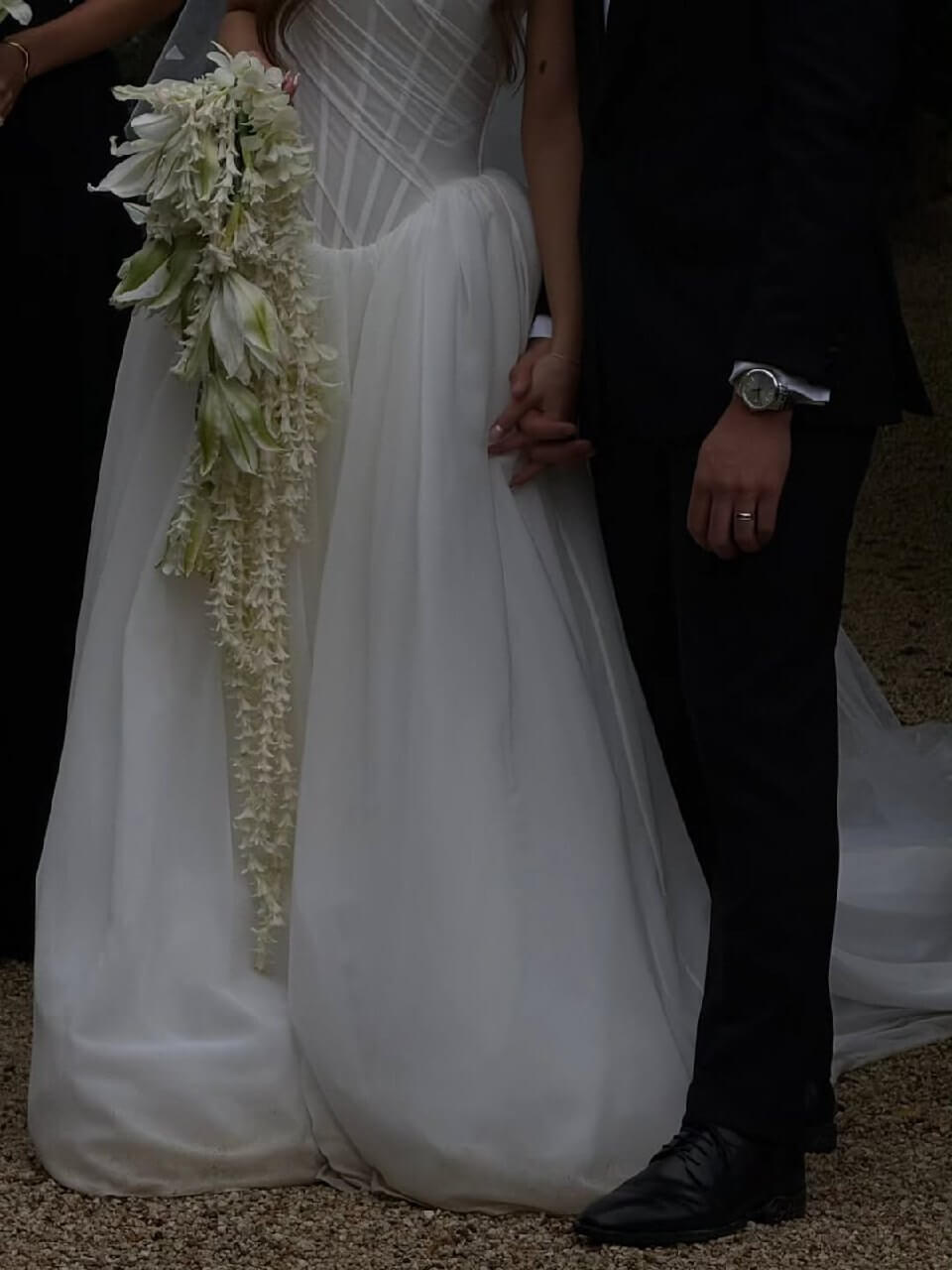
Bouquet pricing swings more widely than most first-time brides expect, shaped by region, season, flower choice, and whether the florist is a boutique local studio or a large-scale event company. As a national baseline in 2026, wedding-day bouquets typically run $150 to $350 for a professionally designed bridal arrangement, with the overall average landing close to $280. That range stretches considerably at both ends: a simple, DIY-adjacent arrangement can come in under $100 in raw materials, while a luxury, garden-rose-heavy design from a high-end florist can run $450 to $900 or more.
| Bouquet Type | Typical Range | Notes |
|---|---|---|
| Bridal bouquet | $150 – $350 | Premium blooms and cascading shapes push costs toward $500+ |
| Bridesmaid bouquet | $65 – $150 | Usually smaller and less flower-dense than the bridal version |
| Toss bouquet | $35 – $65 | A smaller replica, meant to protect the original from damage |
| Flower girl bouquet or pomander | $30 – $85 | Scales with size and whether real or silk flowers are used |
Regional pricing matters more than most budgets account for. Major metro markets like New York, Los Angeles, and San Francisco typically run 25 to 40 percent above the national average, with bridal bouquets landing closer to $350 to $600, while the Midwest and South tend to stay closer to $175 to $300. Peak wedding season, generally late spring through early fall, also nudges prices upward simply through demand, so a bouquet booked for an off-season date can come in noticeably cheaper than the identical design in June.
Practical Tips for Handling Your Bouquet
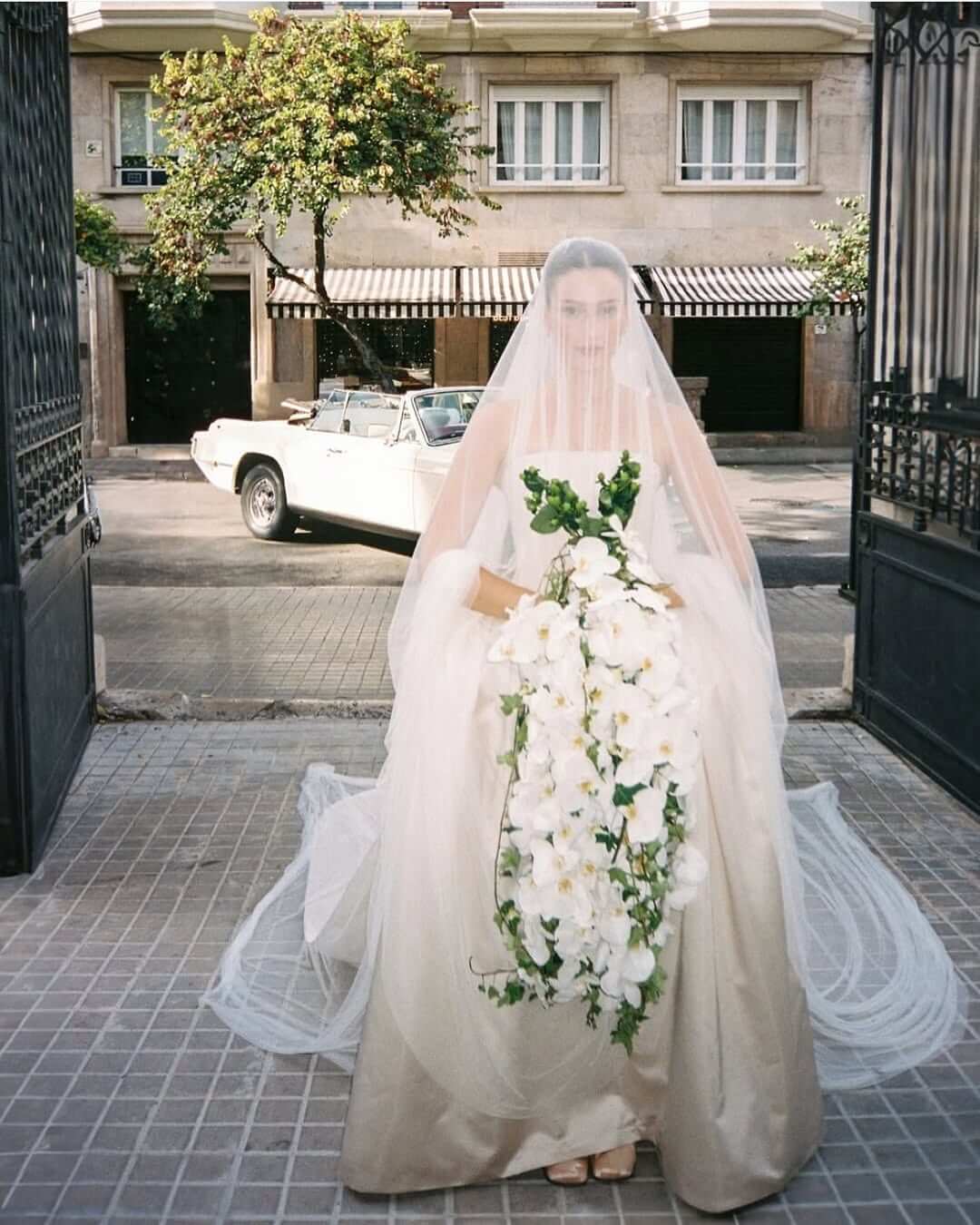
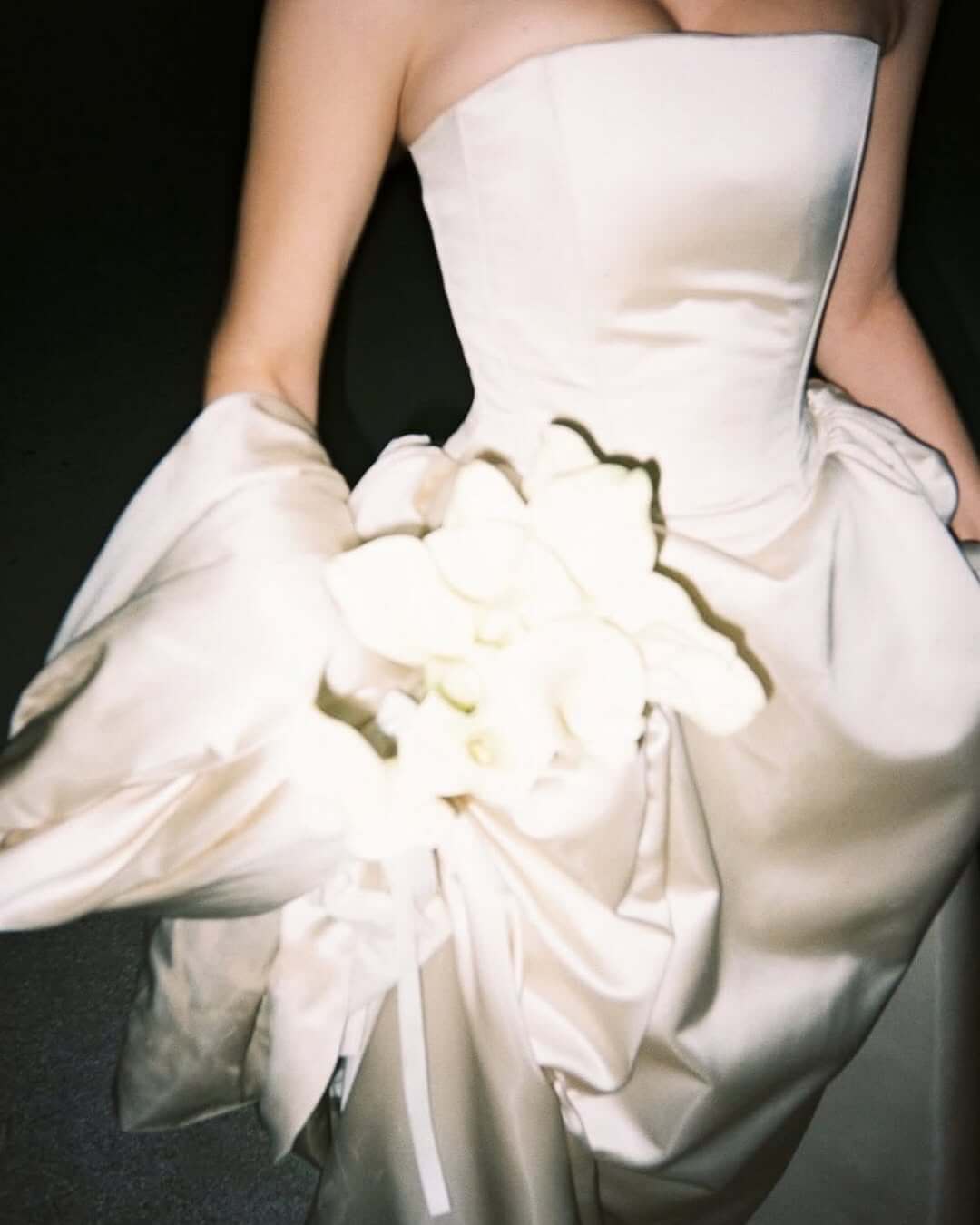
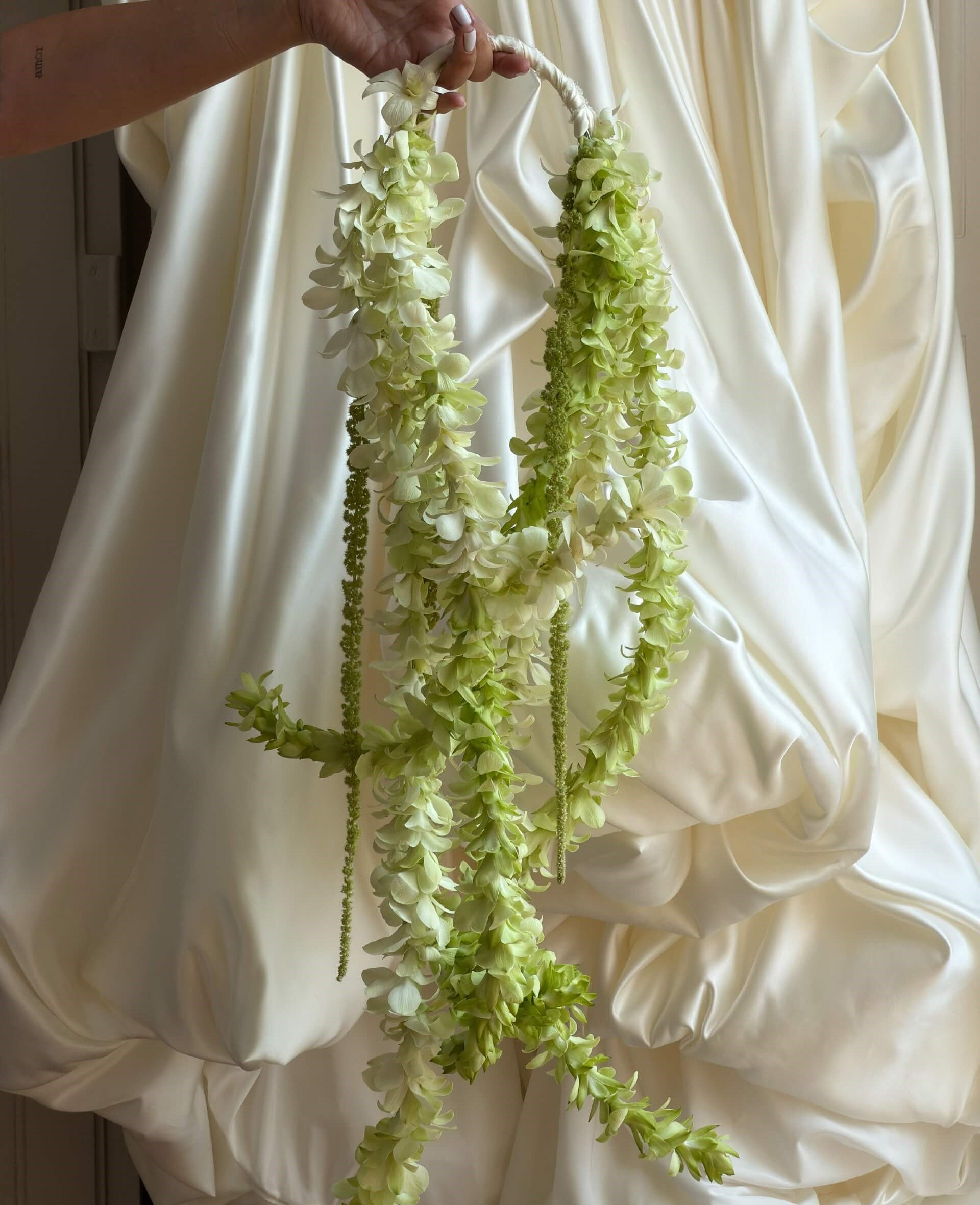
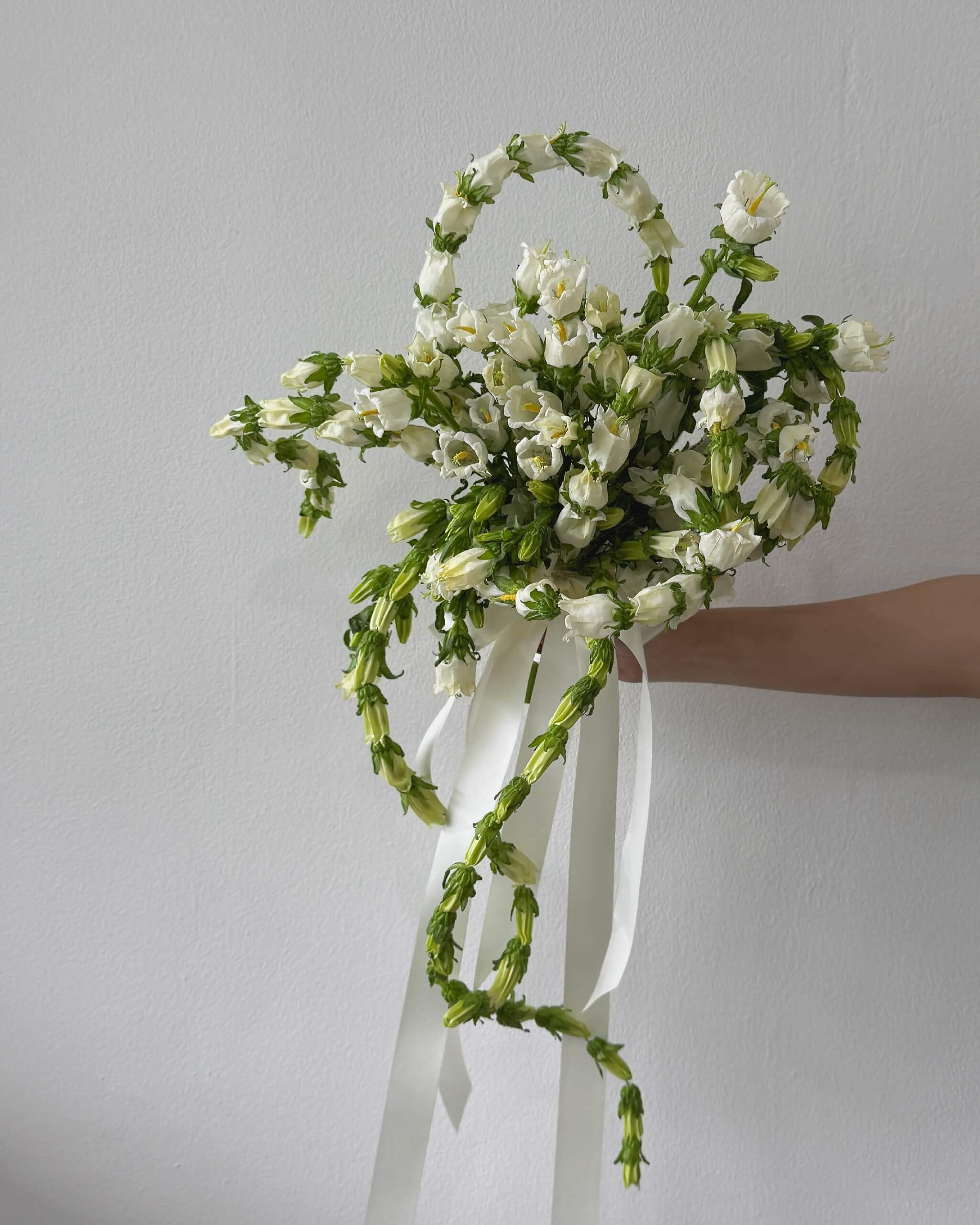
A beautiful bouquet still needs to function as something a bride physically carries, holds, and hands off throughout the day, and a few practical details make the difference between it looking effortless and looking like a burden. Size and proportion matter more than most brides realize before the first fitting; a bouquet scaled too large can overwhelm a petite frame, while one too small can get visually lost against a dramatic gown. Testing the grip and weight ahead of time, not just seeing a photo of the design, reveals whether it’s actually comfortable to hold through a ceremony, a receiving line, and hours of photos without arm fatigue setting in.
Preservation is worth planning before the wedding, not after, if keeping the bouquet matters at all. Drying, pressing, and resin encapsulation all require the florist or a specialist to know in advance, since some methods work far better with certain flower types than others, and a rushed decision the morning after the wedding rarely produces the same result as one planned weeks ahead.
Bouquet Etiquette and Traditions
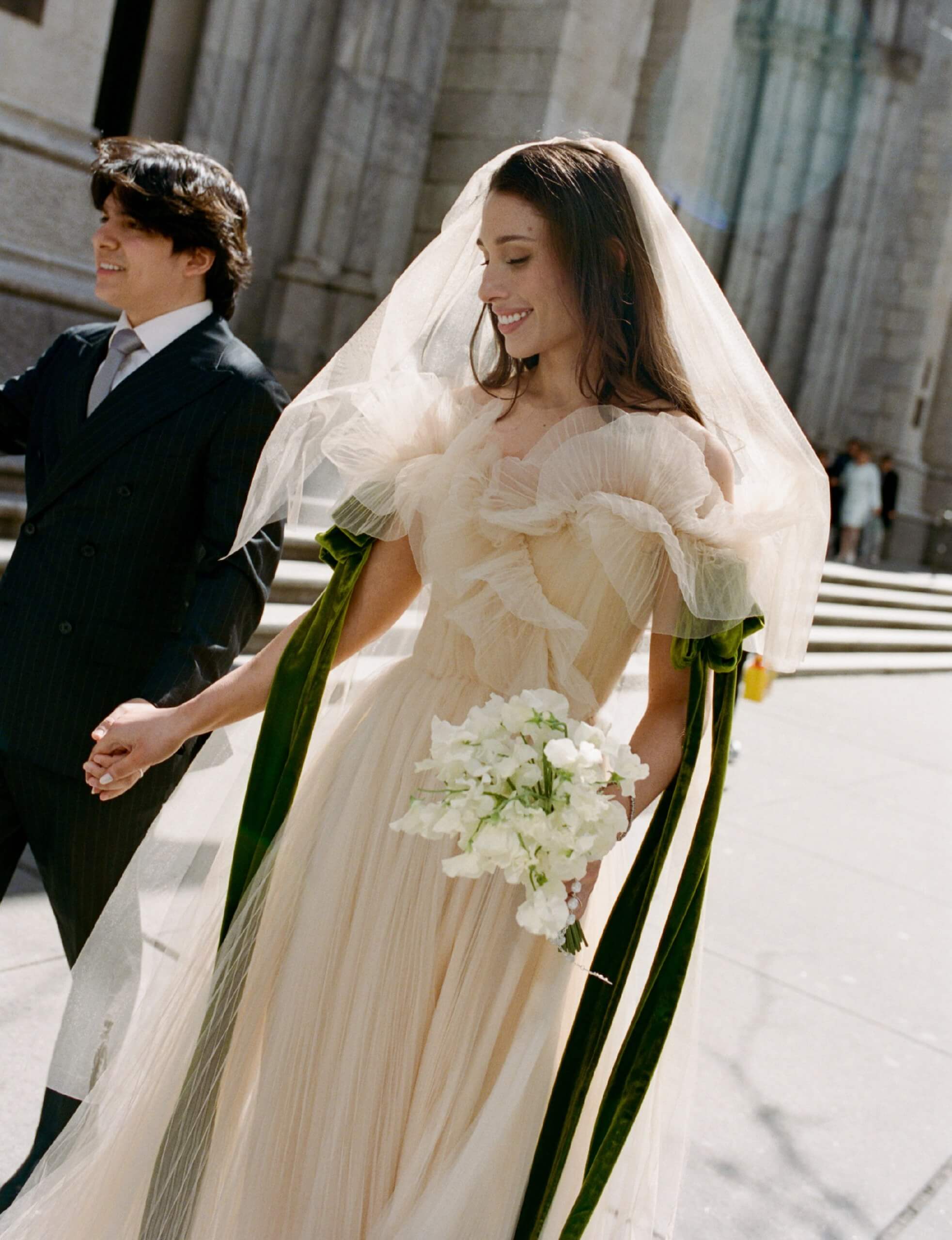
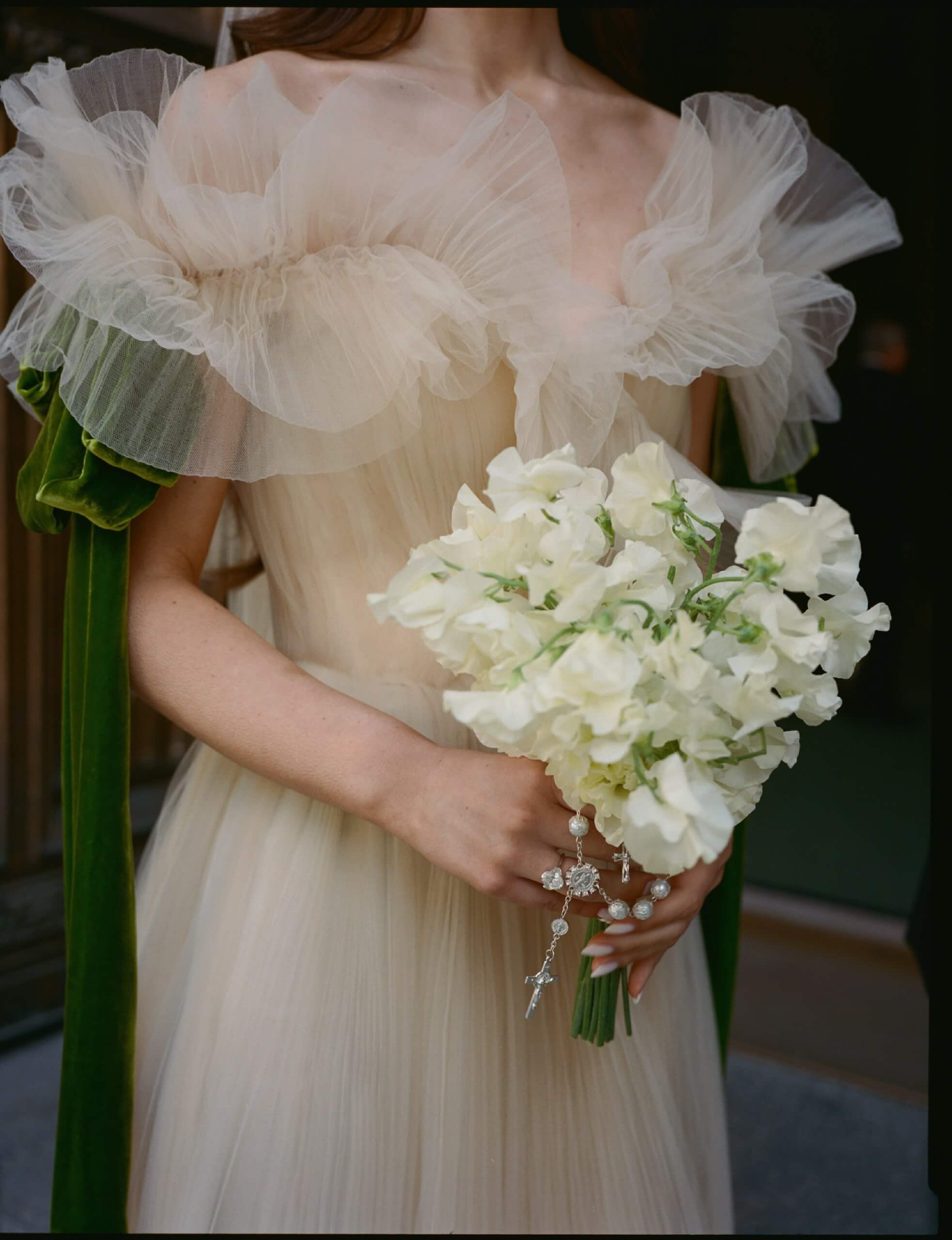
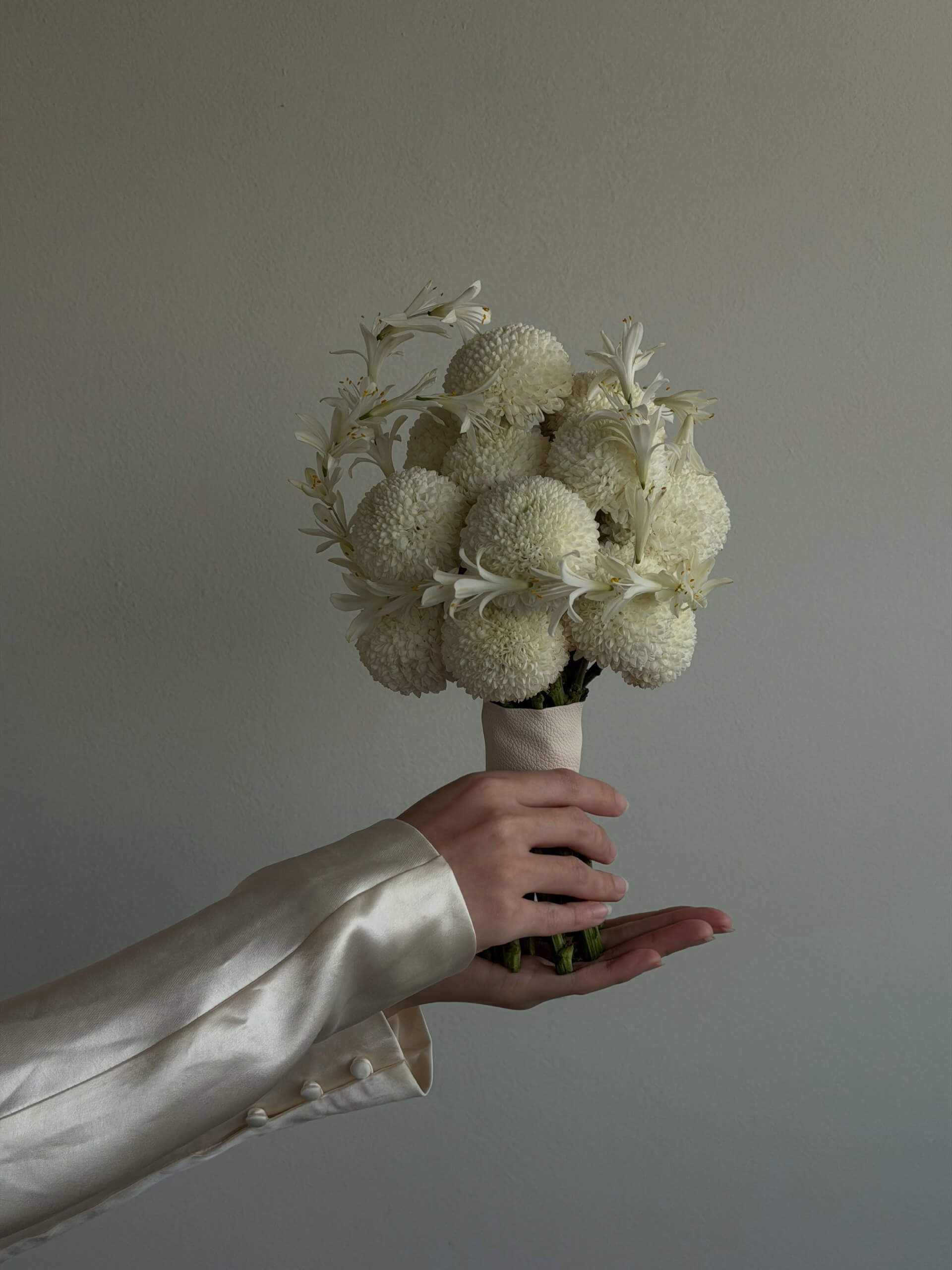
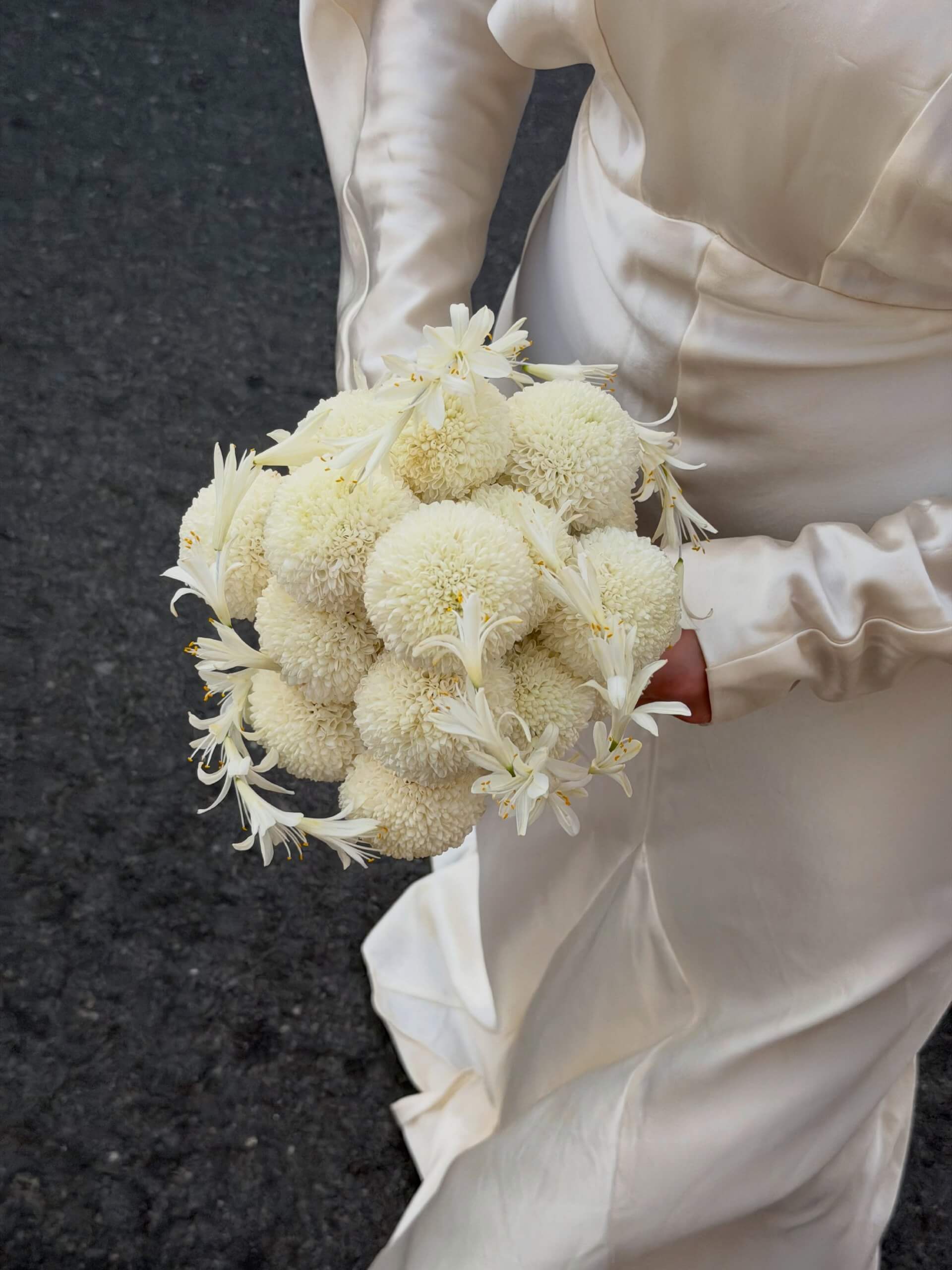
Some bouquet customs are practical, others are purely symbolic, and knowing the difference helps a bride decide which traditions genuinely fit her day and which feel more like obligation. None of what follows is mandatory, but understanding where each tradition came from, and what problem it was originally solving, makes it far easier to keep the ones that actually add something and skip the ones that don’t.
The bouquet toss remains one of the most recognizable traditions, symbolically passing luck to the next bride-to-be, and most brides now use a smaller replica specifically to protect the original from getting damaged mid-toss. Holding the bouquet correctly during the ceremony itself, slightly below the waist with elbows gently bent, keeps it visible in photos without concealing the dress underneath it. During key ceremonial moments, like an exchange of rings, handing the bouquet off to a bridesmaid or family member frees both hands without any awkward fumbling in front of guests. At the reception, displaying the bouquet in a simple vase at the sweetheart table keeps it fresh, visible, and out of the way while the bride’s hands stay free for the rest of the night.
There’s no rule requiring every tradition to make the final cut. A bride who’d rather skip the toss entirely, or who wants to hold her bouquet in a way that doesn’t match the textbook posture, isn’t doing anything wrong; these customs exist to serve the day, not the other way around.
Getting a bouquet for the wedding day right isn't really about finding the single "correct" style or the perfect color palette; it's about matching every one of these decisions to the actual wedding taking shape around it. Wezoree's directory of wedding florists spans styles and price points far beyond what any single guide can cover, for anyone still searching for the exact hands they want shaping their bouquet.

FAQ
How early should I order my wedding bouquet flowers?
It is normal to book a florist six to twelve months in advance - especially if the wedding is taking place during peak season- because the most reputable florists tend to book up early. The decision on the specific flowers for the wedding bouquet is generally made two to three months before the event, allowing sufficient time to obtain the required blooms and to coordinate with the other floral arrangements.
Can I DIY my own bridal wedding bouquets?
It is possible, but this requires a great deal of practice, a trustworthy flower supplier, and a realistic grasp of how fast certain flowers wilt after being cut. Many brides end up adopting a compromise approach: they have a professional arrange the wedding bouquet but make the bridesmaid bouquets and boutonnieres themselves, since these are more forgiving of imperfect results.
What flowers last the longest through a full wedding day?
Roses, orchids, carnations, and calla lilies can withstand long ceremonies and temperature changes, whereas more delicate flowers such as peonies, tulips, and gardenias require extra hydration and careful handling to prevent premature wilting.
Can silk or dried flowers be combined with fresh ones in a bouquet?
Yes, high-quality silk flowers for wedding bouquets blend in perfectly with fresh flowers in most photographs, while also letting you keep part of the bouquet forever afterward. This is a practical solution when certain flowers are out of season or when you want a fuller-looking bouquet without paying extra for additional fresh stems.
How do I preserve my bouquet after the wedding?
The simplest method is still to press the flowers between the pages of a book or use a special frame, although air-drying preserves the entire arrangement. Resin preservation and freeze-drying both yield more refined and modern outcomes, but in both cases planning must be done in advance with a specialist rather than trying to do it afterward.
Should bridesmaids carry bouquets that match mine?
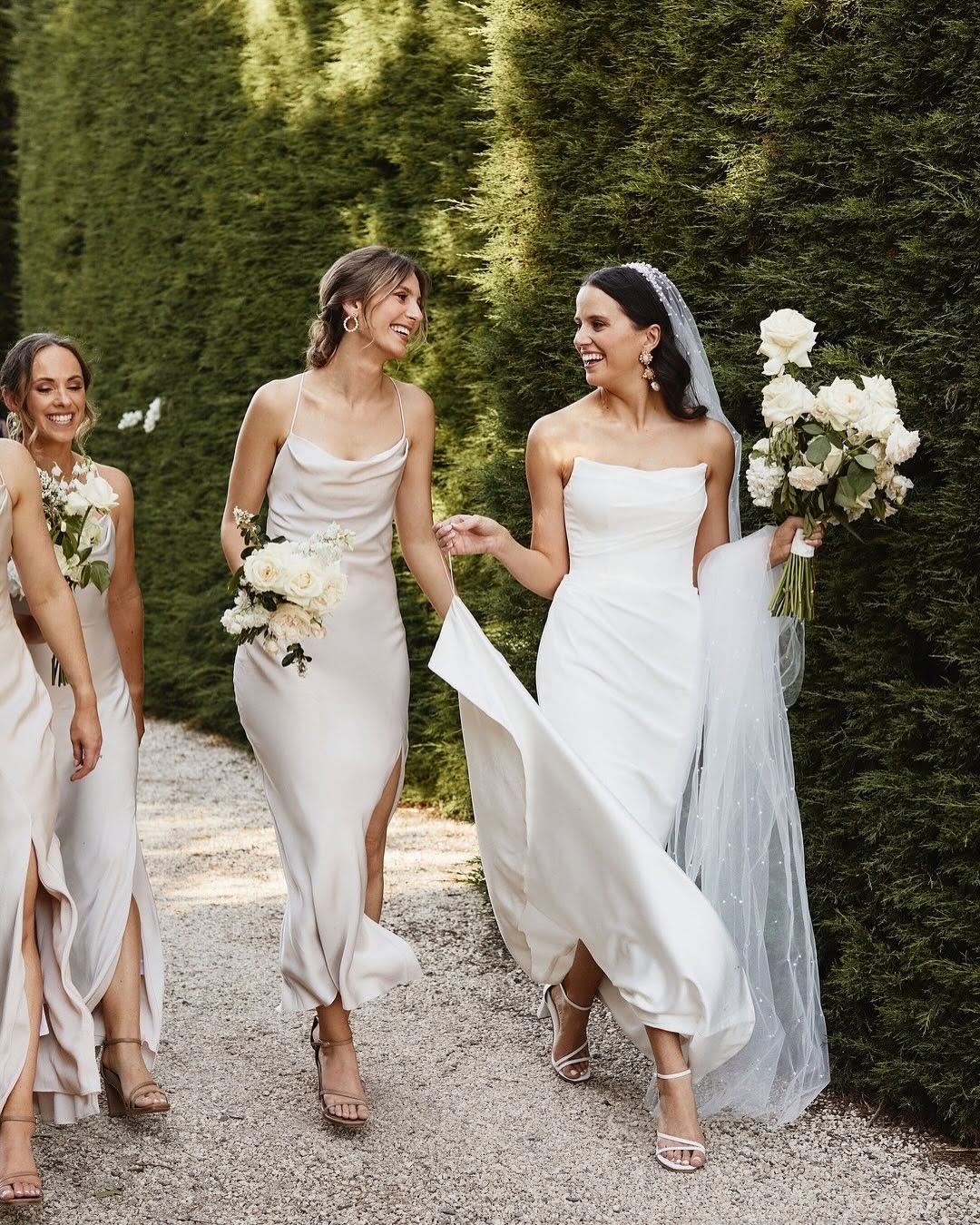
It is better for them to complement one another rather than compete, generally by using a smaller version of the bridal bouquet or by selecting one of the central flowers to be the main feature for the bridesmaids. When the bridesmaids are wearing different dress styles, it is best to slightly vary the bouquet colors to match each individual's outfit while keeping the overall color scheme together.
What if my bouquet starts wilting before the ceremony even begins?
Keeping it in water for as long as possible beforehand, storing it somewhere cool and shaded, and lightly misting delicate petals all help prevent early wilting. If it does start to droop, gently trim the stems at an angle and place them in cool water for thirty minutes to revive most flowers before it’s time to walk down the aisle.