How to Find a Wedding Officiant Who Feels Right for You


Selecting the right person to officiate your wedding is akin to finding the perfect captain for your marital voyage. This individual doesn't just ensure the smooth sailing of your ceremony; they also bring a touch of personality that elevates your big day, making it truly unforgettable. Amidst the whirlwind of wedding planning, the task of how to find a wedding officiant might appear daunting, but fear not. We're here to assist you in navigating this vital choice. So, let's embark on an exploration of the world of wedding officiants, unlocking the keys to a flawless selection.
Find Your Perfect Wedding Vendors


Who Is a Wedding Officiant

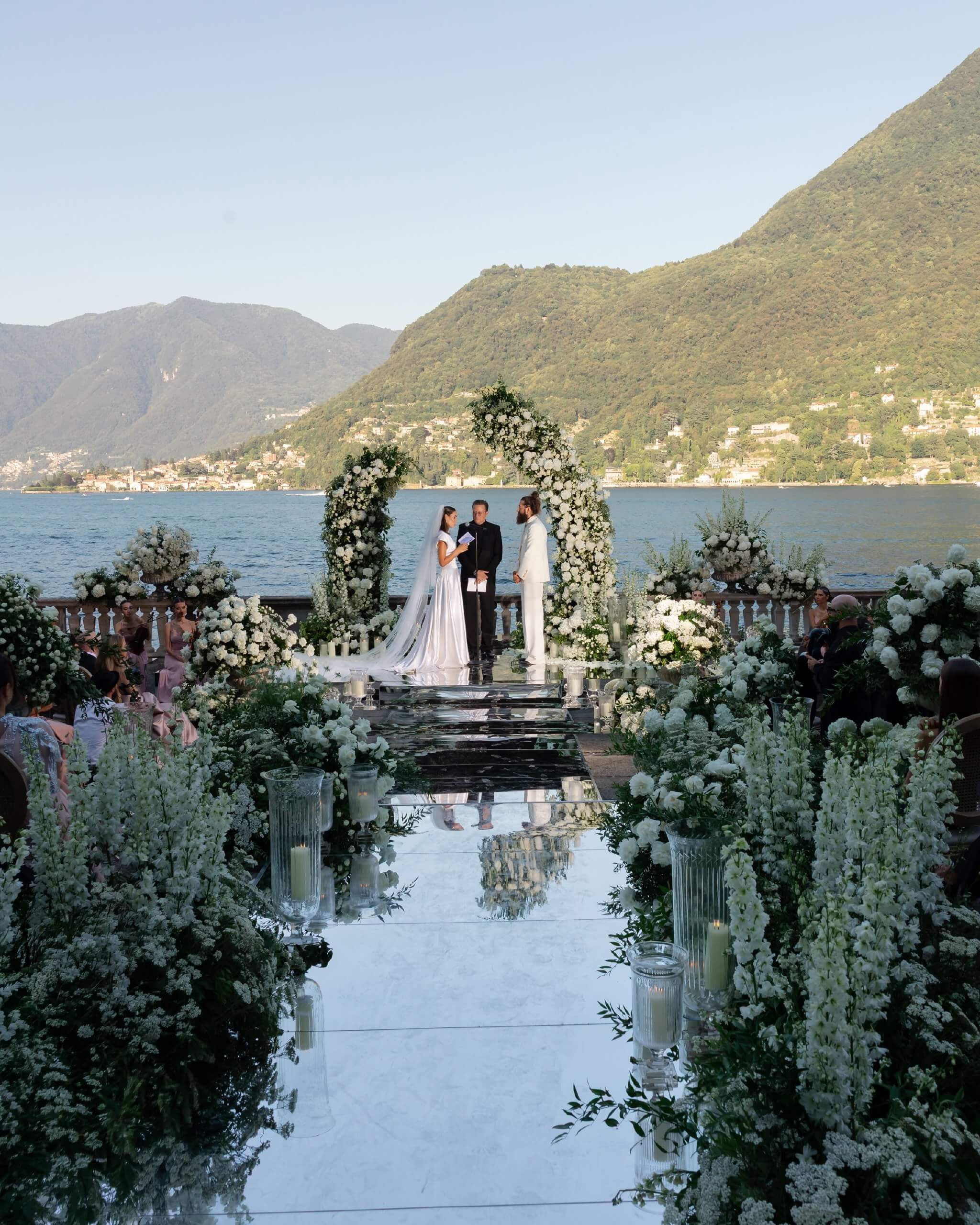
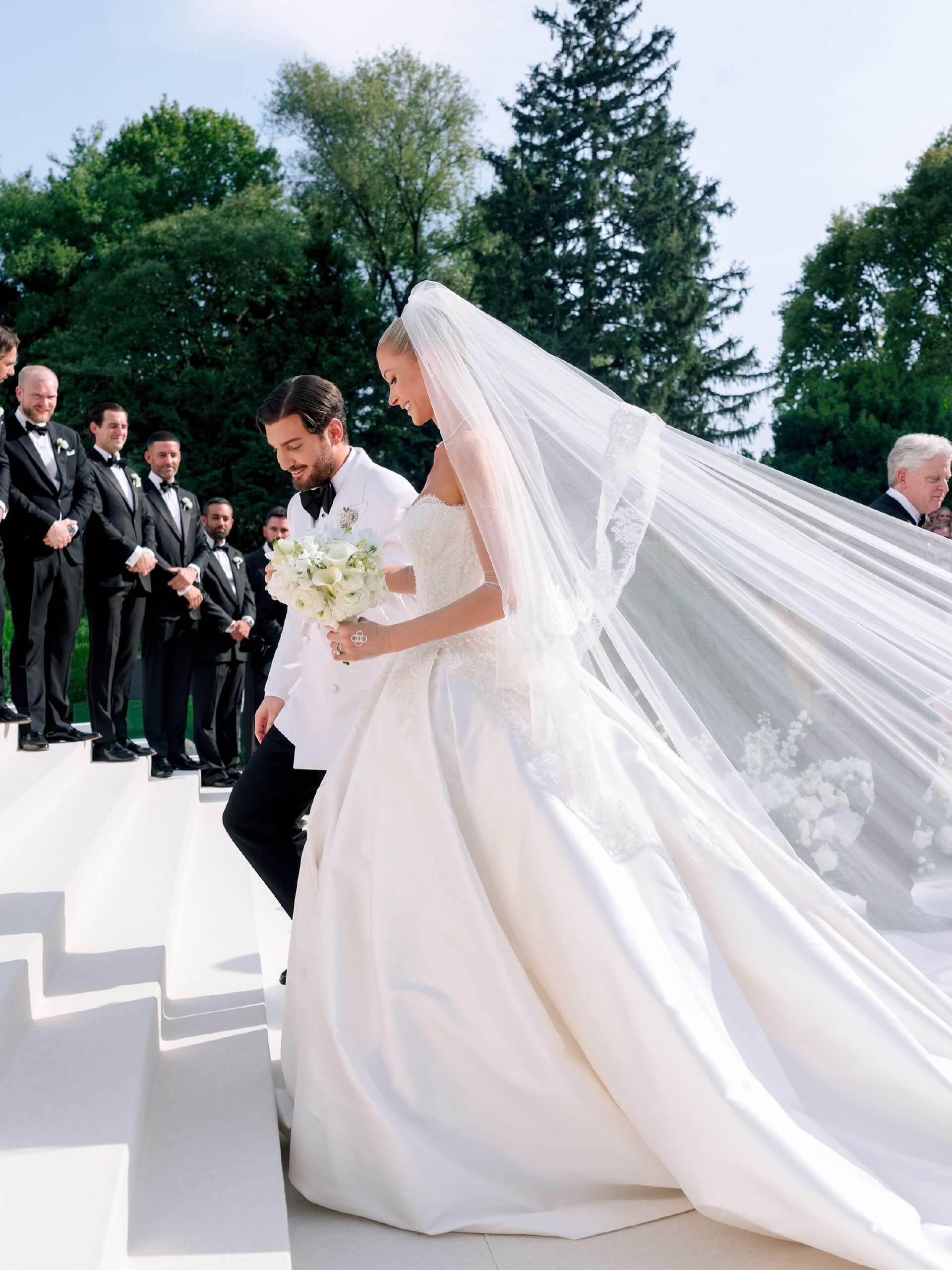
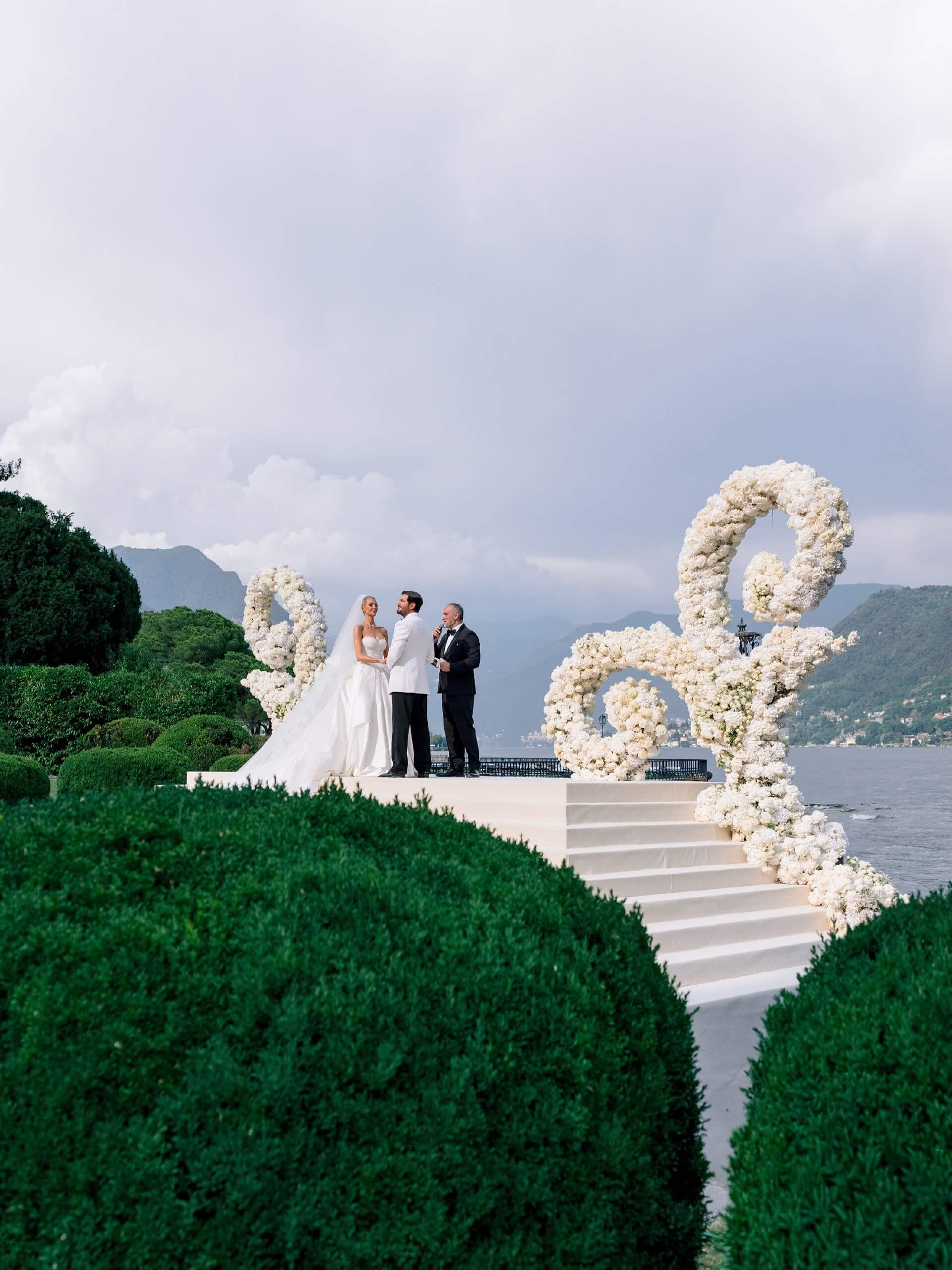
Today's wedding officiants are the modern-day successors of a deep-rooted history of ceremonial leadership. Their roots can be traced back to ancient civilizations, where spiritual or religious figures were central to marriage ceremonies. These ceremonies were more than just personal unions; they were integral components of the social and religious framework of communities. Thus, figures like priests, shamans, or tribal elders often led these rites, seeking divine favor and communal endorsement for the union.
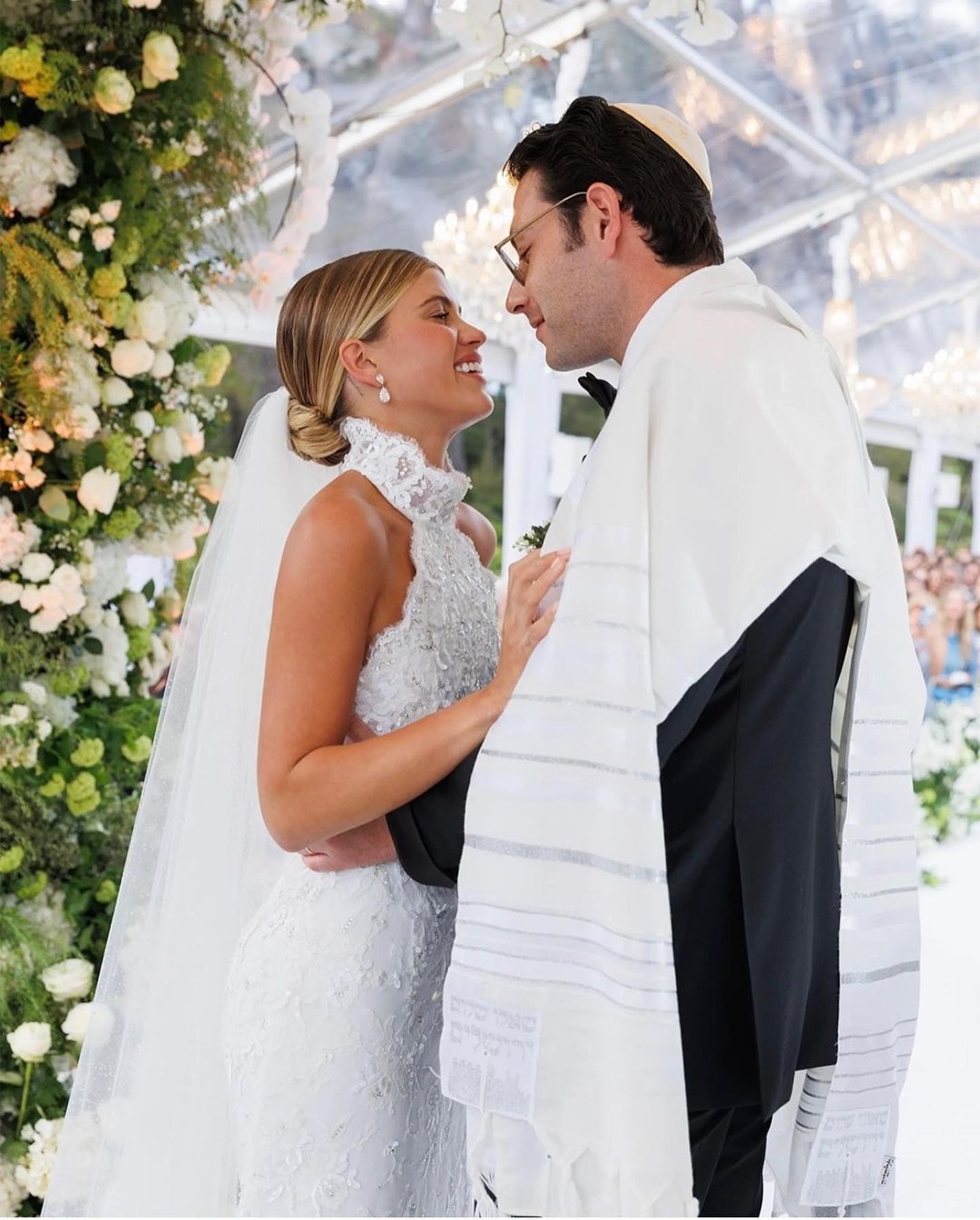
Over time, as cultures evolved, so did the officiant's role. This evolution was marked particularly by the way religious institutions formalized the officiant's role. For example, in Christian communities, priests or ministers typically took up this role, whereas, in Jewish traditions, it was the rabbis. These figures did more than just formalize the union; they also provided pre-marital guidance, infusing the ceremony with deeper spiritual resonance.
What Is the Role of a Wedding Officiant
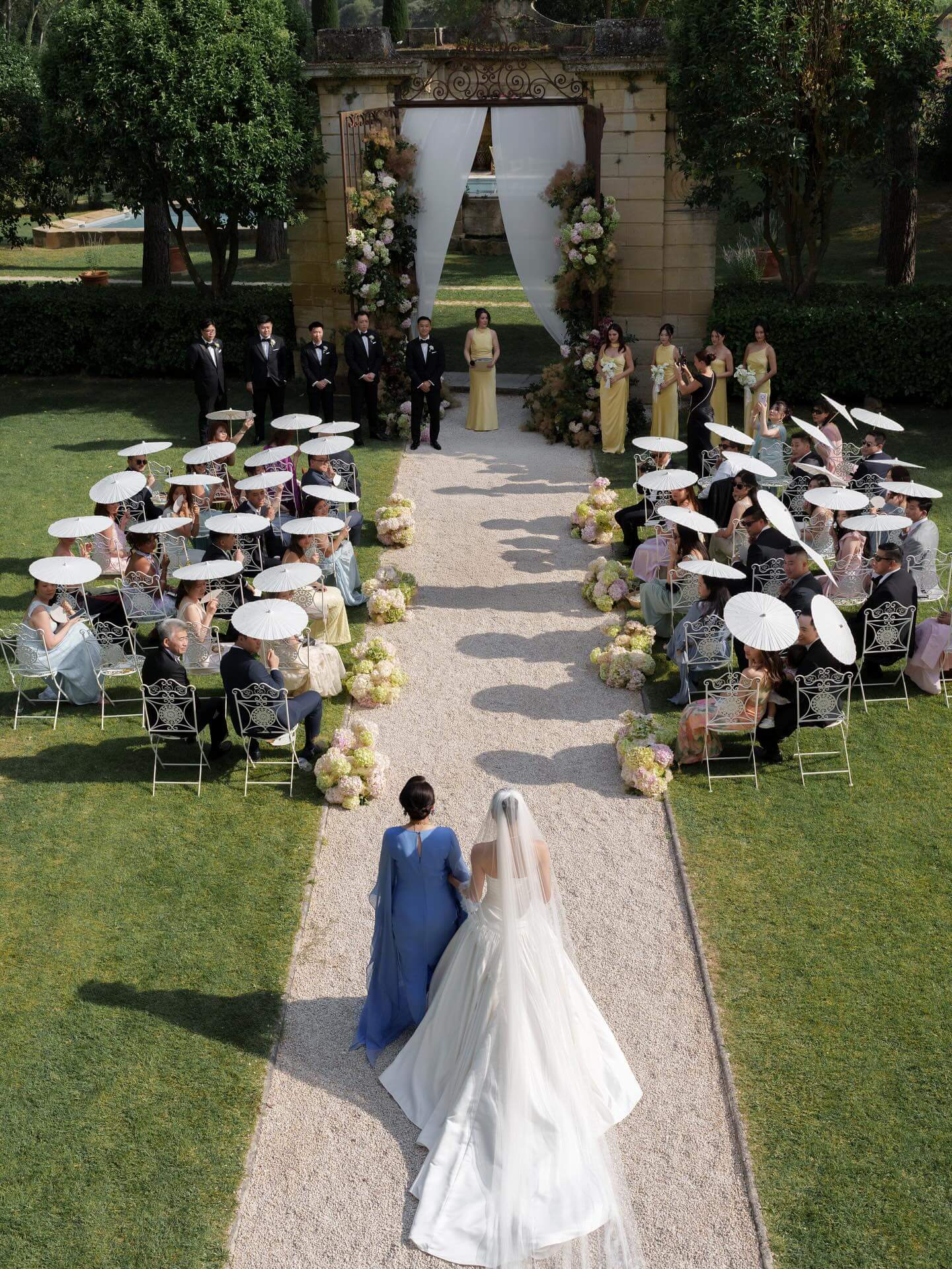
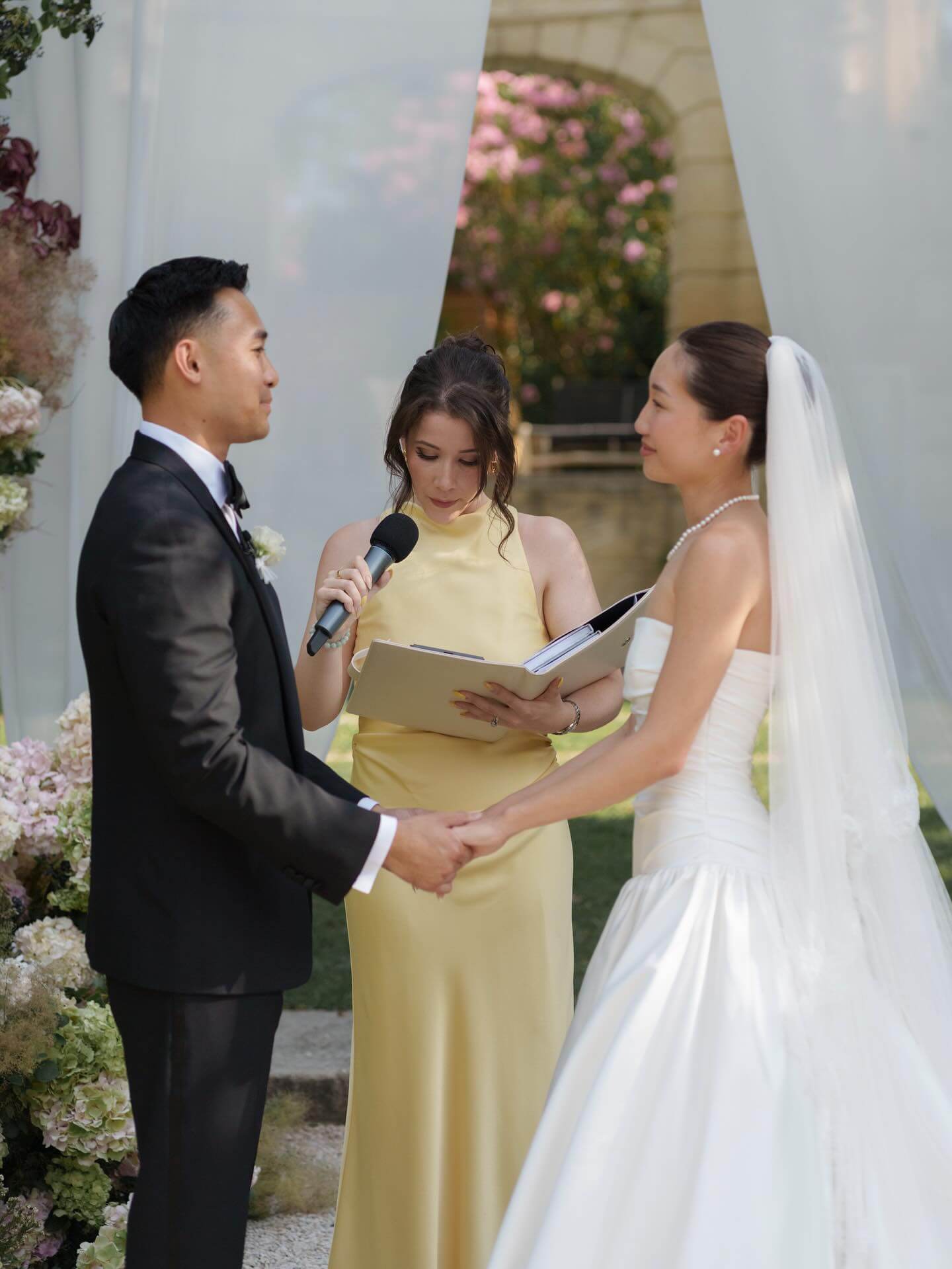
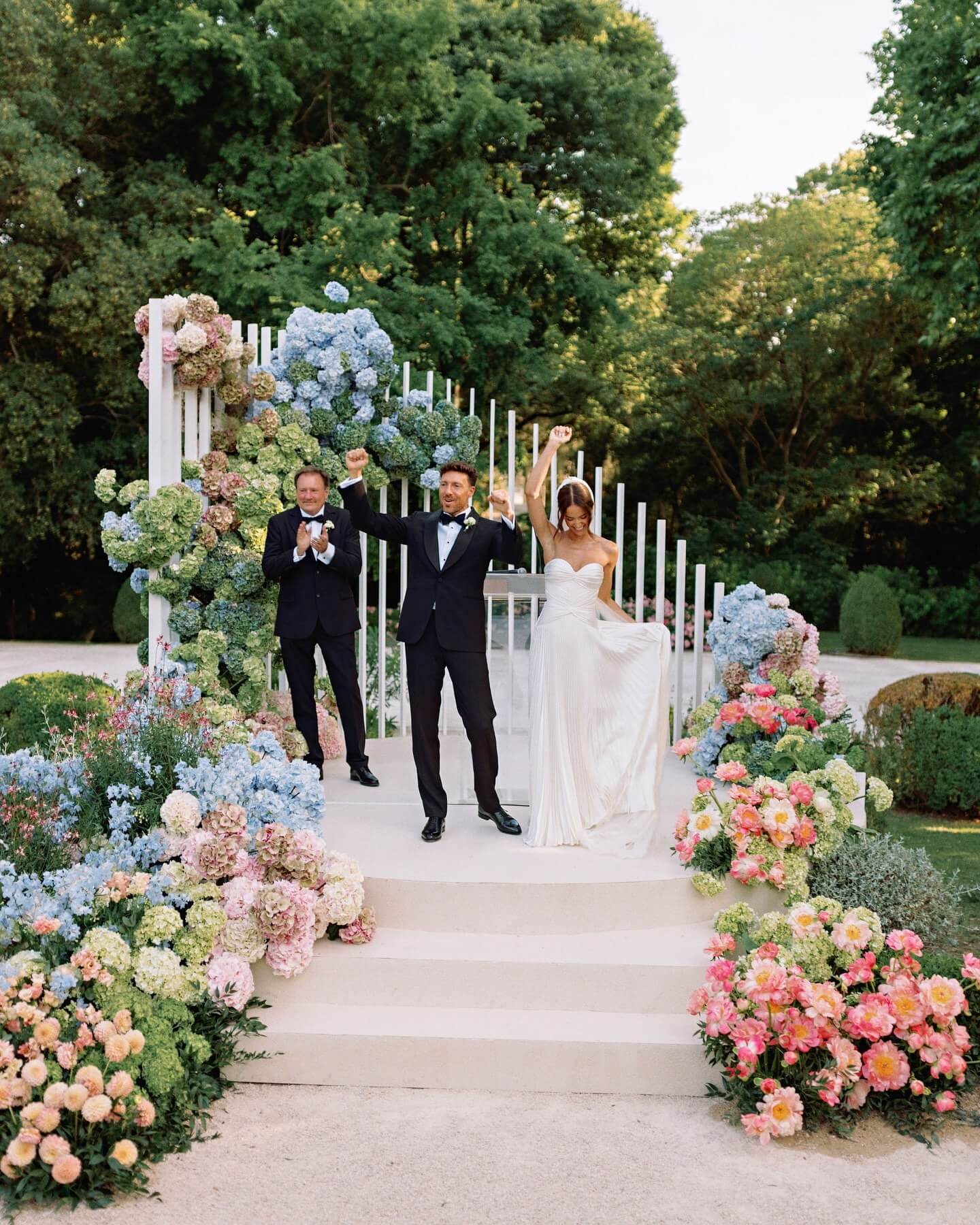
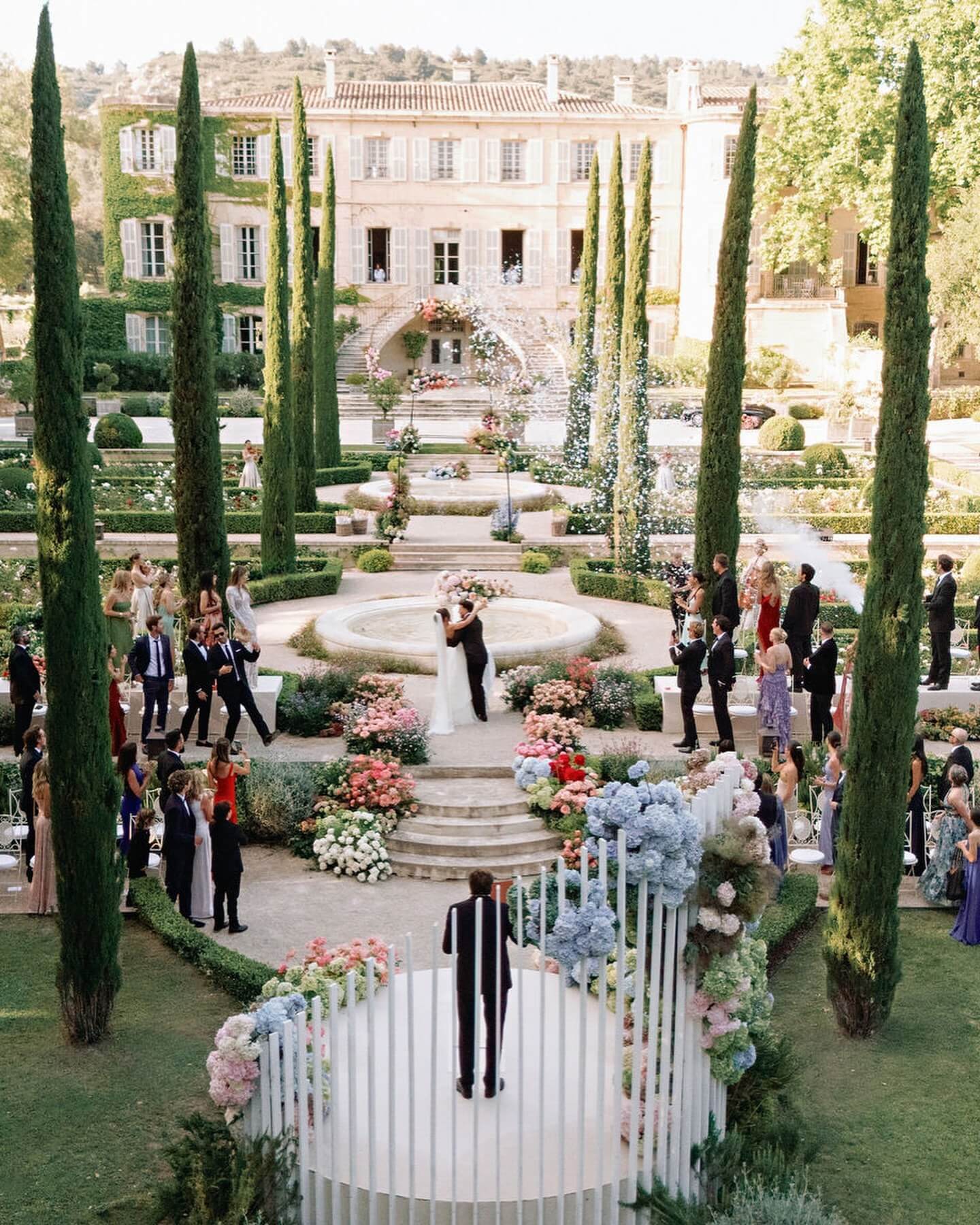
A wedding officiant's role is much more than just overseeing the formalities of a marriage ceremony. They serve as a pivotal bridge, connecting the individual journeys of the couple to their shared future. This role is steeped in spiritual significance. Whether they draw from religious traditions, spiritual beliefs, or a secular perspective, officiants add a profound sense of solemnity to the event. They often call upon a higher essence or a deeper connection, recognizing and honoring the depth of the couple's commitment. This spiritual aspect transforms the ceremony from simply being a legal agreement to a celebration of a deeper, soulful bond.
Leading up to the wedding, officiants often take on the role of a spiritual guide or mentor for the couple. They provide advice, share wisdom, and offer support, assisting the couple in pondering the depth and meaning of their pledge to each other. This guidance may involve discussions about the couple's values, aspirations, and dreams, laying the groundwork for a union that is not only legally recognized but also rich in spiritual and emotional connection.
During the ceremony, it's the officiant's responsibility to encapsulate and convey the spiritual core of the couple's union. Their words and gestures craft a hallowed space, allowing the couple to openly declare their love and dedication amidst their community. This could include a blend of traditional rituals, custom elements, or quiet moments for reflection and prayer, all aimed at honoring and marking the beginning of the couple's spiritual journey together.
Types of Officiants for Weddings
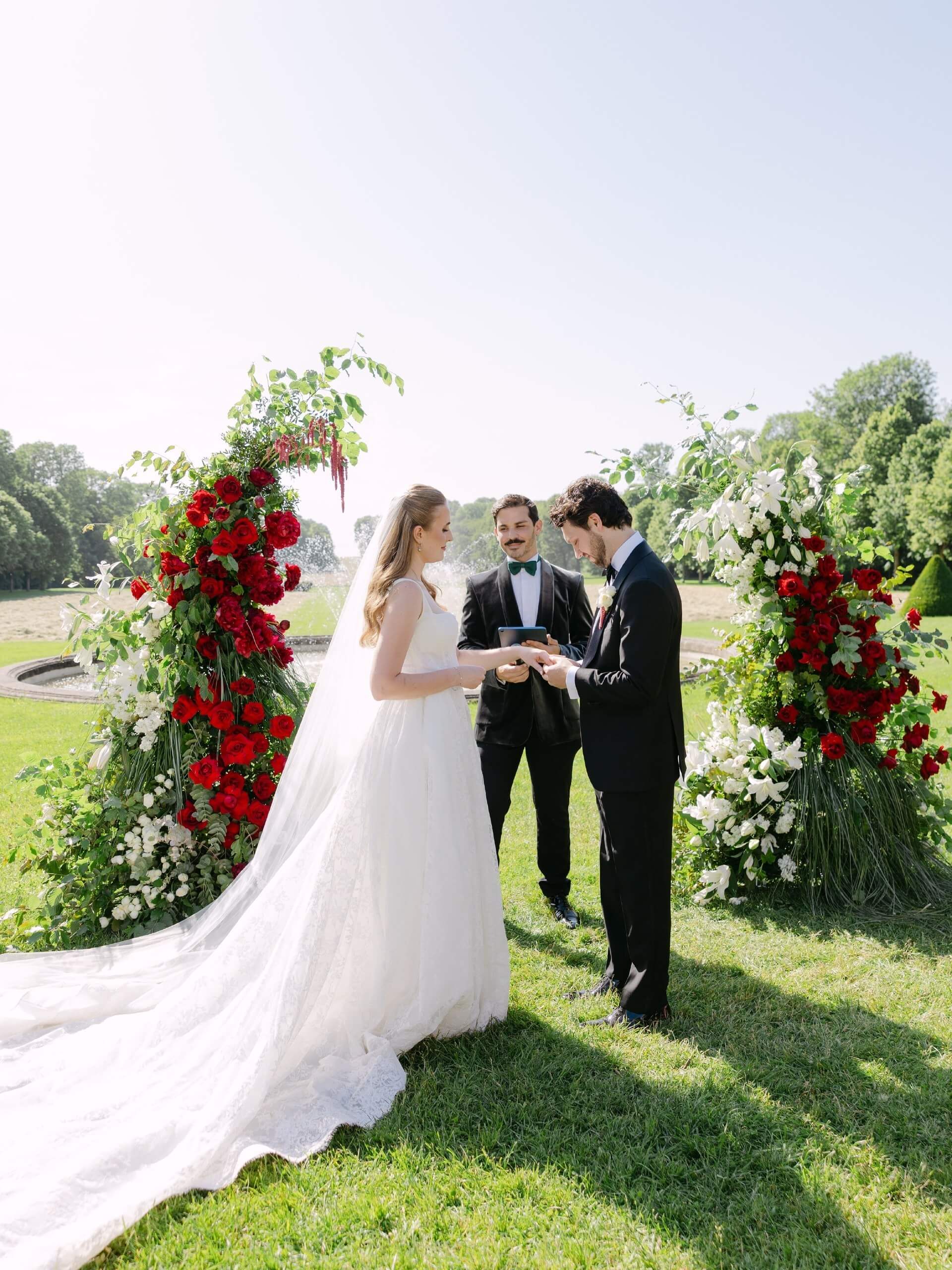
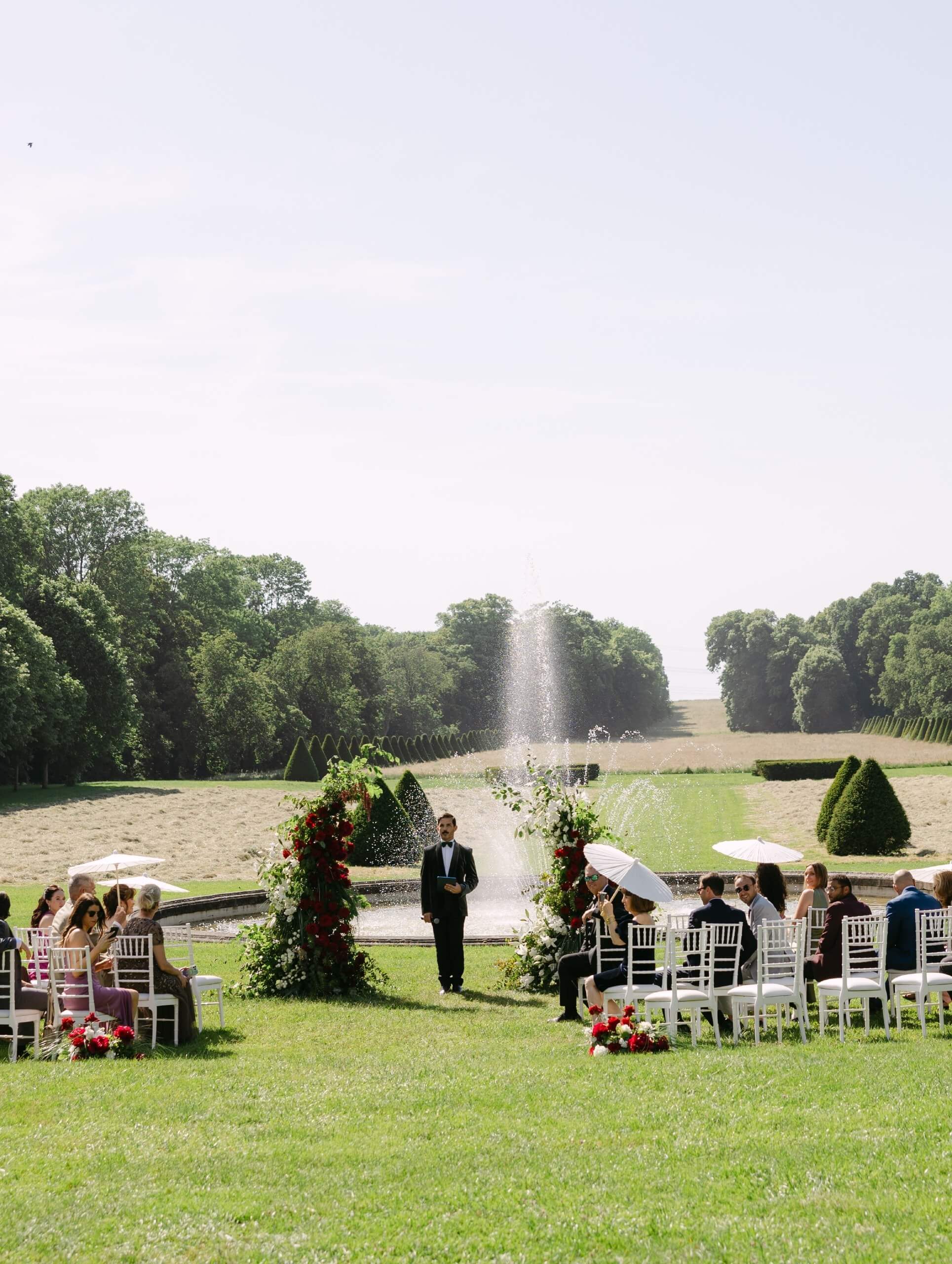
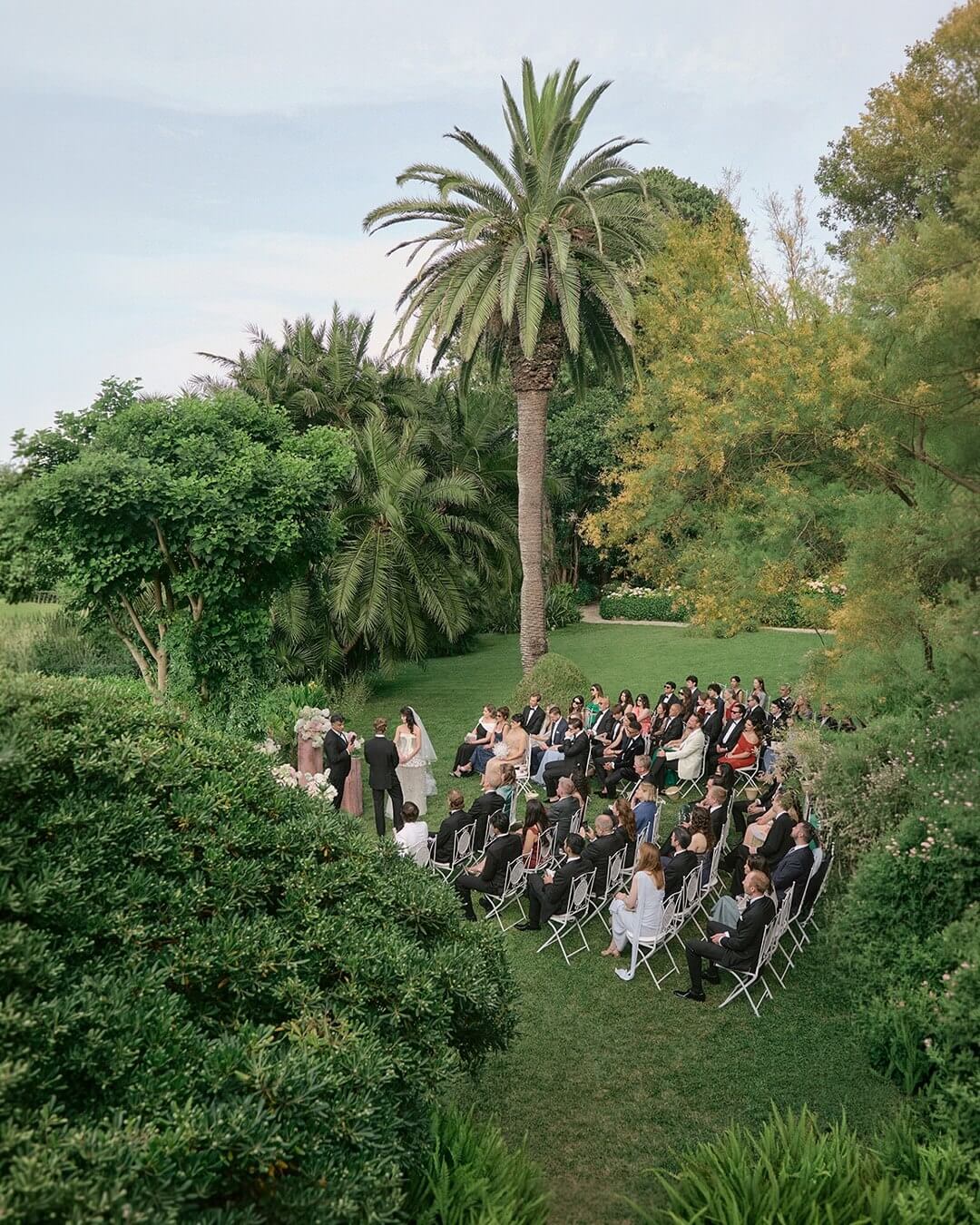
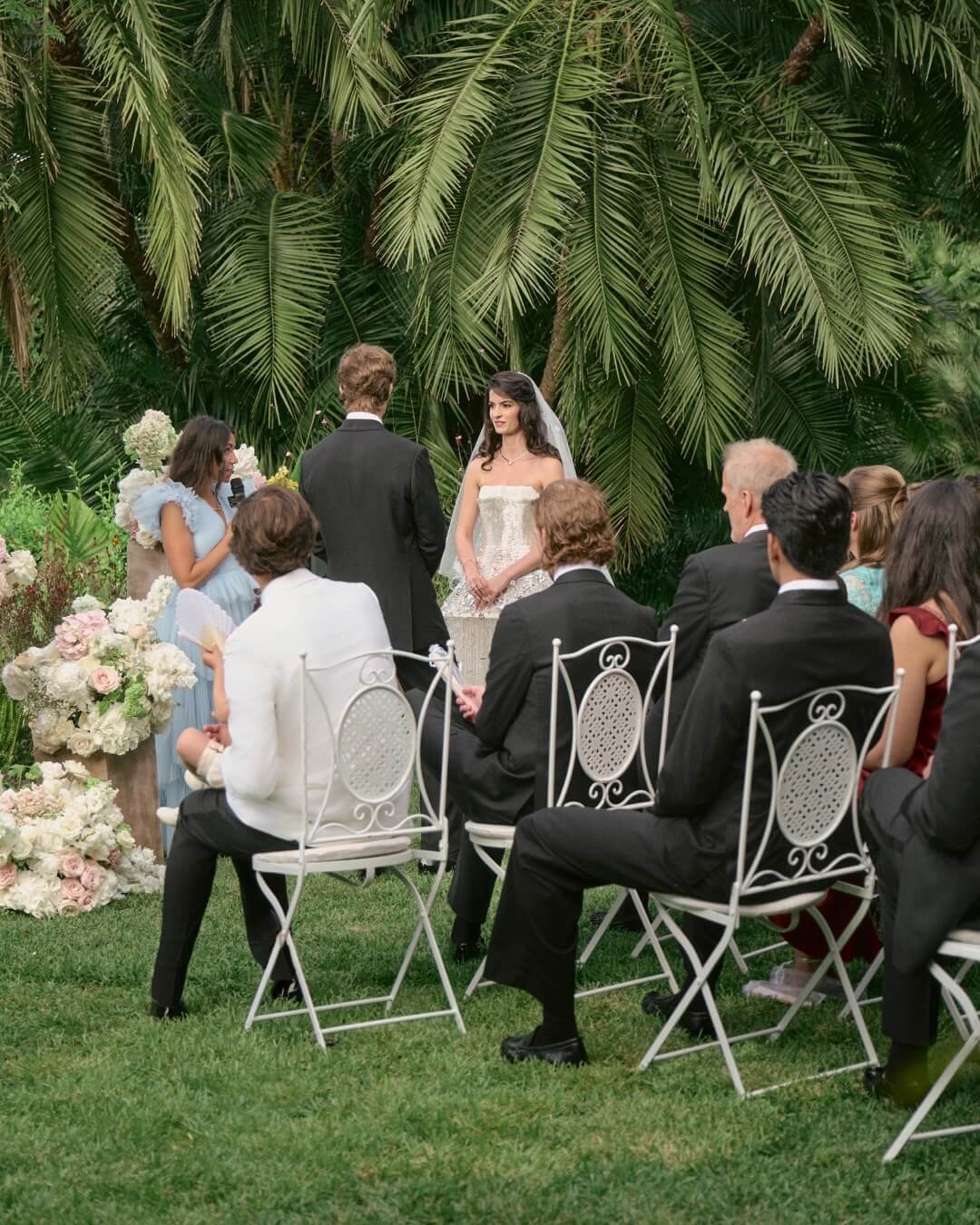
When you're in the midst of wedding planning, getting to grips with the different types of officiants can really steer your ceremony in the direction that fits your vision. Let's go through a detailed lineup to help you pinpoint the perfect match for your big day:
Religious Officiant
Think of traditional figures like priests, ministers, rabbis, or imams. These are the go-to choices for ceremonies held within religious settings. They often require couples to engage in pre-marital counseling or religious classes. Expect their ceremonies to be rich in religious rituals and scriptural readings, aligning with specific faith principles.
Civil Officiant
These are the official types, judges, justices of the peace, and the like. They're all about secular, no-frills ceremonies, often conducted in courthouses or similar official venues. If you're looking for something that's straight to the point and without religious touches, they're your people.
Non-Religious Wedding Officiant
Here's where personalization comes into play. These officiants are all about crafting a ceremony that mirrors your unique relationship. Storytelling, personal vows, and meaningful yet non-religious rituals are their hallmarks.
Friend or Family Officiant
Imagine someone who knows your story inside out leading your ceremony. That's what you get when a friend or family member gets ordained (a surprisingly easy online process) to officiate. It adds an unparalleled level of intimacy and personalization to your ceremony.
Interfaith Officiant
Ideal for couples blending different religious backgrounds, these officiants are pros at weaving together diverse religious traditions into a seamless, respectful ceremony that honors a spectrum of beliefs.
Spiritual but Non-Religious Officiant
For couples who identify as spiritual without sticking to a particular religious doctrine, these officiants focus on the essence of spiritual union. Their ceremonies often incorporate elements like nature, personal spirituality, and unique rituals.
Cultural Officiant
They're experts in ceremonies that resonate with specific cultural traditions. Expect them to have a deep understanding of traditional rituals, customs, and languages, making them a great choice for couples wanting to honor their heritage.
Humanist Officiant
If your focus is on human values like mutual respect, love, and equality, minus the religious or spiritual angle, humanist officiants are your go-to. They craft ceremonies that celebrate the couple's story and commitments in a non-religious and non-spiritual context.
Celebrant
These are the artisans of wedding ceremonies, regardless of religious or cultural leanings. Celebrants excel in creating an experience that's a true reflection of the couple's journey, values, and dreams. Their ceremonies are often a curated mix of elements that align with the couple's unique story and shared beliefs.
How to Find a Wedding Officiant
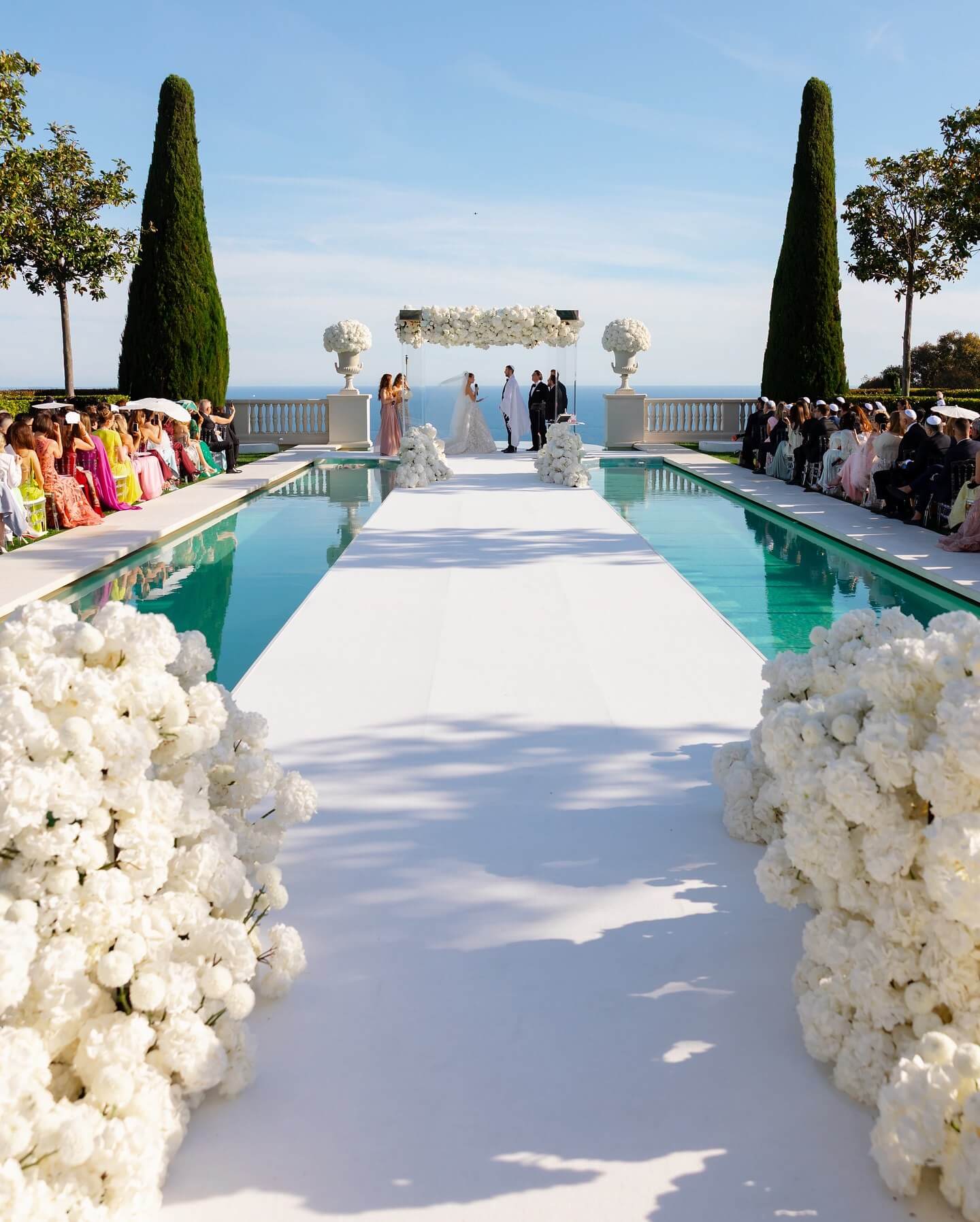


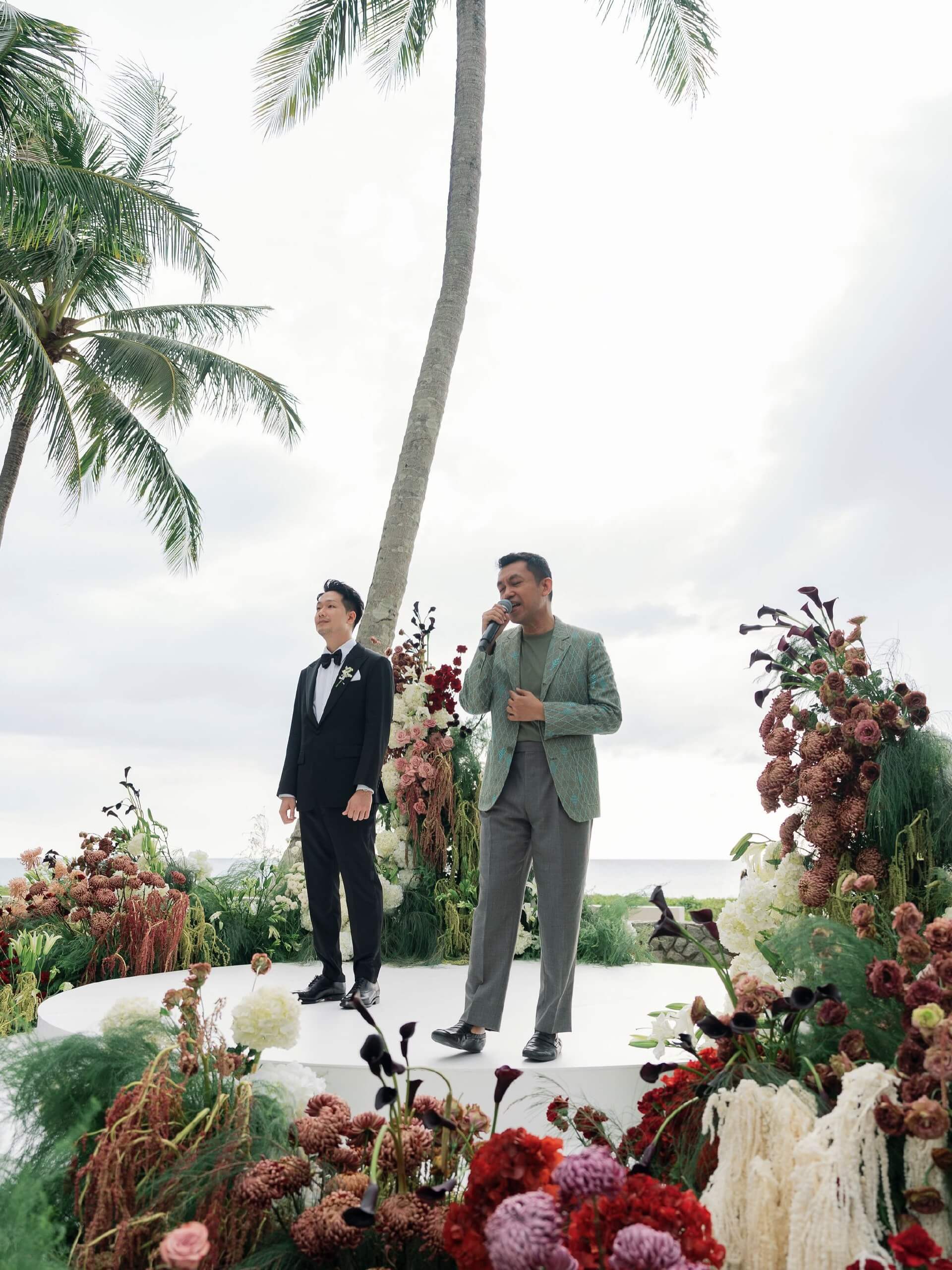
Selecting the ideal person to officiate your wedding is a key element in your wedding journey. This choice should reflect not just your personal style, but also the essence of your love story. Here's a streamlined approach to find a wedding officiant who feels right for your ceremony:
Define Your Vision
Begin your journey by discussing with your partner the style of ceremony you both desire. Are you leaning towards a traditional religious setting, a more secular ambiance, or a blend that's uniquely yours? This vision sets the stage for the type of officiant you'll look for.
Research Thoroughly
Dive into the online world for your search. Wedding websites, social platforms, and various online forums are treasure troves of information. Look out for reviews and feedback, and watch videos if available, to get a feel for the officiants' styles. Remember, word-of-mouth recommendations from your circle or wedding industry professionals can be invaluable. Knowing how to find an officiant for a wedding often comes down to combining this kind of research with genuine personal referrals.
Conduct Interviews
With a shortlist in hand, set up interviews with your potential officiants. These could be in-person meetings or virtual calls. Use this time to really understand their personality, their approach to ceremony customization, and how they plan to weave your story into the ceremony. Their experience and perspective on making your ceremony resonate with your vision are key points to discuss.
Discuss Expectations and Logistics
Communication is crucial. Be clear about what you expect from your ceremony in terms of tone, length, and specific elements you wish to include. Also, hash out the logistical details like their fees, availability, involvement in rehearsals, and handling of legal formalities.
Trust Your Instincts
After your meetings, take a moment to reflect. Think about which officiant you felt a natural connection with, who understood and respected your vision, and who you believe will make your ceremony everything you've dreamed of.
What Is the Average Cost of a Wedding Officiant
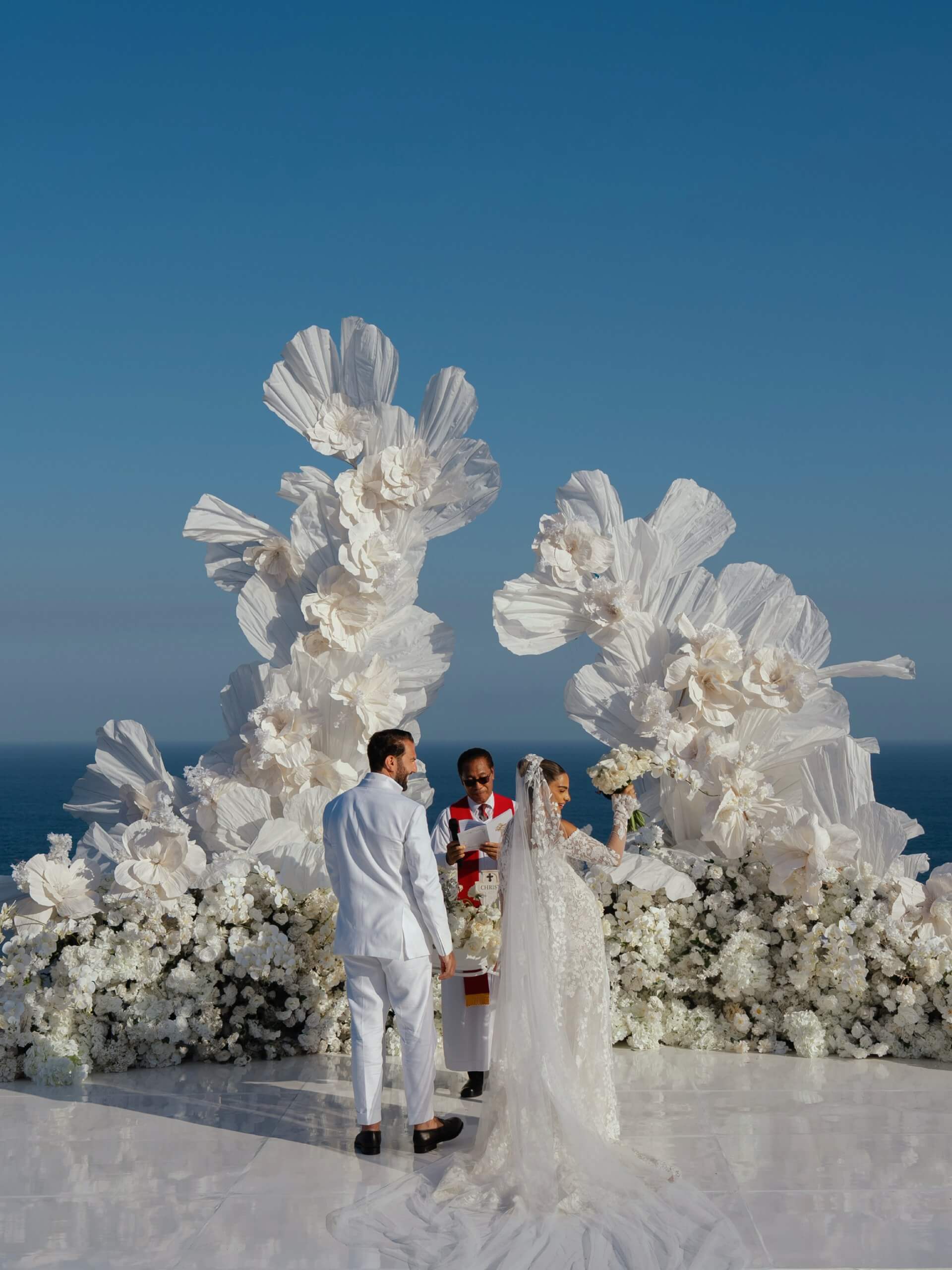

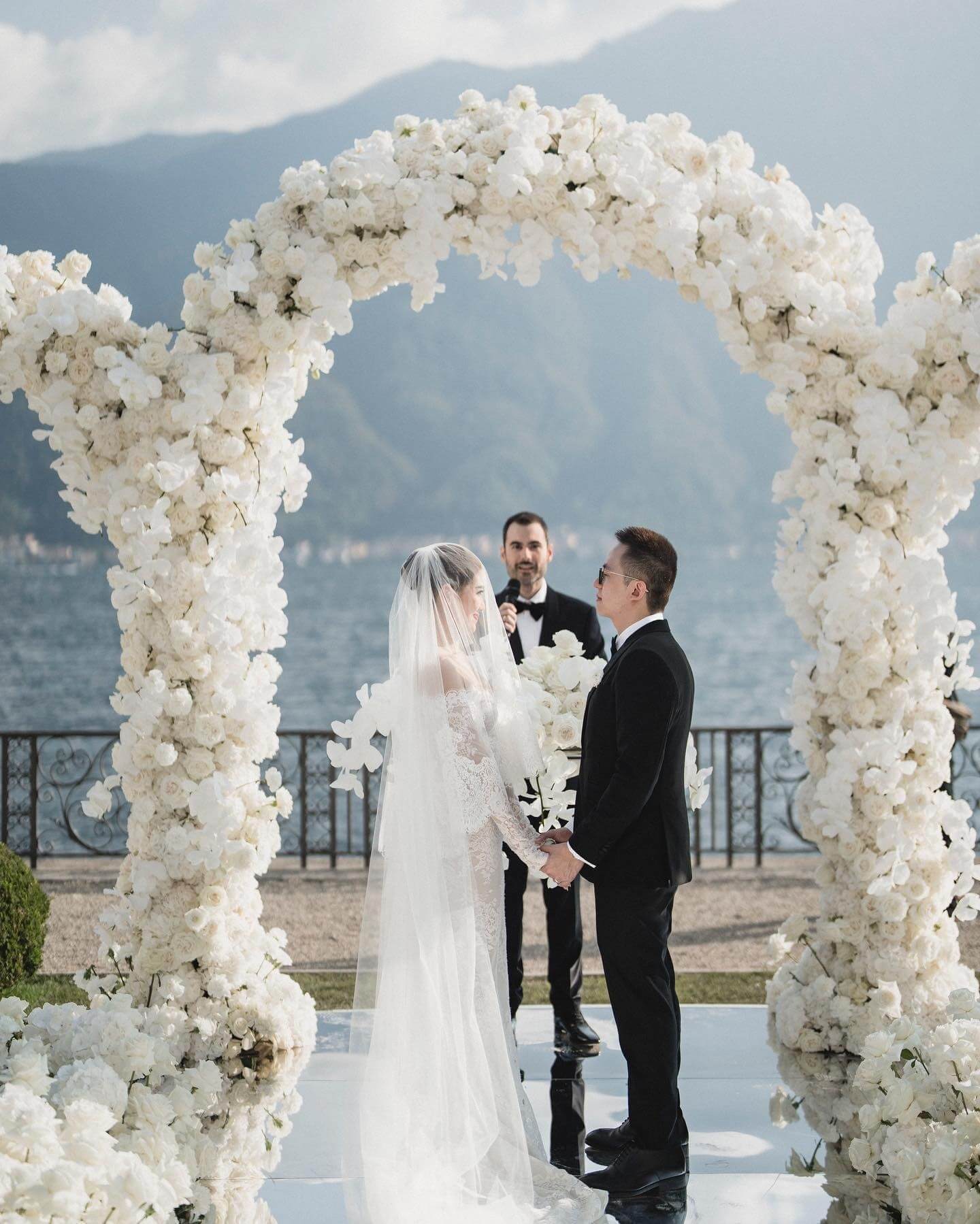
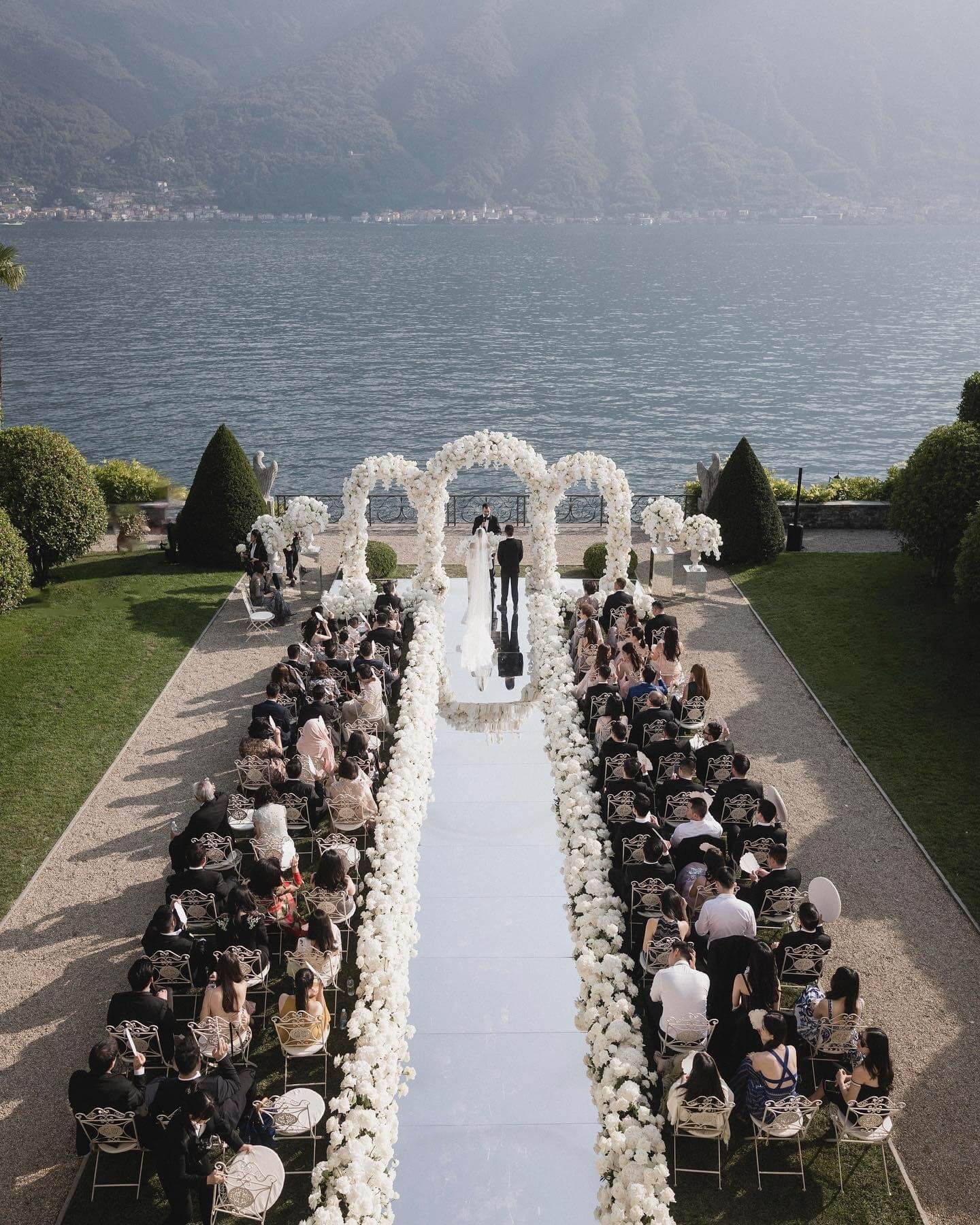
The pricing for wedding officiants in the USA can differ quite a bit, depending on factors such as the officiant's background, their level of expertise, how elaborate your ceremony is, and even where it's taking place. Let's break it down to give you a clearer picture:
| Officiant Type | Typical Cost |
|---|---|
| Religious Officiant | Often a $100-$500 donation to their place of worship |
| Civil Officiant | $50-$100 at a courthouse, $200-$400 if traveling to your venue |
| Professional Secular Officiant | $300-$800 on average, $1,000+ for top-tier officiants |
| Friend or Family Officiant | Minimal or no cost, though a small gift is a nice gesture |
Religious officiants usually won't have a fixed price tag. It's more about making a donation to their place of worship, and it often depends on what the religious institution suggests and your own discretion. Civil officiants, your judges or justices of the peace, often officiate civil, non-religious ceremonies. For something straightforward at a courthouse, the fees might hover around $50 to $100, but if they're coming to you, expect this to bump up to between $200 and $400.
Professional secular officiants make a career out of officiating and typically charge for their services. Their fees can swing quite widely, mostly depending on how in-demand they are and their experience level. If you're going the route of having someone you know officiate, which is becoming quite popular, the cost might be minimal or even non-existent. But it's always a nice gesture to offer them something for their trouble, even if it's just covering their ordination expenses or a small thank-you gift.
And don't forget, there might be extra expenses to consider. Things like the officiant's travel costs, any overnight stays if they're coming from out of town, and additional elements they might bring to the ceremony (like special candles or other ceremonial items) can add to the overall cost.
Wedding Officiant Gift Ideas
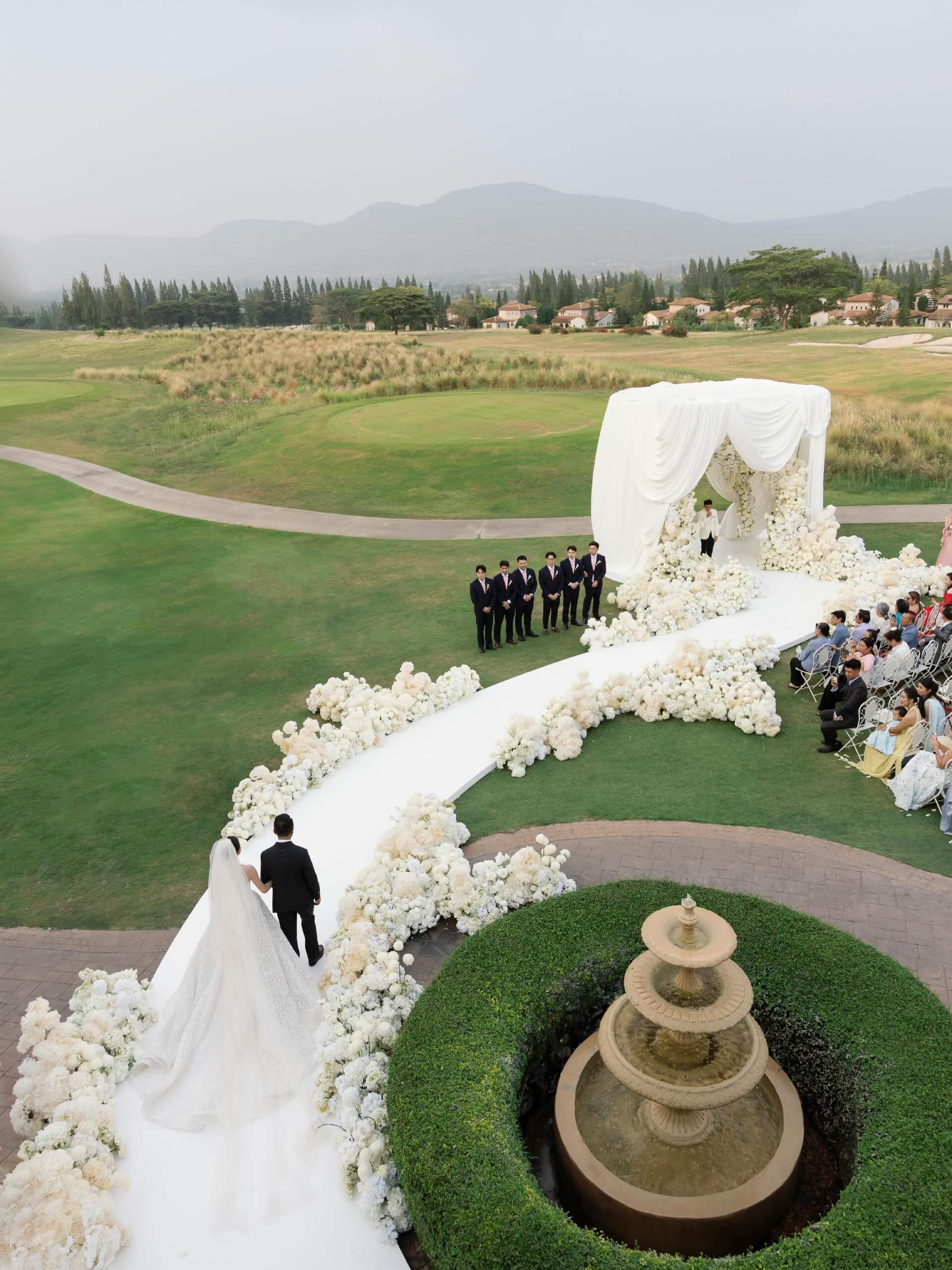
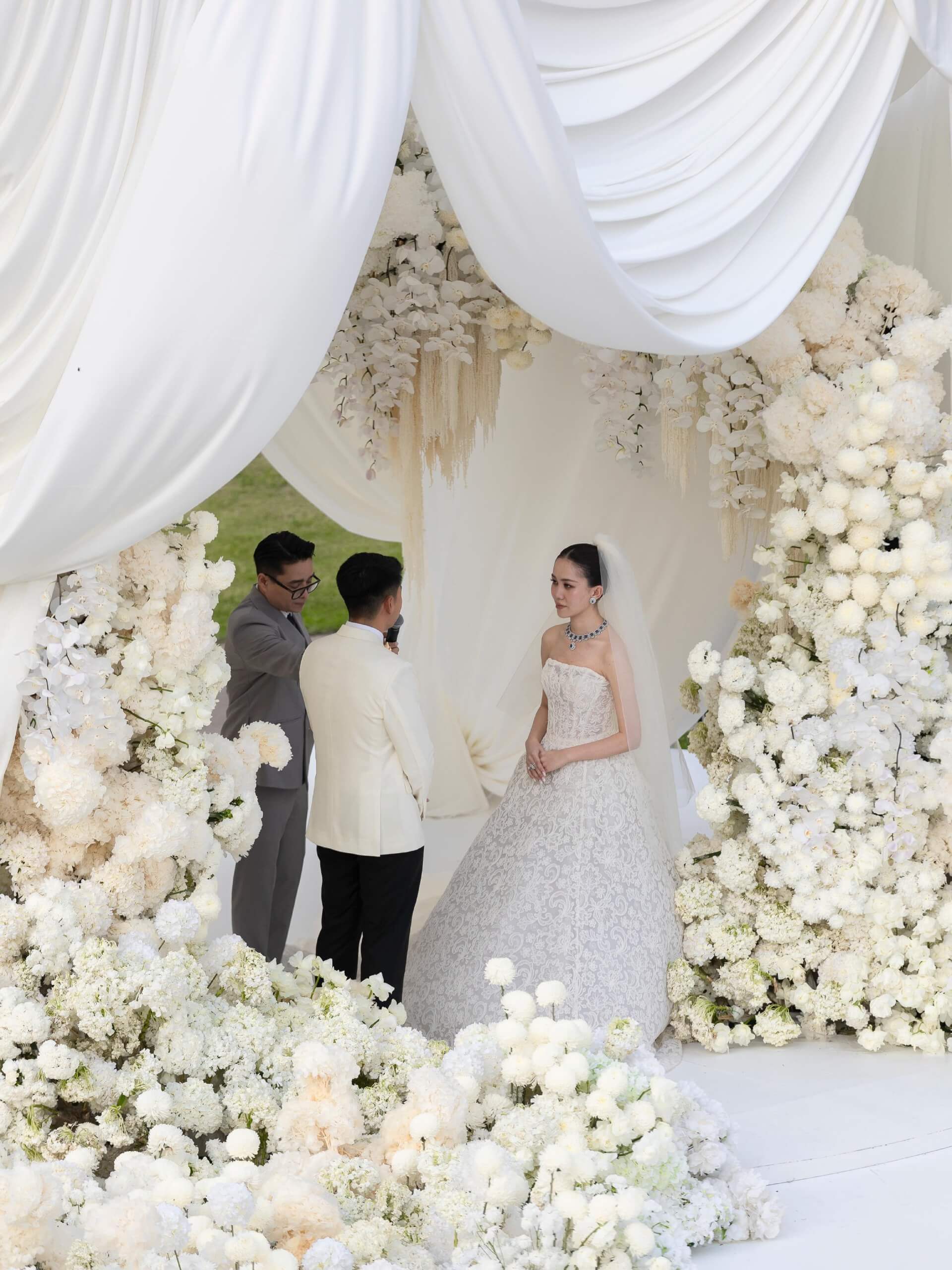
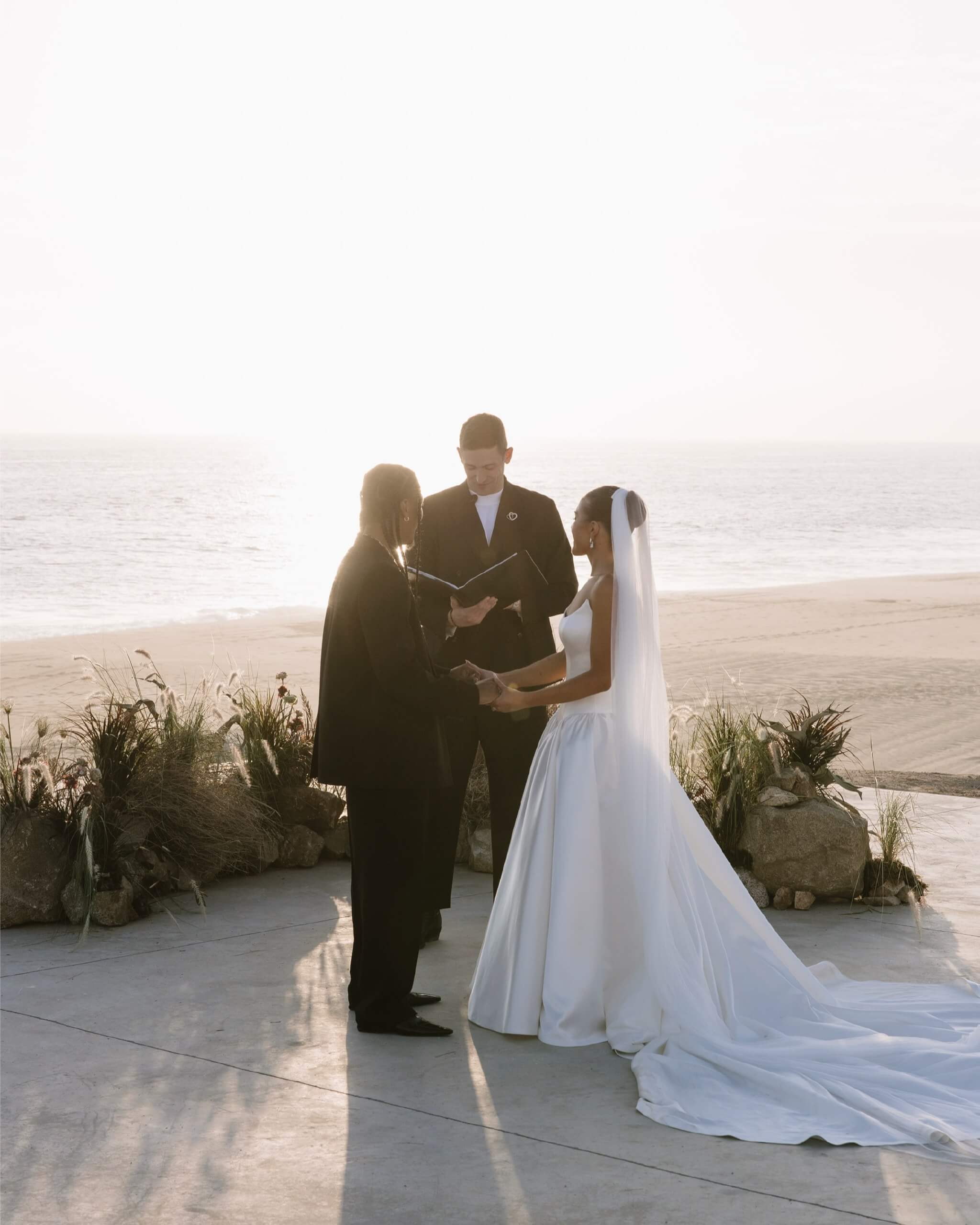
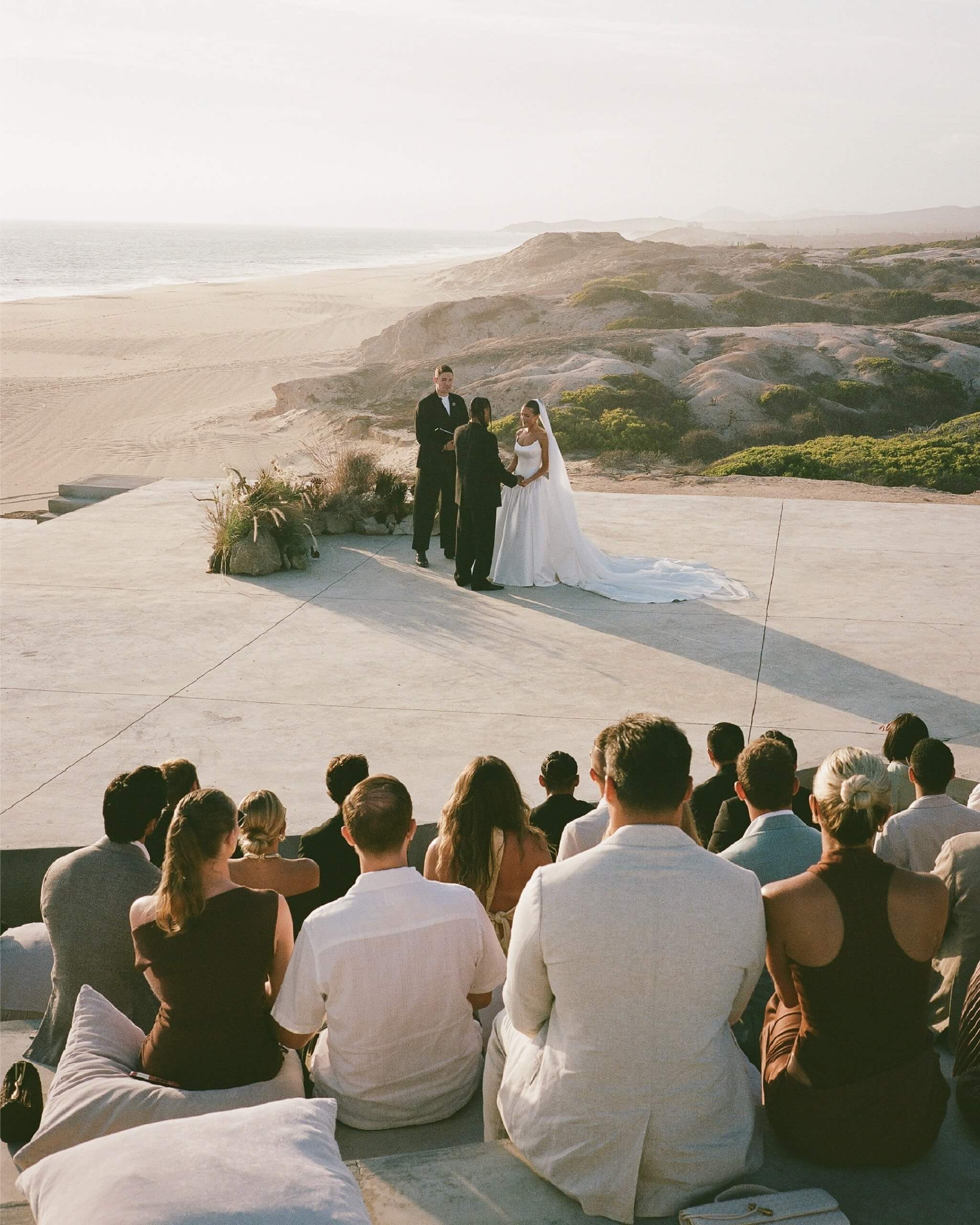
Choosing the perfect gift for your wedding officiant is a heartfelt way to show your appreciation for their integral role in your big day. It's about thanking them not only for their part in the ceremony but also for the advice, support, and unique flair they've added to your wedding. Your officiant could be a professional whose expertise made your ceremony flawless, a religious leader who offered spiritual insight, or a cherished friend or family member who brought a personal dimension to your day.
- Personalized Keepsake: a custom item like an engraved picture frame, a piece of art commemorating the day, or a personalized plaque
- Gift Certificates: for a nice restaurant, a bookstore, or a spa, letting your officiant choose their own experience
- Charity Donation in Their Name: a meaningful gesture if they're particularly philanthropic or support a cause they hold dear
- Custom Artwork: a commissioned painting or sculpture, especially one reflecting your wedding theme or a shared interest
- Quality Wine or Spirits: a bottle of premium wine, whiskey, or champagne, perhaps with a set of elegant glasses
- Bespoke Stationery: high-quality, custom stationery, possibly embossed with the officiant's name or initials
- A Book of Love Poems or Quotes: a fitting choice for an officiant who brought literary flair to your ceremony
- Handwritten Thank You Note: sometimes the most cherished gift, especially paired with a small token of appreciation
- Relaxation Hamper: candles, bath salts, and essential oils to help them unwind after the busy wedding season
- An Engraved Pen: a practical and personal gift for an officiant who loves writing
- Gourmet Gift Basket: luxury chocolates, artisanal cheeses, and crackers for a foodie officiant
- Experience Vouchers: tickets to a theater show, concert, or cultural event for an enjoyable break
- Gardening Set: tools or a collection of plants for an officiant with a green thumb
Selecting a gift that aligns with your officiant's personality and reflects the unique bond you share with them can make your gesture of gratitude even more meaningful. It's a way to personalize your appreciation and acknowledge the special role they played in your wedding. The key is the thought and sentiment behind the gift, which truly makes it valuable and memorable.
Once you've found the right person to lead your ceremony, everything else starts to fall into place. Wezoree is full of inspiration and real wedding ceremonies to help you picture exactly what your own day could look like.

FAQ
How do you find a wedding officiant?
You find a wedding officiant by first defining the style of ceremony you want, then researching options online through wedding websites, reviews, and personal recommendations. From there, shortlisting a few candidates for interviews helps you judge their personality and approach before making a final decision. Trusting your instincts after those conversations is usually the deciding factor.
Where can I find a wedding officiant near me?
You can find a wedding officiant near you through wedding directories, local officiant associations, or recommendations from your other wedding vendors, like your venue or planner. Local religious institutions are also a good starting point if you want a ceremony rooted in a specific faith. Reading recent local reviews helps confirm they're active and available for your date.
How much does it typically cost to find a wedding officiant?
The cost to find and book a wedding officiant ranges from a small donation for a religious officiant to $300-$800 or more for an experienced professional secular officiant. Civil officiants at a courthouse tend to be the most affordable option, often under $100. Friend or family officiants are usually the least expensive, though a small gift is a thoughtful gesture.
What questions should you ask when trying to find an officiant for a wedding?
When trying to find an officiant for a wedding, ask about their experience, how they customize ceremonies, and what their fees and availability look like for your date. It also helps to ask how involved they are in rehearsals and how they handle legal paperwork. Their answers usually reveal as much about their style as the ceremony itself.
Can a friend become a wedding officiant if I can't find one I like?
Yes, a friend or family member can become a wedding officiant through a simple online ordination process in most places, making this a popular alternative if you can't find a professional who feels right. This option often adds a level of intimacy that a stranger, however skilled, can't fully replicate. Just be sure to confirm their ordination is recognized as legally valid in your specific location.