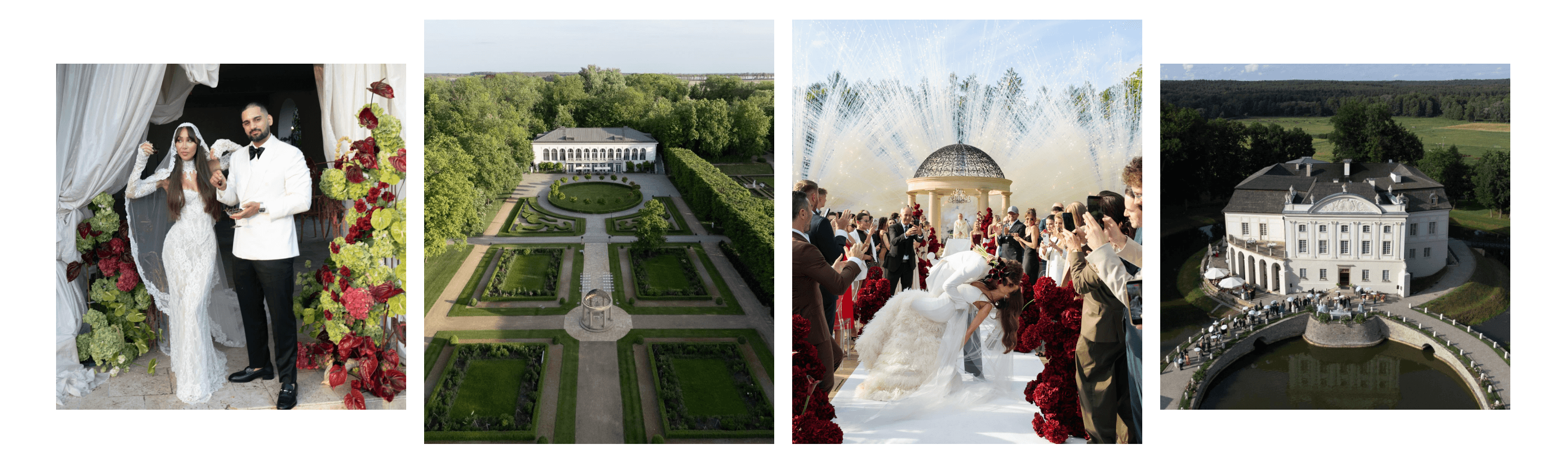
Top 5 Best Wedding Venues in Poland


Poland doesn’t get talked about nearly enough as a destination wedding country, which is exactly why the best wedding venues in Poland feel like such a genuine discovery rather than an already-crowded checklist. Among the Poland wedding venues worth serious consideration, five stand out for reasons that go well beyond a pretty photo backdrop: a palace still owned by the family that founded it centuries ago, a castle with actual Nazi tunnels running beneath its terraces, a royal park where swans still glide past a floating palace. Here’s what makes each one worth the trip.
Find Your Perfect Wedding Vendors




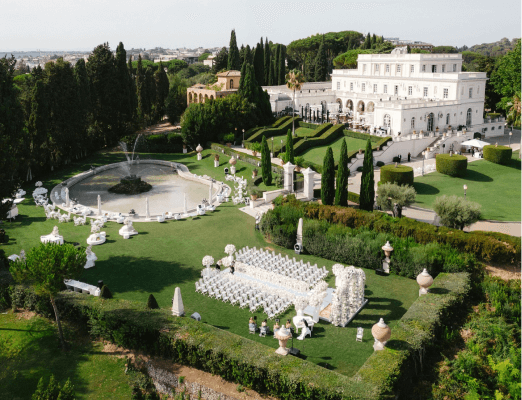
Pałac Mała Wieś 1786
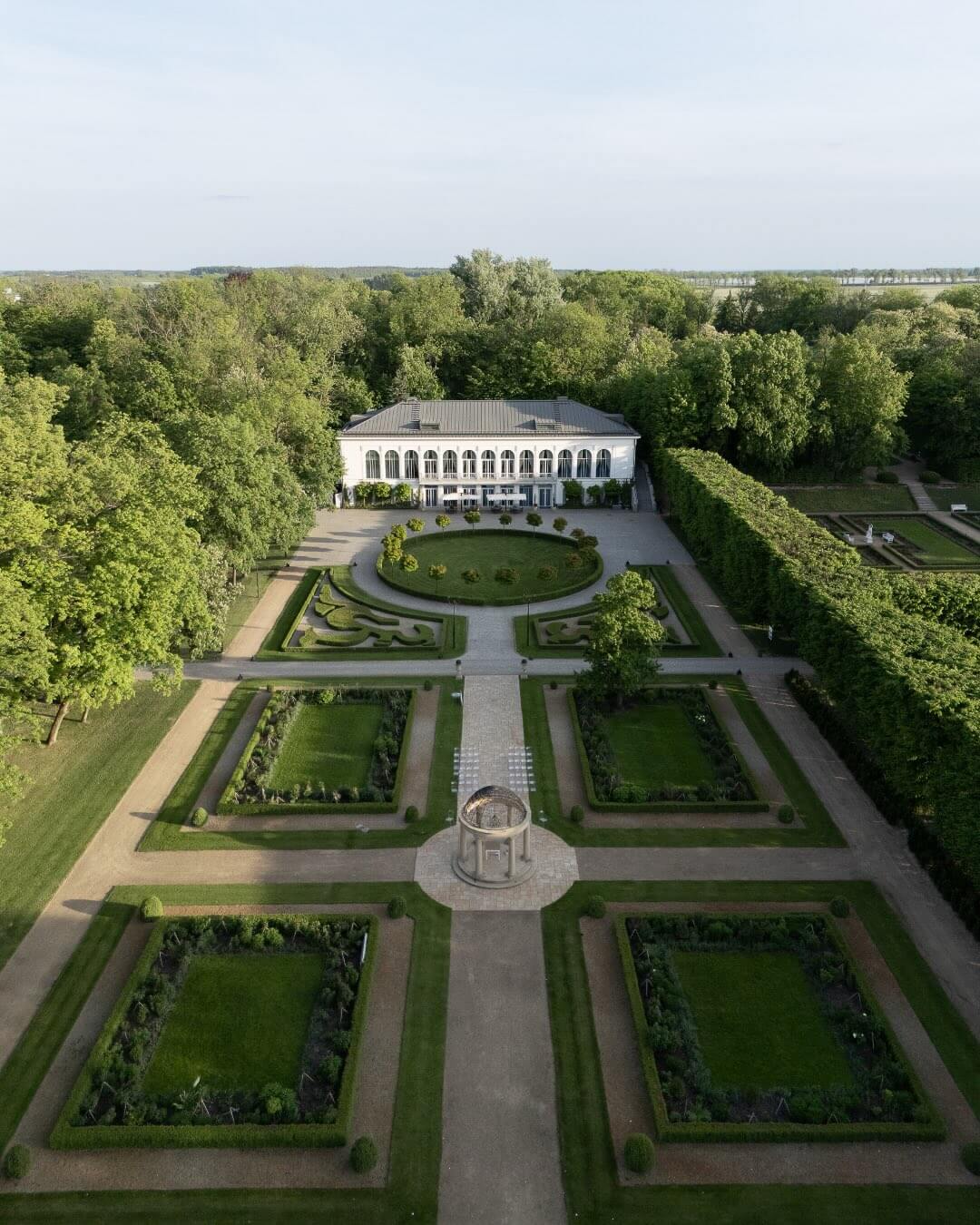
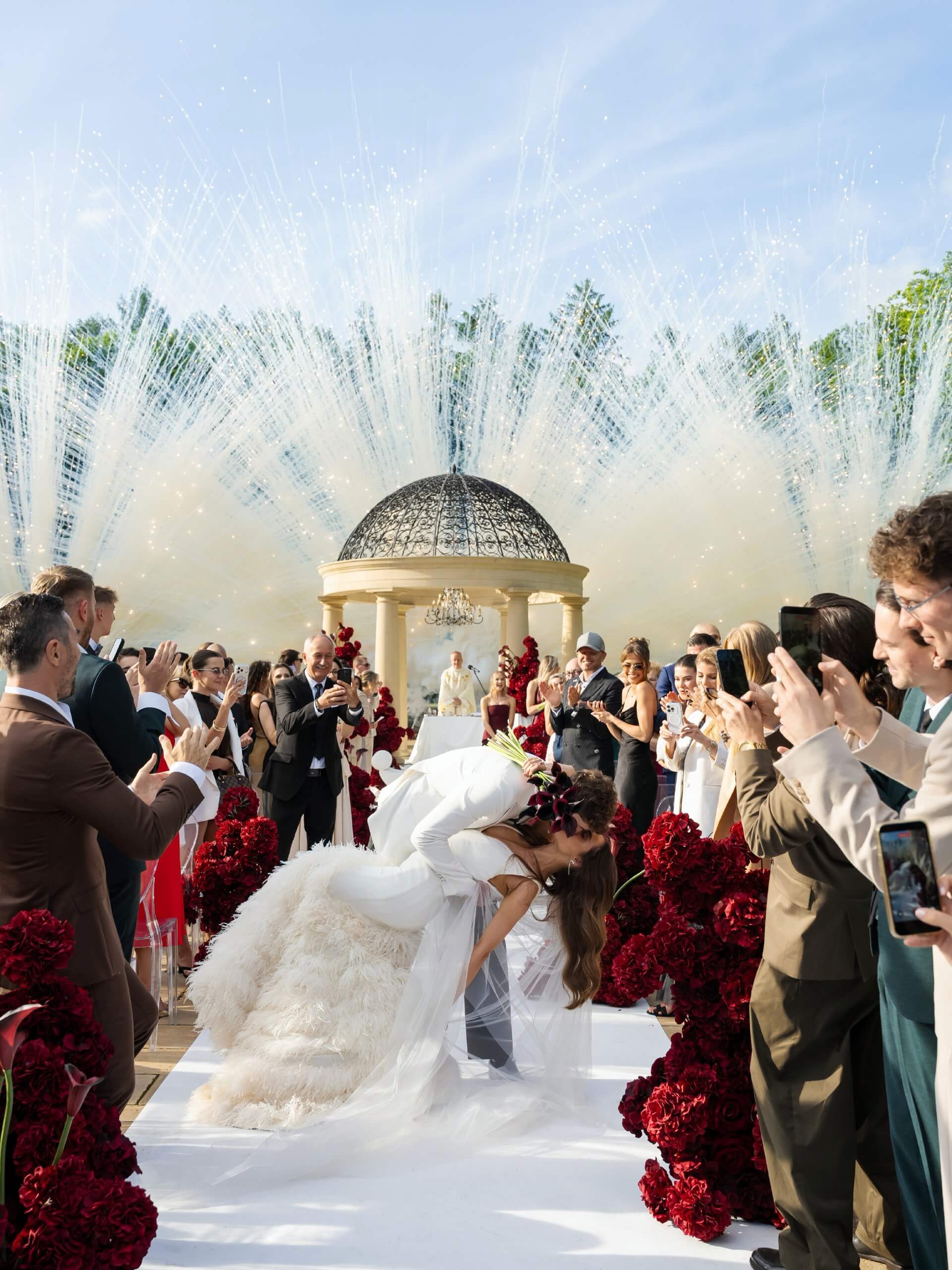
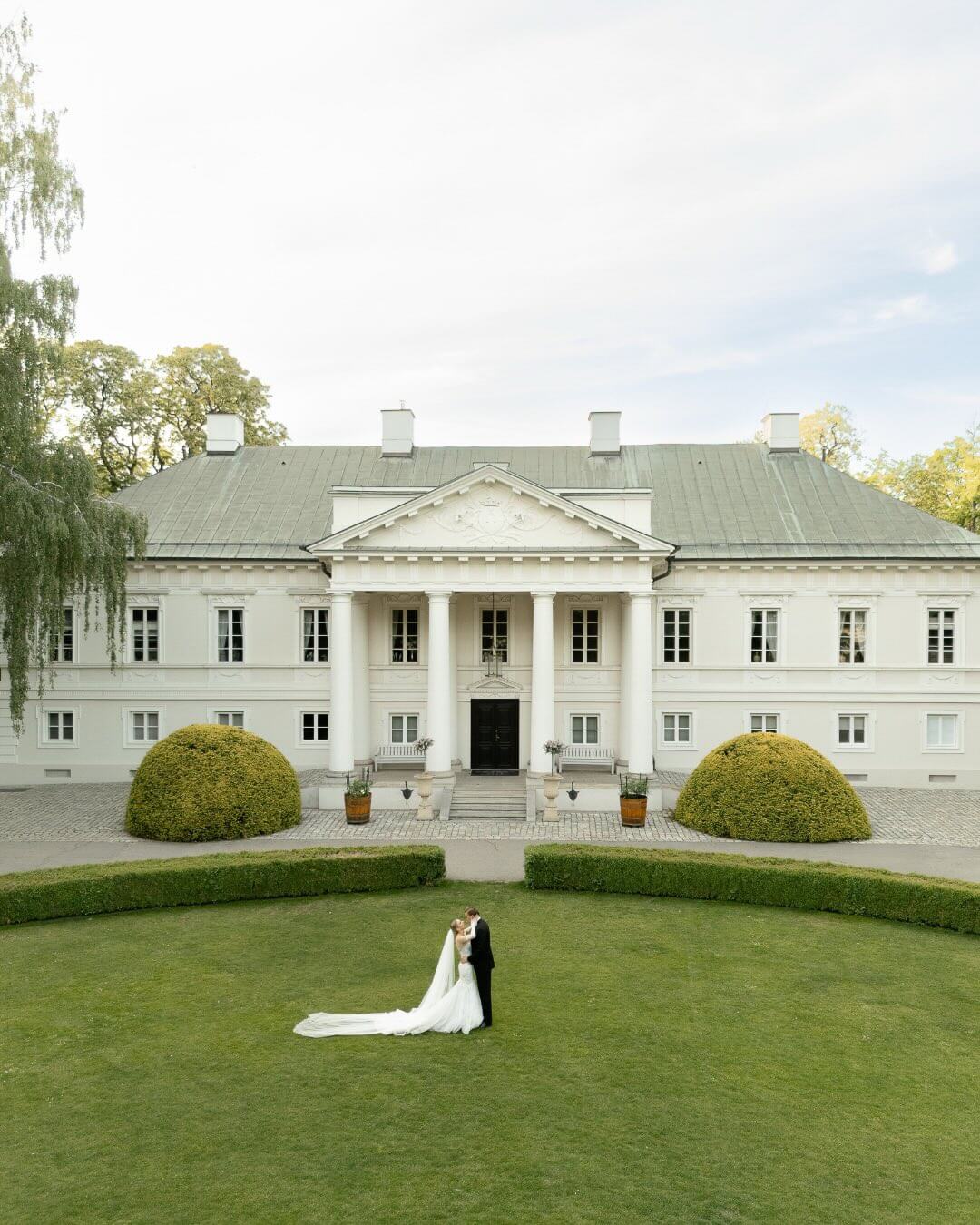
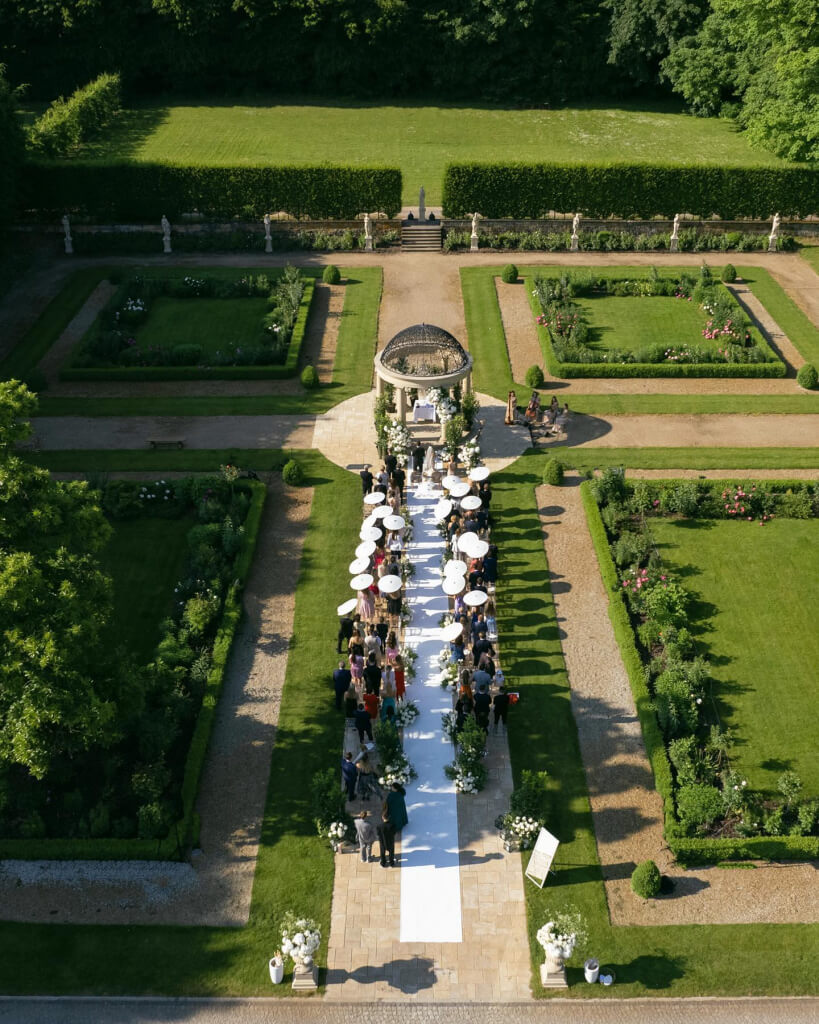
Pałac Mała Wieś 1786 sits less than 50 kilometers from Warsaw, tucked into 30 hectares of parkland that still holds the region’s very first apple trees, planted generations ago in a corner of the orchard garden. The name is its own history lesson: built in 1786 by Bazyli Walicki, Grand Marshal of the Crown and a close advisor to Poland’s last king, Stanisław August Poniatowski. The king himself stayed here, a visit still marked by a memorial stone half-hidden among the trees, and for 159 years the estate passed down through a single family before the Morawskis eventually took it over and sheltered people fleeing the Warsaw Uprising within its walls during World War II.
- A 30-hectare park split into French, English, and orchard-style gardens
- The New Orangery’s Grand Hall and Club Hall, dressed for formal, candlelit receptions
- The Greenhouse, all warm light and greenery, better suited to a looser, boho-leaning celebration
- 54 boutique rooms and suites spread across the palace and its restored granary and gardener’s house
Following a multi-stage restoration completed in 2017, the palace now glows with restrained gold-and-cream elegance that photographs beautifully in any season, hosting receptions for up to 350 guests alongside far smaller garden ceremonies tucked between the hedges. Its closeness to Warsaw, paired with the sheer stretch of its grounds, makes it one of the more flexible Poland wedding venue options for couples deciding between an intimate elopement and a full 350-guest celebration.
Łazienki Park
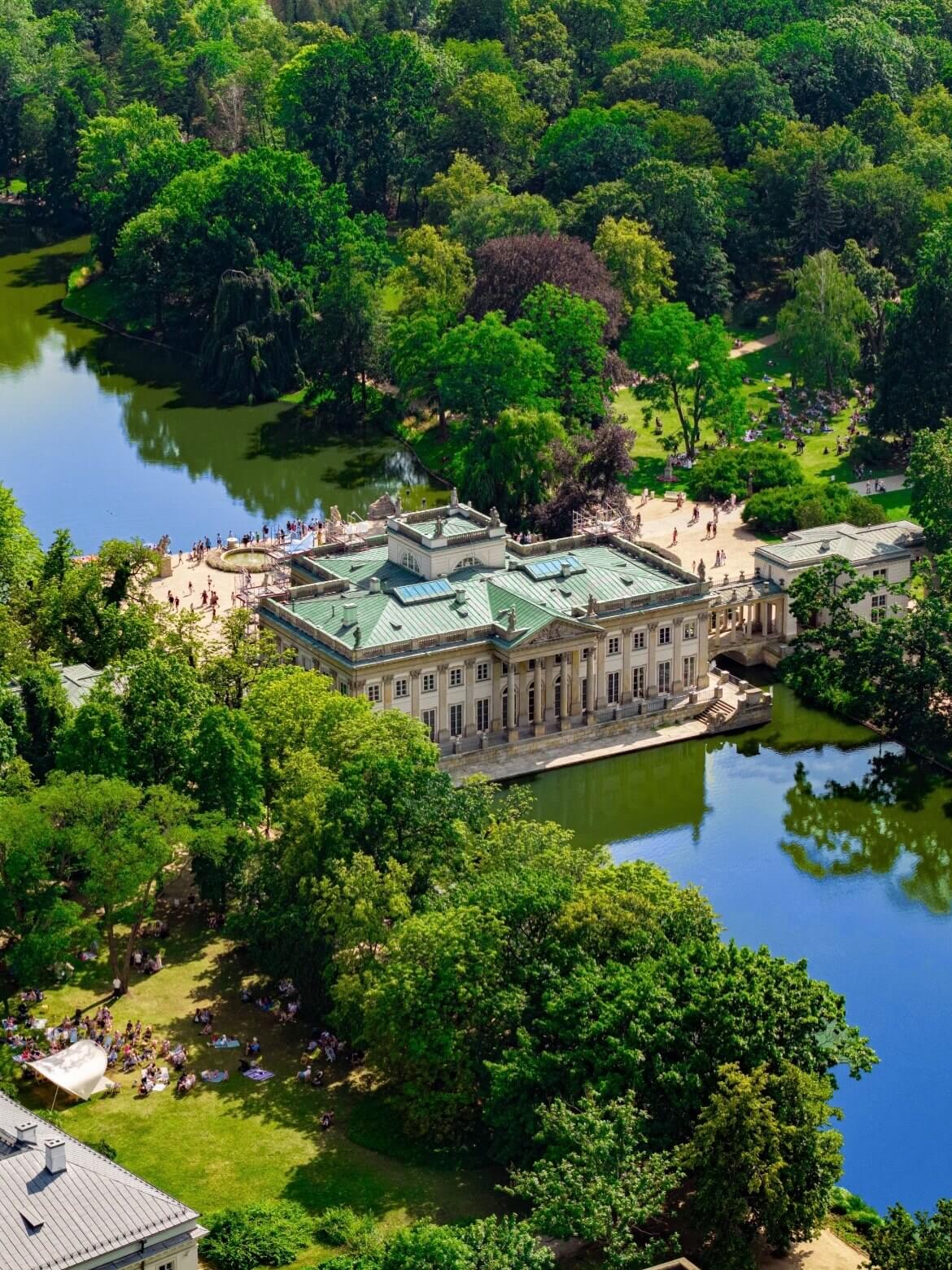
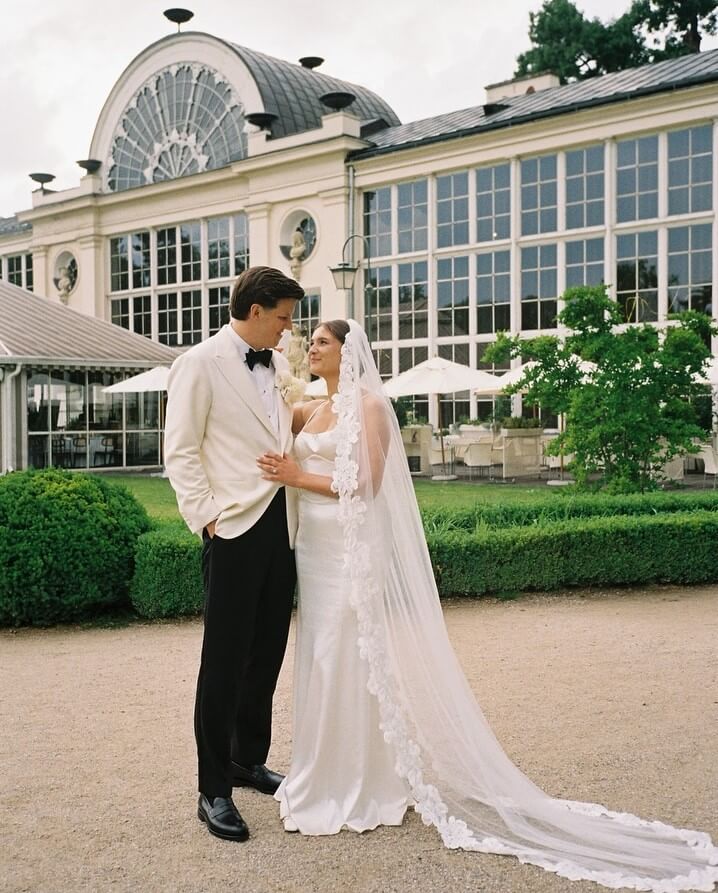
Łazienki Park started life in the 17th century as a private bathhouse for Stanisław Herakliusz Lubomirski, a name that gives the whole 76-hectare estate its literal meaning: “łazienki” translates to “baths.” Poland’s last king, Stanisław August Poniatowski, bought the property in 1772 and rebuilt it into his summer residence, centering the entire design around the Palace on the Island, a neoclassical structure modeled after Rome’s Villa Borghese that seems to hover directly on the surface of the park’s lake, its white columns doubled in the still water below. It’s one of the more unusual entries anyone searching for a wedding venue in Poland will come across, simply because it isn’t a private estate at all.
The palace suffered real damage during the Warsaw Uprising, then was carefully rebuilt afterward; today, swans and white peacocks share the manicured grounds with couples marrying beside the same water that has framed the palace for over two centuries. A statue of Chopin, seated beneath a willow with the wind caught mid-motion in his hair, anchors the park’s other famous corner, and outdoor Chopin recitals still fill the summer air here every year. As one of the most storied wedding venues Warsaw, Poland has to offer, Łazienki gives couples a setting that’s genuinely public property, meaning coordination runs through the city itself rather than a single private venue team.
Książ Castle
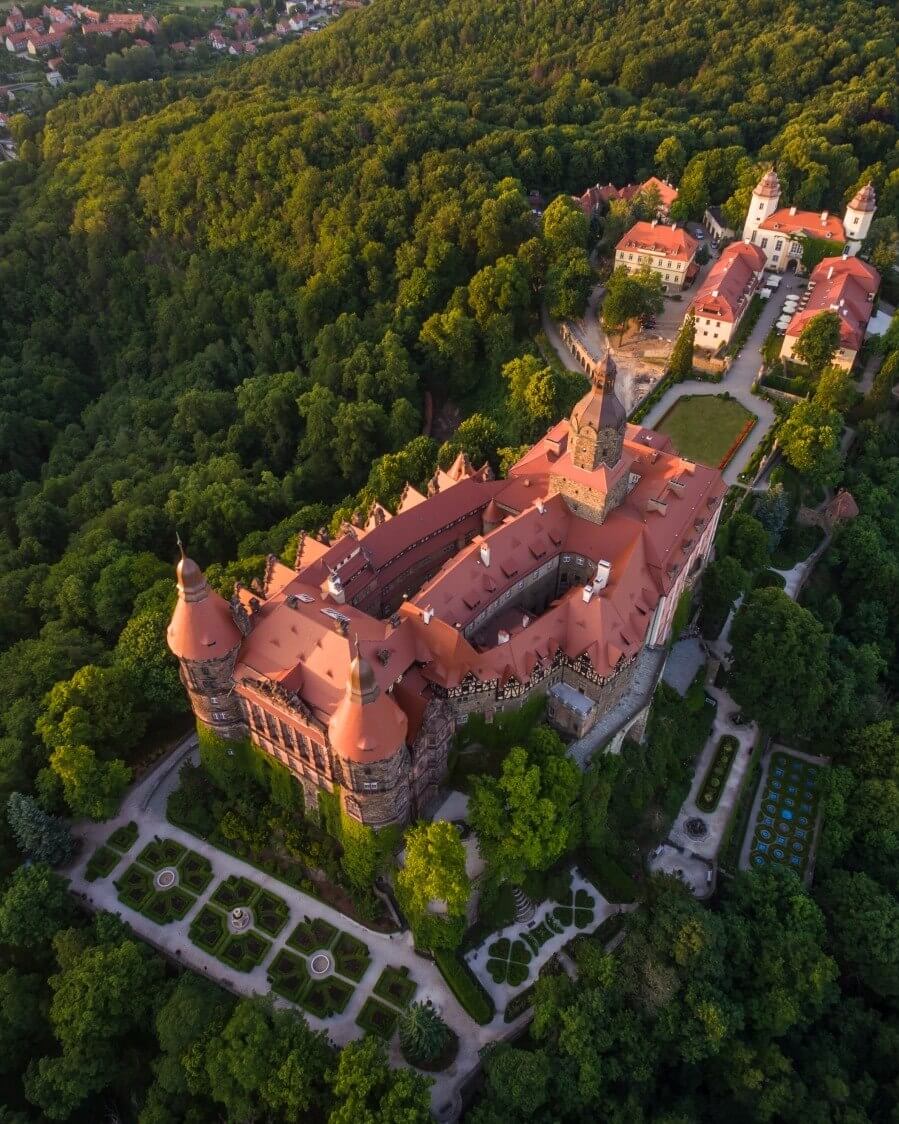
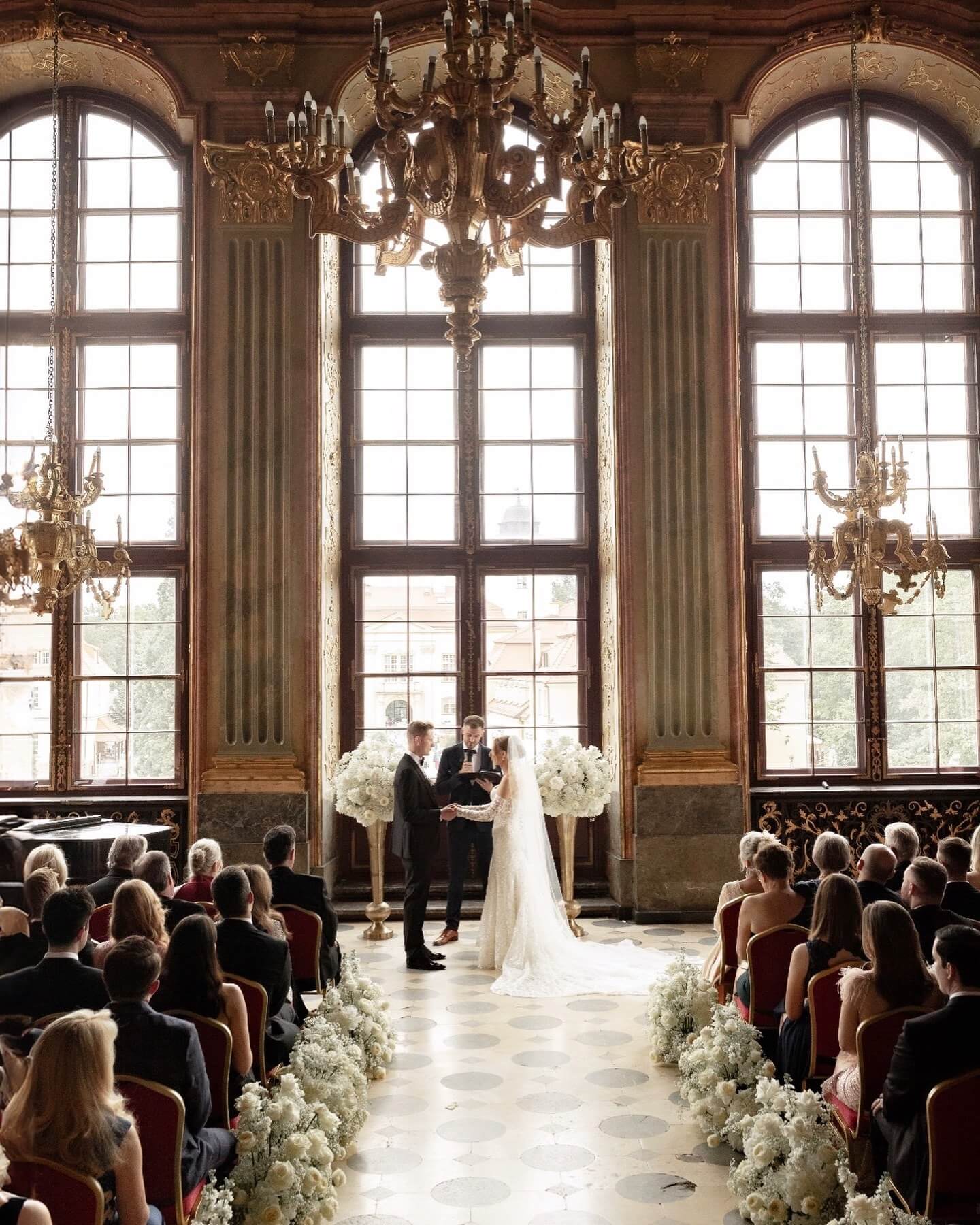
Książ Castle is the third-largest castle in Poland, after Malbork and Wawel, and its history dates back to 1288, when Duke Bolko I the Strict chose this location on the cliff above the Pełcznica River gorge for its natural protection. The Hochberg family acquired the castle in 1509 and continued building for four centuries, adding one wing after another in the Gothic, Baroque, and Rococo styles until it became the family seat of one of Central Europe's richest dynasties.
Its most famous resident, Princess Daisy of Pless, arrived as a young Welsh aristocrat in 1891 and left behind diaries that provided a vivid, almost gossip-like account of Silesian high society until the First World War divided her English family and German husband. Hidden beneath this entire history of aristocracy is a much darker truth: nearly 2 kilometers of tunnels reinforced with concrete that the Nazis dug into the bedrock in 1944 using forced labor, the tunnels were granted Poland's Historic Monument status in 2025.
| Detail | Specification |
|---|---|
| Size | Third-largest castle in Poland, roughly 11,000 square meters |
| Rooms | Over 400, spanning Gothic, Baroque, and Rococo wings |
| Standout space | Maximilian Hall, the castle’s Baroque showpiece |
| Nearby attraction | Tropical Palm House and a working stud farm |
People who get married at Książ have access to the terraced gardens, the detailed Maximilian Hall, and a setting few other venues can match in historical significance. The underground tunnel route is available as a standalone adults-only ticket and is not part of the standard wedding experience. Photographers employed at the castle often name the terraces at golden hour as the most wanted photograph, the castle's pale facade reflecting the last of the light against the dark gorge below.
Pałac w Kurozwękach
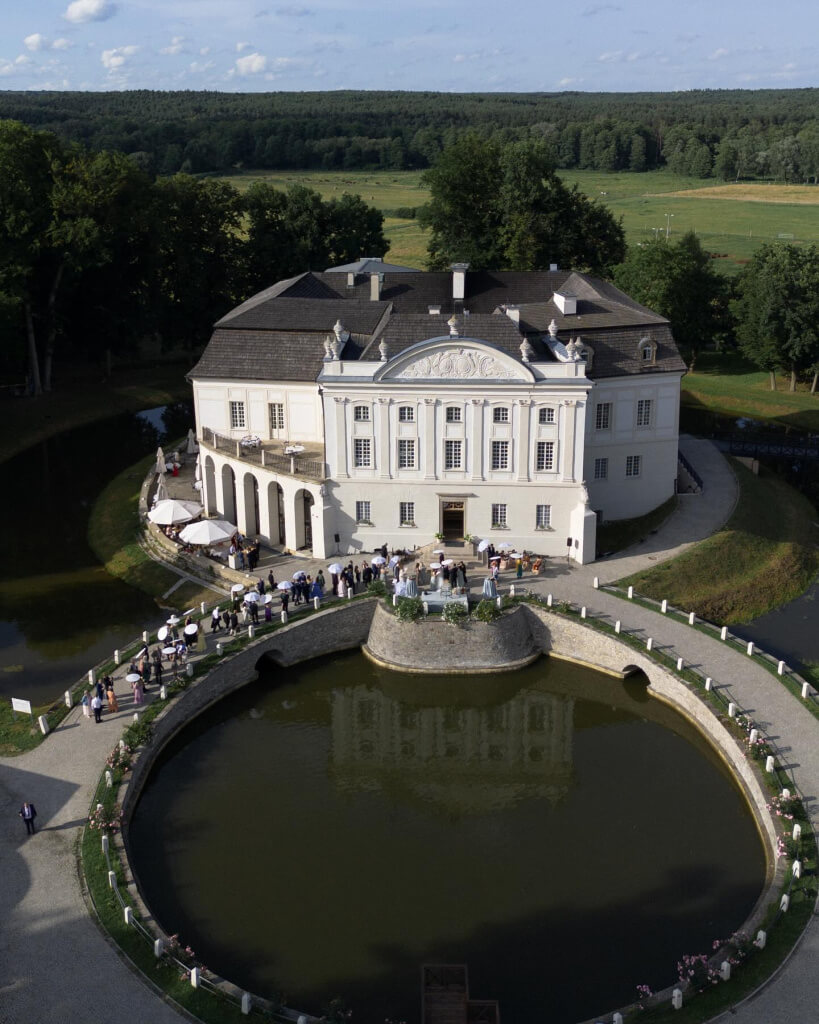
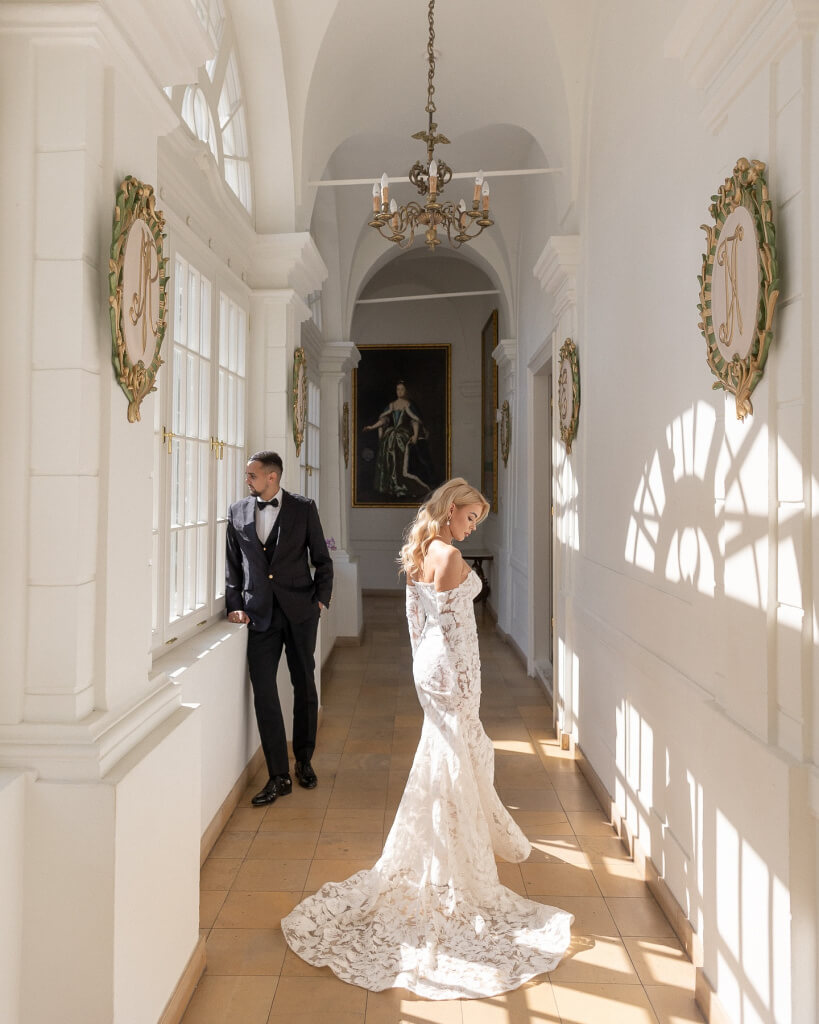
The Pałac w Kurozwękach dates to the 14th century, when the Kurozwęcki family first built the walls of the original building; nevertheless, the estate's character today is mainly due to the Popiel family, who still reside on the property and manage it themselves. A carriage house with columns, guarded by two stone lions and added in the early 19th century, still marks the entrance to the grounds and stands next to the palace's eastern Annex and western Orangery pavilions.
What truly distinguishes Kurozwęki is the presence of the only herd of American bison in Poland, which ranges across the area alongside an Arabian horse breeding farm and a working dairy farm, all run according to a family motto that stresses honoring history while meeting modern requirements. Couples may have their ceremony held among antique furniture and centuries-old family portraits and then take their guests on a walk around the grounds passing the bison, the storks and the horses before the reception has even started, offering a genuinely uncommon combination of aristocratic Polish charm and a working country estate. With accommodation for about 50 guests on site, it is much more appropriate for a smaller, more intimate celebration than a very large one.
Villa Love
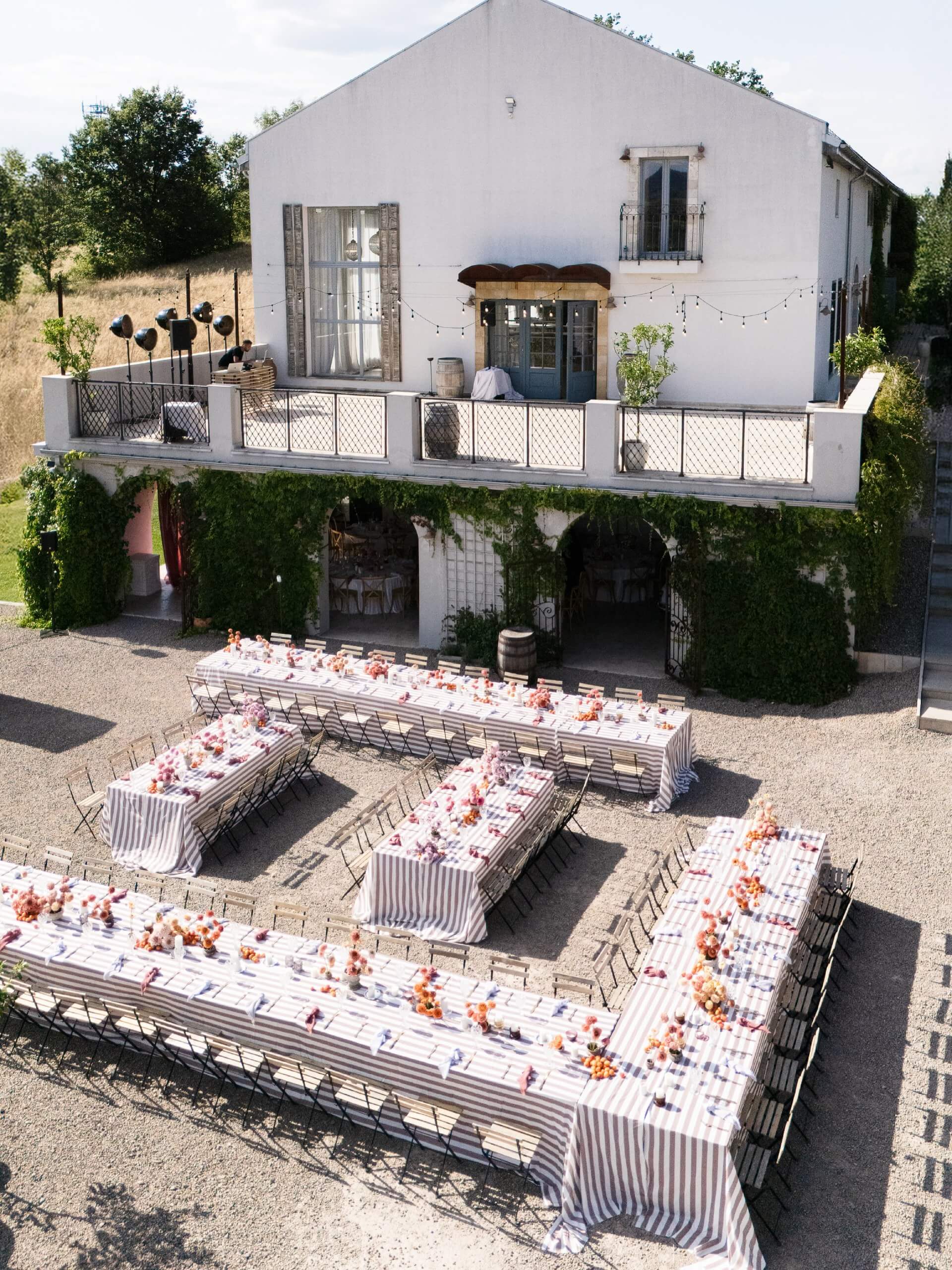

Villa Love is about 30 kilometers outside Kraków and clearly shows its Tuscan inspiration. Both its architecture and interior design align with Tuscan style, including the sun-warmed stone and hillside location, which makes the entire villa feel more like the Italian countryside than southern Poland. Many couples say that when they enter the grounds, it feels as if they have arrived in a corner of Italy, with its rustic stone walls, terracotta colors, and the extensive views stretching across the neighboring hills.
The same sense of Tuscan charm is evident in the way the venue operates on a wedding day. Villa Love hosts both the ceremony and the reception on site, so that the couple can get ready, exchange their vows outdoors, and continue dancing well into the night all without having to move from one place to another. For couples looking for wedding venues in Kraków, Poland, with a romantic, sun-filled atmosphere rather than a formal palace style, Villa Love's proximity to the city, along with its distinctly Italian character, makes it one of the more unique choices near Kraków.
Five very different kinds of beautiful, and none of them interchangeable. A king's memorial stone tucked between apple trees, swans drifting past a palace built to look like it's floating, a Nazi tunnel sealed beneath centuries of Baroque gilding, bison grazing where guests will later dance, a slice of Tuscany quietly transplanted into the Polish hills, this is what a country with this much layered, complicated history has to offer once you actually go looking for it. Wezoree's full directory of wedding venues around the world holds far more of that same texture, for anyone still hunting for the one backdrop their own story was always going to need.
FAQ
What is the best region in Poland for a destination wedding?
Warsaw and the area surrounding Kraków are both excellent choices, even though the reasons for this are entirely different: Warsaw is convenient because of its royal history and palace locations such as Łazienki Park and Mała Wieś close to the airport, whereas the countryside near Kraków, which includes Villa Love, has a more rustic and romantic character. Couples researching a wedding venue in Sopot, Poland, should understand that the Baltic coast has a completely different, beach-related atmosphere than the palace and countryside settings found further inland.
Do these venues require a full property buyout?
It depends on the venue. Hotels such as Pałac Mała Wieś and Pałac w Kurozwękach generally have both exclusive-use packages and smaller ceremony spaces that are not exclusive, whereas Łazienki Park is owned by the city and needs arrangements to be made through Warsaw's municipal system. It's important to find out the exact terms regarding exclusivity at an early stage, since the availability and prices change significantly according to whether other guests or tourists are using the site during the event.
Can guests stay on-site at these Polish wedding venues?
Yes, most of them do. Pałac Mała Wieś has 54 rooms distributed among the palace and its restored outbuildings, and Pałac w Kurozwękach takes in about 50 guests directly on the estate. Both Książ Castle and Villa Love arrange for guests who exceed capacity by working with nearby hotels, since neither is primarily operated as an accommodation property.
Is Książ Castle appropriate for a large wedding?
Certainly, its scale is as much about atmosphere as it is about guest capacity. The terraced gardens and Maximilian Hall can host a formal reception; however, couples should plan carefully, as the property is large and separate tickets are needed for the various areas. The venue suits couples who want history and a dramatic atmosphere, along with enough space for a large number of guests.
What makes Pałac w Kurozwękach different from other palace venues in Poland?
The bison herd is uniquely present in Poland and as a result the estate has a true rural, working countryside atmosphere which most of the historic palace sites lack. For their ceremony or reception, couples can make use of the traditional palace interiors while spending the rest of the day on the grounds exploring alongside bison, Arabian horses, and storks rather than just looking at the formal gardens.
How far in advance should couples book a top wedding venue in Poland?
Popular properties with limited exclusive-use dates, particularly Villa Love and Pałac w Kurozwękach, tend to book out well over a year ahead for peak spring and summer dates. Larger venues with more flexible event spaces, like Pałac Mała Wieś, sometimes offer more flexibility, though early booking remains the safer bet for any of these five.