Orange Wedding Trends Every Bride Will Love


The most famous orange in wedding history was white. At the time of Queen Victoria's marriage to Prince Albert in February 1840, she wore a headdress made up of real orange blossoms, and as a result, the flower became a favorite among brides for many generations, being pinned into veils long before anyone had the idea of using the actual color on a table. The color arrived slowly and has now claimed its place on its own terms: rust velvet dripping from an olive branch, the ceremony floor surrounded by marigolds, and a long table shining like the final ten minutes before sunset. A burnt orange wedding is no longer the bold exception in a room filled with blush and sage, and the best orange wedding designs draw on all the other color schemes, balancing warmth with cream, green, and plenty of good light. The version that follows is worth copying, from the aisle to the shoes.
Find Your Perfect Wedding Vendors

Ceremony Decor
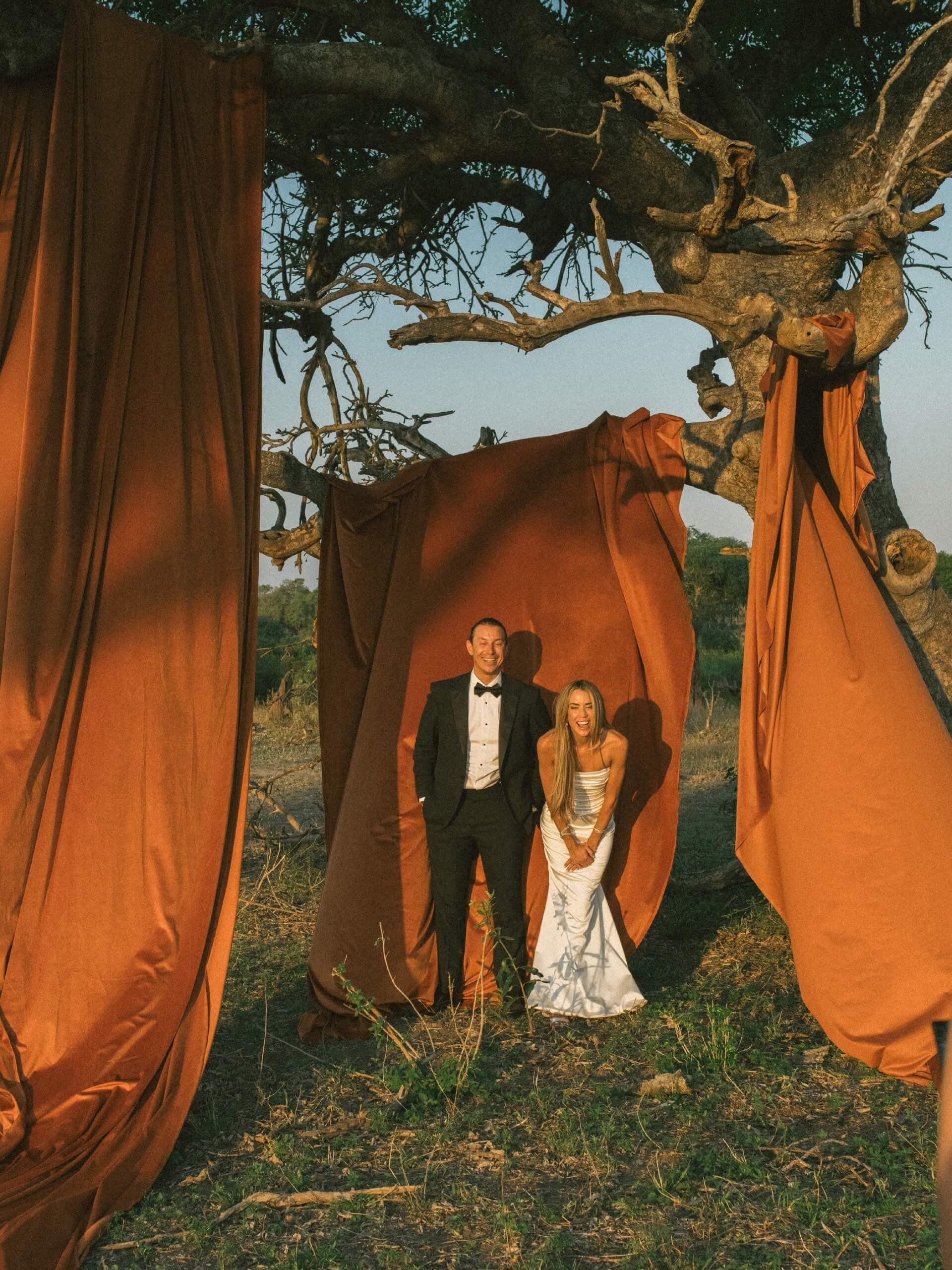
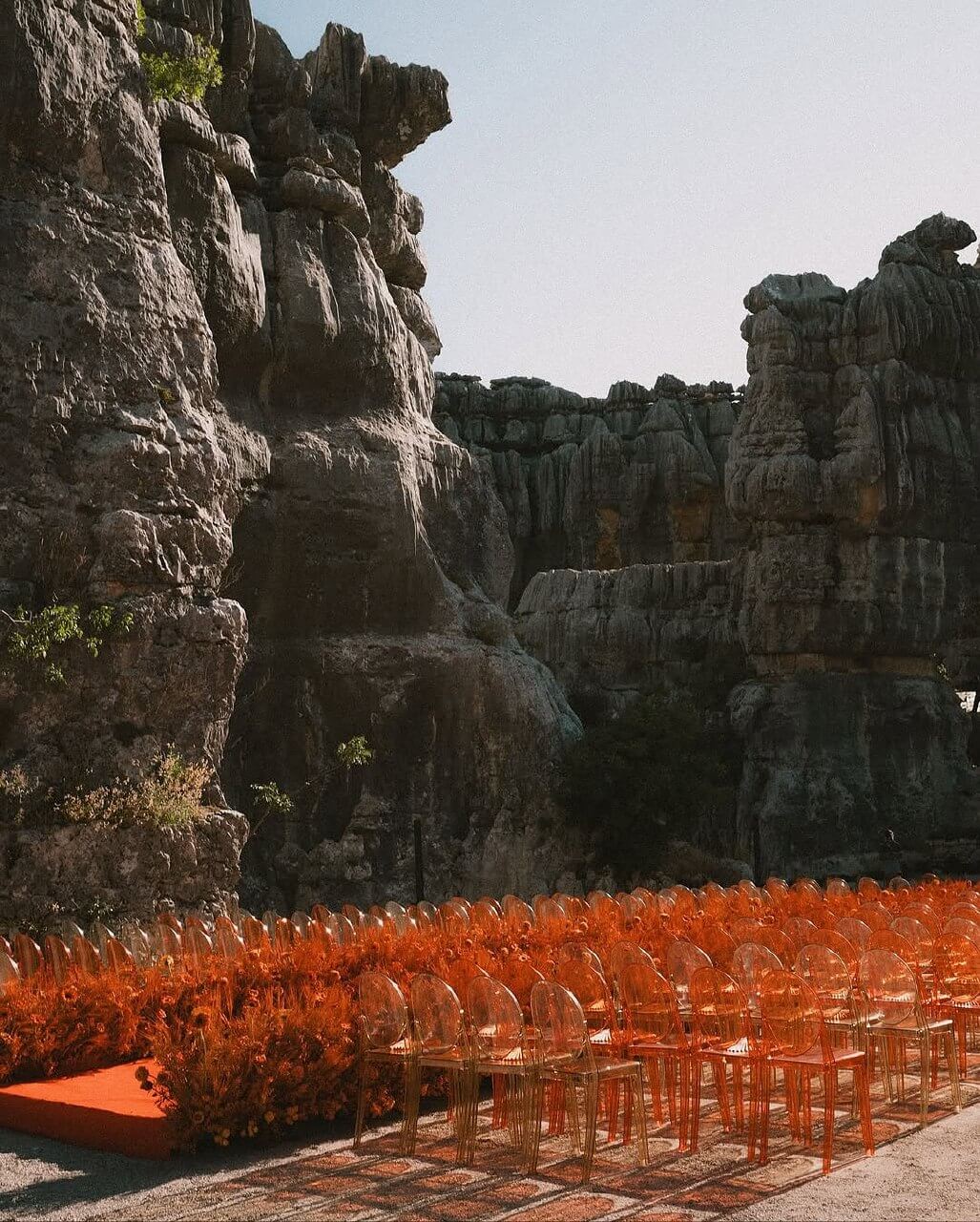
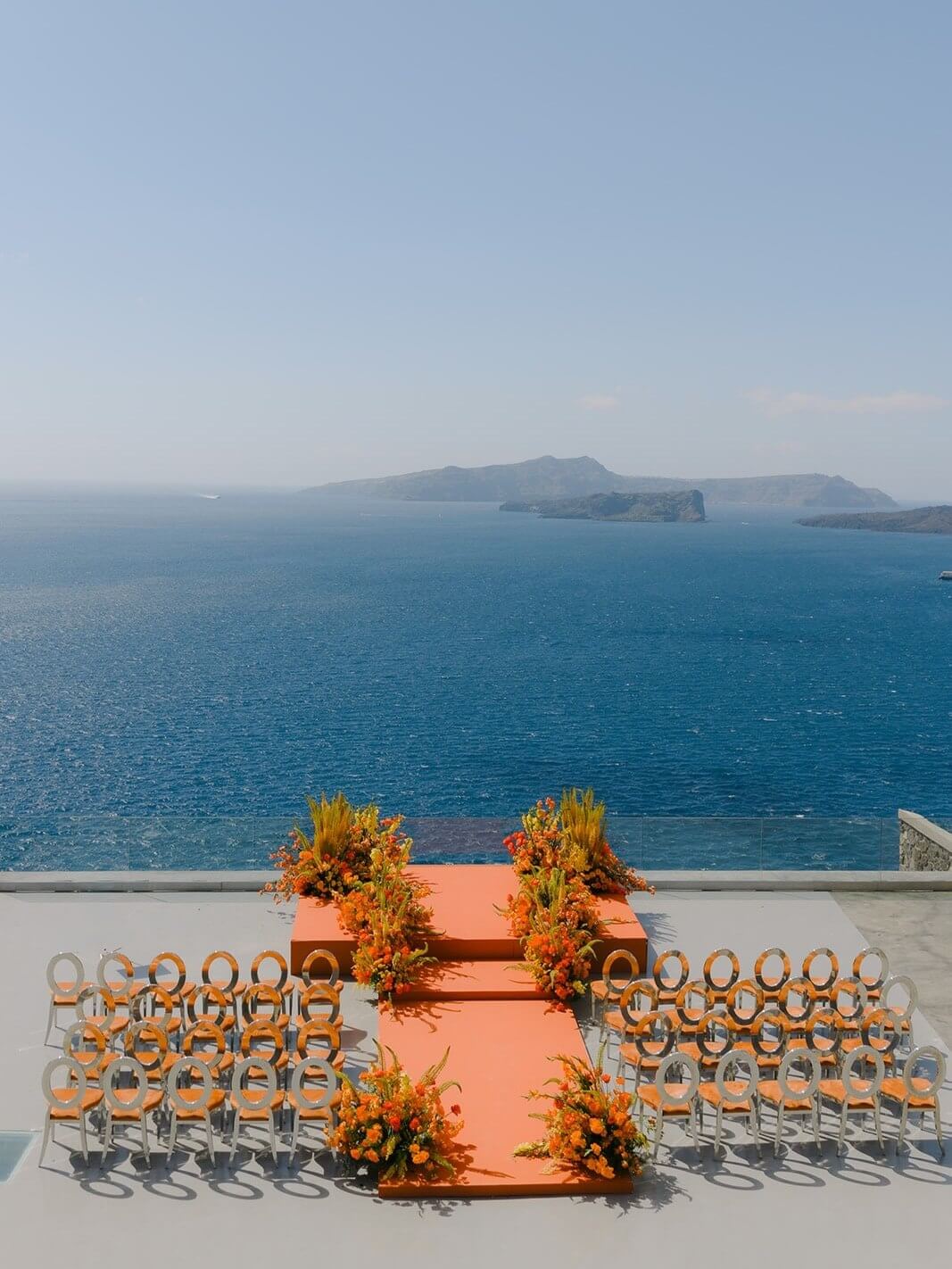
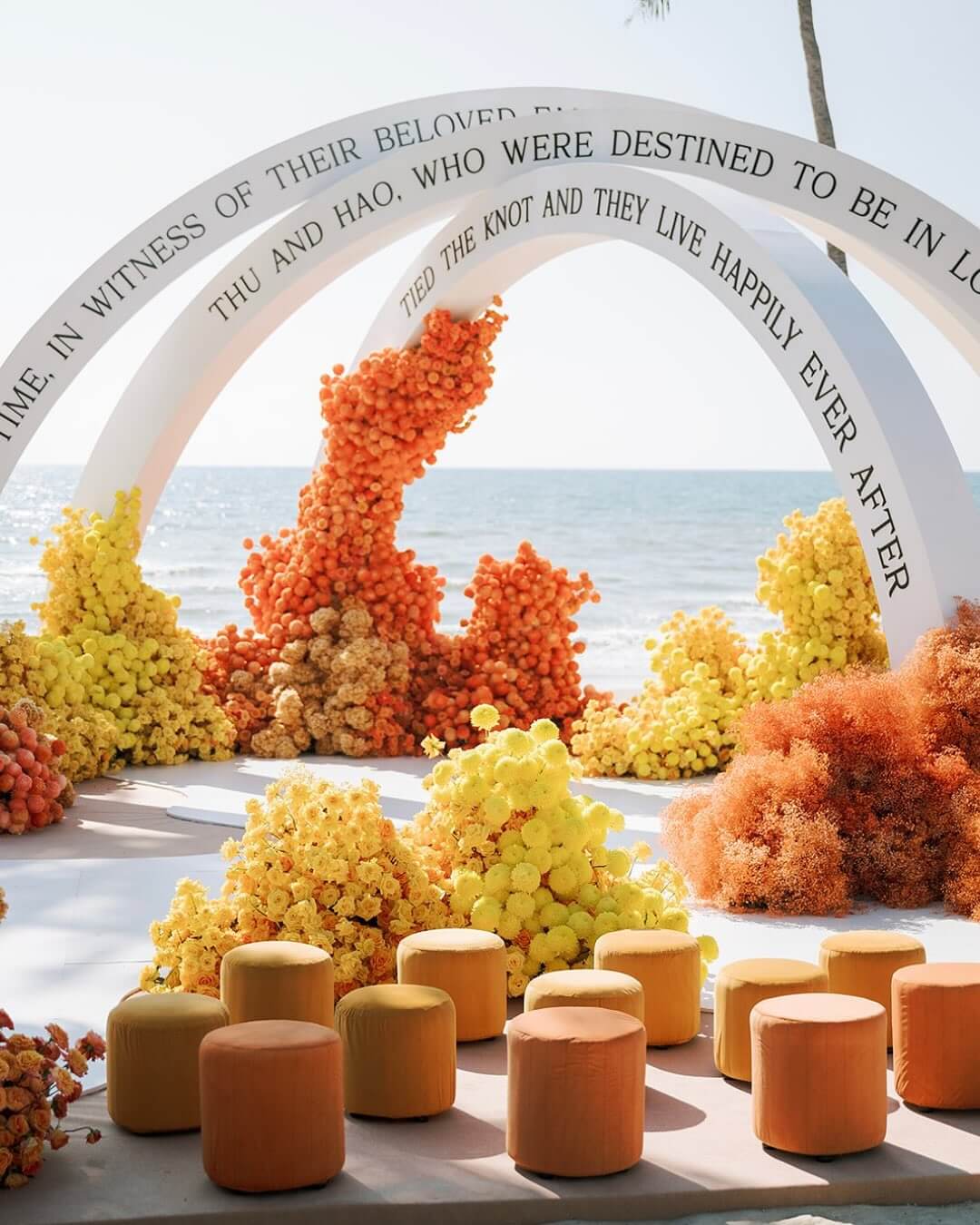
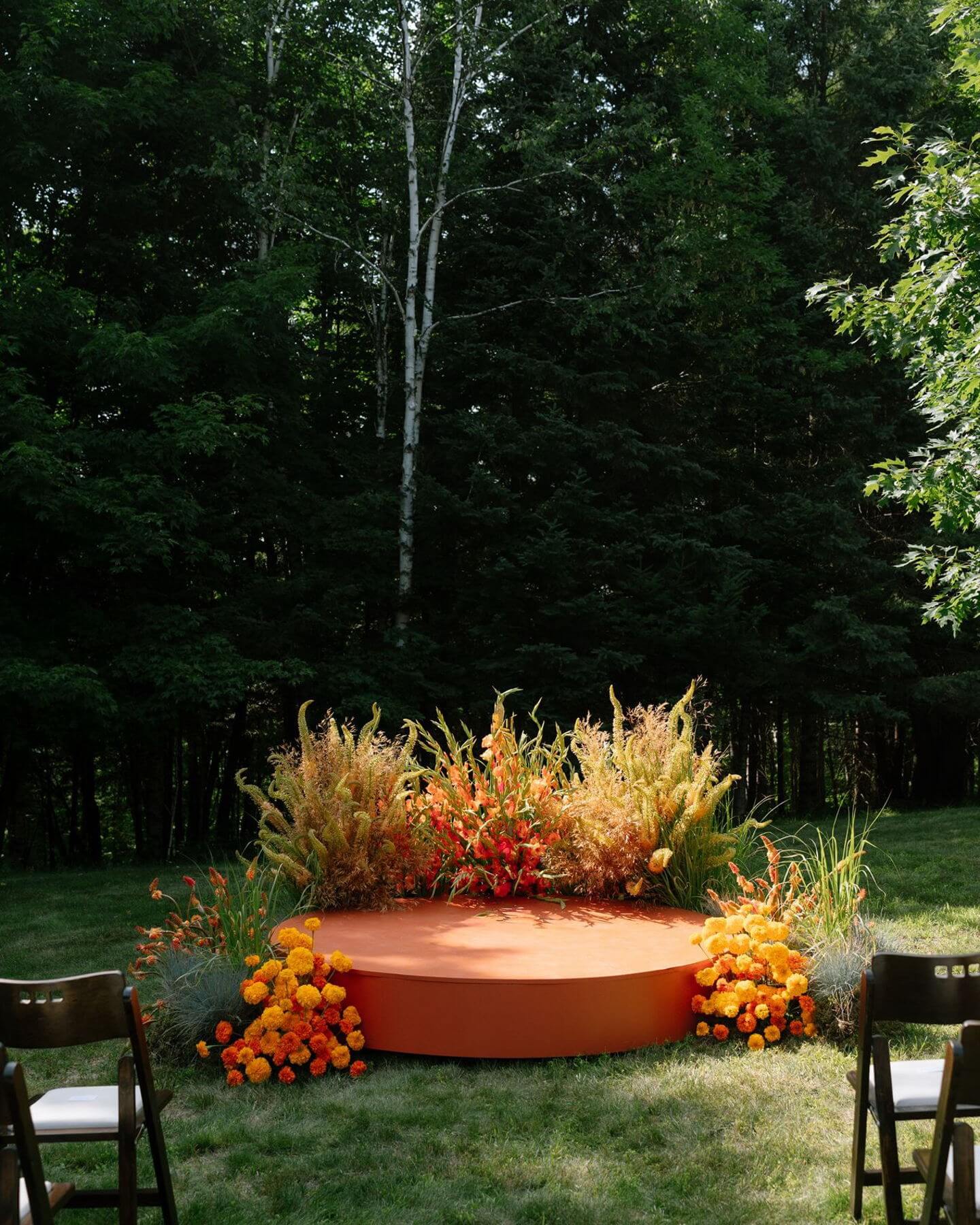
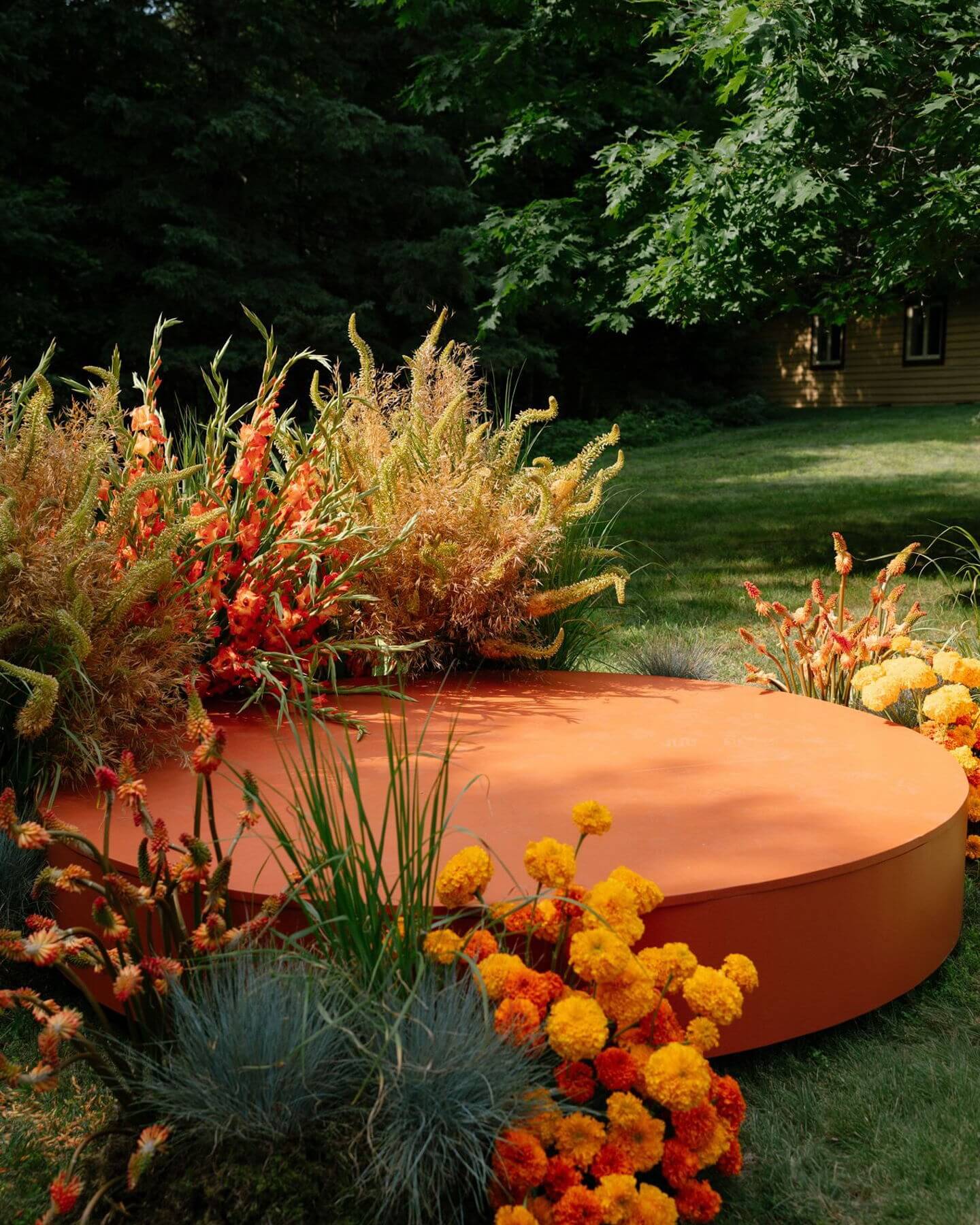
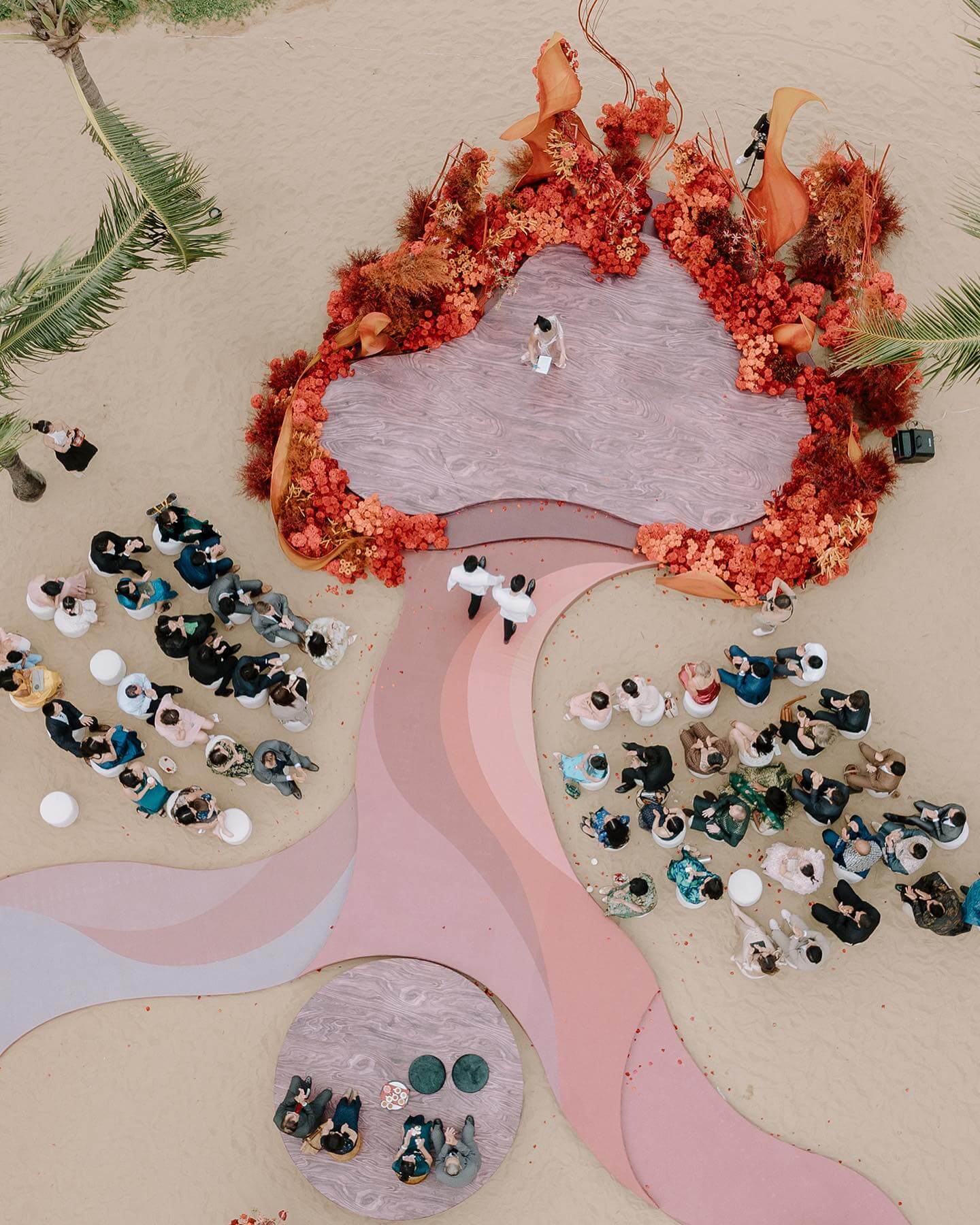
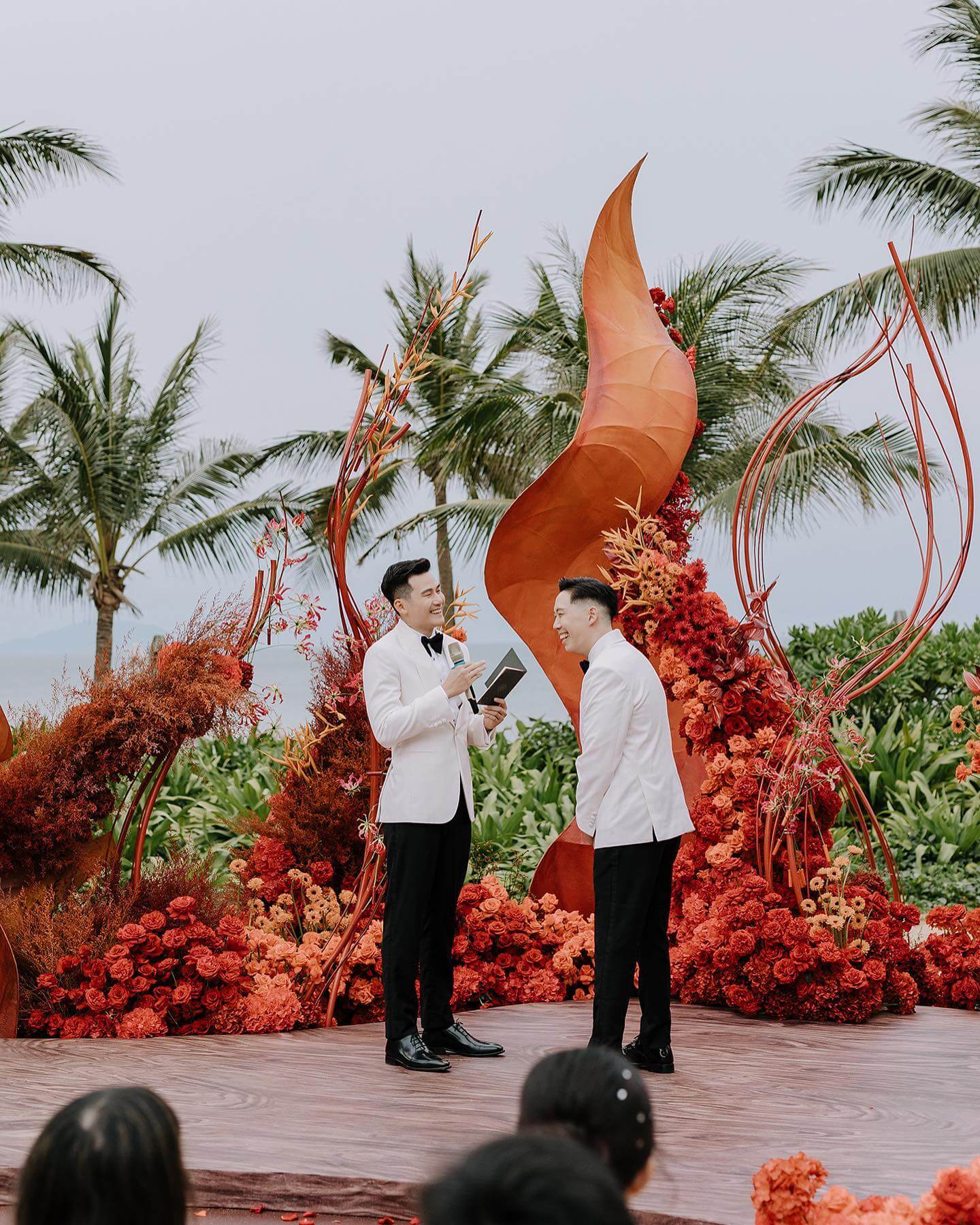
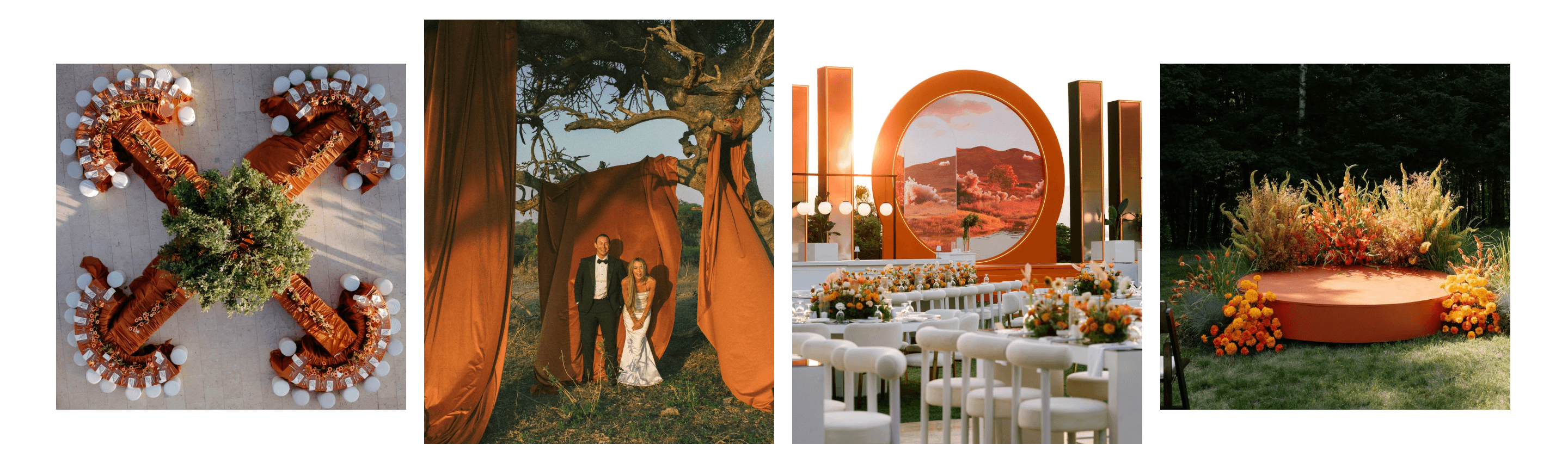
The orange ceremony works best when you treat the color as a tangible material rather than a spectrum of colors. This is clearest with hanging fabric: burnt orange silk or velvet hung from a tree branch, a frame, or between two panels turns an ordinary patch of grass into what looks like a room with walls. It has a generous, rather theatrical look and photographs well because the folds reflect light differently every minute of the day. That's why burnt orange wedding decor can look expensive even when the structure underneath is simple.
The ceremony versions couples choose most often come down to four ideas:
- Draped backdrops in terracotta, rust, or tobacco satin, hung from branches or lightweight frames
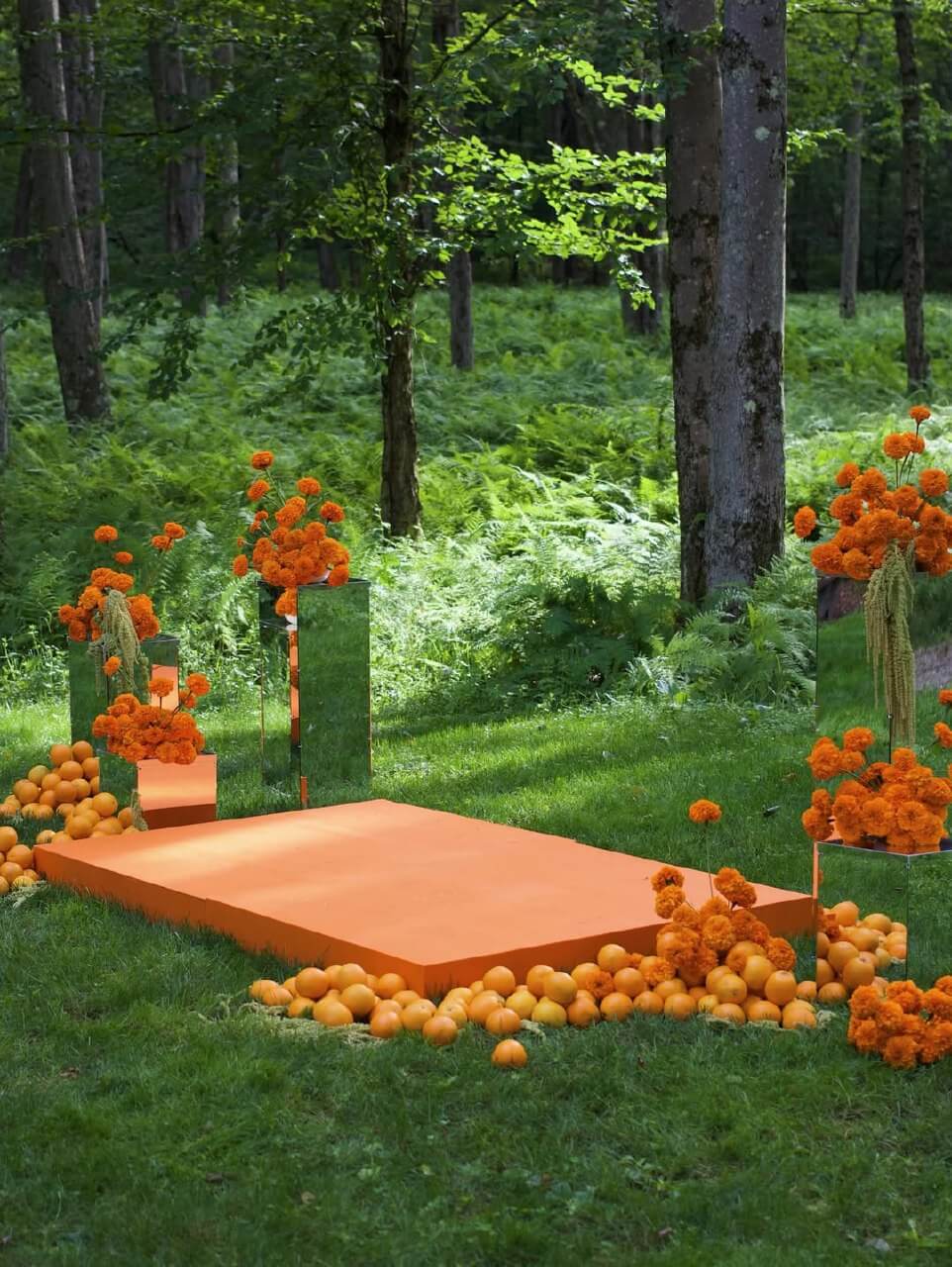
- Low circular platforms in a single orange tone, softened with grasses and a spill of marigolds at the base
- Floral aisles where the flowers run along the ground in long, dense bands instead of standing in vases
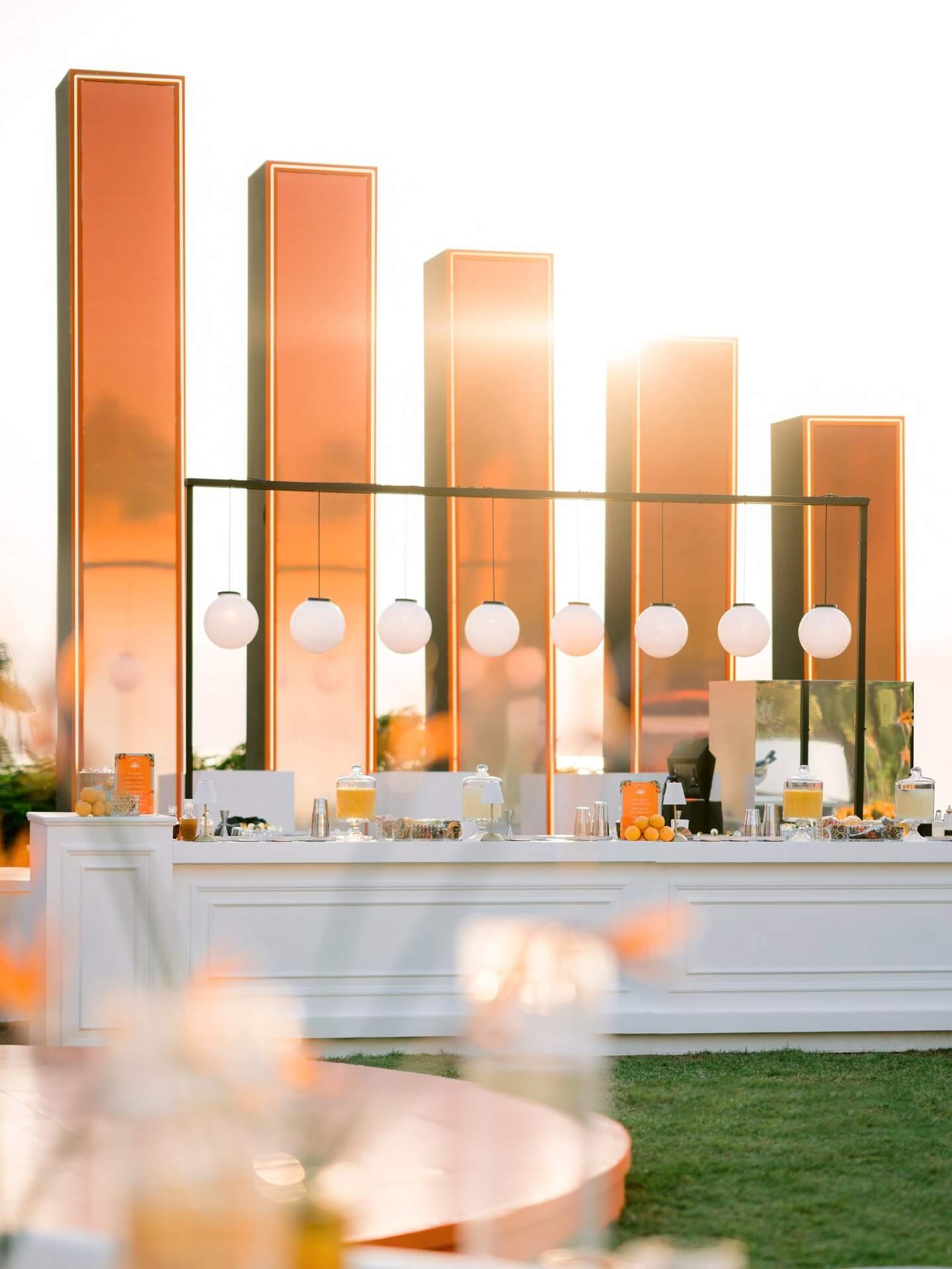
- Mirrored or reflective panels that bounce the orange back across the grass
You don't need a special venue for any of these options, and they all pair well with repeated shapes that reinforce a strong orange wedding motif, such as arches, circles, and tall rectangular panels. Pick one gesture and make it the focal point; a ceremony with a single impressive orange structure and simple white chairs will always look more confident than one where orange is spread around every corner. Add the flowers only at the end, after you have achieved the desired shape.
Table Decor
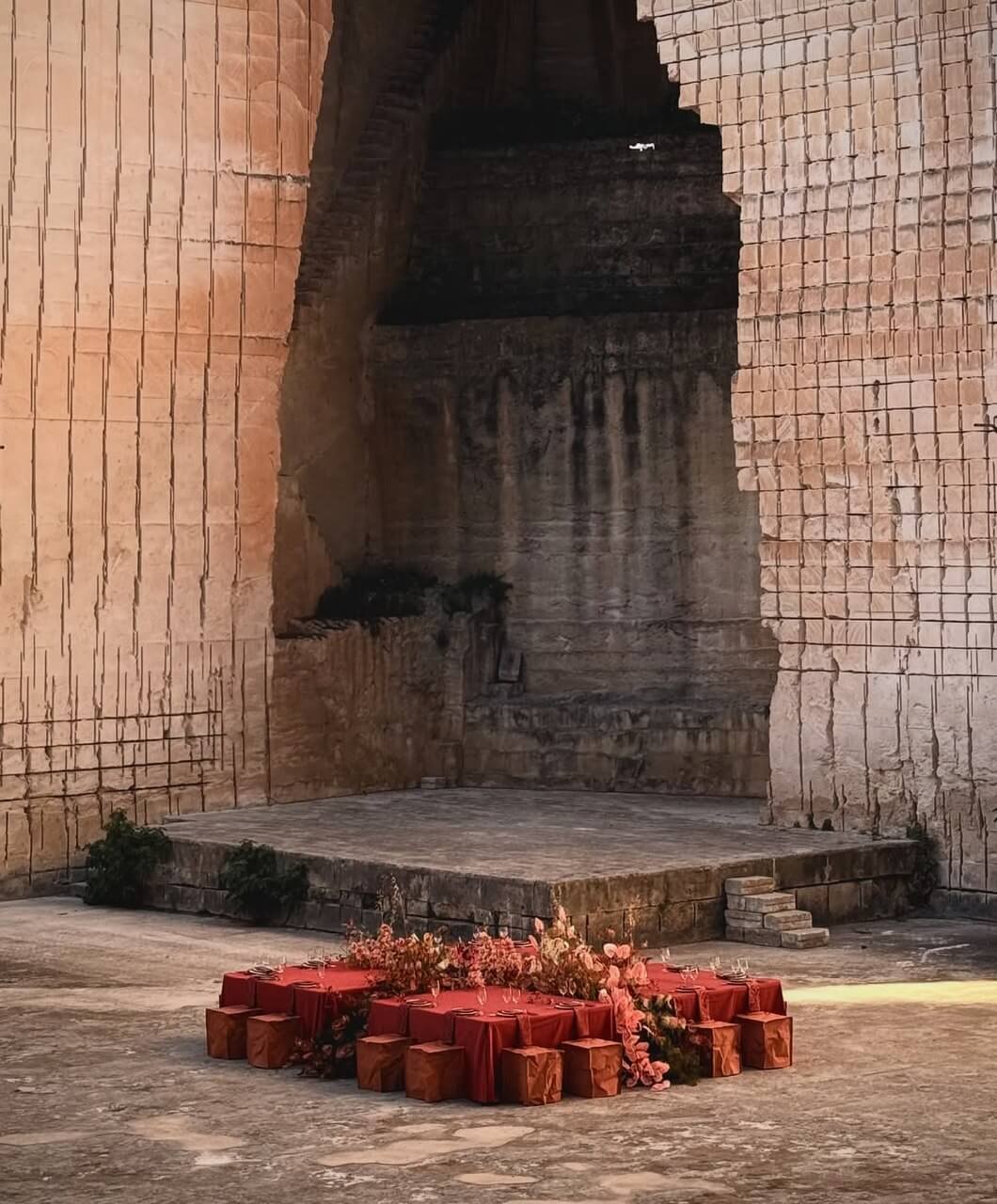
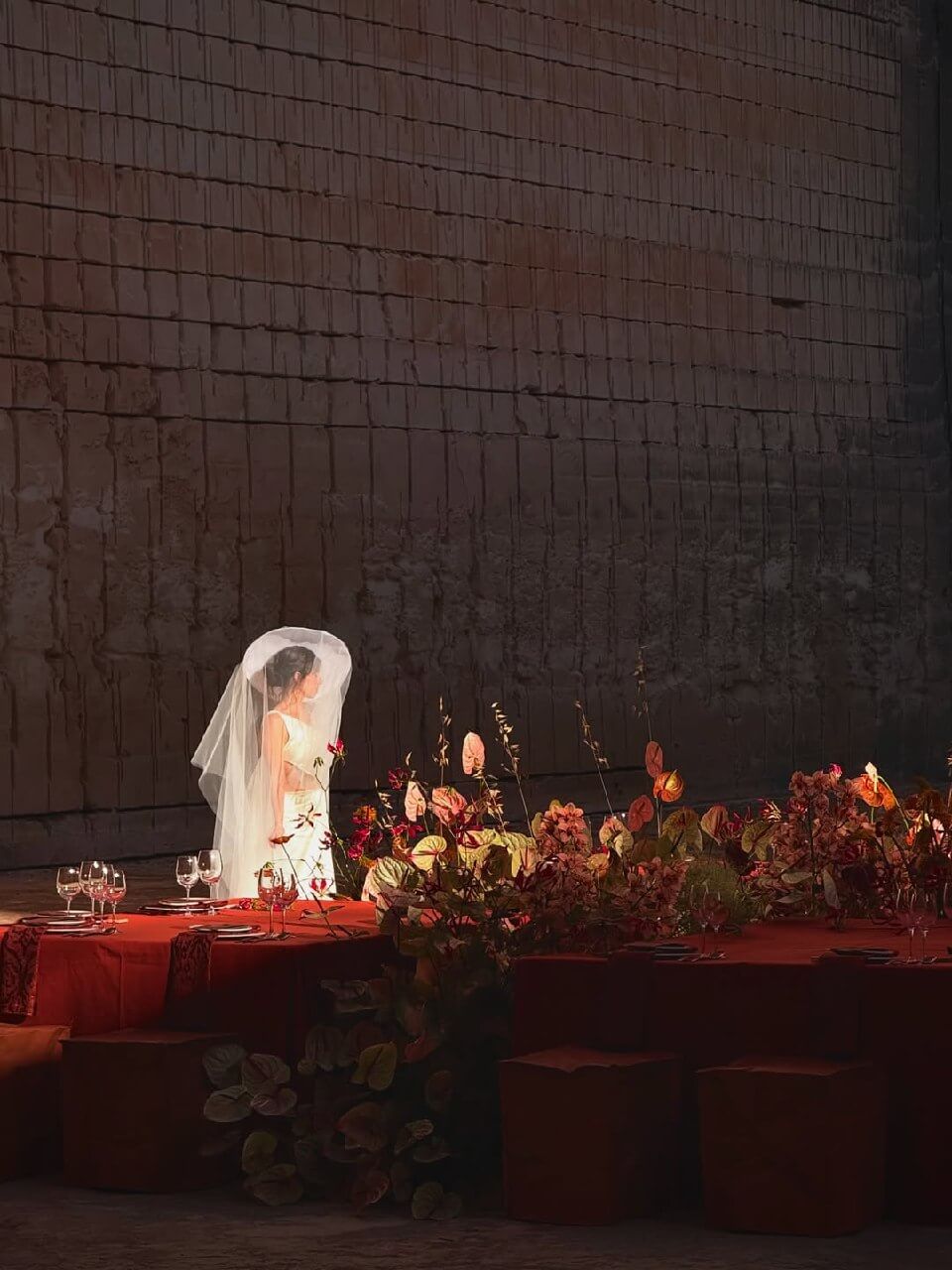
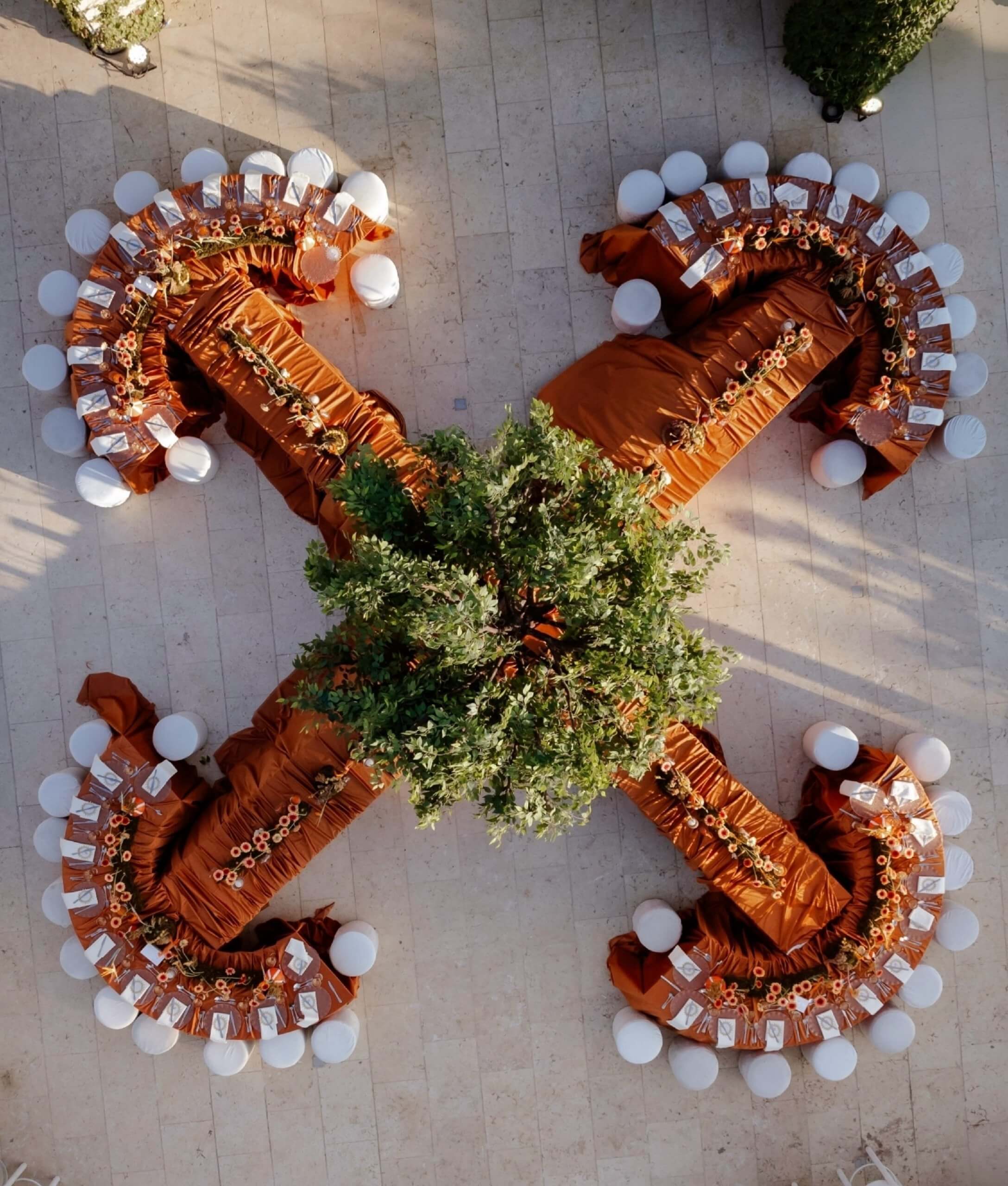
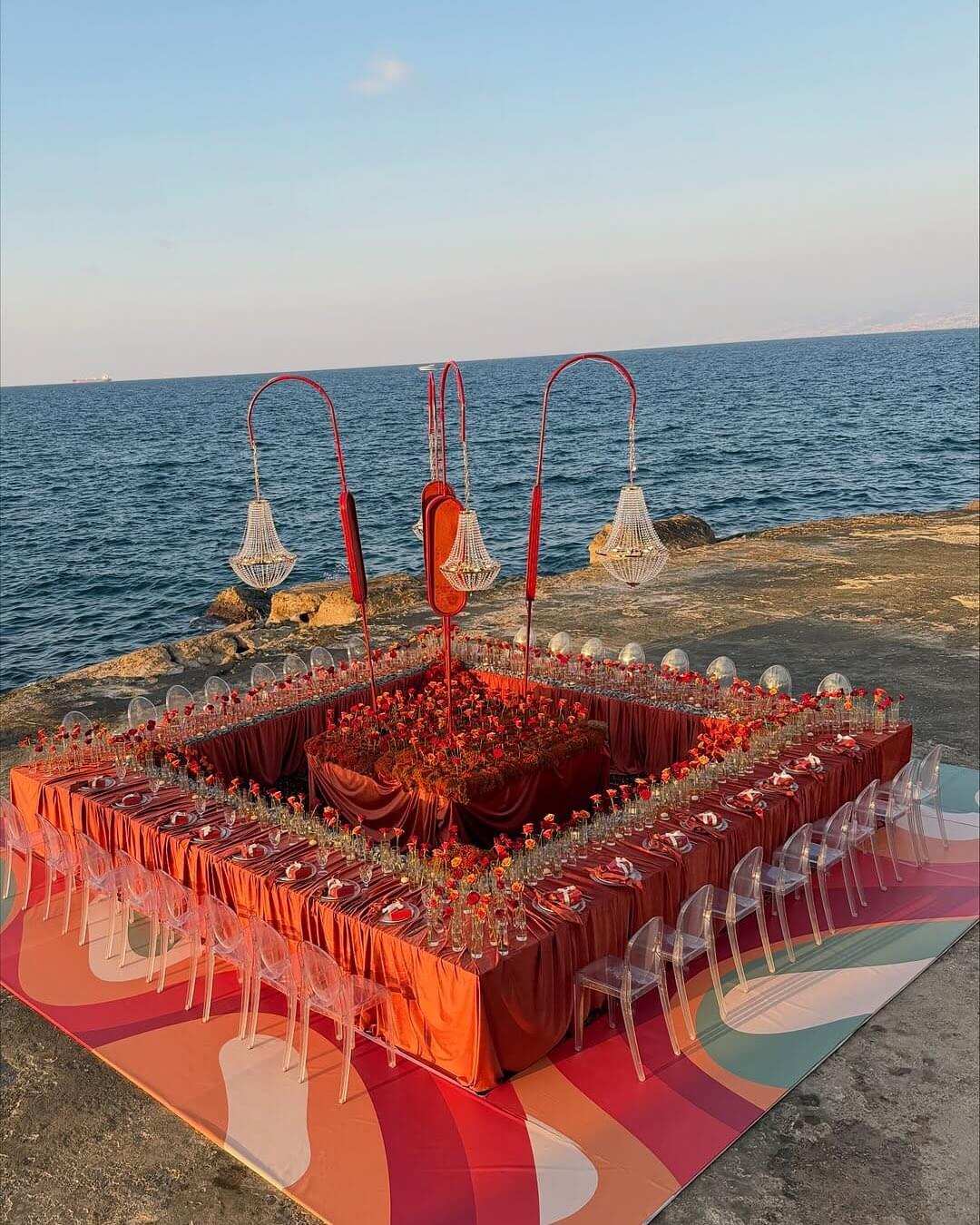
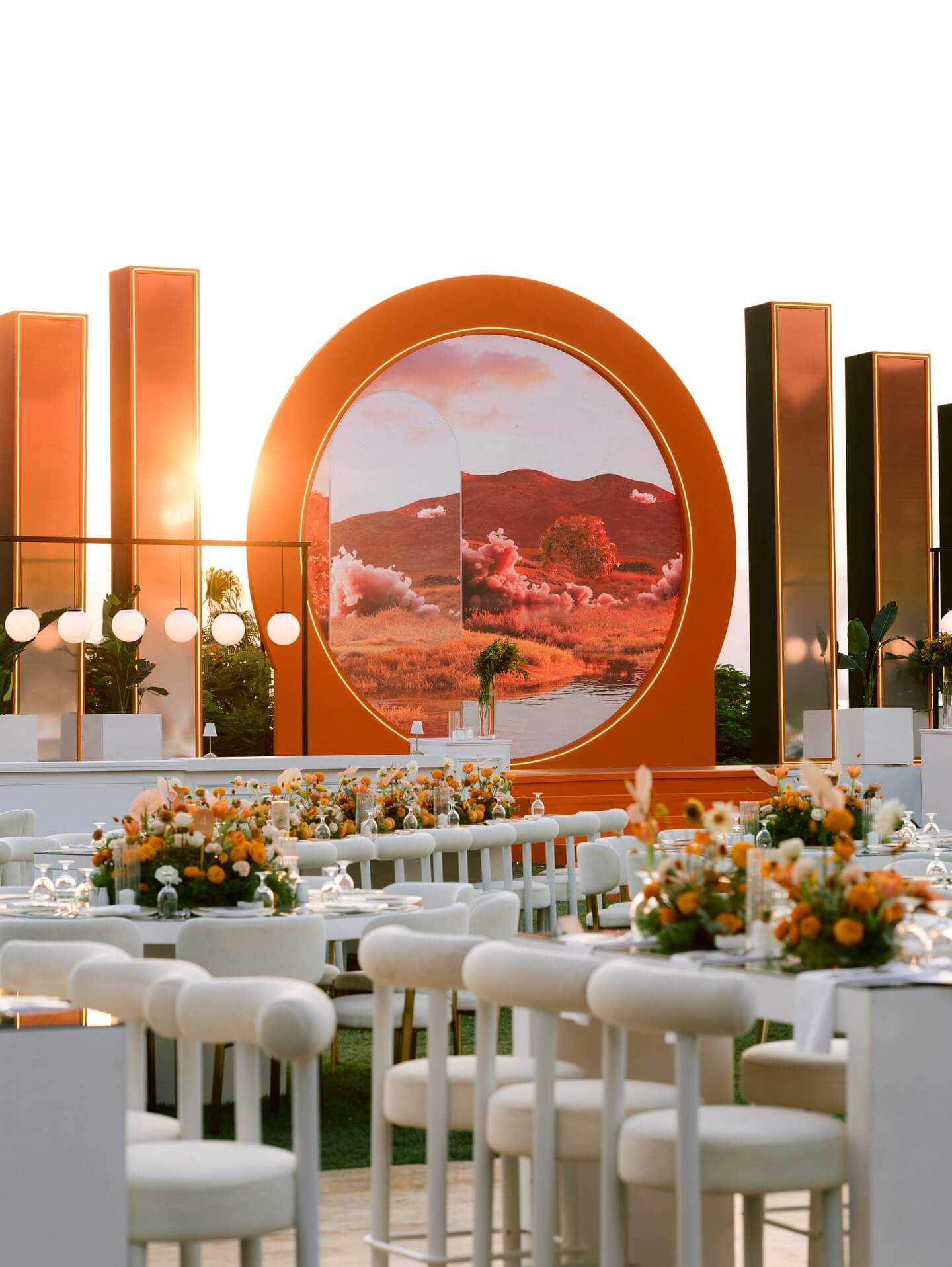
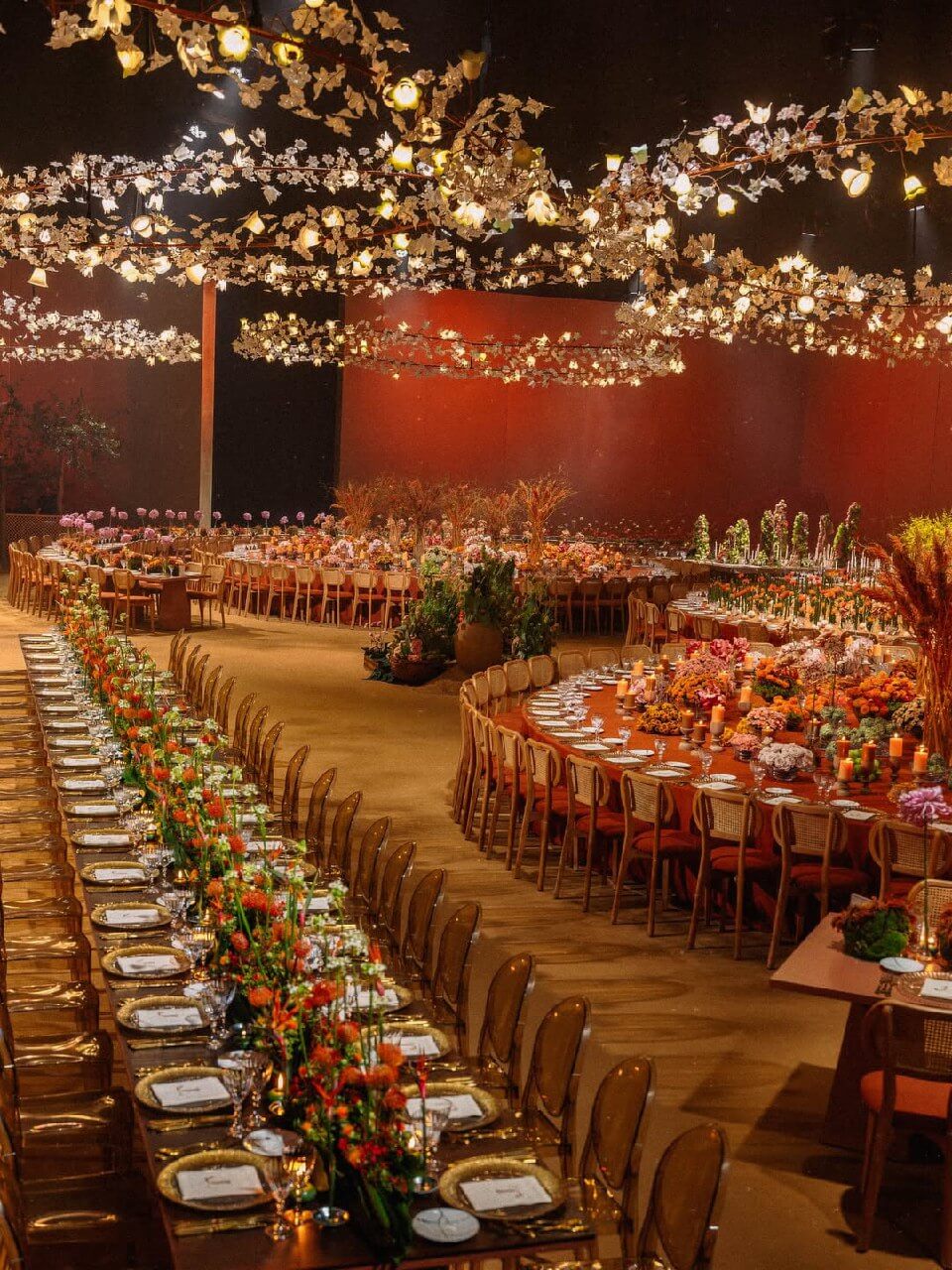
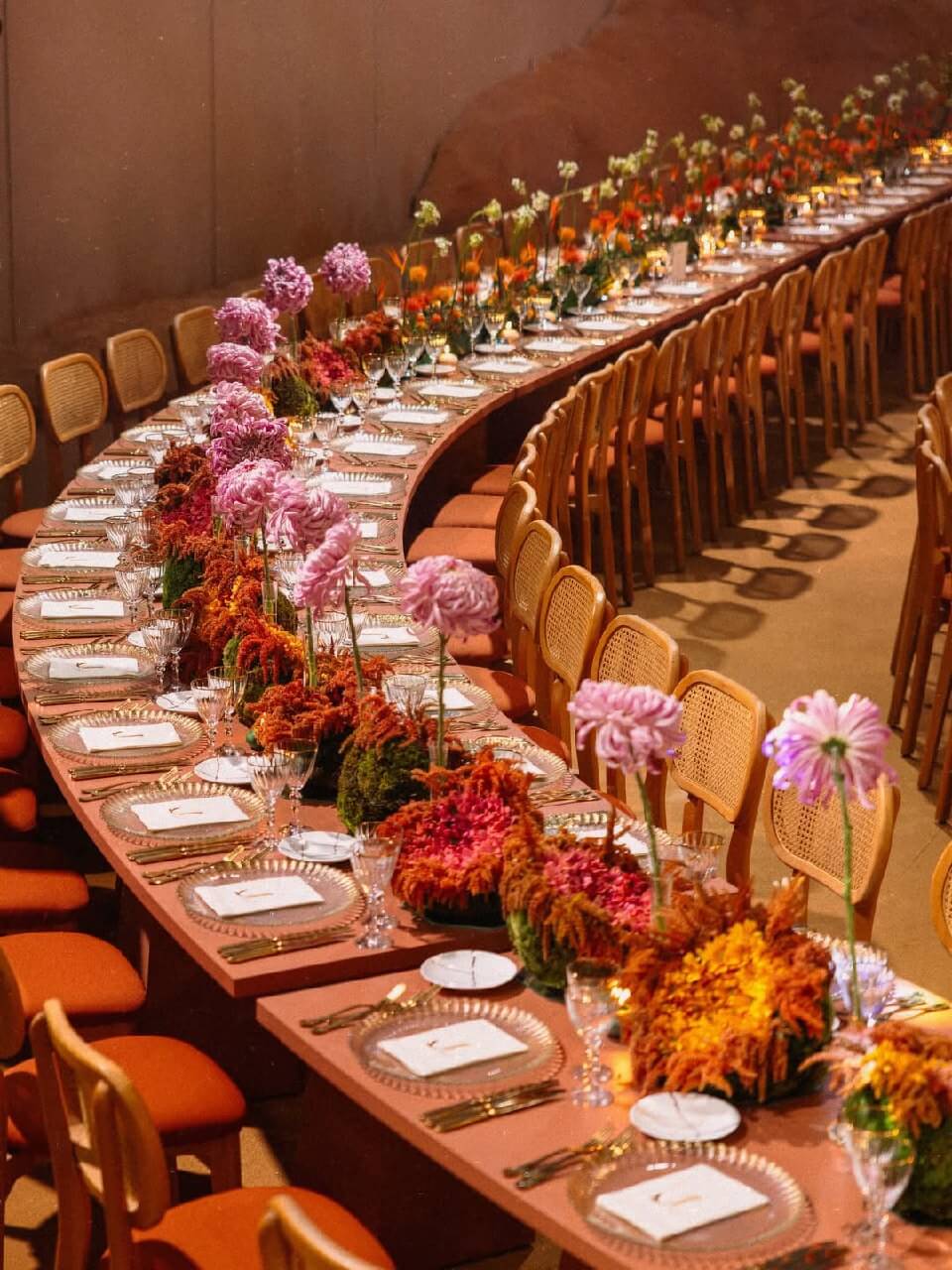
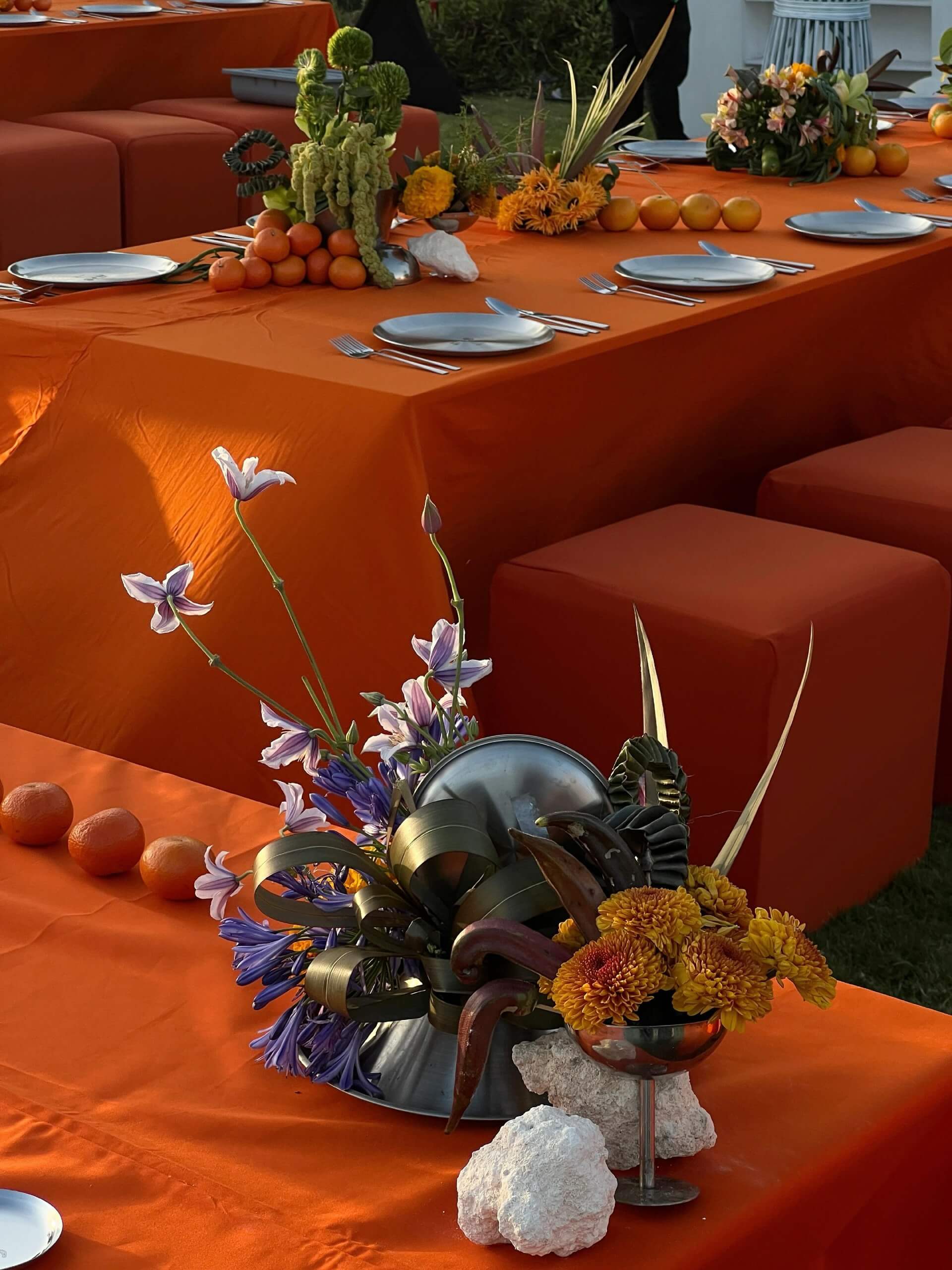
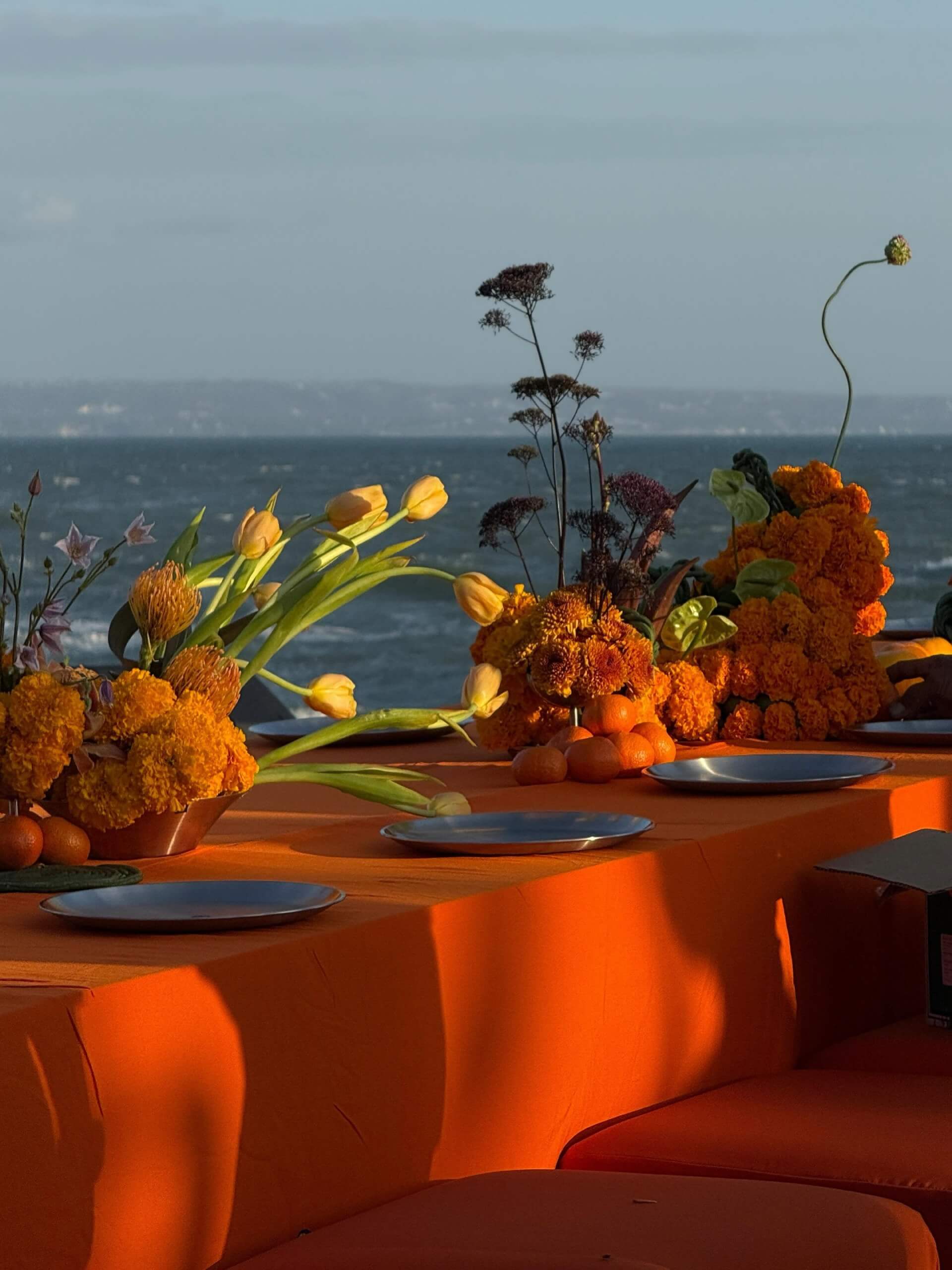
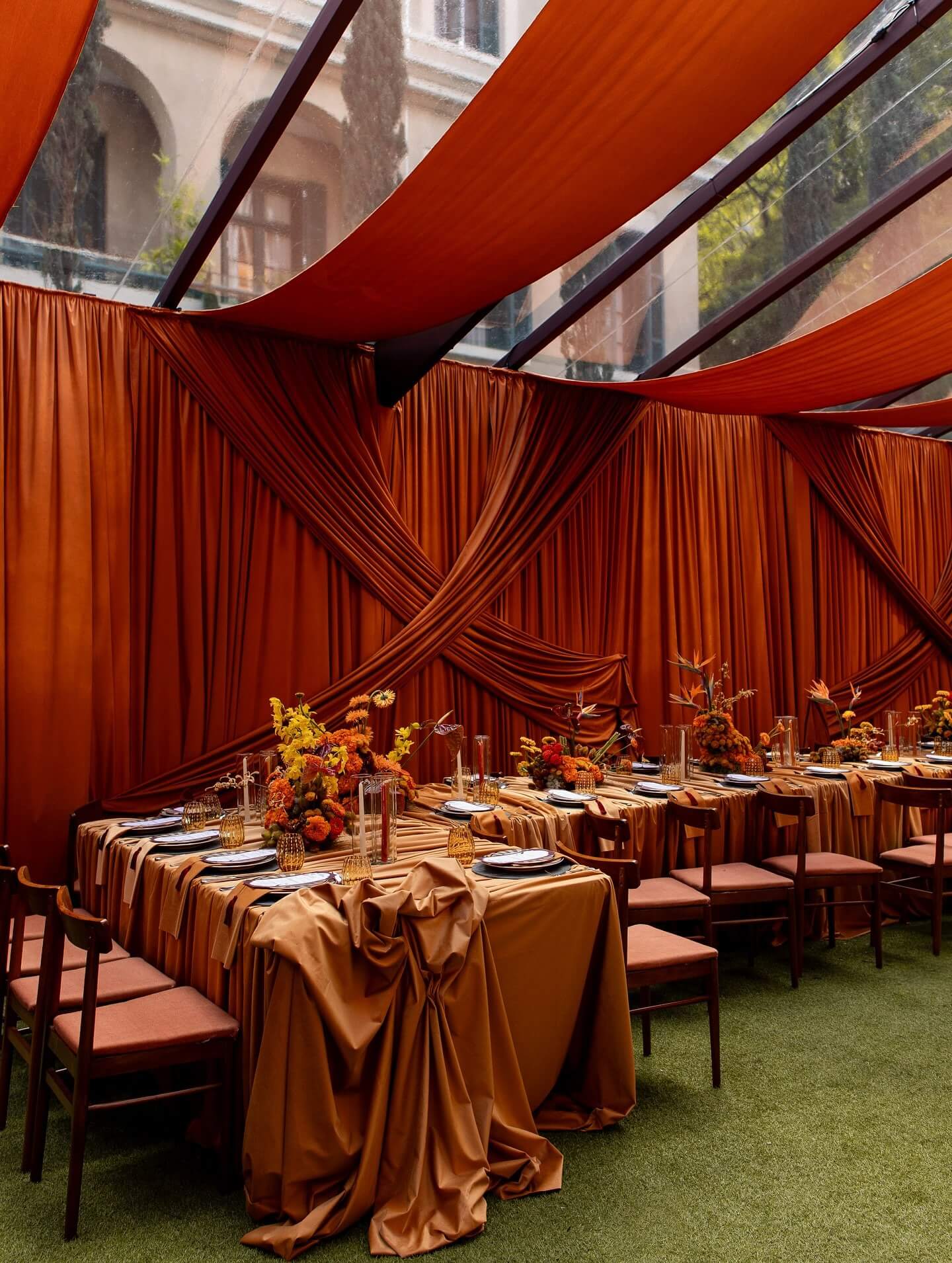
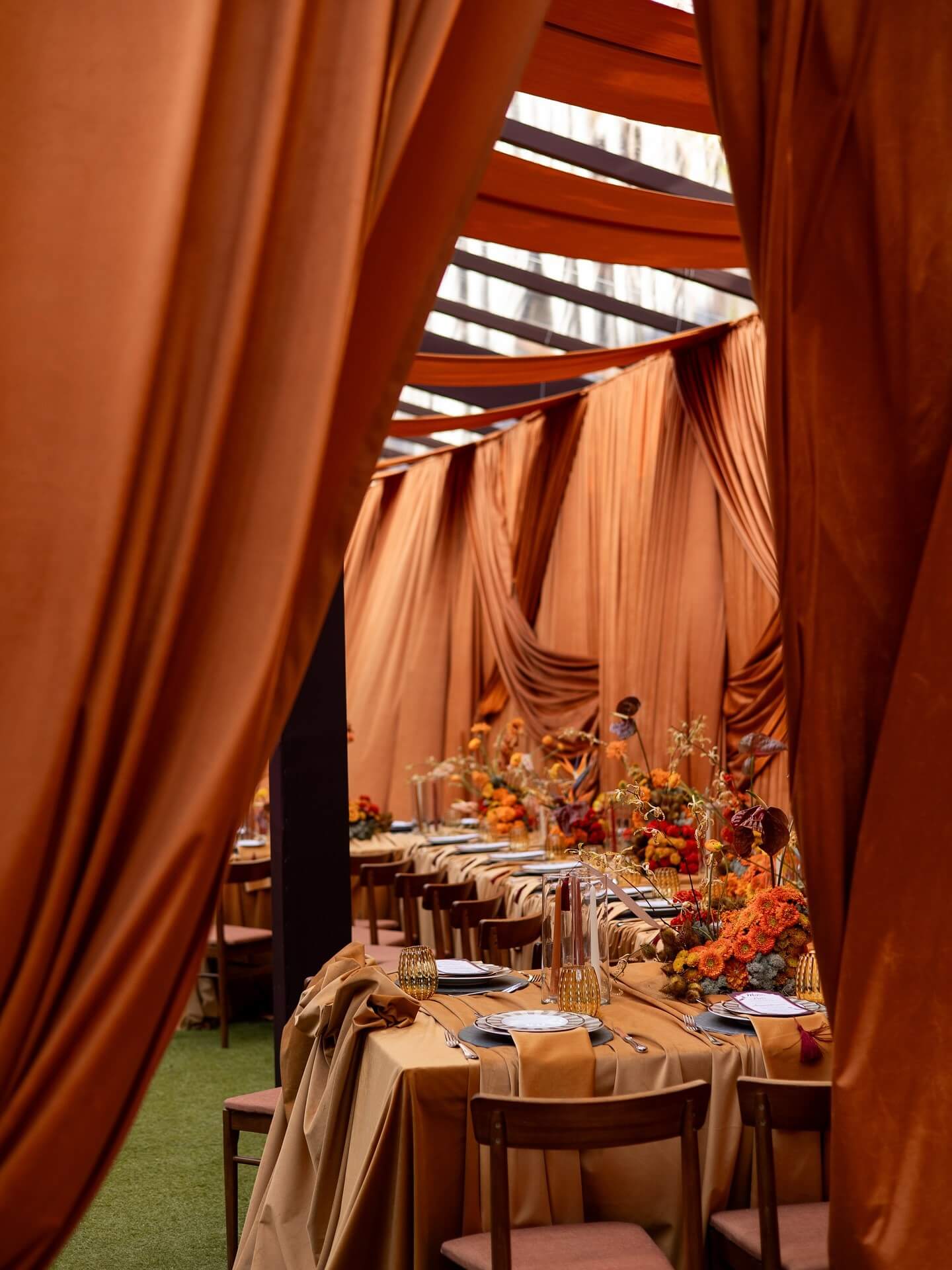
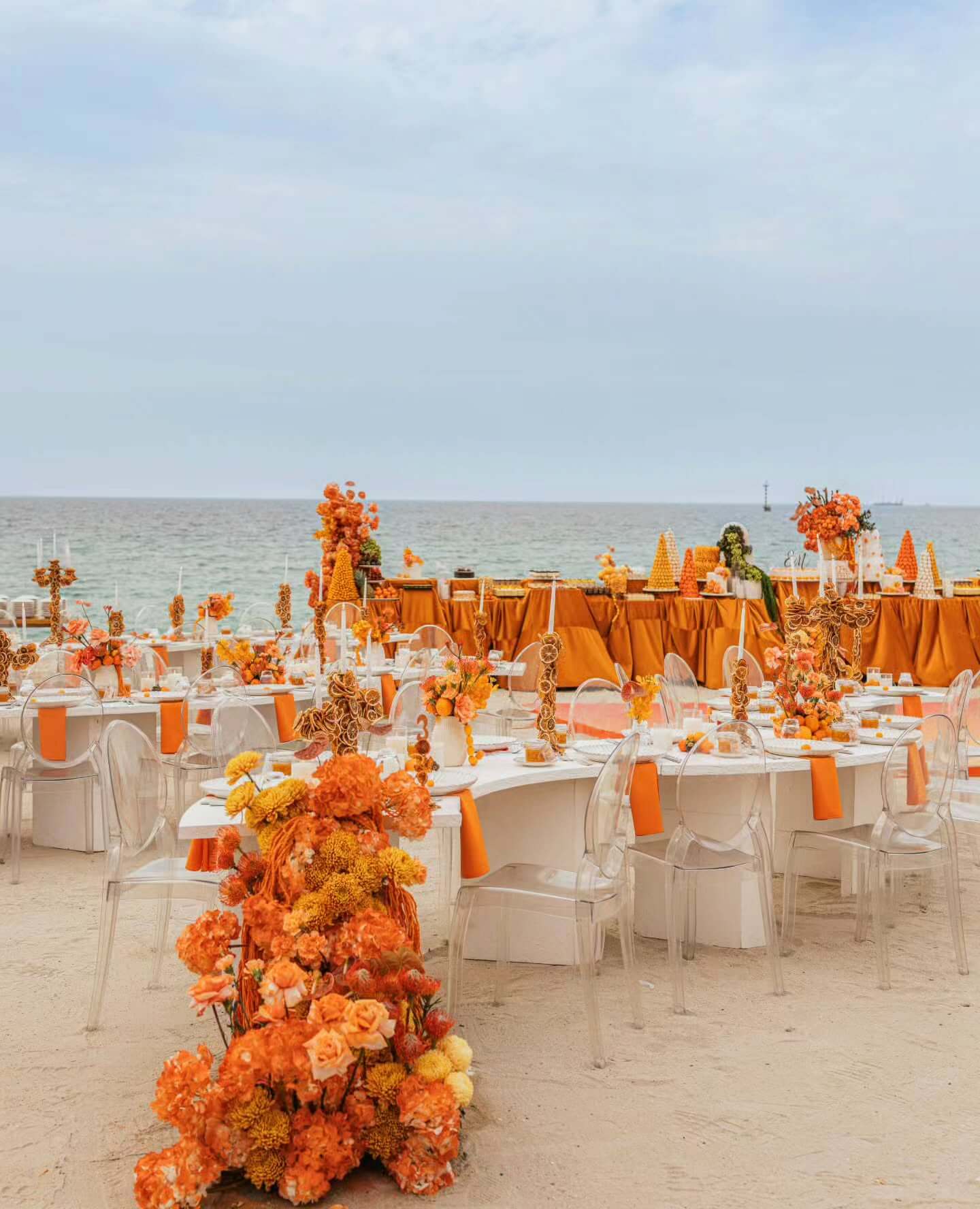
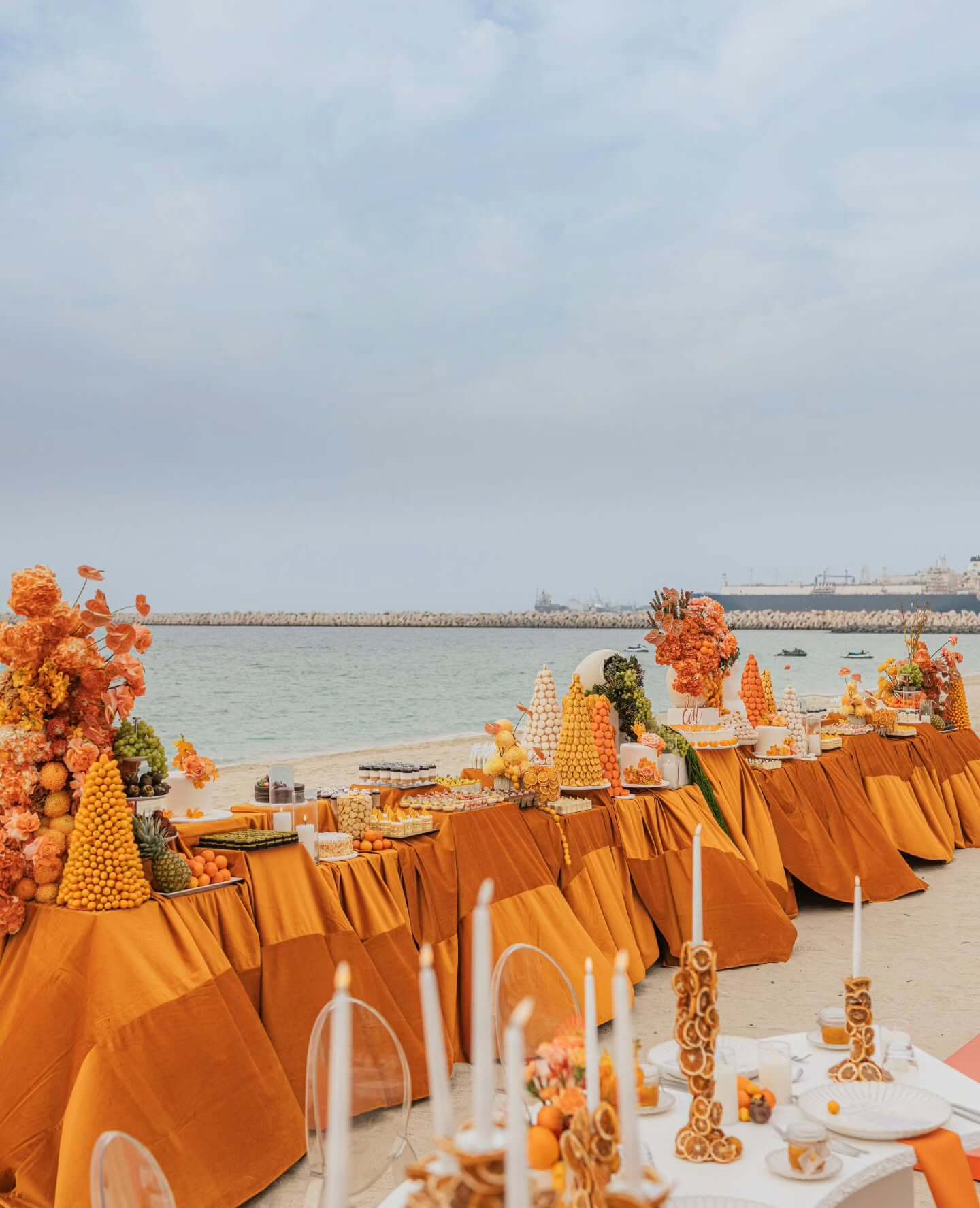
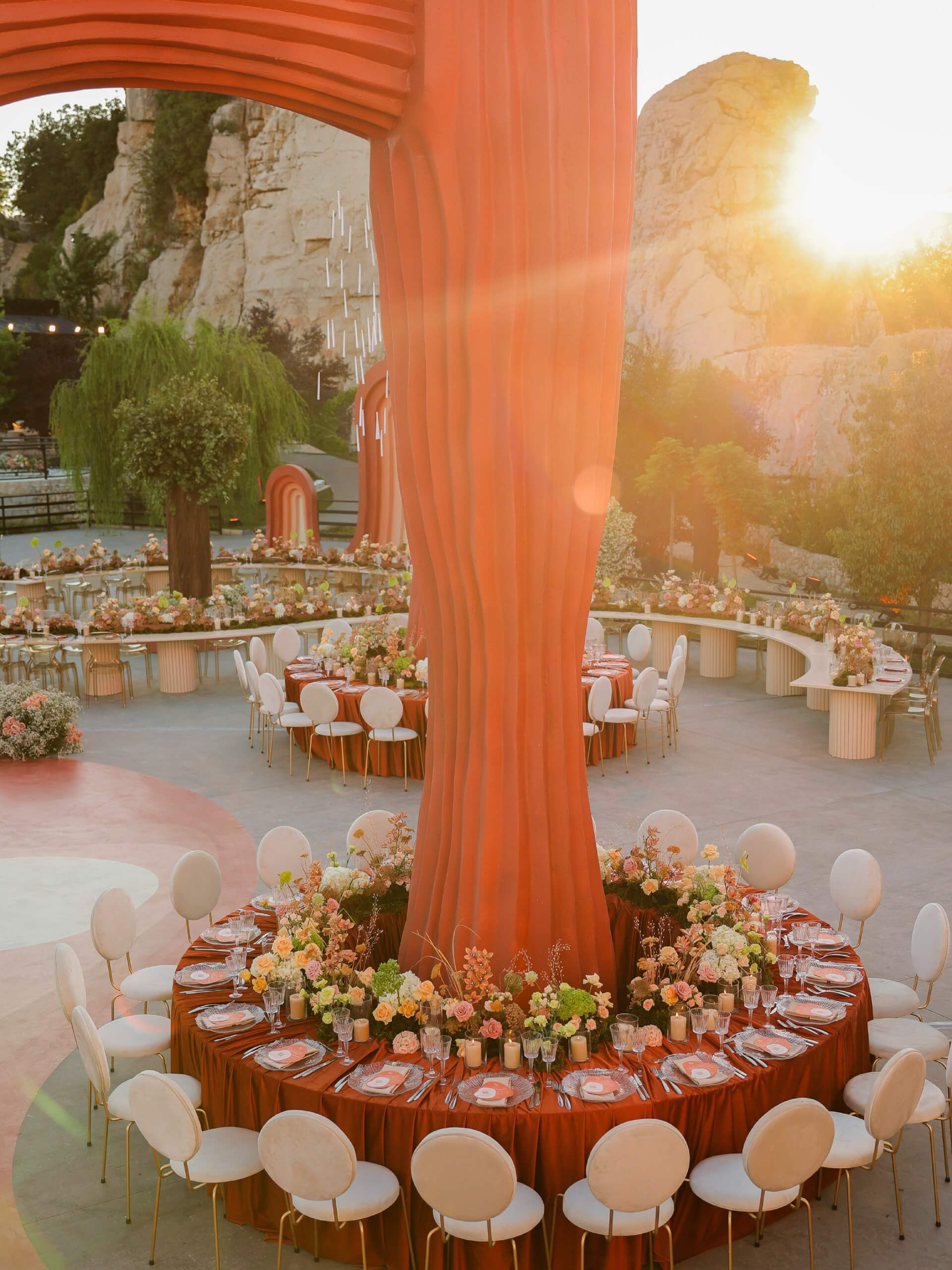
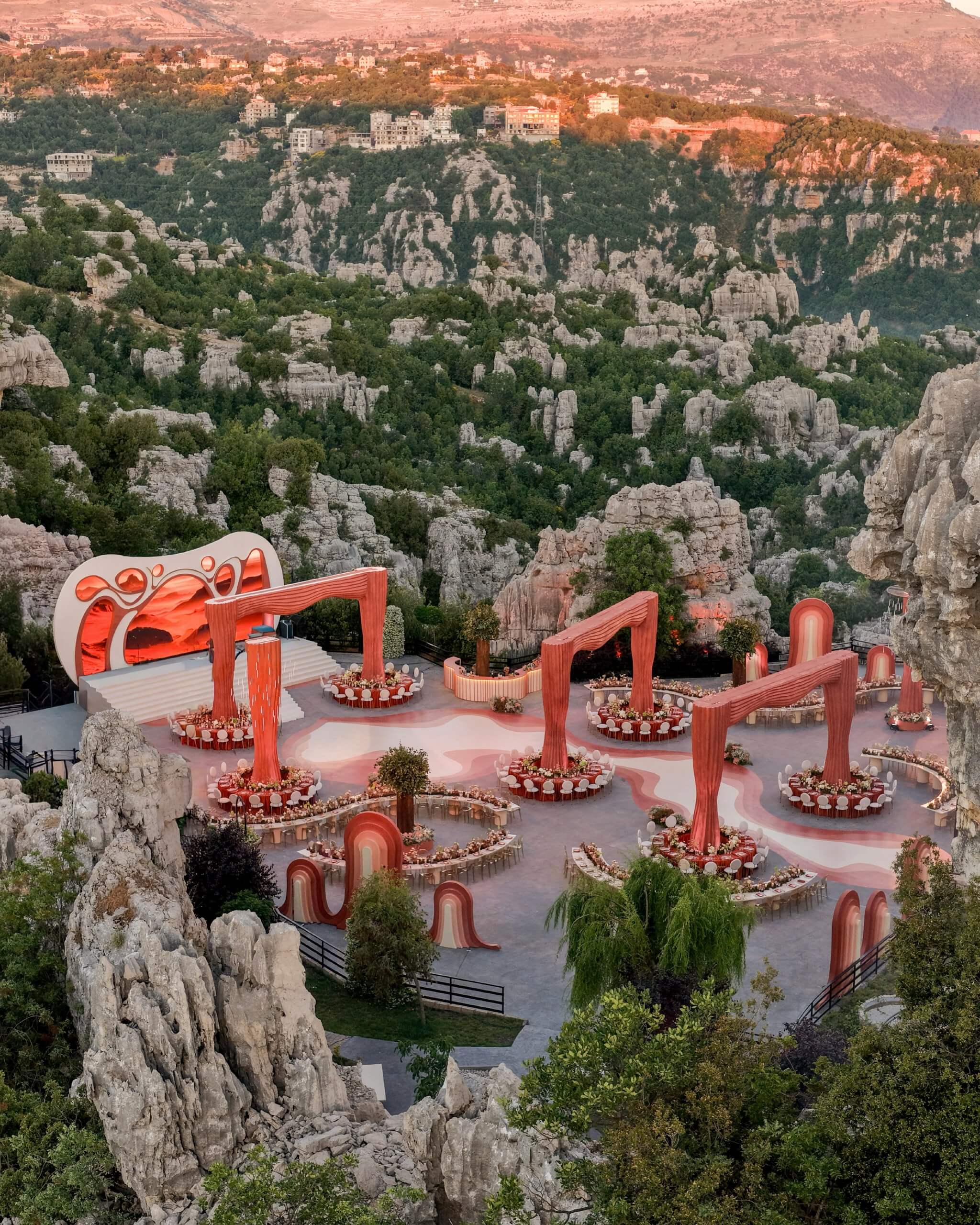
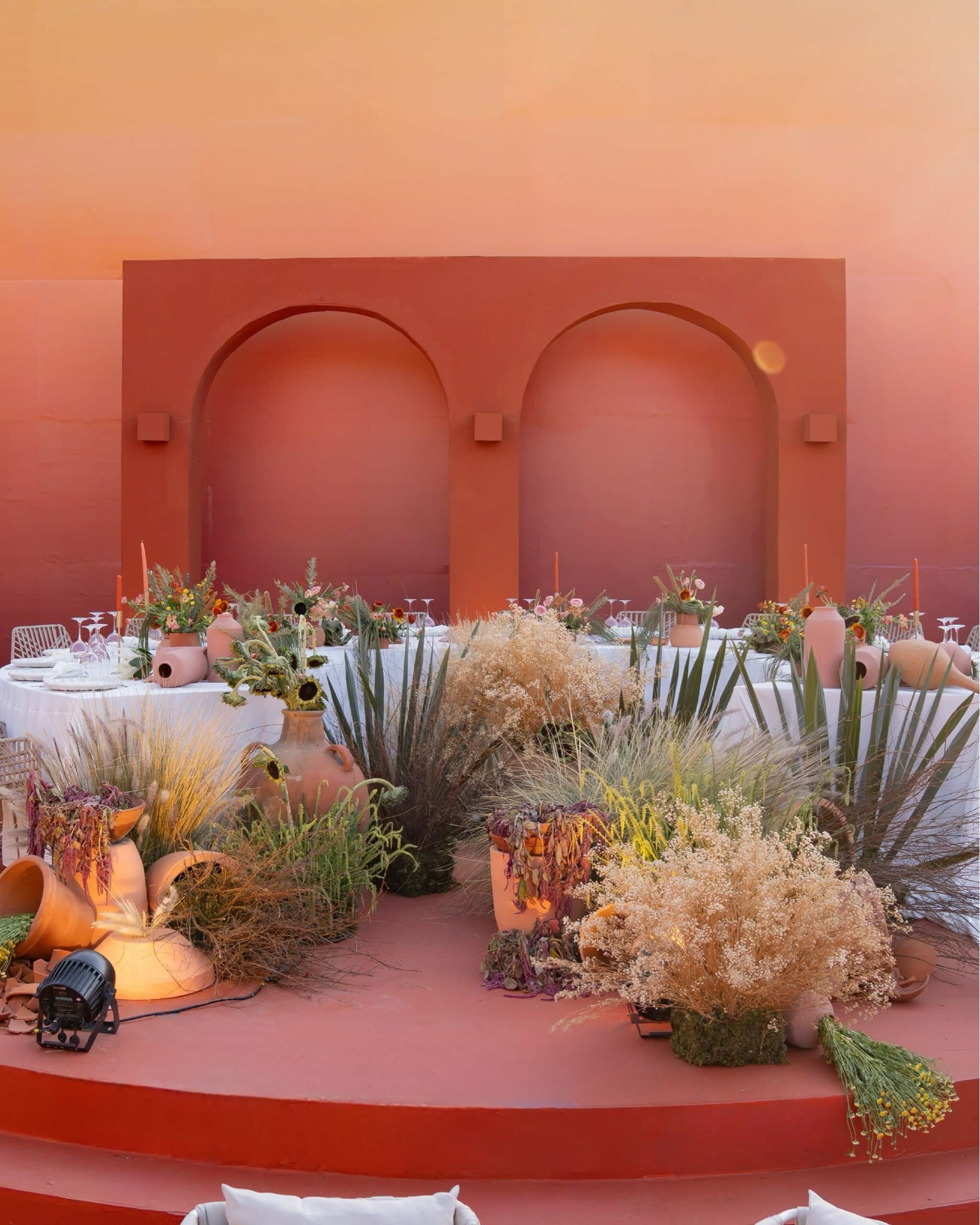
Orange wedding tables have their distinctive character because guests spend a great deal of time looking at them. The best tables commit to one tone and stay inside it: terracotta linen, rust napkins, and tobacco-colored glass can all be used together without any one item standing out against the others, and at the same time have a rich appearance since the colors are close enough to merge into a single tone. Such a table requires very little else and can be finished off with a few simple low flowers. Plain stoneware plates and dark wooden chairs suit the arrangement easily.
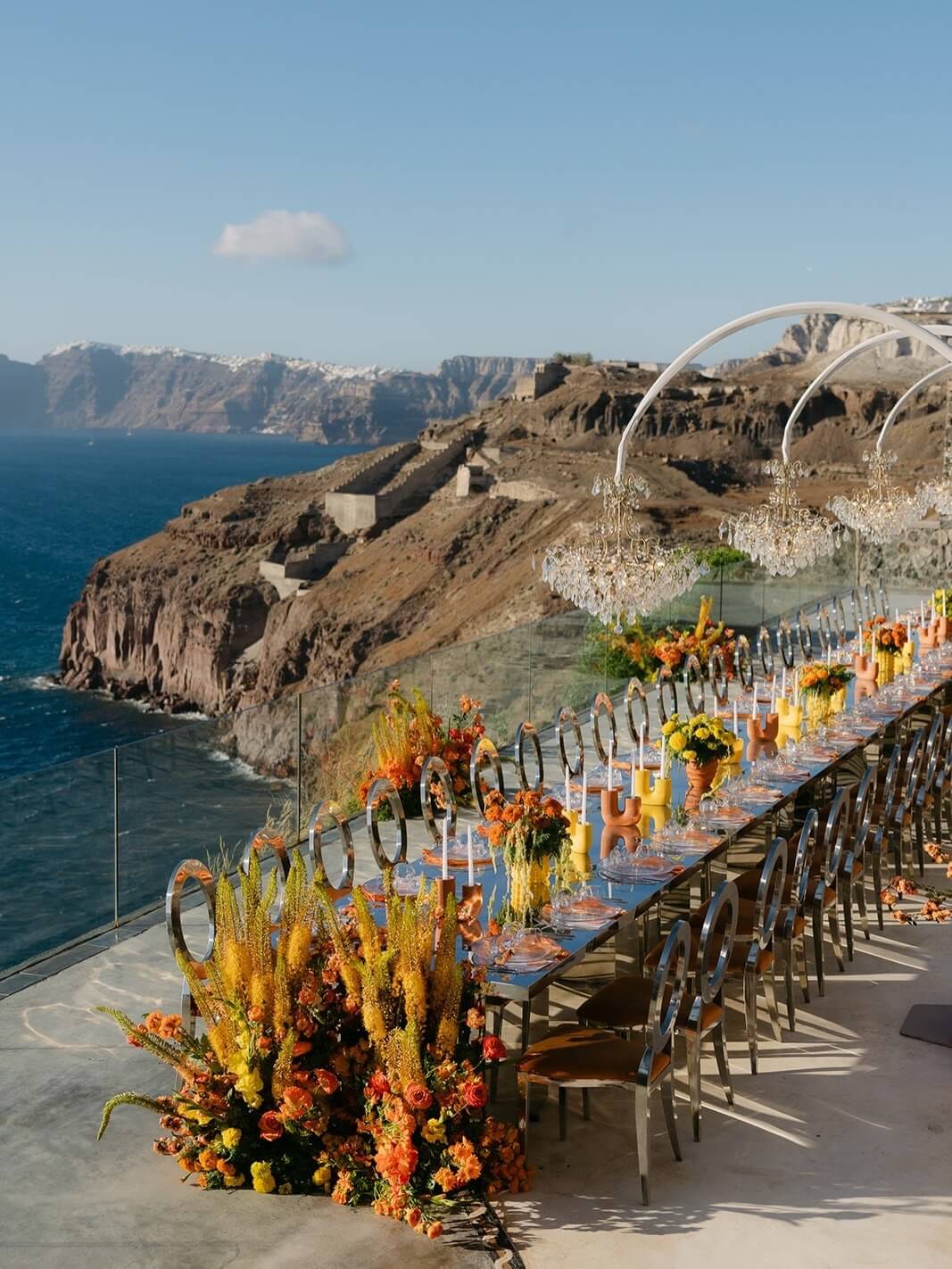
Next, consider the centerpieces, and it turns out orange ones offer more variety than most couples anticipate. For long tables, a runner filled with a mix of flowers creates a relaxed, communal atmosphere, whereas a single, sculptural arrangement in the center of round tables gives a more formal look. Tall candles in clear holders keep the arrangements from looking heavy, and placing flowers in low bowls lets guests see one another across the table, a factor more important than any flower budget. A good way to check this is to stand at the far end of the room and make sure the arrangements still look cohesive.
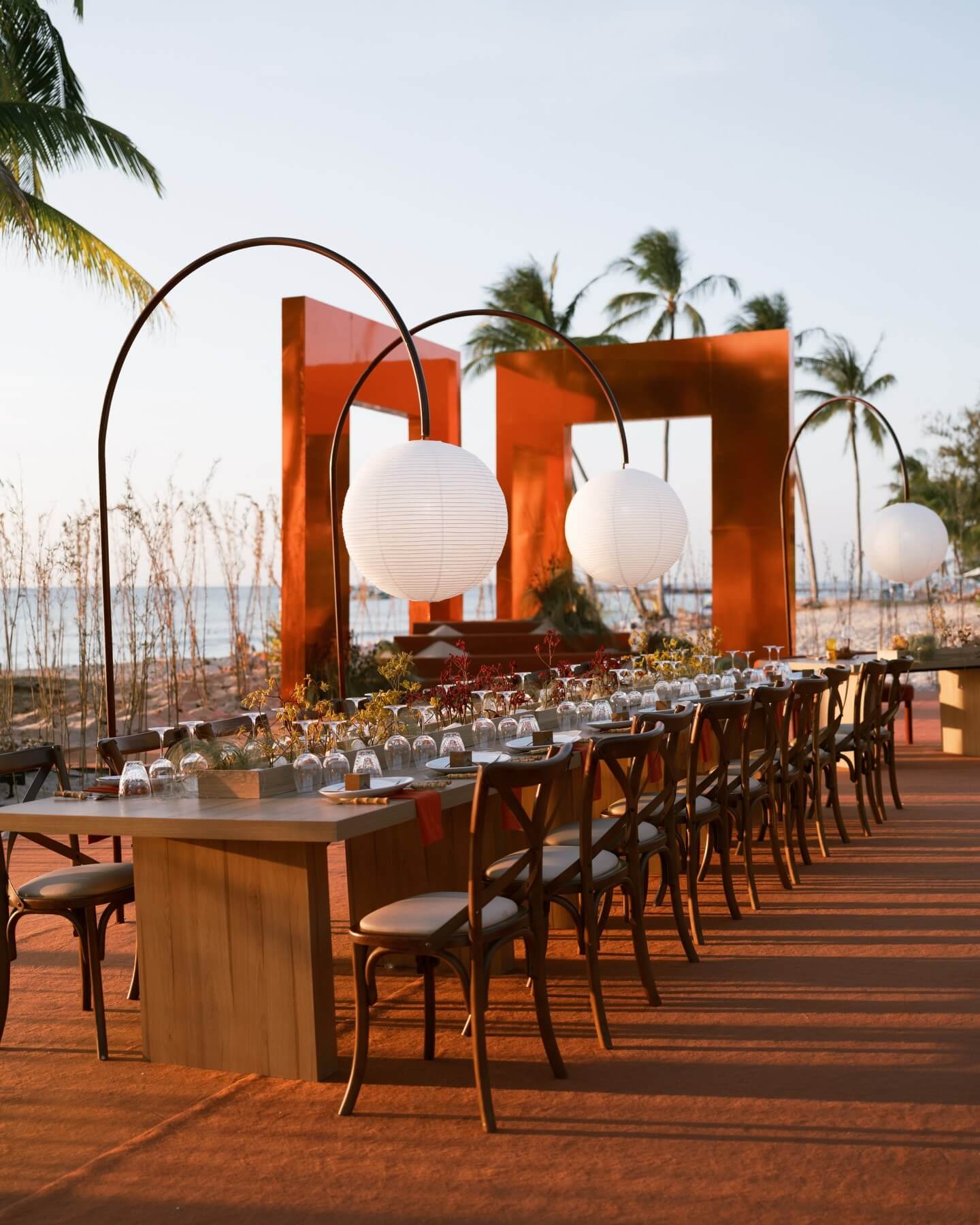
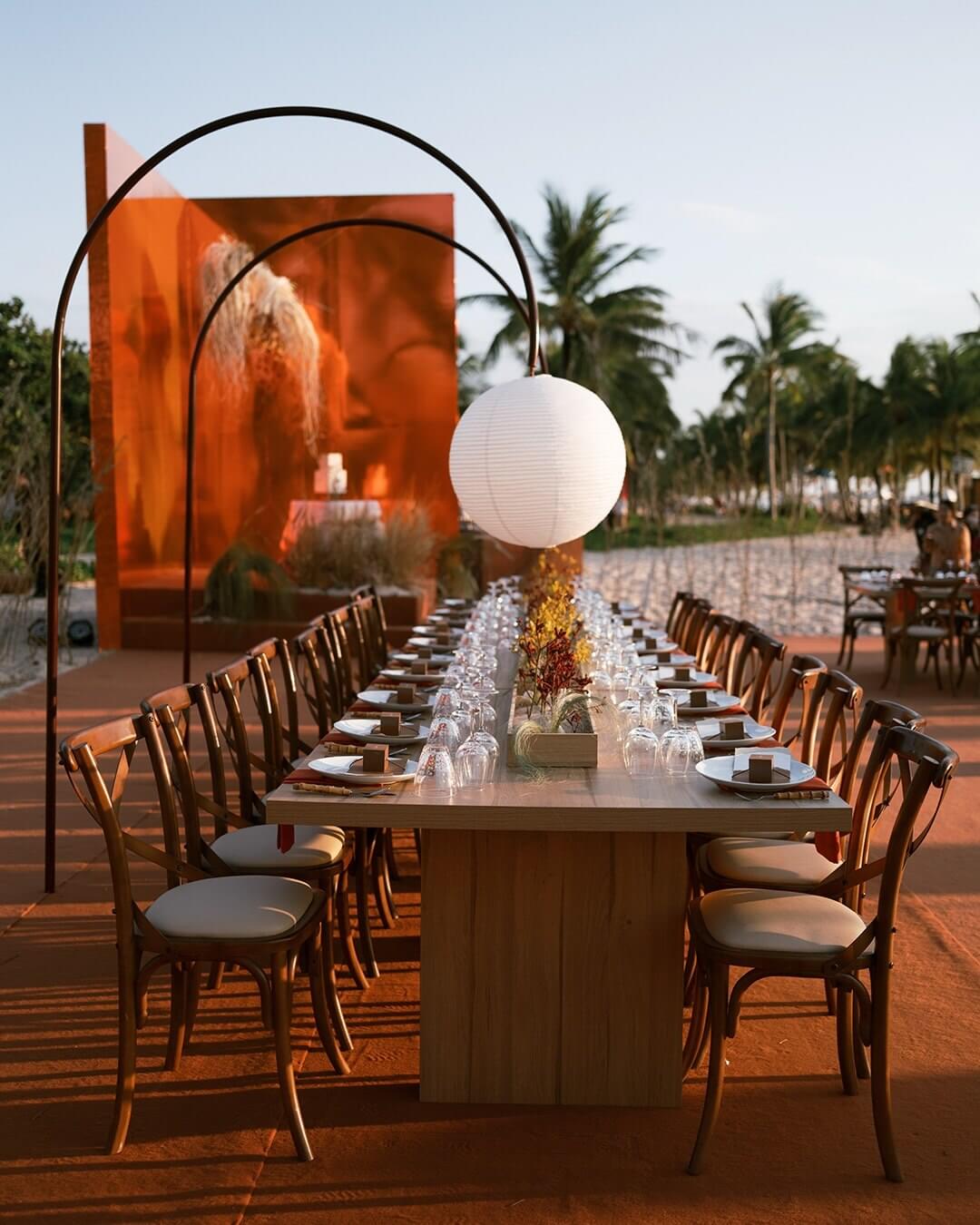
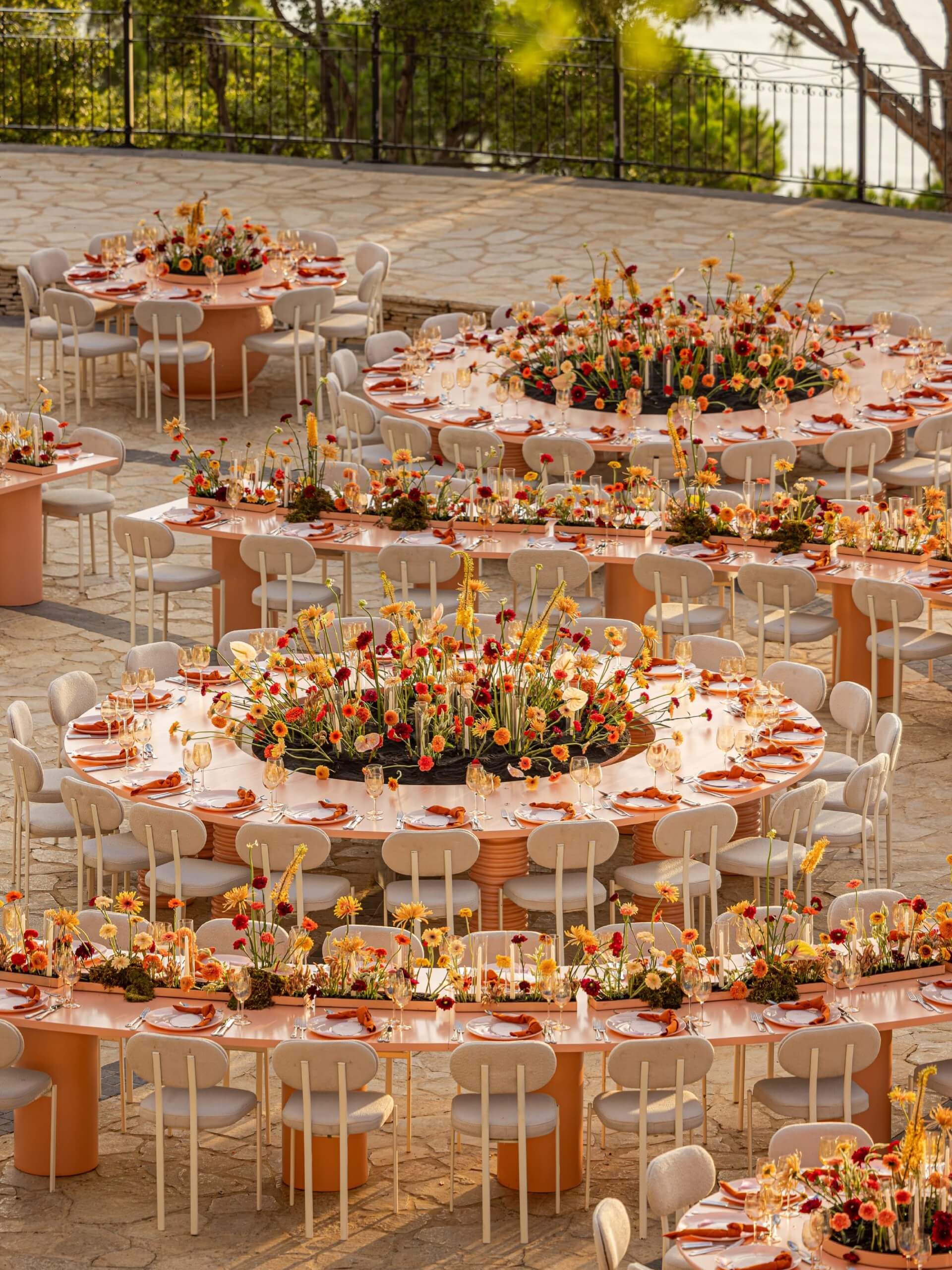
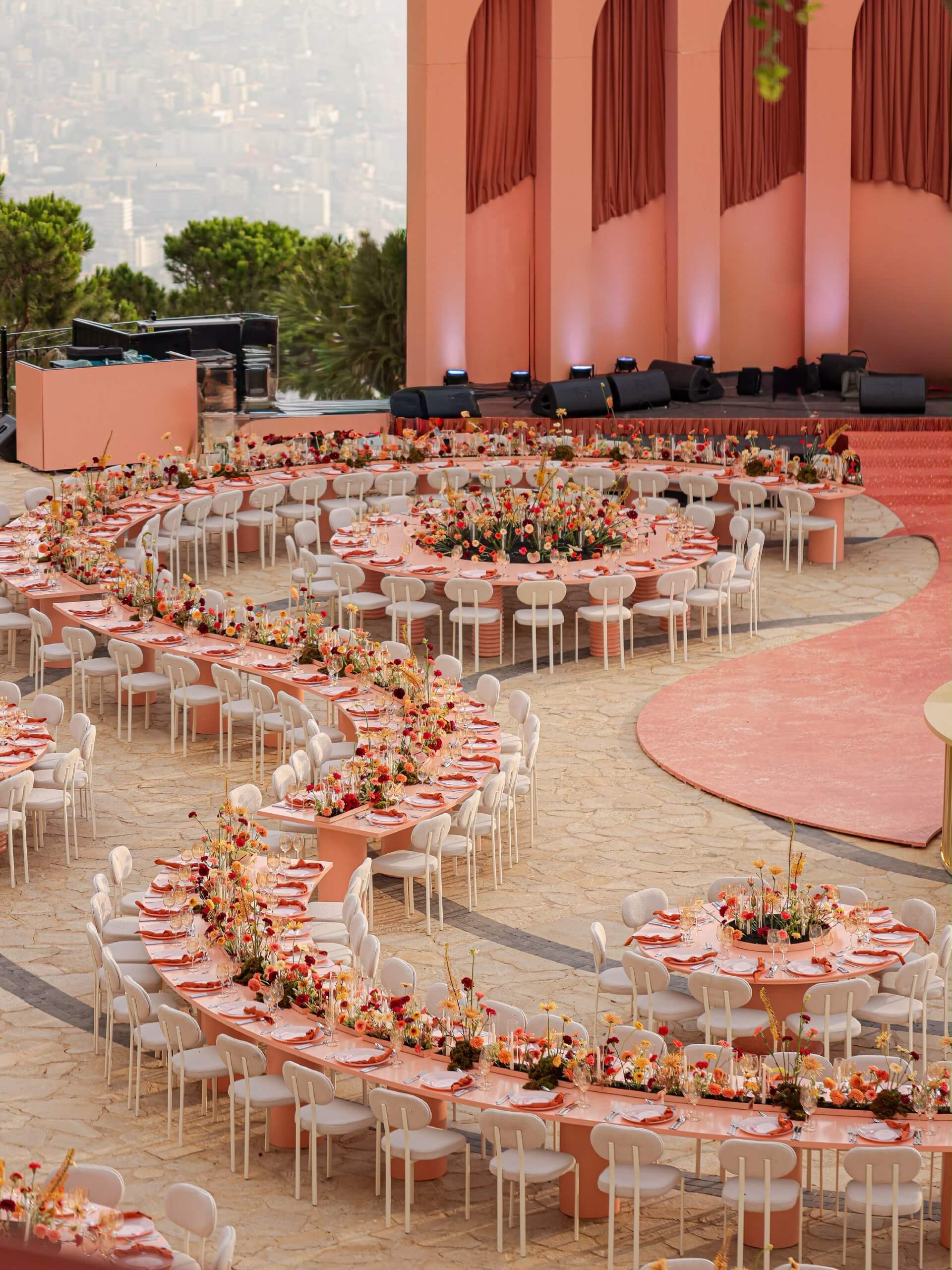
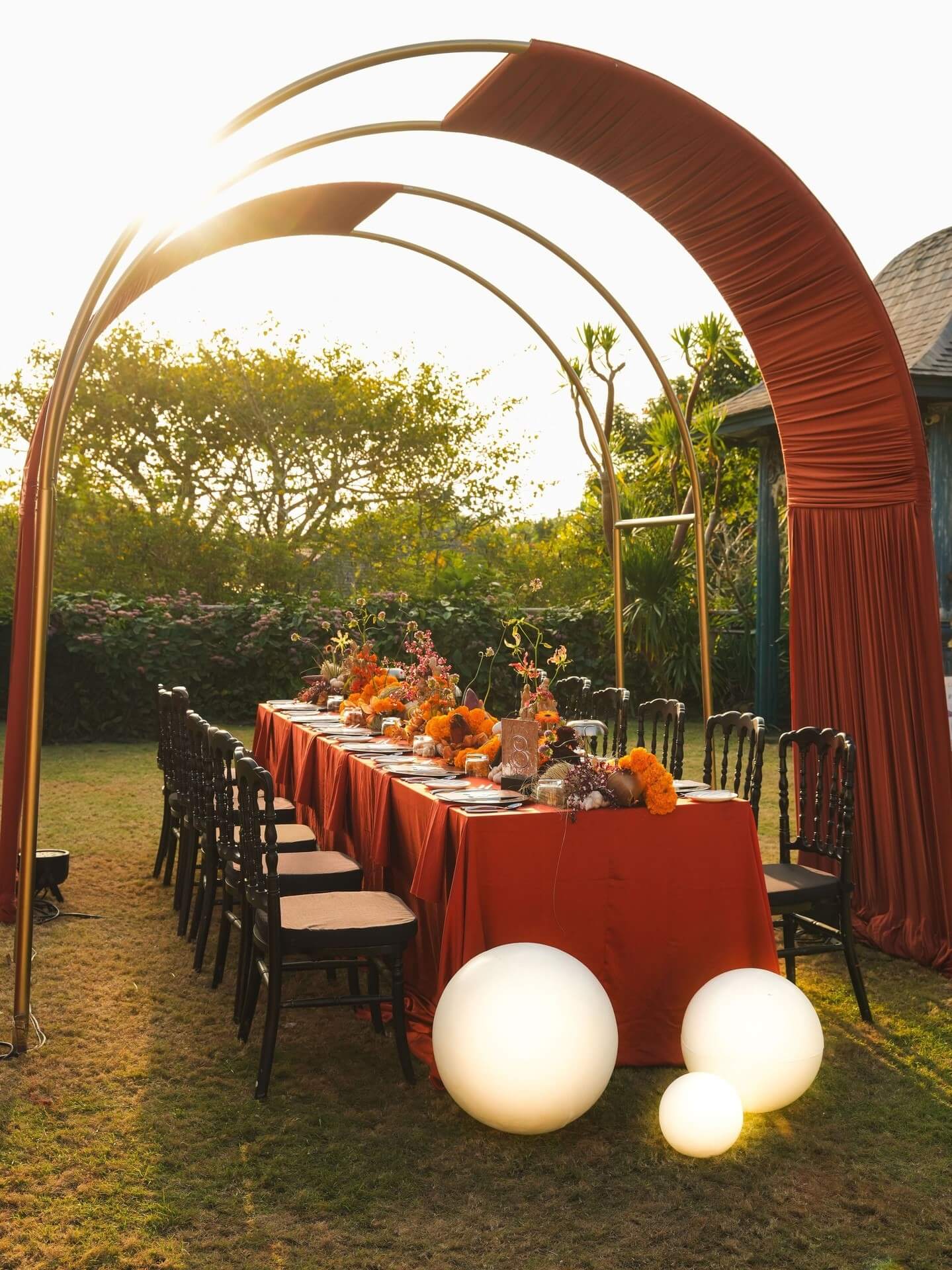
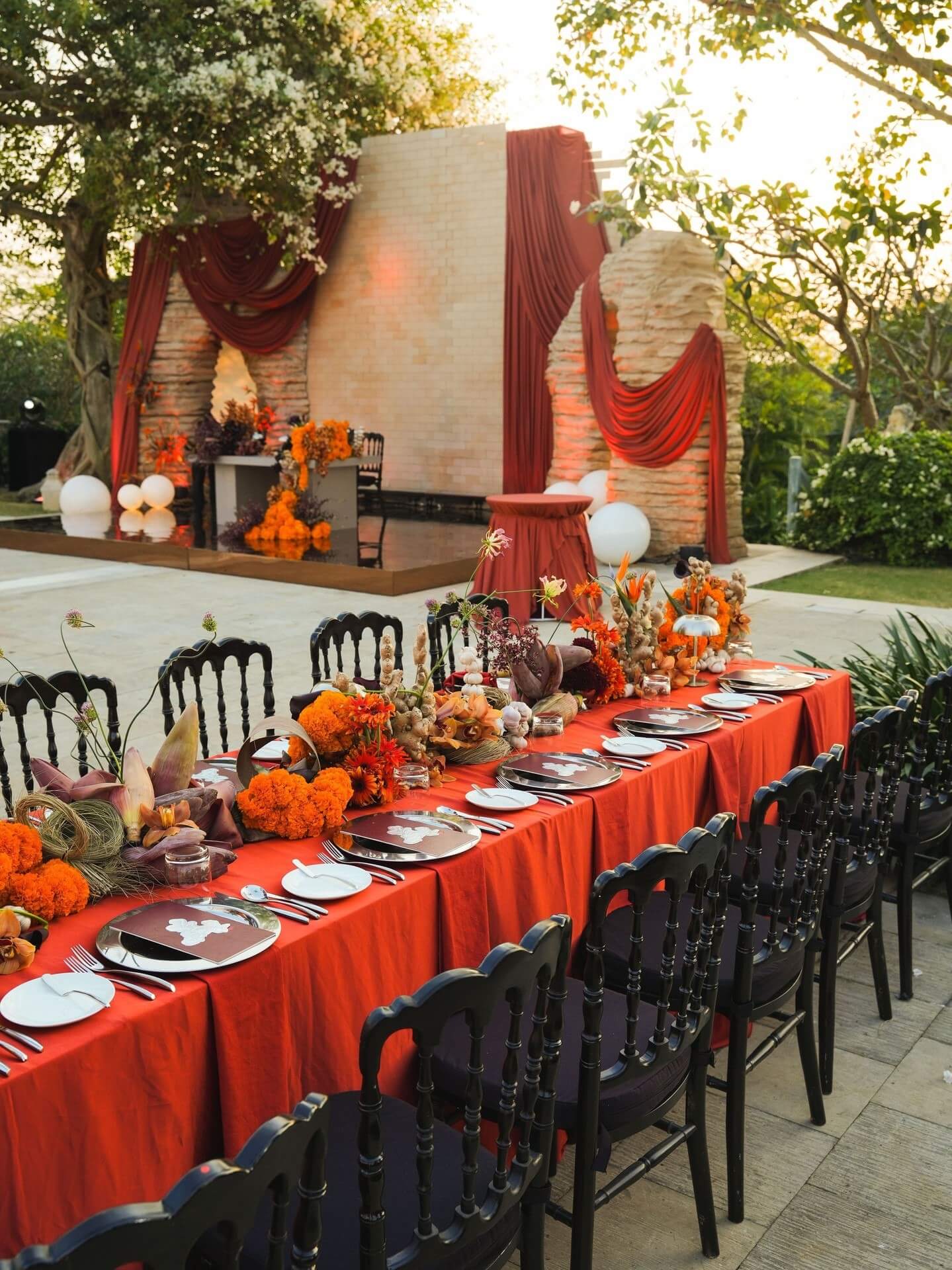
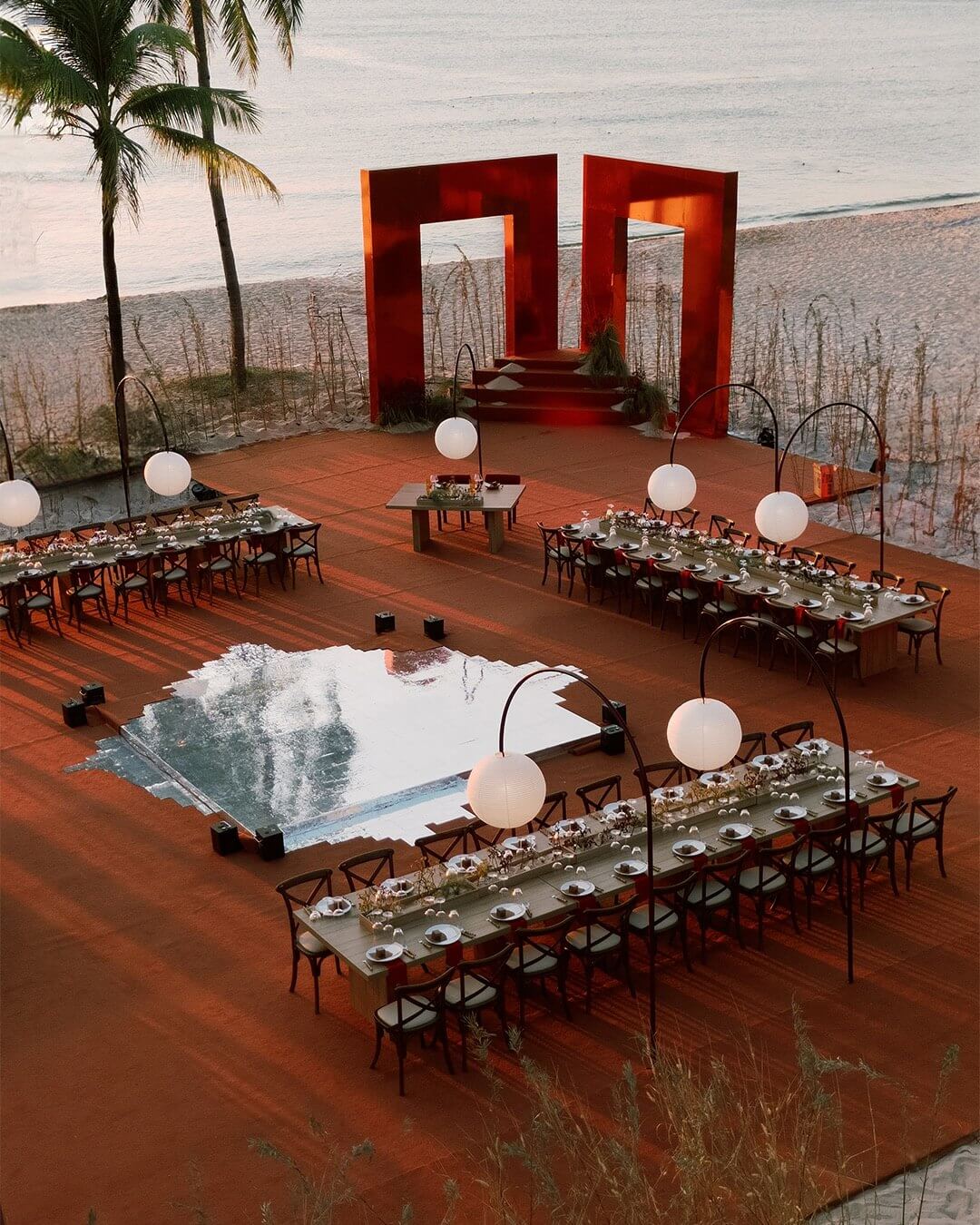
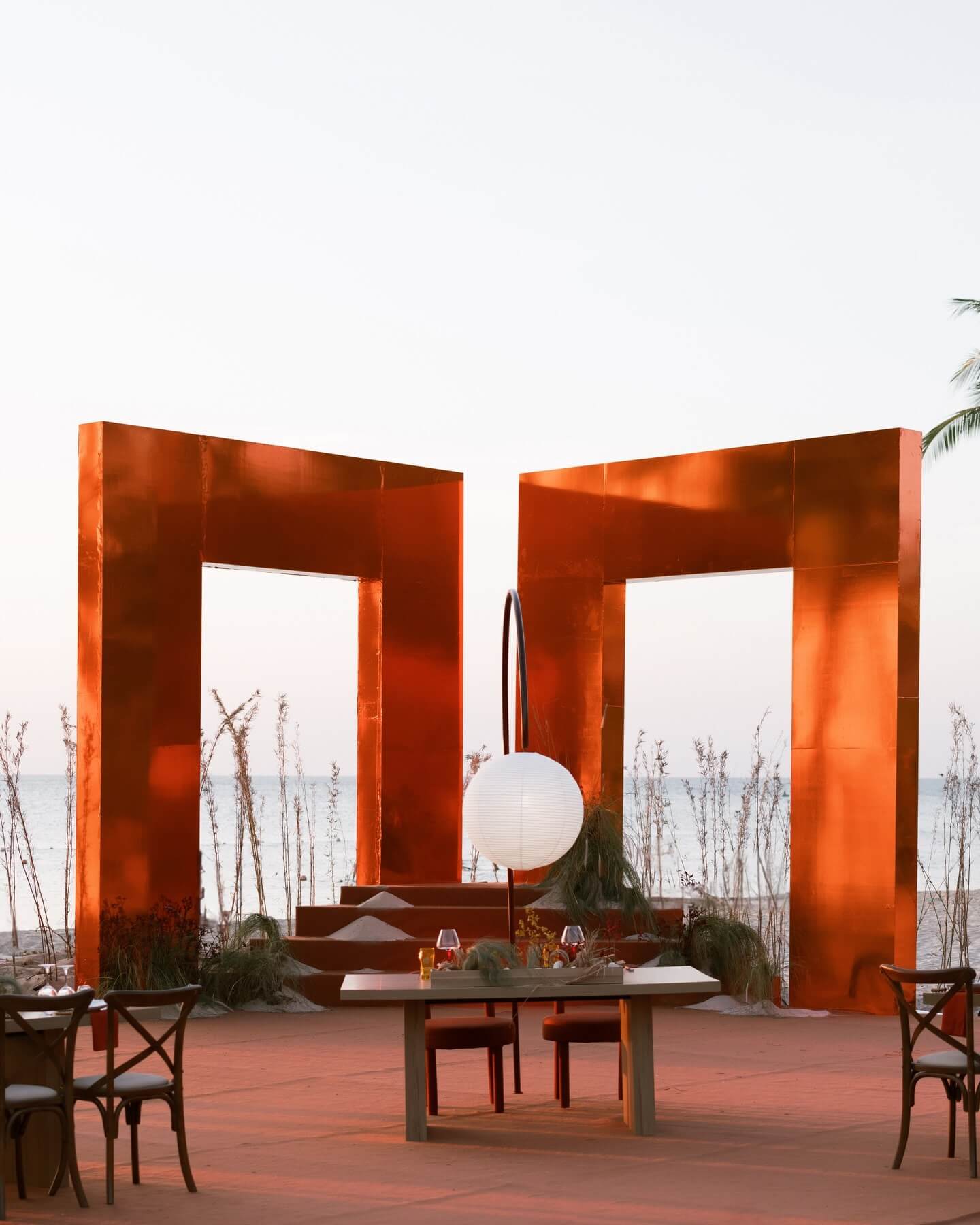
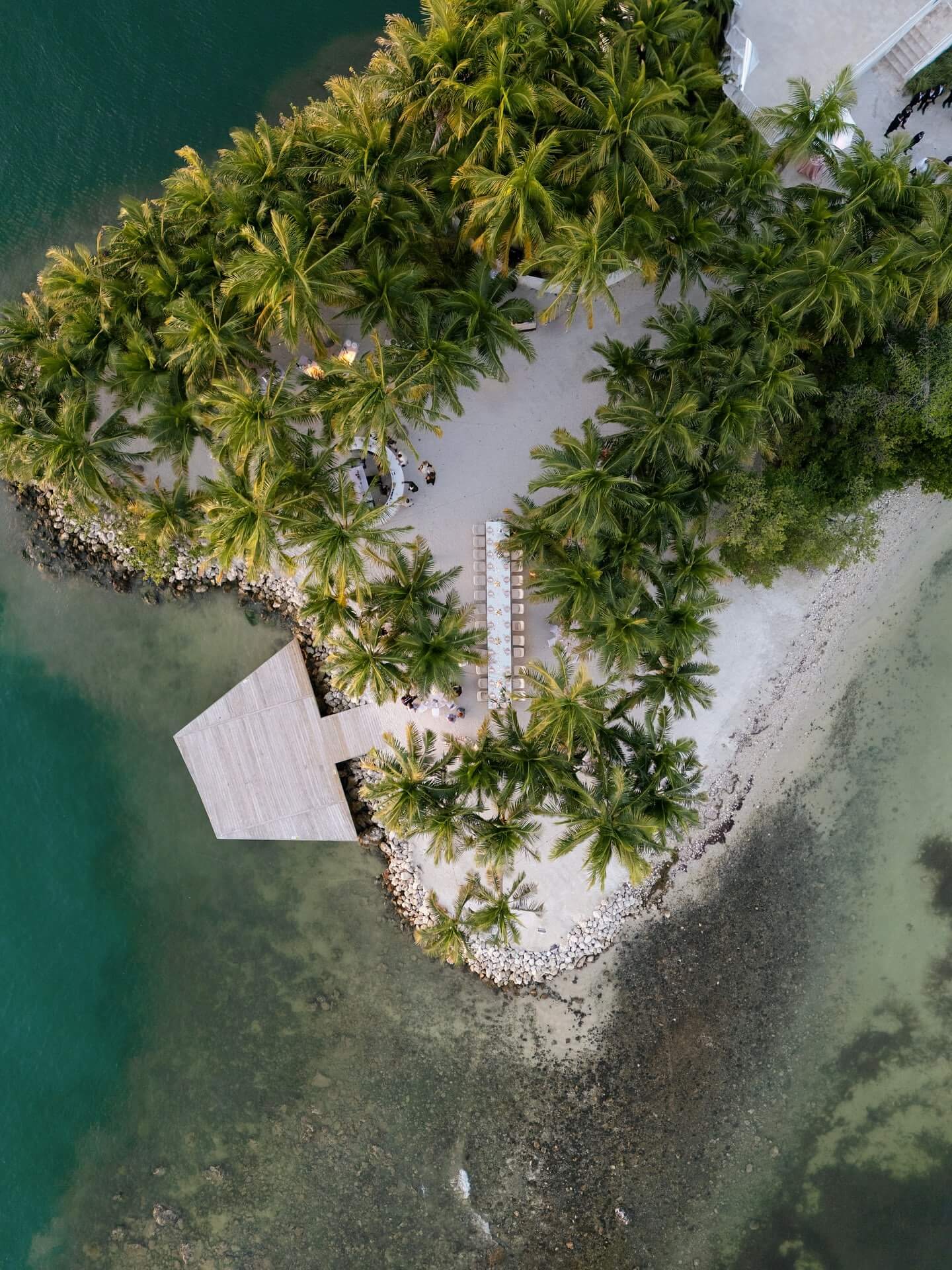
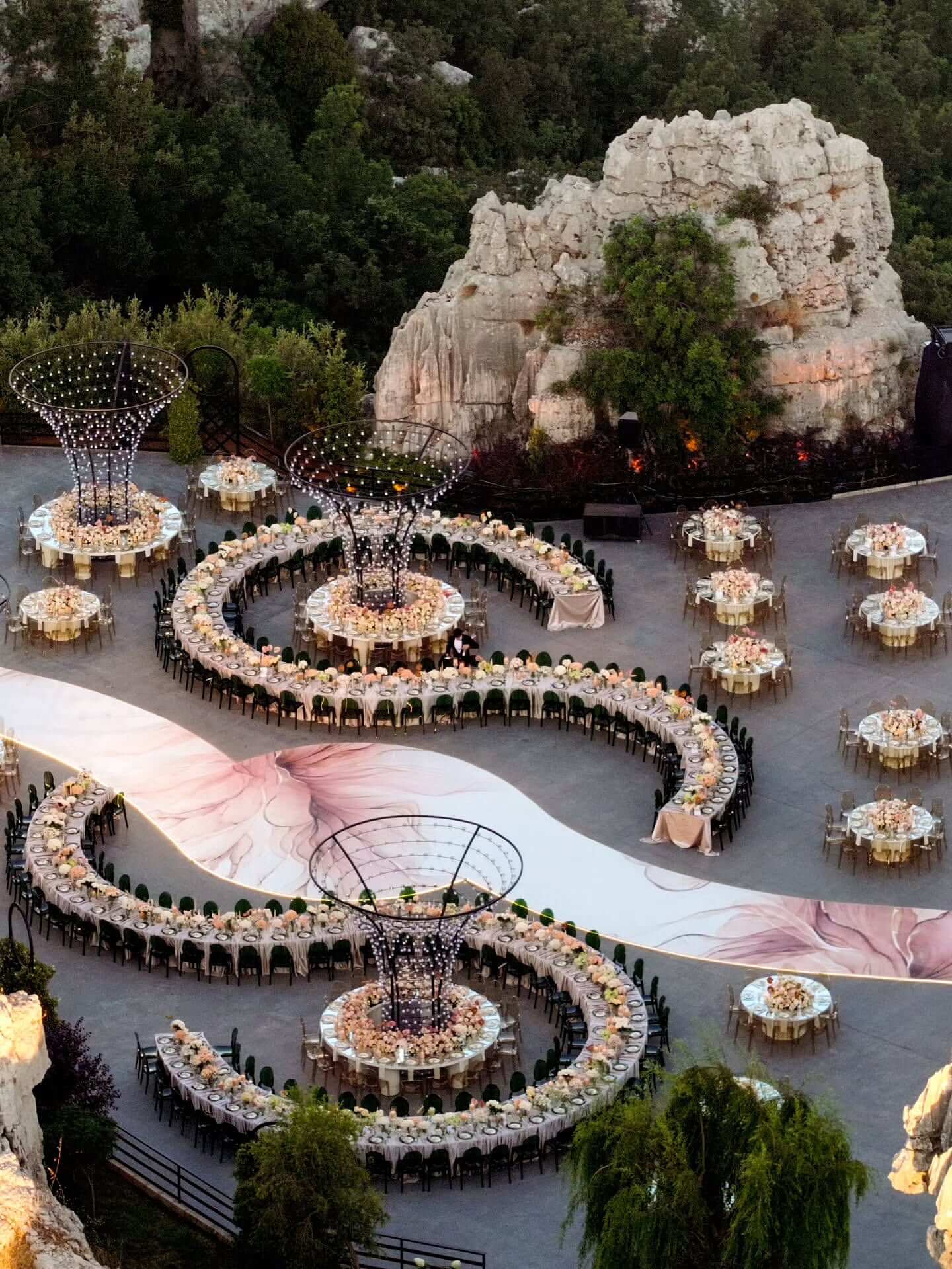
Just as much consideration should be given to shape as to color. Dining areas can become a design in themselves with curved tables, S-shaped layouts, and square arrangements centered on a main planting, and they look very attractive photographed from above. For great orange wedding decor, the layout should come first, followed by the flowers, so it's best to draw up the table plan before selecting a single stem. Take the plan to the first meeting with the florist so the arrangements fit the tables, not the other way around.
Orange Light
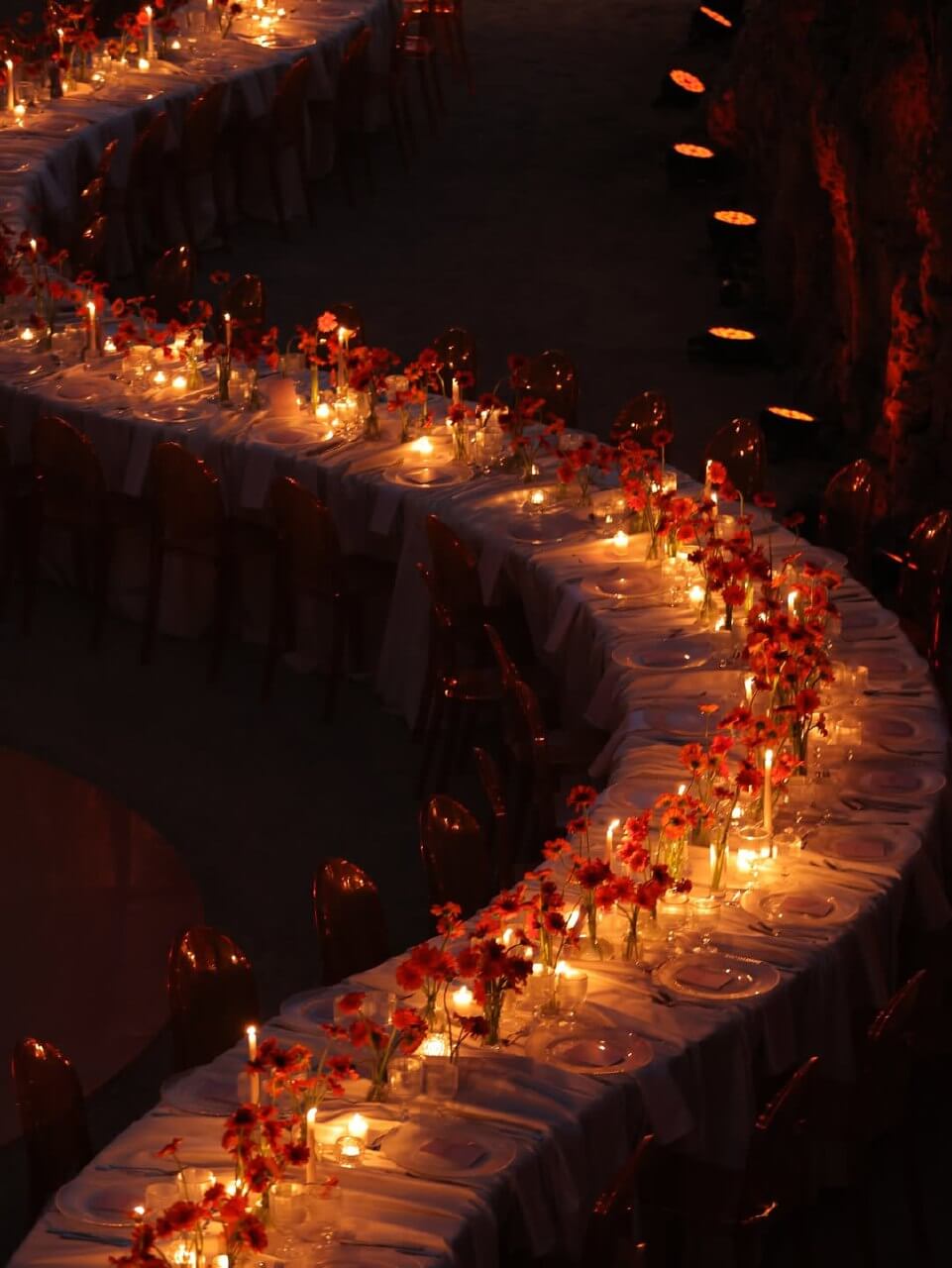
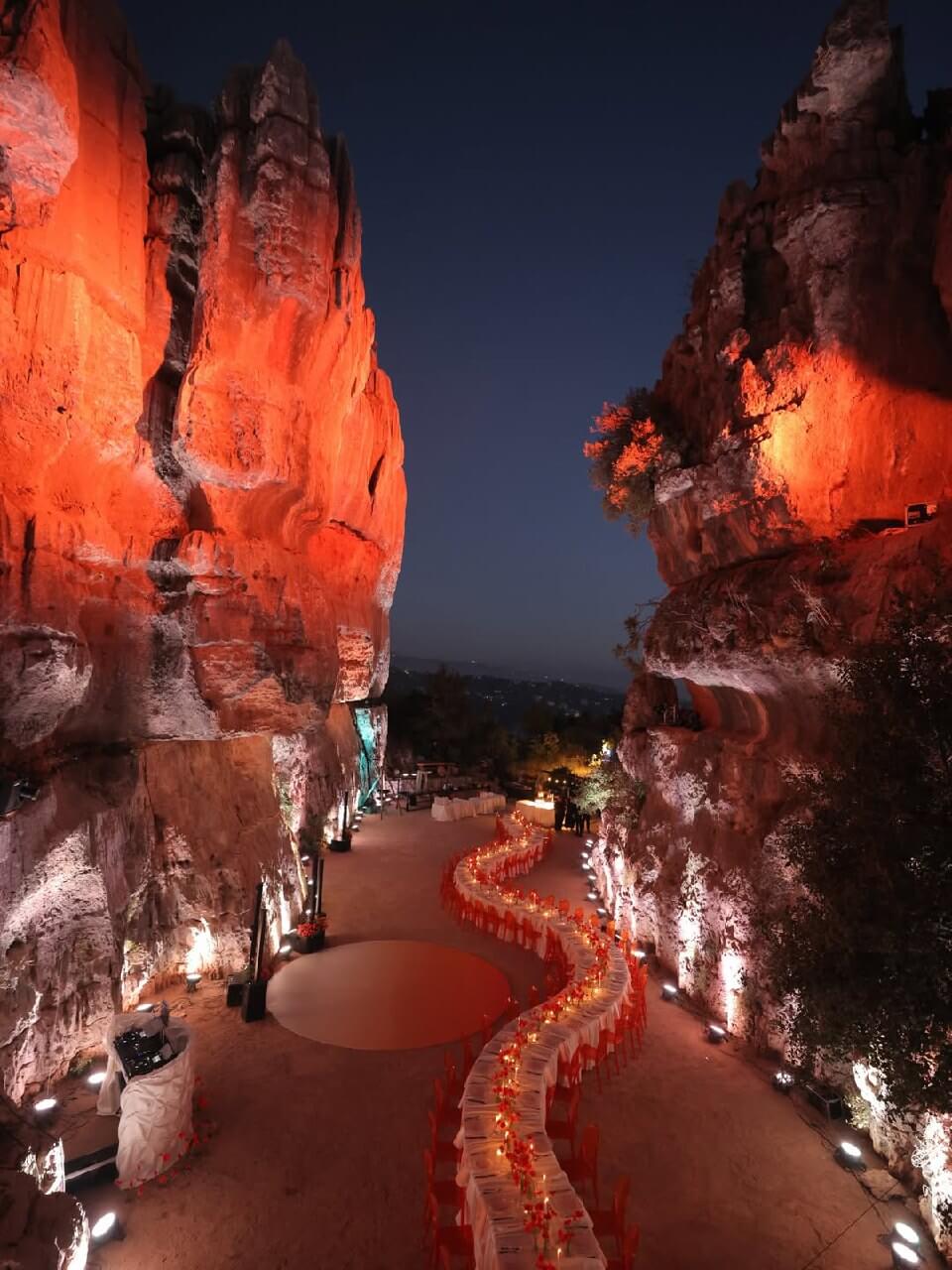
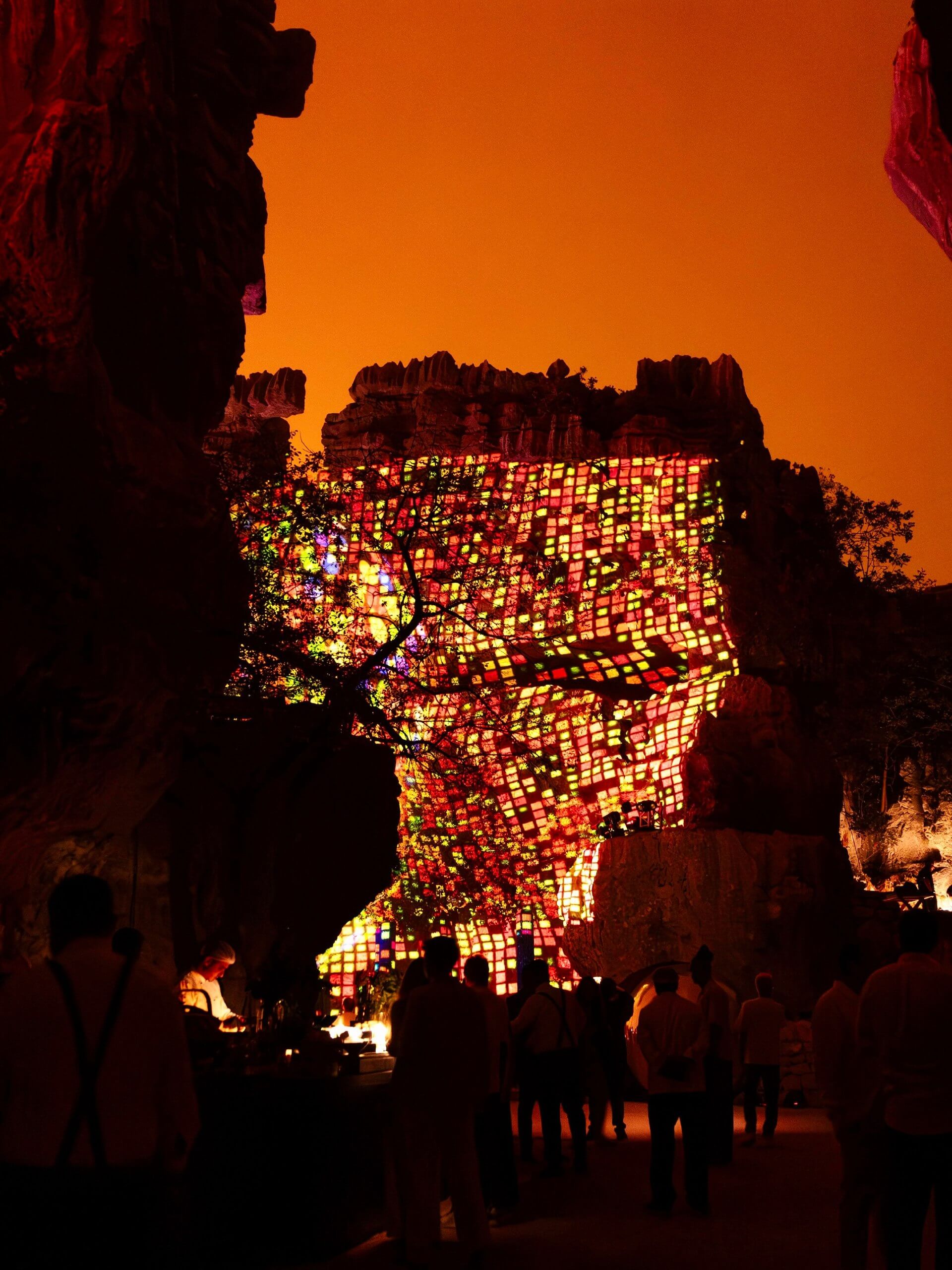
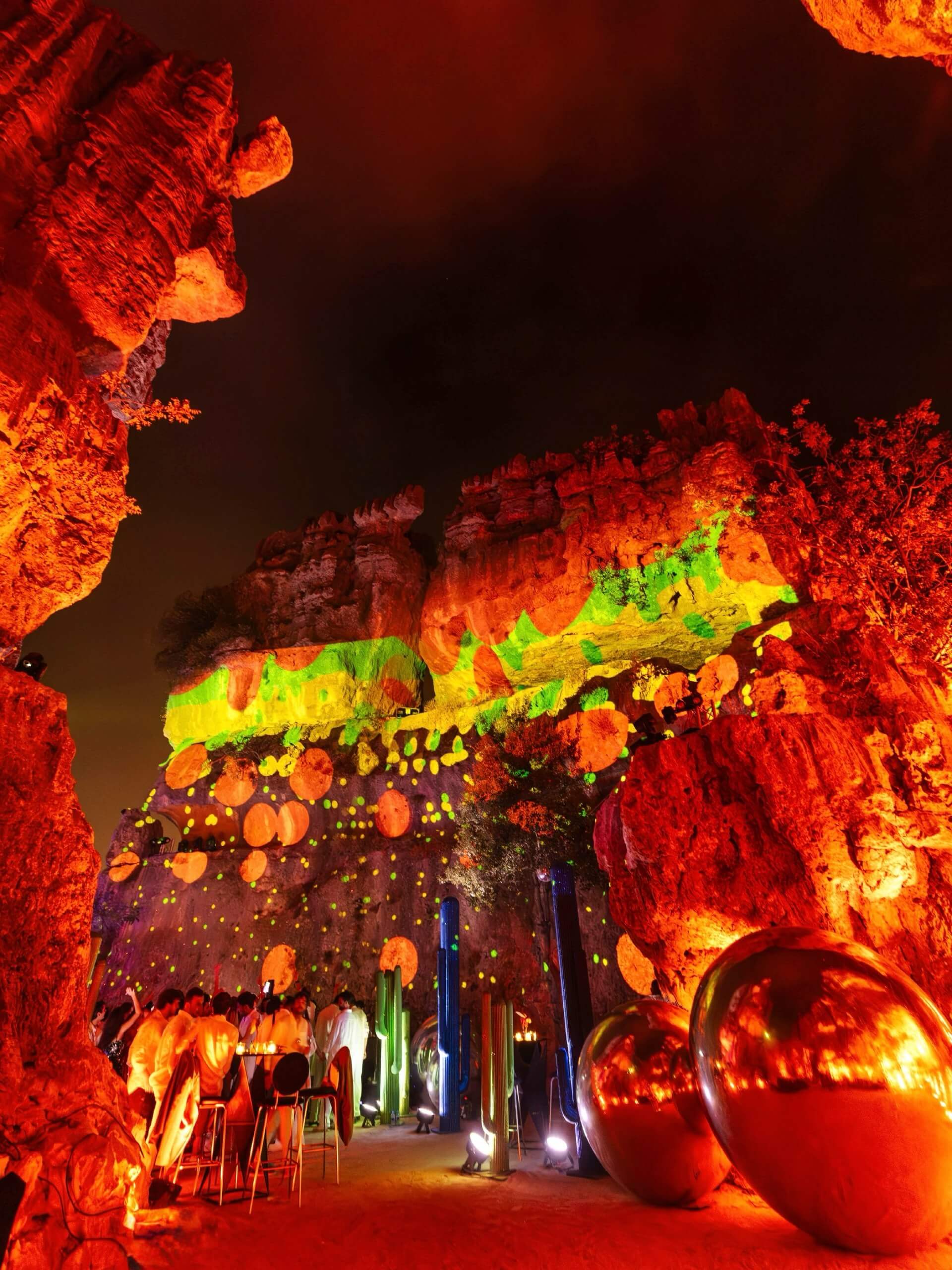
At weddings, orange has an unfair advantage because the best light of the day is already orange. If the ceremony is scheduled for the hour before sunset, half the decorating is done for you, as the light softens the fabrics, intensifies the flowers, and makes each glass on the table act like a small lamp. A designer who realizes this will choose colors a little darker than they first think necessary, since golden light brightens everything it touches. This is why a ceremony arranged for midday usually requires bolder colors than one held in the evening.
Once it is dark, the challenge is maintaining that warmth. Candles are the obvious solution, and a long table lit by many small flames has a glow no other lighting can match. Amber or deep orange uplight on stone, trees, or a canyon wall adds depth, while globe lamps suspended over the table give guests soft light from above without obstructing the view. A dark orange wedding with deep rust fabric and candles can look almost cinematic after sunset. This is when the color scheme comes to life for couples planning an orange wedding theme around an evening reception.
The practical side of using orange light is mostly a matter of timing. By arranging the lighting to follow the sun's movement rather than going against it, the color will look right from the moment the first guest arrives until the last song. Each stage of the evening will require a different type of light, and the changes will be small enough that guests won't notice them. A basic sequence based on the sunset time of your wedding day will cover most celebrations:
- Ceremony, about an hour before sunset: natural golden light does the work, so keep artificial lighting to a minimum
- Cocktail hour, around sunset: lanterns and low candles lit as the sky changes color
- Dinner, after dusk: candles down the table, globe lamps overhead, and warm uplighting on trees, walls, or stone
- Toasts and first dance: overhead lights lowered, candlelight and amber uplighting raised
- Dancing: deeper amber washes and string lights, with no cool white anywhere
Ask the planner or lighting team to visit the venue the day before the ceremony at the same time, since the sun's position affects how each fabric appears. Always test candles and warm bulbs beside the real linens and flowers, as the same orange color can look entirely different under a different lamp. If the sunset occurs a bit earlier or later than anticipated, you can easily handle the variation if each step in the process is flexible. Treat the sequence as a guide, and let the actual sky determine the timing.
Fruit and Flowers
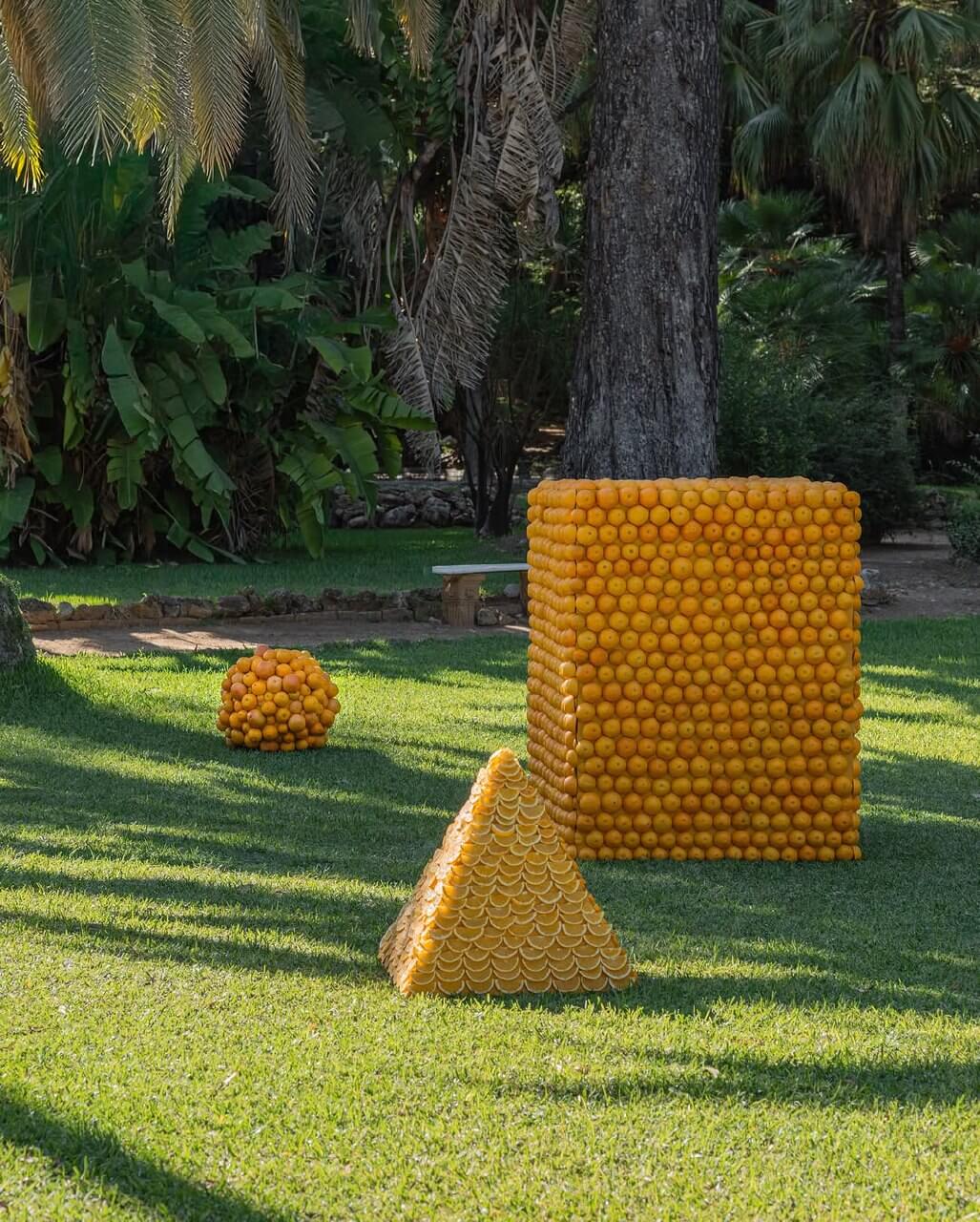
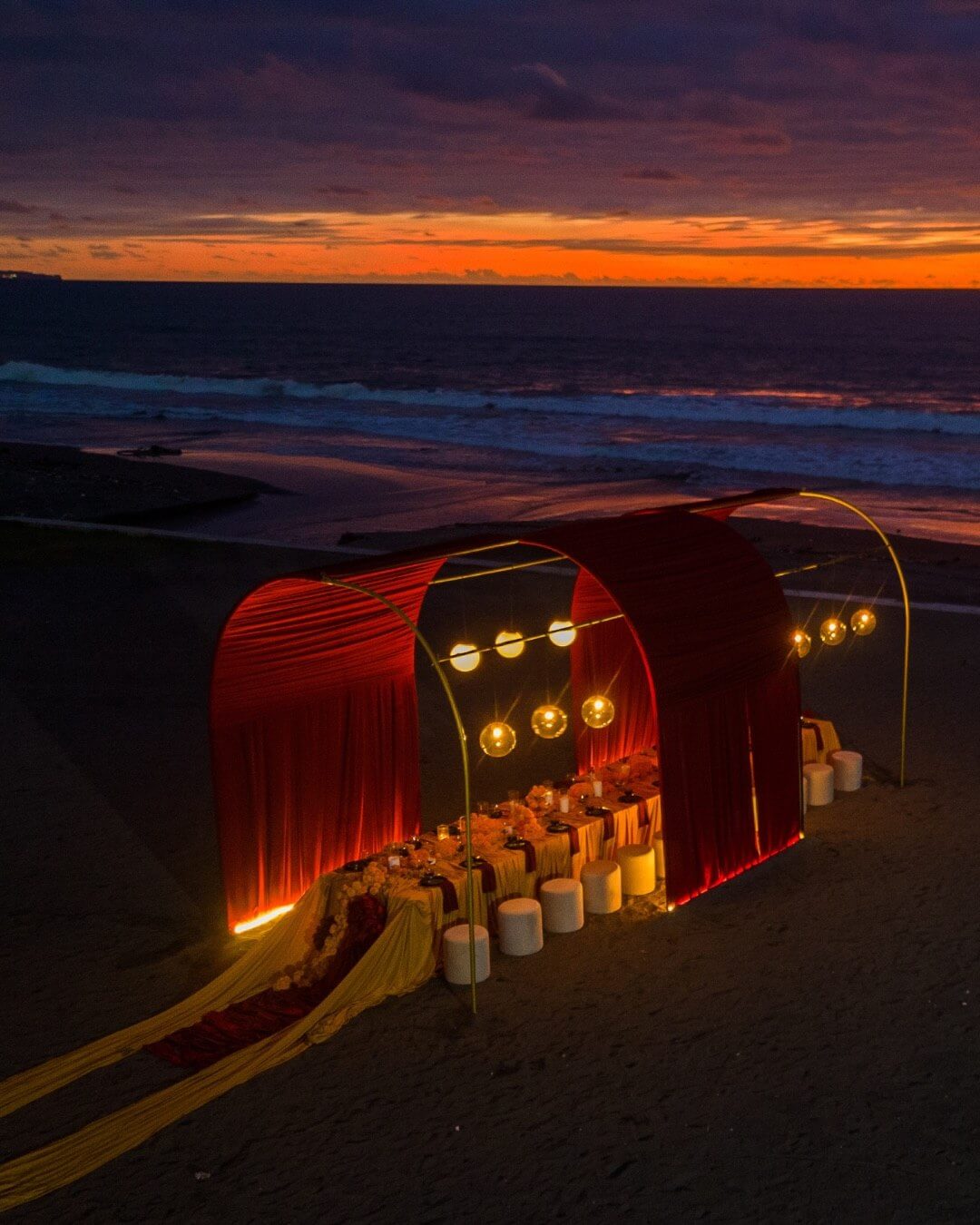
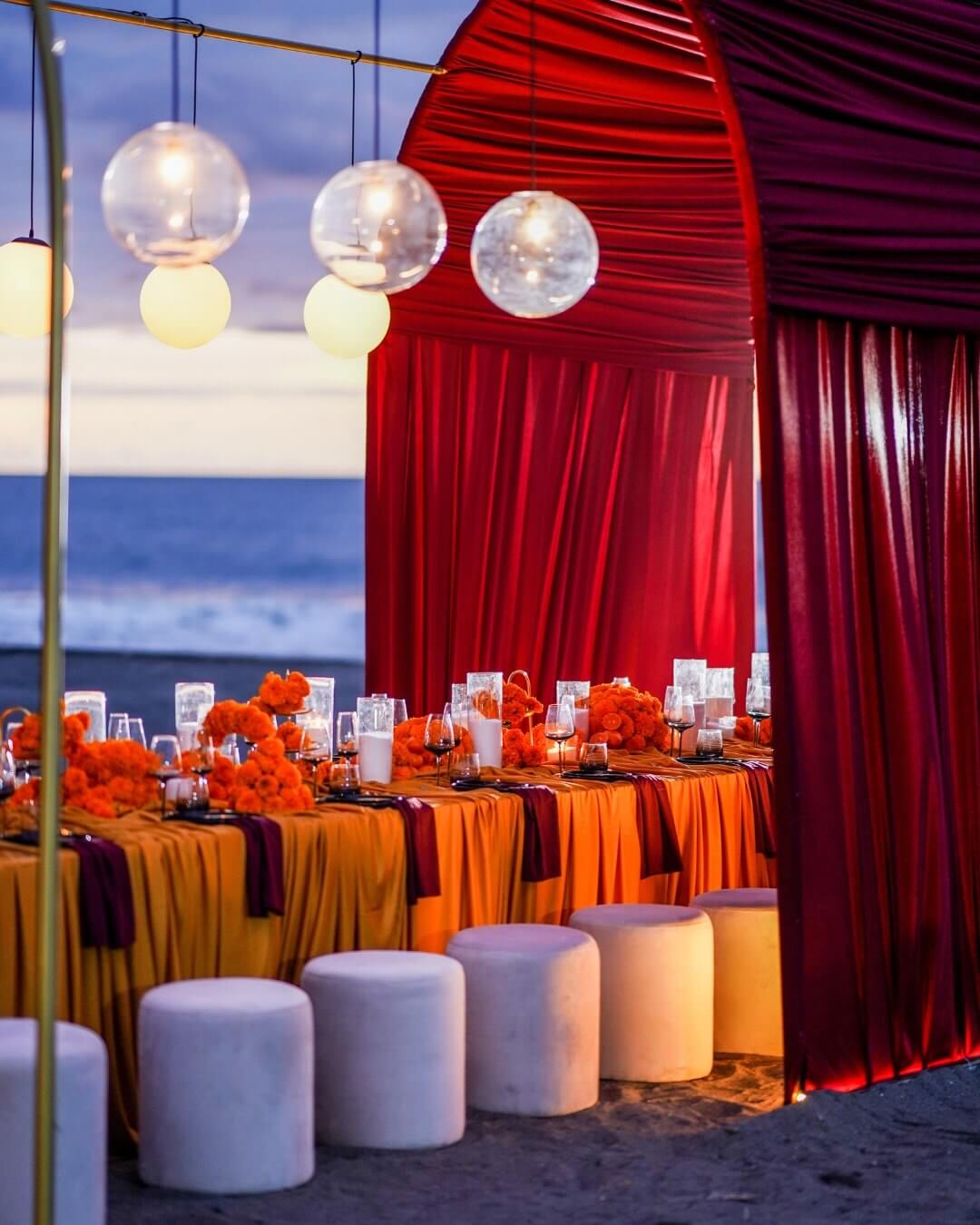
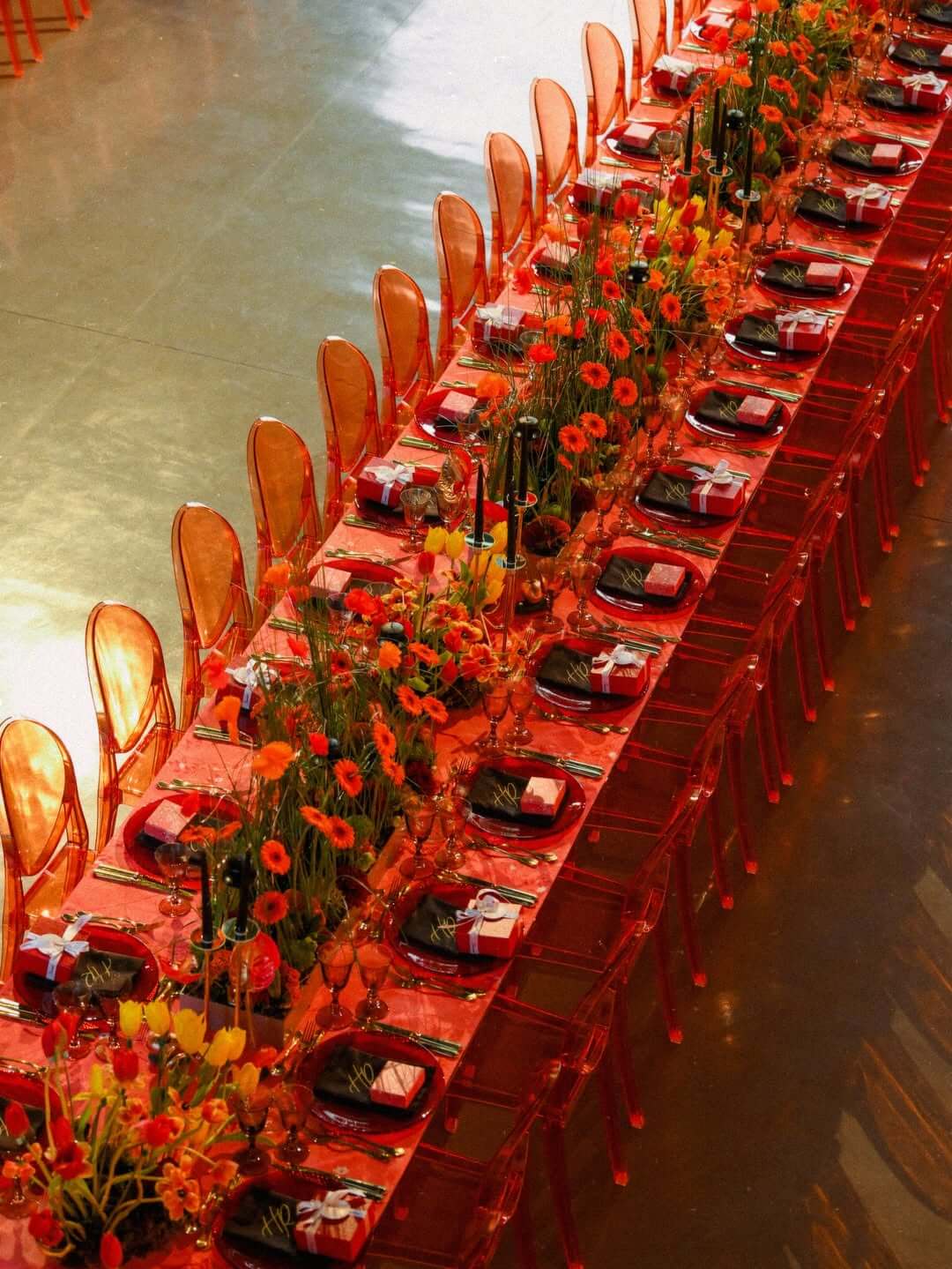
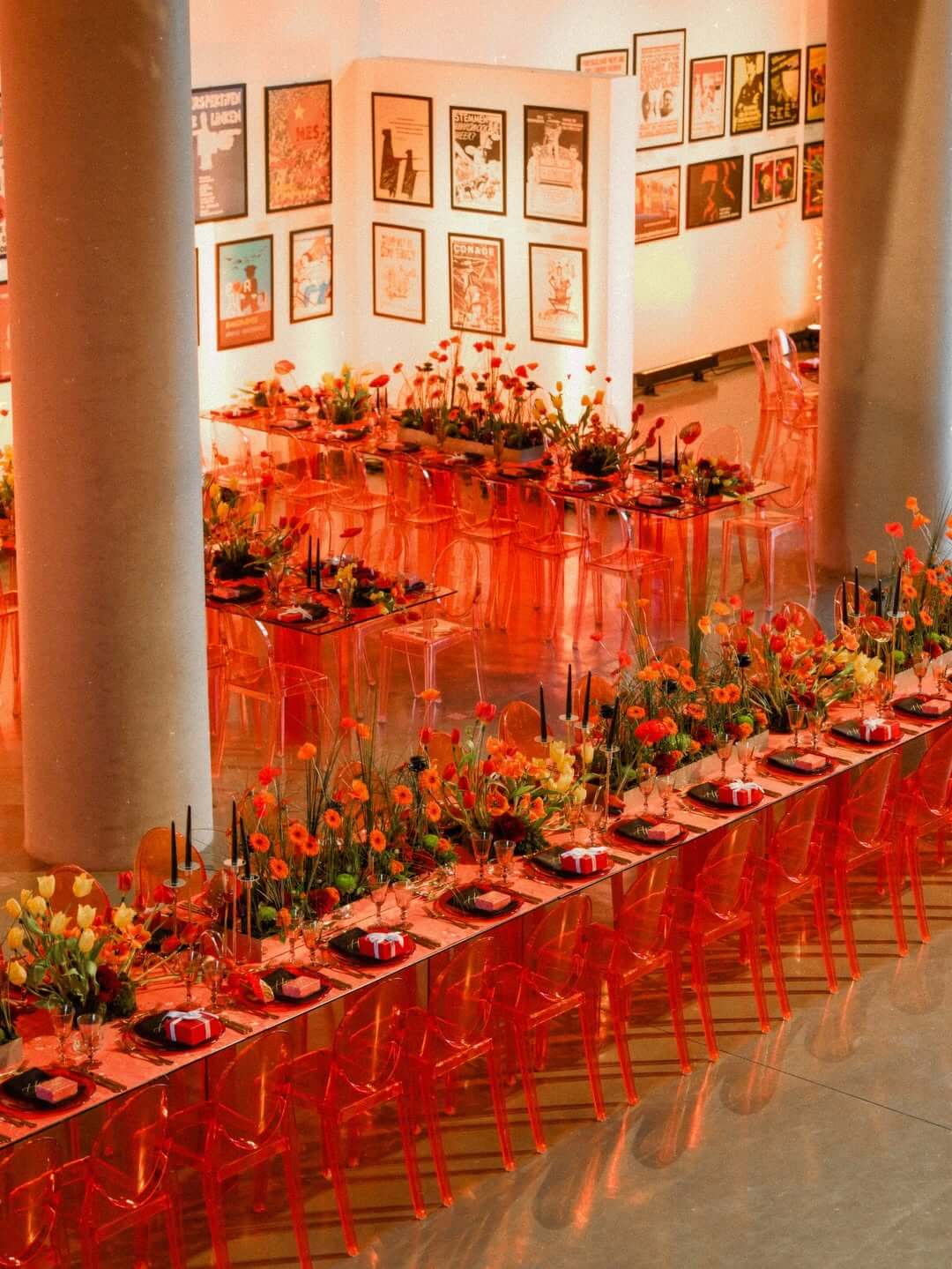
The best way to give an orange wedding a thoughtful look is to scatter whole oranges, kumquats, and persimmons across the table, stack them into small pyramids, or hide them among the flowers. This adds color and texture and provides a light fragrance that fresh flowers alone can't. A few well-placed pieces of fruit make the orange wedding decorations look generous without requiring much added to the setup, and the effect works just as well in a garden as it does on a beach. Choose fruit that still has its leaves, as the green helps keep the orange from looking flat.
The flowers do the rest, and the variety goes beyond marigolds. Dahlias, ranunculus, garden roses, tulips, and orange poppies offer different textures, and mixing two or three usually looks more natural than using only one type throughout. Adding grasses, dried stems, and some foliage keeps arrangements from looking rigid and adds color to the spaces between the flowers. Because seasonal availability depends on the region, an experienced florist will recommend which flowers look best on the date in question.
Of all the flowers on this palette, the marigold has the most impressive travel history. Since pre-Columbian times, the Nahua people of Mexico have used it in ceremonies, and it still plays a central role in Day of the Dead celebrations. More than 350 years ago, Spanish and Portuguese traders took it to India, where it became so established that marigold garlands are now a common feature at weddings and religious festivals. When a couple designs their ceremony around marigolds, they draw on elements from both traditions, even if they aren't aware of it.
Scale is where this section most often goes wrong. A pile of oranges on the lawn or a group of marigolds surrounding a low platform stays in a guest’s memory long after numerous small arrangements become indistinct. Most orange wedding ideas work best at that size: one large gesture, with the rest of the room kept soft. Fewer, larger pieces are also easier to place and easier to light, which helps on the day.
Attire and Details
Orange doesn't have to be represented by a gown, and most couples planning an orange wedding keep their dress white and rely on accessories to give the color presence. A white dress paired with rust-colored drapery or a field of marigolds already makes orange the most striking color in the scene. With a veil, a neutral suit, and warm skin in golden light, there is plenty of room for orange to appear elsewhere. Couples who do want to wear the color usually start with small touches, such as a sash, an overskirt, or embroidery in a more intense orange.
The smaller details gradually come together to form the day. They reiterate the color scheme in a variety of materials, which makes the color feel deliberately designed rather than merely decorative. Guests notice these smaller features more than the major installations because they can hold them. The places where orange looks most attractive are:
- Bouquet: marigolds, ranunculus, and garden roses in a single warm range
- Shoes: rust velvet or tangerine satin that appear only when the hem moves
- Groom’s accessories: a pocket square, tie, or boutonniere in rust or burnt orange against a dark or neutral suit
- Paper: burnt orange envelopes with copper lettering and menu cards in a deeper tone
- Dessert: a cake with a few orange blooms or citrus slices, or a plate of candied peel beside the coffee
- Drinks: blood orange cocktails and citrus garnishes on the bar
If the ceremony and tables are already full of orange, the clothing often only needs a pair of shoes or a pocket square. People gathering ideas for burnt orange wedding inspo will notice that many of the most attractive photographs leave plenty of white in the picture, letting the orange stand out. The dress itself, in particular, usually doesn't need any assistance. Two or three of those details are usually enough.

What to Pair With Orange
Orange is vivid, and the key to living with it throughout the day is knowing which colors to pair it with. Cream and soft white are the most reliable choices because they give the eye a place to rest, while olive and deep green highlight the warmth without contrasting with it. Plum and burgundy shift the color scheme toward evening, and dusty pink adds a softer touch, making it feel more like a sunset. When choosing burnt orange wedding colors or any other shade, what matters most is the colors around it.
A few pairings come up again and again among orange wedding colors, and each creates a different mood:
| Orange Shade | Pairs Best With | The Effect |
|---|---|---|
| Burnt orange | Cream, olive green, tobacco brown | Warm, grounded, autumnal |
| Terracotta | Sand, dusty pink, ivory | Soft, earthy, sun-baked |
| Marigold | Deep plum, burgundy, forest green | Rich, dramatic, evening-ready |
| Tangerine | White, sage, pale blue | Fresh, bright, summery |
| Peach | Blush, champagne, soft gold | Gentle, romantic, airy |
Think of color combinations as a menu rather than a set of rules; red orange wedding colors have a dramatic effect and suit candlelit dinners, while a light orange wedding with peach and champagne looks almost like a pastel palette in disguise. No matter which shade you choose, include one neutral color and one broader accent, and the orange will feel purposeful rather than overwhelming. Two or three tones in the room are generally enough.
Even with a well-chosen palette, mistakes can still happen and cause an orange design to lose its impact. None of these errors is difficult or expensive to correct, but each is easier to spot on paper than in the actual room. Most stem from a single cause: too many ideas competing for a color that already has plenty to say. These are the ones you should check before placing an order:
- Too many oranges at once, a dozen shades that fight instead of blending
- Cool white lighting that turns warm tones muddy or gray
- Glossy plastic or neon decor beside natural fabric and flowers
- No neutral for the eye to rest on, so the orange has nothing to stand against
- Orange in every single element, from linens to stationery to the dress
All of them share the same simple solution: get rid of something. A range of three colors lasts longer than one of six, and a single clear focal point works better than twelve small accents. When a table or background still seems crowded, remove one item and then look at it again. Orange looks better edited than added.
The day can be put together by choosing one idea from each section: a bold move at the ceremony, a table set in one tone, lighting timed to the sunset, a bit of fruit, and a couple of neutral colors to counteract the heat. None of it is complicated, but all of it depends on deciding early. A burnt orange wedding theme arranged this way can feel as timeless as the white blossoms Victoria wore in 1840. And once orange has set the mood, Wezoree’s inspiration section has even more ideas and inspiration for your wedding day, from deep rust dinners and bright tangerine garden parties to nearly every other color of the rainbow, so let orange be where you start, not where you stop.

FAQ
What colors go with a burnt orange wedding theme?
Cream, olive green, and tobacco brown are the most reliable combinations as they make the orange look warm rather than harsh. Deep plum and burgundy give the color scheme a more evening feel, while dusty pink and sand soften it. Generally, designers include one neutral color and one deeper accent so orange stays the main focus.
Is orange a good wedding color for every season?
The color works best in autumn, when burnt orange and rust suit the landscape, but you can wear it in all seasons with the right shade. Tangerine and peach feel fresh in spring and summer, while marigold or deep terracotta works well with winter evenings lit by candlelight. The important point is to match the shade to the light of the day.
How do you keep an orange wedding from feeling too loud?
Choose one striking feature, like a draped ceremony backdrop or a single-tone table, and keep everything else quiet. White chairs, cream linen, and plenty of greenery give the eye a place to rest. Adding the same shade of orange in smaller amounts to the cake or stationery ties the day together without increasing the overall intensity. When a room already seems busy, remove one item before adding a new one.
What flowers work best for an orange wedding?
Each flower, such as marigolds, dahlias, ranunculus, garden roses, tulips, and orange poppies, has its own texture and mood. Combining two or three different types usually makes the arrangement look more natural than using just one flower throughout. To carry the color between blooms, add grasses, dried stems, and greenery. A florist can tell you which choices suit the occasion and setting.
How should you light an orange wedding?
Plan the ceremony for one hour before sunset so you can use natural light effectively. Once it's dark, use candles, globe lamps, and warm uplighting to maintain the glow without flattening the colors. Avoid cool white lighting, as it can fade the orange tones and make the color scheme appear muddy. Test the lighting at the venue at the actual time of day the reception will begin.
Can you do an orange themed wedding on a small scale?
Yes, in fact, a small guest list can make it easier. All you need is one draped backdrop, a few citrus fruits, and orange napkins on neutral linen so the color scheme is clear without a big arrangement. Because the color is so strong, you only need a small amount. You can convey the entire color scheme for a micro wedding with a single table or an arch.