Your Perfect Beach Wedding Guide


A beach wedding looks effortless in photos, but behind every barefoot aisle is careful planning. While the ocean sets the mood and provides the light and soundtrack, it also brings wind, tides, sand and strict local rules. Couples who plan around these details in advance end up with a relaxed day that feels as easy as it looks. Those who leave things to chance often spend the morning chasing permits or moving chairs away from the waterline. With a little preparation, the coast can be transformed from a risk into your greatest asset.
This guide will walk you through every stage, from choosing the right stretch of sand to dressing for the heat and planning for sudden storms. You will also find a comparison of different types of beach venues, practical tips on sound, food and guest comfort, and a ready-to-use checklist. The same principles apply whether you are dreaming of a small sunset ceremony or a full celebration by the water. Use this guide as a roadmap and adapt each step to your coastline, budget and guest list.
Find Your Perfect Wedding Vendors

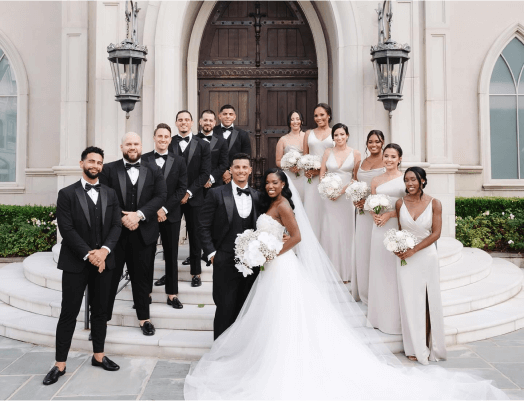



How to Plan a Beach Wedding
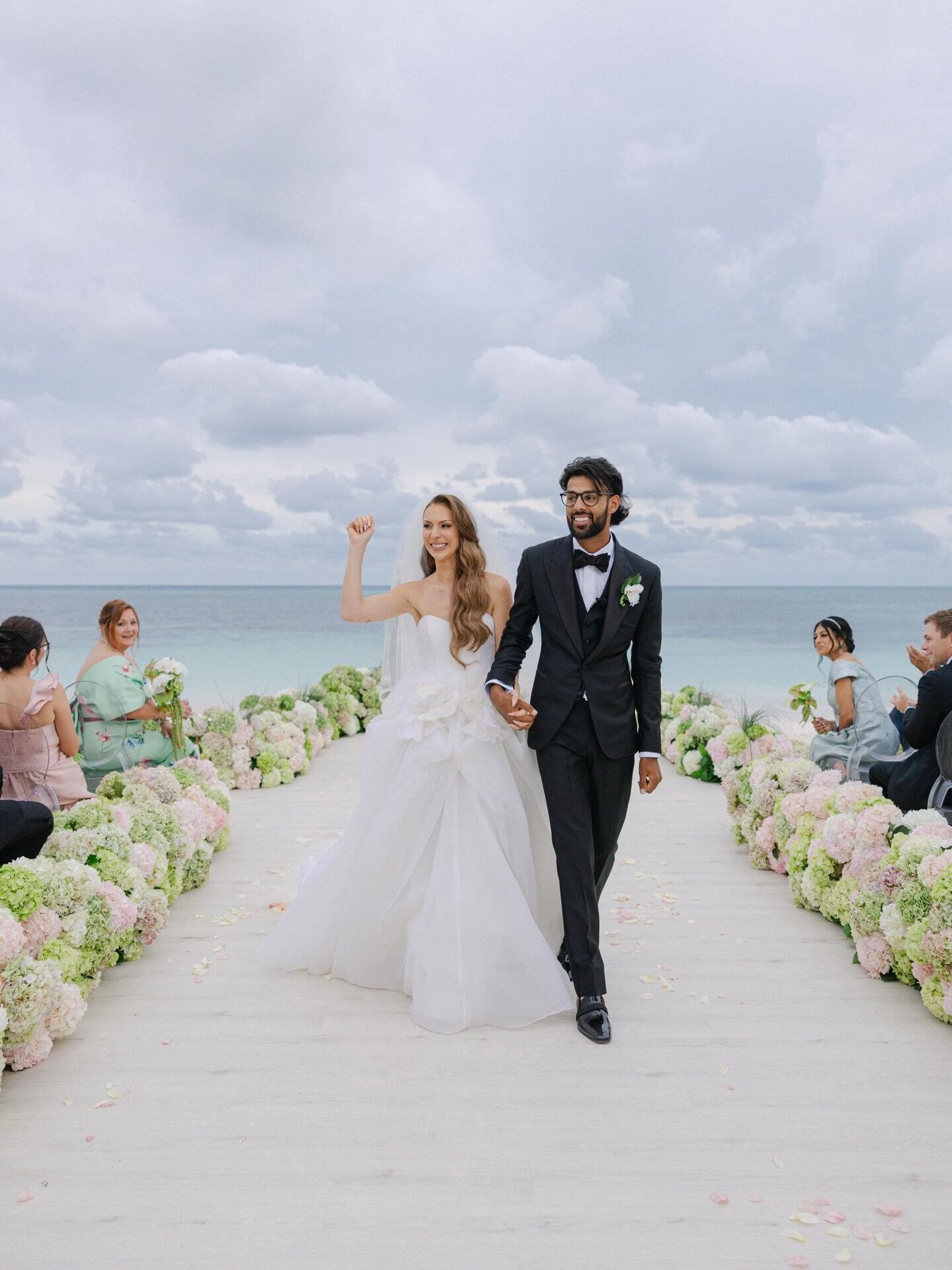
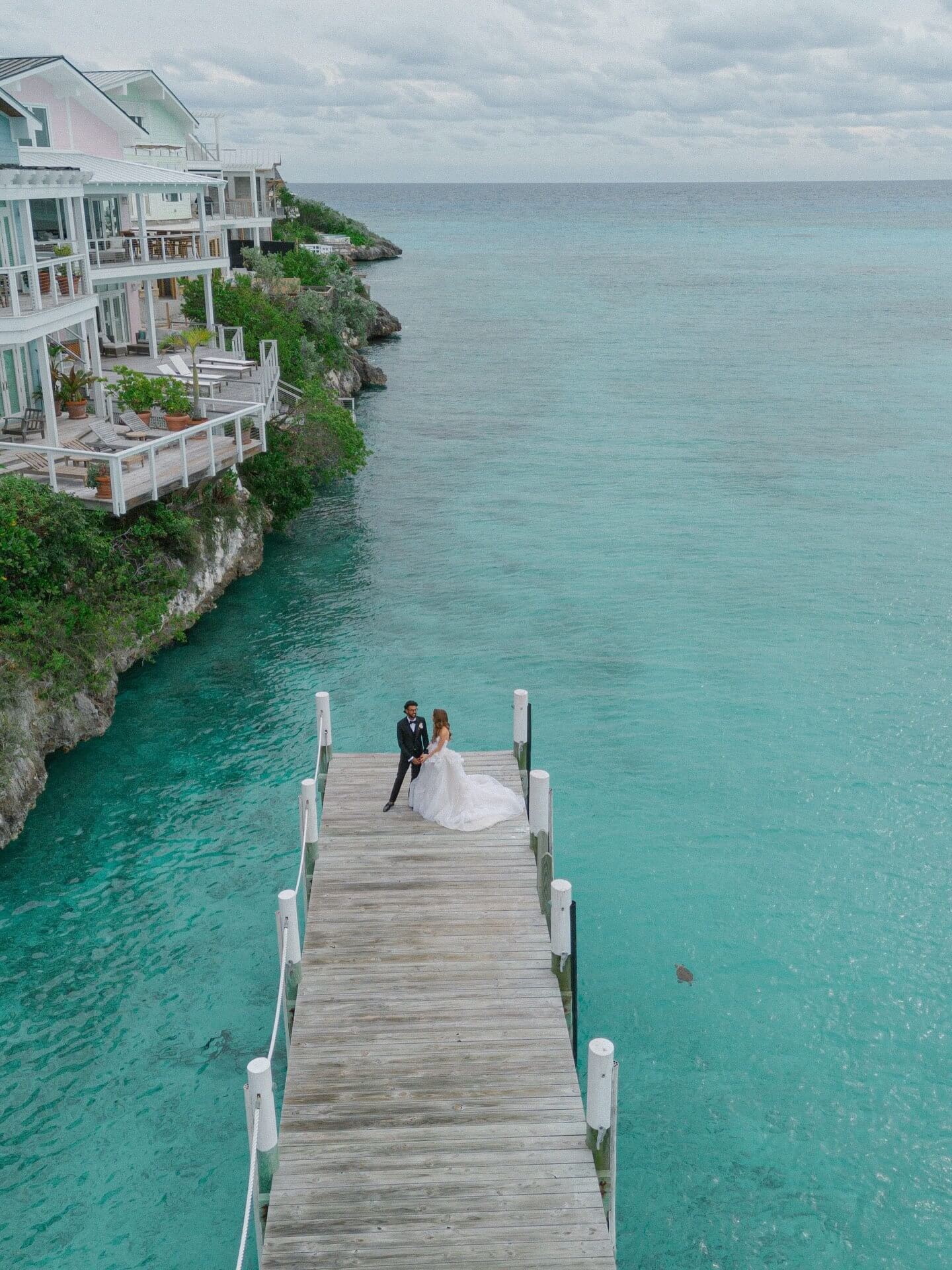
When planning a beach wedding, it is important to make a few key decisions first: what type of beach you want, what permits and legal paperwork are required, and when you want to hold your ceremony. These choices will influence almost everything else, from your budget and guest numbers to what you can bring onto the beach. Most couples require nine to twelve months to plan a destination wedding, and slightly less time for a local one. Booking a wedding planner or venue coordinator who knows the area can save time, since they are already familiar with local rules and seasonal patterns.
Choose the Right Beach
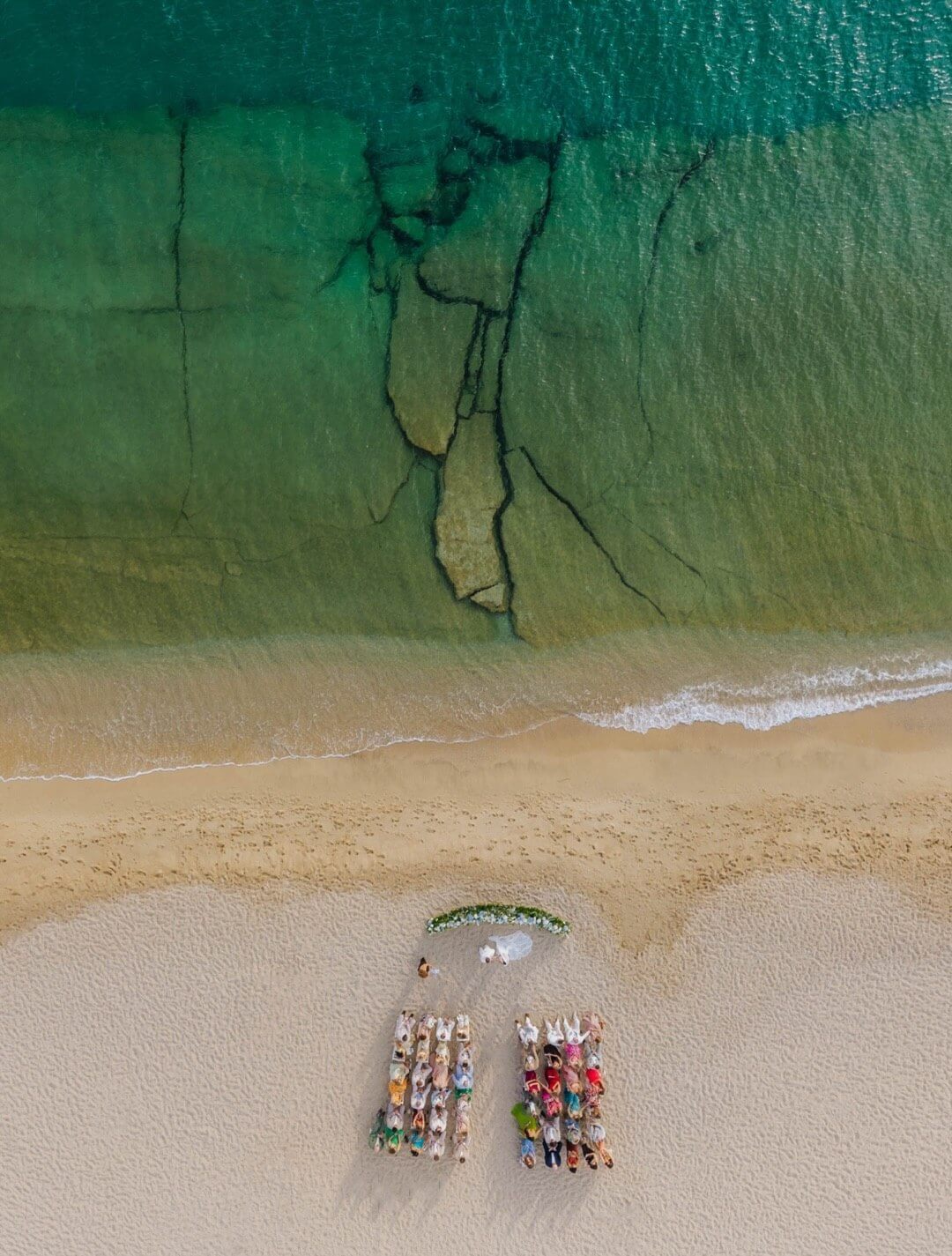
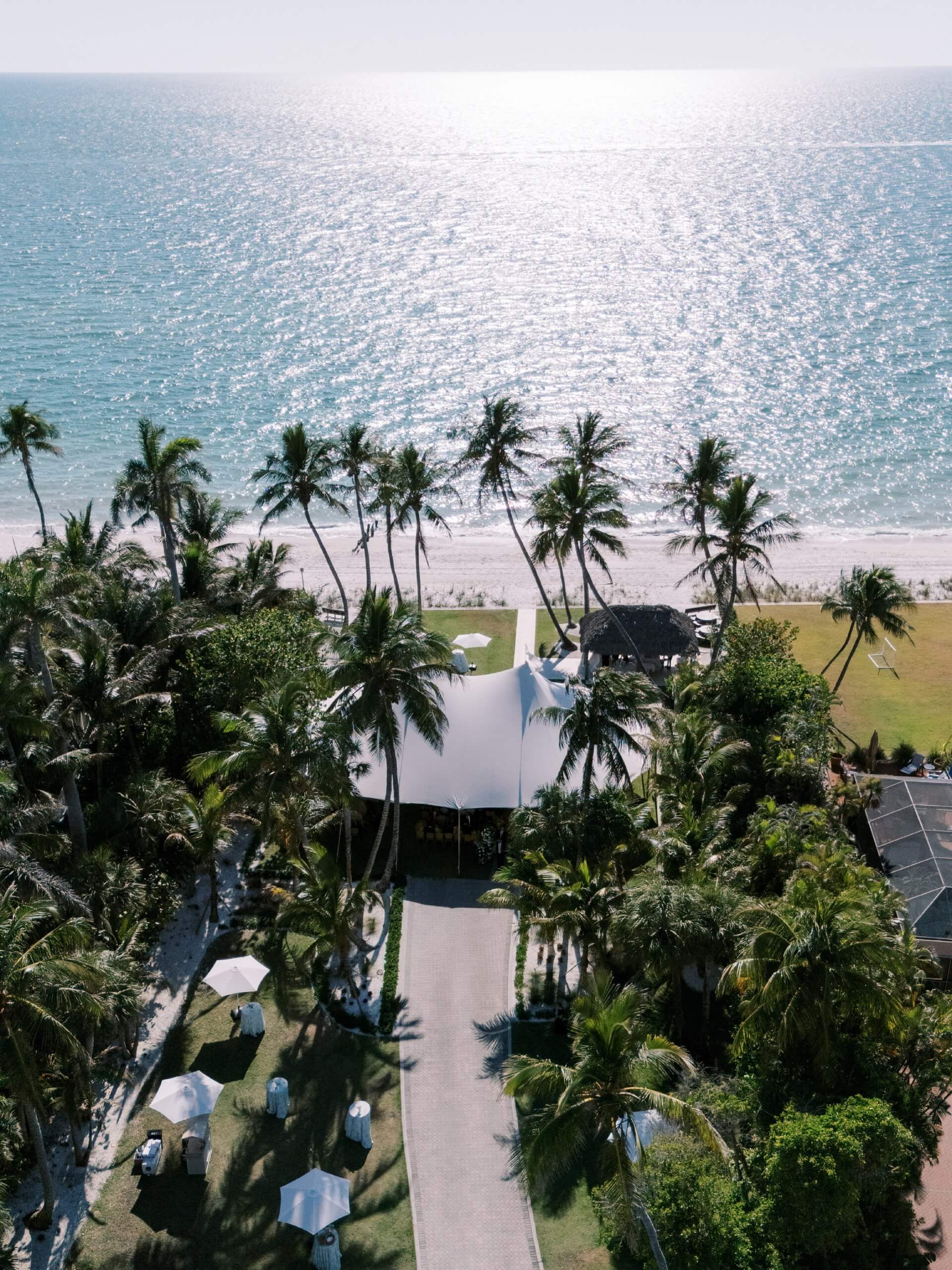
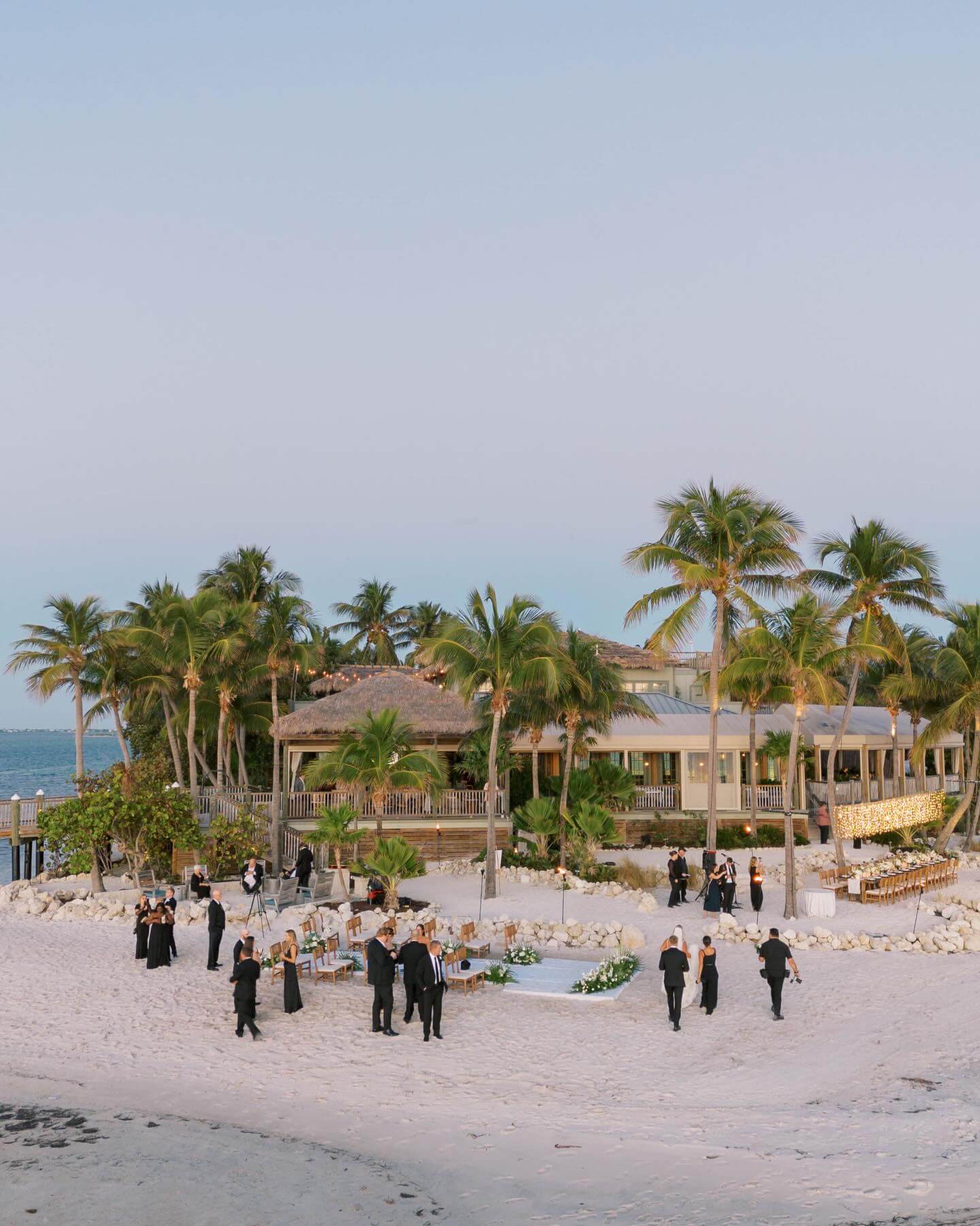
The right beach for you depends on how much privacy, comfort and control you want. Public beaches offer stunning views at a low cost, but you have to share them with swimmers and passersby. A private beach, which is often attached to a villa or estate, offers exclusivity and fewer restrictions. Beachfront resorts and venues usually cost more but include an indoor backup area, restrooms, catering and staff. Visit your shortlisted venues at the same time of day as your ceremony to experience the light, crowds and wind conditions. The table below compares the three main options.
| Beach type | Permit needed | Privacy | Bad-weather backup | Best for |
|---|---|---|---|---|
| Public beach | Usually yes | Low | Must be arranged separately | Small, budget-friendly ceremonies |
| Private beach | Sometimes | High | Often a villa or tent | Intimate weddings with full control |
| Beachfront resort or venue | Usually included | Medium to high | Indoor space on site | Larger weddings and destination guests |
Whatever option you choose, make sure you budget for any additional costs that couples often overlook. While a public beach may seem like the cheapest option, you will usually need to rent chairs, an arch and a tent for a backup plan, as well as portable restrooms and sometimes a generator. Guest shuttles, parking fees, a cleanup crew and extra vendor travel time can also add up quickly. Resorts often bundle these into a package, making the true cost easier to compare. Ask every venue for a full list of what is and isn't included before signing anything.
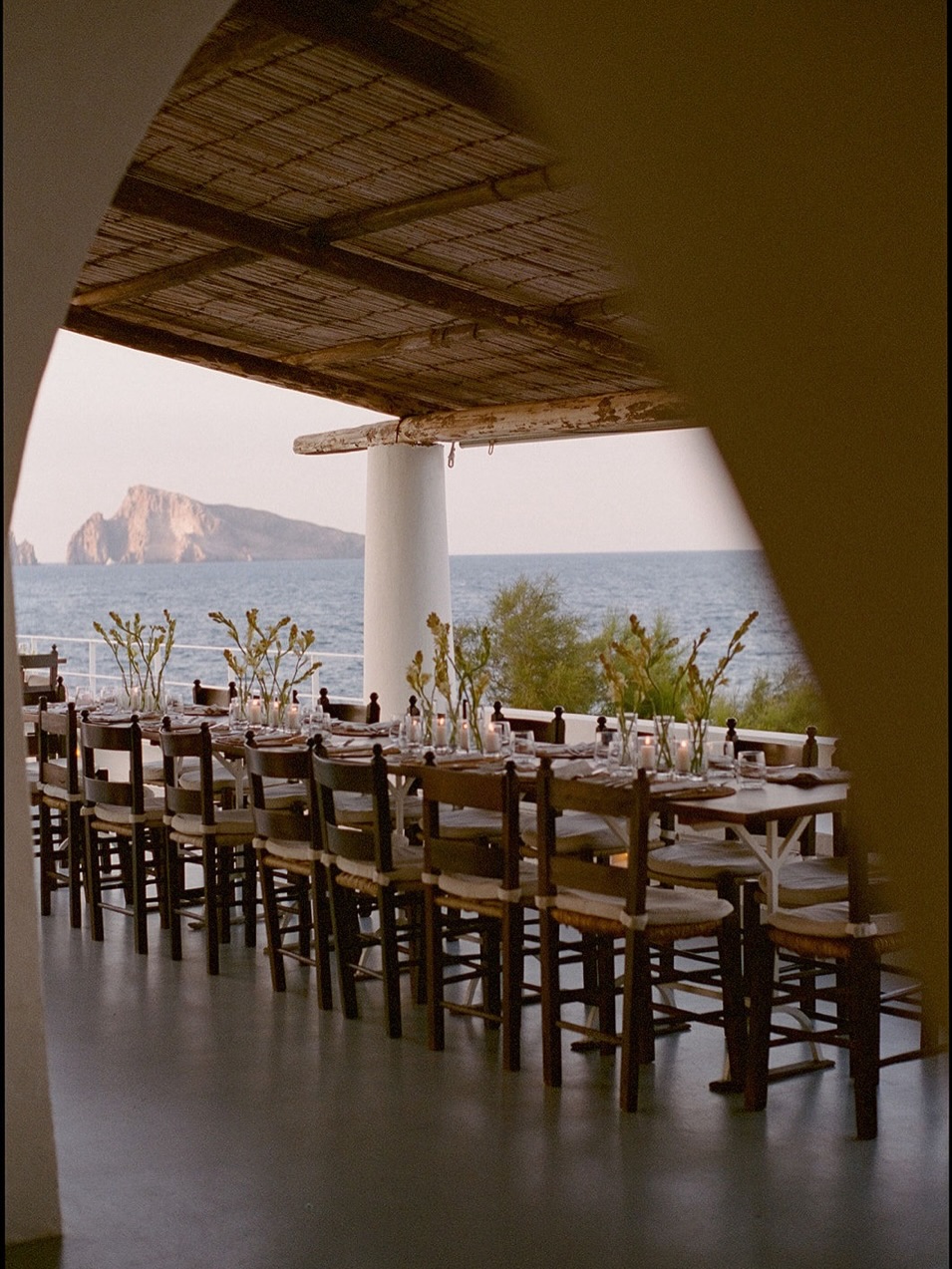
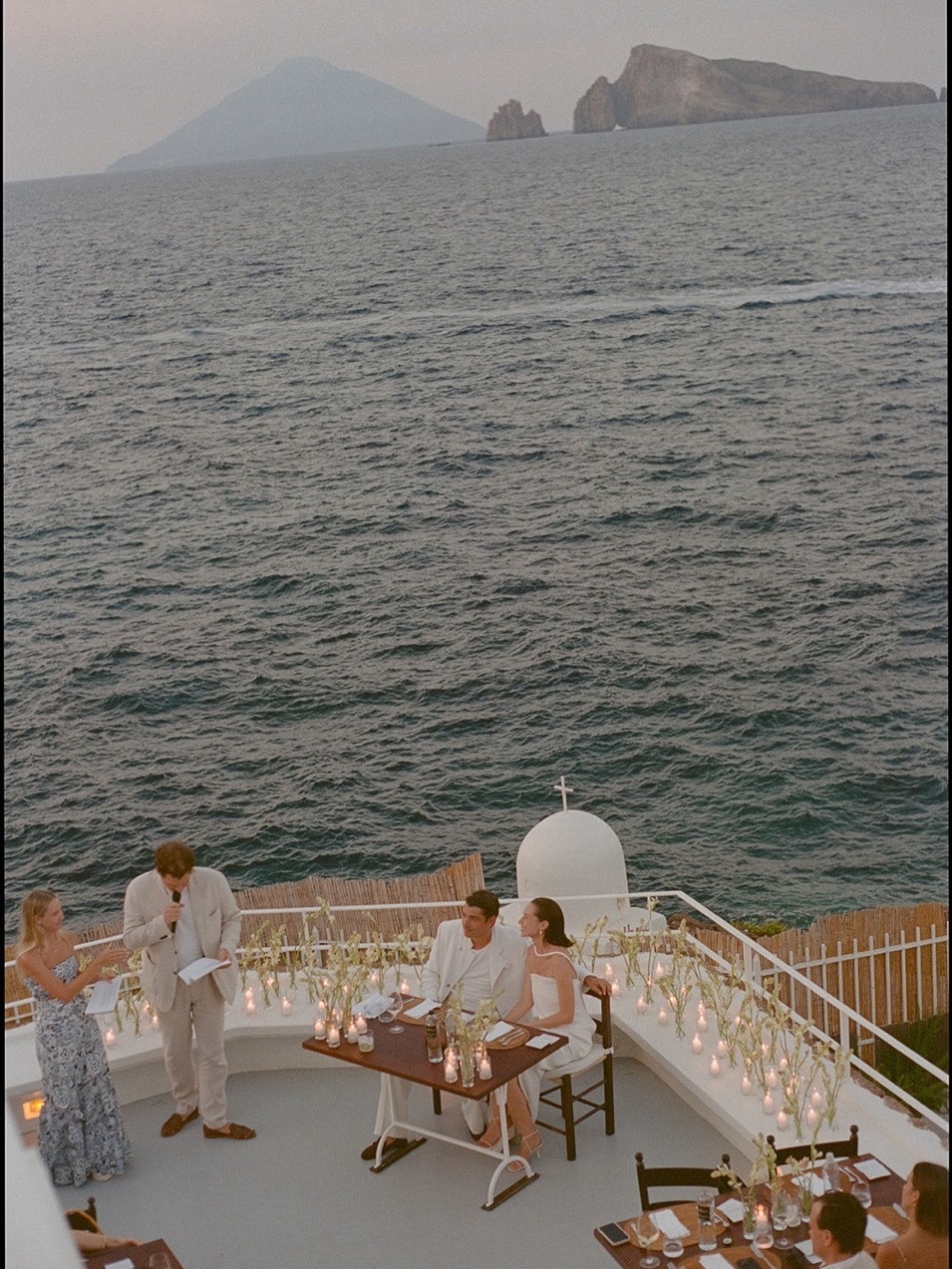
Privacy is the factor many couples underestimate. As Your Wedding in Italy explains,
 One of the most common mistakes is underestimating the importance of privacy and having a proper base, such as a beach club, hotel or dedicated platform. Especially during peak summer season, choosing the right timing and securing the surrounding space is essential to avoid having beachgoers just a few steps away from an elegant wedding celebration.
Check Permits and Local Rules
Most public beaches require a permit for wedding ceremonies, particularly if you intend to set up chairs, an arch or a sound system. Fees are usually modest. In several Florida counties, for instance, ceremony permits typically cost between $25 and $250, whereas state parks often charge more. Hawaii issues permits for many of its state beaches but does not allow ceremonies on some of the more popular ones. Rules often limit the number of guests, the length of the ceremony, the types of structures permitted, amplified music and alcohol. Glass is also banned on many beaches. Apply as early as possible, since popular dates can sell out.
In the US, Love Clark Events notes that "most public beaches require a special event or wedding permit to ensure exclusive use of a space and to protect local wildlife and public access. Couples typically need to apply directly through the local municipality, parks department, or town hall where the beach is located several months in advance. Securing this ahead of time prevents unexpected fines, park rangers shutting down the ceremony, or overlapping public events on your big day."
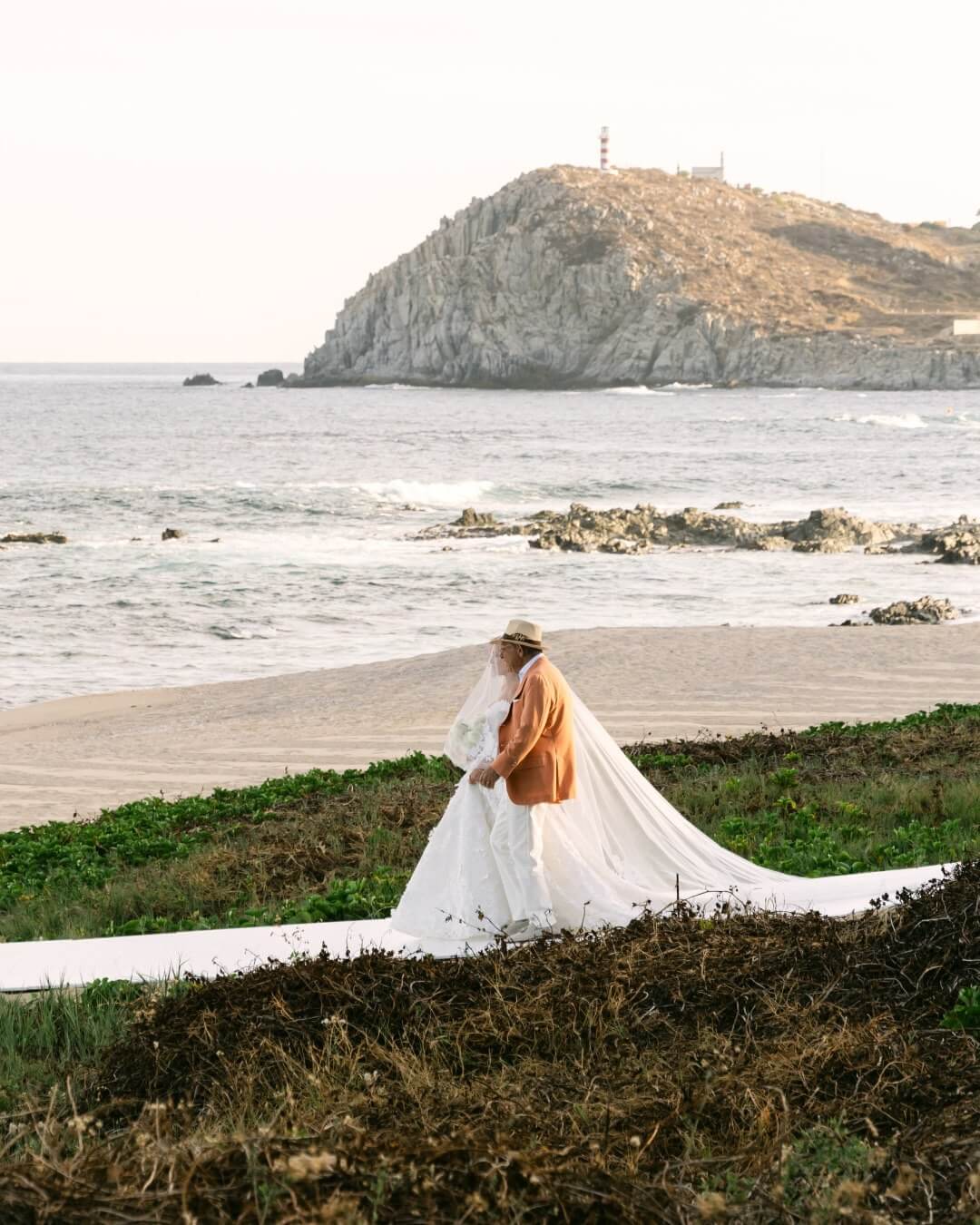
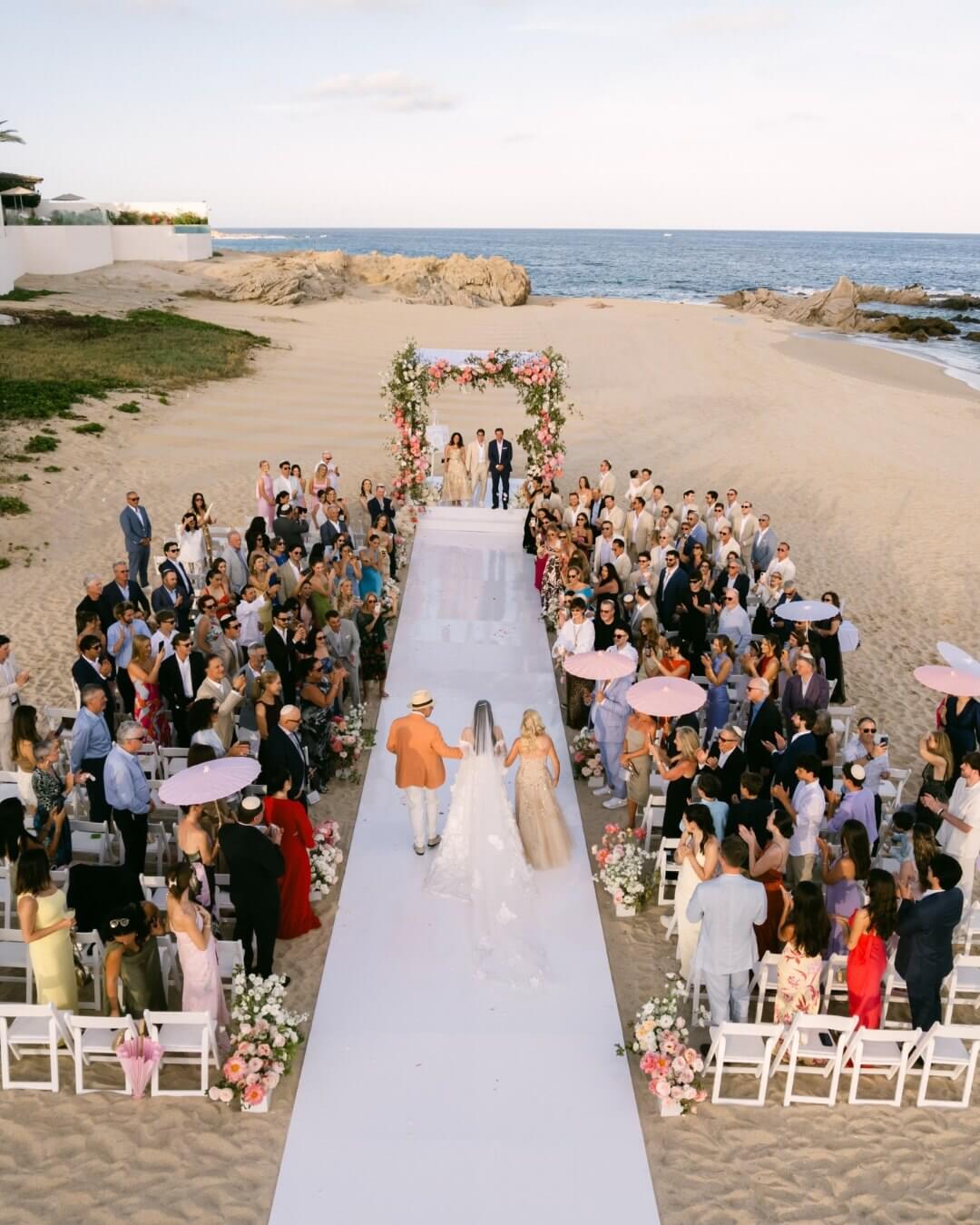
Rules abroad can be quite different. In Italy, Etnamare Weddings and Events explains: "For a symbolic beach ceremony on a public beach, you typically need permission from the Coast Guard (Guardia Costiera), especially if you plan to set up significant decorations like an arch or aisle with chairs. However, an intimate elopement with minimal ground decorations and no guests can often proceed without permits. For a legal beach ceremony, you'll need to identify specific beach locations authorized by the local town hall; these are quite limited in Sicily."
Understand the Legal Requirements
A ceremony on the beach does not necessarily constitute a legally recognized marriage, so check the rules of your chosen destination well in advance. In Hawaii, for instance, couples require a state marriage license, but there is no residency requirement or blood test. By contrast, France only recognizes civil marriages performed at the town hall, and one partner usually needs to have lived in the area for 30 to 40 days. Some countries also require documents to be translated or apostilled. This is why many couples sign the legal paperwork at home and hold a symbolic ceremony by the sea.
Love Clark Events agrees: "Destination weddings often involve navigating foreign marriage laws, residency periods, translation services, or local blood tests, which can be logistically challenging. To avoid these legal hurdles abroad, many couples choose to legally marry at home (or 'elope' beforehand) and simply hold a symbolic ceremony at their destination. If you do choose to marry legally abroad, always check with the local embassy or consulate well in advance to confirm exact documentation timelines."
Each country has its own paperwork. For Italy, Etnamare Weddings and Events advises: "For international couples wishing to have a legal wedding in Italy (Sicily as well), the first step is to contact the local town hall. You will receive a detailed list of required documents, which must be collected, legalized, and translated in a timely manner. General requirements for this documentation include: all documents must be issued no more than six months before the wedding date. Additionally, if a woman has been divorced, she must wait 300 days after the divorce is finalized before she can remarry."
Pick the Date and Time
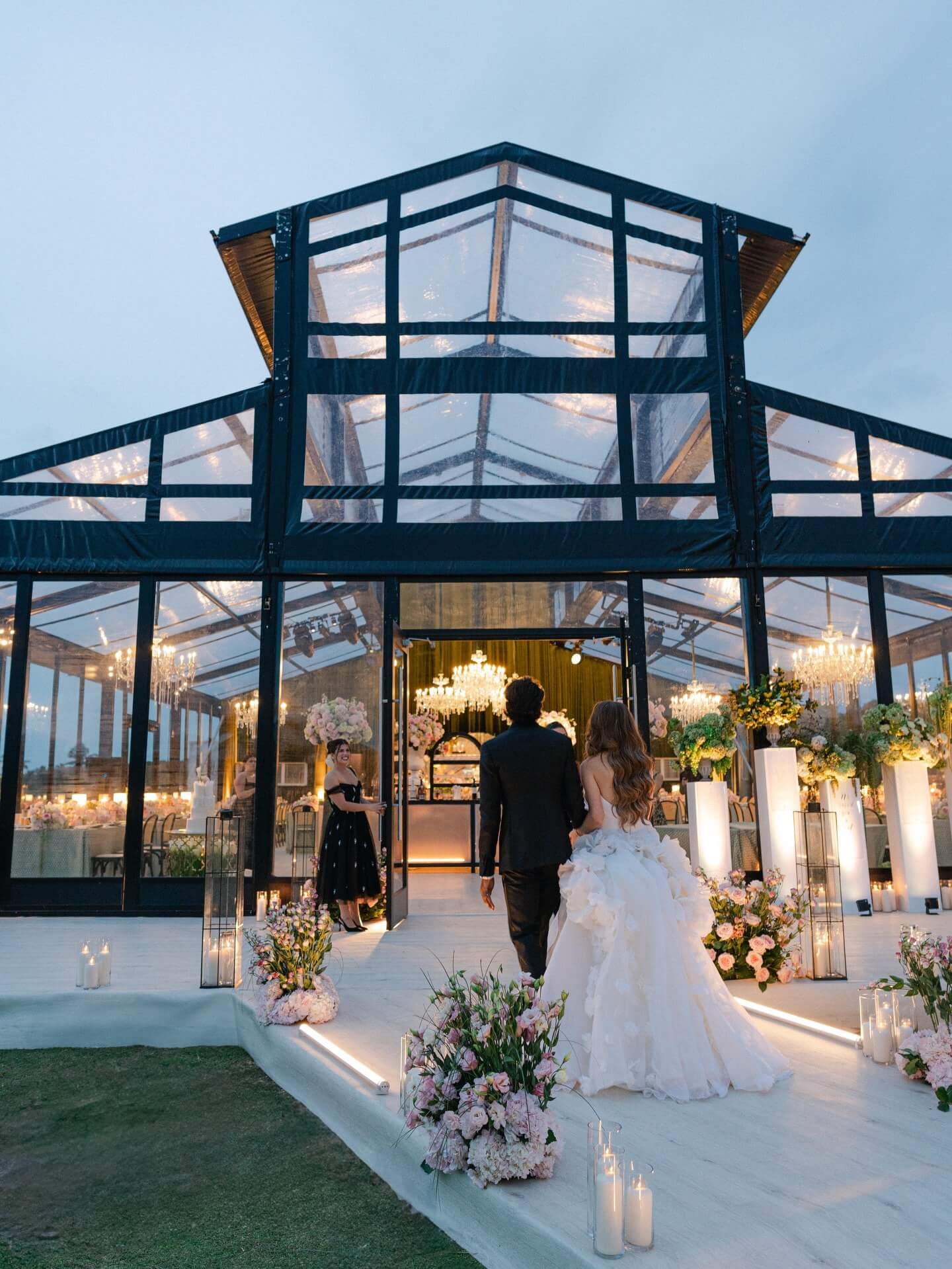
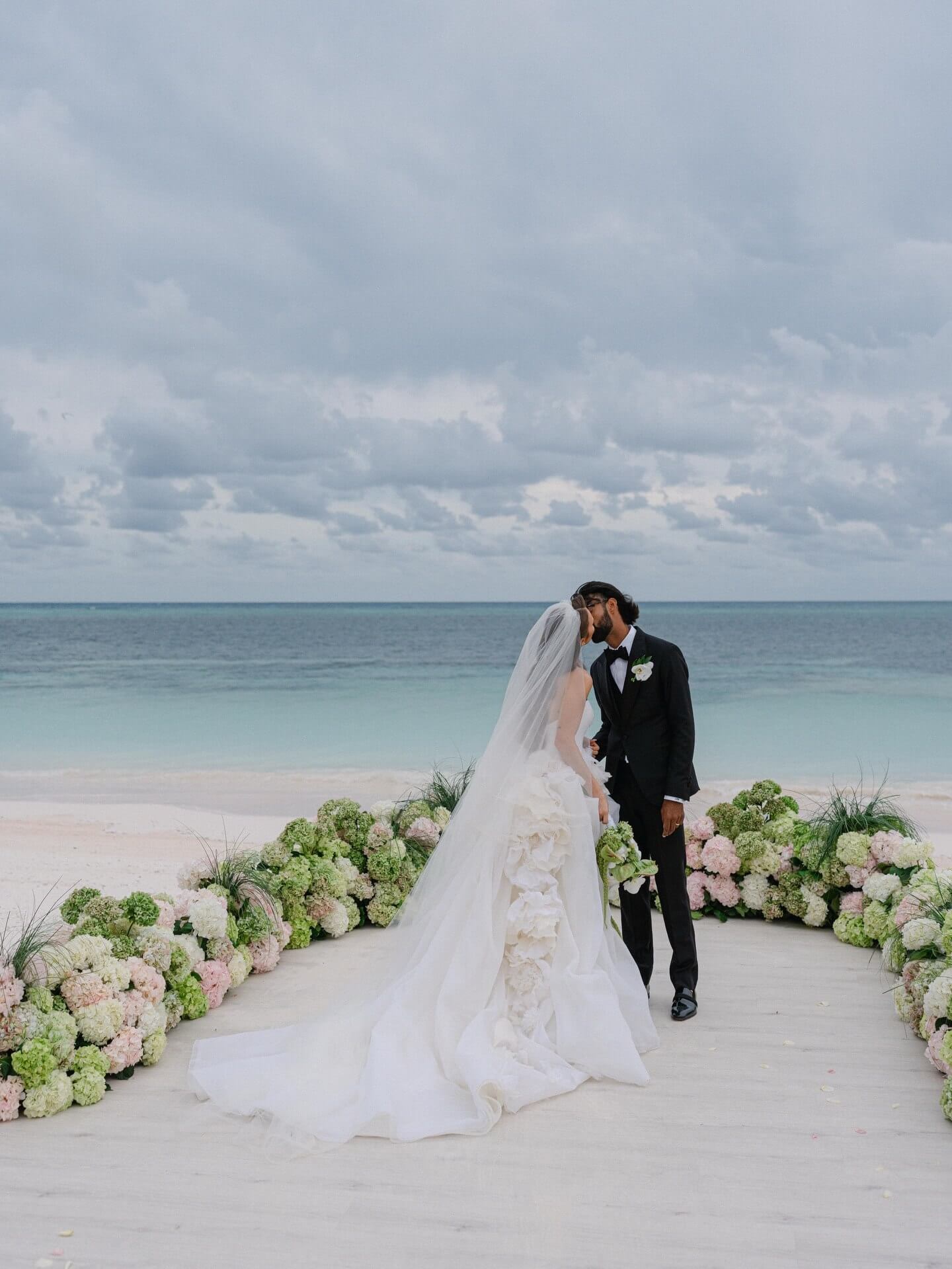
The best time of year for a beach wedding is when the weather is calm and the temperatures are comfortable. As hurricane season in the Atlantic and Caribbean runs from June 1 to November 30 and peaks from mid-August to mid-October, many couples choose to get married in spring or late fall instead. Consider the time of day carefully, too. A ceremony held about an hour before sunset provides soft golden light, cooler air and fewer people on the sand. Photographer Hassan Hadad agrees that timing shapes how the day looks on camera:
"Definitely avoid shooting during the midday sun and the hours immediately following - the heat is too intense, and the harsh light creates unflattering shadows. While you can certainly get some beautiful, creative sunny shots, the absolute best lighting window remains the golden hour. If a beach ceremony is planned, couples should schedule it outside of peak heat hours to keep everyone comfortable and ensure soft, glowing light for key moments."
A morning ceremony is ideal in hot climates, leaving the afternoon free for a relaxed brunch reception.
The length of the ceremony matters too. Love Clark Events recommends keeping it short: "An ideal beach ceremony should last between 20 and 30 minutes from the processional to the recessional. Because guests are often standing or sitting outdoors in direct sunlight, heat, and humidity, keeping the ceremony short and sweet prevents discomfort. Try to schedule it for early morning or approximately an hour and a half before sunset to avoid the midday heat, start on time, and have water and shade available for guests (umbrellas on hotter days). You can always balance a shorter ceremony with a longer, more relaxed cocktail hour and reception afterward!"
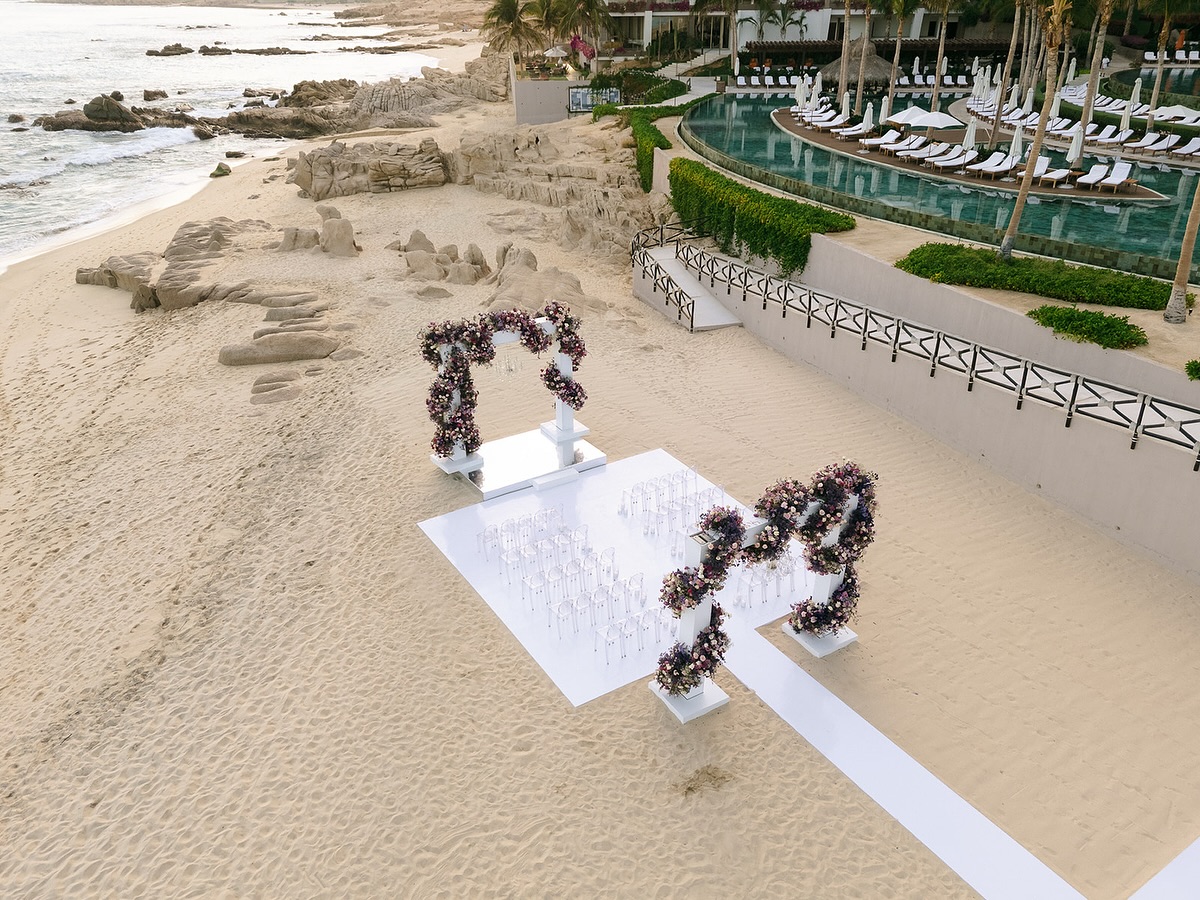
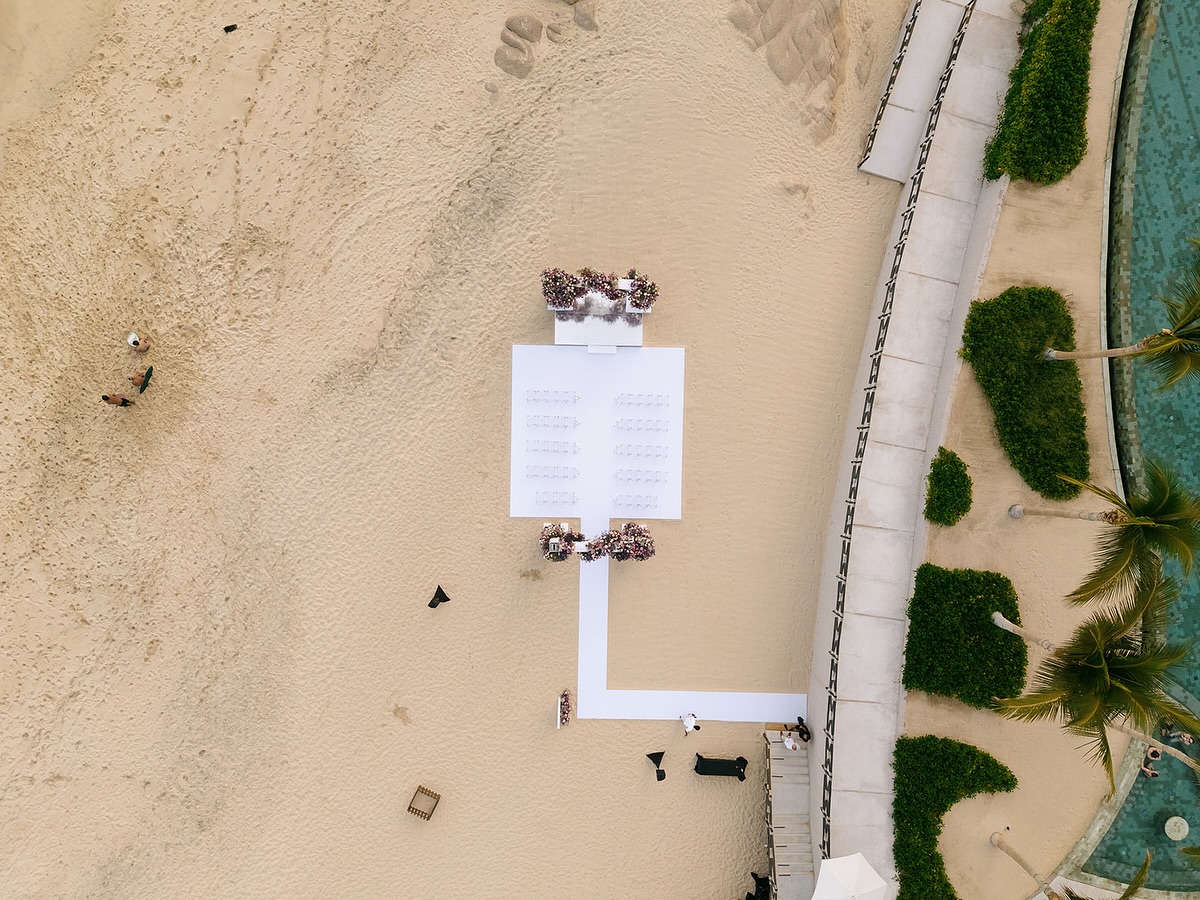
Etnamare Weddings and Events adds that good organization matters more than the clock: "Normally we plan beach ceremonies just before the sunset, without exposure to direct sun, so it is not the length of the ceremony that makes guests feel more or less comfortable, but how well everything is organized. They can also feel uncomfortable with a very short ceremony that delivers a poor experience. Most importance should be given to the correct planning of the ceremony (season, place, logistics, exact time, lighting, a good celebrant selection) and not specifically to its length."
Planning a Beach Wedding Around Weather and Tides
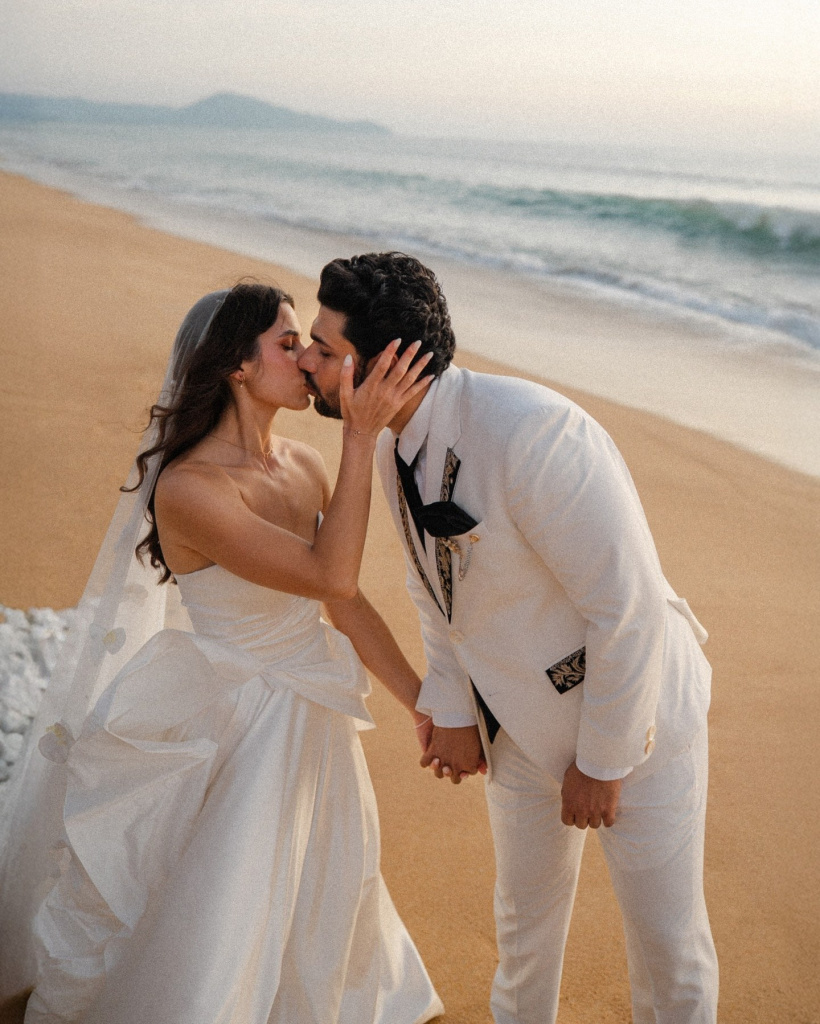
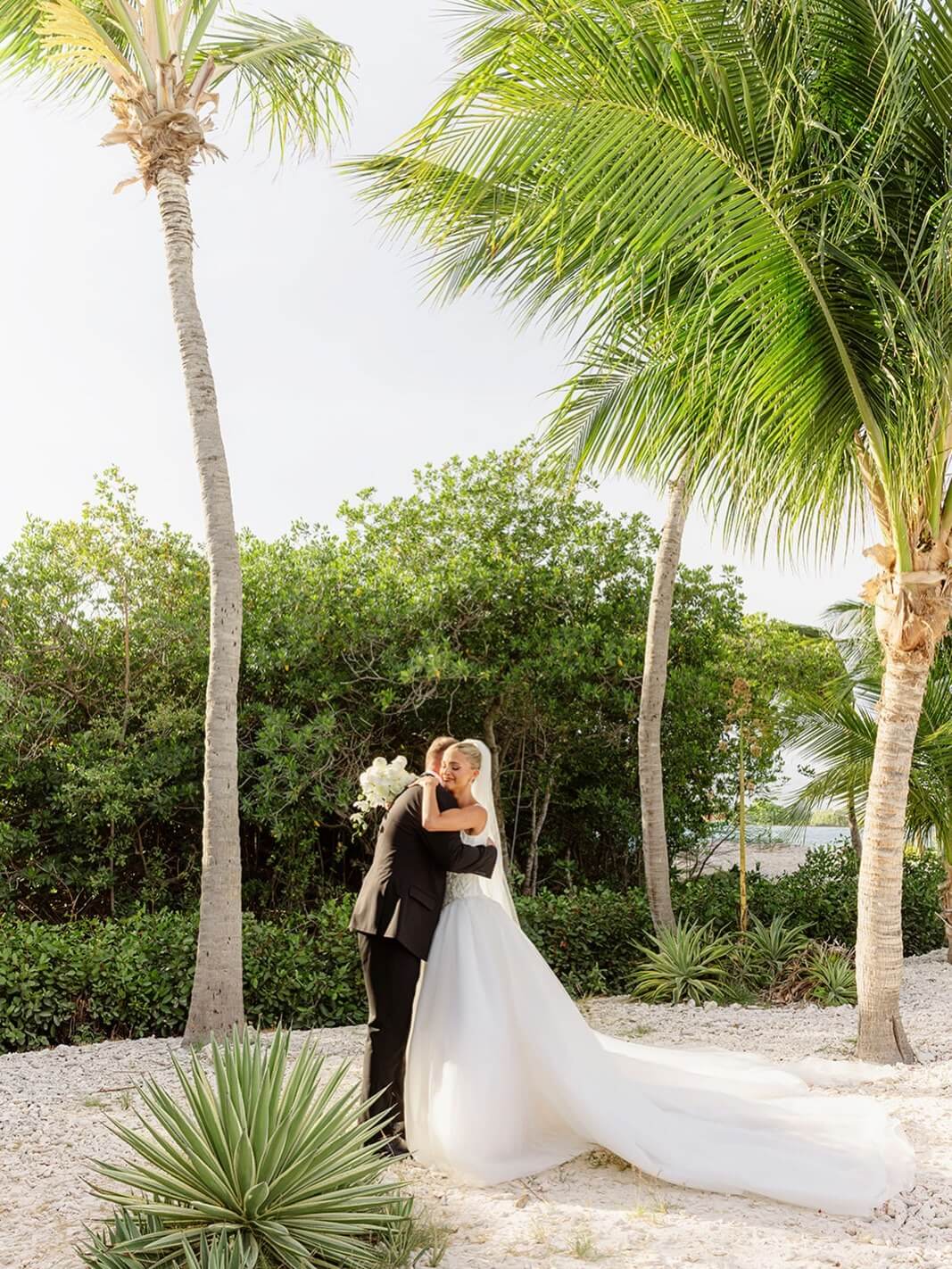
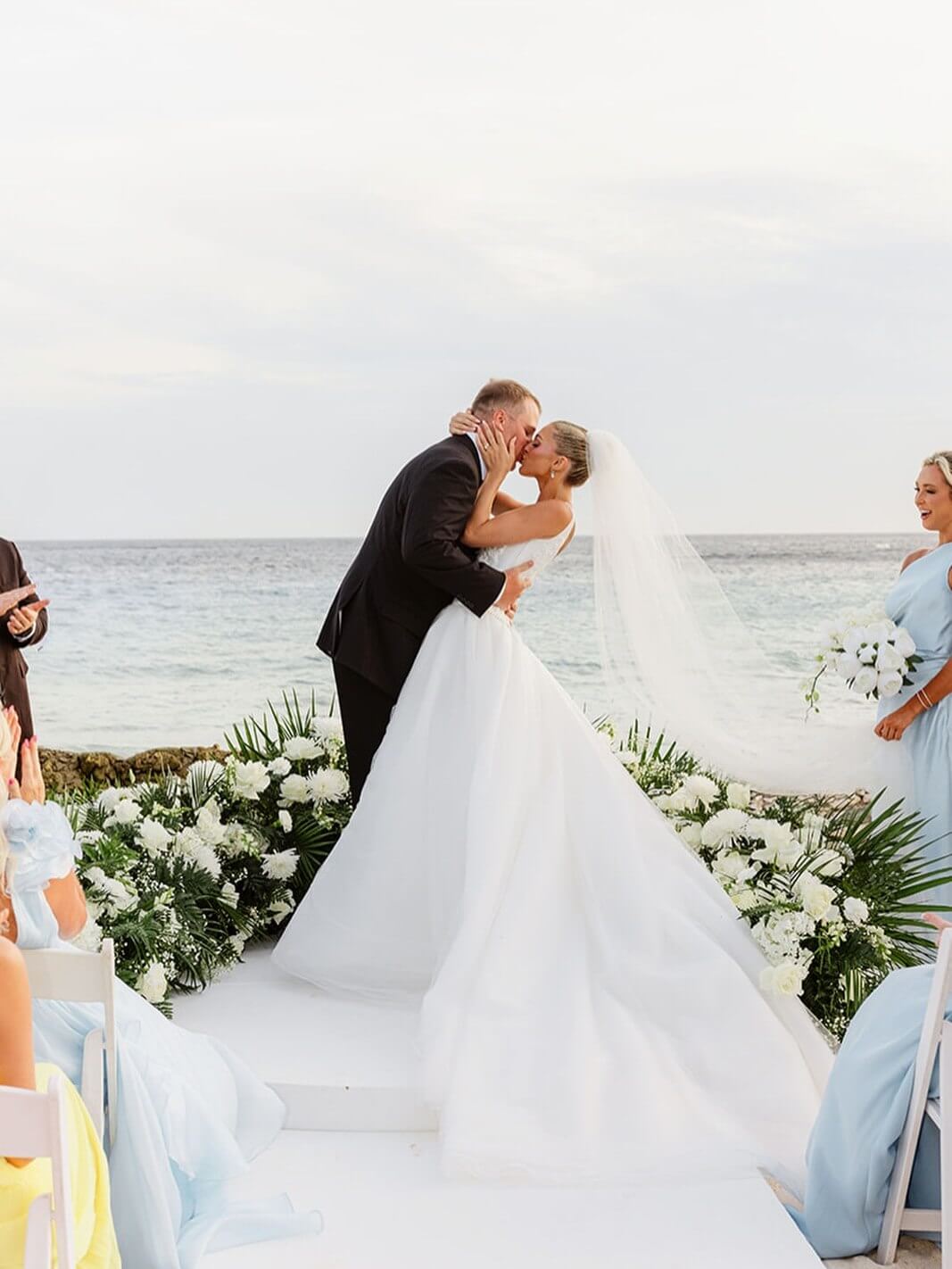
Weather and tides deserve as much attention as the décor. The ocean changes throughout the day, and most coastlines experience two high tides approximately every 24 hours. Check a tide chart for your exact date and ensure that you place the ceremony well above the high-water line so that the aisle does not disappear mid-vows. Wind is also important, as it can topple arches, blow veils around and carry away the officiant's words. Ask your venue which direction the wind usually blows in at the time of your ceremony.
Planners see the breeze as one of the biggest challenges. Your Wedding in Italy explains: "The biggest challenges are timing, privacy and weather conditions, especially the unpredictable sea breeze, which can affect even the most carefully planned setups. Guest capacity depends on the available space, while decorations should embrace the natural beauty of the beach rather than transform it into something completely different. We also believe it's essential to prepare guests for the setting, helping them choose appropriate clothing and footwear, while our wedding team takes care of the logistics."
A backup plan is essential, even in the sunniest of destinations. Reserve a tent, covered terrace or indoor room and agree on a deadline for deciding whether to move the ceremony indoors. Share this plan with your vendors and include a short note for guests on your wedding website. Keep a few practical extras on hand, such as umbrellas, fans, insect repellent and reef-safe sunscreen. Hawaii, for example, bans sunscreens containing oxybenzone and octinoxate in order to protect its coral reefs.

Beach Wedding Ceremony and Reception Details
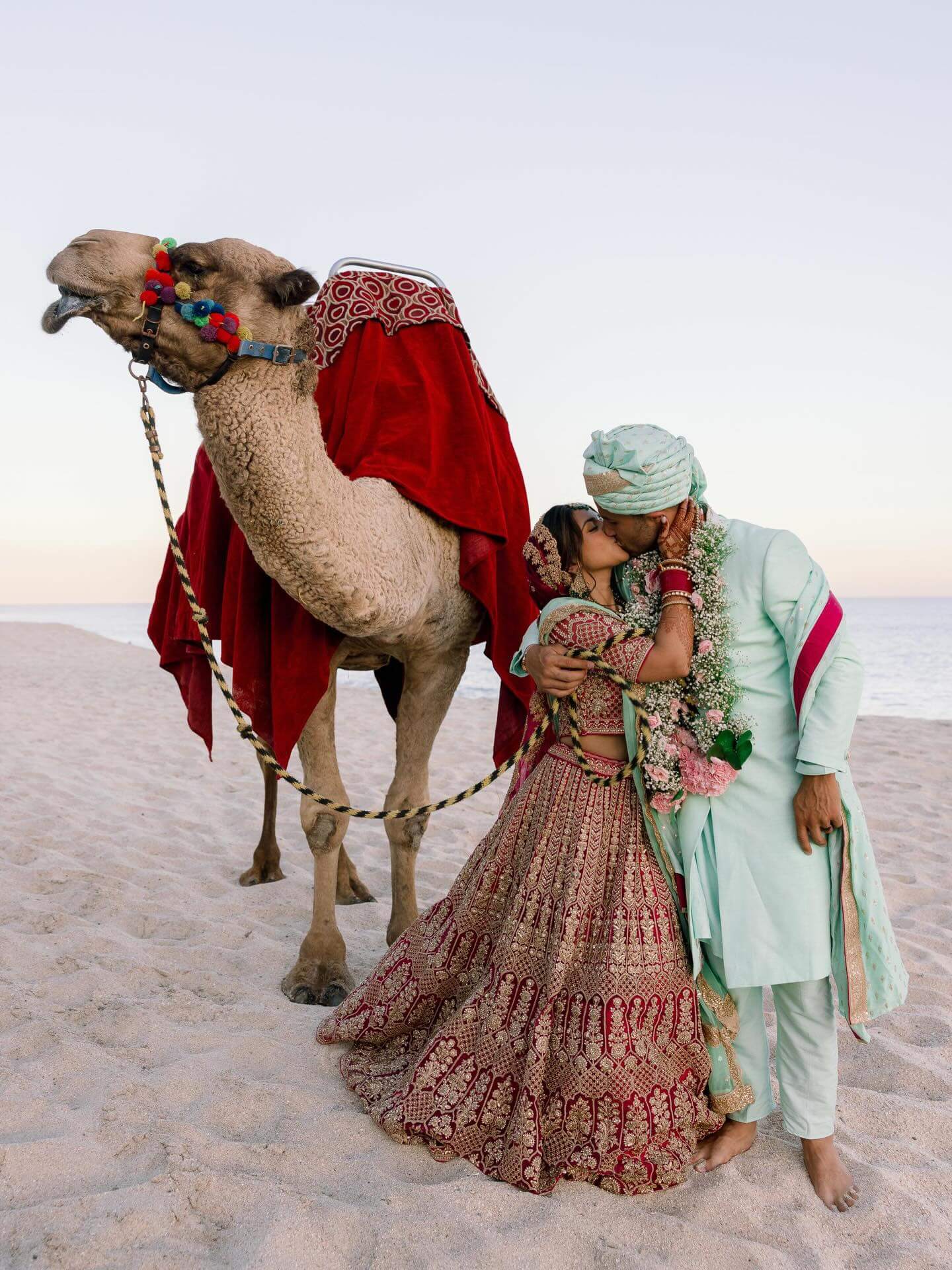
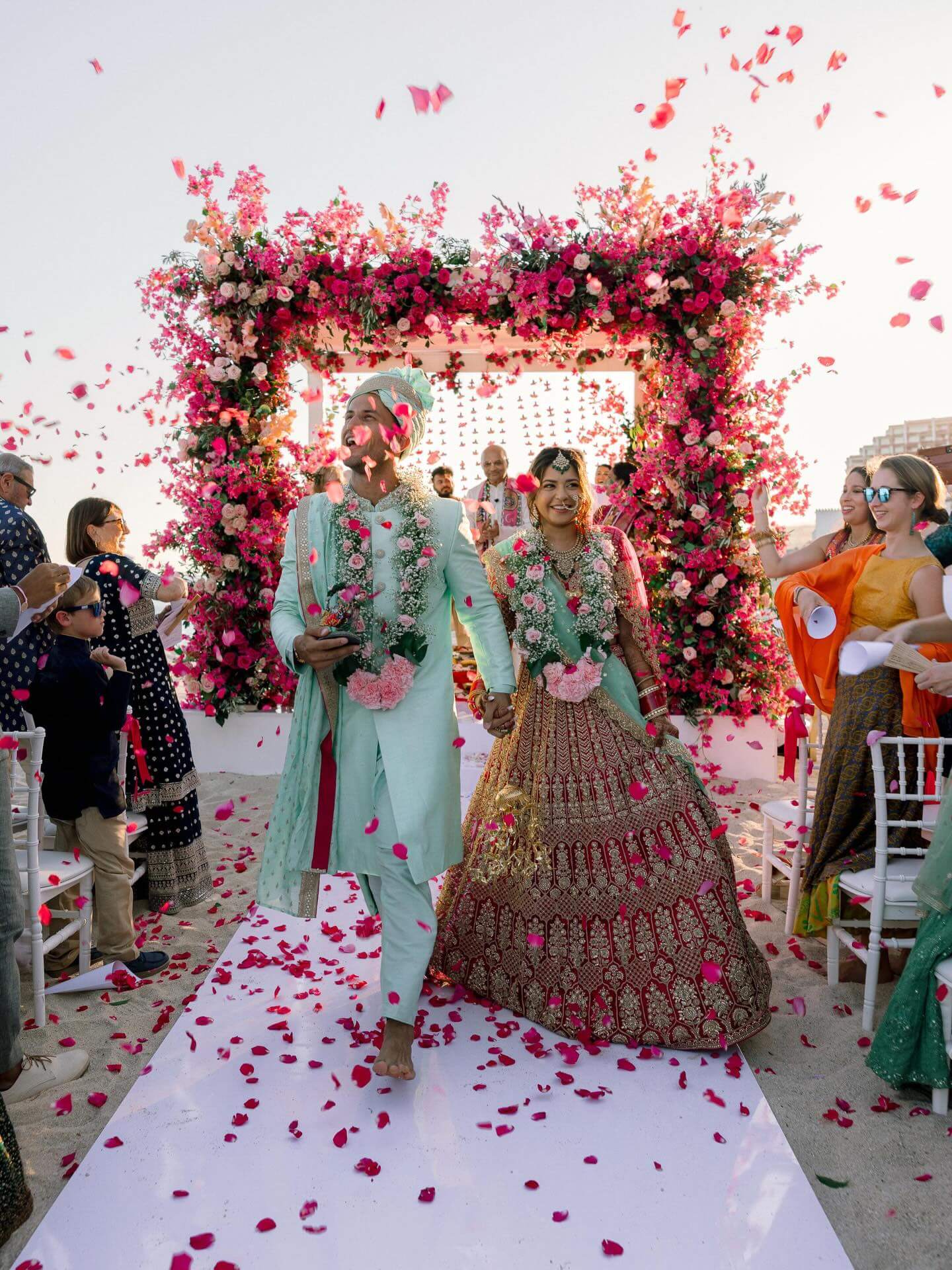
For beach weddings, every detail should be chosen with the sand, sun and wind in mind. Lightweight decorations, clear sound systems and food that can withstand the heat will ensure everyone is comfortable throughout the day. Rather than fighting the setting, embrace the natural backdrop. The sections below cover the details that couples ask about most often.
Ceremony Setup and Décor
Before choosing décor, decide which way the ceremony will face. Photographer Ximena Zermeno has a clear preference:
Ocean behind the couple, always. That way the guests get the view during the whole ceremony, and every photo of the vows has the sea as the backdrop. But the sun matters as much as the ocean: before setting up, check where the sun will be at ceremony time. Nothing ruins photos more than a couple standing half in sun and half in shade, and that's very hard to fix later.
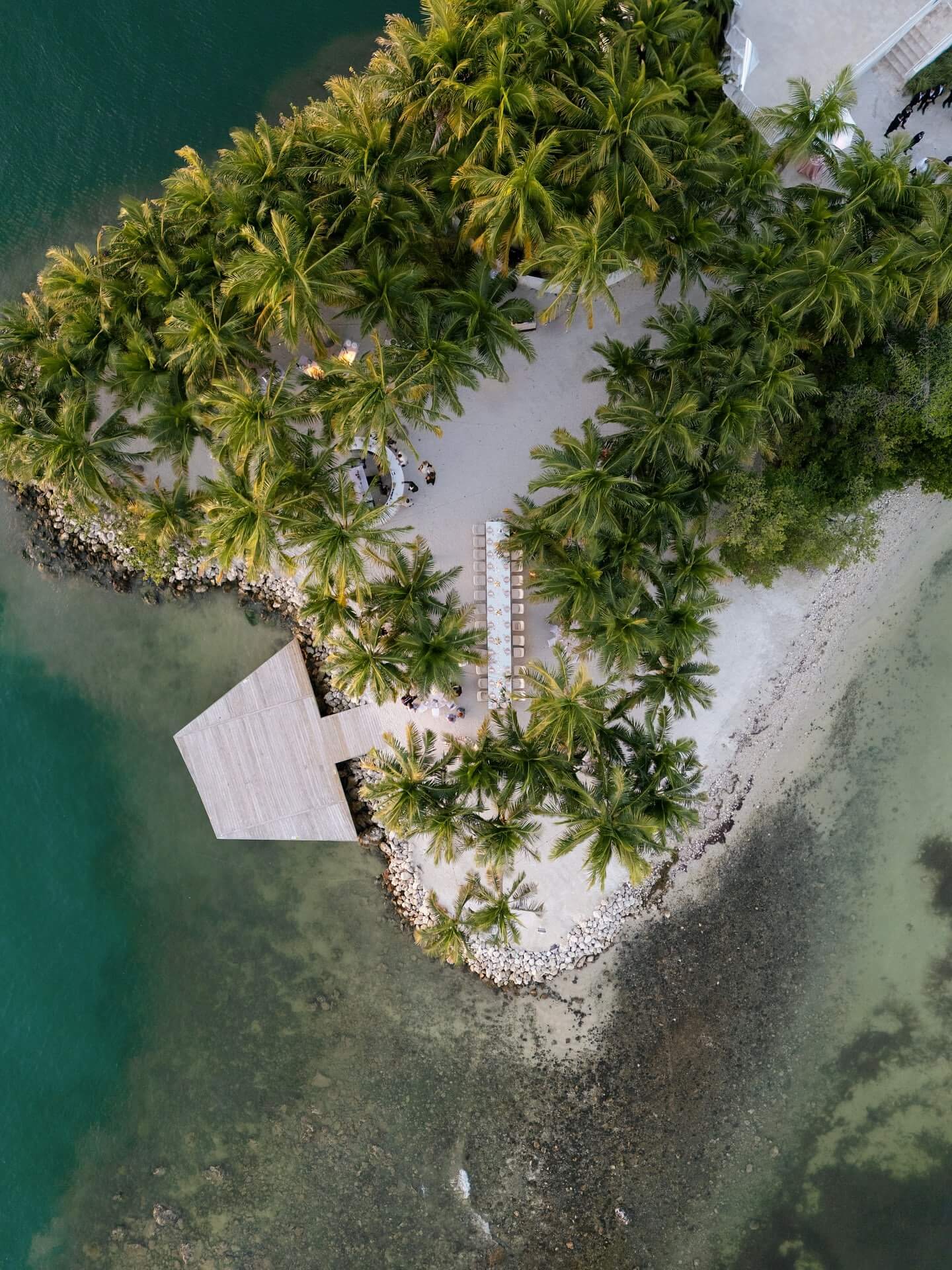
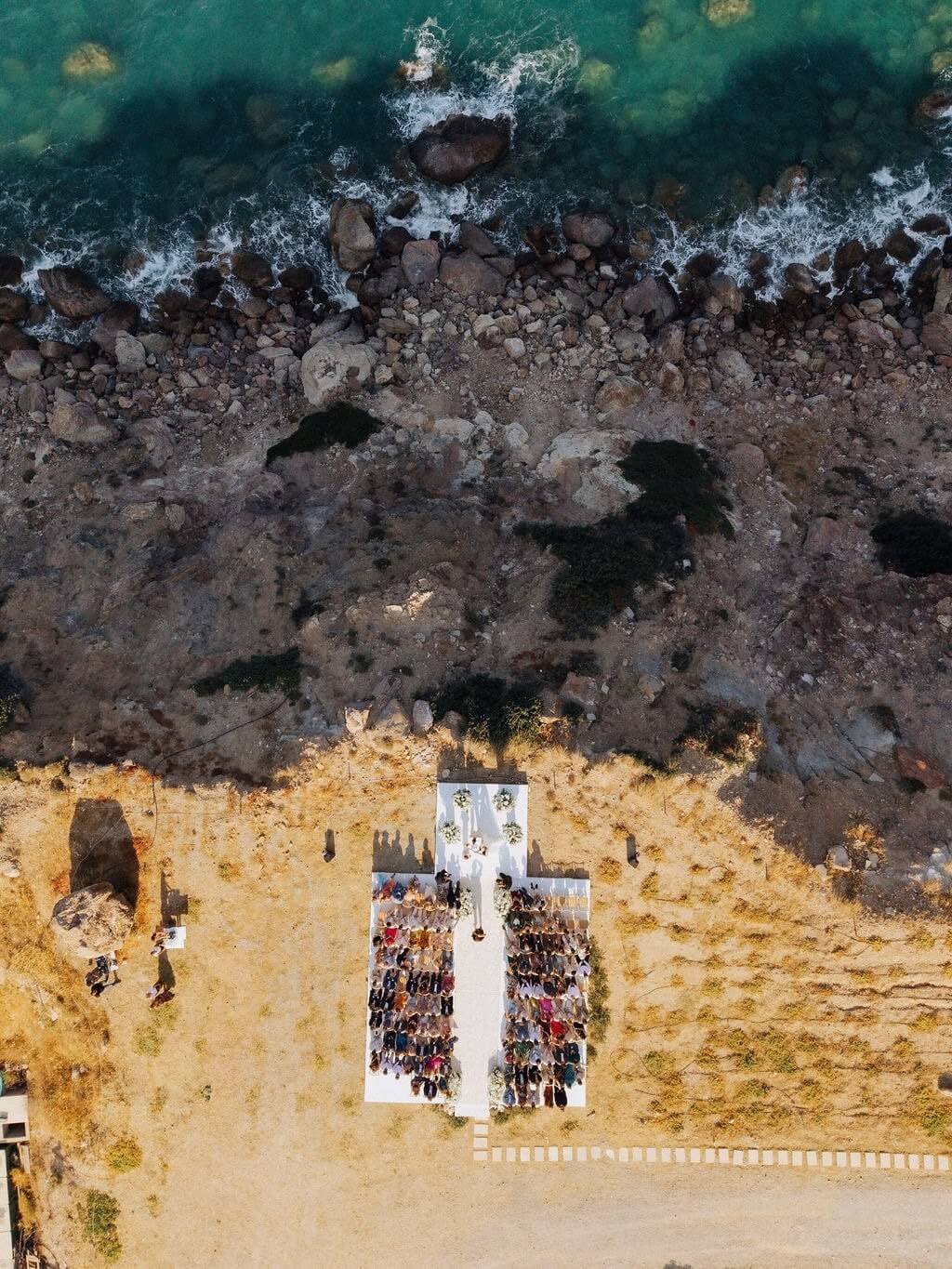
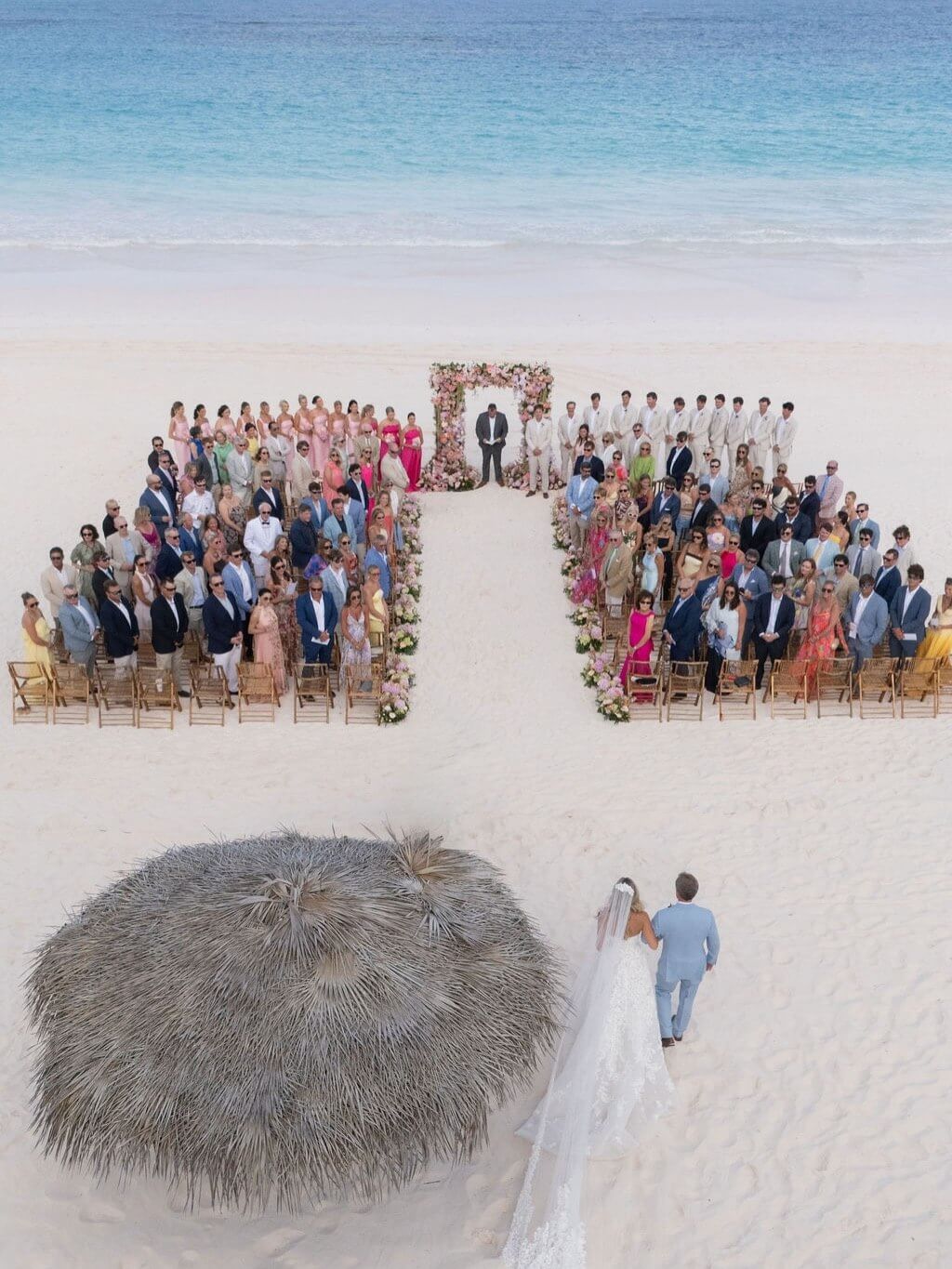
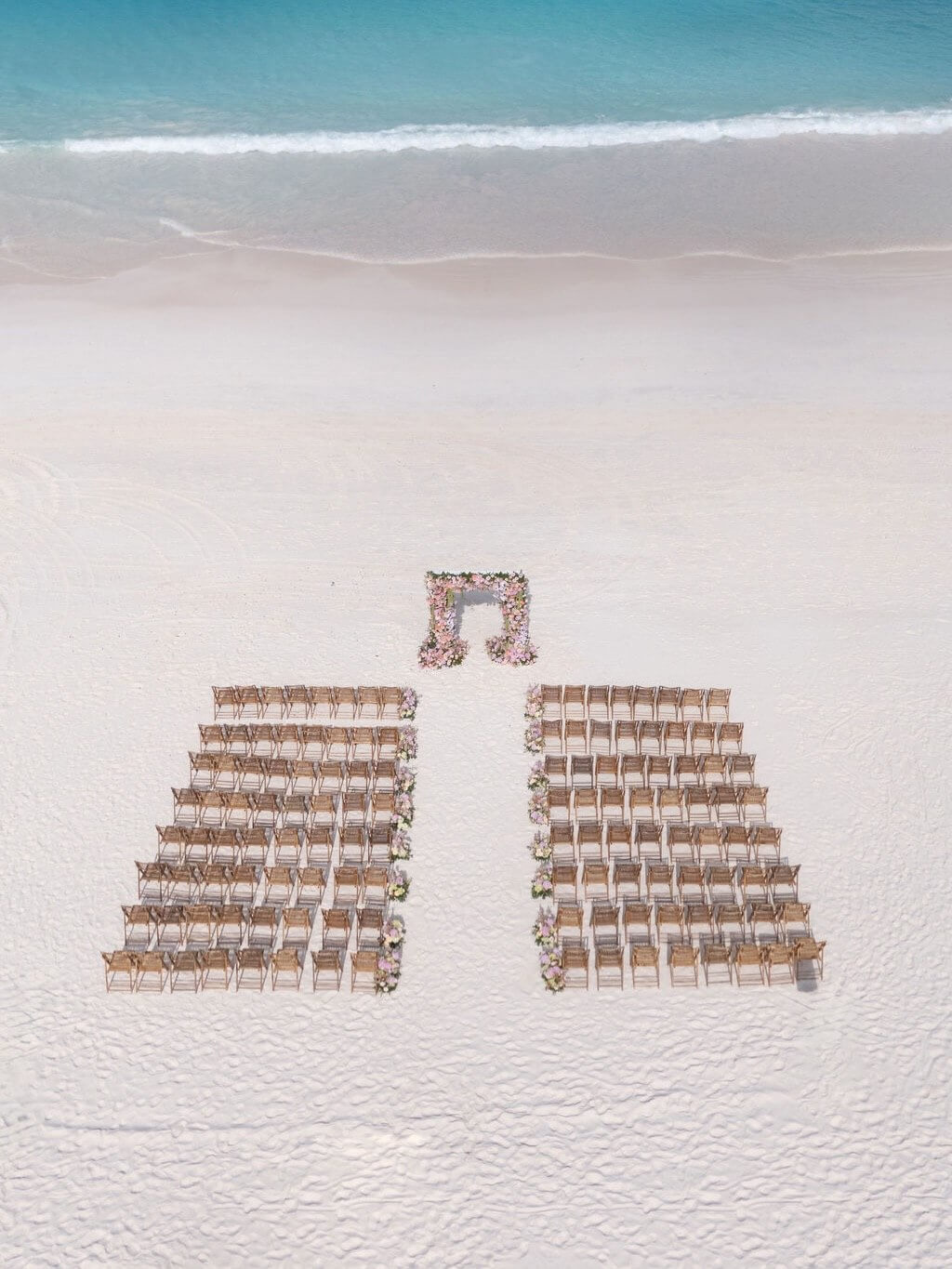
Simple, weighted decorations look best on the beach and can withstand the breeze. A wooden or bamboo arch draped with fabric provides a beautiful frame for the ocean without obstructing the view, and sandbags can be used to keep it steady. Natural materials such as driftwood, palm leaves and dried grasses last longer in the heat than delicate flowers. Lanterns with LED candles are safer than open flames. If your beach is a turtle nesting site, check the lighting regulations, as bright lights can disorient hatchlings during nesting season.
Eco-Friendly Beach Rules
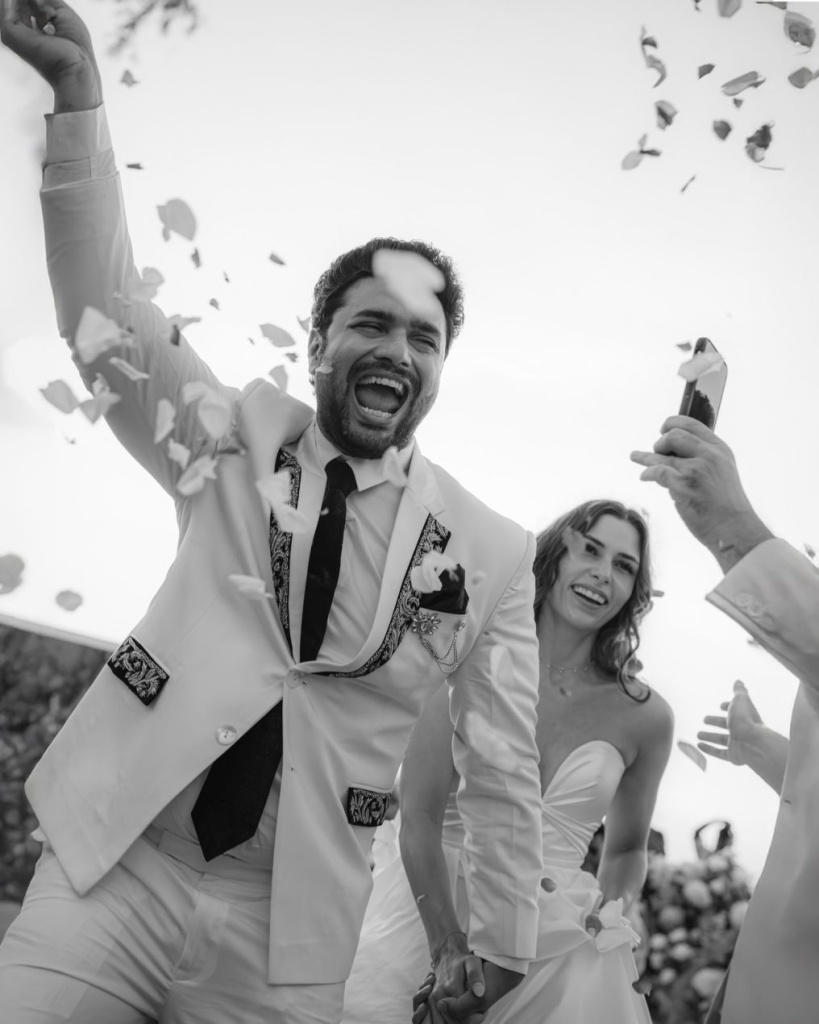
Many beaches have restrictions on what you can throw, release or leave on the sand, so check the rules before planning your send-off. For example, sky lantern releases are banned in many coastal areas, and in 2024, Florida made intentional balloon releases illegal. Some beaches prohibit or discourage rice and birdseed because they harm birds, while confetti can endanger small sea creatures. Some places only allow real rose petals or seashells. Safe alternatives that still look beautiful in photos include bubbles, ribbon wands or bells.

Sound and Music
The sound of the waves can easily drown out your vows, so it is important to plan your audio carefully. Having a wireless lavalier microphone for the officiant and a small speaker can make a big difference, but check whether your permit allows amplified sound first. An acoustic guitar, steel drums or a string duo carry better outdoors than quiet instruments such as a harp or flute. For the reception, hire a DJ or band with experience performing outdoors, as they will know how to manage wind, power and volume limits.
Food and Drinks
Light, fresh dishes are best for a beach reception, as heavy meals can be tiring in the heat. Seafood, grilled vegetables, salads and fruit are ideal options, but bear in mind that anything containing cream or mayonnaise requires careful refrigeration. Choose a caterer who regularly works outdoors and knows how to keep food safe in warm conditions. If glass is not allowed, serve drinks in acrylic or compostable cups. Provide plenty of water and non-alcoholic options alongside a signature cocktail.
Guest Comfort
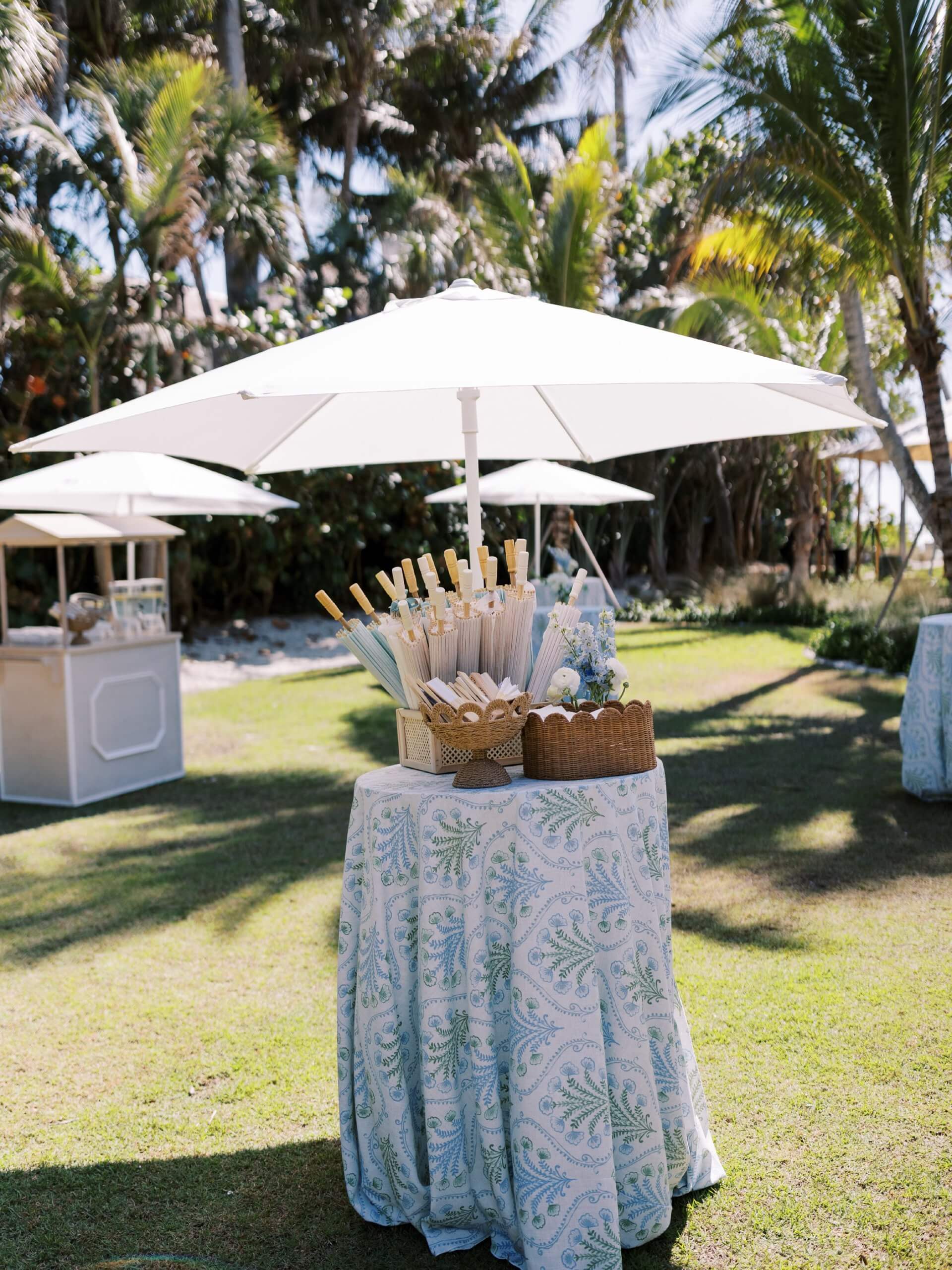
When it comes to guest comfort on the sand, shade, water and easy access are key. Provide umbrellas or parasols and a shaded welcome area, particularly for older guests. A hydration station offering cold water, sunscreen and cool towels will be more appreciated than most favors. Mark the route from the parking lot to the ceremony and consider providing a boardwalk runner or flat mats for guests who use mobility aids. Keeping a first-aid kit and a few spare hand fans nearby will also help on a hot day.
Your Wedding in Italy adds that comfort starts with small details:
Guest comfort begins with thoughtful planning and small personal touches, such as welcome bags with sunscreen, fans and parasols, along with dedicated refreshment and comfort corners. Depending on the weather, we can also provide shaded areas, comfortable walkways and suitable facilities, ensuring that everyone can fully enjoy the experience while preserving the relaxed elegance of a beach wedding.
Photography
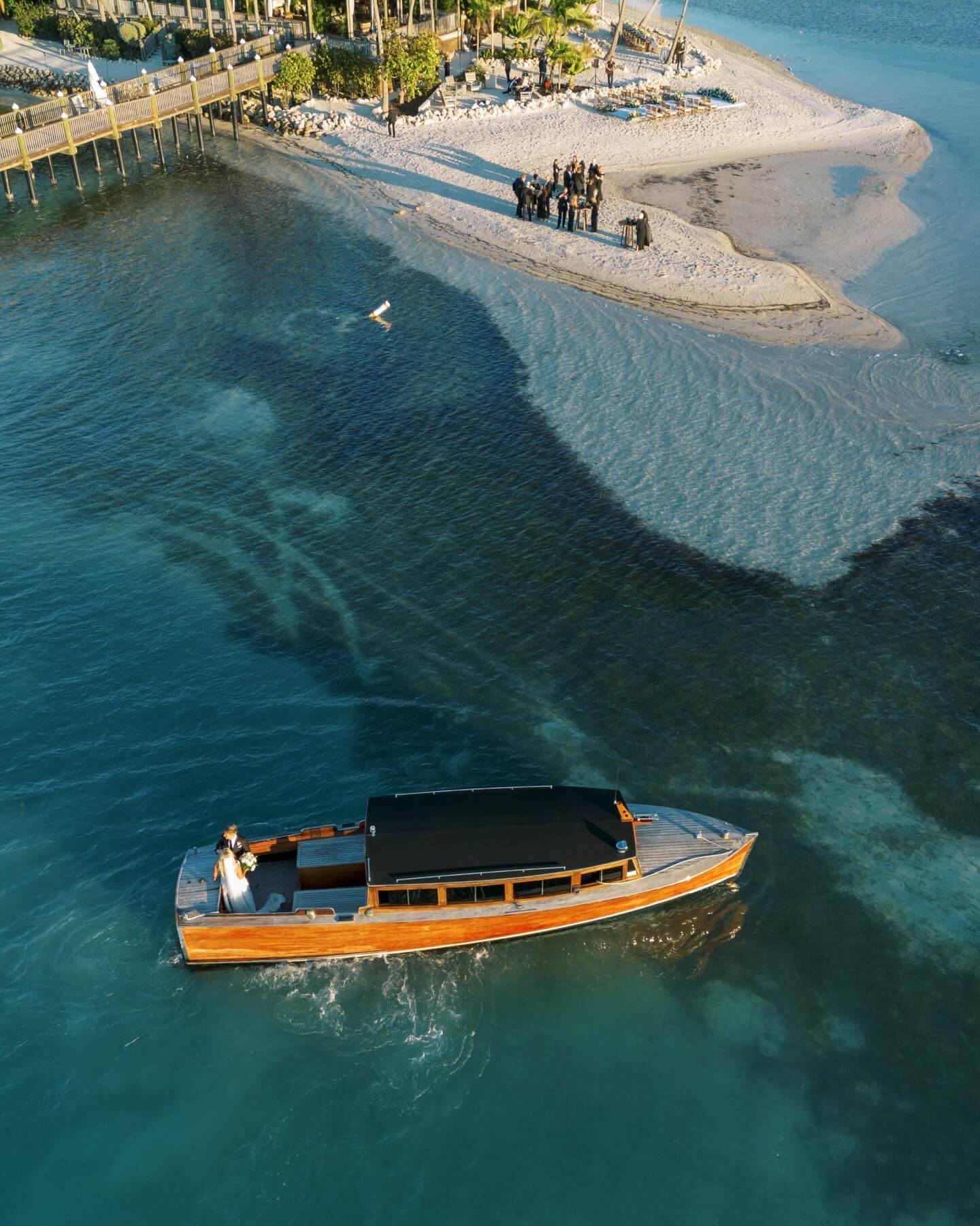
Light on the coast changes quickly, so your photographer’s schedule should be built around the sunset rather than squeezed in around it. Ximena Zermeno explains how much time she usually needs:
Usually 7 to 8 hours. That gives me time for the getting ready, the ceremony, the family photos, portraits at sunset (my favorite moment on the beach) and the first part of the party. I always plan the day around the sunset, because the light at the beach changes fast and you only get that golden glow for a few minutes. If there's a welcome dinner the day before, I recommend adding a couple of hours so the story feels complete.
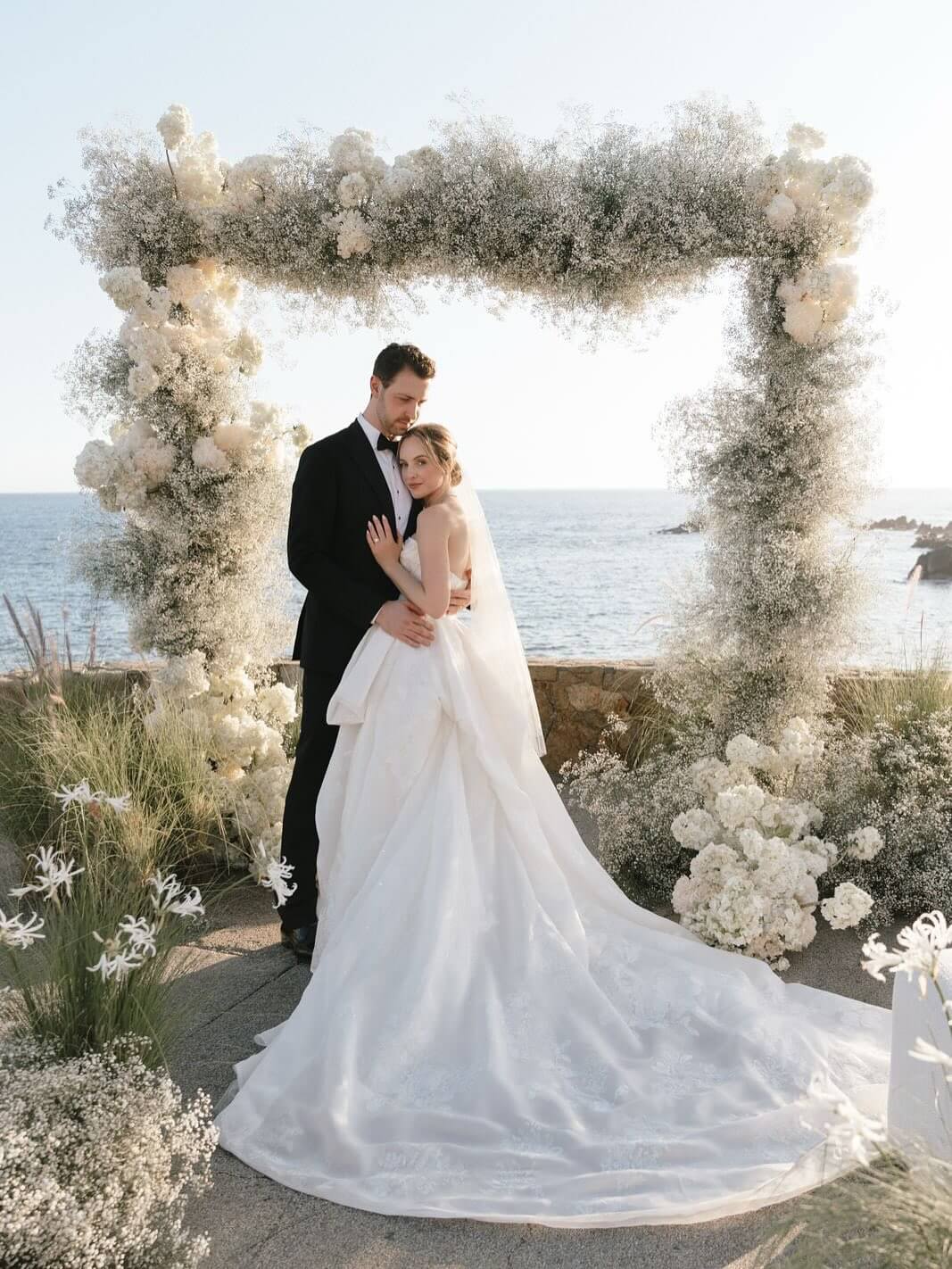
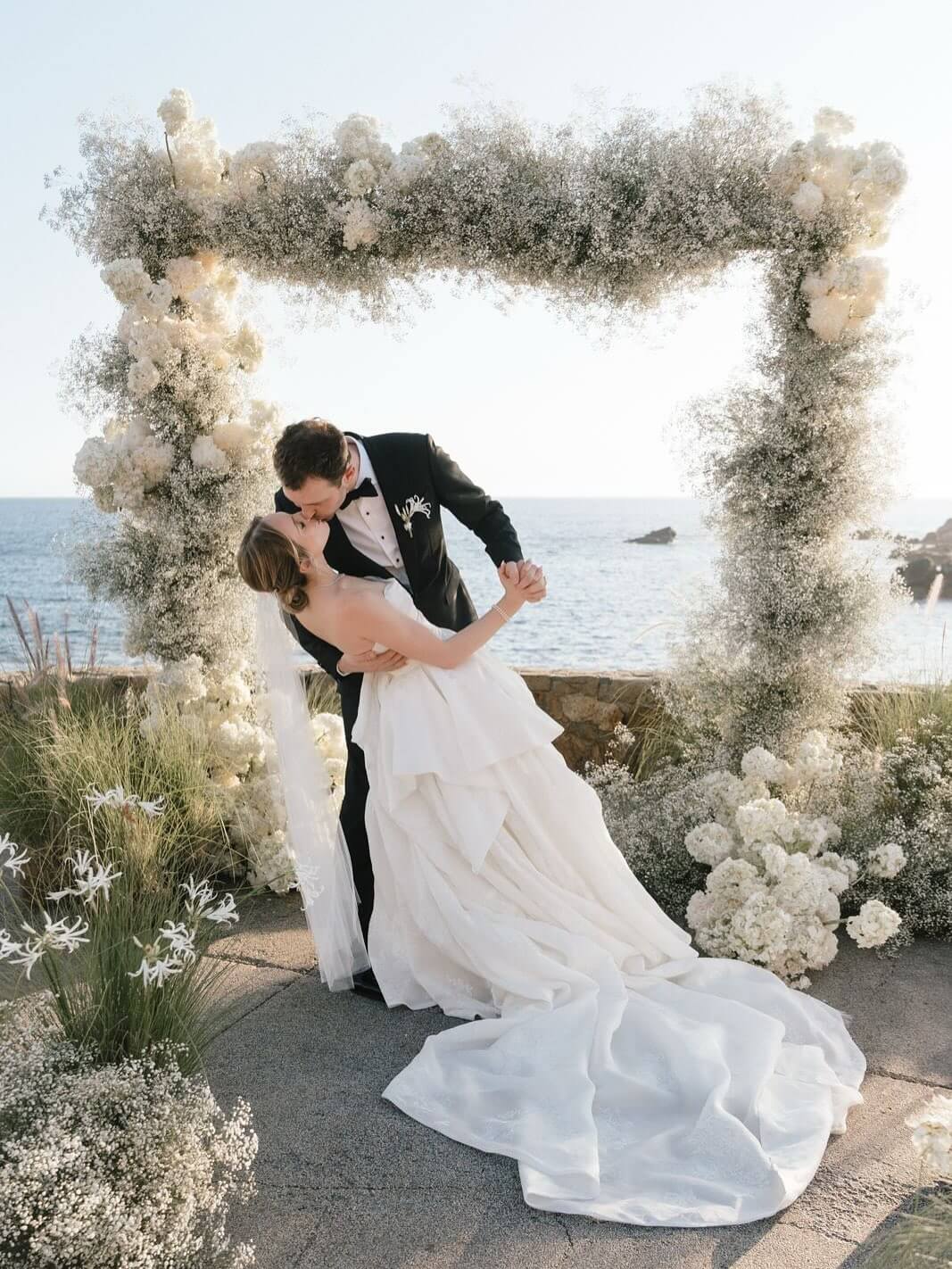
Couples often wonder whether their photographer needs to know the specific beach. According to Hassan Hadad, it helps but isn’t essential:
Hiring a local photographer who knows the exact lighting, wind patterns, and tidal conditions is certainly a big advantage. However, an experienced professional can excel anywhere. Photographers are constantly trained to assess unique situations and adapt in seconds, so high-level experience and problem-solving skills matter too.
What to Wear to a Beach Wedding
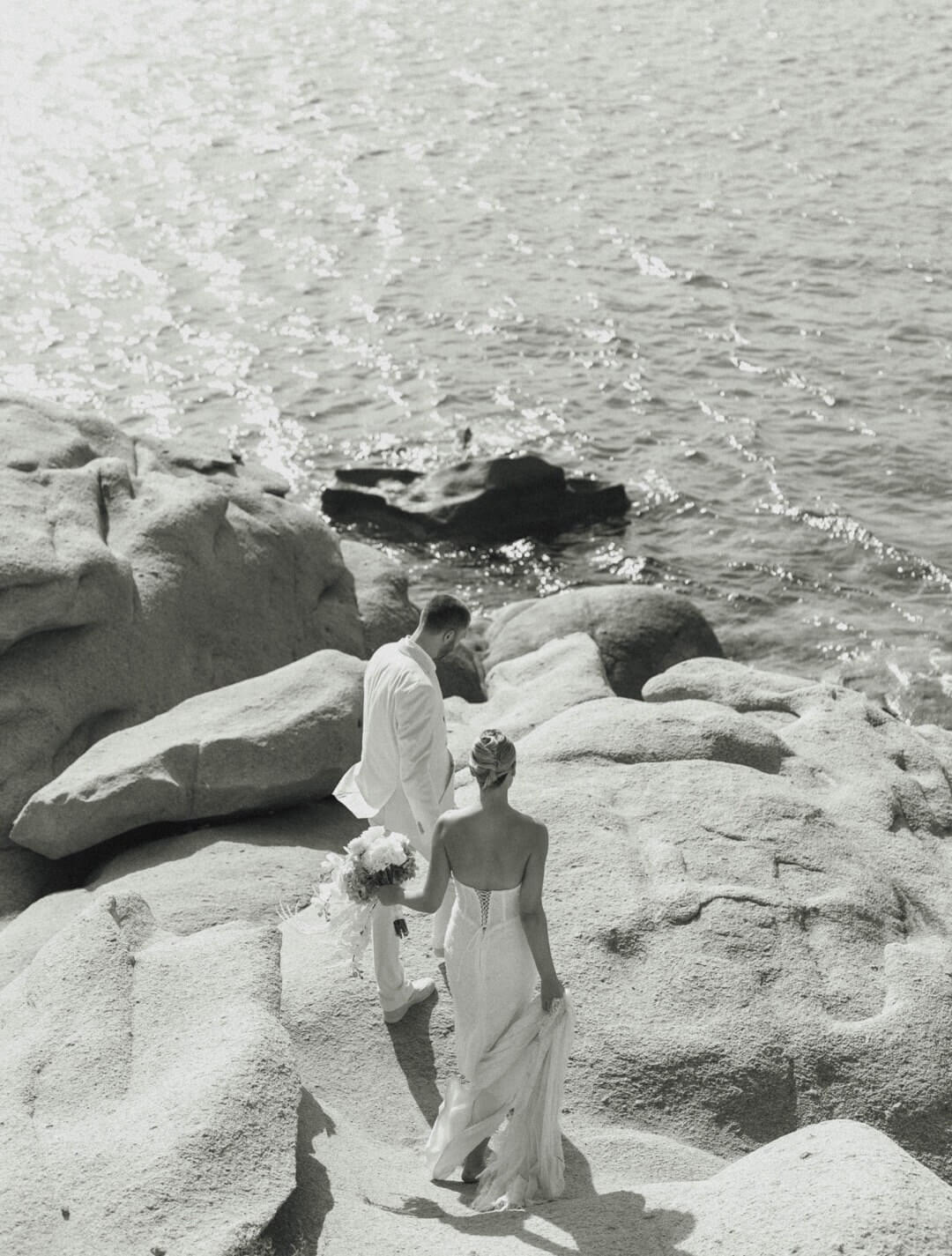
The best outfits for a beach wedding are light and breathable, and allow you to move easily on the sand. Heavy fabrics, long trains and stiletto heels can quickly become uncomfortable in the heat and wind. However, comfort does not mean compromising on style, as many bridal and menswear designers create collections specifically for warm destinations.
Dresses and Suits
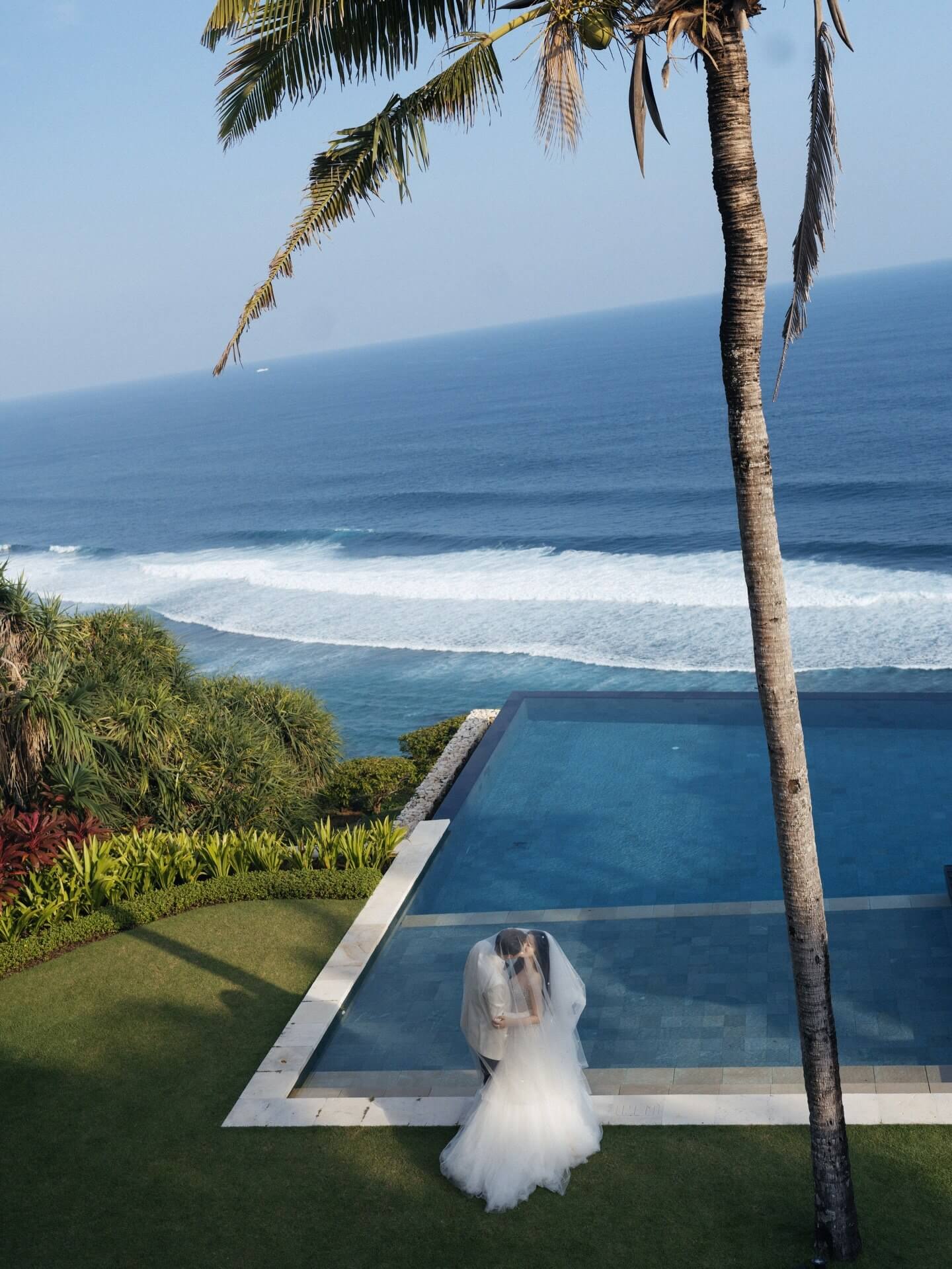
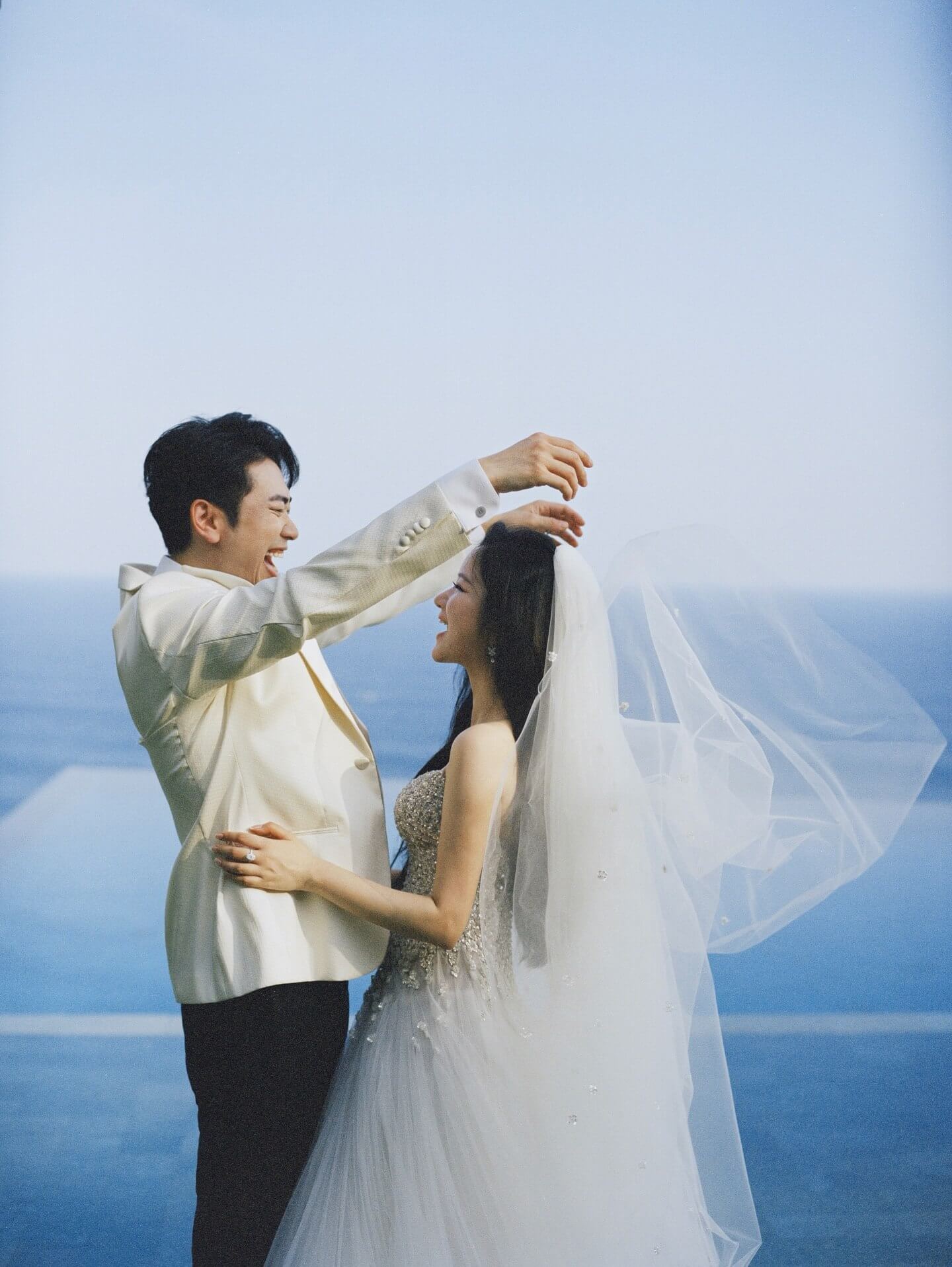
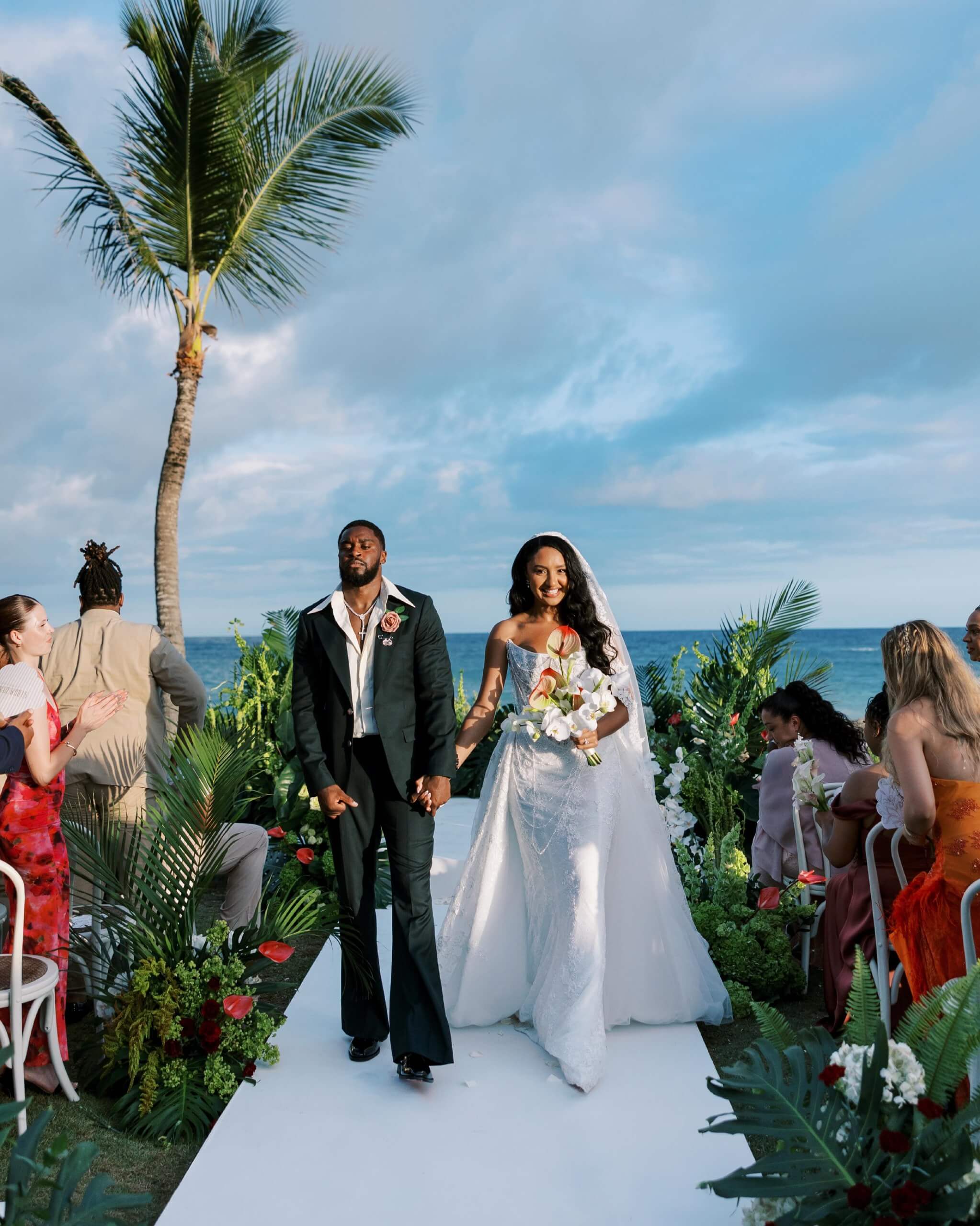
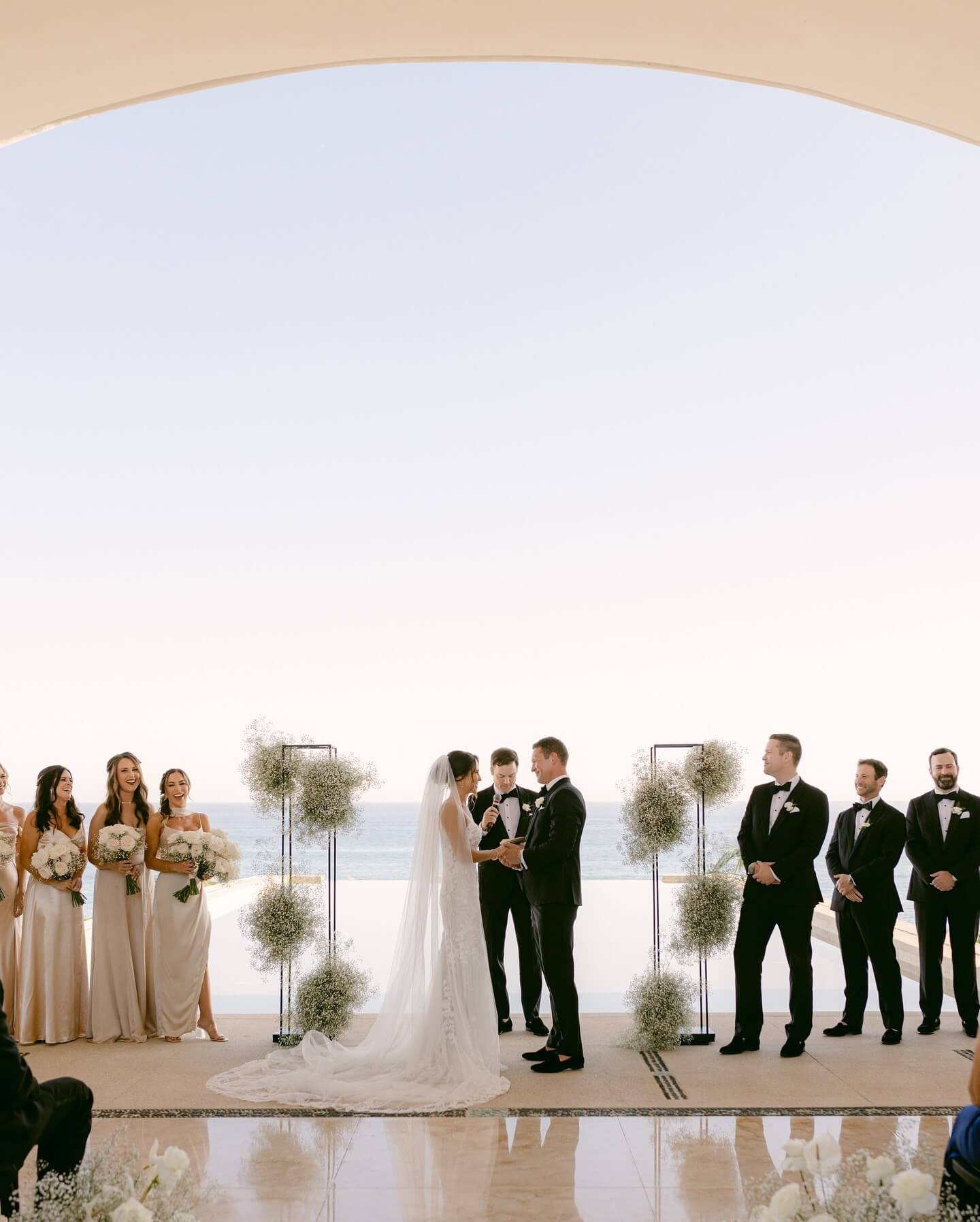
Brides usually opt for flowing fabrics such as chiffon, crepe, tulle and lace, which billow beautifully in the breeze. To avoid dragging through wet sand, choose a slip dress, a boho gown or a tea-length style. Secure your veil with extra pins, or opt for a shorter veil or a floral hair accessory instead. Grooms look sharp in linen or lightweight cotton-blend suits in sand, sage or light gray. Skipping the tie or choosing an open collar creates a relaxed and cool look. Not every groom has to go casual, though. Hassan Hadad offers a different take:
While earthy, neutral tones like sand, warm ivory, soft sage and ocean blue are commonly recommended, I’m an absolute lover of black-tie attire for grooms on the wedding day, regardless of the weather! In my opinion, a classic tuxedo against a beach backdrop is always timeless and elegant.
Shoes and Guest Dress Code
Barefoot sandals, flat sandals or wedges are the most practical footwear for walking on sand. Many couples walk down the aisle barefoot, keeping a pair of flats nearby for the reception. Clearly state the dress code on your invitation or website, such as "beach formal" or "summer casual." Let guests know if the ceremony will take place directly on the sand so that they can leave their high heels at home. Providing flip-flops in a basket is a thoughtful touch that guests will remember.
Hair and Makeup
Wind and humidity present the biggest challenges for hair and makeup at a beach wedding. Styles such as a low bun, a braided updo or a half-up style hold better than loose waves, which can frizz or fall flat within an hour. Ask your stylist to use a strong-hold product and to pack a small touch-up kit with pins and hairspray. For makeup, opt for long-wear, waterproof formulas and a setting spray, and keep some blotting papers close by to tackle shine. Ideally, schedule a trial outdoors in similar conditions so there are no surprises on the wedding day.
Popular Beach Wedding Destinations
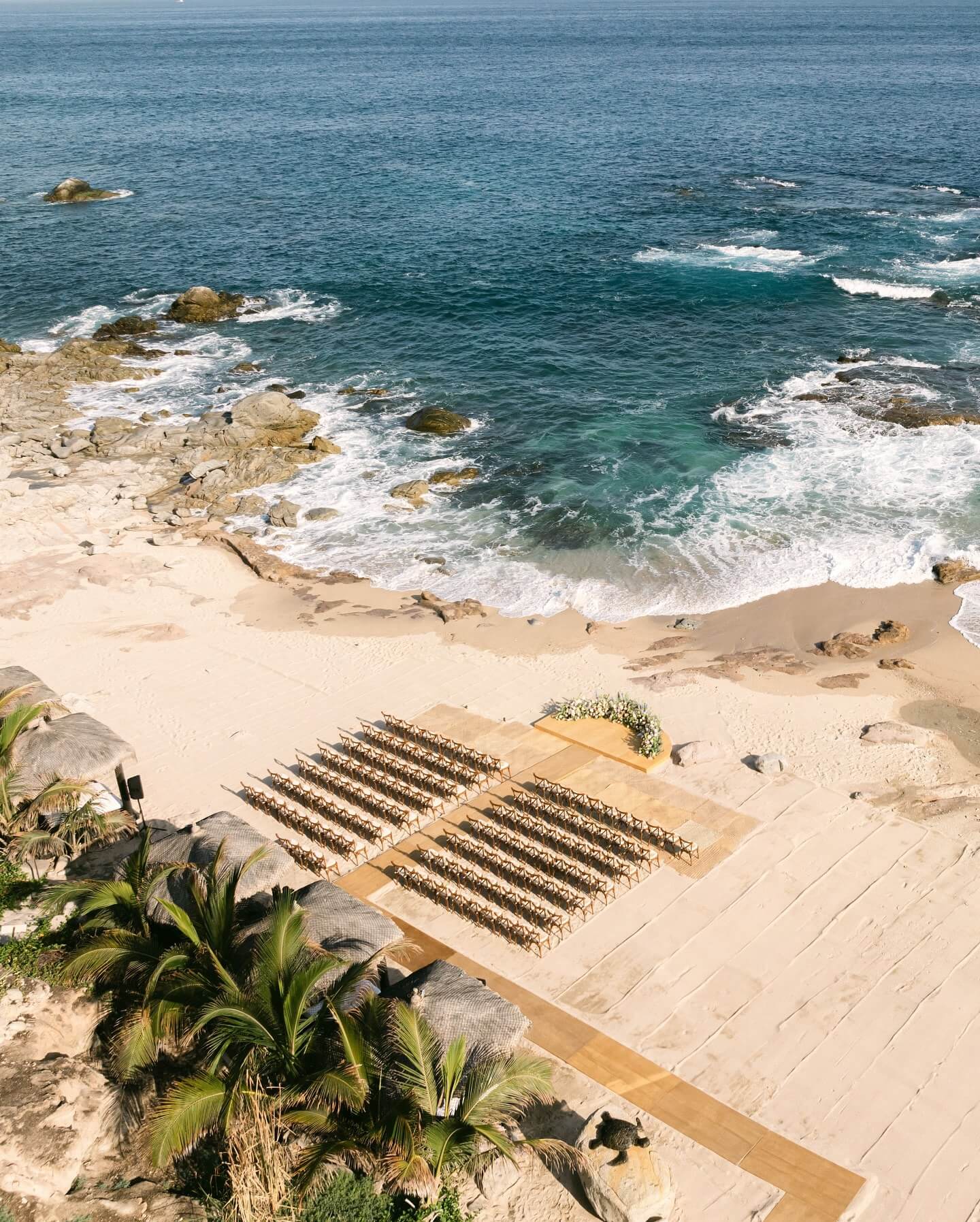
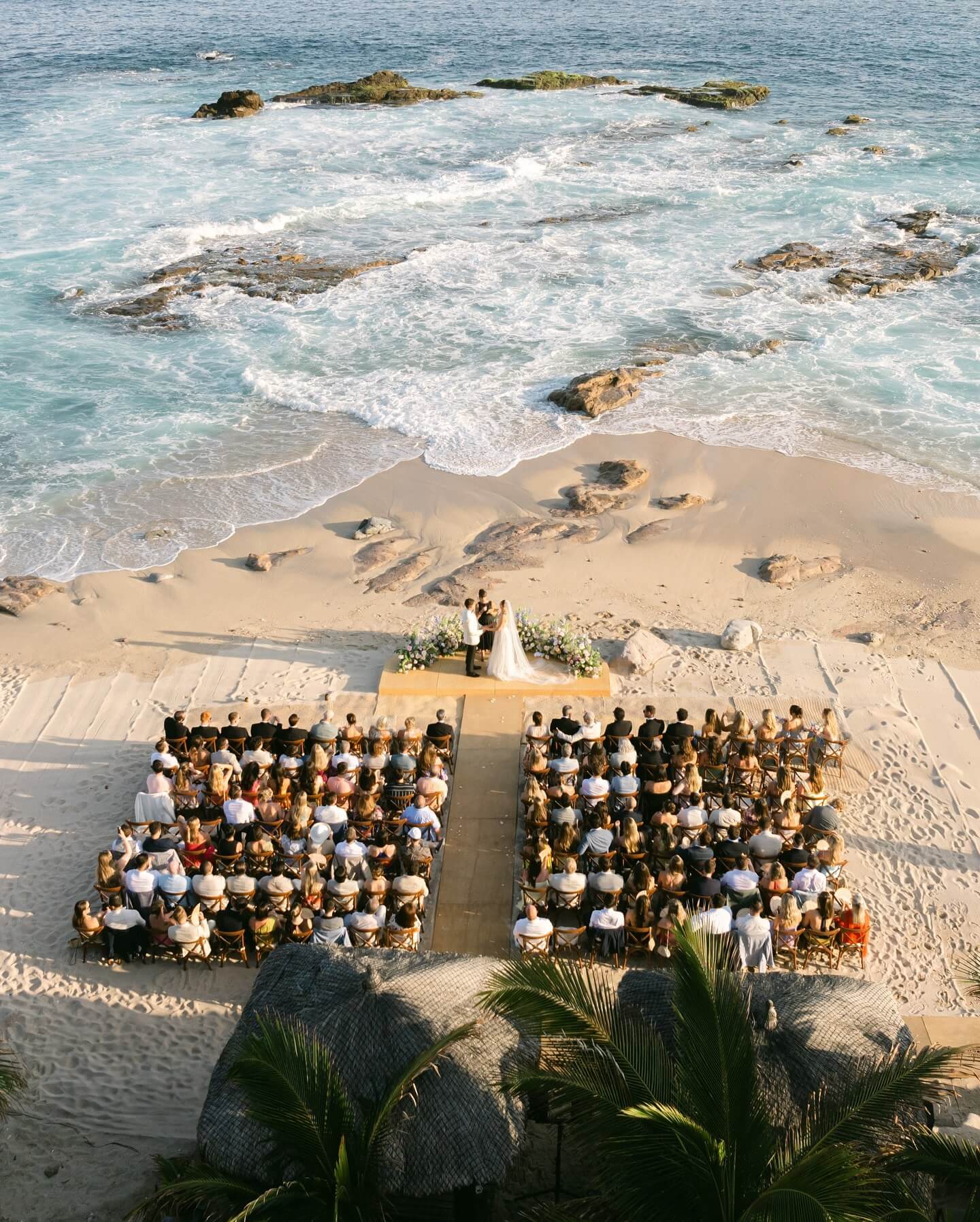
The most popular beach wedding destinations offer reliable weather, easy access and experienced local vendors. The best month for your wedding depends heavily on the region, so try to schedule your wedding during the local dry season. Here are some favorites:
- The Caribbean (Jamaica, the Dominican Republic and Aruba): best from December to April, well before hurricane season.
- Mexico (Riviera Maya and Los Cabos): dry and sunny from November to April.
- Hawaii: warm all year, with the driest weather from April to October.
- Florida and the Gulf Coast: spring and late fall offer warm days without summer storms.
- The Mediterranean (Greece, Italy, Spain and Portugal): May and June, as well as September, offer warm seas without the peak summer heat and crowds.
- Bali: the dry season from April to October is ideal for outdoor ceremonies.
Wherever you go, a local planner can help you choose a beach that suits your style, the number of guests you are expecting and your budget.
Beach Wedding Planning Checklist
A beach wedding planning checklist helps you keep track of the details unique to a coastal wedding. Use it alongside your general wedding timeline and share it with your planner or venue coordinator.
- Visit the beach at the time and on the day of the week that you have chosen for the ceremony.
- Confirm any permit requirements and apply for them as early as possible.
- Check local rules on structures, alcohol, glass, music and guest numbers.
- Look up the tide chart and sunset time for your exact date.
- Book a backup space, such as a tent or an indoor room.
- Choose decorations that can be weighted down and will withstand the wind.
- Arrange a microphone and test it on site.
- Provide shade, water and sunscreen for guests.
- Share the dress code and footwear advice with guests.
- Arrange transportation and parking, and provide clear directions to the ceremony venue.
- Book a cleanup crew and leave the beach exactly as you found it.
Once these steps are complete, you can relax and enjoy the occasion. Ready to start? Browse beach venues, wedding planners and photographers on Wezoree to find vendors who know how to make the most of the coast.

FAQ

Do you need a permit for a beach wedding?
Yes, most public beaches require a permit, especially if you intend to use chairs, an arch or a sound system. Fees are usually modest, often under $250, but rules differ by city, county and country. Private beaches and resorts often include permission in their rental or package.
What is the best time of day for a wedding on the beach?
The best time is usually about an hour before sunset. The light is soft, the temperature is cooler, and the beach is often quieter. In very hot climates, an early morning ceremony is a more comfortable option.
What should guests wear to beach weddings?
Guests at beach weddings should wear light, breathable clothing and flat shoes or sandals. Linen and cotton work well, as do flowing dresses, while stiletto heels and heavy fabrics are not suitable. Always follow the dress code stated on the invitation.

Is a wedding on the beach legally binding?
A beach wedding is only legally binding if you meet the local marriage requirements, such as obtaining a license and using an authorized officiant. Some destinations, such as Hawaii, make this straightforward, while others require residency or additional documentation. Many couples marry legally at home and hold a symbolic beach ceremony.
How far in advance should you start planning a beach wedding?
You should start planning about nine to twelve months in advance, especially if it is a destination wedding. This allows time to obtain permits, book venues and vendors, and give guests sufficient notice to arrange travel. Popular dates and resorts can be booked up even earlier.