How to Choose a Wedding Concept for Your Celebration
- Author: Natali Grace Levine
- Reading time: 7 min 27 sec
- Publication date: 02/19/2026
- Updated: 02/24/2026


- Mind Your Personality and Daily Life
- Aligning Concept with Season and Venue
- Defining Dress Code Through Your Concept
- Personal Versus Trendy: Building Authentic Celebrations
- Building Your Concept: Style Categories to Consider
- Creating Cohesion: From Concept to Execution
- Common Mistakes When Choosing Wedding Concepts
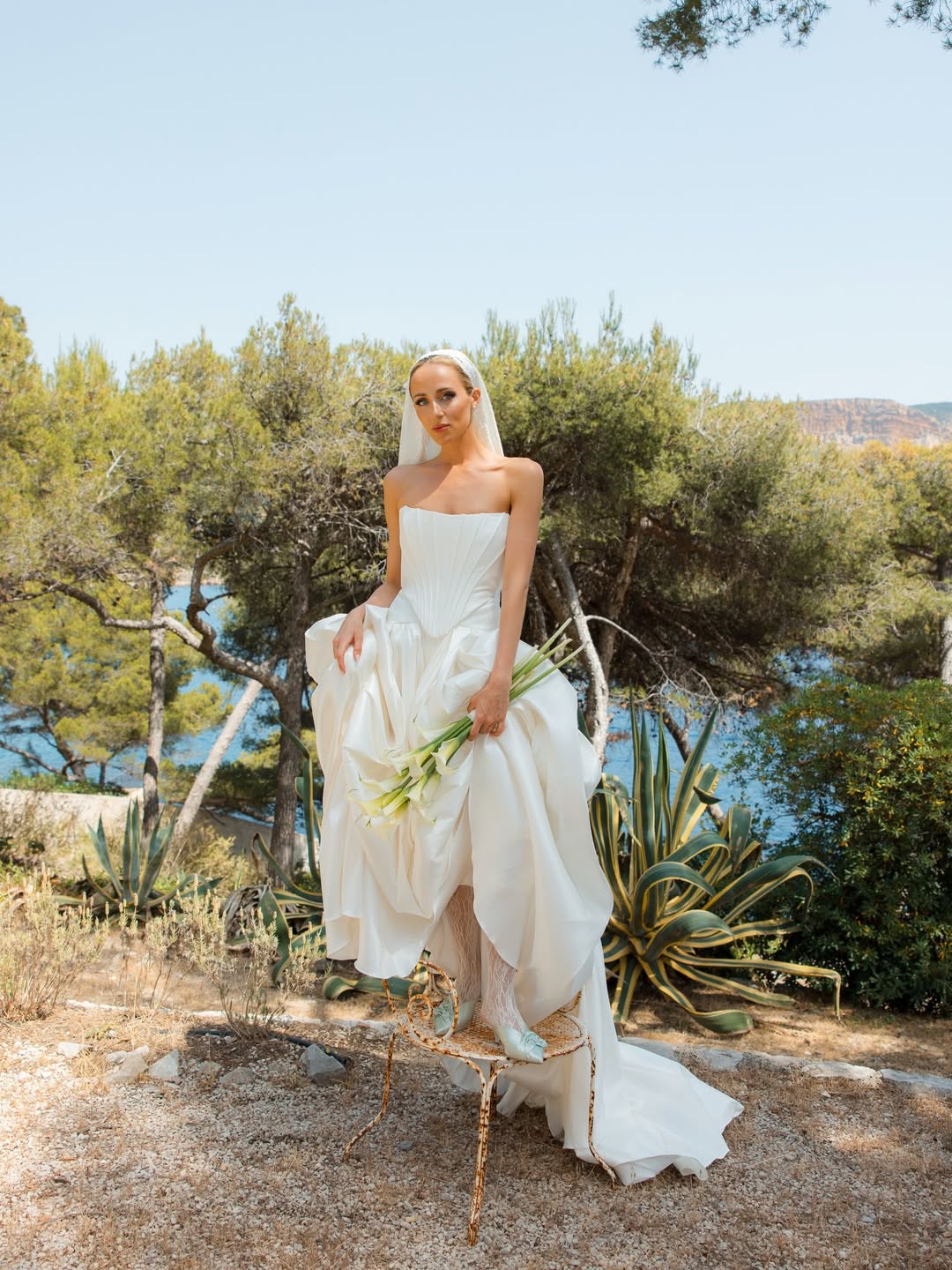
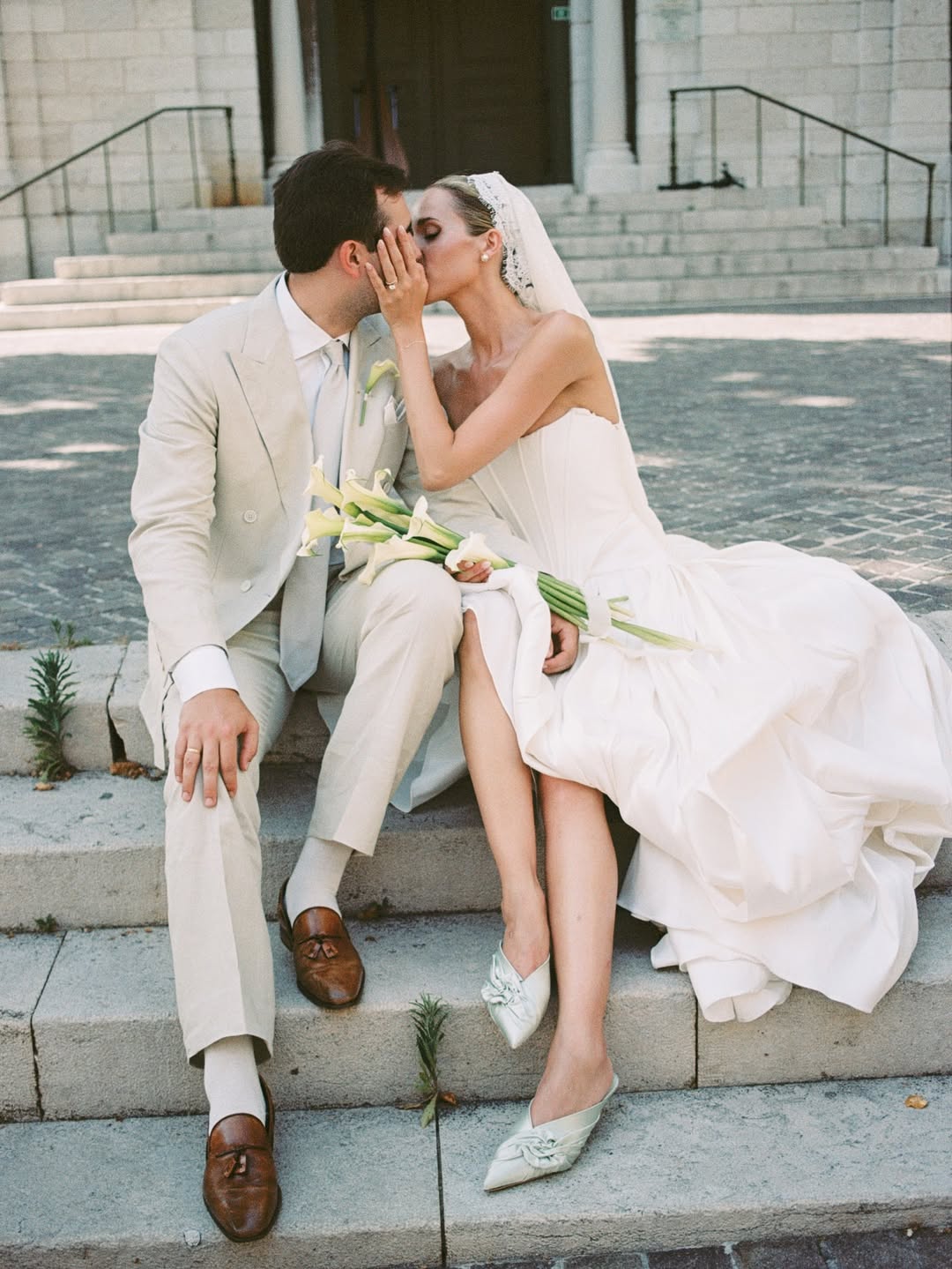
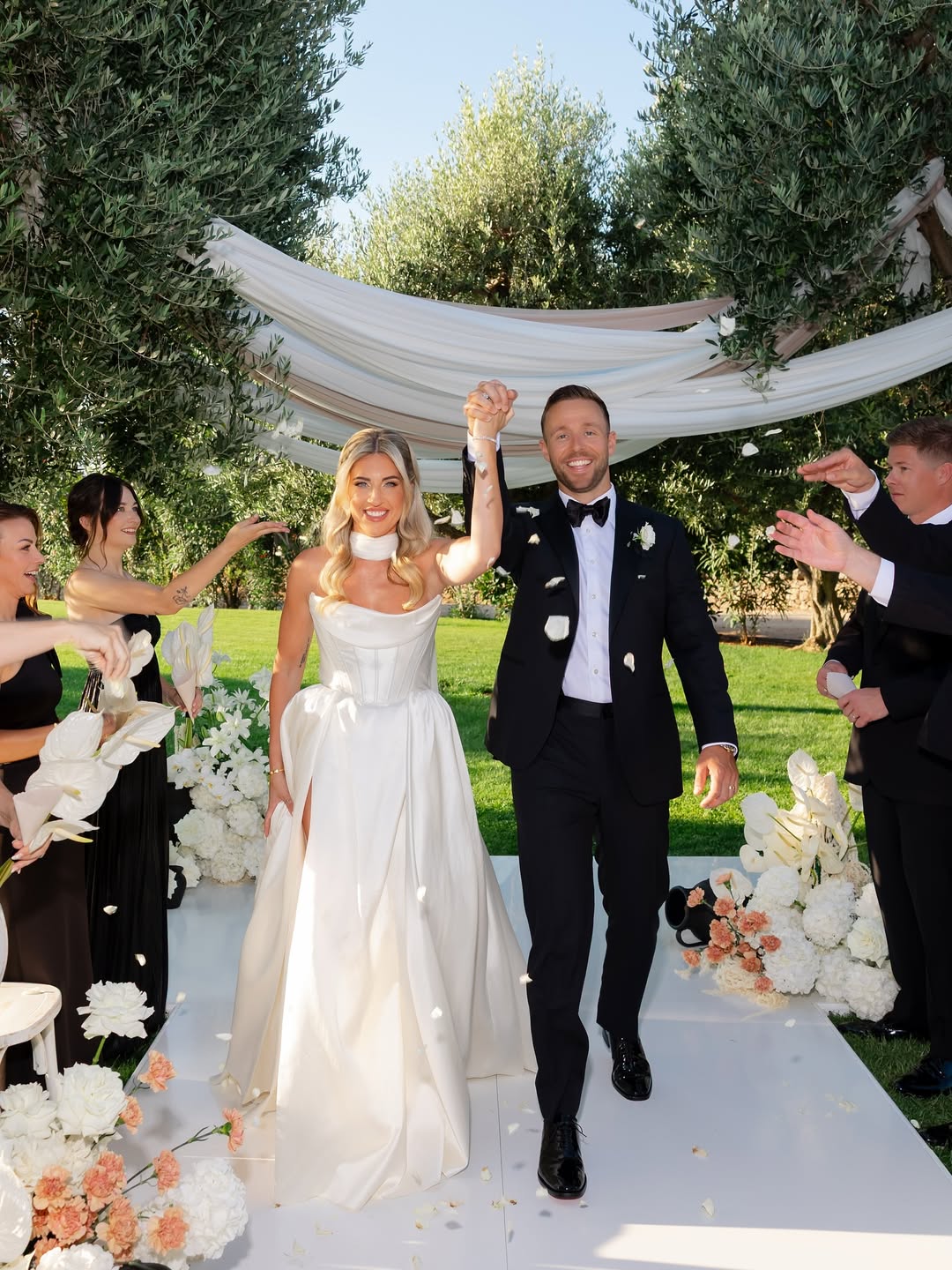
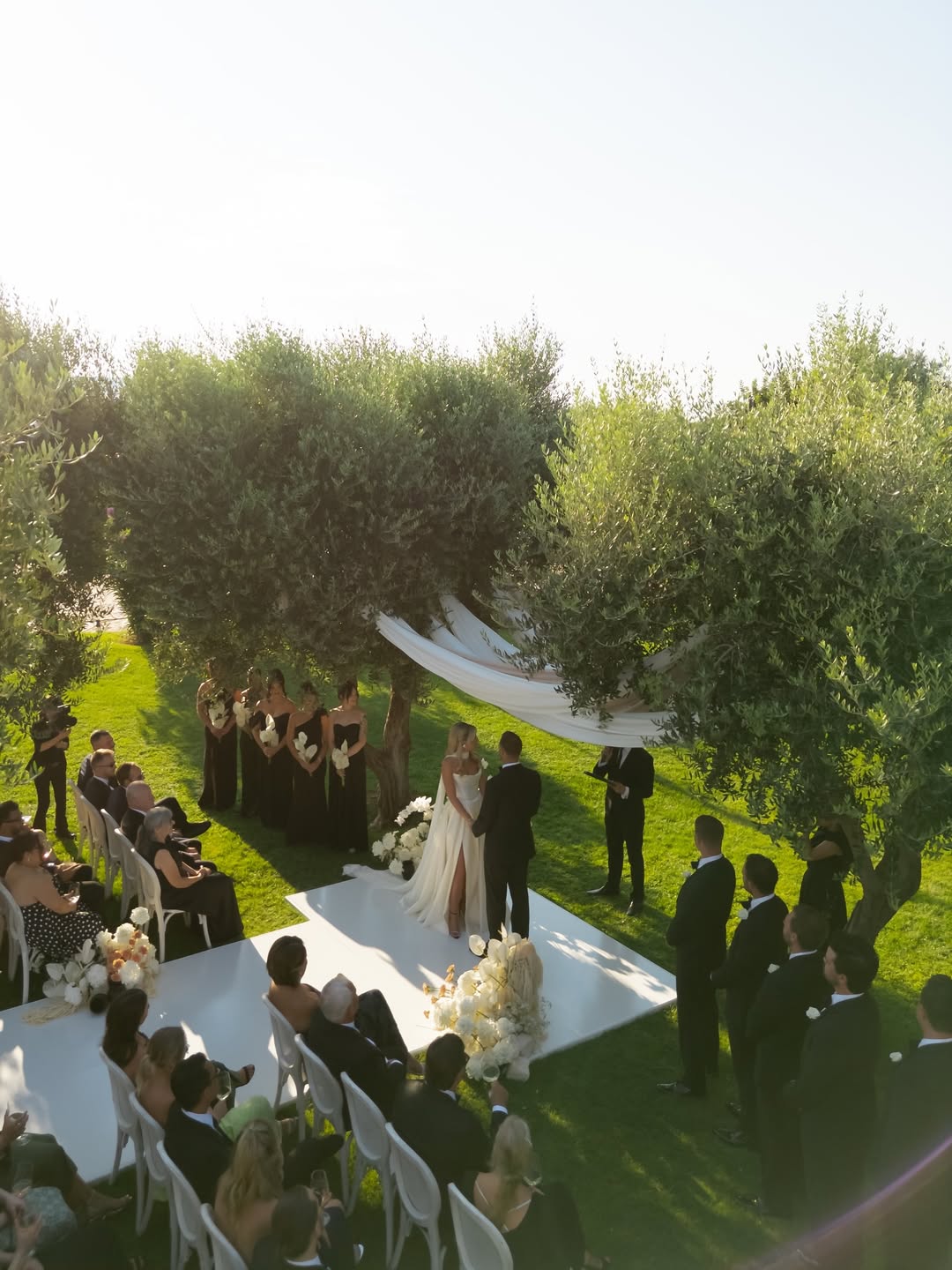
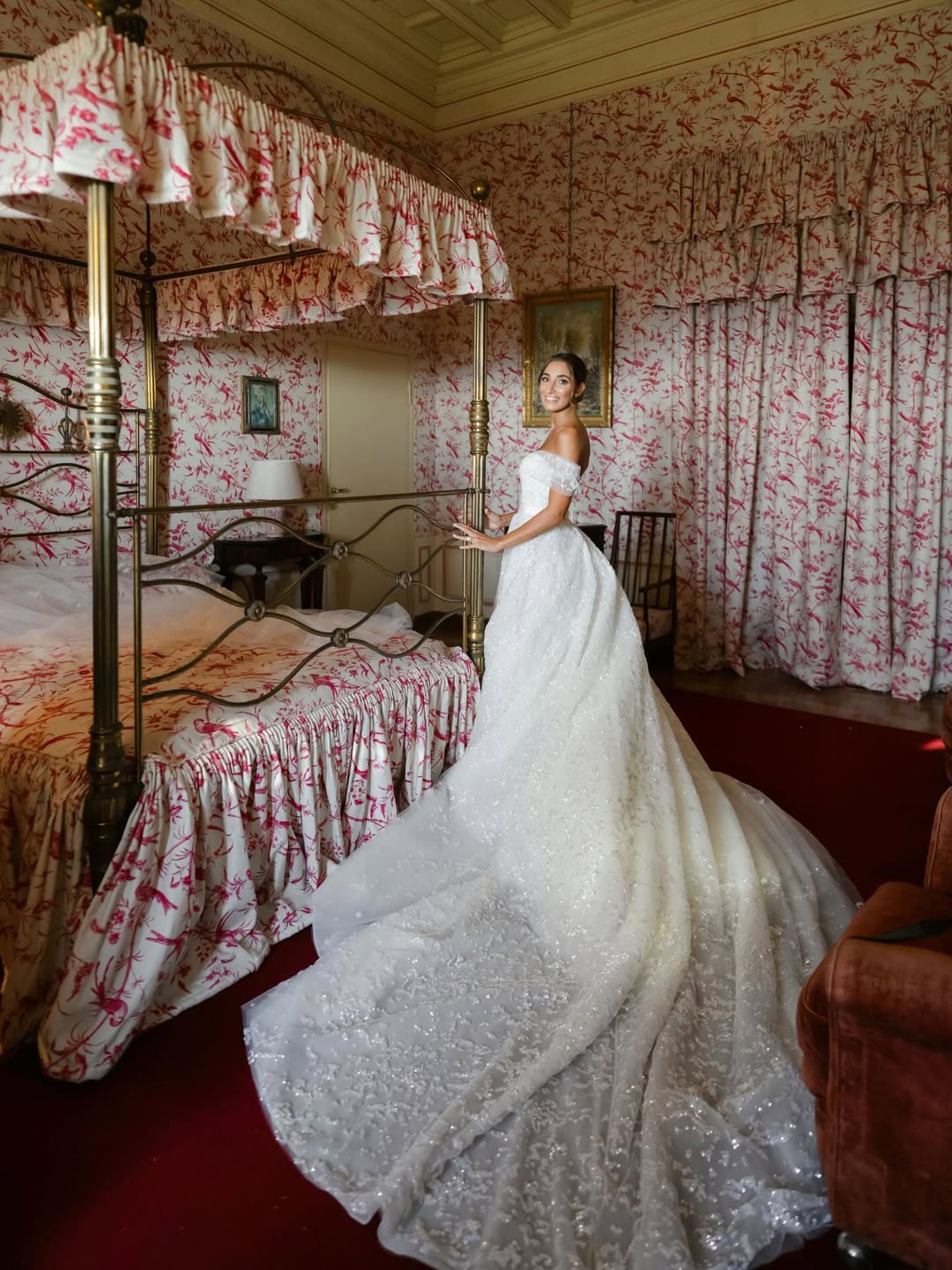
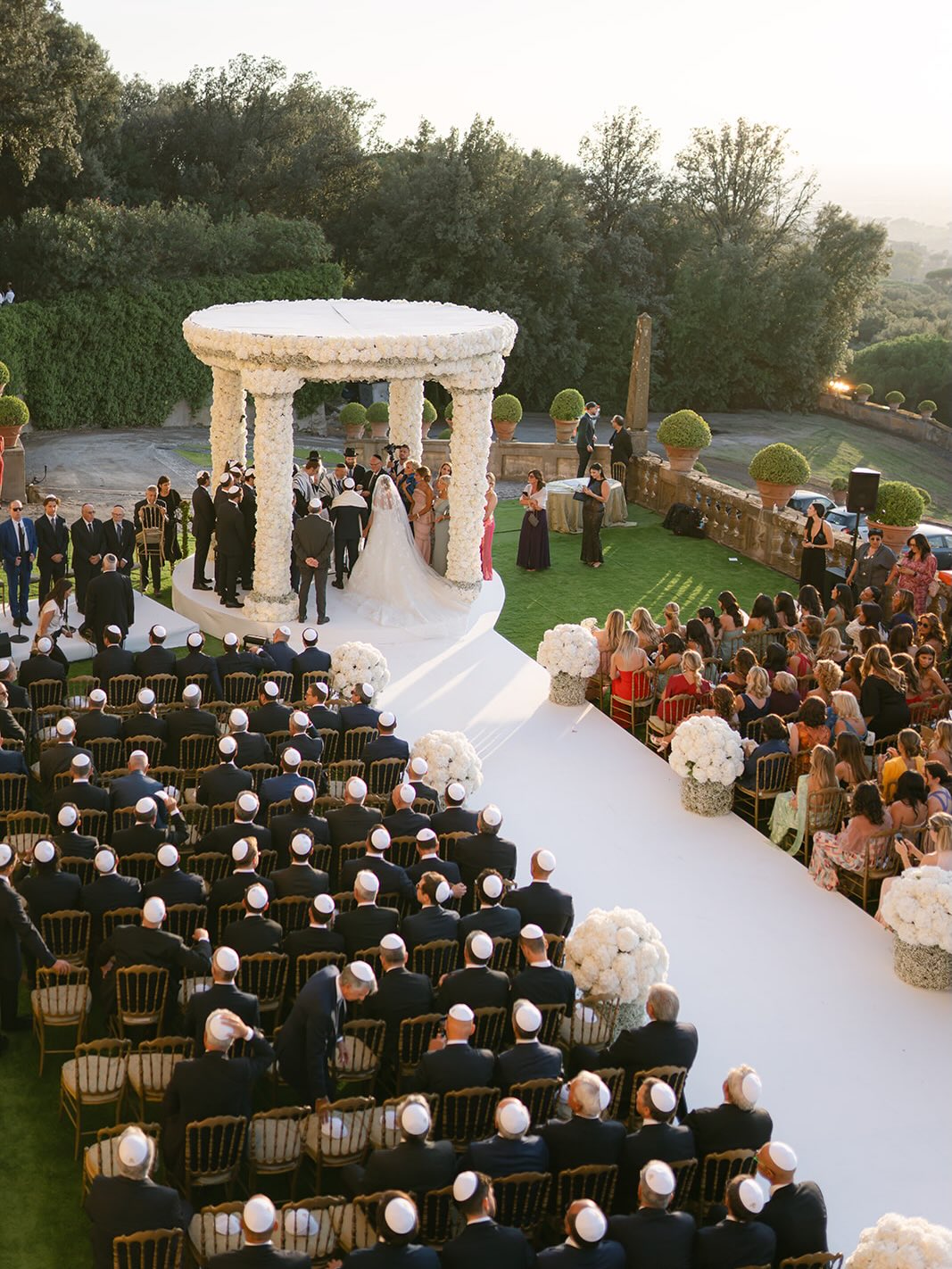
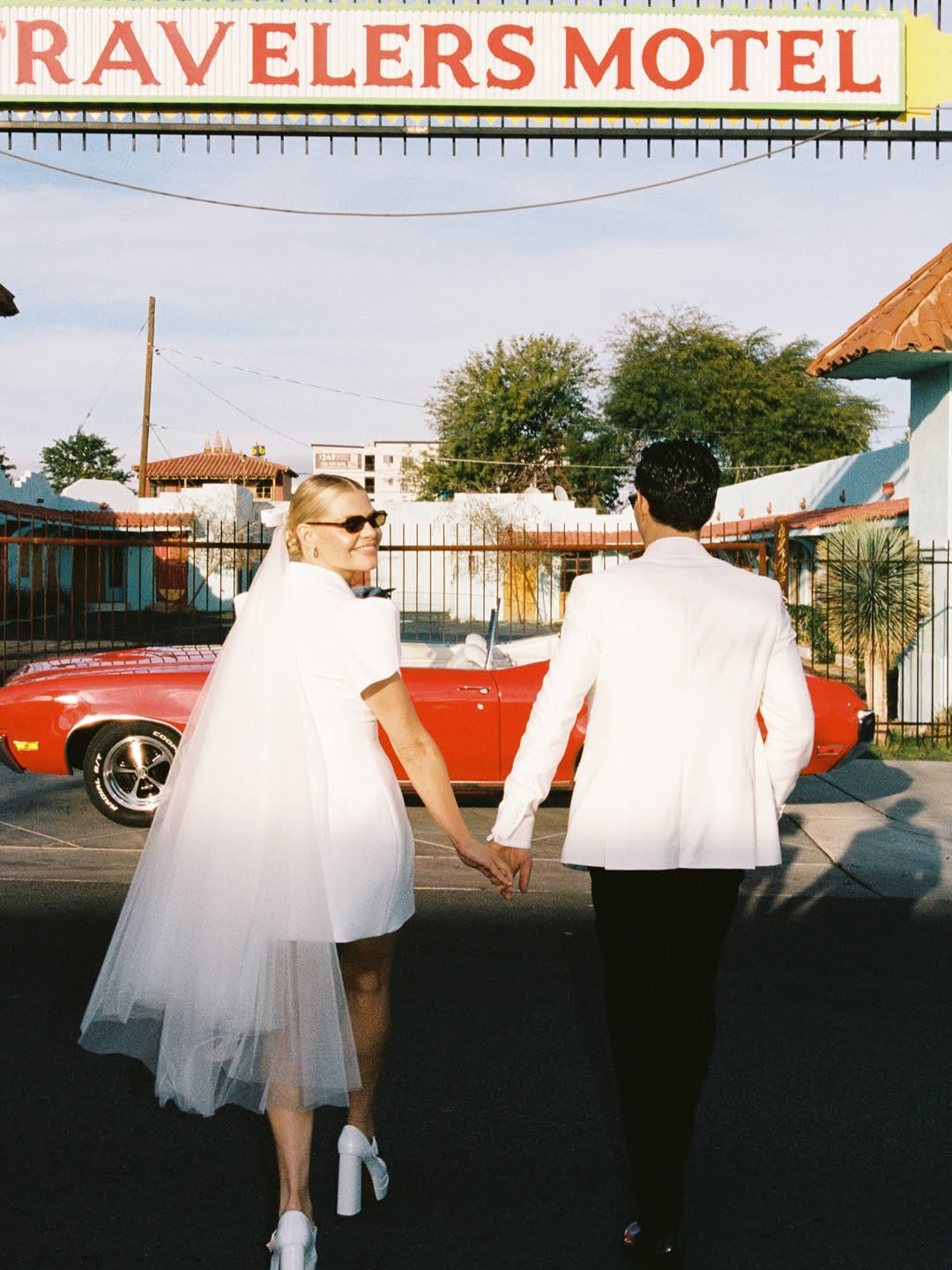
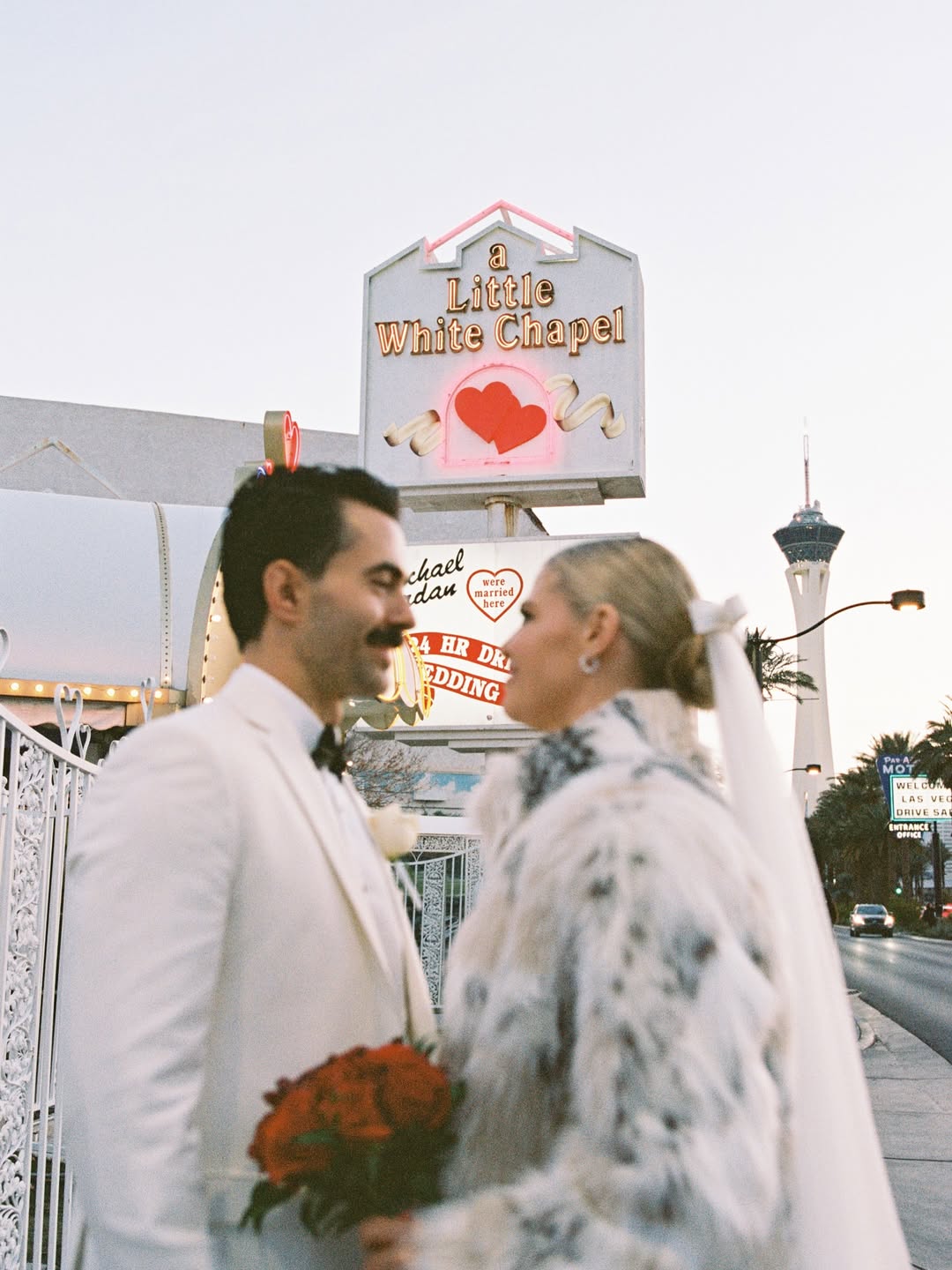
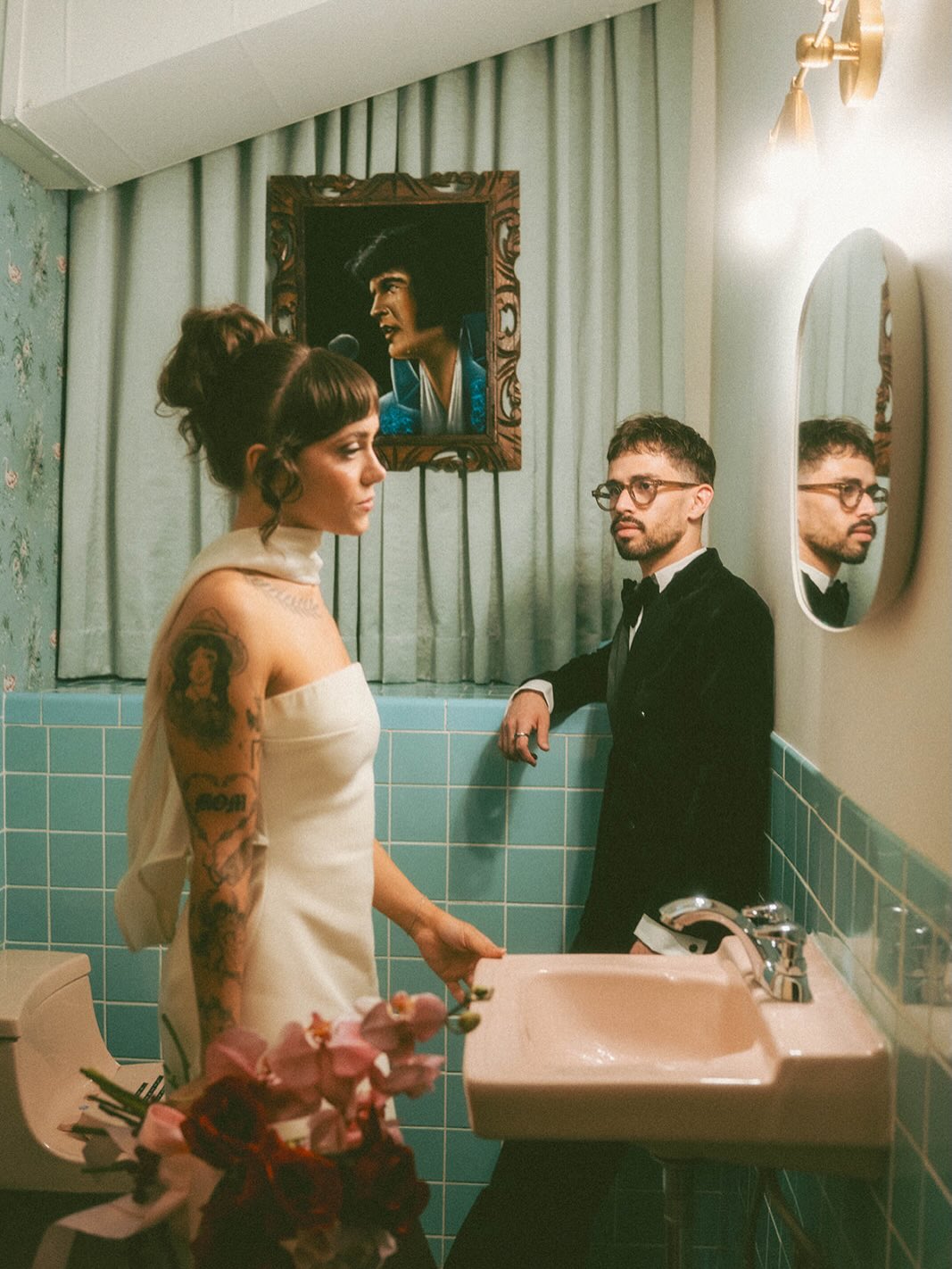
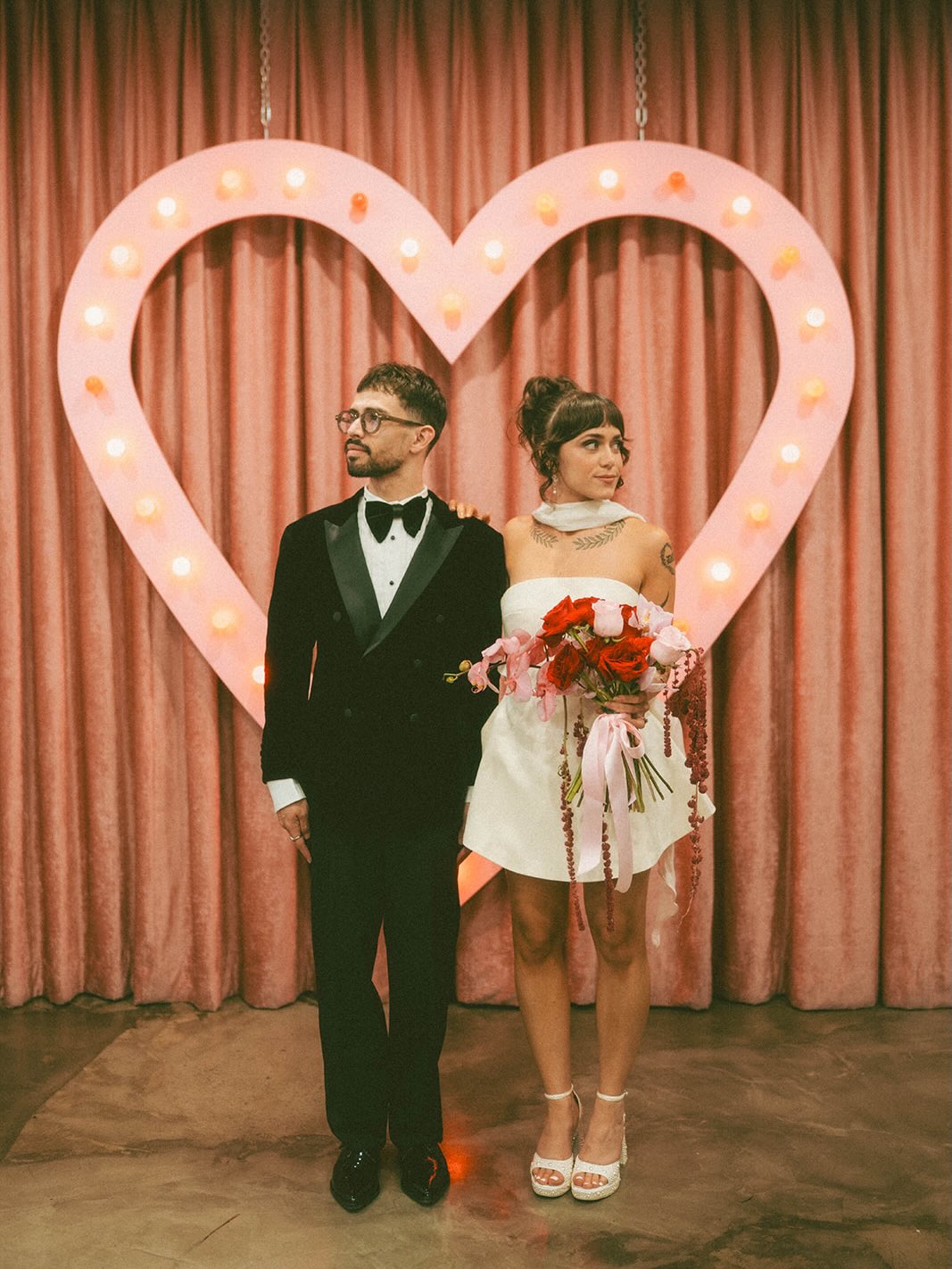
Even if the idea of choosing a wedding conceptdoesn't seem obvious at first, it is well worth investing time in working it out. Your wedding concept provides the framework for every subsequent decision—it informs vendor selection, clarifies aesthetic direction, and establishes the cohesive atmosphere that guests will notice in everything from the save-the-date cards to the ceremony itself and from the table settings to the dress code. Every detail of your celebration contributes to the atmosphere you are creating, and without a clear wedding concept design, those details risk seeming random rather than intentional. The goal is to organise a celebration that fully reflects your relationship and represents your personalities, rather than performing 'wedding' as a concept divorced from who you are. There are dozens of wedding concepts worth considering, and studying them — at least the most popular ones — before committing will help ensure your choice is informed rather than impulsive.
Find Your Perfect Wedding Vendors

Mind Your Personality and Daily Life
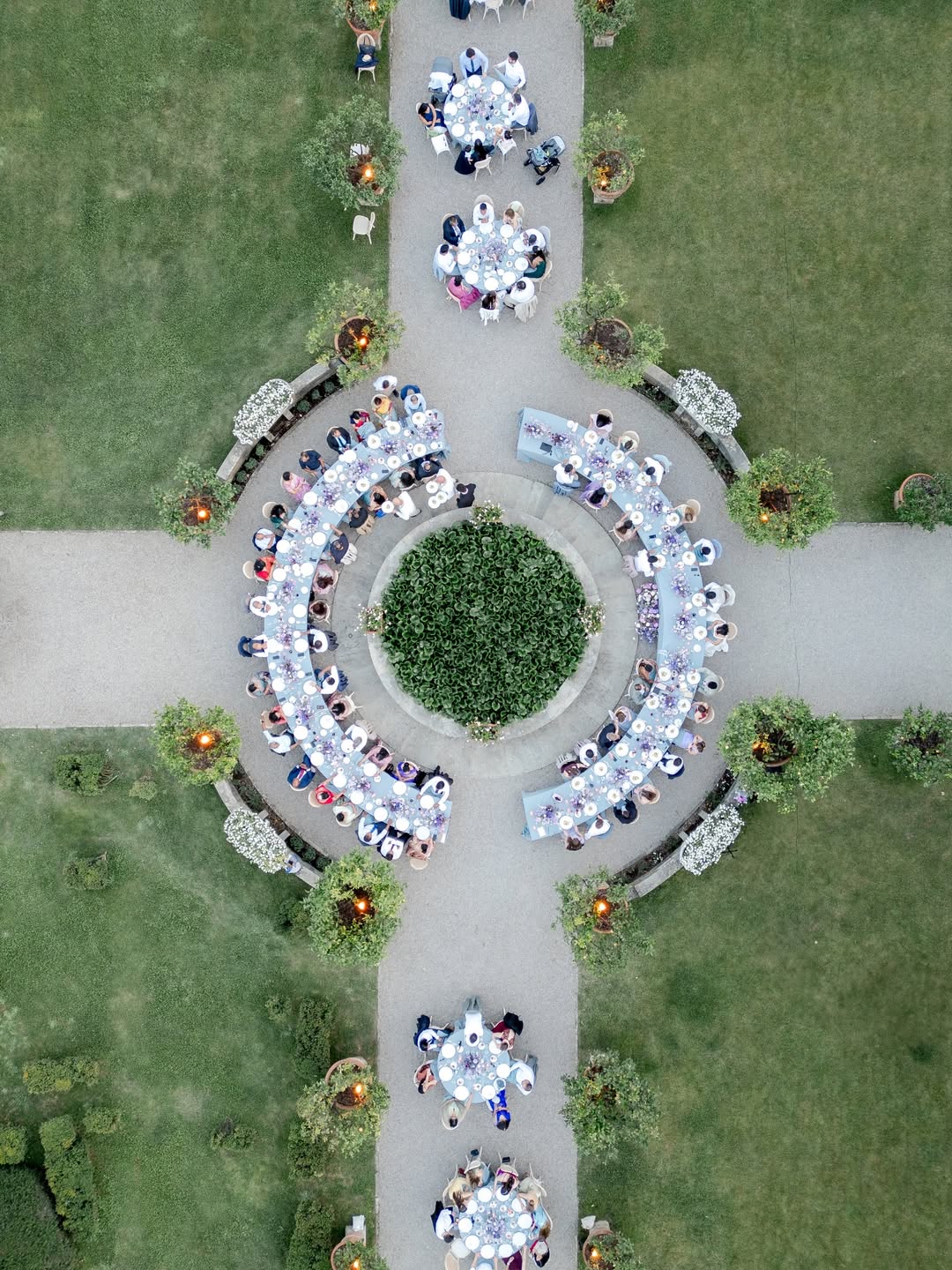
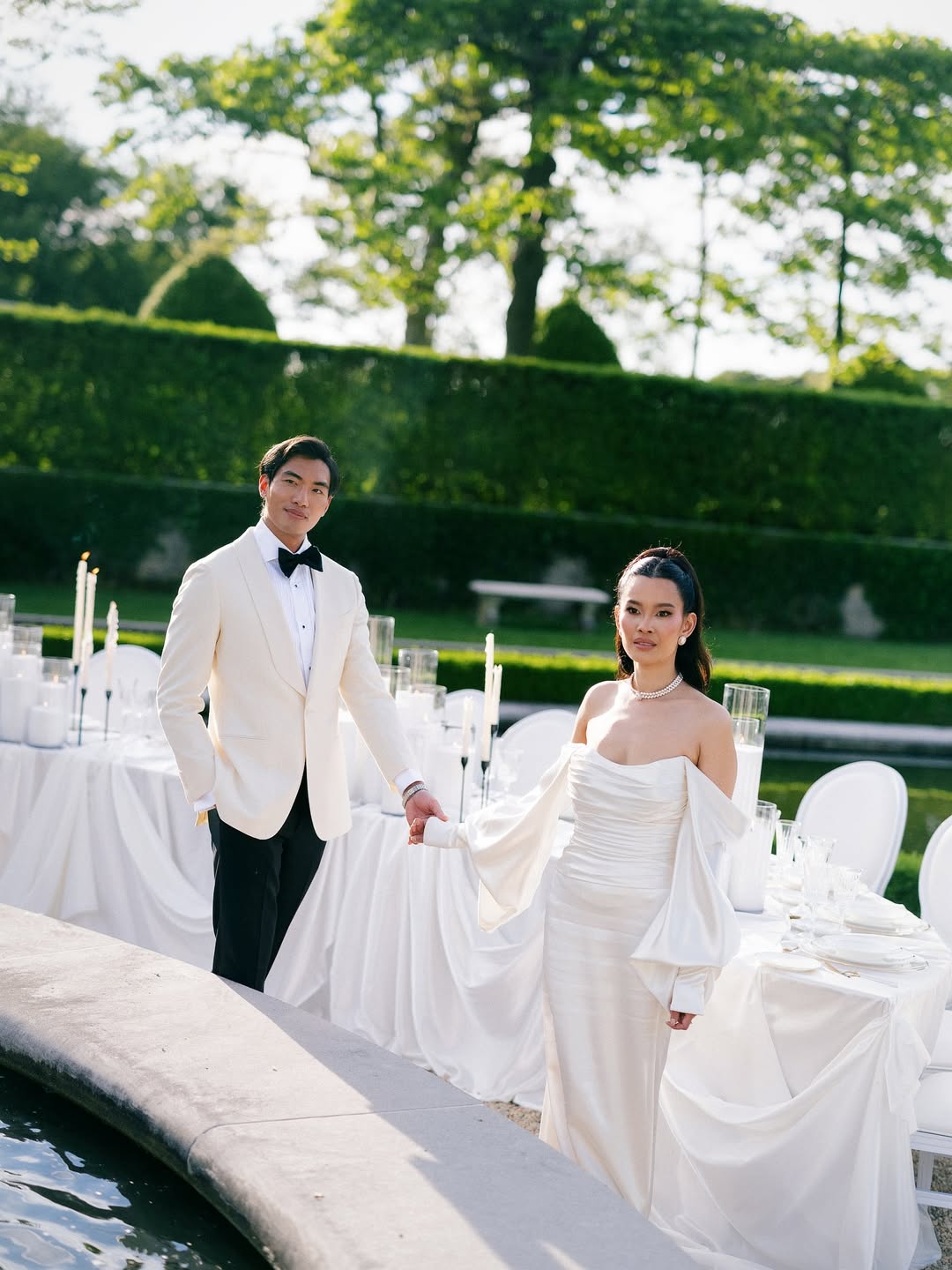
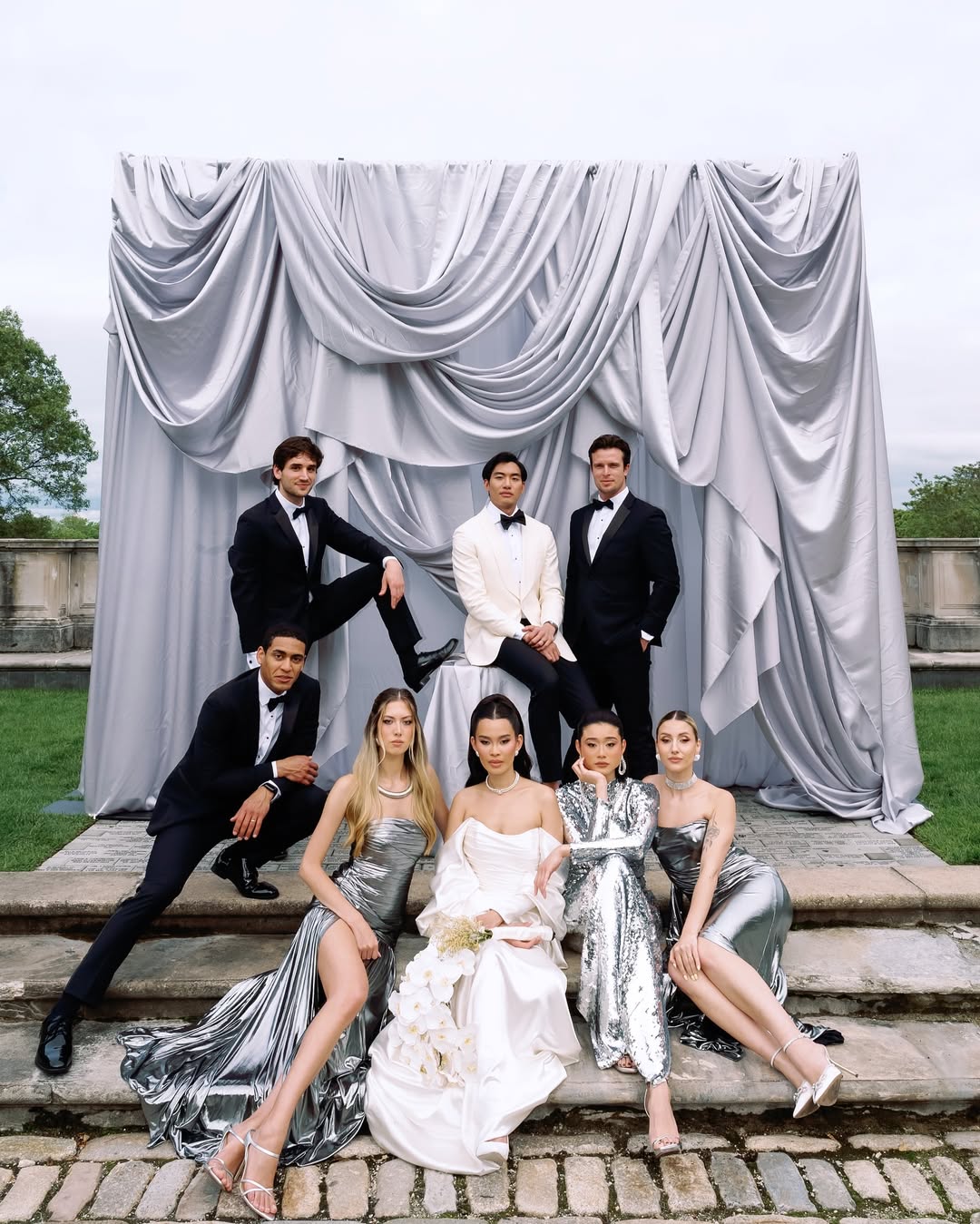
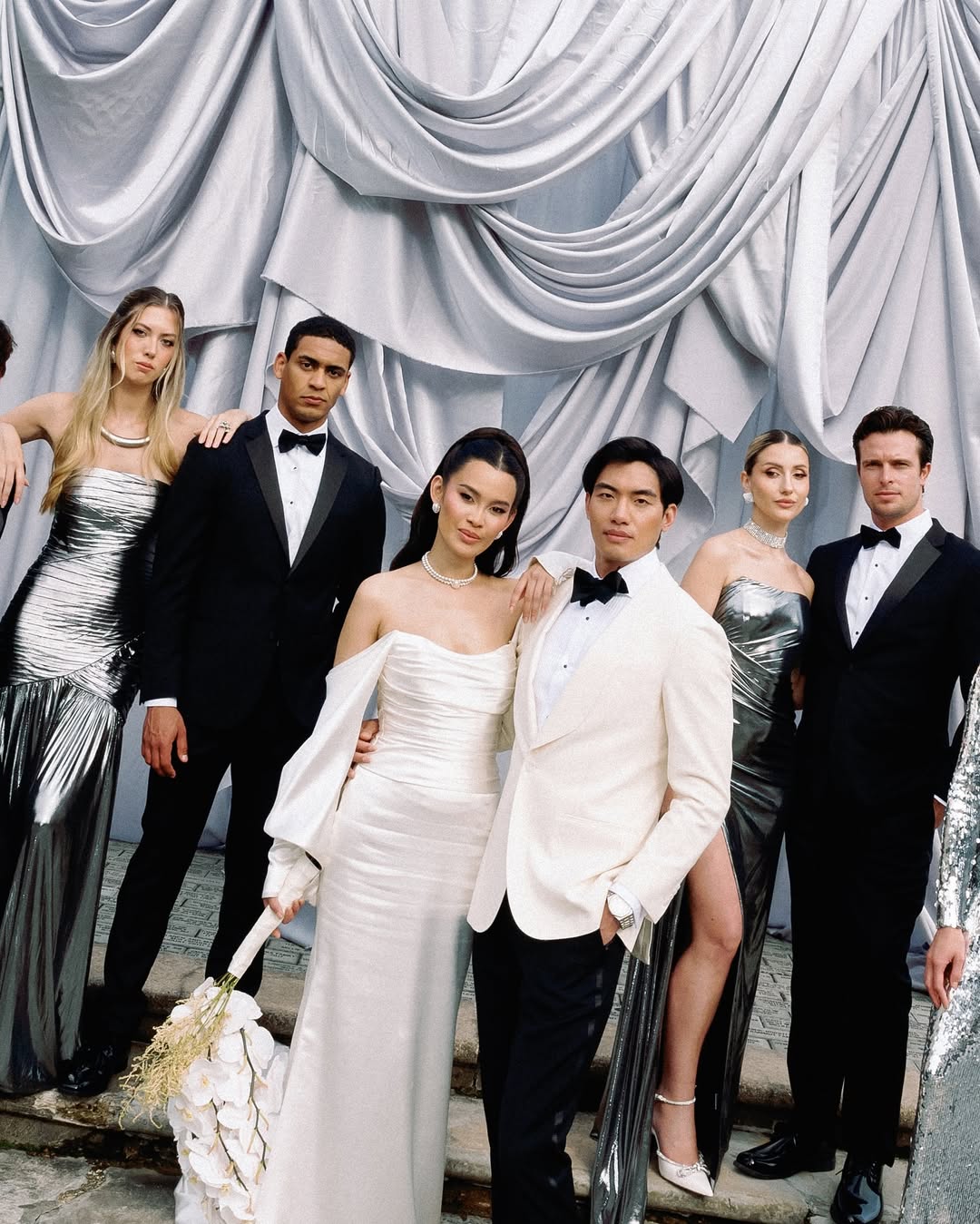
Ask direct questions about your lifestyle to simplify your decision-making when choosing a wedding concept. Start by observing how you actually live, not by looking at aspirational ideas online.
Pay attention to how your home is decorated. If your home is minimalist, a heavily decorated vintage garden wedding might look beautiful in photographs, but feel inauthentic. Likewise, if you surround yourselves with colour and maximalist energy, forcing a stark modern aesthetic would create cognitive dissonance. Your living space reveals your natural aesthetic instincts more accurately than any mood board ever could.
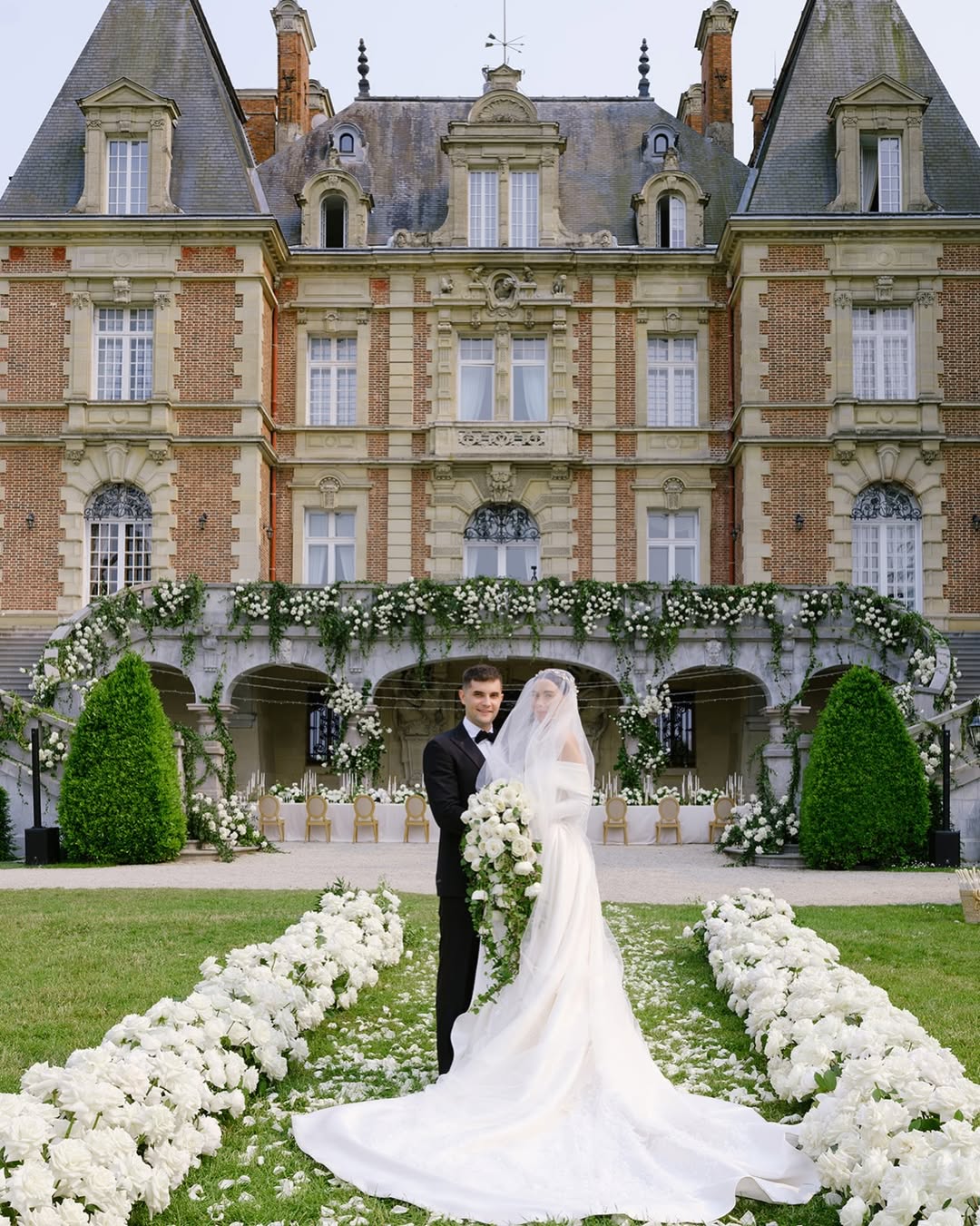
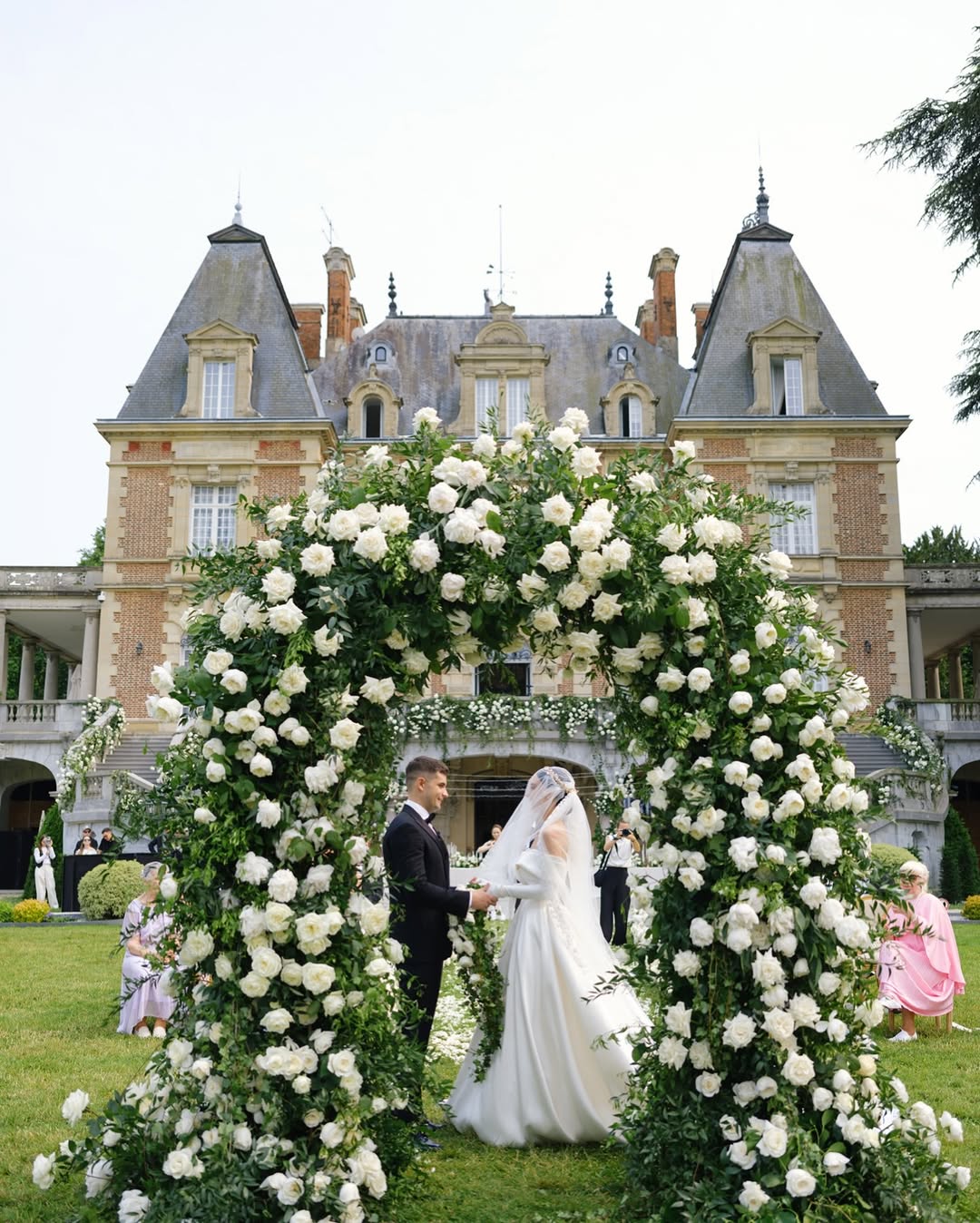
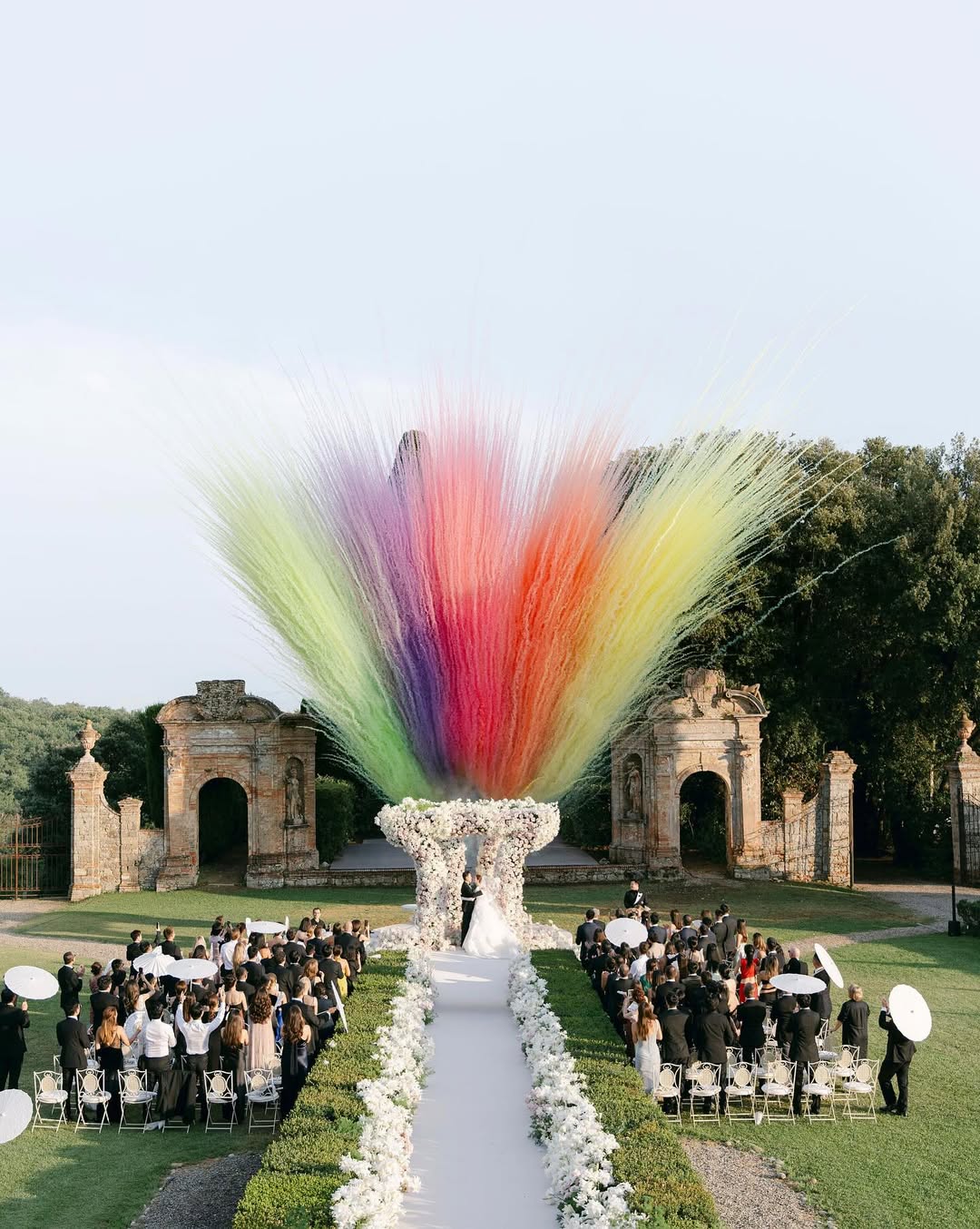
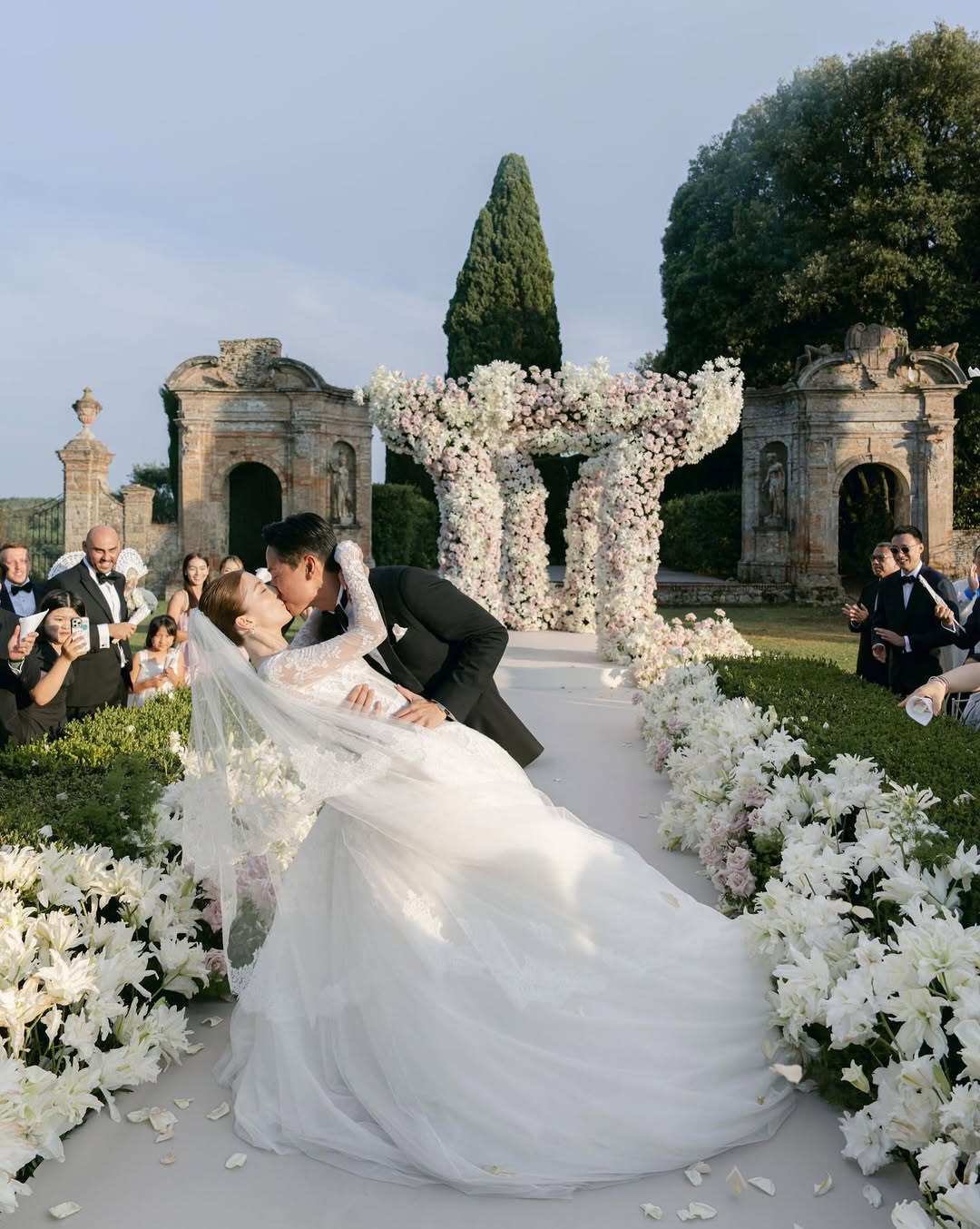
Consider the colours you consistently choose in clothing, home décor, and art. While most couples default to white or ivory because they're safe options, your wedding concept for 2026 can feature the jewel tones or pastels you actually love. Your favourite colours signal deeper style preferences that guide broader concept decisions.
Think about where you spend your free time: classy restaurants, relaxed countryside, or lively beach bars. Use this to pick venues and styles that fit your daily life. Trust yourself, and your wedding will feel right for you.
Aligning Concept with Season and Venue
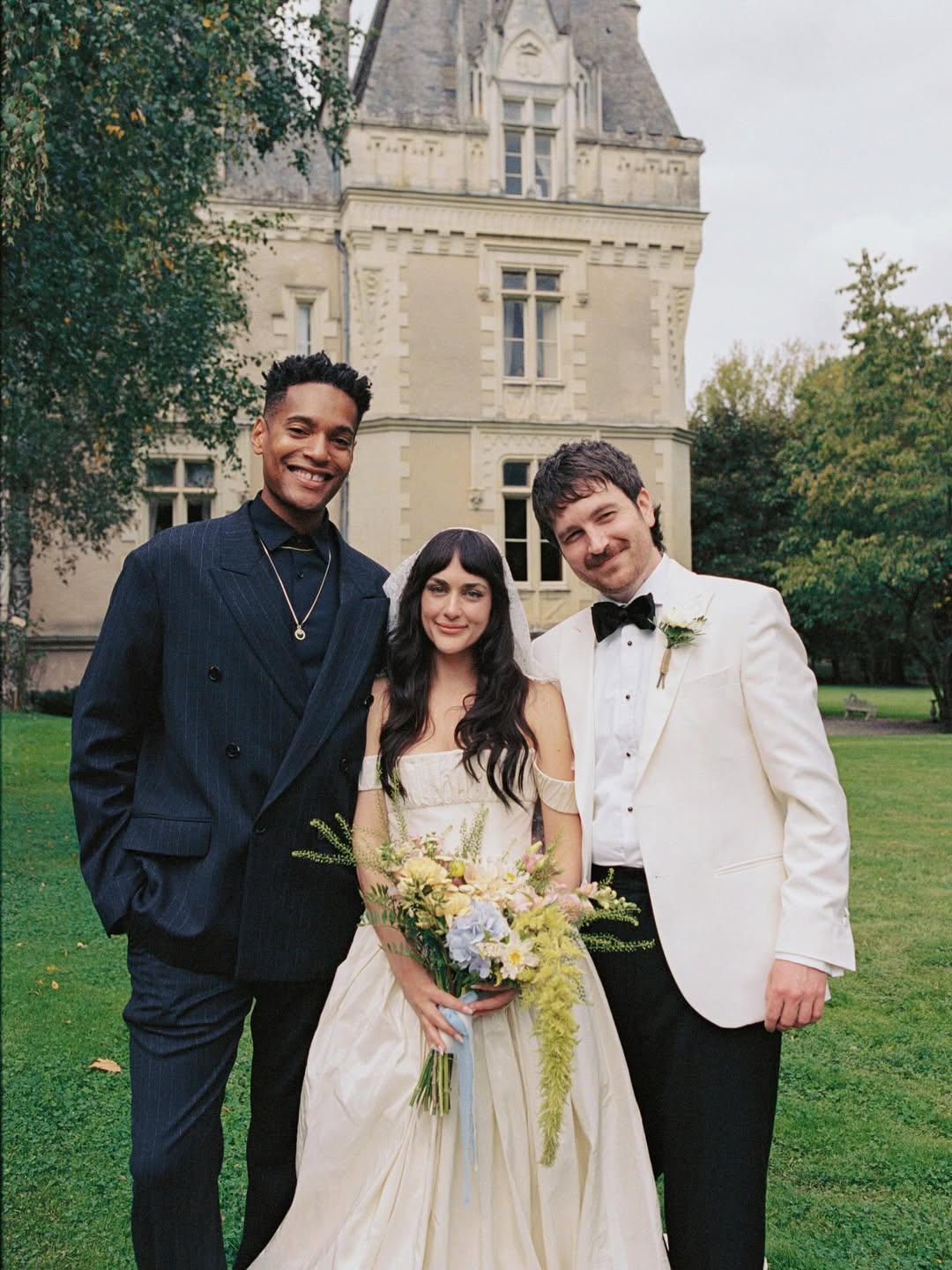
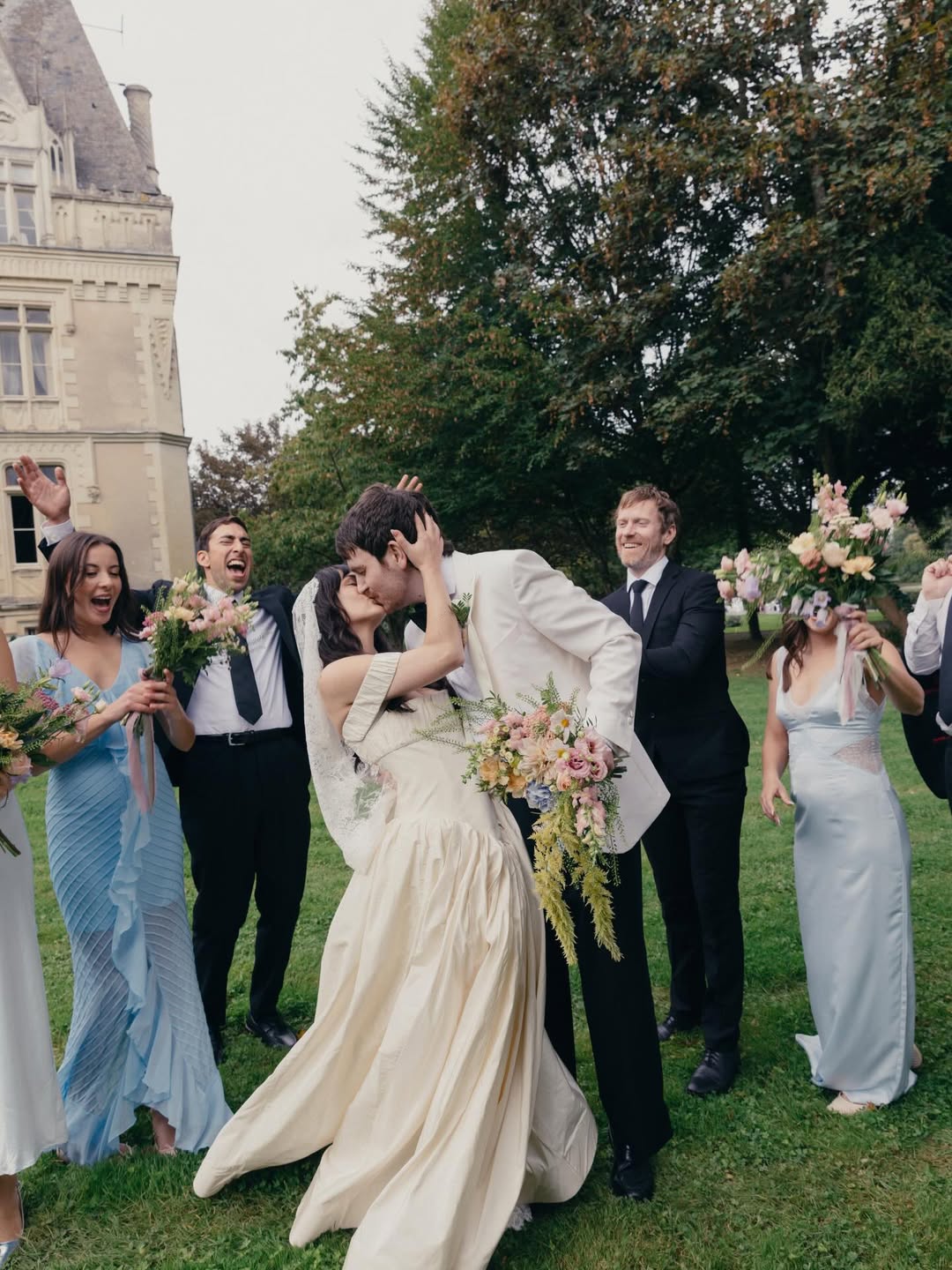
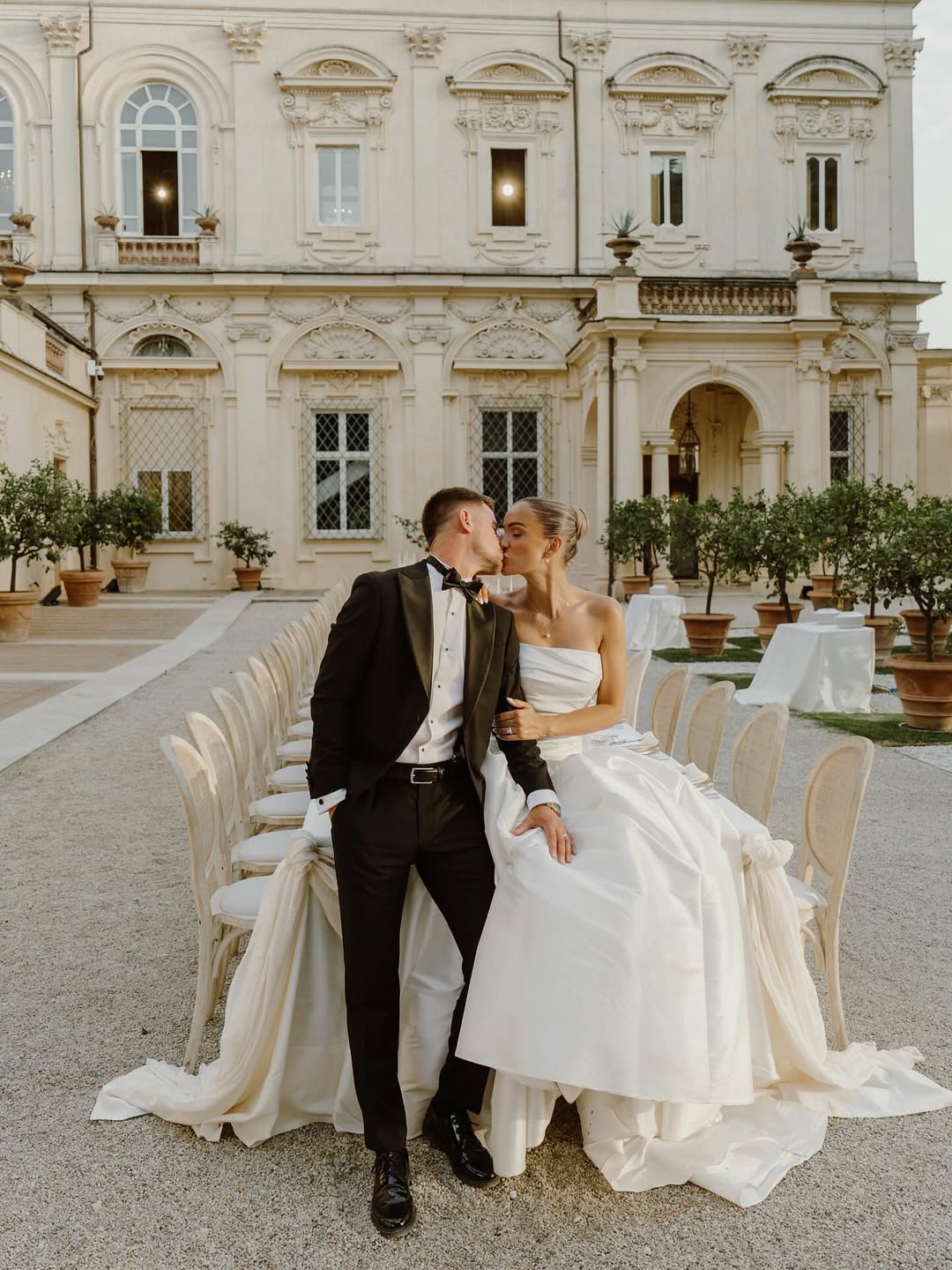
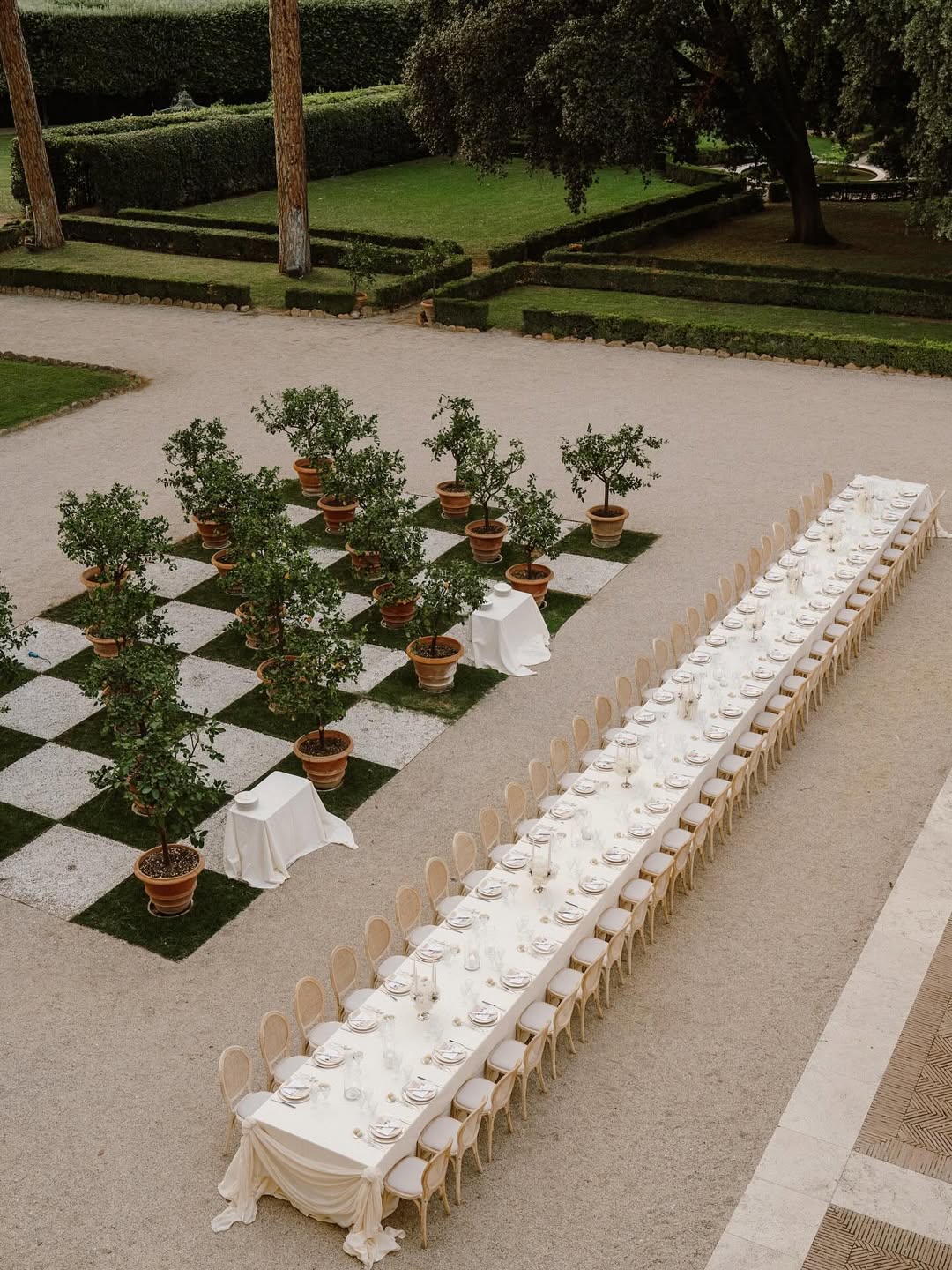
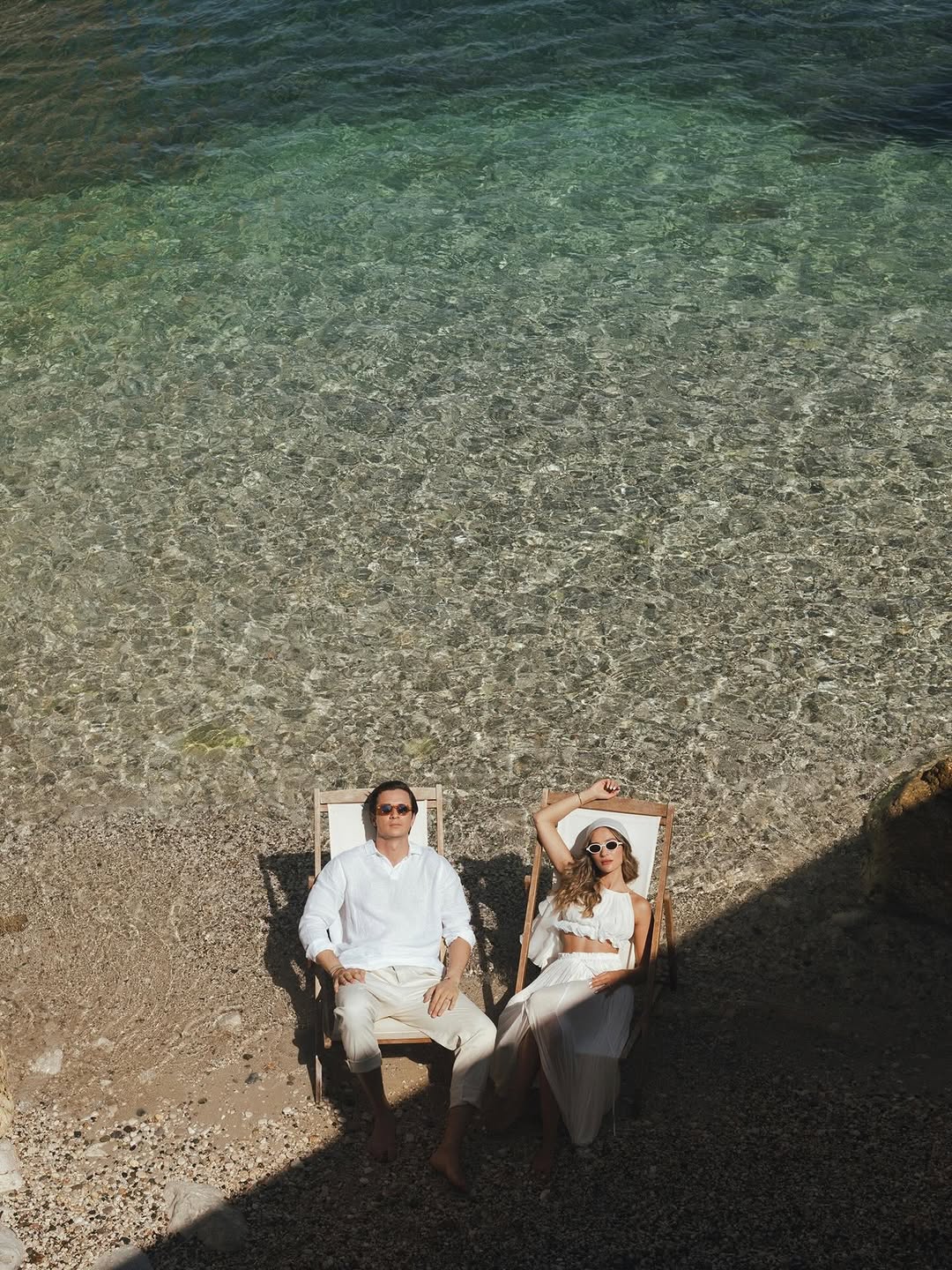
Let season and venue guide your wedding conceptfrom the start. Planning a beach wedding in December in Northern Europe is impractical. A formal ballroom wedding in July on a Mediterranean island wastes the venue's advantages.
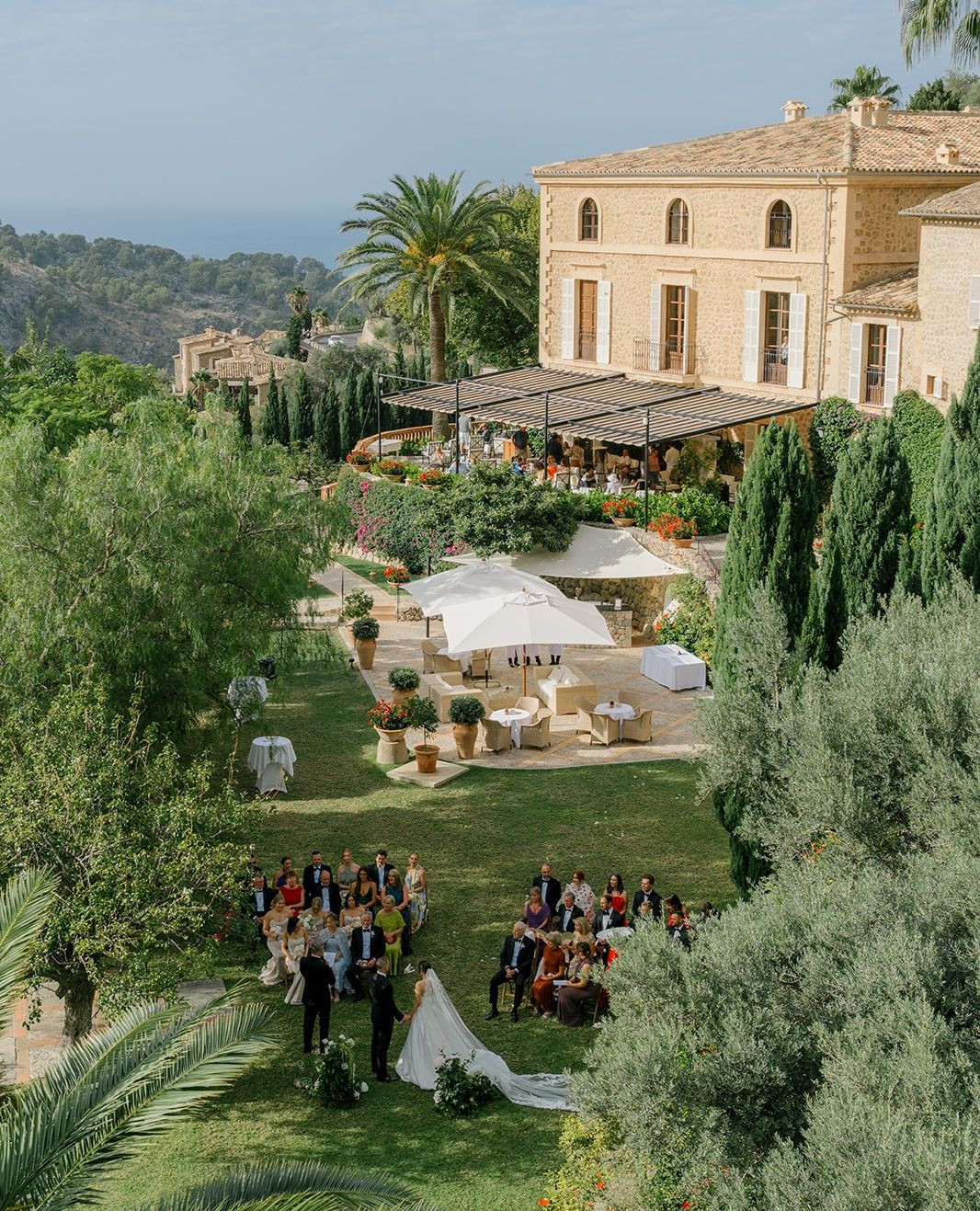
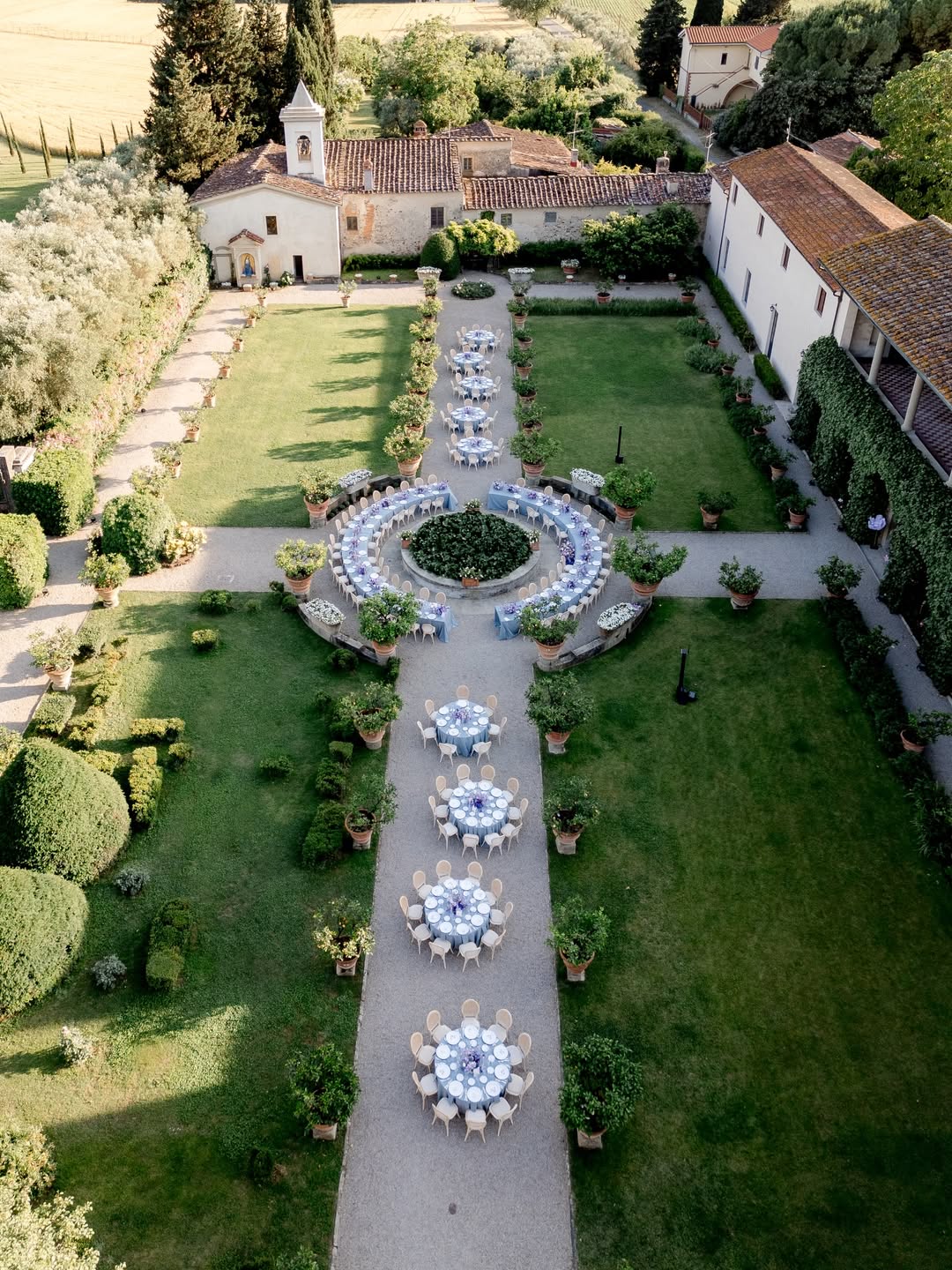
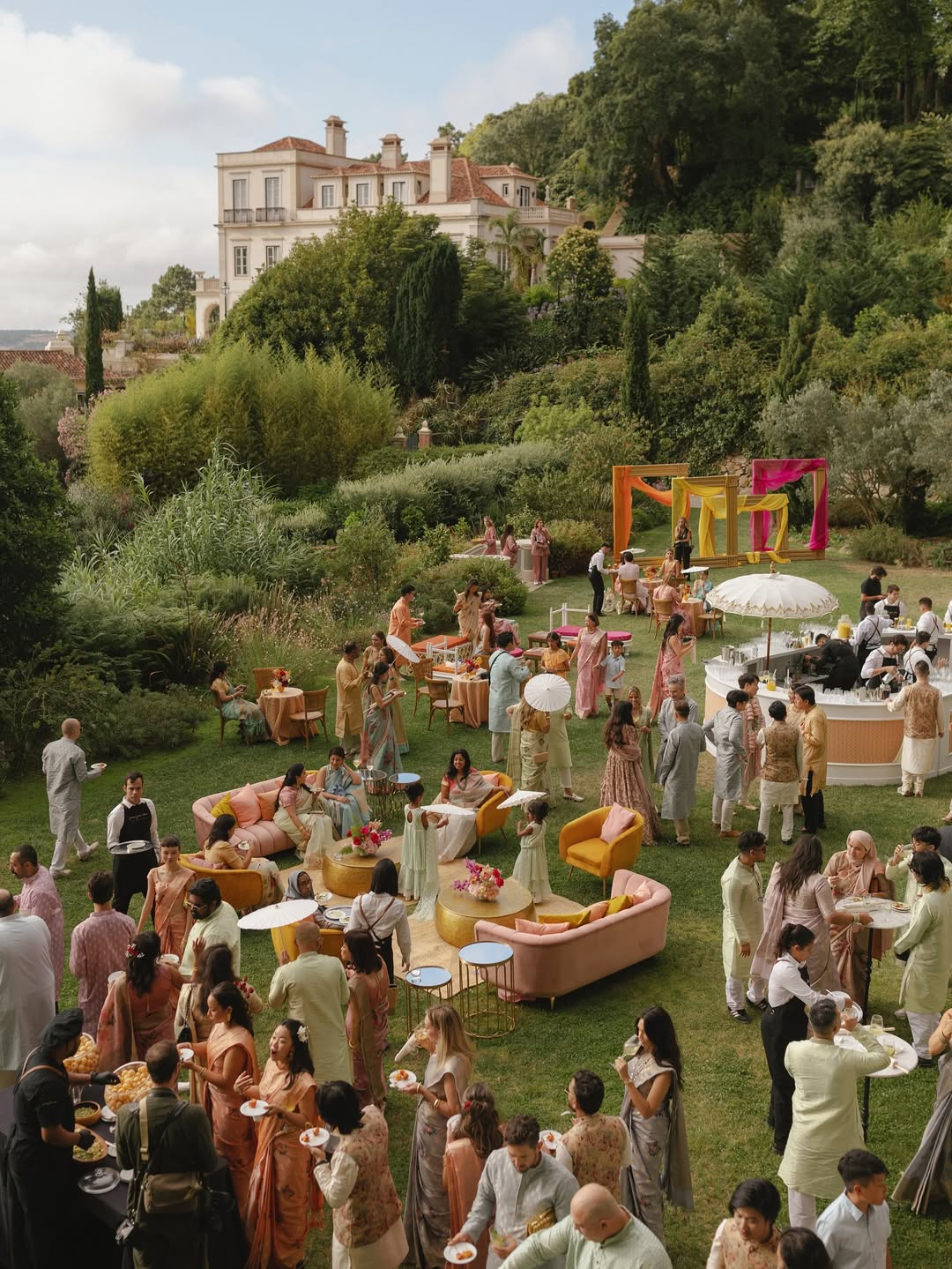
Weather, venue, and concept form an interconnected system in which each element affects the others. Summer dates naturally suggest outdoor spaces and concepts that embrace nature, such as rustic themes in vineyards, garden wedding concept celebrations where flowers are abundant, and the heat is bearable under a tree canopy, and coastal ceremonies where the sea provides a backdrop and a breeze. Winter weddings typically work better indoors, where temperature and lighting can be controlled. This lends itself to sophisticated ballroom affairs, cosy, intimate gatherings, or vintage-inspired celebrations in historic buildings with character and warmth.
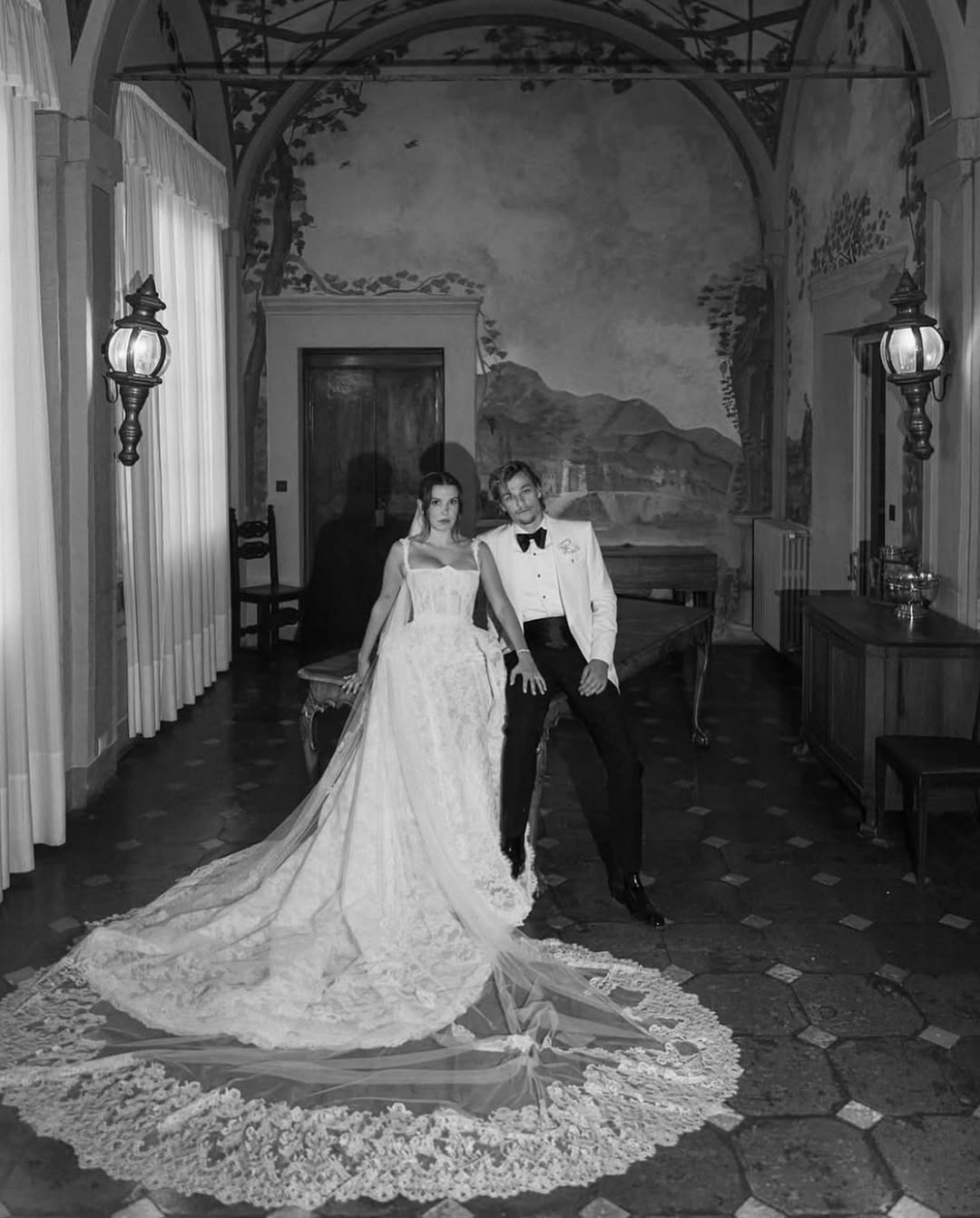
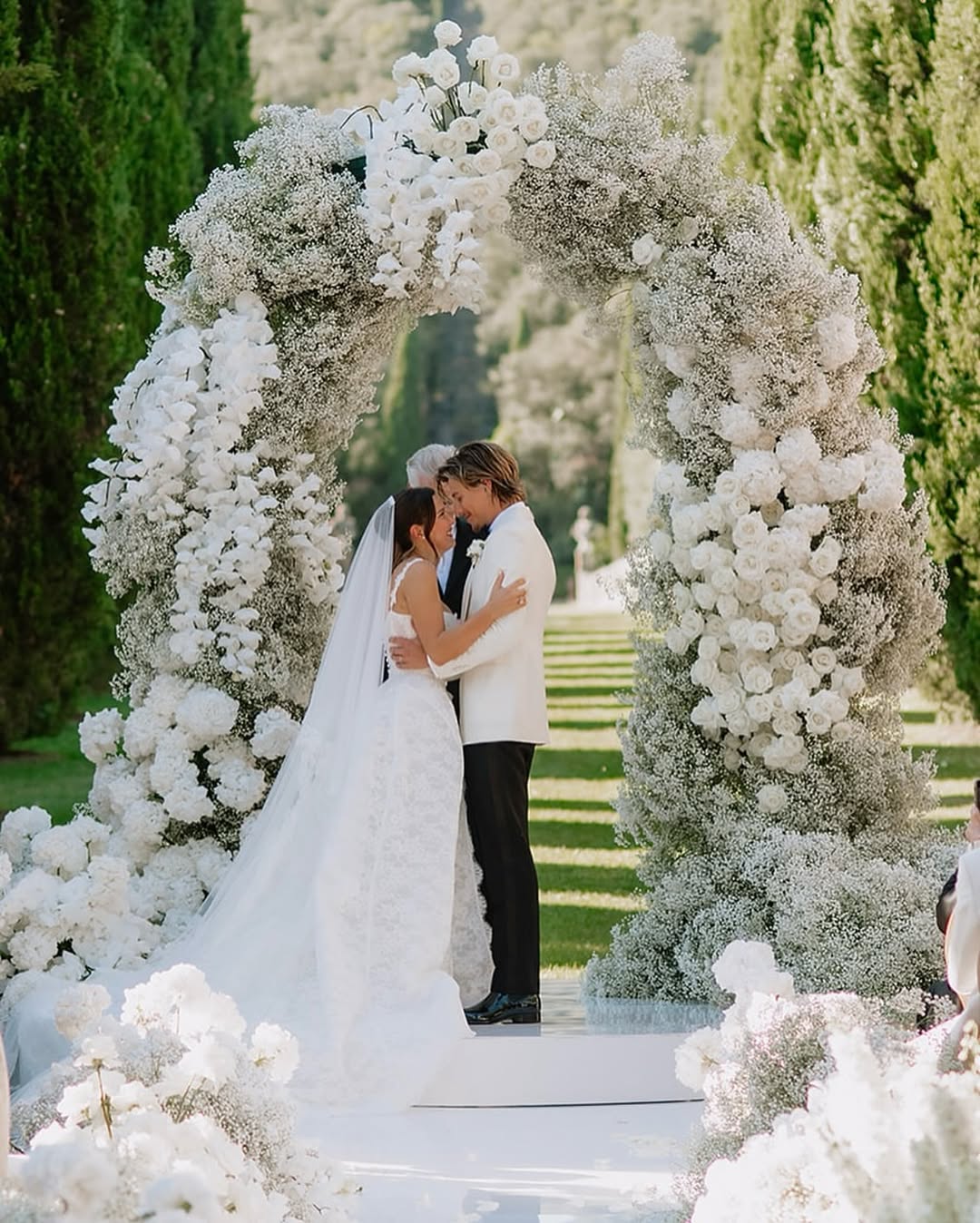
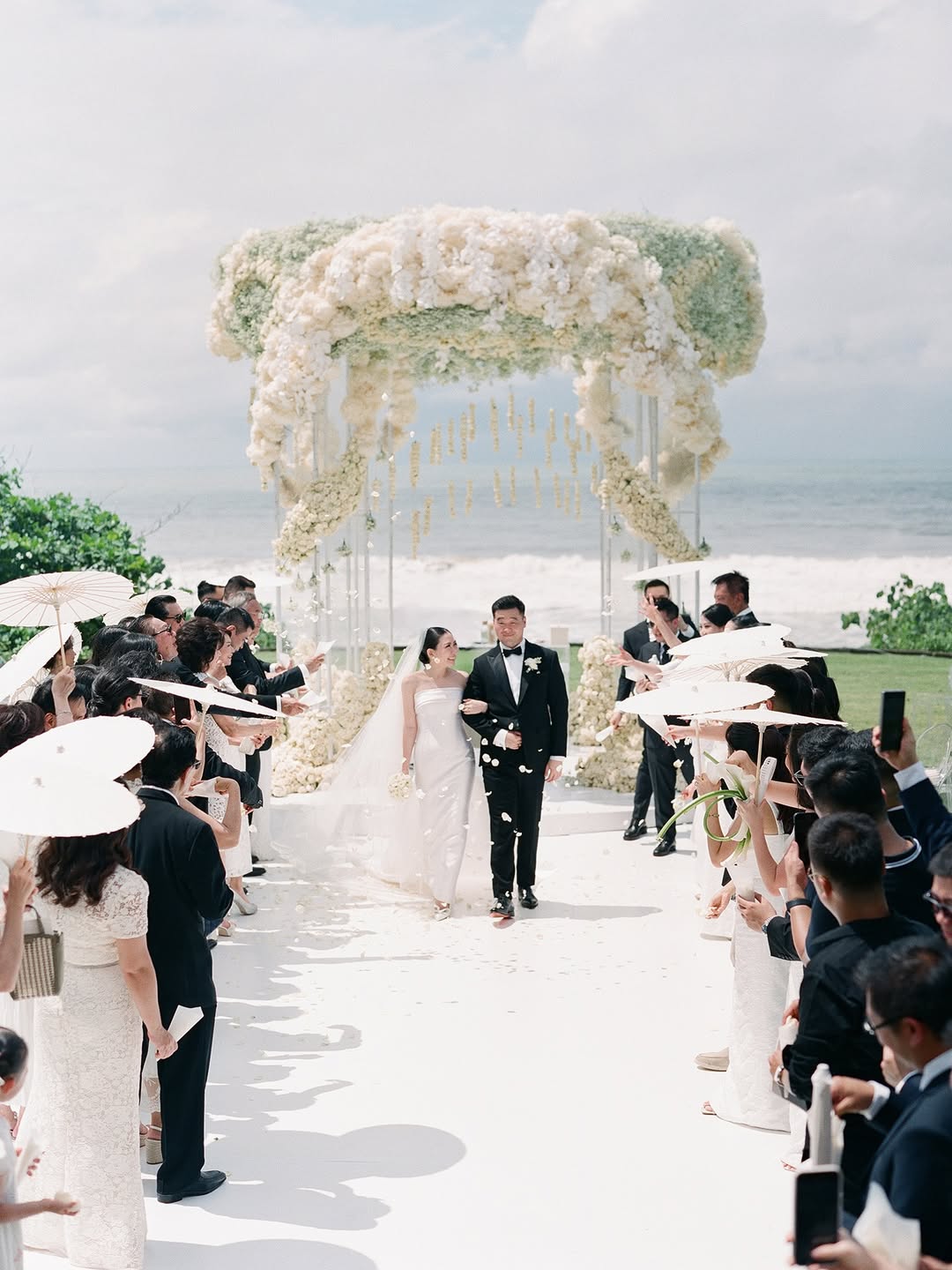
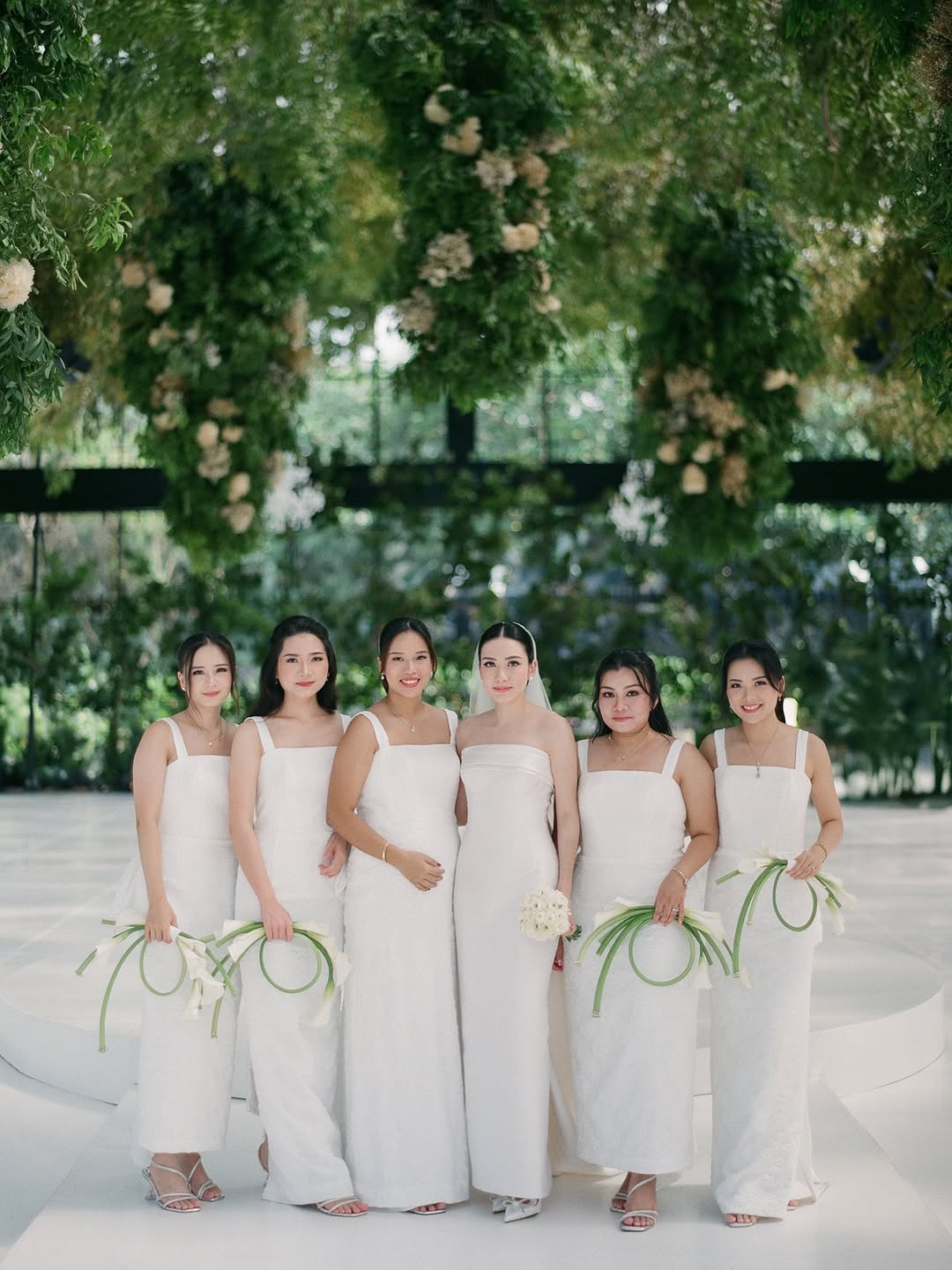
However, seasons and venues do not dictate style in absolute terms. Summer weddings can take place indoors if your perfect venue is located there — air conditioning and thoughtful styling can adapt the space for a summer celebration without requiring outdoor exposure. Winter weddings can incorporate outdoor elements through covered terraces, fire features, and careful timing to limit exposure to the cold. The key is to work with your constraints rather than ignore them, using décor and planning to bridge any gaps between your vision and the venue's reality.
Defining Dress Code Through Your Concept
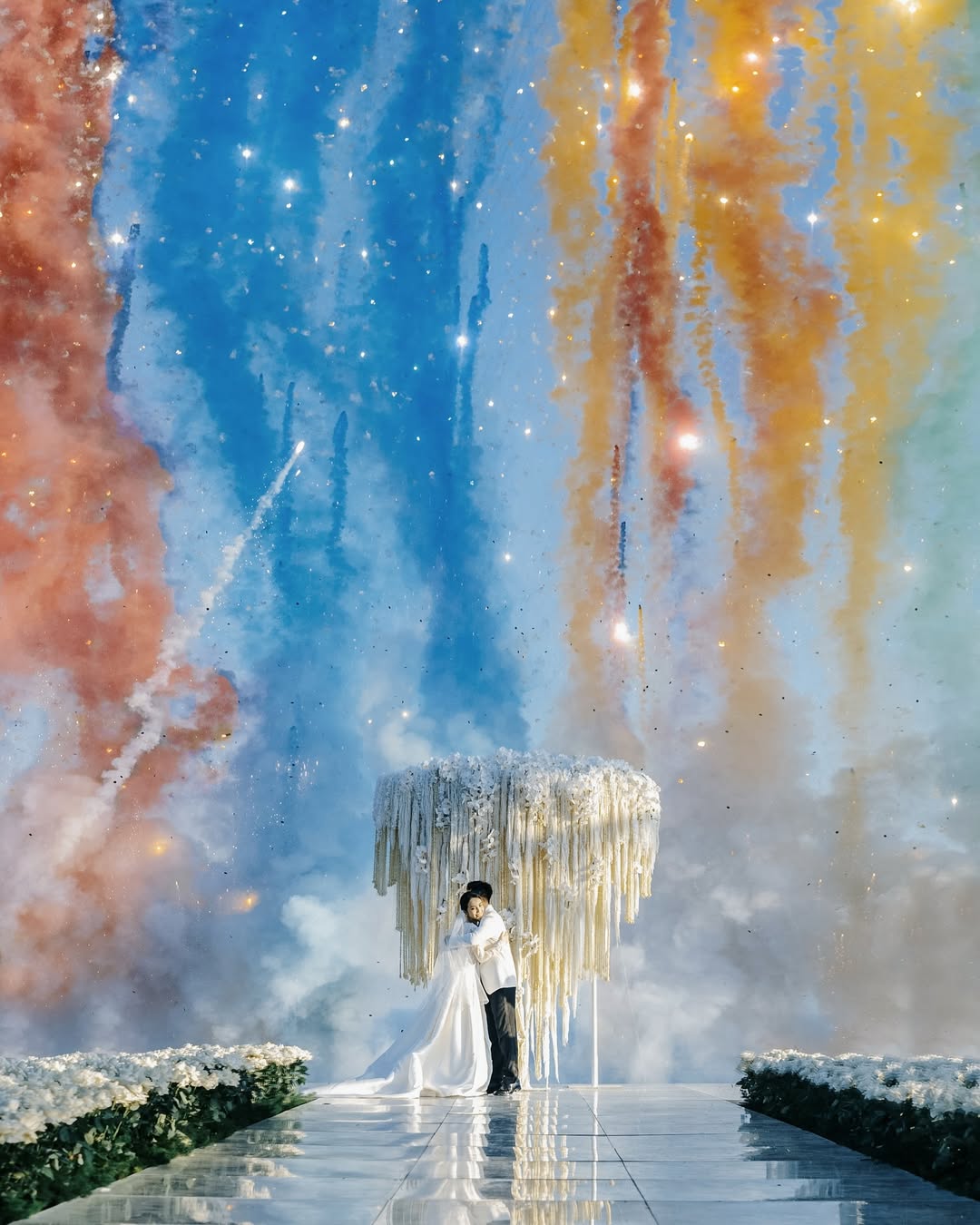
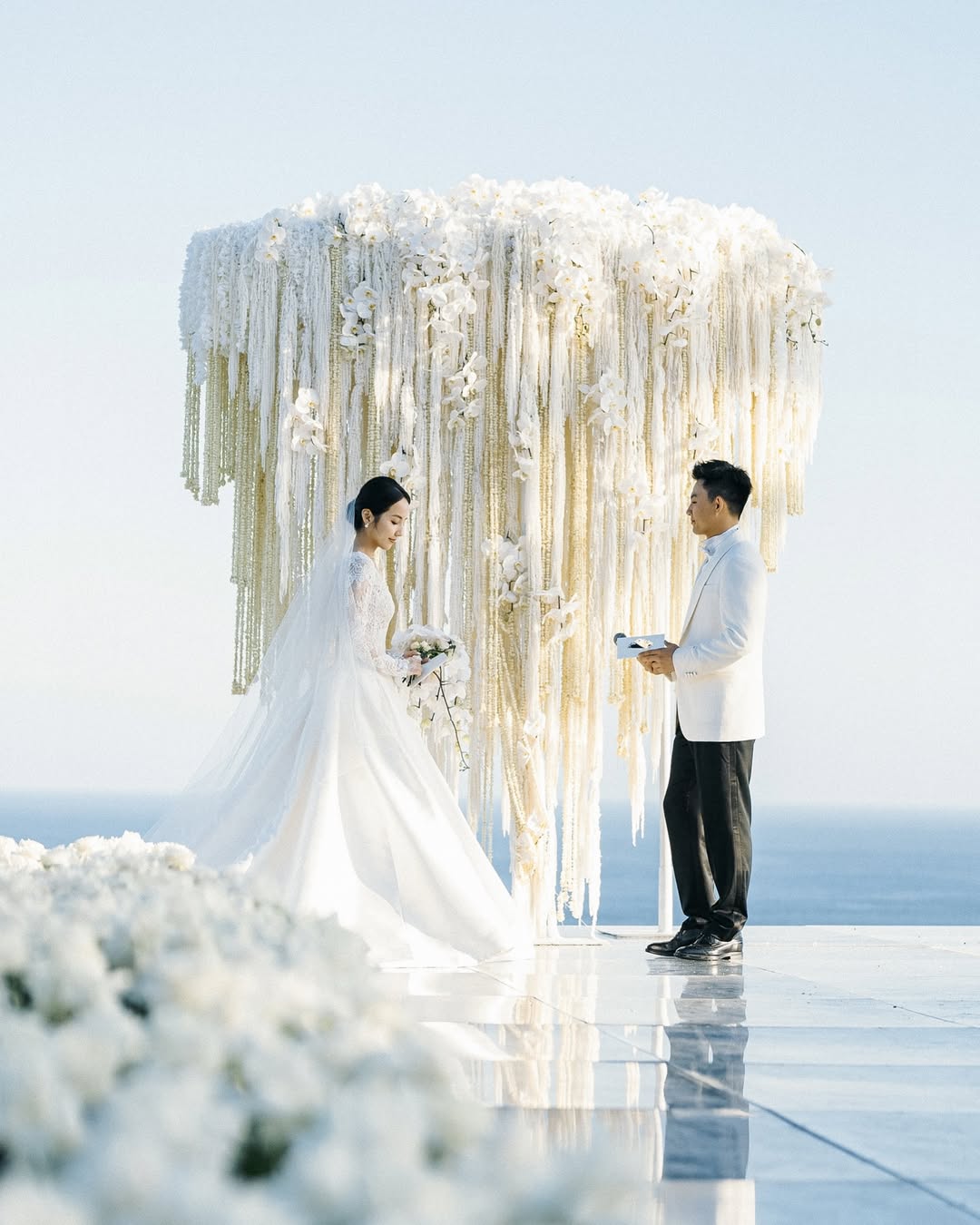
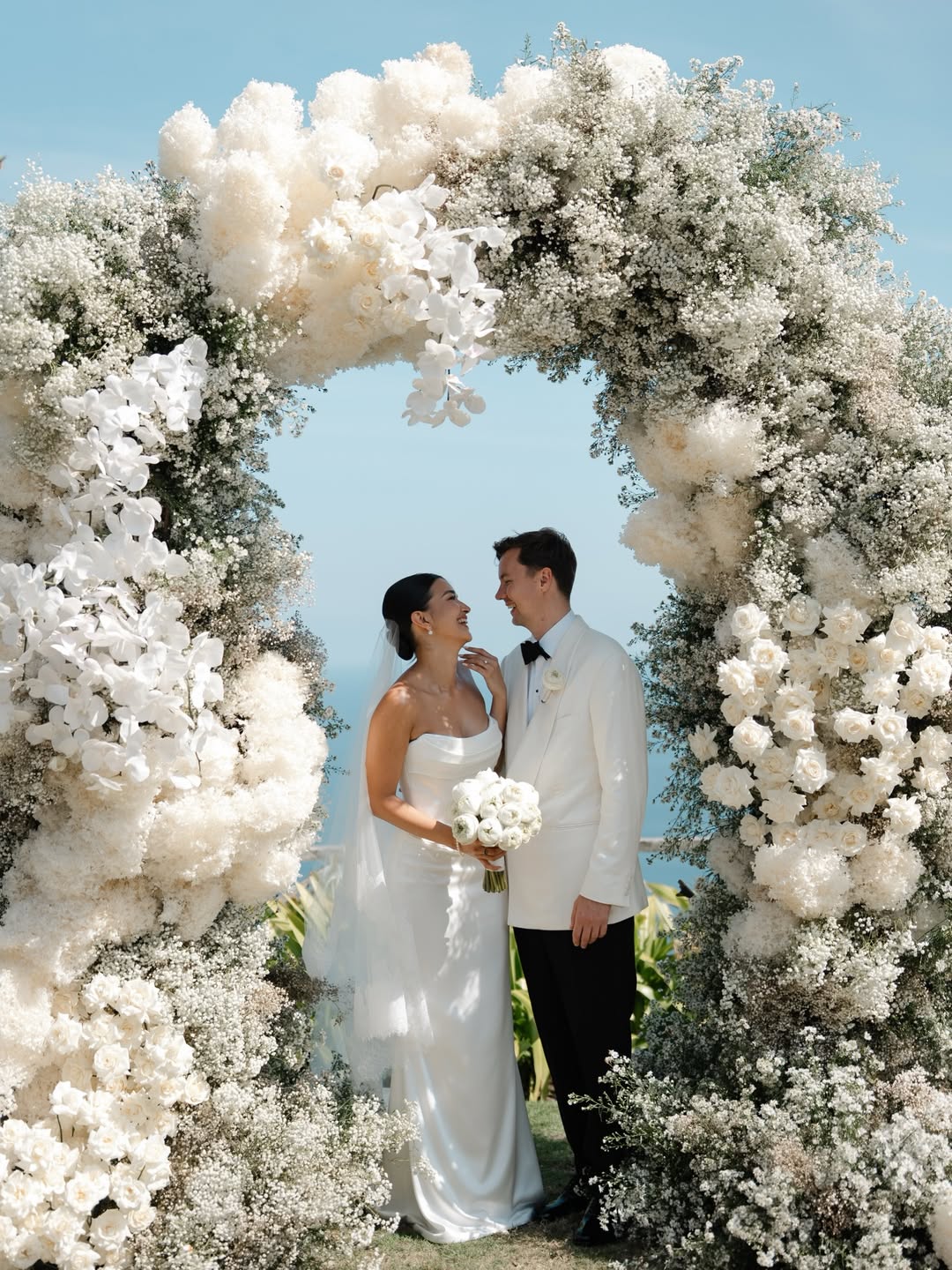
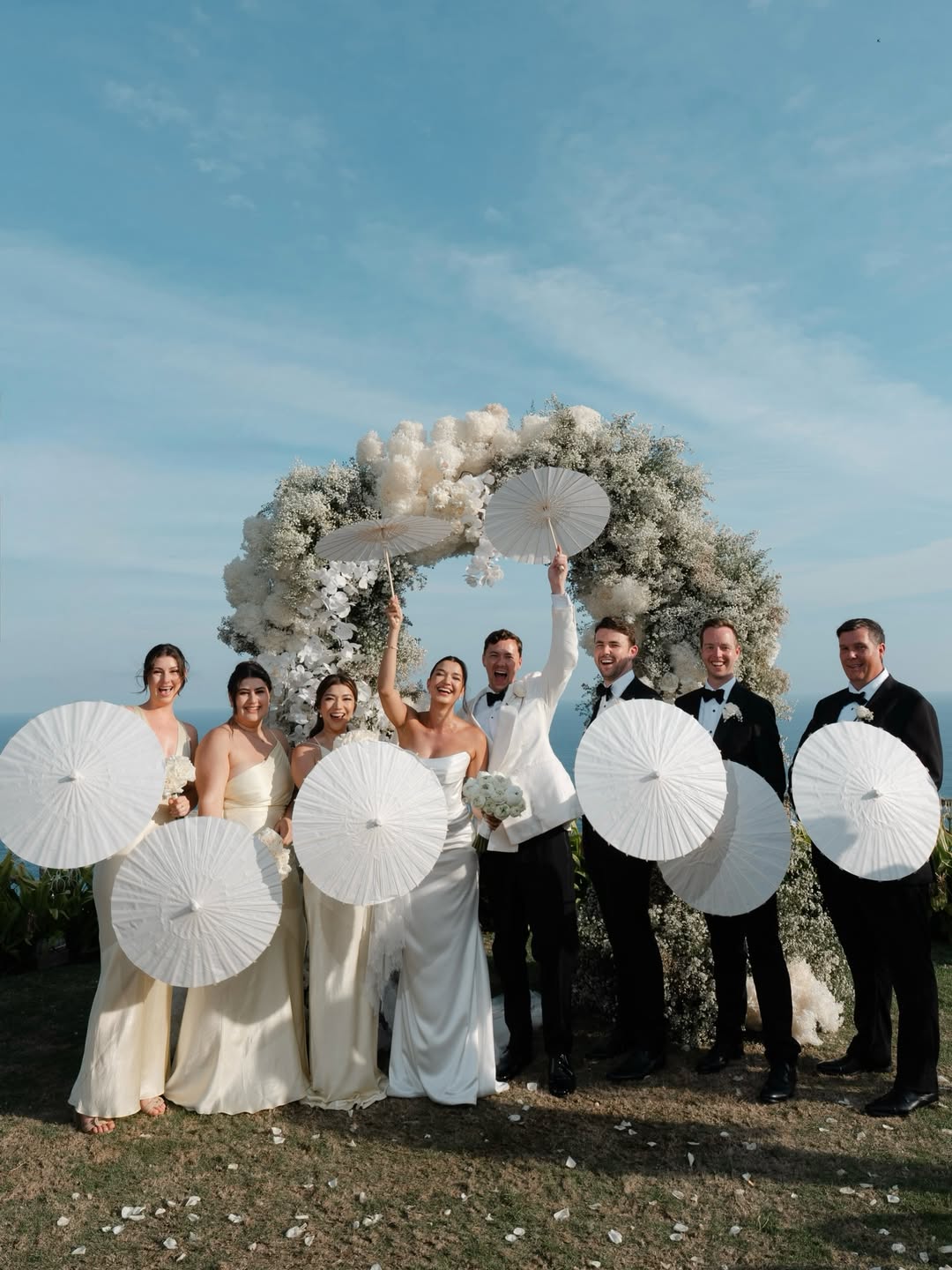
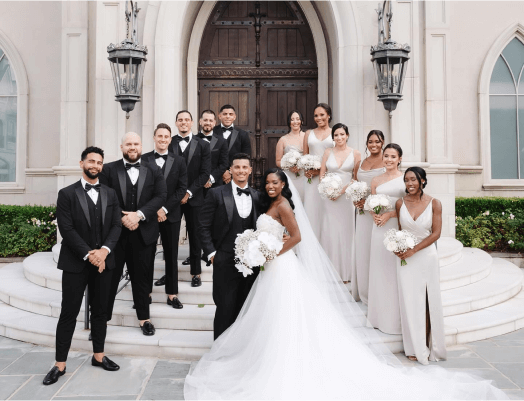
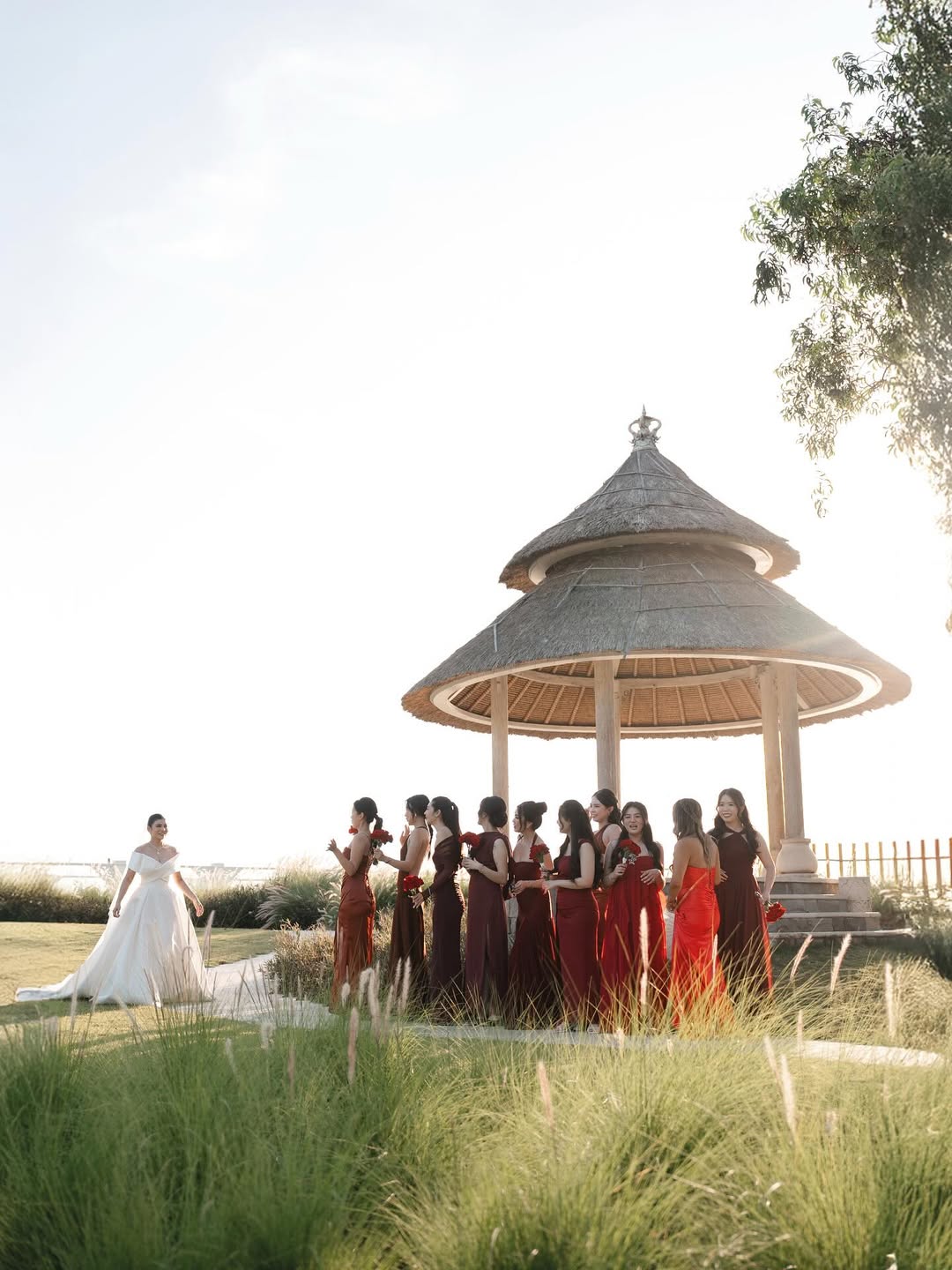
Your wedding concept shapes the dress code. Dress code and event style must align—formal wear suits a ballroom, not a beach, and vice versa. If you prefer classic clothes, go for formal or black-tie. If you're casual, pick a semi-formal or cocktail. Choose something that matches your life, so guests feel comfortable, and the look makes sense.
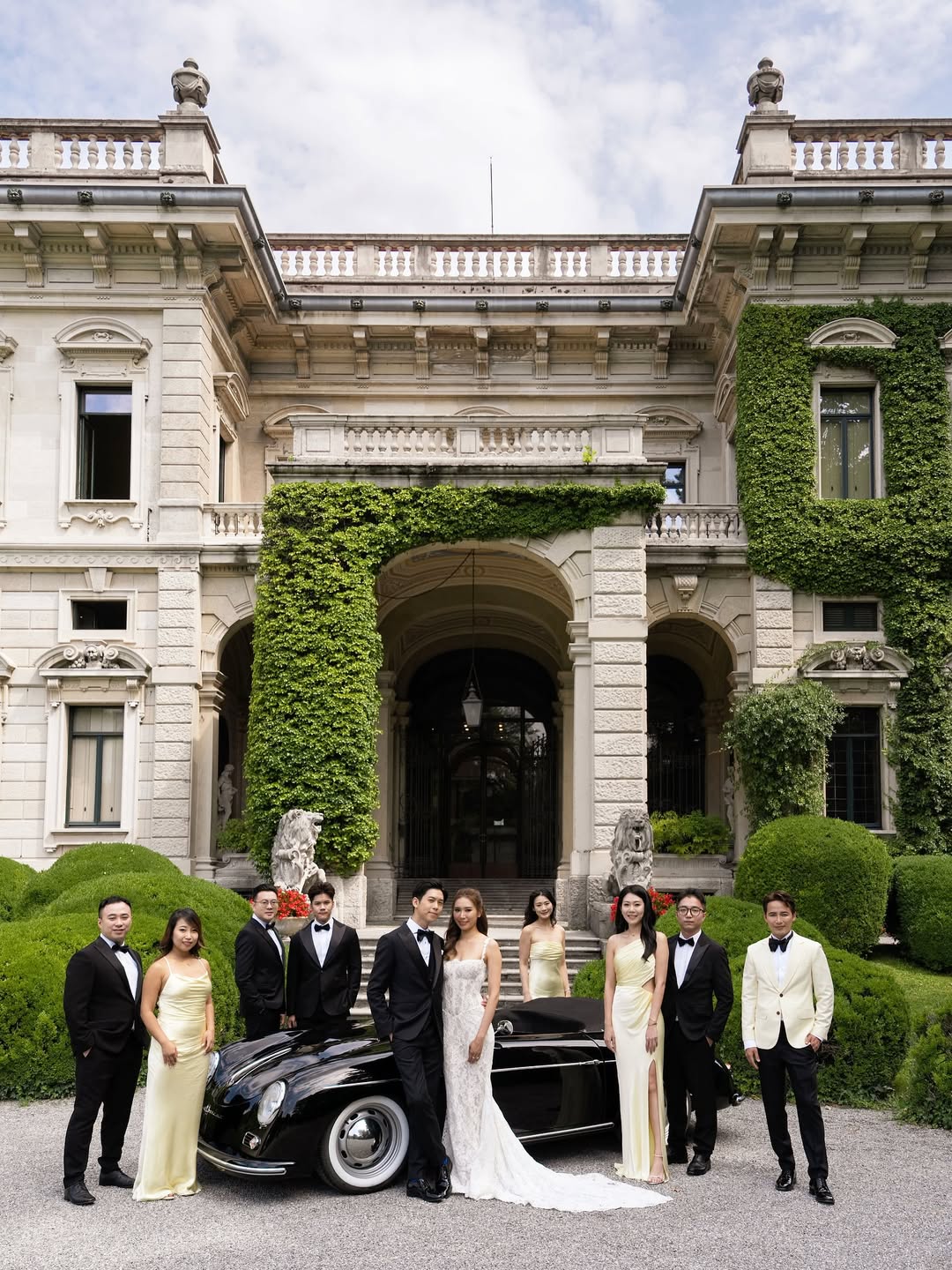
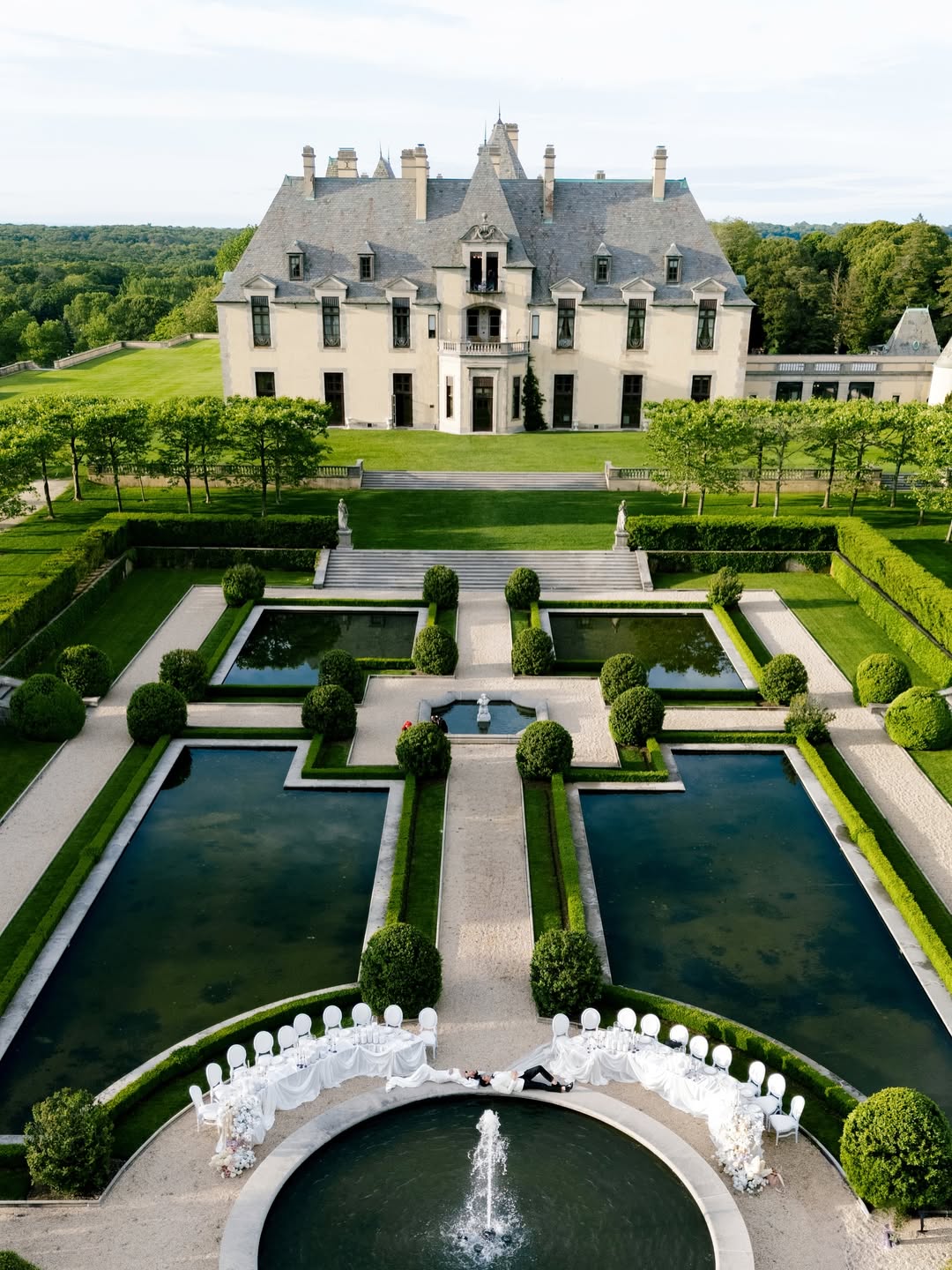
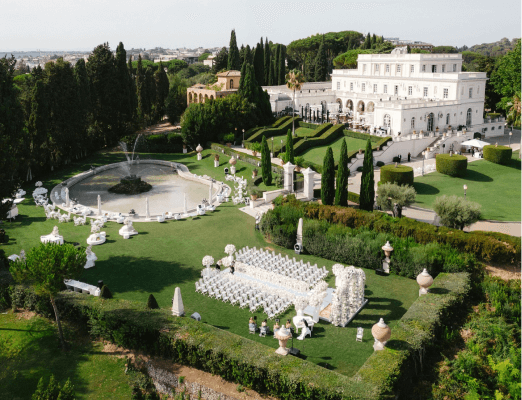
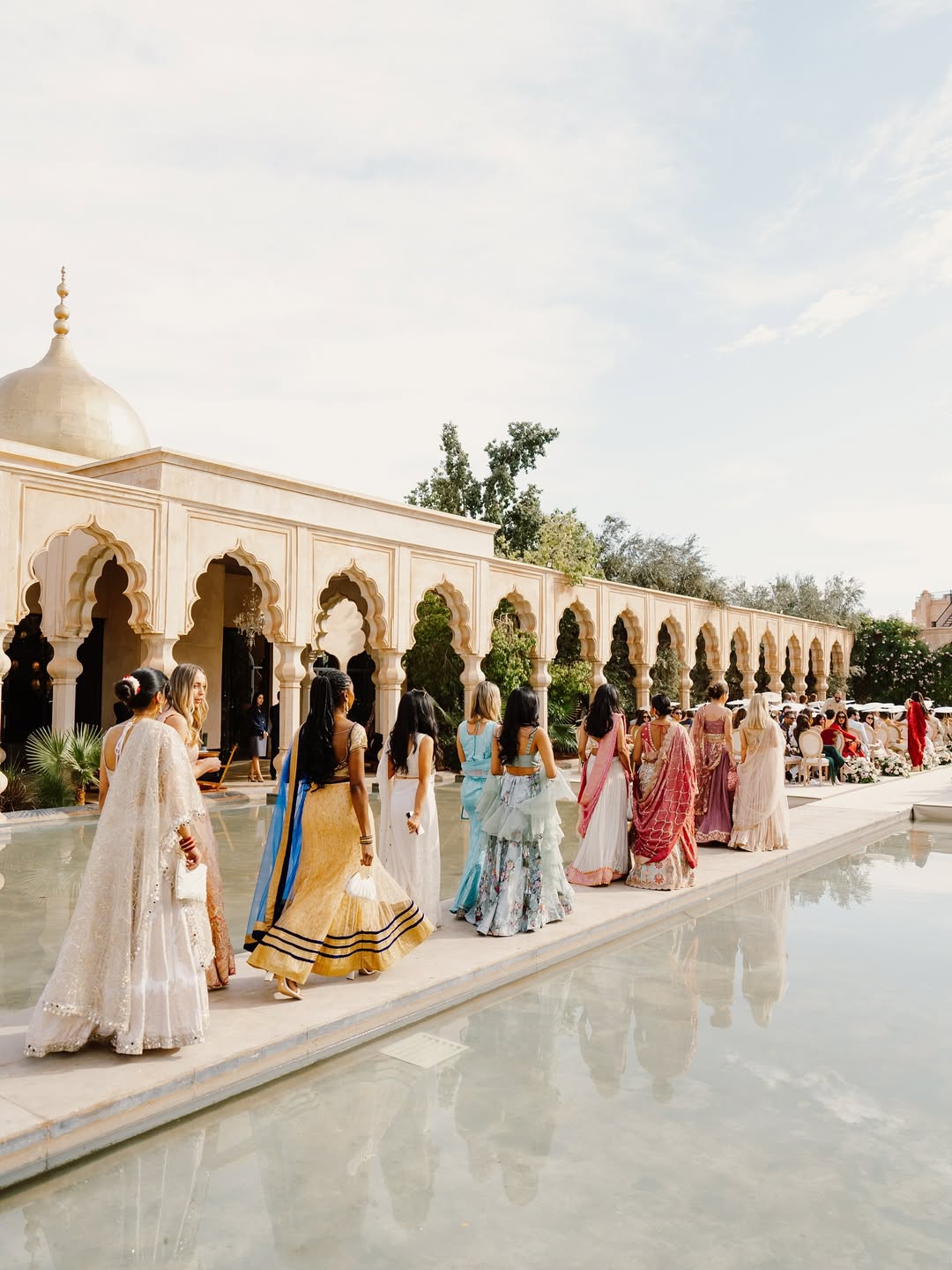
However, the venue often dictates the dress code regardless of personal preference. A palace or historic estate, for example, suggests formality almost by default — even if you wanted a more casual setting, it would work against you. A beach or barn venue naturally leans towards the informal, unless you work deliberately to make it more formal. Consider the venue's context when establishing the dress code, and communicate your expectations clearly to guests so that no one shows up dramatically over- or underdressed for the setting.
Personal Versus Trendy: Building Authentic Celebrations
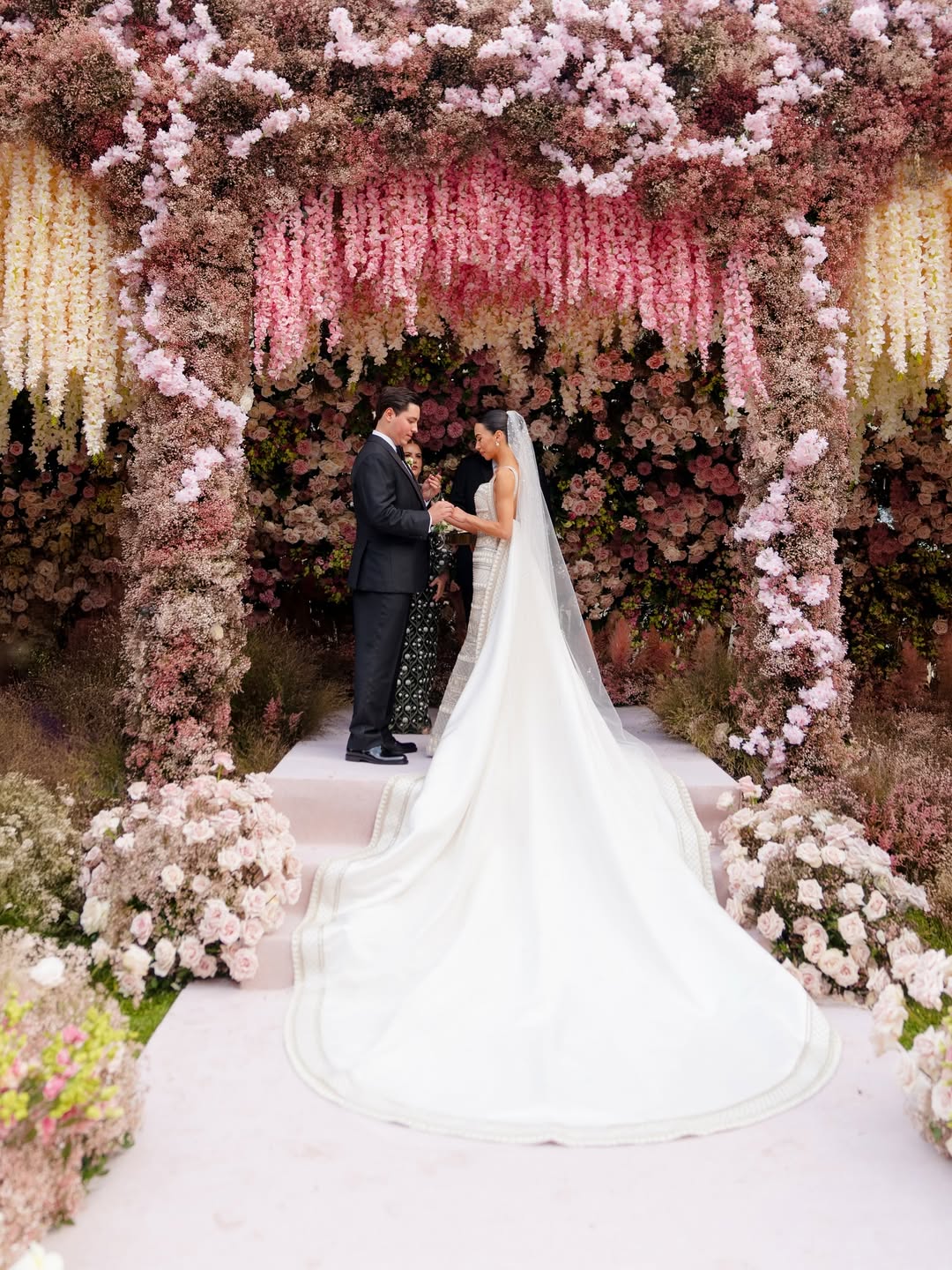
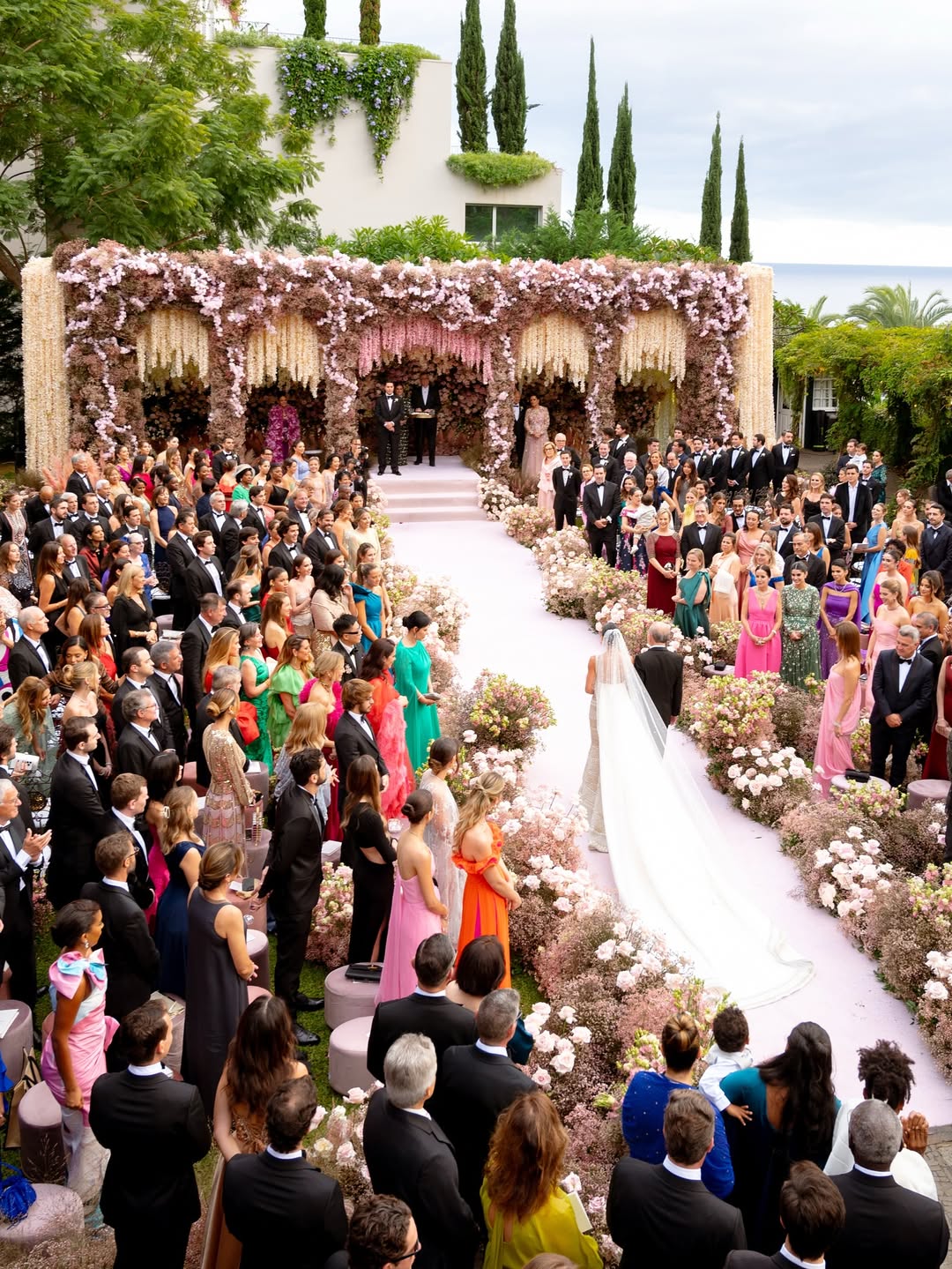
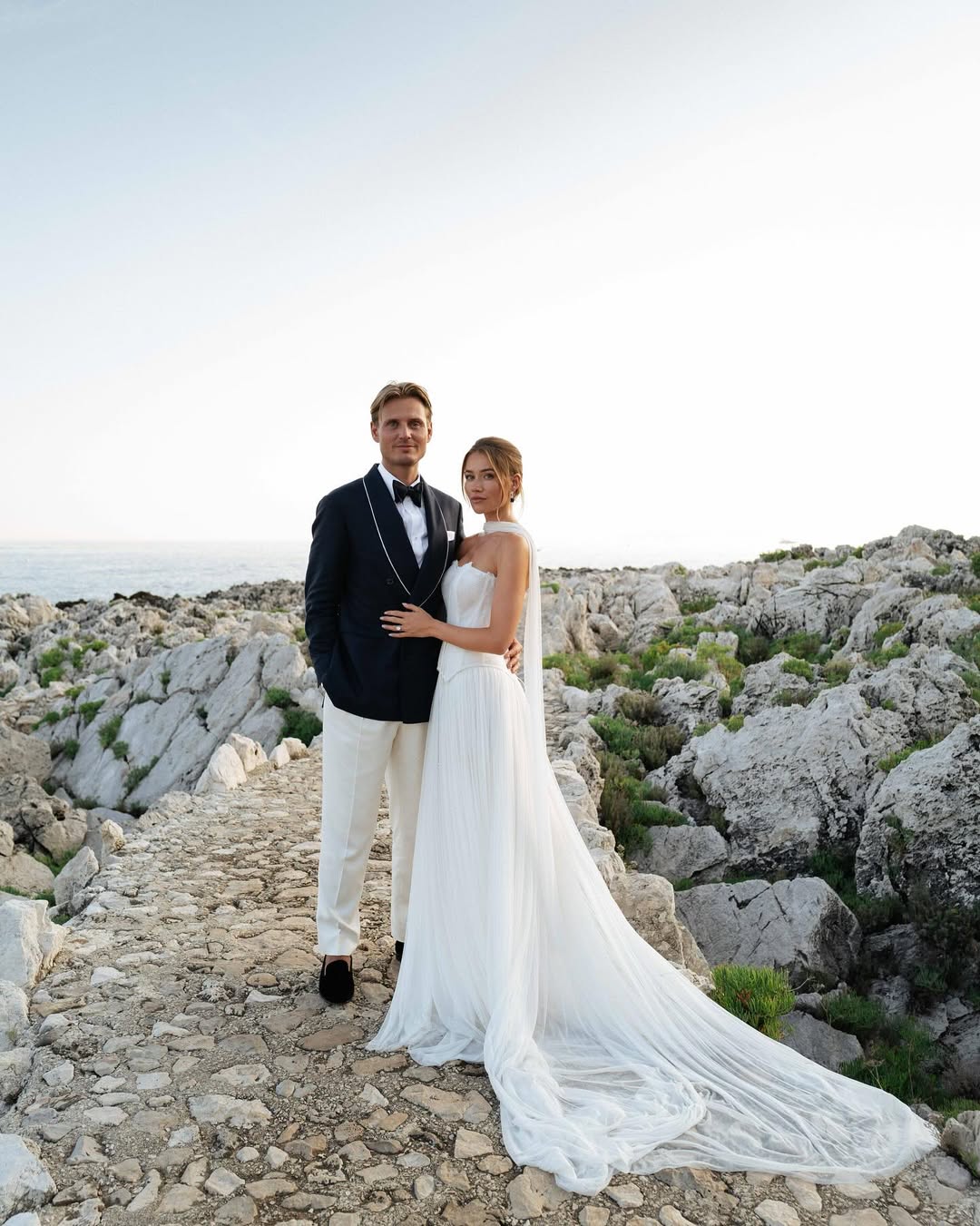
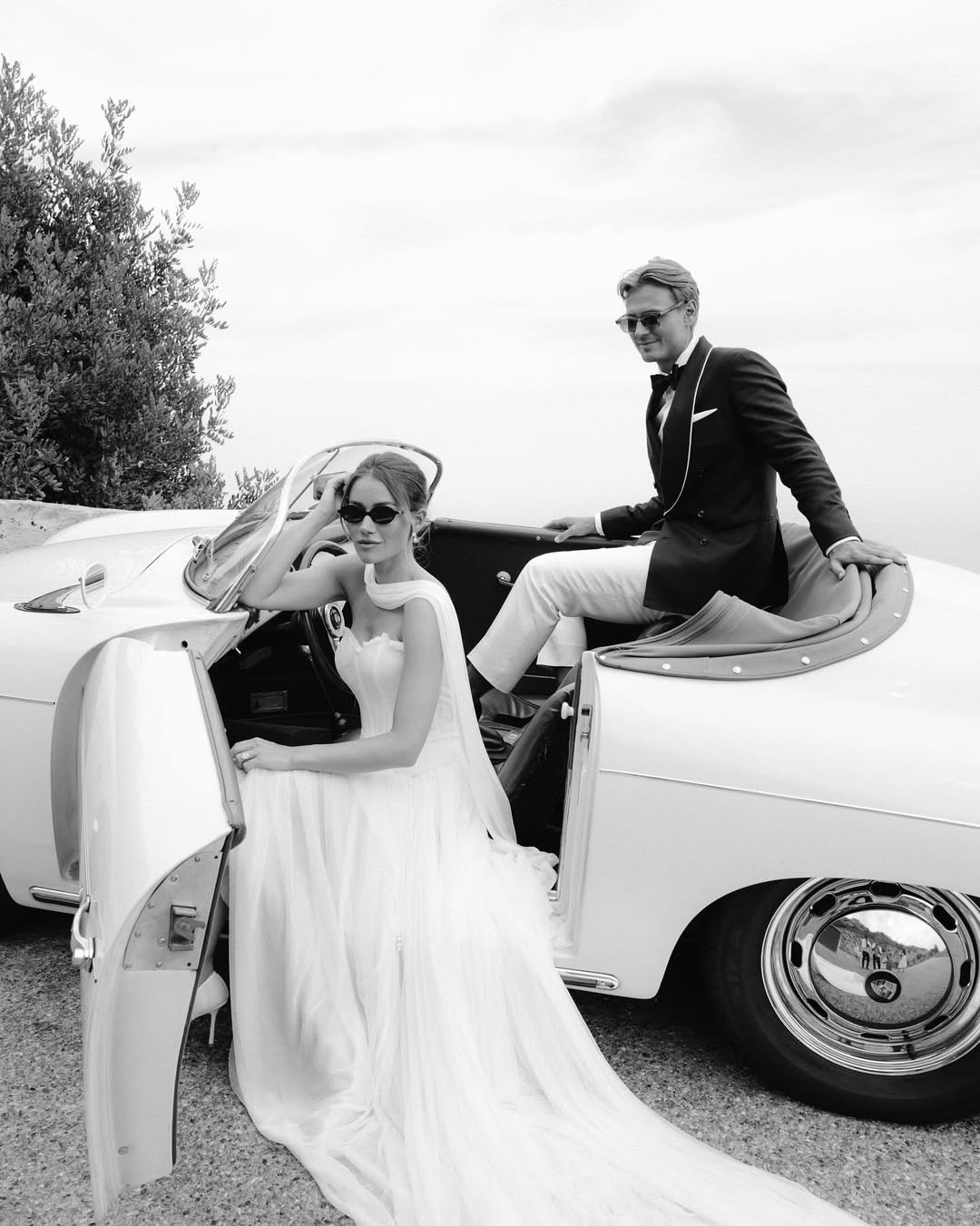
Wedding magazines and Instagram feeds showcase dozens of new themes each season, including glamorous décor, popular colour palettes, popular venues, and ways to structure celebrations. Draw inspiration from these sources. Save your favourites, study what appeals to you, and understand why certain wedding design concepts resonate. However, remember that trends change constantly, whereas your wedding photos and memories will remain permanent.
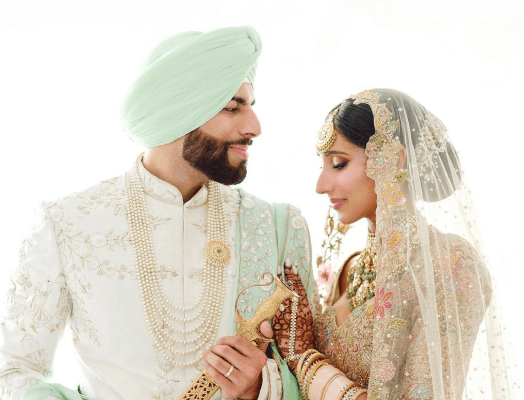
Your intimate wedding concept should reflect your relationship, not someone else's. Every element, from the ceremony to the reception, the floral choices to the menu, should connect to your real story instead of being taken from trend reports. Personal touches matter more than trends. Incorporate family traditions, include cultural entertainment you love, serve dishes or cocktails you created together, and use your own photos as decorations instead of generic, Pinterest-inspired styling.
The most memorable weddings are those where the couple's personalities permeate every detail. Trends fade, but authenticity ages well. Choose a style that genuinely appeals to you, rather than one that's currently popular. Twenty years from now, your photos will still feel meaningful, not dated.

Building Your Concept: Style Categories to Consider
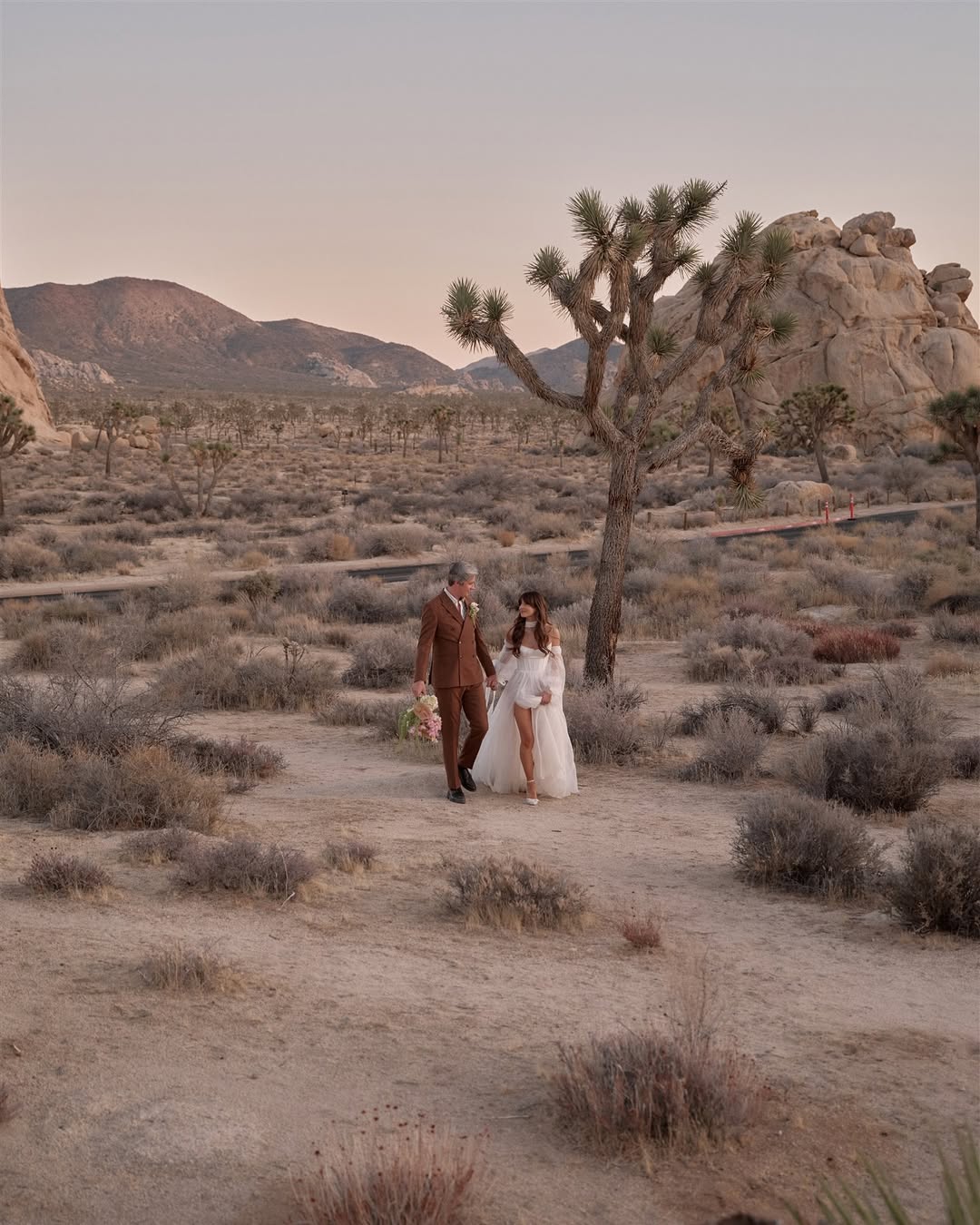
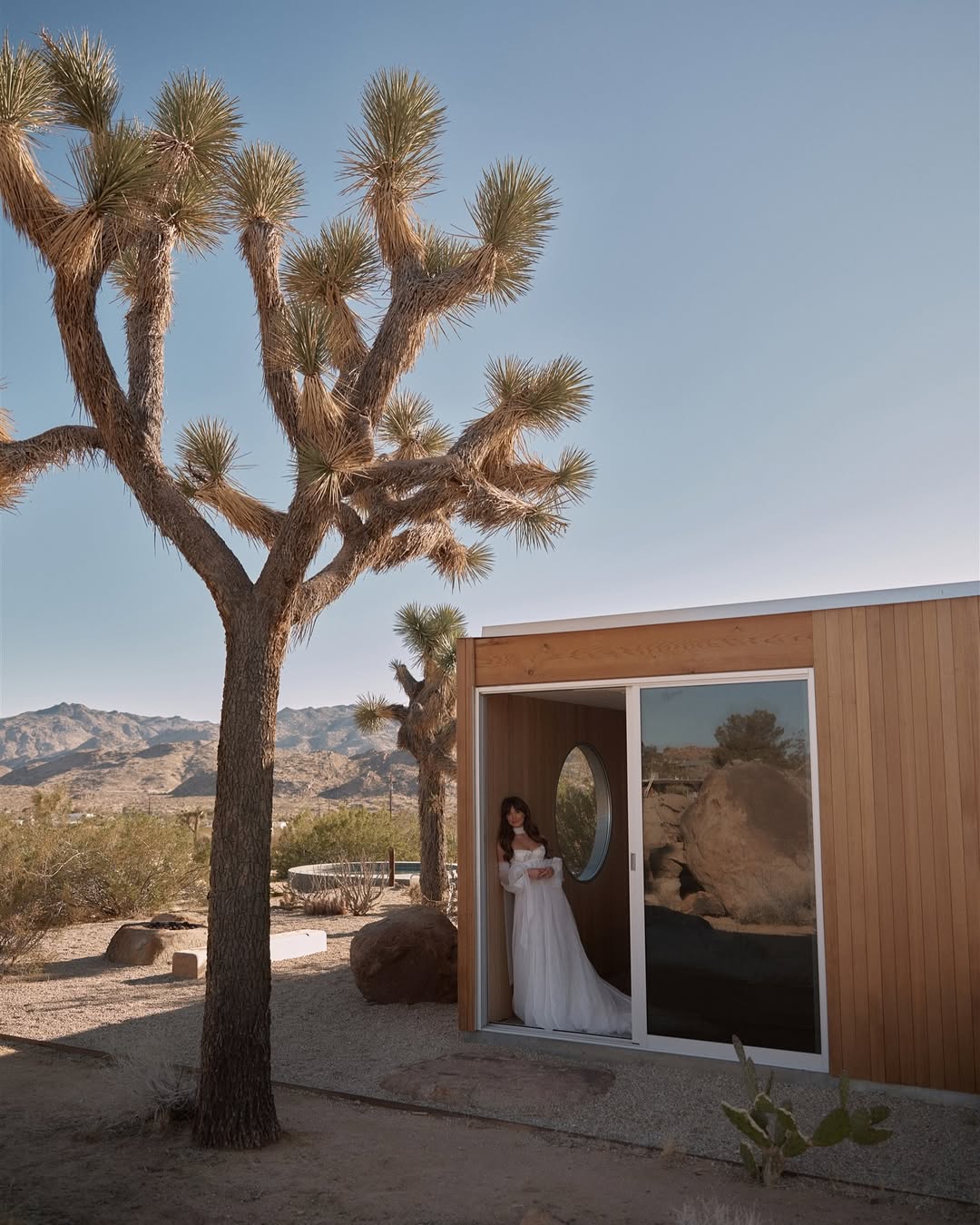
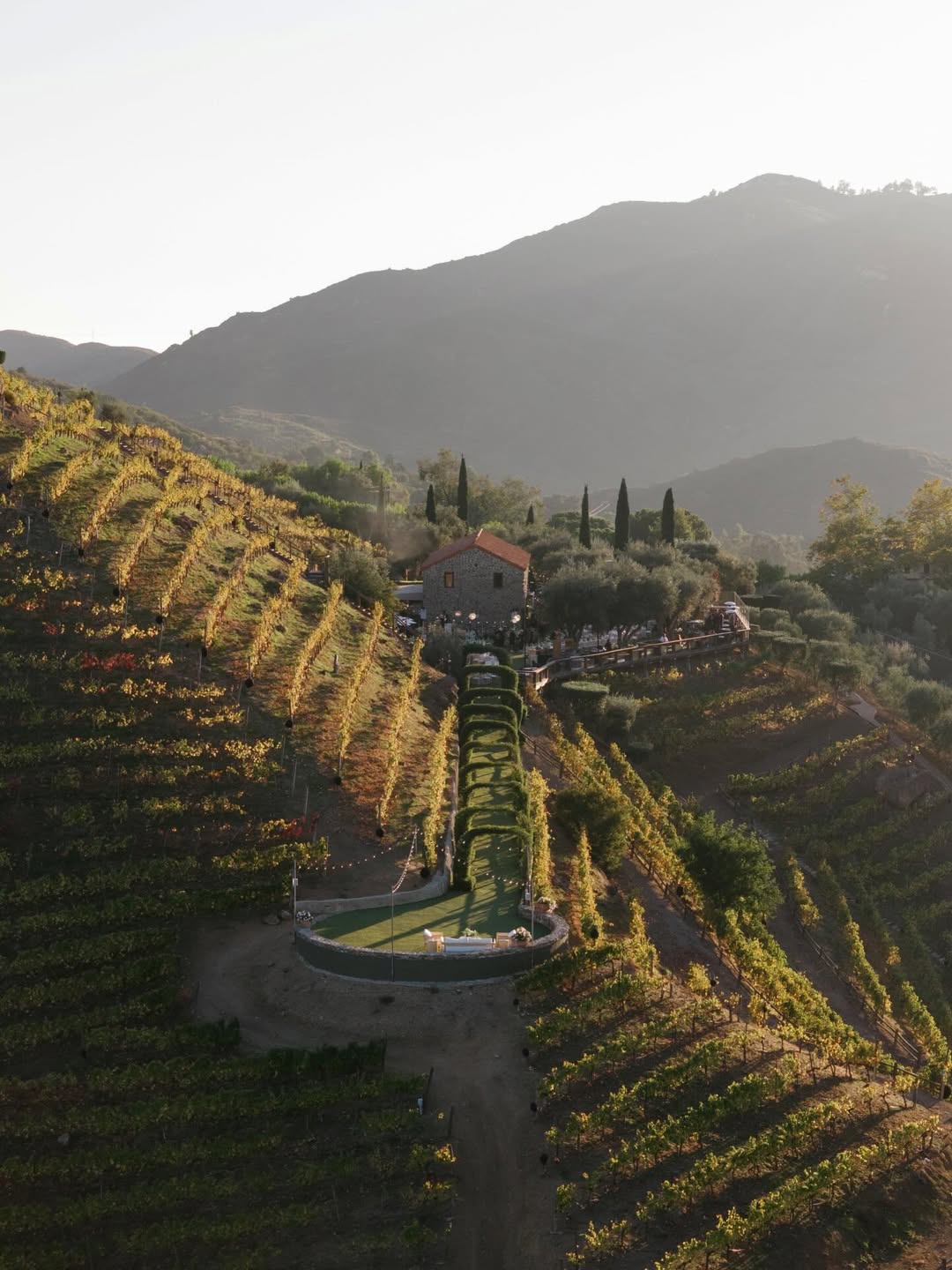
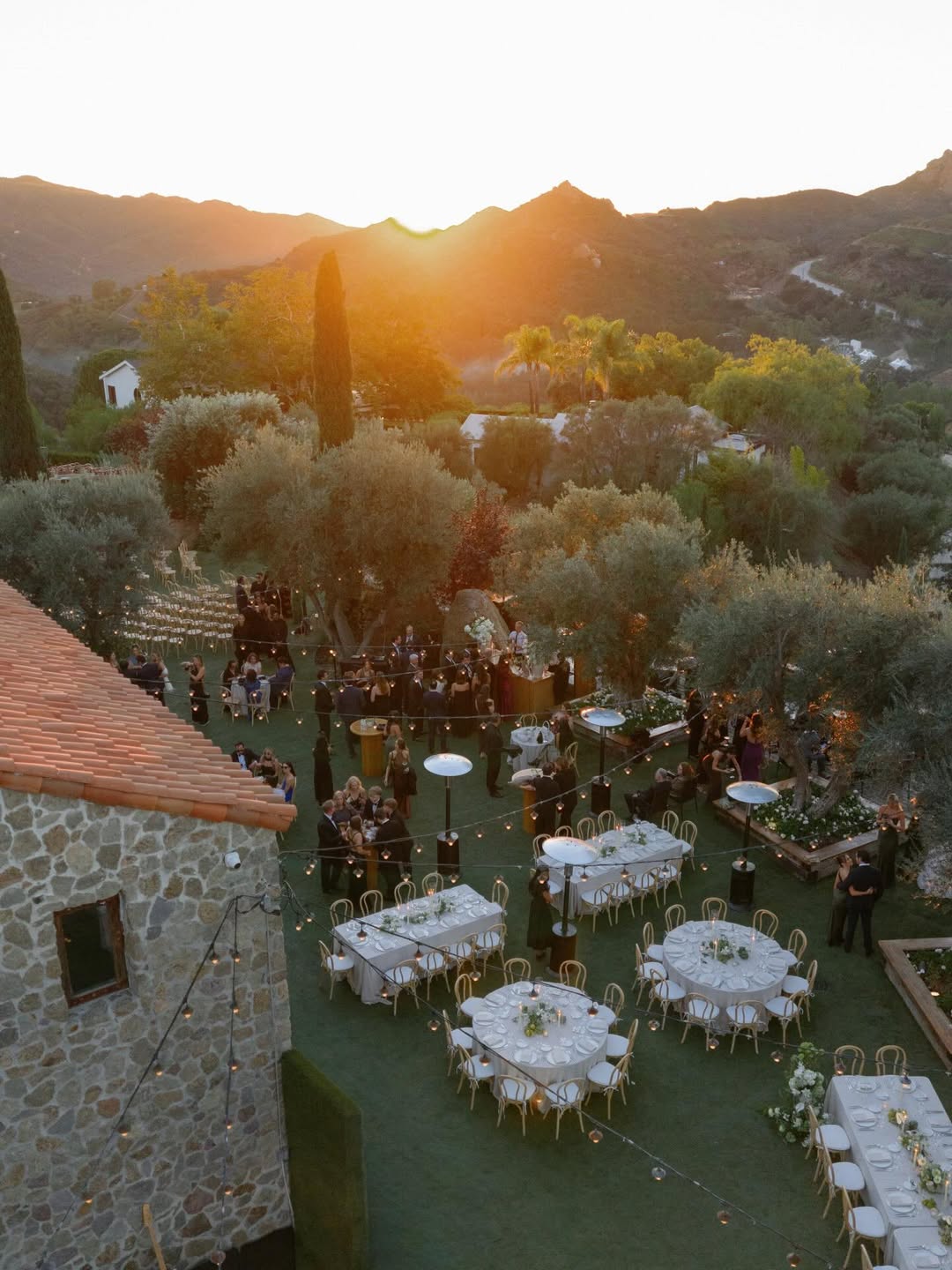
Understanding the different wedding concept styles helps you articulate your preferences and communicate with vendors. Rather than being rigid boxes, these are starting points for developing your specific vision.
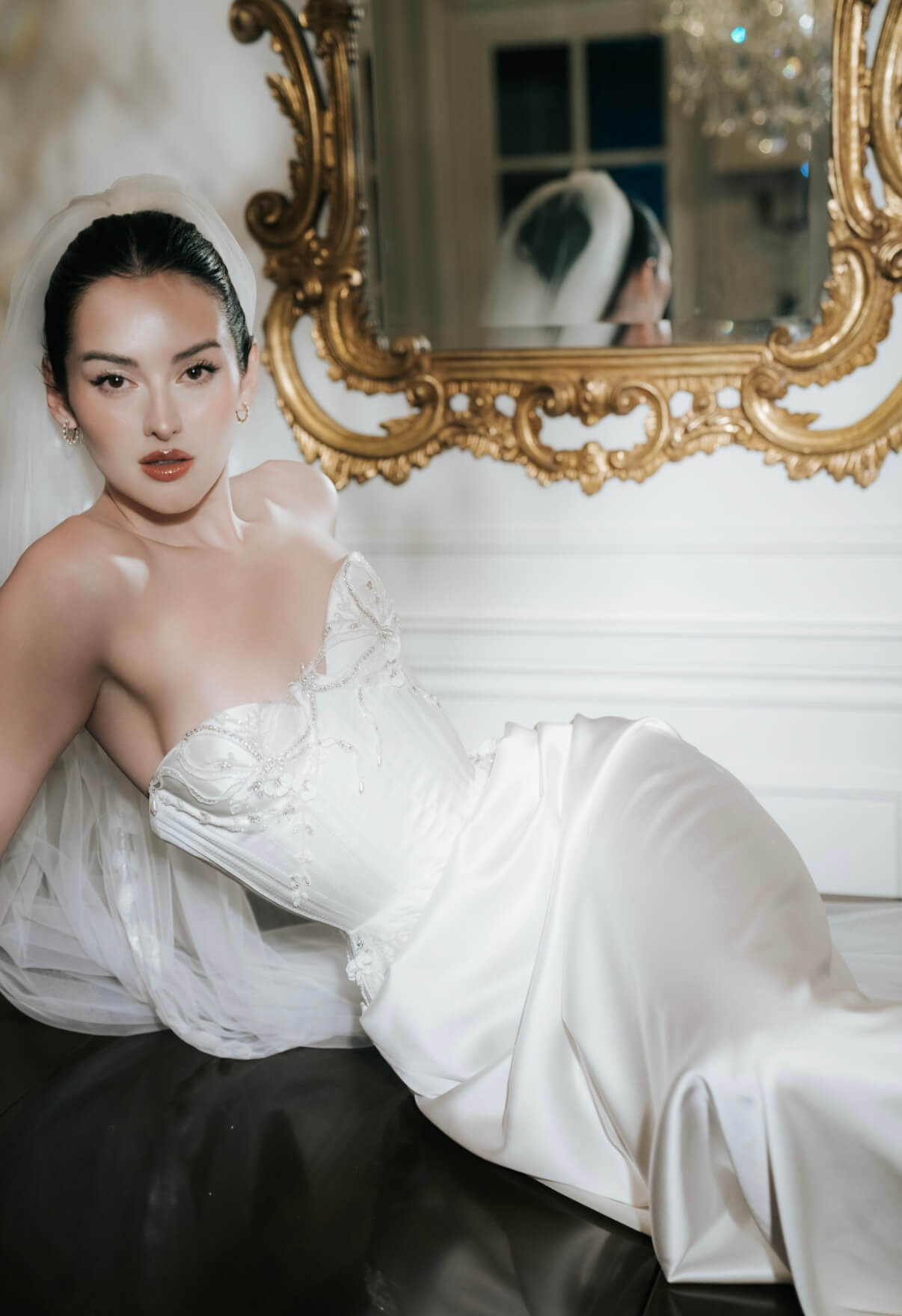
Classic Elegance: Timeless sophistication that emphasises quality over trends. Examples include neutral palettes, refined floral arrangements, a traditional ceremony structure, and formal attire. This style works beautifully in historic venues, hotels, or anywhere architectural detail provides inherent beauty.
Rustic Romance: Natural materials, outdoor settings, and organic textures. Examples include exposed wood, wildflower-style arrangements, farm tables, and string lights. This style is perfect for barns, vineyards, and garden weddings where nature provides the backdrop.
Modern Minimalism: Clean lines, restrained colour palettes, and an architectural focus. This wedding conceptemphasises negative space, quality over quantity, and sophisticated simplicity. It suits contemporary venues and urban settings and is popular with couples who are drawn to design-forward aesthetics.
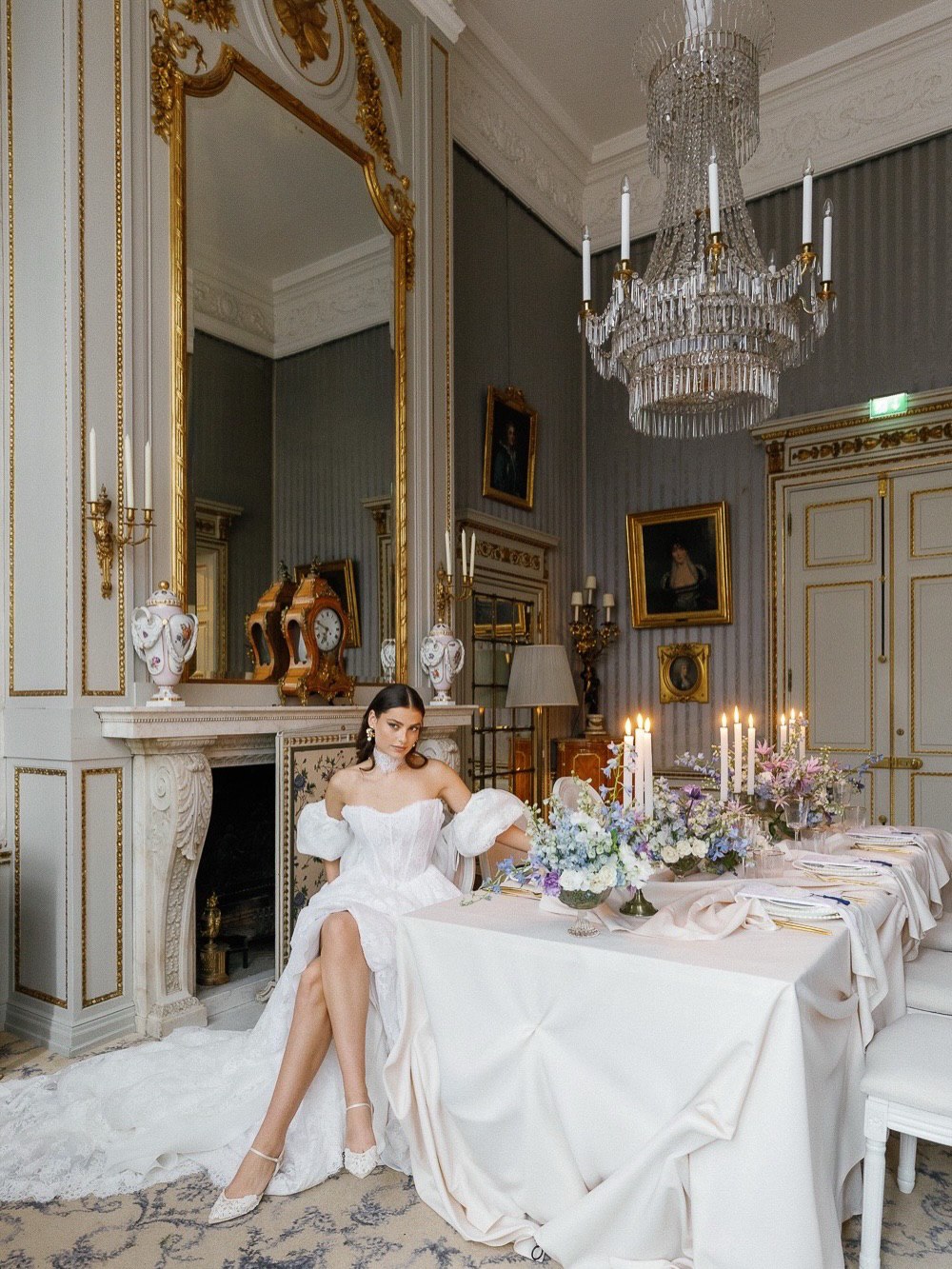
Vintage charm: Drawing from specific eras such as Art Deco glamour, Victorian romance, and 1920s sophistication, this concept involves pre-wedding vintage aesthetics. Careful curation is required to avoid costume party territory, and it works best when the venue has period-appropriate architecture.
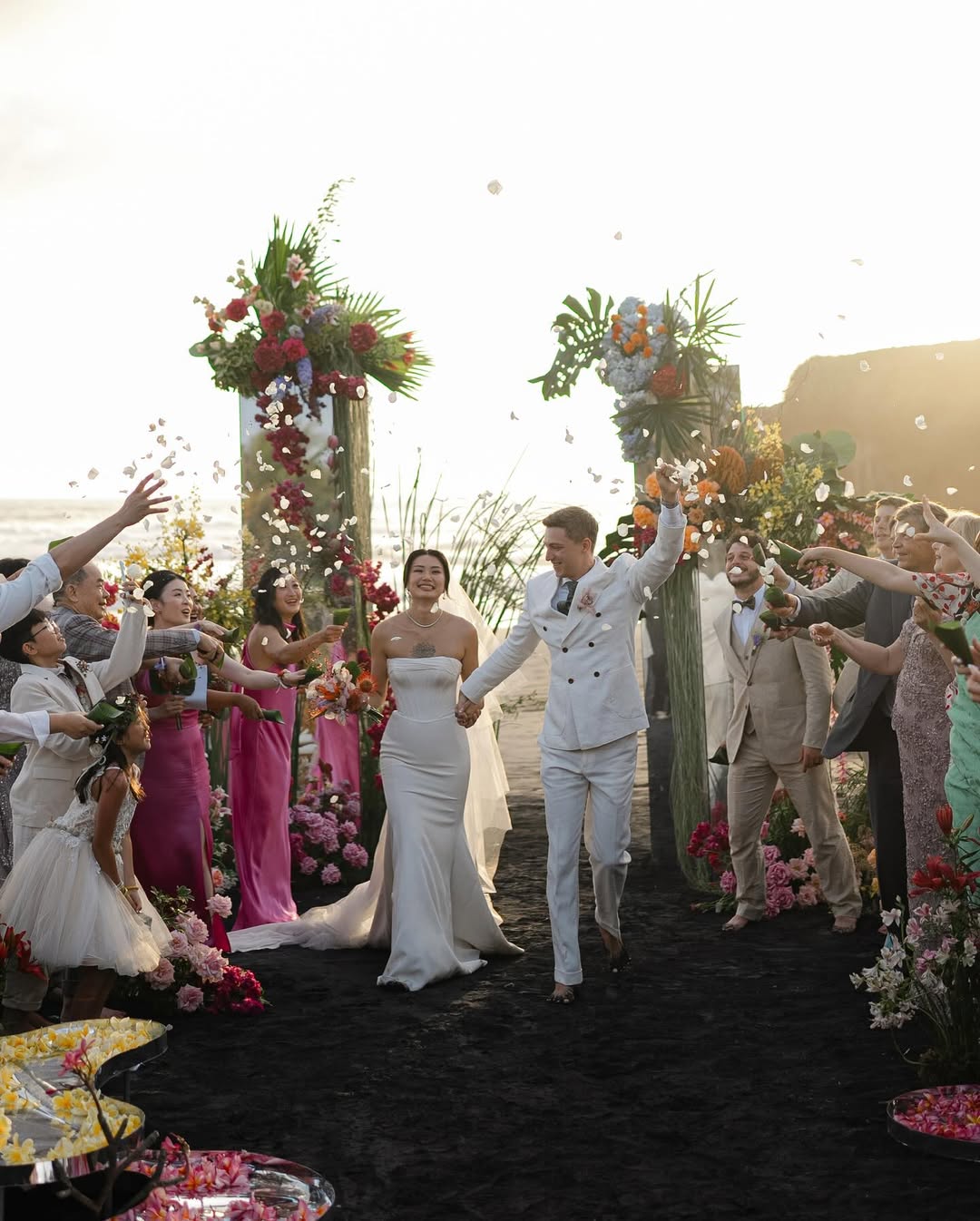
Bohemian Freedom: Relaxed and eclectic, it emphasises personal expression over polish. Expect mixed patterns, non-traditional ceremony structures, and casual elegance. This style is ideal for beach weddings, outdoor festivals, and couples who prioritise guest comfort and an authentic atmosphere over a formal presentation.
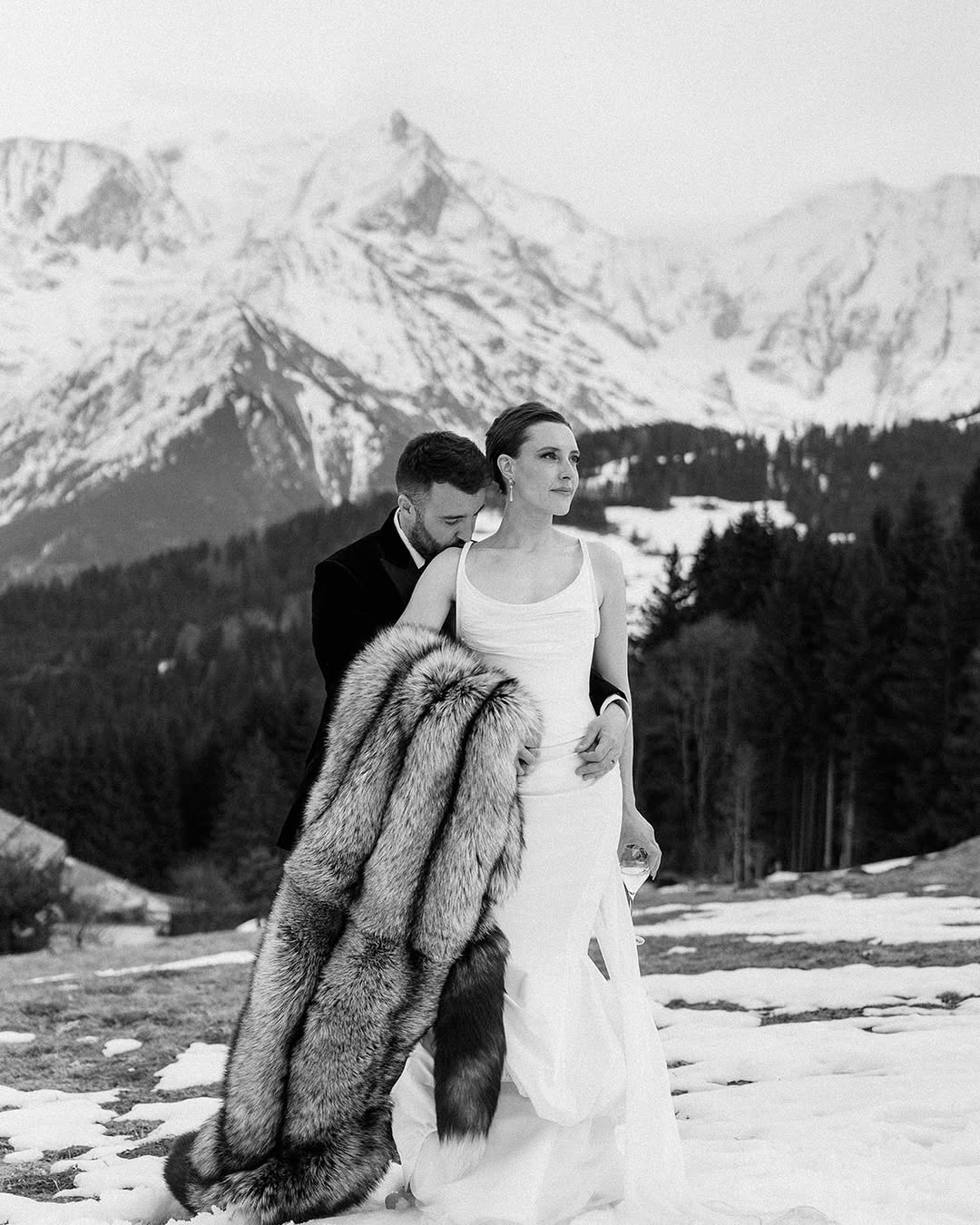
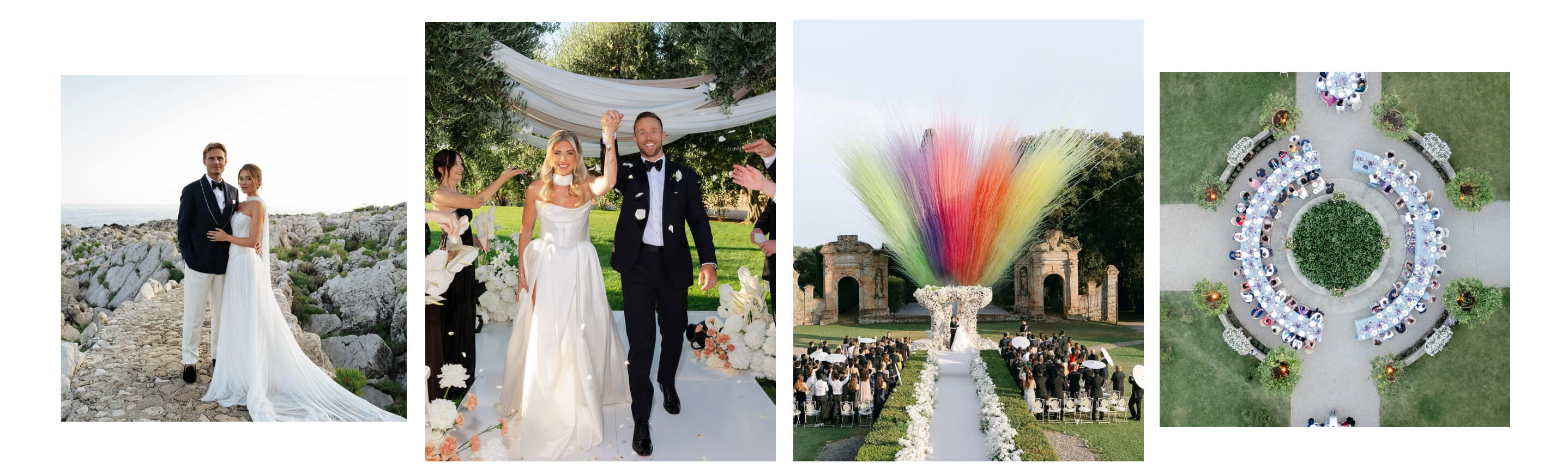
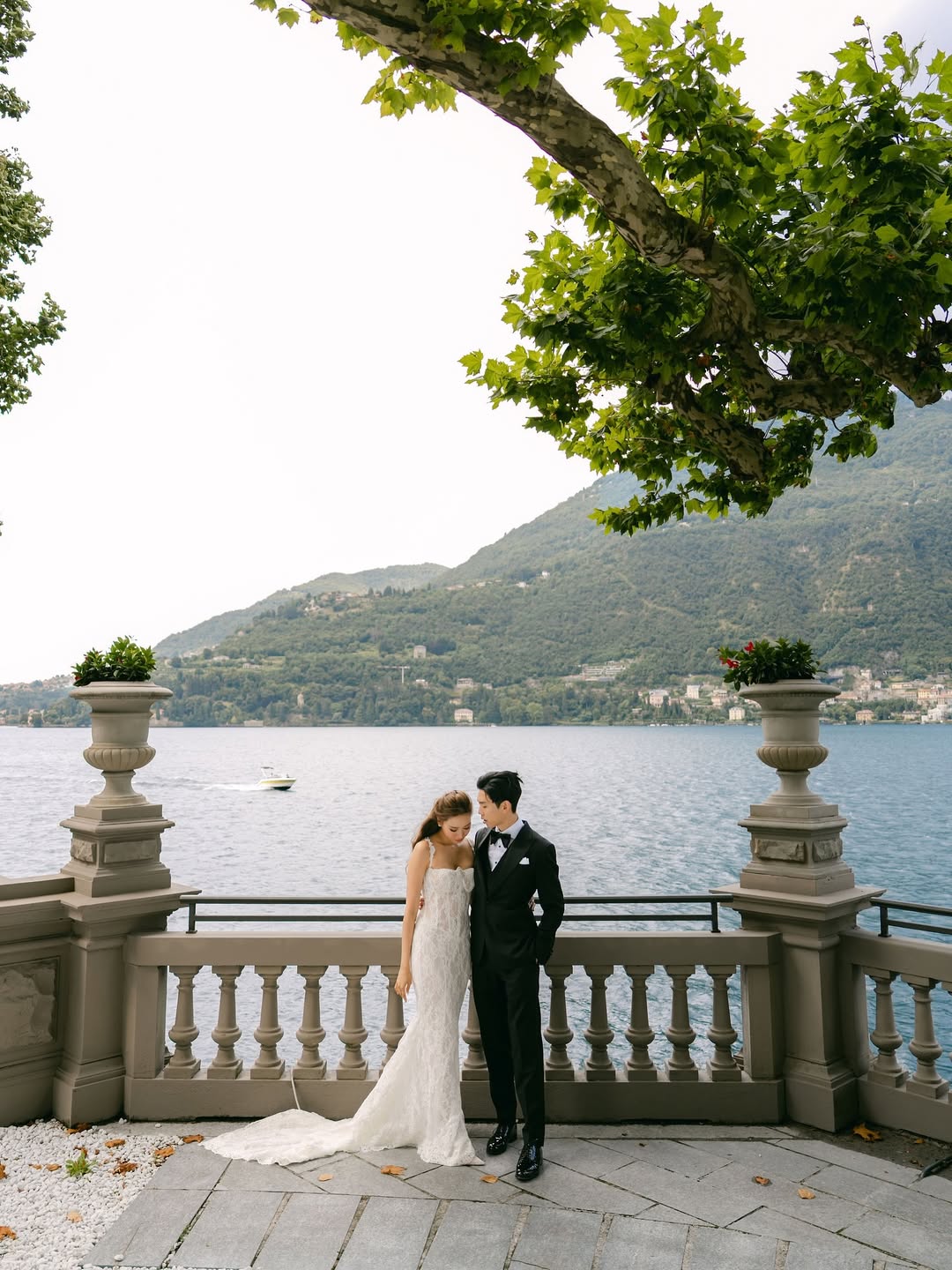
Destination Glamour: Leveraging the location as the primary design element. This could be a moonlit wedding celebration under the night sky, a coastal ceremony where the ocean dominates the view, or a mountain wedding where the landscape provides drama. The location is the concept.
| Wedding Concept | Color Palette | Best Venues | Formality Level | Key Elements |
|---|---|---|---|---|
| Classic Elegance | Neutrals, whites, soft pastels | Hotels, ballrooms, estates | Formal to semi-formal | Traditional structure, refined details |
| Rustic Romance | Earth tones, greens, warm neutrals | Barns, vineyards, gardens | Semi-formal to casual | Natural materials, organic textures |
| Modern Minimalism | Monochromatic, bold accents | Contemporary spaces, galleries | Formal with edge | Clean lines, negative space |
| Vintage Charm | Era-specific (jewel tones, pastels) | Historic buildings, period venues | Varies by era | Period details, curated styling |
| Bohemian Freedom | Warm, eclectic, mixed | Beaches, outdoor spaces | Casual to semi-formal | Relaxed structure, personal touches |
| Destination Glamour | Location-inspired | Coastal, mountain, exotic locales | Varies widely | Location as star, minimal added décor |
Creating Cohesion: From Concept to Execution
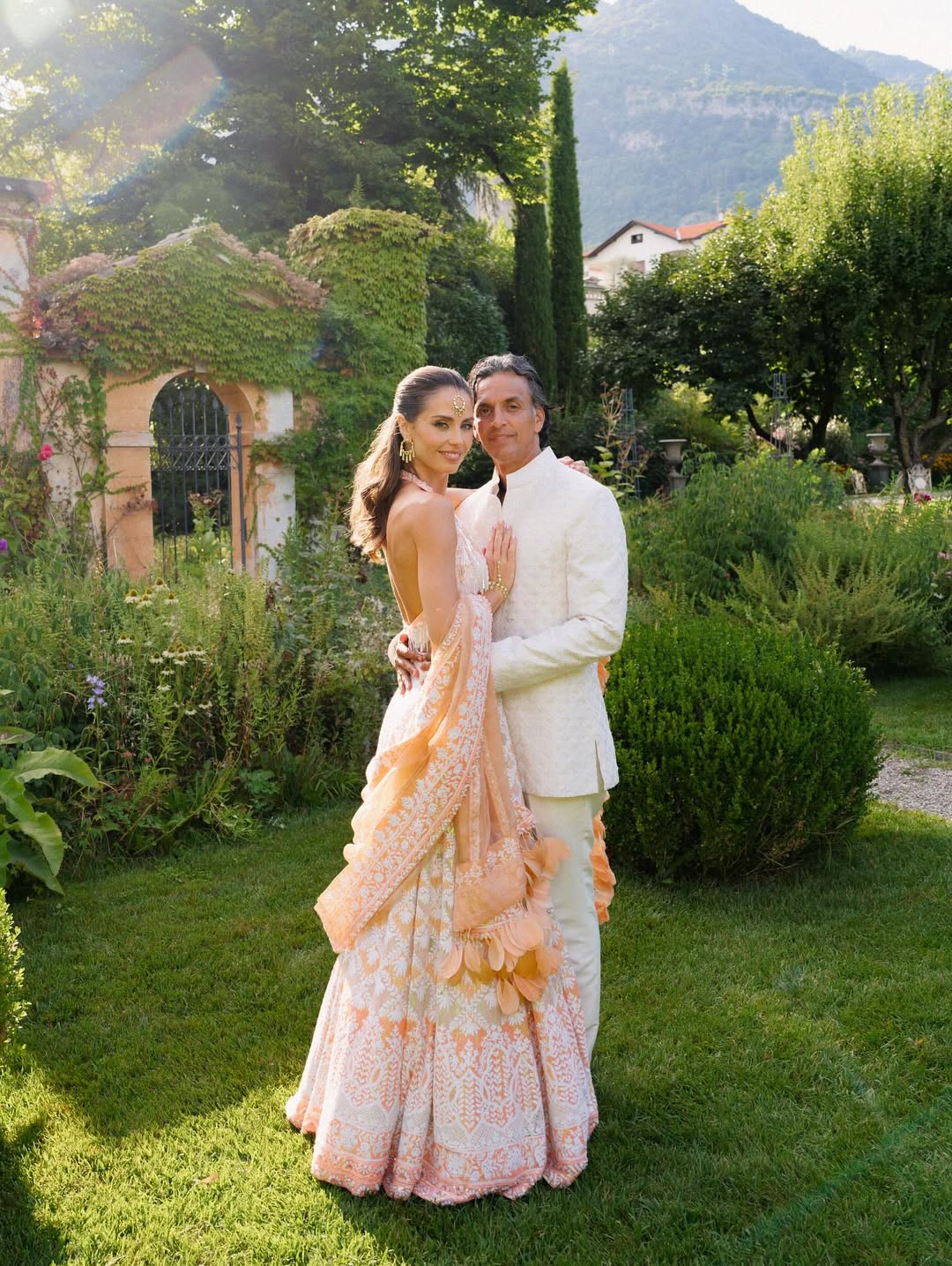
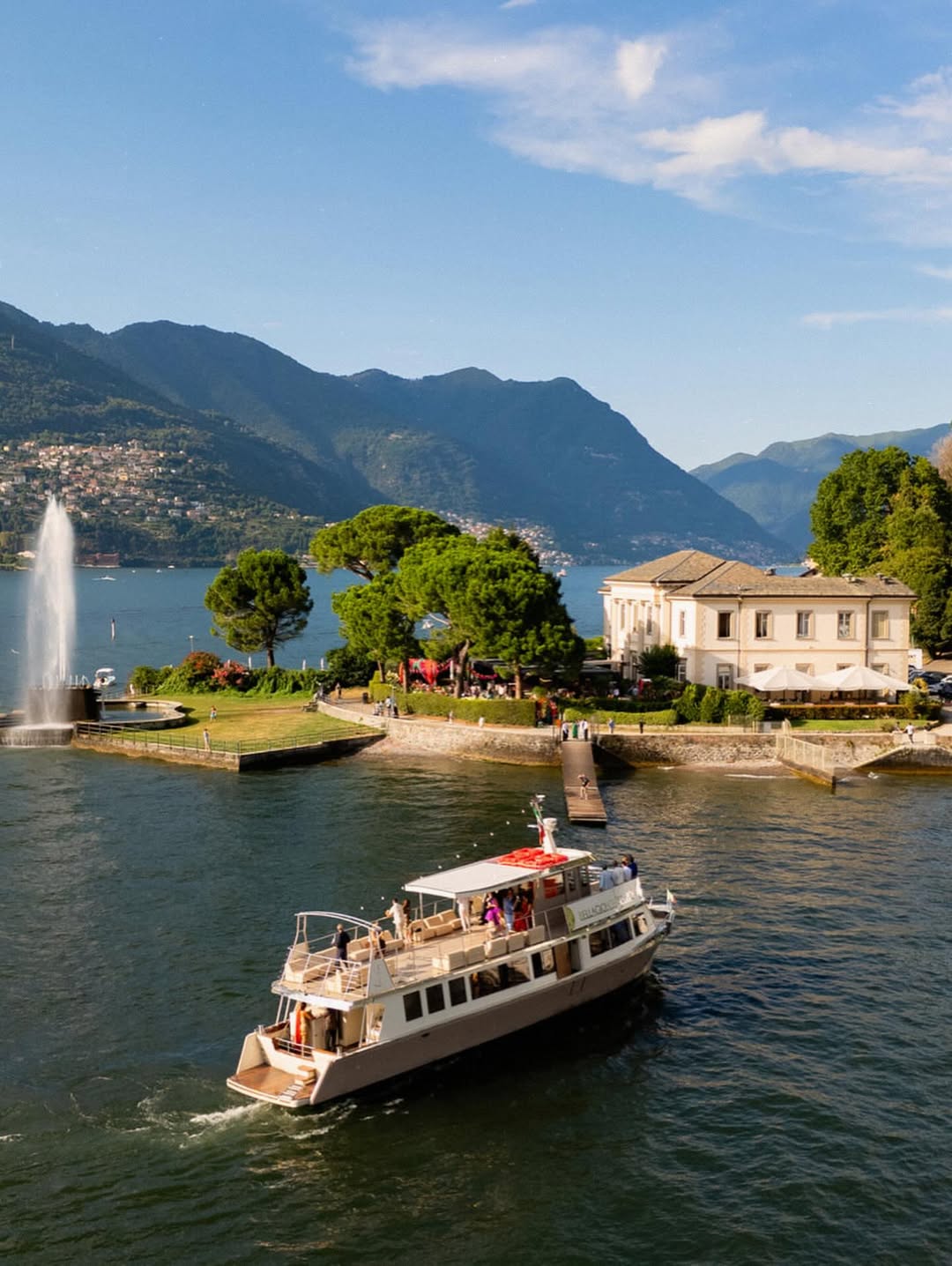
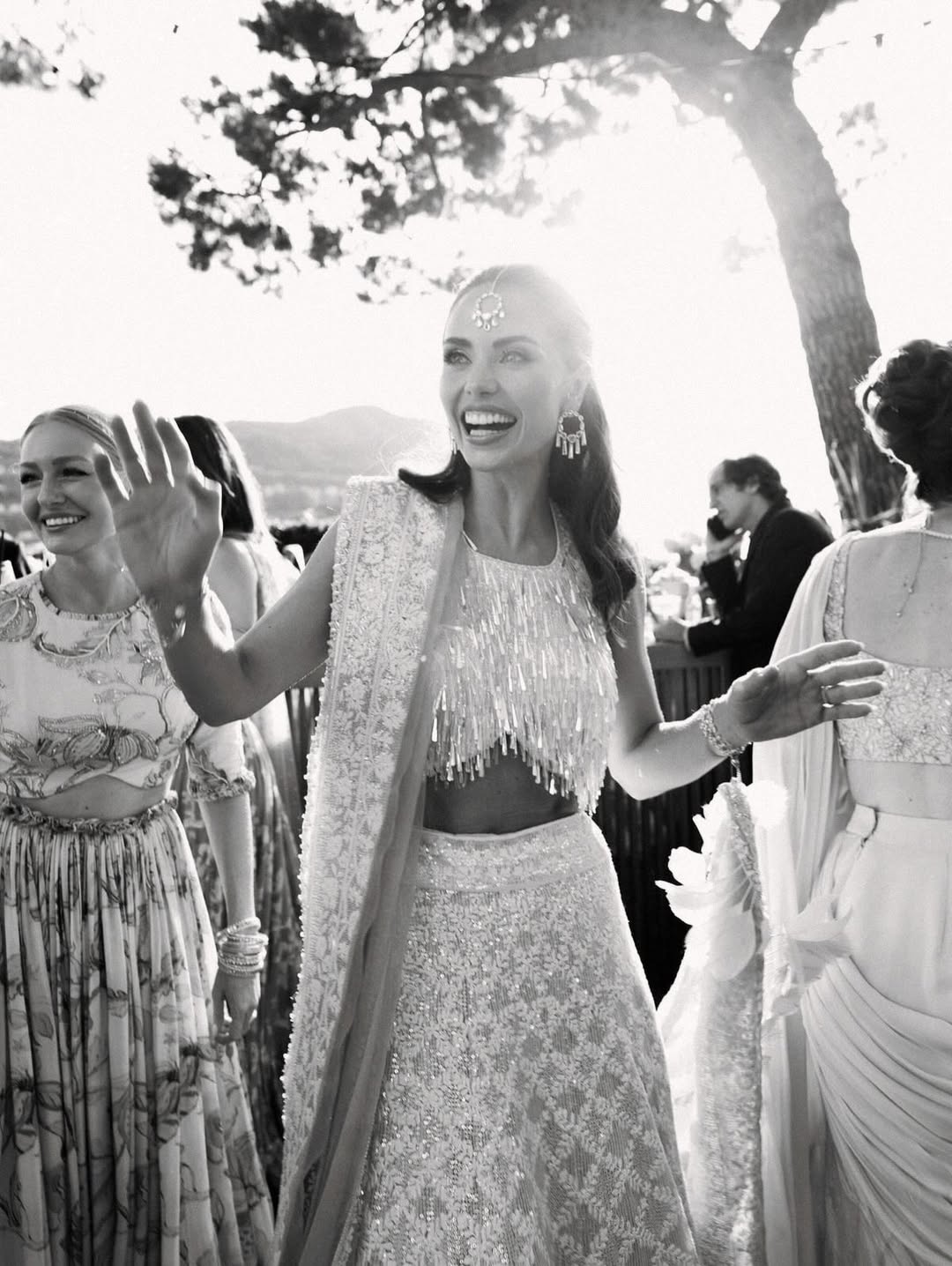
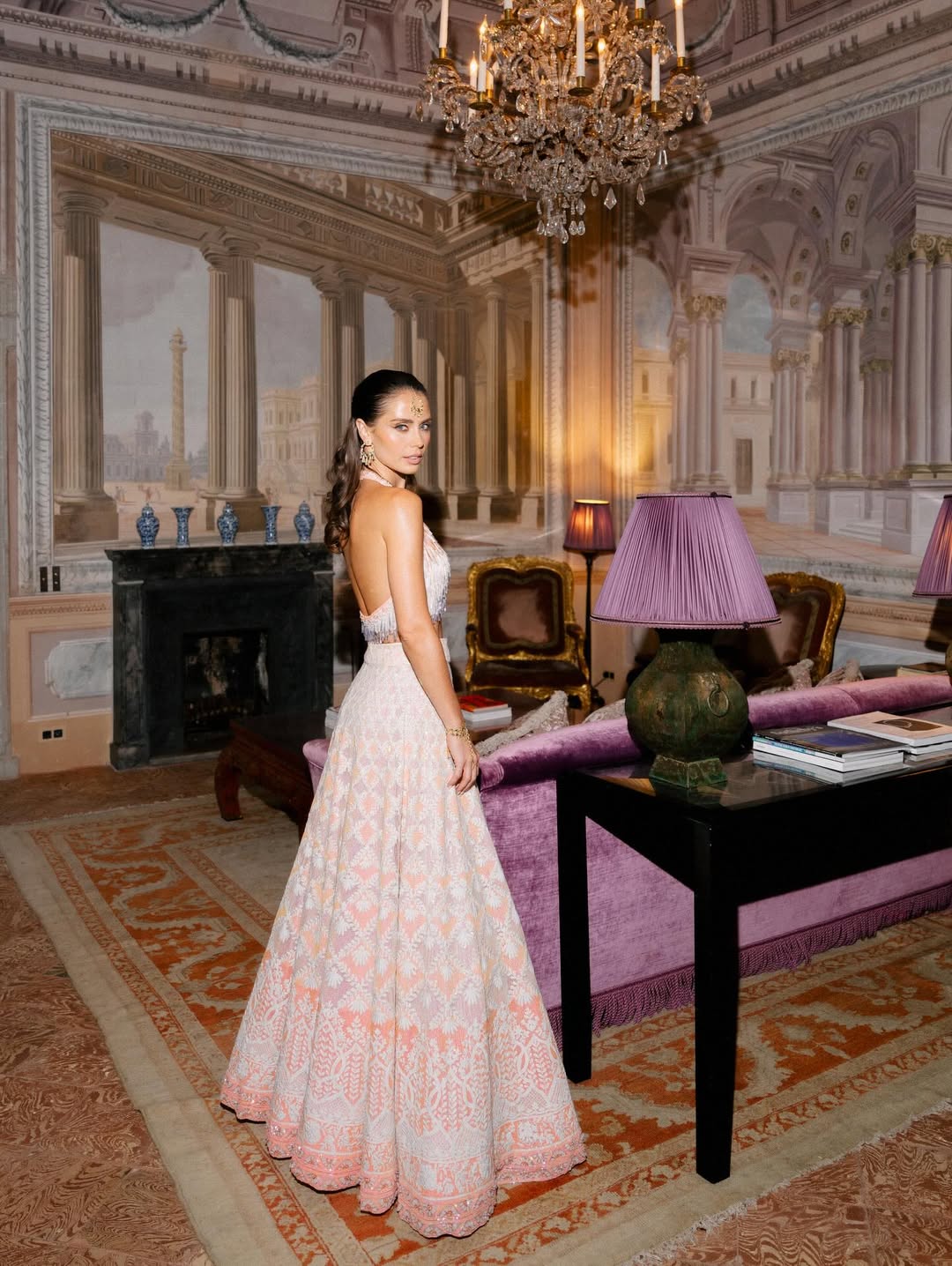
Once you have established the direction of your 2026 wedding concept, every subsequent decision should be filtered through that lens. This doesn't mean rigid adherence to a single aesthetic; it means ensuring your choices feel intentionally connected rather than randomly assembled.
- Invitations set expectations: Your stationery should signal what kind of celebration guests should prepare for. A formal script on heavy cardstock conveys a different energy than casual typography on recycled paper. The pre-wedding concept ideas you're communicating start before anyone arrives at the venue.
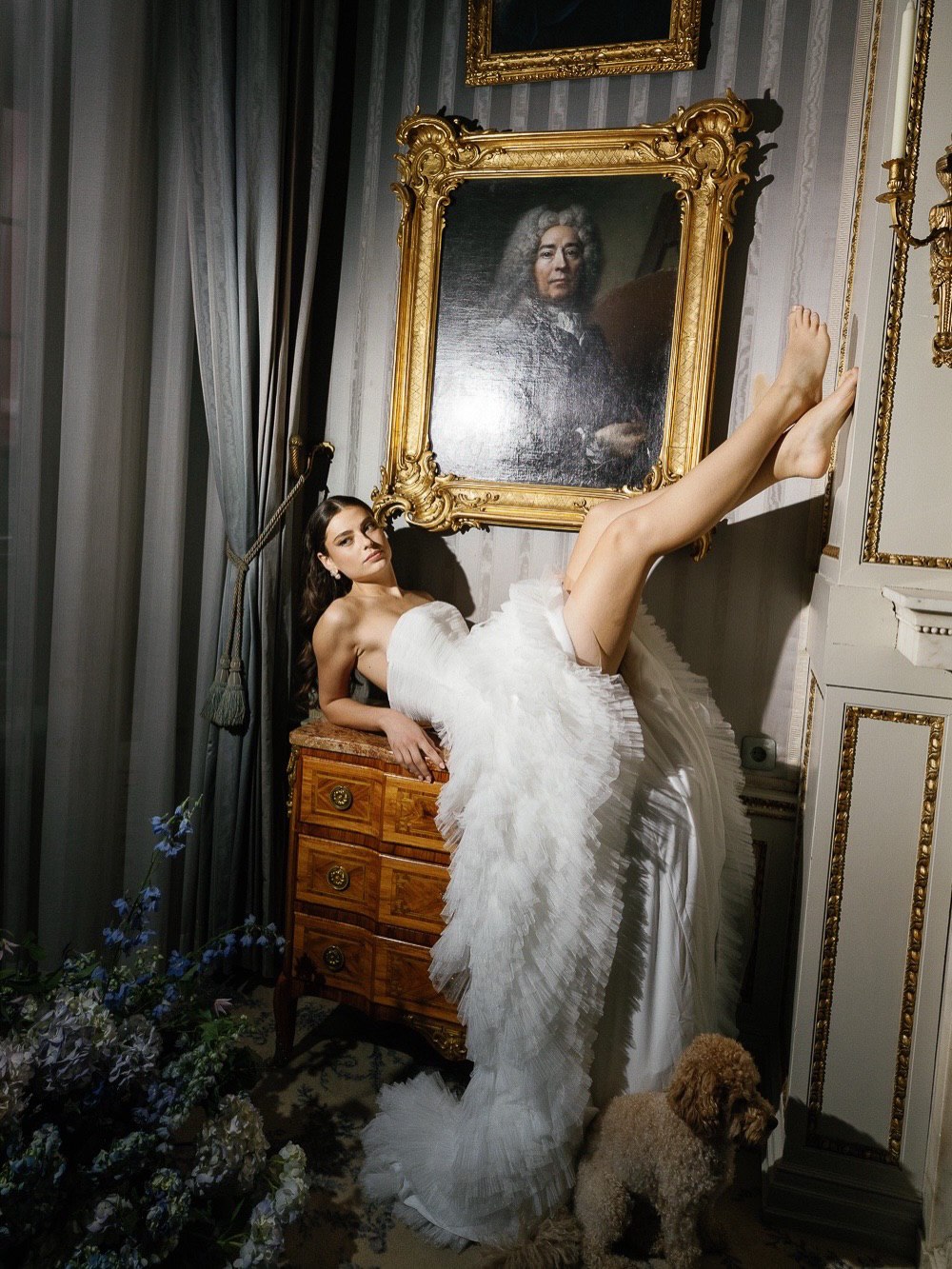
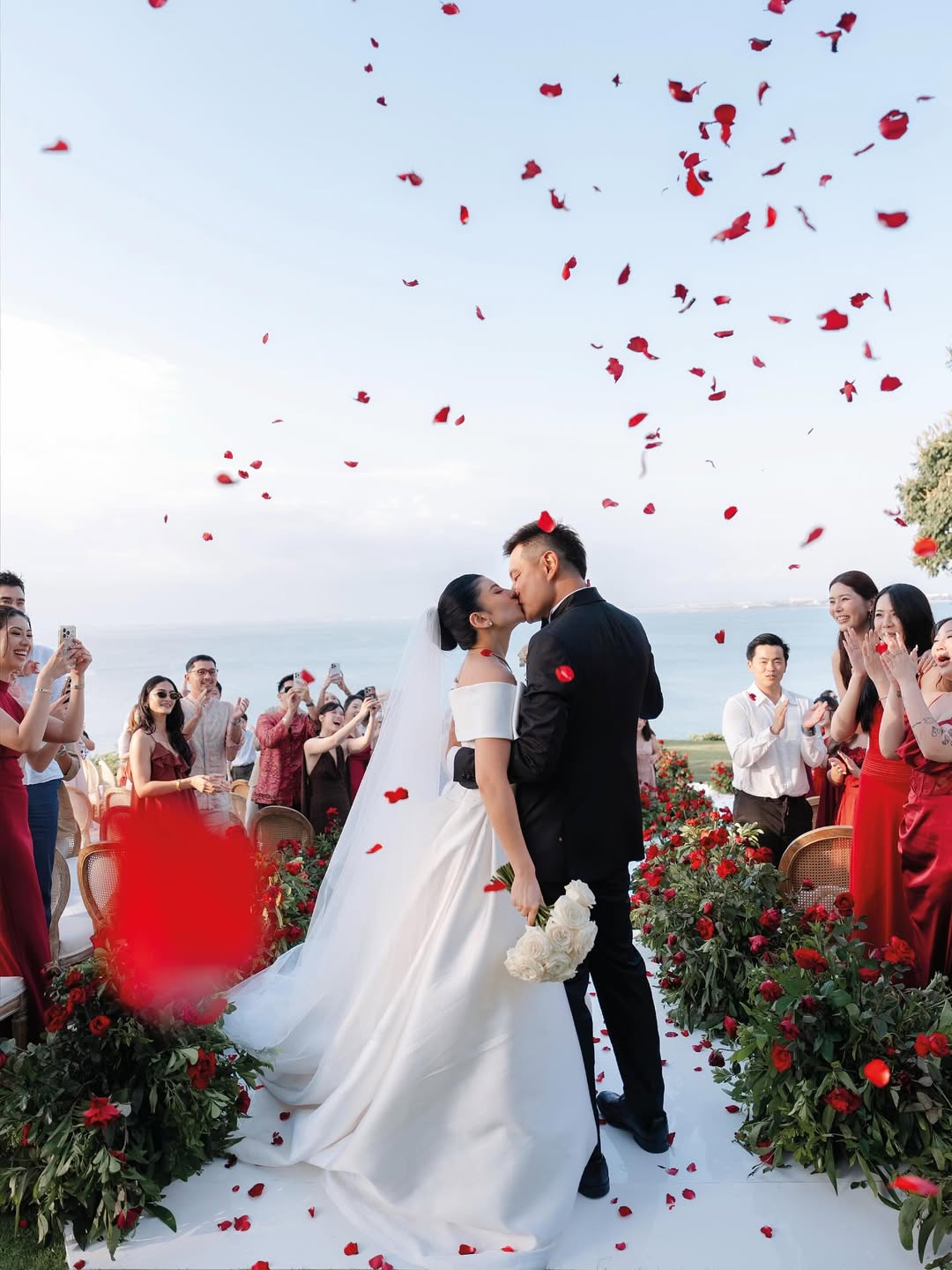
- Florals reinforce the aesthetic: A rustic theme goes well with loose, organic arrangements rather than tight, formal centrepieces. A modern minimalist theme works better with architectural installations than traditional bouquets. The styling for the pre-wedding photoshoot should preview the wedding day aesthetic.
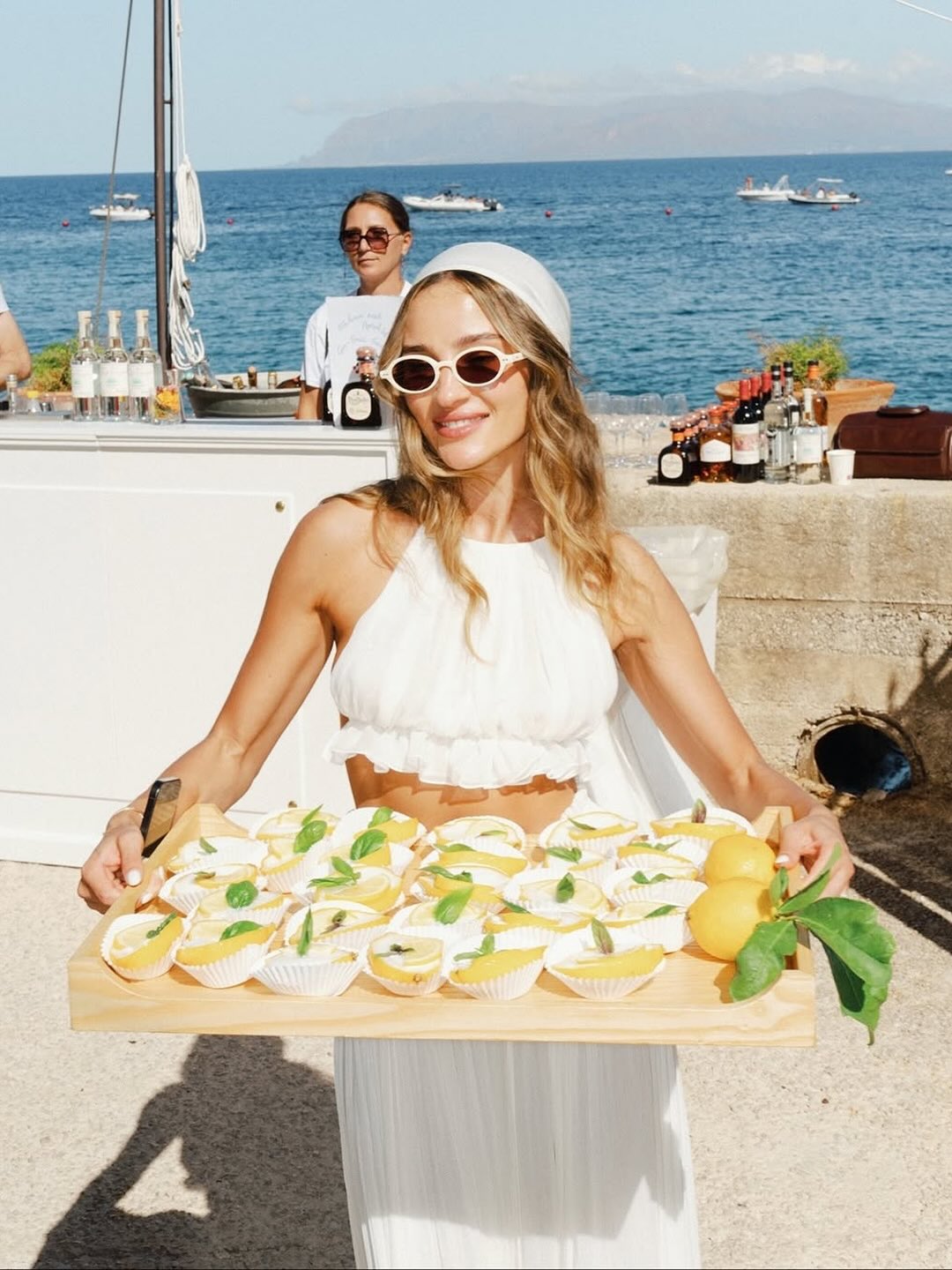
- The menu should reflect your personality. The food you serve and how it's presented contribute to the overall concept. Formal plated service feels different from family-style platters or food stations. Incorporating cultural dishes or personal favourites makes the celebration feel more personal rather than generic.
- Music and entertainment: Whether you choose a live band or a DJ, classical or contemporary music, or a structured or spontaneous approach, these choices will significantly impact the atmosphere. The concept of your pre-wedding shoot and the energy on your wedding day should align, rather than feeling like two completely different couples.

Common Mistakes When Choosing Wedding Concepts
- Prioritising aesthetics over authenticity: Opting for a themed wedding purely because it will look good in photos, rather than because it actually represents your relationship, can create a sense of disconnection. For example, if you hate being outdoors, a rustic barn wedding will feel like a performance, no matter how pretty the photos.
- Ignoring practical limitations: A beach-themed wedding requires access to the beach and favourable weather. A vintage theme requires a venue with the right architecture. Your chosen wedding concept might be perfect in theory, but it might be impossible given your venue, budget, or guest numbers.
- Mixing too many ideas: Attempting to incorporate every appealing element from different styles will create visual chaos rather than cohesion. Your concept for the pre-wedding shootand the ceremony should feel connected, rather than like you couldn't decide between five different aesthetics.
- Following trends blindly can be risky; what's popular on Instagram this season might look dated by the time your wedding comes around, and certainly will look outdated in photos years from now. Choose elements that you genuinely love, rather than what's currently trending.
- Underestimating coordination needs: Complex concepts require more planning, more vendor coordination, and typically a higher budget. A simple, focused concept will often deliver better results than an ambitious one that is poorly executed due to resource constraints.
The wedding concept you establish becomes the framework that supports every other decision, the filter through which you evaluate vendor portfolios, assess venue suitability, choose colour palettes, and plan the flow of the celebration. The idea is not to limit yourself, but to create intentional cohesion, ensuring that every element feels connected to a larger vision. The most successful concepts aren't necessarily the most elaborate or trendy; they're the ones that genuinely reflect the couple, feel authentic rather than contrived, and create the specific atmosphere the couple wants to share with their community. Start with who you actually are, rather than who you think brides and grooms should be. Build on that foundation, and the concept you develop will serve you beautifully, from the first planning meeting to the last dance of your celebration.