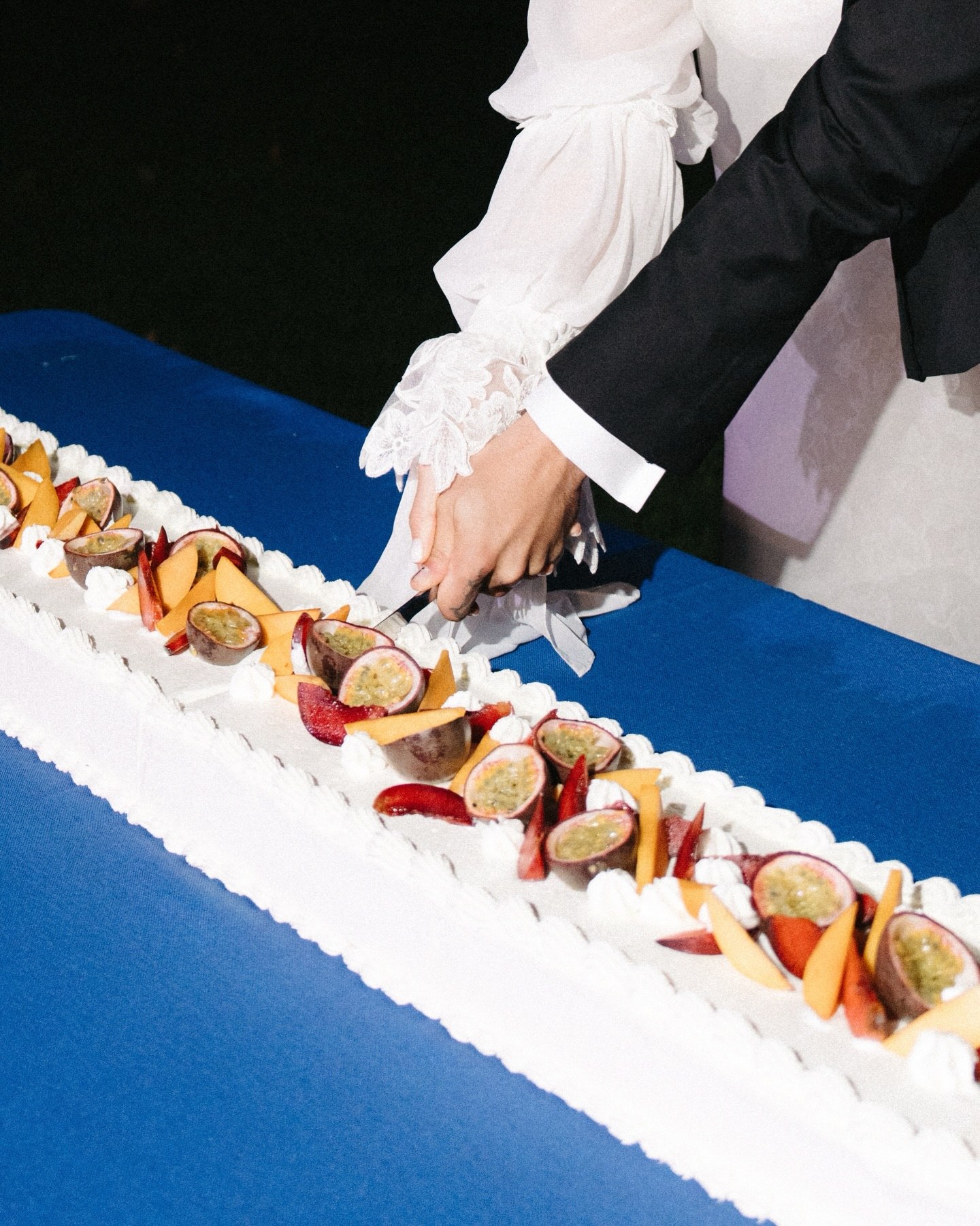
Wedding Gift Etiquette: 10 Rules You Must Consider
- Author: Natali Grace Levine
- Reading time: 13 min 4 sec
- Publication date: 09/22/2026
- Updated: 10/22/2026


- How Much Money to Give as a Wedding Gift
- Should You Give a Gift or Cash?
- What to Do If You Can’t Attend the Wedding
- How Registry Etiquette Actually Works
- What to Avoid Giving as a Wedding Gift
- When to Send a Wedding Gift
- Gift Etiquette for Destination Weddings
- Should the Plus-Ones Bring a Separate Gift?
- How to Handle Group Gifts
- What to Write in a Wedding Card
- FAQ
A cousin once mailed a wedding gift eleven months late, no note, no explanation, just a box that showed up long after everyone had stopped expecting it. The couple laughed about it for years, not because the gift was bad, but because the guessing game around wedding gifts breaks people in exactly that way, too much anxiety spent on a decision that usually has more room in it than anyone admits. Money, timing, registries, plus-ones, destination weddings, group gifts, thank-you cards- every one of these carries its own small set of unwritten rules, and almost no one picks up on them until they've already made a mistake at someone else's expense. Wedding gift etiquette isn't about following a script exactly; it's about figuring out which of these ten decisions matter and which ones you can stop overthinking.
Find Your Perfect Wedding Vendors

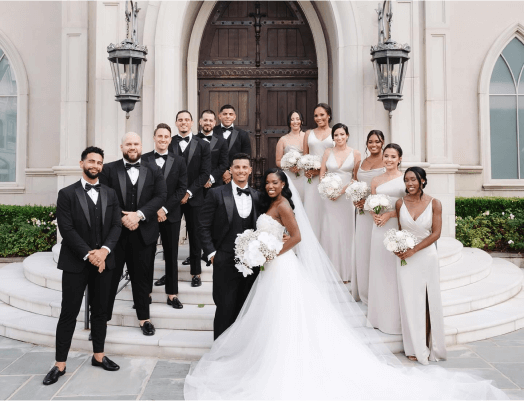



How Much Money to Give as a Wedding Gift
There is no simple or clear answer to the question of wedding gift etiquette amount, since the right amount depends on how closely you know the couple, where the wedding is being held, and, honestly, how much you can spend without resentment. Close family members or best friends generally fall toward the higher end of any reasonable range, whereas coworkers, distant cousins, and those invited mainly out of politeness rather than close friendship can usually keep their gifts lower. Fewer guests take the cost of living in a particular region into account than they should, since a generous gift in a smaller city will look meager at a wedding in Manhattan or London, even if the dollar amount hasn't changed. This doesn't mean you have to compare your own financial situation with a stranger's spreadsheet, but having a general idea of where you fall on this scale reduces a great deal of stress compared to guessing at random.
| Relationship to Couple | Suggested Amount (USD) |
|---|---|
| Close family (siblings, parents) | $150–$500+ |
| Close friends | $100–$250 |
| Extended family, coworkers | $75–$150 |
| Acquaintances, plus-ones | $50–$100 |
The amount involved changes in accordance with both the formality of the venue and the number of guests present, since a black-tie event featuring a plated dinner and an open bar implies a higher cost per person than a barbecue held in the backyard, and although no one actually says it, gifts generally do not reflect this situation accurately. Use the table as a starting point, not a set of rules, because if the giver is genuinely experiencing financial difficulty, that should always take priority over any figure from an etiquette guide. There really shouldn't be a fixed rule here at all, according to JC Bespoke Events - your relationship with the couple naturally plays a part, but comfort should win over obligation every time,
 Particularly with destination weddings, where they may already be investing significantly in travel and accommodation to celebrate with the couple.
Should You Give a Gift or Cash?
Over the last ten years, there has been a major change in the etiquette regarding wedding gifts involving cash, and now giving cash or its digital form is more the norm than the exception at an increasing number of weddings. Couples have come to prefer cash because it eliminates guesswork, avoids the possibility of receiving a fourth identical blender, and prevents the uncomfortable situation in which a much-loved aunt gives a gift the couple will quietly return the week after. For people uncomfortable carrying cash to the reception, a check in an envelope is just as acceptable as cash, and most couples cash checks within a few days regardless of the amount. Although registries still make sense for couples starting a household from scratch, for second marriages, for those with an established household, or at destination weddings where bringing a gift becomes genuinely impractical, cash is by far the more acceptable and practical option.
Cultural context also strongly influences it; in many places, putting money in an envelope isn't a last resort but standard practice. At Indian and Pakistani weddings, it is customary to give cash in odd amounts, the sum often ending with a single rupee or dollar as a sign of good luck, just as Sikh ceremonies do, following the same belief that even figures seem incomplete or unfortunate. People unfamiliar with these customs may think a card or object is more important than an envelope, but in these traditions it is usually the opposite. If you are attending a wedding from a culture different from your own, it is better to ask someone close to the couple a quick, respectful question than to guess every time.
What to Do If You Can’t Attend the Wedding


Even if you are not attending the wedding, you are still expected to make some sort of gesture, though the gift size can reasonably be reduced based on how involved you were in the event. Refusing an invitation does not mean the relationship is over, and the decision to send no gift at all after having given an RSVP of 'no' often comes across as much colder than most people realize until they themselves experience that silence, particularly when the couple can see precisely which people did and which did not send anything once the thank-you list has been put together. A small gift, one in the range of $50 to $75 for someone who is not within close family, shows real goodwill without suggesting that you are making up for your non-attendance with money, whereas a $200 gift from someone who completely skipped the wedding can in fact be seen as guilt money rather than as a true expression of celebration. The timeline also becomes less strict in this case since there is no reception to plan around, and it is perfectly acceptable to send the gift within a month or two of the wedding date, while sending something directly from a registry removes the discomfort associated with having to hand-deliver a gift to an event that you did not attend. If the relationship is close enough that your absence will be genuinely felt - for example, if you are a sibling overseas for work or a best friend recovering from surgery - a handwritten note explaining the reason is often more important than the gift's price.
How Registry Etiquette Actually Works
The rules about wedding gift list etiquette basically exist to eliminate the friction that used to come from having to make a lot of guesses and ending up with a lot of duplicate pieces of crockery, as in the old days when three different guests all brought the same waffle iron because there was no way of knowing whether someone else had already bought it. Nowadays, registries are updated in real time as items are purchased, so if you check the list a day or two after you've decided to buy something, you avoid the unpleasant situation of two guests turning up with the same espresso machine, or even worse, with the same rather unusual item that no one else wanted, for example, a $15 pizza cutter that somehow ended up being included with china and stand mixers. In the case of a couple who haven't set up a registry at all, cash stays the most reliable option, since making a guess about taste with no guidance at all is precisely the situation that registries were created to prevent, and couples who have completely omitted the registry step usually do so intentionally, often showing that they would prefer cash to a carefully selected list of throw pillows. It has also become entirely normal to include funds in a registry for a honeymoon, for a home down payment, or for charitable donations, and it is no longer seen as impersonal to treat one of these funds as if it were a physical gift, just as it might have been a decade ago; many couples now list a 'Contribute to Our Bali Trip' fund right next to a toaster oven without anyone giving it a second thought. If, when you check the registry, it appears to be fully purchased, the simplest solution is to either contact them directly or go with cash, neatly resolving the issue without any further investigation into what else they might want.
The most thoughtful wedding gifts are those that feel personal to the couple and considered, rather than simply expensive,
says JC Bespoke Events. "Whether it's something from their registry, a contribution towards their honeymoon, or something more personal that reflects your relationship with them, the thought and intention behind the gift is ultimately what makes it special."
What to Avoid Giving as a Wedding Gift


Certain gifts always fall short, no matter how well-intentioned the giver's motives may be, and a bit of awareness at the start can avoid an awkward situation for both the giver and the couple. A few particular pitfalls keep appearing in etiquette advice from wedding planners and long-time guests alike.
- Anything used or visibly secondhand, even if it’s genuinely valuable, since a wedding gift reads differently than a birthday gift in this respect
- Overly personal items tied to inside jokes only one half of the couple will understand, since the gift is meant for both partners, not one friend’s private history with the other
- Novelty or joke gifts as the sole present, since humor works fine as an addition to a real gift but falls flat as a replacement for one
- Anything requiring significant ongoing maintenance the couple never asked for, a pet, a demanding houseplant, or anything that becomes their problem rather than their pleasure
- Cash in an amount that reads as either insultingly low or uncomfortably high relative to your actual relationship with the couple
These rules aren't absolute, and in most cases a close friend with a real inside joke and the couple's permission can break one. That said, the better course of action is to consider whether or not the gift would still seem appropriate if a stranger were to open it in front of the whole room, since weddings frequently involve just that type of public unveiling and more so than people anticipate.

When to Send a Wedding Gift

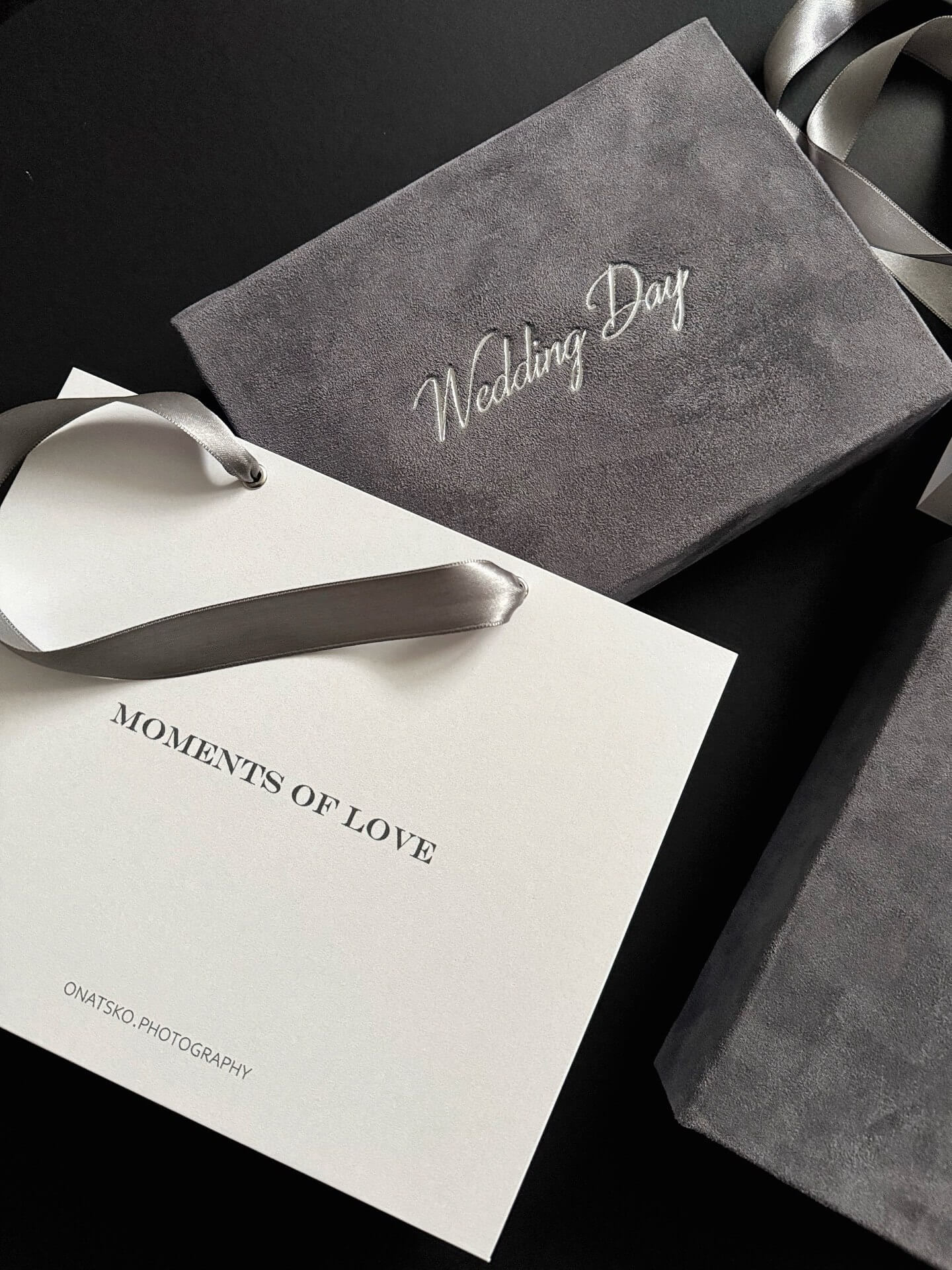
The rules about wedding gift-giving etiquette tend to allow a good deal of flexibility, something that most guests never expect when they arrive, and the traditional idea that a gift had to be delivered before the ceremony - particularly the one in which grandmothers would insist on boxes appearing at the bride’s childhood home a week in advance - has mostly disappeared. The current general guideline is that gifts can be given as long as a year after the wedding, although it is still the case that the majority of guests actually stick to sending something between one and three months after the wedding, mainly because that is about how long it takes for everyday life to return to a normal pace after the honeymoon photos cease to appear online. Online gift services and registries have made it the usual practice to send gifts before the wedding takes place, since the couple can change the delivery address and thus avoid the hassle of bringing the boxes back from the reception; no one really wants to be the person who has to take a KitchenAid mixer through an airport. In the event that circumstances prevent a gift from being sent well beyond that period, for instance, if six months pass due to a difficult year, it is better to send it late with a short and honest note than to fail to send anything at all, and most couples tend to appreciate the gesture much more than the guest expects.
Gift Etiquette for Destination Weddings
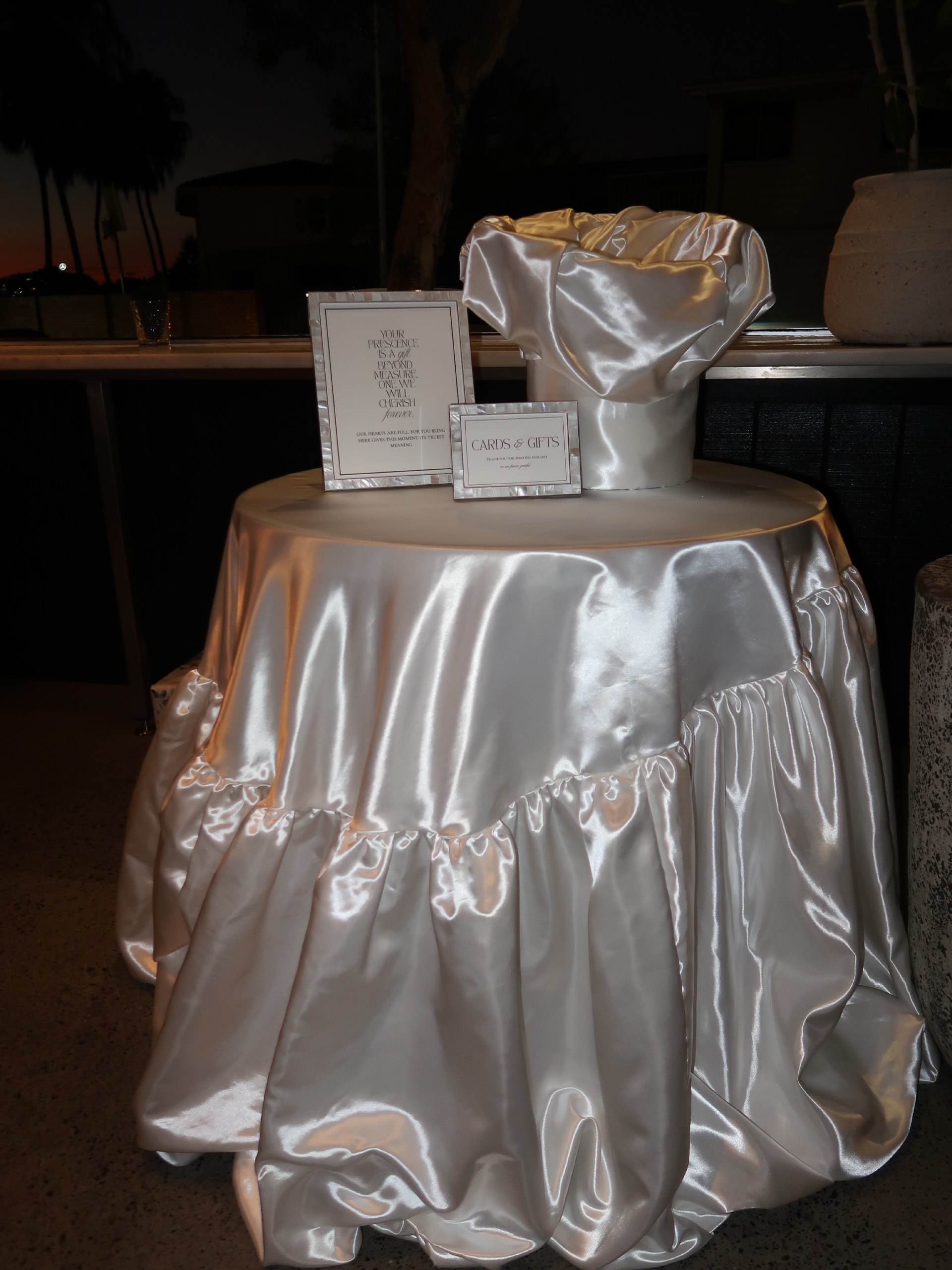
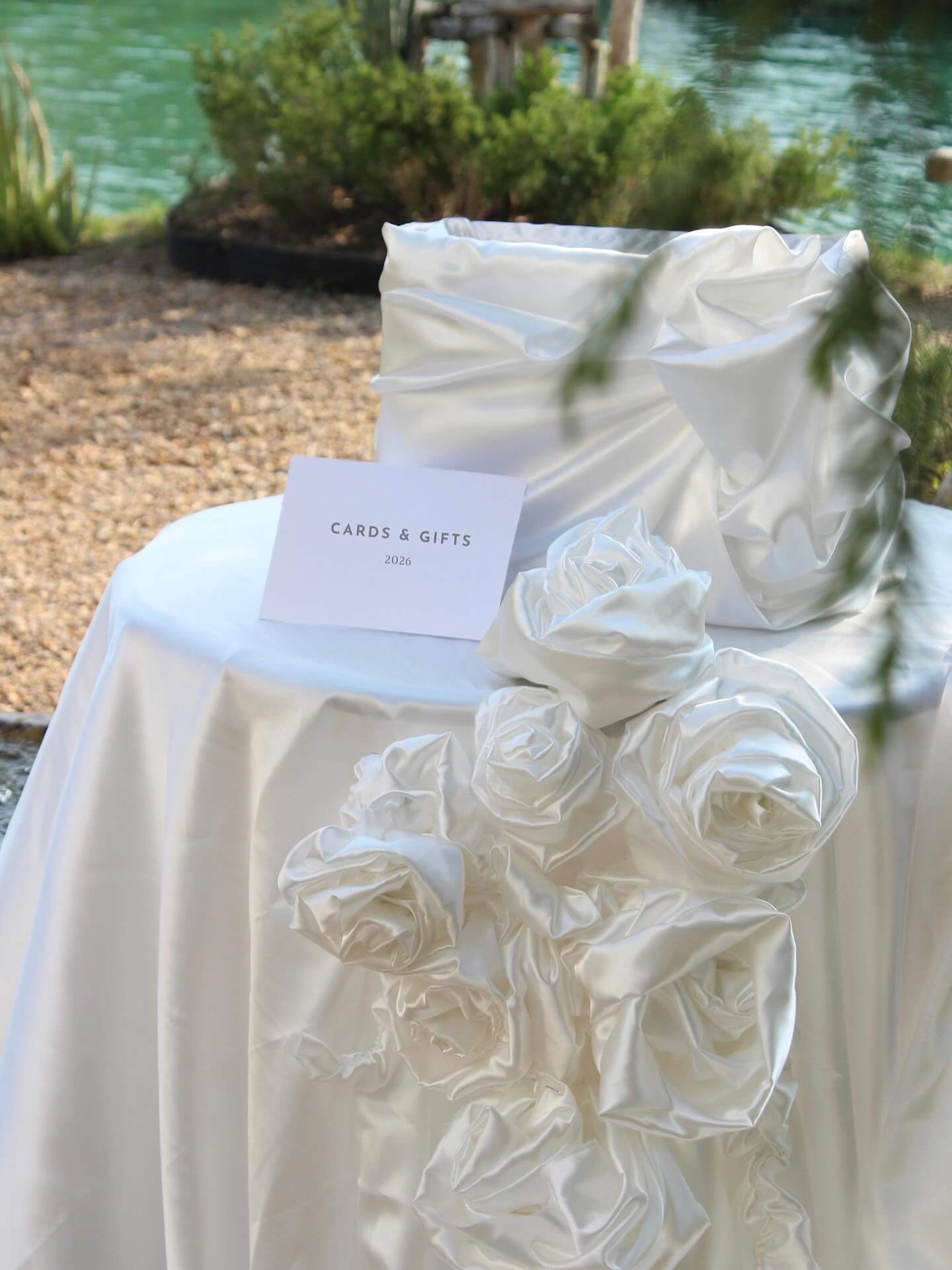
Destination wedding gift etiquette operates under a different, usually more lenient set of expectations than in the case of a local wedding, mainly since guests are already incurring heavy travel expenses just to be there, with a trip to Tulum or a week in Tuscany typically costing guests well over a thousand dollars before any gift is even considered. Couples who are holding their wedding abroad generally do not expect gifts on the same scale as they would for a wedding back in their hometown, and many make it clear in their invitations or on their wedding websites that the couple's attendance itself is the gift, sometimes putting it so gently as to say "your attendance is the only present we need". When a gift does seem appropriate, giving cash or contributing to a honeymoon fund addresses the very real practical problem of not wanting to check a wrapped box, since no one wants to explain to airport security twice about a crystal vase. It is not at all rude for guests to skip a physical gift and instead pay for their own travel expenses, according to any reasonable standard today, and most couples planning a destination wedding have already accounted for that when setting expectations before the save-the-dates were sent out. A thoughtful card, a toast, or simply showing up after a long flight often matters more at these weddings than any physical gift.
Wedding style can influence gift expectations, but it's usually the couple's relationship with the guest that matters more than whether the wedding is luxury, destination, intimate, or cultural,
according to Lovebirds Mallorca. "Destination weddings often come with higher travel costs, so guests may reasonably give a more modest gift."
Should the Plus-Ones Bring a Separate Gift?


Once plus-ones are involved, what gifts wedding guests should give can get complicated, and this confusion is understandable since couples handle the situation in all sorts of different ways. The usual guideline is that when a couple goes as a pair - whether or not they are married - they should present one gift together rather than two individual ones, because the invitation was issued to them as a couple. Unlike roommates who might split a grocery bill, a husband and wife do not have to divide the cost of a wedding gift. If a single guest is bringing a plus-one they are not familiar with, for example, a coworker's new partner that no one at the wedding has ever met, there is no expectation that this person should contribute money at all, since both the invitation and the obligation to give a gift come from the original invitee. "A plus-one can be a factor, but it doesn't mean the gift should automatically double," Lovebirds Mallorca explains.
Most people choose a gift based on their relationship with the couple and their own budget, with the plus-one simply being one consideration.
Long-term partners who frequently attend weddings together may decide to split the cost equally even if the person whose name was on the invitation wasn't the one who actually went, and this is perfectly acceptable as an informal agreement between the two of them, but it is merely a personal decision and not a rule that anyone is enforcing. From the couple's point of view, the most important thing is that one gift, appropriate to the size of the household, is given per household, not that they work out the cost split in advance.
How to Handle Group Gifts


It is now more and more common to pool money with other guests to buy a single, more significant present - especially among close friends or coworkers who on their own might only be able to contribute a small amount. This method deals with a real issue in that if five people each give $30 individually, all that amounts to are five minor, easily forgotten gifts, whereas the same total amount combined into one present could be used to buy something truly meaningful, such as furniture, a bigger item on the registry, or a substantial part of a honeymoon fund. Coordinating this well requires picking one person to manage collection and communication, since chasing down five different Venmo payments without a clear organizer tends to fall apart before the wedding even arrives. A shared card signed by everyone who contributed adds a personal touch that would otherwise be missing from a group gift, so the couple can see exactly who took part in making it. The only real etiquette concern is that the gift could be overlooked because everyone assumes someone else would handle it, so it's important to establish clear ownership from the start.
What to Write in a Wedding Card

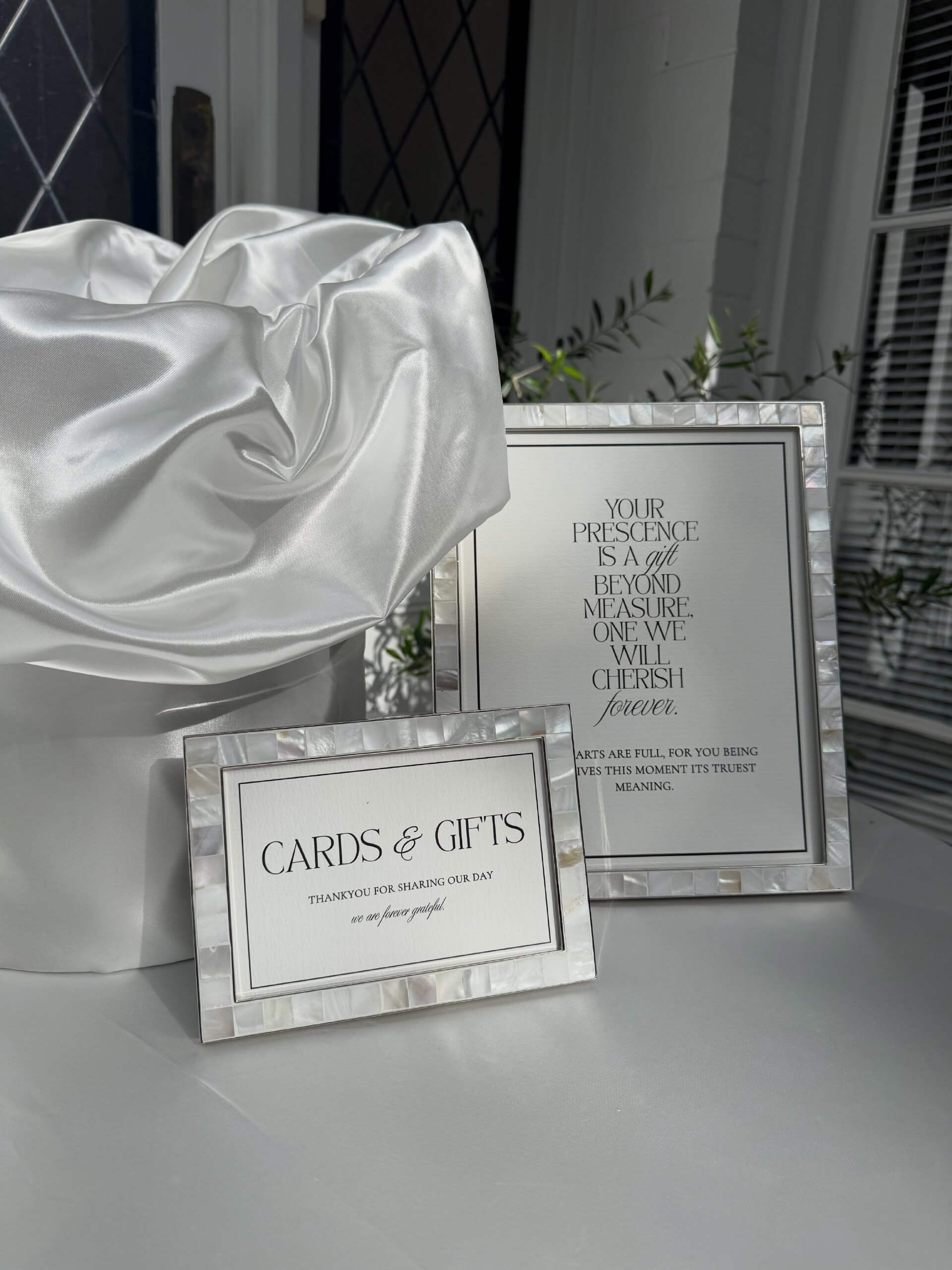
Wedding gift thank-you note etiquette mostly applies to the couple, but it also shapes what guests should expect and influences the kind of message they write. A card doesn't have to be literary; in fact, a simple, sincere sentence or two regarding what the couple means to you is more meaningful than a lengthy paragraph taken from an etiquette website. It's helpful to refer to the gift itself, even just a little, so that the couple can keep track of who gave what when the thank-you notes are due weeks later, since gift lists and place cards tend to get misplaced in the mess of a reception. It is generally expected of couples to send their thank-you notes within three months of the wedding, and guests who have not heard from the couple after that period should not take it to mean that they have been rude, since thank-you notes frequently get overlooked when people are busy planning their honeymoon and are also exhausted from the big event. Details that make the card feel specific to the couple, rather than general and applicable to any wedding, are usually what people remember years later.
By the way, the wedding present that arrived eleven months late from that cousin is a set of hand-painted plates the couple still use every week, the delay long since forgotten while the plates themselves are still very much in use. That's something that etiquette books seldom mention outright: almost all the rules on this list are intended to prevent a guest from feeling embarrassed, not to protect the couple in any way, since most couples do in fact forget once the wedding is out of their minds who had been short by fifty dollars or had been two weeks late. Wedding present etiquette matters most in the moment of deciding, not years later, when what sticks is whether the gesture felt like it came from someone who was paying attention. If you make the effort correctly, the exact figures tend to work out. Wezoree's inspiration section covers considerably more of what goes into a wedding beyond the gift itself, for anyone planning their own day or simply curious what else there is to think through.

FAQ


What is the etiquette for wedding gifts?
The general standard calls for a gift or cash amount that reflects your relationship to the couple, sent either before the wedding or within a few months afterward. Registries remain the safest guide when available, and cash works as a reliable fallback whenever a couple’s preferences aren’t otherwise clear.
What is wedding gift etiquette when it comes to giving cash instead of a physical present?
Cash has become widely accepted and, in many cases, actively preferred over a physical gift, particularly for couples with established households or those planning a destination wedding. It removes the guesswork around taste and avoids the possibility of duplicate items from a registry that multiple guests may have checked at different times.
Is there a standard gift etiquette for weddings involving a plus-one?
Gift etiquette generally treats an invited couple as one gift-giving unit, regardless of whether both partners’ names appear on the invitation itself. A single guest bringing an unfamiliar date isn’t expected to have that date contribute financially, since the underlying invitation and obligation both rest with the original guest.
What’s considered appropriate wedding gift etiquette rules for coworkers versus close friends?
Coworkers and more distant acquaintances typically give less than close friends or family, often in the range of $50 to $100 depending on the venue and how well you actually know the couple. Close friends and family members usually give more, both because the relationship carries more emotional weight and because they’re often more involved in the planning itself.
How does gift etiquette change for a wedding you can’t attend?
A gift still remains customary even when you decline the invitation, though the amount can reasonably scale down to reflect your absence from the celebration itself. Sending something within a month or two after the wedding date, rather than rushing to beat the ceremony, works perfectly well under these circumstances.
Is there a specific gift etiquette for giving money as a wedding gift versus a physical item?
Cash carries no less weight than a wrapped gift in most modern wedding contexts, and in several cultural traditions, including Indian, Pakistani, and Sikh weddings, money in an envelope has always been the primary and expected form of gift. The main practical difference lies in presentation, cash typically goes into a card or envelope instead of wrapping paper, and many couples now openly prefer it over guessing whether a registry item still fits their taste by the time the wedding arrives.