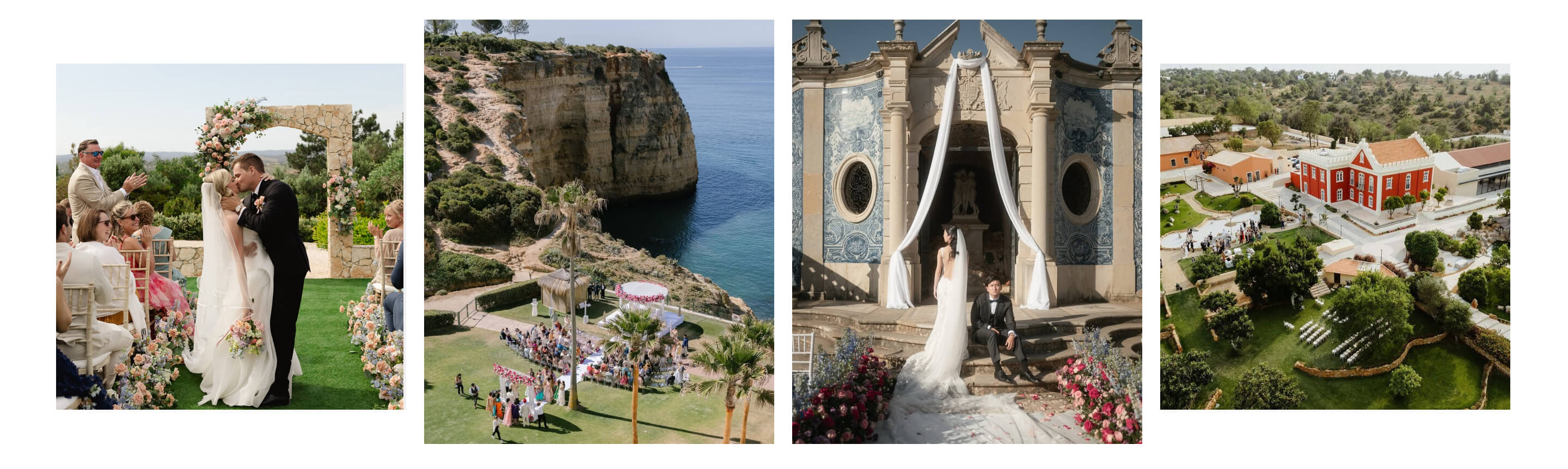
Wedding in Algarve: A Complete Guide to Portugal’s Coastal Weddings


- Why the Algarve Is One of Europe's Most Desirable Wedding Destinations
- Best Areas in the Algarve for a Wedding Celebration
- Best Types of Wedding Venues in the Algarve
- Legal Requirements for Getting Married in Portugal
- Best Time of Year for a Wedding in the Algarve
- Weather Considerations for Coastal Weddings
- How Much Does a Wedding in the Algarve Cost?
- Finding the Right Wedding Planner in the Algarve
- Photography in Algarve: What Makes It Unique
- Wedding Entertainment in Algarve
- Guest Experience: Accommodation and Travel Tips
- Designing an Algarve Wedding: Style and Aesthetic Inspiration
- Catering and Portuguese Culinary Experience
- Common Mistakes Couples Make When Planning a Wedding in the Algarve
Portugal's southernmost coast has quietly become one of Europe's most sought-after wedding destinations, not through glossy marketing campaigns, but through word of mouth — the kind that happens when couples experience something genuinely unforgettable. With dramatic limestone cliffs, golden Atlantic light and 300 days of sunshine a year, not to mention a culinary culture that is a celebration in itself, the Algarve doesn't just host weddings — it elevates them. This guide covers everything you need to know to plan your Algarve wedding, from choosing the right area and venue to understanding costs and legalities, and the details that transform a good wedding into an extraordinary one.
Find Your Perfect Wedding Vendors

Why the Algarve Is One of Europe's Most Desirable Wedding Destinations
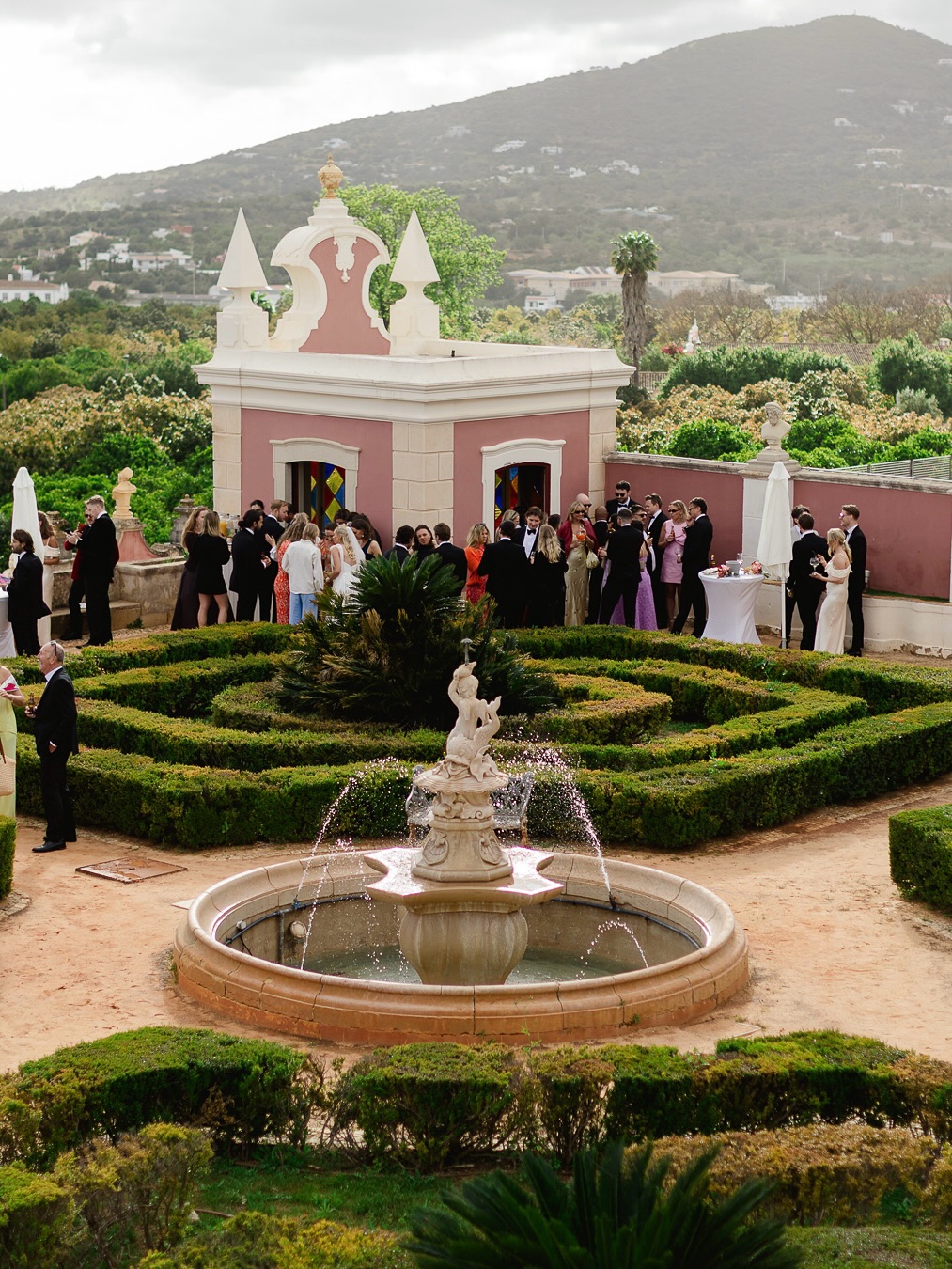
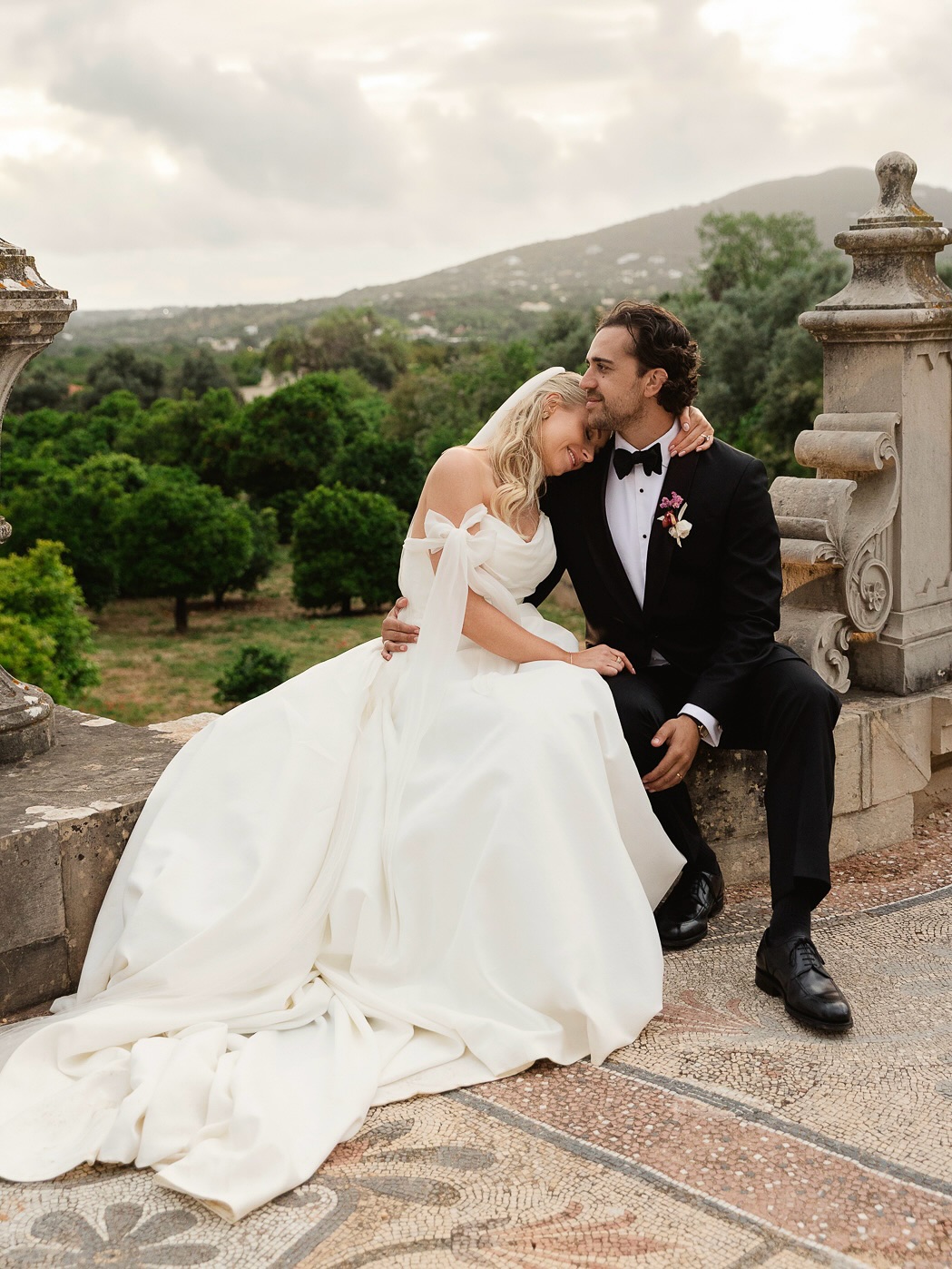
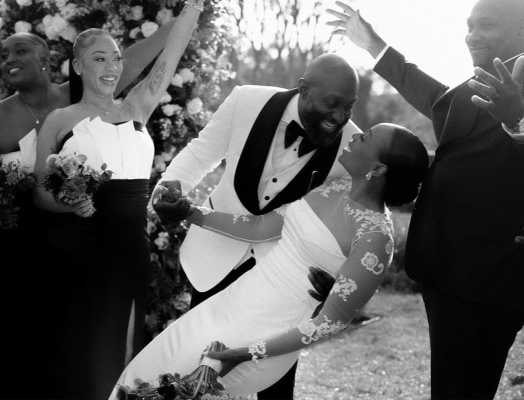
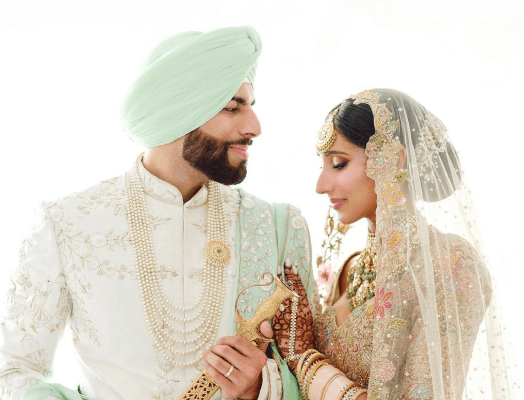
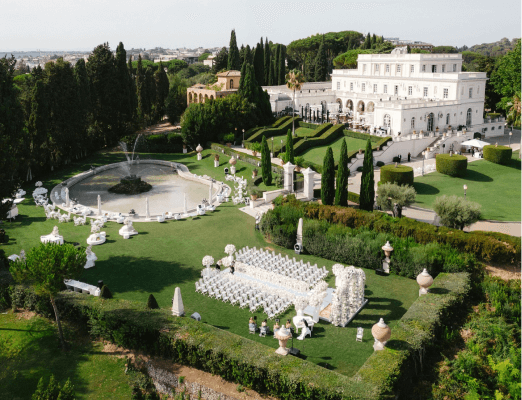
The Algarve is an ideal wedding destination because it solves the problems that typically make destination weddings stressful. Faro Airport receives direct flights from major European cities, and the region's tourism infrastructure is sophisticated yet unspoilt — with luxury hotels, well-established vendors, and English-speaking service providers — while the area's authentic Portuguese character remains intact. The climate provides around 300 days of sunshine a year, and Atlantic breezes keep summer temperatures bearable, making outdoor celebrations comfortable even in peak season. For European couples, it's a short flight to a place that feels genuinely exotic. For North Americans, it's a European coastal destination that avoids the complexity of the Greek Islands and the expense of the French Riviera. This combination of accessibility and atmosphere is rare, and it's exactly why the Algarve's wedding venues are booked years in advance.
Best Areas in the Algarve for a Wedding Celebration
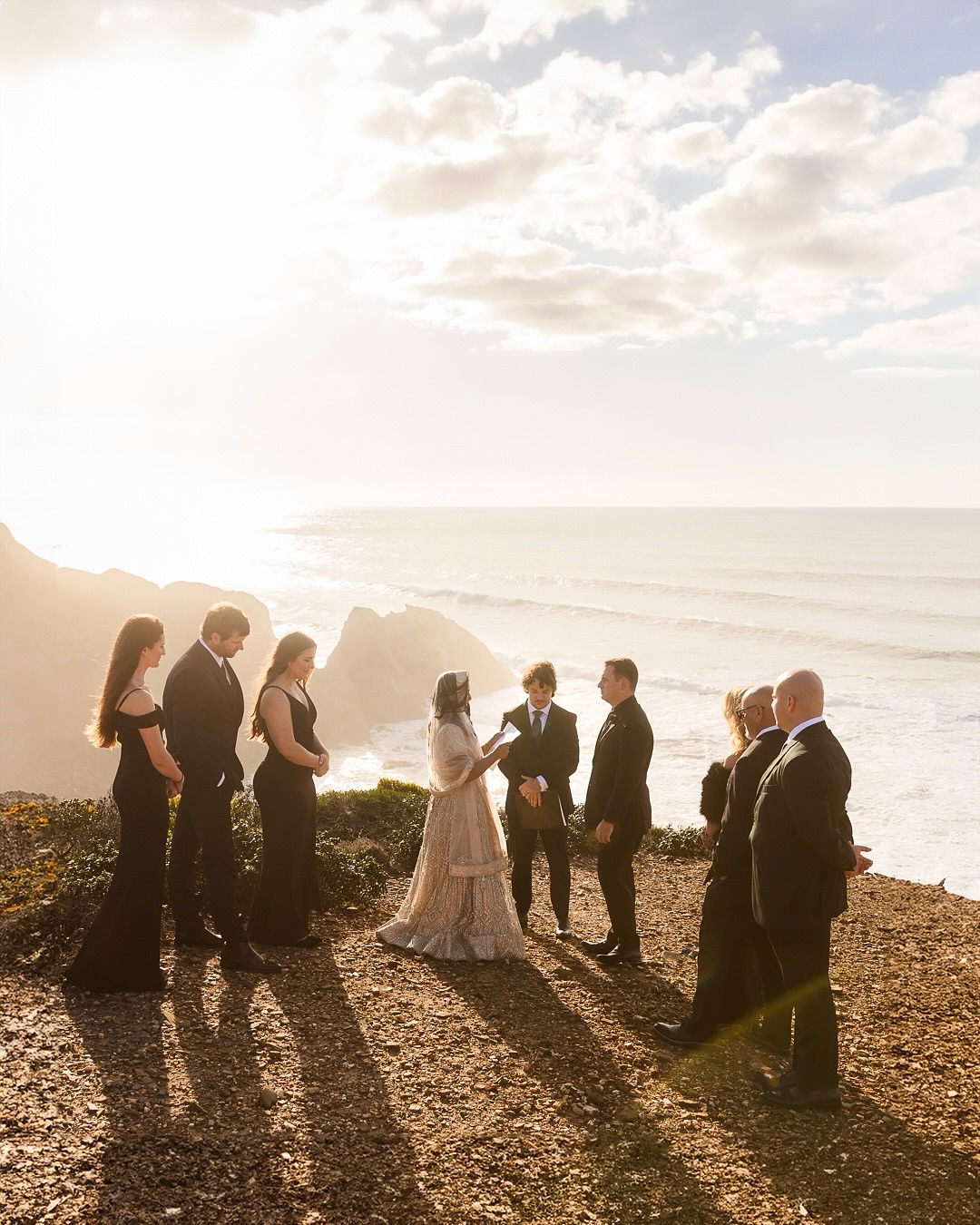
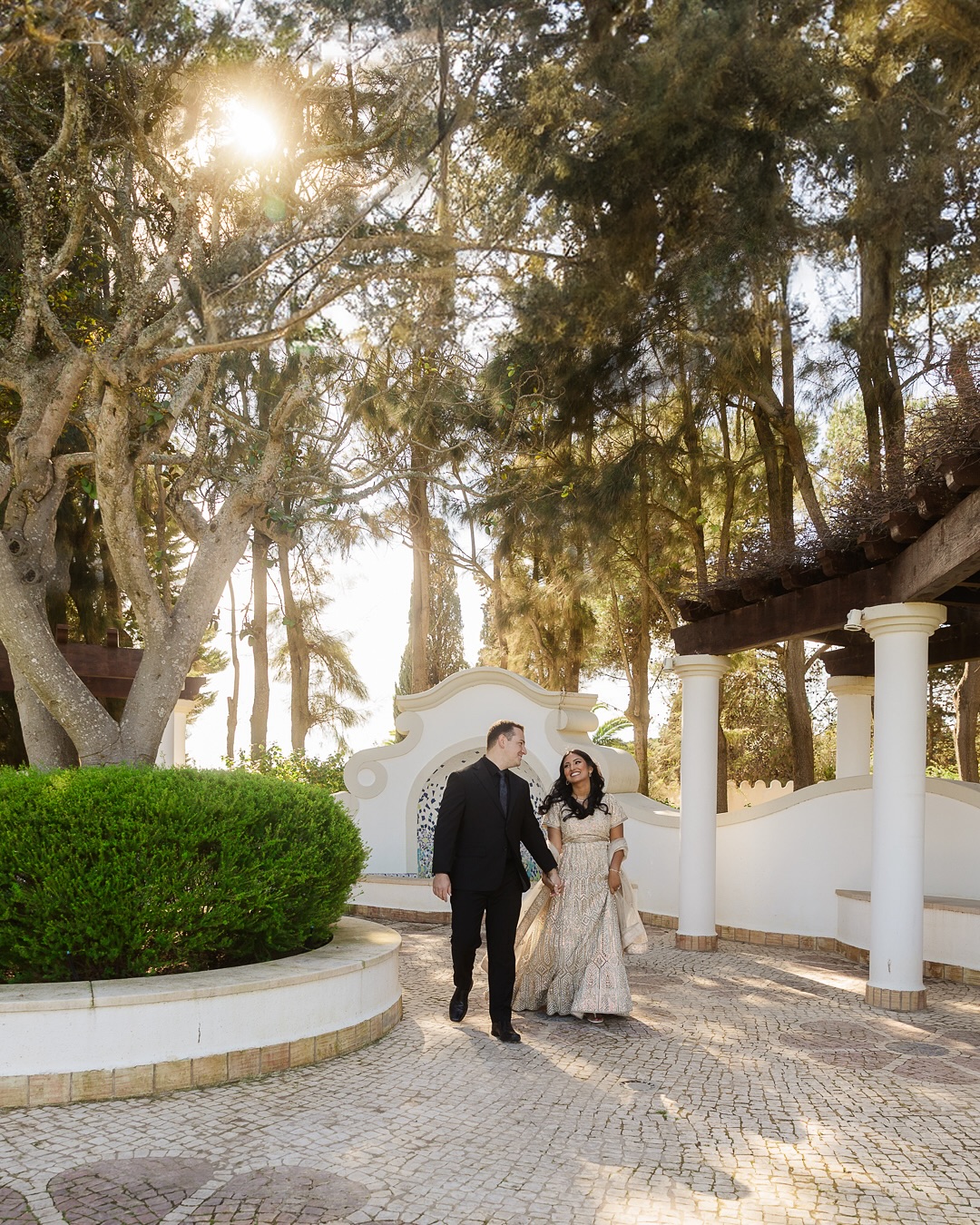
The Algarve has a coastline spanning roughly 200 kilometres, with different stretches offering distinctly different atmospheres. Before exploring specific venues, it's helpful to understand the character of each area, as choosing between the west, central, and east Algarve will greatly influence the overall feel of your celebration.
Lagos and the Western Algarve
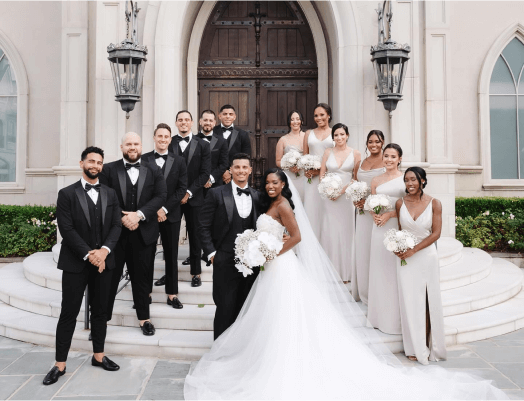
This is where iconic photographs are taken. With towering golden cliffs, hidden coves that can only be accessed by boat, and natural rock formations that dwarf anything a decorator could build, the western Algarve is the most dramatically beautiful stretch of coastline. Ponta da Piedade, the historic town of Lagos with its cobblestone streets, and the wild headlands near Sagres all provide settings that require little additional styling. The atmosphere here is slightly wilder and less developed than in the east, making it ideal for couples who prefer natural drama and adventurous romance to polished luxury.
Albufeira
Located at the heart of the region, Albufeira is the most developed and accessible option. It has extensive infrastructure, including hotels at every price point, well-established wedding venues, and vendors accustomed to large international celebrations. There is also plenty of nightlife for guests who want entertainment beyond the wedding events themselves. While the beaches are beautiful, they are less dramatic than those further west. What some see as overdevelopment, others appreciate as sheer convenience. Albufeira is particularly well-suited to larger celebrations where a variety of guest accommodation options are important and where predictability and ease of logistics are priorities.
Vilamoura and Quinta do Lago
This is the Algarve's luxury segment. It is home to purpose-built resort areas with the highest concentration of five-star hotels, private estates, championship golf courses, and fine dining establishments. The aesthetic is contemporary and refined rather than rustic — manicured rather than wild, and international rather than characteristically Portuguese. All-inclusive wedding packages often centre on Vilamoura resorts, which can handle every detail without the need for external vendors. This area is ideal for couples who want the best of everything and have the budget to match.
Tavira and the Eastern Algarve
The eastern Algarve offers what the more developed areas have largely lost: a quiet atmosphere, an authentic Portuguese culture, fewer tourists, and the sense of discovering a place before it becomes overrun by visitors. Arguably the most beautiful town in the Algarve, Tavira boasts traditional whitewashed architecture, a Roman bridge, and castle ruins overlooking terracotta rooftops. The town's relaxed pace of life reminds visitors that this is Portugal, not just a coastal resort destination. The beaches here are gentler, and the landscape is softer than in the west. This area is ideal for couples who prioritise authenticity over amenities and want their celebration to be rooted in the local culture.
Best Types of Wedding Venues in the Algarve
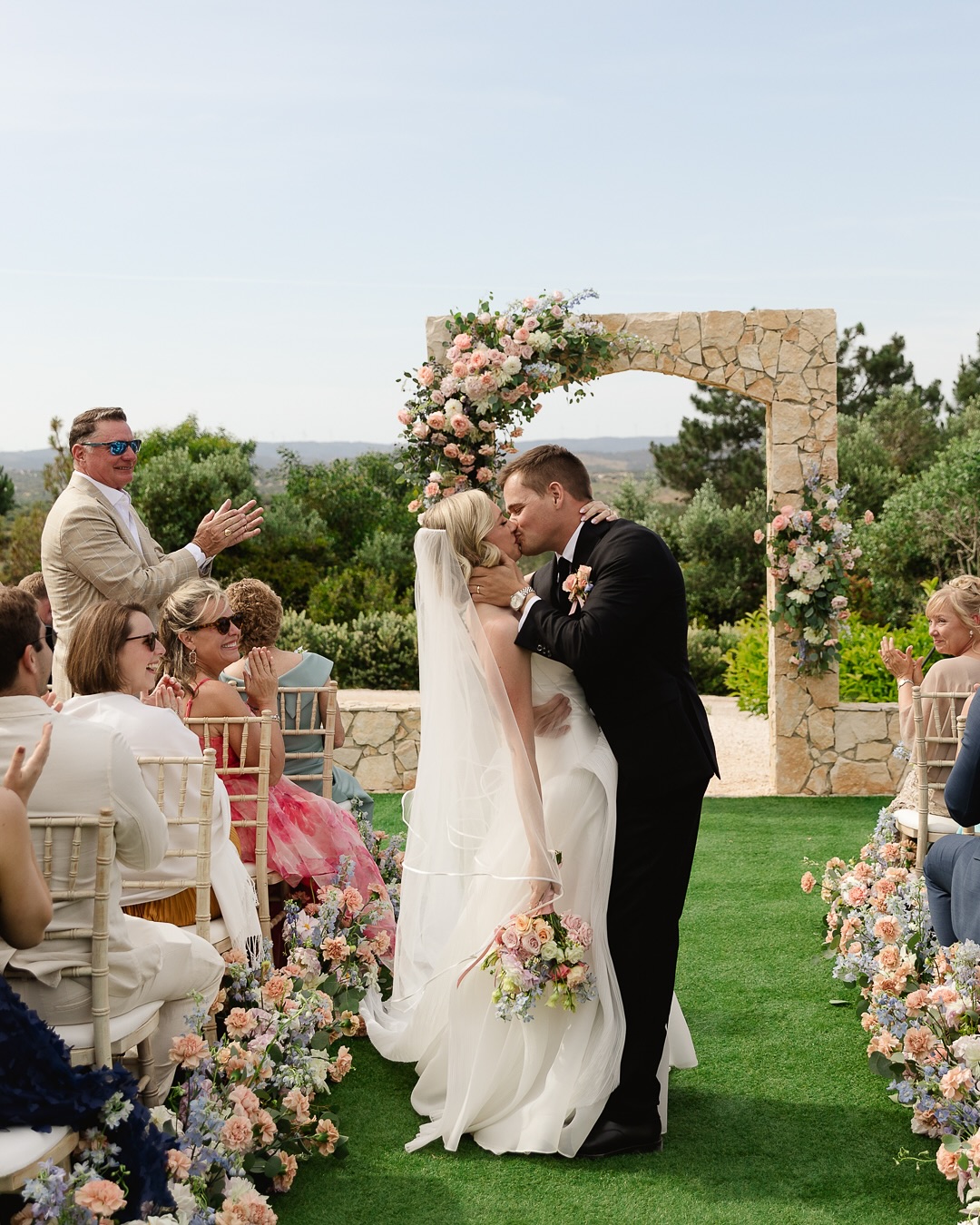
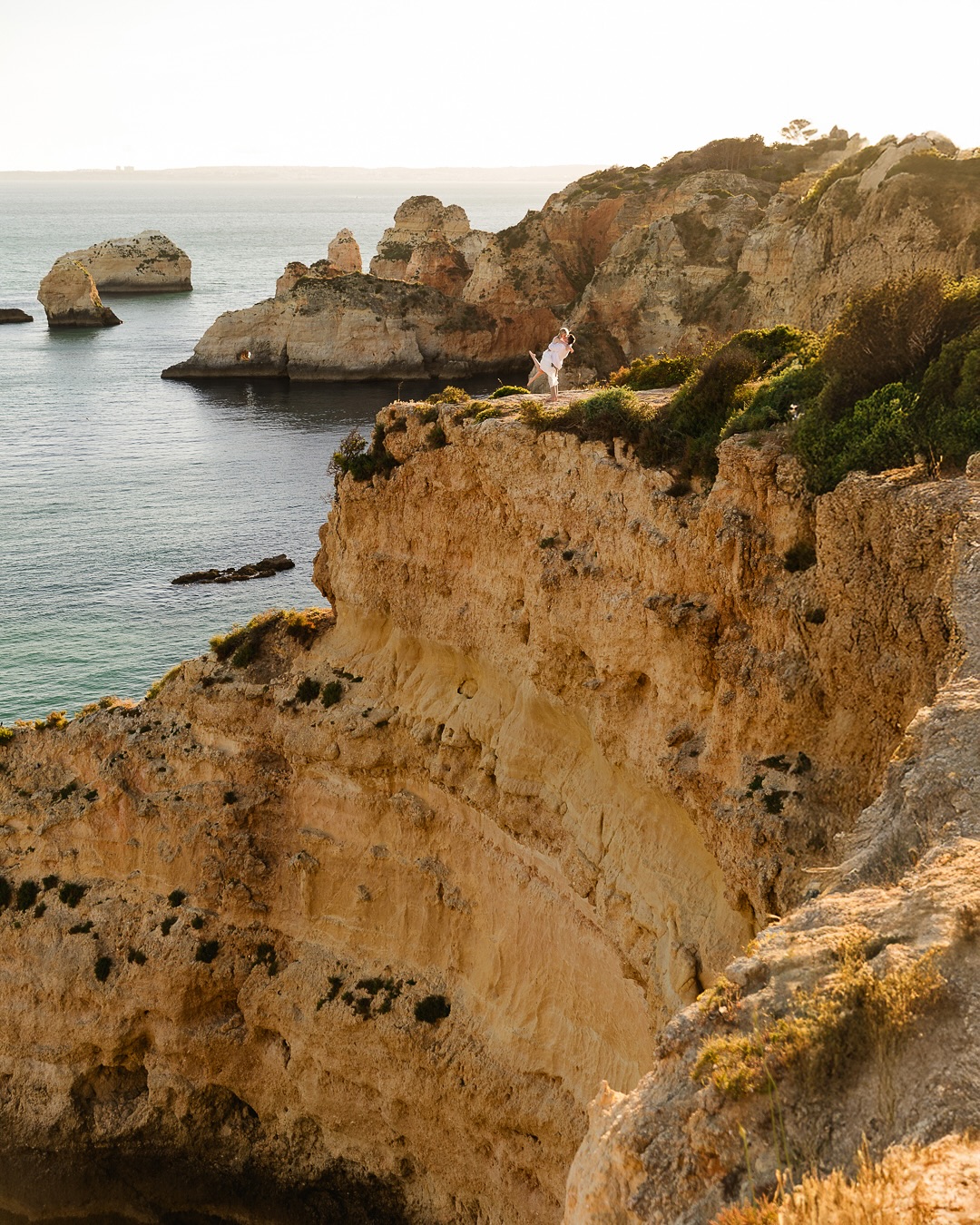
The Algarve’s varied landscape allows nearly any wedding vision. Knowing the main venue types makes the search much easier.
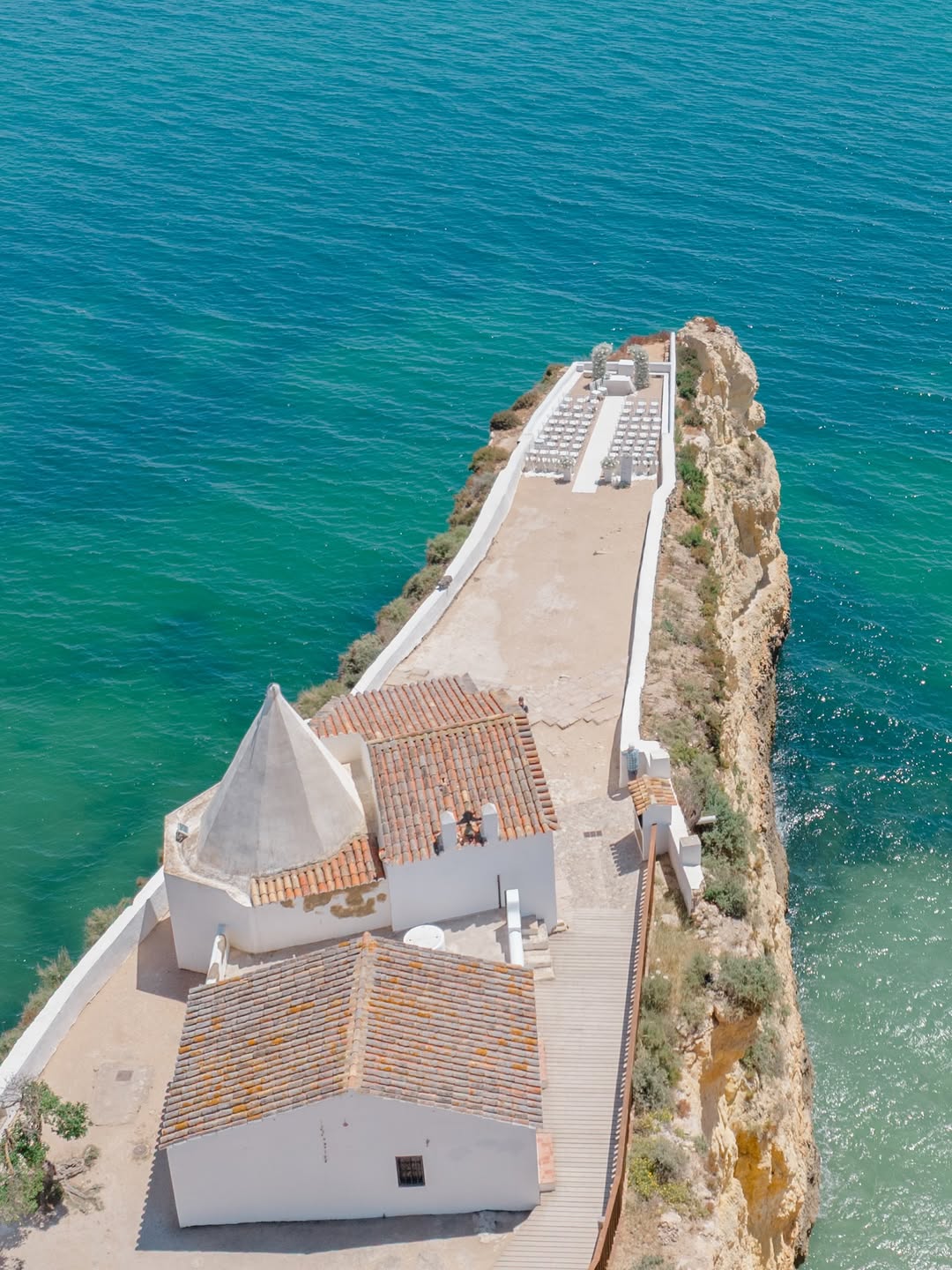
Cliffside villas overlooking the Atlantic offer dramatic, popular photo settings. These properties situate your celebration on the edge of Europe, with ceremony backdrops that require no decoration, as the views provide all the aesthetics. However, drawbacks include strong coastal winds, difficult access on some roads, and the need for reliable weather backup in exposed areas.
Luxury hotels and resorts solve the logistical issues that can make couples anxious about destination weddings. Properties such as the Conrad Algarve, the Pine Cliffs Resort, and the Vila Vita Parc provide everything in one place: guest accommodation, experienced event coordination teams, established vendor relationships, and multiple event spaces that handle the weather with ease. You trade uniqueness for convenience and predictability for polish. Wedding packages in the Algarve are particularly well-suited to larger celebrations (100+ guests) and couples who prioritise flawless professional execution over adventurous uniqueness.
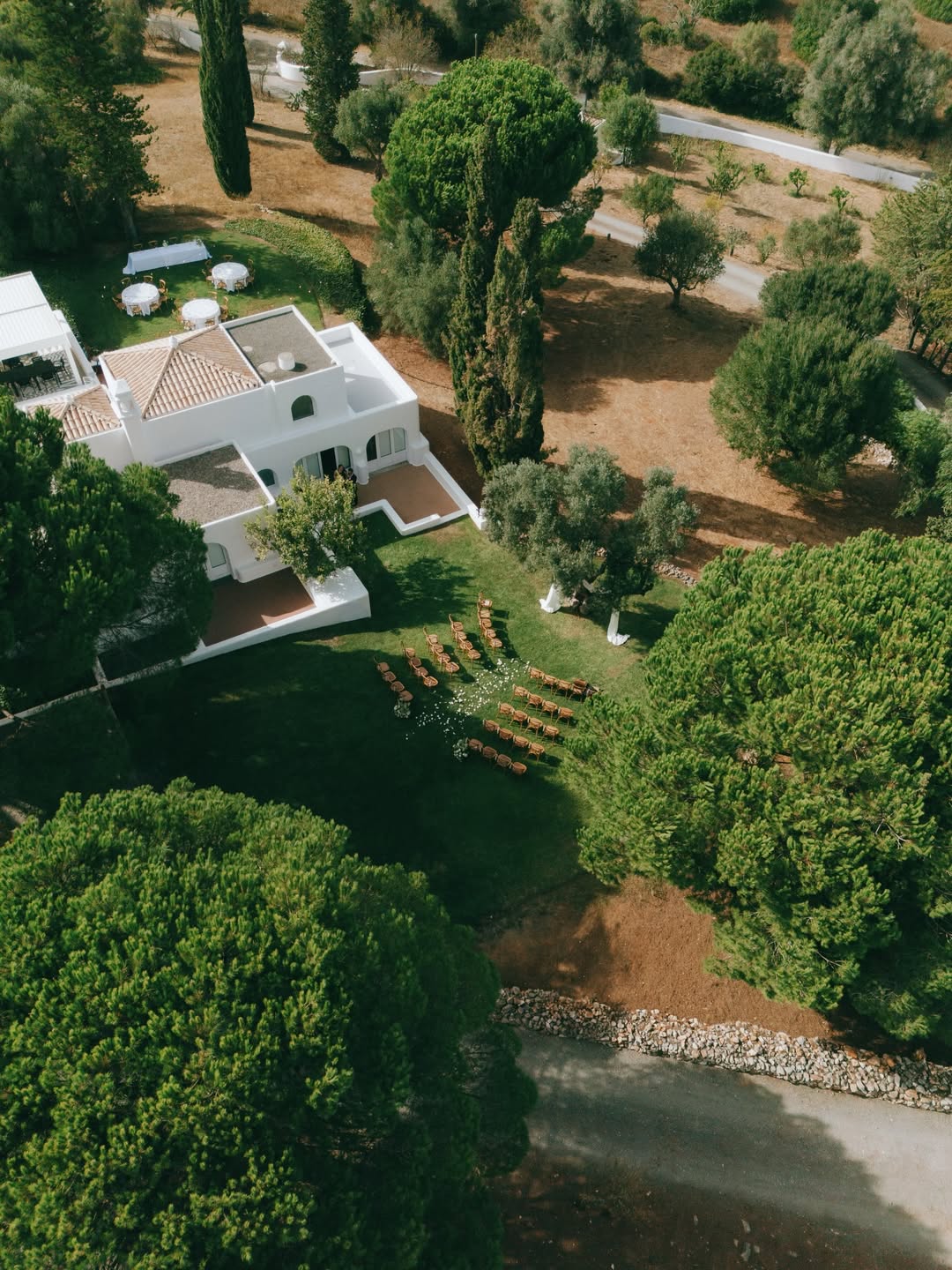
Private estates and quintas offer unmatched intimacy and exclusivity, with more infrastructure than cliffside venues. Restored Portuguese quintas blend historic architecture with modern amenities to create authentic yet refined settings. Most host 50–150 guests and provide exclusive use without simultaneous events, creating a sense of place that makes a destination wedding distinct from a hometown celebration.
Beach venues range from relaxed, barefoot gatherings to more refined settings, shaped by the beach and event infrastructure. The romantic appeal is clear, but practicalities require planning: permits may be necessary, ocean noise can affect audio, and older guests may struggle with sand and limited seating. Beach venues suit intimate, casual celebrations and couples willing to invest in both function and atmosphere.
Vineyard weddings are less common in the Algarve than in other Portuguese regions, but several properties have developed tasting rooms and gardens that are ideal for intimate celebrations. These venues offer an aesthetic that sits comfortably between beach casual and formal luxury, with agricultural beauty and wine-focused experiences. Most can accommodate 30–80 guests, making them ideal for smaller destination weddings where privacy and character matter more than grand scale.
Legal Requirements for Getting Married in Portugal
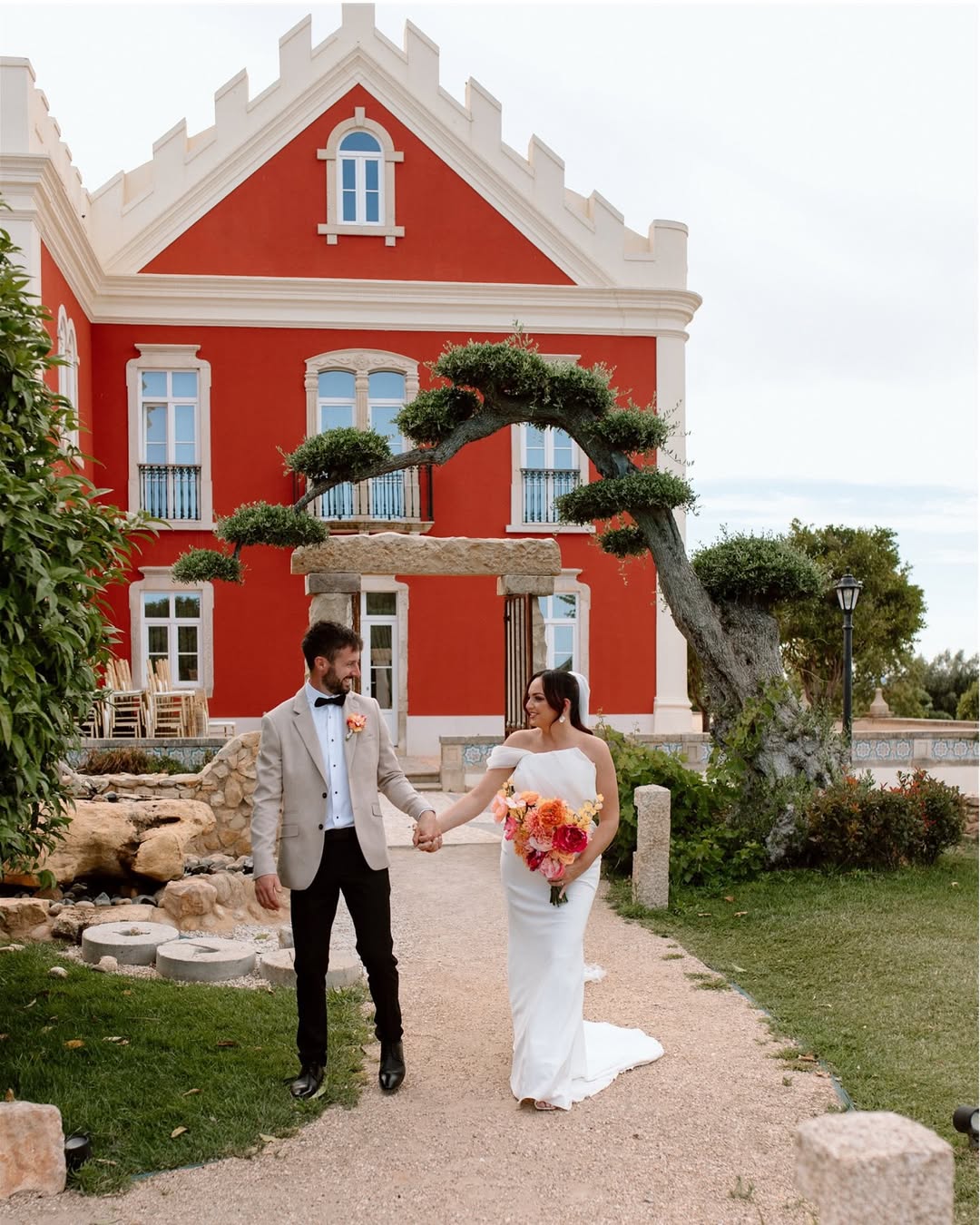
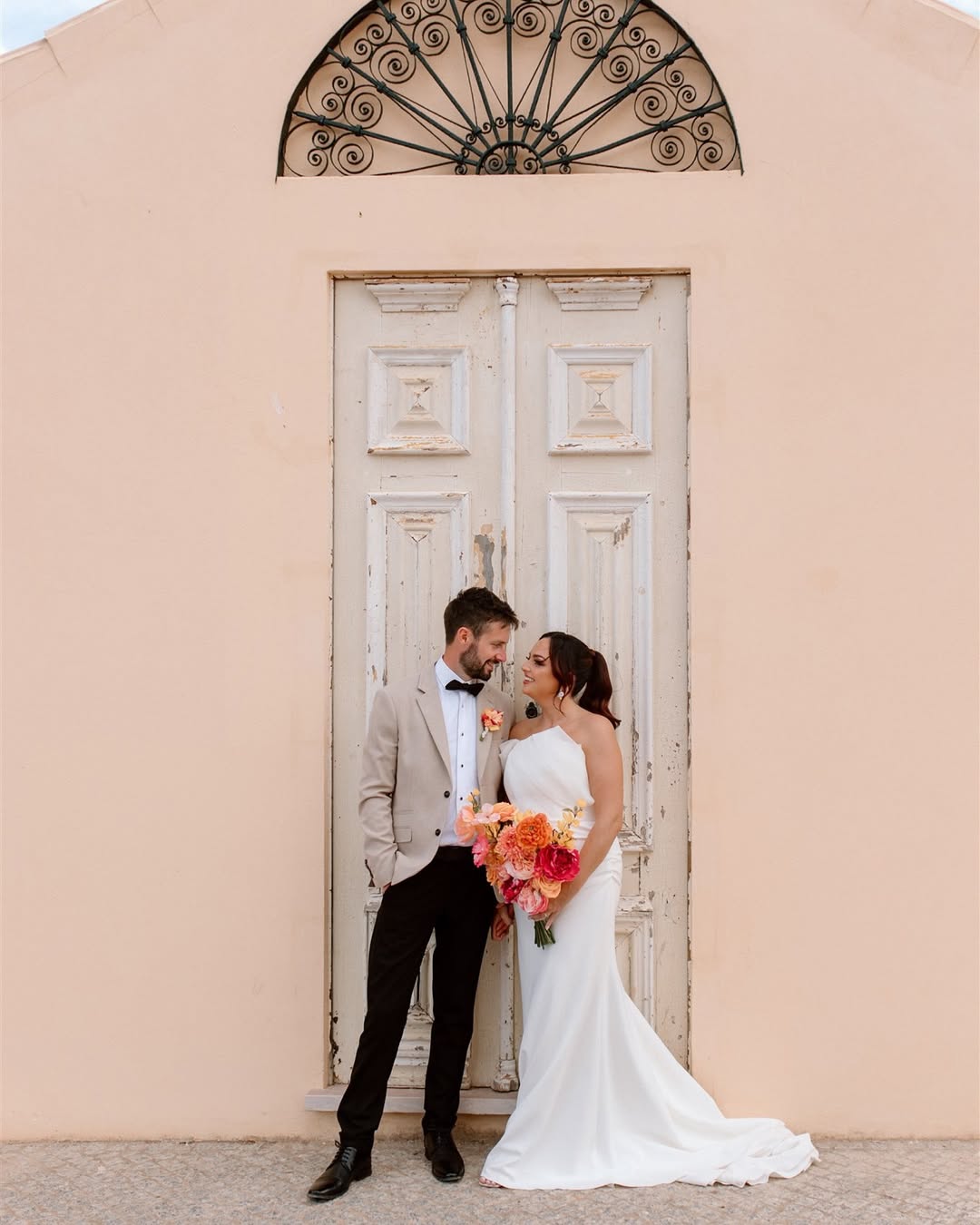
Understanding the difference between legal and symbolic ceremonies in Portugal can save significant stress and prevent couples from discovering, weeks before their celebration, that the paperwork they thought had been handled actually hadn't. Non-residents must navigate Portugal's administrative systems for a legal civil ceremony, which are not known for their efficiency or English-language support. You will need to submit apostilled and officially translated birth certificates, certificates of legal capacity to marry from your home country, proof of residence, and, if you have been previously married, divorce or death certificates. All documents must be submitted to the Civil Registry well in advance. Processing times vary, and physical presence in Portugal is required for a period before the ceremony.
This is why most international couples opt for a symbolic ceremony. You can legally marry at home with a quick registry office visit, then celebrate in the Algarve with a symbolic ceremony that includes all the emotional weight and beauty, but no Portuguese government involvement. This gives you complete freedom: marry on a beach, cliff, or private property; choose any officiant; write a custom ceremony; and skip bureaucratic stress. If a legal wedding in the Algarve matters to you, hire a local wedding planner who specialises in paperwork. Budget €1,500–€3,000 for this service and allow extra time—complications are common, even when handled correctly.
Best Time of Year for a Wedding in the Algarve
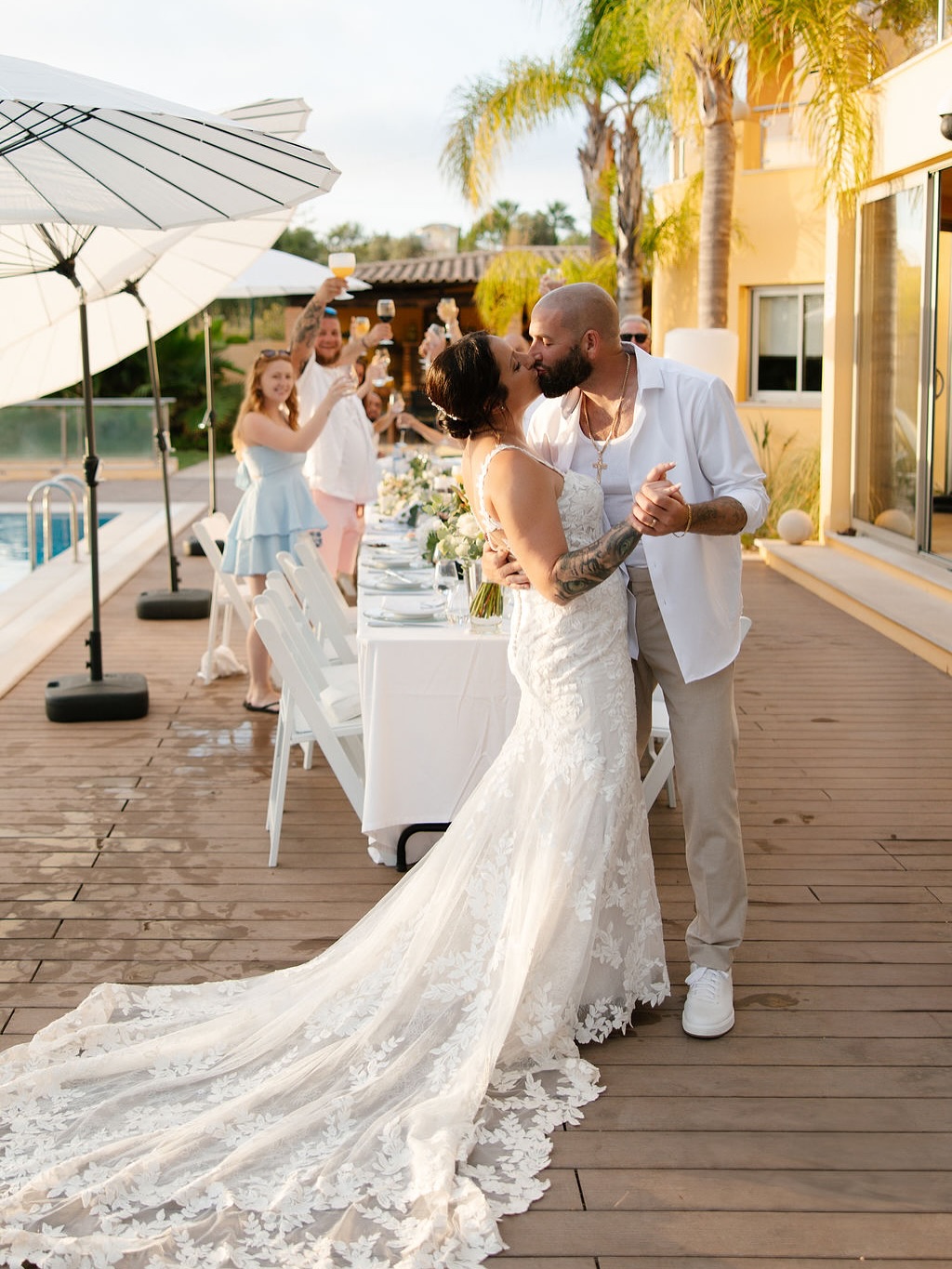
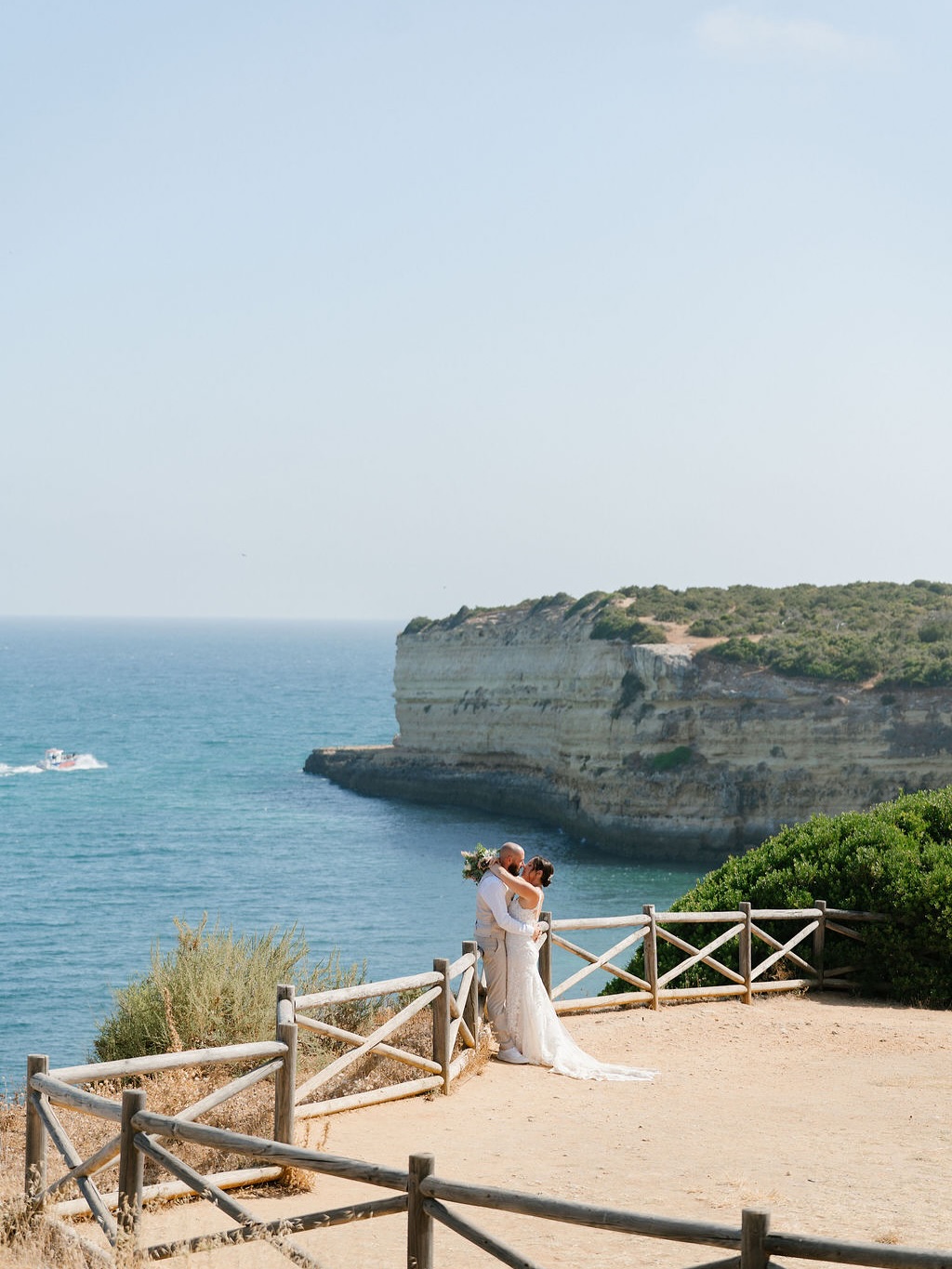
Spring (April–June) is the peak season for a good reason. Temperatures sit comfortably in the low to mid-20s °C, wildflowers are in bloom, the tourist crowds haven't yet peaked, and the light is extraordinarily bright and clear, without the summer haze. Late May and June offer longer daylight hours and a golden hour that lasts well into the evening. The only caveat is the occasional shower in April, which decreases sharply as the season progresses.
Summer (July–August) brings guaranteed sunshine, but also serious heat, with temperatures regularly exceeding 35°C in the afternoon. Smart summer planning involves evening ceremonies held 6–7 pm, ample shade for daytime activities, and hydration stations. Everything also costs more in the peak season, and the best venues are booked earliest for these dates.
Autumn (September–October) is arguably the ideal time of year for a wedding in the Algarve. Temperatures drop to comfortable levels, the ocean remains warm enough for swimming, tourist numbers decrease, and the golden autumn light provides ideal conditions for photographers. September is essentially an extended summer with slightly less heat. October is more variable in terms of weather — you might get perfect conditions or rain, with no reliable way to predict the weather weeks in advance — but you will find better prices and greater availability of vendors and venues.
Winter (November–March) suits couples who prioritise budget and availability over a beach experience. Temperatures are mild, but some restaurants and attractions close for the off-season, and outdoor evening celebrations require heating. The Algarve also loses much of its vibrant coastal energy. However, for intimate elopements or very small celebrations where the beach isn't the main focus, winter can work beautifully. For typical destination weddings where guests are expected to experience everything the region has to offer, the shoulder seasons make considerably more sense.
Weather Considerations for Coastal Weddings
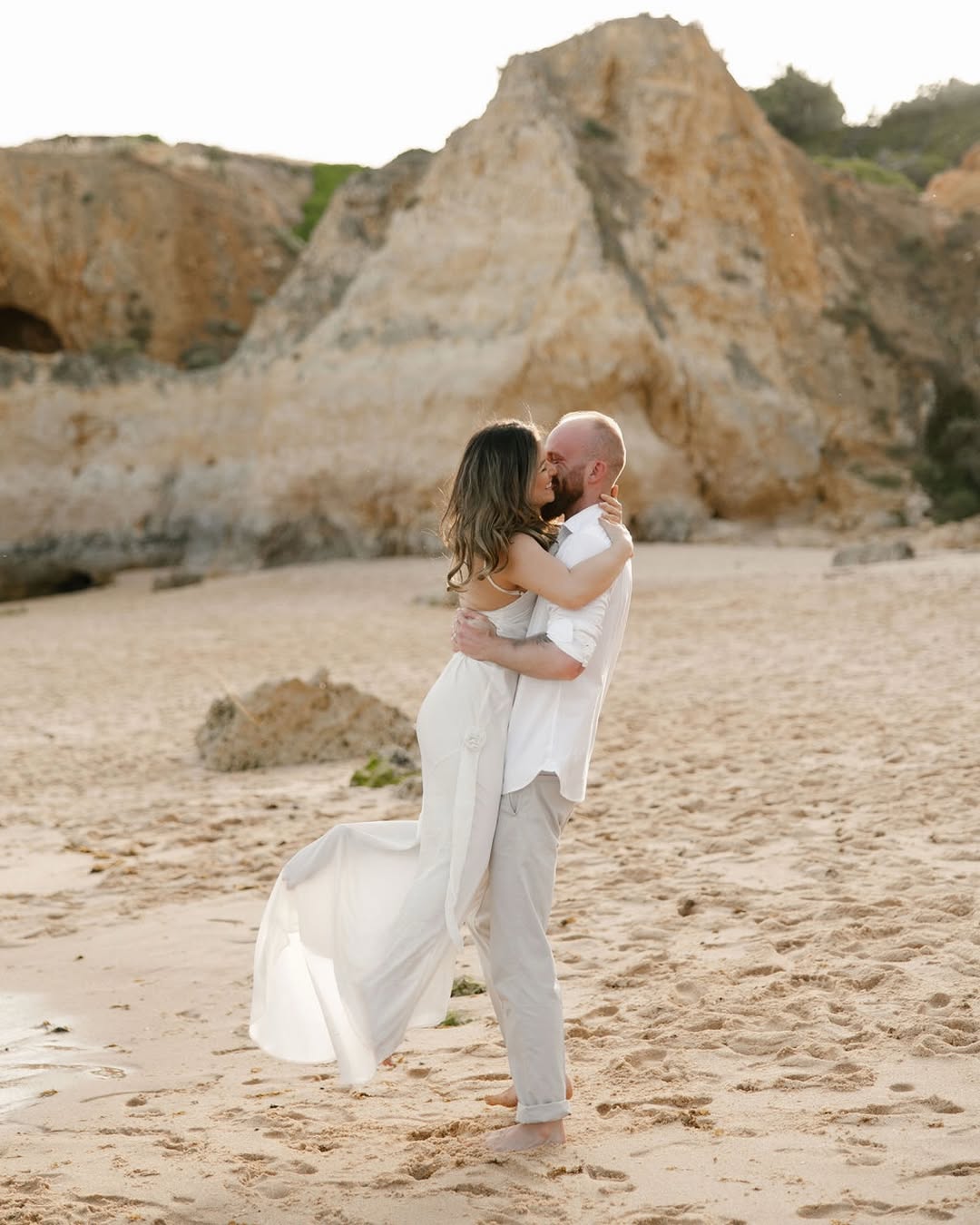
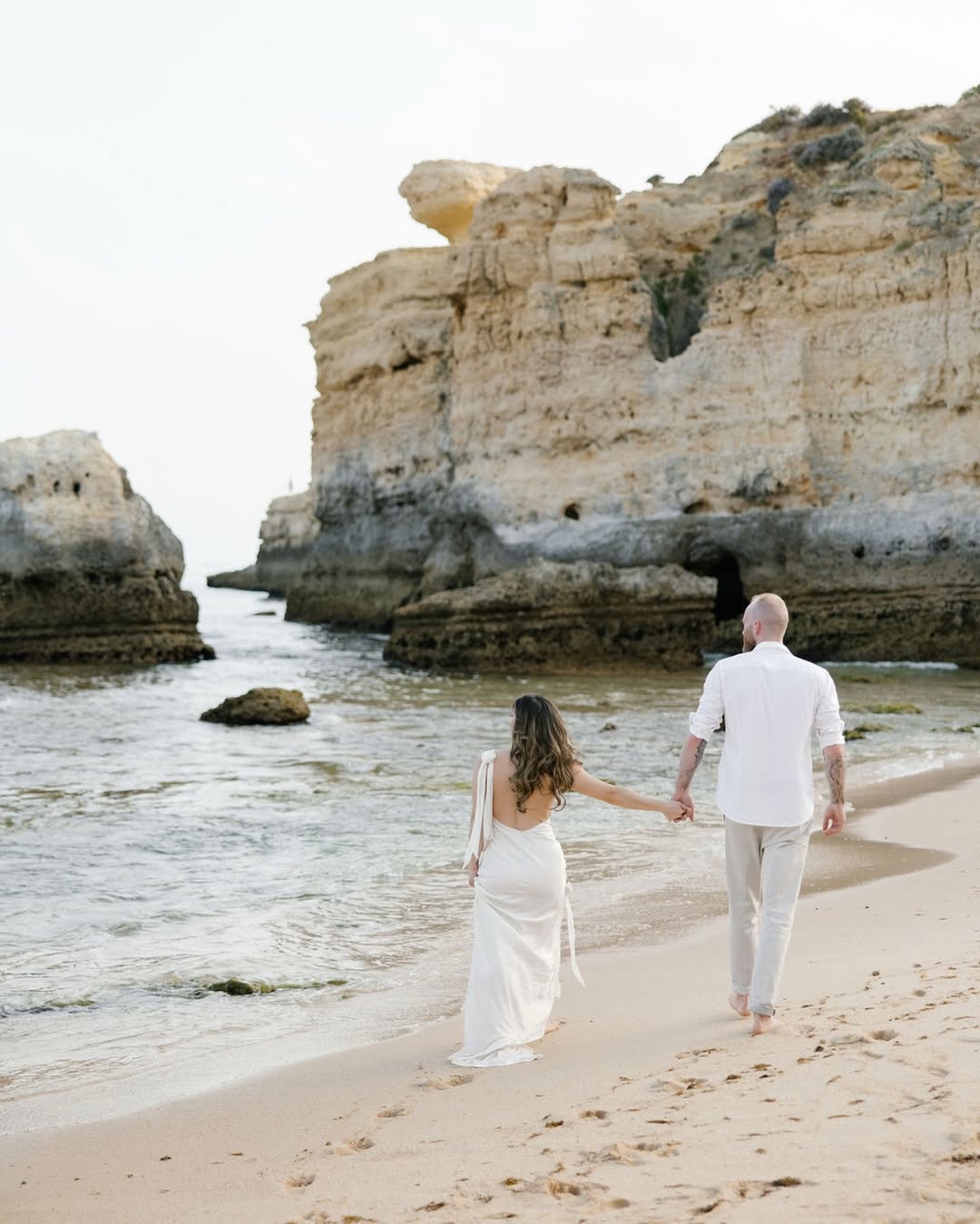
Wind is the factor that couples most consistently underestimate. Coastal locations, particularly those on exposed clifftops, experience consistent breezes ranging from pleasant to genuinely challenging, depending on the season. The spring months bring stronger winds that make candles impossible without hurricane glasses, wreak havoc on styled hair, and can turn elegant fabric draping into a tangled mess. Ceremony setups need to account for this from the outset, using weighted decorations instead of lightweight ones, securing programmes and menus, and choosing hairstyles that work with movement rather than fighting it.
Temperature drops in the evening catch people off guard more than any other weather element. An afternoon at 28°C can drop to 18°C after sunset, particularly in the shoulder seasons, so guests should be advised to bring layers, or you should provide blankets, shawls, or outdoor heaters for the evening. Despite the Algarve's reputation for reliable weather, backup plans are essential: unexpected windstorms and rare rain can occur even in peak summer. Every outdoor celebration needs a credible backup plan that won't require a last-minute scramble. Transparent or sailcloth tents preserve views and atmosphere while providing real weather protection, and venues with beautiful indoor spaces eliminate the need for tents entirely.

How Much Does a Wedding in the Algarve Cost?
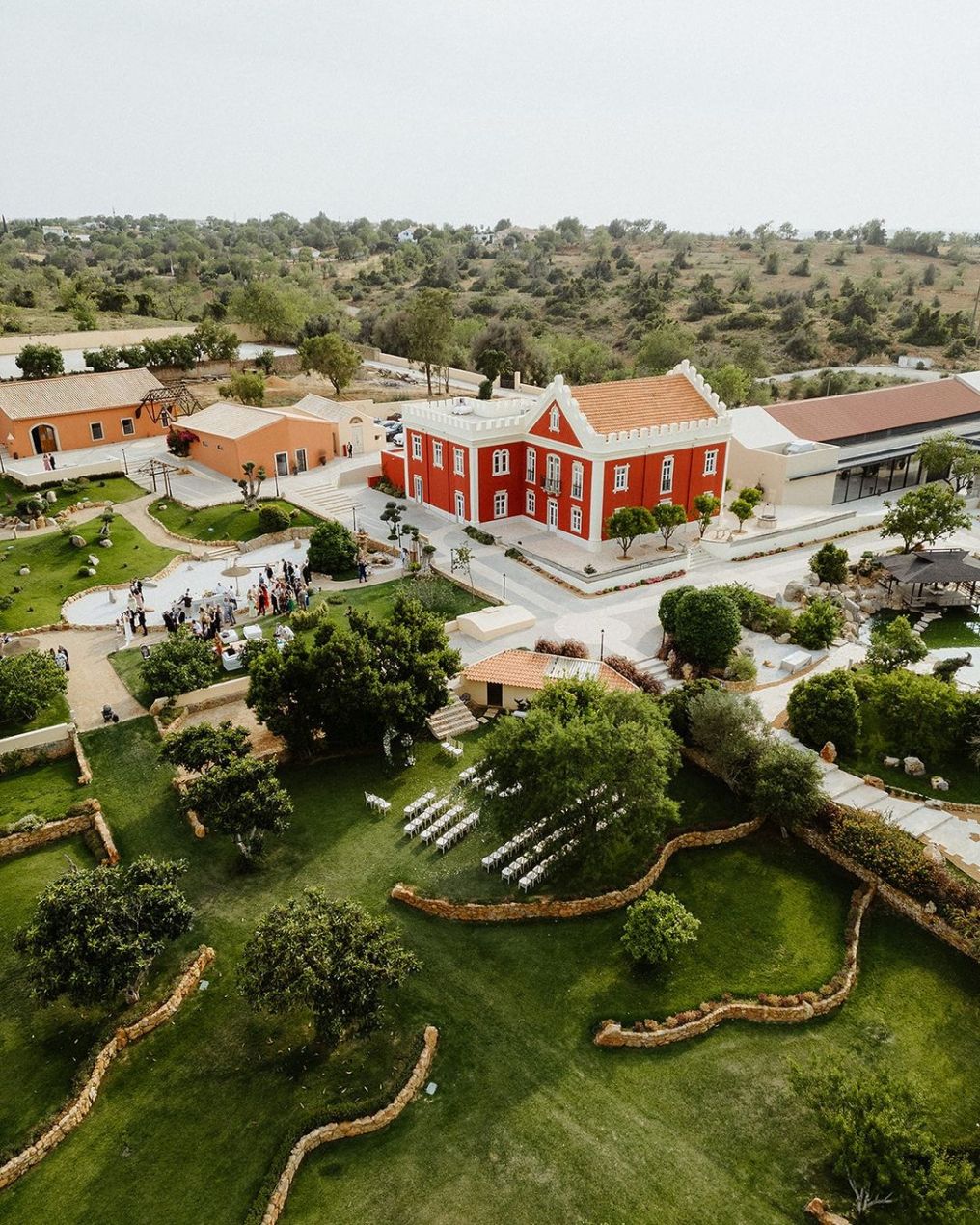
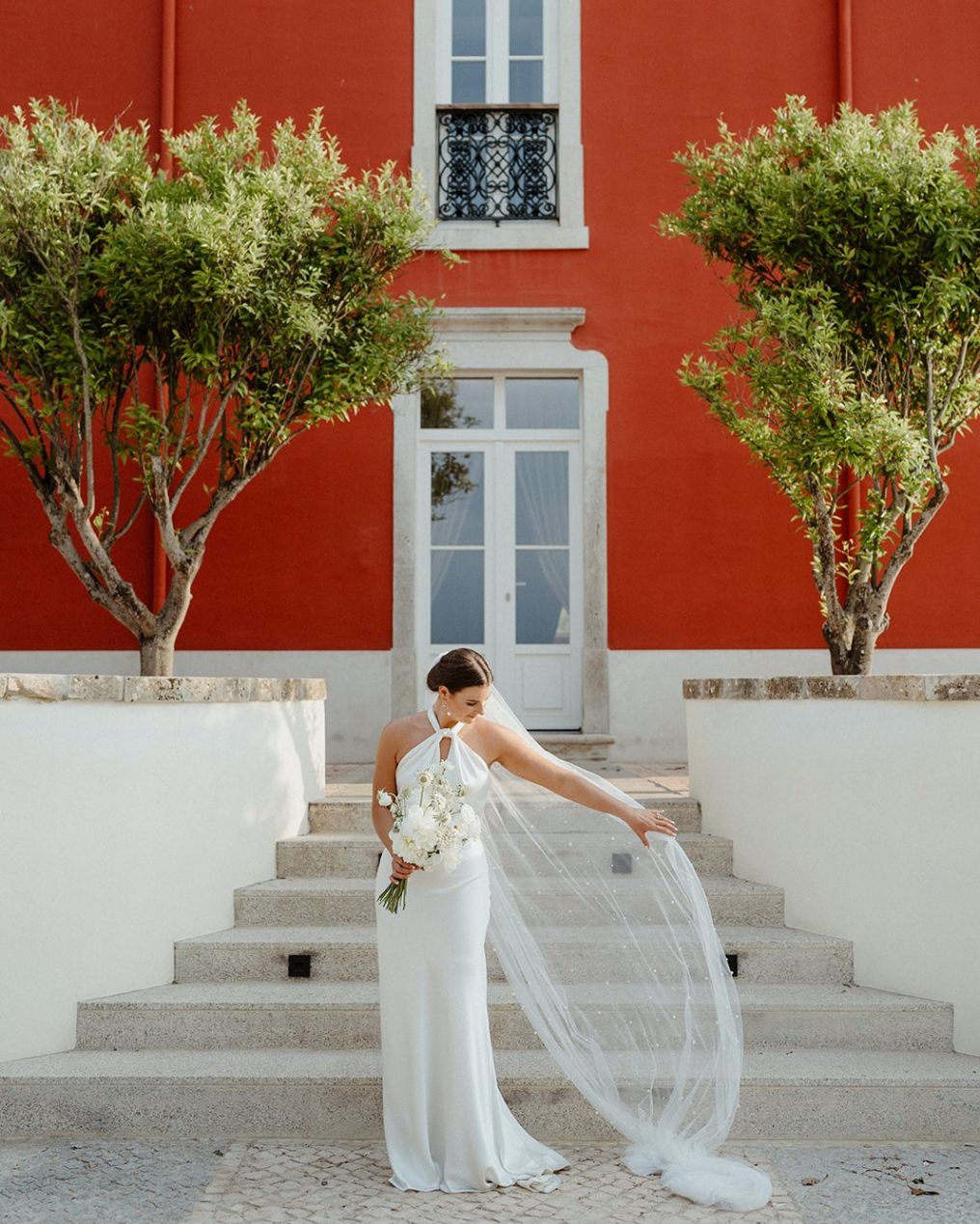
The honest answer is that an Algarve wedding can cost anywhere from €25,000 to €200,000, and both figures are realistic. The region caters to a wide range of budgets thanks to the variety on offer: from intimate vineyard ceremonies and barefoot beach weddings to five-star resort buyouts with flown-in flowers. What makes the Algarve particularly good value for money compared to destinations like the French Riviera or Santorini is that the landscape itself provides much of the decoration. You're not paying to transform a blank space into something beautiful; you're paying to celebrate in a beautiful setting.
The season has a greater impact on Algarve wedding costs than most couples expect. Venues, caterers, and photographers all charge peak rates in July and August, often 25–35% more than for the same services in May, June, or September. Shoulder season doesn't mean compromise: the light in late September is arguably better for photography than in the height of summer, temperatures are more comfortable for guests in formal wear, and venues are far more available. If your date is flexible, spring and early autumn offer the best value.
It's worth spending without hesitation on photography and your wedding planner. The cliffs and Atlantic light in the Algarve are extraordinary, but only a photographer who knows how to work with the coastal sun and wind and the exact time of day when the limestone formations are bathed in golden light will be able to capture them properly. These are the images you will keep. Similarly, a local planner who has established relationships with vendors will help you save money through negotiation, prevent costly mistakes, and ensure that you enjoy your wedding day rather than spending it managing it.
Where you can genuinely save money is on florals and rentals. The Algarve's natural colour scheme of sage, stone, sea blue, and sandy neutrals means you need far less to style a space than you would at a more neutral venue. Local Mediterranean flowers cost a fraction of imported Dutch blooms and look perfectly suited to the setting. If your venue already includes tables, chairs, and basic lighting, your rental budget will shrink dramatically. Opting for an established quinta rather than a blank-canvas cliffside property can save you €5,000–€8,000 on rentals alone.
| Size | Guests | Total budget | Venue | Catering p.p. | Planner | Photo & Video |
|---|---|---|---|---|---|---|
| Intimate | 20–30 | €20,000–40,000 | €3,000–6,000 | €80–120 | €4,000–6,000 | €4,000–7,000 |
| Small | 40–60 | €40,000–70,000 | €5,000–9,000 | €100–150 | €5,000–8,000 | €5,000–8,000 |
| Medium | 70–100 | €70,000–120,000 | €8,000–12,000 | €120–180 | €7,000–11,000 | €6,000–10,000 |
| Large | 100–150 | €120,000–200,000+ | €10,000–15,000+ | €150–250 | €10,000–15,000 | €7,000–11,000 |
Add 25–35% to these figures for peak summer. Subtract meaningfully by choosing shoulder season, local flowers, an established venue with existing infrastructure, and a smaller guest list — the Algarve rewards intimacy as generously as it rewards grand celebration.
Finding the Right Wedding Planner in the Algarve
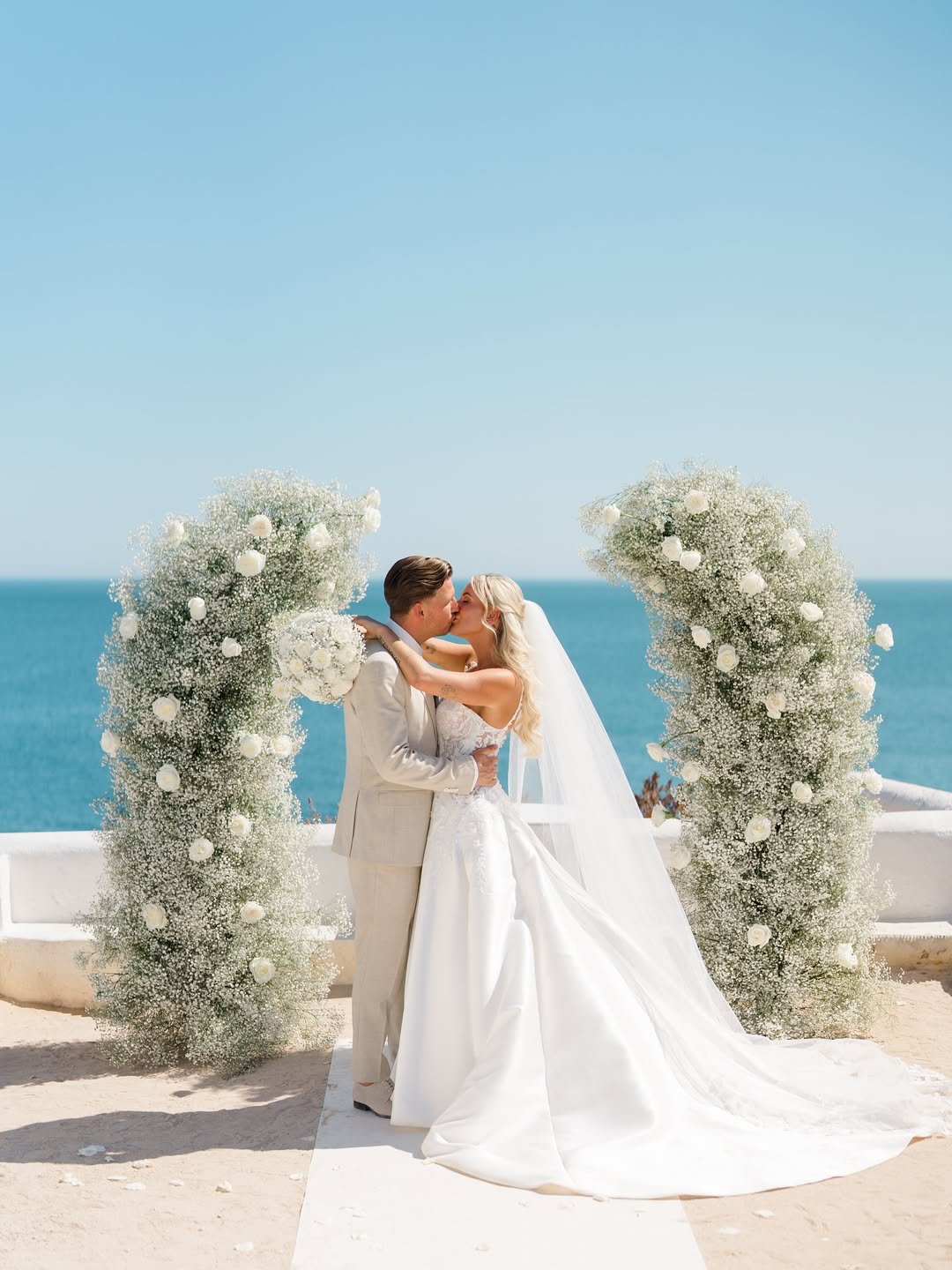
The question isn't whether you need a planner, but which type and what level of service. A local Algarve-based planner can deliver better pricing and preferential treatment through their existing relationships with vendors, as well as provide nuanced communication in their language. They can also visit venues and manage setup without you having to fly to Portugal repeatedly. A planner who has coordinated fifty Algarve weddings will know which vendors deliver consistently and which ones over-promise. They will understand realistic timelines and be able to solve problems quickly, rather than panicking when something goes wrong.
Guest logistics, such as airport transfers, accommodation blocks, welcome bags, activity coordination, and restaurant reservations, become the planner's responsibility when organising a destination celebration. A local professional can handle these things efficiently on the ground, rather than you having to struggle with time zone differences and Portuguese-language emails from abroad. When evaluating planners, ask specifically about their experience of planning weddings in the Algarve (planning weddings in Portugal generally isn't the same as planning weddings in the Algarve), their network of vendors and how long they have worked with them, how they communicate across time zones, and their process from initial concept to final execution. References from couples whose weddings were similar to yours in size, style, and budget will tell you more than any generic testimonial.
Photography in Algarve: What Makes It Unique
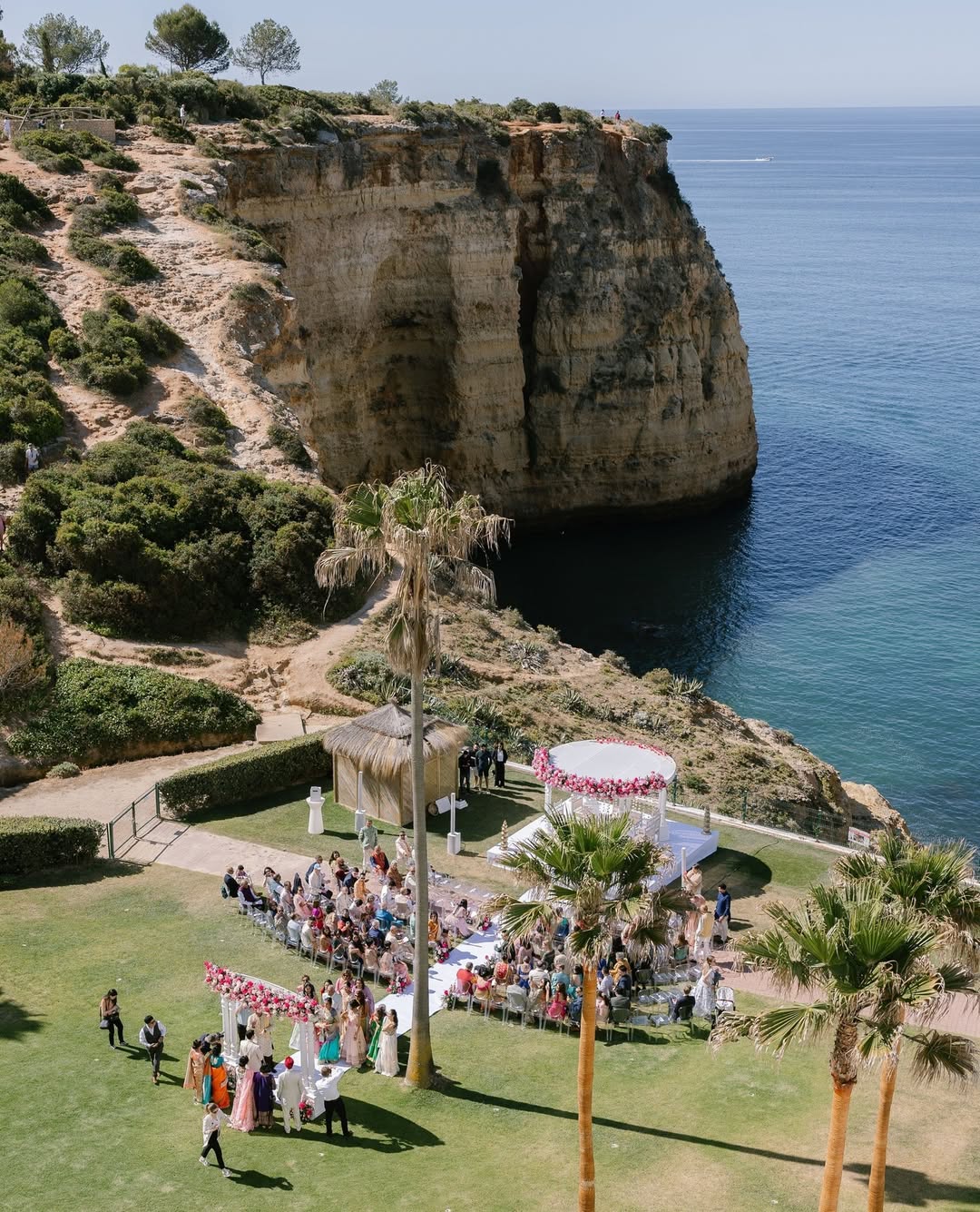
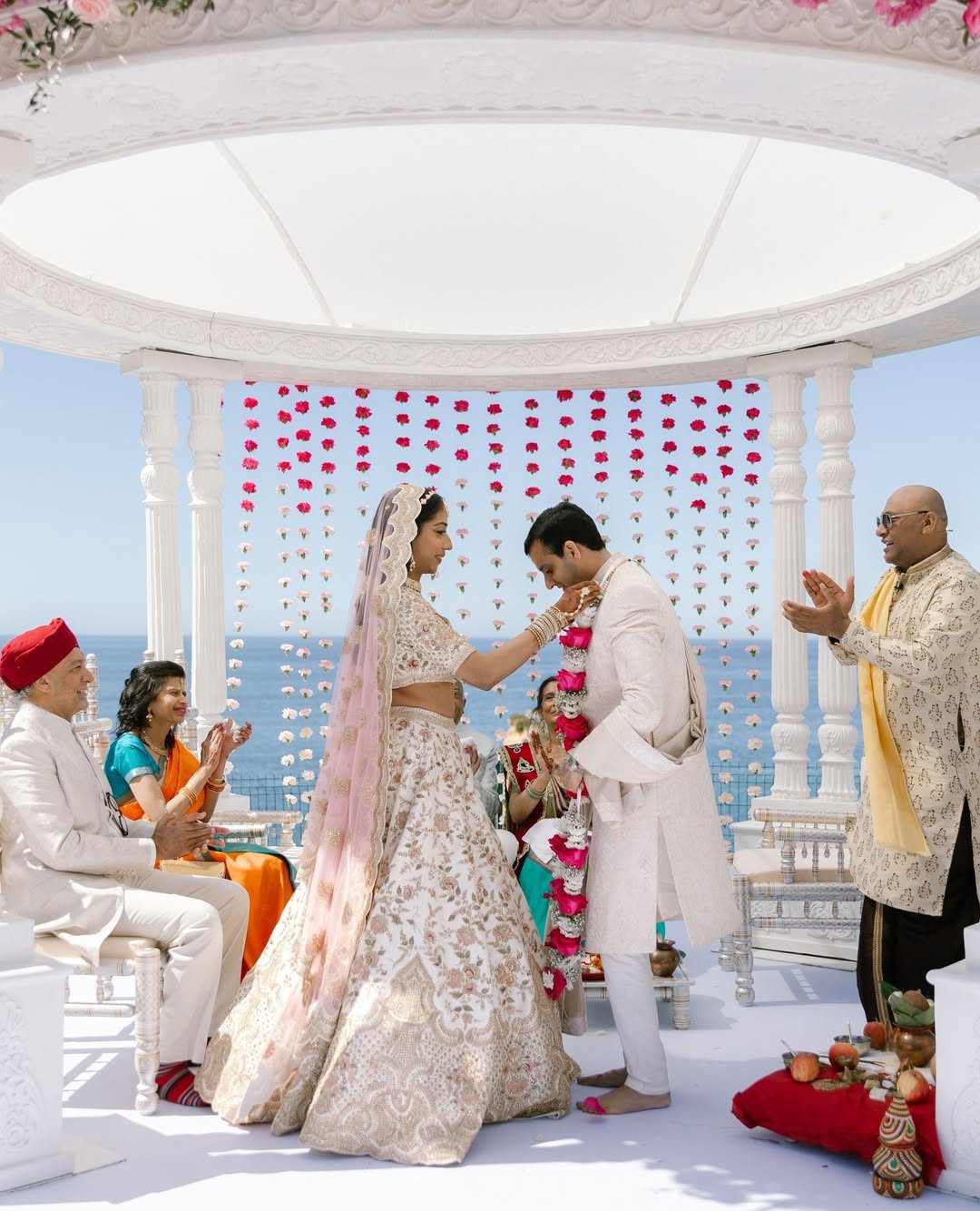
The Algarve landscape is a photographer's dream — the golden limestone cliffs against the deep blue of the Atlantic, the textures of rough rock, smooth sand, and weathered wood, and, above all, the quality of the light at golden hour. As the western coast faces directly into the setting sun, the sun sets over the ocean rather than behind you. This bathes everything in warm, flattering, dimensional light during the hour that matters most for photography. Skilled photographers can move from the beach to the cliff to traditional village architecture in a short time, creating diverse image sets that look like they were taken in three different destinations in one afternoon. The dramatic landscape also means that editorial-quality portraits require almost no constructed backgrounds or elaborate styling — simply place a couple on a cliff edge with the ocean stretching out to the horizon, and the environment will do most of the aesthetic heavy lifting.
Wedding Entertainment in Algarve
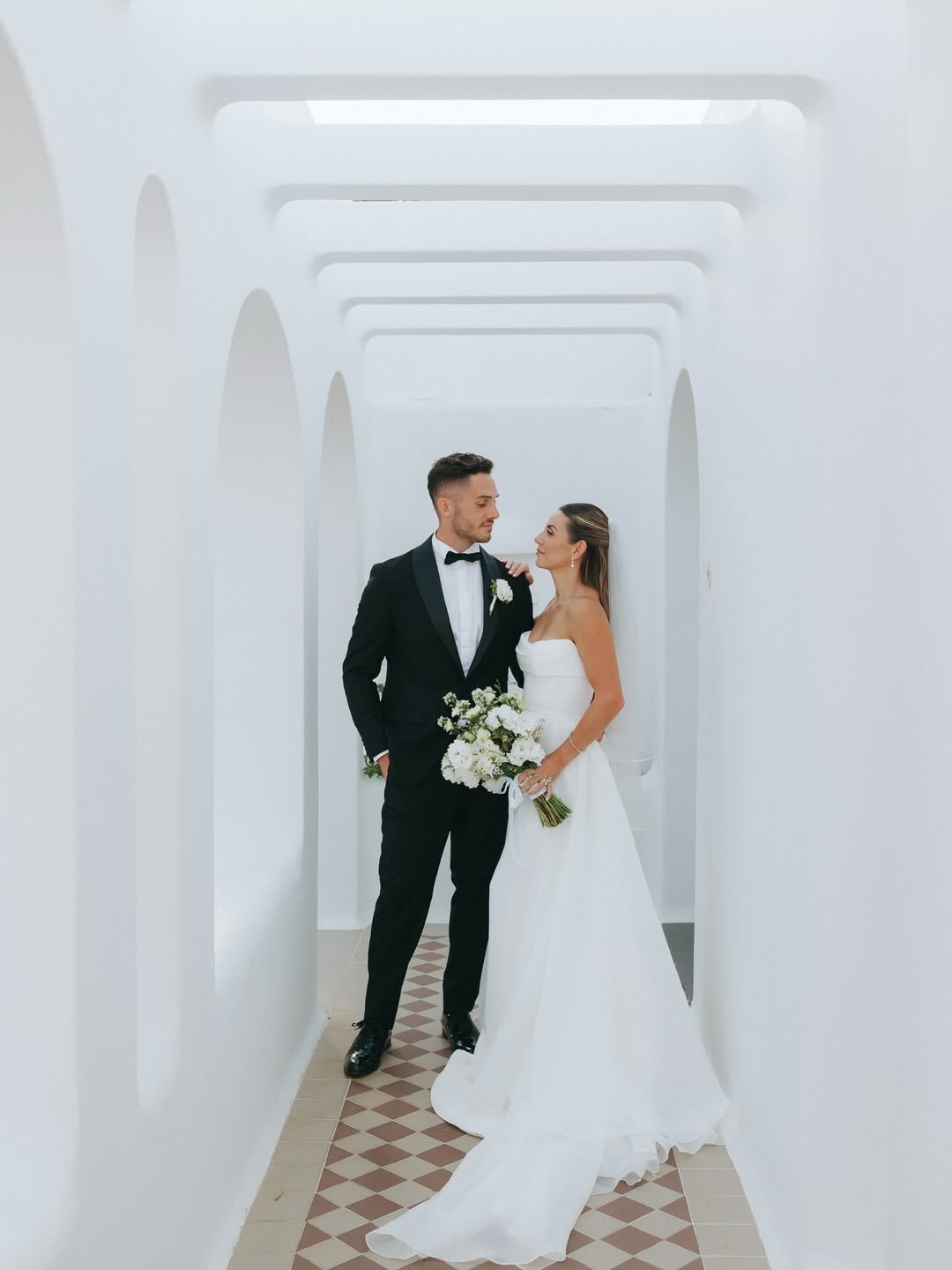
When it comes to wedding entertainment in the Algarve, the setting itself is hard to beat. Live acoustic sets during cocktail hour on a cliffside terrace, a traditional Portuguese fado duo during dinner, or a live band for an open-air evening reception all work particularly well here. For daytime welcome events, consider sunset boat tours with live music, visits to local vineyards with live music, or a DJ who understands the acoustics differences between outdoor and indoor venues.
Guest Experience: Accommodation and Travel Tips
It's easier to get to the Algarve than most people realise. Faro Airport receives direct flights from London, Paris, Madrid, Lisbon, and an increasing number of other European cities. Most guests only need to make one stop, and the airport itself is small and efficient — nothing like the stress of large international hubs. Arranging group transfers from the airport sets the right tone immediately. Rather than expecting guests to navigate rental cars in an unfamiliar country, pre-booked shuttles or private transfers signal that everything has been taken care of. Budget €30–€50 per person for a quality transfer service.
The accommodation strategy depends on the scale and style of the wedding. Smaller celebrations with fewer than 50 guests often work well with villa buyouts — renting one or several large properties where everyone can stay together creates a house-party atmosphere and eliminates the need for transport between accommodation and venues. Larger celebrations usually require a number of rooms to be blocked at different hotels, since not everyone can afford or wants luxury resort pricing. Negotiating room blocks (typically 10+ rooms) can secure slight discounts and hold rooms until closer to the wedding date. For multi-day wedding weekends, including optional group activities such as sunset boat tours, coastal cave exploration, golf, vineyard tastings, and beach club afternoons, gives guests structure without obligation. The Algarve has plenty to offer, so your job is simply to make these activities obvious and easy to join.
Designing an Algarve Wedding: Style and Aesthetic Inspiration
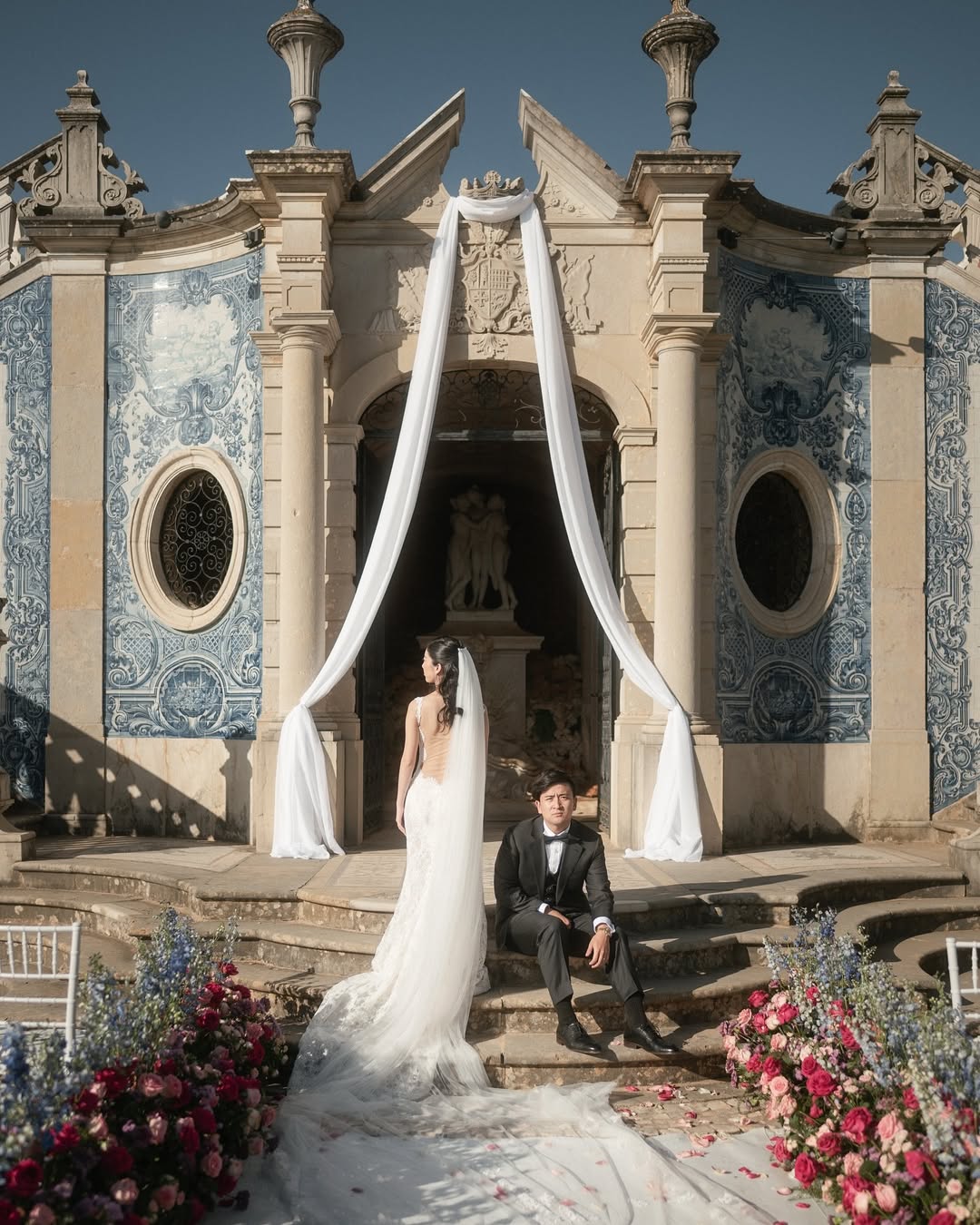
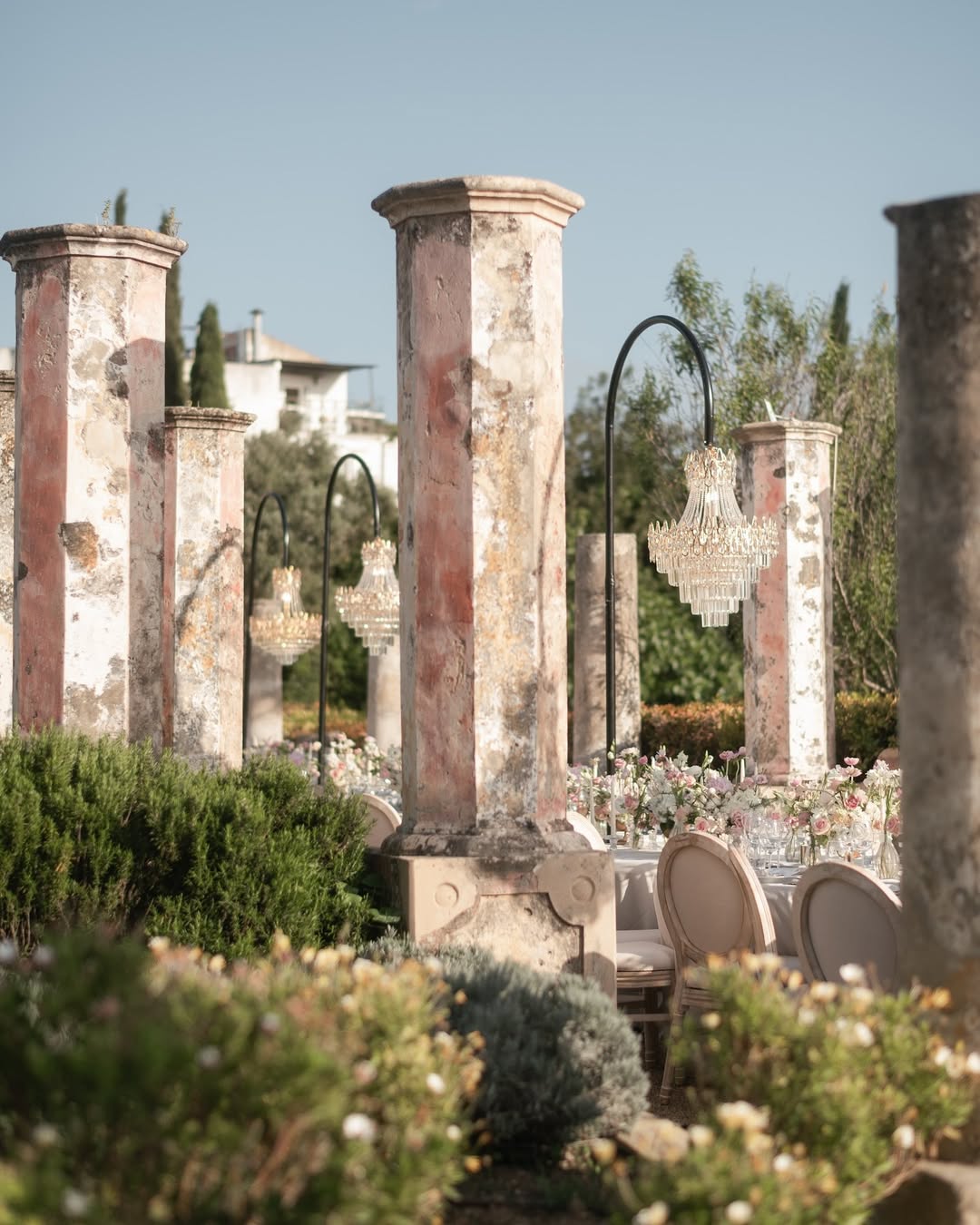
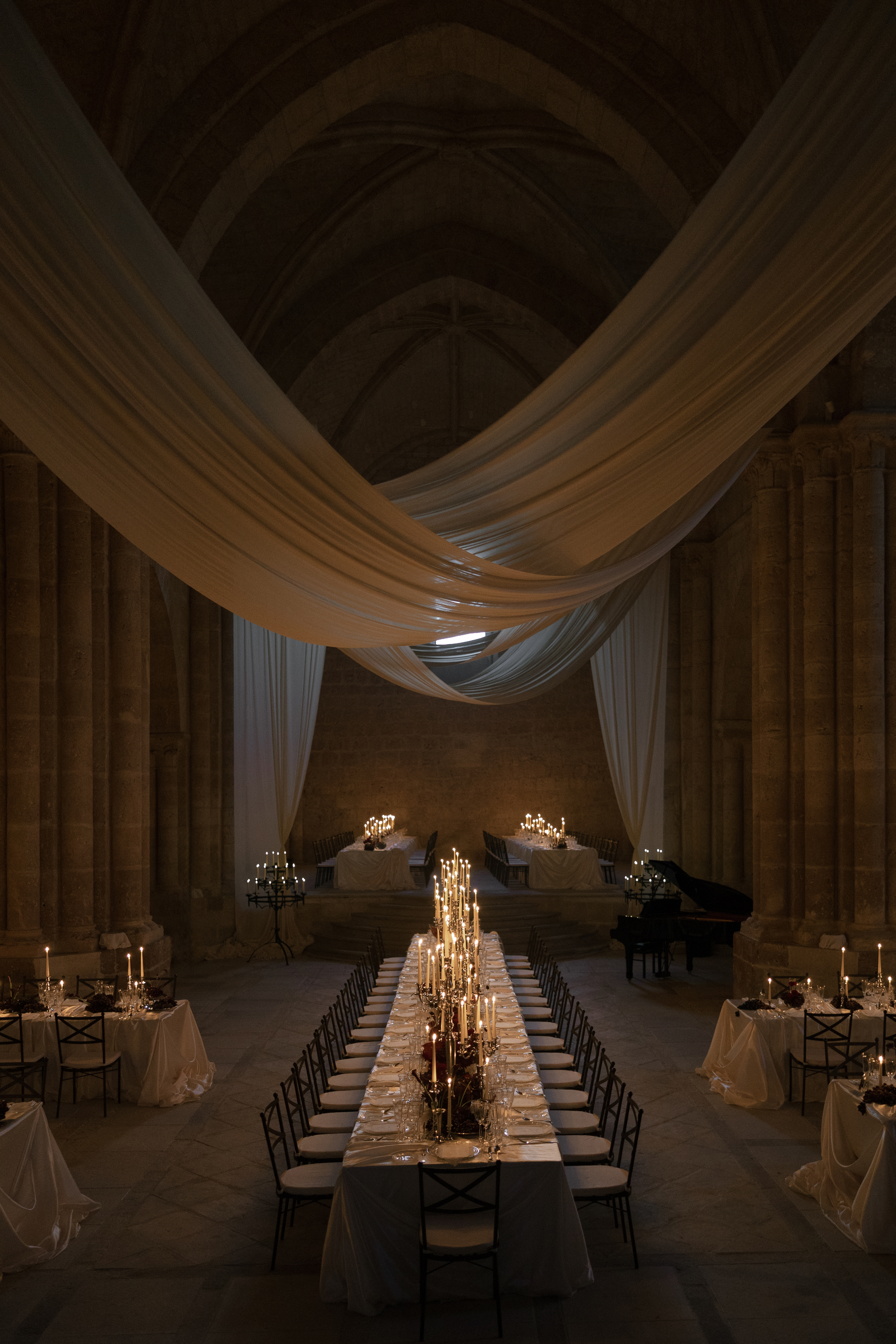
The most successful weddings in the Algarve work with the location's inherent character rather than against it. Coastal minimalism achieves this particularly well with clean white or neutral tones; simple, elegant florals rather than lush, abundant arrangements; natural materials such as linen, driftwood, and weathered stone; and a 'less is more' philosophy that trusts the landscape to provide visual drama. This aesthetic is particularly suited to cliffside venues, where excessive decoration would compete with rather than complement an already extraordinary backdrop. Mediterranean elegance offers a warmer alternative, with terracotta tones, olive branches, citrus accents, bronze and copper metalwork, and romantic candlelight that comes alive after sunset. Colour palettes that echo the landscape itself — sage greens, sandy neutrals, deep sea blues, and sun-bleached whites — create a cohesion between the decorations and the setting that feels intuitive rather than contrived. For candlelit receptions overlooking the sea, budget generously — you need hundreds of candles in hurricane lamps, lanterns, and pillars to achieve the desired effect. When this is achieved, it creates the kind of atmospheric magic that guests will talk about for years afterwards, trying to explain what made that particular night feel different from every other wedding they have attended.
Catering and Portuguese Culinary Experience
One of the great advantages of a destination wedding in the Algarve is the opportunity to introduce guests to the region's celebrated culinary culture — and Portuguese cuisine, particularly along the Algarve coast, is certainly worthy of the spotlight. The Atlantic provides the region with exceptional seafood, making fish-forward menus a natural choice rather than a passing trend. Traditional preparation methods here are simple, confident, and full of flavour.
Traditional Portuguese elements worth incorporating:
- Fresh grilled fish — sea bass, sea bream, and sardines (depending on season) prepared with olive oil, garlic, and minimal intervention
- Cataplana — Portugal's iconic seafood stew cooked in a copper vessel, dramatic to serve and deeply aromatic
- Arroz de marisco — the Portuguese answer to paella, a rich seafood rice ideal for communal dining
- Octopus — prepared various ways, from tender grilled to slow-braised with olive oil and paprika
- Local oysters and clams — perfect as cocktail hour bites, ideally paired with Vinho Verde
- Pastéis de nata — served fresh and warm as late-night bites or as a full dessert table replacing a traditional tiered cake; guests unfamiliar with these custard tarts are reliably delighted
In terms of wine, Portuguese bottles offer exceptional value compared to French or Italian equivalents. For example, Vinho Verde is perfect for welcome receptions, while Douro reds pair well with dinner, and vintage Port is ideal for the dessert course, creating a cohesive beverage experience rooted in the region. For welcome dinners the evening before the wedding in the Algarve region of Portugal, a traditional Portuguese restaurant offering an informal experience of local cuisine is the perfect setting for the start of the weekend. The main challenge with catering in the Algarve is ensuring authenticity — working with caterers who cook in a traditional way, sourcing ingredients locally, and sticking to classic recipes rather than trying to be creative typically delivers far better results.

Common Mistakes Couples Make When Planning a Wedding in the Algarve
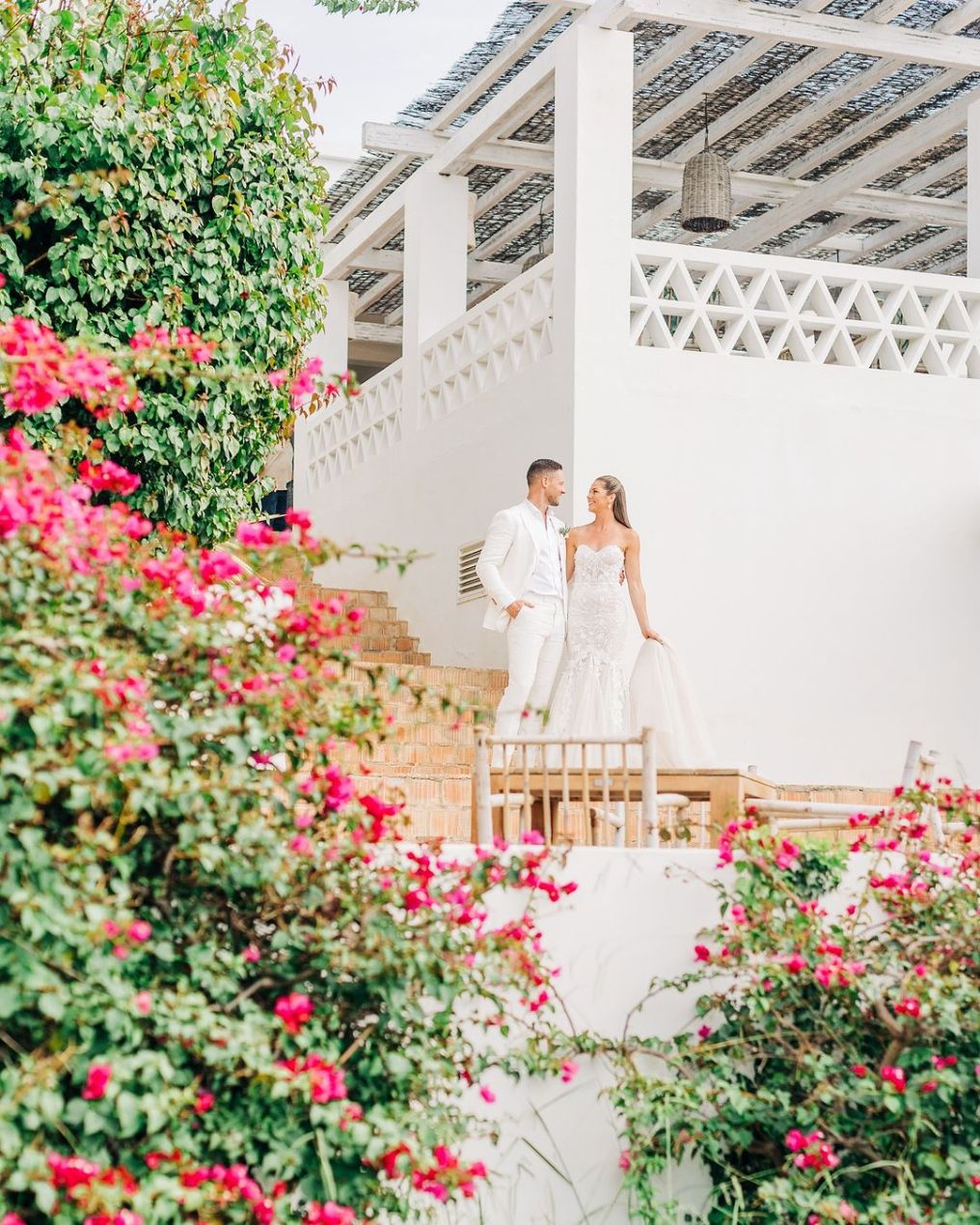
- Underestimating the wind. Properties in exposed coastal areas experience consistent breezes that can topple decorations, extinguish candles, and cause chaos during ceremonies. If possible, visit your venue on a windy day, ask vendors about typical conditions for your season, and plan accordingly with weighted items, hurricane candle glasses, secured printed materials, and hairstyles that work with movement rather than against it.
- Booking the venue too late. The best venues are booked 12–18 months in advance for peak season dates. If you have your heart set on a specific venue and your date is flexible, booking early is essential. Couples who start planning six months ahead often find that their first and second choices are already unavailable.
- Failing to address guest transportation is another common mistake. Without organised transfers, guests are left stranded at hotels and have to navigate unfamiliar roads in a language they don't speak. Shuttle buses for larger groups and private cars for smaller ones are not optional extras — they are essential. Budget for them from the start.
- Poor timing of the ceremony relative to the sun can also be an issue. Getting this wrong means guests will be squinting into the sun for 30 minutes, or that harsh overhead light will create unflattering shadows in every photograph. Work with your photographer and planner to determine the best time of day for your ceremony based on the sun's position, the desired quality of light, and guest comfort.
- Insufficient weather contingency planning. If a backup plan isn't properly planned, it's not actually a backup plan. Every outdoor celebration needs a real contingency, whether that's a standby tent, an attractive indoor alternative, or a decision tree for who calls whom and when. The backup plan might never be used, but the chaos of not having one certainly will be.
- Import duties on items from outside the EU are often forgotten. Portugal is in the EU, so goods from other EU countries can move freely. However, anything shipped from the UK, USA, or elsewhere may incur customs duties and VAT. Clarify this with vendors and factor it into your budget early on, rather than discovering unexpected charges weeks before the wedding.
The Algarve offers destination wedding couples what they hope for but don't always find: genuine beauty that requires minimal enhancement, reliable weather that makes outdoor celebrations feasible, and sophisticated infrastructure that handles logistics smoothly without erasing the region's authentic character. The golden-hour light on the Atlantic, the scale of the limestone cliffs above the ocean, the warmth of Portuguese hospitality, the taste of freshly caught fish with local wine, and the evening breeze carrying the scent of the sea combine to create an experience that transcends the typical wedding celebration and becomes the kind of memory that guests reference years later. The coast itself provides romance. Your job is to build the infrastructure that allows this to happen without the logistics overwhelming the beauty.