13 Best Castles in France to Actually Get Married In


- Château de Chantilly
- Château de Vaux-le-Vicomte
- Château de la Napoule
- Château de Versailles
- Château de Tourreau
- Château de Beauregard
- Château de la Bourdaisière
- Château de Robernier
- Château du Grand-Lucé
- Château Martinay
- Château de Ferrières
- Château de Champlâtreux
- Château Bouffémont
- How to Know If a Castle Is Your Type of Wedding Venue
- FAQ
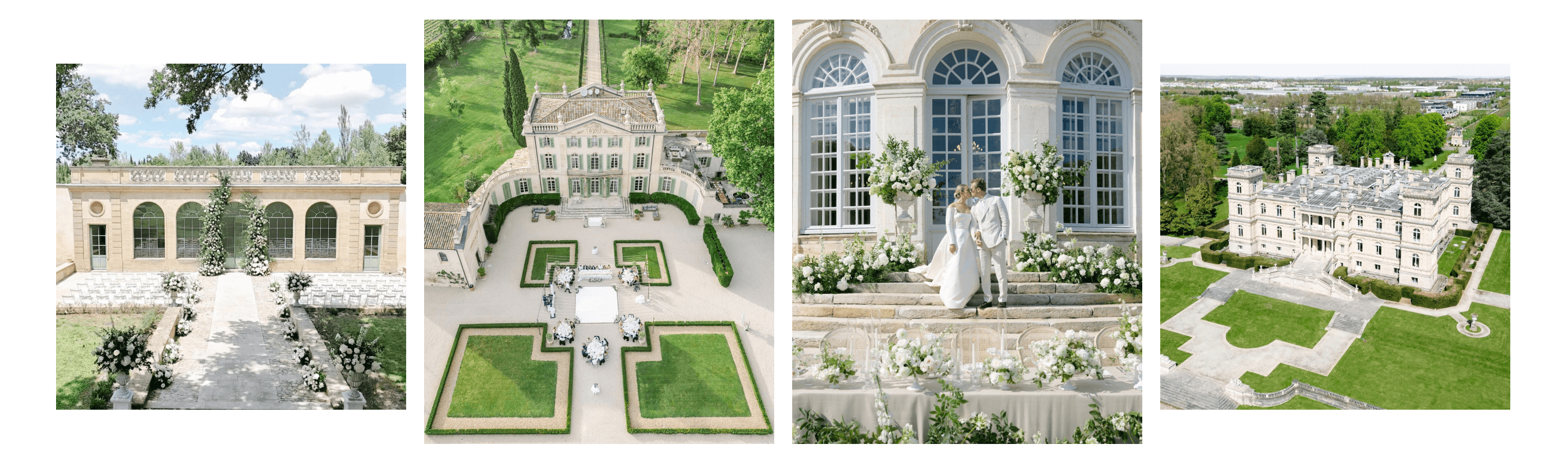
France is not short of castles; in fact, it has an almost excessive abundance of them, including royal palaces, restored fortresses on the Riviera, and country houses which are still occupied by the families who built them centuries ago. A French chateau wedding can take the form of an intimate weekend at a Provençal vineyard estate, or it can be a celebration costing seven figures held within the very seat of the French monarchy, and the thirteen properties listed below include nearly the whole range of such weddings.
Find Your Perfect Wedding Vendors


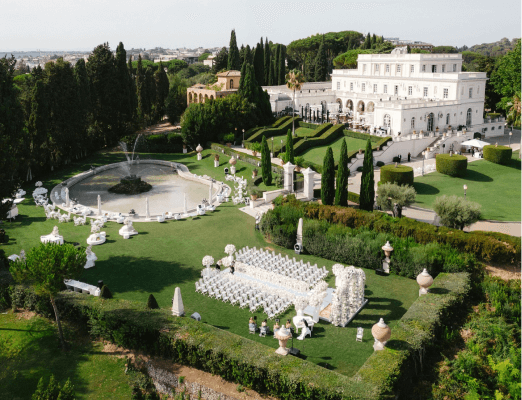
Château de Chantilly
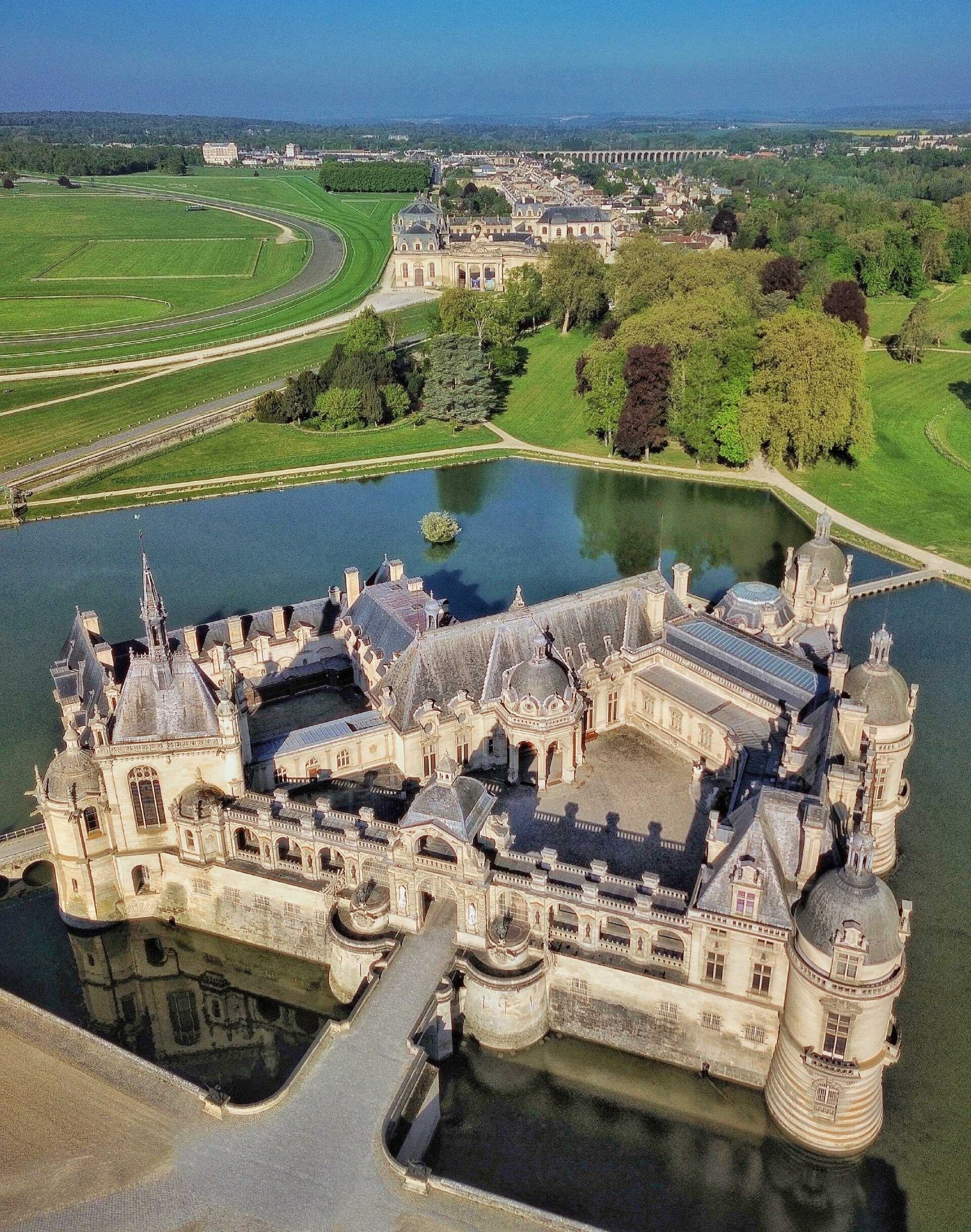
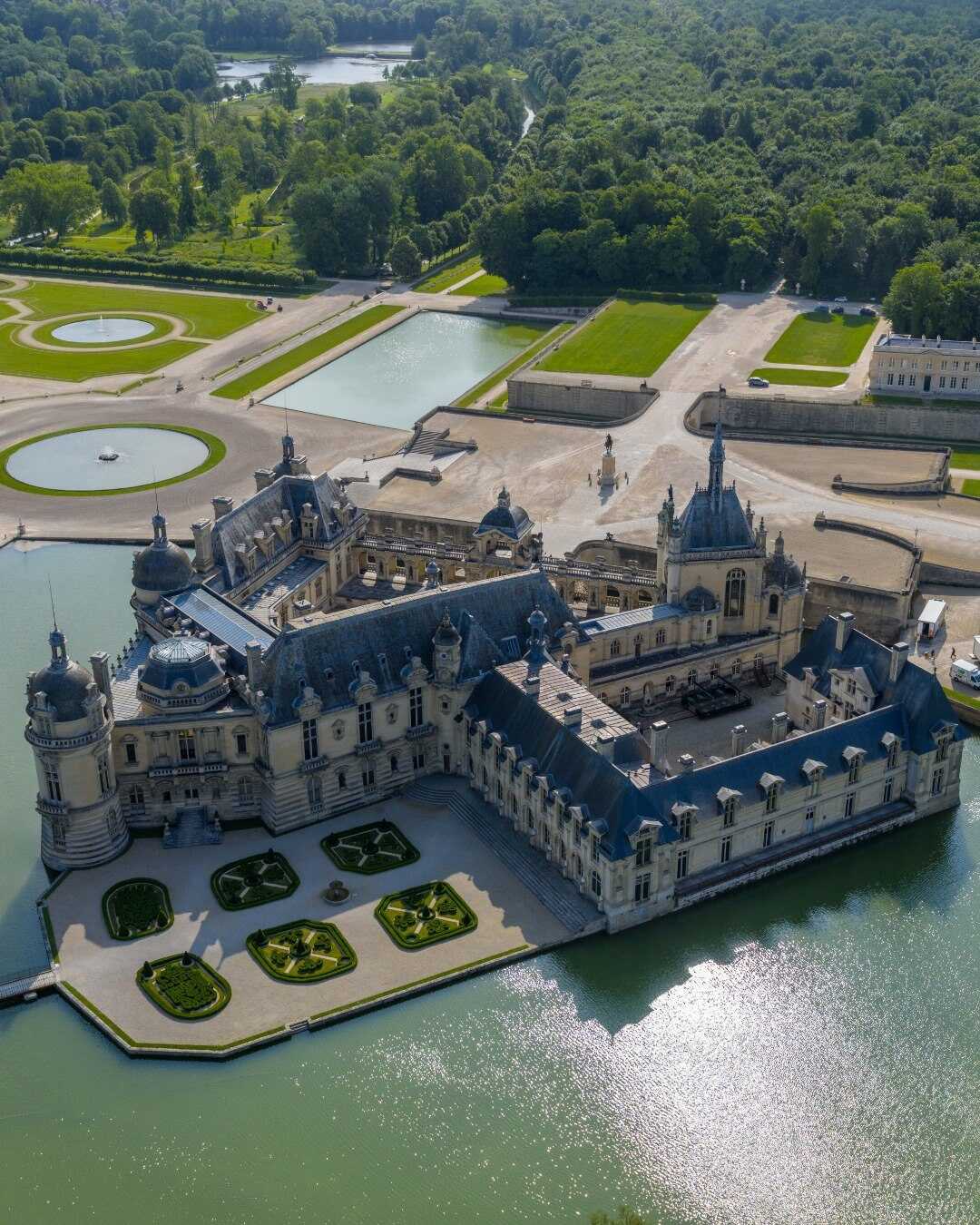
The Château de Chantilly has the second-largest collection of antique paintings in France, after that of the Louvre, tucked inside a 19th-century reconstruction only forty minutes north of Paris. The property features a French classical garden, accessible via a romantic bridge, as well as an English-style area known as the Island of Love, giving couples two distinct settings for their ceremony on the same grounds.
Most weddings here are held for about 80 to 100 guests, a figure the estate's own staff regard as nearly ideal because it lets the galleries and salons be fully utilized without the event feeling overwhelmed by the building's size. While the rental cost for the château itself begins at nearly $49,000, many couples on a tighter budget prefer to choose Maison de Sylvie, a 17th-century pavilion on the same site that can accommodate between 60 and 150 guests at a considerably lower price. As a result, it has become one of the more flexible chateau wedding venues in France - the Chantilly name and location are available without the high price associated with the main château.
Château de Vaux-le-Vicomte
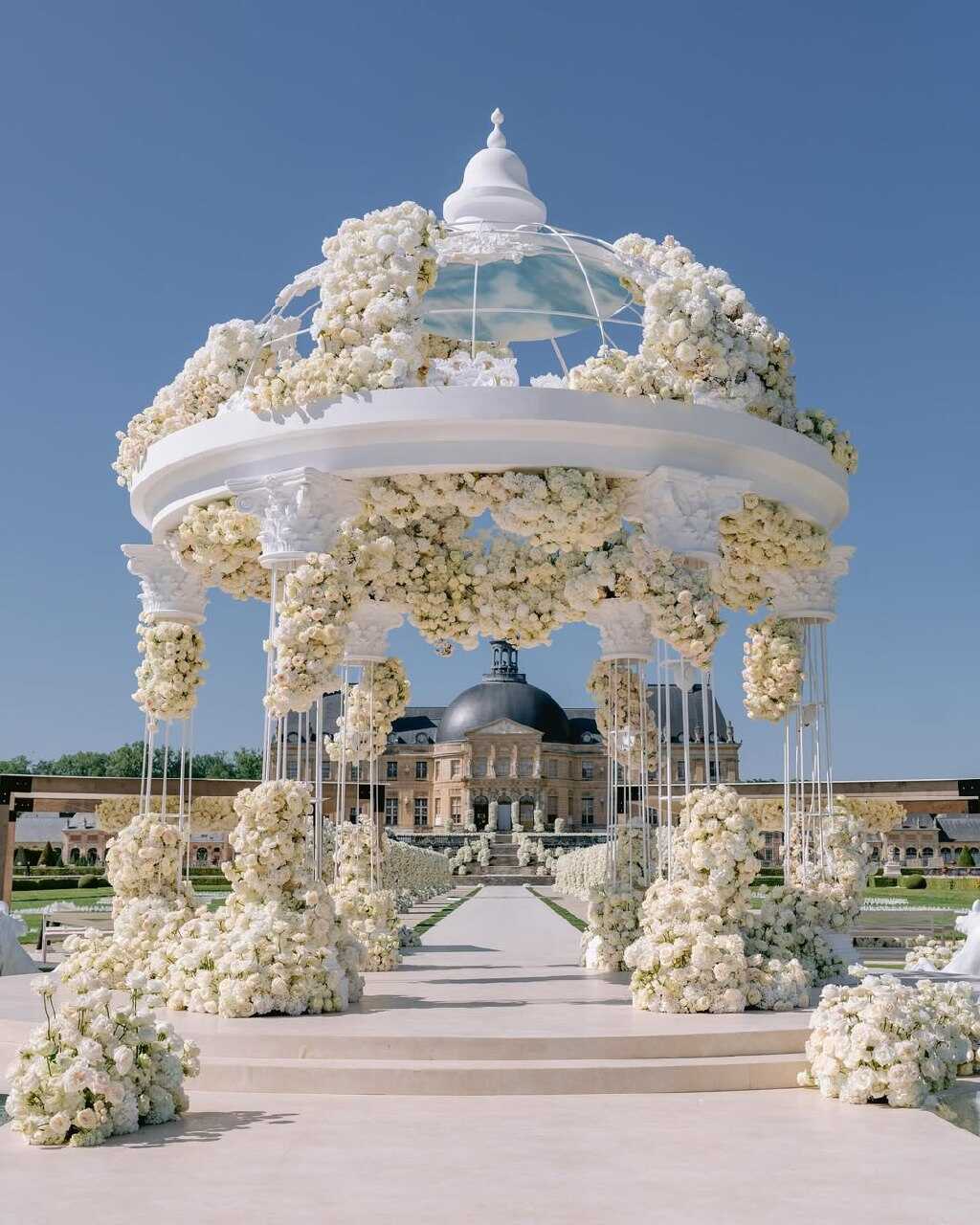
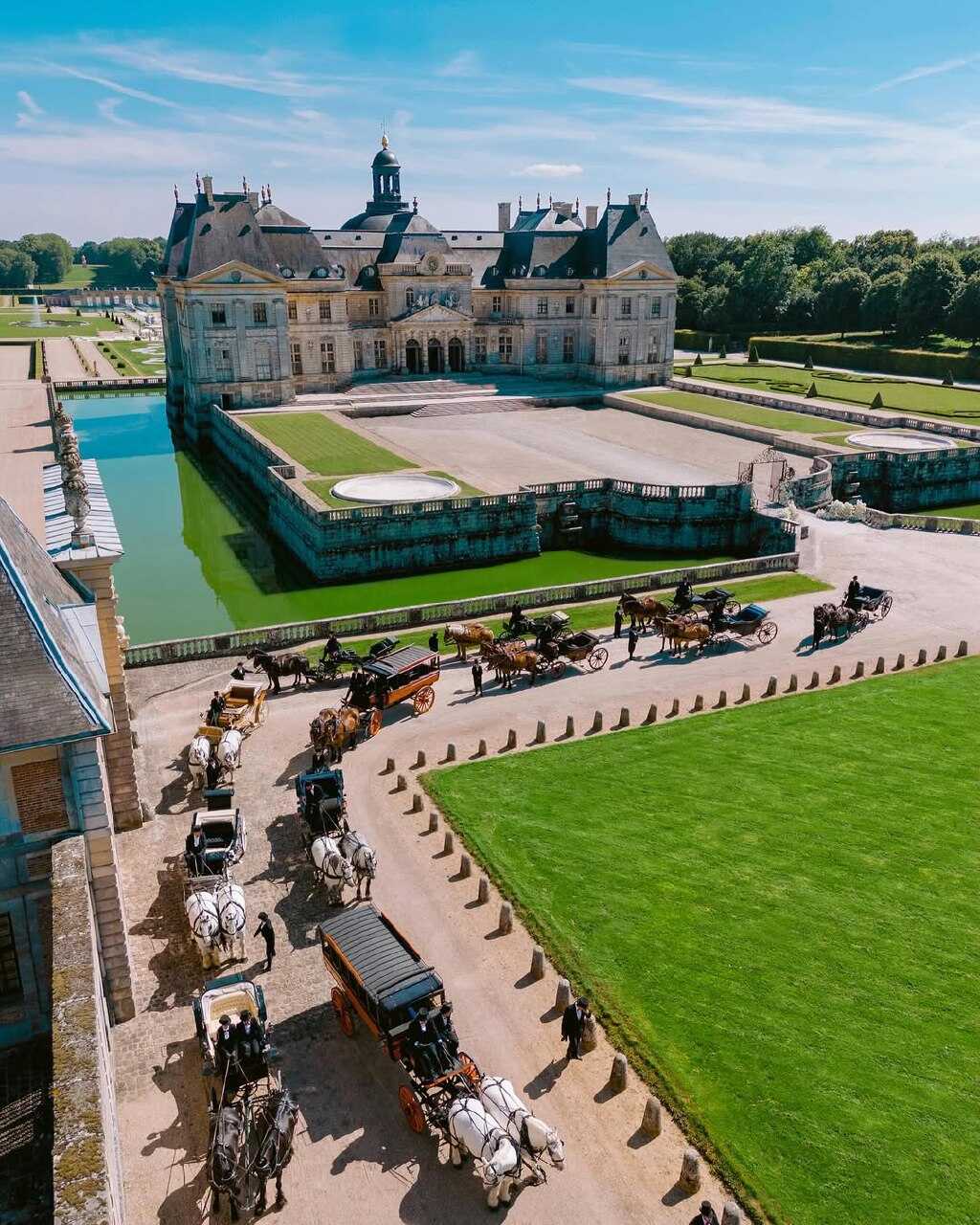
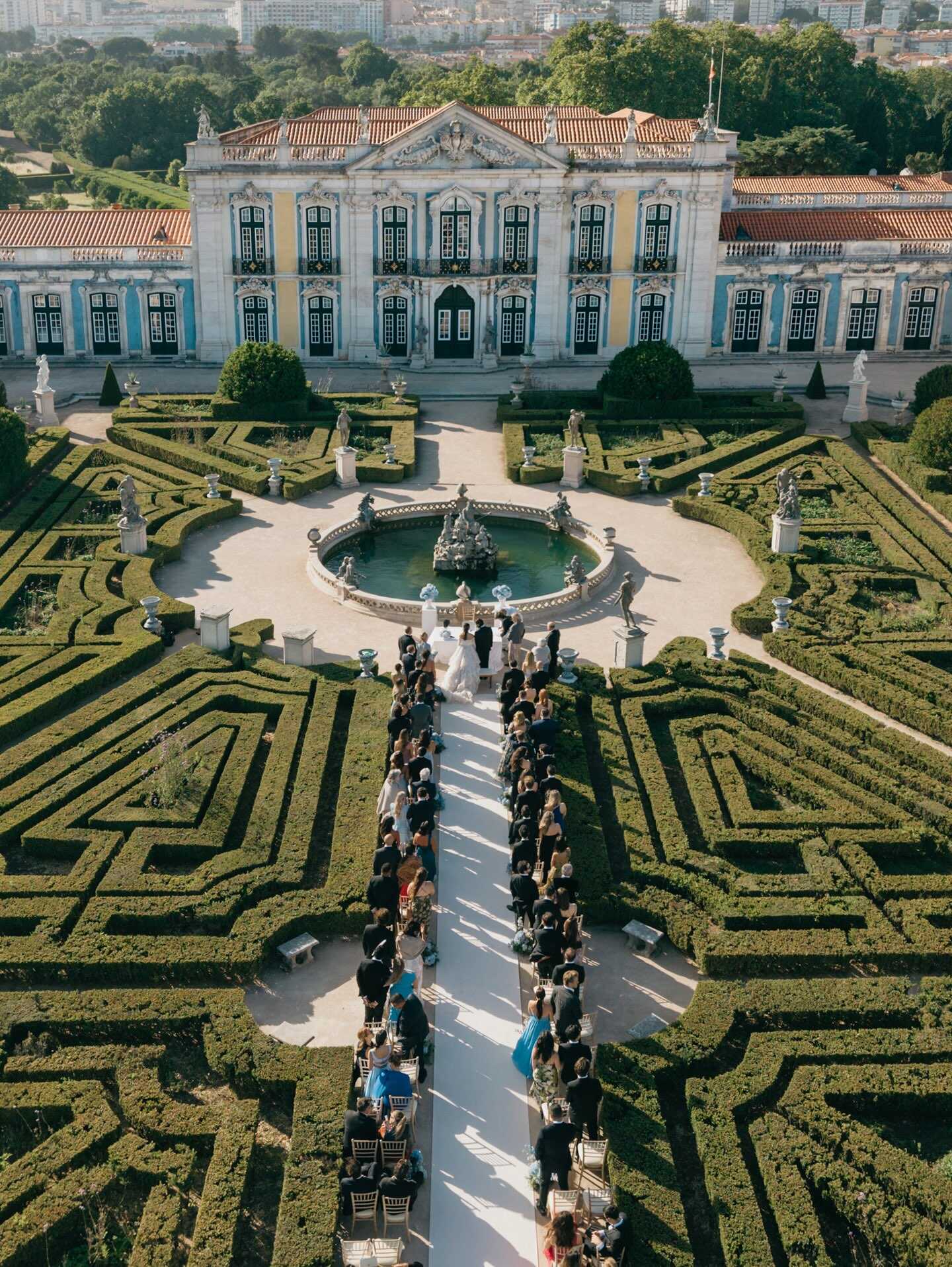
The origin story of Château de Vaux-le-Vicomte is one of the more dramatic of any wedding venue in France. Nicolas Fouquet, who was Louis XIV's finance minister, constructed it so extravagantly that the king had him arrested out of jealousy shortly after having seen it, and then asked the same architect, garden designer, and painter to build an even more magnificent palace at Versailles.
- Formal gardens designed by André Le Nôtre, the same landscape architect behind the gardens of Versailles itself
- A private helipad, letting couples arrive by helicopter for a suitably dramatic entrance
- Indoor capacity up to roughly 250 guests in the Grand Salon, with the option to close the château to the public entirely for larger events
On its own, that history ranks Vaux-le-Vicomte very highly among the best castles in France, since it is the château that directly led to the construction of the country's most famous one. A number of couples make use of that heritage by adopting the same formal garden views which, it is said, first left Louis XIV speechless.
Château de la Napoule
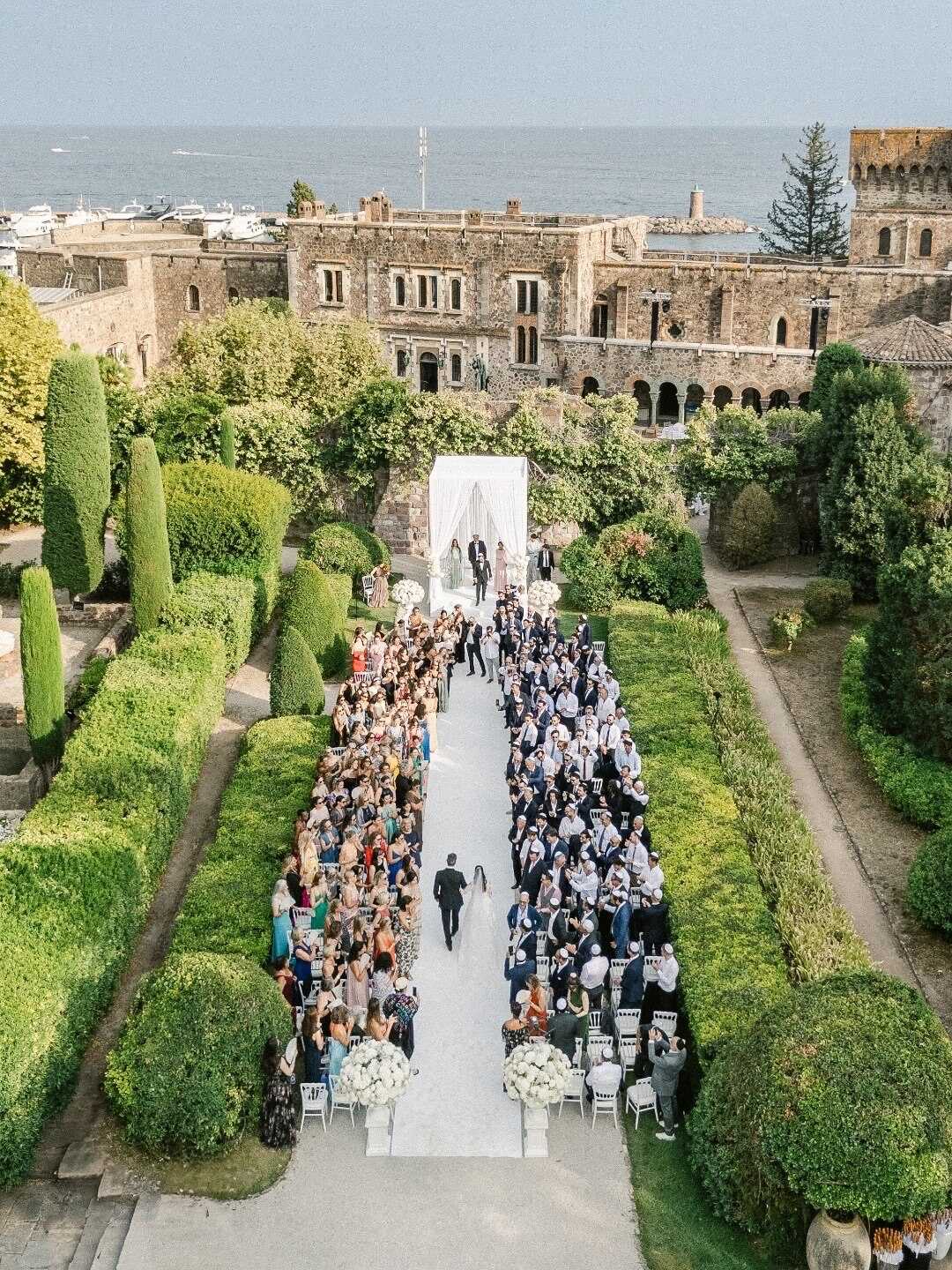
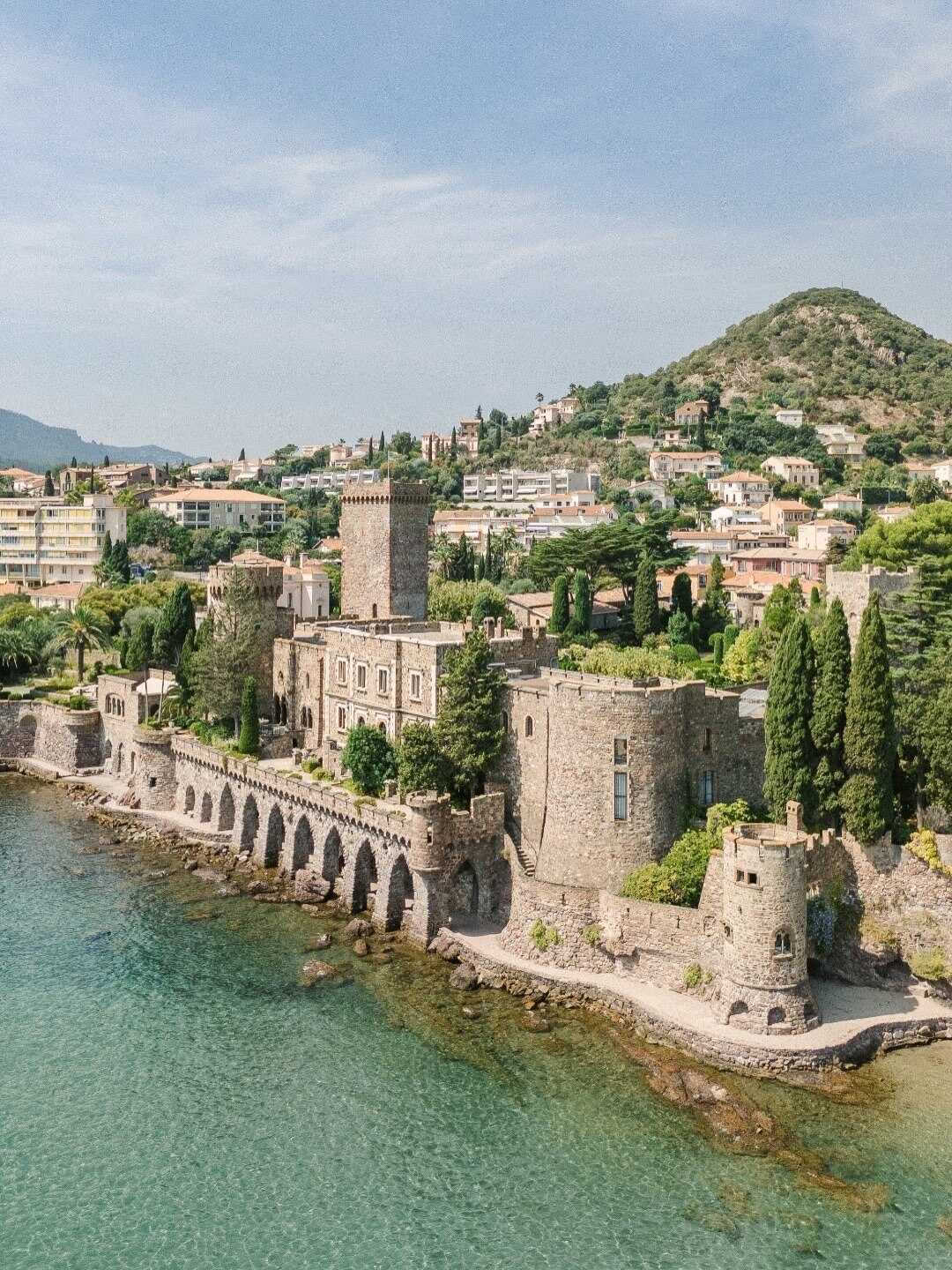
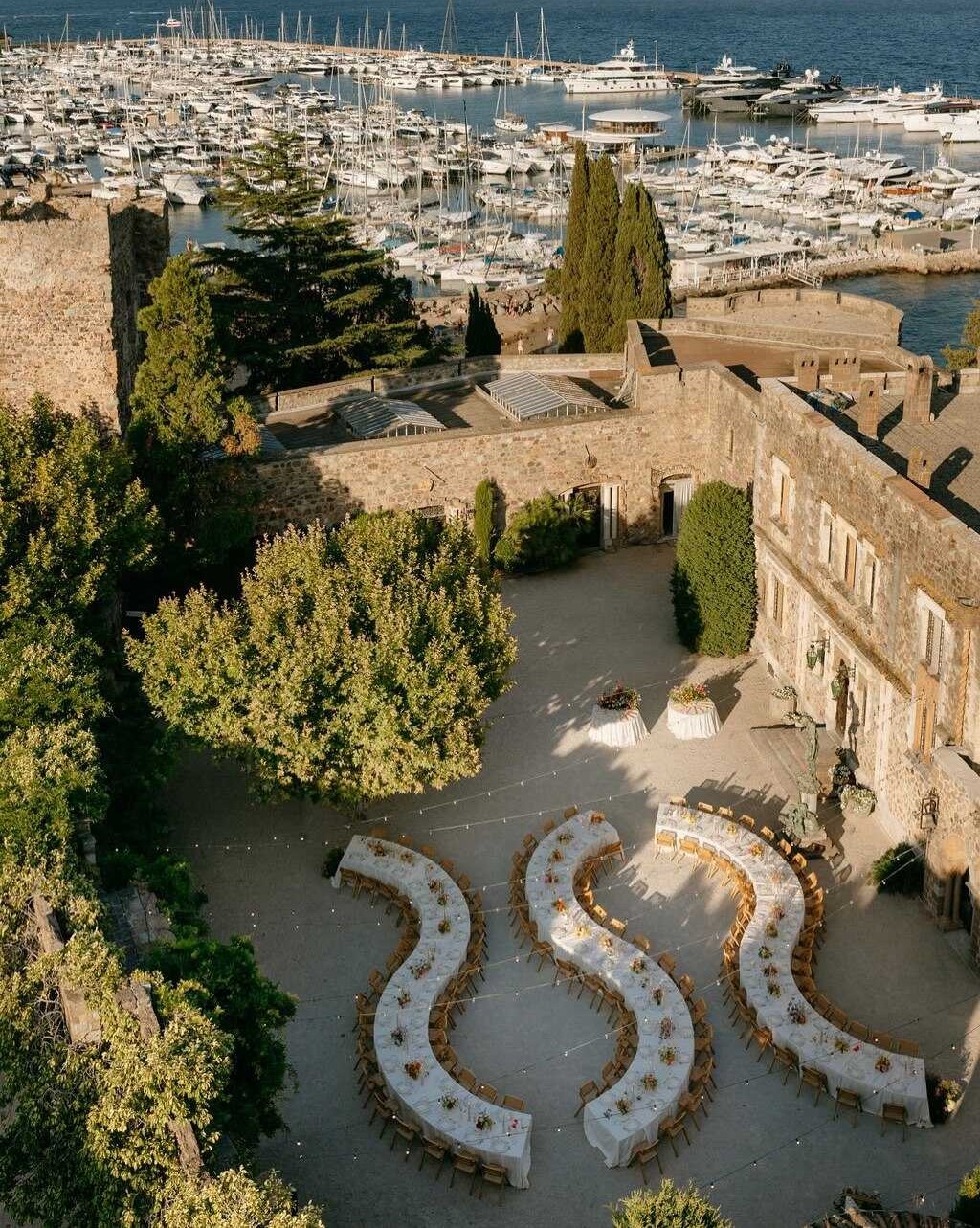
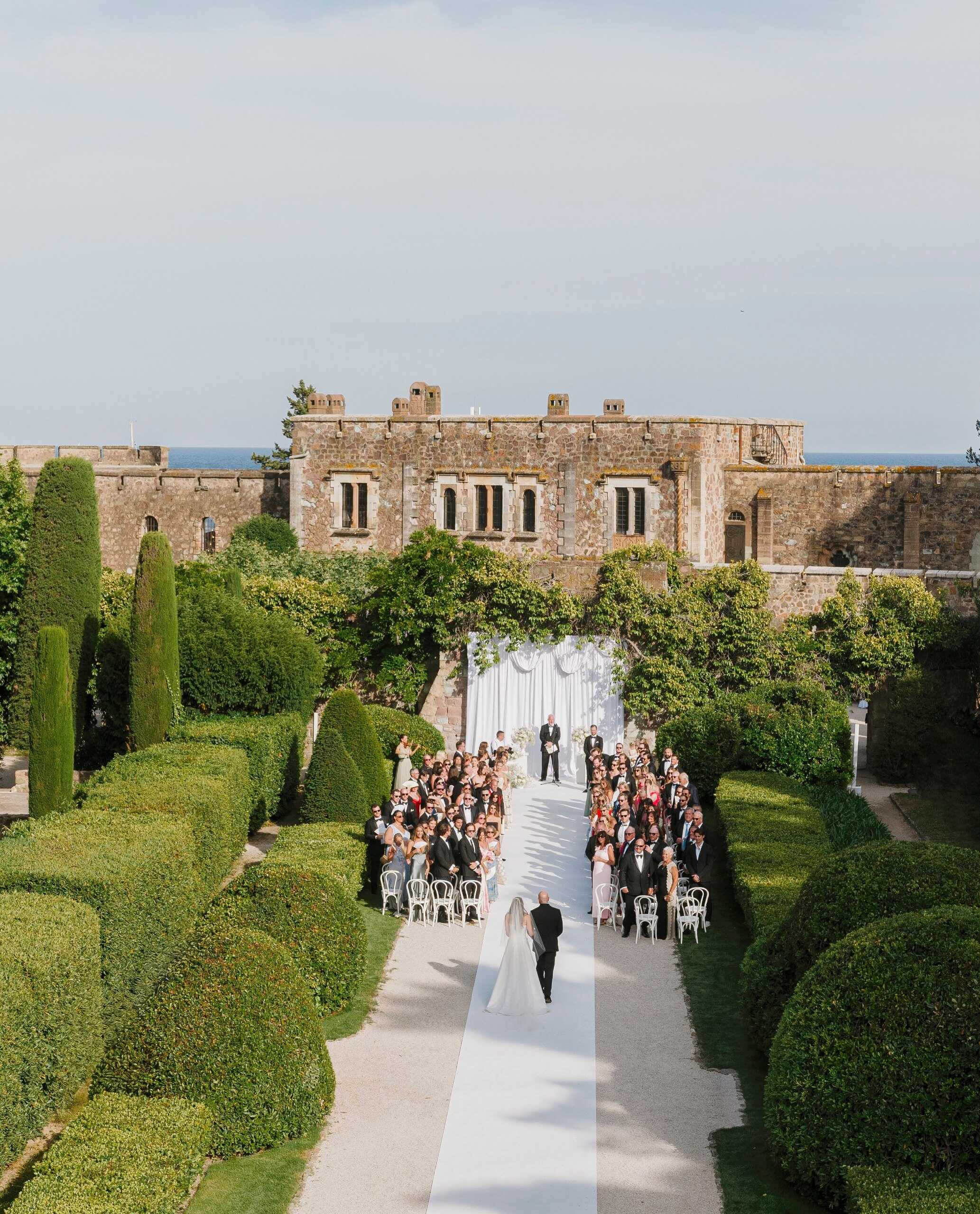
Two American artists shaped Château de la Napoule's current form. Henry and Marie Clews fell in love with the ruins of a medieval fortress on the French Riviera in 1918. They spent the next twenty years rebuilding it into a neo-medieval seaside retreat, filling it with Henry’s sculptures along the way.
The property now functions as an art foundation, the money from wedding rentals supporting its continuous cultural activities, and it is located right on the Mediterranean coast in Mandelieu-la-Napoule, which is a short drive from Cannes. The capacity depends greatly on the room: the Gothic Dining Room can accommodate about 90 to 100 people for a formal dinner, whereas the outdoor Cour d’Honneur can be expanded to hold several hundred guests when a marquee is used for cocktail-style events.
When it comes to château wedding venues on the French coast, La Napoule is different because it is situated by the sea rather than inland - it has Mediterranean views, its foundations date back to the Roman era, and its towers were built mainly for defensive purposes rather than for decoration, unlike the fairy-tale silhouettes found in the Loire Valley.
Château de Versailles
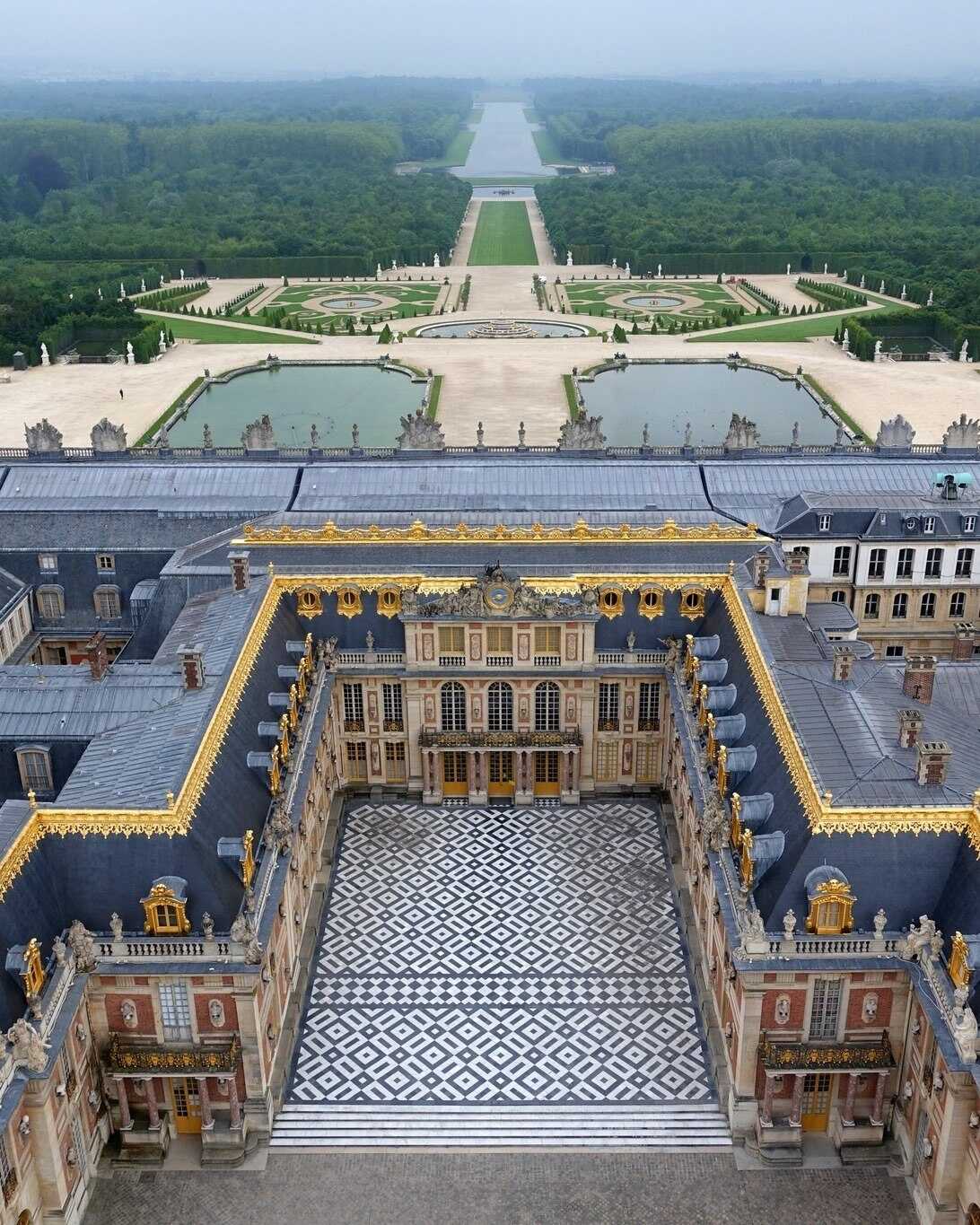
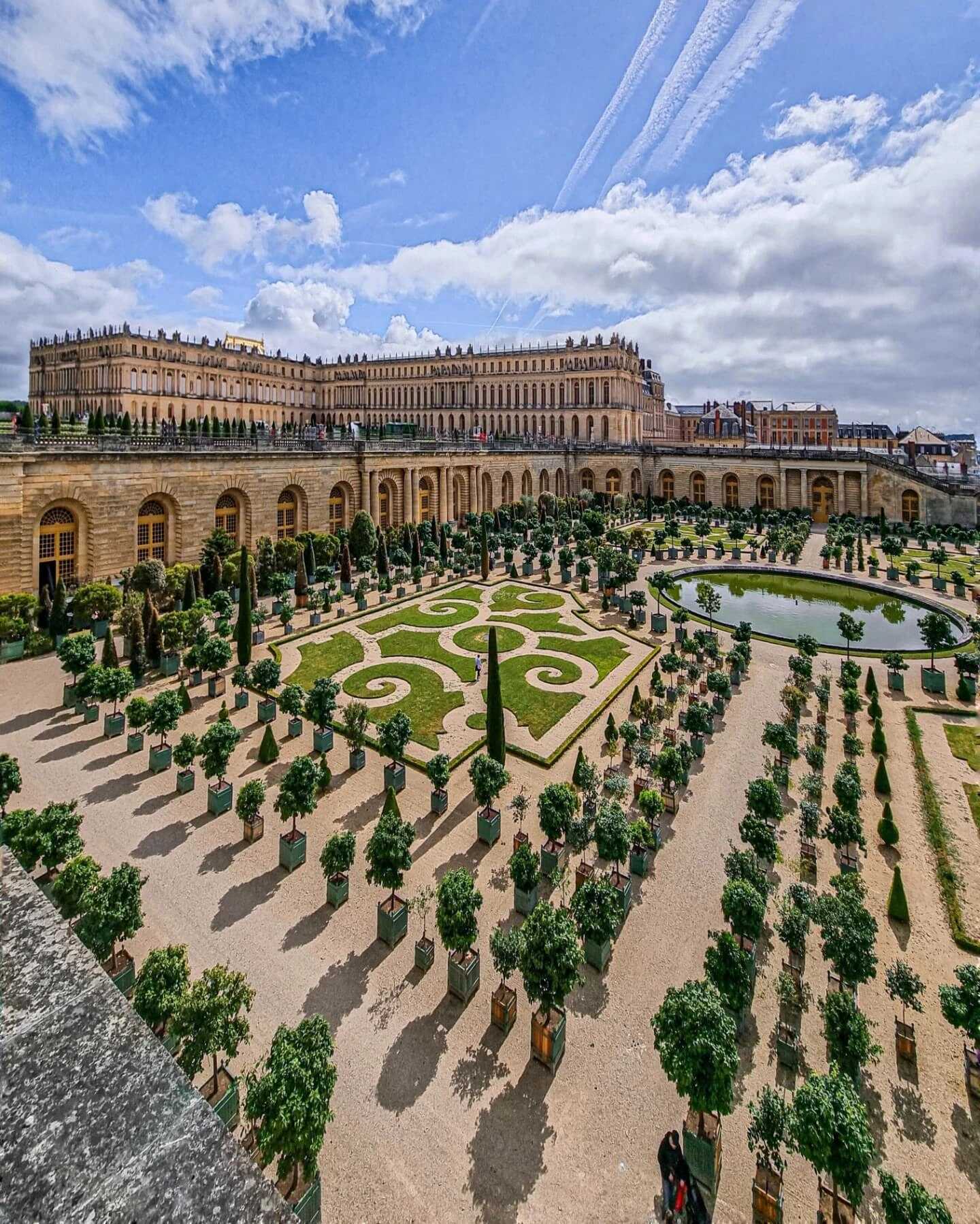
No castle on this list has a greater cultural significance than Château de Versailles itself, which was the former home of the French monarchy and is one of the most well-known buildings in the world. In fact, getting married within the Palace of Versailles does require approval from the board and a substantial budget - figures frequently quoted range from nearly $970,000-$1.3 million when the necessary conservation donation and event organisation are taken into account.
Most couples who want the Versailles name but don't want to pay the high price instead book the Trianon Palace, a Waldorf Astoria property situated just outside the palace grounds in the same parkland once redesigned for Marie Antoinette.
| Option | What It Offers | Realistic For |
|---|---|---|
| The Palace itself | Hall of Mirrors-adjacent salons, up to 1,000+ in the Orangerie | Couples with a seven-figure budget and board approval |
| Trianon Palace hotel | Ballroom, 19 smaller salons, on-site accommodation | Couples who want proximity to Versailles without palace-level cost |
The Trianon Palace route lets most couples marry in a château with royal history without having to obtain approval from the palace's own seven-figure board. Nevertheless, guests still end up with photographs taken right next to the Hall of Mirrors at a much lower cost than at the main château.
Château de Tourreau
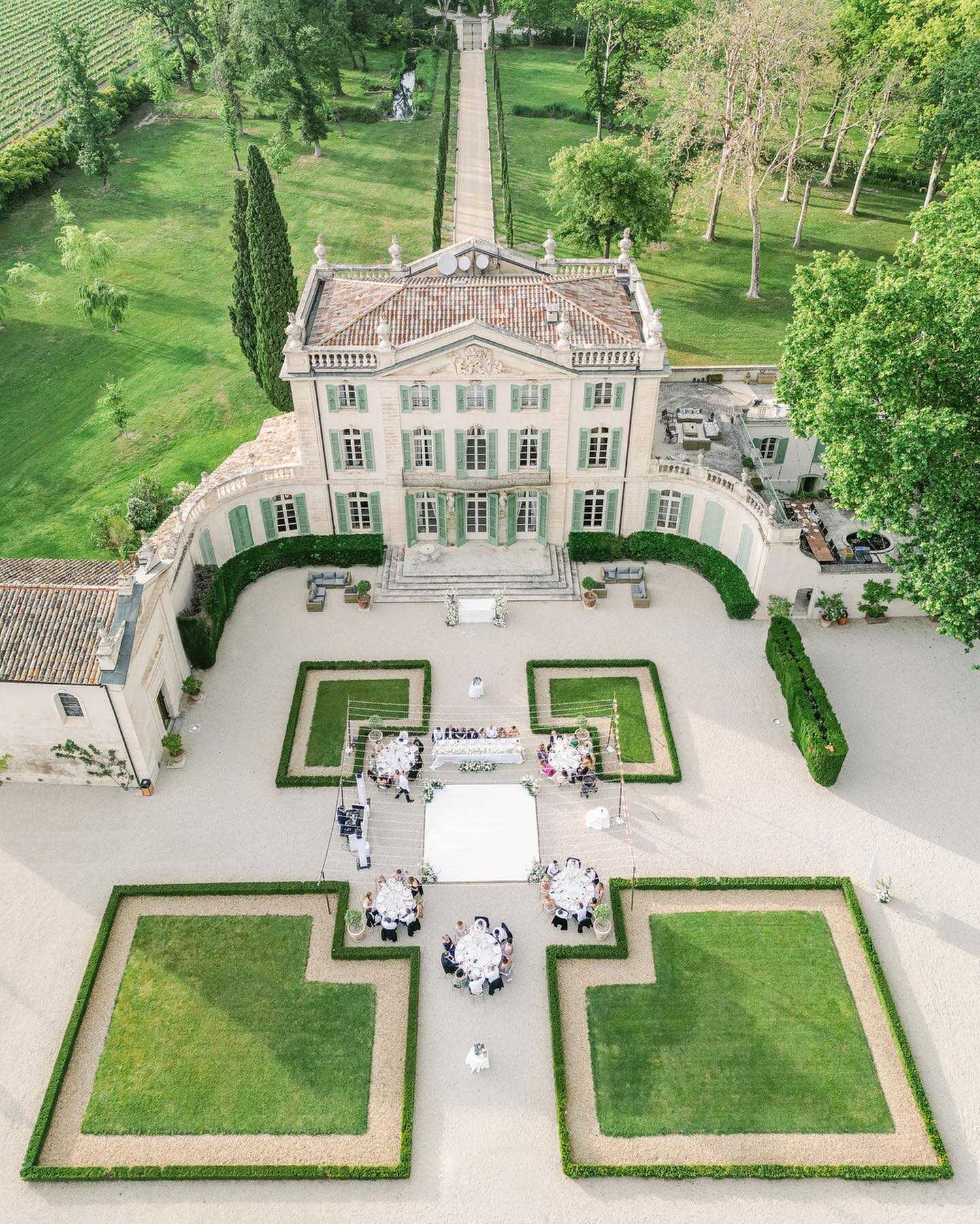
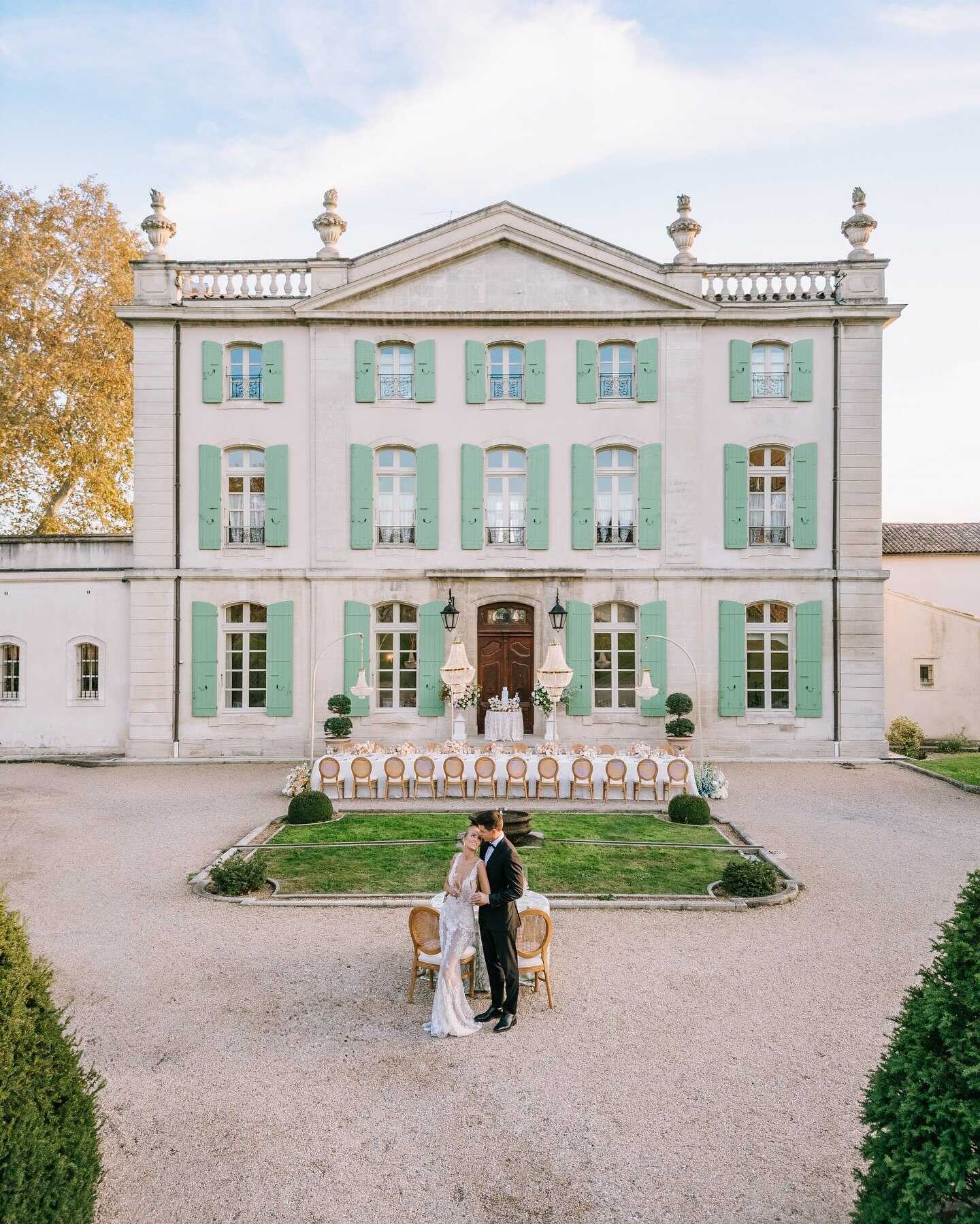
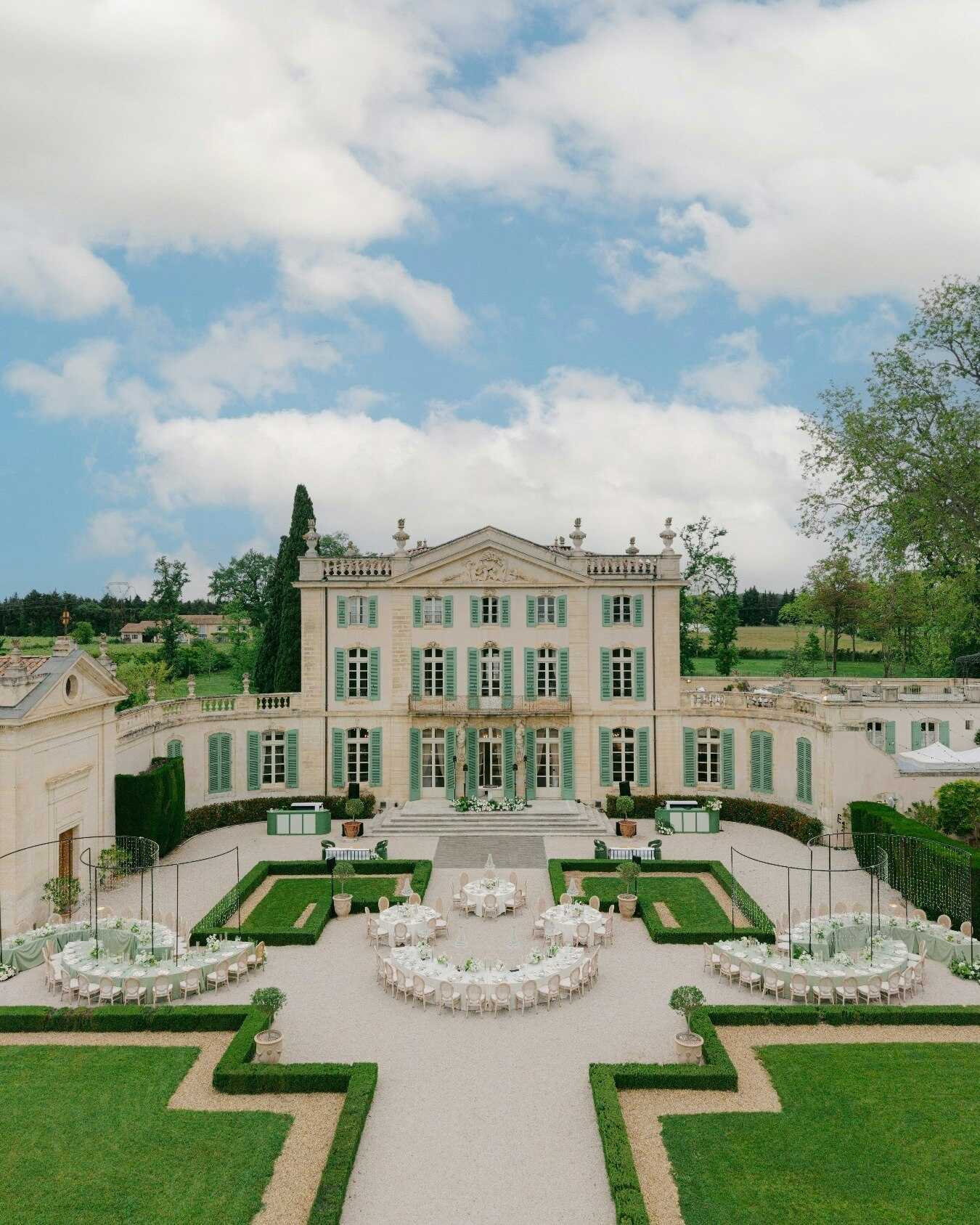
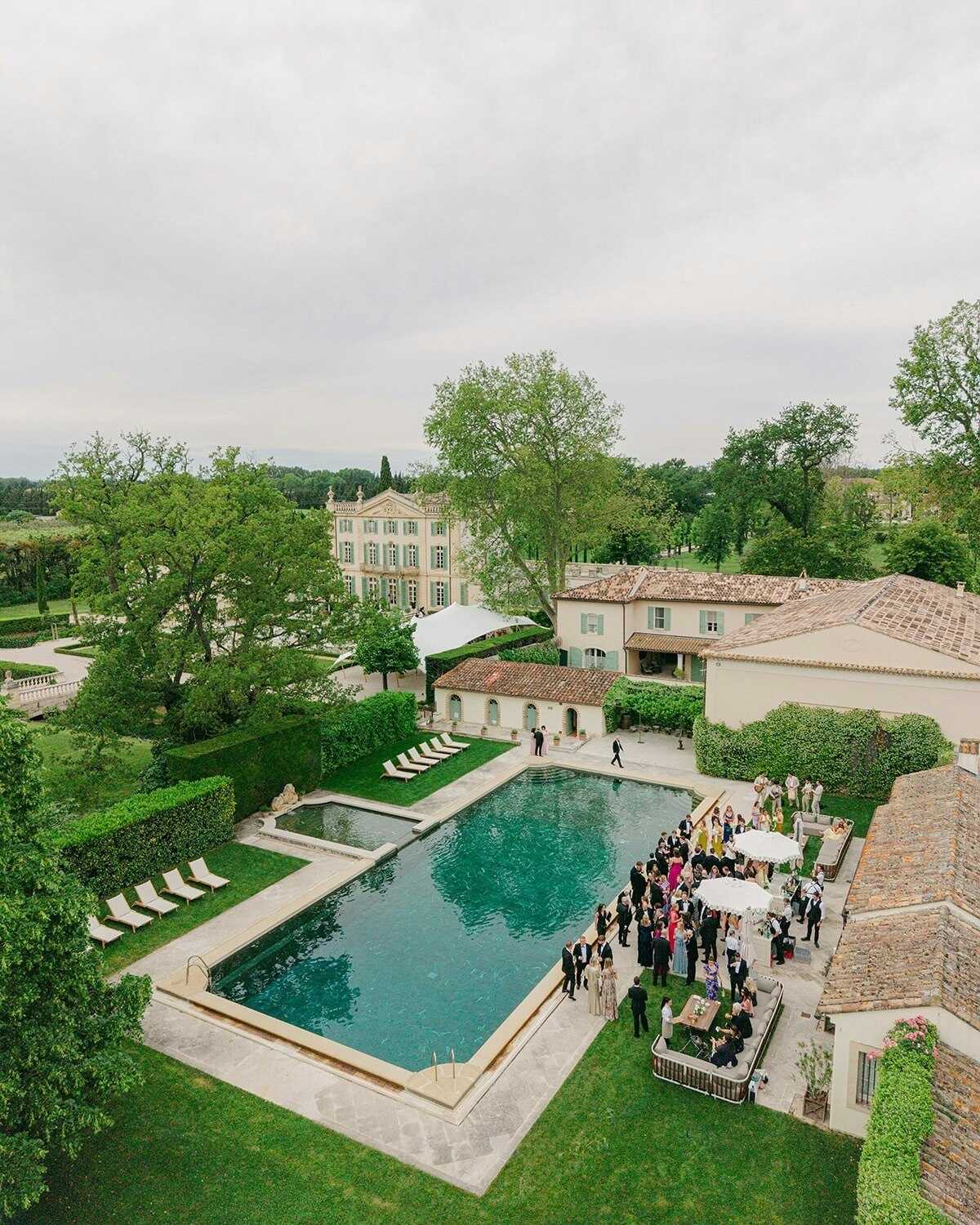
The Château de Tourreau was the site of a highly notable wedding: Sophie Turner and Joe Jonas chose the estate for their 2019 celebration for its location in the heart of Provence, surrounded by vineyards and a row of ancient plane trees. Within an eight-hectare park are the château, a consecrated chapel, an infinity pool, and its own working vegetable garden.
Exclusive privatization covers the entire estate, with capacity up to roughly 150 to 160 guests and on-site accommodation for close to 30 people across the main château and an adjoining barn. It comes up constantly in searches for a wedding south of France chateau for exactly that reason - multi-day celebrations here are the default, not an add-on request.
Château de Beauregard
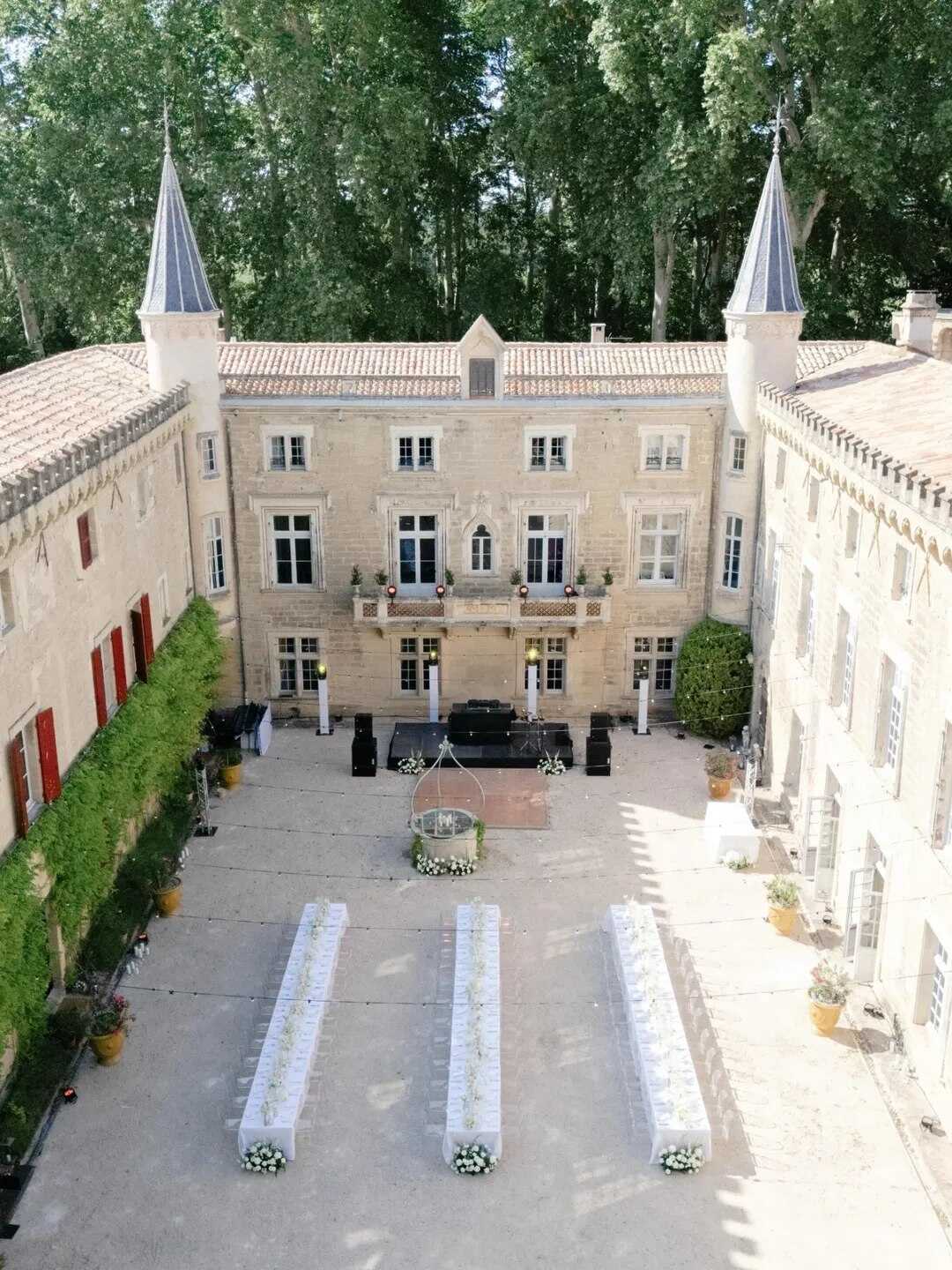
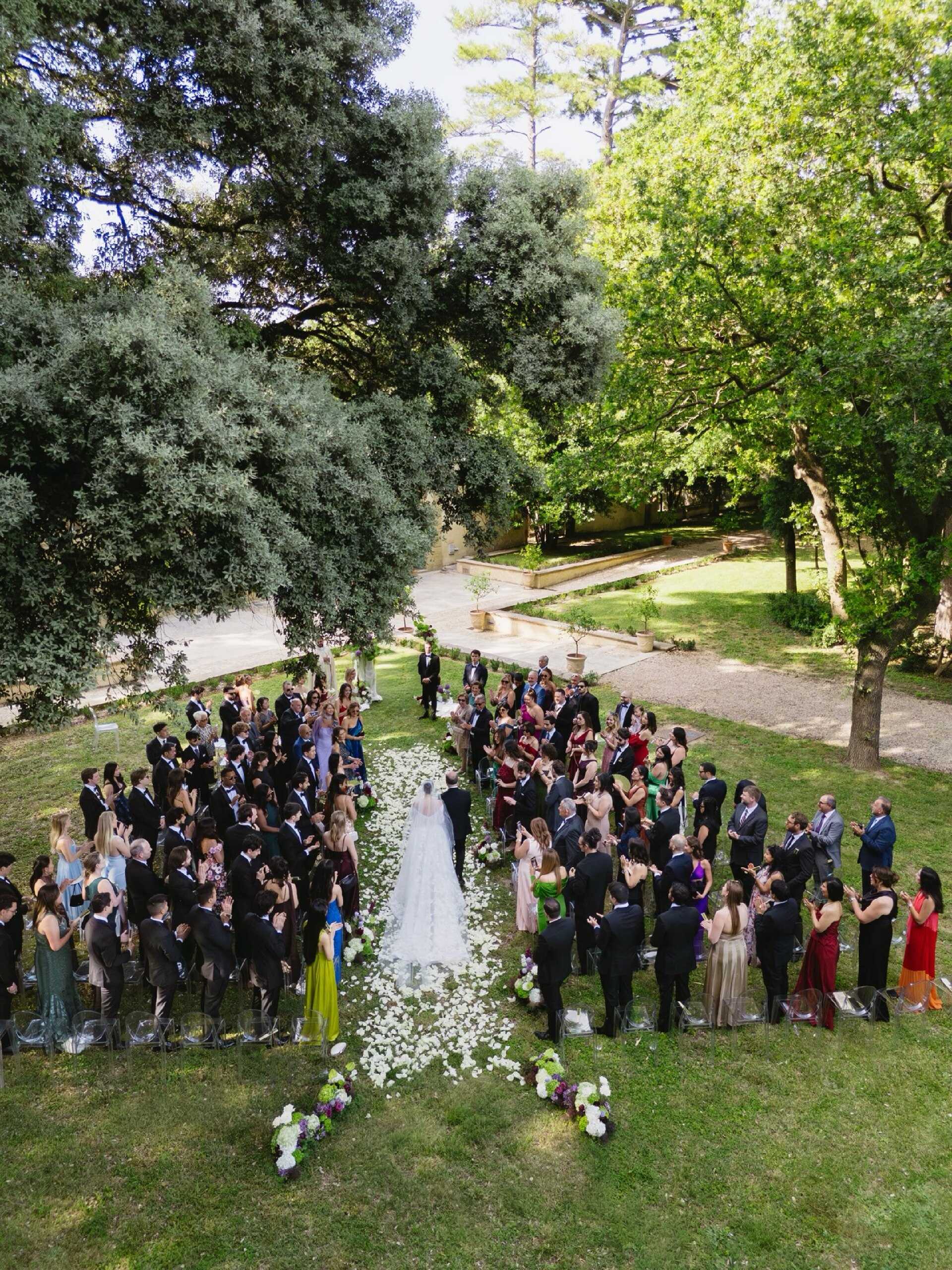
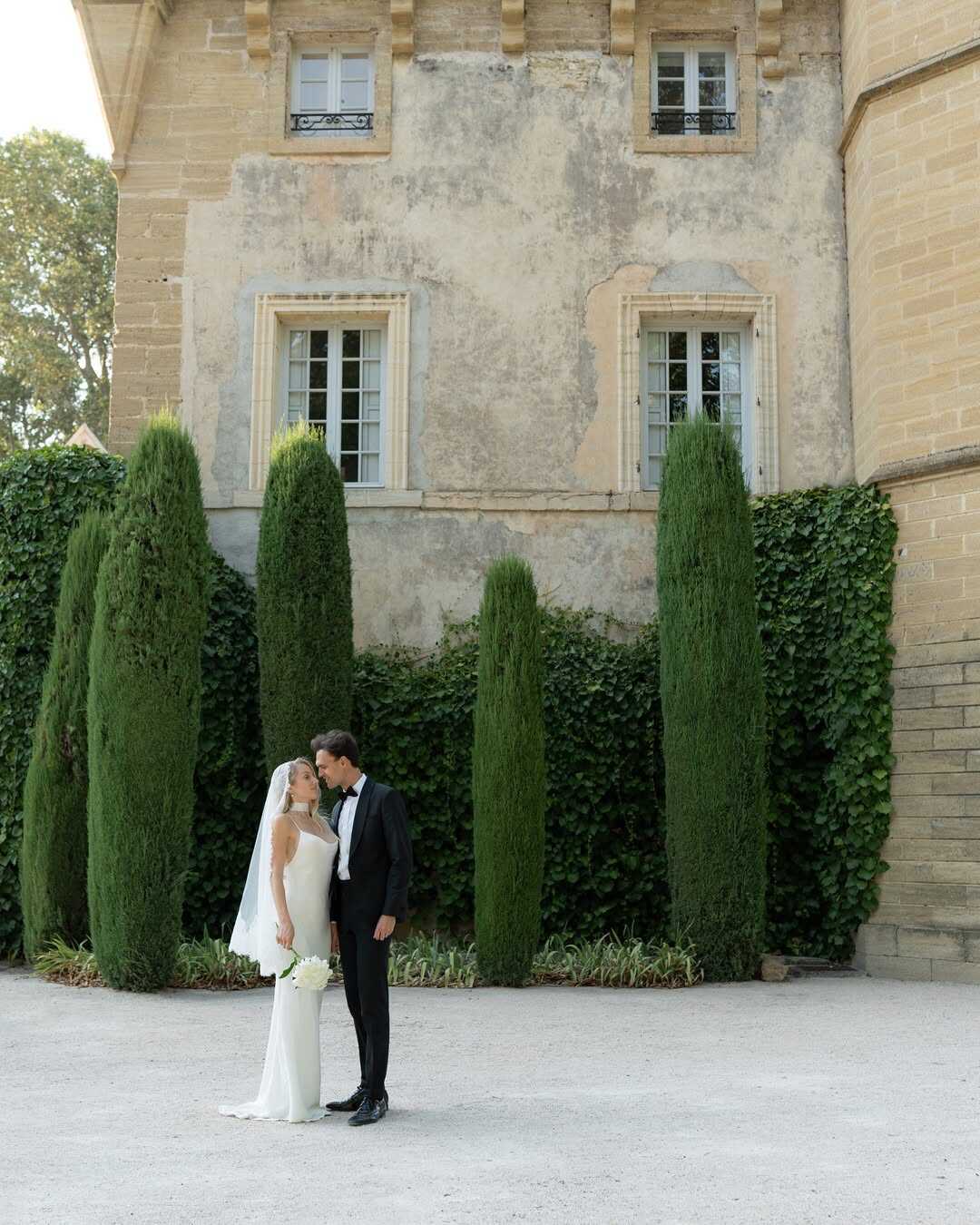
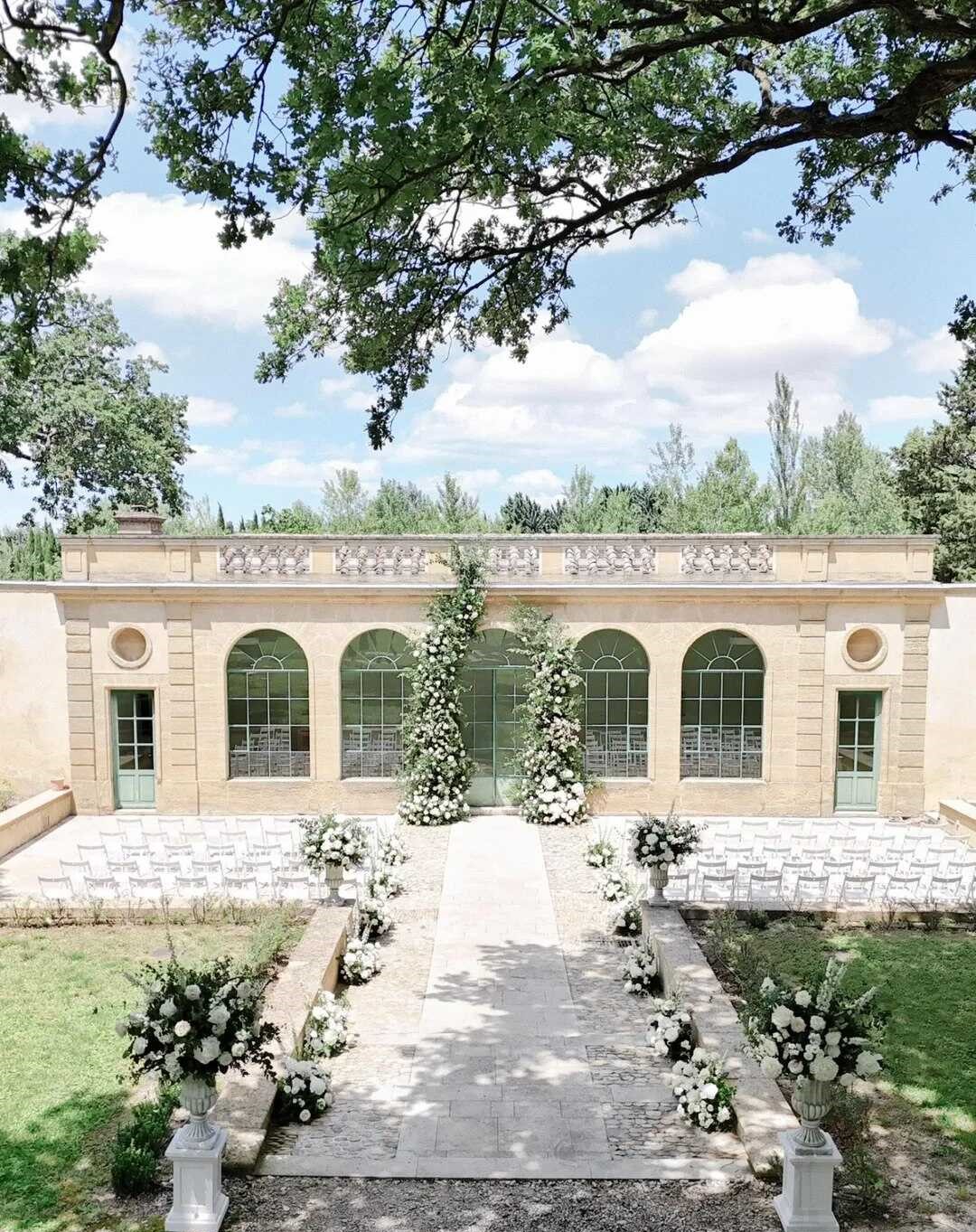
Château de Beauregard, in the Loire Valley just south of Blois, is best known for something most wedding venues can’t claim: a gallery of 327 portraits painted in the 17th century, depicting nearly every notable European figure between 1328 and 1643. The château dates to 1545 and was originally built as a hunting lodge for François I.
- A 170-acre park with a scenic pond and roughly 100 acres of gardens, both wild and formally manicured
- The historic portrait gallery, available for smaller receptions, surrounded by centuries of painted faces
- Rental is primarily through the estate’s Orangery, suited to a more intimate French château wedding package than some of the region’s larger venues
Beauregard functions first as a heritage site open to the public, which shapes what works best here: a historic backdrop for a smaller wedding, rather than a venue built around the château’s largest rooms or highest guest counts. An intimate ceremony suits it far more naturally than a several-hundred-guest reception.

Château de la Bourdaisière
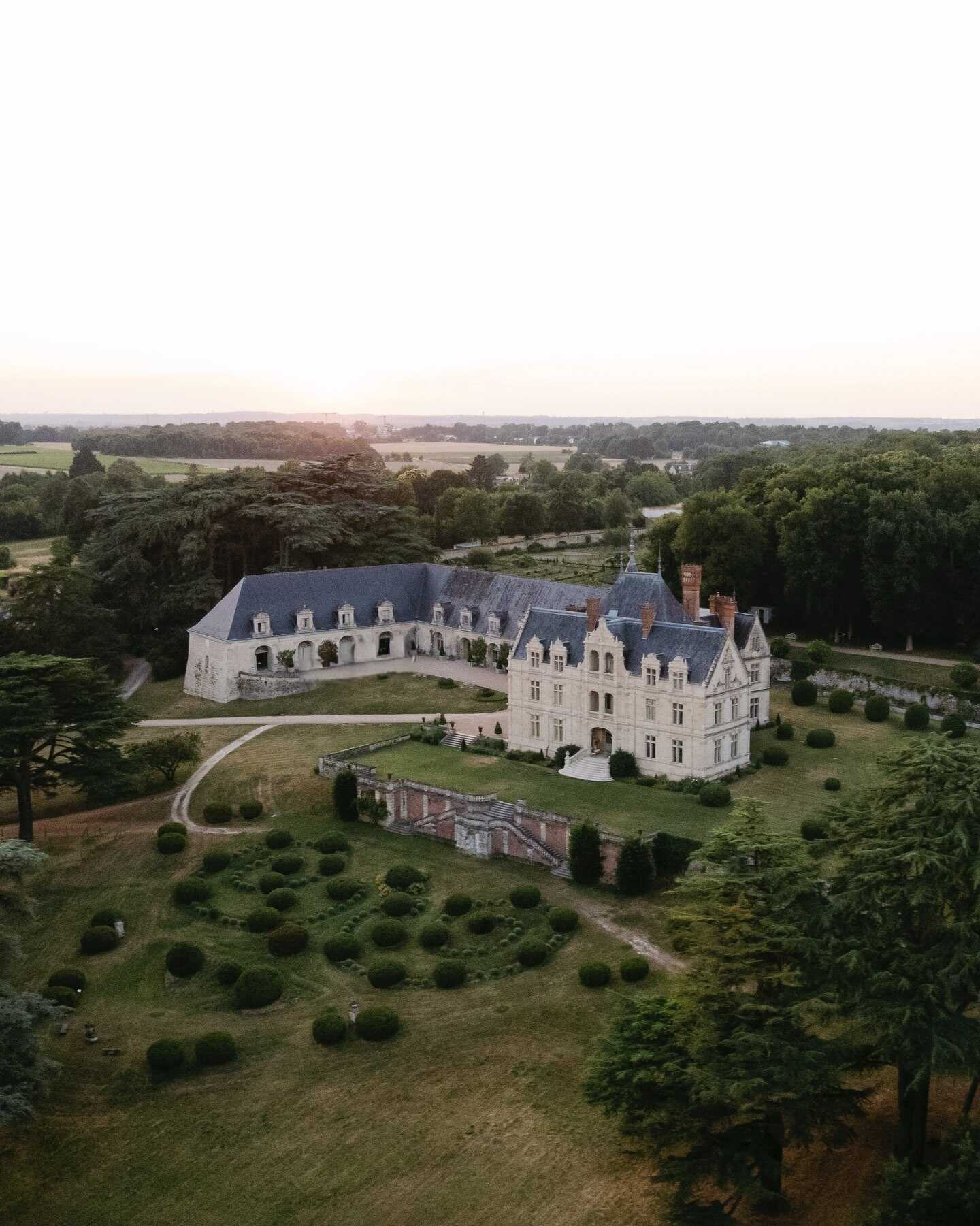
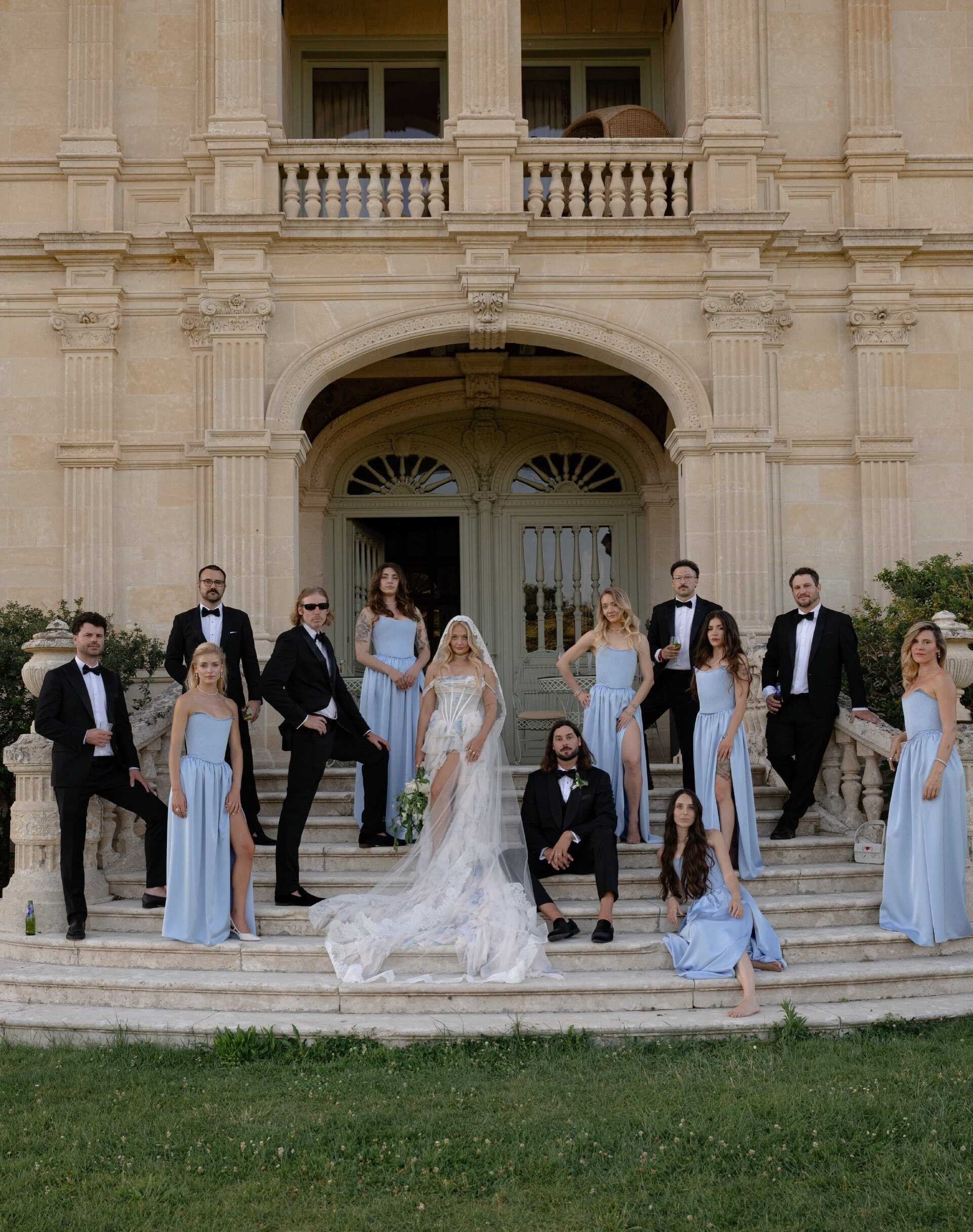
Very few wedding venues anywhere can claim a national food collection, but Château de la Bourdaisière hosts exactly that: the Conservatoire National de la Tomate, home to somewhere between 600 and 800 heirloom tomato varieties, alongside a dahlia garden holding nearly 400 more. The château’s owner, Prince Louis-Albert de Broglie, established both, and locals knew him as Le Prince Jardinier.
That botanical identity shapes weddings here more than at almost any other château on this list. Florists working at Bourdaisière regularly pull dahlias, cosmos, and even baby tomatoes directly from the estate’s own gardens for bouquets and centerpieces, giving couples floral arrangements that are literally grown on-site rather than shipped in.
The main vaulted reception room runs 320 square meters and holds up to 300 guests, with the château itself sleeping around 71 people across 25 rooms and 4 apartments. Located between Tours and Amboise, it’s less about architectural grandeur than most châteaux on this list, and more about a château wedding in France built entirely around gardens and locally grown florals.
Château de Robernier
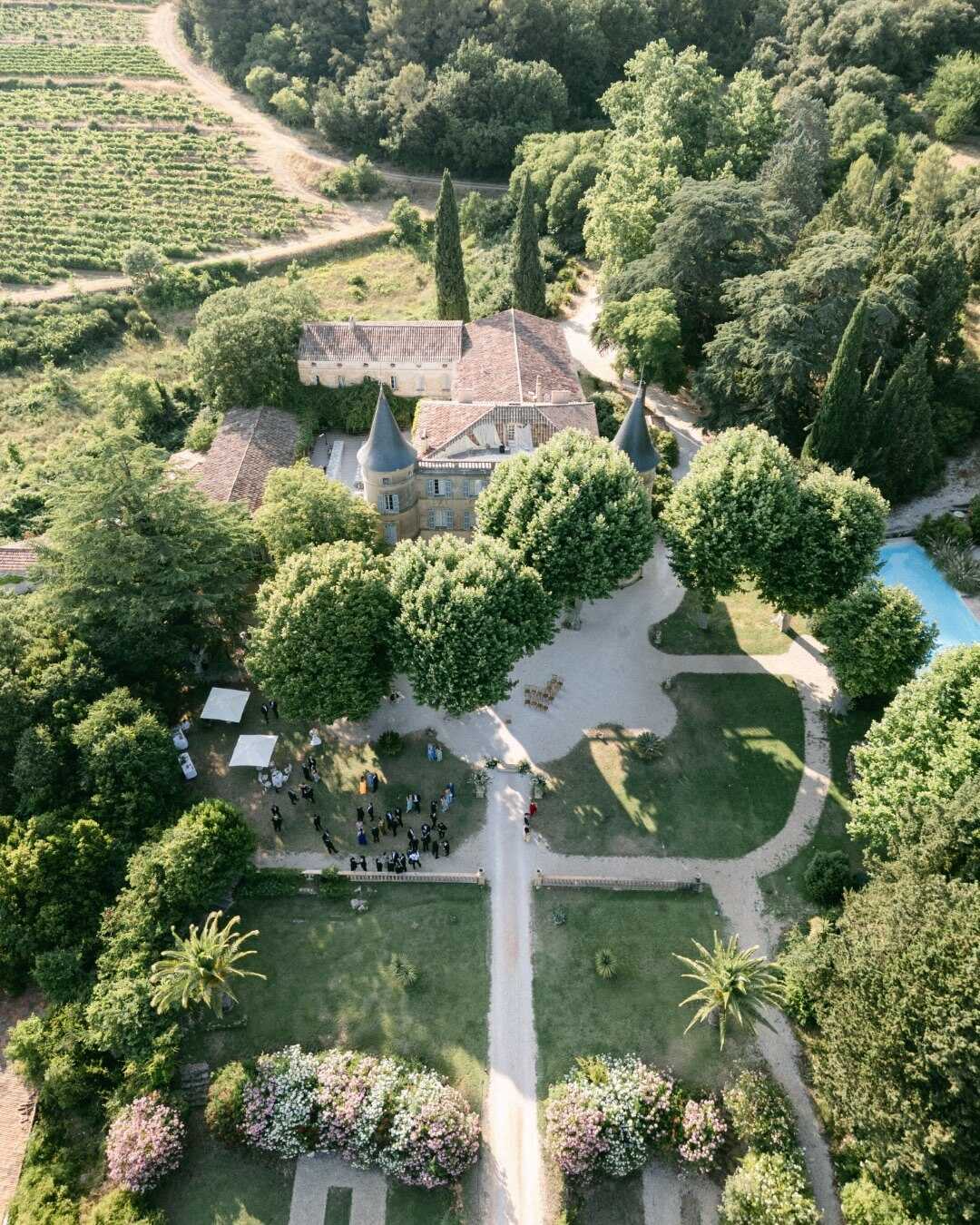
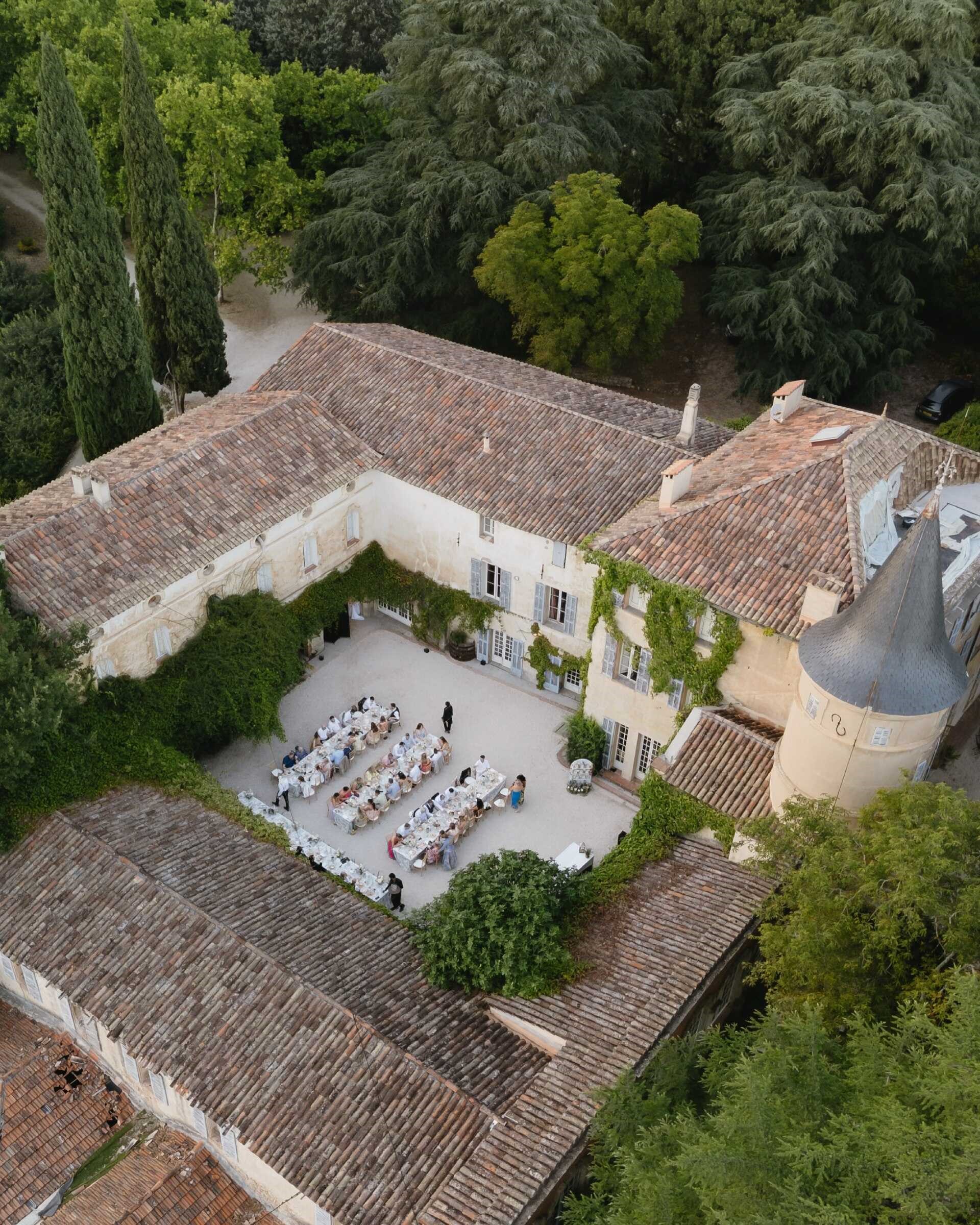
Château de Robernier’s two round, pointed towers are unique in Provence - no other château in the region has quite the same silhouette, a detail owed to the estate’s 18th-century rebuild. The de Robernier family, whose lineage traces back to the Capetian dynasty, once owned enough land to cross the entire Var department without leaving their property.
Set among vineyards and centuries-old olive groves near Cotignac, the estate now operates as one of Provence’s better-known castle wedding venues in France, particularly for couples planning a multi-day celebration with the whole guest list staying on-site.
| Space | Capacity | Notes |
|---|---|---|
| Reception Hall / Ballroom | Up to 140–300 seated (varies by source) | Napoleon III crystal chandeliers |
| On-site chapel | Intimate | Consecrated, on the grounds |
| Outdoor cocktail | Up to 1,000 | Courtyard and gardens |
Pricing starts around $11,300 for venue hire, with on-site accommodation for roughly 24 to 34 guests depending on which rooms and suites are booked. That combination of relatively accessible pricing and genuine Provençal scenery keeps Robernier high on the list for couples comparing multiple estates in the same region.
Château du Grand-Lucé
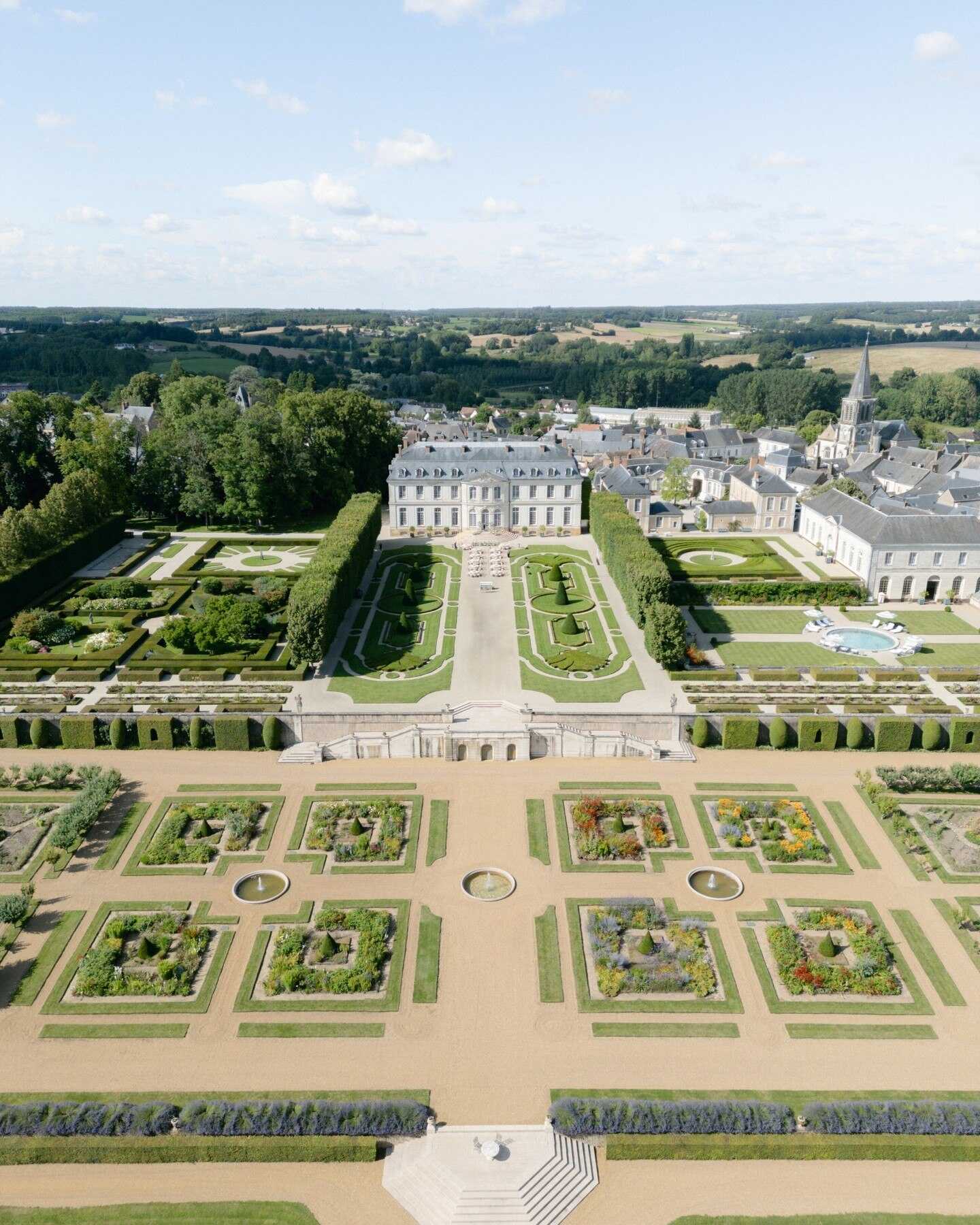
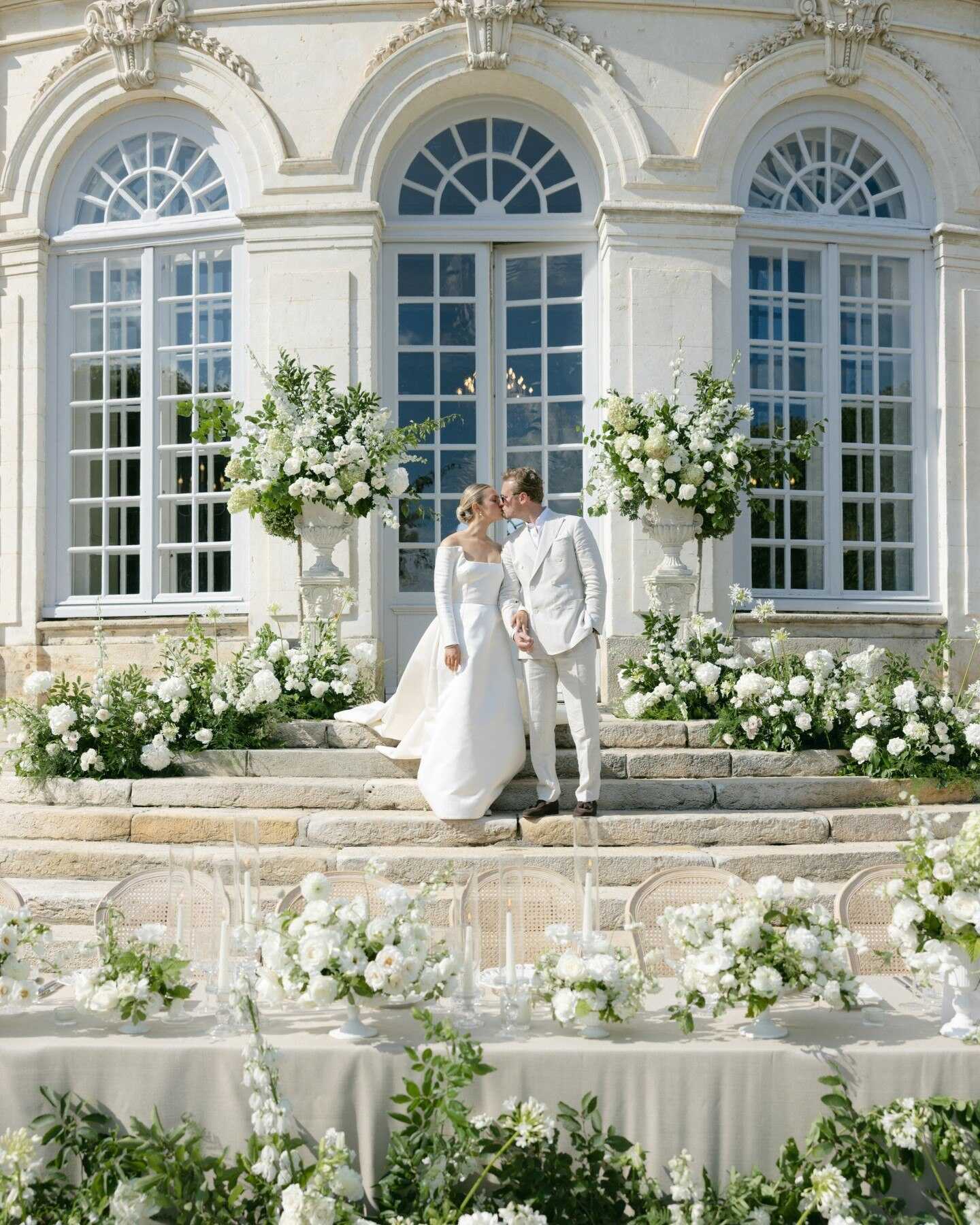
South of Paris in the Loire Valley, Château du Grand-Lucé earned a full restoration under American interior designer Timothy Corrigan, who brought Parisian polish to a neoclassical estate originally built between 1760 and 1764. The 45,000-square-foot château sits on eighty acres that include a lake, meadows, and a historic white oak forest enclosed by a medieval wall.
A ballroom built into the former stables allows year-round events regardless of weather, while outdoor dinners beneath linden trees, lit by hanging chandeliers, remain one of the estate’s signature offerings in warmer months. Capacity stretches to around 500 guests with a tent for larger French chateau weddings, and the château houses up to 14 to 17 overnight guests across its restored suites.
Château Martinay
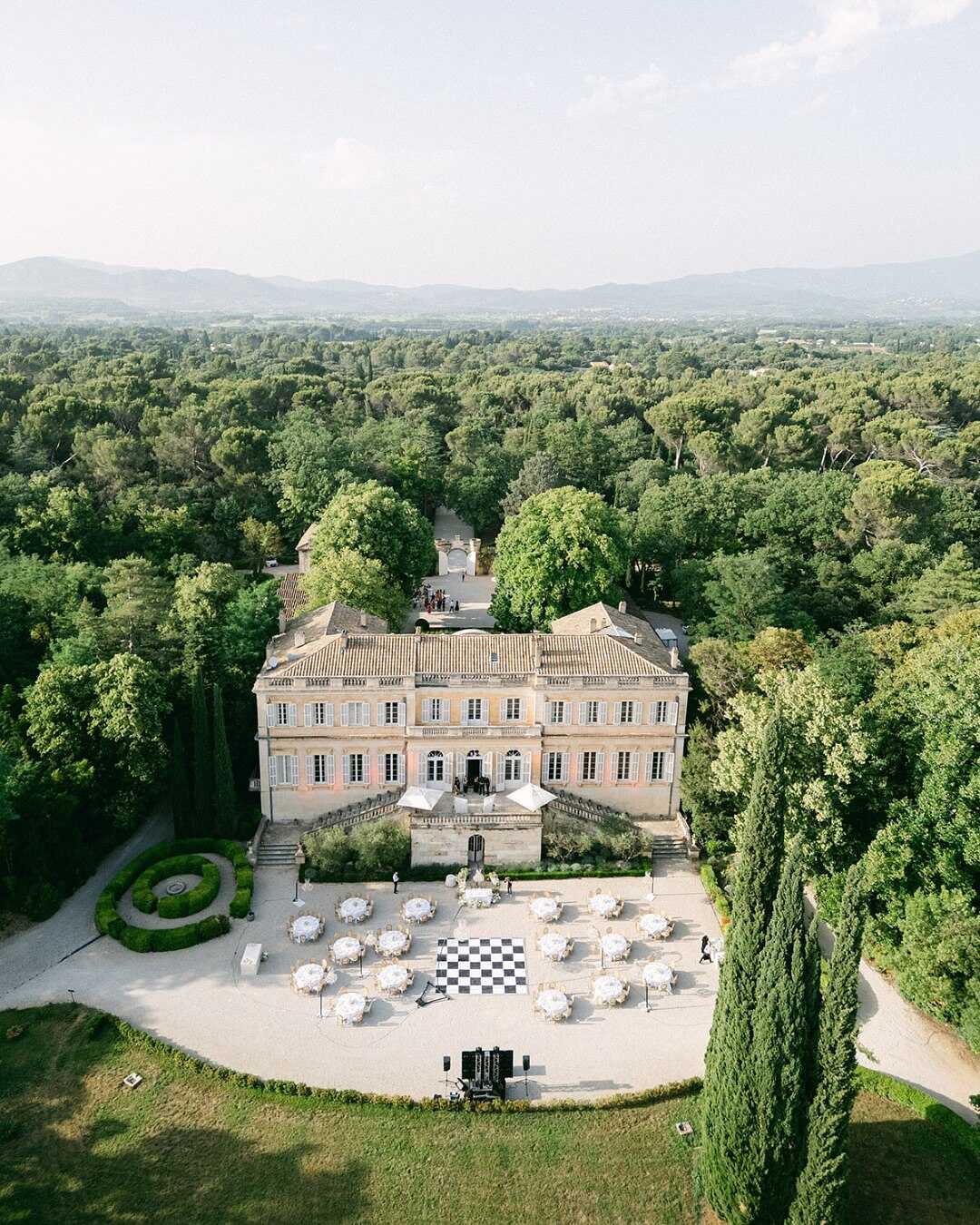
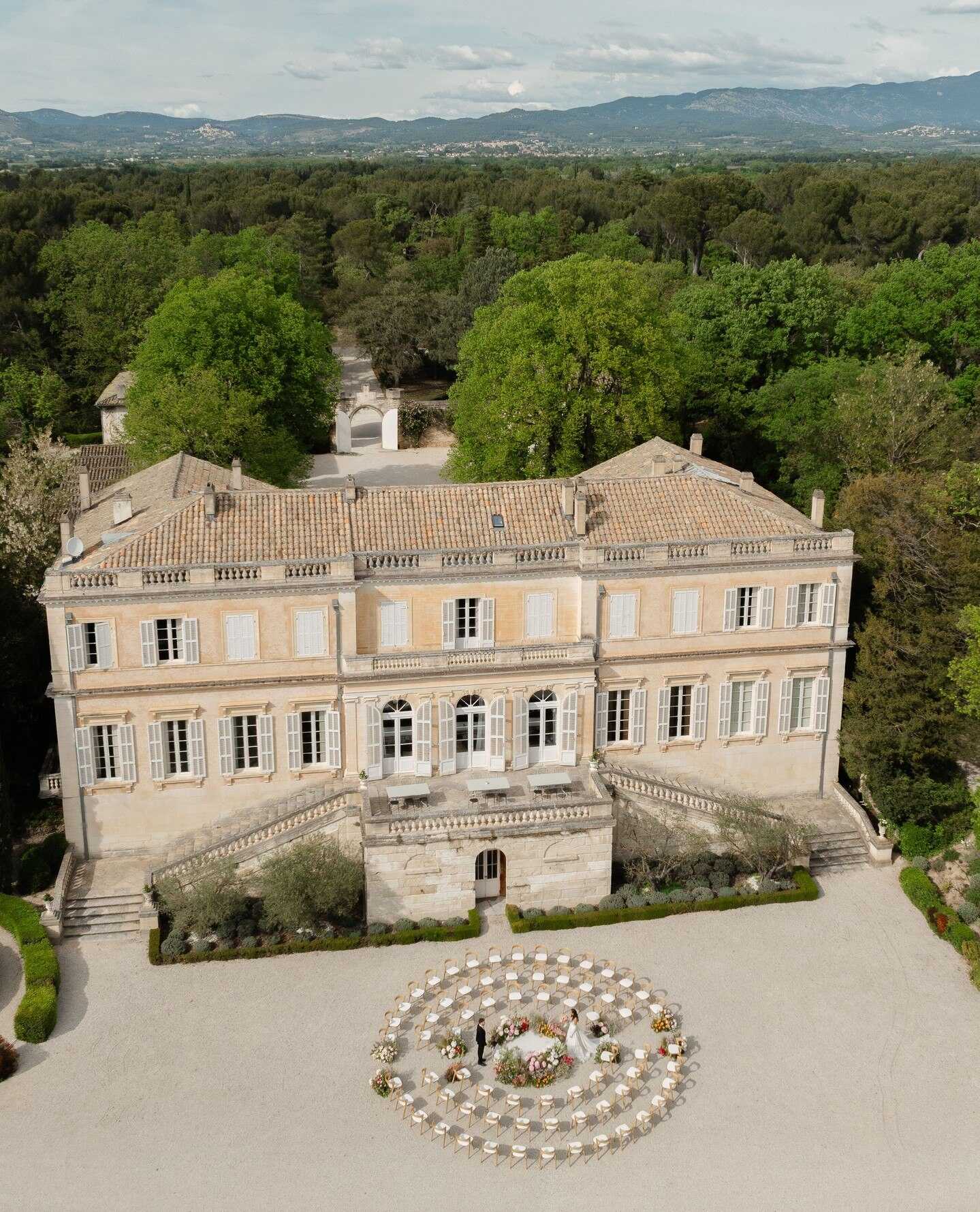
Château Martinay sits at the foot of Mont Ventoux in the Vaucluse, rebuilt in 1838 after the original 1763 structure suffered damage during the French Revolution. The estate spans roughly 30 to 35 hectares of private Provençal parkland, with a mile-long, cypress-lined driveway leading up to the château.
- Exclusive privatization for weddings of up to 120 guests
- On-site accommodation for 24 to 34 people across a dozen rooms and suites, including a bridal suite overlooking the main courtyard
- A 700-square-meter courtyard used for al fresco dinners under Provençal skies
Pricing starts near $27,000, and Martinay’s relatively intimate scale, compared to some of the region’s larger estates, positions it toward the smaller end of a wedding castle south of France search rather than the grandest. The mile-long approach through cypress trees alone tends to set expectations for the rest of the weekend before a single guest reaches the door.
Château de Ferrières
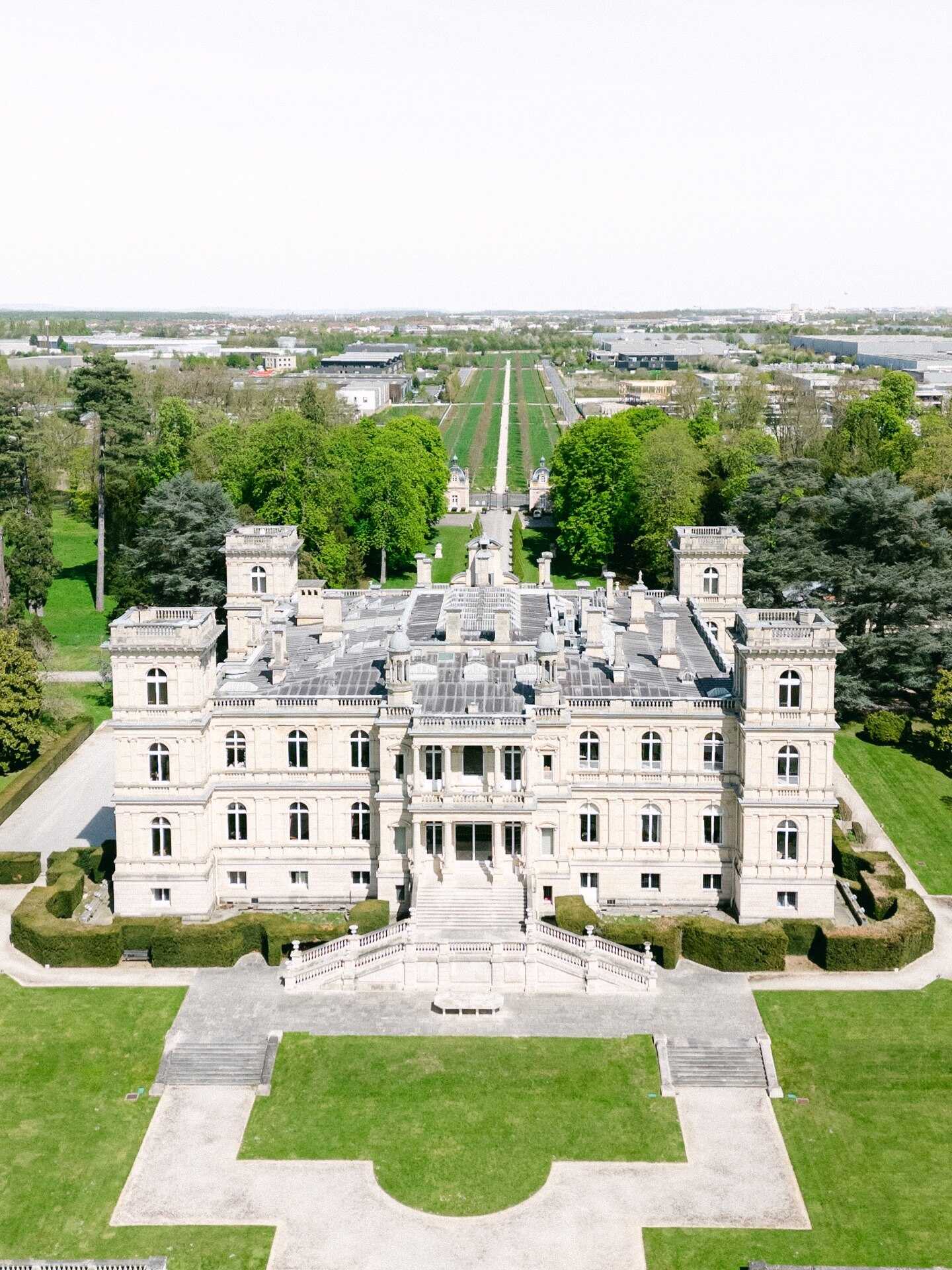
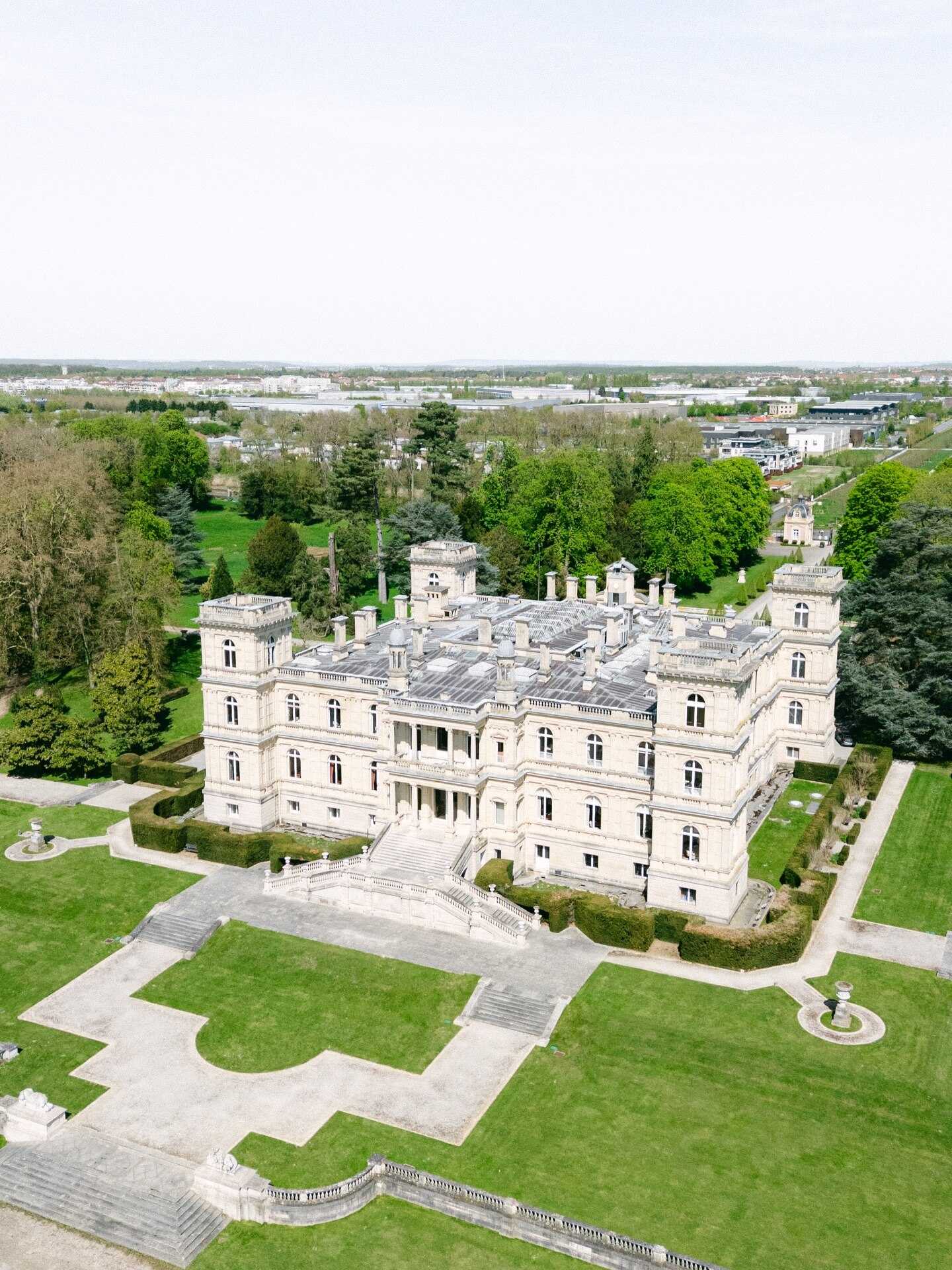
Few châteaux in France carry a history as loaded as Château de Ferrières. Built between 1855 and 1859 for Baron James de Rothschild, it was designed by Joseph Paxton, the same architect behind London’s Crystal Palace, and inaugurated in 1862 with a gala attended by Napoleon III himself. Its central hall, crowned by a full glass skylight, still runs 37 meters long and 18 meters high.
The château’s history runs well beyond architecture. During the Franco-Prussian War, it hosted the negotiations between Otto von Bismarck and French foreign minister Jules Favre in 1870, and decades later, Guy de Rothschild’s restoration turned it into the setting for legendary themed parties designed by Yves Saint Laurent, attended by guests including Brigitte Bardot, Grace Kelly, and Audrey Hepburn.
Today the estate accommodates weddings of 200 to 240 guests for a seated dinner, set within 135 hectares of English-style parkland roughly 25 kilometers from Paris. Few of the castle wedding venues in France near the capital carry this much documented 19th-century history rather than simply a picturesque façade - Ferrières was built for it, quite literally, from the ground up.
Château de Champlâtreux
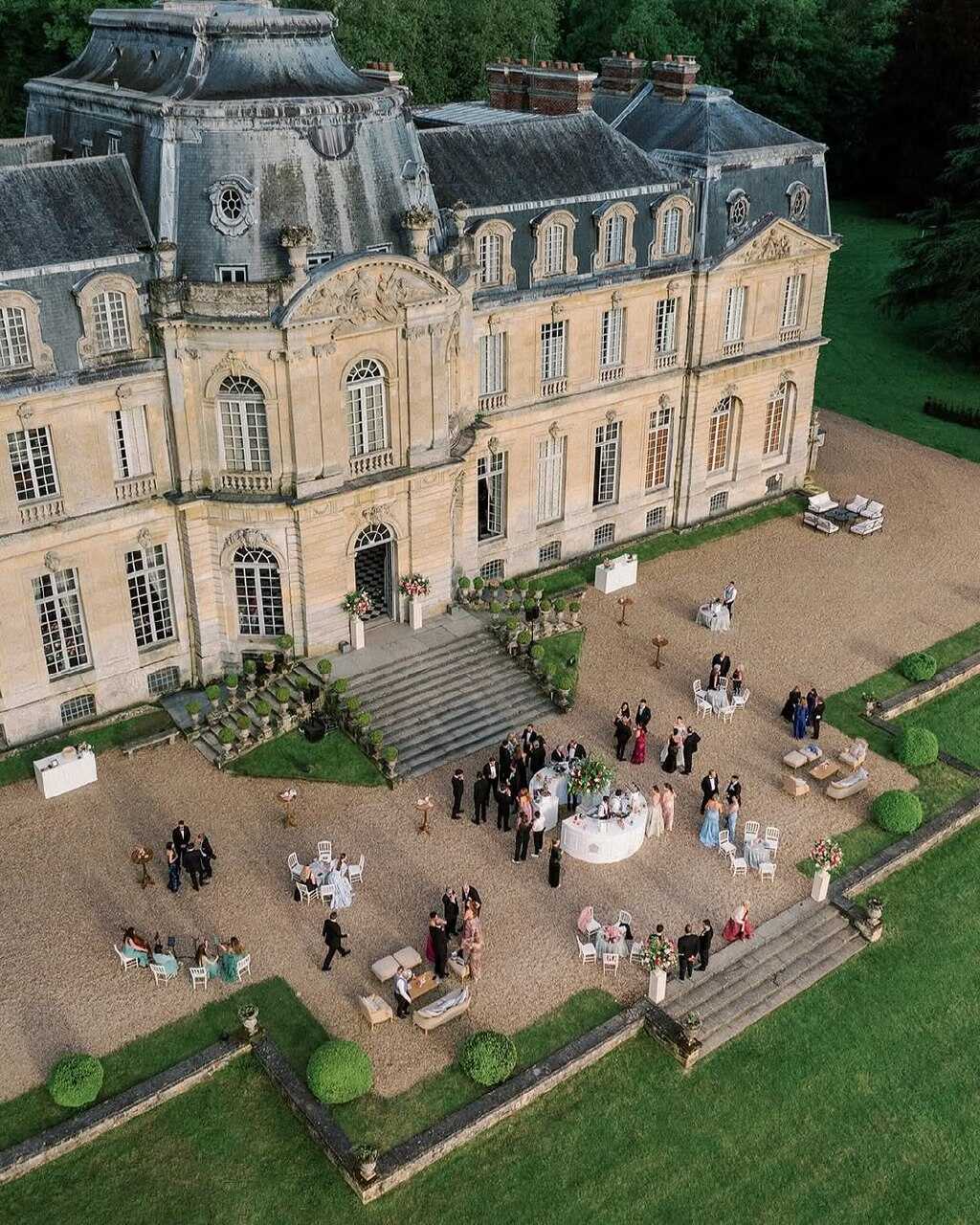
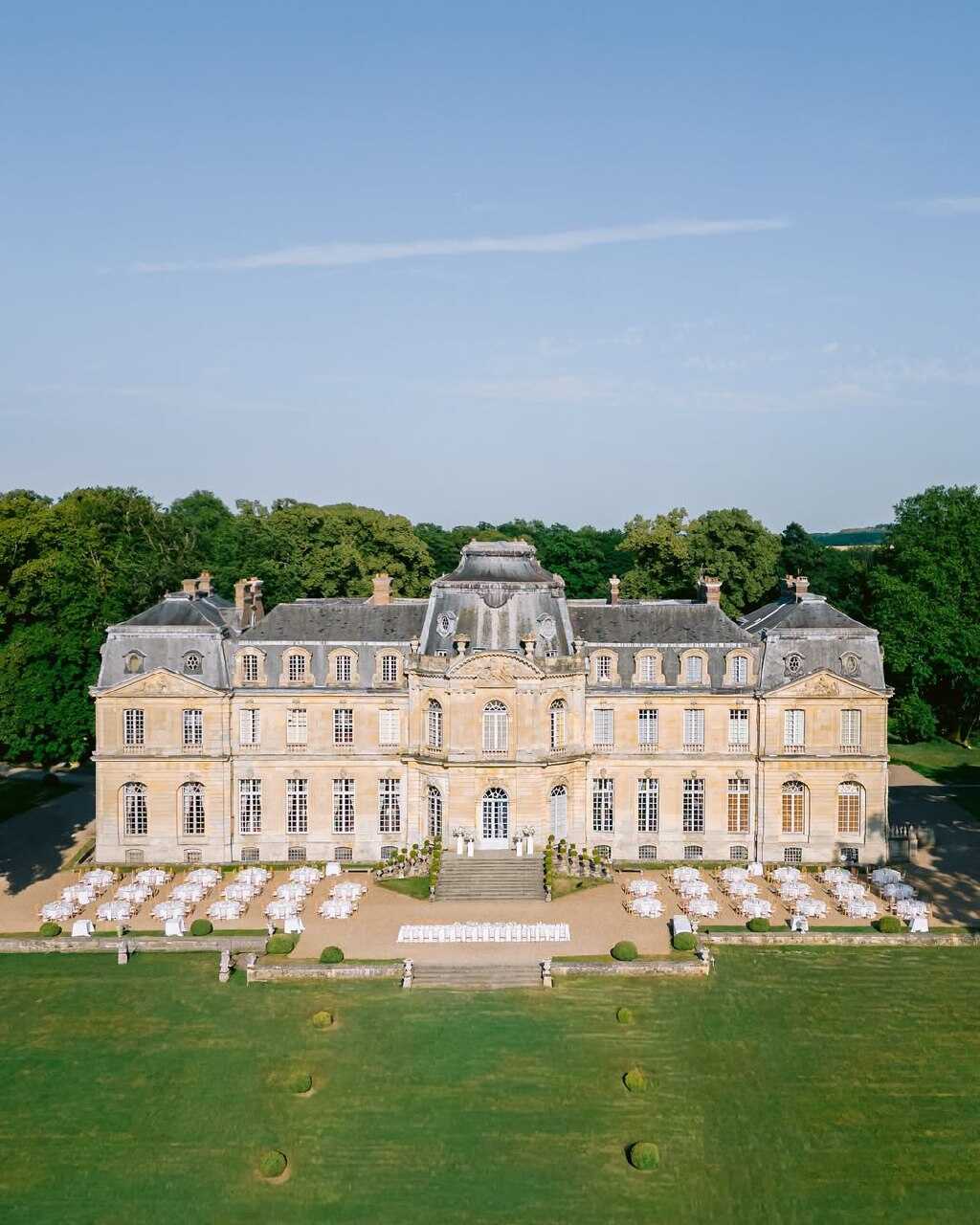
Château de Champlâtreux was built between 1751 and 1757 by architect Jean-Michel Chevotet for the Molé family, one of 18th-century Paris’s most prominent parliamentary dynasties, and remains the private home of the Duc de Noailles today. Its location, just 30 minutes from Paris and 15 minutes from Charles de Gaulle Airport, makes it one of the more logistically convenient châteaux for couples flying in international guests.
| Detail | Specification |
|---|---|
| Capacity | Up to 300 seated, 500 cocktail-style |
| Ceremony options | Four state salons, outdoor grounds, or the on-site 18th-century Saint-Eutrope chapel |
| Vendor policy | Dry-hire - couples bring their own catering, florals, and rentals |
That dry-hire structure turns a wedding venue France chateau booking into something built entirely around an outside vendor team, rather than a fixed in-house catering package - a real advantage for anyone with a specific culinary vision already in mind. The estate’s proximity to Paris also means that the vendor pool is unusually deep, even without an in-house kitchen to fall back on.
Château Bouffémont
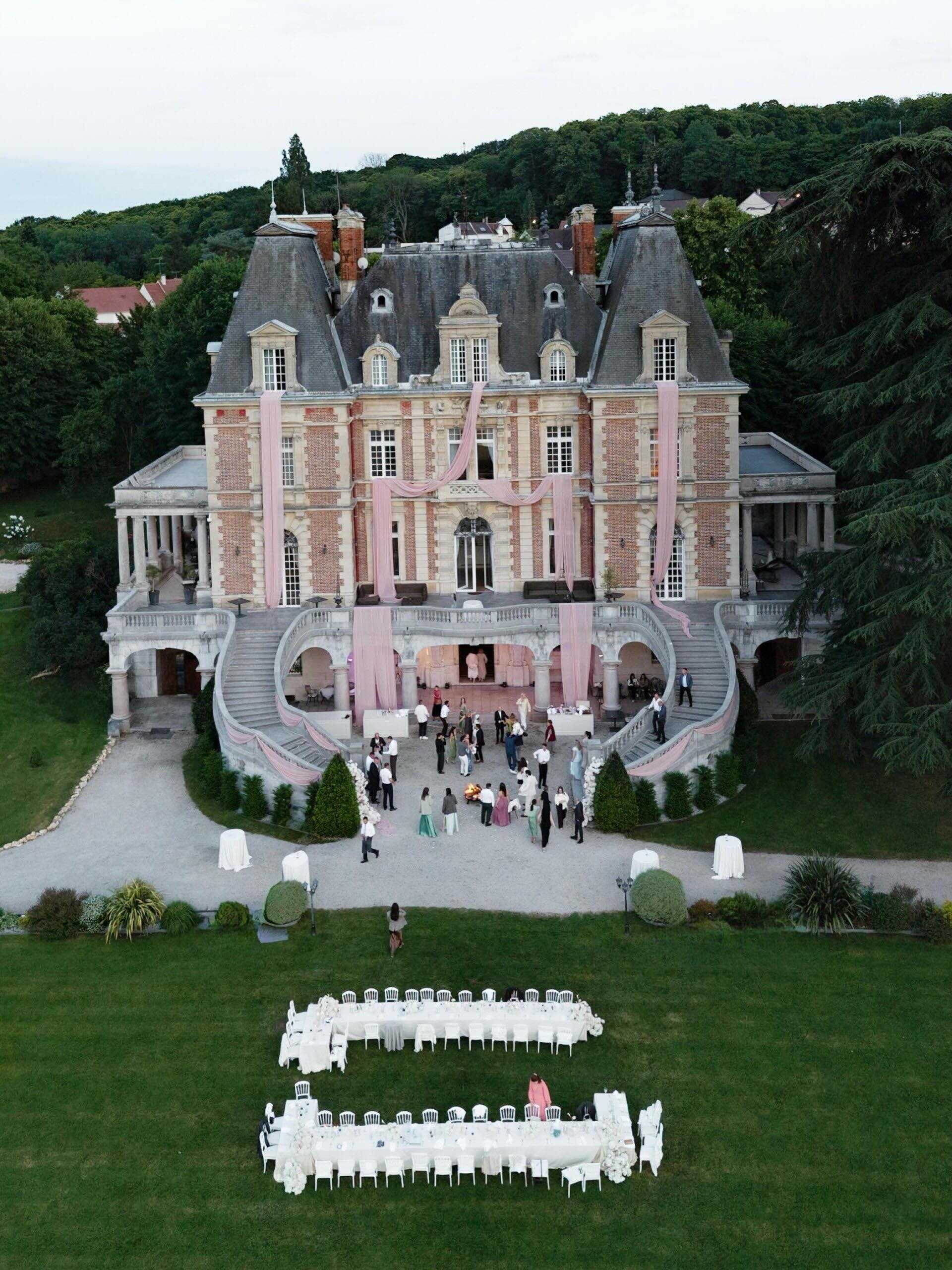
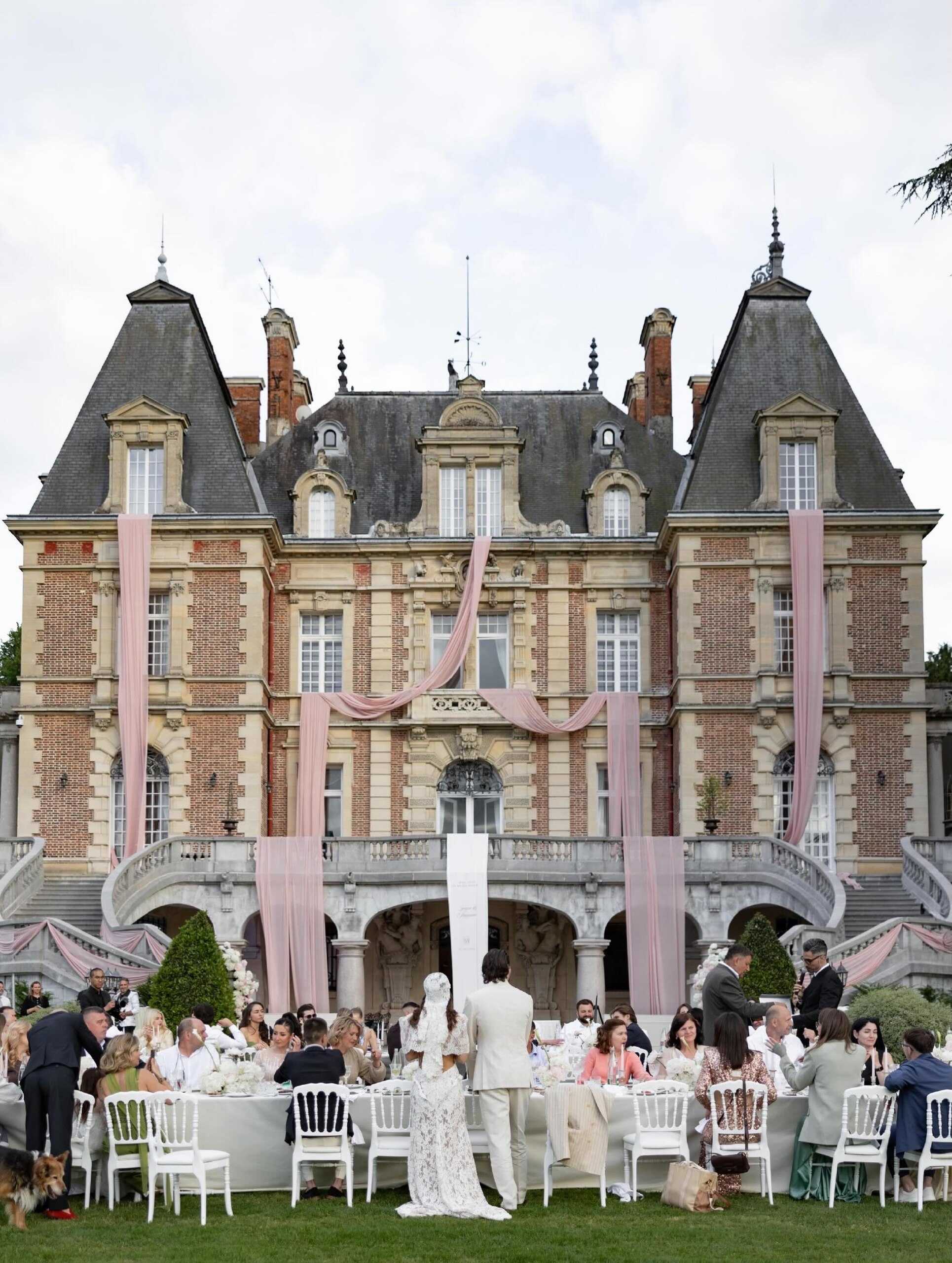
The château, which previously belonged to the Marquise of Preignes and the Baron Empain, was famous for hosting members of Parisian high society in the 19th century; today, Château Bouffémont is an exclusive estate located only 30 kilometers from central Paris. It commands views of the Paris International Golf Club, an 18-hole course designed by Jack Nicklaus, and sits within five hectares of gardens adjacent to the Montmorency Forest.
Weddings at this venue can accommodate up to 150 seated guests, with prices beginning at about $9,200 - making it one of the more affordable options on this list - and provide on-site accommodation for about 27 to 30 guests distributed among nine suites. The property offers a true chateau-for-weddings-in-France experience, close enough to Paris to make it easy for guests to get there, without the seven-figure prices that some of the more well-known estates in the area charge.
How to Know If a Castle Is Your Type of Wedding Venue
With thirteen different properties discussed here, the harder question for most couples isn't which château looks best in photographs, but whether a château, as a category, really matches how they want their wedding day to run. A few practical facts usually distinguish the couples who enjoy châteaux on Pinterest from those who would actually be happy getting married in one.
The degree of exclusivity is greater than most people anticipate. While the majority of the properties on this list provide full privatization - so that no other guests, tours, or events can use the premises during the wedding - Château de Chantilly is the obvious exception since it remains open to the public during the day, a situation that limits the hours available for rental and means that the rental must be arranged around the museum's own timetable rather than allowing full use of the site from morning until evening.
Guest travel logistics matter more with a château than with almost any other venue type, since many of these estates sit well outside city centers specifically for the privacy and scale that make them appealing in the first place. Properties like Tourreau, Robernier, and Martinay lean into that distance by turning the wedding into a multi-day stay, with guests arriving Thursday or Friday and departing Sunday, rather than a single evening event guests drive in and out for.
The costs listed here vary from about $9,200 at Bouffémont to seven figures at the Palace of Versailles itself. This range shows clearly what a château wedding actually involves. Couples who intend to rent a castle in France for a weddingshould decide early on which end of that range they actually want to aim for, since a house designed for formal receptions for 300 guests and one intended for a weekend retreat for 45 guests address entirely different needs, even though both can be considered châteaux.
France offers far more than these thirteen castles as a wedding setting. Wezoree's full collection of French wedding venues includes not only châteaux but also country manors, vineyard estates, and properties situated along the Riviera - if you look through the selection, you will most likely discover the perfect venue for your own special day, whether or not it is a castle.

FAQ
How much does a wedding chateau in France typically cost?
Costs vary greatly by property and season - Château Bouffémont begins at about $9,200. By contrast, Château de Robernier and Château Martinay are closer to $11,300 and $27,000 respectively, and the Palace of Versailles itself starts at nearly $970,000-$1.3 million when conservation donations and production costs are taken into account. Most mid-range wedding chateaux in France cost between $27,00-$86,000 to hire the venue alone, before adding catering, florals, and accommodation.
What’s typically included in a chateau wedding package in France?
Châteaux vary widely - for example, Champlâtreux functions as a dry-hire site where couples arrange their own catering and equipment, while others, such as Bouffémont, offer all-inclusive packages that cover catering, staffing, and styling. When booking, confirm whether the quoted price for hiring awedding chateau in France includes only venue access or the full range of services, since the difference can be large.
Can a couple from abroad rent a chateau in France for their wedding?
Yes, several properties on this list - such as Tourreau, Champlâtreux, and Grand-Lucé - specifically target international couples flying in from the United States, the United Kingdom, and other countries, and generally include English-speaking planning teams as part of the process. When couples intending to rent a chateau in France for a wedding and who are based abroad are choosing their property, they should place greater importance on how close it is to the airport- for example, Champlâtreux's fifteen-minute distance from Charles de Gaulle- than is usually the case with couples who are based locally.
Which castles in France are most suitable for a large wedding?
Both Château de Ferrières and Château de Champlâtreux can accommodate between 200 and 300 seated guests. Meanwhile, Château du Grand-Lucé and Château de Chantilly can accommodate several hundred more people by using a tent or by converting the estate's stables into a ballroom. For castles in France built to comfortably host several hundred guests, it's even more important than at a smaller venue to confirm tent arrangements and rain contingency plans in advance.
Is a chateau wedding in southern France any different from one near Paris?
Meaningfully, yes - southern properties like Tourreau, Robernier, and Martinay tend to center around multi-day stays, pools, and vineyard or lavender-field surroundings. At the same time, châteaux near Paris, such as Bouffémont and Champlâtreux, generally run as single, more formal event days with easier access to the capital’s airports and vendor network. A wedding chateau in the south of France also benefits from a longer reliable outdoor season than the Île-de-France region typically offers.
Do castle wedding venues in France offer exclusive use of the whole property?
Most do, and it’s usually the entire point of booking one - but Château de Chantilly is a notable exception, since it remains open to public visitors during the day and only becomes fully private for events outside those hours. Confirming exactly what exclusivity means at a specific property, among the many chateaux in France for weddings that advertise “private use,” is worth doing before assuming full privacy.
Can we have a non-religious ceremony at a chateau in France?
Yes - a secular ceremony in the gardens or a main salon is the default at nearly every château on this list, and on-site chapels, where they exist, are an optional add-on rather than a requirement. Couples planning a wedding at a chateau in Francecan choose either format freely; properties like Champlâtreux and Robernier both offer a consecrated chapel for couples who want a religious option without leaving the grounds, but plenty of couples skip it entirely.
What’s the difference between a “chateau” and a “castle” in France?
The French word château covers a much broader category than the English word castle implies - it includes fortified medieval structures, but also 18th-century country estates like Champlâtreux or Martinay that were never built for defense. That’s why a French wedding castle on this list can look as different as a fortified Riviera tower and an elegant countryside residence, even though both get marketed in English using the same word.