Top 10 Premium Bridal Designers in Europe


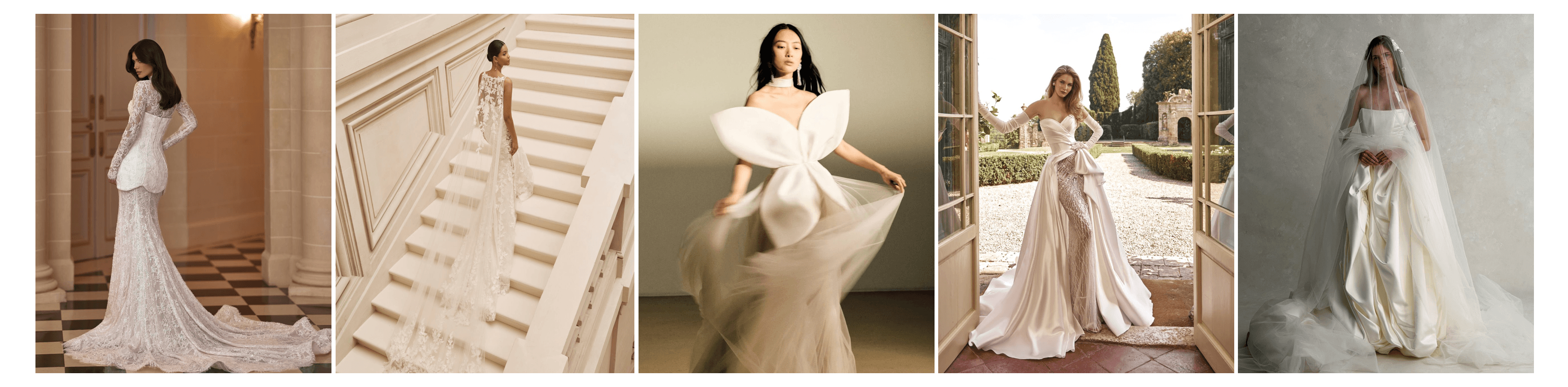
European bridal is not one thing at all; it is a set of quite different traditions. The ten designers below include five Spanish ones, based in Madrid, Barcelona and Bilbao; Barcelona is also home to Barcelona Bridal Fashion Week. One brand splits its time between Paris and Beirut, one label actually started in Berlin with a guerrilla show outside a Paris department store, and three are Ukrainian, one of which sprang from a small atelier in Lviv.
Their gowns are made in very different ways. Some are quite labor-intensive, taking months of draping and fitting; one was completed overnight, and one provides made-to-measure gowns for brides who live overseas. At the other end of the scale are houses with their own stores, ready-to-marry styles, and retail partners in dozens of countries.
For a couple, the pertinent question is less where the designer is based than how the dress is made, how long it takes, and how much is actually made for you. Some houses work in architectural crepe and sculptural draping, some in layered silk, lace and hand embroidery, and one has taken a bridal sensibility and applied it to everyday wear. Several describe the dress as something for the woman who wears it, rather than something part of a trend.
Find Your Perfect Wedding Vendors

Romancera
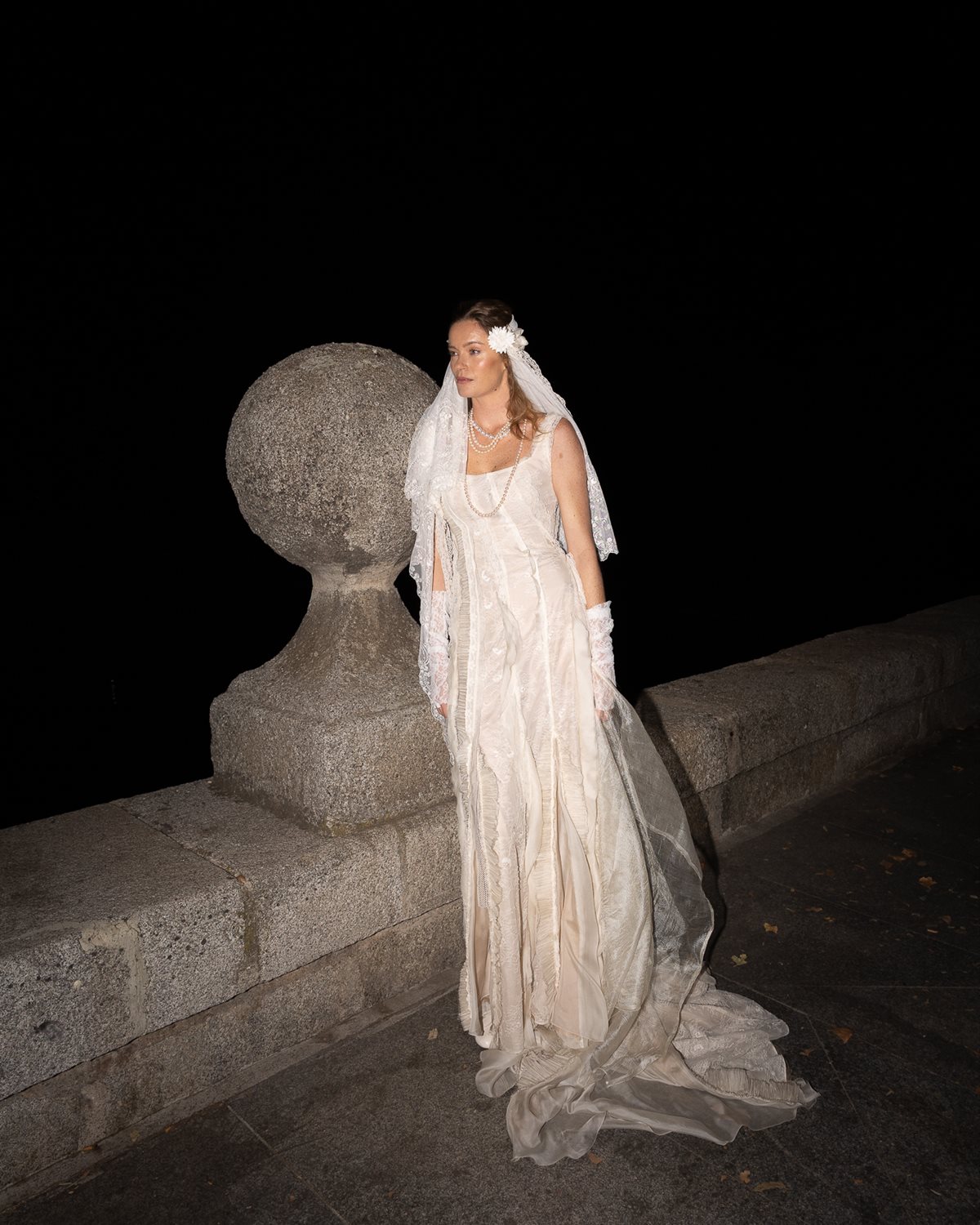
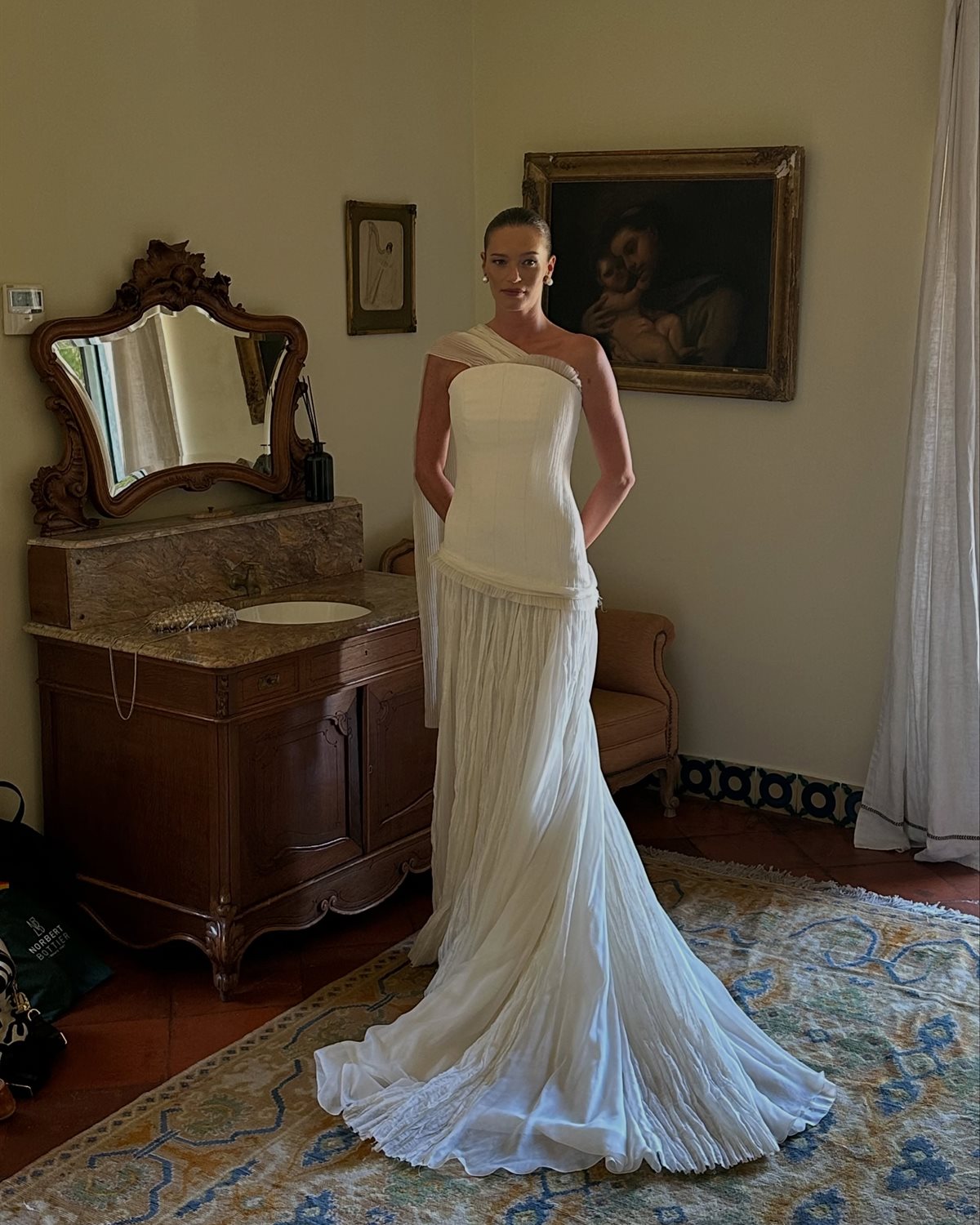
Romancera, based in Madrid, was born after the founder's wedding in 2017 and launched in 2018. Tamara Vazquez could not find a dress that spoke to her, so she made one herself: "My own wedding dress was the beginning of everything: I could not find a design that moved me, so I created it myself. That process opened a door I had not expected, and I never wanted to close it again." The name is rooted in Spanish culture and in a love of Federico García Lorca, "particularly the emotional, poetic universe of Romancero Gitano and Blood Wedding." Vazquez explains: "There is softness, romance and sweetness in the name, but also something visceral and intense."
The gowns reflect the same duality. "Romancera lives in the space between tradition and modernity," and silk is fundamental: organza, taffeta and gazar sourced predominantly from Italy and France, sometimes with "four or eight layers within one dress just to create light, shadow and richness without excess." Each dress is made from scratch over many months, and only a limited number are made each year "because this level of attention cannot be rushed."
For a bride who does not yet know what she wants, the first step is conversation, including images from her own wardrobe, "not only bridal inspiration." Vazquez then typically produces "one considered, complete proposal" rather than presenting her with an endless array of options.
Sandra Mansour
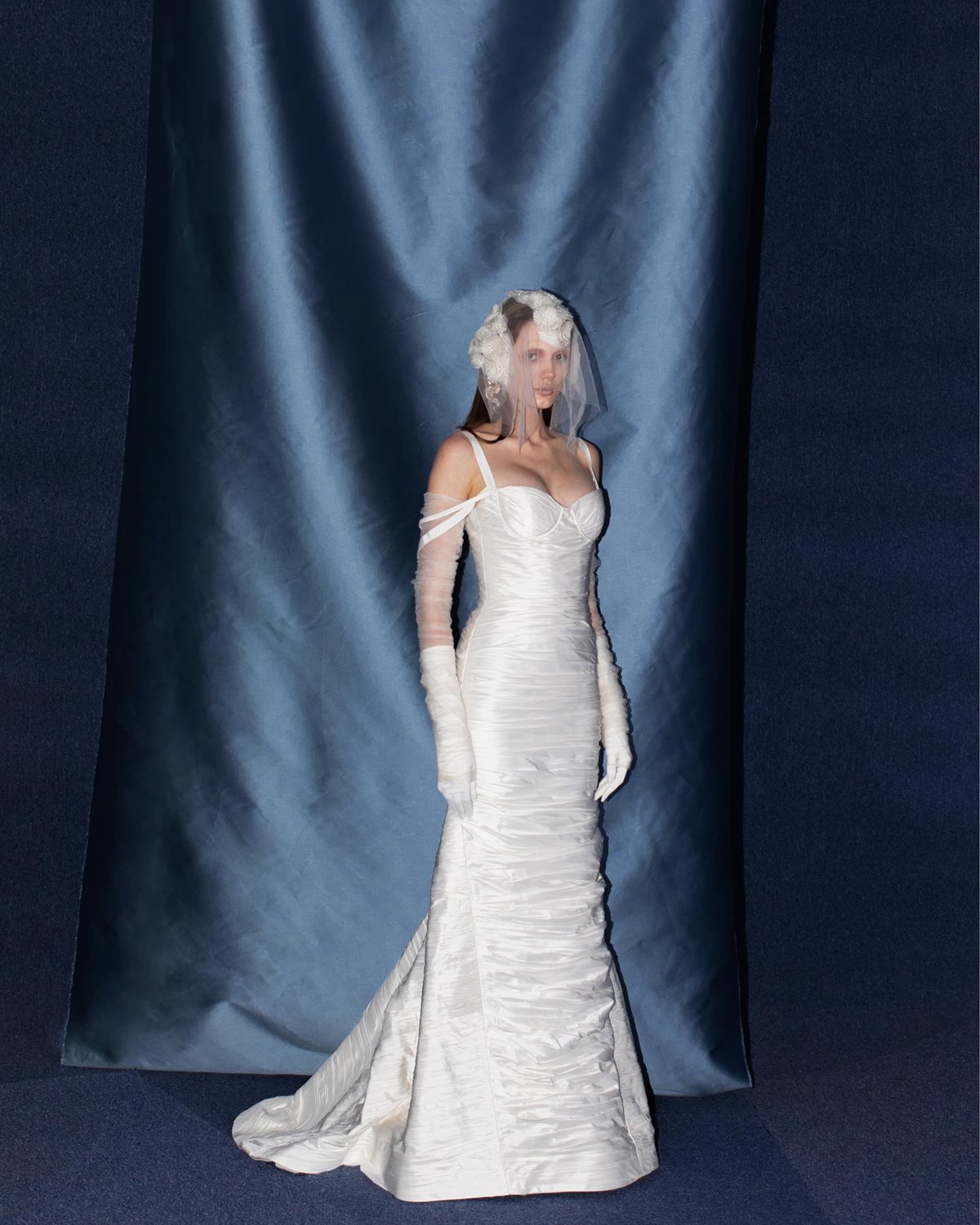
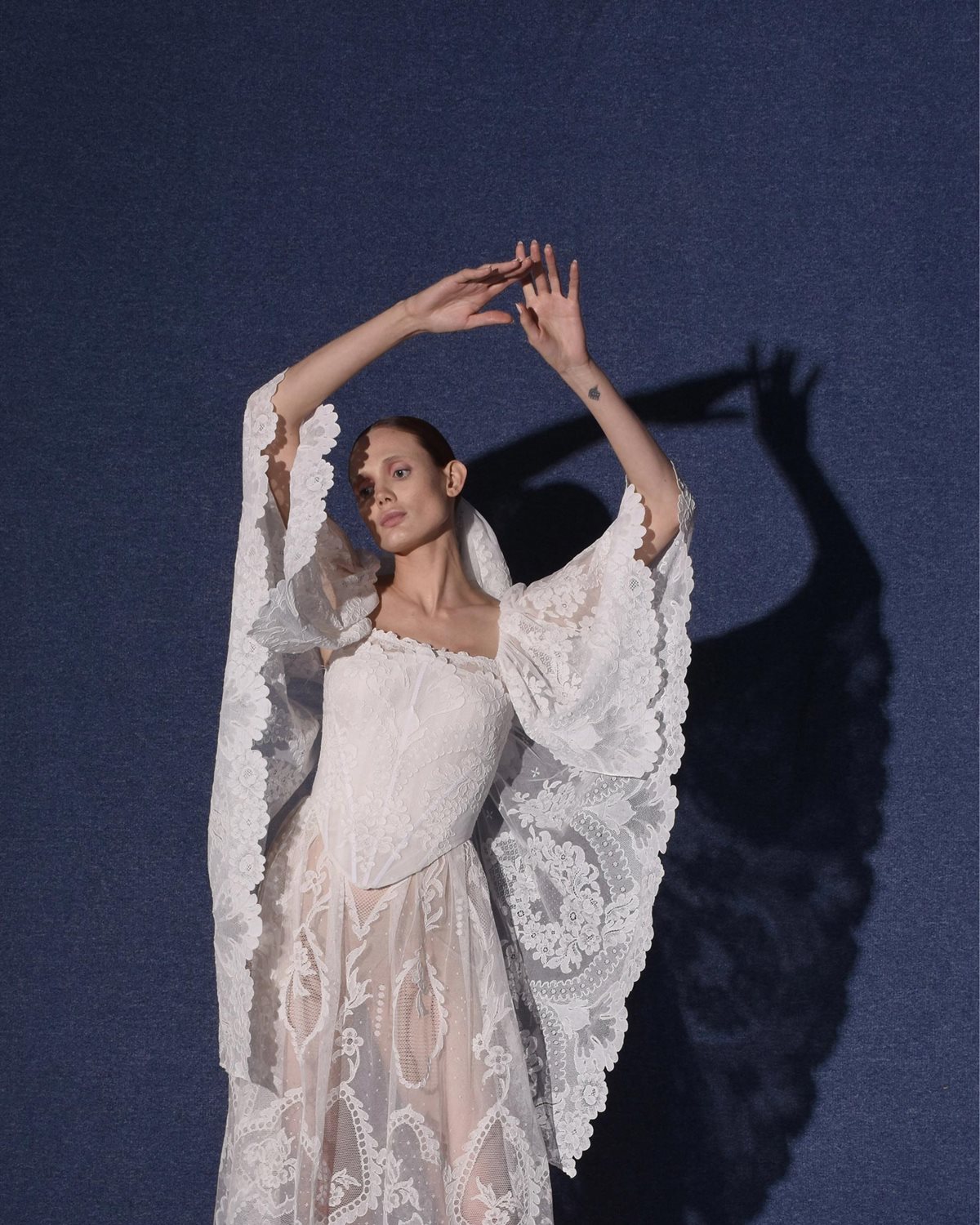
Sandra Mansour is based between Paris and Beirut, and the house describes its philosophy as "rooted in contrast: strength and fragility, structure and movement, romance and modernity." She chose to use her own name because it "reflected the personal nature of the work and my desire to build a world that expressed my own creative language and identity."
What makes a gown recognizable, in the designer's words, "isn't necessarily the dress itself, but the woman wearing it. It's in her attitude, in the way she carries herself, and in how the garment makes her feel." The house returns to tulle, lace, organza, silk, and chiffon because they play with light and movement, and embroidery is central: "it gives each gown depth, texture and individuality." A very detailed piece can take several hundred hours of work in addition to the fittings and adjustments required to get it right.
It all starts with listening, not just to what she likes but to how she wants to feel. The designer sees the work as shared: "Bridal is a deeply collaborative process involving designers, pattern-makers, embroiderers and artisans."
Luis Infantes
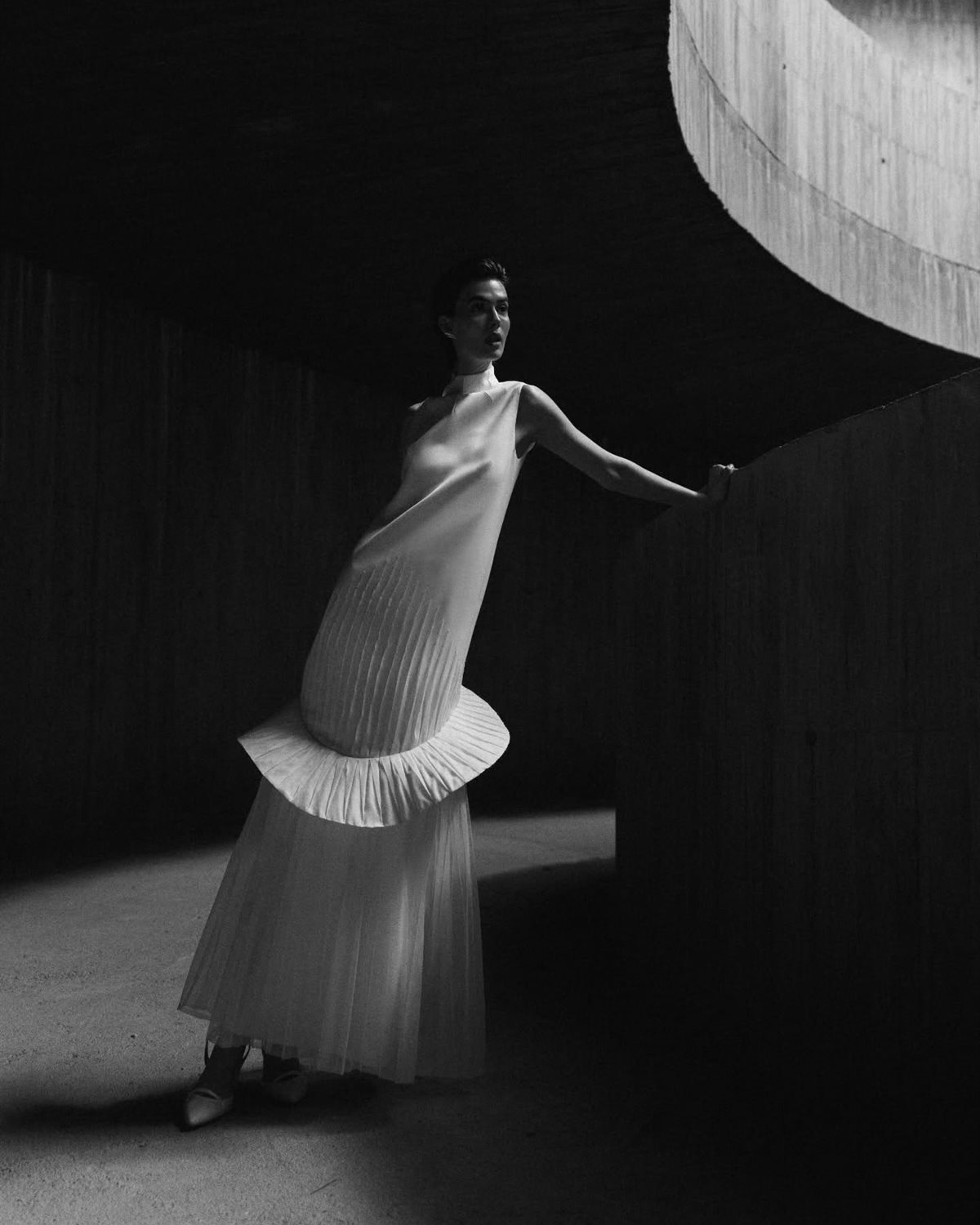
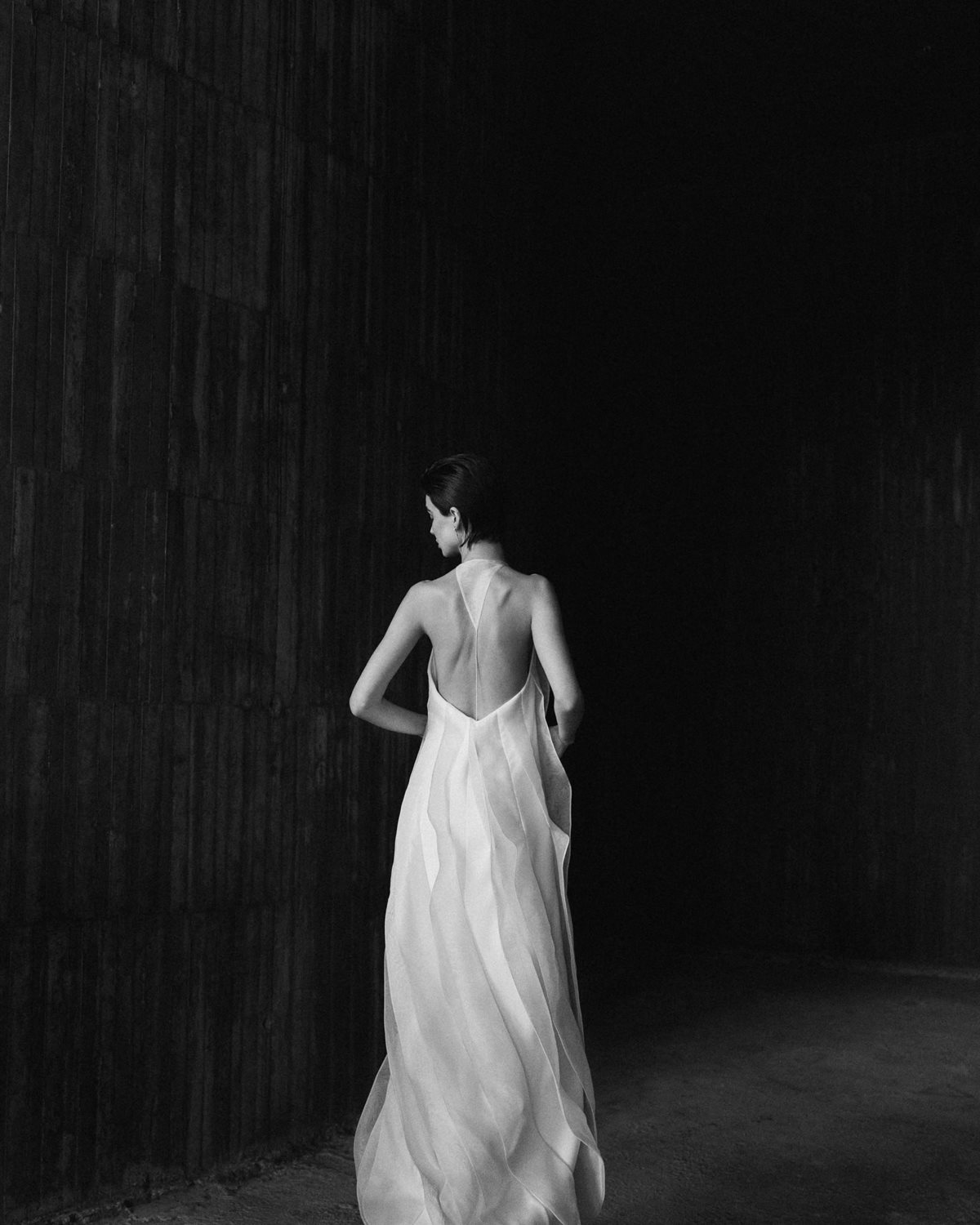
Luis Infantes, in Madrid, started out during the pandemic. He felt that "the modern bride was ready to demand a change, to challenge the established codes and embrace something new," and the pandemic pause became a creative turning point. The house now lives by the belief that "perfection as a discipline, almost a religion" is its foundation, and haute couture is its language.
What makes a dress recognizable is "the architectural quality of the silhouettes and the purity of their overall structure." Crepe is a fundamental fabric, used for "its exceptionally soft and supple hand and its natural ability to mould to the body," and its versatility enables "more architectural, structured and sculptural silhouettes" that balance fluidity and rigidity.
Made-to-measure is the only way the house works. It takes about six months from the bride first trying on the toile, or about two months for brides worldwide who are fitted remotely, as there are no in-person fittings. The designer's advice to a first-time bride is straightforward: "Always go to your first appointment alone, and listen only to yourself. Everything else around you is just noise."
OKSANA MUKHA
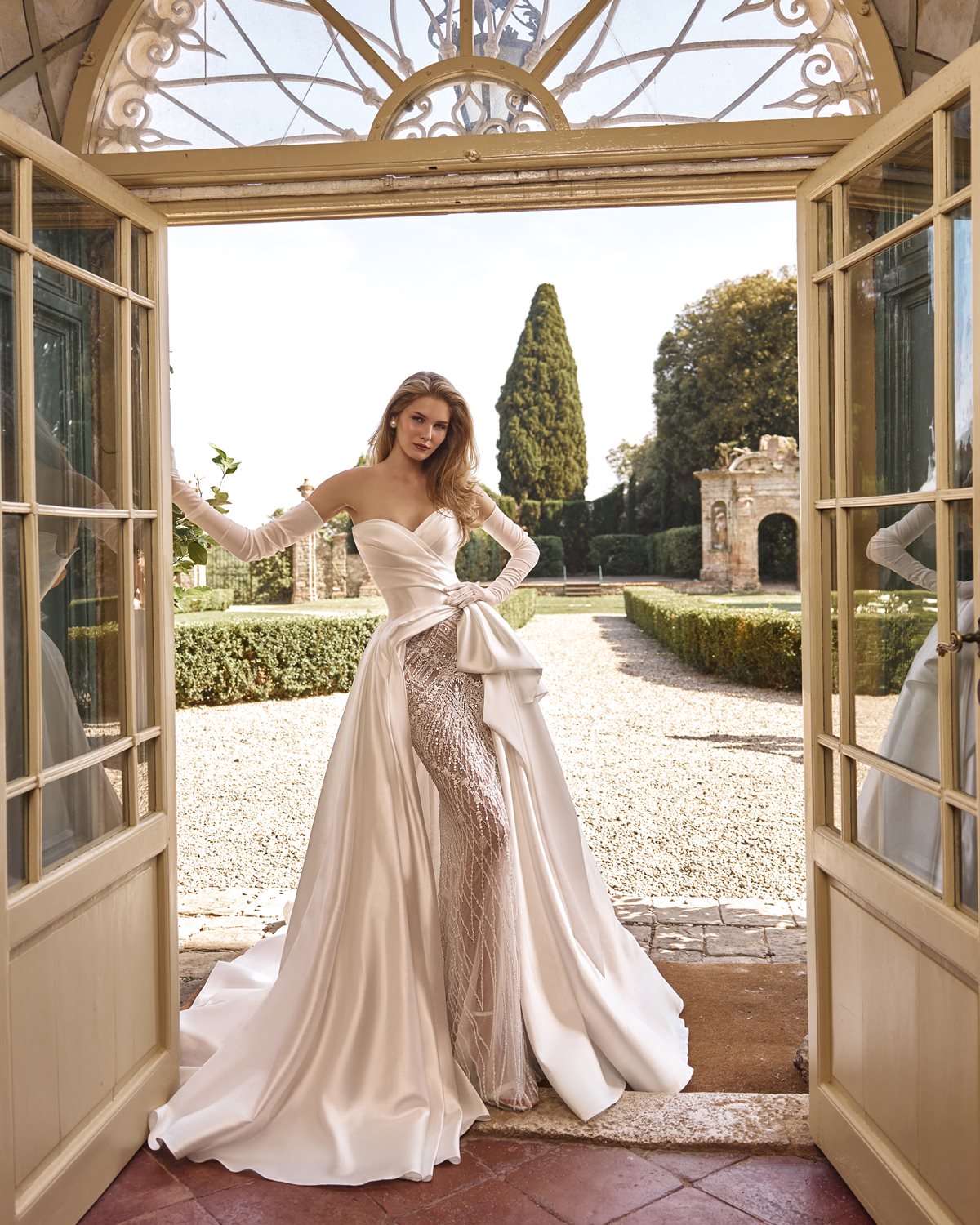
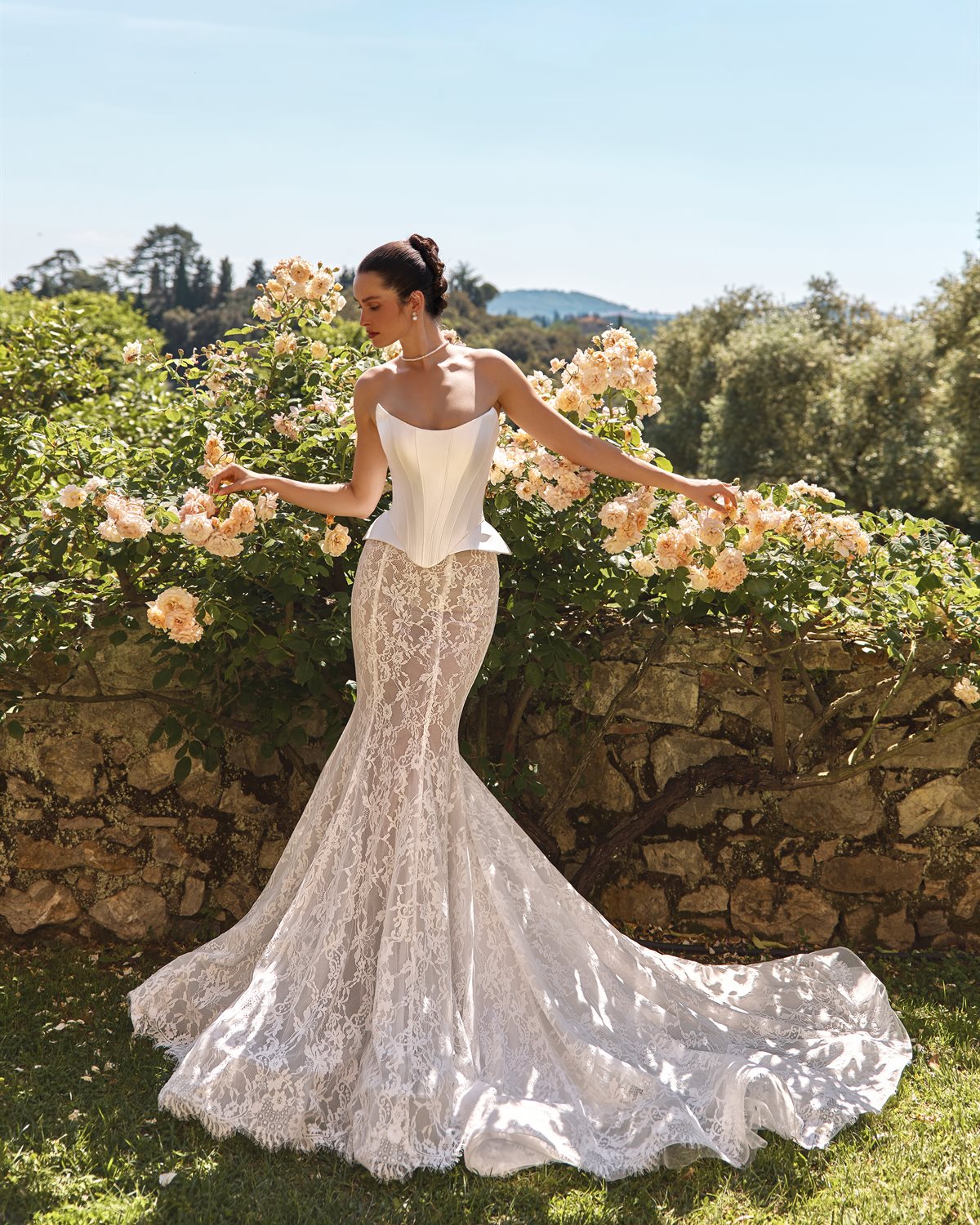
OKSANA MUKHA story begins with a wedding dress made overnight. Oksana Mukha had originally intended to wear a suit, but the day before the wedding her future husband said he imagined her in a gown. She found the fabric and the trimmings in Lviv and made the dress that very night. "That dress became the starting point of what would later grow from a small atelier in Lviv into OKSANA MUKHA." At the time, she recalls, bridalwear in Ukraine was extremely limited.
Today Mukha describes her own direction as "sculptural romance: refined corsetry, a defined or subtly dropped waist, Chantilly lace, hand embroidery with pearls and crystals, and soft draping." She is drawn to fabrics with character, fabrics that seem to suggest the form themselves, and taffeta is one of her favorites. The time taken can vary from one night to six months, and one design can take 200 hours, another 400 hours or more.
A consultation frequently starts with an image in the mind's eye: "Very often, when I see a bride for the first time, I can already imagine her in a dress." The fittings then let the bride compare silhouettes, and if the right image does not come immediately, Mukha will say, "For me, it is too great a responsibility to rush." Her advice to first-time brides is to come in with an open mind, as "a photograph of a dress and the experience of wearing it are two very different things."
Monetre
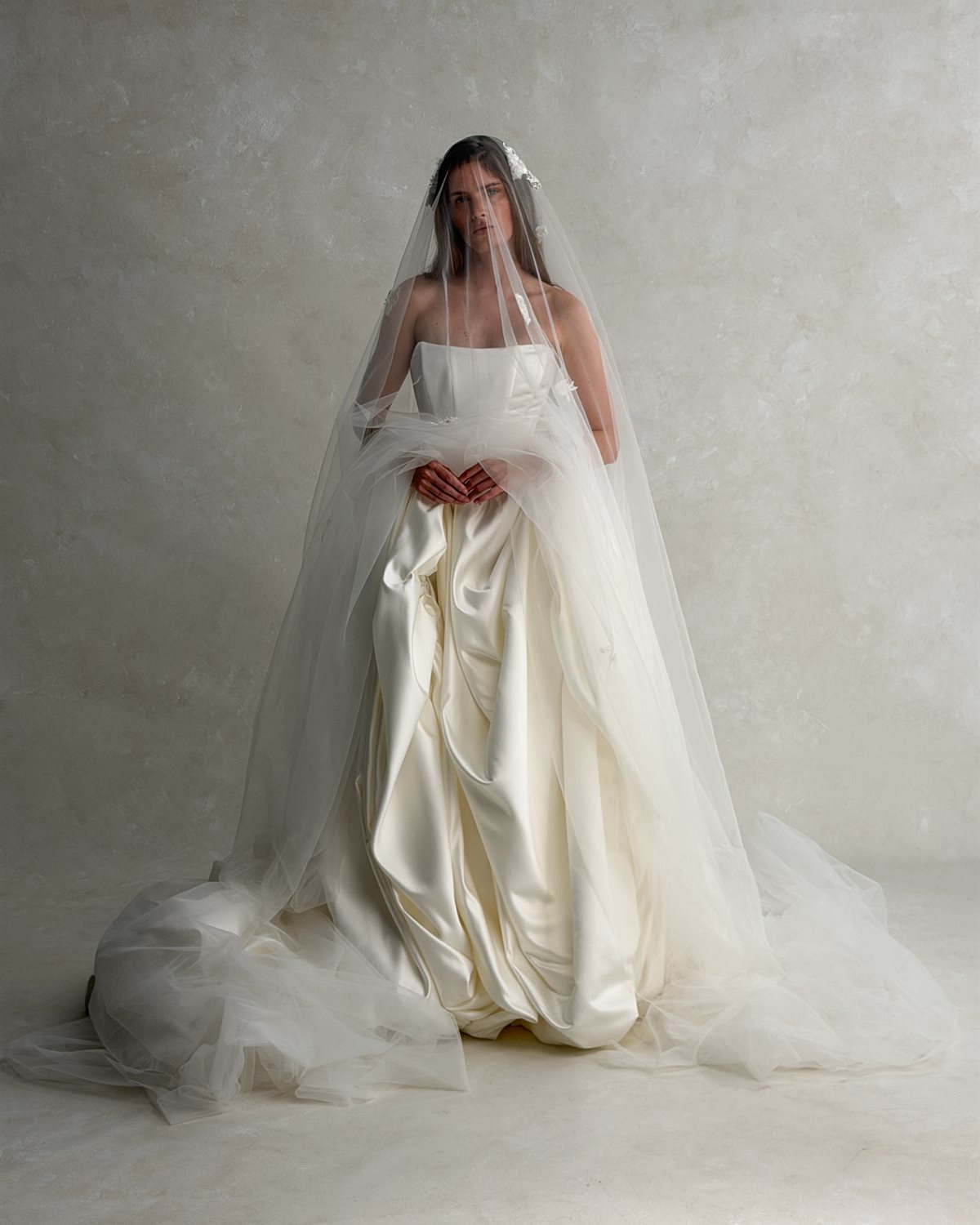
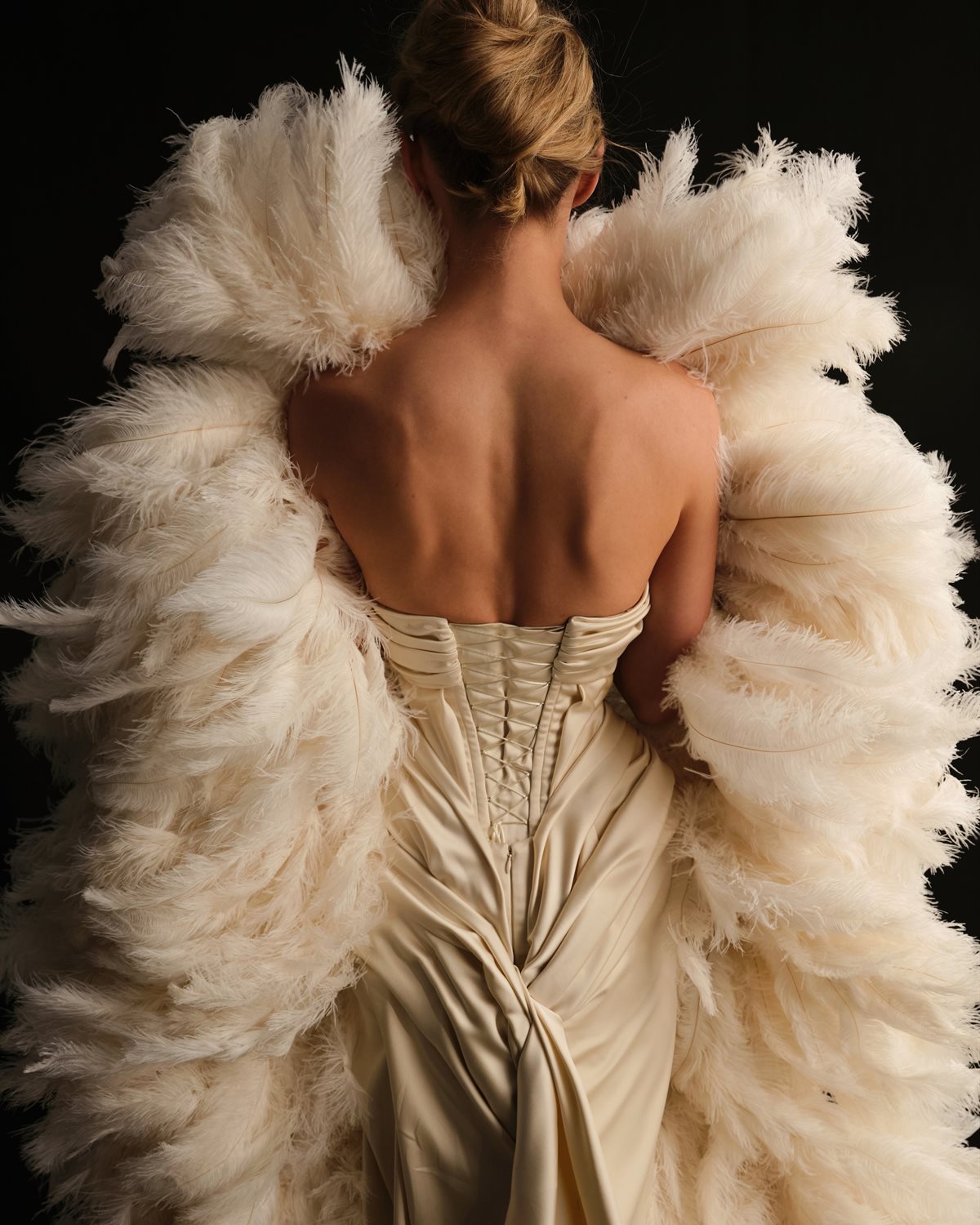
Monetre is a Ukrainian label focused on "sculptural silhouettes, sophisticated draping, and refined details." Draping, sculptural construction, and hand-finished details are techniques it returns to again and again. The average time to make a gown is 85 to 200 hours, depending on the design's complexity.
Its design philosophy is "centered around modern femininity, effortless elegance, and individuality," and the brand believes a wedding dress "should enhance a woman's natural beauty and reflect her personality." If the bride is unsure of what she wants, the approach is to try all sorts of silhouettes and styles: "Sometimes, the perfect dress is the one she never expected to fall in love with."
Its advice to a first-time bride is to "keep an open mind and enjoy the experience. Don't feel pressured to follow trends or other people's expectations." The brand sees bridal as becoming increasingly focused on individuality and self-expression.
Looking ahead, "we are focused on expanding MONETRE's international presence and building strong partnerships with leading bridal boutiques worldwide," while placing "greater emphasis on working directly with brides." In its own words: "At its heart, MONETRE is about celebrating the beauty of being yourself."

Yolancris
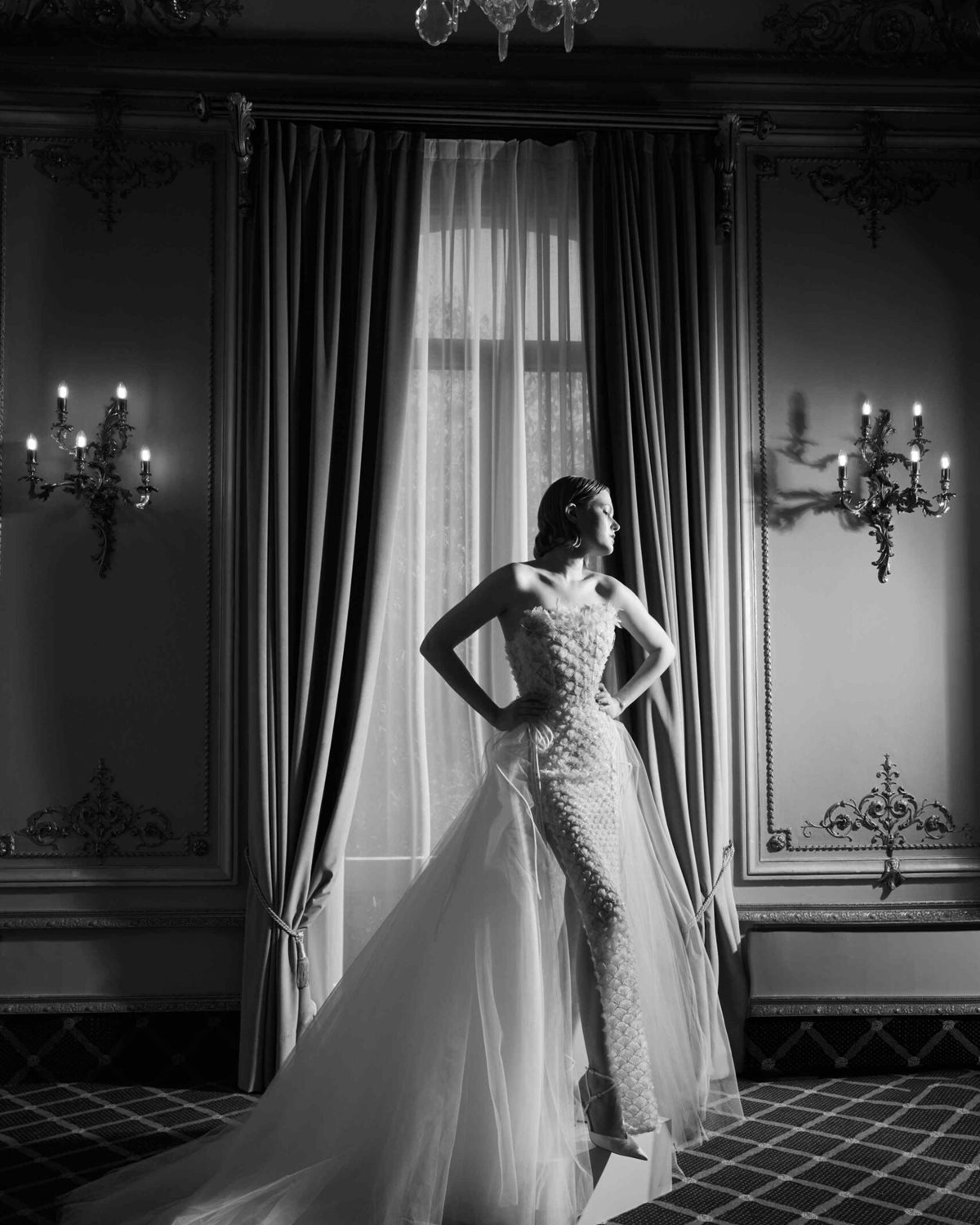
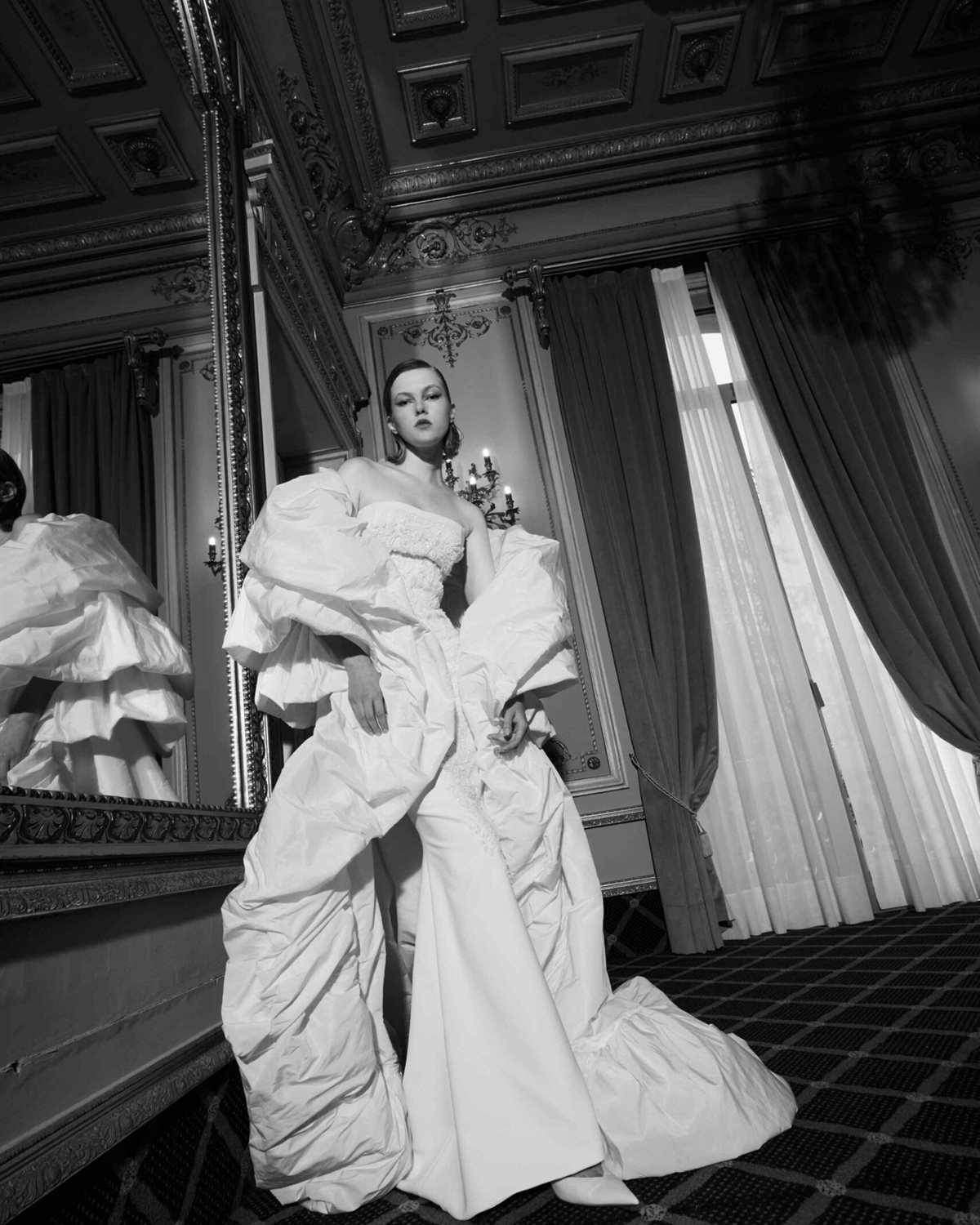
Yolancris grew out of a family business. The sisters Yolanda and Cristina Pérez set it up in 2005, following in the footsteps of their mother, who had established a bridal gown manufacturing business back in 1985. The concept was to offer "handcrafted designs that transcended the traditional bridal cliché." The first bridal collection was launched in 2005 with a "boho chic concept," and the first evening wear collection came out in 2008.
The work is carried out in the brand's own atelier in Barcelona by a team of master seamstresses and artisans who "have been with the brand since its inception." The concept of "handmade" is "more than just a phrase; it is a reality and the house's philosophy." Since mid-2018, the brand has also had a boutique-showroom at Avenida Diagonal 508. It debuted in Paris in 2019 with the Opera Prima collection, its first interaction with the Fédération de la Haute Couture et de la Mode, and it says it participates in fashion weeks in Paris, New York and Barcelona and is present in more than 30 countries.
Creative Director Yolanda Pérez describes a method that is instinctive rather than inspired: "I don't draw inspiration from anything; I follow my intuition. We are too used to looking outward. We must embark on an inward journey without fear to discover our true identity, our true self." The brand has also won Best Campaign Image at The Barcelona Bridal & Fashion Awards for its Attitude Bridal Collection.
Kaviar Gauche
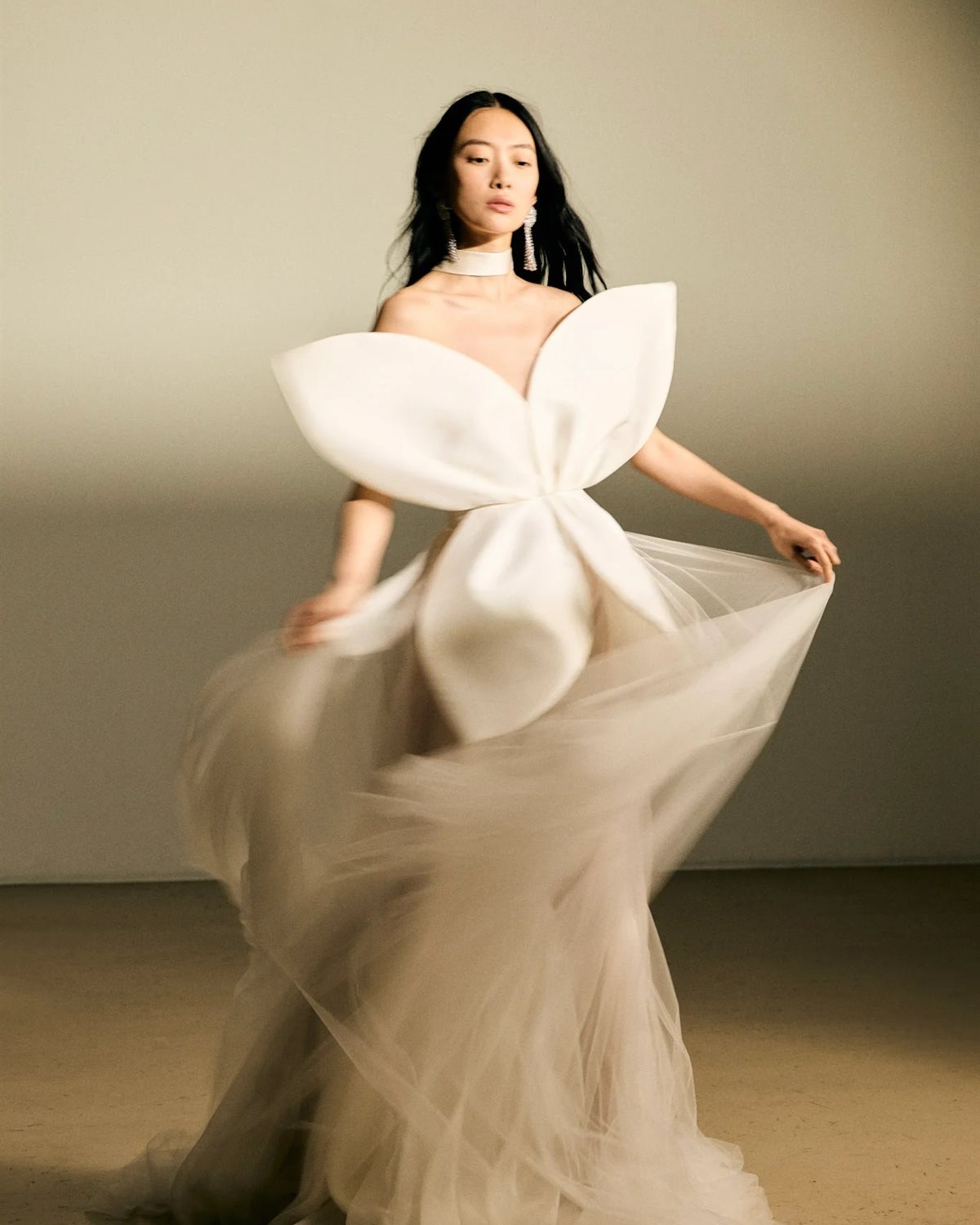
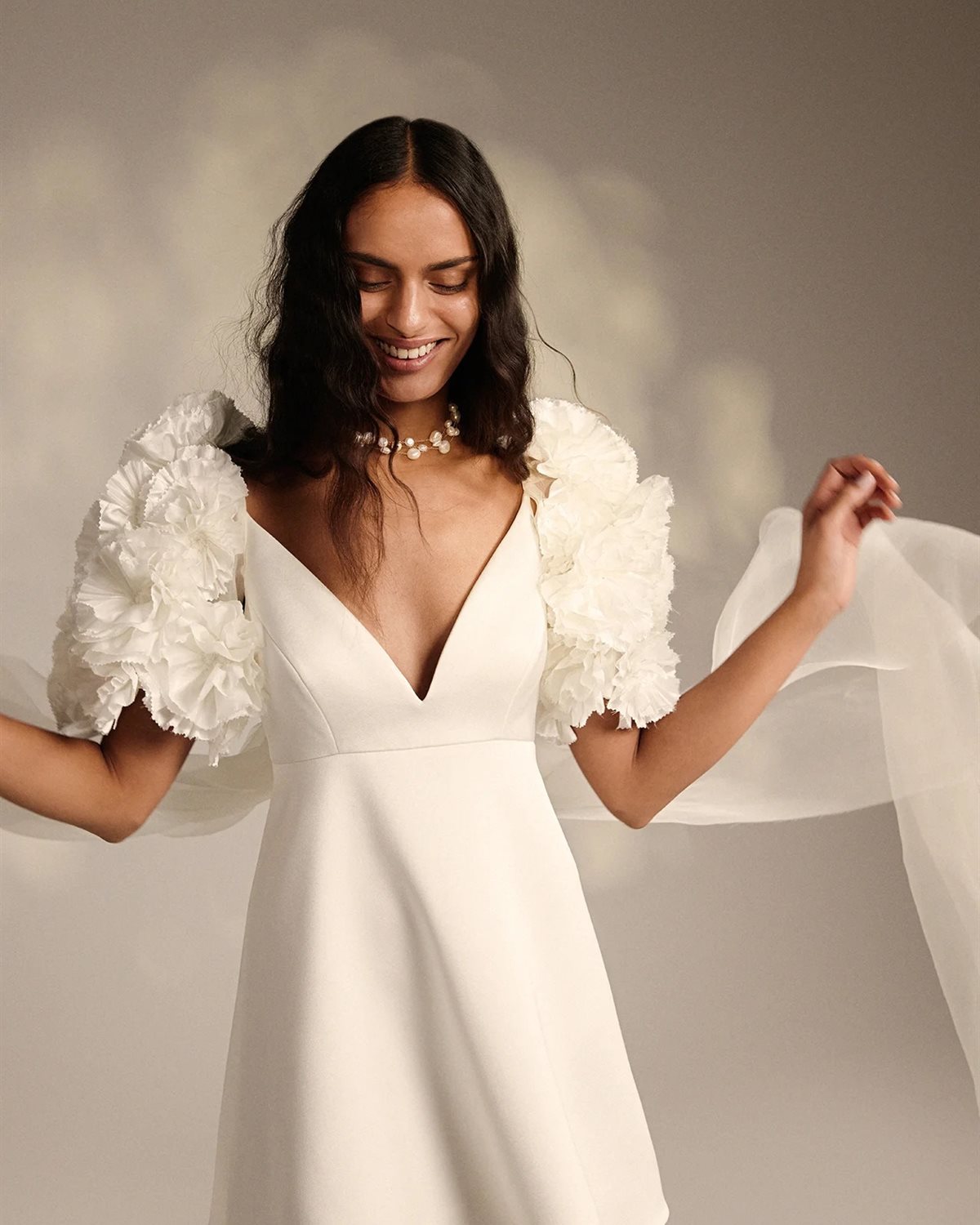
Kaviar Gauche began in Berlin in 2004 with a guerrilla fashion show in front of the Paris department store Colette. The designers Alexandra Roehler and Johanna Kühl have been producing a new bridal couture collection each year since 2009, drawing inspiration from red-carpet looks. The brand is known for its "understated elegance, graceful design, and contrasting elements," and describes its ethos as "modern glamour made in Germany."
The range runs "from romantic over minimalist to extravagant," with flowing fabrics, delicate lace, and "that certain detail." The label describes itself as "the most successful bridal couture brand in Germany."
For a couple, the main practical consideration is timing. Production generally takes 3 to 8 months, but the label will always have a selection of "ready to marry" dresses for those with a very tight schedule. The bridal ranges are available in the label's bridal concept stores in Berlin and Munich, online and through selected retailers including Printemps in Paris, Hera Zurich, Loho Bride in Los Angeles and Juno Fukuoka in Japan.
Sophie et Voilà
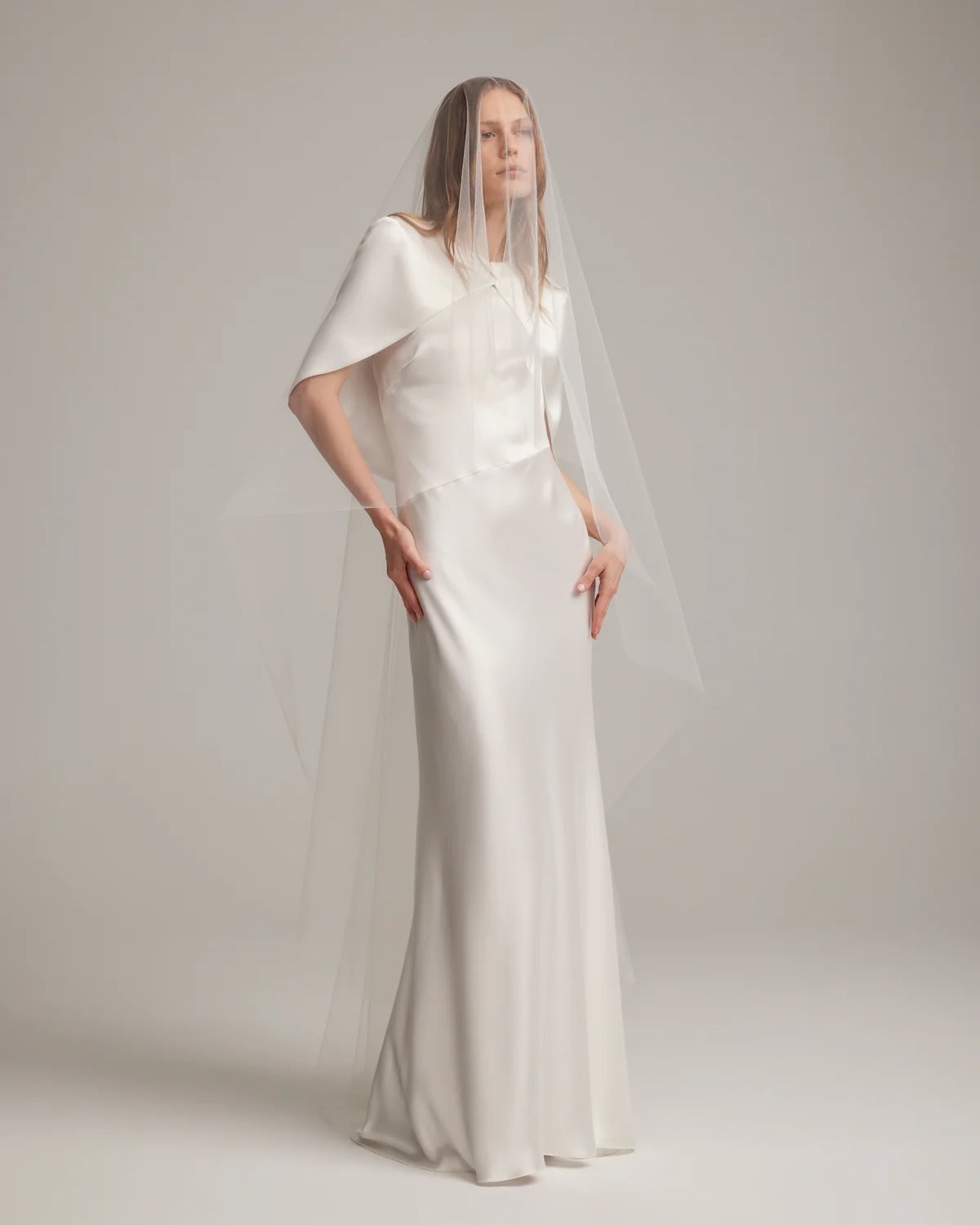
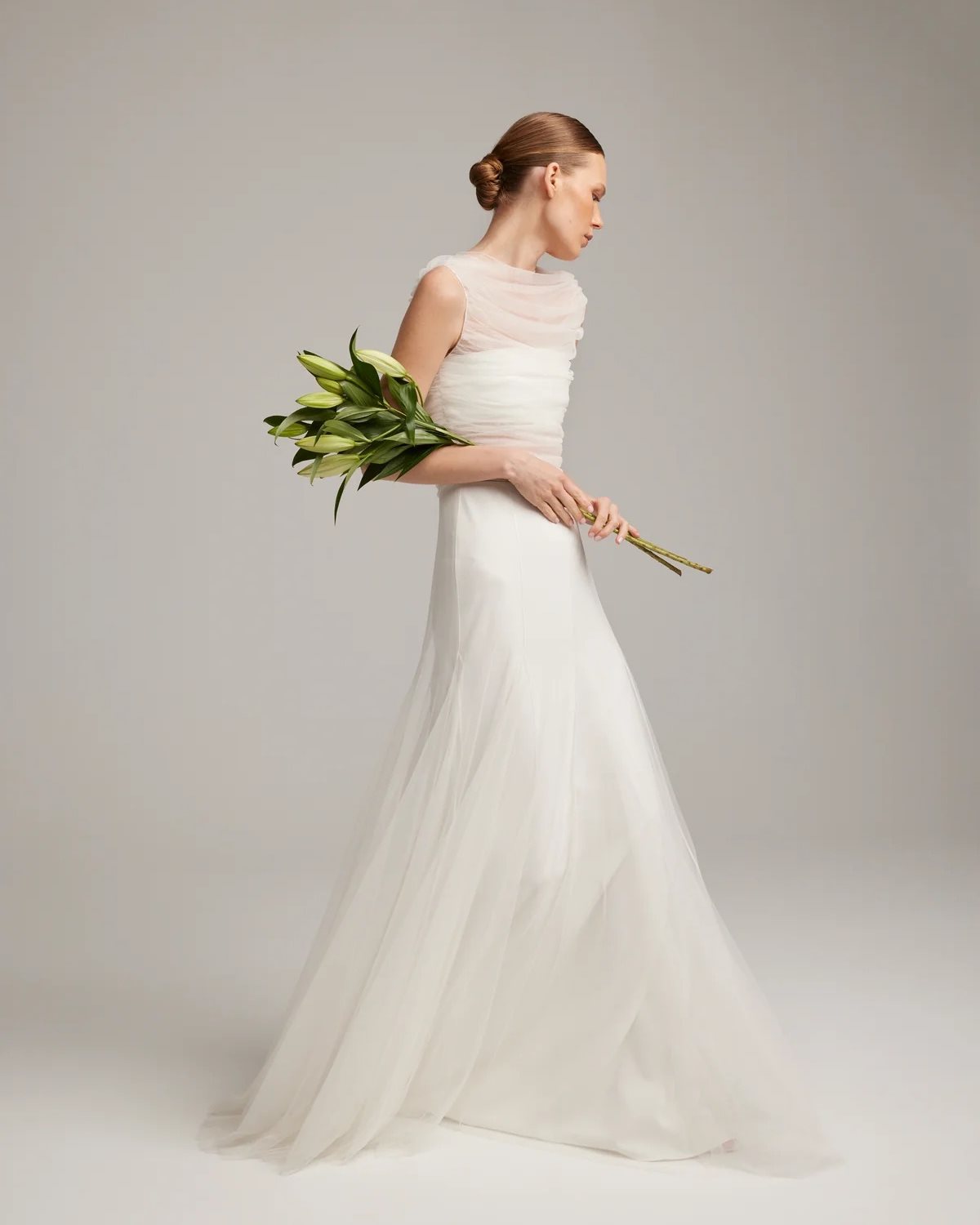
Sophie et Voilà, shortened to SEV, is a Bilbao-based label founded by Saioa Goitia. It brings a sophisticated vision of bridal wear to the urban environment, and it is not just about the color white. The philosophy of rigor and sobriety also applies to streetwear.
Its manifesto is simple: "SEV is contained and precise elegance, far from excess. Its silhouette is born from structure, featuring sculptural gestures and genuine functionality." All pieces are designed and produced locally in Bilbao "to guarantee full traceability, from the origin of the high-quality fabrics to the conscious production process." The brand says it is endorsed by luxury platforms such as Moda Operandi, FWRD, Ounass and AlHoman.
Goitia links the aesthetic to its roots: "SEV is influenced by the sobriety and elegance of my roots. It speaks in a low voice, yet leaves its mark." The brand describes itself as "an art in the essentials."
Rosa Clará
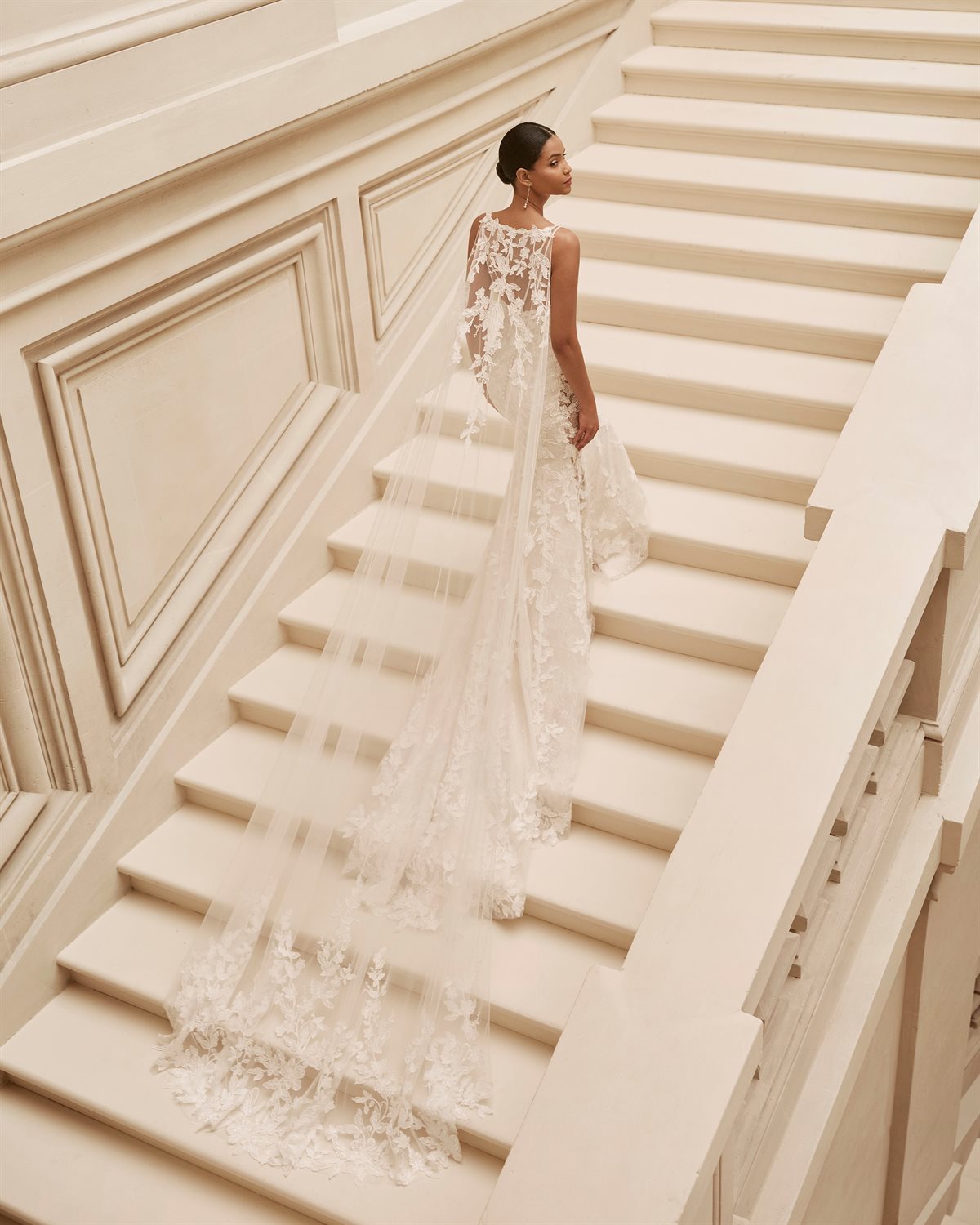
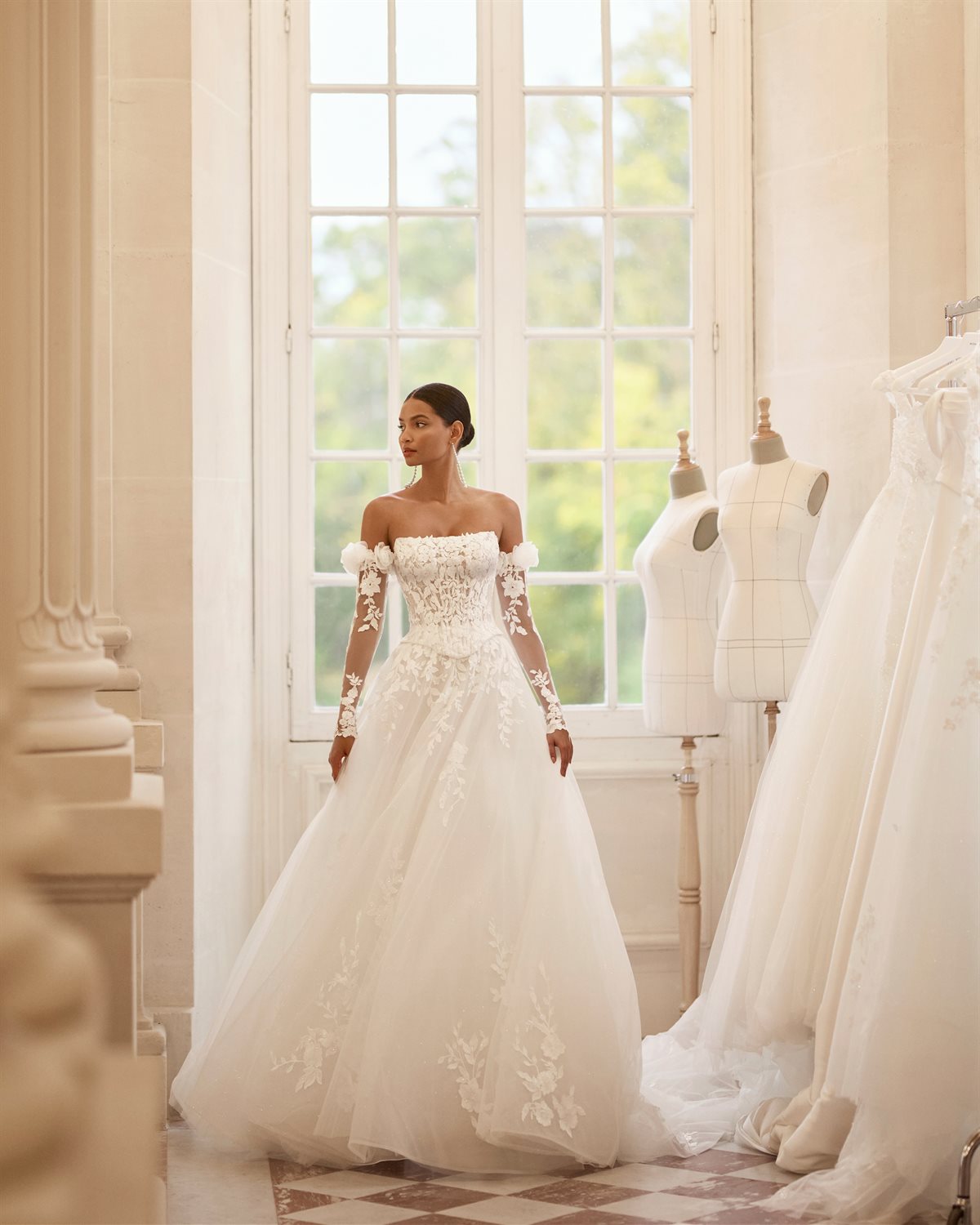
Rosa Clará launched her eponymous wedding-dress brand in 1995 with a store on Paseo de Gracia in Barcelona. From the start, the business was about "creating bespoke designs to make women happy." The brand now claims to have upwards of 4,000 points of sale.
In 2002, the house began a new phase with its first collaboration with international designer Christian Lacroix, followed by collaborations with designers such as Karl Lagerfeld and Zuhair Murad. The brand states that it has launched each edition of Barcelona Bridal Fashion Week with its own collection.
In 2007, it launched the Rosa Clará Cocktail range, a service for brides and their guests. The business now offers wedding dresses, bridal accessories and occasion wear, with a range of curated collections to help the bride put together a complete look.
Looking forward, Rosa Clará speaks of continuity: "For me, the fact that my only child is joining the company means the future. On both a personal and professional level, it is the perfect finishing touch to my career. I think that together we still have many brides to serve all over the world."

POLLARDI
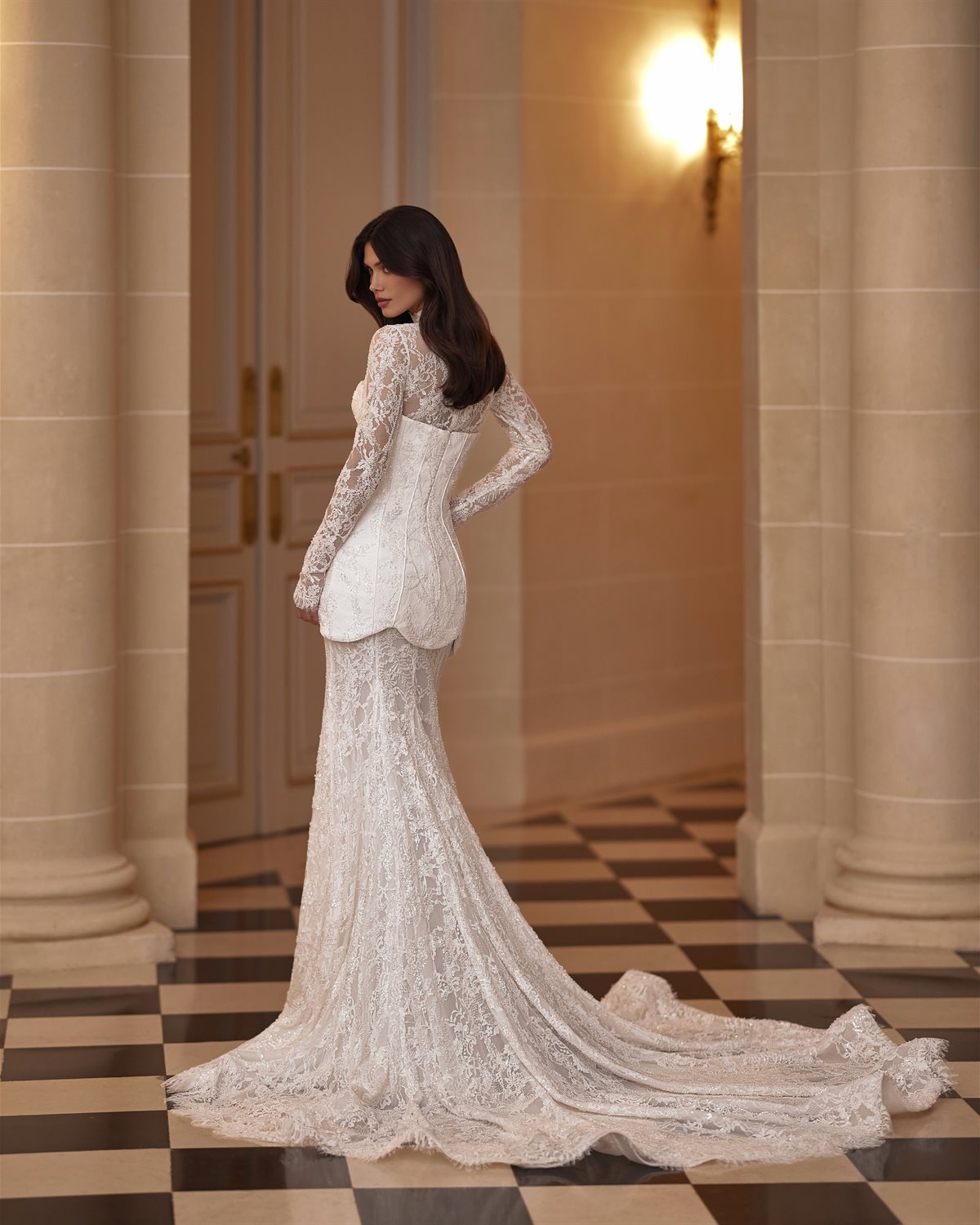
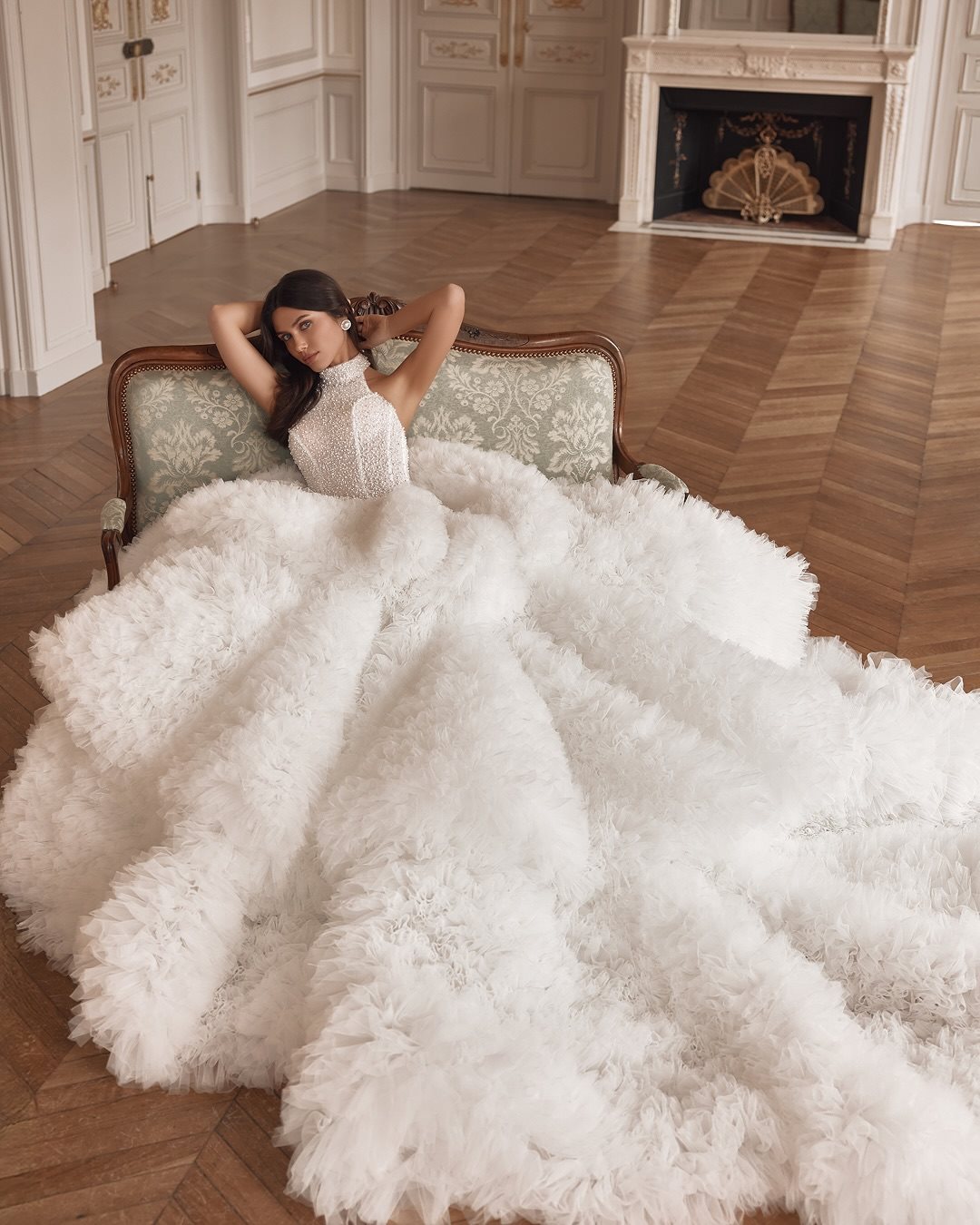
POLLARDI started in 2012 with chief designer Marina Vasilieva creating the very first model wedding dresses. Brides took them straight away, and they sold out. A few years later, brides from the United States and Europe came to try them on, and in 2018 they became popular in the Chinese market too. The company describes itself as "the largest brand in Ukraine and the largest wedding dress factory in Europe," and says it works with partners in 80 countries. It has exhibited at The Knot Couture in New York, The London Bridal Week, and Barcelona Bridal Fashion Week.
Its philosophy is "magnificence, luxury and the status of the queen bride," and the looks are "works of art that take days or even weeks to make by hand," with flowing trains, handmade embroidery and "a unique lace of our own production."
POLLARDI FASHION GROUP also has Ida Torez, which it describes as "passion and sensuality expressed in a wedding dress," and Daria Karlozi, which offers "romantic classic wedding dresses" that are "classic, and at the same time not simple at all."
The main decision is less about taste and more about how you want to be looked after. A made-to-measure atelier will take months and give you its full attention; a house with its own stores and a "ready to marry" range can move much quicker; and a bigger label may offer a much wider range of looks under one roof. None of that is better in itself; each will suit a different bride and a different calendar.
So compare the process before the silhouette. Ask how long the gown takes, who makes it, how many fittings there are, and whether they can be done remotely for brides living overseas. Then look at the fabric and finish that matter most to you: layered silk, crepe, lace, embroidery or draping. If your wedding is within the year, ask early what is already made and what must be made for you.
The designers who responded to our questionnaire all gave very similar advice on how to approach the first appointment: be open-minded and listen to yourself rather than all the noise around you. That is sensible advice when there is such a wide range of styles available, from the sculptural crepe and layered silk of Madrid to the understated everyday wear of Bilbao and the more sumptuous gowns of POLLARDI.
Spain, Ukraine, Germany and the Paris-Beirut axis all give very different answers to the same question, and that is the strength of the list. Each house has its own take, and the right one is the one where you see yourself. To keep comparing designers atelier by atelier, continue your search for premium bridal designers in Europe on Wezoree.