Your Ultimate Washington Honeymoon Guide


- Honeymoon in Washington DC or Washington State: Which Is Right for You?
- A Washington DC Honeymoon for Culture Lovers
- Honeymoon Destinations in Washington State
- Honeymoon Ideas in Washington State Beyond Classic Sightseeing
- When to Plan a Honeymoon in Washington
- 14-Day Washington Honeymoon Itinerary
- Planning Tips: Budget, Bookings, and Getting Around
- FAQ
A Washington honeymoon can mean two very different trips, and that's what makes it so interesting. The DC end of things has marble monuments lit up at night, free world-class museums, cherry blossoms, and an excellent restaurant scene. On the other side of the country, Washington State has ferries between the forested islands, orcas in the Salish Sea, glacier-capped volcanoes, rainforests, and wine country. Many couples will pick one. Some with a bit of spare time will do both and go coast to coast.
This guide is all about that choice. It begins with a side-by-side comparison to help you work out which of the two Washingtons is right for you, then goes on to look at each of the destinations in turn: where to stay in DC, which of the islands and parks in the Pacific Northwest are worth your while, and what each season offers. There's also a 14-day itinerary that links the two, practical booking tips for a trip where many reservations sell out months in advance, realistic budgeting, and a list of the bookings most first-time visitors miss. If you're after city nights or mountain mornings, the planning starts here.
Find Your Perfect Wedding Vendors

Honeymoon in Washington DC or Washington State: Which Is Right for You?
A Washington DC honeymoon is ideal for couples who love history, museums, walkable areas, and food. A honeymoon in Washington State is the better option for those who want nature, scenic drives, islands, and cozy lodges. DC is a great option for a short trip that doesn't require a car. Washington State is best experienced at a slower pace, with a rental car and at least a week. Your ideal time of year also differs: DC is best in spring and fall, and Washington State is best from July to September. The table below offers a quick comparison.
| Washington DC | Washington State | |
|---|---|---|
| Atmosphere | Historic, cultural, urban | Coastal, wild, outdoorsy |
| Best months | Late March to May, September to November | July to September |
| Ideal trip length | 3 to 5 days | 7 to 10 days |
| Getting around | Walking, Metro, rideshare | Rental car and ferries |
| Romantic highlights | Monuments at night, Georgetown, river cruises | Island sunsets, orca watching, mountain lodges |
| Best for | Museum lovers and food-focused couples | Hikers, road-trippers, and wine lovers |
If you can't decide, you don't have to. Nonstop flights between the coasts take about six hours, and the time difference works in your favor when you fly west: you gain three hours, so you arrive in Seattle with most of the day still to go. The itinerary later in this guide spends the first few days in the capital and the rest of the time in the Northwest, giving you a honeymoon of two very different chapters. Flying west first also helps with jet lag, since it's far easier to stay up late than to wake up early.
A Washington DC Honeymoon for Culture Lovers
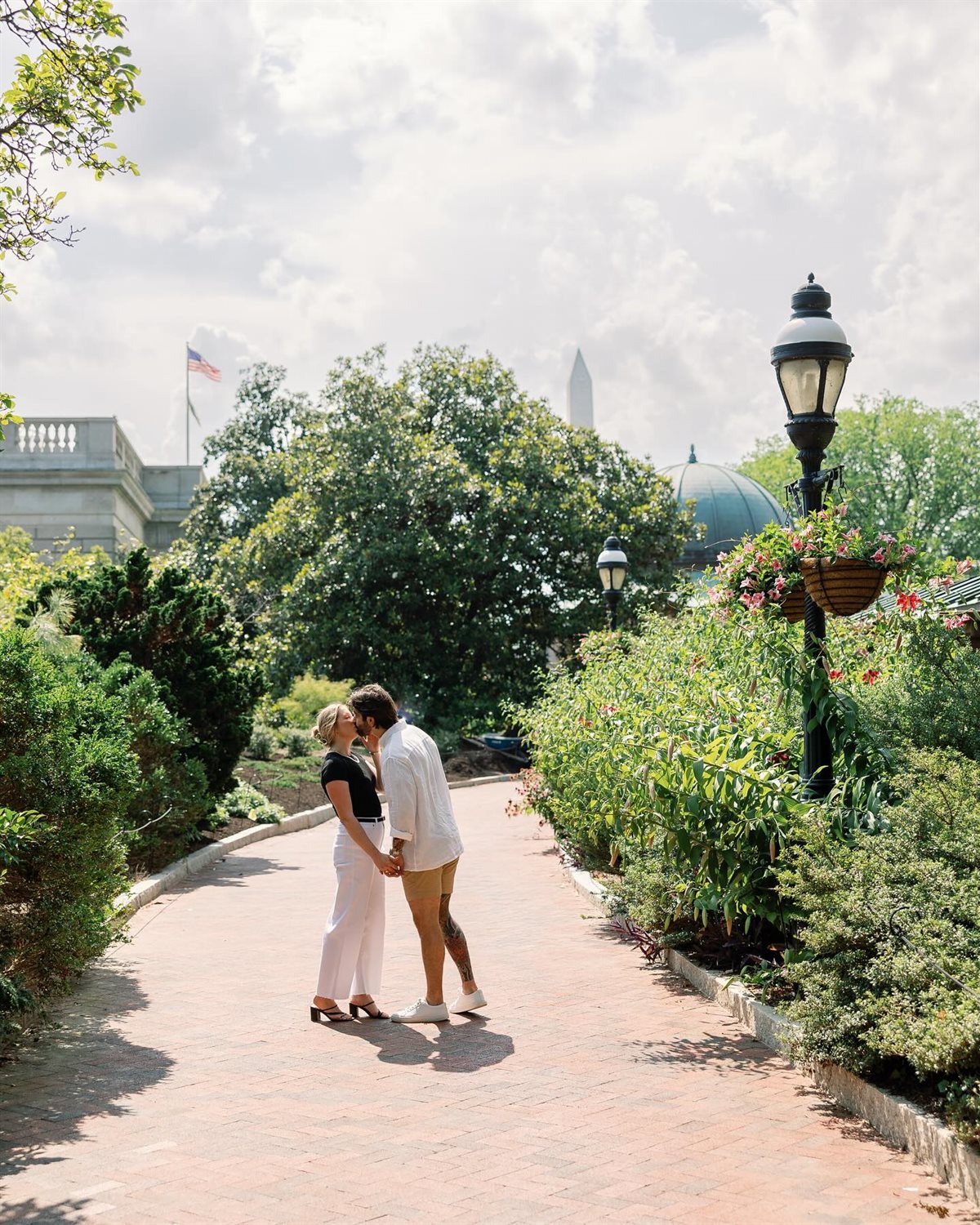
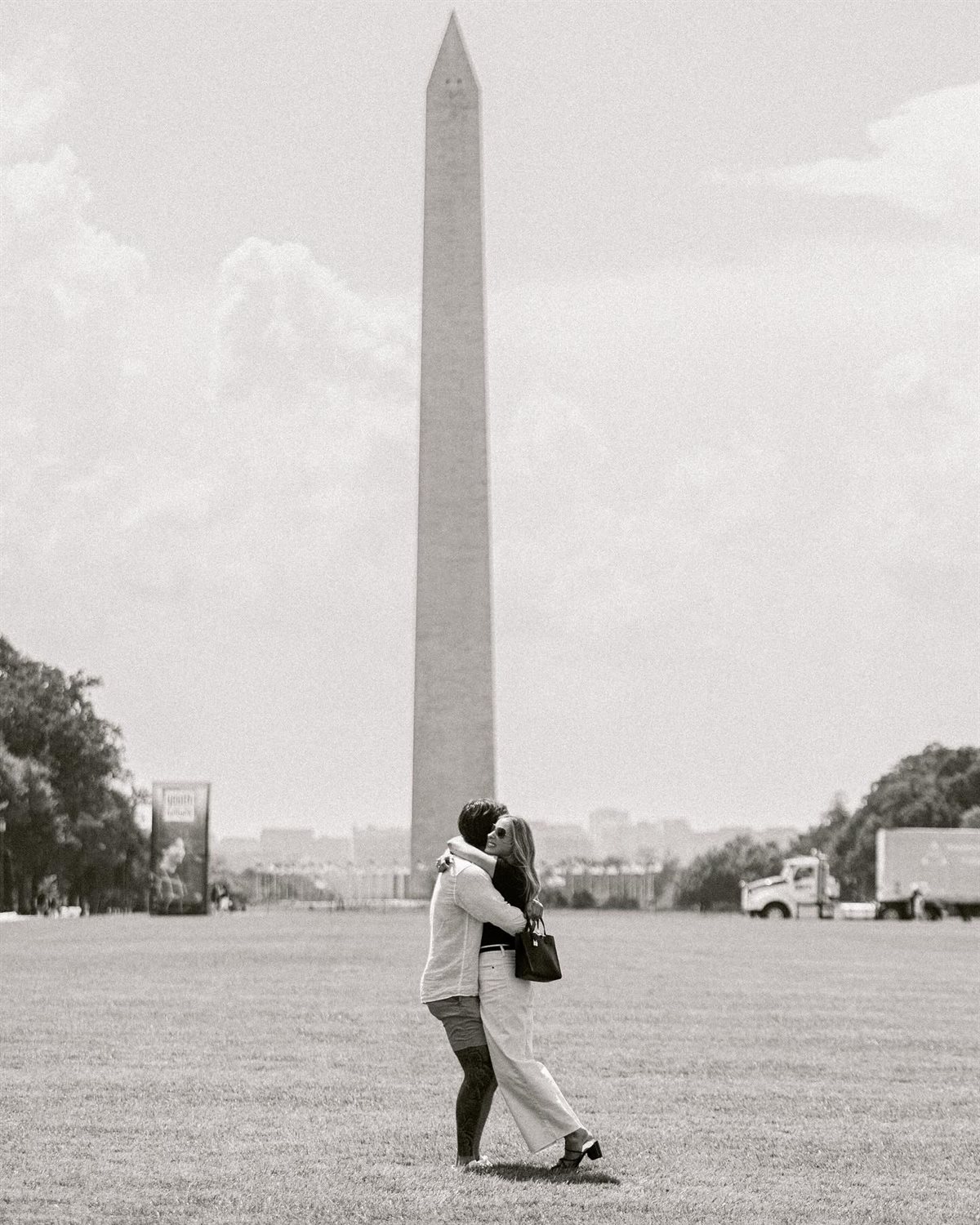
The capital is a surprisingly romantic city if you ignore the political press. Wide avenues and plenty of parks make it very pleasant to walk around. The National Mall is stunning at sunset, and many of the best things to do in the city are free, including the Smithsonian museums and the National Gallery of Art. A honeymoon in Washington DC is ideal for couples who want a short trip without a car or are combining it with another East Coast destination. Three to five days is plenty to see the highlights without feeling rushed.
Where to Stay: The Most Romantic Neighborhoods
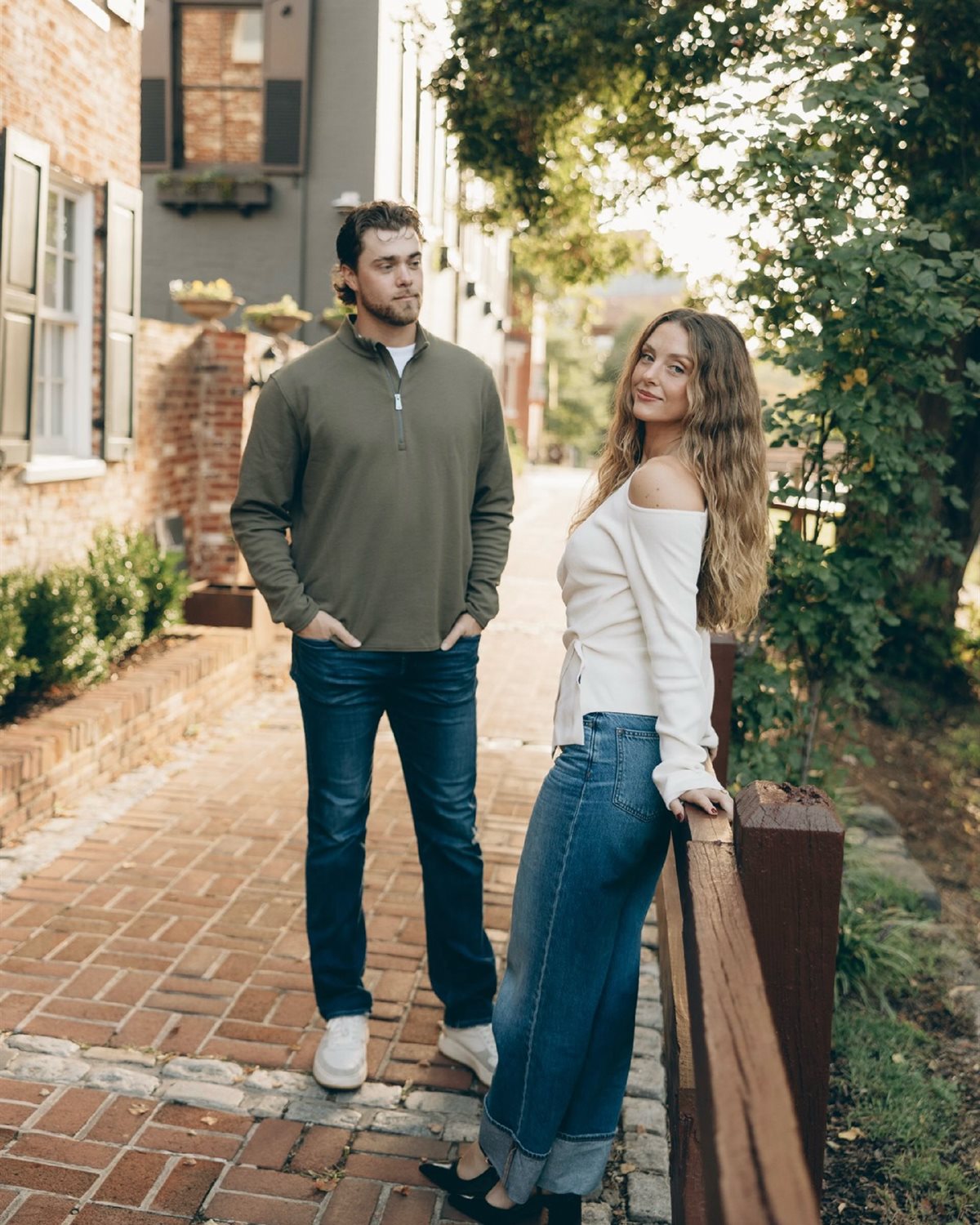
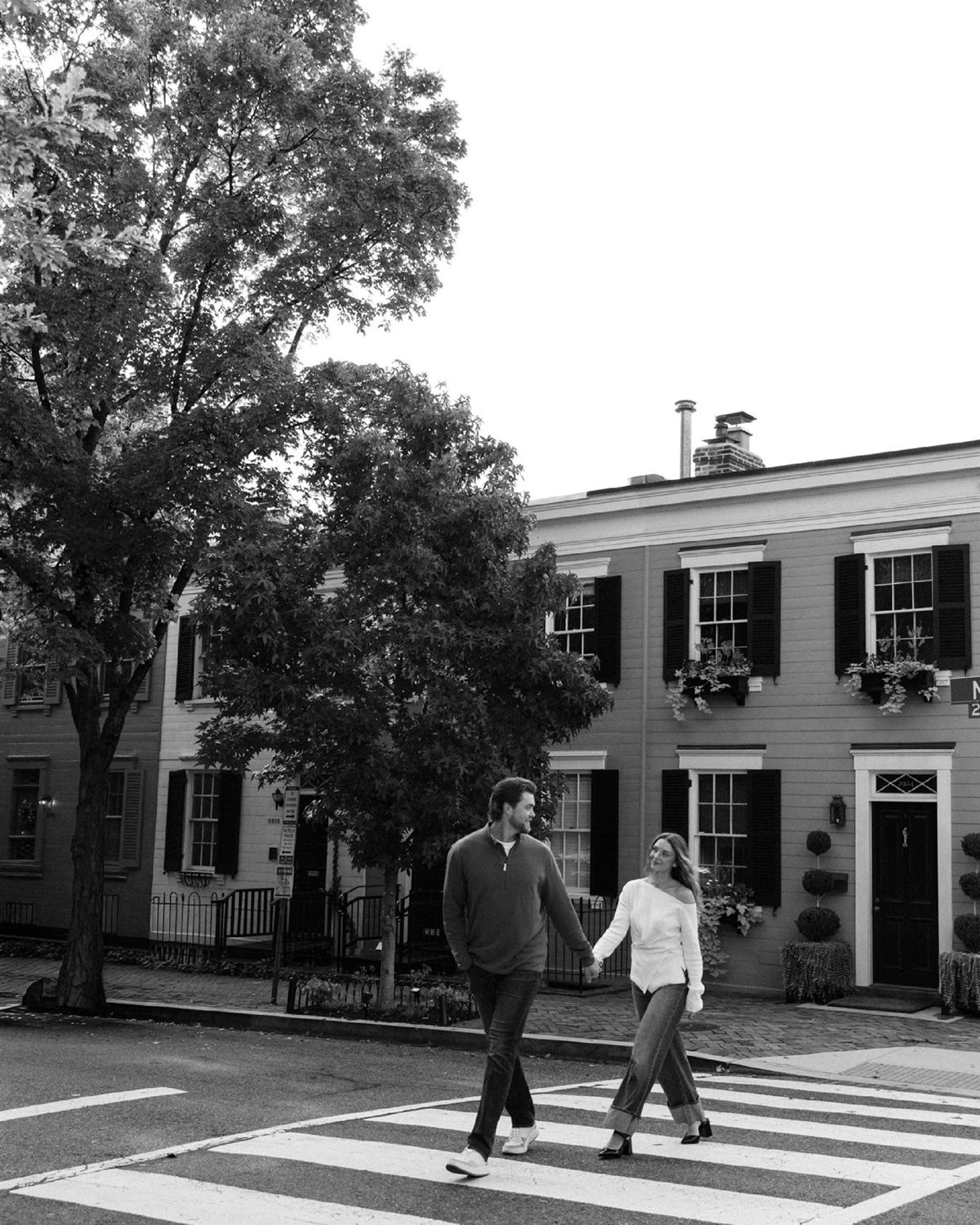
Georgetown, Dupont Circle, and the Wharf are the three most romantic places to base a honeymoon. Each has its own character. Georgetown has the feel of a small historic town in the middle of the city, with cobbled streets, Federal-style row houses, boutiques, and waterfront access on the Potomac. Dupont Circle is the liveliest and most walkable, with Embassy Row, wine bars, and great Metro access. The Wharf is the most modern of the three, a waterfront area with promenades, rooftop terraces, live music venues, and water taxis to Georgetown and Old Town Alexandria.
For couples who want to jump straight from the hotel into the sights, Penn Quarter and the area around the White House put you within walking distance of the Mall and its museums, though the streets get quite quiet after dark. As a rough guide, a good four-star hotel in a central location will run you around $250-400 per night in the peak months. Prices go through the roof during cherry blossom season and on major holiday weekends, so if your dates are flexible, late April, May, and the fall months are generally the best time to go for value.
Best Washington DC Honeymoon Activities
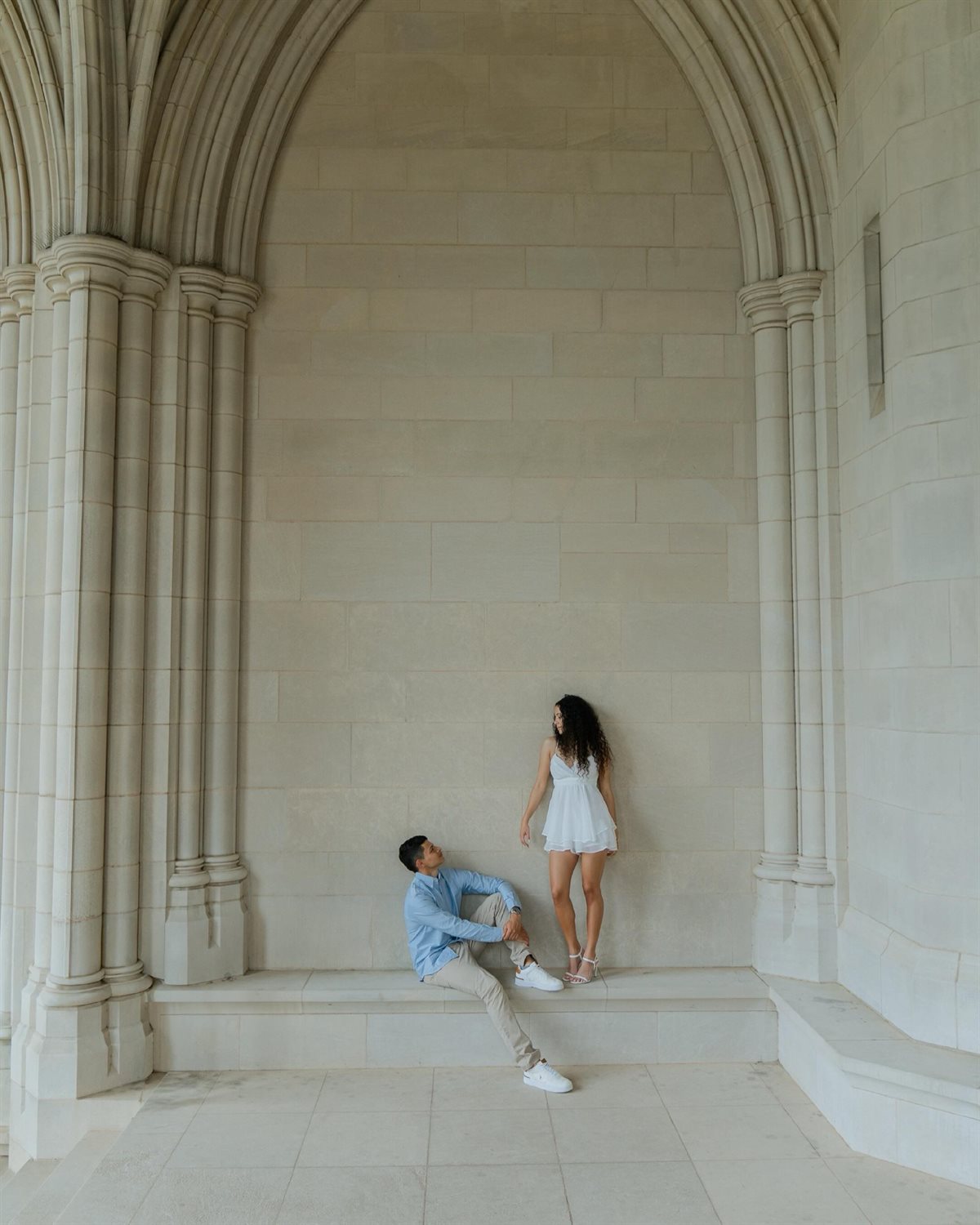
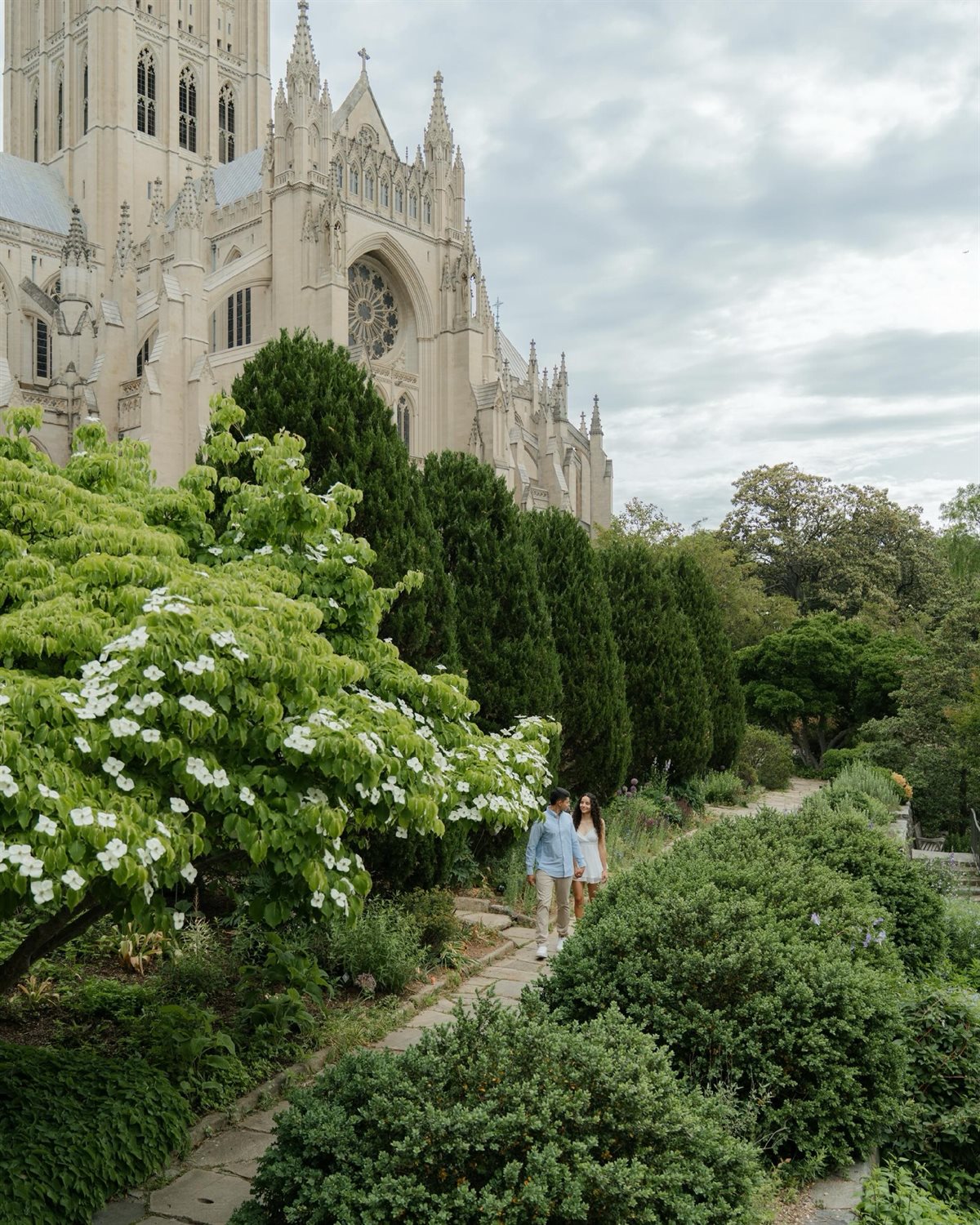
The best Washington DC honeymoon activities mix the iconic with the more relaxed and personal. Here are the experiences you should plan your days around:
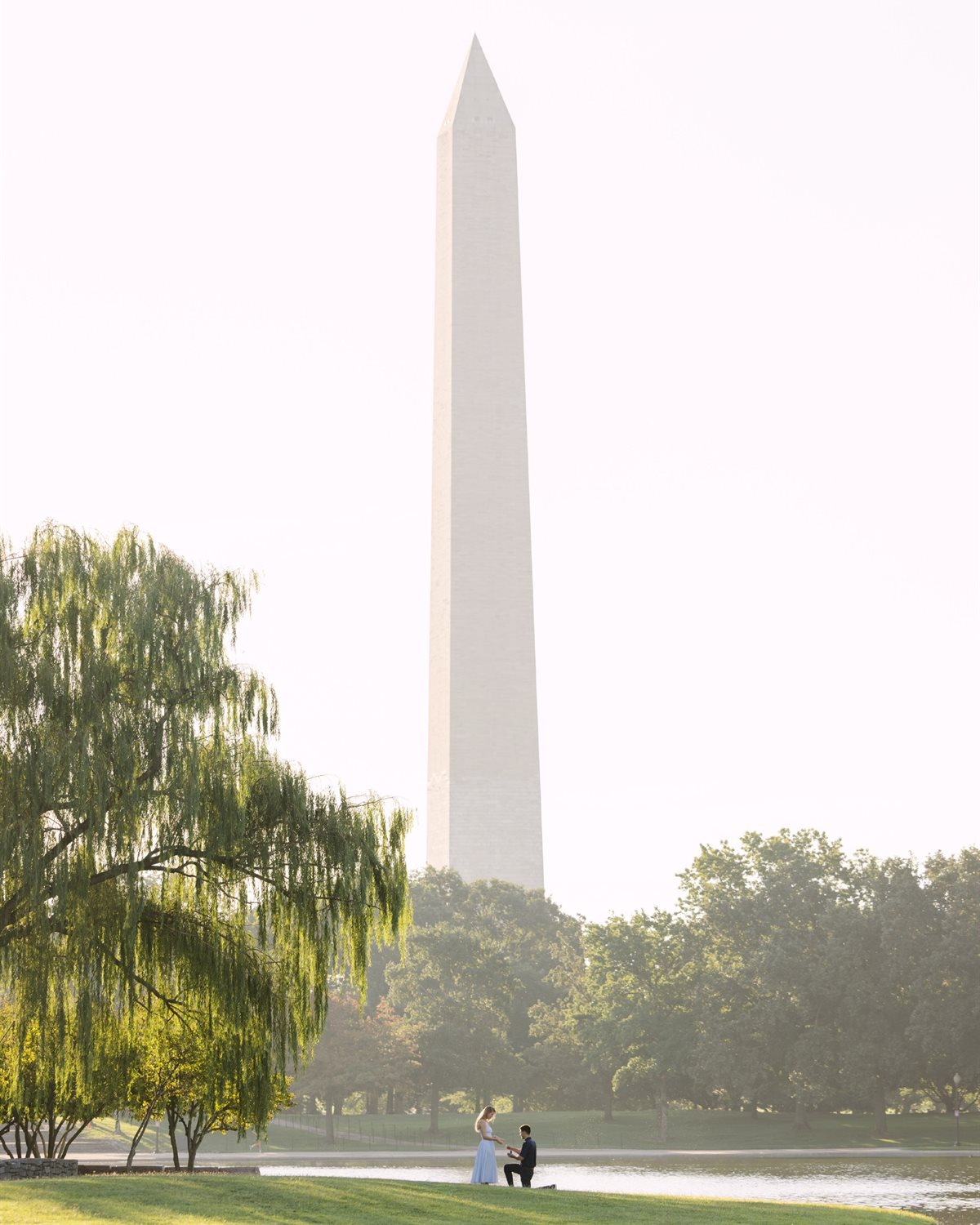
- See the monuments at night, when the Lincoln Memorial, the Washington Monument, and the Jefferson Memorial are lit up and the crowds have thinned.
- Spend a lazy afternoon in the free Smithsonian museums, from the National Air and Space Museum to the National Museum of Natural History.
- Rent a kayak or a paddleboard on the Potomac from the Georgetown waterfront.
- Take a sunset river cruise or a water taxi from the Wharf to Old Town Alexandria for dinner.
- Walk or cycle the towpath of the C&O Canal, starting in Georgetown.
- Book a tasting menu at one of the city's highly regarded restaurants, which rival the best in New York.
- Visit Mount Vernon, George Washington's estate overlooking the river, about 30 minutes from downtown.
Day Trips from the Capital
Leaving the city for the day is a great way to vary your DC itinerary, and several excellent getaways are less than two hours away. Virginia wine country starts about an hour west, with numerous wineries set in the hills, many with picnic lawns, tastings, and spectacular mountain views. Shenandoah National Park, around 75 miles away, is well known for Skyline Drive, the 105-mile scenic road running along the Blue Ridge Mountains, and it's absolutely gorgeous in the fall, when the leaves are red and gold.
Closer to town, Great Falls Park, just 15 miles from downtown, has the river tumbling over the rocks right in front of you and some short walking trails. Old Town Alexandria, with its brick streets and waterfront restaurants, is an easy half-day trip by water taxi or Metro. If you're staying a bit longer, Annapolis on the Chesapeake Bay is about an hour's drive and is ideal for couples who like sailing towns, seafood, and harbor sunsets. These closer escapes are all within about an hour of downtown, so you'll be back in time for dinner in the city.
Washington DC Honeymoon Packages: What to Expect
Washington DC honeymoon packages are generally put together by hotels rather than tour operators and usually include a room upgrade, champagne or a welcome treat, breakfast for two, late checkout, and sometimes a spa credit or a private dinner. The extras can be great value, but compare the package price to the standard rate before you book. You'll often find the same extras cheaper if you book a standard room and then ask for them. It's also worth mentioning your honeymoon when reserving. If you're dreaming of a truly special room, browse these honeymoon suites in top hotels for inspiration.
For a more personal experience, you could put together your own package: a few nights in a boutique hotel, a guided evening monument tour, a river cruise, and a reservation at a nice restaurant. That way, you're in full control of your budget, and you're not paying for things you won't actually use. If you're combining DC with Washington State or another destination, a travel agent can arrange your flights and transfers, which is a massive time saver on the longer routes. Book your dates early, as the best boutique rooms fill up quickly in the spring and fall.
Honeymoon Destinations in Washington State
The top honeymoon destinations in Washington State are Seattle, the San Juan Islands, the Olympic Peninsula, Mount Rainier, and the wine country east of the Cascades. They cover pretty much all the ground you could want in terms of scenery: a waterfront city, quiet islands, temperate rainforest, wild Pacific beaches, alpine meadows, and sunny vineyards. They're all within reach of one another, though the ferries and mountain roads add time, so it's better to pick three or four and enjoy them properly rather than zip through them all in one week.
Seattle
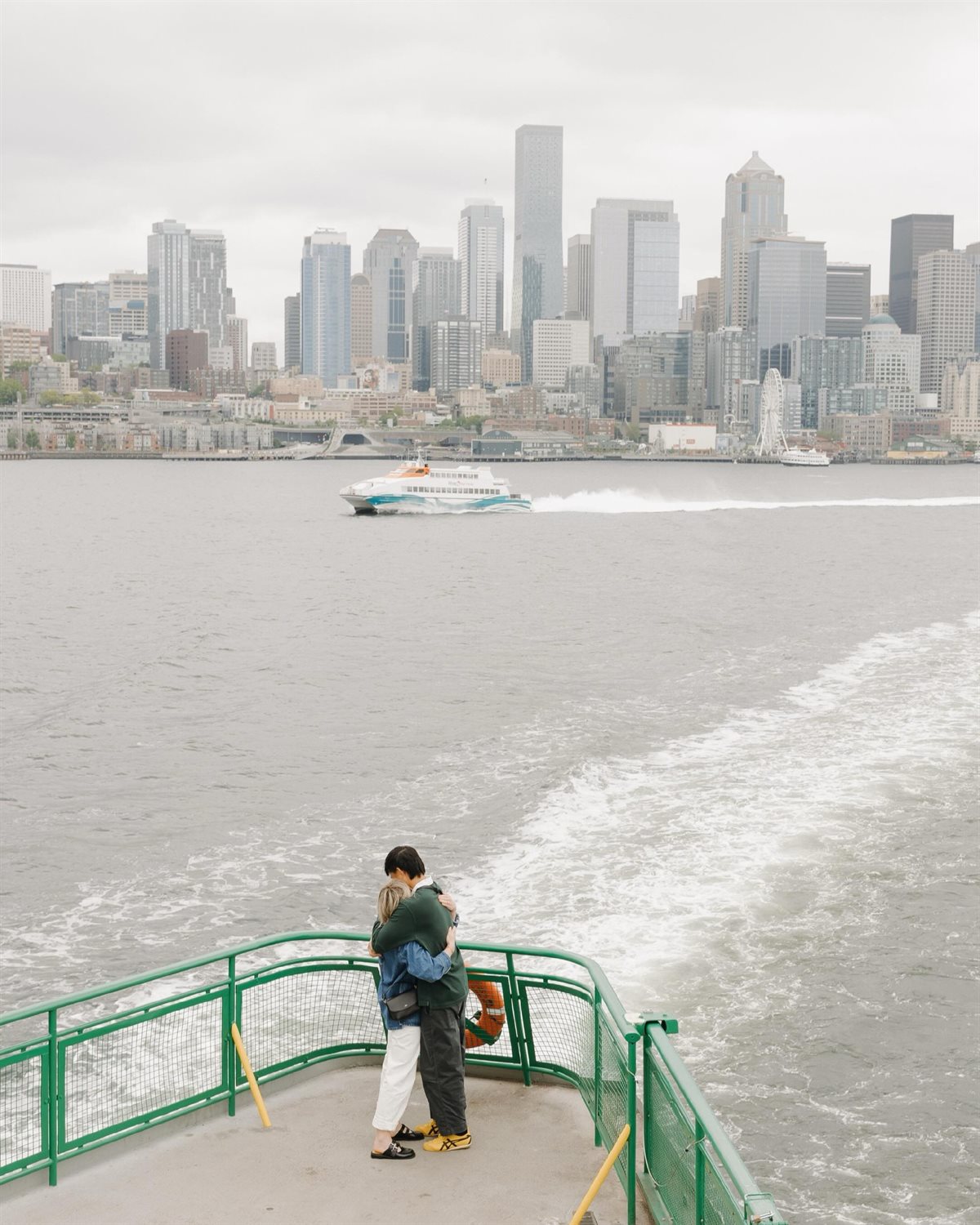
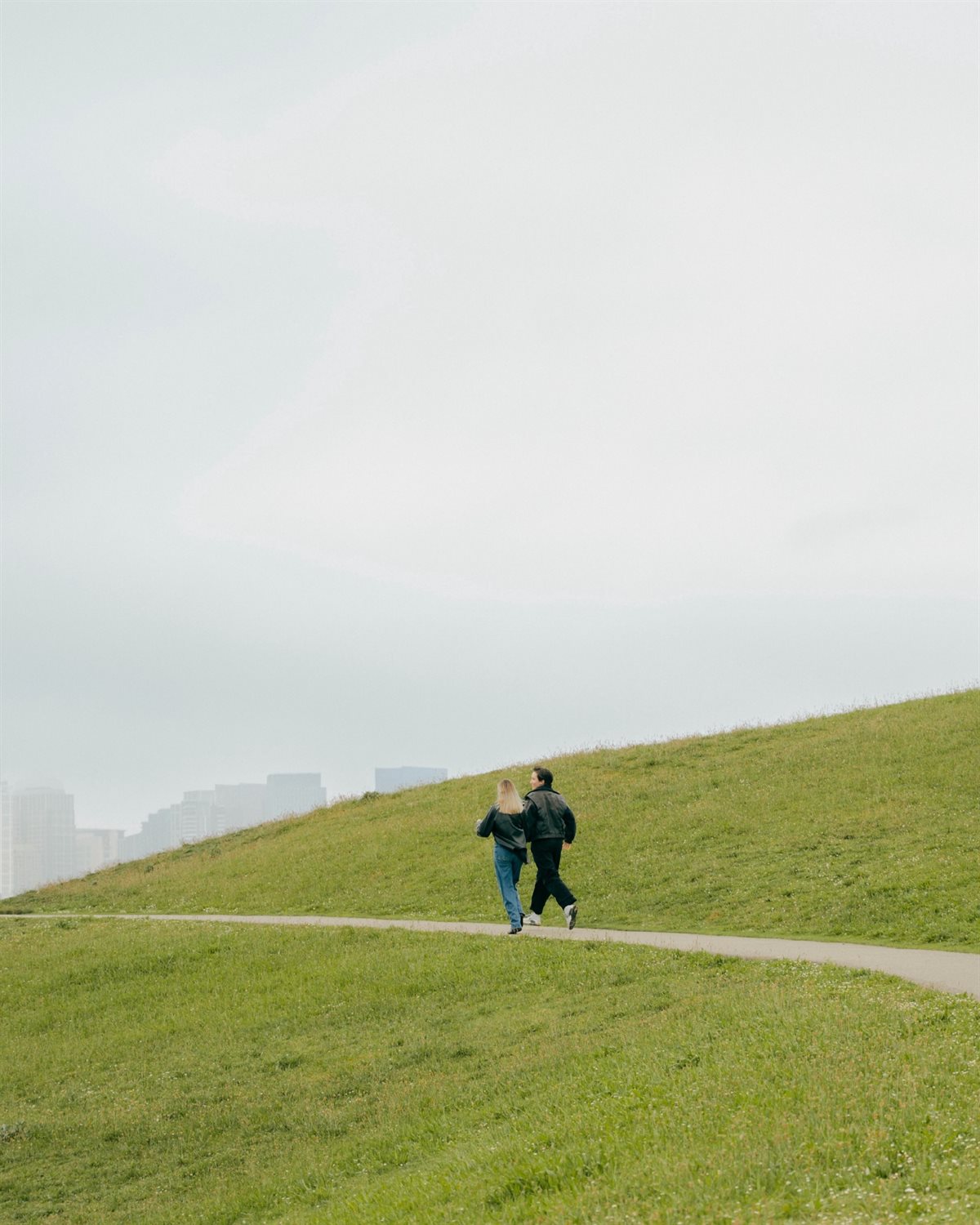
Seattle is the gateway to the Northwest and absolutely warrants at least two days. Pike Place Market is the obvious place to start, with its flower stalls, fishmongers, and little specialty shops. The new Waterfront Park, completed in 2025, connects the market to the water via the Overlook Walk, an elevated park with great views over Elliott Bay and the Olympic Mountains. A short ferry ride to Bainbridge Island is an easy, romantic half-day trip, and you get lovely skyline views on the return journey.
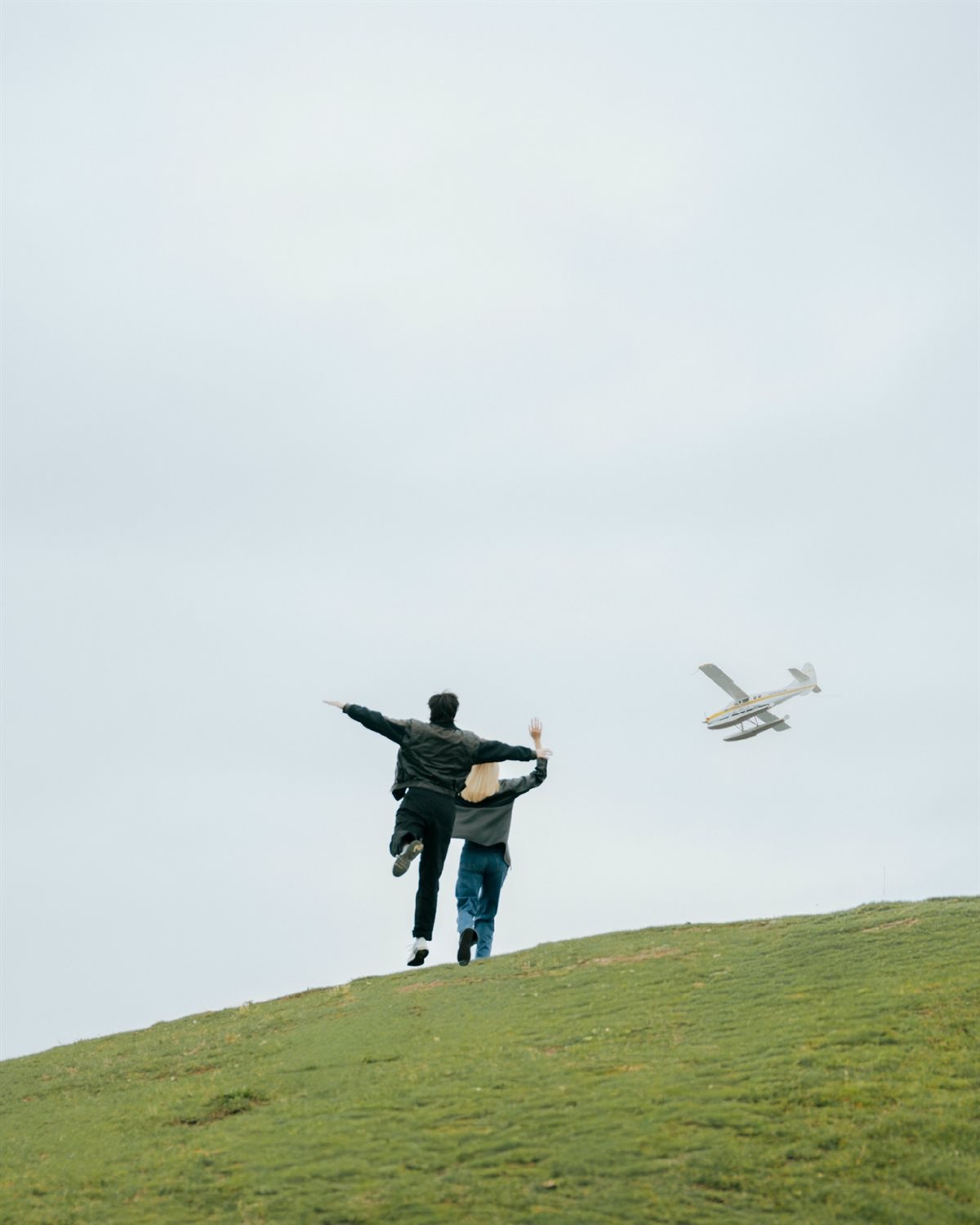
A honeymoon in Seattle, Washington, is best enjoyed at a relaxed pace: coffee in Capitol Hill, a sunset at Kerry Park, dinner with local oysters and salmon, and a seaplane flight over the city and Lake Union for a real treat. Hotels are very expensive in summer. The city's tourism office reports the average daily rate in Seattle was around $298 in summer 2026, and June and July were the first months in the city's history to see the rate go over $300. Winter rates are a lot lower, often well under $150.
The San Juan Islands
The San Juan Islands are the most romantic part of Washington State: an archipelago of forested islands, quiet coves, and small harbor villages in the Salish Sea. San Juan Island is by far the most visited, with Friday Harbor as the hub. Lime Kiln Point State Park is widely regarded as one of the best places in the world to watch orcas from the shore. Orcas Island is hillier and more remote, with Moran State Park and the drive up Mount Constitution, whose summit offers one of the best views in the region.
Whale watching is the highlight. Bigg's orcas, which feed on seals and sea lions, are around the islands year-round. The endangered Southern Residents are more likely to be there in summer, when the salmon are running. July and August are the best months for seeing whales, though June and September are good too, with smaller crowds. Other things to do include sea kayaking, cycling the quiet roads, popping into the lavender farms, and long dinners with a view over the water.
The Olympic Peninsula
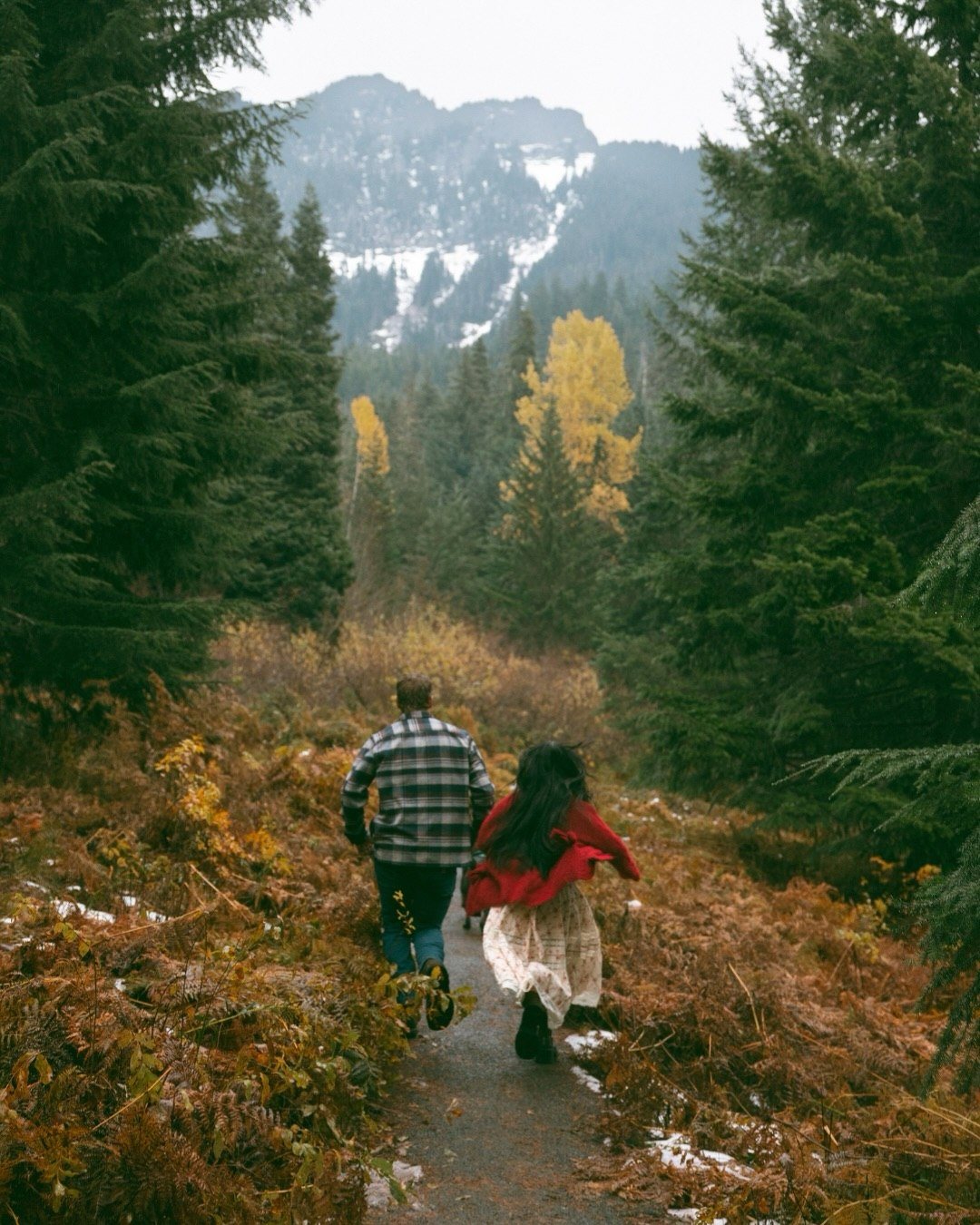
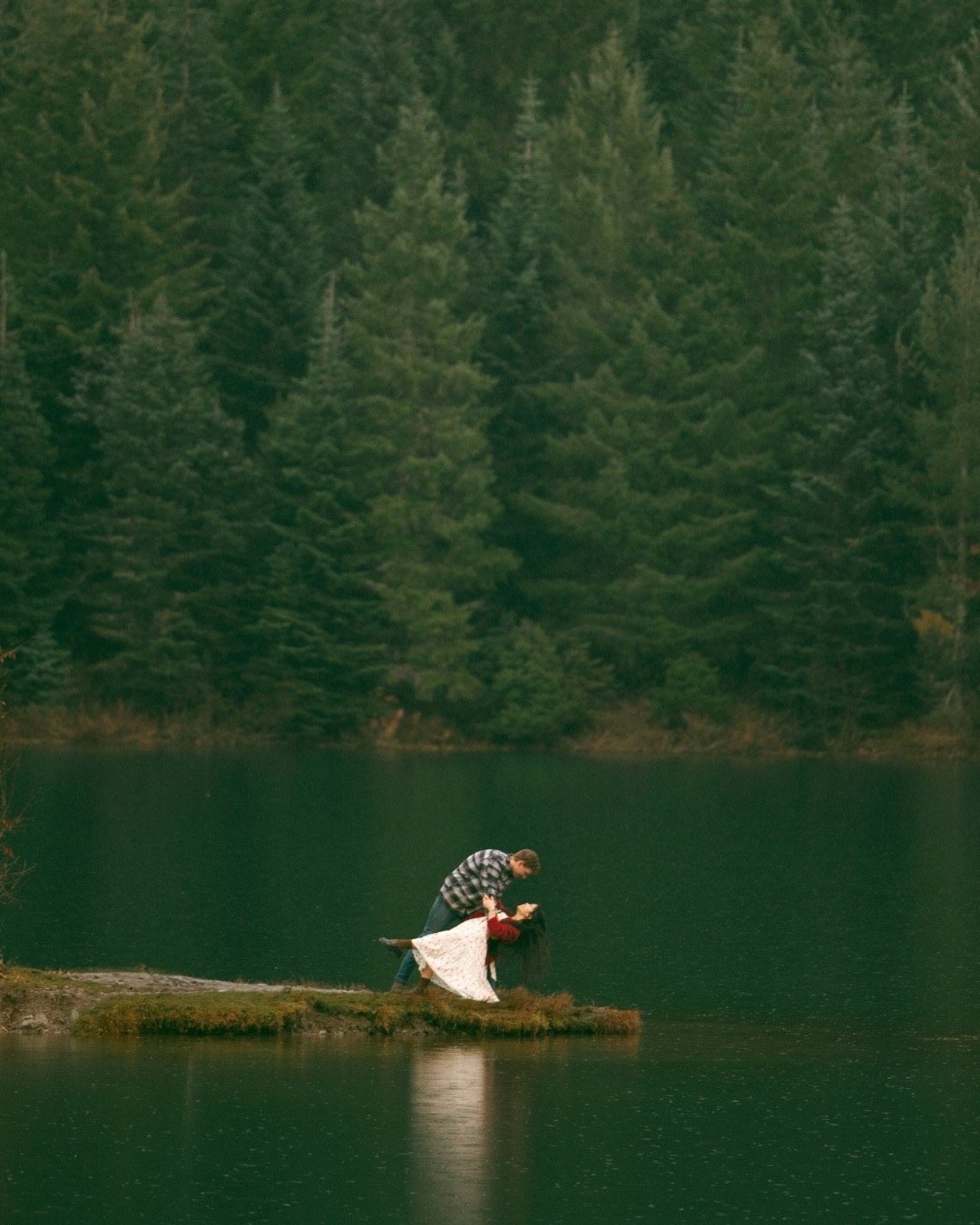
The Olympic Peninsula has three ecosystems in one national park: glaciated mountains, mossy rainforest, and a wild Pacific coast. The Hoh Rain Forest, with its Hall of Mosses trail, is quite magical. Rialto and Ruby beaches are well known for their sea stacks and driftwood and are particularly beautiful at sunset. In summer, arrive at the Hoh early, as parking fills up quickly. Lake Crescent, with its very clear blue water and the old lodge, is one of the most peaceful places to stay on the peninsula.
Hurricane Ridge is hands down the best place for mountain views. The day lodge there was destroyed by fire in 2023, and a new one is still being planned, so you'll need to bring your own water and snacks. Port Townsend, a Victorian seaport at the northeast tip of the peninsula, is a lovely place to stop first or last, with its historic buildings and small cafes. You'll need at least two days in the park, as the drive between the highlights takes far longer than the maps suggest. In winter, the ridge road may open only on certain days, depending on the snow, so check conditions before you go.
Mount Rainier and the Cascades
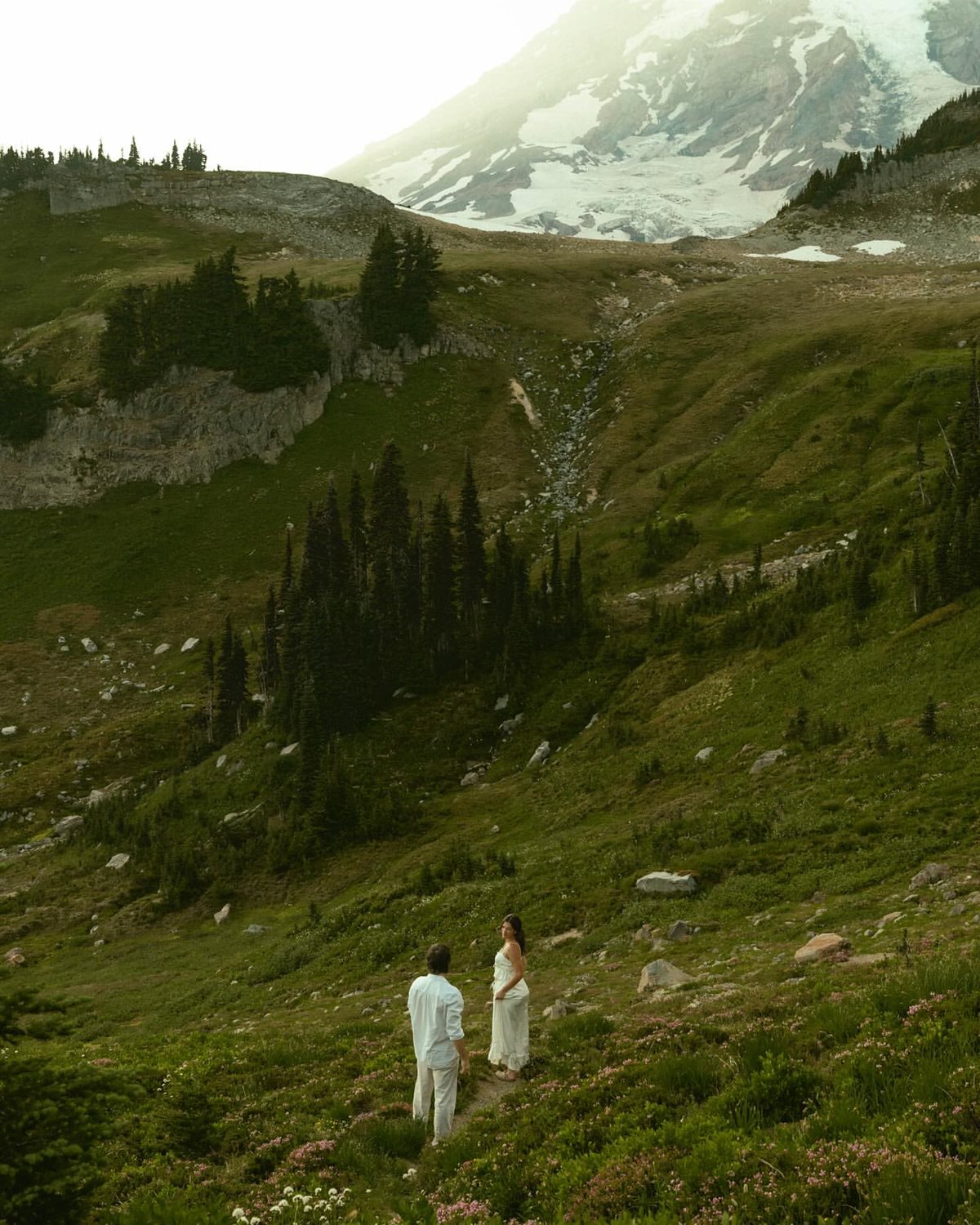
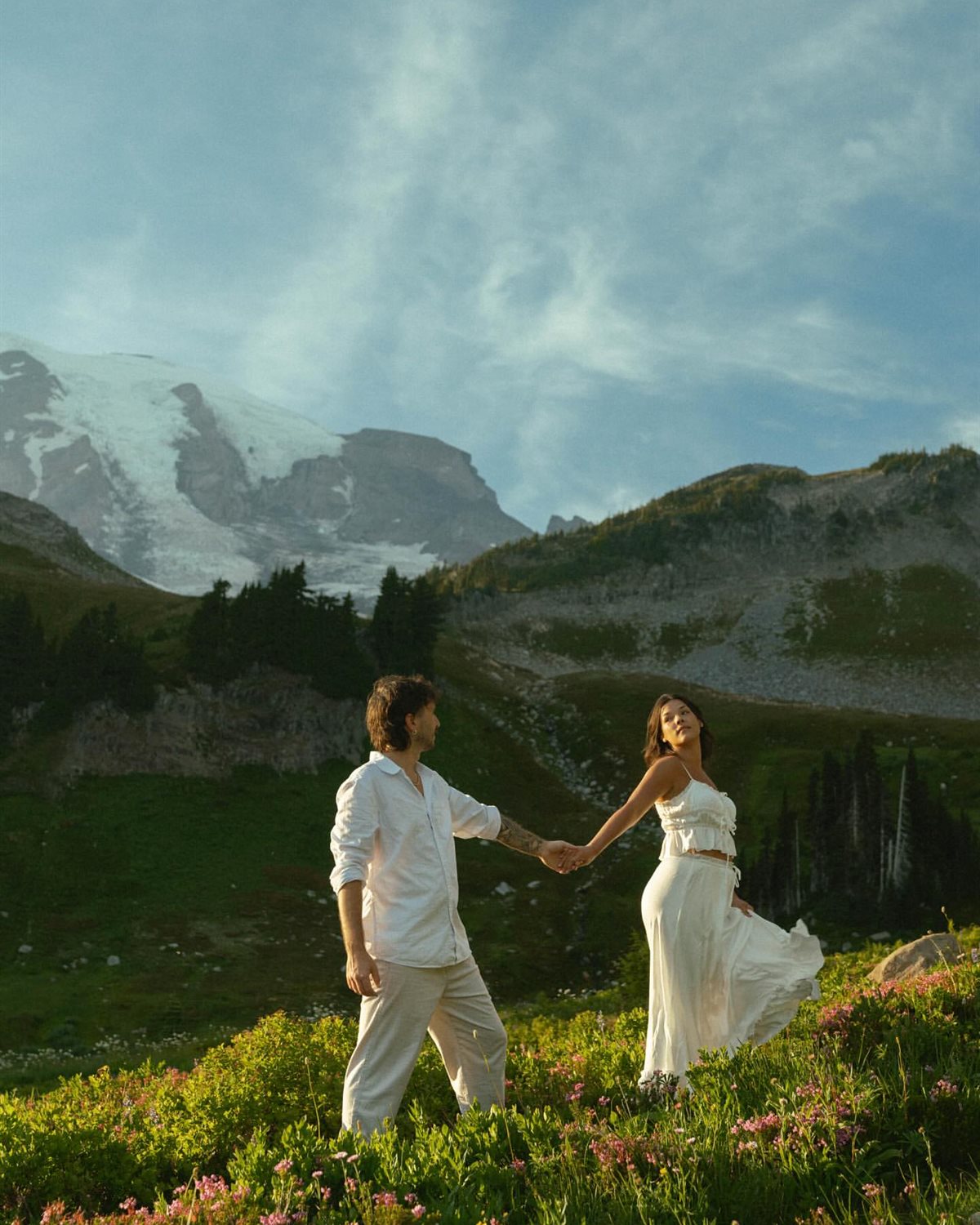
At 14,410 feet, Mount Rainier is Washington's most famous mountain and less than three hours from Seattle. The Paradise area is renowned for its wildflower meadows, which usually peak from late July through mid-August, set against a backdrop of glaciers and waterfalls. Sunrise is the highest point in the park you can reach by car and offers the best views of the summit. In 2026, the park didn't require timed-entry reservations, so you could visit spontaneously, although the parking lots fill up very early on summer weekends.
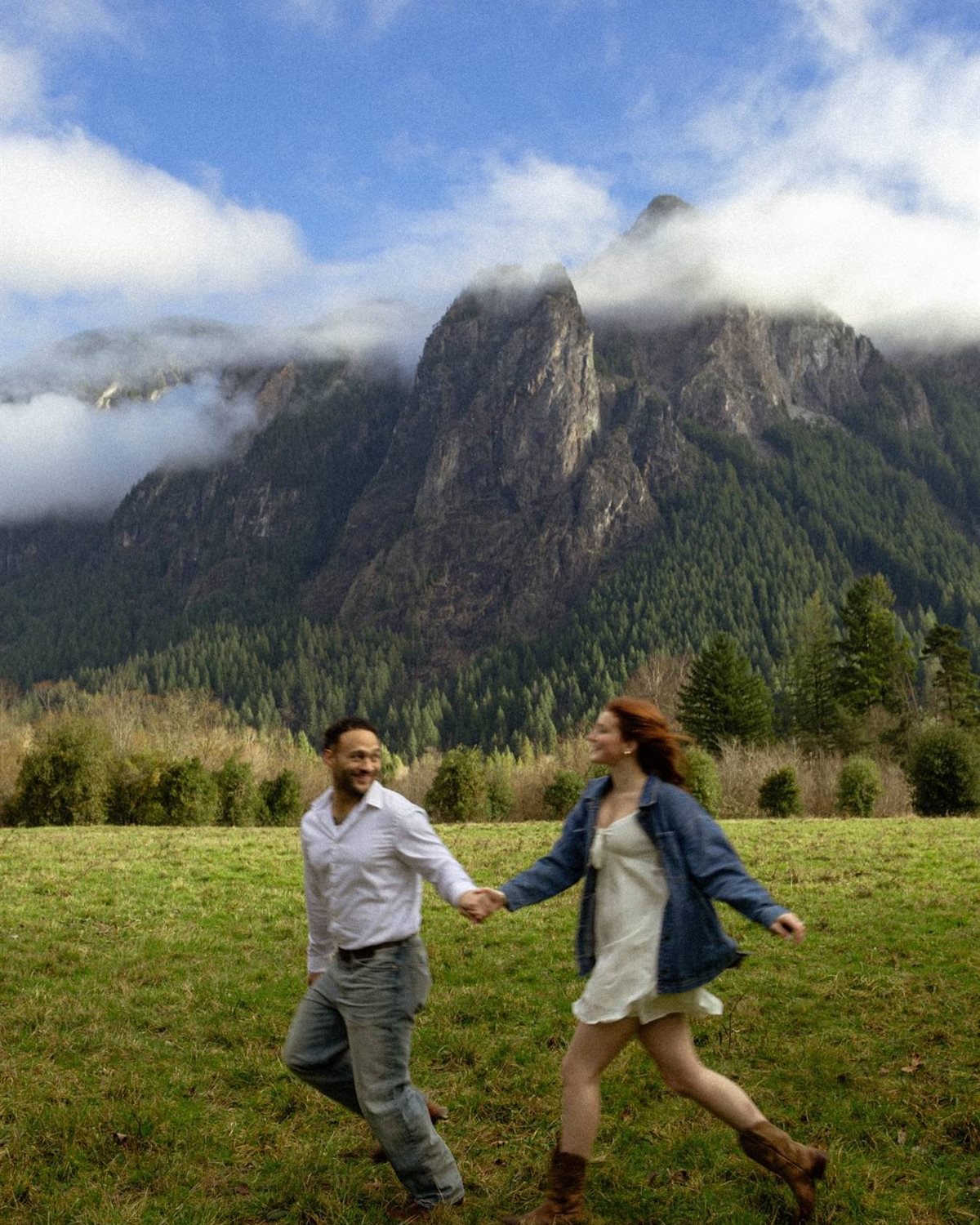
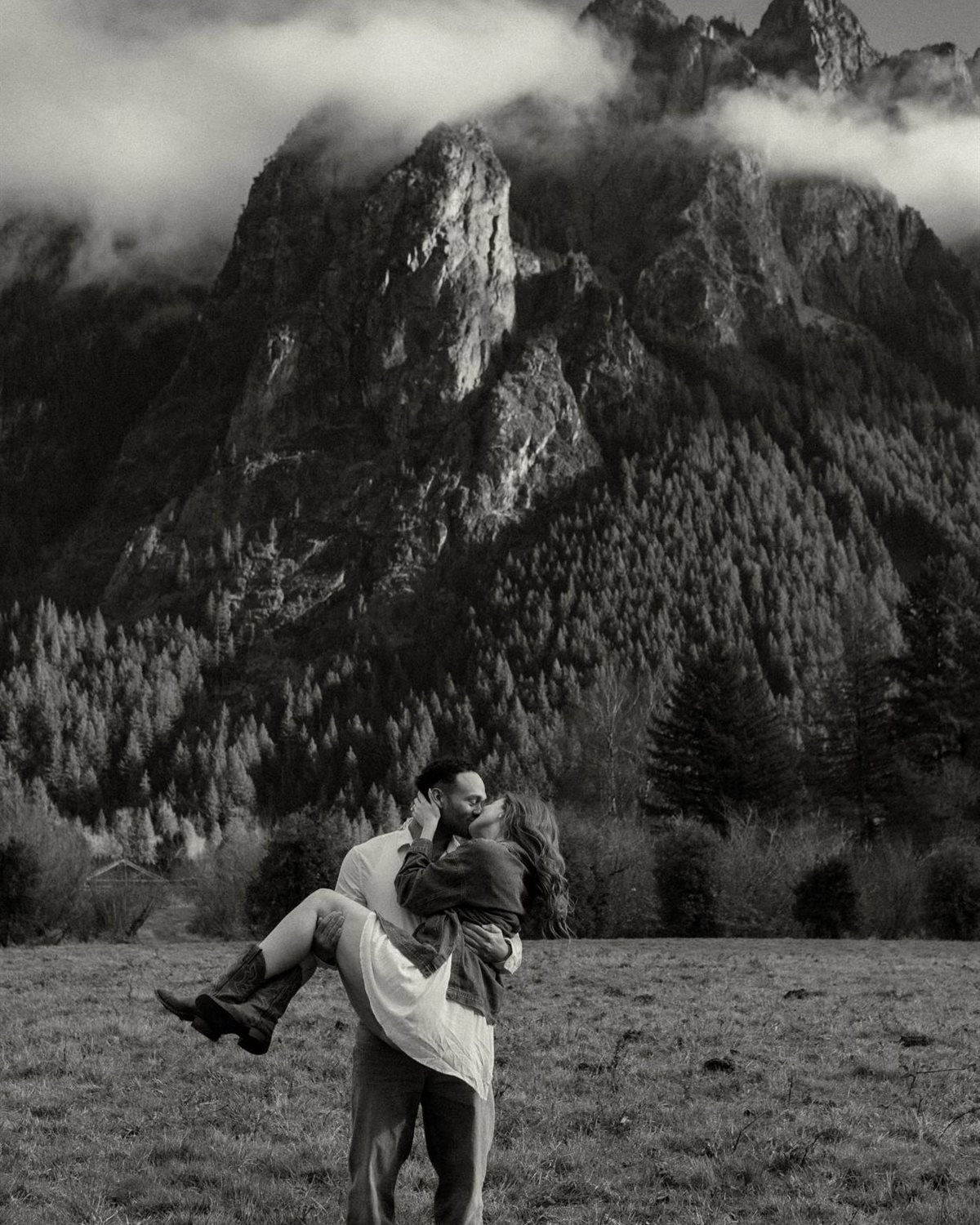
Farther north, the North Cascades Highway snakes past the turquoise Diablo Lake and the sheer peaks and is one of the most scenic drives in the country from late spring to fall. It's normally closed in winter due to avalanche risk. Leavenworth, a Bavarian-style village in the eastern foothills, is a popular romantic stop in every season, from summer river floats to winter, when the whole town is lit up with Christmas lights. For couples who love the outdoors, this region has the most dramatic scenery in the state.
Wine Country and Lake Chelan
East of the Cascades, the weather is completely different. Washington is the second-largest wine-producing state in the country, with more than 1,000 wineries, and the sunny, dry side of the state is where most of the grapes are grown. Summers are considerably warmer and sunnier than in Seattle. Walla Walla, near the Oregon border, is the most famous region of all: a small town with a very active main street and a host of tasting rooms. Woodinville, 30 minutes from Seattle, is the most convenient option if you only have one day for tastings.
Lake Chelan combines wine and water: a 50-mile glacial lake, fringed by vineyards and mountains, with very warm summers that are ideal for swimming, boating, and just hanging out on a terrace. It's a great option for couples who want a few days of sun and relaxation after some hiking or island hopping. It's about 3.5 hours from Seattle, so it's best suited to a longer road trip rather than a quick detour. Chelan, at the lake's southern end, has tasting rooms and restaurants within walking distance of the water.
Honeymoon Ideas in Washington State Beyond Classic Sightseeing
Some of the most memorable honeymoon ideas in Washington State have nothing to do with checking off the famous viewpoints. The real draw of the state is in the slow, shared moments out in the fresh air, often with a view of water or mountains. If you want your trip to be a bit more personal, throw in a few of these:
- Watch the sunset from the deck of a ferry as it crosses the Salish Sea.
- Soak in the natural hot springs on the Olympic Peninsula after a day's hiking.
- Stay in a treehouse, a cliffside cabin, or a waterside cottage rather than a hotel.
- Pick up a picnic of local cheese, smoked salmon, and wine and have it on a driftwood beach.
- Take a seaplane from Seattle out to the San Juan Islands for absolutely stunning aerial views.
- Walk through the lavender fields near Sequim in July, when the farms are in full bloom.
- Visit the Skagit Valley in April to see tulip fields creating stripes of color.
- Book a stargazing evening in the eastern part of the state, where the skies are clear and dark.
When to Plan a Honeymoon in Washington
The best time for a honeymoon in Washington depends on which Washington you mean. DC is best in spring and fall, when temperatures are mild and the city is at its most pleasant, whereas Washington State is best in summer, the only reliably dry season in the Pacific Northwest. If you're doing both, early fall is ideal: DC is cooling off after its humid summer, and the Northwest is still enjoying long, sunny days before the rain comes in October.
Washington DC Through the Seasons
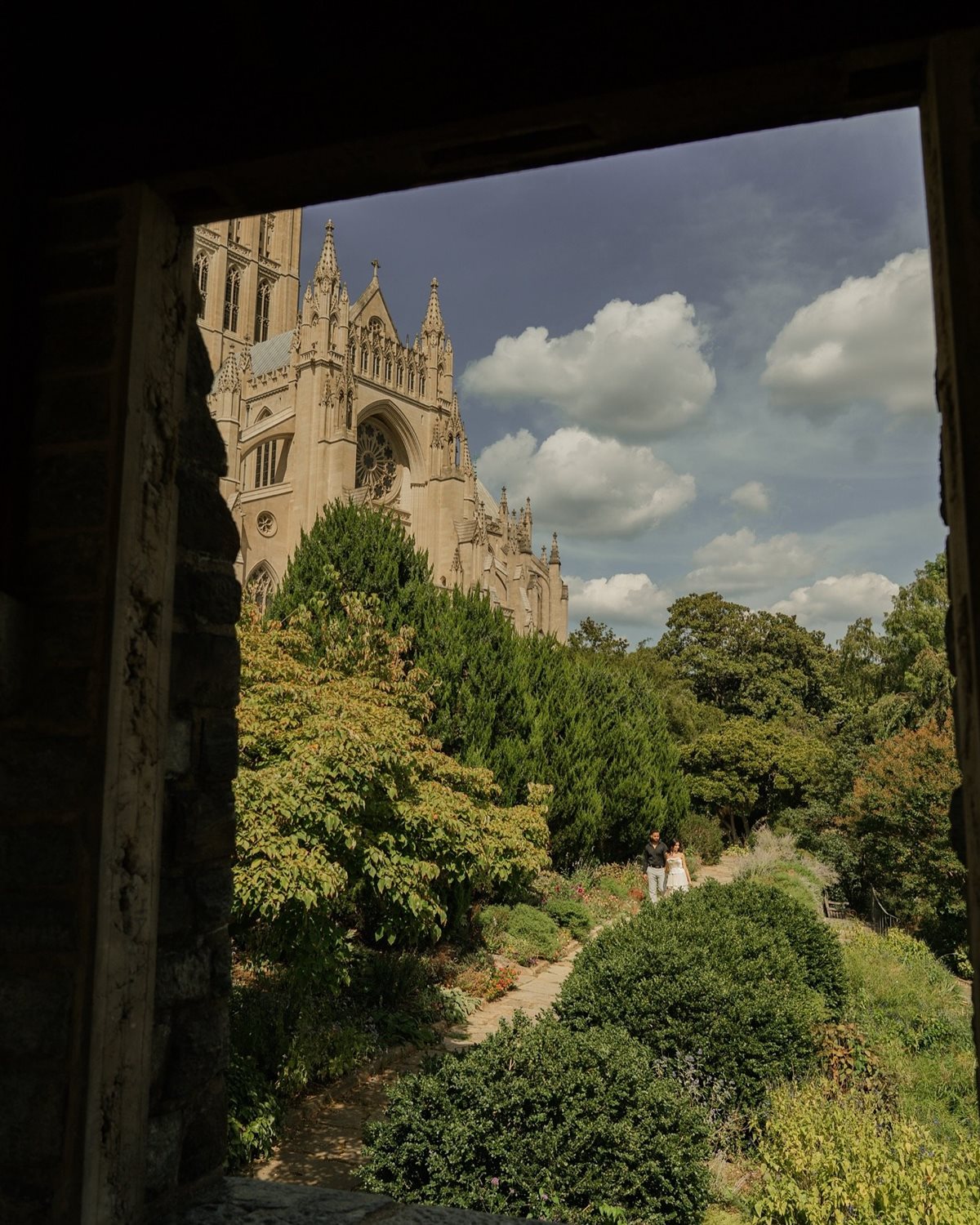
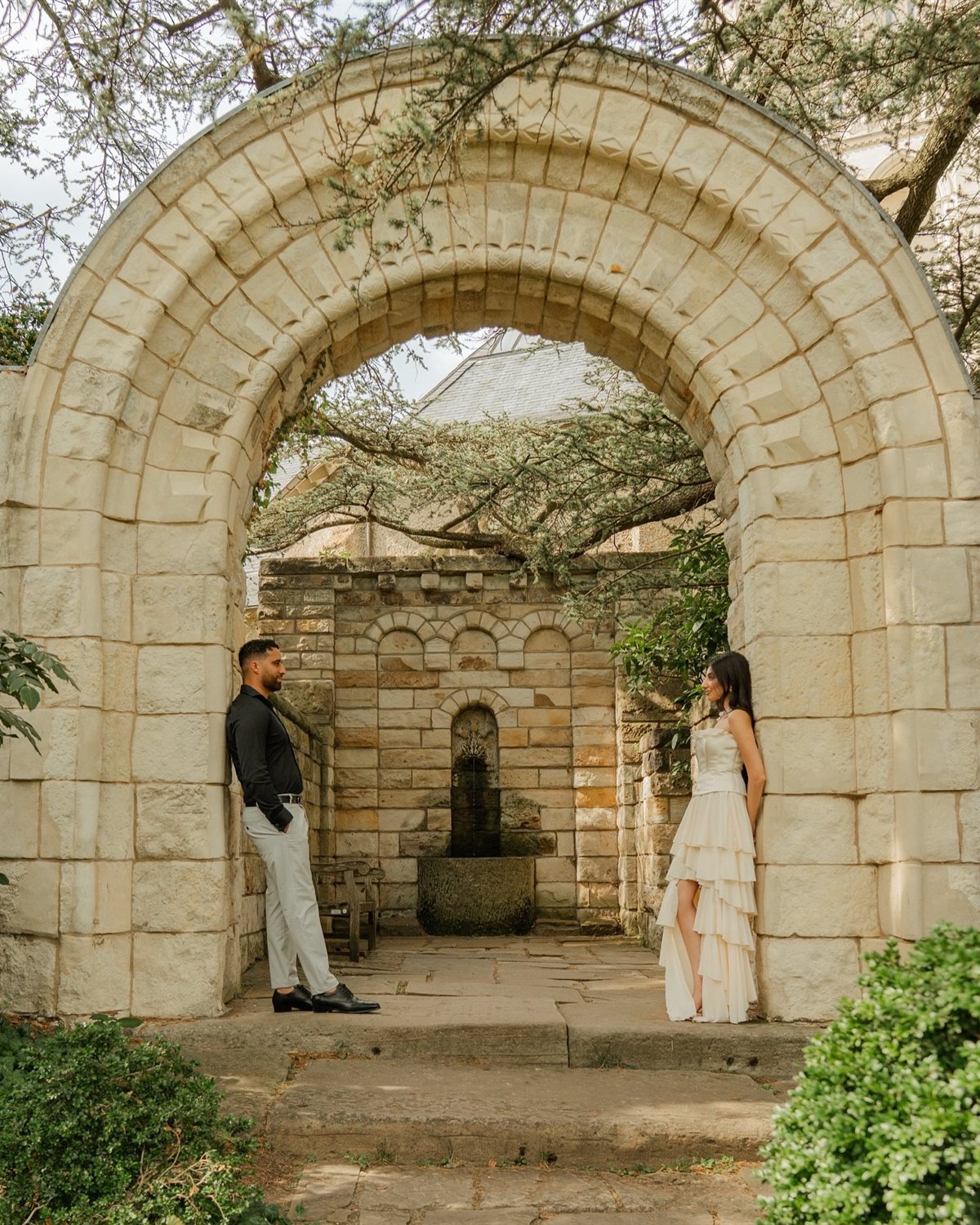
Spring is by far the most famous season in the capital, thanks to the cherry blossoms. Peak bloom is generally in late March or early April. In 2026, the trees around the Tidal Basin peaked on March 26, a few days earlier than expected, and the National Cherry Blossom Festival ran from March 20 to April 12. It's a lovely time of year, but also by far the busiest and most expensive, so book your hotels well in advance; if you want the best photos, head to the Tidal Basin at sunrise. It's a lot quieter on a weekday morning than on the weekend.
Summer in DC is hot and humid, with lots of afternoon thunderstorms, but it also brings outdoor concerts and long evenings on rooftop terraces. Independence Day is all about the fireworks over the National Mall, though it's also one of the busiest weeks of the year. Fall (September through November) is probably the best time of year for honeymooners, with comfortable temperatures, far fewer tourists, and Virginia's glorious foliage. Winter is very quiet and cold, with lower hotel rates, festive holiday decorations, and, of course, the occasional snow, which makes the monuments look absolutely stunning.
Washington State Through the Seasons
July, August, and September are the driest and sunniest months in Washington State, with warm days, cool nights, and all the mountain roads open. That's the ideal time for hiking, island hopping, and whale watching. It's also peak season, so ferries, lodges, and tours often sell out well in advance. Spring brings tulips in full bloom, migrating gray whales, and far fewer people. Higher elevations stay snowed in through June, and some Mount Rainier trails won't be clear until July.
From October to May, the western side of the state turns cloudy and wet, but the season has a certain charm: the cabins, the misty rain forests, the golden larches in the North Cascades in early October, and, of course, the winter sports on the mountains. Hotel rates in Seattle are very much lower, and Leavenworth is a proper winter wonderland in December. If you're traveling in the off-season, plan more time indoors and check the road conditions before every drive. Rain in western Washington is typically a steady drizzle rather than a downpour, so a good jacket is usually all you need.
14-Day Washington Honeymoon Itinerary
This two-week route combines both Washingtons: four days in the capital, then a flight west for ten days of islands, rainforest, and mountains. It's best done between June and September, when roads and ferries in Washington State run at full capacity and the weather is most reliable. If you want to focus on the Northwest, skip the DC days and add Lake Chelan or Walla Walla at the end. You'll need a car from day 5 and ferry bookings for the San Juan Islands and Port Townsend routes.
Days 1 to 4: Washington DC
Arrive in the capital and check into a hotel in Georgetown or near the Wharf. Spend the first evening walking along the water and having dinner by the river. Day 2 focuses on the National Mall and a couple of Smithsonian museums, followed by a night tour of the monuments. Day 3 is for the slow bits: kayak on the Potomac, shop in Georgetown, and take a sunset cruise or water taxi to Old Town Alexandria. Day 4 is a day trip to either Mount Vernon or Virginia wine country, followed by a farewell dinner.
Day 5: Fly West to Seattle
Take a morning flight to Seattle and use the three-hour time difference to your advantage. Pick up the car, check into the hotel, and head down to Pike Place Market for a late lunch. In the afternoon, walk the Overlook Walk down to the new waterfront, then take the ferry to Bainbridge Island and back for stunning golden-hour skyline views. Finish the day with oysters and local wine. Keep the first evening simple, as an early flight and the time difference can make the day feel long.
Days 6 and 7: Seattle and Its Surroundings
Day 6 is for exploring the city at your own pace: the Space Needle and the glass art gardens beside it, the Capitol Hill and Fremont areas, and a sunset at Kerry Park. Day 7 is your choice: seaplane over the city, a trip to the Woodinville tasting rooms, or a relaxed day trip to Snoqualmie Falls. Pack light for the next leg, as you'll be moving between islands and lodges for the rest of the trip. If the skies are clear, you can finish day 6 with dinner overlooking Elliott Bay as the Olympic Mountains turn pink at sunset.
Days 8 and 9: The San Juan Islands
Head about 90 minutes north to Anacortes, then take the ferry to Friday Harbor on San Juan Island. Spend the afternoon at Lime Kiln Point State Park, watching for orcas from the rocky shore. On day 9, book either a morning whale-watching cruise or a guided sea kayaking trip, then head to the lavender farms, the little wineries, and the island's quiet roads. Watch the sunset from the west side of the island, one of the most spectacular spots in the region. Staying two nights near Friday Harbor gives you the chance to explore without rushing to catch a ferry.
Days 10 and 11: The Olympic Peninsula
Take the ferry back to Anacortes, drive across Whidbey Island, and catch the short ferry from Coupeville to Port Townsend. Have lunch in the old seaport, then head to Lake Crescent and stay the night near the lake. On day 11, either drive up to Hurricane Ridge early for the mountain views or head west to the Hoh Rain Forest and finish the day at Rialto Beach for a sunset over the sea stacks and driftwood. Day 10 involves two ferry crossings, so book both sailings in advance and allow for a leisurely lunch.
Days 12 and 13: Mount Rainier
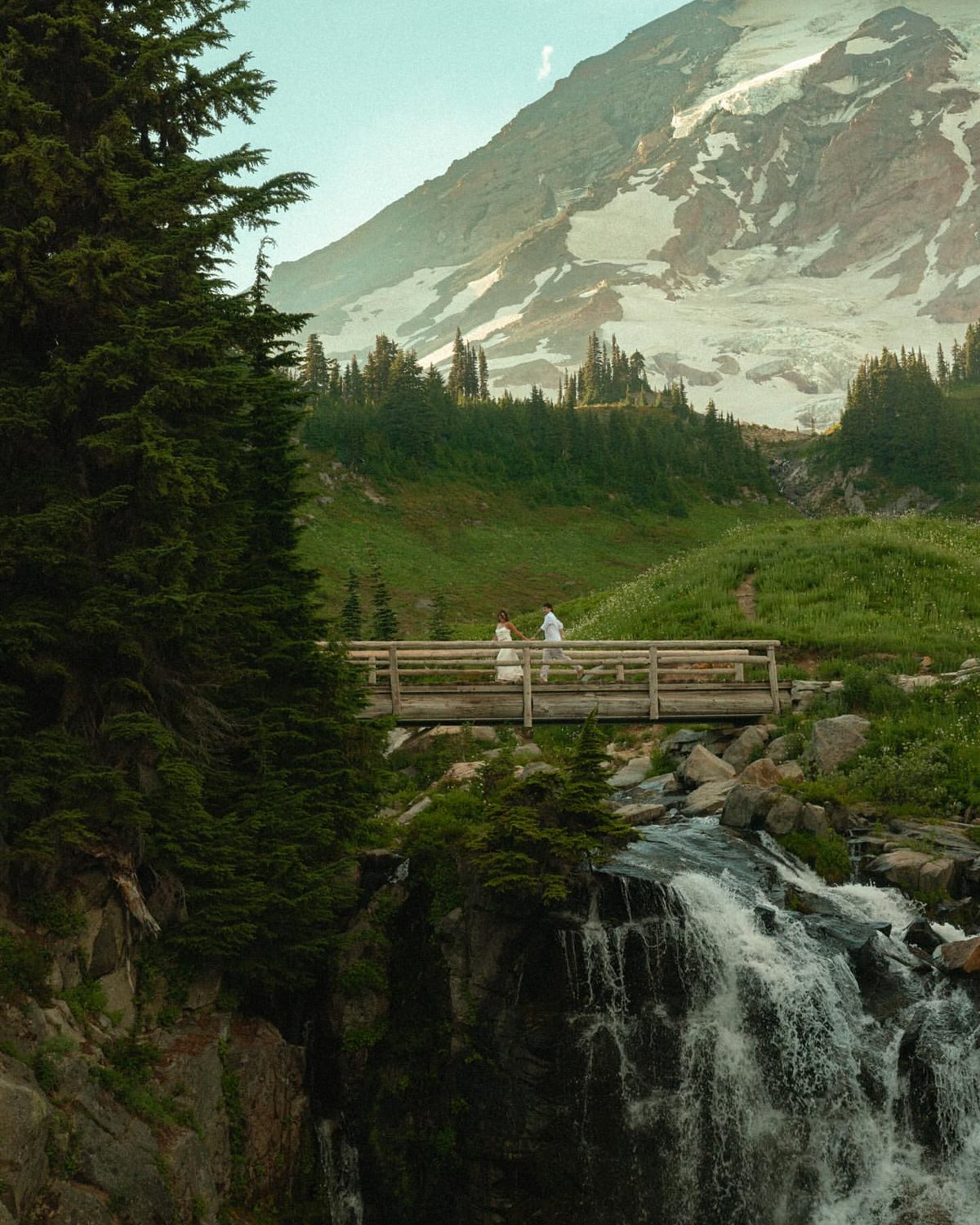
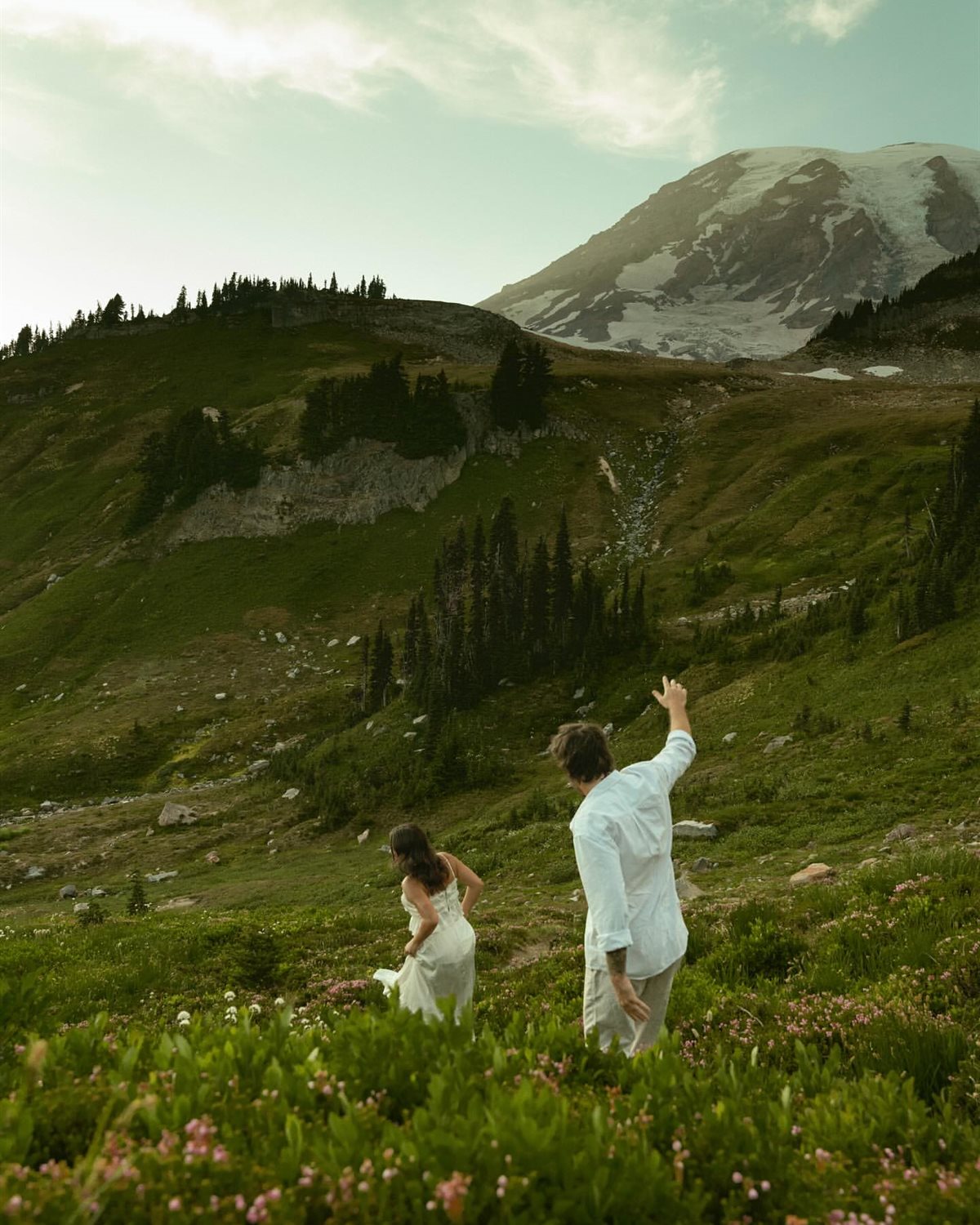
Drive about 4.5 hours southeast to Mount Rainier and spend the night near the Nisqually entrance. Day 12: Take your time on the scenic road to Paradise and walk at least part of the Skyline Trail for some great close-up views of the glaciers and summer wildflowers. Bring layers, as it can be quite cool at Paradise in August. Day 13: Drive to Sunrise on the northeast side of the park for some great views of the summit, and stop at Tipsoo Lake, where the mountain is often reflected in the water on calm mornings.
Day 14: Farewell in Seattle
Head back to Seattle, about 2.5 hours from the park, for a final lunch or a relaxed afternoon before your flight. If you have time, pop into one more waterfront café or wander through the market to pick up smoked salmon or local chocolate to take home. Leaving from Seattle also makes it easy to extend the trip if you're not quite ready to say goodbye to the honeymoon. The airport is about 30 minutes south of downtown, so allow for traffic.

Planning Tips: Budget, Bookings, and Getting Around
Planning ahead makes a massive difference in Washington, where the most popular ferries, lodges, and tours sell out well in advance in the summer. A bit of planning can go a long way in terms of both cost and stress. The following tips cover the practicalities and answer the questions couples most often ask when planning a trip that covers the capital and the Pacific Northwest.
Honeymoon Budget and Packages
As a rough estimate, a two-week coast-to-coast trip costs around $9,000-15,000 for two, excluding international flights. In DC, expect $250-400 per night for a decent hotel. In Washington State, expect $200-350 per night for hotels in Seattle outside summer peaks and $250-450 for island inns and lodges in high season. A rental car will be $60-100 per day in summer, and you should budget around $150 per day for meals for two, more if you plan tasting menus. These figures are approximate and vary by season, travel style, and how far ahead you book.
Honeymoon packages in Washington State are mostly offered by individual resorts, island inns, and wineries and generally include a bottle of local wine, breakfast, a spa treatment, or a private dinner. For a road trip that covers multiple areas, it's usually cheaper and more flexible to book each stay individually. Always ask about honeymoon perks when you're booking, as many smaller properties will be happy to upgrade or offer a welcome gift.
Reservations Worth Making Early
Ferry reservations for the San Juan Islands are by far the most important booking of the trip. On the Anacortes route, Washington State Ferries releases 30% of each sailing's vehicle capacity when the season's booking window opens, another 30% two weeks before departure, and another 30% two days before departure, holding the final 10% for standby. Reservations are also very strongly recommended for the Port Townsend and Coupeville crossings. If all the vehicle space is gone, you can leave your car in Anacortes and just travel as foot passengers, who don't need reservations.
Book lodges within the national parks, island inns, and whale-watching tours well in advance for July and August. Bookings for spring and fall are generally easier to get. Book your DC hotels early if you're planning to go during the cherry blossom season. As for park entry, Washington's national parks were not among the 11 parks that began charging nonresidents an additional $100 per person in 2026. The annual pass is $80 for U.S. residents and $250 for nonresidents, and it can still be a good value if you're planning to visit a number of parks.
Getting Around
In Washington DC, you don't really need a car. The city center is very walkable, the Metro covers most of the city, and water taxis link the Wharf to Georgetown and Alexandria. In Washington State, you absolutely do need a car. The ferries are an integral part of the experience, so factor in boarding and unloading time, which can be long in summer, and arrive at the terminal 45 to 60 minutes early for the San Juan Islands route. Rideshare is very much the norm in both DC and Seattle.
Driving distances in the Northwest are longer than they look on a map because of ferries, mountain roads, and summer traffic near the parks. Plan no more than four or five hours of driving per day, and keep a buffer for spontaneous stops at viewpoints, farm stands, and wineries. Mobile service is limited in parts of Olympic National Park and the North Cascades, so download offline maps before you go. Fill the tank before heading into remote areas, as gas stations can be far apart.
What to Pack for a Washington Weather
Layers are absolutely the key to packing for a trip to Washington. It can be quite cool in the mornings on the islands and in the evenings in the mountains, even in summer, so you'll need a light down jacket or fleece, a waterproof shell, and comfortable hiking shoes along with your summer clothes. In DC, pack breathable outfits for the hot days and one or two dressier looks for dinners and rooftop evenings. A compact umbrella is useful in both cities regardless of the season. You do need comfortable walking shoes whether you're on the National Mall or on mountain trails.
Binoculars are well worth the space for whale watching and general wildlife viewing, and a reusable water bottle is a must in the parks, especially at Hurricane Ridge, where services are limited. Sunscreen and sunglasses are a necessity on the water and at altitude, even if it's cloudy. If you're going in the off-season, waterproof boots and warm layers are a must, and you should check whether the mountain roads you'll drive on require tire chains. A small dry bag is also useful for kayaking and windy ferry decks.
Once the honeymoon is booked, the rest of the wedding story is still to be written. If you're planning the celebration before the trip, check out real weddings, seasonal decor ideas, and planning tips from couples and wedding professionals on Wezoree. Come back to this guide when it's time to book your ferries and flights.

FAQ
Is a Washington DC honeymoon worth it?
Yes, absolutely, for couples who love history, art, and food. Many of the city's best attractions, especially the Smithsonian museums, are free. It's very easy to get around without a car, and the monuments are stunning at night. Three to five days is ideal, and the capital pairs well with Virginia wine country, Shenandoah, or a longer trip west.
What are the best honeymoon spots in Washington State?
The most romantic honeymoon spots in Washington State are the San Juan Islands, the Olympic Peninsula, Mount Rainier, Seattle, Leavenworth, Lake Chelan, and Walla Walla. The islands are great for whale watching and quiet coves, the national parks for scenery, and the wine country for sunshine and slow afternoons.
What's the best time for a honeymoon in Washington State?
July, August, and September are the best months for a honeymoon in Washington State, with dry, sunny weather, open mountain roads, and peak whale-watching season. Book your ferries, lodges, and tours well in advance for these months. Late spring and early fall are good alternatives with far fewer people and lower prices.
Are there any all-inclusive Washington honeymoon packages?
True all-inclusive resorts are rare in Washington, but a number of hotels, island inns, and wineries offer Washington honeymoon packages that include things like champagne, breakfast, spa treatments, and a private dinner. If you're doing a multi-stop trip, it's usually better value to book each stay individually and ask about honeymoon extras.
How many days do you need for a Washington honeymoon?
Plan three to five days for Washington DC and at least seven to ten days for Washington State. If you're doing both, two weeks is ideal: four days in the capital, then about ten days for Seattle, the San Juan Islands, the Olympic Peninsula, and Mount Rainier.