Valencia Wedding: The Ultimate Guide


- Valencia Wedding: The Reasons for Choosing this Destination
- When Is the Best Time to Have a Wedding in Valencia?
- Can You Legally Get Married in Valencia?
- Weddings in Valencia: Where Do They Take Place?
- How Much Does a Wedding in Valencia Cost?
- How to Bring a Valencian Vibe to Your Wedding?
- Where to Go If You Stay On in Valencia?
- Planning Your Valencia Wedding
- FAQ
A Valencia wedding blends the relaxed pace of a Mediterranean city break with the length of a proper Spanish celebration. It's a city on the east coast of Spain with beaches on one side, orange groves and rice fields on the other and a very traditional historic center full of Gothic stone and tiled buildings. Getting there is pretty straightforward too, with an international airport very close by and high-speed trains to Madrid. Like any destination, it has its own set of rules, rhythms and calendar that you need to get to know before you start booking.
This is a guide to what couples generally need to know at the outset: when to get married, what is possible if you're marrying abroad, where the celebrations are likely to be, what a typical wedding in Spain will cost and how you can incorporate the character of Valencia into the day. It's written for couples coming from outside Spain as well as those who are already based in the city, and it is all about the decisions that will impact the experience rather than a tick-box list of everything.
Find Your Perfect Wedding Vendors

Valencia Wedding: The Reasons for Choosing this Destination
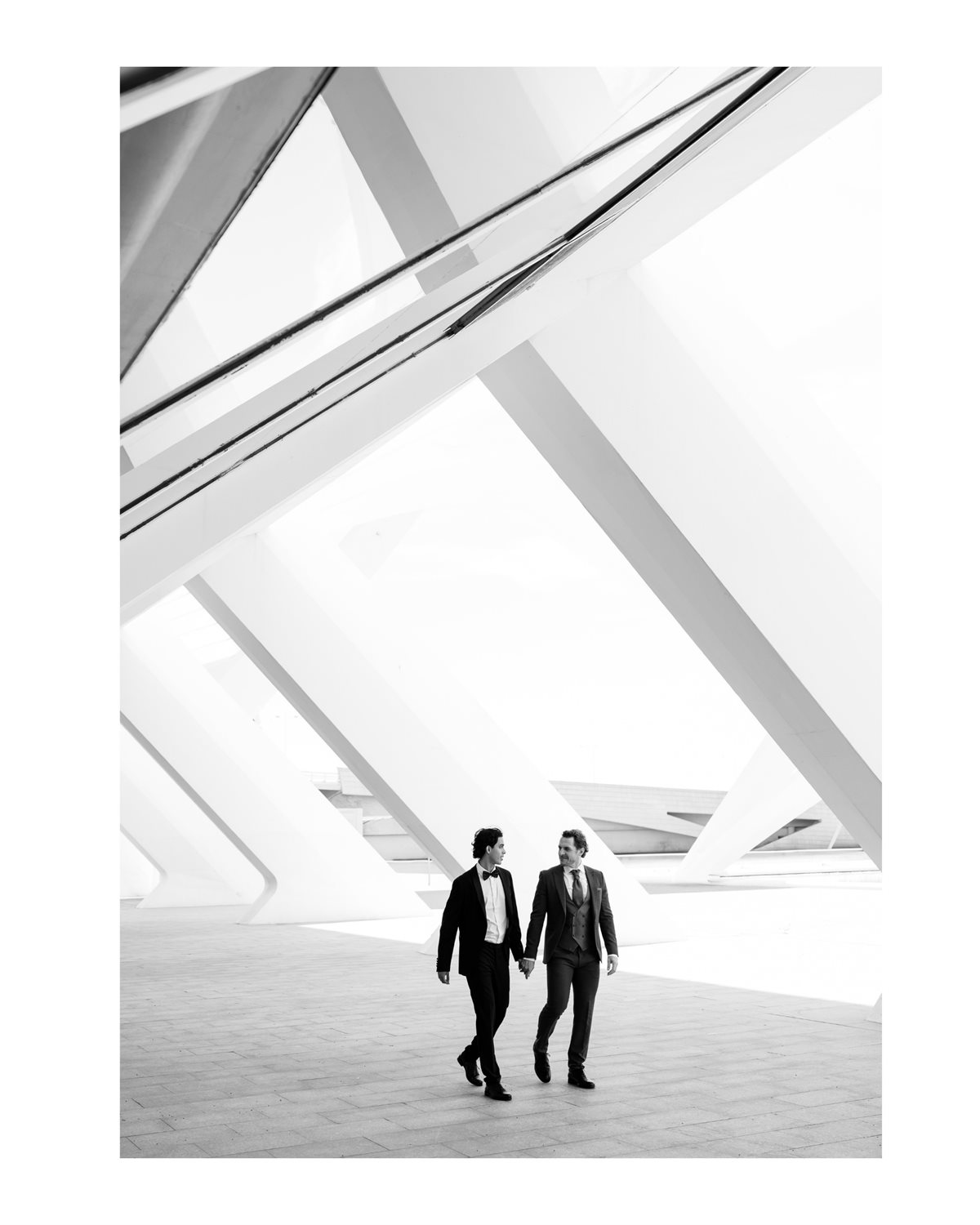
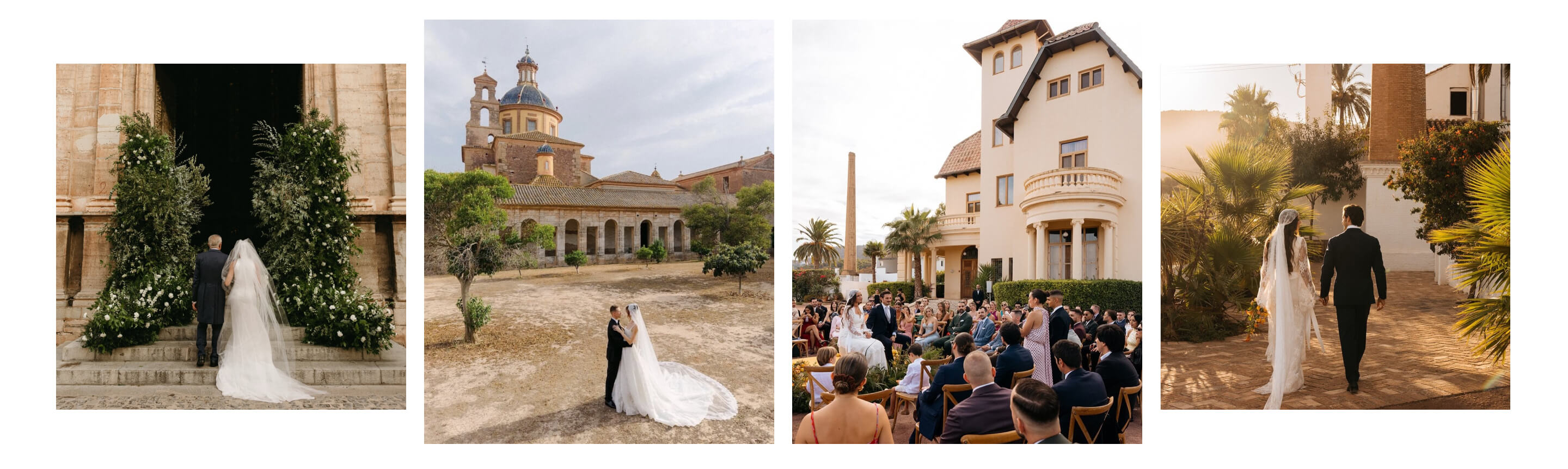
Valencia is a very special place in that you can have a wedding set in the city, the coast and the countryside all within a very short drive. You could have your ceremony in a historic courtyard in the morning light, have the reception at a country estate (complete with orange trees) and then finish the day near the sea. The weather is also very good, with the city getting around 2,733 hours of sunshine a year, according to long-term climate data, and average daily highs above 20°C (68°F) for most of the year.
The city's culture is a major draw. Valencia is of course famous for paella, and its UNESCO World Heritage-listed Silk Exchange (designated in 1996) is widely regarded as a superb example of late Gothic civic architecture. Life in the city is very relaxed, with long lunches, late dinners and parties that frequently go well into the night, which is ideal for couples who want their wedding to be more of a get-together than a rigid schedule. For guests, it's very easy to get around before and after the wedding.
Valencia has a real sense of design and of the outdoors, which is very much in evidence in the way the city looks and feels. It was named World Design Capital in 2022 and European Green Capital in 2024 (a recognition of its blend of modern architecture, cycle routes and green space). The light is part of its DNA too. Joaquín Sorolla, the famous Valencian painter renowned for his depictions of Mediterranean light, found many of his subjects on the Valencian beaches. For a couple, it means that you get the lovely natural light for your photographs throughout the day and a city that looks beautiful from the moment the sun comes up until it's dark.
The surrounding countryside adds a rather more tranquil dimension. There's the huerta stretching all around the city, a classic landscape of market gardens and irrigation channels which has for centuries supplied Valencia with its fresh produce and which still underpins the local cuisine today. Many caterers work with the seasonal vegetables, the rice and the citrus from the area, so a wedding dinner could easily be put together around what's grown just a few kilometers away. It's as much a practical as a romantic advantage in that you can source the seasonal, local produce more easily and it keeps the menu very much rooted in the locality.
When Is the Best Time to Have a Wedding in Valencia?
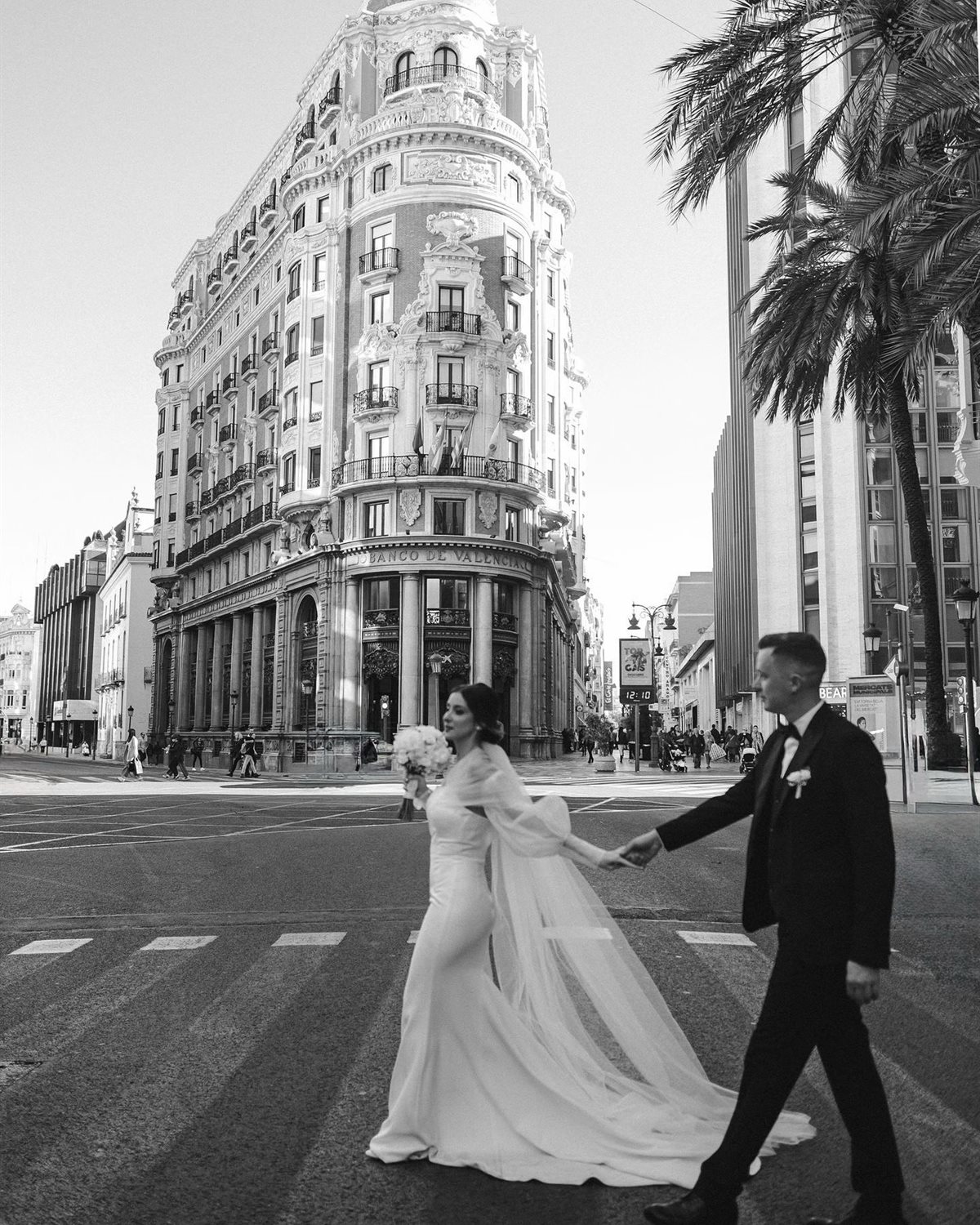
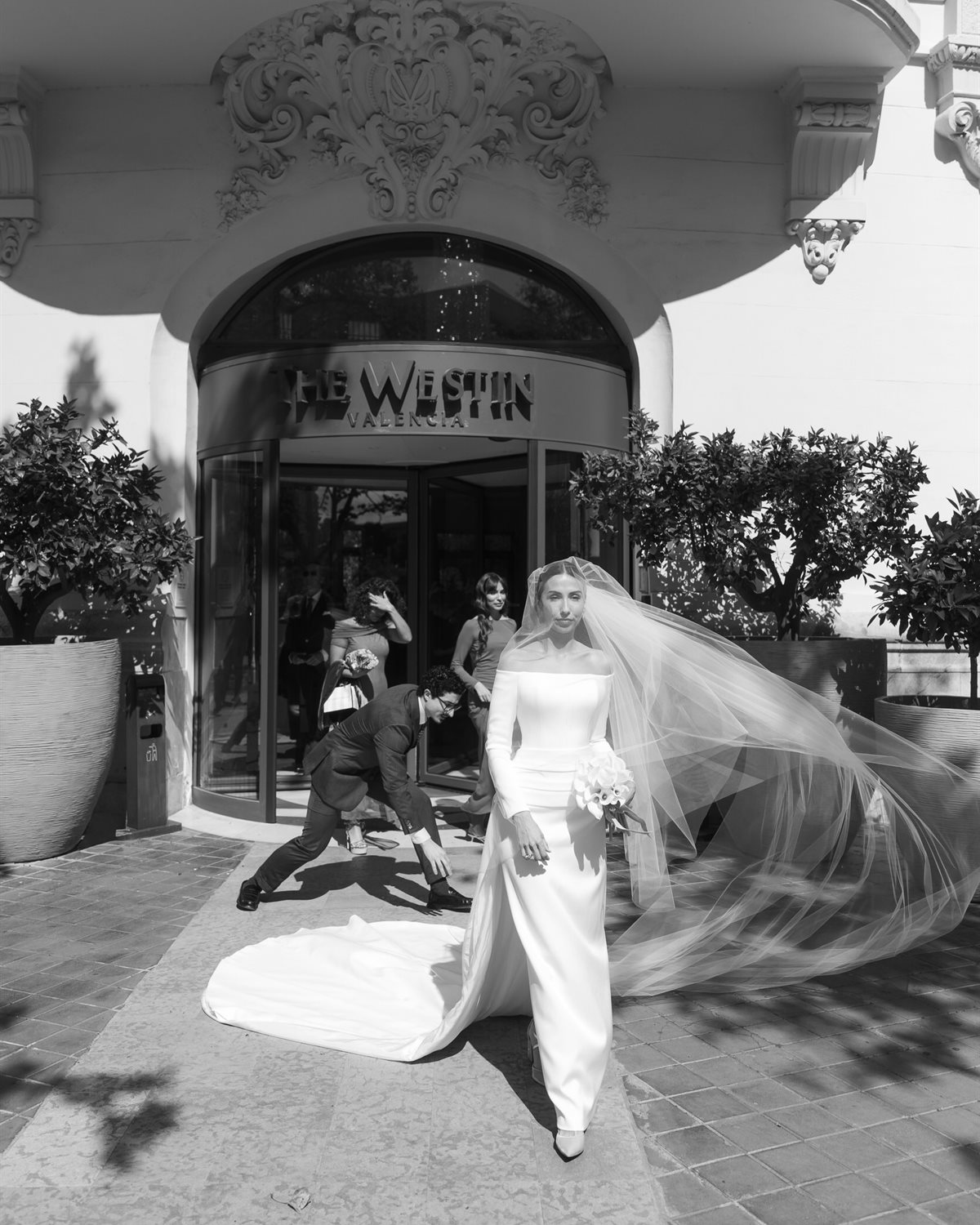
Late spring and early autumn are generally the best seasons for weddings in Valencia in terms of warmth, light and comfort. Summer is reliably sunny but very hot, and winter is mild enough for a wedding in the city (though the evenings can be a bit cool if you're outside). It all comes down to whether you're planning an outdoor wedding, how sensitive your guests are to the heat and which of the local festivals fall close to your date. The table below looks at the main seasons, based on the 1991-2020 climate averages.
| Season | Average daily high | What to expect | Watch out for |
|---|---|---|---|
| Spring (April-June) | 21-27°C (70-81°F) | Warm days, blossom, long evenings | Popular dates book up early |
| Summer (July-August) | About 30°C (86°F) | Guaranteed sun, warm sea | Heat for daytime ceremonies |
| Autumn (September-October) | 25-28°C (77-82°F) | Warm sea, softer light | The year's wettest months |
| Winter (November-March) | 17-20°C (63-68°F) | Mild days, fewer crowds | Cool evenings, Fallas in mid-March |
Spring and Early Summer
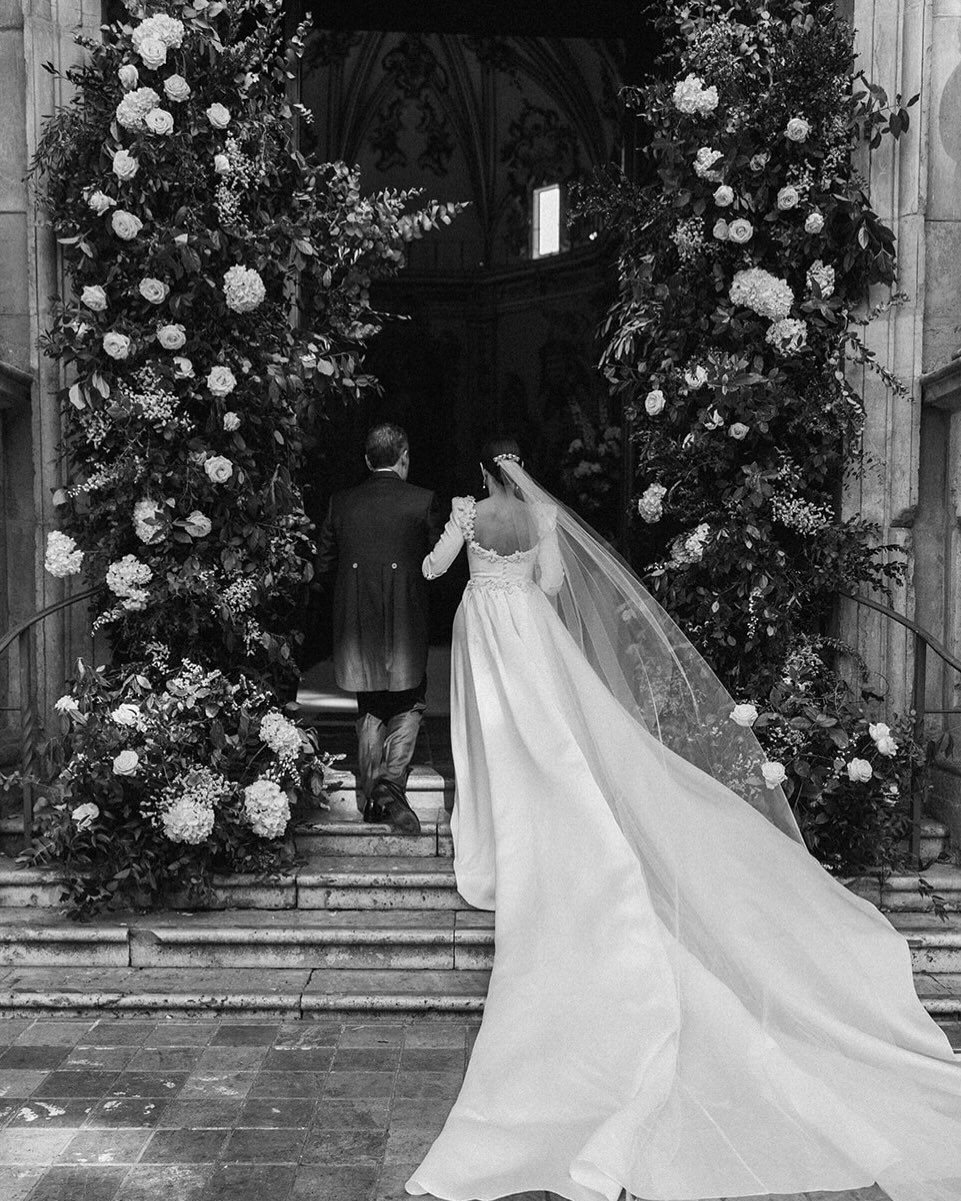
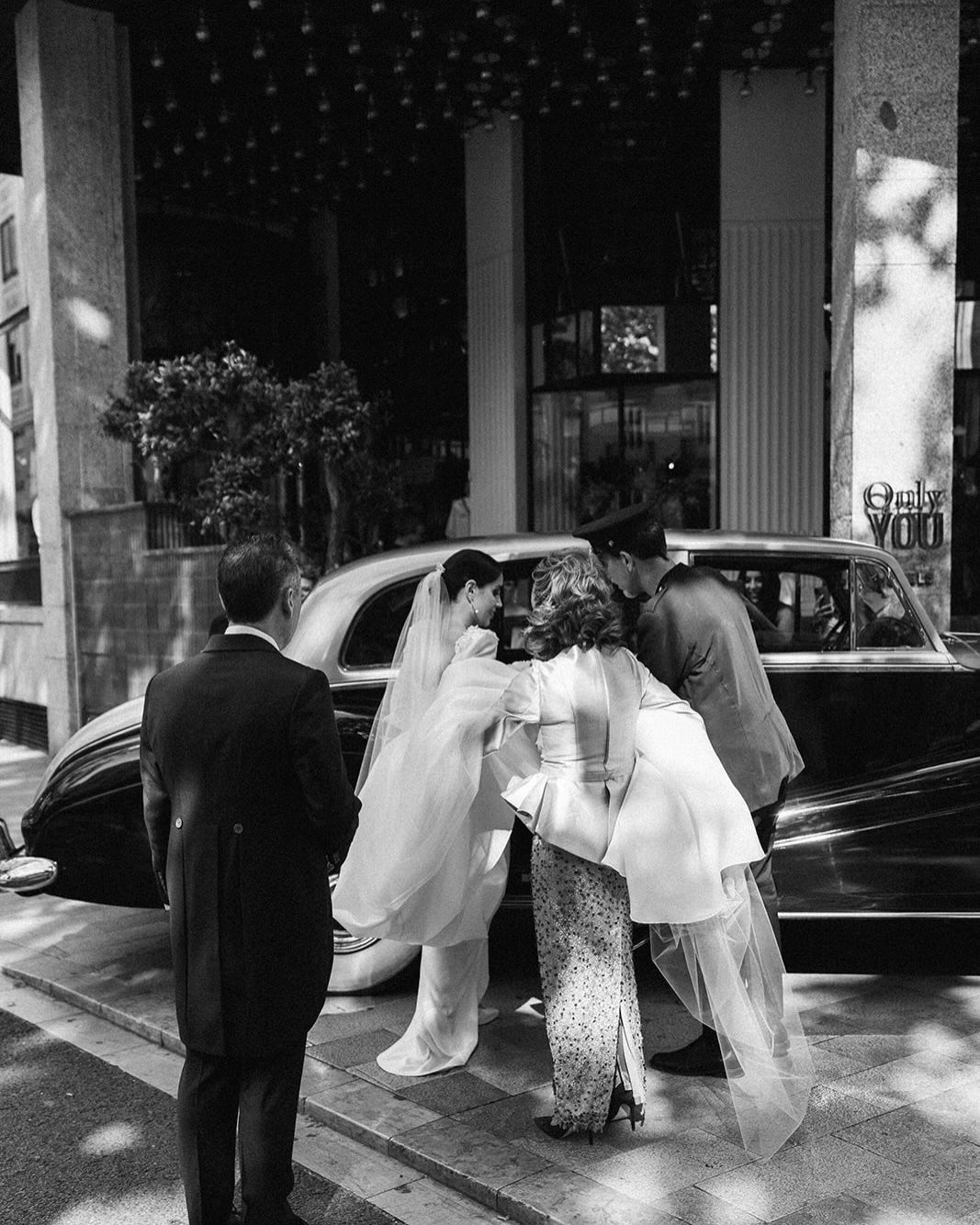
May and June are generally the most pleasant months for an outdoor wedding. The days are warm without being too hot in the middle of summer, the sea is starting to warm and the evenings are long enough for golden-hour portraits after dinner. The orange trees are in bloom in the spring, and that scent is one that has long been linked to brides. Fallas is a date to be aware of (it's from March 15 to 19), when the whole city is filled with firecrackers, street parties and the like and accommodation is at a premium.
High Summer
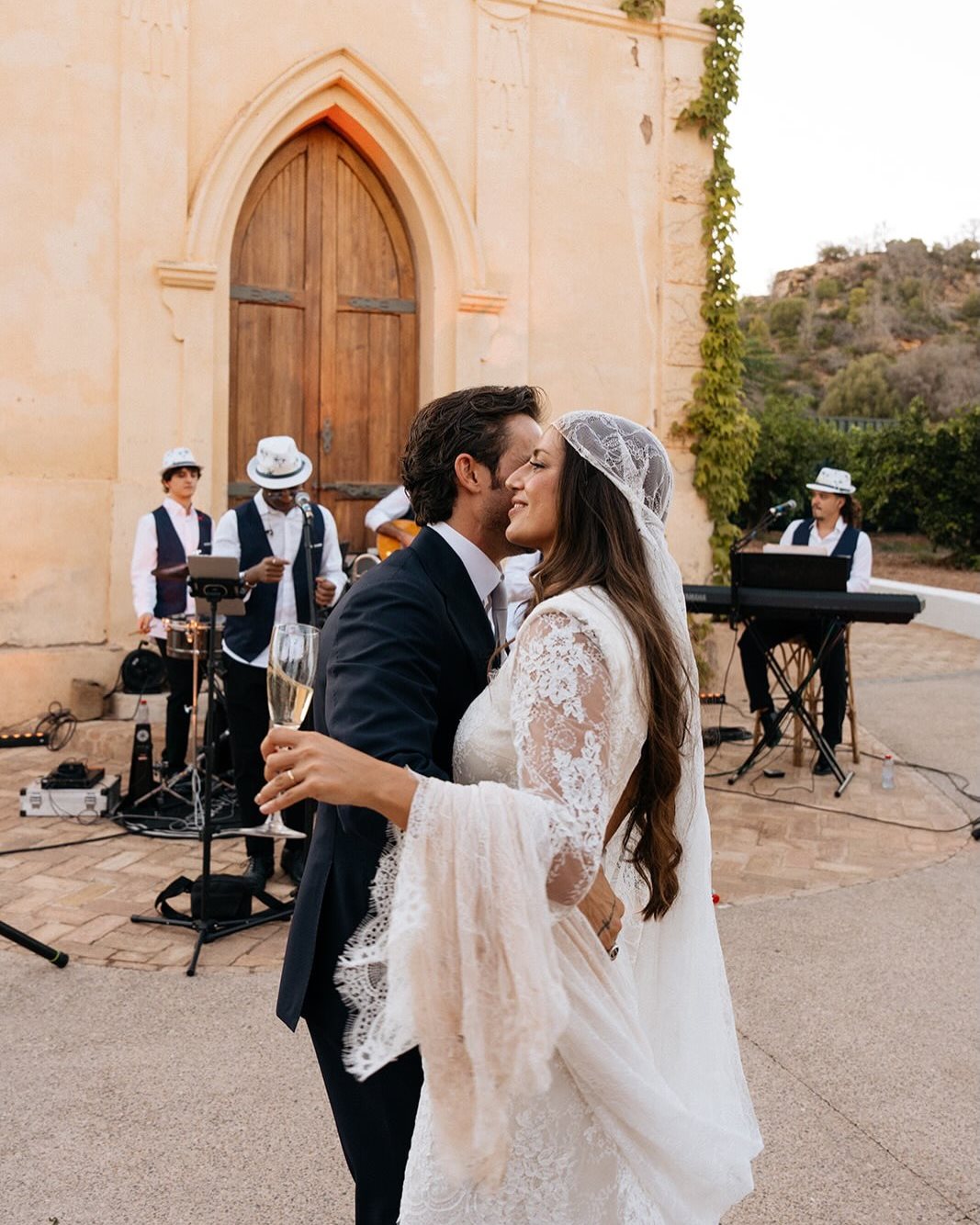
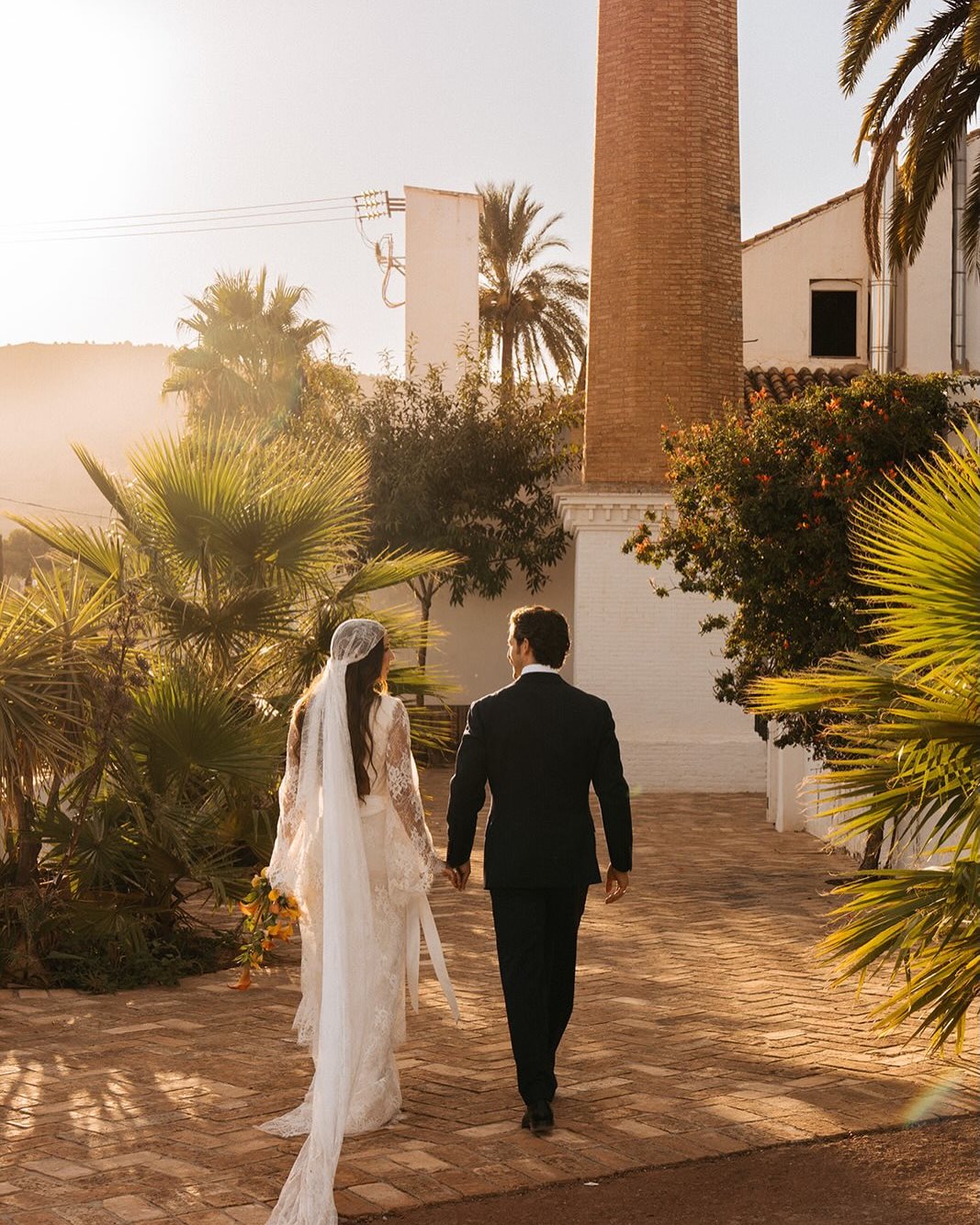
July and August are the sunniest months with the warmest sea (average highs around 30°C, or 86°F, and often more on individual days). It's very common for couples marrying in the summer to have their ceremony in the early evening and then have dinner well into the night, as is typical at Spanish weddings. Shade, water and fans are a must for the guests, and lightweight fabrics for the wedding party make a huge difference. Late August also sees La Tomatina in nearby Buñol, which can have an impact on the local traffic and accommodation.
Autumn and Winter
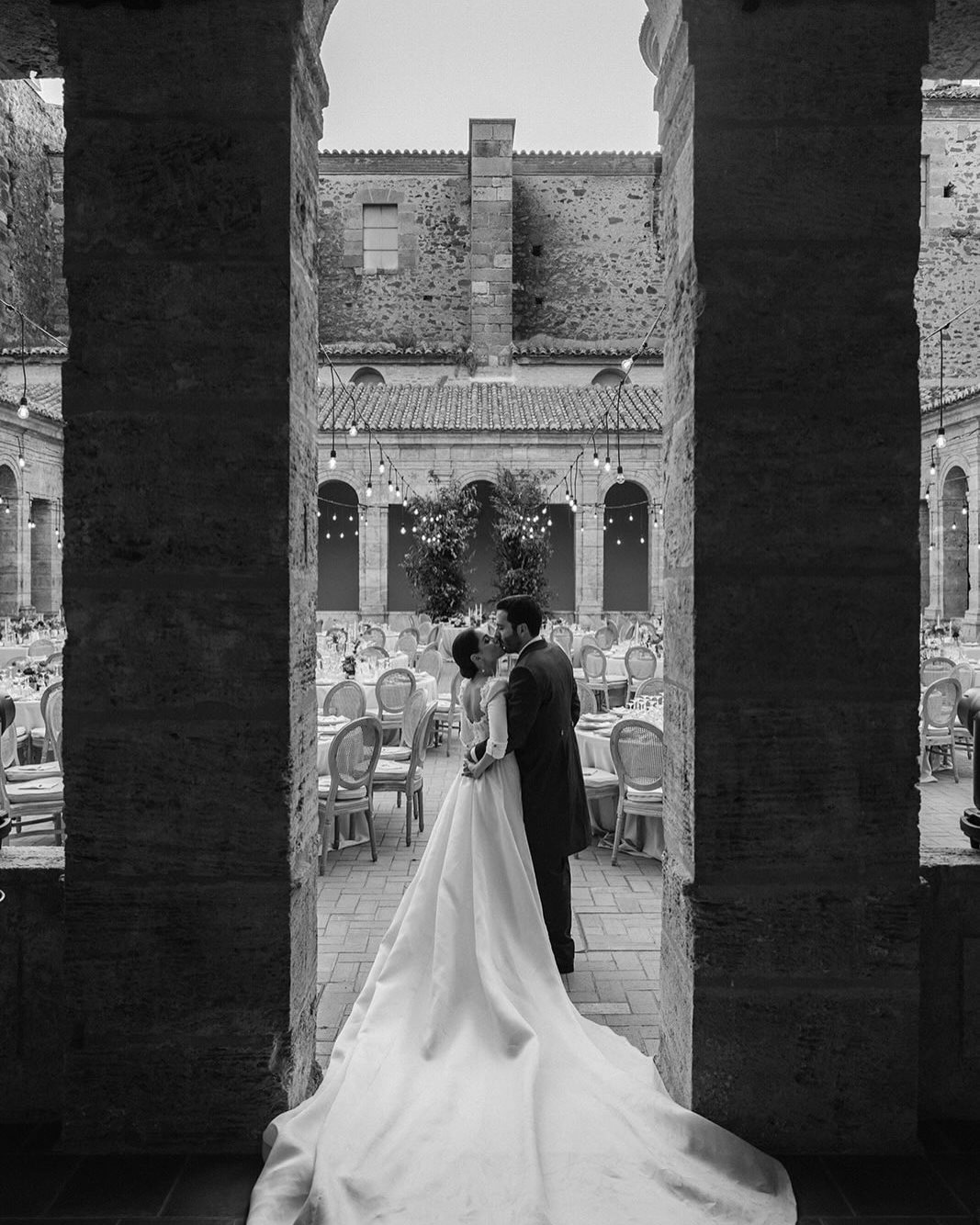
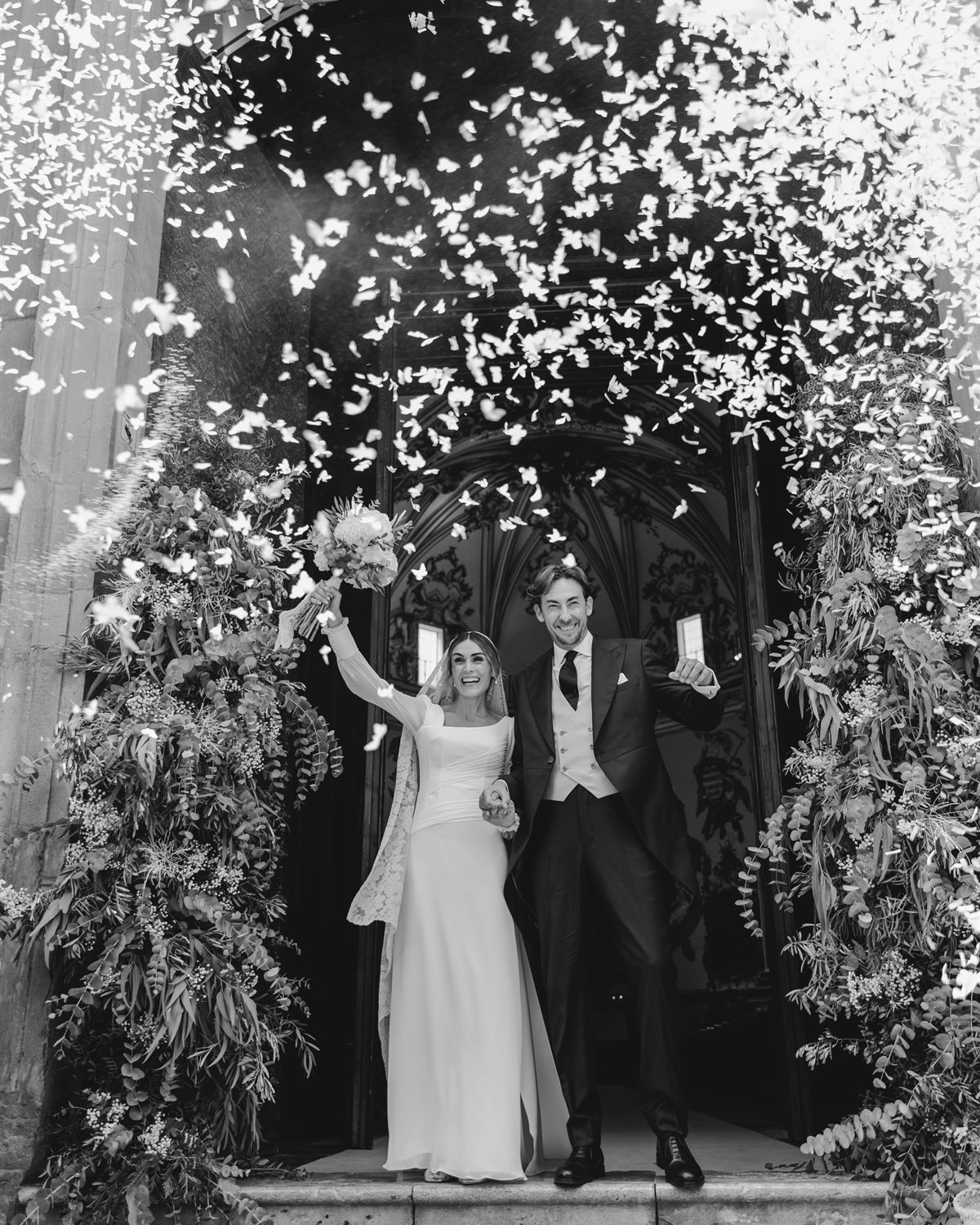
September and October keep the warmth of summer with softer light and a sea that's still lovely for swimming, which makes them appealing months for a destination wedding. They're also the wettest months on average, and you can have autumn storms with a lot of rain in a very short space of time, so an indoor option is essential if you're planning an outdoor wedding. November to March is the time of year for an intimate city wedding in Valencia, with the days being mild and the streets quiet, though you'd definitely want to have your evening reception indoors.
Can You Legally Get Married in Valencia?
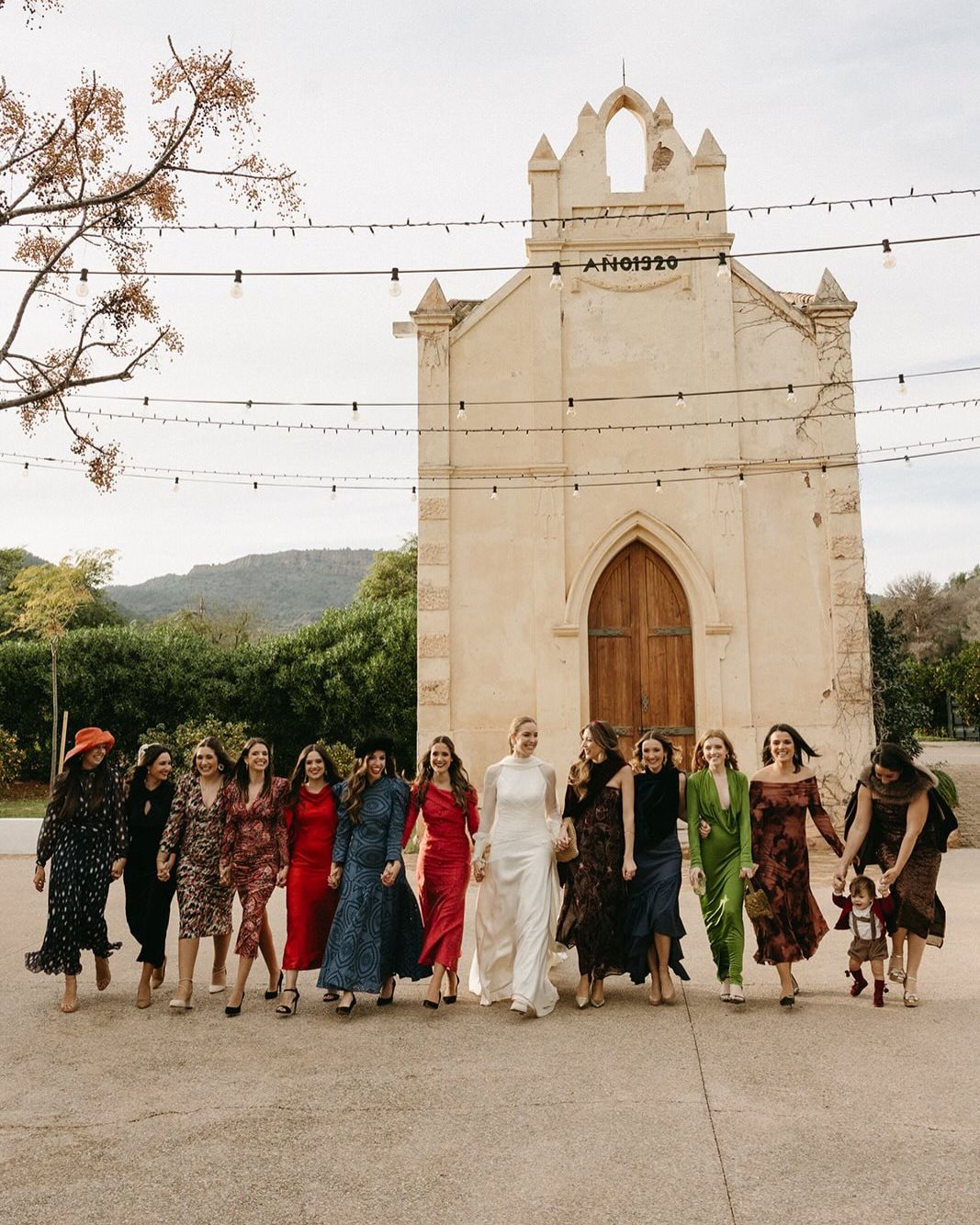
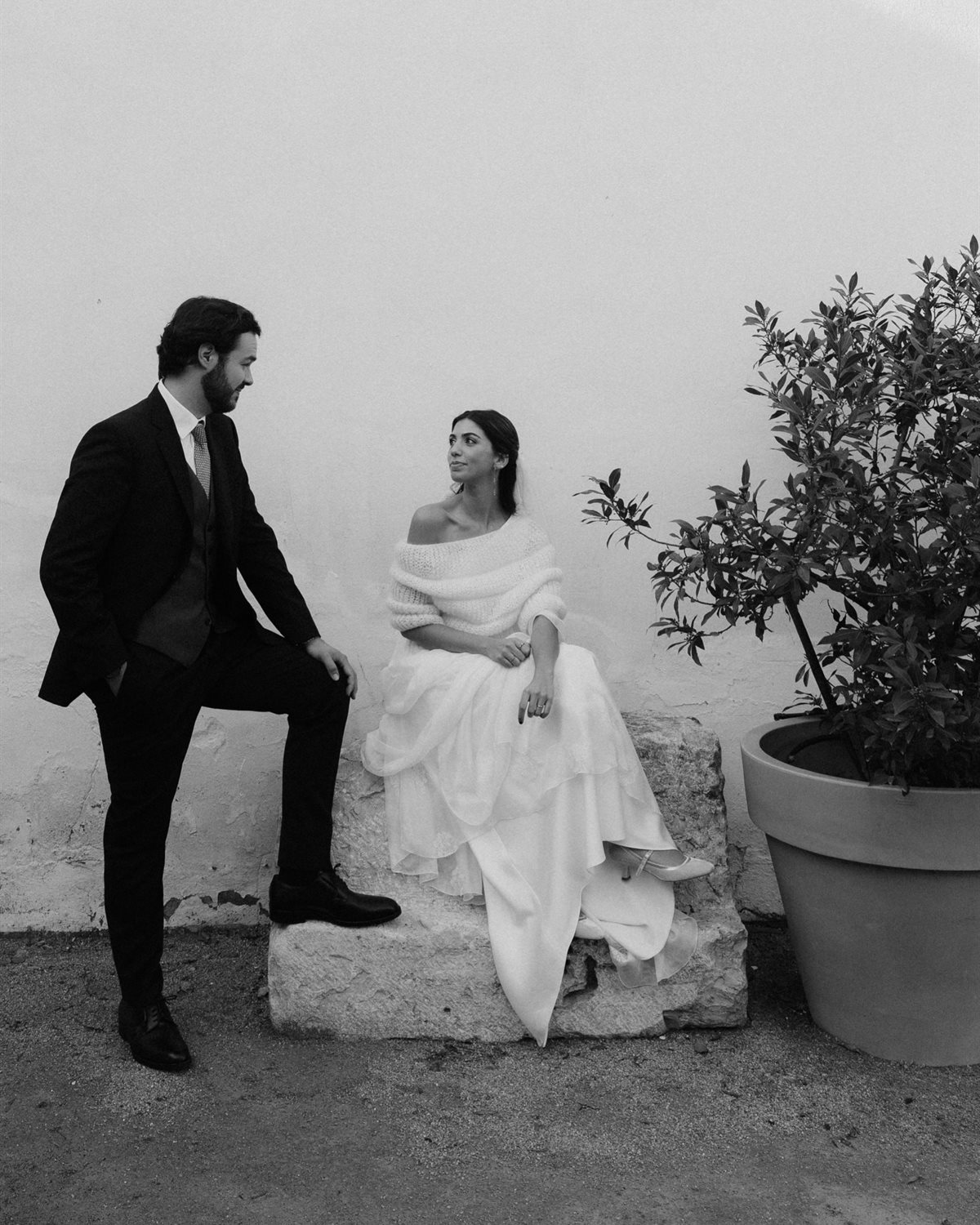
Getting married in Valencia can be simple for some couples and extremely complicated for others, depending on where you live and the type of ceremony you're having. Spanish law has residency requirements for civil marriage, and then there are the rules for religious and symbolic ceremonies. As the requirements can vary and change from registry to registry, you should always check with the civil registry, your parish or a lawyer before you go ahead and book.
Civil Ceremonies and Residency
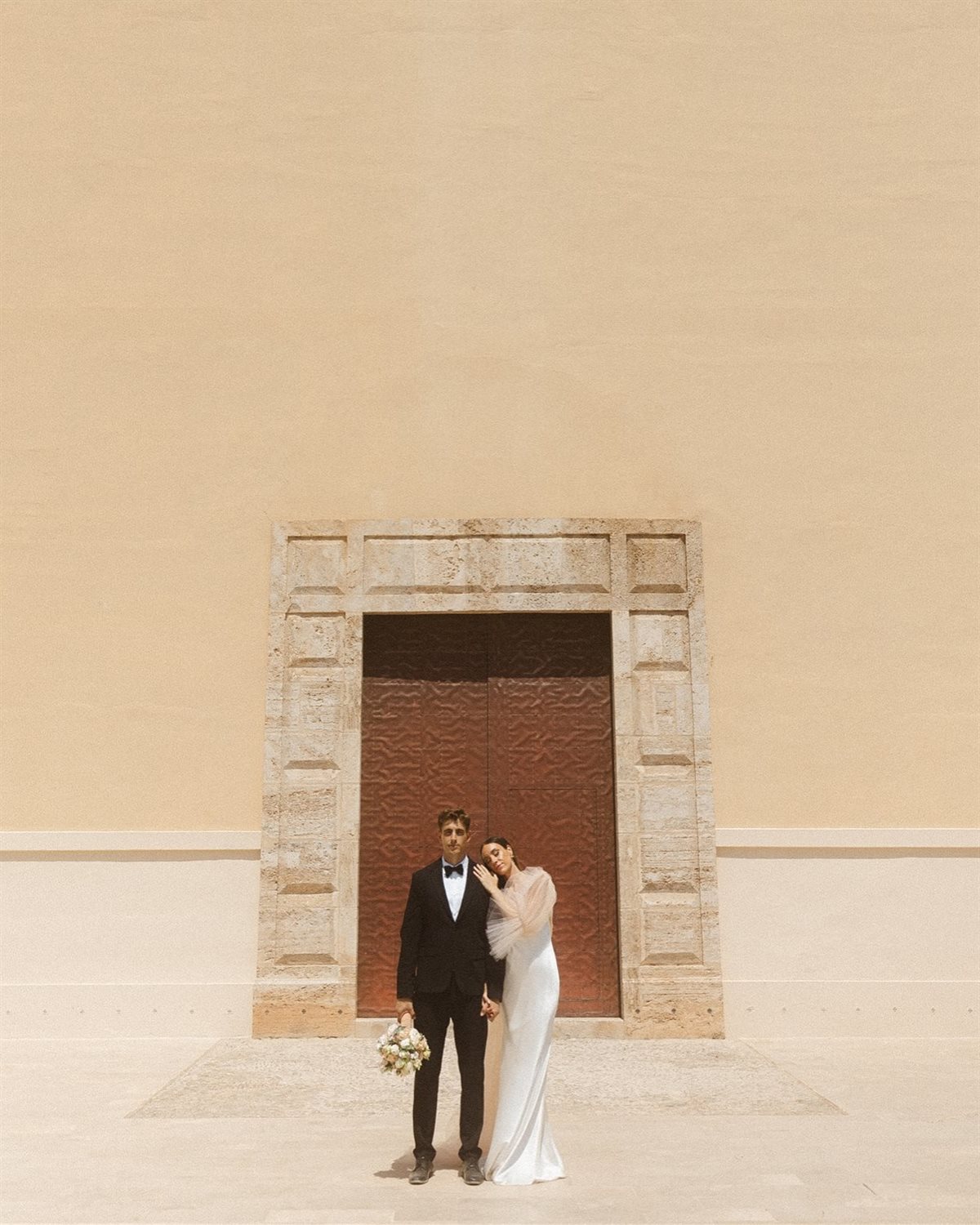
Foreign couples may be able to marry legally in Spain, but eligibility and the administrative process depend on their nationality, place of residence, and the authority handling the marriage application. Spanish civil marriages generally require a preliminary marriage authorization process, which may involve identity documents, birth certificates, proof of marital status, and additional translated or legalized documents. Before reserving a legally binding ceremony in Valencia, contact the relevant Civil Registry or a qualified local legal professional to confirm the requirements for your particular situation.
Religious and Symbolic Ceremonies
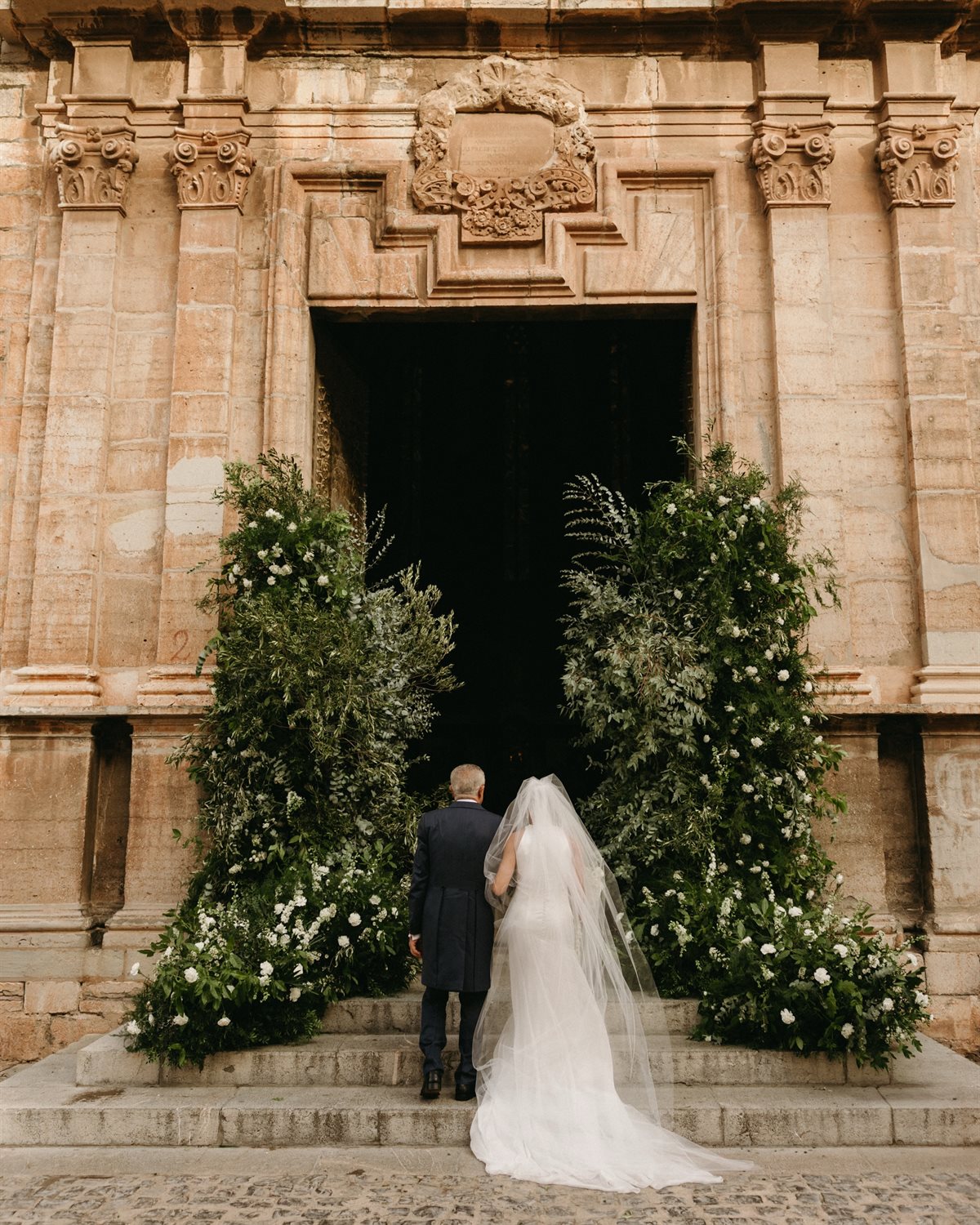
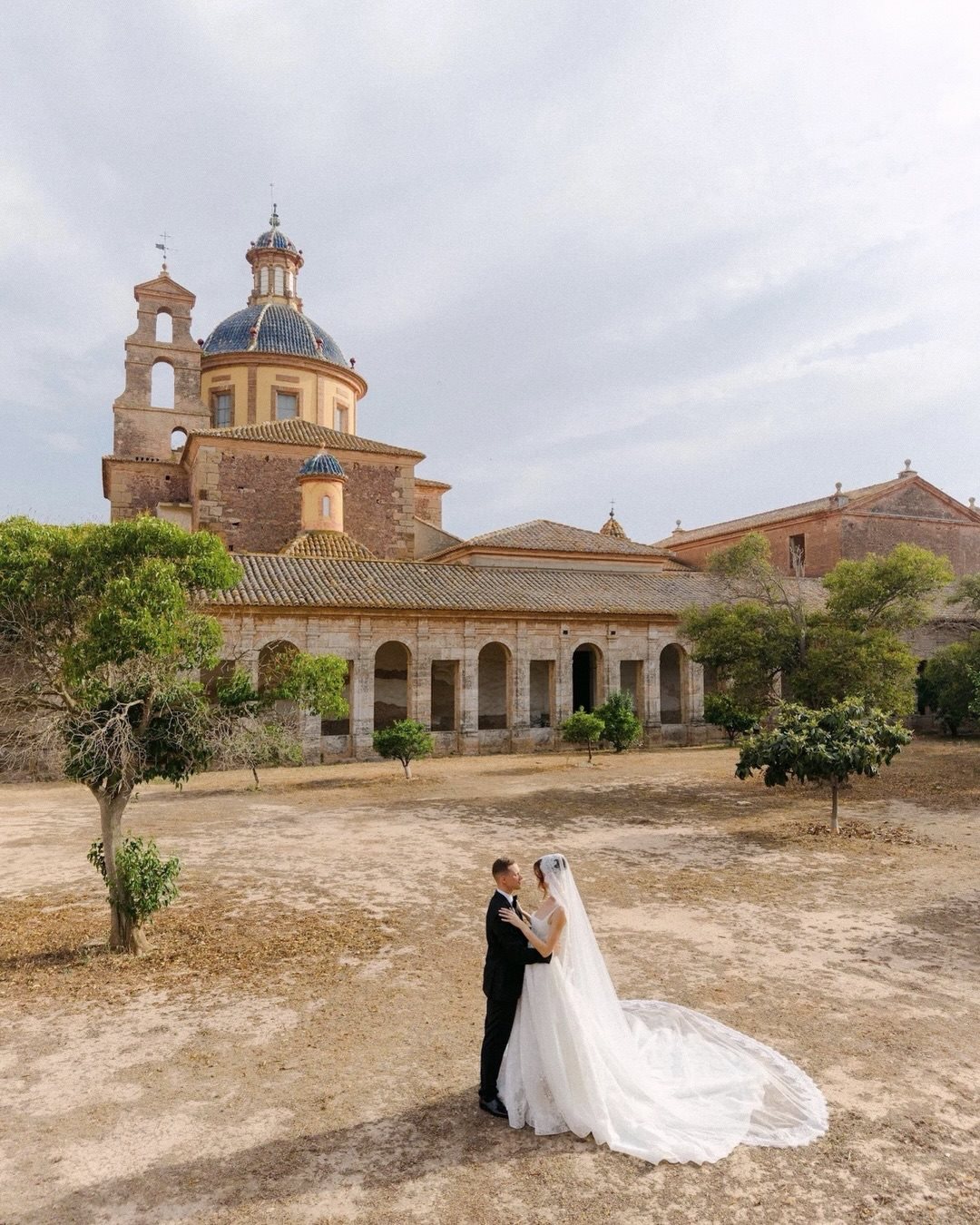
A Catholic wedding in Spain can be valid in a legal sense, but it requires both the civil paperwork and the church paperwork (i.e., baptismal and confirmation certificates and a letter certifying that you've completed your pre-marital course). For that reason, many foreign couples will marry legally at home and have a symbolic ceremony in Valencia. A symbolic ceremony requires no paperwork at all, can be held virtually anywhere and can be led by a celebrant, a friend or a family member, giving you total freedom as to the words, the location and the time.

Weddings in Valencia: Where Do They Take Place?
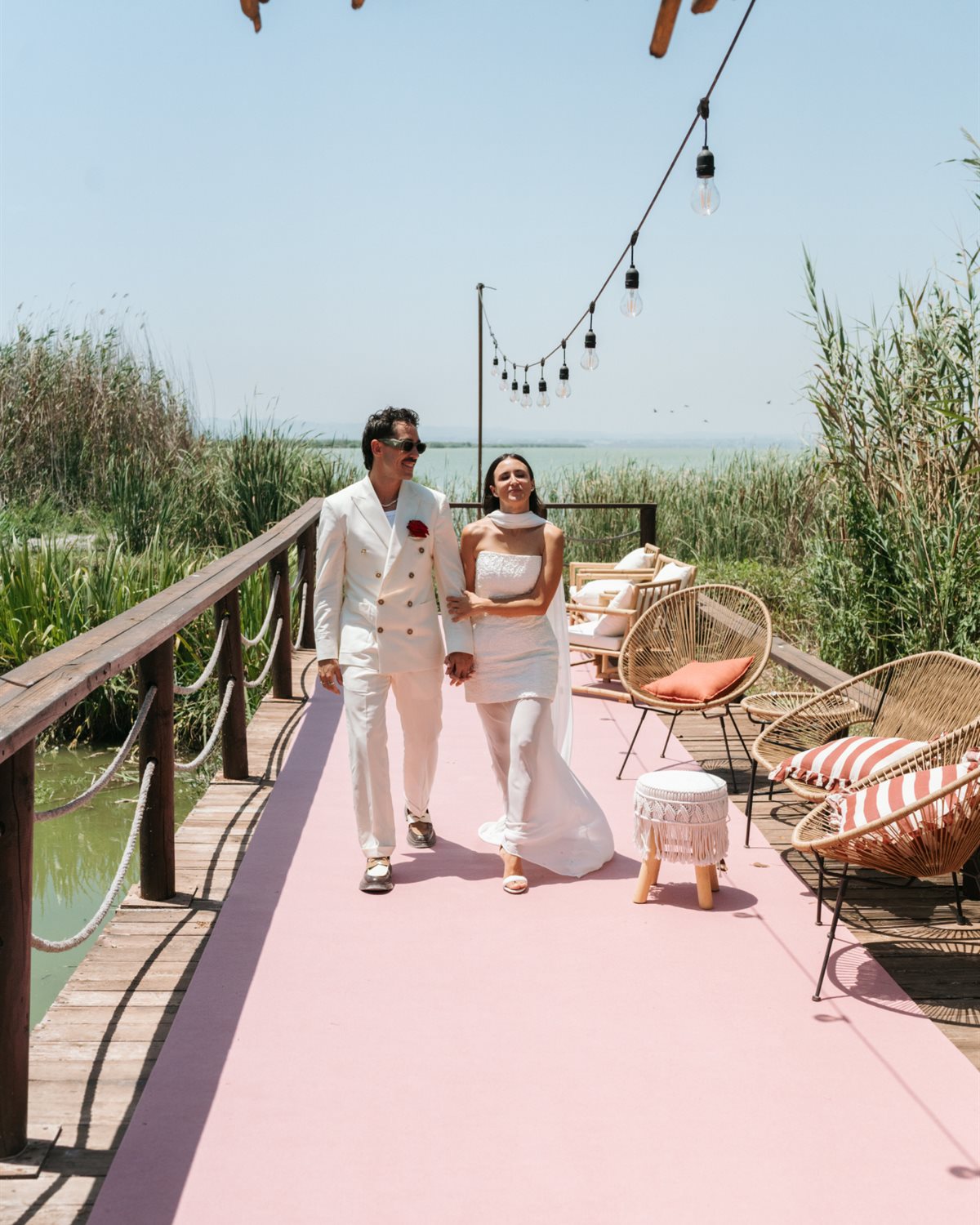
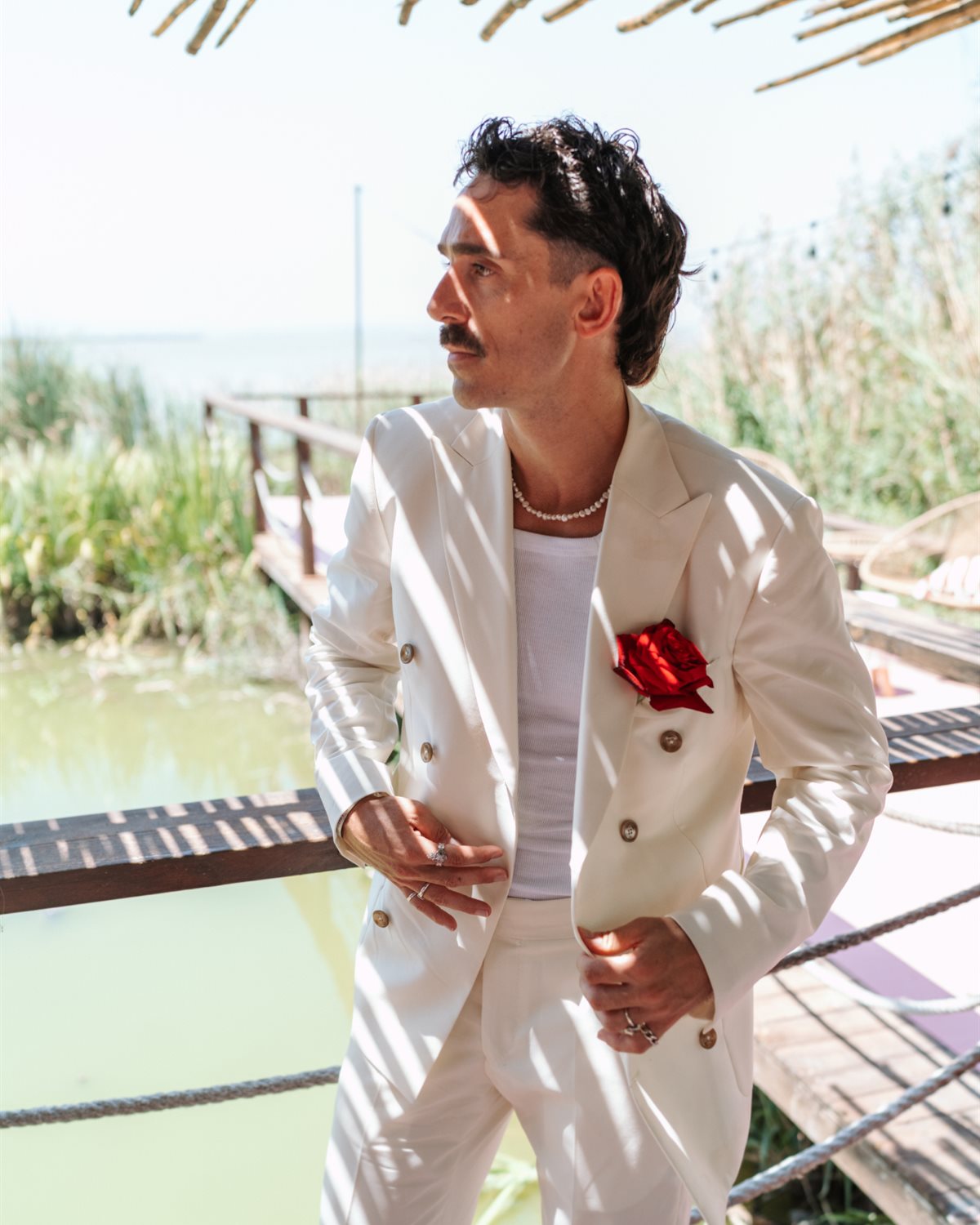
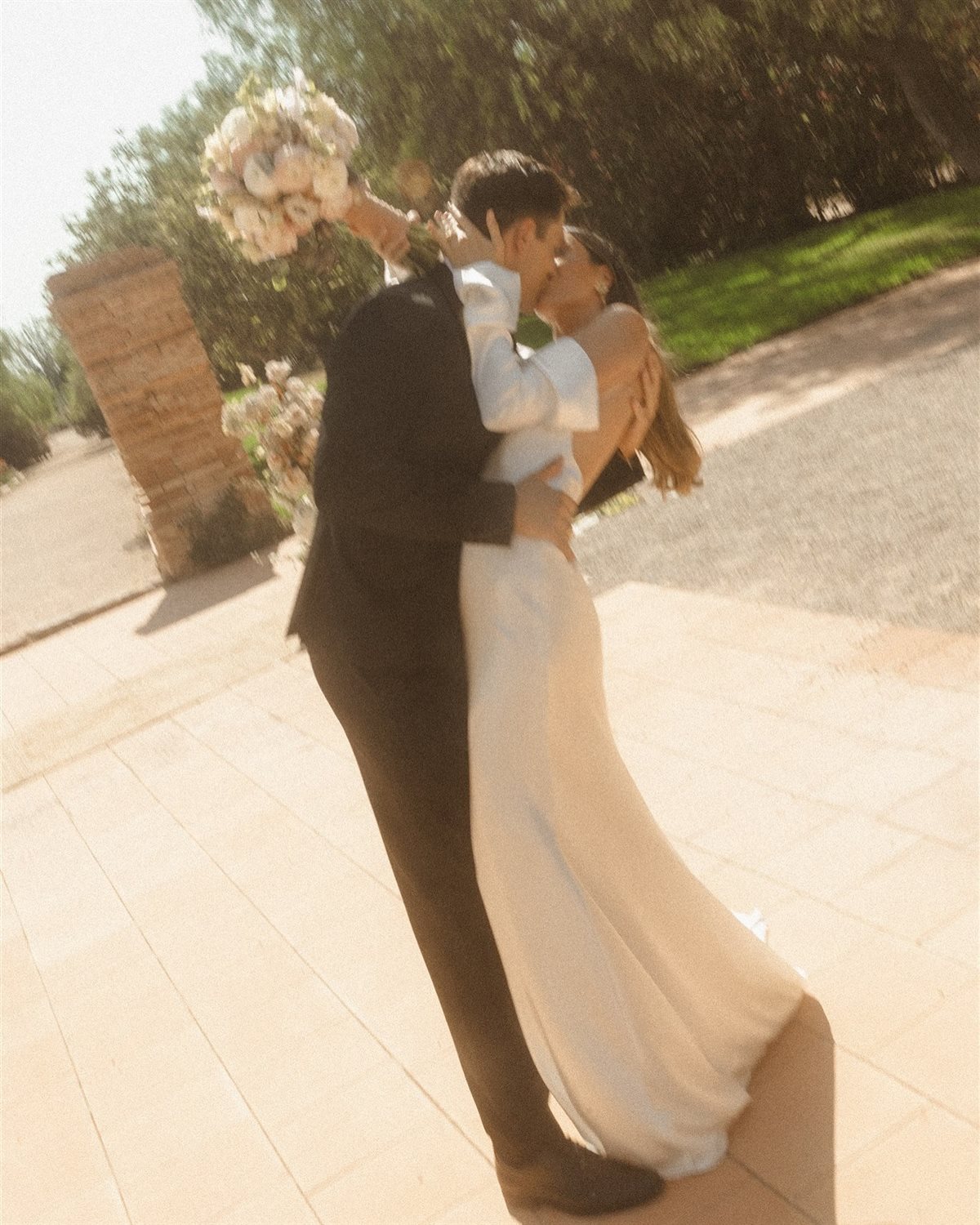
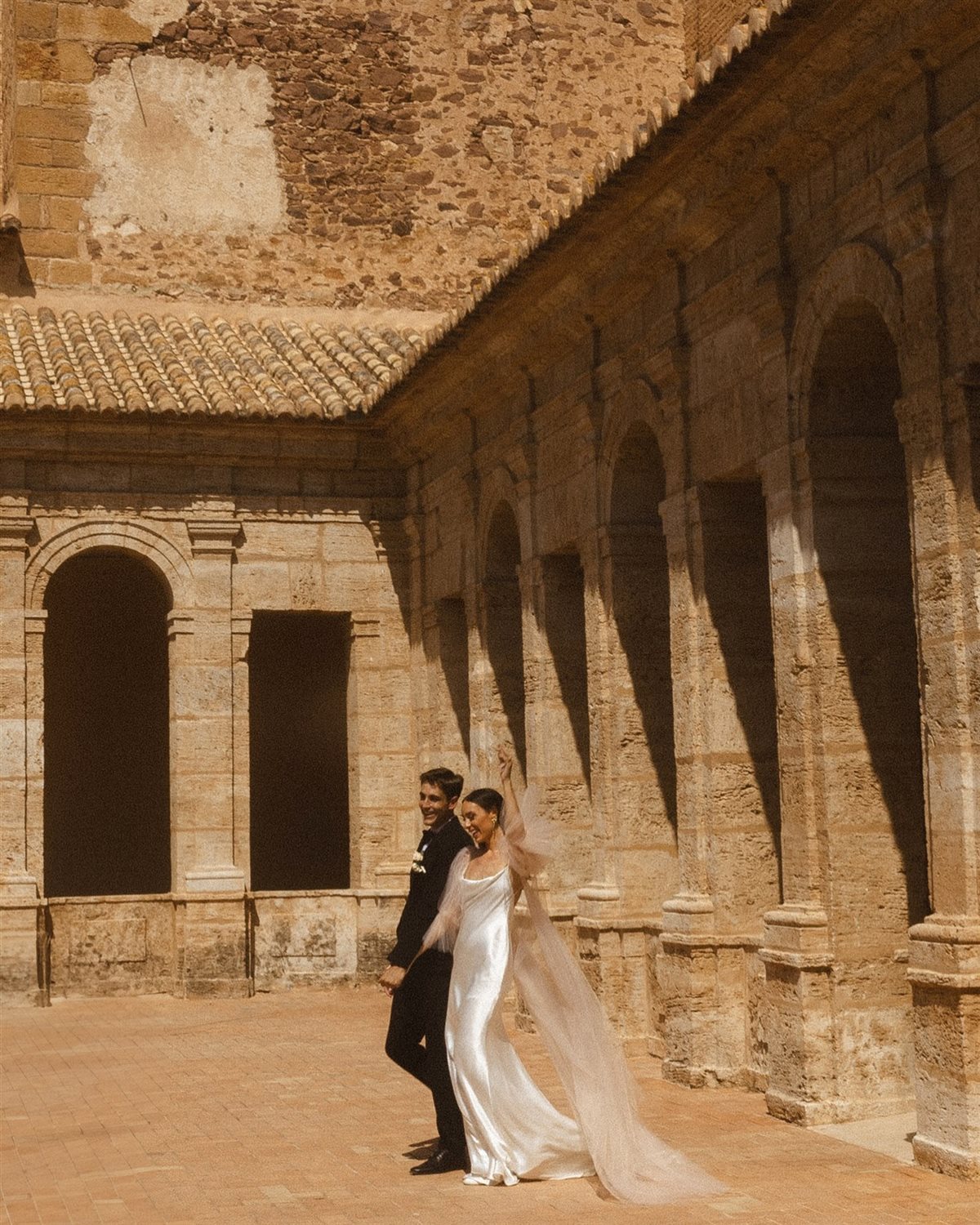
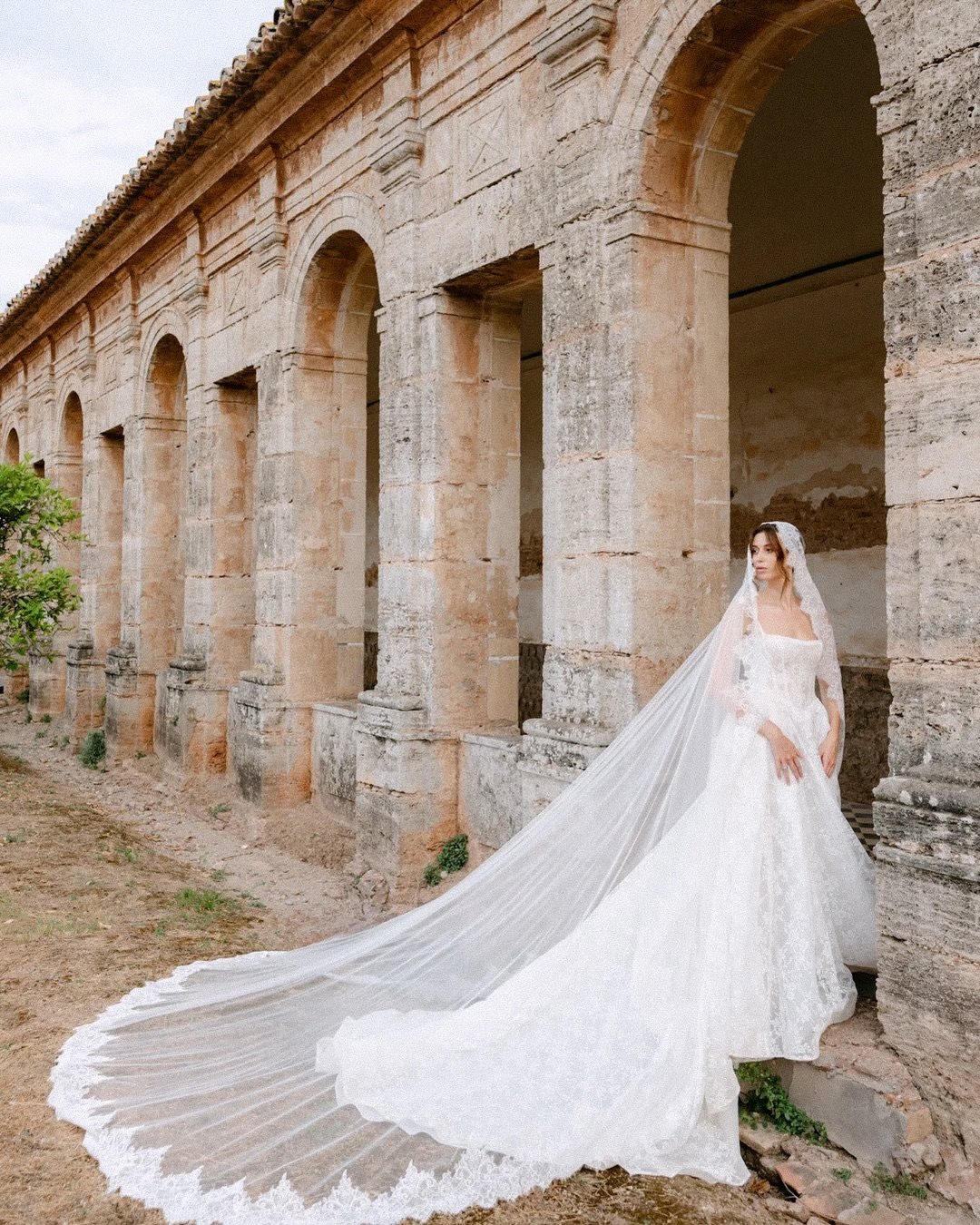
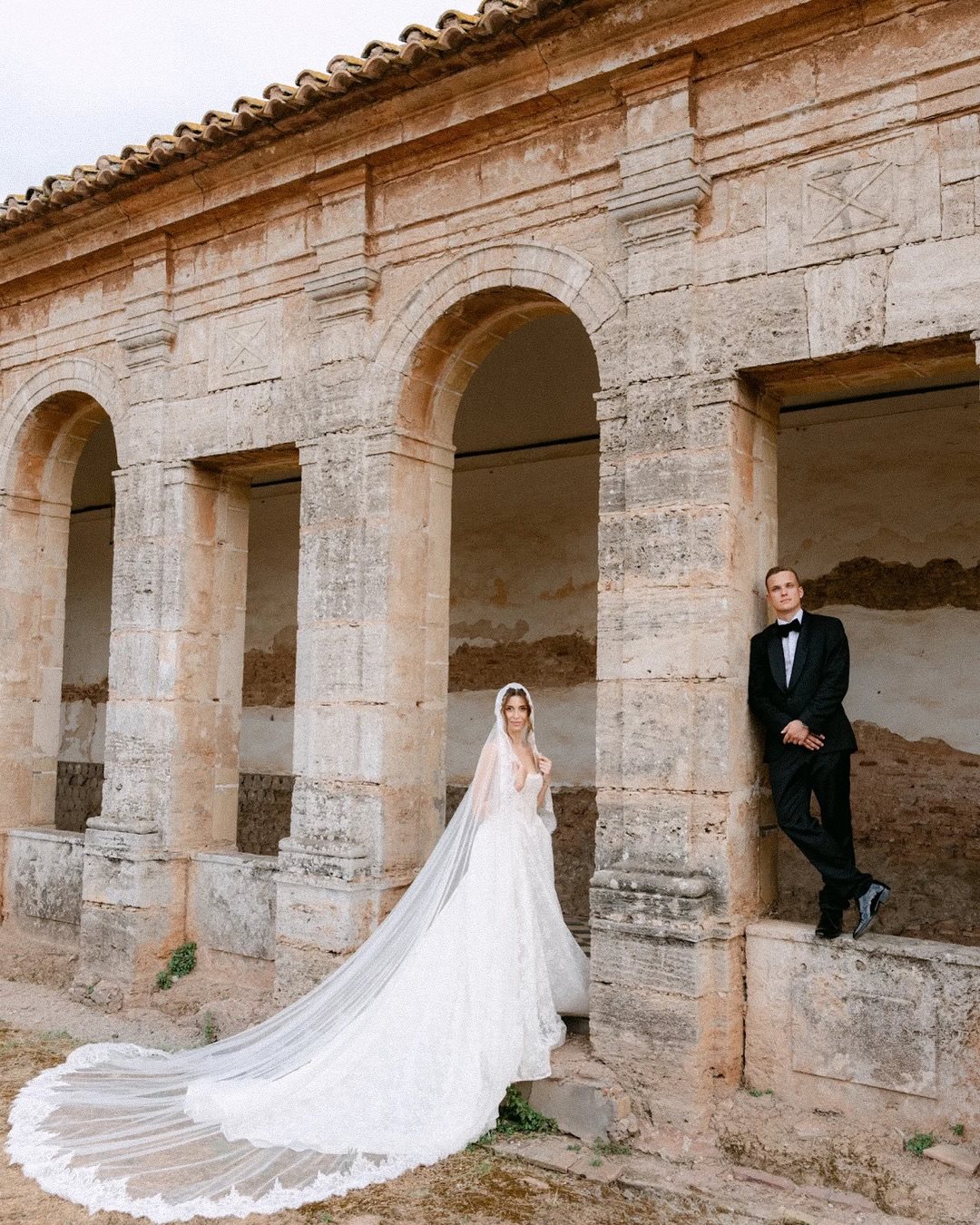
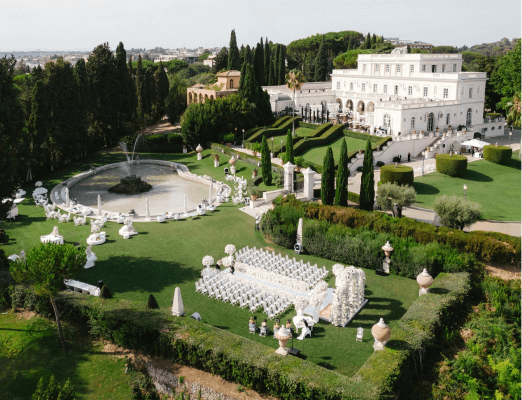
The best setting for a wedding in Valencia depends entirely on what you're after. Do you want the buzz of the city? The tranquility of the countryside? The open expanse of the coast? Each has its own feel, and many couples will actually combine two of them (e.g., a city ceremony and then dinner at a country house). The most popular settings are:
- Masías: traditional Valencian farmhouses and country estates, usually set in the midst of orange trees, olive trees or vineyards.
- Historic city palaces and courtyards: stone arches, tiled patios and all the Gothic and Baroque detail you could possibly want in the old town.
- Beachfront spaces: terraces and gardens by the sea, ideal for relaxed ceremonies and sunset receptions.
- The Albufera: a natural park of rice fields and a freshwater lagoon south of the city, famous for its sunsets.
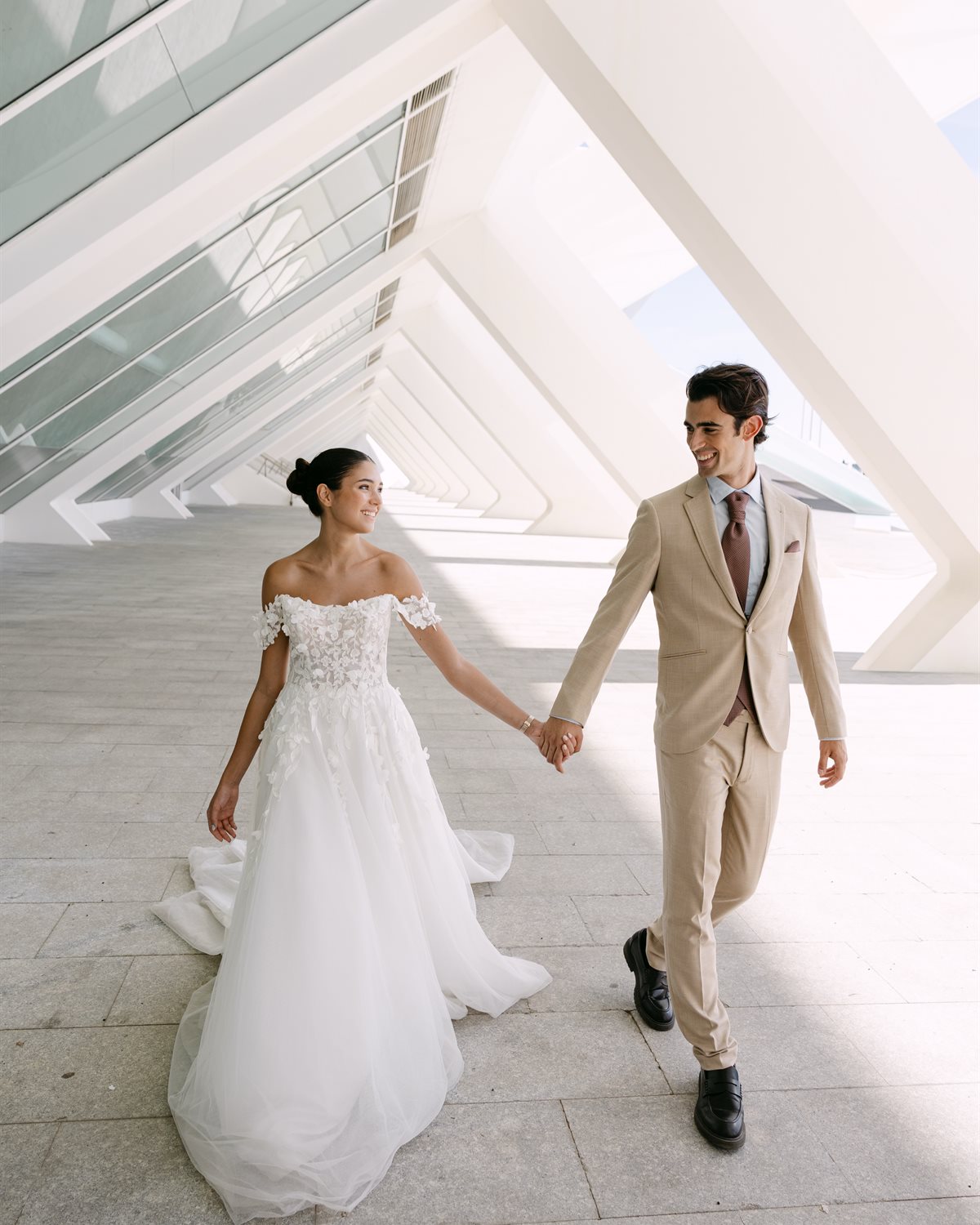
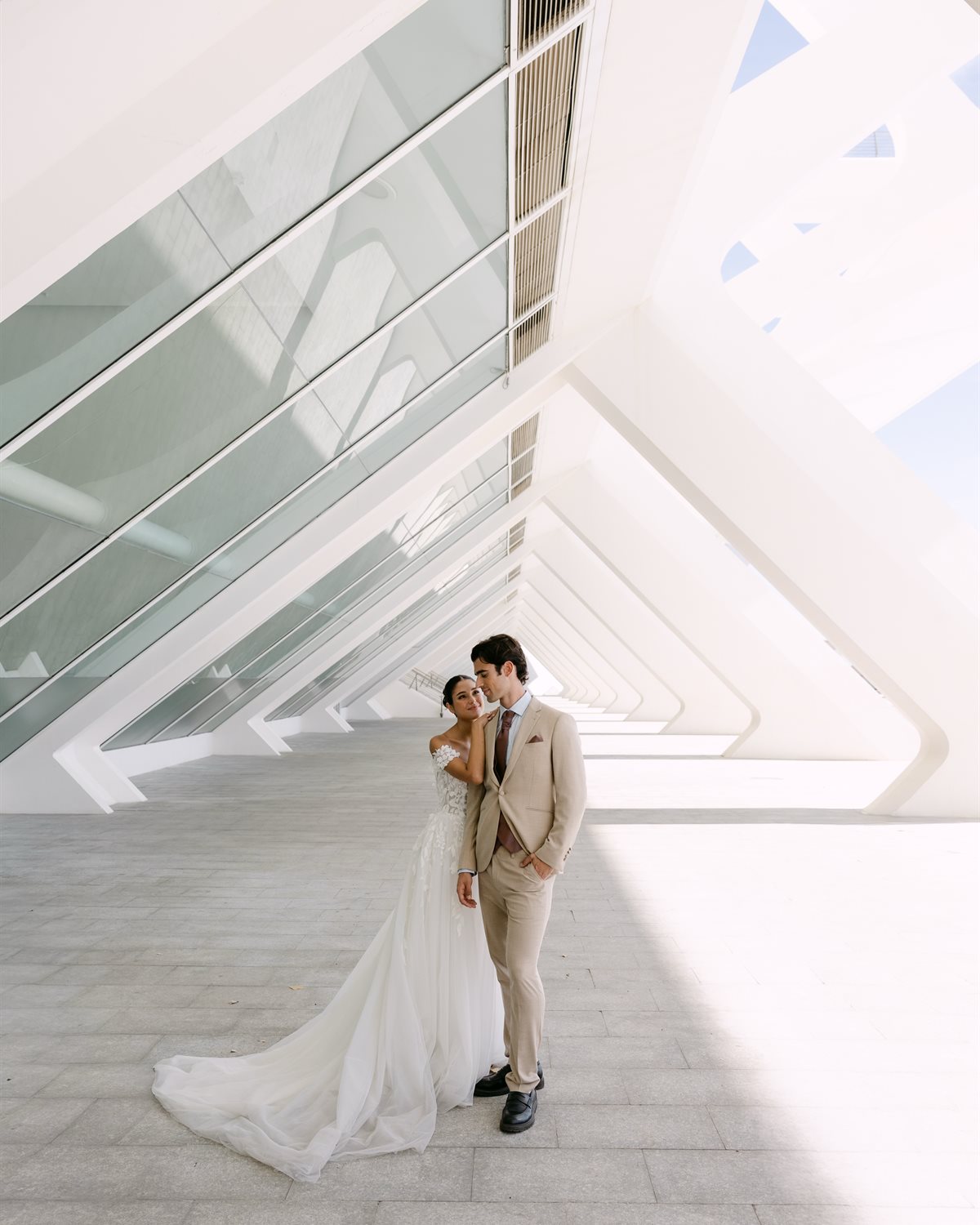
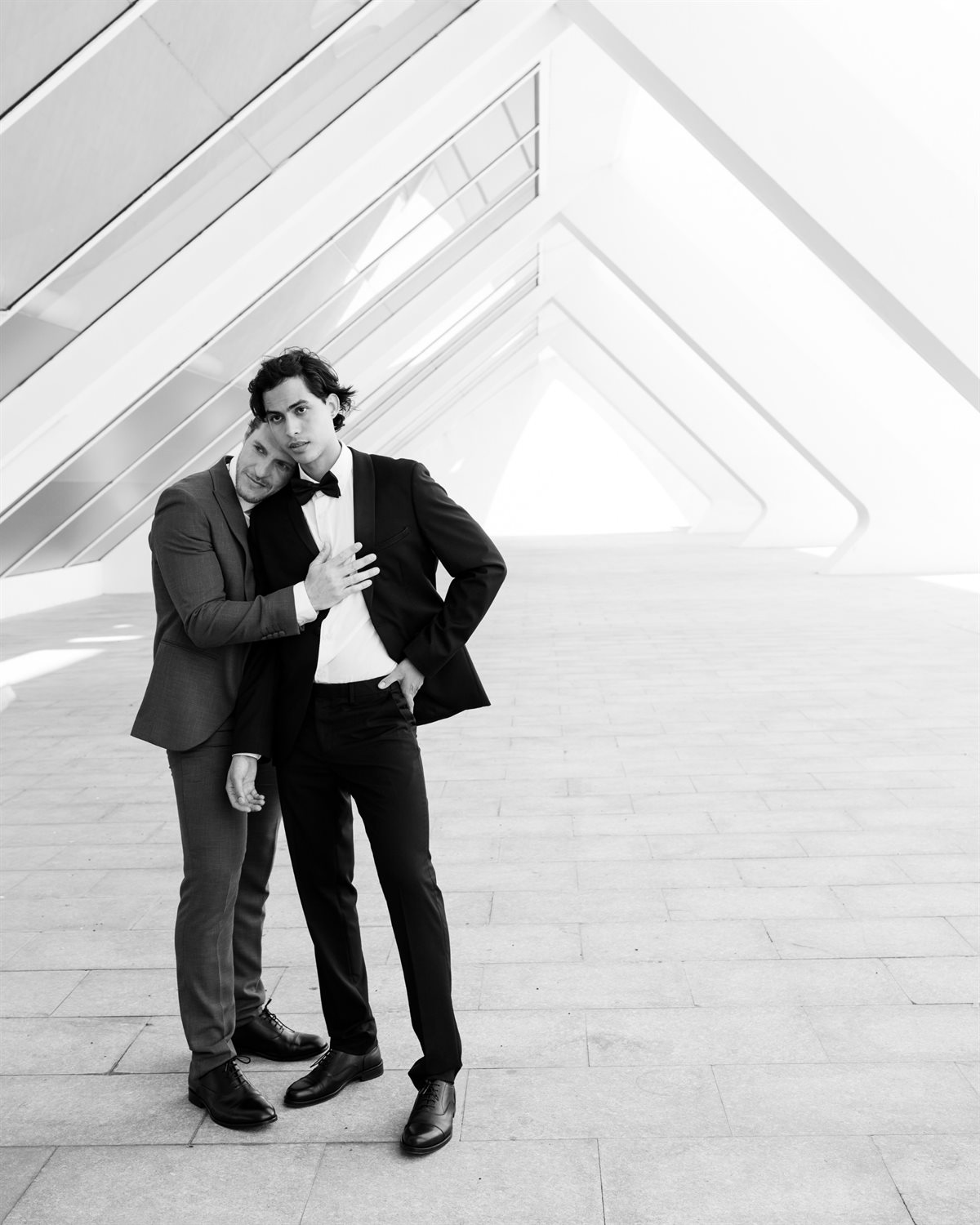
- Modern architecture: contemporary spaces for couples who like clean lines and a bit of drama.
The city itself is an integral part of the story. The Turia Garden, which runs for 9 km along the old riverbed, links up the museums, bridges and monuments and provides a superb setting for portraits. The City of Arts and Sciences is a complete contrast to the old town. When you're selecting a location, you need to ask about music curfews, noise levels and transport, as many of the country estates will require organized coaches for the guests.
How Much Does a Wedding in Valencia Cost?
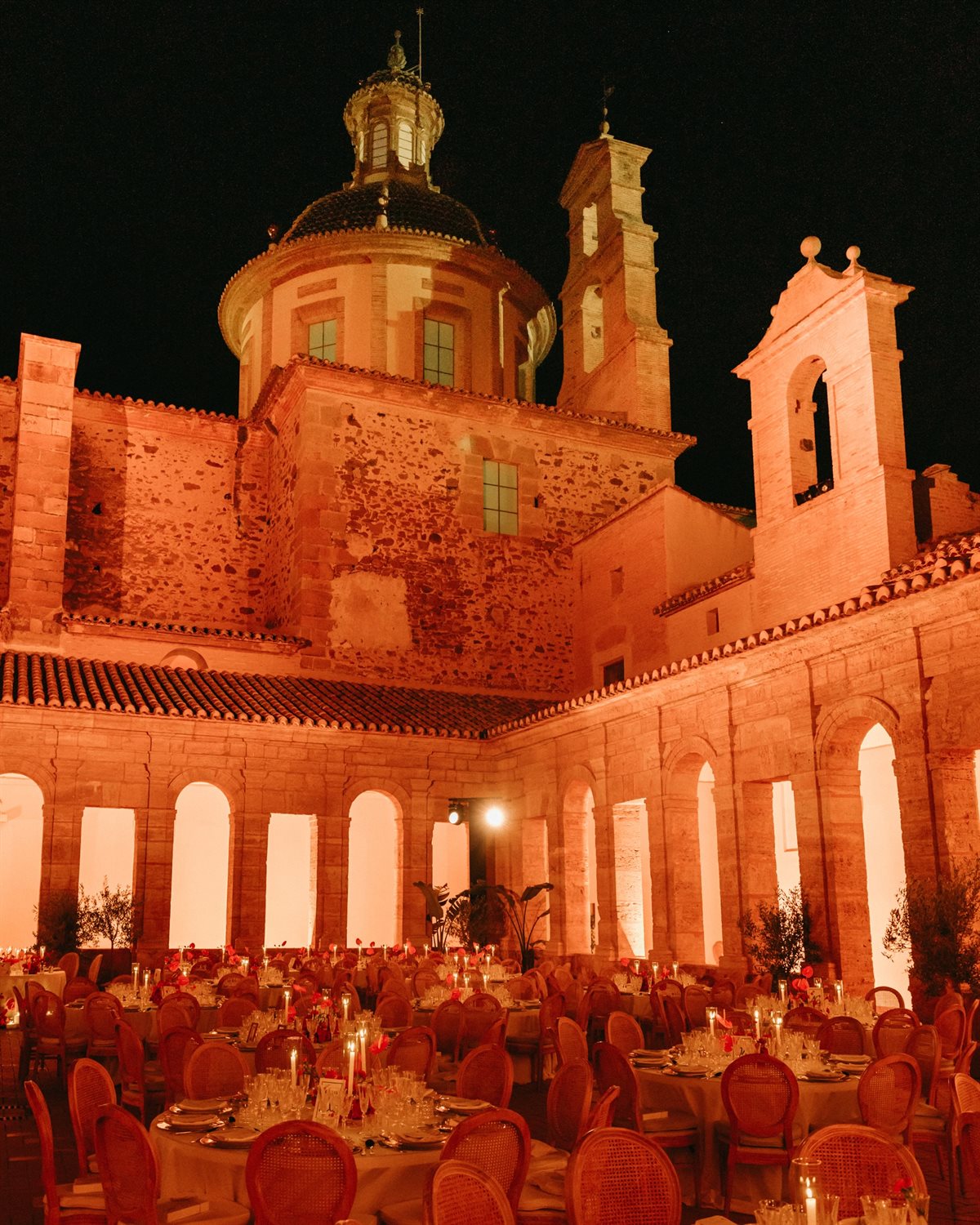
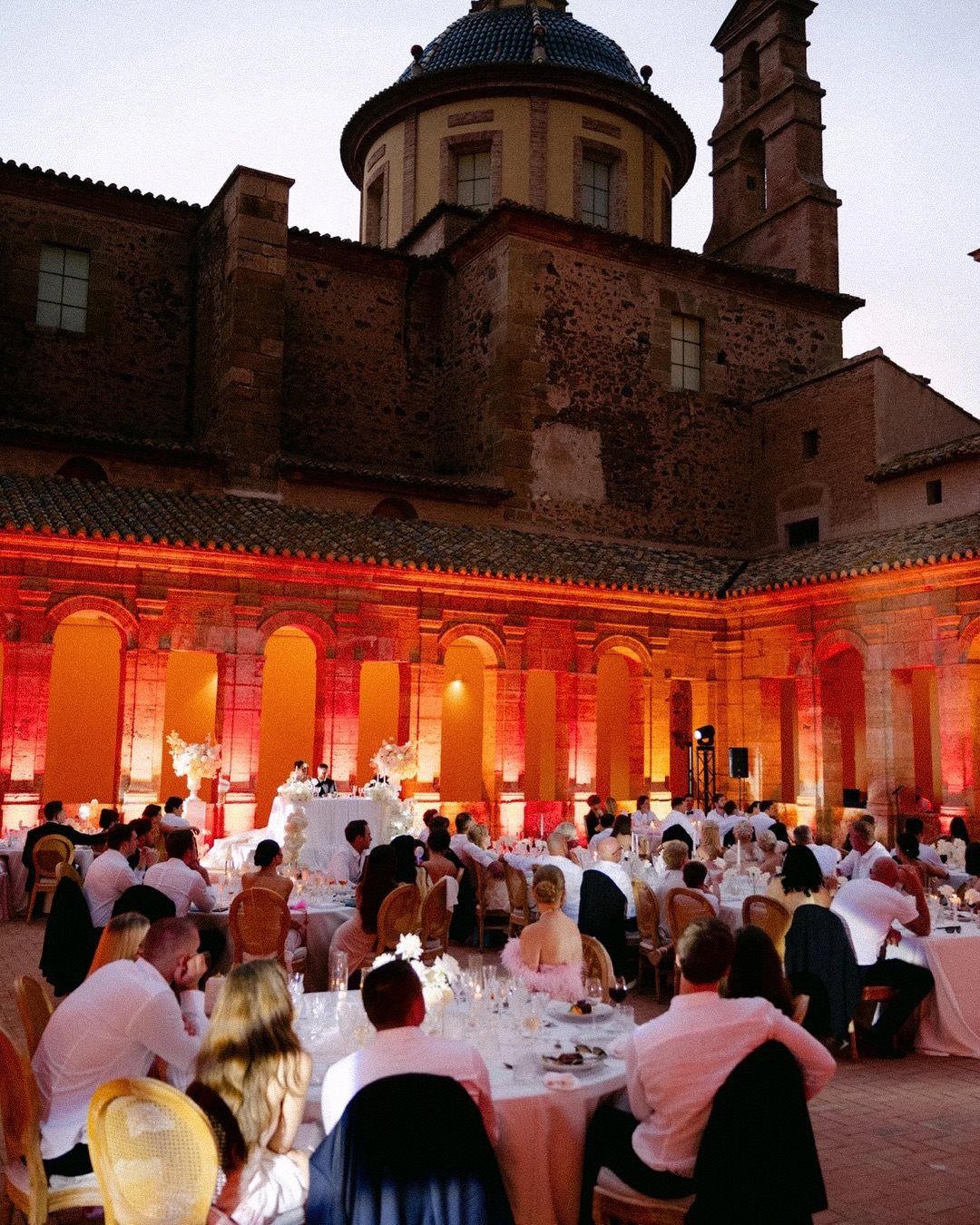
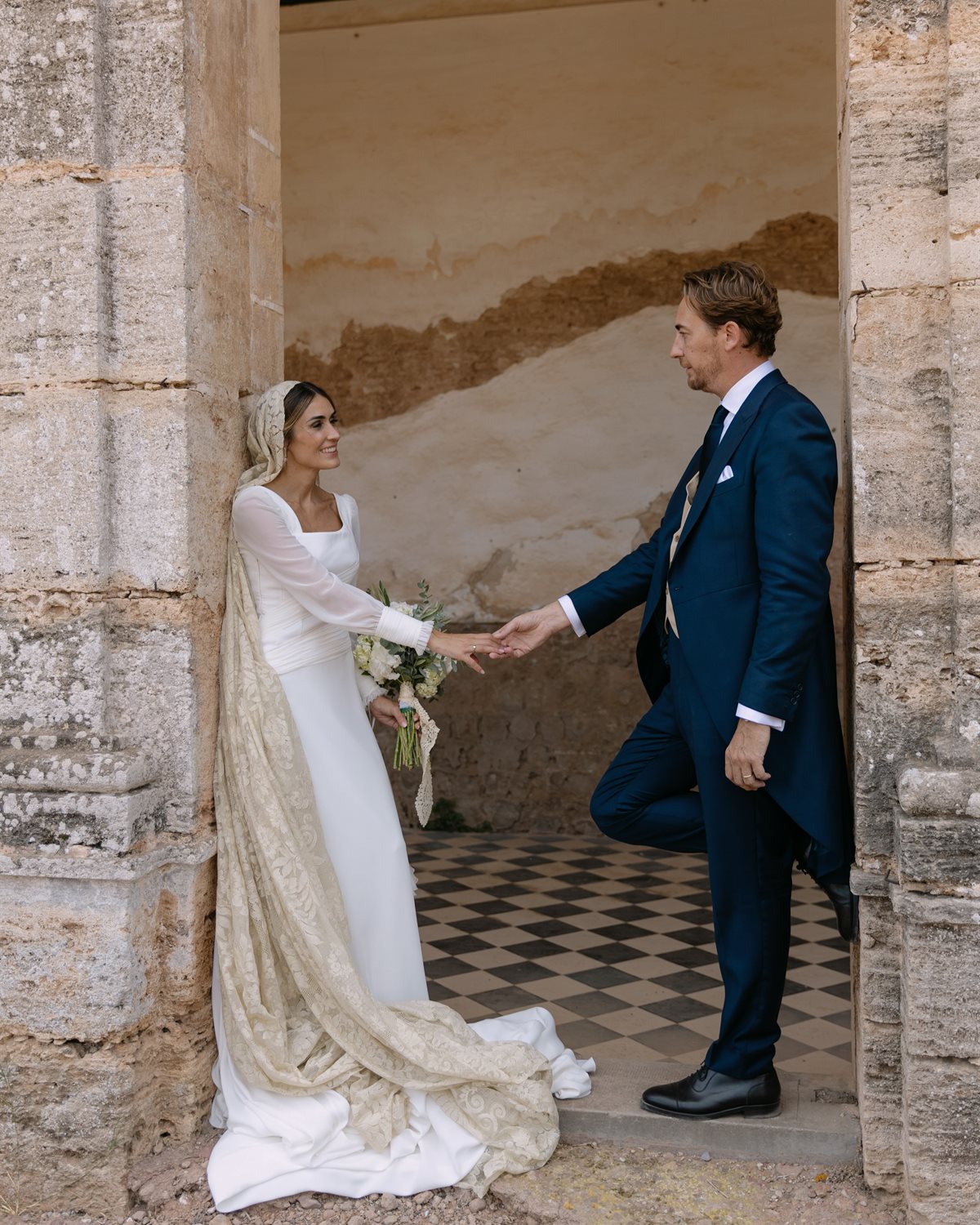
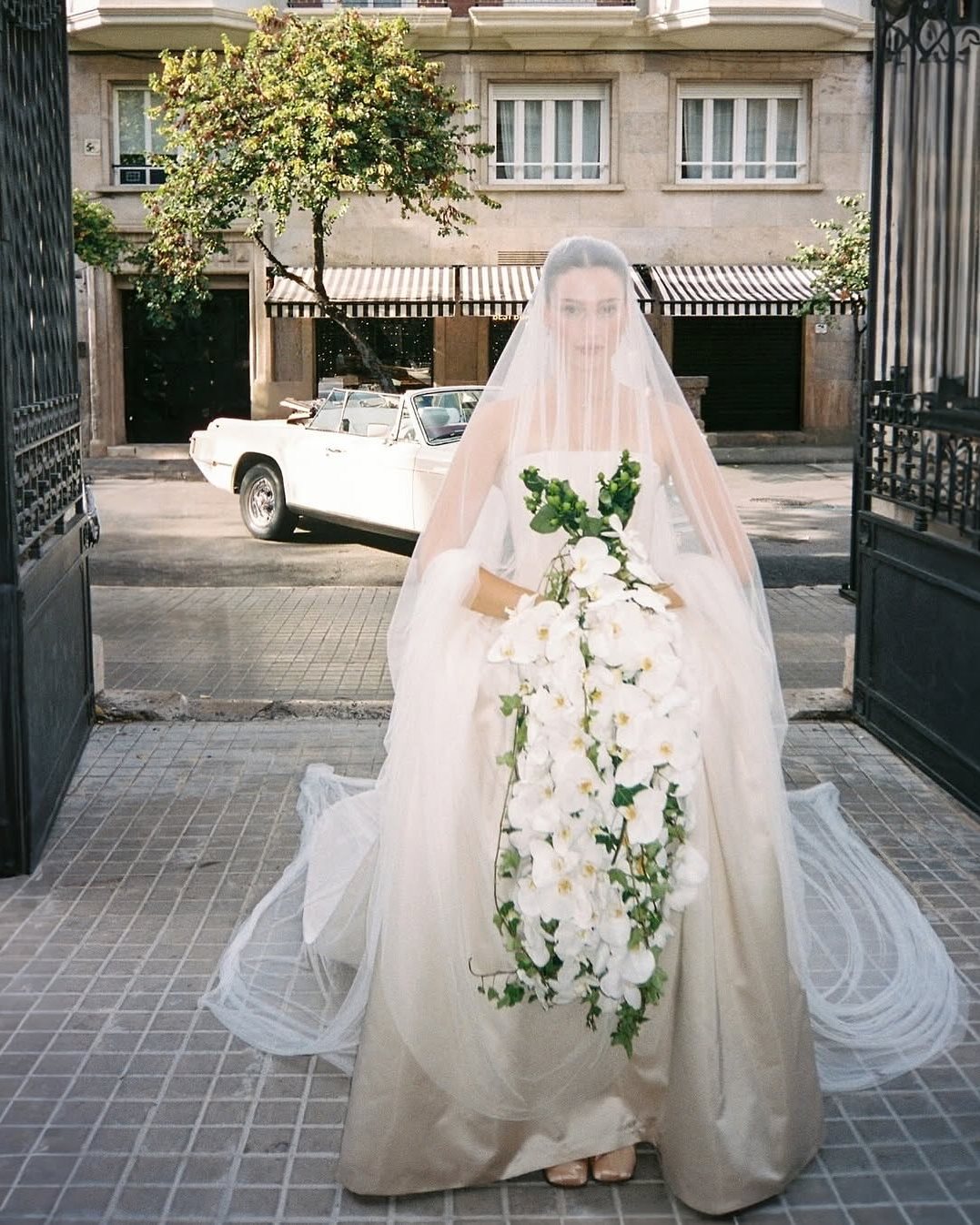
The look and feel of a wedding in Valencia can vary greatly depending on the venue, guest count and scale of the celebration. An intimate dinner in the historic centre is likely to be very different from a three-day destination wedding at a countryside masía. Although there isn't a reliable average specifically for Valencia, the latest national figures offer a useful starting point.
Based on data from over 2,000 couples who got married in 2025, the average cost of a wedding in Spain is around $29,000, not including the honeymoon or engagement ring. This equates to an average spend of around $260 per guest, although this figure covers the overall wedding budget rather than catering alone. Most couples spend the most on venue and catering, with these two areas accounting for 53% of total spending. Please note that these figures are national averages and not fixed prices for Valencia.
When planning a wedding in Valencia, we would start by creating a guest list and choosing a venue, before looking at individual services. A venue in the historic city centre may simplify transportation and accommodation arrangements, whereas a masía surrounded by orange groves would require guest coaches, additional setup and a larger production team. When it comes to beachfront celebrations, there are a few things to consider, like backup plans for bad weather, equipment, and access restrictions. Depending on the location and format of the wedding, the number of guests can have a significant impact on the budget.
The date matters too. Popular Saturdays in May, June and September may be more difficult to secure, whereas weekday celebrations or less popular dates could offer greater flexibility. Couples planning from abroad should also factor in the cost of a local wedding planner, travel arrangements, guest accommodation and any welcome dinners or post-wedding gatherings. These extras can transform an initially straightforward venue budget into a much larger investment for a destination wedding.
We advise requesting complete proposals from at least two or three venues before committing to a date. Ask what's included in the catering price, if there's a minimum spend, and how VAT, service charges, staffing, rentals and overtime are calculated. A slightly higher initial quote may offer better value if it already covers essentials that another venue would charge for separately. The goal is to understand exactly what the celebration will cost before the contracts are signed, not simply to find the lowest price.
How to Bring a Valencian Vibe to Your Wedding?
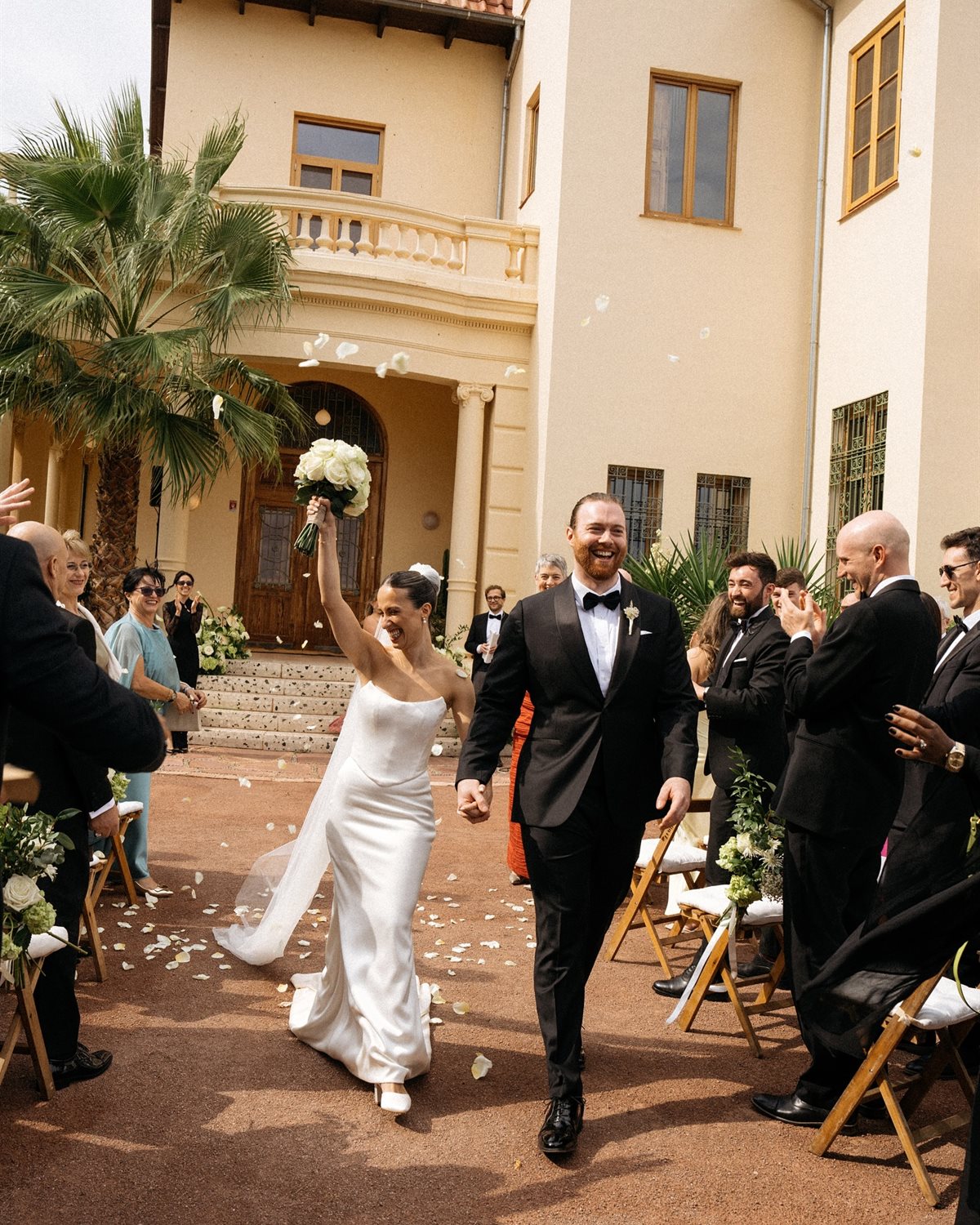
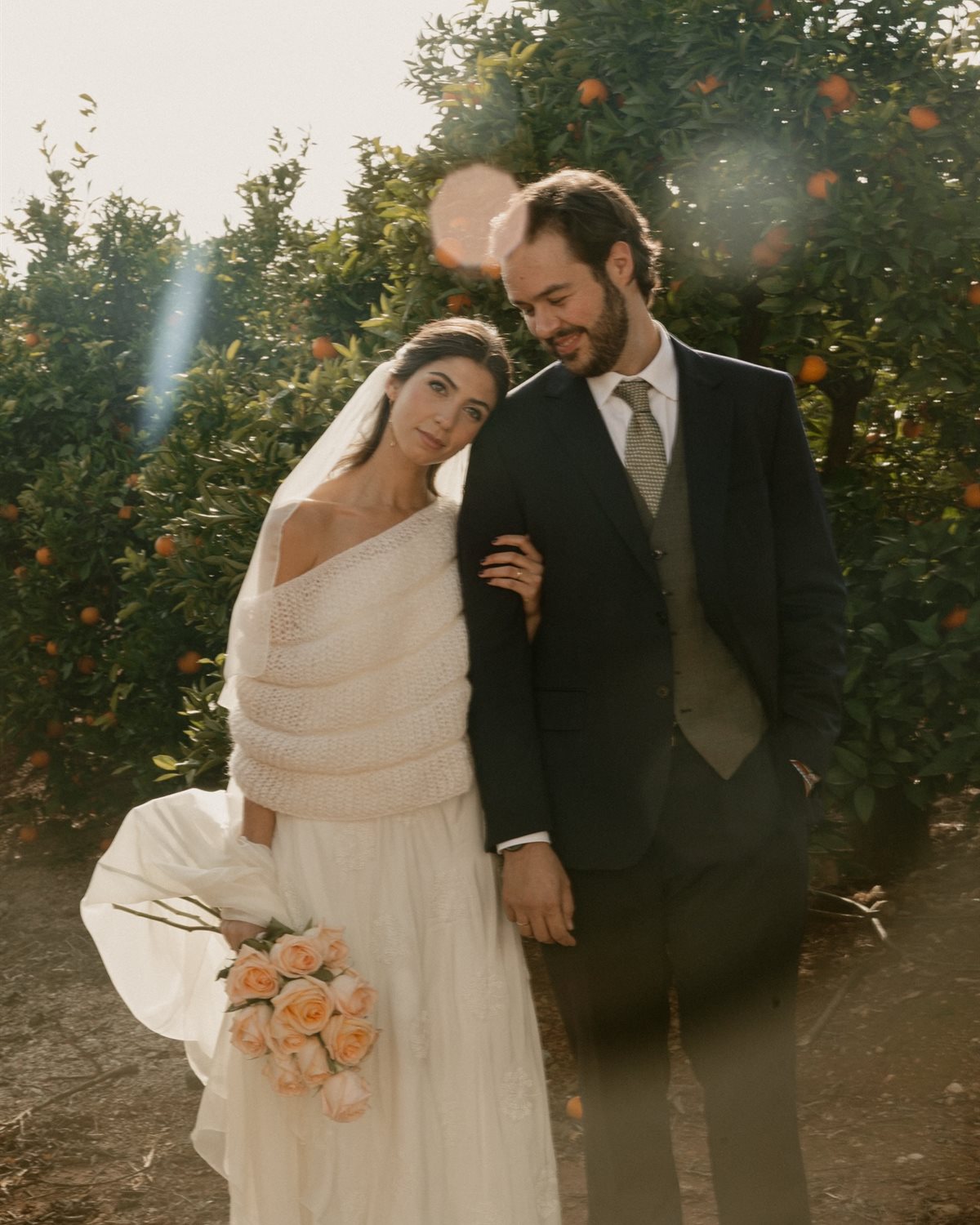
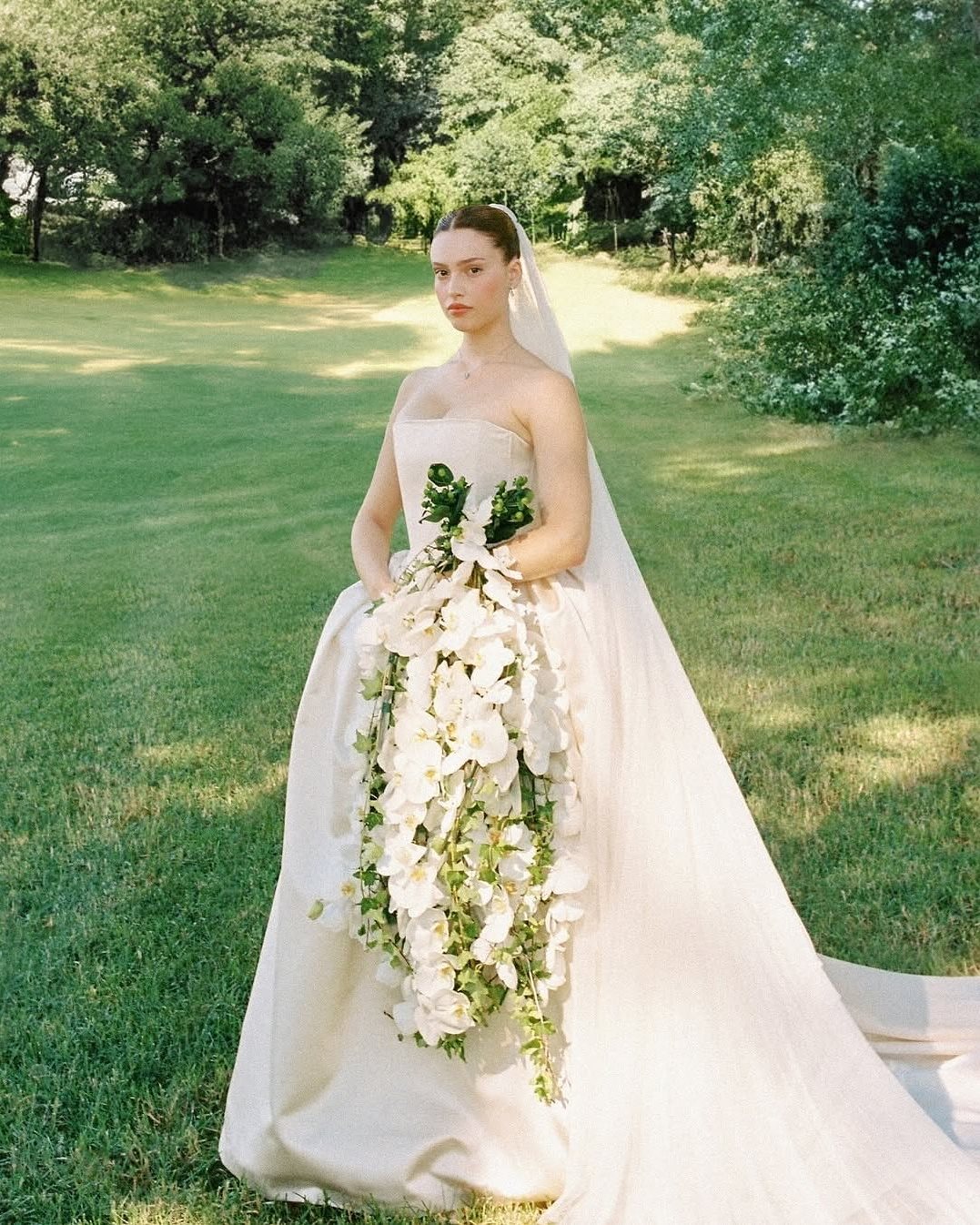
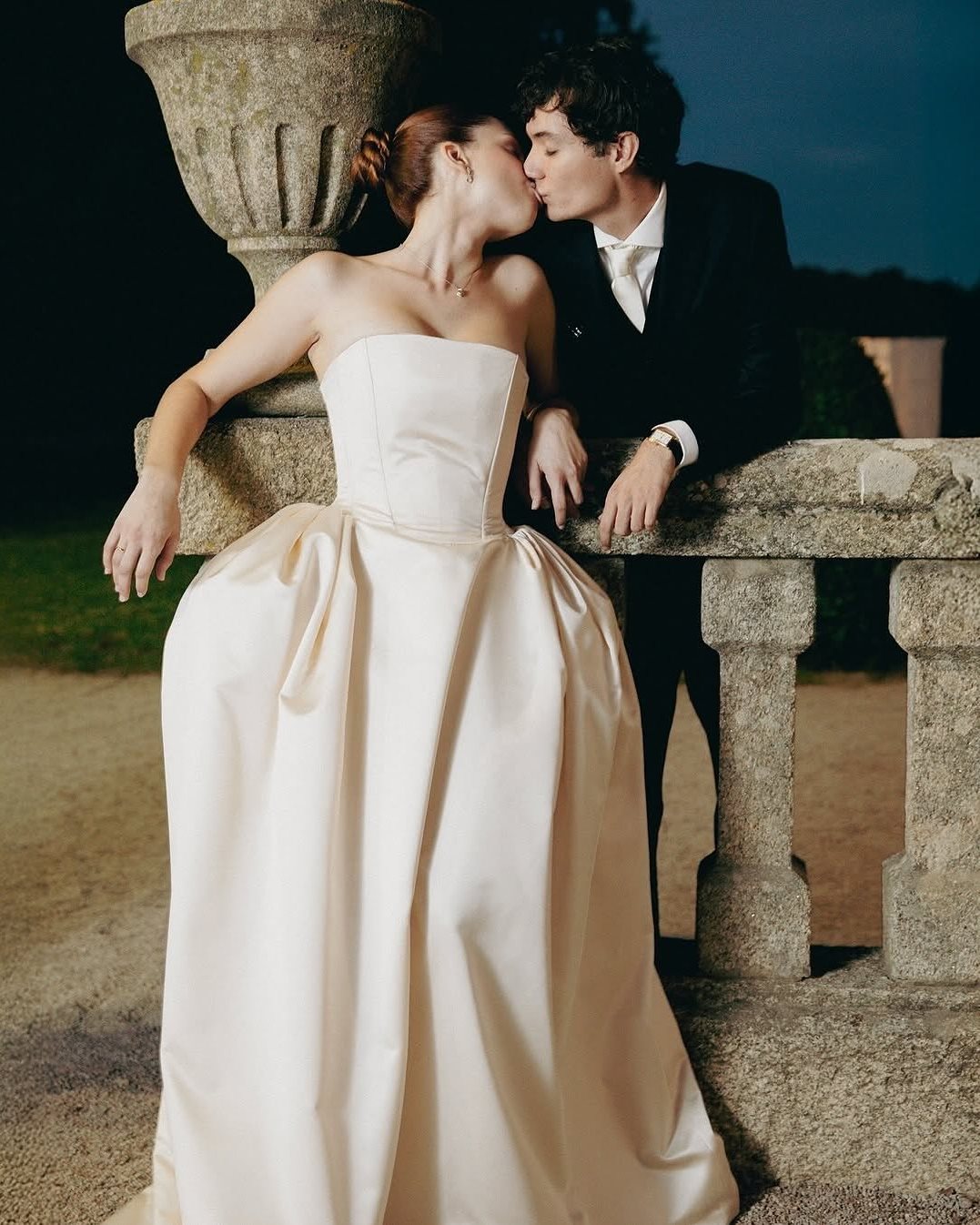
The most memorable celebrations in Valencia are ones that draw on local life rather than inventing a theme. A few well-chosen details, such as the food on the table or the music that your guests hear, can make the day feel very much rooted in the place without it becoming a costume party. The ideas below are grouped according to where they fit in the day, so you can pick one or two that suit your own style.
On the Table
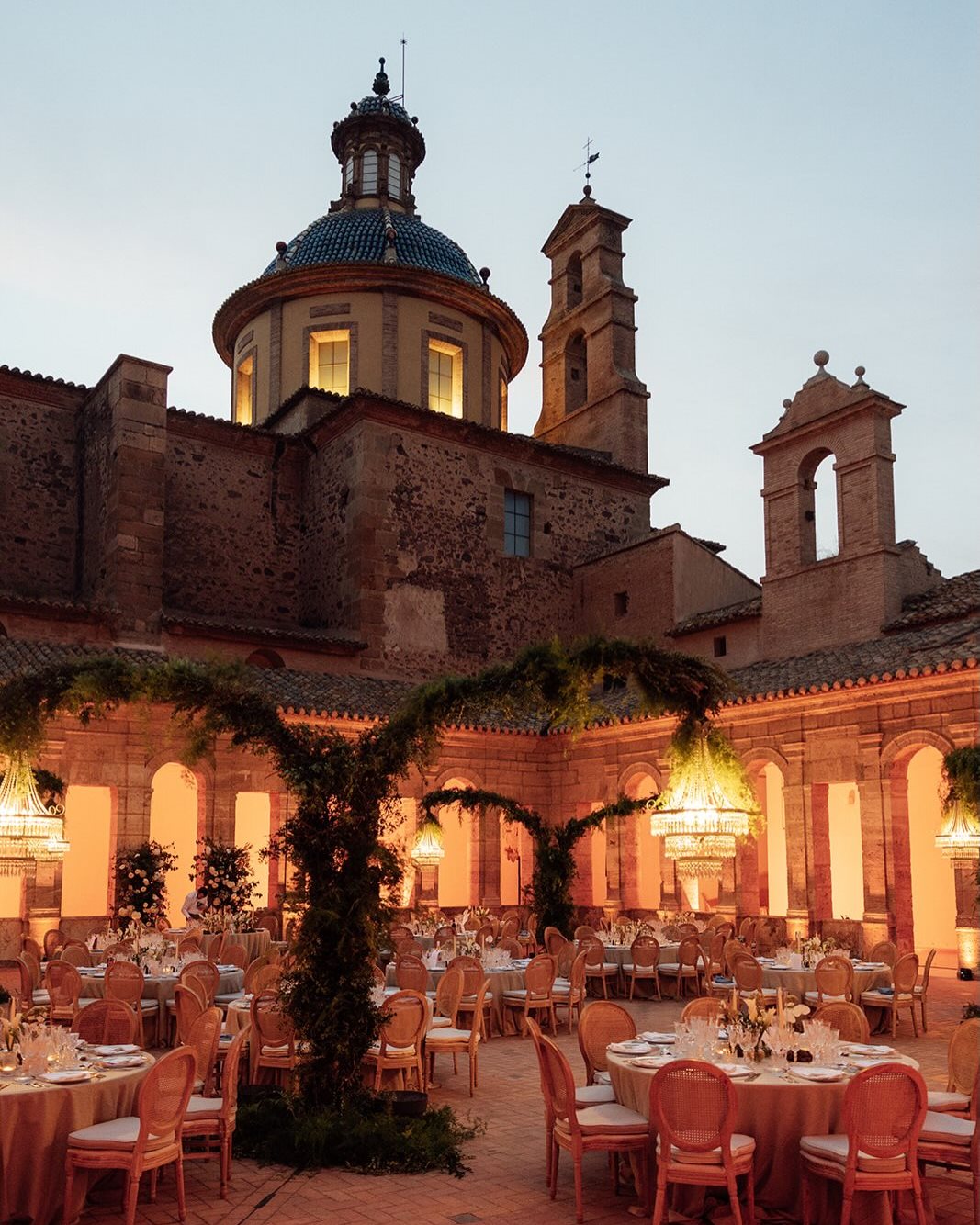
Valencia is the home of paella, and a paella cooked over an open fire (typically one using rice grown in the Albufera) can be the real star of a welcome lunch or a rather casual get-together the day after the wedding. Other local dishes can be excellent as starters or for a late-night bite: arròs negre (rice with squid ink), fideuà (a noodle version of paella) and all i pebre (the eel stew most associated with the Albufera). For dessert, turrón from the region is a very good choice.
Drinks can tell the same story. Horchata (a chilled drink made from tiger nuts and served with sweet fartons) is a great alternative to a cocktail hour on a hot day. Agua de Valencia (a mix of fresh orange juice, cava, gin and vodka) was concocted in a Valencia café in 1959 and is a very natural signature cocktail. To finish the meal, you'll want to ask about the cremaet, a Valencian coffee made with flamed rum, sugar and spices.
In Your Look
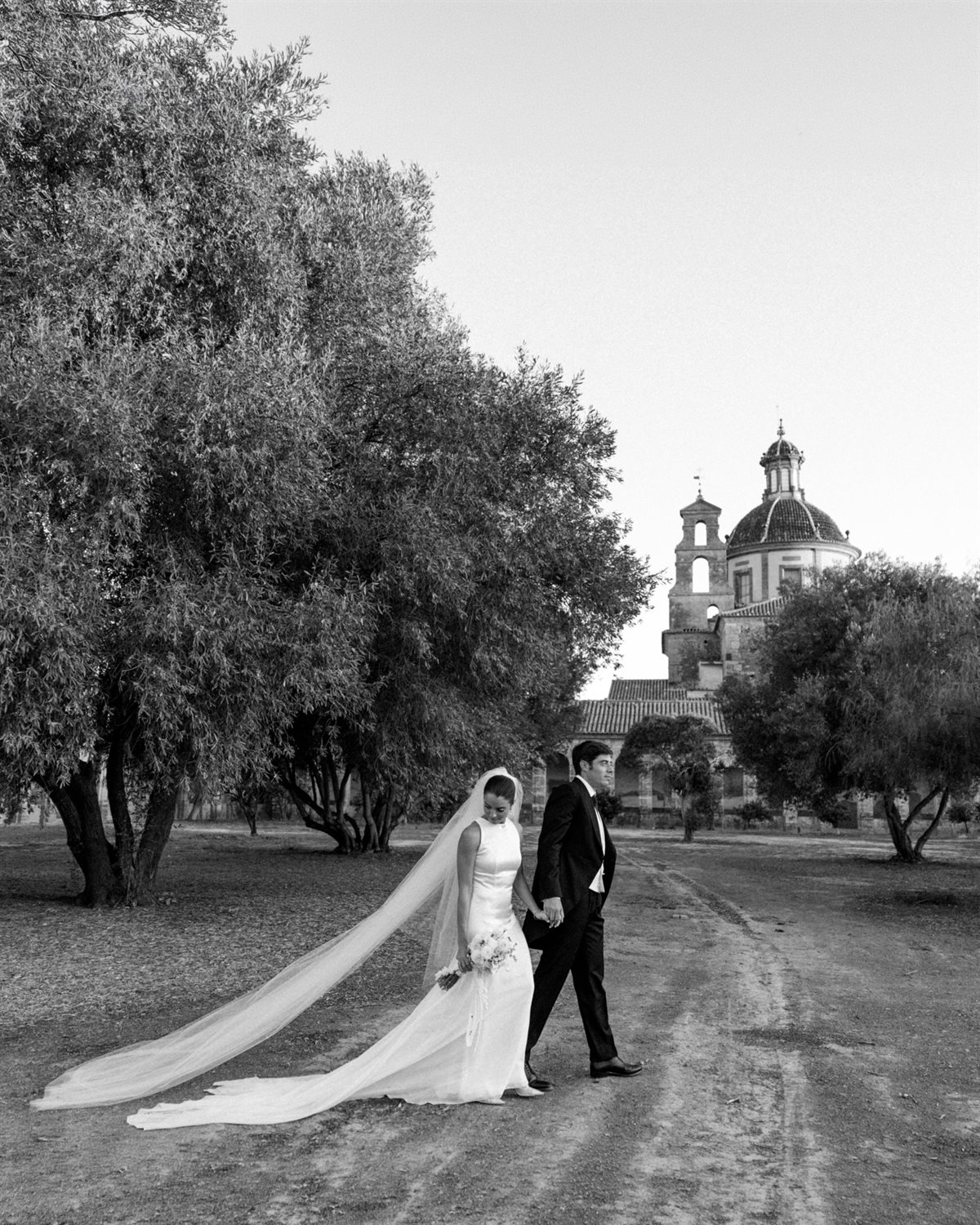
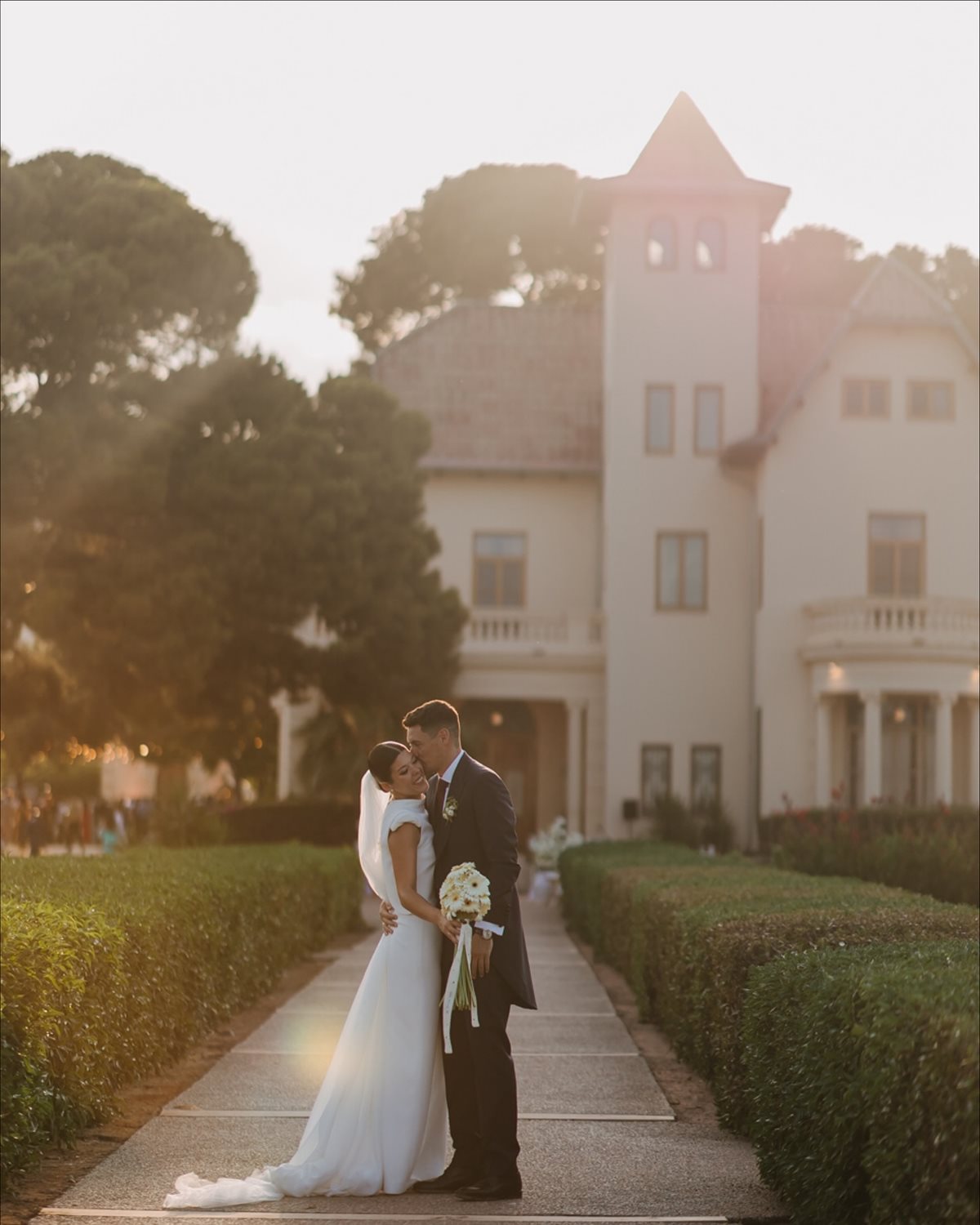
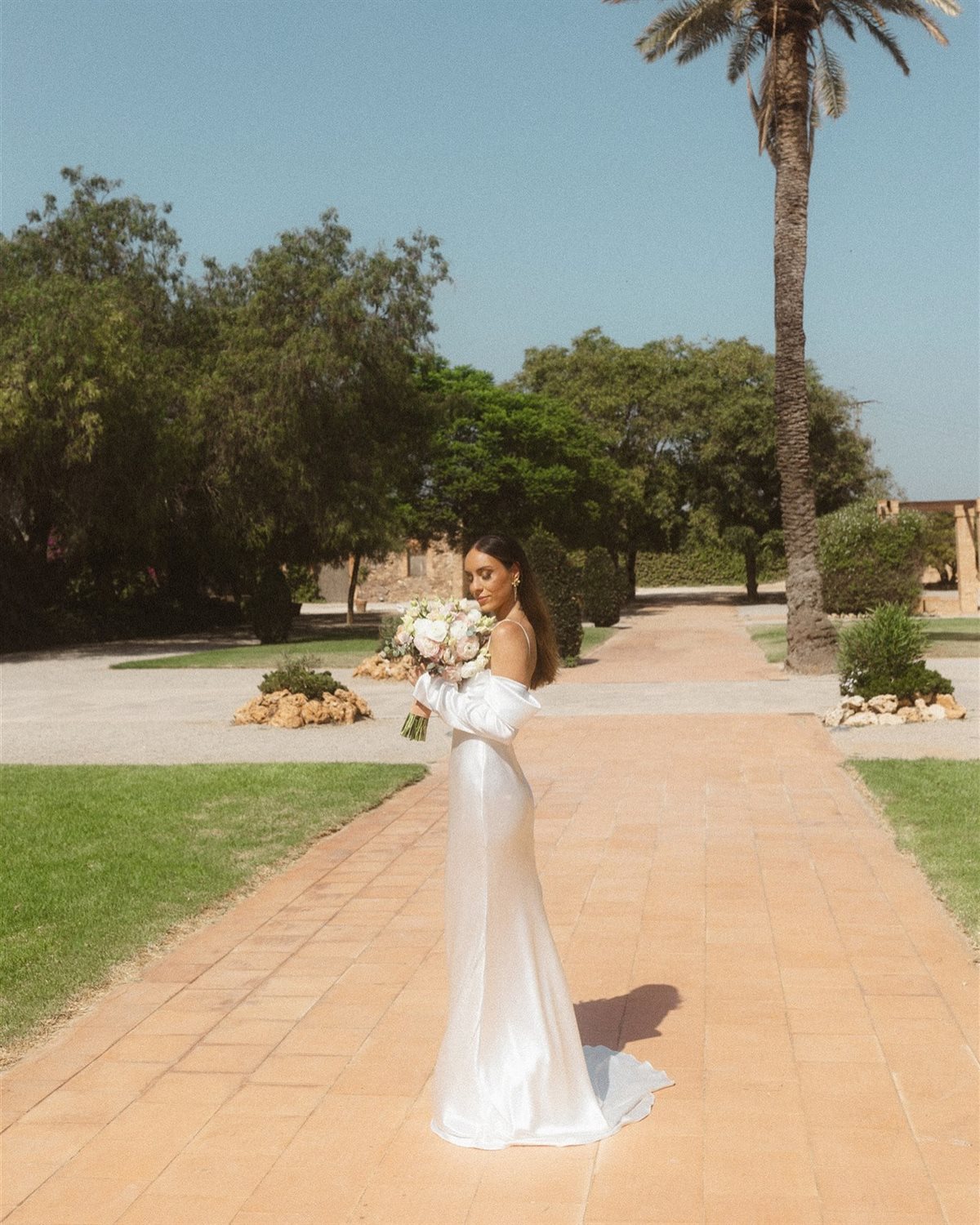
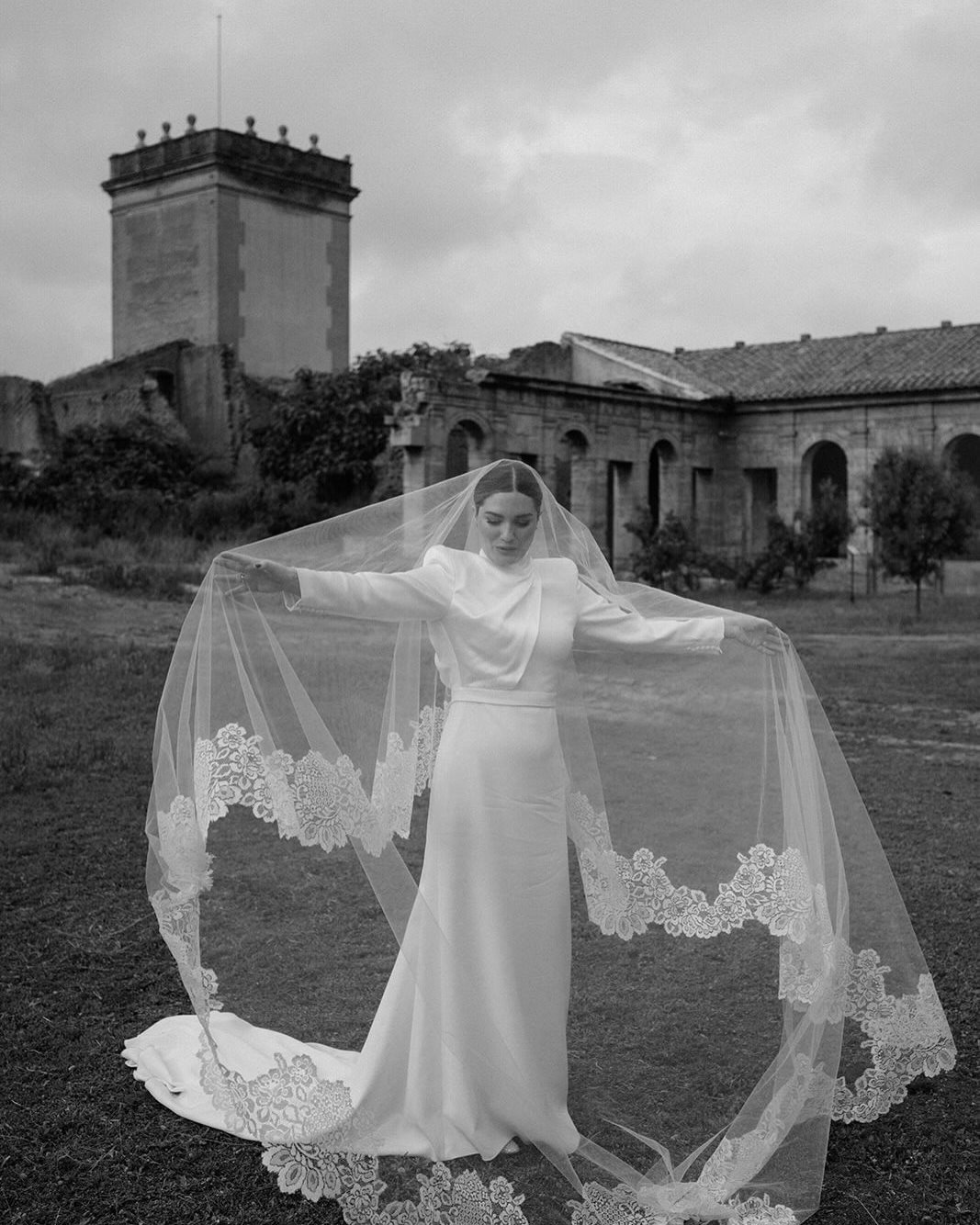
Orange blossom (azahar) has long been a bridal symbol, and a few sprigs in the bouquet, in a headpiece or as a boutonniere will link the look to the orange groves of Valencia. Some brides will take inspiration from the traditional fallera dress (made mainly of silk and lace) with the hair in three twisted buns held by golden combs. You don't necessarily have to wear the full costume to capture its spirit; a silk brocade detail, a vintage comb or a family brooch can be enough. Valencia's long tradition of silk weaving also makes silk a very appropriate choice for a dress, a shawl or indeed a groom's tie.
In the Details
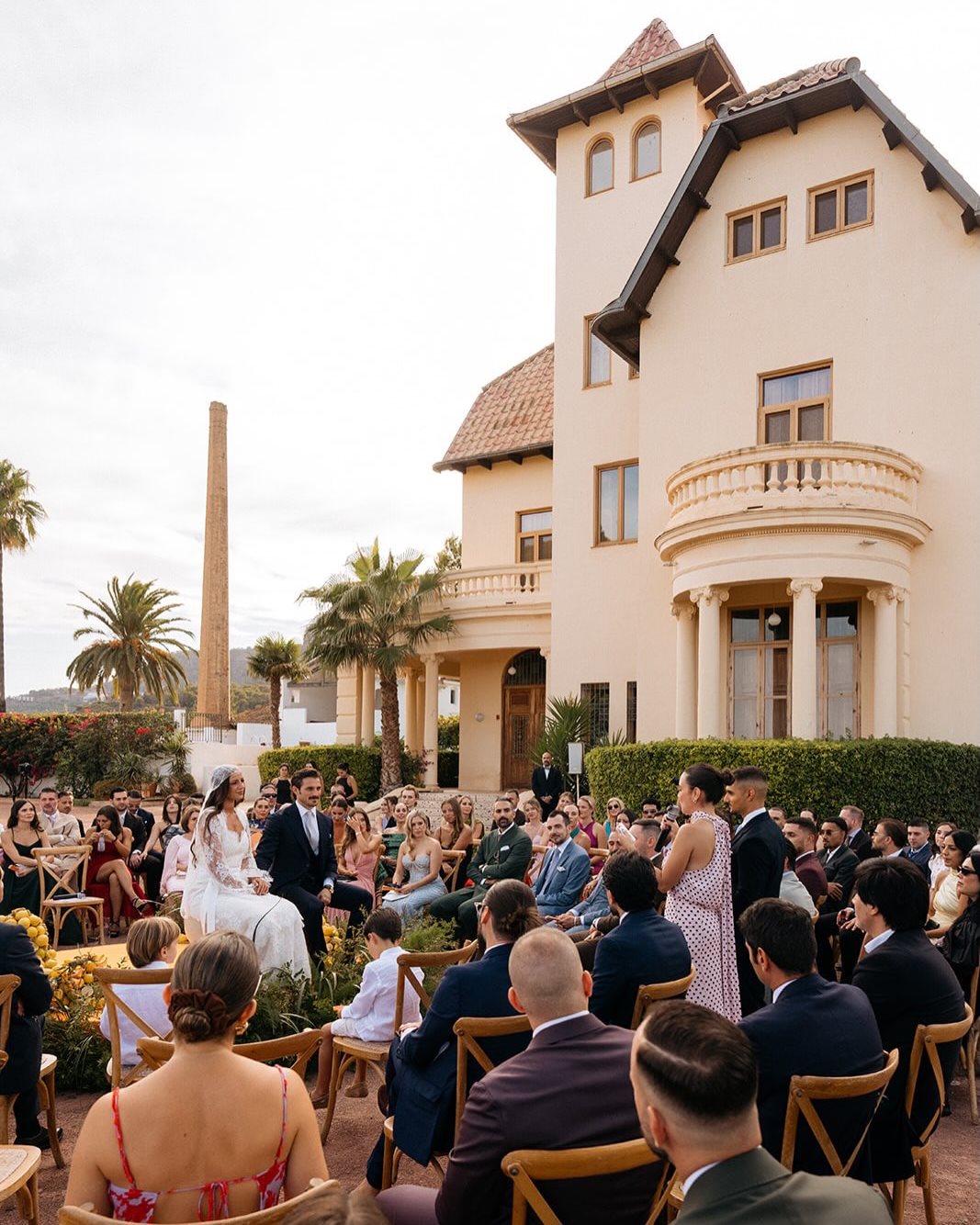
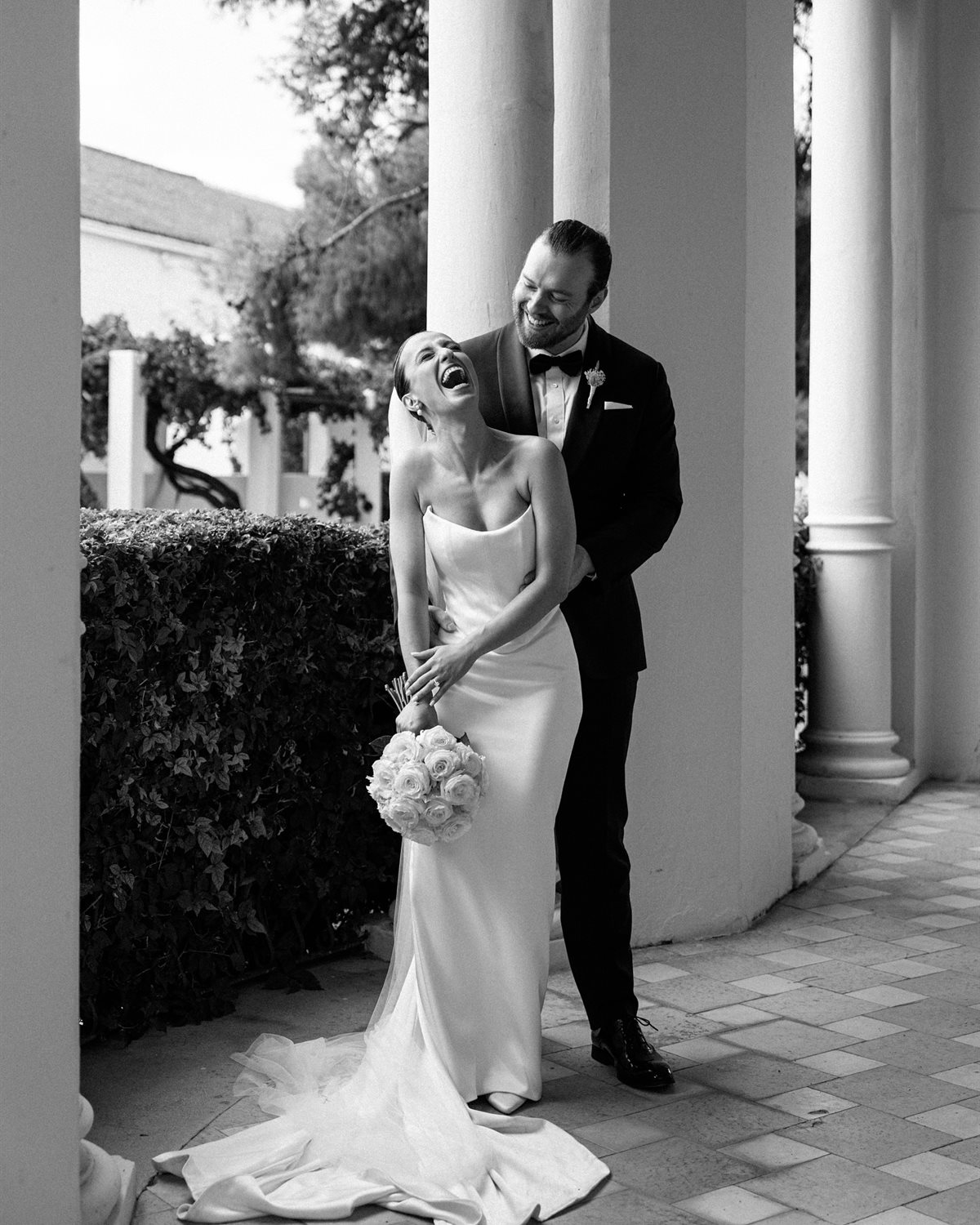
Valencia has a very fine ceramic tradition. Manises, just down the road, was for many centuries one of the most important centers in Europe for lusterware. Painted tiles and small ceramic pieces make excellent place cards, table numbers or favors that the guests will take away. Hand-painted fans are a very nice gift for a summer wedding, as they're something the guests can actually use at the ceremony. For the stationery, you can have the theme carried through subtly with orange branches, rice fields or Gothic arches.
Music and Celebration
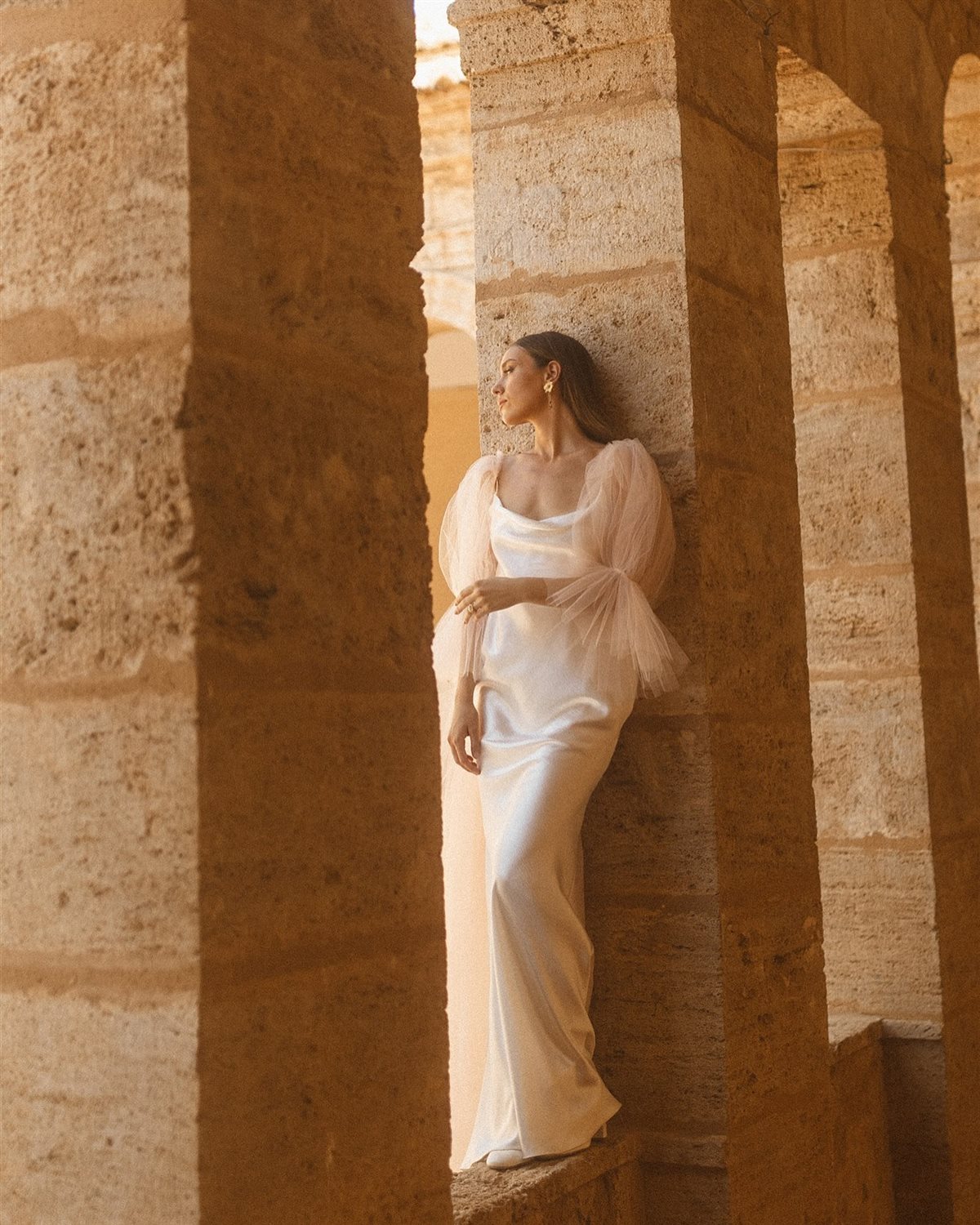
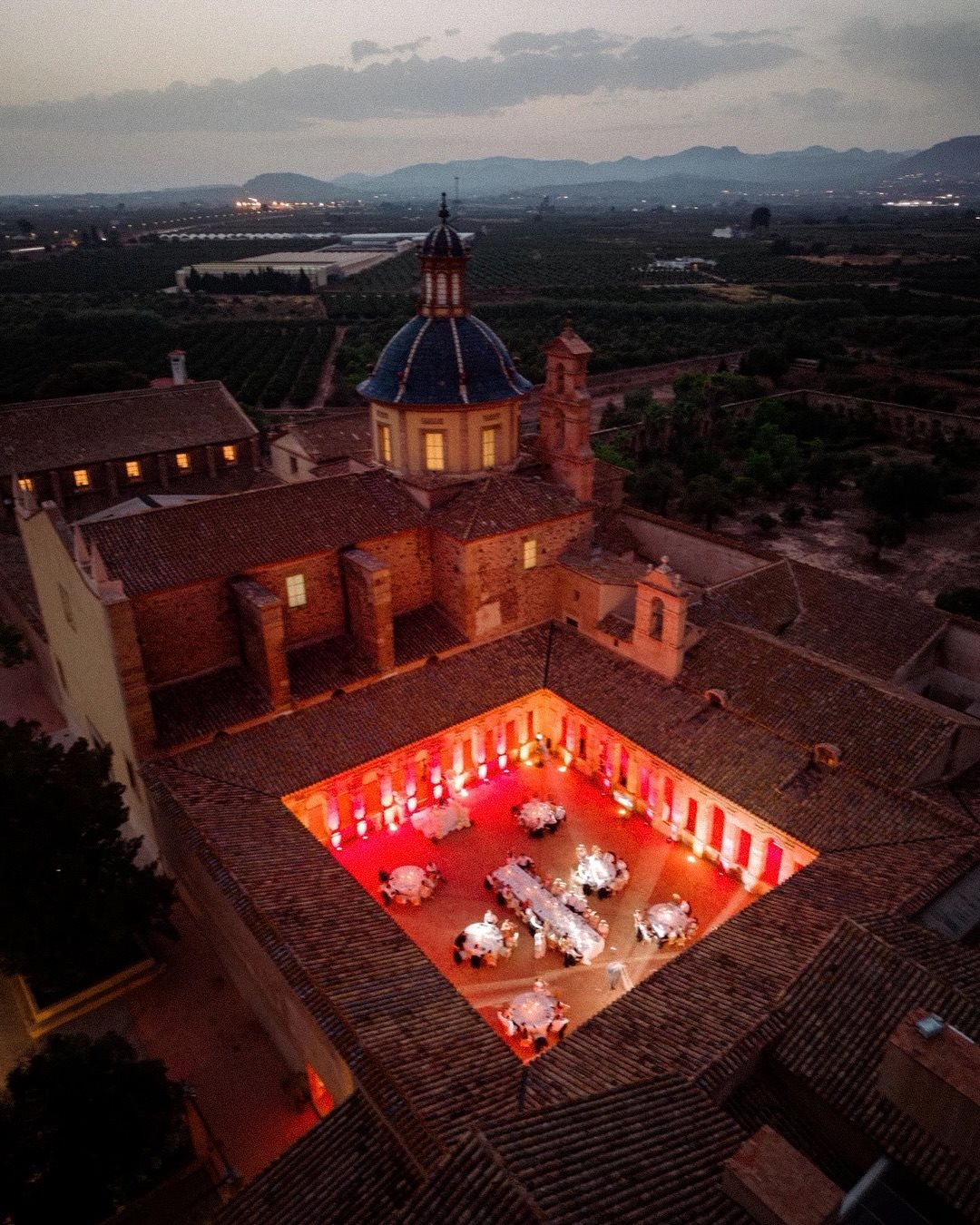
Traditional Valencian music goes a long way toward establishing the atmosphere. A colla of dolçaina players (a traditional wind instrument) with a tabal (a type of drum) can add a local soundtrack, and a brief performance is quite sufficient to welcome the guests in or to take them from the ceremony to dinner. Fireworks are of course part of the culture (Fallas being the most famous), so a short display at the end of the night would be very much in keeping, as long as your venue and the local authorities are amenable to it. A few words of welcome in Valencian (benvinguts, for instance) are a small gesture that the local guests will appreciate.
Where to Go If You Stay On in Valencia?
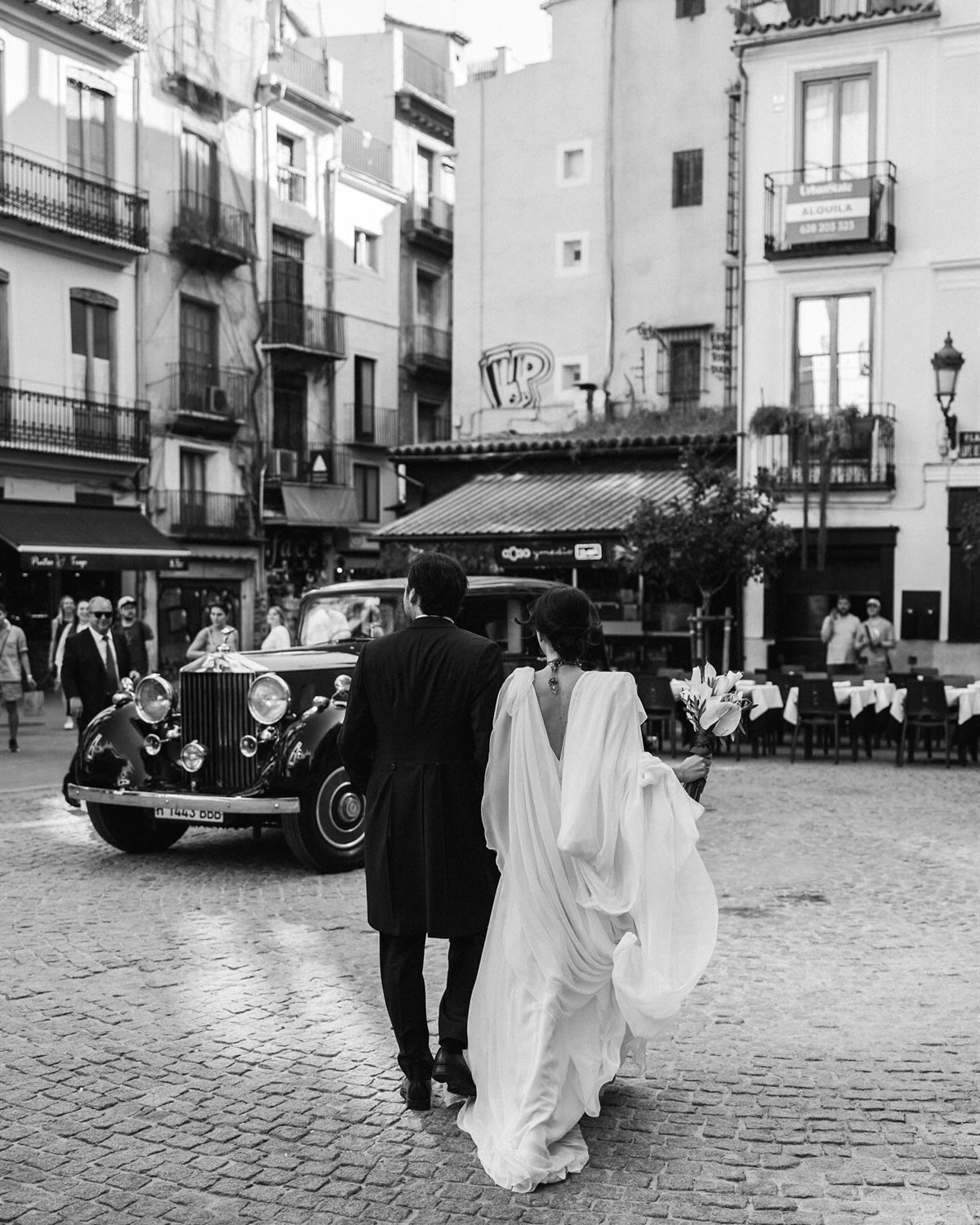
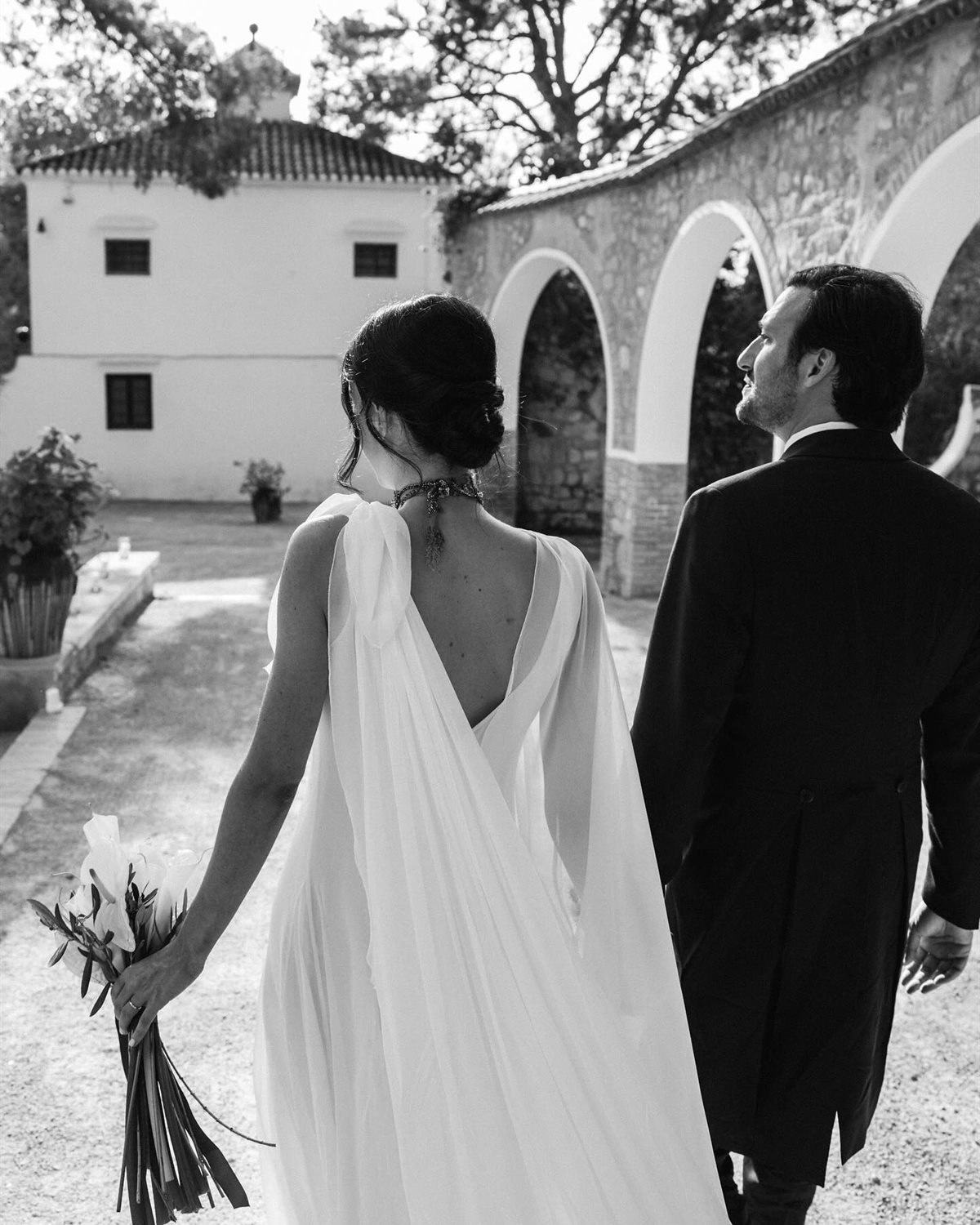
Valencia rewards couples who stay a bit longer (whether that's for a mini-moon or just to get some extra time with guests who have come all the way). It's a very compact city and you can easily get around on foot or by bike. The coast, the countryside and a number of historic towns are all within an hour, so the places listed below can be combined into two or three very relaxed days with plenty of time left over for long lunches.
- The old town: the Cathedral (with its Micalet bell tower) and the Silk Exchange are both within a short walk of each other in the old town center.
- The Central Market (an Art Nouveau gem that opened in 1928 and covers some 8,000 square meters) is perfect for a morning of fruit, ham and all the local produce.
- The Turia Garden: 9 km of gardens along the old riverbed, ideally explored by bike and finishing at the City of Arts and Sciences.
- El Cabanyal: the old fishermen's quarter, with houses decorated in colorful ceramic tiles and streets that lead right down to the beach and the seafront promenade.
- The Albufera (a natural park containing Spain's largest lake, rice fields and traditional wooden boats) is some 10 km from the city and is particularly beautiful at sunset.
- The Water Tribunal: every Thursday at noon, the centuries-old tribunal (dating back to Arab times) meets at the Cathedral's Apostles' Door to adjudicate disputes over the irrigation of the huerta.
- The Serranos Towers: one of the old city gates, with views over the rooftops and the Turia Garden from the top.
- Russafa: a bustling neighborhood of cafés, small galleries and independent shops, good for a relaxed evening out.
- Malvarrosa beach (the long city beach where Sorolla painted so many of his sun-drenched scenes) is good for a swim in the morning or a stroll in the evening.
- Alboraya: a short trip north of the city, nestled among the tiger nut fields and known as the home of horchata.
If you've got a free day, the area is definitely worth a visit. Sagunto (just under 30 km north) has a castle with 2,000 years of history and one of the most important Roman theaters in Spain. Xàtiva (about 60 km south) has a hilltop castle and a connection to the Borgia family, as it was the birthplace of Pope Alexander VI. In El Palmar, on the edge of the Albufera, you can try paella and all i pebre where they are traditionally made.
Nature lovers can head around 60 km northwest to Chulilla, where there's a hiking trail which goes across a series of suspension bridges over a river gorge. Wine lovers can head to the vineyards of Requena and Utiel (both renowned for their cava). For a final day on the coast, you can head to the coves of Xàbia, some 112 km south. For more ideas on how to spend your time in the city as a couple, have a look at our Valencia honeymoon guide.
Planning Your Valencia Wedding
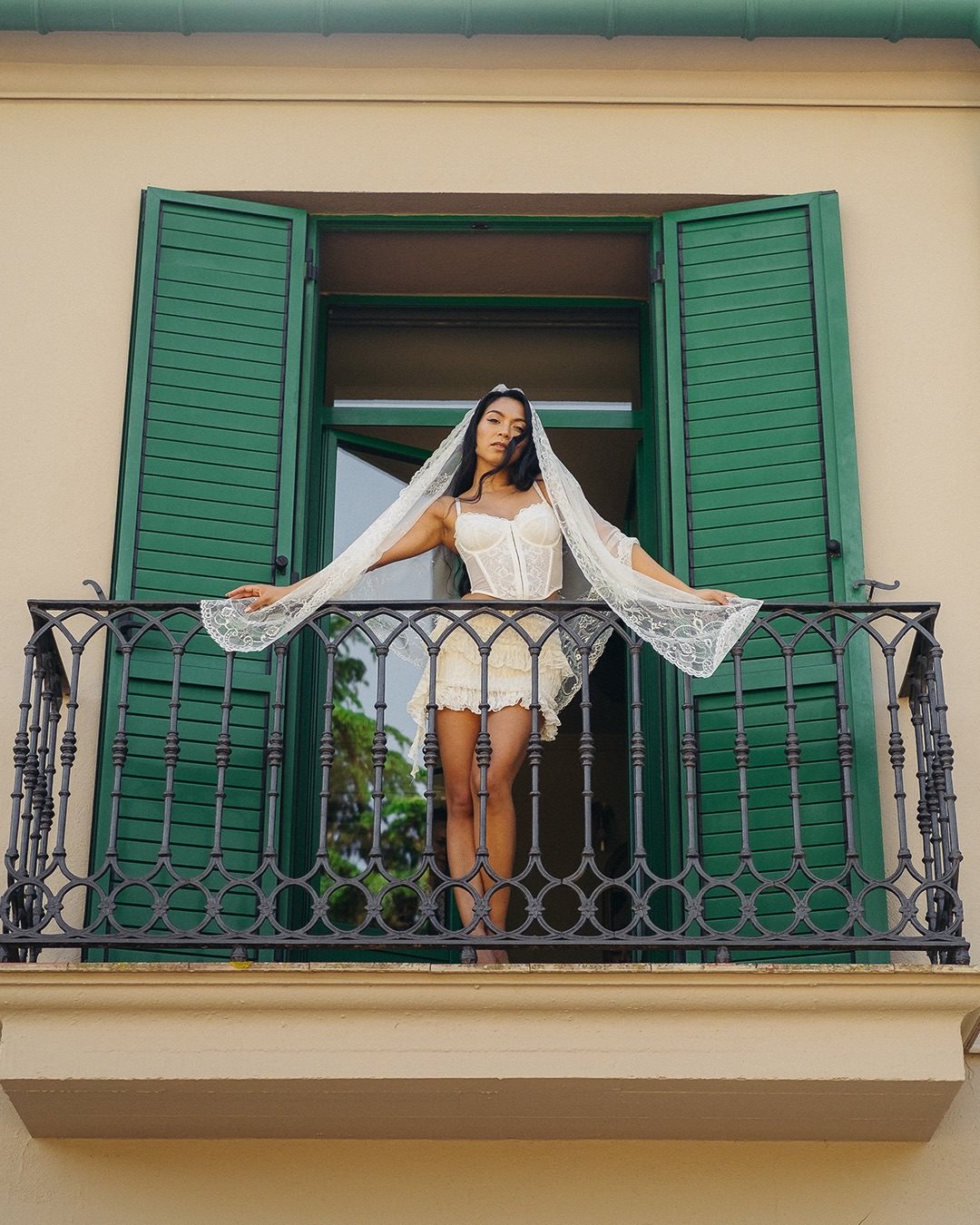
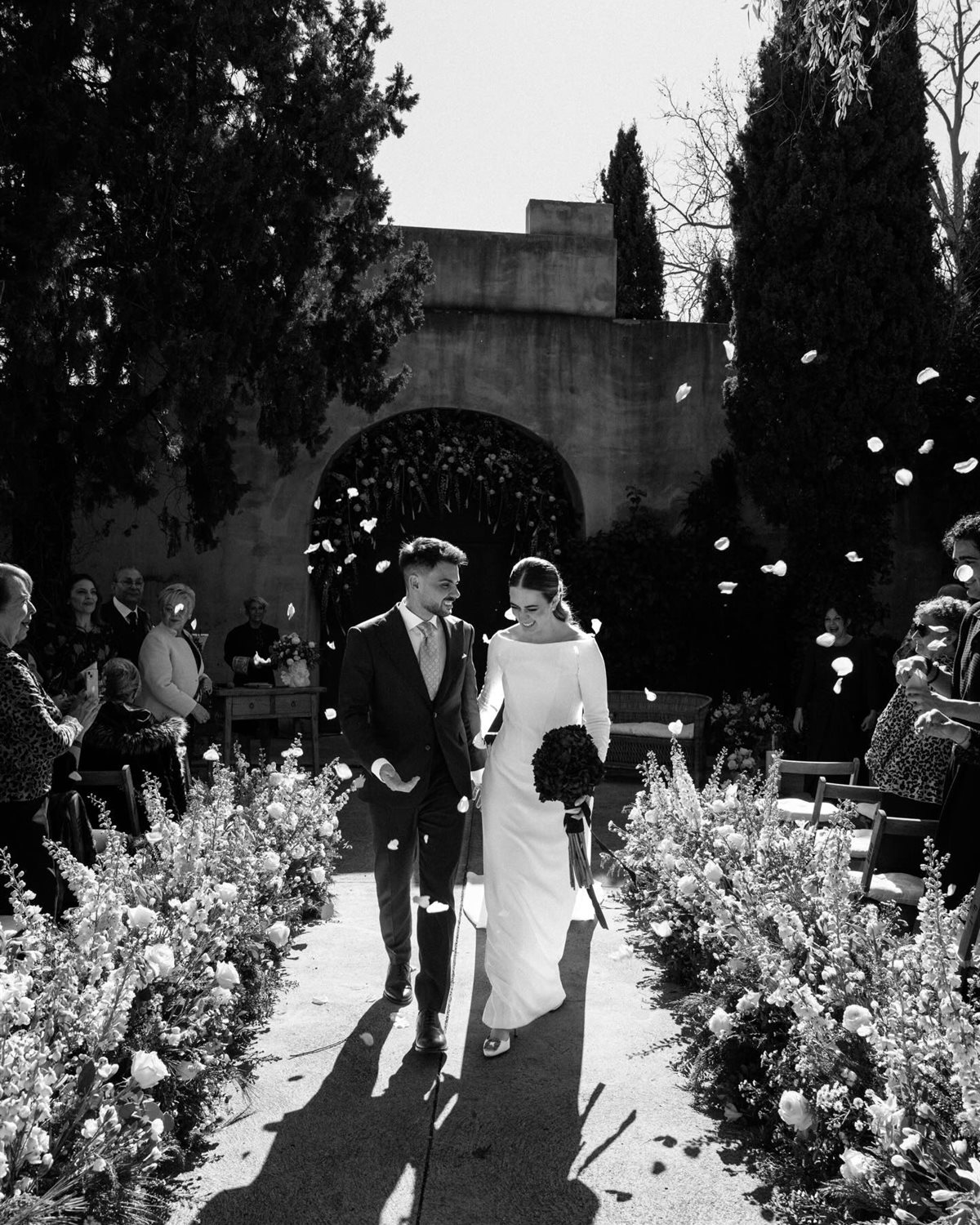
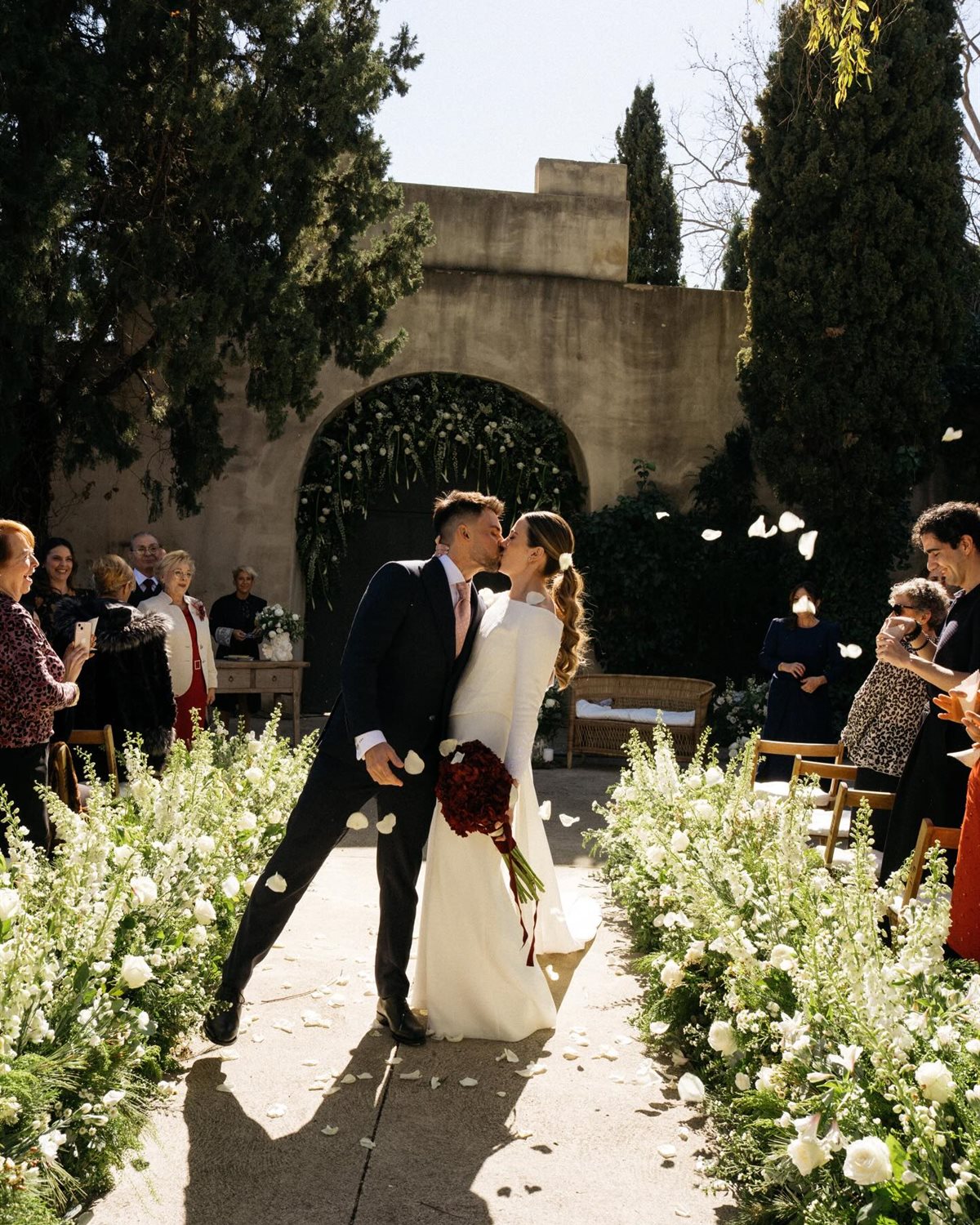
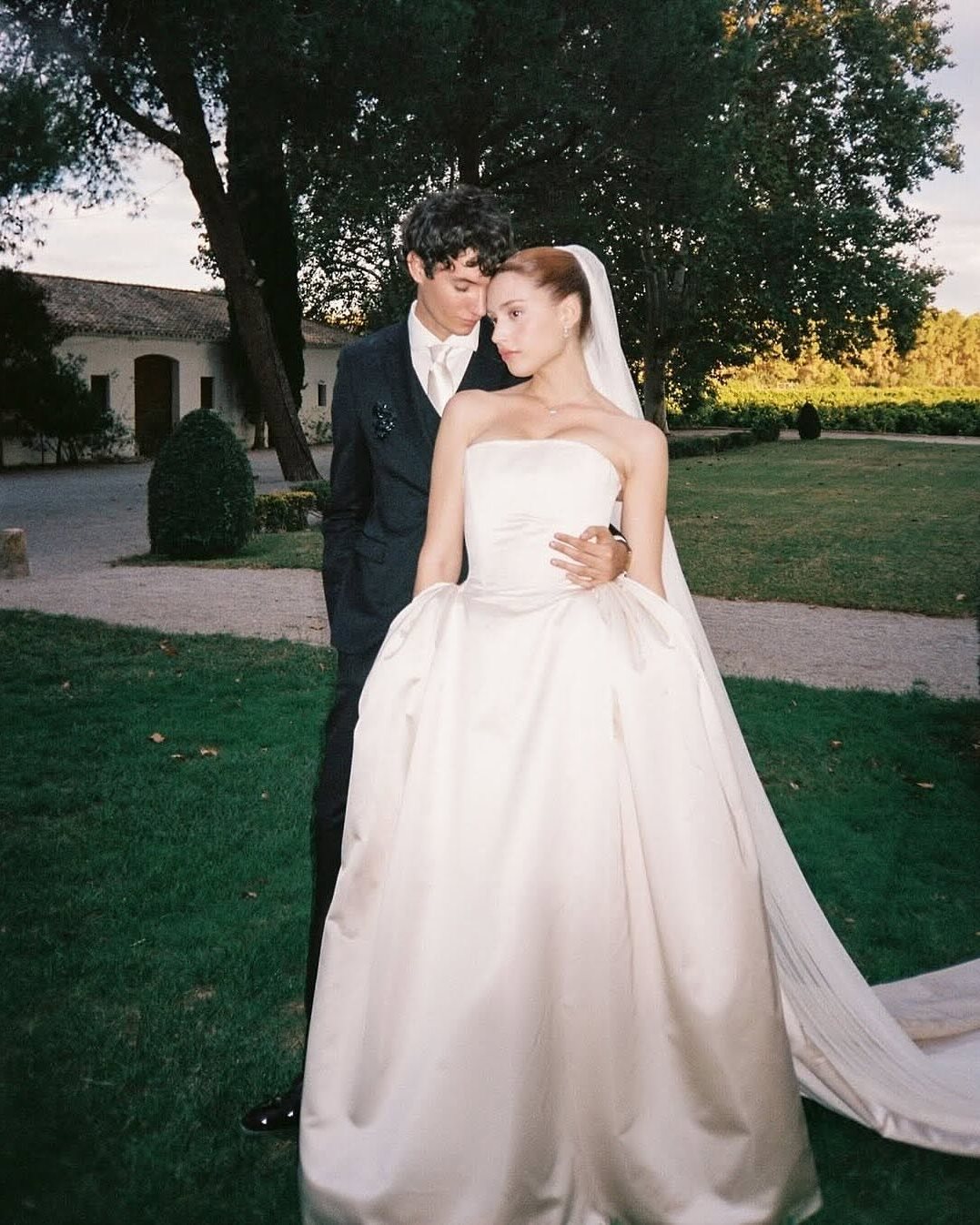
The key decision for most people is really not which setting is going to look the best (although that's obviously a consideration); it's which type of ceremony is going to be legal and which season is going to work for the celebration you want. Get those two things sorted first and then you can build the rest of the day around them. A local planner who knows the Valencia registries, the suppliers and the seasonal rhythms will save you a huge amount of time, particularly if you're coming from overseas.
When you're ready to start looking, check out the wedding planners and photographers in Valencia on Wezoree to find the ones who can bring your wedding to life.

FAQ
How much is a wedding in Valencia?
The average wedding in Spain costs approximately $29,000, with overall spending of around $260 per guest. These are national averages, as no directly comparable figure is available specifically for Valencia. Your final budget will depend on the venue, guest count, season, catering, and whether you're planning additional destination wedding events.
Can a foreigner get married in Valencia?
Yes, foreigners can legally marry in Valencia, but the requirements depend on their nationality, residency status, and individual circumstances. Civil marriages generally require prior authorization through the relevant Spanish authorities, along with documents such as passports, birth certificates, and proof of marital status. Foreign documents may need official translations and legalization. Many international couples choose to complete the legal marriage in their home country and hold a symbolic ceremony in Valencia, which offers greater flexibility. Always confirm the requirements with the local Civil Registry before making arrangements.
What is the best month for a wedding in Valencia?
May, June, September and October are often the best months for a Valencia wedding, with warm days and comfortable evenings. July and August are reliably sunny but hot. Autumn brings the highest rainfall, so plan an indoor alternative for outdoor events.
When do weddings in Valencia usually start?
Weddings in Valencia often start in the late afternoon or early evening, especially in summer, to avoid the midday heat. Dinner is often served late, and celebrations frequently continue past midnight. Confirm any music or noise curfews with your venue in advance.
Do you need a wedding planner for a destination wedding in Valencia?
A wedding planner isn't required, but they can make a destination wedding in Valencia much easier. A local planner can handle supplier bookings, paperwork and logistics in Spanish. This is especially helpful if you are organizing the wedding from abroad.