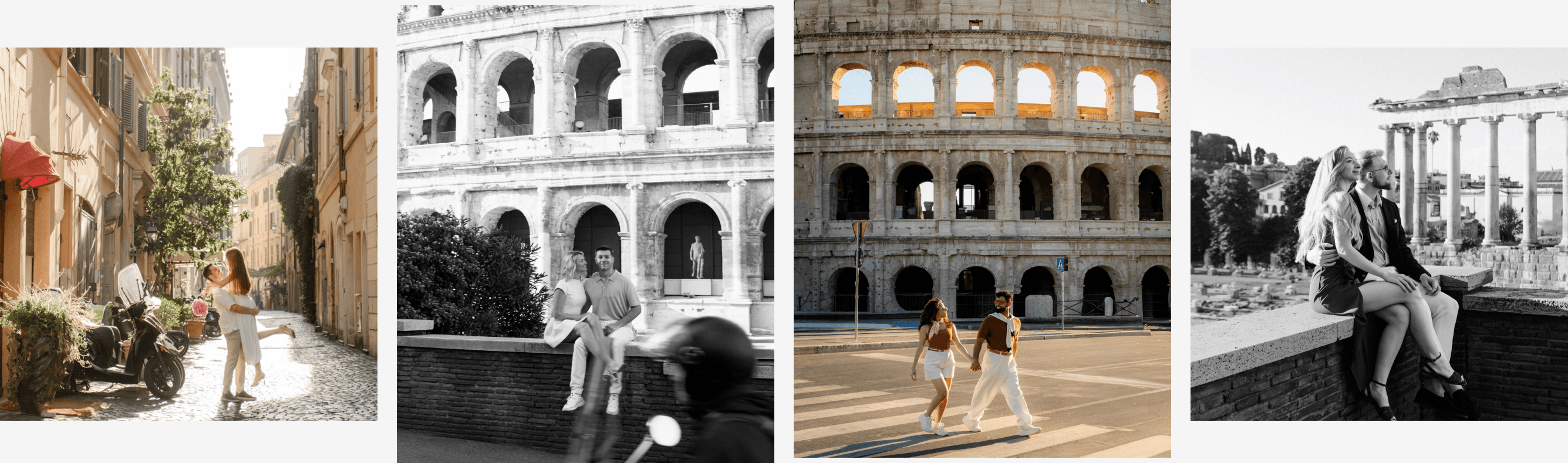
Rome Honeymoon Guide: Slow Days, Long Dinners and Golden Hours


- Choose Your Rome: Where to Stay as a Couple
- The Honeymoon Rhythm: One Big Thing a Day
- The Mornings Are Yours
- Sunset Is the Reservation You Should Never Miss
- Dinner Should Feel Different Every Night
- A Day Without Monuments
- A Little Cinema: Rome for Two
- One Day Outside Rome
- How Long Should You Stay in Rome?
- What to Book Before You Land and What to Leave Open
- FAQ
The wedding's over. The thank-you notes can wait, and for the first time in months, no one is asking about the seating plan. A honeymoon in Rome is espresso at a marble counter, lunch that's still on at 3pm, and a walk home past the fountains that go gold in the evening. There's more to it than you could ever see in a lifetime, which is precisely why the newlyweds can relax. Nothing needs to be finished. So pick one thing a day, leave plenty of space around it, and let the city do the rest.
Find Your Perfect Wedding Vendors



Choose Your Rome: Where to Stay as a Couple
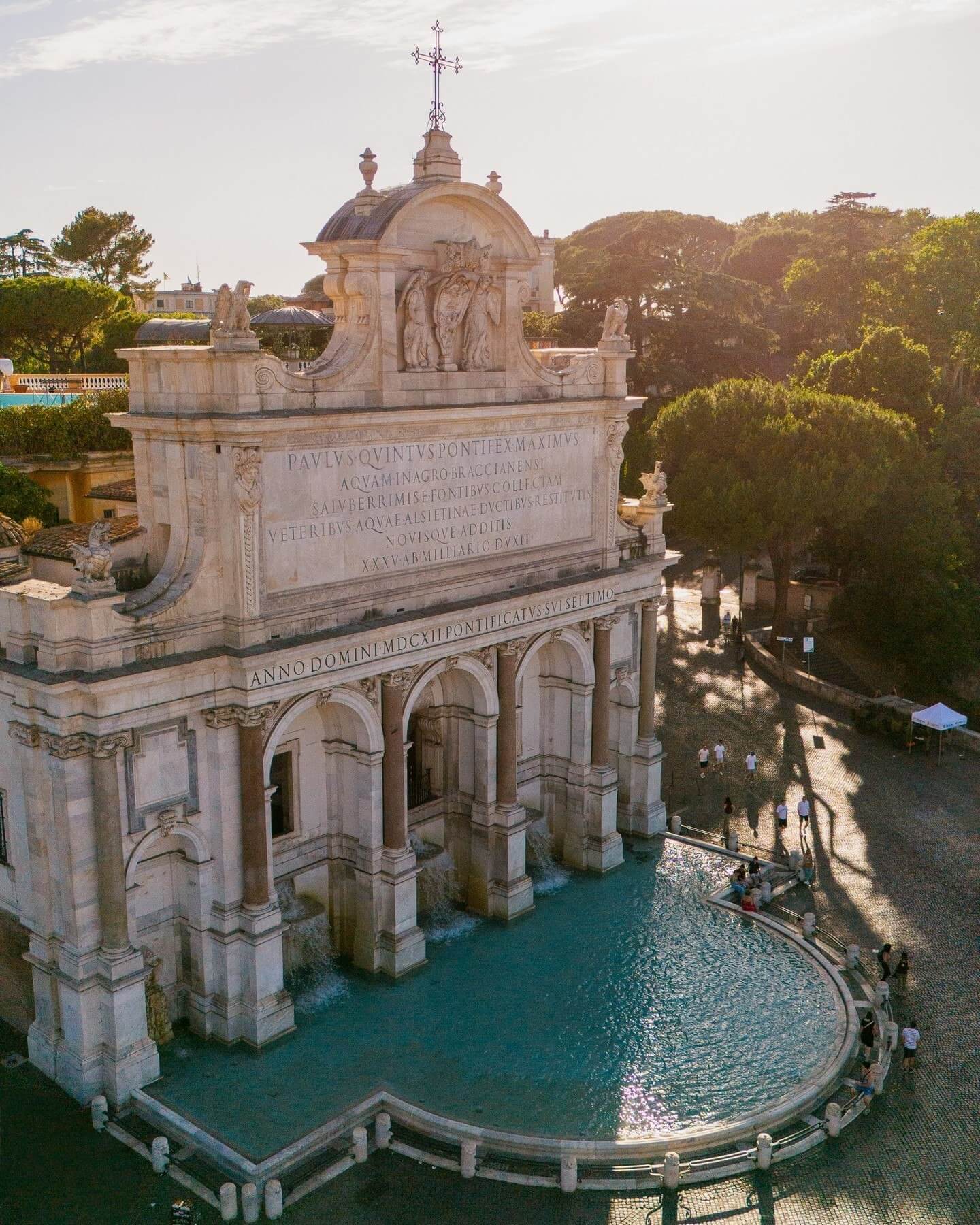
Rome changes character every few blocks, and where you wake up will have a far greater impact on your day than any room category. Some areas are absolutely alive right up until midnight. Others are completely quiet by ten. A few manage to do both. These five cover most couples.
| Area | Mood | Best for | Trade-off |
|---|---|---|---|
| Centro Storico, the historic center | Classic, lively, cobbled | First-time visitors who want to walk everywhere | Busy afternoons and louder streets at night |
| Trastevere | Warm, bohemian, candlelit | Long dinners and restaurant hopping | Late noise and uneven cobblestones |
| Monti | Quiet, stylish, local | Boutiques and wine bars a short walk from ancient Rome | Small streets that fill up at aperitivo hour |
| Prati | Polished, calm, residential | Wide streets and an easy base near the Vatican | Quieter after dark than the center |
| Aventine and Villa Borghese | Green, private, slow | Garden walks and real privacy | Longer walks or short taxi rides into the center |
Guides to the very best honeymoon hotels in Rome are all full of talk about thread counts and rooftop views. We'd look at the street first. It decides what you hear at midnight, how far you walk to breakfast, and how keen you'll be on a second glass of wine on the way back. Trastevere is for the couple who are all about dinner. Monti is for the couple who want to feel like they're part of the local scene. The historic center is for first-time visitors. And if the hotel has a courtyard or a terraceб even if it's just a tiny oneб that's your very own spot for the first coffee of the day. Always ask before you book.
The Honeymoon Rhythm: One Big Thing a Day
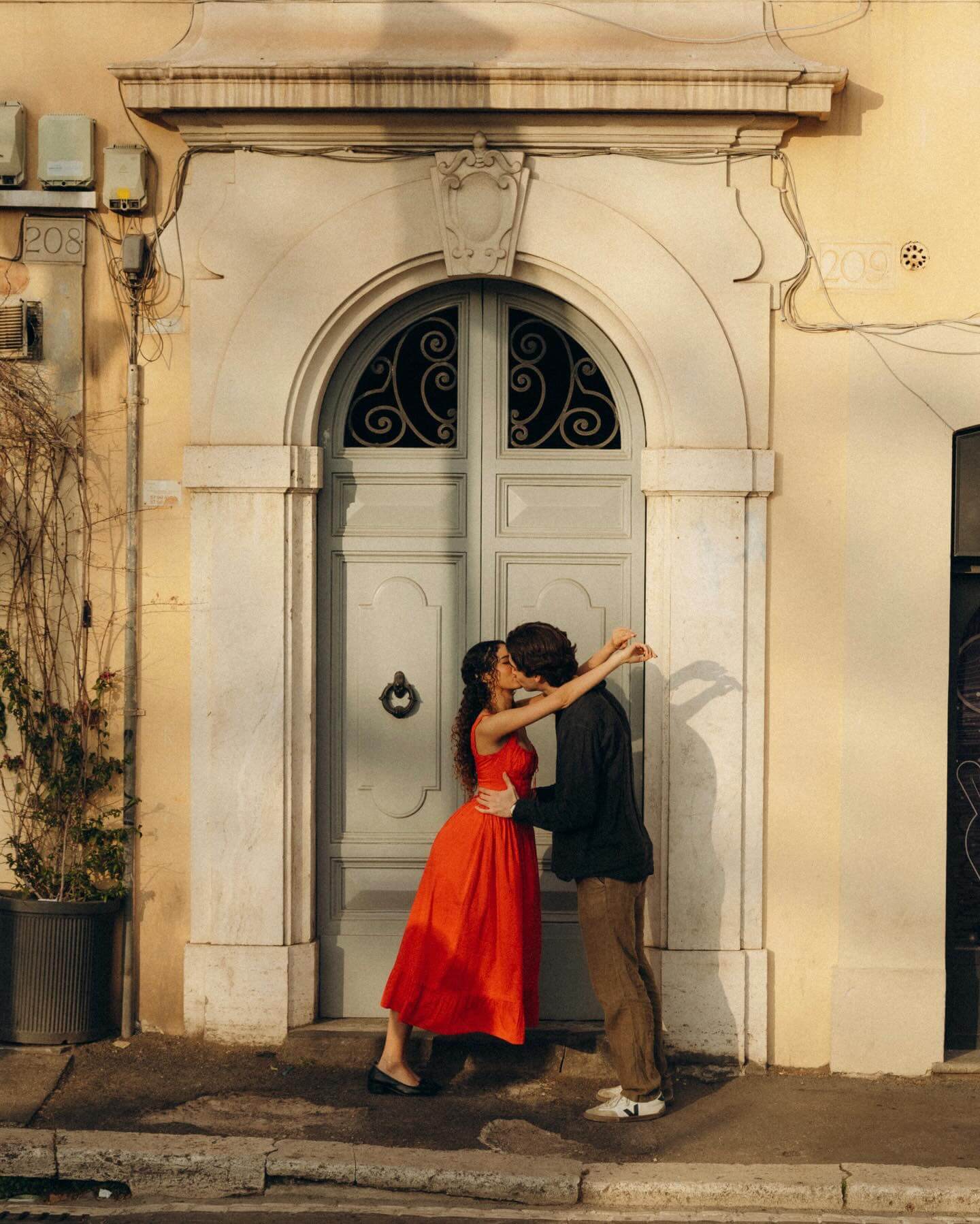
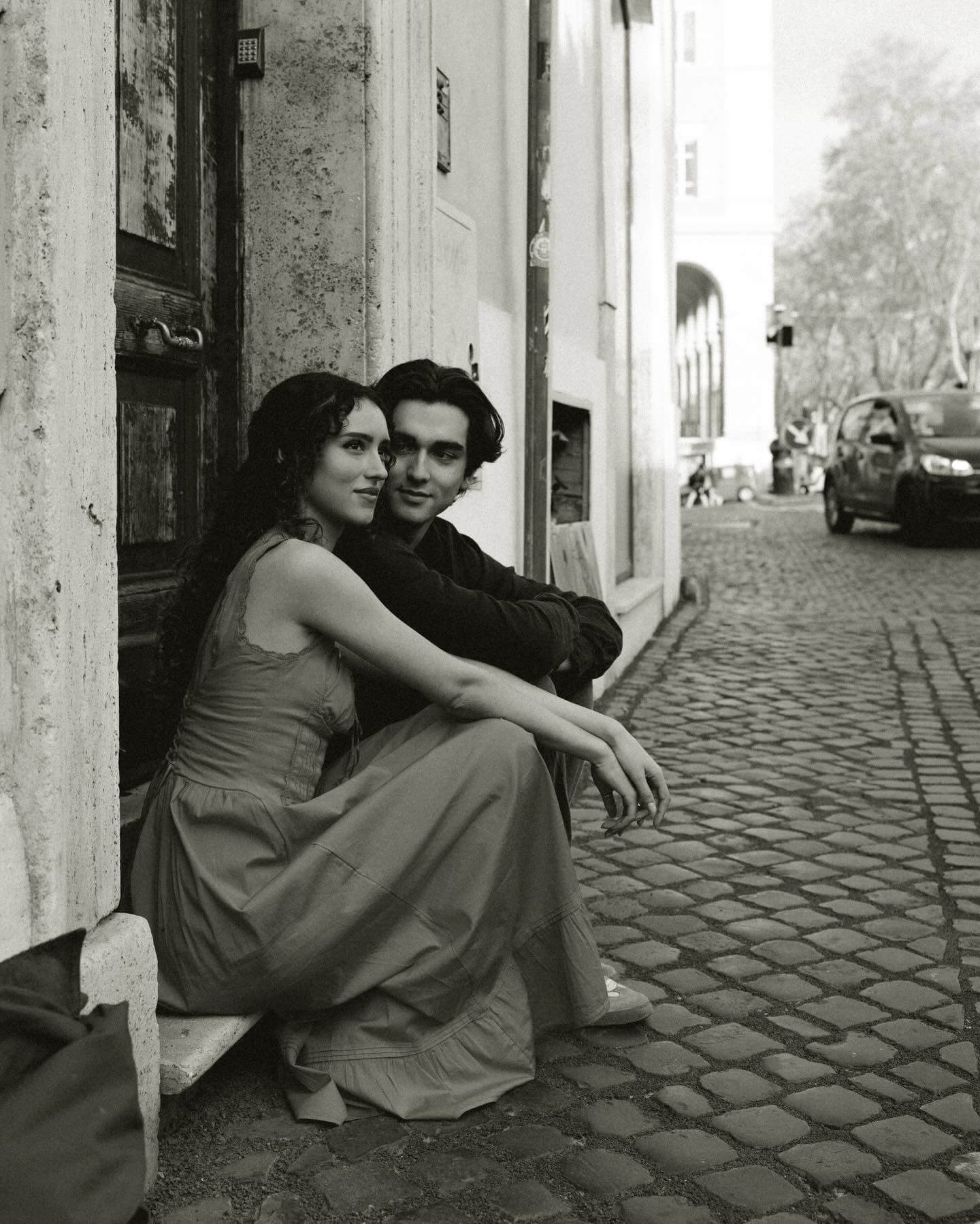
Give one anchor per day. A morning amongst the ruins, an hour with a painting that everyone talks about, a slow walk across the Tiber to a hilltop church. Lunch, the nap, the sunset and dinner all fall into place around that. The Rome honeymoon experiences that really stick with the couple are rarely the ones that make the headlines. They're a shaded table for lunch, a cool room at four o'clock, a street you've simply wandered into.
Anchor in the morning whilst the light's soft and the lines are short. The middle of the afternoon is all hotel, park bench, or book, and then of course the golden hour comes back to pull you out before dinner. Do the Colosseum, the Vatican, Trevi, and the Pantheon in one day and you've got a pretty good school trip itinerary and a very tired honeymoon. Let the sightseeing be the punctuation to the day and the city the fill-in.
The Mornings Are Yours
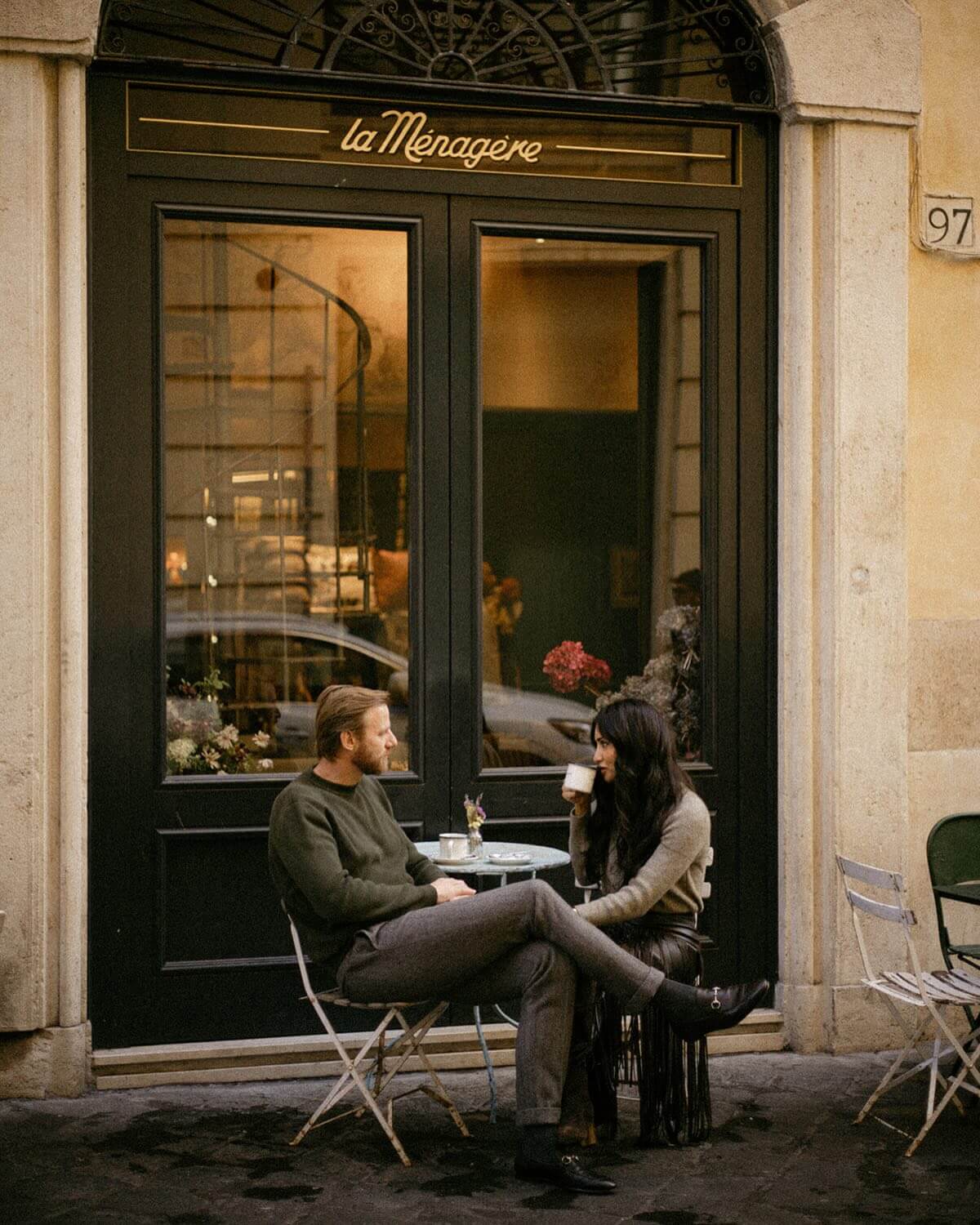
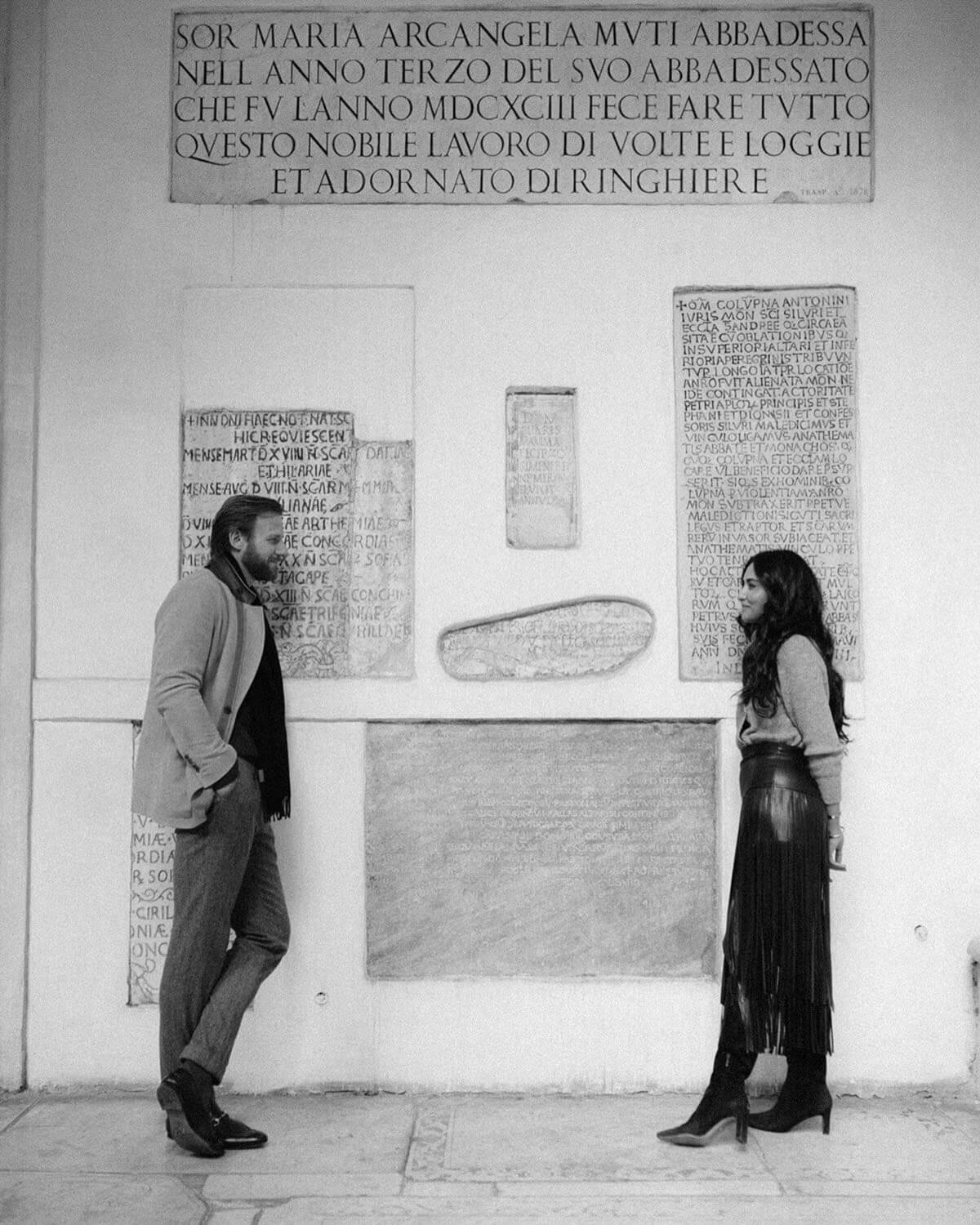
Before nine o’clock, Rome belongs to its residents. The shutters are rattling up, the delivery vans are all parked in the streets. The only crowd is at the coffee counter where you've got an espresso drunk standing up and a pastry is gone in two bites. The fountains that are full by noon are almost empty in the morning; you hear the water rather than the tour guides. Piazza Navona and the streets around the Pantheon at that hour do feel like places you could live in.
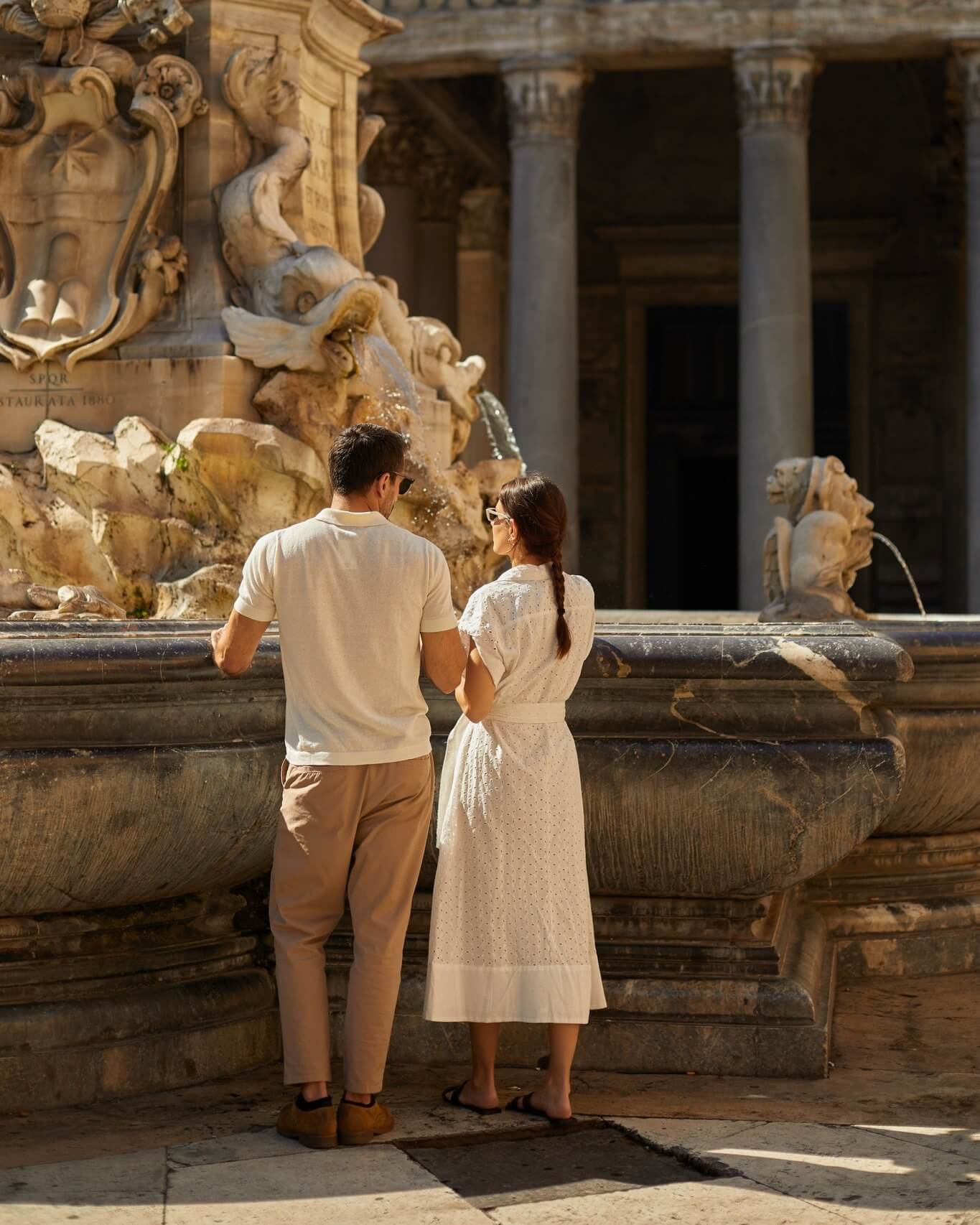
Trevi is the most obvious one. You can quite easily take a slow loop and a good long look at the statuary. Since Feb 2026, there's been a small charge, around $2, for visitors to go into the basin area right up to the fountain between 9am and 10pm. Always check the current rules before you go, as they may have changed. You can also buy a ticket at the Pantheon. Neither price will be a problem, and the earlier you get there, the more of the ambiance you'll get.
Sunset Is the Reservation You Should Never Miss
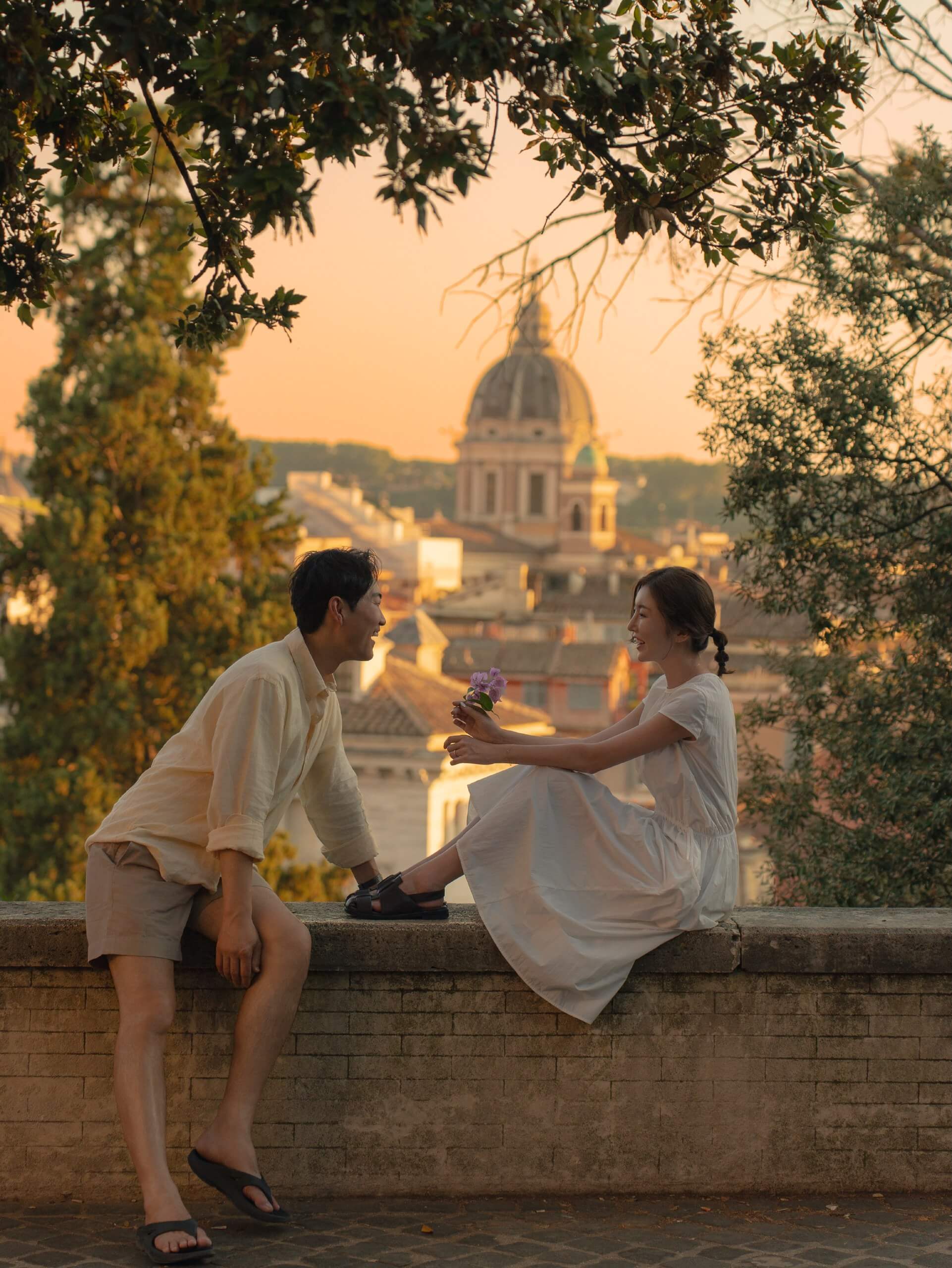
Sunset is as much a part of the trip's rhythm as dinner is. Rome, in fact, gives you three very different versions of it.
Gianicolo, the hill above Trastevere, has the best views. The sun sets behind you, so the city's domes and rooftops are lit in that last pink glow rather than just silhouetted. Get a spot on the wall early, then stay for the blue hour.
The Orange Garden on the Aventine is much quieter, more of a secret. The terrace overlooks the Tiber, with orange trees lining the paths, and it's a seasonal park, so check the closing time before you go up the hill. A short walk away is the famous keyhole which frames the dome of St Peter's, and there's invariably a queue. If it's a long queue, then just skip it. You're getting the city at its softest from the terrace anyway.
For an evening that calls for a dress and a jacket, the hotel rooftop is the polished option, and in many cases a Rome luxury honeymoon will build the whole evening around it. A cocktail as the light starts to fade, a table of eight booked, a couple of domes glowing across the rooftops. Book a day or two in advance as the best tables go first.
Dinner Should Feel Different Every Night
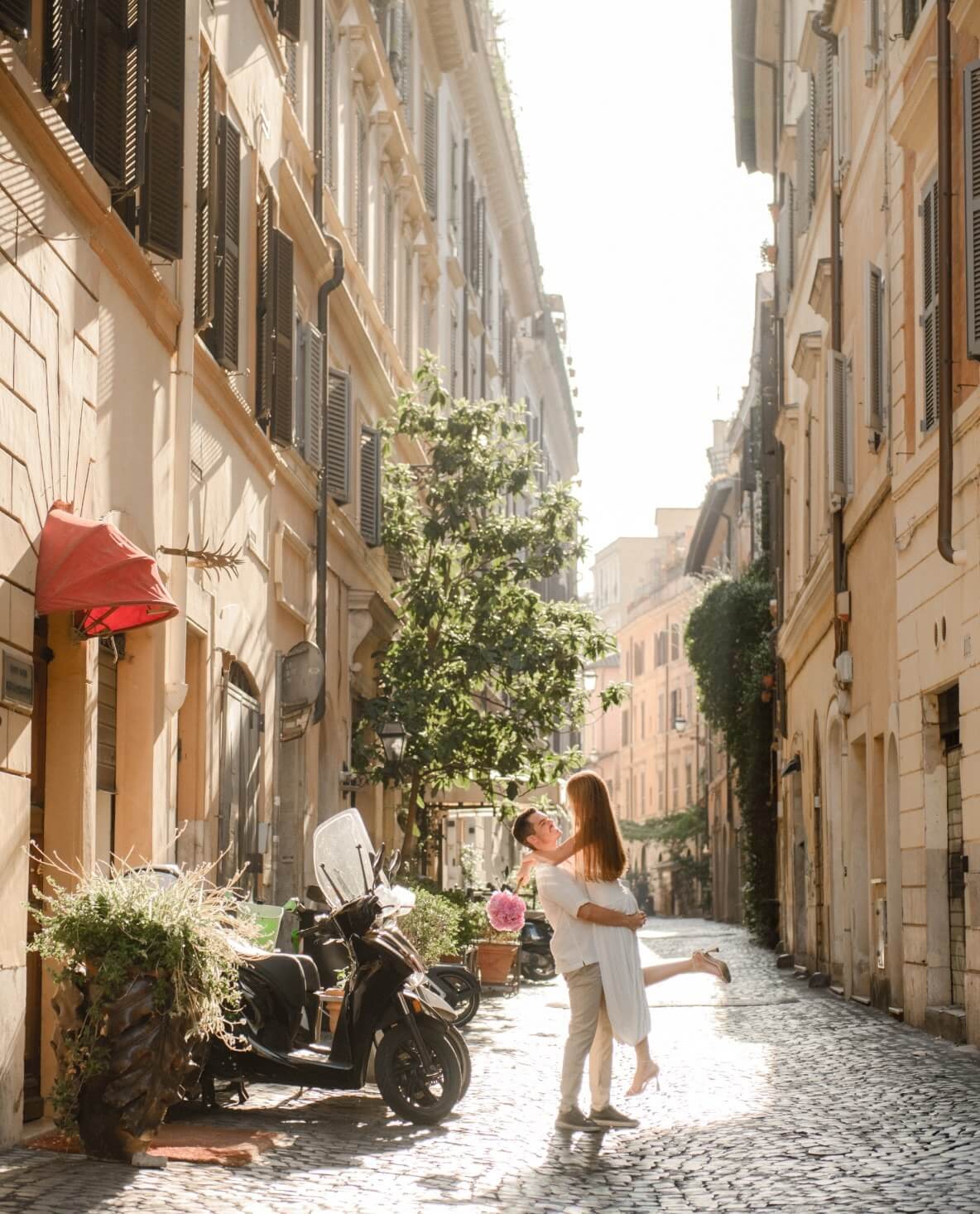
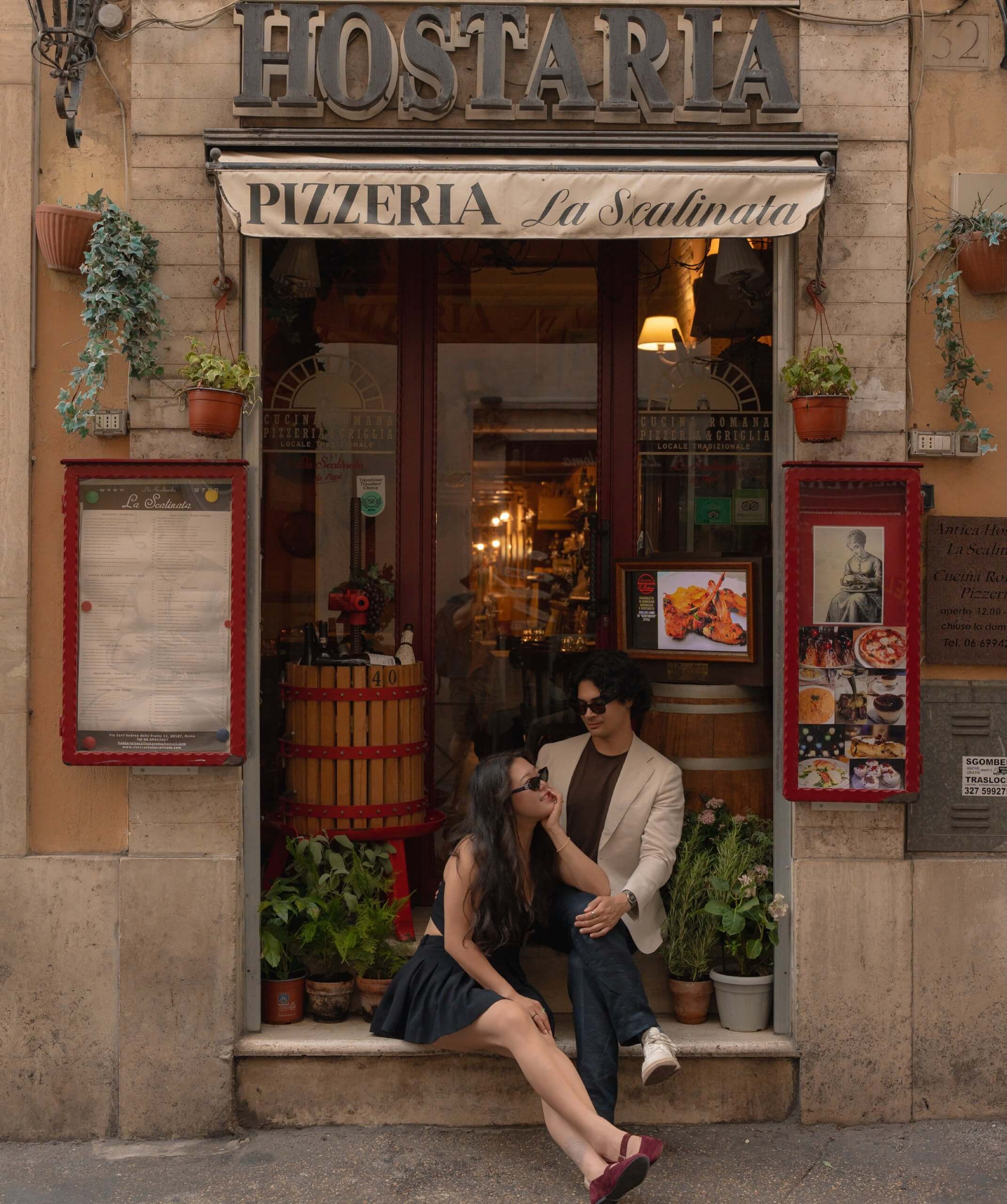
Dinner is where Rome gets personal. One night you're in a family-run trattoria, the kind where the menu fits on a single page, and the pasta comes straight from the kitchen. The next night you're in a wine bar with small plates. Then a tasting menu for the evening that deserves one, and later whichever doorway on a quiet street is glowing at nine. Four evenings and you've completely lost the sense of the week. Book the same type of restaurant every night and the week just dissolves into one long meal.
We'd book the special dinner and walk in for the rest. Roman restaurants are full on weekends, of course, but the best local tables are often on side streets a few minutes off the main squares, where the food is better, and the bill is more relaxed.

A Day Without Monuments
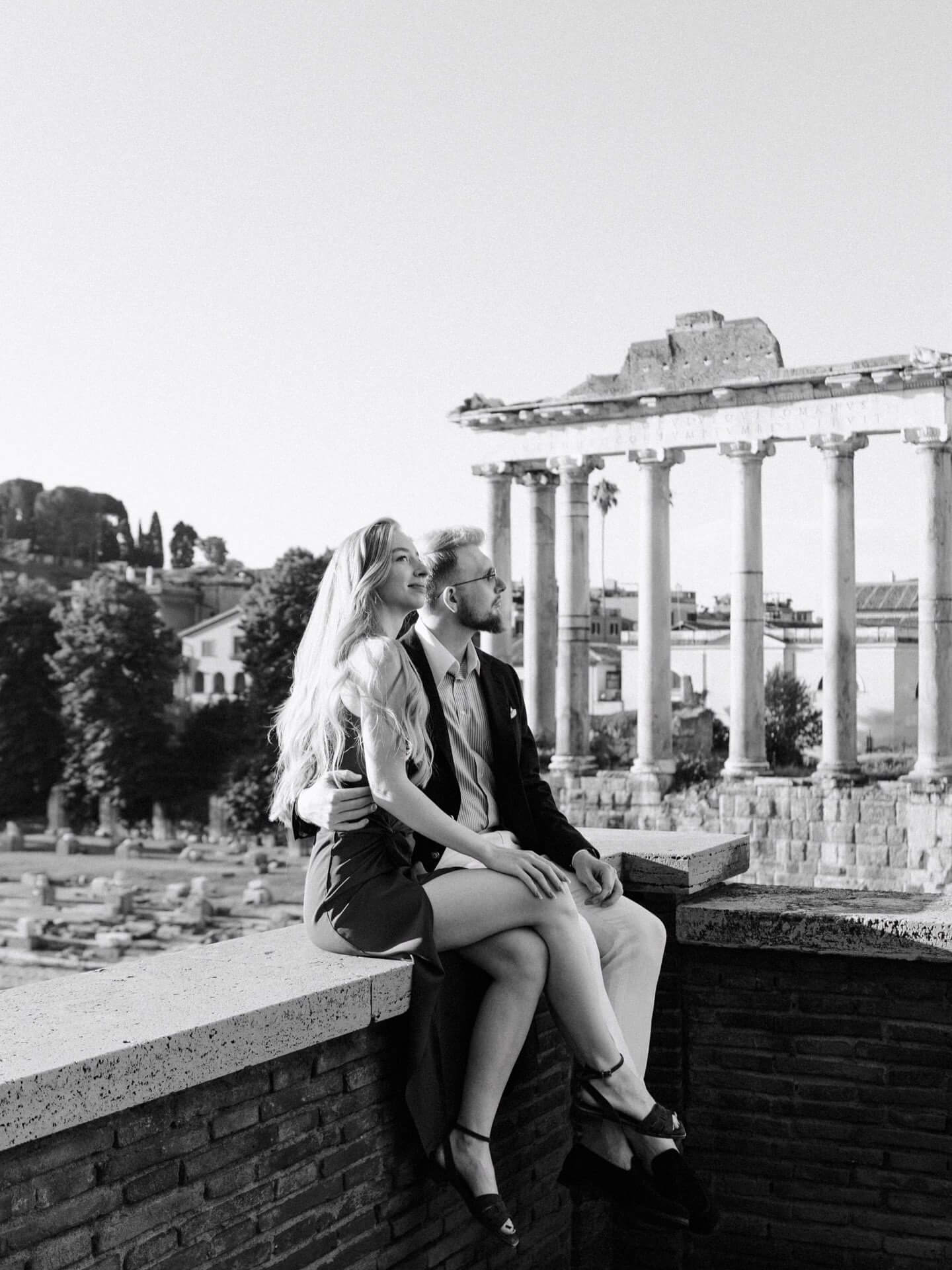
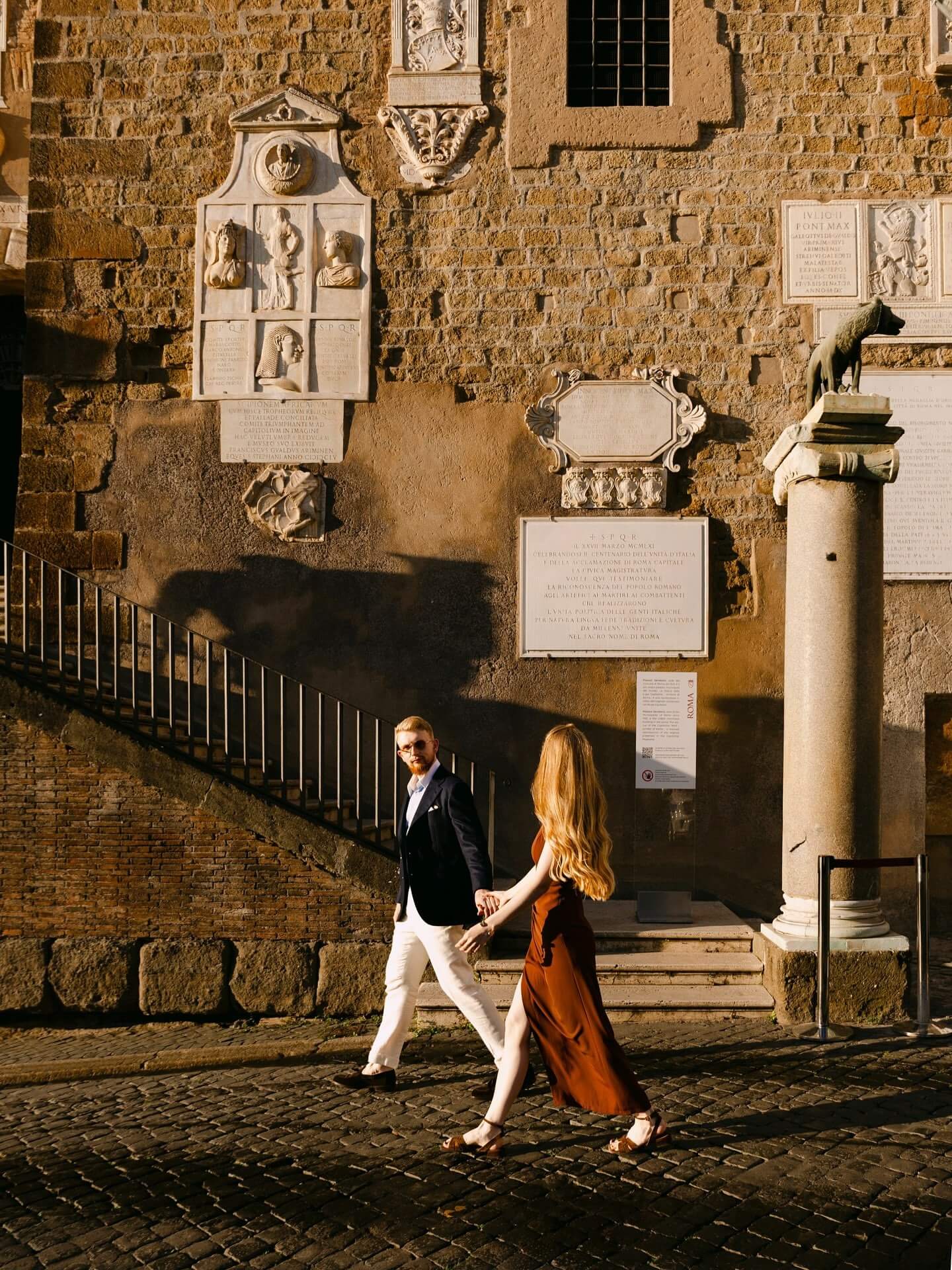
Every honeymoon needs a day with nothing on the agenda. Spend it in Villa Borghese, the big park up above the Spanish Steps, where you can row a boat on the little lake or just sit under the umbrella pines. Alternatively, head to Villa Doria Pamphilj, the wide wooded park on the Gianicolo side, a world away from the center. A spa fits here, followed by a lunch that takes as long as it takes and an afternoon shopping with no particular destination in mind. The one caveat is that the Borghese Gallery in the park is by timed entry, so decide ahead whether you want the paintings or just the lawns.
Then aperitivo: that early-evening drink with a few snacks before dinner, and a walk with no particular purpose afterward. When friends ask about the trip, couples tend to describe the empty day first. The monuments will be there tomorrow anyway. It's the afternoon of doing absolutely nothing that you can't rebook.
A Little Cinema: Rome for Two
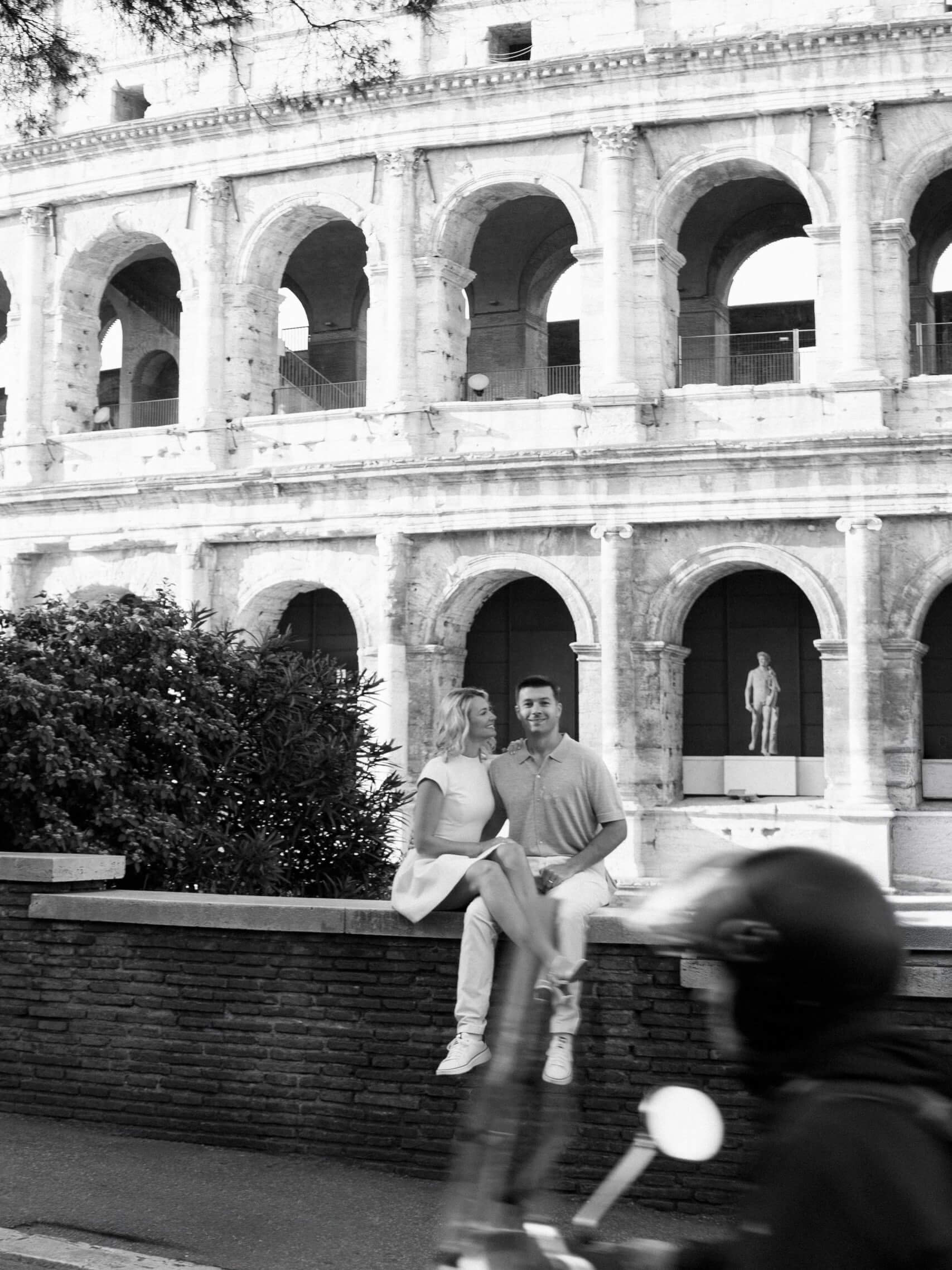
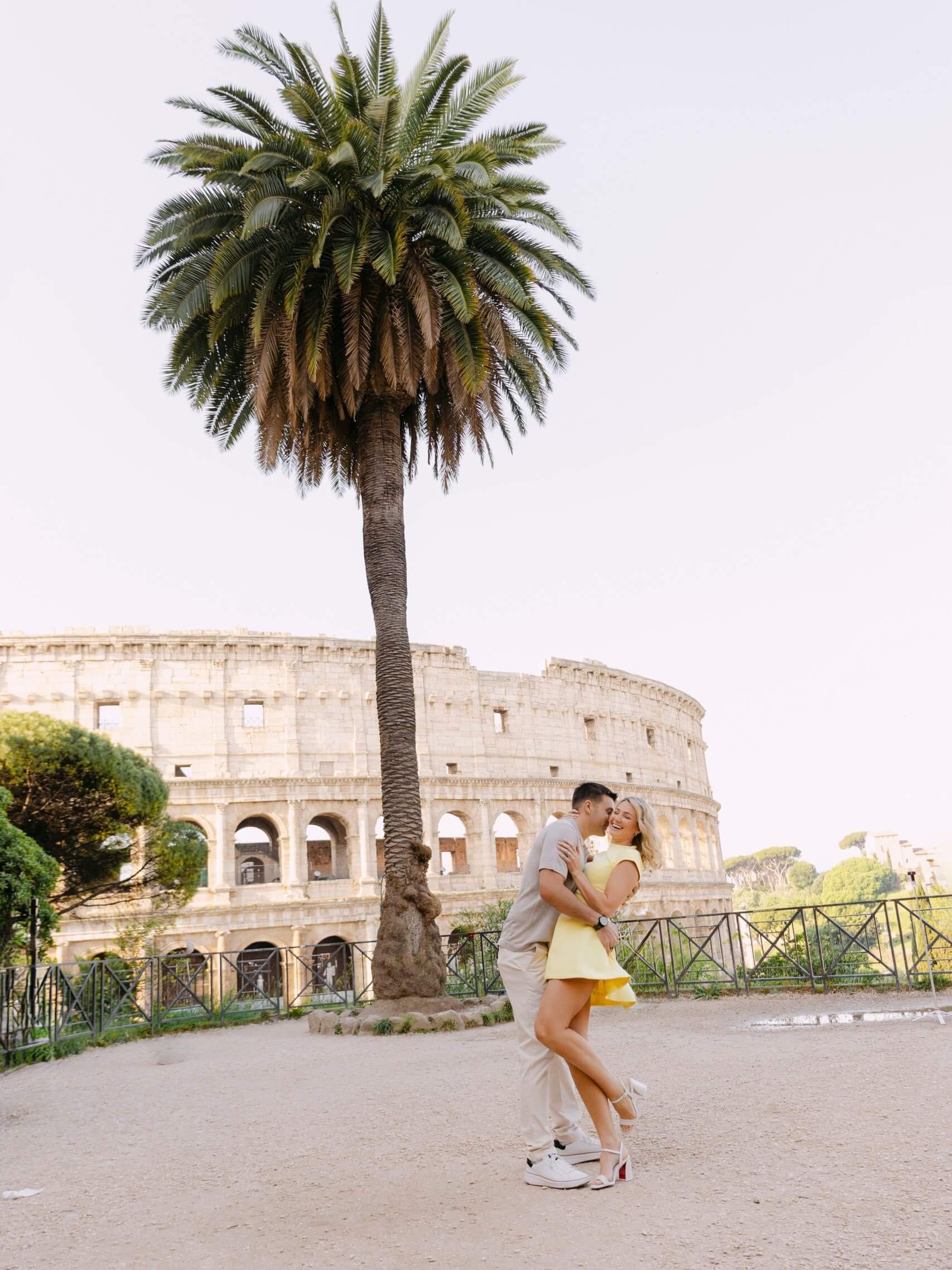
Rome is very much a film set and starts to behave like one in the early evening. Via Margutta, a quiet street full of artists' studios and courtyards, has been the haunt of painters and filmmakers for generations, and that's where the newspaperman's apartment was in Roman Holiday. Narrow lanes, fountains tucked into corners, church bells at six. The classic-film mood needs no filter.
Dress up for one evening, take a scooter ride, or hire a private driver for a slow loop past the lit-up monuments, and then just walk the last stretch home. A quick couple's photo session with a local photographer will turn that evening into pictures you'll keep, and frankly, very few Rome honeymoon ideas we've come across feel quite so cinematic.
One Day Outside Rome
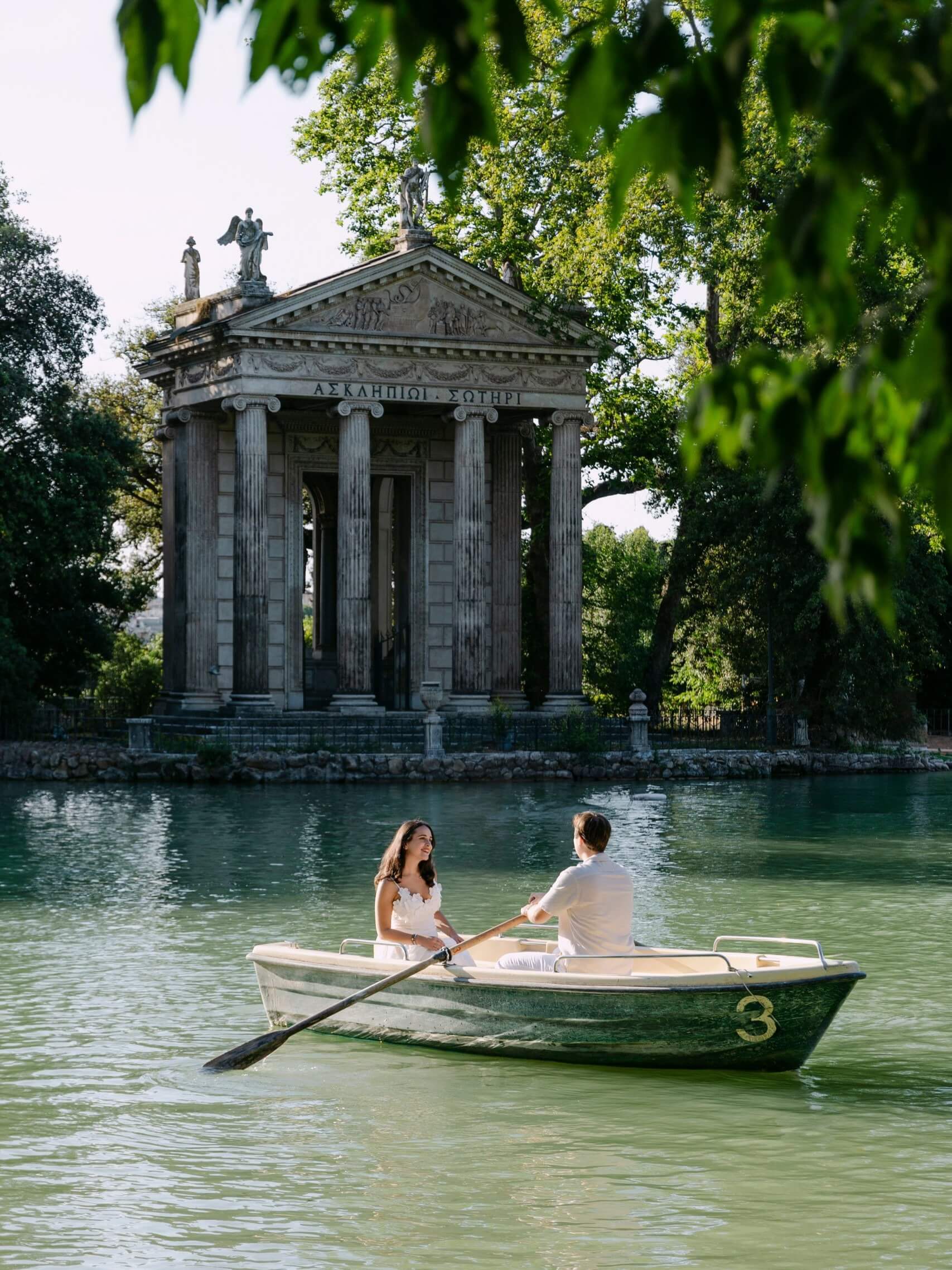
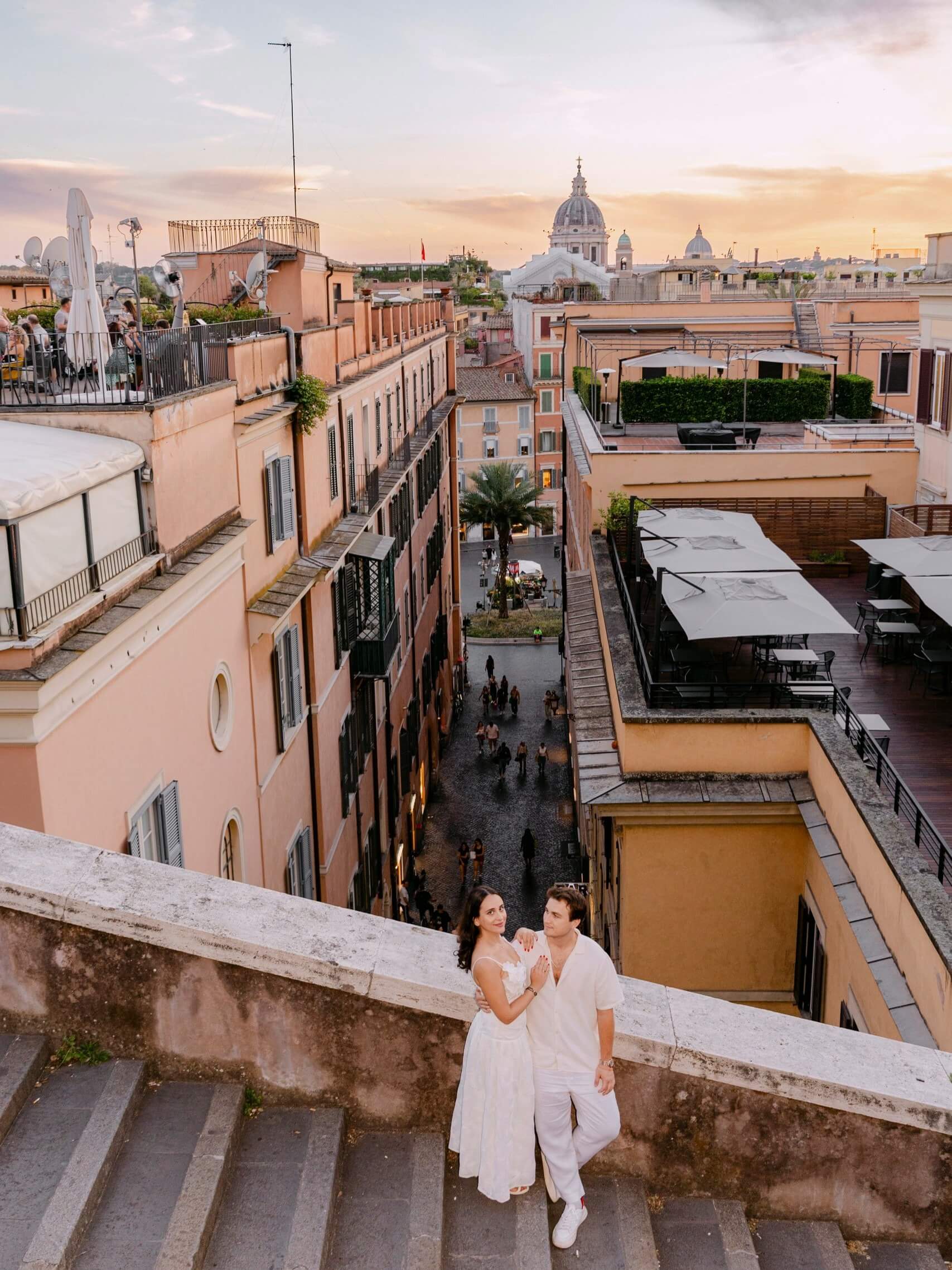
A honeymoon to Rome doesn't have to turn into a road trip. One day beyond the city is plenty, and the only real question is what kind of day you want it to be.
If you want villas and gardens, go to Tivoli, about 40 minutes from the center. Villa d'Este is famous for its terraced gardens and their hundreds of fountains, and Hadrian's Villa spreads across the ruins of an emperor's countryside retreat. Visit both and book a long lunch in between, because the walk between them is easier on a full stomach.
If you'd rather spend the day eating and drinking, head for the Castelli Romani, the hill towns southeast of Rome. Frascati is best known for its white wine, and Castel Gandolfo sits above a lake, so a table with a view is never hard to find. It's a day for slow lunches and a long drive home with the windows down.
For a quieter option, take the local train from Piramide station to Ostia Antica, Rome's ancient port town, which is about 30 minutes away. The mosaics and ruins are best explored without a plan, and the beach towns just beyond are an easy extension if you feel like sea air.
With four or five nights in the city, one of these is plenty. We'd choose Tivoli for the history, the hill towns for a lazy afternoon, and Ostia Antica for a calm morning.
How Long Should You Stay in Rome?
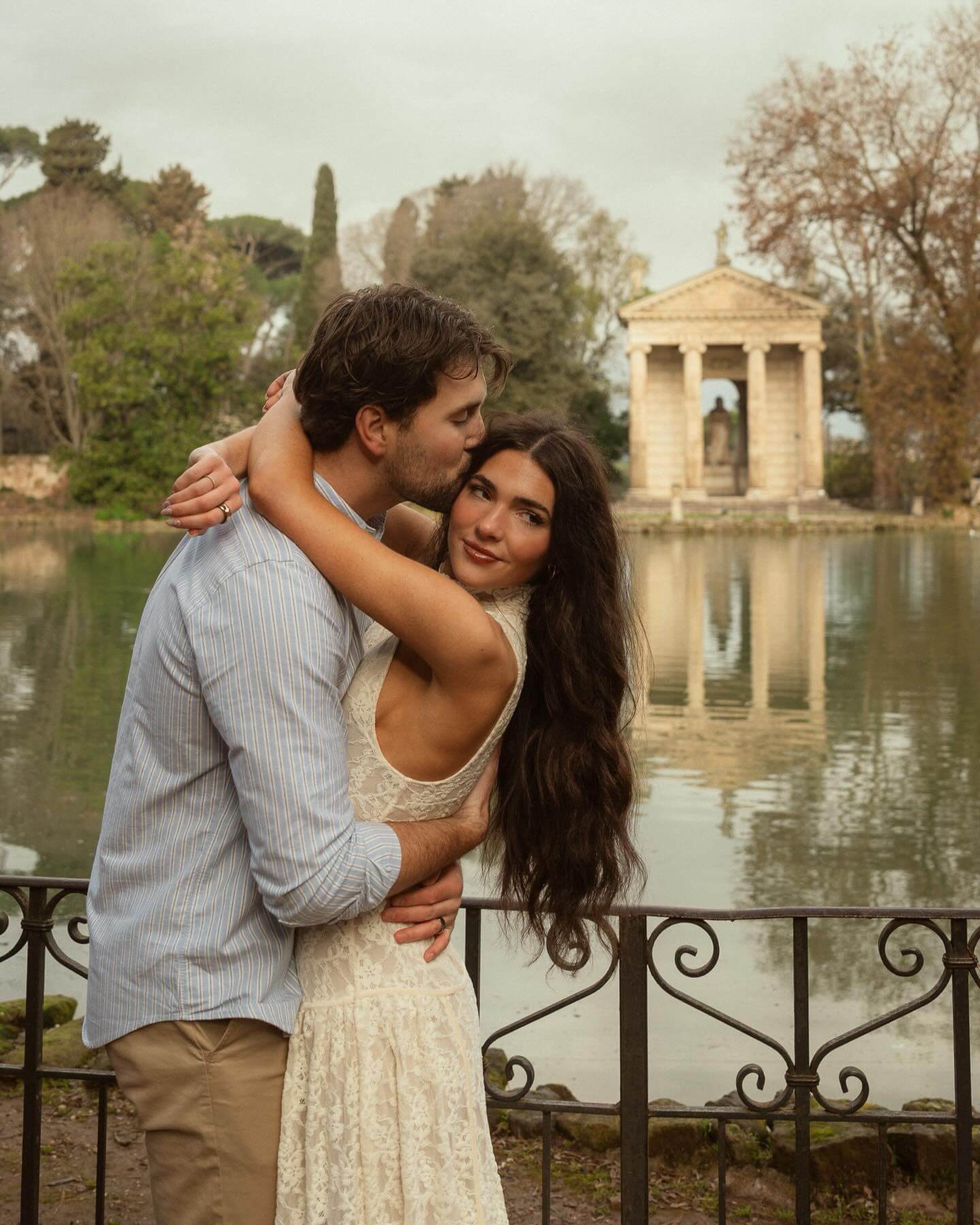
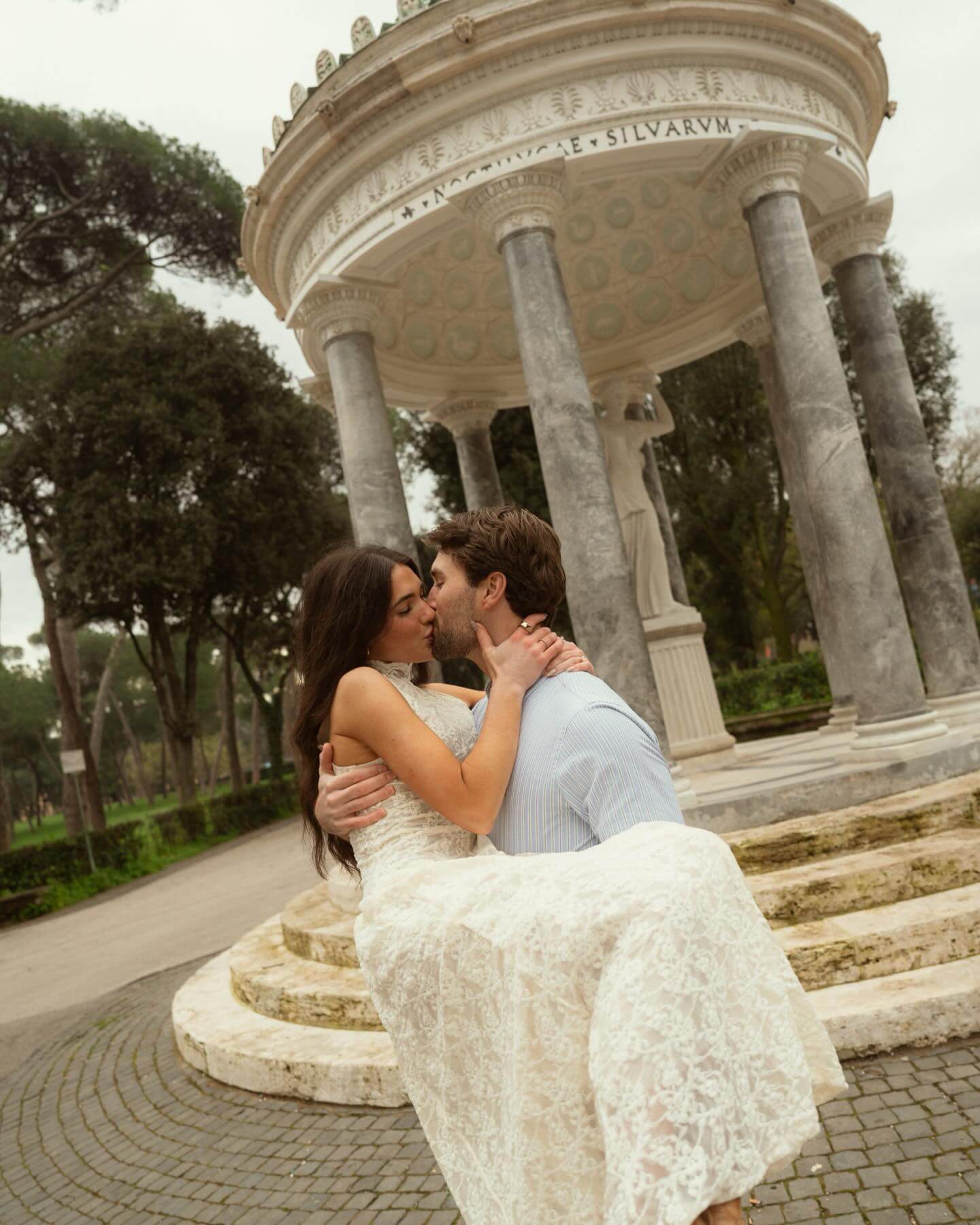
The right length depends on how much of the city you want to experience and how much time you want to leave blank. Rome rewards a slow pace, but it also fills a short visit quickly, so you need to decide how many nights you'll spend before you start looking at hotels. The table below shows how the trip changes with each length.
| Stay | Best for |
|---|---|
| 3 nights | A short city honeymoon or the first stop on a longer Italian trip |
| 4-5 nights | The best balance of culture and downtime |
| 6-7 nights | Slow Rome with one day trip |
Four or five nights leaves room for one big thing a day, an empty day, and a couple of sunsets without rushing. If you stay longer, you can actually get into one neighborhood, find a café you like, and go back to a table you really enjoyed. A week-long honeymoon in Rome starts to feel like living in Rome. A shorter one is best as a single stop on a longer Italian trip.
What to Book Before You Land and What to Leave Open
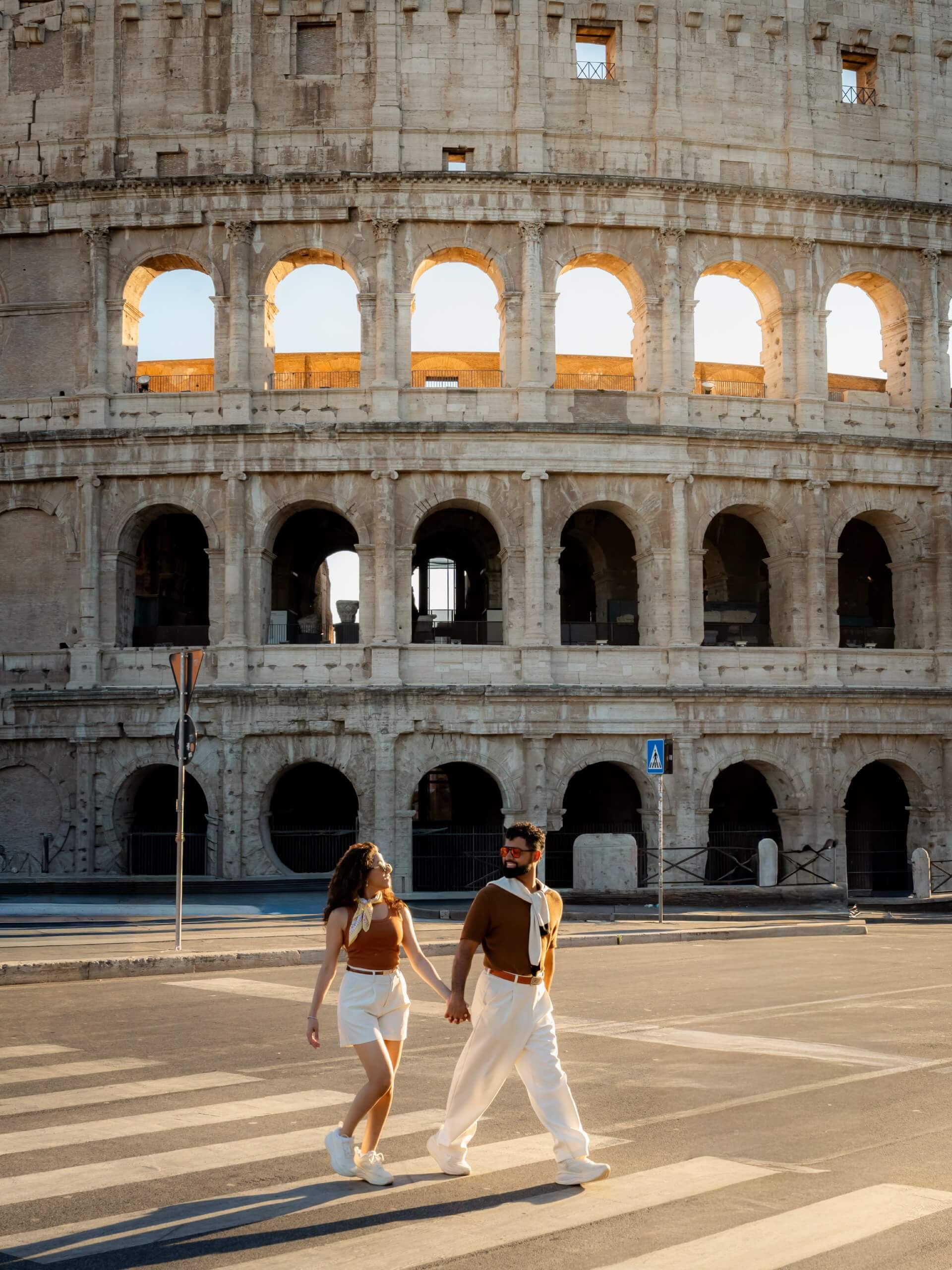
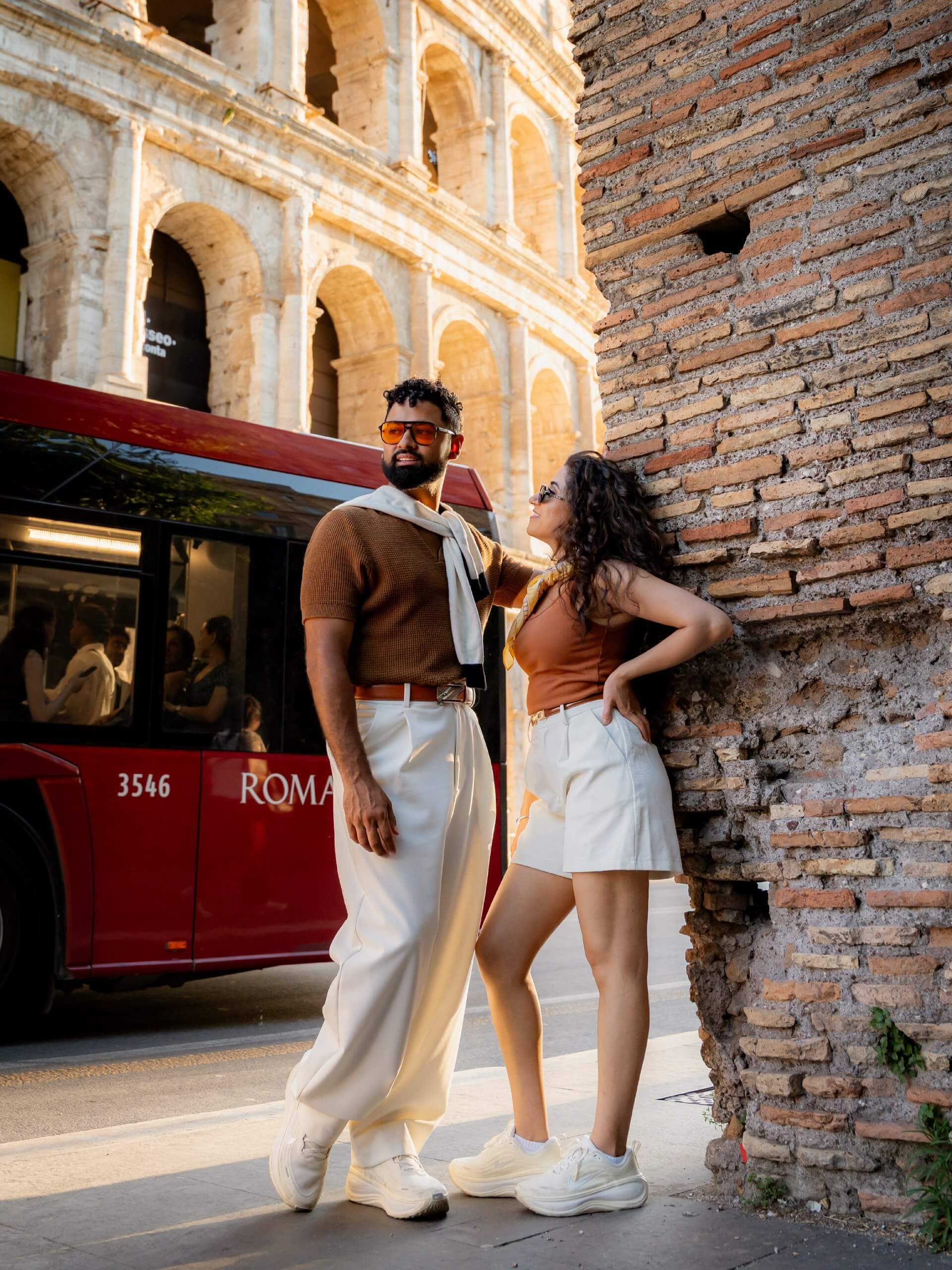
Rome is easy to enjoy without much planning, though a few bookings are worth making before you arrive. That takes the pressure off the peak moments and lets the rest of the trip unfold on its own time.
- A timed entry for the one major sight you care about most. The Colosseum releases official tickets around 30 days in advance, the Vatican Museums up to 6 months in advance, and the Borghese Gallery uses timed entry that can sell out weeks in advance
- An airport transfer, particularly after a long wedding week. A driver waiting at arrivals changes the first hour of the trip
- One special dinner, whether it's a tasting menu or a rooftop table, for the night you most want to dress up
- A sunset plan for the evening you want to feel polished. A terrace reservation takes minutes and anchors the day
- A spa or a private experience, if that's in your plans. Those fill up quickly on the weekends
That's pretty much all the planning that Rome requires. Everything else is left open: an afternoon walk with no particular destination in mind, gelato on a step, an aperitivo somewhere the light is good, a church or piazza you stumble across, a dinner decided on the spot. The empty evenings are often the ones you end up talking about.
Rome honeymoon packages from hotels and tour operators can cover the booked elements, such as a transfer, a welcome dinner, a spa hour, etc. Treat them as building blocks. Find out exactly what's included and whether you can move the days; if the package covers every evening, don't go for it.
The best week in Rome is the one that gives you the most time together. Very few couples actually come home with any real memory of how much they saw. They'll remember the little unbooked hours, with Rome in the background. For more inspiration, some fresh ideas and insider tips from our top vendors, head over to the Wezoree Inspiration Blog.

FAQ
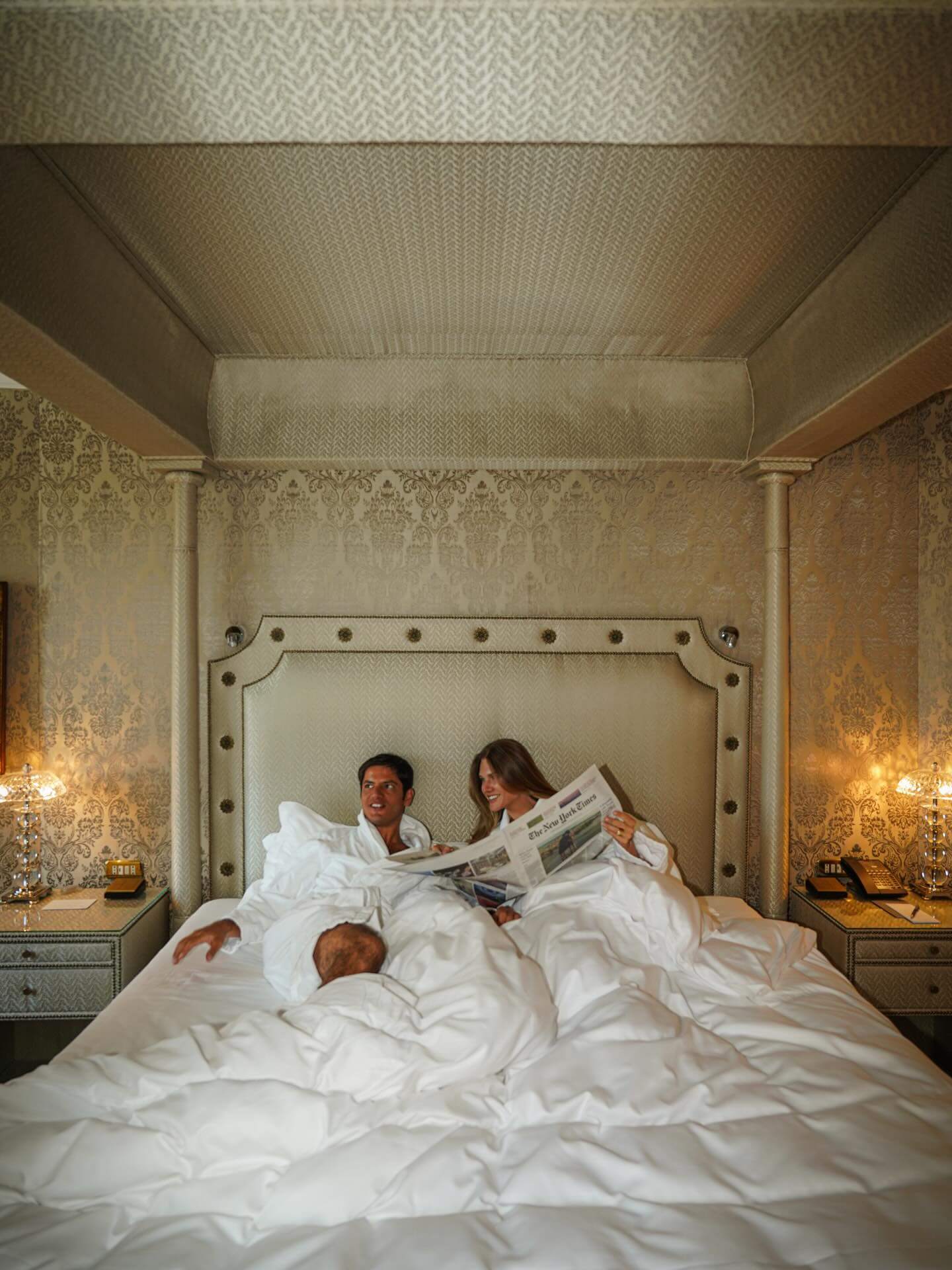
Is Rome good for a honeymoon?
Yes. If you're into food, walking, and history, then it's hard to beat. The city is small enough to walk all over, dinners are late, and the sunset light is superb. The only real drawbacks are the summer heat and the crowds at the major sights, both of which are much better in the spring or autumn, and you can obviously mitigate the latter by doing your morning sightseeing.
How many days are enough for a Rome honeymoon?
Most couples go for four or five nights, the first night often being eaten up by flights and jet lag, especially if you're coming from North America. If you want a day trip and an extra day to do nothing, add a night or two. Three nights is ideal if Rome is just one stop on a longer Italian trip.
What's the best area to stay in Rome for a couple?
Pick your evening based on what you're imagining. If you're going to eat out, then you want to be within a ten-minute walk of wherever you're going to eat, Trastevere or the historic center. If you want some calm after dark, stay in Prati or on the Aventine side. Monti is perfectly positioned between the two.

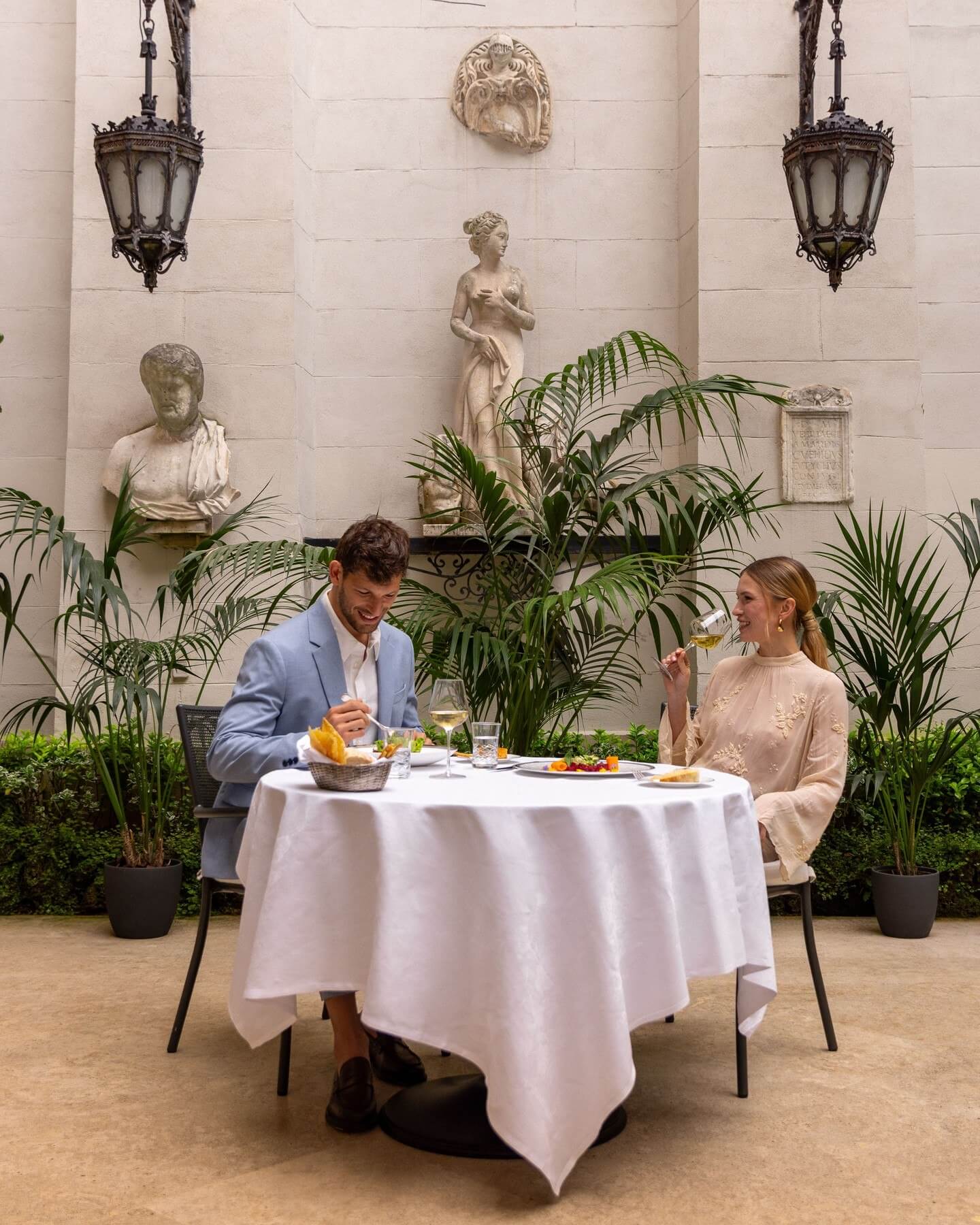
What's the best time of year to go on a honeymoon in Rome?
April to June and September to October are the best months with mild weather and long evenings. July and August are hot, and during that period many local businesses close for a week or two around mid-August. The main sights and tourist restaurants, however, are open year-round. January and February are the quietest months, and it's cool enough for a good coat.
Is Rome expensive for a honeymoon?
It all comes down to the number of days, the level of the hotel and restaurants, and your own travel style. Add shopping, a car rental, or a spa day, and the total can jump dramatically compared to a trip of long walks and neighborhood trattorias. Traveling outside the peak months and being judicious about your splurges is the way to keep it affordable.
Can Rome be combined with another Italian destination?
Easily. High-speed trains link Rome with Florence and Naples in well under two hours, so adding Tuscany or the south is easy. Three or four nights in Rome, then a slower stop in the countryside or by the sea, gives the trip both energy and rest.
Are honeymoon packages in Rome worth it?
They can be; it all depends on what's in the package. A good package will handle the little things that are hard to arrange from overseas, such as a driver on arrival, a welcome dinner on the first night, a spa hour after the flight. Before you pay, check whether the meals and tours are private or shared, what a change costs, and how much flexibility the schedule actually provides. The best ones will leave your evenings completely free.