Lisbon Honeymoon: Romance on Seven Hills


- Why a Honeymoon in Lisbon Works So Well
- Where to Stay on a Lisbon Honeymoon
- Romantic Evenings for a Honeymoon in Lisbon
- What to Eat and Drink Together
- Day Trips to Add to Your Lisbon Honeymoon
- The Best Time for a Lisbon Honeymoon
- 14-Day Lisbon Honeymoon Itinerary
- Lisbon Honeymoon Packages and Private Tours
- Practical Tips for a Honeymoon in Lisbon
- FAQ
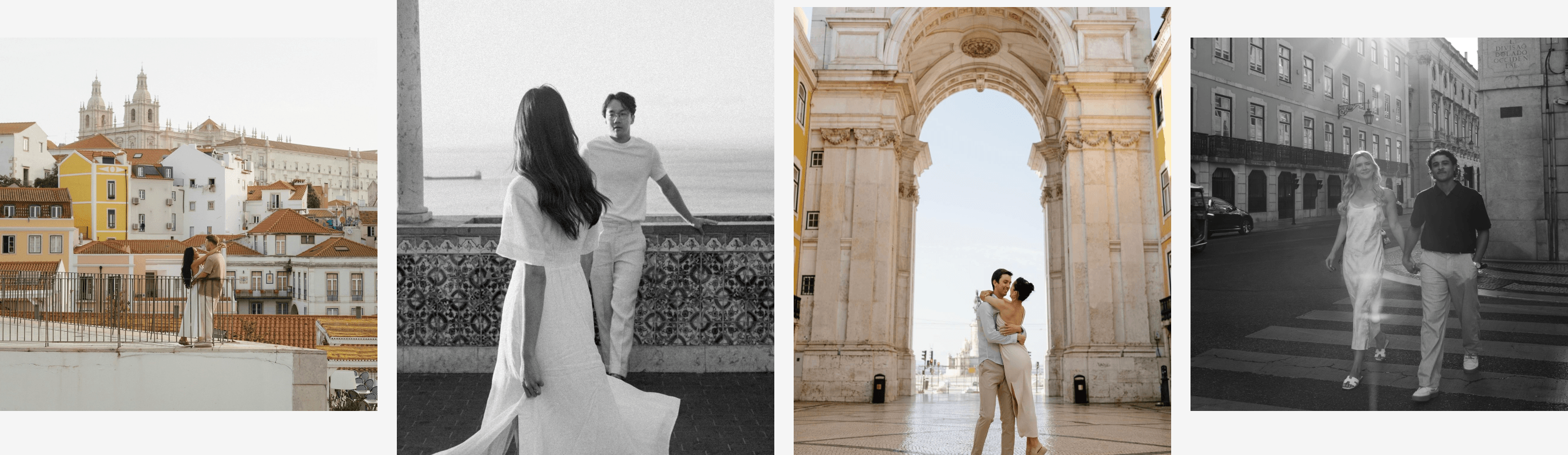
A Lisbon honeymoon is for couples who want some romance with a bit of soul. Lisbon spreads over seven hills above the wide Tagus River, with tiled facades, yellow trams rattling up steep lanes, and viewpoints where the whole city turns to gold at sunset. It's warm and walkable, the food is very good (and still very good value for money by Western European standards), and the Atlantic coast, fairy-tale palaces, and wine country are all within an hour or two.


Lisbon has also become a bit of a hot spot for newlyweds in the public eye. Actress Samantha Ruth Prabhu and director Raj Nidimoru honeymooned in Lisbon after their December 2025 wedding, posting a series of photos of slow breakfasts, pastries, and walks through the historic streets. This guide has all the information you need to plan your own trip: why Lisbon is such a good city for couples, where to stay, what to do in the evenings, what to eat, the best day trips, when to go, honeymoon packages, practical tips, and a 14-day itinerary that takes you from Lisbon out to the coast and into the Alentejo.
Find Your Perfect Wedding Vendors




Why a Honeymoon in Lisbon Works So Well
A honeymoon in Lisbon is the perfect mix of a capital and a seaside town. You could be in a 500-year-old monastery in the morning, on the beach in the afternoon, and listening to fado in a candlelit tavern in the evening. Distances are short, the climate is mild for most of the year, and Lisbon pairs easily with other parts of Portugal, such as the Alentejo vineyards or the Algarve cliffs. Here's what makes it so special:

- Over 250 days of sunshine a year and mild winters, so it's good in almost every season.
- A compact historic center with highlights within walking distance or a short tram ride.
- World-class food and wine at prices often considerably lower than in Paris, Rome, or London.
- Beaches, palaces, and nature reserves all within 30 to 60 minutes of the city.
- Easy flight connections from North America and the rest of Europe.
- A relaxed, friendly atmosphere where long dinners and lazy afternoons are the order of the day.
Where to Stay on a Lisbon Honeymoon
The best base for most couples is Alfama, Chiado, or Príncipe Real (all within walking distance of restaurants, viewpoints, and the river). The districts have very different characters, and it really comes down to what you're after. Do you want the historic feel, the elegant shopping streets, or a quieter, more local atmosphere? Given how hilly the city is, you need to be very careful about your hotel's exact location. A hotel at the top of a very steep street can be absolutely fantastic for the views but can also be quite a trek after a long day's walking.
Alfama
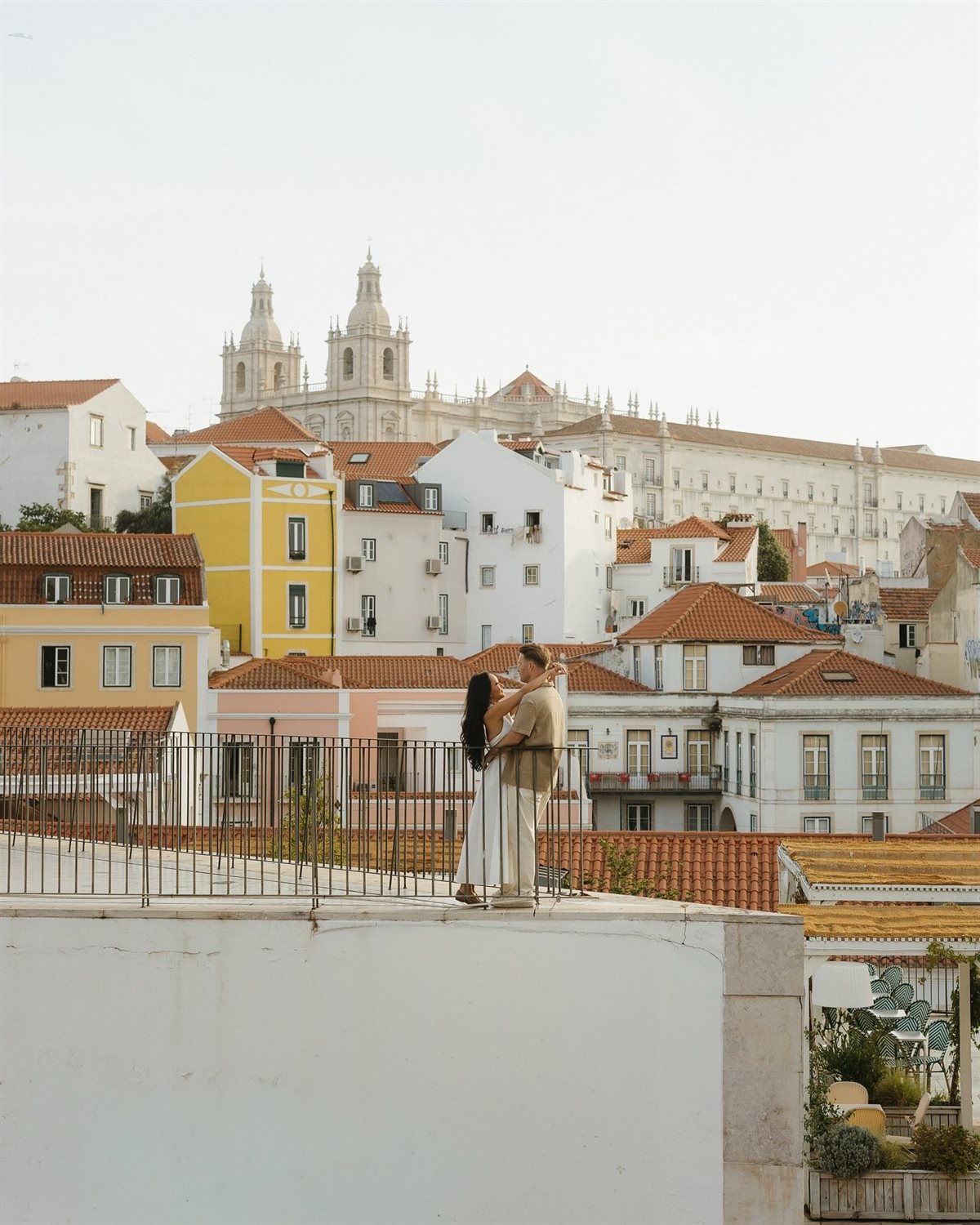
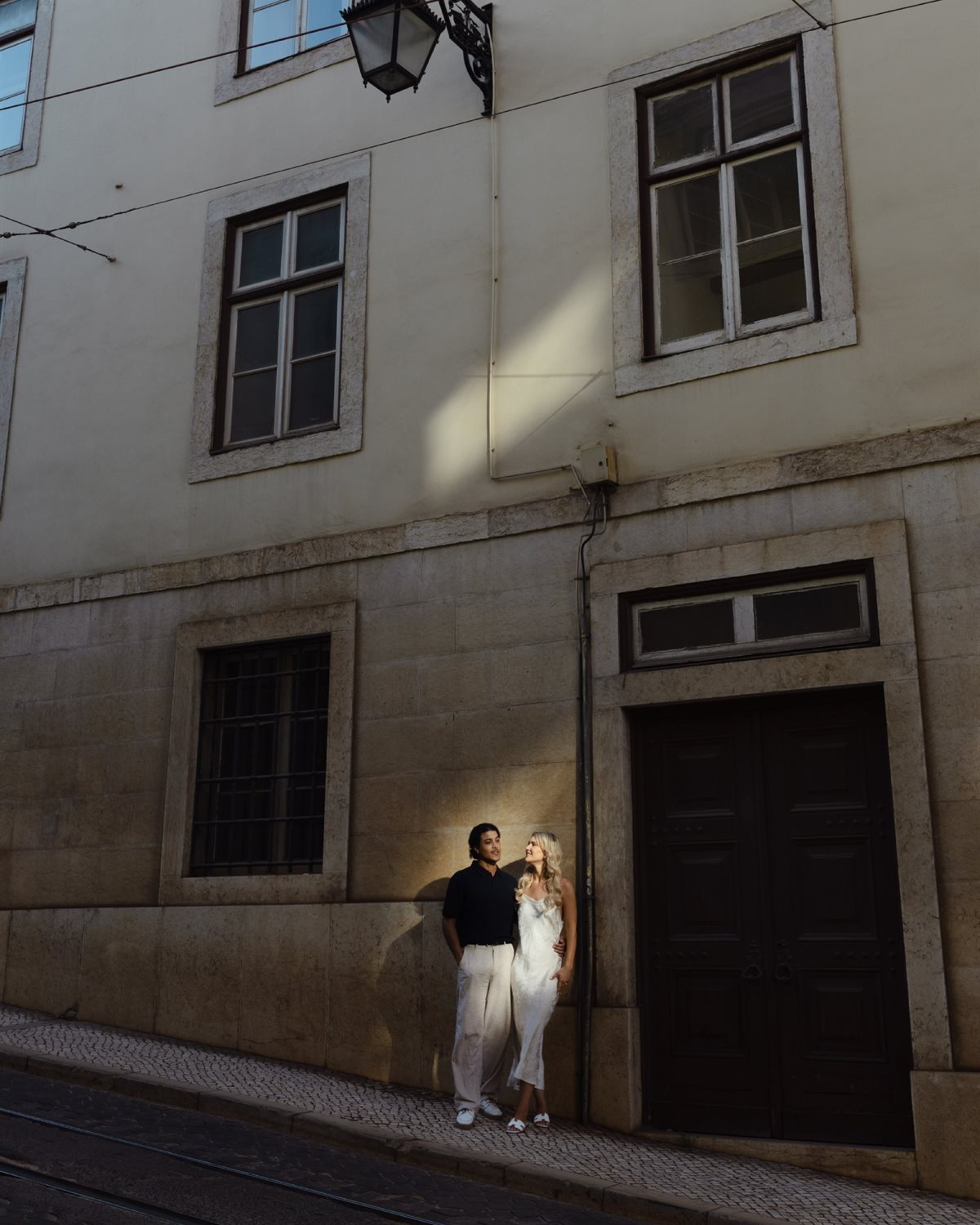
Alfama is Lisbon's oldest quarter and arguably the most atmospheric. It's a maze of narrow lanes, stairways, and little squares that climb from the river to São Jorge Castle, with laundry hanging from balconies and the sound of fado drifting from little taverns in the evening. It's the place for couples who want to experience the city's soul and are happy to walk some fairly steep streets. There are a number of boutique hotels and guesthouses here with terraces offering views over the red roofs and the Tagus.
Chiado and Baixa
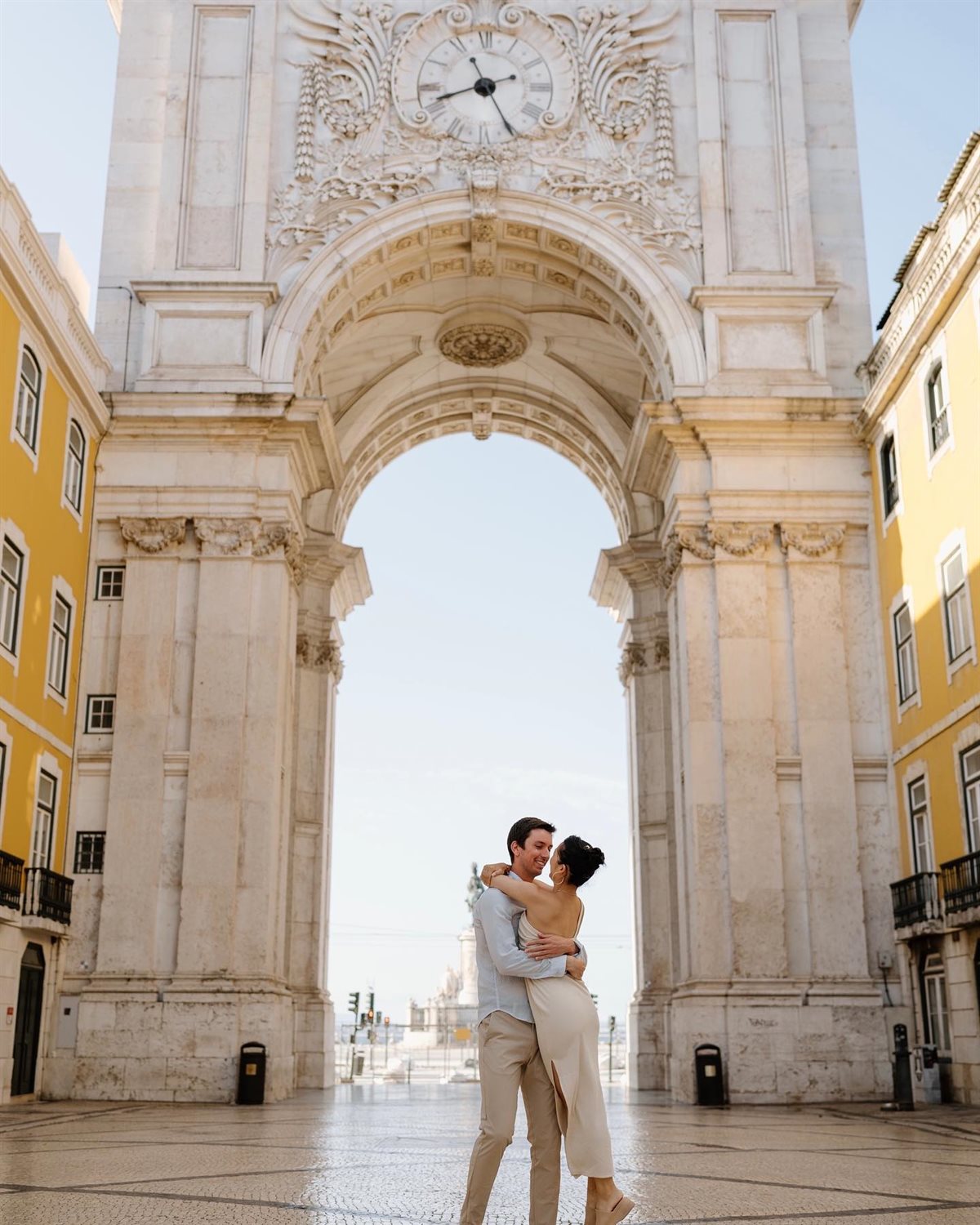
Chiado is stylish and in the heart of the city, with its historic cafés, bookshops, theaters, and some of the best restaurants in town. Just below that is the Baixa district with its grand squares and a grid of pedestrian streets leading down to the waterfront Praça do Comércio. It's the ideal place to base yourself if you're on a short stay or first visit, with pretty much all the sights within easy walking distance and excellent transport links. A very sensible option.

Príncipe Real and Bairro Alto
Príncipe Real is one of Lisbon's most stylish areas, with leafy gardens, concept stores, and beautifully restored 19th-century mansions converted into boutique hotels. It's a very calm, residential area but only a short walk from the bars and restaurants of Bairro Alto. Bairro Alto is very much a nighttime area, so it's definitely the place to go if you're more into nightlife than early mornings. The São Pedro de Alcântara viewpoint, halfway between the two, is one of the city's best spots for sunset.
Belém and the Riverside
Belém (on the river west of the city center) has the Jerónimos Monastery, the Belém Tower, and some of the city's best museums. It's fairly quiet in the evening with its wide promenades and gardens, and it's very convenient for trips along the coast to Cascais. Couples after a resort-style stay can look at hotels in the coastal towns of Estoril and Cascais (about 30-40 minutes by train from central Lisbon) and come into the city on day trips.
Romantic Evenings for a Honeymoon in Lisbon
Lisbon is absolutely at its most romantic after the sun has set. The light is softer over the river, the viewpoints are full of couples having a drink, and the restaurants and fado houses come alive. A great evening out in Lisbon doesn't necessarily require any planning at all, really. A bit of time at a sunset viewpoint, a long dinner, and a stroll through the old town is quite sufficient. There are, of course, a few experiences that are definitely worth building your honeymoon around. Most restaurants in Lisbon serve dinner from around 8 p.m., so you've got plenty of time to catch the sunset first.
Sunset Viewpoints
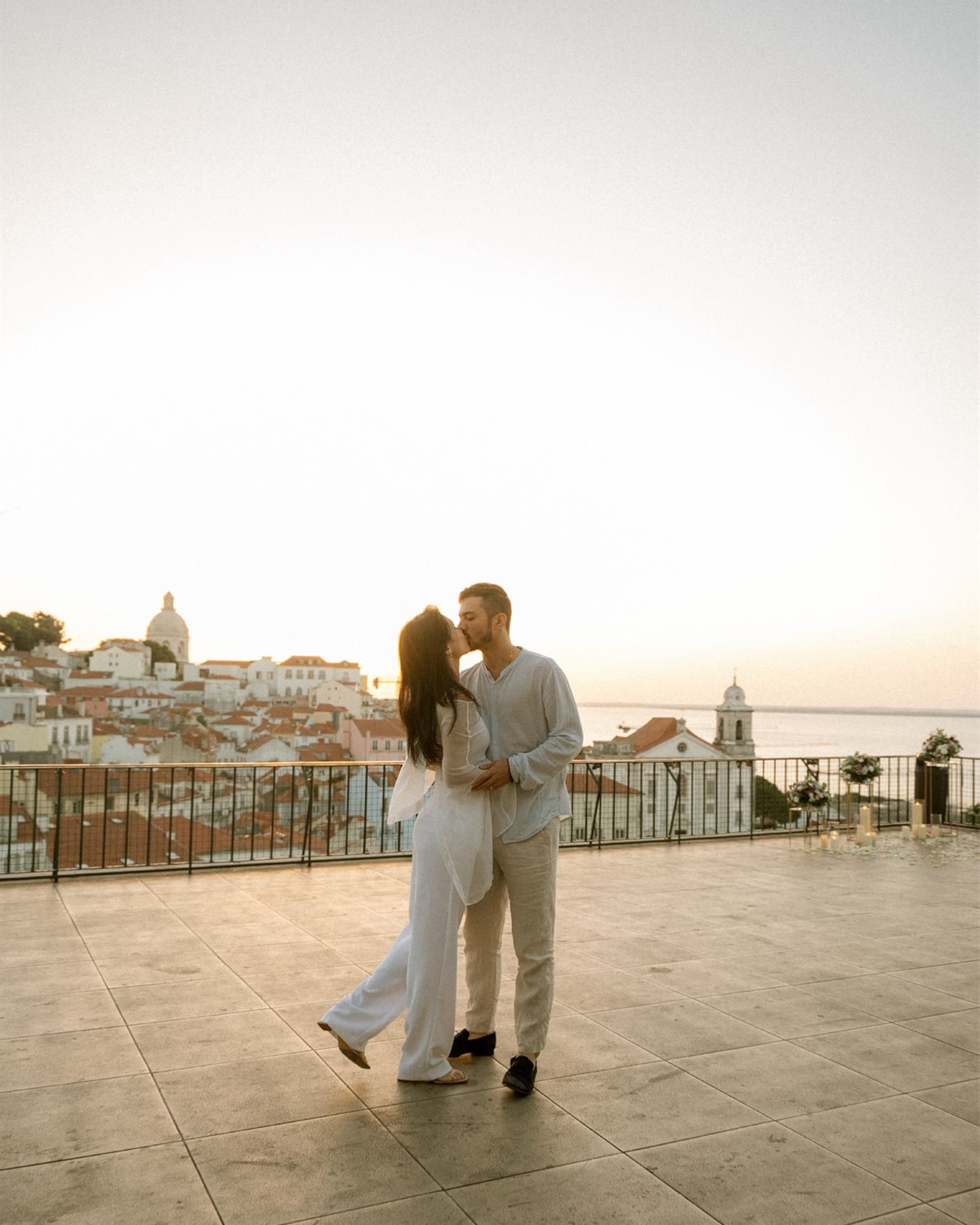
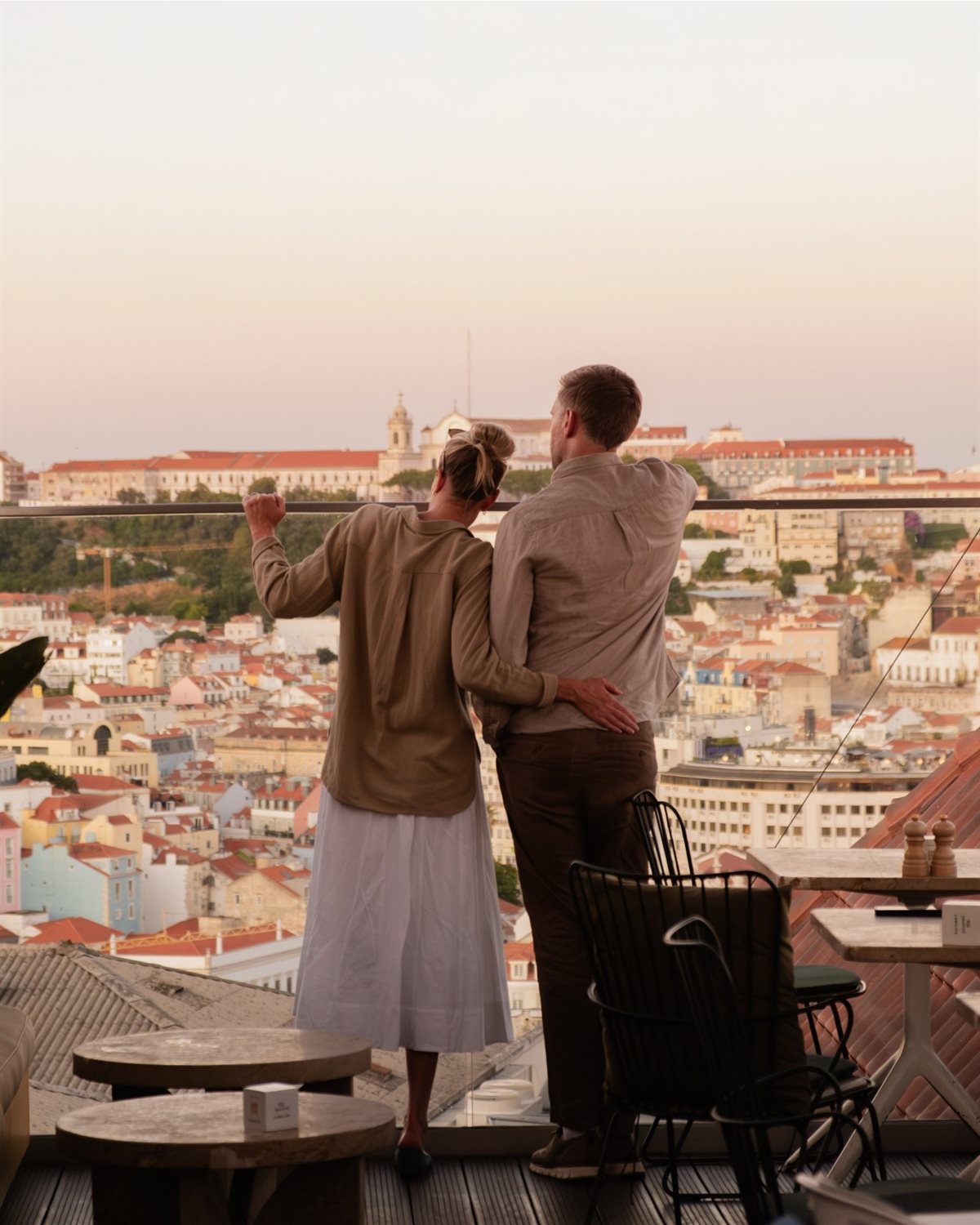
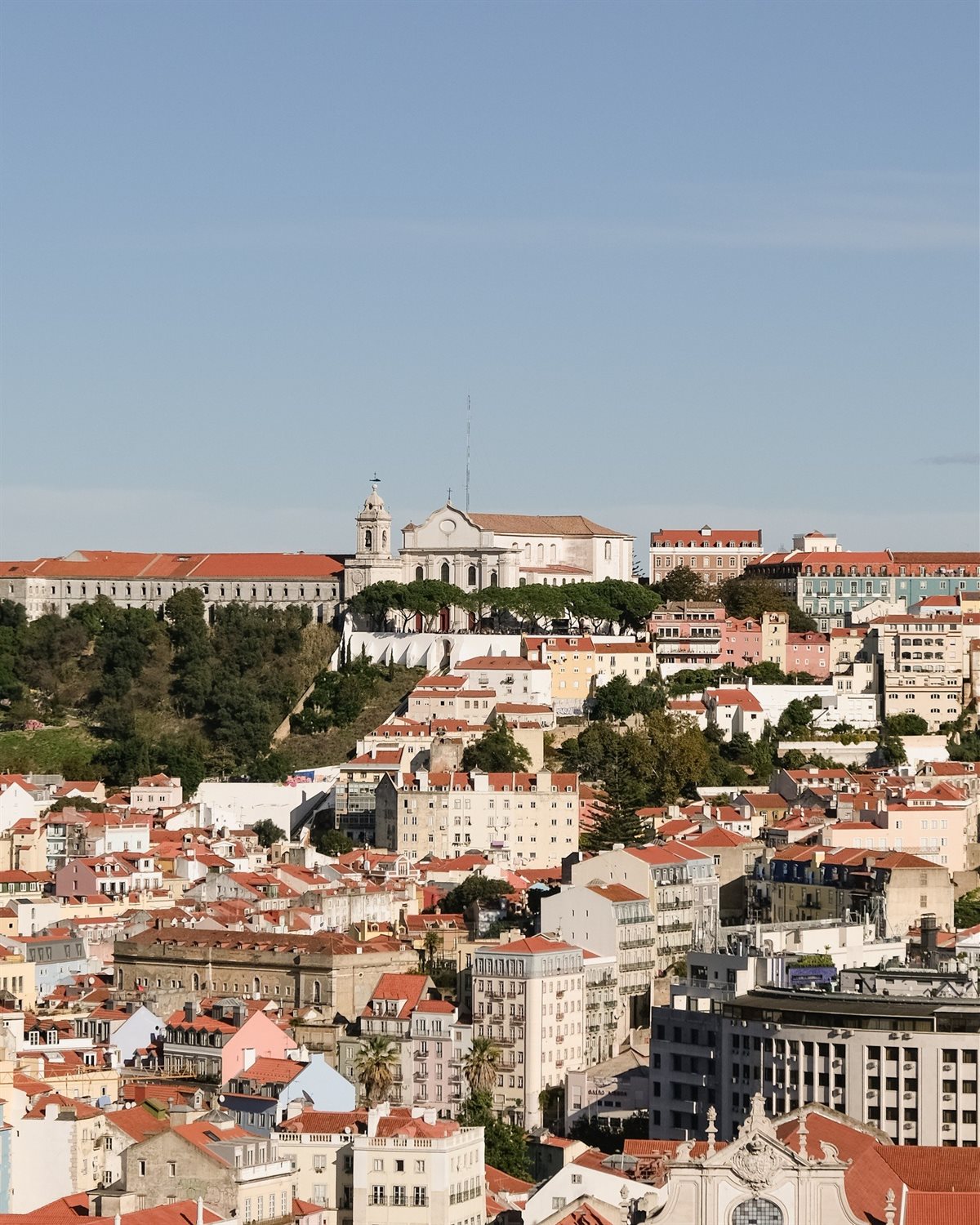
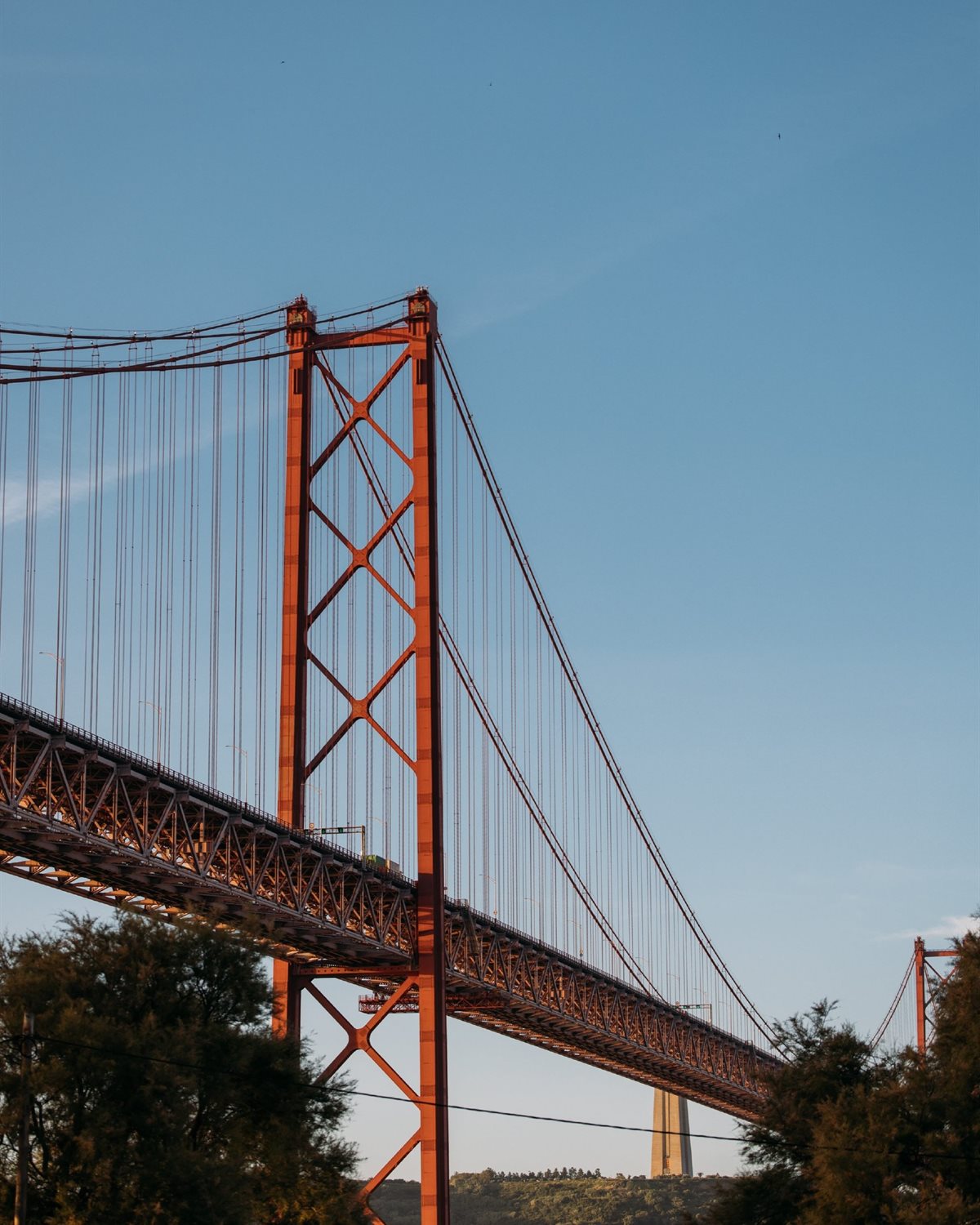
Lisbon's miradouros (viewpoints) are the city's natural meeting places. The highest is Miradouro da Senhora do Monte, which gives you a fantastic view over the castle, the center, and the river. Miradouro da Graça has a very laid-back café terrace. Santa Luzia and Portas do Sol in Alfama are both great, with the rooftops framed by bougainvillea and tiled walls. Arrive about 30 minutes before sunset, bring a bottle of wine or order a drink at one of the kiosks, and watch the 25 de Abril Bridge light up in the evening.
Fado Nights
Fado is the soul of Portugal, and hearing it live is one of the most moving things you can do in Lisbon. It's essentially music of longing and love (saudade), generally performed in small restaurants, often by candlelight, with just a singer and two guitars. The best places to experience it are in Alfama and Bairro Alto. Many restaurants offer dinner before the fado, and you're expected to be absolutely silent during the singing, which makes it an extremely intimate experience.
The River and the Rooftops
A sunset sailing trip on the Tagus is one of the most romantic ways of seeing the city. You can take a private or small-group boat from the docks in the center, passing the Belém Tower, the bridge, and the waterfront areas as the sky shifts from one color to another. Then head to a rooftop bar in Chiado or Baixa for a glass of local wine, or take the ferry across the river to Cacilhas for dinner with a view of the illuminated skyline. The ferry ride itself takes only about 10 minutes and is very cheap, but it offers one of the best views of the city at night.

What to Eat and Drink Together
Lisbon's food scene is absolutely one of the big highlights of a honeymoon, whether you're having the petiscos (small plates, akin to tapas) in a little neighborhood tasca or going for a full tasting menu. Seafood is at the heart of Portuguese cooking, and there are many ways to eat it. Try grilled sardines in summer, octopus with olive oil and potatoes, clams in garlic and coriander and, of course, the famous bacalhau (salted cod) in all its forms. A proper sweet to finish the meal is the pastel de nata (custard tart with a crisp, flaky pastry), best eaten warm with a sprinkling of cinnamon.
To drink, start with a glass of ginjinha (the sour cherry liqueur) served in little cups at the small counters dotted around Rossio. There's a good range of Portuguese wine too, from the fresh vinho verde to the more robust reds of the Alentejo and the Douro. A port tasting is a great way to finish an evening. For a special occasion, you can book one of Lisbon's acclaimed fine-dining restaurants (booking a few weeks in advance is definitely advisable). On other evenings, you'll find some of the best meals of the trip in simple, family-run establishments with paper tablecloths.
Day Trips to Add to Your Lisbon Honeymoon
Some of the very best moments of a honeymoon in Lisbon are actually just outside the city. Within an hour or two, you can reach hilltop palaces, elegant seaside towns, wild beaches, and nature parks with turquoise water. Most places are reachable by train or bus, but if you're going to the coast or the countryside, a rental car or a private driver is the way to go. Here are the four day trips couples love most. Weekdays are much quieter than weekends, particularly in Sintra and on the beaches.
Sintra
Sintra (about 40 minutes by train from Lisbon) is a UNESCO World Heritage site that looks like something out of a fairy tale. Nestled in its wooded hills are colorful palaces, Moorish ruins, and romantic gardens. The Pena Palace is by far the most famous of the palaces; the Quinta da Regaleira is probably the most magical (it has that mysterious initiation well and all sorts of hidden tunnels). Get there early, book your palace tickets online, and, if you can, spend the night so you can enjoy the town after the day-trippers have gone.
Cascais and the Guincho Coast
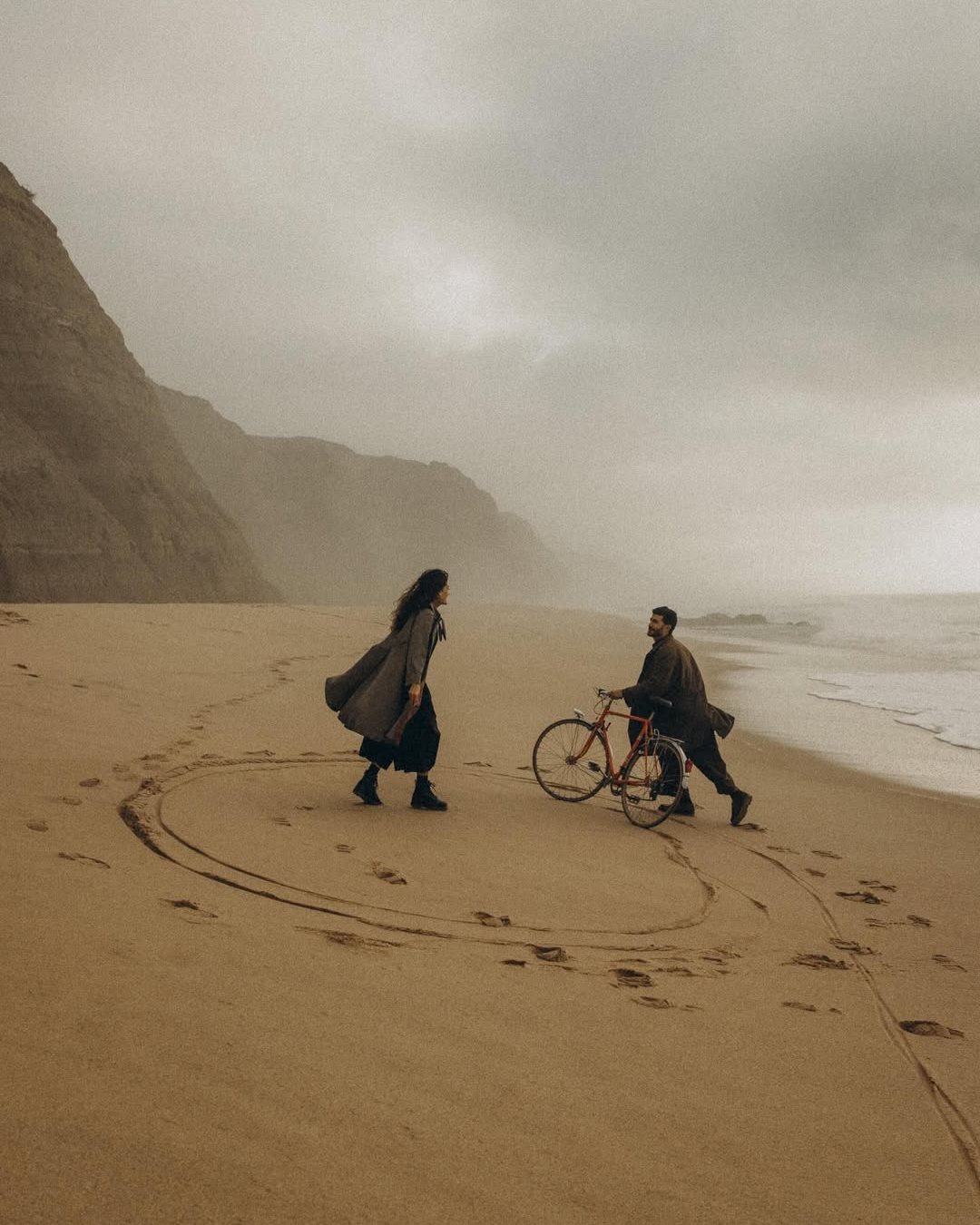
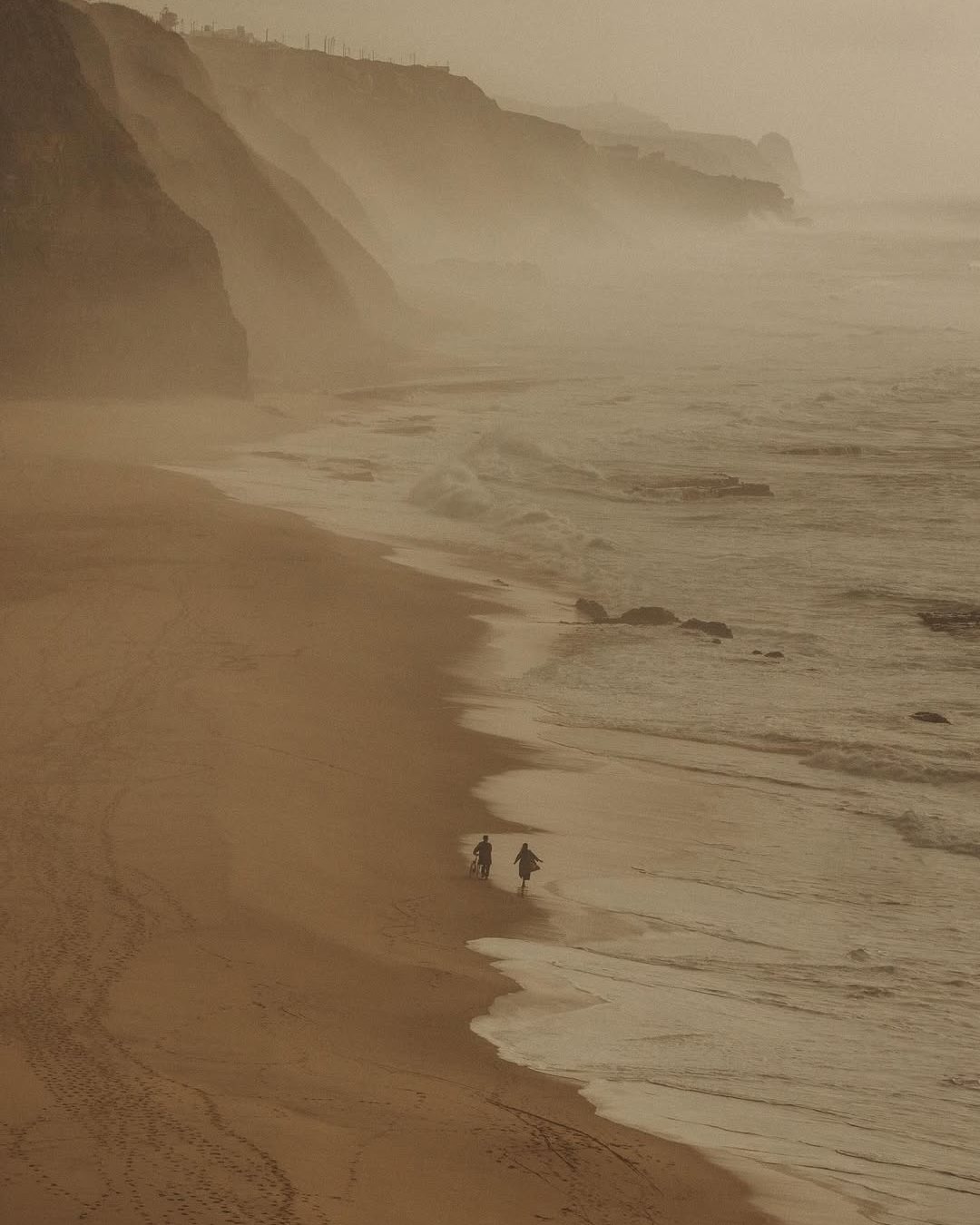
Cascais is an elegant former fishing village with sandy beaches, a lovely marina, and a promenade full of cafés. It's very easily reached by train from Lisbon (a scenic ride along the river and coast). Just west of the village, the road to Guincho Beach takes you past the spectacular cliffs of Boca do Inferno and on to one of the most beautiful stretches of wild Atlantic coast near the capital. Not far from there is Cabo da Roca, the westernmost point of mainland Europe, which is absolutely spectacular at sunset.
Arrábida and Setúbal
South of the river is the Arrábida Natural Park, with green hills dropping into turquoise water and some of the best beaches in Portugal (Portinho da Arrábida and Galapinhos are favorites). It feels very Mediterranean and is ideal for a quiet beach day. Nearby Setúbal is famed for its fried cuttlefish and fresh seafood, and boat trips from the harbor sometimes spot the resident bottlenose dolphins of the Sado Estuary.
Comporta
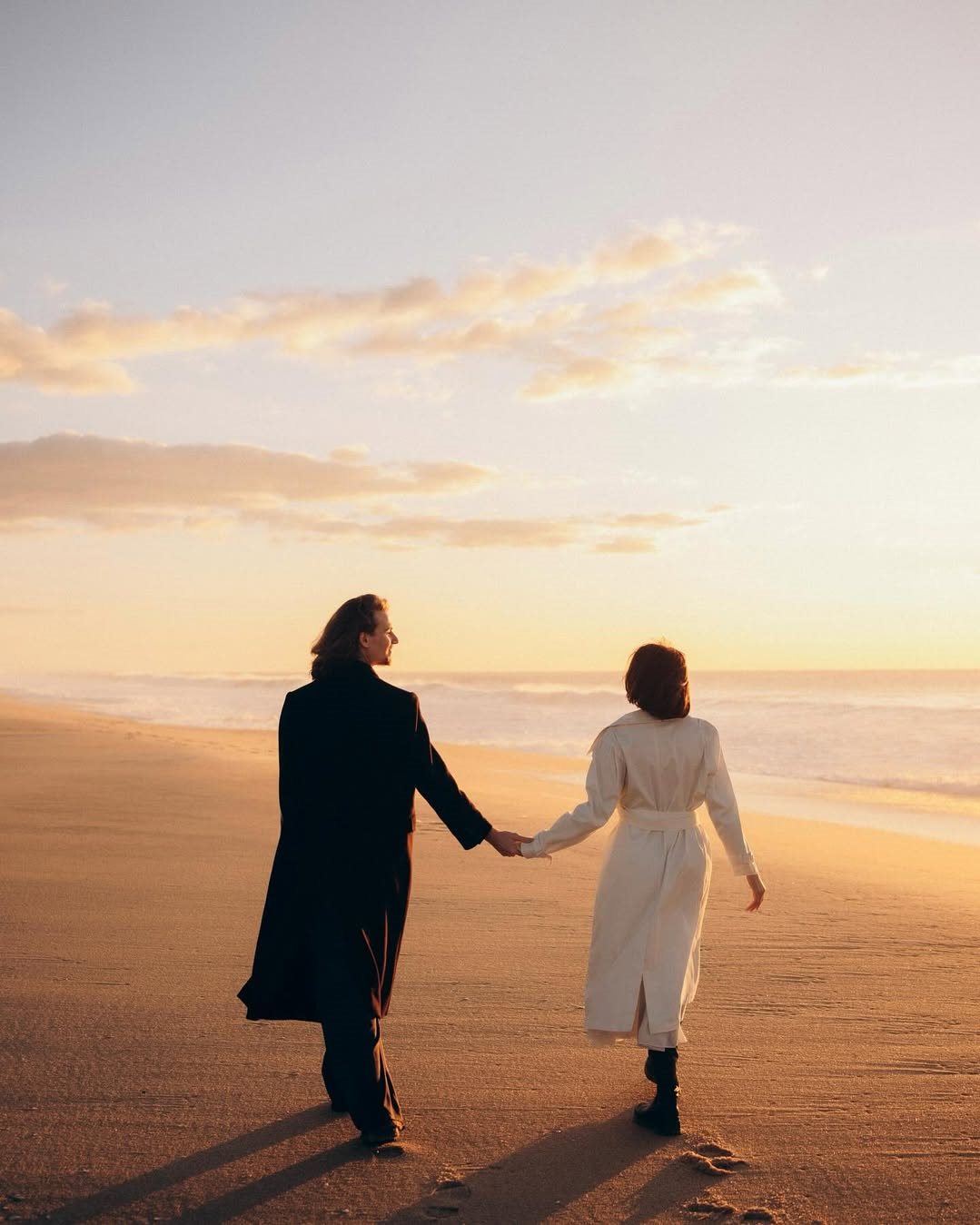
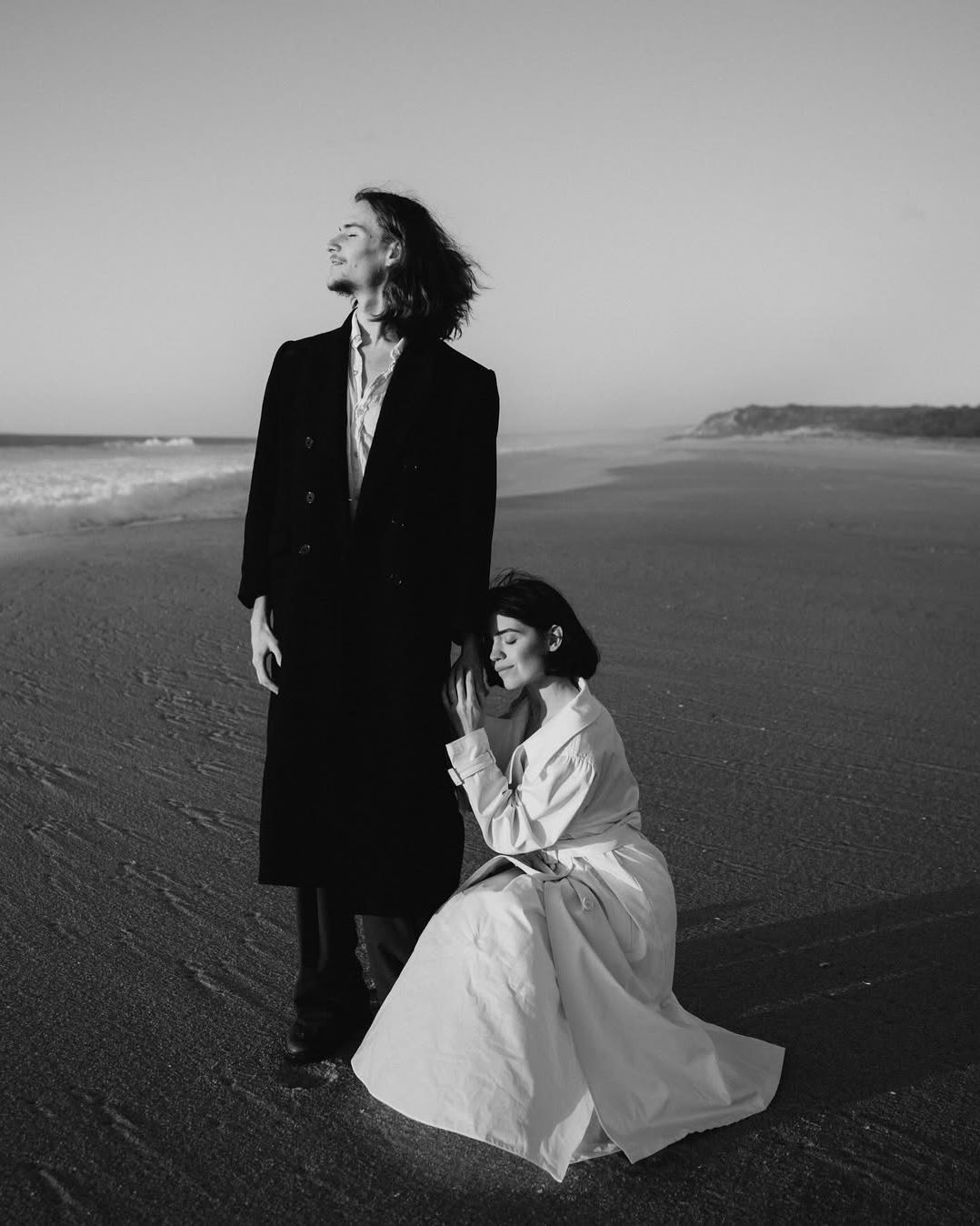
Comporta (about 90 minutes south of Lisbon) is a stylish, relaxed coastal area of rice fields, pine forests, and endless white-sand beaches. It's the place for barefoot luxury: thatched-roof villas, design hotels, beach restaurants specializing in grilled fish, and long, lazy sunsets over the dunes. It can be a good long day trip, but it's best enjoyed with a stay of a few nights, allowing you to slow down and enjoy one of the most peaceful bits of the Portuguese coast.
The Best Time for a Lisbon Honeymoon
The best months for a Lisbon honeymoon are April to June and September to October (warm weather, beautiful light, and much more manageable crowds than in midsummer). July and August are hot and very busy, with peak accommodation prices, but are ideal if you're going to be on the beaches. Winter is mild and quiet, with the lowest prices and a very pleasant atmosphere (though you're more likely to get rain). The table below summarizes the seasons.
| Season | Weather | Crowds and prices | Highlights |
|---|---|---|---|
| Spring (March to May) | Mild to warm, flowers in bloom | Moderate | Gardens, Sintra, outdoor dining |
| Early summer (June) | Warm and sunny | High in mid-June | Popular saints' festivals and street parties |
| Peak summer (July to August) | Hot, ideal for beaches | Highest | Coast, Comporta, Arrábida |
| Early fall (September to October) | Warm sea, golden light | Moderate | Wine harvest, beaches, city walks |
| Winter (November to February) | Mild, with some rain | Lowest | Cozy fado nights, holiday lights, museums |
14-Day Lisbon Honeymoon Itinerary
This two-week route starts with five days in Lisbon and Sintra, then heads out to the coast and the Alentejo countryside before returning to the capital. It's a very relaxed route, designed for beaches, long lunches, and lazy afternoons. You won't need a car in Lisbon or Sintra, but it's worth renting one from day 7 to make the coast, Comporta, and the Alentejo much more accessible. It's best done between April and October. If you want a shorter version of the route, you can simply finish at Comporta and drive back to Lisbon in under two hours.
Days 1 to 3: Lisbon's Historic Heart
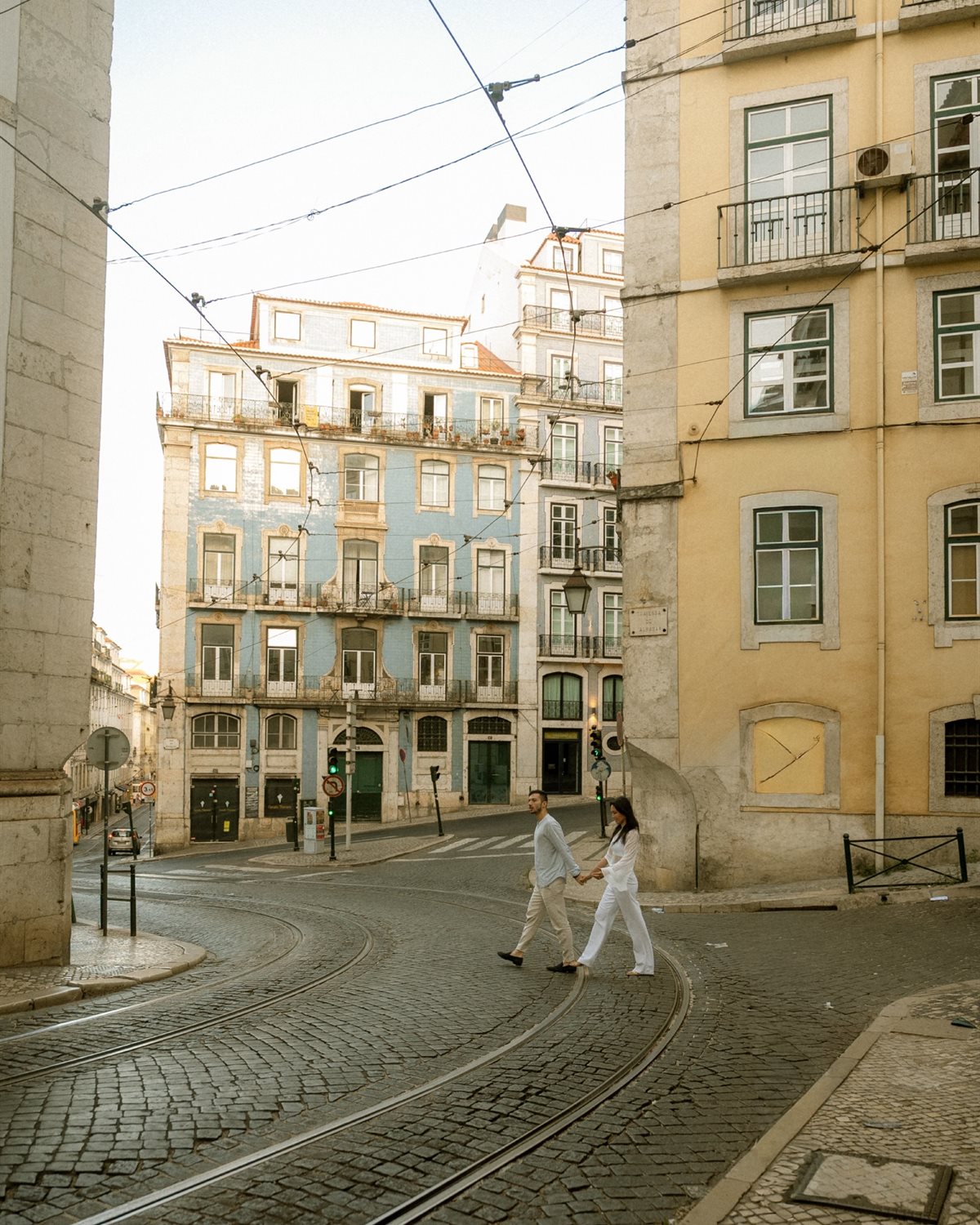
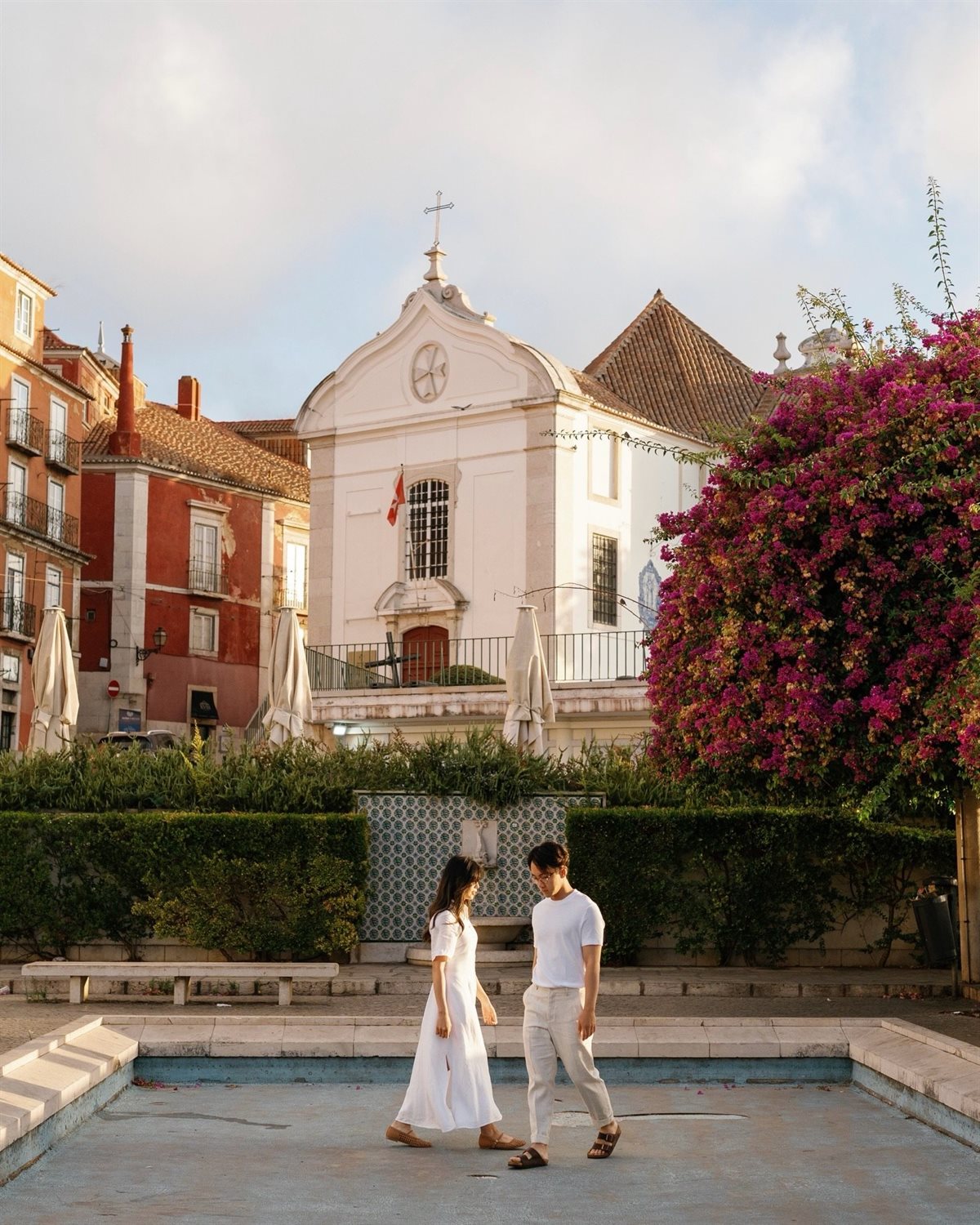
Arrive in Lisbon and check into your hotel. Spend the first evening at a viewpoint in Alfama, then have dinner and fado in a little tavern. Day 2: São Jorge Castle and the lanes of Alfama in the morning, then down to Baixa and Chiado. Day 3: Belém (Jerónimos Monastery, Belém Tower, and the original custard tarts), then a sunset sail on the Tagus. Walking up the hills can be tiring, so plan a relaxed lunch each day and use the trams and taxis for the steepest bits.
Days 4 to 5: Príncipe Real and Sintra
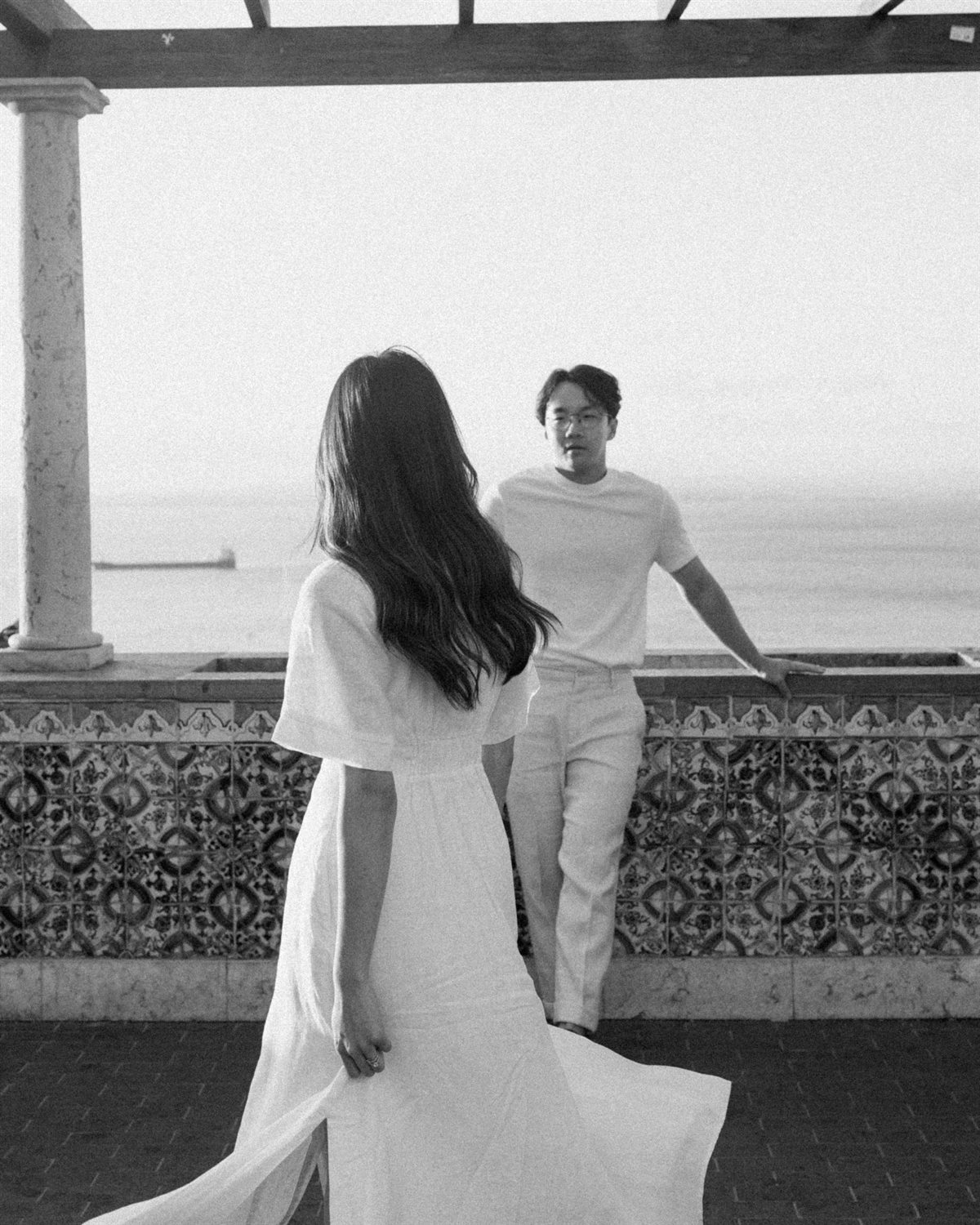
Day 4 is all about the slower pleasures: browsing the shops and gardens of Príncipe Real, visiting a tile museum or contemporary art gallery, and enjoying a long lunch. In the evening, you can watch the sunset from São Pedro de Alcântara. Day 5 starts with an early train to Sintra to see the Pena Palace and Quinta da Regaleira (again, ideally with pre-booked tickets). Stay the night in Sintra for a quiet evening in the old town. A romantic dinner in one of the small restaurants in Sintra, followed by a walk through the lit-up streets, is the ideal way to finish the day.
Days 6 to 7: Cascais and the Atlantic Coast
From Sintra, head to Cascais and spend the afternoon either on the beach or strolling the marina. Day 7: Pick up a car and drive the coastal road past Boca do Inferno to Guincho Beach, then on to Cabo da Roca for the sunset at the edge of Europe. The seafood dinners along the coast are very good indeed (grilled fish in particular is excellent and very fresh from the Atlantic). If it's windy, Guincho is a well-known spot for surfing and kitesurfing, and it's a real treat to just watch the riders from a beachfront terrace.
Days 8 to 9: Arrábida and Setúbal
Head south across the river to the Arrábida Natural Park for a relaxed day on one of its lovely turquoise beaches. Day 9: Setúbal market in the morning, fried cuttlefish for lunch, and then a boat trip on the Sado Estuary to look for dolphins. The nearby Azeitão wine region is a great spot for a late-afternoon tasting. The area is also famous for its creamy sheep's cheese and moscatel wine, both great to enjoy on a terrace overlooking the hills.
Days 10 to 11: Comporta
Head south to Comporta for two nights of barefoot luxury. Take the car ferry from Setúbal to Tróia (a lovely shortcut), then settle into a design hotel or a villa among the dunes. Spend your days on the long, empty beaches, cycling through the rice fields, and enjoying long lunches of grilled fish. Book a horseback ride on the beach at sunset for one of the most romantic bits of the trip. In the summer, you'll need to book your accommodation and beach restaurants well in advance, as Comporta's best places fill up quickly.
Days 12 to 13: Évora and the Alentejo
Drive inland to Évora (a walled UNESCO World Heritage city with a Roman temple, a Gothic cathedral, and whitewashed streets). Day 13 is all about the Alentejo countryside: a visit to a winery for a tasting among cork oaks and olive groves, a few traditional dishes such as black pork and bread soups, and a quiet final night in a rural manor house or wine estate. The Alentejo is famed for its clear, dark sky, so step outside after dinner to take in some of the best stargazing in Portugal.
Day 14: Back to Lisbon
Drive back to Lisbon (about an hour and a half from Évora) and return your car. Depending on your flight, you can have a final lunch in Chiado and pick up port wine, tinned fish, or hand-painted tiles to take home. The airport is very close to the center of Lisbon (usually 20 to 30 minutes by taxi or metro), so it's very easy to get away. If you have a late flight, a final sunset from a viewpoint is the perfect way to end your honeymoon.

Lisbon Honeymoon Packages and Private Tours
Lisbon honeymoon packages are available from a number of hotels, travel agents, and tour operators, and vary from a simple upgrade to a fully arranged trip. The standard hotel package usually includes a room upgrade, sparkling wine on arrival, breakfast, a couples' spa treatment, and occasionally a romantic dinner. Longer packages typically combine Lisbon with Porto and the Douro Valley, the Algarve, or Madeira, and include transfers, rail tickets, and guided tours.
How Much Does a Lisbon Honeymoon Cost
A very rough estimate for a 14-day honeymoon for two would be between $6,000 and $10,000 with boutique hotels (excluding international flights, private tours, and fine dining), and $15,000 or more with five-star hotels, private tours, and fine dining. Boutique hotels in Lisbon range from $180 to $350 per night in high season, and luxury hotels start at around $450. There's also a tourist tax of €4 (approximately $4.60) per person per night for up to seven nights. These are all very rough estimates and will vary considerably depending on the season and how far in advance you book.
Private Tours Worth Booking
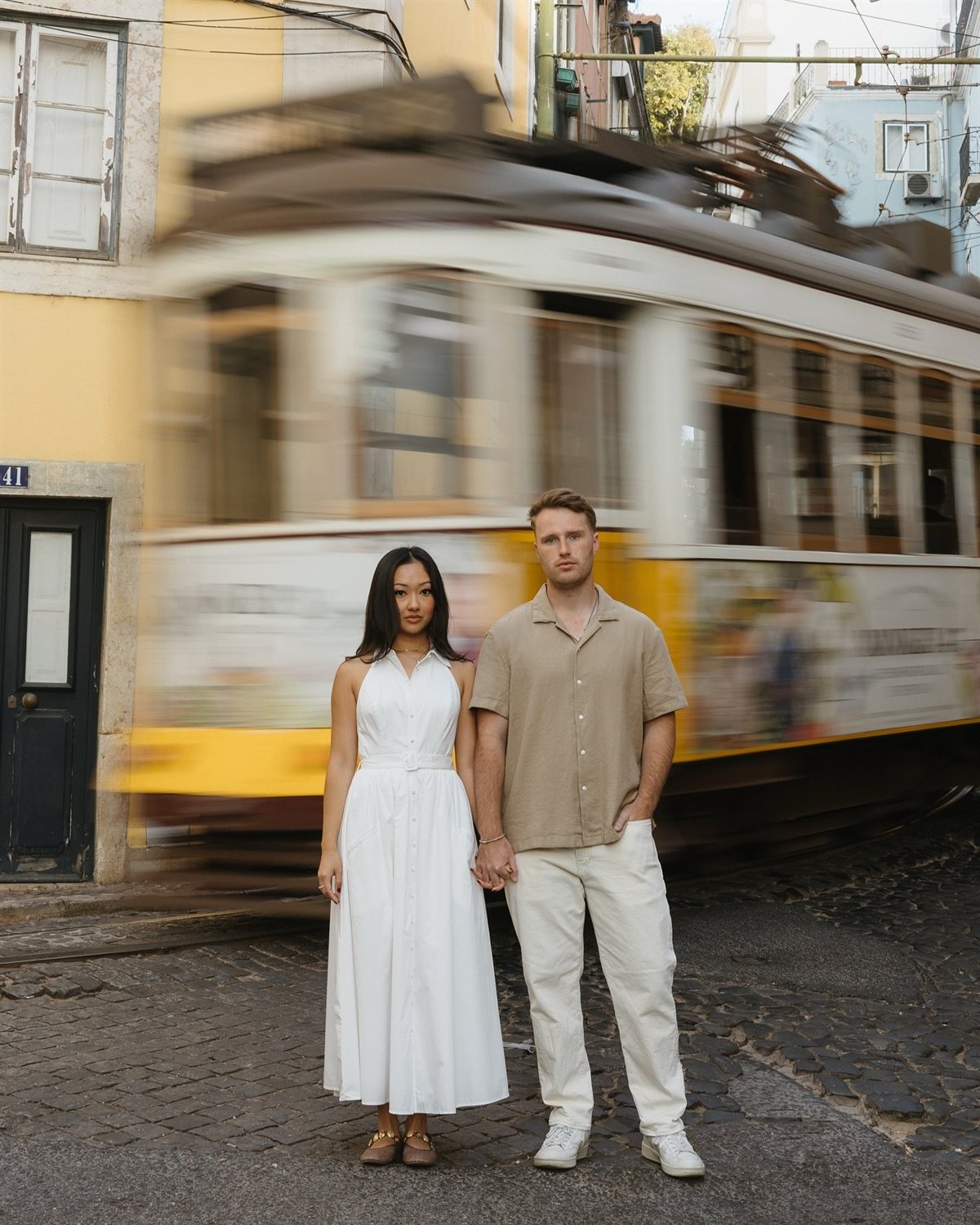
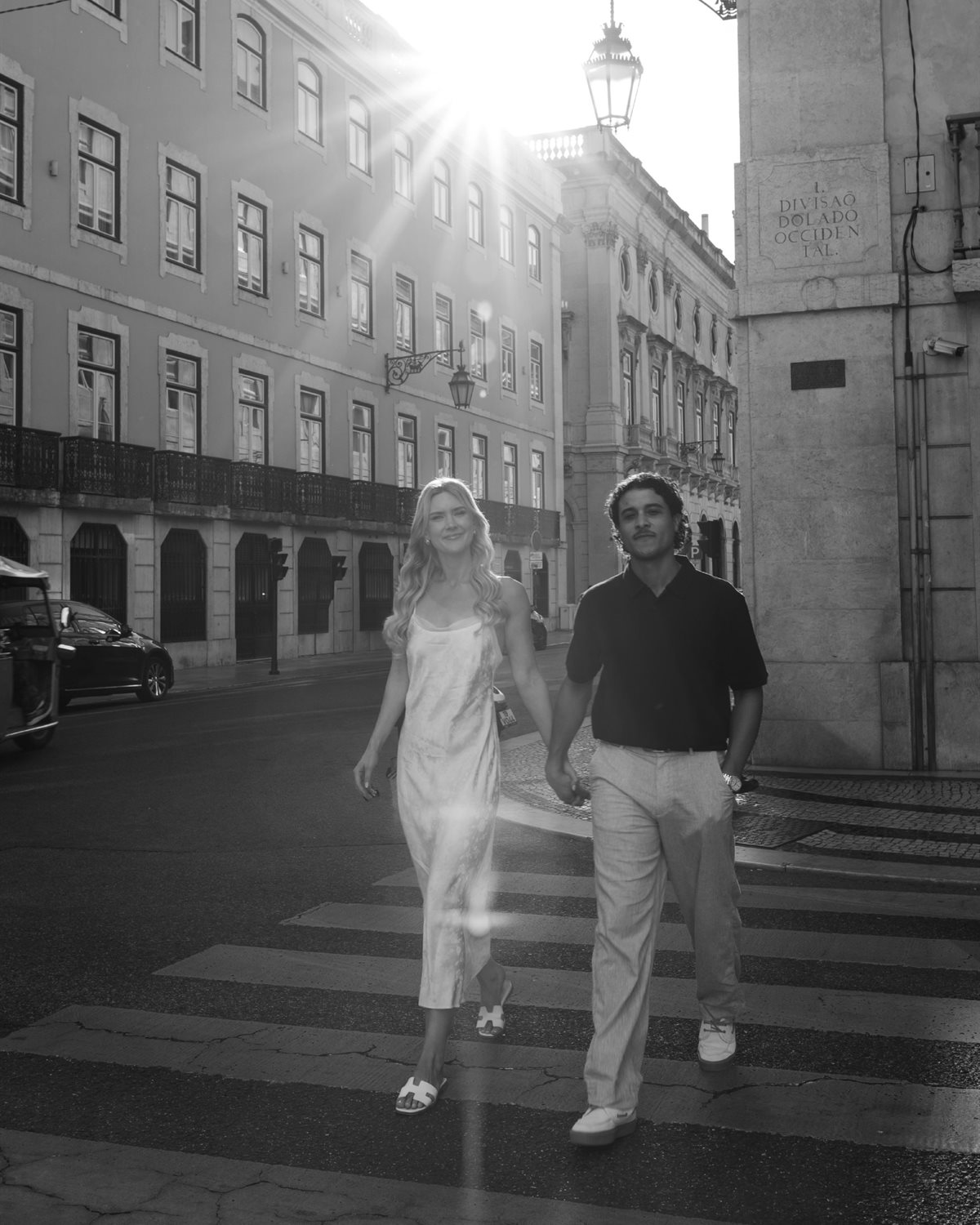
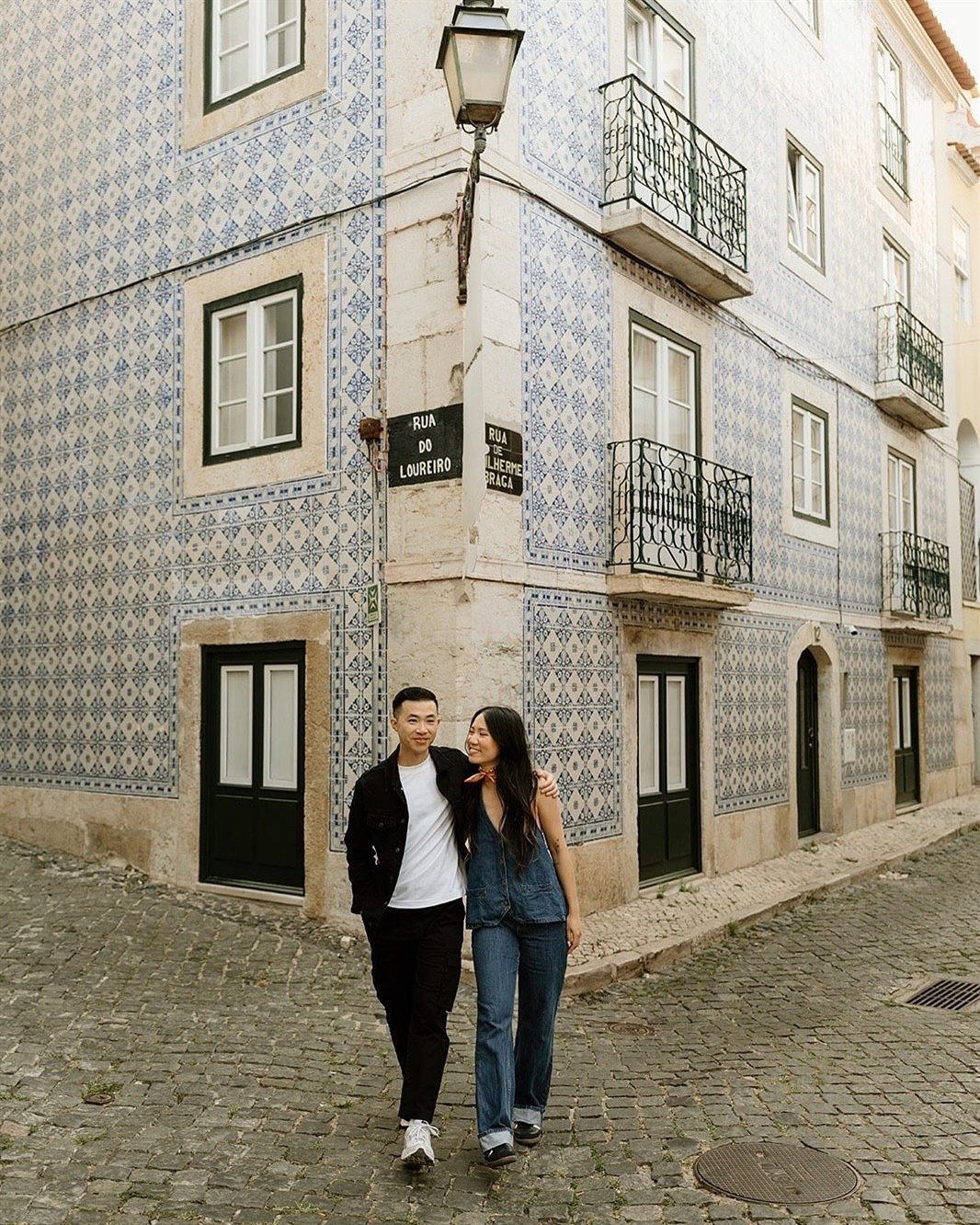
Private tours can take a good honeymoon and make it a great one, particularly if you're short on time. The obvious choices are a sunset sailing trip on the Tagus, a private guided day in Sintra, a food tour of Alfama and Mouraria, and wine tastings in the Alentejo or the Setúbal Peninsula. A private photographer for a short session in Alfama or at a viewpoint is a very nice option too, giving you professional shots of your honeymoon against some of the city's most iconic backdrops. If you're heading to Sintra, these photoshoot locations will help you choose the most romantic spots.
Practical Tips for a Honeymoon in Lisbon
A few practicalities will go a long way to making your trip to Lisbon much easier. It's a city of hills and cobblestones, so you'll need some very comfortable shoes with good grip. Public transport is excellent and very effective: the metro will get you to most of the city, the trams and buses will take you up the hills, and the trains will take you to Sintra and Cascais. Taxis and rideshares are everywhere and very cheap, so that's a very useful option if you're out at night or have a lot of luggage.

The historic funiculars in Lisbon have all been affected since the very serious accident on the Glória funicular in September 2025. The Glória line is still closed, and a completely new system is due in 2029. Some of the other historic lifts may also be out of action, so be sure to check their status before you go. The EU's Entry/Exit System, which records travelers' fingerprints and photos at the border, has been fully operational since April 2026. ETIAS is not yet required, but check official EU sources before you travel.
Every honeymoon story starts way before you even get on the plane. If your wedding is still to come, our complete guide to a destination wedding in Portugal is a great place to start, and you'll find real weddings, destination ideas, and wedding planning advice from couples and wedding professionals on Wezoree. It's where the inspiration for the wedding itself and the honeymoon that follows comes together.

FAQ
Is Lisbon good for a honeymoon?
Yes, Lisbon is a romantic, walkable city with historic quarters, great sunset views, excellent food, and a mild climate for most of the year. It's also close to beaches, palaces, and wine regions, so it's easy for a couple to mix coastal or countryside relaxation with plenty of city life.
How many days do you need for a honeymoon in Lisbon?
Three to four days is enough to see the highlights of Lisbon, and five to six days will get you to Sintra and Cascais as well. Within two weeks, you can combine the city with the coast, Comporta, and the Alentejo, or even add Porto, the Algarve, or Madeira.
What is the best month for a Lisbon honeymoon?
May, June, September, and early October are the best months, with warm, sunny weather and far fewer crowds than in July and August. Mid-June can get quite busy during the popular saints' festivals. Winter is the cheapest time of year and is a far quieter, more intimate time to visit.
Are Lisbon honeymoon packages worth it?
They can be, particularly if you're after a stress-free trip that covers several Portuguese destinations. It's worth comparing the package price with booking the hotel and tours separately, and checking the cancellation terms. If you mention your honeymoon when booking, many hotels will have something in store for you, such as an upgrade or a small gift.
Where should honeymooners stay in Lisbon?
Alfama is the place for historic character and fado. Chiado and Baixa are the most central. Príncipe Real is best for boutique style and a more relaxed atmosphere. If you're after a beach-resort vibe, Cascais or Estoril are the places to go, and you can get to Lisbon by train.