How to Select a Wedding Florist for Your Big Day


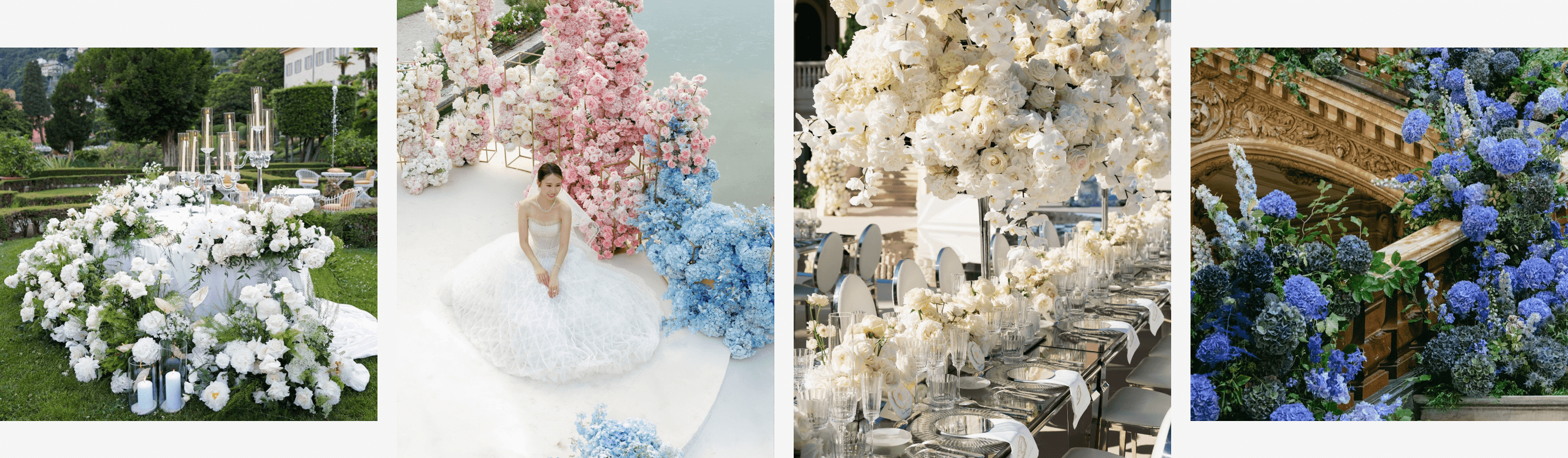
Knowing how to select a wedding florist comes down to three things: having a clear idea of the style you want, being honest about your budget, and choosing a florist whose previous work resembles your desired wedding aesthetic. Flowers are present throughout the day, from the bouquet you carry to the arch behind the vows and the centerpieces around which guests sit for hours. The right florist will turn your ideas into a plan that works with your venue, the season and your schedule. This guide takes you through the selection process step by step, lists the questions worth asking, and highlights the warning signs to look out for before signing a contract.
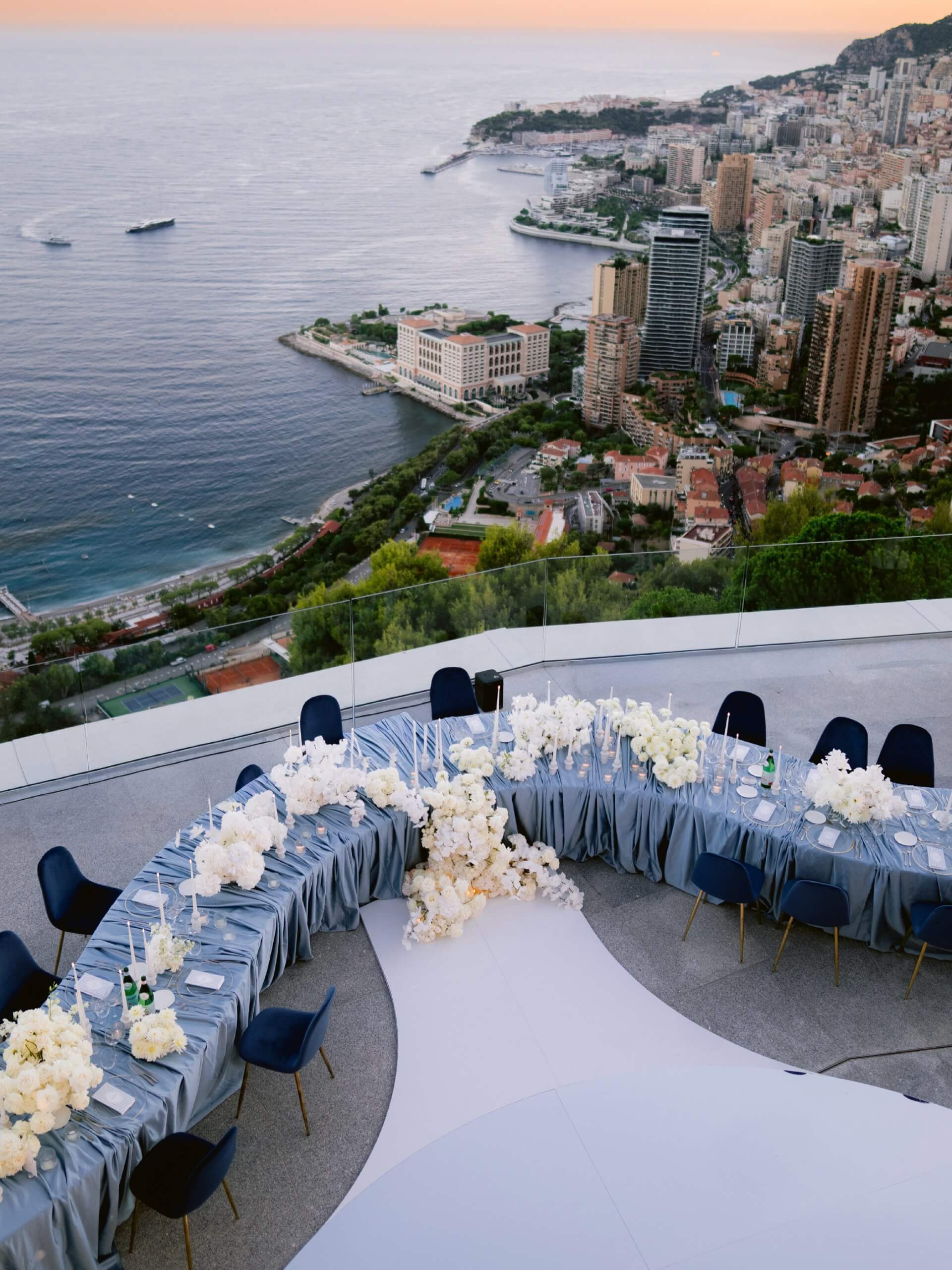
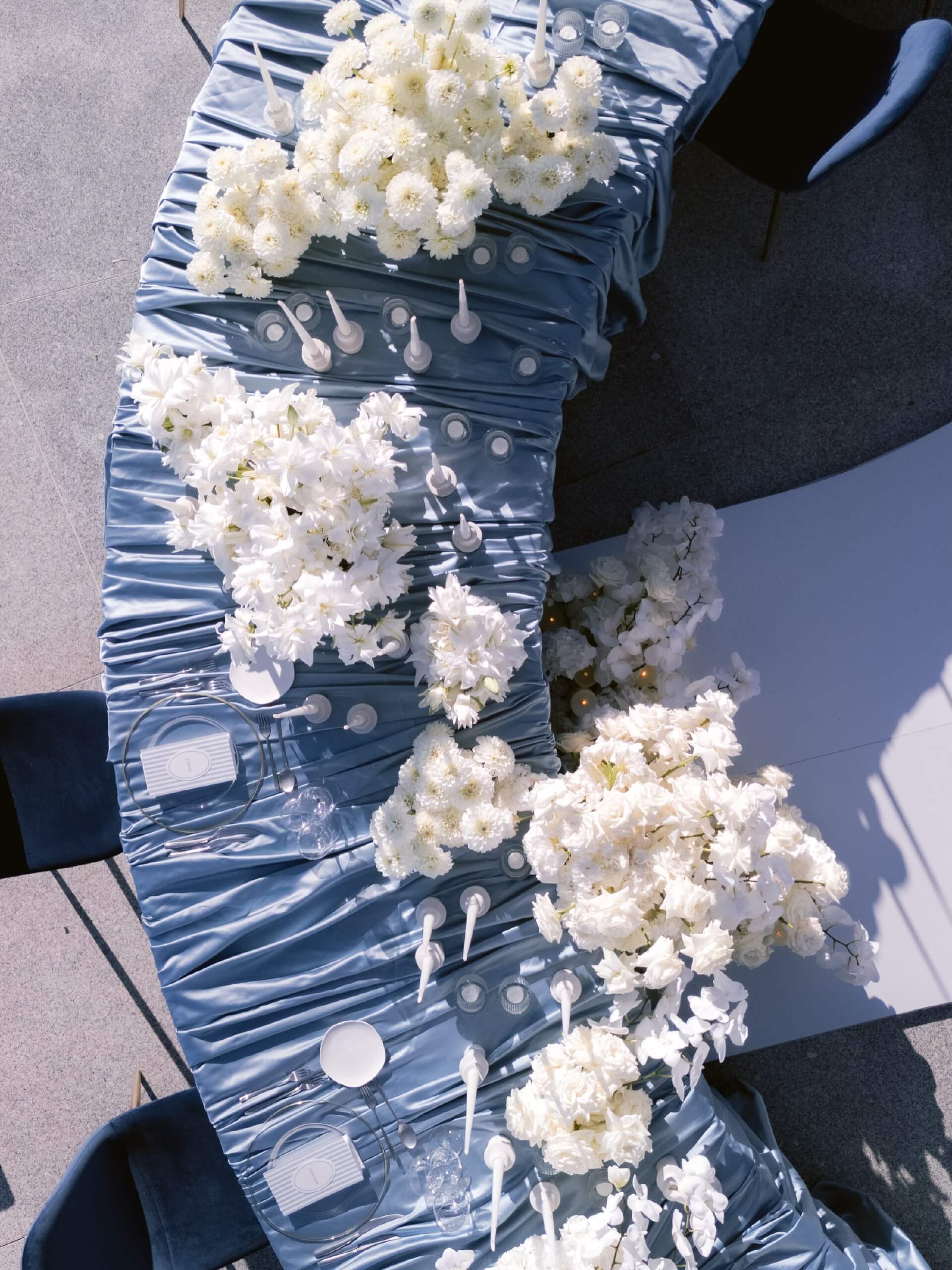
It is also worth noting that flowers are one of the few wedding details that cannot be fully tested in advance. While you can taste the menu and try on the dress, most floral arrangements are only put together in the days before the wedding using flowers that were ordered weeks earlier. This makes placing your trust in your florist's judgment especially important, since they will be making small decisions on your behalf, such as when a bloom arrives in a slightly different shade. A florist who understands your taste can make adjustments without compromising the overall look. Making the right choice at the outset saves time, money and worry in the final weeks.
Find Your Perfect Wedding Vendors

How to Select a Wedding Florist Step by Step
The easiest way to select a wedding florist is to work from the inside out. First, define your style and budget, then search, shortlist, meet and book. Starting with your priorities will prevent you from being tempted by a beautiful portfolio that does not match your venue or price range. Most couples start looking for a wedding florist nine to twelve months before the wedding, once the date and venue have been confirmed. Popular florists can book up even earlier for Saturday weddings in busy months. The four stages below cover the entire process, from creating a mood board to signing a contract.
Define Your Floral Style
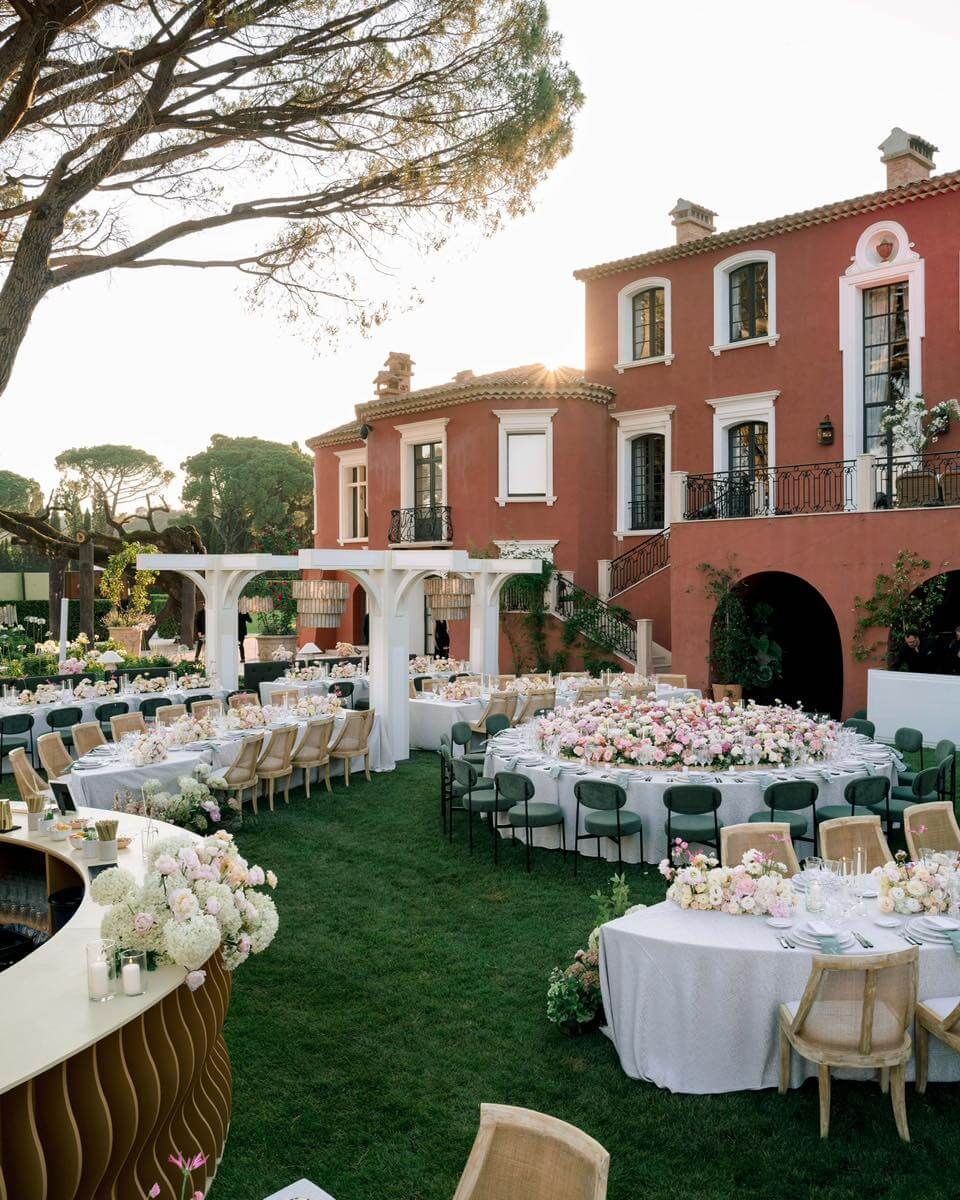
Your choice of flowers should be influenced by the venue, the season and the overall mood of the wedding. For example, a romantic garden wedding might call for loose, airy arrangements with trailing greenery, whereas a black-tie ballroom wedding would suit more structured designs with a limited color palette. Collect 15-20 images of flowers you love and look for patterns in the colors, shapes and types of flowers used. Add photos of your dress, the venue and the bridesmaids' dresses, as florists base their designs on these. It is also useful to know what you dislike, so make a note of any flowers or colors you want to avoid.
Set a Realistic Flower Budget
A realistic flower budget depends on your guest count, the number of tables, and how much installation work you want. Many planners recommend setting aside 8-10% of your total wedding budget for flowers, although large installations may increase this figure. Remember to factor in delivery, setup, teardown, taxes, and any rental items, such as vases or arches.
These behind-the-scenes costs often surprise couples. As akebia Exklusive Wedding & Flower Design explains,
 When it comes to floral arrangements, people often forget about all the work that goes into it before and after the big day, and at first they're a bit taken aback by the cost of the floral decorations - because there's so much more to it than just flowers.
.jpg)
.jpg)
The team also points to seasonality as a key factor: "It's very difficult to give a specific price, since every couple has different ideas and the amount of flowers can vary greatly. However, one factor that's very important when it comes to pricing is whether the flowers are in season or if they're exotic." The type of florist you hire will also affect the budget, as shown in the table below.
| Florist type | What is included | Typical total budget | Best for |
|---|---|---|---|
| Full-service floral designer | Concept, installations, setup and teardown | $5,000 and up | Large or design-led weddings |
| Traditional florist | Bouquets, boutonnieres and centerpieces | $1,500-5,000 | Classic weddings with simple decor |
| DIY with wholesale flowers | Flowers only, no design or labor | $500-1,500 plus your time | Small, relaxed weddings |
Typical prices for individual pieces help you to check quotes. For example, a bridal bouquet usually costs between $150 and $350, a bridesmaid bouquet between $65 and $125, and a boutonniere between $15 and $35. Centerpieces typically cost between $75 and $250 each, while a floral ceremony arch can cost anywhere from $500 to $2,500. Seasonal and locally grown flowers are often more affordable than imported blooms. Ask each florist for an itemized quote so that you can see exactly where the money is going and which items you can scale back if needed. As FloraLUXE explains,
The lowest quote is not necessarily the most comparable one, so couples should look at exactly what is included: the flowers and quantities, vessels and mechanics, delivery, installation, dismantling, team size and any additional logistics.
Find and Shortlist Florists
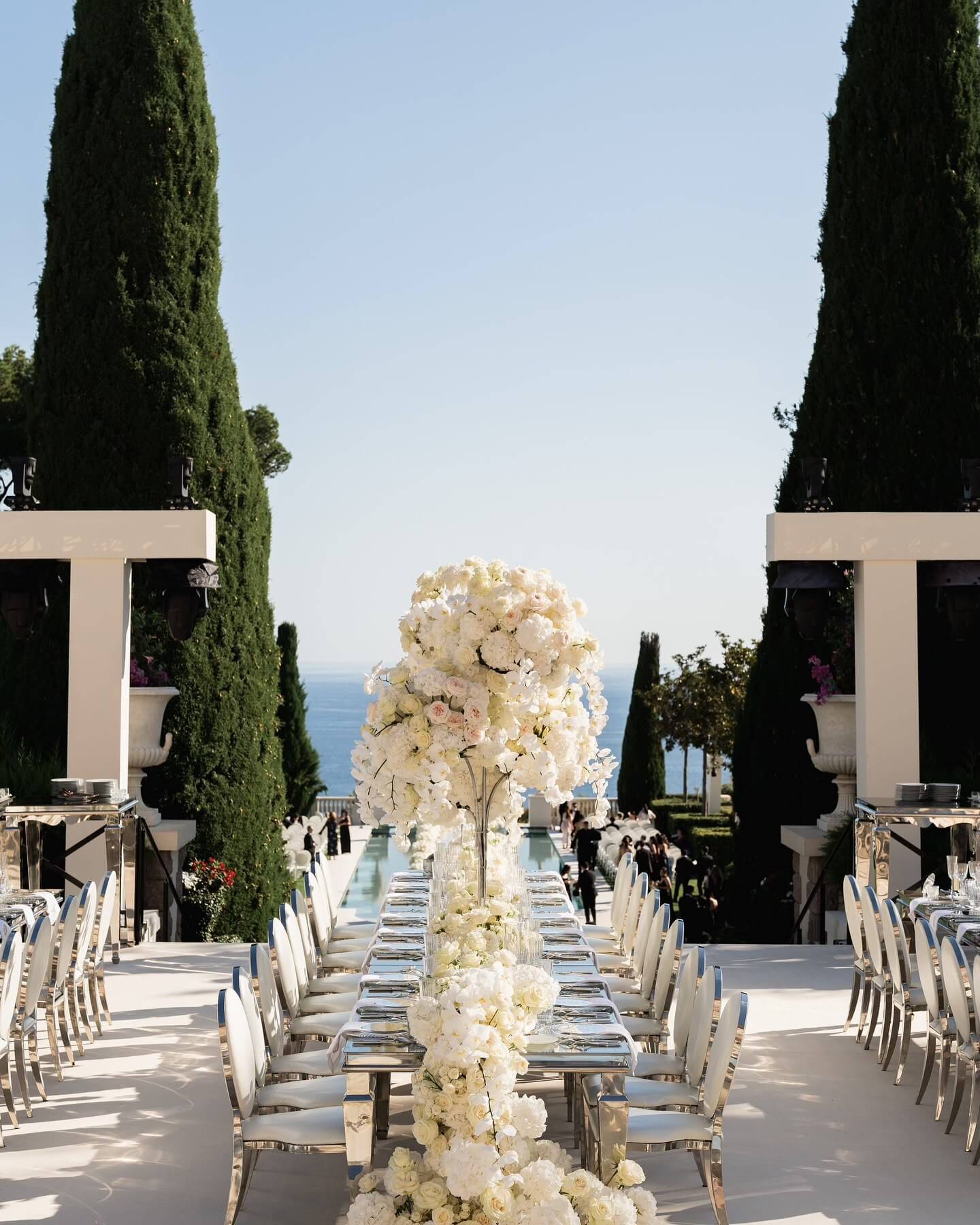
It's easier to find a wedding florist when you use several sources at once. Start by asking your venue for a list of recommended vendors, as these florists will already be familiar with the venue, including the loading access and rules. Ask recently married friends and your planner for recommendations, and search vendor platforms and social media to find local florists. Look beyond styled shoots and ask to see examples of full real weddings, including centerpieces and ceremony arrangements. FloraLUXE recommends looking for
complete real weddings: bouquets, ceremony, cocktail hour, dinner tables and the overall transformation of the venue.
Compile a shortlist of three or four florists whose portfolios match your style and whose typical budgets fit yours. Atelier Aimer adds:
Choose a florist because you love their style, universe and portfolio, and fully trust them to do their thing around your vision, rather than asking a florist to adapt to your vision if their style is not in line with it.
Meet, Compare and Book
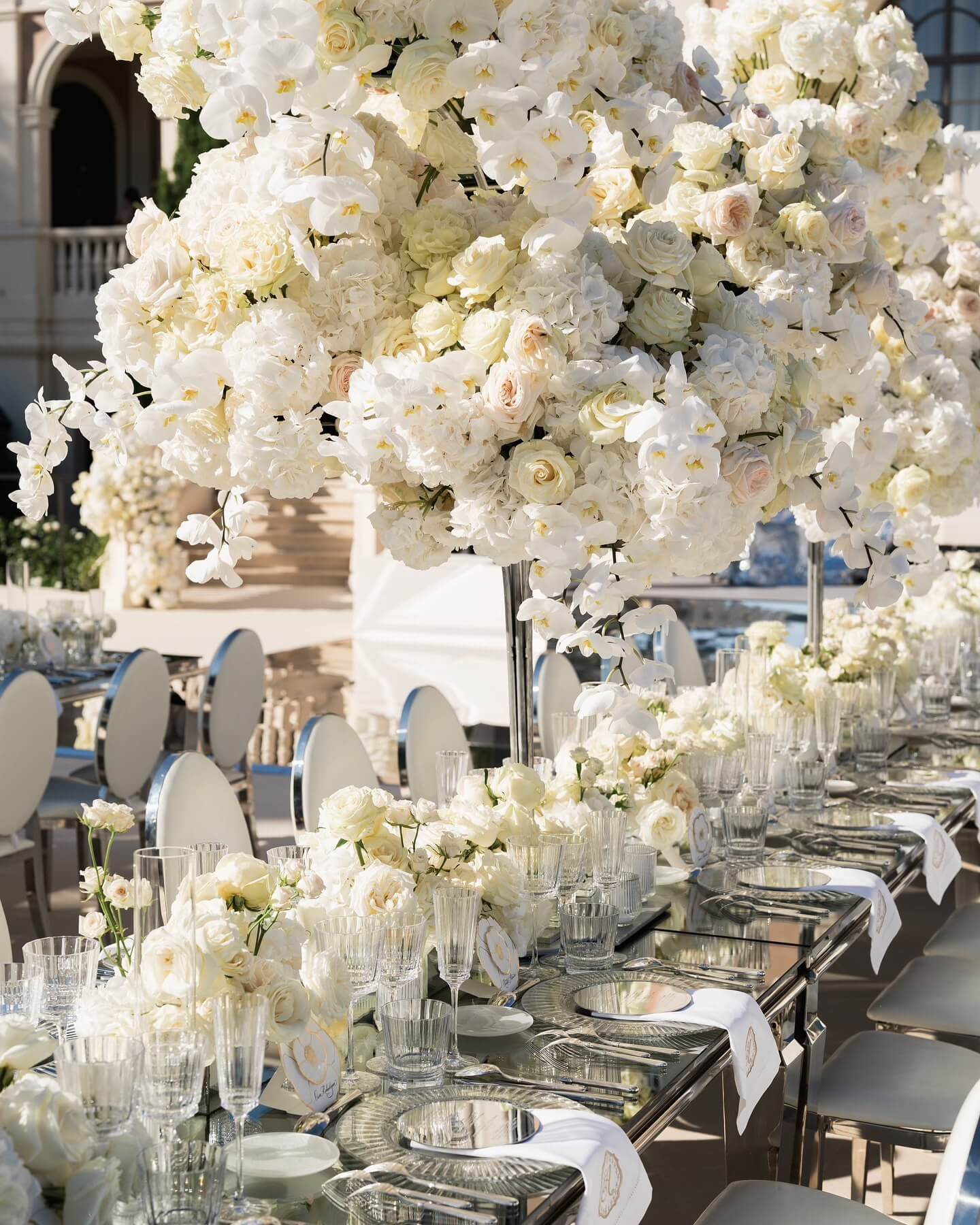
Meeting with florists in person or via video call allows you to assess their listening skills and determine if they understand your vision. Distance is rarely a problem, as Atelier Aimer notes:
A video consultation is totally OK, and if the client requires a mock-up, it can be photographed or filmed, so no problem!
Bring along inspiration images, your color palette, the number of guests and your budget, and then let the florist suggest ideas. A good florist will advise you on which flowers are in season, where you can save money, and which requests are unrealistic. After each consultation, ask for a detailed written proposal so you can compare quotes line by line. La Blonde et Le Barbu adds a note of caution:
A floral proposal is not simply a list of flowers, so comparing line by line rarely tells the whole story. Scale, density, mechanics, logistics, staffing and installation all matter, but so do experience, creative direction and the quality of the service behind it.
Chemistry matters just as much as the proposal itself. akebia Exklusive Wedding & Flower Design sees a lack of rapport as one of the biggest mistakes couples make, saying that
It's so important that the chemistry is right first and foremost - and then the business side of things.
If you do not feel comfortable with a florist during the consultation, that feeling is unlikely to improve closer to the wedding. Once you have made your choice, read the contract carefully, checking the deposit, payment schedule, cancellation terms and substitution policy before signing.
Questions to Ask When Choosing a Wedding Florist
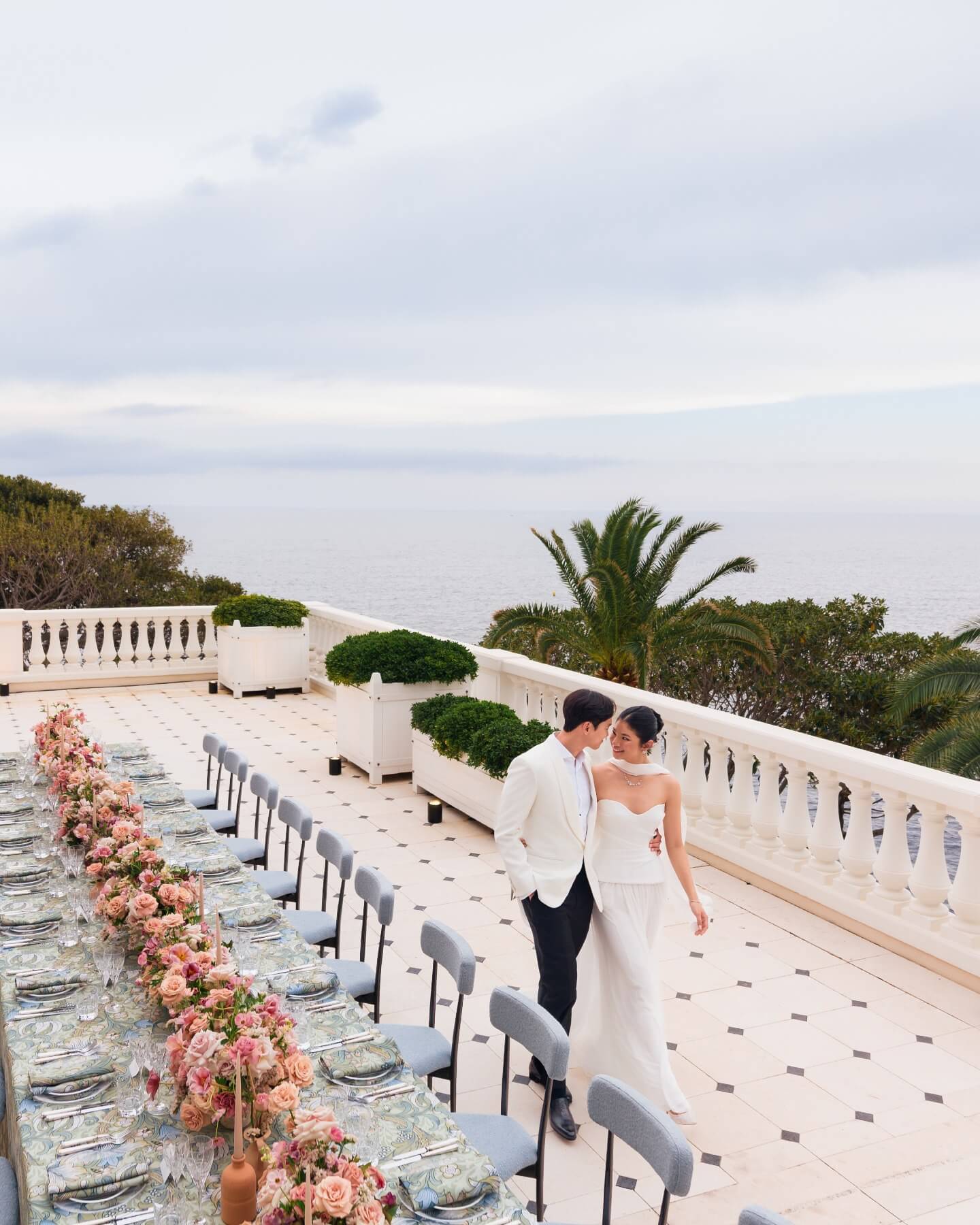
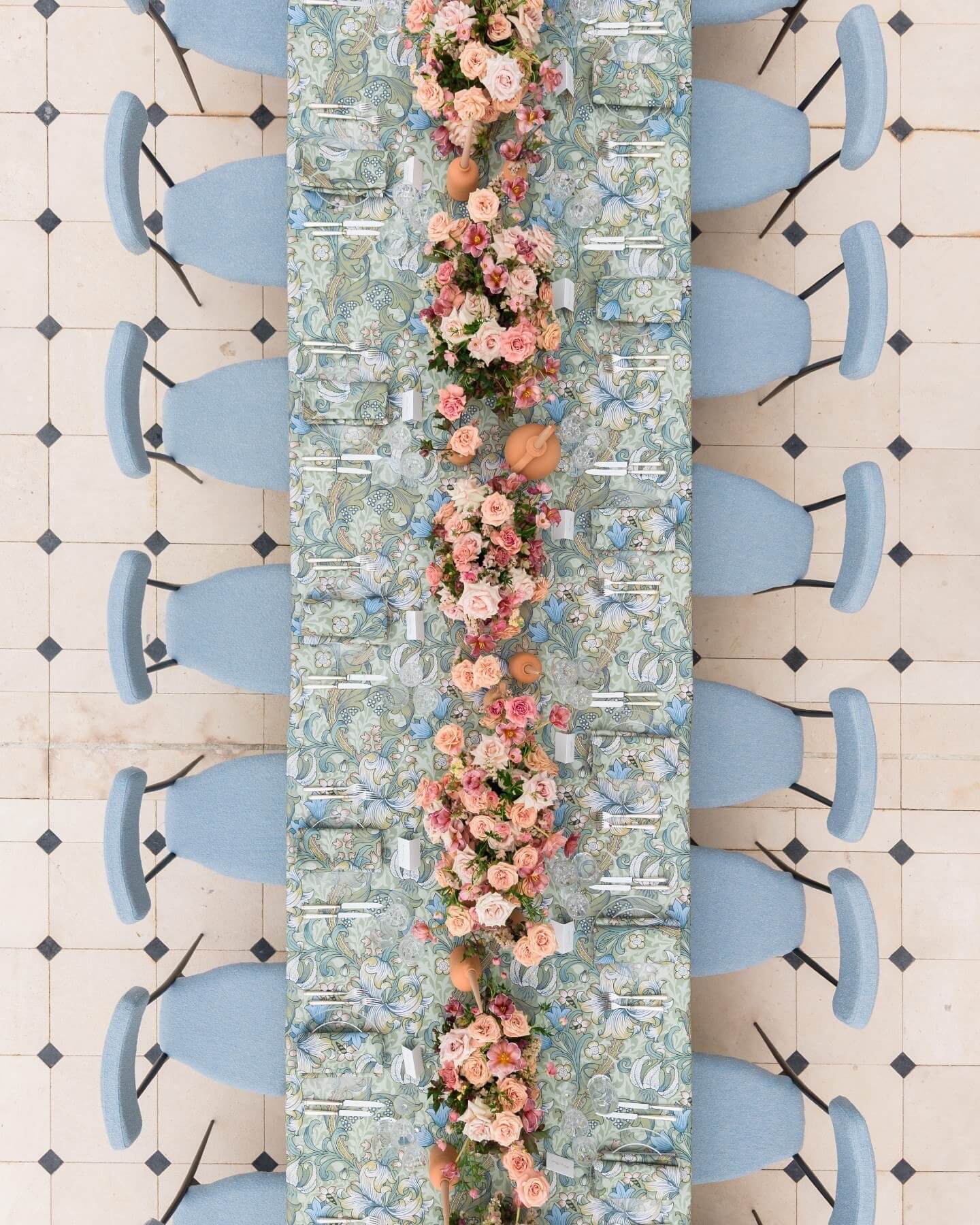
Asking the right questions can help you to assess a florist's experience, flexibility and professionalism before you commit. Using the same set of questions at every consultation makes it easier to compare the answers. La Blonde et Le Barbu suggests starting with a question for yourself:
Beyond budget and availability, we believe couples should ask themselves whether there is a real feeling and sense of trust with their floral designer.
Take notes during each meeting because details can become blurred after several consultations. These questions cover the essentials:
- How many weddings do you take on in a day or weekend?
- Have you worked at my venue before, and are you familiar with its setup rules?
- Which flowers will be in season on my wedding date?
- What happens if a flower I choose is unavailable, and how would you handle the substitution?
- Who will be on site for delivery and setup, and how long will this take?
- Is teardown included, and what happens to rented vases and stands?
- Can the arrangements used for the ceremony be moved to the reception?
- What is included in the quote, and what might cost extra?
- How much is the deposit, and when is the final payment due?
- Can I see photos of a real wedding you have designed from start to finish, rather than just a styled shoot?
- Do you provide a mock-up of the centerpiece or bouquet before the wedding?
- How do you keep bouquets and boutonnieres fresh on a hot day?
- Can you preserve the bridal bouquet after the wedding, or can you recommend someone who can?
- Do you source flowers locally, and can you suggest any seasonal alternatives to reduce costs?
- Are you insured, and can you provide a certificate if the venue requires one?
- What is the latest date on which quantities or colors can be changed without incurring extra fees?
The answers to these questions are as important as the portfolio. FloraLUXE also recommends asking
how involved they will be personally in the design process, and what is included from the initial consultation through to installation and dismantling.
A florist who answers clearly, puts terms in writing, and admits what they cannot do is usually easier to work with than one who makes empty promises. Pay attention to how quickly they respond to follow-up emails, as this often reflects how communication will work closer to the wedding. If two florists quote very different prices for a similar list, ask each one to explain the difference before making a decision.

How to Choose a Florist for the Wedding Reception
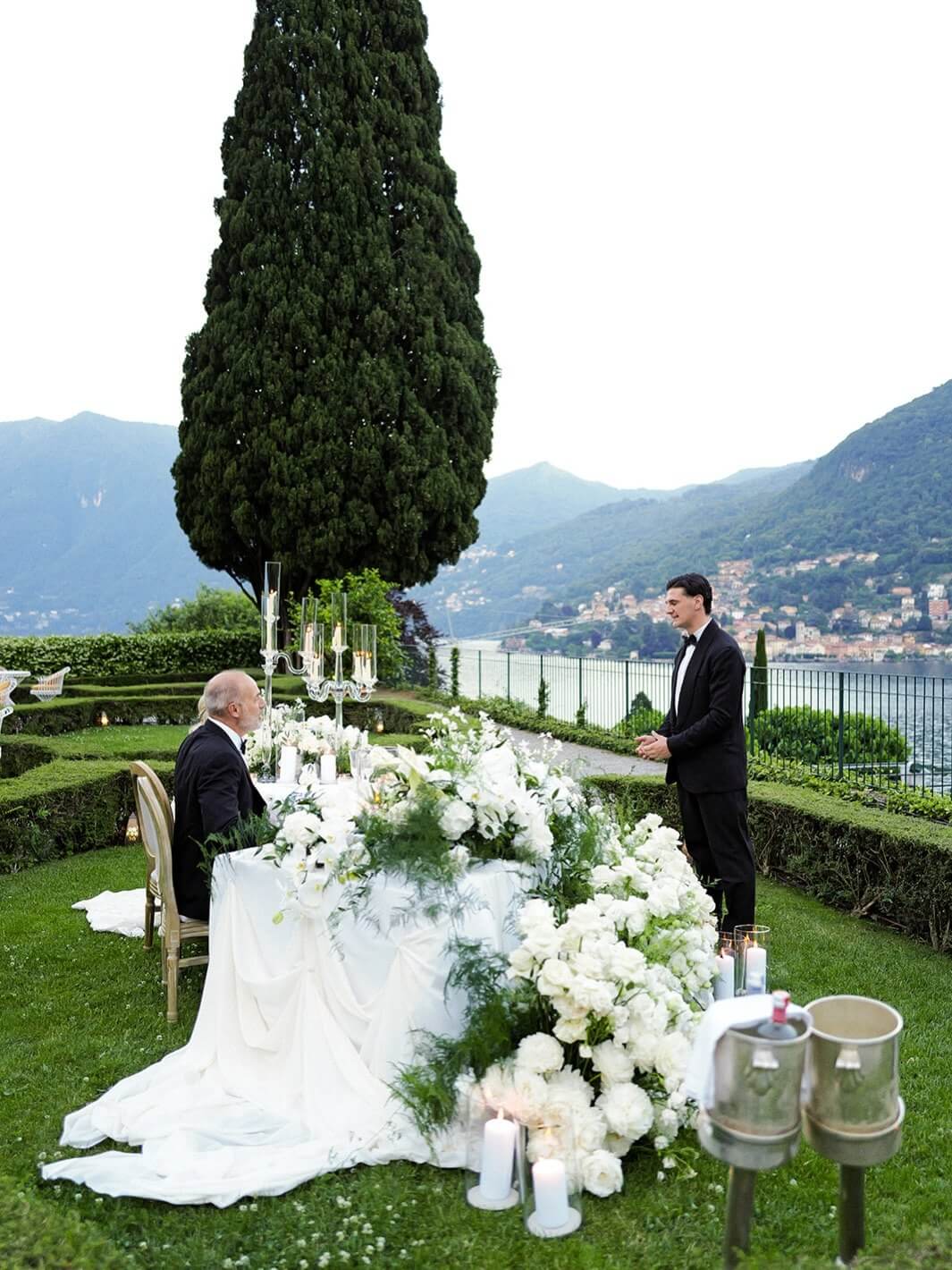
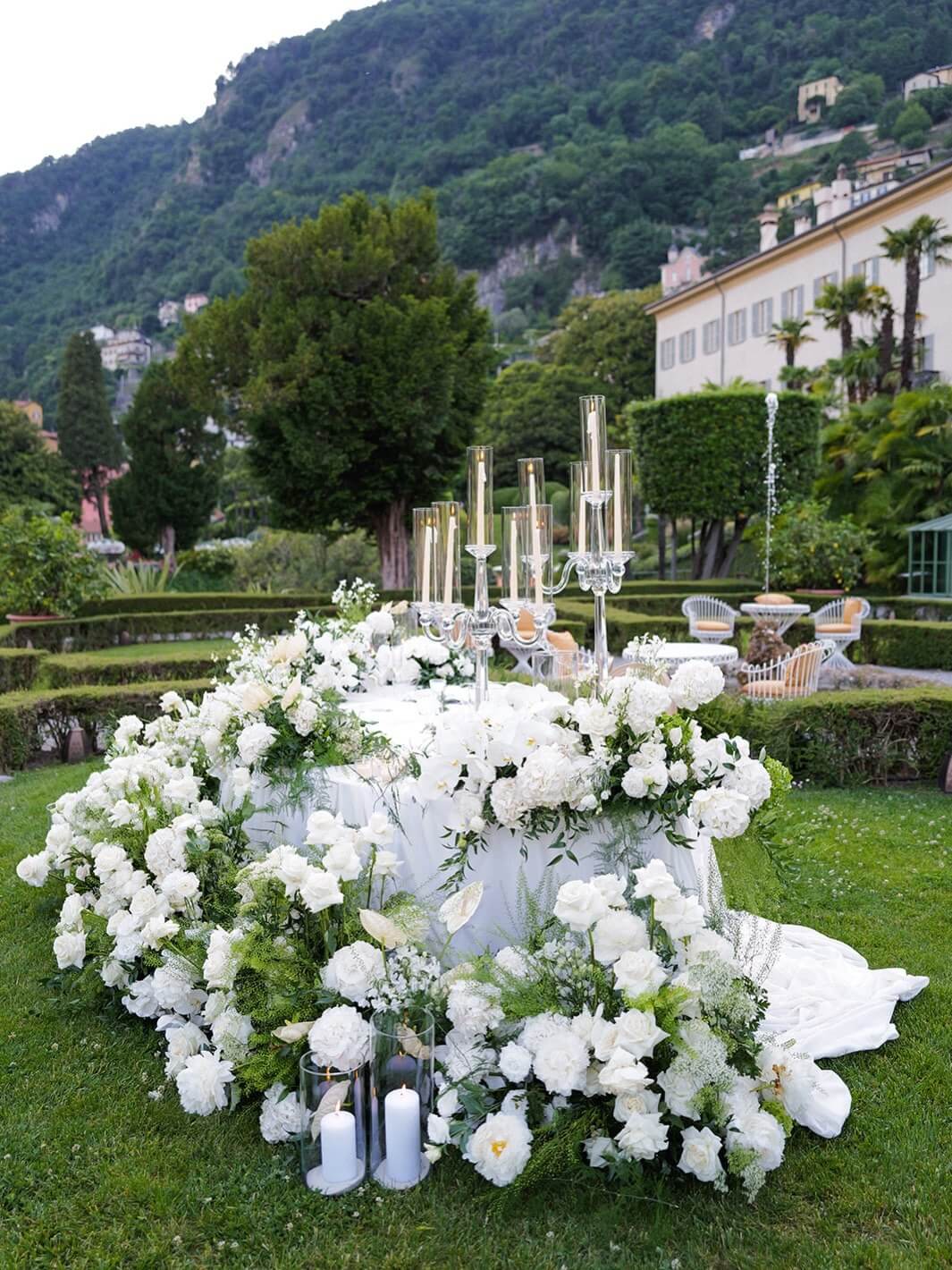
When choosing a florist for your wedding reception, consider their experience with tablescapes, large spaces, and quick turnarounds. Reception flowers are viewed up close for several hours, so quality and freshness are more important than at the ceremony, where arrangements are usually seen from a distance. It is also important to check that the florist can work within the venue's timings and rules. The reception usually accounts for the largest portion of the flower budget due to the number of tables.
Centerpieces and Table Design
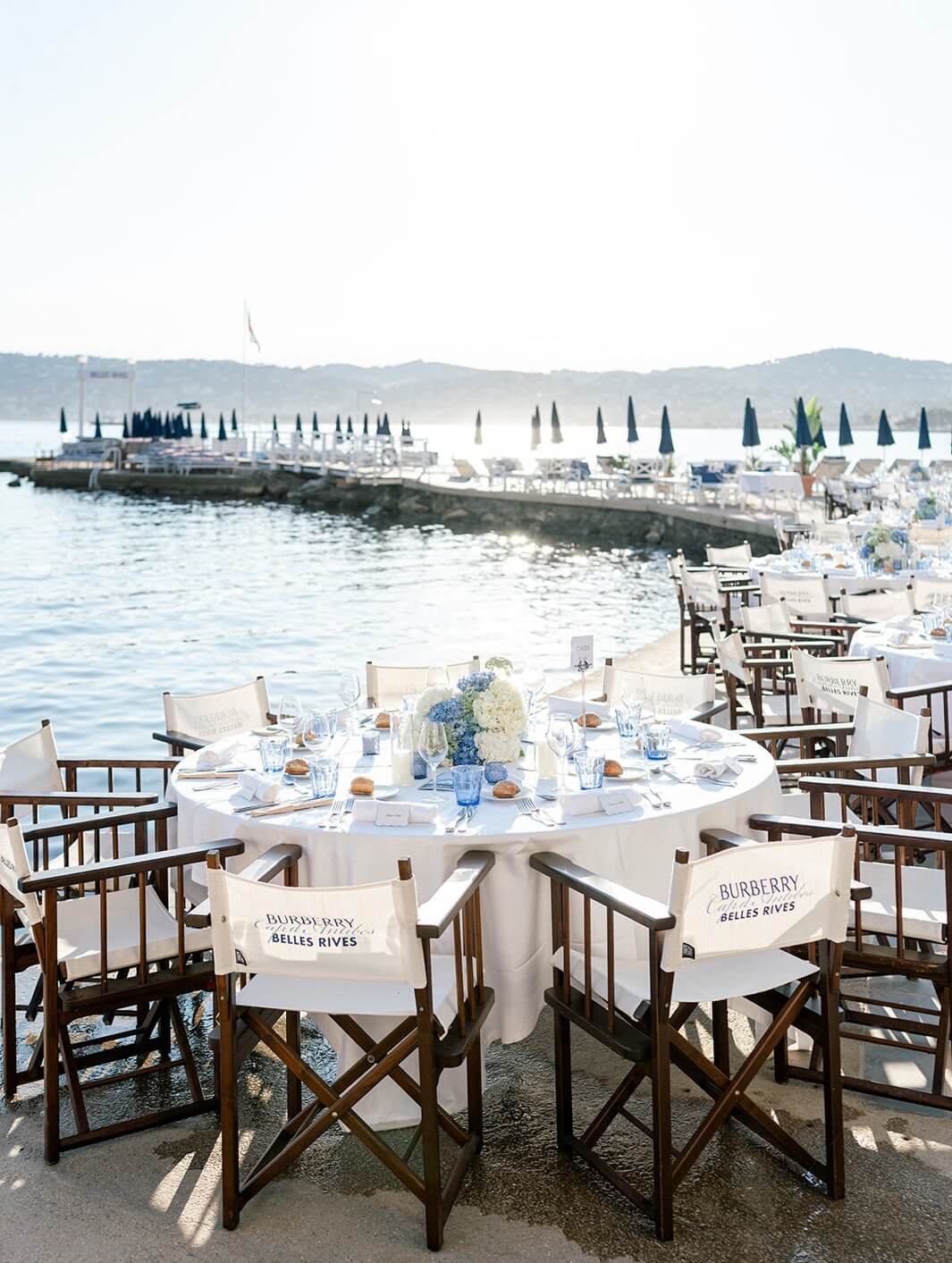
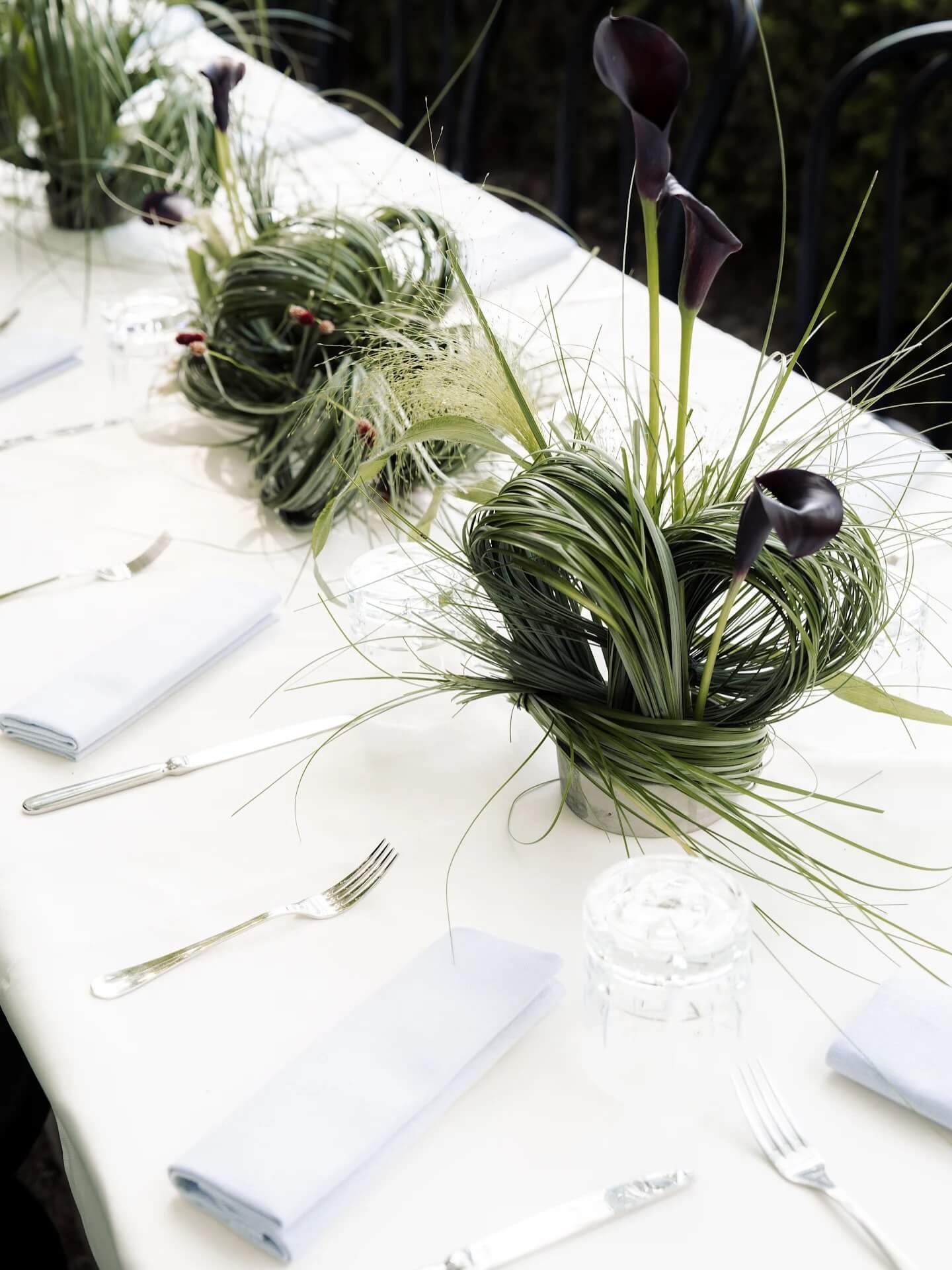
Centerpieces set the tone for the reception, so ask to see examples in rooms of a similar size to yours. Low arrangements make it easy to hold a conversation across the table, while tall ones create a dramatic effect in rooms with high ceilings. A good florist will suggest a variety of heights and styles to avoid repetition and balance the budget. Candles, bud vases, and greenery runners can be used to fill space at a lower cost than full arrangements. Ask for a sample centerpiece at your final meeting to check colors and scale before the wedding.
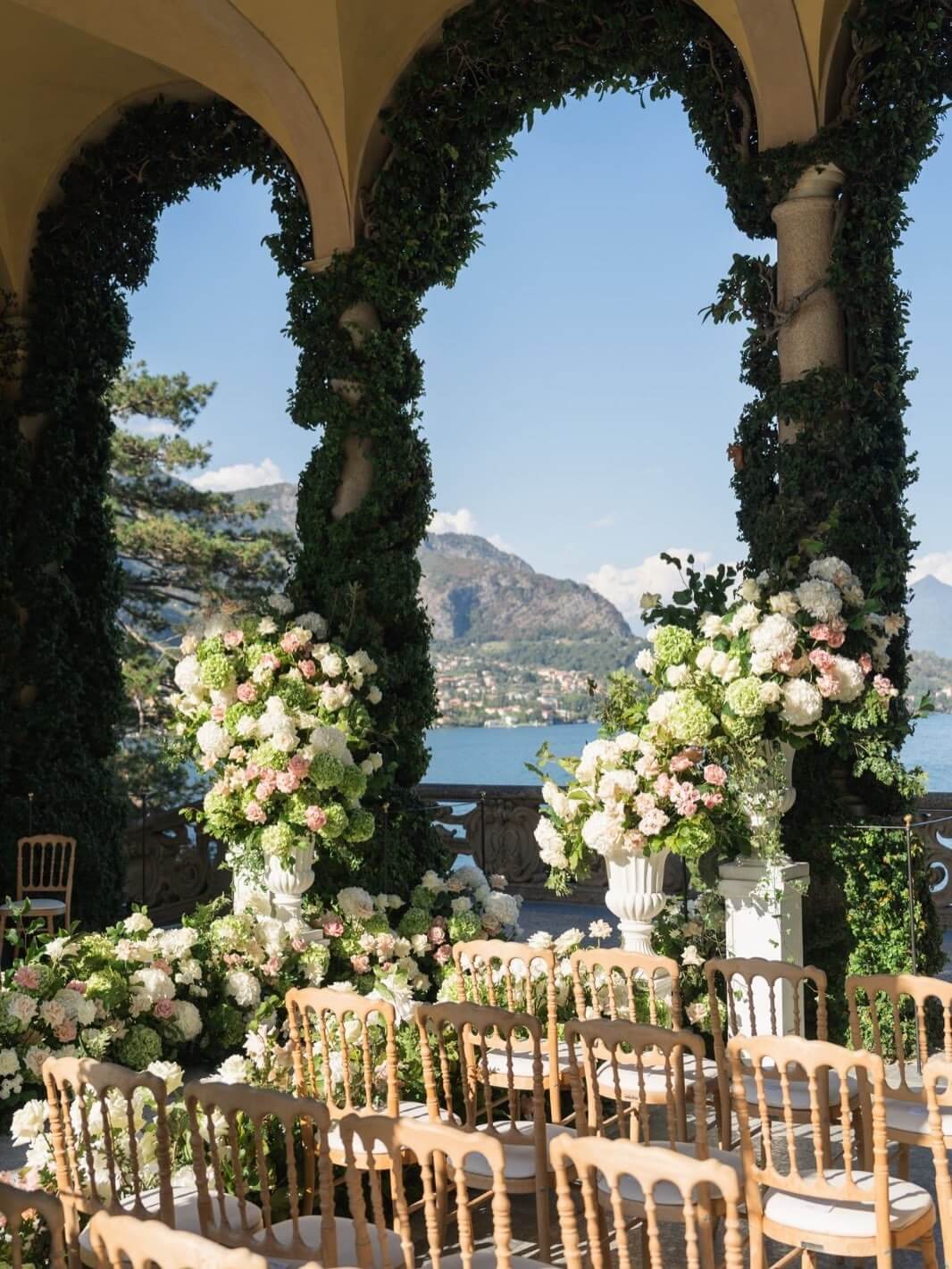
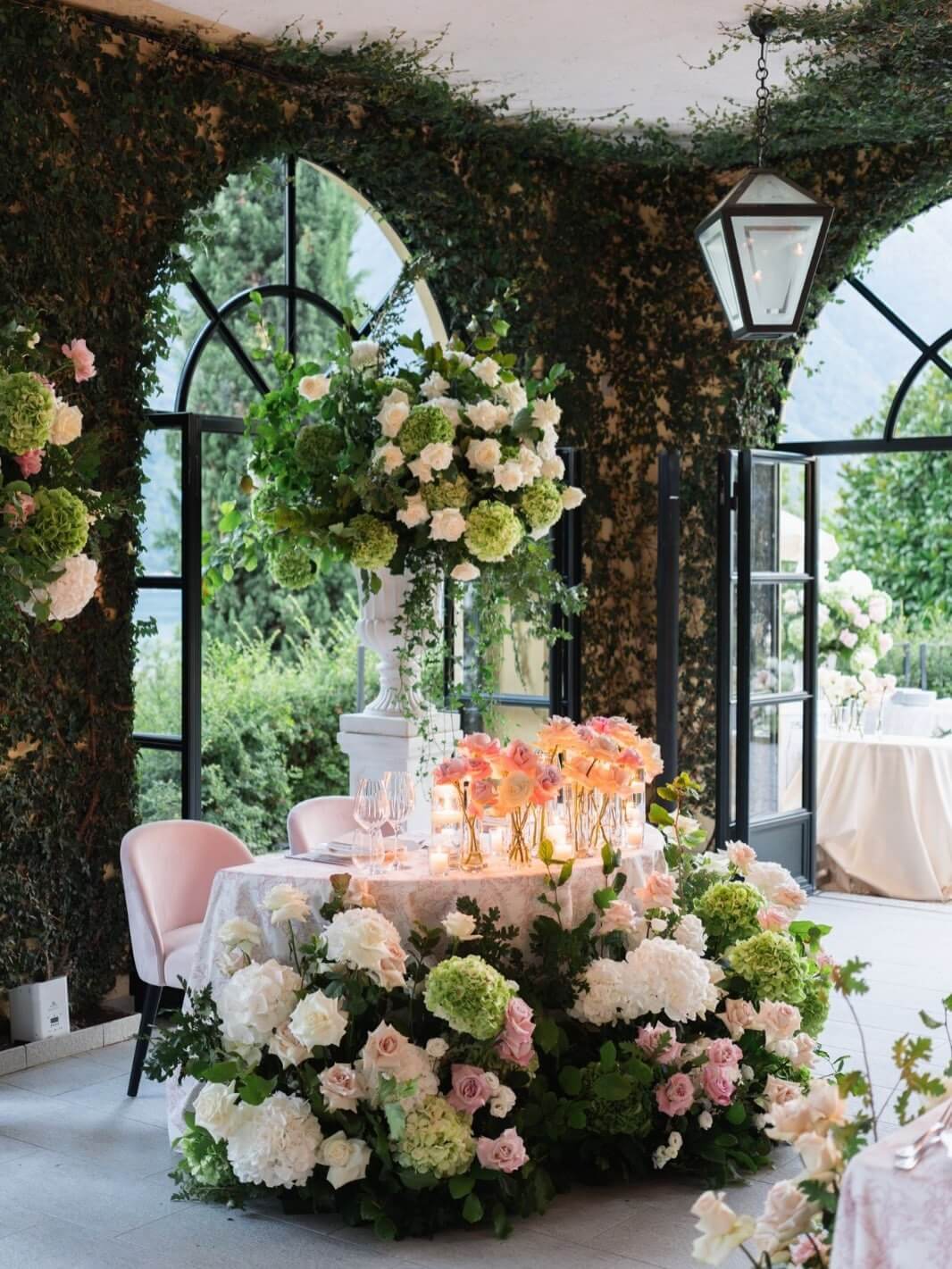
Venue Rules, Setup and Teardown
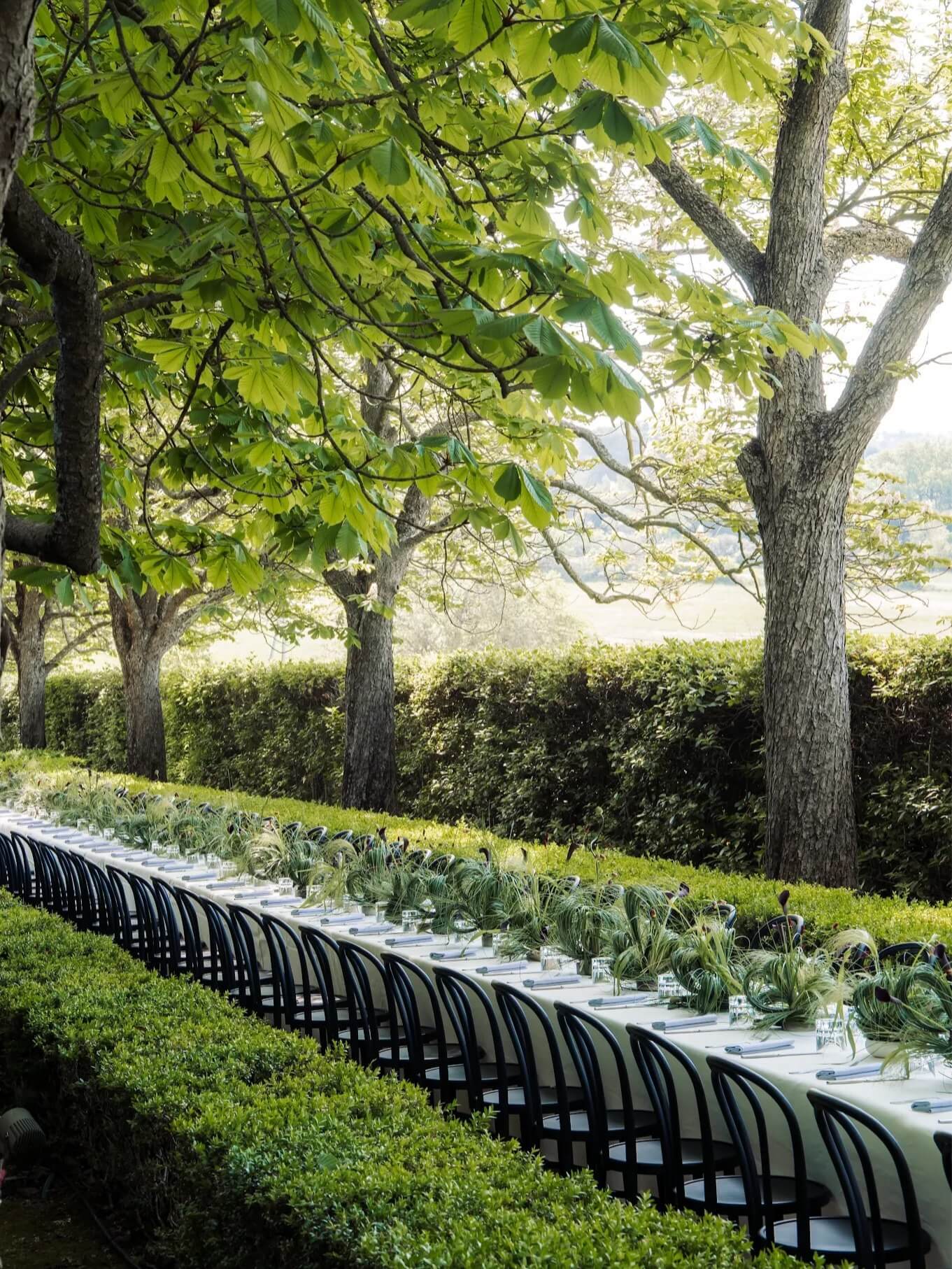
Venue rules often dictate what your florist can and cannot do at the reception. Some venues limit open flames, hanging installations or setup times, while others require insurance certificates from every vendor. Atelier Aimer advises extra caution with "everything that includes flowers in full sun," explaining:
It's obviously difficult for the flowers, but also for the guests and the couple, and it implies a tighter timeline for pretty much everything.
Find out when the florist can access the room, how long the setup will take, and who will remove the flowers at the end of the night. If the ceremony and reception are in the same place, ask if arrangements can be moved between spaces during the cocktail hour. Having clear answers to these questions will prevent surprise fees and last-minute stress.
Red Flags When Picking a Wedding Florist
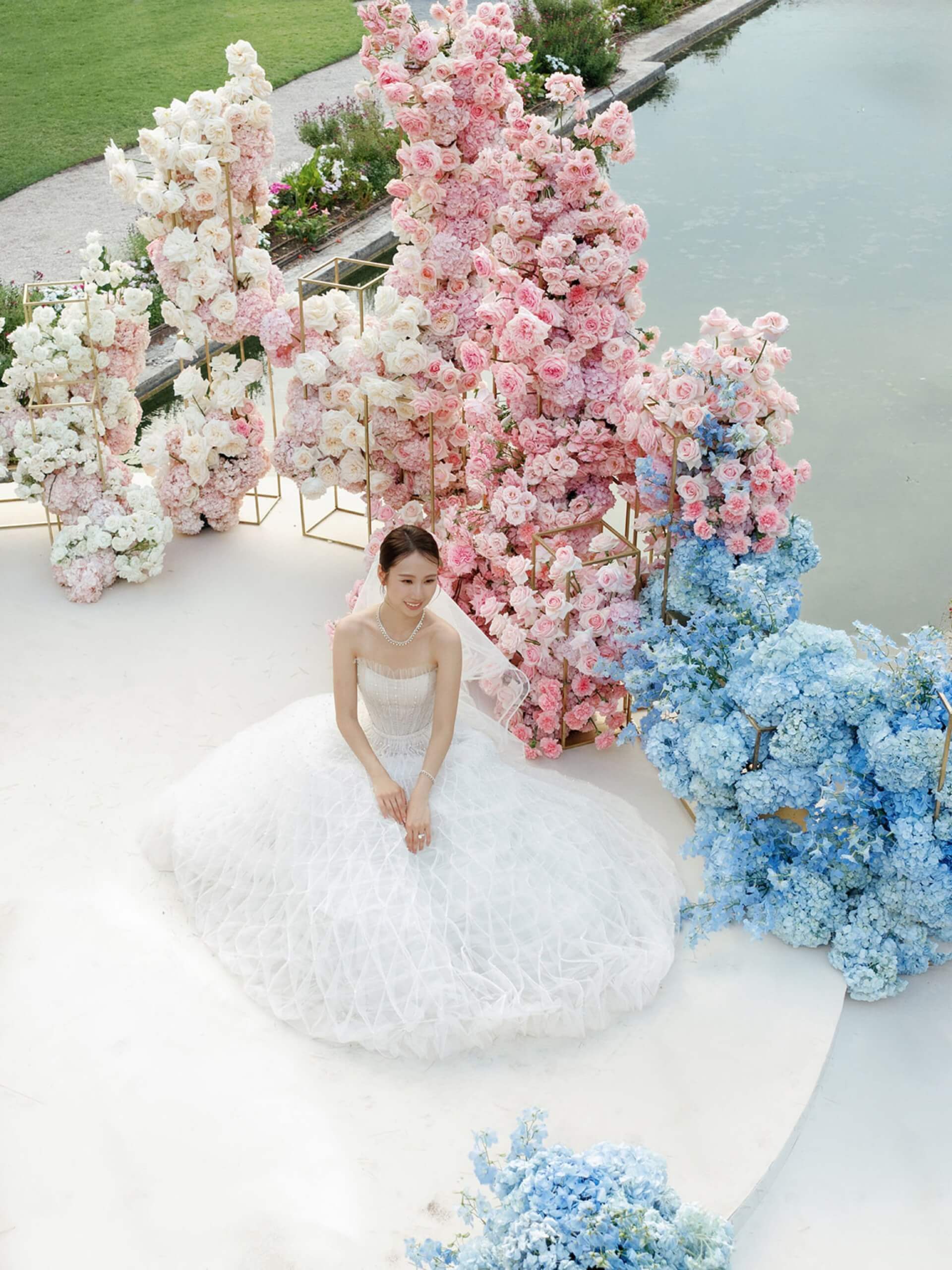
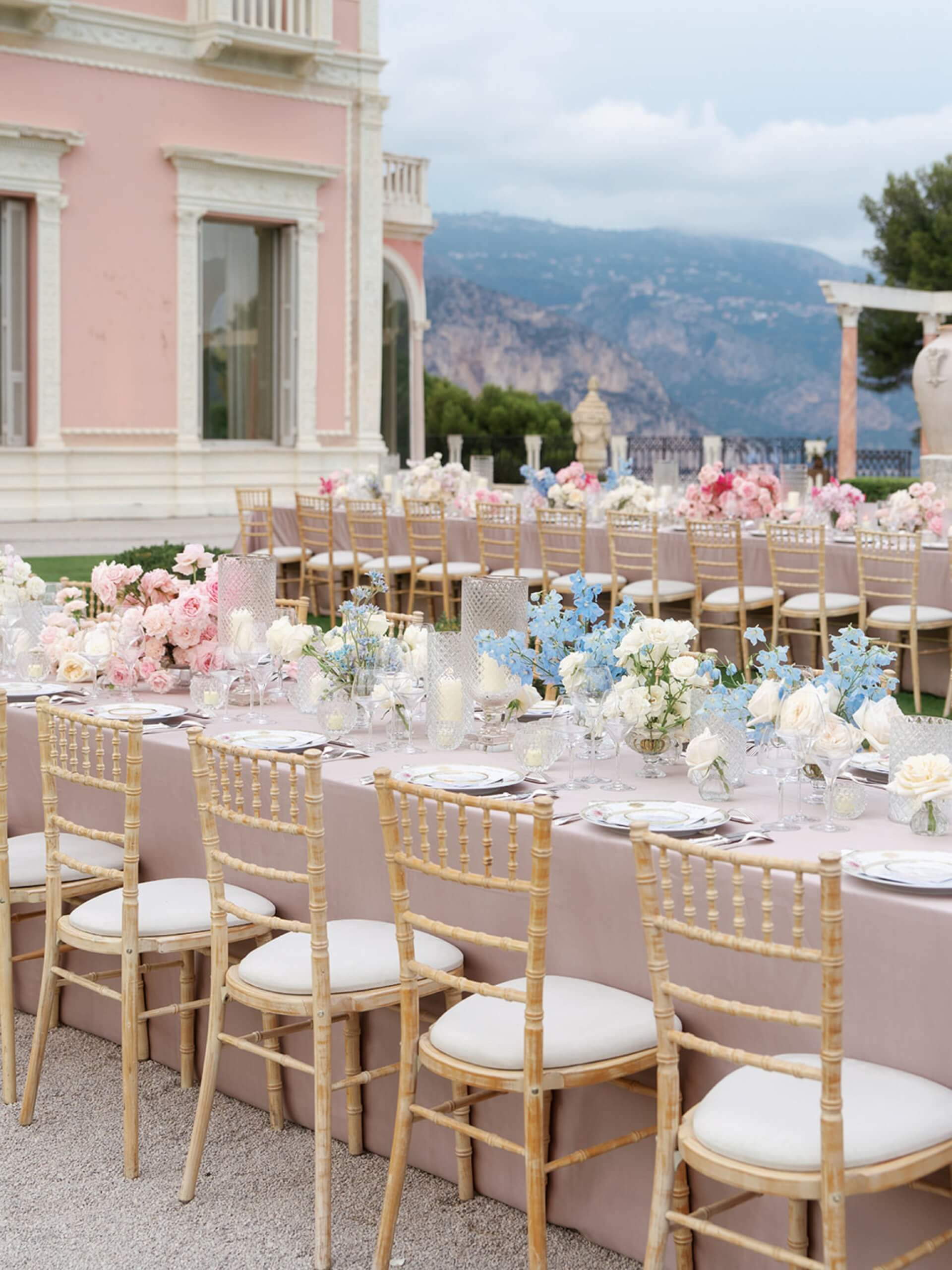
The biggest red flags when choosing a florist are vague quotes, poor communication, and a portfolio that doesn't feature any real weddings. As La Blonde et Le Barbu advises,
Look at complete weddings rather than isolated beautiful arrangements.
Knowing how to pick a wedding florist also means recognizing when to walk away, even if their flowers look beautiful online. Be wary of florists who refuse to provide written details or pressure you into signing immediately. Look out for these warning signs:
- No contract, or a contract without a clear list of arrangements
- Portfolios consisting only of styled shoots, with no real wedding photos
- Slow or inconsistent replies during the booking stage
- Unusually low quotes with no explanation of flower quantities
- No clear policy on substitutions, delivery or teardown
- Pressure to pay the full amount upfront, long before the wedding
- Reluctance to share references or reviews from past clients
- Promising any flower in any season without mentioning cost or availability
- Dismissing your ideas instead of adapting them to your budget
- No backup plan in case they fall ill or a delivery is delayed
- Consistently late or rescheduled consultations
If you notice two or more of these signs, it is usually safer to keep looking, even if the right florist costs a little more.
Working With Your Florist After Booking
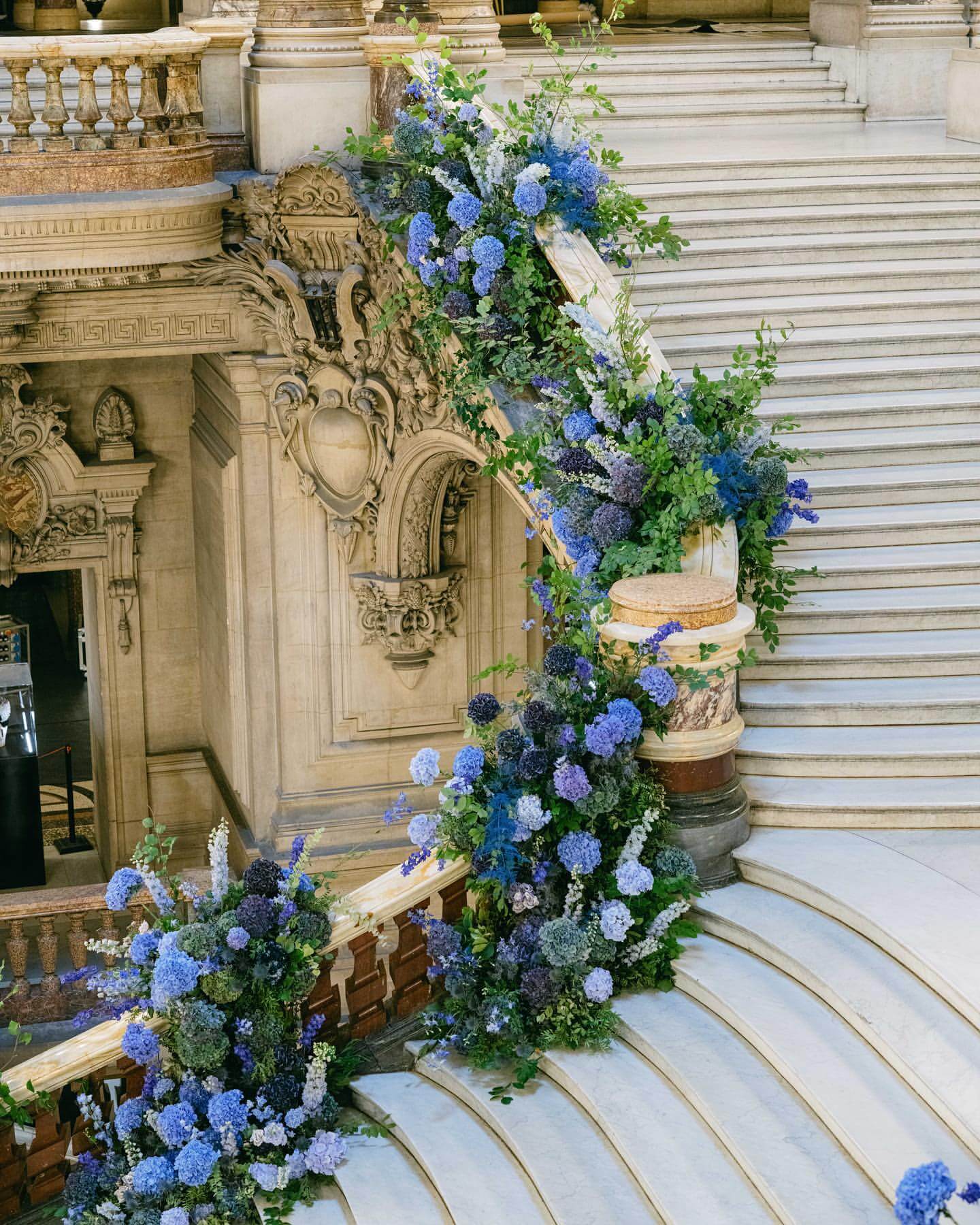
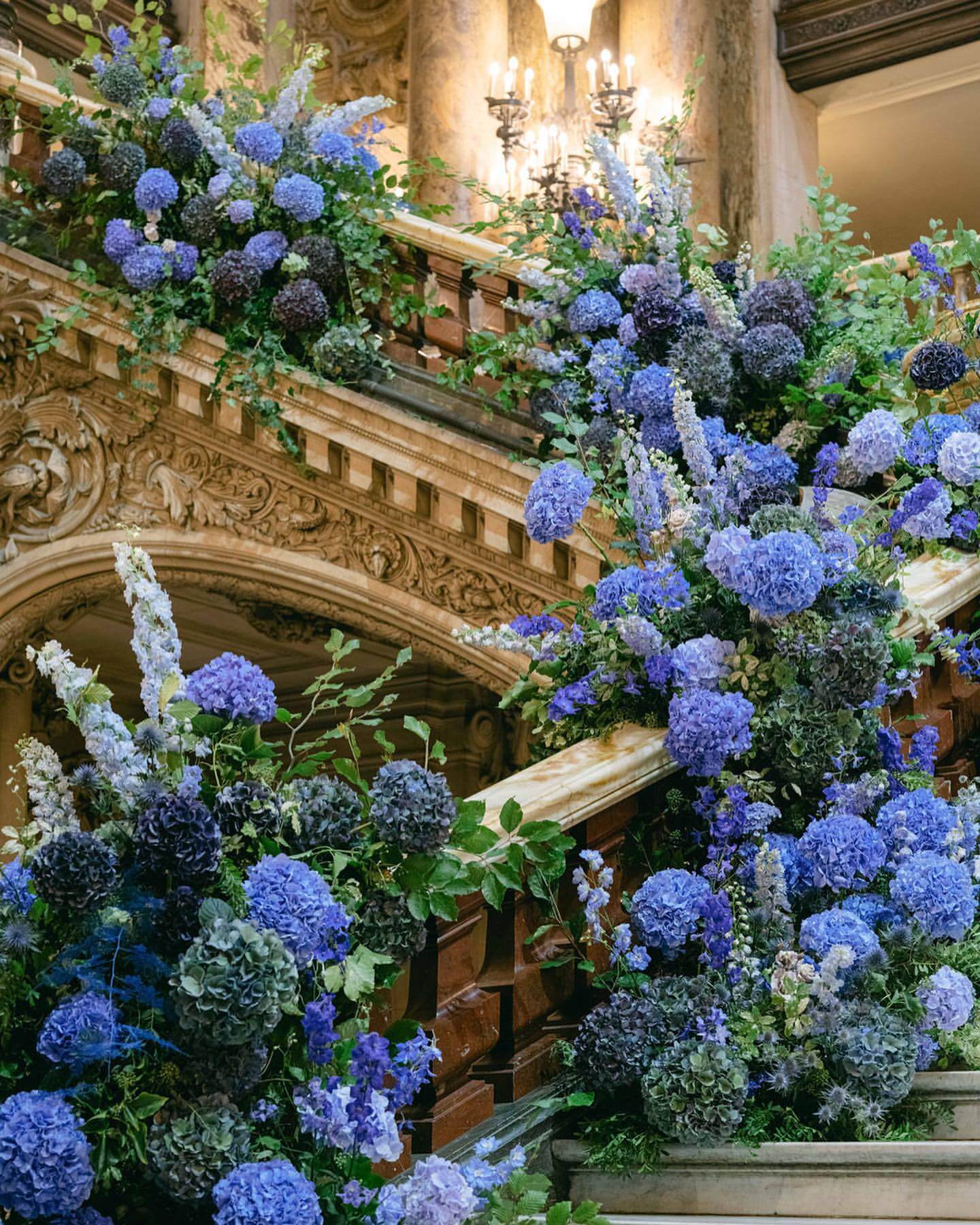
Once you have booked, maintain regular contact with your florist to ensure that the plan remains accurate as details change. About a month before the wedding, share your final guest count, table plan and timeline, and confirm the delivery addresses and contact details for the day. Many florists arrange a final consultation four to six weeks beforehand to finalize quantities and colors. If any of these details change, inform your florist immediately, as flower orders are placed weeks in advance. Clear communication gives your florist the freedom to do their best work.
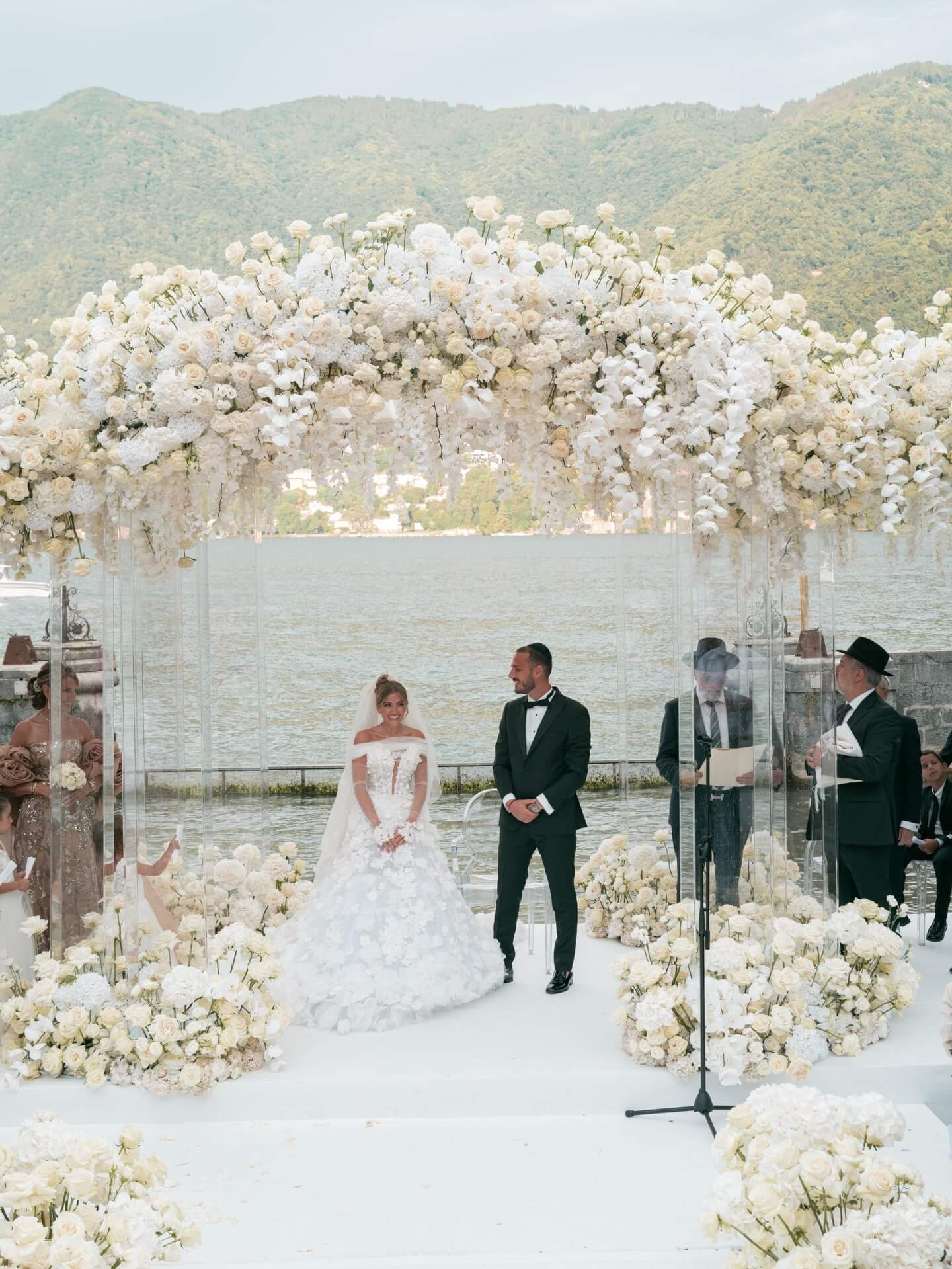
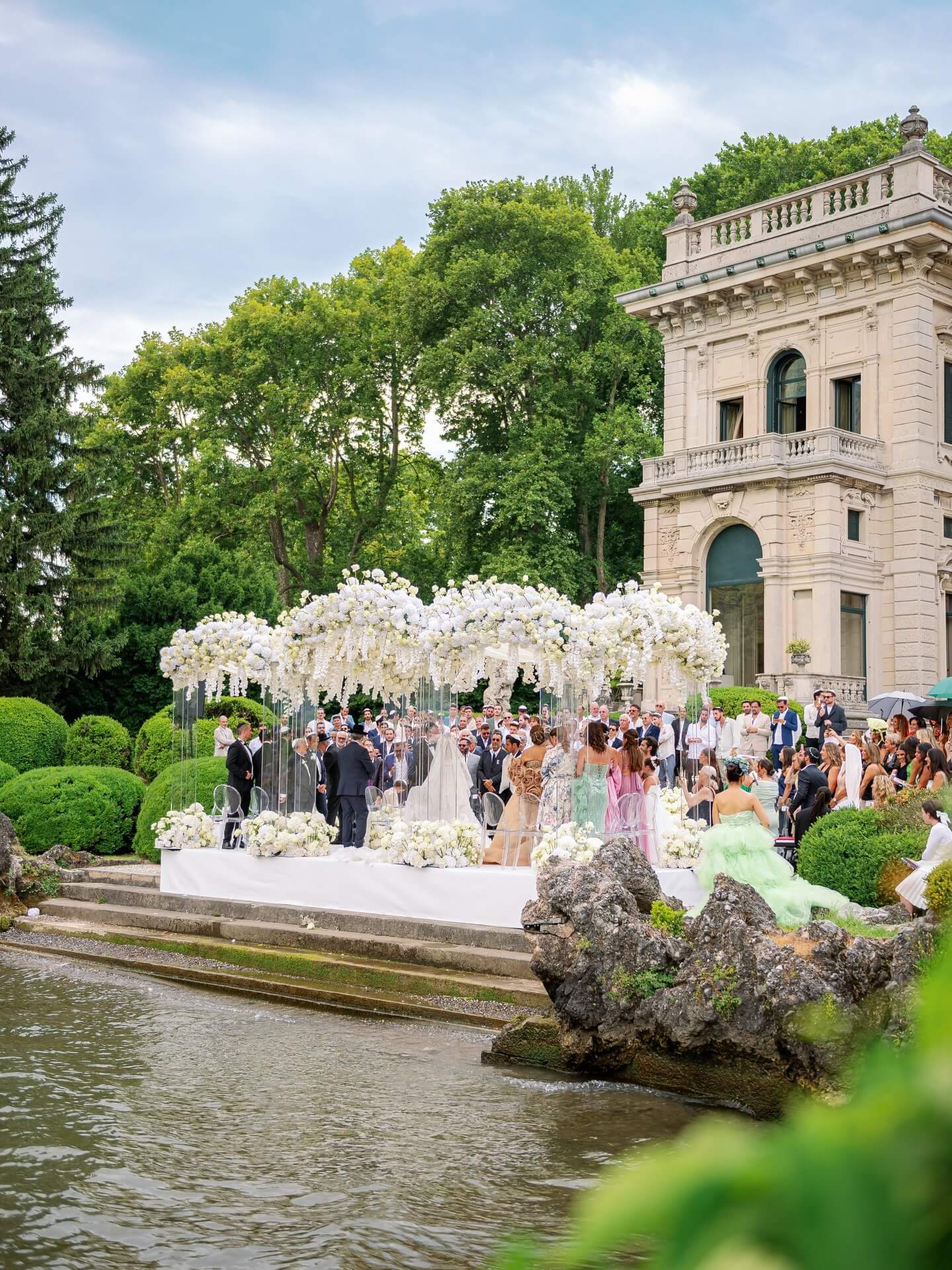
The final weeks are also the right time to settle practical details. Let your florist know who will receive the flowers on the day, where the bridal party will be getting ready, and when the photos will start, so that the bouquets arrive fresh and on schedule. Agree who will take the arrangements home after the reception, whether it is family, guests or a local charity. If you would like to keep your bouquet, inquire about preservation options well in advance, since most services require the flowers within a few days of the wedding. Finally, add the florist's phone number to the day-of contact list so that your planner or maid of honor can reach them quickly if necessary.
Still searching for the right florist? Browse wedding florists on Wezoree, view examples of their work, and find a floral designer whose style matches your vision and budget.

FAQ
How far in advance should you book a wedding florist?
Ideally, you should book nine to twelve months before the wedding, or earlier for popular dates and busy months. This will give you enough time to compare several florists and secure your first choice. If your wedding is sooner than this, many florists may still be able to help, but you may have fewer options.
How much does a wedding florist cost?
A wedding florist usually charges between $1,500 and $5,000 for bouquets, boutonnieres and centerpieces, while full-service floral design often starts at $5,000. The final price depends on factors such as your guest count, the number of tables, your choice of flowers and any installations required. Using seasonal flowers and repurposing ceremony pieces can help to keep costs down.
How do I find a wedding florist near my venue?
Start by asking your venue for a list of recommended vendors, as these florists will already be familiar with the venue and its rules. You could also ask your planner and recently married friends, and browse local florists on vendor platforms and social media. Compile a shortlist of three or four florists whose real wedding work matches your style.
What should I bring to a consultation with a wedding florist?
Bring inspiration images, your color palette, photos of your dress and venue, your guest count, and a realistic budget. It also helps if you know your table layout and ceremony setup. The more details you share, the more accurate the florist's proposal will be.
Are seasonal flowers cheaper for a wedding?
Yes, because they do not travel as far, seasonal flowers usually cost less and look fresher. Your florist can suggest alternatives that are in season and have a similar appearance to more expensive blooms. Another way to control the budget is to mix premium flowers with greenery and seasonal fillers.