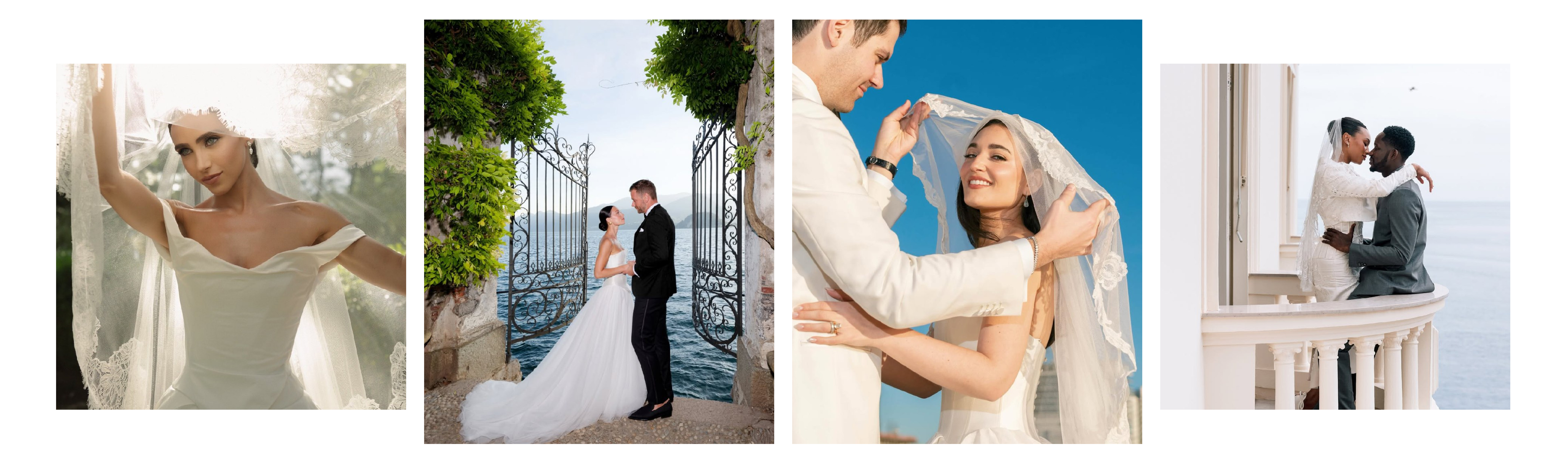
First Look Wedding Photos: What Actually Makes Them Work
- Author: Natali Grace Levine
- Reading time: 10 min 1 sec
- Publication date: 09/08/2026
- Updated: 09/10/2026


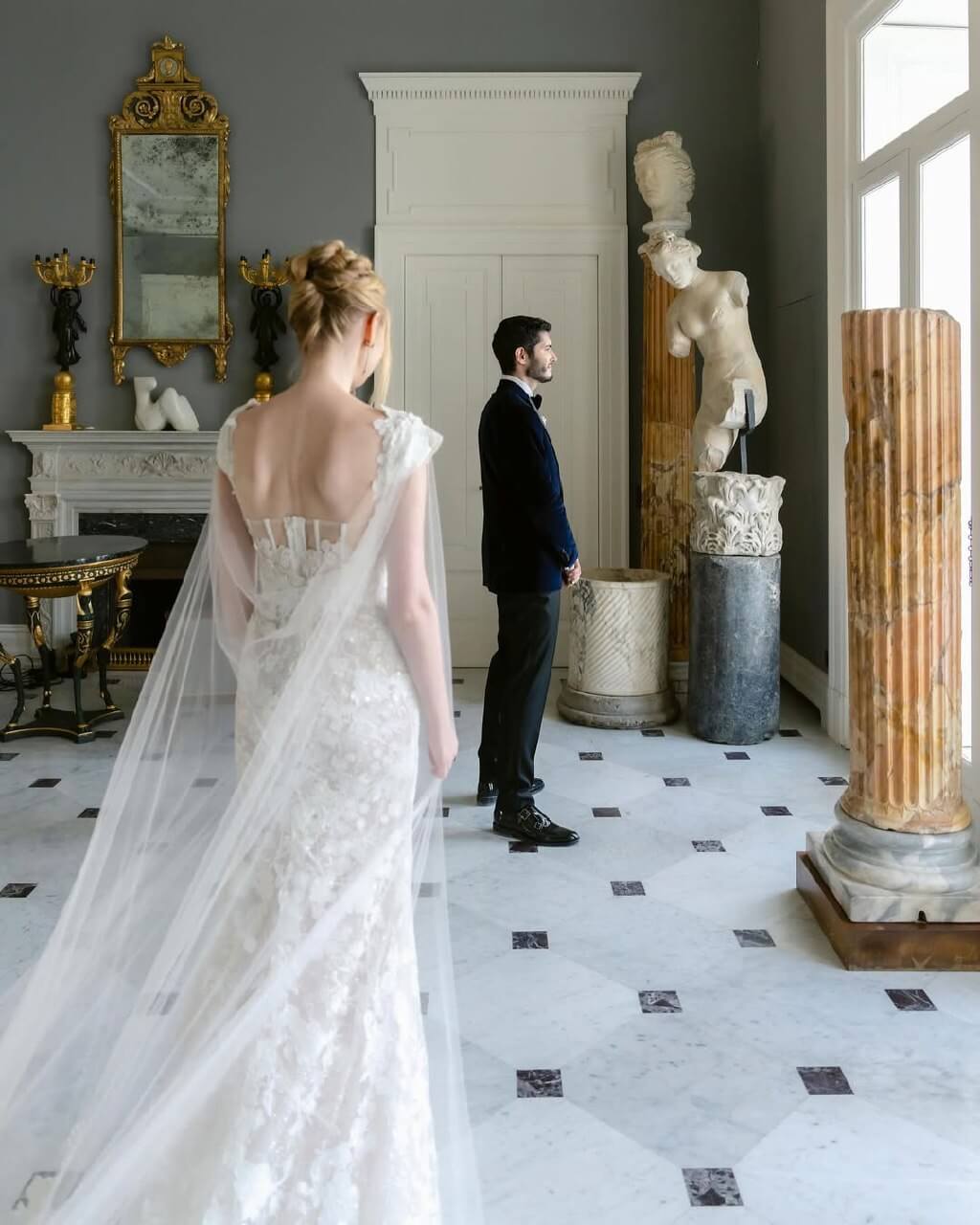
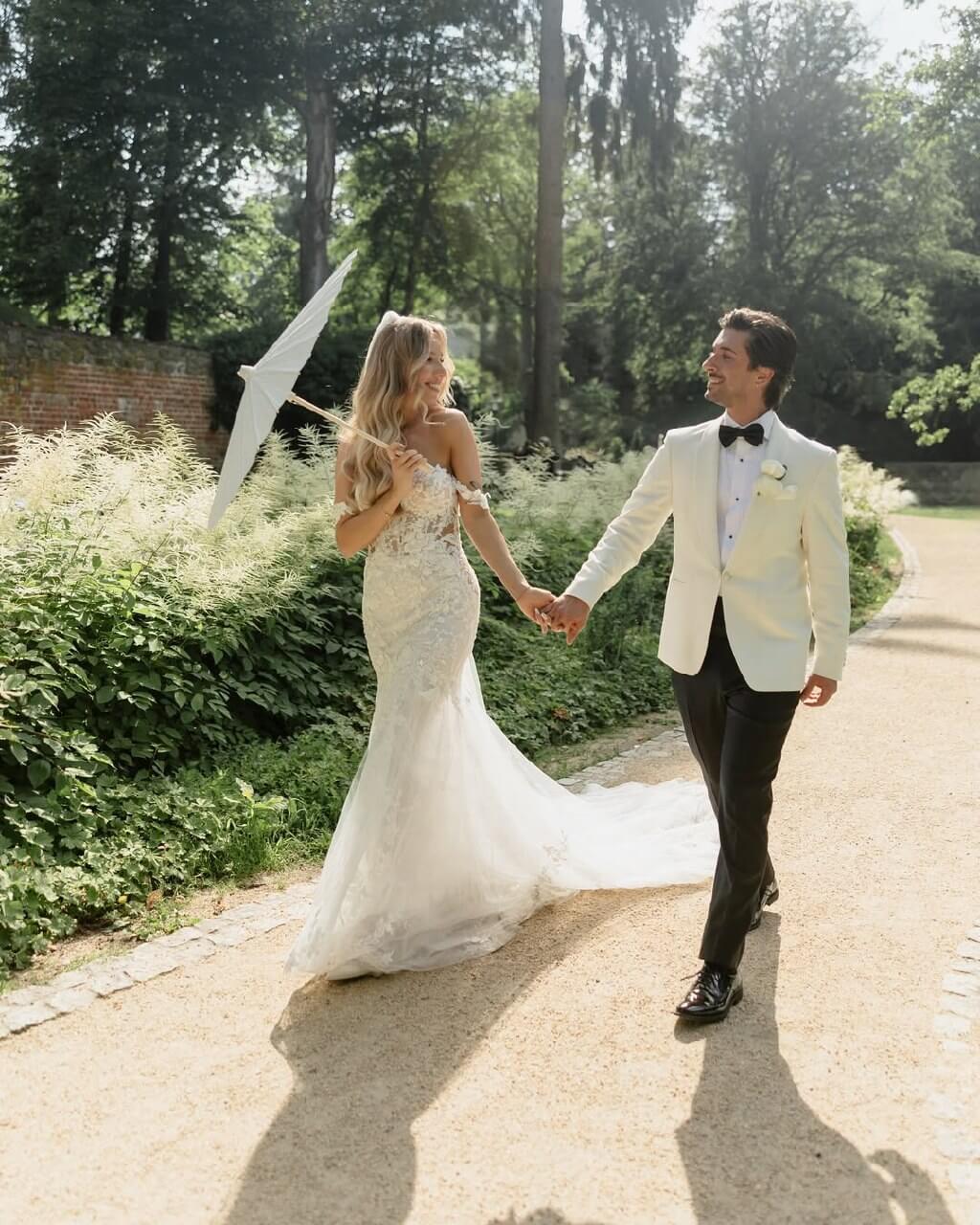
Somewhere in the middle of a wedding day, usually before the ceremony even begins, there’s a window of maybe ten minutes where nothing is scripted yet. No guests watching, no processional music cueing the room, just two people standing in front of each other for the first time that day. Among all the must-have wedding photos a couple plans for, the first look occupies a strange and singular place; it’s often the only moment on the entire timeline that belongs exclusively to the couple, and the photographs that come out of it tend to look nothing like anything else in the album. This guide draws on two working wedding photographers, each with his own philosophy on what actually makes a first look worth doing, and worth doing well, and on why it belongs near the top of any real wedding photos must-have conversation.
Find Your Perfect Wedding Vendors

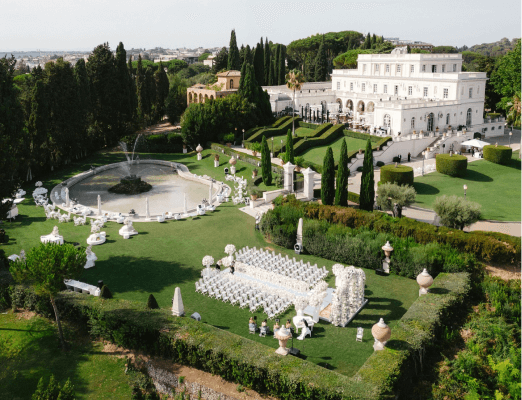
Why First Look Photos Matter So Much
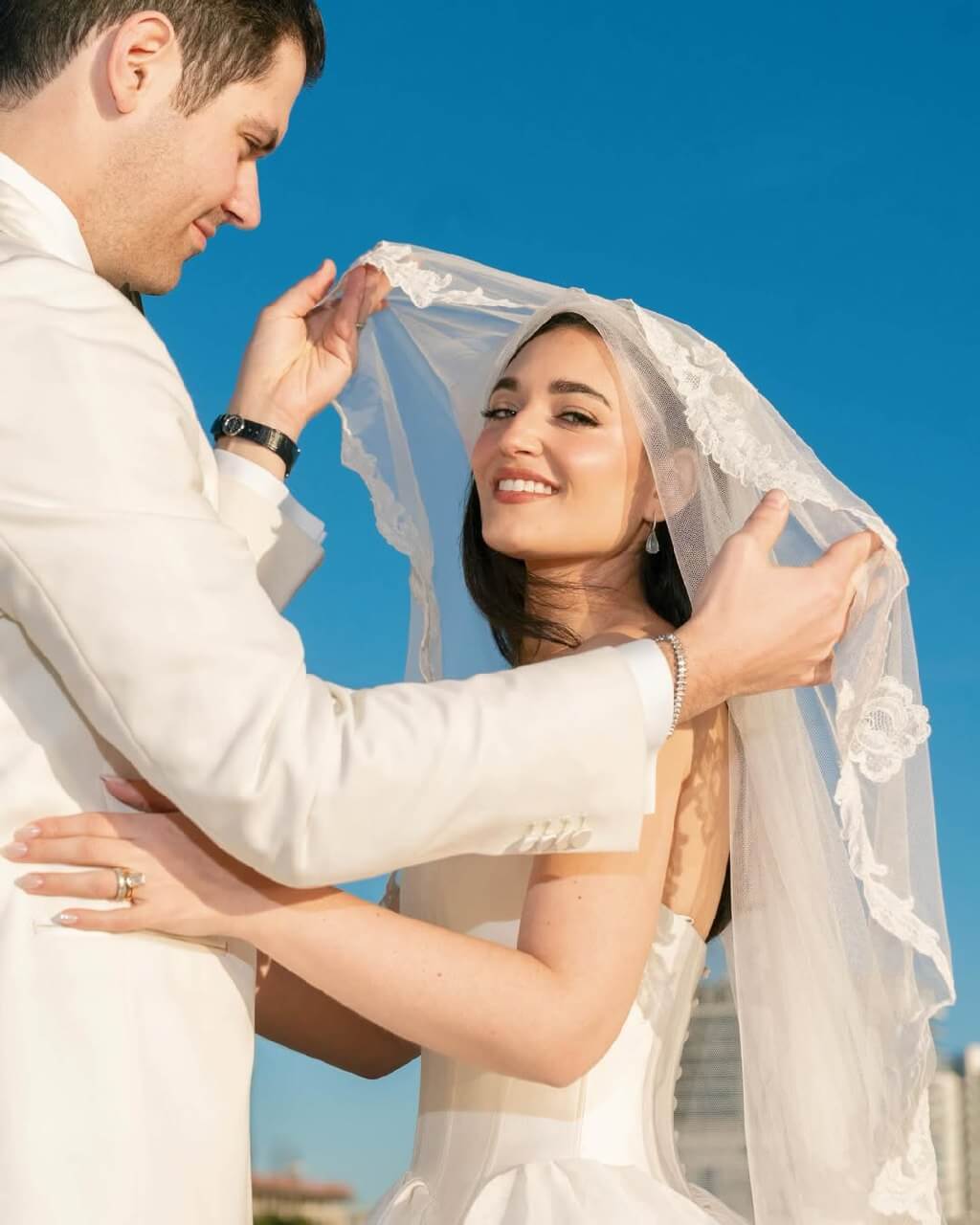
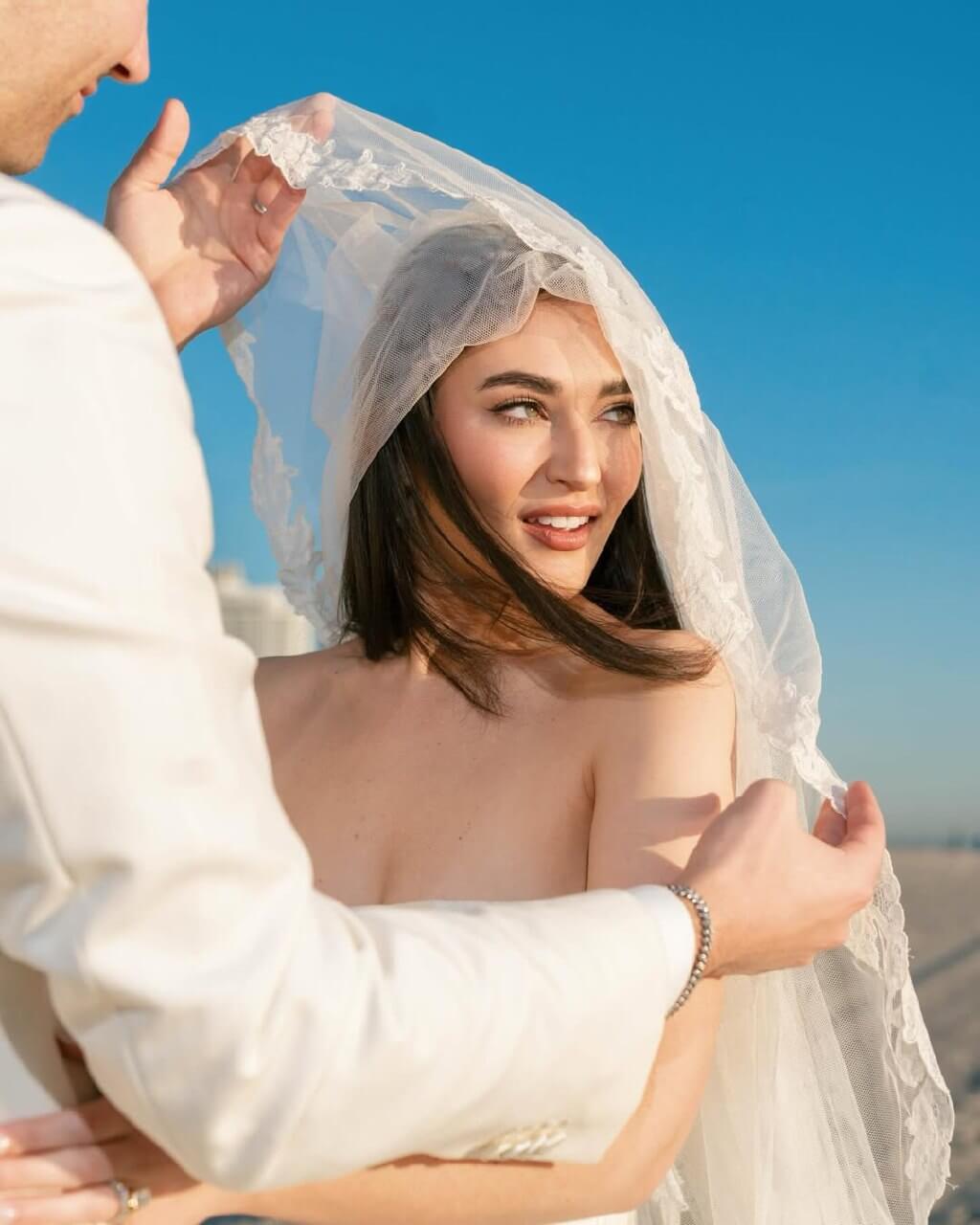
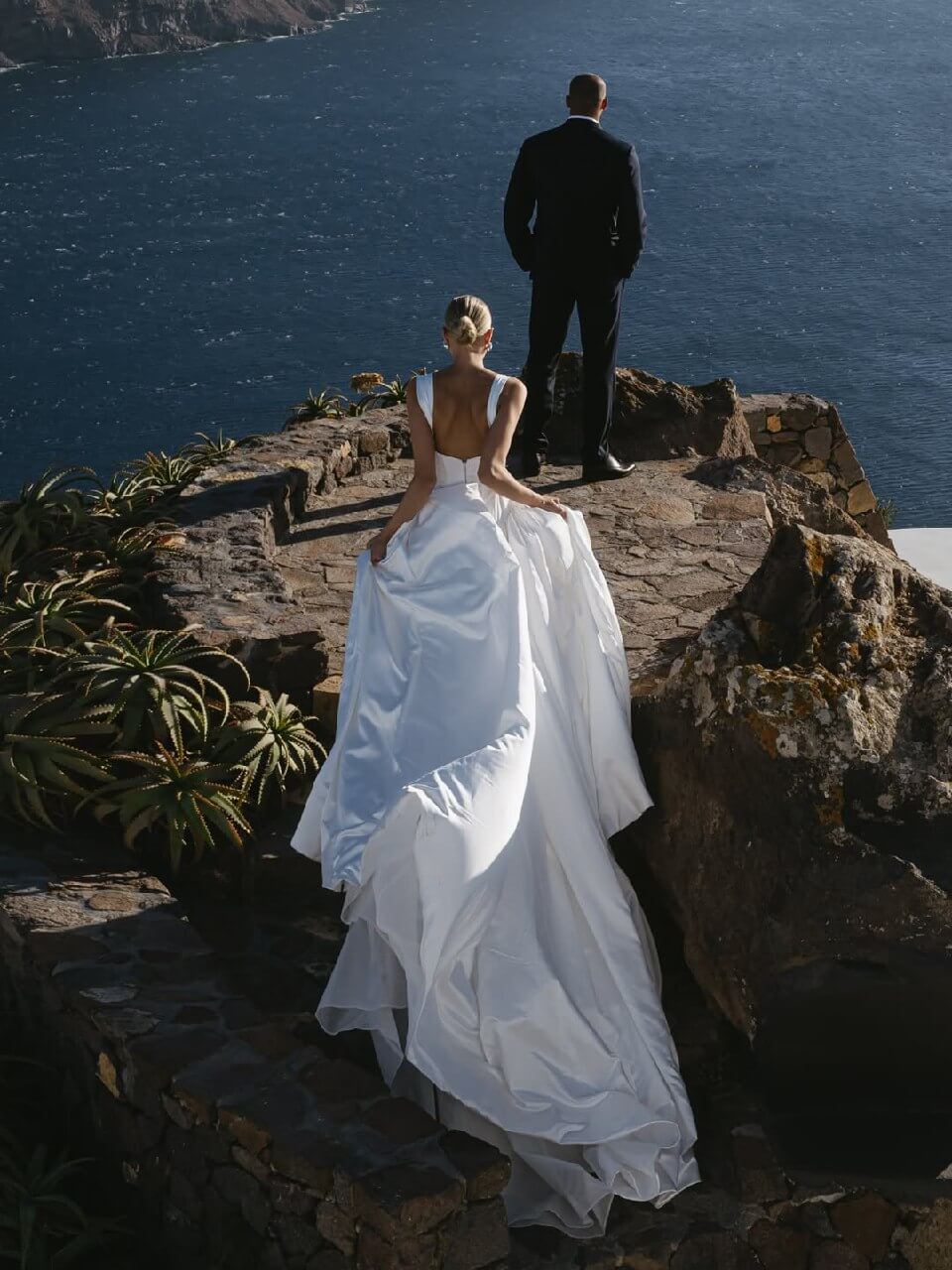
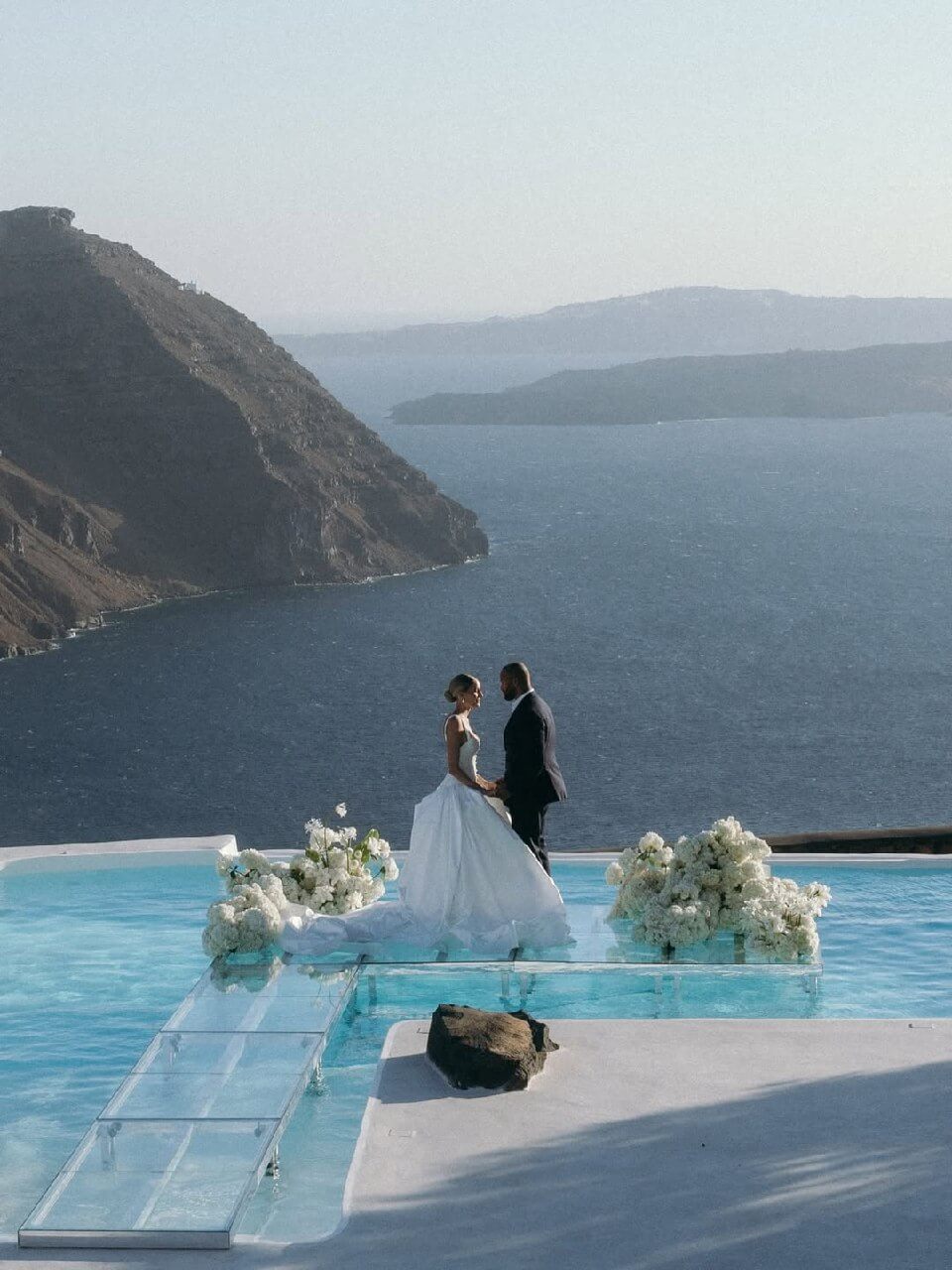
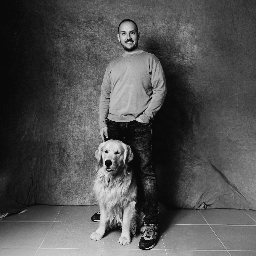
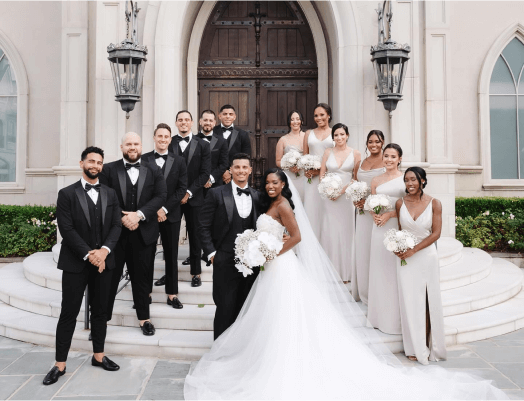
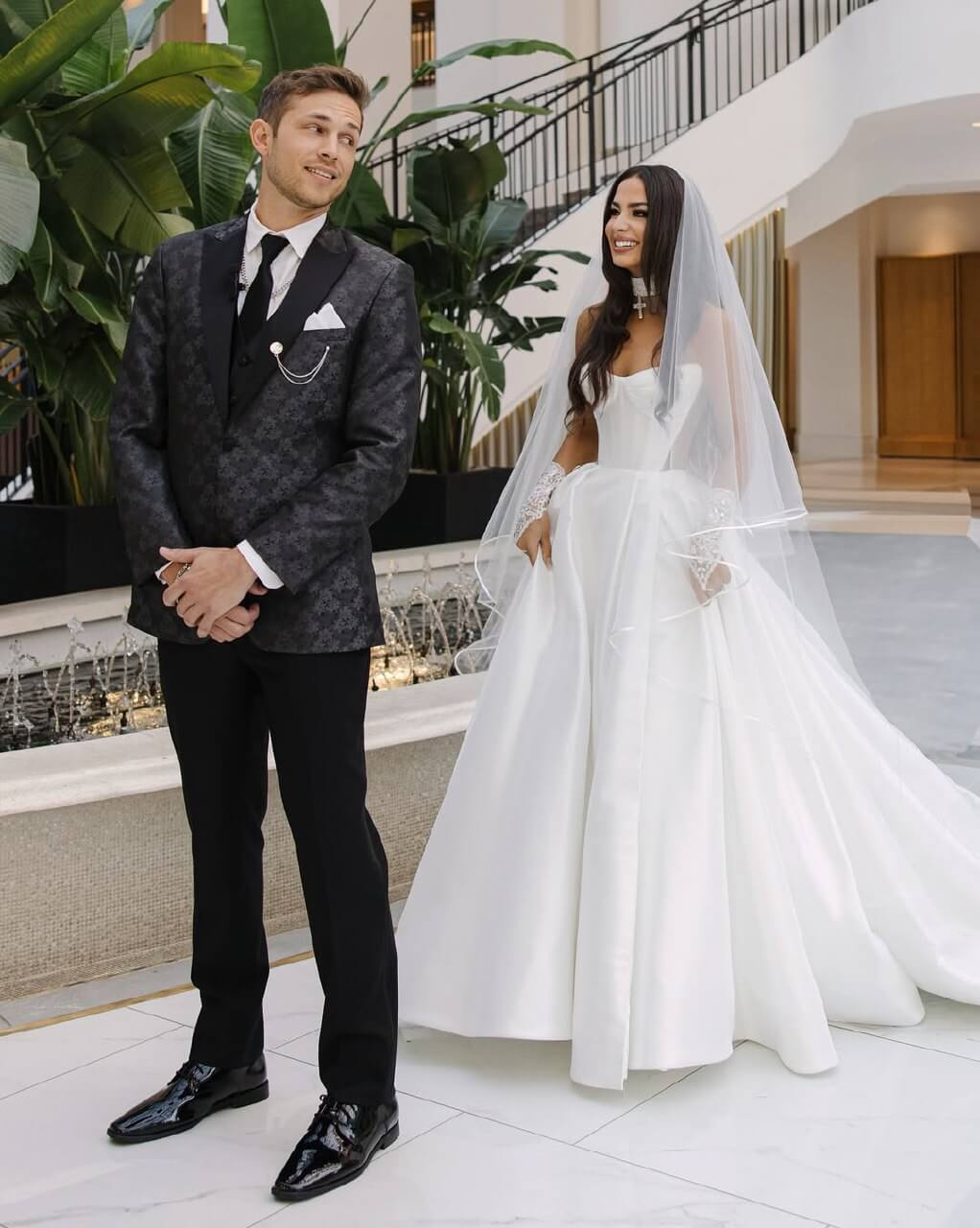
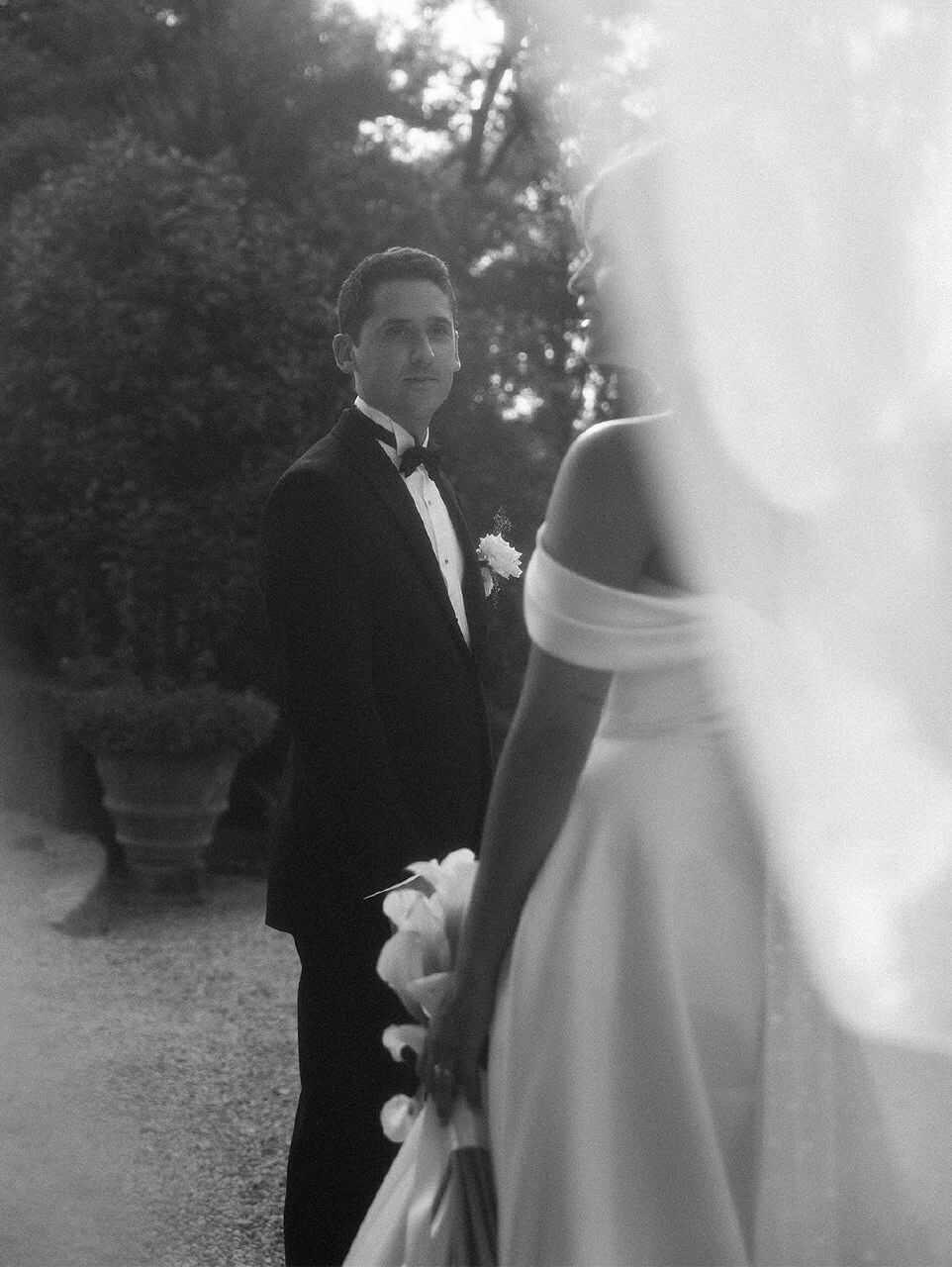
Ask a photographer what he’s actually trying to capture in those first few seconds, and the answer rarely has anything to do with composition. Photographers rank this specific moment among the most requested first look wedding photos on any shot list they’re handed. “For me, it’s all about the emotions,” says Max Voiko.
 The looks between the couple, the little details, the nervousness, the anticipation, and then that moment of culmination when they finally see each other. These small, genuine reactions are what make First Look photos so special.
He isn’t photographing a pose. He’s photographing whatever happens to a person’s face in the half-second before they’ve had time to think about how they look.
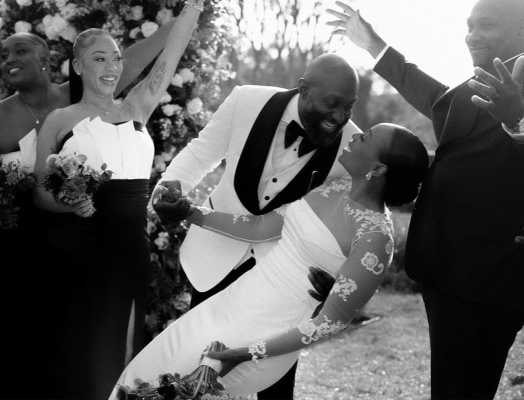
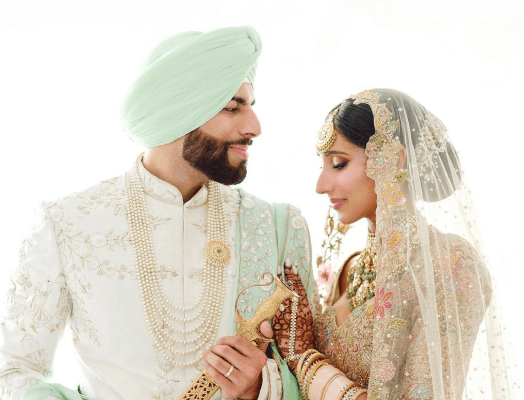
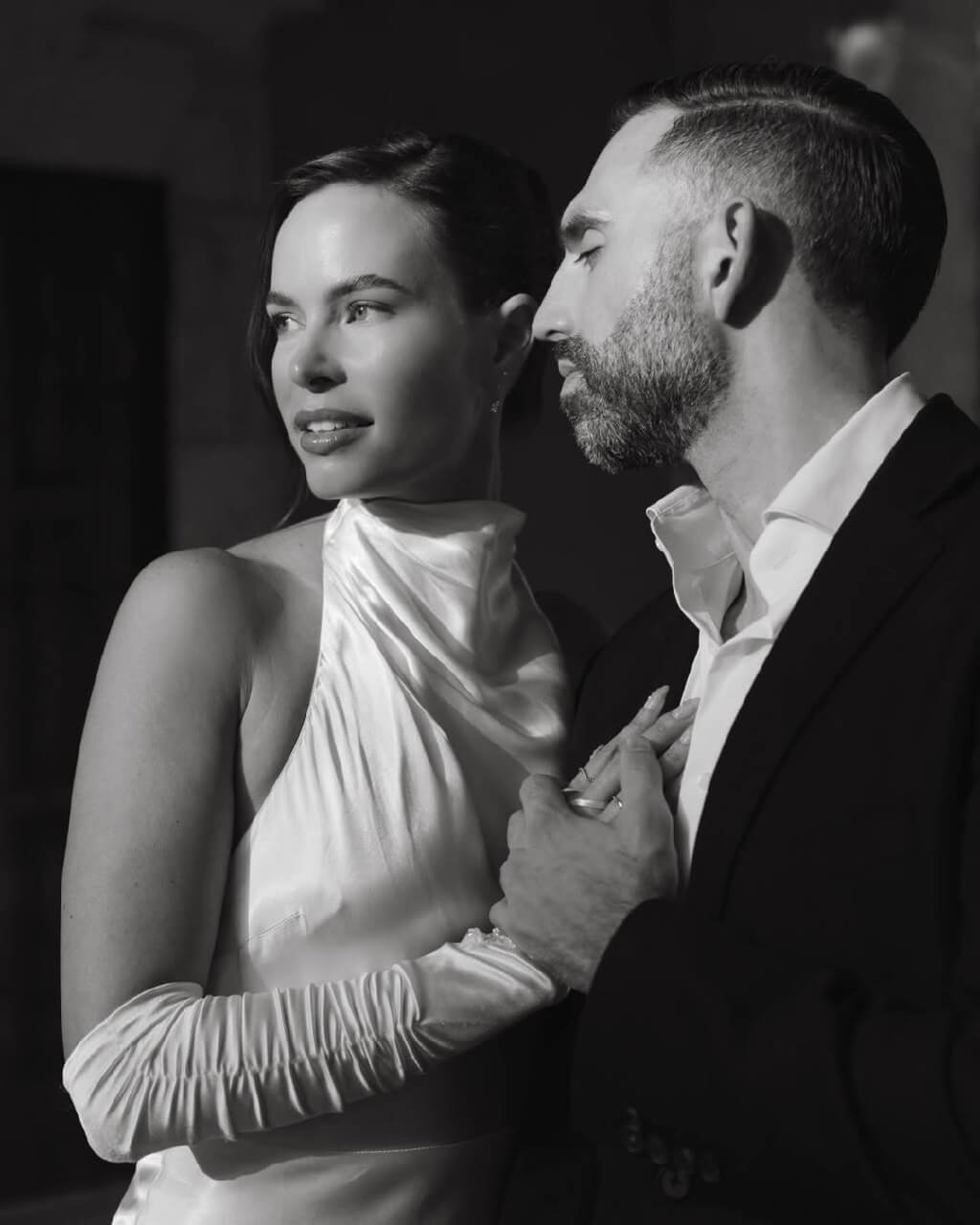
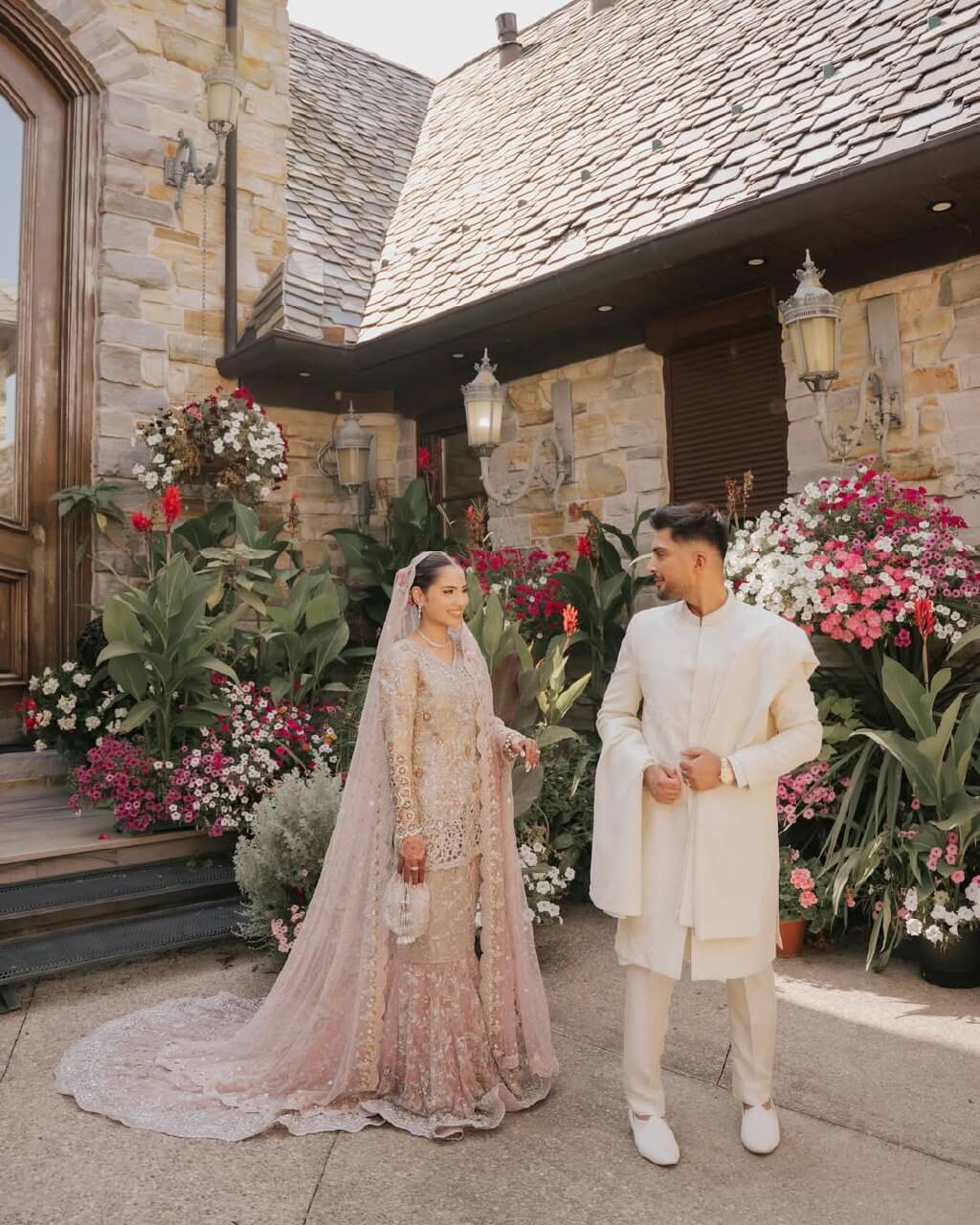
Ruben Chan ends up in a similar position, being less concerned with the reaction and more focused on the opportunity that the moment gives the couple. “It’s one of the few moments during the wedding where the couple gets to be completely themselves,” he explains. “Sometimes there’s laughter, sometimes tears, sometimes it’s just a long hug or a quiet smile. Every couple experiences it differently, and that’s what makes it so special.” Both photographers see the first look not as a chance to take photographs but as a small, protected period of time, because it is precisely since no one is performing in front of the camera that it ends up producing such remarkable images.
Choosing the Right Location: Privacy Over the View
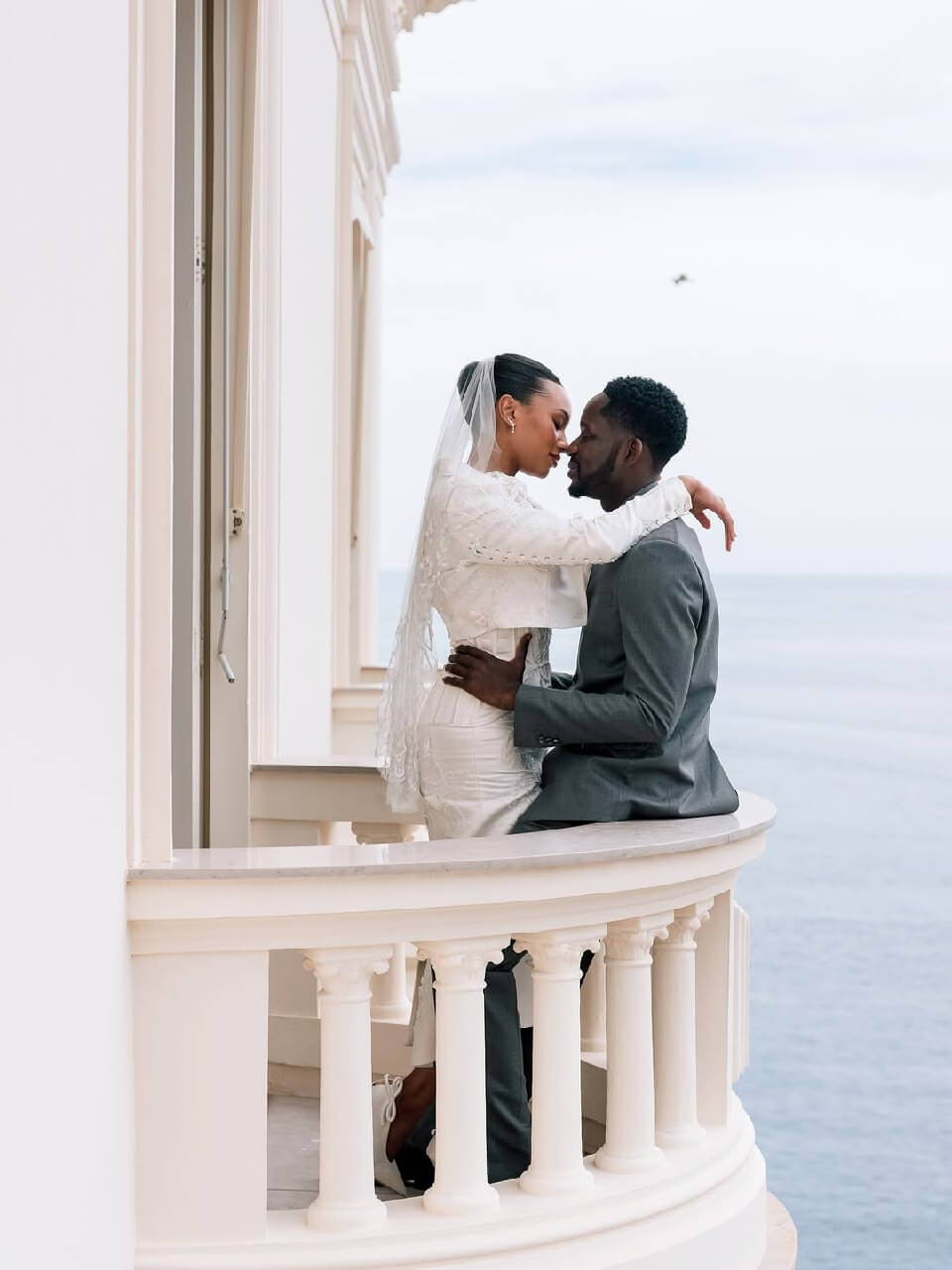
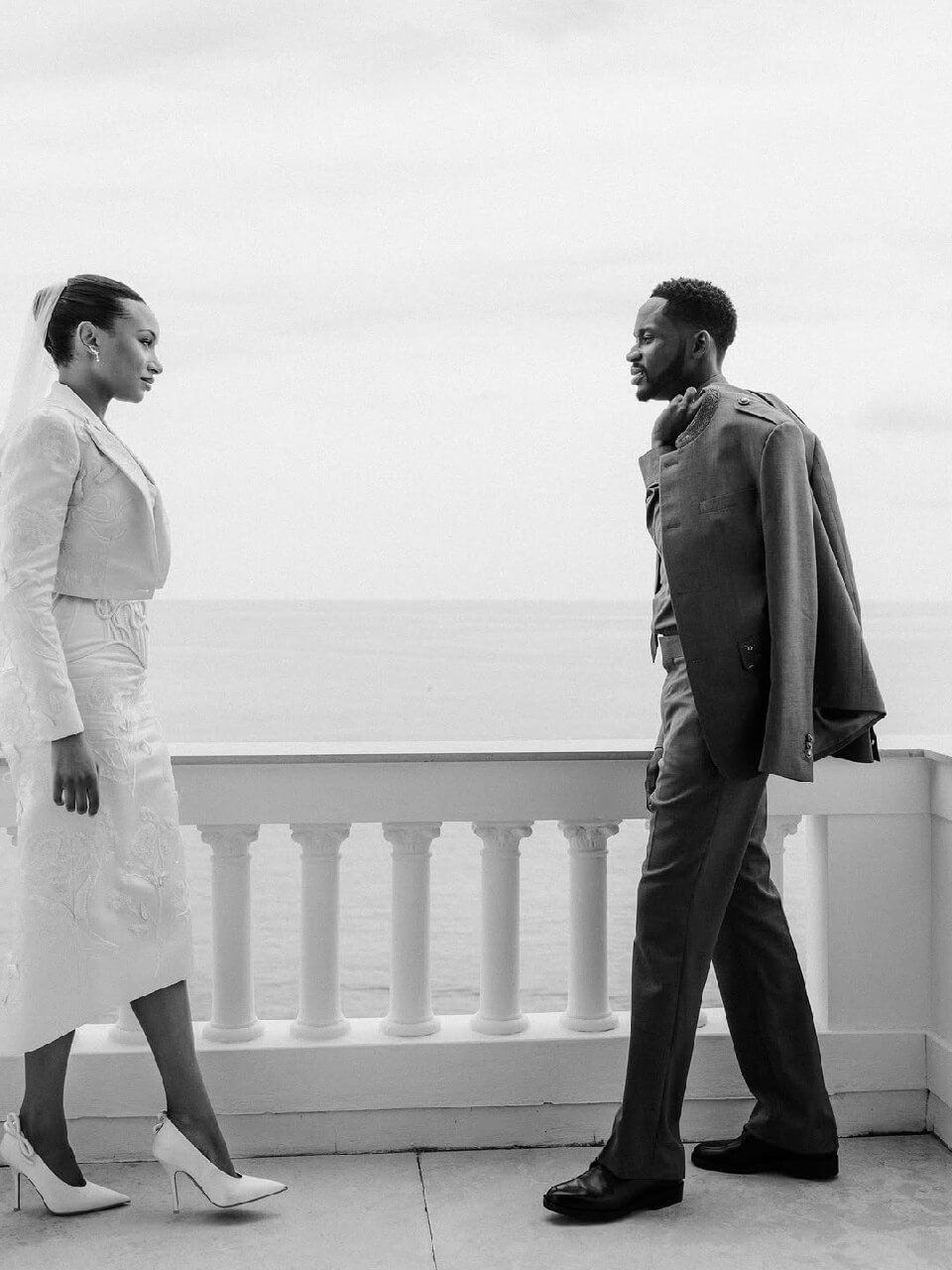
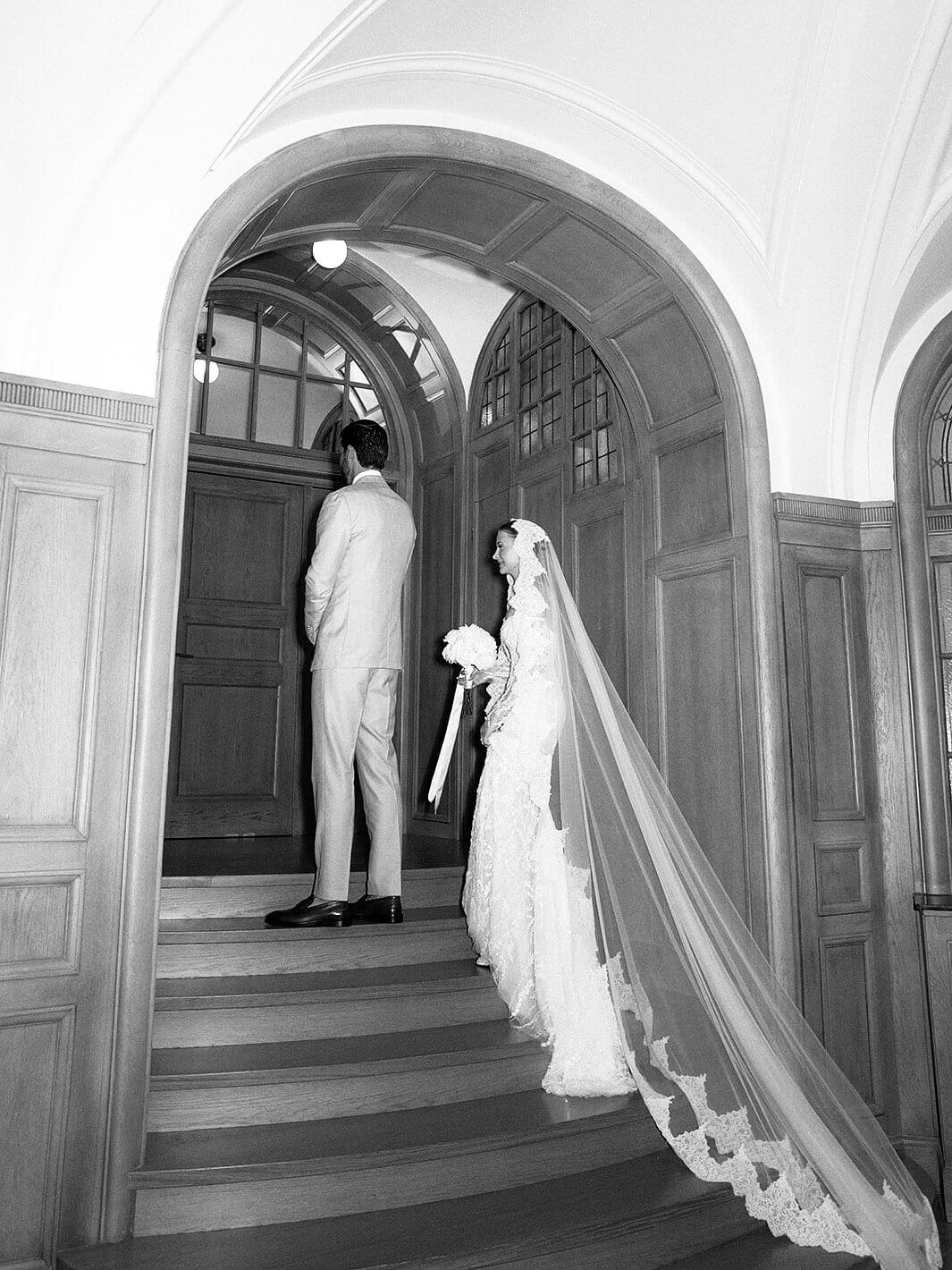
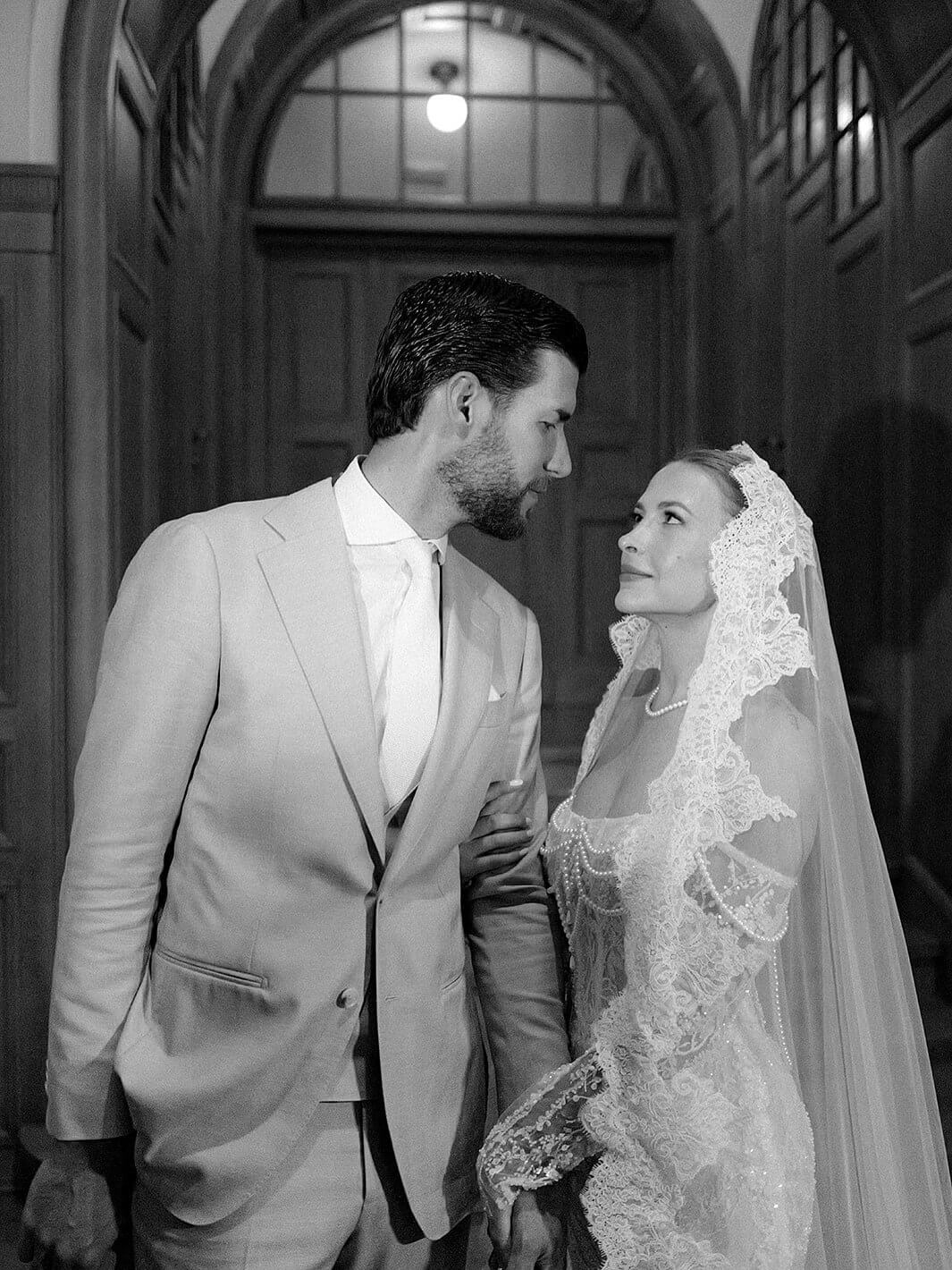
When you ask both photographers where a wedding first look photo session should take place, they give the same answer, almost word for word, even though they have never discussed it with each other. “I always prioritize privacy over the view,” Ruben states.
Of course, beautiful light is important, but not every venue has a perfect location. What matters most is finding a place where the couple feels comfortable enough to forget that anyone else is around.
“Privacy is more important to me than having a ‘perfect’ or famous location,” Max adds, making it clear that he rules out “very small or narrow rooms where the couple’s movements are restricted,” since having enough real space to move around enables him to take photographs from a variety of angles without ever disrupting what is naturally happening.
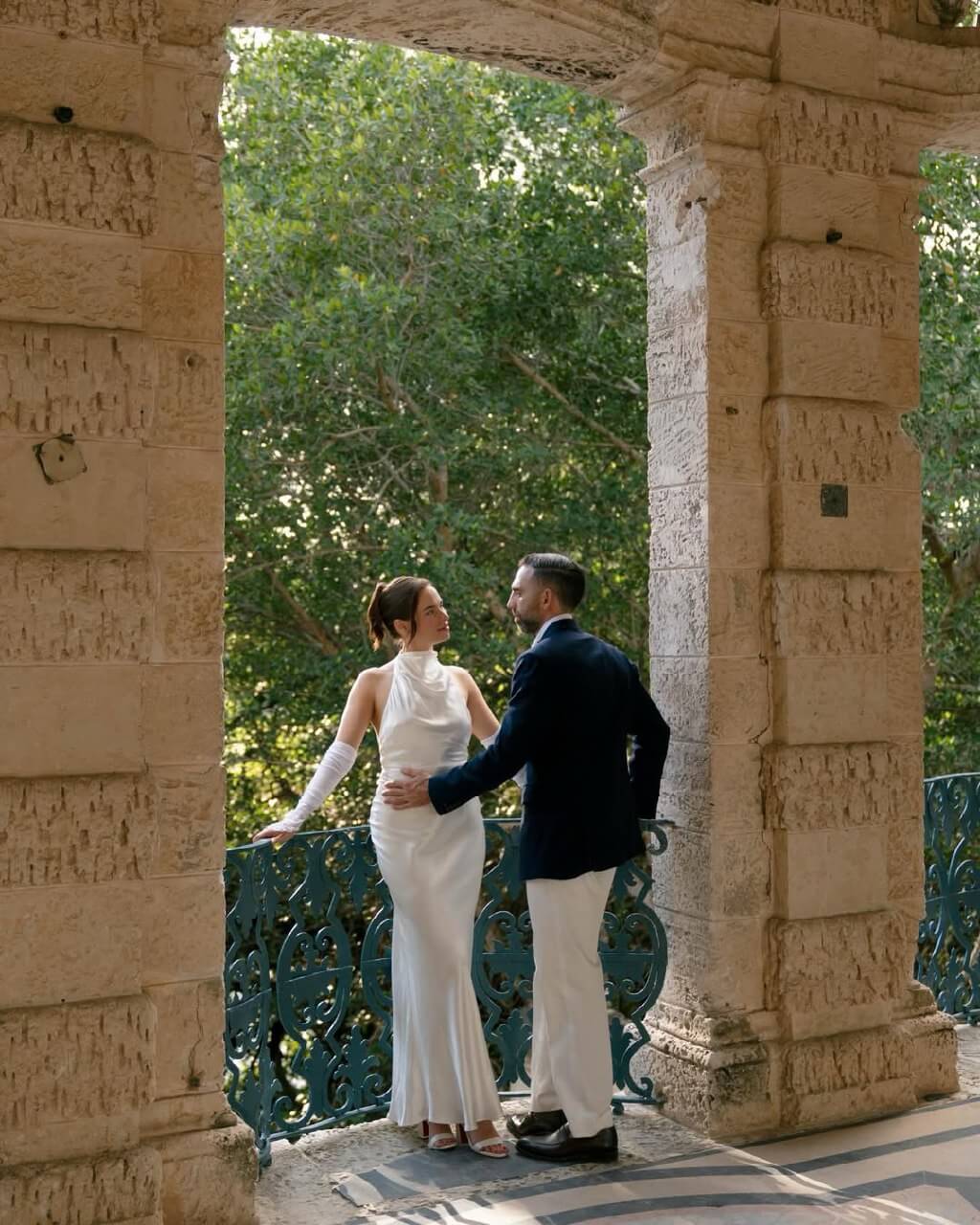
The consensus matters more than it first appears. When couples choose the most visually striking part of a venue, their first look can look impressive but feel stiff, since a beautiful background with people watching from thirty feet away generally doesn't elicit the same response as a quiet, unremarkable corner where no one is paying attention. As Ruben says simply, “Emotions always matter more than the backdrop. A simple, quiet corner where the couple can truly connect will almost always create stronger photographs than the most spectacular location.”
Making It Feel Authentic, Not Staged
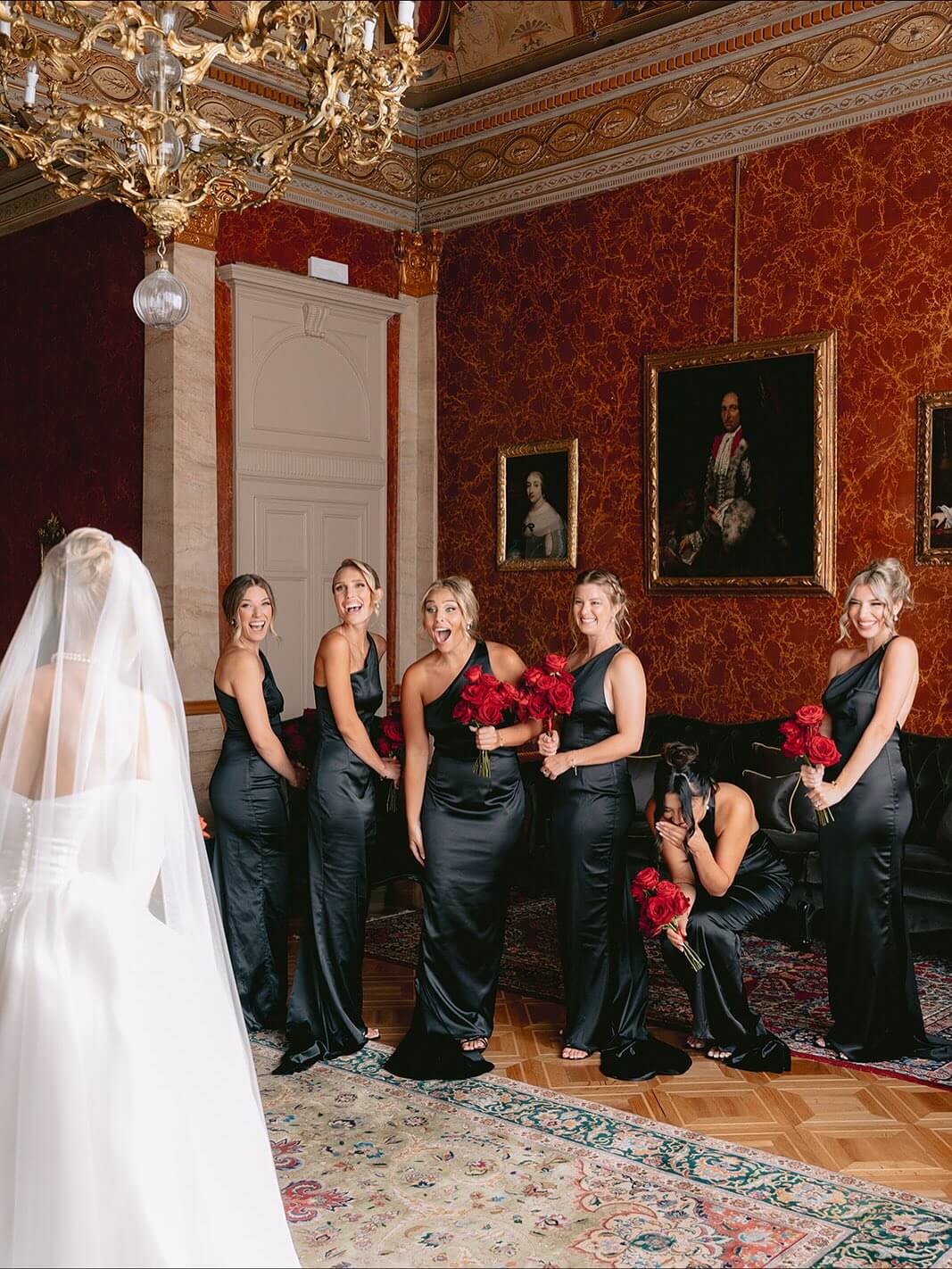
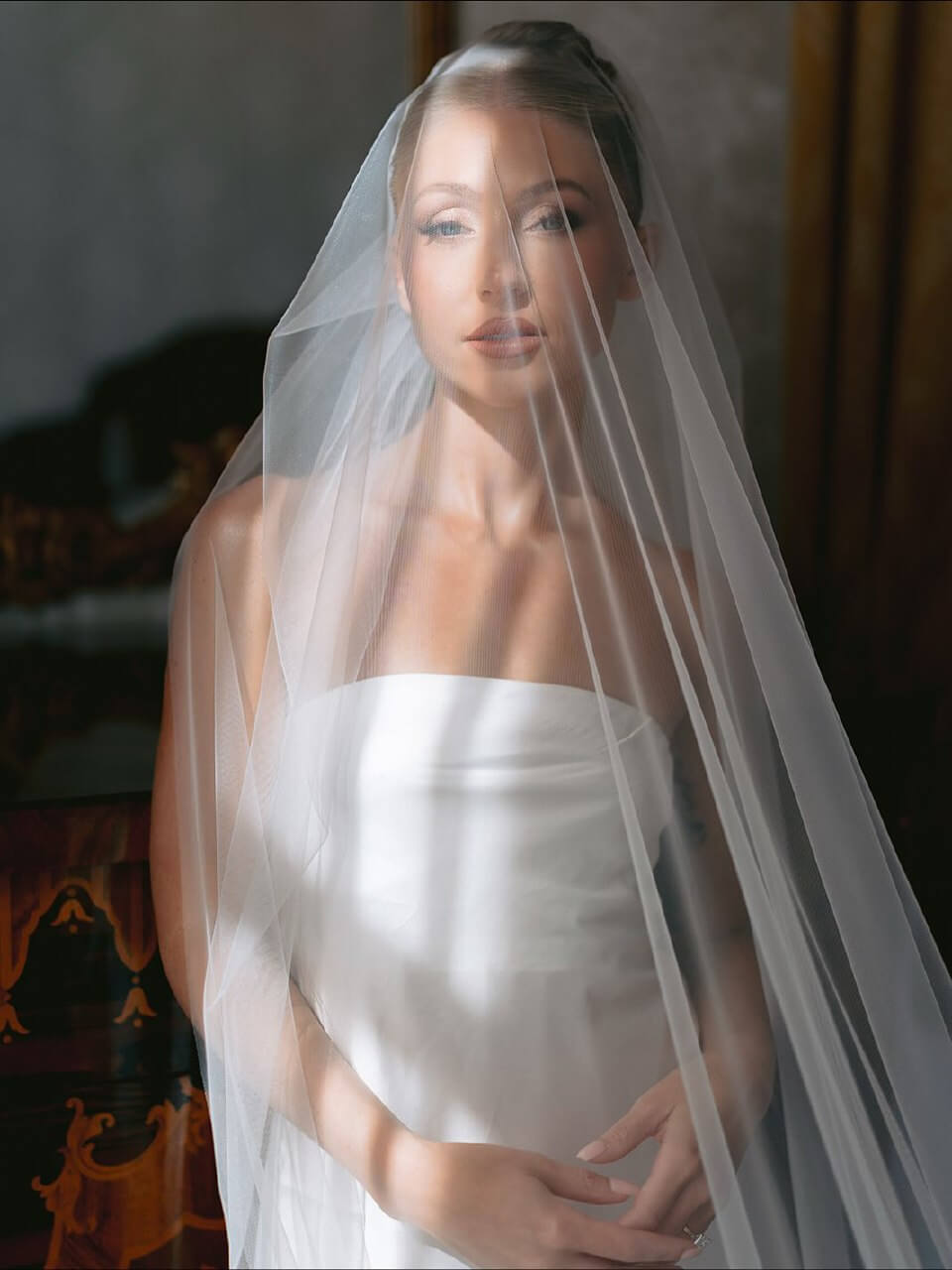
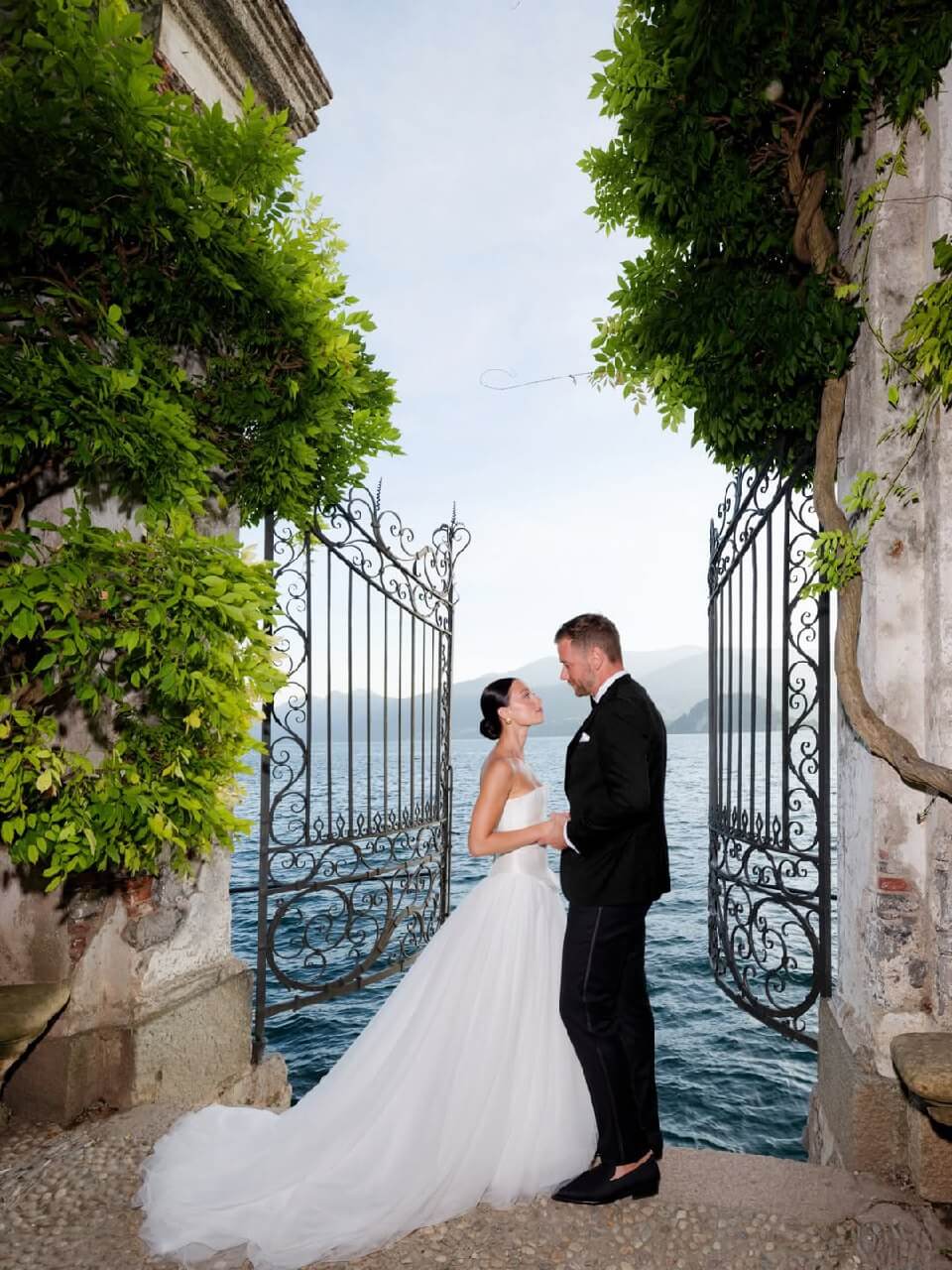
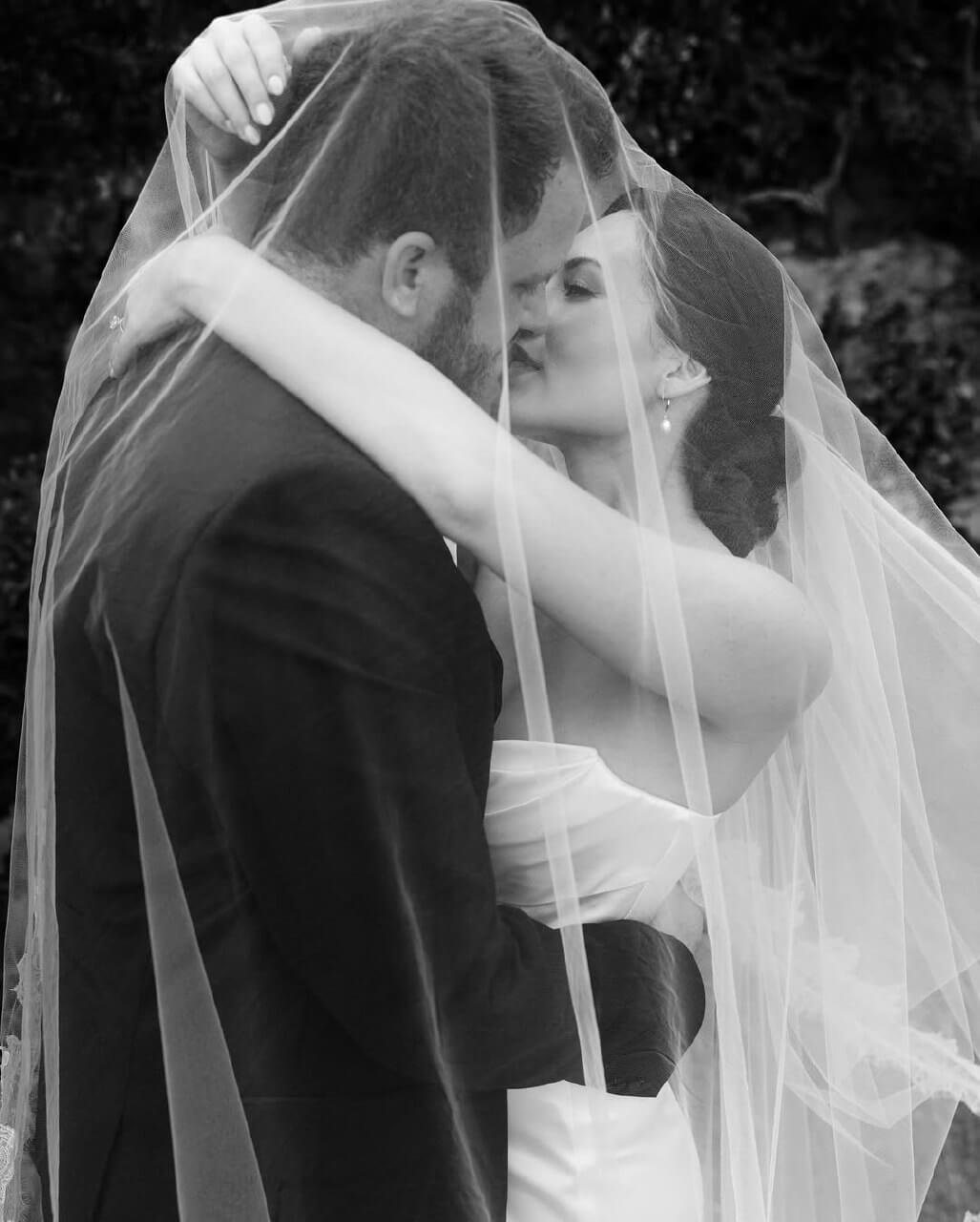
As Ruben points out, the most common error couples make when arranging their essential wedding-day photographs has nothing to do with logistics. “Forget about having the ‘perfect reaction,’” he says. “There’s nothing you have to do or feel. Just enjoy the moment the way it naturally comes. Talk to each other, hug, stay quiet if that’s what feels right. The less you think about the photos, the more they’ll reflect who you really are.” The advice seems almost too simple once you reflect on the pressure couples unintentionally put on themselves to display a particular, camera-friendly emotion on demand.
Instead of focusing on who else is in the room, Max pays attention to what is going on in the couples' own minds. “My biggest advice is to do it without other people around,” he says. “No parents, no friends, no group of people standing there with their phones. When a lot of people are watching and taking photos or videos, couples naturally start reacting differently. They become more aware of the people around them, and the moment can feel less intimate.” Strip away the audience, and you also remove the performance itself. What remains is generally the sort of thing that was worth photographing to begin with.
Creative Alternatives: First Touch and First Words
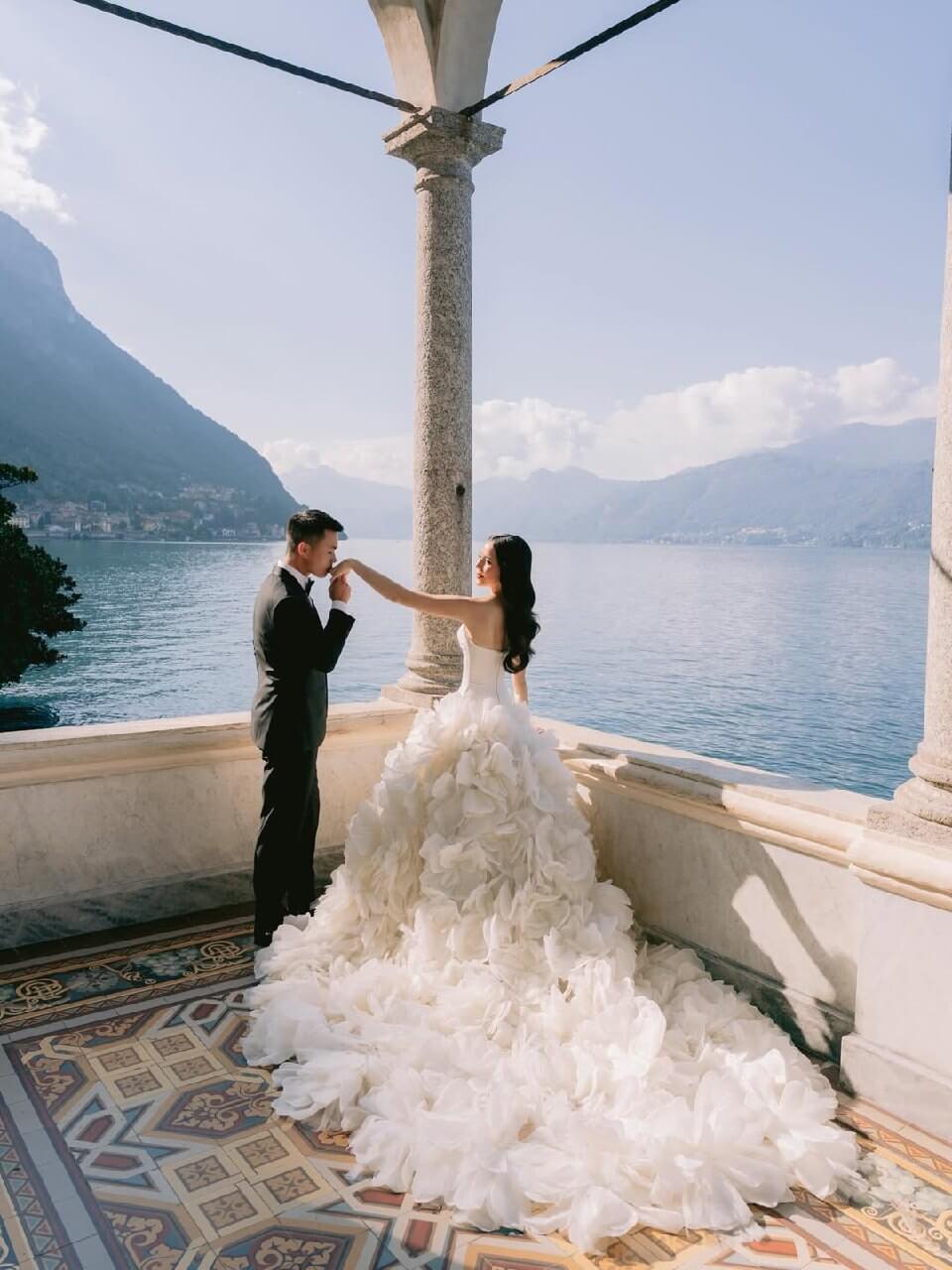
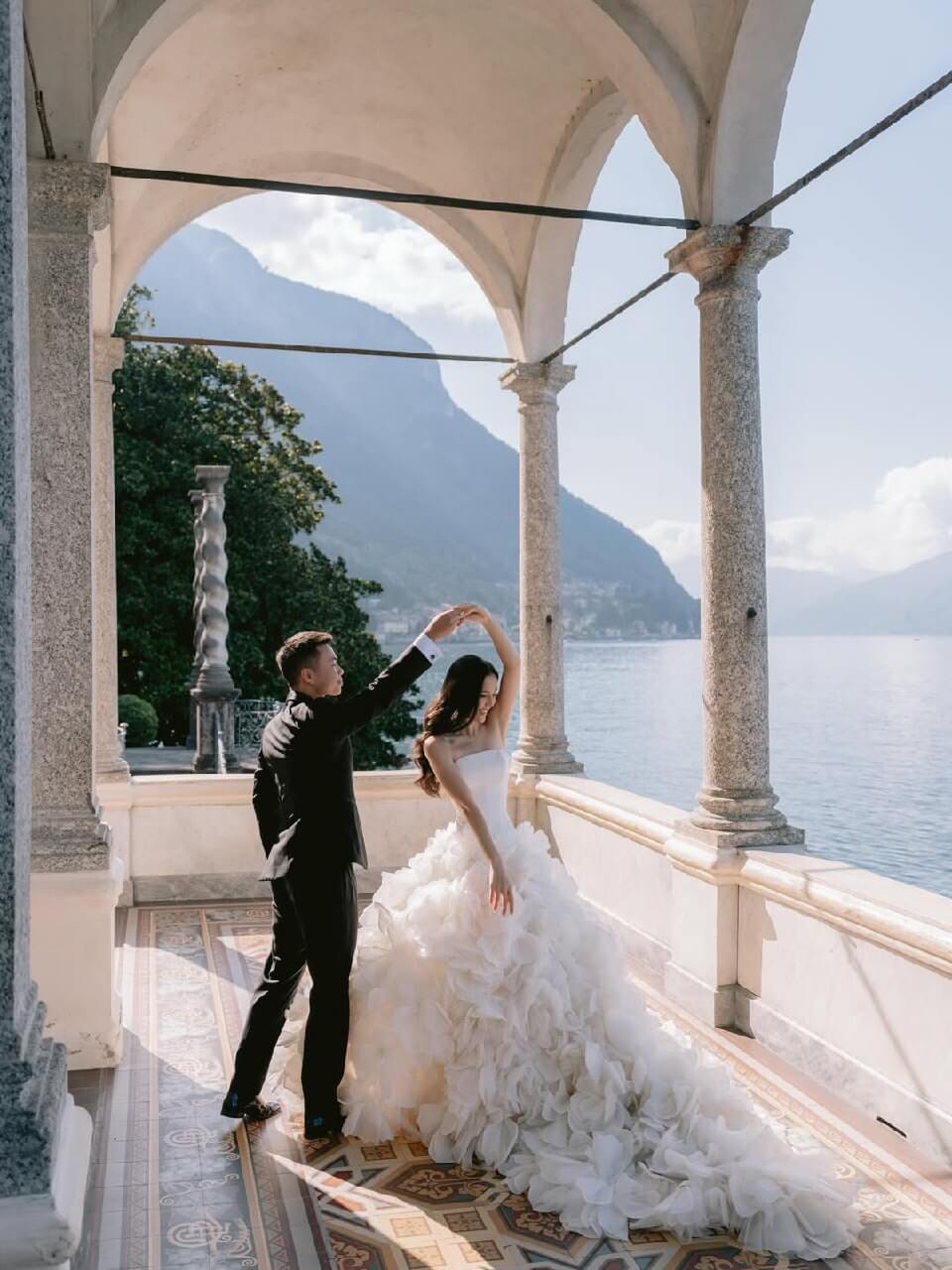
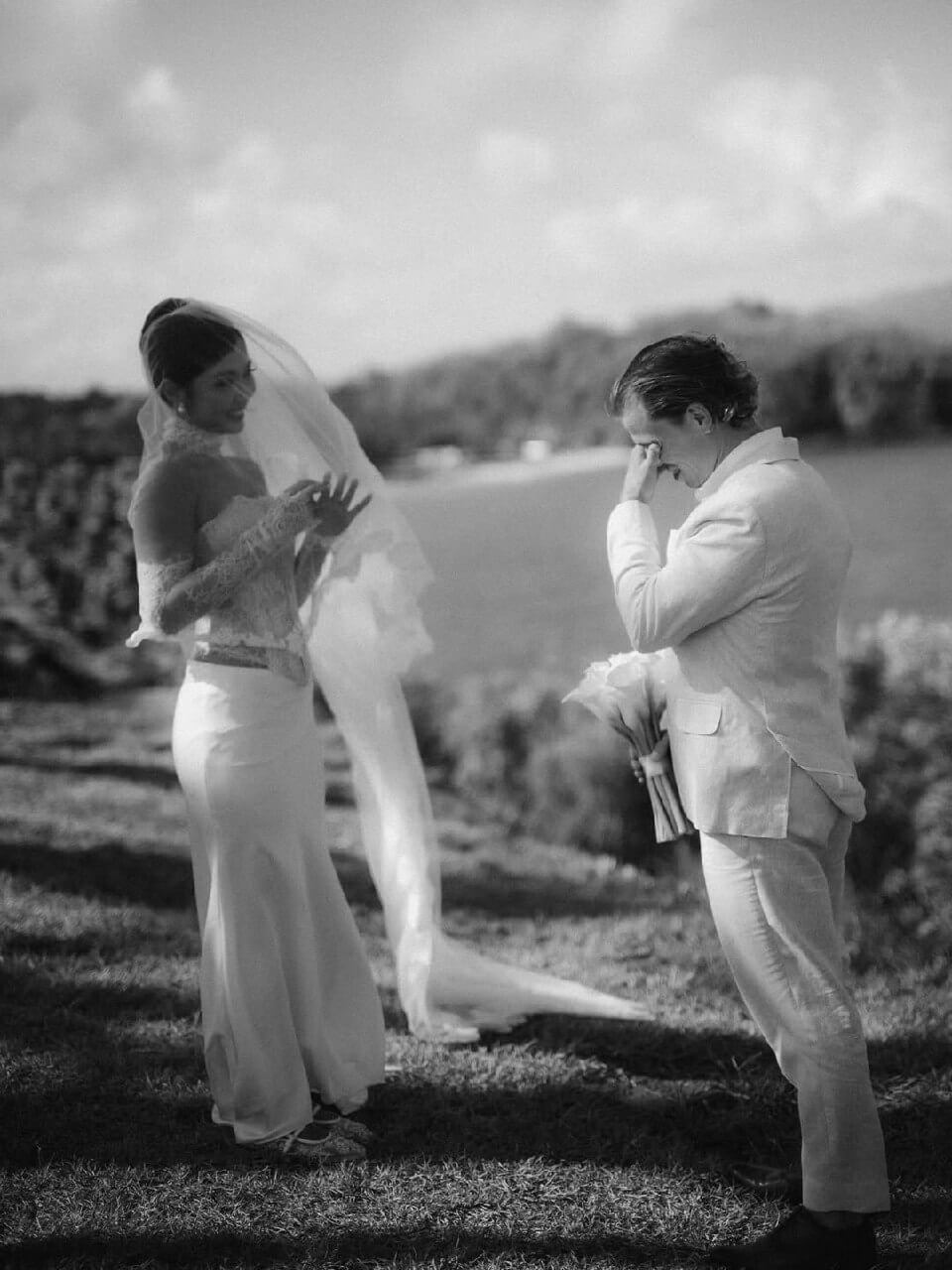
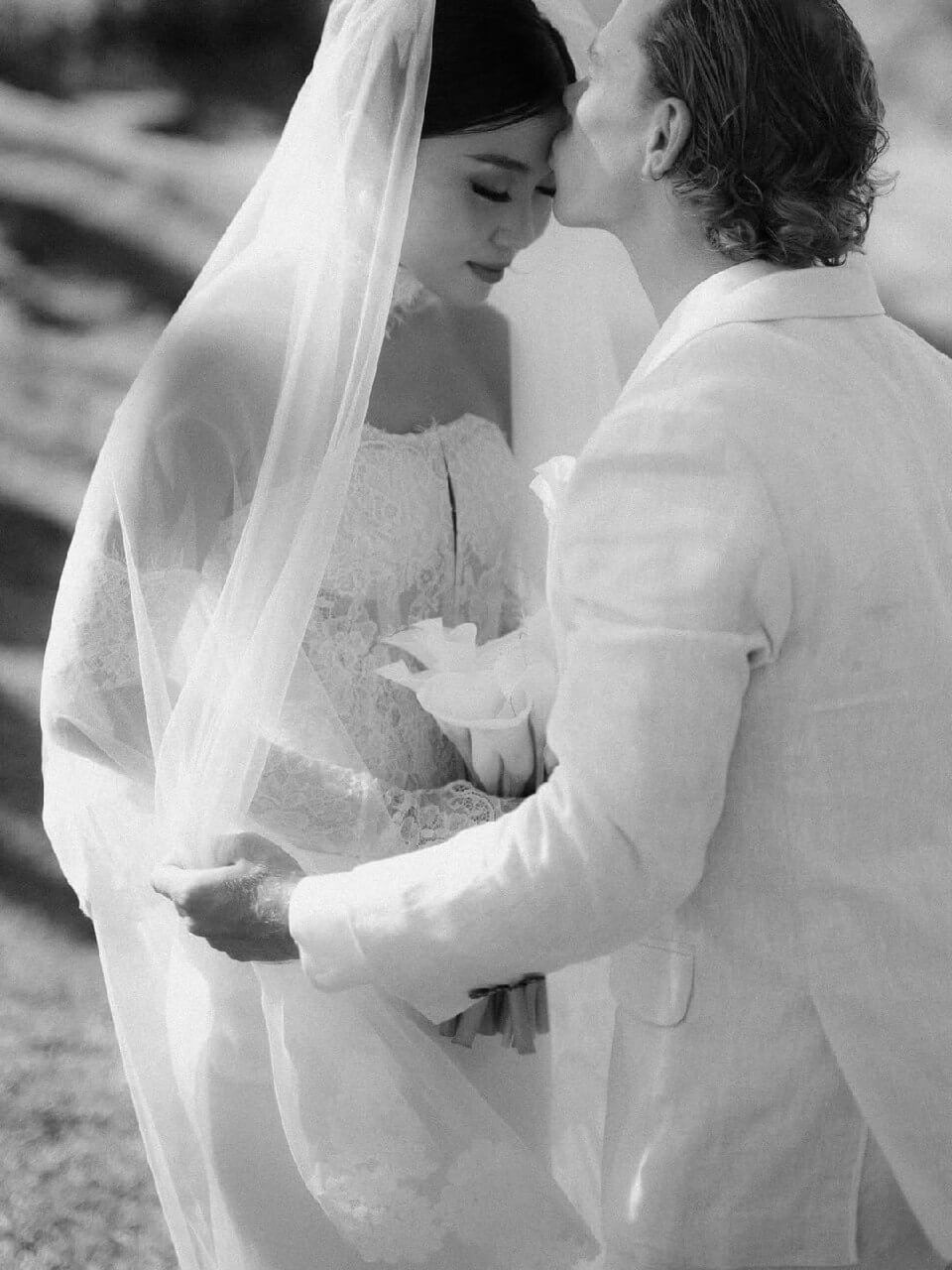
Not all couples want a traditional first look, and Max offers one of the more creative alternatives photographers are currently suggesting. “Sometimes, instead of doing a traditional First Look, I suggest something a little different, a ‘first touch’ or ‘first words,’” he explains. The method is straightforward: the couple stands on opposite sides of a wall or corner, close enough to hold hands and talk, but placed so neither can see the other. “It can be incredibly emotional because they have the chance to hear each other and feel the presence of their partner, while still saving the actual first look for the ceremony,” Max says. They then see each other properly for the first time when the bride walks down the aisle, so that the day still includes one genuinely unscripted moment, even though this moment has been moved to a different point in the schedule.
This is a smart compromise for couples who want a private, camera-friendly moment but don't want to give up the traditional aisle reveal in front of family and friends. As Max points out, in some cases the layered version, listening to your partner's voice before seeing their face, can feel more meaningful than the standard first look on its own.
Personal Touches That Make It Yours
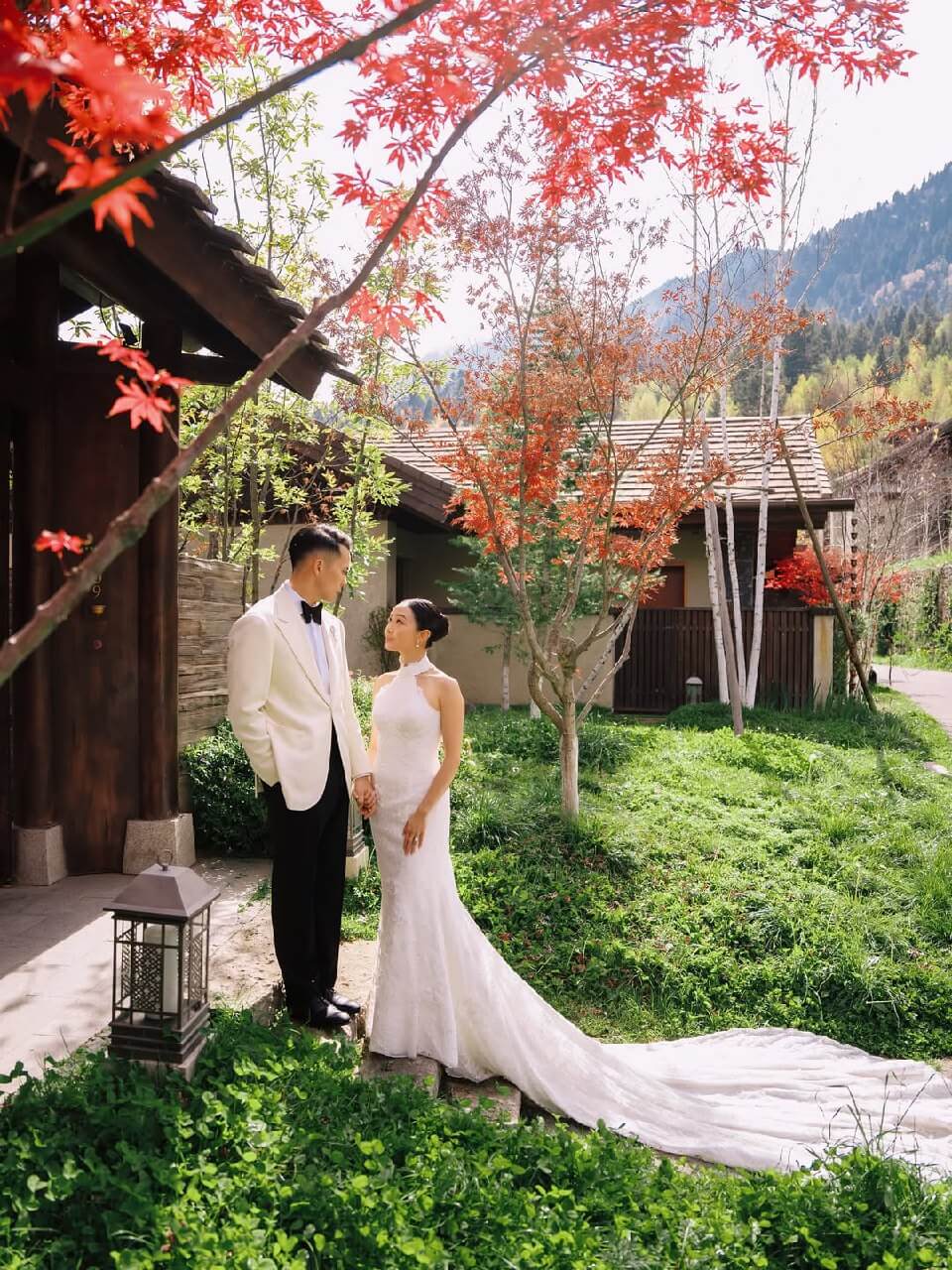
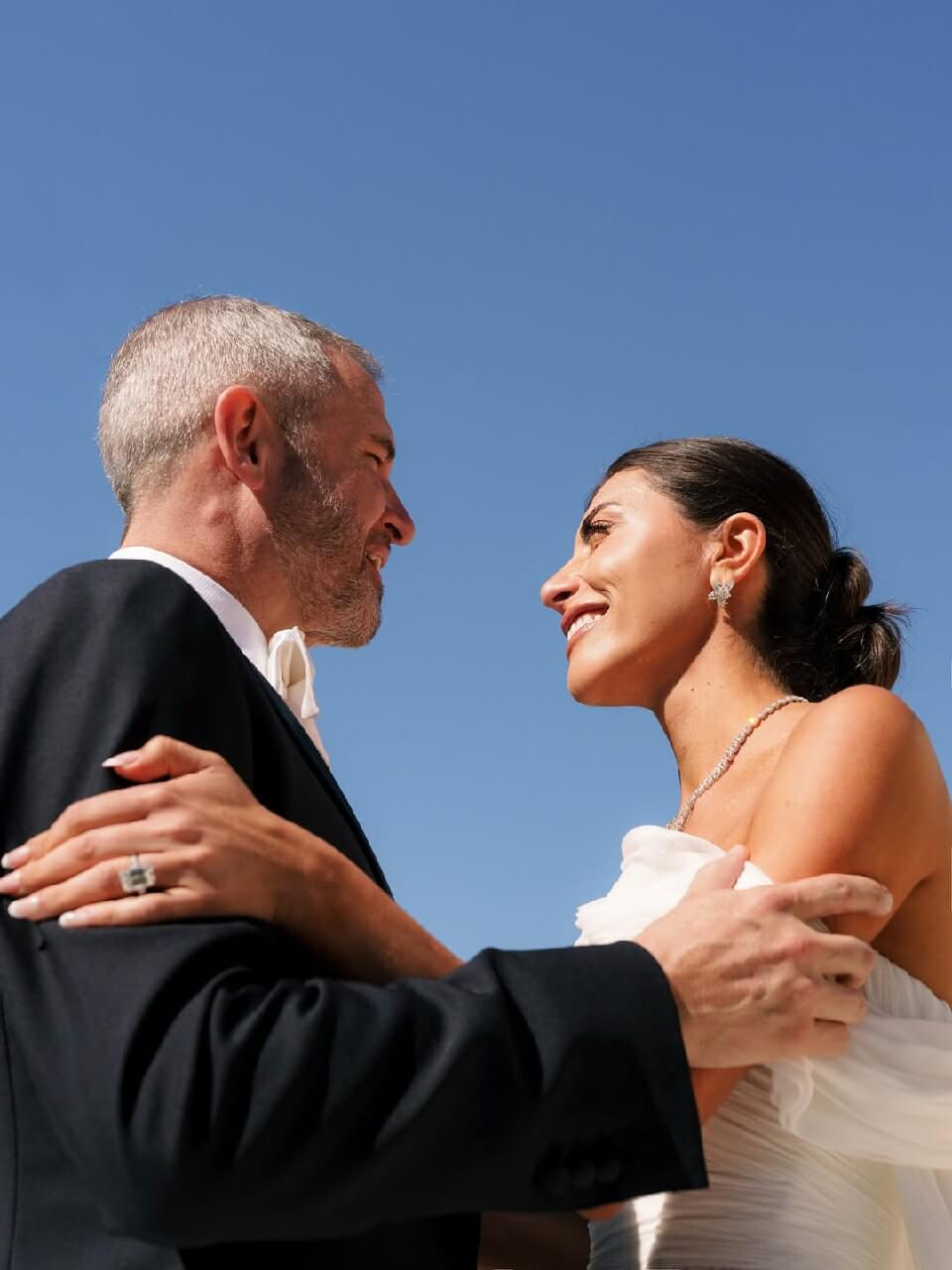
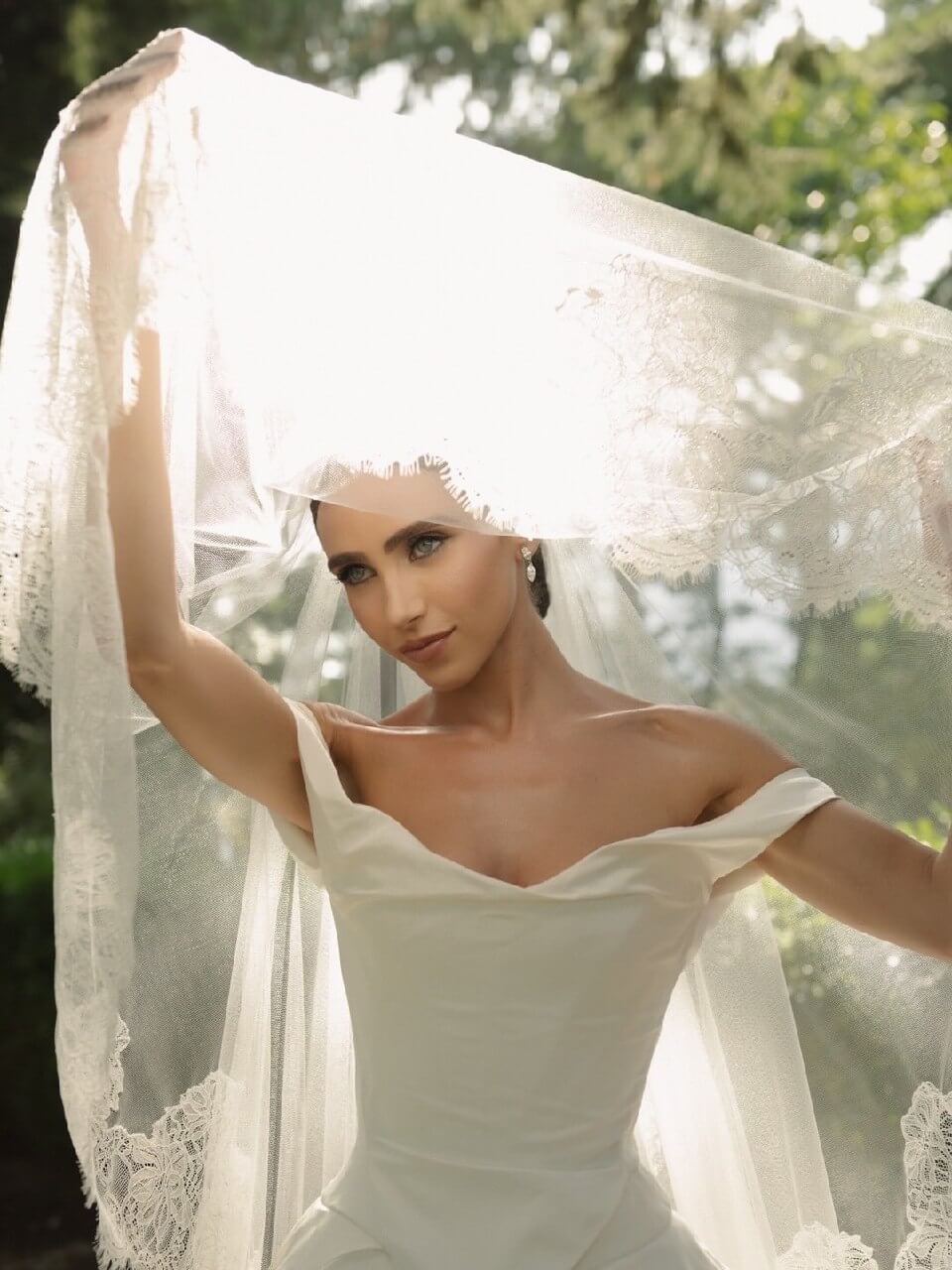
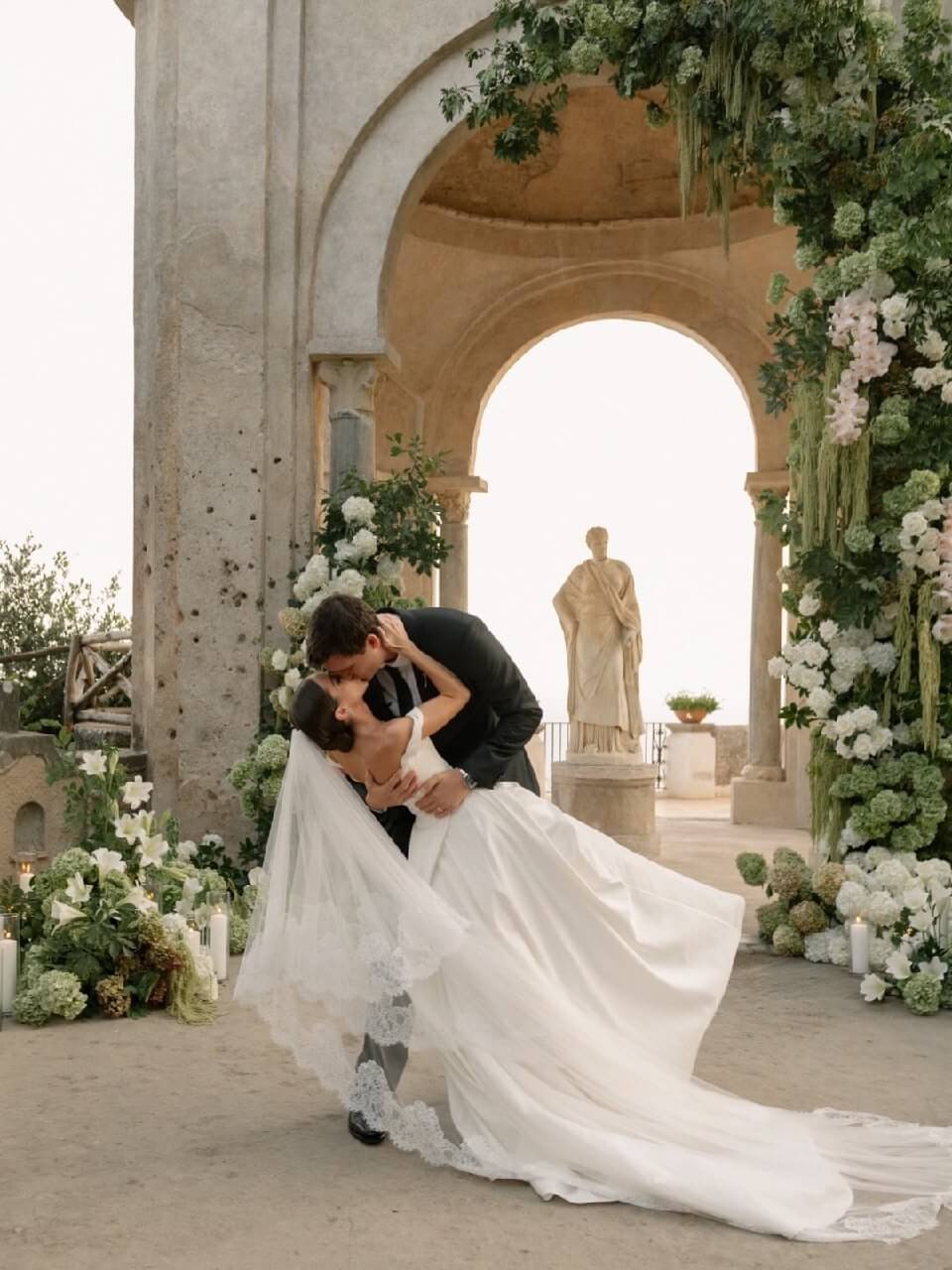
Ruben pushes back gently on the idea that a first look, one of the most photographed moments any couple will have, needs to be dressed up with anything extra at all.
I don’t think it needs to be more creative. I think it needs to feel more like you,
he says. His suggestions lean less toward staged activities and more toward simply giving the couple something real to do together in that private window: reading vows early, exchanging handwritten letters, holding hands quietly without rushing to the next item on the timeline. “Some of my favorite photographs happen after the first look,” he adds, “when couples forget the timeline for a few minutes and just enjoy being together.”
The tendency to extend the moment a little rather than end it prematurely to meet the schedule is precisely what distinguishes a first viewing that results in a few forgettable posed photographs from one that produces the kind of pictures a couple keeps coming back to years later.
Should You Even Do a First Look?
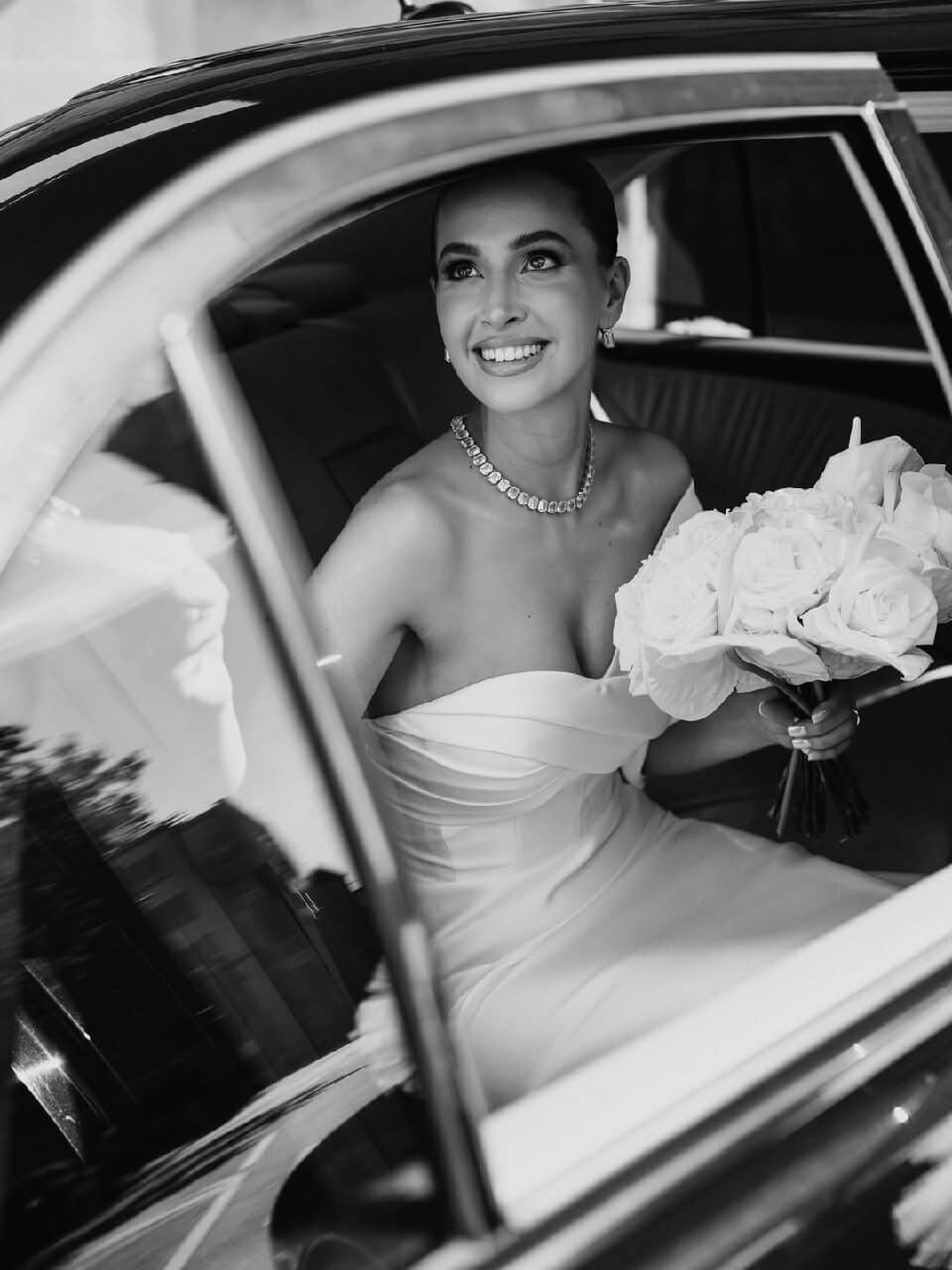
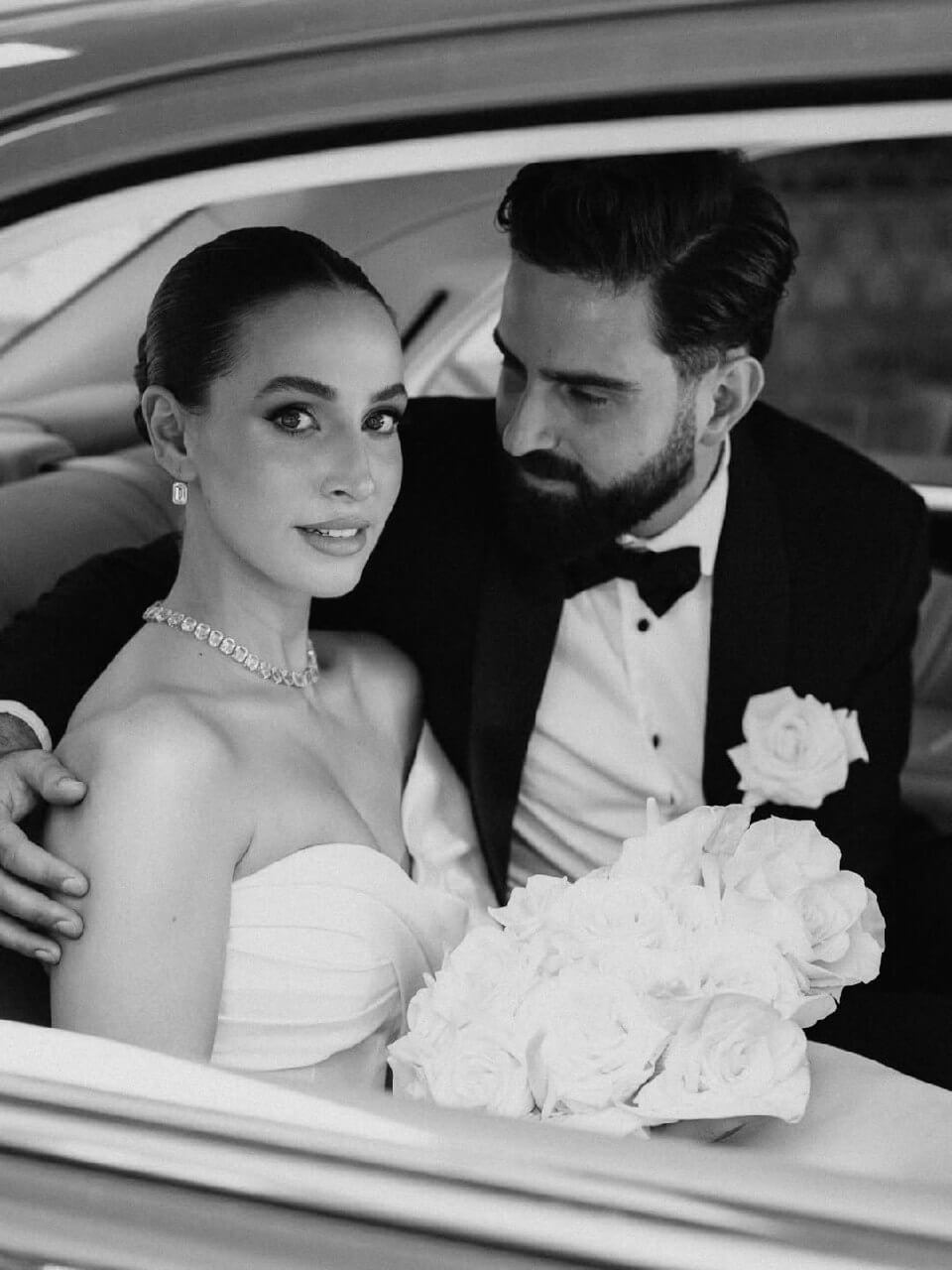
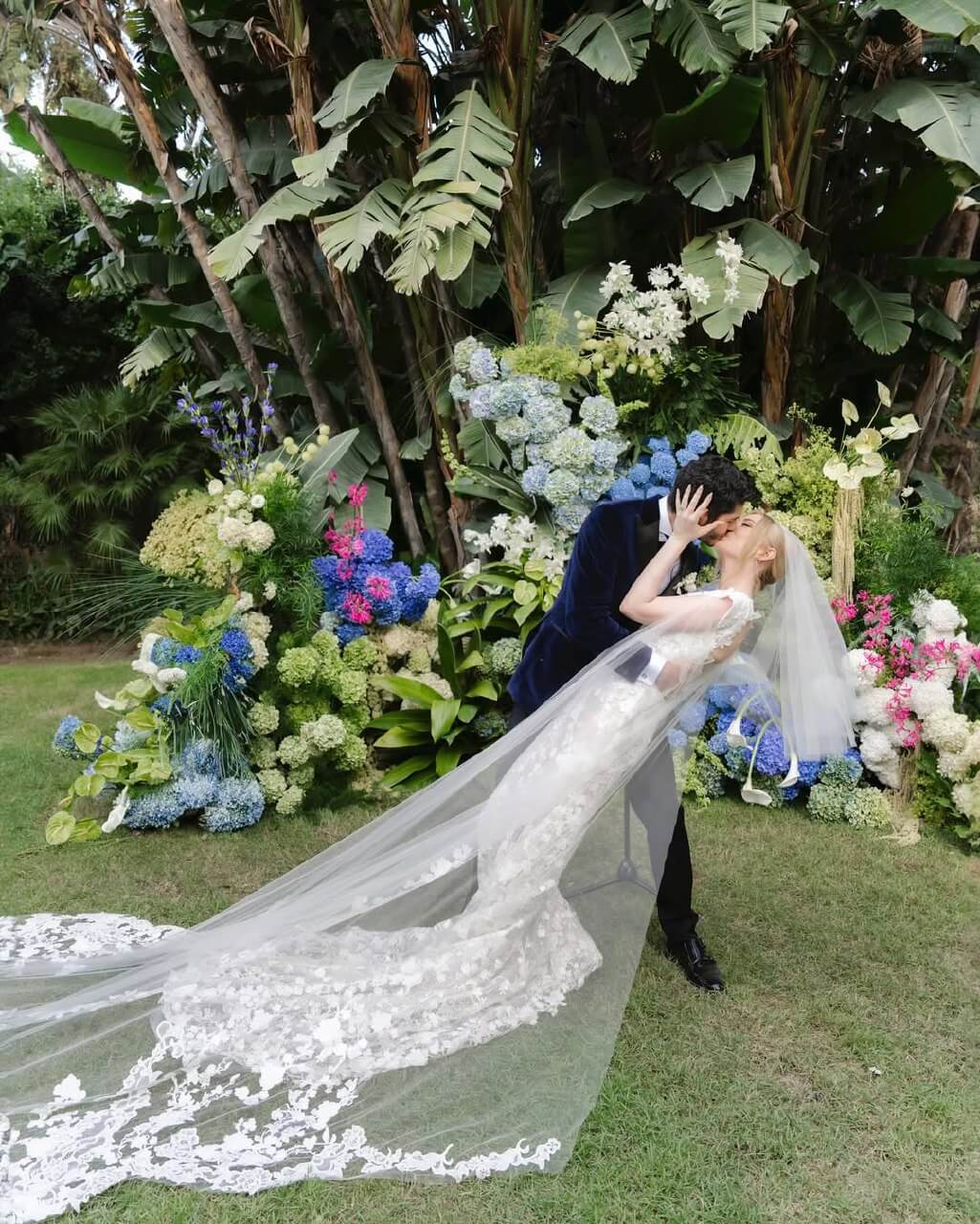
For couples genuinely torn on whether to have a first look as part of their day, both photographers offer the same basic assurance: picking one option doesn't diminish the aisle reveal; it just adds a second, completely different kind of moment. “It doesn’t take away from seeing each other for the first time during the ceremony,” Ruben explains. It simply creates a different kind of moment. Walking down the aisle will always be emotional, but it’s also a moment shared with everyone you love. A first look is quieter and more intimate.” He adds that for couples who are naturally shy or uncomfortable with being watched by a whole room, a private first look gives them “the freedom to react however they want, without feeling like they’re being watched.”
For Max, the maths is simpler than any question of temperament. “A First Look doesn’t take much time, usually just 5 to 10 minutes,” he says. “But the importance of that moment is something you may only truly understand later.” When giving advice to those who are still hesitating, he is clear:
If you have the desire to do it and your wedding timeline allows it, I would say: do it. It’s a small part of the day, but it can become one of the moments you remember the most.
| First Look | Aisle Reveal Only | |
|---|---|---|
| Privacy | Just the couple, no audience | Shared with every guest at once |
| Emotional tone | Quiet, intimate, unhurried | Public, celebratory, high-energy |
| Best suited for | Shy couples, those who dislike being watched | Couples who want one big shared reaction |
| Time required | 5 to 10 minutes, plus buffer | Happens naturally within the ceremony |
| Photo style | Candid, unscripted reactions | Formal, often from a distance |
Neither format is objectively better than the other; they simply produce different kinds of memories, and a growing number of couples are choosing to keep both rather than picking one over the other entirely. A private first look followed by a full aisle reveal gives a couple two distinct emotional beats instead of one: quiet and unguarded first, then loud and shared second, and there's no rule saying a wedding day has to pick just one register to live in.
What to Plan For Before Your First Look
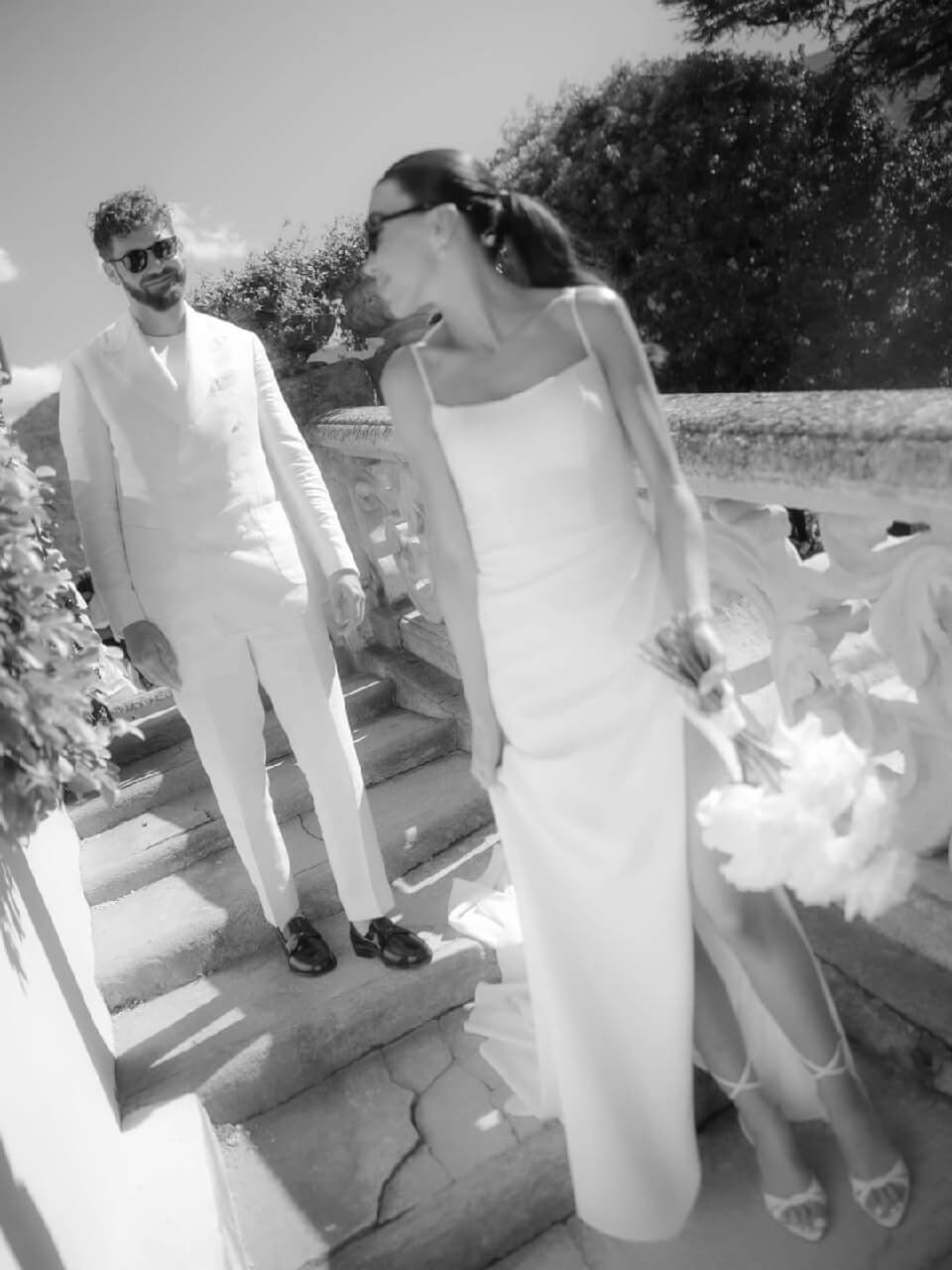
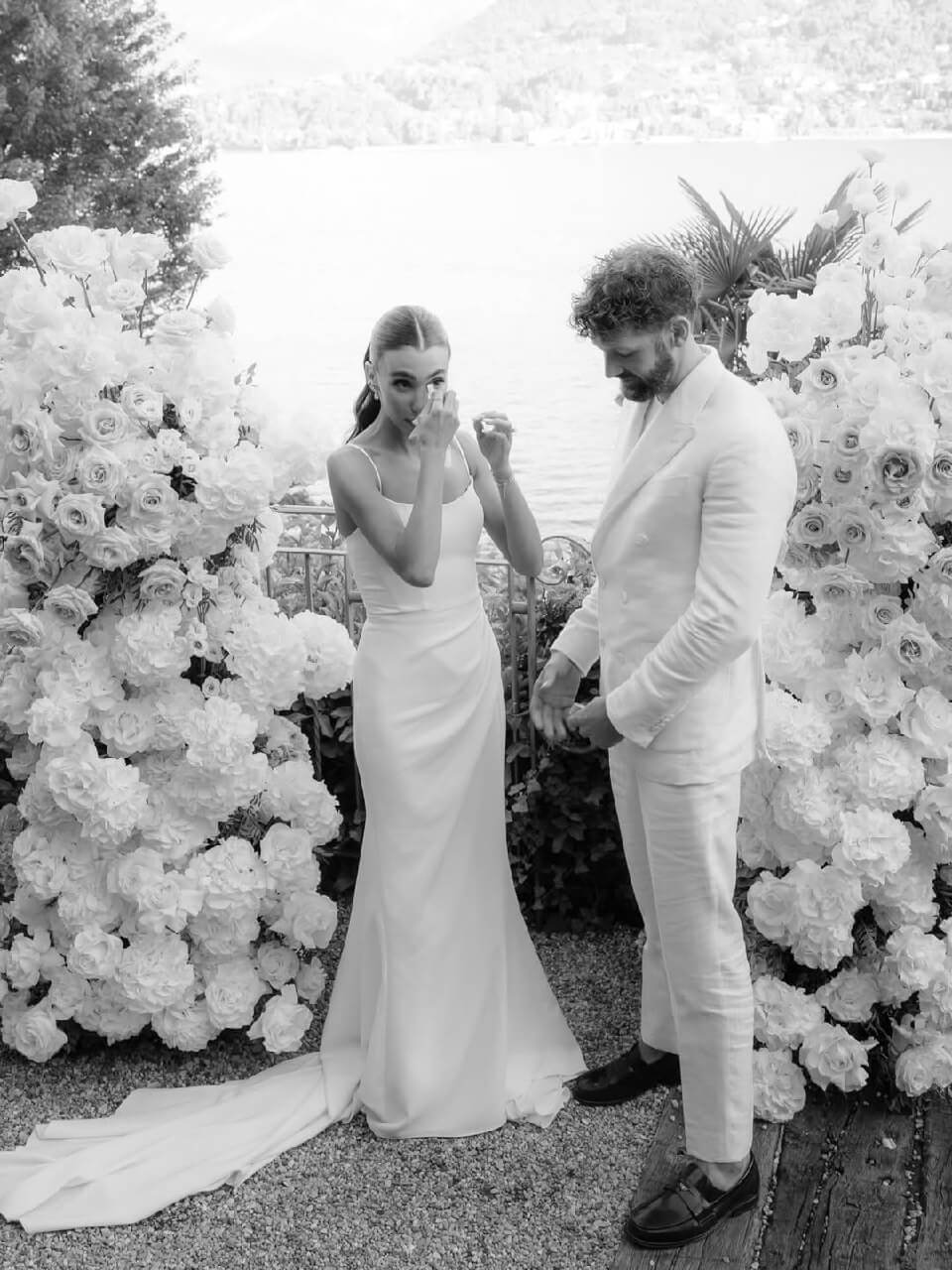
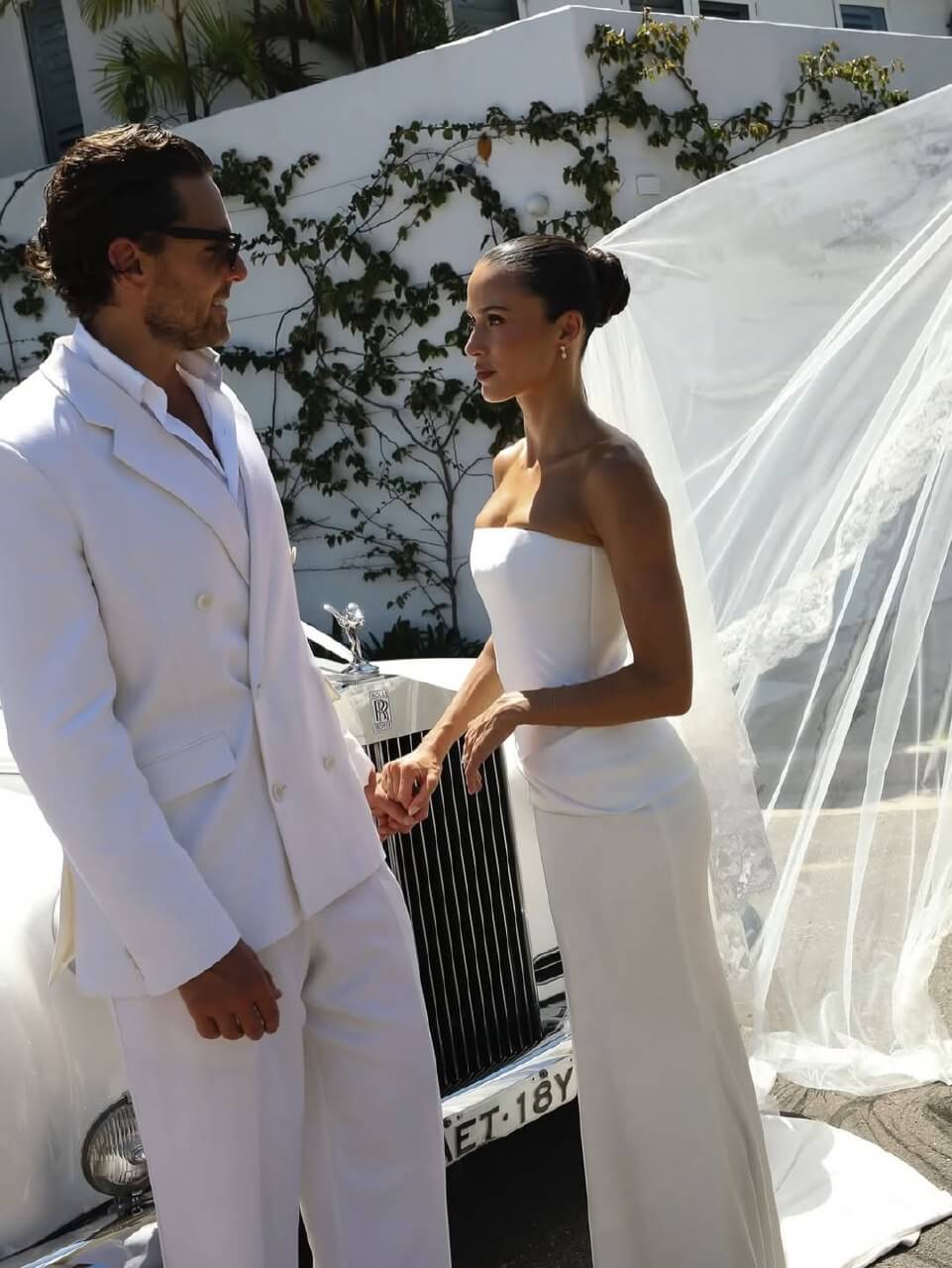
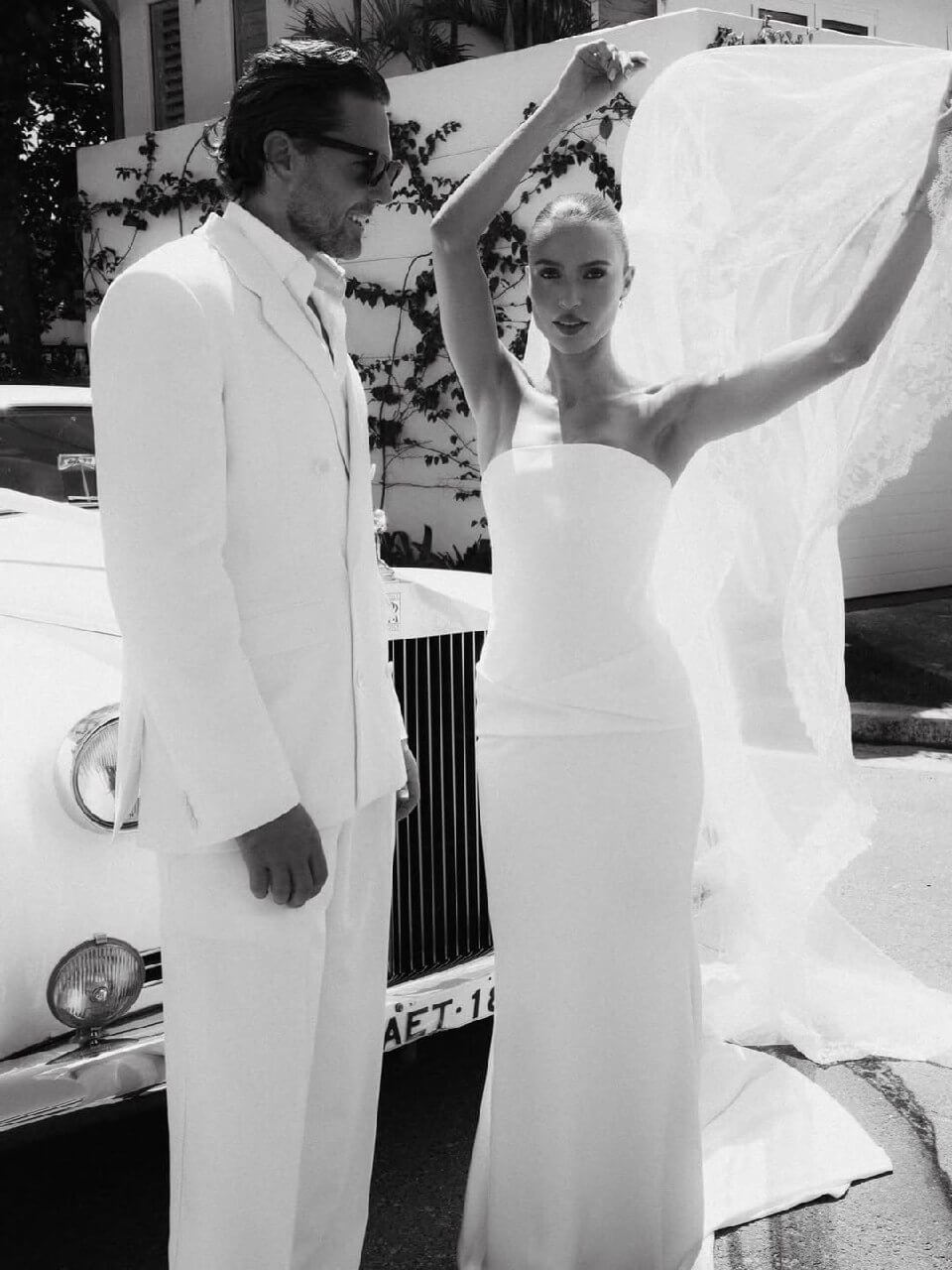
It is no coincidence that a first impression that lives up to those expectations happens, and some planning usually accounts for the difference between a hasty, awkward five minutes and the calm, unhurried moment both photographers describe. Going through and selecting the photos you want for your wedding list before the wedding day itself means saving a lot of stress later on.
- Pick a genuinely private spot, not necessarily the prettiest one, somewhere with enough room to move freely and no risk of guests wandering through
- Clear the area of onlookers, including parents, wedding party members, and anyone holding a phone, even if that means starting slightly earlier than planned
- Build in more time than feels necessary, since the best moments in a first look often happen in the minutes after the initial reaction, once the couple stops thinking about the timeline
- Decide in advance whether to talk during it, since some couples prefer silence while others want to read a vow or share a letter in that private window
- Loop in the photographer on the format, especially if considering an alternative like a first touch or first words moment, since it changes where and how they’ll need to position themselves
There is no need for any elaborate planning, merely a bit of foresight so that this situation isn't in competition with a dozen other logistical matters occurring at the same time.
Whatever way a couple chooses to arrange it - whether it's kept private or is instead presented as the first moment behind a barrier - the initial look continues to hold a place on all the must-have wedding photos list for the same reason that both photographers keep returning to it: it is one of the very few moments during the whole day that goes unobserved, and this is precisely the reason why the photographs taken at that moment remain something that couples can't stop looking at years later. Wezoree’s directory of wedding photographers spans styles and approaches; couples still searching for the kind of vision that suits how they want their day remembered have plenty of options.
FAQ
What are first look wedding photos?
First look wedding photos capture the private moment before the ceremony when the couple sees each other for the first time on their wedding day, usually arranged away from guests to allow a genuine, unscripted reaction. It has now become one of the most frequently requested items on an essential wedding photo checklist, exactly because it provides pictures that no other part of the day can produce.
Is a first look worth doing if we’re going to see each other at the ceremony anyway?
Yes, as the two photographers interviewed for this guide point out, a first look does not replace the aisle reveal; it simply adds a second, more private moment. Couples who are shy or uncomfortable being seen by a full room tend to get the most out of it, since it gives them a quieter alternative to reacting in front of all the guests at once.
How long does a first look typically take?
Most photographers suggest allowing at least five to ten minutes, though many couples find the moment lasts longer once they stop checking the clock. Including extra buffer time generally results in better photographs, as some of the most genuine reactions occur after the first moment rather than during it.
Where’s the best location for a first look?
Photographers consistently regard privacy as more important than scenery; photos are generally stronger and more genuine when taken in a quiet, private spot that allows enough room to move around than in a scenic but exposed place. Indeed, even an essential wedding photograph taken in New York City, although set among iconic backgrounds, is better captured on a quiet side street or in a hidden courtyard than at a crowded, well-known landmark.
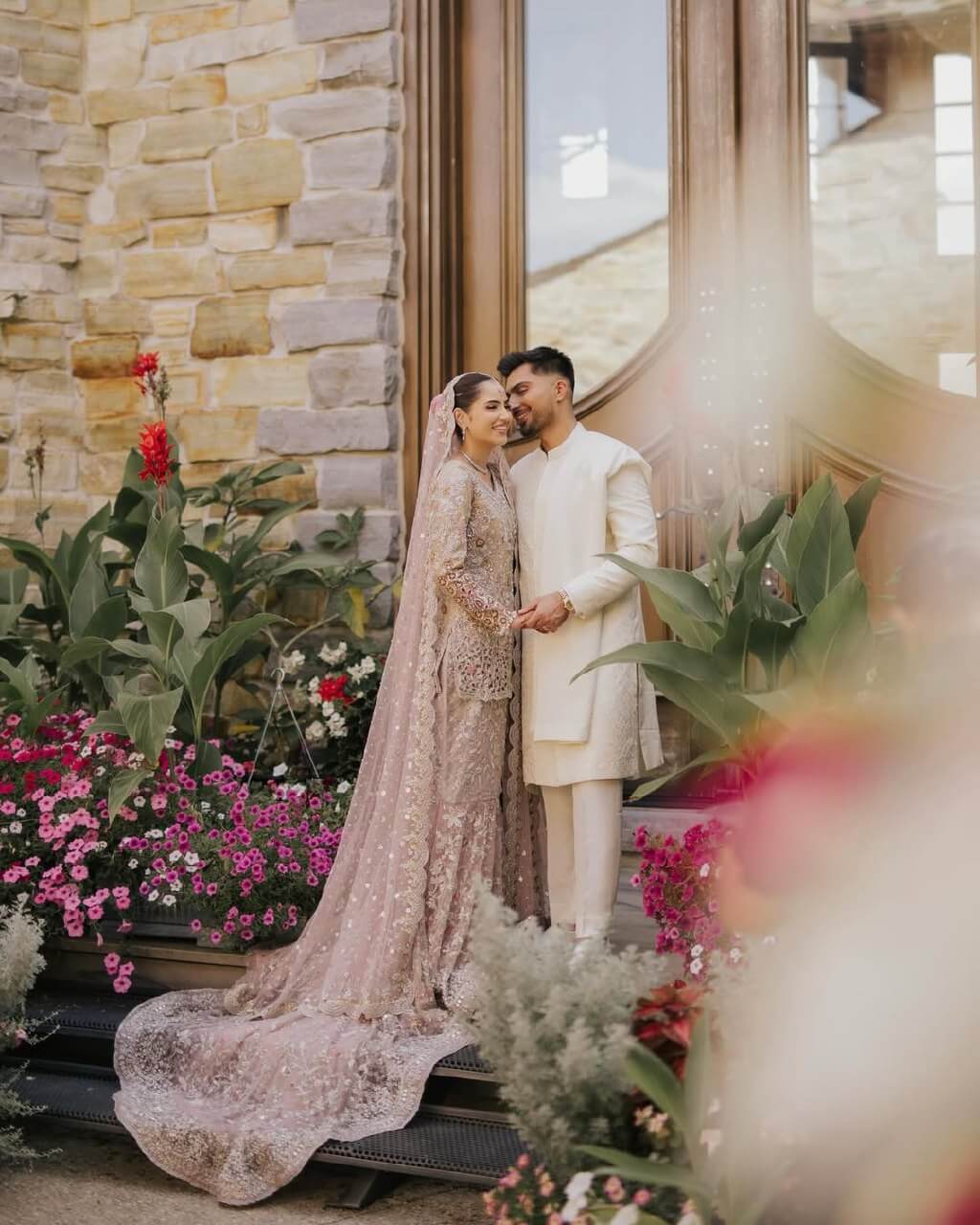
What is a “first touch” or “first words” alternative to a traditional first look?
In this arrangement, the two people stand on opposite sides of a wall or corner, far enough apart to hold hands and talk without seeing one another, with the visual meeting reserved for the ceremony. It is one of the more creative first look wedding photo ideas being shared among photographers, and it's popular with couples who want a private, emotional moment early in the day without completely giving up the traditional aisle reveal.
Should other people, like parents or the wedding party, be present during the first look?
It is generally advised by photographers to keep the moment just between the two people, as even a small and well-intentioned audience tends to affect the way people naturally react; by getting rid of the spectators and the phones from the area, both individuals are able to completely forget that they are being photographed, a situation which usually results in more genuine expressions.
Can we personalize our first look beyond just seeing each other?
Absolutely, and many photographers do promote this practice: it is common for them to recommend that the couple read their vows beforehand, exchange handwritten letters, or simply remain together in quiet companionship without feeling the need to move on to the next stage of the wedding program. The aim is not to make the moment more elaborate, but to give it the couple's character rather than present it as a standard photo opportunity - this sort of touch distinguishes a wedding photo sequence that is merely forgettable from one the couple goes on to value.