Cocktail Wedding Attire: Cheers to Dressing the Part


- What Is Cocktail Attire for a Wedding, Really?
- Cocktail Attire vs. Every Other Dress Code
- Cocktail Attire for Women Wedding Guests: The Actual Rules
- Cocktail Attire for Men Wedding Guests: What Actually Belongs in the Closet
- How Summer, Winter, and Everything Between Changes the Rules
- Where Even Confident Dressers Go Wrong
- FAQ
There’s a special kind of panic that sets in the moment “cocktail attire” shows up on an invitation. It sounds so specific, so confident, like the host has handed you an exact blueprint - and yet somehow it’s the dress code that sends more people spiraling into their closet at 9pm the night before than any other phrase in the English language. What is cocktail attire for a wedding, exactly? That’s the question hiding underneath all that anxiety, and it’s a fair one to ask. Here’s the good news - cocktail attire has actual rules, a genuinely fascinating backstory, and once you understand both, you’ll never stare blankly at your closet again.
Find Your Perfect Wedding Vendors


What Is Cocktail Attire for a Wedding, Really?
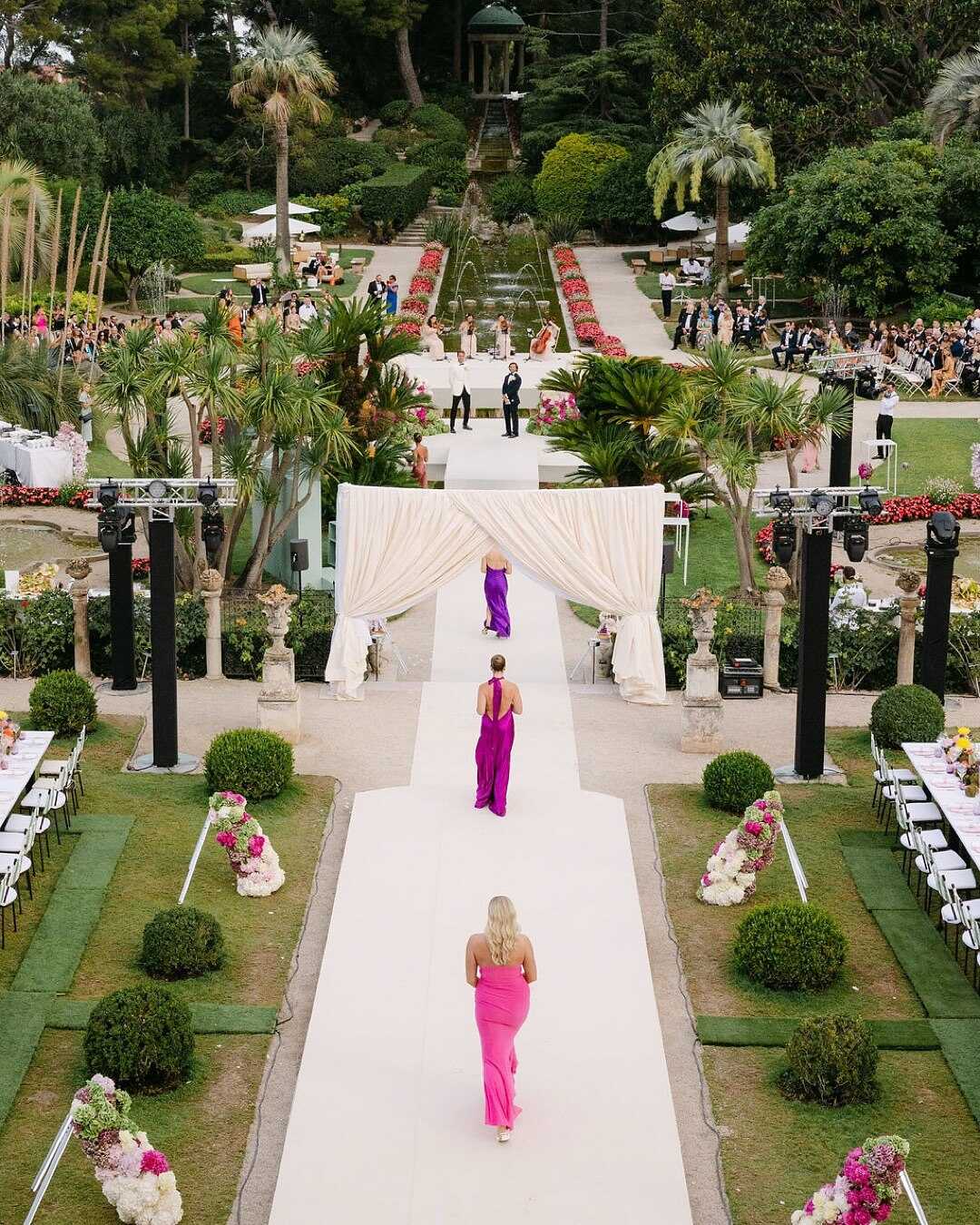
The surprise no one anticipates is that the cocktail dress code didn't originate in a design studio or emerge from the efforts of an etiquette columnist. Instead, it emerged during Prohibition. When the sale of alcohol was made illegal all over America in 1920, parties didn't cease - they simply shifted indoors and took place in private homes, where the rich stored up liquor and held small, rather illicit get-togethers between six and eight in the evening; this period came to be known as cocktail hour. Since guests needed an outfit that was somewhere between a day dress and a full evening gown, wedding cocktail attire almost had to be created, because it felt dull to turn up in one's day clothes, and it would have seemed ridiculous to appear in a ball gown in someone's living room.
The little black dress launched by Coco Chanel in 1926 became the de facto model - short, slim, and suitable for dancing - even though it wasn't until the late 1940s that Christian Dior actually used the term 'cocktail dress' in the fashion press, thus establishing a category that had already been in existence for twenty years. This origin story is more significant than it at first appears, since it shows precisely why cocktail wear still has the characteristics it does today: it remains polished without being stiff, elegant yet allowing for movement, dressed up but never becoming ceremonial. It was created by people who wanted to look their best while slightly breaking the rules, and that attitude of confident, lightly playful sophistication has never really gone away.
Cocktail Attire vs. Every Other Dress Code
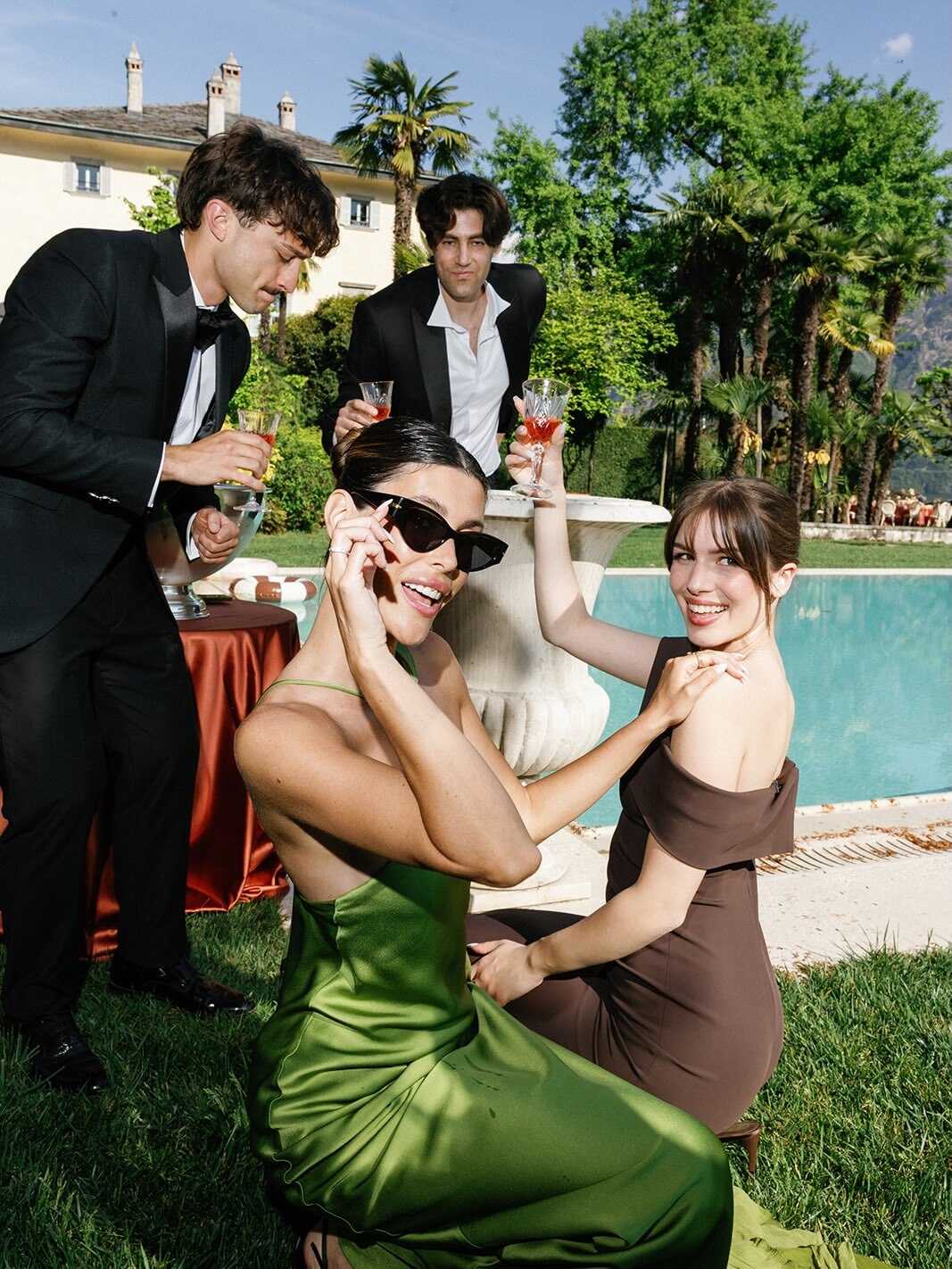
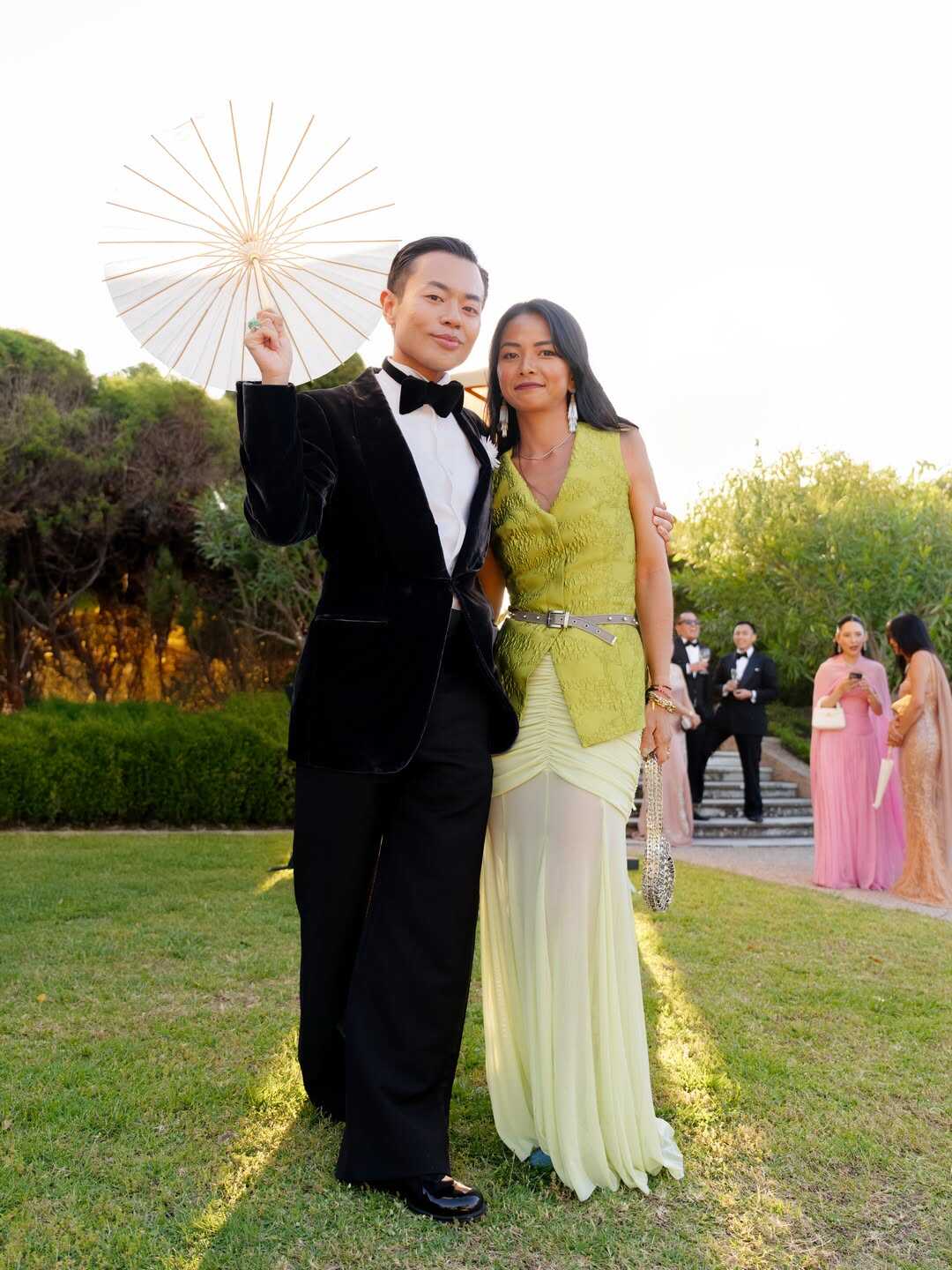

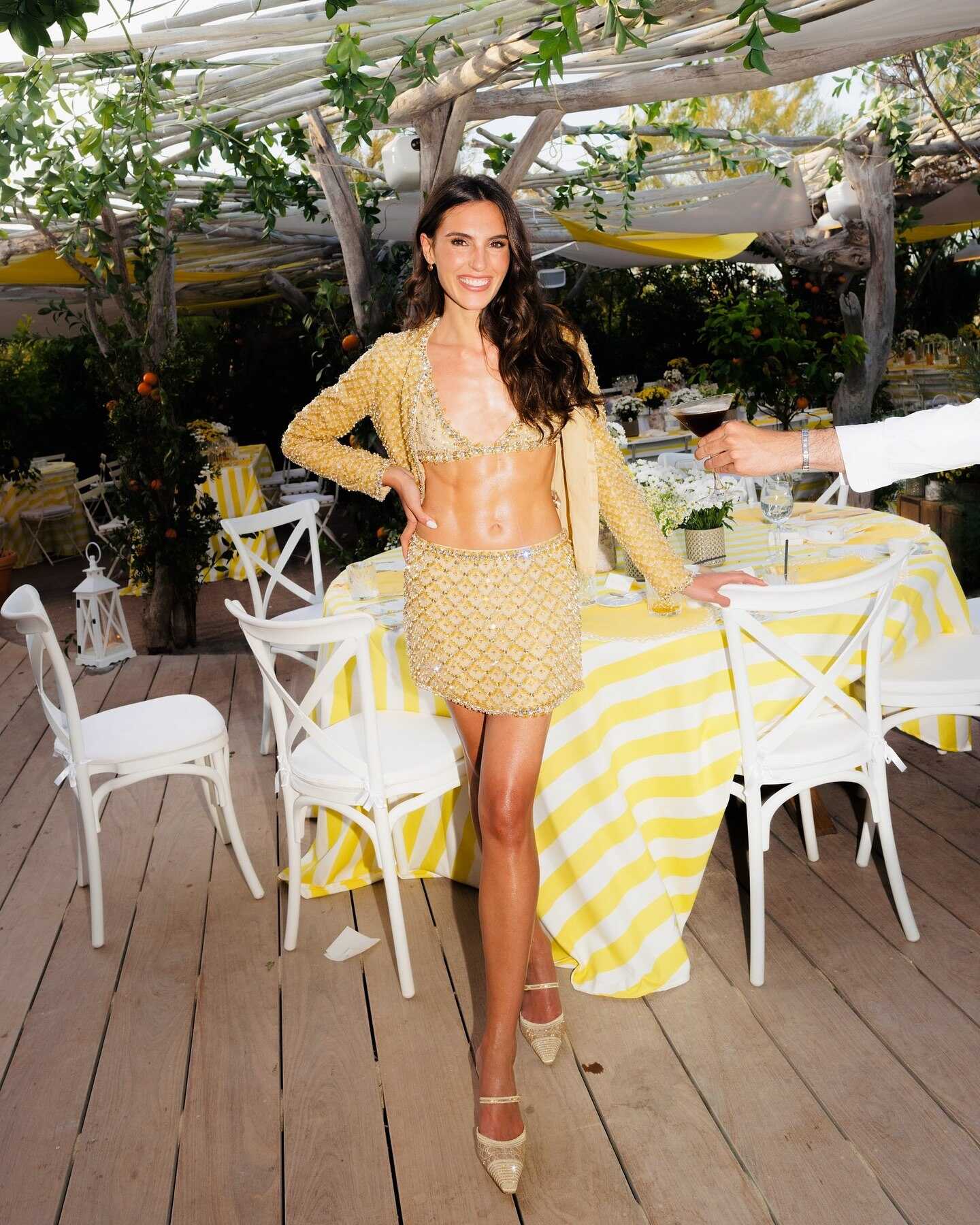
The reason dress codes like this confuse people isn’t the outfit itself - it’s not knowing where cocktail attire wedding guest expectations sit relative to everything else on the formality spectrum. Wedding invitations have quietly developed their own shorthand language over the last few decades, and most guests never get a proper decoder ring for it; they just guess, hope, and occasionally overdress or underdress by an entire category. Once you see the cocktail laid out next to its neighbors, the fog tends to clear immediately.
| Dress Code | Formality Level | Typical Look |
|---|---|---|
| Casual | Lowest | Sundresses, chinos, no tie required |
| Cocktail | Semi-formal | Knee-length to midi dresses; suit and tie for men |
| Semi-Formal / Dressy Cocktail | Slightly above cocktail | Longer hemlines, richer fabrics, darker suits |
| Black Tie | Highest | Floor-length gowns; tuxedos |
Cocktail dress sits very nearly in the middle of that scale, which is the reason it works so well at weddings - it is formal enough to give the impression that it's an official event yet relaxed enough that no one has to worry about sweating through a tuxedo at a reception held in the garden. It's also important to note what cocktail attire does not mean, rather than simply what it does mean: it does not mean that jeans can be dressed up with a blazer, and it doesn't call for anything like a red-carpet gown. It really does occupy a very narrow and particular position, and the majority of style mistakes occur when guests go too far in either direction rather than actually settling within it. As soon as you can properly place cocktails within that range, all the other choices regarding hemlines, fabrics, and shoes become much simpler.

Cocktail Attire for Women Wedding Guests: The Actual Rules
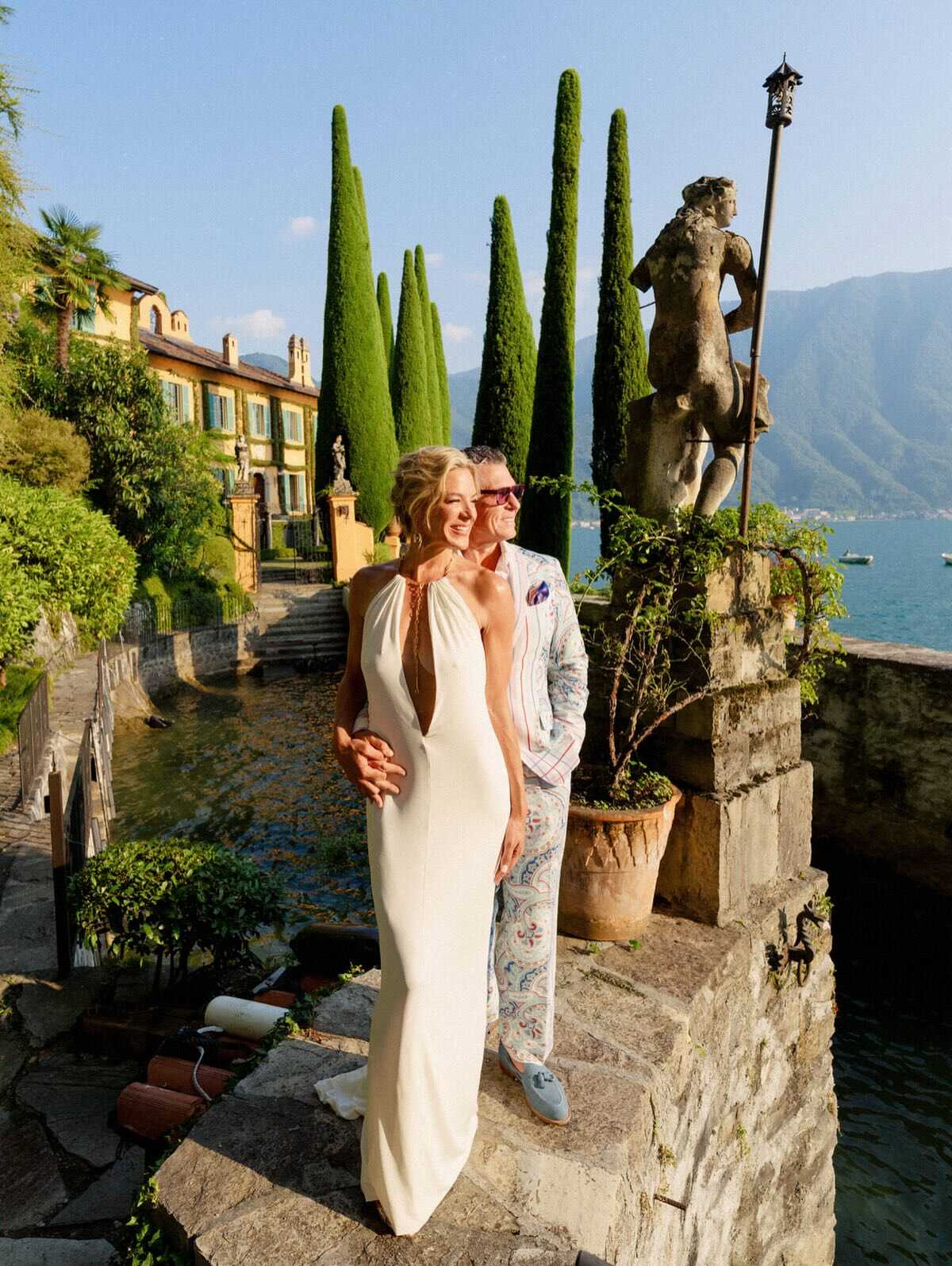

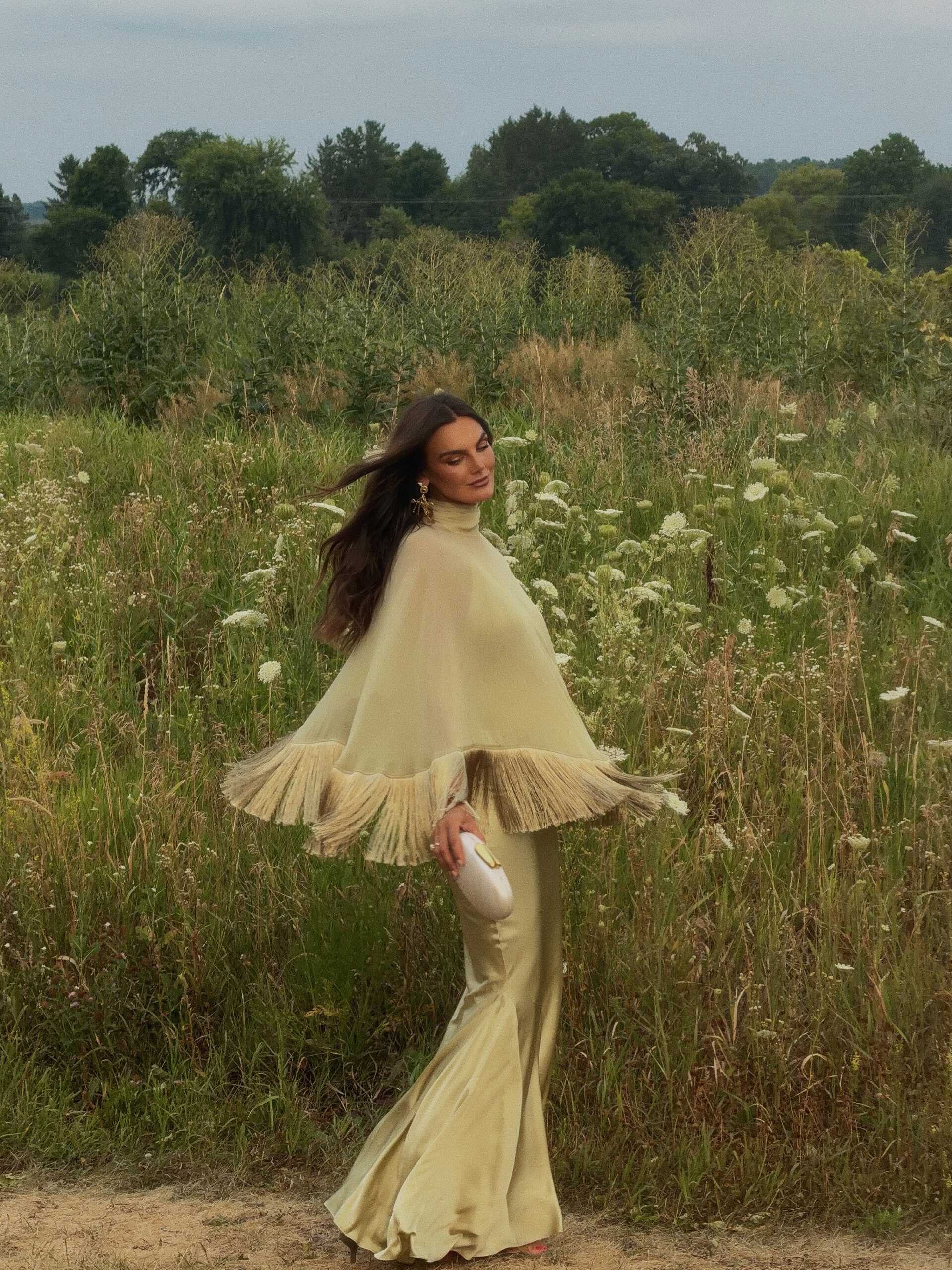
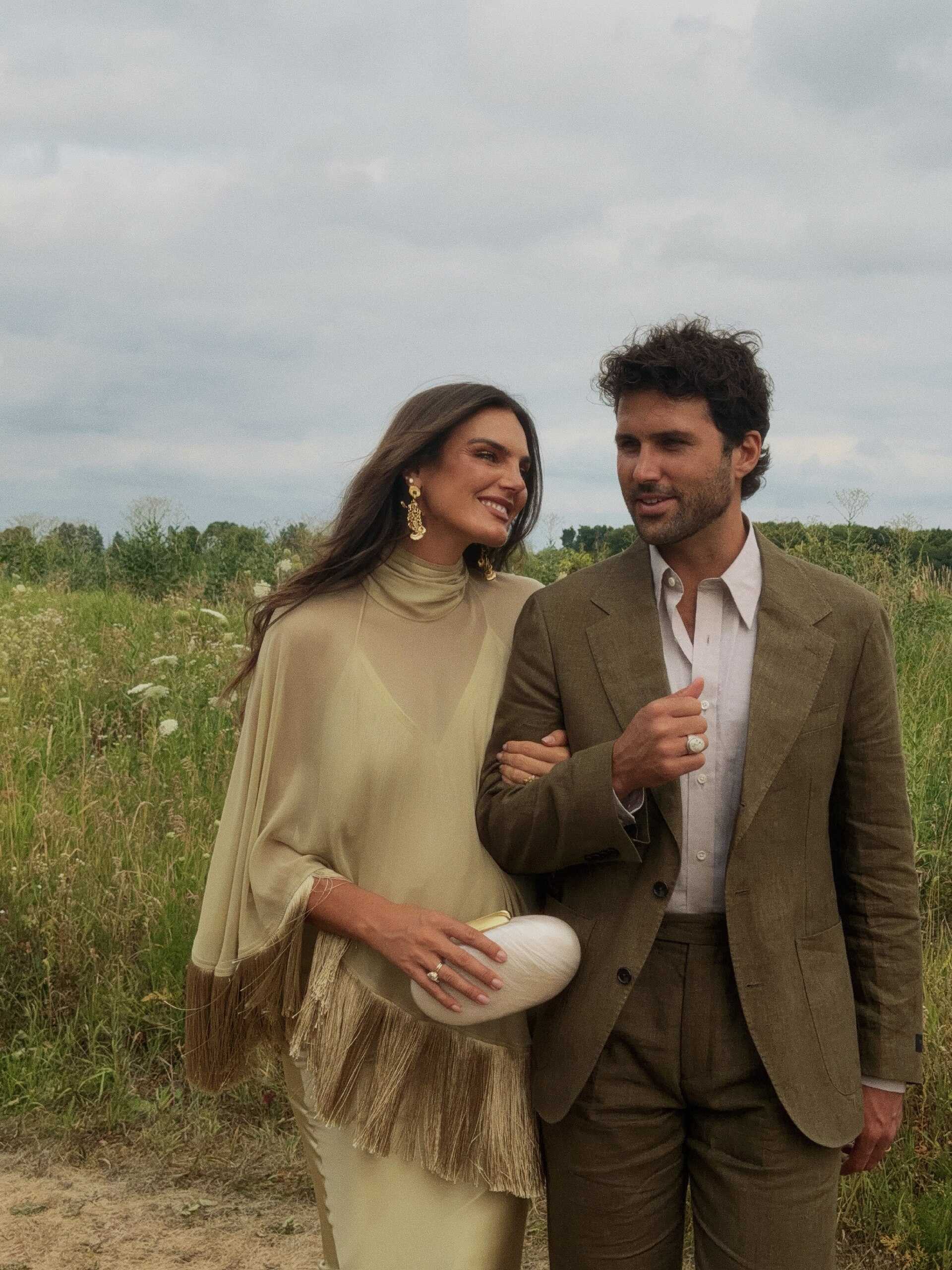
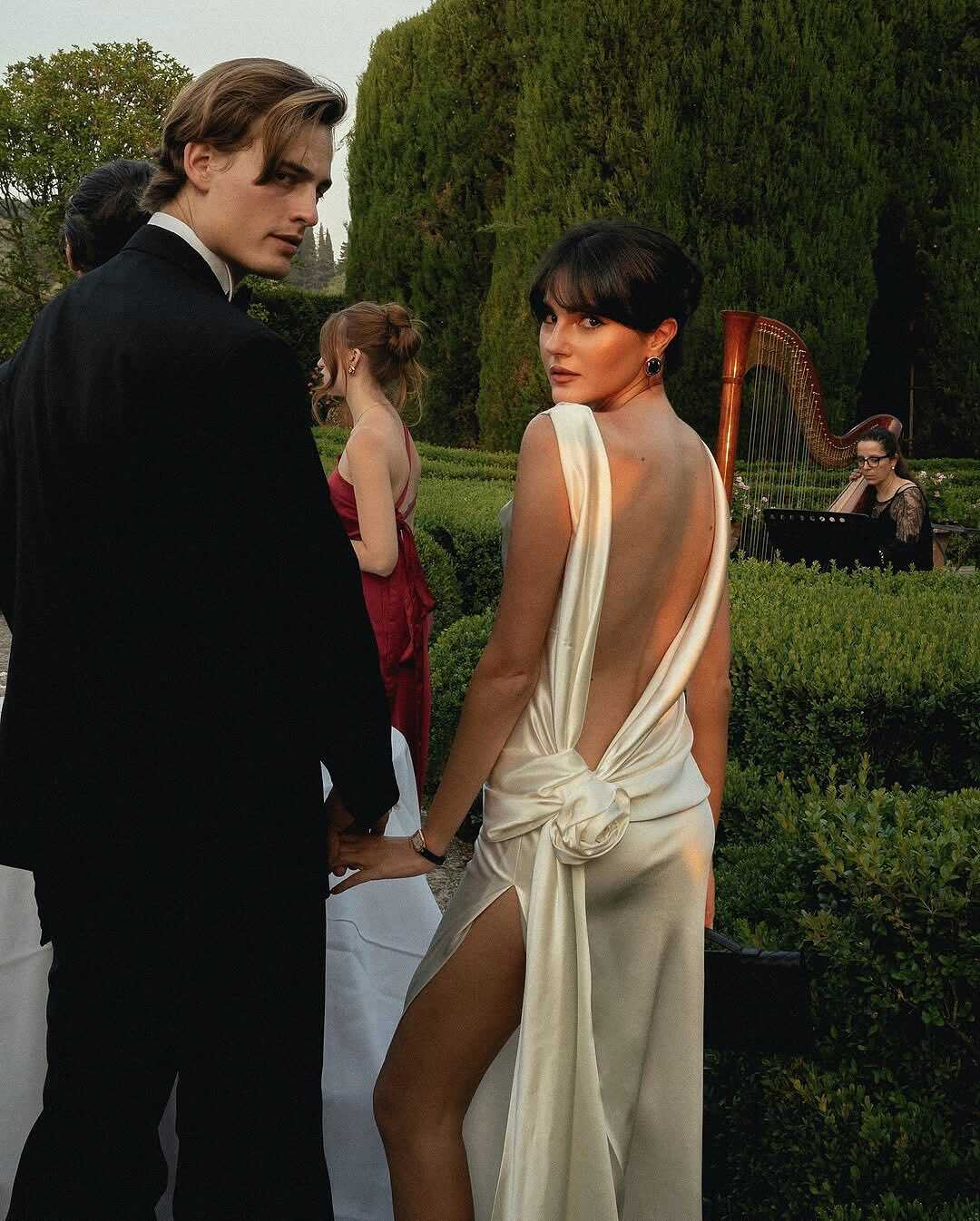
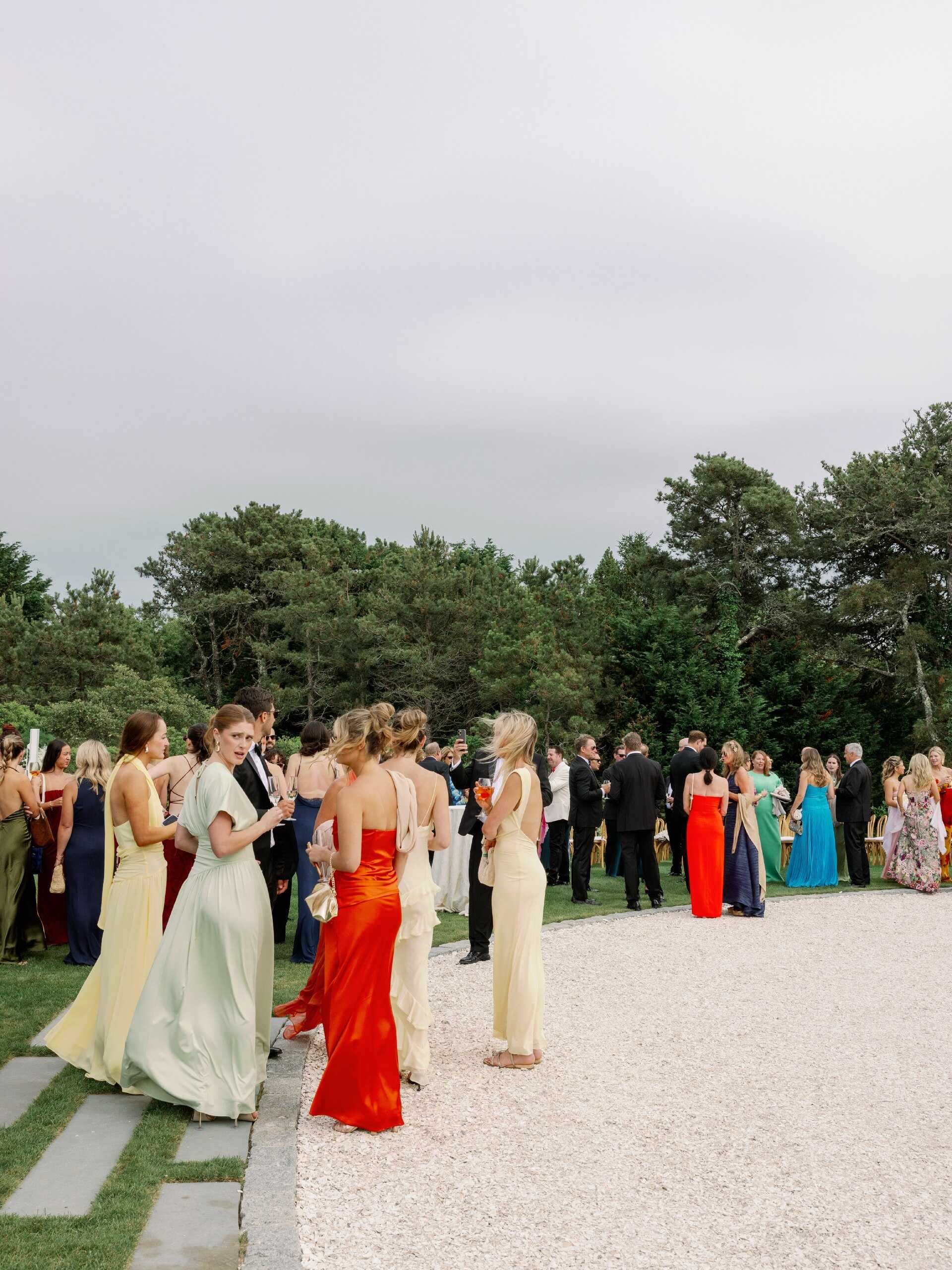
For women’s cocktail wedding attire, the anchor point is hemline: knee-length to midi is the sweet spot, with floor-length gowns generally reserved for black tie and anything above mid-thigh reading as more nightclub than reception. Beyond length, fabric does most of the heavy lifting - silk, satin, velvet, lace, and structured crepe all read as appropriately elevated, while cotton and casual jersey knits tend to undersell the occasion, no matter how nice the cut.
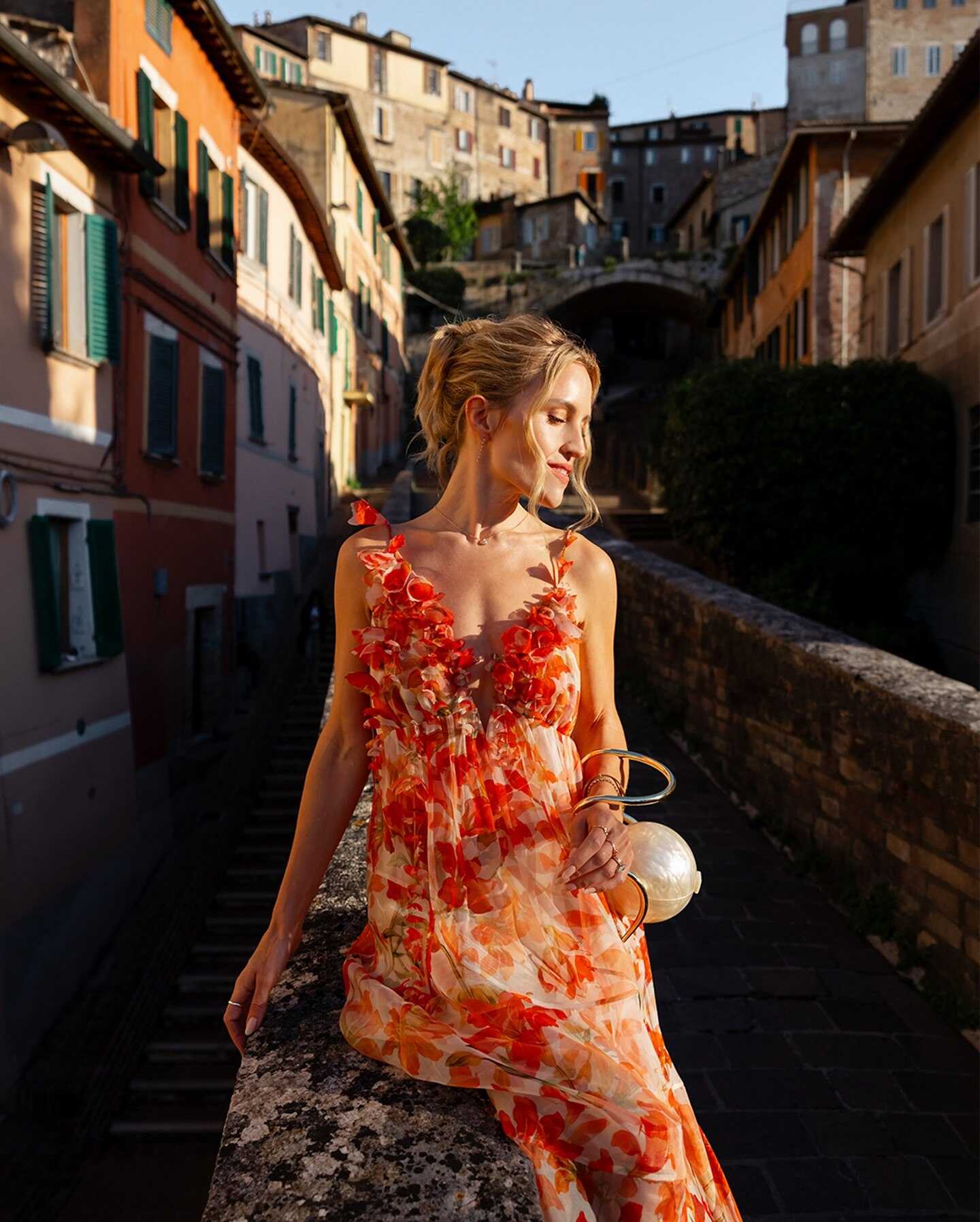
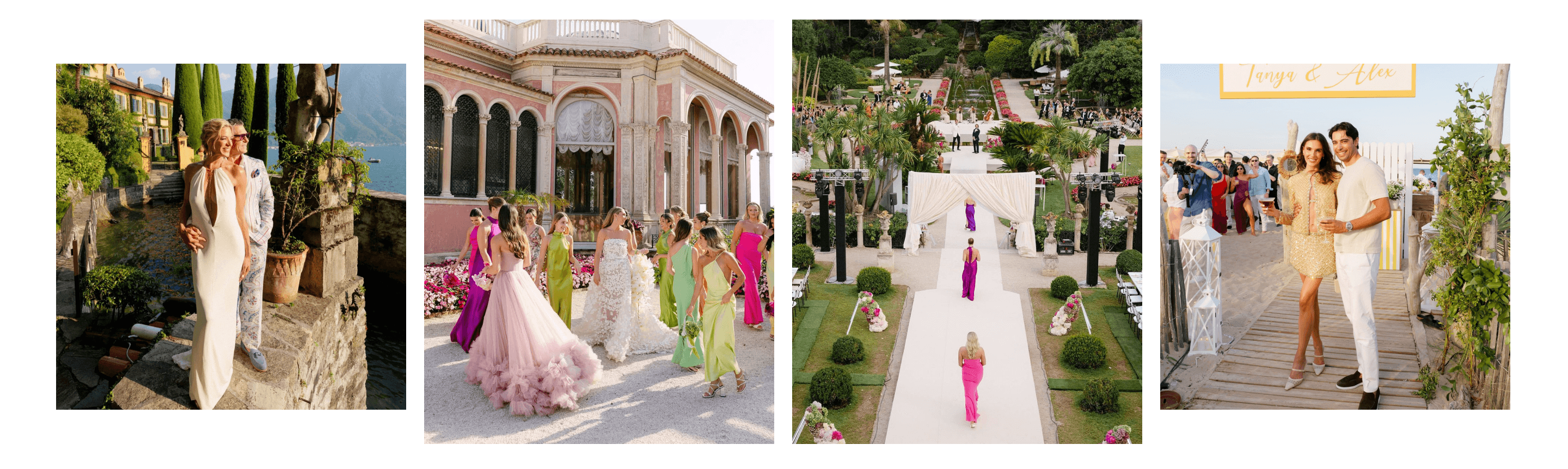
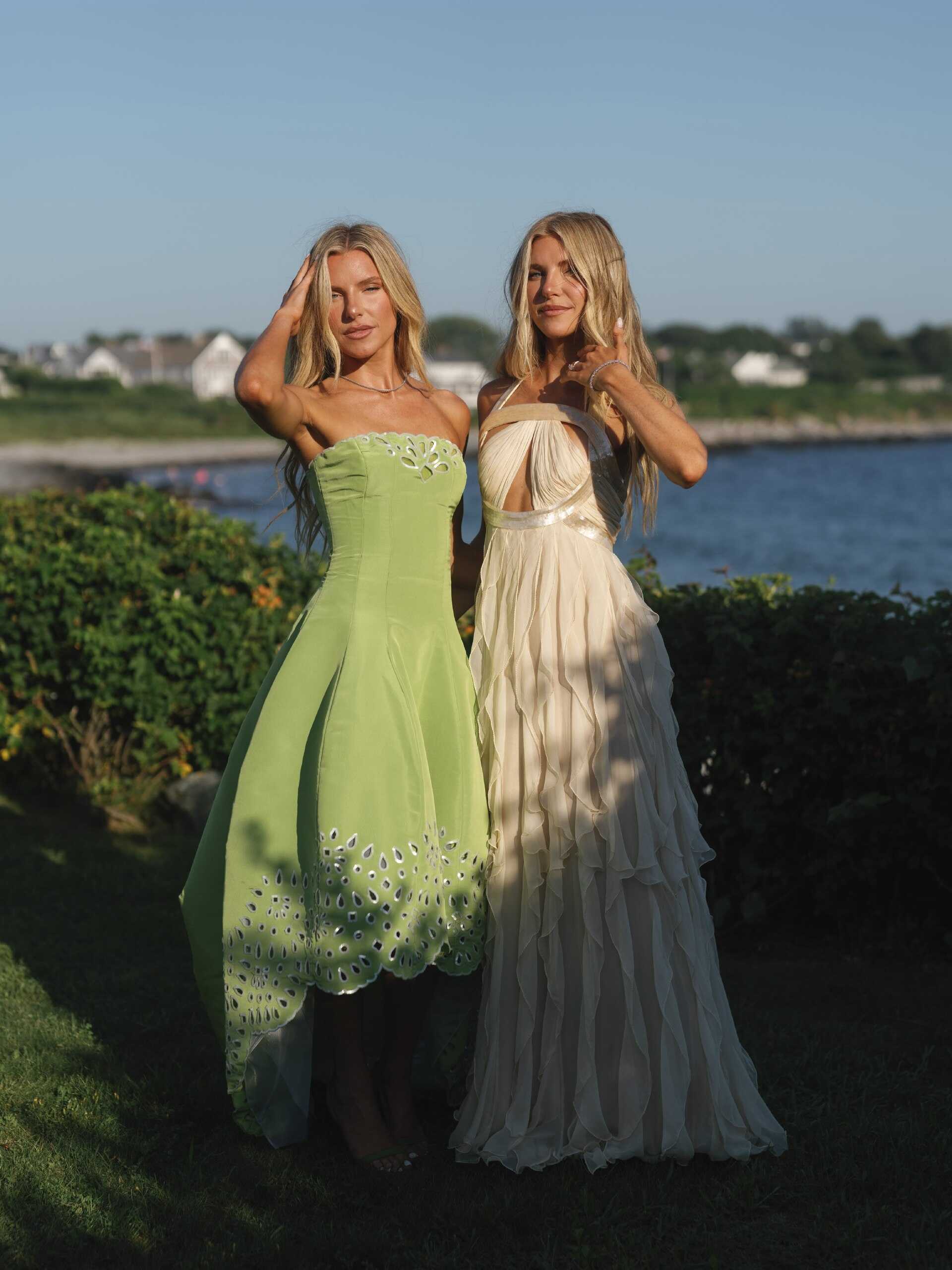
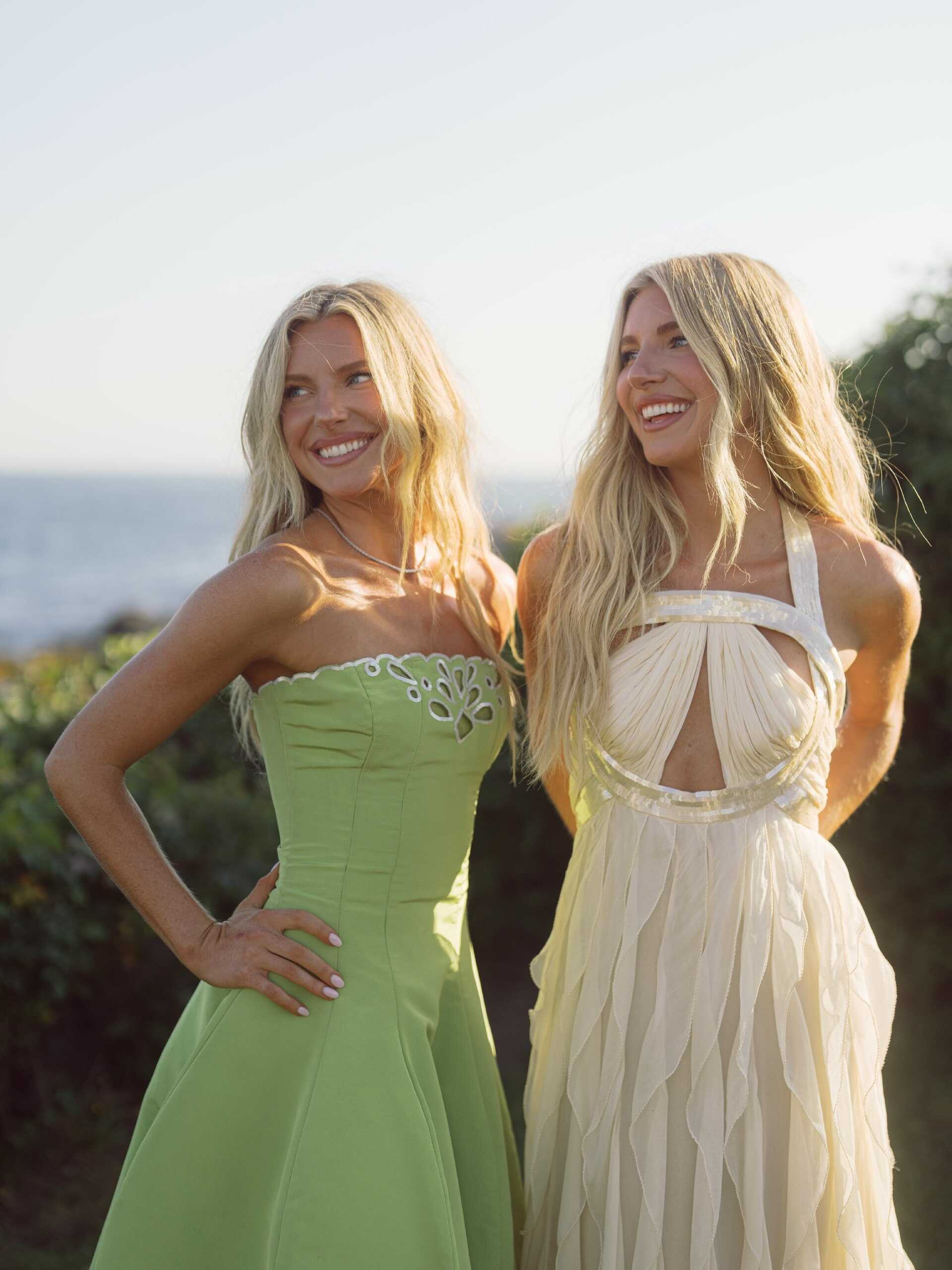
Color and embellishment are where cocktail attire actually gets to have fun, and this is the detail most people get wrong by playing it too safe. The use of jewel tones, rich floral patterns, sequins, and various textures is entirely acceptable - the dress code wasn't intended to be conservative; it was meant to have a touch of glamour. A well-cut jumpsuit can also be a perfectly valid alternative to a dress, provided the material and the way it is tailored have the same significance as a dress would; silk or sequined versions come across just as sophisticated as a gown, whereas a casual linen jumpsuit does not. Combine the outfit with heels (block heels are a fully acceptable, foot-friendly option instead of stilettos) and one piece of jewelry rather than five separate accessories, and the entire appearance will seem purposeful rather than excessive.
Cocktail Attire for Men Wedding Guests: What Actually Belongs in the Closet
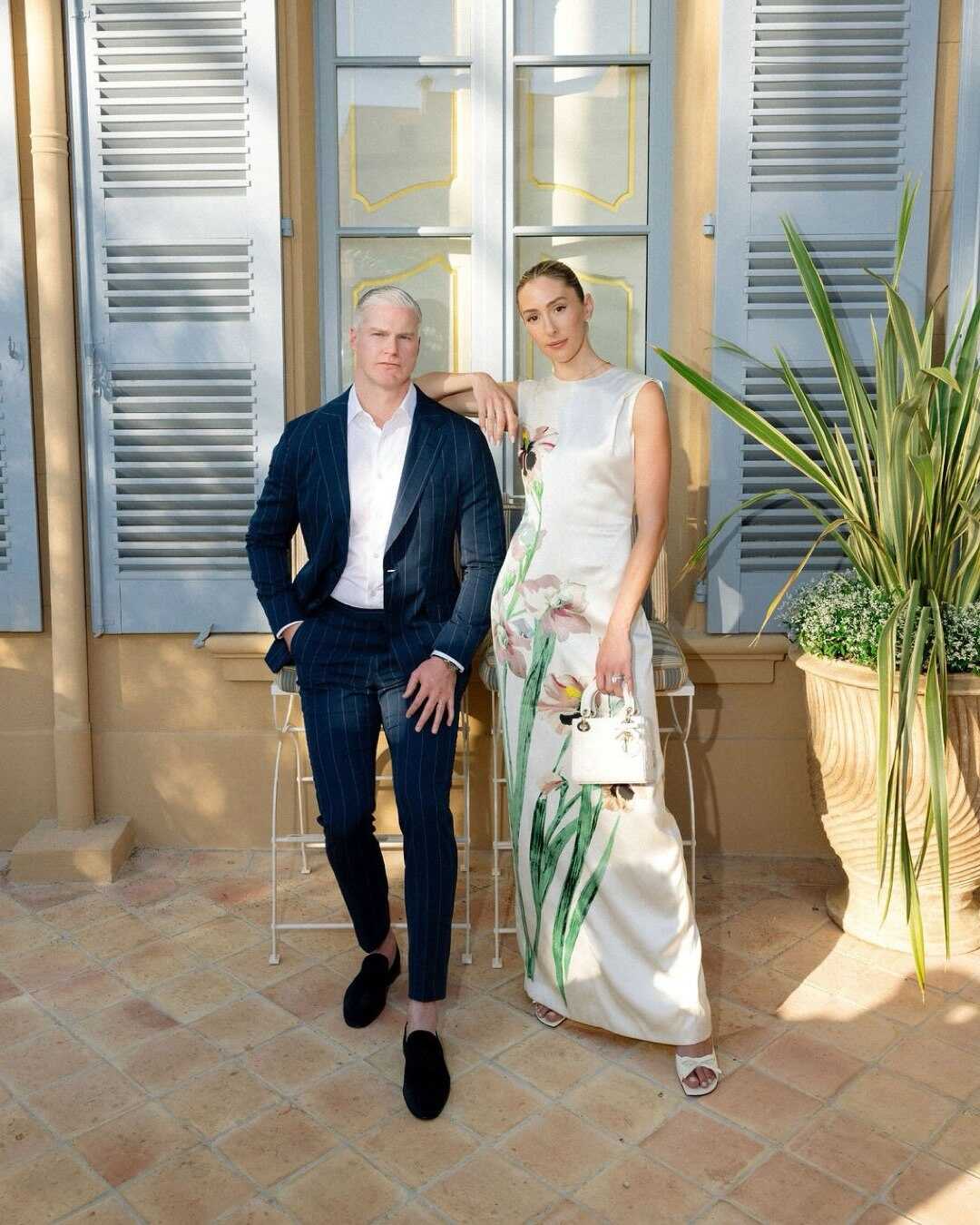
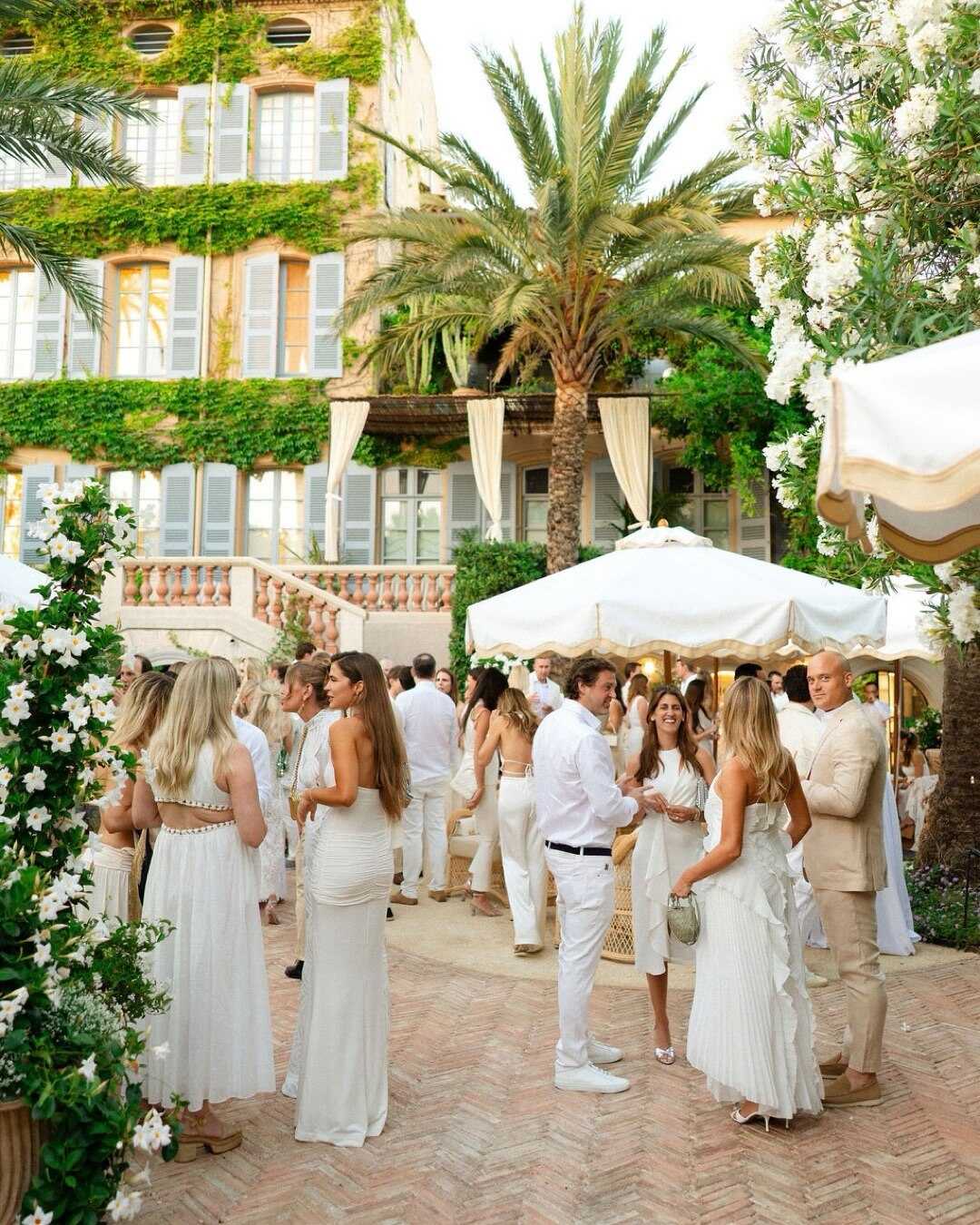
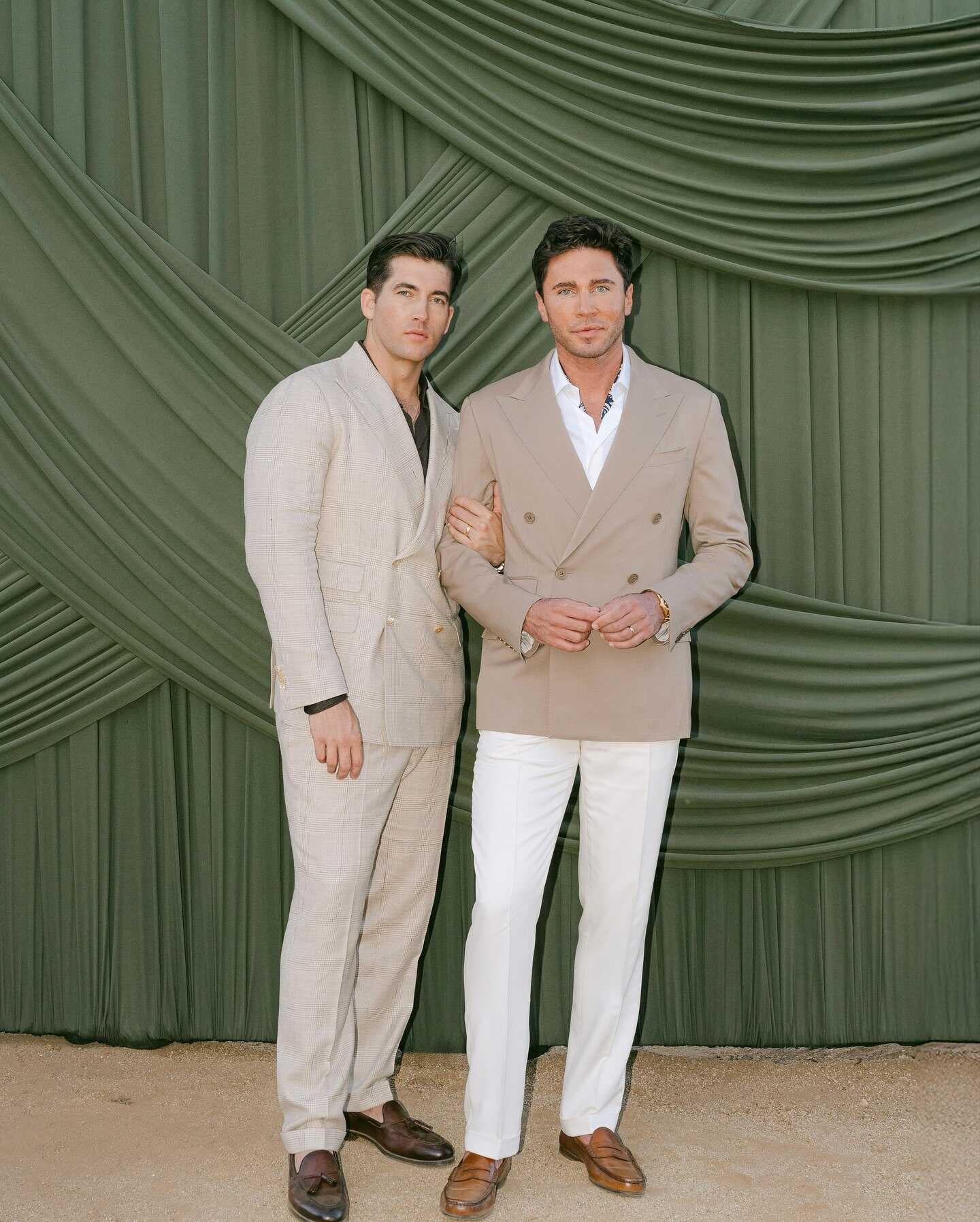
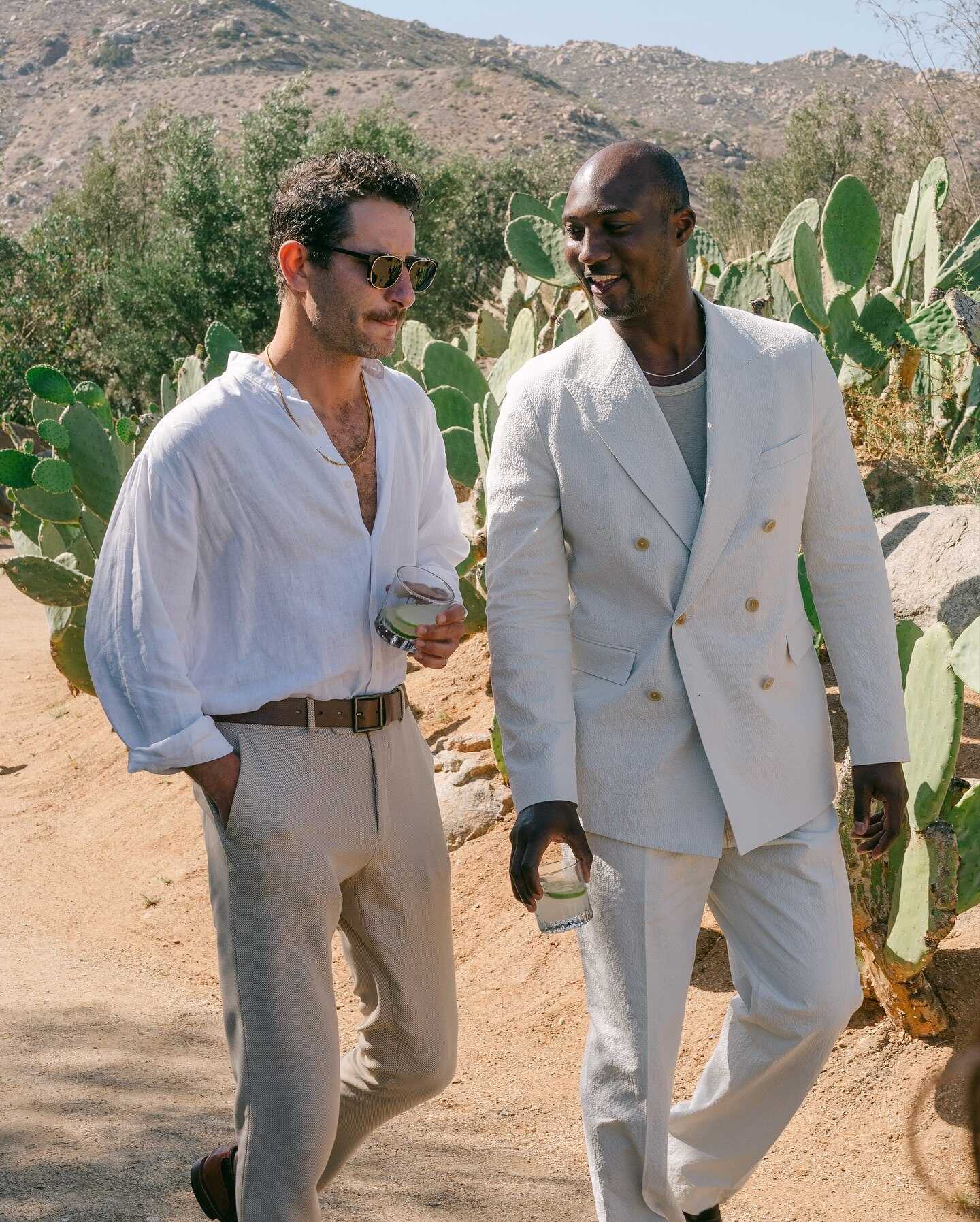
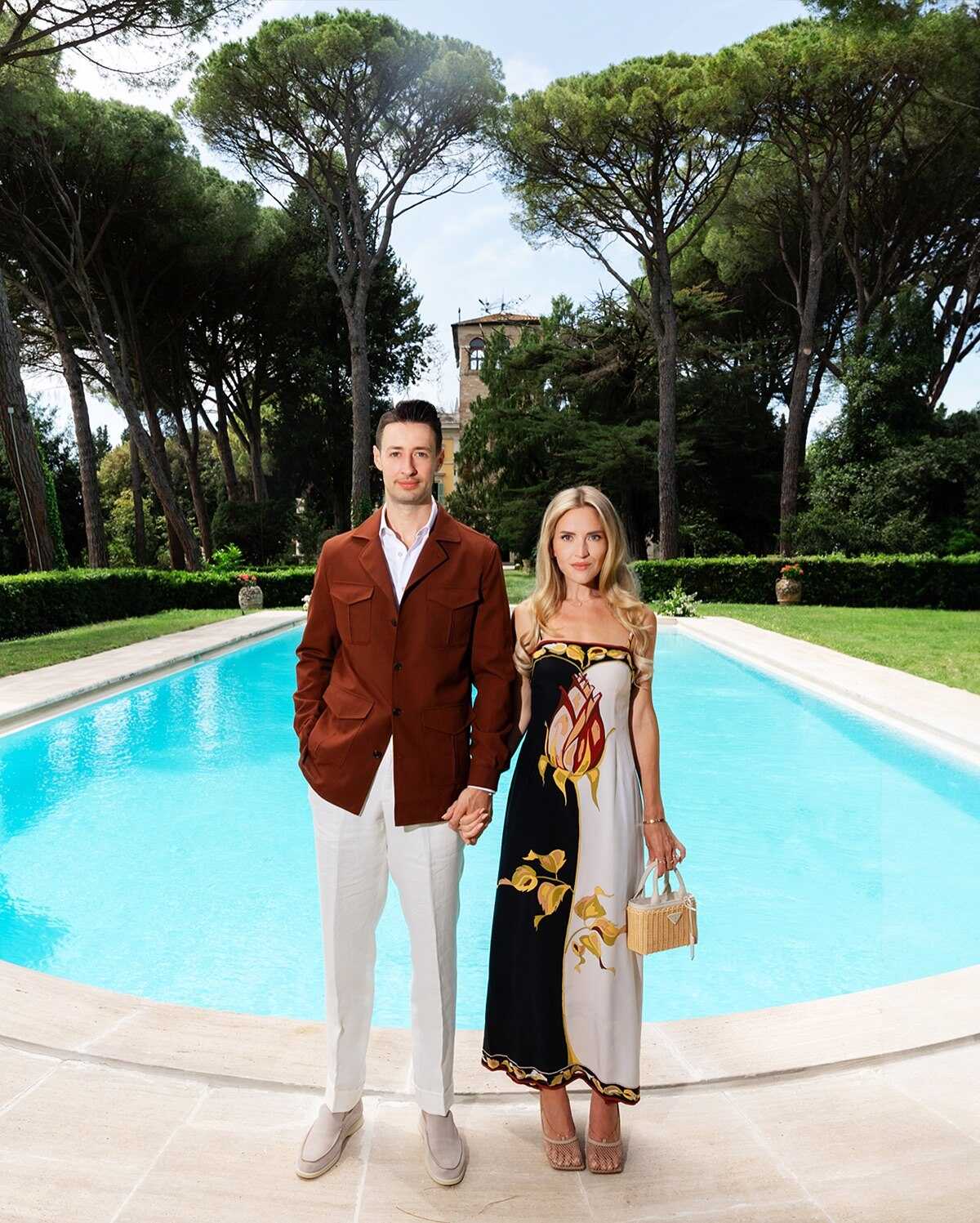
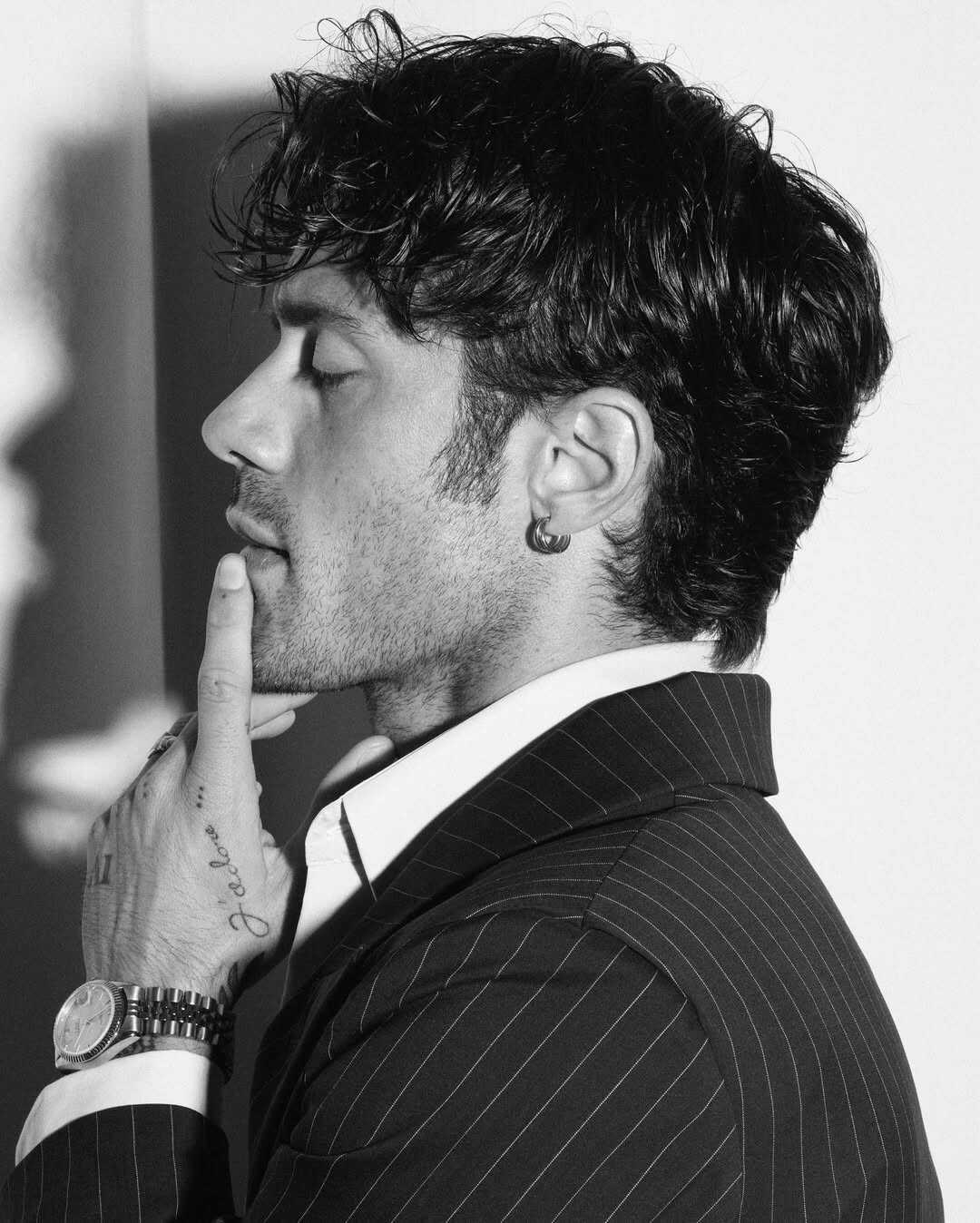
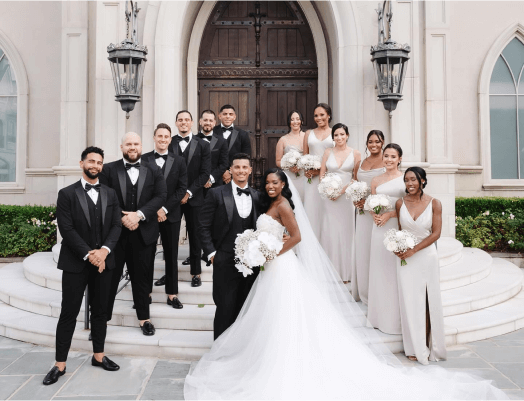
Men's cocktail attire is, frankly, less agonizing to get right, mostly because the uniform is more standardized - that is, a well-fitted suit in a dark or subdued color such as navy, charcoal, deep green, or burgundy will do - along with a dress shirt and a tie. In this case, a full tuxedo goes too far, as it is properly reserved for black-tie occasions, while appearing without a tie or a jacket falls short just as much.
- A suit with a subtle pattern or texture (herringbone, subtle plaid) reads as more interesting than plain, without breaking any rules
- Dress shoes, oxfords or loafers, rather than sneakers, no matter how “elevated” the sneaker claims to be
- A tie is expected, though a well-chosen bow tie works equally well for a more distinctive look
- A pocket square is one of the easiest ways to elevate an otherwise simple suit without adding effort or cost
- Socks matter more than most men assume; a flash of white athletic sock below a tailored trouser undoes an otherwise sharp outfit instantly
- Skip the full tuxedo, cummerbund, or anything that would look at home at the Oscars - that’s a different dress code entirely
When the suit fits well, the margin for error becomes much smaller, since good fit is more important in this case than any one particular style; an off-the-rack suit that has actually been tailored to fit the shoulders and sleeves will perform more consistently than a more expensive one that doesn't. Indeed, in a men's cocktail outfit, fit does as much as all the other factors put together - namely, it is the only aspect on which it makes sense to spend real money and a tailor's time, even if all the other items on the list remain affordable.
How Summer, Winter, and Everything Between Changes the Rules
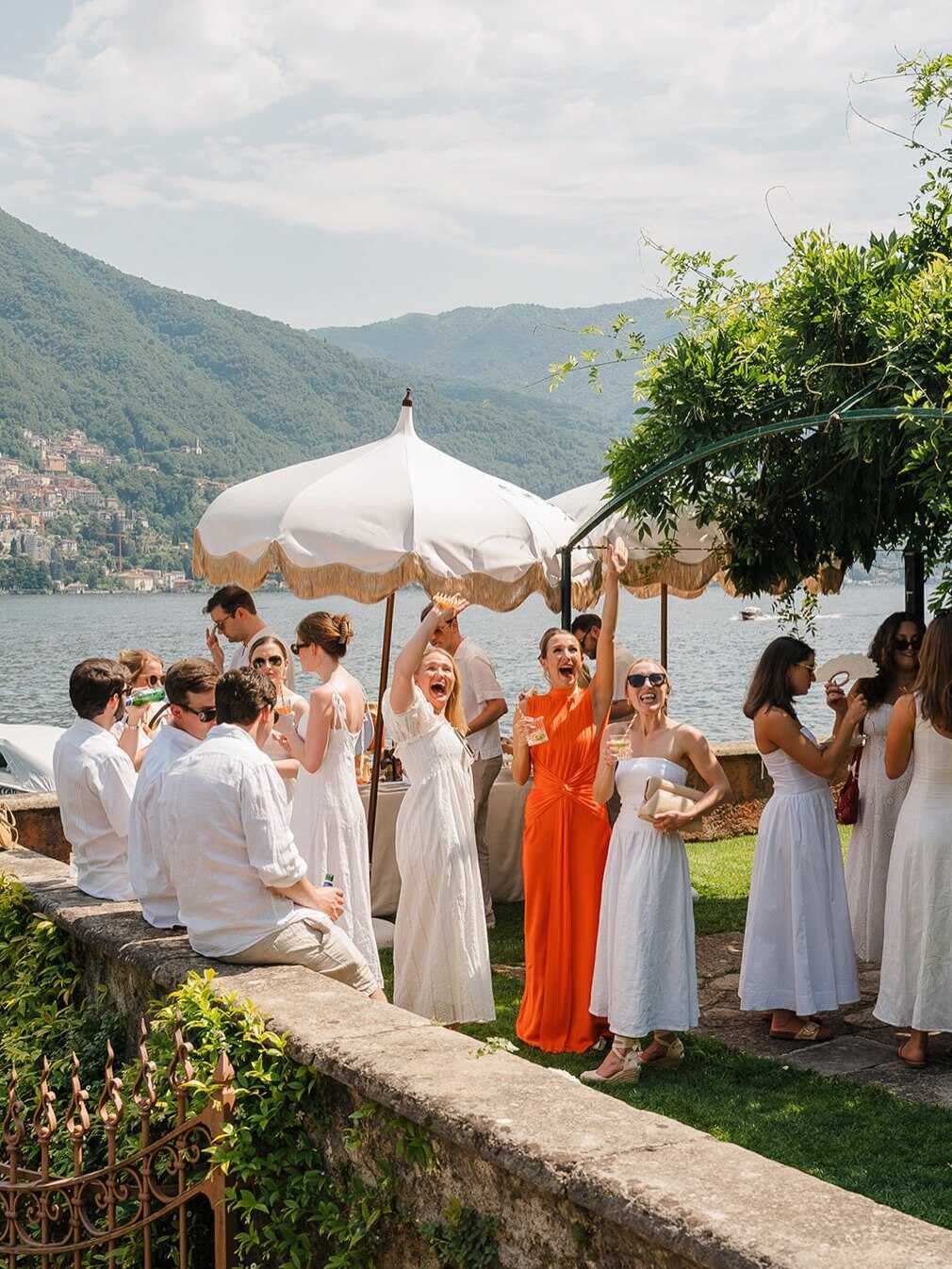
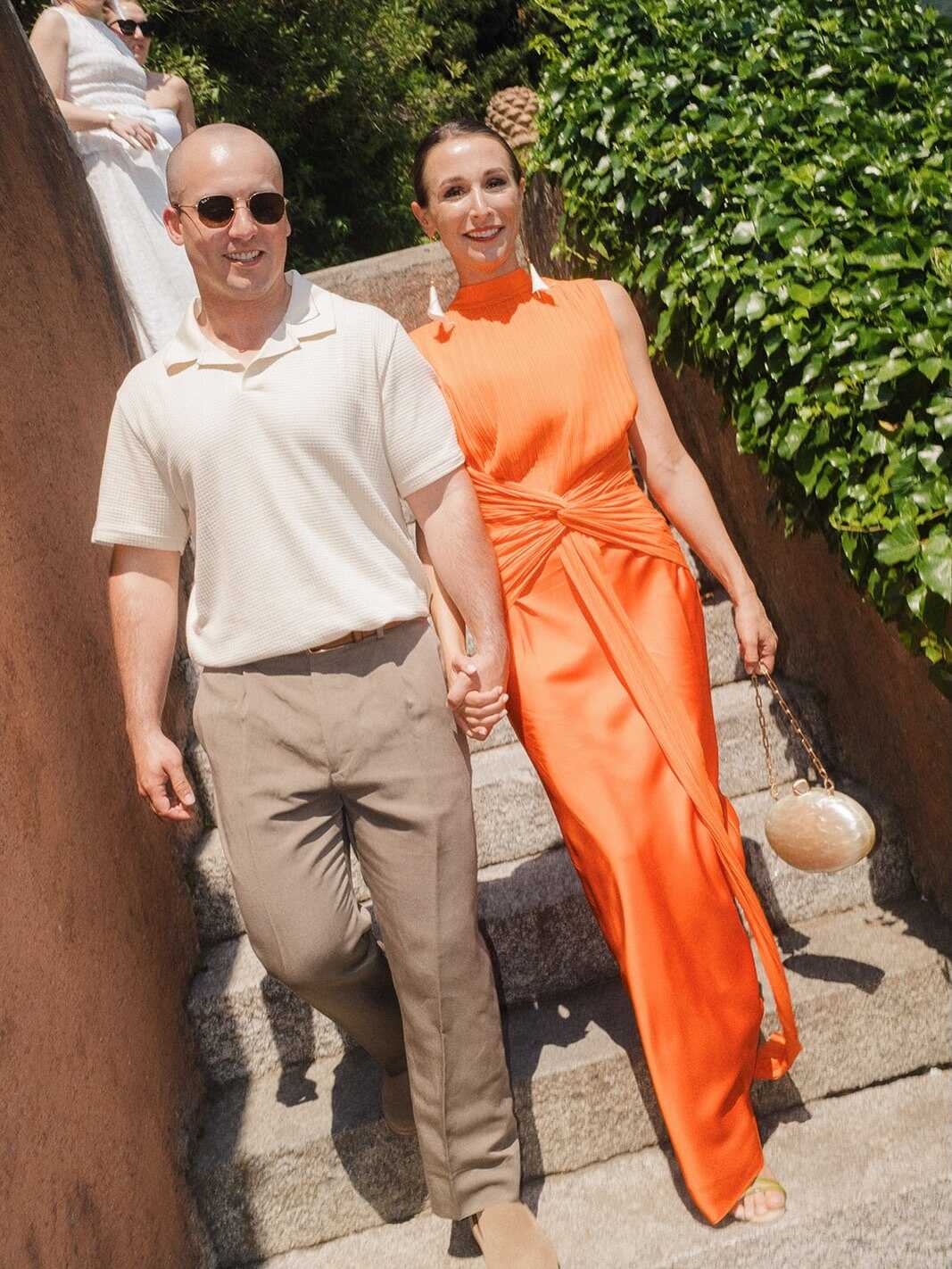
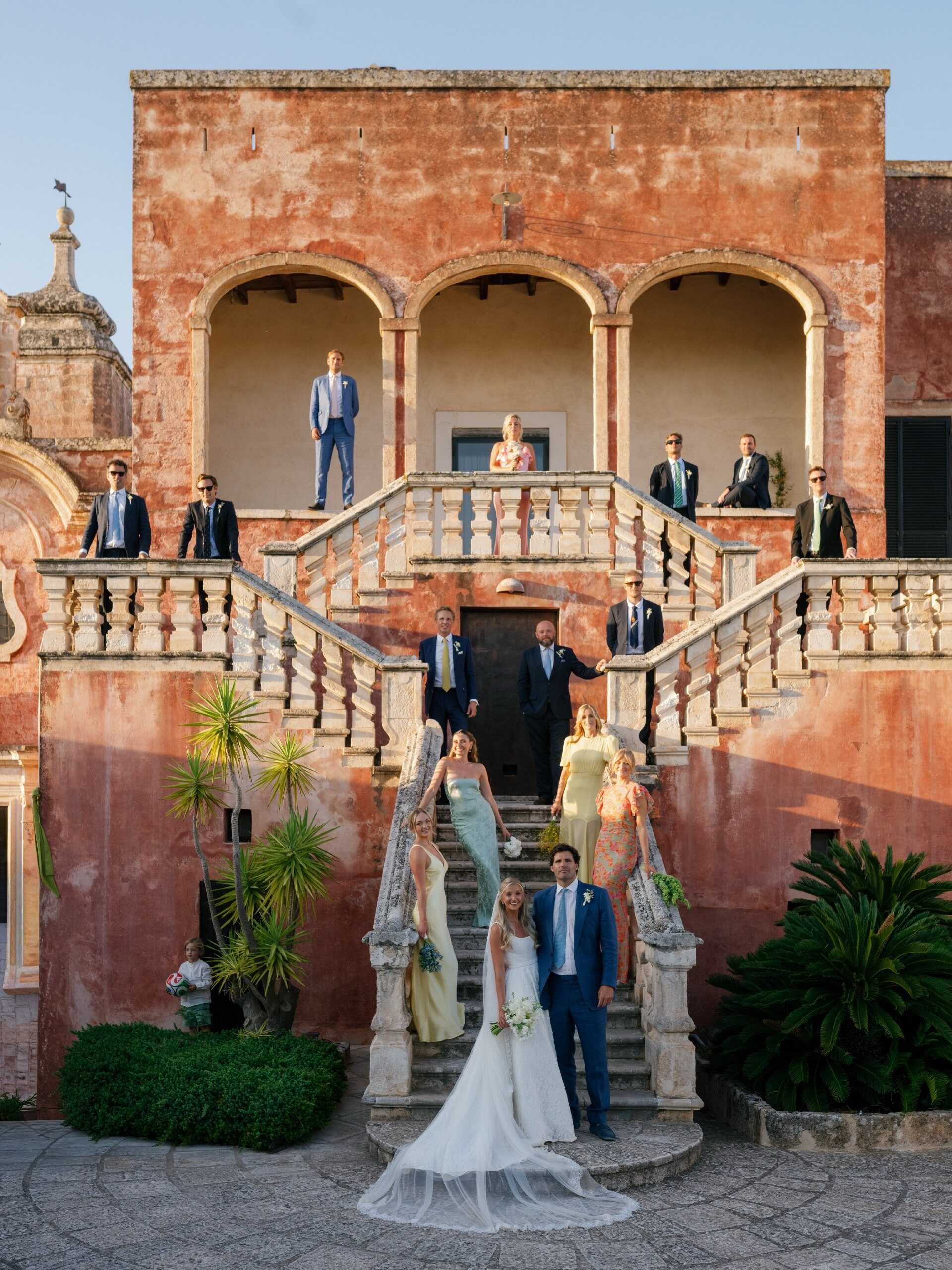
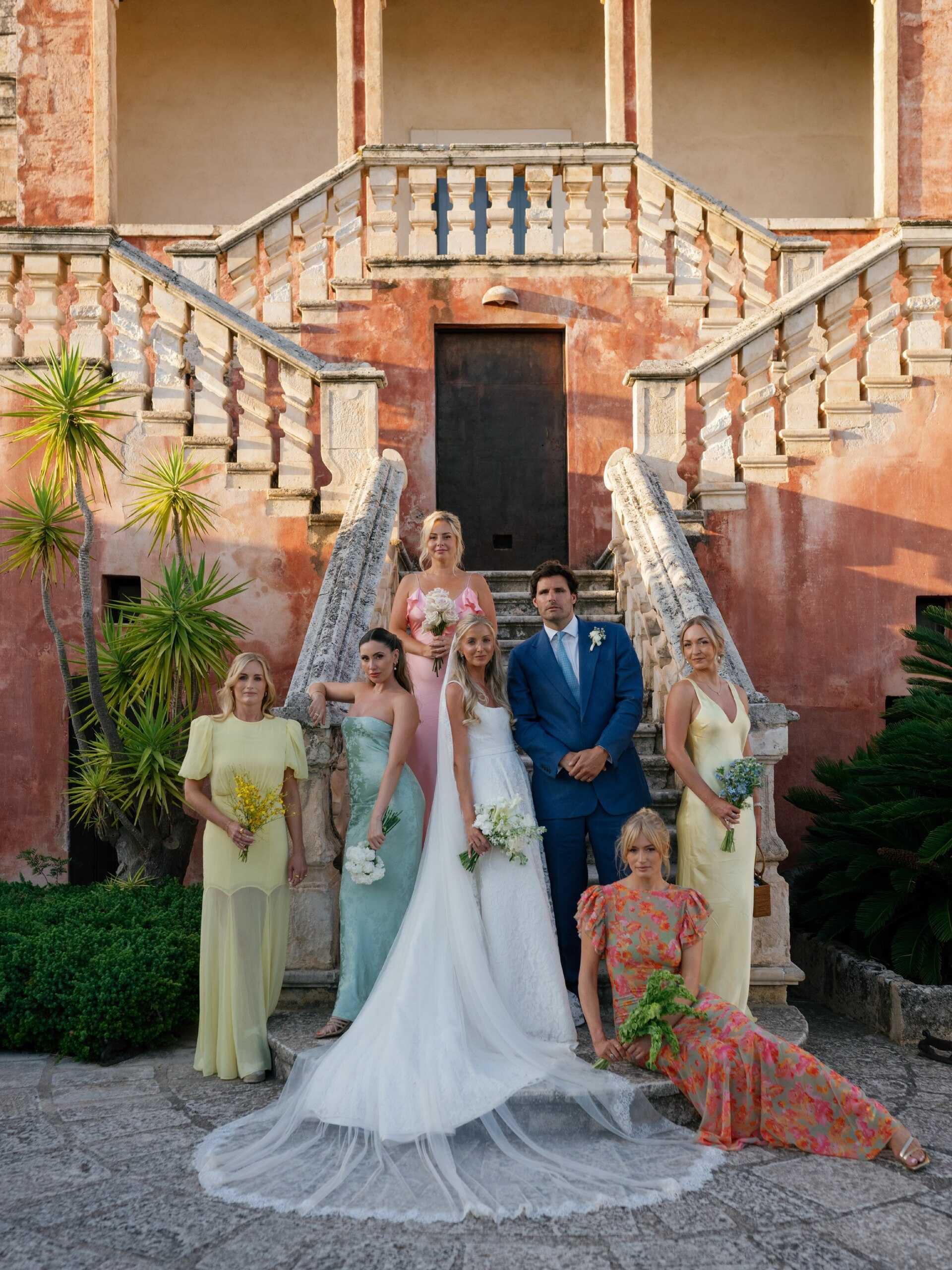
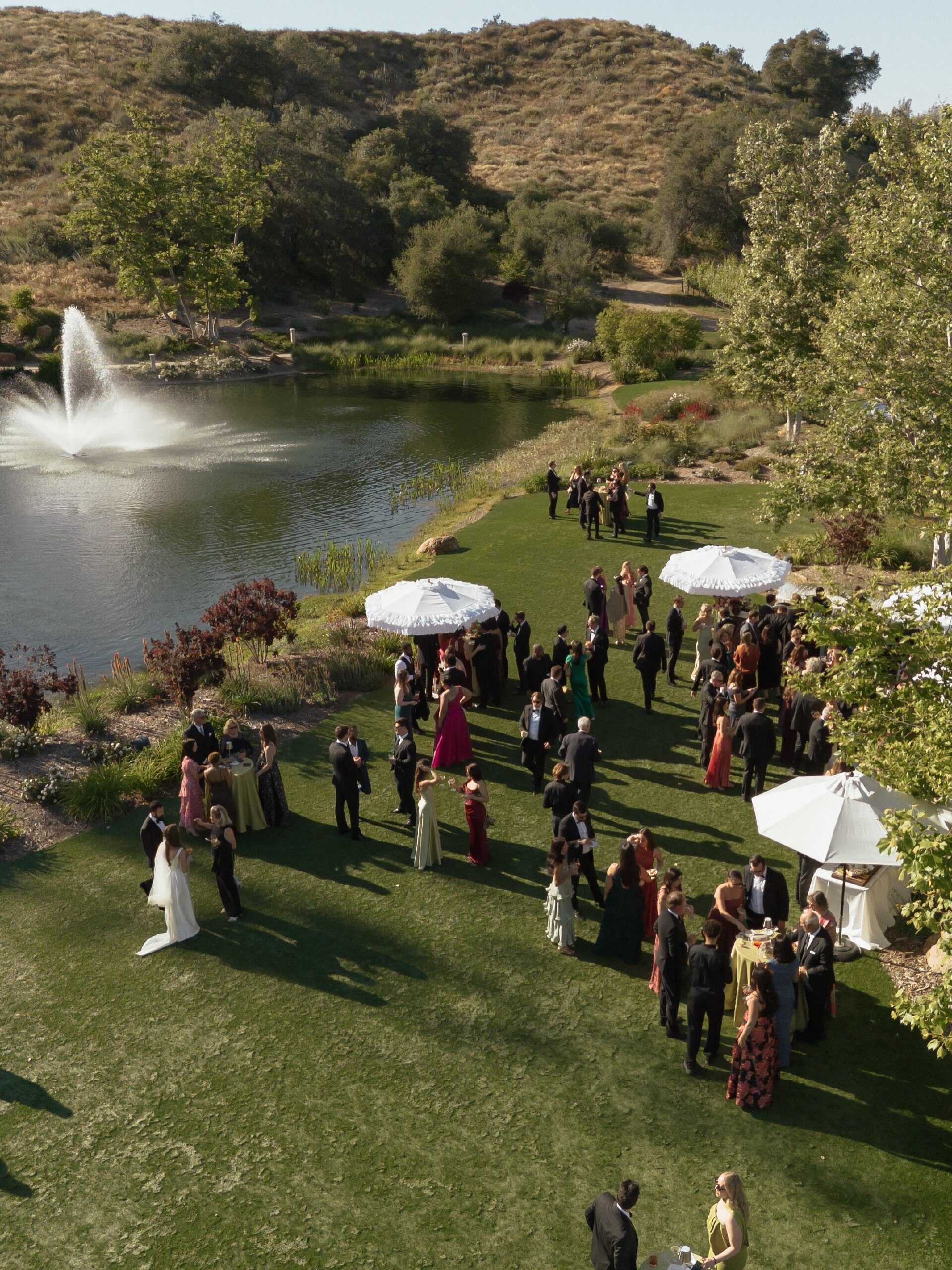
Summer cocktail attire wedding guests face a specific challenge that winter guests don't: staying polished without melting. Lighter fabrics - linen blends, chiffon, cotton-silk mixes - and brighter or pastel colors keep the summer cocktail attire wedding formula intact while accounting for heat, and shorter sleeves or sleeveless designs become acceptable in a manner that would not be the case at a reception in January. Men in this situation usually replace their heavier wool suit with a lighter-weight suit of similar cut, rather than giving up the suit altogether.
In the cooler months, almost all of those factors change: richer and heavier fabrics such as velvet and wool are once again used, colors reminiscent of jewels and more intense shades seem more in keeping with the season than pastel ones, and a suitable coat or wrap worn over a sleeveless dress deals with the practical issue of staying warm when traveling from the car to the event. The dress code itself does not vary with the seasons - instead, it is the materials and the color scheme that adapt to the weather, which is precisely why the same 'cocktail' label can appear genuinely different in June than in December without either version being incorrect.
Where Even Confident Dressers Go Wrong
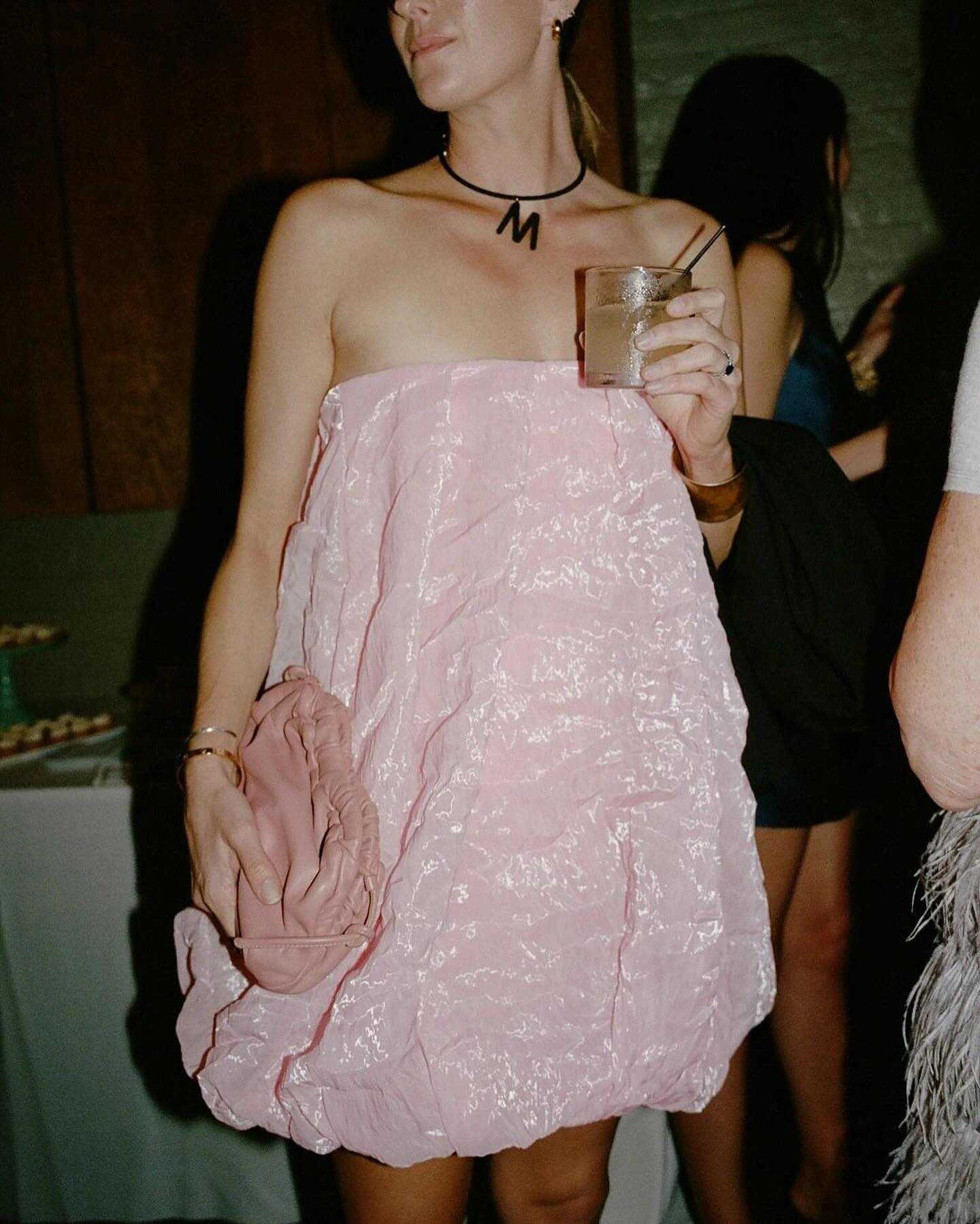
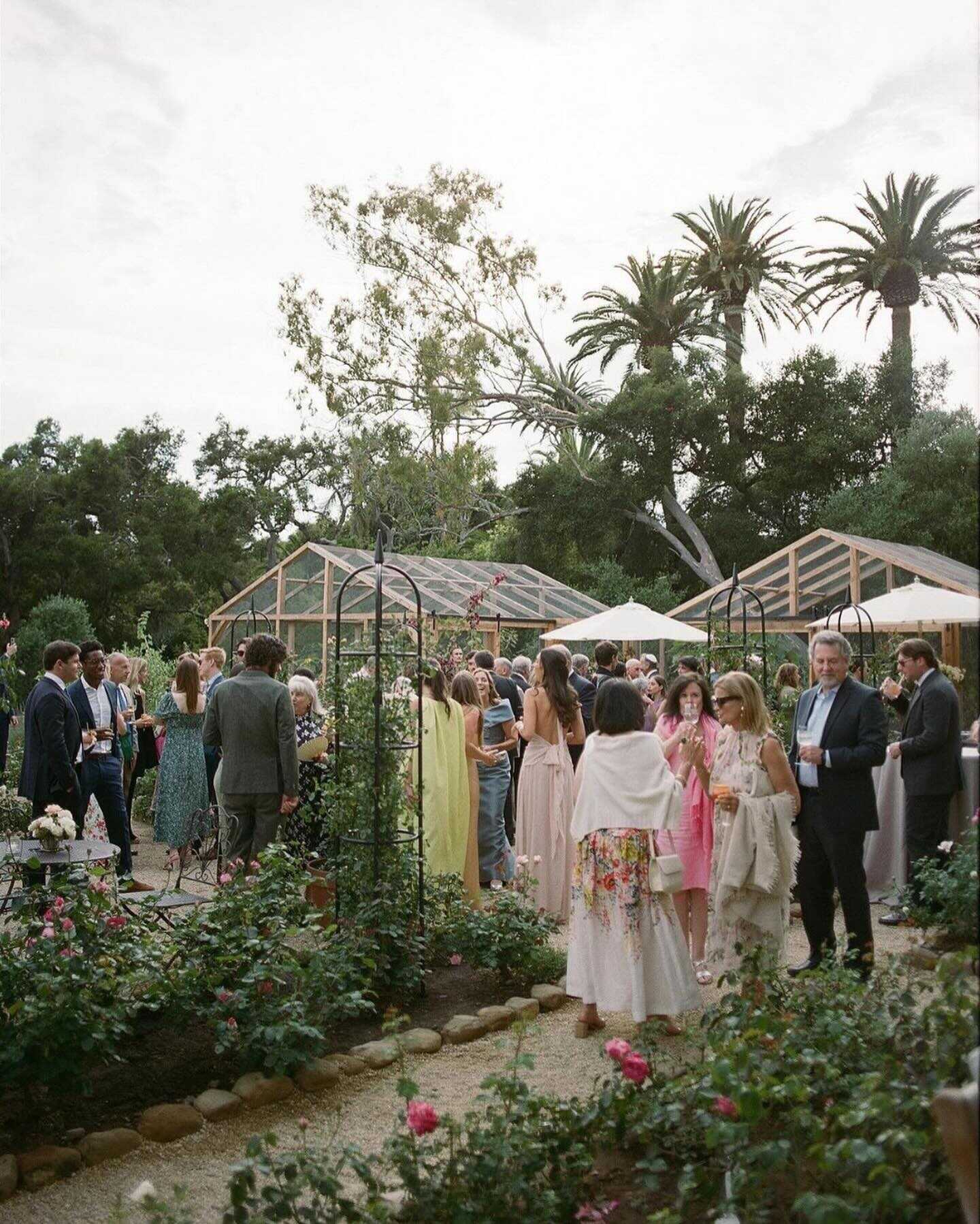
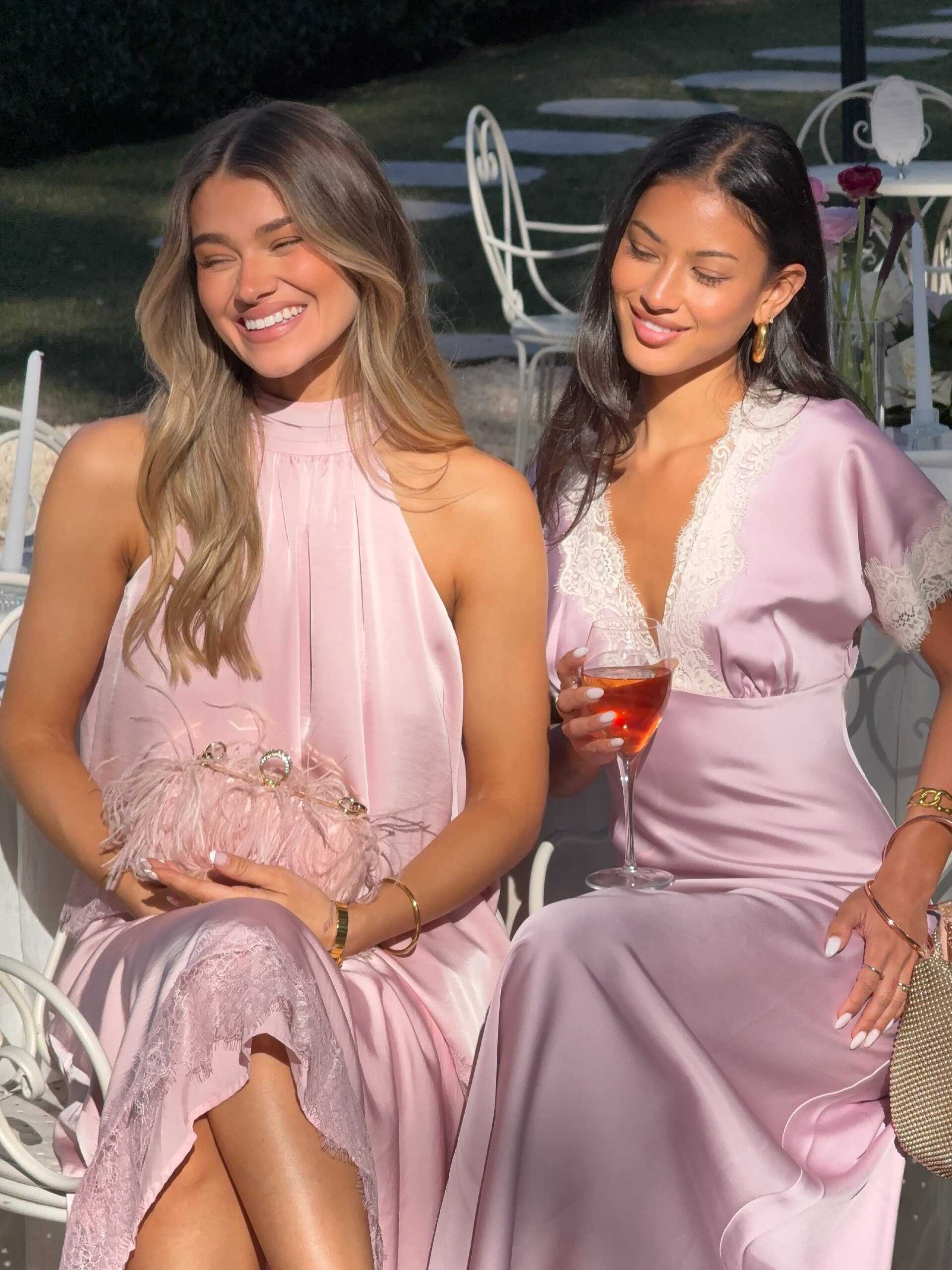
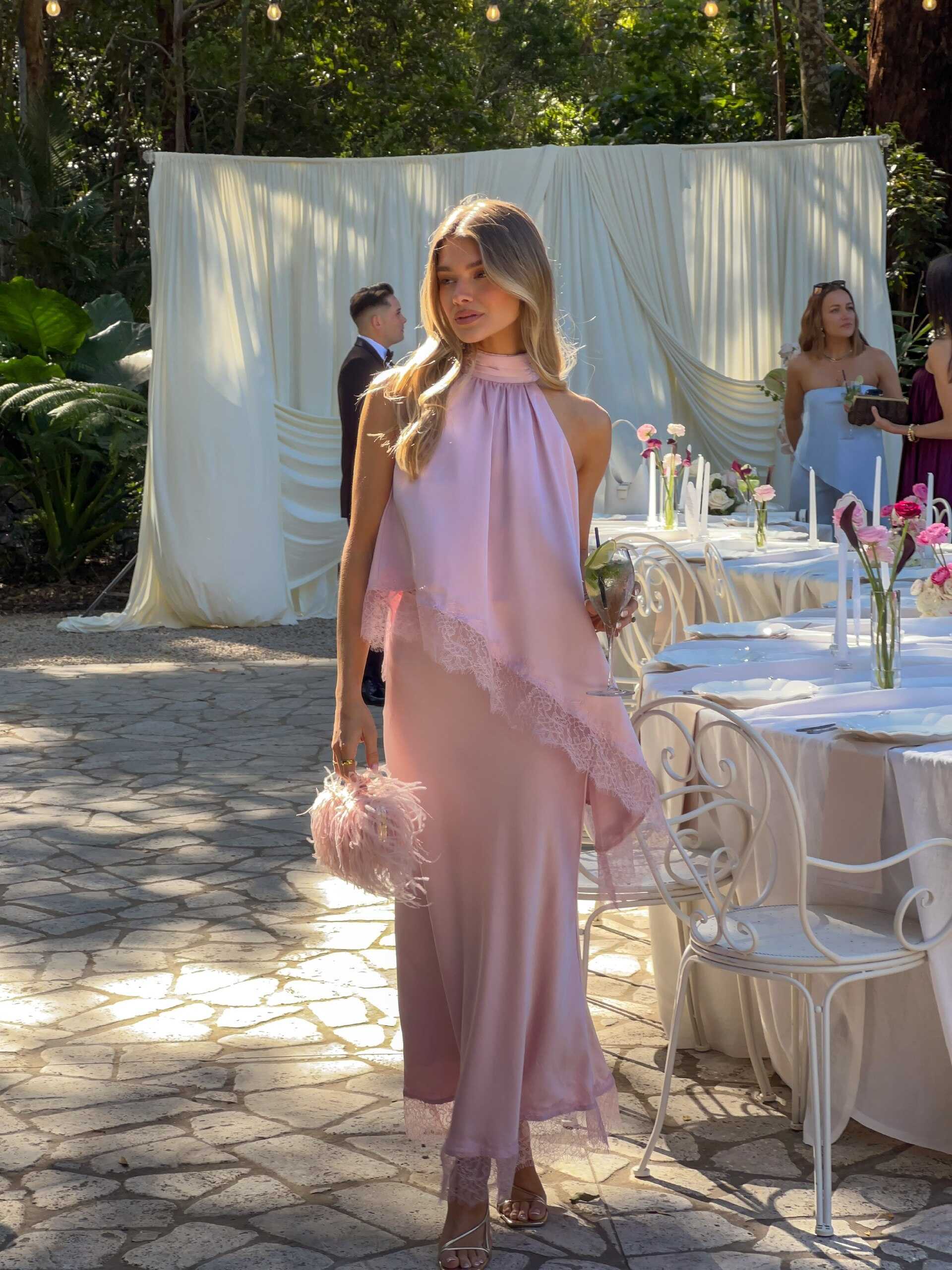
A handful of avoidable missteps show up at nearly every cocktail wedding guest attire situation, and most of them come from either overcorrecting or undercorrecting rather than genuinely misunderstanding the dress code. What’s frustrating is that these mistakes rarely come from a lack of effort - most people who get it wrong actually tried hard, just in the wrong direction, which makes them easy to avoid once you know exactly where to look.
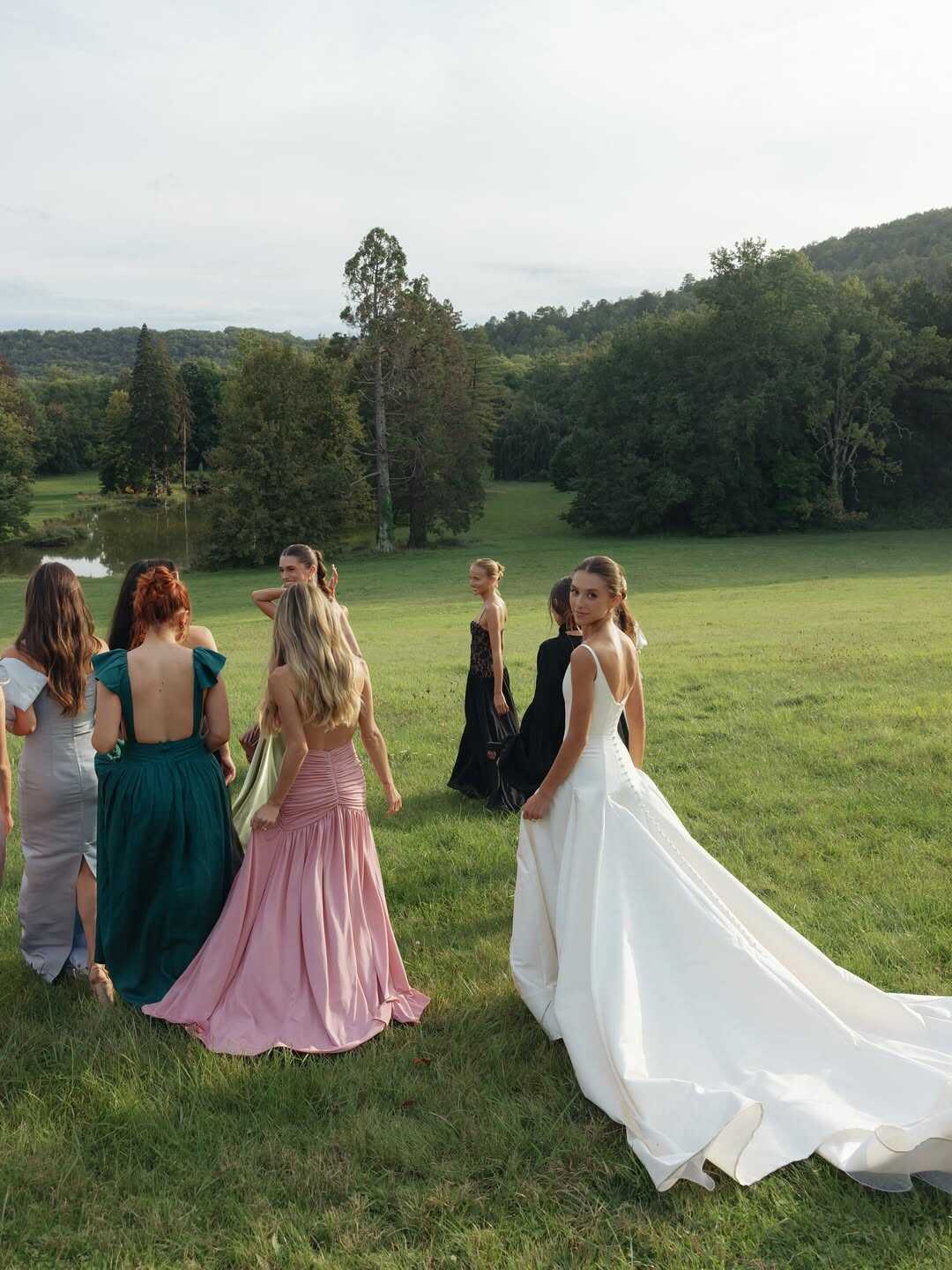
- Wearing white or anything that could be mistaken for it is still the single most common cocktail attire wedding guest dress mistake at any reception
- Showing up in a full-length gown when the invitation clearly says cocktail, which unintentionally competes with the wedding party’s own formality level
- Treating “cocktail” as an excuse to underdress entirely, arriving in something closer to business casual
- Choosing comfort over polish with the shoes, then regretting it in every photo
- Overthinking the accessories until the outfit feels costume-like rather than elegant
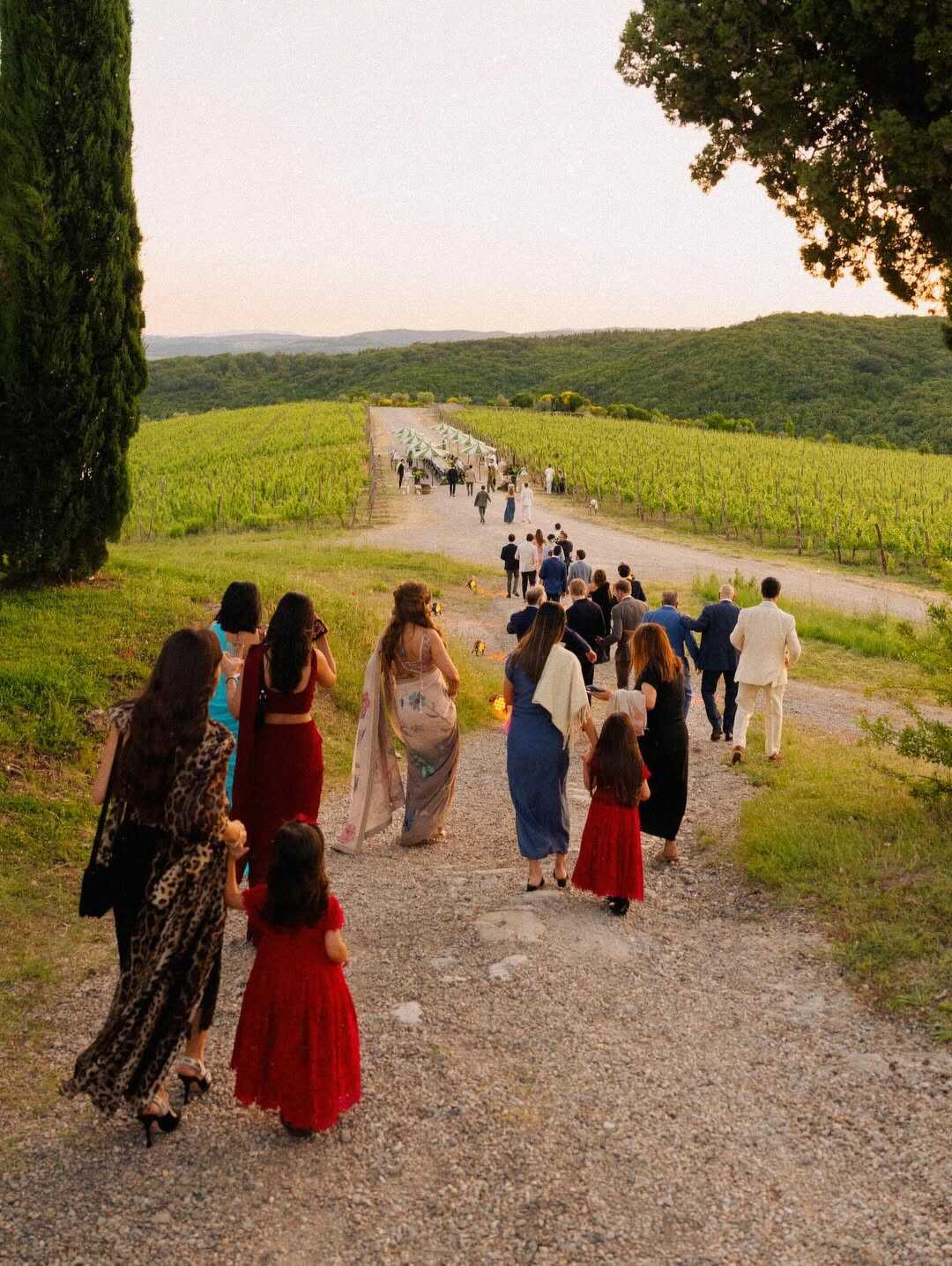
- Assuming the venue alone dictates formality; a rustic barn wedding can still specify true cocktail attire, and a beach ceremony can call for something considerably dressier than flip-flops and linen
The majority of these errors are really a matter of confidence rather than of knowledge - once you understand that cocktail attire should have a touch of glamour and a touch of fun, it becomes a lot simpler to avoid second-guessing yourself in the mirror. The guest who is considered to be the best dressed at any reception is generally not the one who is most expensively dressed, but rather the one who appears to have made a decision and stuck to it, rather than settling on something safe and unremarkable.
Even after you've decided on your wedding cocktail attire, there's still the entire celebration ahead of you. The Inspiration section of Wezoree is packed with ideas you might want to look at next, such as real wedding features that showcase guest fashion worth copying, current trends affecting receptions, and all the other content you can browse before the next invitation with a dress code reaches your inbox.
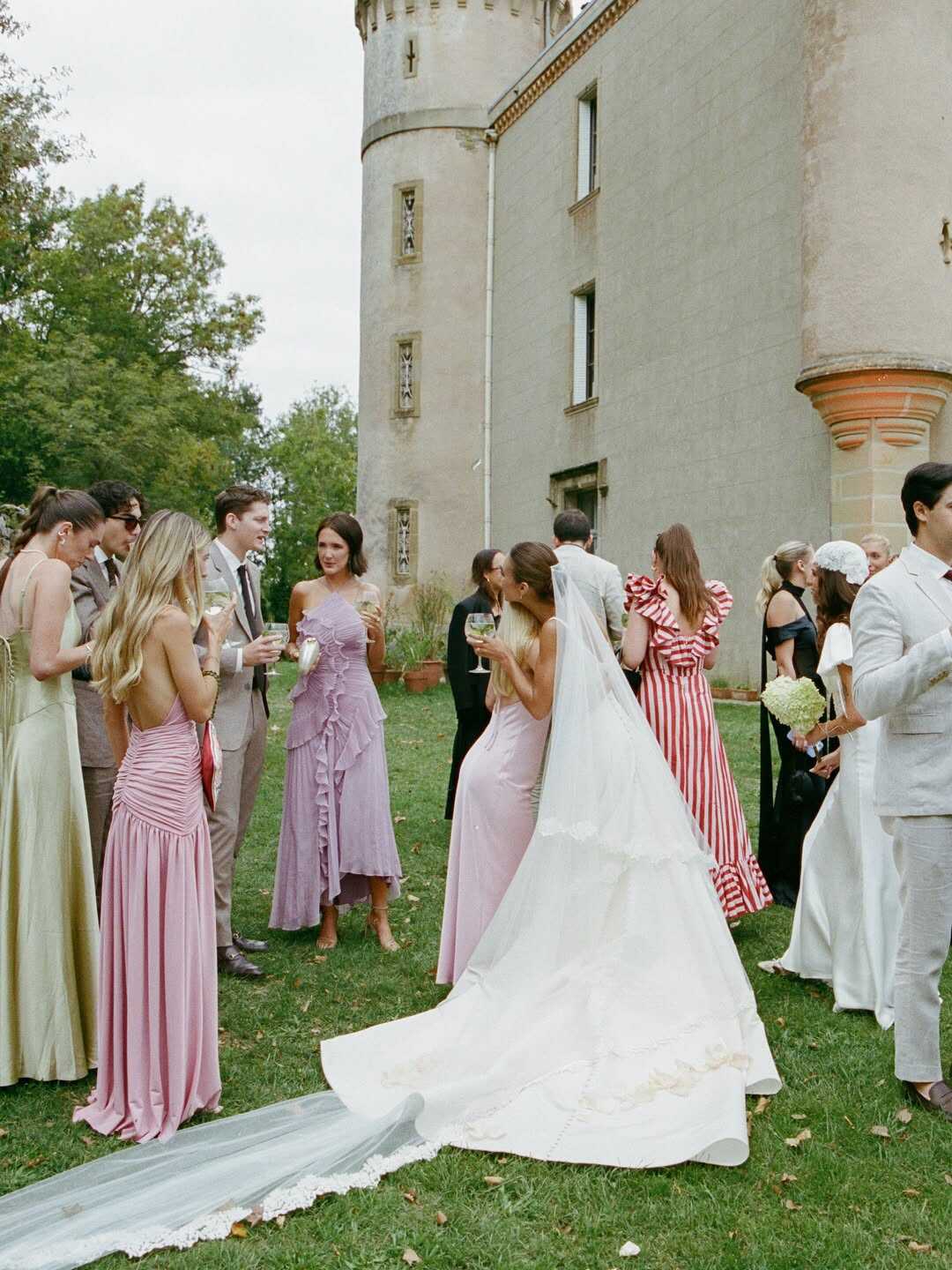

FAQ
What does cocktail attire mean for a wedding, exactly?
It is a semi-formal dress code lying between casual daytime attire and black tie - for women this means knee-length to midi dresses and for men a suit with a tie, without involving the full formality of a gown or tuxedo. The aim is to appear more refined and purposeful without ending up with something that seems like it's from a red-carpet event or too casual, thus achieving a real middle ground.
What is cocktail wedding attire supposed to look like in practice?
In practice, it means polished but not stiff: a well-fitted suit or a dressy knee-to-midi-length dress, elevated fabrics like silk, satin, or velvet, and heels or proper dress shoes rather than anything casual. Color and texture have room to be bold here - jewel tones, sequins, and interesting fabrics are all fair game, since the dress code was never meant to be conservative.
What to wear to a cocktail attire wedding if I’m not sure what fits the venue?
If you're uncertain, it's better to choose something more formal than casual, rather than the opposite. Whether it's a tailored suit or an elegant midi dress, you won't look out of place at a reception where cocktail attire is required. The venue isn't always a dependable indicator either, since a wedding held in a rustic barn may still call for genuine cocktail formality even though the atmosphere is casual.


What are some solid examples of cocktail attire for women specifically?
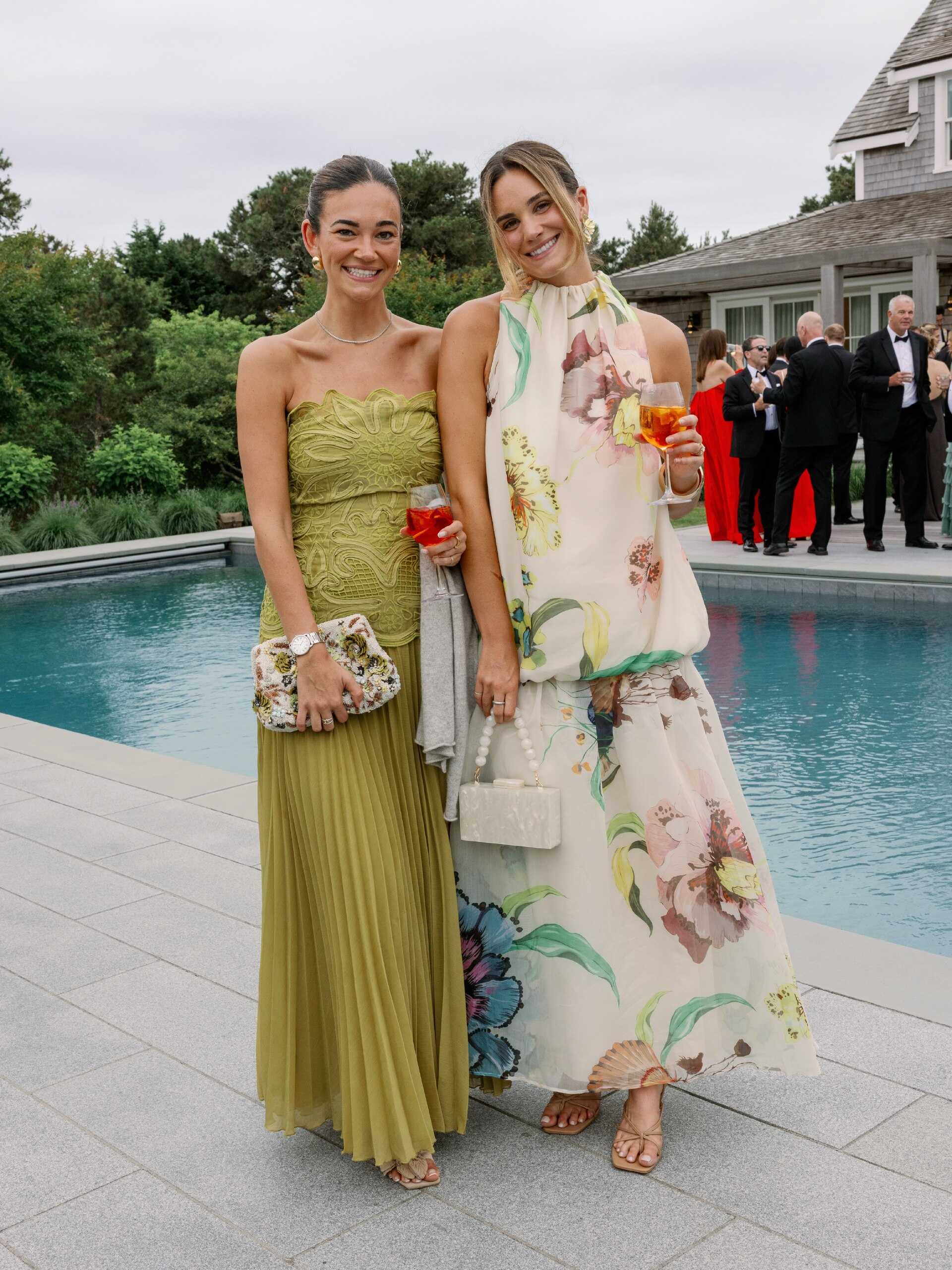
A knee-length sheath dress in a jewel color, a fitted midi dress with an interesting texture, such as lace or velvet, or a sophisticated jumpsuit, all qualify as appropriate dresses for wedding guests at a cocktail reception, on the condition that the material and the cut give the impression of having been thought out rather than being casual. When any of these are worn with heels and one statement accessory, the overall appearance is completed without going overboard.
Is cocktail formal wedding attire different from standard cocktail attire?
Yes, slightly - “dressy cocktail” or “cocktail formal” typically signals guests should lean toward the more elevated end of the cocktail spectrum: longer hemlines, richer fabrics, and darker, more tailored suits for men, without going all the way to black tie. It’s a subtle upgrade rather than an entirely different dress code, so the same core rules still apply.
What’s expected for men’s cocktail attire at a wedding, specifically?
Men’s cocktail wedding attire calls for a well-fitted suit in a dark or muted color, a dress shirt, a tie or bow tie, and proper dress shoes - a full tuxedo overshoots the mark, while skipping the tie or jacket undershoots it. Fit matters more than any single accessory choice, so a well-tailored suit should take priority over an expensive one that doesn’t fit properly.