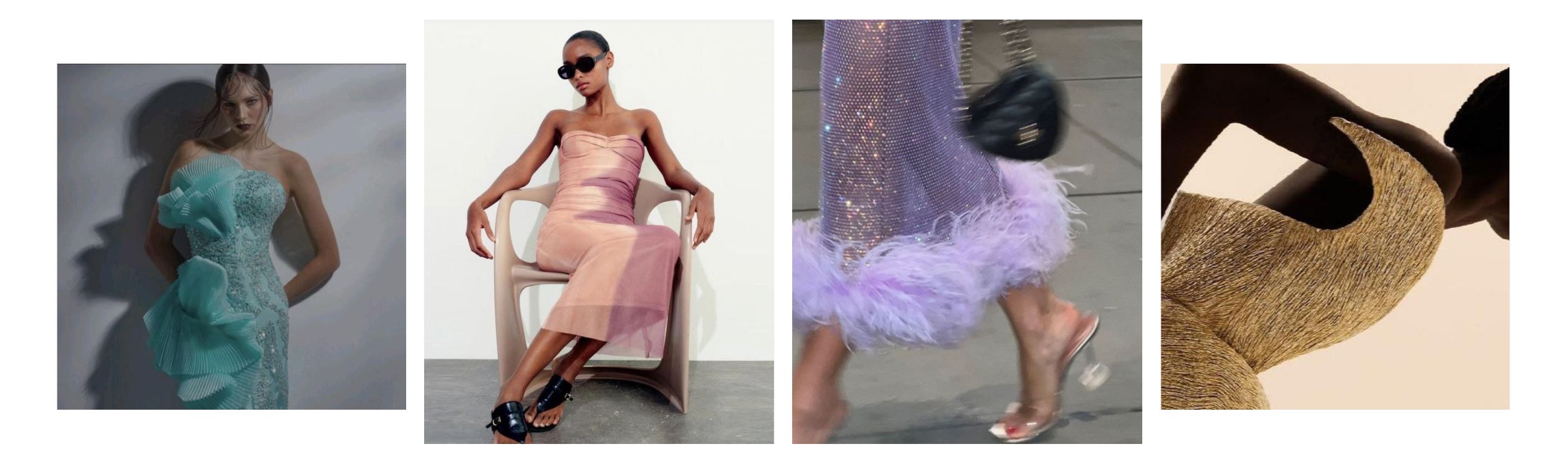
Top Bridesmaid Dress Colors


- Start with Your Wedding Theme
- Take Venue and Lighting into Account
- Prioritize Flattering Shades for Your Bridal Party
- A Quick Word on Following Trends
- Embrace Multi-Tonal and Ombre Looks
- Coordinate with Accessories and Bouquets
- Mix and Match for a Customized Look
- Test Colors Against the Wedding Dress
- Factor in Cultural and Symbolic Meanings
- Trending Bridesmaid Dress Colors
- Timeless and Classic Bridesmaid Dress Colors
- Quick Color Guide by Season
- FAQ
Somewhere between choosing a venue and finalizing the guest list, a couple usually lands on the question that quietly determines how the whole bridal party photographs: what color are the bridesmaids actually wearing? It's a more important decision than it seems, since the right bridesmaid dress colors not only decorate the aisle but also set the emotional tone of all the photographs taken that day. Whether you're looking at color swatches for the first time or narrowing down a shortlist, this guide walks through how to actually make your choice and then breaks down every possible color idea worth considering, from the shades that are currently defining bridal parties to those that have never really gone out of fashion.
Find Your Perfect Wedding Vendors

Start with Your Wedding Theme


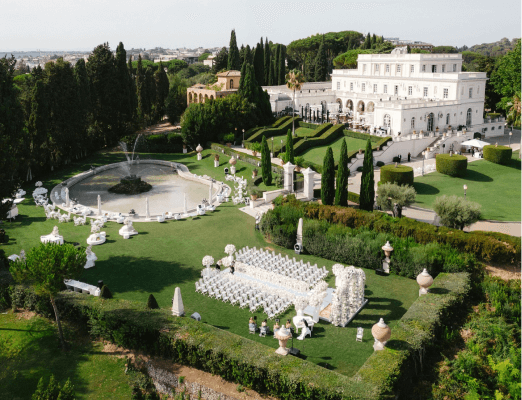
Color rarely works in isolation. A scheme that looks elegant in a ballroom may seem flat and inappropriate on a beach, and a color designed for use in candlelight can completely lose its effect in harsh midday sun. Generally, different kinds of weddings tend to favor genuinely different areas of the color wheel:
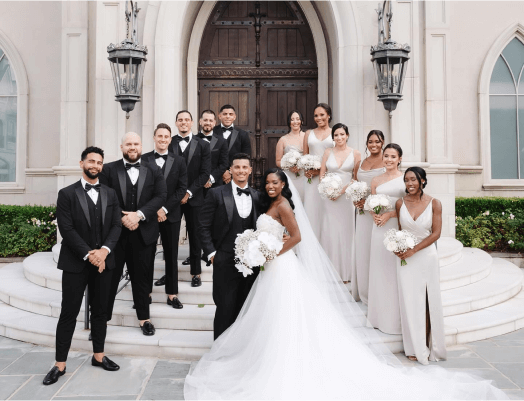
- Rustic weddings lean into earthy, grounded tones: terracotta, sage green, dusty rose- colors that feel like they grew out of the landscape instead of being layered on top of it
- Beach weddings ask for something softer: aqua, blush, pale yellow, shades that echo sand and sky without competing with either
- Formal, evening-leaning celebrations pull the opposite direction entirely, reaching for deep jewel tones like emerald, navy, or burgundy that hold their richness under low light
None of this is about matching color swatches to a mood board. It's about ensuring the bridal party looks like it belongs to the day it's actually part of, not a similar wedding photographed in the same place.
Take Venue and Lighting into Account


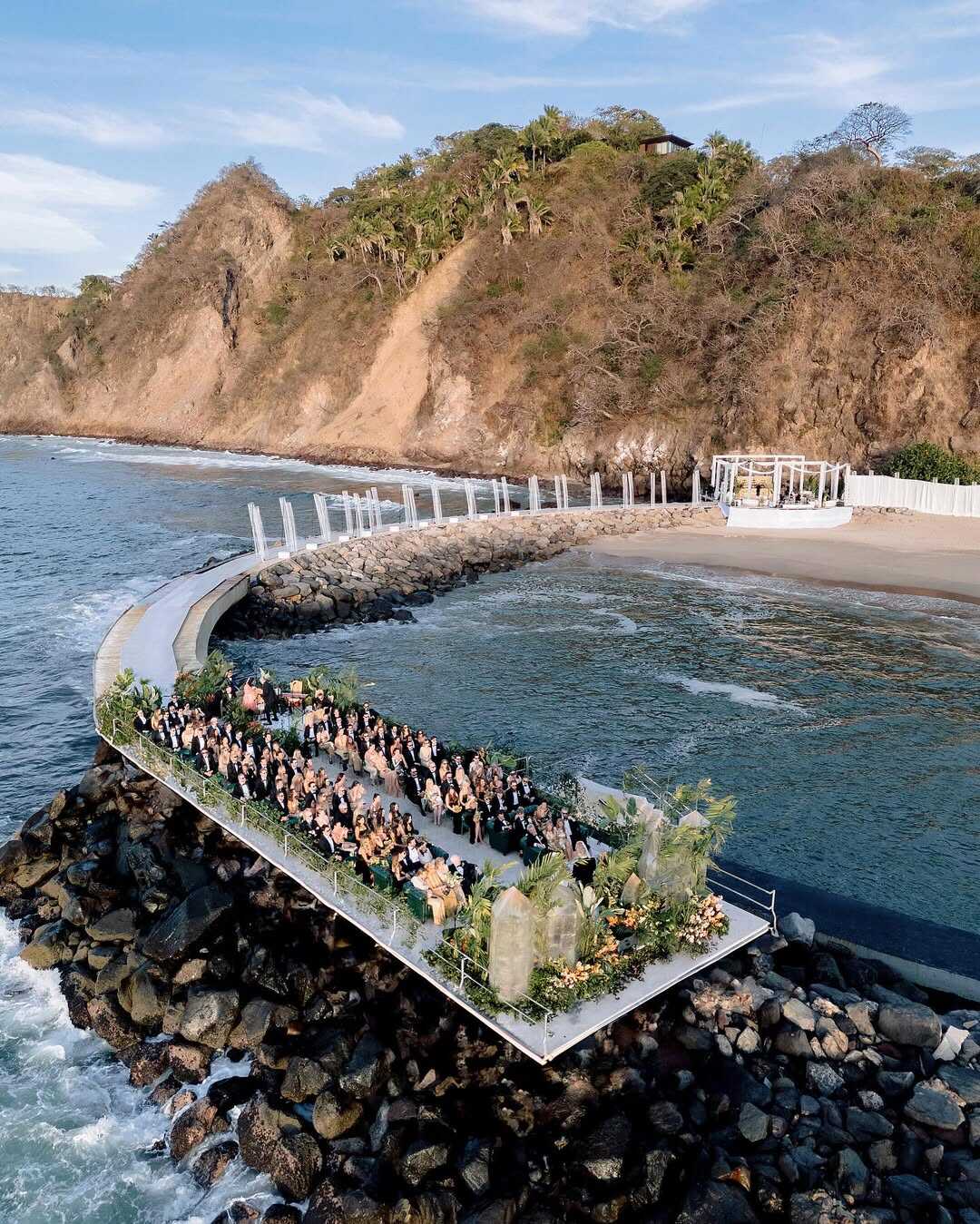
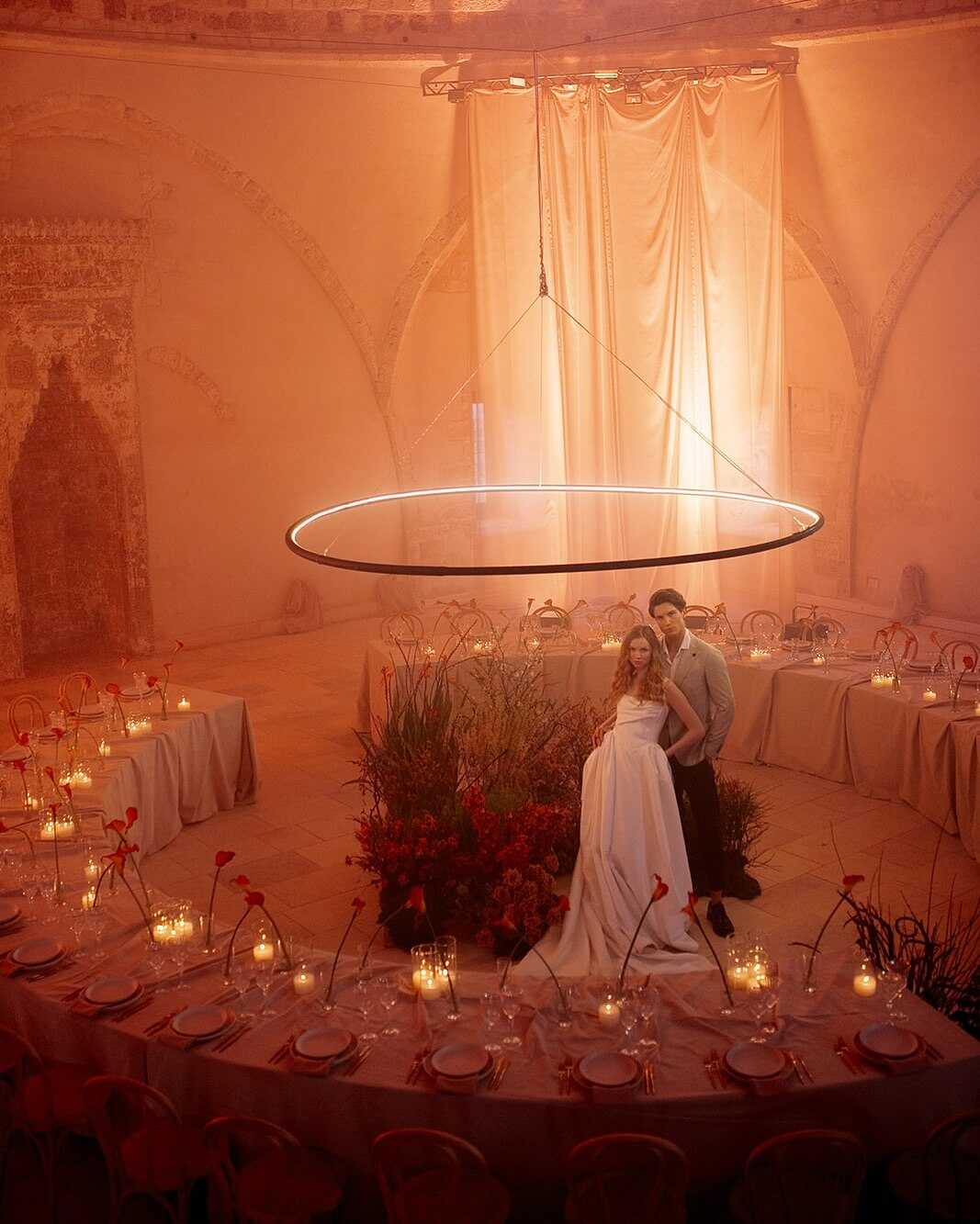
The way a dress appears depends completely on where it is worn. Ceremonies held outdoors in natural light let the colors show fully, giving the shades a saturation that cannot be achieved indoors or in evening settings. However, in a reception hall that is only lightly lit, the metallics begin to do something subtle that flat colors cannot: gold, champagne, and rose gold pick up the candlelight and reflect it in a way that looks deliberate rather than by chance.
Pale, delicate colors carry their own risk outdoors, especially with ivory, which tends to disappear completely in direct sunlight by blending into the light rather than staying distinct. Before you decide to lock it away, it's worth imagining how the dress will look not only on a hanger but also in the real room or field where it will be worn for several hours.
Prioritize Flattering Shades for Your Bridal Party


Each bridesmaid has a different skin tone, hair color, and comfort level with bold colors, which is why the best bridesmaid dress colors are the ones that require the least from anyone wearing them. A few shades keep coming up again and again for this reason.
- Blush pink - soft enough to flatter most complexions without reading as sweet or juvenile
- Navy blue - reliably formal, works across nearly every skin tone and hair color
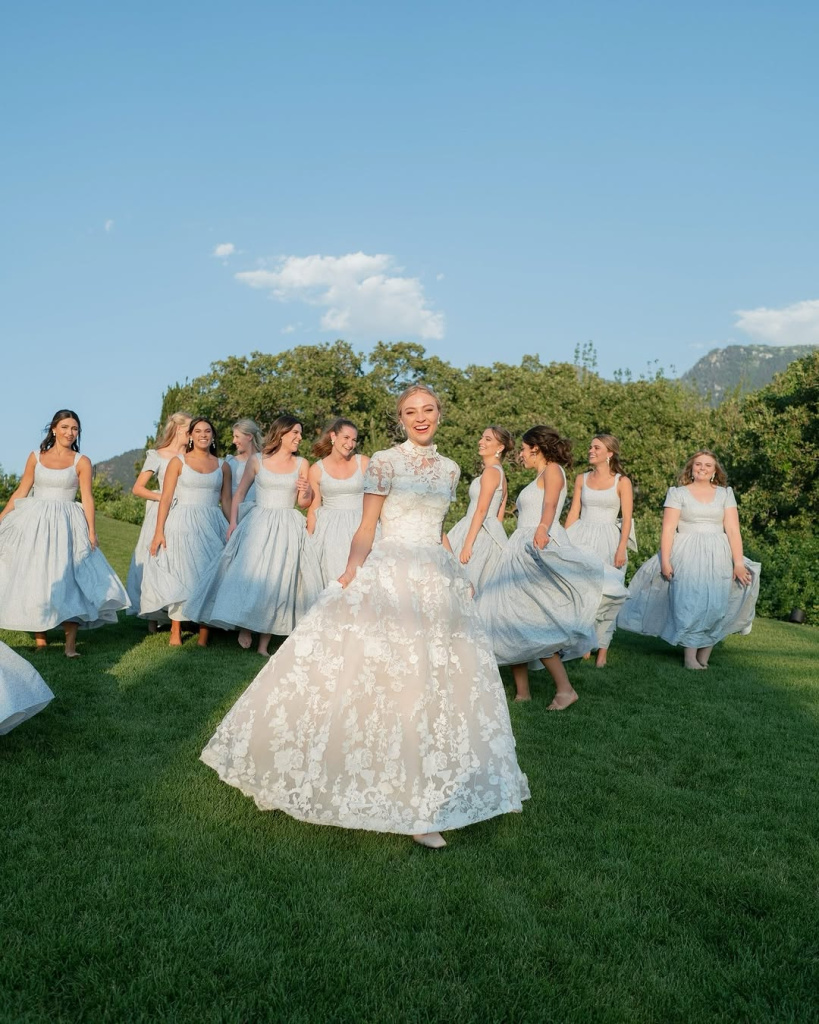
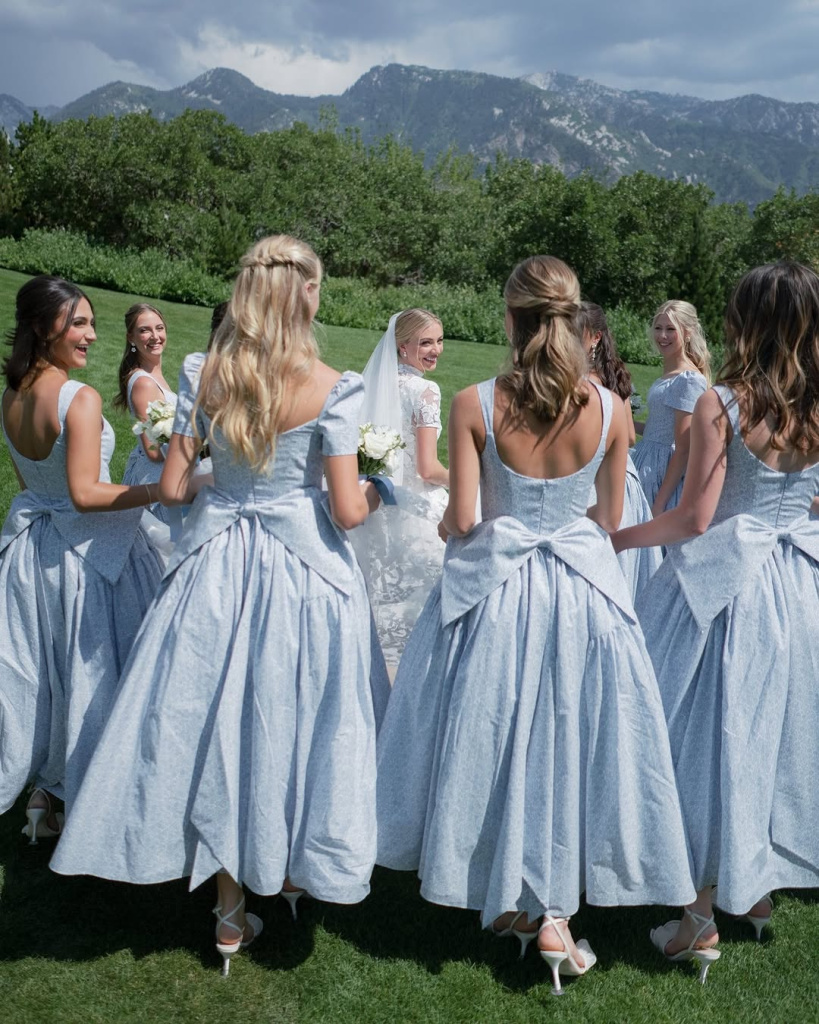
- Dusty blue - quieter than navy, suits both fair and deeper complexions equally well
- Sage green - one of the few greens that flatters warm and cool undertones alike
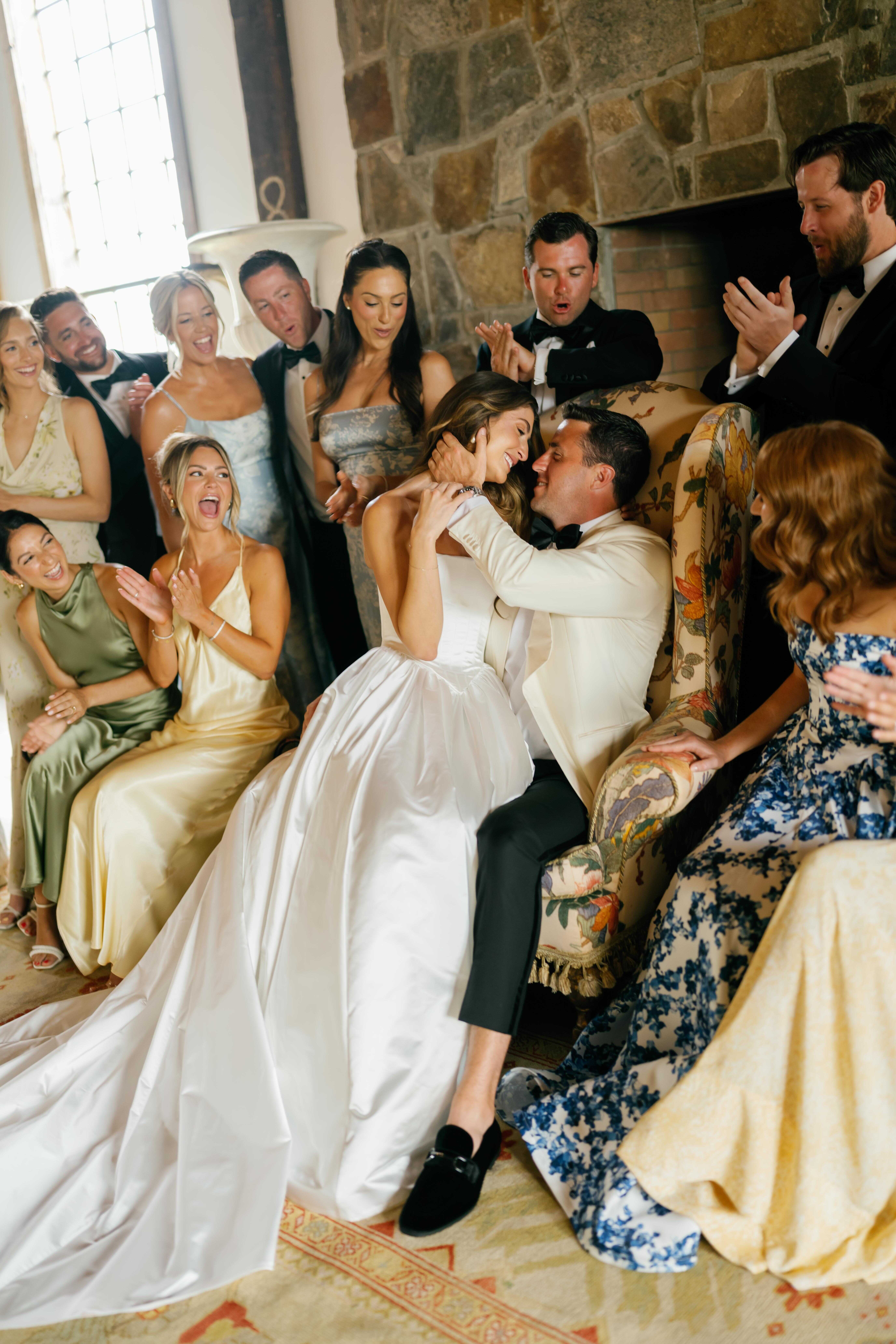
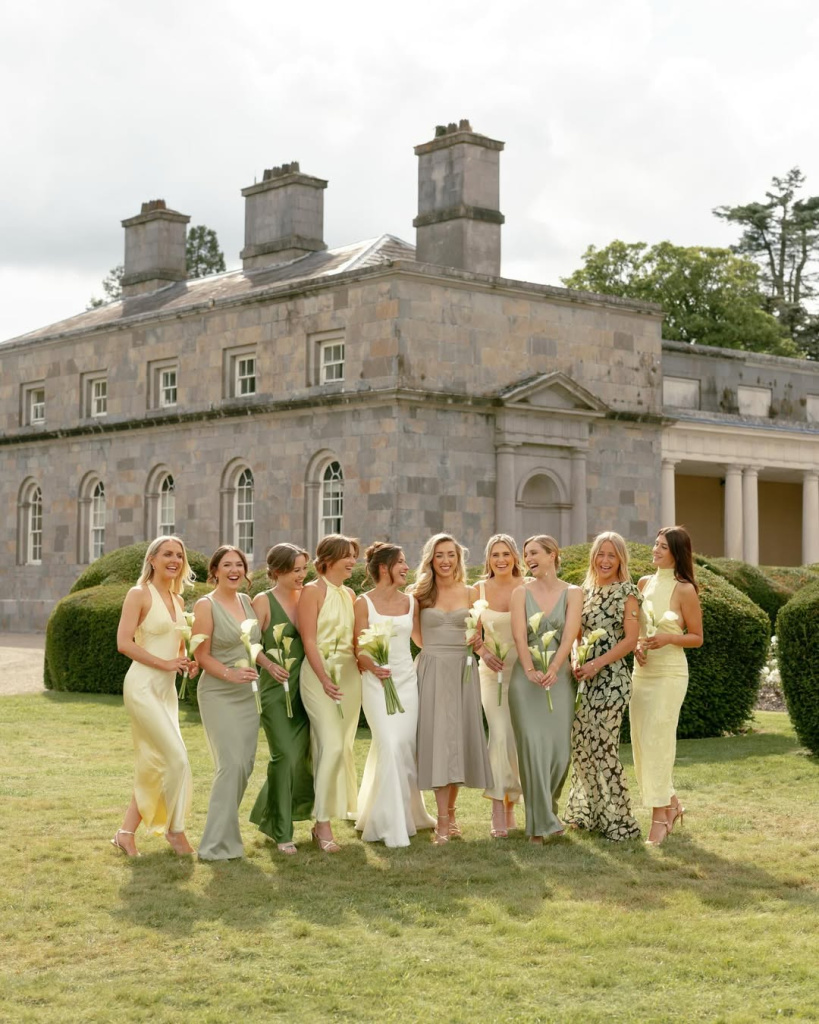
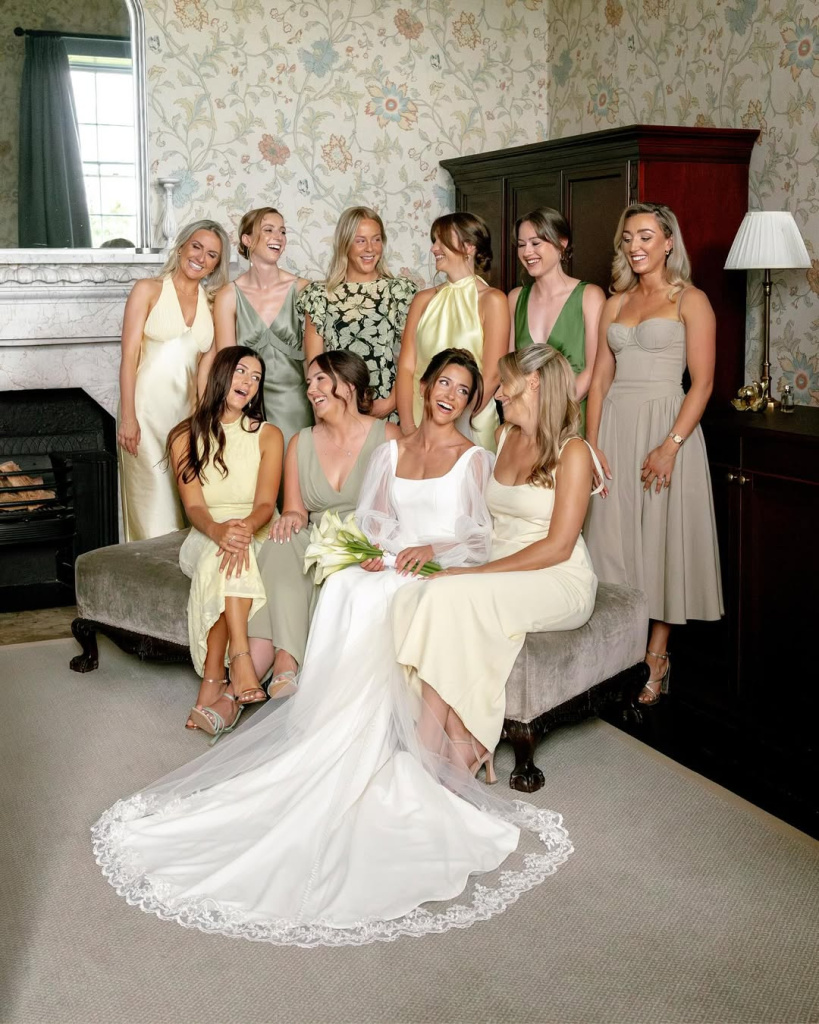
Couples who desire variety without ending up with a messy result usually arrive at a compromise - that is, they select one color family and then allow each bridesmaid to pick the shade that is most suitable for her. A dress in dusty rose and one in deeper rosewood, for example, can appear together in the same photograph, related enough to look coordinated yet different enough to feel individual.
A Quick Word on Following Trends


Trends move faster in bridesmaid dresses than almost anywhere else in wedding planning, simply because these dresses are worn only once and not very often after that. This is one reason a terracotta bridesmaid dress or a muted mauve is so attractive right now; it feels up-to-date, stands out, and is clearly typical of this wedding season. The drawback is that fashion-driven colors tend to make a gallery look out of date more quickly than a more modest color scheme would.
Timeless bridesmaid dress colors tend to be up-to-date enough to seem thoughtfully fashionable yet traditional enough that, when people look at the photos ten years later, they won't be puzzled about what year it was. Sage green, dusty blue and champagne beige all belong in this group; they are shades which have remained in use year after year without ever completely taking the lead that a true trend does. Opting for one of these rather than something more temporary doesn't mean giving up on personality; it simply means choosing a color that won't have to be explained to anyone looking through the album years down the line.
Embrace Multi-Tonal and Ombre Looks
Instead of using the same shade for all the bridesmaids, some couples are introducing variation into the color scheme. A few directions come up often, whether the wedding leans rustic bridesmaid dress colors or something more formal:
- Dusty rose deepening into burgundy down the line of bridesmaids, a classic gradient that works for almost any season
- Pale blue shading into rich navy, suited to both daytime and evening receptions
- Soft sage fading into deep forest green, especially fitting for a rustic or garden-style wedding
In photographs, the effect seems far more thought out than a single flat color repeated five times, with the eye detecting the gradient before it even registers as deliberate design. It is more difficult to achieve than simply using a matching palette because each dress has to be positioned at the correct point on the same tonal scale.
Coordinate with Accessories and Bouquets
A dress color seldom manages to stand by itself. Neutral dresses tend to look best with a bold, saturated bouquet or statement jewelry, whereas more vibrant dresses generally match better with simple, neutral accessories rather than competing with other colors. Metallic details, wherever they appear in shoes, jewelry, or hair accessories, tend to enhance almost any color without clashing.
The aim isn't to match everything exactly, but to ensure nothing in the frame works against the other elements. For example, a neutral dress and a bright, oversaturated bouquet could still clash if the tones don't agree; that is why it's important to look side by side at the real flowers and the actual fabric before deciding on either. Similarly, the same principle applies to hair and makeup, since a cool-toned dress combined with warm gold accessories can end up clashing in photos, even if each element looks fine on its own.
Mix and Match for a Customized Look
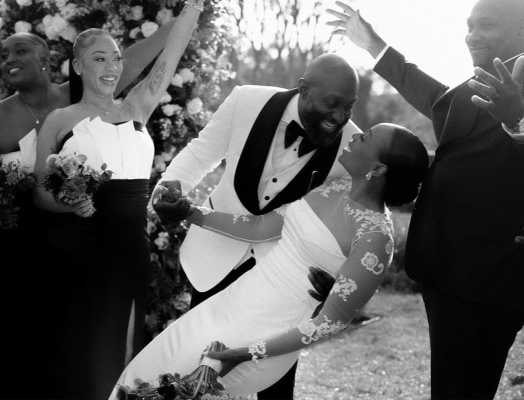
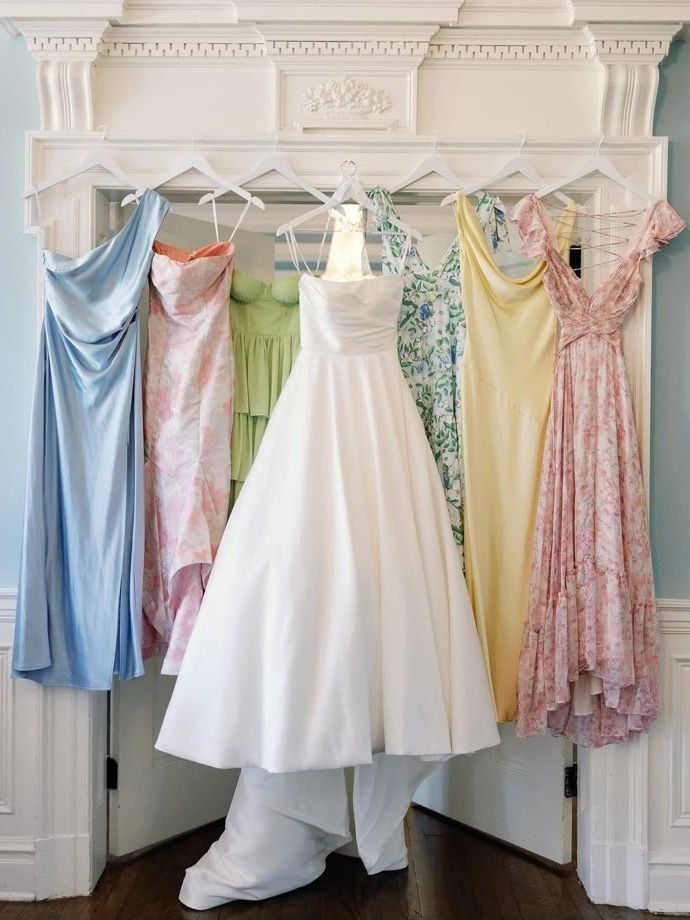
The era of five identical bridesmaid dresses is fading, giving way to a more individual approach - using one color scheme, offering a range of styles, and allowing each bridesmaid to choose the one that fits her. It's common to keep the material consistent, whether it's chiffon, satin, or whatever the couple has decided on, so the overall look stays cohesive even when the necklines and cuts differ greatly from one dress to another.
It's a minor change that affects the way the bridal party actually feels when they are standing at the altar. Although they are coordinated, they are not costumed. A bridesmaid who is genuinely at ease in her own shape moves differently in photographs from one who is wearing a cut that had never really been suitable for her, and this difference is more noticeable than most couples anticipate when they see the gallery.
Test Colors Against the Wedding Dress


The bridal gown is still the visual anchor of the day, and bridesmaid colors work best when they support it rather than compete with it. White or ivory gowns are famously forgiving here, pairing comfortably with nearly any color a couple throws at them. Champagne or blush bridesmaid dresses tend to sit quietly alongside the gown, extending its softness outward. Deeper, bolder hues do the opposite, creating real contrast that makes the dress read as brighter by comparison.
Screens lie about color more often than people expect. Holding an actual fabric swatch against the actual gown, in the actual light the wedding will happen in, remains the only reliable way to know for certain. A color that reads as a soft, complementary blush on a laptop screen can shift noticeably warmer or cooler once it’s sitting a few inches from ivory silk, and that gap only becomes obvious once the two fabrics are physically together.
Factor in Cultural and Symbolic Meanings
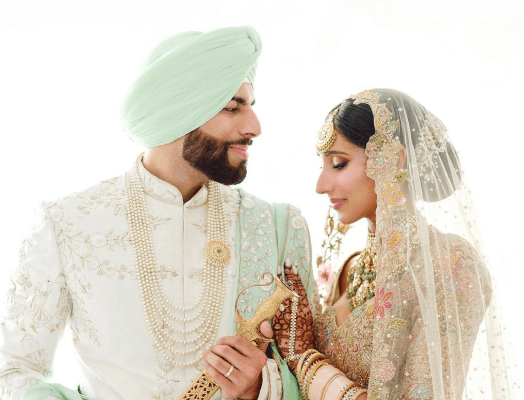
Color carries different weight depending on where you’re standing. Red signals luck and celebration across much of Asia, a meaning that has nothing to do with passion or drama in a Western sense. White, so central to Western bridal tradition, reads as a color of mourning in some cultures rather than celebration. Gold and royal blue lean toward prosperity and status in others.
None of this needs to dictate a couple’s choice, but it’s worth knowing before a color gets picked purely for how it photographs. A quick conversation with family, or simply asking bridesmaids what a color means to them, tends to surface details a Pinterest board never will. Some couples weave that meaning directly into the day, choosing a shade specifically because it honors a grandparent’s tradition, while others file the information away and proceed with the color they’d already fallen for.
Trending Bridesmaid Dress Colors
These are the shades currently showing up again and again in actual bridal parties, less a fixed set of rules and more a snapshot of where current taste actually lies. While some adopt a soft, romantic approach and others take a bolder route, each choice has its place for reasons that go beyond mere popularity.
Ethereal Lavender
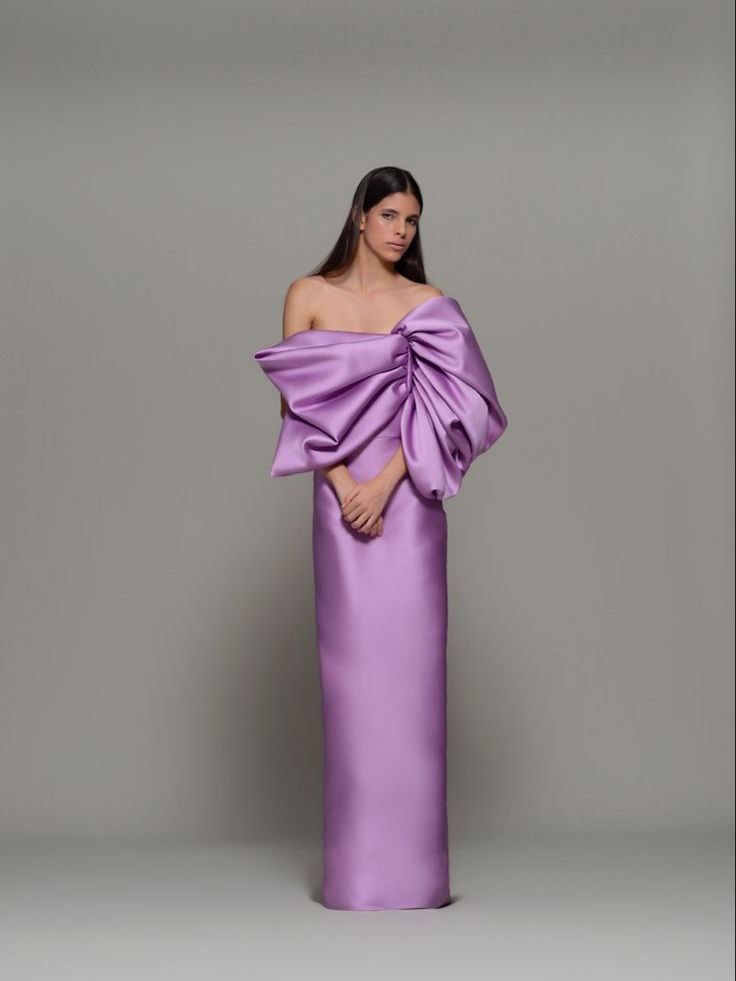
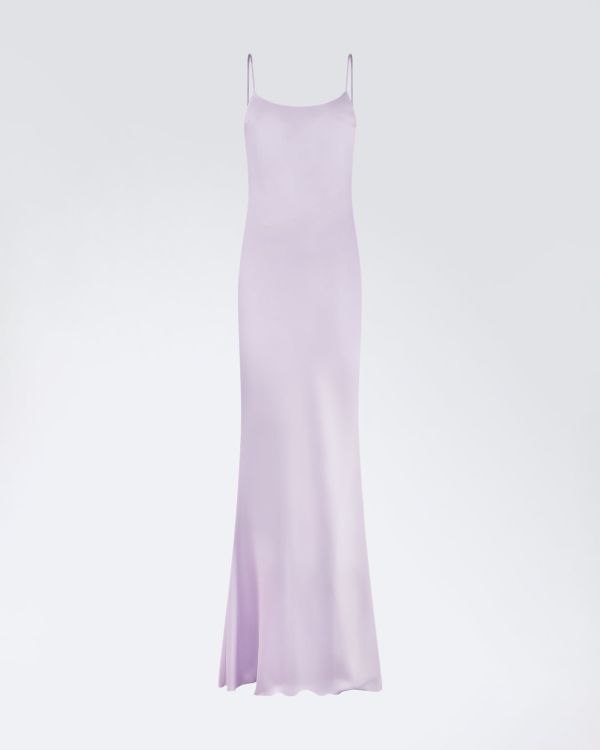
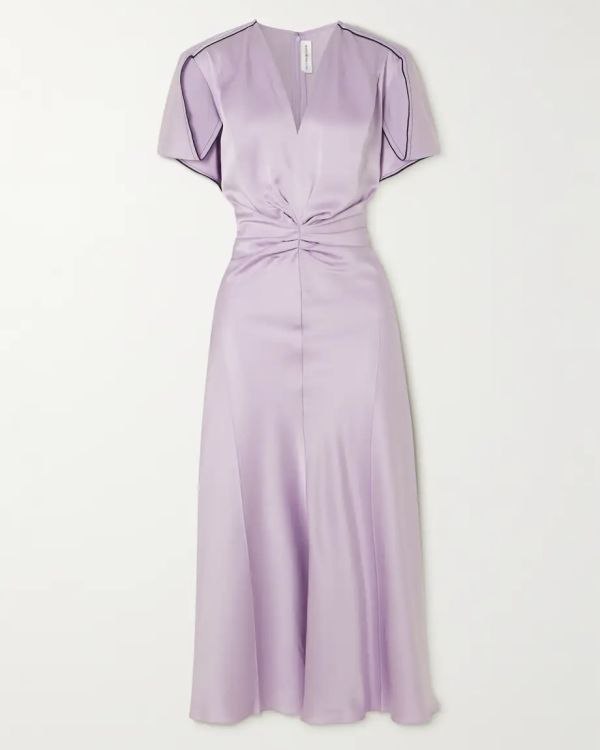
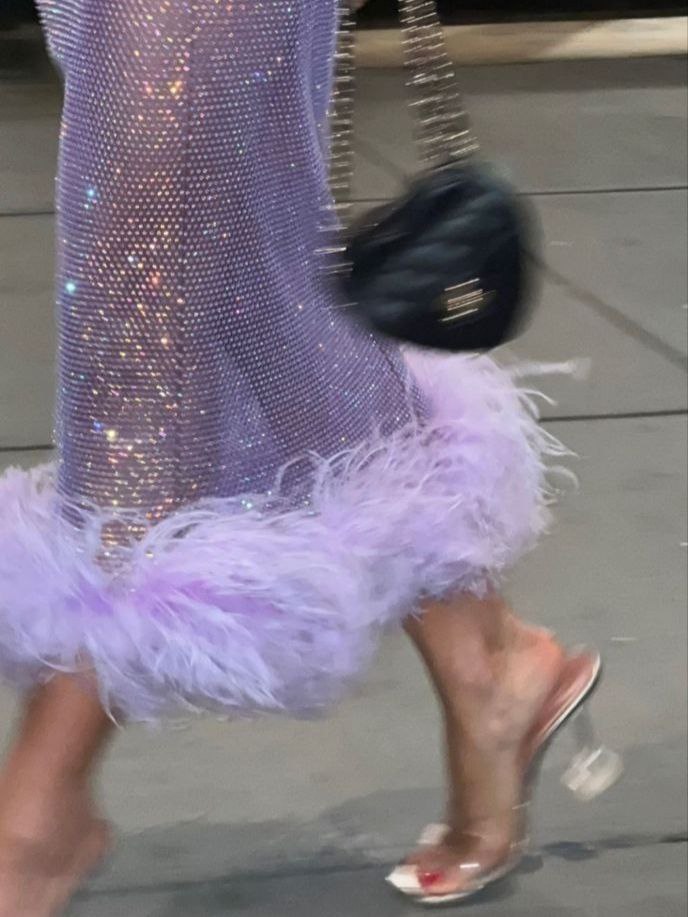
Lavender has long been part of wedding color schemes. The kind that is becoming more popular right now, however, looks lighter and more atmospheric, almost as though the color is floating rather than lying flat on the fabric. It is especially suitable for spring and summer weddings, where it makes a quiet, beautiful impression in gardens and vineyards by matching the lavender grown in the vicinity. The tint suits an unusually wide variety of skin tones and looks great alongside greenery, so the bouquet or floral arch can carry the deeper color while the dresses remain soft.
Earthy Terracotta
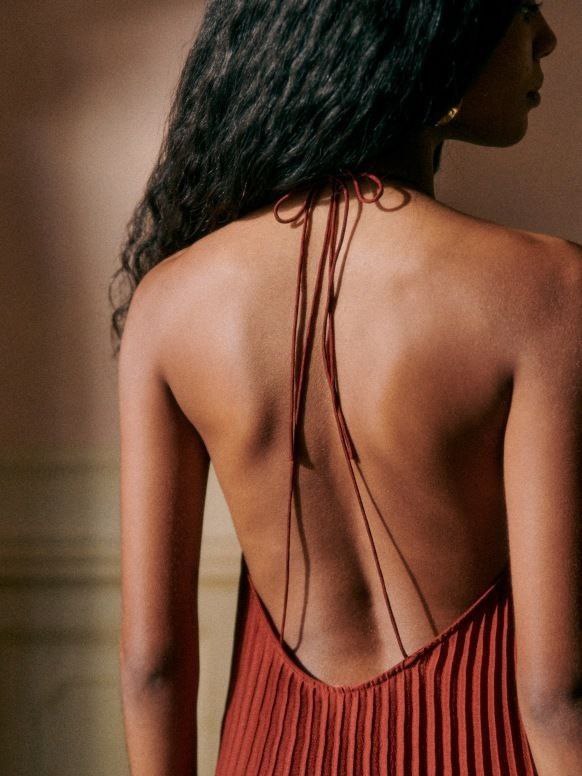
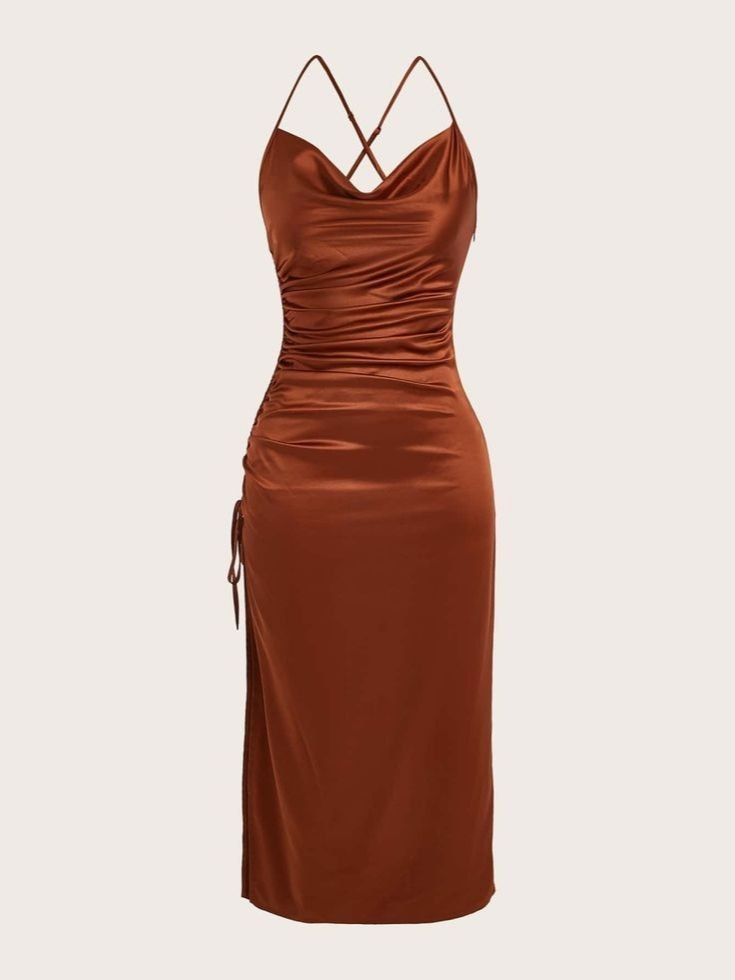
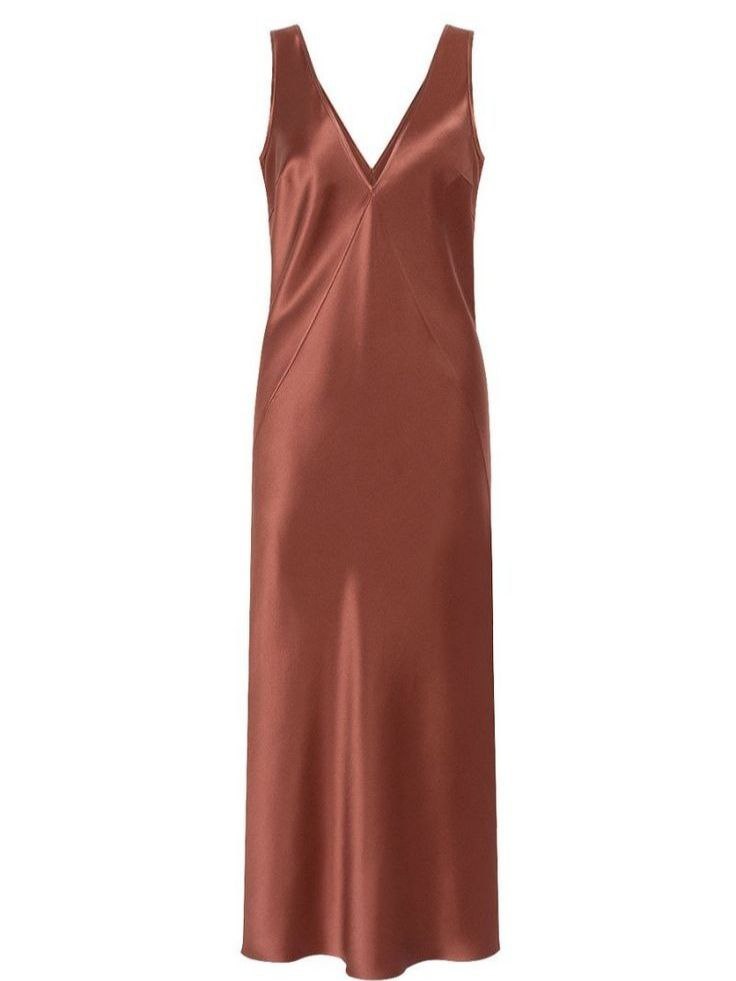
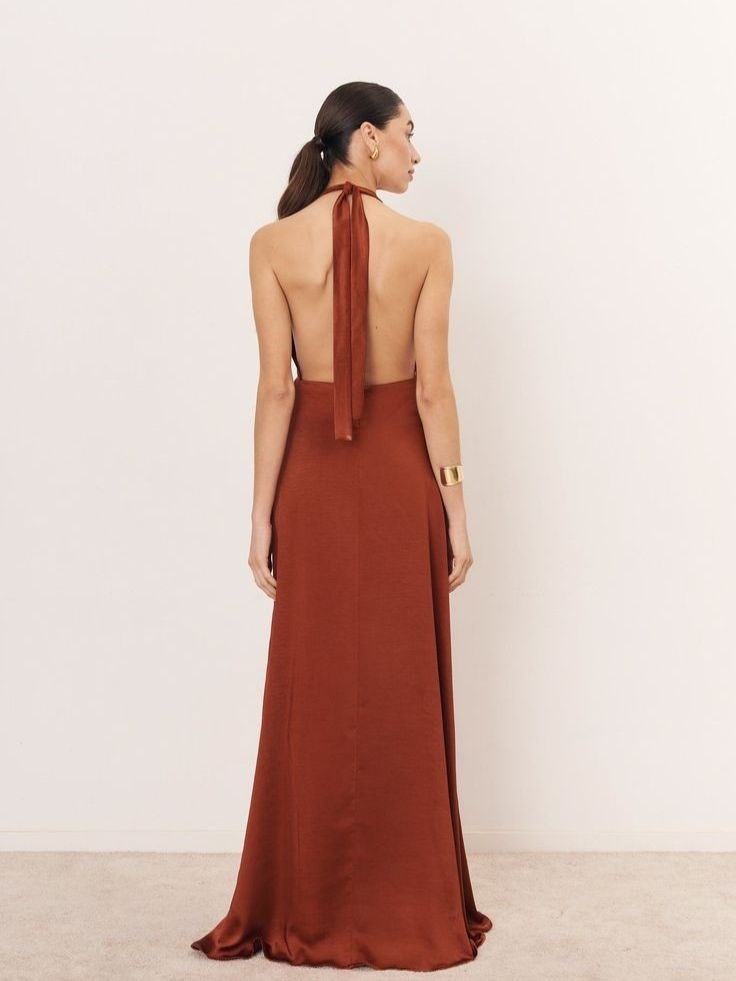
Terracotta has a genuine warmth because it is made from sun-baked clay and desert light, and at the same time doesn't become too rustic. It is particularly well suited for being used as a base in fall and winter colour schemes, but its richness can be used all year round if the appropriate florals, dried grasses, pampas, and soft greenery are combined with it. The reason for its versatility is that it goes well with both warm and cool skin tones and gives off a glow which few earth tones are able to produce as reliably.
Midnight Blue
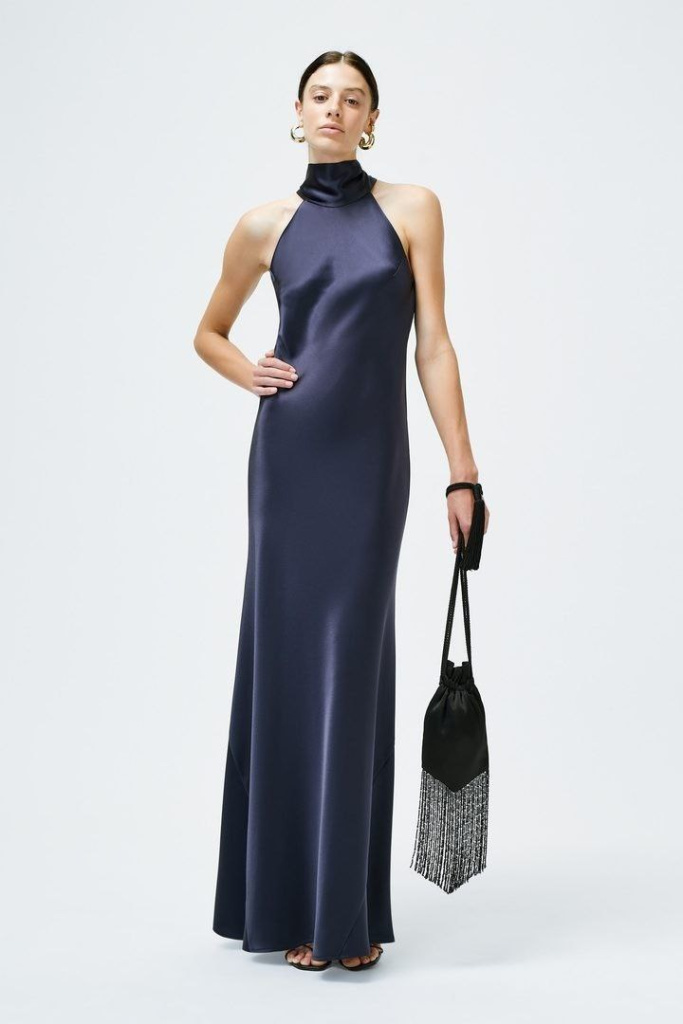
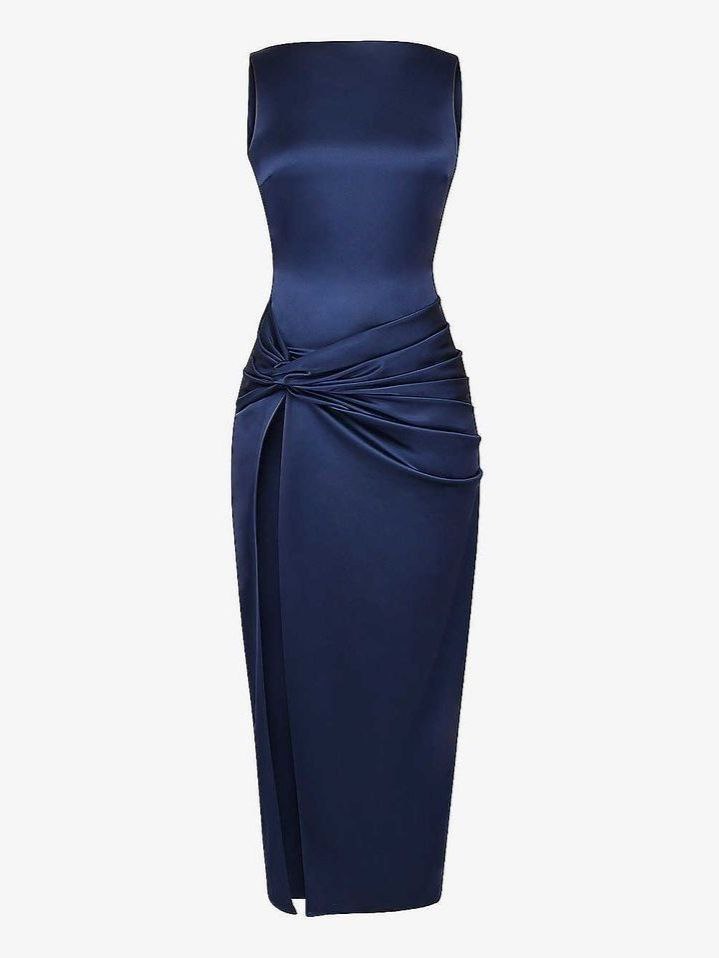
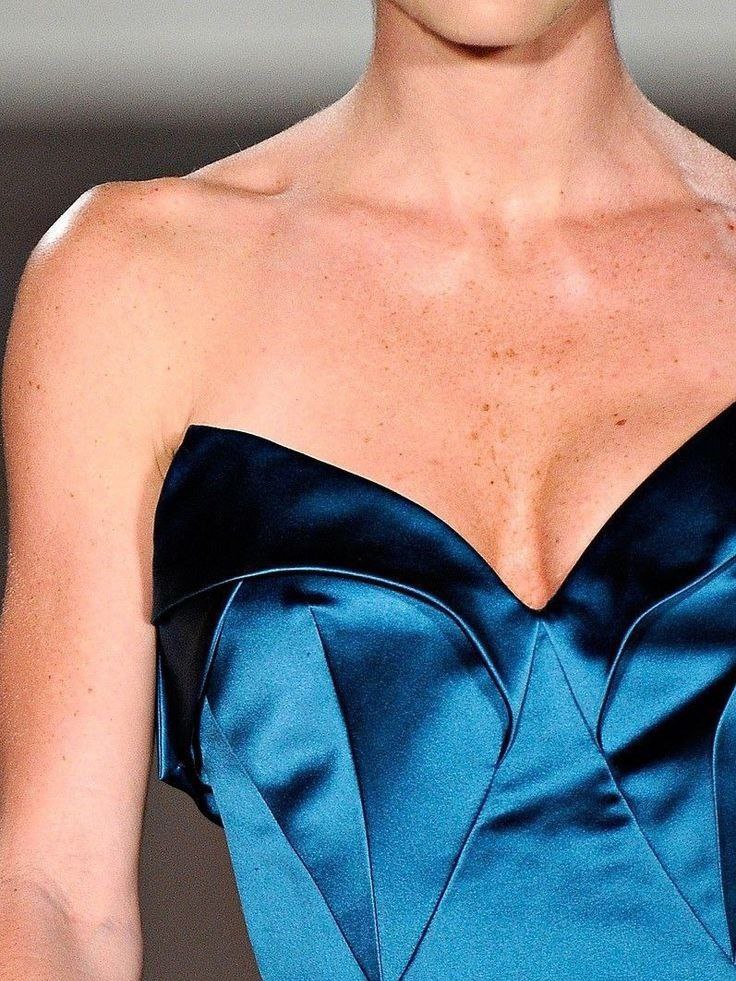
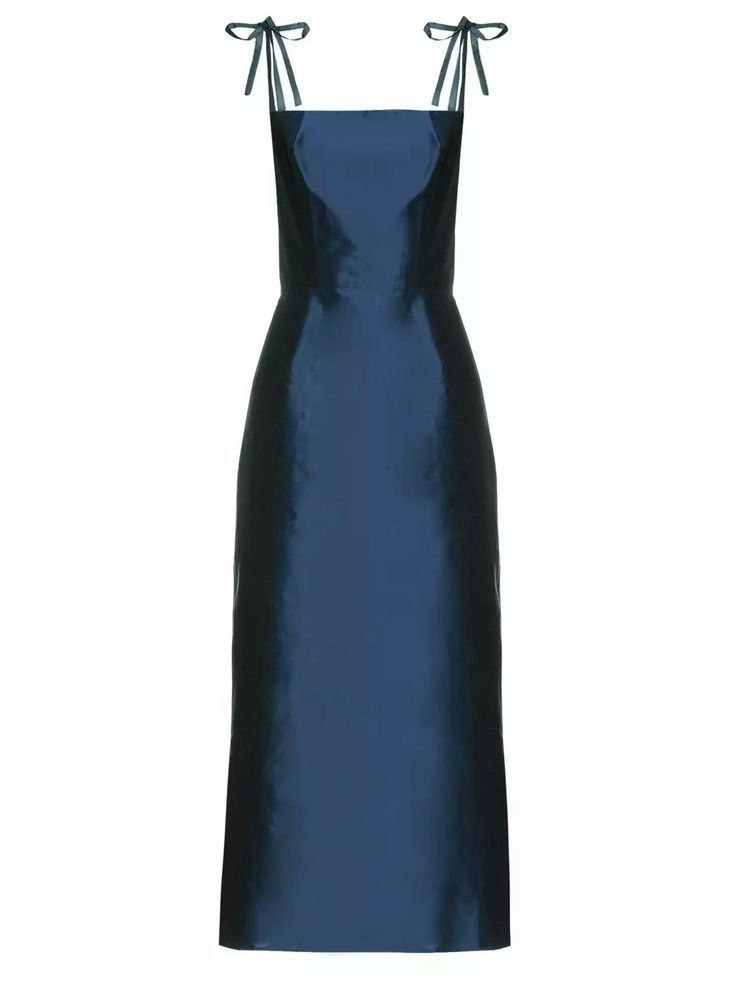
More intense and striking than navy, midnight blue has the solemnity of black but avoids its lack of depth. It suits evening weddings centered on candlelight and low lighting, since the color shows subtle depth rather than appearing merely dark. Both silver and gold accents work well with it, and the shade suits flowing chiffon as well as heavier winter velvet.
Dusty Sage
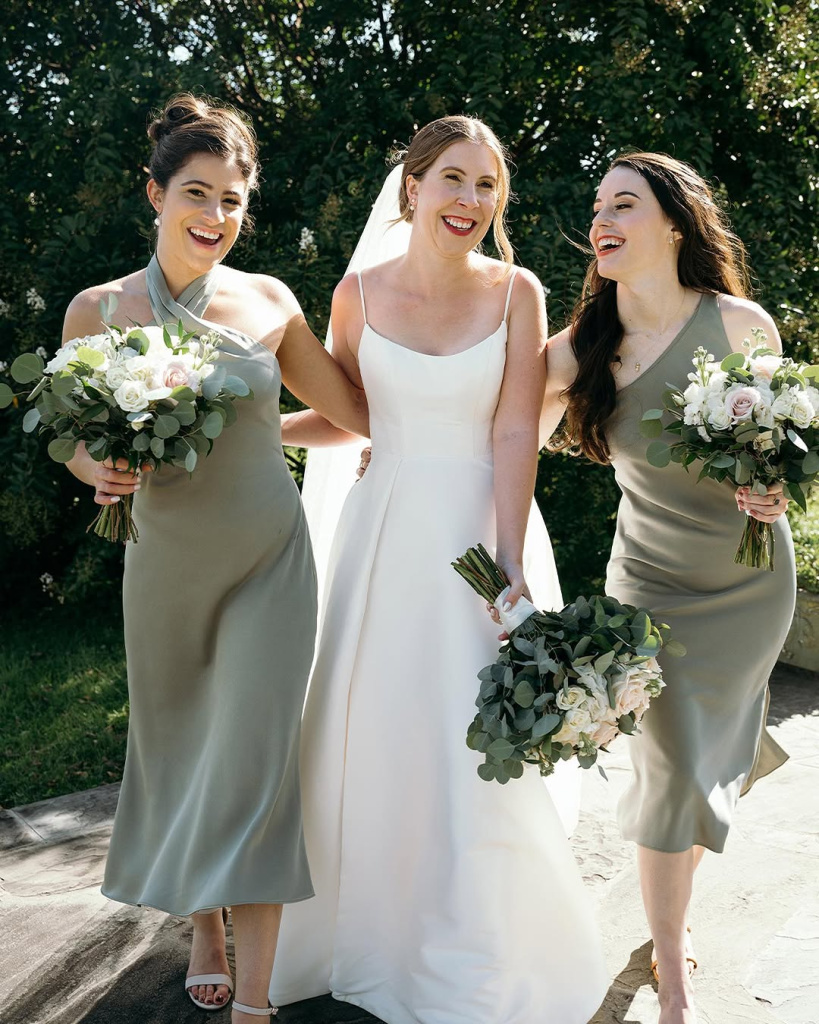
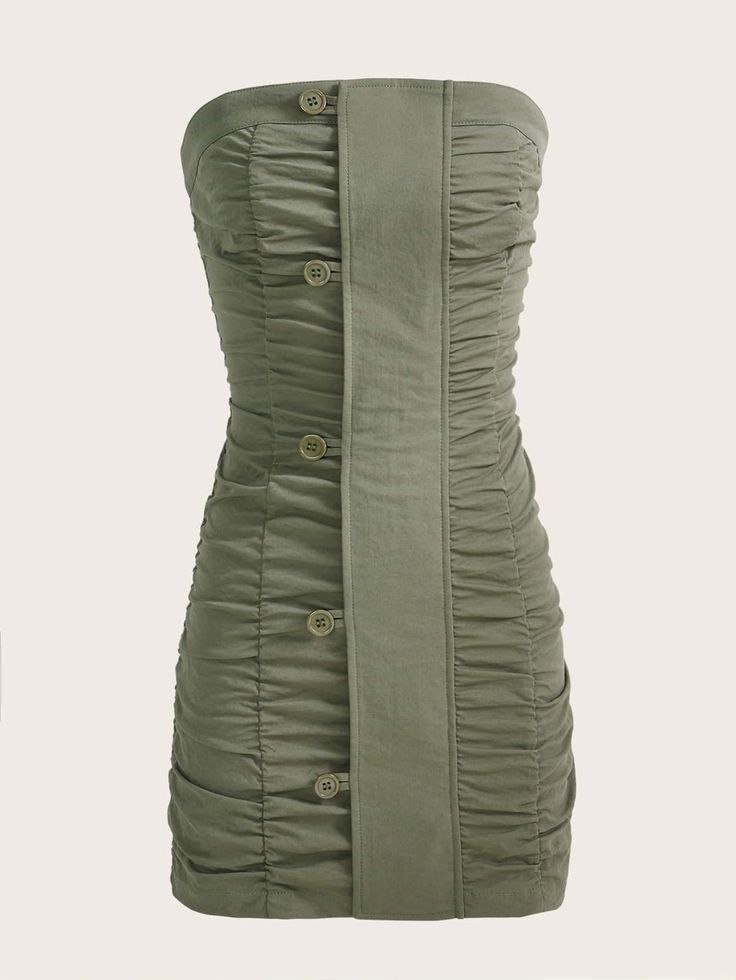
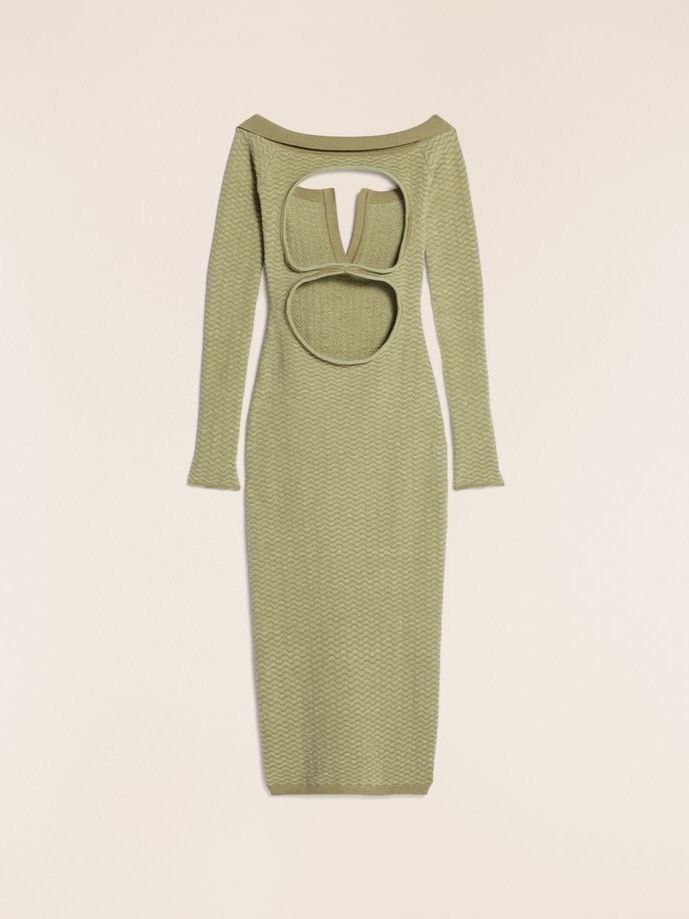
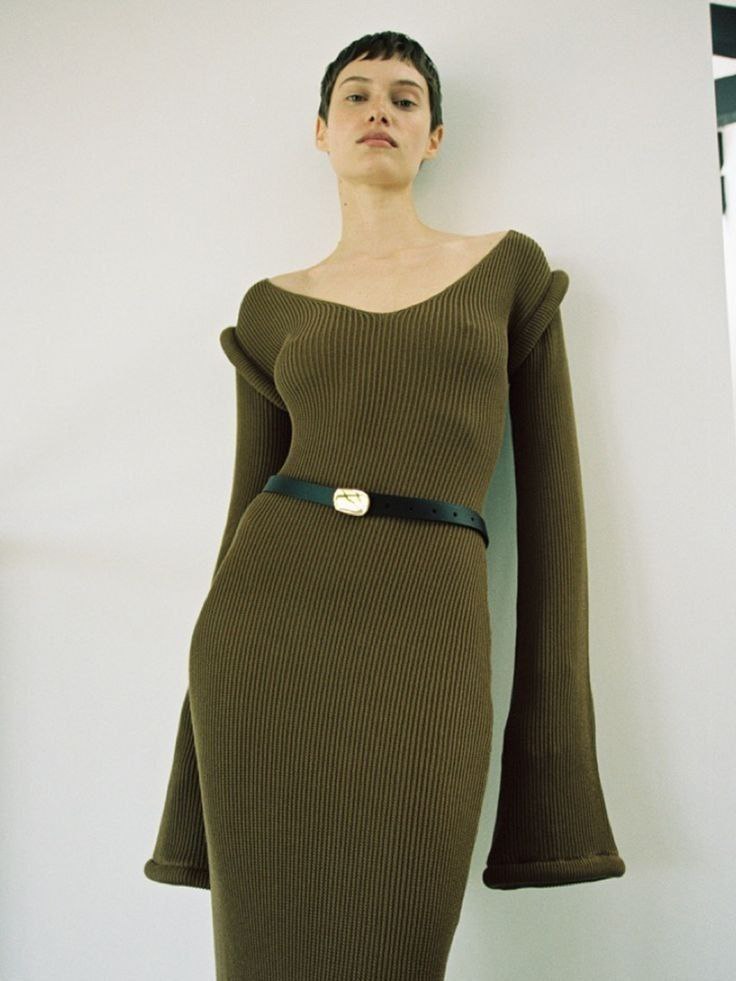
Somewhere between green and gray, dusty sage has become the default choice for couples chasing a calm, nature-forward palette. It pairs beautifully with eucalyptus and fern, and unlike more intense greens, it stays wearable across every season, looking fresh in the spring sunlight and becoming warmer once autumn arrives. For bridesmaids, dusty sage often blends into the landscape rather than standing out against it.
Champagne Beige
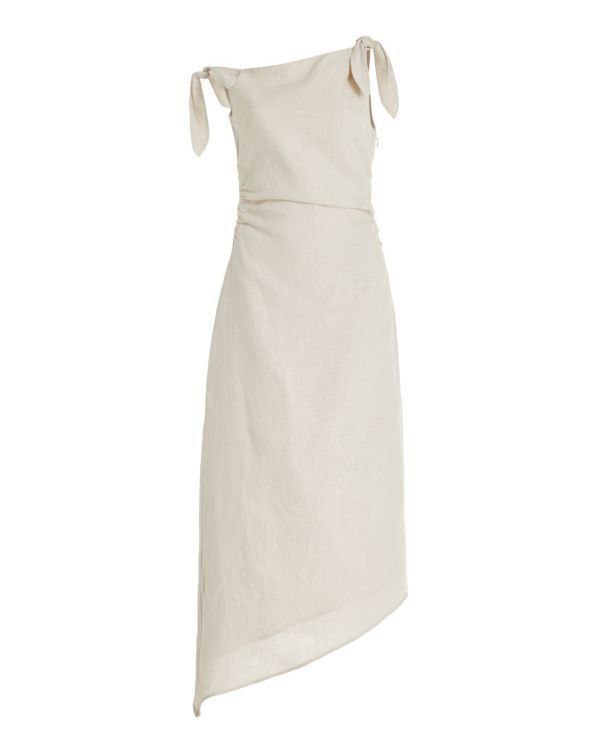
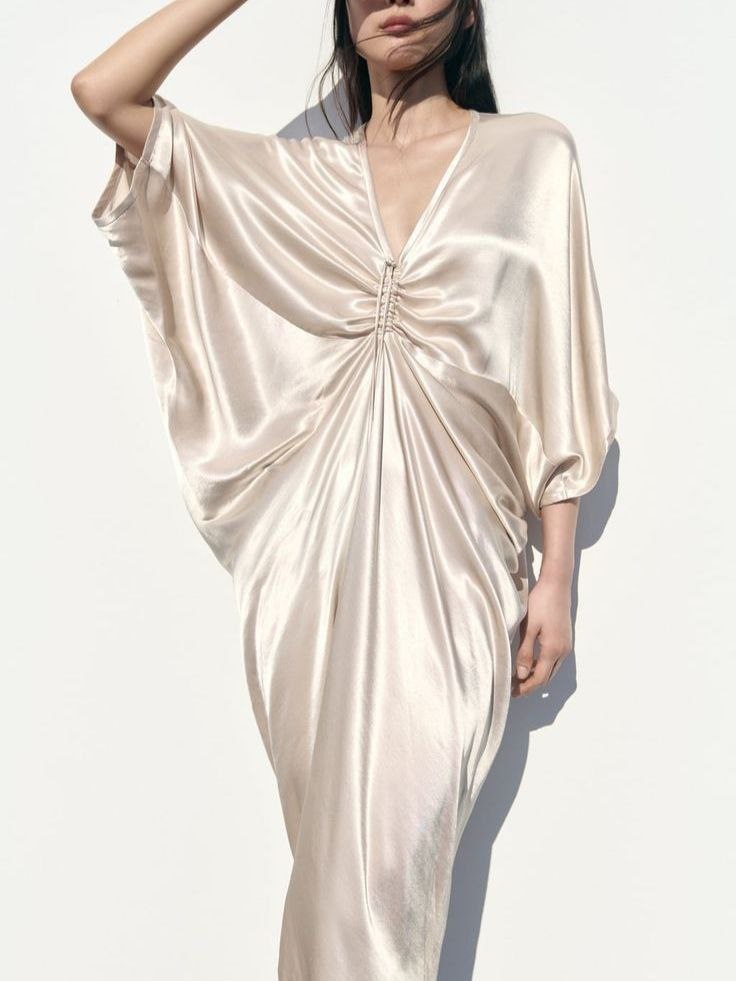
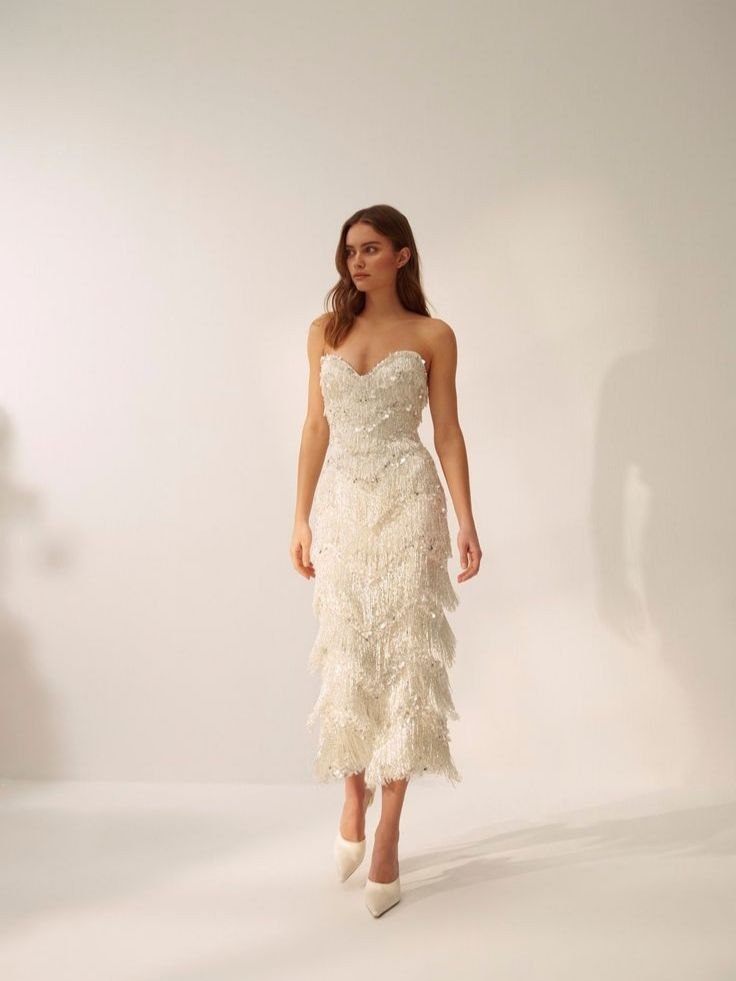
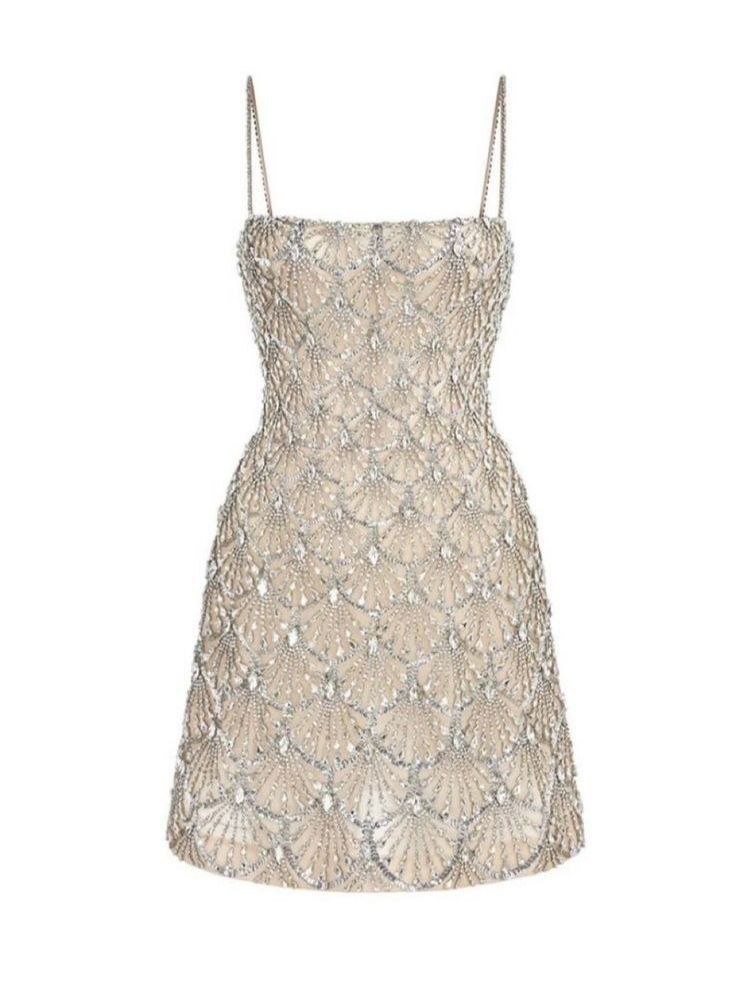
For couples who want elegance without a single loud gesture, a champagne-colored bridesmaid dress achieves this aim. It has a gentle sheen that flat neutral colors lack, making it ideally suited to evening receptions. The color suits itself whether it is dressed up with pearl details or remains deliberately simple, making it appropriate for both minimalist and truly luxurious weddings without requiring any alteration.
Peachy Coral
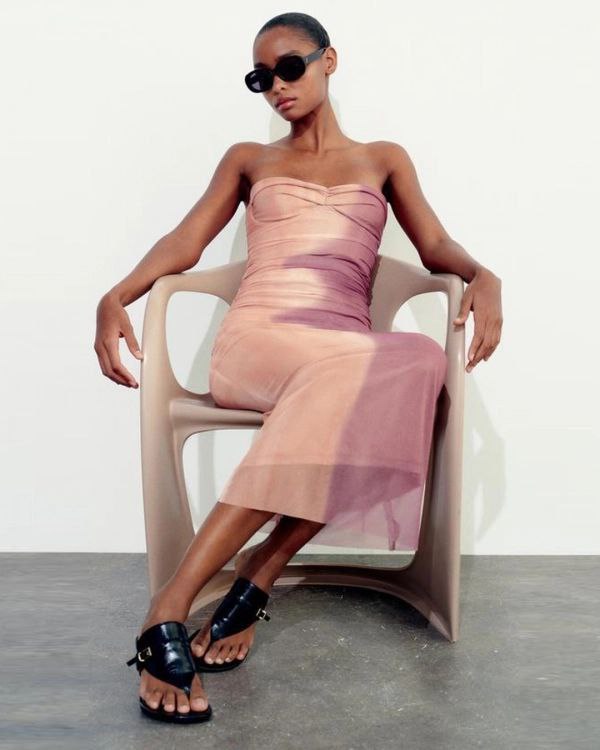
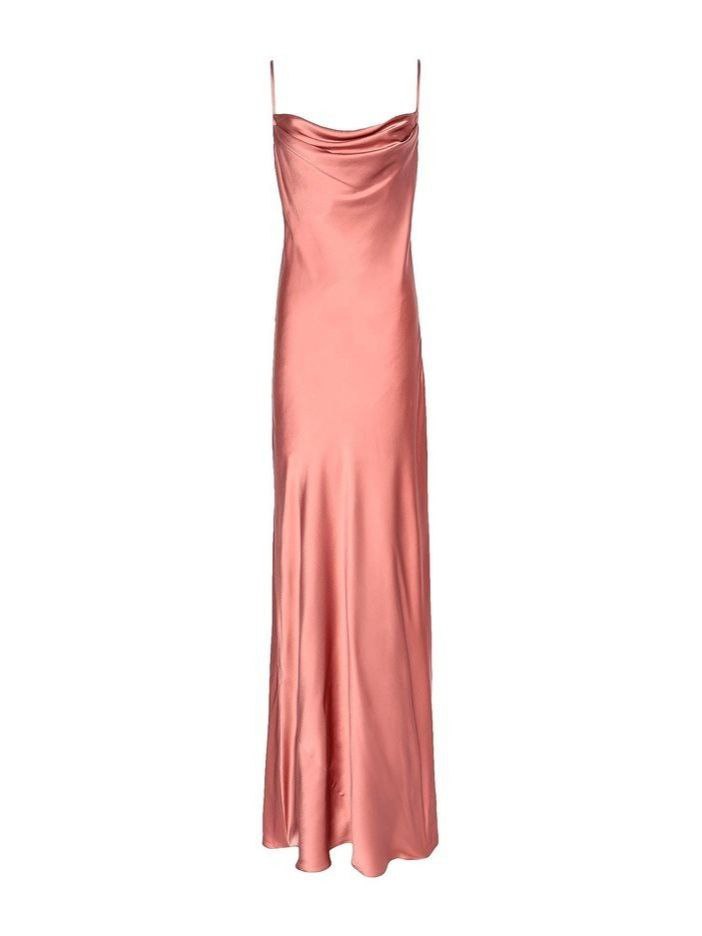
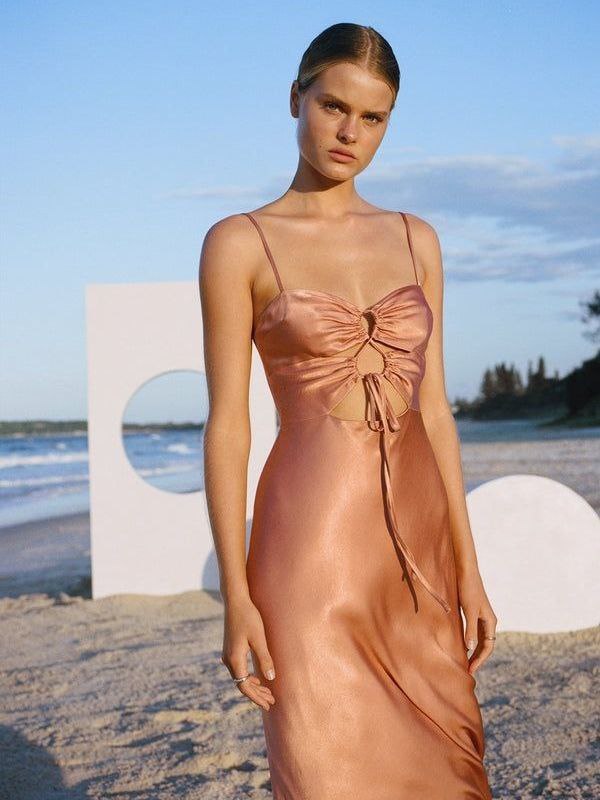
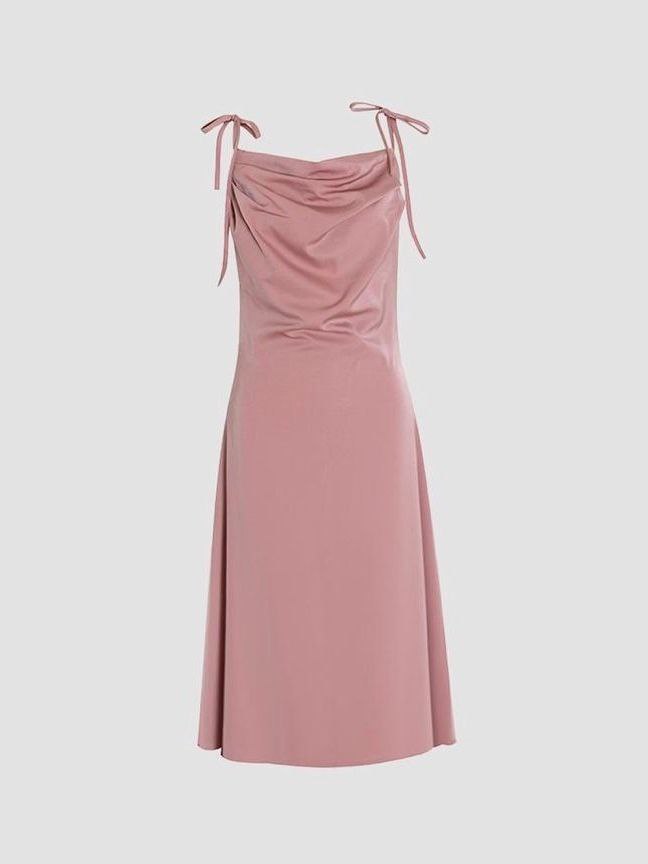
Warm, bright, and clearly joyful, it is the color of choice for summer weddings that embrace color rather than shy away from it. It is well suited to beach and tropical environments and maintains its vividness whether the ceremony takes place in the daytime or the reception at golden hour. Against tanned or sun-kissed skin, the shade gives off a glow that very few other warm tones can achieve so easily.
Soft Rosewood
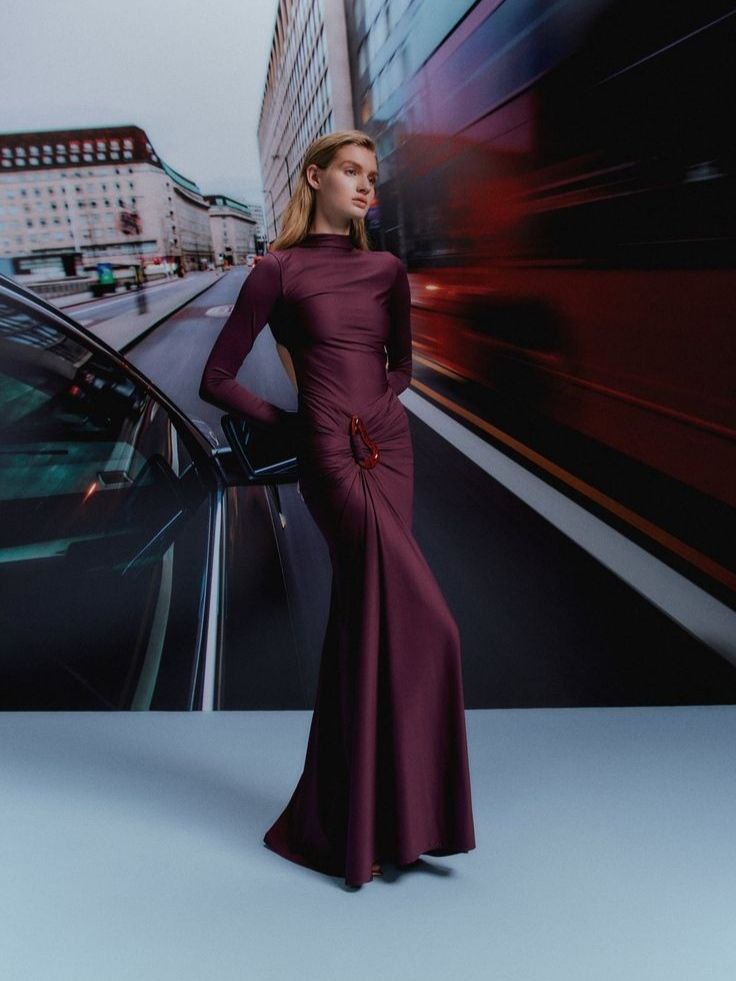
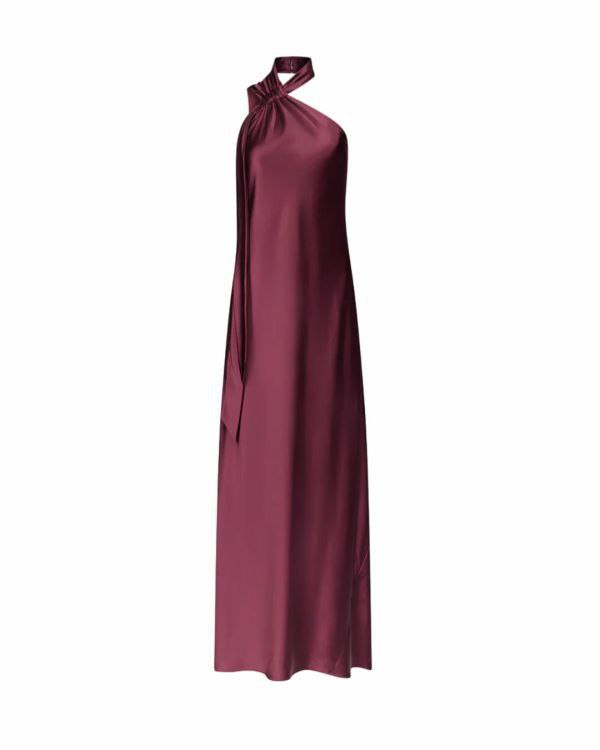
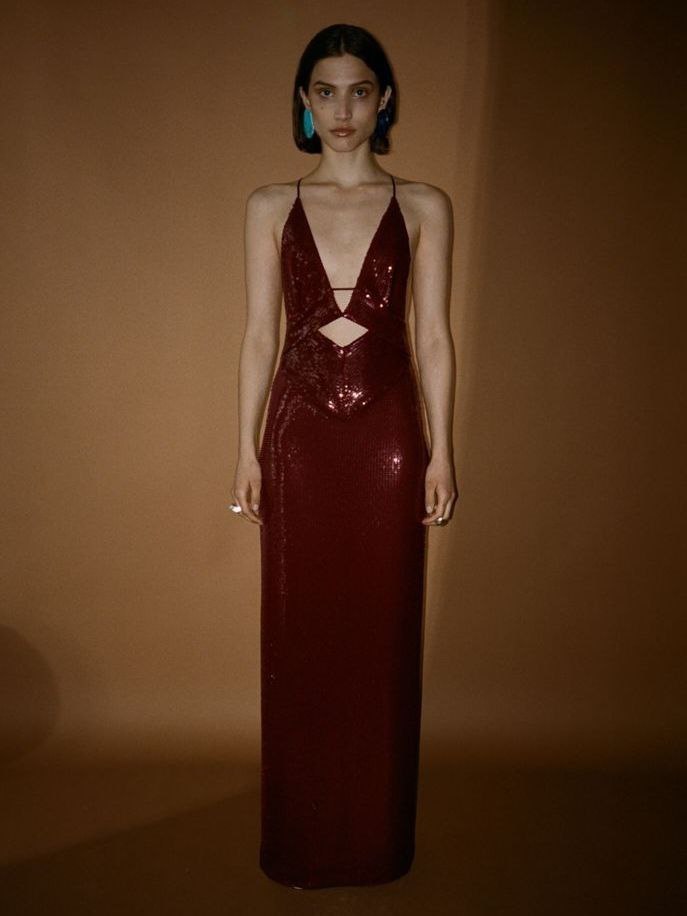
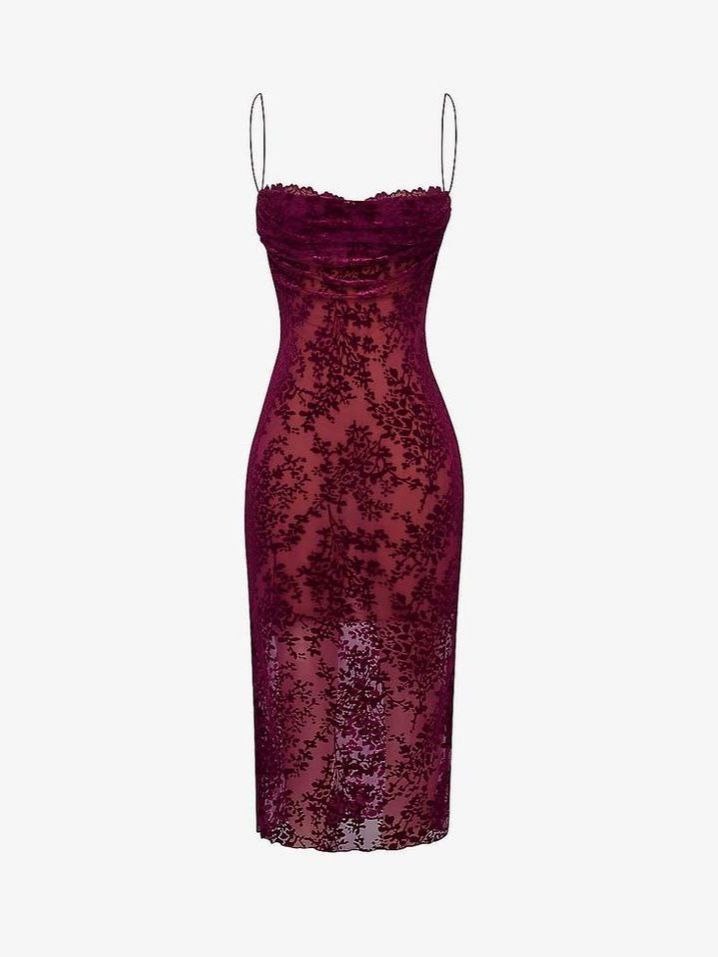
This shade is partly pink and partly brown, and the soft rosewood tone has a vintage appearance without seeming out of date. It offers real depth for a fall or winter wedding, providing a romantic, slightly somber warmth that brighter pinks lack. When combined with sage green, cream, or gold, it takes on the character of a color that looks thoughtfully chosen rather than just pleasant.
Sea Glass Teal
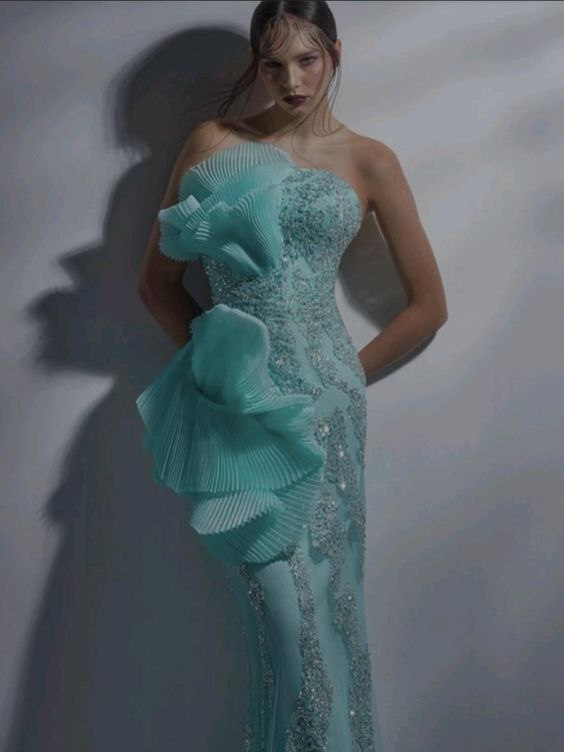
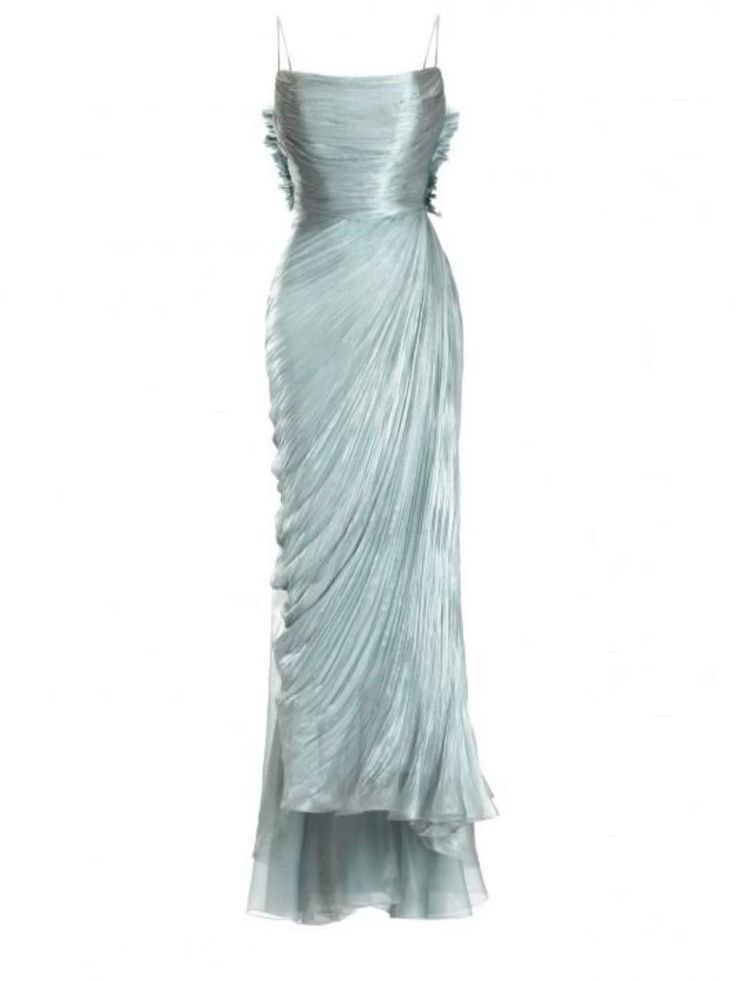
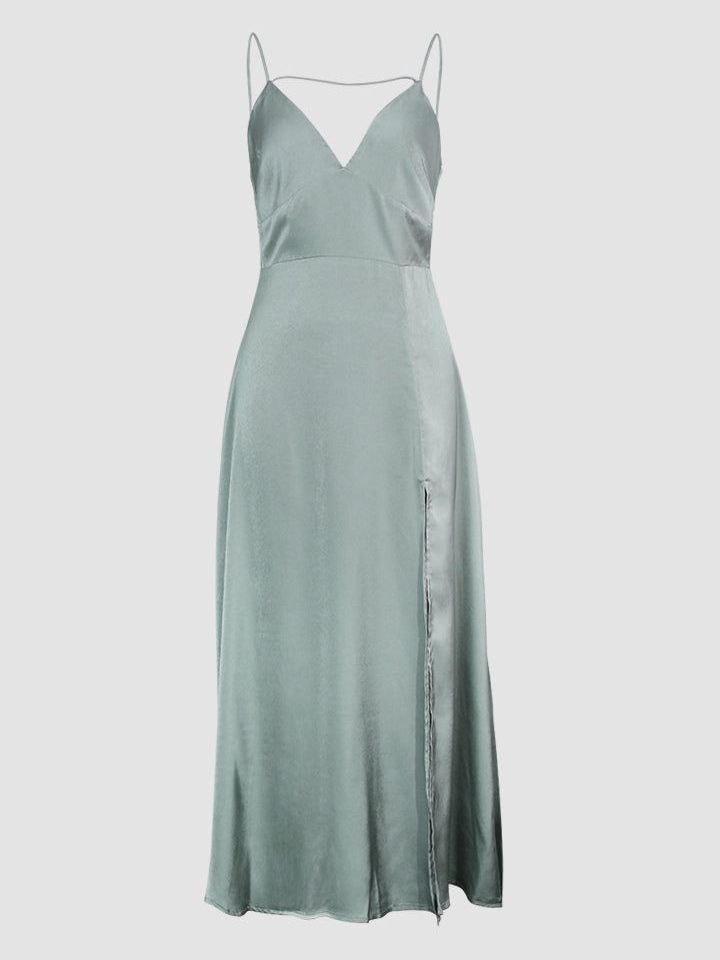
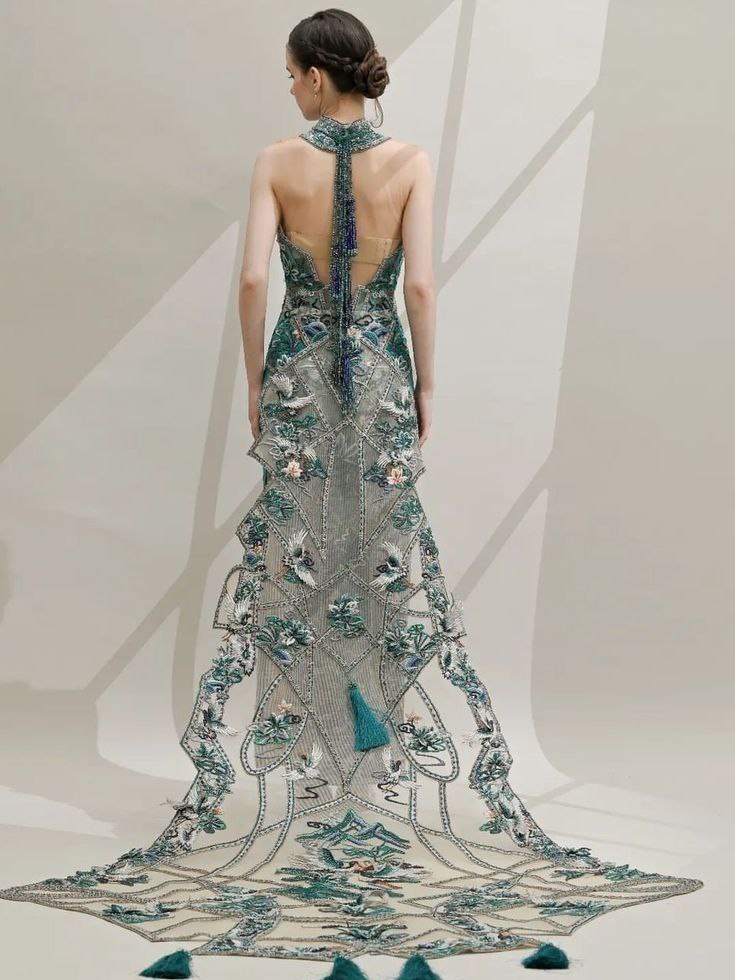
Named for exactly what it looks like, sea glass teal sits at the calm intersection of blue and green, evoking coastlines without leaning too literally nautical. It suits spring and summer weddings by the water especially well, and its lightness photographs beautifully in the kind of natural, unfiltered light most beach ceremonies already have. Paired with sandy neutrals or soft blush, the whole palette starts to feel like it was pulled directly off the shoreline.
Golden Marigold
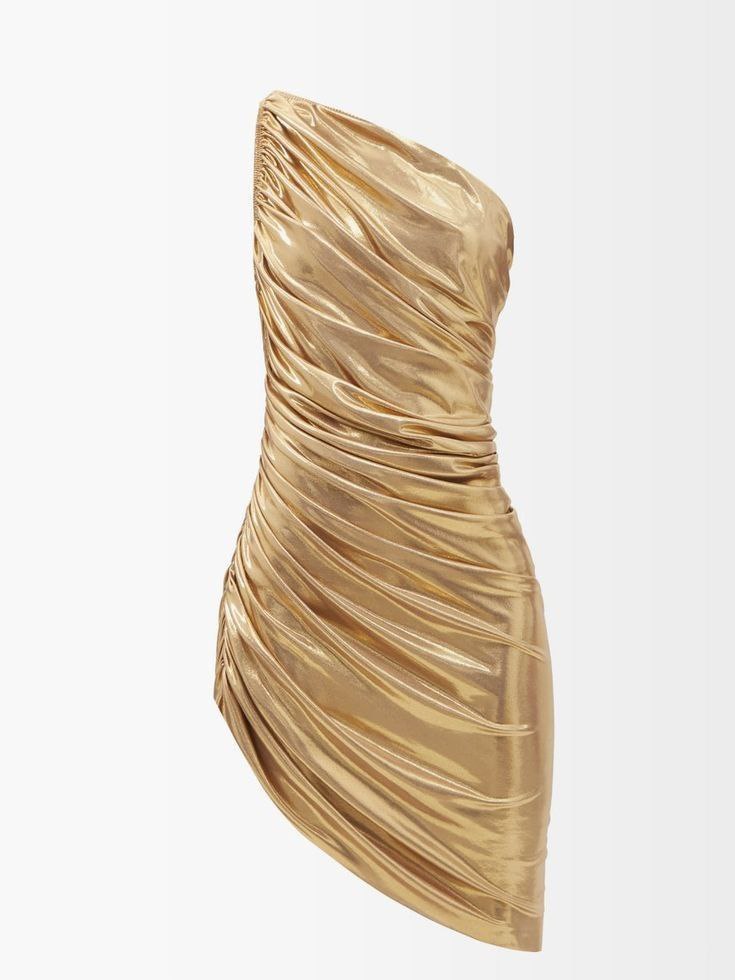
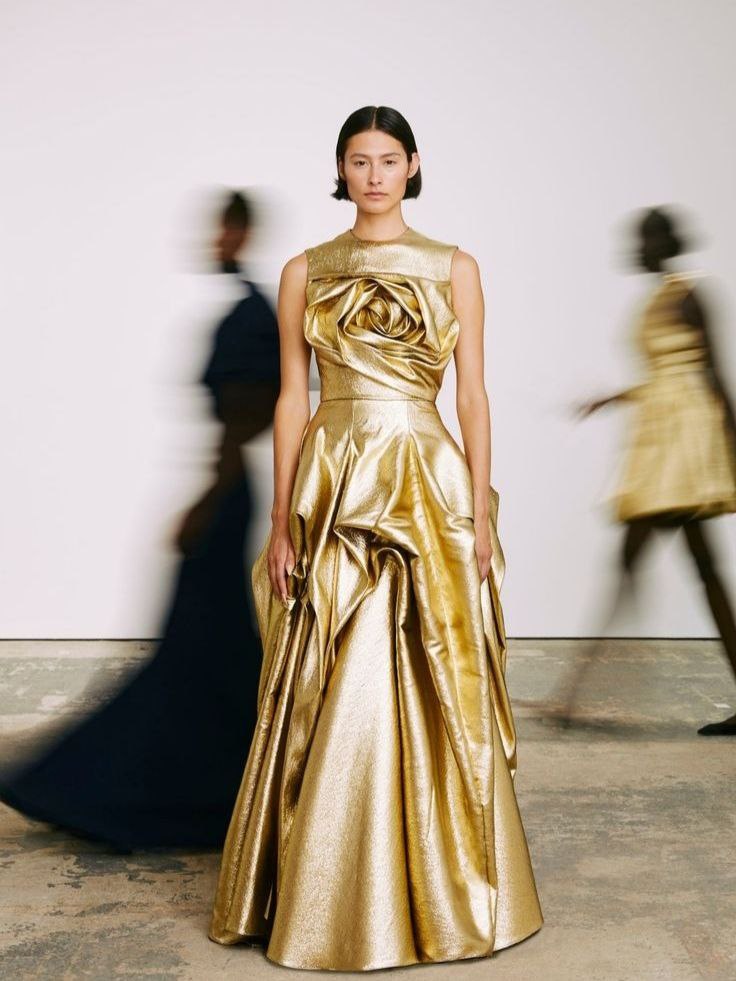
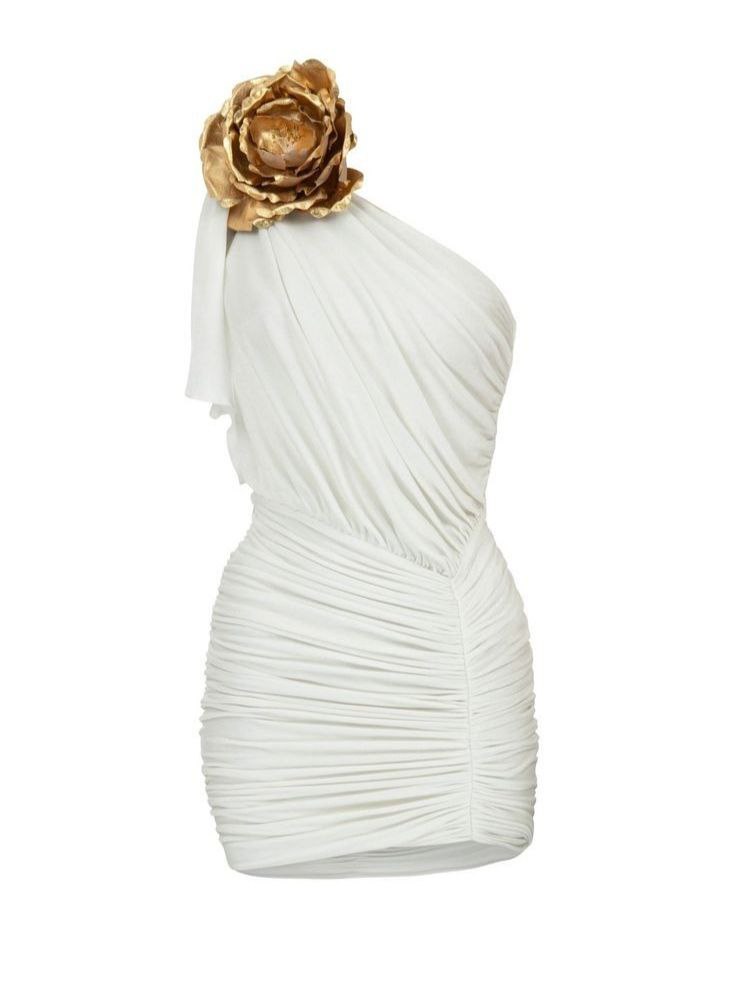
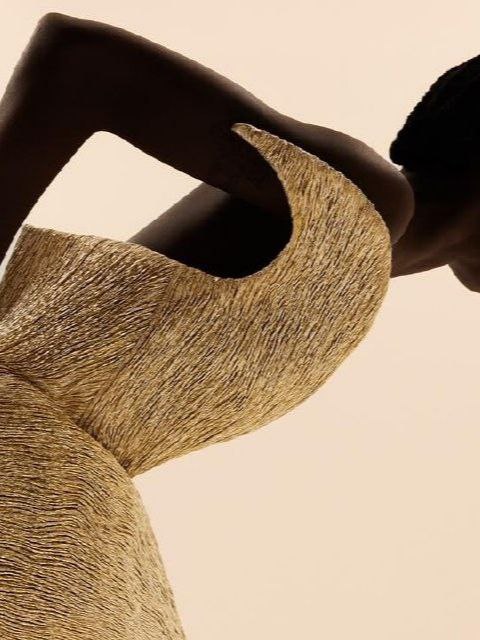
The boldest shade on this list, marigold doesn’t try to blend in. It suits outdoor, rustic, or bohemian weddings that already lean warm, standing out against dried florals and natural wood without ever feeling out of place. Bridesmaids in marigold read as confident rather than costumed, and the color’s natural vibrancy tends to translate into genuinely joyful, high-energy photographs.

Timeless and Classic Bridesmaid Dress Colors


Apart from the colors that are currently in fashion, these shades have gained something rarer - they have staying power. They look just as good in photographs ten years later as they do on the day of the wedding, which is why so many couples return to them.
Milk and Beige
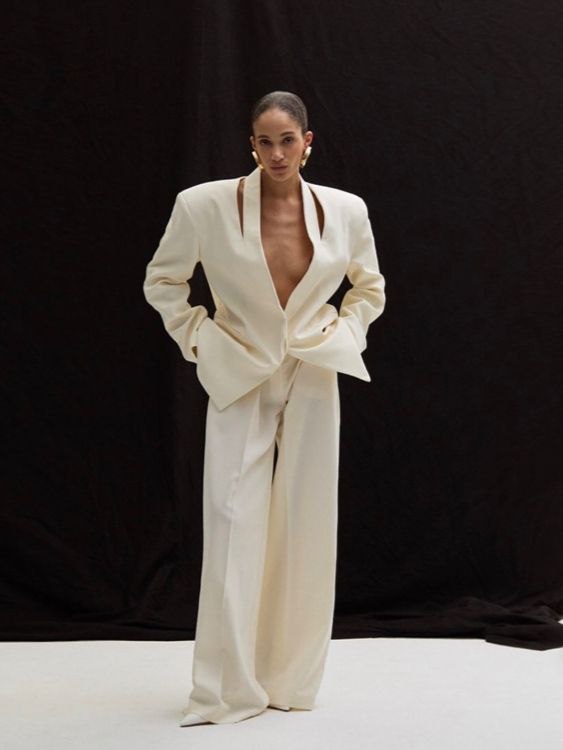
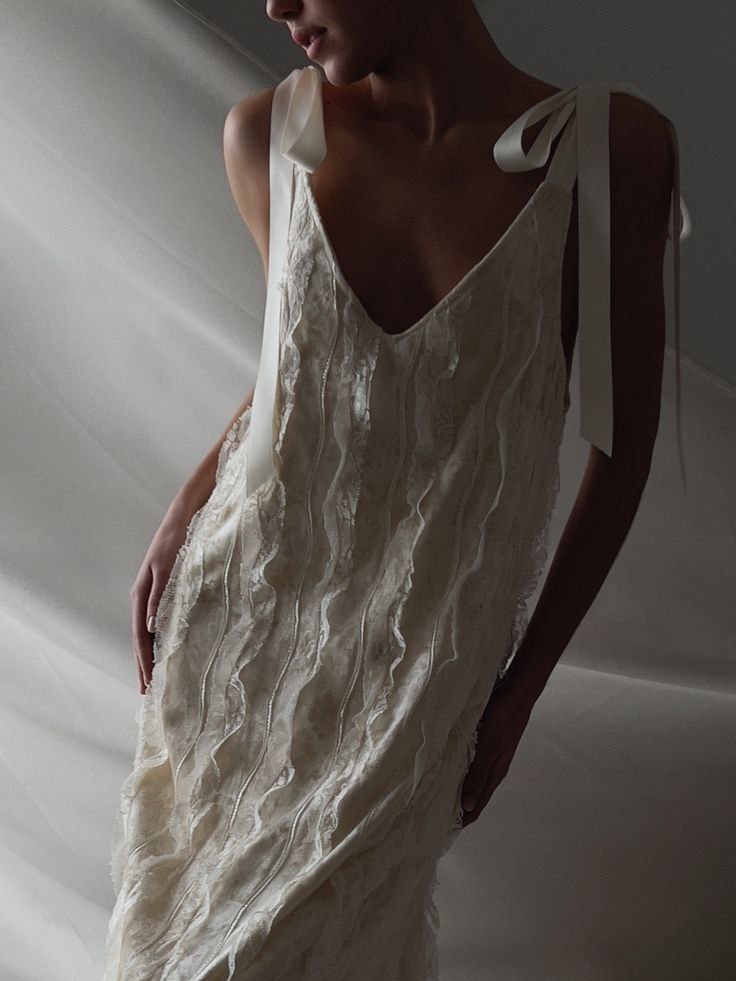
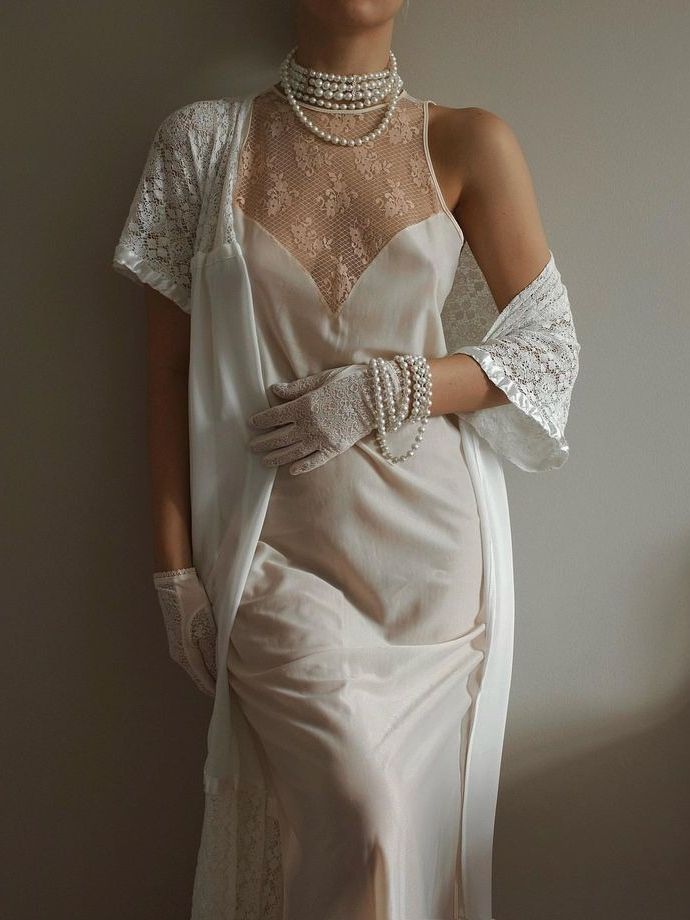
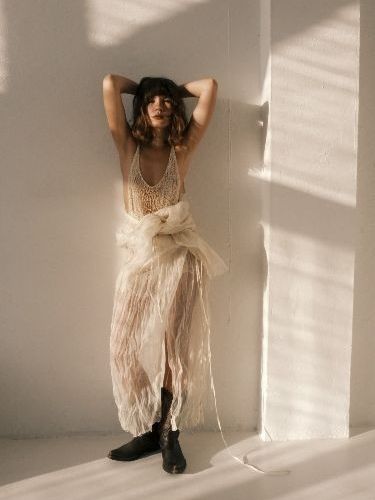
Milk and beige earned their reputation by being so understated that they almost vanished. They pair well with ivory, taupe, or a soft gray, letting gold or rose gold jewelry provide the necessary glamour. When used outdoors, particularly in gardens or vineyards, these colors blend in with the surroundings rather than standing out.
Blue
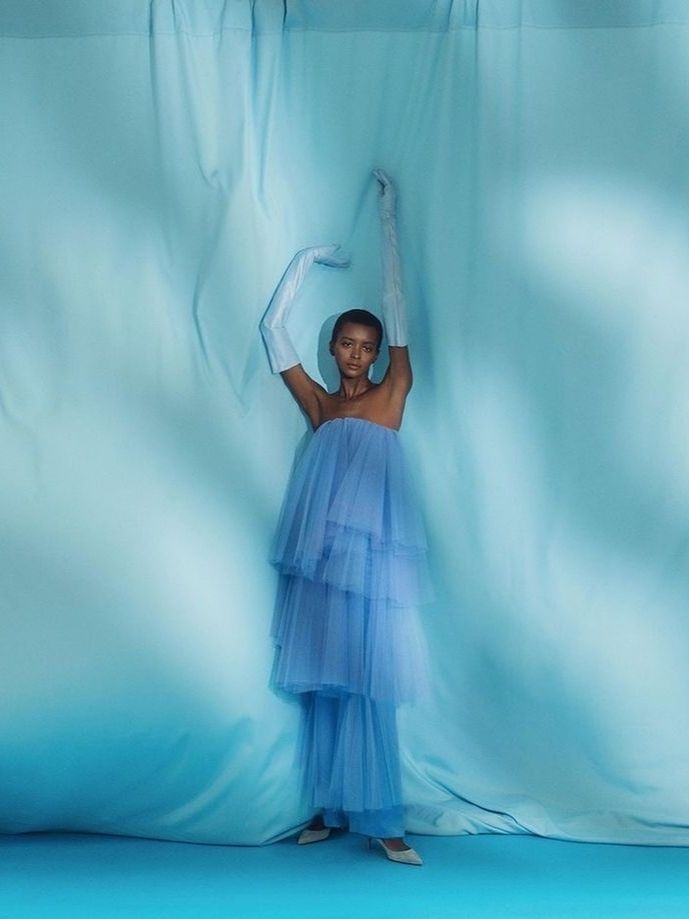
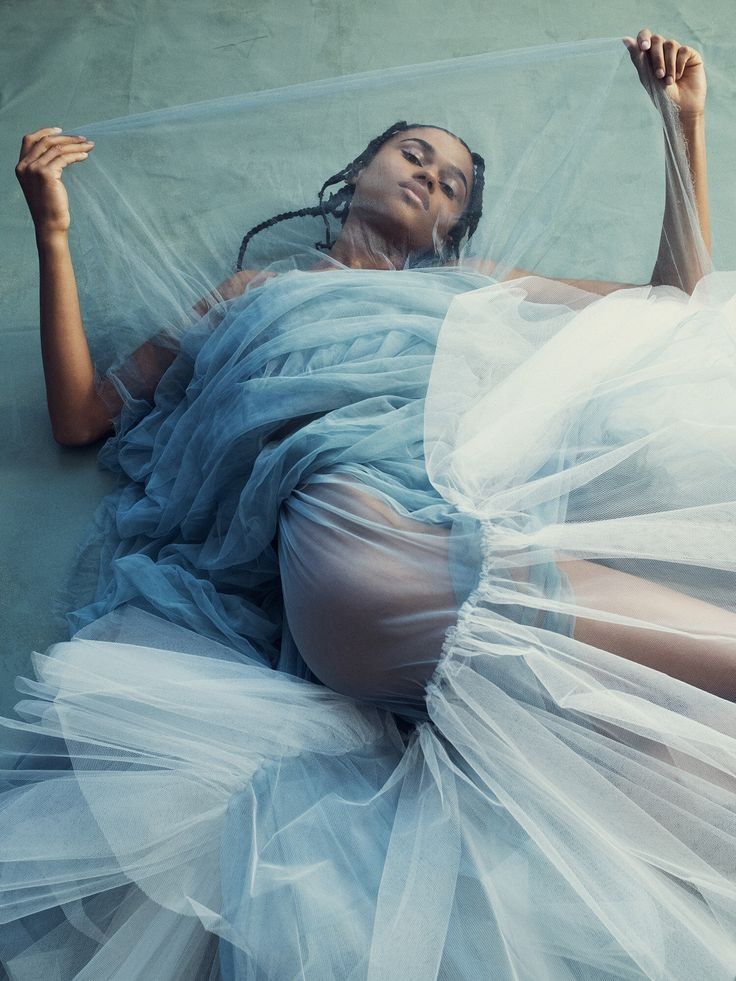
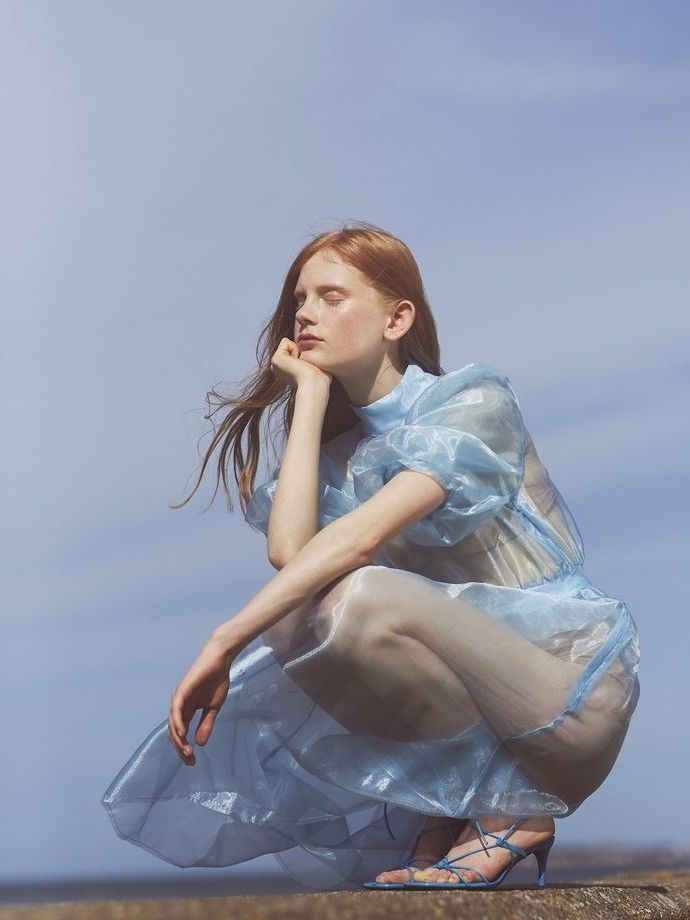
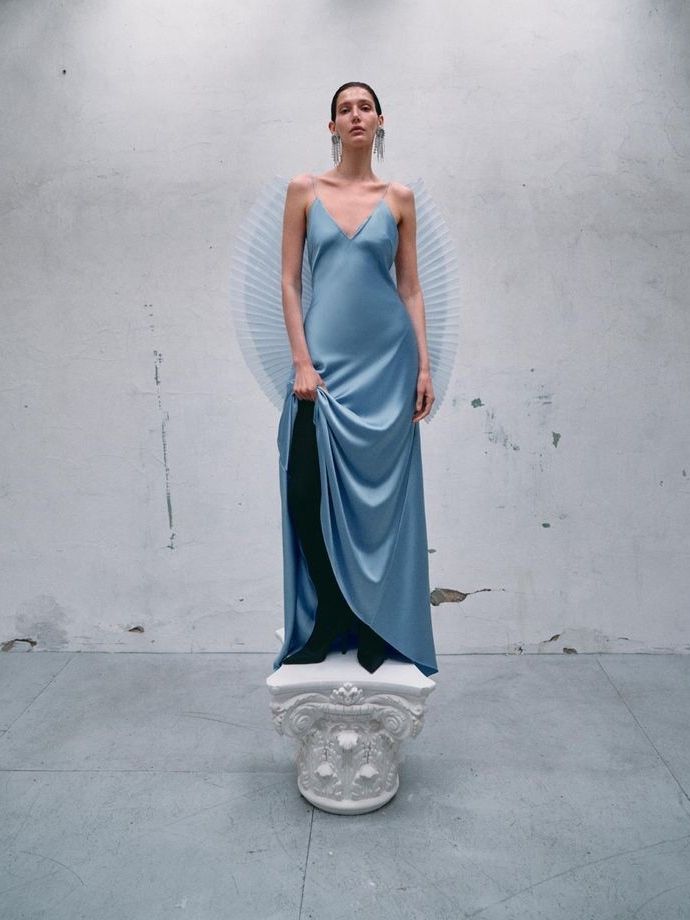
Blue flatters in both scope and reliability. Baby blue and powder blue have a light, romantic ease about them that makes them ideal for spring and summer, whereas navy and sapphire take the same color range and give it a much more formal character. The color can be used in flowing tulle to produce a softer effect or in structured silk crepe for a more distinct look, which is why it is one of the rare shades that can be genuinely worn at both a beach wedding and a black-tie event.
Soft Pink
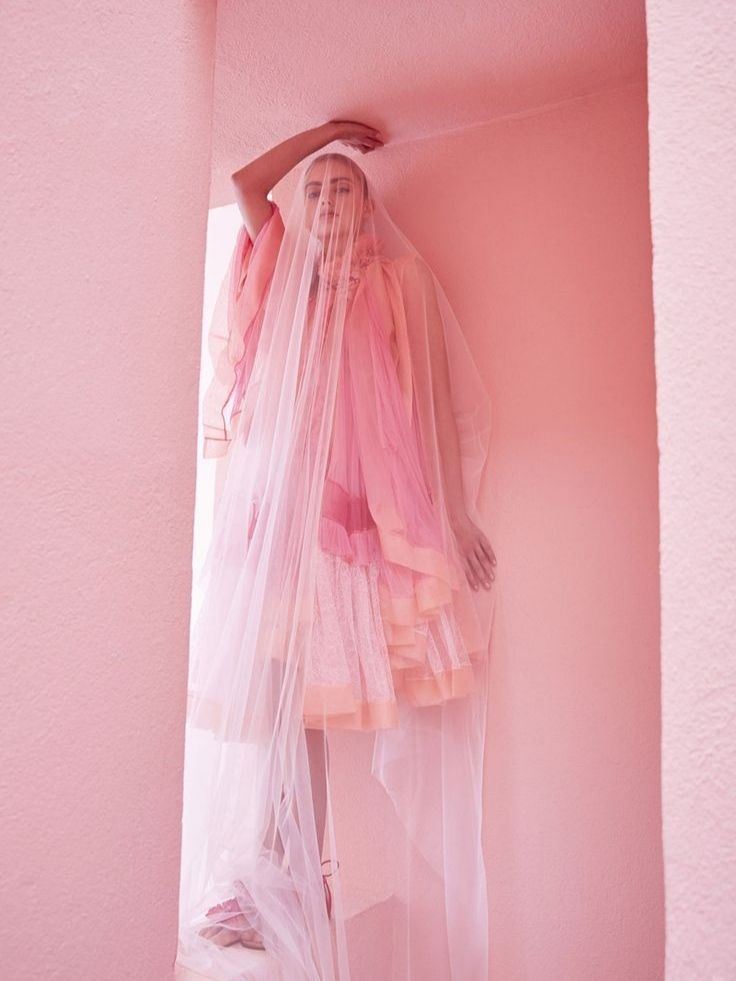
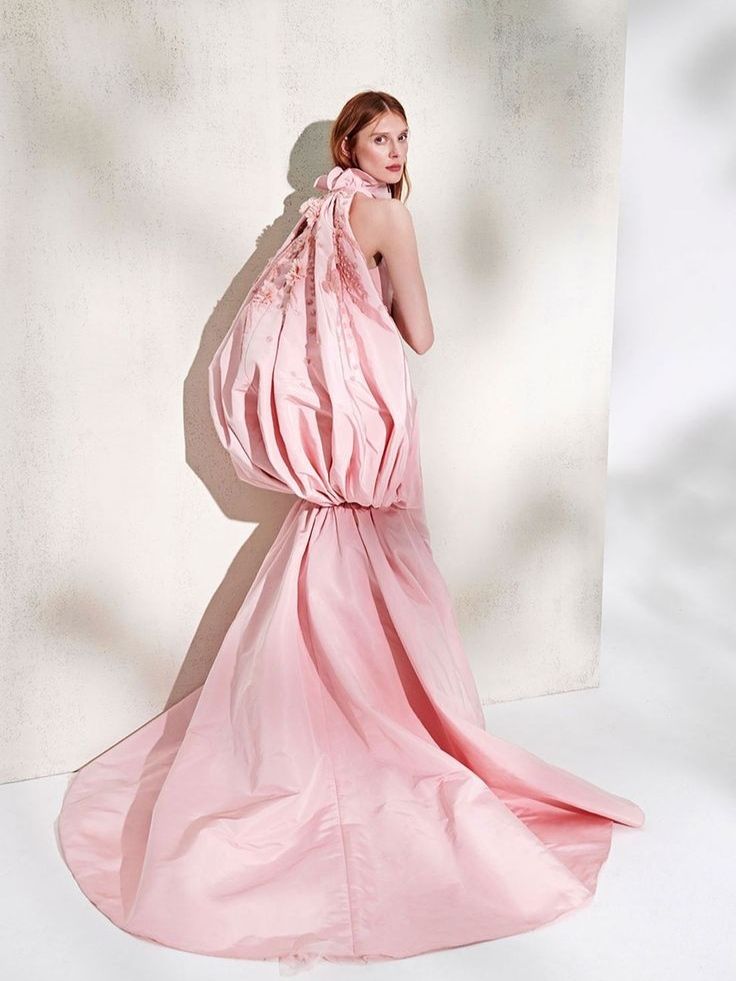
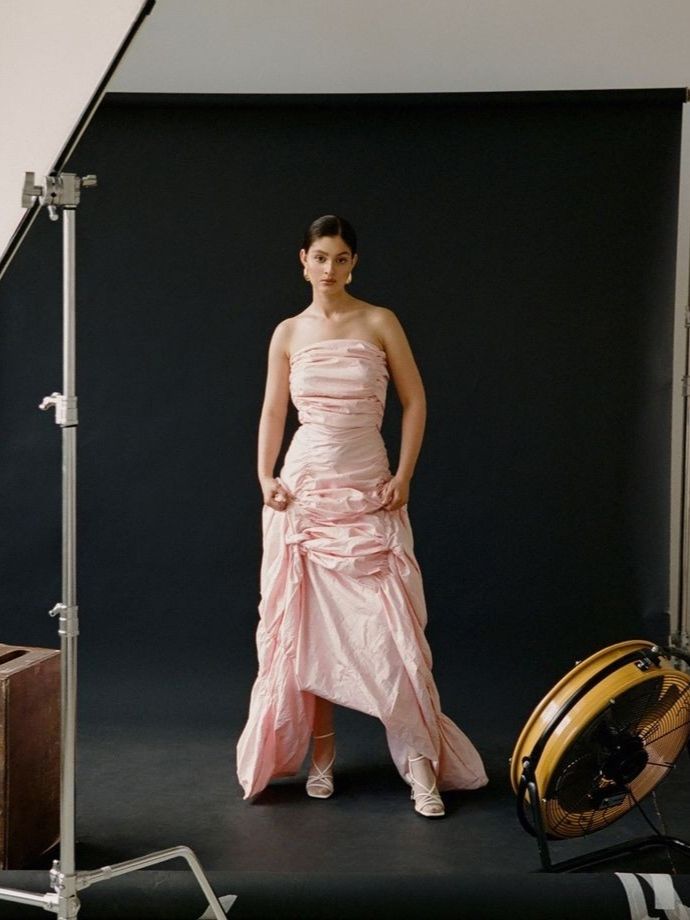
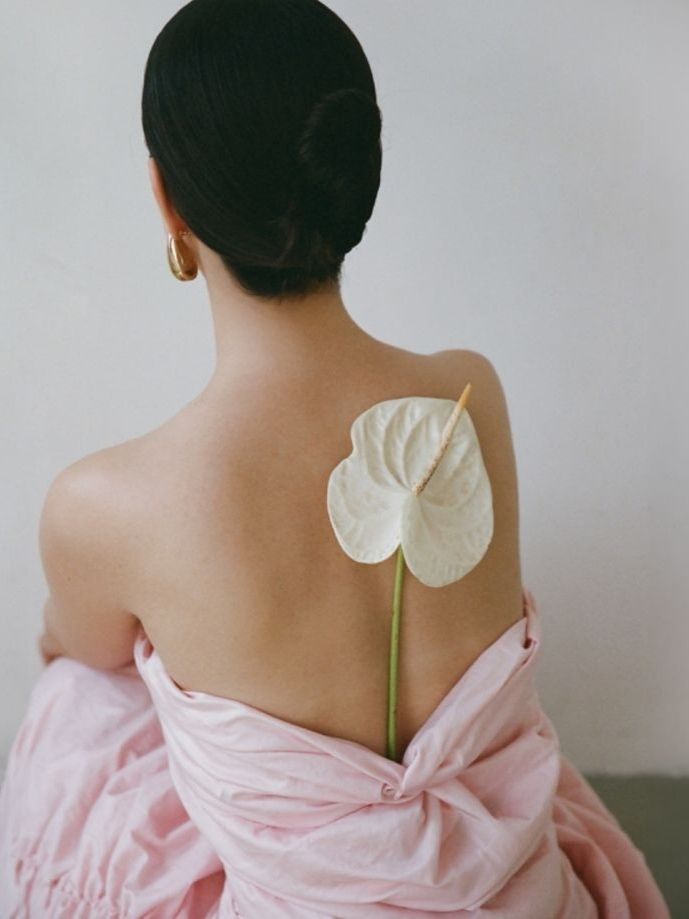
Soft pink is essentially a romantic color and has, for many generations, served as a standard choice for traditional and garden weddings without ever going out of fashion. It goes well with blush and white bouquets and, with layered fabrics, especially tulle, adds a touch that keeps the color from looking flat or too sweet. It is especially suitable when the bridesmaids have different natural skin tones, because soft pink generally looks flattering rather than overpowering, unlike some cooler pastels which can make warmer skin tones look washed out.
Classic Black
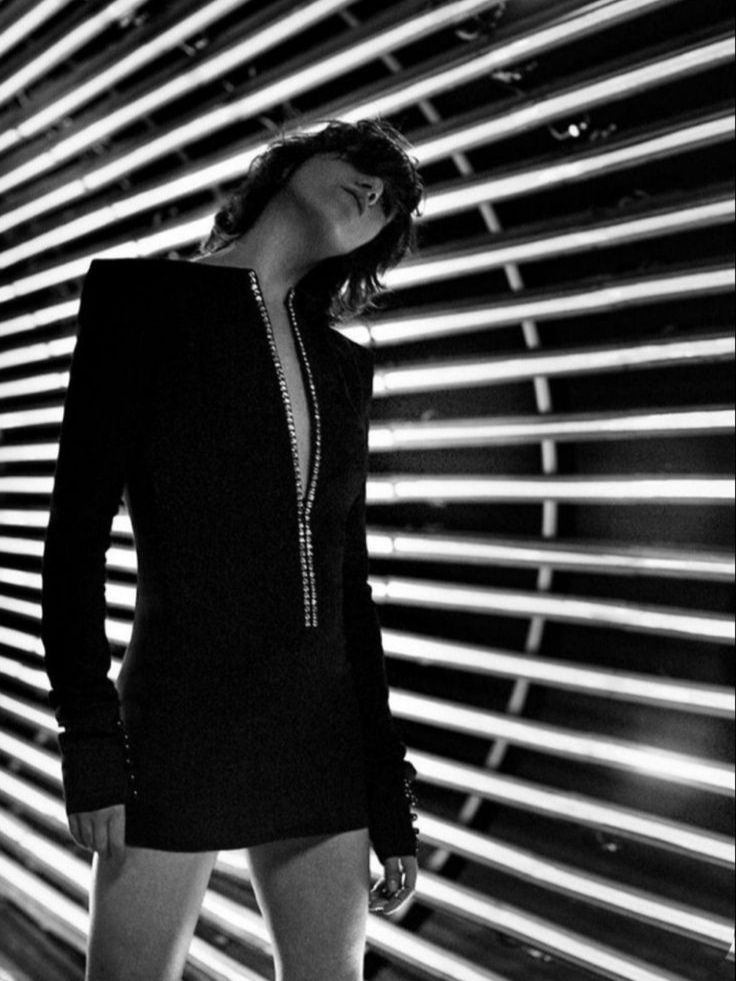
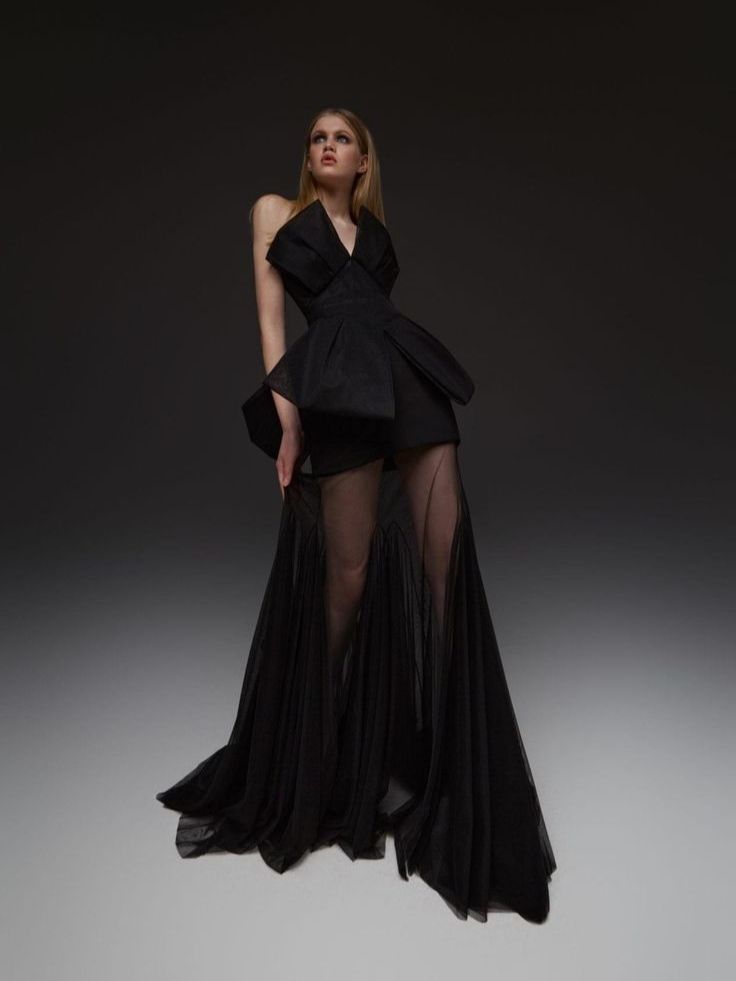
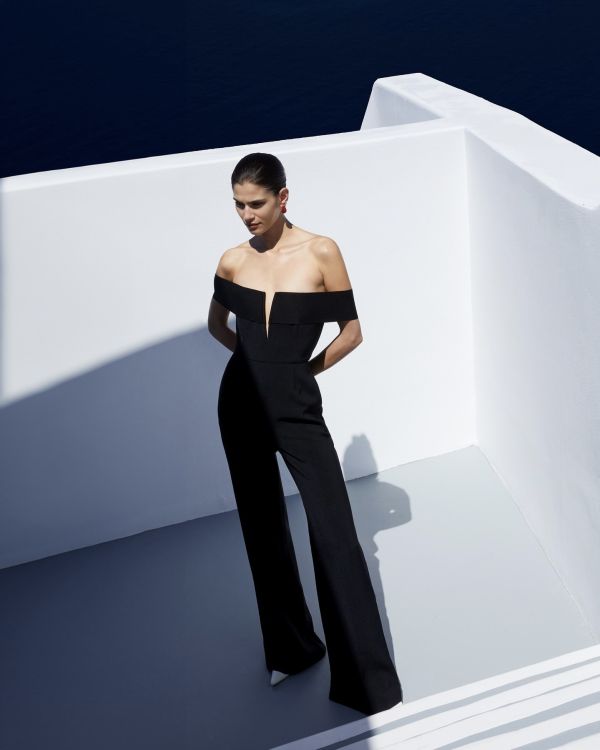
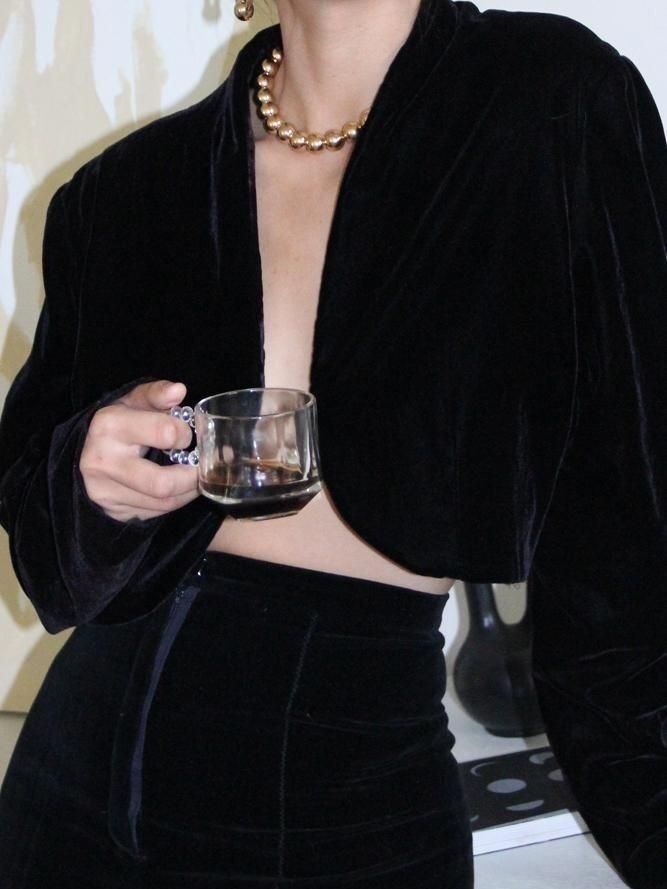
Black, once thought impossible for a bridal party, is now a purposeful, self-assured option for couples who want a modern, formal look. It provides true contrast when paired with a white dress and has the practical advantage of being genuinely reusable long after the wedding is over. Velvet adds a touch of winter luxury, while lighter chiffon makes it suitable for summer heat.
Red
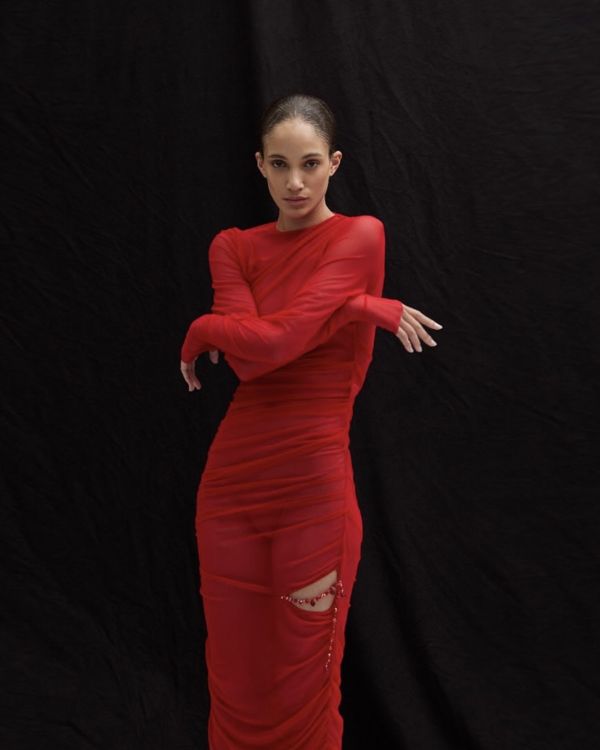
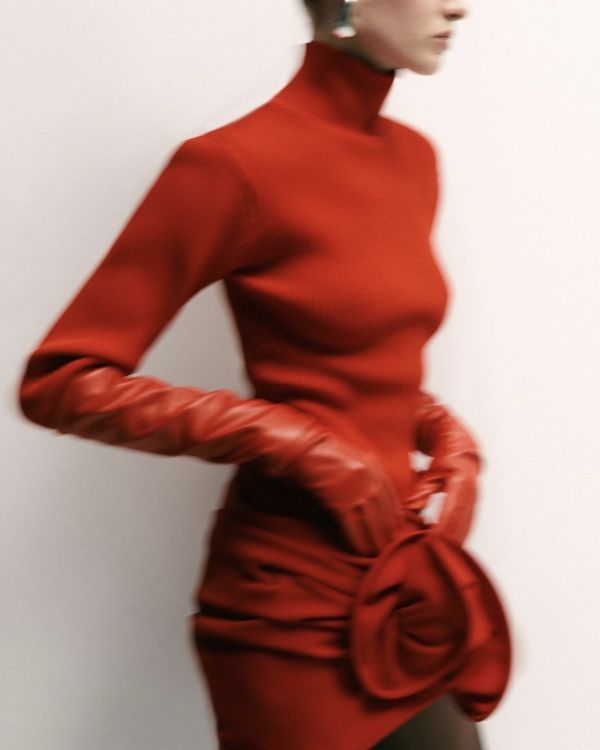
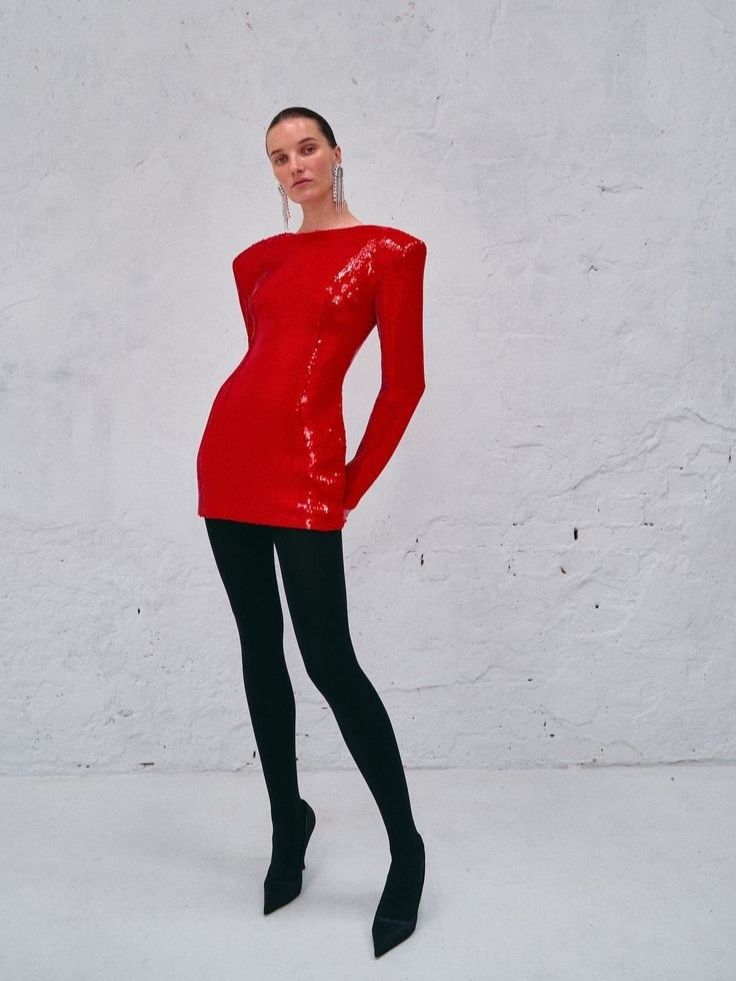
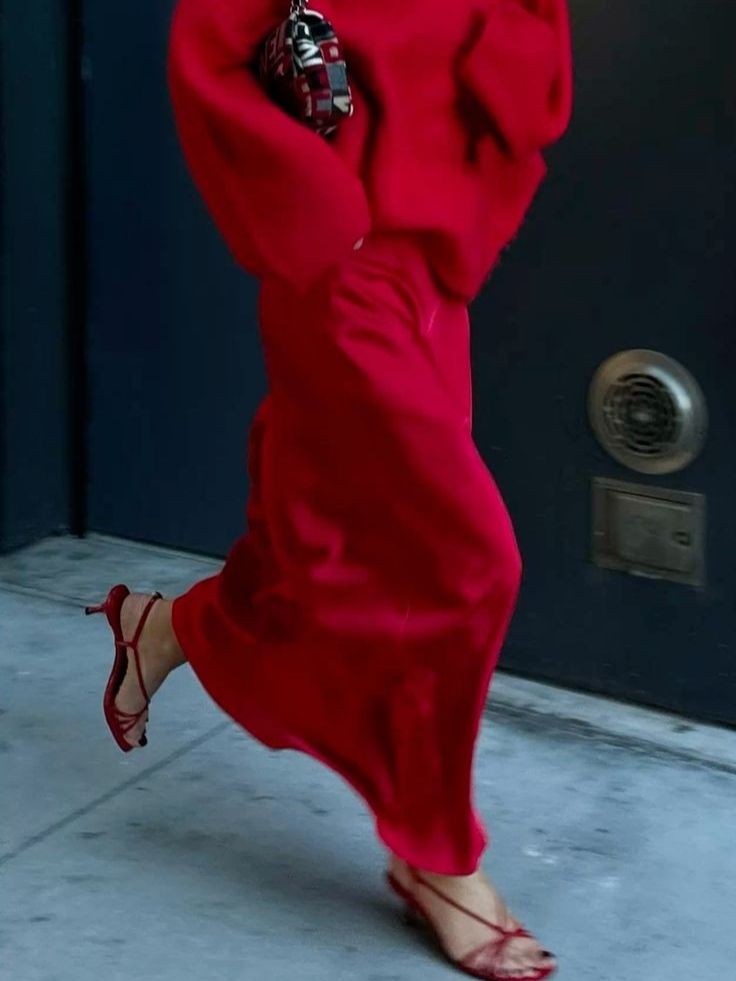
Red is bold, warm, and particularly suitable for winter weddings and those that have a holiday touch. Since bright red requires balancing, it is typically paired with gold or neutral colors so a daytime look doesn't become too intense, whereas a bridesmaid dress in wine or maroon achieves the same energy with more restraint, better suited to evening events.
Green
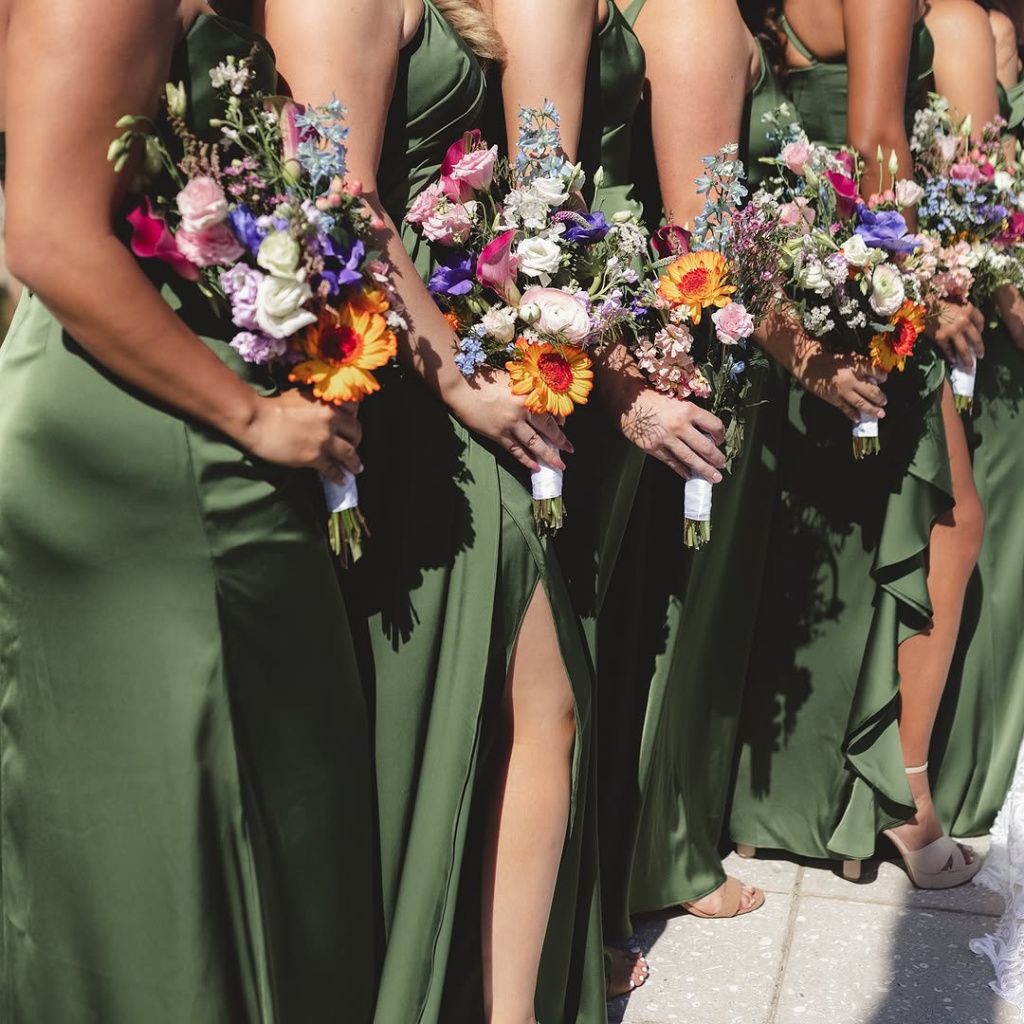
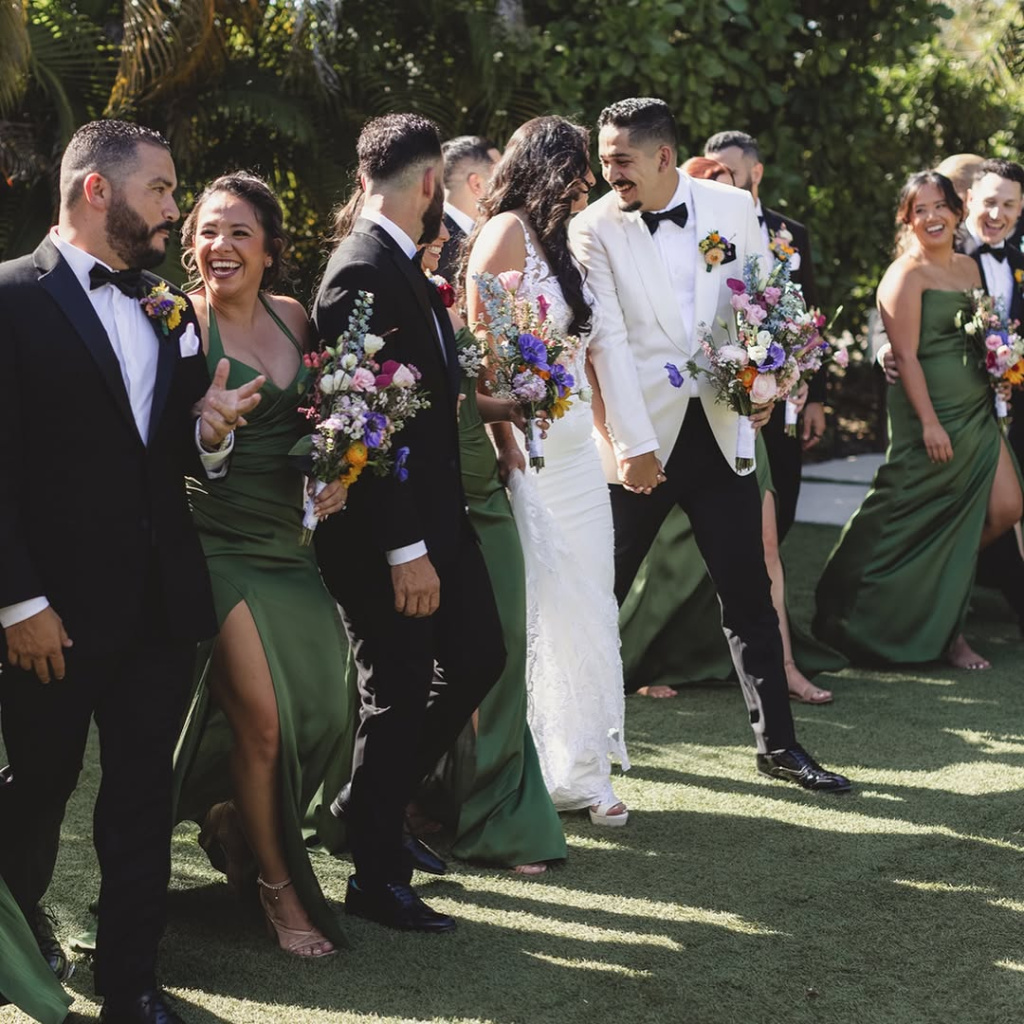
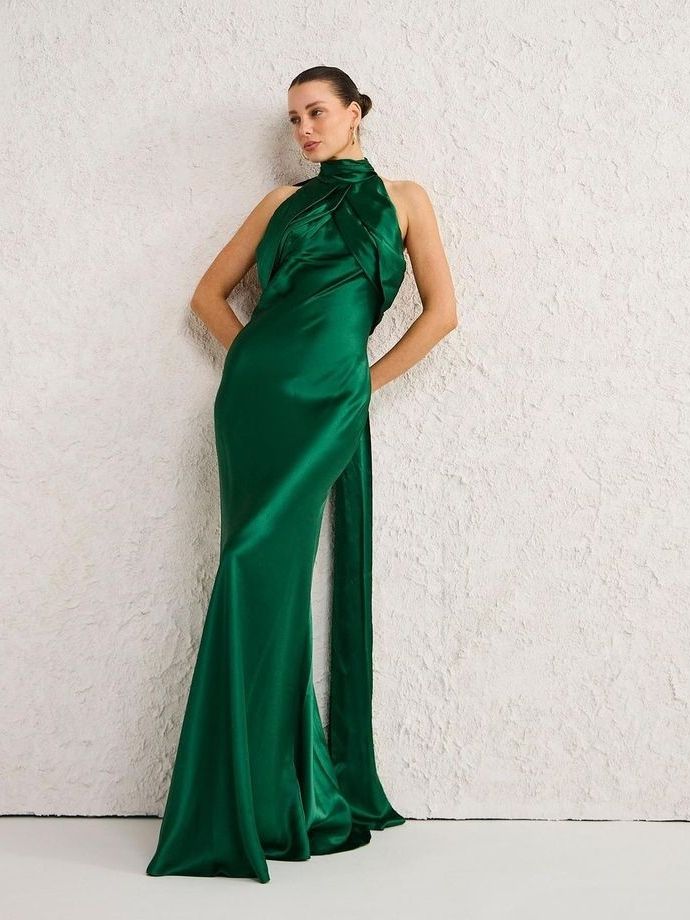
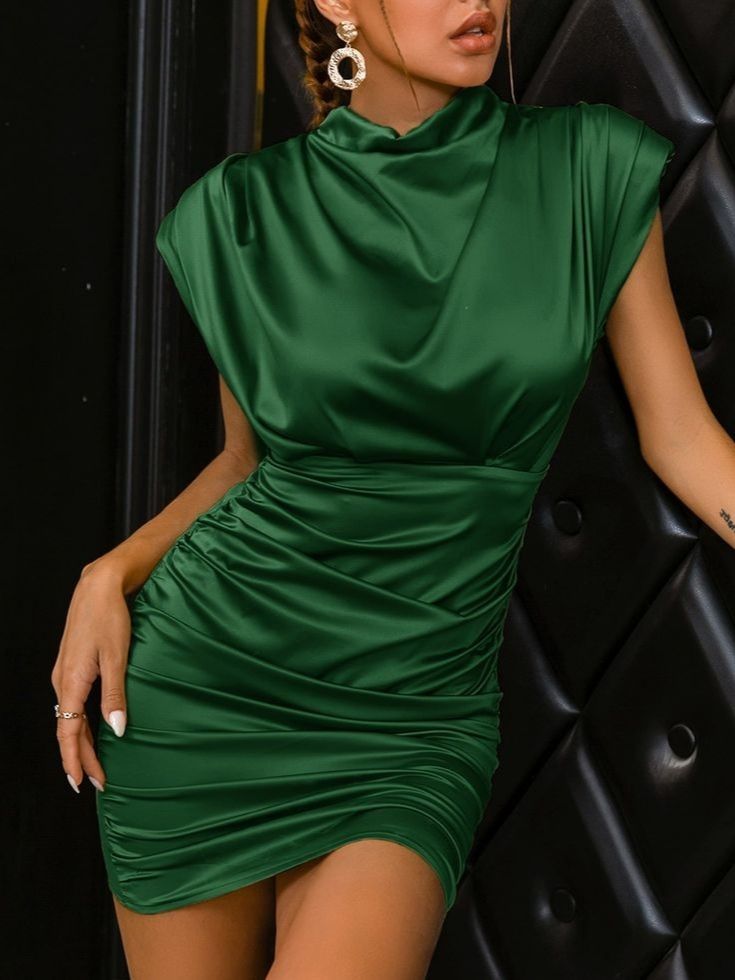
Green ranges over more emotional territory than almost any other color on this list, moving from a soft sage through to a deep, saturated emerald. Sage suits the softer light of spring, while emerald takes over in fall and winter, particularly when paired with gold. The color appears more defined in structured satin, while looser chiffon gives it a more organic feel.
Brown
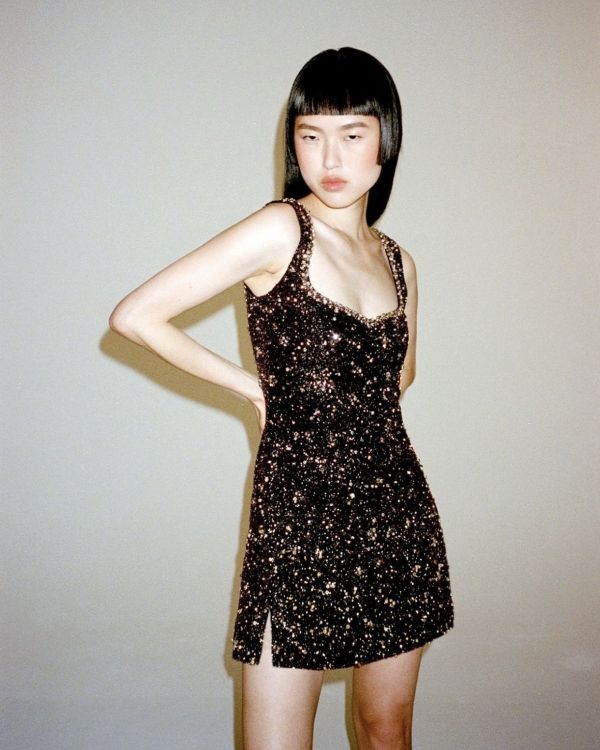
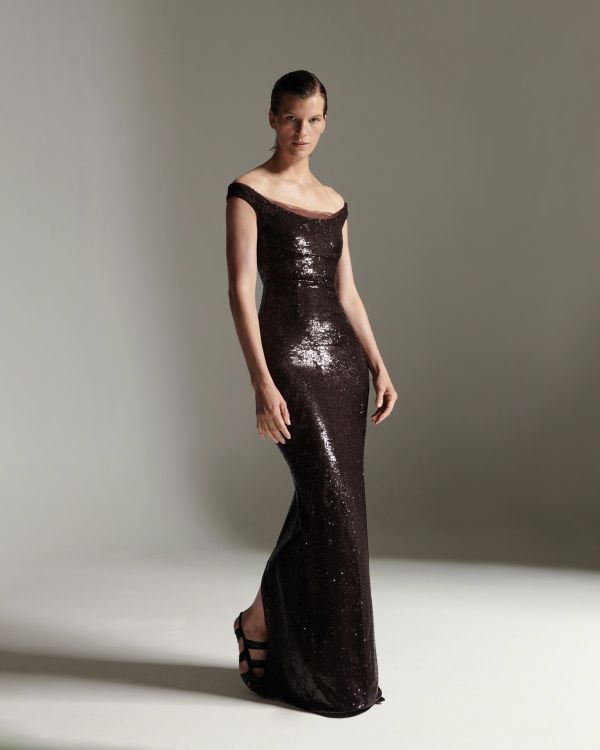
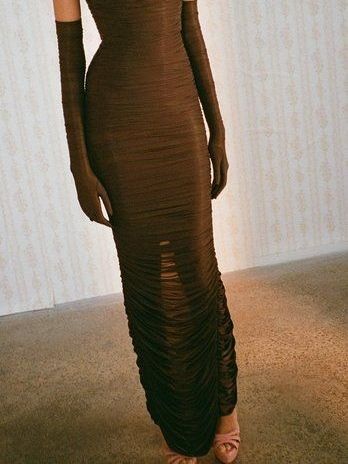
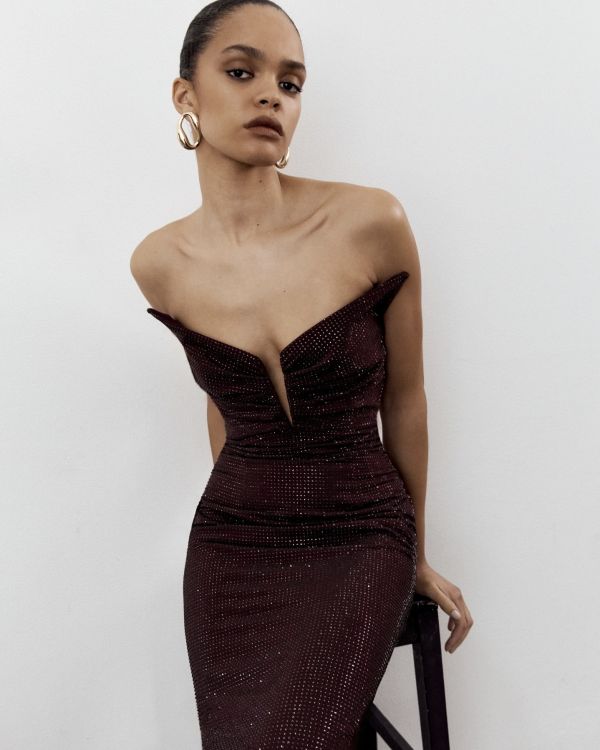
Brown, in shades of chocolate, mocha, or espresso, is a warm color that doesn't have to exert itself and gives a real sense of comfort at a rustic or autumn wedding; it looks very good when photographed beside wood, foliage, and warm lighting, and copper or rose gold accessories tend to enhance its richness rather than clash with it.
Orange
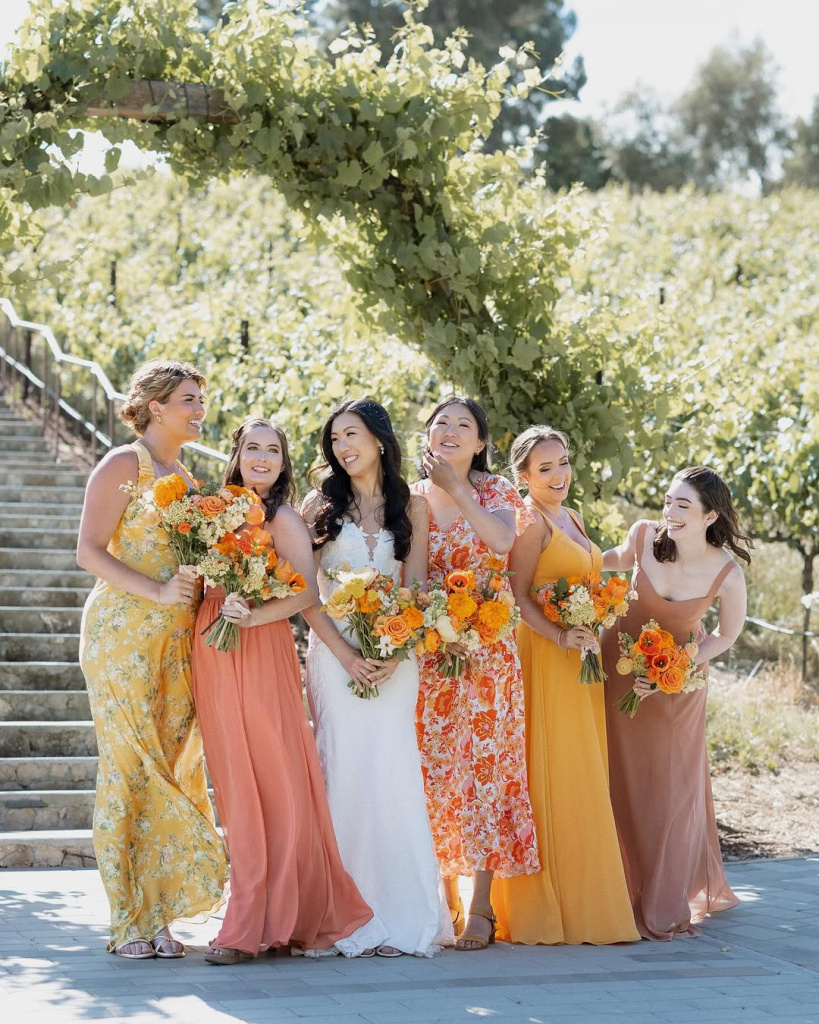
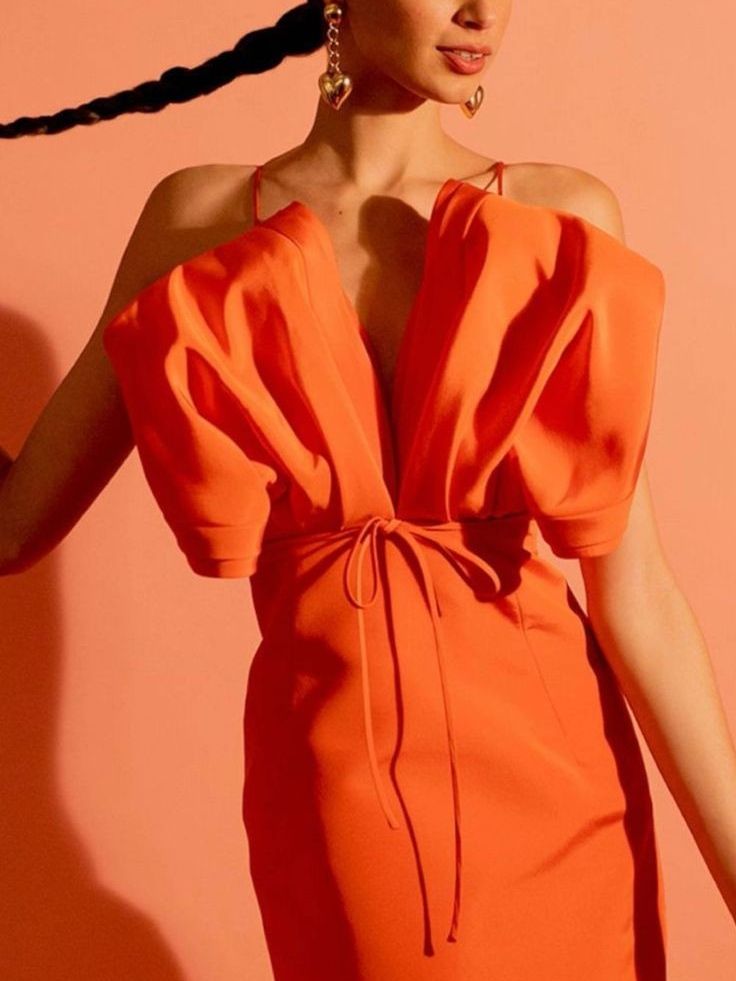
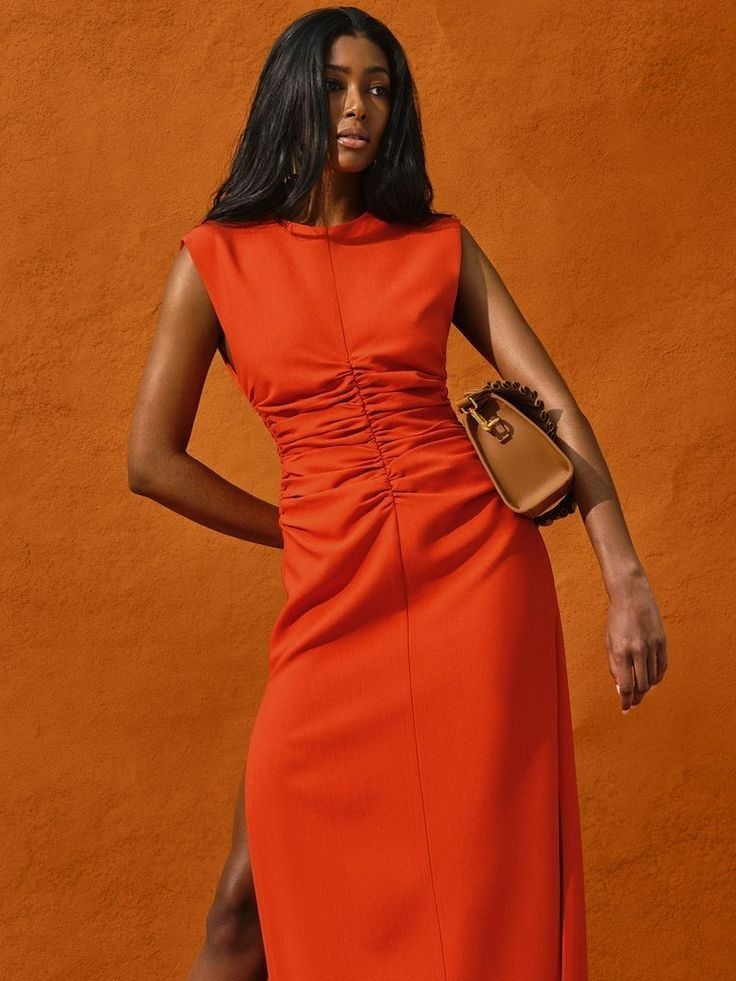
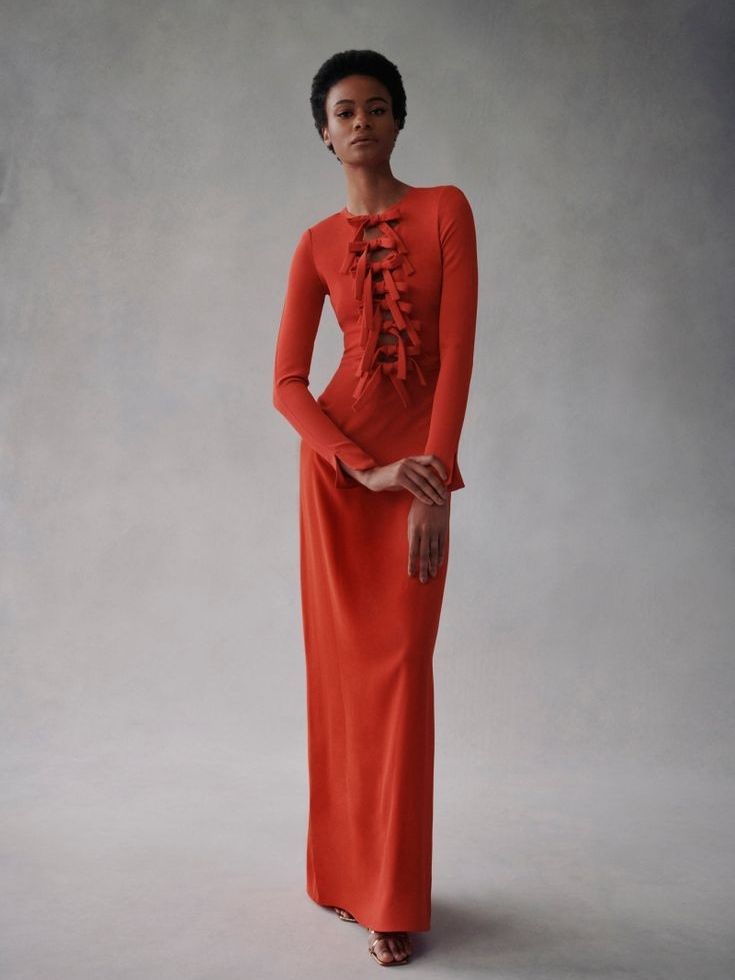
Orange is full of energy and hard to ignore, making it an ideal choice for couples who want their autumn wedding to feel playful rather than serious. Whether it's a soft peach or a rich terracotta, the color blends well with browns and greens, and it earns its keep especially outdoors, where warm light amplifies everything the color is already doing. Although it isn't the easiest shade to wear in a very formal setting, it produces a warmth in photographs that few other colors can match when taken in a barn, a vineyard, or any place where true autumn light is available.
Yellow
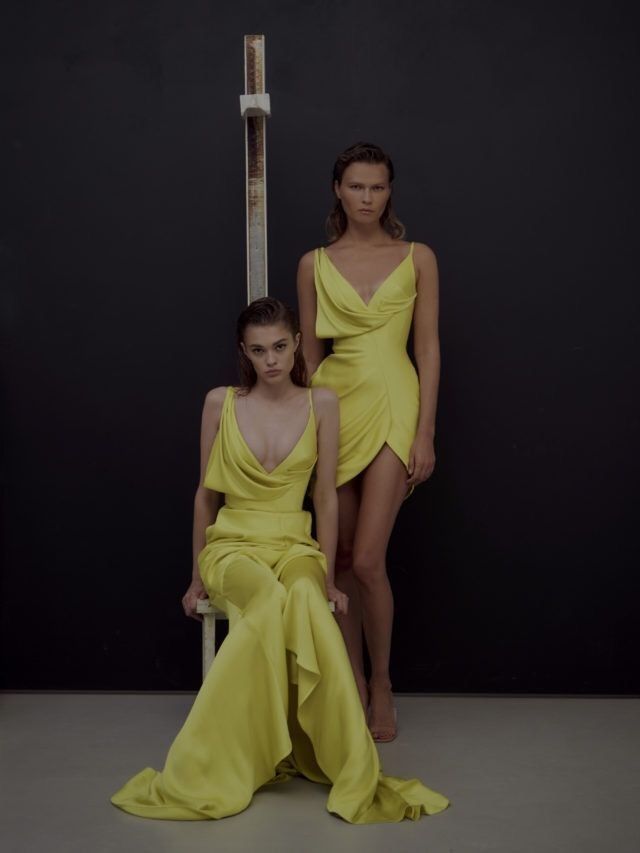
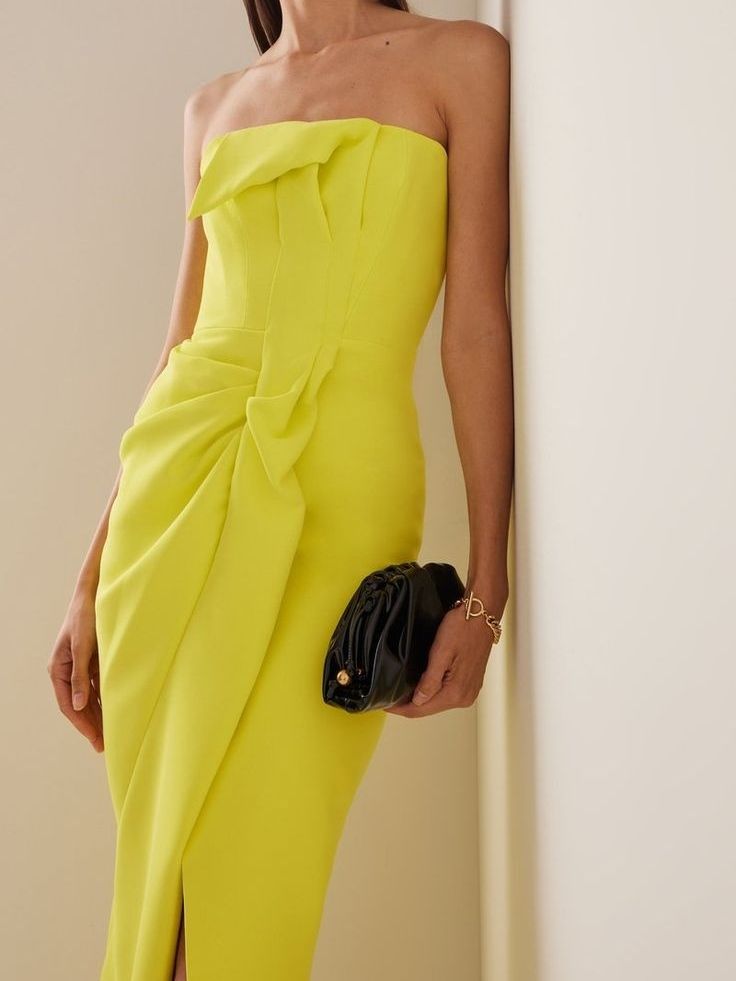
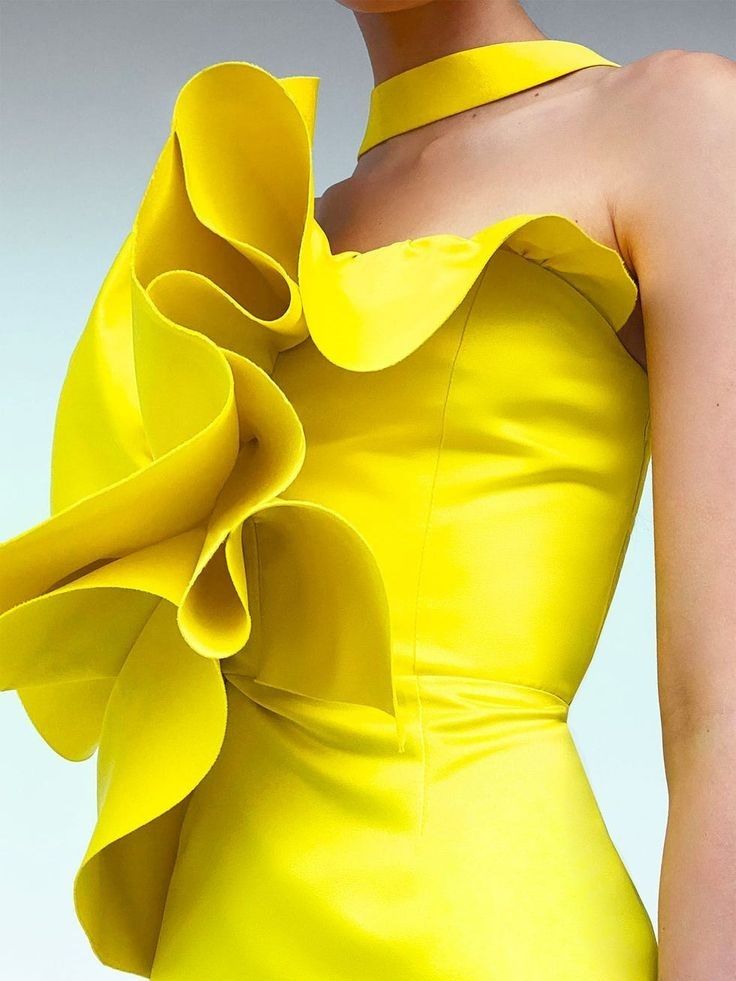
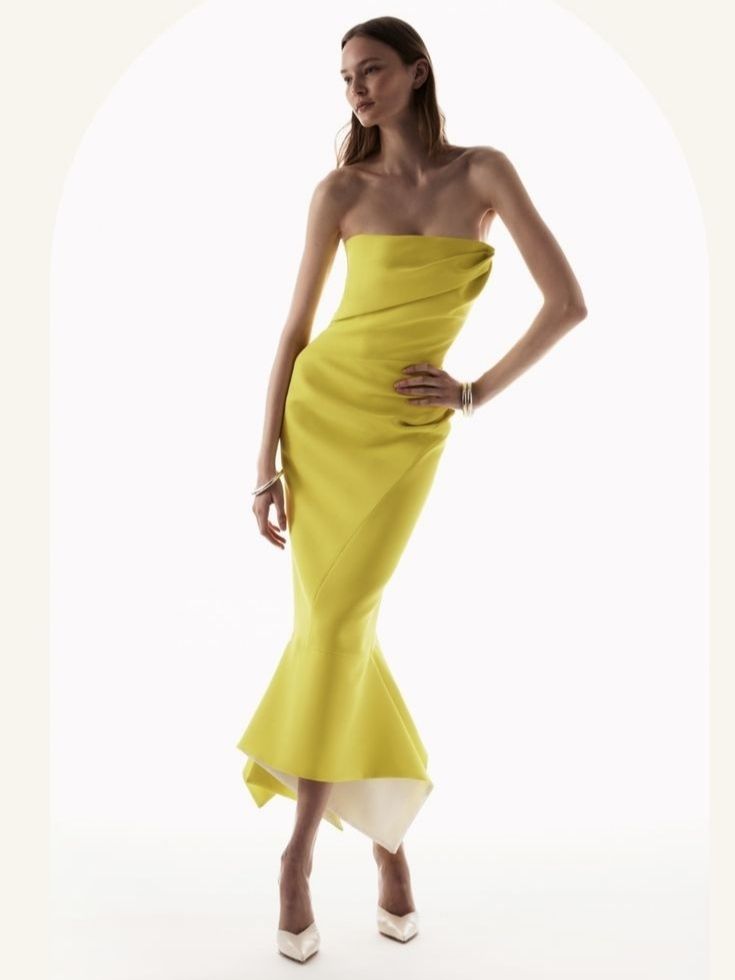
Yellow is bright, optimistic, and truly uncommon among the colors chosen by bridal parties, and it is reserved for couples willing to commit. Whether the yellow is pale buttercream or sunflower or marigold, it takes the same color in different directions - into a bold, tropical style or into the full autumn season. In all cases, it looks unmistakably cheerful when photographed.
Purple
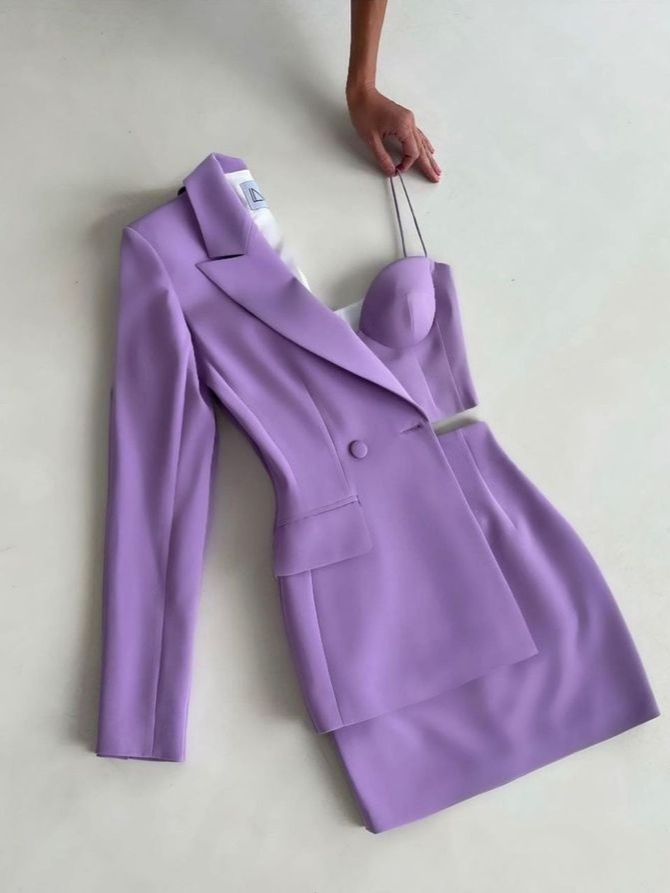
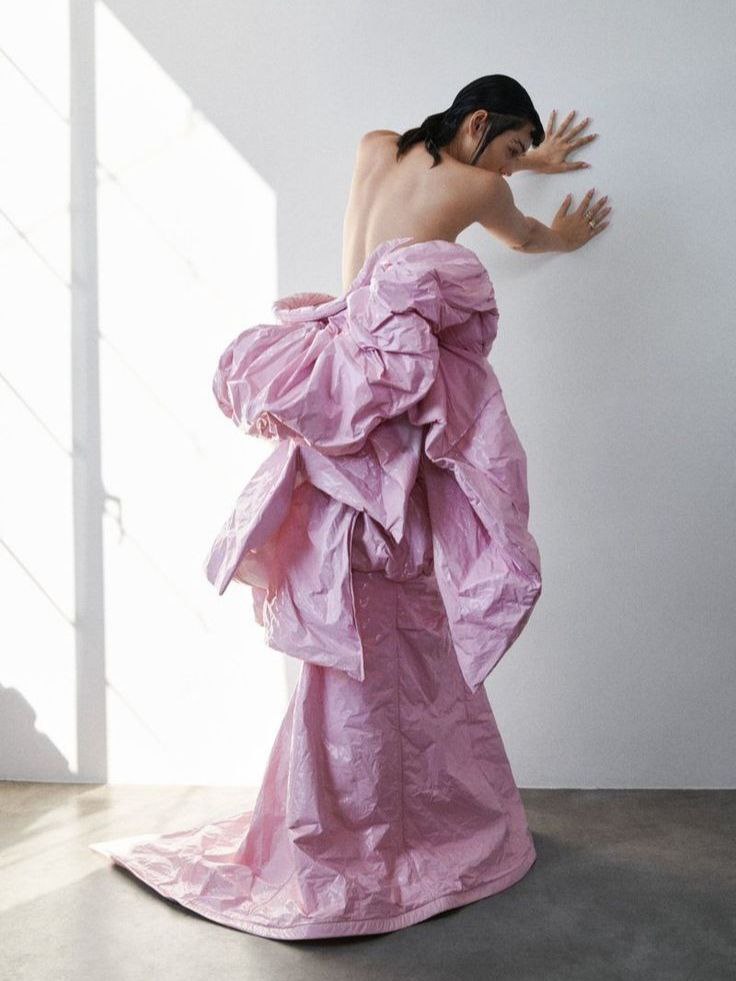
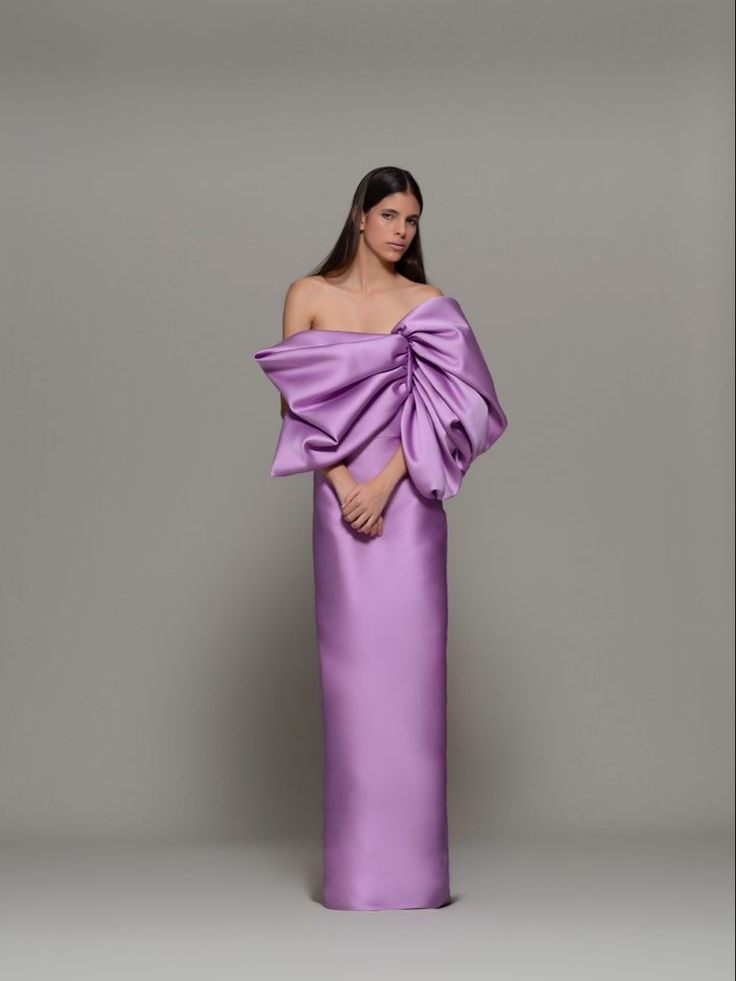
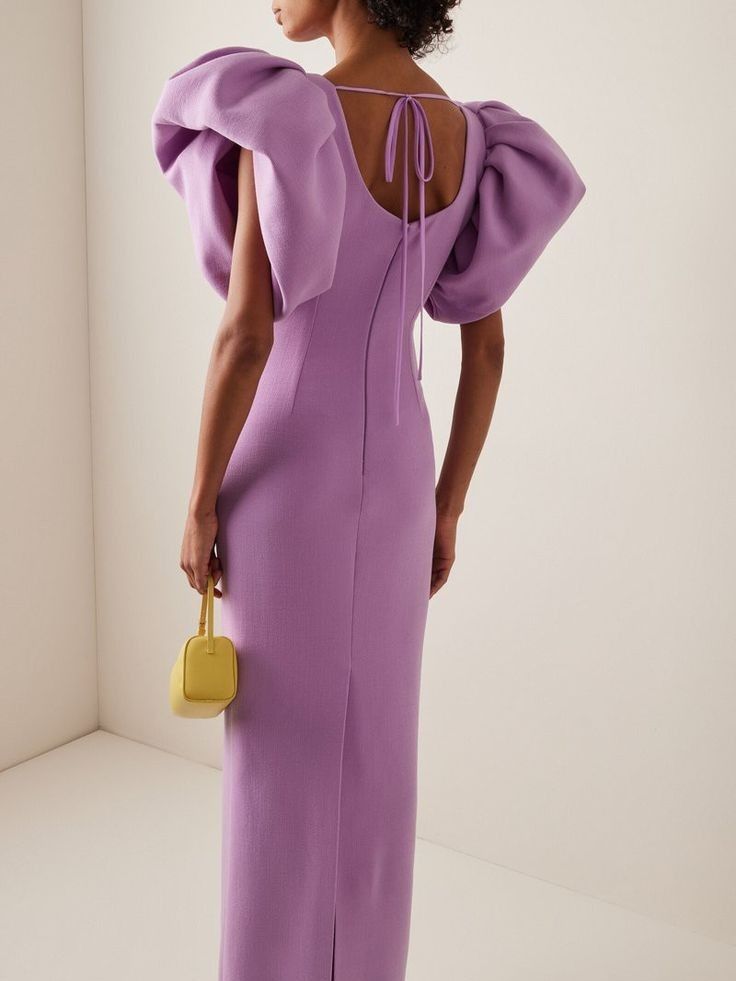
Purple covers a wide tonal spectrum, from light lavender to something quite dramatic, such as eggplant or plum. The lighter tones suit the softer light of spring, while the darker ones are more appropriate for autumn and winter, particularly when paired with gold. Chiffon keeps the lighter shades dreamy, while velvet gives the darker ones real weight.
White
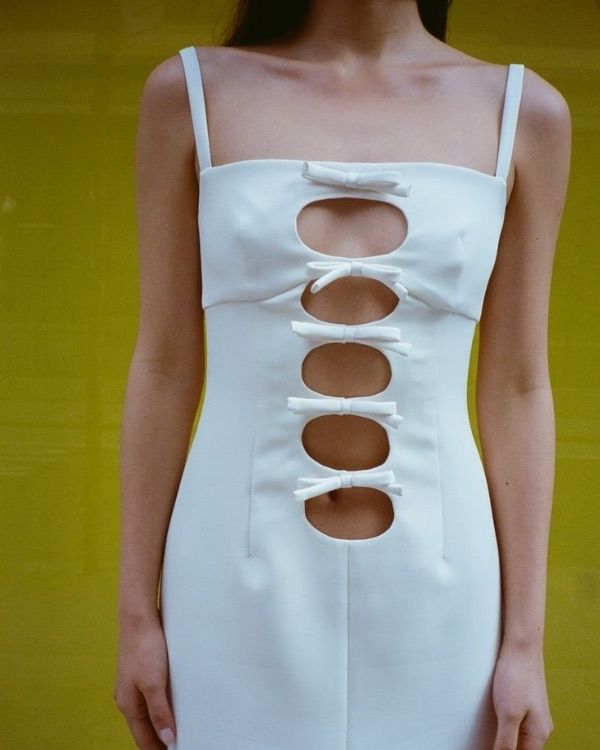
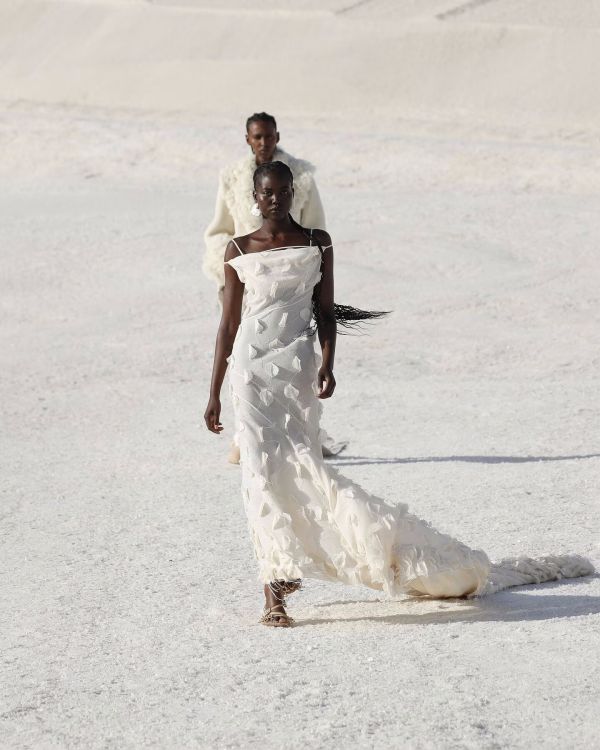
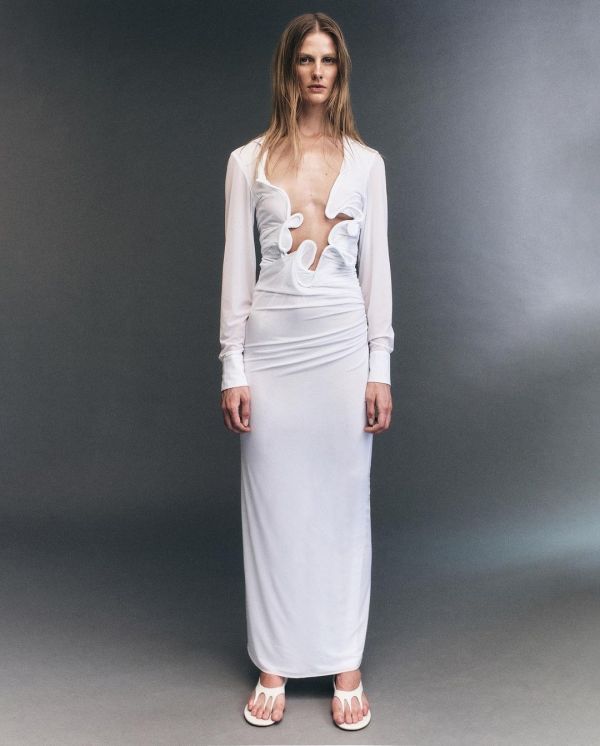
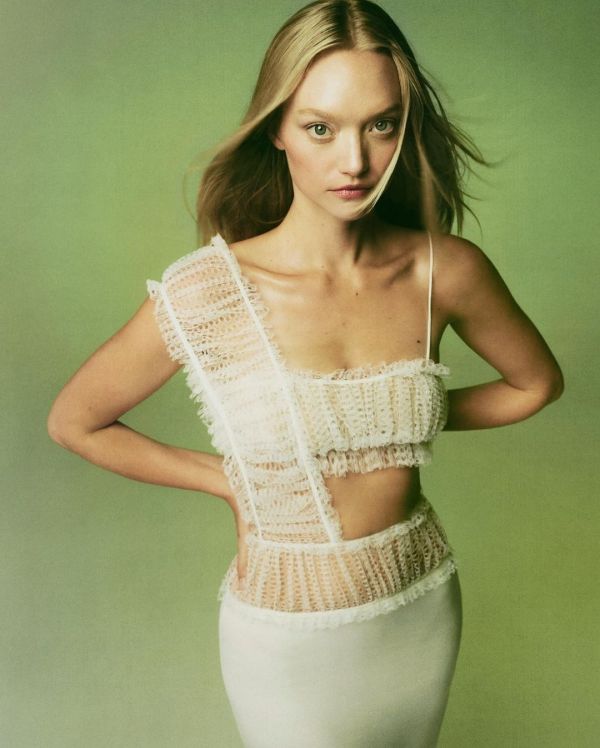
White dresses, originally intended only for the bride, have gradually become a distinct trend for bridesmaids. Ivory suits a vintage or rustic atmosphere, whereas clean white looks more modern, especially for beach or destination weddings, since it catches and reflects sunlight rather than absorbing it. The result is a bridal party that seems to be united in a manner that color alone seldom manages.
Quick Color Guide by Season


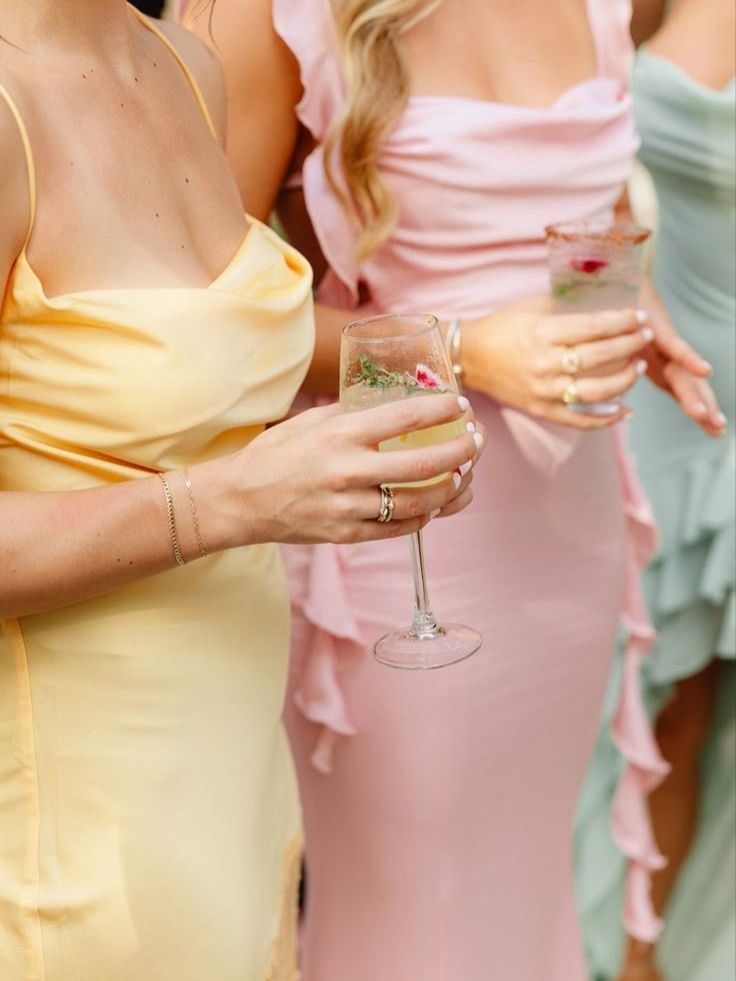

Twenty shades is a lot to hold in your head at once, so here's the short version for anyone comparing trending bridesmaid dress colorsagainst something more classic. If you already know the season, this is usually enough to narrow the entire decision down to two or three real contenders before you even start looking at fabric.
| Season | Reach for | Skip |
|---|---|---|
| Spring | Lavender, sea glass teal, soft pink | Heavy jewel tones |
| Summer | Peachy coral, marigold, white | Dark velvets |
| Fall | Terracotta, rosewood, brown | Icy pastels |
| Winter | Midnight blue, wine, emerald | Sheer, lightweight fabrics |
There is no one correct answer hidden in any of this; instead, it's the color that genuinely matches the wedding it's being used for. If you get the season and the venue right and let your bridal party's comfort influence the rest, the color usually stops feeling like a choice and starts to feel obvious. For those couples who are still looking for the one shade that fits properly, or for anyone who would like to see how these colors actually look during a real wedding day rather than just staying put on a swatch, the inspiration section of Wezoree contains a much broader range of bridal fashion, styling ideas, and actual celebrations that are worth borrowing.


FAQ


What is the most popular bridesmaid dress color?
Sage green, dusty blue, and champagne remain among the most popular bridesmaid dress colors across weddings of every style, largely because they flatter a wide range of skin tones and pair easily with most color palettes. Blush pink and terracotta also rank highly, especially for garden- and rustic-themed celebrations.
What are good bridesmaid dress colors for a fall wedding?
Fall bridesmaid dress colors tend to lean warm and earthy; terracotta, rust, deep burgundy, chocolate brown, and golden marigold all suit the season’s natural palette well. These tones photograph beautifully against autumn foliage and pair naturally with candlelit reception decor.
What are good bridesmaid dress colors for a summer wedding?
Bridesmaid dress colors for summer typically favor lighter, brighter shades; peachy coral, sea glass teal, soft yellow, and pale lavender all work well in bright, natural light without feeling heavy in warmer temperatures. Lightweight fabrics like chiffon tend to pair especially well with these lighter tones.
Do specific bridesmaid dress brands, like Mori Lee, offer a wide color range?
Many bridal party dress brands, including Mori Lee, offer a broad range spanning trending shades and classic, dependable neutrals, often with matching swatches so couples can compare fabric and color before ordering. It’s worth requesting physical swatches from any brand rather than relying on screen colors alone, since undertones can shift noticeably between digital images and the actual fabric.
Are eucalyptus and terracotta bridesmaid dress colors still trending?
Yes, eucalyptus shades for bridesmaid dresses and terracotta remain reliable choices, especially for rustic, bohemian, and outdoor weddings. Eucalyptus pairs particularly well with dusty sage and champagne, while terracotta remains a base for warmer, earthier tones.
What’s a good unique bridesmaid dress color that isn’t too bold?
Unusual bridesmaid dress colors like soft rosewood, dusty sage, or peacock blue create a unique look without being too dramatic for a traditional wedding. A peacock bridesmaid dress, in particular, adds sophistication, lending a rich, jewel-toned feel while pairing harmoniously with neutral accessories.
Can bridesmaids wear pastel colors for a formal wedding?
Yes, although it's best to choose deeper or richer pastel shades, such as dusty lilac or muted sage, rather than the lightest shades, which can look too casual in a formal setting. Pairing pastel dresses with structured silhouettes and refined fabrics, such as satin, helps bridge the gap between the soft color and the formal tone.
What bridesmaid dress colors work well for a winter wedding?
Winter bridesmaid dresses typically feature richer, deeper tones: wine, emerald, midnight blue, and classic black - all of which match the season's mood and pair beautifully with velvet or satin. These shades also look beautiful in candlelit photographs and in winter settings.
Which bridesmaid dress colors are best for a June or August wedding?
In June, fresh, light shades like lavender and sea glass teal are typically chosen for bridesmaid dresses, as the early summer light is bright but hasn't yet reached its peak. For the August bridesmaid dress color palette, warmer, slightly saturated tones like peachy coral or golden yellow retain their vibrancy even in bright late-summer sunshine.
Is peach a good color for bridesmaid dresses, and how does champagne compare?
A peach bridesmaid dress is especially suitable for spring and summer weddings, providing warmth without the overpowering brightness of coral or orange. Champagne bridesmaid dresses tend to be more formal and neutral, making them a better choice for weddings that call for fall-inspired colors or a more sophisticated, jewel-toned color palette overall.
Where can I get style inspiration for bridesmaid dress colors beyond the wedding day itself?
Product photos rarely convey the full picture, as a dress shot against a white background looks nothing like the fabric captured in motion on a real wedding day. Real-life galleries, editorial shoots, and seasonal selections that show bridesmaid dress colors in various settings give a much better sense of how a color performs in natural light, under a marquee, or against real skin tones than any studio image. It's worth taking the time to view several real weddings in the season you're planning before choosing a shade based solely on a single product photo.