Best Ceremony Wedding Dresses


Most brides begin their search for a wedding dress by creating a mood board and setting up a Pinterest folder, and very few of them start by asking the most important question of all: what physical requirements will the ceremony place on the dress? A wedding ceremony held in a cathedral calls for a completely different type of dress from one that takes place on bare sand, and the best wedding ceremony dresses are selected with that particular moment in mind rather than simply being chosen because they are currently in vogue in the bridal editorials for the month. The guide groups thirty-one excellent dress styles into five practical categories, then shows you how to choose a dress that matches your ceremony.
Find Your Perfect Wedding Vendors

Timeless & Romantic Styles
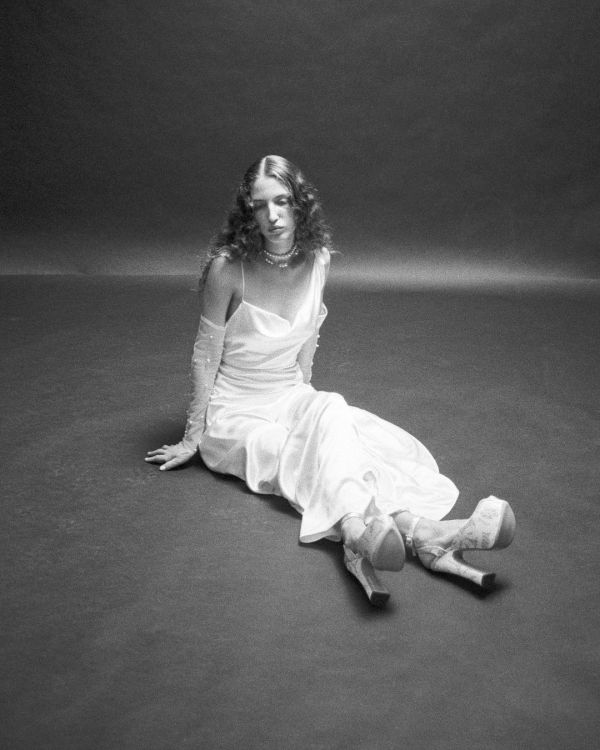
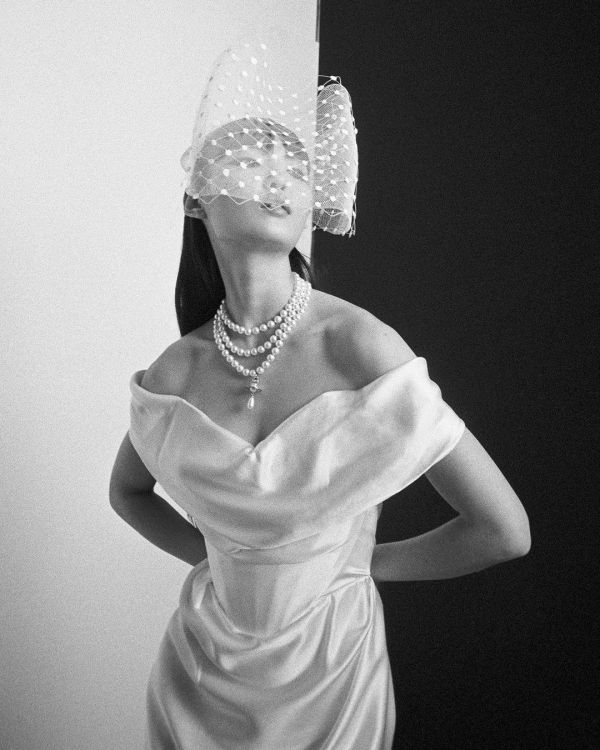
Some silhouettes have refused to disappear from bridal fashion, reappearing again and again over the decades with only the details altered. Among these six styles, there is a leaning towards softness and nostalgia, a kind of quiet elegance that a woman can look back on after twenty years without feeling uncomfortable.
Vintage-Inspired Gowns
The 1920s style is characterized by a dropped waist, heavily decorated with beadwork along the hip so it catches the light with each movement, not remaining still. In contrast, the 1950s style features a tight fit at the natural waist, with layered tulle underneath a full skirt. Vintage silhouettes are best maintained with satin and silk crepe, while chiffon has a softer drape that resembles the original 1920s look.
This category is suited for brides who are already classic in other aspects of their style, for example, those who have a preference for a bold red lip and for pearls rather than more fashionable alternatives. It suits a fuller bust particularly well because most traditional necklines were initially designed to highlight that kind of figure. Anyone aiming for a minimalist look should look elsewhere, since this category is intentionally elaborate. A birdcage veil or a single strand of vintage pearls is better at completing the outfit than a cathedral veil ever could be.
Vintage Lace
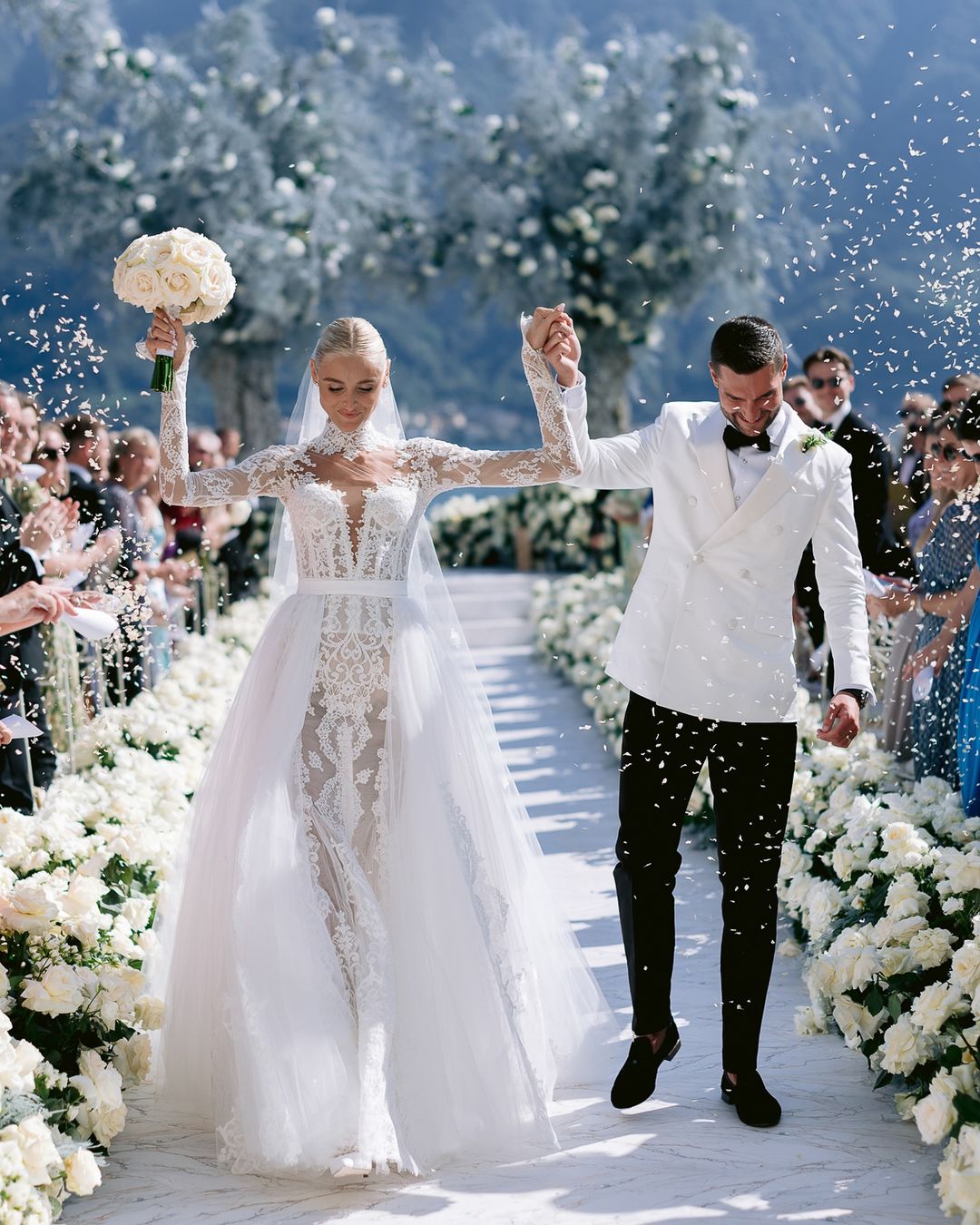
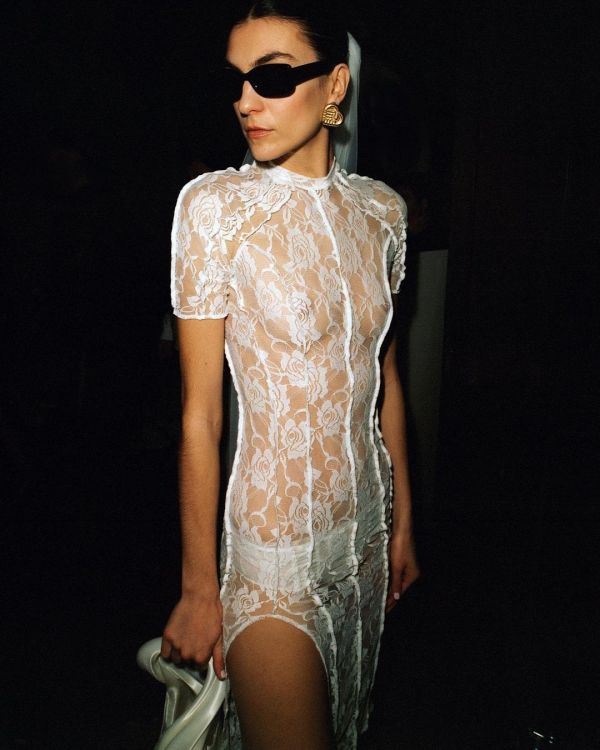
Alençon lace, with its dense and corded edges, has a formal appearance and retains its shape even when it is hot. Chantilly lace, on the other hand, is much lighter and tends to soften any element it comes into contact with. The illusion lace panels sewn along the sides let a single fabric serve two functions at once, providing coverage and a touch of skin without a separate design choice.
Ivory-toned lace shines upon light skin, while deeper skin tones appear richer in a warmer, champagne shade. It suits brides who are looking for wedding dresses for church ceremony settings who want detail without a heavy look, since quality lace has a visual presence without adding physical weight. However, marrying in a place that is actually hot is the only situation in which one should avoid this, because dense lace, when used with a lining, rarely breathes as well as plain silk does.
Off-the-Shoulder and Strapless Silhouettes
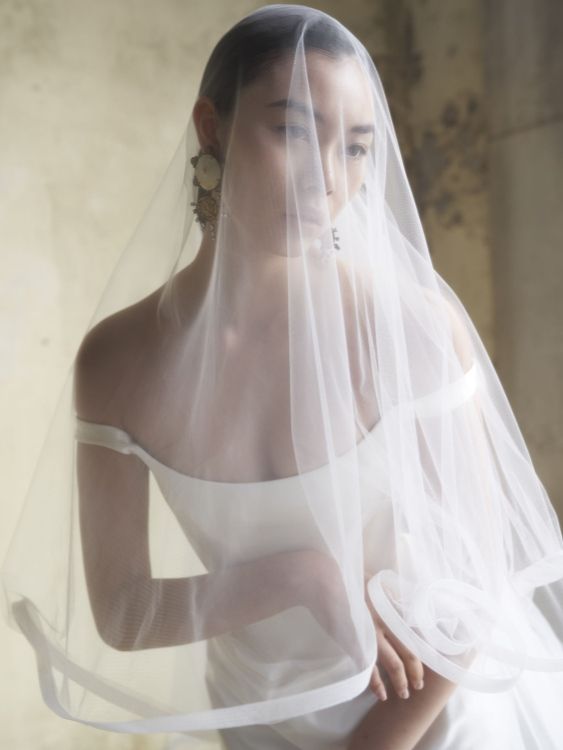
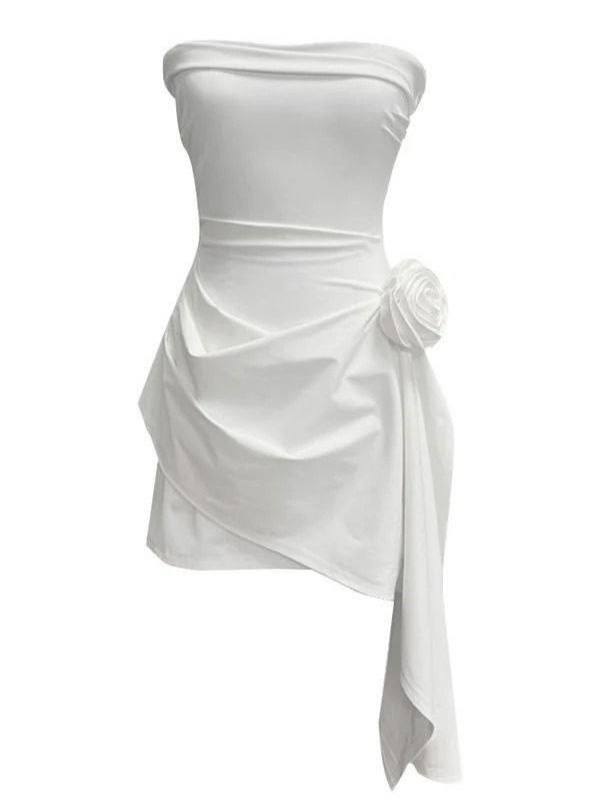
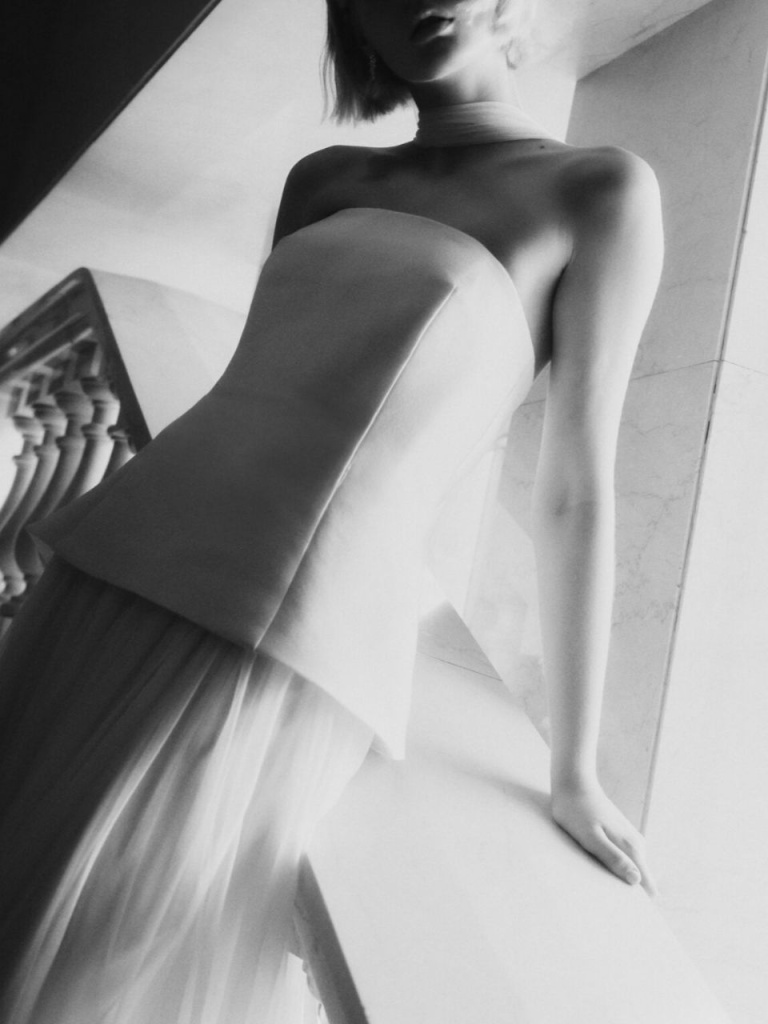
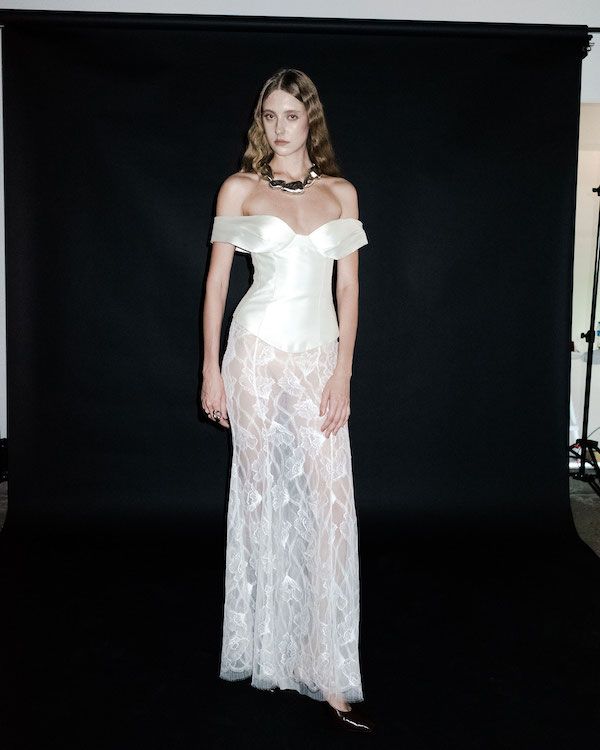
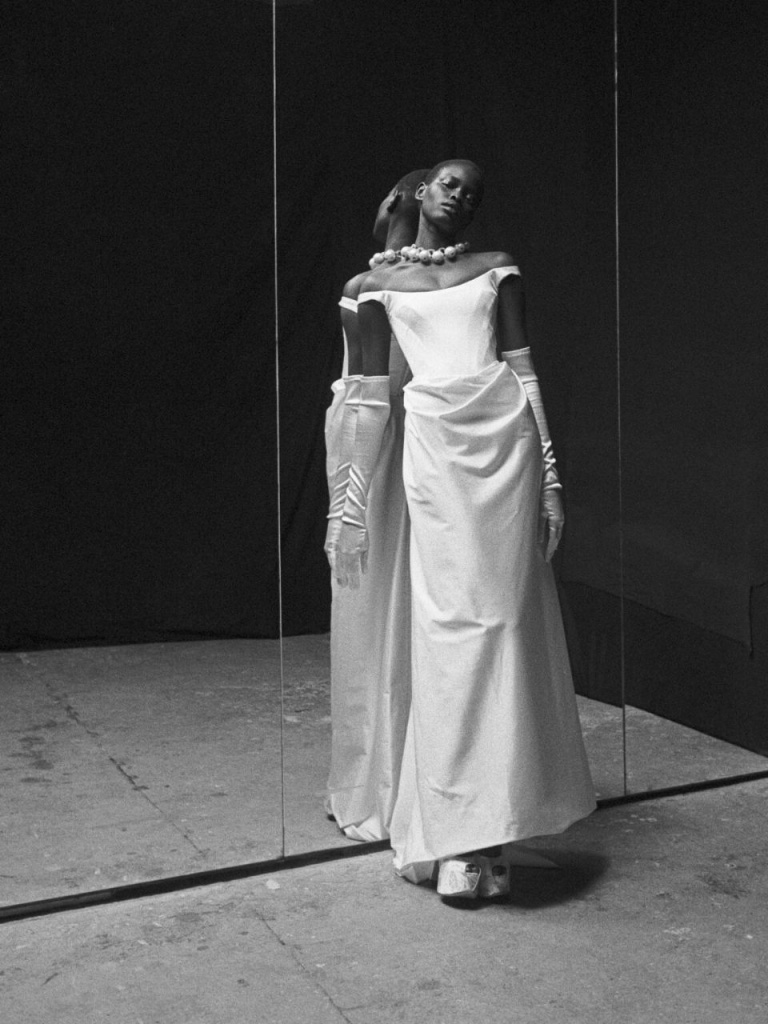
The off-the-shoulder style sits just below the shoulder joint, giving coverage without a stiff neckline; in a strapless dress, boning must be sewn into the lining to maintain shape through a full day of movement. Both dress types suit broad shoulders and a well-defined collarbone admirably, and both suit a smaller bust since the neckline carries the visual emphasis rather than the cleavage.
The idea of having bare arms for a whole day might make some brides hesitate, so it's advisable to think it through carefully since neither of the cuts allows much scope for a cover-up without breaking the natural line. A long necklace and a loose, low updo complete the look better than anything more fitted.
Lace Cap Sleeves
A sleeve made of sheer lace or tulle, positioned right at the edge of the shoulder, provides coverage without adding any considerable bulk. This design addresses a particular need: offering a slight degree of modesty, whether due to religious beliefs or simply a personal preference, without requiring full sleeves. It works well on most arm shapes because the fabric sits higher and doesn't cling.
For outdoor summer ceremonies, consider a bit more coverage, since even plain fabric adds an extra layer to a completely strapless dress. A simple hair comb usually gives a better finish than a full veil, as the veil can start to feel excessive when there is already a delicate sleeve.
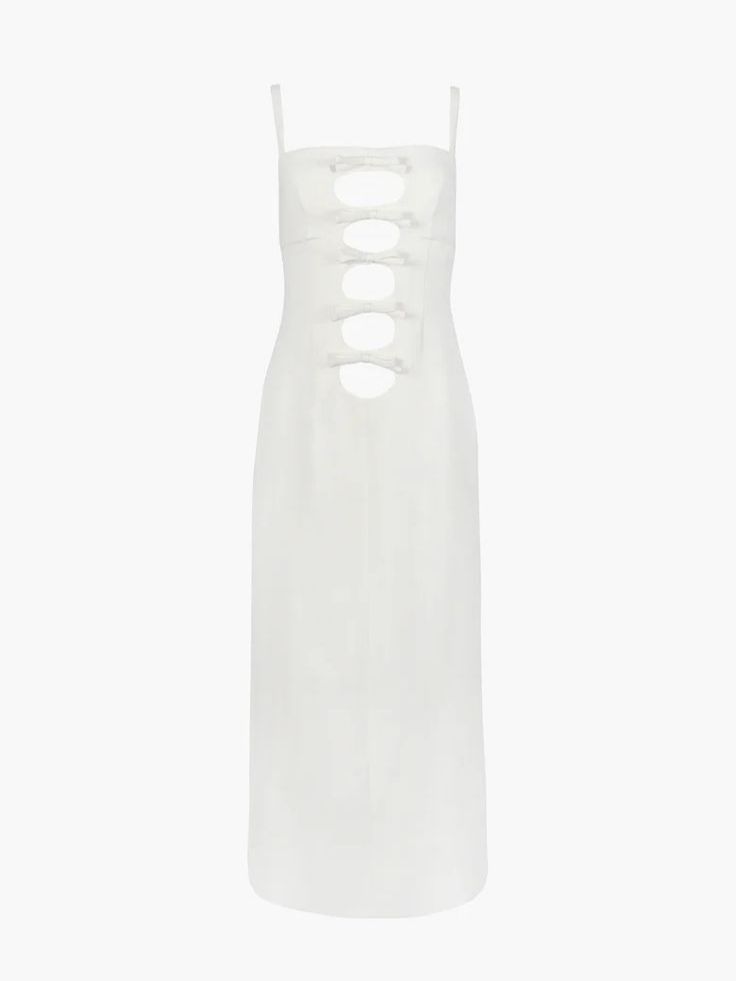
Statement Bows
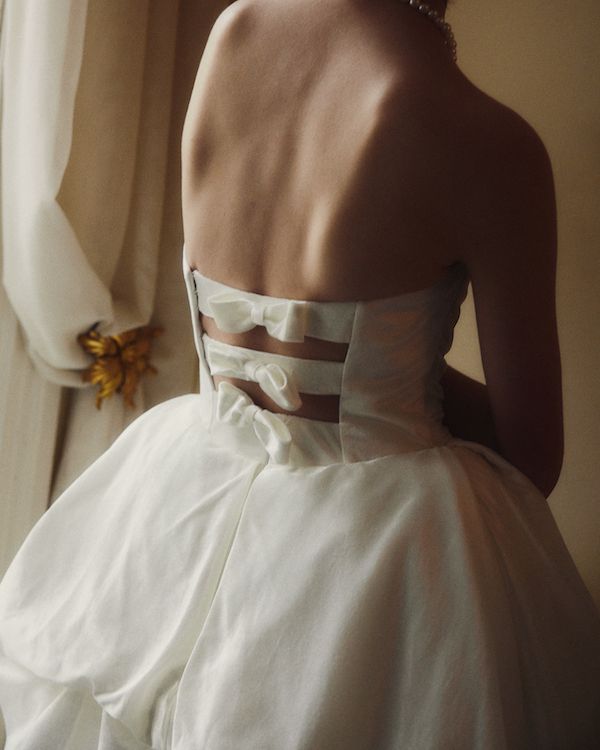
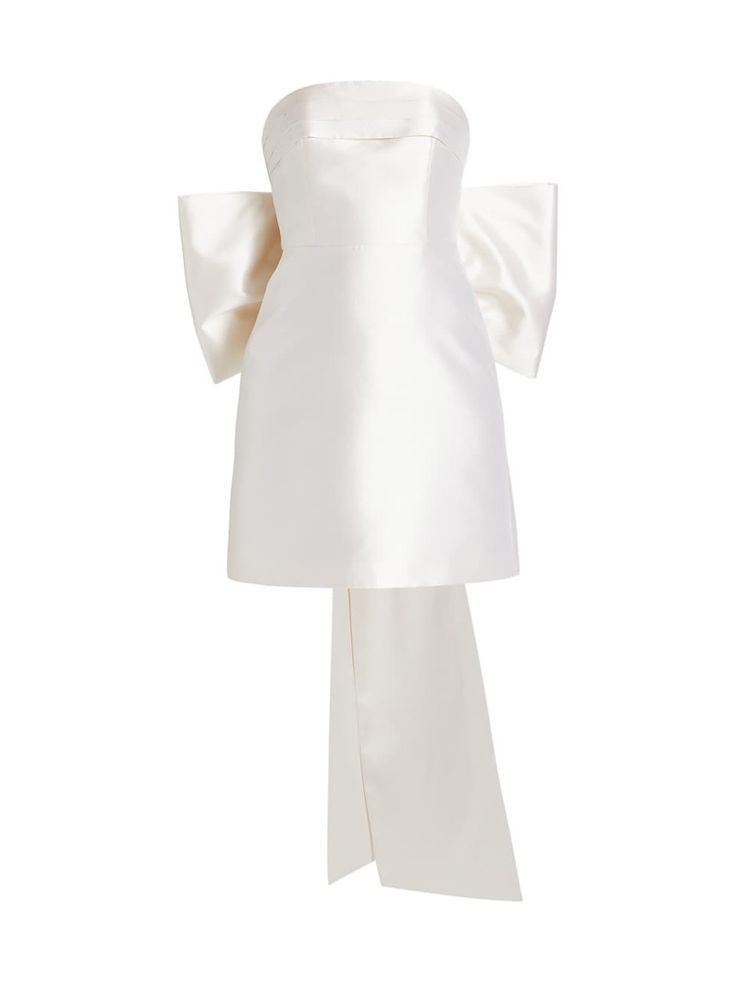
A waist bow, typically made of satin or grosgrain, tightens the shape and creates the illusion of a well-defined waist on a straighter body. A back bow is completely different: it is oversized and positioned low, and once the fabric has enough body to hold its form, it works almost like a small train.
Playful brides with strong individuality often choose a back design, especially if they want one feature to be mentioned afterward. Heavy back jewelry and a long train usually don't work well with a bold bow, as the two elements end up competing for the same space.
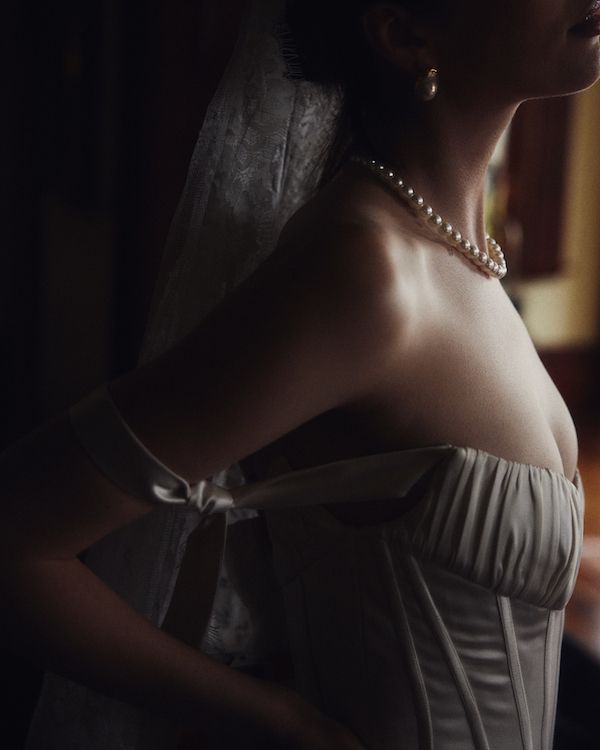
Corset Bodices
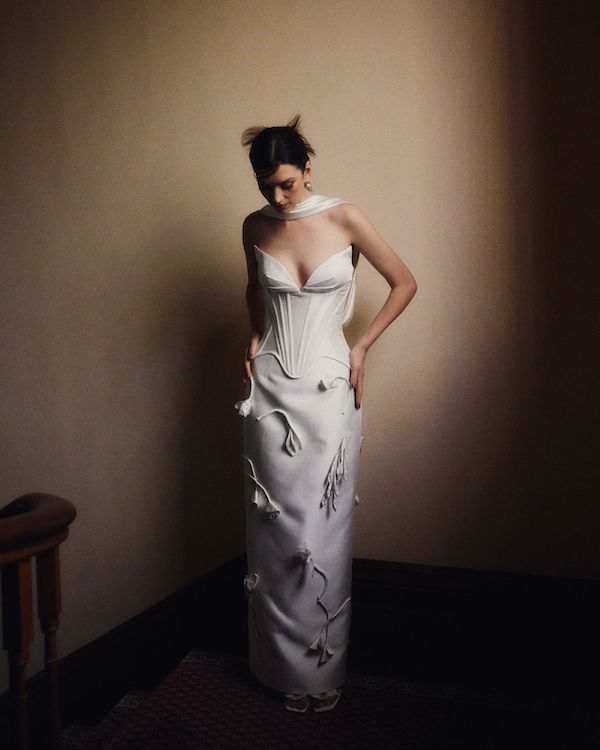
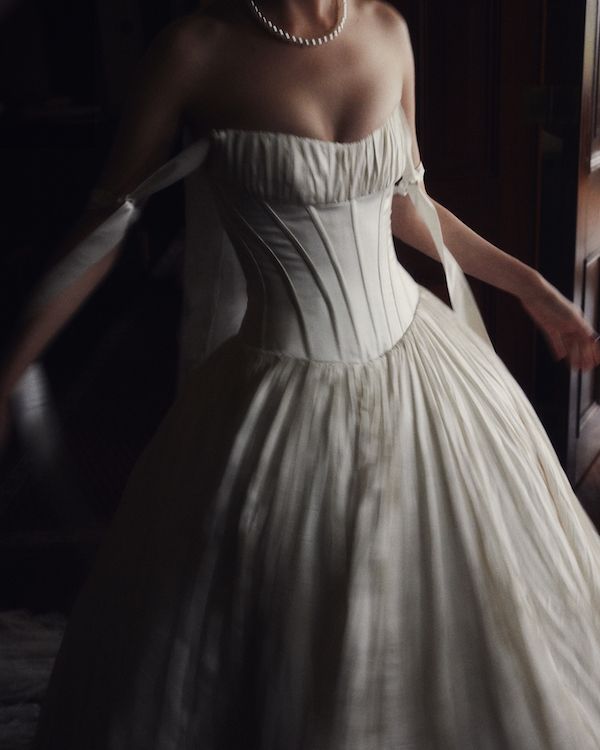
Steel or plastic boning, sewn into vertical channels in the lining, draws in the waist while raising the bust - all thanks to true structural engineering, not just an optical illusion. Those with lace-up backs allow last-minute adjustments; although zip-and-hook styles have a cleaner appearance, they leave little room to alter the fit on the day.
Almost all body types suit a corset bodice since it shapes the figure rather than just falling over what is underneath. If anyone is uncomfortable with restricted ribs, especially if they are going to be dancing all night, they should request a looser lace-up version instead of one with a fixed structure.
Minimalist & Modern Silhouettes
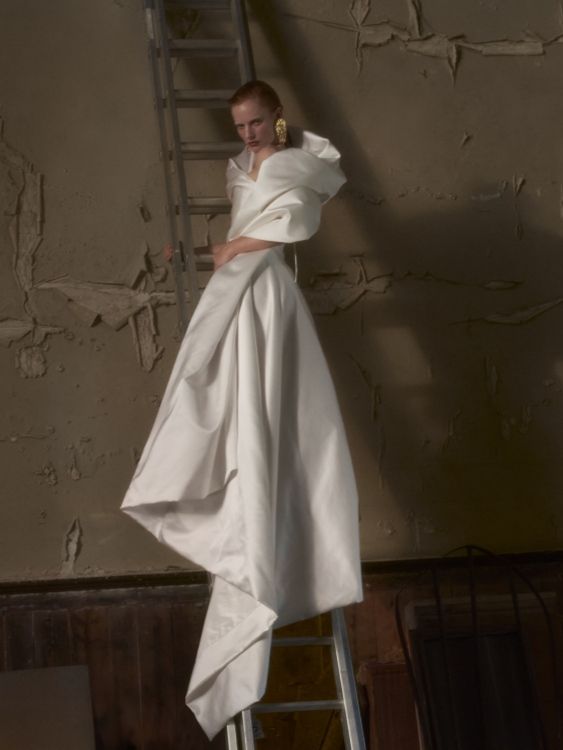
Not all brides want extra decoration to do the talking for them; this type of dress deliberately simplifies the design, relying on the cuts and the fabric to convey the overall style rather than using lace or beading to cover up any flaws in the tailoring.
Minimalist Gowns
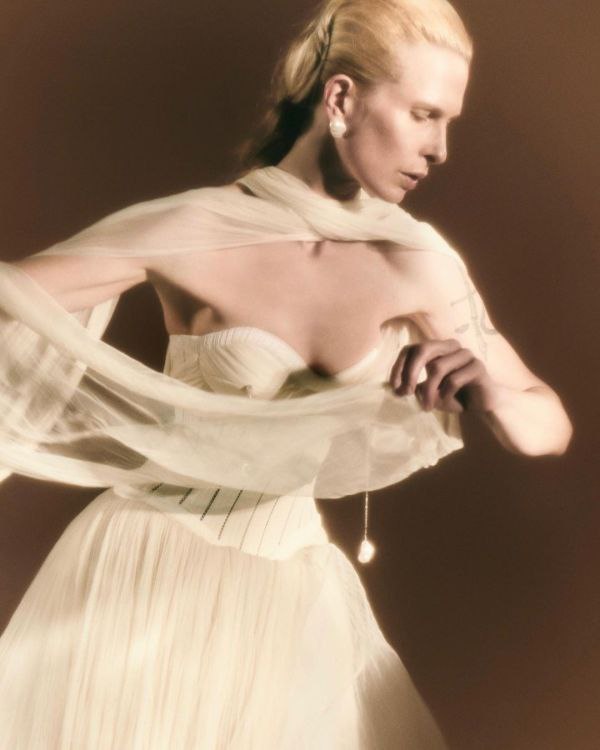
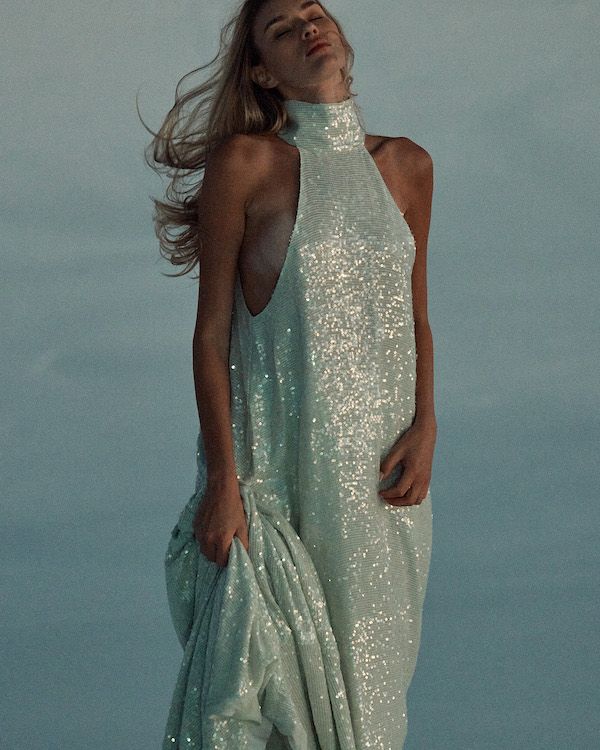
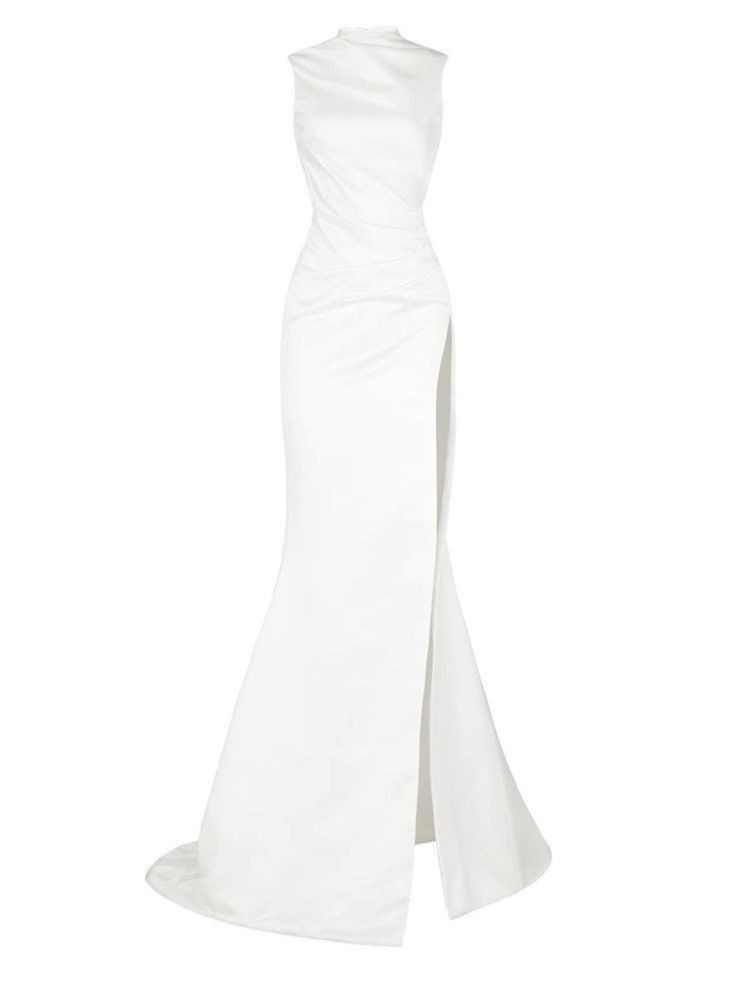
Silk crepe drapes closest to the body and hides nothing, unforgiving in the best possible way, ideal for a naturally lean frame. Satin holds a touch more structure and smooths over minor variations; matte crepe-back satin splits the difference, some sheen without the glossiness that flash photography tends to punish.
A straighter or athletic build wears this style at its best, though a bias-cut skirt often flatters curvier brides more than a fully straight column, since bias skims instead of clinging. One dramatic earring or a sleek low bun is really all this silhouette asks for.
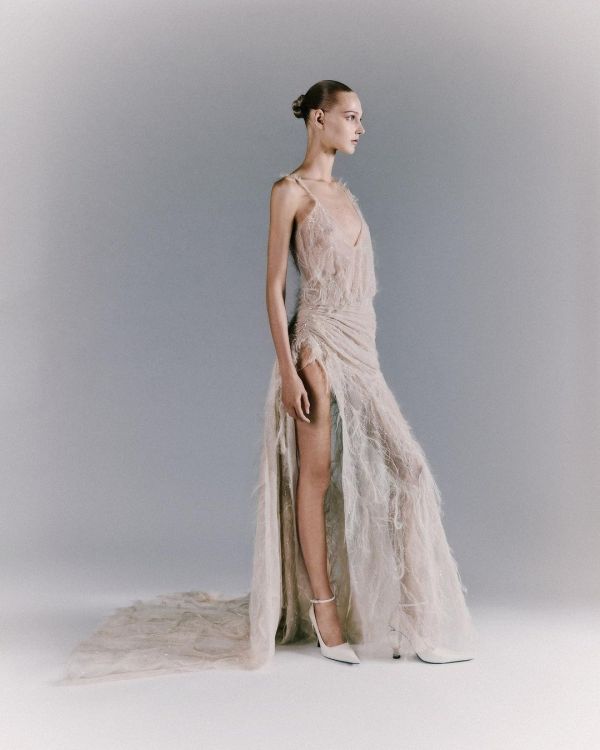
Sheer and Illusion Fabrics
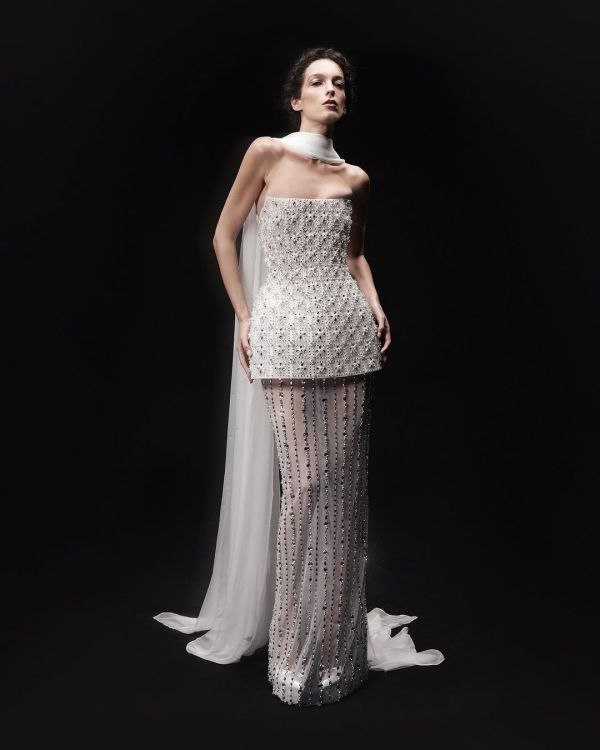
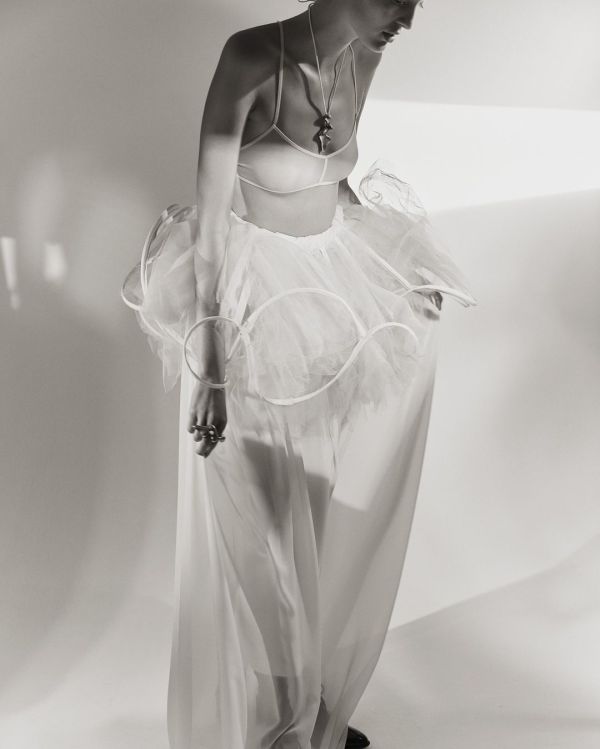
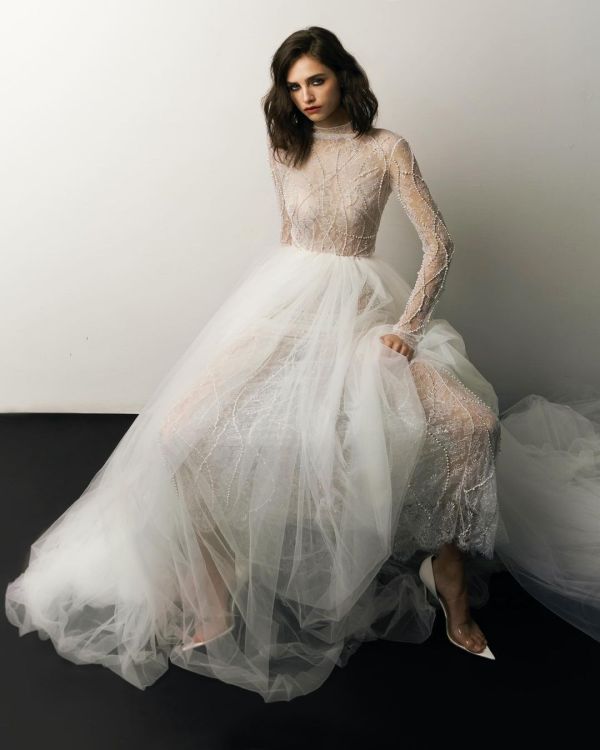
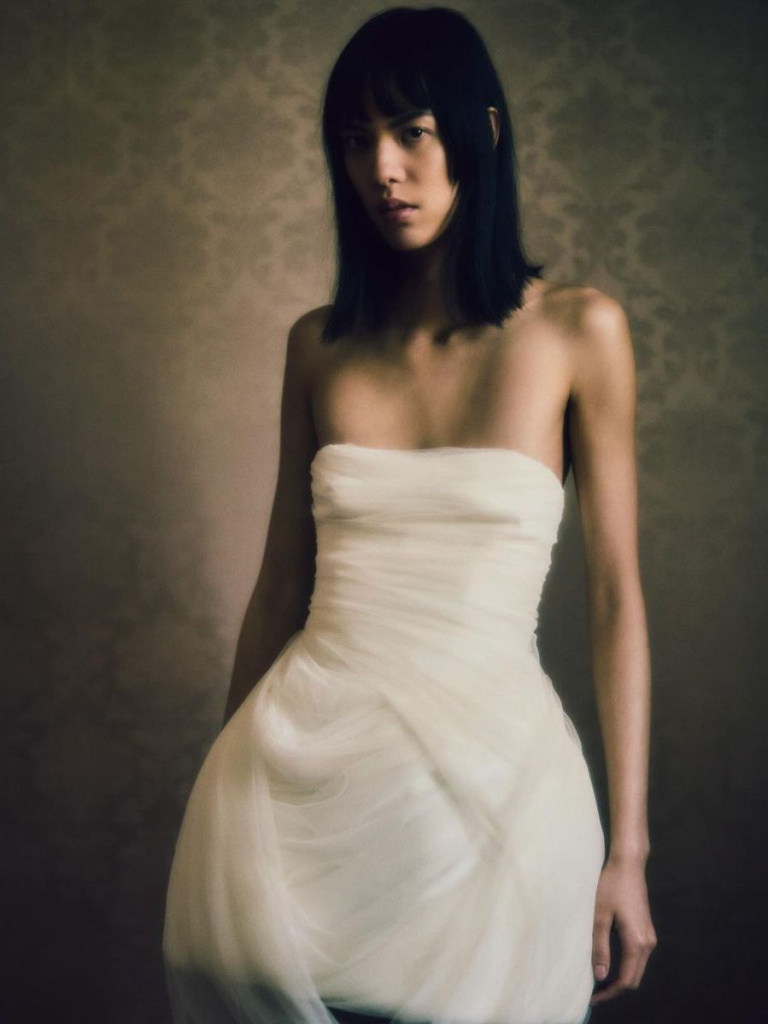
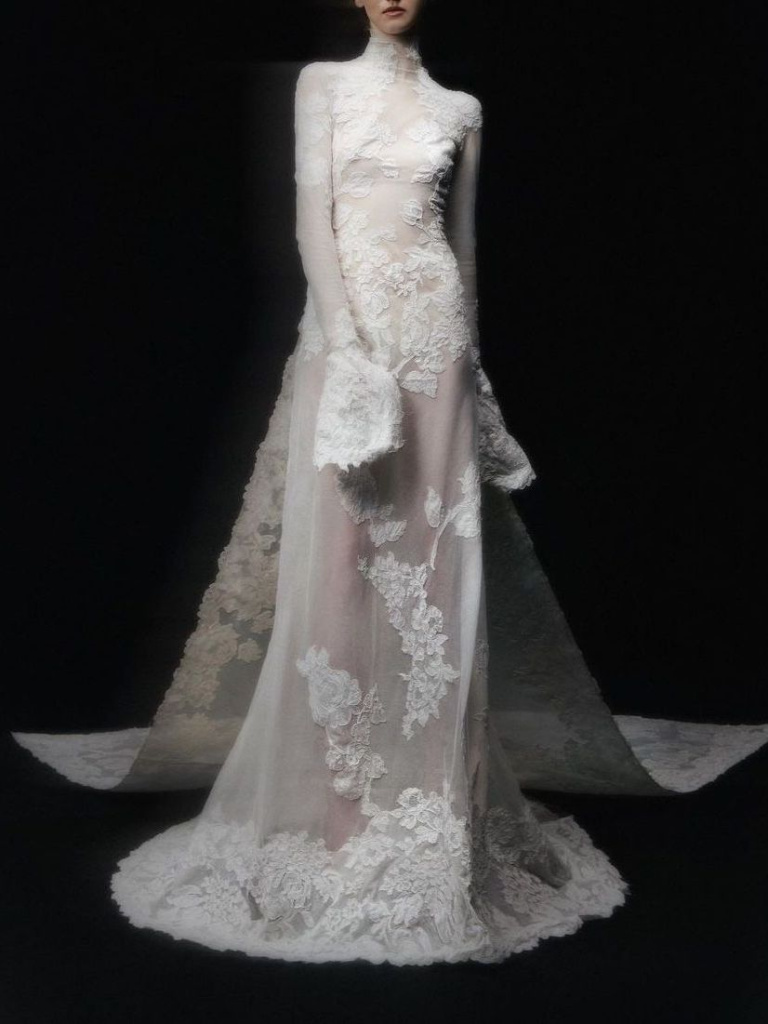
Tulle illusion reads soft, slightly matte; a fine mesh sits closer to the skin and looks more polished under bright light. Embroidery scattered across a sheer panel keeps the eye moving and softens the transparency underneath it.
Good posture and a longer torso carry this cut exceptionally well, since the eye naturally follows the vertical line a sheer panel creates. Skip the busy veil here. A heavy necklace does the same damage, distracting from the detail the fabric alone should showcase.
Backless Designs
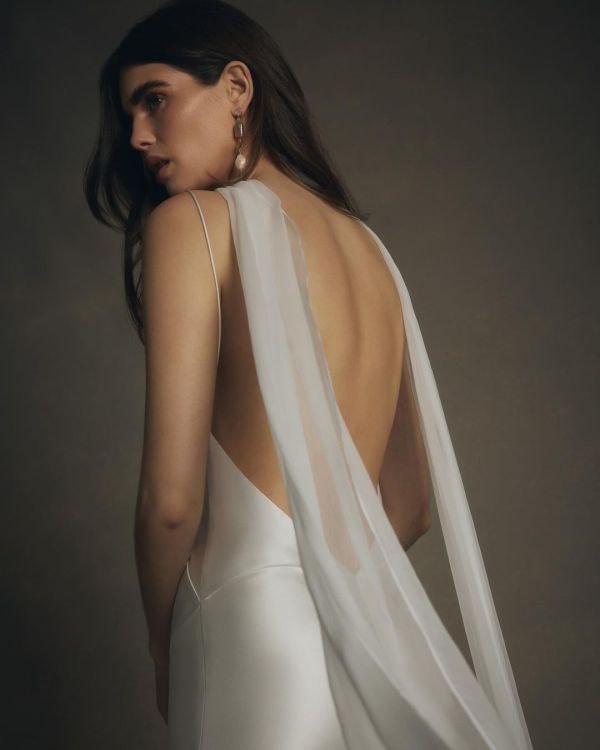
A subtle scoop reveals a small window without any special undergarment planning; a deep, plunging back usually needs adhesive support or a low-back bra sewn directly into the gown. Body type barely matters here, since the focus lands on one narrow vertical strip rather than the entire silhouette, and a toned, confident back is really all this cut asks for. A delicate backdrop necklace, or nothing at all, usually beats anything more elaborate.
High-Neck Gowns
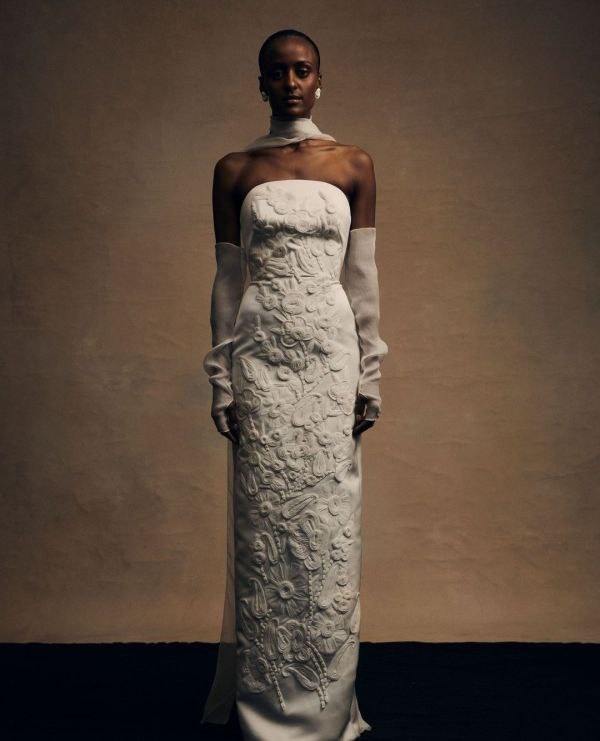
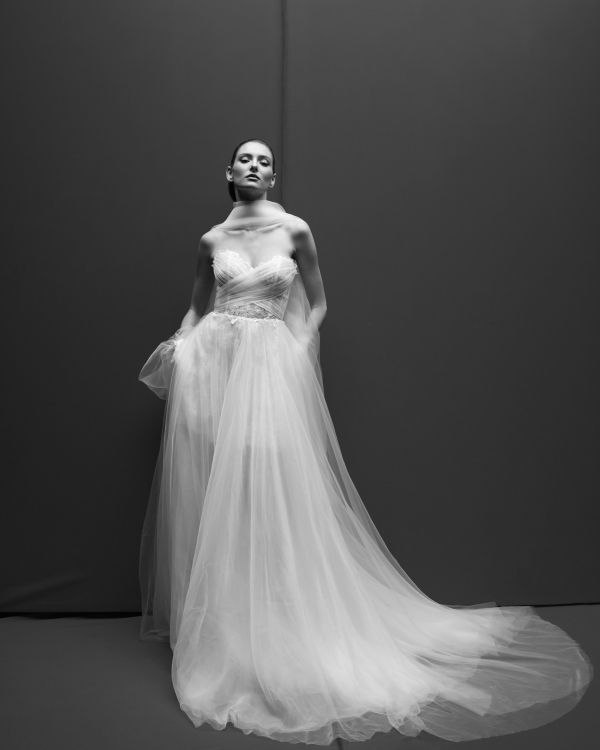
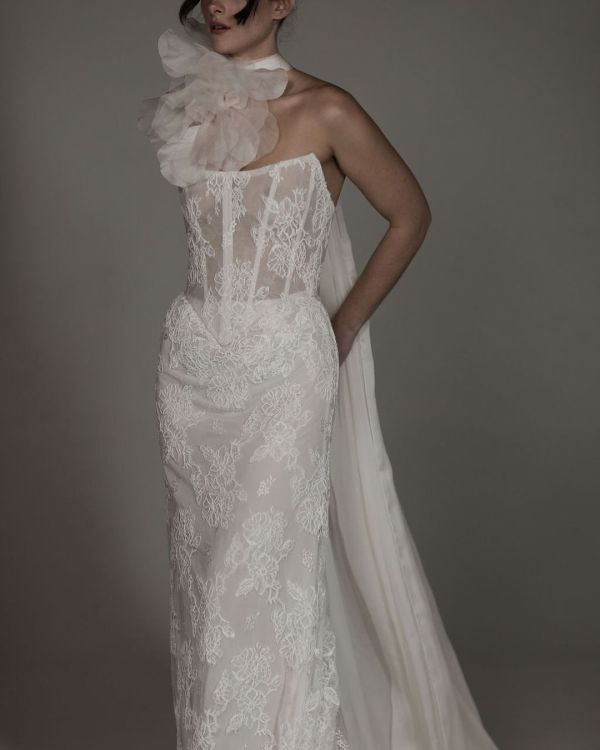
A mock-neck sits close against the throat and pairs best with an open back or sheer sleeves; otherwise the whole dress ends up reading as fully covered from every direction at once. A taller stand collar draws the most attention on this list, built specifically for a bolder bride.
A longer neck flatters beautifully here, and this cut offers real coverage for religious ceremonies with modesty requirements built in. Petite brides should think twice before a very tall collar, since it can shorten rather than elongate an already shorter neck.
Modern Tuxedo-Inspired Dresses
Wool-blend or crepe holds a sharp lapel and shoulder line far better than silk ever could, since silk tends to soften edges meant to stay crisp. Some versions add an actual waistcoat underneath; others pare the whole reference down to one structured lapel.
Broad shoulders wear this category especially well, the tailored line echoing rather than fighting that natural shape. A full outdoor summer ceremony is the one place this can backfire fast, the fabric weight turning uncomfortable under real heat.
Two-Piece Sets
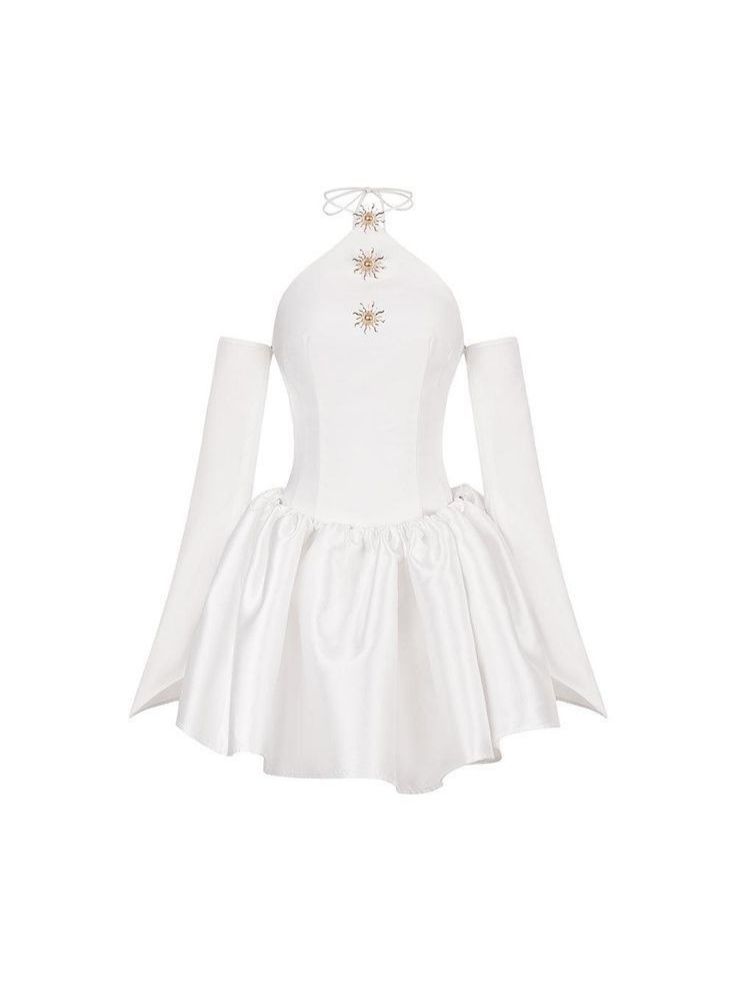
Wearing a cropped top with a voluminous skirt creates real contrast at the waist; on the other hand, a longer, tailored top with a soft, flowing skirt reduces that contrast considerably. It is particularly advantageous for a shorter torso, since a cropped top extends the leg line in a way that a single, continuous gown rarely can.
There’s real flexibility built in, too; at times, it can be replaced by something simpler before the reception begins. For anyone who desires a continuous line from shoulder to hem, the visible break at the waist may prove more distracting than appealing.
Bridal Jumpsuits
Wide-leg trousers move like fabric and photograph formal despite being nothing like a skirt; a slimmer, tailored leg leans harder into tuxedo territory instead. Lace paneling across the bodice softens what could otherwise read as a purely structural choice.
Petite brides wear this particularly well, since a properly tailored wide leg elongates the whole frame. Among wedding dresses for intimate ceremony settings and civil ceremonies alike, jumpsuits tend to suit the moment best, where ease of movement outranks a dramatic train.
Bold & Statement-Making Designs
Some brides want their dress to do more than match the occasion; they want it to set the overall atmosphere. Dresses in this category lean into color and drama, aiming to be remembered rather than merely admired.
Bold Colors and Floral Patterns
Lavender and sky blue are a mild alternative to white, while emerald and burgundy maintain their richness both after the sun has set and under artificial lighting. Generally, embroidered tonal florals seem more sophisticated than a full-print pattern, which can look more casual depending on the base fabric.
Brides with cool skin tones usually match well with blue and jewel tones, while those with warmer tones tend to look more vibrant when wearing blush or soft gold. The kind of wedding look described here suits brides who already feel confident wearing color in their day-to-day lives and want their wedding appearance to feel like a natural extension of that confidence, rather than something they borrow for just one day.
High Slits
A front slit works cleanest on a straight or A-line skirt, where fabric falls evenly on both sides; a side slit, cut along the hip instead, reads a little more subtle by comparison. It pairs naturally with a strappy heel or an embellished flat, the shoe becoming part of the visible design rather than hidden fabric.
Toned legs love a high slit, though honestly any leg shape can wear one as long as the height gets chosen with intention rather than maximized purely for shock value. Anyone marrying in a more conservative religious setting should check slit height against modesty guidelines before falling in love with the dress.
Mermaid Silhouettes
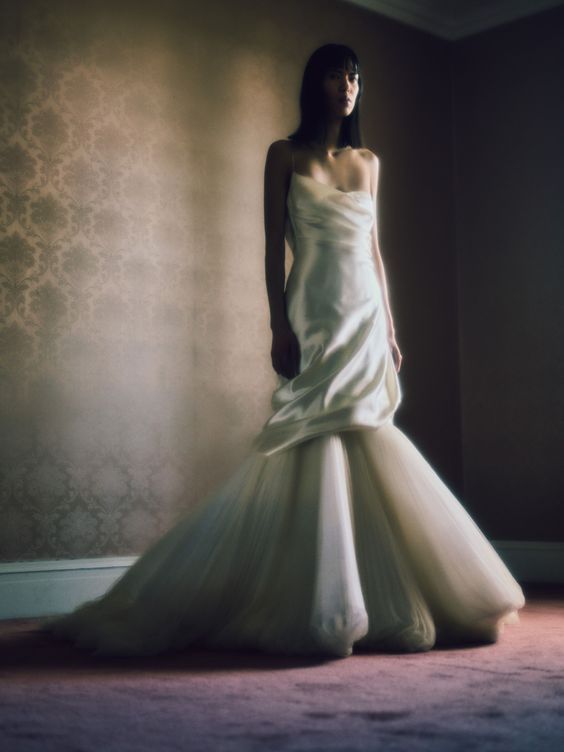
The flare varies wildly by designer, with some kicking out sharply at the knee for maximum drama and others tapering gradually toward mid-calf for something gentler. An hourglass or curvier figure wears this cut exceptionally well, the fitted bodice and hip line finally having real shape to hold onto.
Precision matters more here than almost anywhere else on this list, since any looseness through the midsection undercuts the entire silhouette’s whole reason for existing. Multiple fittings aren’t optional with a mermaid cut. Brides planning a seated ceremony should test sitting comfort well before the big day, since the fitted knee can restrict movement more than expected.
Gothic-Inspired Gowns
Black Alençon lace laid over a nude lining creates a dramatic, almost sheer-black effect; deep burgundy or midnight-blue satin delivers the same mood with a touch more warmth underneath it. Brides already drawn to darker, editorial fashion in everyday life tend to find their way here naturally.
Stone architecture and candlelight flatter this palette beautifully. A bright, sunlit outdoor ceremony is the harder setting to pull off, where the mood can start to feel heavy rather than romantic. One dramatic dark lip usually finishes the look better than layering more black on top of an already dark dress.
Architectural and Sculptural Designs
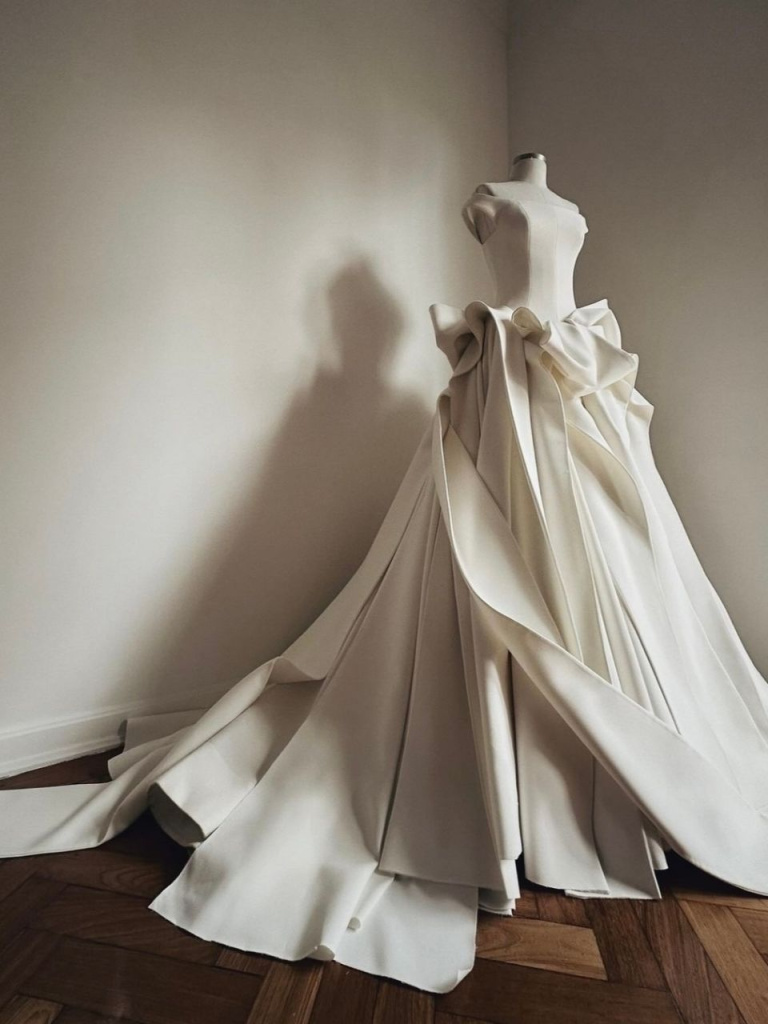
Origami-style pleating builds dimensional texture that catches light differently from every single angle. A single dramatic structural element, an oversized bow, a sculpted shoulder, keeps everything else deliberately quiet so that one feature can actually stand out.
Brides who treat fashion as personal expression first and bridal tradition second gravitate here. A skilled seamstress becomes non-negotiable, since structural elements that aren’t engineered properly look unfinished rather than intentional. This is not the category for anyone craving softness or classic romance on the day itself.
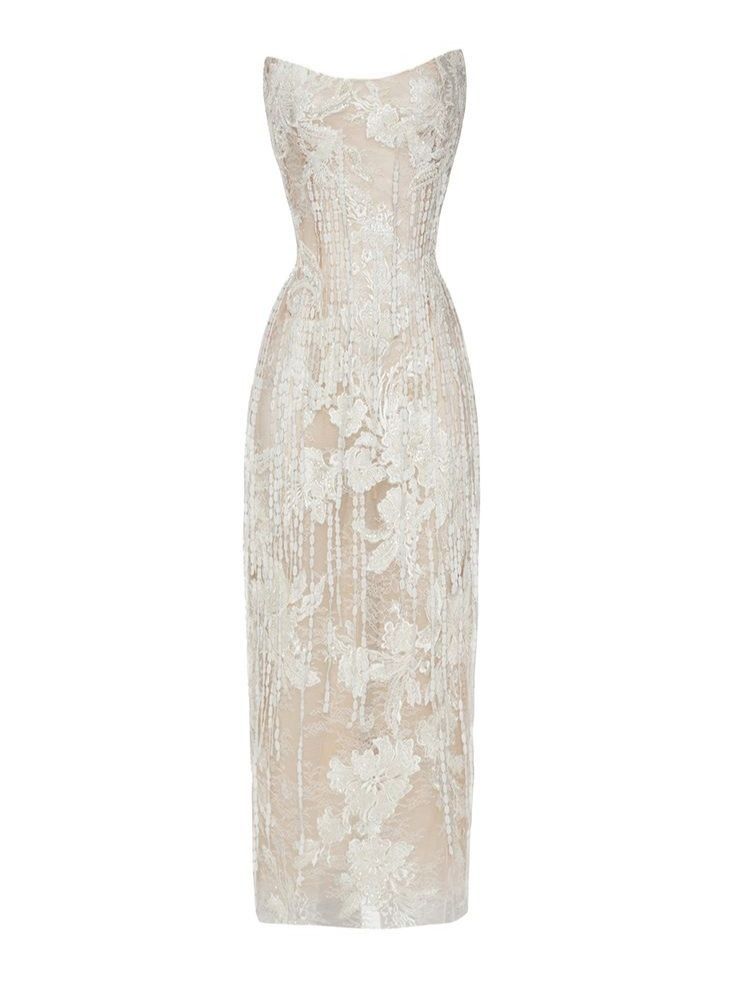
Beaded Fringe
Bead-and-thread fringe, the original flapper-era version, moves the most freely, catching real movement with every step; heavier crystal fringe holds a stiffer shape but throws considerably more light. An evening reception built around real dancing is where this detail earns its keep, since fringe is quite literally engineered to move.
Great Gatsby glamour comes through strongest paired with a drop-waist silhouette rather than a natural one. Brides wanting a quiet, understated ceremony moment might save the heaviest fringe for the reception look instead.
Feather Embellishments
Ostrich feathers, the industry standard, stay soft and full without adding much real weight; marabou feathers offer a finer texture, better suited to smaller accents like a hemline trim than an entire skirt. The whole effect channels Old Hollywood while still reading as an unexpected choice inside modern bridal fashion. One practical note worth knowing ahead of time: feathers shed, sometimes a lot, so allergies within the wedding party or plans for close, moving photography deserve a second thought before committing.

Dramatic Volume & Movement
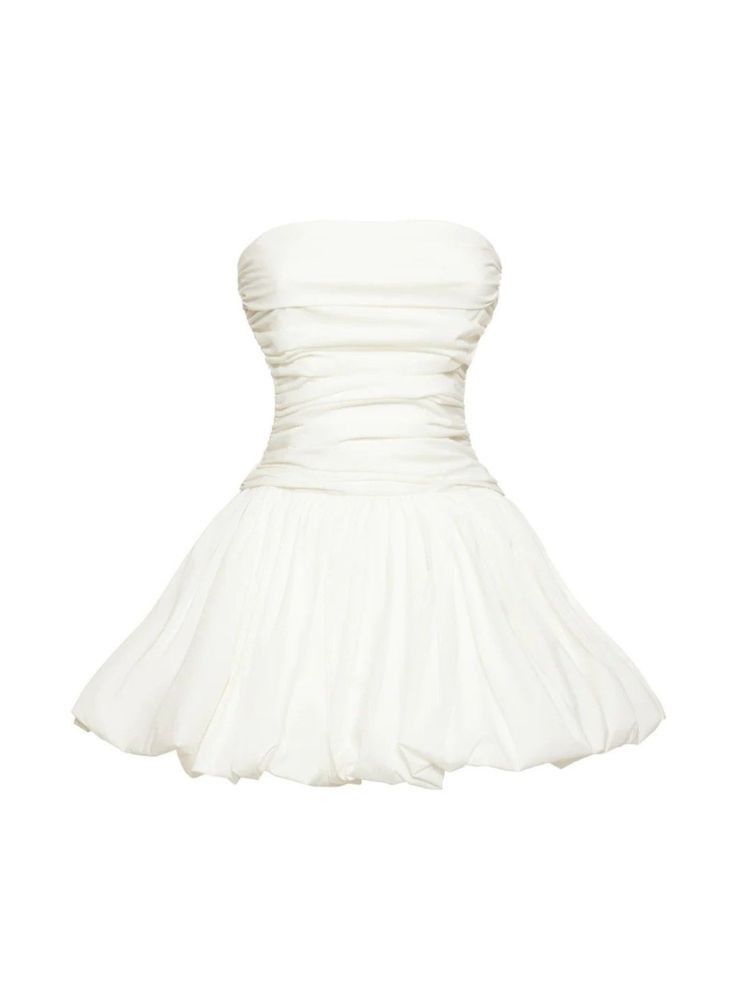
A dress can do more than cover a body; it can move, cascade, and take over a room the second its owner walks through the door. This category leans fully into volume, from full ball gown skirts to sleeves dramatic enough to define an entire silhouette on their own.
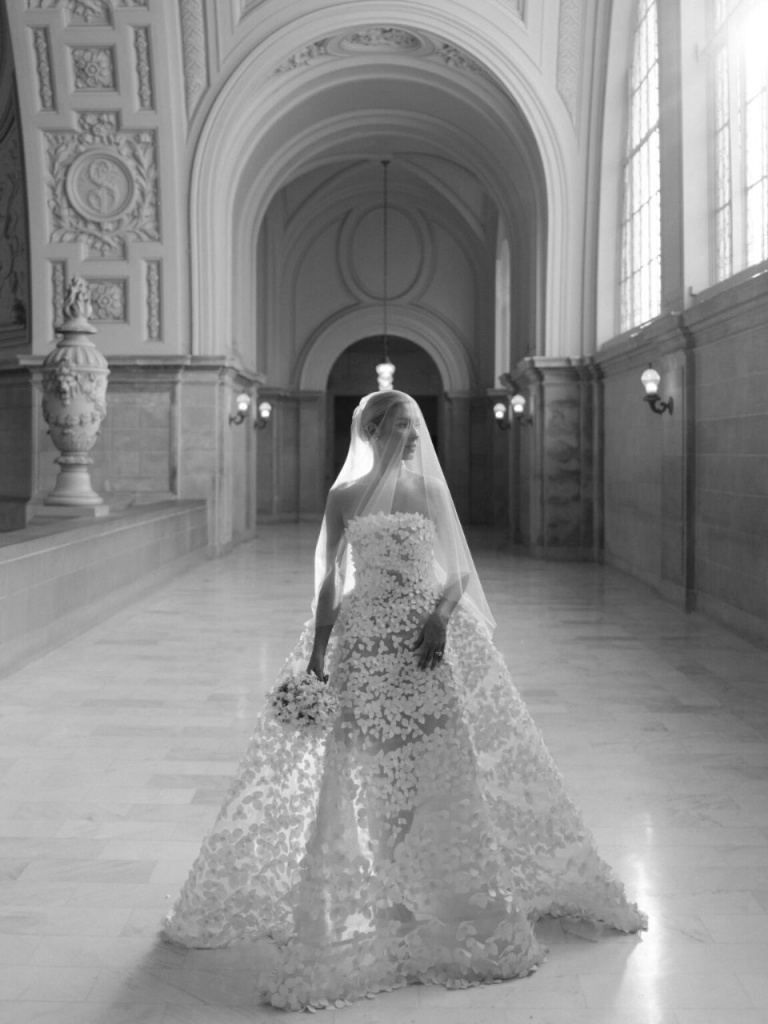
Dramatic Ball Gowns
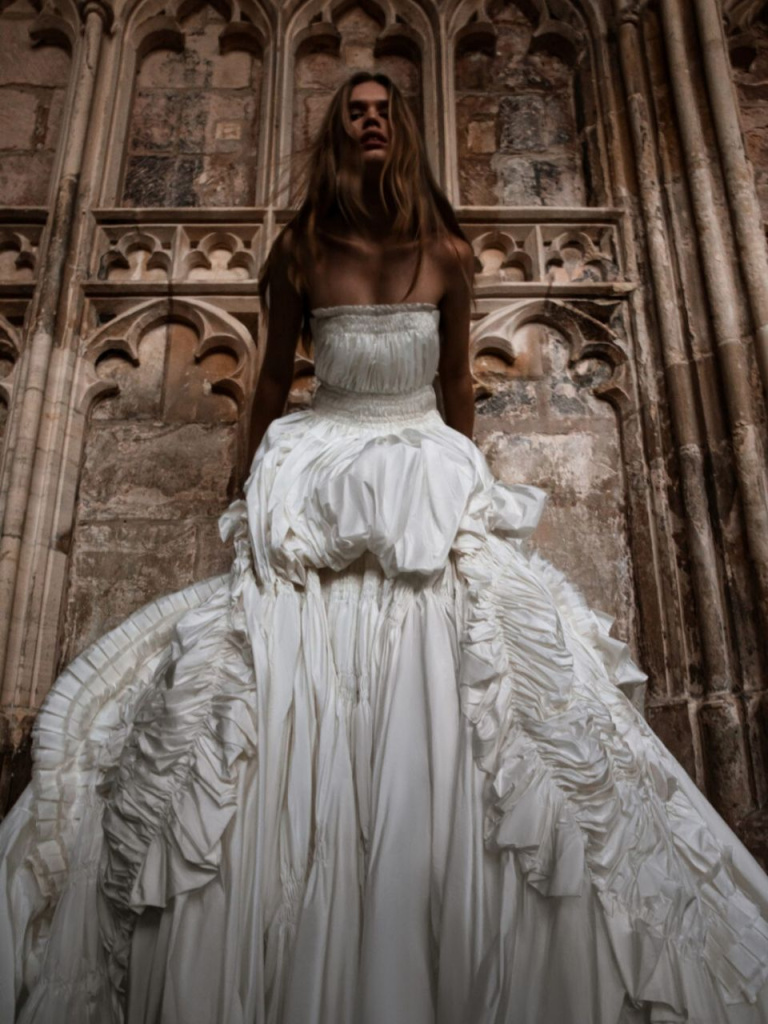
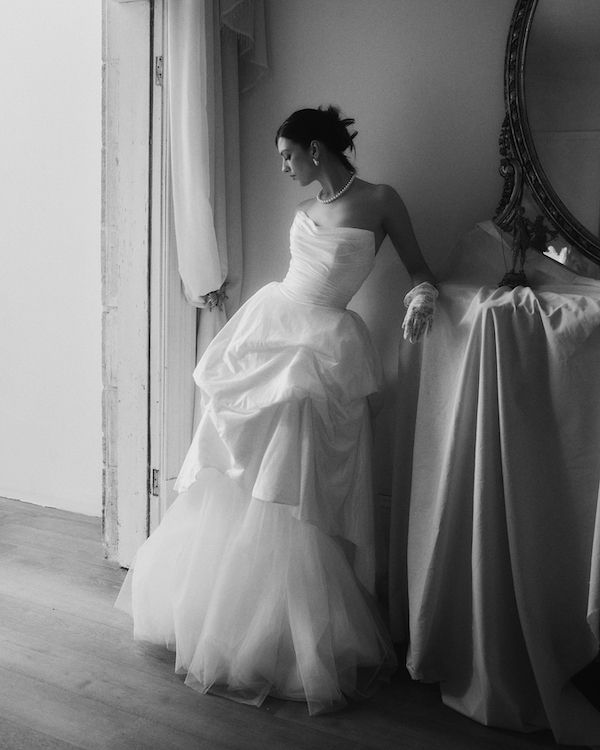
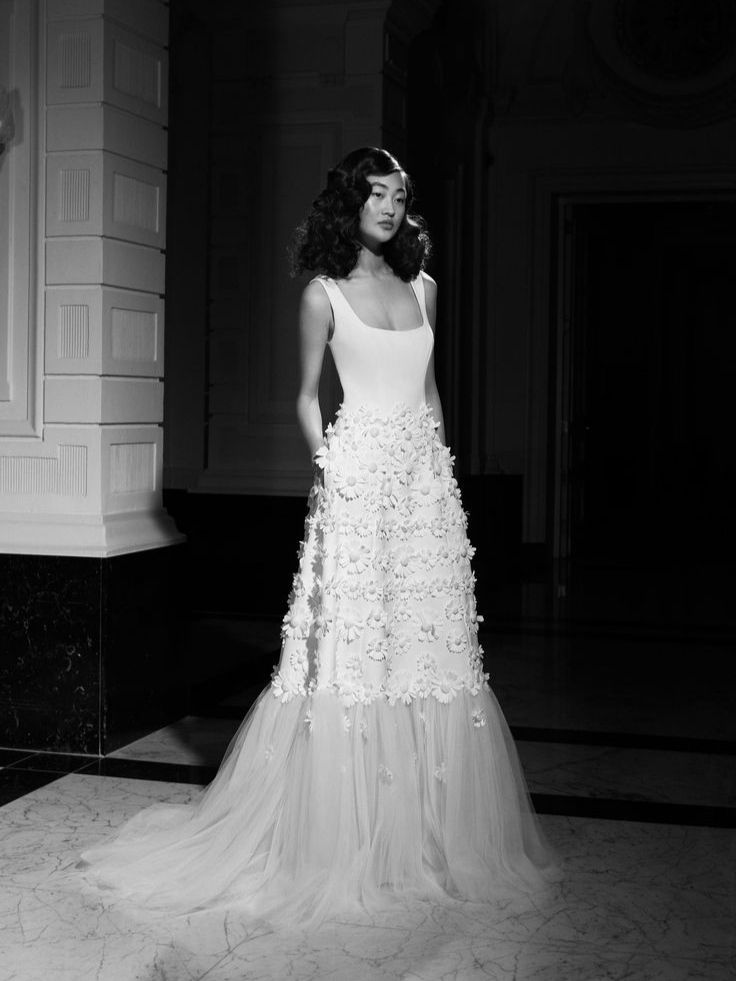
Tulle creates the lightest volume and leans into softness; organza holds a crisper shape and adds structure without much extra weight. A horsehair-trimmed hem, stiffened along its edge, keeps the skirt holding its shape through hours of movement instead of collapsing by the reception.
Petite brides wear a ball gown surprisingly well; the dramatic skirt creates proportion and makes the waist appear smaller purely by contrast. Real logistical space becomes a concern too, both on the dance floor and through any narrow doorway, so confirm with a venue well in advance.
Tiered Skirts
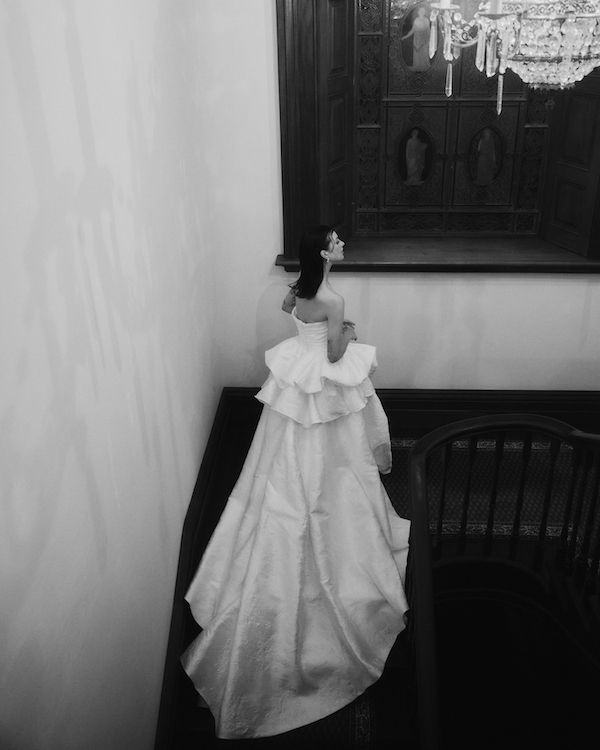
Ruffled chiffon tiers move freely and suit wedding dresses for outdoor ceremony settings; structured tiers in taffeta or organza hold a crisper shape better matched to a formal indoor reception. Paired with a fitted bodice, this style delivers an unmistakably fairy-tale feel without the full weight of a traditional ball gown. A very formal, black-tie ceremony is the one place worth avoiding heavy tiering, since the playful movement can undercut a more solemn tone.
Statement Sleeves
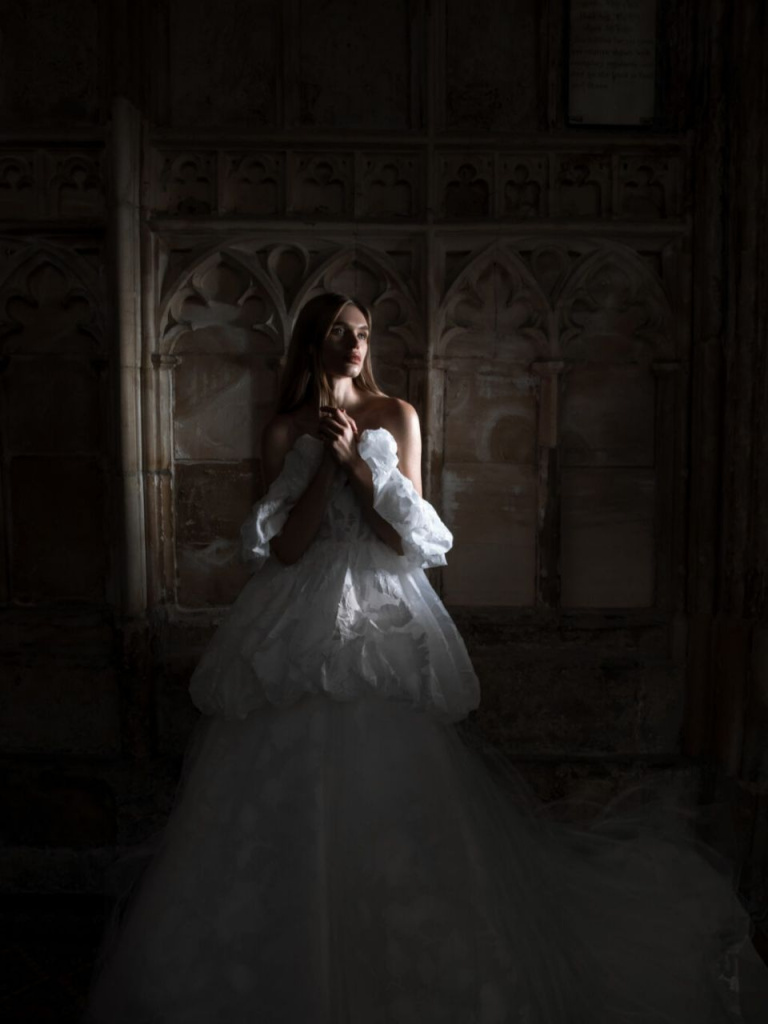
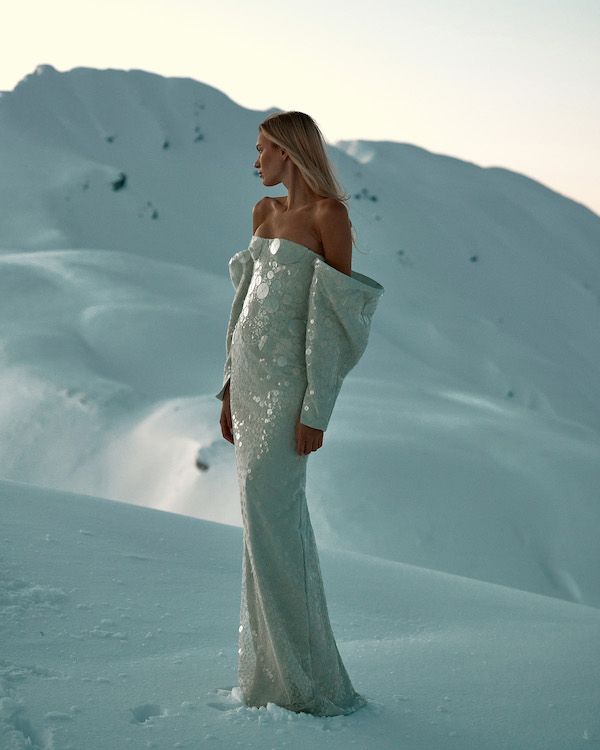
Dramatic puff sleeves, usually built from lightweight tulle or organza, bring real volume and romance without the stiffness earlier decades demanded; delicate lace versions make the same statement through subtlety rather than scale. Narrower shoulders wear puff sleeves especially well, the added volume finally creating balance across the frame.
This detail works best as a dress’s single loud moment, paired with a simpler bodice so the sleeves aren’t fighting anything else for attention. Tall brides should watch proportion carefully, especially with very large sleeves, since excessive volume up top can visually shorten an already long frame.
Capes and Capelets
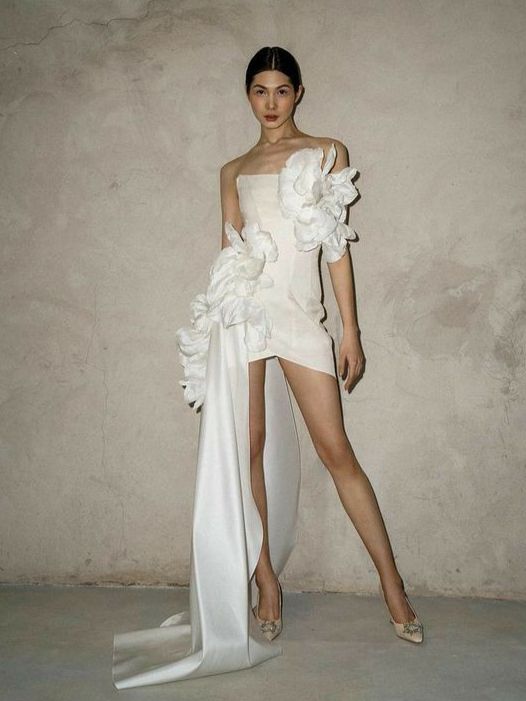
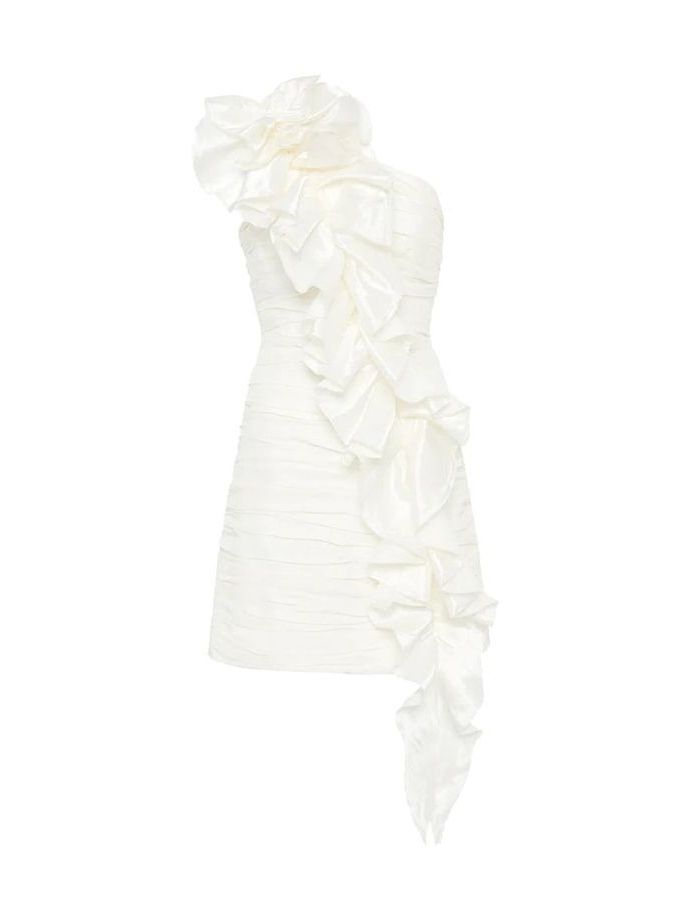
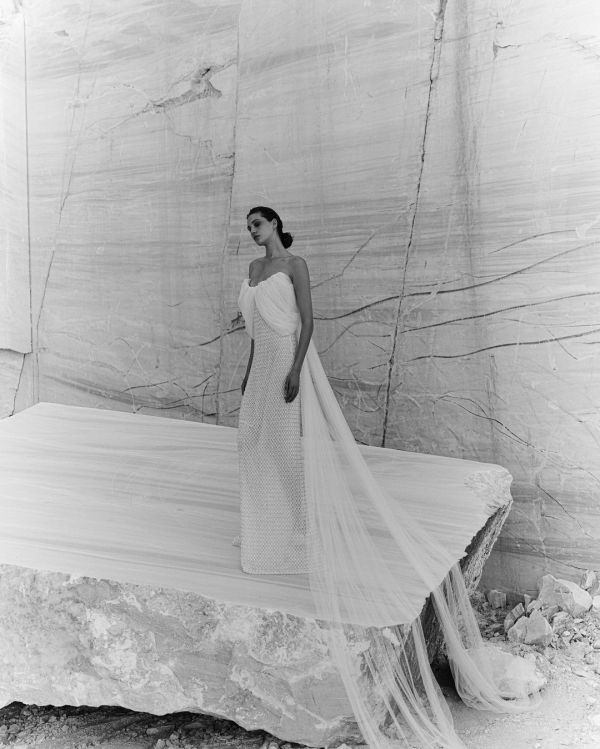
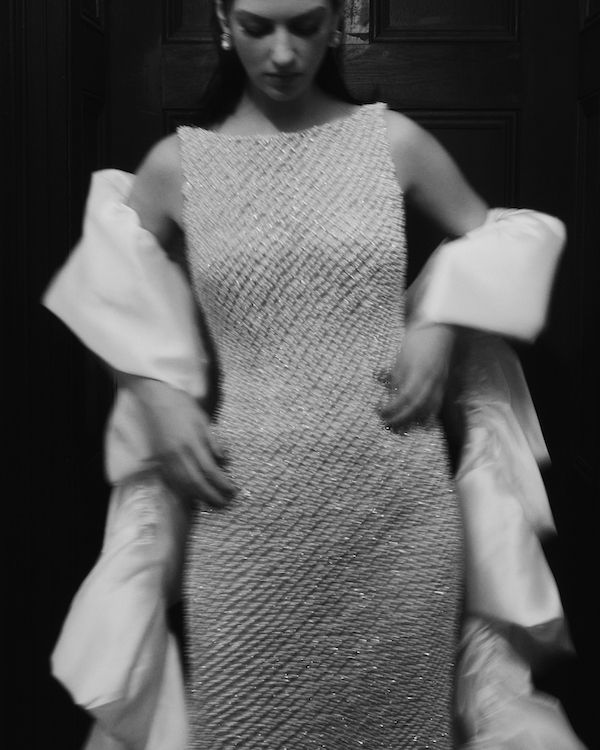
A full-length, flowing cape delivers real grandeur and earns its keep during a dramatic aisle entrance; a shorter capelet offers the same regal touch on a smaller, more manageable scale. This accessory photographs beautifully from behind, worth remembering given how much of the ceremony guests actually watch from that exact angle. However, it can quickly become cumbersome once dancing starts, which is why most brides shed it entirely before the reception properly begins.
Embellished Bodices
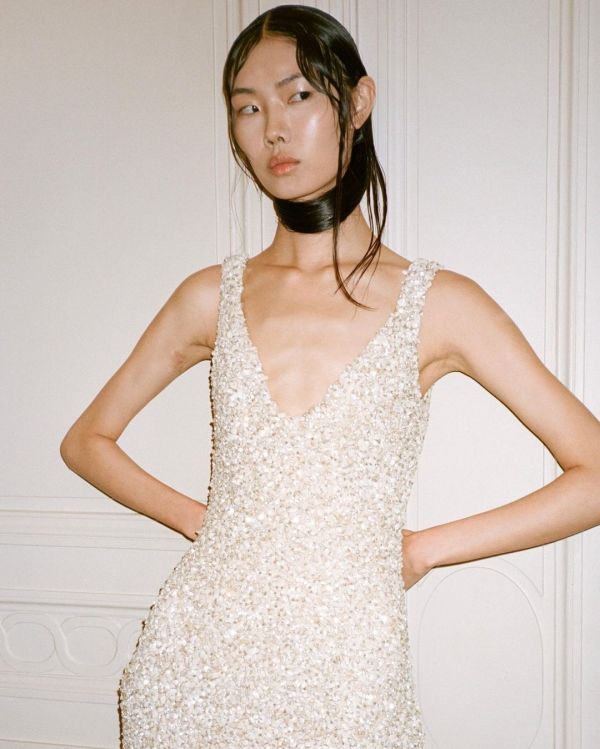
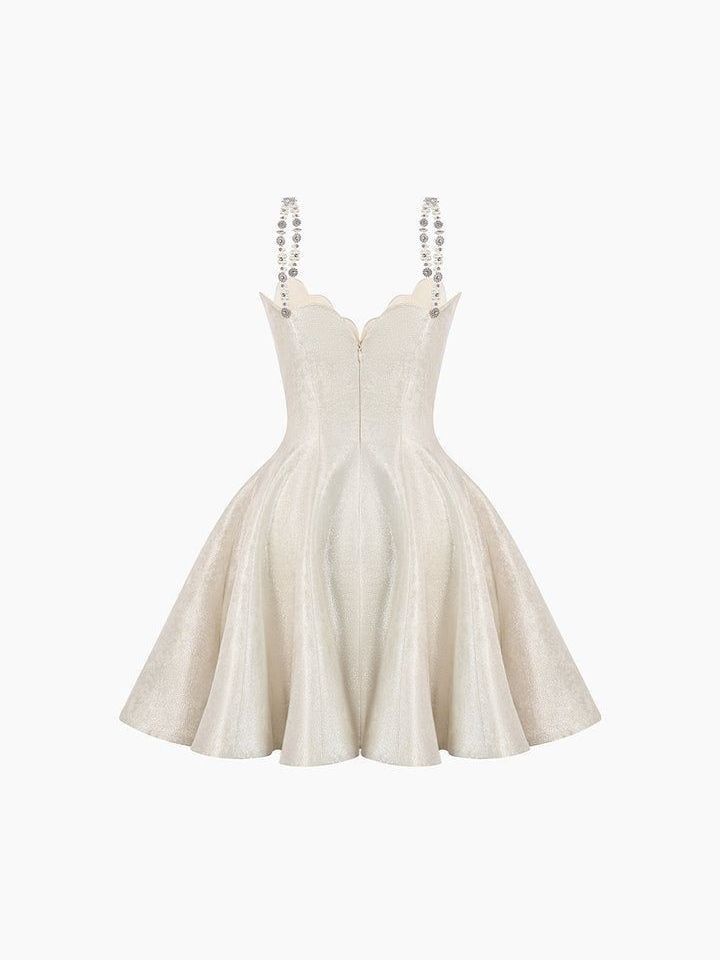
Hand-sewn crystal beading catches the most light and reads as the most luxurious option; pearl clusters offer a softer, more muted shimmer that matches daytime ceremonies with natural light. The detail draws the eye upward, creating real visual impact without embellishment sprawling across the entire silhouette. Skip a heavily embellished veil or necklace alongside it, since either one competes directly with the bodice rather than supporting it.
High-Low Hemlines
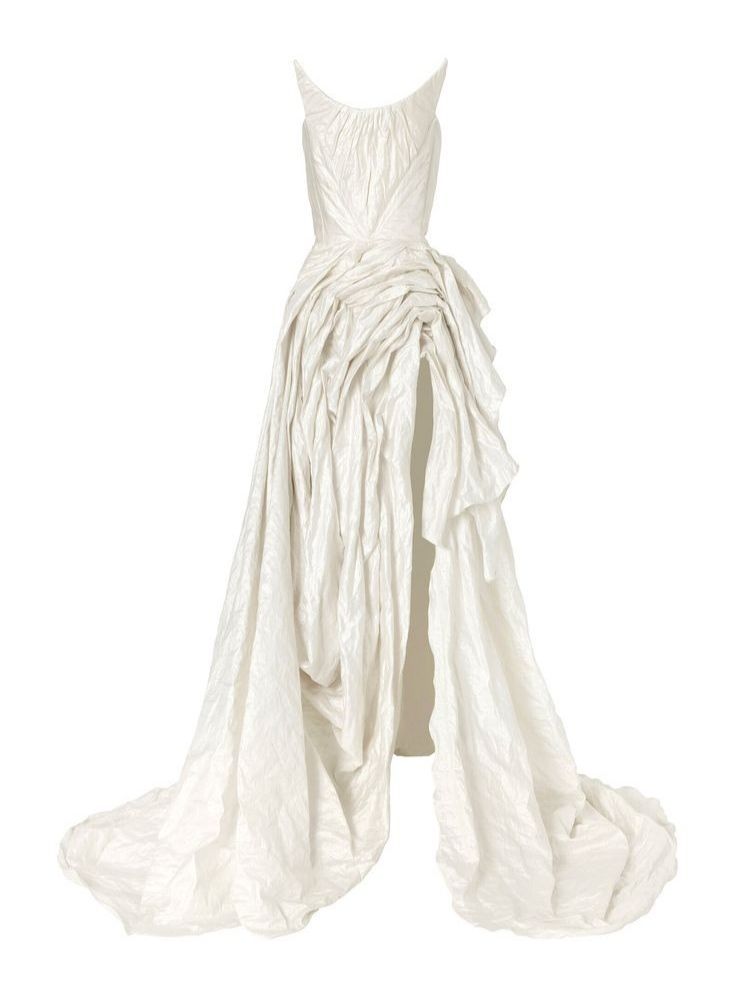
A subtle high-low, just a few inches of difference, reads elegant and barely noticeable until movement actually reveals it; a more dramatic version shows a real knee up front while keeping a full train behind. Brides who want to show off their shoes without sacrificing a dramatic train will find their answer here, and the style suits wedding dresses for outdoor ceremony settings and destination celebrations especially well, where dragging a full train isn't always practical. Trying on multiple hem lengths matters more than it sounds, since even small shifts in the front hemline change the entire proportion of the dress.
Practical & Versatile Choices
Not every bride wants, or needs, a single dress built to survive twelve unbroken hours untouched. This group prioritizes comfort and flexibility without asking anyone to sacrifice a real sense of occasion.
Short and Tea-Length Dresses
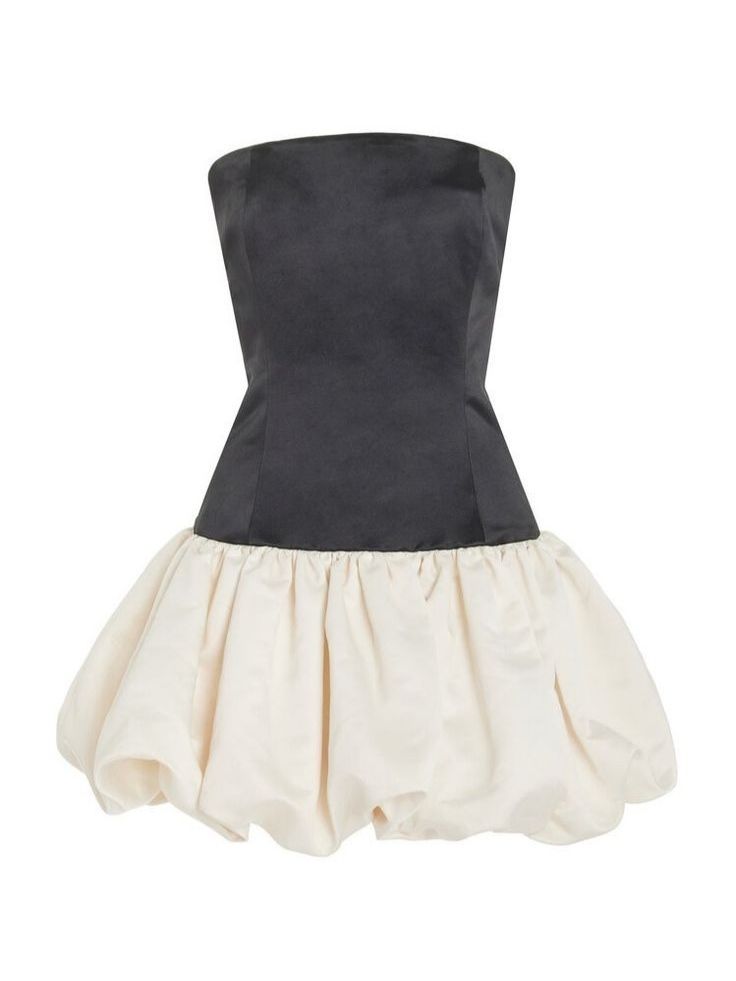
Tea-length typically falls mid-calf, striking a formal-but-practical balance; a fully short hemline above the knee leans harder into a modern, fashion-forward statement. Civil ceremonies suit these styles particularly well, and plenty of brides now choose one specifically as a second reception look after a more formal ceremony gown, the shorter hemline photographing especially well with a statement shoe since it naturally draws the eye downward.
Bohemian Gowns
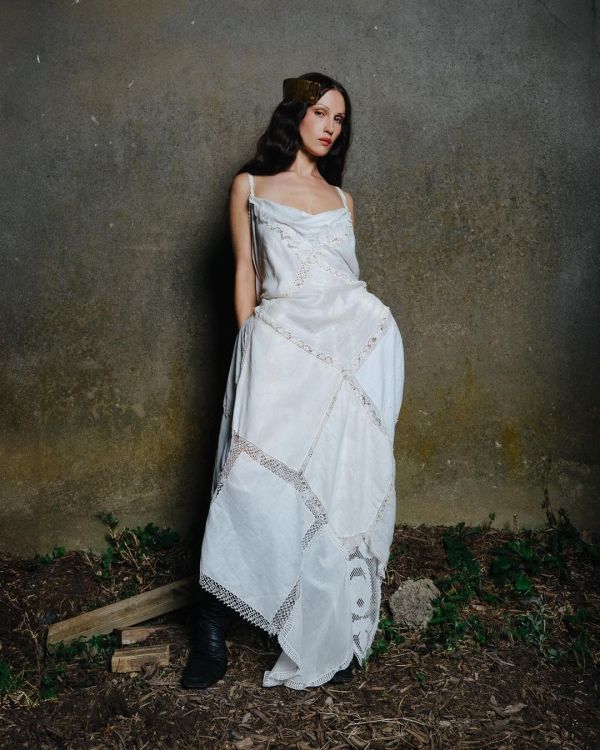
Handmade crochet lace adds texture without the formality of traditional Alençon lace; a flowy chiffon or cotton-blend base keeps the whole silhouette light and deliberately unstructured. Outdoor, beach, and rustic ceremonies suit this category best, capturing an easy, unpolished beauty formal gowns rarely manage, and a flower crown or loose, undone waves complete the picture far better than a structured updo ever could.
Convertible Dresses
What's the point of having just one style when the day clearly demands two? With detachable skirts, trains, or capes, a bride can go from the elegance of her formal ceremony outfit to a much more relaxed look for the reception without changing her entire dress. The dress worn underneath is generally simpler in design so that it can stand on its own when the detachable part is removed, and it's a good idea to check that removal process in advance, preferably with the person who will be assisting during the event, as a complicated mechanism can turn into a serious issue when time is running short.
Detachable Sleeves
Snap or hook closures at the shoulder allow quick removal without a full outfit change, and the sleeves themselves range anywhere from sheer illusion to fully structured lace. It’s a small adjustment that transforms the entire feel of a dress without the cost of a full second outfit, a real help for anyone marrying somewhere with a genuine temperature shift between the ceremony and the reception that follows.
Asymmetrical Designs
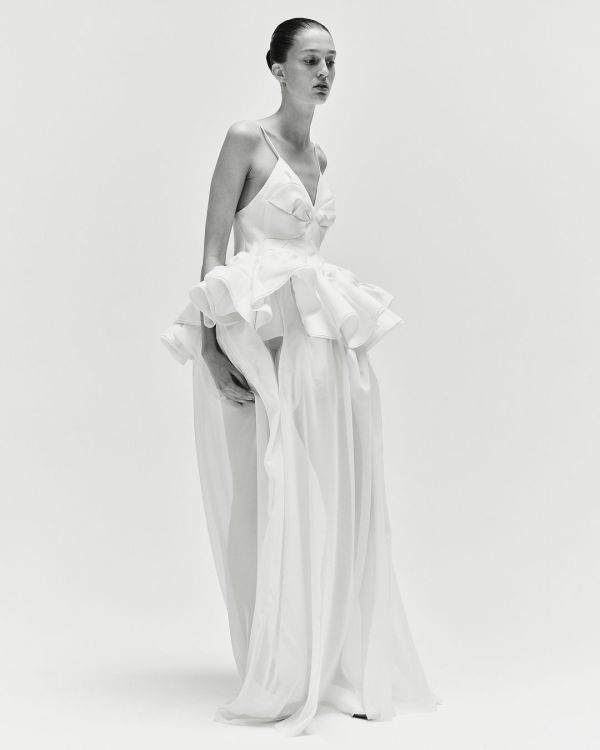
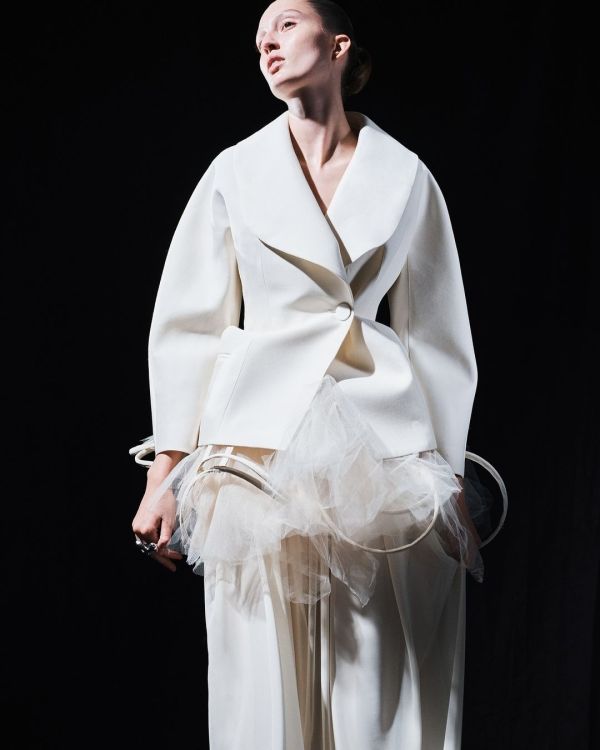
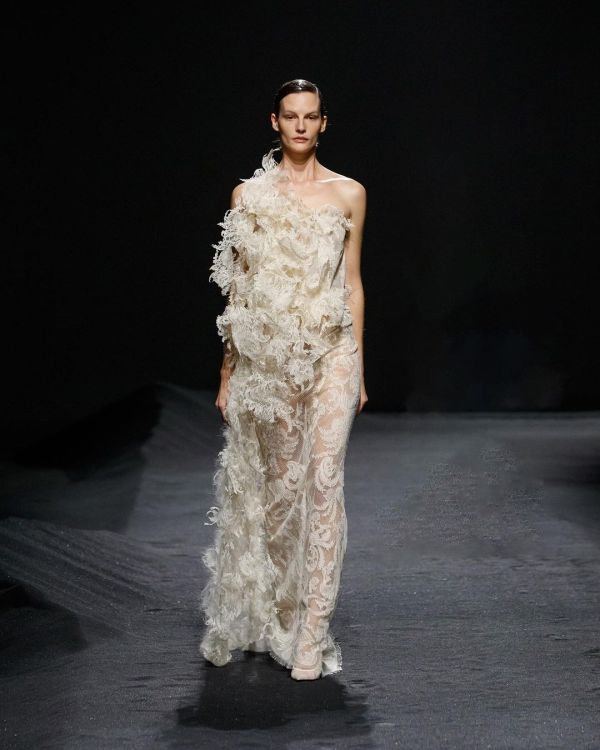
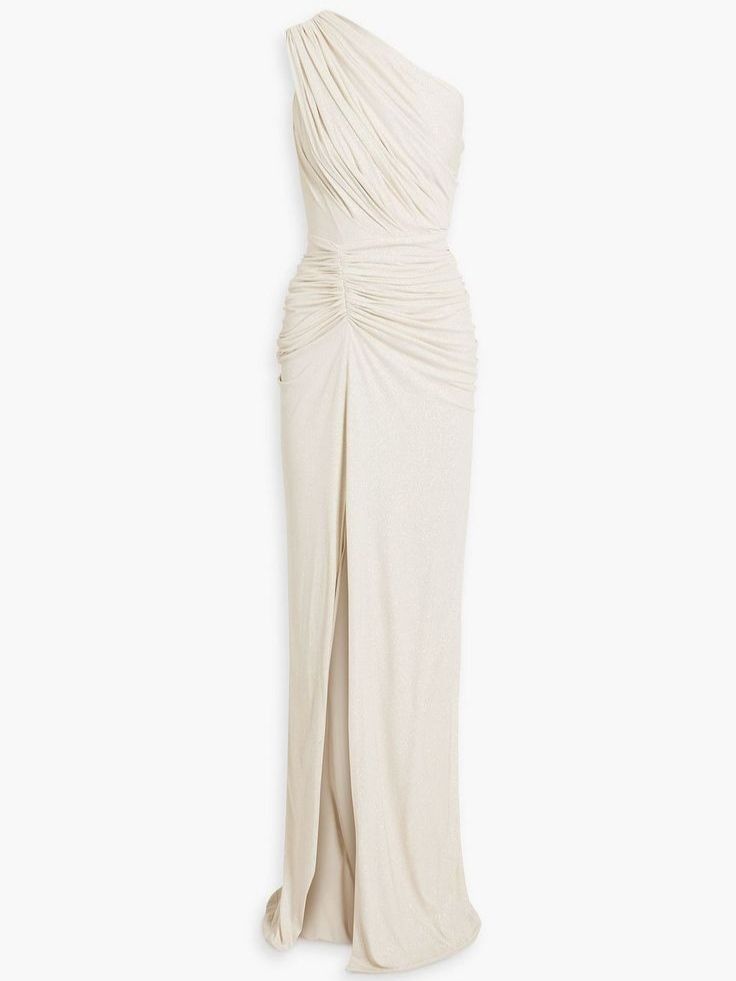
A one-shoulder cut is the most dramatic interpretation of this concept, while a slightly asymmetrical hem gives a more subtle reference to the same trend. The overall effect is clearly artistic and targets brides who want a fashion-oriented feel rather than a traditional one. On the other hand, it is harder to justify this choice for someone looking for a completely classic, symmetrical bridal photograph, as the design deliberately goes against that conventional expectation.
Choosing a Dress for Your Specific Ceremony Type
Sustainable and Eco-Friendly Dresses
Fabric left over from other fashion brands and otherwise discarded is now very popular with smaller designers because it has a lighter environmental impact. Often, these designers also offer customization options, enabling environmentally conscious brides to create something truly unique rather than choosing mass-produced items. Allow extra lead time when choosing this approach, since smaller ateliers generally have longer production times than larger commercial bridal houses.
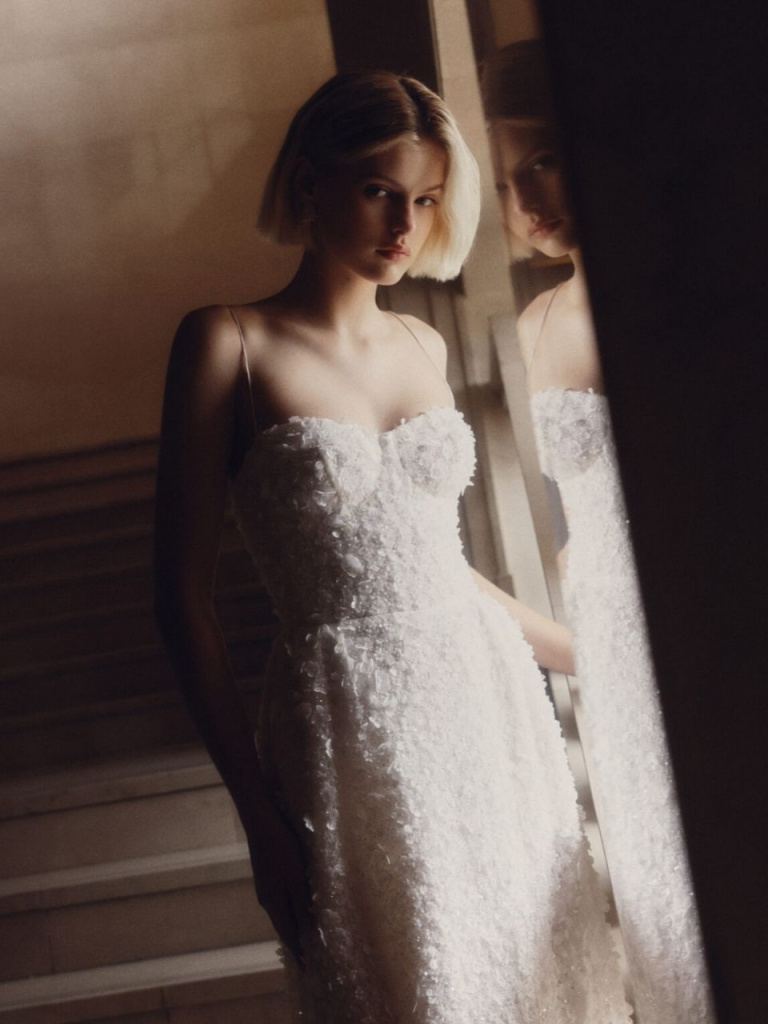
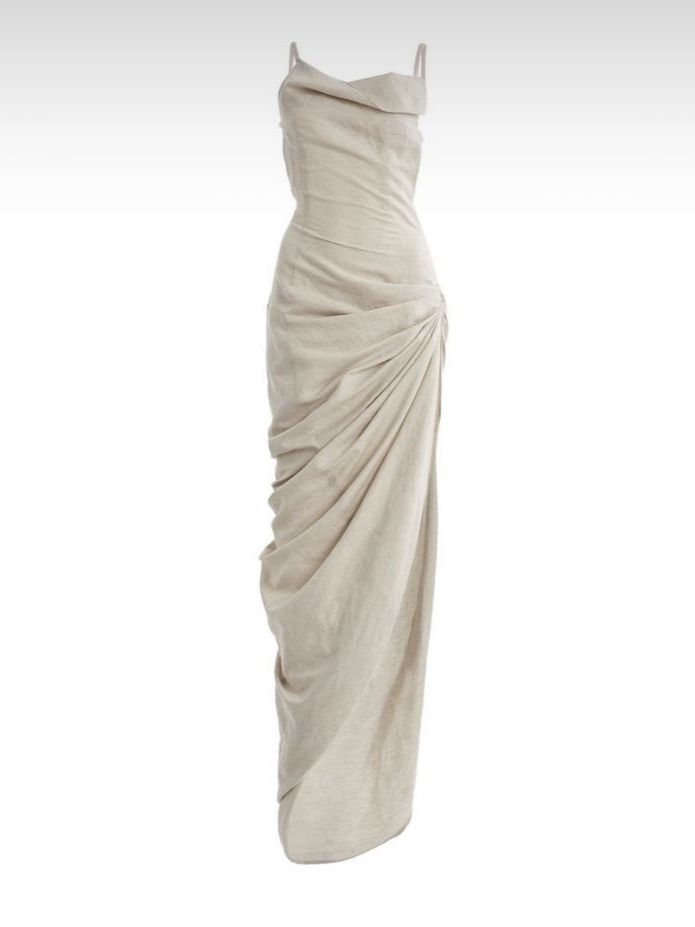
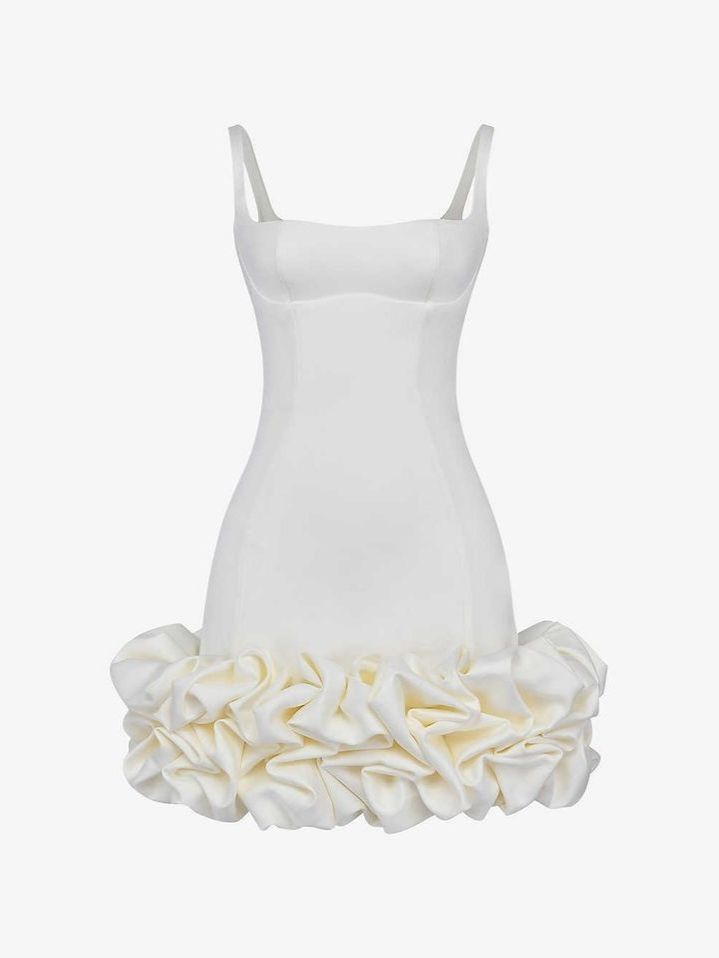
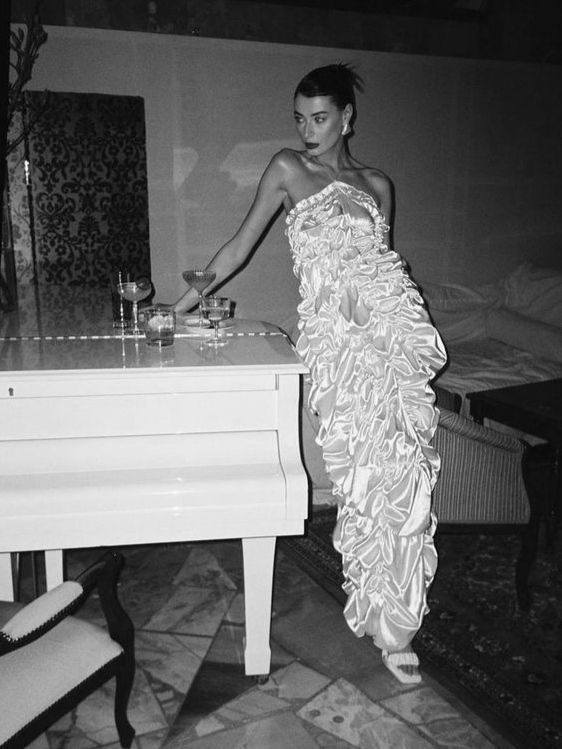
Personal taste, venue, and format should each influence your dress choice equally. A type of dress designed for a formal procession in a church aisle is unlikely to remain in one piece after a barefoot exchange on a beach, and if you deliberately choose to match the two, you will end up with much better photographs as well as considerably more comfort during the day. The weight of the fabric can determine the quality of the experience: a heavy satin ball gown can be hard to manage on sand or in hot weather, while a lightweight chiffon dress may look thin and too casual against the scale of a large cathedral.
| Ceremony Type | Best Dress Direction |
|---|---|
| Church Ceremony | Structured silhouettes, higher necklines, longer trains, formal fabrics like satin or silk |
| Beach Ceremony | Lightweight chiffon, shorter hemlines, minimal train, breathable fabric |
| Civil or City Hall Ceremony | Simple, tea-length or two-piece styles, easy to move in, minimal train |
| Outdoor Garden Ceremony | Bohemian or high-low hemlines, natural fabrics, practical for grass and uneven ground |
| Intimate or Elopement Ceremony | Minimalist gowns, jumpsuits, or convertible styles built for versatility |
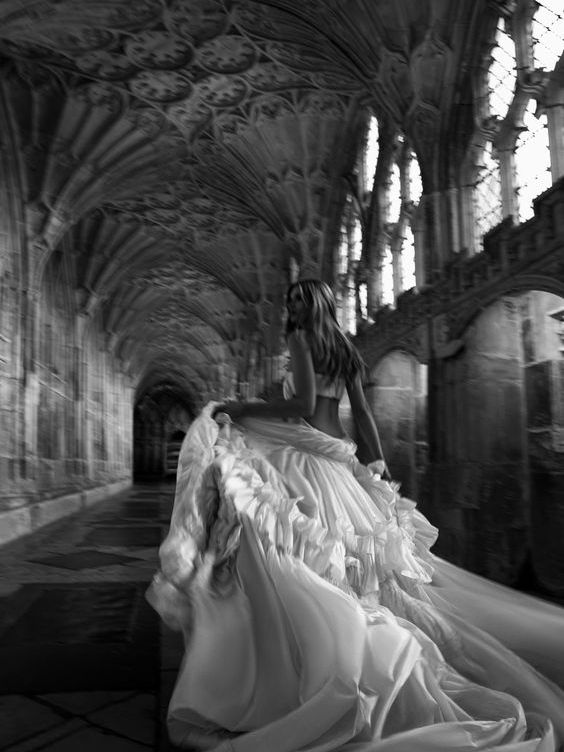
For a civil ceremony, wedding dresses tend to emphasize simplicity and ease of movement rather than long trains, since such events seldom offer the length of an aisle found in a cathedral. For wedding dresses for a beach ceremonyor an outdoor setting, practical considerations matter even more, with dresses favoring breathable materials and hemlines that won't drag through sand or grass all day. In contrast, church weddings call for the reverse approach: a longer train and a more structured fabric so the dress looks properly formal against tall architecture and a long walk down the aisle; in many cases, modesty requirements for the neckline influence the choice before personal style is even considered.
Common Wedding Dress Mistakes Brides Make
Even brides with a perfectly clear idea end up making the same few mistakes, which are entirely avoidable, and almost none of them have anything to do with taste. Most trace back to timing, logistics, or simply not testing a dress the way it'll actually be worn on the day itself.
- It makes no sense to choose a dress before deciding on the venue for the ceremony, since a dramatic cathedral-length dress would be inappropriate on sand and one of the simple wedding dresses for civil ceremony settings might seem too plain in a large ballroom; therefore, fixing the location of the ceremony actually has a significant effect on the rest of the arrangements
- Ignoring the season and climate entirely. Whether one uses heavy velvet in the summer heat or sheer illusion fabric at a winter wedding will always result in genuine discomfort, a discomfort that tends to appear on the bride's face in photographs more than most people anticipate
- Skipping a trial out of the dress by sitting, walking, and dancing on the day before the actual one, you will discover problems such as a slit that opens out, a train that catches on the ground, and the fact that a standing fitting mirror simply never shows everything
- Underestimating undergarment needs. Brides often find themselves having to rely on particular undergarments when wearing backless, sheer, or fitted mermaid styles, as these requirements are not apparent until the first fitting, and this can cause some of them to be in a hurry just before their wedding day
- Failing to plan for temperature changes: since outdoor ceremonies can shift sharply from afternoon heat to a cold evening, a dress without layering options leaves little room to adjust after the sun goes down
- Ignore the reception altogether: a dress that is ideal for ceremony photographs can become impractical as soon as dancing begins, so it is worth considering whether a convertible style or a genuine second look is a better option than having one dress do it all
Once all these nuances come into focus, all of these are easy to avoid. The whole point of thinking through the ceremony format first is exactly this: catching the obvious mismatches before falling for a silhouette that was never going to survive the day. A few honest questions asked early on save far more stress than any last-minute fitting ever could.
When choosing a ceremony wedding dress, the key is to align your personal style with the reality of the day, rather than just picking something that's currently popular in this season's bridal editorials. Whether your vision is vintage and romantic, sharp and minimalist, or bold enough to cut short what the guests are saying, one of these five categories has a suitable option, as each is designed for a particular situation. In addition, Wezoree’s inspiration section offers more advice on bridal fashion, along with styling ideas, real wedding examples, and expert recommendations for the other details still up for decision.

FAQ
What’s the best wedding dress style for a civil ceremony?
Simple, tea-length, or two-piece dresses generally work best for civil ceremonies, since such events seldom provide the formal setting or aisle length afforded by a full cathedral train. A minimalist dress or bridal jumpsuit also matches well with the more compact, intimate character of most civil ceremonies.
What should I wear for a beach wedding ceremony?
Wedding dresses for a beach ceremony usually favor lightweight fabrics like chiffon, shorter hemlines, and small trains that don't drag through the sand. Here, breathable materials matter more than added decorations, since comfort in hot, humid conditions is essential all day.
Are short wedding dresses appropriate for an outdoor ceremony?
Yes, short and tea-length dresses are suitable for outdoor ceremonies because they allow freedom of movement on grass or uneven ground without sacrificing the traditional bridal shape. High-low hemlines also work well outdoors by combining a shorter front with a striking train for photos.
What’s the difference between dresses for a church ceremony versus a civil ceremony?
Church ceremonies usually call for more structured, formal dresses with higher necklines and longer trains, reflecting the traditional and grand character of the occasion. Dresses worn at civil ceremonies are generally simpler and shorter, with the emphasis on ease of movement rather than dramatic formality.
Can I wear the same dress for my ceremony and reception?
It depends entirely on the style; convertible dresses and detachable sleeve designs are specifically built to transition between the two, while a fully structured ball gown might feel impractical once dancing begins. Many brides now choose a second, more relaxed dress for the reception if their ceremony gown isn’t built for movement.
What wedding dress styles work best for an intimate or elopement ceremony?
Minimalist gowns, jumpsuits, and convertible dresses all suit intimate ceremonies well, offering versatility without the formality a large wedding often demands. These styles also tend to photograph beautifully in smaller, more personal settings where the focus stays on the couple rather than a grand entrance.
How far in advance should I choose my ceremony dress?
Most bridal experts recommend starting the search at least six to nine months before the wedding, particularly for custom or made-to-order gowns that require multiple fittings. Simpler styles or off-the-rack options can often be finalized closer to the date, though earlier remains safer regardless of style.