Best Wedding Hairstyles for Men


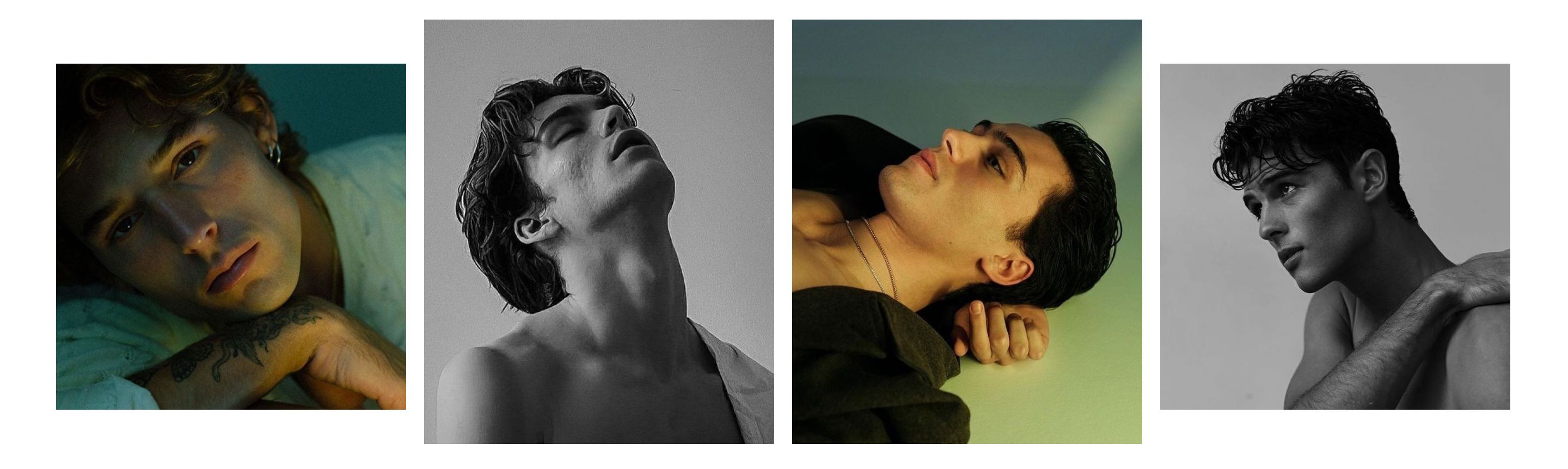
Grooms used to get away with a quick trim the week before the wedding and then calling it done, but that era has now quietly come to an end. Nowadays, the best wedding hairstyles for men get about the same level of attention as the suit, the shoes, and the venue, and this is entirely reasonable as hair appears in every single photograph, from the first look through to the final dance, in a way that a well-fitted jacket sometimes doesn't. This article divides fifteen of the most effective styles into four practical types: fades and undercuts, classic and formal cuts, textured and natural looks, and a few statement styles for grooms who want their hair to say a bit more. Whatever your hair's length, whether it's short, curly, long, or somewhere in between, there is a genuine solution available within one of these categories.
Find Your Perfect Wedding Vendors

Fade & Undercut Styles
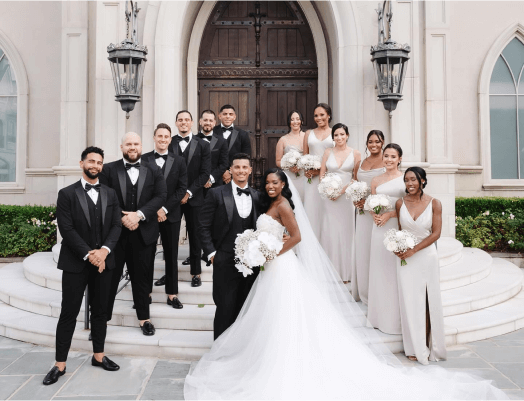
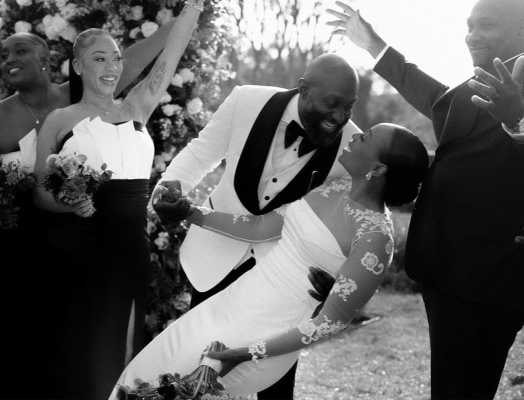
Fades and undercuts share the same fundamental concept: shorter sides gradually merge into the longer hair on top; execution shifts enough between versions that picking the right one actually matters. Some fades are quite low and hardly noticeable when covered by a hat or a veil; in other cases they go higher and require careful attention in all photographs. Undercuts take the contrast even further by replacing the gradual blend with a sharp and intentional line. All five options listed below suit different degrees of boldness; the real issue isn't which one looks best on its own, but which one matches the level of boldness you want your hair to have on the day.
Low Fade
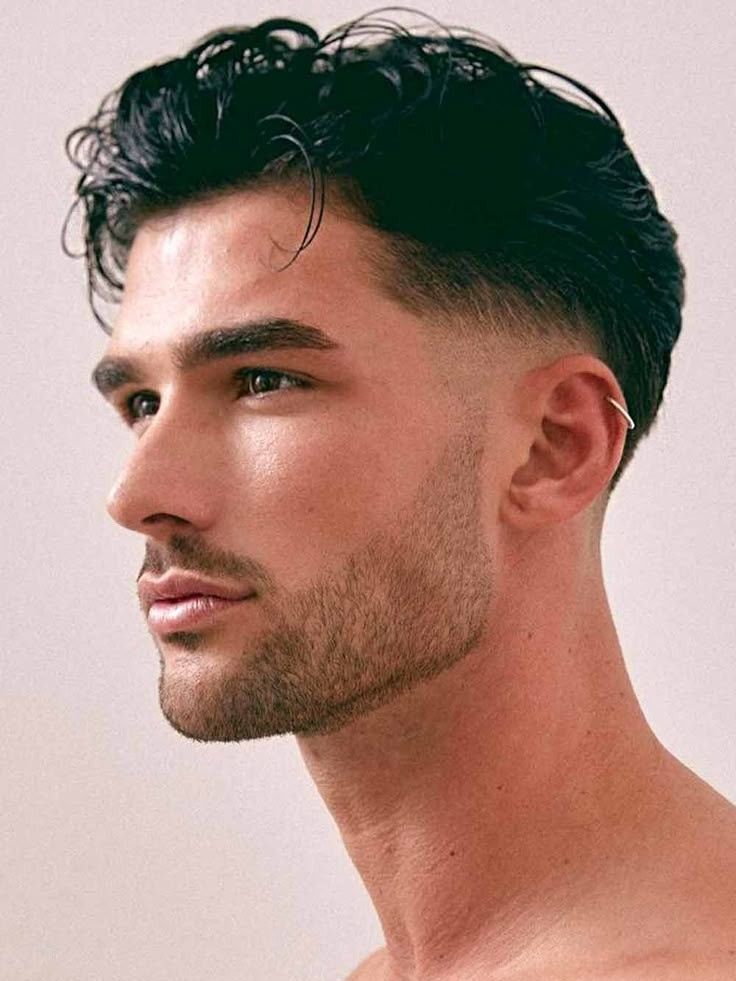
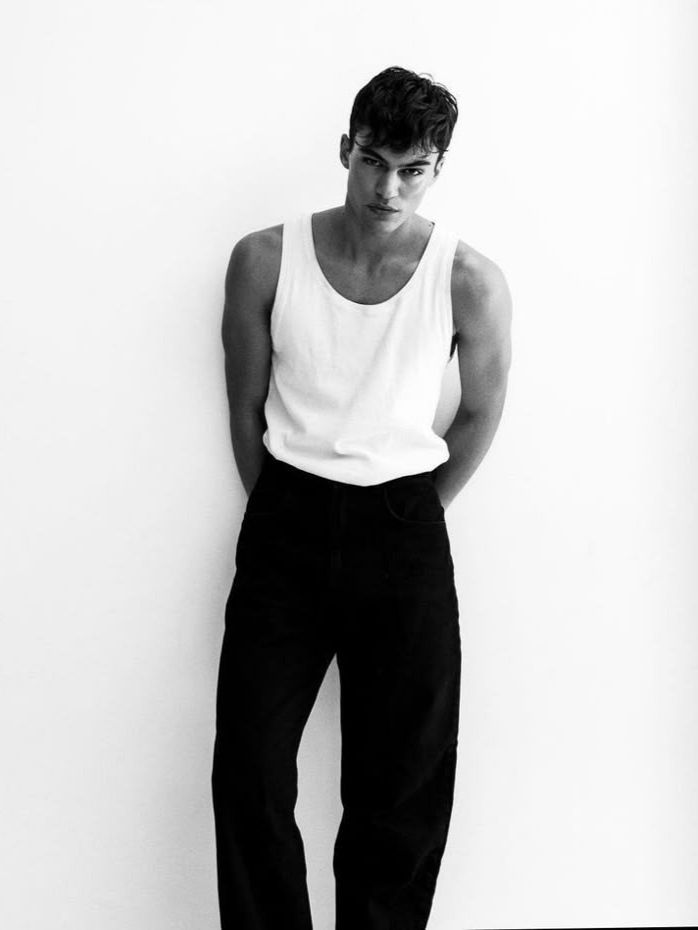
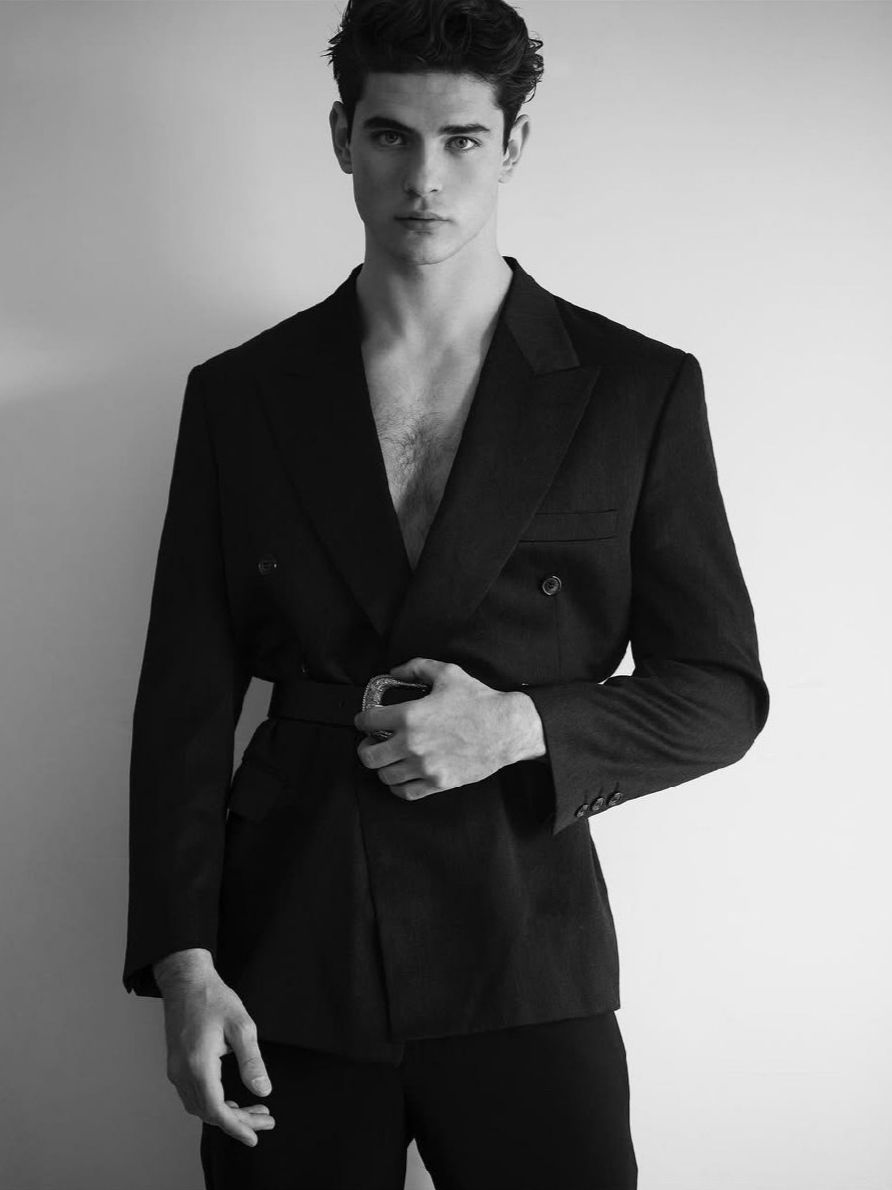
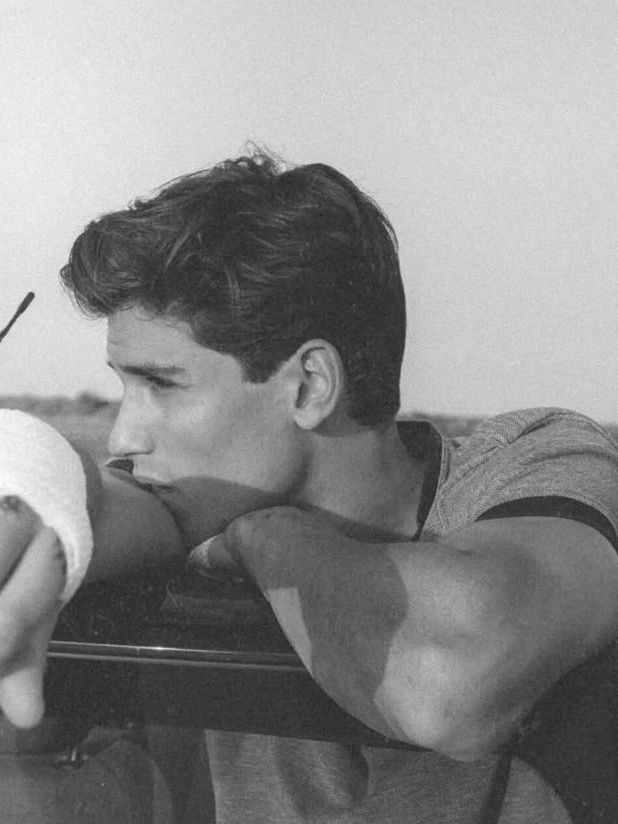
The Low Fade begins its gradual reduction around the ears and stays mild from there, shaping the hair without drawing attention from the overall look. It is similar to a well-cut suit in that it doesn't have to make a statement, remaining clean, thoughtful, and in a quiet manner confident. Paired with a comb-over, a slick back, or textured hair on top, it fits almost any face shape with ease. It is particularly appropriate for traditional and semi-formal weddings, and most barbers say it is the style they are most frequently asked to do during the wedding season.
Taper Fade
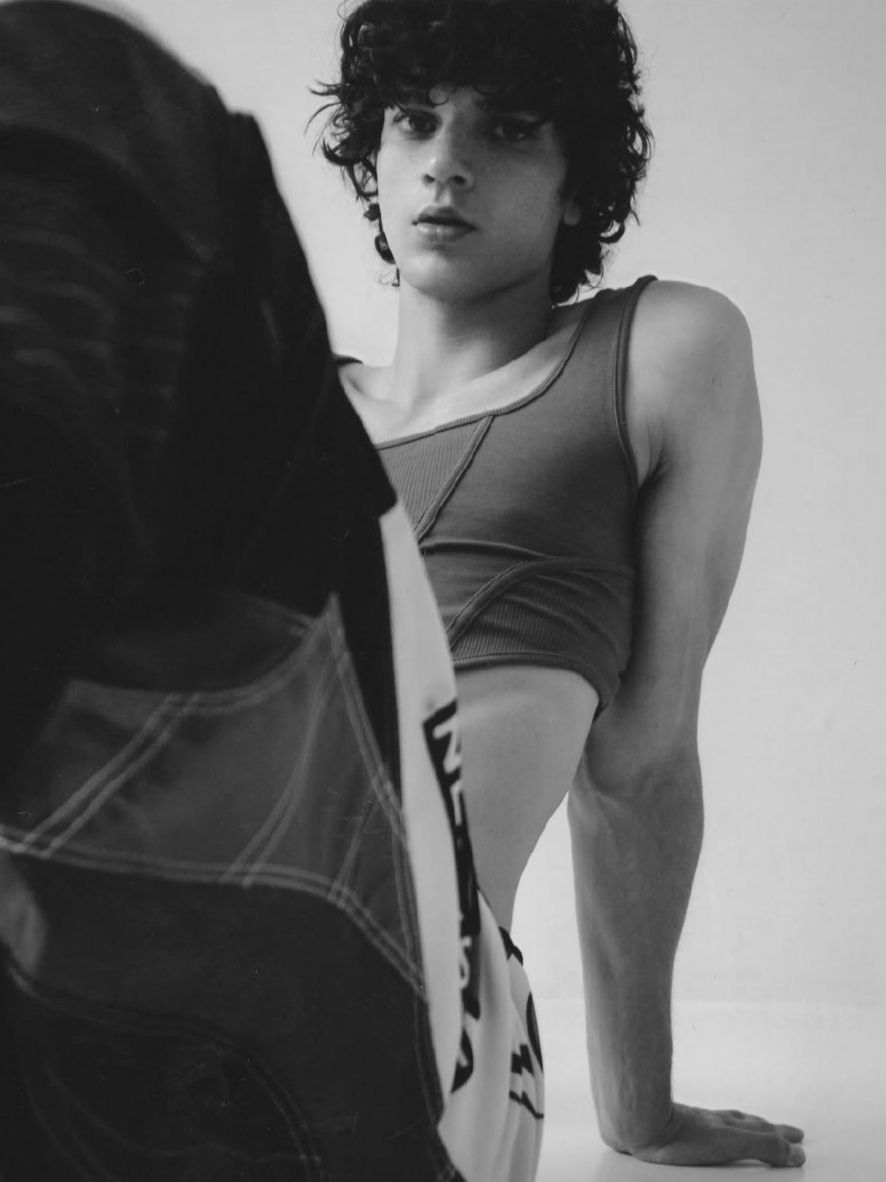
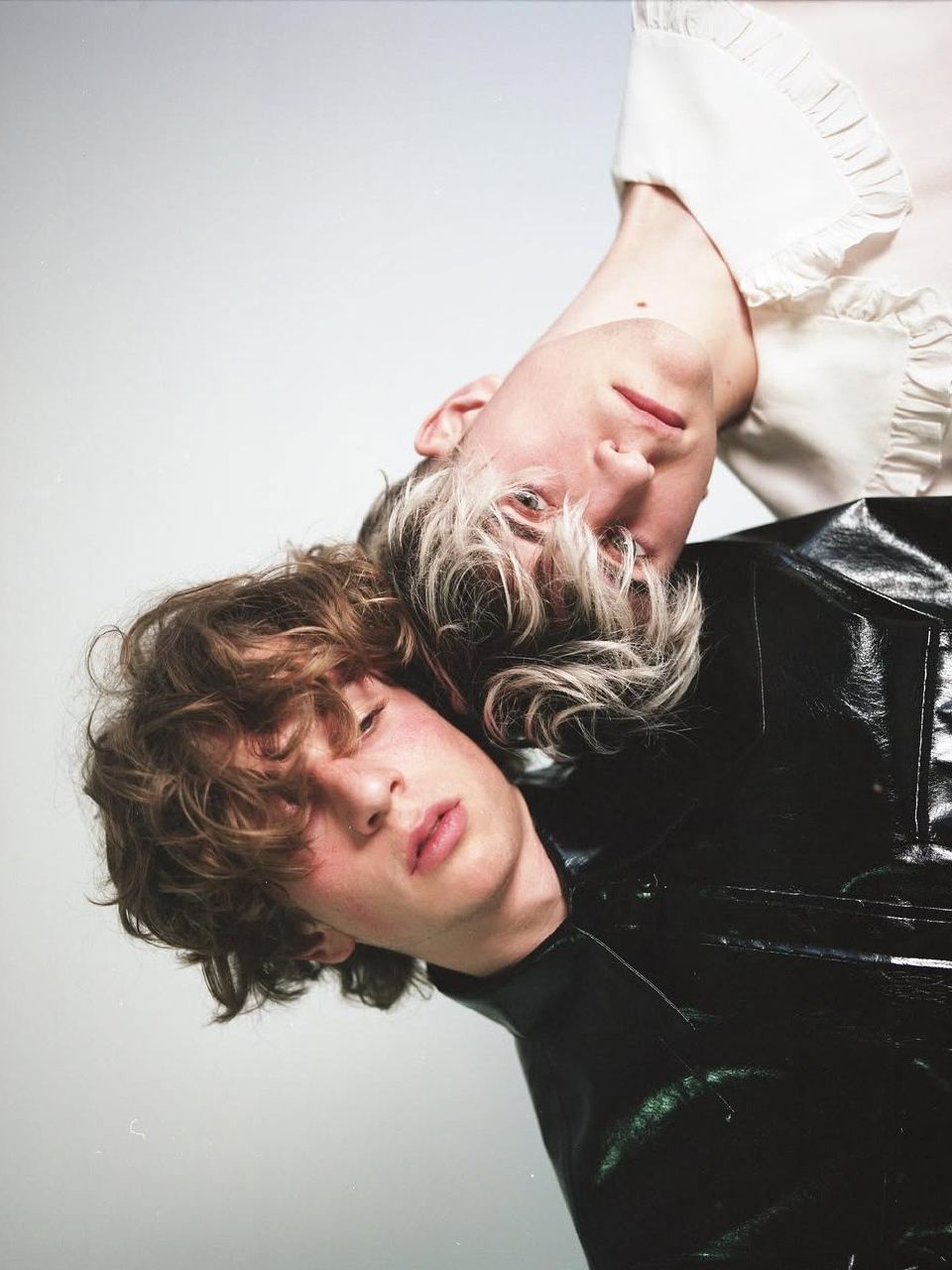
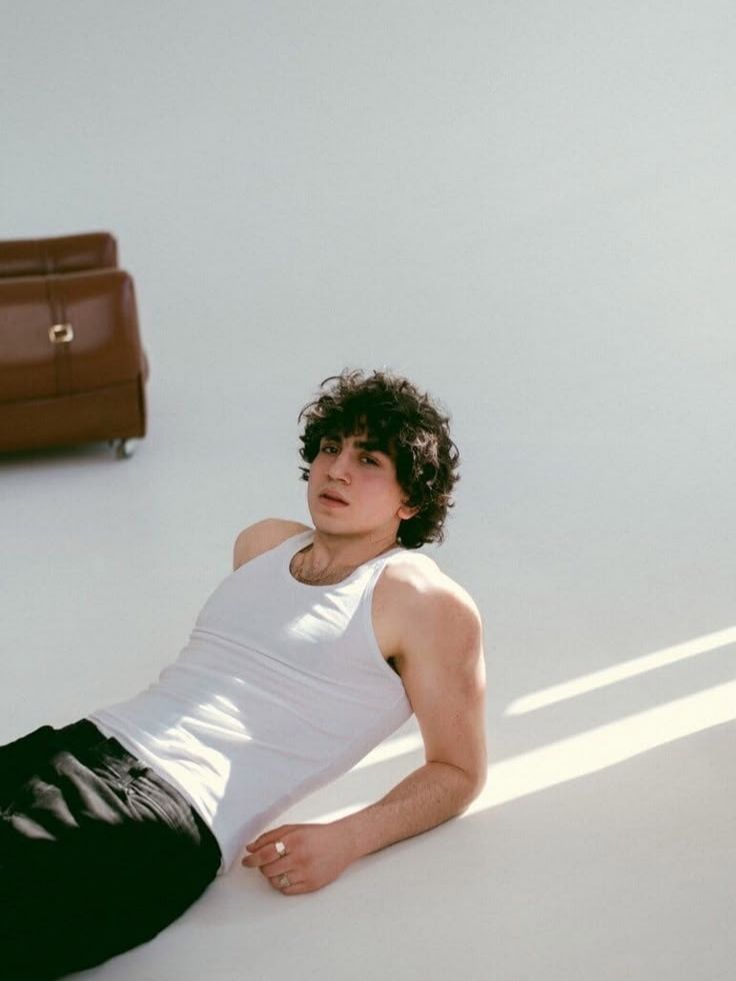
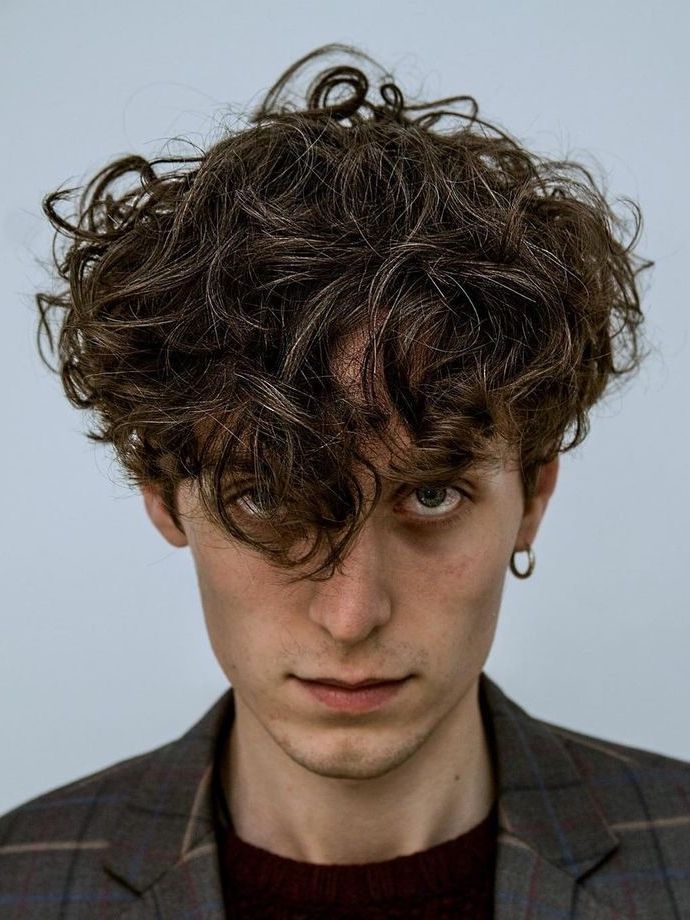
It is slightly softer than the Low Fade but remains sharp in key areas, with the Taper Fade blending smoothly into the natural hairline rather than creating a noticeable break. It is especially suitable for grooms who want some definition without looking too styled, and it's one of the most reliable hairstyles for men when people are unsure where to begin. Whether it's a pompadour, a quiff, or a textured top, all of these styles look good on top of a well-executed taper, and that versatility has made it a popular choice in almost every wedding season over the past decade without ever really falling out of fashion. The style is low maintenance and can therefore last through a long reception without any need for touch-ups.
Classic Fade
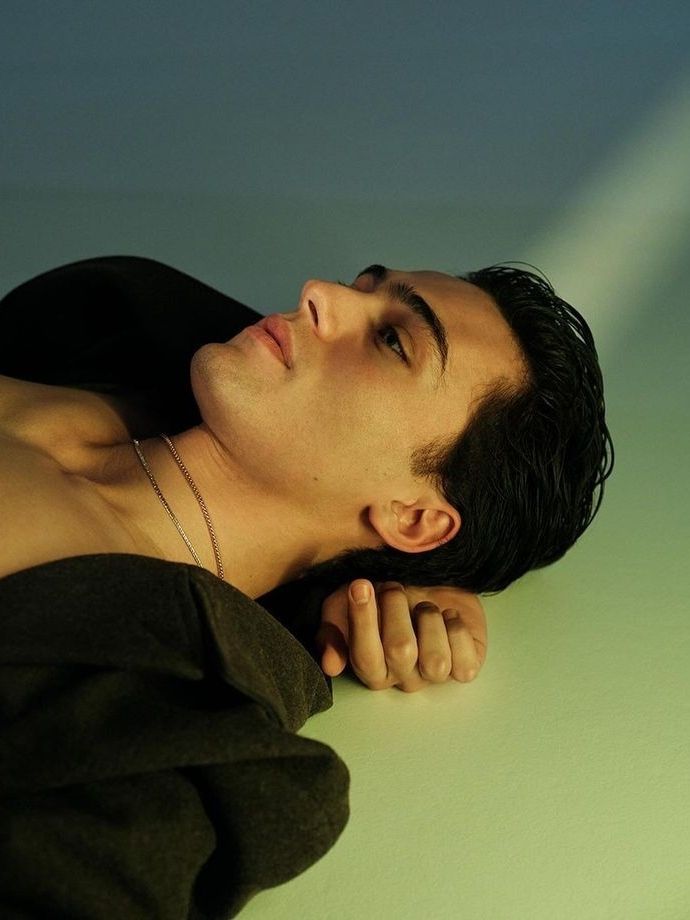
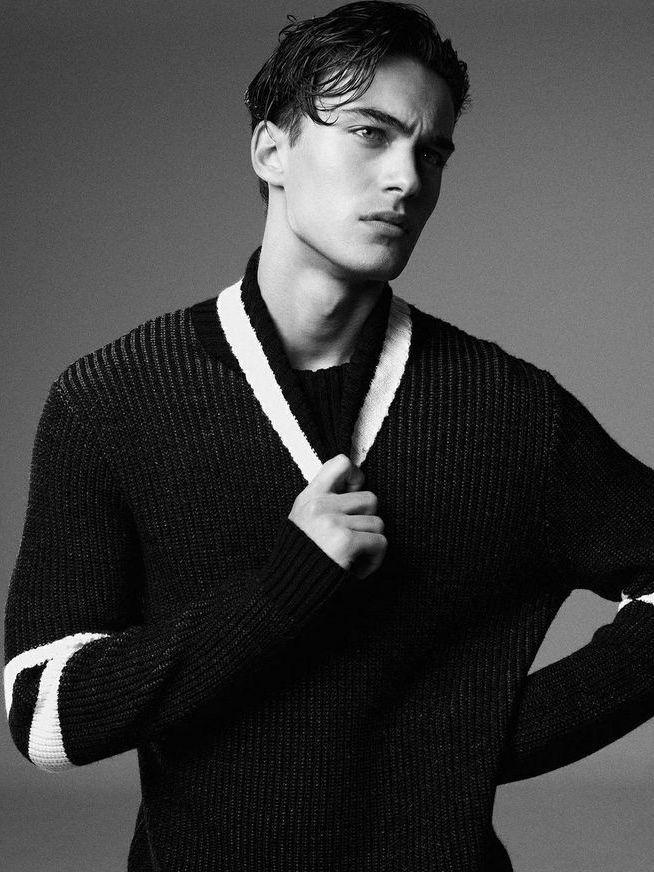
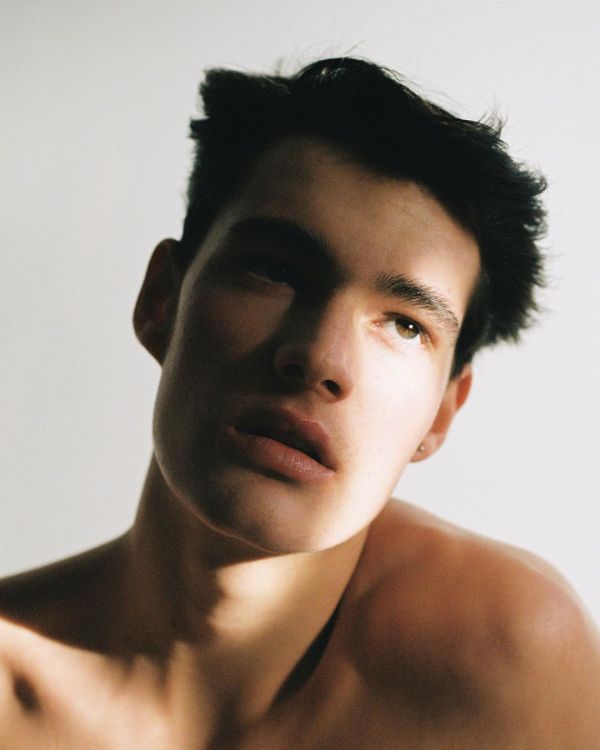
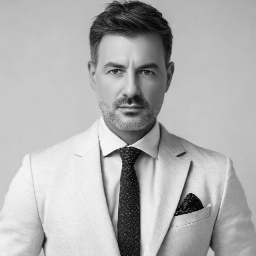
The Classic Fade is, in terms of intensity, somewhere between the Low and Taper styles, featuring a gradual transition from short sides to a fuller top that photographs well from almost any angle. Its main advantage is versatility, since it suits straight, wavy, or curly hair without much difficulty, and it can be adjusted to suit almost any face shape. It matches perfectly with formal clothing, particularly with tuxedos, because of the sharp lines that the cut creates. This is the style that grooms generally have in mind when someone mentions a 'wedding fade,' and no further explanation is required.
Buzzer Fade
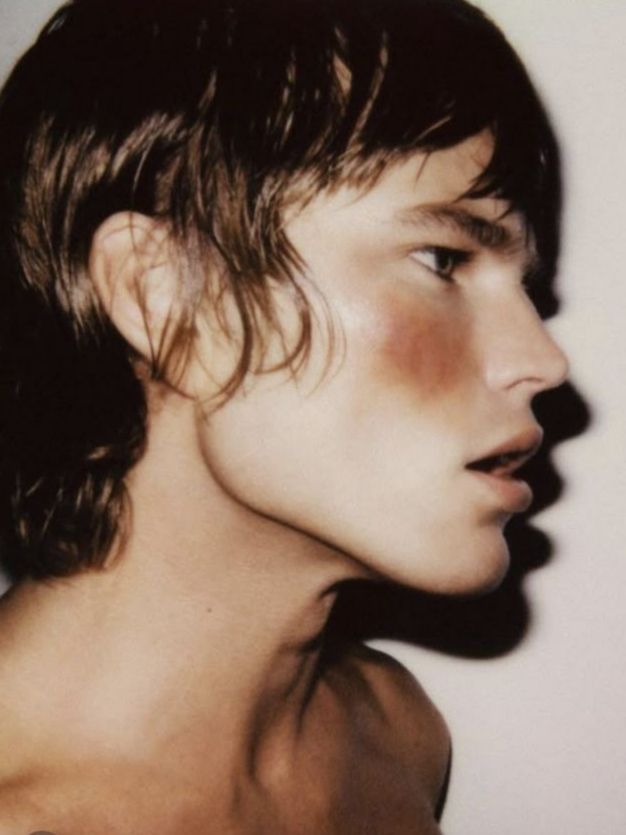
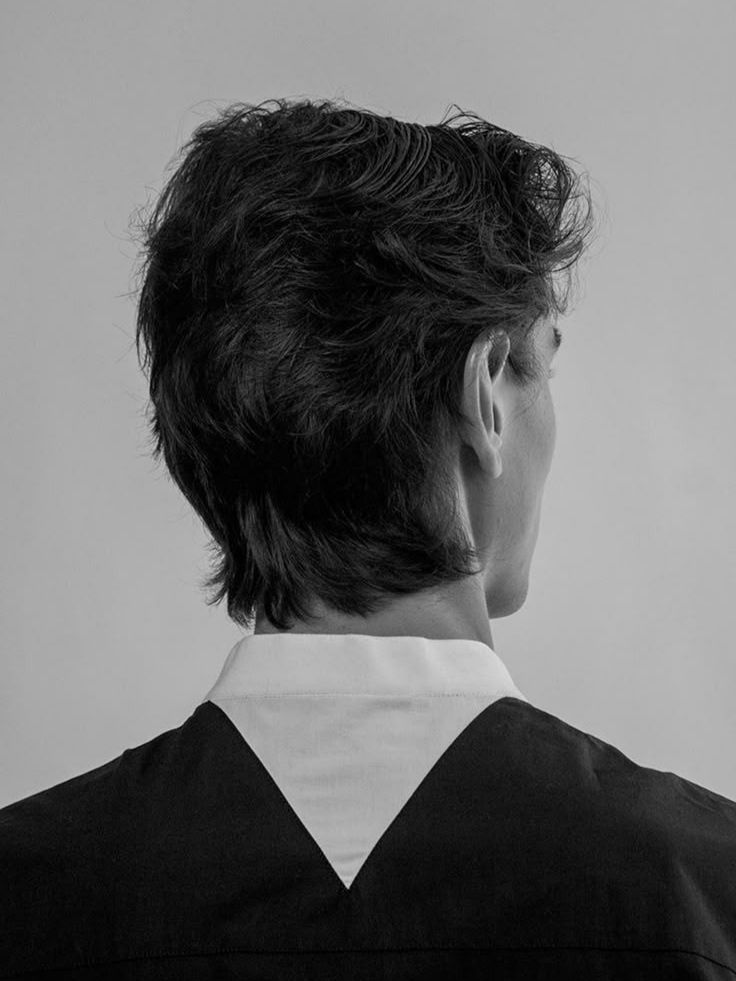
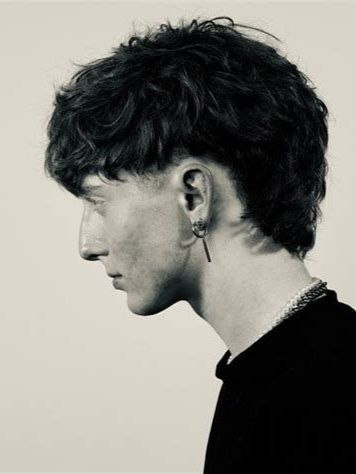
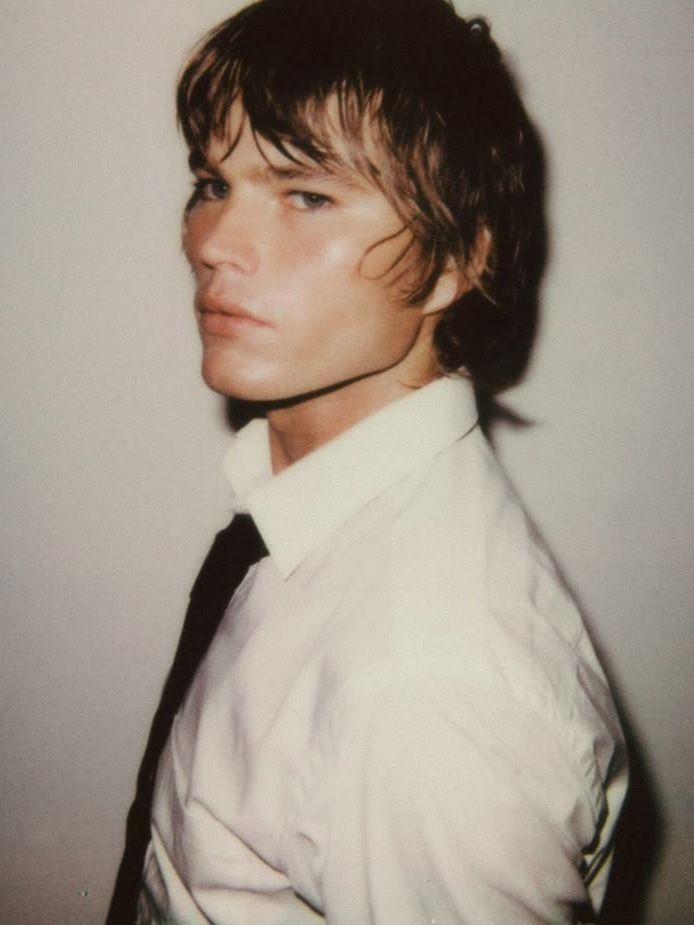
It combines features of a buzz cut with those of a fade, offering the uncomplicated simplicity of the buzz cut alongside the clean gradient of the fade, making it a popular choice for men who want a structured hairstyle without the effort of maintaining it. The final look is sharp and clearly masculine, and it requires very little everyday upkeep compared with a longer style. Men who prefer bold, structured looks often choose this style because it photographs well from all angles and needs no touch-ups between the ceremony and the final dance. This style has been quickly adopted for destination weddings, since the humidity and heat make low-maintenance cuts like this particularly attractive when there's no time between events.
Classic Undercut
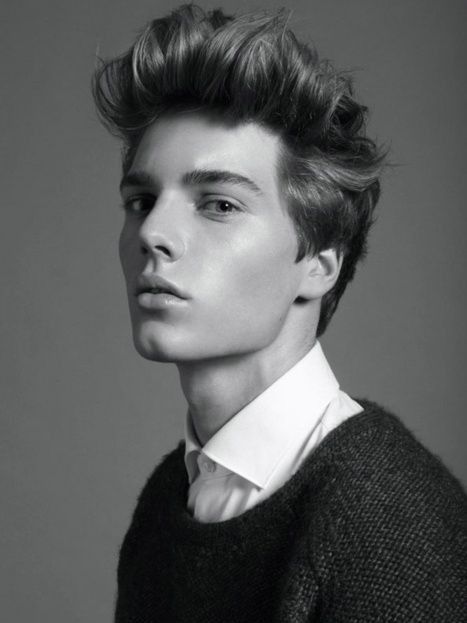
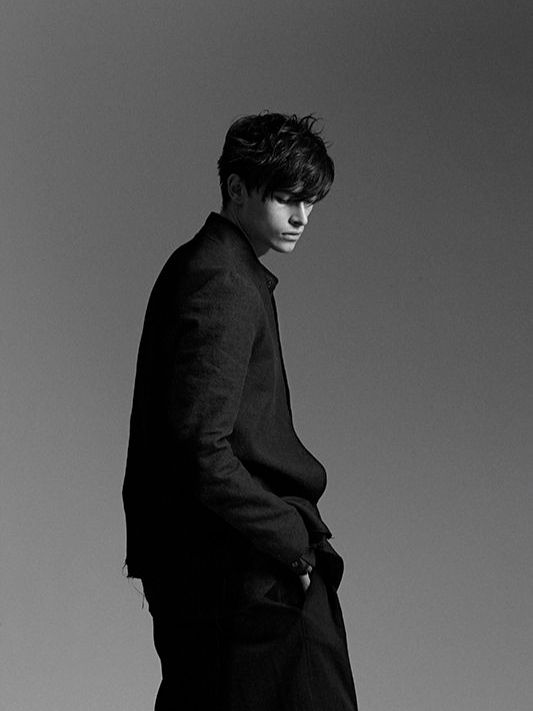
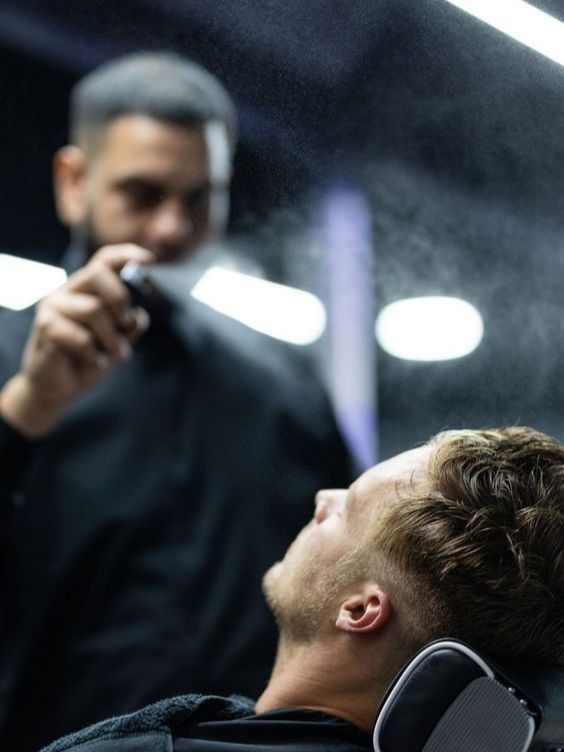
The haircut features short, buzzed sides and considerably longer hair on top, creating the kind of contrast the Classic Undercut is famous for, being bold enough to make a real statement without becoming anything unorthodox. The longer section also offers plenty of versatility, as it can be smoothed back for a formal look or left slightly disheveled for a more relaxed style. Men with prominent jawlines or angular features generally find this cut particularly appealing because the sharp sides mirror the outline of their facial structure rather than contradict it. It is a confident option for a groom who wants his hair to do some of the same work as his suit.
Classic & Formal Styles
Some hairstyles are designed to blend with the formality of the time rather than stand out against it, and this collection fully embraces that approach. The four cuts described here are characterized by sharp partings, controlled volume, and finishes that look good in photographs, whatever the lighting. They don't follow a fashion trend; each has been a standard part of formal hairdressing for decades, and that's the intention.
Side Part
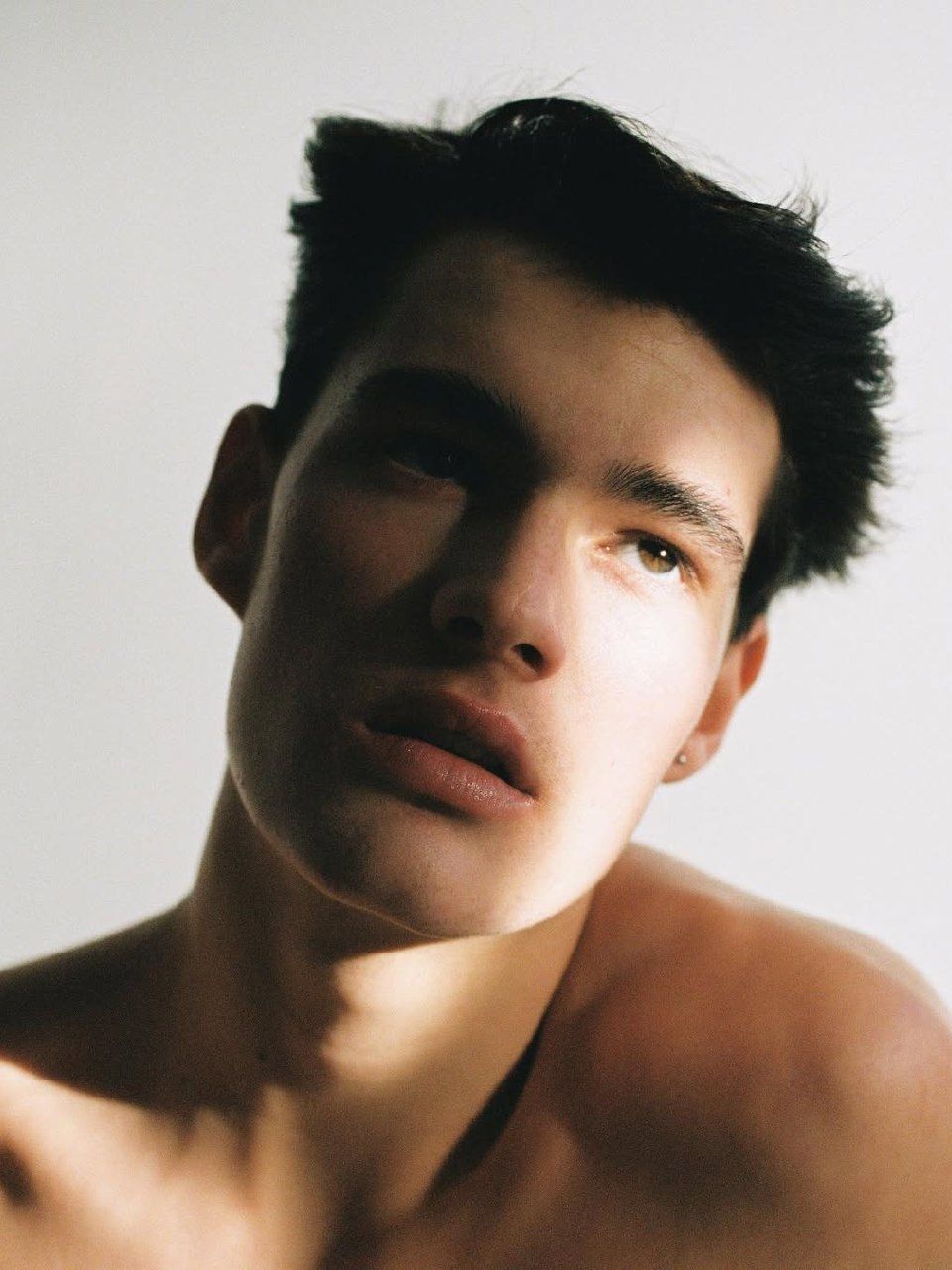
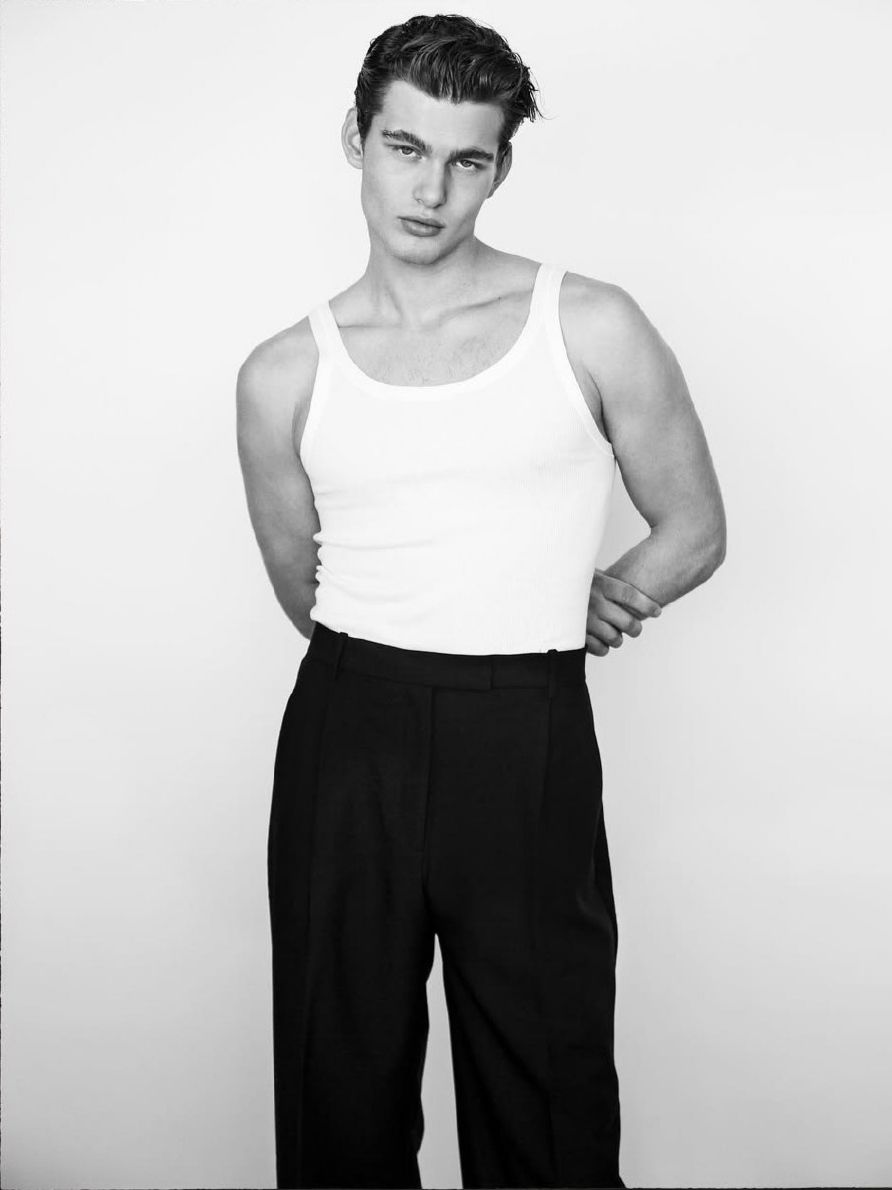
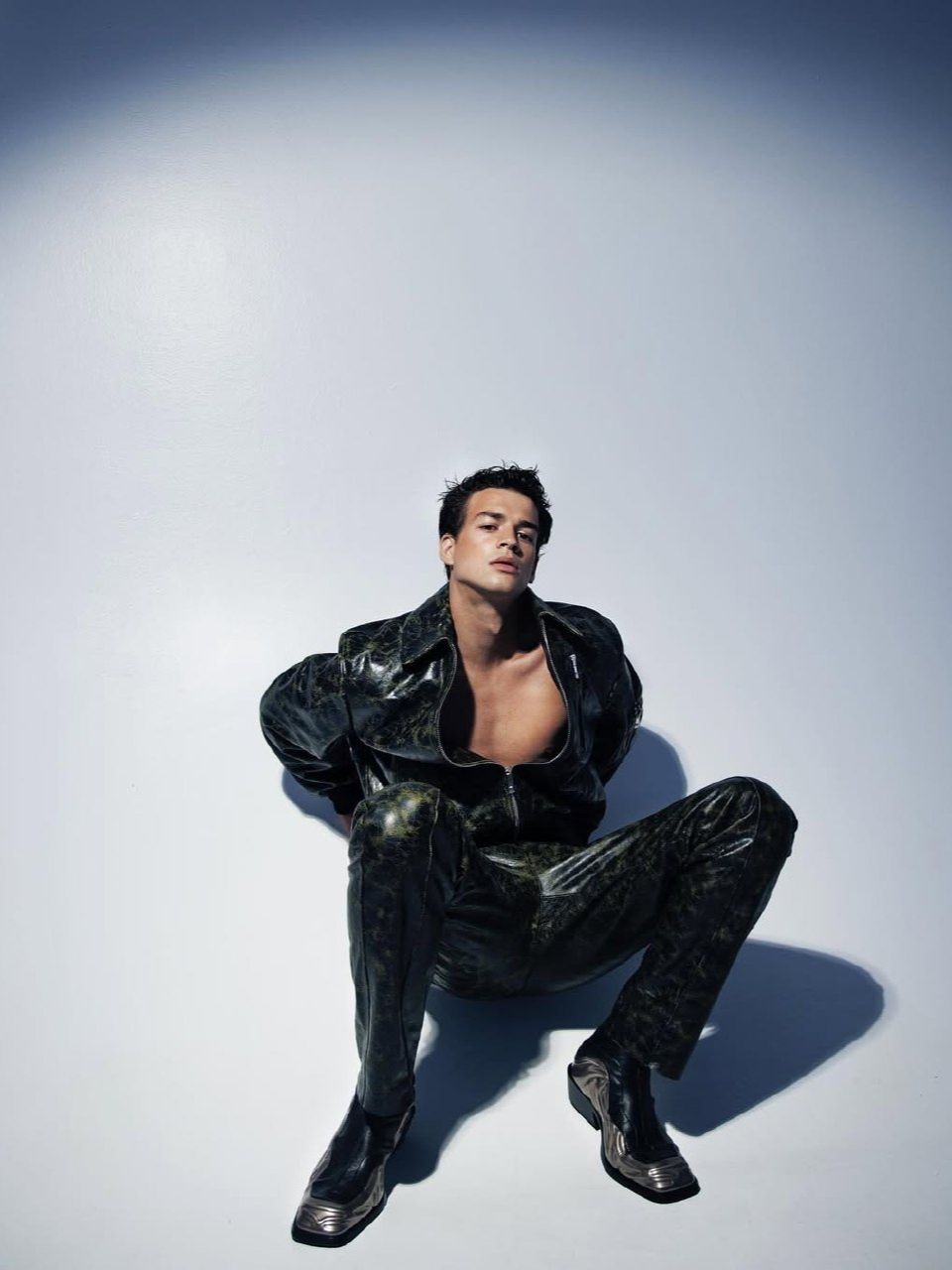
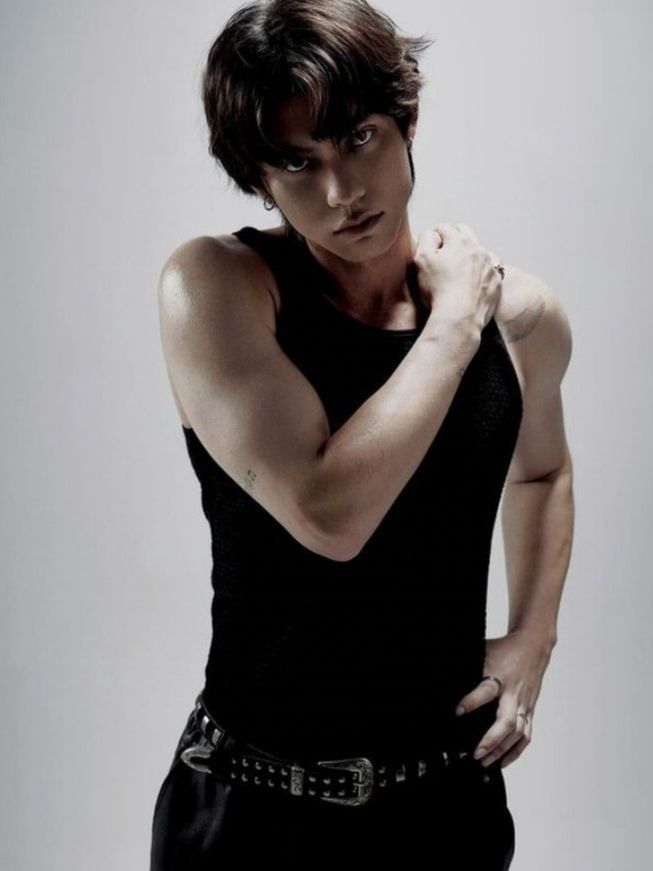
The Side Part is a cut that has proven as durable as any other: clean, classic, and immediately suitable whether paired with a bowtie or a modern tuxedo. The cut's sharp lines and old-world refinement appeal to men who want something traditional but not outdated. A light fade on the sides enhances the overall appearance, while an evenly-lipped finish pushes the style further into the vintage category for those who want the elegance of that paa. It is, in the best possible way, a safe choice, having never once looked out of place at a wedding.
Classic Quiff
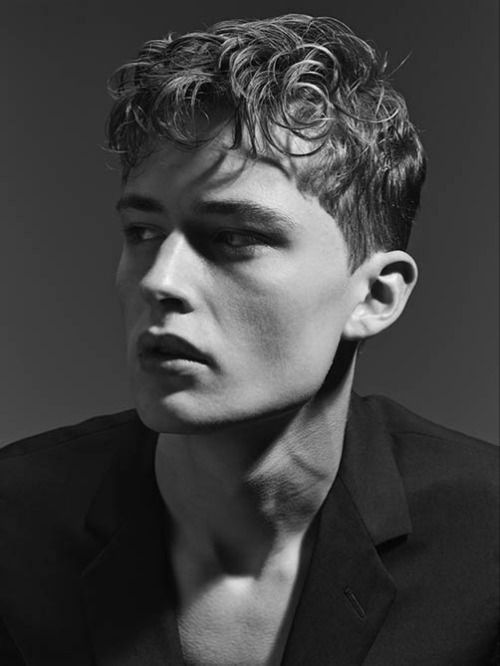
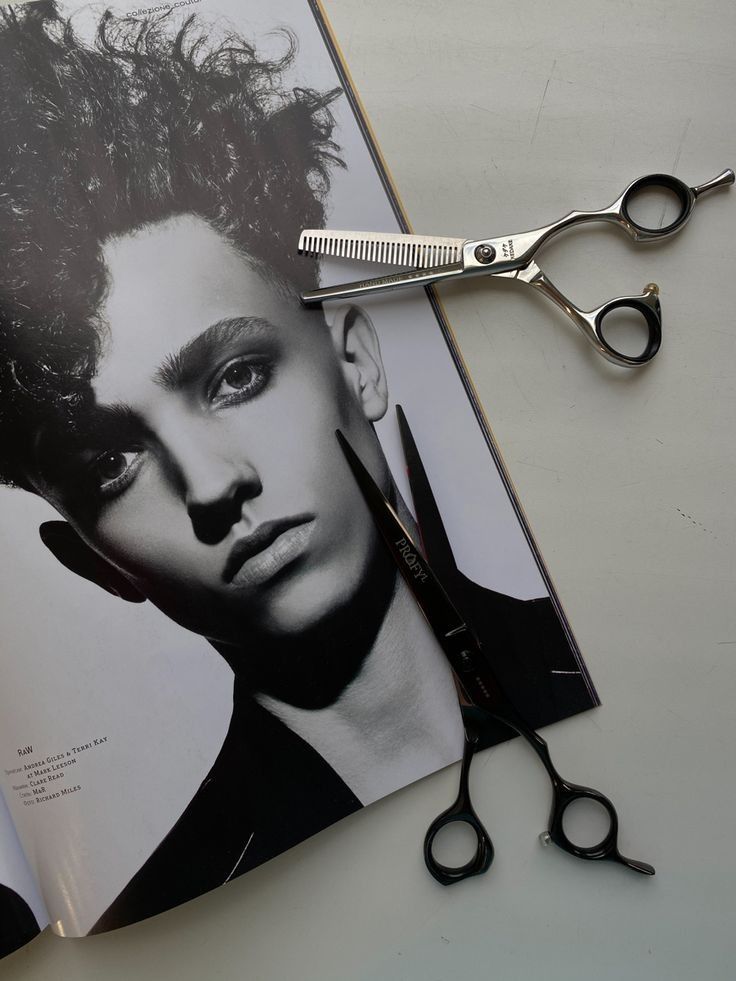
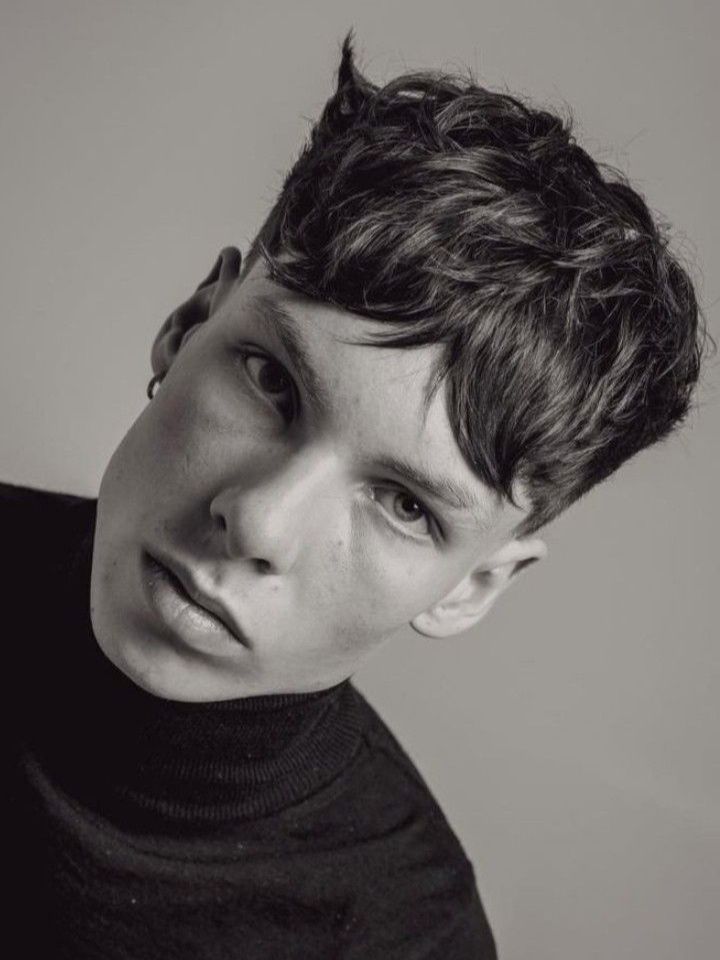
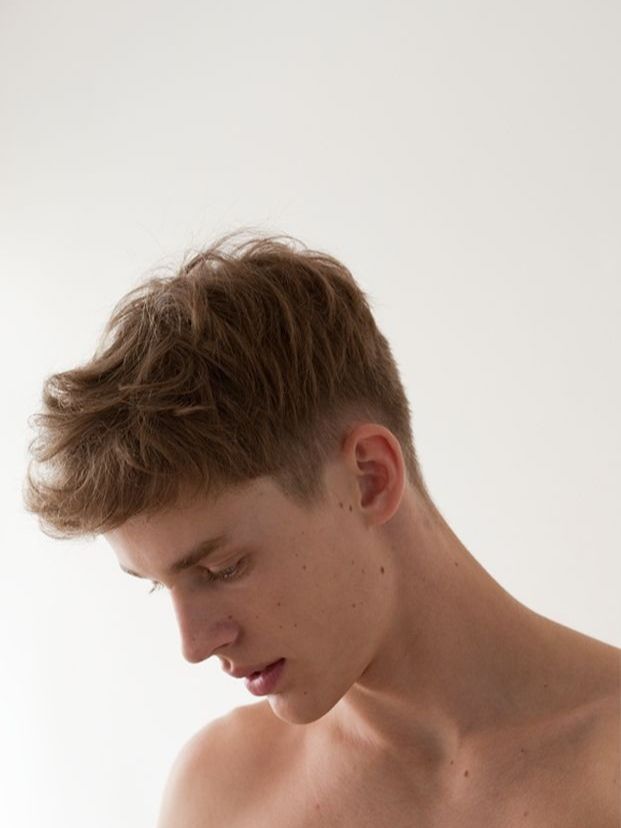
The Classic Quiff is characterized by its height and texture, and it has remained popular because it is easy to adapt to different moods. Sleek and smooth looks formal; tousled and textured, the same style takes on a much more relaxed look. Whether held in place with pomade or matte clay, the style stays in place for hours - something more than most grooms realize once the reception begins. Together with traditional wedding clothes, it provides a touch of old-school charm that a flatter cut simply can't match.
Styled Haircut
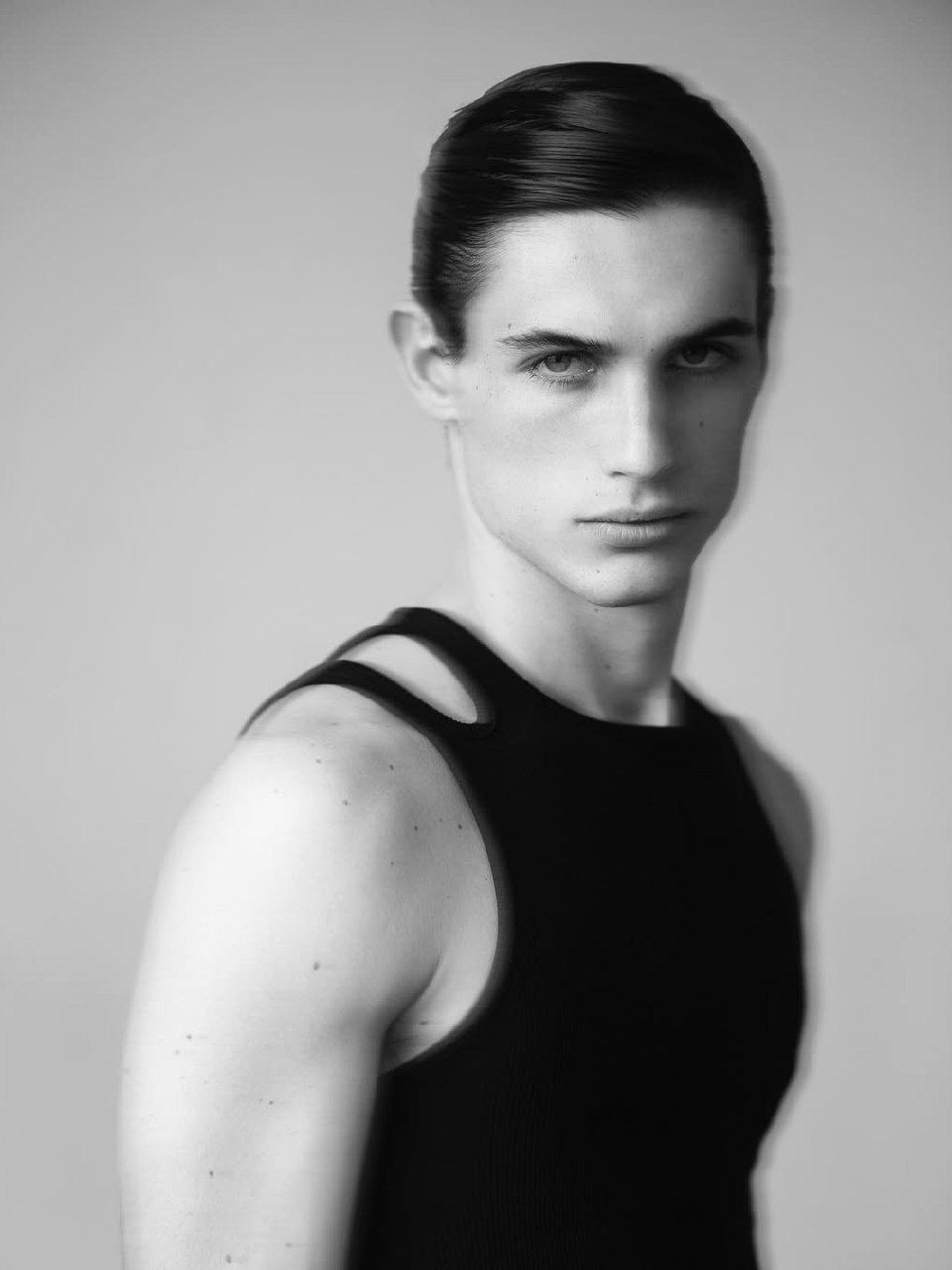
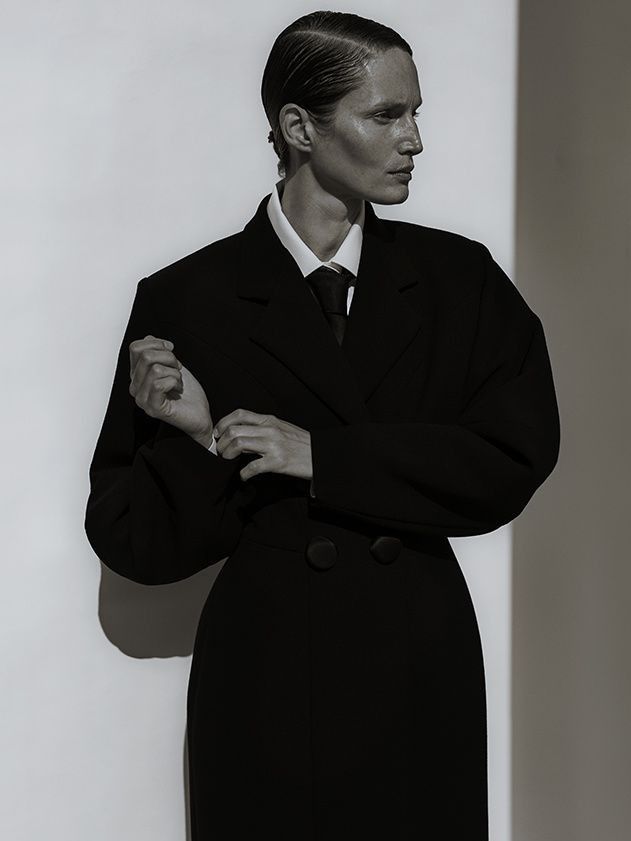
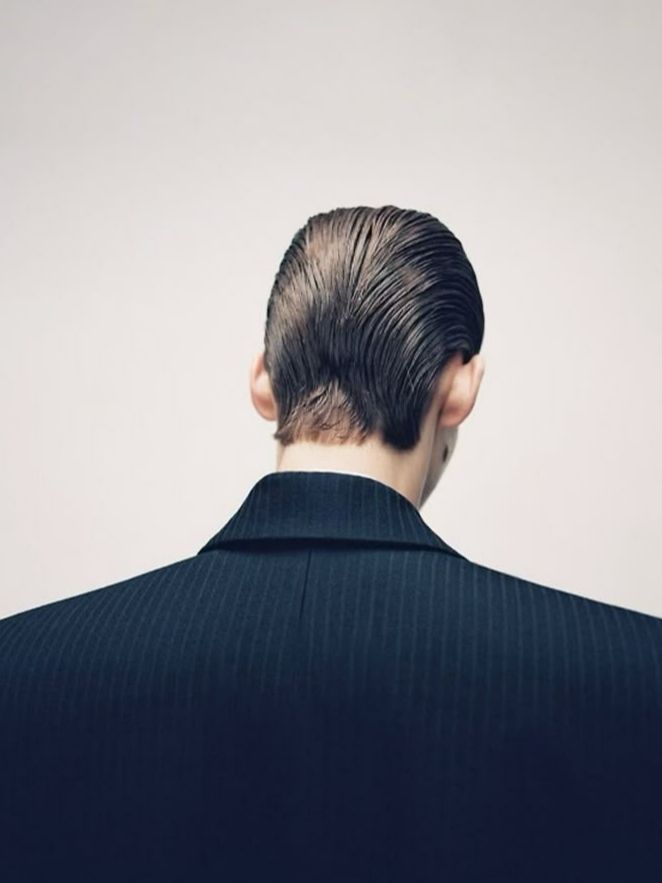
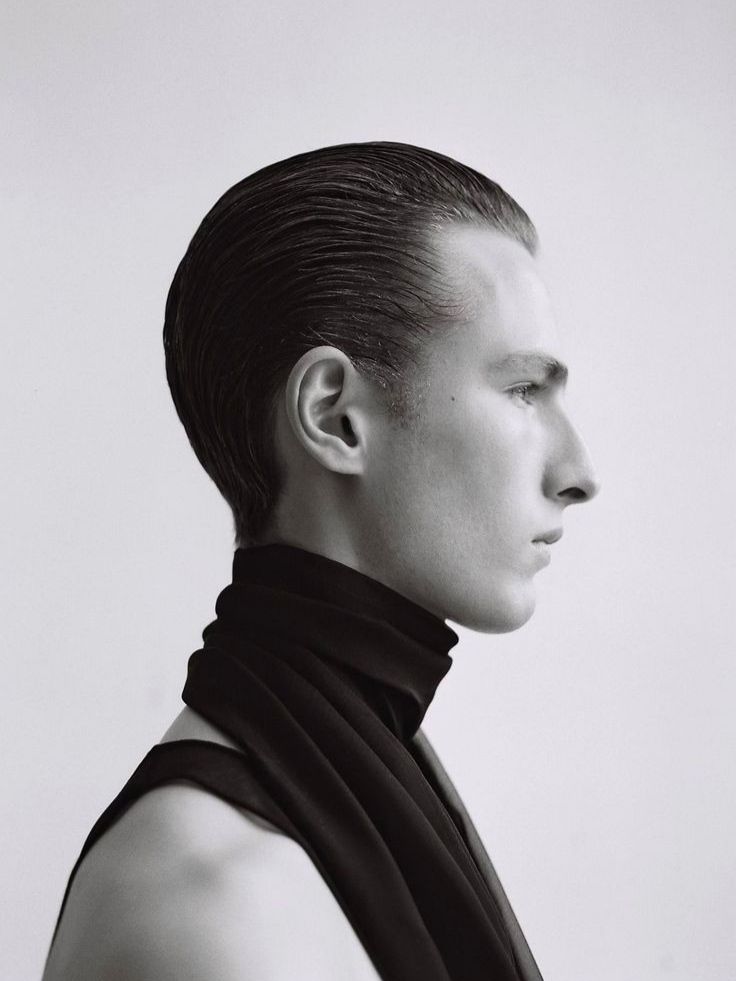
The Styled Haircut is one of the best wedding hairstyles for men not because it sticks to a set pattern, but because it's designed specifically for one groom, taking into account his hair type, face shape, and the atmosphere of his wedding. All variations of this style - such as a modern quiff, a textured pompadour, a slicked-back finish, or a side-swept fringe with an undercut - belong to this category since what defines it is personalization rather than any particular shape. The style can be made more or less formal, and it works as well at a black-tie wedding as it does at a casual beach ceremony. It is often the solution for grooms who want a hairstyle that truly feels like their own rather than one taken from a barbershop poster, since there is no fixed template to contradict from the start.
French Crop
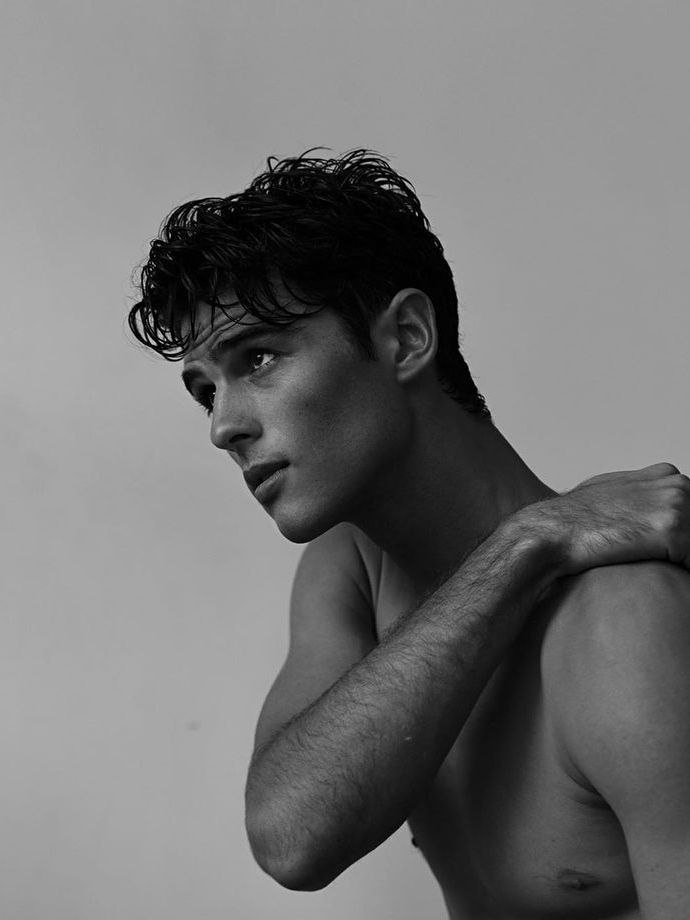
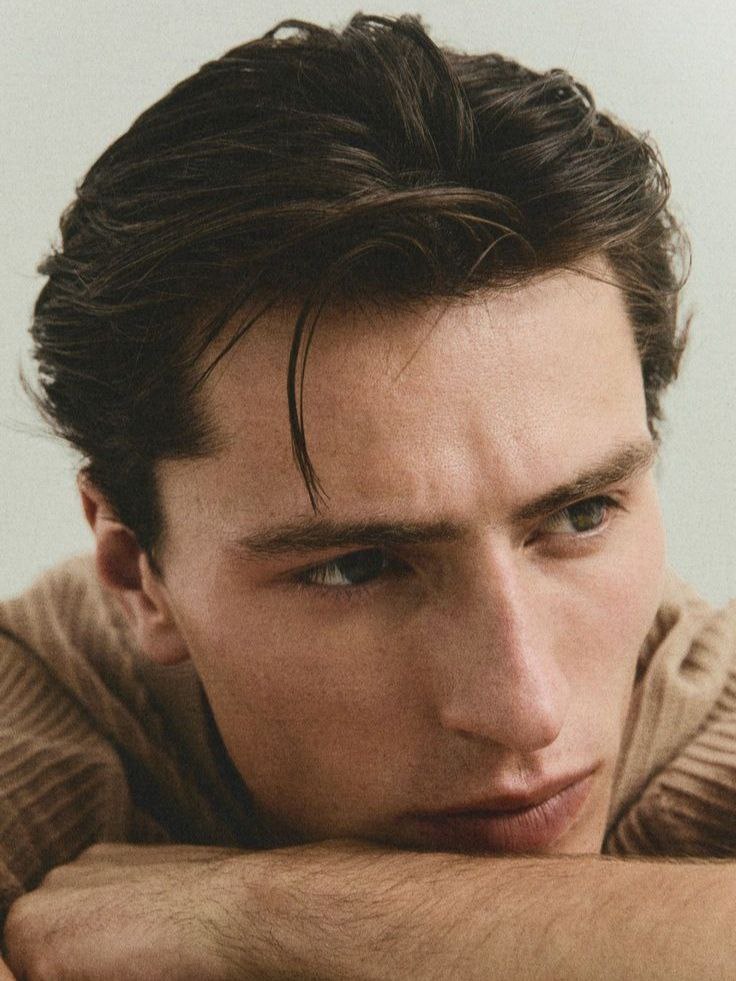
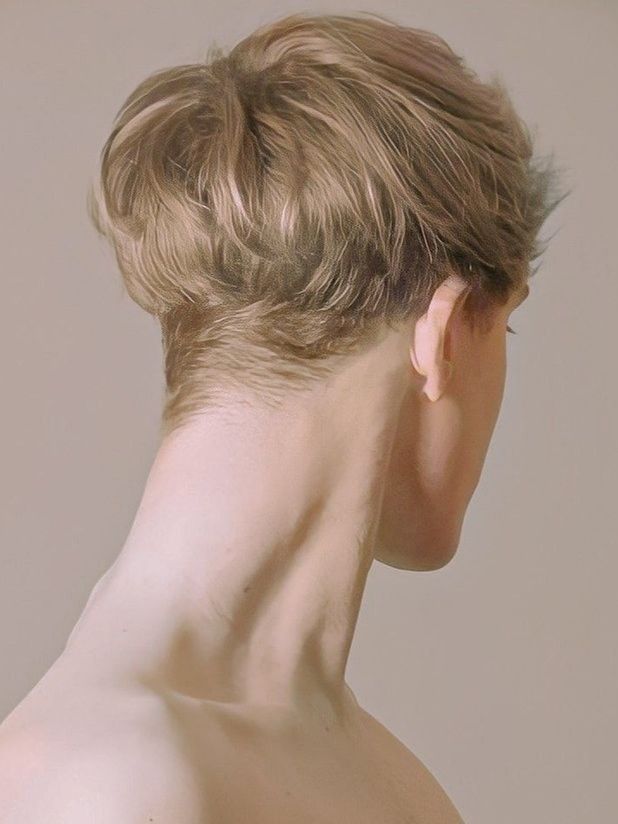
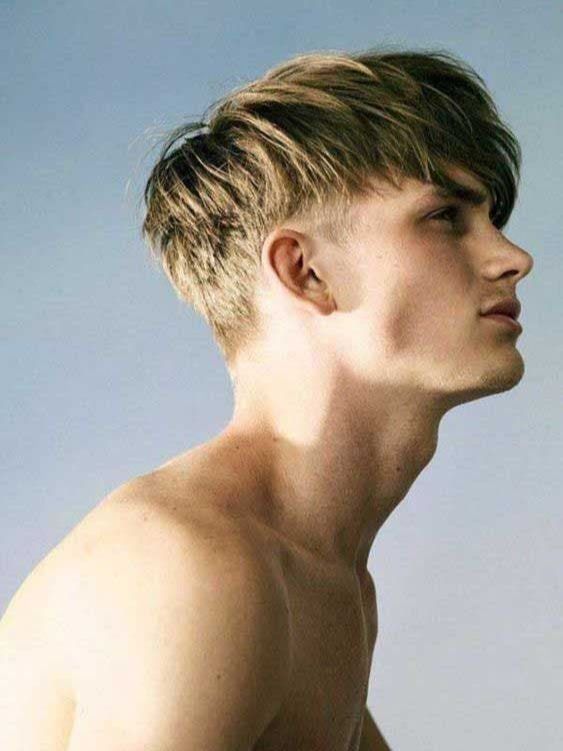
The French Crop has a clean, minimalist look because of its short, tapered sides and longer hair on top, usually brushed forward to create a soft fringe. It is particularly well suited to people with straight or lightly wavy hair and is often most beneficial for those with oval or square face shapes. The fringe can also be made sharp and well-defined for a more distinct look, or softened for a more natural appearance. As a low-maintenance style, it holds its shape from the ceremony through the final song without much fuss.
Textured & Natural Styles
It isn't necessary for every groom to have a razor-sharp line running through his hair. This group goes with the texture that already exists: waves, curls, or natural volume, rather than trying to get it to conform, and as a result the cut tends to look warmer in photographs than one that is more closely structured.
Fringe Down
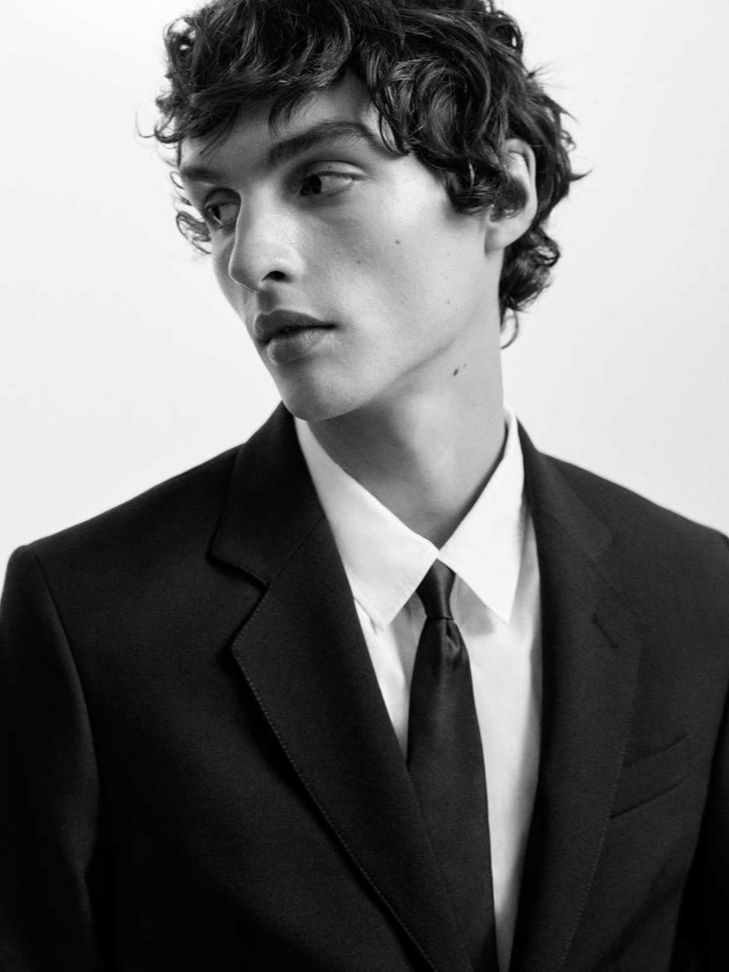
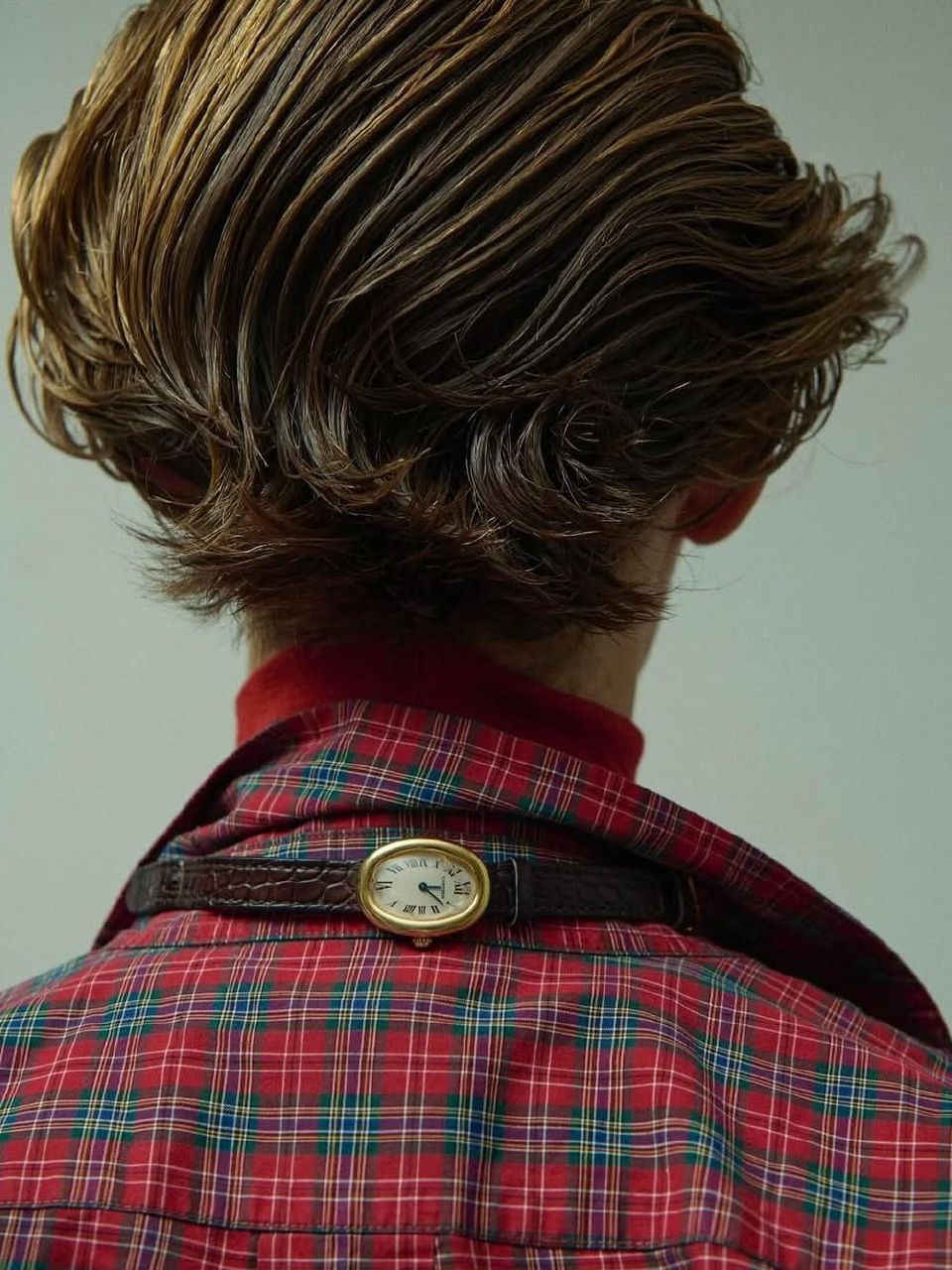
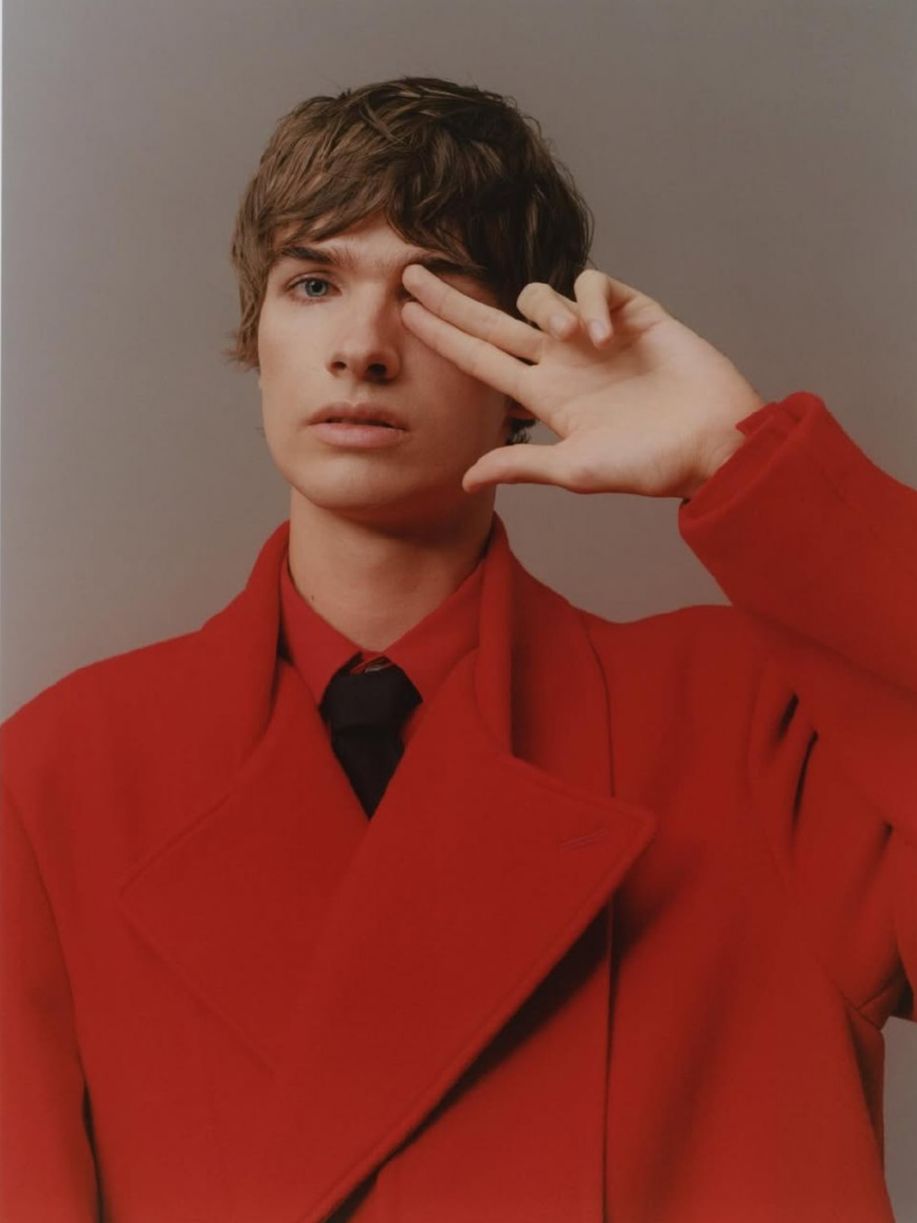
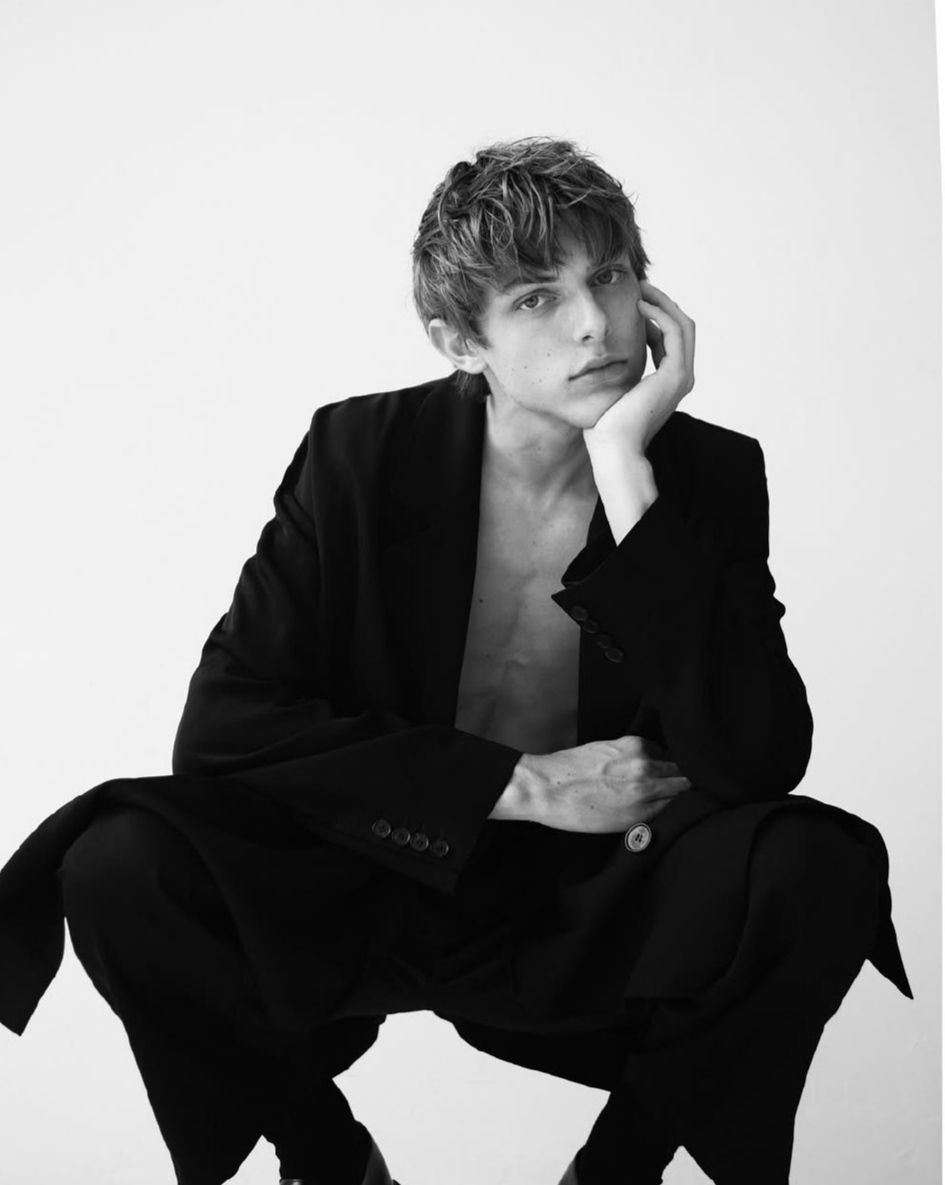
Hair brushed forward towards the forehead, and at times giving it a little wave, imparts to the Fringe Down a loose and youthful vigor. It is particularly well suited to outdoor and bohemian weddings, since a slightly disheveled appearance seems more purposeful than a rigid, overly styled one. Medium-length hair takes this style very well, and although it is less structured than a fade, it still looks deliberate rather than accidental. It is soft, romantic, and easy to pose in front of the camera, making it an excellent choice for grooms who want a trendy men's hairstyle for a wedding without choosing the fully formal option.
Curly Top
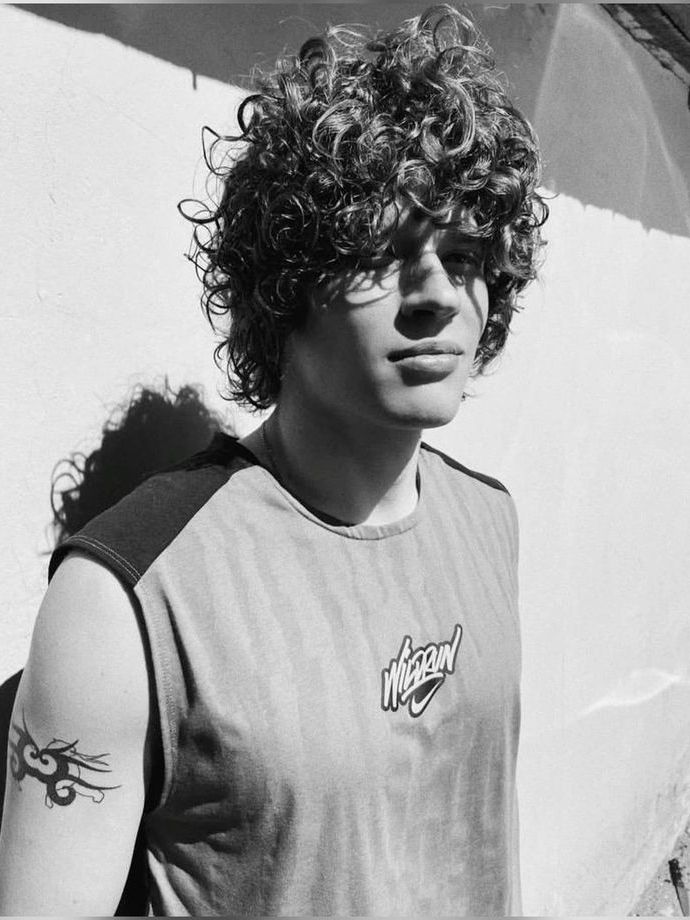
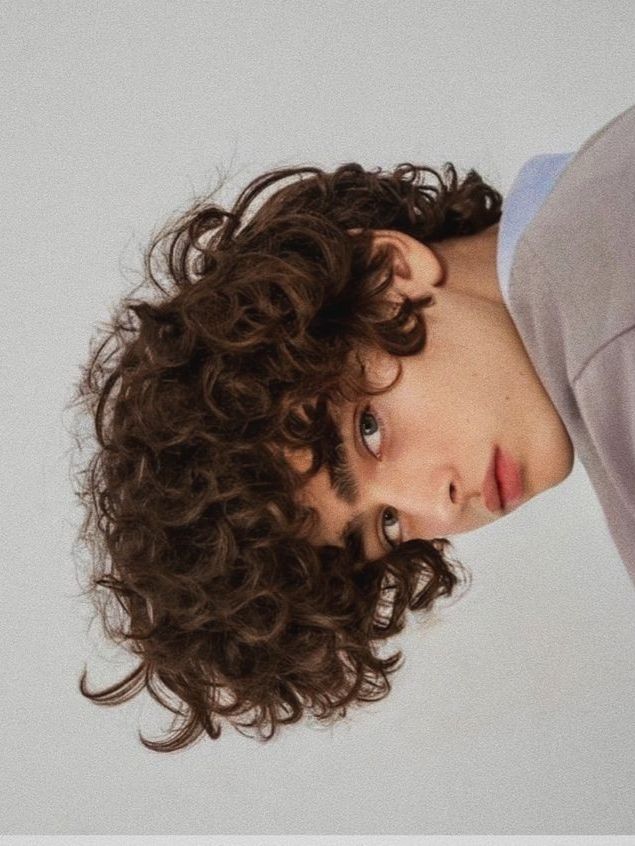
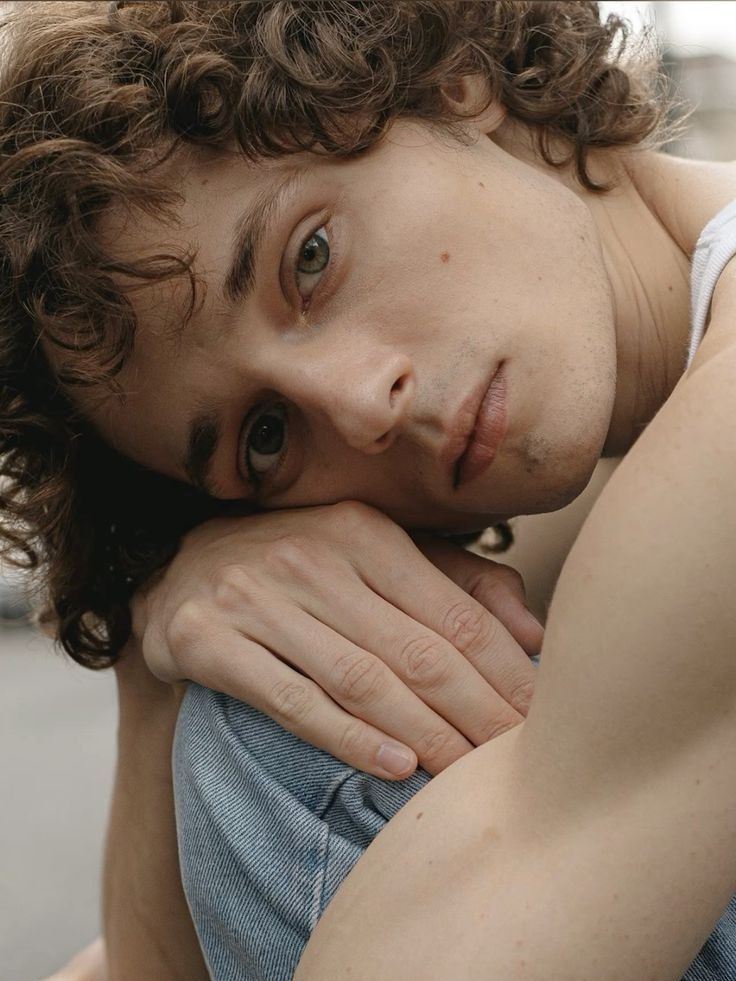
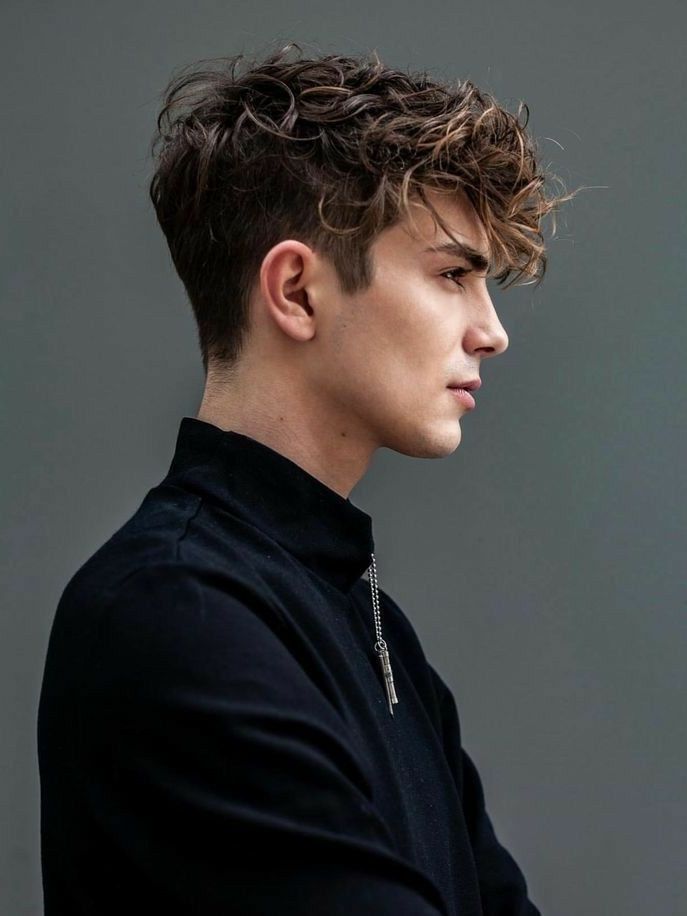
A cut for naturally curly hair should be designed with the curls in mind rather than one that opposes them by making the hair flat, and the Curly Top style is precisely what does this. By cutting the sides shorter, the thicker, more curly top can take prominence, highlighting the texture rather than covering it up with product. People with round or oval face shapes tend to benefit most from the extra height the style provides. A light cream or mousse helps define the curls without making them heavy, and the look is comfortable enough to go from a formal ceremony to a much looser reception.
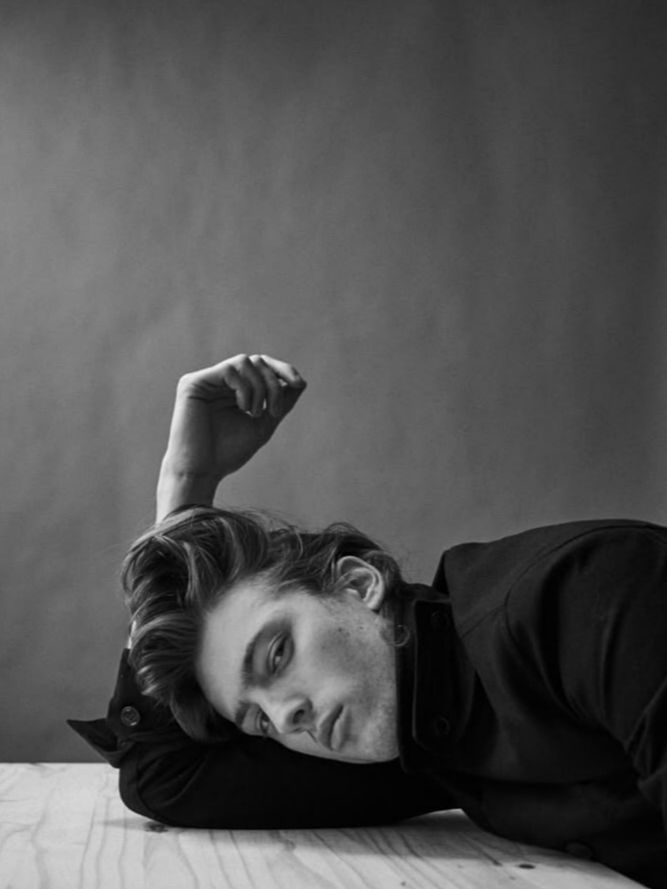
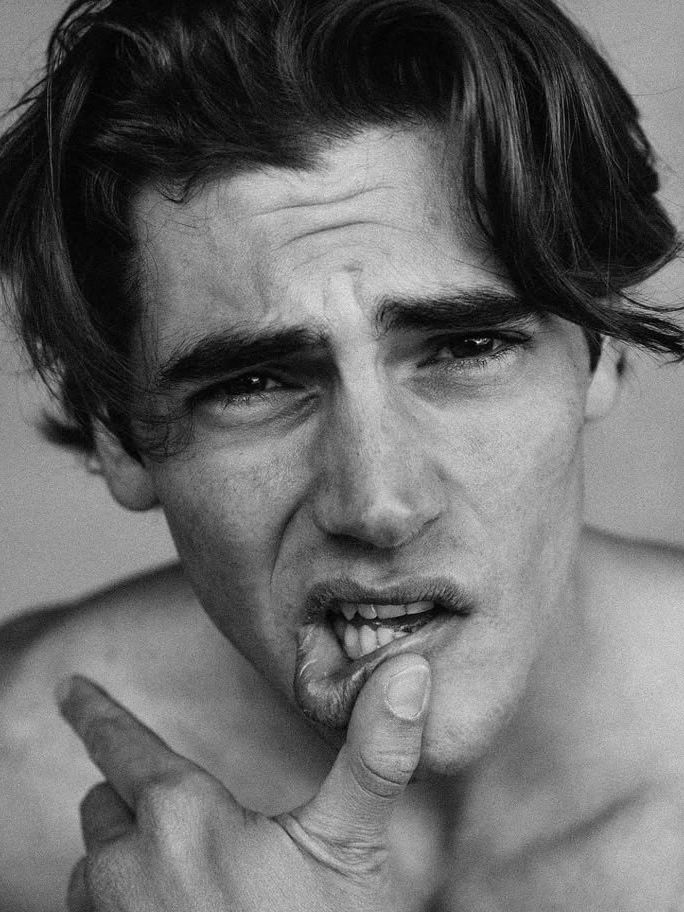
Middle Part
.jpg)
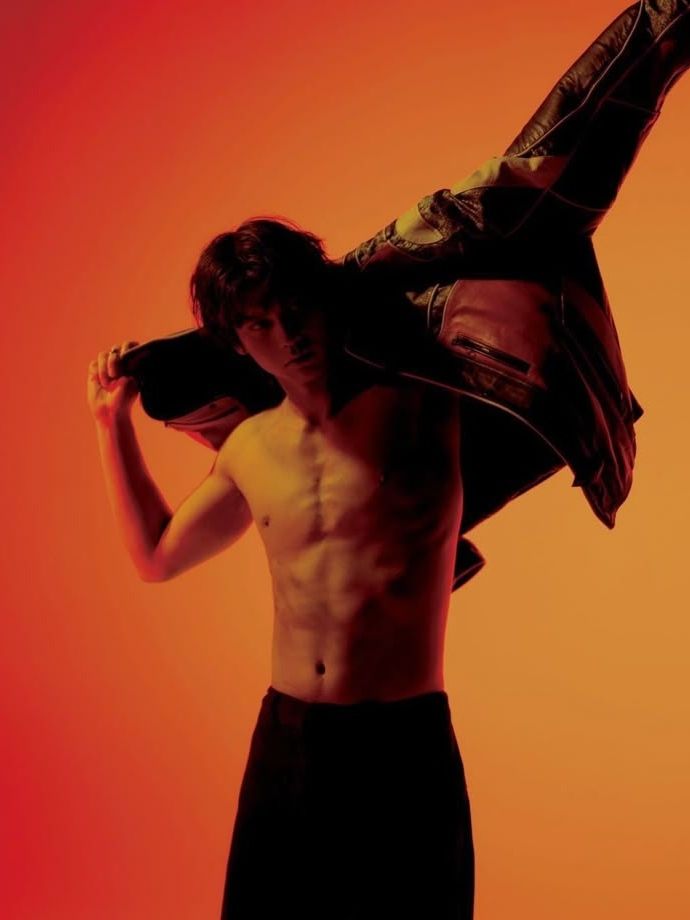
Once dismissed as a straightforward '90s throwback, the Middle Part has fully returned, especially among grooms with longer or straighter hair. Styled correctly, it brings a genuine sense of balance and symmetry that elevates the entire face. It works loose and wavy for an effortless look, or clean and tucked for a more polished finish. Modern romance or minimalist wedding themes suit it particularly well, and it remains one of the defining choices among current wedding hairstyles for men with long hair.
Surfer-Inspired Medium-Length Hair
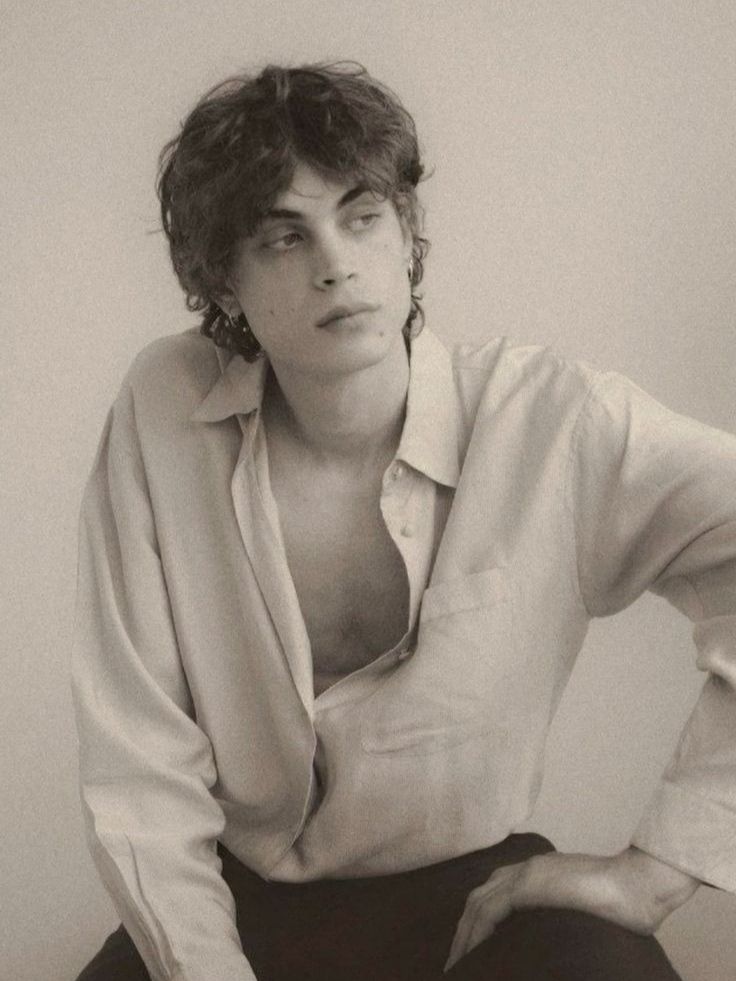
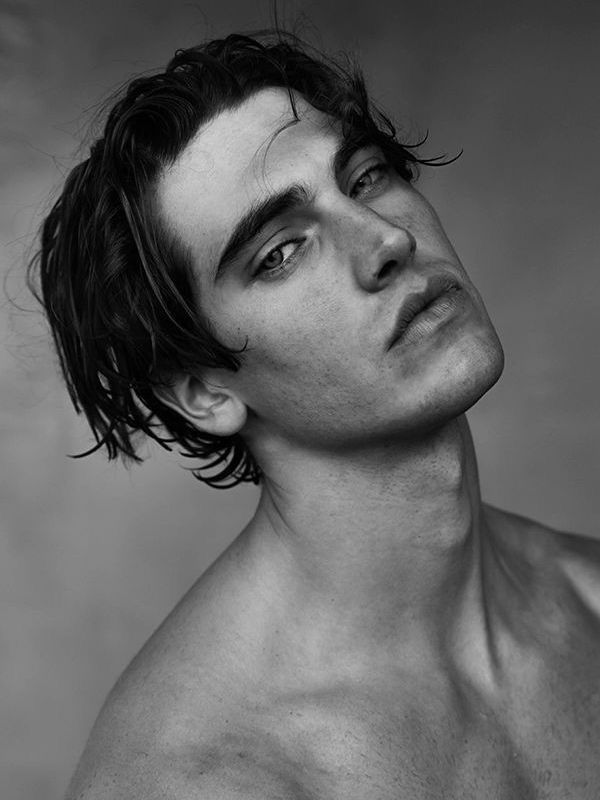
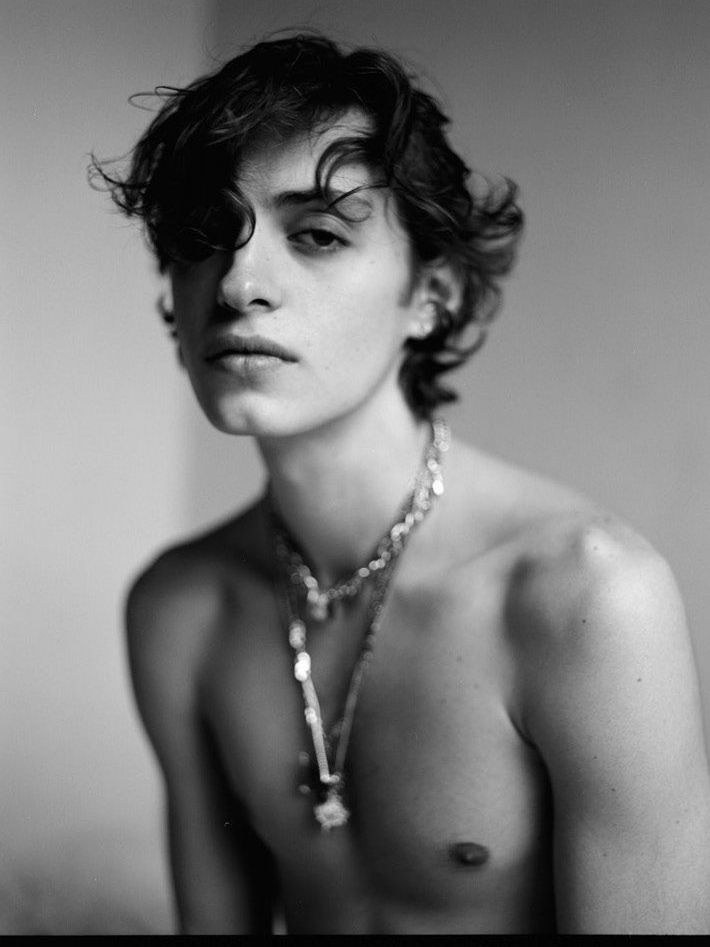
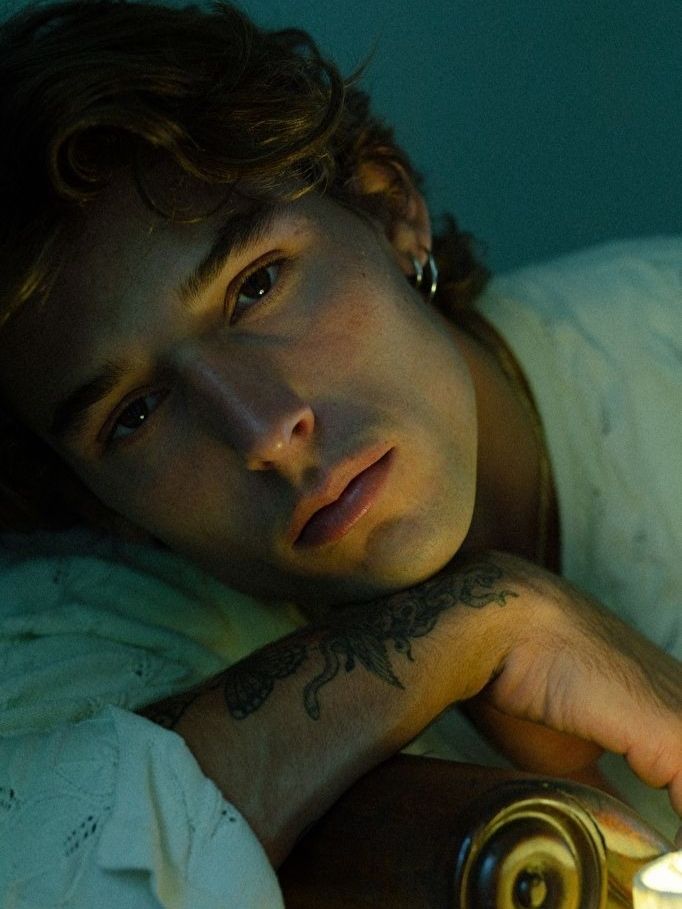
The Surfer-Inspired Medium-Length Hair, which is based on natural waves and movement, has a carefree, sun-exposed vitality that is particularly well suited to beach and outdoor weddings. It suits wavy or curly hair best, and people with heart-shaped or oval faces tend to look best in this style. The key is to use lightweight styling products that provide hold without stiffness, since the aim is to enhance texture rather than impose a rigid structure. This style goes well with linen suits and open-collar shirts, though a more precise approach can also make the same hair formal enough for a traditional wedding ceremony.
Statement Styles
Sometimes a groom wants his hair to be the detail people actually remember, and this final group leans fully into that instinct. Bold color, cultural heritage, or sheer simplicity all read as confident choices when they’re worn with intention.
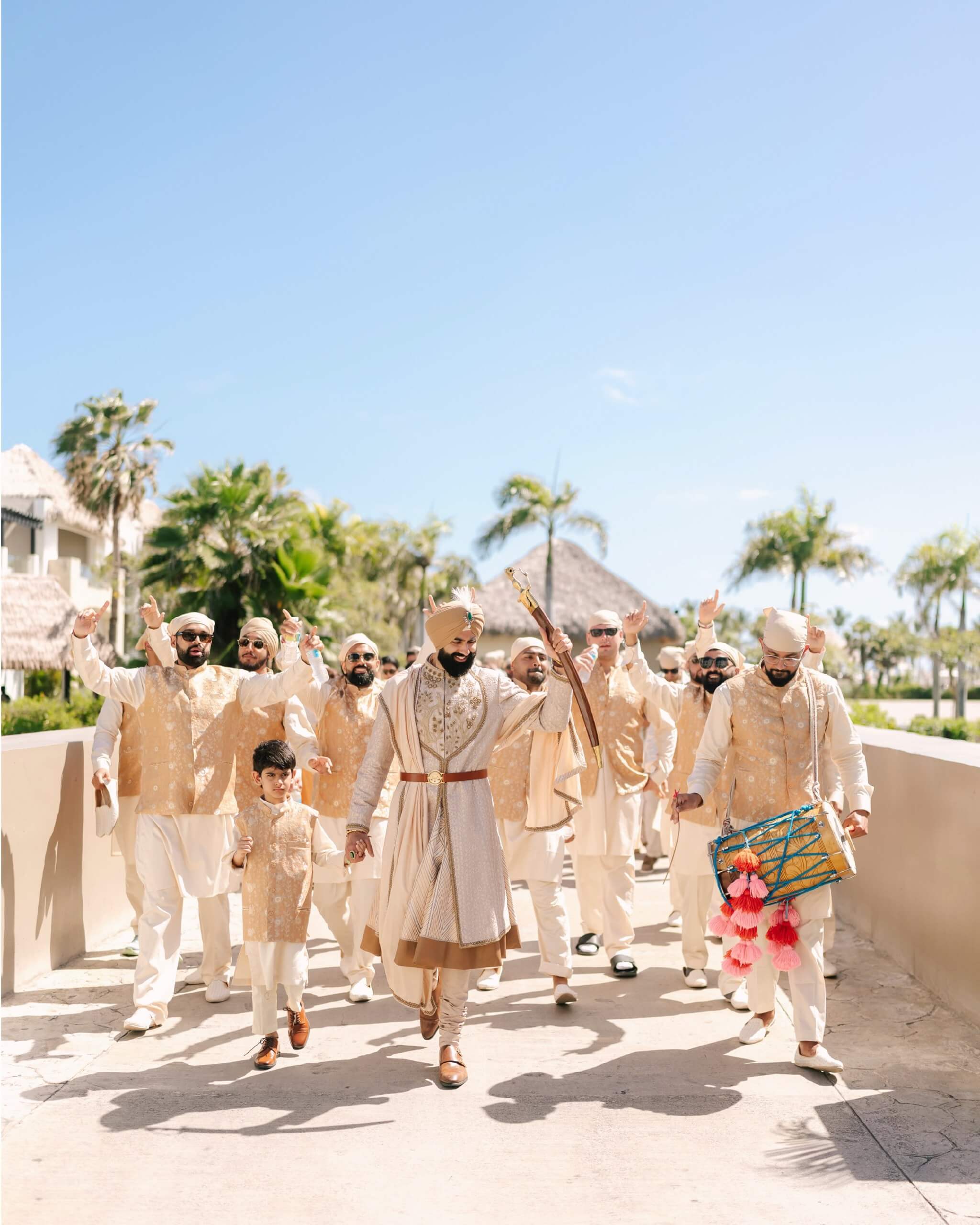
Curtain Cut
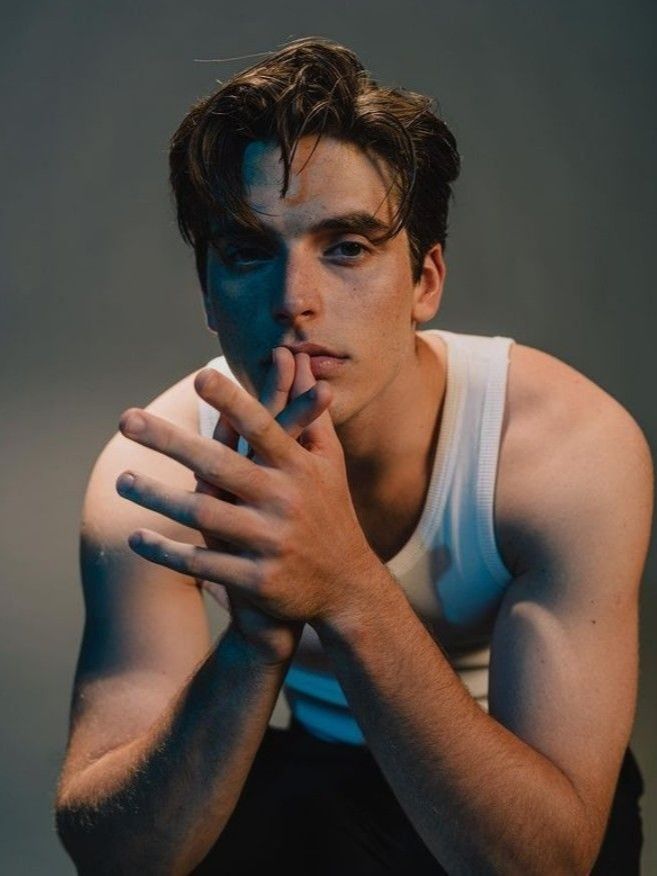
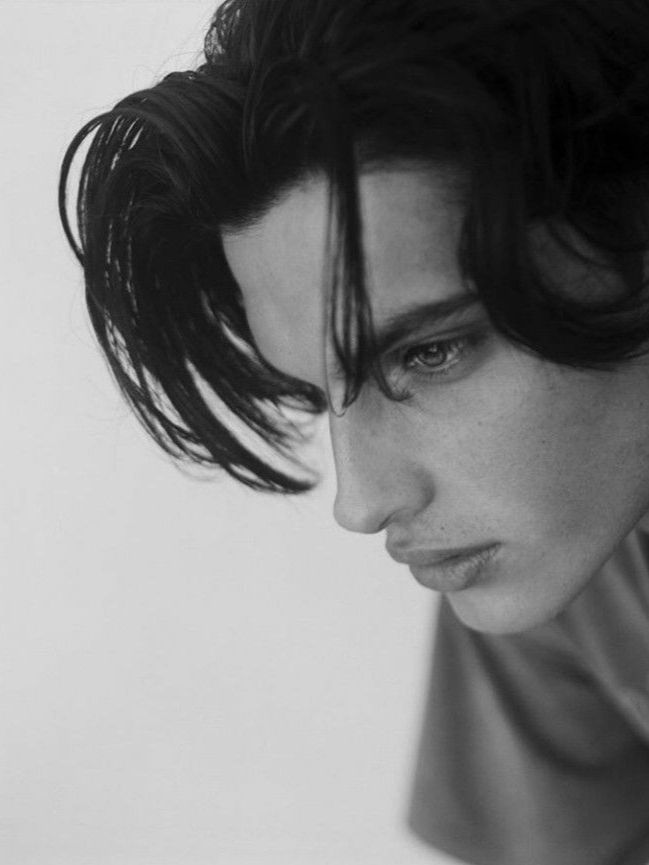
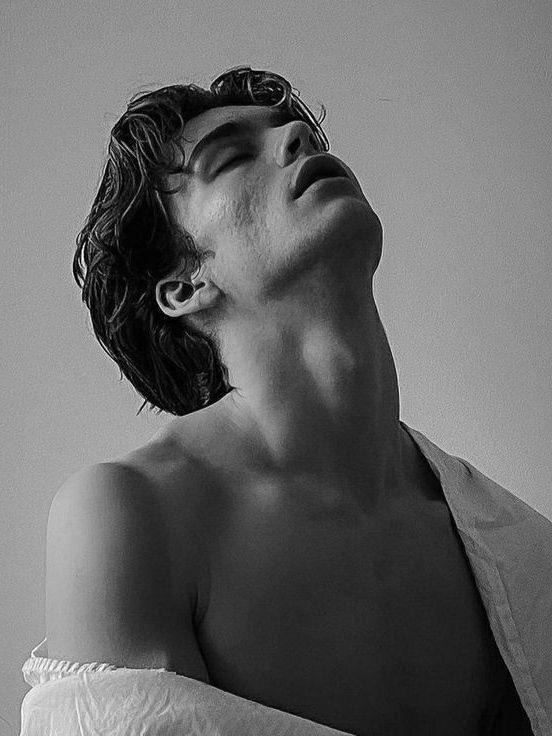
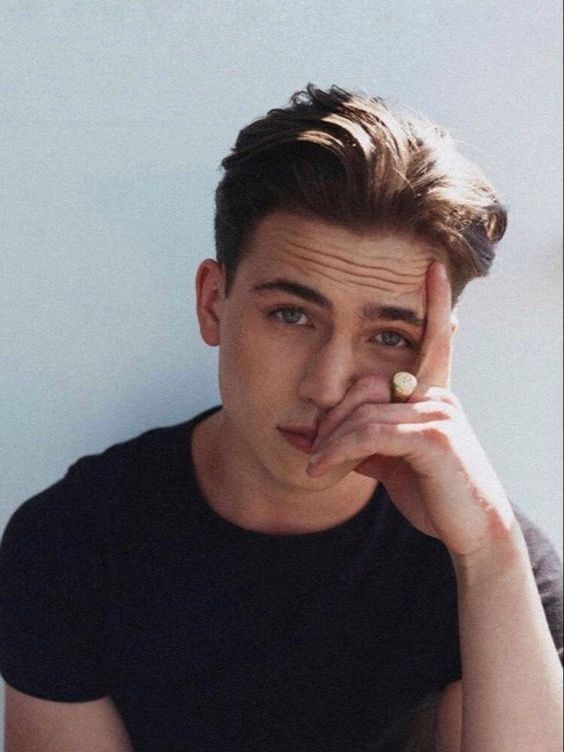
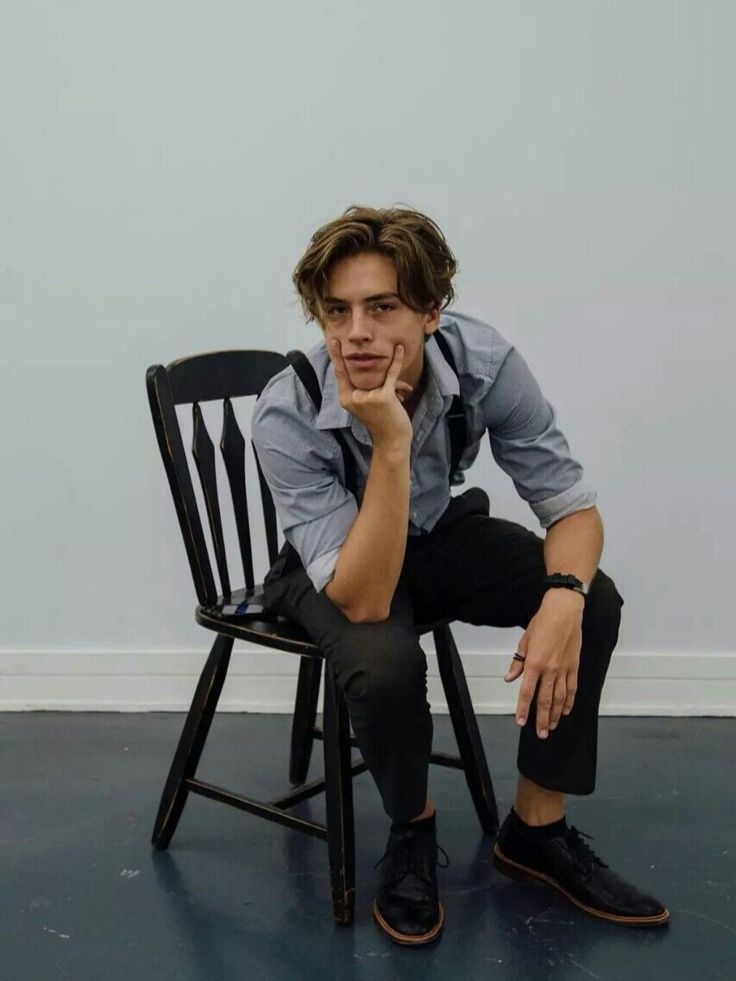
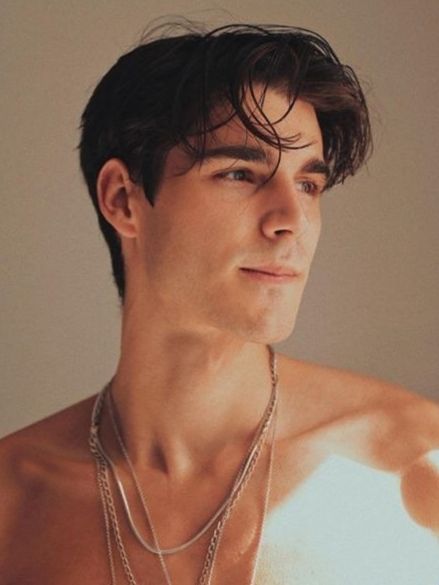
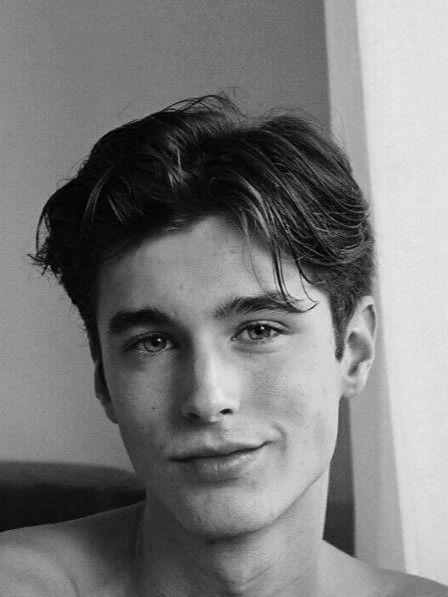
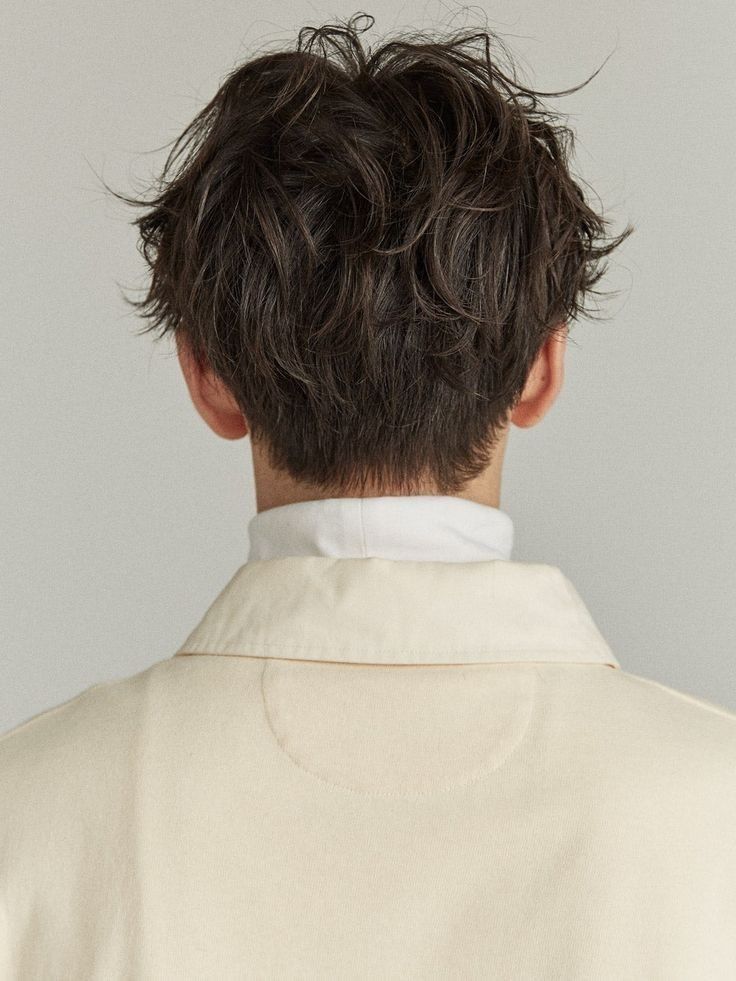
Parted down the middle and framing the face on both sides, the Curtain Cut carries an elegant, artistic quality that pairs especially well with traditional attire or statement jewelry. It’s long been a staple of Indian wedding hairstyles for men, worn by grooms who want to combine cultural heritage with a distinctly modern edge, though its appeal has spread well beyond that specific tradition in recent years. Longer, straighter hair takes to it most naturally, styled sleek and polished for formality or left loose for a softer, more romantic finish. As long hair keeps trending across wedding season generally, the Curtain Cut has quietly become the look most people picture first when someone mentions parting hair down the middle for a groom.
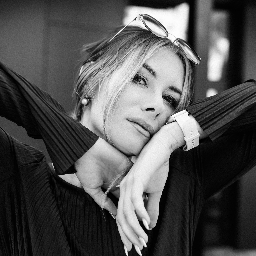
Buzz Cut
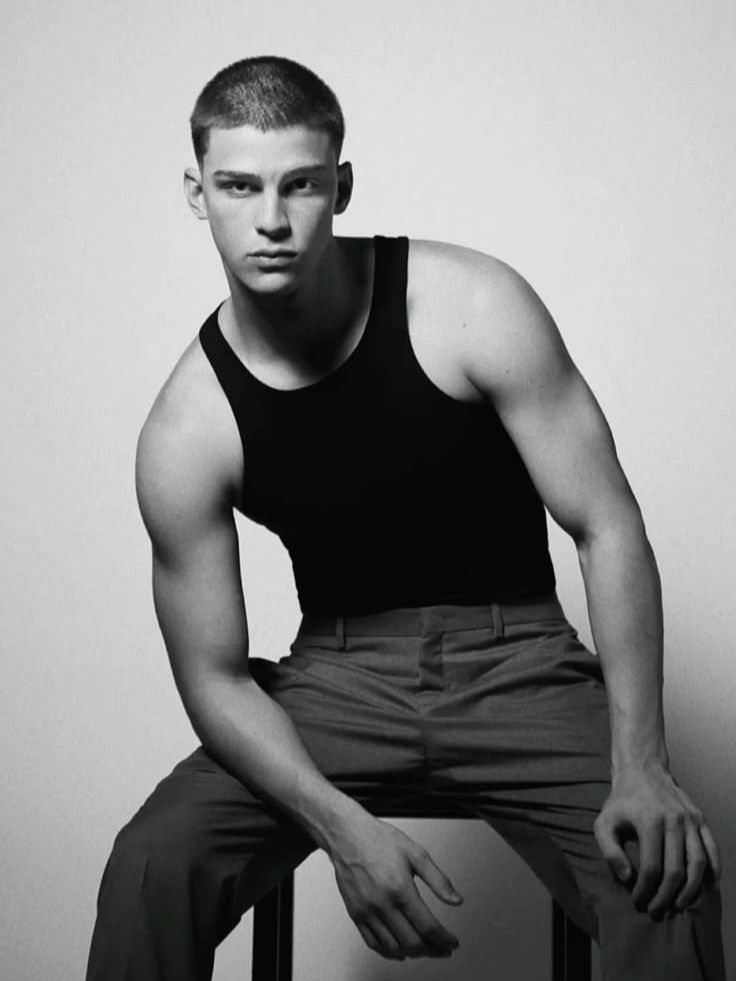
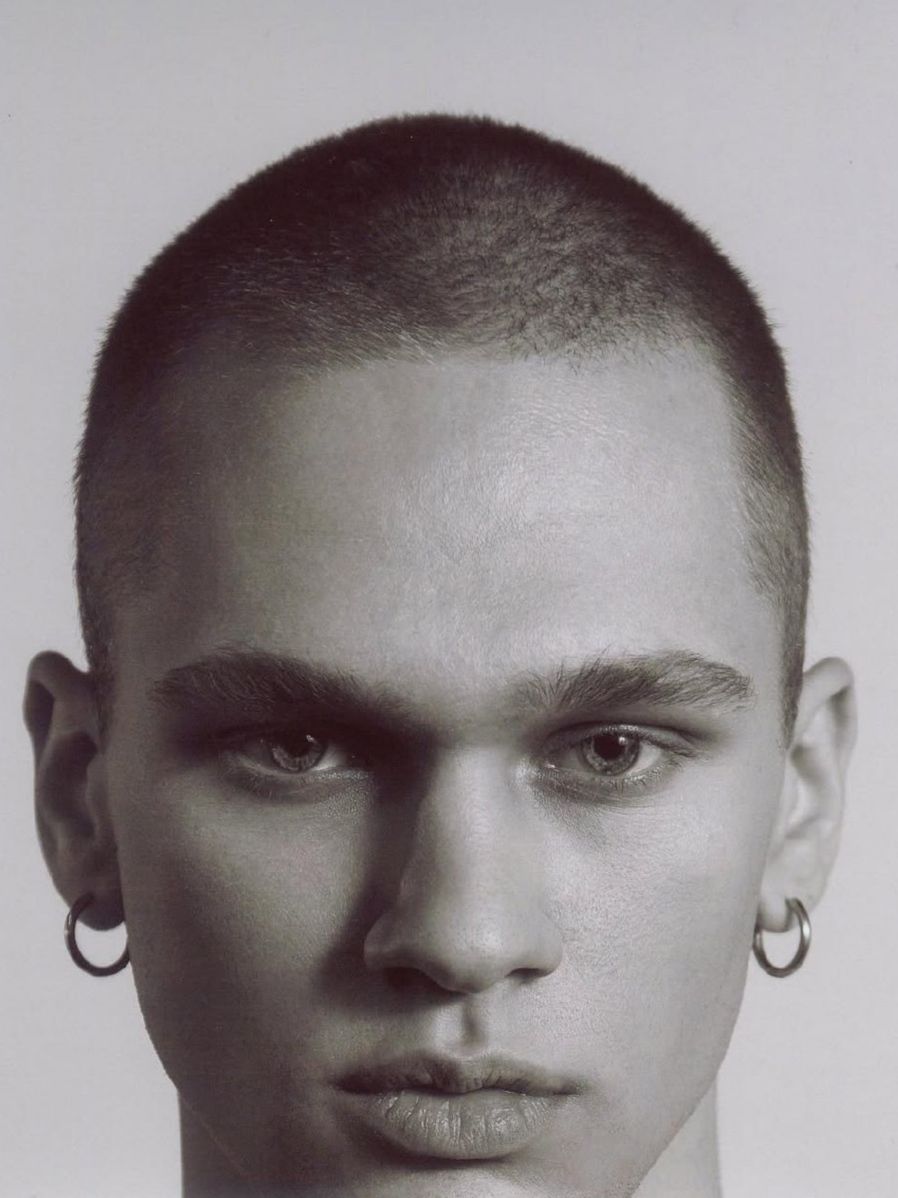
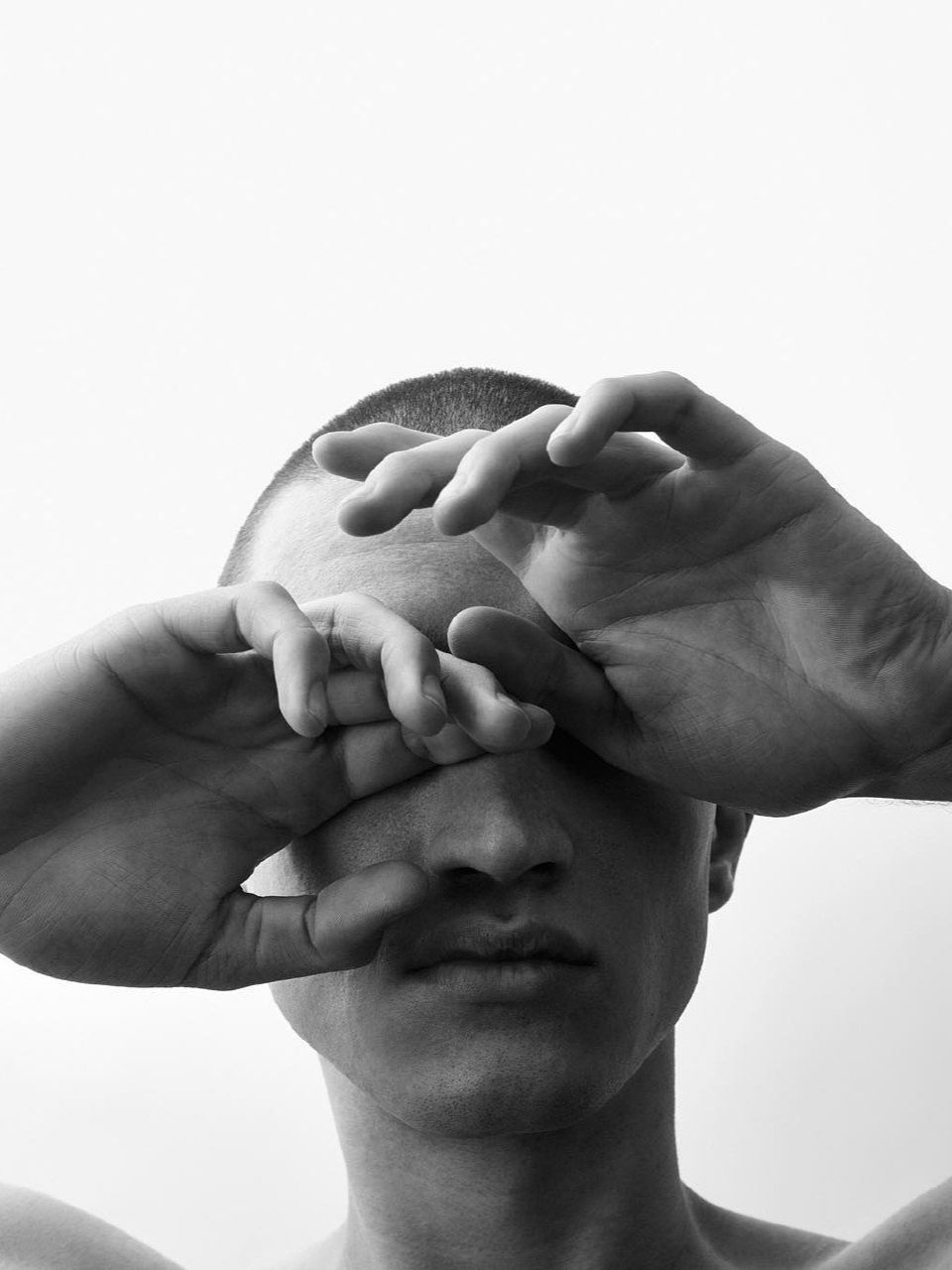
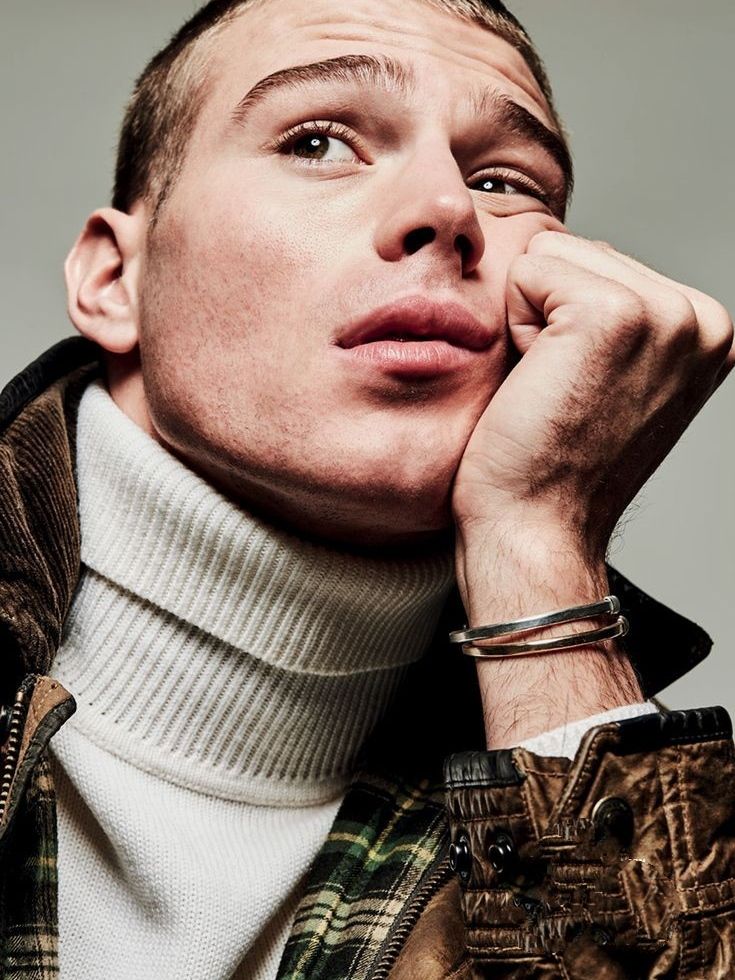
Minimalist almost to a fault, the Buzz Cut asks nothing of a groom beyond confidence in his own features. It suits men who want to highlight strong bone structure or a well-groomed beard, and it requires close to zero styling effort on the actual wedding morning. Destination weddings in real heat benefit from it especially, since there’s no product to melt and no shape to lose over the course of a long day outdoors. Clean, classic, and entirely unbothered by humidity, it’s the closest thing to a guaranteed win among wedding hairstyles for men who’d rather spend their morning-of energy on literally anything else.
Blonde Style
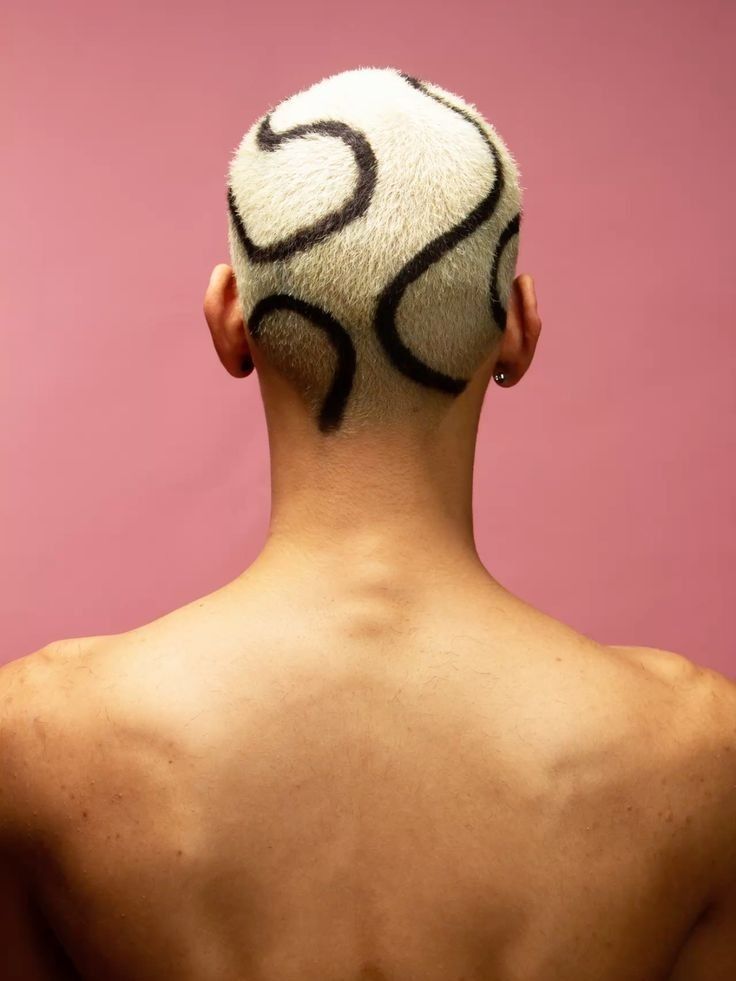
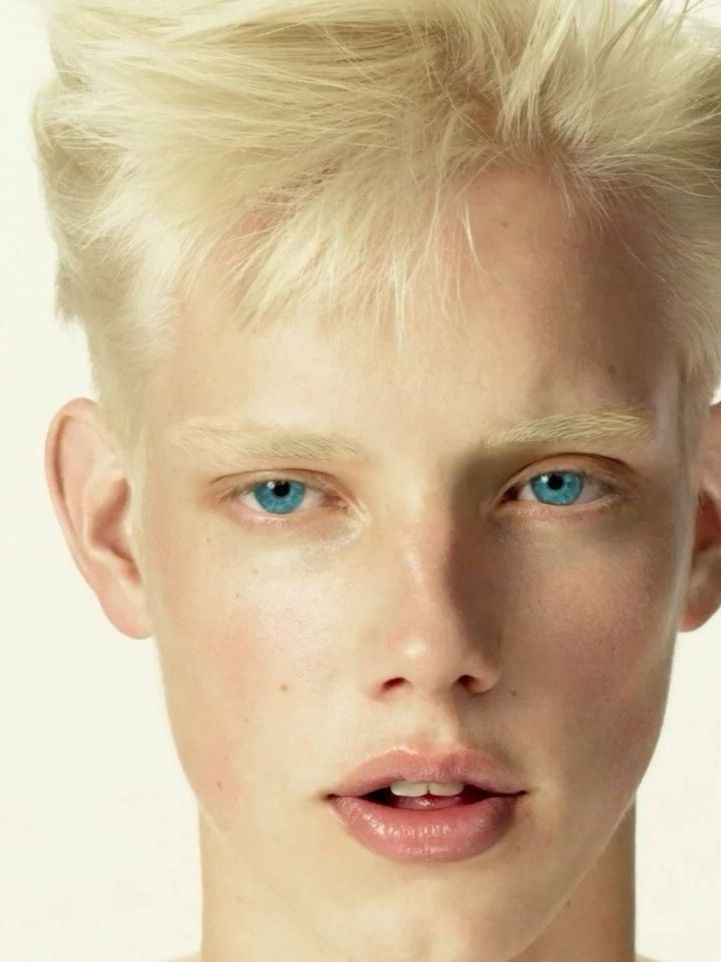
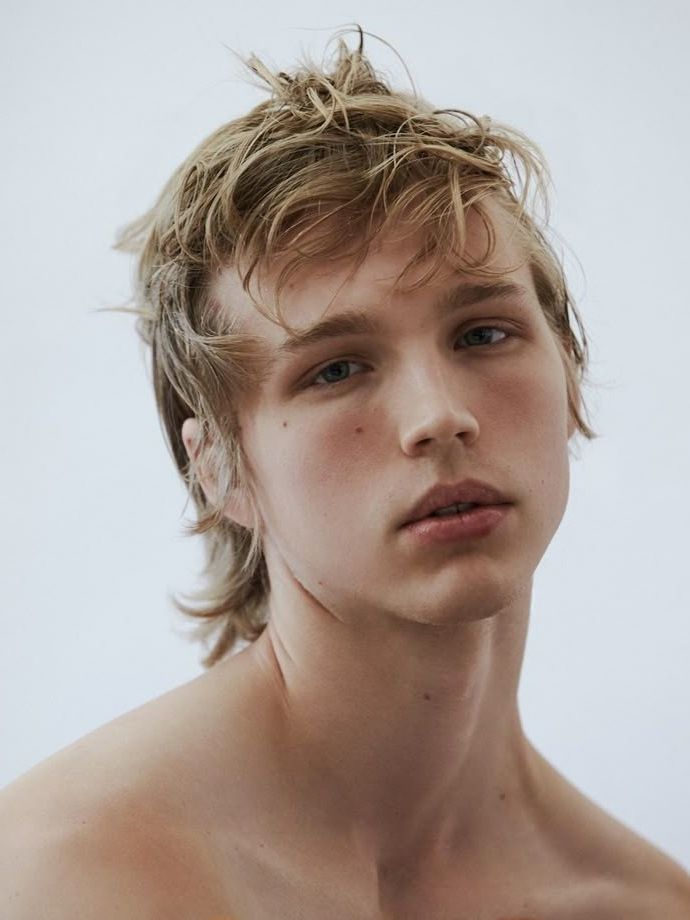
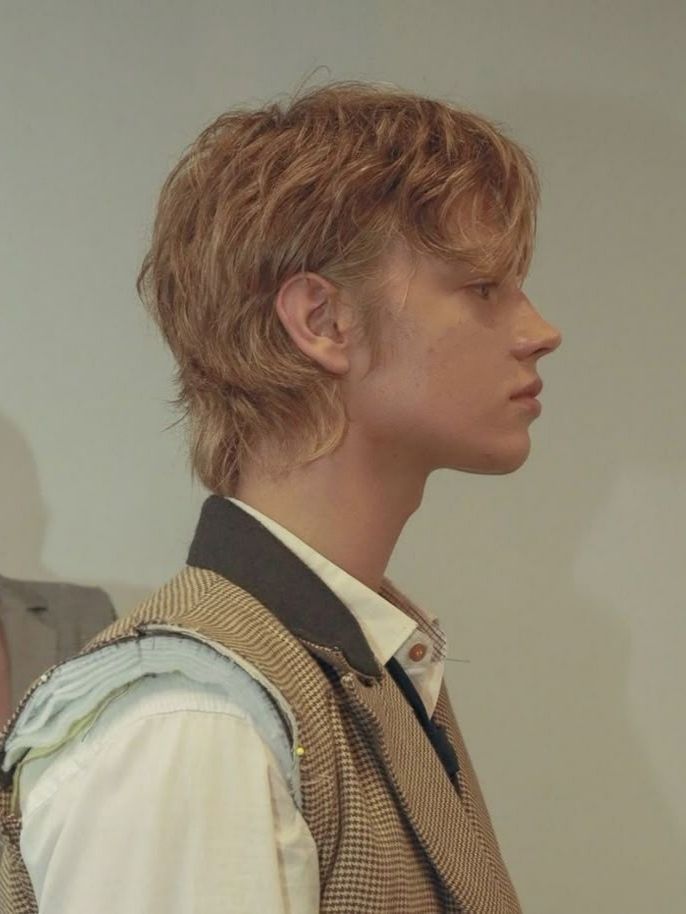
Color does the heavy lifting here, not cut alone, and going blonde, whether it’s natural or a deliberate change before the big day, creates a striking, unmistakable look. Paired with a textured fringe, a taper fade, or even a full buzz, blonde tones add brightness and depth that darker hair simply can’t replicate in photographs. The color also brings out texture and movement more visibly, which is part of why it pairs so well with looser styles like the Fringe Down. For grooms with long hair specifically, going lighter can add volume and dimension that a single flat tone never quite achieves on its own.

How to Choose the Right Wedding Hairstyle
With fifteen strong options on the table, the real work isn’t finding a style you like, it’s narrowing down which one actually fits your hair, your face shape, and the wedding you’re actually having. A formal wedding hairstyle for menbuilt around a black-tie evening calls for something entirely different than a barefoot beach ceremony at golden hour, and getting that match right matters more than chasing whatever’s currently trending.
| If you have… | Consider… |
|---|---|
| Short hair | Buzz Cut, Low Fade, Buzzer Fade |
| Long hair | Curtain Cut, Middle Part, Surfer-Inspired Medium-Length Hair |
| Curly hair | Curly Top, Fringe Down |
| A beard | Buzz Cut, Taper Fade, Classic Undercut |
| A formal venue | Side Part, Classic Quiff, Classic Fade |
| An outdoor or casual venue | Fringe Down, Surfer-Inspired Medium-Length Hair, Curly Top |
Face shape matters just as much as venue formality, though it’s worth remembering that most barbers can adapt nearly any style on this list with the right adjustments to length and volume. A royal wedding hairstyle for men tends to lean toward the Classic & Formal category specifically, sharp partings, controlled height, and finishes built to hold through hours of ceremony and photographs. Booking a trial appointment a few weeks before the wedding, not the week of, gives both you and your barber room to fine-tune the details before it actually counts.
How to Avoid a Wedding-Day Haircut Disaster
A bad haircut grows out. A bad haircut in your wedding photos does not. The single biggest mistake grooms make isn’t picking the wrong style, it’s picking the right style at the wrong time, leaving zero room to fix anything if the cut doesn’t turn out the way it looked in the reference photo.
- Get a trial cut two to three weeks out, not the week of the wedding. This gives hair enough time to settle into its natural shape and gives you a real chance to adjust anything that doesn’t sit right.
- Never try a brand-new barber for the first time on wedding week. Book a test appointment months in advance if you’re switching barbers, so the wedding cut itself is a repeat performance, not an experiment.
- Leave a small buffer for growth if the style needs length. A cut that looks perfect at exactly the right length can look noticeably different a week later if hair grows even slightly past where it should sit.
- Bring reference photos of your own face shape, not just the style. A cut that looks flawless on a model with a different jawline or hair texture can behave completely differently on your own head.
- Schedule the final touch-up two to three days before, not the morning of. This avoids the too-fresh, just-left-the-barbershop look some fades and undercuts carry in their first 24 hours.
- Avoid drastic color changes right before the wedding. If you’re considering something like the Blonde Style, test it well in advance rather than risking an uneven or unexpected result days before the ceremony.
None of this requires a complicated plan, just enough lead time to treat the haircut with the same seriousness as everything else on the day. Most of these mistakes trace back to the same root cause: booking a haircut like an errand instead of an actual part of the wedding prep timeline. A groom who blocks out even one extra week between the trial and the ceremony almost never ends up staring at old photos wishing he’d waited a little longer.
A great cut disappears into the day itself, no fussing, no second-guessing every photo, just one less thing standing between a groom and actually enjoying his own wedding. Whatever style ends up winning, the goal was never really about the haircut, it was about walking down the aisle looking like the most settled, most obviously himself version of the guy everyone’s there to celebrate. Wezoree’s Inspiration section goes well beyond wedding hairstyle for men'sadvice too, real wedding features, cultural lookbooks, and grooming guidance for every other detail still waiting to be figured out.

FAQ
What is the most popular wedding hairstyle for men right now?
The Classic Fade and Side Part are still the two wedding haircuts men are most frequently asked for, mainly because both look good in almost any lighting and pair well with formal or semi-formal clothes. Generally, fades are the most commonly requested, and barbers have noted steady demand for the Low, Taper, and Buzzer styles in particular.
What’s a good wedding hairstyle for men with a beard?
Cuts with clean, clearly defined edges usually match a beard best, as the sharp lines of a Buzz Cut, a Taper Fade, or a Classic Undercut match the structure a well-groomed beard already provides. It is better to steer clear of top styles that are too textured or heavily layered to maintain a balanced appearance, rather than having them compete with the beard for attention.
How far in advance should a groom get a wedding haircut?
Most barbers recommend a trial cut two or three weeks before the wedding, so there is enough time for the style to settle and for any necessary adjustments if the result isn't exactly what you want. A final touch-up two or three days before the ceremony ensures that everything is sharp while avoiding the freshly cut appearance which some fades exhibit in the first 24 hours.
What’s the best wedding hairstyle for men with long hair?
The Middle Part, the Curtain Cut, and the Surfer-Inspired Medium-Length Hair all go well with long male hairstyles because they work with the natural length rather than opposing it; in this case, styling products are more important than with shorter cuts since longer hair needs good hold if it is to remain photograph-worthy throughout the whole day of the ceremony and dancing.
Are curly hairstyles a good option for a wedding?
Absolutely, and the Curly Top was designed to embrace natural texture rather than straighten it into submission. A lightweight cream or mousse defines individual curls without weighing them down, and the style adapts easily from a formal ceremony into a considerably more relaxed reception later in the night.
What wedding hairstyle works best for a destination or beach wedding?
Surfer-inspired medium-length hair, the Buzz Cut, and the Fringe Down all handle heat and humidity well, either by embracing natural texture or requiring so little styling that the weather barely matters. Heavily structured styles that depend on precise product application tend to hold up worse in genuinely hot, humid conditions than these more relaxed alternatives.
Should groomsmen match the groom’s hairstyle?
There’s no requirement for groomsmen to mirror the groom’s exact cut, and most modern weddings actually favor some individuality across the wedding party rather than a uniform look. A shared general formality level- everyone leaning polished or everyone leaning relaxed- tends to photograph more cohesively than requiring an identical hairstyle across every groomsman.