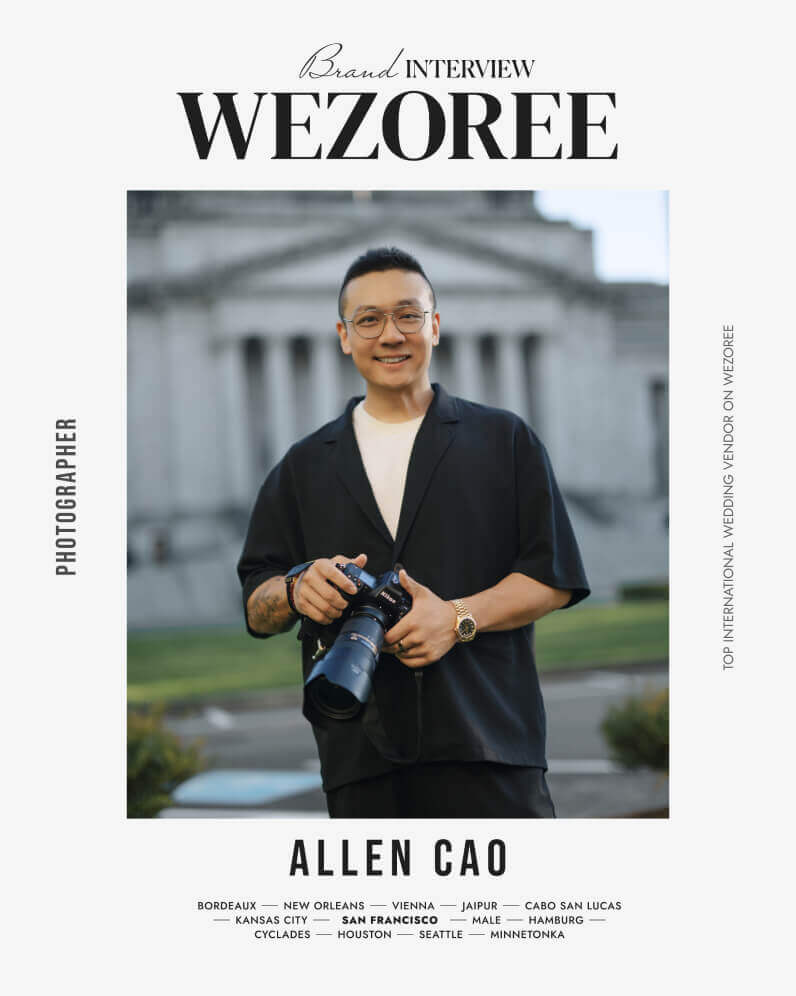
Allen Cao Has Never Been Very Good at Staying a Stranger
AUTHOR: Natali Grace Levine
READING TIME: 6m 45s
PUBLICATION DATE: 11/11/2026
UPDATED: 11/11/2026
AUTHOR: Natali Grace Levine
READING TIME: 6m 45s
PUBLICATION DATE: 11/11/2026
UPDATED: 11/11/2026
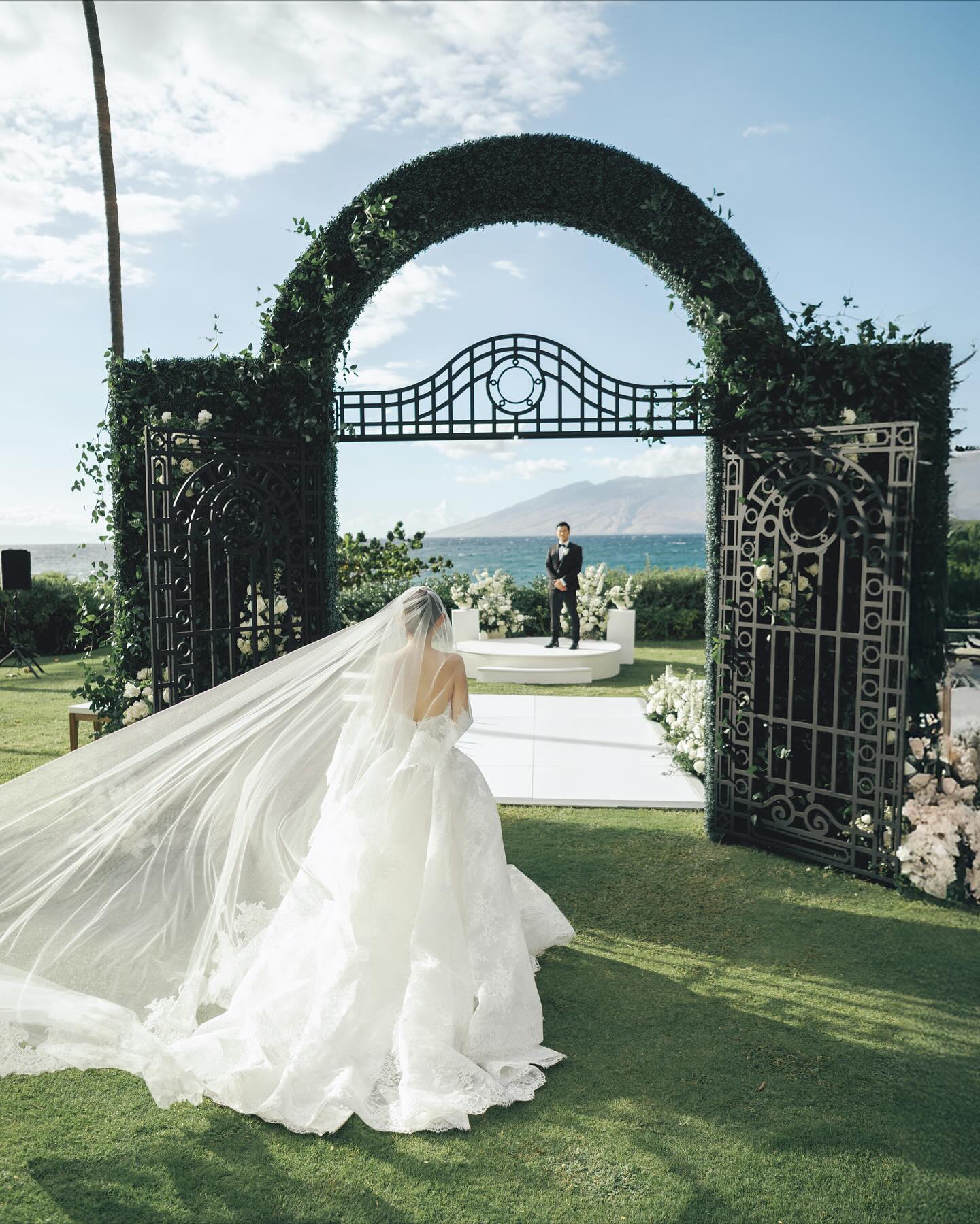
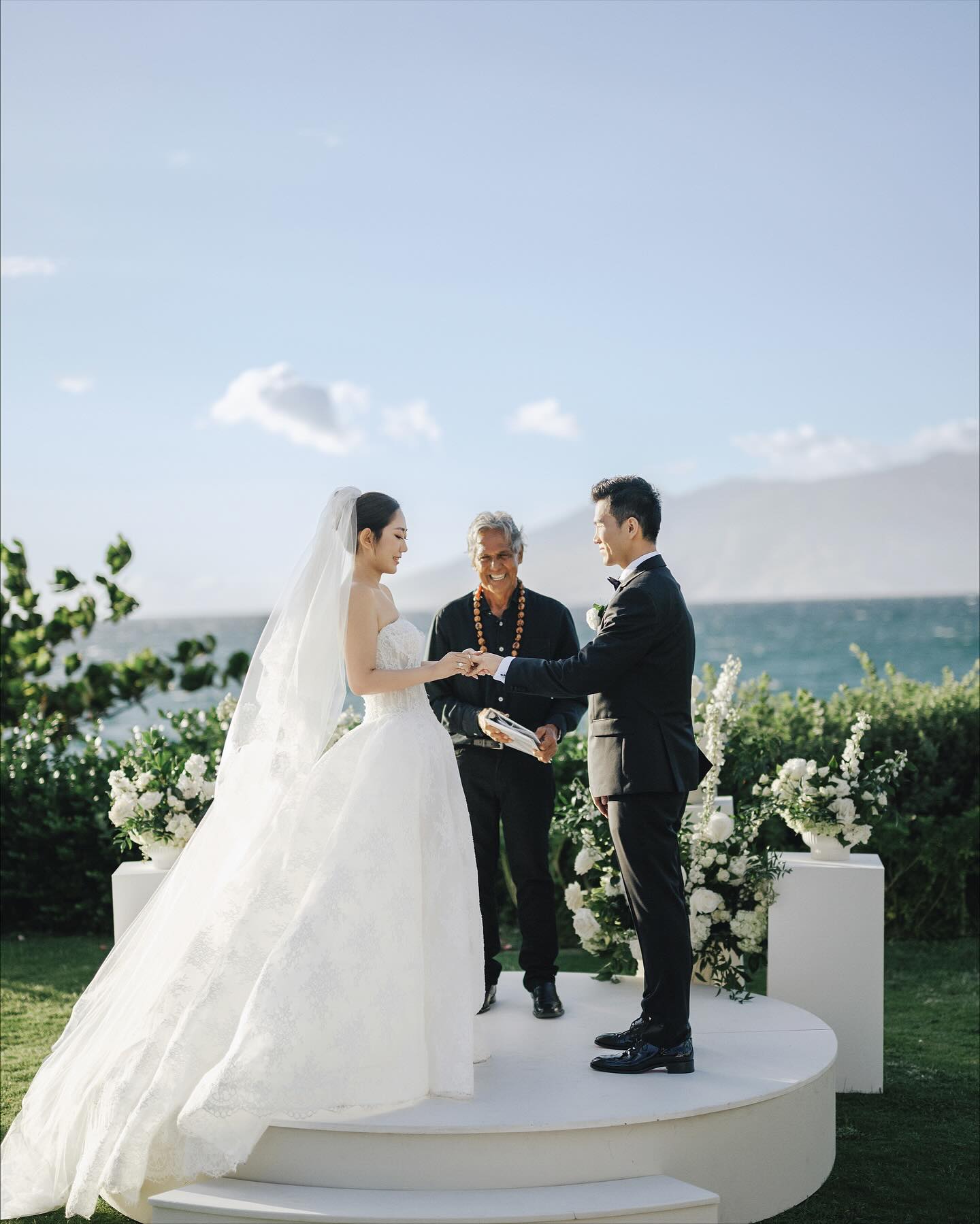
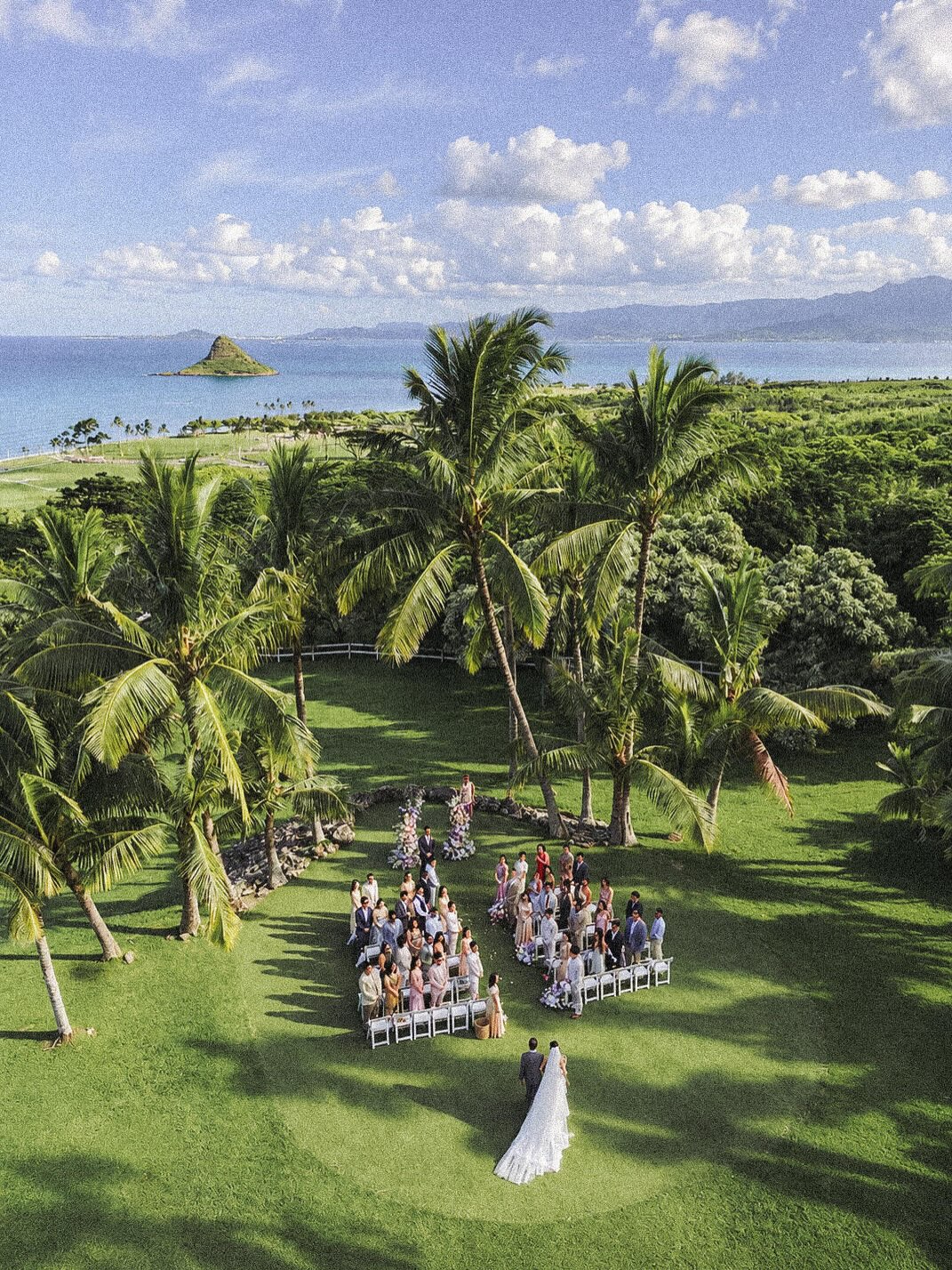
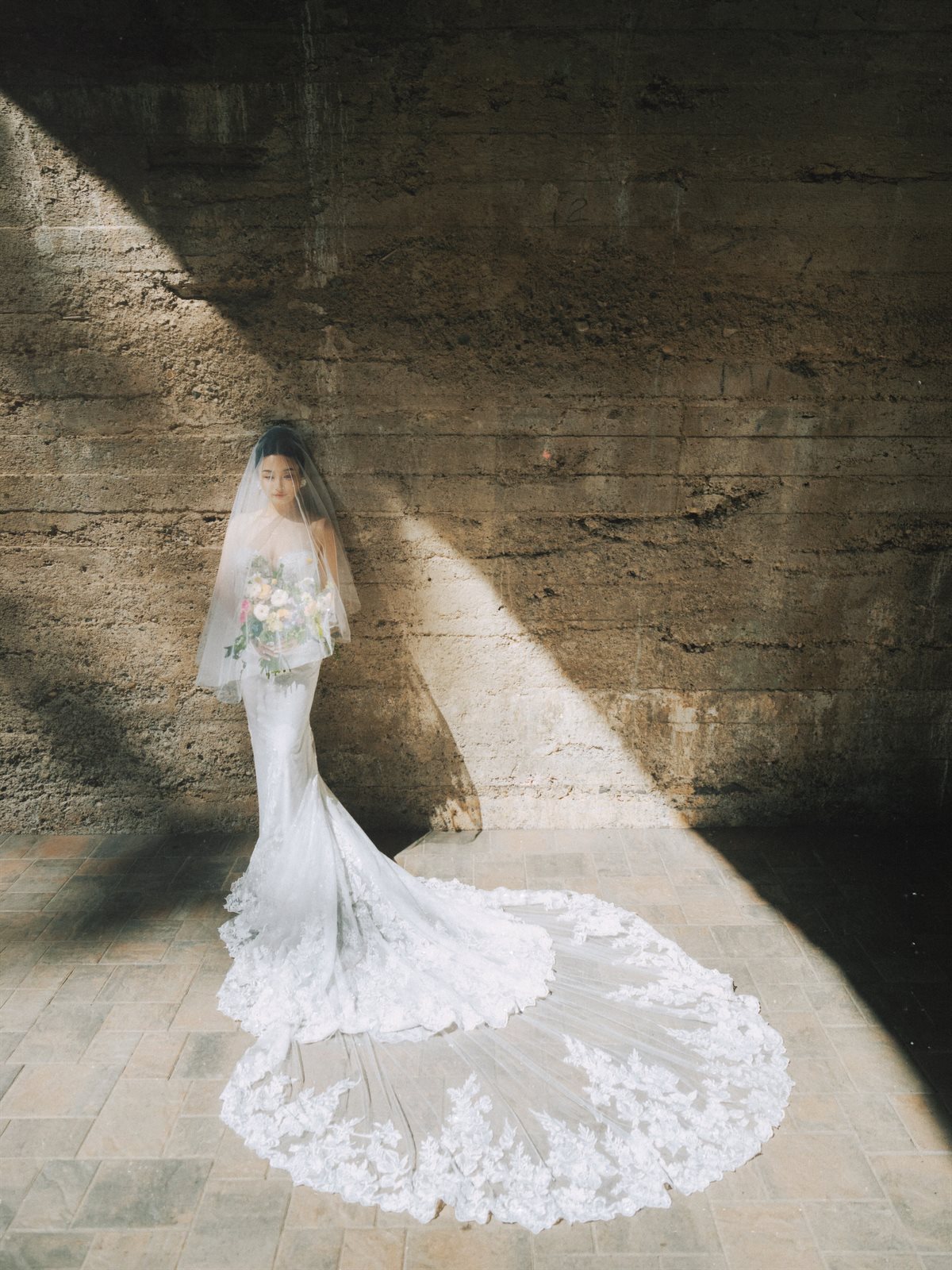
Allen Cao calls himself “probably one of the most social photographers you'll meet.” He's a Seattle-based photographer and self-described ENFJ who grew up in Northeast China, flies 70 to 80 times a year for work, and, by his own count, makes at least one new friend at almost every wedding. But the two weddings he names as most memorable are a small mountain elopement and a Kauai wedding held while a hurricane moved through the island.
“I'm originally from Northeast China, and I've called the U.S. home for the past 14 years. I went to college here, built my career here, and eventually found my way into the wedding world about eight years ago,” Allen explains. Where he comes from, he says, has shaped a lot of who he is.
“People from Northeast China are known for being warm, outgoing, and always ready to make a new friend, and I think I carry a lot of that with me. I’m also an ENFJ, so I genuinely love meeting people, hearing their stories, and finding connections with people I might never have met otherwise.”
Photography started earlier than the career did.
“I started taking photos back in college, and I used to carry a little film camera with me almost everywhere. I was always photographing whatever caught my eye, especially the little things that were easy to miss. Looking back, I think that habit really shaped the way I see things today.”
He connects that habit to why he fell in love with weddings.
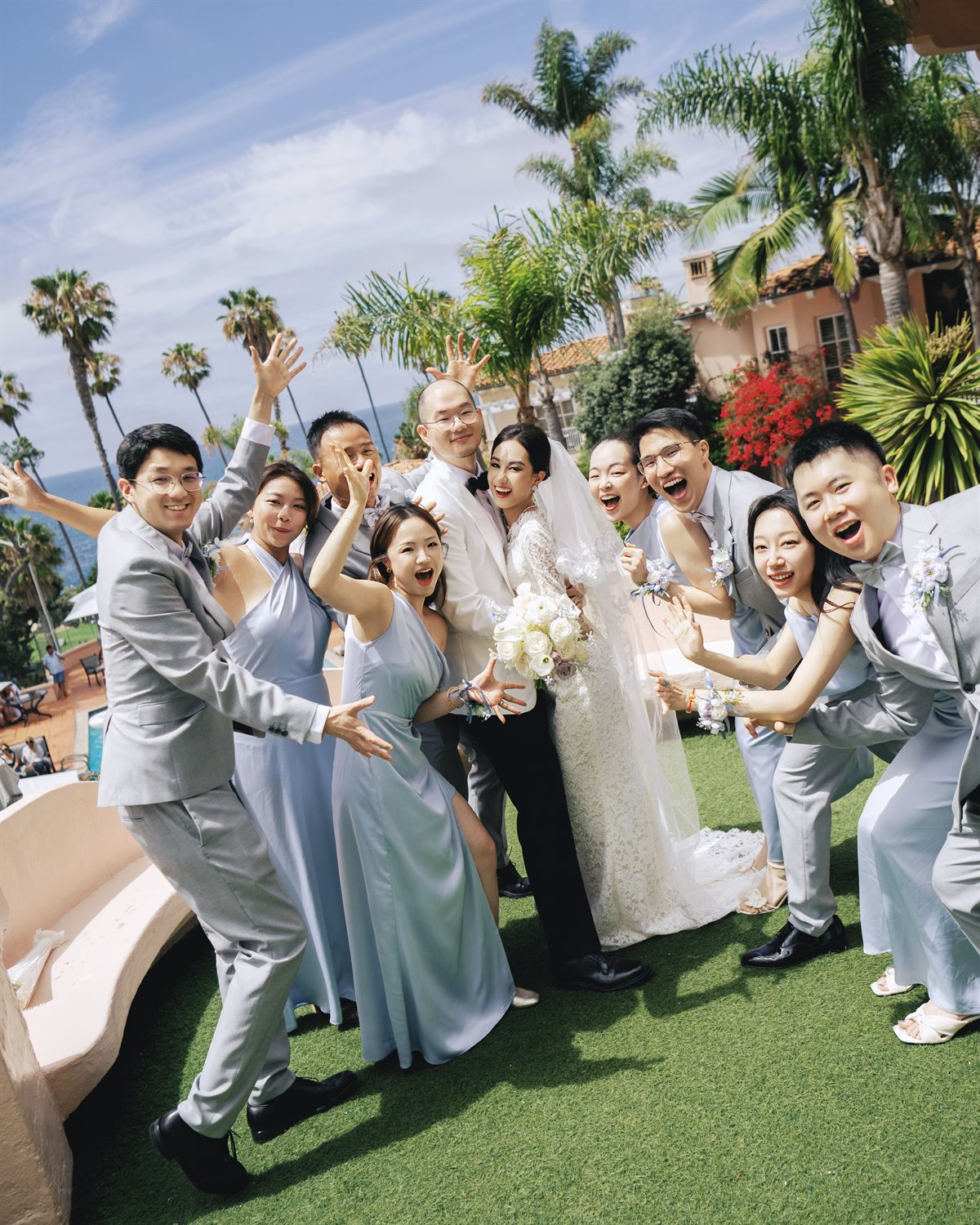
 Every wedding brings me into a completely different little world for a day, with new people, new stories, different cultures and traditions.
“Eight years later, that part of what I do still excites me just as much as it did in the beginning.”
What Allen enjoys most about the work comes down to one word. “Honestly, it's the people,” he says.
“I love walking into a wedding where I barely know anyone and, little by little, getting to know everybody. You start talking to the parents, joking with the wedding party, hearing stories from childhood friends, and somehow by the end of the night, you don't really feel like a stranger anymore. I joke sometimes that I make at least one new friend at almost every wedding, but it's actually pretty true.”
That ease with strangers also shapes what he ends up photographing.
That's when I think the best photographs happen too, when people stop thinking about the camera and just become themselves.
“I’m always drawn to that realness: the laughter, the tears, the energy, the little imperfections, and those completely unplanned moments when people just feel fully alive. That's what I want to capture. Not only how a wedding looked, but the life that was happening inside it.”
By the end of the night, he says, it usually plays out the same way: “I'll usually know half the wedding party's stories by the end of the night, someone's uncle will have offered me a drink, and I'll probably have made at least one new friend.”
Asked for his most unforgettable wedding location, Allen doesn't name a grand venue. “I get asked this question a lot, and after so many weddings in so many beautiful places, my answer is actually a very small elopement in the North Cascades,” he says.
“It was in 2024, with Mount Baker in front of us and Mount Shuksan behind us. The couple had already been married for five years, but the groom was very sick with cancer. His wife had found some of my work in the mountains and reached out because they wanted to make one more set of memories together while they still could.”
What he remembers about that day is how much joy sat alongside it. “We could all feel how physically weak he was, but there was still so much joy between them. They laughed, they held each other, and on top of that mountain, they exchanged their vows again. I stood there listening to some of the most moving vows I've ever heard. When they finished, they were both in tears, holding each other with the North Cascades all around them. I still remember that moment so clearly.”
Even on a day like that, there was hope.
“At one point, we were talking about grabbing a beer together after he finished chemotherapy and trying a new bar in Seattle,” Allen recalls. What happened next changed how he thinks about the work. “About a month and a half later, I woke up to a message from his wife telling me that he had passed away. She thanked me for giving them those photographs and for preserving those last memories of them together.”
“I think something changed in me after that,” he reflects. “We often think of weddings as celebrations of happiness, but love is also about staying beside someone through pain, uncertainty, and goodbye.”
Standing there with them taught me that photographs can become much more than photographs. Sometimes they become one of the few ways we can hold onto someone after they're gone.
It reshaped what the job means to him.
“Since then, I've never really thought of photography as simply my career. It's become part of how I experience life, how I remember people, and how I remind myself to be present for the time we're given.”
“I'm based in Seattle, but a big part of my work is destination weddings, so I'm on the road quite a bit,” Allen explains. “At this point, traveling has simply become part of the rhythm of my work. I usually take around 70 to 80 flights a year, and I've already flown close to 200,000 miles in 2026 alone.”
His most frequent territory spans Seattle, the Hawaiian Islands - Oahu, Maui, the Big Island, Kauai, and Lana'i - California, especially the Bay Area and Los Angeles, plus New York, Boston, Chicago, Las Vegas, and Miami. Beyond the U.S., the list keeps growing. “I'm available for weddings worldwide, and it's something I genuinely love about what I do,” he says. “Over the years, my work has taken me to Japan, Taiwan, and China, and I'll also be heading to Europe and Mexico for weddings this year and next.”
What draws him to it is the learning.
“There's something really special about experiencing a wedding in a new place, especially when I get to learn about the people, the culture, and the traditions along the way.”
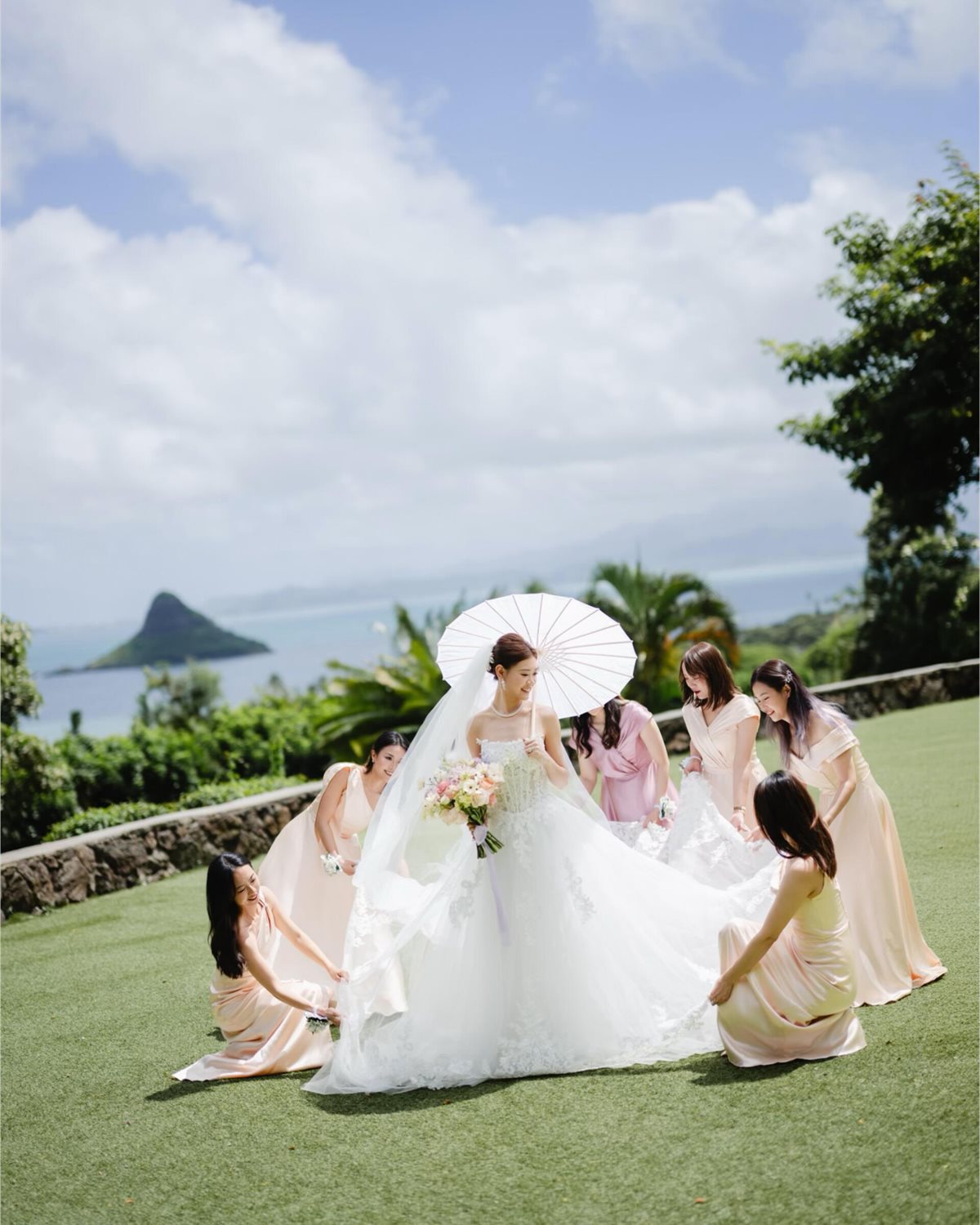
Asked which wedding has stayed with him most, Allen points to a recent one in Kauai, and it has a very different mood. “Hurricane Lala was moving through Hawaii, bringing heavy rain and tropical-storm-force winds to the island. Almost nothing went according to plan,” he says.
“We had dreamed of this beautiful outdoor wedding by the ocean, but suddenly we had to move almost everything into a semi-indoor space. The planner, hotel team, photo, video, hair and makeup, everyone jumped in. At that point, nobody really cared whose job was whose.”
What came out of the chaos wasn't the rescue itself, but what happened between the people doing it. “The couple saw how much our team cared and how hard everyone was working for them. Somewhere in the middle of all that chaos, it stopped feeling like a photographer-and-client relationship. We became friends, working together to make the best day we possibly could,” Allen recalls. There was even a small reward for it.
“We even got a small break in the weather around the ceremony, and after everything we had been through together, that moment felt even more special.”
He ties it to a saying he's always loved.
“‘Don't wait for the storm to pass; dance in the rain.’ That day in Kauai, we actually got to live it.”
The wedding wasn't unforgettable because everything went perfectly. It stayed with me because it didn't, and somehow we still made something beautiful out of it, with no regrets.
For a few years, Allen's calendar looked nothing like it does now. “I used to be a little crazy with my schedule! For the past few years, I've photographed over 100 weddings and engagement sessions a year, including engagements, destination shoots, and honeymoons,” he admits. These days, the pace has changed.
“I'm slowing down a little and putting more time and energy into each wedding. Around 50 weddings a year feels like a good number for me, and moving forward, I'd actually love to do fewer, but make each one more meaningful. Quality and connection matter much more to me now than the number.”
Staying sharp, for him, involves looking back honestly at his own work.
“At almost every wedding, I have someone on my team filming behind the scenes throughout the day. Afterwards, we'll sit down together, look back at how we worked, and talk about what we could have noticed or done better. It keeps me from getting too comfortable,” he says.
Some of his inspiration comes from unexpected places. “A lot of my inspiration now comes from photography outside of weddings. I love looking at photographers who document ordinary life: their families, strangers on the street, small details, or something happening in nature,” he notes.
It reminds me that a meaningful photograph doesn't always need a big moment.
On what keeps him inspired after hundreds of weddings, the answer is people. “I think it is people, definitely. I've photographed hundreds of weddings, but I've never photographed the same people twice,” he reflects.
I think the biggest thing is staying curious. As long as I'm still curious about people, places, and life, I don't think I'll ever run out of things that inspire me.
And if the job ever needs summing up, he has a version ready. “I get to photograph people, travel somewhere new, eat good food, hear great stories, and somehow call all of that my job,” he says. “I still think that's pretty amazing.”