African American Wedding Traditions and Their Meaning


- Why Are African American Wedding Traditions So Meaningful?
- African American Wedding Ceremony Traditions
- Black American Wedding Traditions at the Reception
- African American Wedding Attire and Hairstyles
- How to Incorporate African American Marriage Traditions into Your Ceremony
- African American Wedding Songs for the Ceremony and Reception
- FAQ
African American wedding traditions connect a couple's love story to their family and faith, as well as to a long history of resilience. While some customs emerged from the experiences of enslaved people in the United States, others draw on West African practices that families have maintained or rediscovered over generations. Many couples also incorporate traditions from their own specific heritage, such as Nigerian, Ghanaian, Caribbean or Southern traditions. This guide explains the most meaningful of these customs, where they come from, and how to incorporate them into a ceremony and reception in a way that feels personal and respectful.
There is no single set of rules for a Black wedding in America, and no couple is expected to incorporate every tradition. Some choose one symbolic moment, such as jumping the broom, while others incorporate their heritage into every aspect of the day, from attire to music. The most important thing is to understand the meaning behind each custom and to choose the ones that reflect your families. Talking to parents and grandparents is often the best place to start, since they may remember traditions that aren't recorded anywhere.
Find Your Perfect Wedding Vendors

Why Are African American Wedding Traditions So Meaningful?
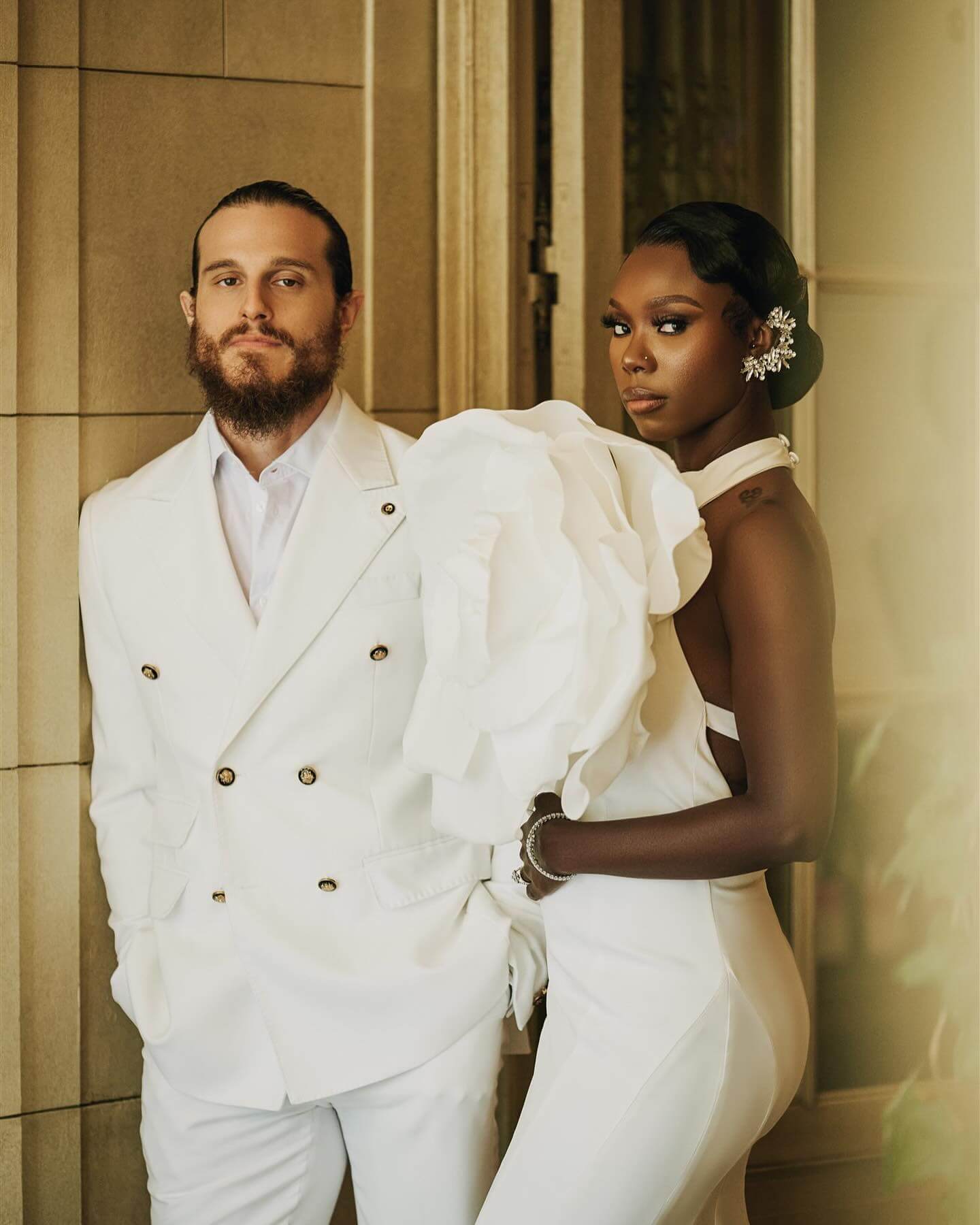
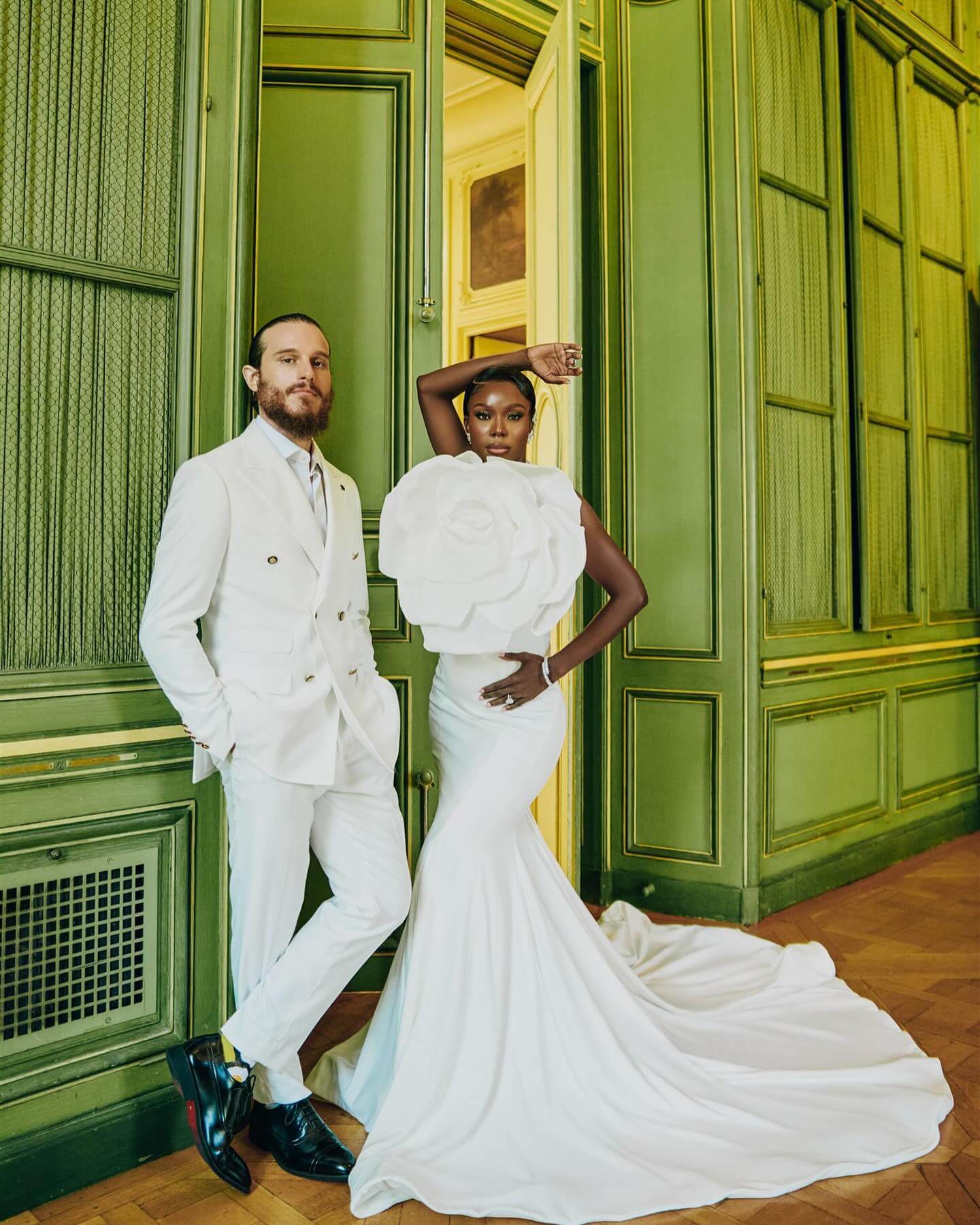
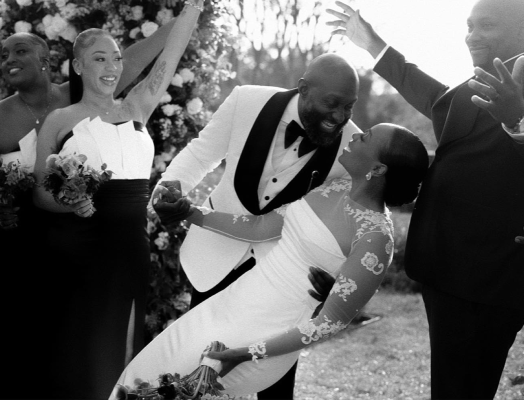
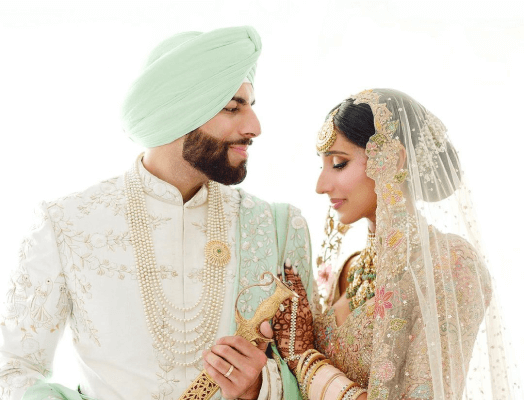
Black American wedding traditions are meaningful because they honor ancestors, celebrate community, and mark a freedom that was once denied. During the era of slavery in the United States, enslaved people were not permitted to marry legally, so they created their own rituals to acknowledge their unions within the community. Including these customs today is a way to remember that history and celebrate the families who have passed them down through the generations. Faith also plays a central role, as many couples are married in the Black church or are influenced by it. For guests, these moments often become the most emotional and memorable part of the day.
After emancipation, many formerly enslaved couples hurried to make their marriages legal, often registering them through the Freedmen's Bureau. These records remain a valued part of family history. In the decades following the civil rights movement, interest in African heritage increased, and couples started incorporating Kente cloth, libations, and other West African elements into their weddings. Today, most celebrations blend several influences, including church traditions, African customs, Southern family recipes, and personal touches. Weddings also remain community events where extended family, church members, and neighbors play an active role. It is this combination of elements that gives each celebration a sense of history while also making it unique to the couple.
African American Wedding Ceremony Traditions
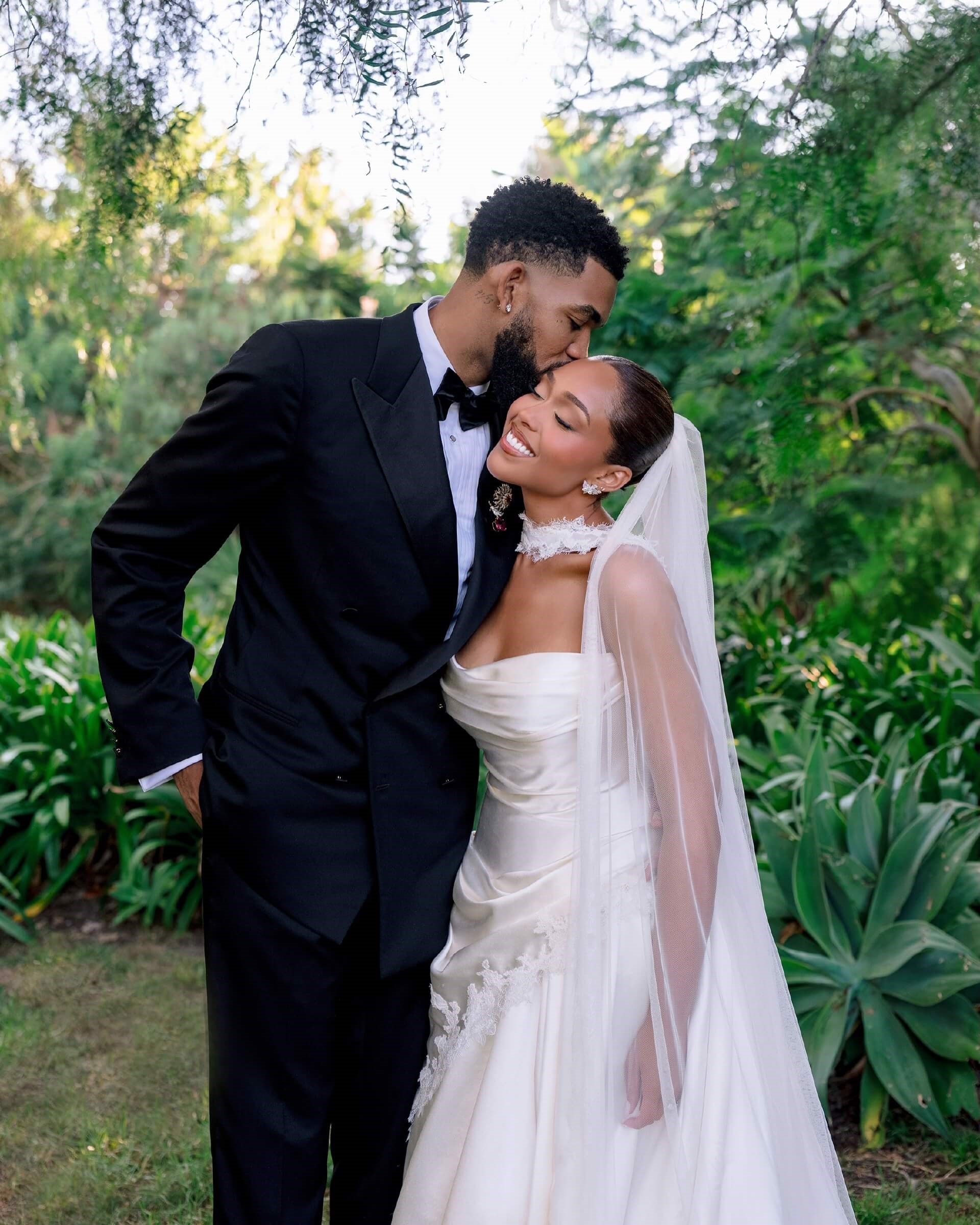
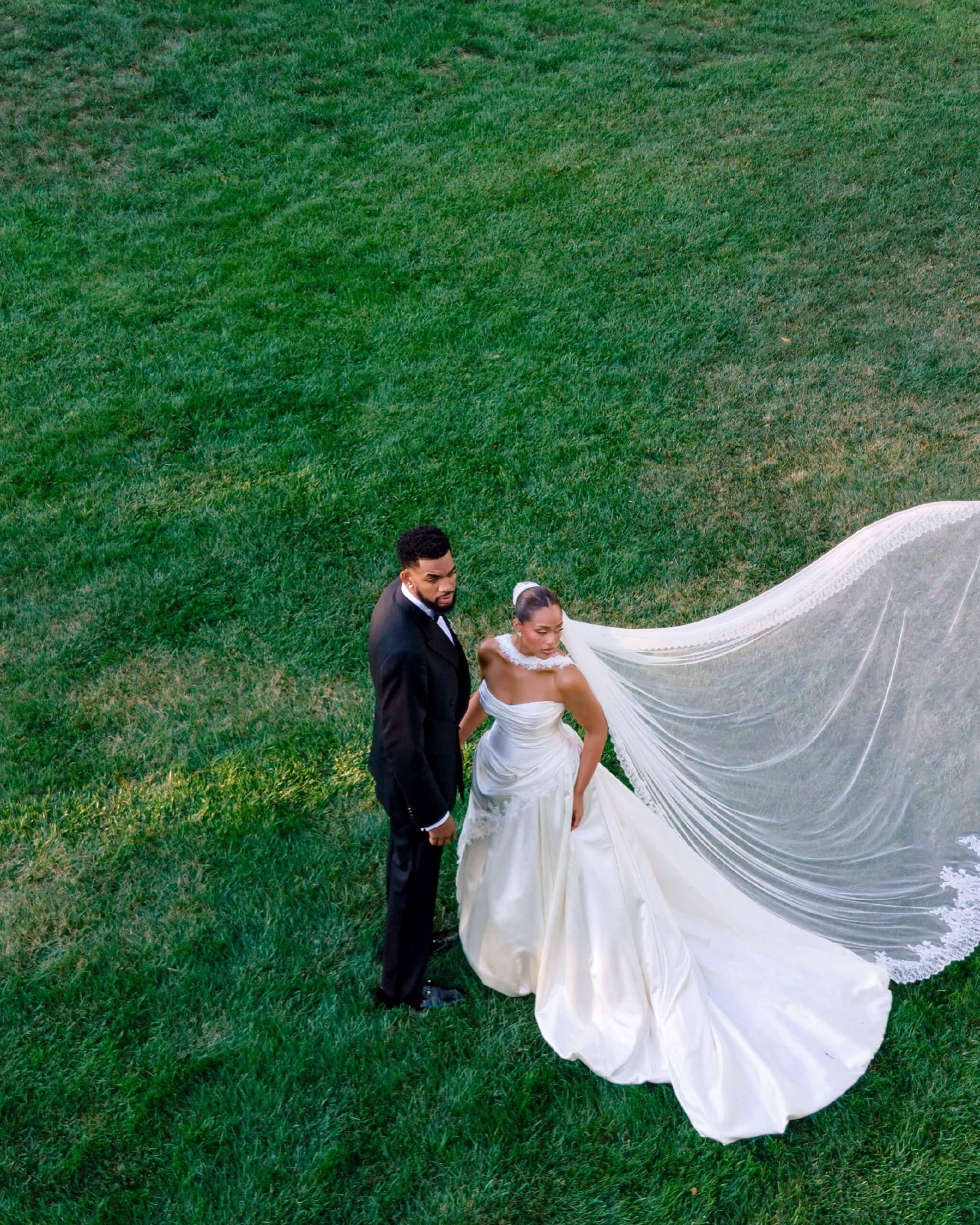
The best-known African American wedding traditions are jumping the broom, the libation ceremony, and the tasting of the four elements. Each of these can be incorporated into a religious or civil ceremony without altering its structure, and the officiant can provide a brief explanation of their significance to the guests. Couples often include one or two of these traditions rather than all three. The table below summarizes the main ceremony traditions and their origins.
| Tradition | Roots | Meaning | When it happens |
|---|---|---|---|
| Jumping the broom | Enslaved communities in the US | Recognition of the union and a new household | End of the ceremony |
| Libation ceremony | West African practice | Honoring ancestors and departed loved ones | Opening of the ceremony |
| Tasting the four elements | Often traced to Yoruba tradition | Facing life's flavors together | After the vows |
| Kola nut sharing | West African practice | Hospitality, healing and unity | During the ceremony |
Jumping the Broom
Jumping the broom is one of the most recognized African American marriage traditions and a powerful link to history. As enslaved people could not legally marry, jumping over a broom became a way for couples to publicly demonstrate their commitment to each other and to their community. This custom also appears in other cultures, but in the United States it has a particular significance tied to this history. The tradition was widely revived after the 1977 TV miniseries Roots introduced it to a new generation. Today, couples often decorate the broom with ribbons, flowers, or family fabrics, and keep it at home as a keepsake.
The Libation Ceremony
The libation ceremony honors ancestors and loved ones who have passed away by pouring water or another liquid onto the ground or into a plant. This tradition originates from West Africa, where libation is used to invite the blessings of those who came before. During the ceremony, an elder or the officiant usually names the ancestors being remembered as the liquid is poured. Many couples use water so that guests of all backgrounds feel comfortable taking part. Including a short explanation in the program helps guests who have never seen a libation ceremony before to understand its meaning.
Tasting the Four Elements
Tasting the four elements, which is often traced back to Yoruba tradition, involves the couple tasting four flavors that represent different aspects of married life. Lemon stands for the sour moments, vinegar for the bitter ones, cayenne pepper for the spicy or passionate times, and honey for the sweet ones. By tasting each one together, the couple demonstrates their readiness to share every season of their lives together. The officiant usually explains the significance of each flavor as the couple tastes it, which helps to keep guests engaged. Small bowls on a decorated table make the moment easy to photograph.
Kola Nuts, Palm Wine and Other West African Rituals
Couples with roots in a particular West African country will often incorporate rituals from that culture into their wedding ceremony. In the Igbo tradition of Nigeria, for example, an elder blesses and breaks a kola nut, a symbol of hospitality and unity, and shares it with the couple and their families. In the Igbo wine-carrying ceremony, known as Igba Nkwu, the bride searches for the groom among the guests and offers him a cup of palm wine. His drinking it confirms that he is the man she has chosen. In Ghana and parts of Nigeria, families may also hold a knocking ceremony before the wedding, during which the groom's relatives visit the bride's family with gifts to formally request her hand in marriage. These rituals work best when led by relatives who are familiar with them.

Black American Wedding Traditions at the Reception
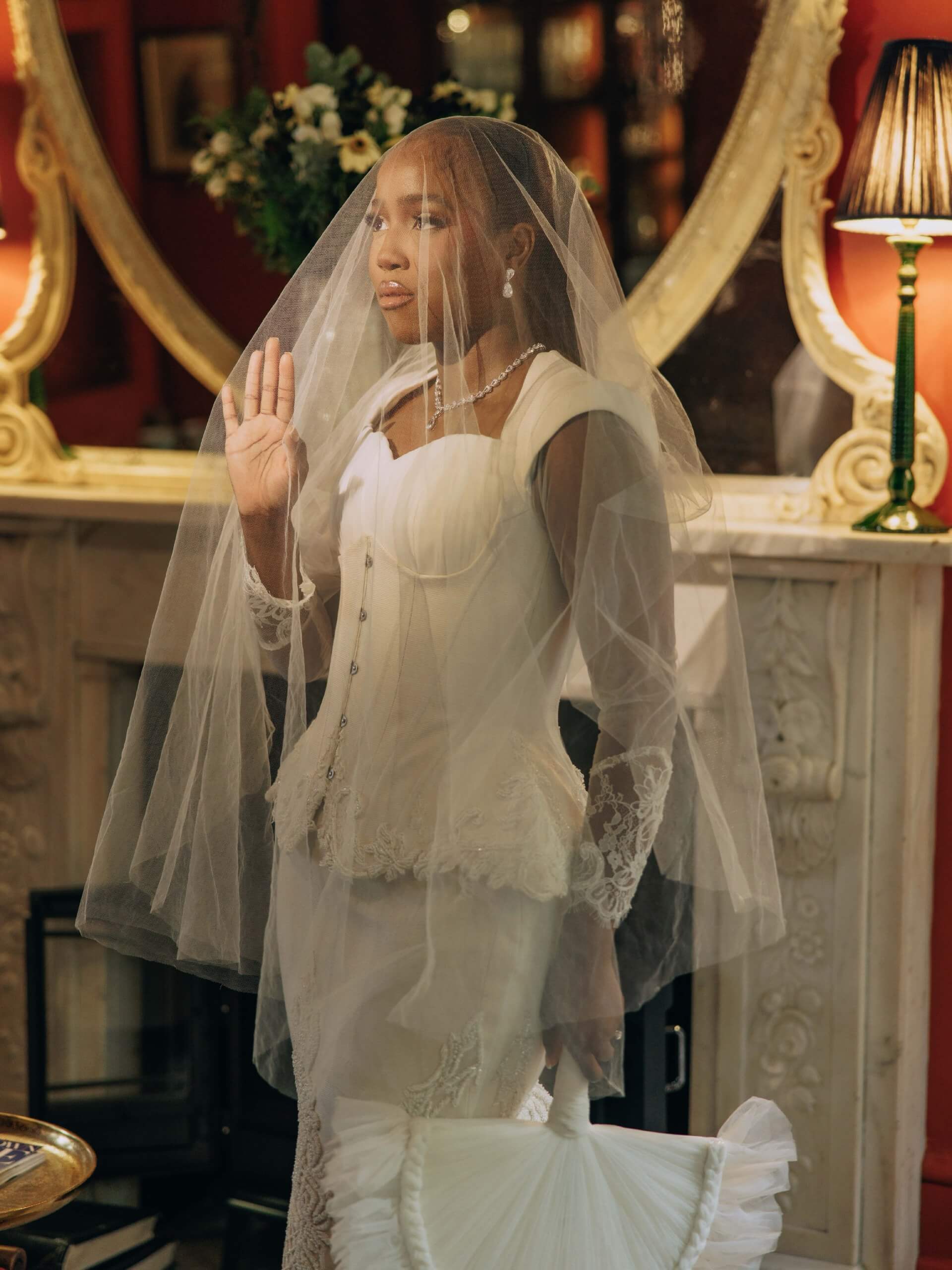
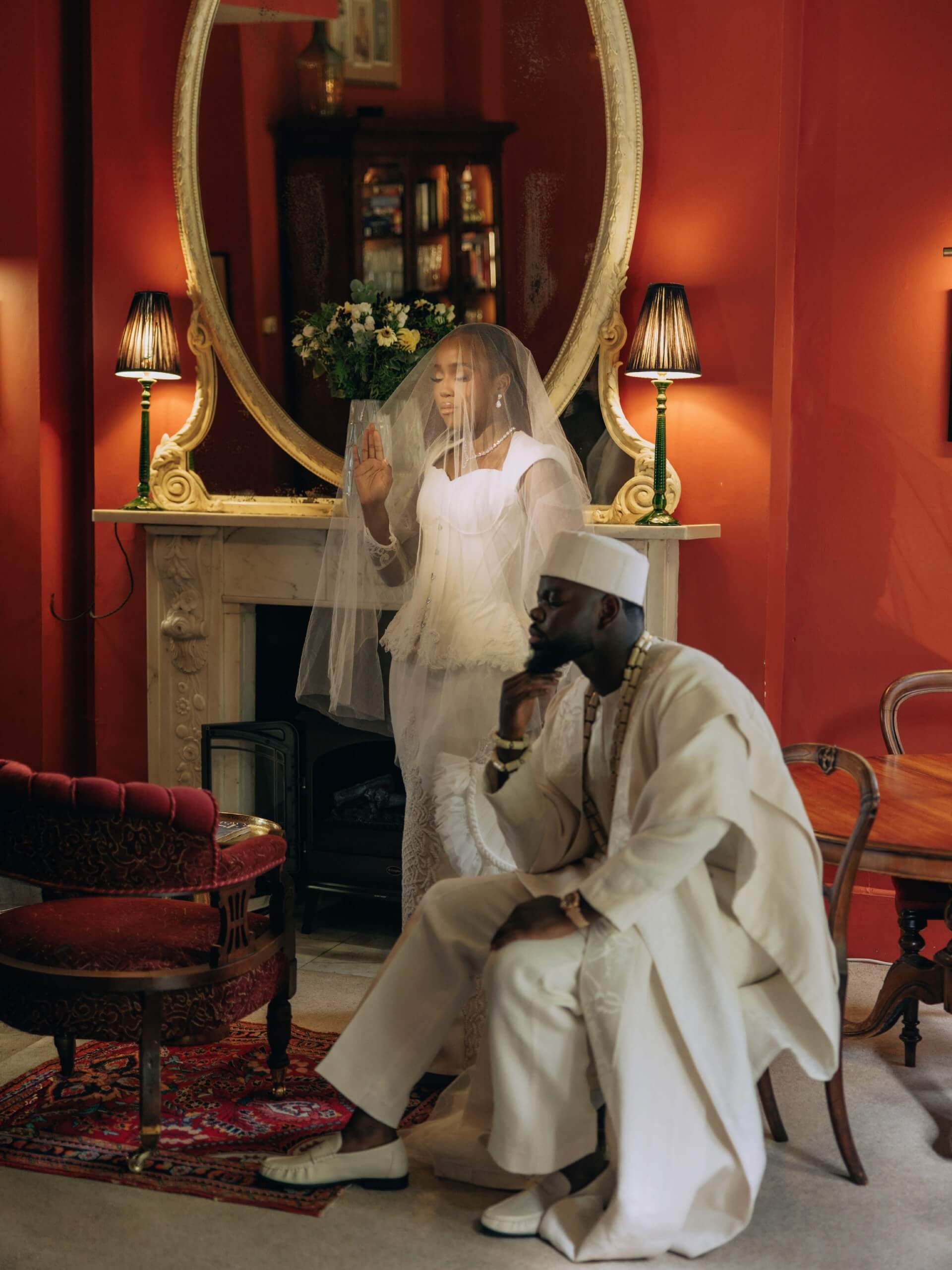
At the reception, many couples celebrate their heritage through music, dance and food. A second line, inspired by the brass band parades of New Orleans, transforms the couple's arrival or departure into a joyful procession. Guests wave handkerchiefs or decorated parasols as they follow a band. Live drumming can open the reception or accompany the grand entrance, connecting the celebration to West African musical traditions. Some couples serve dishes that reflect family recipes, ranging from soul food classics to West African favorites such as jollof rice. Kraak takes a similarly personal approach to the menu:
 We would rather focus on something true to the couple or client - something that has meaning for them and their family and friends. It brings nostalgia to the experience.
The decor can carry meaning, too. Examples include Kente cloth table runners, cowrie shells (which were once used as currency and are associated with prosperity) and kola nuts (a West African symbol of hospitality). Family photos on a memory table honor relatives who cannot be there. Many couples also include a moment for the elders, such as a blessing or a toast, to recognize the people who have helped shape their lives. These details make the reception feel personal without overwhelming guests who may be unfamiliar with the traditions.
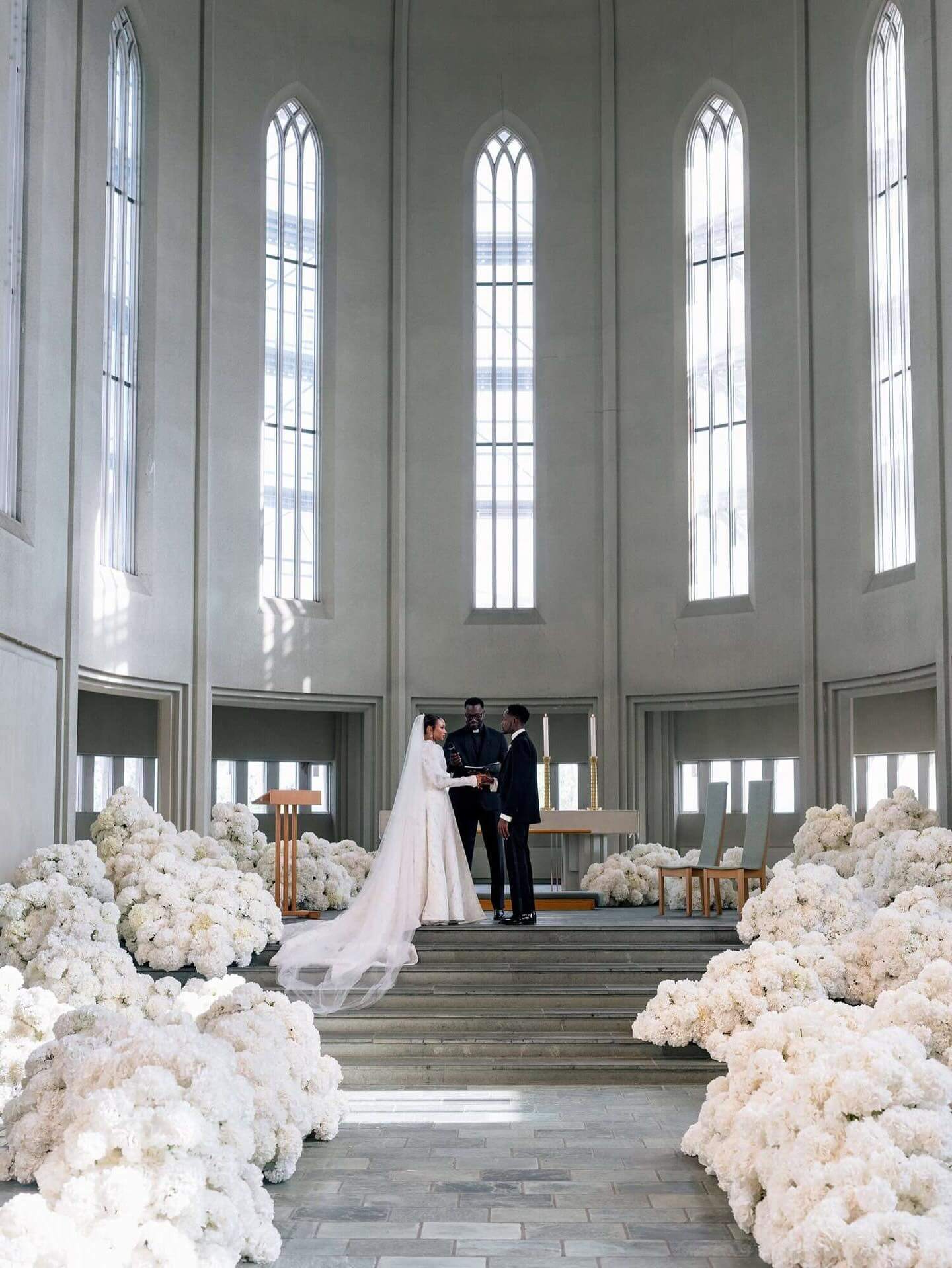
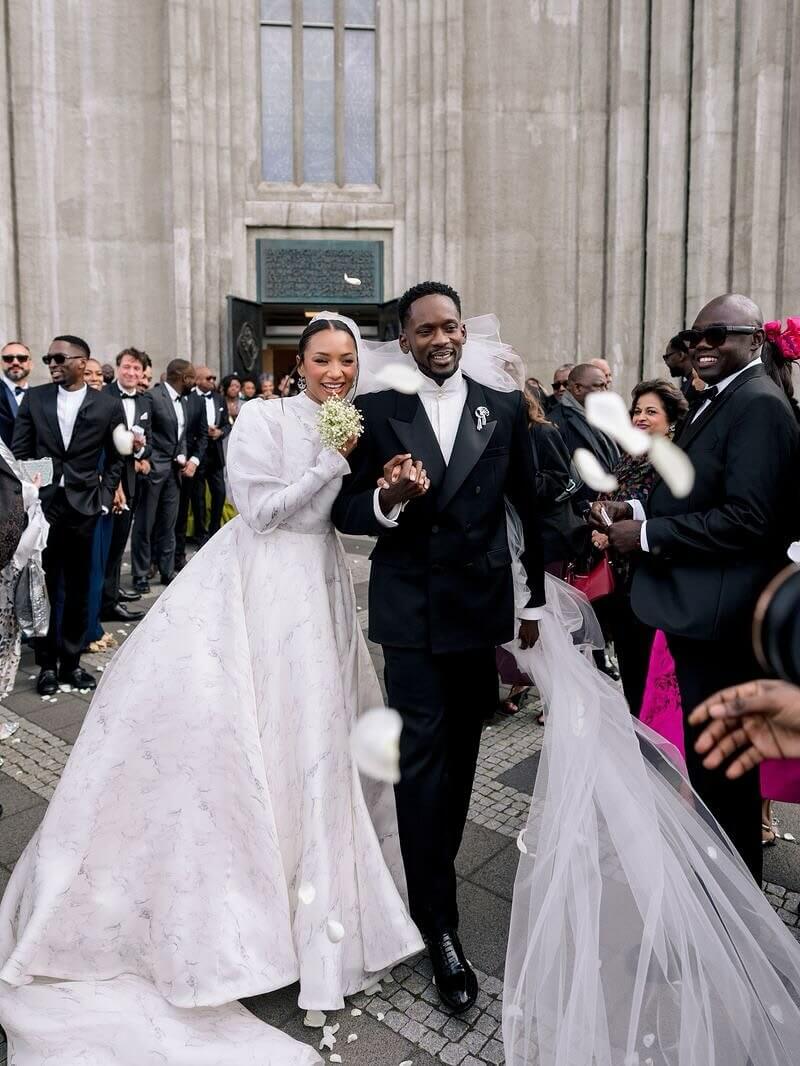
Dancing is often at the heart of the party. A Soul Train line, named after the long-running TV show, lets guests take turns dancing down a corridor of cheering friends and family. Line dances such as the Electric Slide, the Cupid Shuffle, and the Wobble bring people of all ages onto the dance floor. Couples of Nigerian heritage may also include money spraying, a tradition in which guests shower the newlyweds with banknotes as they dance, as a joyful wish for prosperity. Friends of the couple usually collect the money so that the newlyweds can continue dancing uninterrupted.
African American Wedding Attire and Hairstyles
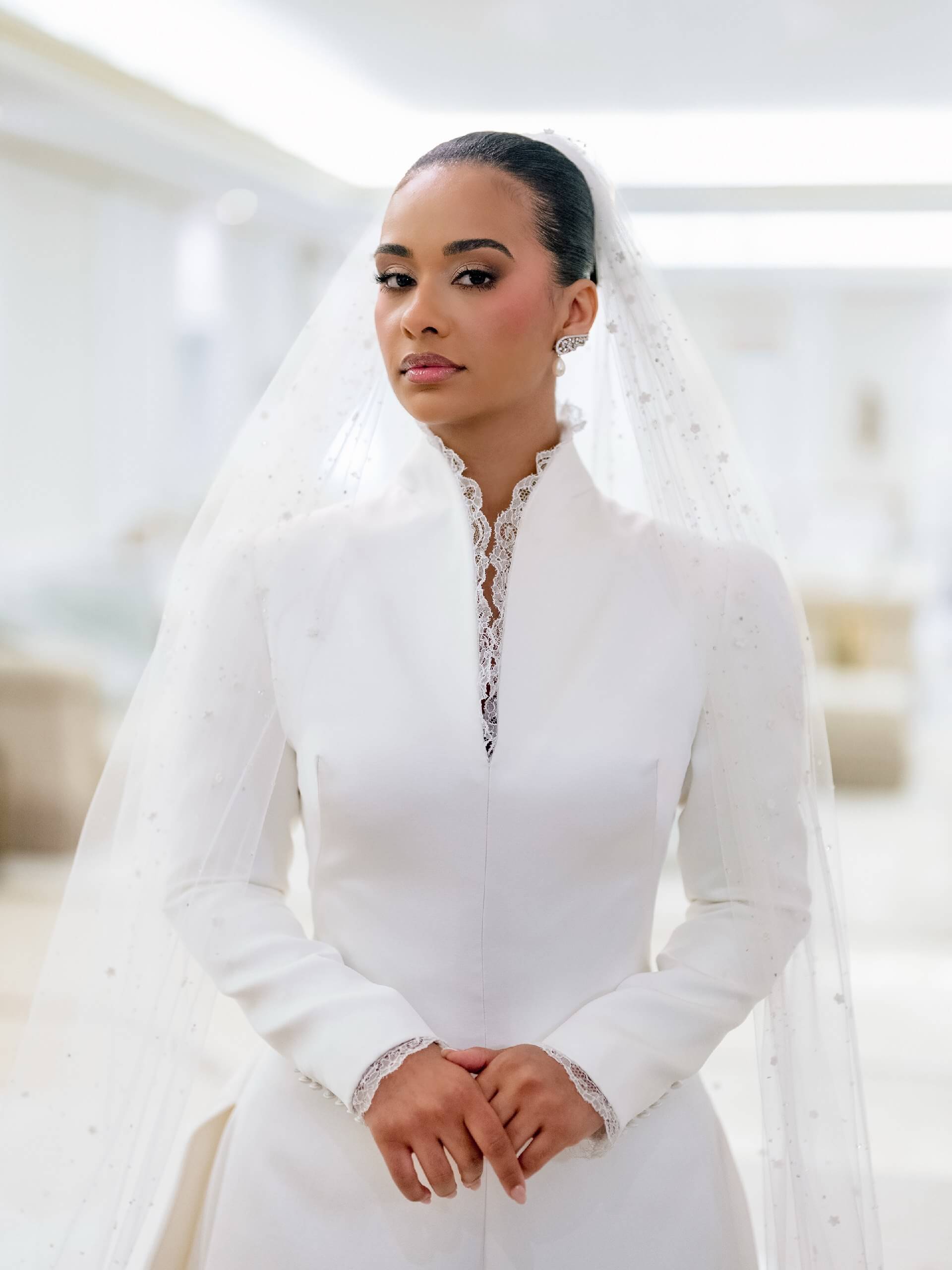
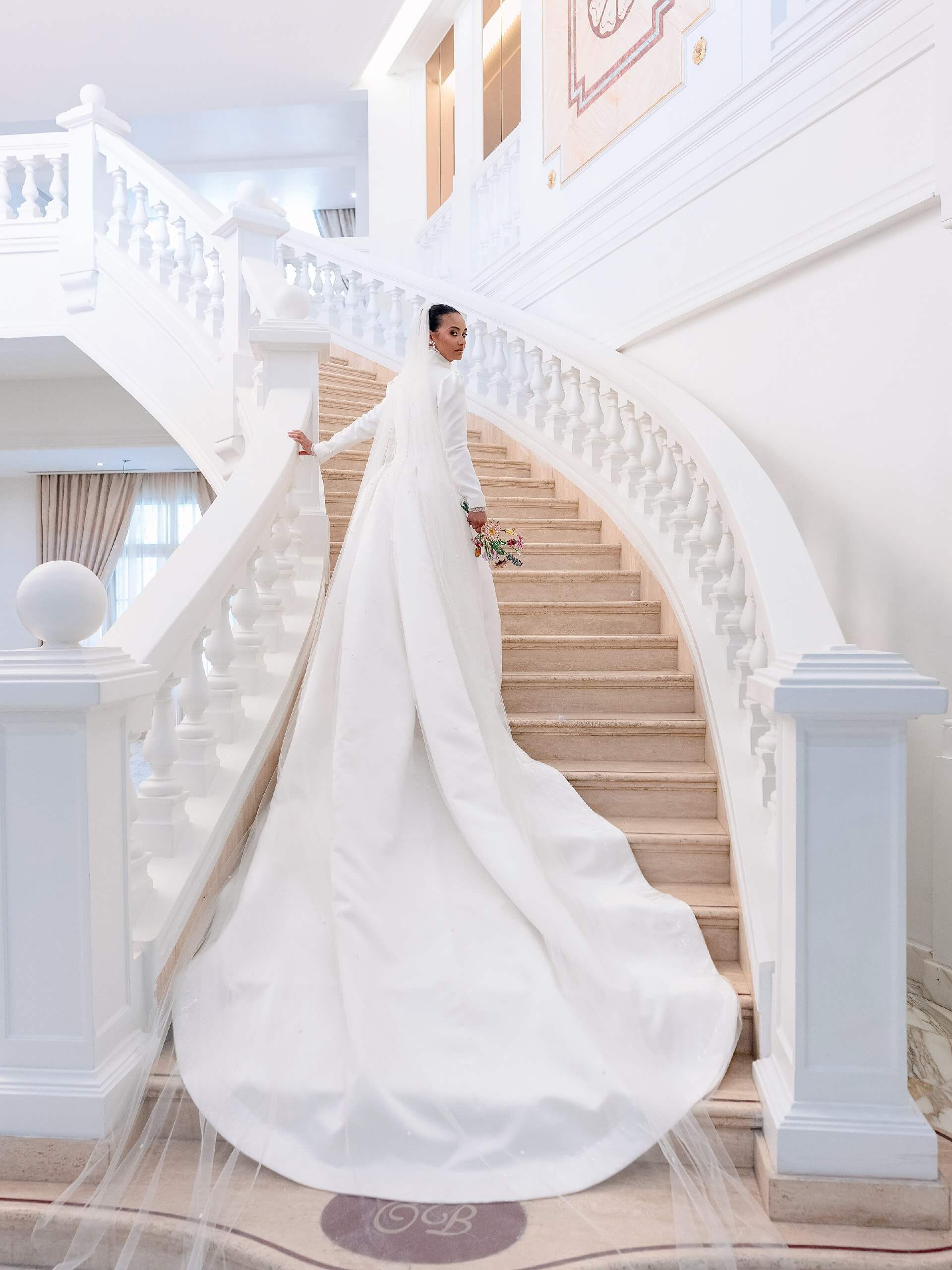
African American wedding attire and hairstyles allow couples to celebrate their heritage, personal style, and natural beauty. While some opt for a classic white gown and tuxedo, others wear African fabrics during the ceremony or change into them for the reception. Many couples combine the two, adding cultural details to a modern look. The two sections below cover the most popular options.
Traditional Wedding Attire
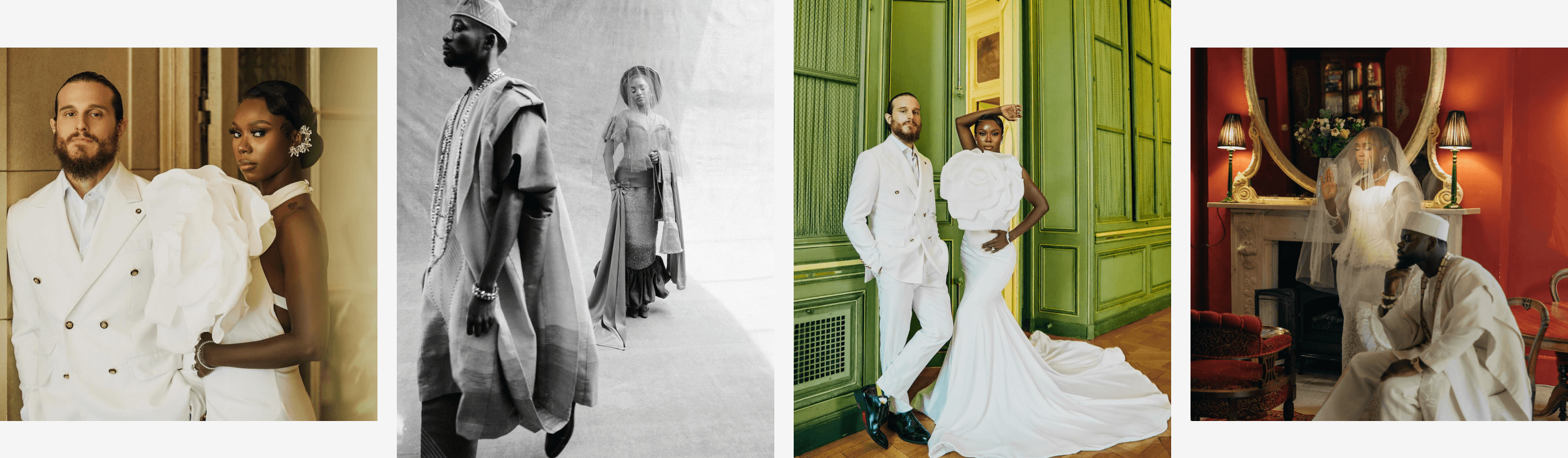
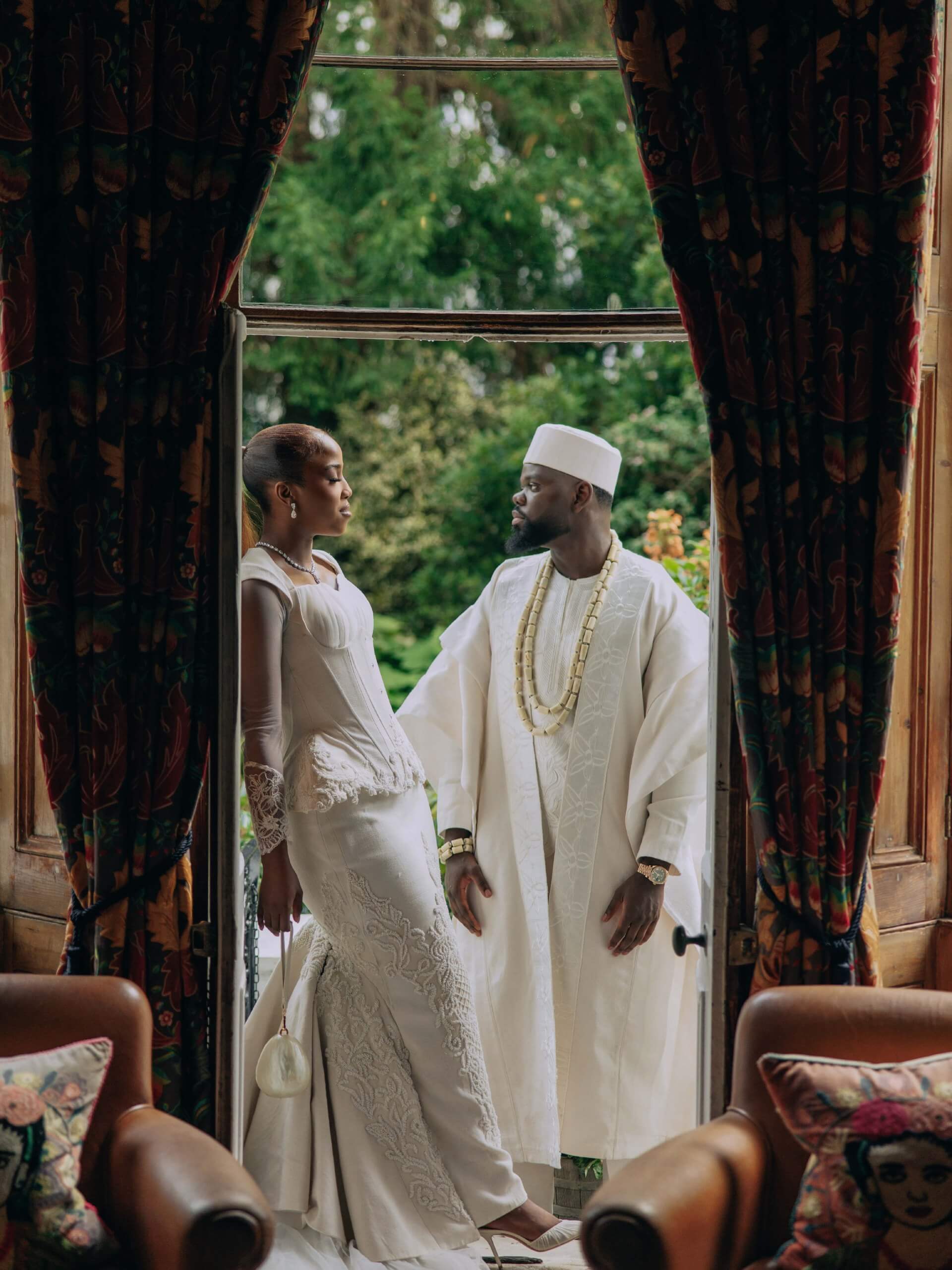
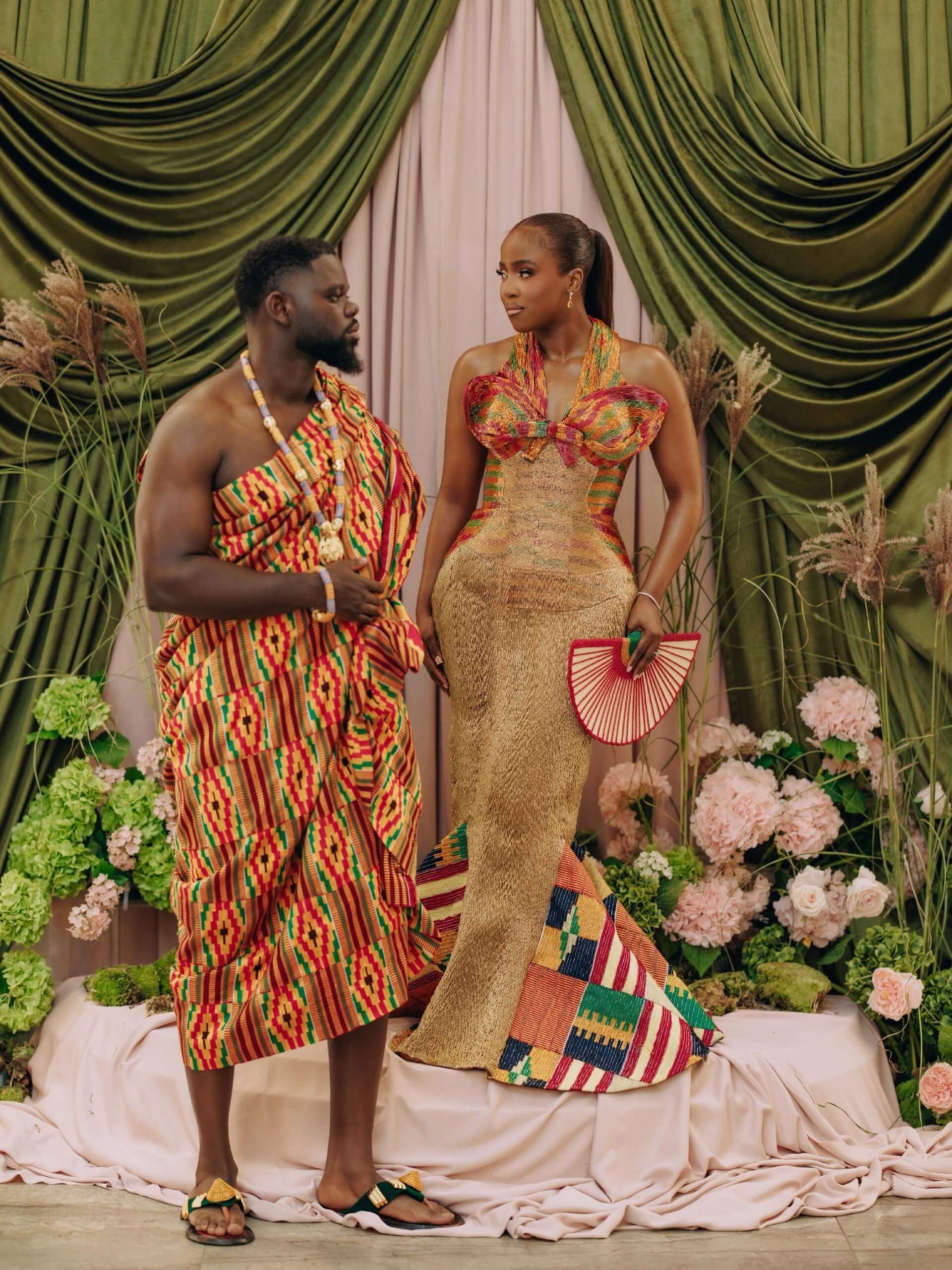
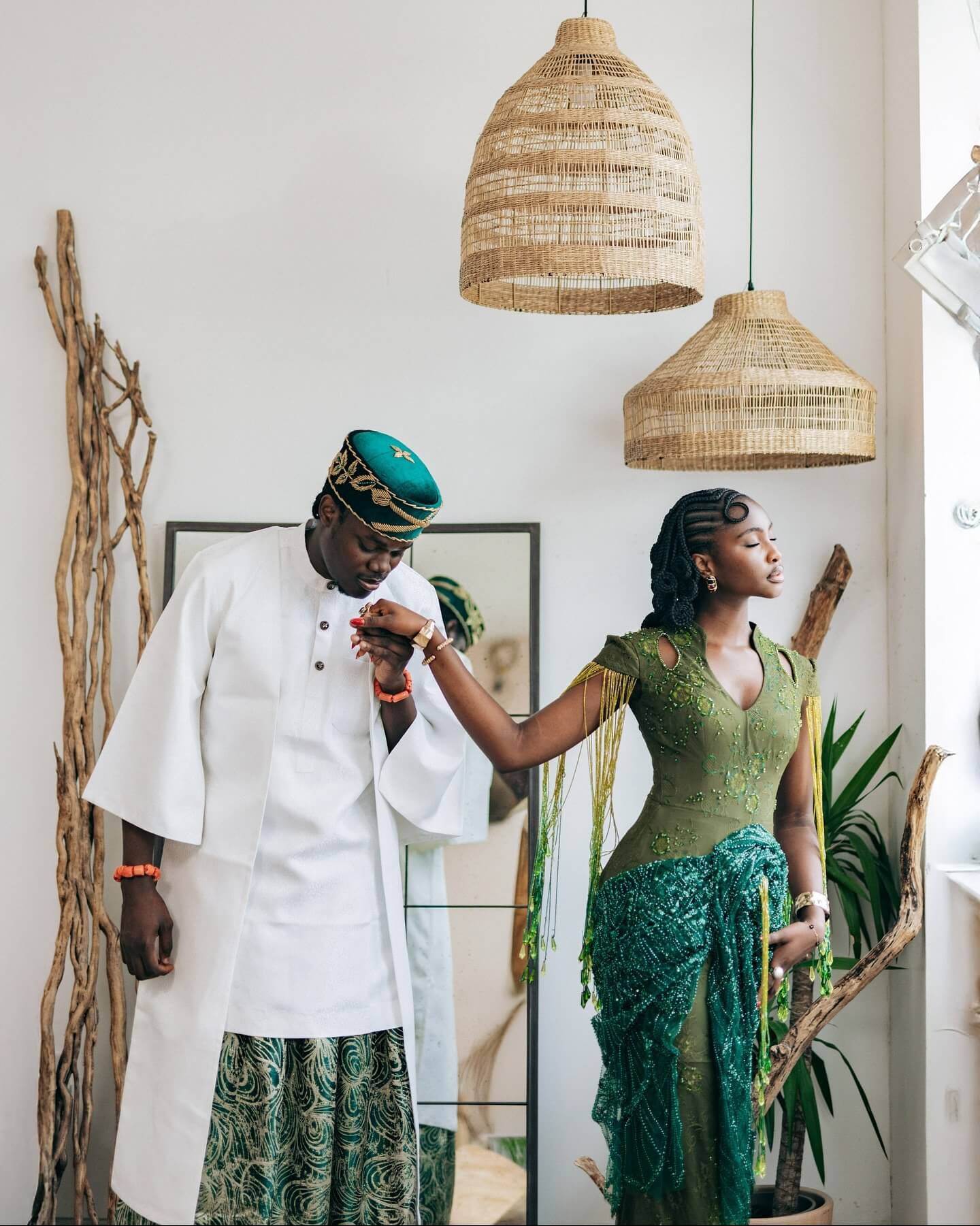
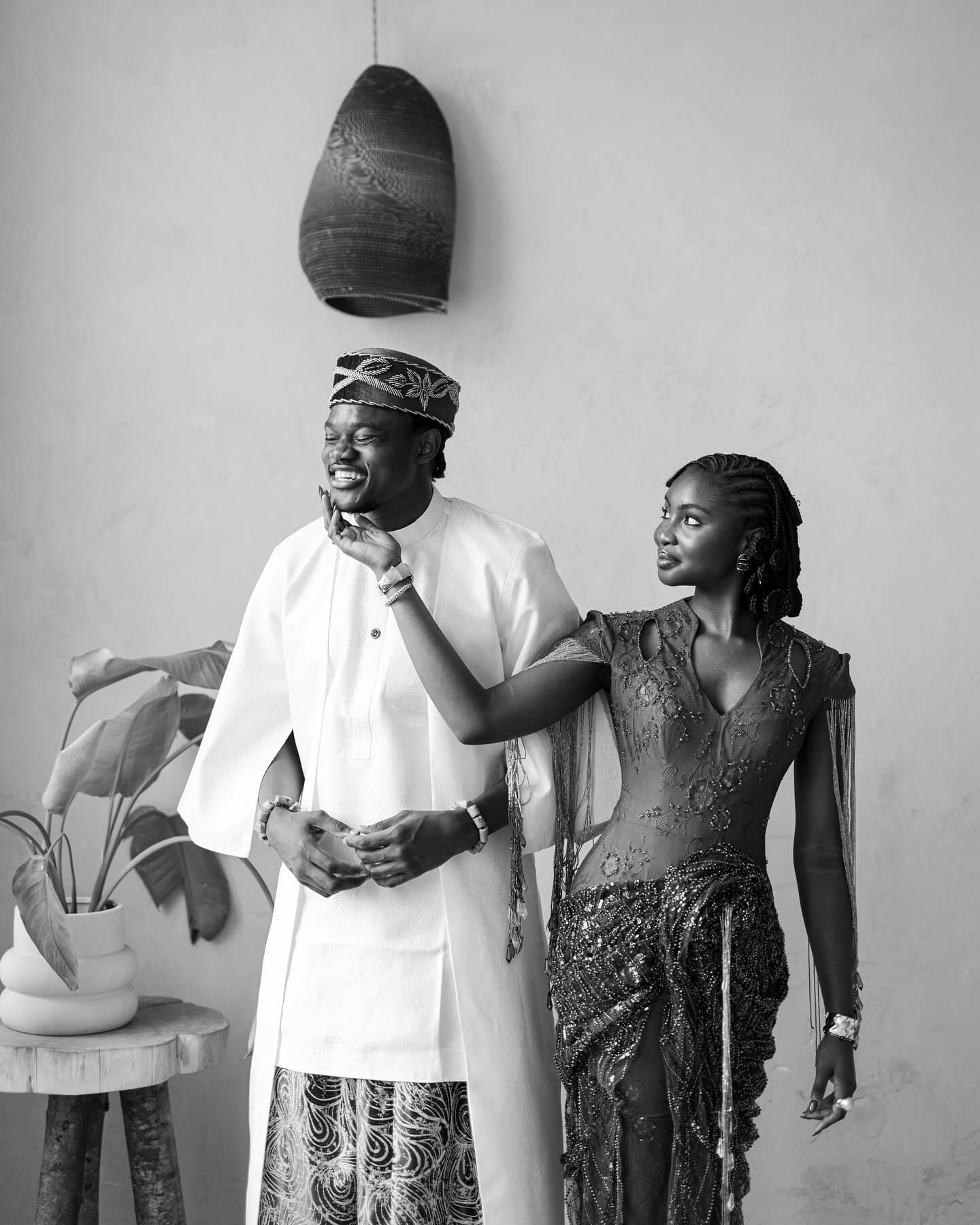
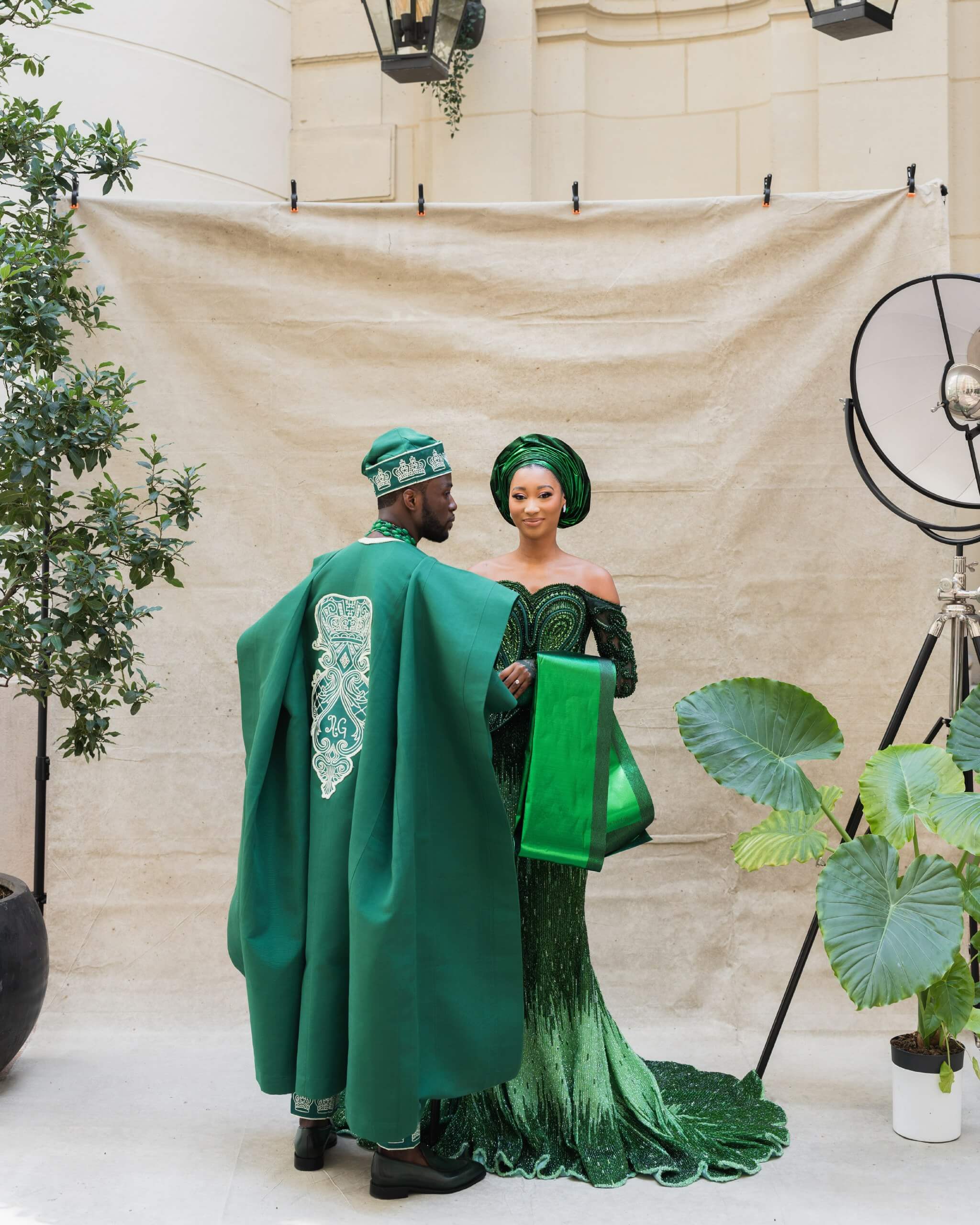
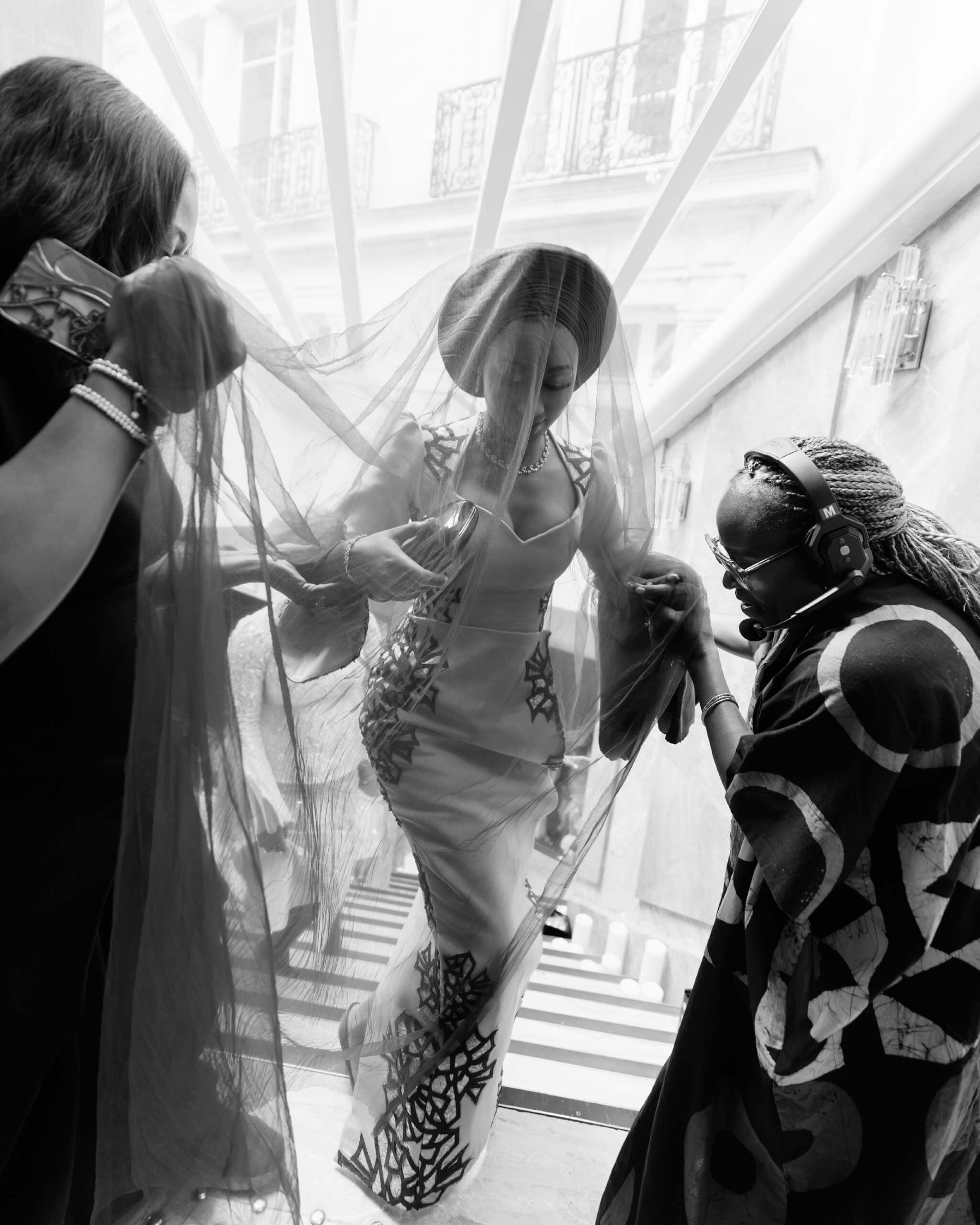
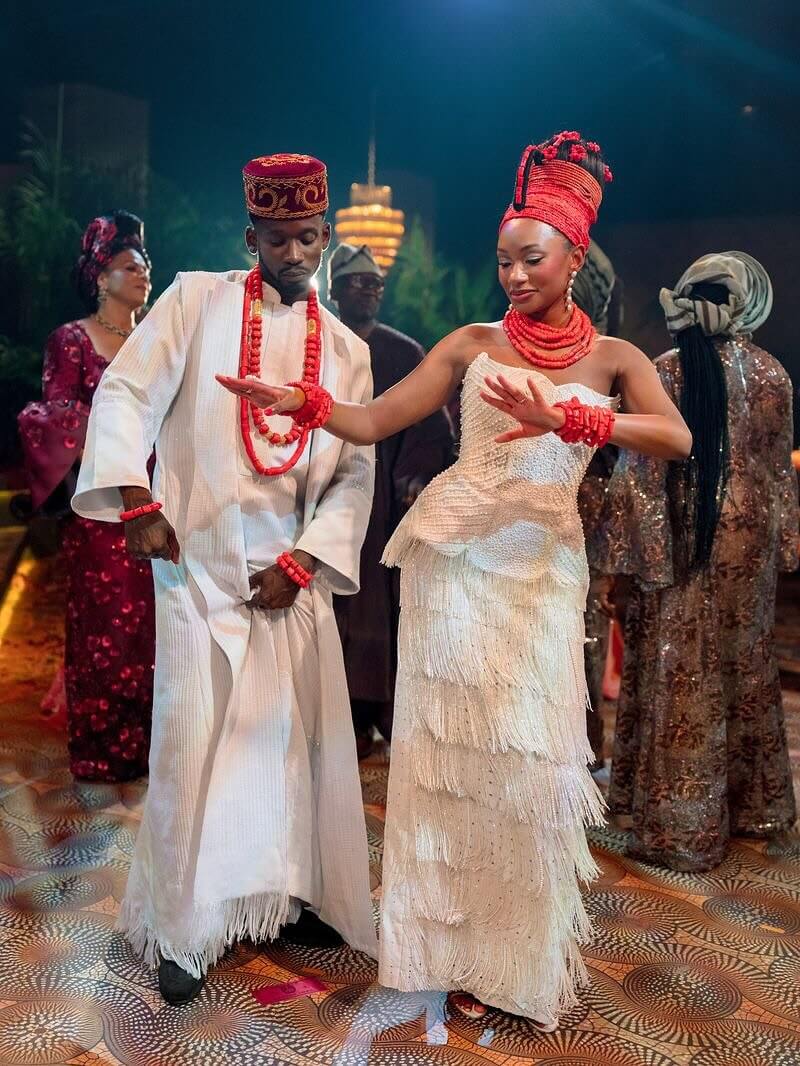
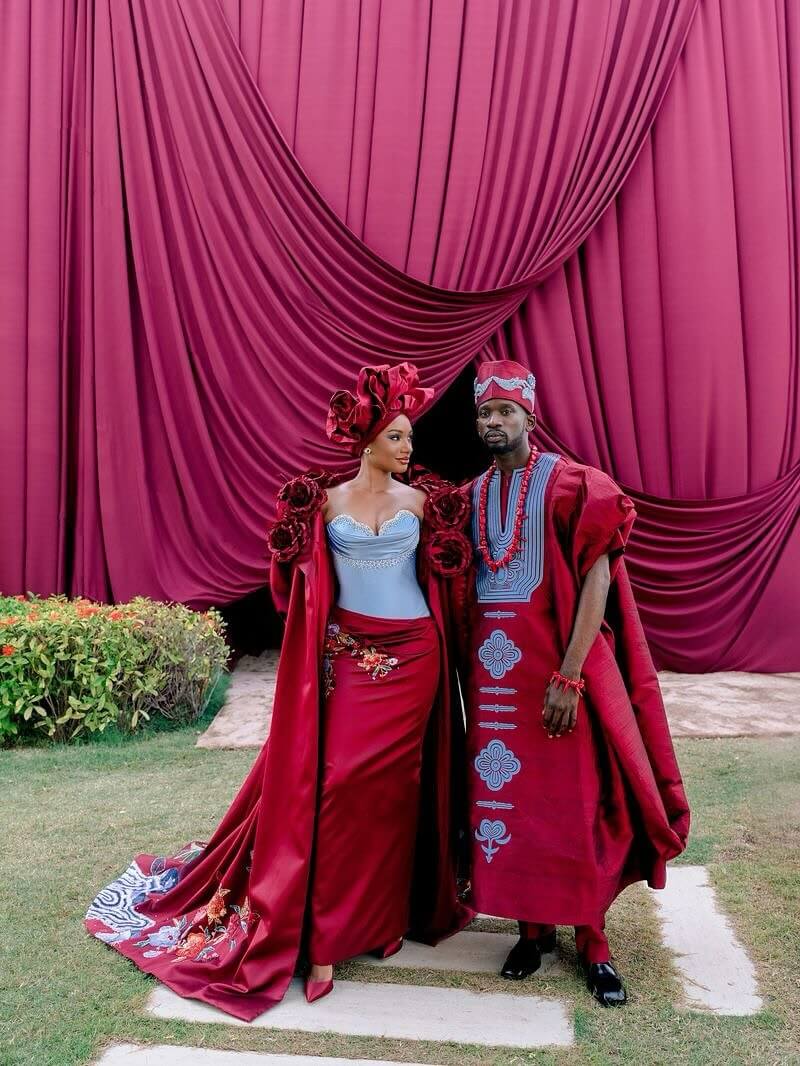
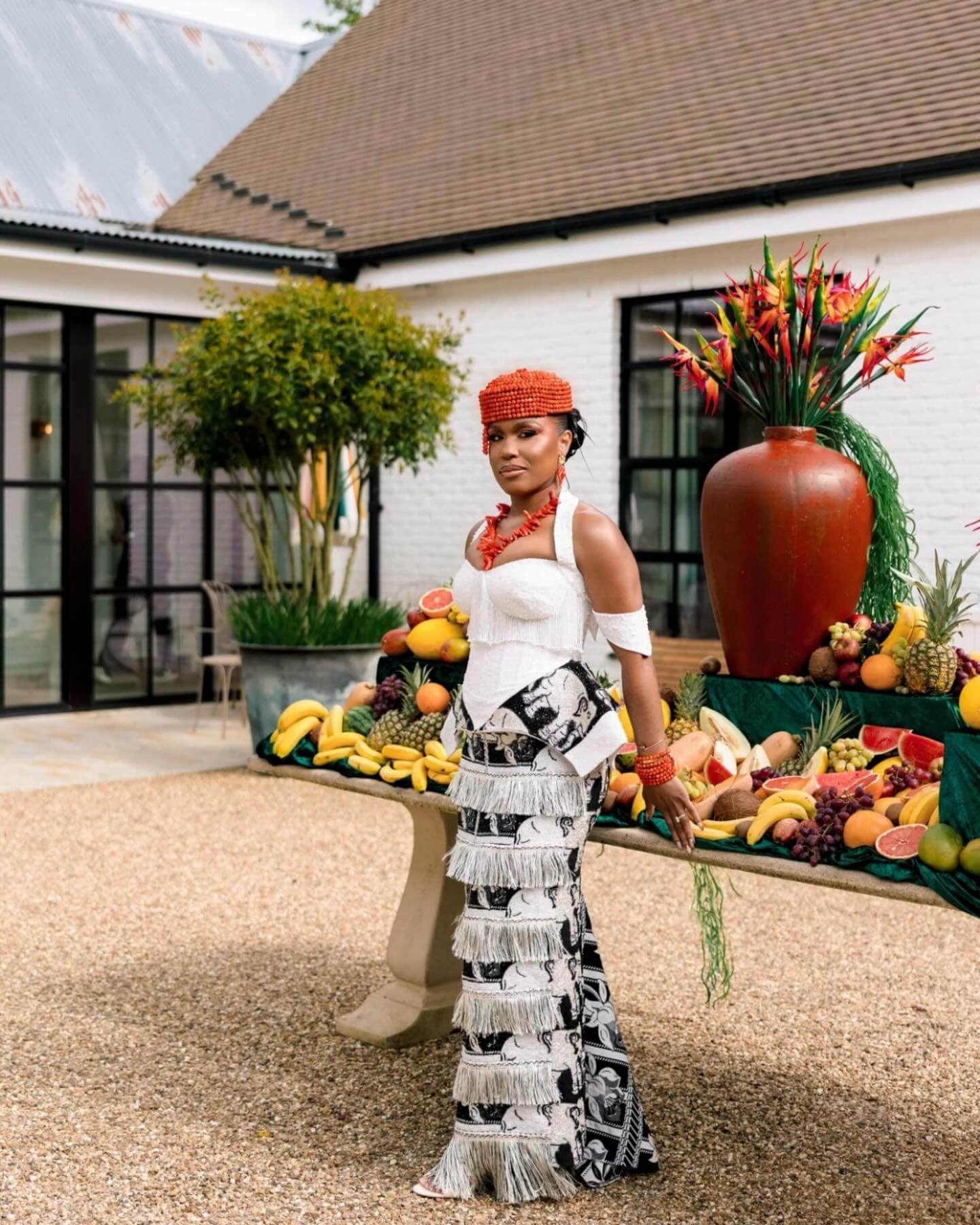
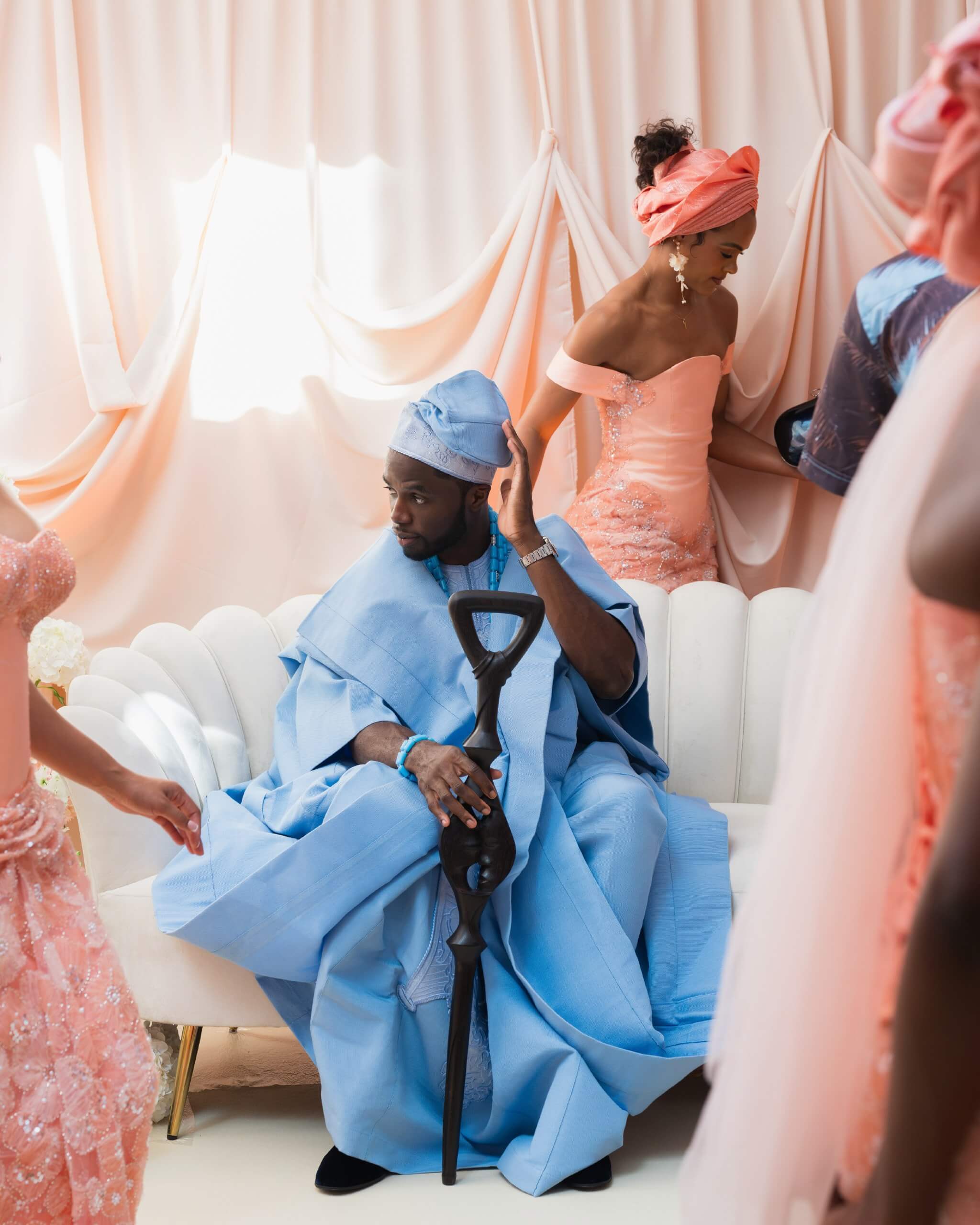
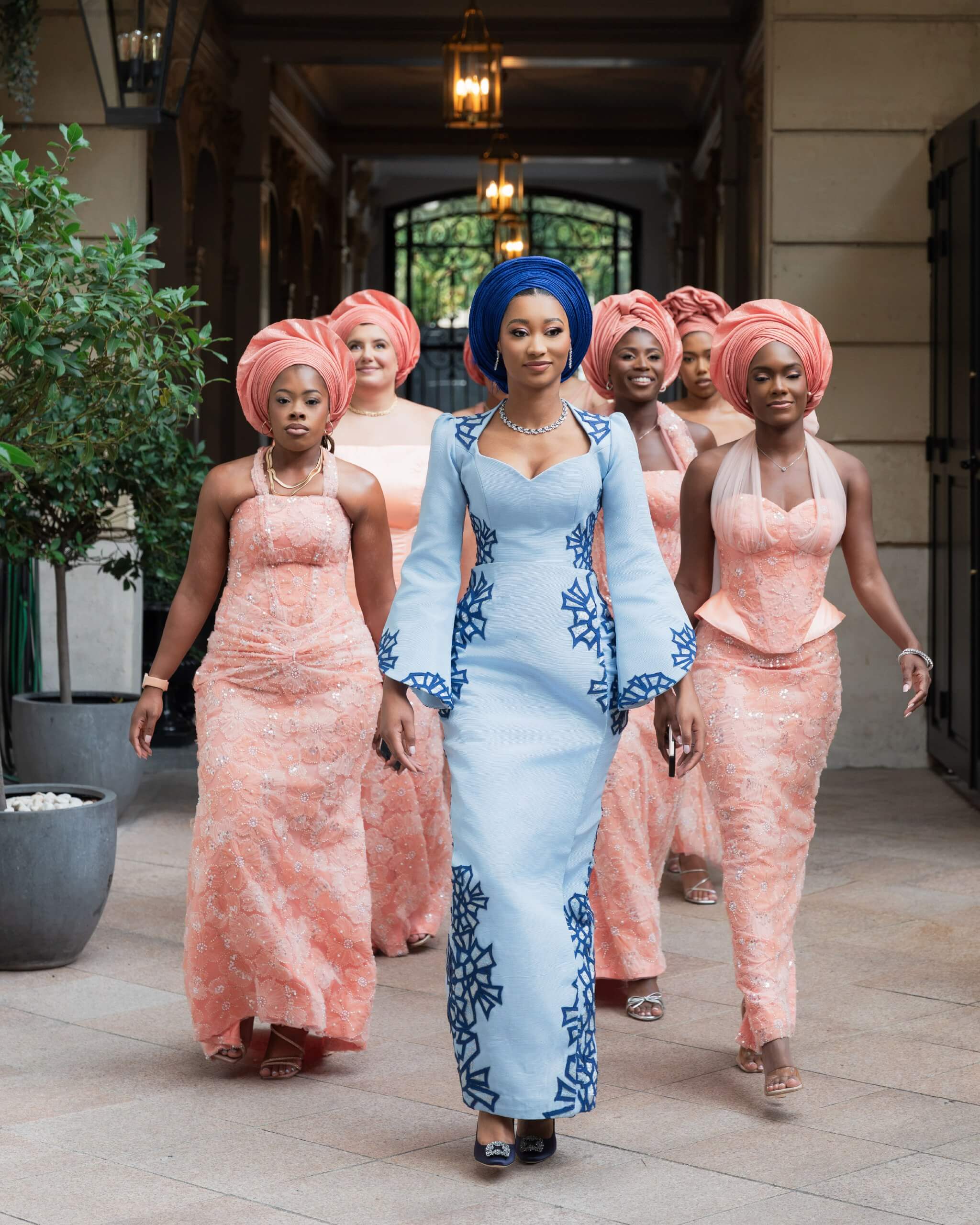
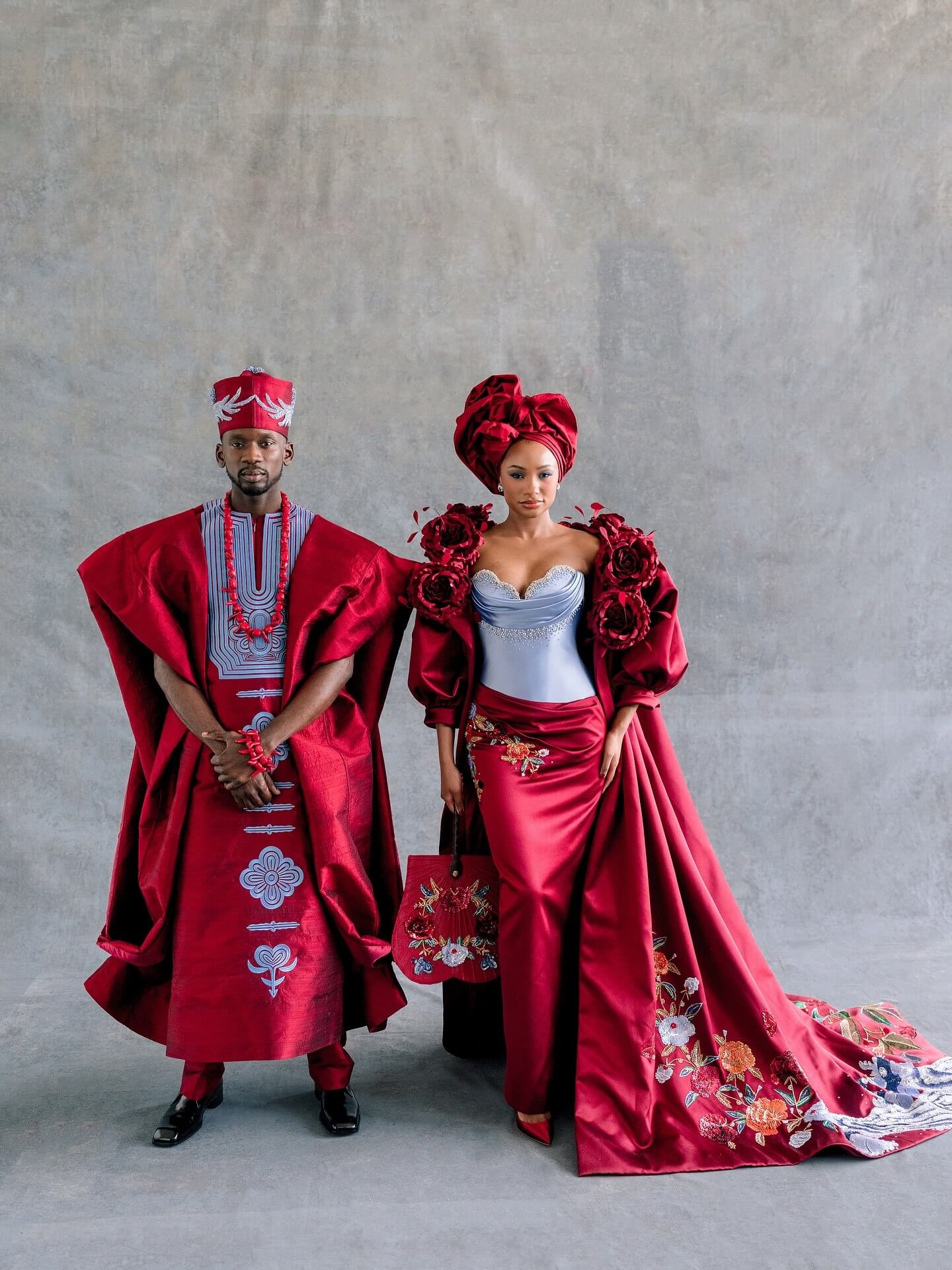
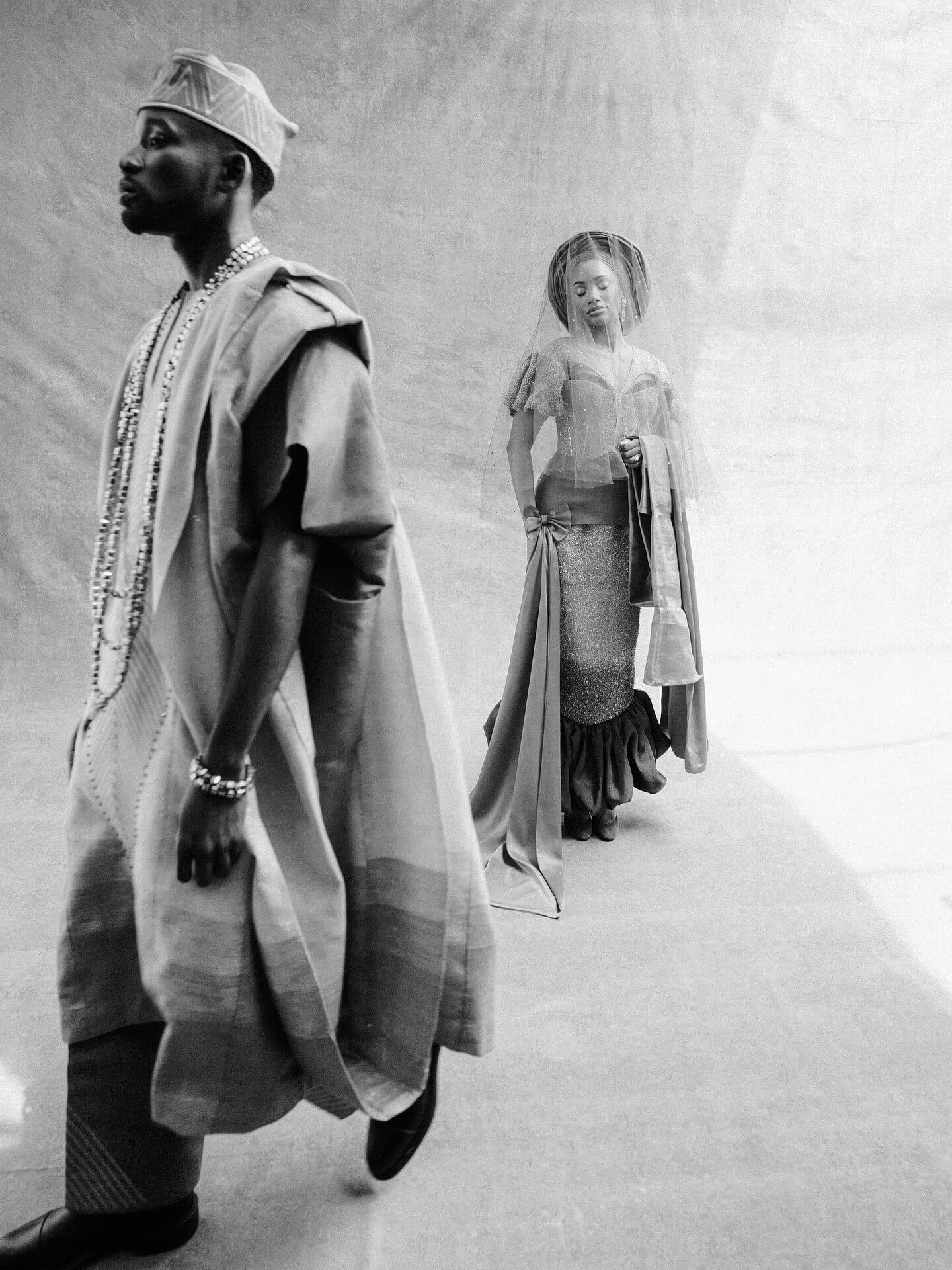
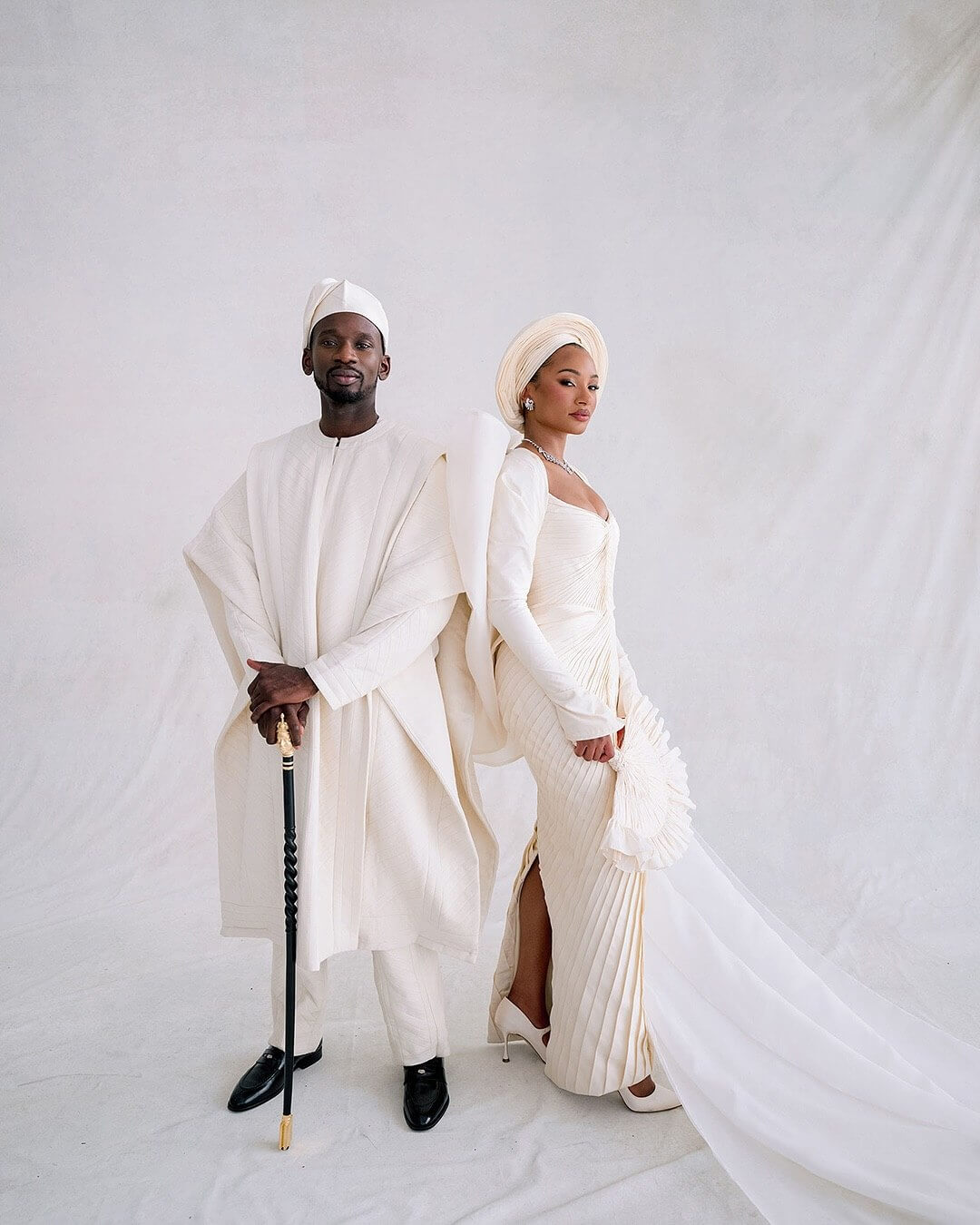
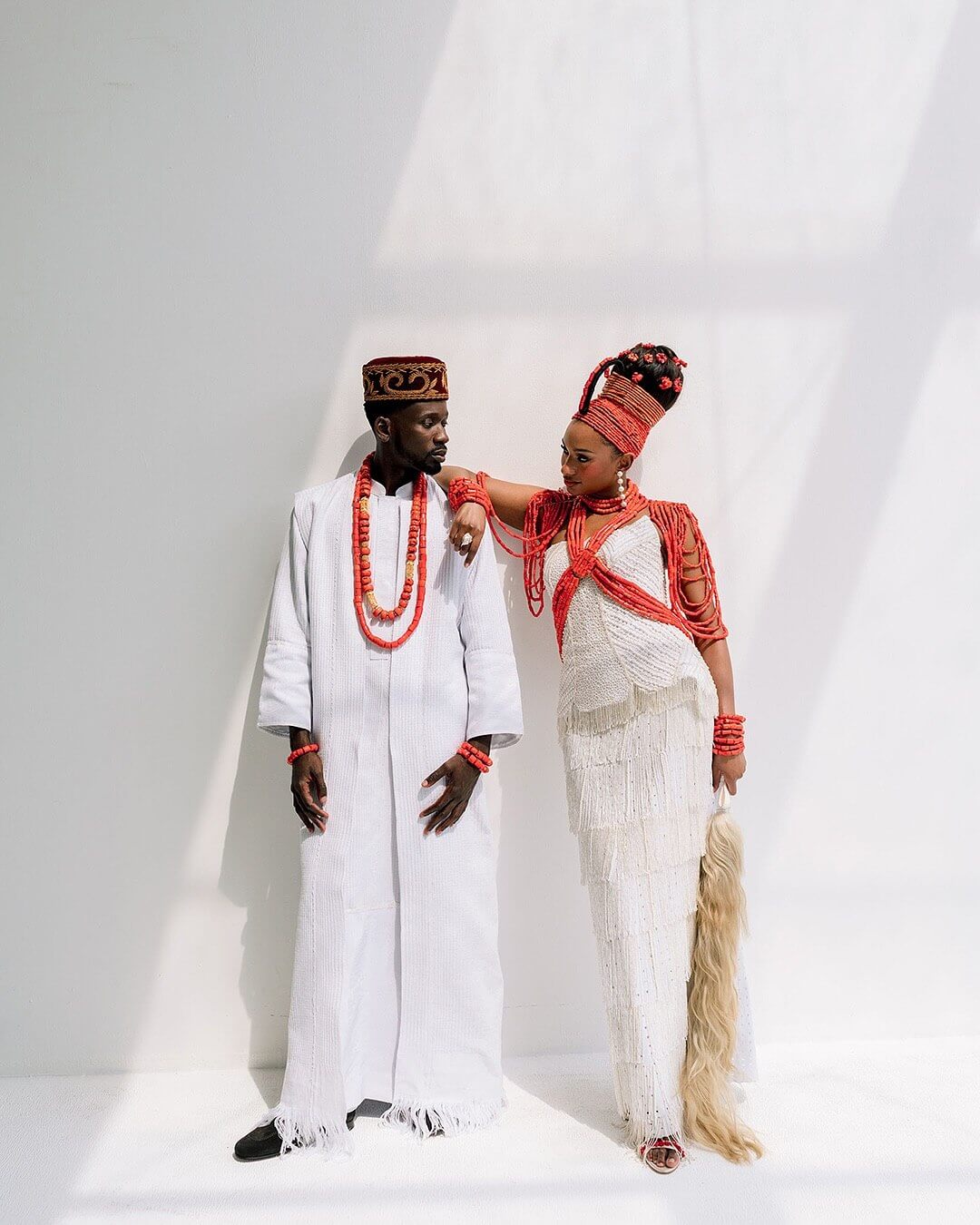
African fabrics bring bold color and meaning to wedding attire. Kente cloth, which originates from Ghana, is often worn as a stole or sash, while Aso Oke, which comes from Nigeria, is popular for gowns, headwraps and coordinated family outfits. Brides may wear a gele (an elaborately tied headwrap), while grooms may choose an agbada (a flowing, embroidered robe) or a suit with African fabric details. Couples with roots in a specific country often follow that country's customs, so asking older relatives for guidance can be helpful. Coordinating colors with close family members creates a striking look in photos.
Wedding Hairstyles
African American wedding hairstyles range from sleek updos to natural styles that celebrate texture. Braids, such as braided crowns or cornrow updos, can be adorned with gold cuffs, pearls, or cowrie shells. Twists and locs can be styled into elegant updos, half-up styles, or loose, side-swept looks. Many brides choose to wear their hair naturally, either styled into a defined afro or a soft, coily updo adorned with flowers or a jeweled headband. Booking a stylist who specializes in textured hair and scheduling a trial a few months before the wedding helps to ensure that the style will last all day.
How to Incorporate African American Marriage Traditions into Your Ceremony
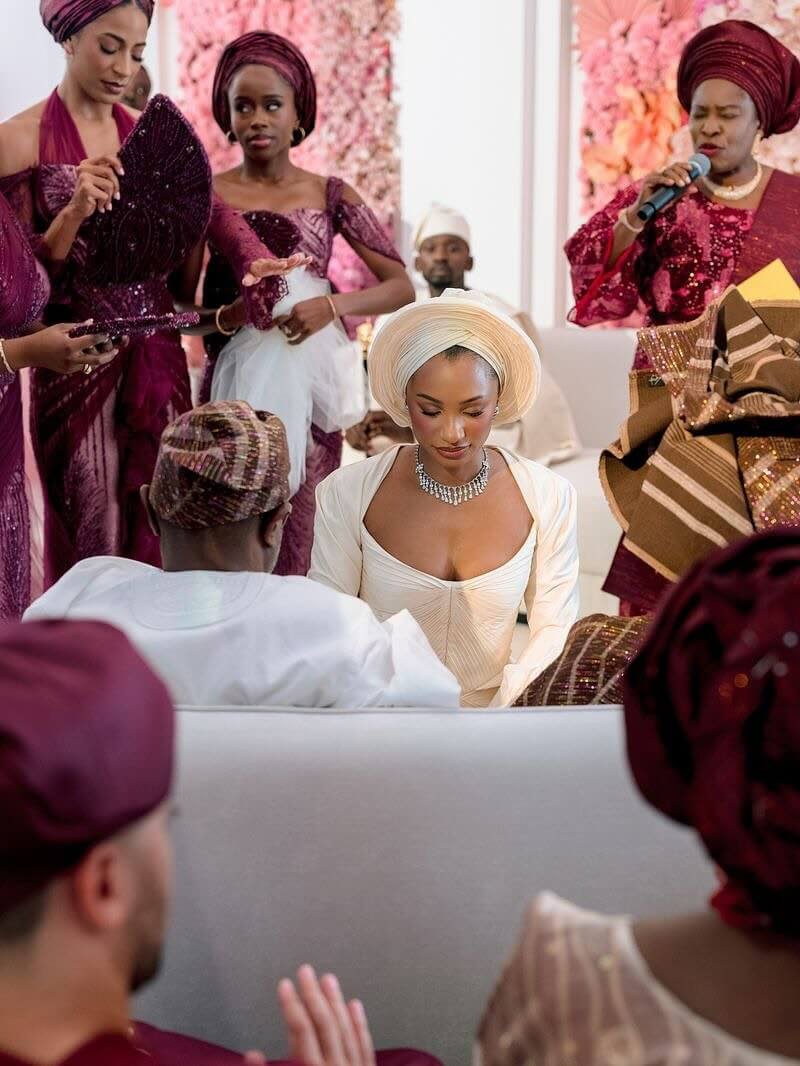
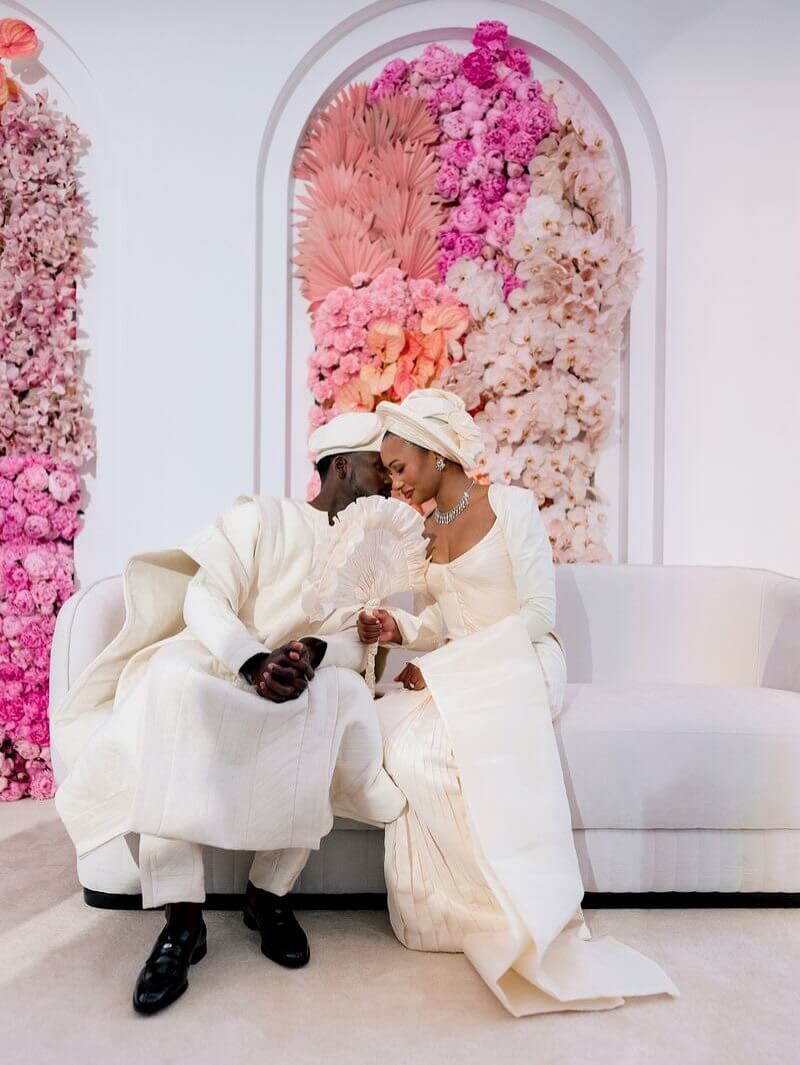
The easiest way to incorporate African American wedding traditions into your ceremony is to schedule them at natural points and provide a brief explanation for guests. Work with your officiant to decide which customs to include and who should lead them; for example, you could ask an elder to lead the libation.
Choosing only the rituals that feel true to you matters more than including them all. As Kraak notes,
We find with most of our couples that they don't want to add rituals or blessings if they do not have direct meaning in their lives. They want the day to be as natural and spontaneous as possible, unless we host a traditional wedding and the couple is religious.
A sample ceremony order might look like this:
- Processional with music that holds personal or cultural significance
- Welcome from the officiant, who will say a few words about the couple's heritage
- Libation ceremony led by an elder to honor ancestors and departed loved ones
- Readings, prayers or poetry from family and friends
- Exchange of vows and rings
- Tasting the four elements, with the officiant explaining each flavor
- Pronouncement and first kiss
- Jumping the broom to mark the final moment before the recessional
- Recessional, which is sometimes led by a second line
Adjust the order to suit your faith, venue and families, since there is no single correct version.
African American Wedding Songs for the Ceremony and Reception
Music by Black artists can add warmth and meaning to every part of the day, from the processional to the final dance. Gospel music can evoke emotion during the ceremony, while soul, R&B and jazz can set the mood for the reception. Some couples also include "Lift Every Voice and Sing," often referred to as the Black national anthem, to create a powerful moment of pride and remembrance.
Music also shapes the atmosphere of the whole celebration. Kraak explains:
Music and dancing is one of the biggest focal points when we design our experiences for our couples. When we design our visual concept, we make sure we have considered entertainment enhancing the full experience.
Popular choices for ceremonies and first dances include:
- "At Last" by Etta James
- "Ribbon in the Sky" by Stevie Wonder
- "So Amazing" by Luther Vandross
- "Here and Now" by Luther Vandross
- "A Couple of Forevers" by Chrisette Michele
- "Spend My Life with You" by Eric Benét featuring Tamia
- "If This World Were Mine" by Marvin Gaye and Tammi Terrell
- "All of Me" by John Legend
- "Love of My Life" by Erykah Badu featuring Common
Make sure you share your choices with your band or DJ well in advance, especially if you want them to learn a gospel or family favorite.
Looking for more ideas to make your celebration personal? Explore Wezoree, where you can discover wedding traditions from cultures around the world, real weddings and planning guides to help shape a day that reflects your story.

FAQ
What are the most common African American wedding traditions?
The most popular African American wedding traditions are jumping the broom, the libation ceremony, and tasting the four elements. At the reception, couples often incorporate a second line, live drumming, and African fabrics into their attire or decor. Many also include gospel music and a blessing from family elders.
What does jumping the broom mean at a wedding?
It symbolizes the couple's commitment and the start of their new household. In the United States, the tradition is closely linked to the history of enslaved people, who were denied the right to legally marry and instead used this ritual to recognize their unions within their communities. Today, it honors that history and celebrates the freedom to marry.
What is a libation ceremony at an African American wedding?
It is a ritual that honors ancestors and departed loved ones by pouring water or another liquid while their names are spoken. It originates from West African tradition and is typically led by an elder or the officiant at the beginning of the ceremony. Many couples use water so that all guests feel comfortable.
Can couples from mixed backgrounds include African American wedding traditions?
Yes, couples from mixed backgrounds often incorporate such traditions to honor one partner's family and heritage. The key is to understand the meaning of each tradition, involve family members, and have the officiant explain each ritual to the guests. Many couples blend these traditions with customs from the other partner's culture.
What do African American brides wear on their wedding day?
They wear everything from classic white gowns to attire made from African fabrics, such as Kente or Aso Oke. Many choose a white gown for the ceremony and change into a cultural outfit for the reception. Popular ways to add heritage to any look include a gele headwrap, gold jewelry or cowrie shell accents.