World's Best Wedding Videographers 2026


- Lumos Produzioni
- Bordoni Films
- Stavrovideo Production
- East West
- Vovka Kozubskyi
- Lightfeels Wedding
- Mg Image
- Laurent Rostaing Films
- The Wedding Valley
- Caputo Filma
- 3 Petits Points
- De Gregorio Films
- André Schlechte
- Kenneth Cooper Films
- Emma K Films
- Gione da Silva Images
- Les Vaques
- Le Rêve Films
- Slowl
- Unique Wedding
- Vanessa & Ivo
- Cordès Studio
- Romaverafilms
- DC Film Co.
- Ami Video
Wedding films in 2026 are no longer just keepsakes — they’re emotional time capsules, cinematic love stories, and visual poetry couples replay for the rest of their lives. The best wedding videographers today don’t simply document events; they craft atmosphere, rhythm, and feeling into every frame. Their work feels immersive, intimate, and effortlessly modern, blending storytelling, sound design, and cinematic vision into something deeply personal.
This curated list celebrates the artists who are redefining what wedding films look and feel like — creators whose work captures not just what happened, but how it all felt.
Find Your Perfect Wedding Vendors

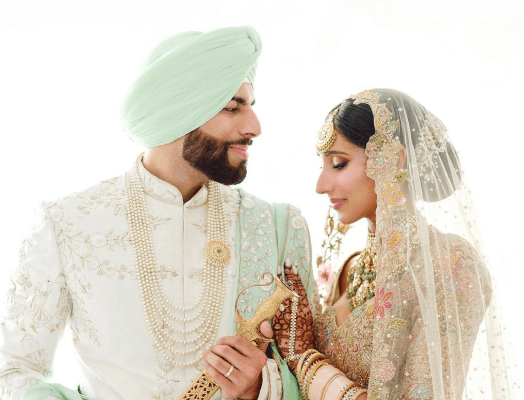
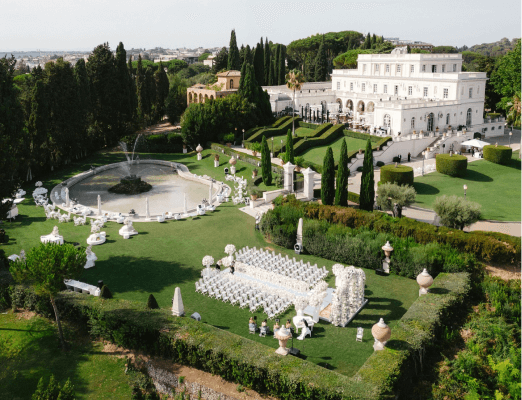
Lumos Produzioni
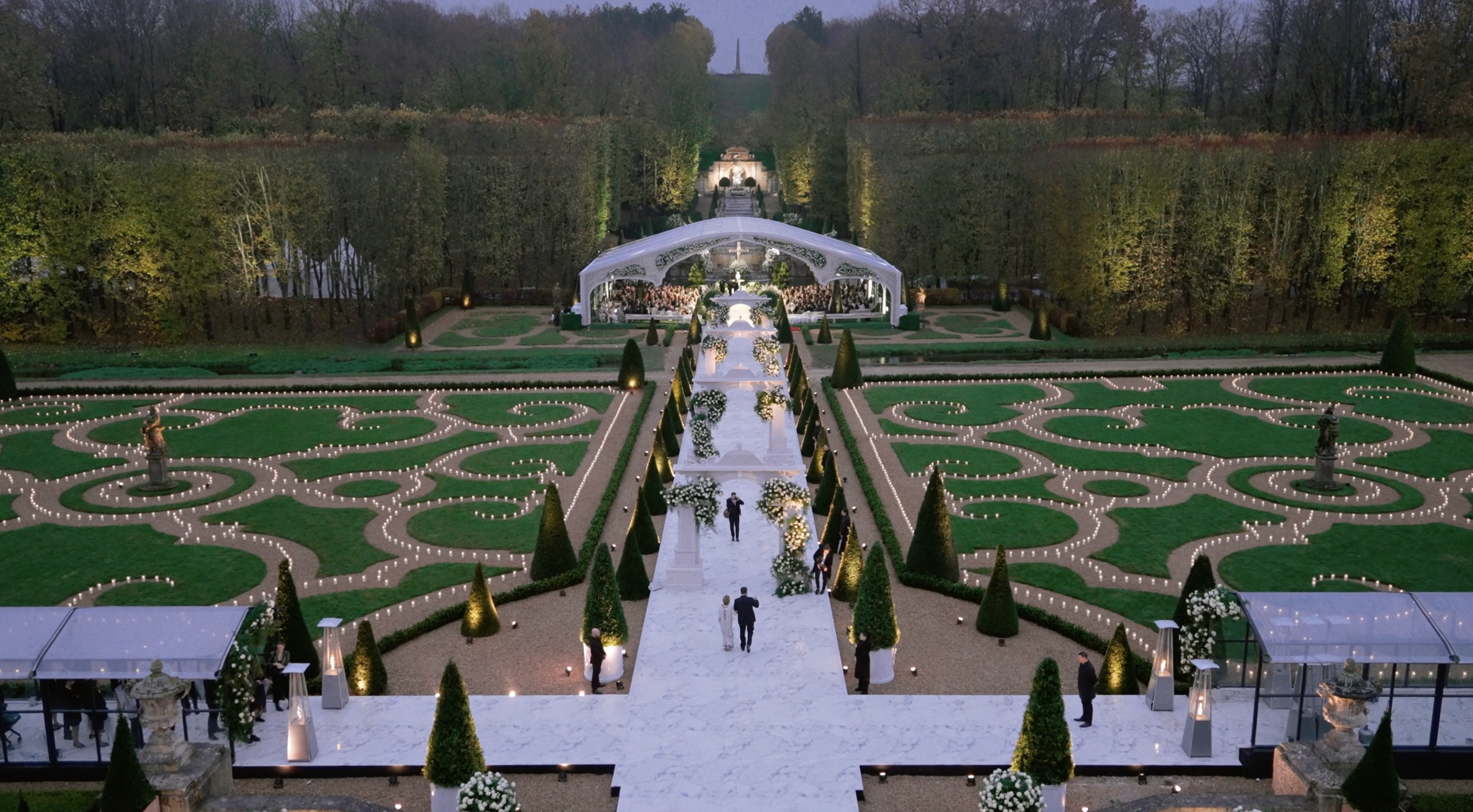
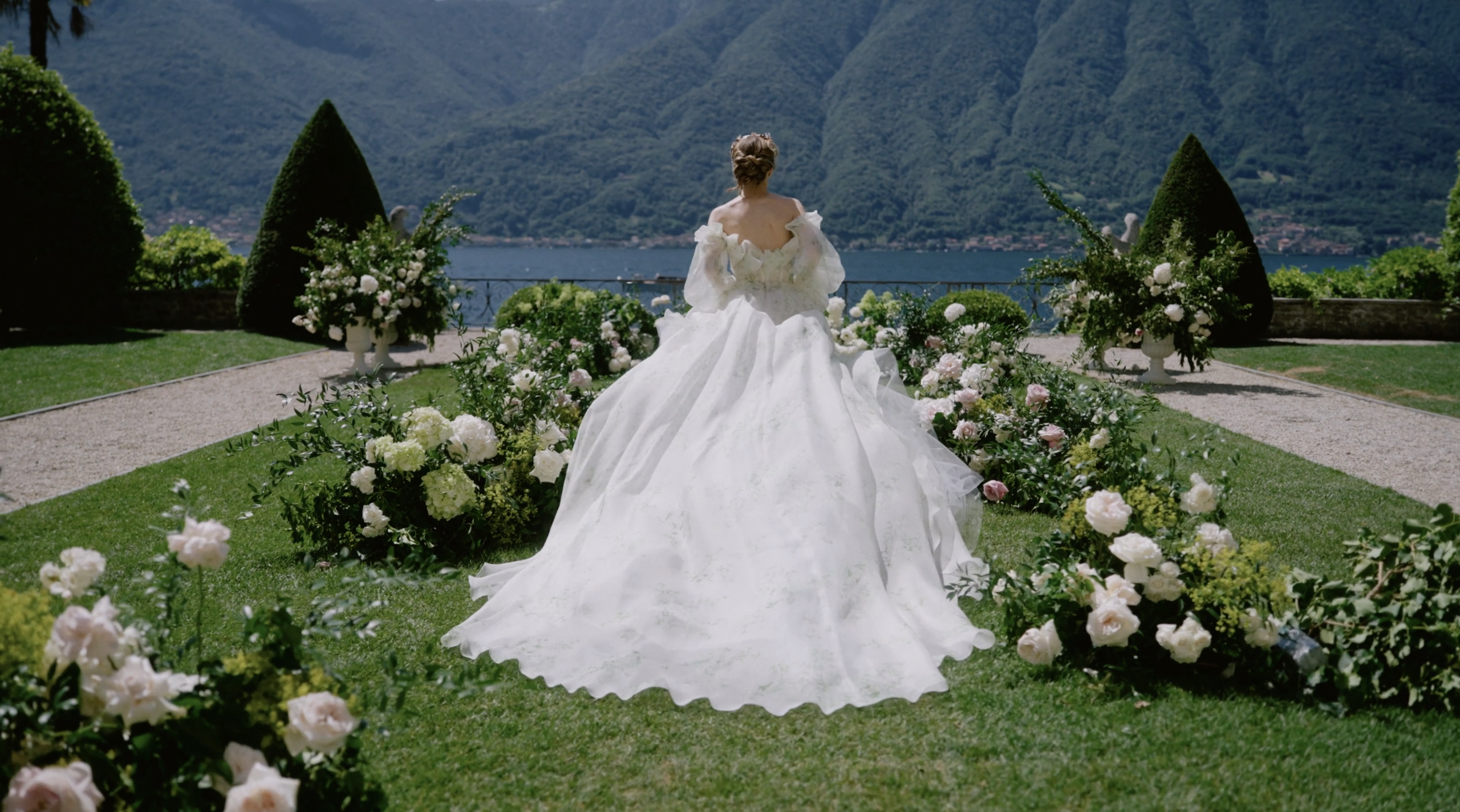
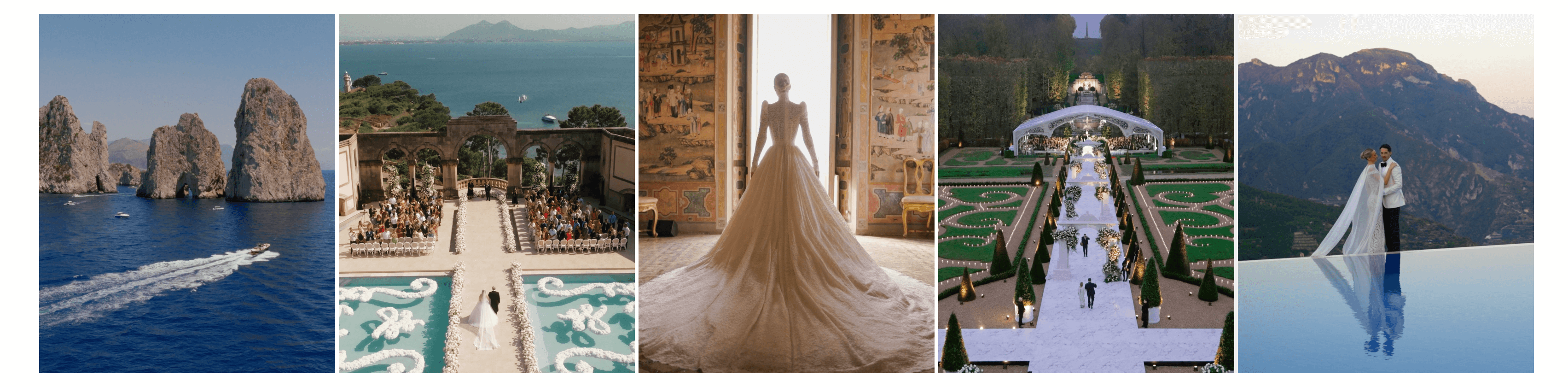
Lumos Produzioni moves easily between very different emotional and visual worlds. One weekend it might be a sealed-off celebration inside Versailles, surrounded by centuries of history. The next it could be a ceremony under the vast Utah sky, where silence and scale change the entire emotional temperature of the day. Then Saint-Tropez, charged with summer energy and champagne momentum. Then Thailand, where humidity, ritual, and light slow everything down into something almost dreamlike. Simone Masini and his team are comfortable inside all of these registers, and that flexibility defines their work.
Their work has been featured by platforms such as Vogue, Harper’s Bazaar, People, Martha Stewart, and Over The Moon, and they are regularly trusted by elite planners, venues, and private families for celebrations where discretion and emotional intelligence matter as much as visuals. For Lumos, this recognition functions less as hierarchy and more as confirmation of long-term trust.
Bordoni Films
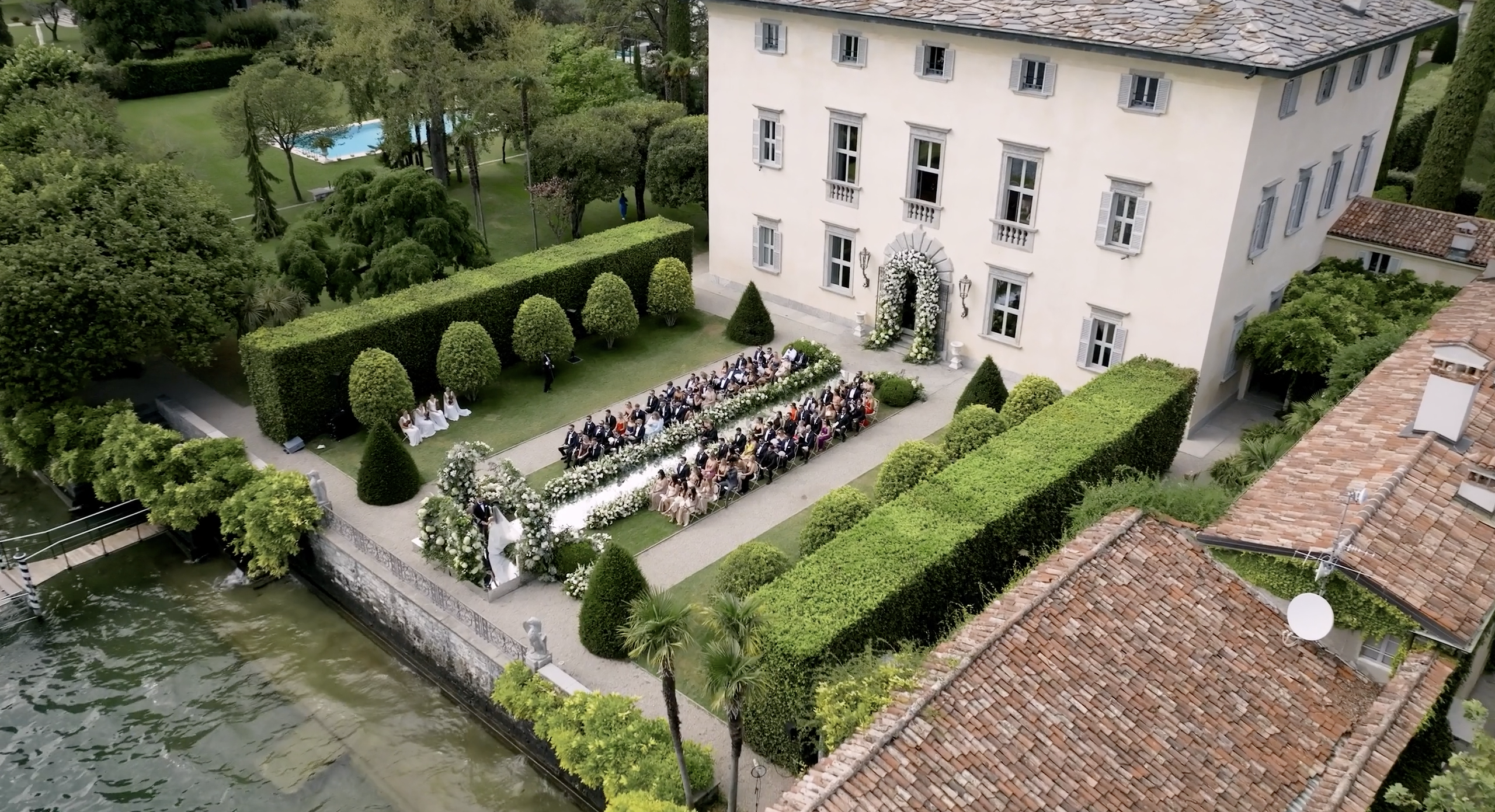
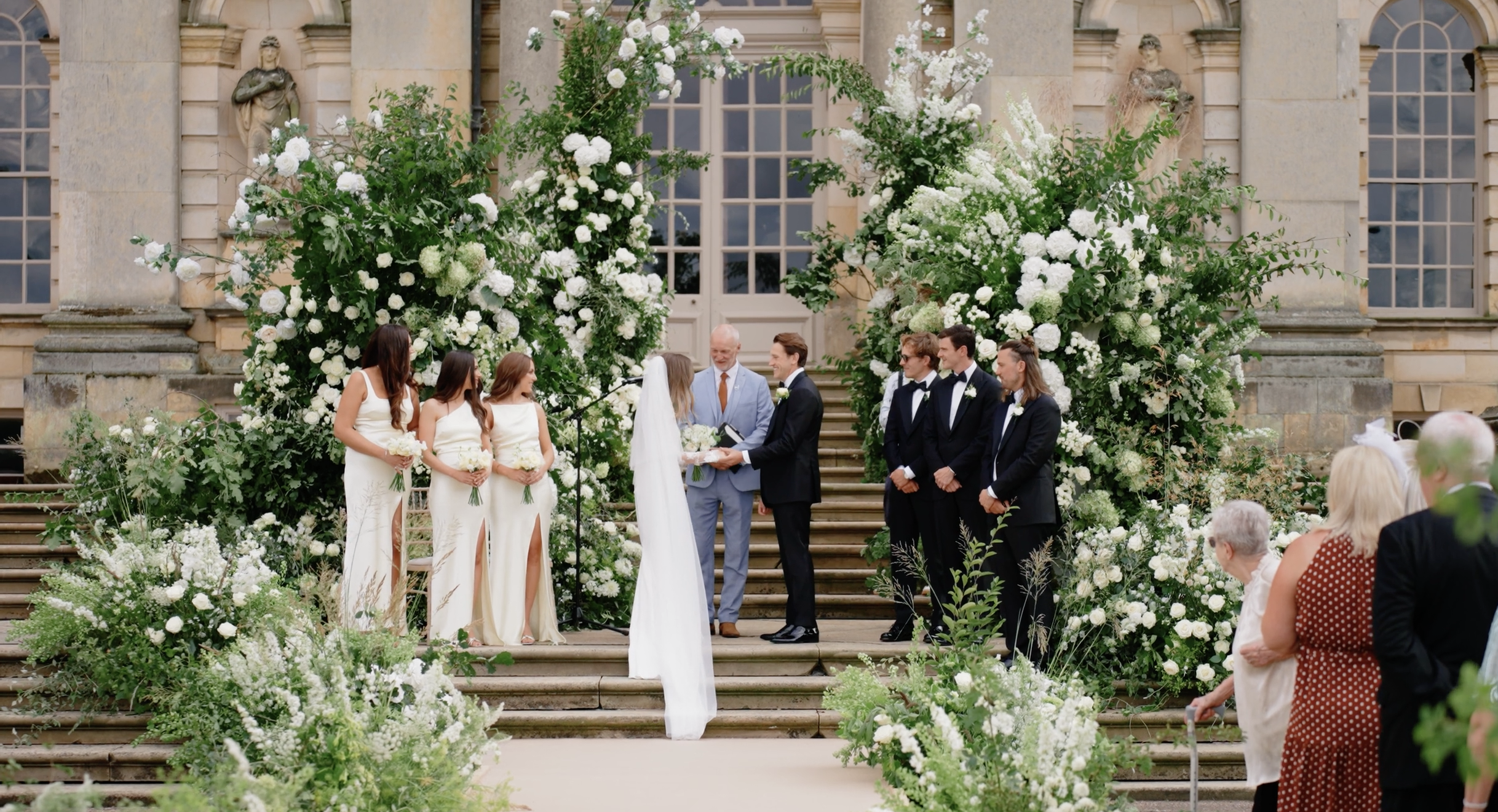
Shaped by two continents and a lifetime in cinematic storytelling, Bordoni Films brings a rare depth and elegance to modern wedding filmmaking. Alessandro Bordoni approaches each celebration through a truly global lens — one informed by culture, rhythm, light, and emotional nuance. His background in documentary, fashion, and high-end commercial film is felt in every frame, where pacing, atmosphere, and visual composition work together to tell stories that feel immersive and intentional.
Trusted by elite planners and high-profile families worldwide, Bordoni Films operates with the discretion and cultural awareness required at the highest level of events. With over 500 projects filmed across Italy, Europe, and the United States — and a deliberately limited number of commissions each year — the brand has built its reputation on consistency, adaptability, and refined storytelling. Features in Vogue and a portfolio that includes Grammy-winning music videos and award-winning documentaries speak to Alessandro’s range, but it’s the emotional resonance of his wedding films that defines his legacy.
Stavrovideo Production
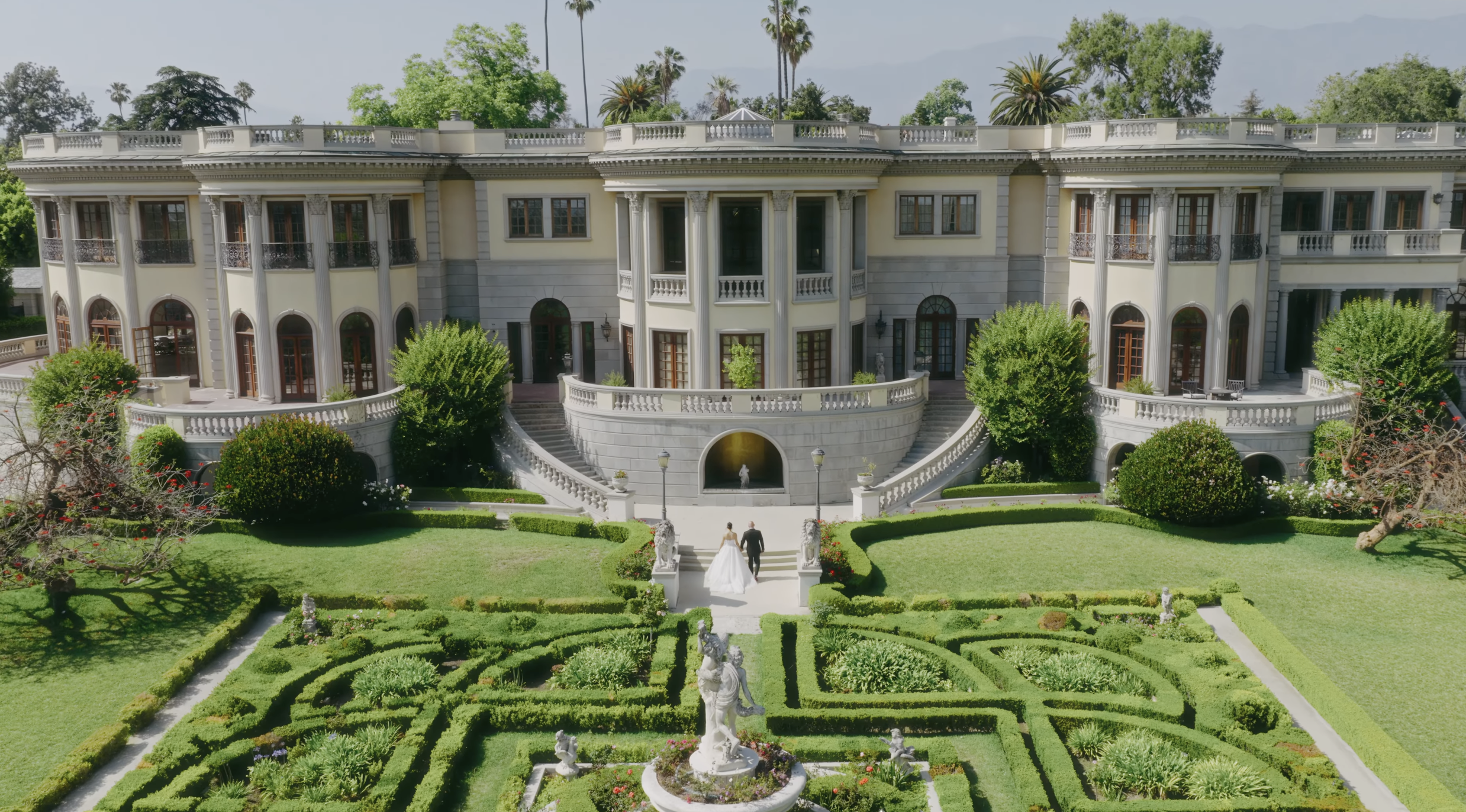
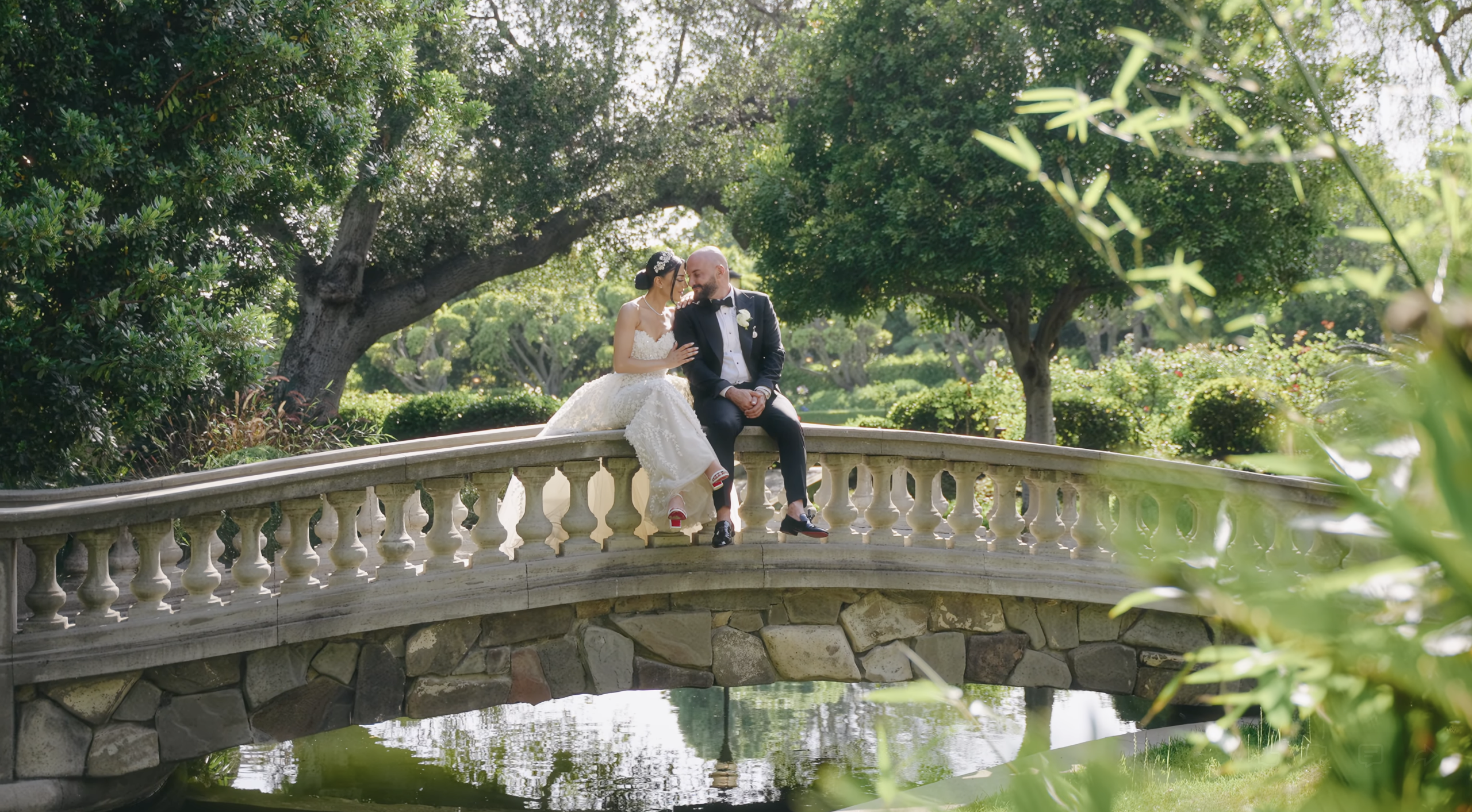
Some wedding films feel cinematic. Others feel emotional. Stavrovideo Production lives in the rare space where both quietly coexist. Since 2009, Stavro Khachikyan has been documenting real love stories with a steady hand, a patient eye, and an instinct for moments that don’t announce themselves. His films aren’t built around spectacle or trends — they’re built around people, energy, and memory.
Stavro’s creative process begins long before the ceremony starts. He watches how families interact, how couples hold each other’s hands, how laughter breaks out between nervous pauses. These subtle cues guide the rhythm of his films. Rather than forcing a narrative, he lets the day reveal its own story — one that feels natural, fluid, and deeply personal when revisited years later. With more than 1,500 weddings filmed and thousands of events behind him, Stavro brings a quiet confidence to every celebration. Experience has taught him exactly where to be and when not to be there at all. He knows how to disappear into the background when emotions peak — and how to step forward when a fleeting moment deserves to be preserved forever.
East West
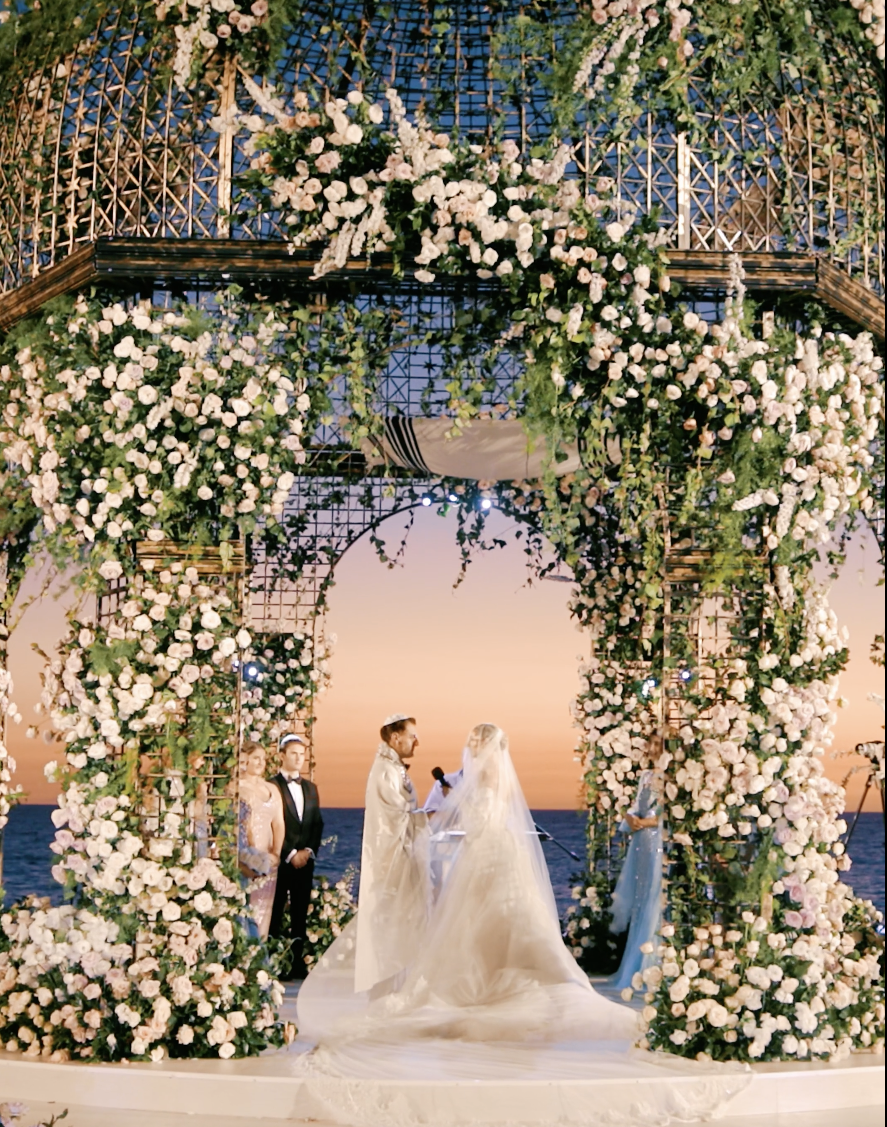
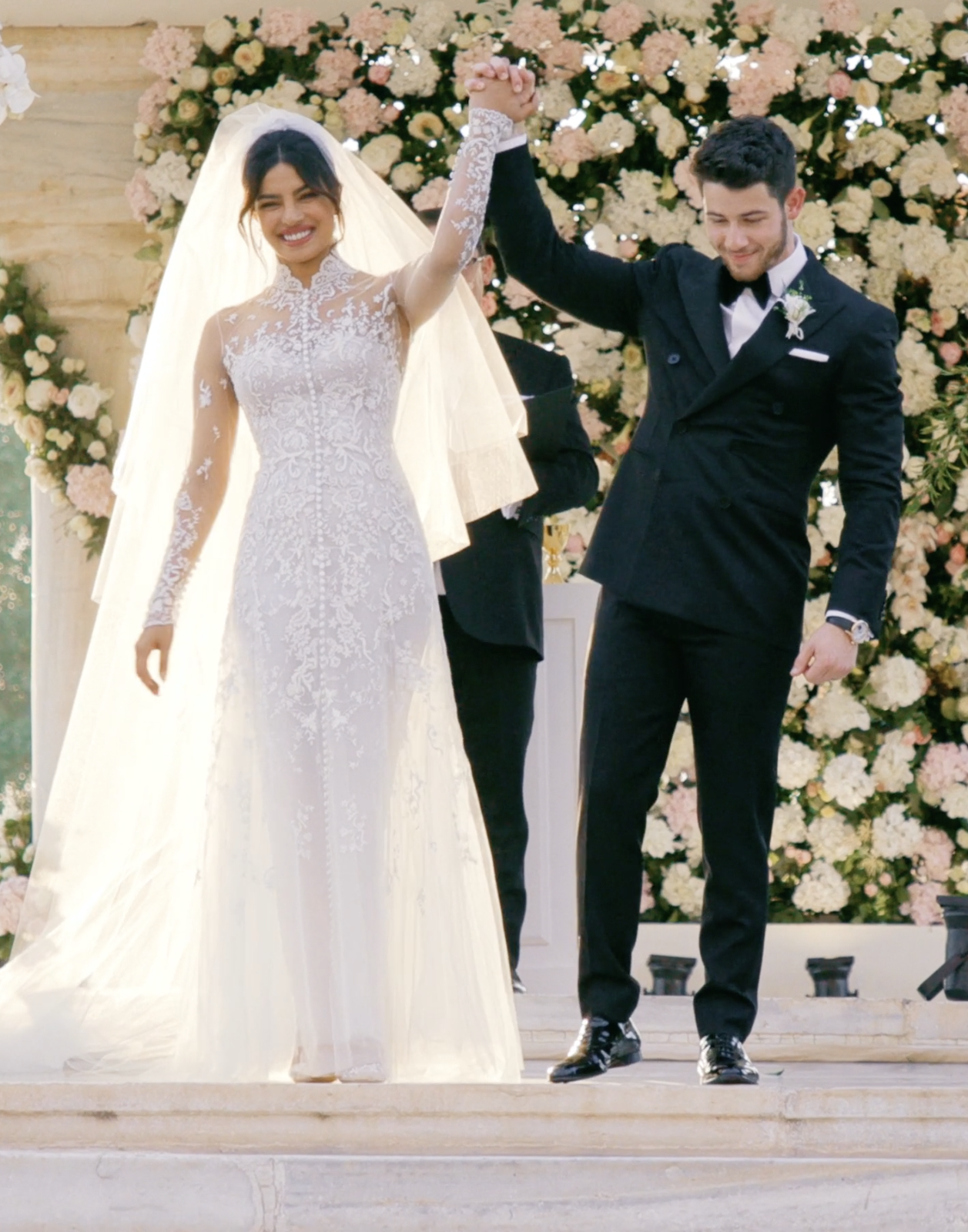
There’s a quiet confidence in an East West’s film. Nothing feels rushed. Nothing feels over-designed. The story unfolds with the ease of something real — because it is. Caleb Jordan Lee’s global reputation was never built through hype. It was built through consistency and trust. Being named a top wedding filmmaker by Wezoree, Harper’s Bazaar, and more — and being published in People Magazine, Vogue, The New York Times, etc. — reflects not just technical mastery, but narrative maturity. These recognitions followed the work; they didn’t shape it.
One of the most culturally significant projects in East West’s history was the wedding of Priyanka Chopra and Nick Jonas in India. It wasn’t the celebrity that made it extraordinary. It was the emotional and symbolic layering of two traditions becoming one — rituals, families, languages, and histories merging into a single story. Capturing that kind of cultural gravity requires more than skill. It requires intuition, humility, and deep emotional literacy.
Vovka Kozubskyi
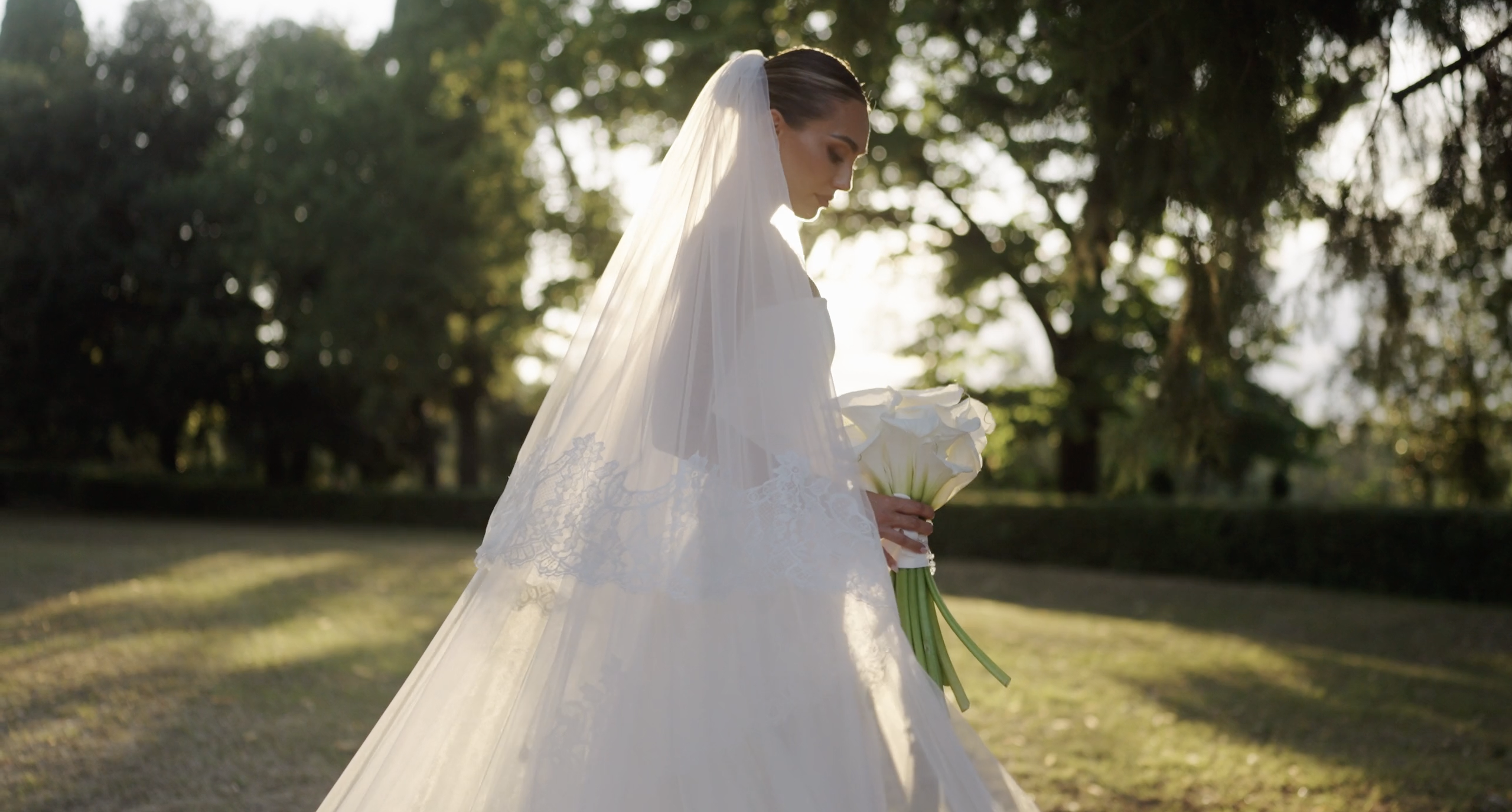
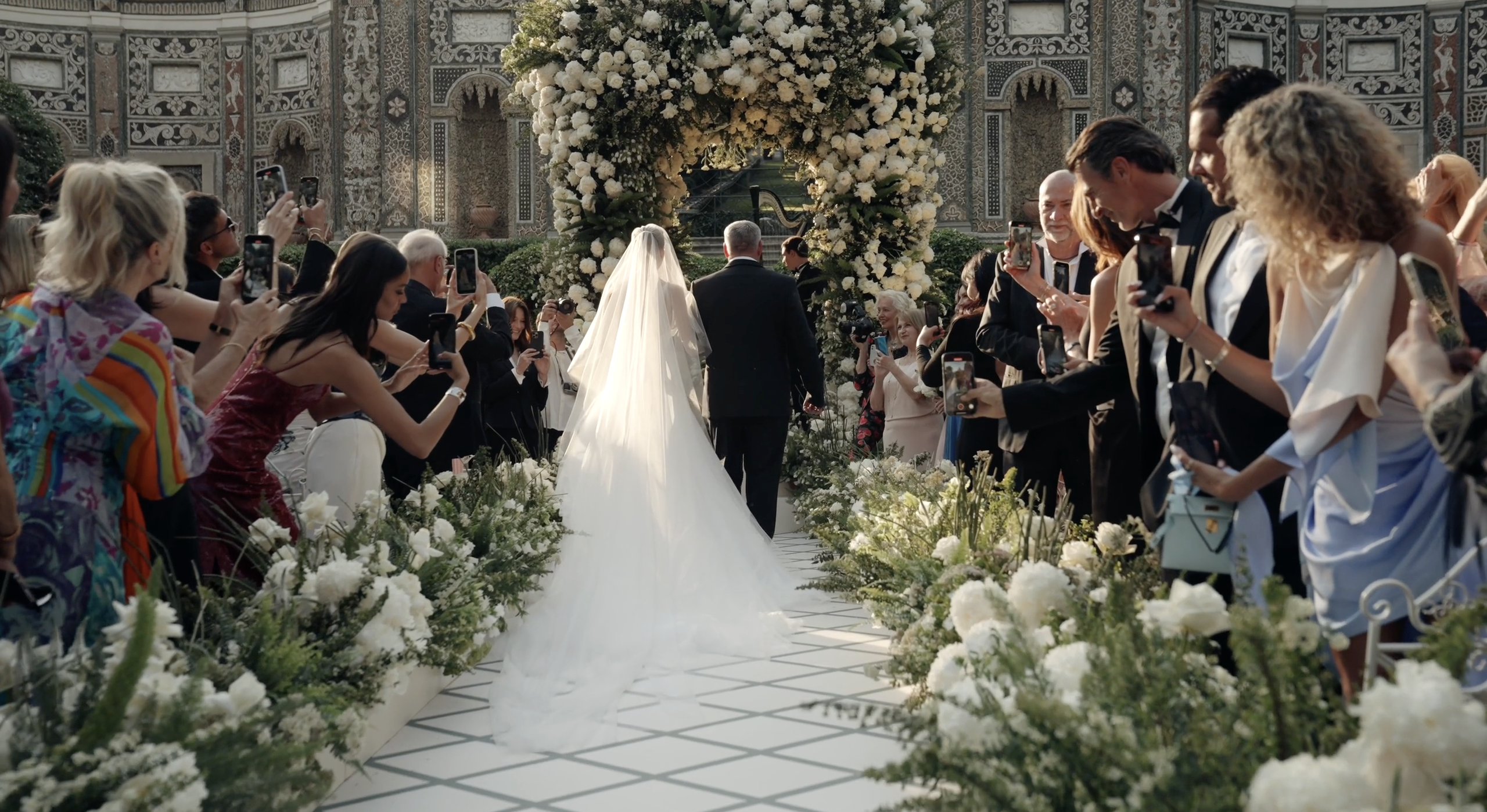
There is a certain tension in Vovka Kozubskyi’s films — not drama, not spectacle, but presence. A feeling that something important is happening just beneath the surface of every frame. His work doesn’t guide you. It watches with you. You don’t come away remembering “shots.” You remember weight. Silence. The way a moment lands and stays. His films are built around pauses, glances, micro-gestures, and the emotional residue people leave in a room after they move through it. They feel closer to cinema vérité than to wedding videography.
Awards, publications, and recognitions orbit his work — WEVSY titles, Vogue, The New York Times — but they feel almost irrelevant next to what actually defines him: refusal. Refusal to simplify emotion. Refusal to rank stories. Refusal to treat one wedding as more “important” than another. That’s why he cannot name a single favorite film. For him, each one exists as a closed world. Vovka Kozubskyi is not for couples who want just a beautiful record of their day. He is for couples who want a truthful artifact of their inner life at that moment in time. His films don’t perform. They remain.
Lightfeels Wedding
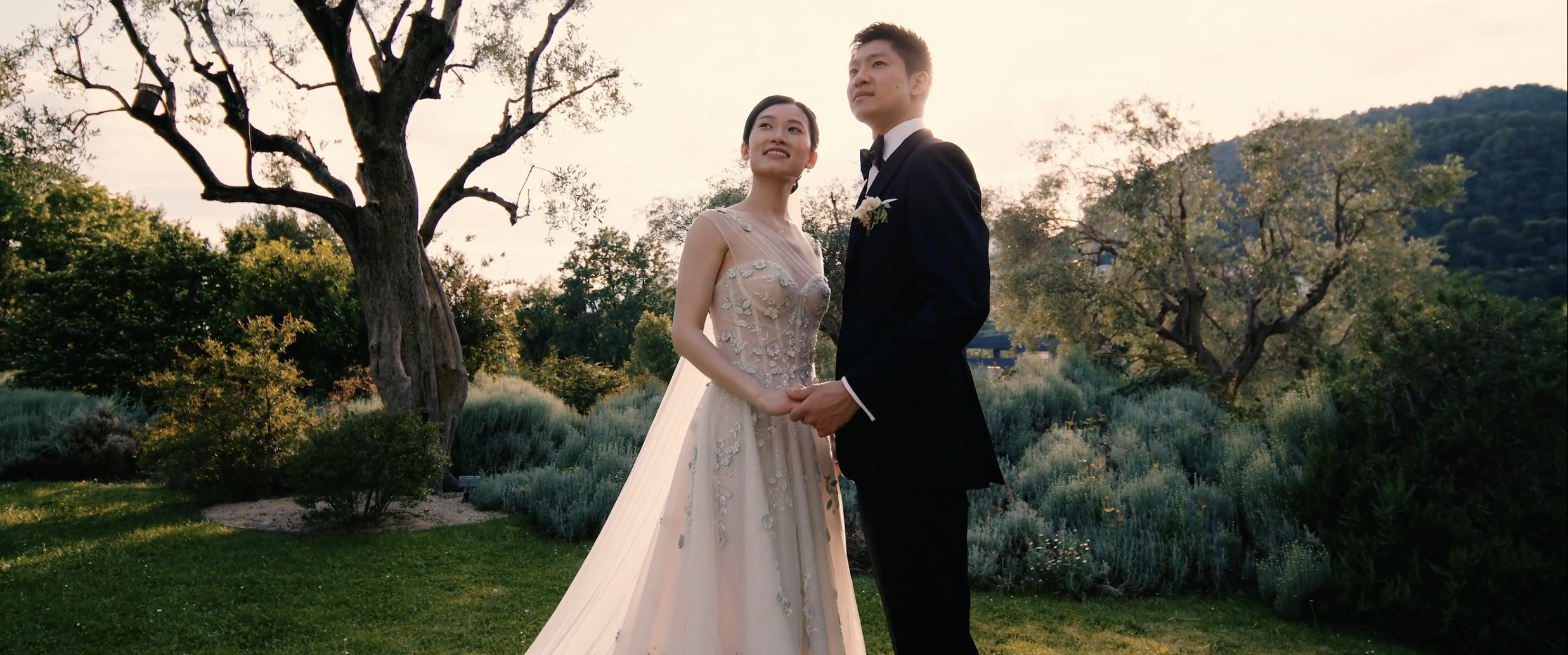
Stefano Pompei, the founder of Lightfeels Wedding, didn’t come into wedding filmmaking through romance or tradition. He came through an obsession with unrepeatable moments. A wedding, to him, is not a ceremony — it’s a collision of inner worlds. Families meeting themselves again. Friends revealing sides they don’t show in everyday life. Couples carrying expectation, tenderness, fear, pride, and devotion all at once. That density of feeling is what he follows with his camera.
Italy remains his emotional and visual anchor. The country’s unstable light, layered architecture, and slow, ceremonial rhythm have shaped his way of seeing. Historic villas, countryside estates, coastal terraces — not as scenery, but as emotional containers. Yet his recent international work has complicated that vision in the best way, teaching him to adapt his tempo and visual language to new cultures without flattening them into “destination aesthetics.” For Stefano, a spectacular location is never about beauty alone. It’s about alignment. When a place and a couple resonate on the same emotional frequency, the film becomes something else entirely — less documentation, more artifact.
Mg Image
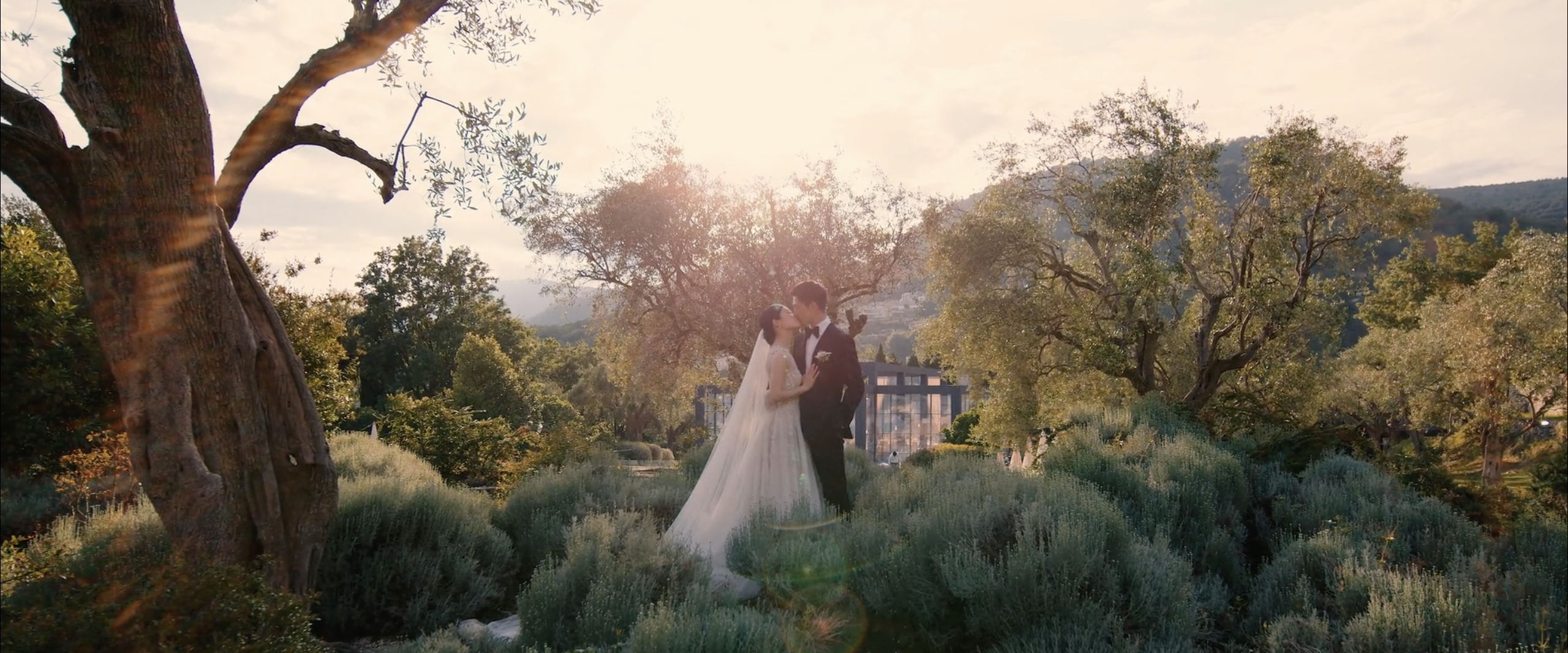
Creativity, for Gabriel Menassier, is not a performance — it’s a responsibility. Clients don’t come to MG Image only for visuals. They come for reliability, emotional sensitivity, and imagination that doesn’t overpower their story. His reputation has grown not through branding noise, but through quiet repetition of trust. People return. People refer. People arrive already believing.
His films carry an unusual softness that isn’t sentimental and an intensity that isn’t loud. They feel like they were made from the inside of a moment rather than from the outside looking in. You sense that he is not chasing scenes — he is waiting for them. Letting emotion organize itself. Allowing awkwardness, tenderness, and silence to remain visible instead of editing them away.
Laurent Rostaing Films
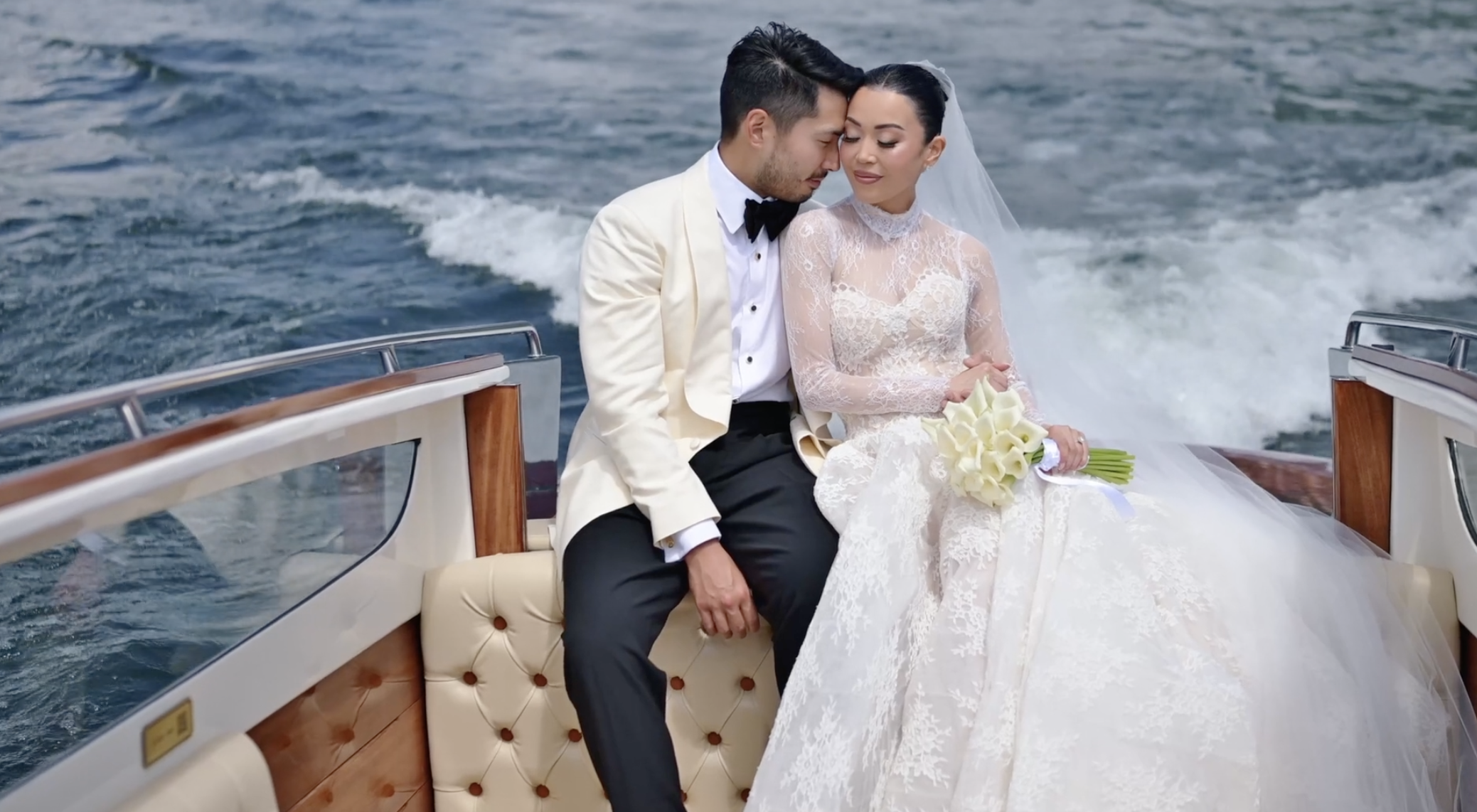
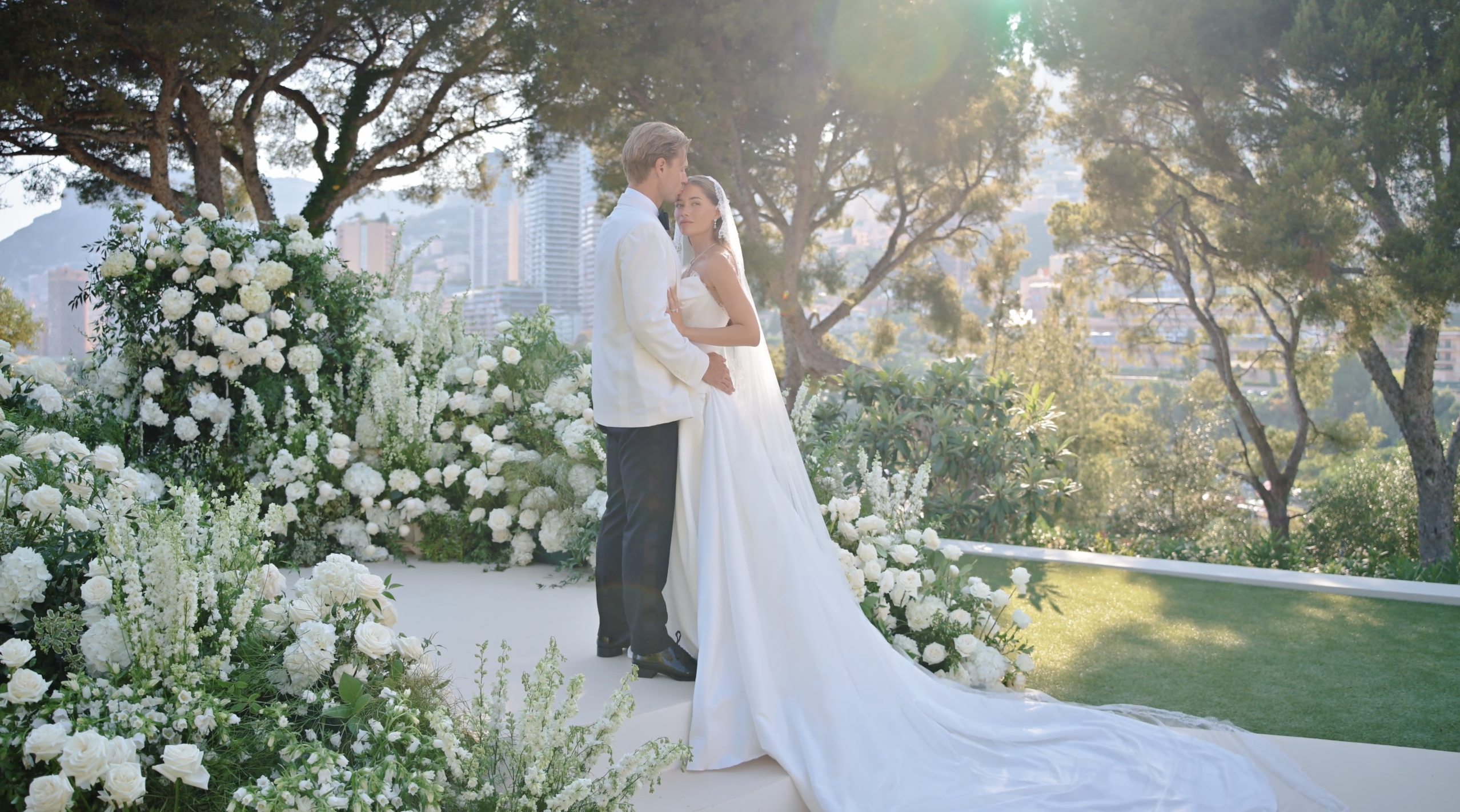
Laurent Rostaing didn’t enter wedding filmmaking with a strategy. He drifted into it in 2014 through memory films, guided more by curiosity than ambition. What reshaped him wasn’t the industry — it was geography. Leaving the French Alps for Canada cracked his world open. New cultures, long travel days, unfamiliar cities, strangers who slowly became stories. That period trained his eye to observe before interpreting, to feel before framing. You can still sense that patience in his films.
When Laurent returned to France in 2020, he didn’t come back as the same filmmaker. Provence, Italy, the Mediterranean light — all of it suddenly felt like material, not just scenery. Destination weddings weren’t a business pivot; they were a natural continuation of a life that had already been shaped by movement, displacement, and encounter. His work carries that quiet nomad energy: grounded, attentive, and emotionally alert.
The Wedding Valley
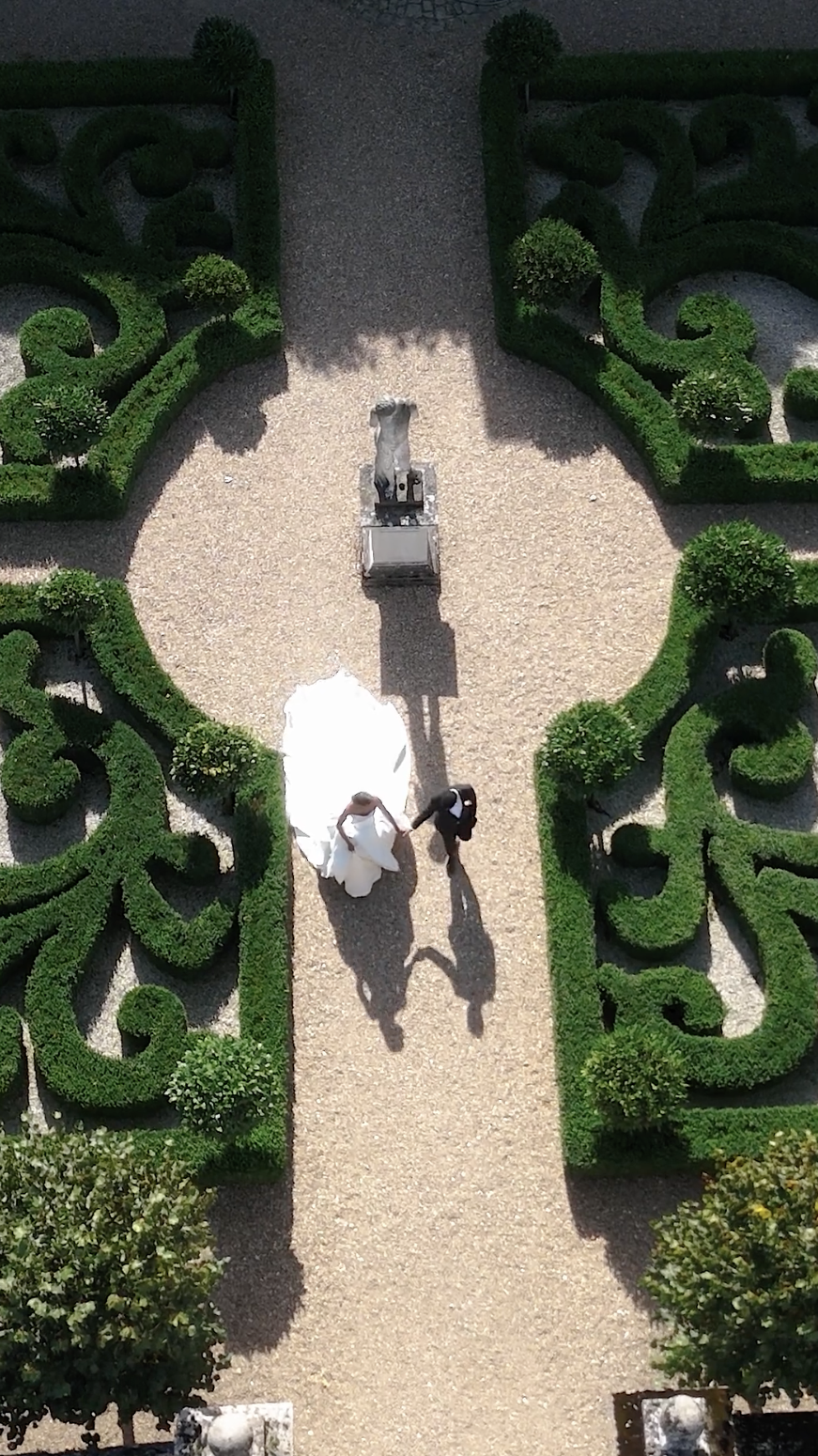
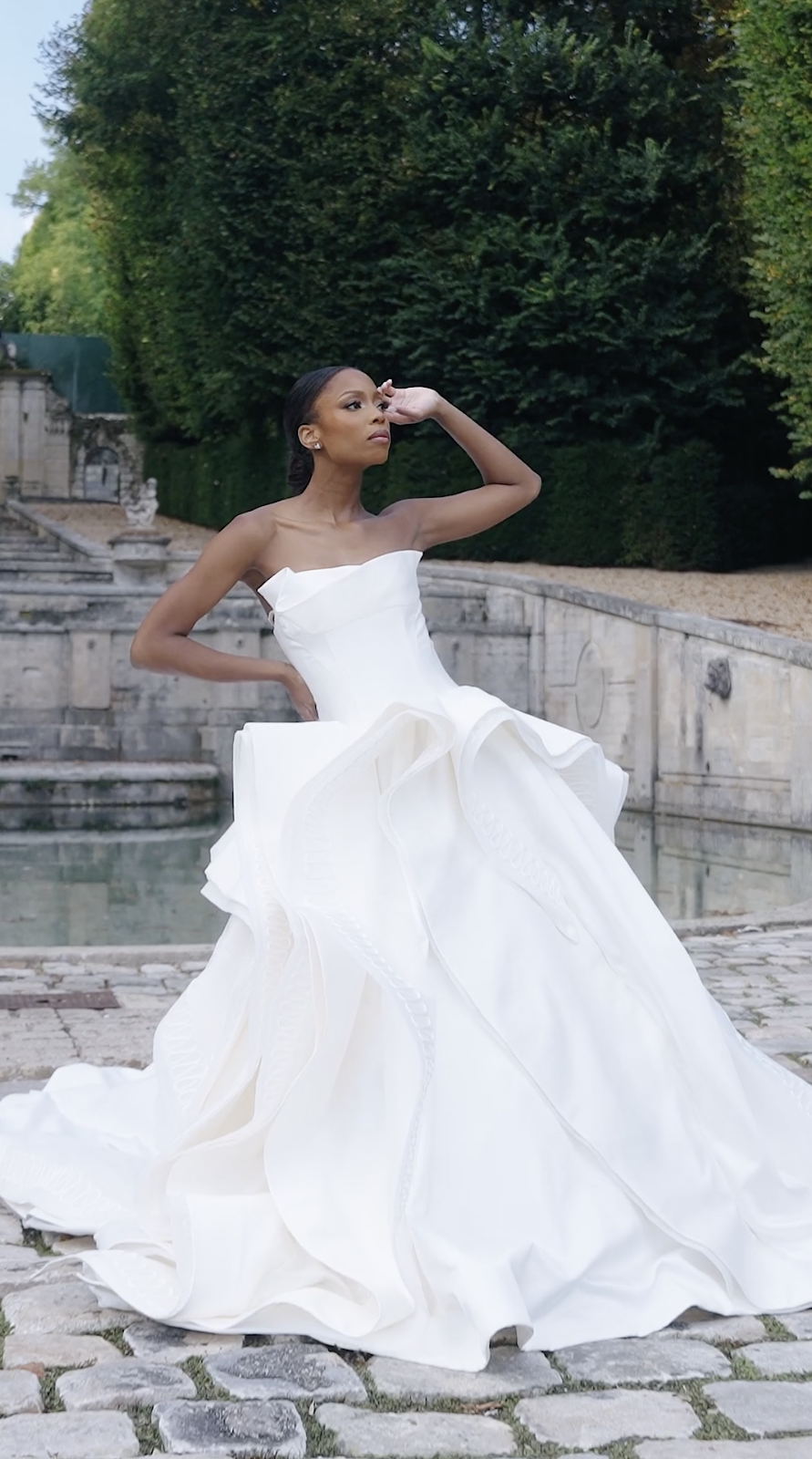
The Wedding Valley works from a simple but rare instinct: memory should feel spatial. Andrew Hartman and his team treat weddings as emotional environments rather than timelines. Their visual language grew out of two parallel worlds: fashion aesthetics and documentary observation. One gave them a sense of refinement, composition, and visual restraint. The other trained their eye for unscripted human behavior.
Their international reputation runs alongside the work rather than ahead of it. Rankings among the Top 5 Wedding Videographers in Italy and Top 15 in Europe, editorial features in Vogue, Tatler, Style Me Pretty, etc, and even a surreal appearance on screens in Times Square reflect external recognition — but not the internal measure of success. That comes from repeated trust. Multi-day destination celebrations. High-level planners returning again. Couples handing over their most intimate days with full confidence in discretion, pacing, and emotional intelligence.
Caputo Filma
For Marco Caputo, a wedding is not an event to be covered. It is an emotional ecosystem. Families collide with history. Couples carry invisible weight into visible rituals. Silence often speaks louder than speeches. What fascinates him is not what happens, but why it happens when it does. His films grow out of that reading of human behavior rather than from a visual formula. This is why his work feels unusually restrained.
One wedding that still defines his internal reference point is Sofia Richie’s. Not because of public attention or luxury, but because of its emotional structure. Two families arrived carrying long, quiet histories. Throughout the day there were moments of hesitation, reconciliation, vulnerability, and relief that were never verbalized. The most powerful scene came near the end, when the couple locked eyes in the middle of chaos and everything else dissolved. No performance. No awareness of the camera. Only recognition. Marco didn’t capture a spectacle that day. He captured emotional truth. That is the moment he still returns to when he thinks about what his work is actually for.
3 Petits Points
3 Petits Points was born from a moment no one else in the room saw. Jean Sotelo still remembers it with unsettling clarity. A small church near Rome. A childhood friend getting married. The couple seated with their backs to the guests. The ceremony unfolding in silence and ritual. Through the camera lens, something private surfaced: the groom, eyes closed, whispering a prayer, then turning slightly toward his bride and mouthing, “I love you.” A few seconds. Invisible to everyone else. Permanent to the film. That moment rearranged Jean’s understanding of what a wedding film could be.
At the time, filmmaking already lived in his bones. He had studied film and television production at NYU’s Tisch School of the Arts. Jean’s filmmaking logic is still shaped by his cinema roots, but it bends toward intimacy rather than spectacle. He gravitates toward moments that exist just below public awareness — quiet gestures, micro-expressions, unscripted fragments that disappear unless someone is watching carefully enough. His films feel observational, but never detached. There is always a human pulse running underneath the visual structure.
De Gregorio Films
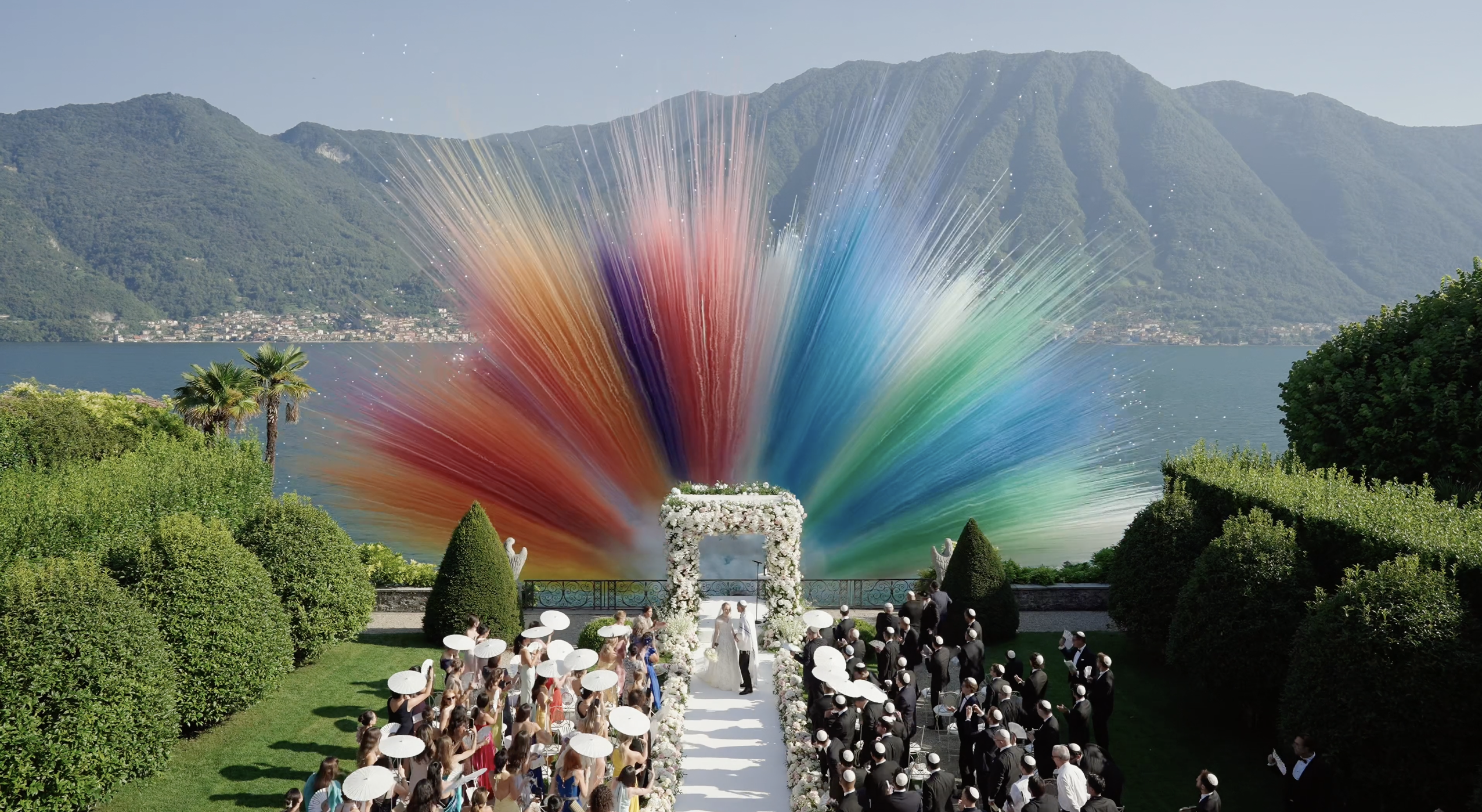
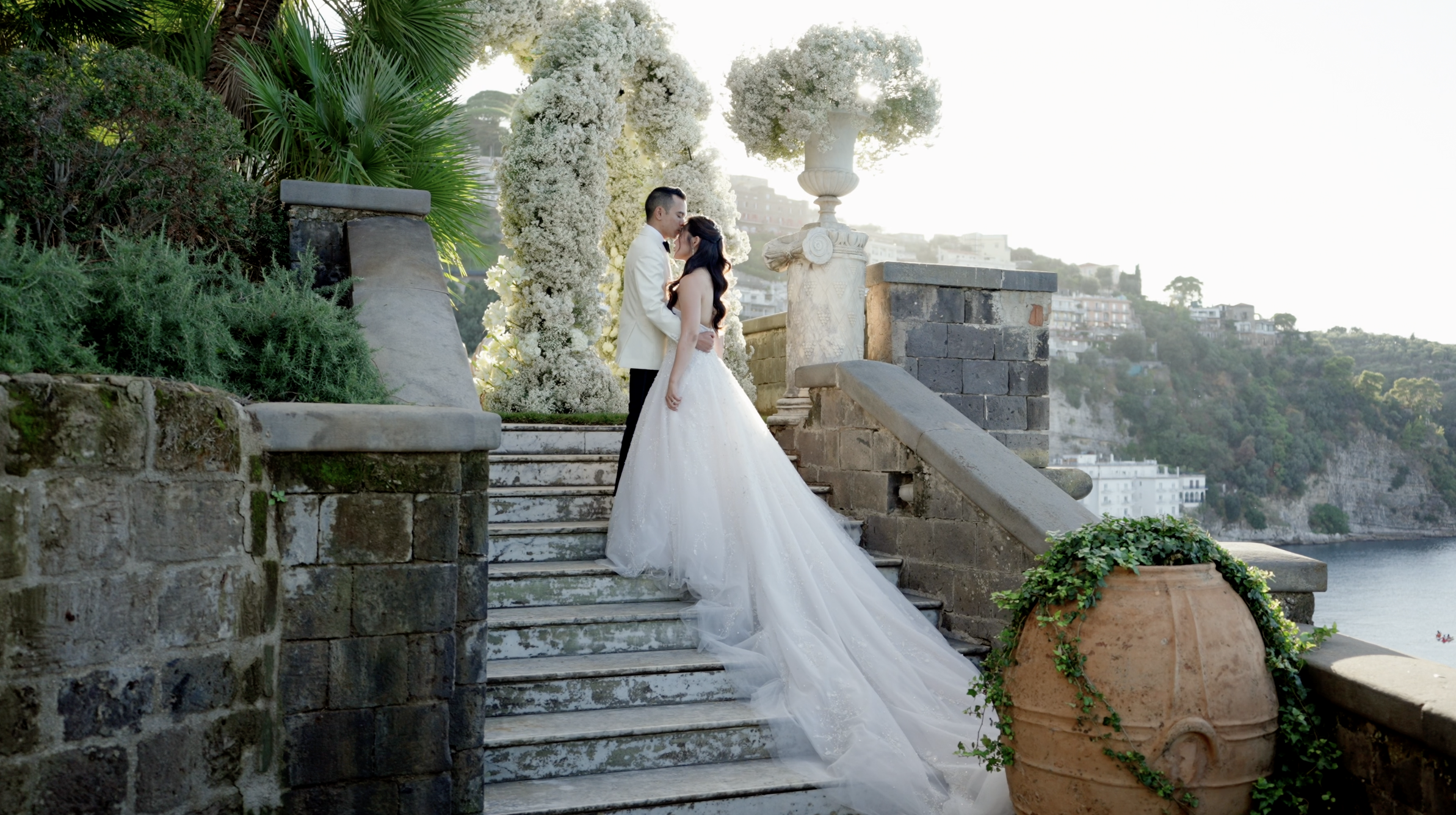
What defines Luigi De Gregorio’s filmmaking is an unusual form of discipline. Luigi resists the instinct to “shape” reality into a narrative. He avoids imposing dramatic arcs, visual theatrics, or emotional punctuation marks. Instead, he builds his films through accumulation — layering atmosphere, gesture, tone, silence, and spatial context until a story reveals itself naturally. Editing, for him, is not assembly. It is listening.
His background in cinema is visible, but never performative. You feel it in the pacing, the compositional restraint, the way scenes are allowed to decay instead of being cut clean. The work carries cinematic intelligence without cinematic vanity. Every choice is made to protect vulnerability rather than aesthetic dominance. Based on the Amalfi Coast and working across Italy and Europe, Luigi operates in some of the most visually overwhelming wedding destinations in the world — Lake Como, Tuscany, cliffside ceremonies above the Mediterranean.
André Schlechte
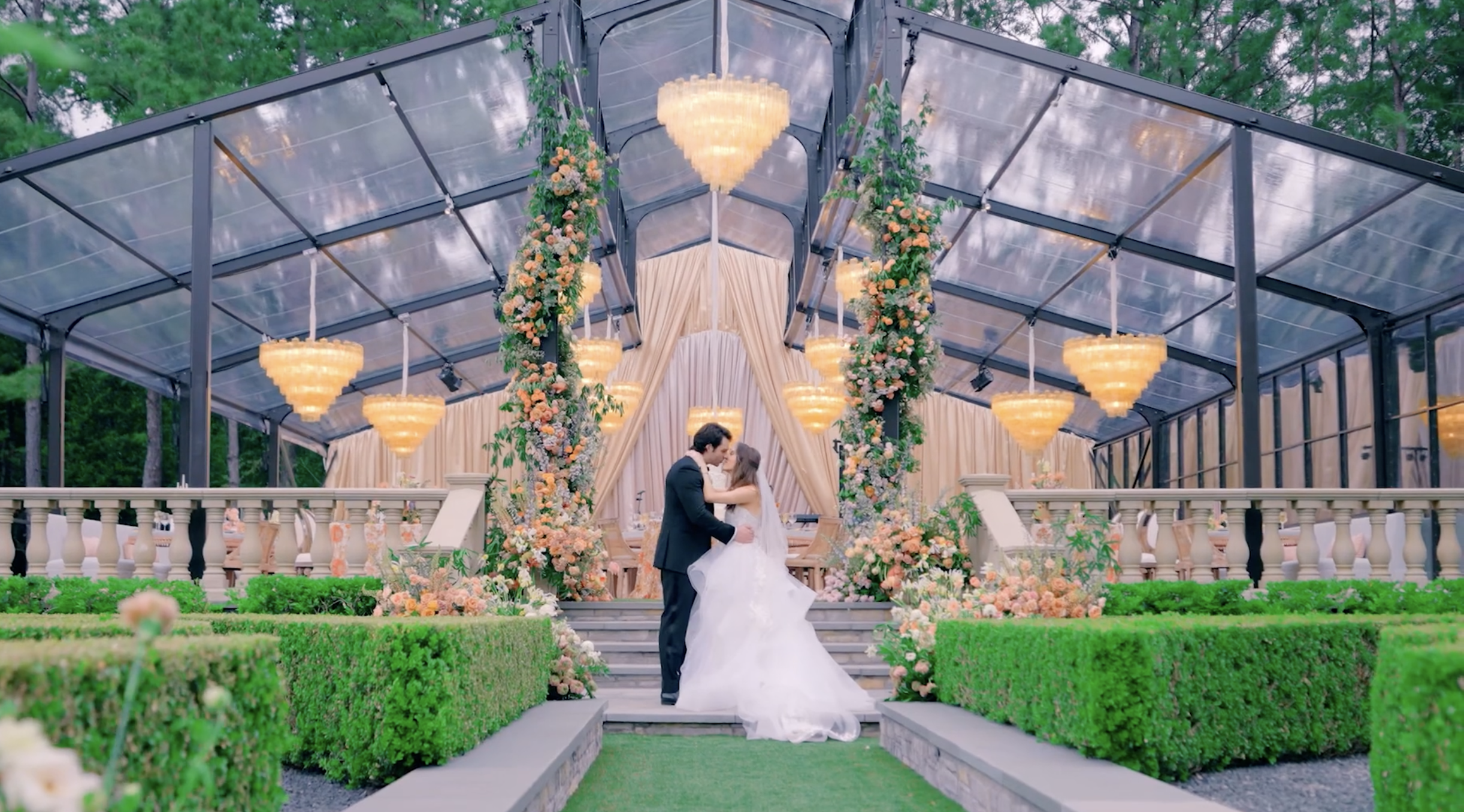
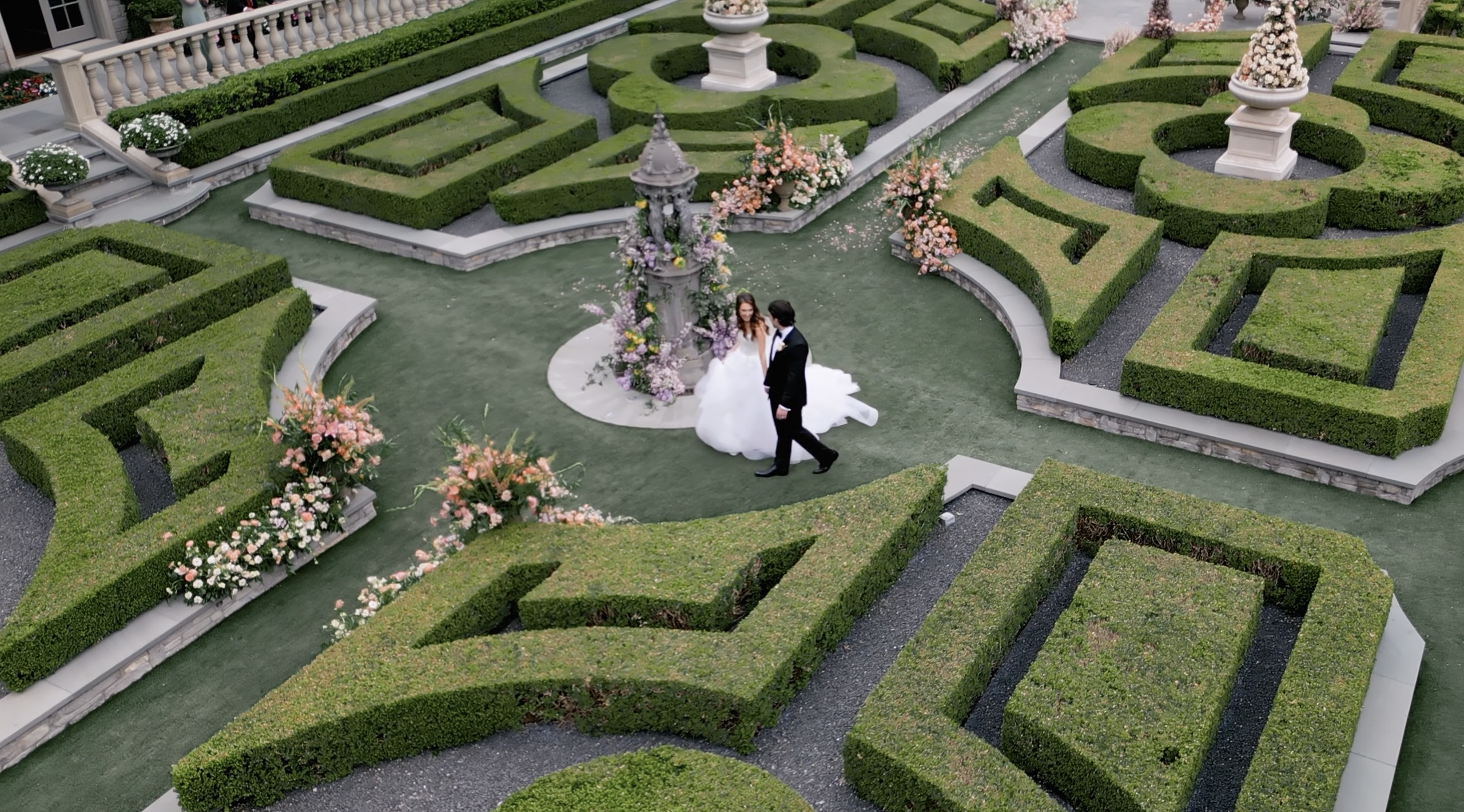
Before weddings, André’s background lived in music videos and festivals. What carried over from that world wasn’t spectacle, but his attraction to raw emotion. Weddings offered something even more concentrated: an environment where people are unusually present, emotionally exposed, and sincere. For him, that honesty became the core material. He doesn’t approach weddings as visual events. He approaches them as emotional situations unfolding in real time.
One wedding still sits at the emotional center of his memory. As a bride walked down the aisle with her father, her grandfather unexpectedly joined them halfway through. The three of them continued toward the groom together. It wasn’t planned. It wasn’t dramatic. It was gentle, spontaneous, and deeply symbolic. That single gesture reflected the entire celebration — a room full of people genuinely connected to one another. For André, that moment crystallized why this work matters. You enter strangers’ lives for a few intense days and are trusted with something they will return to for the rest of their lives.
Kenneth Cooper Films
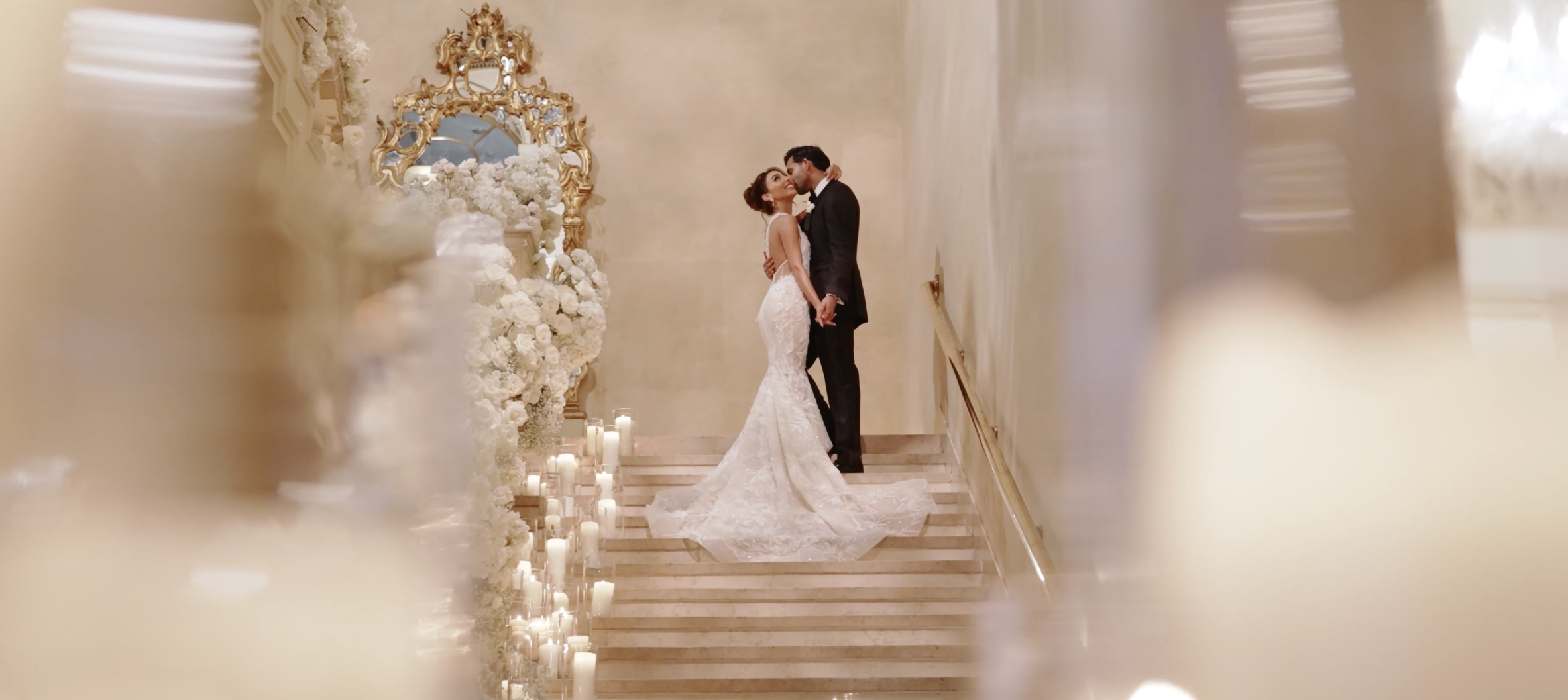
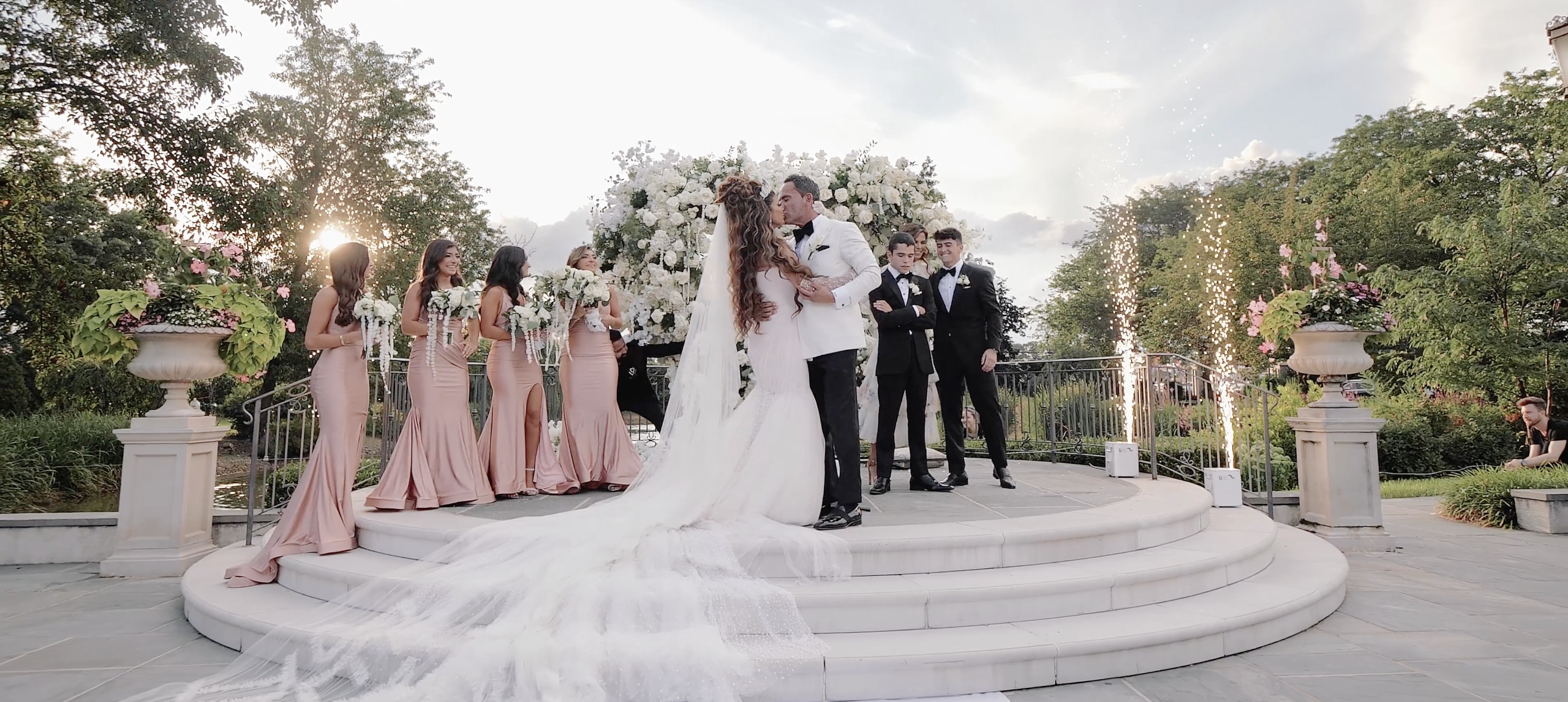
A defining part of Kenneth Cooper’s creative process is collaboration. Some of the weddings that stay with him most vividly are not remembered for a single moment, but for the shared rhythm between trusted creatives working toward the same emotional outcome. When he films alongside planners, designers, musicians, and artists he deeply respects, the entire day takes on a natural momentum. That collective intelligence allows the story to unfold without friction, and his films carry that sense of ease.
Although he has filmed in estates and venues around the world, Italy remains his emotional center of gravity. The architecture, light, and layered history of Italian locations create a cinematic atmosphere before any design is added. When thoughtful styling and entertainment are layered into those spaces, the experience becomes immersive in a way few places can replicate. For Kenneth, that combination of natural beauty and human intention produces a particular kind of emotional depth on screen.

Emma K Films
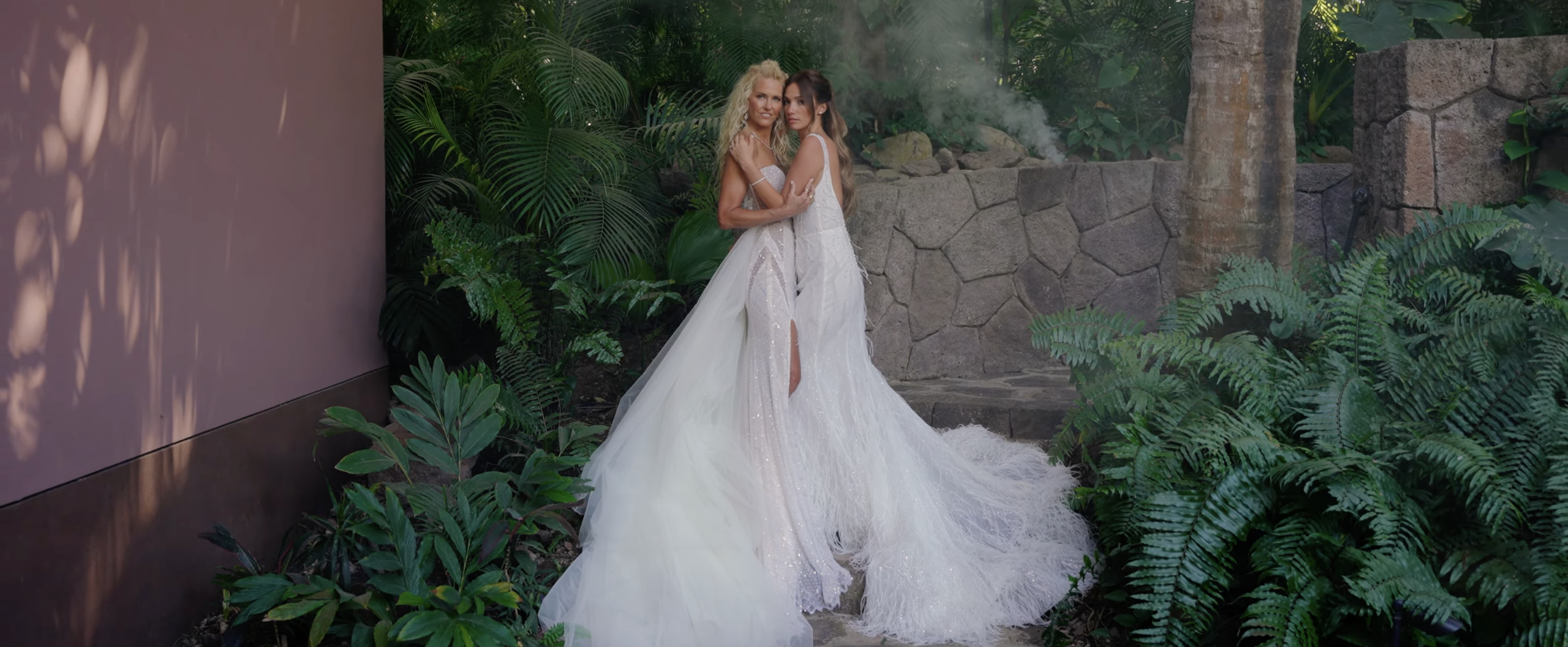
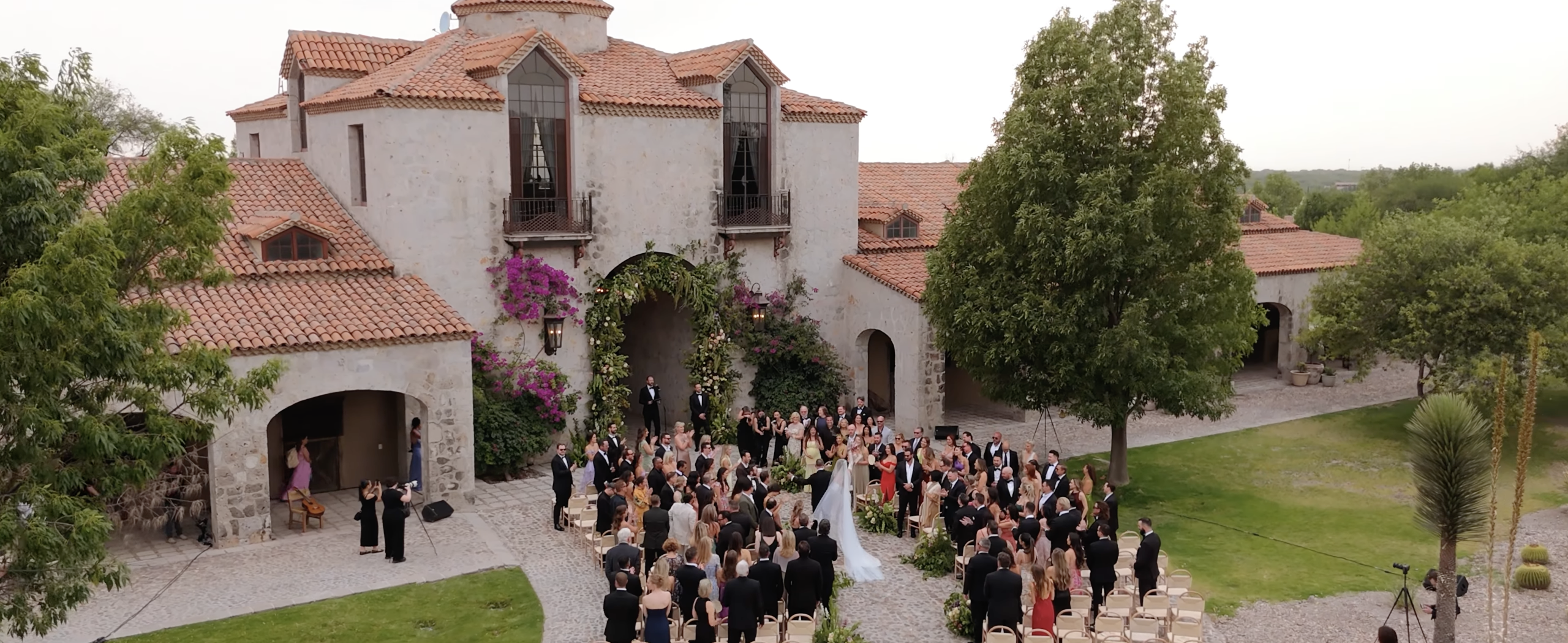
Emma K Films carries the energy of someone who never treated wedding filmmaking as a side chapter in her life. From the beginning, Emma Burke approached it as something expandable, buildable, and worth betting on — even when that meant putting a Sony a7S III and a drone on a credit card as a broke college student just to get started. From a single $400 booking, her work evolved rapidly into luxury destination weddings across the world, many of them private, NDA-protected, and deeply personal. Emma invested aggressively in her own growth through mentorships, workshops, and education, compressing what might have taken a decade into just a few years.
Today, Emma intentionally limits her calendar to just 12 to 15 weddings per year. That constraint allows her to lead larger production teams for multi-day events and offer a highly personalized, high-touch experience. In 2025, she signed with LUÁGO Agency to manage all client bookings, marking a new phase in scaling her brand with infrastructure rather than exhaustion.
Gione da Silva Images
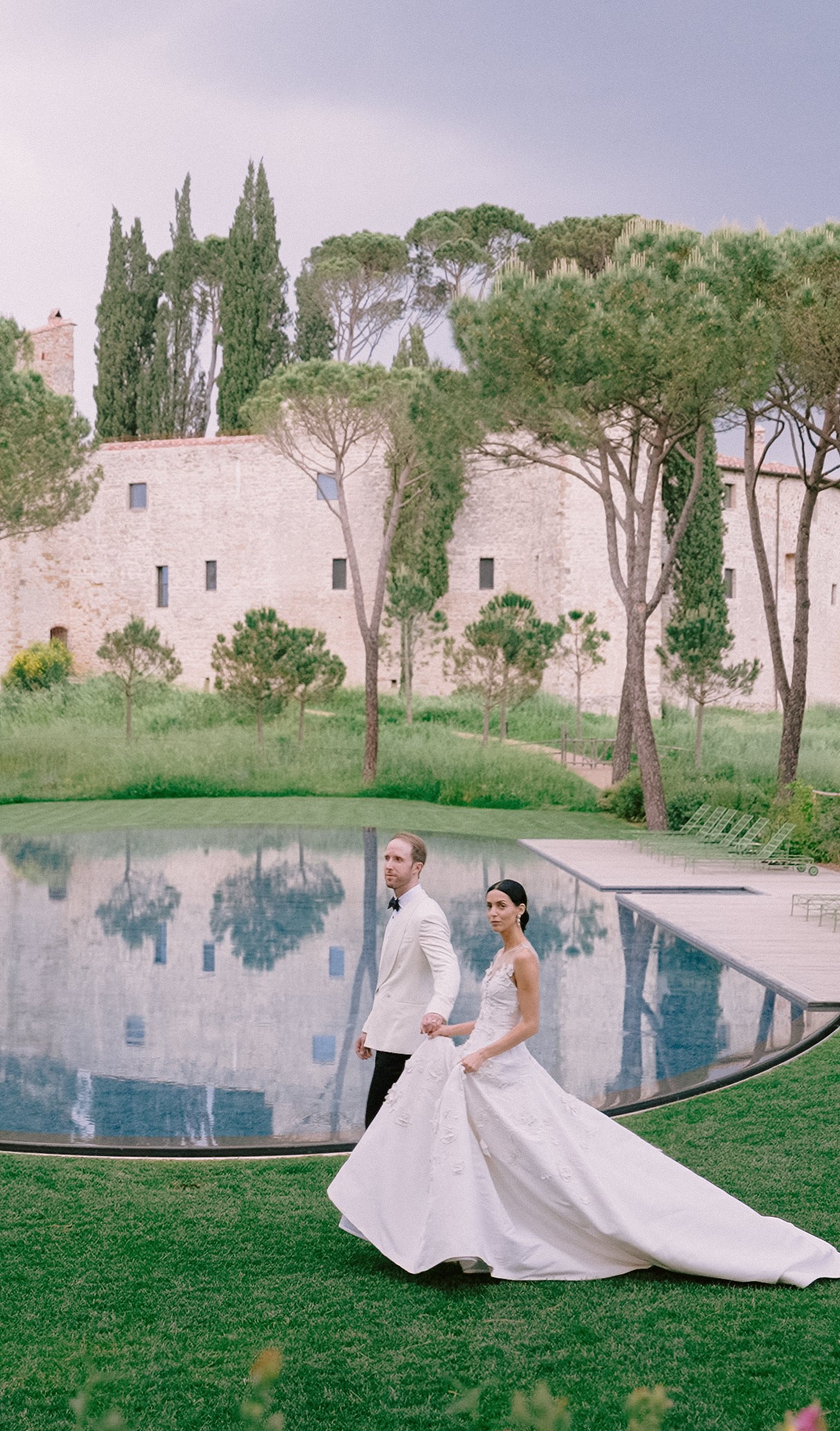
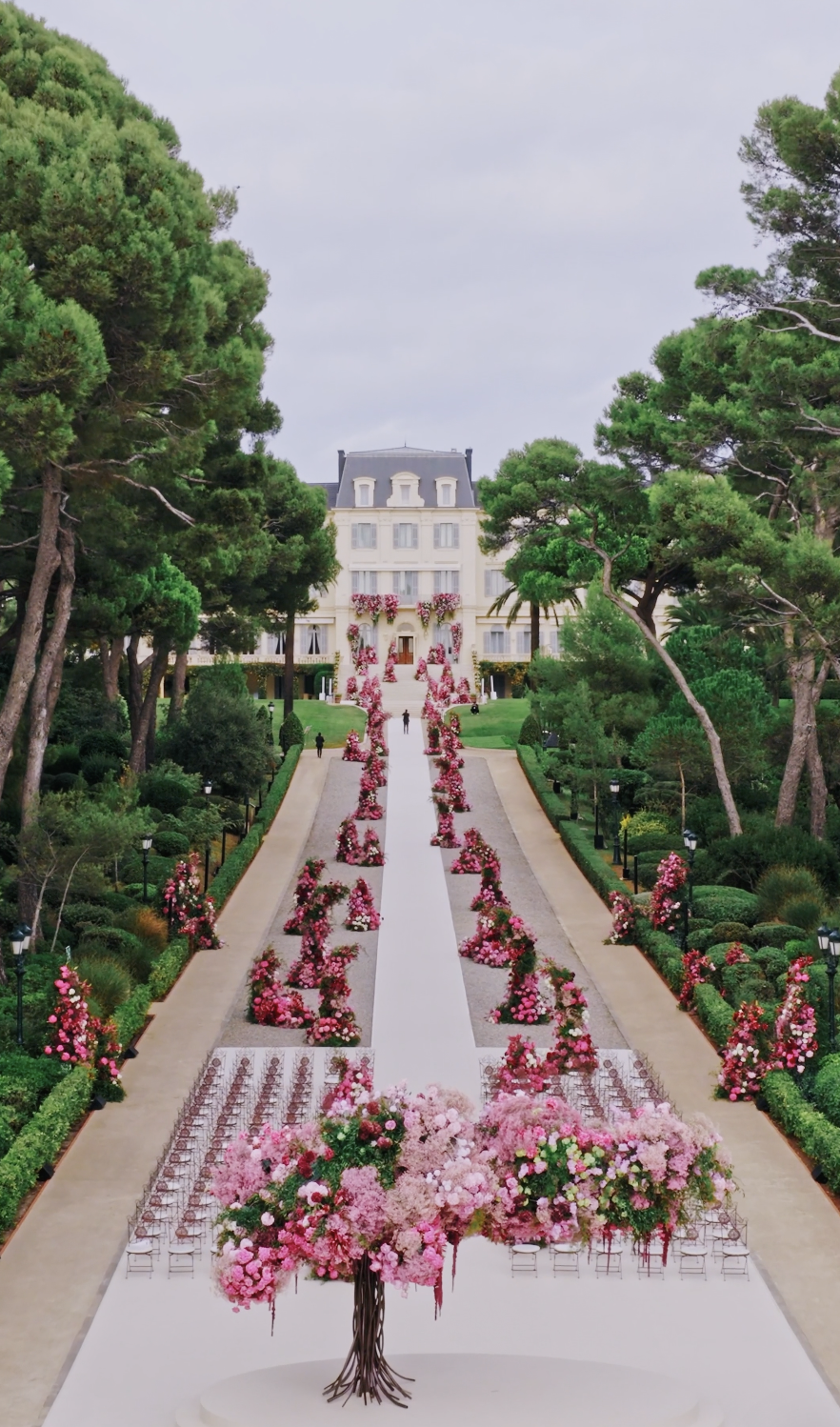
Visually, Gione da Silva’s work is defined by a confident relationship with colour and tone. He treats colour as narrative language rather than decoration. It signals emotional temperature, intimacy, tension, softness, and release. His storytelling grows out of how light behaves in a space, how skin tones shift through a day, how landscapes alter the psychological weight of a moment. This sensitivity gives his films a cinematic depth that feels immersive without being theatrical.
His career has unfolded across an extraordinary geographic range. He has filmed on five continents, from the Arctic and the Faroe Islands to Morocco, Iceland, Dubai, China, the Maldives, the French Riviera, and iconic locations like Villa Balbiano and White Sands Desert. Morocco holds a special emotional place for both him and his partner Hannah, while the Arctic remains one of the most surreal experiences of his life. Each destination, for him, carries its own emotional physics. None are better than the others. They are simply different instruments in the same visual orchestra.
Les Vaques
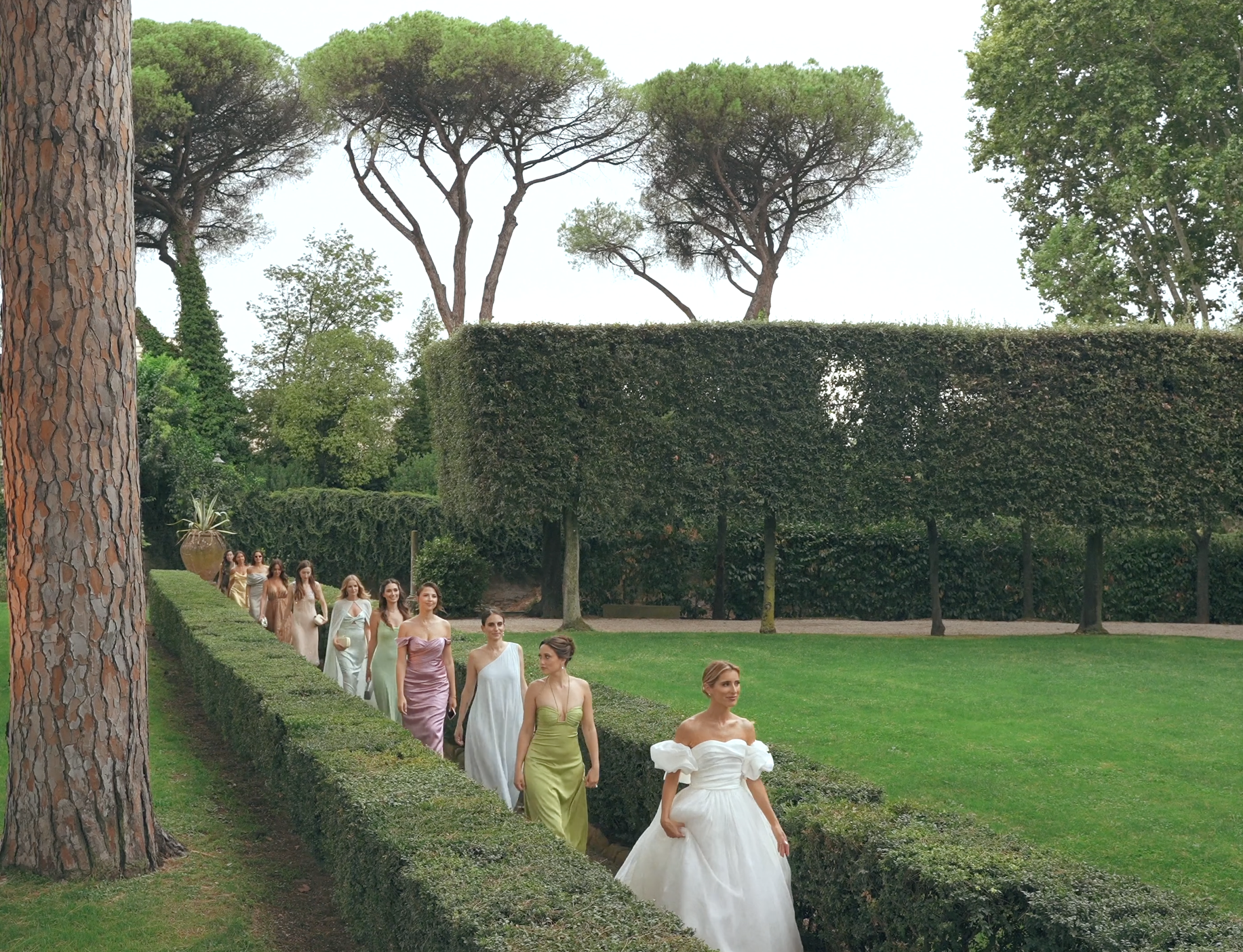
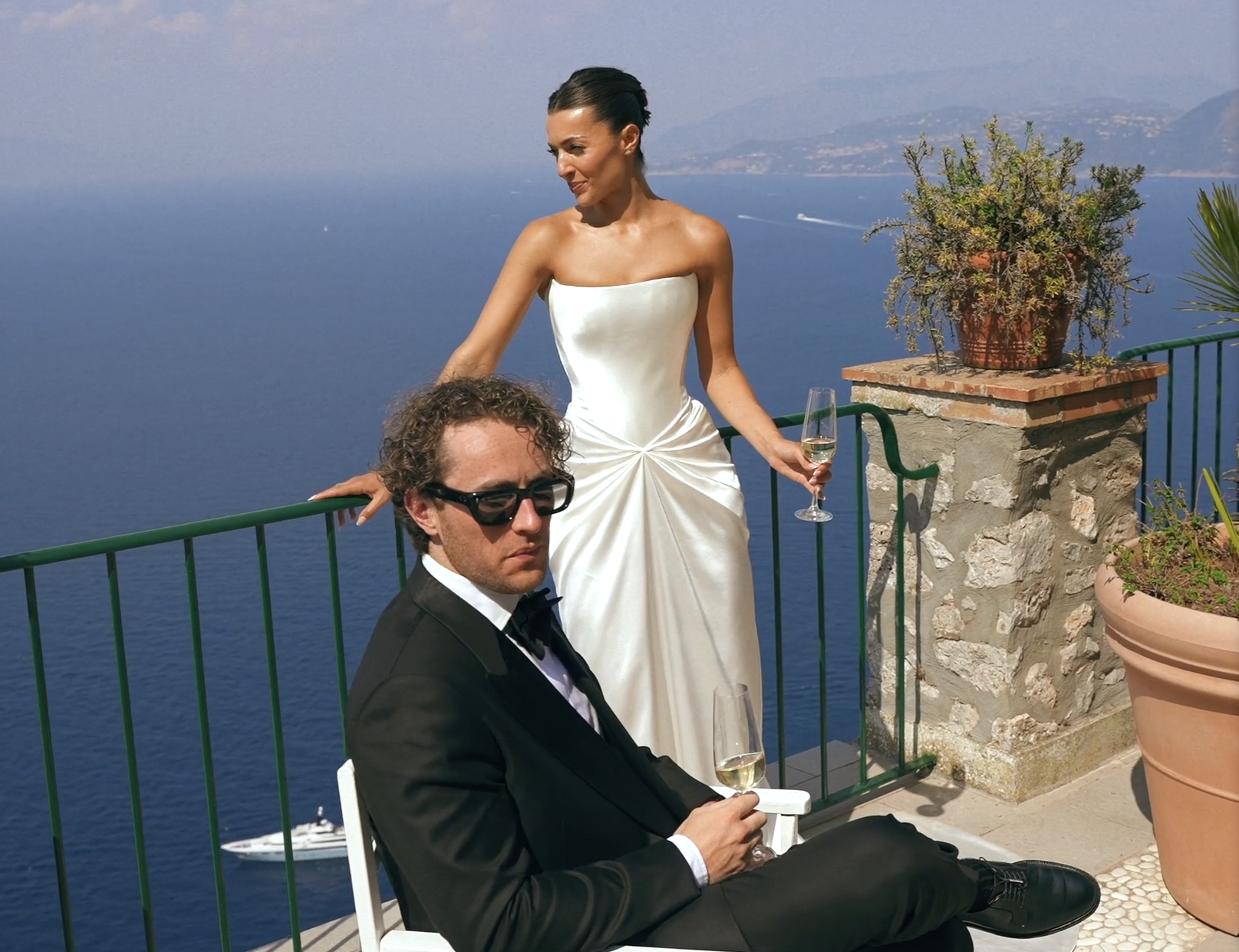
What keeps Les Vaques engaged in this craft is scale — not only physical scale, but experiential scale. They are drawn to celebrations that unfold over time, that reveal themselves layer by layer. Multi-day weddings, evolving locations, costume changes, shifting atmospheres, and narrative progression give them the space to build visual continuity rather than isolated highlights.
That is why Bettina Looney and Carlos Segovia’s five-day wedding in South Africa remains a defining internal reference point. Not because of celebrity or destination appeal, but because of total immersion. Filming across multiple days and locations revealed what a fully realized wedding world can look like when every detail is intentional. It allowed Les Vaques to work in chapters instead of moments, discovering how visual language deepens when time expands.
Le Rêve Films
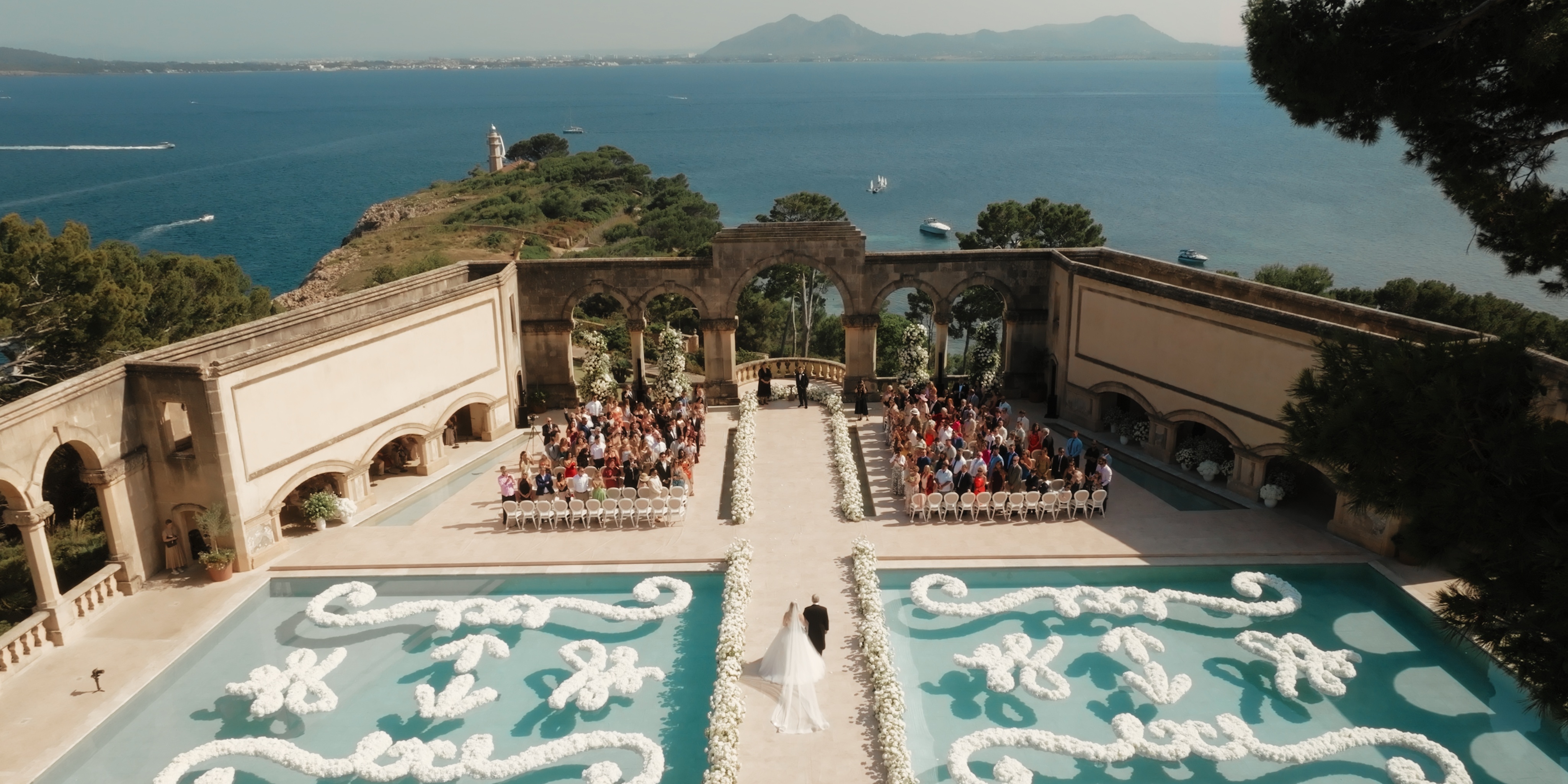
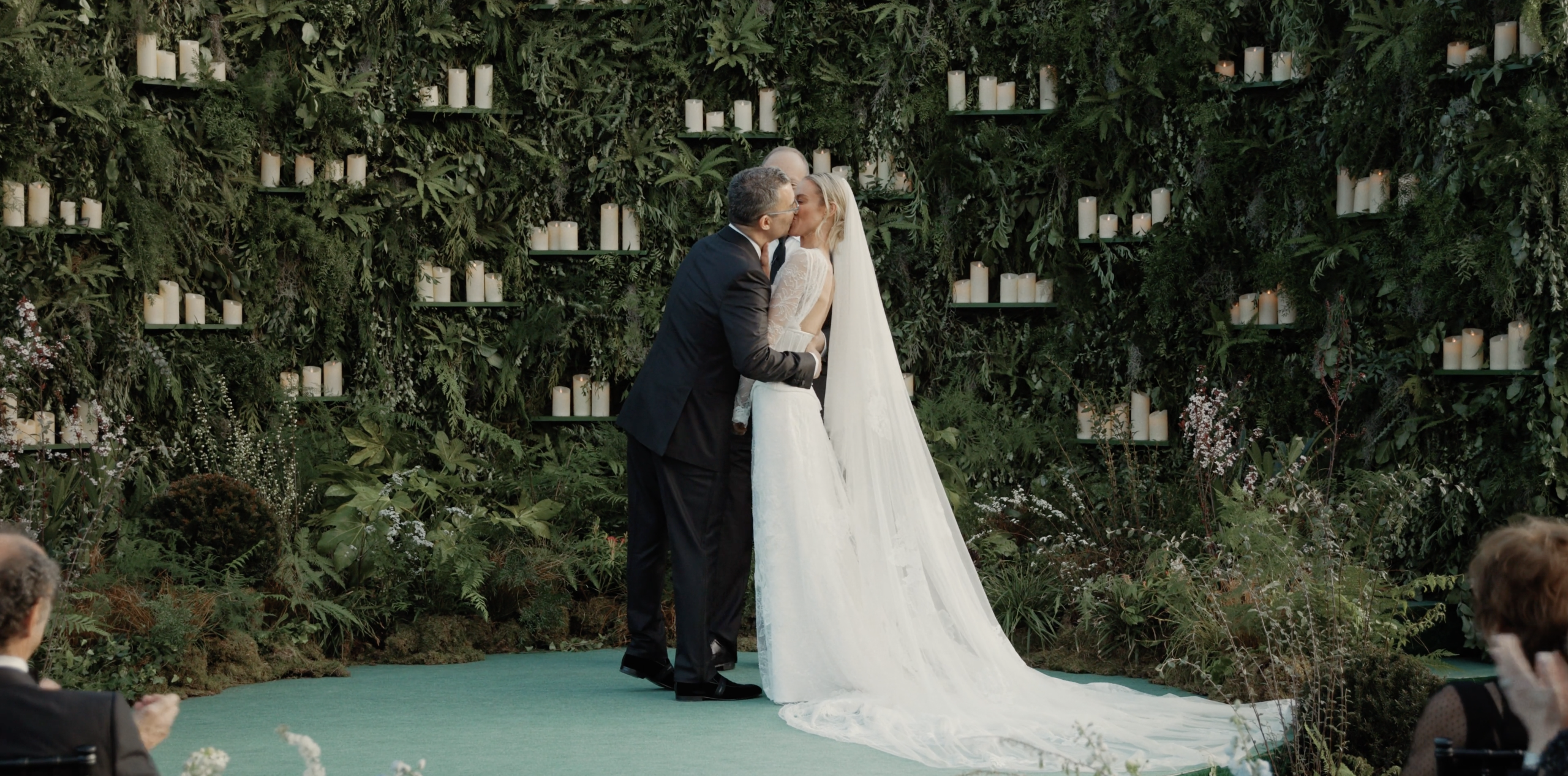
Le Rêve Films exists in a rare creative space where intimacy and historical gravity coexist. On one end of their emotional map sits Zambia — expansive, grounding, and profoundly human. On the other sits the White House — symbolically dense, charged with history, and surreal in its significance. Lindsey and Cherish Conklin have filmed in both, and what fascinates them most is not how different these places are, but how similar people become inside them when love is at the center. That observation defines their work.
Some of the celebrations that shaped them most were not chosen for scale, but for what they unlocked creatively. Naomi Biden’s wedding to Peter Neal at the White House remains unforgettable, not because of politics or prestige, but because of the strange intimacy of filming love inside a space built for power and history. Chef Achatz’s wedding to Samantha Lim at Chablé in the Yucatán Peninsula left a different mark. That weekend gave Lindsey and Cherish permission to experiment, to play, and to stretch their artistic language beyond what they had done before. It became a turning point in how freely they approached storytelling.
Slowl
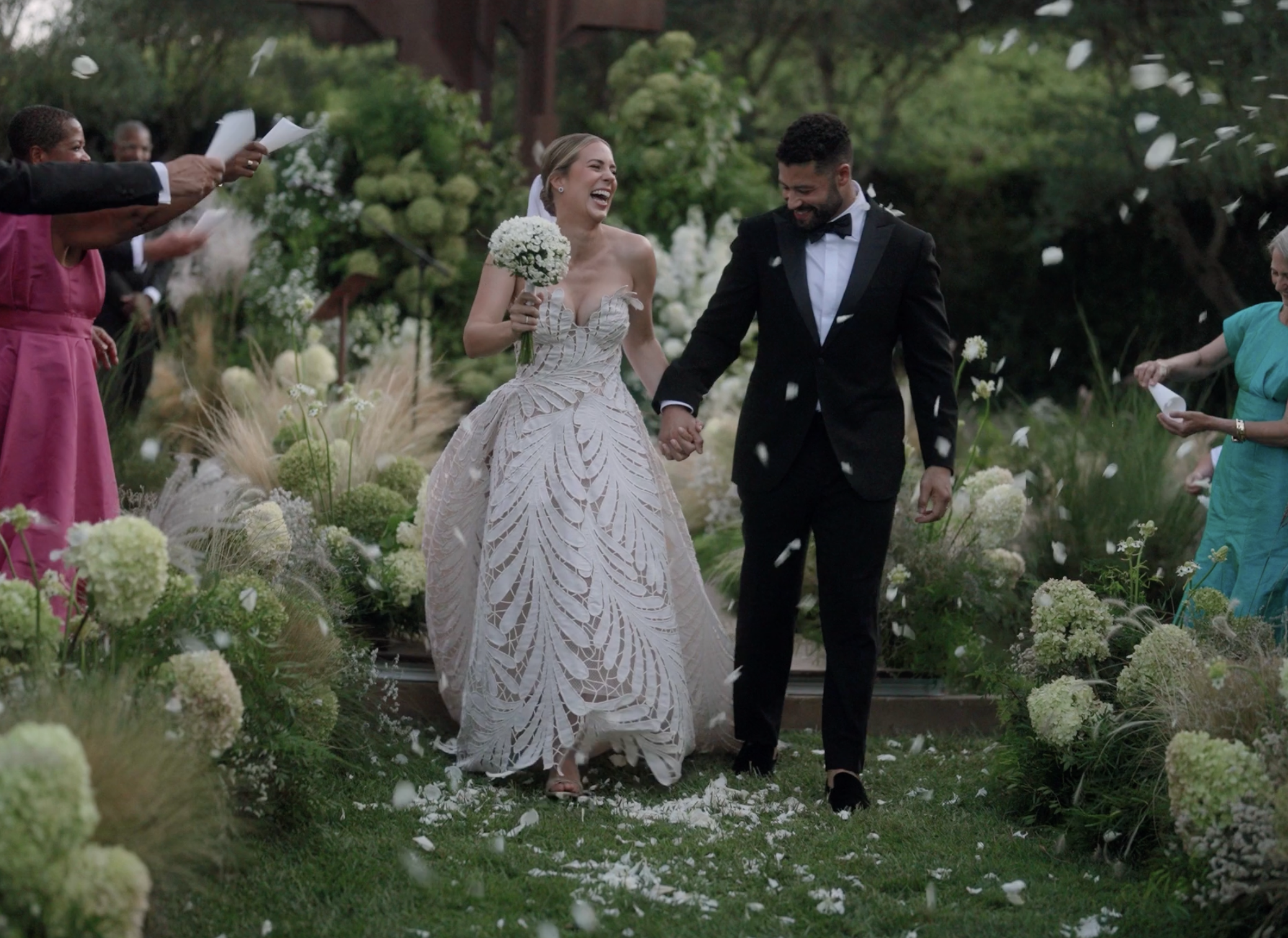
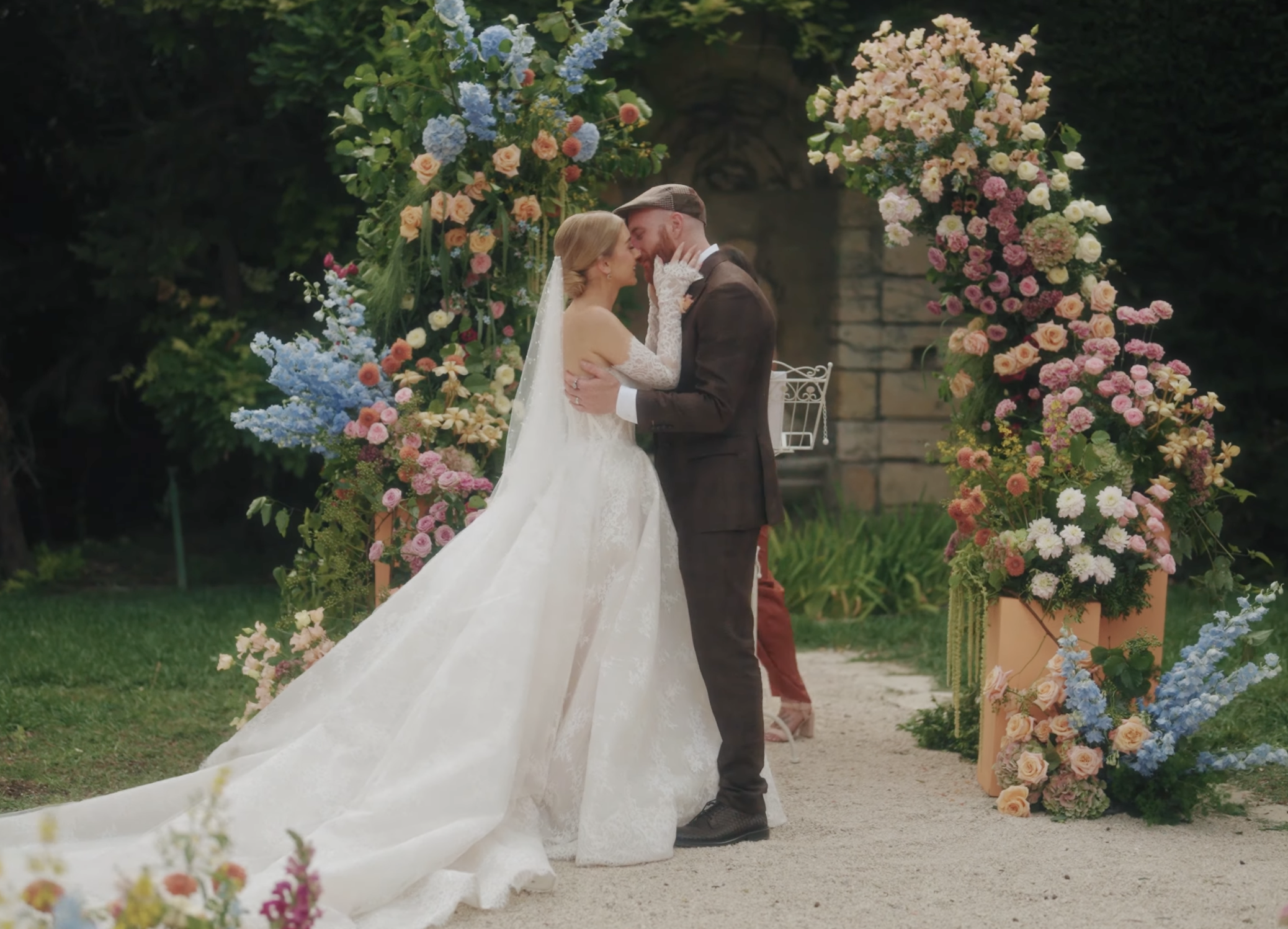
Slowl carries the energy of someone who still finds it slightly unreal that this is his life. Alexis Alcázar studied film directing because cinema fascinated him, but for a long time filmmaking lived more in fantasy than in practice. He loved movies, loved storytelling, loved the idea of directing — yet coordinating shoots and managing production felt intimidating and distant. Wedding filmmaking entered his life quietly and without expectation, when he filmed a friend’s wedding simply because he happened to be there with a camera.
Alexis genuinely believes he has the best job in the world. He spends his working life surrounded by happiness, celebration, affection, and emotional openness. People are relaxed, sincere, and generous with their feelings. There are very few professions where strangers invite you into one of the most meaningful days of their lives and trust you completely.
Unique Wedding
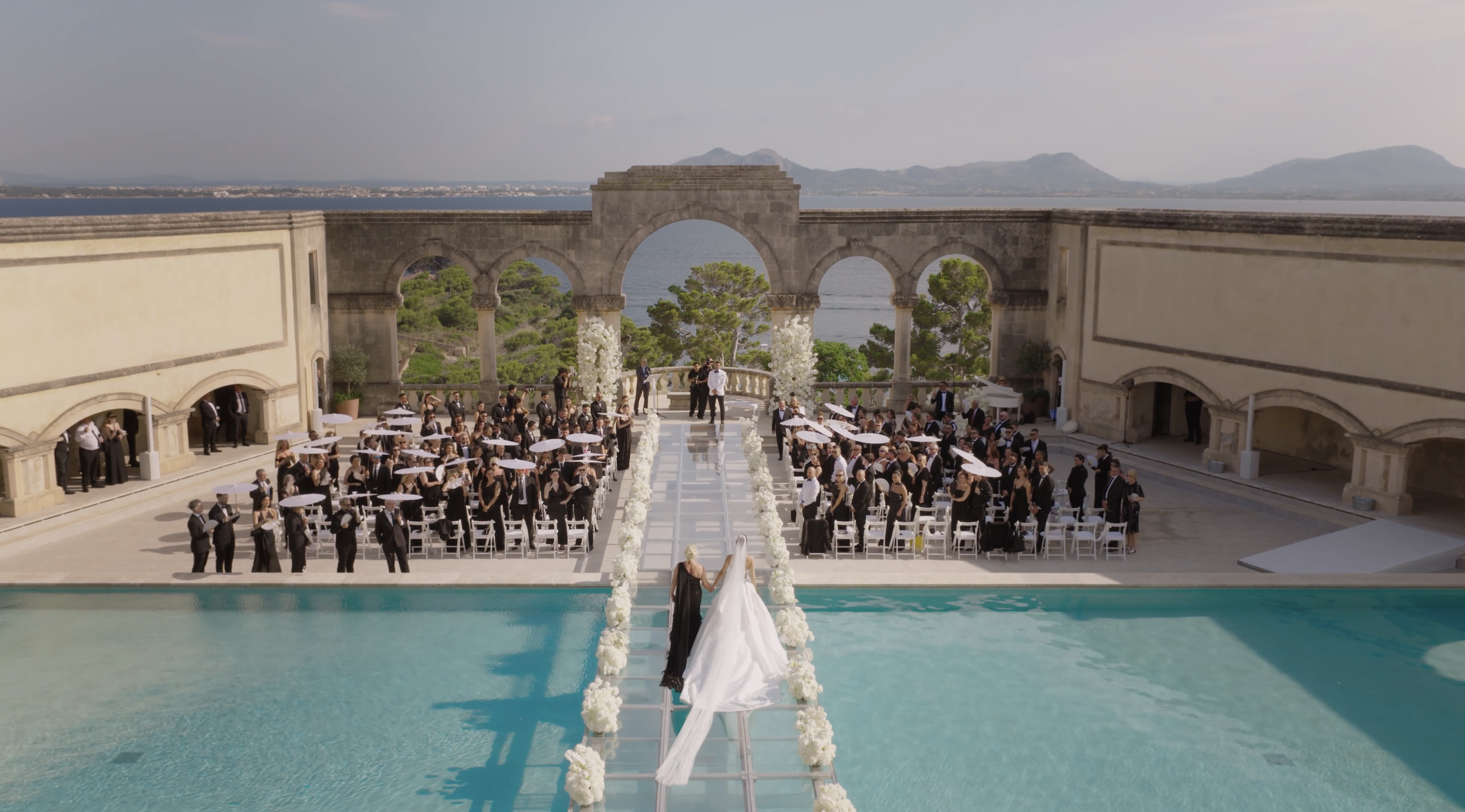
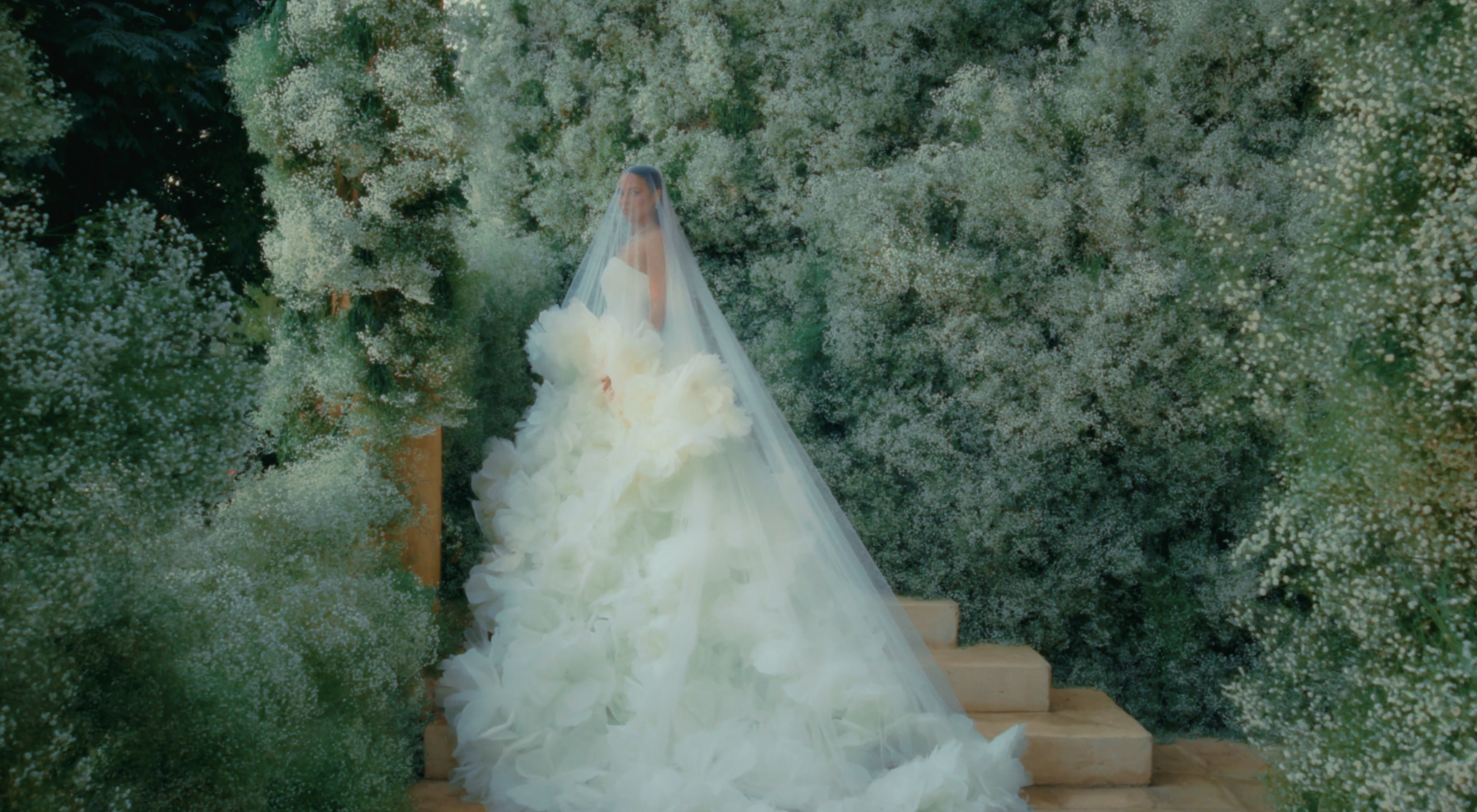
Unique Wedding’s visual language is editorial and fashion-forward — light, architecture, styling, bodies in motion — but the engine underneath is musical. Beats land where emotion lands. Cuts happen where energy breaks open. Silence appears when the room itself goes quiet. They build films the way DJs build sets: reading the crowd, adjusting the tempo, knowing when to hold tension and when to release it.
Working as a duo gives that process unusual fluidity. Ivan and Angela operate almost like co-pilots mid-flight. One pushes forward while the other stabilizes. One chases the crowd while the other anchors intimacy. Decisions are made in real time, often without speaking. That silent coordination lets them stay mobile, fast, and responsive inside high-pressure, high-scale celebrations. They’ve filmed weddings for some of the most recognizable figures in European football and entertainment — Sergio Ramos, Pilar Rubio, Dani Carvajal, Isco Alarcón, Fabián Ruiz, David Raya — and even worked for Shakira.
Vanessa & Ivo
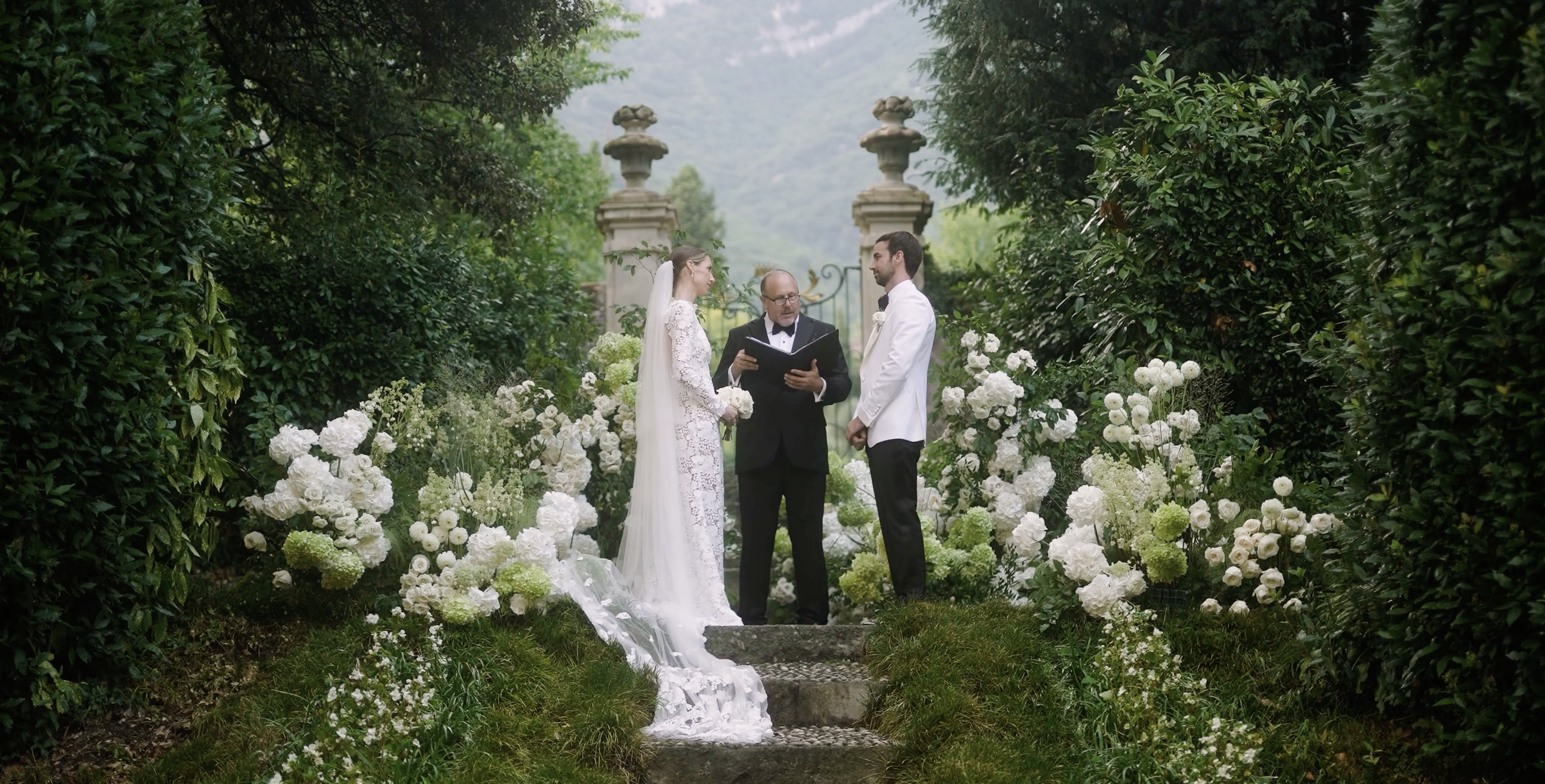
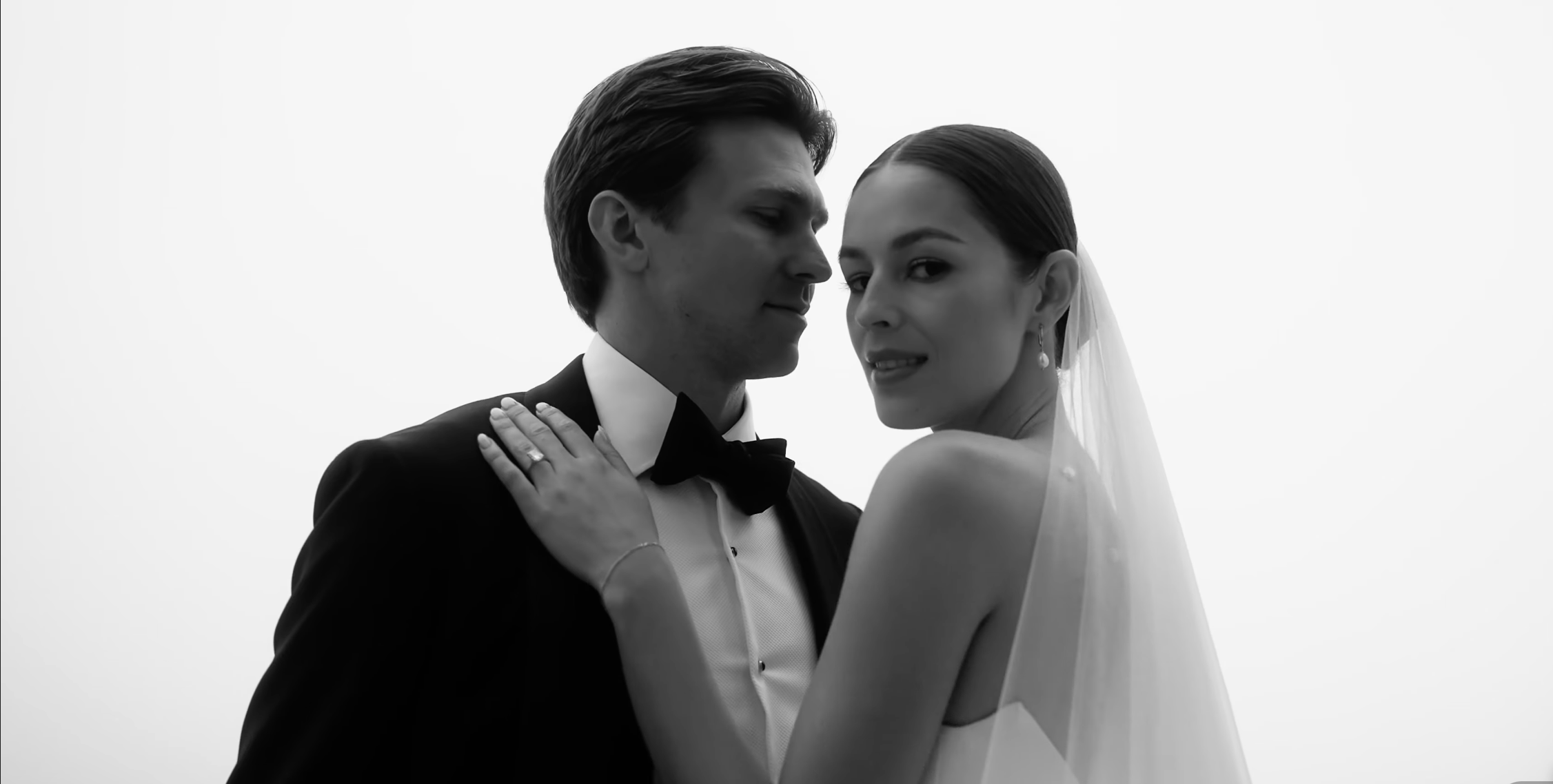
What drew both Vanessa & Ivo into weddings was honesty. A wedding day offers no rehearsals, no second takes, and no control over emotion. Everything that happens is real, fragile, and irreversible. That reality gave their work a seriousness they had never felt in scripted production. From the beginning, they treated weddings not as events to document, but as emotional narratives unfolding once and never again.
Their geographic memory stretches from Portugal to Lake Como and Morocco. Grand Hotel Tremezzo and Villa Sola Cabiati remain emotionally resonant for their light, history, and cinematic calm. Selman Marrakech and The Oberoi Marrakech left a different imprint, shaped by scale, texture, and immersive atmosphere. Over time, they discovered an unexpected affection for palaces and stately villas, not for grandeur itself, but for the way timeless architecture slows people down and softens behavior.
Cordès Studio
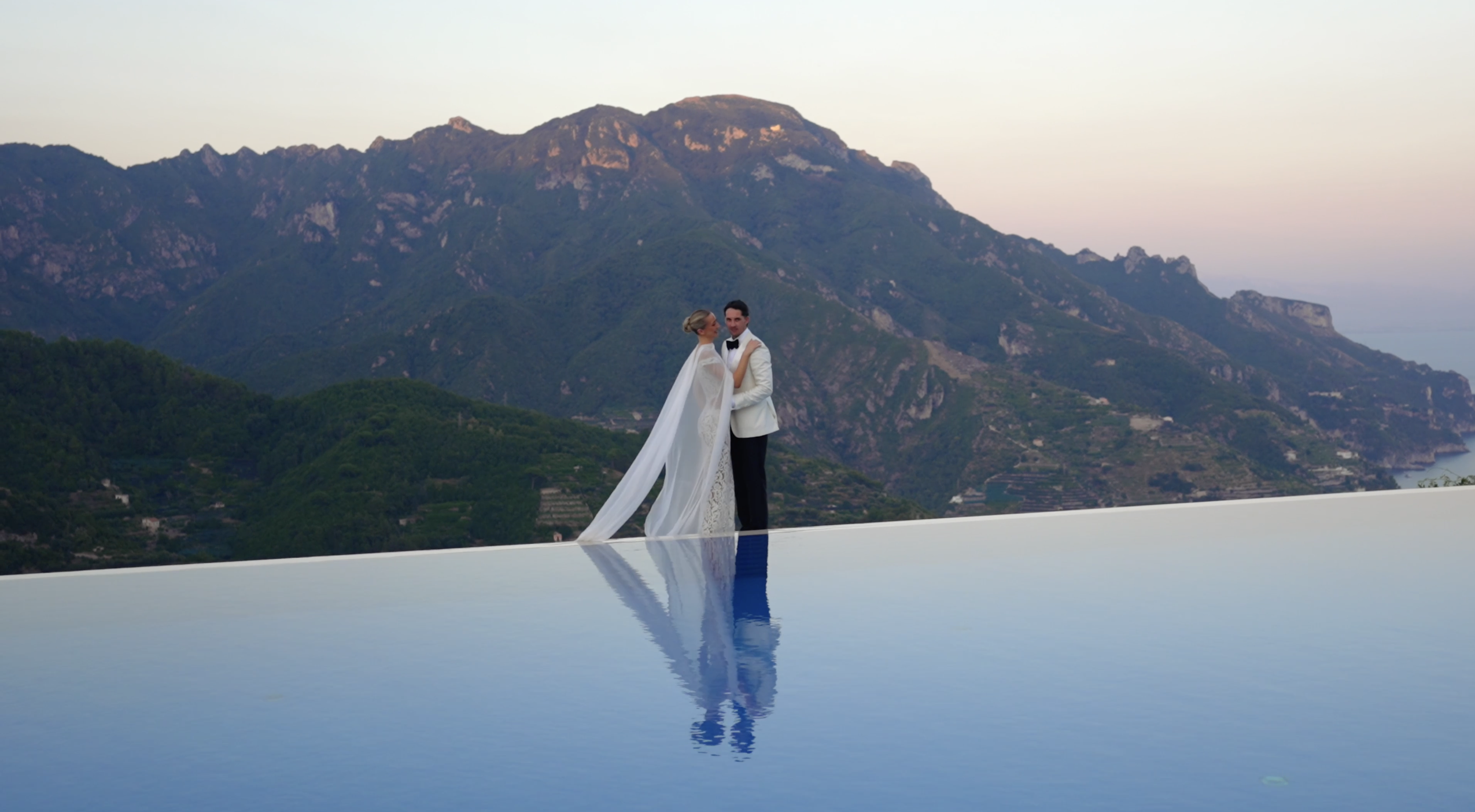
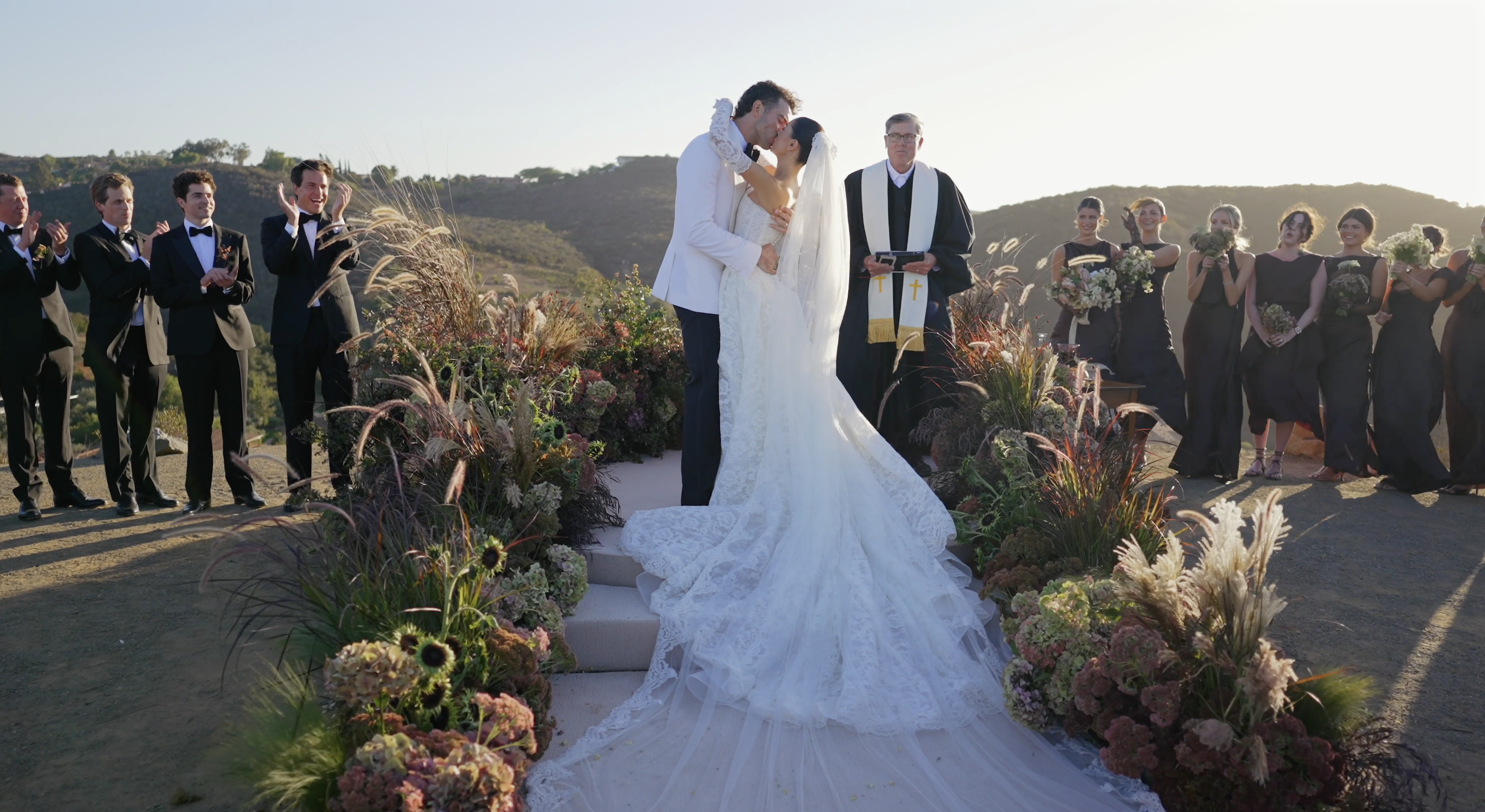
Cordès Studio’s visual world has been shaped as much by geography as by filmmaking. Johannes Rausch and Salome Kordesee move constantly between Europe and Mexico, and each place has quietly re-educated their eye in different ways. Italy, France, and Spain continue to pull them back for their density of history, proportion, and visual restraint. La Fortaleza in Mallorca remains one of their emotional reference points — not because it is dramatic, but because it feels self-contained and complete without intervention. Mexico, on the other hand, introduced them to scale, heat, texture, and visual excess, forcing a different kind of discipline. These contrasts taught them how to control visual noise and how to let space speak.
Being named among the best wedding videographers in Europe and globally mattered to them less as a milestone and more as a signal that their understated language resonated across very different cultures. What mattered more was repeated selection by couples from different countries who responded to the same quiet visual logic. Cordès Studio does not build films around what a wedding is supposed to look like. They build them around how a wedding actually organizes human behavior. That is their real subject. And that is why their films feel grounded even when the settings are extraordinary.
Romaverafilms
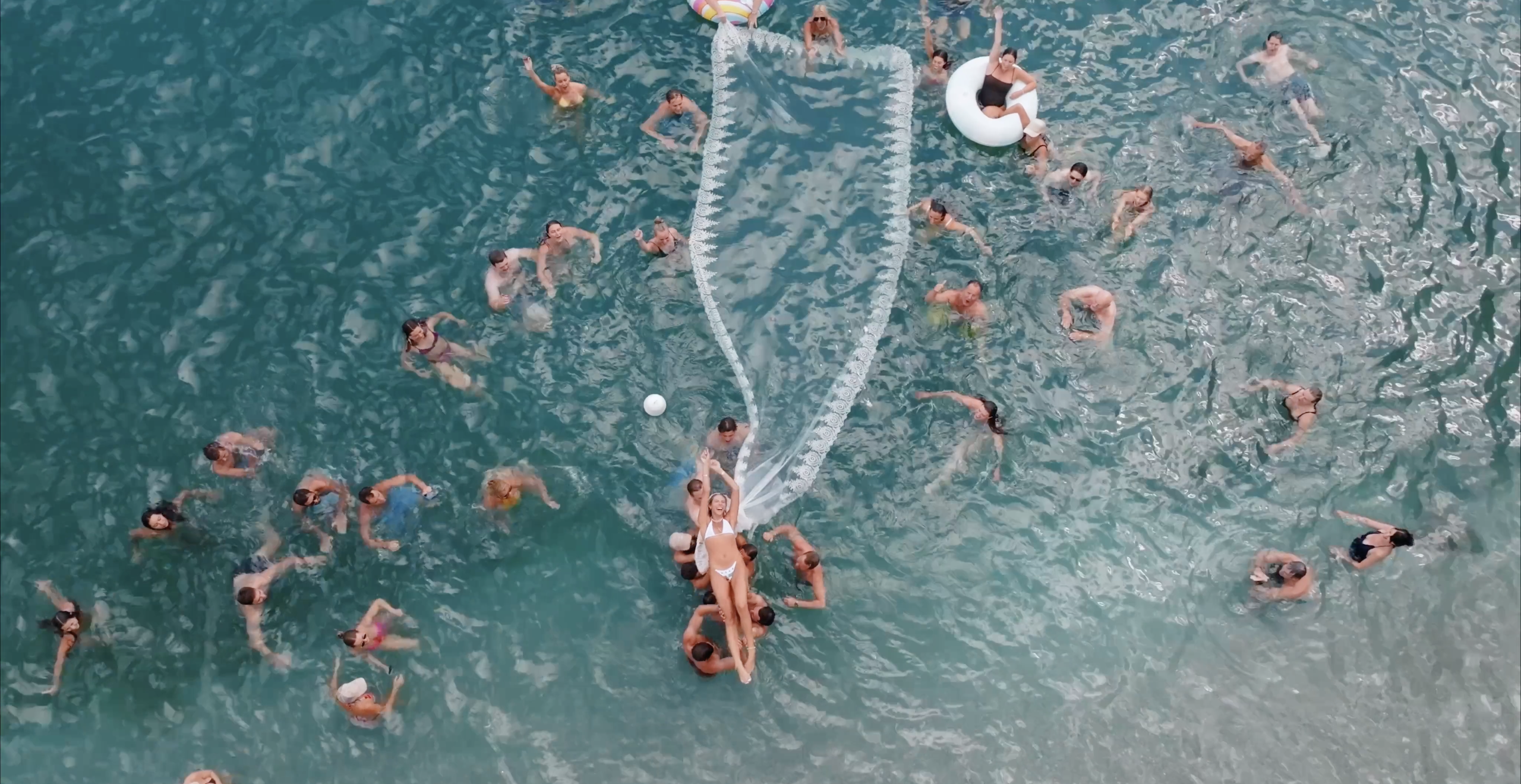
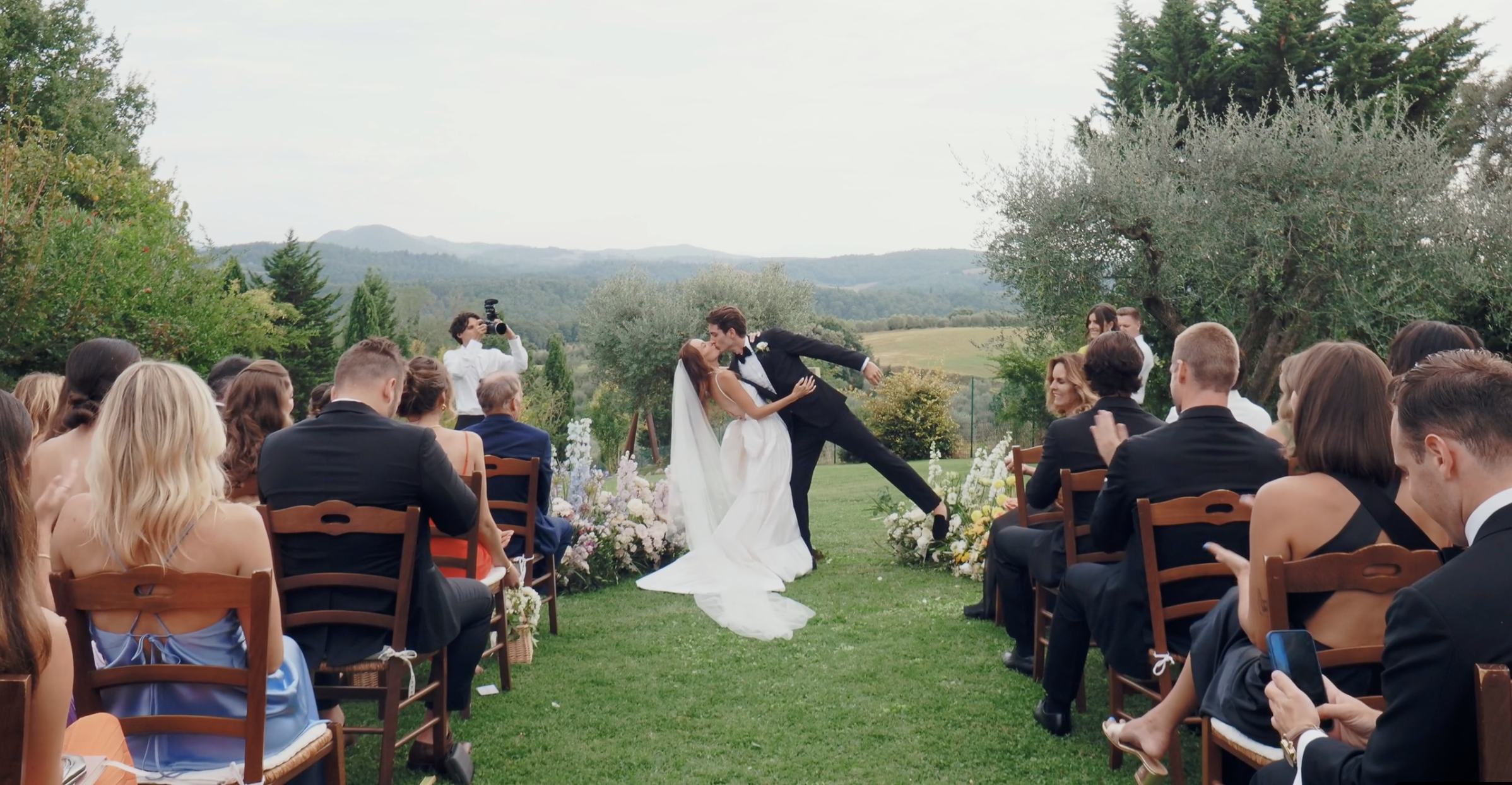
Even after more than fifteen years of filming celebrations, Romaverafilms still cry during vows. They still get emotional during father-daughter dances. They still feel something shift in the room when a speech lands too honestly. That hasn’t dulled with experience — it has sharpened. Their sensitivity is not something they try to professionalize away. It’s the engine of their work.
They started filming weddings right after their own. What began as a personal curiosity slowly turned into a shared life direction. Over time, couples stopped feeling like “clients” and started becoming part of their social world. Many of the people they once filmed now remain close friends. That long arc — from strangers to collaborators to lifelong connections — quietly defines the emotional culture of Romaverafilms more than any stylistic label ever could.
DC Film Co.
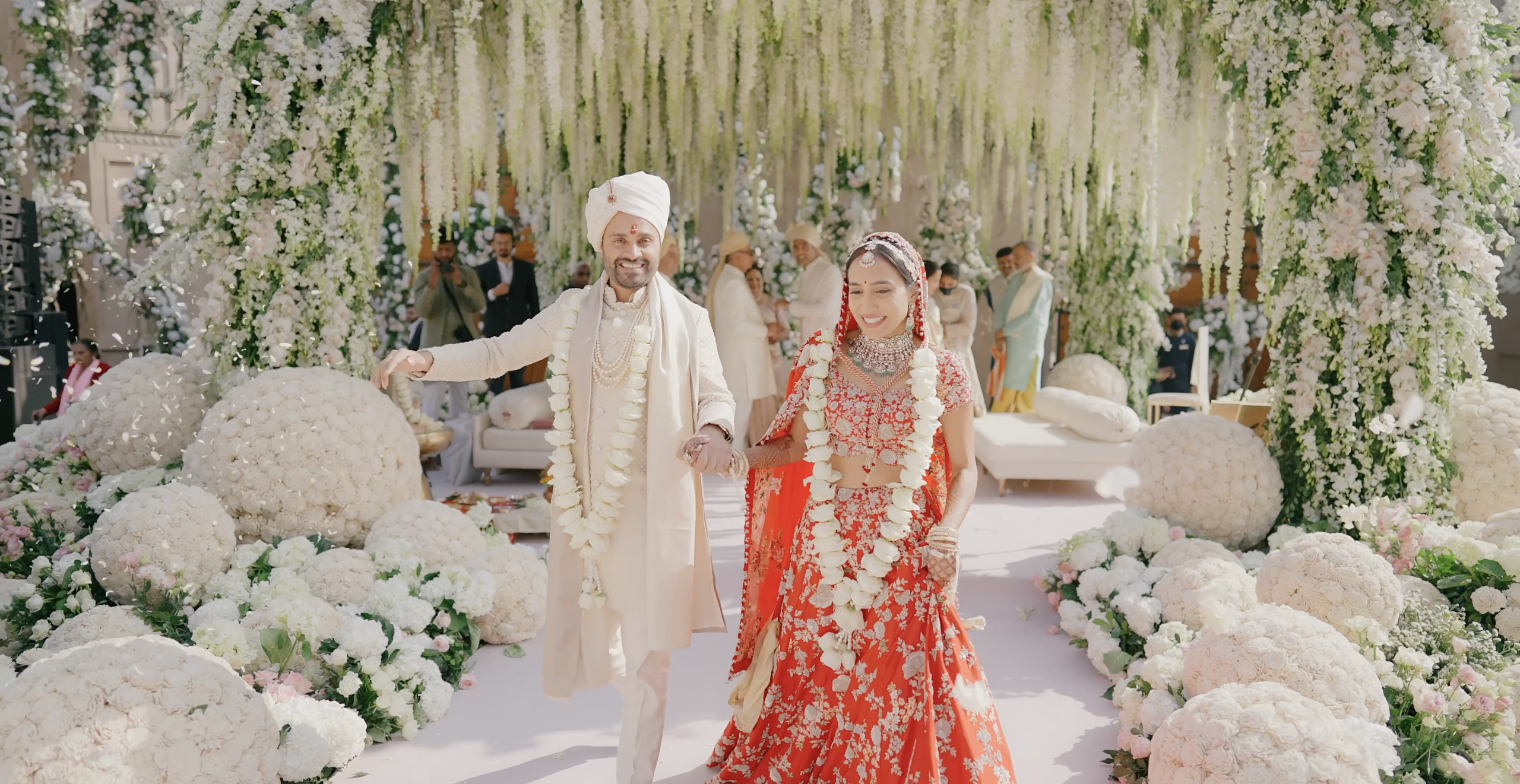
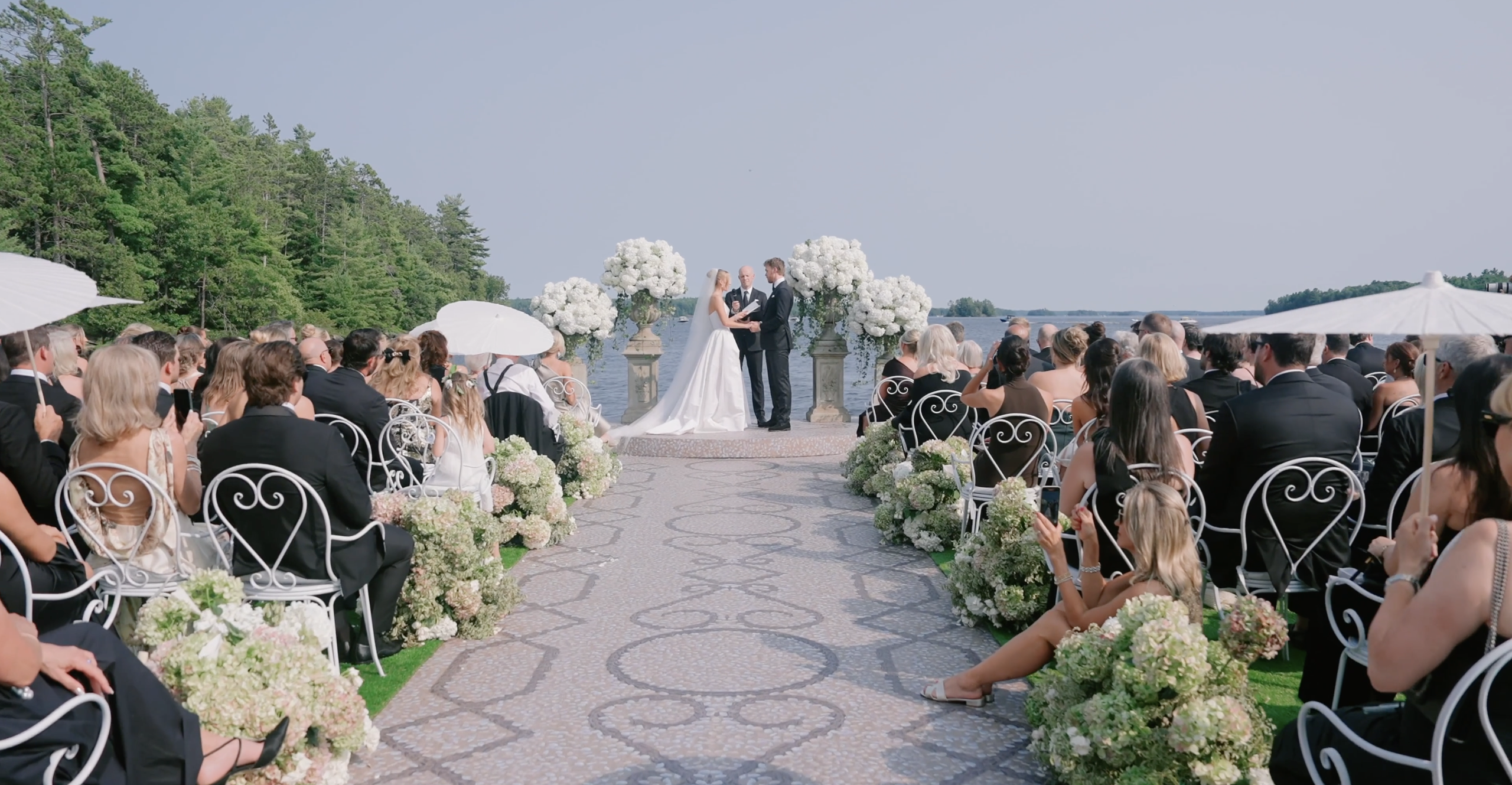
For Derek Chan and Cece, a career in wedding filmmaking has never been about visibility — it has been about being chosen again. The strongest signal that their work is doing what it should comes not from awards, but from repetition: families who invite them back for other milestones, planners who place them into their most sensitive multi-day events, and private clients who recommend them quietly to people they trust. That pattern of return is what built DC Film Co. long before any publication or title did.
Being named among the Best Wedding Videographers in the World by Wezoree matters. Being invited to contribute to and speak at Engage Summits matters. Editorial features matter too. But none of those moments changed how they approach their work. They didn’t rebrand, re-style, or reposition. They kept working the same way they always had — quietly, carefully, and without turning weddings into performances.

Ami Video
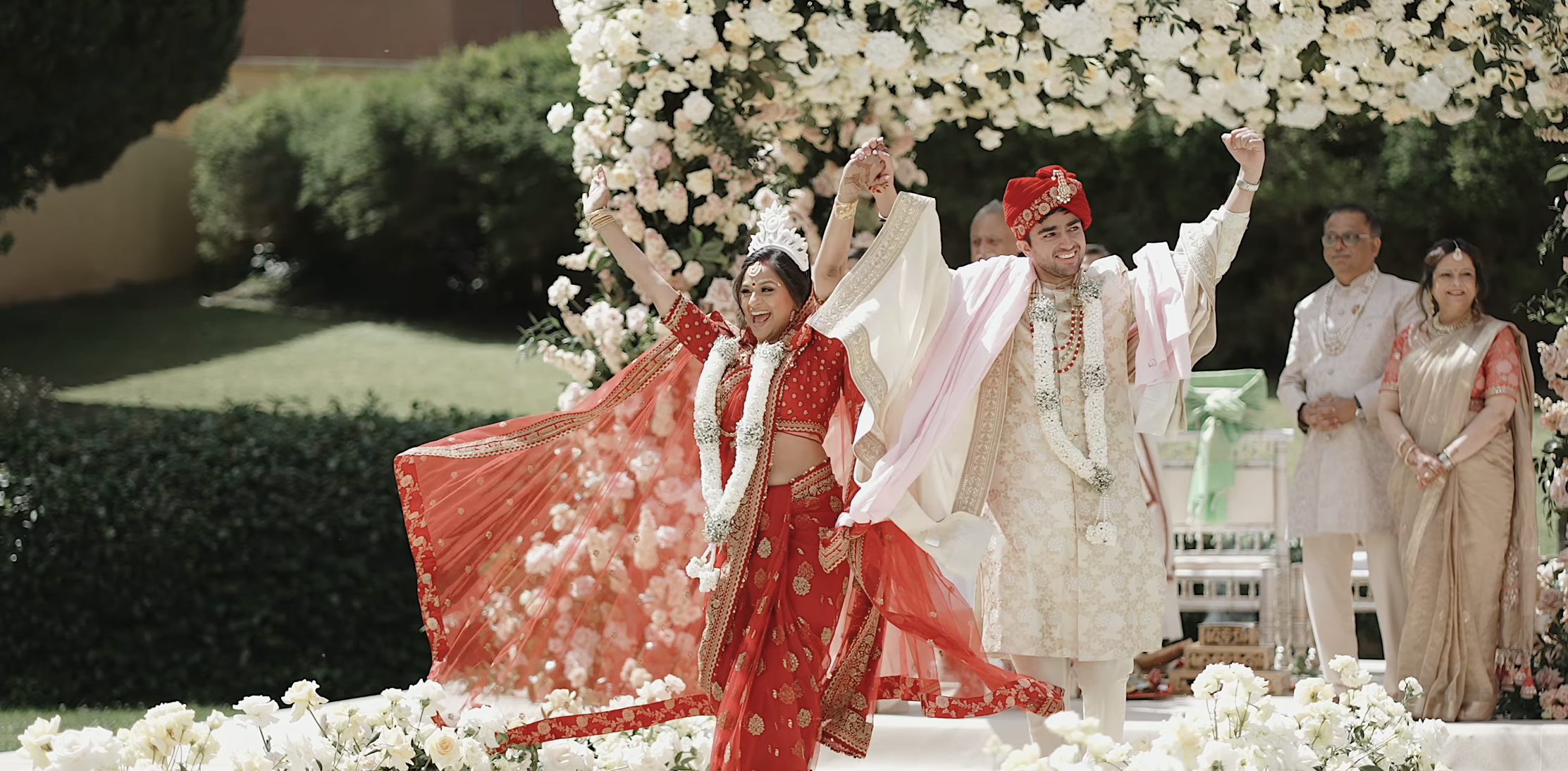
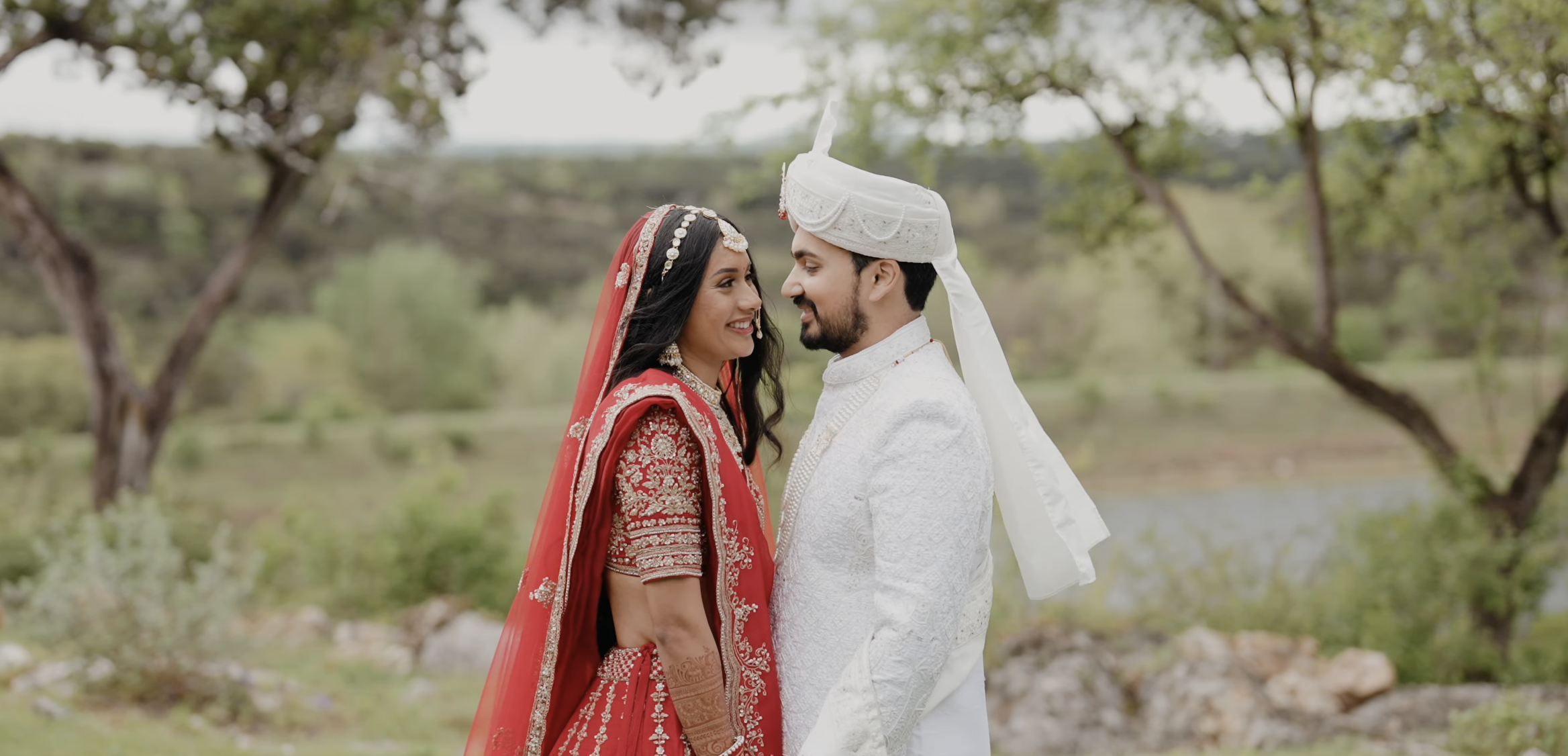
Ami Video is built around one simple belief: people look most like themselves when they forget they are being photographed. Meet Soni’s work is shaped by presence, patience, and emotional intelligence — creating an atmosphere where couples can relax into the day instead of managing it. There are no rigid poses, no pressure to “get it right,” and no expectation to behave for the camera. What matters is how the moment actually feels, not how it appears on a checklist.
The films and photographs that come out of that approach are quiet, natural, and deeply personal. They don’t chase spectacle or trend-driven aesthetics. They hold small details, honest gestures, and real emotional texture — the kinds of moments that don’t announce themselves, but become more meaningful with time.
The wedding videographers shaping 2026 are storytellers first and technicians second. They understand energy, emotion, timing, and silence just as much as camera angles and lenses. Their films feel alive — layered with meaning, movement, and memory. If you believe your wedding deserves more than a standard highlight reel, these are the creatives worth trusting with your story. Because long after the dress is packed away and the flowers have faded, your film will be the one thing that brings it all rushing back.