The Ultimate Wedding Budget Guide: How to Plan, Save, and Actually Stick to Your Numbers


- How to Create a Wedding Budget That Actually Works
- What Does an Average Wedding Actually Cost?
- Wedding Budget Breakdown - Where the Money Actually Goes
- Can You Plan a Wedding on a $10,000 Budget?
- Budget-Friendly Venue Ideas Worth Exploring
- Smart Ways to Cut Costs Without Cutting Corners
- Budgeting for a Destination Wedding
- Common Wedding Budget Mistakes to Avoid
- What Wedding Planners Recommend for Staying on Budget
- Wedding Budget Checklist Before You Start Spending
- FAQ

If you ask ten engaged couples what is a good budget for a wedding, you will get ten different answers - and that’s exactly how it should be. A wedding budget isn’t a fixed number set out in a universal rulebook. It reflects priorities, guest numbers, the chosen location, and how important the day is to the couple paying for it. The couples who feel the calmest before their wedding aren’t necessarily those who spent the most or the least - they’re the ones who created a budget that matched their values from the outset.
Find Your Perfect Wedding Vendors



How to Create a Wedding Budget That Actually Works
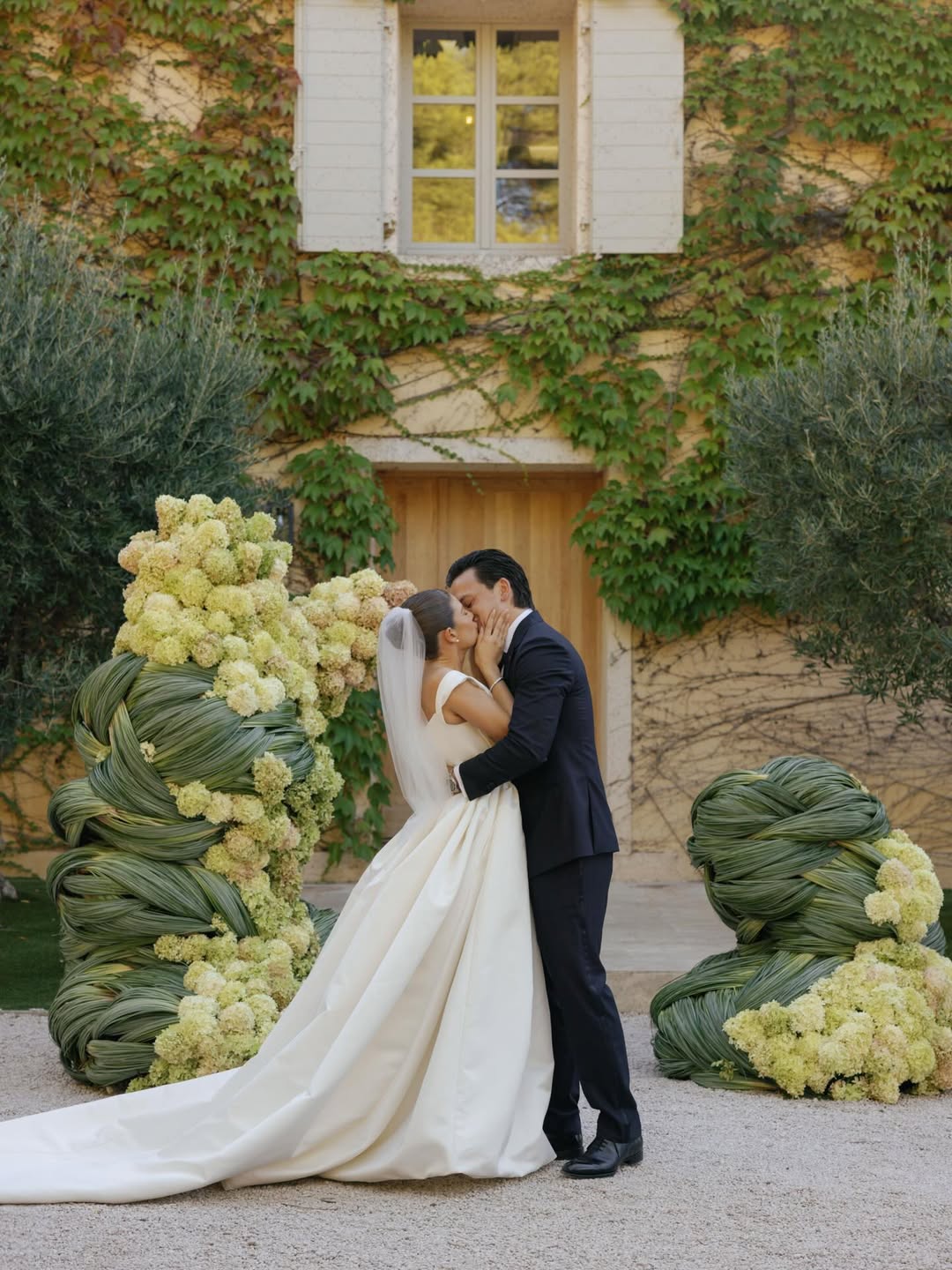
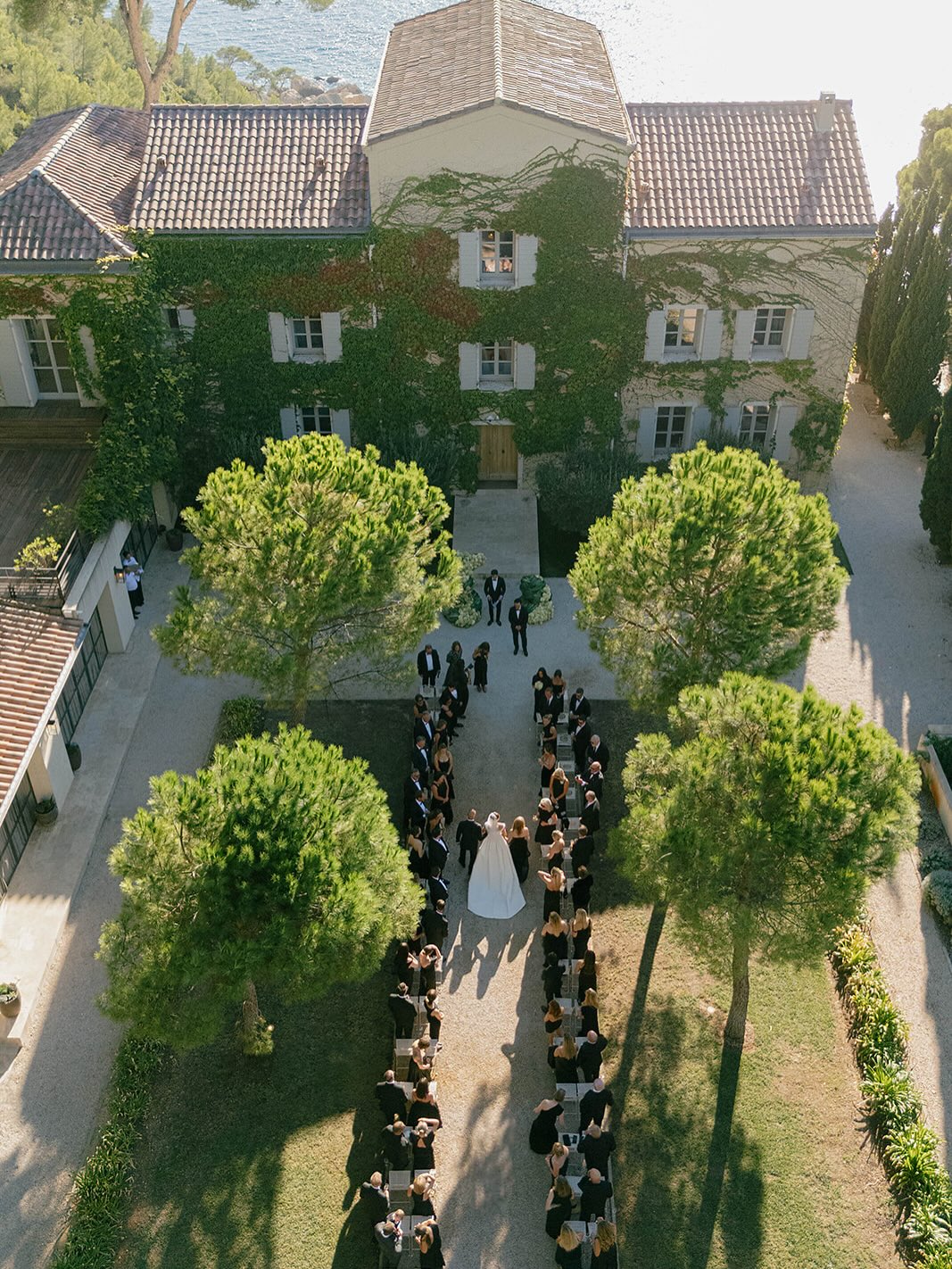
Most couples start budgeting backward - they fall in love with a venue, wedding dress, or photographer’s portfolio, and then try to make the numbers fit. Figuring out how to budget for a wedding that won’t collapse halfway through the planning process requires the opposite approach: numbers first, dreams second.
Start with one honest figure: the total amount available from personal savings, family contributions, and any other sources. Keeping this figure in mind turns planning into a prioritization conversation instead of a guessing game. Let your wedding budget reflect what matters most to you, rather than following a generic template from a wedding blog. Two couples with identical budgets can end up with completely different weddings once real priorities enter the picture: one pouring most of it into photography and a smaller guest list, another stretching it across a larger celebration with simpler styling throughout.
A few habits can make this process considerably smoother:
- Set the guest count early, as this influences almost every other cost more than couples realize
- Decide on three or four non-negotiables before allocating any other costs
- Build in a buffer of 5-10% for unexpected costs, as something unexpected always comes up
- Track spending in one shared place, whether that’s a spreadsheet or a dedicated app
None of these habits are complicated on their own, but skipping even one is usually exactly where budgets start slipping later in the process. Couples who set the guest count first, for instance, often avoid the frustrating cycle of falling in love with a venue only to discover it can’t comfortably seat the list they eventually settle on.
What Does an Average Wedding Actually Cost?
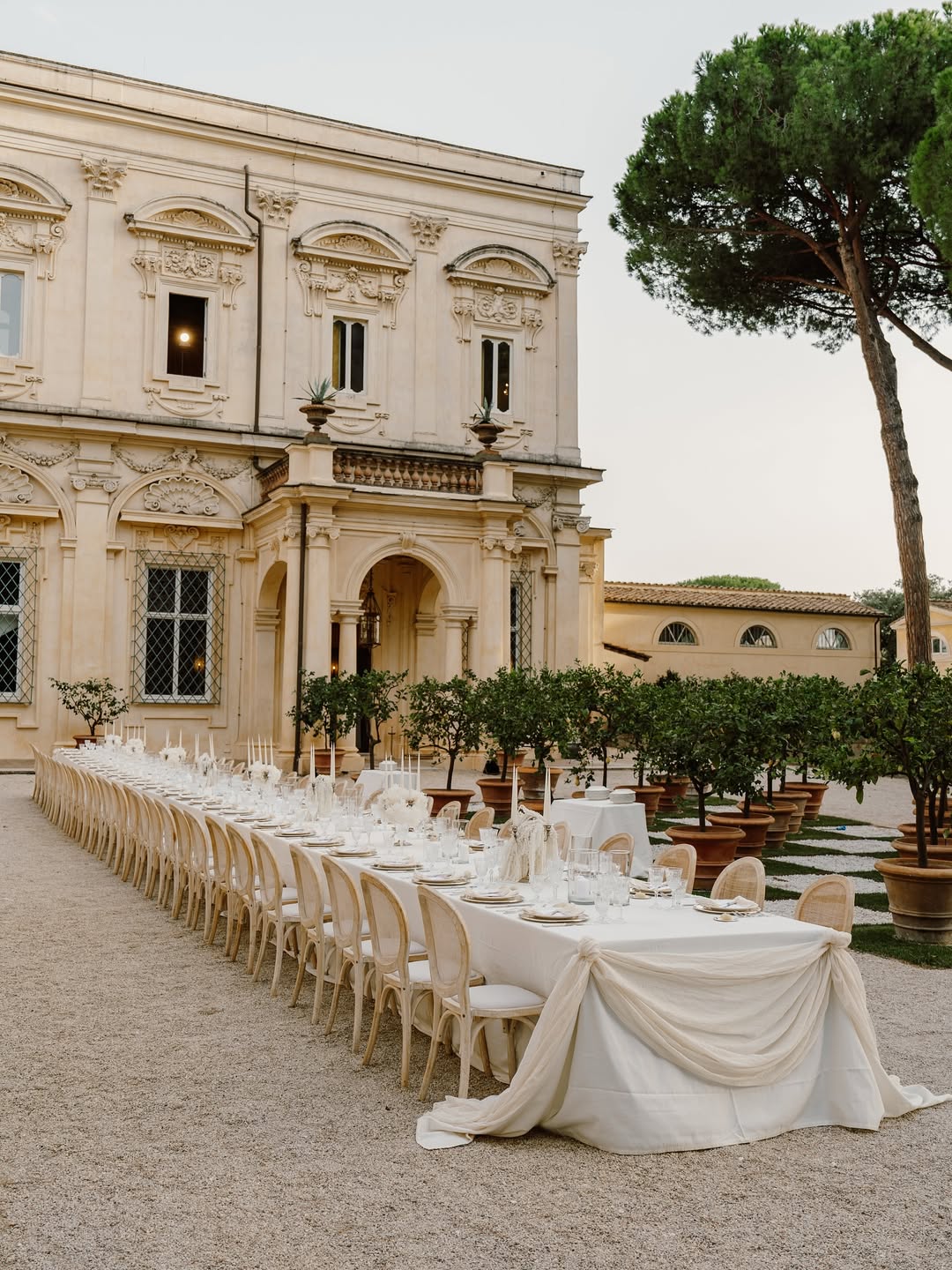
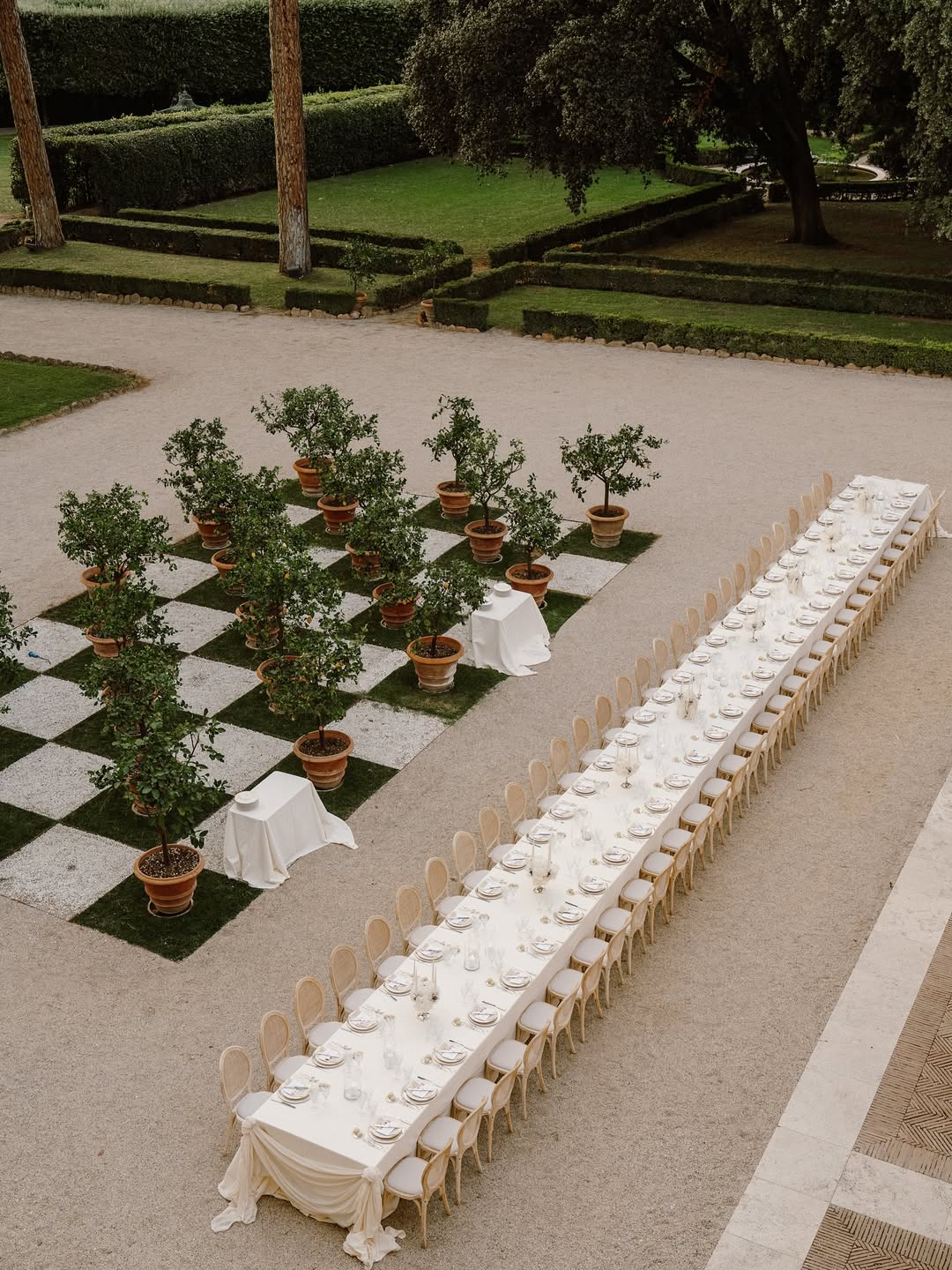
Before breaking down percentages, it helps to see real dollar figures, since a percentage means very little without a total to apply it to. According to recent industry data compiled by The Wedding Report, an independent market research firm tracking the US wedding industry, the national average wedding cost lands around $32,900, with an average guest count in the neighborhood of 100 to 120 people. That works out to roughly $270 to $300 per guest once venue, catering, and every proportional vendor cost gets factored in. That number has climbed steadily over recent years as vendor and venue costs rose across the board, and it's likely to keep shifting from one year to the next, which is exactly why a couple's own guest list and location tell a far more useful story than any single national figure.
That average masks enormous regional variation, though, which matters far more to most couples than the national number itself. A wedding in a lower-cost state can come in closer to $17,000 to $19,000, while the same size celebration in a higher-cost market like California or the Northeast often runs past $39,000 to $42,000 before a single extra is added, a gap wide enough that two couples spending the exact same amount could be planning entirely different scales of celebration depending purely on their zip code. Guest count moves the needle just as dramatically, according to broader industry surveys, and seeing it laid out by headcount makes the impact easier to plan around than a single national figure ever could.
| Guest Count | Typical Total Cost |
|---|---|
| 50 guests | $15,000 - $25,000 |
| 100 guests | $25,000 - $45,000 |
| 150 guests | $38,000 - $60,000 |
None of these figures include the engagement ring or honeymoon, both of which couples often budget for entirely separately. The honest takeaway here isn’t that any of these numbers are the “right” one to aim for. It’s that a couple’s own guest list and location will tell them far more about their realistic budget than a single national average ever could.
Wedding Budget Breakdown - Where the Money Actually Goes
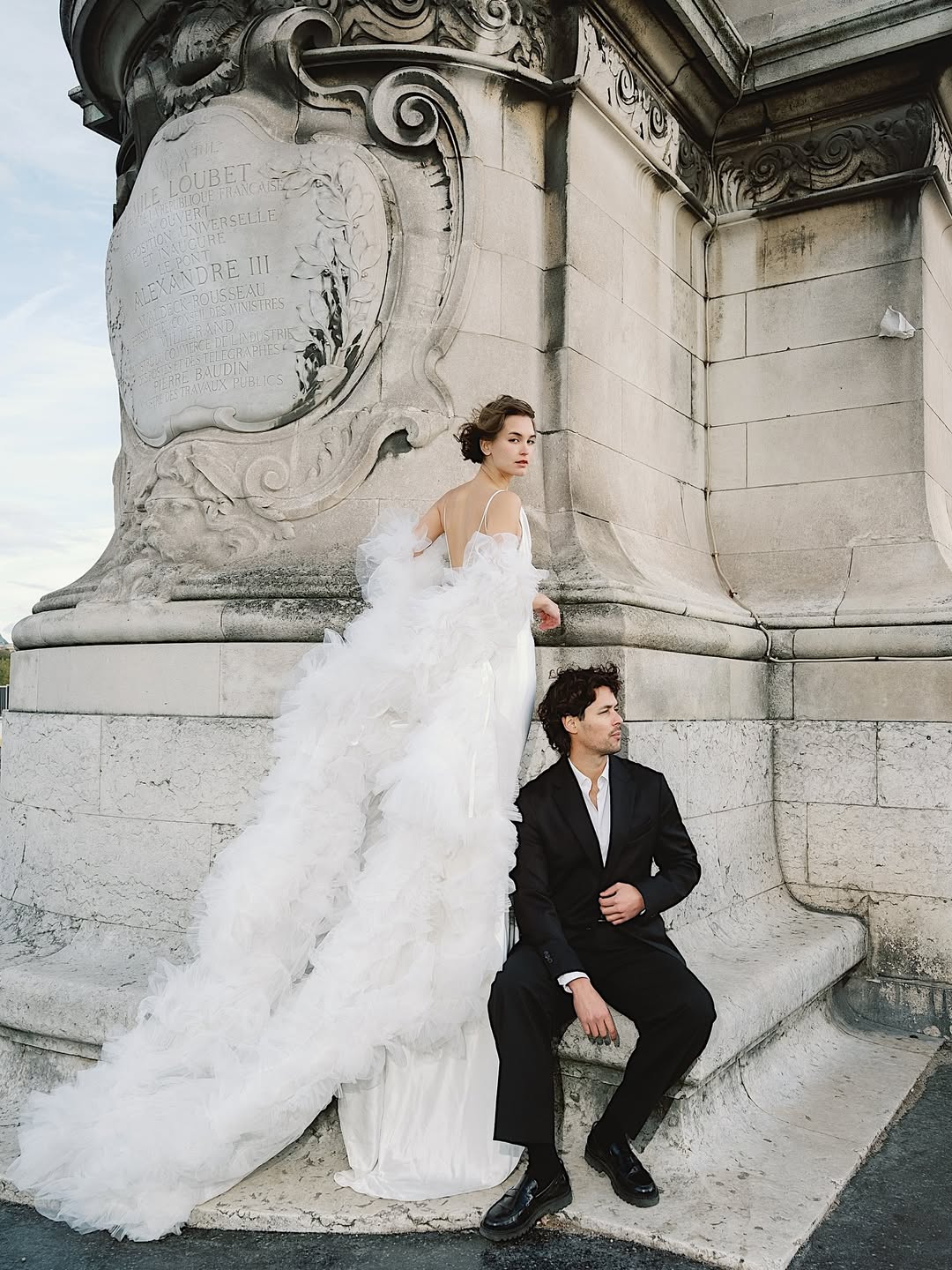
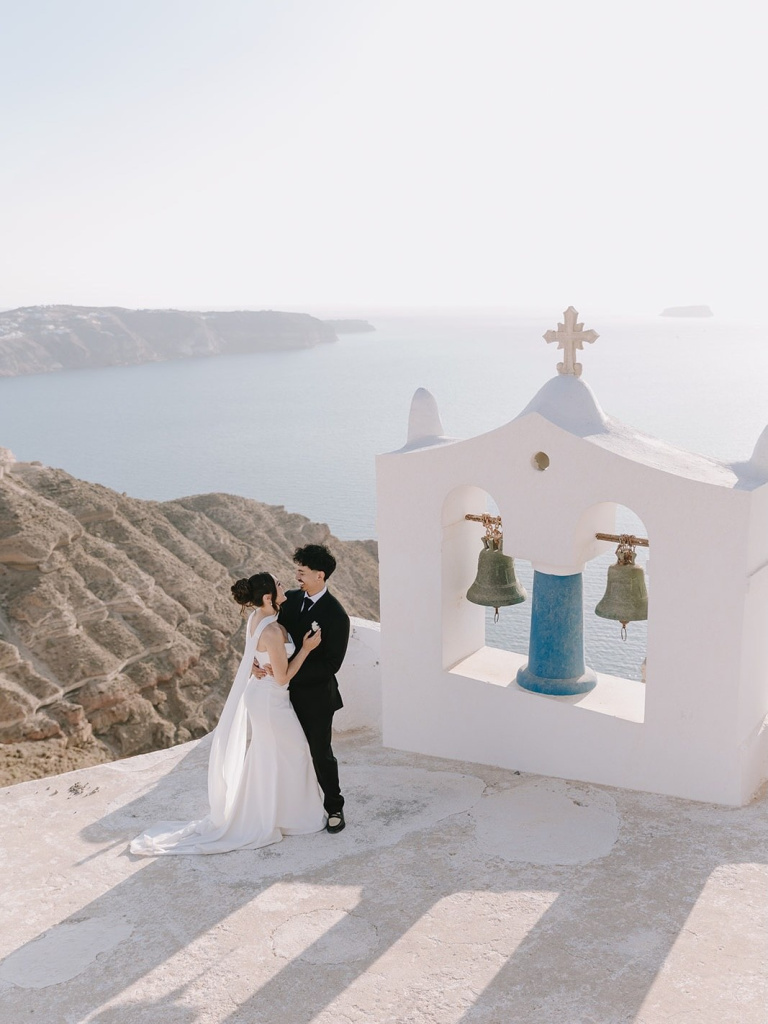
A wedding budget breakdown is only useful when based on real numbers, rather than generic percentages from a decade-old article. The figures below are based on actual vendor listings on the Wezoree platform and provide a useful starting point for understanding where money tends to go.
| Category | Typical Share of Budget |
|---|---|
| Venue & Catering | 40-50% |
| Photography & Videography | 10-15% |
| Attire & Beauty | 5-10% |
| Florals & Decor | 8-12% |
| Entertainment | 8-10% |
| Planner / Coordinator | 8-12% |
| Miscellaneous & Buffer | 5-10% |
These percentages vary by location, season, and priorities. For a more accurate estimate, search by vendor category on our site. Pricing for photographers, planners, florists, and venues is visible upfront, making it easier to build a realistic budget than relying on national averages.
Couples with a Wezoree account can take it a step further by setting a total budget in their personal dashboard and distributing it by percentage across every category. Seeing the numbers update in real time as vendors are added makes the process feel less abstract, and it tends to surface problems, like a florist quote running well over the allocated share, long before that gap becomes a genuine source of stress.
A Second Framework Worth Considering
Some planners break the same total down slightly differently, splitting venue and catering into two separate lines rather than combining them: Venue at 40%, Catering at 20%, Photography and videography at 10%, Attire at 5%, Flowers at 5%, Entertainment at 5%, Invitations and stationery at 3%, and Miscellaneous at 12%. Neither framework is more correct than the other; they’re just two different ways of slicing the same pie, and couples who care more about food than flowers can simply shift the balance toward catering using whichever version makes that easiest to visualize.
Wedding planners watch priority-setting go wrong constantly from the other side of the table. “The biggest mistake is not defining priorities from the very beginning. Couples often try to allocate their budget equally across every aspect of the wedding, instead of investing more in the elements that will have the greatest impact on their experience and memories,” notes the team at Barcelona Wedding. Eros Events sees the same pattern:
 I think the biggest mistake is trying to include everything they see and like, instead of first deciding what feels most important to them as a couple. A clear list of priorities from the beginning makes it much easier to spend intentionally and avoid using the budget on details that may not truly add to the overall experience.
Setting a Realistic Wedding Dress Budget
The budget for a wedding dress typically falls between 5 and 8 percent of the total wedding budget, though this varies widely according to personal priorities. Shopping during sample sales, trunk shows, and off-peak times can significantly reduce this cost without compromising on style. However, factor alterations in separately, since they often add several hundred dollars to the final price. Setting this figure early prevents the dress cost from quietly eating into other categories.
Can You Plan a Wedding on a $10,000 Budget?
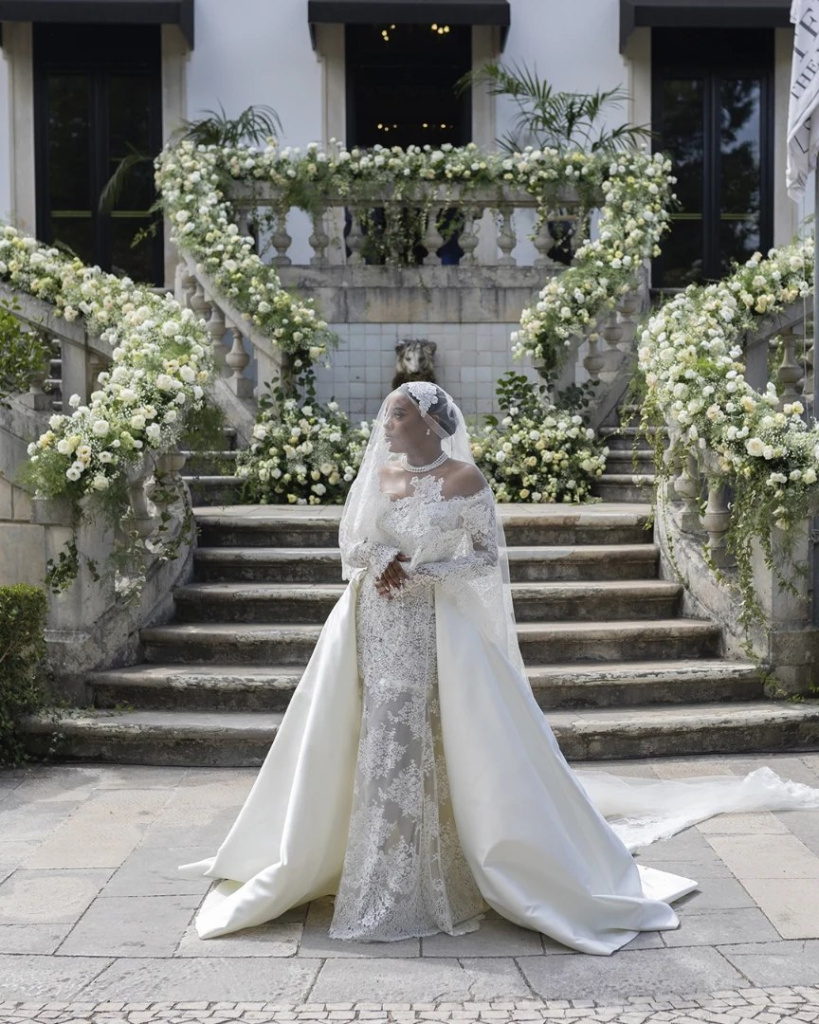
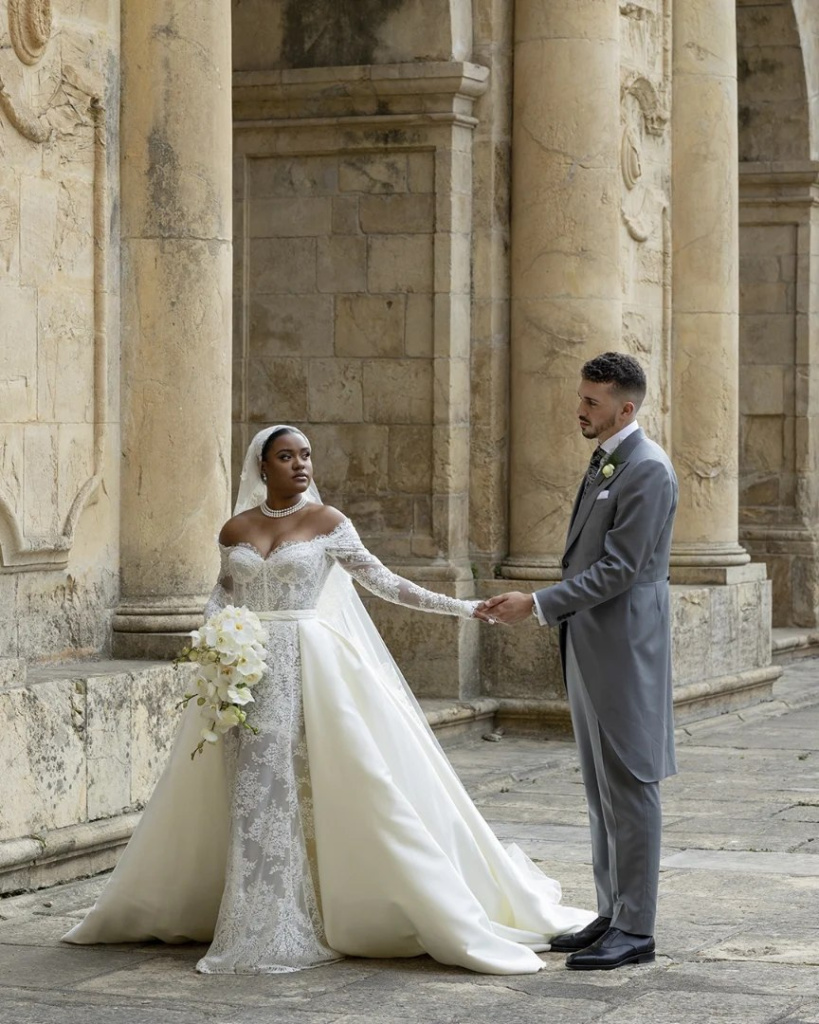
Yes, you can have a full wedding on a $10,000 budget with careful planning and some flexibility in the format. Ten thousand dollars won’t buy a Saturday evening ballroom reception with a live band and a five-course dinner, but it can absolutely buy a real wedding, vows said in front of the people who matter, good food, music, and photographs worth keeping, once the format bends a little to fit the number. The table below shows a sample budget breakdown for a wedding at this scale, categorized by expense.
| Category | Percentage | Amount |
|---|---|---|
| Venue | 35% | $3,500 |
| Catering | 25% | $2,500 |
| Photography | 10% | $1,000 |
| Attire | 5% | $500 |
| Flowers and decor | 5% | $500 |
| Entertainment | 5% | $500 |
| Invitations and stationery | 2.5% | $250 |
| Cake and desserts | 2.5% | $250 |
| Miscellaneous | 10% | $1,000 |
Venue and catering still account for the largest share, even at this scale, since they affect every guest directly, and the format itself matters more than any single vendor negotiation. Choosing an off-peak date or a non-traditional venue such as a park or community center can significantly reduce venue costs, and a buffet or family-style meal usually costs less than a plated dinner without compromising quality. Newer photographers building their portfolios often charge less while still delivering excellent work, and renting attire or shopping at sample sales can significantly reduce costs in that category without compromising style. Couples who prioritize other categories can replace a live band with a curated playlist and a good sound system; none of these are consolation prizes. They’re simply different choices, and the wedding that comes out the other end tends to feel just as personal as one that costs three times as much.
Budget-Friendly Venue Ideas Worth Exploring
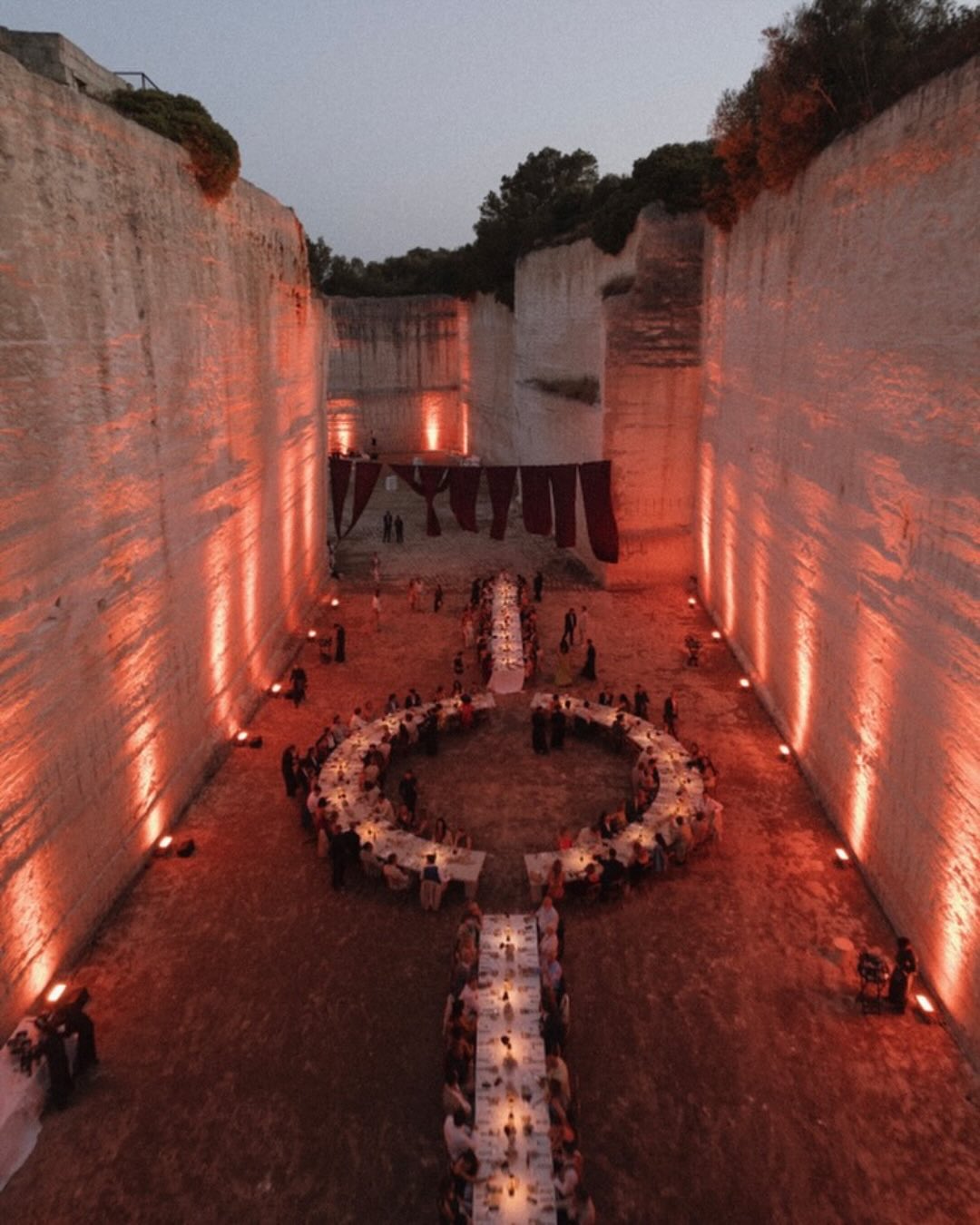
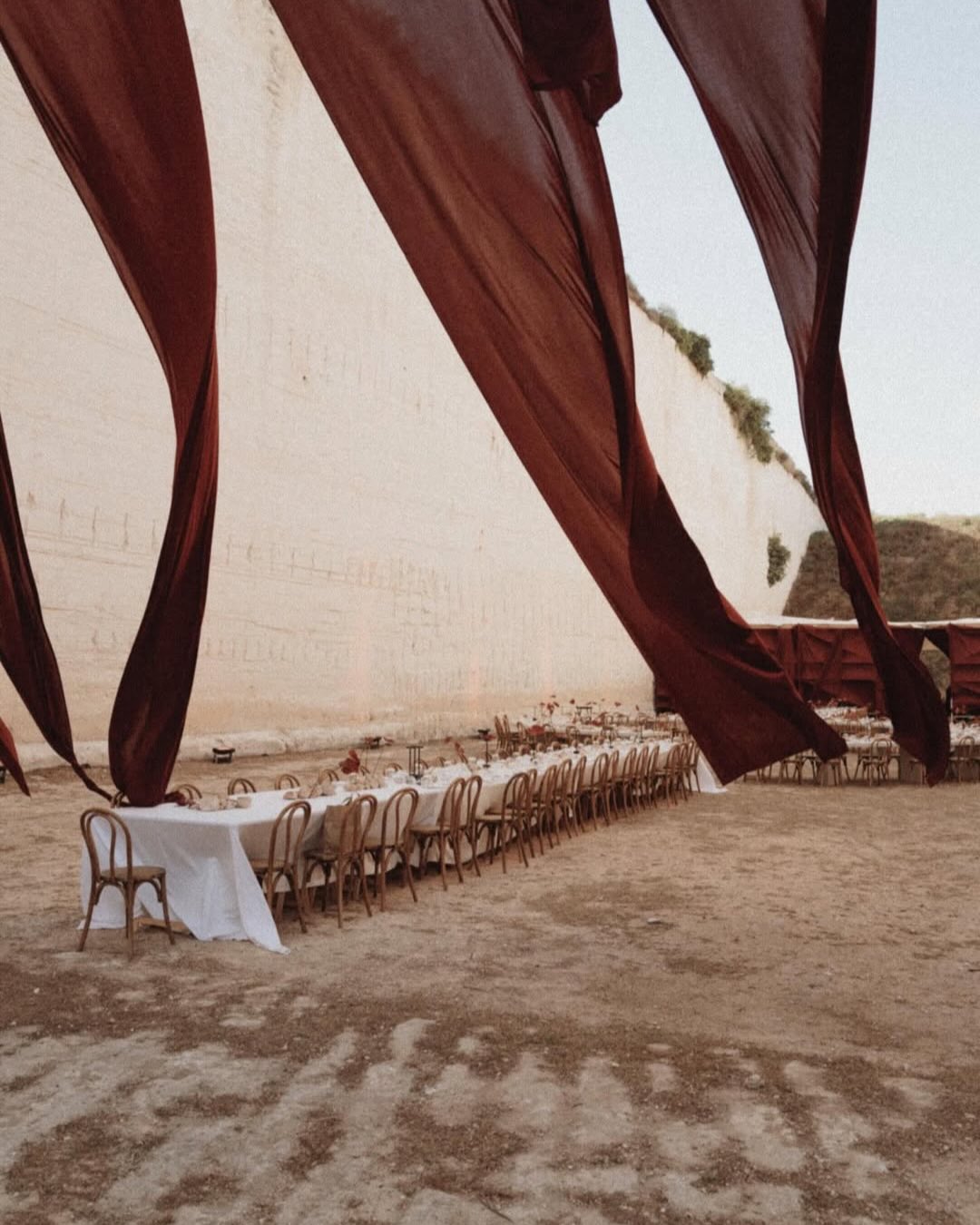
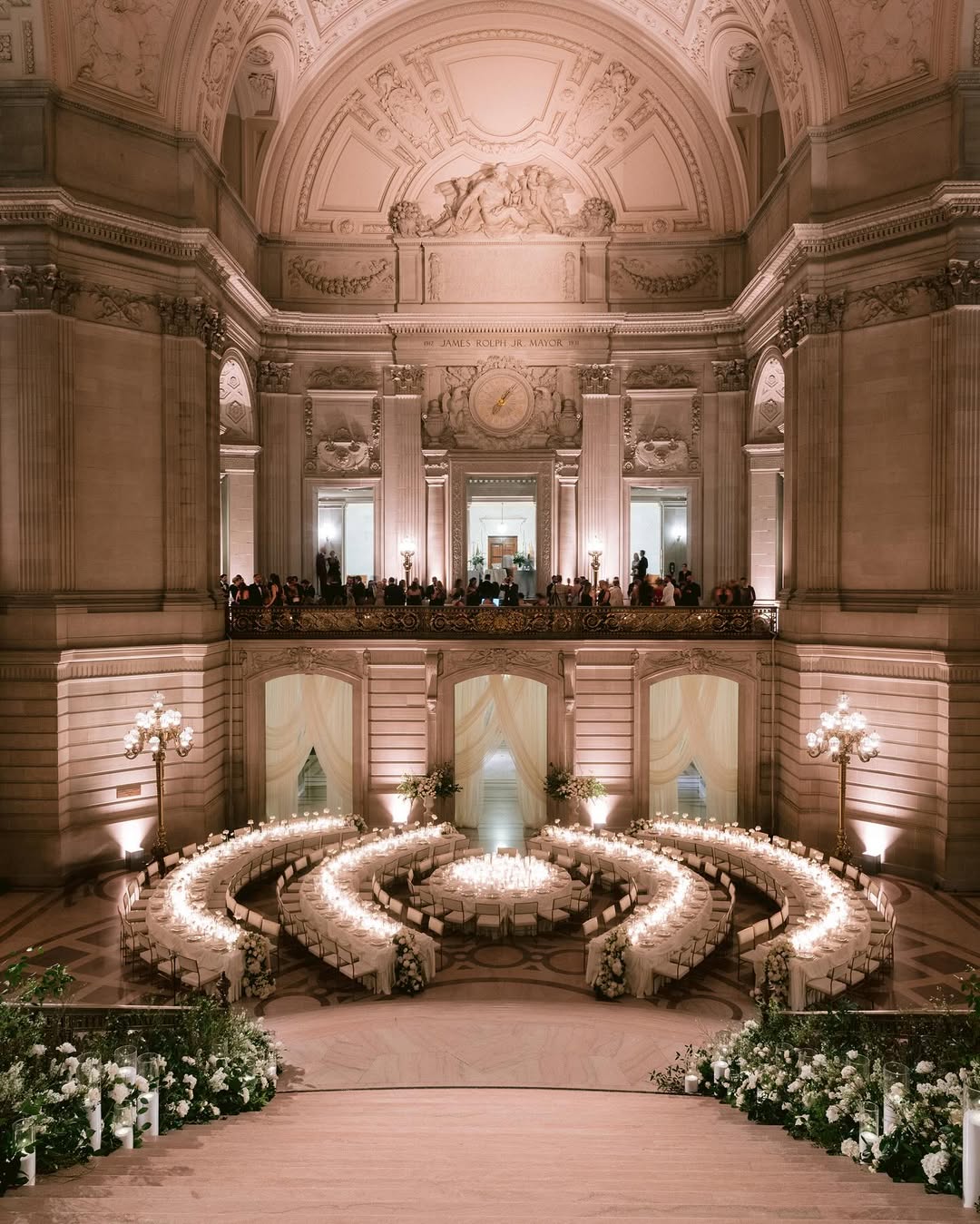
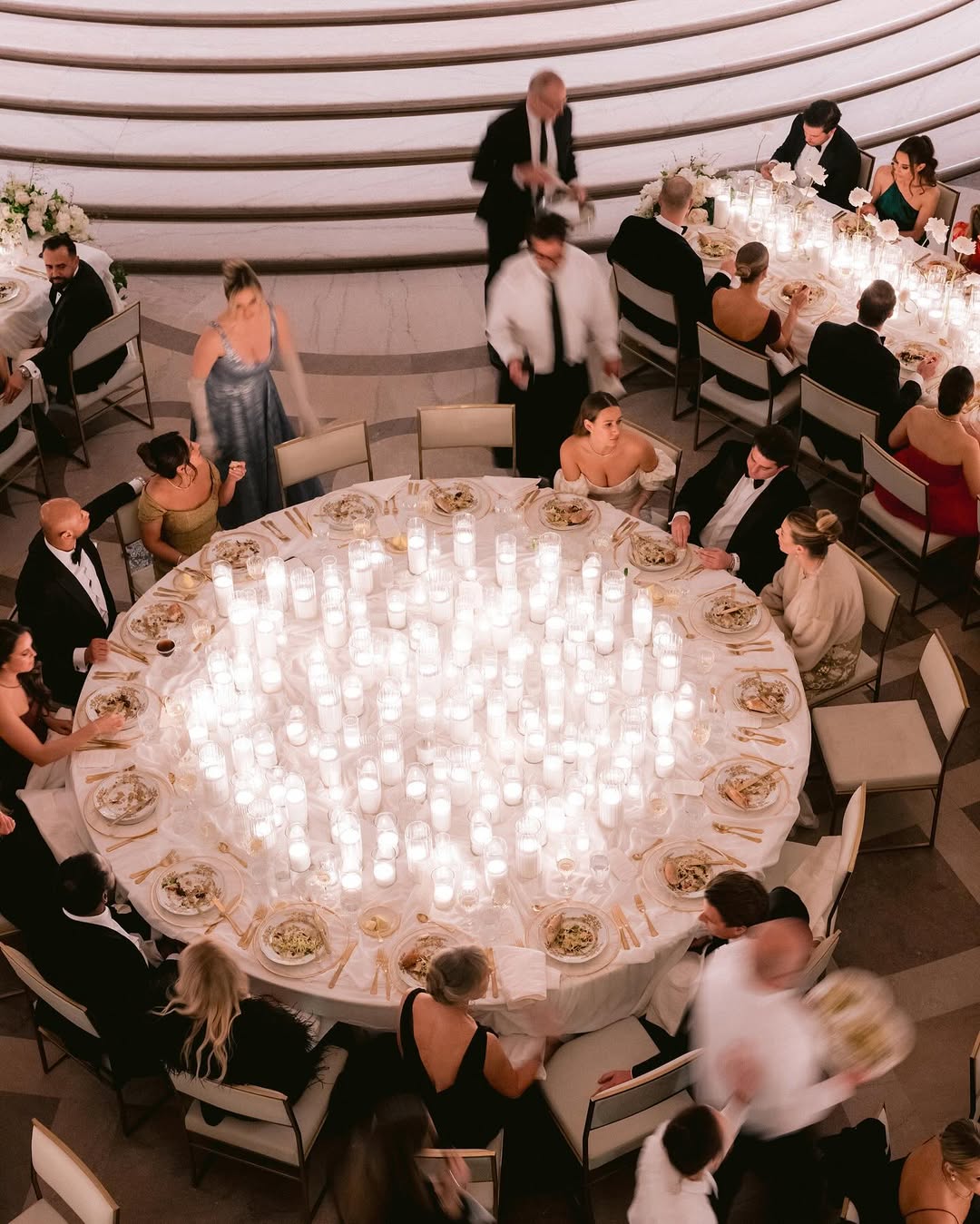
The venue is often one of the largest wedding expenses, but finding a beautiful, budget-friendly location is entirely possible with a bit of creativity. A handful of options tend to deliver the most charm for the least cost:
- Public parks and botanical gardens, which typically require only a small reservation fee or permit and offer genuinely stunning natural backdrops
- Beaches, lakesides, or riverfronts, where the view does most of the decorating work for you, provided the right permits are secured in advance
- A family or friend’s backyard, which can be intimate, personal, and virtually cost-free beyond string lighting and simple DIY touches
- Local community centers or recreation halls, versatile spaces that often come equipped with tables and chairs already included
- Historic sites, libraries, or small art galleries, which bring built-in architecture and character without the price tag of a purpose-built wedding venue
- Barns and farms in rural areas, many of which offer full wedding packages including outdoor space and basic furniture
- Vineyards booked in the off-peak season or on a weekday, which can come with significant discounts while still delivering that sought-after romantic backdrop
By choosing one of these directions, couples can create a memorable wedding without overspending on a purpose-built venue. Each option offers its own unique ambiance: a garden that needs almost no decorating, a barn with built-in rustic charm, or a rooftop with a skyline doing the work most couples pay a florist to fake.
Smart Ways to Cut Costs Without Cutting Corners
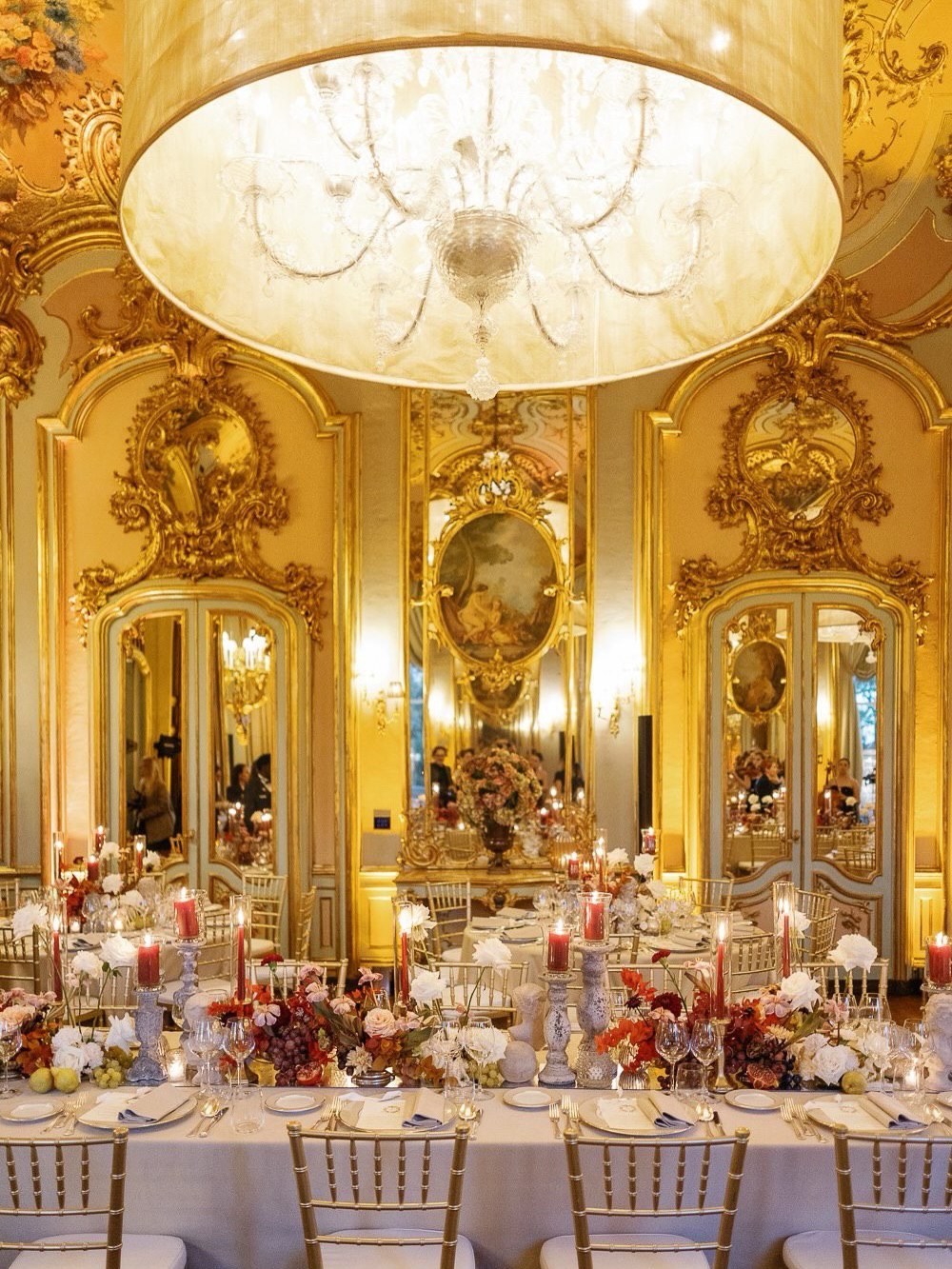
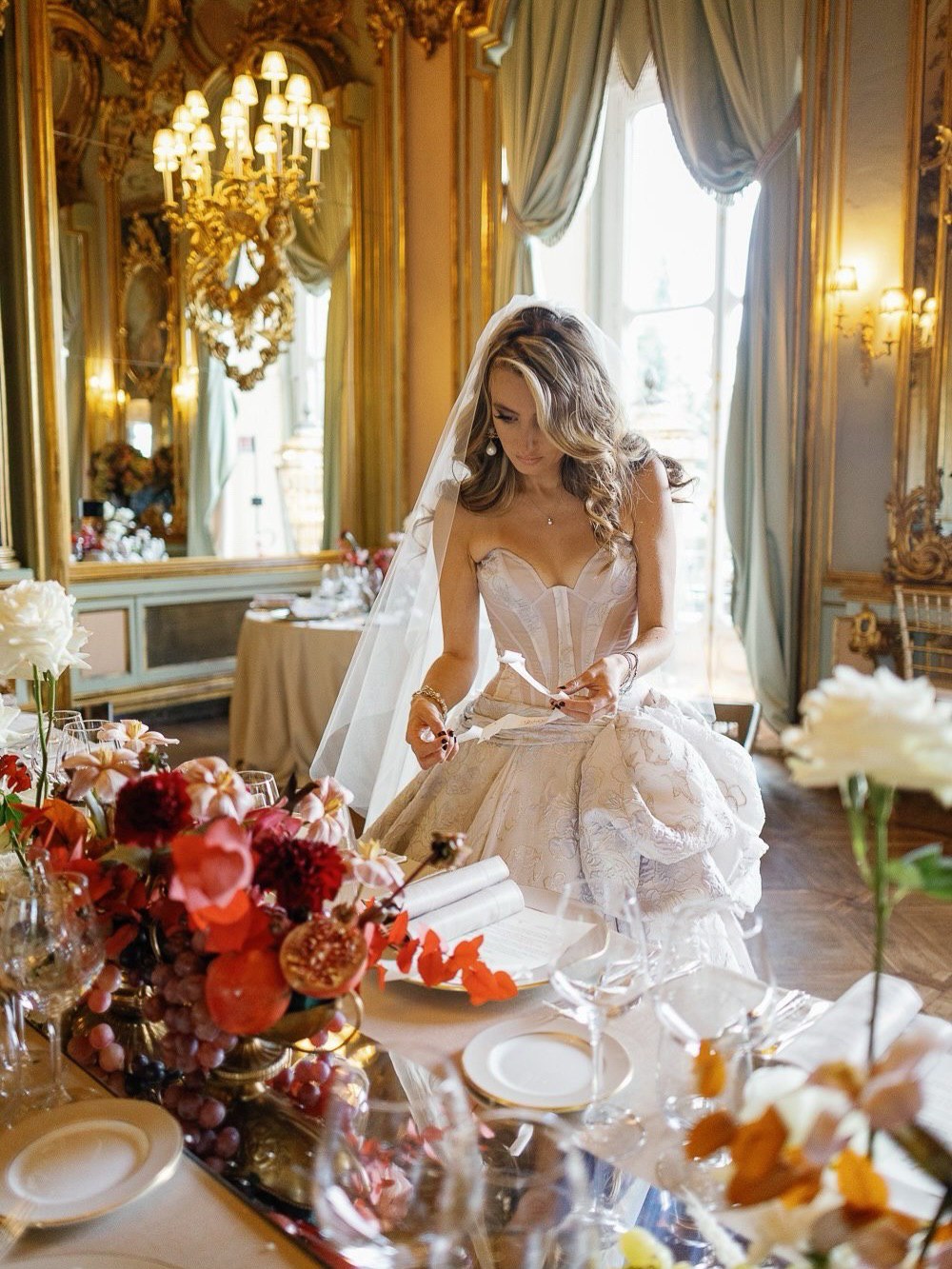
Cutting costs and cutting corners aren't the same thing, and couples who save the most money tend to understand this distinction early on. The most creative wedding budget hacks worth trying involve redirecting spending rather than reducing the experience itself; none of them require sacrificing the day, just being deliberate about where the money actually needs to go versus where it’s simply been assumed to.
- Choose a non-weekend date. Saturdays are in the highest demand for weddings, making them the priciest option, while a Friday, Sunday, or even weekday wedding can reduce venue rental costs by as much as 20-30%
- Trim the guest list before making any other cuts. Every guest removed reduces catering, rentals, favors, and stationery costs simultaneously, making it the single most cost-effective decision available
- Simplify the menu with local and seasonal choices. A brunch or lunch wedding, built around lighter fare, costs noticeably less than a formal evening dinner, and limiting the bar to beer, wine, and one signature cocktail keeps alcohol from spiraling
- Get creative with flowers. Leaning on greenery like eucalyptus or ferns rather than dense floral arrangements cuts costs while still reading as lush, and repurposing ceremony florals at the reception stretches the budget considerably further
- Consider an up-and-coming photographer. Photographers building their portfolio, or talented students and recent graduates, often charge meaningfully less while still delivering genuinely skilled, creative work
- Skip formal entertainment where it makes sense. A curated personalized playlist through a good sound system, a musically talented friend performing during key moments, or a DIY photo booth can replace a live band or DJ entirely
- Choose a venue that includes more in its base price. A slightly higher fee for bundling tables, chairs, and lighting often works out cheaper than a lower-cost venue where everything is priced separately
- Book vendors who offer transparent packages. Hidden fees often surface late in the planning process, but vendors with transparent pricing make budgeting far more predictable
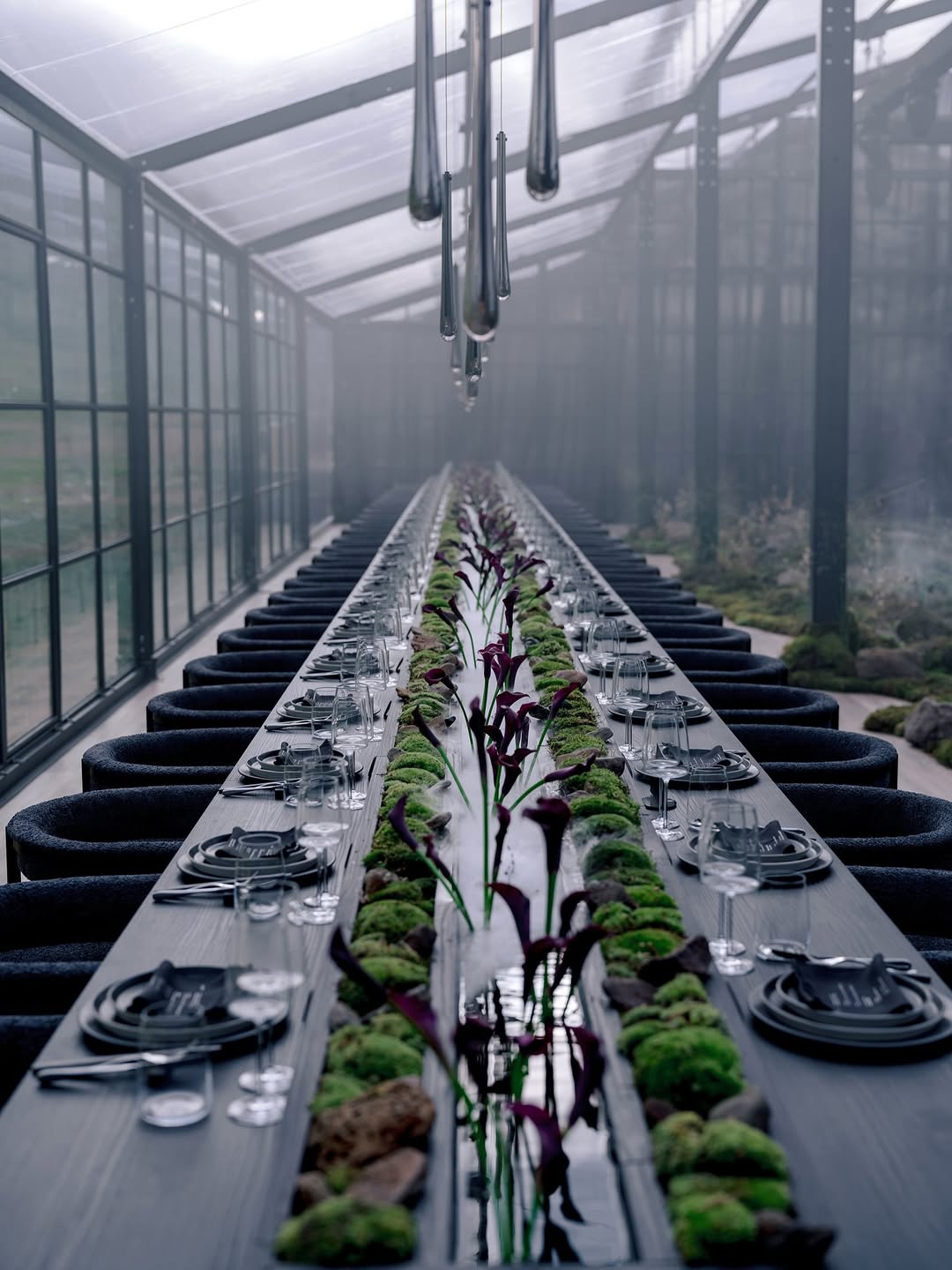
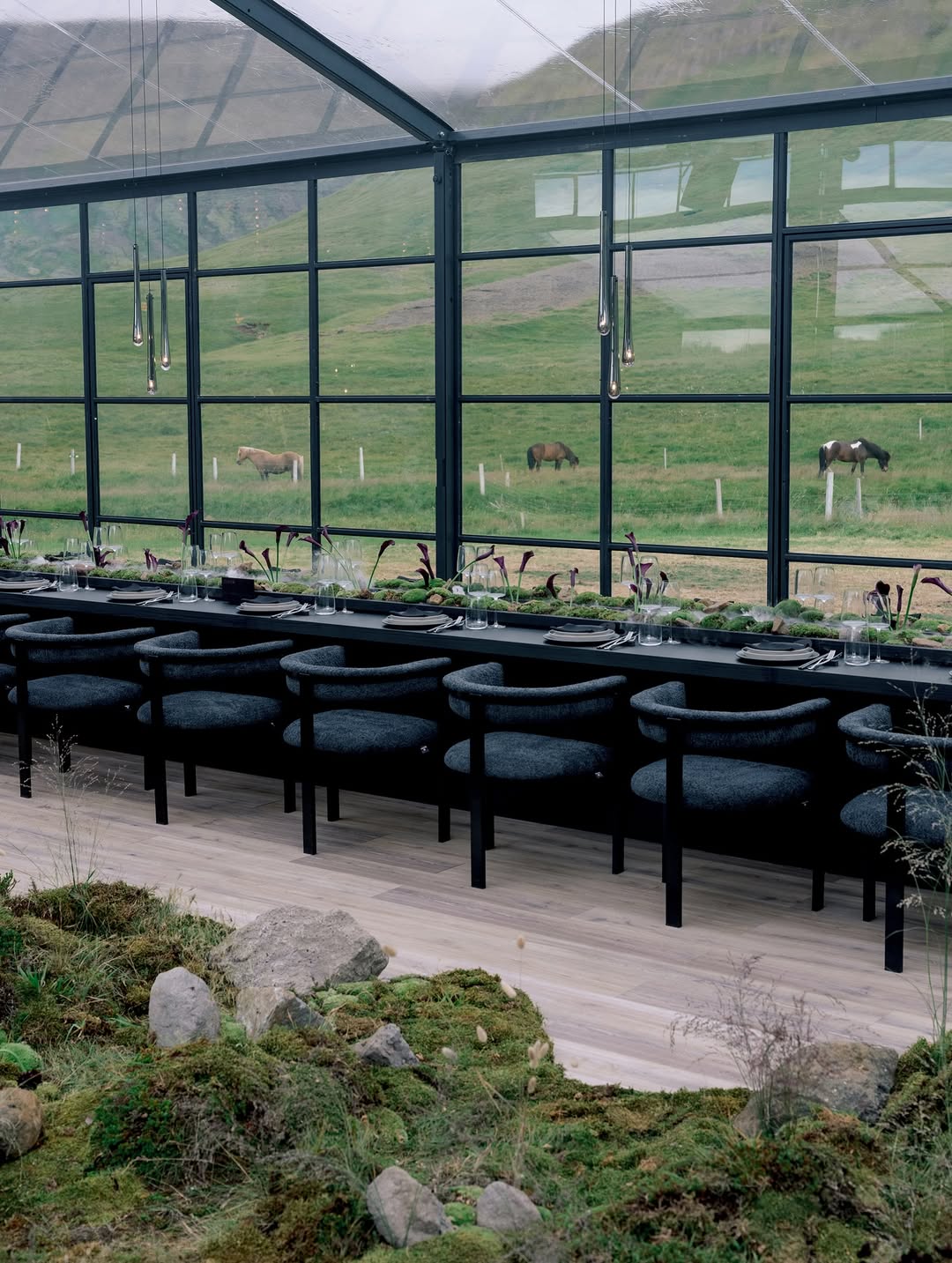
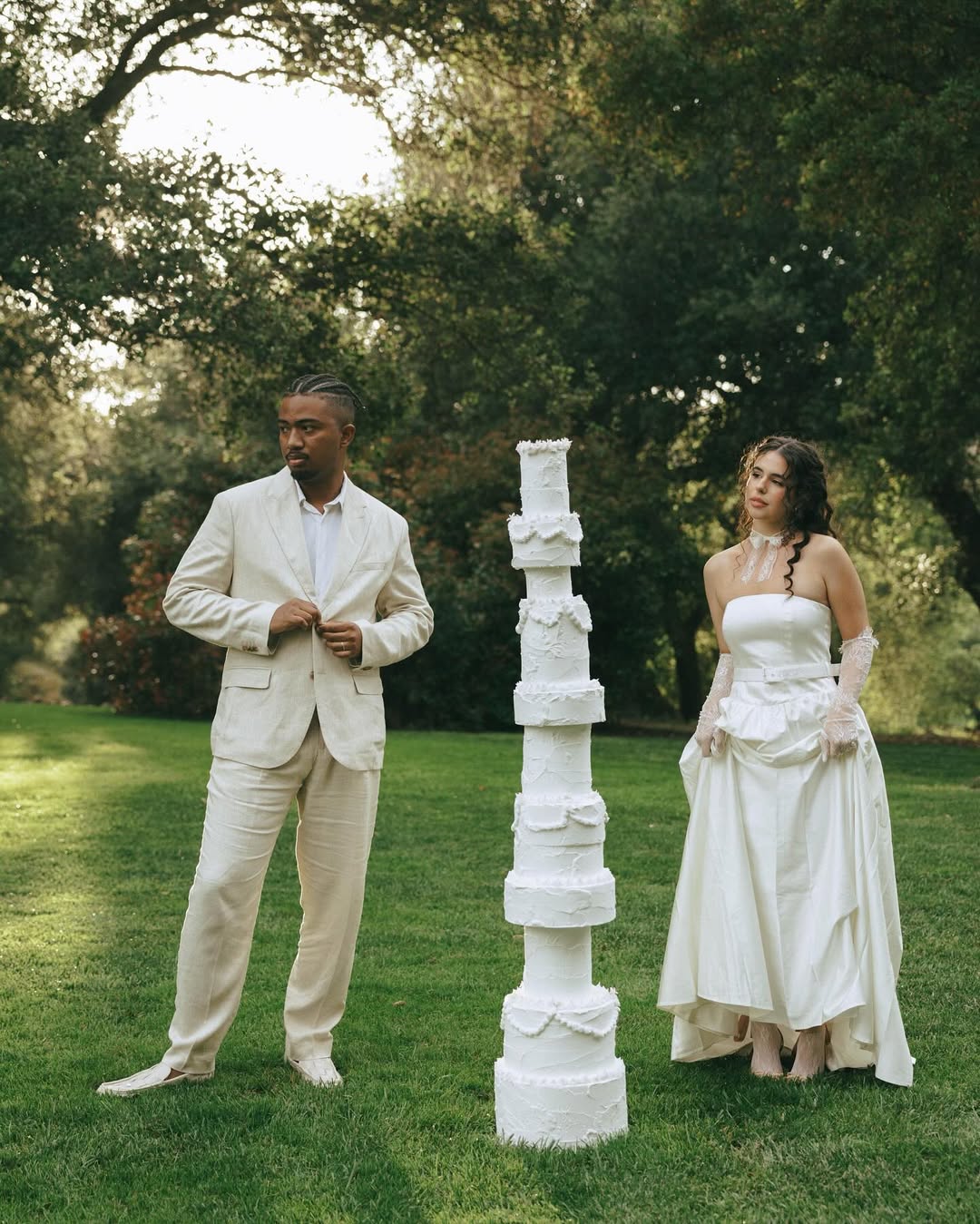
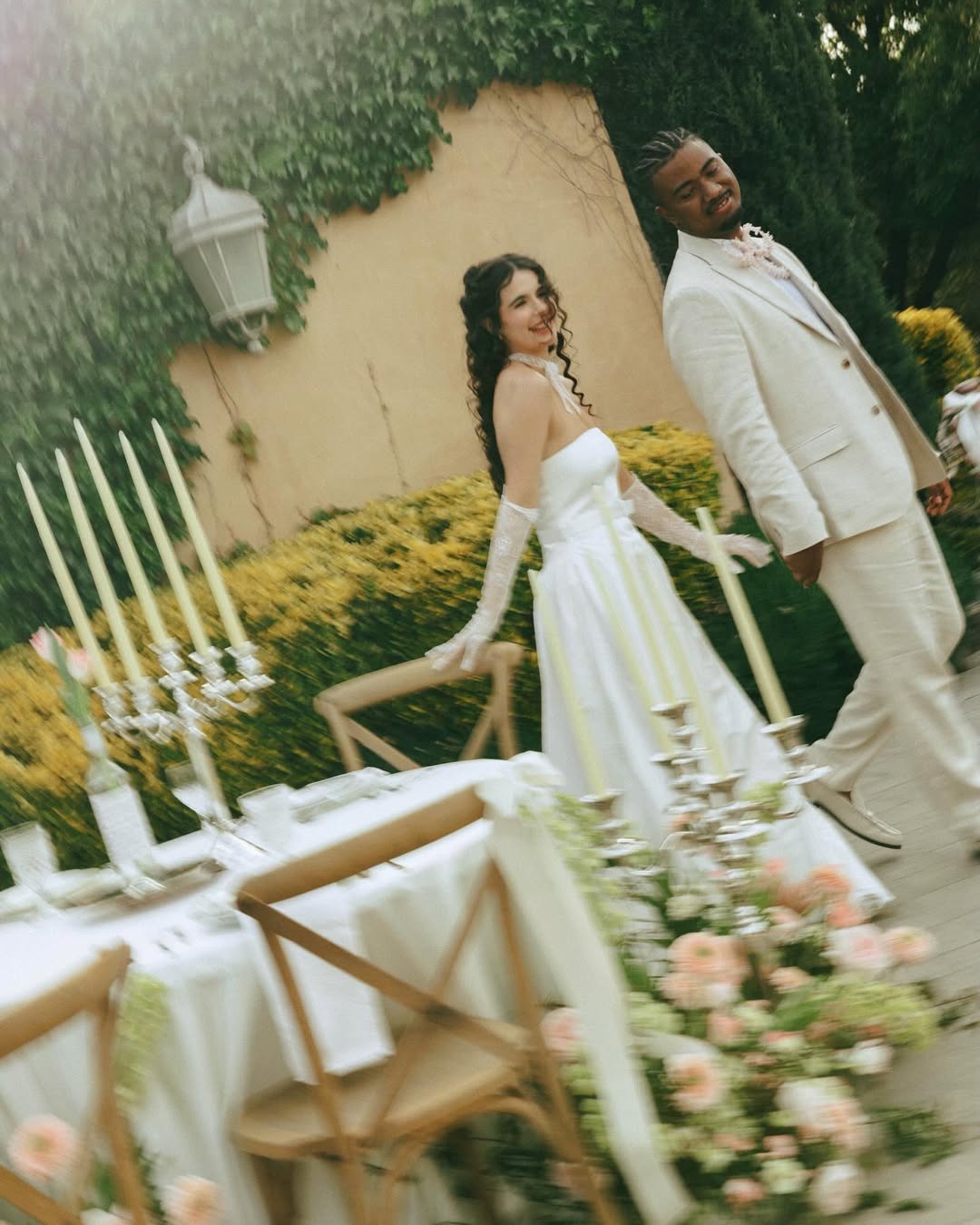
Timing ties it all together. Each works best when decided early, before a venue deposit or a save-the-date locks a couple into a guest count or date they can no longer easily change. Retrofitting savings onto a wedding that’s already half-planned rarely produces the same results as building them in from the very first conversation about budget.
Budgeting for a Destination Wedding
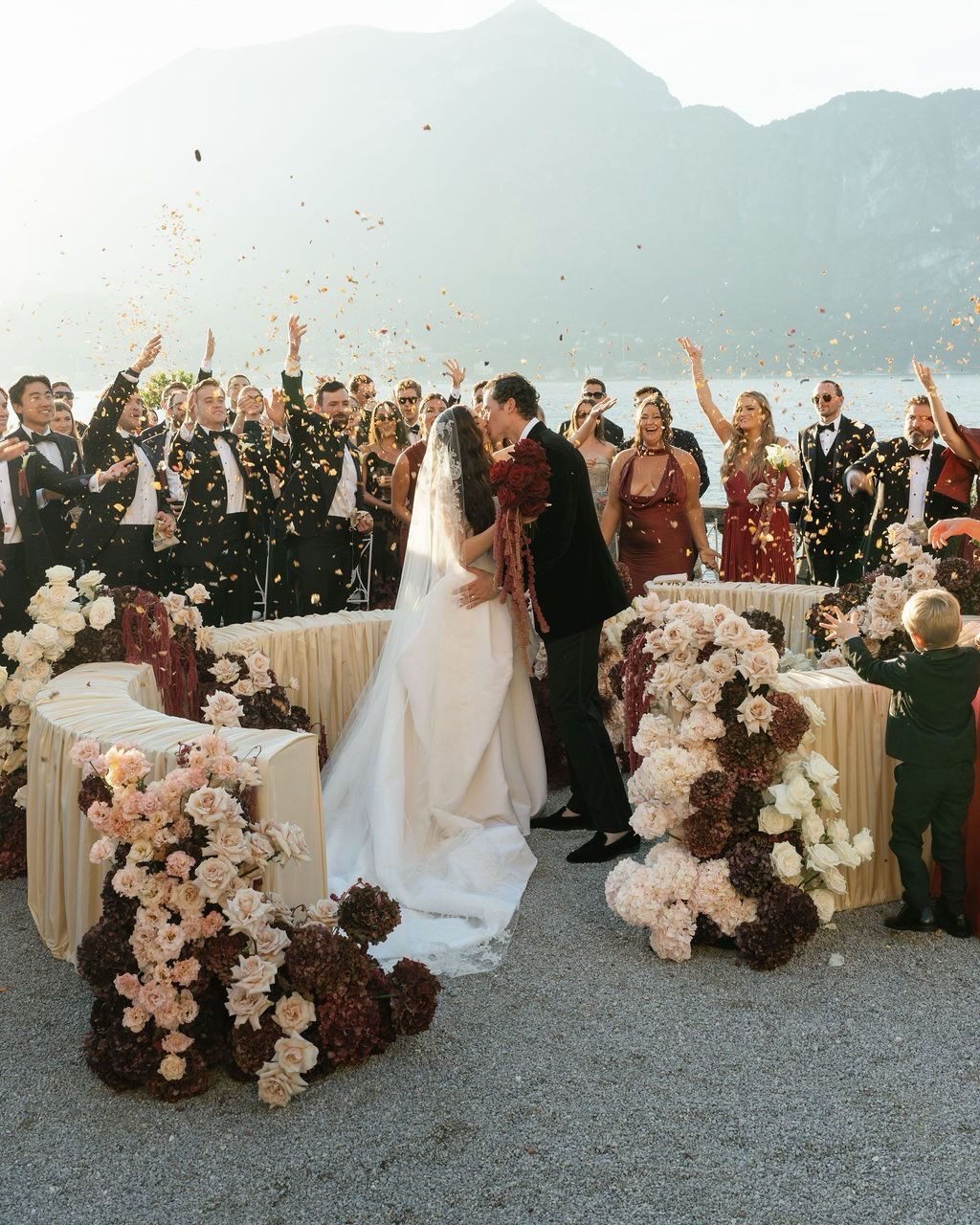

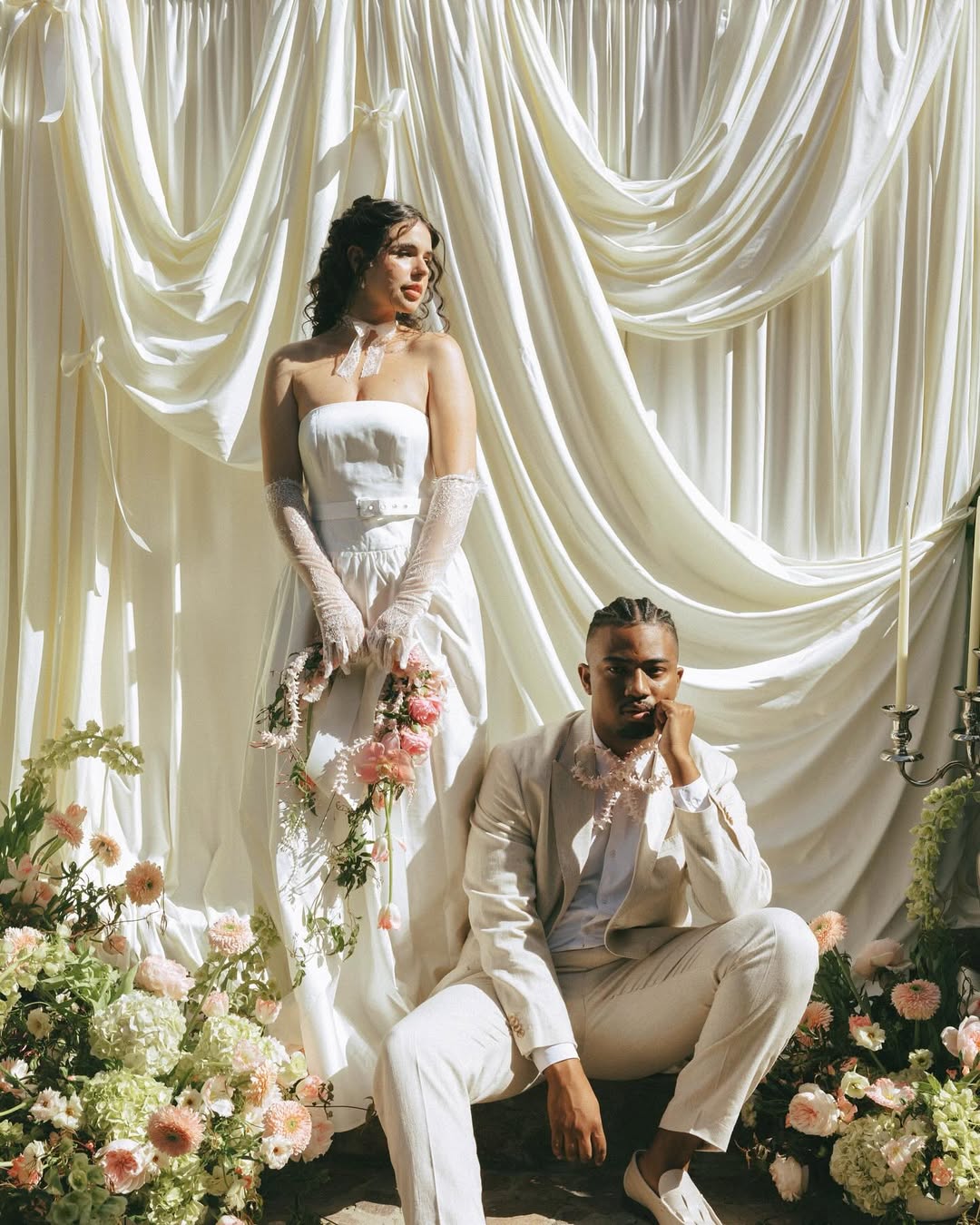

A destination wedding on a budget differs from a local celebration in that travel and accommodation costs replace some of the usual venue and catering expenses. Couples can save on decor and catering by choosing an all-inclusive resort package, which bundles several services into one price; destination weddings also tend to have smaller guest lists, since travel costs naturally limit attendance and reduce the overall budget. Paying an early deposit for flights and accommodation can help avoid price increases as the date approaches.
Location plays a bigger role in the total cost than most couples expect. Popular destinations such as Mexico, the Caribbean, and parts of Southern Europe tend to offer lower per-person rates than domestic resort towns, largely because local labor and catering costs are often cheaper. Traveling during the off-season can reduce the total cost by up to 20 percent compared to peak wedding season, and it’s worth checking whether the venue requires a minimum number of room bookings, since falling short of that minimum can trigger additional costs.
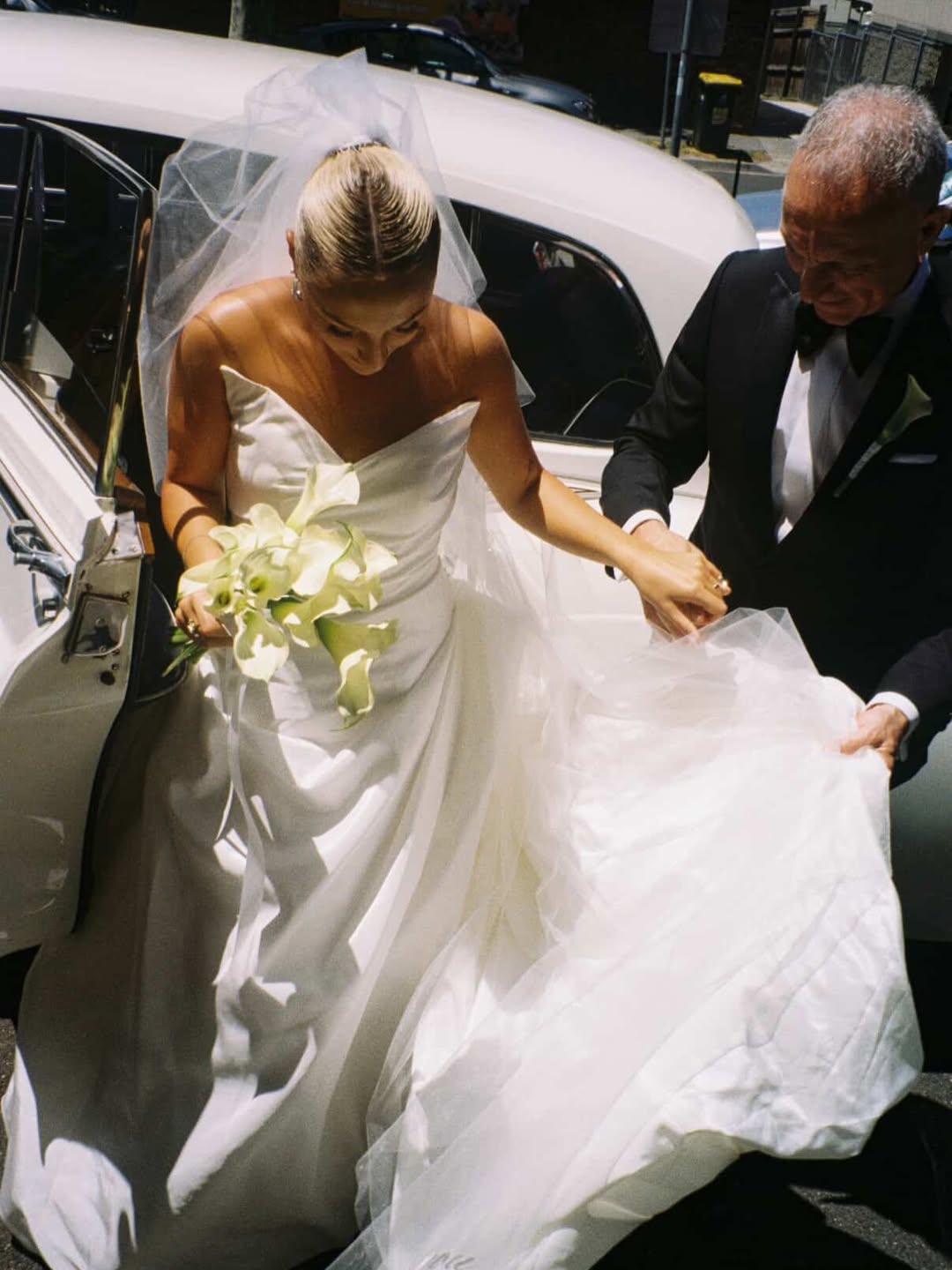
Guest logistics come up again and again when planners talk about destination wedding budgets. “Guest logistics and local transportation are often underestimated. While couples usually budget for the venue and vendors, expenses like shuttle services, welcome events, or transportation between locations can quickly add up if they’re not considered early in the planning process,” notes Barcelona Wedding. GO Wedding agrees this is the single most overlooked cost:
For destination weddings specifically, the most overlooked cost is definitely guest logistics: transport between the airport, hotels, and venue. Couples budget for the wedding day itself but forget shuttles, extra accommodation nights for the wedding party, or last-minute currency/payment fees for local vendors.
Tuscan Tours and Weddings puts it more simply: “Some services are very different from what they think, like shuttles or other, and are surprised about that.” Eros Events points to a related blind spot: “One of the most overlooked parts of a destination wedding budget is the additional cost surrounding the services themselves, transportation, deliveries, vendor travel, logistics, and local taxes such as VAT. Couples sometimes focus on the initial quoted price without realizing that taxes and these additional expenses can make a noticeable difference to the final total, so it is very important to understand from the beginning exactly what each price includes.”
.jpg)
.jpg)
.jpg)
.jpg)
It’s also worth distinguishing clearly between what the couple pays for and what guests are expected to cover themselves. Most destination wedding budgets only cover the ceremony, reception, and sometimes a welcome dinner, while guests handle their own flights and accommodation, and being upfront about that early in the invitation process avoids confusion. Couples who want to cover additional costs for guests, like a group excursion or an extra night’s stay, should factor those expenses into the total budget from the outset rather than adding them later.
Common Wedding Budget Mistakes to Avoid
.jpg)
.jpg)
.jpg)
.jpg)
Certain mistakes keep cropping up in wedding budgets, but most of them are easy to avoid once couples know what to look out for. They rarely come from overspending on any one big-ticket item, they come from a dozen small assumptions that never got checked against a real quote:
- Forgetting hidden costs such as service charges, taxes, and gratuities
- Overlooking small expenses such as marriage license fees and postage
- Failing to set priorities before allocating funds
- Letting trends dictate spending instead of personal preference
- Skipping a contingency fund for unexpected costs
- Finalizing the guest list too late in the process
- Overestimating how much time DIY projects will actually save
- Not tracking expenses consistently throughout the planning process
Venue-related costs deserve special attention on this list. “Venue-related costs, as many couples do not understand that some venues come with extra costs due to logistics, regulations, and restrictions. It often happens that couples use most of the budget for the venue and what remains is not enough to cover even minimal services,” warns Tuscan Tours and Weddings. Avoiding these pitfalls, and specifically confirming exactly what a venue quote does and doesn’t include, ensures an accurate wedding budget breakdown from the first booking to the final payment.
Elena Pensini, of Elena Pensini Events and Concierge, sees a related gap constantly in her own client meetings: “Couples don’t have a clear idea of all the smaller parts of a wedding budget. They forecast a macro budget for venue rental, f&b, flowers, music, photos, and don’t realize there are many other parts to consider, like transportation, tech needs, and arts rentals. It’s a long list, and every part deserves attention.” GO Wedding adds a useful number to this idea:
The biggest mistake is treating the initial vendor quotes as the final number. Almost every wedding has a 15-20% gap between the first budget and the final: like service charges, delivery fees, overtime, last-minute additions, and couples who don’t build in that buffer end up stressed in the final days.
What Wedding Planners Recommend for Staying on Budget
.jpg)
.jpg)
Every planner interviewed for this guide circled back to the same underlying idea: intentional spending beats trying to cover everything at once. Hearing it from five different perspectives, each working in a different market and specializing in a different kind of celebration, makes the pattern harder to dismiss as one planner’s personal opinion.
Barcelona Wedding puts it plainly: “Focus on intentional choices rather than trying to do everything. A well-curated celebration with fewer, high-quality elements always feels more luxurious than an overloaded wedding with compromises. Investing in an experienced planner also helps avoid costly mistakes and ensures the budget is spent where it truly matters.” GO Wedding echoes that same instinct toward expert guidance: “Our best tip is to invest in one experienced local planner early rather than trying to coordinate everything remotely. A planner who knows the local vendor market often catches hidden costs before they become problems, which ends up saving more than it costs.”
Tuscan Tours and Weddings frames it as a balancing act:
Try to balance the spend between the various items, considering that venue and reception catering usually are the largest numbers in the budget. Instead of splurging on some aspects, thinking that it is possible to save for the rest.
Elena Pensini Events and Concierge takes a slightly different angle, pointing to equilibrium across every category: “In my experience, it’s enlightenment! To create a great atmosphere and focus on the right details, a great lighting project is a must. The key to a successful event is Equilibrium. Nothing can be overlooked, and everything deserves its own attention and budget! So a clear initial list of all parts to be included in the budget is very, very useful.”
Eros Events sums up the philosophy shared across nearly every planner interviewed for this guide: “Choose your priorities and invest in the elements that you and your guests will truly experience and remember. A beautiful wedding does not need to include everything; a carefully chosen venue, great food, the right atmosphere, thoughtful lighting and a beautifully considered floral and design concept can create an impressive and elegant result. For us, a well-managed budget does not mean limitations; it means making thoughtful and intentional choices, so that every element has a purpose and contributes to the overall experience of the day.”
Wedding Budget Checklist Before You Start Spending
.jpg)
.jpg)
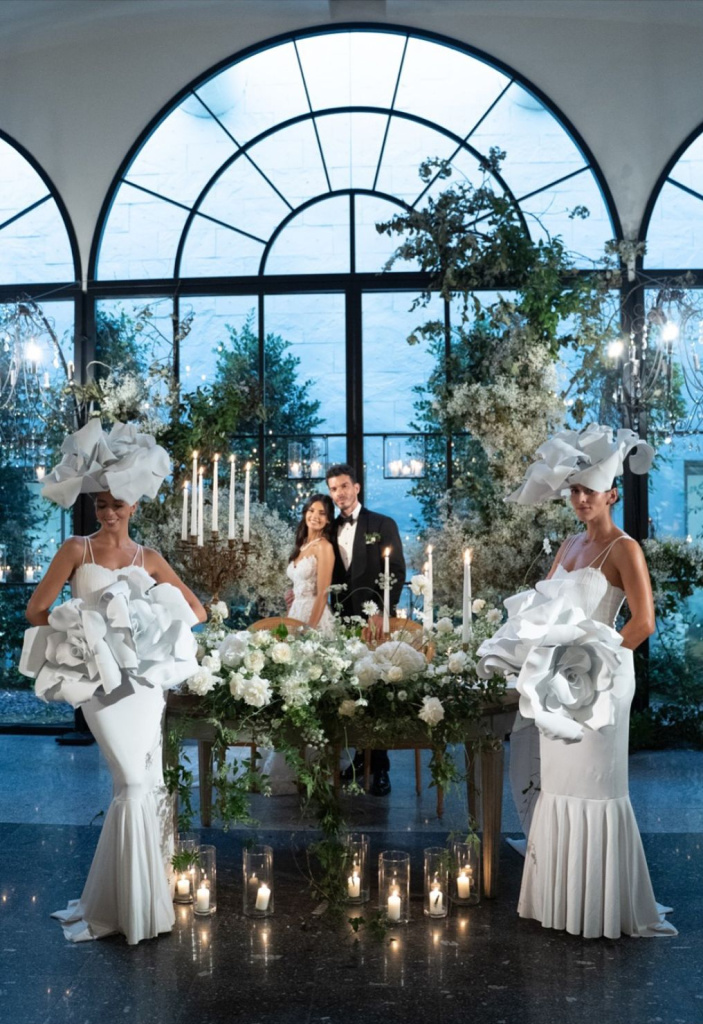
Working through a short wedding budget checklist before making any deposits prevents most of the financial stress couples report later, usually around the third month when the sums no longer add up. It’s a short list on paper, but each item catches a different kind of mistake: the guest count assumption that turns out wrong, the buffer nobody set aside, the spreadsheet that only one partner ever opens.
- Agree on a total budget with whoever is contributing financially
- Confirm an estimated guest number as early as possible, since this will affect nearly every aspect of the planning and cost
- Prioritize as a couple before becoming attached to specific vendors
- Research real prices in your area before assuming what things ‘should’ cost
- Allocate a contingency buffer from the outset, rather than as an afterthought
- Set up a shared spreadsheet or app to track all wedding expenses, so both partners can access and monitor spending in real time
- Review the budget monthly as vendors are booked and numbers are finalized
.jpg)
.jpg)
Working through this list rarely takes more than an afternoon, but it changes the entire tone of everything that follows. Couples who complete it before contacting a single vendor describe the rest of planning as noticeably calmer, since every future decision gets measured against numbers they’ve already agreed on together, rather than negotiated in the moment under pressure from an appealing quote.
There is no single number that can be used to define an average budget for a wedding - only a number that reflects what a specific couple values for a specific celebration in a specific place. Having the right support along the way makes all the difference. At Wezoree, you can find wedding planners from all over the world, and we’re confident that you’ll find the right specialist to help you plan a celebration that matches your budget.
FAQ
What’s a good budget for a wedding with under 50 guests?
Smaller guest numbers generally mean significantly lower catering, venue hire, and other costs, since many fees are directly proportional to guest count. A 30-50 guest budget wedding often allows couples to spend more per person on things like food and photography, while still landing well below the cost of a larger celebration, typically in the $15,000 to $25,000 range for a full mid-range wedding.
Is it normal to go over budget?
Yes, and most couples go over budget to some extent. The most common overspends stem from underestimating categories such as alcohol, alterations, and vendor gratuities. One of the simplest tips for managing a wedding budget is to build a 5-10% buffer from the outset, which will absorb most of these additional costs without derailing the overall plan.
Should the budget be split evenly between both families and the couple?
There are no longer any standard rules. While some families still follow older traditions about who pays for what, many modern couples now base their wedding budget on what each party can comfortably contribute, rather than tradition. The healthiest approach is to have an honest conversation early on, before making any deposits.
What’s usually the most underestimated expense in a wedding budget breakdown?
Alcohol and bar service are often the biggest surprises for couples when they look at their budget, with vendor overtime fees and gratuities close behind. These costs are often omitted from the initial wedding budget checklist, only to emerge as unexpected expenses closer to the wedding date.
How early should we finalize our wedding budget?
Ideally, you should set your budget before booking any vendors, including the venue. The key to creating a wedding budget that works is to set the budget first, which prevents you from falling in love with options that don’t actually fit and trying to make the maths work retroactively.
Does a realistic budget for a wedding look different in a big city versus a smaller town?
Yes, significantly. While major metropolitan areas usually have higher average wedding budgets for venues, catering, and photography, smaller towns and rural areas often offer better value for the same services. To understand what a realistic wedding budget looks like in your market, research local vendor pricing directly rather than relying on national averages.
How does budgeting for a destination wedding differ from a local one?
The difference is that travel and accommodation costs replace some of the usual venue and catering expenses. A smaller guest list is common because travel limitations often reduce the number of people who can attend, lowering the overall budget. All-inclusive resort packages can simplify budgeting by bundling several categories into a single price, and booking flights and accommodation early helps avoid price increases that tend to happen closer to the date.