Ultimate Guide for a Gili Island Wedding


- Why a Gili Island Wedding Is the Ultimate Tropical Dream
- Understanding the Gili Islands: Choosing the Right Island for Your Wedding
- Types of Gili Island Weddings
- Best Wedding Venues in the Gili Islands
- Best Time for a Gili Island Wedding
- Gili Island Wedding Planning: Step-by-Step
- Gili Island Wedding Cost
- Wedding Style & Design for a Gili Island Wedding
- Floral Design & Decor for Gili Weddings
- Gili Island Wedding Photography & Videography
- Wedding Attire for a Gili Island Wedding
- Food, Drinks & Catering for a Gili Wedding
- Entertainment & Experiences
- Legal & Cultural Considerations
- Common Mistakes When Planning a Gili Island Wedding
- Is a Gili Island Wedding Right for You?
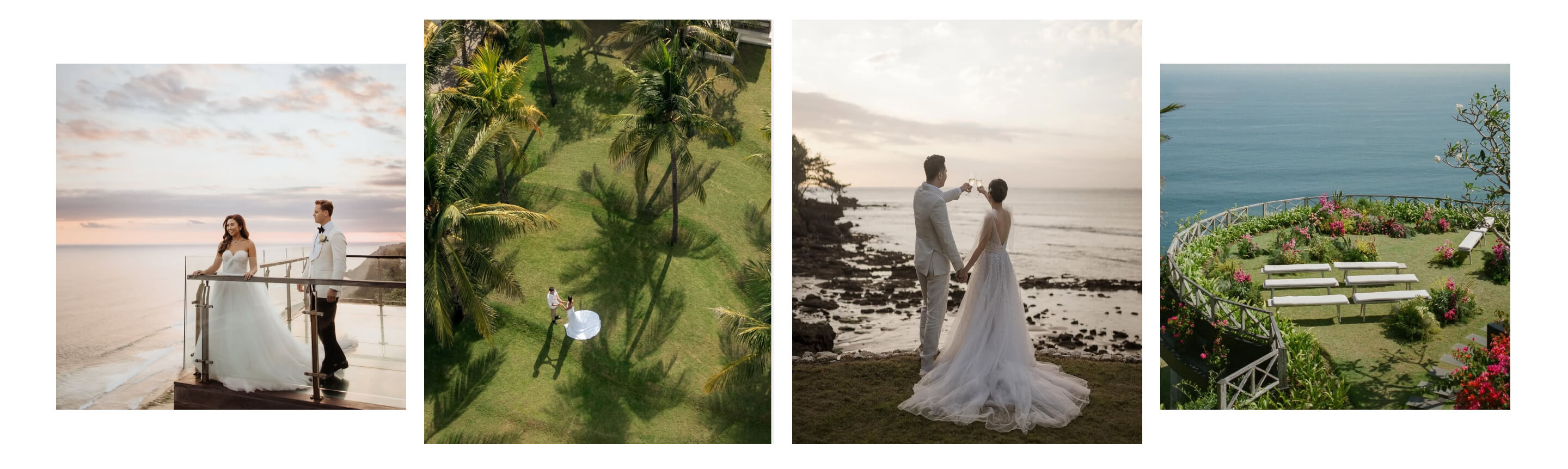
When couples talk about their Gili Island wedding, they use a unique way of speaking. Instead of sounding excited like they do when planning, they seem curious and amazed, as if describing something almost mythical. The three small islands near Lombok are known for a special kind of celebration that is relaxed, beautiful, and simple.
Find Your Perfect Wedding Vendors

Why a Gili Island Wedding Is the Ultimate Tropical Dream
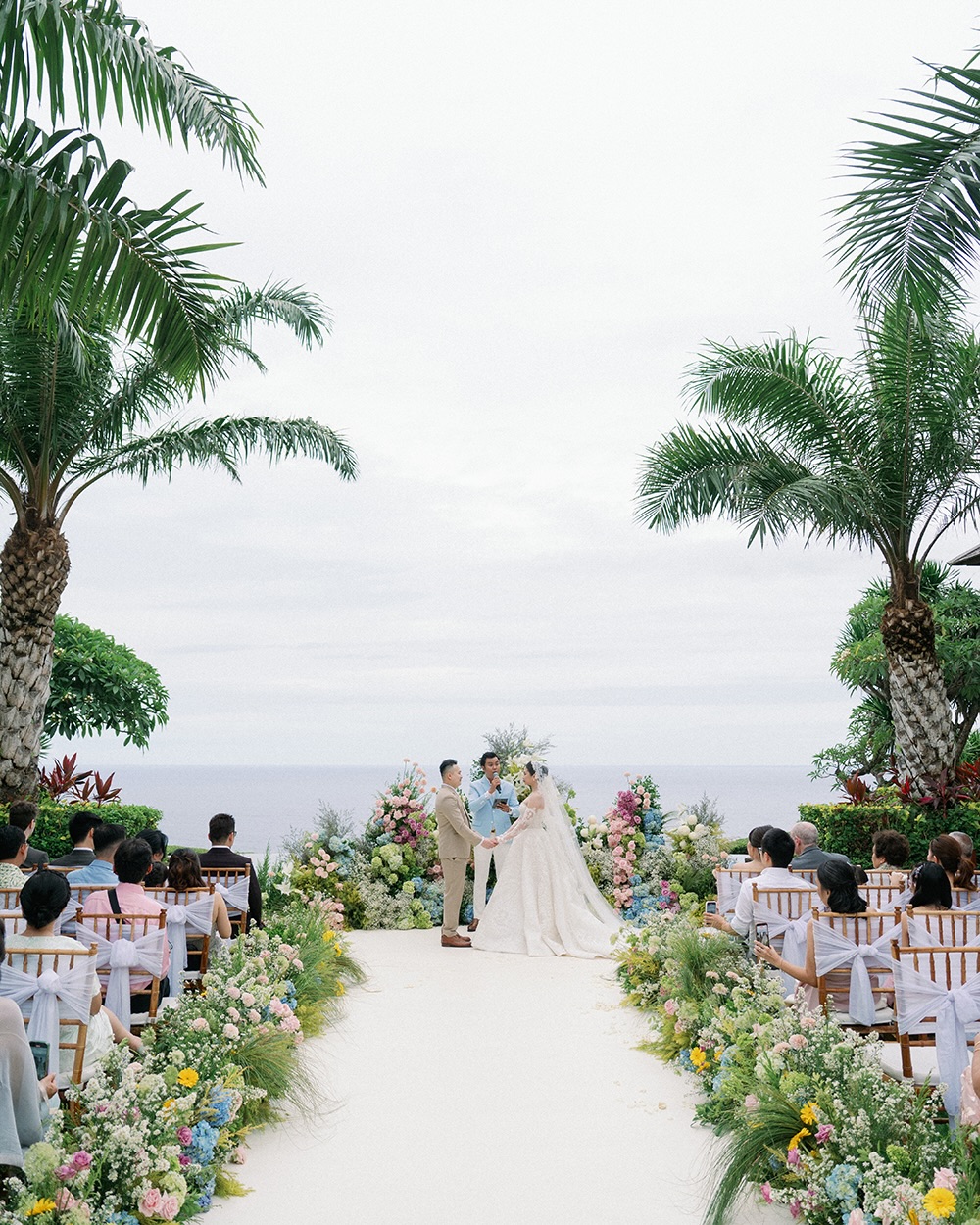
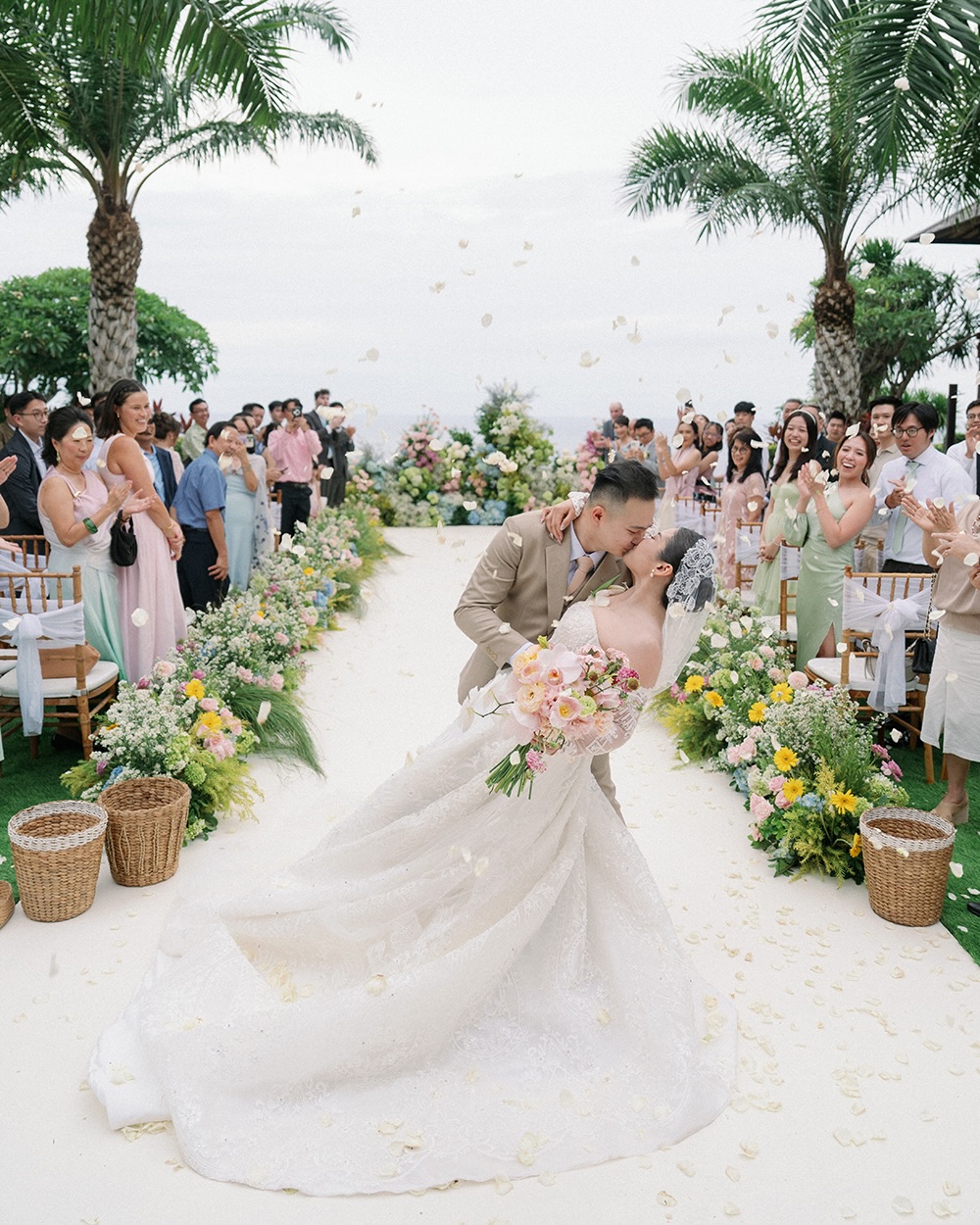
A Gili Islands wedding is special because it combines simplicity with a touch of luxury. You’ll plan your day on islands without cars, getting around by horse cart or bike, with the sound of waves in the background. This is true barefoot luxury—simple but never uncomfortable. The slow island pace helps you focus on what matters most. Unlike many beach weddings, where you might be in dress shoes as tourists walk by, here it feels like your own private world. You can have the beach to yourself, watch the sunset every evening, and let the ocean set the mood. This is perfect for couples who value the experience over tradition and want to spend on memories, not formality. Often, the most memorable weddings are the ones that do things a little differently.
Understanding the Gili Islands: Choosing the Right Island for Your Wedding
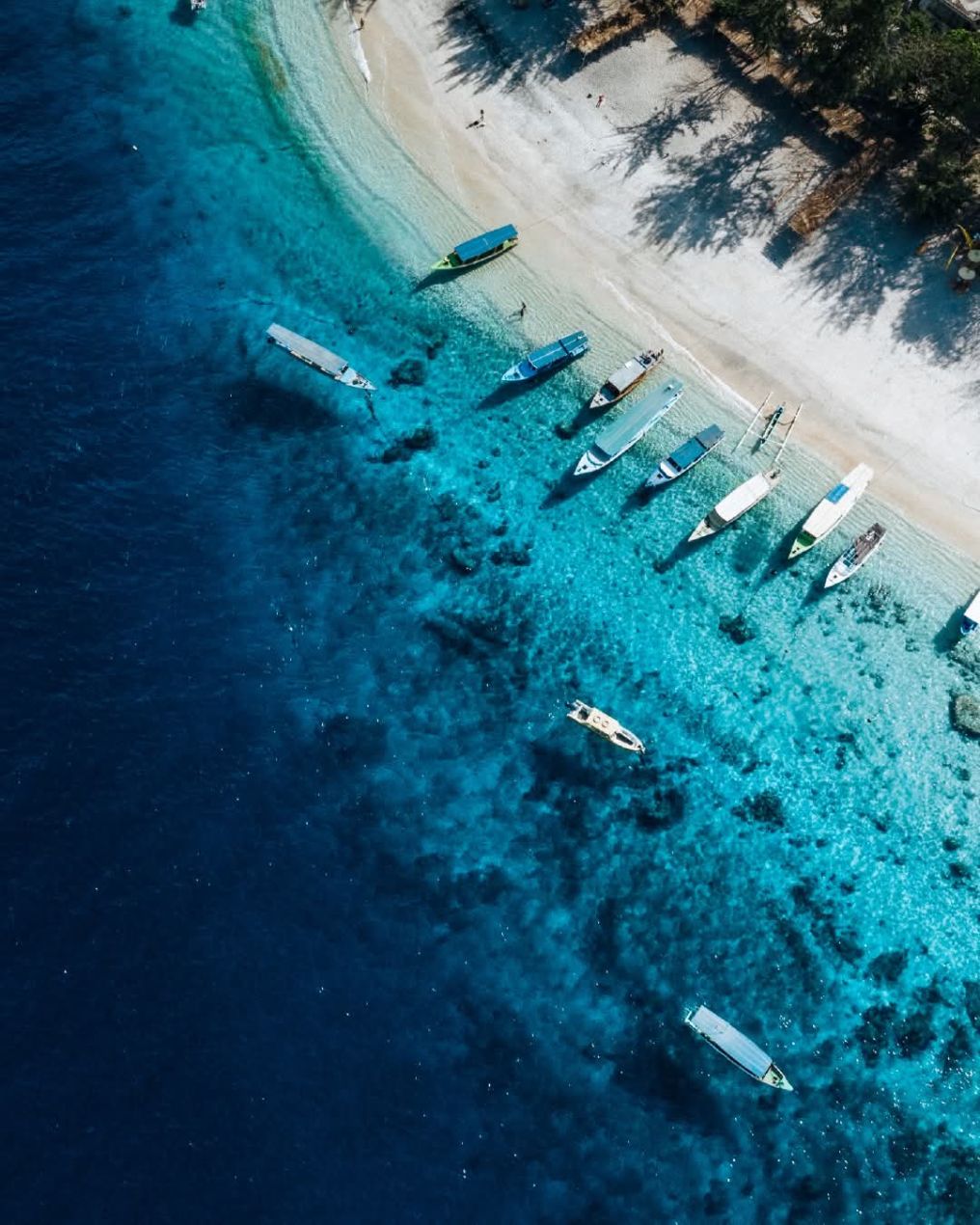
The three islands share a lot in common. They are all small, have no cars, and offer clear water and white-sand beaches. Still, picking one can really shape your wedding experience.
Gili Trawangan is lively and energetic. The nightlife is vibrant, and beach clubs stay open late. The island has great infrastructure, with many luxury resorts, well-known brands, reliable wifi, and a wide range of places to eat. If you want a wedding where you and your guests can celebrate and have fun, this is a great choice. There are plenty of places to stay, from budget to luxury, and lots of activities, so guests never feel stuck. Most weddings happen on the sunset side of the island. Beach clubs like Exile and resorts like Ombak Sunset offer stylish settings while keeping a relaxed vibe.
Gili Air sits right in the middle. It is quieter than Trawangan but more developed than Meno, making it a good spot for couples who want to relax. The east side has calm water for swimming, while the west side is known for its sunsets. Hotels here are small and focus on eco-friendly luxury, with outdoor spaces, gardens grown sustainably, and buildings that blend into the surroundings. A wedding on Gili Air feels private but not isolated, with good service, no big crowds, and plenty of restaurants and cafes, so guests have choices without feeling overwhelmed.
Gili Meno is perfect for couples who want total privacy. It is the smallest, least developed, and most secluded of the three islands. There are only a few places to stay, which is ideal if you want peace and quiet. Sometimes, you can have the whole beach to yourself. The Meno Salt Lake, sea turtle sanctuary, and underwater statues offer unique backdrops for your wedding. If you want a small ceremony with just a few close friends, Meno is a great choice.
Types of Gili Island Weddings
Many international couples choose a symbolic wedding ceremony on Gili Island because it gives them complete creative freedom and avoids legal complications. You don’t have to deal with Indonesian paperwork or wait for translations. You can make your vows personal, pick any officiant—like a friend, family member, or professional celebrant—set your own schedule, and design the ceremony your way. The experience feels just as meaningful as a legal wedding, but without restrictions. Most couples handle the legal paperwork at home before or after, then come to Gili for the real celebration.
If you want a legal wedding on the Gili Islands, it’s possible, but you’ll need to handle some paperwork. In Indonesia, you must work with a registered religious officiant and provide translated, notarized documents, such as birth certificates, passports, and proof of single status. The process can take weeks or even months to plan, and at least one partner must remain in Indonesia for several days to complete the paperwork. Most couples find a symbolic ceremony easier, but if having an official record matters to you or your family, it’s best to go through the legal process. Some cultures and families highly value this step.
Eloping in the Gili Islands isn’t just about running away to get married anymore—it’s now a special choice. Couples who want to focus on each other find it ideal here. The process is simple: book a villa, hire a photographer and planner, and choose a beach or pontoon spot. You don’t have to worry about guests, seating charts, or entertaining anyone but yourselves. These weddings often feel the most emotional because you can truly be present in the moment. There’s no need to put on a show—just enjoy what’s real.
Renewing your vows or celebrating an anniversary in the Gili Islands is a great idea, especially if your first wedding was traditional or arranged by family and you want something more personal. The islands give you a fresh start, far from where you first got married, so you can create your own story. These ceremonies are usually more relaxed than traditional weddings. Couples know what matters to them, worry less about impressing others, and are open to adding personal touches.
Best Wedding Venues in the Gili Islands
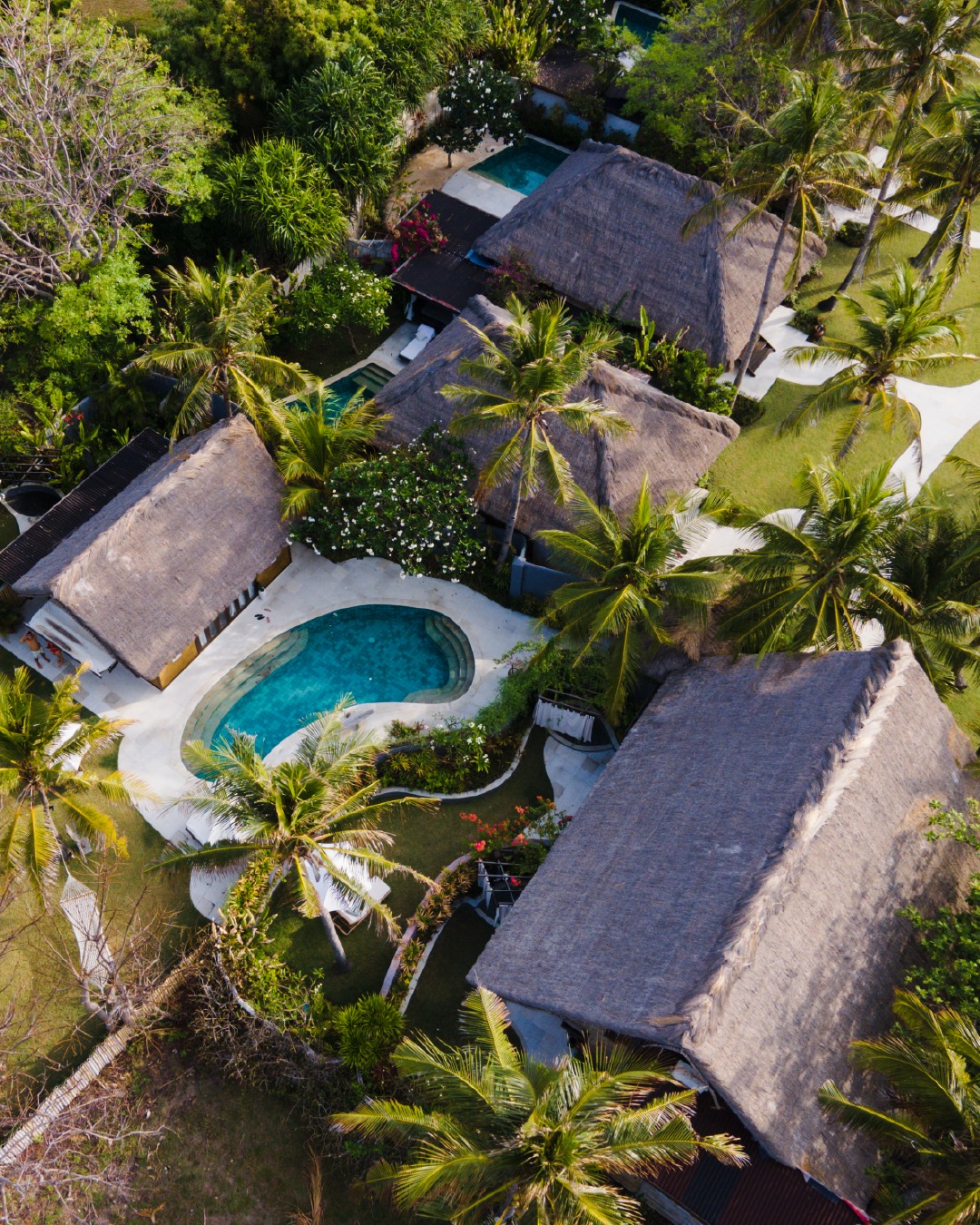
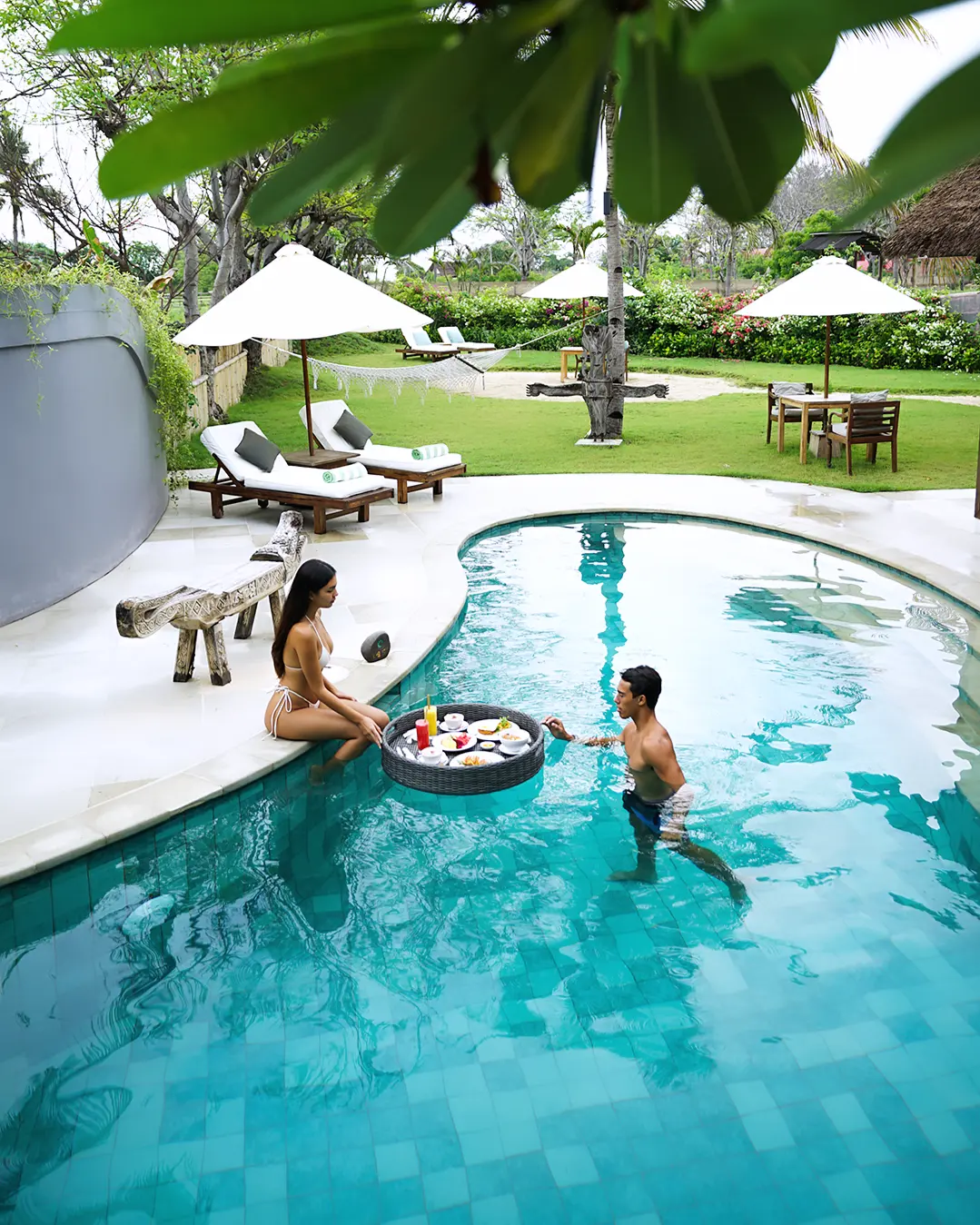
- Beachfront resorts and villas: are the main choices for Gili Island weddings, each with its own style. On Trawangan, places like Ombak Sunset or Villa Almarik offer well-kept lawns that meet the beach, reliable event facilities, and guest accommodations. Pearl of Trawangan offers boutique luxury, with poolside ceremonies and sunset dinners that easily turn into evening parties. These venues know wedding planning well, so organizing your event is easier, though they may be less flexible if you want a highly personalized celebration.
- Boutique hotels and eco-resorts: are ideal for couples who want a more private, stylish setting. Mowie's Bar & Restaurant on Gili Air and Mahamaya boutique resort on Gili Meno are good examples. They have fewer rooms, so you get real privacy, and their design blends with the natural surroundings for a relaxed, chic look in photos. These places usually can't host big groups, but they create a special atmosphere. Their relaxed style means your wedding will feel less traditional and more like a natural flow from ceremony to dinner to celebration.
- Private beaches and hidden spots: take more planning, but they offer a level of exclusivity you won't find elsewhere in the Gili Islands. With the right permissions and preparation, you can secure stretches of beach and create your own private venue. The northeast side of Gili Meno, quiet coves on Gili Air, or even beaches only reachable by boat near Trawangan are all options. For these locations, you need to arrange everything yourself, including setup and catering, as well as power and lighting. The end result is unique and can feel more like an art installation than a typical wedding, which is exactly what some couples are looking for.
| Island | Best For | Venue Style | Guest Capacity |
|---|---|---|---|
| Gili Trawangan | Full celebrations with nightlife | Beach clubs, luxury resorts | 50-150+ guests |
| Gili Air | Balanced intimacy & service | Boutique hotels, eco-resorts | 20-80 guests |
| Gili Meno | Elopements & micro weddings | Private beaches, small villas | 2-30 guests |
Best Time for a Gili Island Wedding
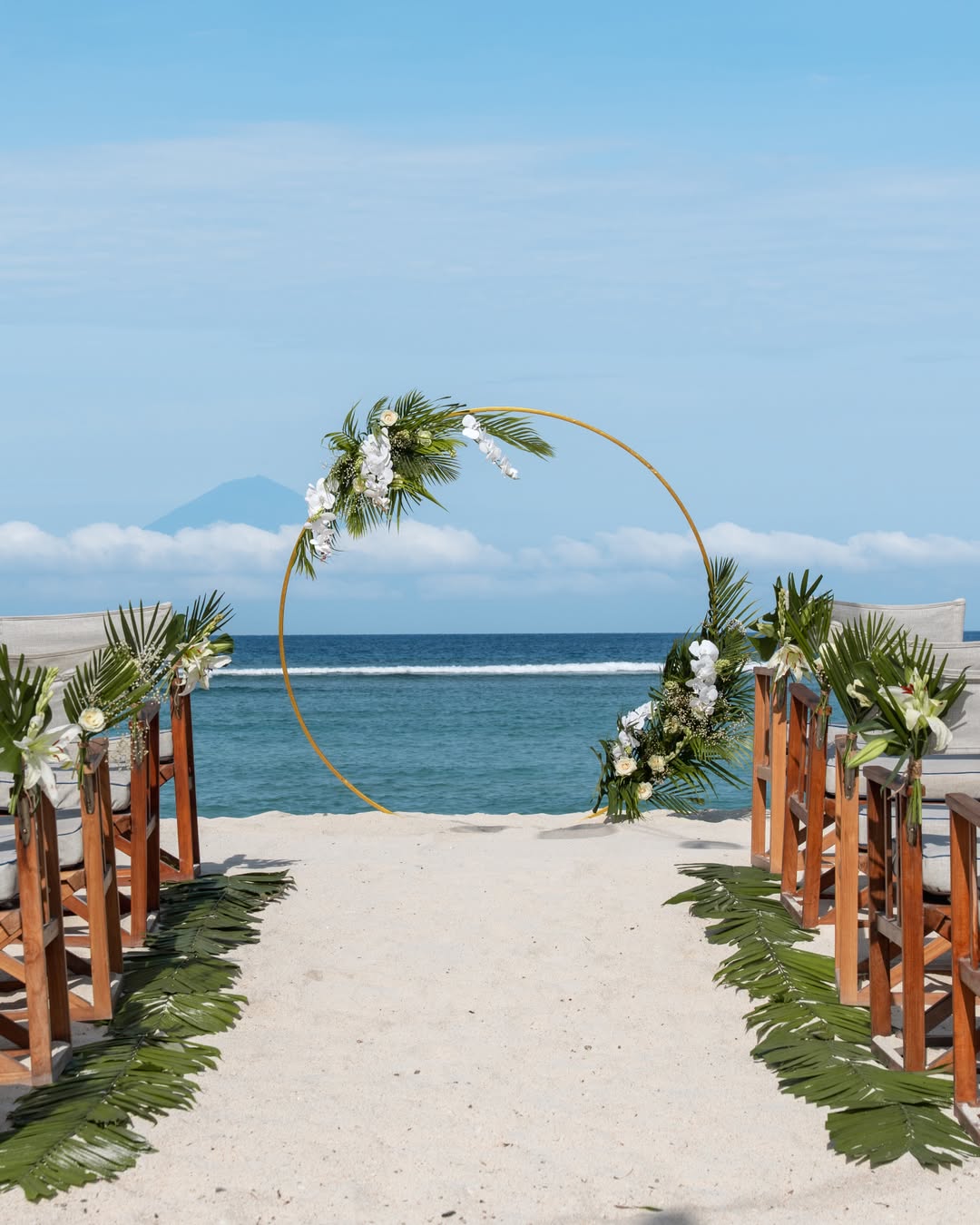
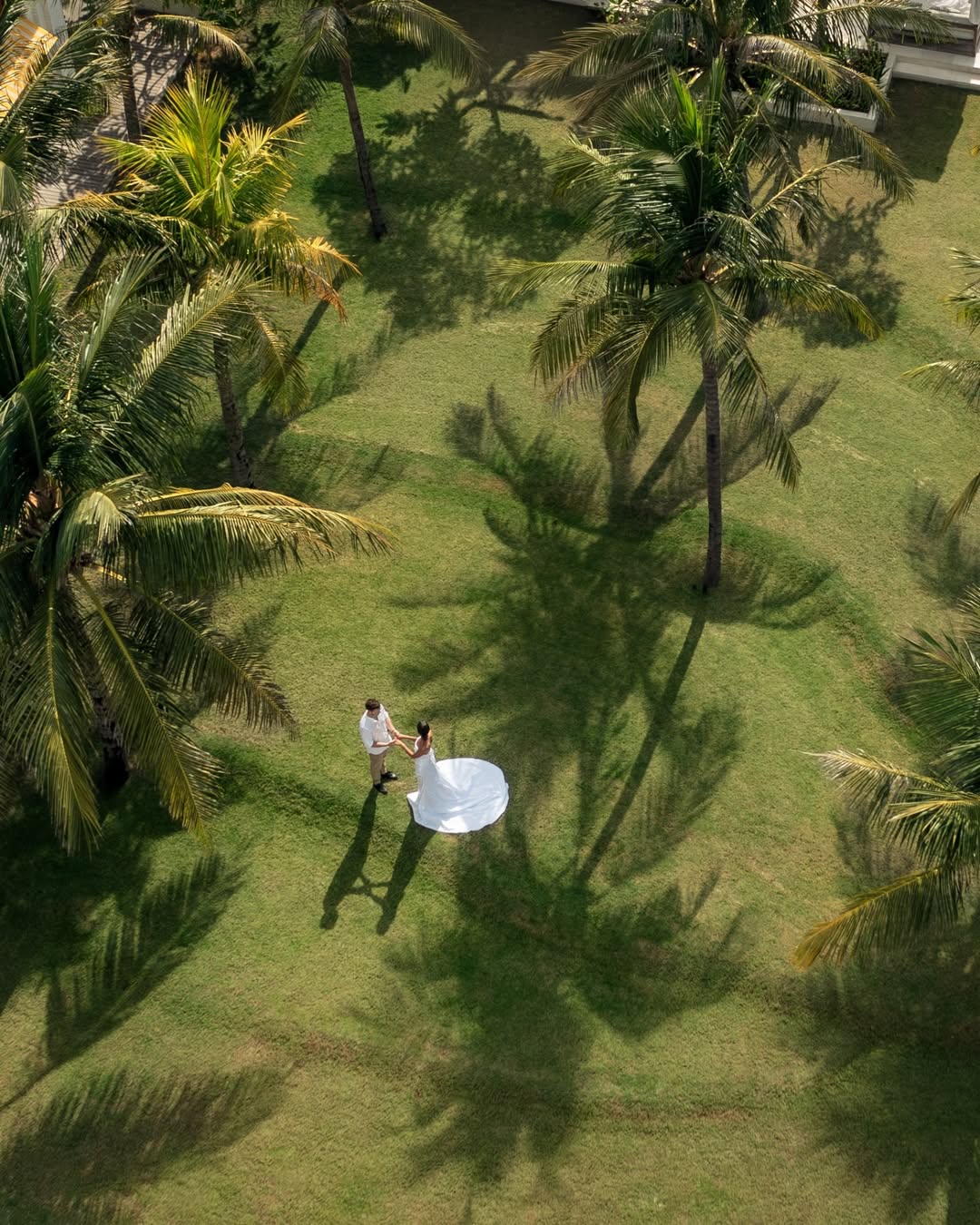
The dry season, from May to October, is the best time for weddings. The weather is sunny, rain is rare, and the sea is calm, making it perfect for beach ceremonies and outdoor dinners. July and August are busy due to European holidays, so places fill up fast, and prices rise. The good news is that there are more boat transfers and more vendors available. The shoulder months—May, June, September, and October—also have great weather, and prices are usually a bit lower than in peak season.
The rainy season, from November to April, can still be a good time to visit. In the Gilis, rain usually falls in the late afternoon or evening, so mornings and early afternoons are often beautiful, with interesting clouds and bright light after the rain. November and April are especially nice, with a mix of rain and clear days. Prices are lower, and there are fewer people around. Some couples pick this time for their wedding because it’s more affordable or they want more privacy, and they don’t mind the small chance of bad weather.
Knowing about sunsets, tides, and timing can help avoid problems that might affect your Gili wedding. Sunset is between 6:00 and 6:30 pm all year, so it’s easy to plan around. Tides can be tricky—at high tide, you might not reach the ceremony spot, and at low tide, you could end up standing on a reef away from the water. Your planner should check tide charts well in advance to pick the best time for the ceremony and sunset. Many couples choose to start their weddings at 5:00 or 5:30 pm, so there’s time for setup in good light, the ceremony during golden hour, and the reception under the early evening sky.
Gili Island Wedding Planning: Step-by-Step
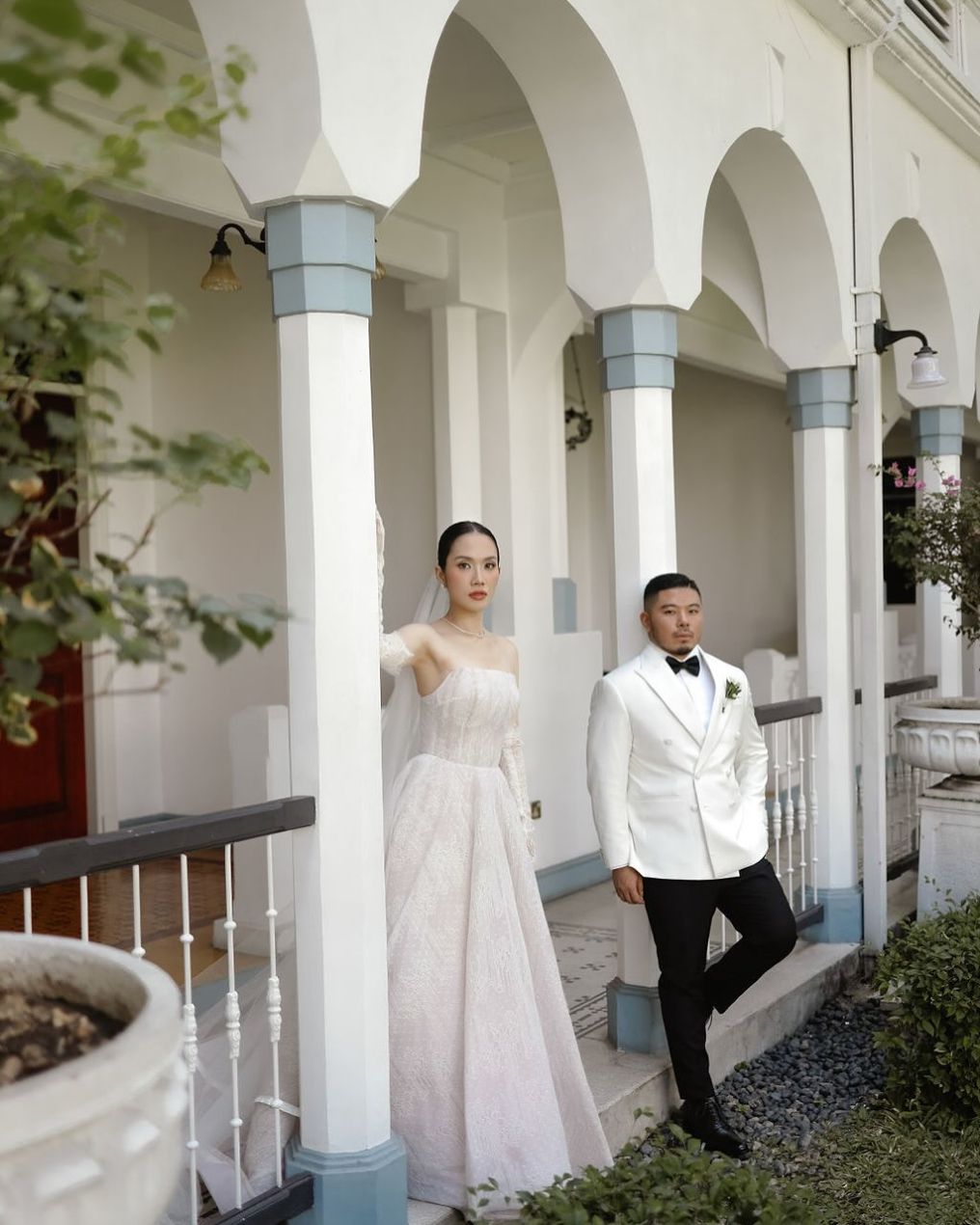
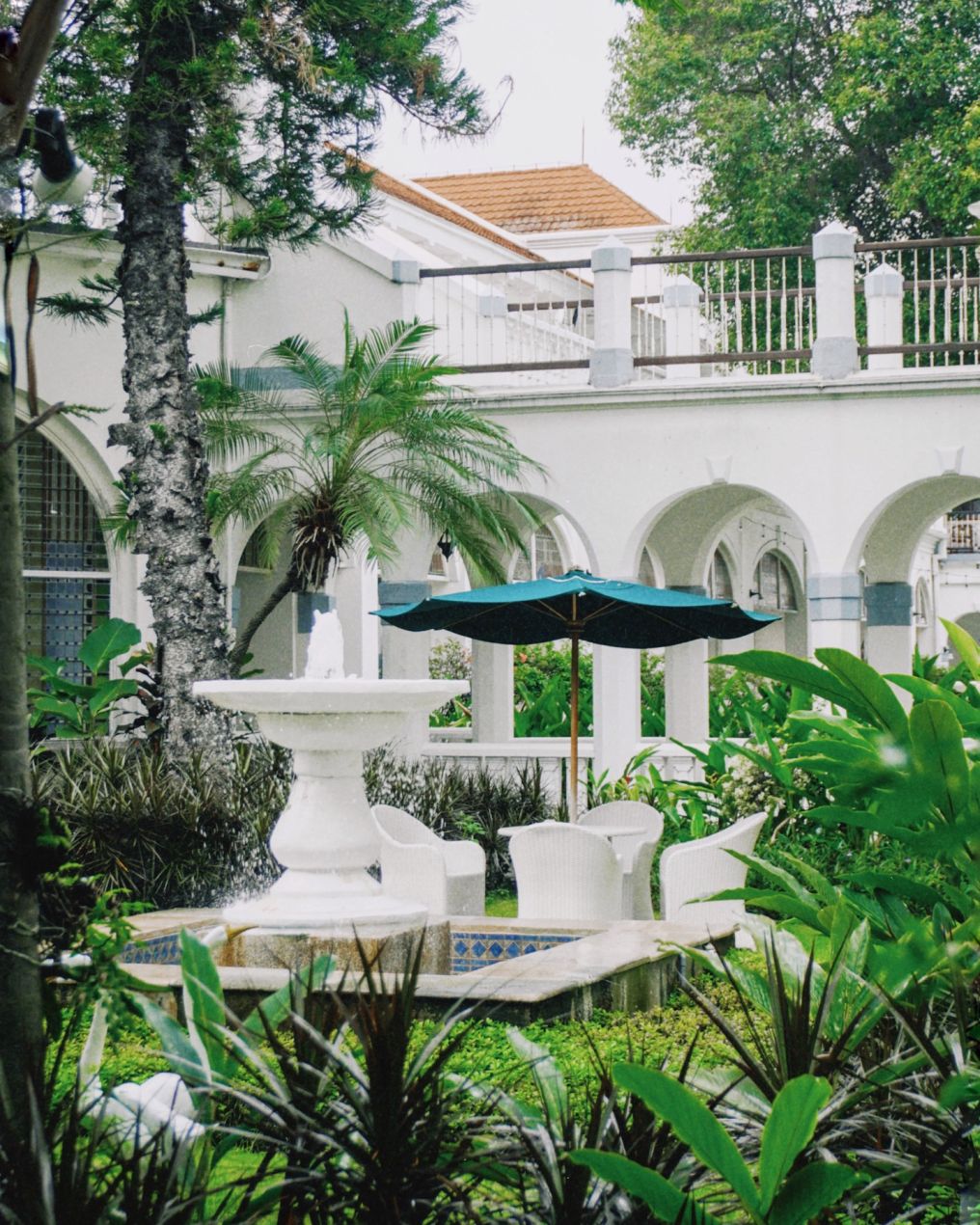
Picking the right wedding planner for your Gili Islands wedding is a big decision. The islands rely on strong local connections. Your planner should know which beaches need permits, which vendors are reliable, and what to do if the weather changes. A good local planner handles these details so you can relax and enjoy your day. Look for someone who offers packages that cover vendors, permits, timelines, and on-the-day help. Watch out for planners based in Bali who treat the Gilis as a side job, or agencies that only provide the basics like an officiant and flowers. You want someone who truly understands the Gili Islands, spends time there, and is respected by other local businesses.
If you’re planning a wedding in Gili, remember that costs can be higher than you might expect. Everything, including flowers, equipment, and sometimes even food, has to come by boat. Special items, such as certain linens, flowers, or technical gear, can add to the expense. Here are some tips to help you save money:
- Book your accommodation outside of peak season
- Choose local flowers instead of imported roses
- Plan your ceremony around sunset to need less lighting
- Invite fewer guests to keep catering simple
But there are three things you shouldn’t cut corners on:
- Photography: capturing beautiful memories is a key part of your day
- Planning services: the logistics can be complicated
- Food quality: with only a few restaurants on the islands, your dinner will be a highlight for your guests
Planning a wedding on the islands takes more effort than on the mainland. To get to the Gilis, you’ll need to fly to Bali or Lombok, then take a boat for three to seven hours. Most couples arrange group boat transfers, book hotels in advance, and provide guests with clear arrival instructions, since the trip can be challenging. Guests should plan to stay at least three or four days, including time to arrive, the wedding, a day to relax or explore, and departure. Many guests turn this into a longer holiday. Getting married in Gili means your guests are coming for a real trip, not just an evening, so you’ll have more time to celebrate together.

Gili Island Wedding Cost
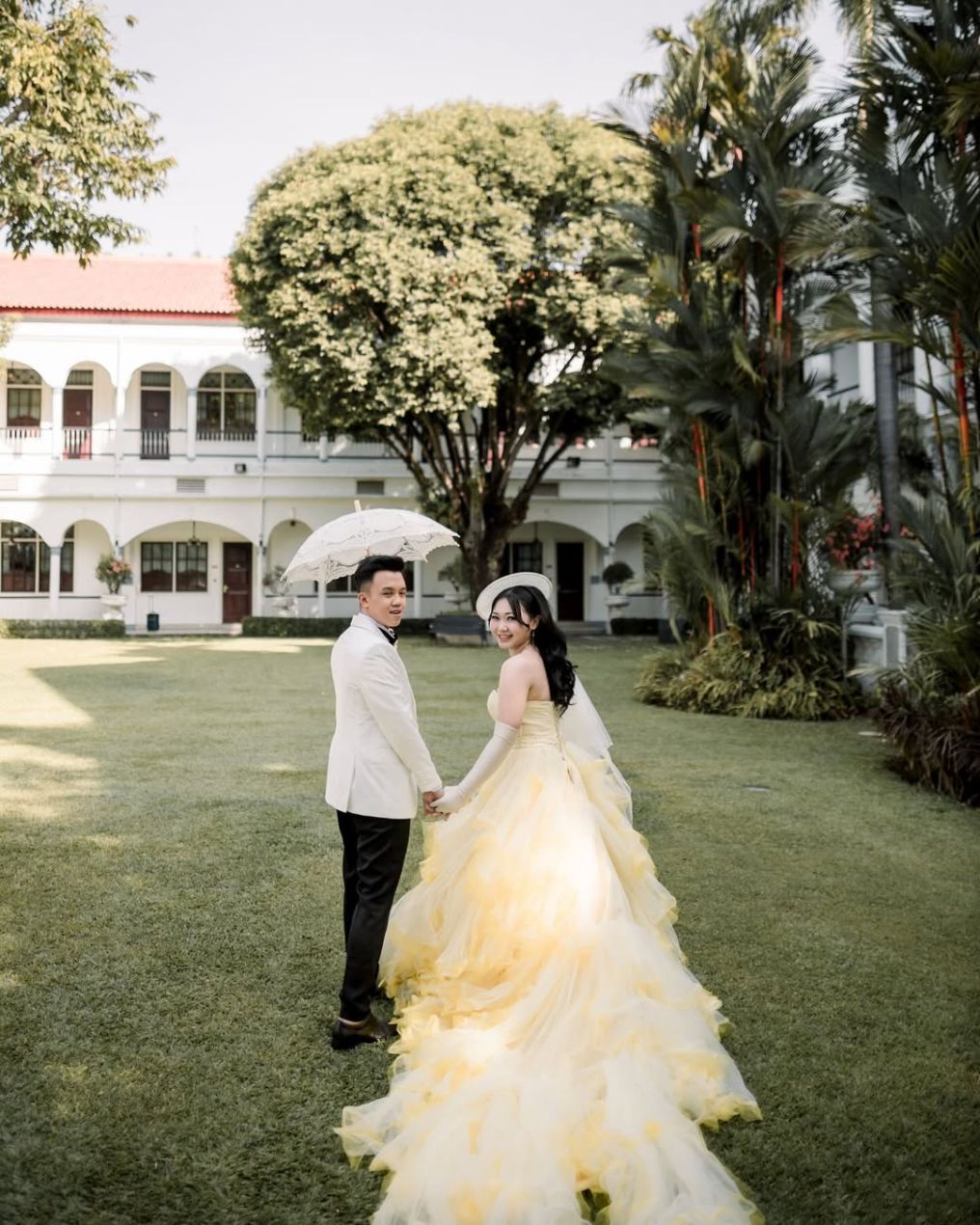
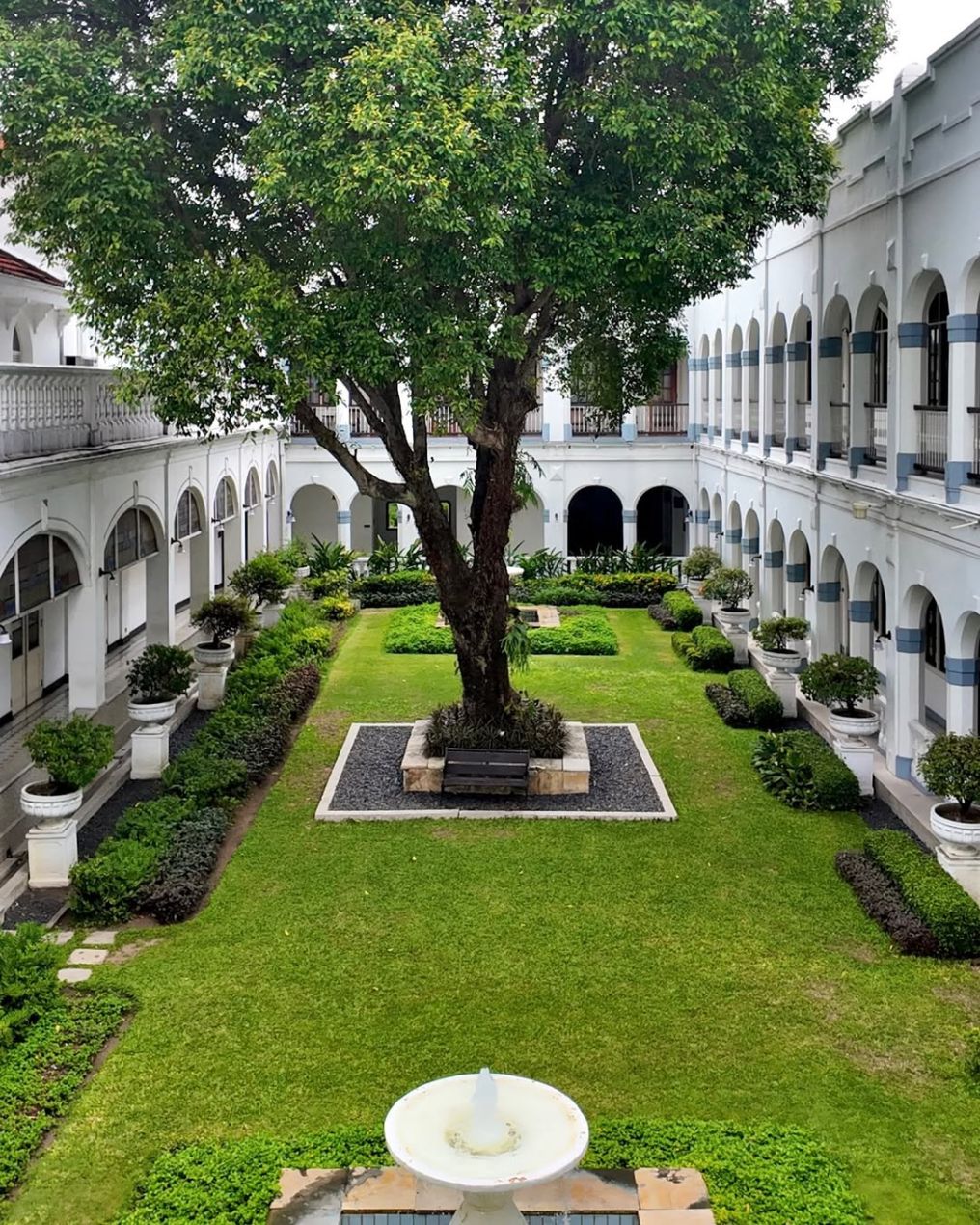
An elopement budget of $3,000 to $8,000 covers the basics for two people. This usually includes planner coordination ($800–$1,500), photography ($1,200–$2,500), a simple ceremony setup ($500–$1,000), a celebrant or officiant ($300–$500), bouquet and boutonniere ($150–$300), a romantic dinner for two ($200–$400), and several nights of mid-range accommodation ($600–$2,000). These estimates assume you use local flowers and keep things simple. If you choose luxury options like high-end photography, designer flowers, or a private villa, the costs can easily double.
A micro wedding for 10 to 30 guests usually costs between $8,000 and $20,000. This budget covers a full planning service ($2,000–$4,000), ceremony and reception decor ($2,000–$4,000), catering ($50–$100 per person), photography and videography ($2,500–$5,000), entertainment or music ($500–$1,500), guest boat transfers ($30–$50 per person), bar service ($1,000–$2,500), cake ($200–$500), and miscellaneous costs like permits, tips, and contingency ($1,000–$2,000). The final price depends on the season, the island you choose, venue fees, and whether you use local or imported resources.
A full wedding with more than 50 guests usually costs between $25,000 and $60,000, or more, entering luxury territory. This includes comprehensive planning ($5,000–$10,000), elaborate decor and flowers ($5,000–$12,000), full catering and bar ($100–$200 or more per person), a professional photo and video team ($5,000–$12,000), entertainment ($2,000–$5,000), guest accommodations and transfers (costs vary), lighting and technical support ($2,000–$5,000), and extras like welcome dinners or next-day brunches. High-end Gili Island weddings with destination guests, imported items, and multi-day events can go over $100,000, but this is rare. Most couples who choose the Gilis prefer a more intimate celebration.
| Wedding Type | Guest Count | Budget Range | Key Inclusions |
|---|---|---|---|
| Elopement | 2 people | $3,000–$8,000 | Planner, photography, simple setup, officiant, florals, dinner, accommodation |
| Micro Wedding | 10–30 guests | $8,000–$20,000 | Full planning, decor, catering ($50–100/pp), photo/video, music, transfers, bar |
| Full Wedding | 50+ guests | $25,000–$60,000+ | Comprehensive planning, elaborate decor, full catering ($100–200/pp), pro team, entertainment, lighting |
Wedding Style & Design for a Gili Island Wedding
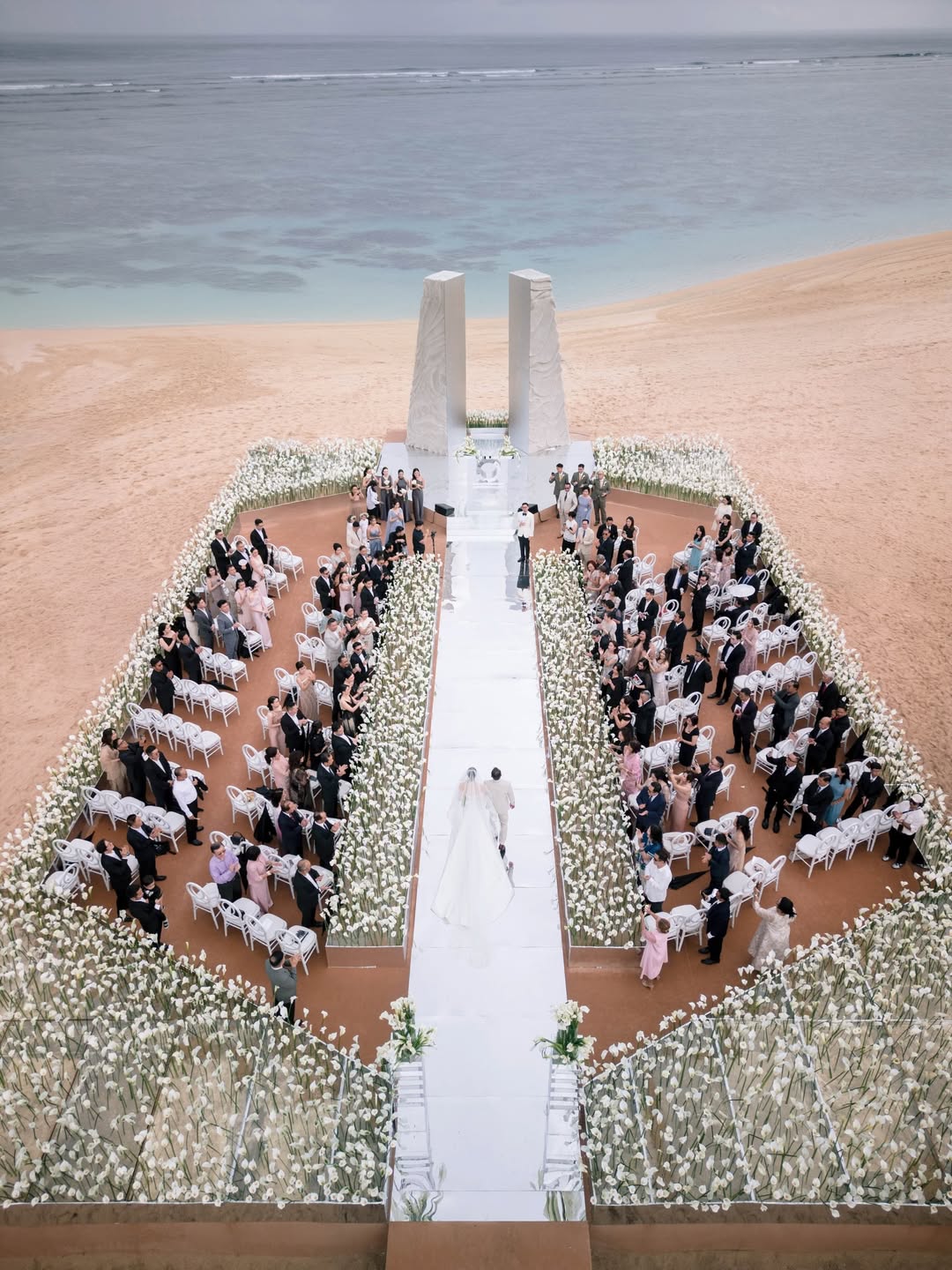
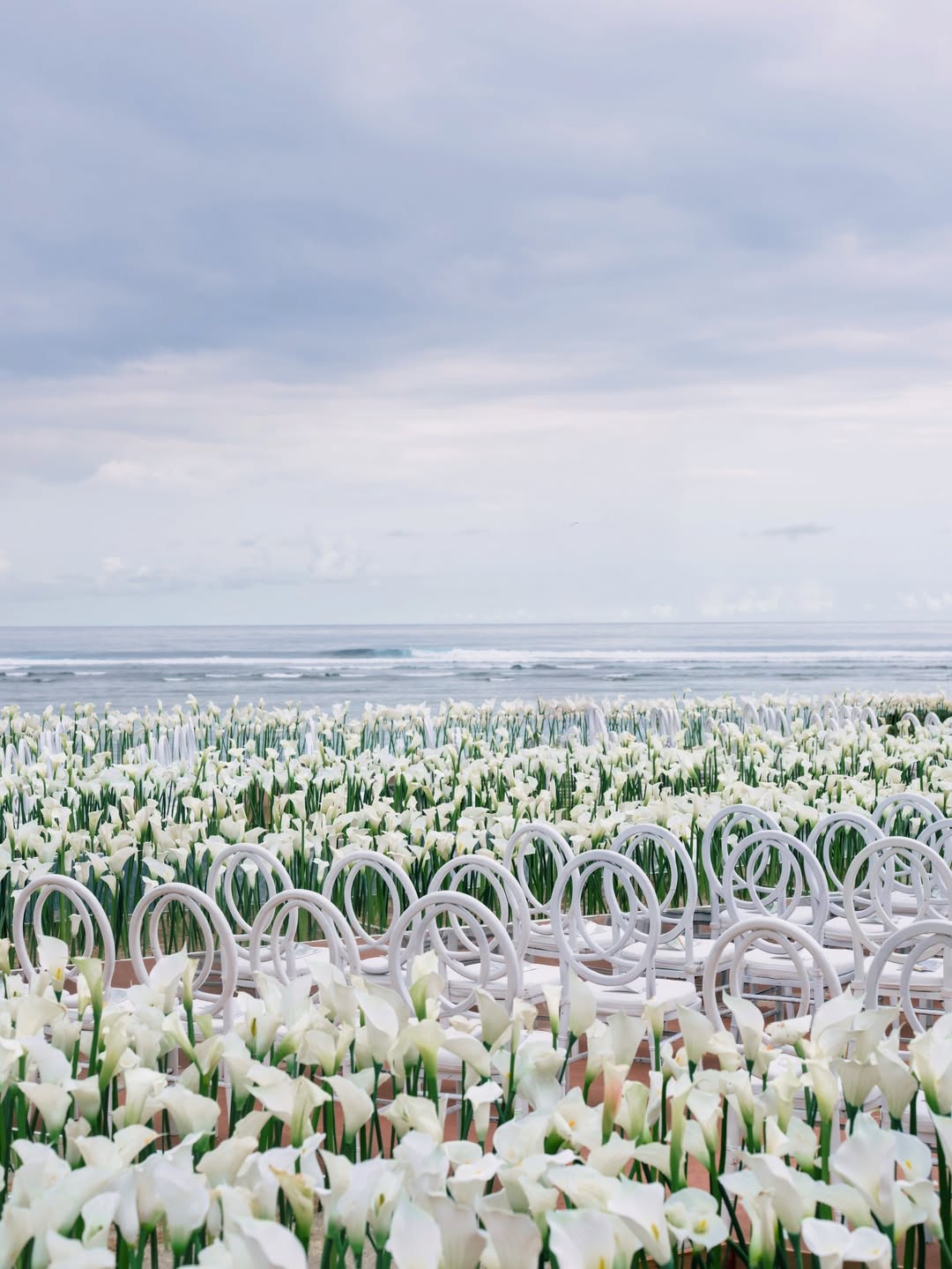
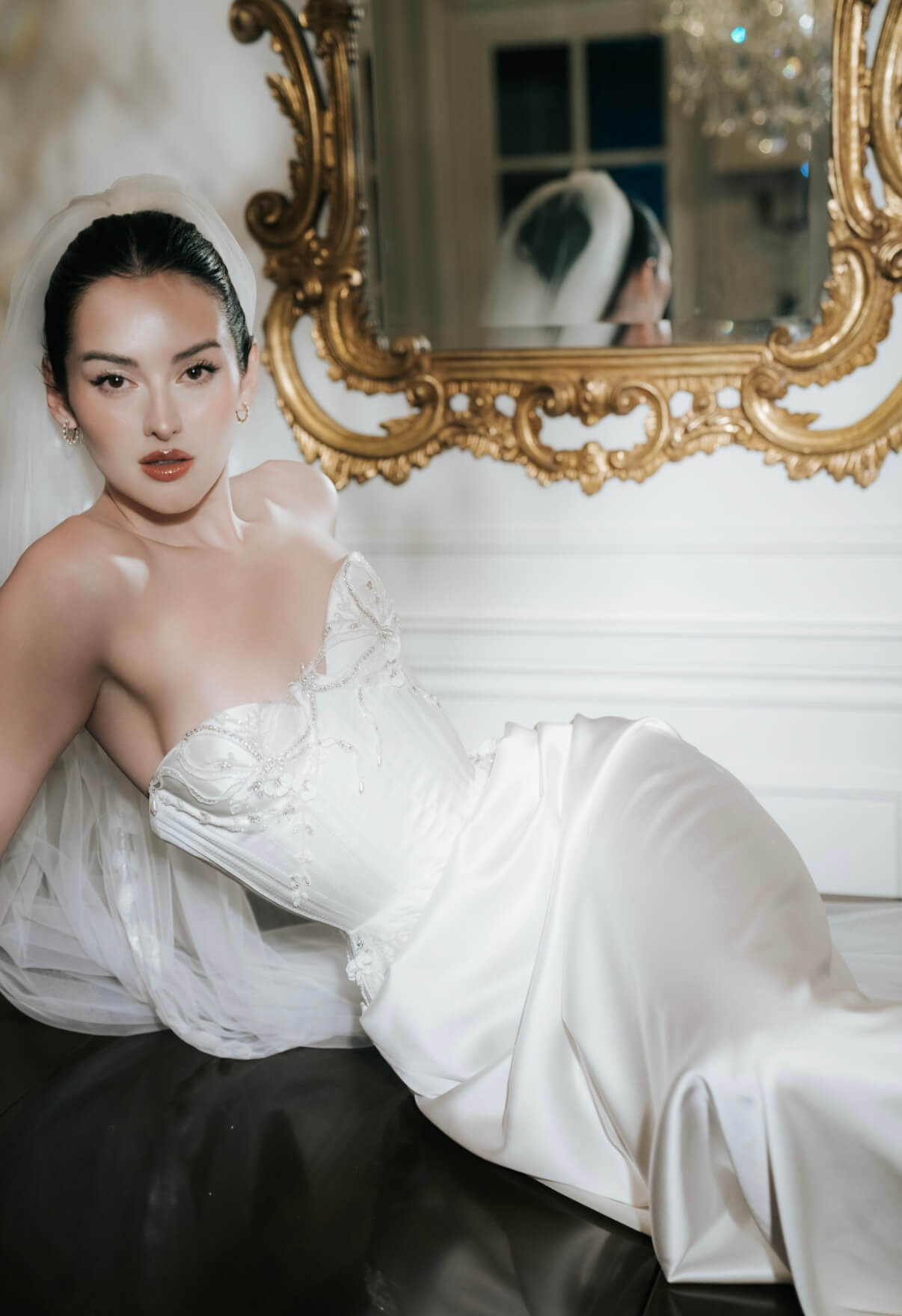
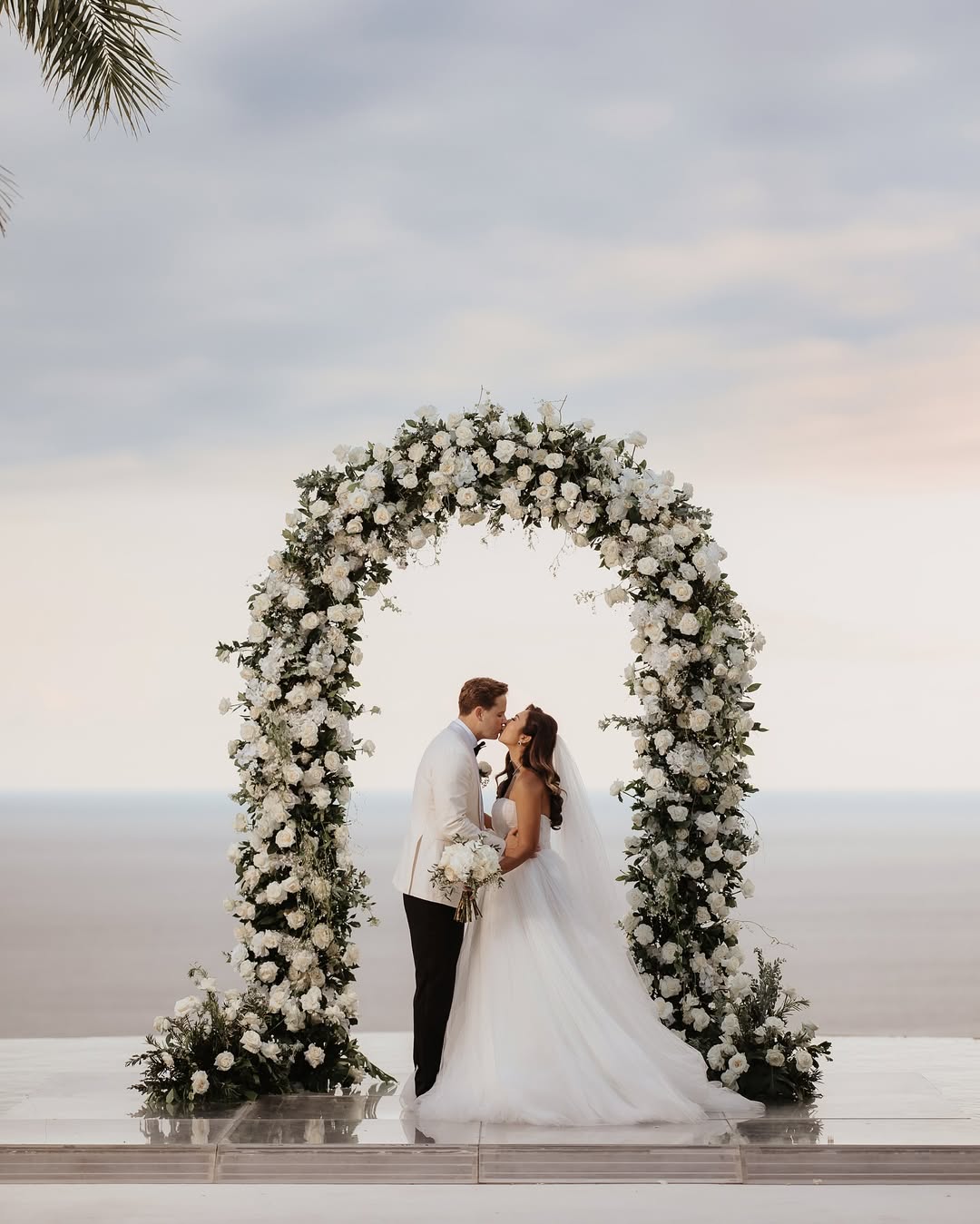
The Gili wedding style is relaxed but still elegant. Imagine textured neutral linens like gauze runners and raw-silk napkins, simple wooden furniture instead of formal chairs, and Edison-bulb lighting instead of chandeliers. The idea is to create elegance through simplicity, with thoughtful details that don’t feel too traditional. This style works with the natural setting, making the beach stand out. Boho and organic tropical styles use color, texture, and natural materials—like macramé backdrops, pampas grass, low seating with floor cushions and rugs, and lots of greenery instead of flowers. This look feels layered and personal, as if you’ve collected special pieces, creating a warm, welcoming atmosphere for daytime ceremonies and relaxed receptions. A minimalist white beach wedding is different, with white and cream tones, clean lines, and very few extras—the arch, chairs, tablecloths, and flowers are all white, with just a bit of greenery, while the beach and ocean add color. This style takes confidence because every detail stands out, but when done well, it’s beautiful and lets the natural setting shine. Editorial and fashion-inspired weddings are styled like a photo shoot, focusing on how everything looks in pictures. You might see bold colors, sculptural flowers, unique table settings, dramatic lighting, and striking outfits. Couples who choose this style often work with planners and designers who know how to create magazine-worthy looks, carefully selecting every detail for its visual impact rather than following traditional rules.
Floral Design & Decor for Gili Weddings
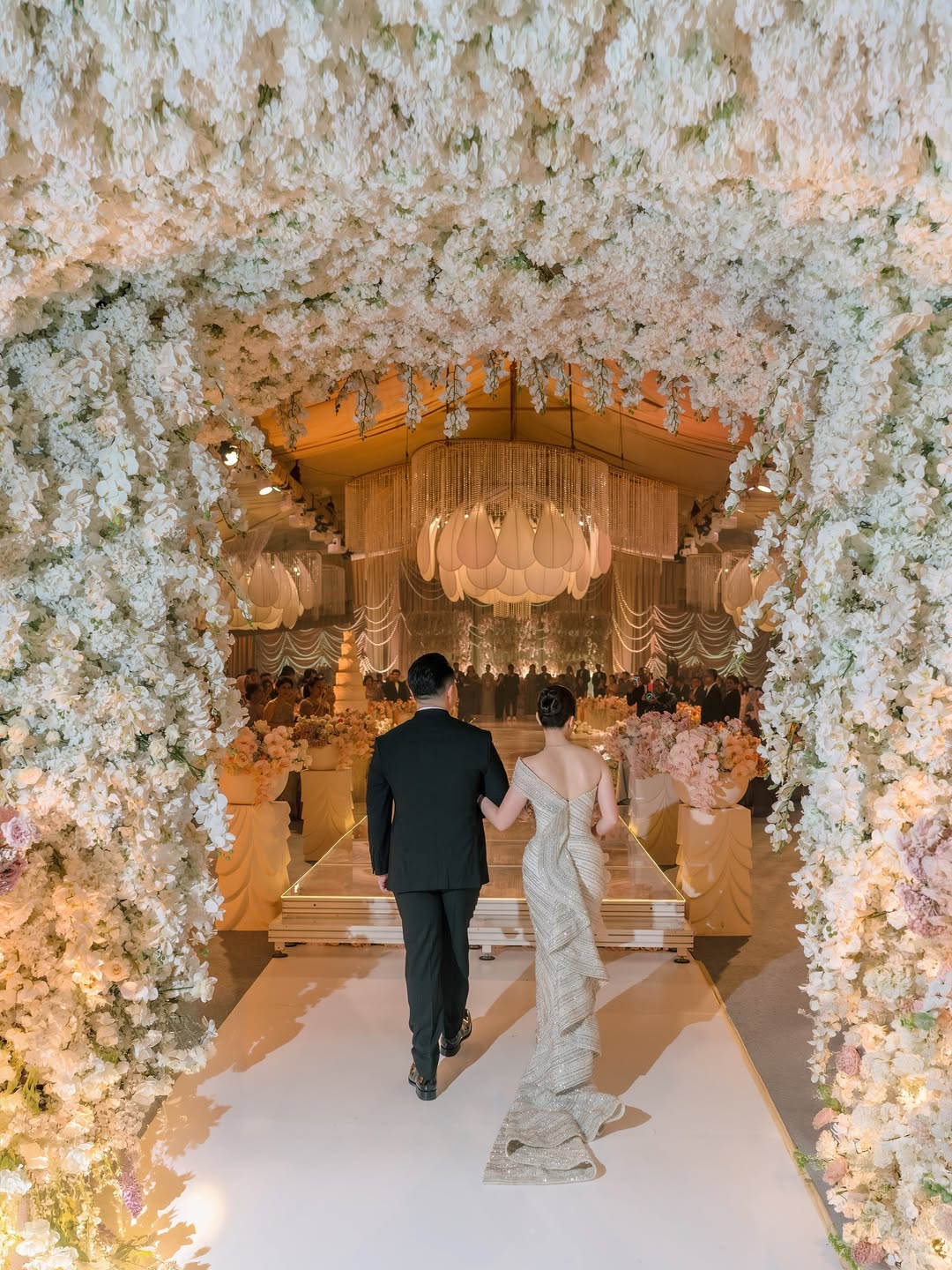
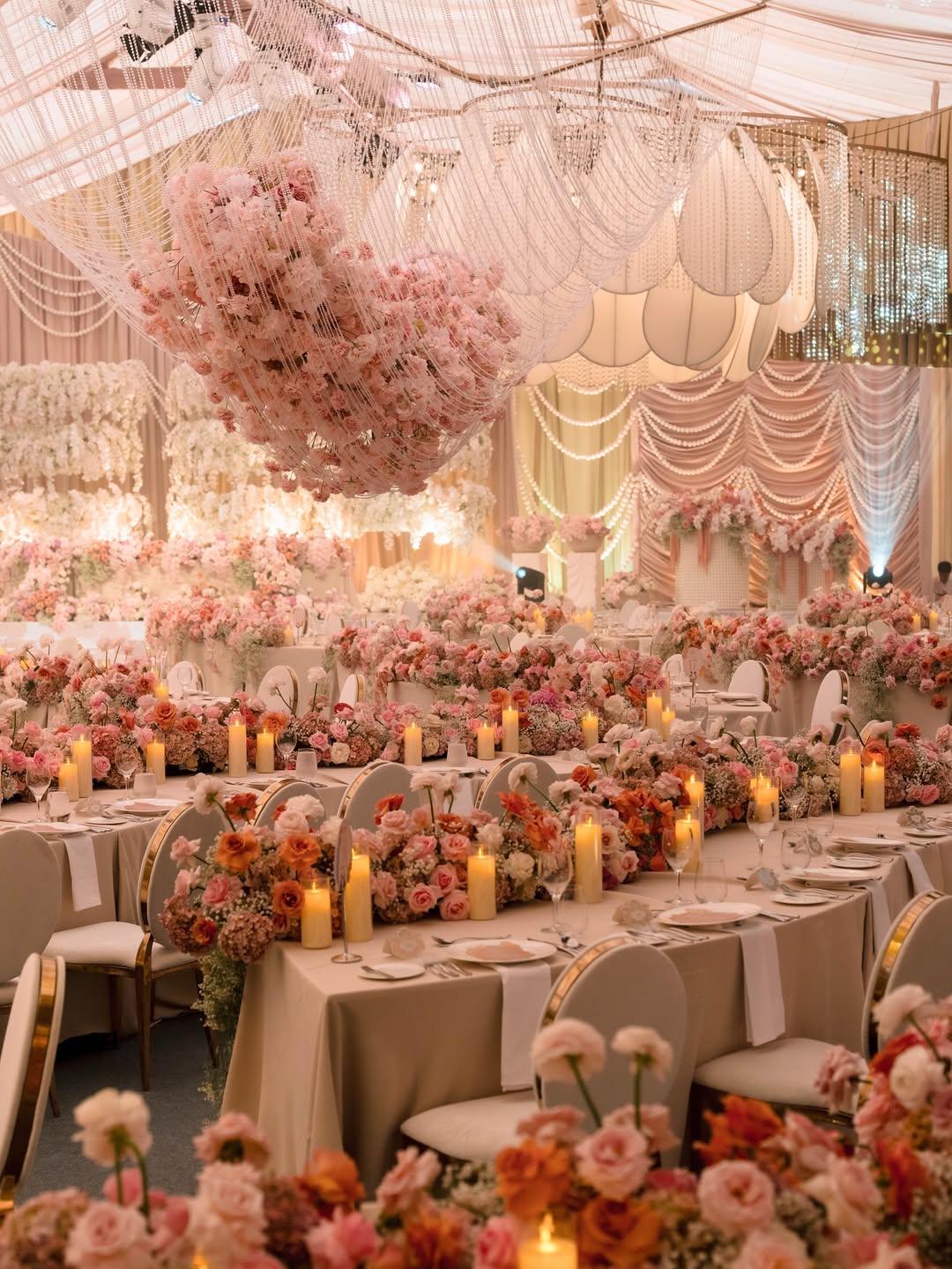
If you’re planning a wedding in Gili, one of the first choices you’ll face is whether to use local tropical flowers or bring in imported ones. Local flowers like frangipani, hibiscus, orchids, and birds of paradise are usually more affordable, stay fresh longer, and fit perfectly with the island setting. They also give your photos a strong tropical vibe, which you may love or want to balance. Imported flowers such as roses, peonies, and ranunculus often come from Bali or Java and tend to cost more because they need careful shipping and storage. Many couples choose a mix, using local greenery and structure with a few imported blooms for accents. There’s also a growing interest in sustainable options. You might use potted plants and palms instead of cut flowers, or reuse ceremony flowers for your reception tables. Choosing more greenery and fewer flowers is another way to be eco-friendly. Renting decorations instead of buying them can help, too. Some planners even work with local hotels and venues to donate flowers or compost them after the event. Since the islands have limited waste facilities, it’s important to think ahead about flowers and decorations. When setting up your ceremony, arches, aisles, and tables, keep in mind that beaches are often windy. Light structures can tip over and loose petals may blow away. Heavier bases, low arrangements, and securely fixed fabrics work better than tall or delicate displays. Some couples skip the traditional aisle and have guests gather on the beach, or create simple paths with petals or fabric runners held down at the corners.
Gili Island Wedding Photography & Videography
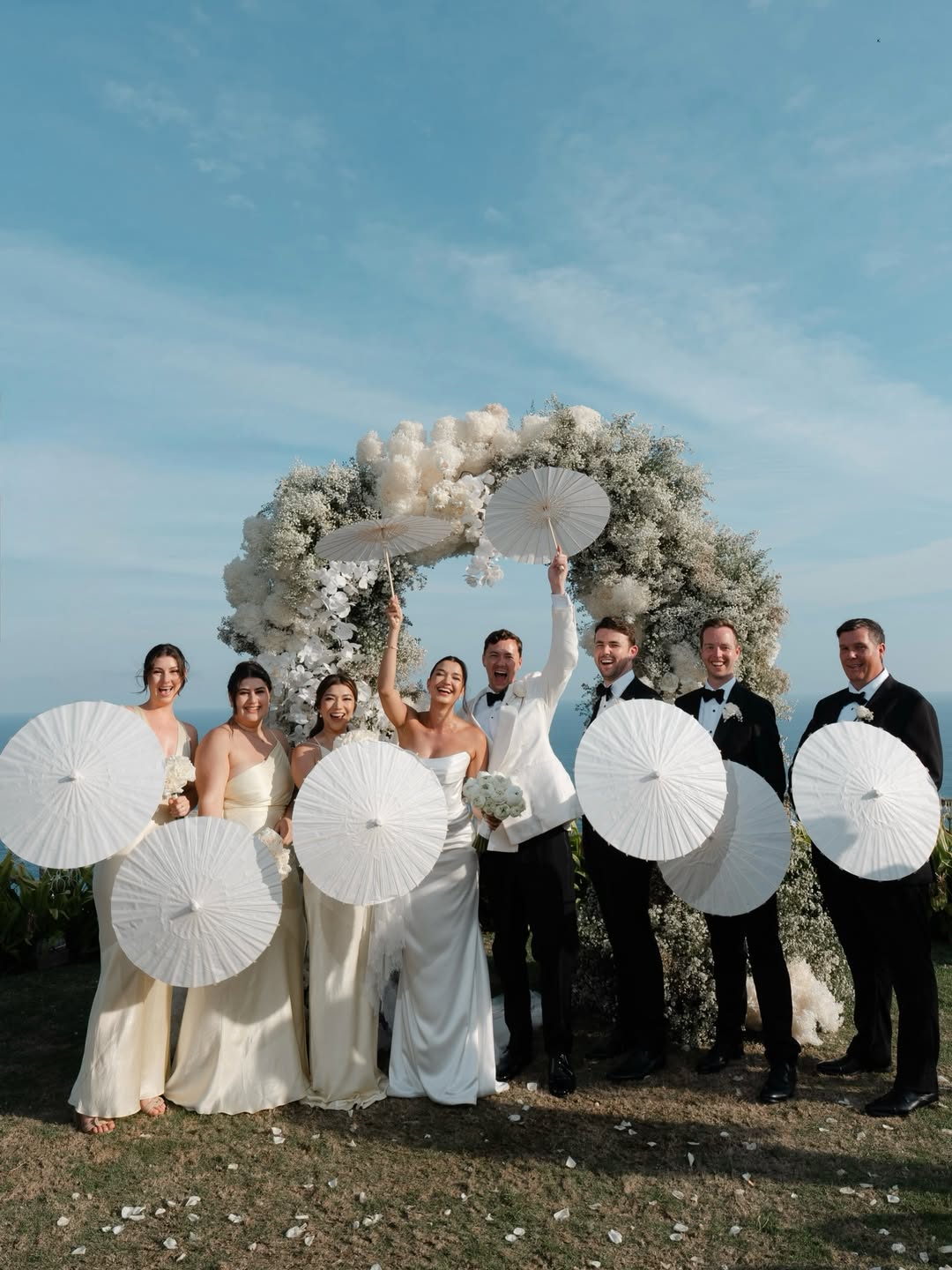
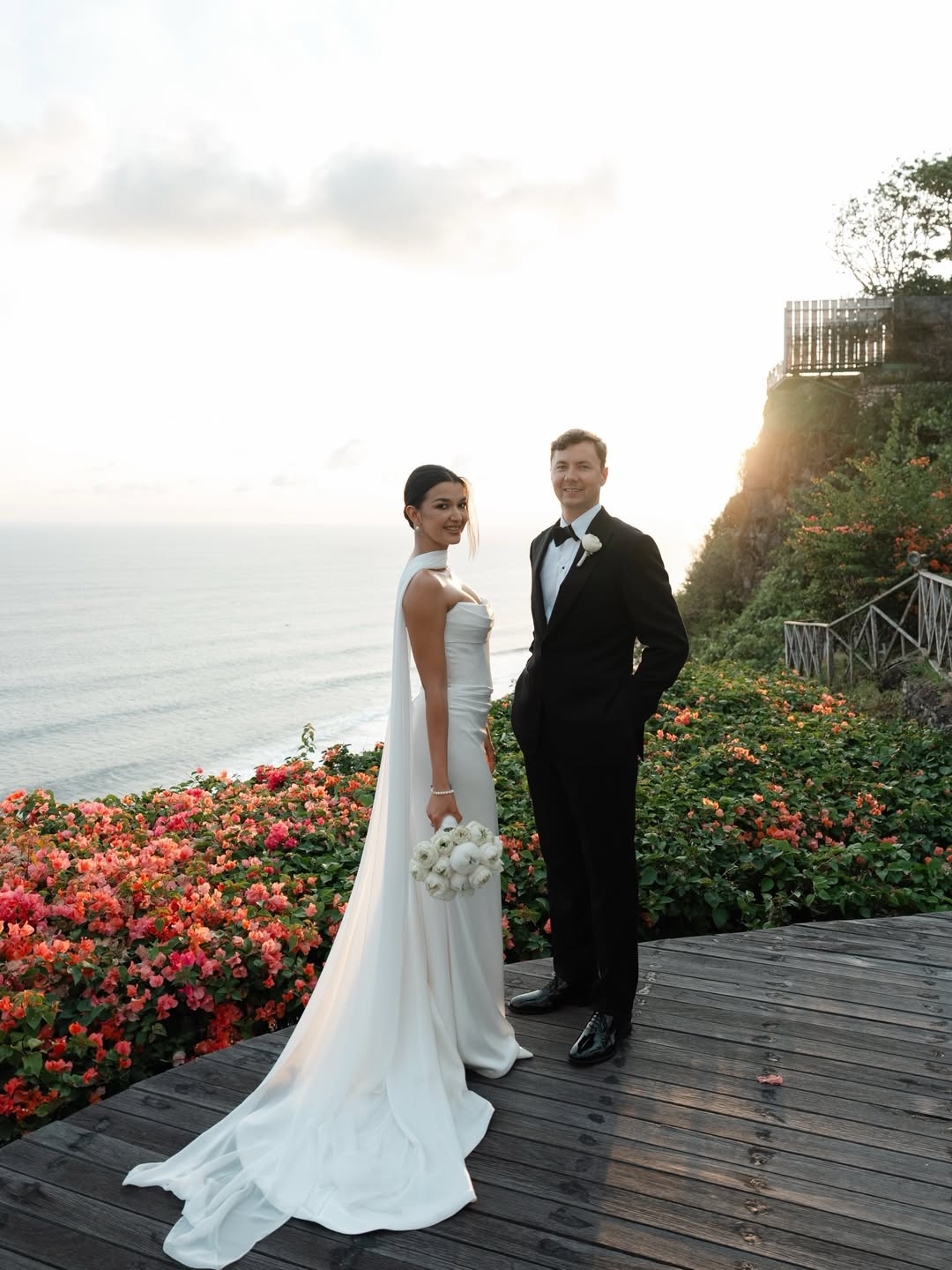
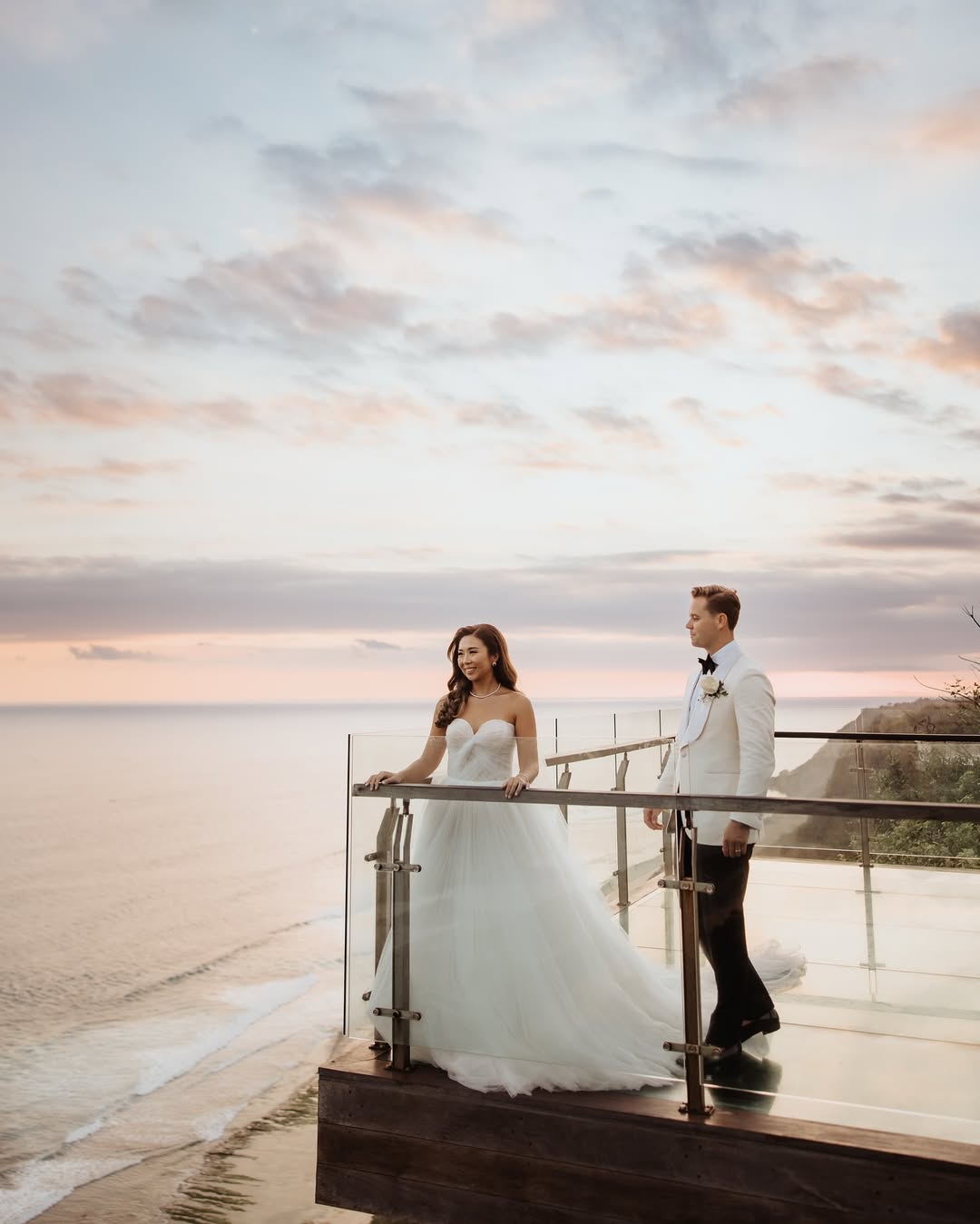
The best time for wedding photos in the Gili Islands depends on the light. The golden hour, usually from about 4:30 to 6:30 pm, offers a warm, soft glow that makes everything look beautiful. Skin looks radiant, the water sparkles, and shadows are gentle. If you hold your ceremony during this time, your photos will have ideal lighting, but you might miss the best portrait light if you focus only on the ceremony. Many couples choose to have a 'first look' or portrait session in the late afternoon, then hold the ceremony at sunset. This way, the ceremony itself has dimmer, but more dramatic, lighting.
Choosing between film and digital photography is a big decision here. The film gives the Gilis a dreamy, soft, romantic look, with grain that adds texture, but you get fewer photos and less flexibility. Digital lets you take more pictures, edit easily, handle low light better (which is important for evening receptions), and see your photos right away. Many photographers offer both film for special moments and portraits, and digital for full coverage and backup. The difference in look is real but subtle. What matters most is the photographer’s skill and whether their style matches your vision.
Drone photography can completely change your Gili Islands wedding photos by showing the big picture: small figures on white sand, turquoise water, the island’s curve, boats nearby, and sunsets filling the frame. Not every island allows drones everywhere, so check the rules with your planner. Some places don’t allow them at all. If you can use a drone, even just 5-10 minutes of footage can give you stunning, cinematic images that regular photos can’t match.
An editorial storytelling approach treats your wedding as a visual story, not just a list of moments to capture. Photographers who use this style focus on composition, lighting, and emotion rather than ensuring every guest is in the photos. You’ll get fewer pictures overall, but each one will have greater artistic impact—these are the kinds of photos you might see in magazines, telling a story through images and focusing on beauty and feeling rather than covering every detail. This style is a great fit for small Gili weddings where the couple trusts the photographer’s vision and values creativity.
Wedding Attire for a Gili Island Wedding
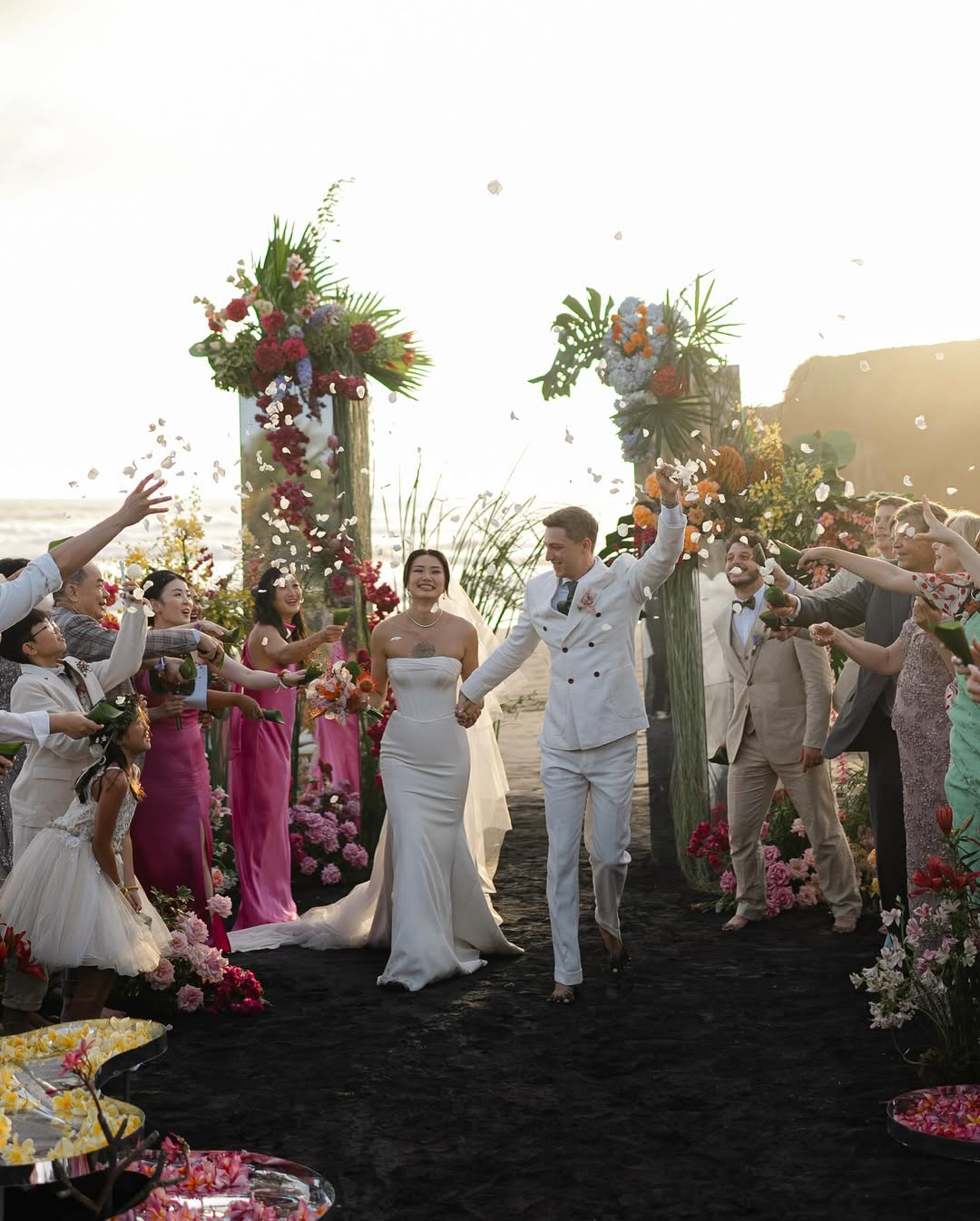
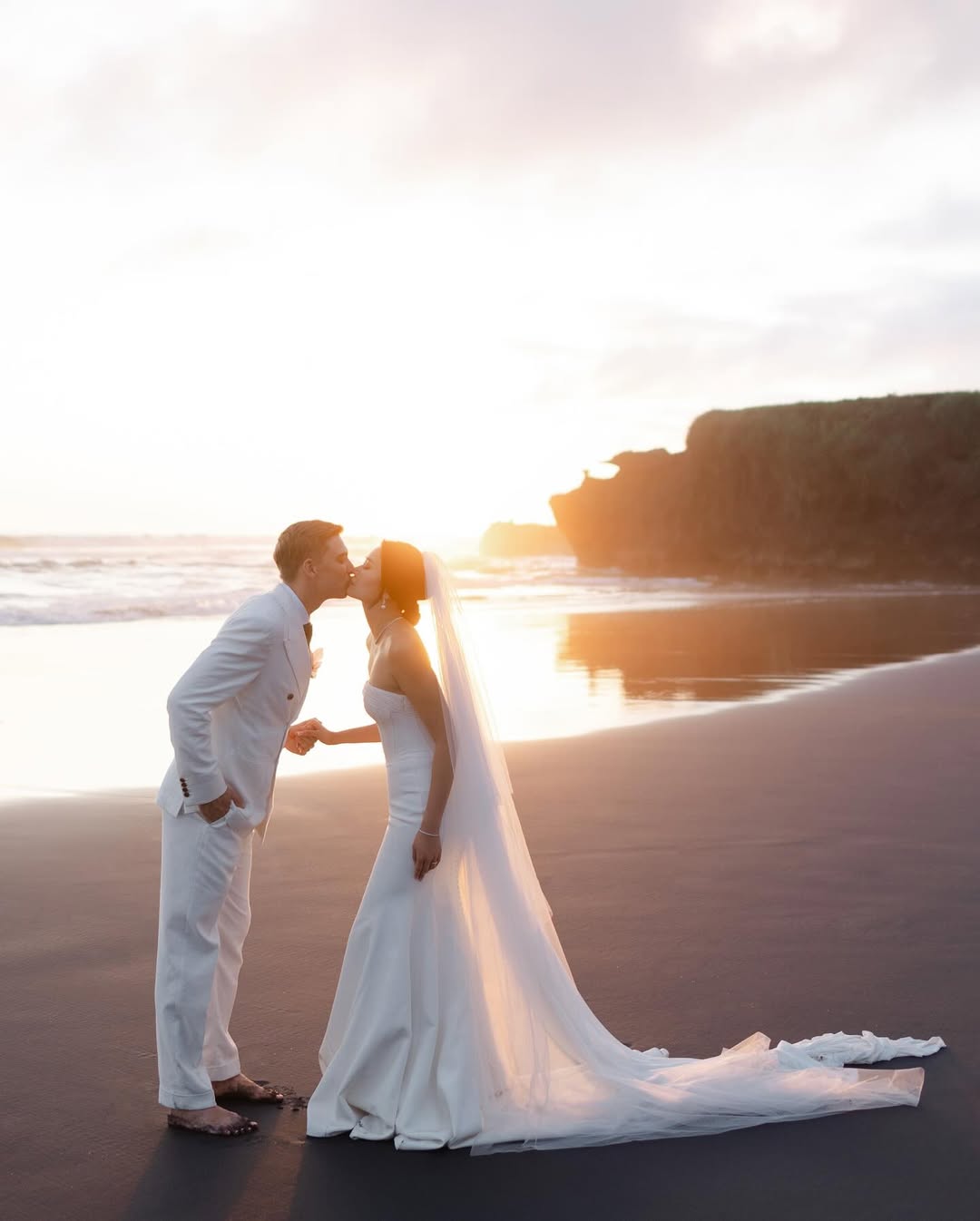
When choosing a wedding dress for a hot country, think about looking good and staying comfortable on the beach. Heavy fabrics, tight corsets, long trains, and lots of layers can be uncomfortable in 30°C heat and humidity. Lighter fabrics like silk chiffon, gauze, organza, and light crepe move well in the breeze and help keep you cool. Simple dress shapes often look better in photos than busy patterns, which can be too much in bright light. Delicate beadwork or embroidery can add interest without making the dress heavy. Many brides pick shorter dresses or high-low hems to keep sand off their outfits. Some bring a special dress for the ceremony and a lighter one for the reception. Getting married barefoot is common in the Gilis, but the sand can get very hot and might burn your feet. Most brides wear sandals or light shoes while walking, go barefoot for the ceremony, and then switch back to sandals for the reception. Flat sandals are a good choice and work anywhere. Loose or half-up hairstyles handle humidity and wind better than fancy updos, which can fall apart quickly. Makeup should be waterproof, humidity-resistant, and look natural in bright light. Heavy makeup can look too harsh in the tropical sun.
When choosing your groom’s outfit, focus on comfort and the weather, but still make sure he looks his best. Linen suits in natural colors like tan, light blue, soft grey, or white look sharp and help keep him cool. Many grooms skip jackets and just wear trousers with a dress shirt or a guayabera-style shirt. Gili weddings are relaxed but still stylish, so groomsmen often wear rolled-up trousers and go barefoot. Avoid formal suits unless your event is in the evening and indoors with air conditioning. Even then, tropical-weight fabrics are much more comfortable.
Be sure to clearly explain the dress code to your guests as well. No matter what you call it—like "tropical elegant," "barefoot chic," or "island formal"—the goal is to help everyone dress up while still being comfortable on the beach. Women usually wear flowing dresses in light fabrics and bright colors, while men often wear linen or lightweight trousers with button-down shirts; ties aren’t needed. Remind guests about the sand and heat, and suggest flat or wedge shoes instead of stilettos. Also, let them know to bring layers in case it gets cooler in the evening. The more guidance you give, the more comfortable your guests will feel, and your photos will look more organized.
Food, Drinks & Catering for a Gili Wedding
Local seafood is a highlight of the menu, with dishes like grilled fish, prawns, calamari, lobster, tuna poke, and ceviche served fresh and in season, thanks to caterers who work directly with fishermen. These menus match the setting, look appealing on rustic platters or banana leaves, and often cost less than imported meats. It's important to check what your guests can eat, since many people have shellfish allergies. Always provide an alternative protein and clearly label any dishes with shellfish. For guests who prefer familiar flavors or want more variety, there are plenty of Western and fusion options. Skilled Gili caterers can make everything from Italian pasta and grilled steaks to Asian fusion dishes, but quality can vary between vendors. Having an experienced planner helps ensure everything goes smoothly. Buffet service works well for relaxed receptions, plated dinners suit formal events, and family-style platters create a friendly, social atmosphere.
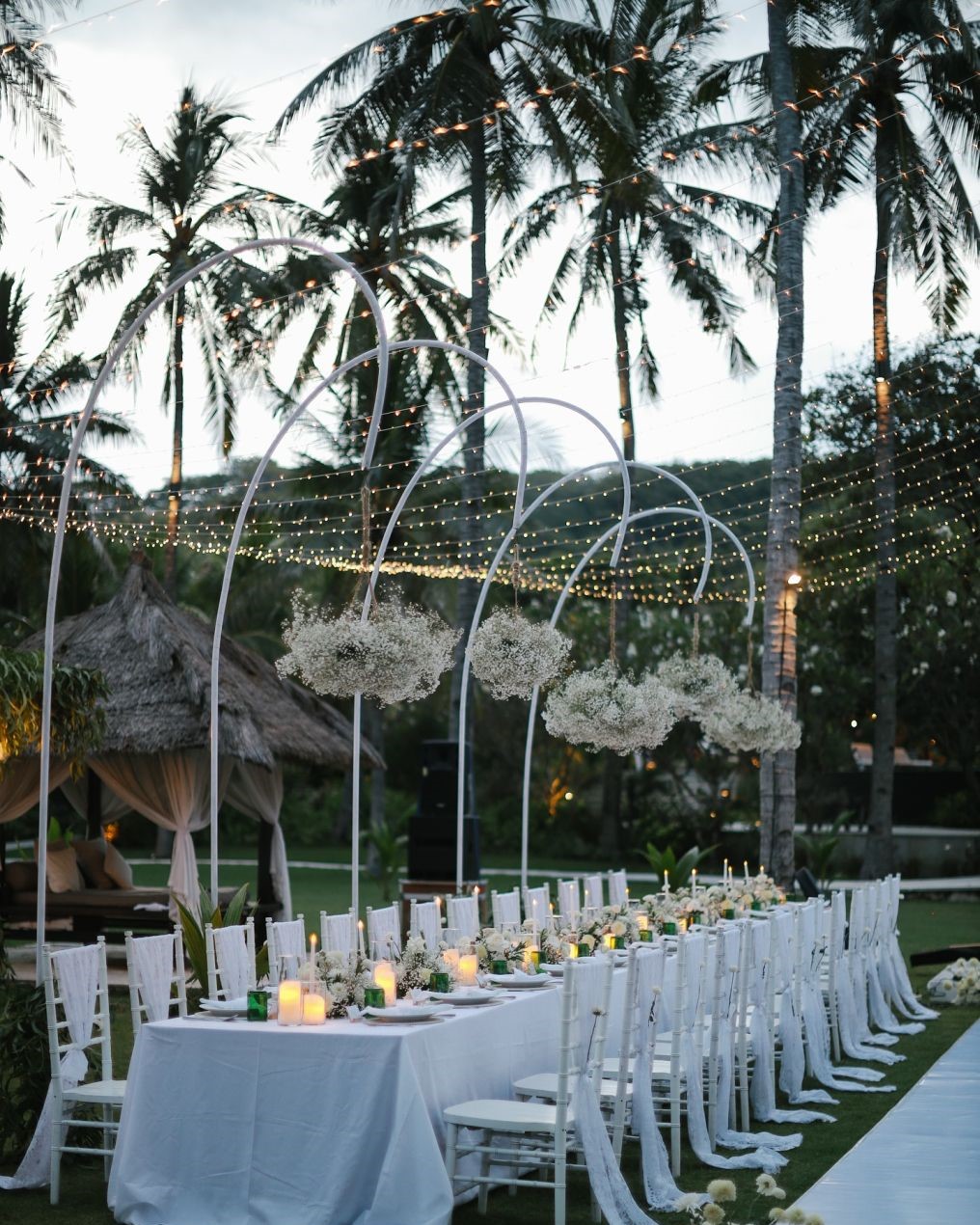
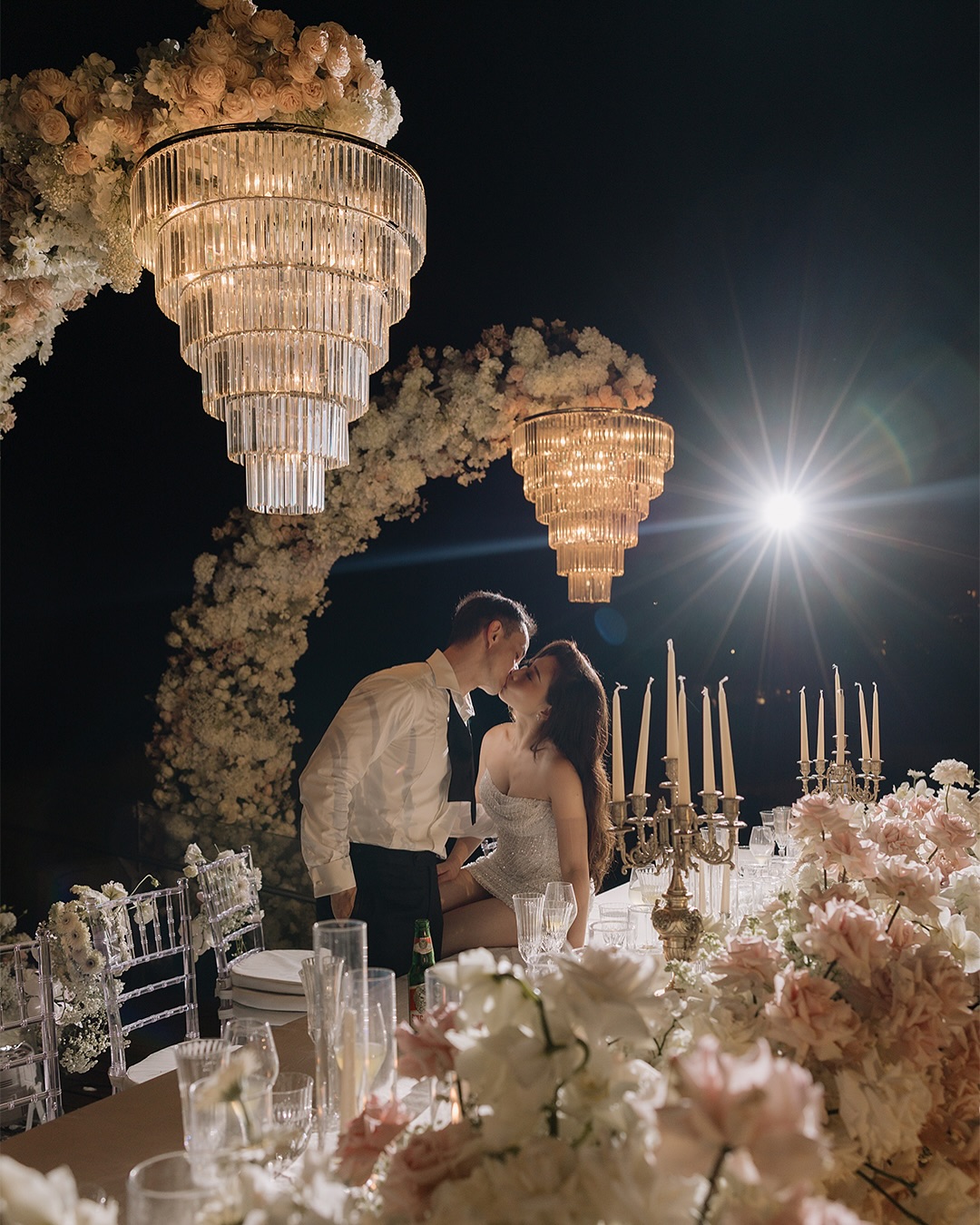
Beach dinners and candlelit setups make these menus even more special, turning the reception into a romantic and intimate space. The venue features long tables with soft candlelight, lanterns on the sand, string lights overhead, and a small bonfire set apart from the tables. This creates a romantic feel that is usually much more expensive to achieve at a traditional venue. The sound of the ocean acts as natural background music, and the sea breeze keeps everyone comfortable. Candlelight adds beauty to the setting and makes photos look stunning. Some practical details are important: use hurricane glass to protect candles from the wind, choose tables with wide, stable bases for the sand, and plan around the tides to keep everything safe and dry.
Entertainment & Experiences
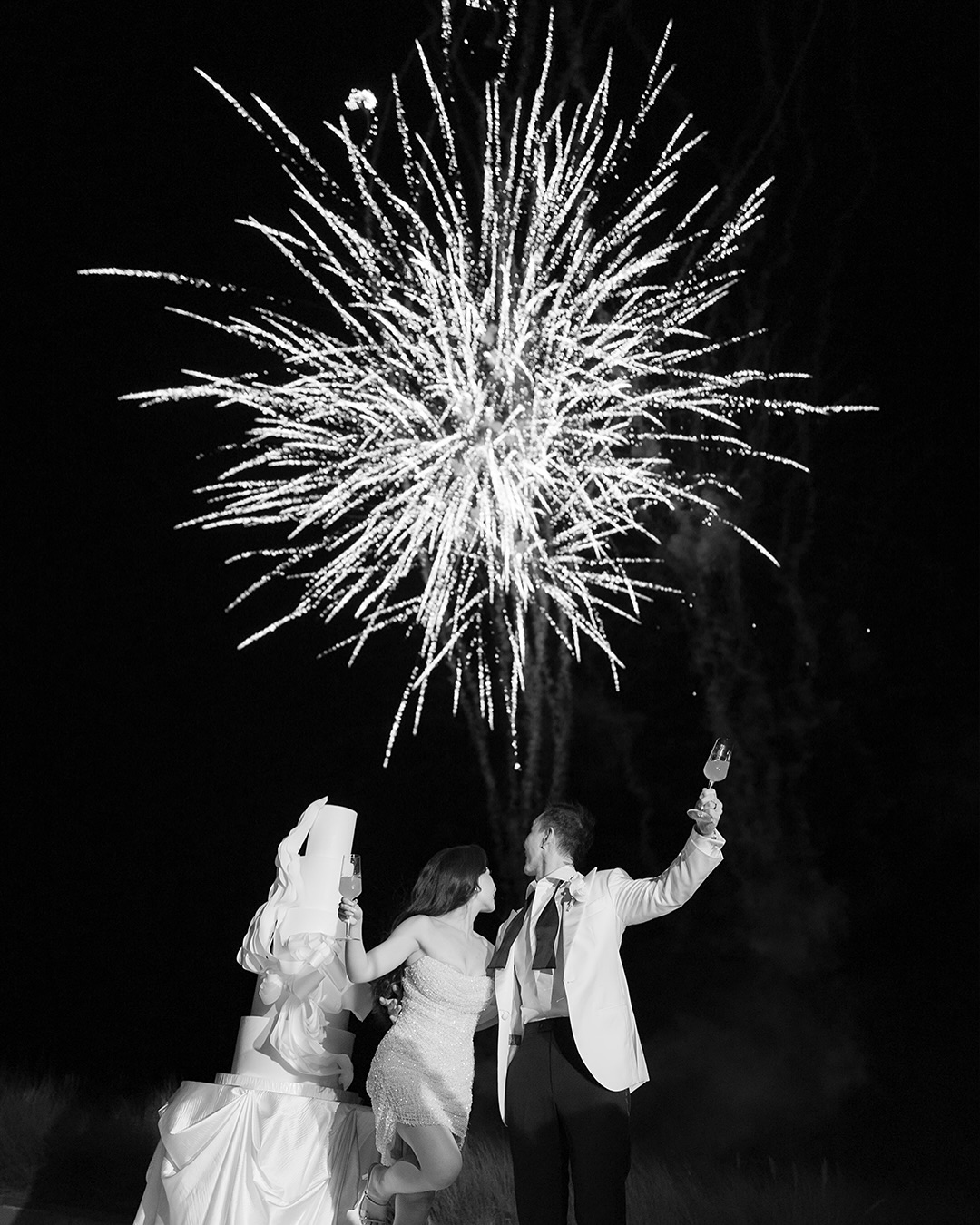
Live acoustic music fits well with the Gili atmosphere. A skilled guitarist and singer, maybe with some light percussion, can create a cozy mood that adds to the setting without making it hard to talk. Many local musicians play at island venues and know how to handle the challenges of beach acoustics and wind, making them a dependable and often affordable choice. Some couples bring in musicians from Bali for special songs or styles, but local talent often impresses and costs much less. You can also include traditional Balinese touches in a thoughtful and respectful way, such as gamelan musicians during welcome drinks, a blessing ceremony with a Balinese priest, or traditional dancers between reception events. These additions honor the Indonesian setting and culture, and it’s important that they feel genuine, not just decorative. That’s why it helps to work with planners who understand cultural sensitivity and have real connections to local practitioners.
As the evening goes on, there are more ways to celebrate, depending on the island and venue. Some places allow beach bonfires with the right permits and by following environmental rules, providing guests with a natural spot to gather late at night. On Gili Trawangan, beach clubs make it easy to move from a formal reception to a lively afterparty. Smaller weddings often wind down naturally, with music from a small speaker, blankets on the sand, spontaneous swims, and conversations under the stars until everyone heads back to their rooms.
Legal & Cultural Considerations
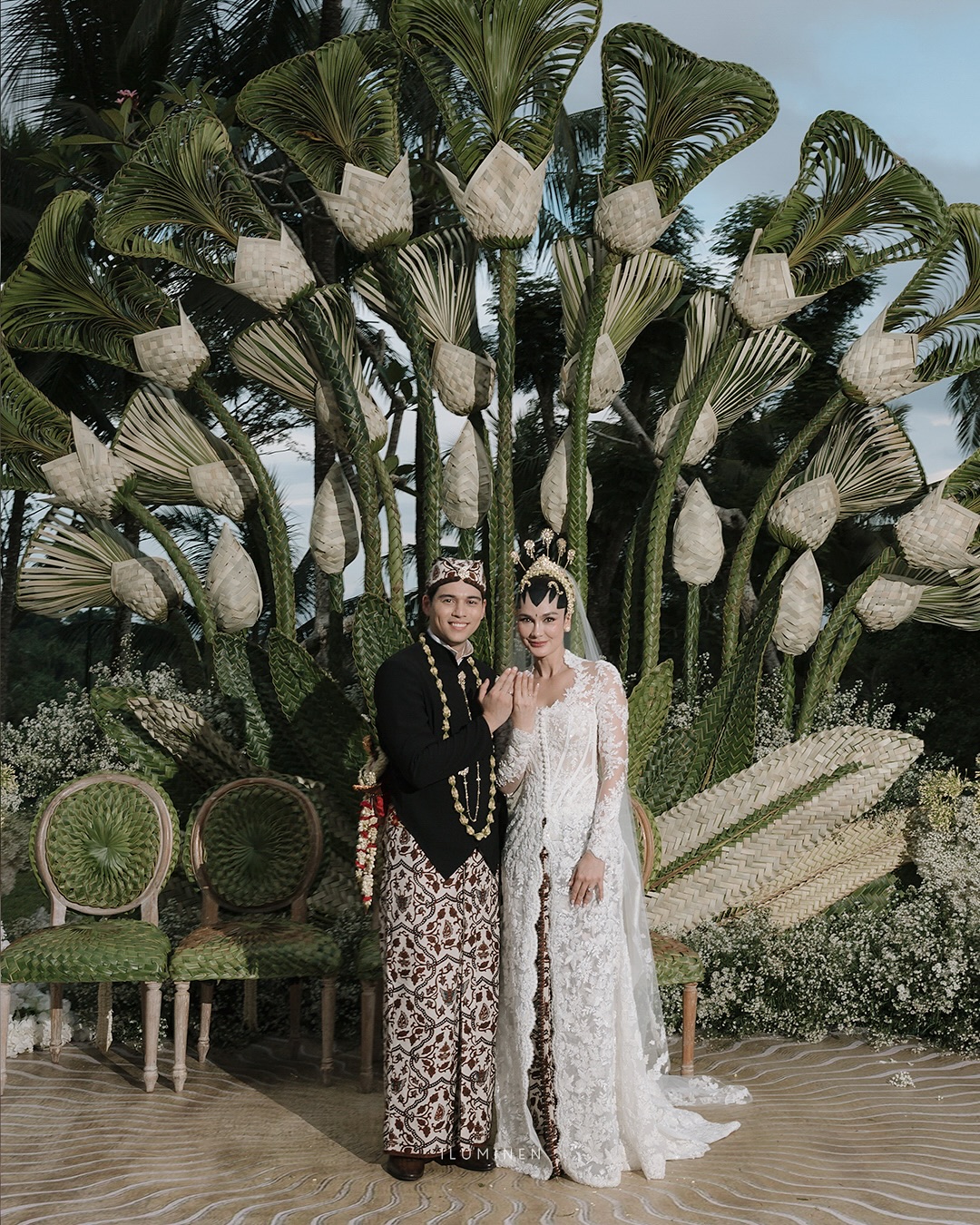
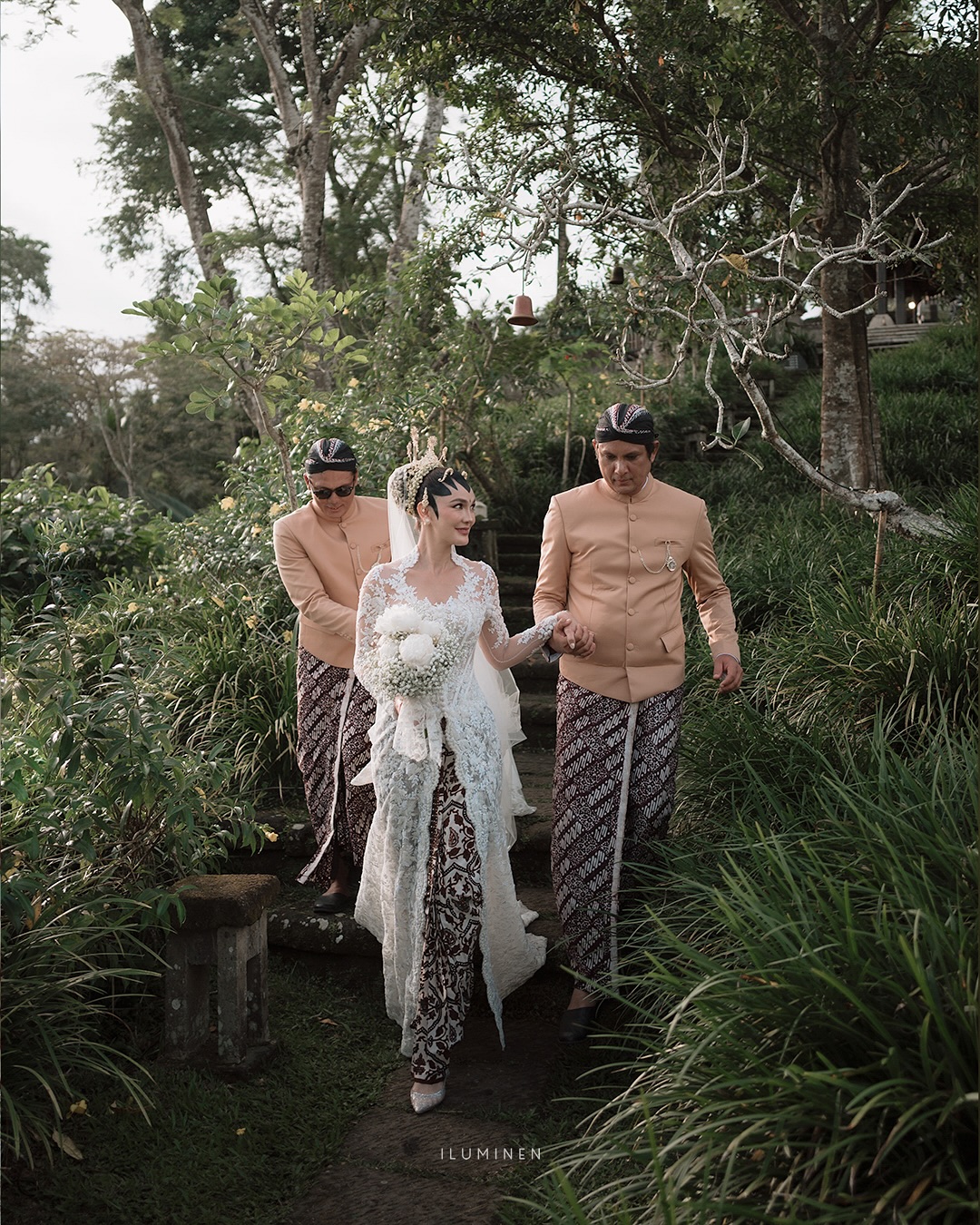
Indonesia’s religious and cultural traditions shape Gili Island weddings in important ways. The country recognizes only marriages performed within Islam, Christianity, Hinduism, Buddhism, or Confucianism, so civil ceremonies without a religious element are not legally valid. Because of this, most international couples have symbolic ceremonies on the islands and handle the legal paperwork in their home country or elsewhere. For most, this is not a problem, but knowing it early helps set the right expectations. Indonesians enjoy celebrating weddings and are usually welcoming and supportive, though they may expect certain traditions that do not apply to foreign couples. While Islam is the main religion in Indonesia, the Gili Islands also have Hindu and Christian communities, and the international presence creates a relaxed, open atmosphere. Still, it is best to keep public displays of affection modest. Hand-holding is fine, but too much kissing should be avoided. Alcohol is available, but not everywhere. Dressing respectfully outside the beach or pool, like covering shoulders and knees in villages or cultural spaces, is a simple way to show respect.
Local etiquette is also important for a good experience. Cidomo horses work hard in the heat, so carts should not be overloaded. Staff may not speak much English, but they are usually kind and helpful. Being patient and friendly makes a big difference. Tipping is not a traditional part of Indonesian culture, but in tourist areas it is now common. A tip of 10–15% is considered fair for good service. Most of all, couples should remember they are guests and approach their celebration with humility. Treating locals, vendors, and staff with real respect helps create a smoother, warmer experience and leaves a good impression of international couples in the Gili Islands.

Common Mistakes When Planning a Gili Island Wedding
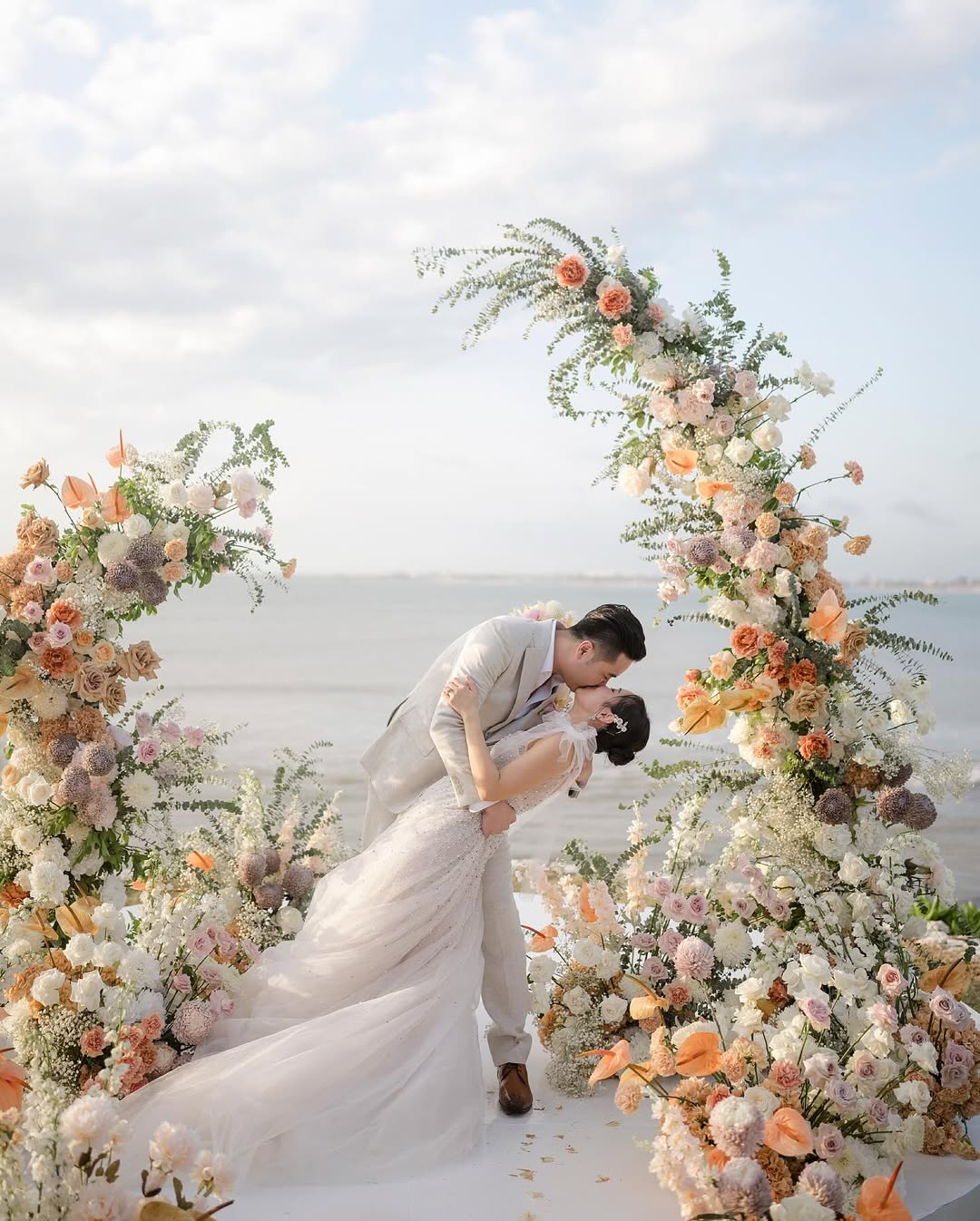
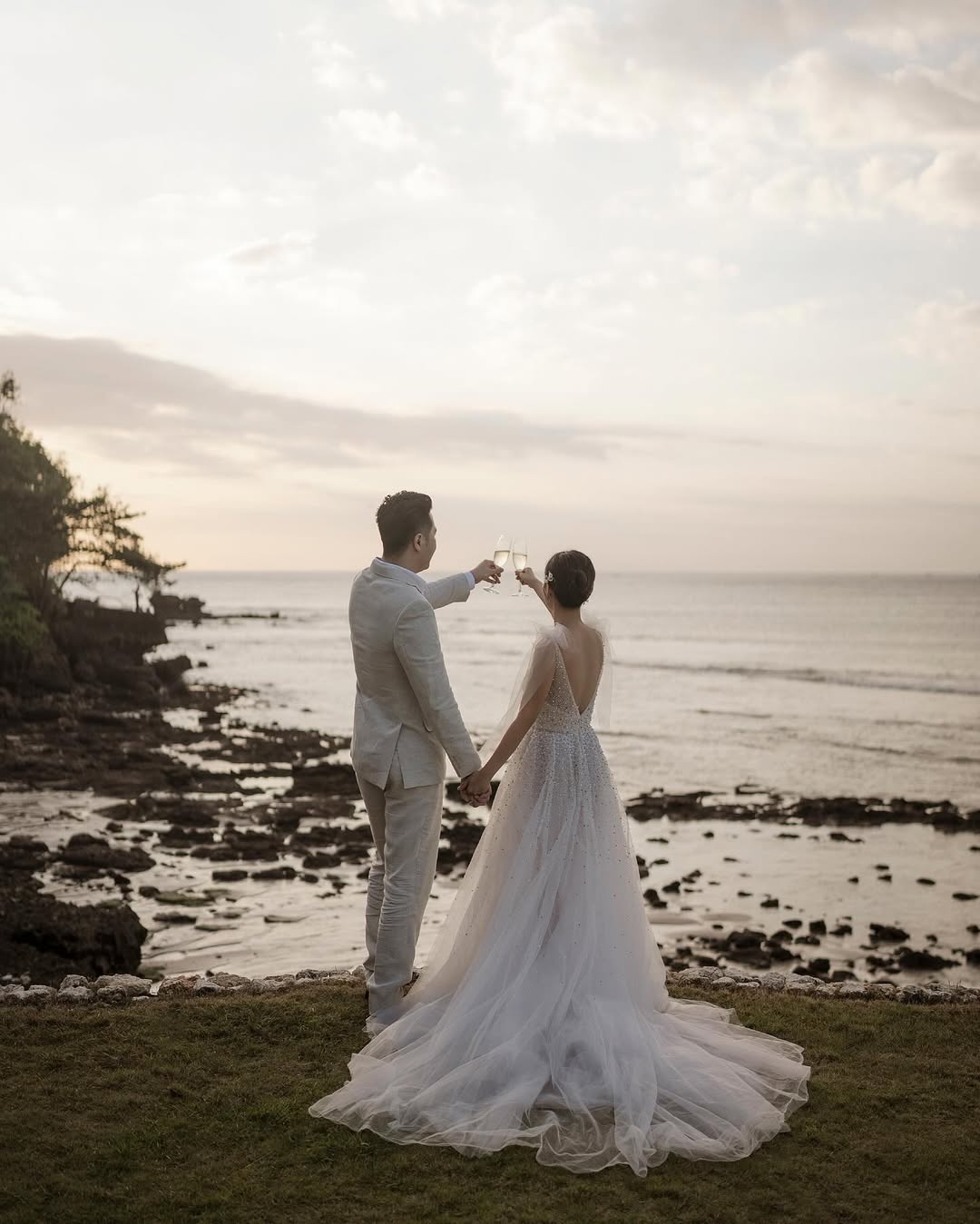
A common mistake is assuming the infrastructure is more advanced than it is. Many people see beautiful photos and think every place looks like that. In reality, vendor options are limited, especially on Air and Meno. The internet can be unreliable, power may go out, and services might not always be as prompt or consistent as in the West. This isn’t a criticism, just a reminder that you’ll be working with developing infrastructure. It helps to stay flexible, patient, and keep your expectations realistic.
Logistics can be tricky if you don’t realize how hard it is to get people and supplies to small islands. Bad weather can stop boats, guests might miss connections, and vendors can be delayed. If you allow extra time in your plans, have a backup option, and stay calm when things don’t go as expected, you can keep small issues from becoming big ones. The couples who enjoy their Gili Islands weddings most are those who stay flexible and trust their planner to handle any problems.
Choosing the wrong island for your celebration can lead to frustration. If you want a stylish party with a cocktail bar, Meno may not be the best fit. If you prefer peace and quiet, the lively beach clubs on Trawangan might not suit you. If you have elderly relatives who find it hard to get around, the sandy paths and boat rides could be more challenging than you expect. Consider what’s most important to you—like access, privacy, amenities, and atmosphere—and pick the island that matches your needs.
Is a Gili Island Wedding Right for You?
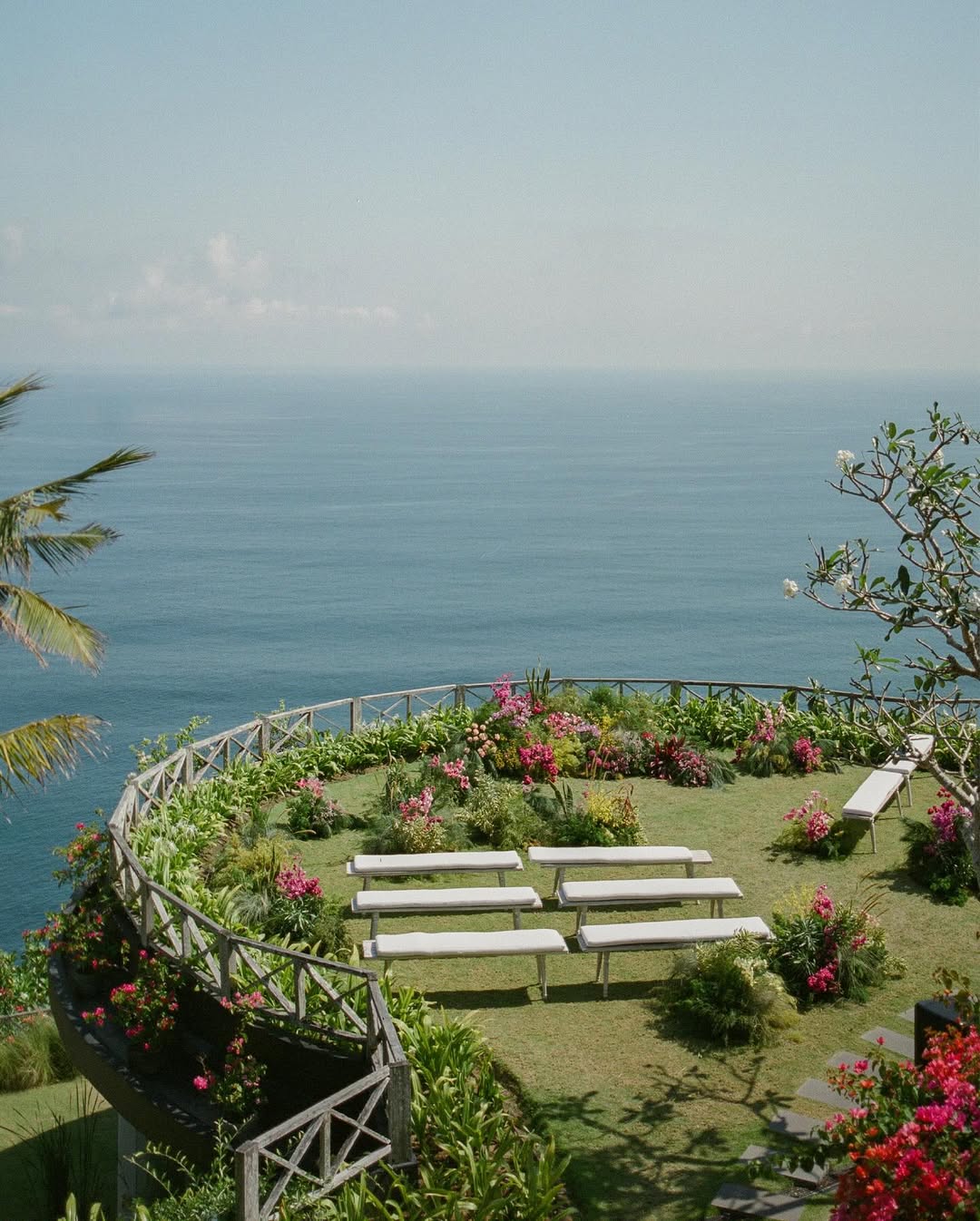
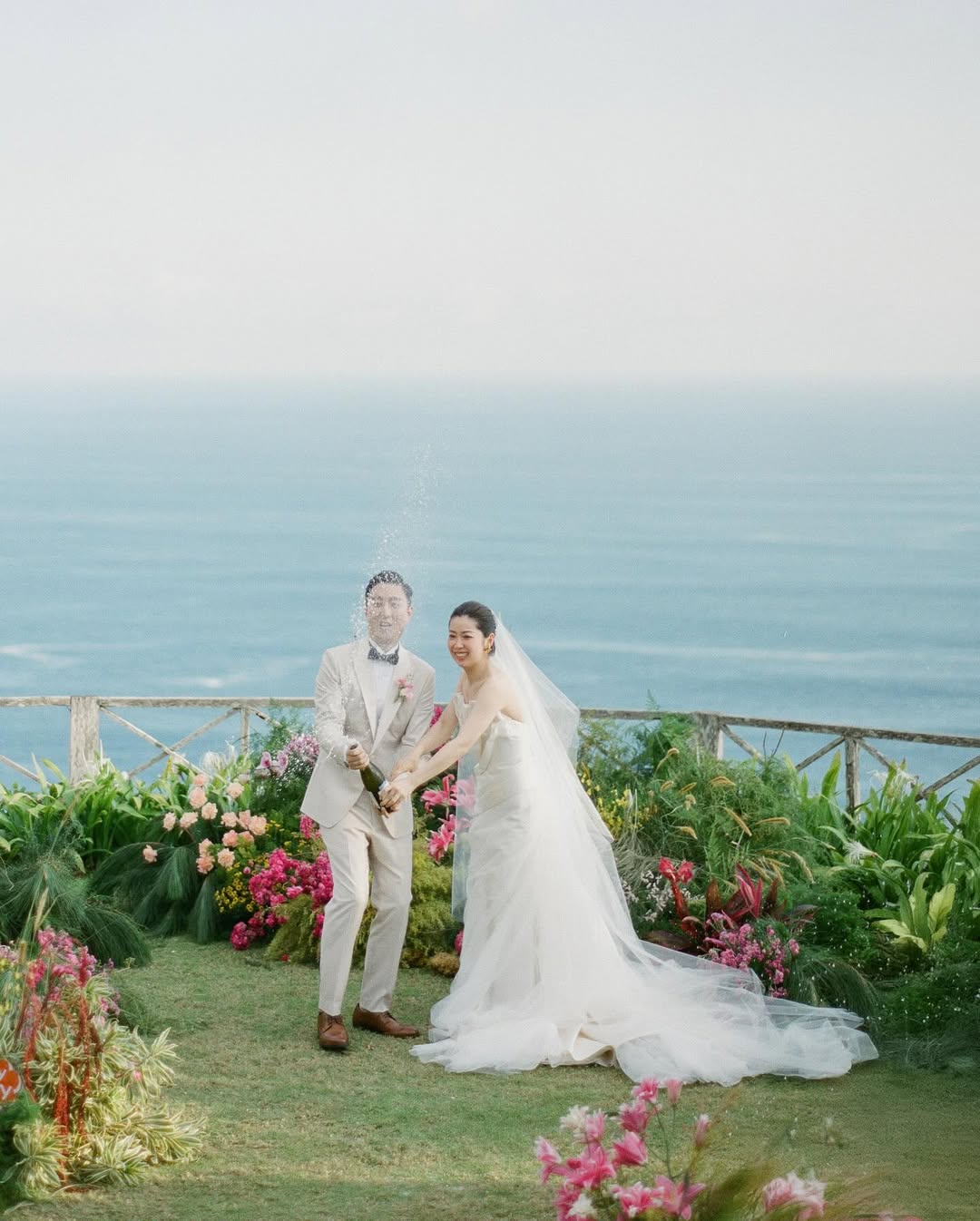
A wedding on Gili Island suits couples who want a celebration that feels personal and unique. It’s ideal for those who value experiences over formality, don’t mind a bit of complexity, and prefer a small gathering instead of a large event. Many couples who pick the Gilis care about beautiful settings and great photography. They’re flexible with plans and look forward to the adventure of a destination wedding, rather than worrying about the travel. If you see these challenges as part of the fun, the Gili Islands could be just right for you.
However, if you want more vendor options, need backup plans, or have guests with mobility concerns, you might want to look at other destinations. The Gilis may not be the best fit if you need perfect weather, prefer meeting vendors in person, or worry about limited infrastructure. Compared to the Gili Islands, Bali offers more shops, better infrastructure, easier access, and plenty of places to explore, but it’s busier and less personal. Lombok has a good mix of beaches and mountains, and its infrastructure is better than the Gili's, though it’s less developed for weddings. The Gili Islands are best for couples who welcome these unique challenges. Most couples choose the Gilis because of what makes them different, not in spite of it.
A Gili Islands wedding is more than just a destination event. It’s a thoughtful way to mark one of life’s most important moments. Here, life moves more slowly, with a focus on simplicity and close connections instead of big crowds. You let go of control and trust the natural beauty—white sand, open skies, and sunsets behind distant volcanoes. Planning takes effort, and there are real trade-offs, but for couples who choose the Gilis on purpose, the reward is special: a celebration so far from daily life that it feels almost timeless. You remember it not just as a wedding, but as a few peaceful days in a place without cars, constant signals, or noise, where your biggest choice is simply when the light feels perfect.