Bride Poses: From Timeless Elegance to Modern Editorial Moments
- Author: Natali Grace Levine
- Reading time: 11 min 14 sec
- Publication date: 04/04/2026
- Updated: 10/16/2026


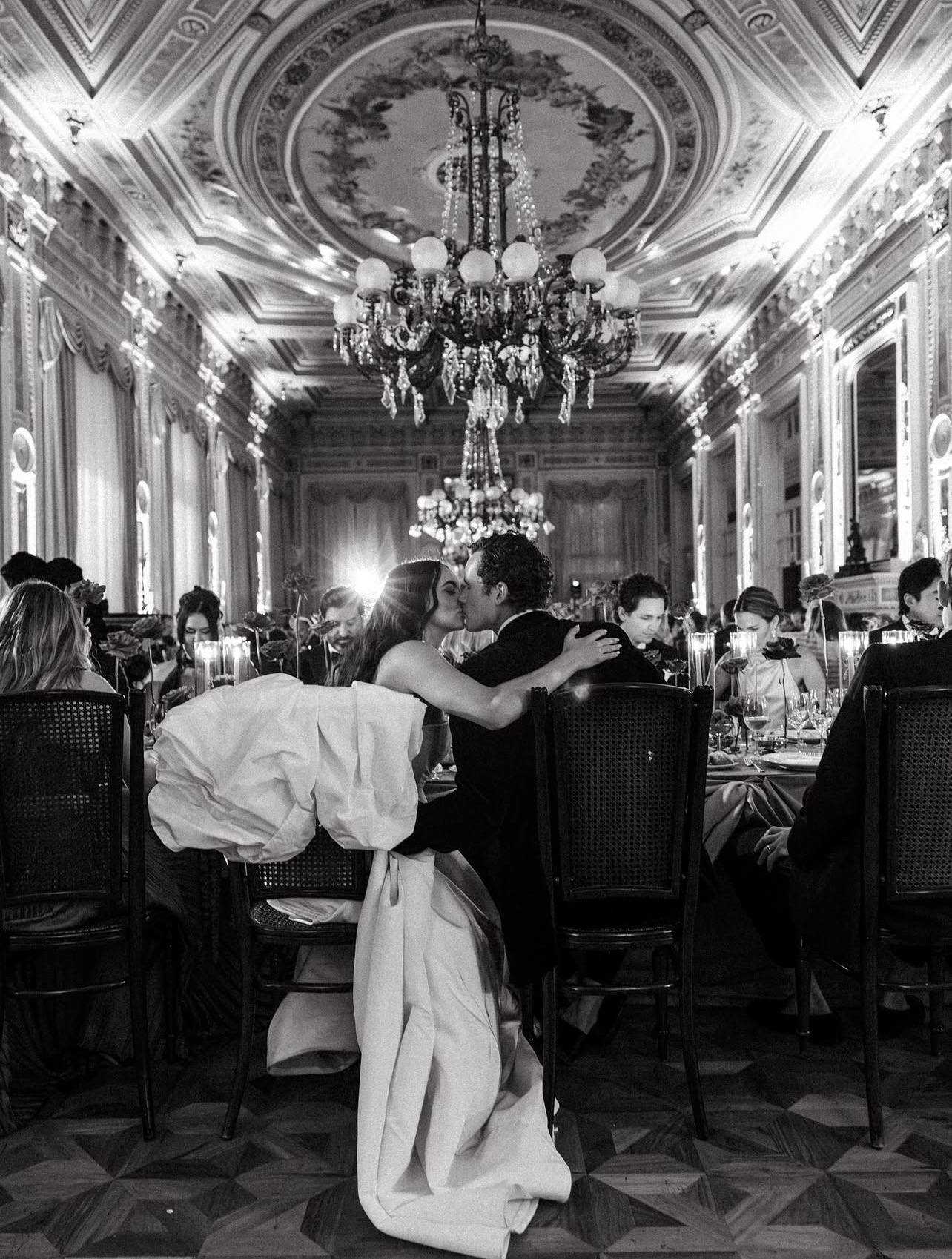
The difference between a snapshot and a portrait lies in positioning within the frame. Bride poses aren't about forcing unnatural positions; they're about knowing which angles flatter, which movements add visual interest, and how minor changes to posture, hand placement, or gaze can make ordinary images ones you'll proudly display. Whether guided by a photographer or planning your own bridal photography, understanding basic pose categories helps you communicate your wishes and recognize what works in previews.
What Transforms a Bridal Photo
| Subtle Adjustment | Visual Impact |
|---|---|
| Turning shoulders slightly | Instantly creates shape |
| Relaxing fingers | Softens the entire composition |
| Lifting chin gently | Defines neckline and jaw |
| Lowering bouquet | Opens posture |
| Allowing movement | Adds life to fabric and frame |
To guide you through your options, consider how the following categories span the full range of wedding poses for bridephotography, from classic standing portraits to editorial, fashion-inspired positions that push boundaries.
Find Your Perfect Wedding Vendors


Best Poses for the Bride's Morning
For your getting-ready photos, focus on poses that capture the anticipation and quiet excitement before you walk down the aisle. These intimate moments deserve poses that feel natural and romantic — soft movements near the window, adjusting your earrings in the mirror, holding the bouquet loosely while lost in thought. This is where bride to be photo poses can feel especially tender and personal.
The Mirror Reflection
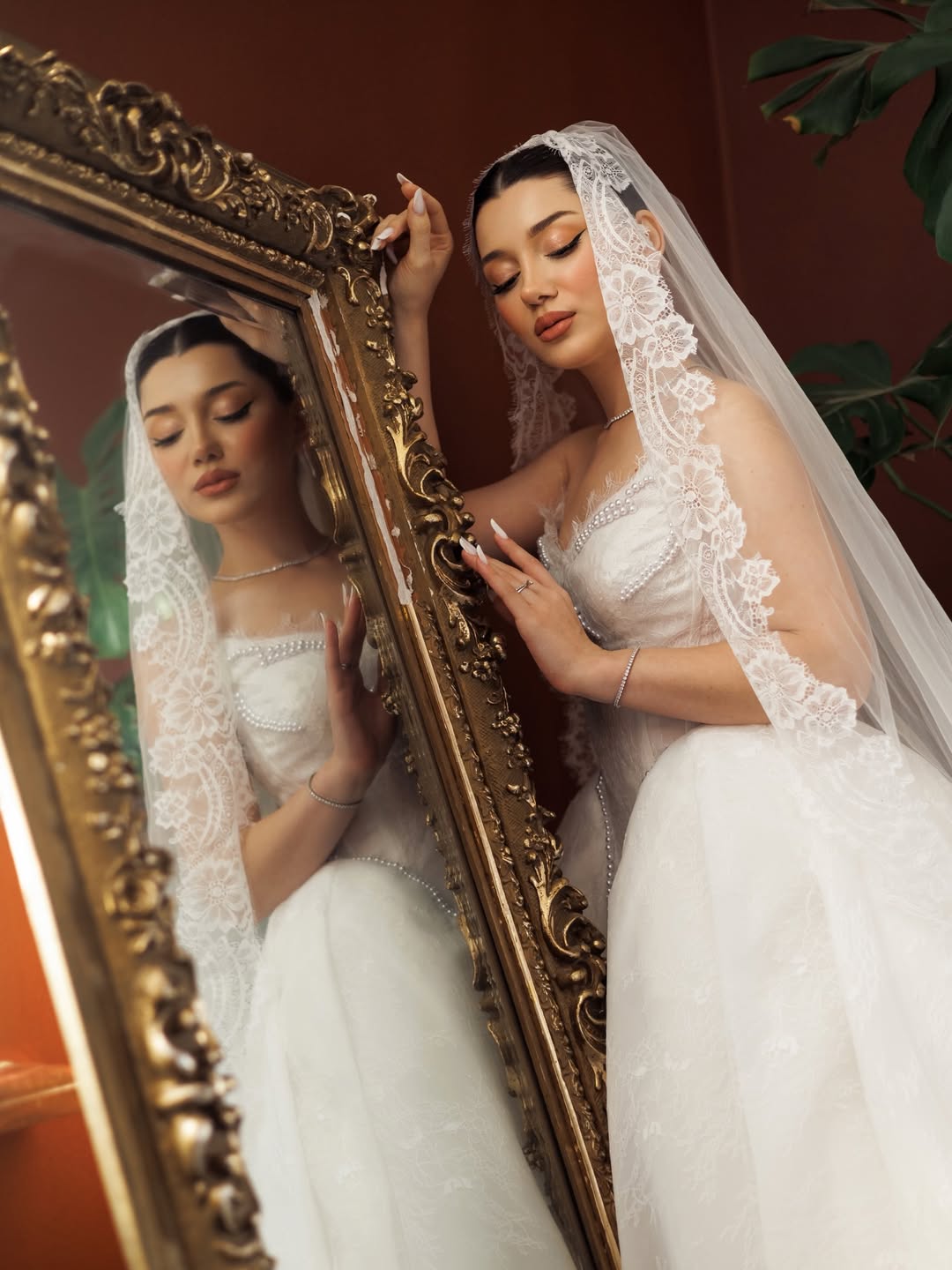
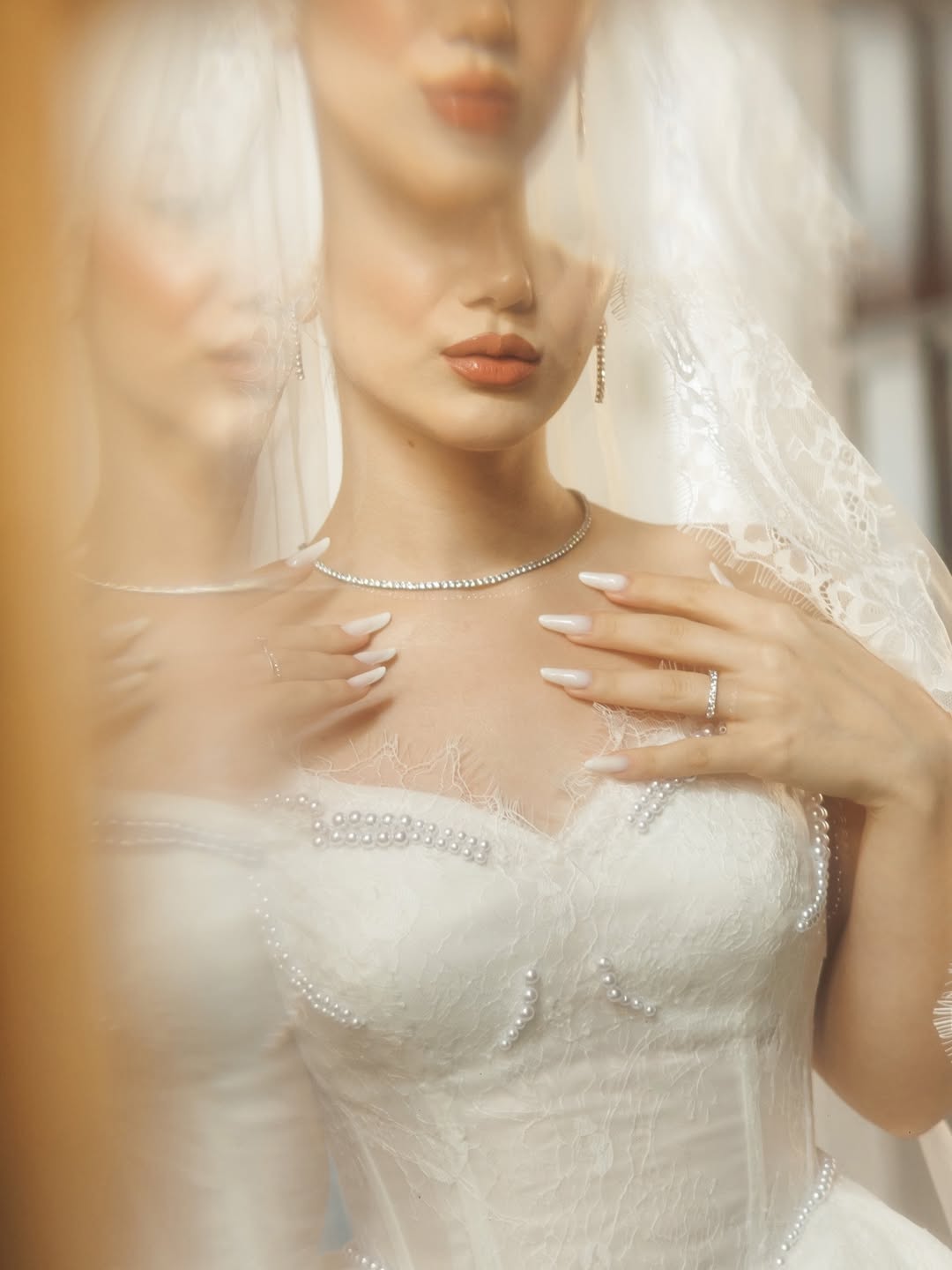
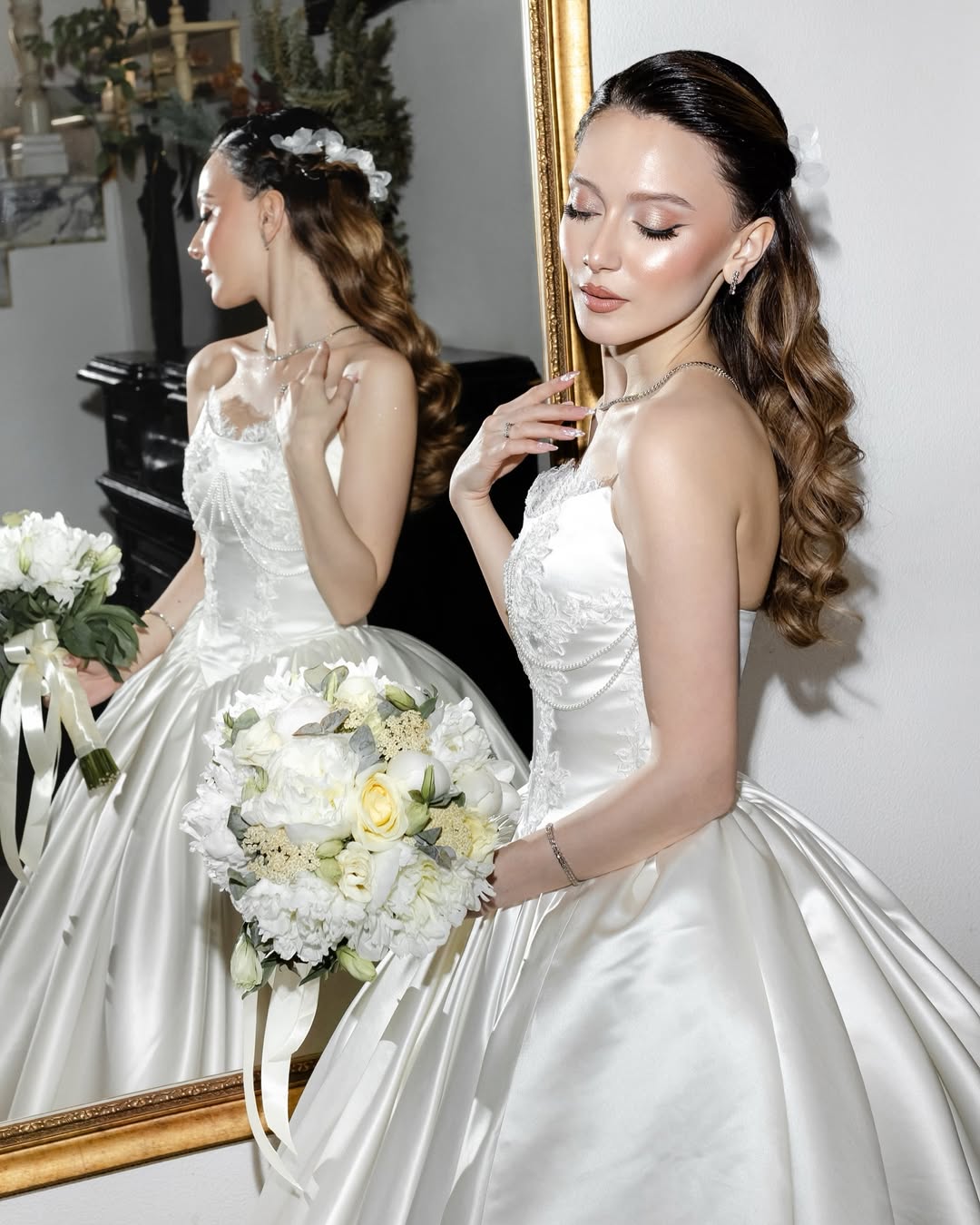
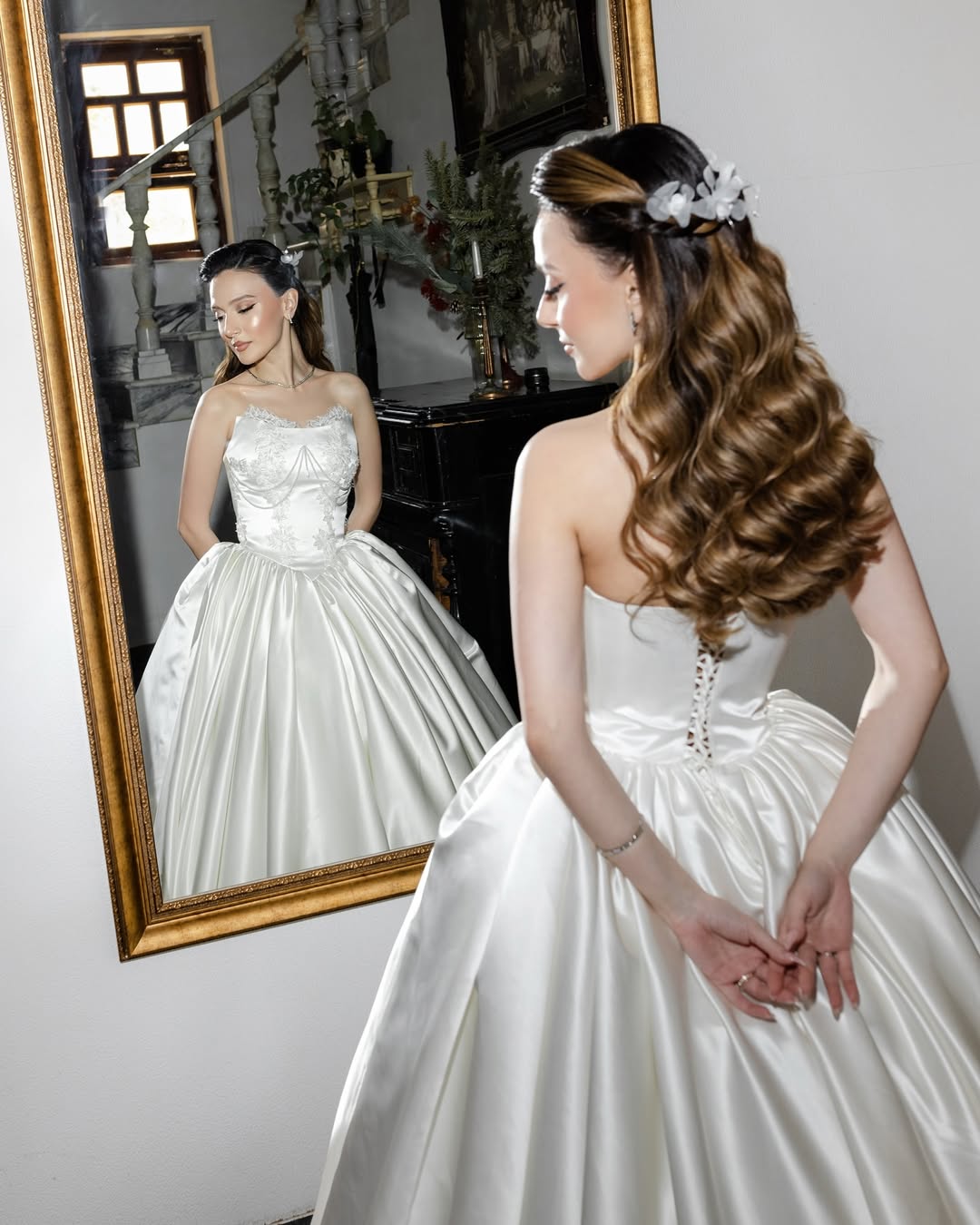
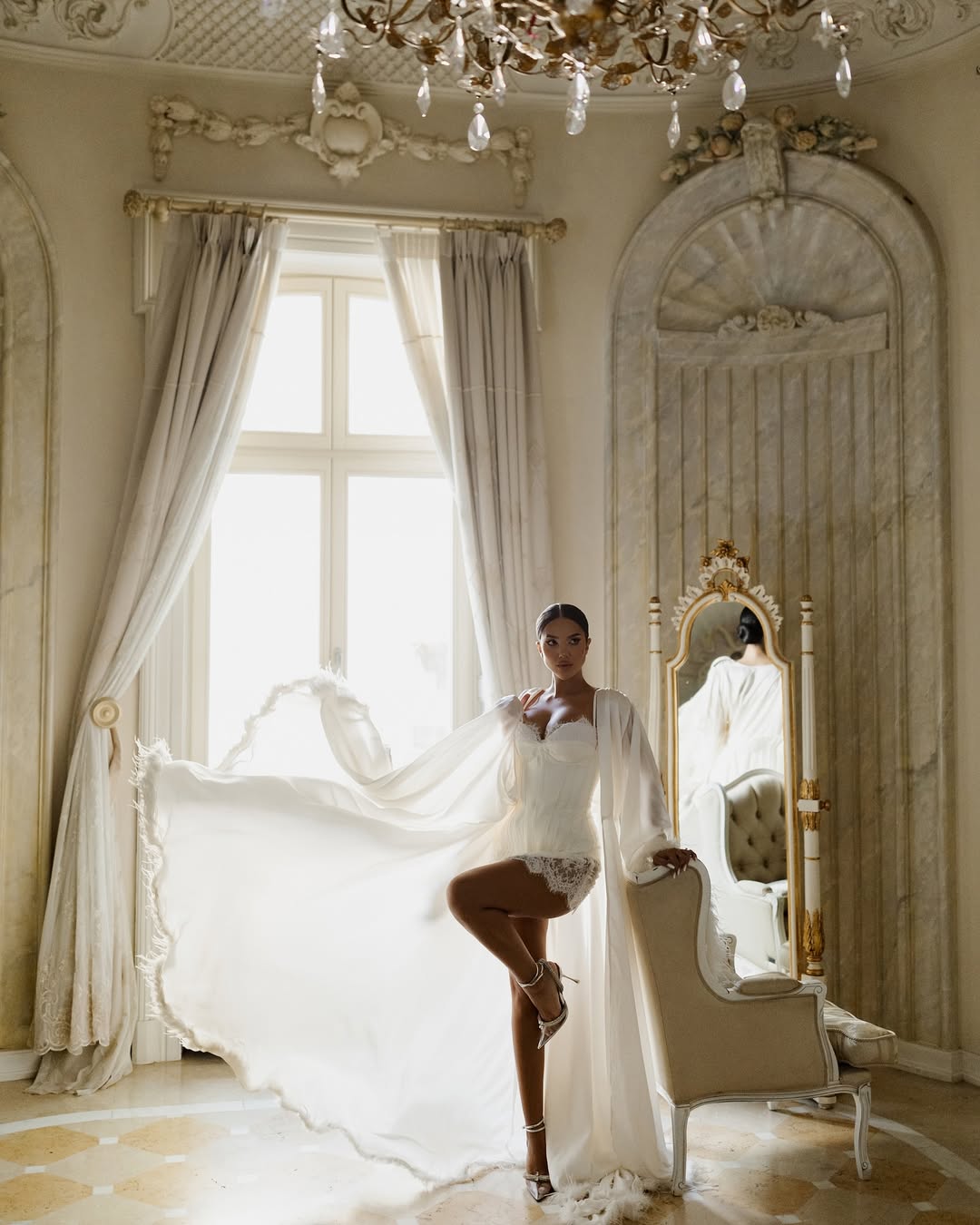
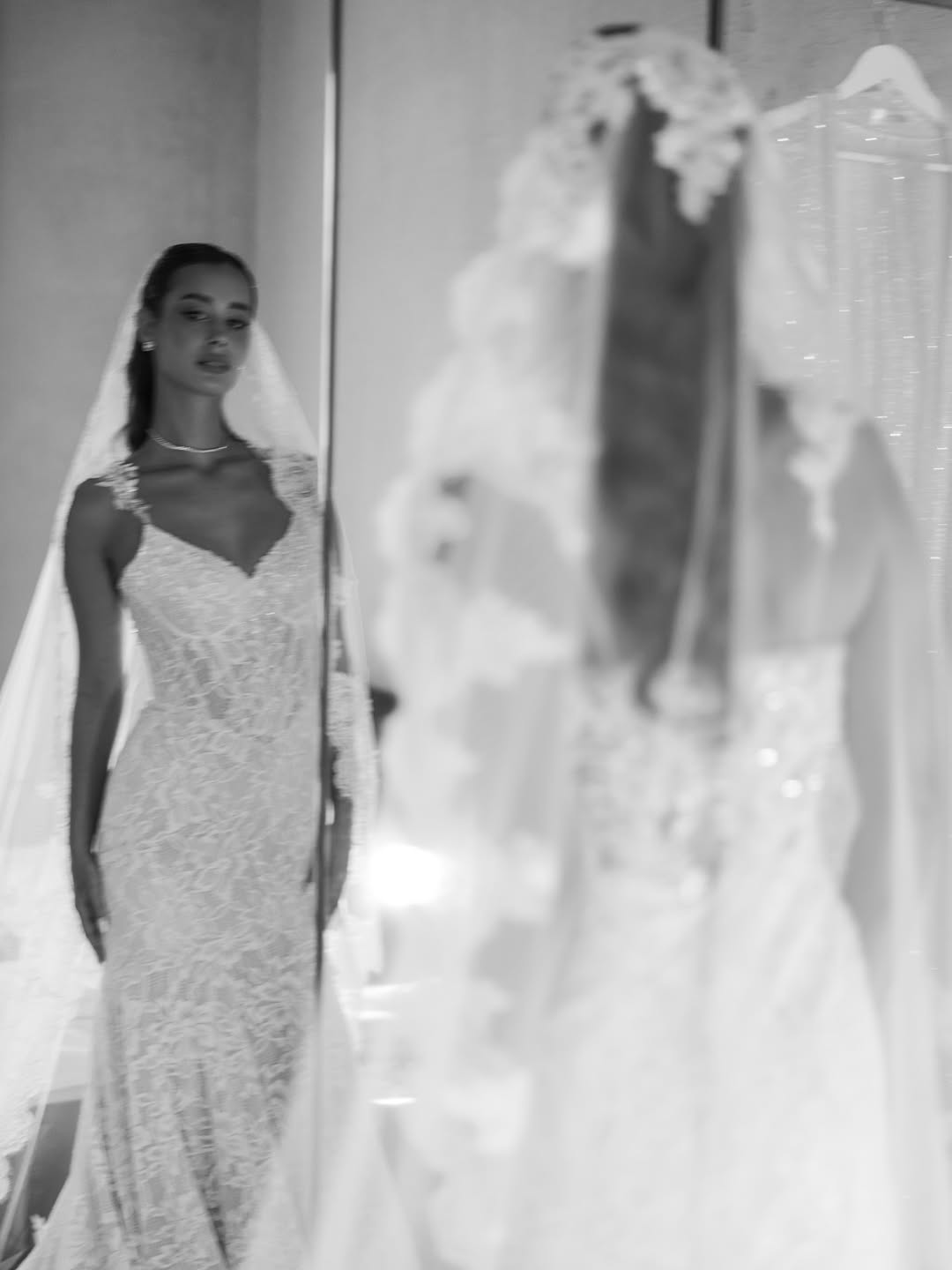
Next, think about the possibilities offered by mirror reflection shots. Mirrors automatically create double compositions, showing both the subject and their reflection. This provides a level of visual interest and sophistication that simple portraits cannot achieve. Among timeless bride photo poses, this one stands out for its depth and elegance.
Veil Draping
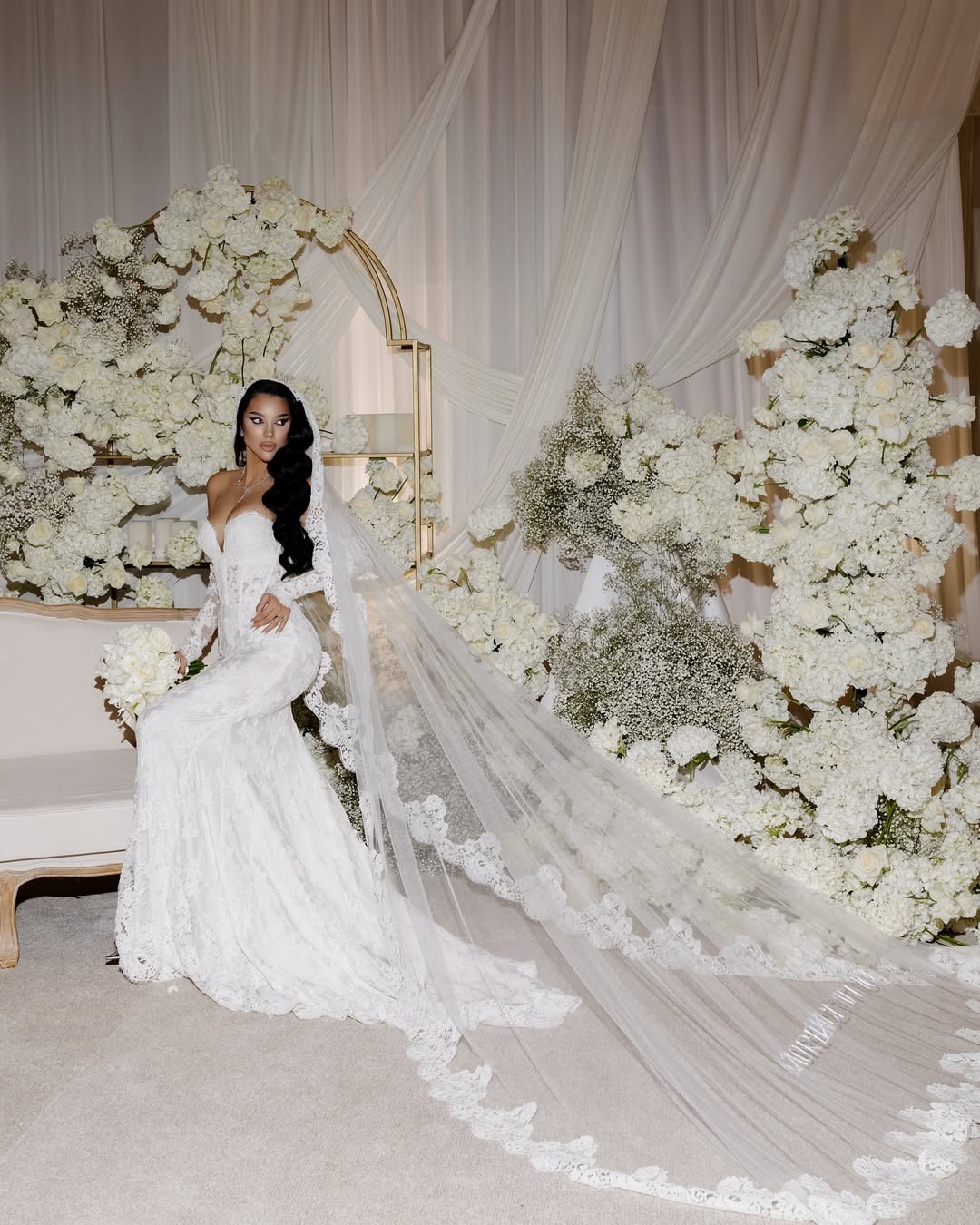
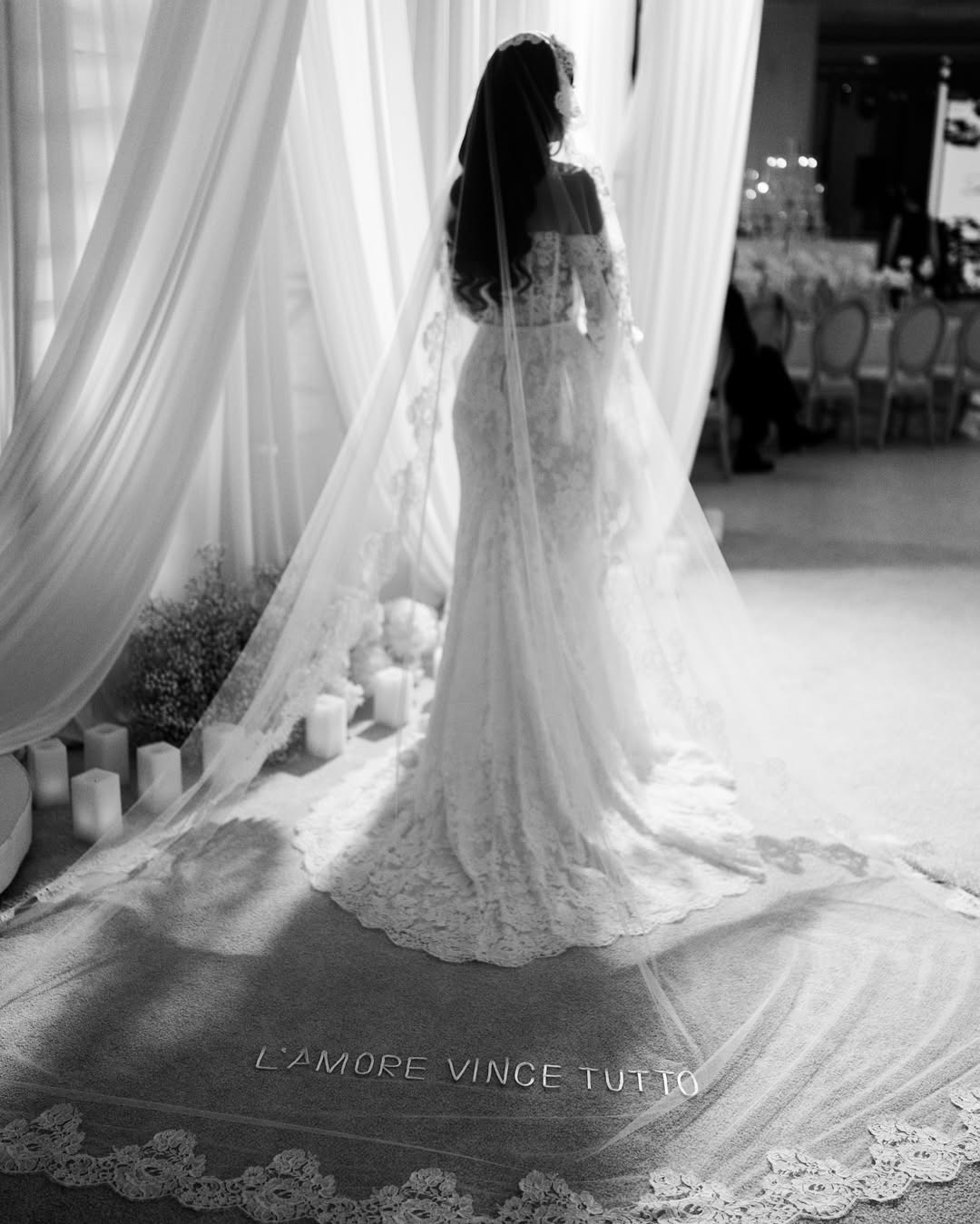
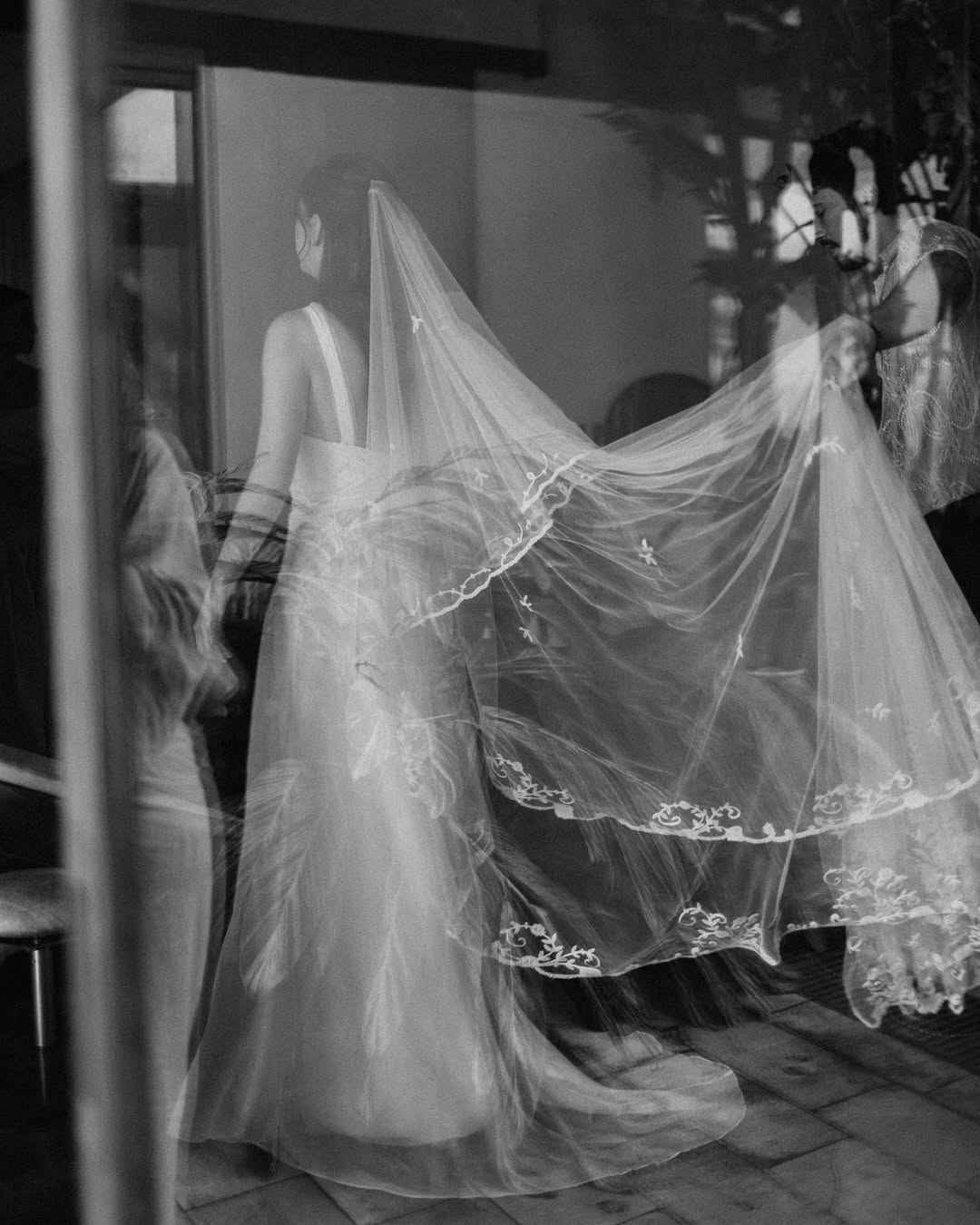


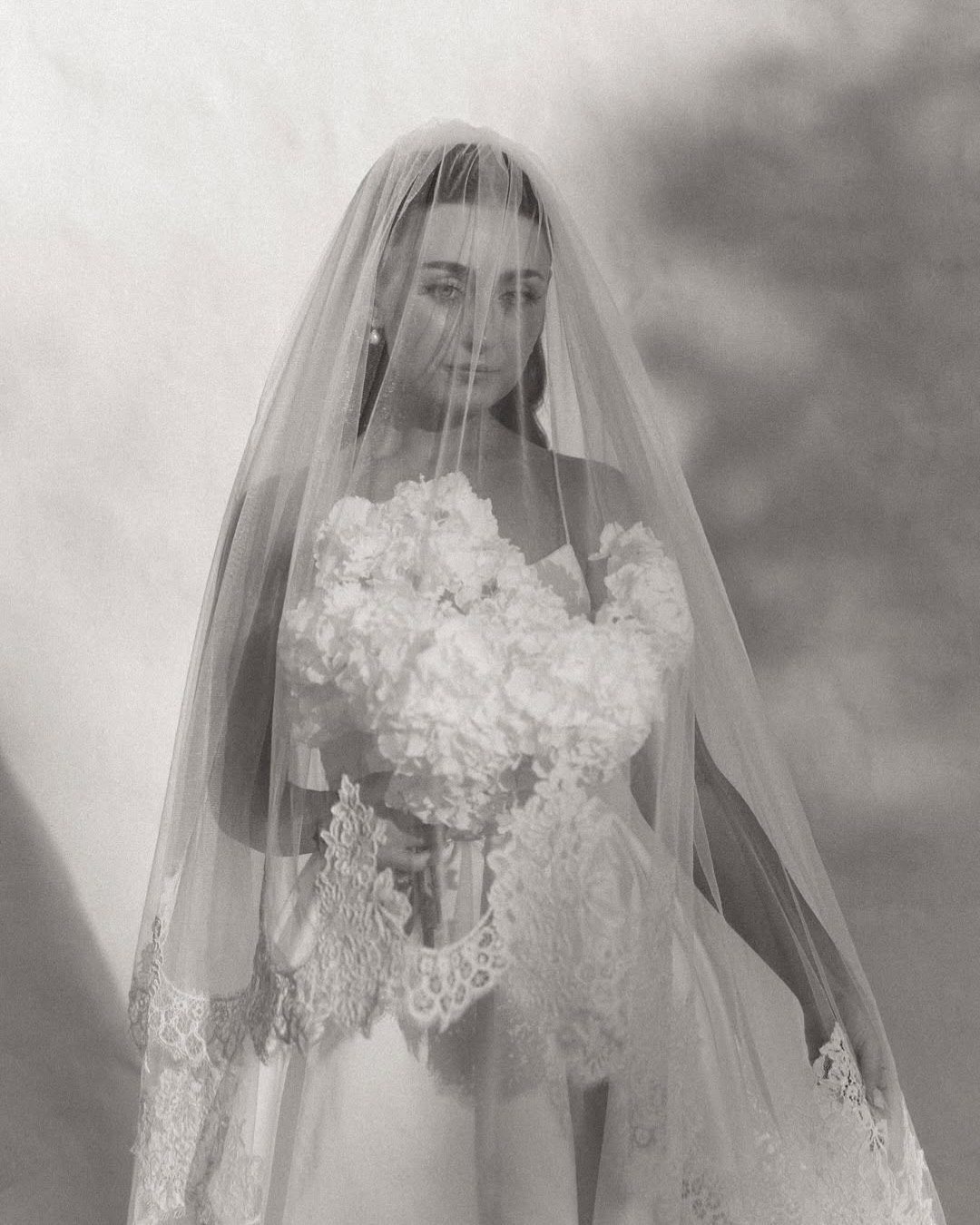
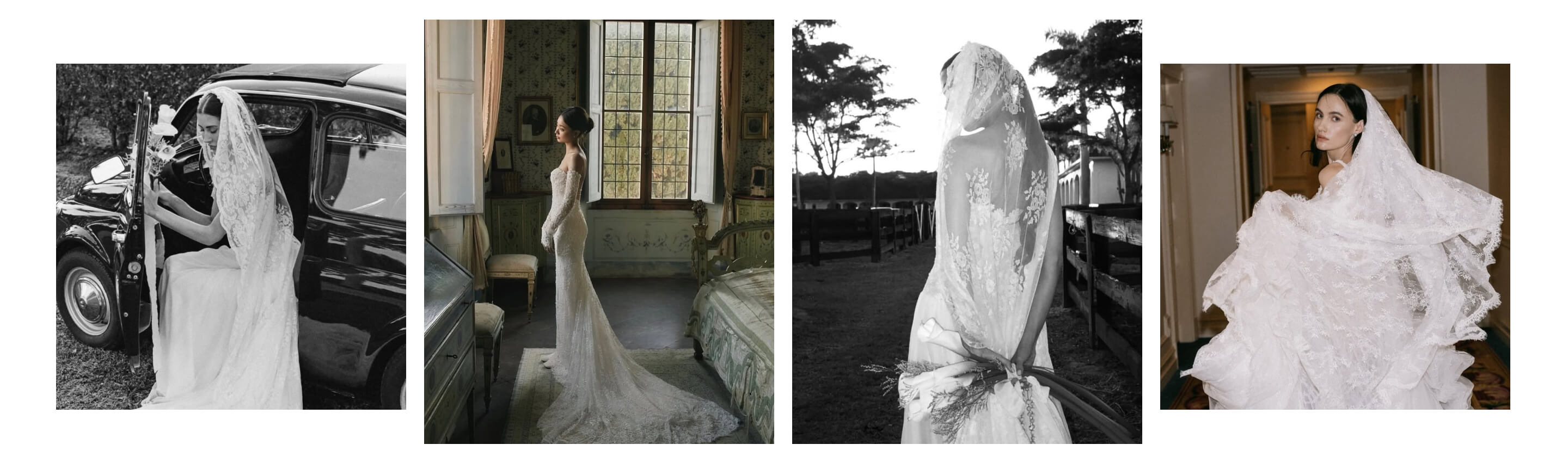
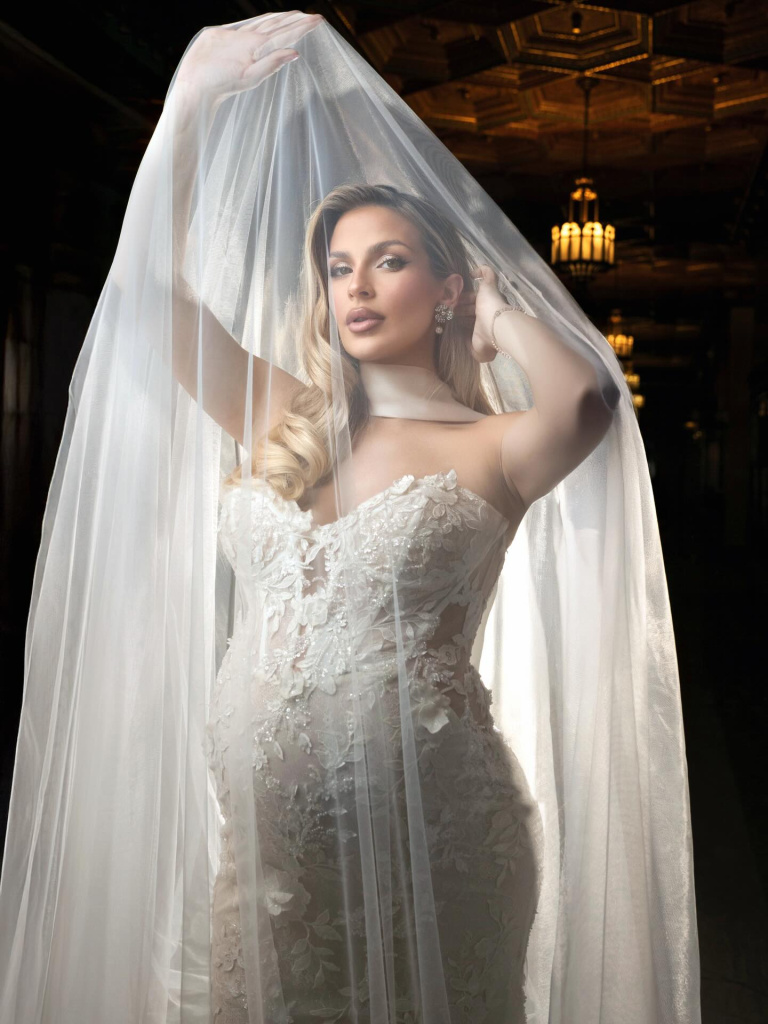
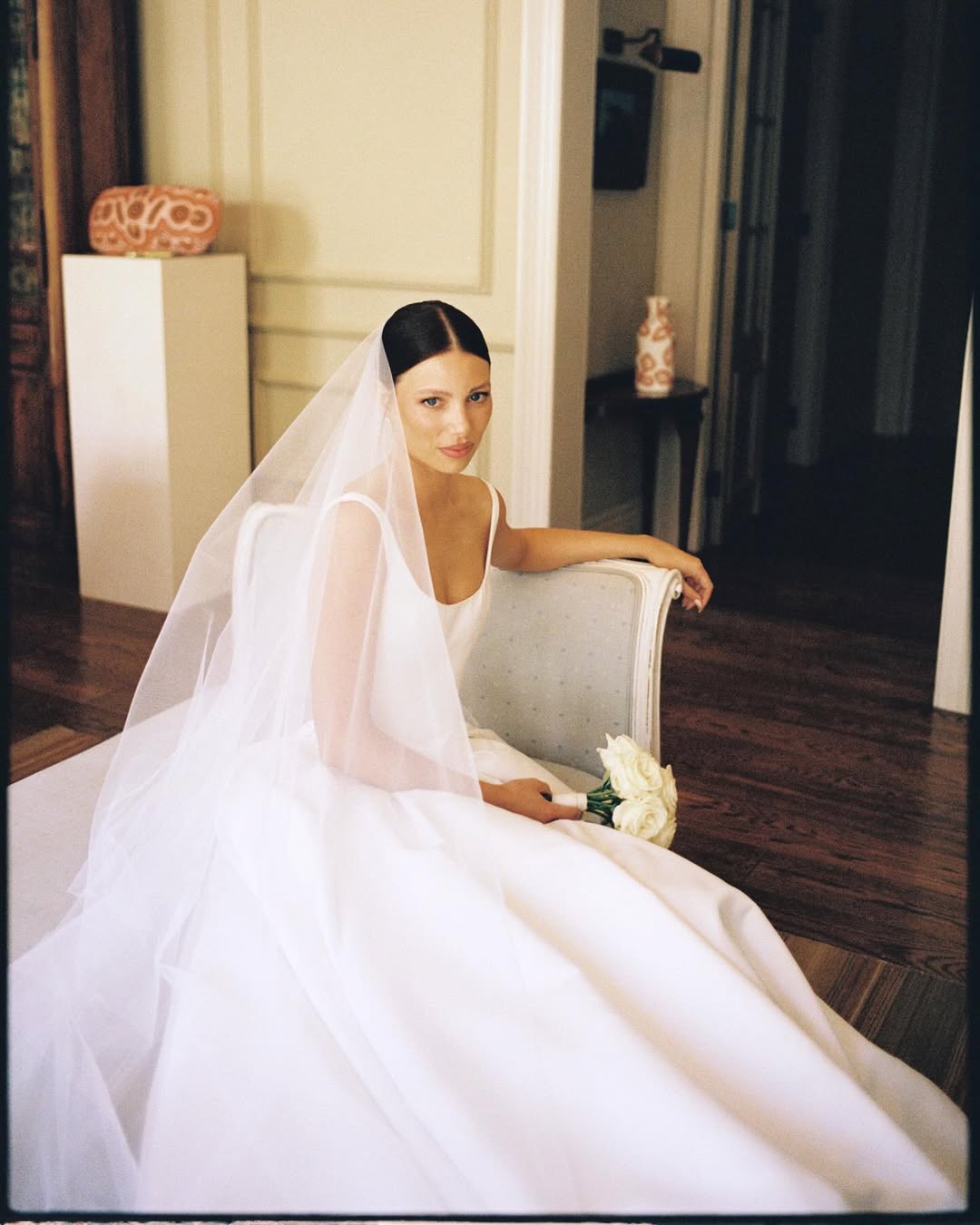
To use veils effectively in photos, gently drape the veil over your face for a soft, mysterious look. Hold the veil with your hands, letting your fingers spread the fabric for a natural pose. If you want movement, step outdoors or have someone create a breeze so the veil lifts behind you. To frame your face, pull the veil edges softly around your cheeks. Ask your photographer to shoot through the sheer fabric for a dreamy effect, ensuring your facial features are visible.
- Using the veil to partially cover your face adds a sense of mystery and anticipation, making it especially effective for pre-ceremony portraits.
- Hold the veil gently with your hands to create natural movement in the fabric while giving your hands a purposeful role in the composition.
- Veil flowing behind: Requires wind (natural or assistant-created) for dramatic movement shots
- Framing face with veil: Pull the veil edges around the face, creating a soft halo effect
- Shot through veil: Photographer shoots through sheer fabric for dreamy, diffused effect.
When considering veil styles, note how cathedral-length veils particularly come into their own in shots involving movement, where the fabric can be seen trailing dramatically, while shorter veils are better suited to close-up portraits.
The Dress Reveal & Getting Ready Moments
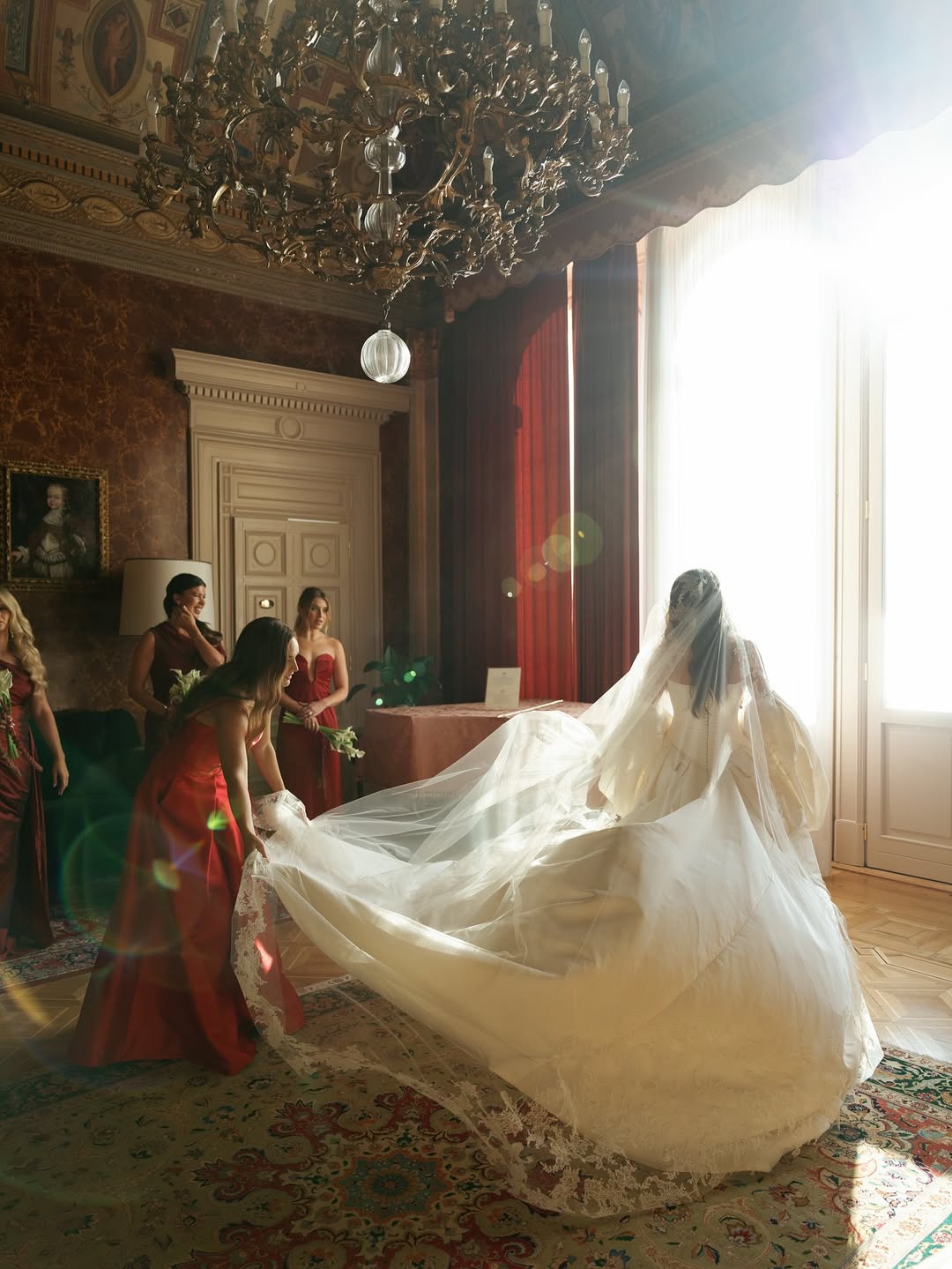
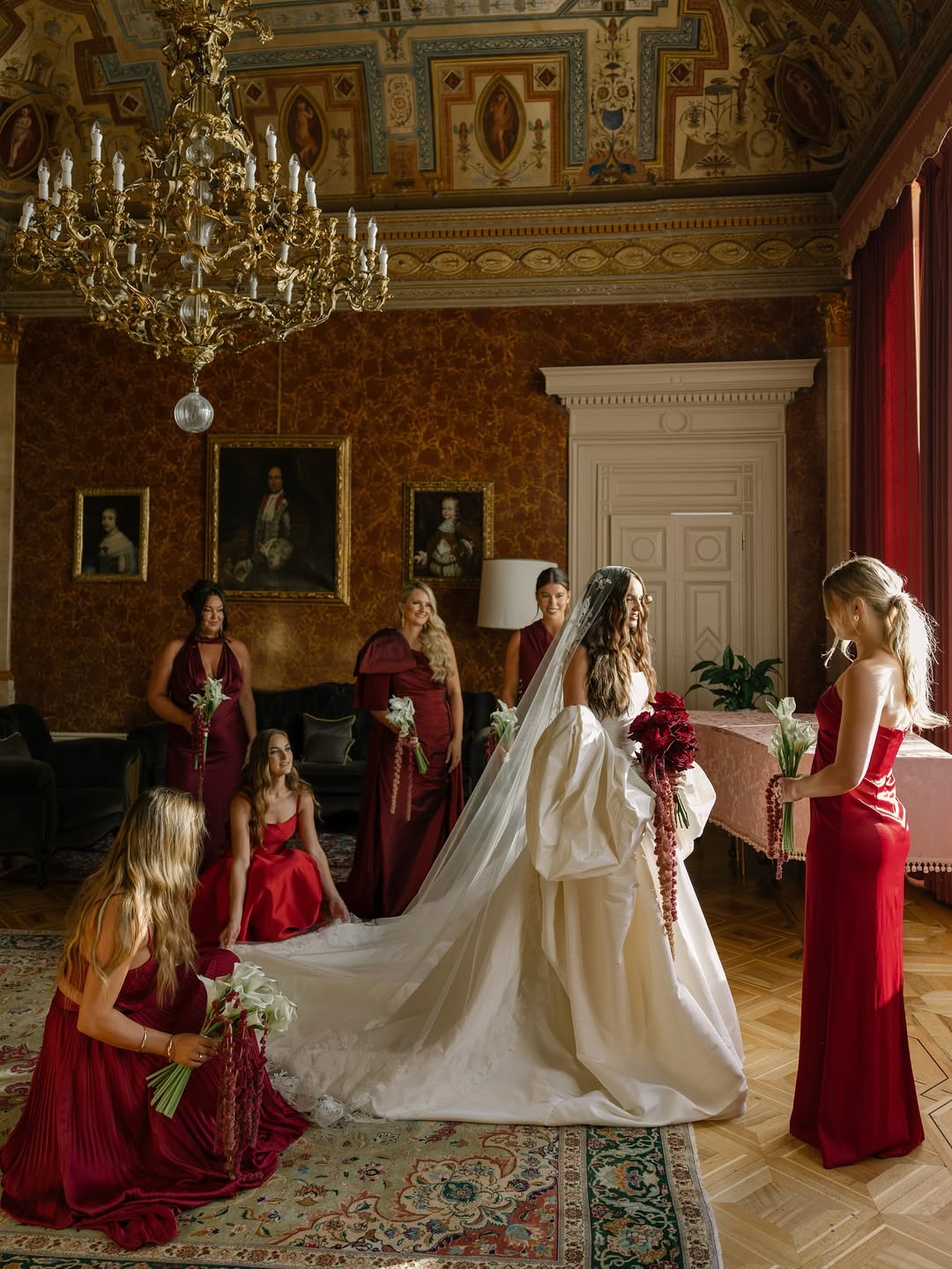
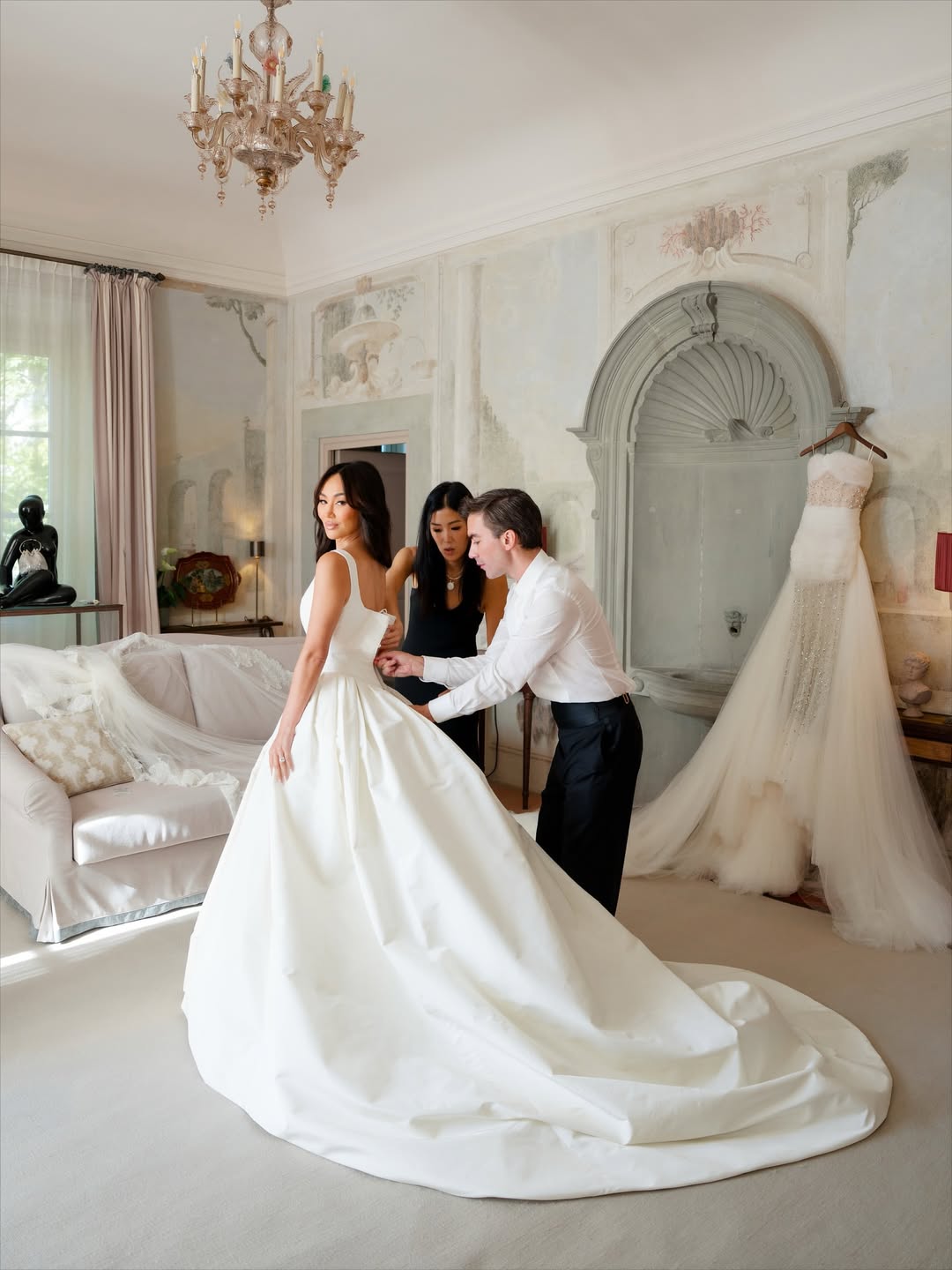
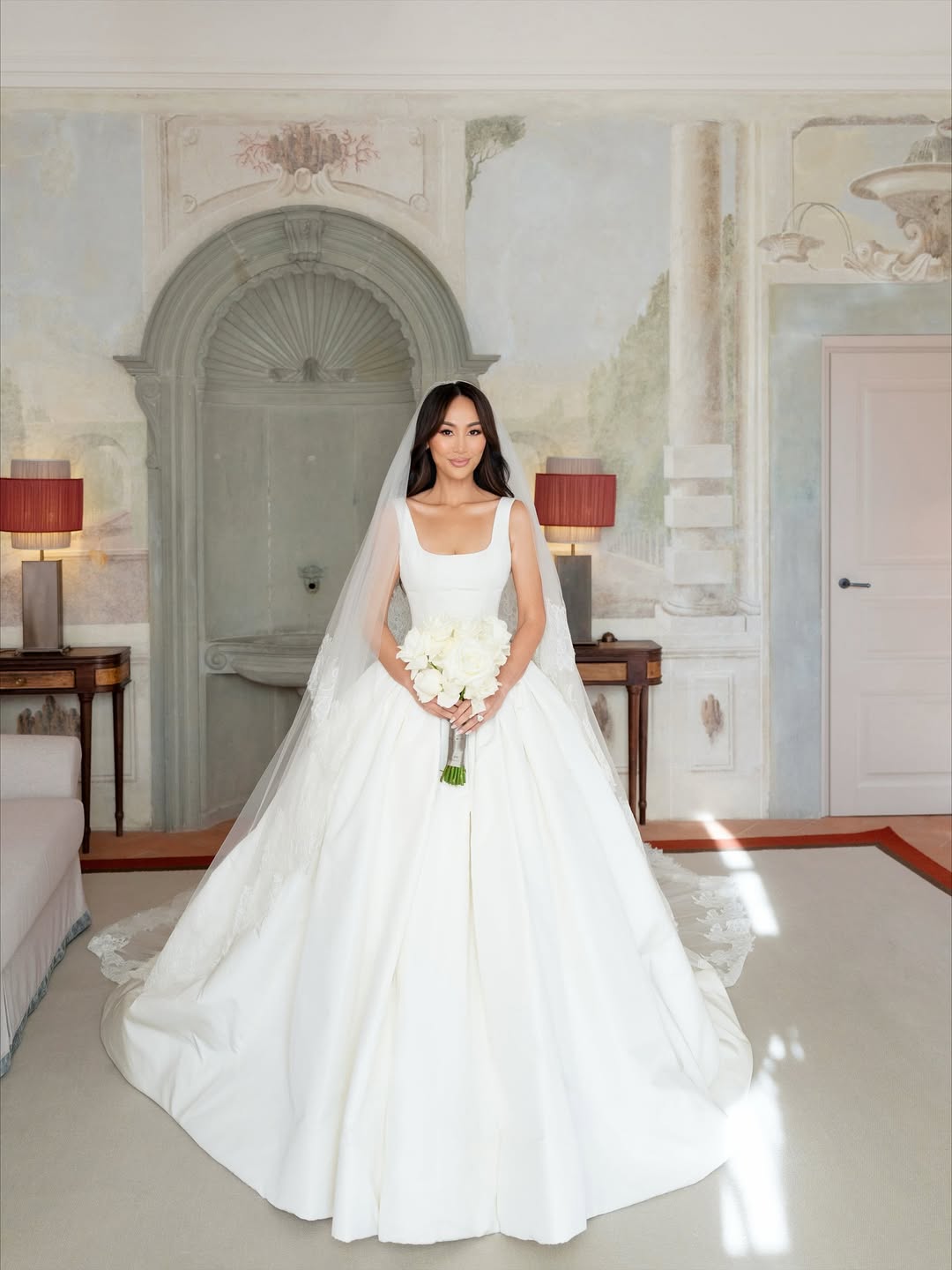
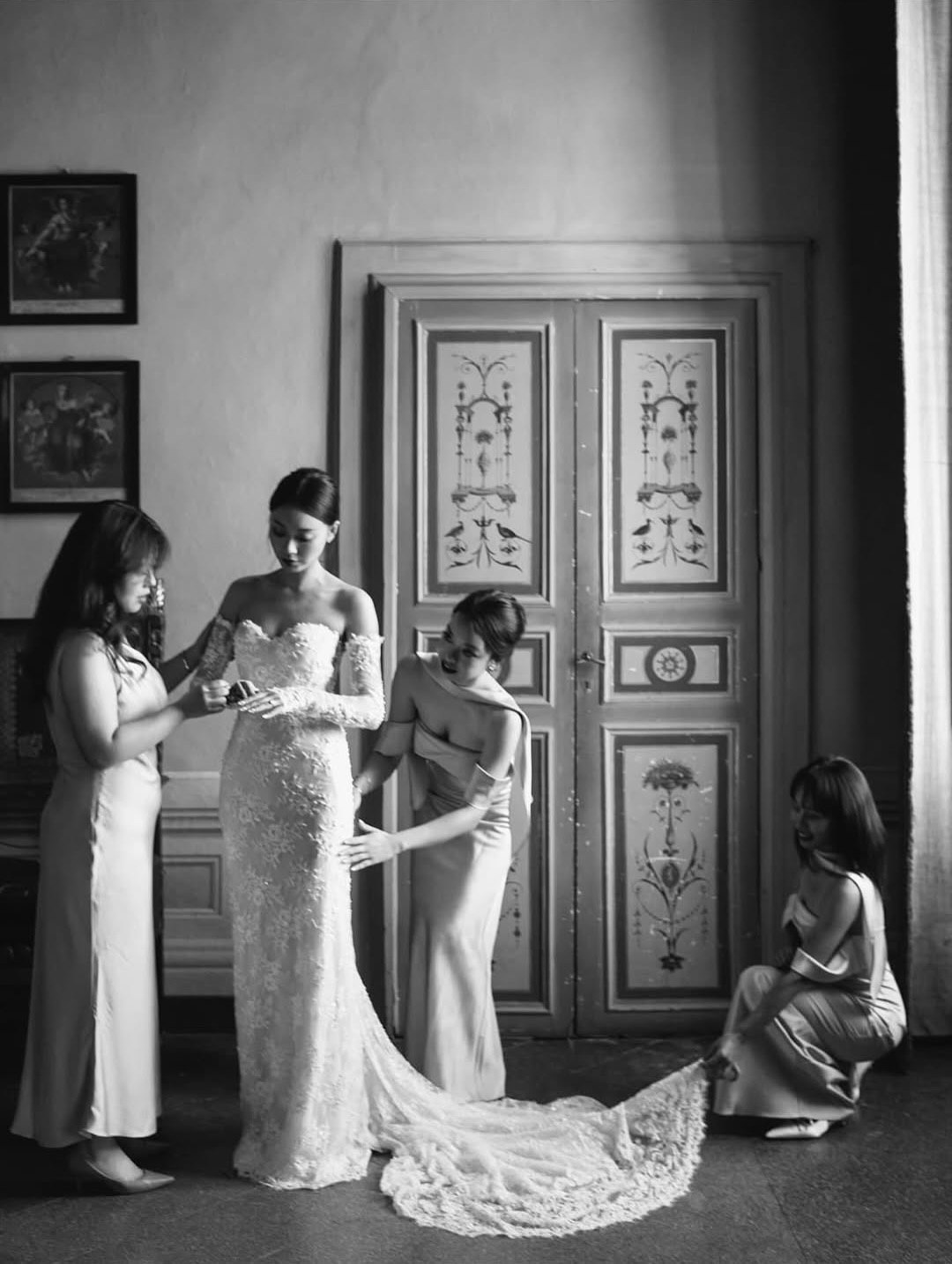
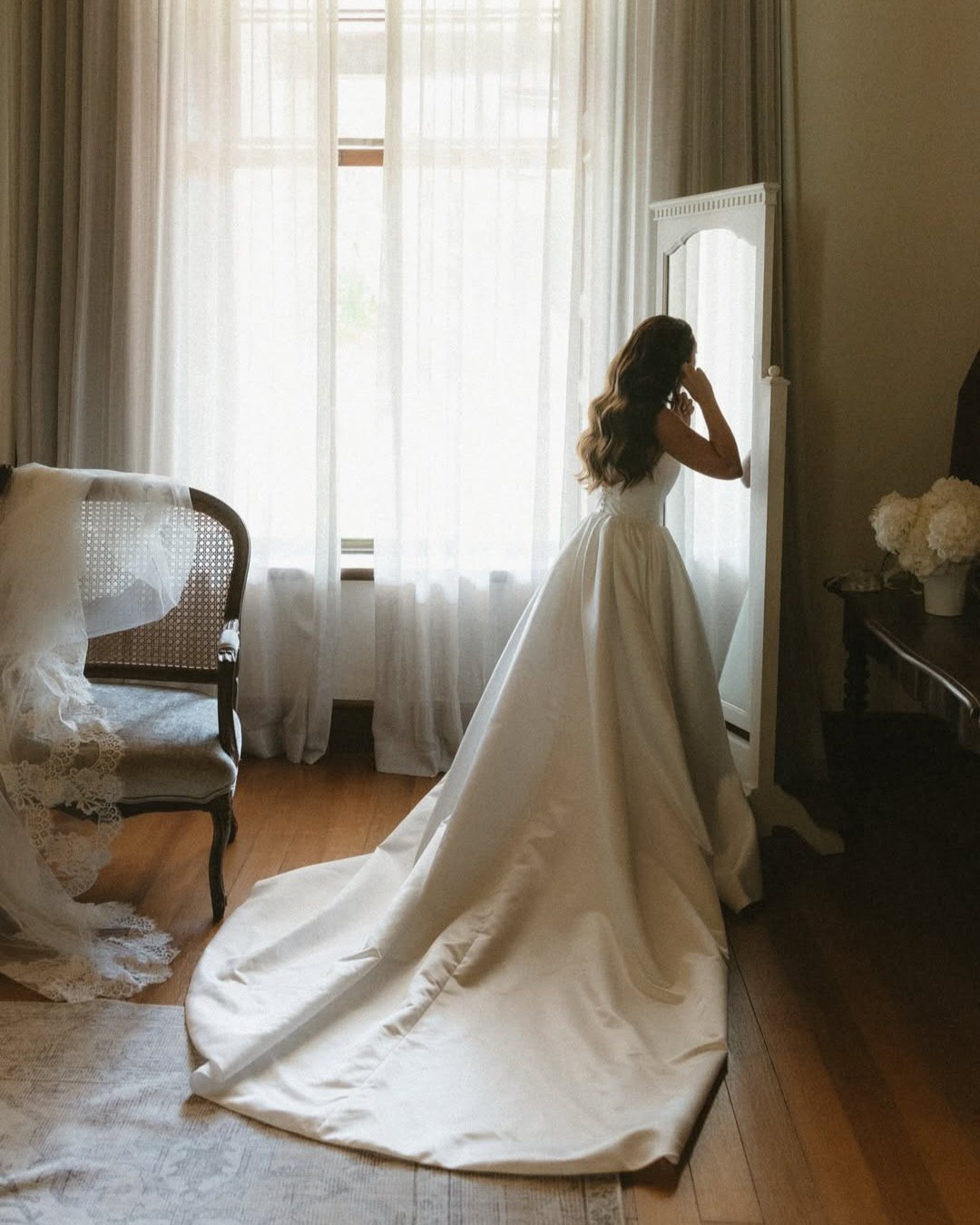
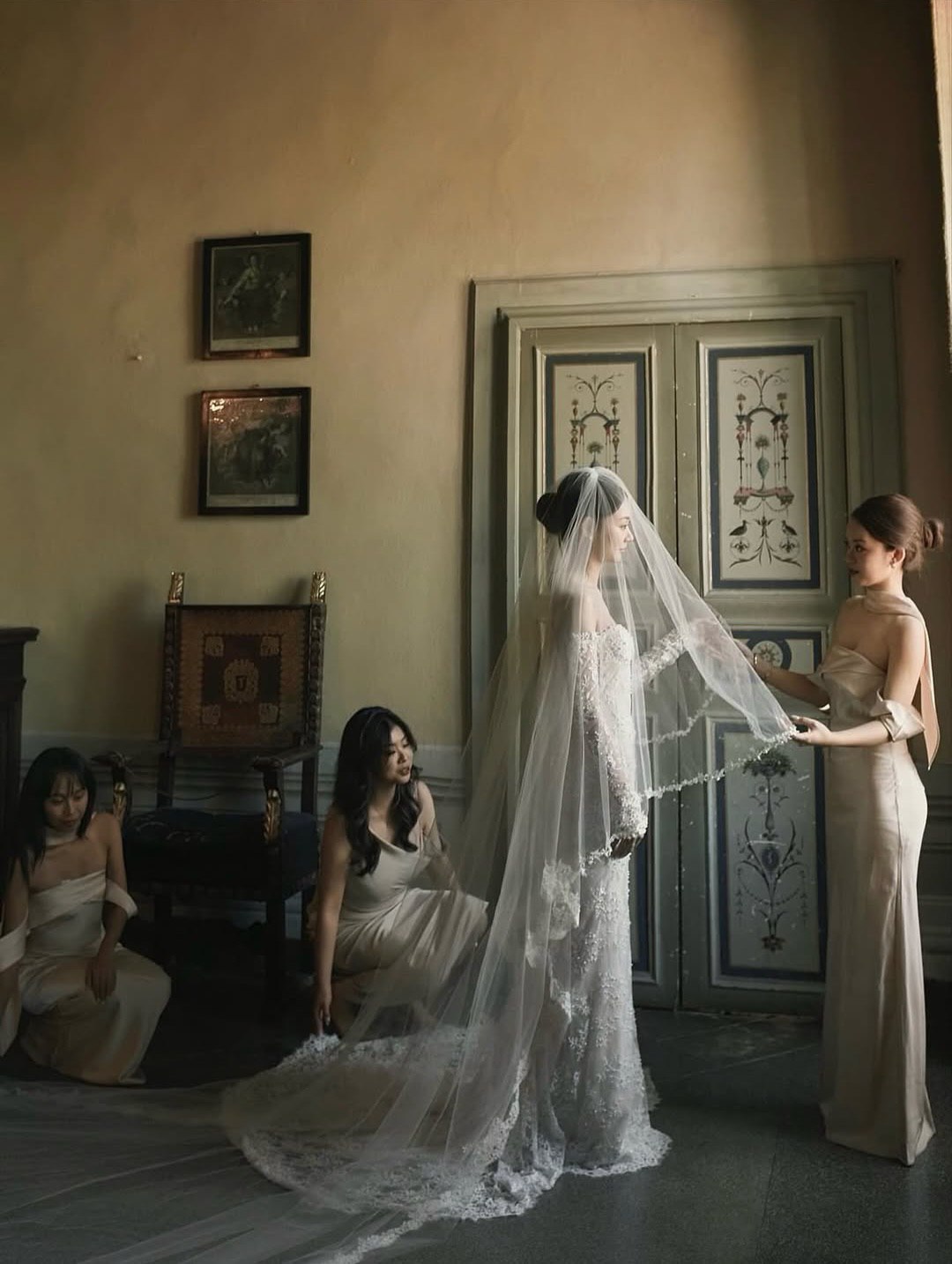
The moment you step into your dress is never just about the dress — it’s about the hands that help you into it. Standing with your back to the camera as your mother fastens the buttons or your maid of honor smooths the fabric creates an image that feels intimate without being staged. A slight turn of your profile can reveal the emotion on your face, while a tighter frame, focusing only on delicate fingers working the zipper, tells a quieter story. These semi-candid preparation moments — the veil being adjusted, earrings clasped into place, the final sweep of lipstick — often become the most emotional photographs of the entire day. When you’re focused on the ritual rather than the lens, the images feel layered and real. In cultural weddings, especially during saree draping or jewellery placement, documenting the process itself adds depth and meaning, preserving traditions and gestures that are as significant as the ceremony that follows. This is especially true for bride poses in saree, lehenga poses for bride, or even muslim bride poses that center on ritual and styling details.
Jewelry Close-Up
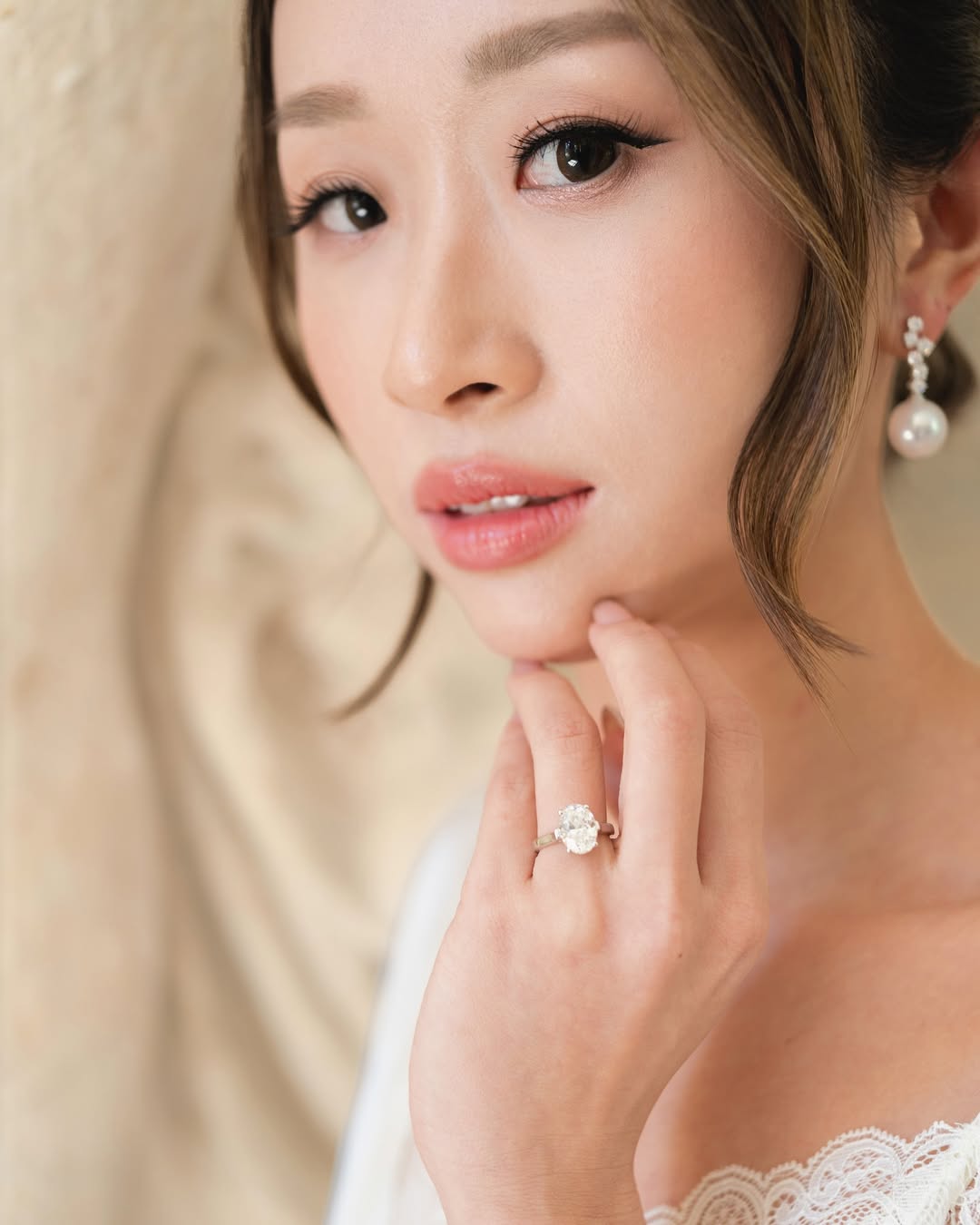
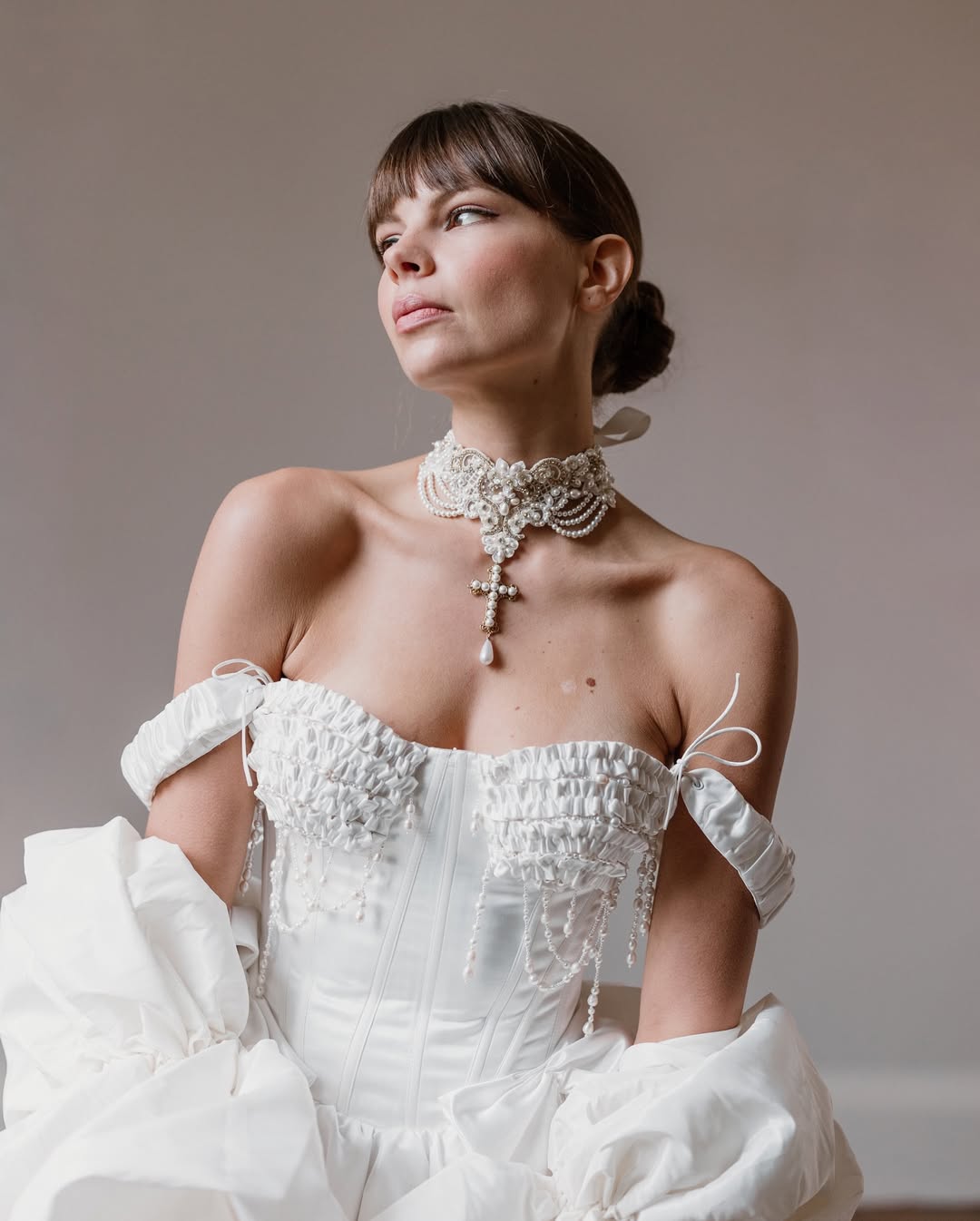
Now turn your attention to jewelry poses. Jewelry moments are quiet, but visually powerful. Hold your wedding earrings or necklace gently in your palms, or let the frame capture the exact second someone fastens the clasp at the back of your neck.These refined details elevate classic bride photoshoot poses.
Elevate your composition by placing jewelry on your wedding invitation suite or resting it on your bouquet for a layered, styled look. Capture a mirror shot of your expression as the necklace is secured for depth, or a close-up of your hands holding a family heirloom for a personal touch. Use soft natural light by a window to enhance shine without harsh reflections, letting every detail appear luminous, not overexposed.
The Quiet Moment
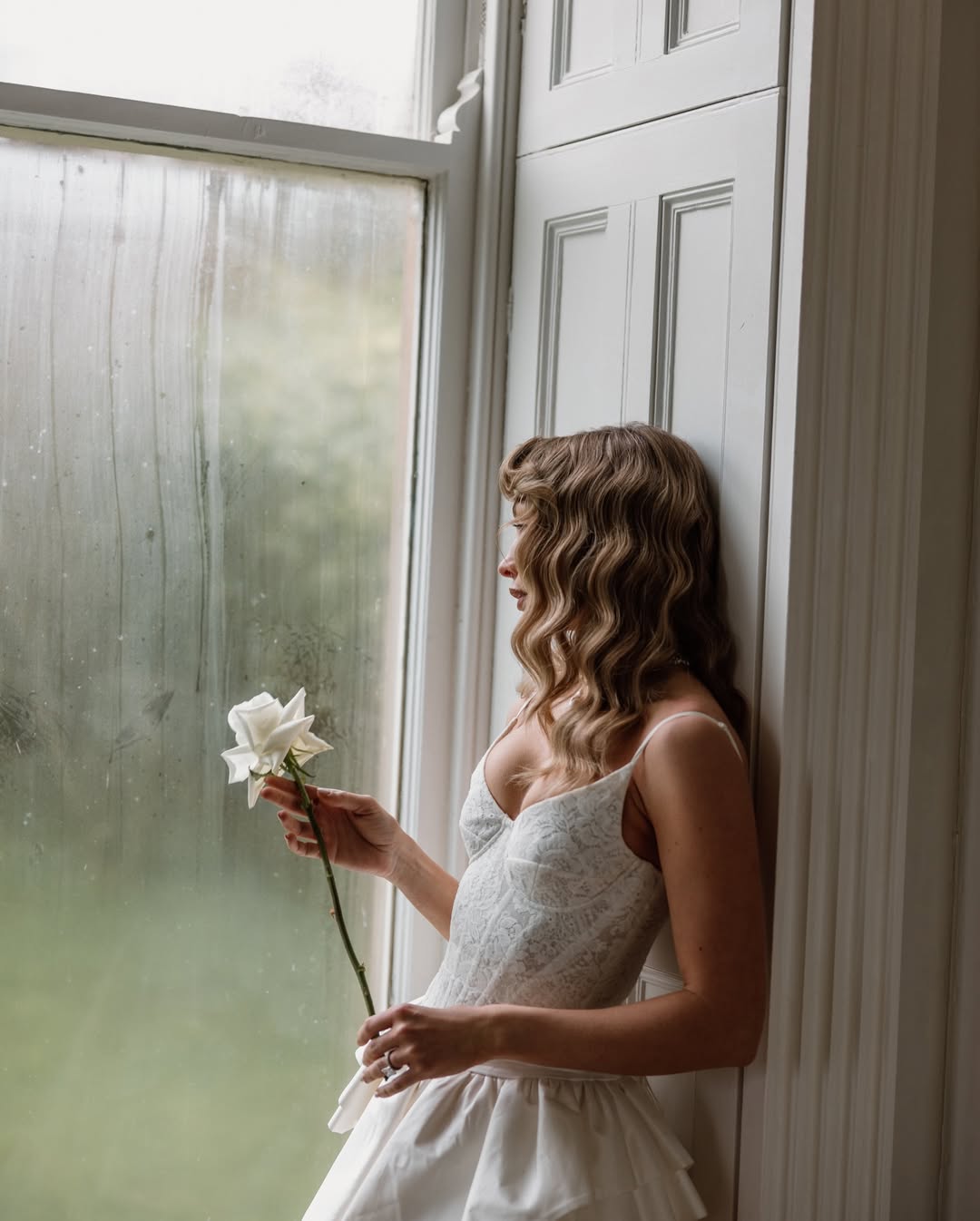
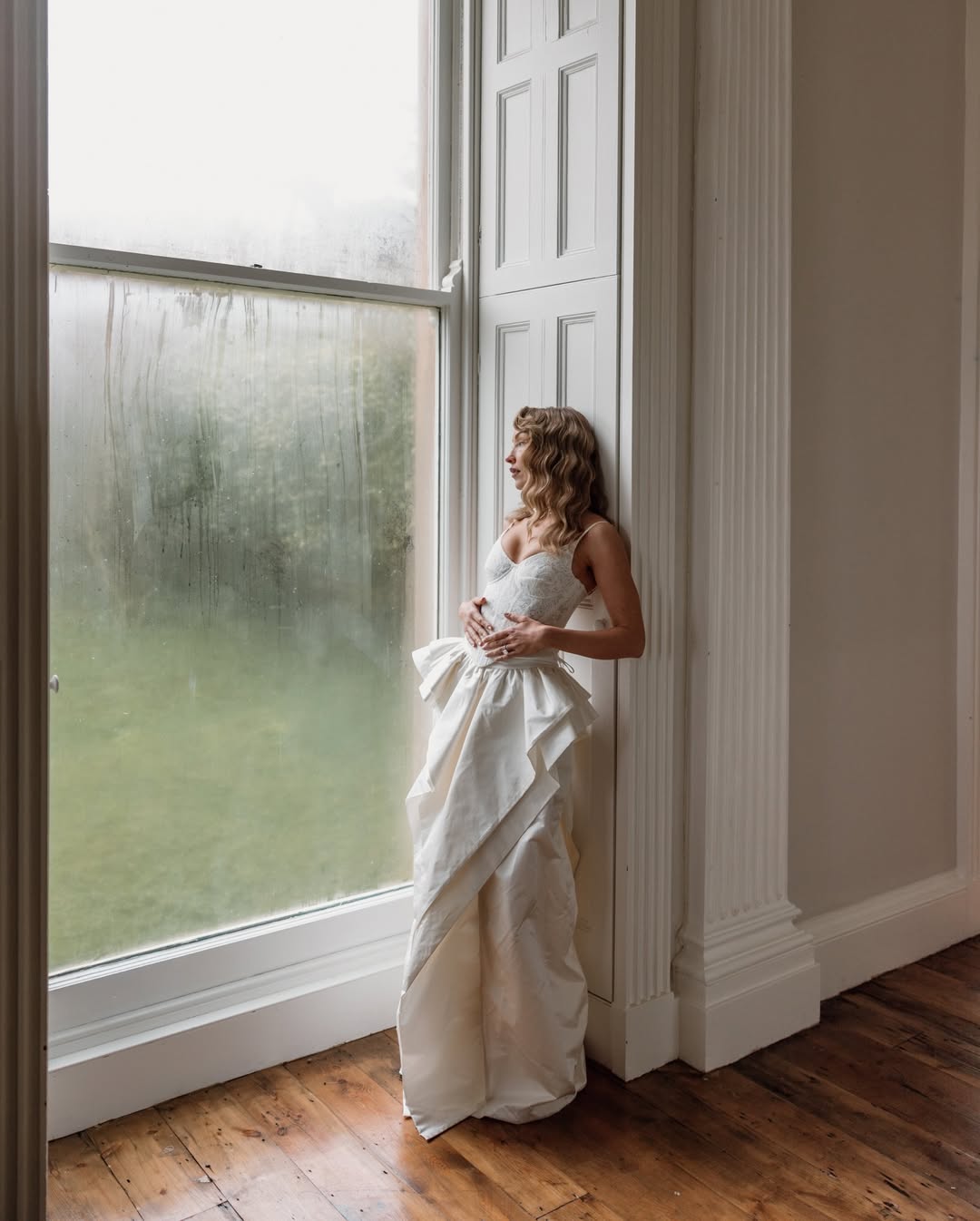
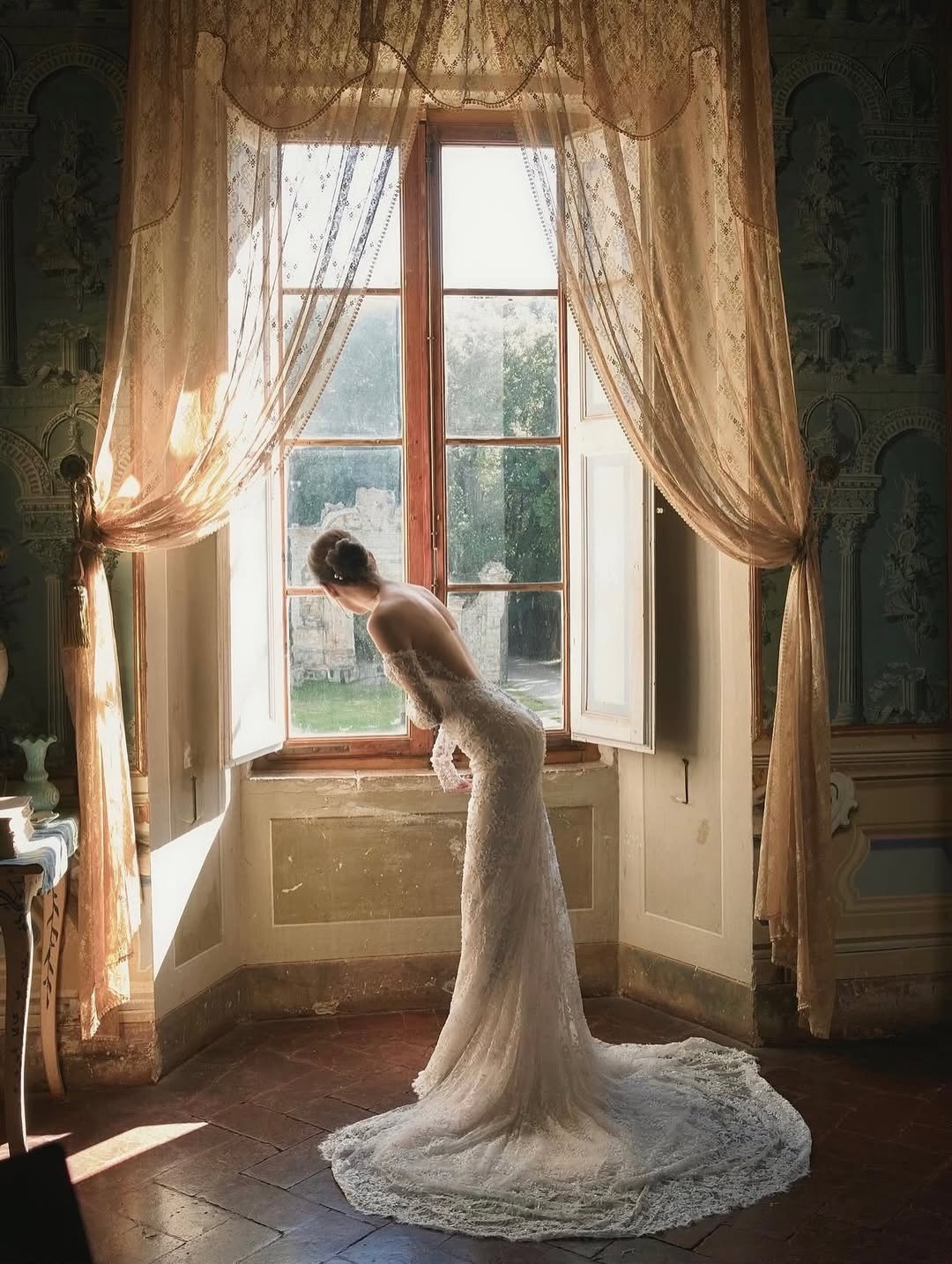
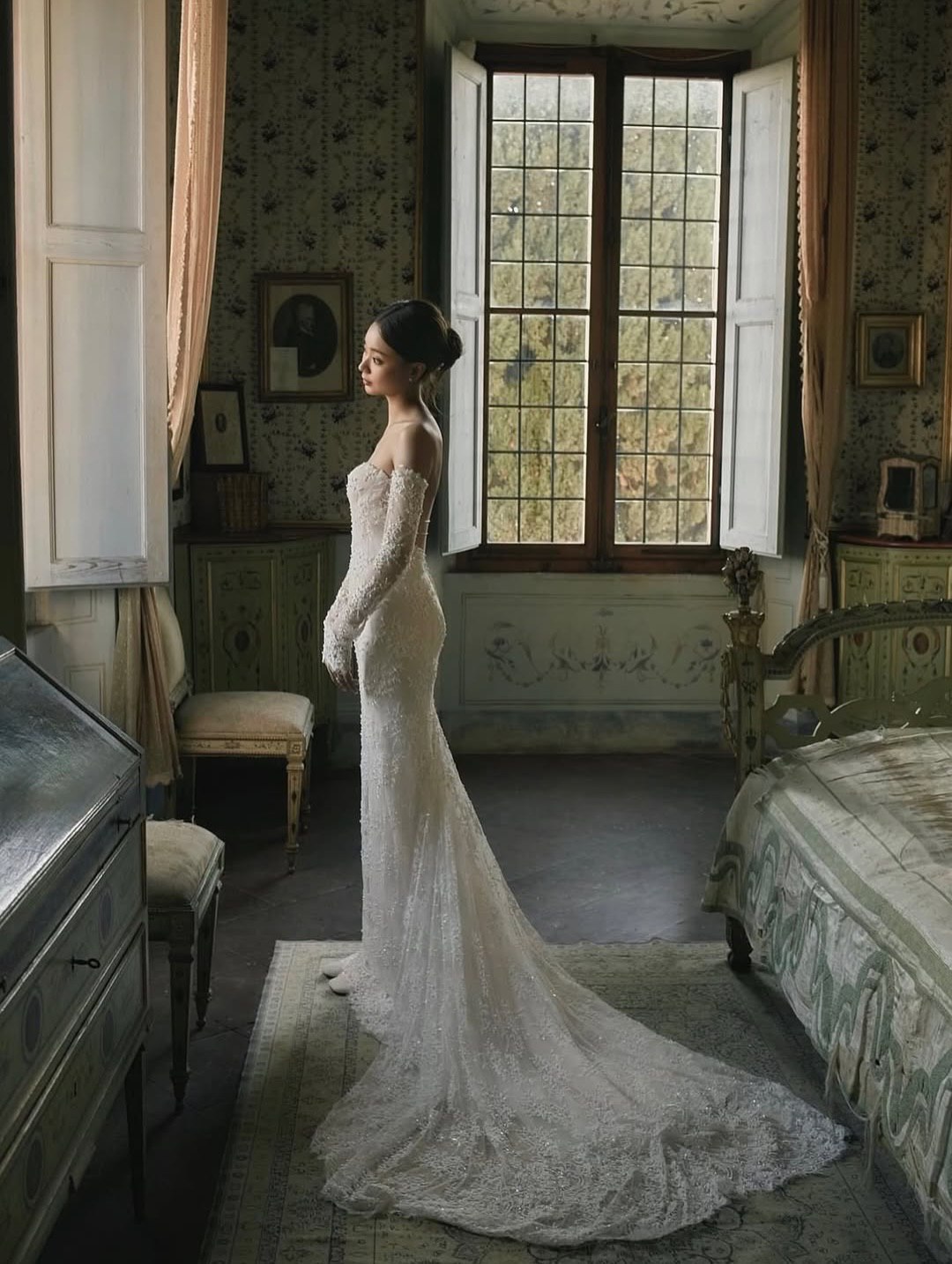
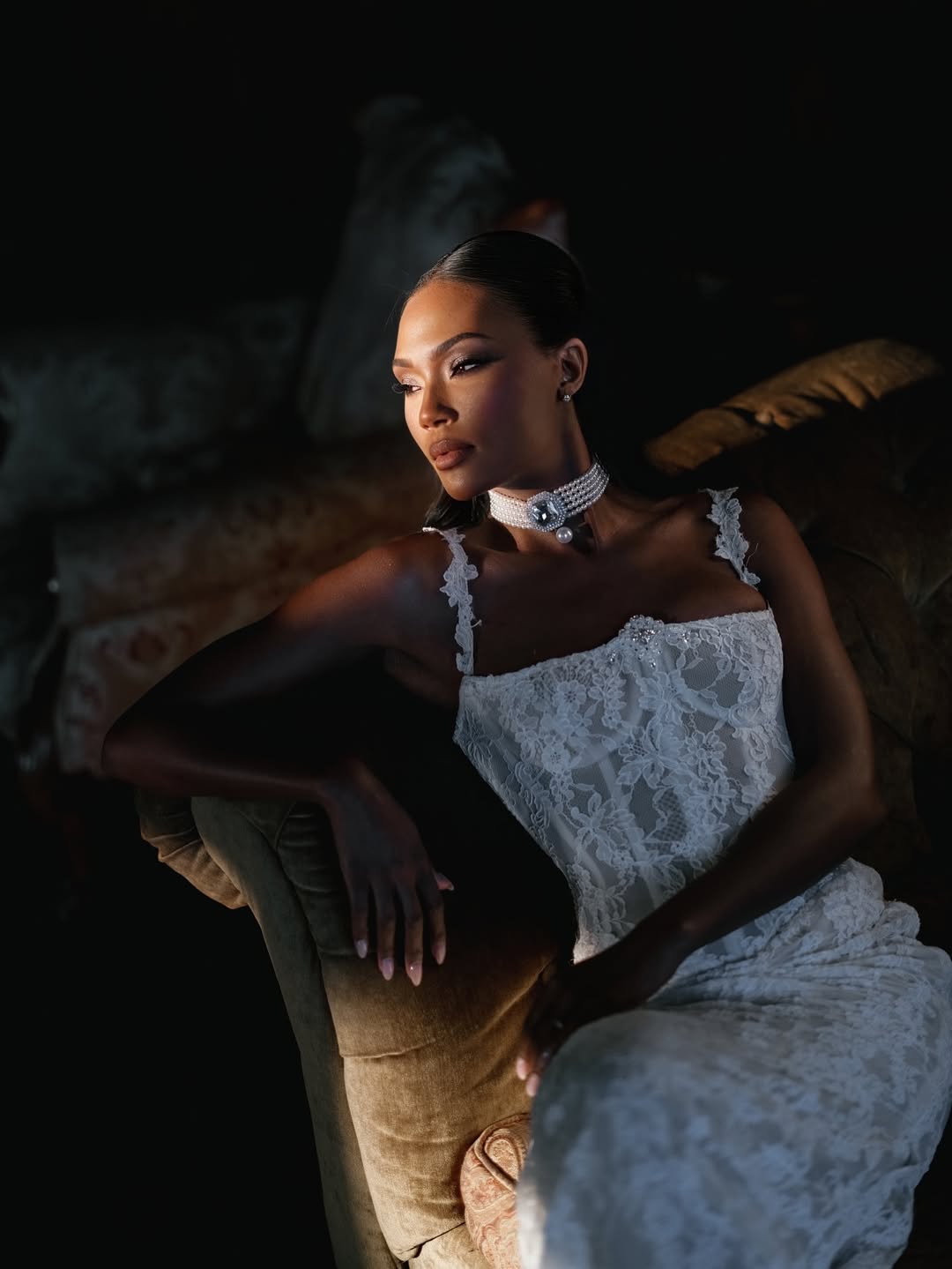
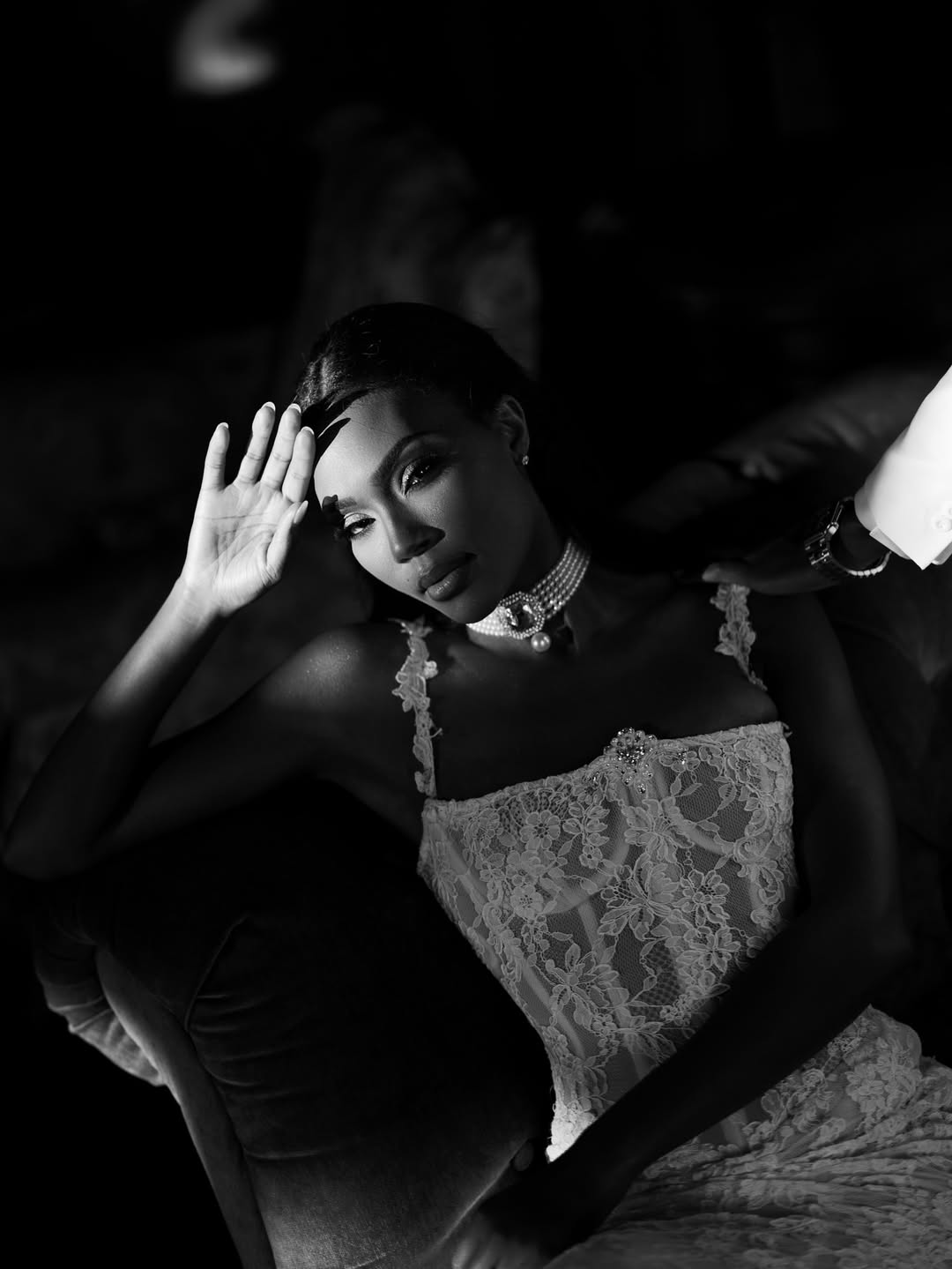
Sit by a window, your bouquet resting softly in your hands, and allow yourself a few seconds of stillness before the day unfolds. This bride pose captures a serene, reflective mood — a natural pause filled with anticipation rather than performance.
Subtly change the composition by choosing a chair, the windowsill's edge, or the floor with your dress flowing around you. Add a handwritten love letter for a personal touch, and shift your gaze—toward the light, down at your bouquet, or at the camera—to add emotional nuance. Golden-hour light through the window adds warmth and softness, enhancing the moment's intimacy without overpowering it.
Fabulous Standing Poses for the Bride
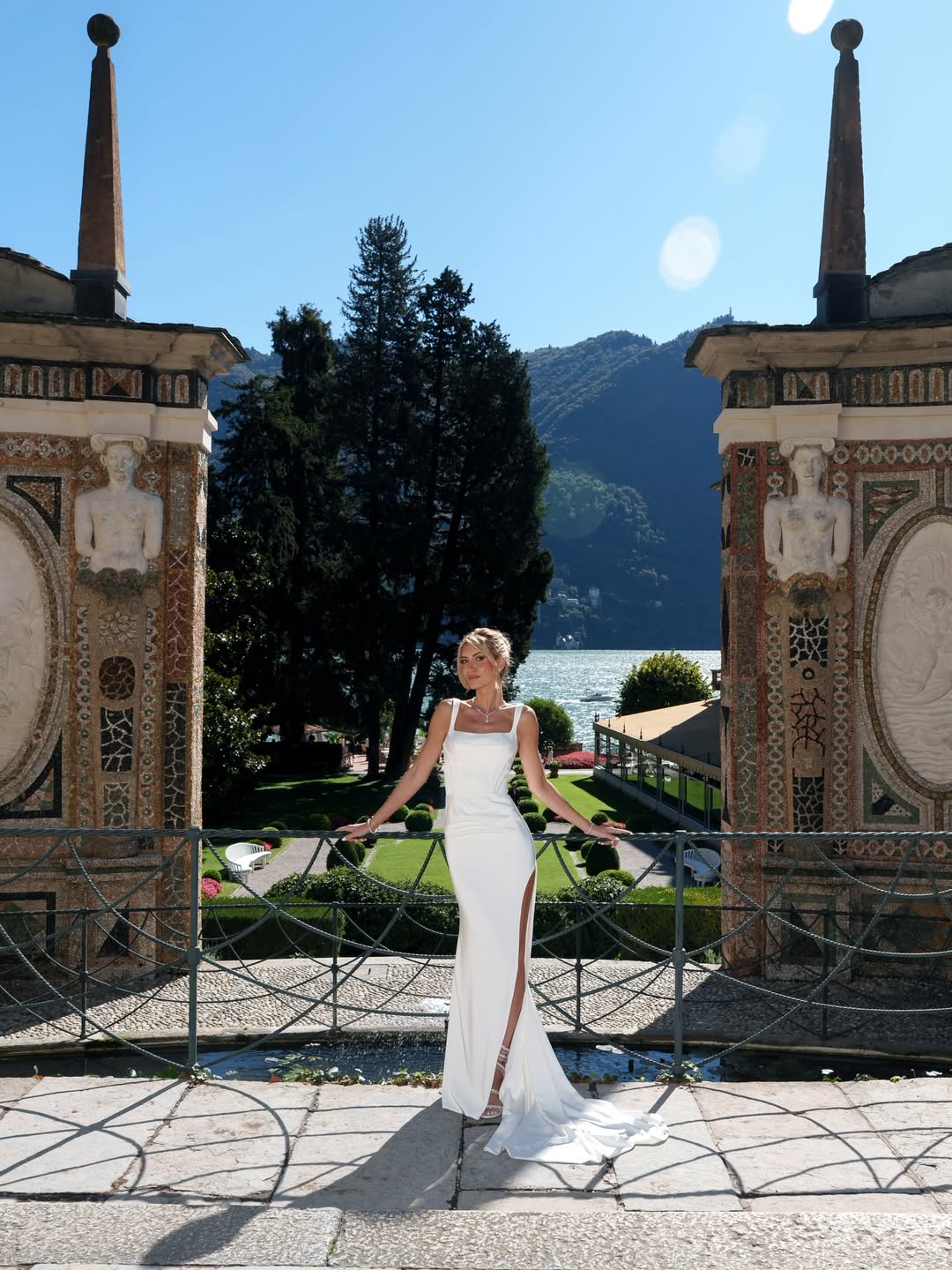
Standing poses allow you to show off your dress in all its glory while creating elegant, timeless portraits. For best results, stand with one foot slightly in front of the other, shift your weight gently, and relax your shoulders. Allow the fabric to fall naturally around you. With the right posture and soft body angles, standing portraits feel confident yet graceful, capturing both the dress's design and your presence within it. These are classic wedding bride poses and some of the most versatile posing ideas.
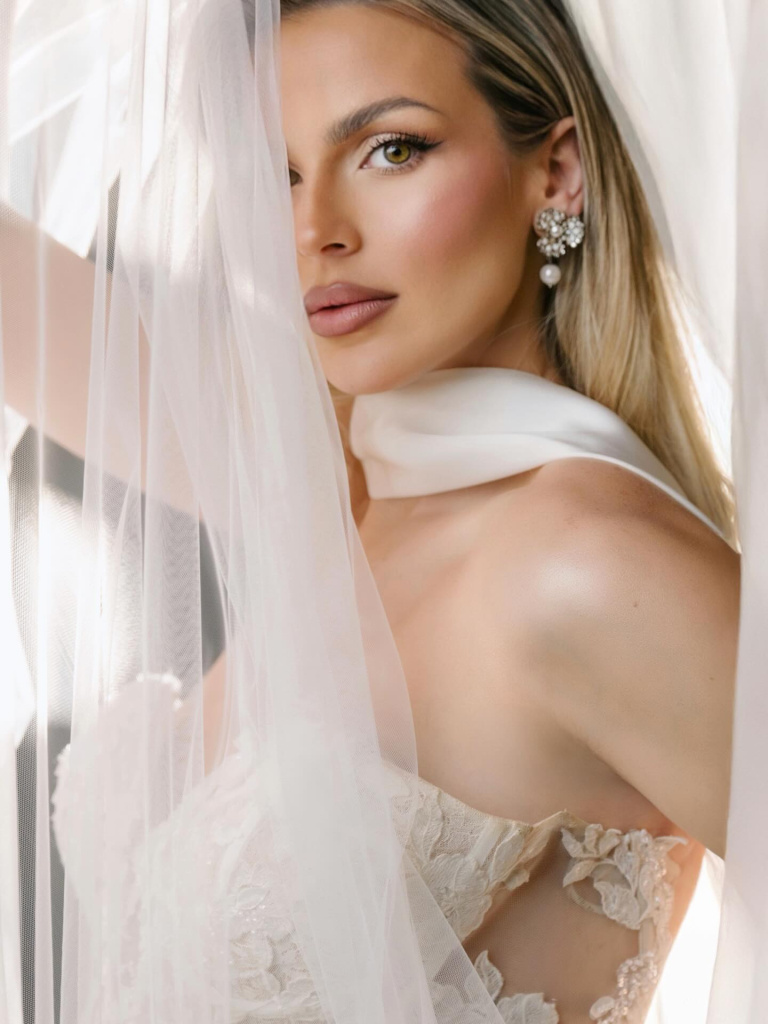
Bridal Portrait Close-Up
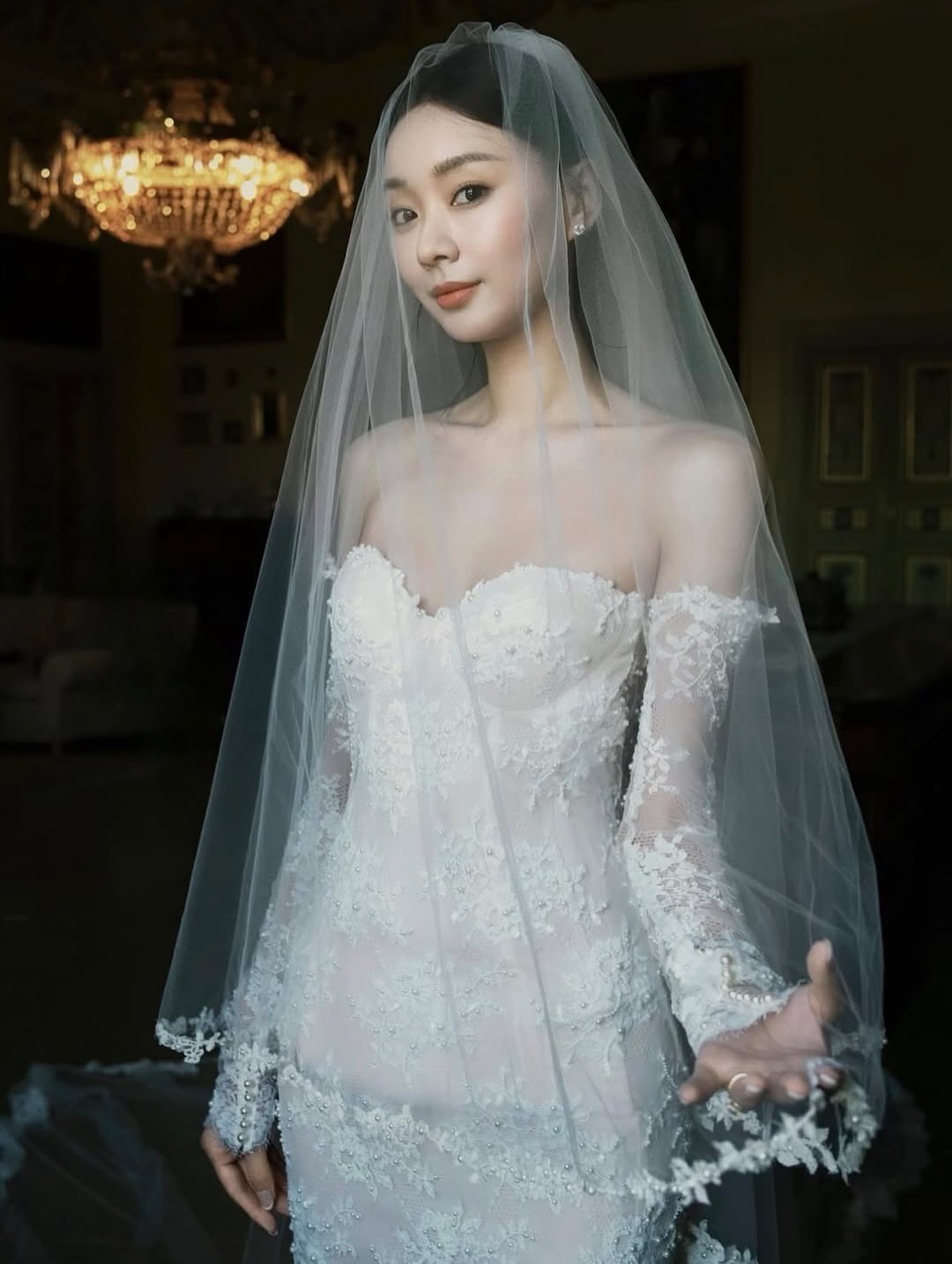
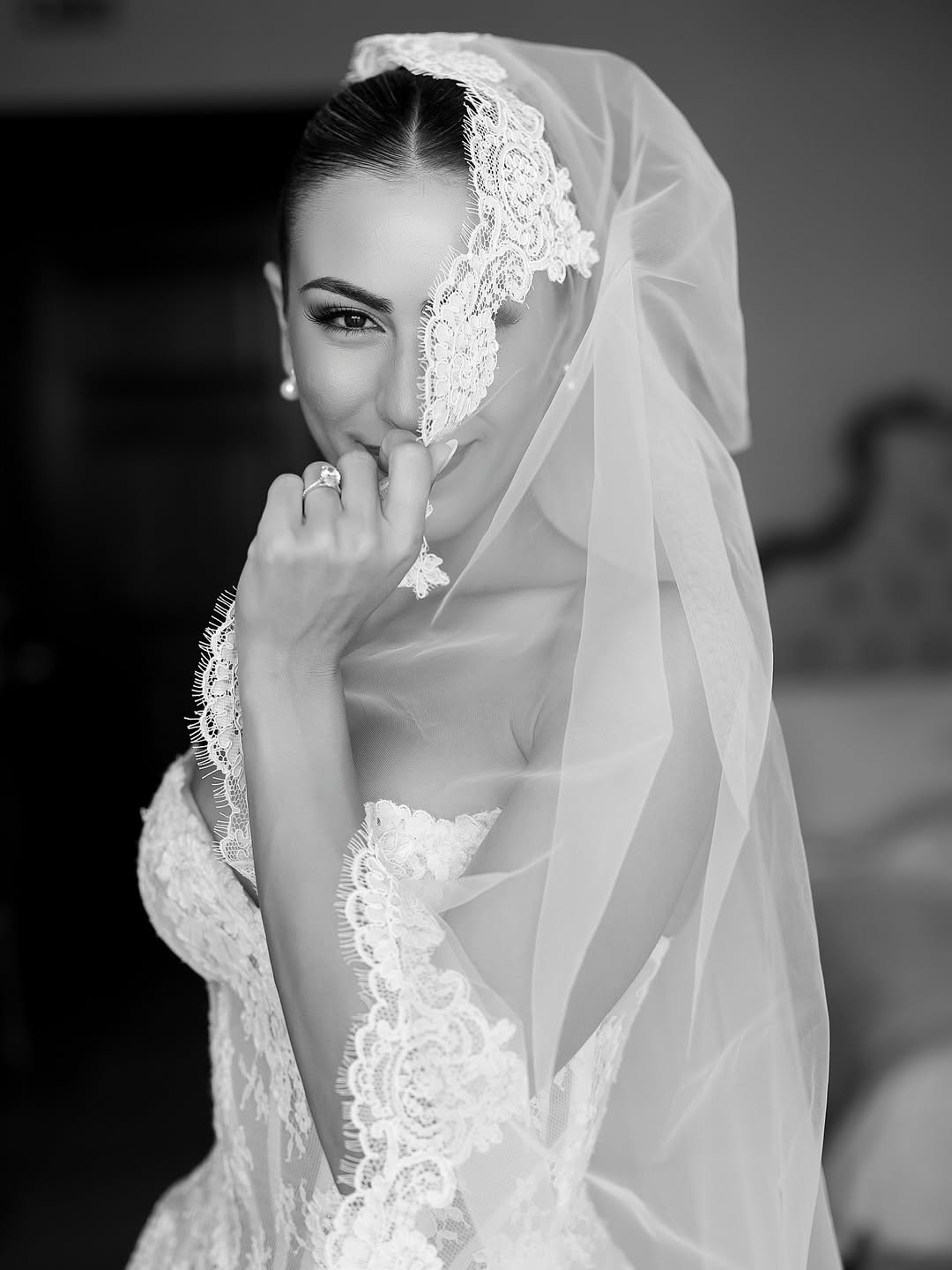
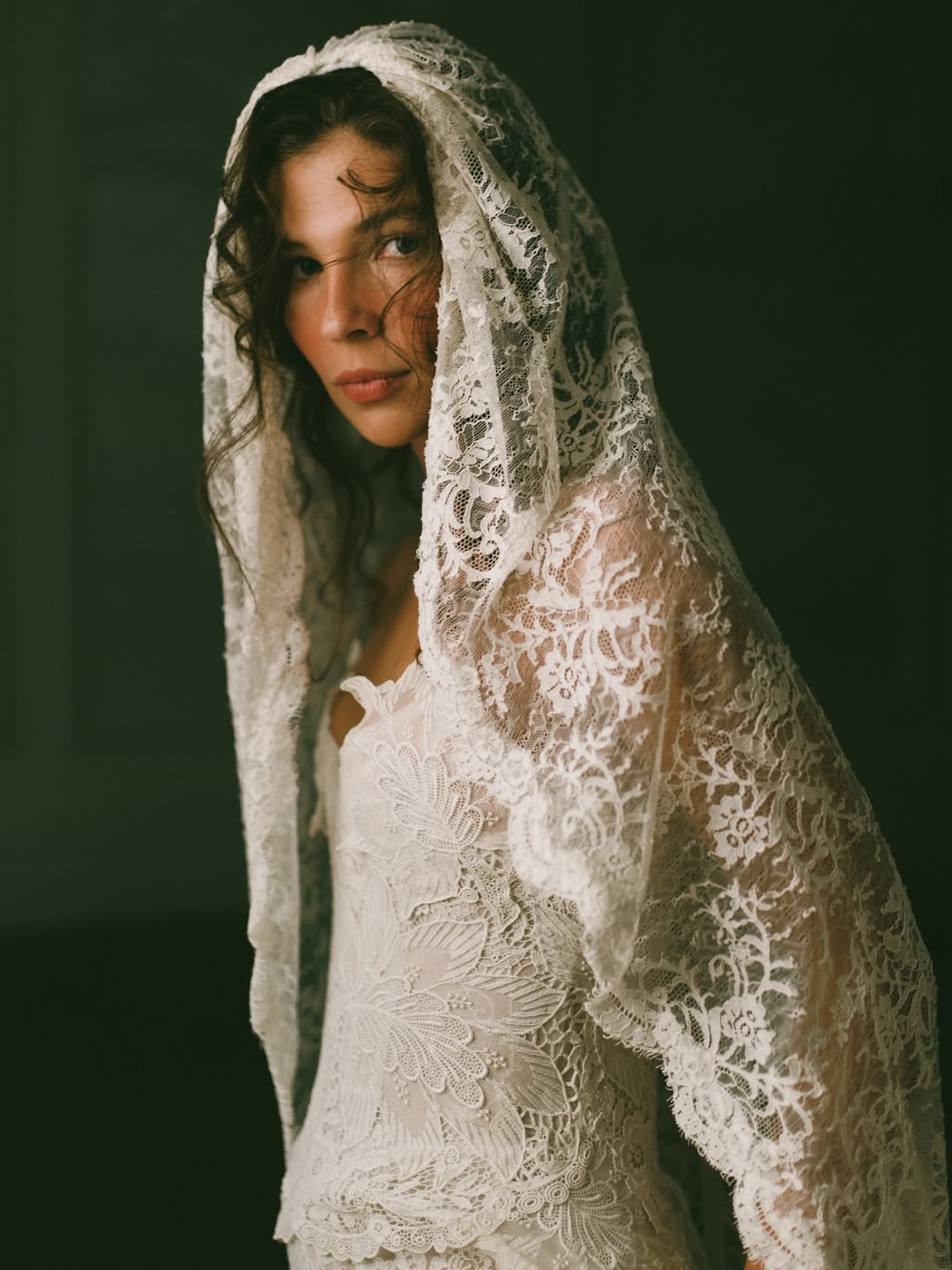
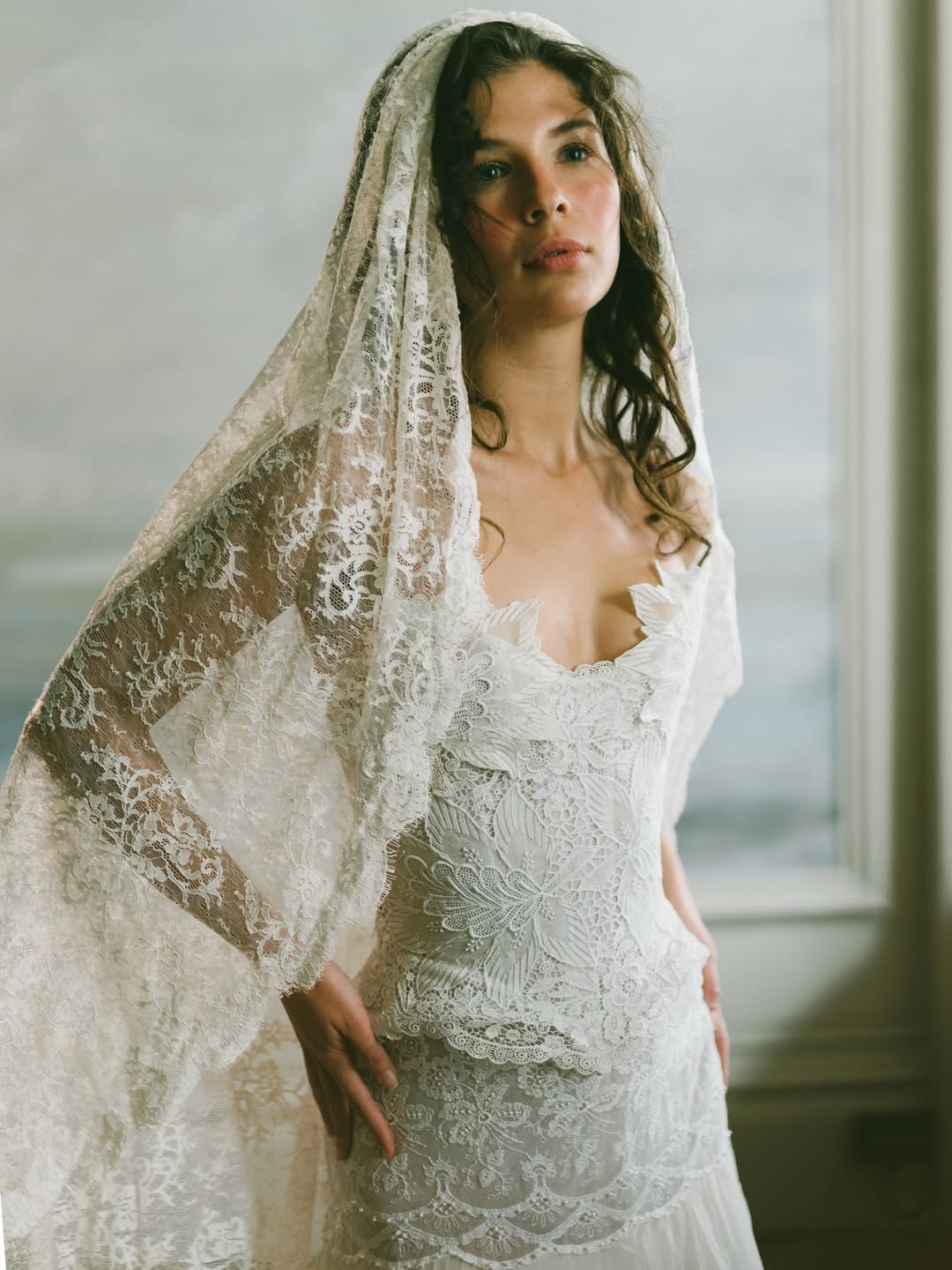
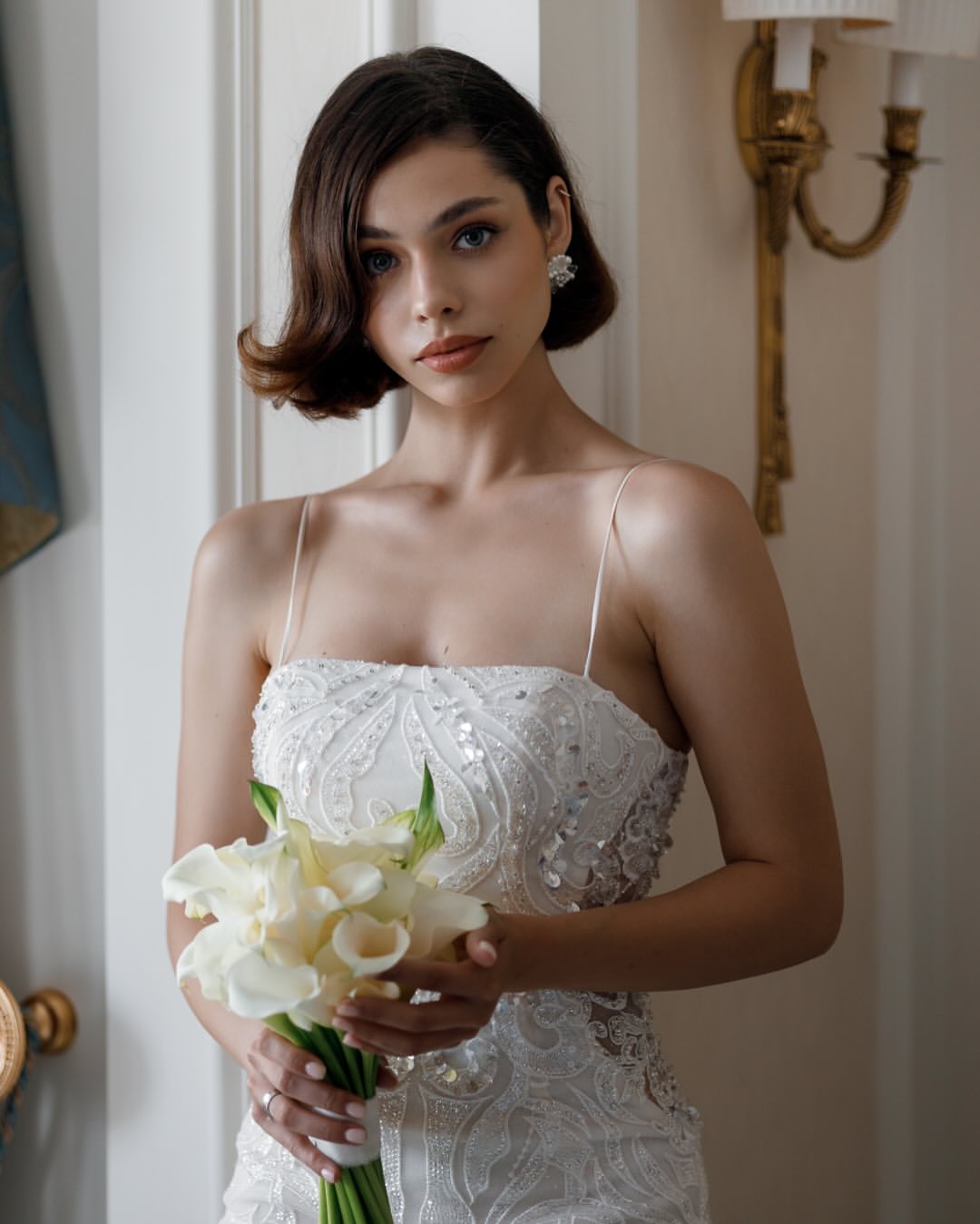
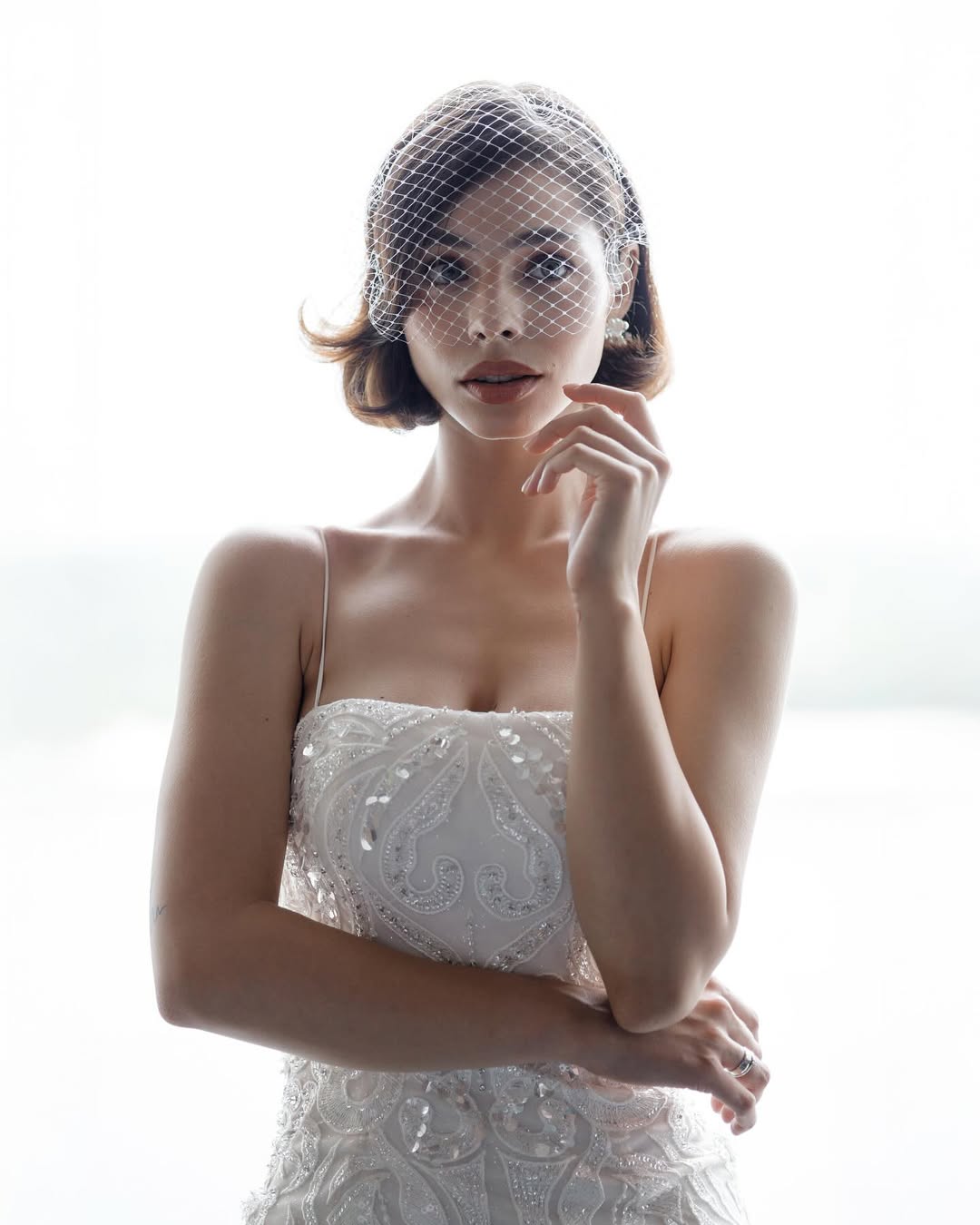
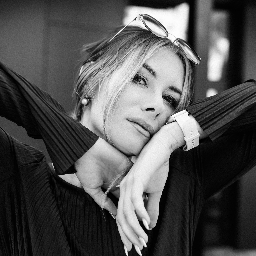
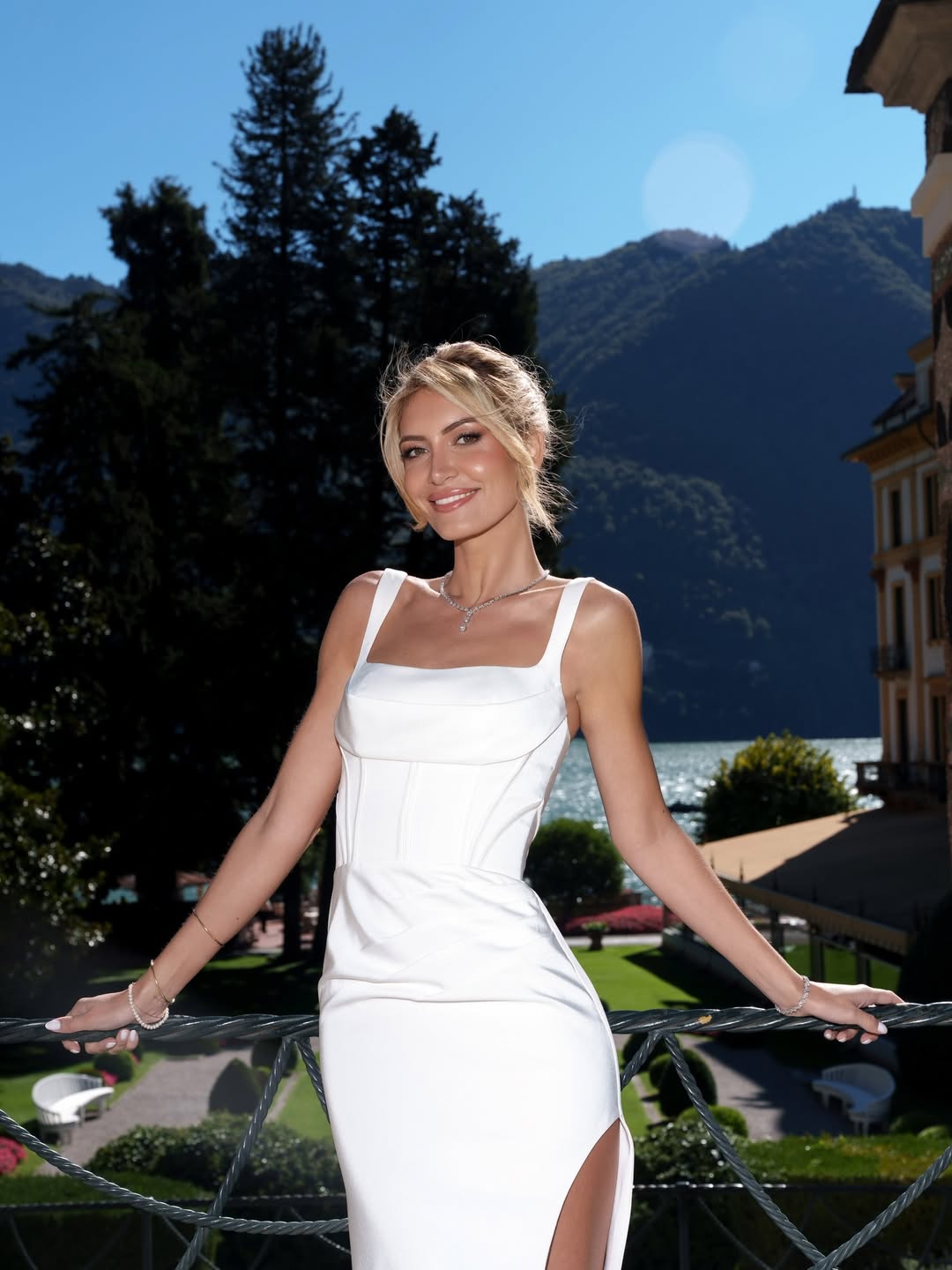
Both engagement and wedding portraits benefit from close-ups that emphasise the bride's face and emotions. These images capture makeup artistry, jewellery, and genuine expressions better than wide shots. You could gently touch your face, adjust your veil, or look directly at the camera with a genuine expression. These portraits also showcase accessories such as earrings, necklaces, and hairpieces in ways they do not in full-length images.
The Dress Twirl
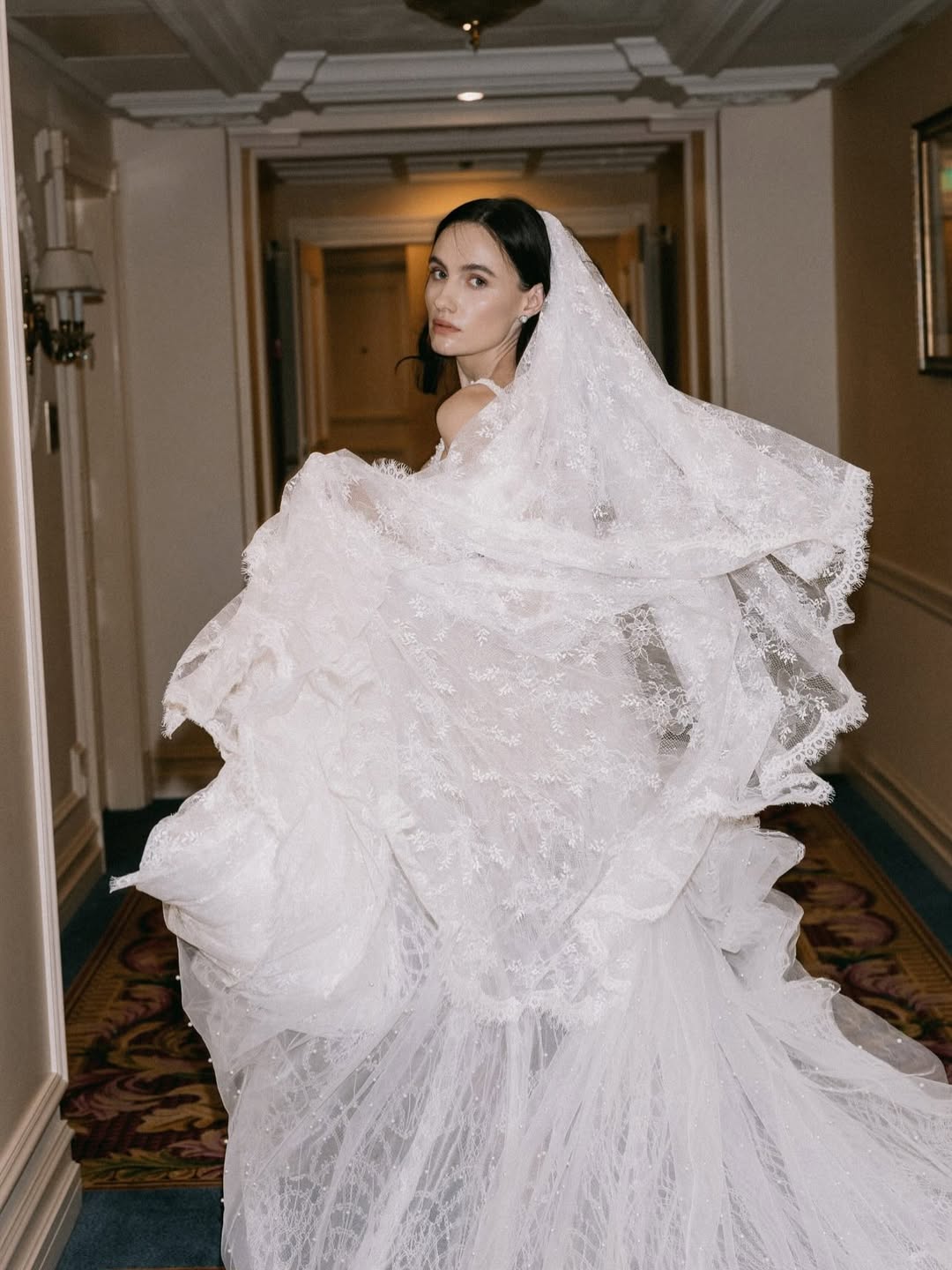
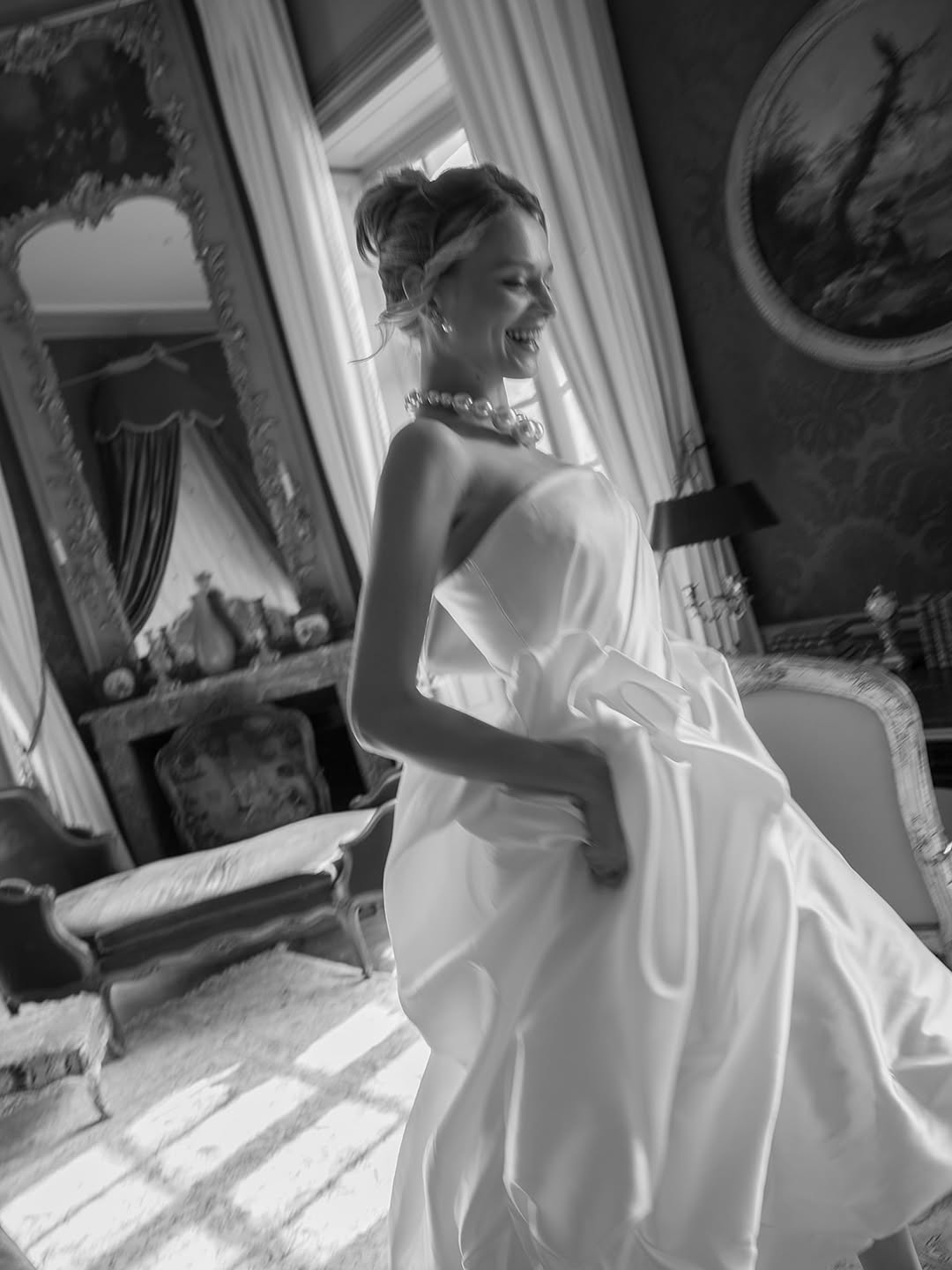
While structured poses are elegant, introducing movement can add life to your images. Static portraits are beautiful, but movement adds life and transforms photography from documentation to storytelling. Wedding celebrations benefit from natural-looking walking shots over staged poses.
For walking poses, actually walk at a normal pace instead of posing mid-step. Walk towards or away from the camera, letting your dress flow naturally. As you step, keep your posture upright, and relax your arms. For dramatic effect, walk along paths, through doorways, or down stairs at a steady speed. If you want movement in the train or the hem, gently lift the skirt with one hand as you walk. For garden or outdoor sessions, engage with your surroundings by lightly touching flowers or railings as you pass.These walking compositions also adapt well to engagement single bride poses and fashion-forward solo portraits.
The Dramatic Dress and Train Display
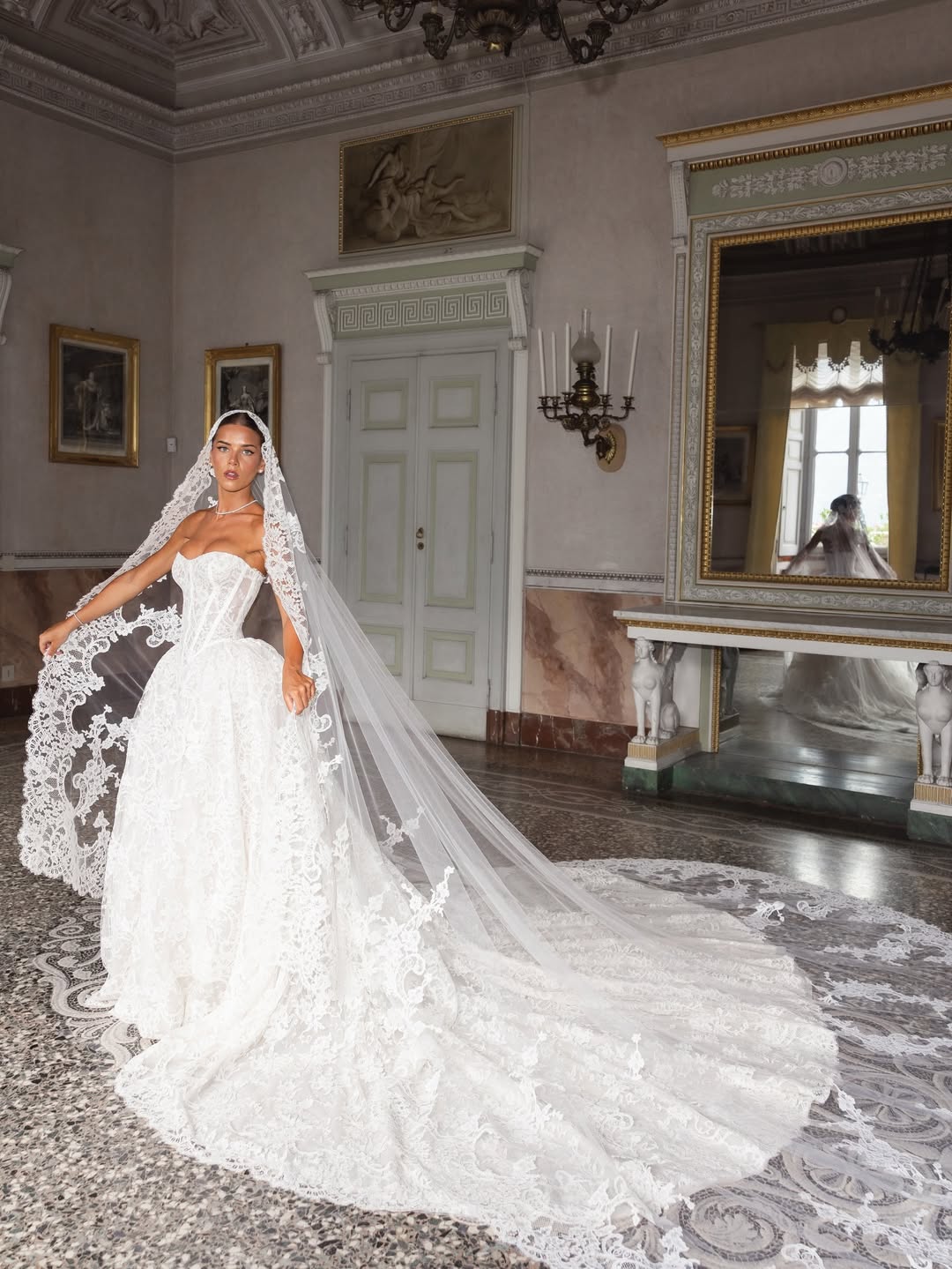
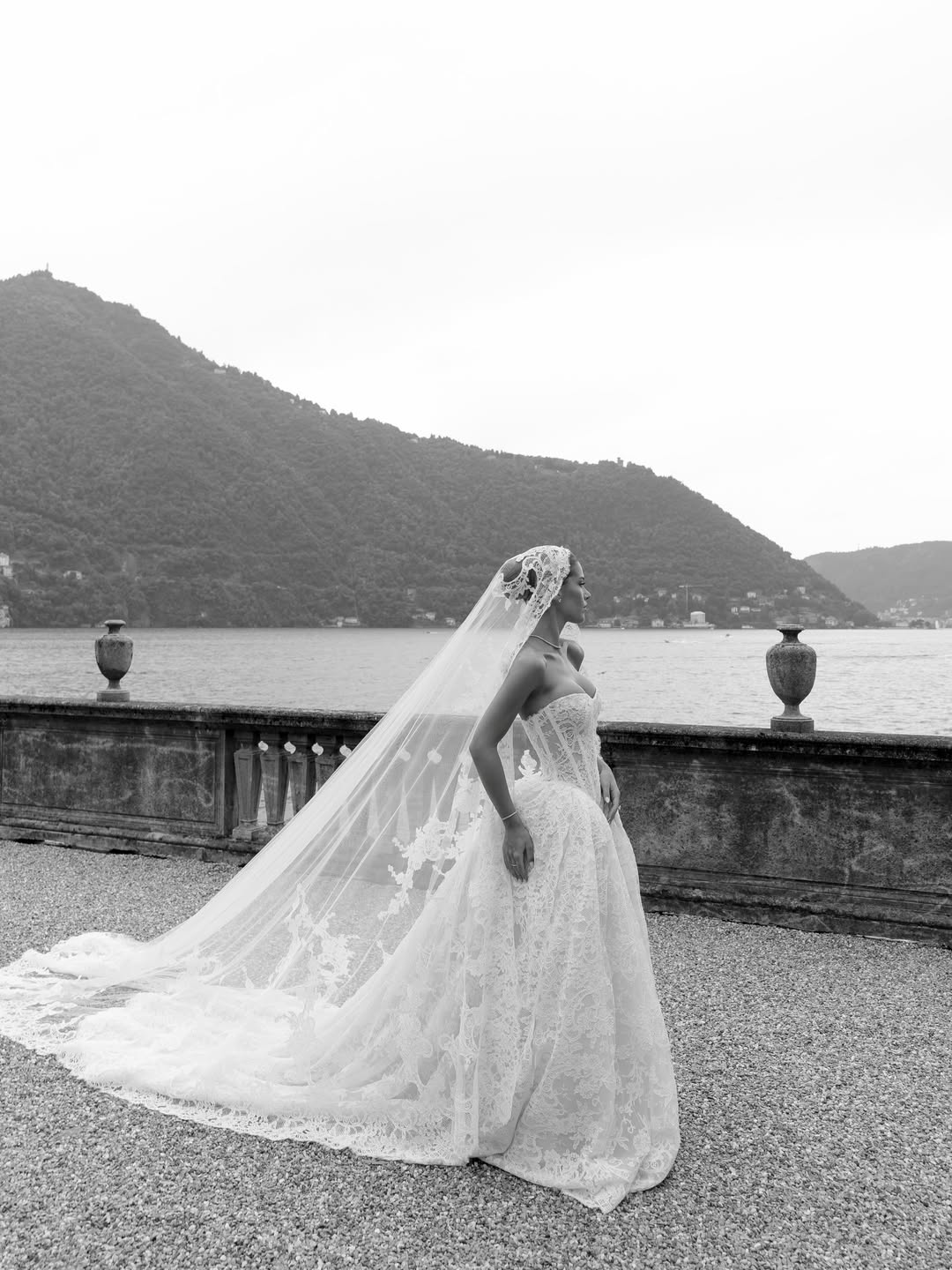
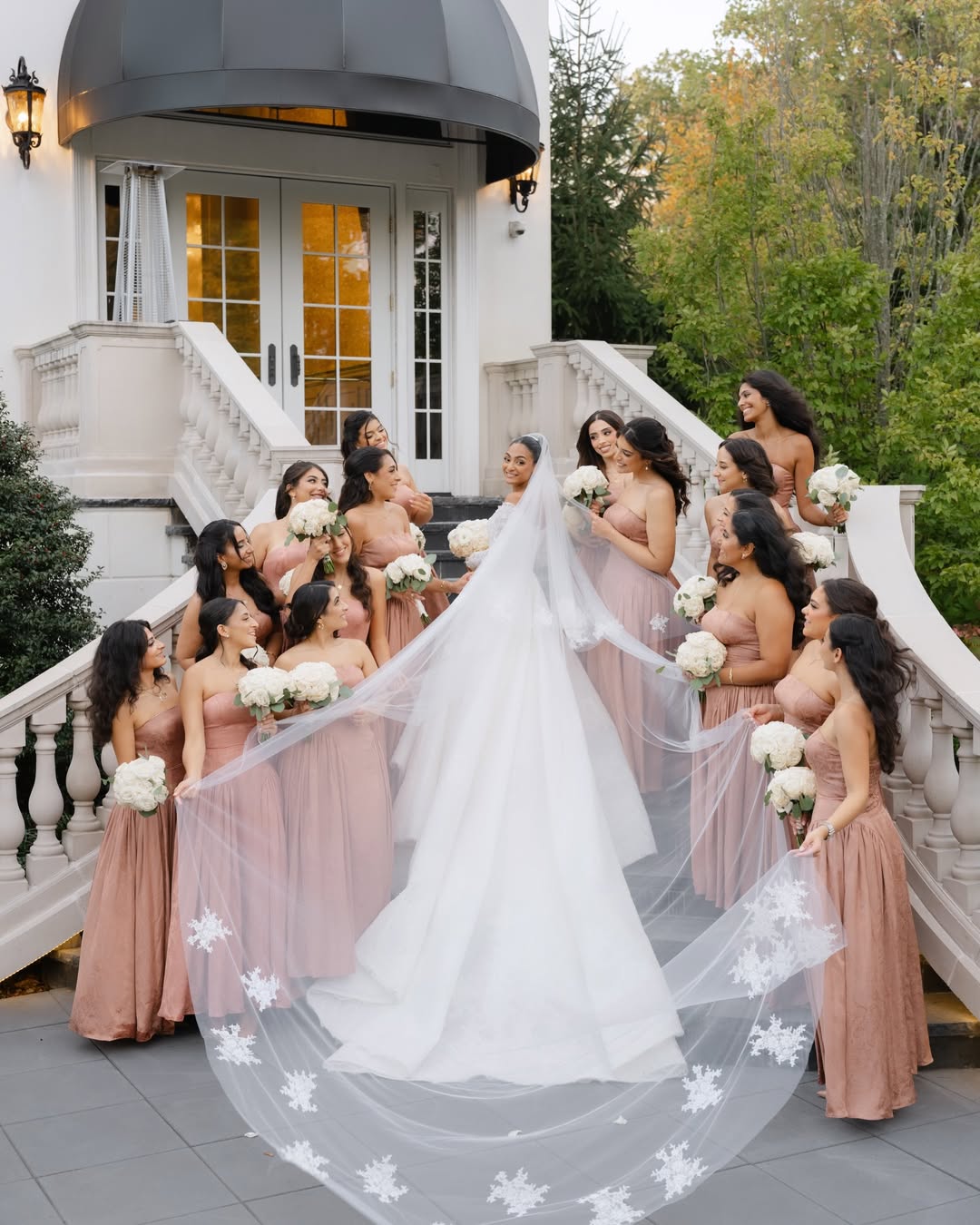
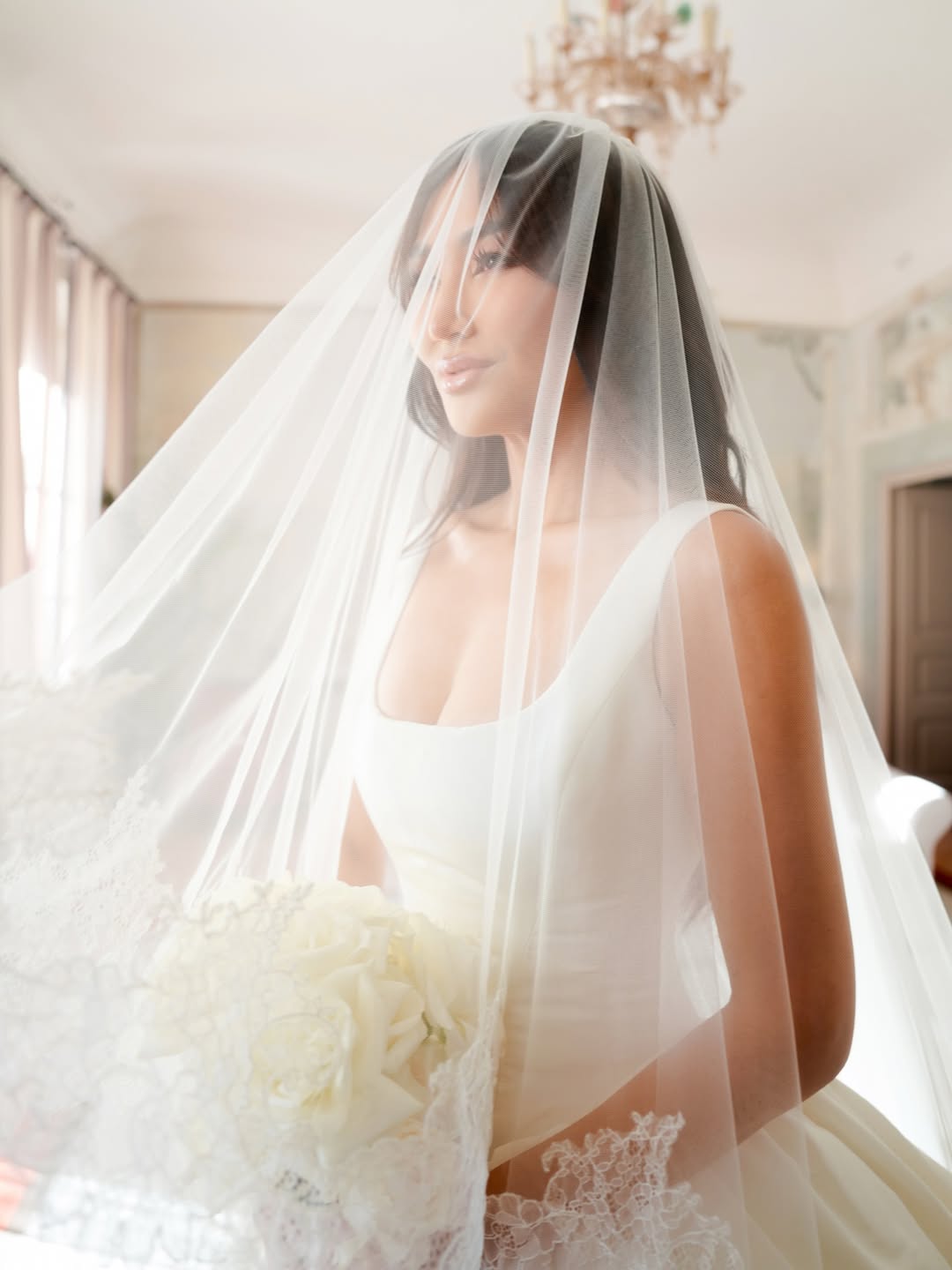
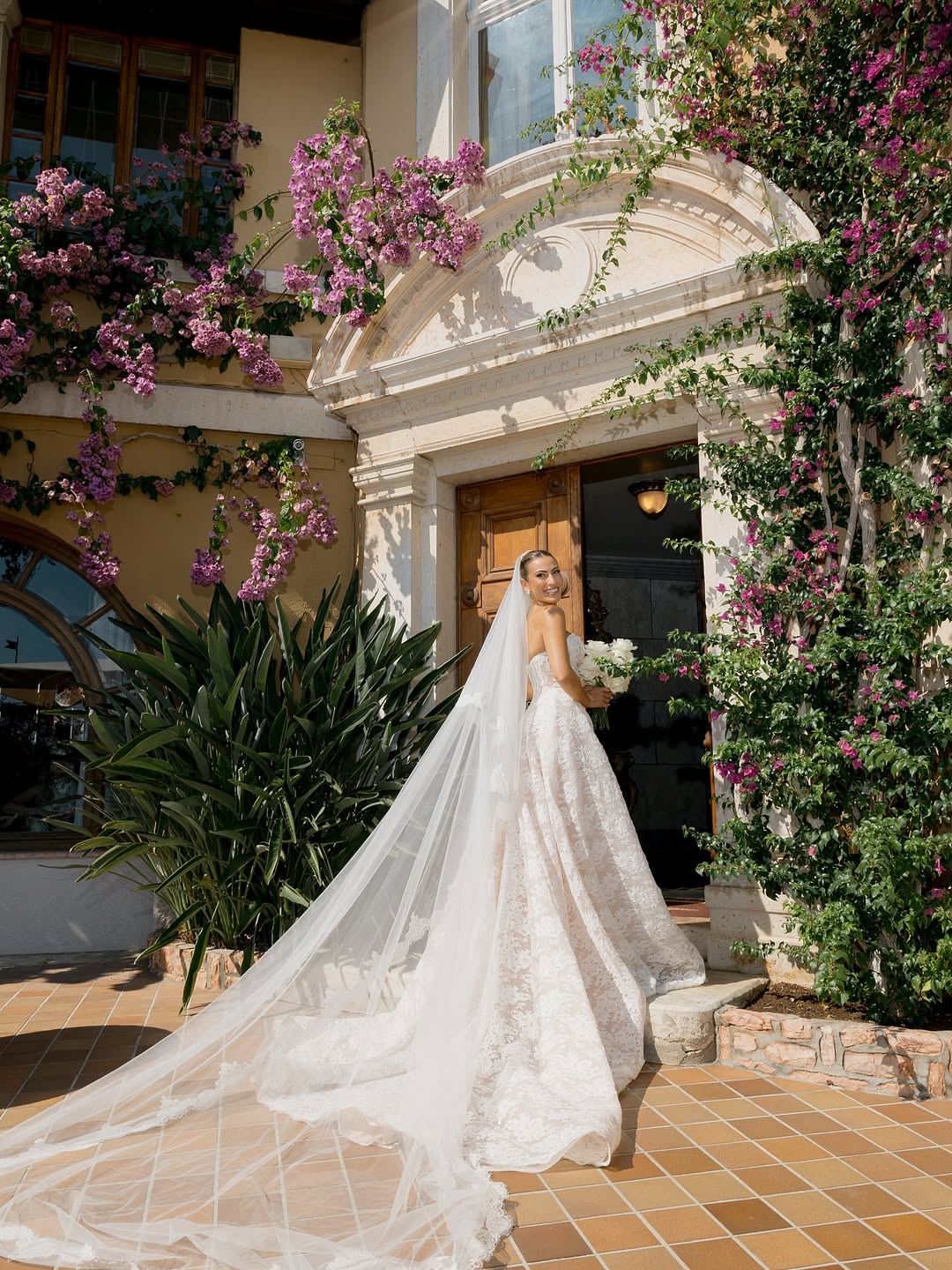
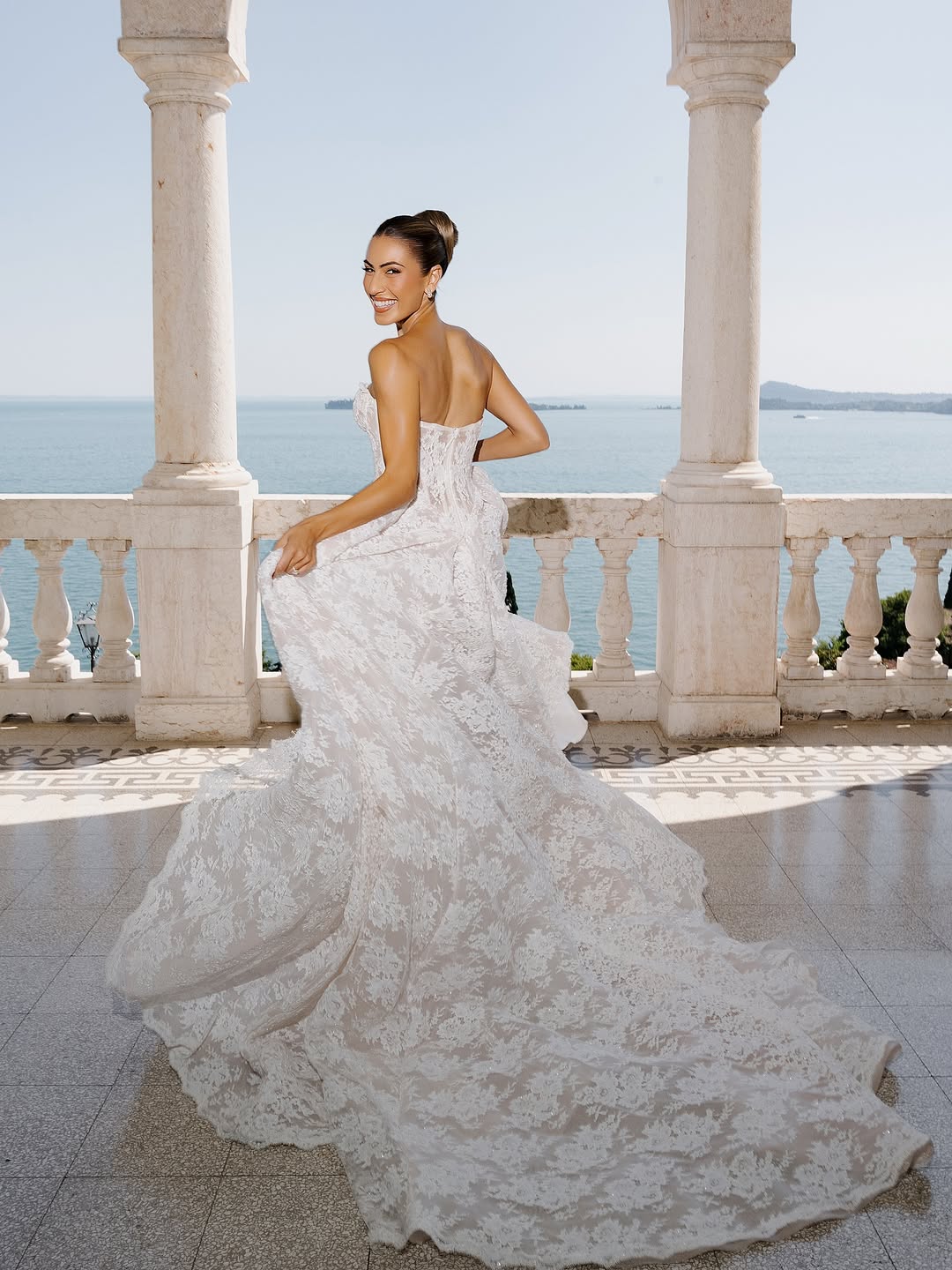
From movement-based shots, consider how to highlight your gown itself with dramatic poses. Showcase your gown with poses that balance your face and dress details.
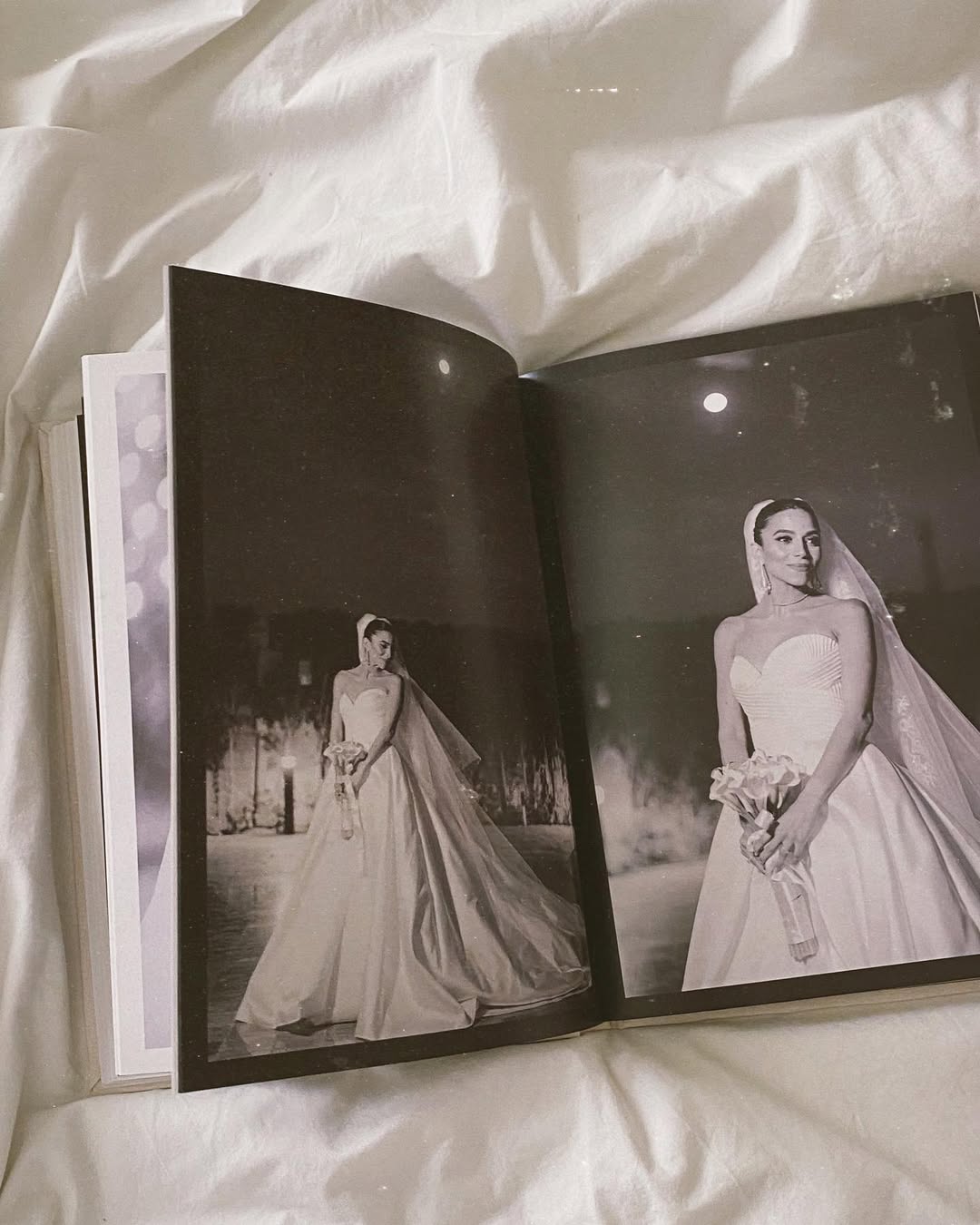
Back-facing shots highlight the train and back details—buttons, lace, closures—offering a unique perspective. Turning to look back keeps your face in view. Holding the dress gives the hands a natural position and creates fabric movement. To display the train, use an assistant or wind for dramatic wide or overhead shots that show off your gown’s scale.
The Bouquet Toss Prep
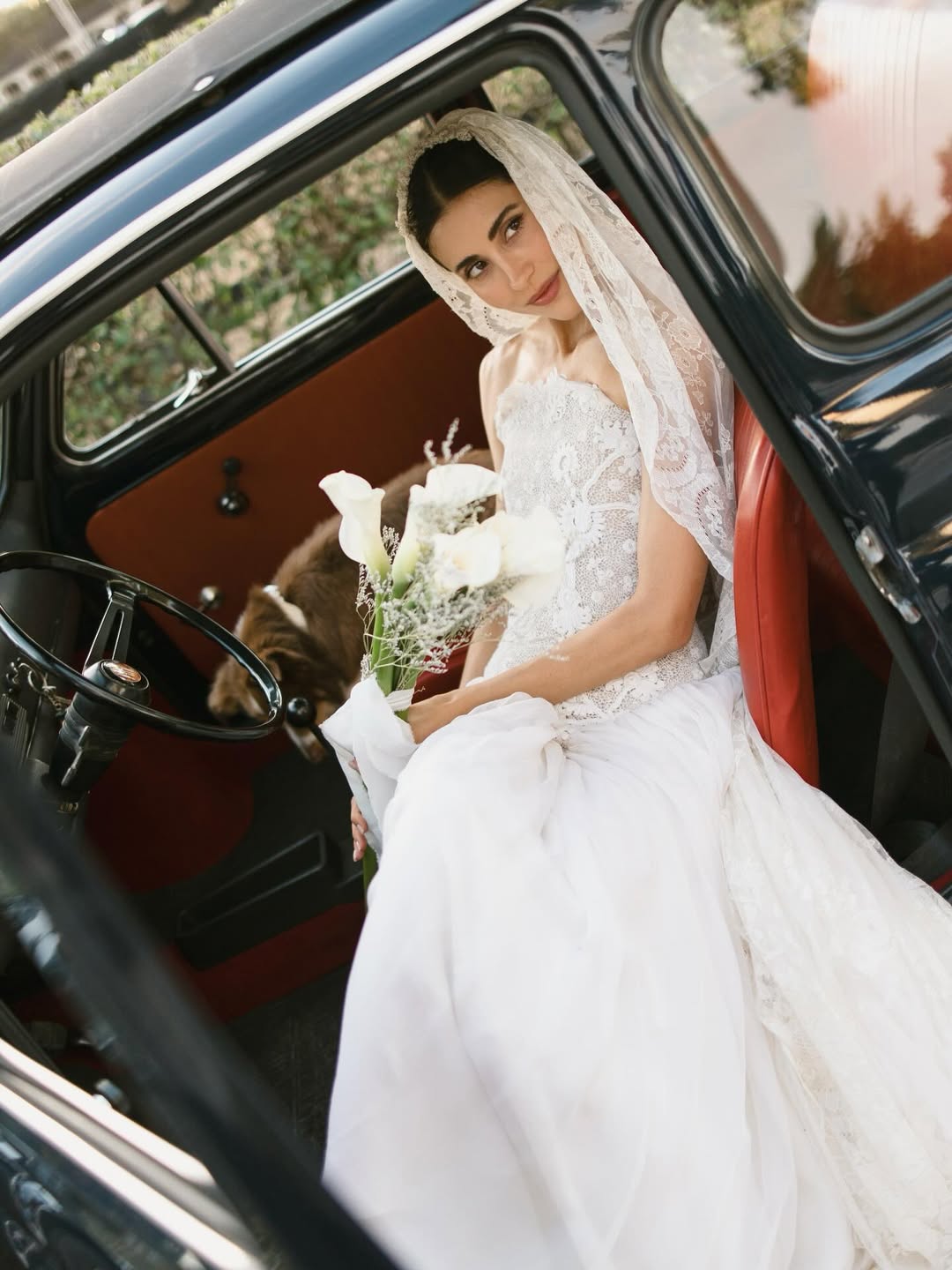
Hold your bouquet up as if you’re just about to toss it, letting your expression reflect the excitement of the moment. Use your free hand to gather your dress slightly so the silhouette stays elegant while you move. This pose works best when it feels spontaneous — light, joyful, and a little playful. It adds variety among more structured bride poses and is perfect for energetic bridal coverage.
Modifications:
- Glance back over your shoulder with a mischievous smile before the “throw.”
- Experiment with bouquet placement — lifted overhead, tucked behind your back, or angled to the side.
- Frame the shot so it includes your bridesmaids reacting in the background.
Tip: The energy makes this pose. Don’t overthink it — lean into the laughter and let your personality lead the frame.
The Veil Shot
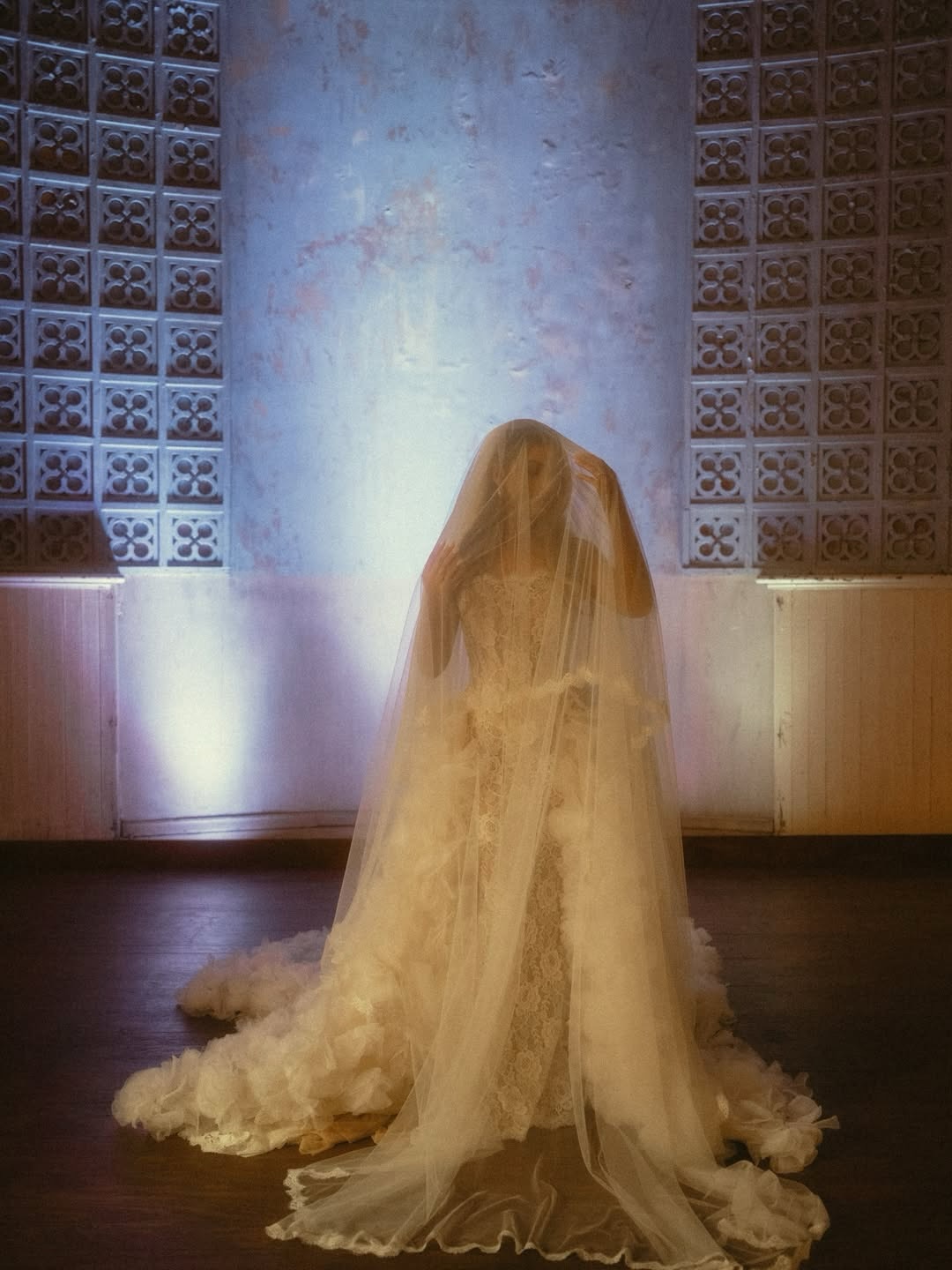
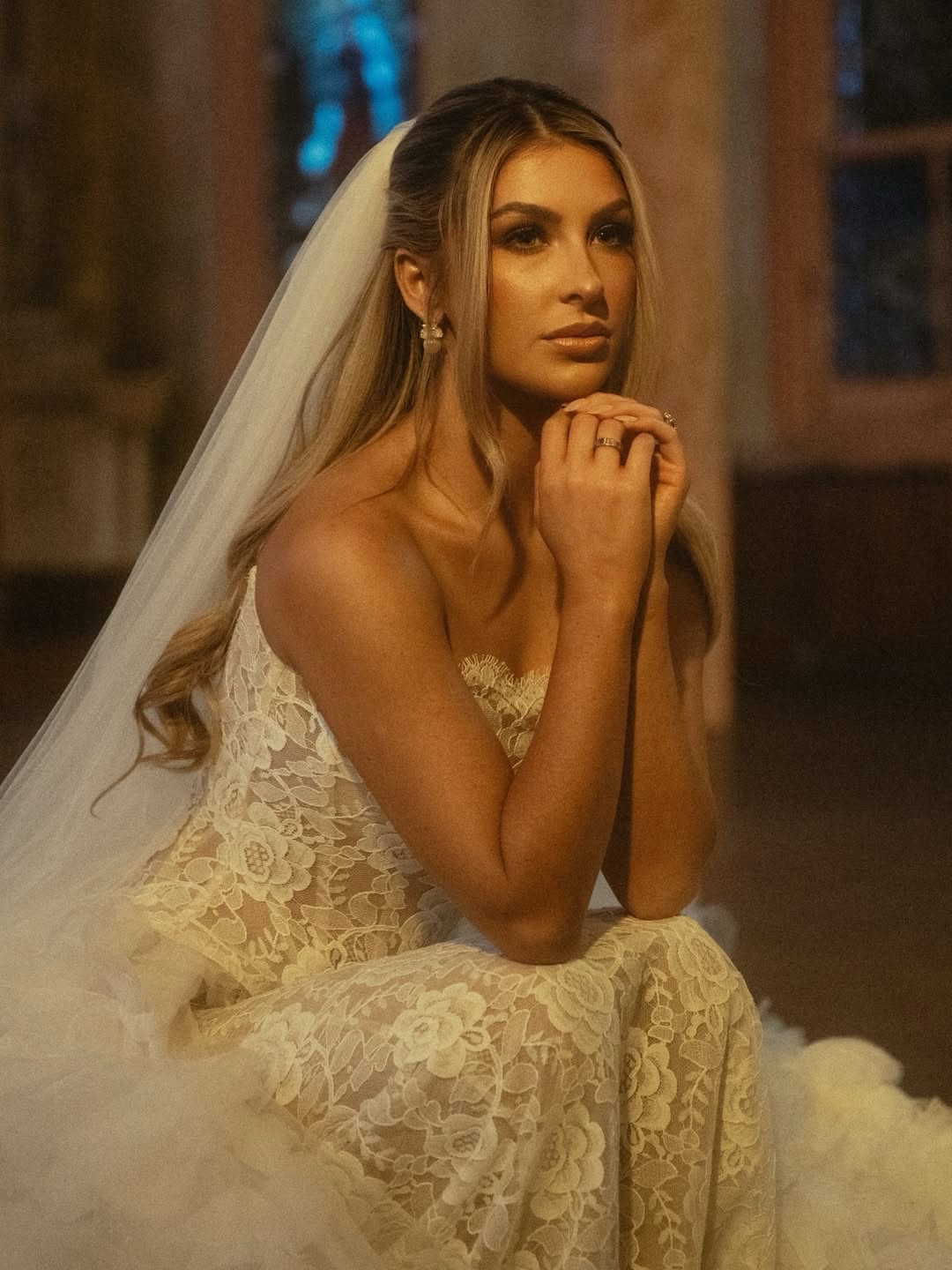
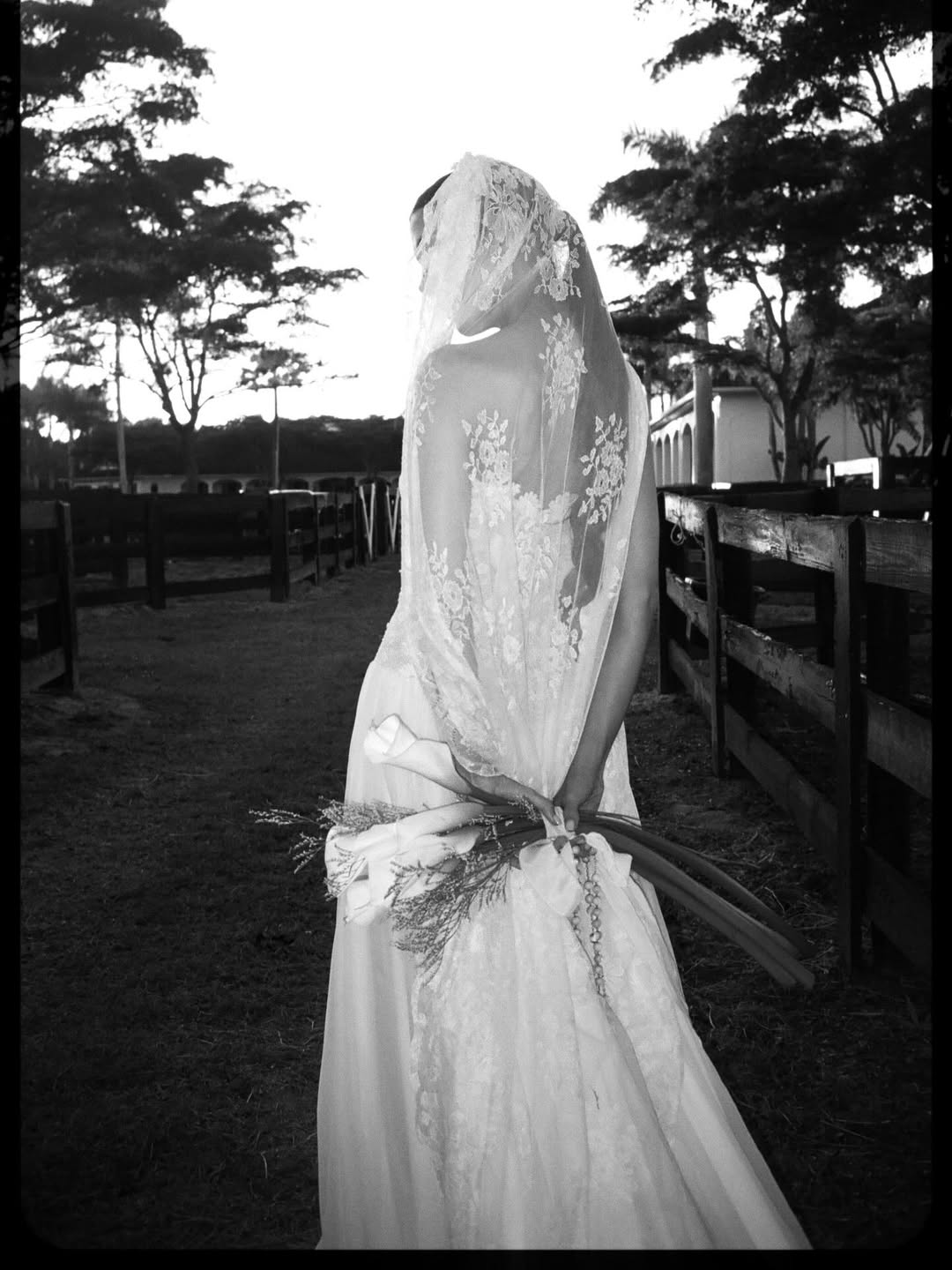
Stand with your back to the camera while someone gently lifts your veil, allowing it to frame your silhouette and create natural movement in the fabric. The flowing layers instantly add drama and softness, transforming a simple pose into something cinematic and timeless. Even a slight shift of your shoulders or a relaxed tilt of your head can subtly change the mood of the image.
For a more atmospheric effect, position yourself so that backlighting filters through the veil, creating a soft glow around its edges. Architectural elements such as doorways or arches can add structure and depth to the composition, while turning slightly to reveal your profile introduces a more intimate feel. Natural wind often enhances the shot beautifully, but a controlled breeze from a fan can help shape the movement if needed. Timing this moment around golden hour allows the light to pass through the fabric in a way that feels warm, dimensional, and effortlessly romantic.

Elegant Sitting Photo Poses for the Bride
Sitting down introduces variety to body positioning and often feels more relaxed and natural than standing for long periods. Both relaxedposes for brides and formal portraits benefit from seated options that shift perspective and create a different energy.
The Regal Sit
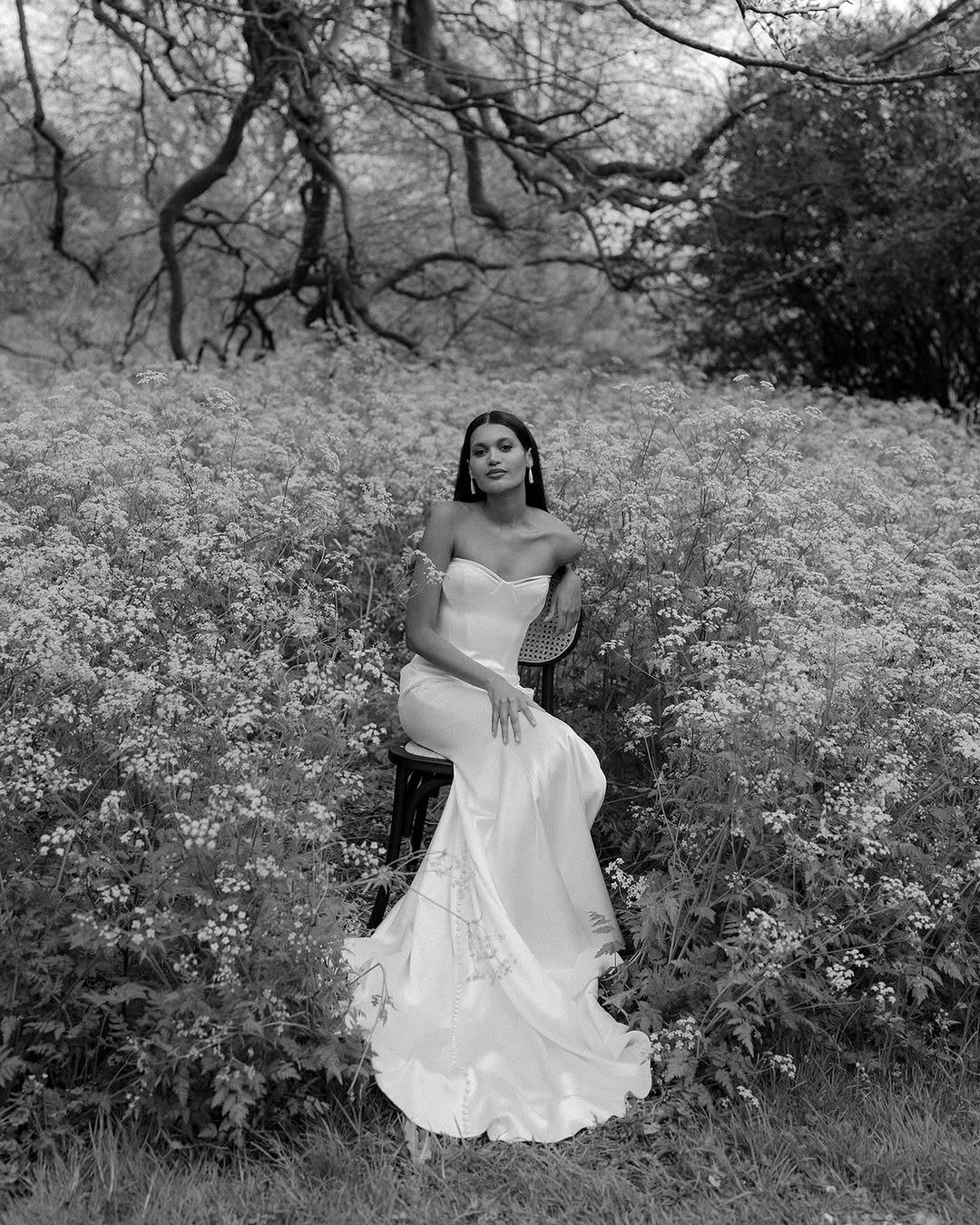
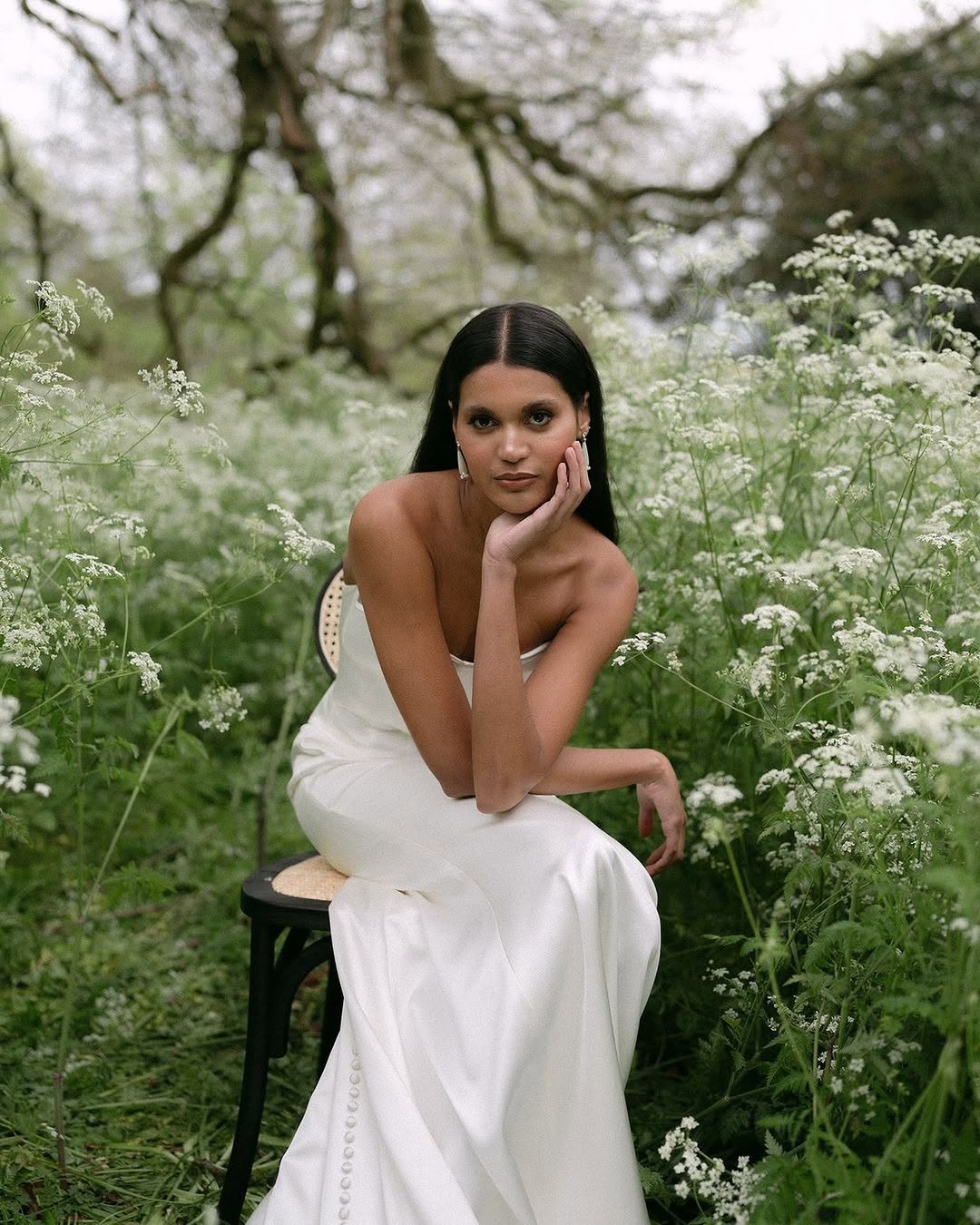
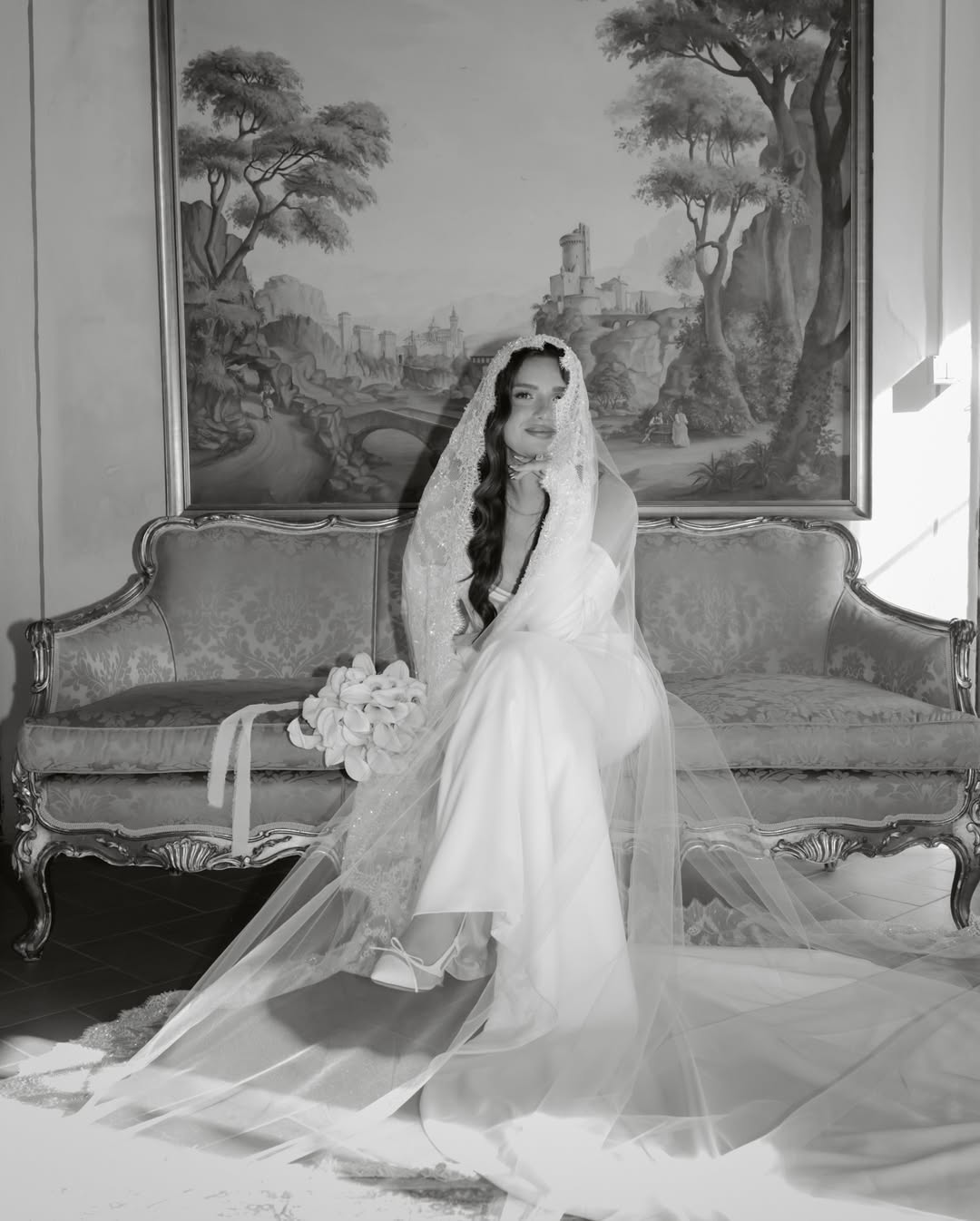
When using formal furniture (such as sofas and elegant chairs), sit towards the edge of the seat rather than sinking deep into the cushions to maintain good posture. Angle your body rather than facing the camera directly. Allow the fabric of your dress to fall naturally around you rather than arranging it too precisely — slightly rumpled fabric often photographs more naturally than perfectly smoothed fabric.
The Dress Spread
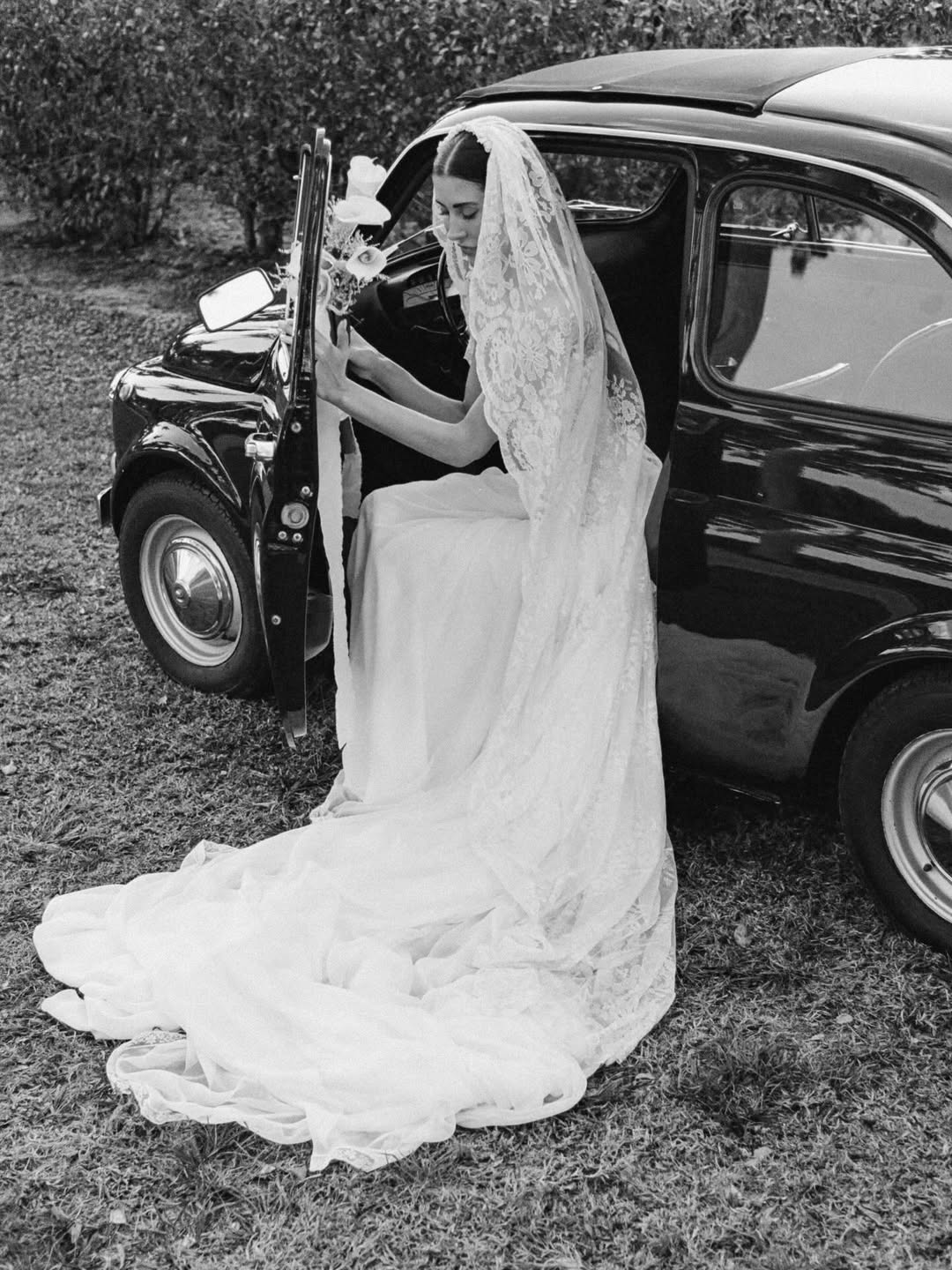

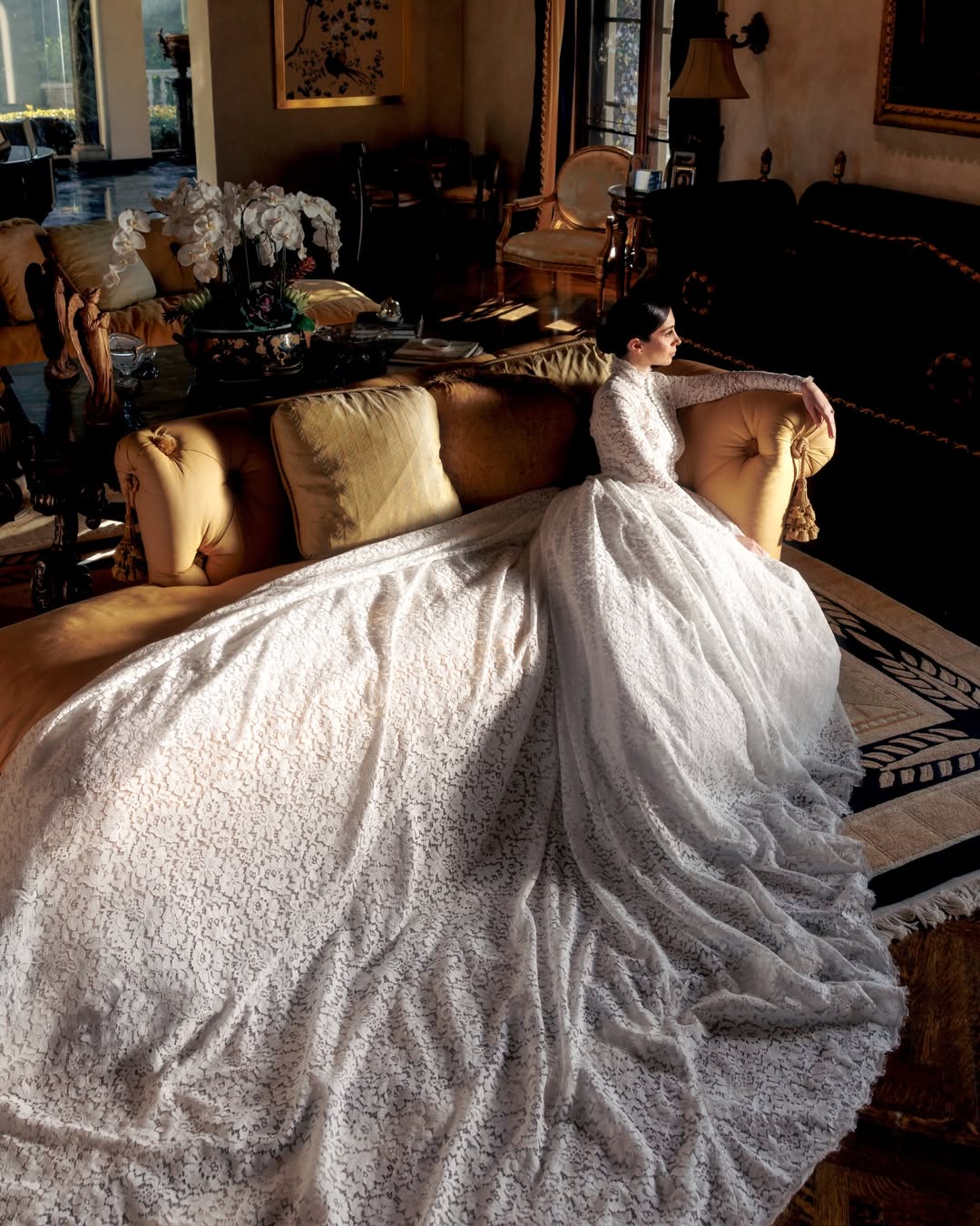
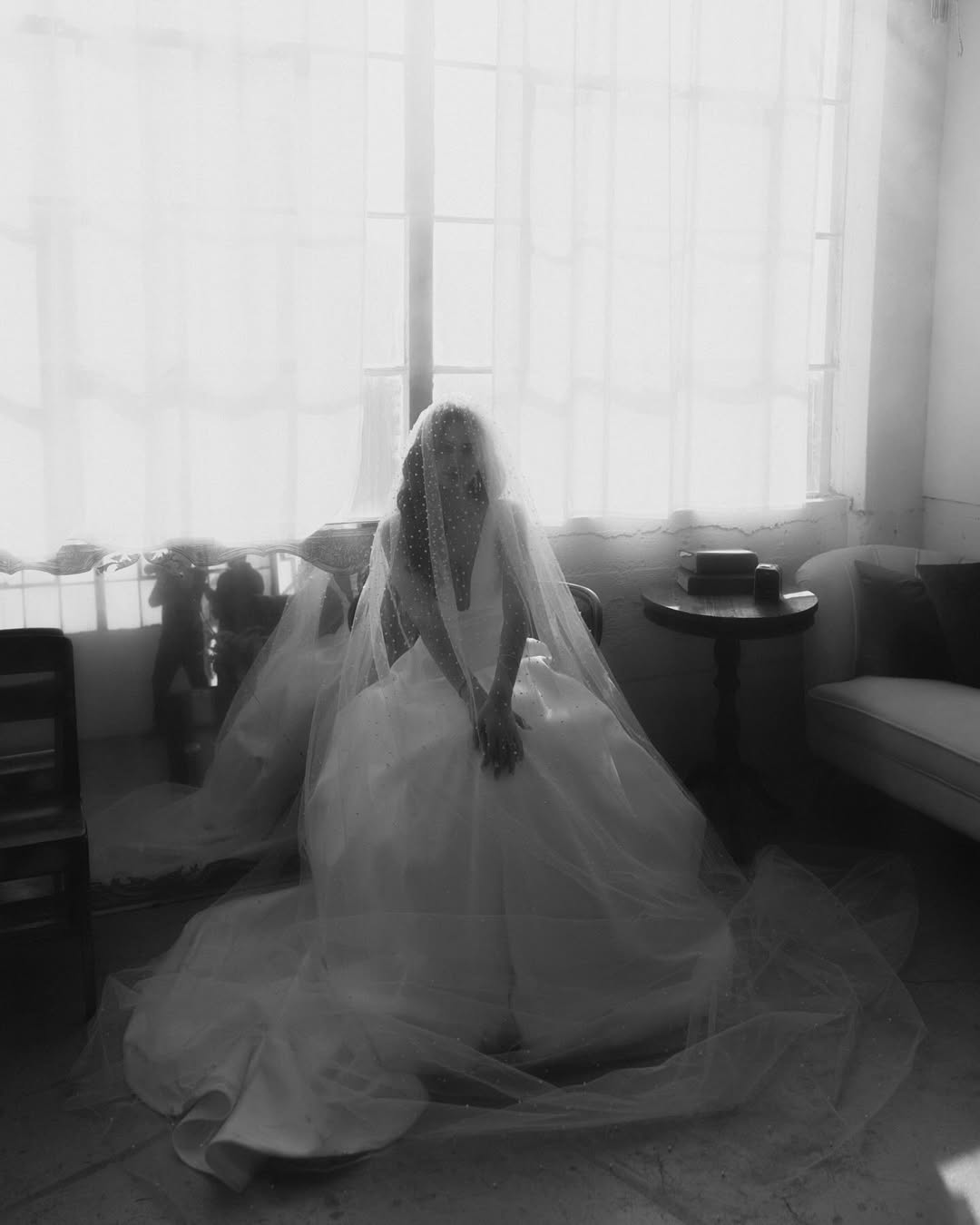
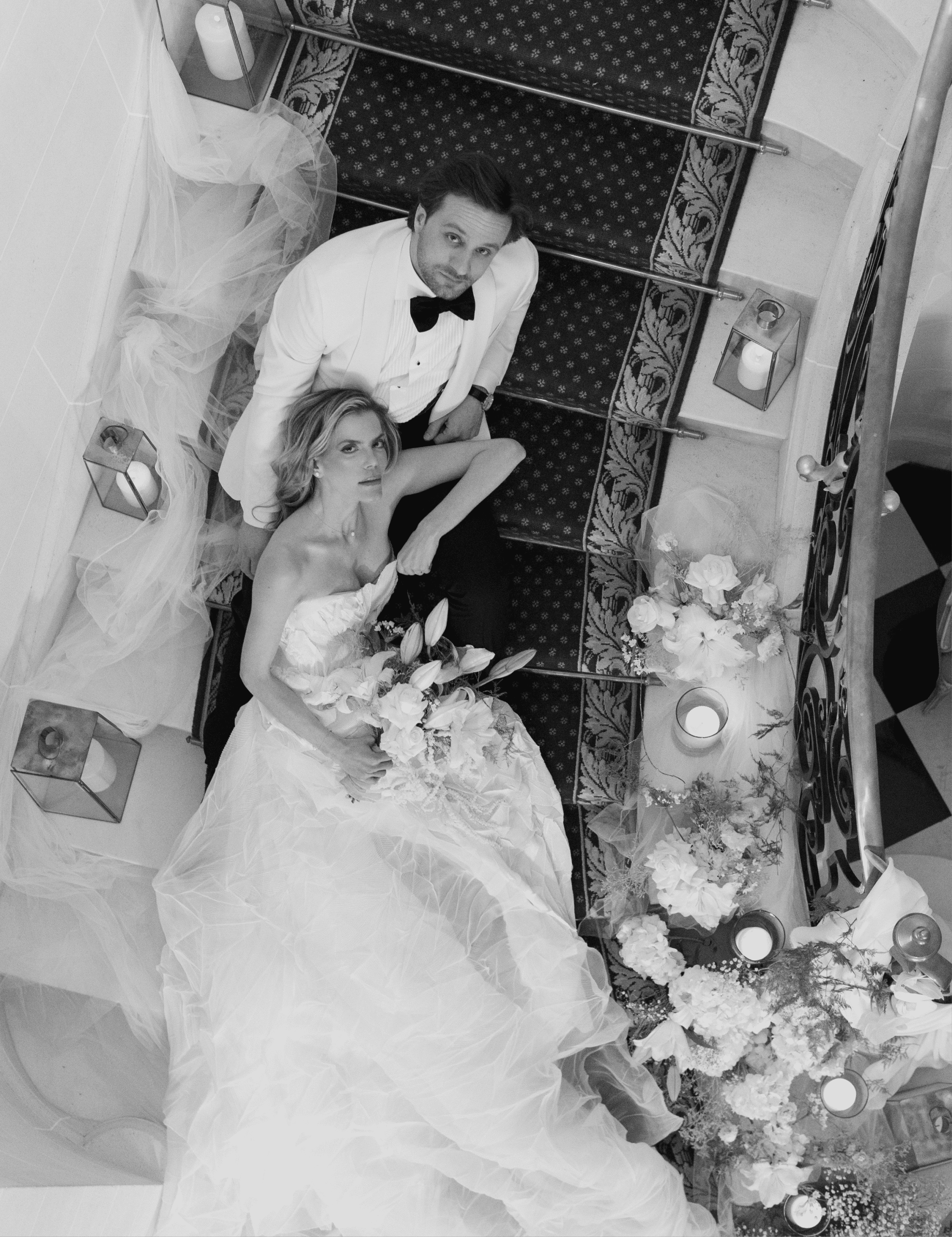
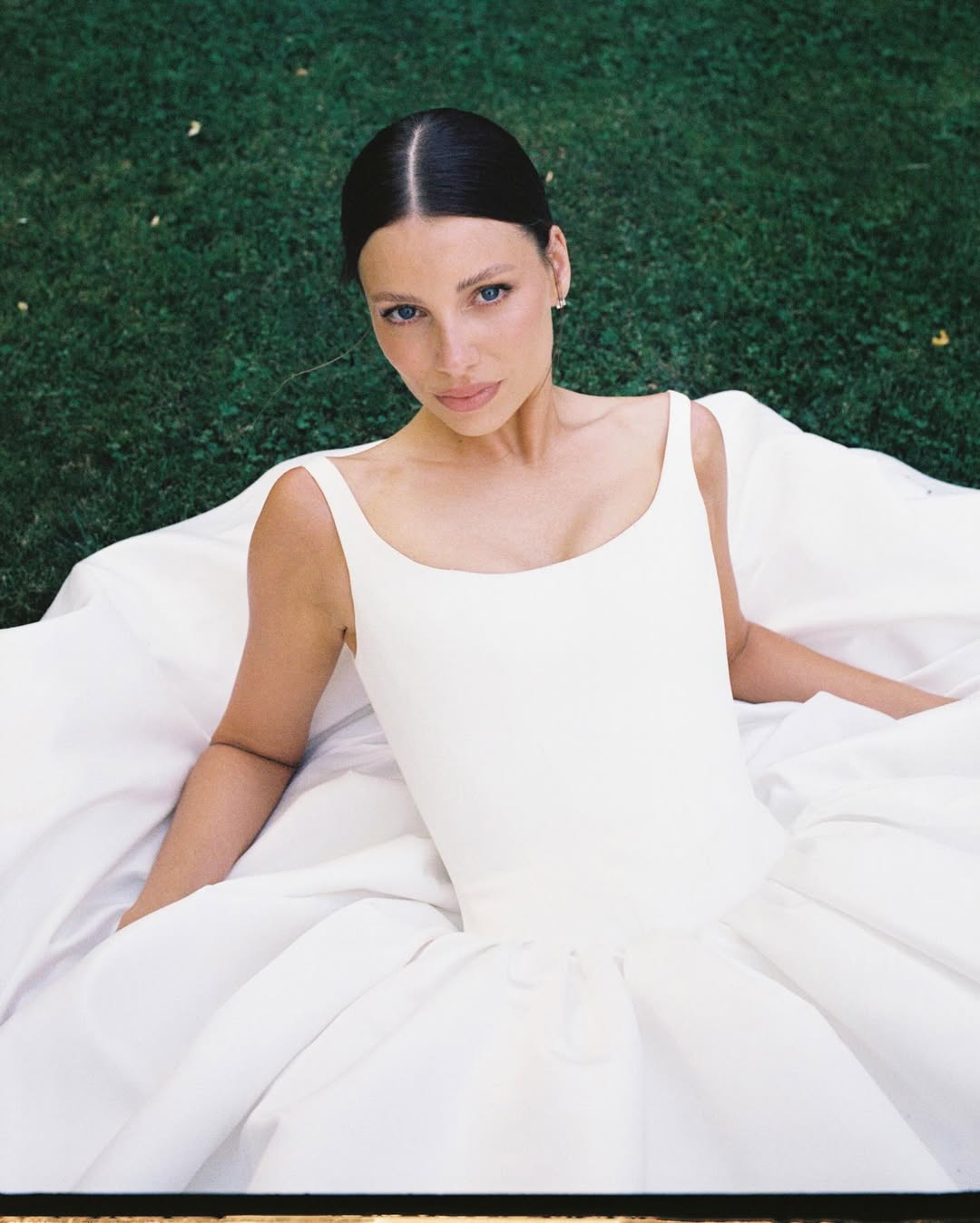
Sit on the ground or a low surface and let your dress unfold around you in a full, circular shape. This pose is especially striking for voluminous gowns, as it allows the skirt to become the main visual element, turning fabric into composition. When photographed from above, the symmetry creates a dramatic, almost editorial effect that highlights the craftsmanship and scale of the design.
To elevate the shot, you can incorporate your veil into the circular arrangement, allowing the textures to blend seamlessly. Different surfaces — soft grass, polished marble, patterned tile, or even layered fabric — completely change the mood of the image. For comfort and posture, a small hidden cushion helps you sit naturally, while assistants can gently arrange the skirt so every fold looks intentional rather than accidental. This can be especially impactful in bengali bride poses or richly detailed traditional looks.
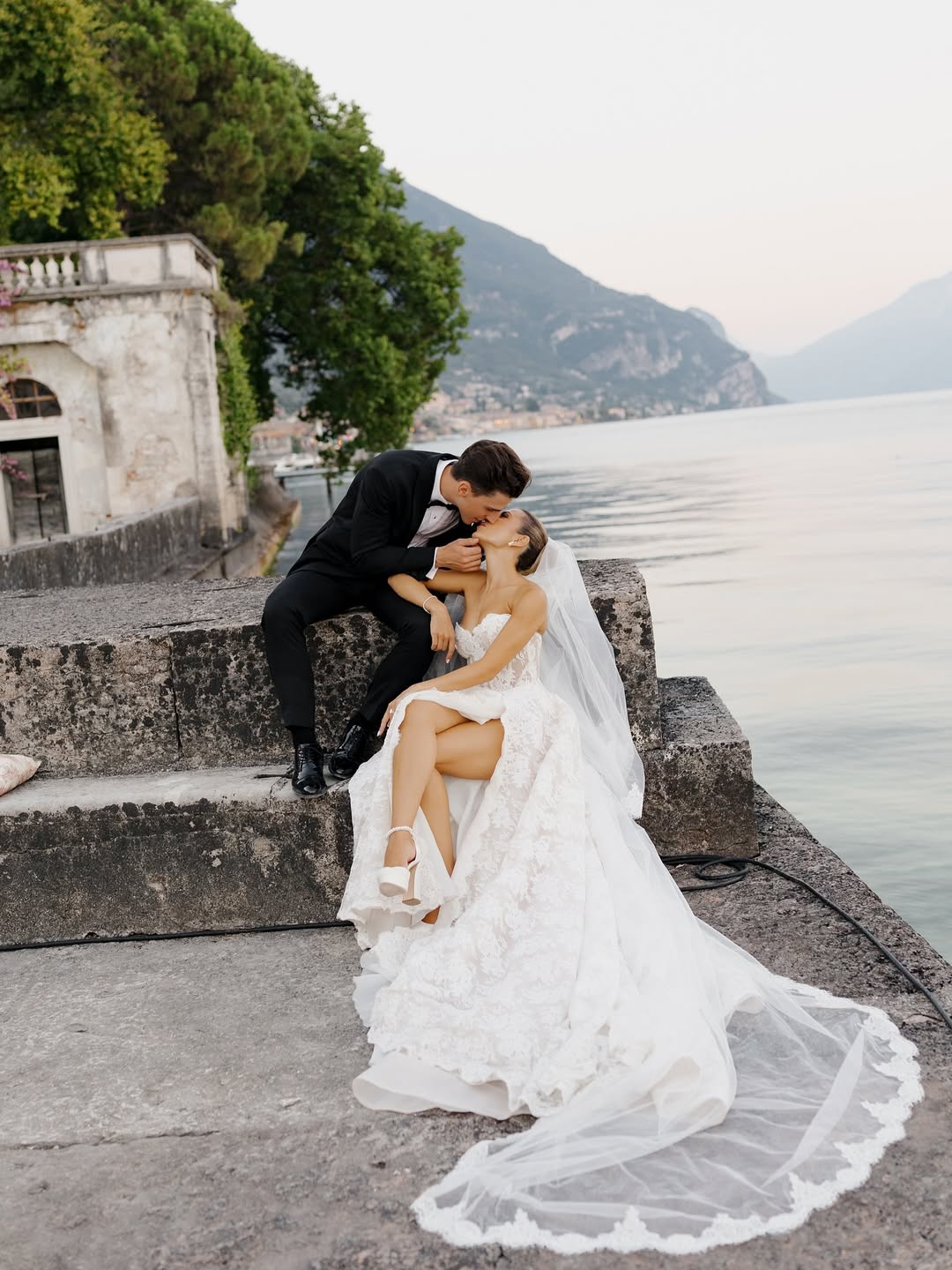
The Intimate Bench Moment
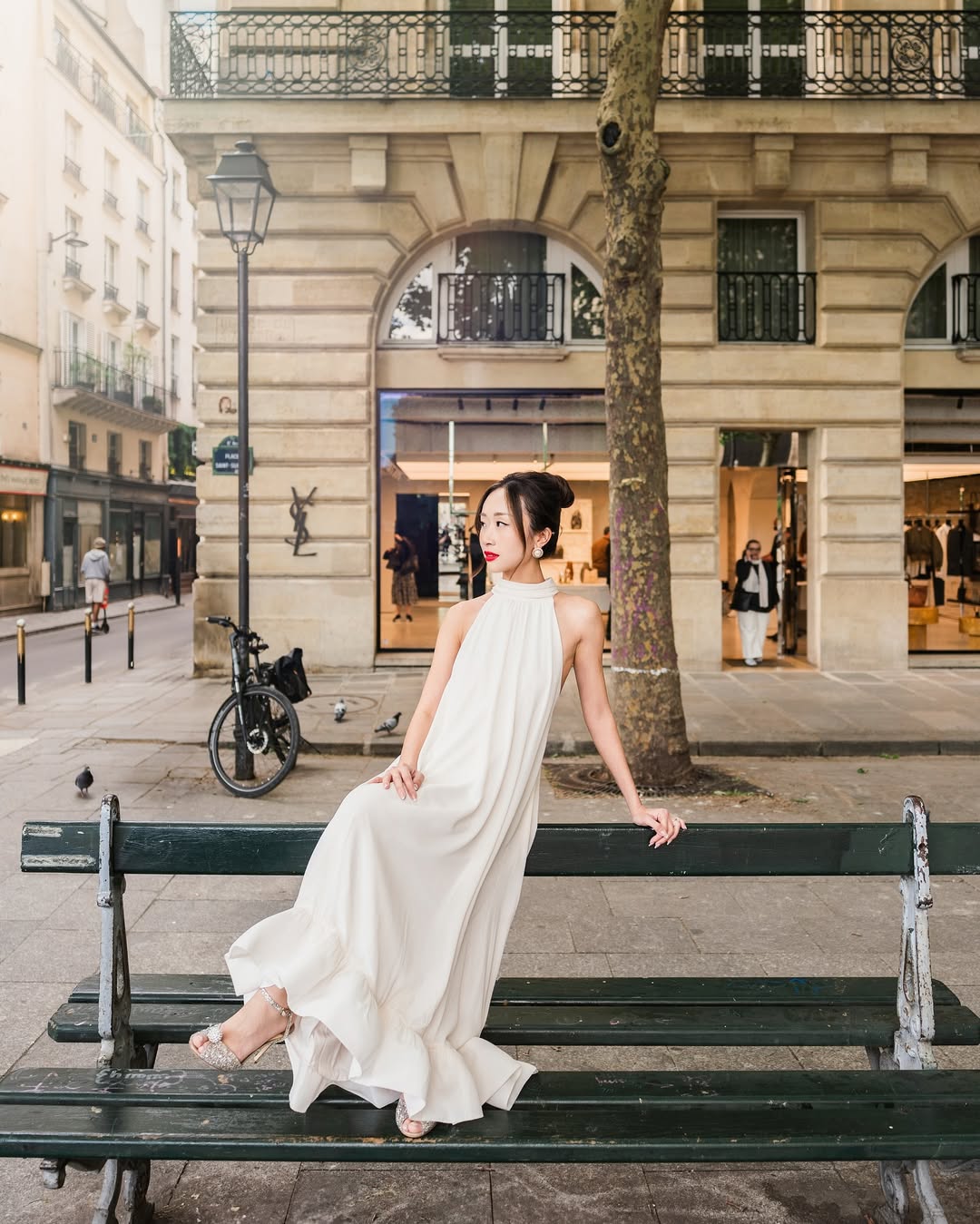
Sit on a bench or ledge, with your bouquet placed softly beside you, to create a pose that feels quiet and composed. This setup works beautifully in gardens, courtyards, or architectural spaces where the setting frames you naturally.
To refine the lines and posture:
- Cross your ankles to create a clean, elegant silhouette.
- Rest one hand lightly on the bench, and let the other rest in your lap for balance.
- Experiment with subtle head positioning — a slight tilt adds softness, while a straight gaze toward the camera feels confident and direct.
The strength of this pose lies in its simplicity. Small adjustments in posture and expression completely shift the mood from contemplative to self-assured without changing the overall composition.
The Staircase Sit
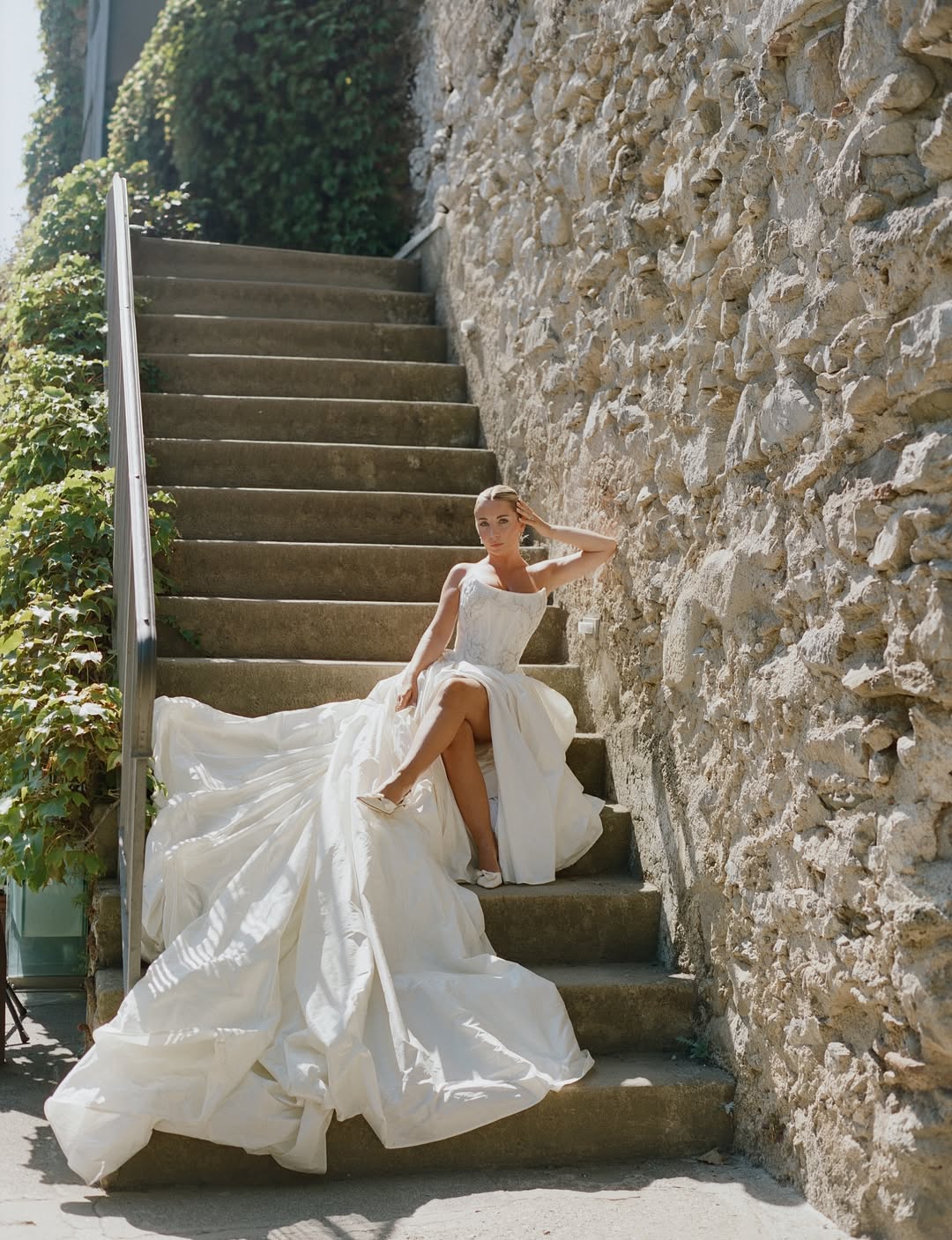
On floors or steps, the mood naturally shifts to a more relaxed, editorial tone. Sit with your legs softly angled to the side rather than straight forward — this creates a far more flattering line — and keep your hands gently engaged, adjusting the fabric of your dress rather than letting them rest stiffly or awkwardly. The most beautiful images happen when you’re genuinely comfortable, so don’t hesitate to communicate with your photographer if a pose feels unnatural or difficult to hold.
Top Bridal Poses with Bouquets
Your bouquet is more than just flowers — it’s a key prop that can elevate almost every portrait when positioned thoughtfully. The way you hold it, angle it, or let it rest naturally against your dress can shift the entire composition, adding texture, balance, and a subtle focal point to the frame. Thoughtful bouquet placement often improves classic wedding poses for the bride without needing anything overly complicated.
The Bouquet Frame
Hold your bouquet close to your face so the blooms softly frame your features and draw attention to your expression. You can play with distance — bringing the flowers closer for a more intimate crop or lowering them slightly to reveal more of your face — and even allow a few petals to partially obscure one eye for a subtle, artistic effect. Fuller, round bouquets tend to work best here, as they create balance without overwhelming your features.
The Bouquet Cascade
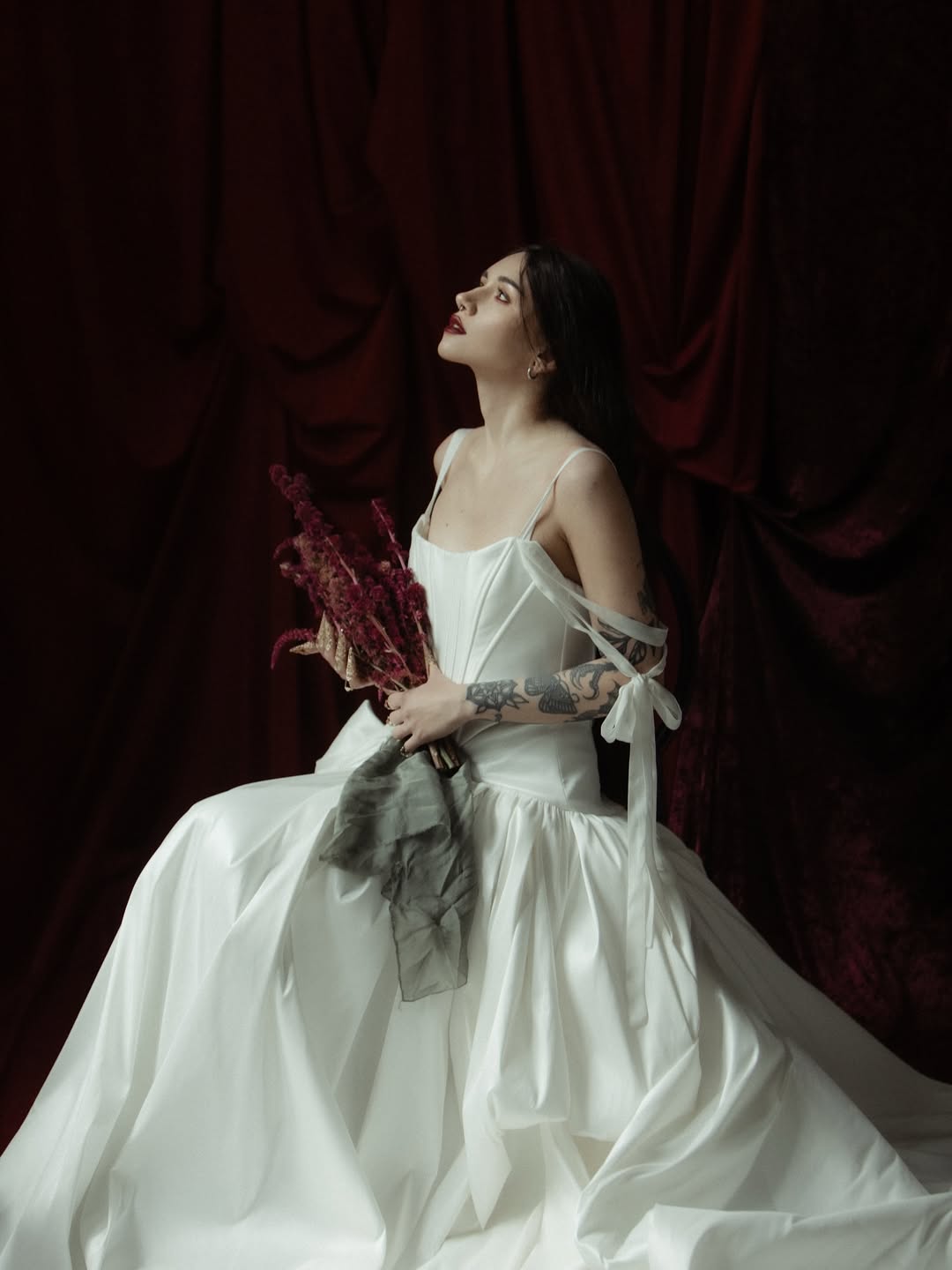
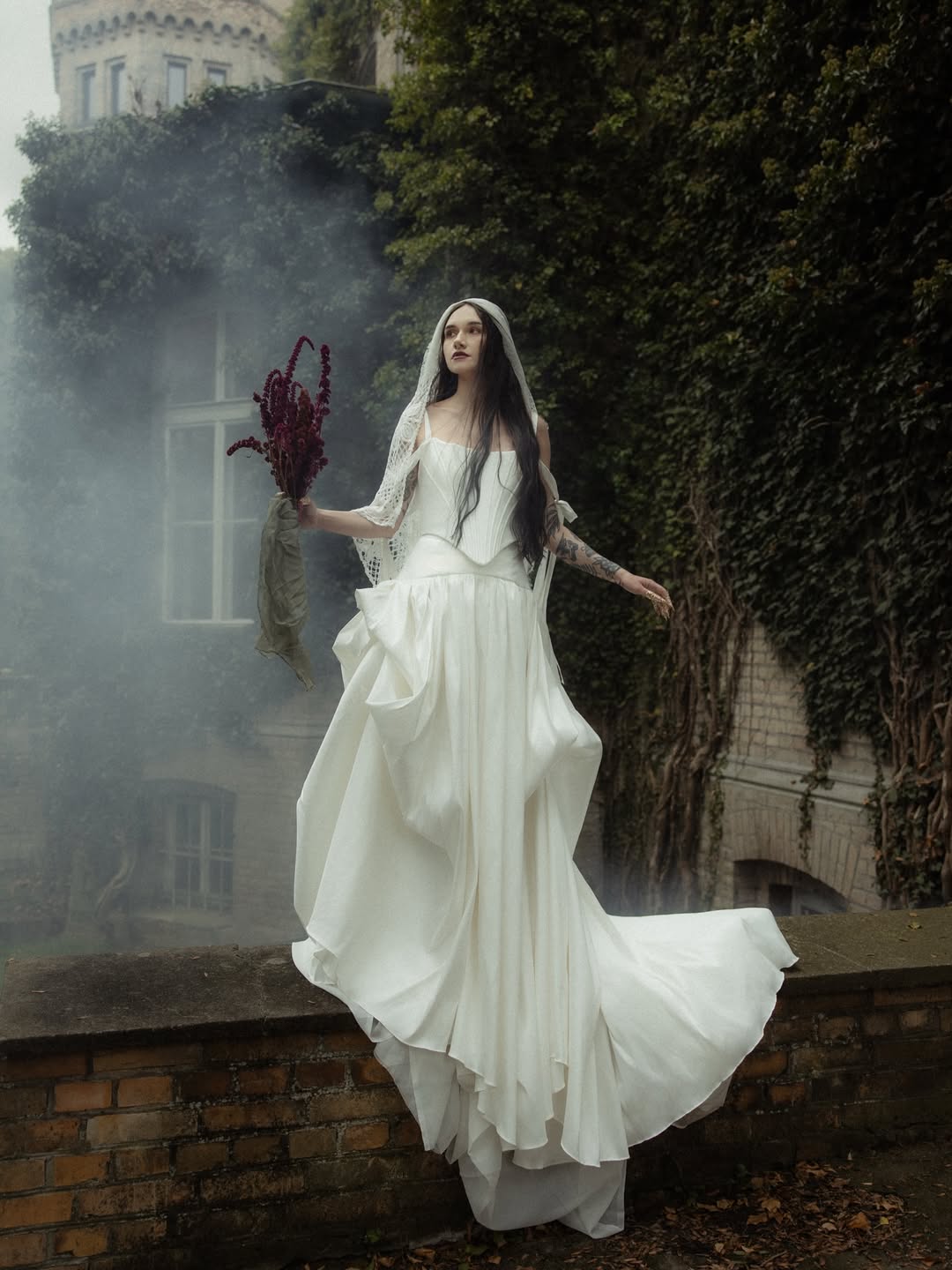
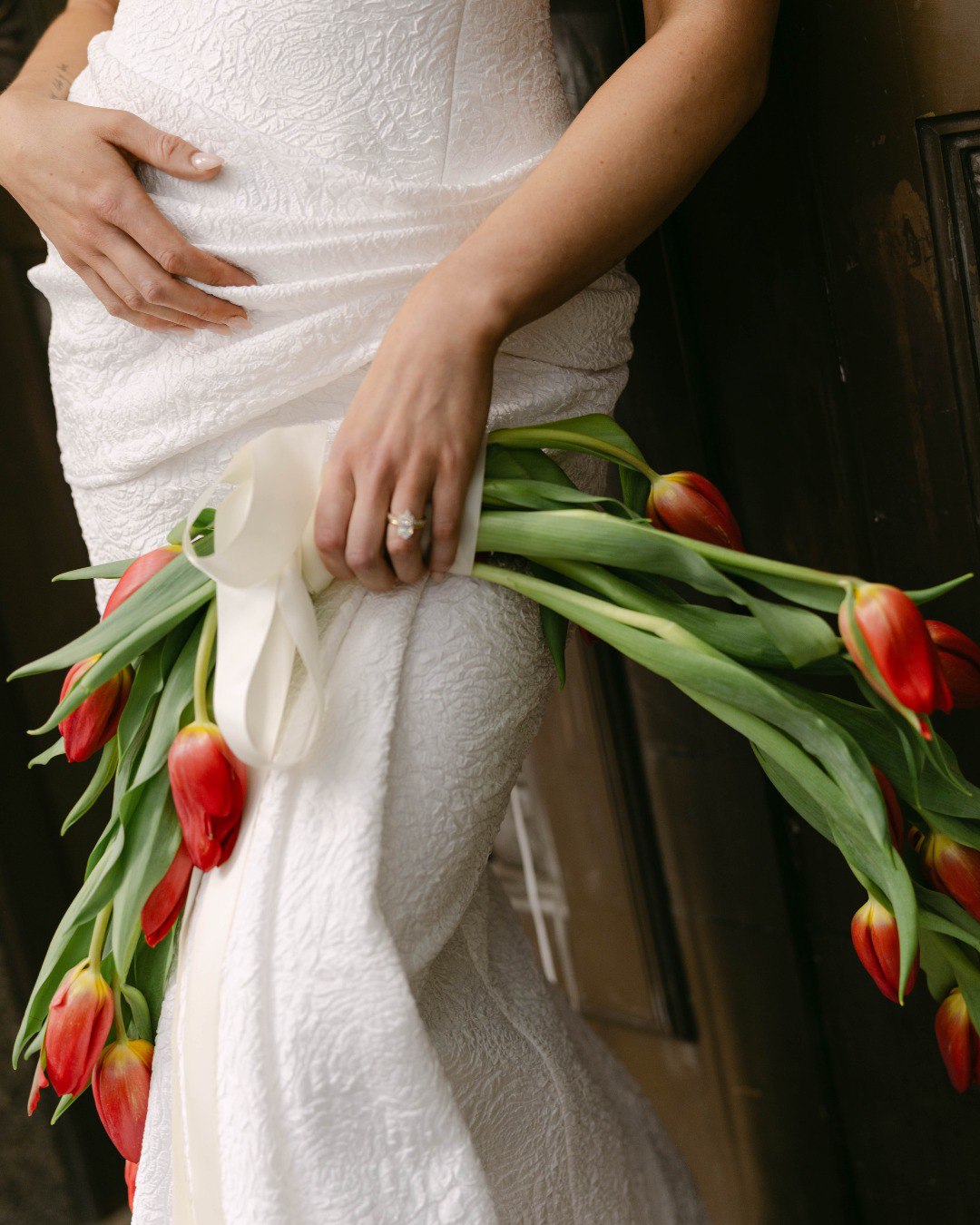
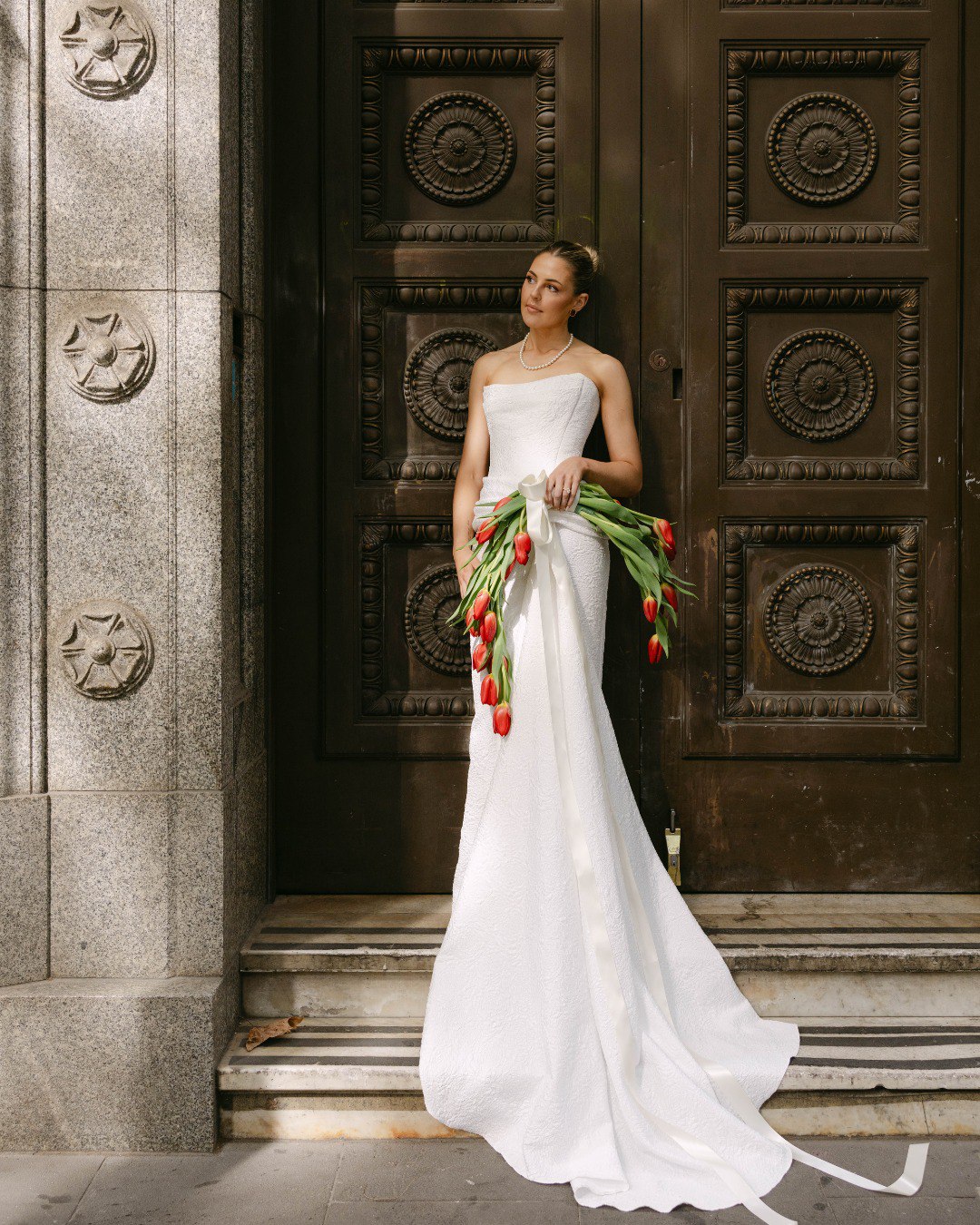
Let your bouquet rest naturally at your side so any trailing greenery, ribbons, or cascading florals can fall freely and create movement within the frame. This pose feels especially dynamic when captured mid-step, allowing the elements to flow organically against your dress, reflect in nearby water, or contrast with architectural textures. Waterfall-style bouquets shine in this setup — just keep your pace slow and relaxed so the movement looks effortless rather than rushed. It adds softness to more directional bride photoshoot poses.
The Two-Handed Bouquet Hold
Holding your bouquet with both hands at different heights introduces an asymmetrical, modern edge to an otherwise classic pose. Instead of centering everything, shift one hand slightly higher on the stem while the other supports it lower, allowing your arms to create gentle angles that add dimension. Small variations in grip and positioning can subtly change the mood of the image, especially if your rings catch the light or your arms frame the lines of your dress.
This pose works particularly well for contemporary brides who prefer structure and visual interest over traditional symmetry. It feels composed but not rigid, giving the bouquet a strong presence in the frame while still keeping the focus on you.

Wedding Bridal Pose Ideas for Solo Shots
These poses capture the romance and emotion of your wedding day while creating dreamy, magazine-worthy photos. They focus on softness — in movement, in expression, and in the way light wraps around you — transforming simple gestures into something cinematic. When done thoughtfully, they don’t feel staged or forced, but instead reflect the quiet intimacy and depth of the moment. This is where bride solo poses truly shine.
The Wind-Blown Moment
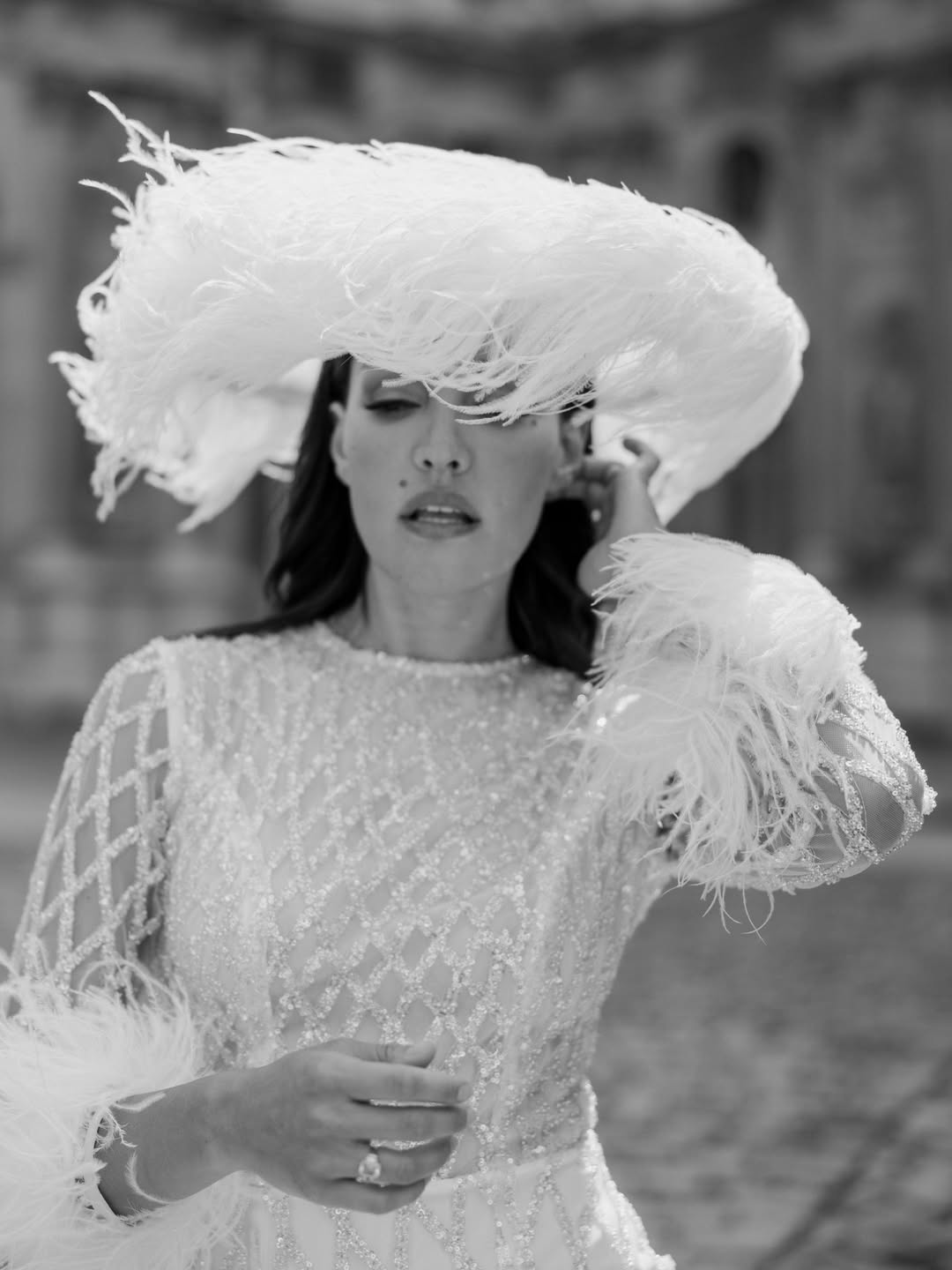
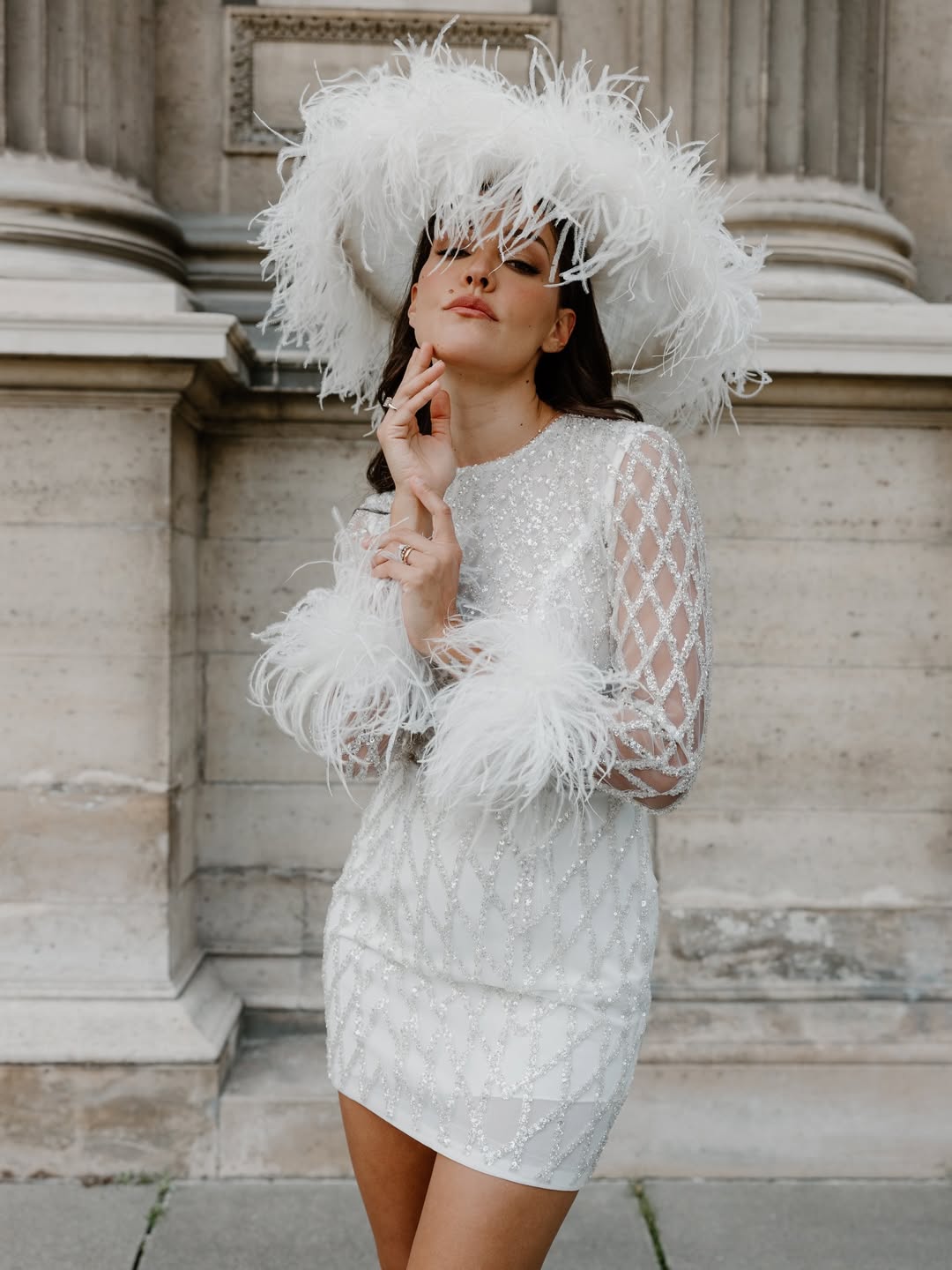
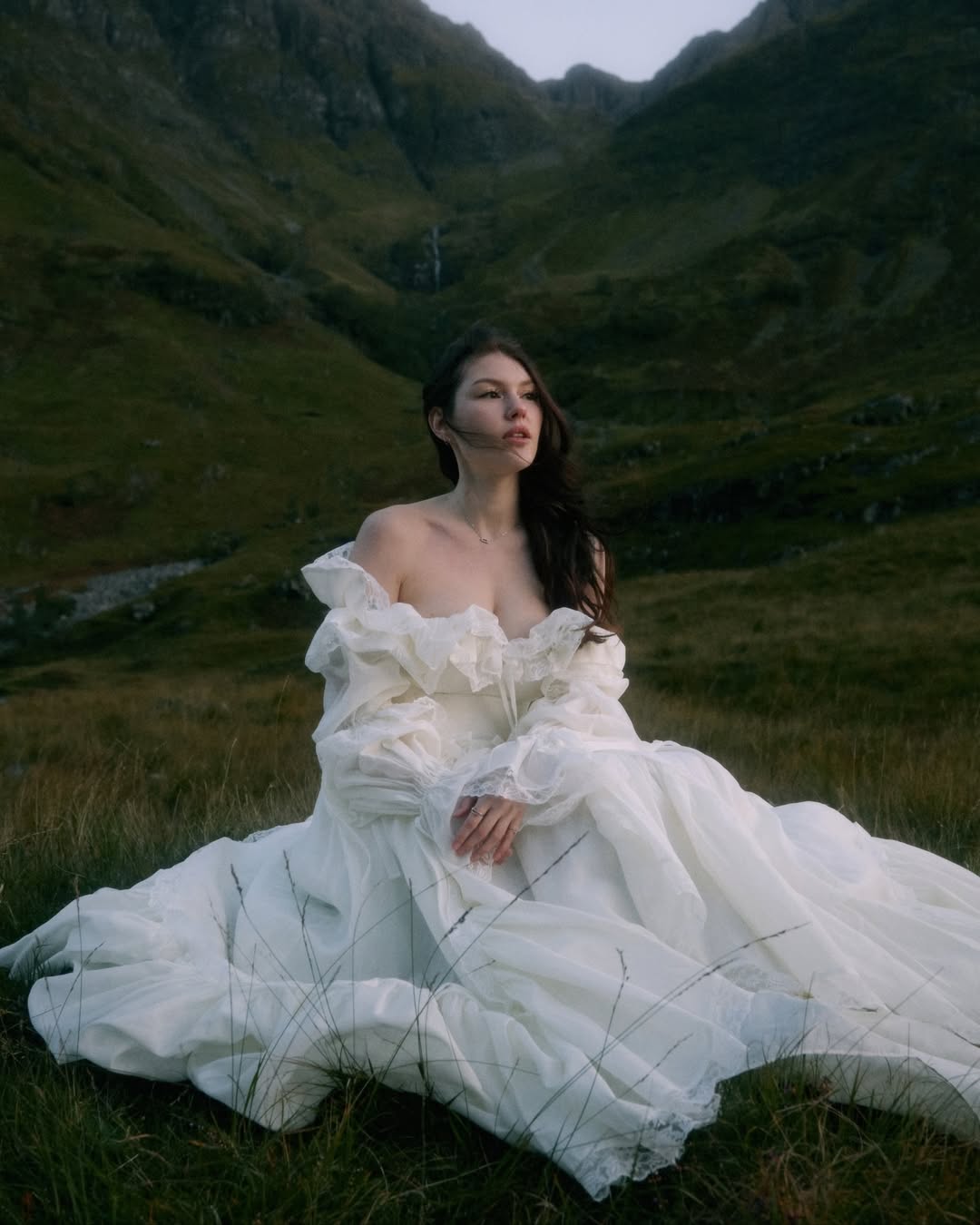
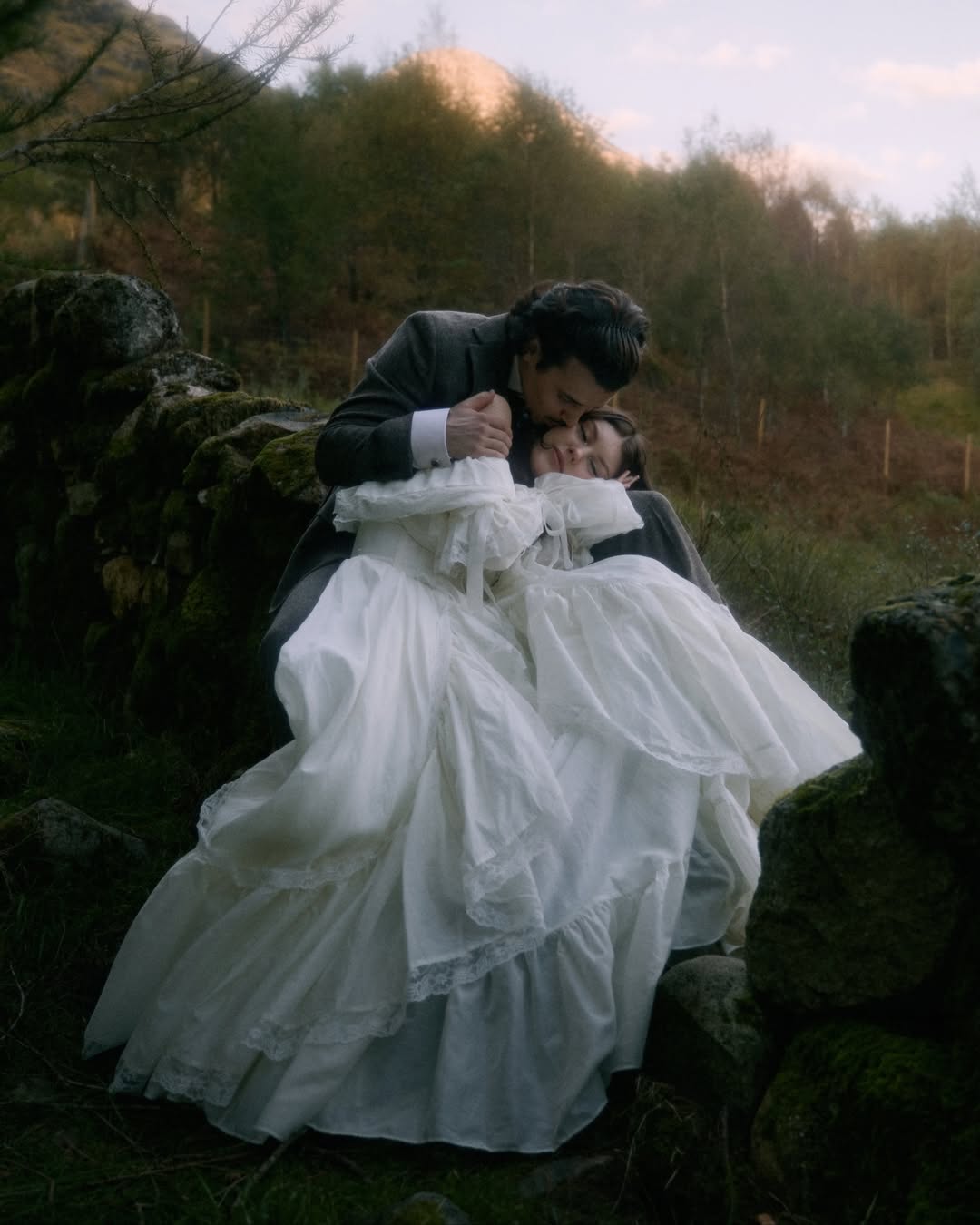
Stand facing a gentle breeze with your chin slightly lifted, allowing the air to move through your hair and dress naturally. This pose feels effortless and romantic, especially when your eyes are softly closed or gazing into the distance, creating a calm, cinematic mood. If your veil catches the wind, it adds an extra layer of movement, making the frame feel alive rather than posed.
For the most flattering result, time this shot during golden hour when the light is warm and directional. If nature doesn’t cooperate, a subtle breeze from an assistant can recreate the same effect without making the movement look artificial. The key is to stay relaxed — the beauty of this pose lies in softness, not stiffness. It is one of those bride to be poses single ideas that feels especially dreamy before the ceremony.
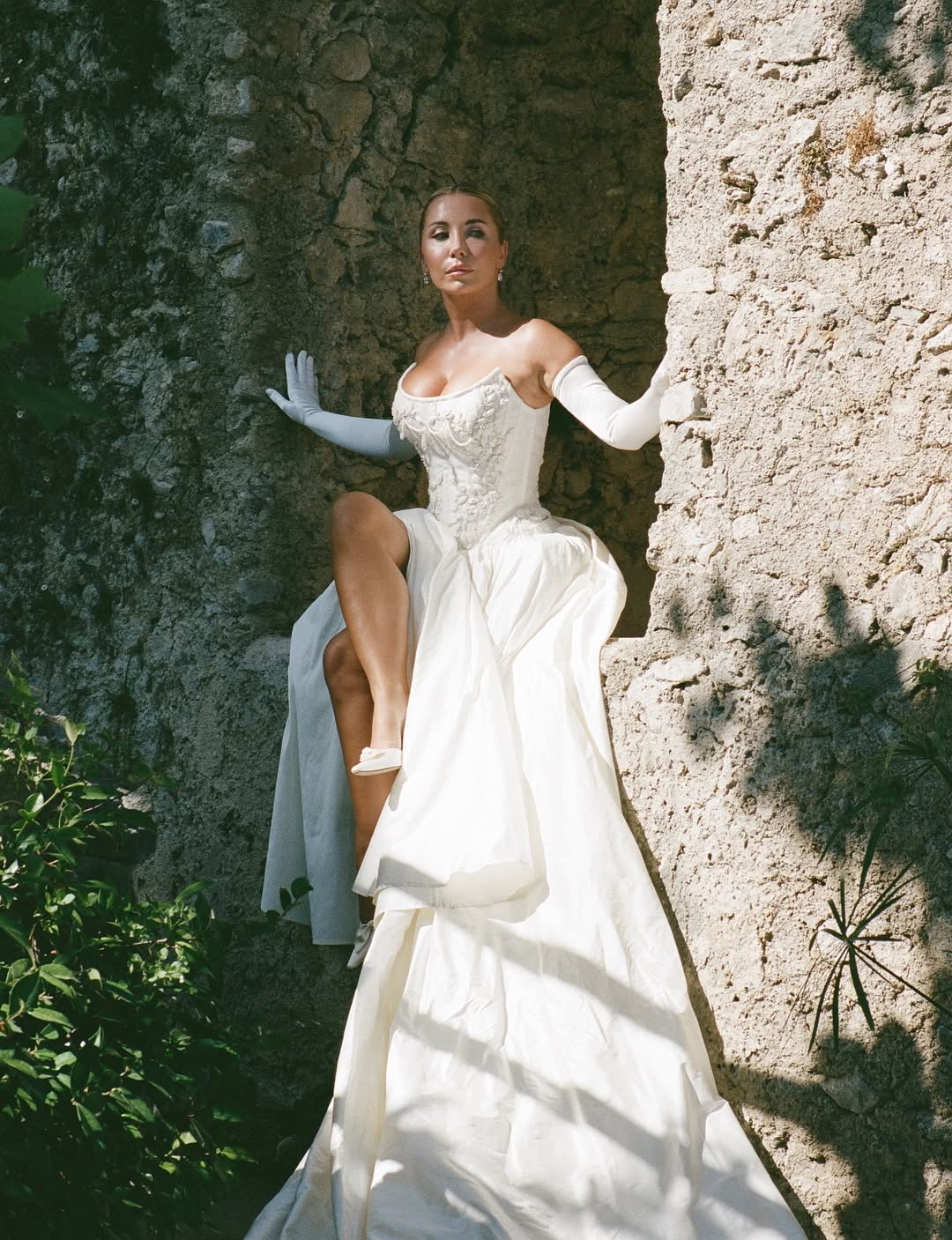
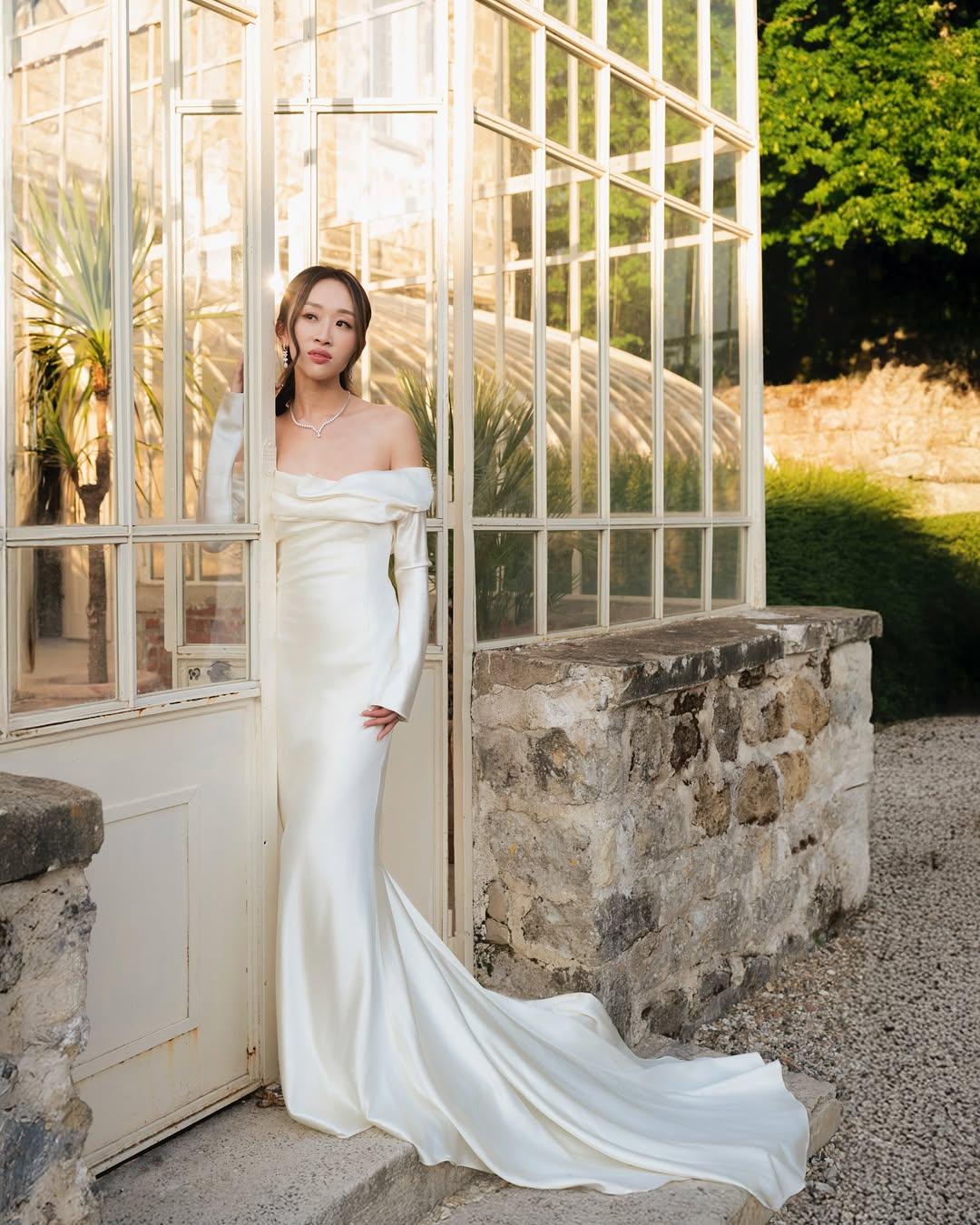
The Doorway Lean
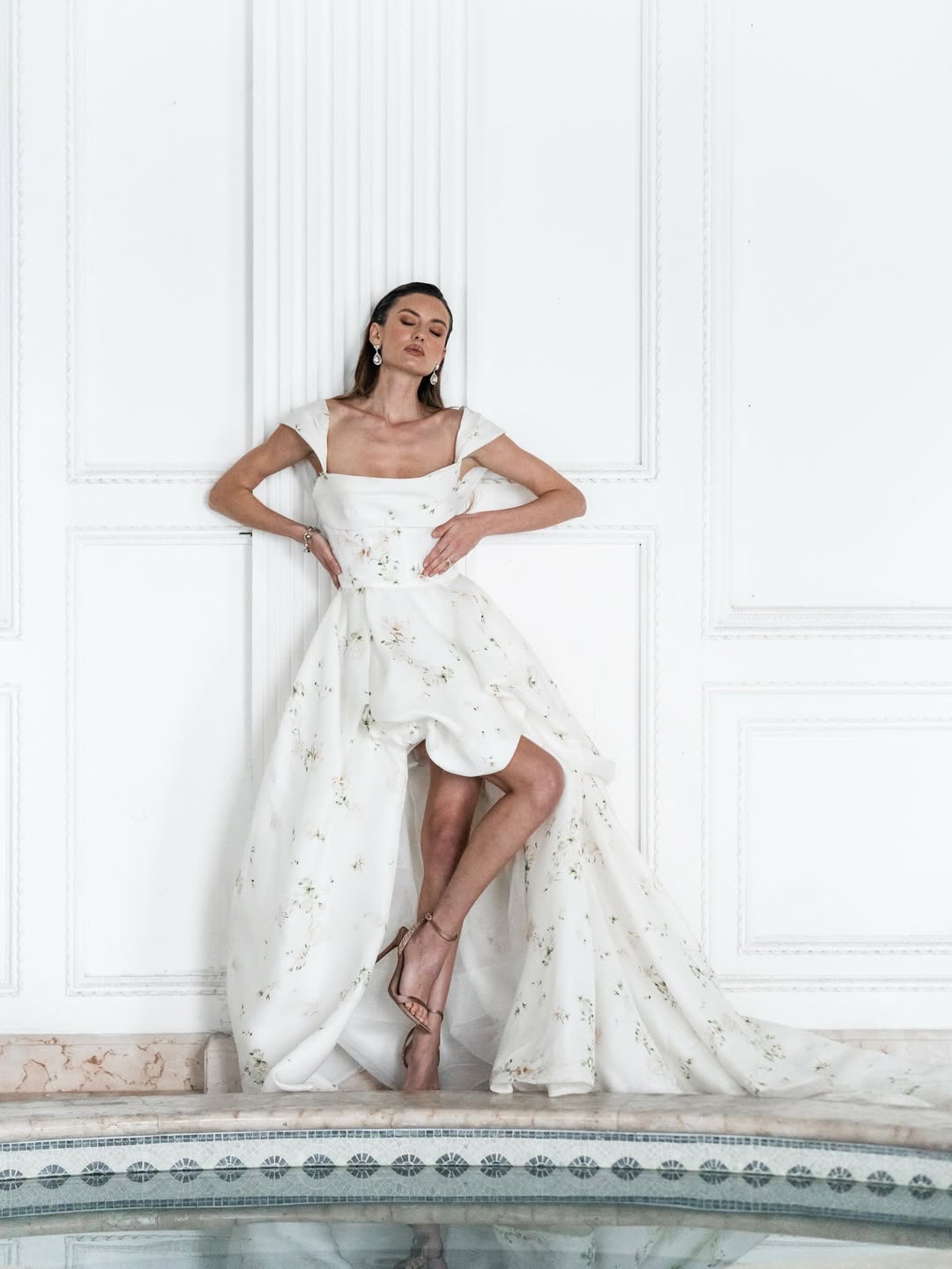
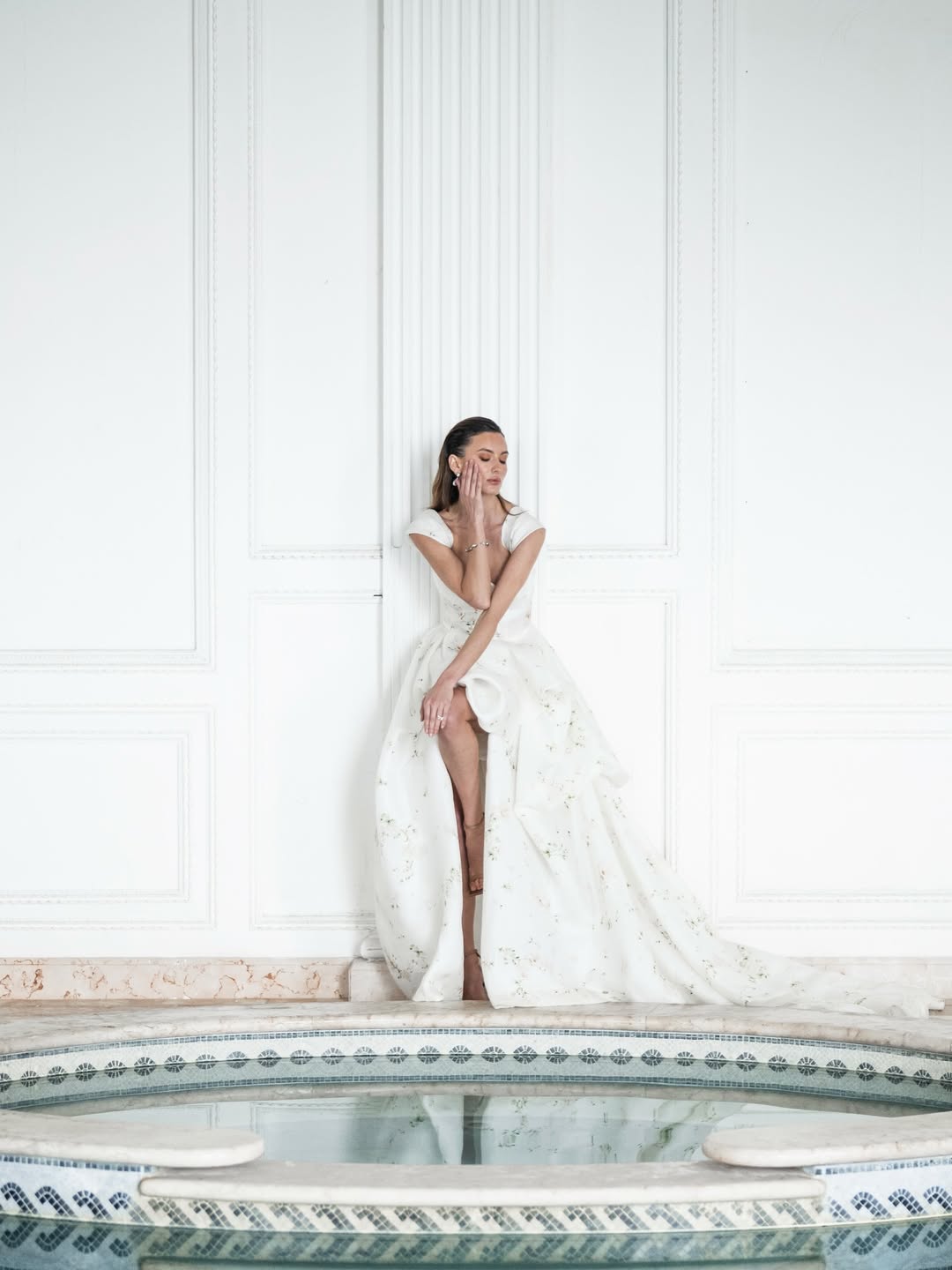
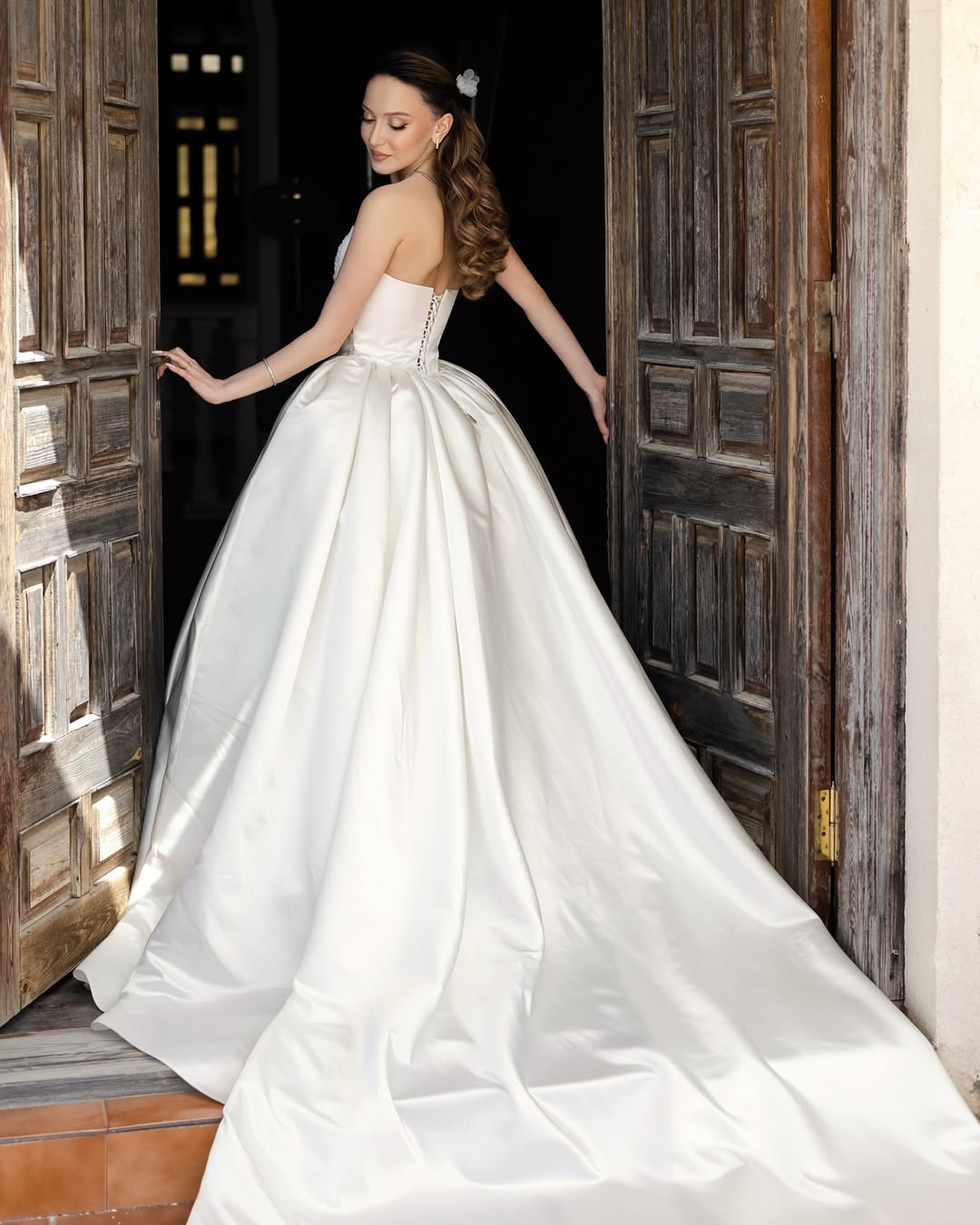

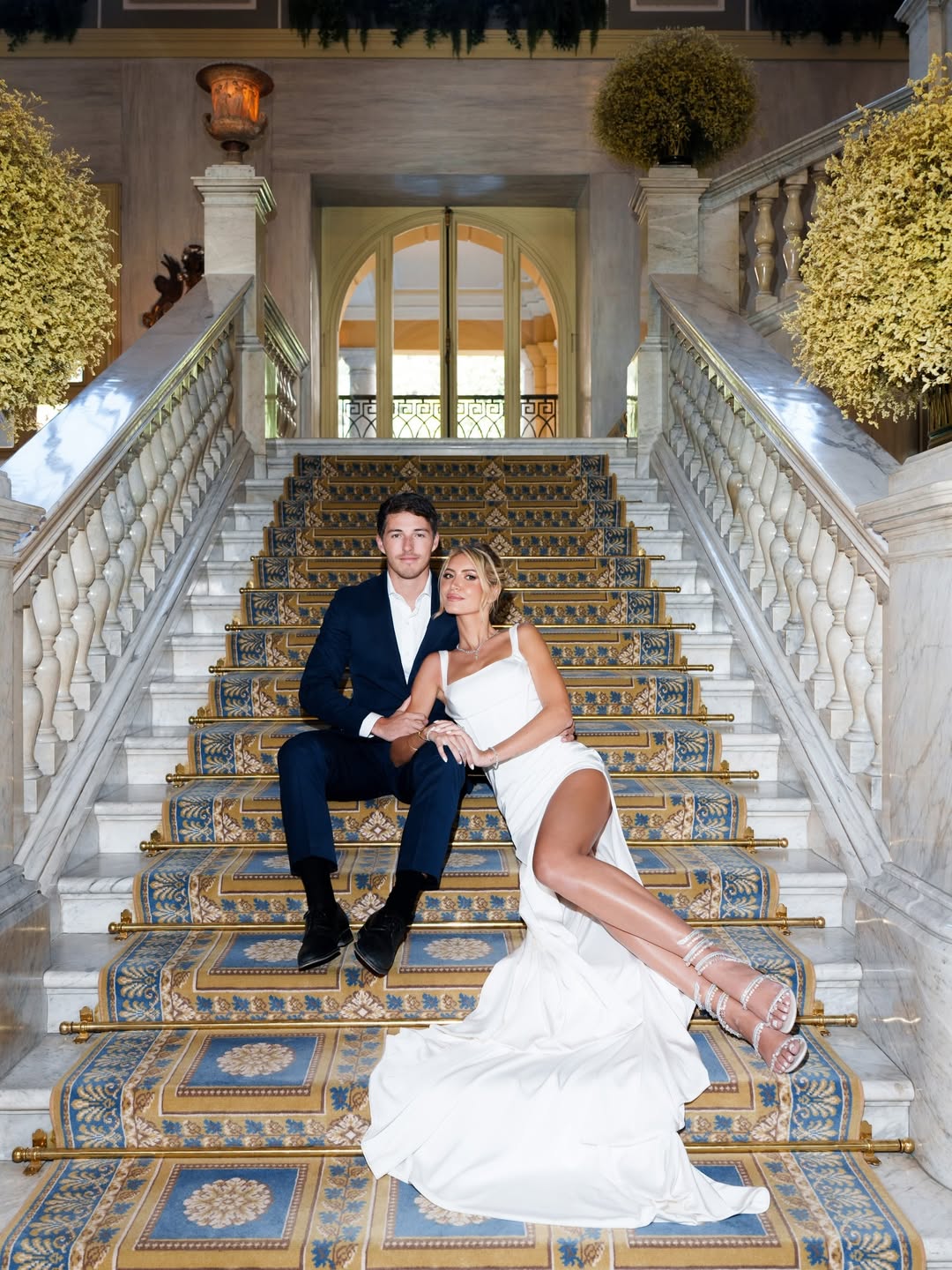
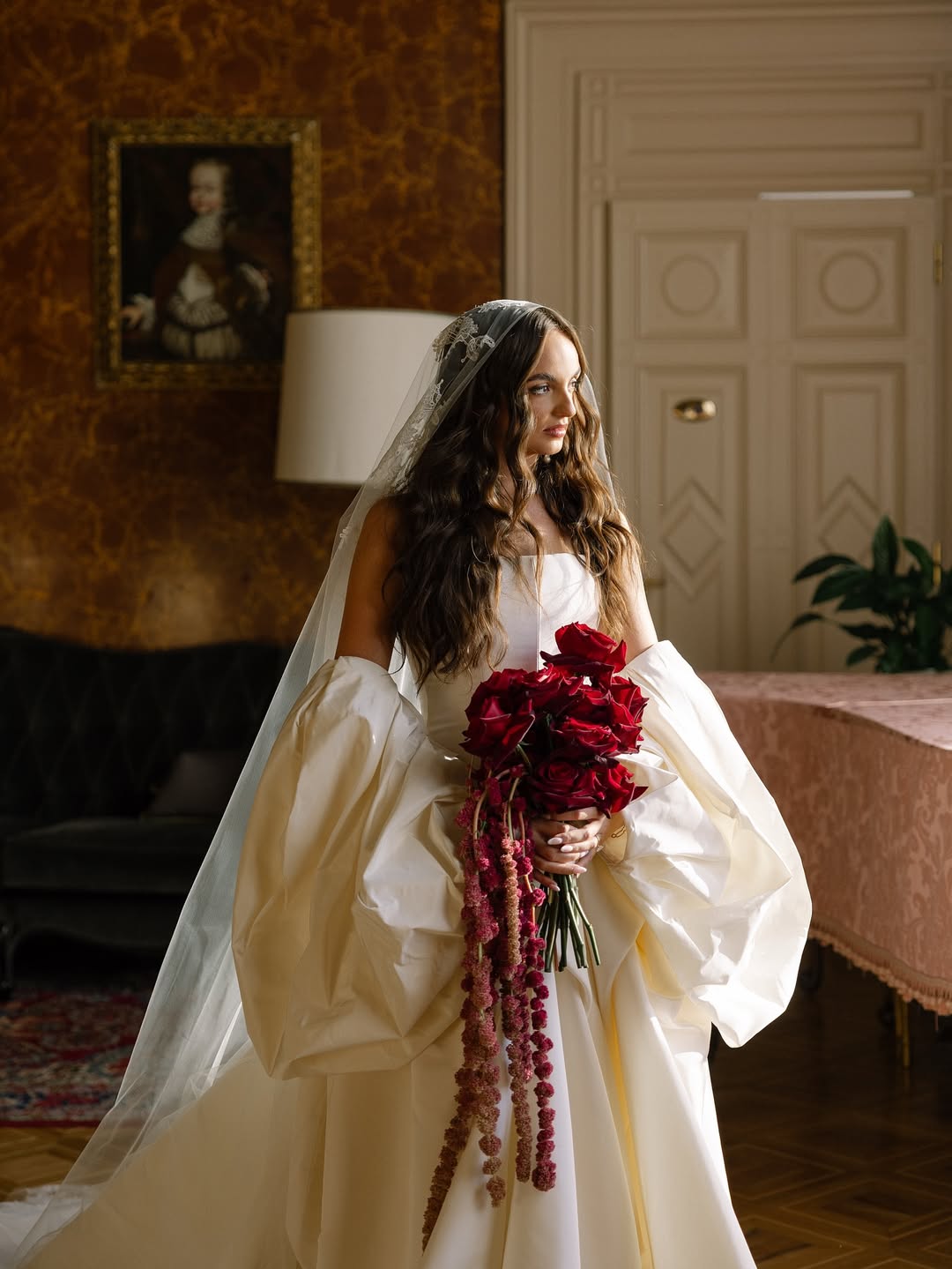
Lean gently against a doorframe or archway with one shoulder, letting the structure naturally frame your body. This pose feels composed and refined, especially in historic buildings, churches, or garden archways, where textures add depth.
You can subtly adjust the mood by:
- Changing your hand placement — resting one hand on the frame, holding your bouquet, or letting both arms fall naturally at your sides
- Varying your leg position — standing straight for a classic look or bending one knee for a softer line
- Using architectural details like carved wood, stone, or ironwork to enhance the composition
Look for directional light that creates dimension rather than flat illumination — shadows here add character.
The Silhouette
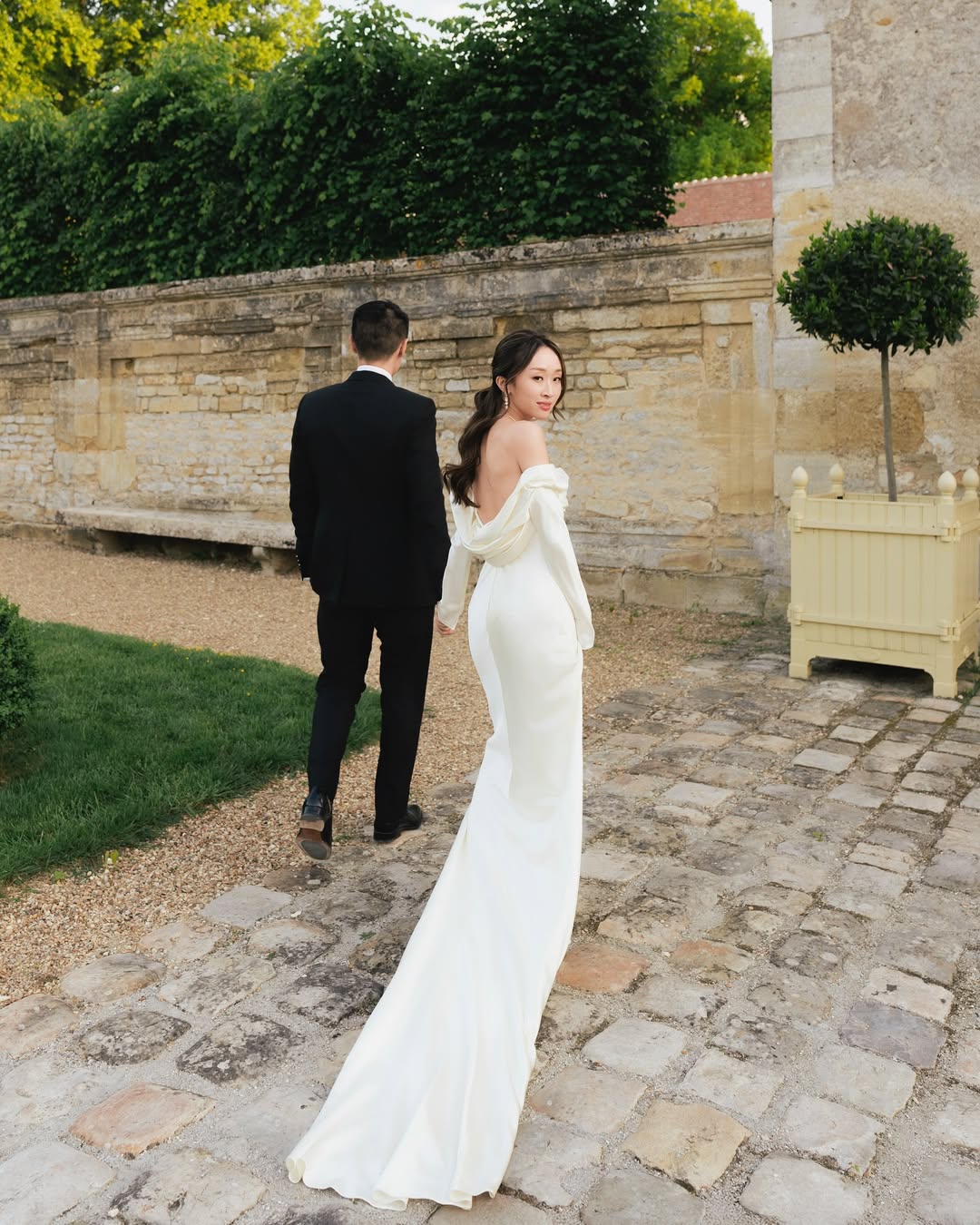
Stand in profile against a bright source of light — a large window, open doorway, or sunset sky — allowing your outline to become the focal point. This pose strips away detail and highlights shape: the curve of your gown, the line of your neckline, the fall of your veil. It feels dramatic and editorial, yet surprisingly simple.
Subtle shifts in your head angle or the placement of your bouquet can dramatically change the final result. When your photographer exposes the background rather than your dress, the contrast creates a bold, timeless image that feels artistic rather than traditional.
When it comes to mastering poses for bridal photography, it's not about memorising specific positions; it's about understanding the principles that make any pose successful. Good posture is the foundation of a good pose. Angles introduce visual interest. Hand placement looks intentional rather than awkward. Remember that your level of comfort is immediately apparent in the images, so communicate with your photographer if any position feels unnatural or unsustainable. The best bridal poses strike a balance between showcasing your dress and showing your personality, creating images that capture the formality of the occasion and the genuine emotion of the celebration. Whether you're planning poses for cultural photography or traditional Western portraits, these categories provide a good starting point for creating images that you'll treasure for decades to come, when the flowers have faded, and the cake has been eaten. What will remain are the photographs, preserving how you looked and felt on one of the most significant days of your life.