The Ultimate Wedding Planning London Guide


- Wedding Planning in London: Why Local Knowledge Changes the Experience
- Best Time to Get Married in London
- Legal Steps and Civil Ceremonies in London
- A London Wedding Planning Timeline That Leaves Room to Breathe
- London Wedding Venues: Choose the Format Before the Name
- Wedding Planning Services London Couples Commonly Use
- London Logistics Couples Often Underestimate
- British Wedding Traditions: What to Keep, What to Tweak and What to Skip
- The London Wedding Menu: From Canapés to Late-Night Bites
- Accommodation Options for You and Your Guests
- Creating Memorable Wedding Favours
- Is London the Right Wedding Destination for You?
- Our Practical Rules for a More Relaxed London Wedding
- FAQ
Although London offers couples an extraordinary amount of choice, this comes with competition for dates, venue-specific rules, supplier logistics and a legal process that needs to be factored into the calendar from the outset. Rather than starting with flowers or stationery, the smartest place to begin is with three decisions that shape almost everything else: the date, the venue, and who will be responsible for bringing it all together.
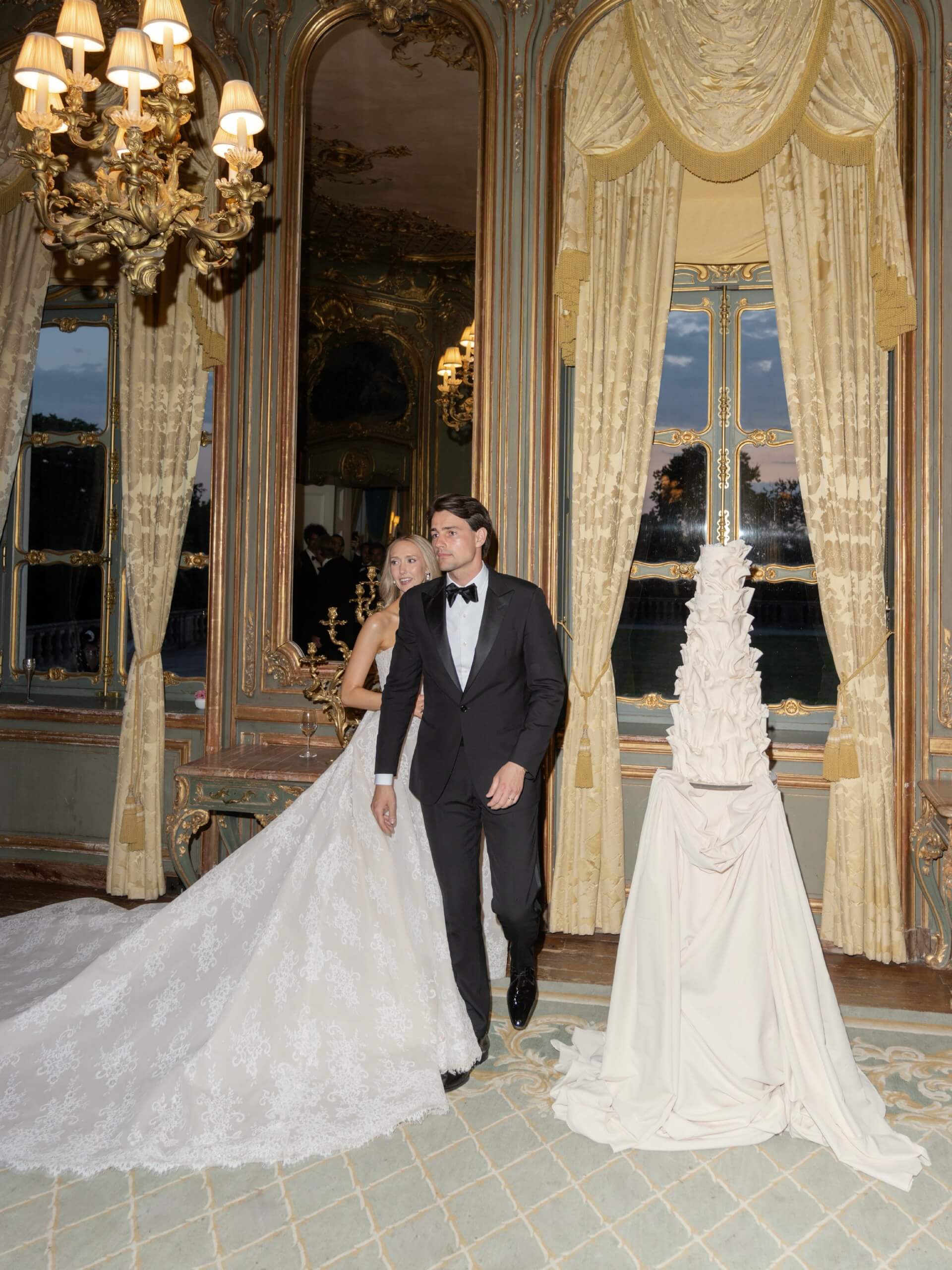

In London, it's the practical decisions that make the beautiful ones possible, even if that may sound less romantic than choosing a tablescape. A popular Saturday can be booked more than a year in advance, and giving notice of marriage has its own timeframe and venue requirements. When it comes to planning a wedding in London, it's not so much about checking off a list of tasks. It's more about making the right choices at the right time, making sure there's still enough space for the celebration to feel personal and memorable.
Find Your Perfect Wedding Vendors

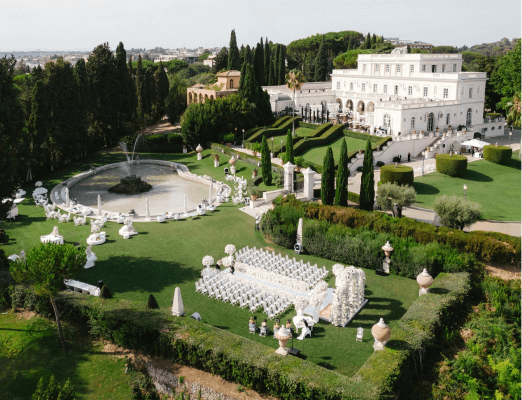
Wedding Planning in London: Why Local Knowledge Changes the Experience
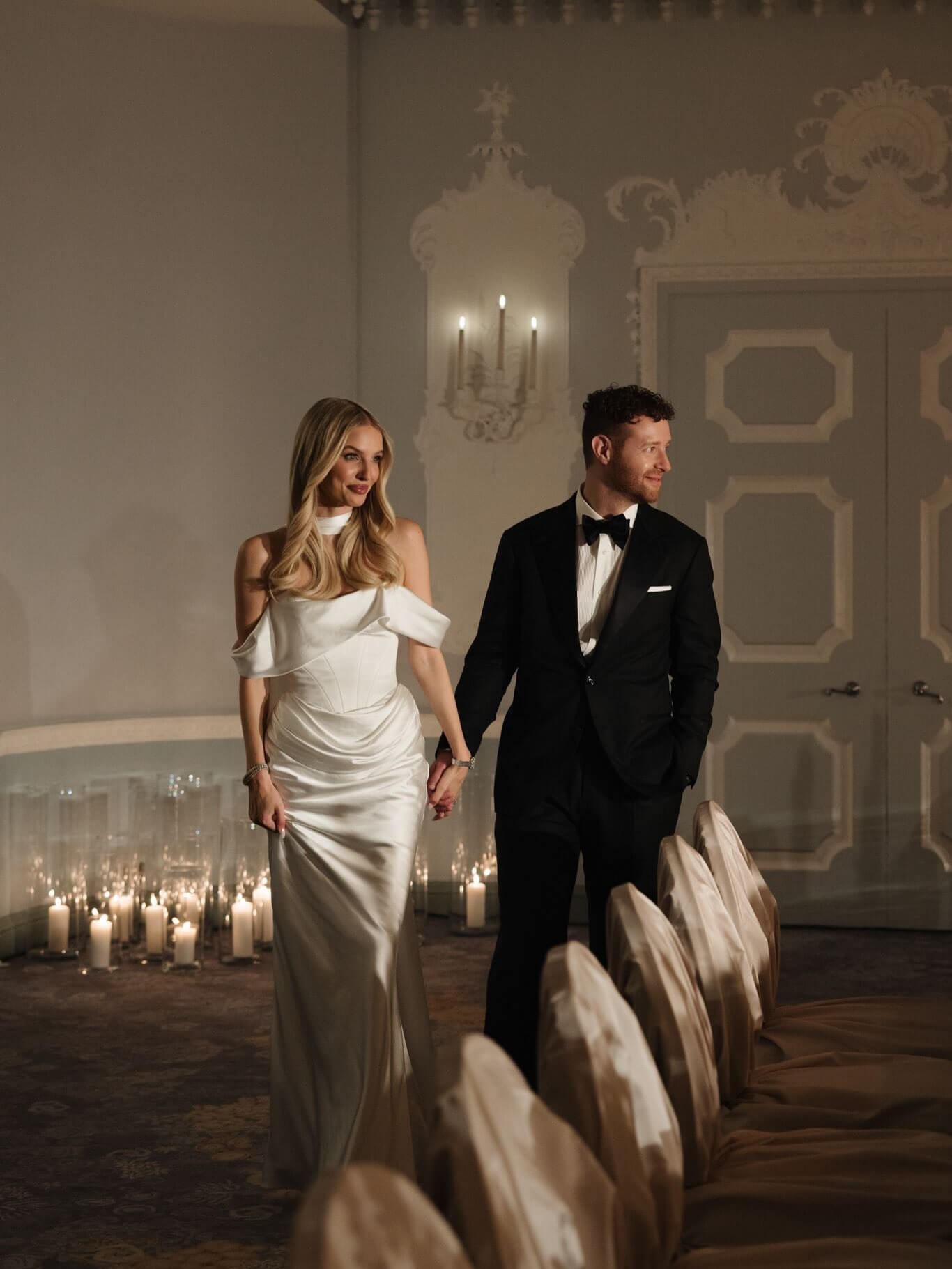
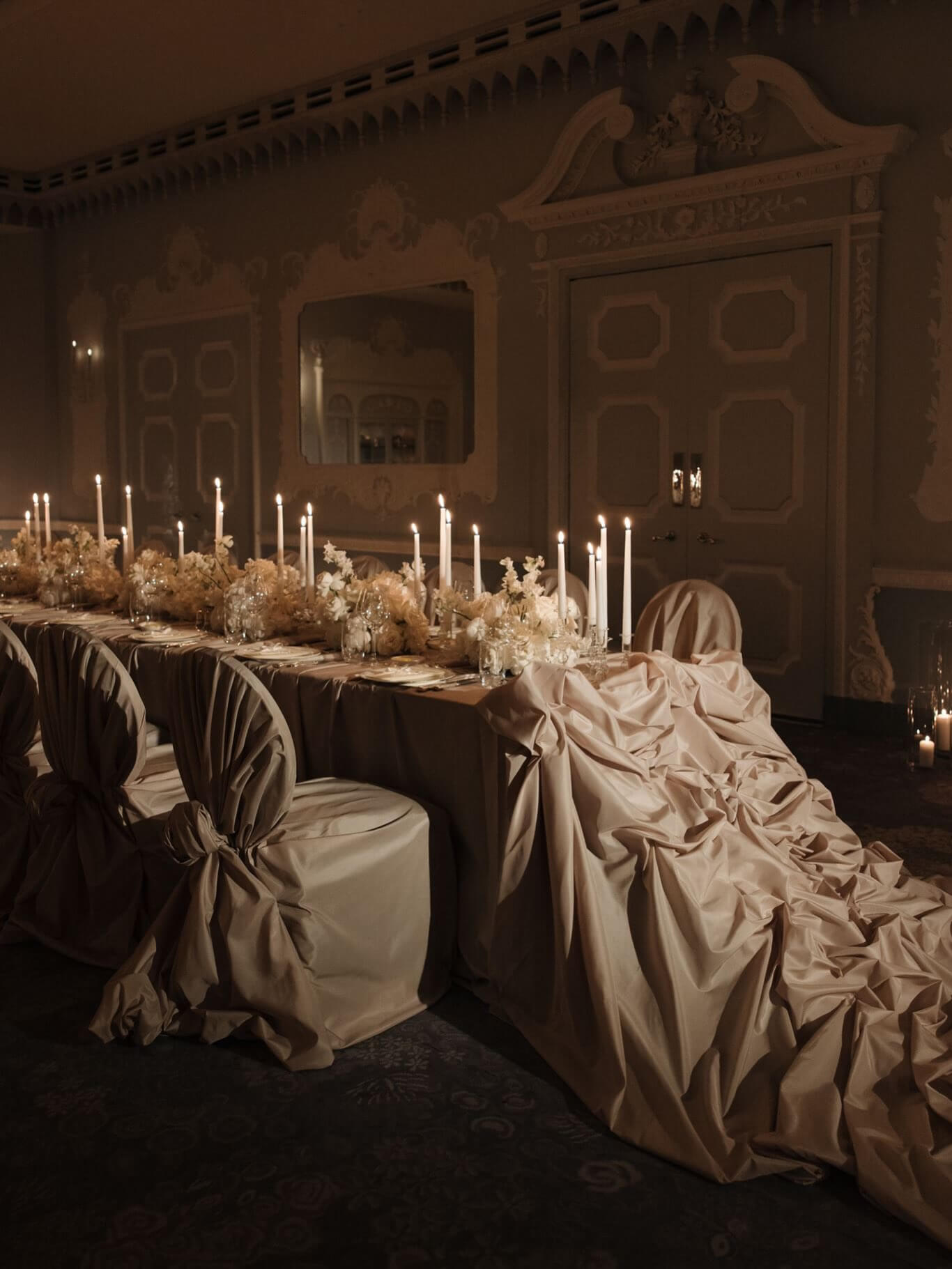
There is no one-size-fits-all design for a wedding in London. A ceremony at a register office may be the start of one couple's wedding, followed by dinner in a private dining room. Another couple may opt for a historic hotel for the whole weekend, while a third may choose a riverside terrace or a garden on the edge of the city as the setting for their special day. While each option can be beautiful, every venue has its own set of practical considerations, such as access hours, approved suppliers, ceremony permissions, noise restrictions, delivery windows and backup plans.
This is where local knowledge is invaluable. A planner who understands how London venues operate can spot potential problems before they become expensive issues. This could mean checking where a band can load in, confirming whether an outdoor ceremony space is approved, or realising that a seemingly simple hotel transfer will take much longer at 5.30pm than it did during a quiet site visit.
Best Time to Get Married in London
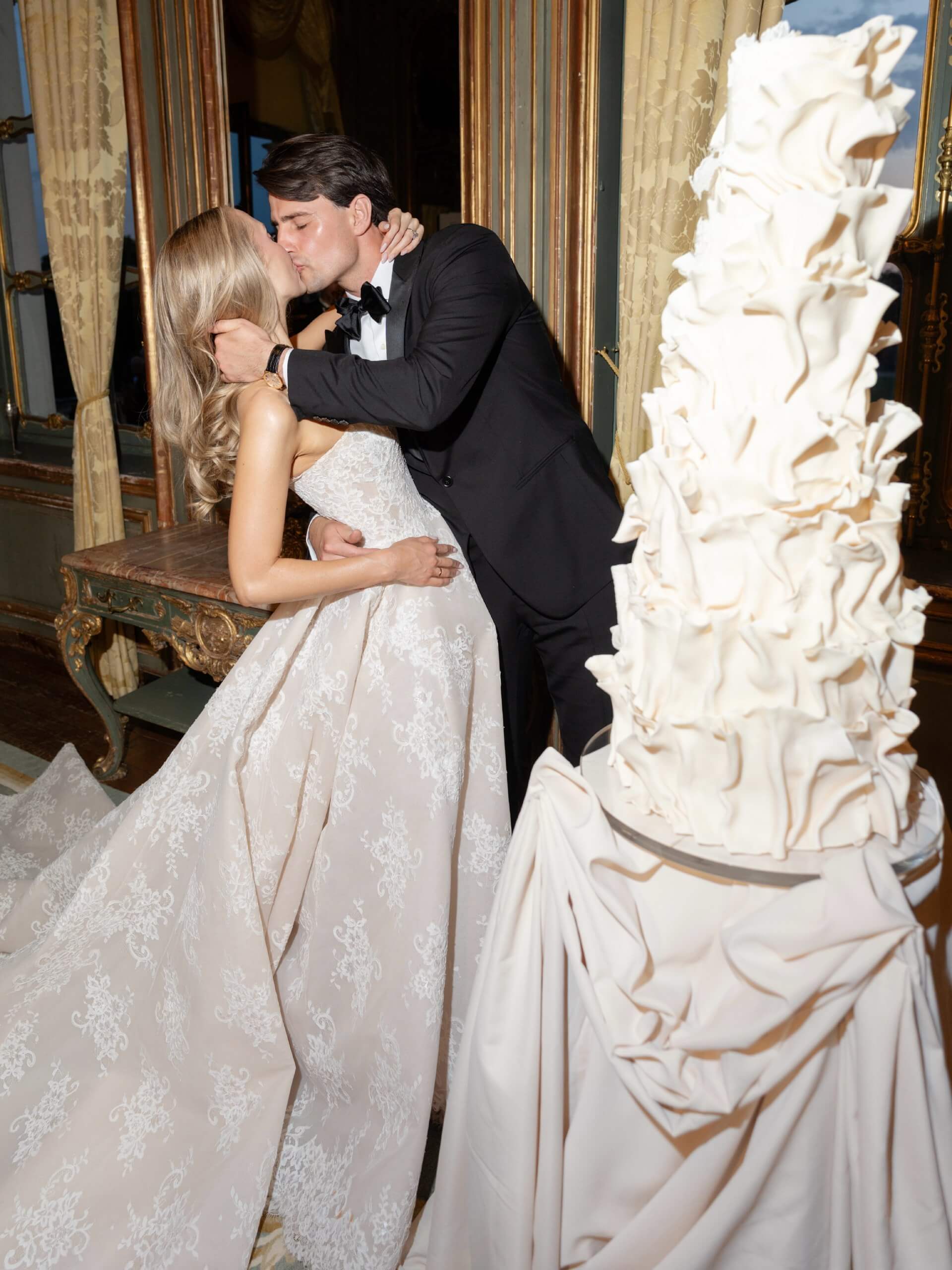
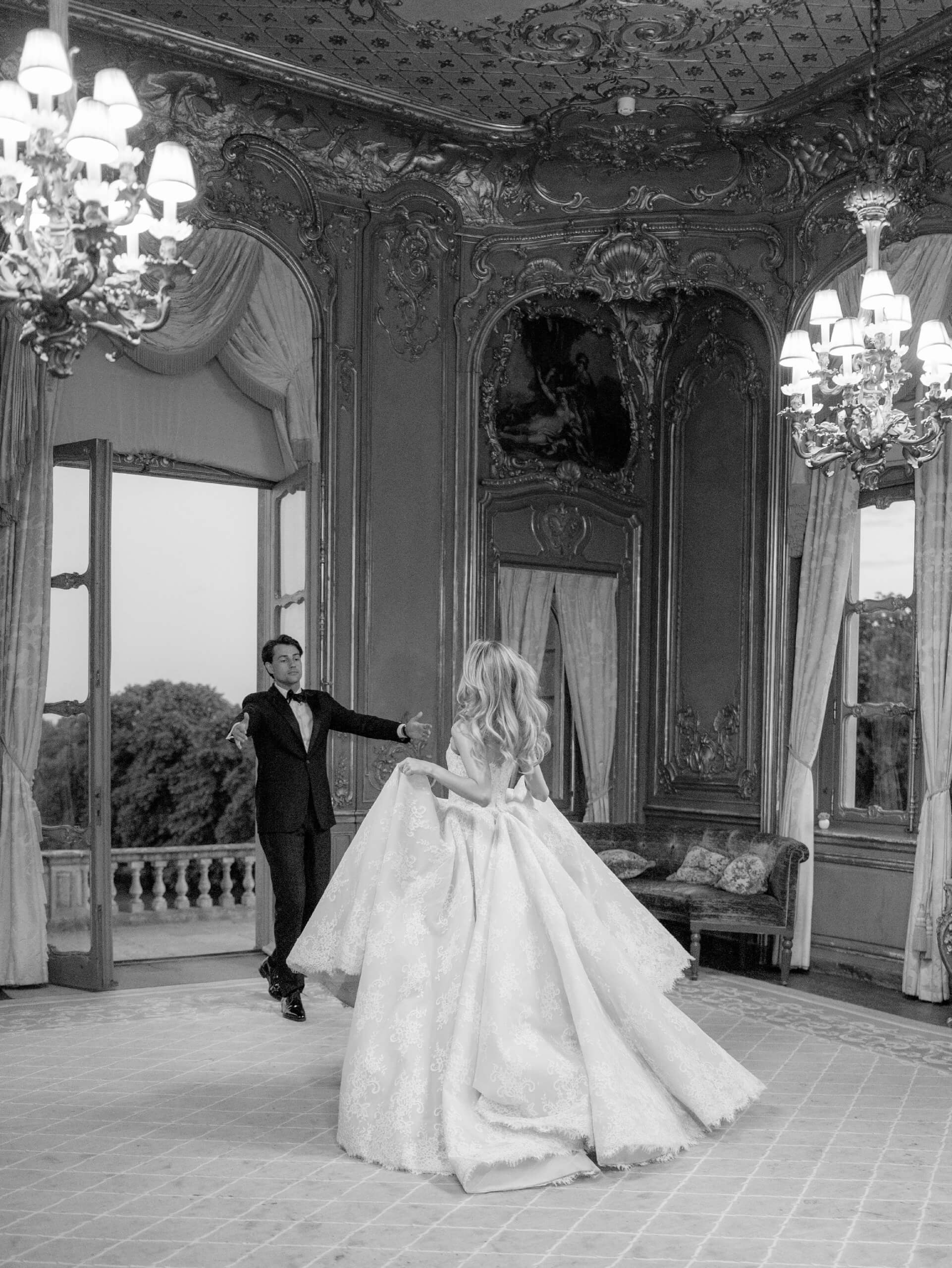
Every season brings a different beauty to London, although the city does not always behave in the same way throughout the year. From late spring to early autumn, couples can enjoy long evenings, usable terraces, lush gardens and greater flexibility for portraits, naturally making those dates more popular. Winter brings earlier darkness and less time outdoors, but it can also create a more atmospheric celebration centred around candlelight, interiors, food and evening entertainment.
| Season | What Works Well | What to Watch |
|---|---|---|
| Spring | Gardens returning, softer temperatures, longer evenings | Rain and unpredictable temperature changes |
| Summer | Late sunsets, terraces, outdoor portraits | Peak demand, higher venue prices, major city events |
| Fall | Richer light, elegant indoor-outdoor transitions | Shortening daylight and strong weekend demand |
| Winter | Candlelit dinners, easier weekday availability, strong interiors | Very early sunset, weather, limited outdoor time |
When it comes to the season, the type of venue should be considered as well as the season itself. A summer rooftop wedding and a December ballroom wedding are not simply two versions of the same event; they require different timelines, lighting, guest management and design priorities. With a wide range of venues to choose from, Wezoree makes it easier to find options that suit both the season and the style of celebration you have in mind.
Legal Steps and Civil Ceremonies in London
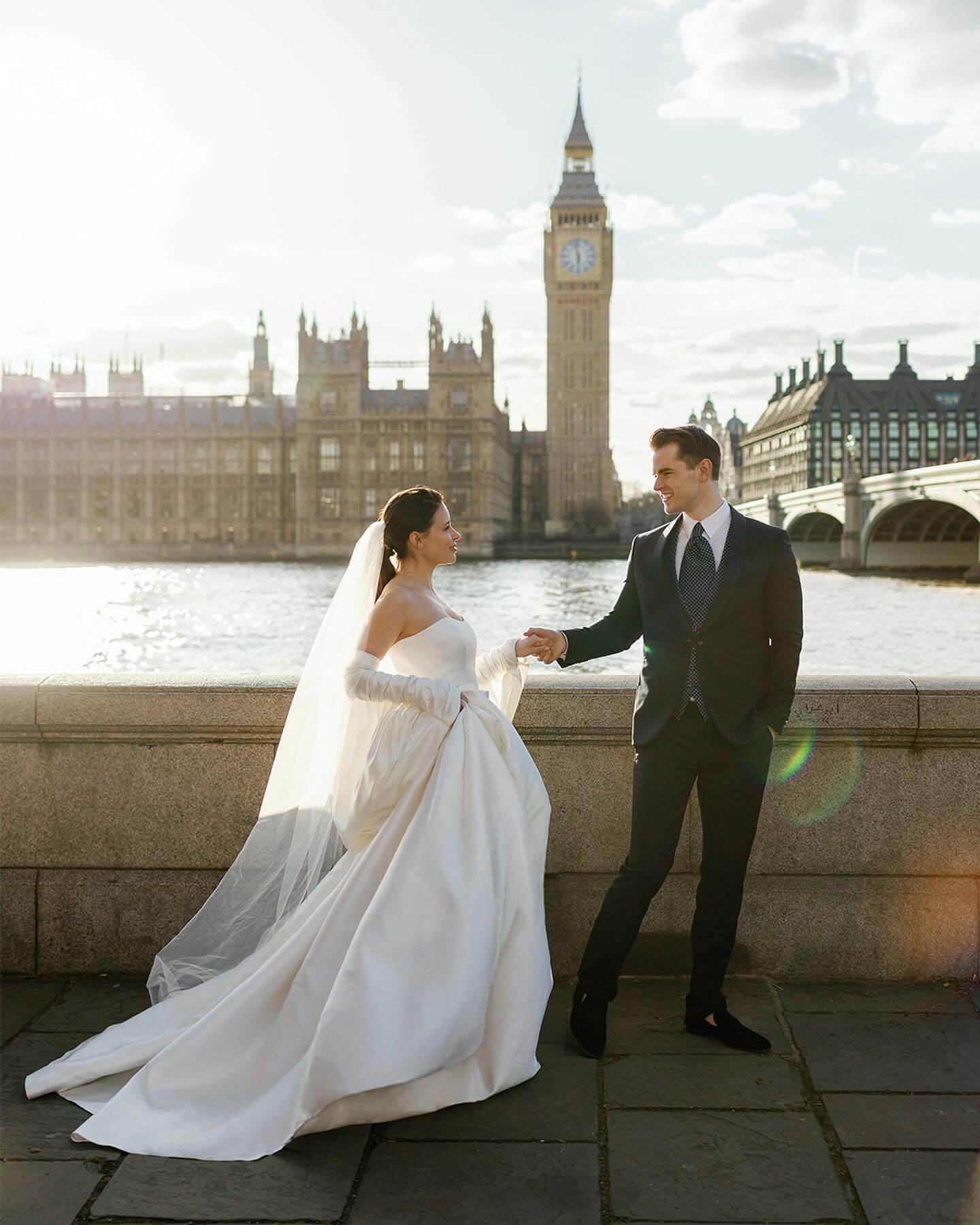
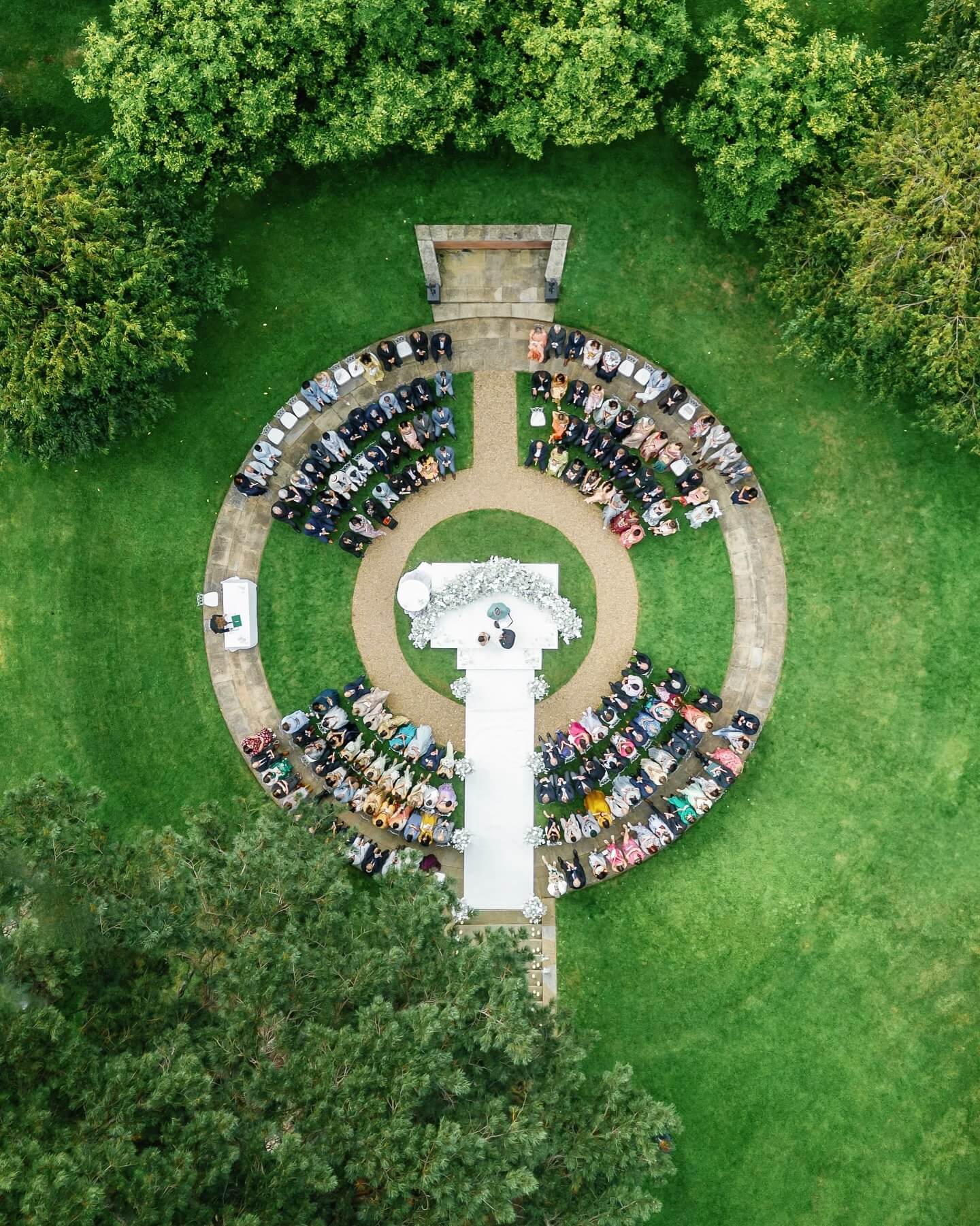
Admittedly, the legal side of a wedding is not the most glamorous aspect, but it is one of the few elements that cannot be improvised at a later date. Typically, both partners give notice of their intention to marry at their local register office at least 29 days before the wedding, and the marriage must take place within 12 months of giving notice. Depending on their circumstances, international couples may have additional documents or immigration requirements.
A practical way to approach the process is as follows:
- Make sure you have a venue for the ceremony before giving notice, since the venue is mentioned in the notice process.
- Ensure you are aware of the notice requirements that apply to both partners, especially if one or both of them live outside the UK.
- It is important to check exactly which ceremony spaces at the venue are approved, rather than assuming the entire property is covered.
- Allow extra time in case a Home Office referral or document review is required.
A civil ceremony may be held either at a register office or at a venue that has been approved by the relevant local authority. Many hotels and historic properties are available for this purpose. A straightforward ceremony is usually short and requires at least two witnesses. Personal vows, readings and music can be included within the registrar's guidelines, but must be non-religious. Couples planning a religious ceremony should confirm the requirements that apply to their church, as Church of England weddings follow a different legal route and rely on civil-ceremony guidance.
A London Wedding Planning Timeline That Leaves Room to Breathe
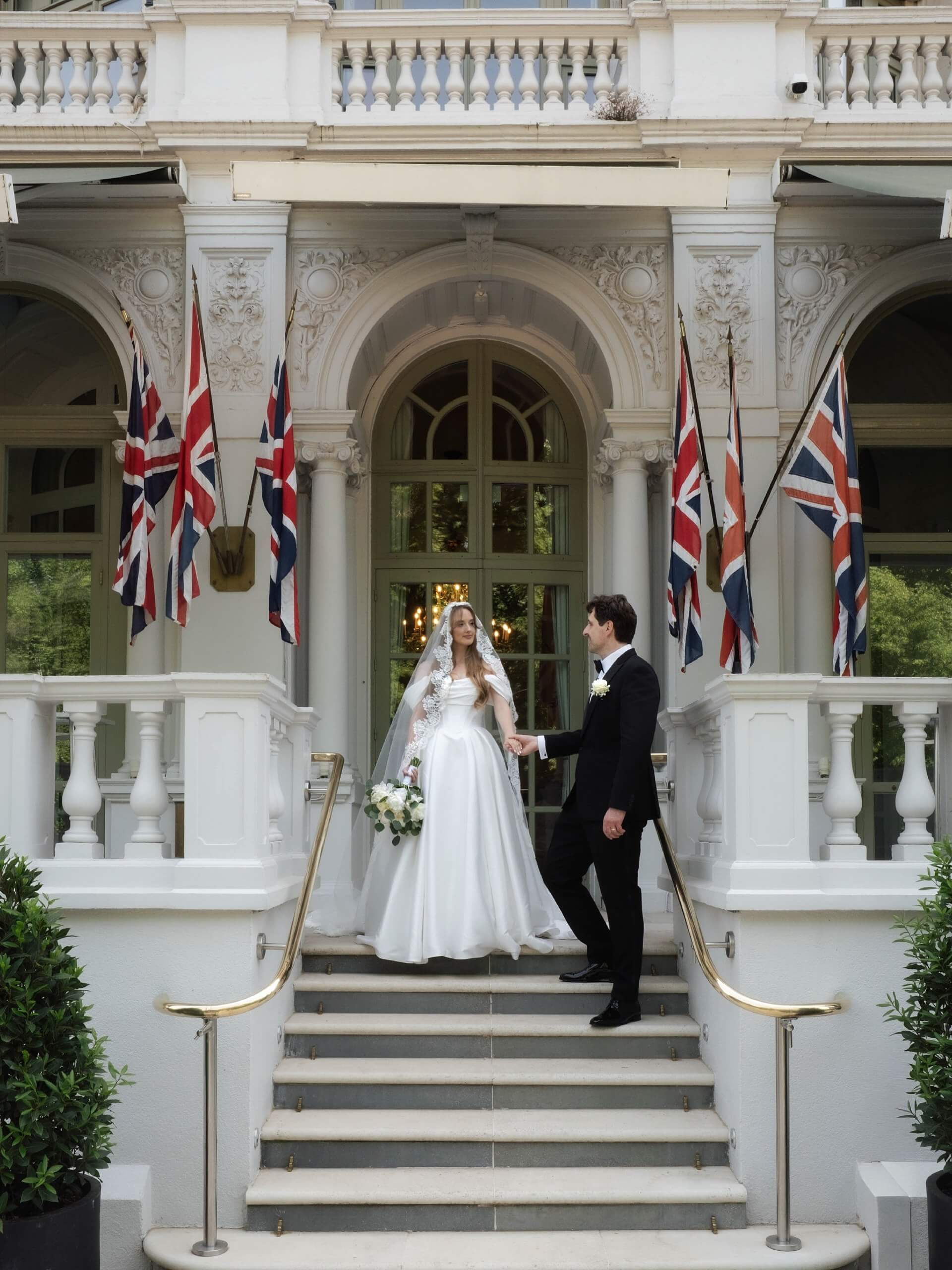
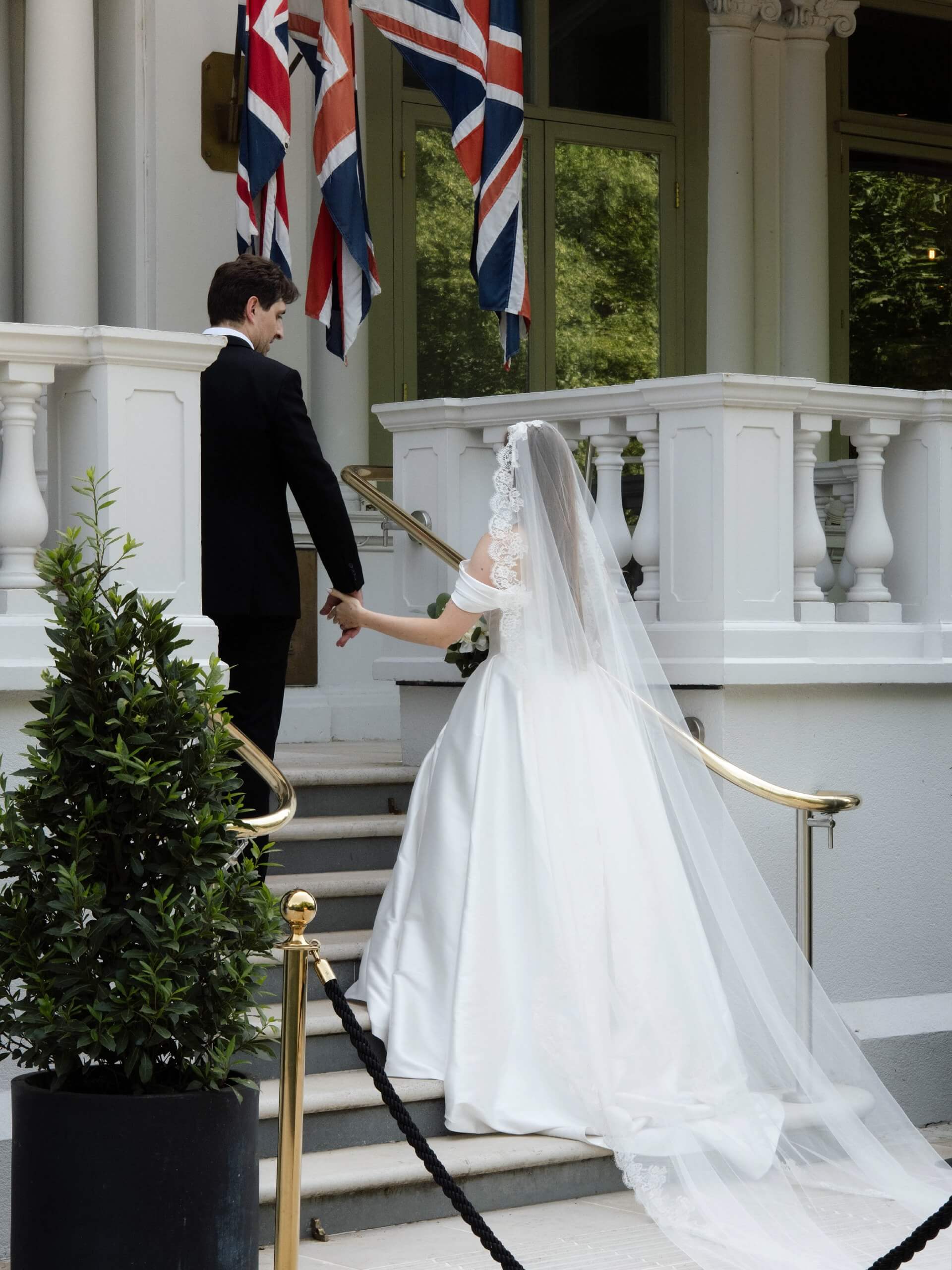
A good London wedding planning calendar is essentially a map of other people's availability. Venues, planners, photographers, caterers, florists and entertainment teams all have their own calendars, and the most in-demand suppliers may already be holding peak dates over a year in advance. Couples marrying on a weekday or in winter usually have more flexibility, whereas a popular summer Saturday requires an earlier start.
- 15–18 months out: establish the working budget and guest count, choose a date range and start talking to planners.
- 12–15 months out: secure the venue and wedding planner, and confirm any suppliers whose work is central to the wedding.
- 9–12 months out: book the photographer, videographer, caterer and entertainment, and send out the save-the-date cards.
- 6–9 months out: confirm floristry, attire, guest accommodation, transport and design details.
- 3–6 months out: give notice where applicable, finalise menus and review every major contract.
- The final month is when you should confirm guest numbers, supplier timings, transport, seating and the complete wedding-day schedule.
The point of starting early is not to spend 18 months making decisions every week. It's about securing the difficult-to-replace choices and then leaving breathing room for the rest. Once the date, venue and planner have been finalized, couples can usually make the remaining decisions with far more confidence and far less pressure.

London Wedding Venues: Choose the Format Before the Name
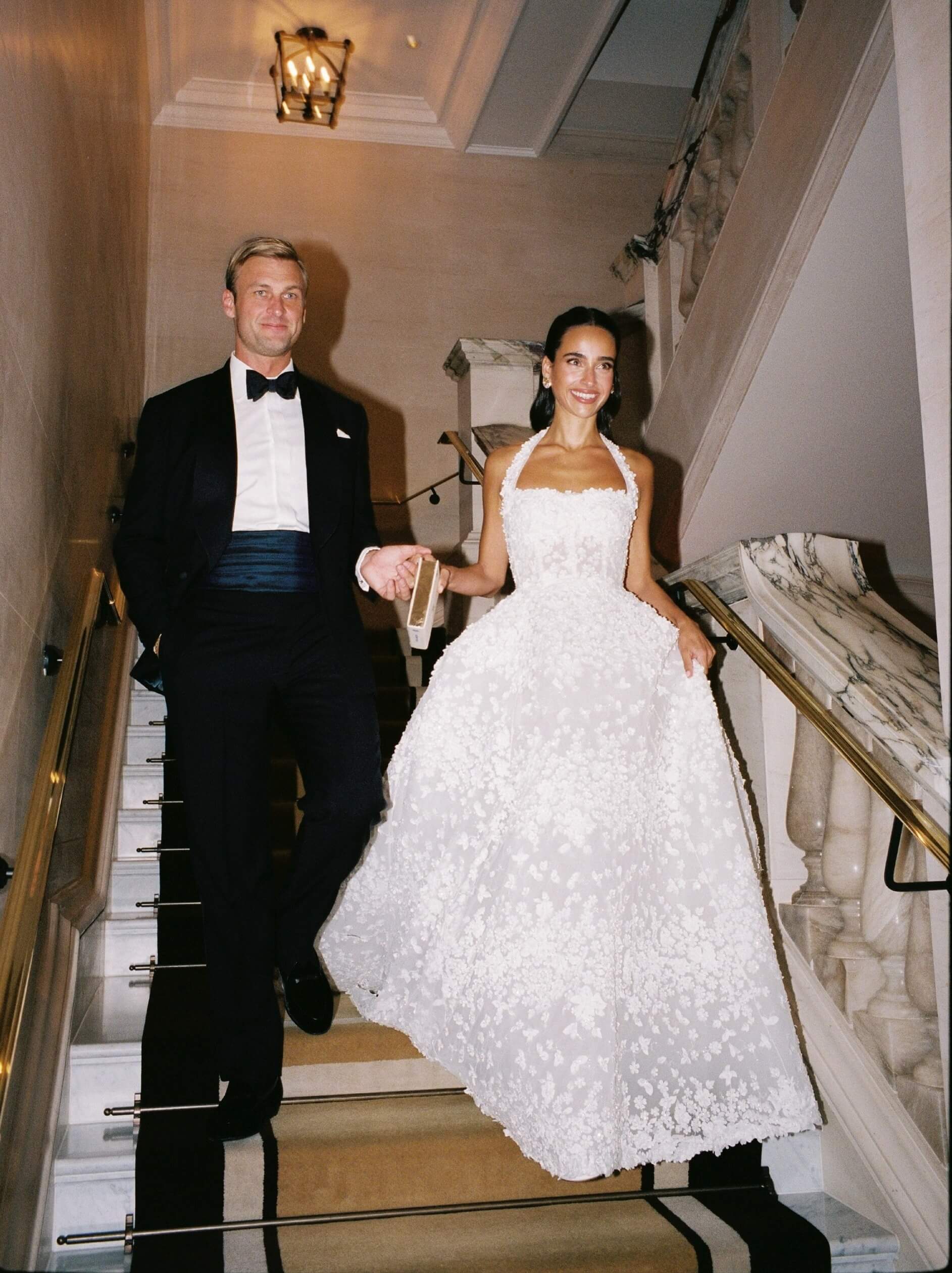
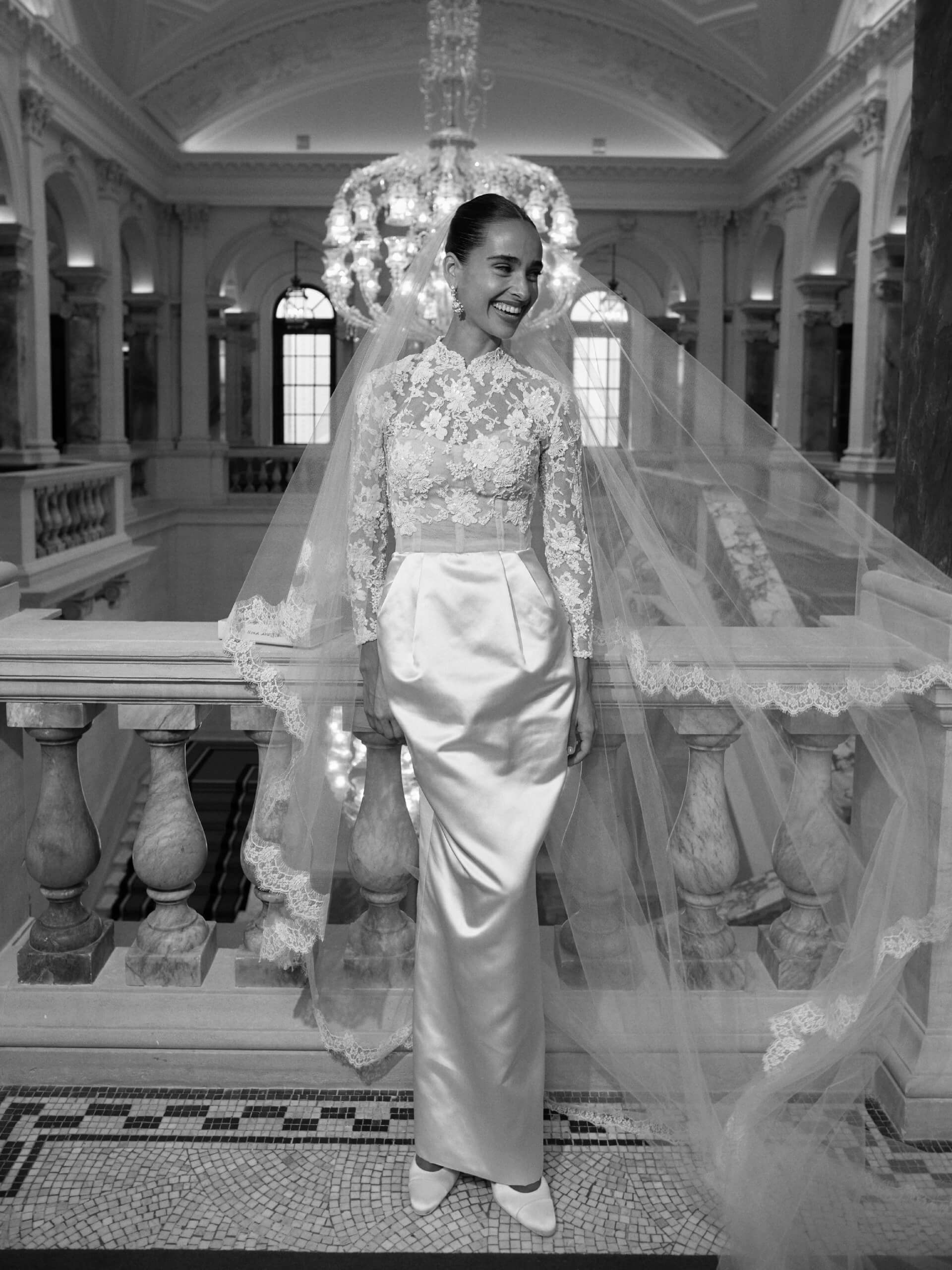
While it is tempting to start researching venues with a list of famous properties, the more useful first question is what kind of day you actually want to have. The number of guests will mean that some options are immediately unavailable, while your choice of ceremony, dinner style, entertainment and whether you want guests to change locations will remove several more. Often, the right venue category becomes clear before the exact venue does.
- For couples who value polished service, in-house teams, elegant interiors and the possibility of spending the whole day under one roof, historic houses and grand hotels are ideal.
- The unmistakable London backdrop created by riverside and rooftop venues is not the only thing to consider when choosing a venue; access, wind, weather, elevators and sound restrictions all matter more than the view alone might suggest.
- Marquees, outdoor ceremonies and longer dinners are all possible in gardens and other green spaces, but transport and a rain plan are essential.
- Smaller celebrations are ideally suited to intimate civil spaces and register offices, especially when the ceremony is followed by a dinner or private reception at a restaurant or another venue in the city.
Luxury is not defined by category. A dinner for 40 people, elegantly hosted after a simple register office ceremony, can feel more thoughtfully planned than a traditional ballroom wedding, with twice the effort and half the character. The best venue is the one that reflects the atmosphere you want on your wedding day, rather than forcing the occasion into a prestigious but unsuitable space.
Wedding Planning Services London Couples Commonly Use
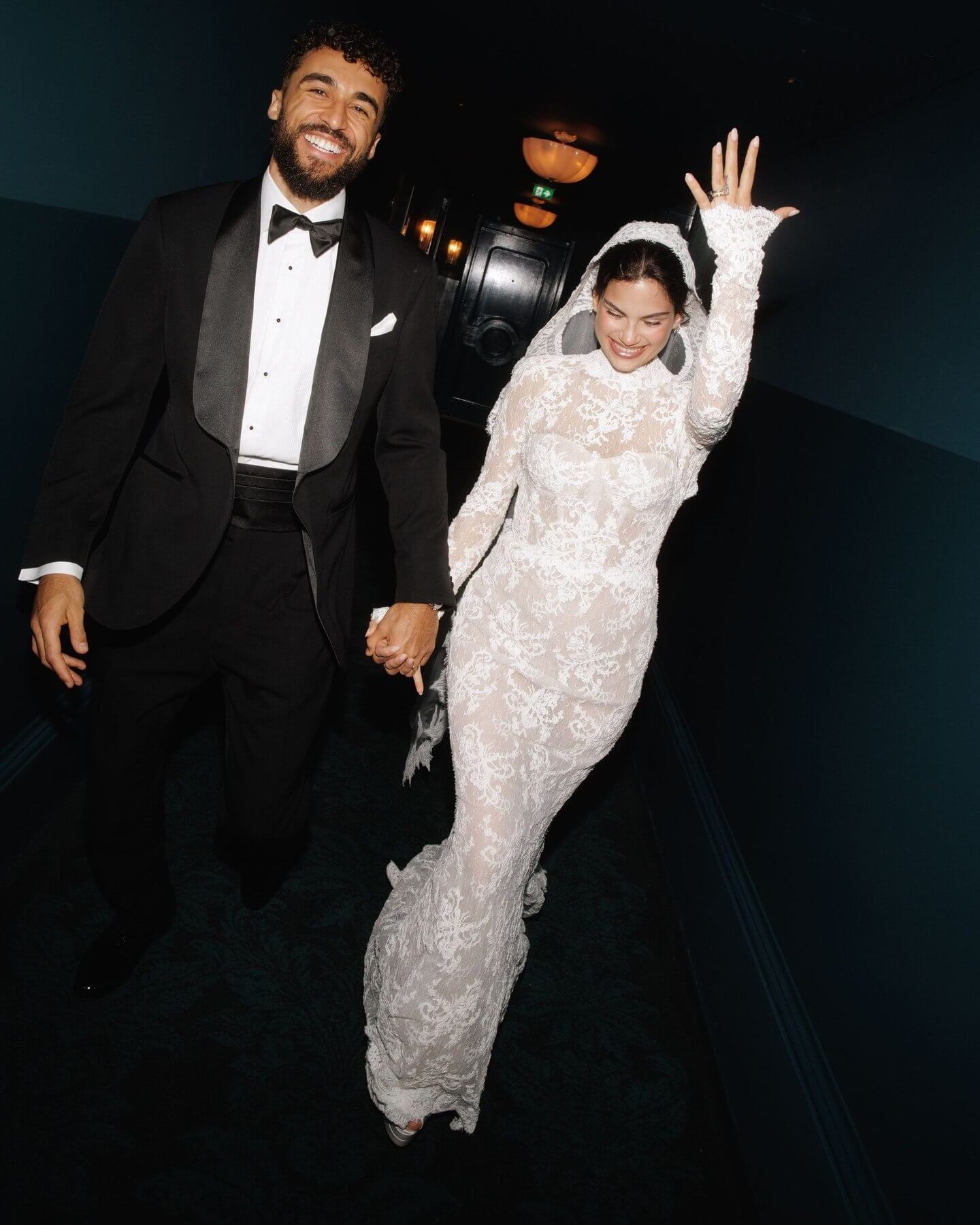
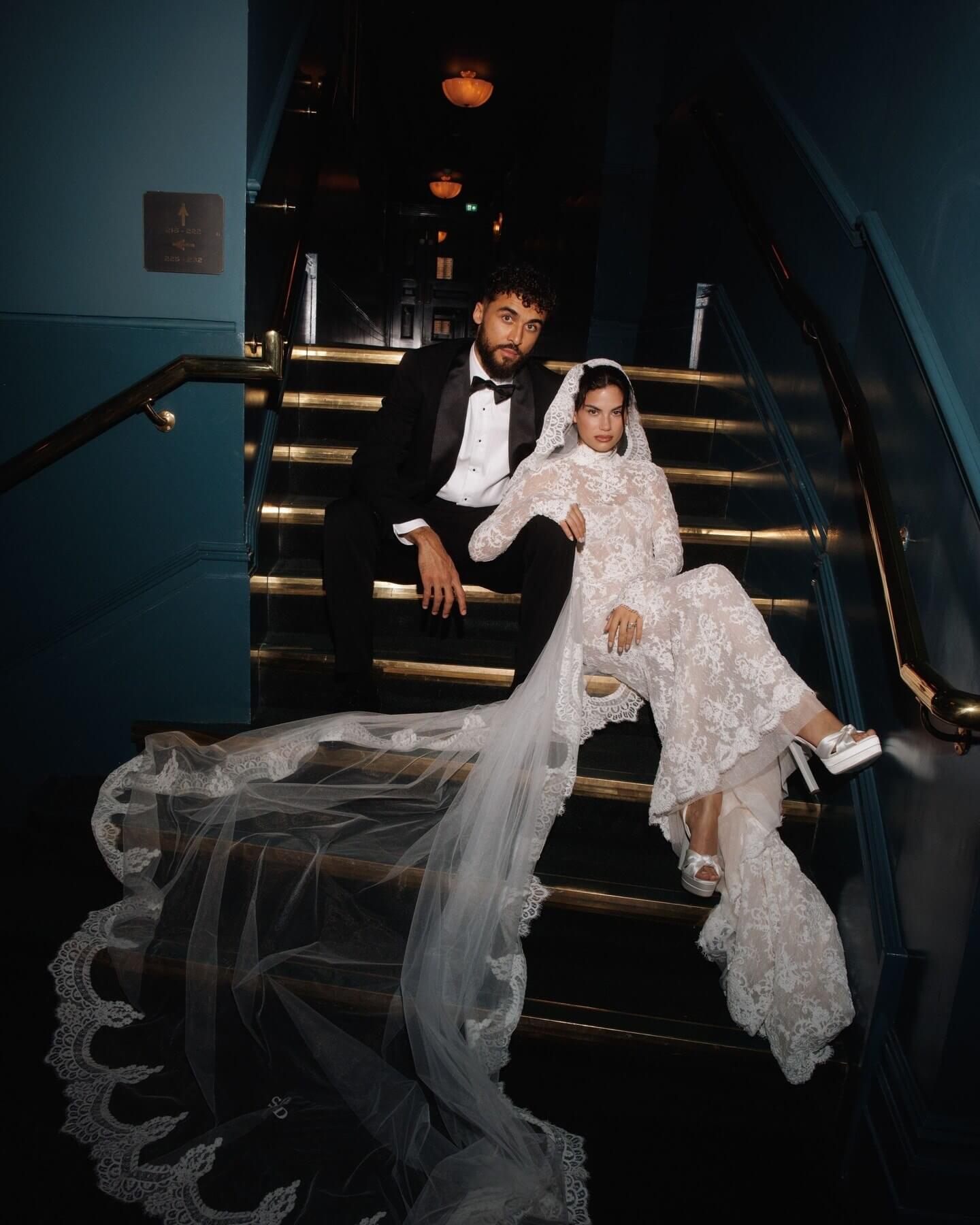
The term 'wedding planning services London' encompasses a wide range of levels of involvement, which is why two planners may offer very different services while both describing their work as 'planning'. The title of the package is not the real distinction; it is the early joining of the planner, the decisions they own and the final production that is with their team that matters. So before you compare prices, compare responsibilities.
| Service | When the Planner Usually Joins | Best Fit |
|---|---|---|
| Full-Service Planning | Near the beginning | Complex weddings, large guest lists, international couples |
| Partial Planning | After major decisions are made | Couples who want to stay involved but need professional support |
| Wedding Coordination | Several weeks before the event | Weddings largely planned by the couple already |
A full-service planner will take care of everything, from venue searches and supplier sourcing to contracts, budget, design, guest logistics, production schedule and the big day itself. With partial planning, the couple may already have the venue or creative direction sorted, and so they may only need help with the other suppliers, contracts, or logistics. Coordination begins even later, but a good coordinator does far more than arrive on the morning of the wedding; they usually spend the preceding weeks familiarising themselves with the contracts, speaking with suppliers, and combining separate plans into one workable timeline.
Therefore, choosing the right wedding planning service in London should start with an honest question about time and responsibility. If the creative choices are to be made to the fullest extent but supplier logistics would rather not be managed by you, partial planning may be enough. However, if your wedding involves several venues, international guests, significant production or very little personal planning time, full service could be the more efficient option, even if the initial fee is higher.
London Logistics Couples Often Underestimate
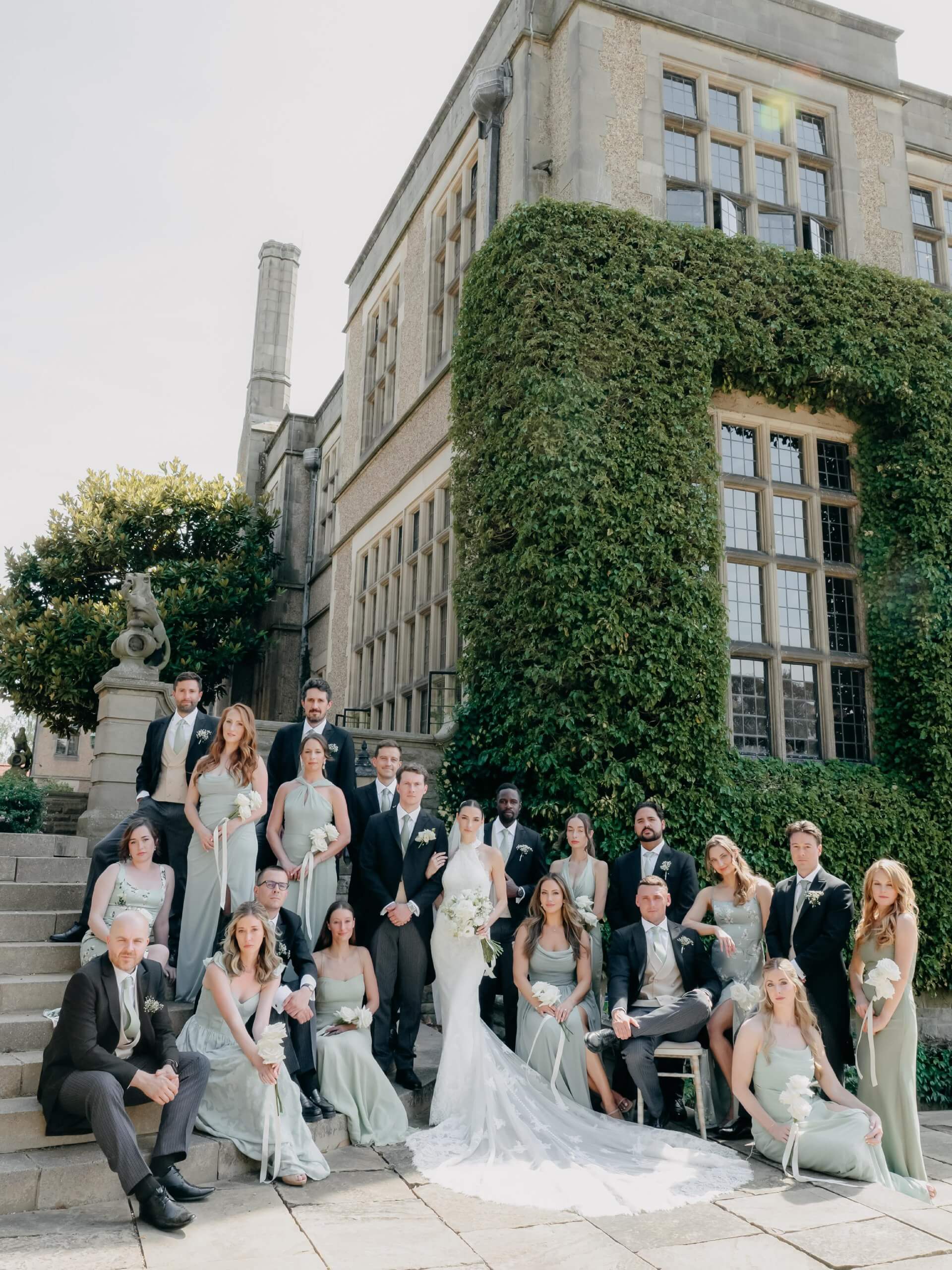
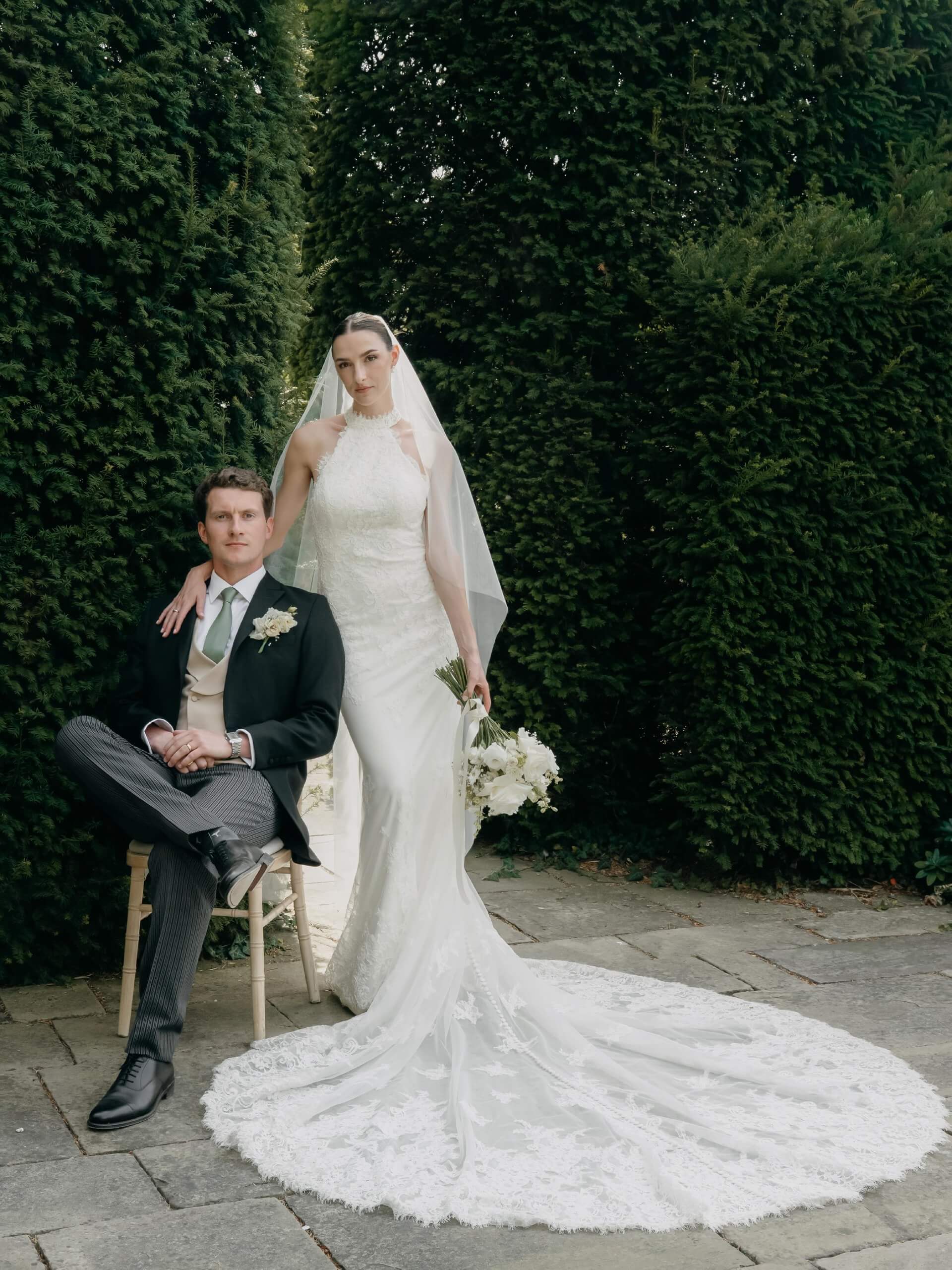
London can be a place where guests find it easy to navigate, but one that can present challenges for suppliers. While public transport solves many guests' travel problems, delivery vans, floral teams, production crews, musicians and caterers cannot simply take the Tube with all their equipment. Before contracts are signed, it is crucial for everyone to be on the same page regarding the load-in route, delivery window, parking situation, and the exact time suppliers are expected to leave the venue.
The same attention should be given to music. Different licensing conditions apply to different venues and boroughs, which means that two similar-looking spaces may have different finishing times. Confirm the actual cut-off time in writing and plan the evening around it, because a brilliant band is not much use if the schedule assumes an hour of dancing that the venue cannot legally host.
Central London traffic adds another layer of complexity. The Congestion Charge and other transport costs can change, parking is limited around many venues and a short distance on a map does not necessarily equate to a short journey at the times when your guests will be travelling. For weddings involving several locations, transport should be considered part of the event design, not an administrative detail added at the end.
British Wedding Traditions: What to Keep, What to Tweak and What to Skip
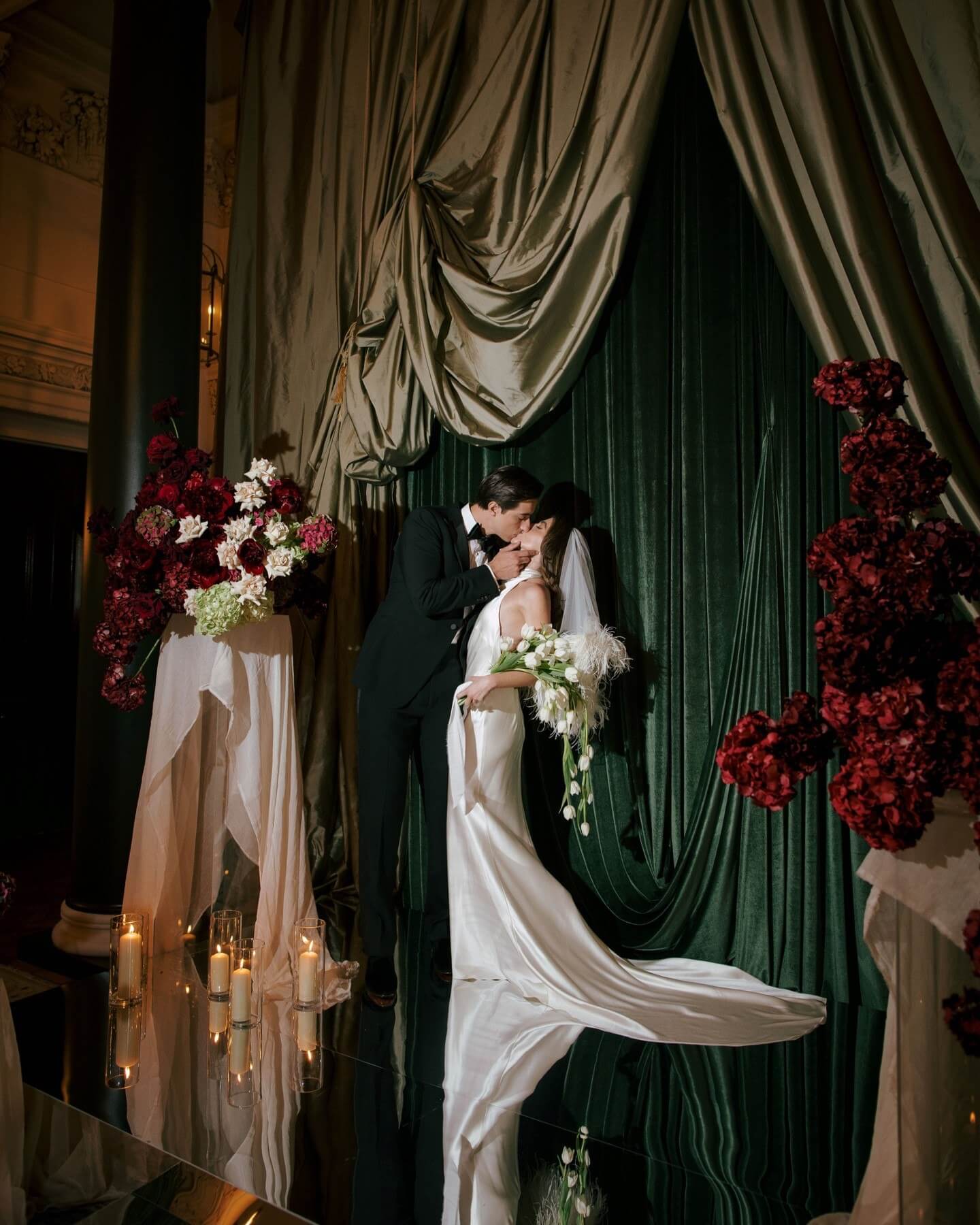
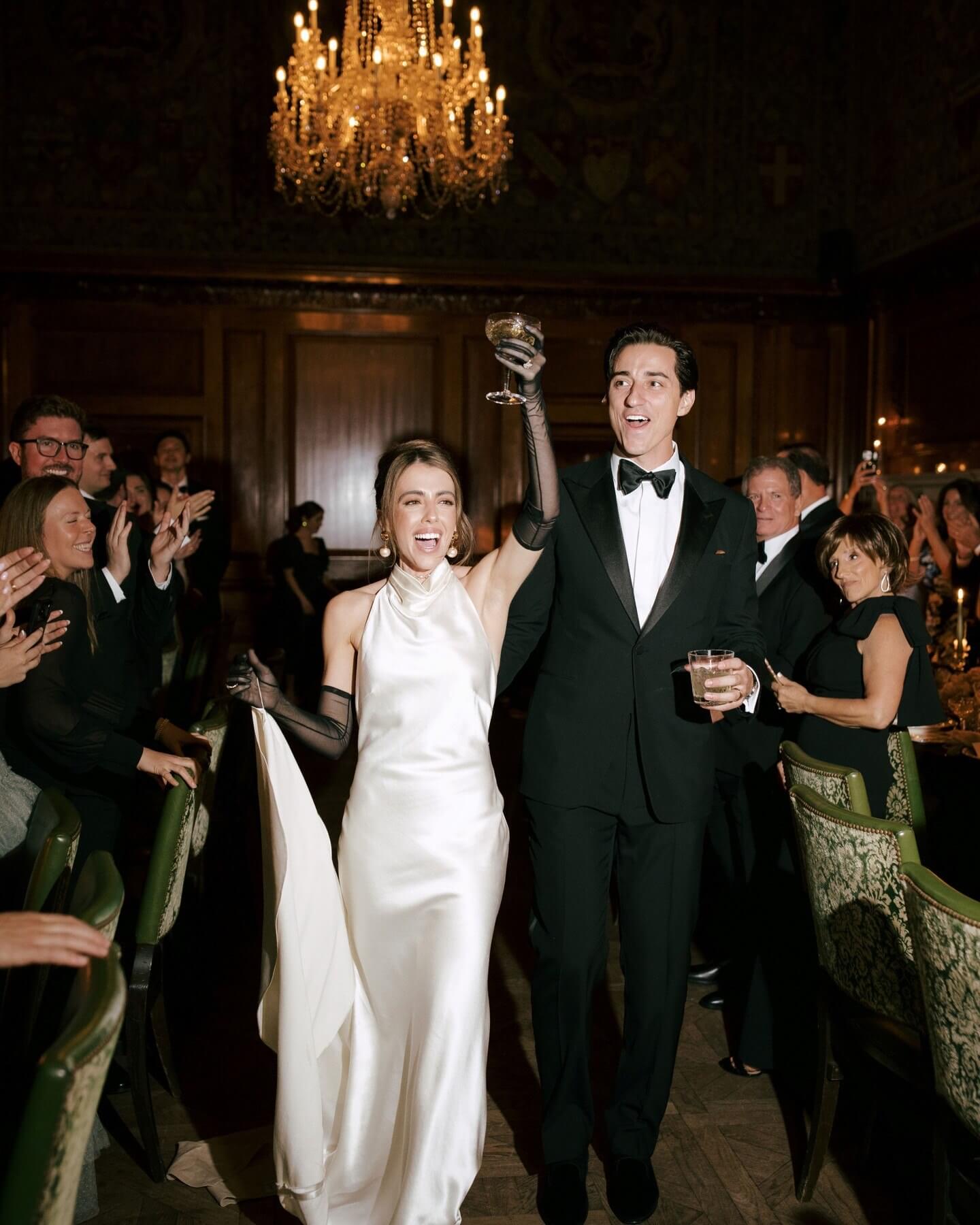
Although a London wedding takes place against a backdrop of centuries of tradition, that doesn’t mean the day should feel like a period drama. Couples, particularly those travelling from abroad, can choose to incorporate the traditions they like and omit the rest. The key is to understand the meaning of each tradition. That way, guests from home can follow what's happening and British guests won't feel like something important has gone missing.
Here are the traditions worth knowing:
- The wedding breakfast. Despite the name, this is the main celebratory meal after the ceremony, whether it’s served at 2pm or 7pm. Caterers and venues will use the term, so it helps to know it.
- The speeches. The traditional order is father of the bride, then the groom, then the best man. Today it’s just as common to add a maid of honour, a parent of either partner, or a joint speech from the couple. Many couples now schedule speeches before the meal so nervous speakers can actually enjoy their dinner.
- Day guests and evening guests. This is a distinctly British habit. A smaller group attends the ceremony and wedding breakfast, and a wider circle joins later for drinks and dancing. It’s a practical way to manage numbers and budget, as long as the invitations make it clear which part each guest is invited to.
- Something old, something new, something borrowed, something blue. It’s still widely recognised and easy to personalise, for example with a family piece of jewellery or a blue thread sewn into a lining.
- The confetti moment. It’s a classic photo opportunity, but many London venues only allow biodegradable or dried-petal confetti, and some don’t allow it in certain spaces at all. Check before you buy.
- Morning dress, hats and fascinators. Formal daytime weddings still bring these out, and British guests will often assume them unless told otherwise.
- The cake. Traditional British wedding cakes were rich fruit cakes. Today, sponge tiers, dessert tables and even cheese towers are just as popular.
- Late-night food. Around 9 or 10pm, bacon rolls, mini fish and chips or wood-fired pizza tend to be greeted with more enthusiasm than almost anything else on the menu.
How to choose the right mix:
- Start with meaning, not obligation. Keep the customs that matter to you or your families, not the ones you think a London wedding is supposed to have.
- Blend rather than replace. British speeches can sit comfortably alongside a tea ceremony, a hora, a mehndi evening or any tradition you’re bringing with you. Some of the most memorable weddings combine two cultures without apologising for either.
- Explain the unfamiliar. A short “what to expect” section on your wedding website helps everyone feel included, whether it covers the speech order or a tradition from your own culture.
- Tell your suppliers early. If speeches are moving to the drinks reception or the cake is being replaced, the caterer, photographer and band all need to know in advance.
Dress codes require particular attention. If you want a relaxed look, spell it out clearly, as 'smart casual' can mean very different things to guests arriving from different places, such as New York, Milan, Dubai or Manchester. A specific line such as 'suits optional, comfortable shoes recommended for the garden' is far more helpful than a single, vague label.
The London Wedding Menu: From Canapés to Late-Night Bites
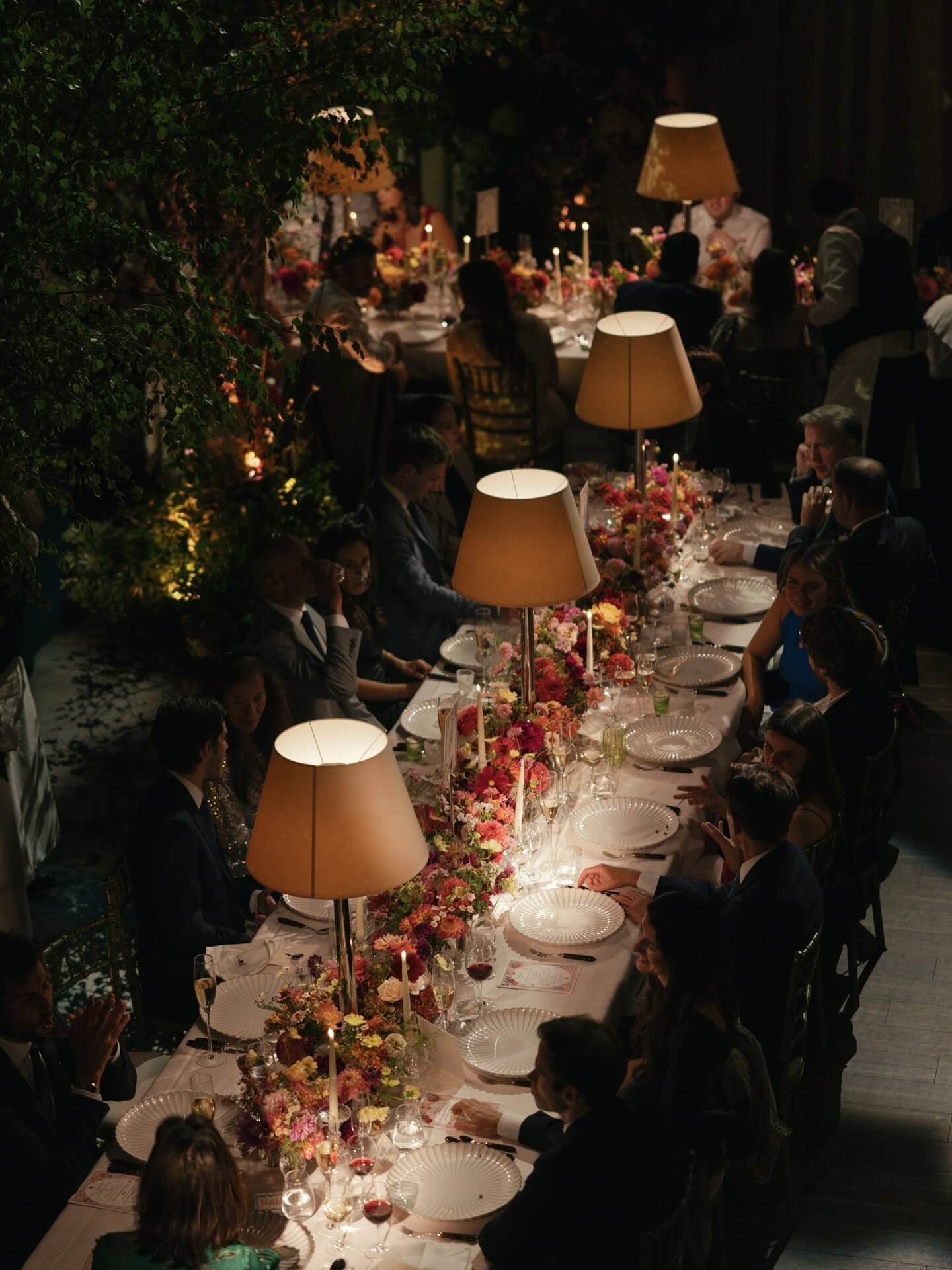
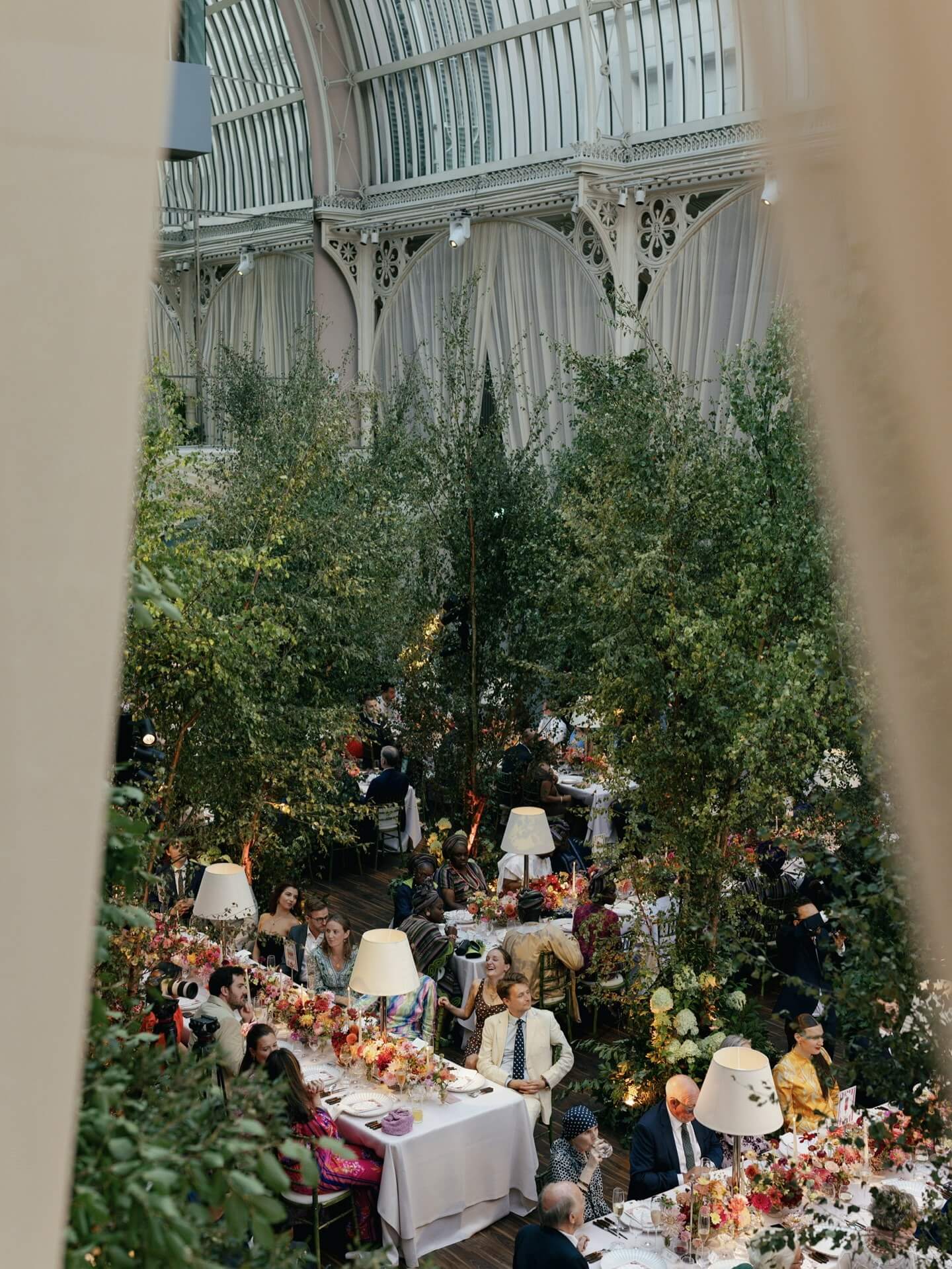
With one of the most varied food scenes in the world, London offers endless possibilities for wedding menus. Options include a classic British three-course dinner, a Levantine sharing feast, an omakase-style tasting menu for 30 guests, or a reception featuring several different cuisines. The difficulty lies not in finding good food. The challenge lies in choosing a format that suits your venue, timeline, and guests.
The menu is shaped around the day:
- Drinks reception and canapés. This usually runs for an hour or two after the ceremony while photographs are taken. When a full meal follows, most caterers suggest around five to eight canapés per guest so no one arrives at dinner hungry.
- The wedding breakfast. Plated courses feel formal and elegant. Family-style sharing platters create a warmer, more sociable atmosphere. Food stations suit relaxed receptions and larger guest lists. For intimate weddings, a private dining room with a tasting menu can be the highlight of the day.
- Late-night food. If the party runs late, plan a second service. Guests who have been dancing for three hours will appreciate it.
Seasonal British ideas:
The menu feels connected to the time of year when you cook with the seasons, and this also means the food is often better value for money. Spring brings lamb, asparagus and wild garlic, while summer offers strawberries, peas and light fish dishes. Autumn brings game, squash and orchard fruit, while winter is the perfect time for slow-cooked dishes, root vegetables and traditional puddings.
When it comes to drinks, English sparkling wine from Kent and Sussex is a locally produced, elegant alternative to Champagne. Pimm's is perfect for a summer garden reception, while a gin bar showcasing London distilleries is a great option all year round.
Questions to ask your caterer or venue:
- Is catering in-house, or can you choose from an approved list (or bring your own)?
- Is there a corkage fee if you supply your own wine?
- Is a service charge included, and what are the staff-to-guest ratios?
- When does the tasting happen, and how many people can attend?
- Can the kitchen handle certified kosher or halal food? This often needs a specialist caterer, so check if the venue allows one
Ask for dietary requirements when sending out your RSVPs, rather than afterwards. In London, it is normal for a guest list to include several vegetarians, vegans, and guests with allergies. Caterers need the final numbers well before the day.
Accommodation Options for You and Your Guests

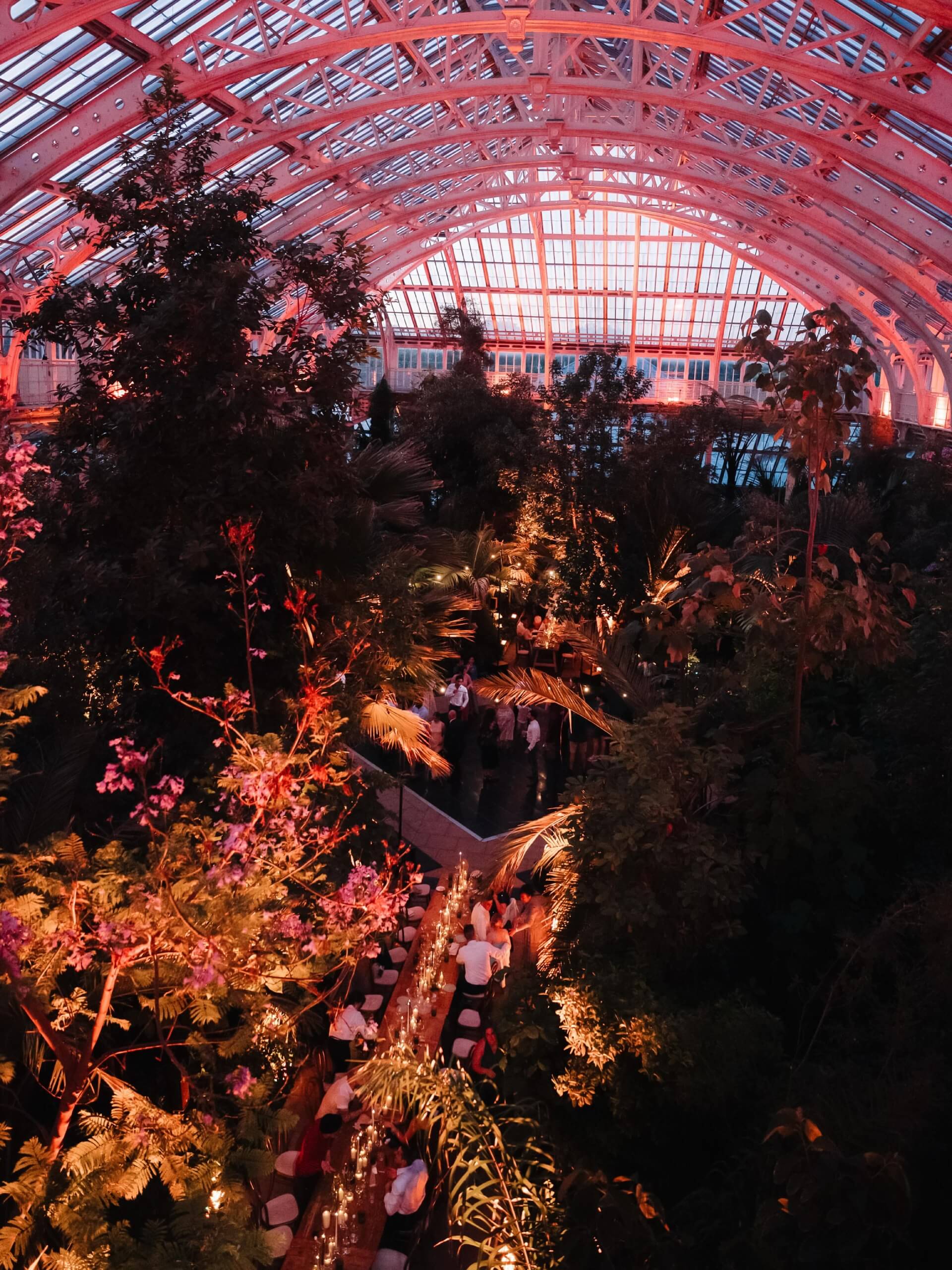
The hotel where guests stay can shape their whole experience of the wedding. A well-chosen hotel can make the day feel effortless. If it's in the wrong place, you'll be stuck with long journeys, overpriced taxis and guests leaving early to catch the last train. In London, it's less about finding a room and more about finding the right location.
Choosing Where Everyone Stays
- Near the venue or near good transport. If the wedding is outside central London, it’s often easier to house guests nearby and arrange transport. For central venues, a hotel with a direct Tube or Elizabeth line connection can be just as convenient
- Neighbourhoods with distinct characters. Mayfair and Marylebone offer classic luxury. The South Bank has river views and easy walks. Kensington and Chelsea feel quieter and elegant. King’s Cross is ideal for guests arriving by Eurostar at St Pancras, while Shoreditch suits a younger crowd who want to design hotels and late-night bars
- Serviced apartments and rentals. These work well for families with children or relatives staying a week or more, because a kitchen and living space make a long trip far more comfortable
- The getting-ready space. Choose a suite with good natural light, room for hair and make-up, and space for the photographer to work. Many wedding venues include one, but check what time it’s available
Room Blocks Without the Risk
When booking, ask hotels if they offer a group rate and make sure you understand the terms. Look out for the release date after which any unsold rooms will be put back on general sale, as well as any attrition clause that could make you liable for rooms that guests don’t book. For couples, a 'courtesy block' with no financial penalty is usually the safer option.
If your visit coincides with a major event in London, such as Wimbledon, the Chelsea Flower Show or big stadium concerts, it is advisable to book well in advance, as hotel prices can rise significantly. Then share a simple accommodation guide with guests. This should include recommended hotels, booking codes, routes to the venue from the airport (e.g. the Elizabeth line from Heathrow or the Gatwick Express to Victoria) and how to get from each hotel to the venue.
Creating Memorable Wedding Favours
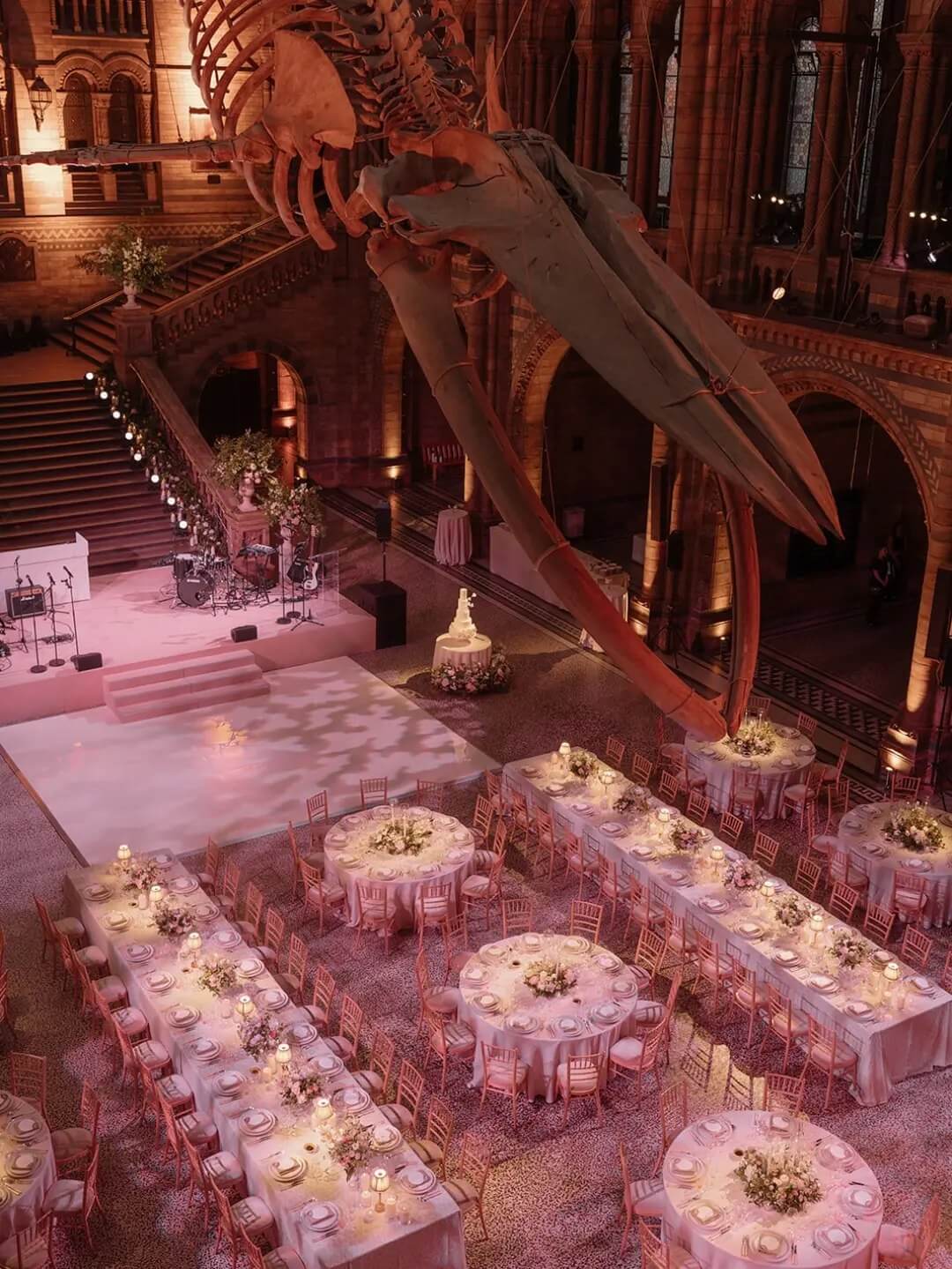

Wedding favours often end up in drawers or left on tables. The best ones avoid this fate by being edible, useful, or genuinely meaningful. When visiting London, guests can also take home a small piece of the city in the form of a favour.
Here are some ideas that guests will actually keep:
- A taste of London. Honey from a city rooftop beekeeper, a loose-leaf tea blend, miniature bottles of English sparkling wine, or gin from a London distillery
- Something sweet. Shortbread, fudge, macarons or iced biscuits with your initials or wedding date
- Something practical. A compact umbrella might be the most London favour of all, and it’s useful on the day itself if the weather turns
- An experience instead of an object. A photo booth with instant prints, a live portrait artist, or a calligrapher writing personalised notes during the reception
- A donation. A small card explaining you’ve given to a charity that matters to you both
- Welcome bags. For guests travelling from abroad, a bag waiting at the hotel can replace table favours entirely. Fill it with snacks, a map, the weekend schedule and something local
The most memorable favours are usually personal, whether that’s a family recipe, a flavour from home, or a nod to the city where the couple got married. It's that personal touch that matters far more than the price.
Is London the Right Wedding Destination for You?


If variety, strong food and entertainment options, international access and venues with real character are important to you, then London is the perfect place for you and your partner. When families are arriving from different countries, this option is especially attractive because guests can turn the wedding into a longer stay in the city, with no need for complicated transfers when they arrive. The supplier market is also large enough to support everything from an intimate restaurant celebration to a large-scale hotel event.
However, it is less suitable for those prioritising a very low budget, complete privacy, acres of countryside or a schedule with no regard for venue access and finishing times. Couples who prefer a slower-paced rural weekend may prefer to hold the legal ceremony, rehearsal dinner or welcome event in London and the wedding itself elsewhere. This is not a compromise; sometimes the smartest decision for a London wedding is knowing which parts genuinely need to happen there.
Our Practical Rules for a More Relaxed London Wedding
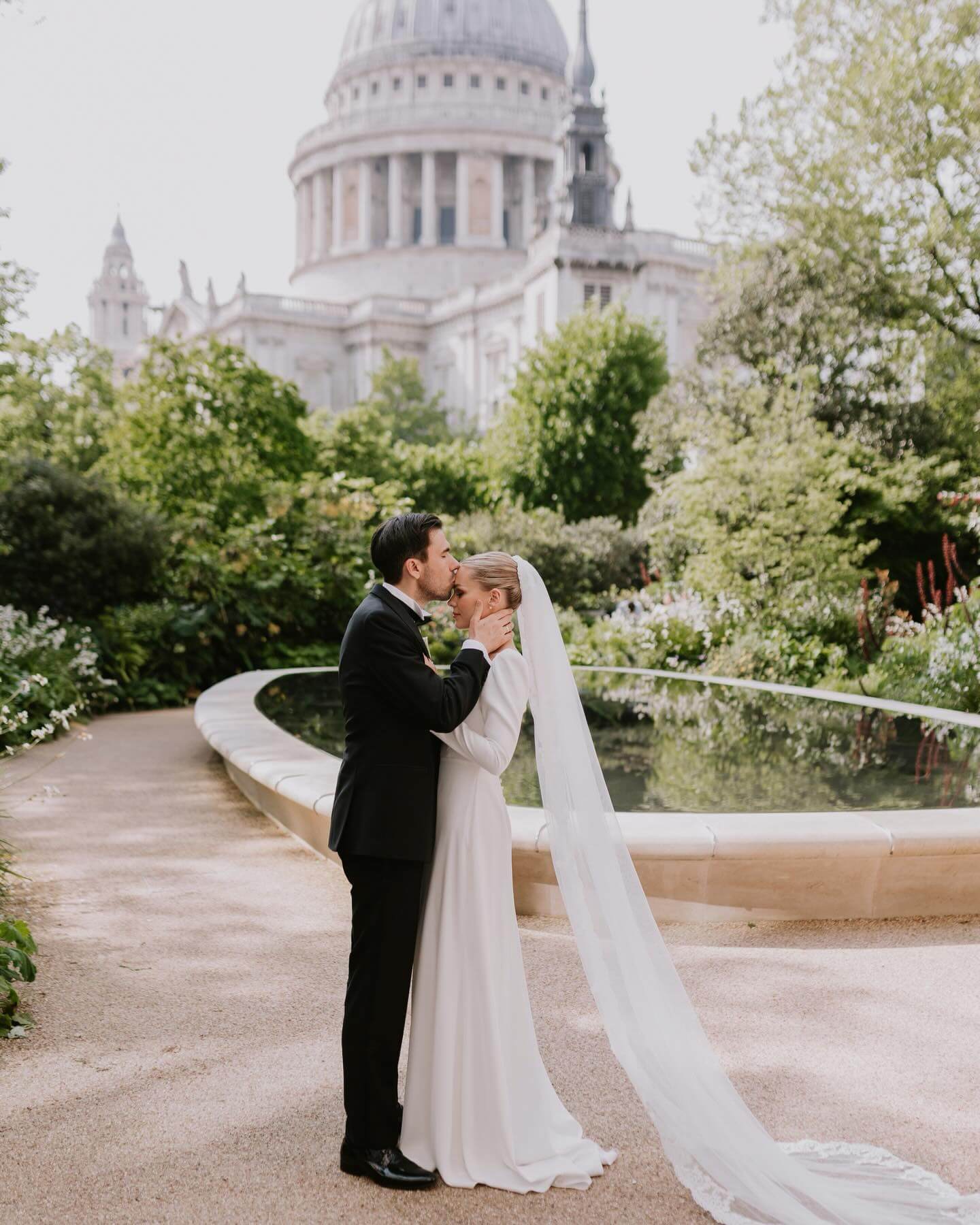

The best planning advice is usually straightforward and practical, and it's often the advice that reduces stress the most. We recommend keeping the following rules in place from the outset, particularly if you are managing several suppliers or planning from abroad. These rules provide enough structure to ensure that the creative aspects of the wedding remain enjoyable rather than becoming another administrative task.
- Get complete quotes, not headline prices. Ask what is included, what is optional, what triggers overtime, and which costs are likely to appear later
- Build a contingency early. Transport changes, extra hours, rentals, and last-minute guest adjustments are much easier to absorb when the budget already expects them
- Give guest communication to one person. Hotel questions, dress codes, airport information, and transport instructions become inconsistent very quickly when several relatives answer independently
- Do not over-program the weekend. A welcome evening, the wedding day, and some free time often creates a better guest experience than three days with no space to breathe
- Hand over the timeline on the wedding day. Once the day begins, the planner should own the schedule so the couple can stay present with the people they invited
The final point is often the one that couples appreciate the most afterwards. The schedule is supposed to be a protection for the experience, not the other way around, even though months of planning can make it feel enormously important. If the planning has been done well, the wedding itself should eventually feel less like a project and more like the reason why everyone came to London in the first place. Start exploring our curated selection of London wedding planners and find the team that will turn your day into a celebration your guests talk about for years.

FAQ
How far ahead should I start wedding planning in London?
For a peak Saturday, couples should start planning 12 to 18 months ahead to ensure they have the strongest choice of venues and suppliers. Weekday and winter celebrations often work within a shorter 6- to 9-month window, particularly when the venue is flexible and the guest list is manageable. The legal notice period comes later, so it should be built into the calendar without determining when the broader planning begins.
Do I need a planner for a small London wedding?
Not necessarily, but a smaller guest count does not remove contracts, supplier schedules, transport, access restrictions, or venue rules. A wedding of 30 or 40 guests is the perfect size for coordination. The couple controls the creative decisions, while someone else handles the final logistics and wedding day. The true value lies not in the number of guests, but in the complexity of the celebration's elements.
What is the difference between a planner and a venue coordinator?
A venue coordinator represents the venue and is responsible for its spaces, staff, service, and internal schedule. A wedding planner works for the couple across the entire project, which can include design, suppliers, guest logistics, contracts, budget, and the complete wedding-day timeline. Many London weddings have both, and the strongest events are usually the ones where those two people are working from the same information rather than operating in parallel.
Can we hold the ceremony outdoors in London?
Often, yes, the legal ceremony should follow the rules that apply to the venue and ceremony format. Some approved venues have outdoor areas covered by their ceremony approval, while other couples complete the legal ceremony separately and hold a symbolic outdoor ceremony or celebration afterward. Confirm exactly which spaces are approved and ensure the indoor backup is a room you would genuinely be happy to use.
Can international couples plan a London wedding from abroad?
Local support is key in these situations. International couples should confirm the notice, residency, document, and visa requirements that apply to their own circumstances before fixing travel around the legal ceremony, because both partners may need to attend an in-person register-office appointment. Some couples choose to complete the legal marriage at home and hold the full London celebration afterward, which eliminates much of the administrative pressure from the wedding weekend.
How do I compare wedding planning companies in London?
Start with real weddings instead of branding language. The best wedding planning companies in London will show you celebrations that are relevant to your venue type, guest count, level of production, and aesthetic. They will also explain clearly who manages the project and how fees are structured. A beautiful portfolio may earn the first call, but it's process, transparency, and problem-solving that determine the final decision.
What should I look for in a wedding planning company London couples recommend?
Don't be fooled by reviews that merely praise the planner with vague adjectives like "amazing" or "organized." Dig deeper to understand the true value of this product. A reliable wedding planning company in London that couples recommend repeatedly has to show evidence of strong communication, realistic budgeting, supplier management, and calm decision-making when plans change. These qualities are far more useful than simply having worked at a famous venue.
Are all London wedding planning companies full-service?
That distinction is key when comparing fees. Some London wedding planning companies focus primarily on full-service planning and design, while others offer partial planning, coordination, consulting, or a mix of all four. Before comparing prices, make sure the proposals clearly describe the level of responsibility, as two packages with similar names may cover very different amounts of work.