How AI Wedding Planning Is Changing the Future of Weddings


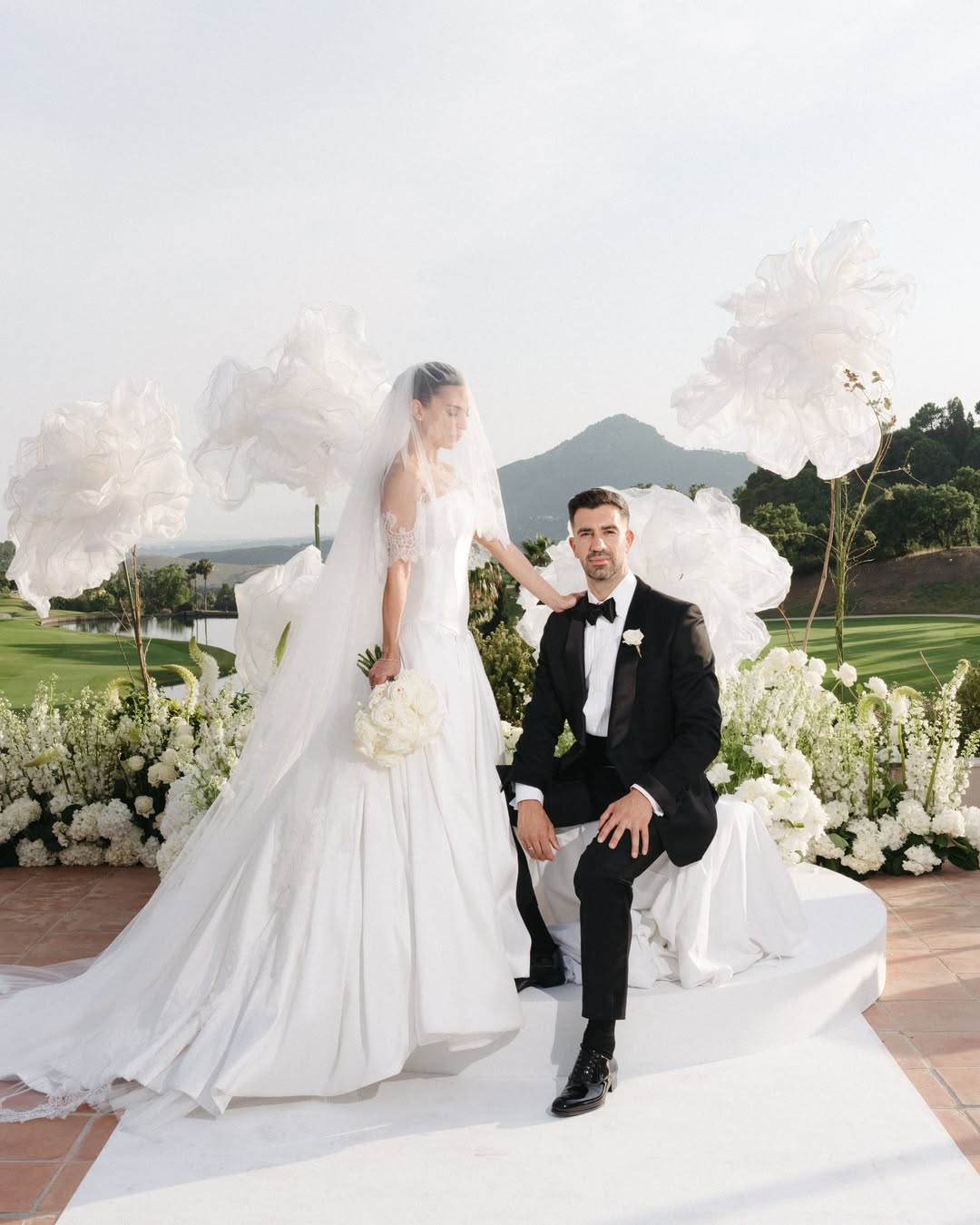
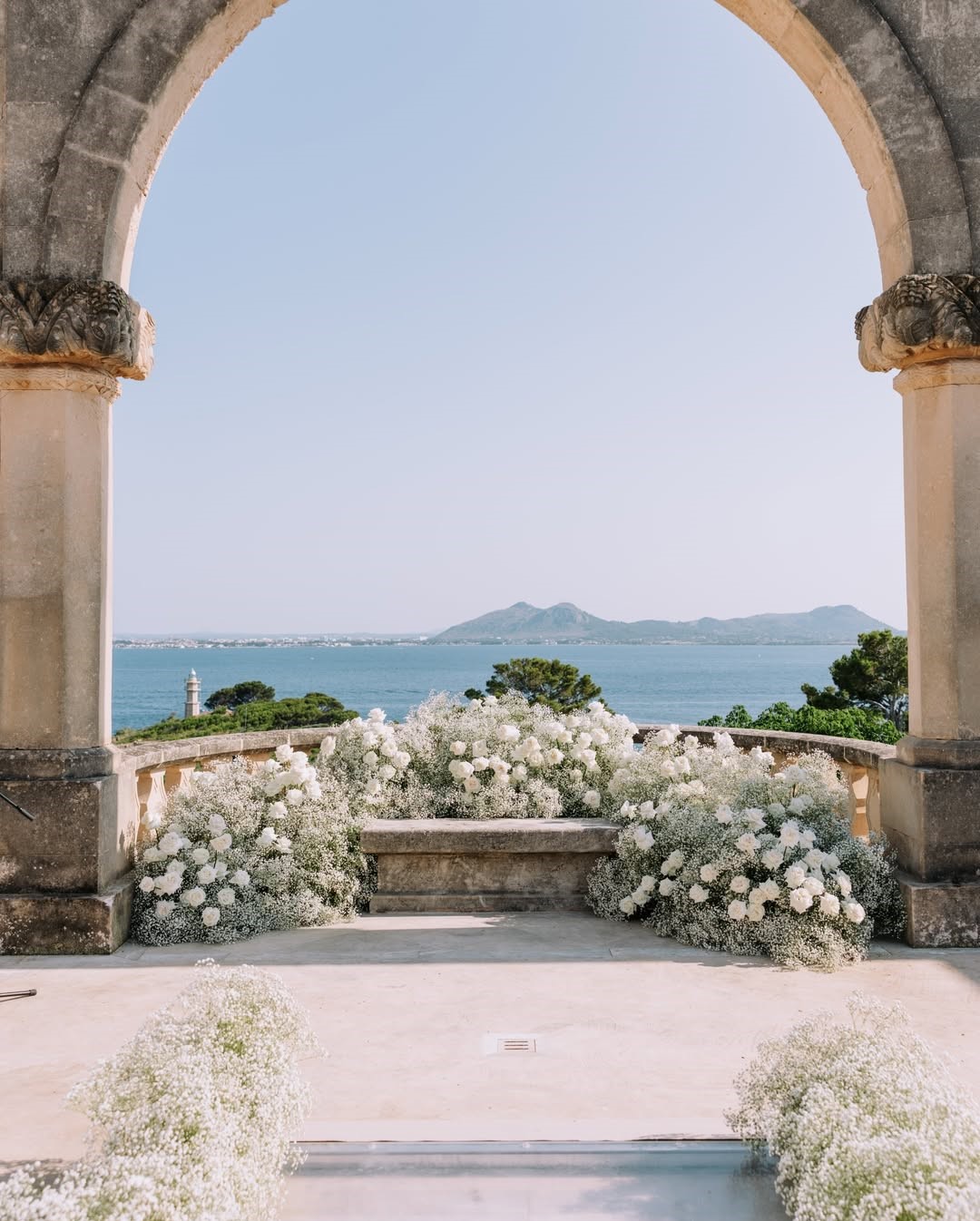
The statistic is striking: one in three people now turns to artificial intelligence before booking a single vendor or visiting a single venue. AI wedding planning is no longer a futuristic idea; it is already part of how many couples begin the process. They arrive at consultations armed with AI-generated mood boards and concept images that resemble magazine spreads. Their vision has been refined by an algorithm before it has ever been touched by a human hand.
So what does this mean for those whose job it is to turn these visions into reality?
We asked top wedding planners about how AI in wedding planning is changing their work. The answer was more complicated than the headlines suggested.
Find Your Perfect Wedding Vendors

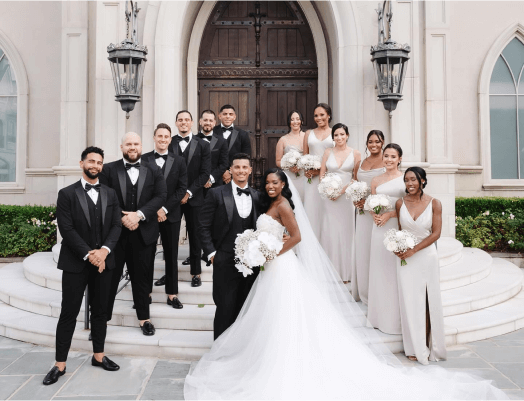
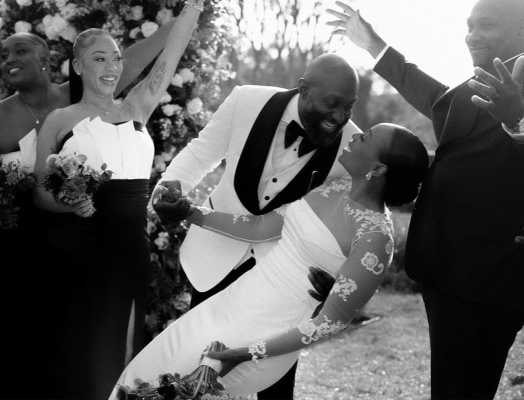
The Couples Who Come in Prepared (And The Ones Who Come in Confused)
There is a version of the AI-equipped couple that planners really like. They've done their research, said what they want, and come to a first meeting with an idea of what they want. In many ways, wedding planning AI has made the earliest stage of the process more organized.
 In many cases, this helps them clarify their vision, gather inspiration, and organize their ideas before our first meeting, which can make conversations more efficient and productive,
says Carlotta Pomponi of Destination Weddings Italy.
However, there is another version. One that shows up with a flawless rendering that is logistically impossible. "We often receive AI-generated visuals that look beautiful but are not realistic in terms of budget, logistics, or production," says The Event Co team. "We also see couples using AI questionnaires to choose a planner, which sometimes overlooks the most important factors: trust, chemistry, communication, and experience."
Le Rêve puts it more bluntly: "They often lack hands-on experience with the events world, which means they tend to overlook technical and logistical realities. Not everything AI proposes is actually achievable - whether due to venue policies, structural constraints, or budget." They provide a recent example that illustrates this issue perfectly: a floor plan that was not drawn to scale resulted in 110 guests being seated at a table designed for 50. "A significant oversight and one that simply wouldn’t happen if you truly knew the venue where the event was taking place.”
Many planners are now facing a new and unexpected part of their job: the gap between beautiful and buildable. This is where the conversation around AI in wedding planning becomes more nuanced.

How Planners Are Actually Using AI for Wedding Planning
If you ask any planner whether they use AI, most will say yes, but only with caveats. The pattern is consistent: administrative tasks, drafting, brainstorming, and visual references. Not decision-making. Not design.
"I mainly use AI as a support tool for communication and content development," says the planner from Ours & Beyond | Bespoke Weddings and Events.
It helps me structure documents, organize descriptive information, refine written communication, and occasionally create visual references or concept imagery that support conversations with clients.
Carlotta Pomponi uses it similarly - "for drafting content, brainstorming ideas, organizing information, and researching trends" - but is careful about where it ends: "I believe AI is most useful as a starting point rather than a substitute for professional expertise."
Sophie Kors adds: "We make very limited use of artificial intelligence in our day-to-day work because our profession is based on something that no technology can replace: human sensitivity."
Le Rêve is candid about the double-edged nature of the tool: "Whether it makes my job easier or more complex is a difficult question; probably both, depending on the day and the task. It’s certainly a wonderful tool that streamlines many processes." Then, with a wry aside: "As for whether it helped me write this response… maybe yes, maybe no, I’ll leave that for you to figure out."
The rise of AI wedding planning tools is changing the preparation stage, but planners remain clear about where their value begins.
The Part AI Can't Touch
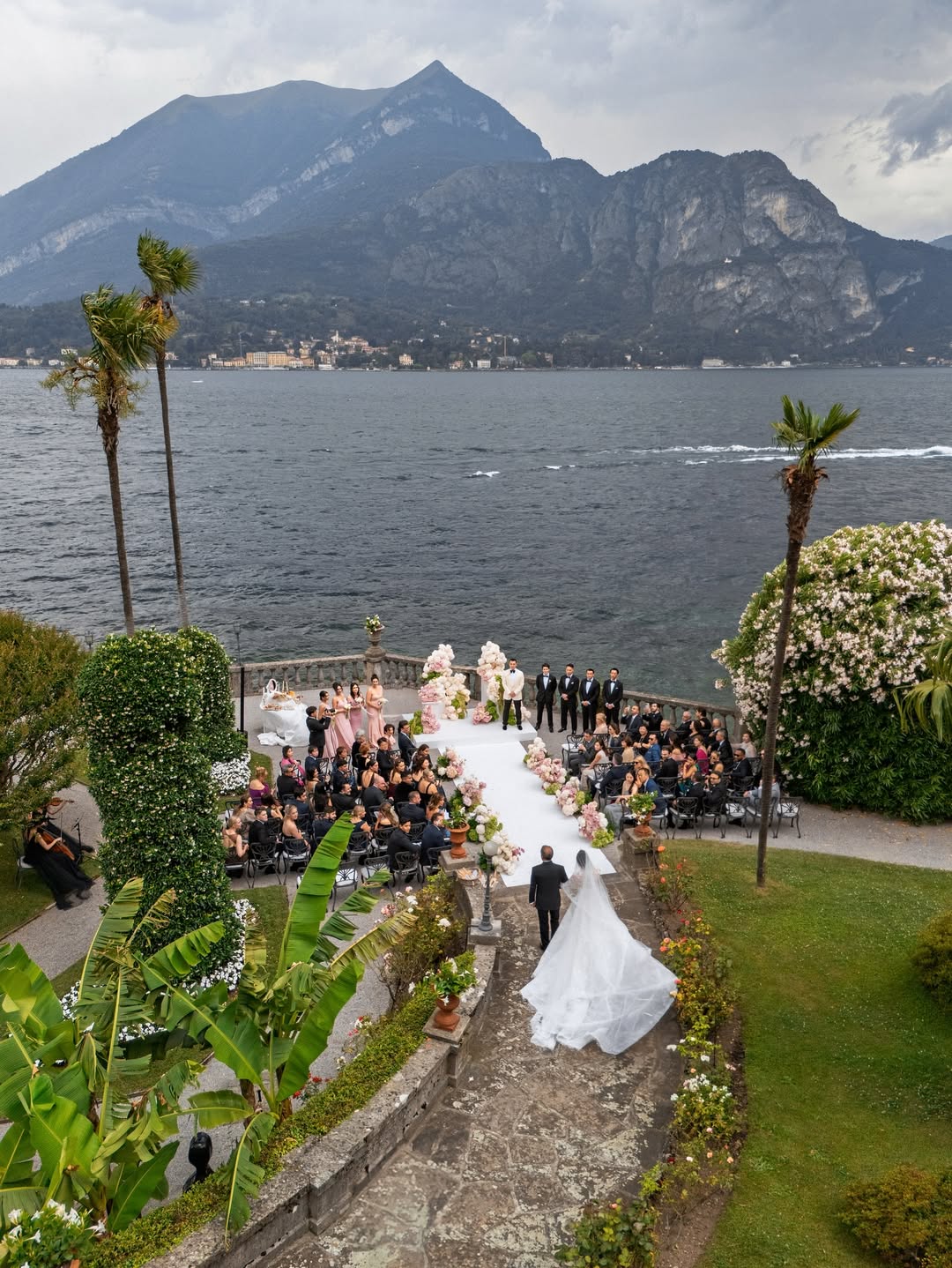
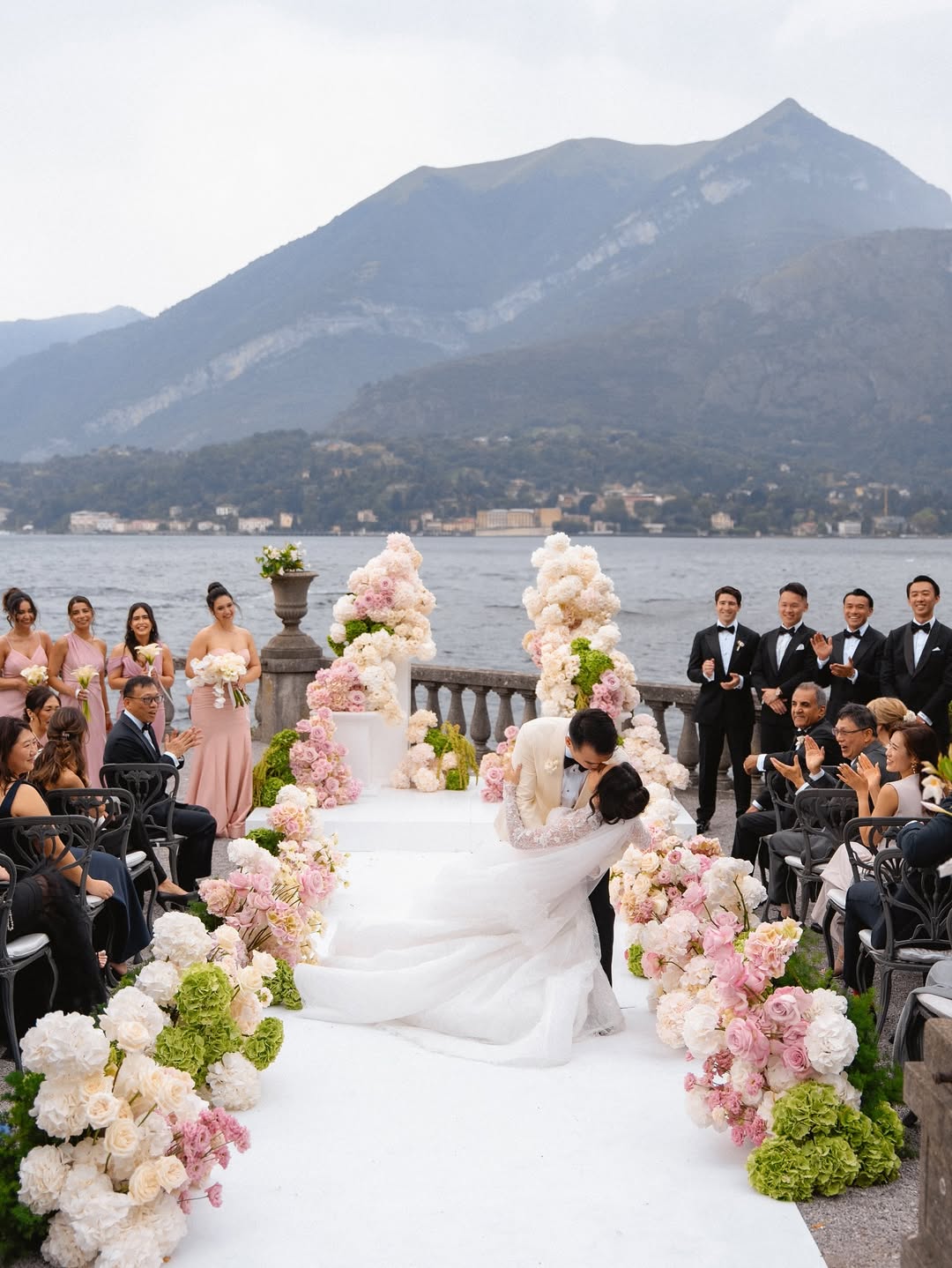
While AI can undoubtedly enhance efficiency in terms of timelines, floor plans and initial drafts, our conversations with various planners revealed a consensus: a significant aspect of this work remains inherently human. "Designing a wedding requires listening, observing, interpreting emotions, and paying attention to thousands of details with care, judgment, and dedication," says Sophie Kors. "It is a highly bespoke and artisanal process, tailored to each couple."
The emotional intelligence, creativity, intuition, and personal connection that wedding planning requires remain deeply human qualities that technology cannot replicate,
echoes Ours & Beyond | Bespoke Weddings and Events.
Le Rêve puts it most vividly: "The emotional and relational side of wedding planning isn’t a small footnote; it’s a very large slice of the cake.” And The Event Co adds: "Wedding planning remains a people-driven industry where human expertise is still essential."
Even the best AI for wedding planning cannot replace the emotional intelligence, local experience, and real-time decision-making that define the planner’s role.

So, Where Does That Leave Us?
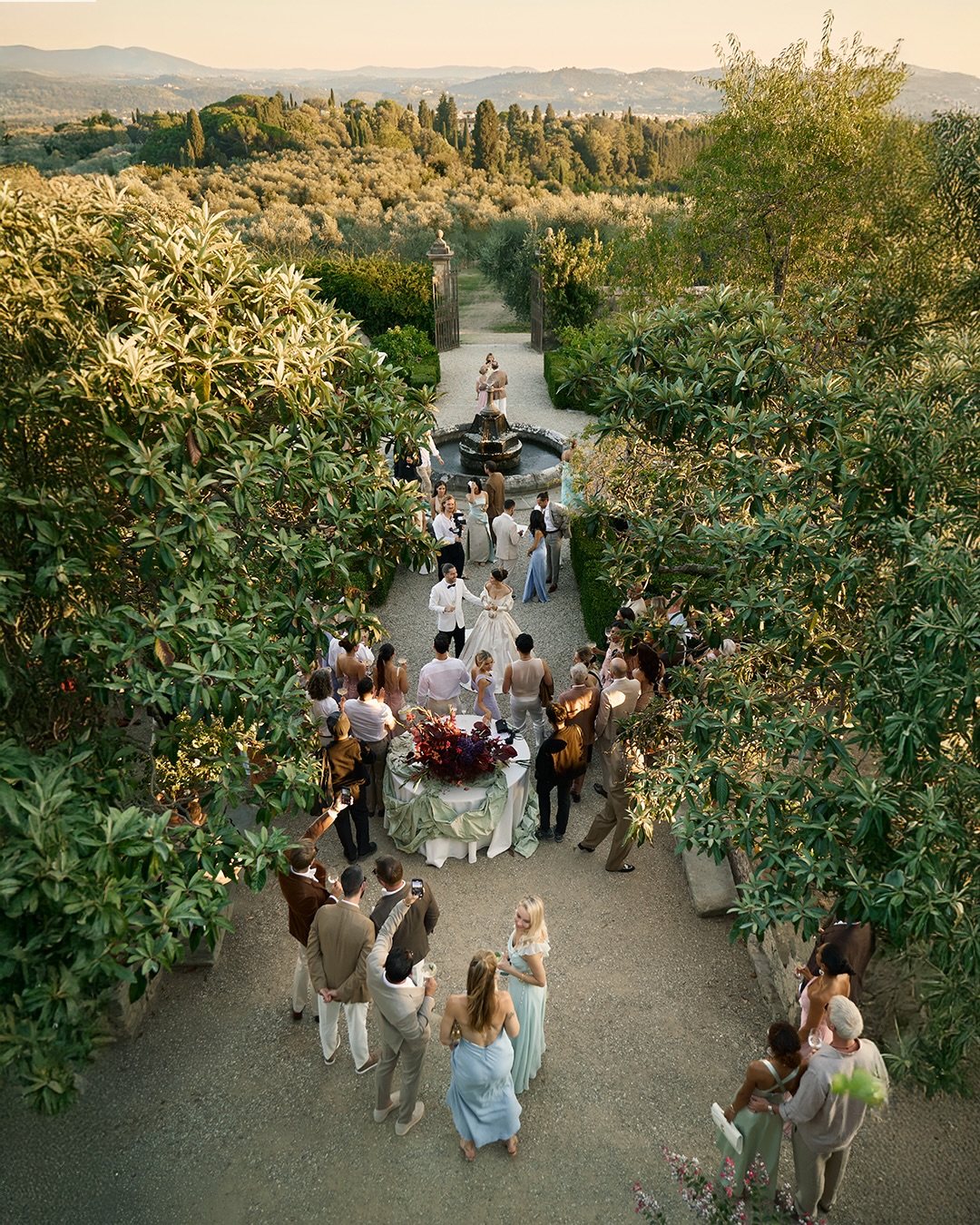
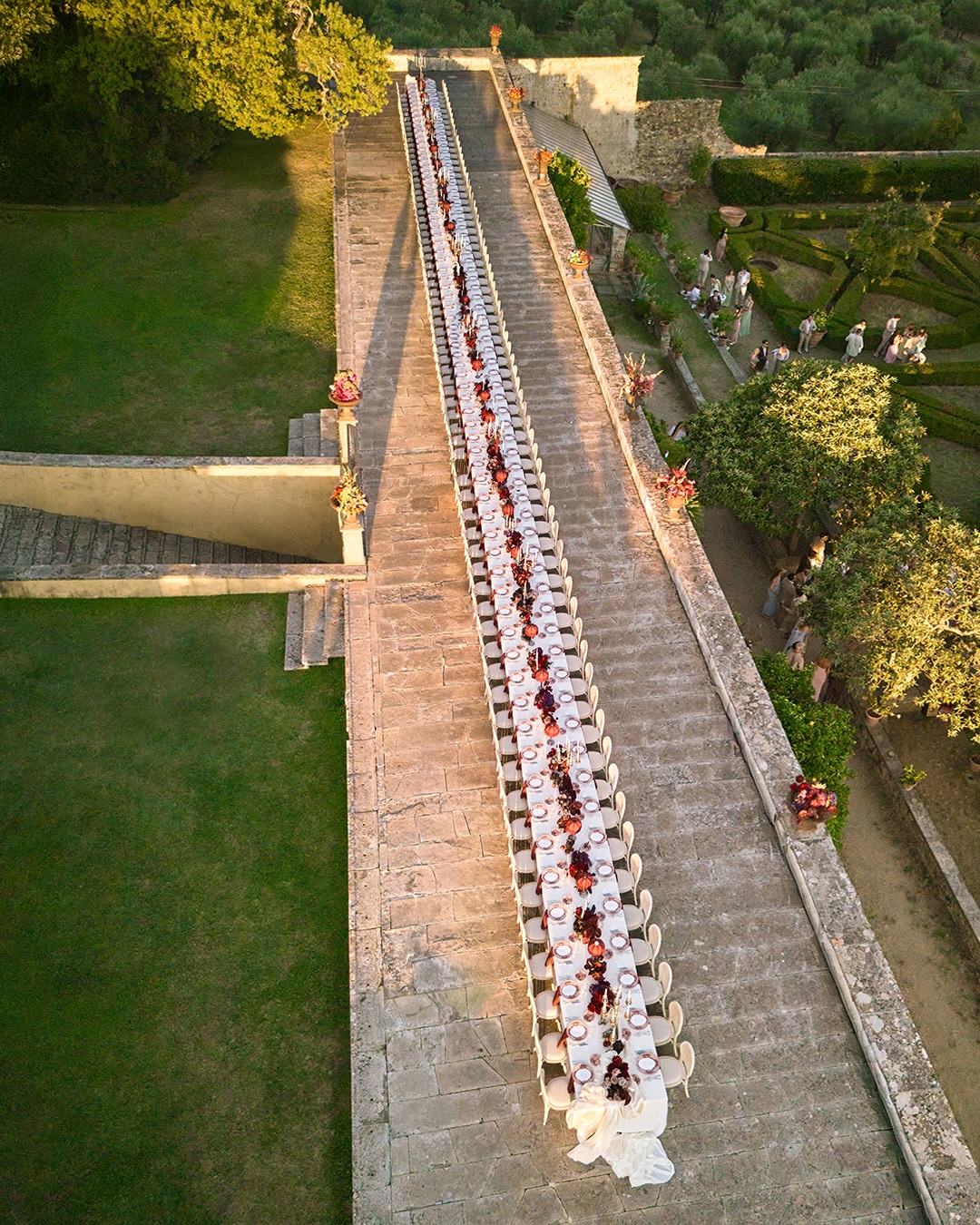
AI is here to stay. Couples will continue to arrive with ChatGPT-created timelines and Midjourney table settings, and planners will continue to do what they do best: translate ideas into something that can actually happen on a specific day, in a specific place, for two specific people.
The technology shifts the first conversation. It does not replace the thousand that comes after it.
As Carlotta Pomponi puts it: "AI has not replaced our work - it has simply changed the way we guide our clients."
The following is perhaps the most precise interpretation of the current situation: AI as opener; human expertise as closer. One in three couples start with the algorithm. However, every single one of them still needs a person to help them get to the altar.
Want to find the planner who can turn your vision - AI-generated or otherwise - into reality? Explore wedding planners on Wezoree.