Getting Married in Mallorca: A Destination Wedding Guide to the Island
- Author: Natali Grace Levine
- Reading time: 18 min 23 sec
- Publication date: 02/10/2026
- Updated: 02/25/2026


- Why Choose Mallorca for Your Destination Wedding
- Best Time to Get Married in Mallorca
- Legal vs Symbolic Wedding in Mallorca
- Top Wedding Venues in Mallorca
- Wedding Styles That Work Perfectly in Mallorca
- How Much Does a Wedding in Mallorca Cost
- Planning a Destination Wedding in Mallorca
- Local Wedding Vendors in Mallorca
- Guest Experience: Turning Your Wedding into a Holiday
- Travel & Accommodation Tips for You and Your Guests
- Common Mistakes to Avoid When Getting Married in Mallorca
- Is Mallorca Right for Your Destination Wedding?
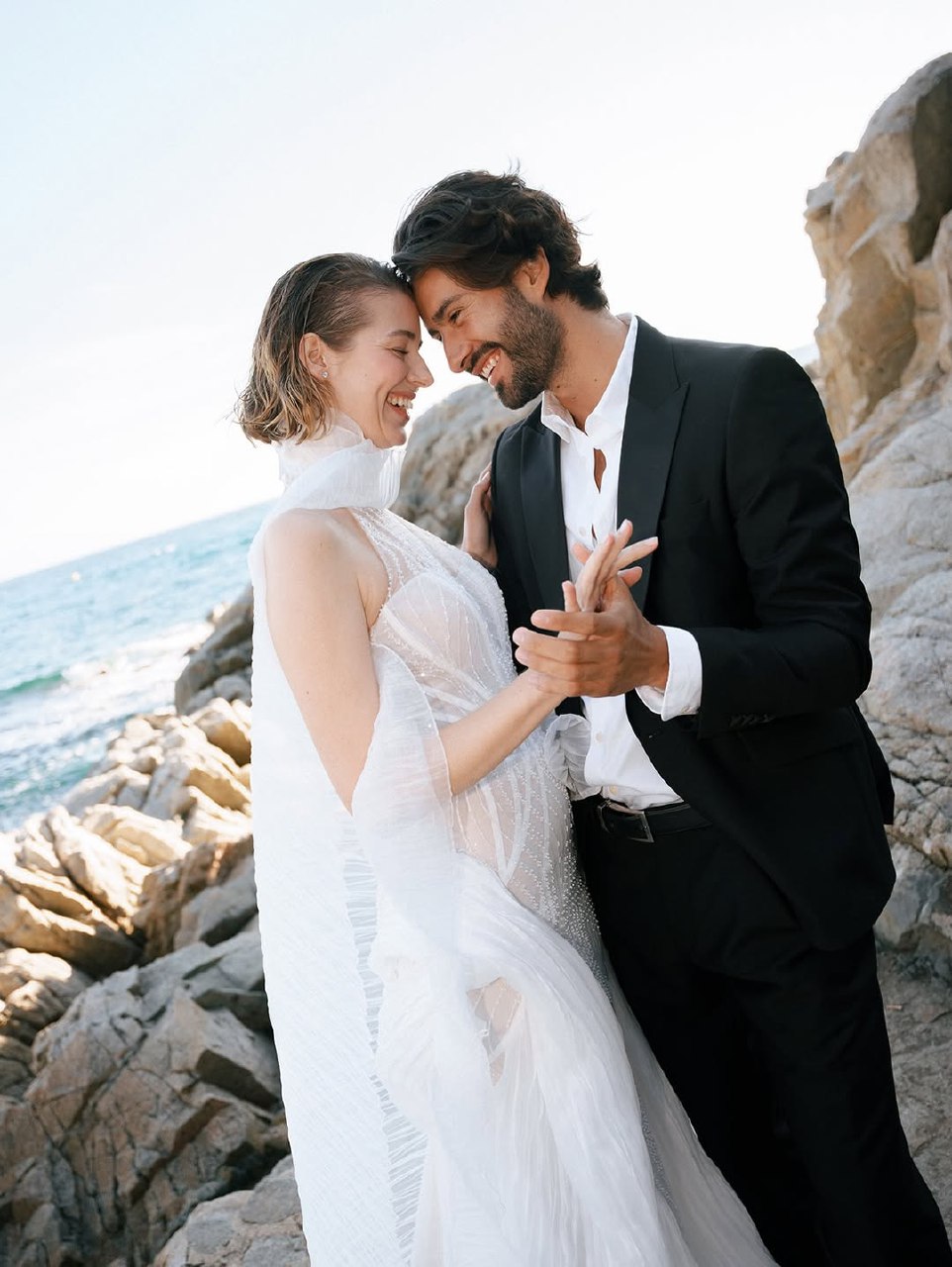
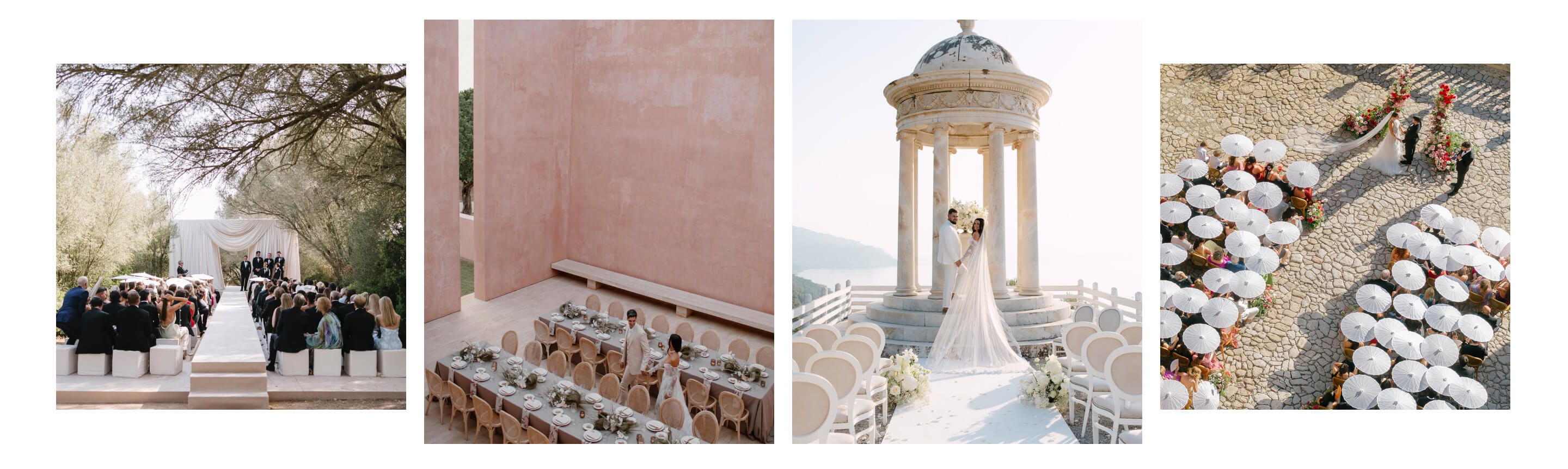
Mallorca doesn't try too hard, and that's precisely why it's such a beautiful wedding destination. The island boasts rolling mountains, centuries-old stone villages, beaches ranging from rugged coves to long stretches of white sand, and a sophistication that never verges on pretentiousness. It's accessible enough for your grandmother to fly directly from most European cities, yet remote enough to feel like an actual escape. The light here — that specific Mediterranean glow that photographers obsess over — makes everything look as though it has been professionally lit, even when it hasn't. A wedding in Mallorca offers versatility that most other destinations can't match: luxury villa weekends, laid-back beach clubs, elegant celebrations in the old town of Palma, or intimate elopements in mountain fincas. Rather than forcing you into one aesthetic, the island accommodates your vision, and it is this flexibility, combined with genuine beauty and solid infrastructure, that explains why couples keep choosing this particular piece of the Mediterranean for one of life's most significant moments.
Find Your Perfect Wedding Vendors

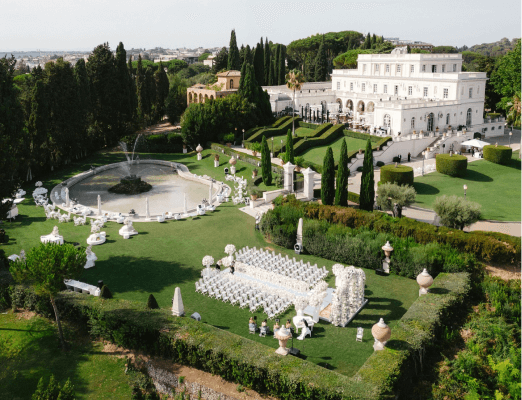
Why Choose Mallorca for Your Destination Wedding
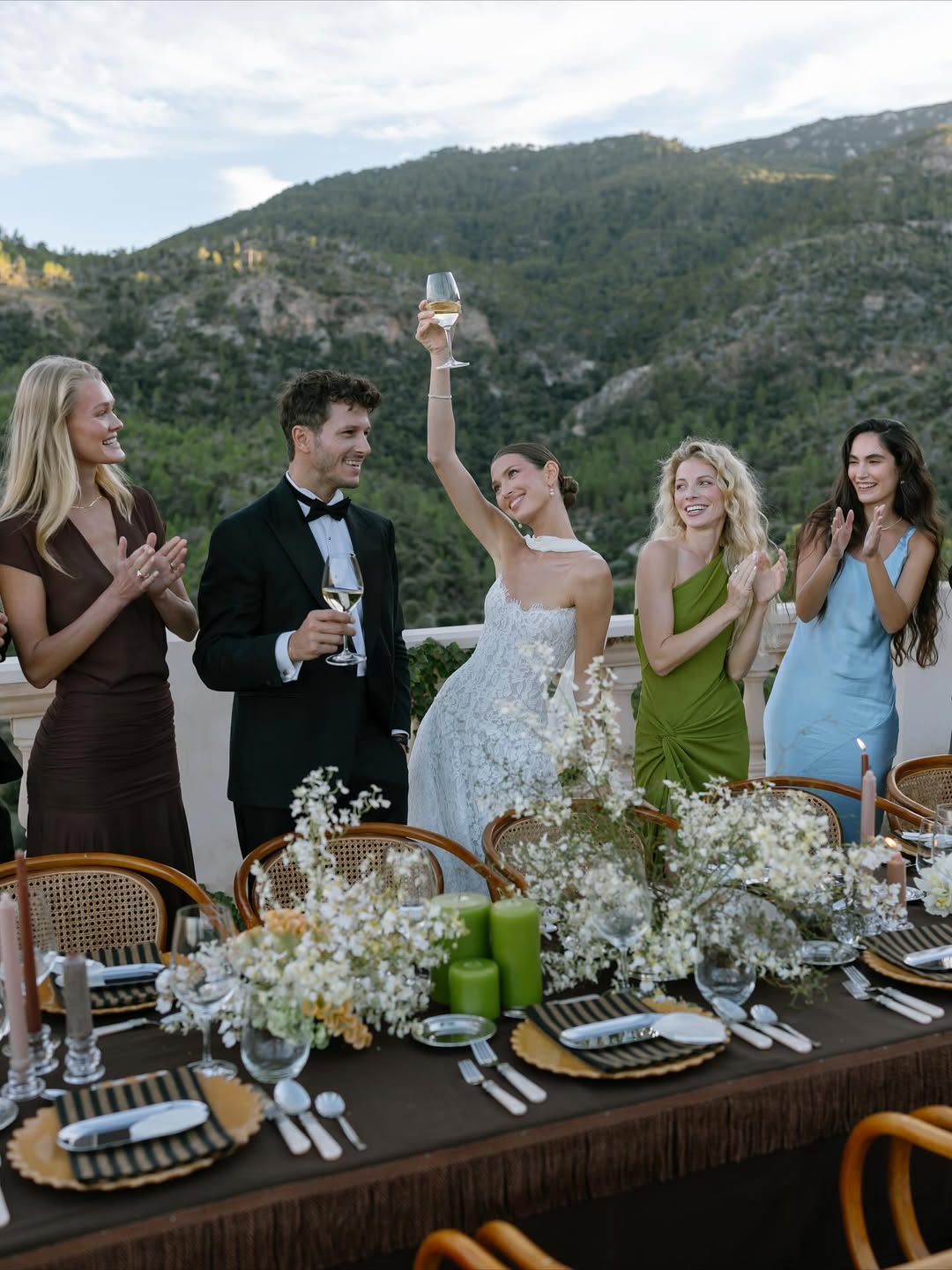
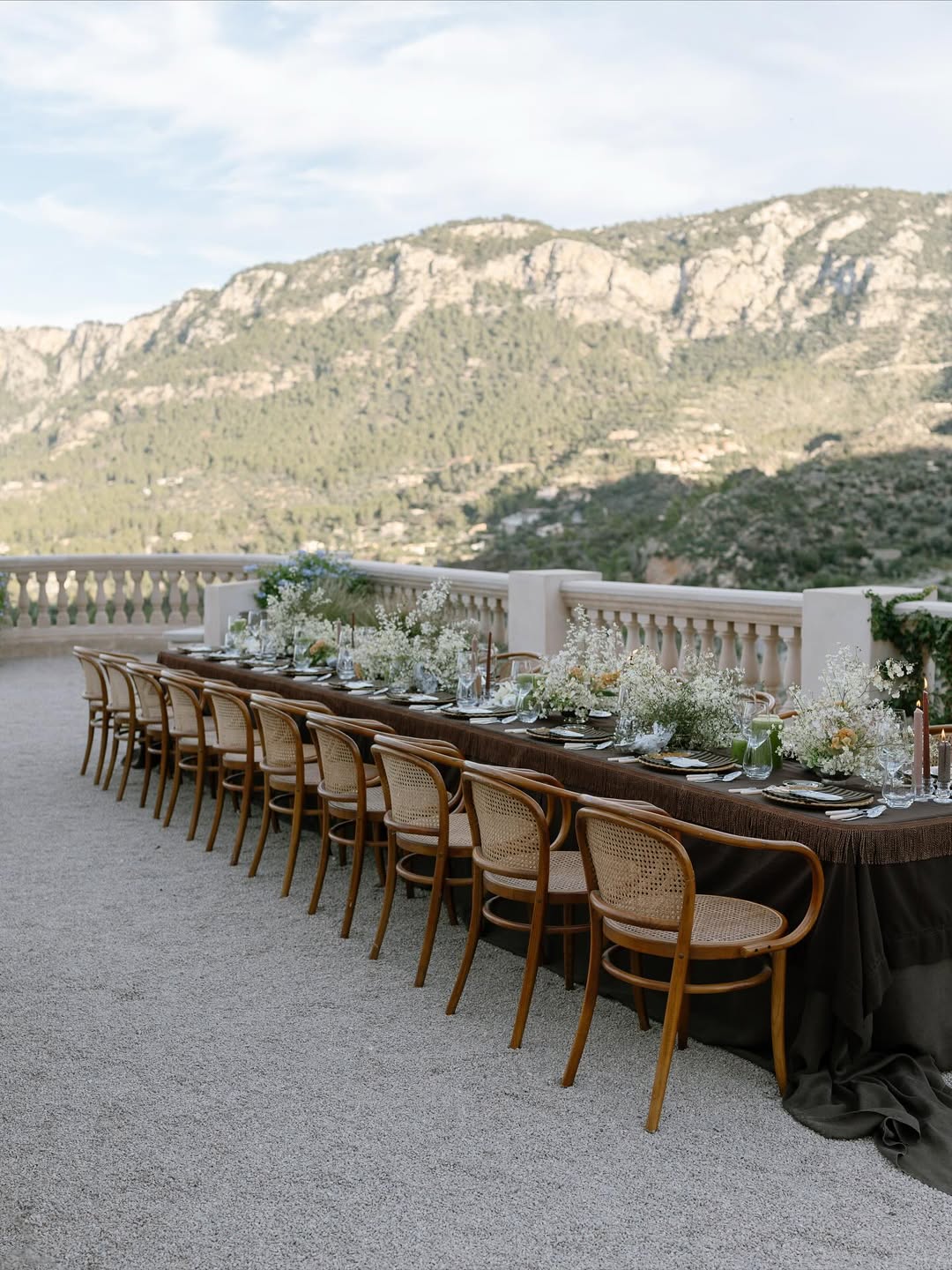
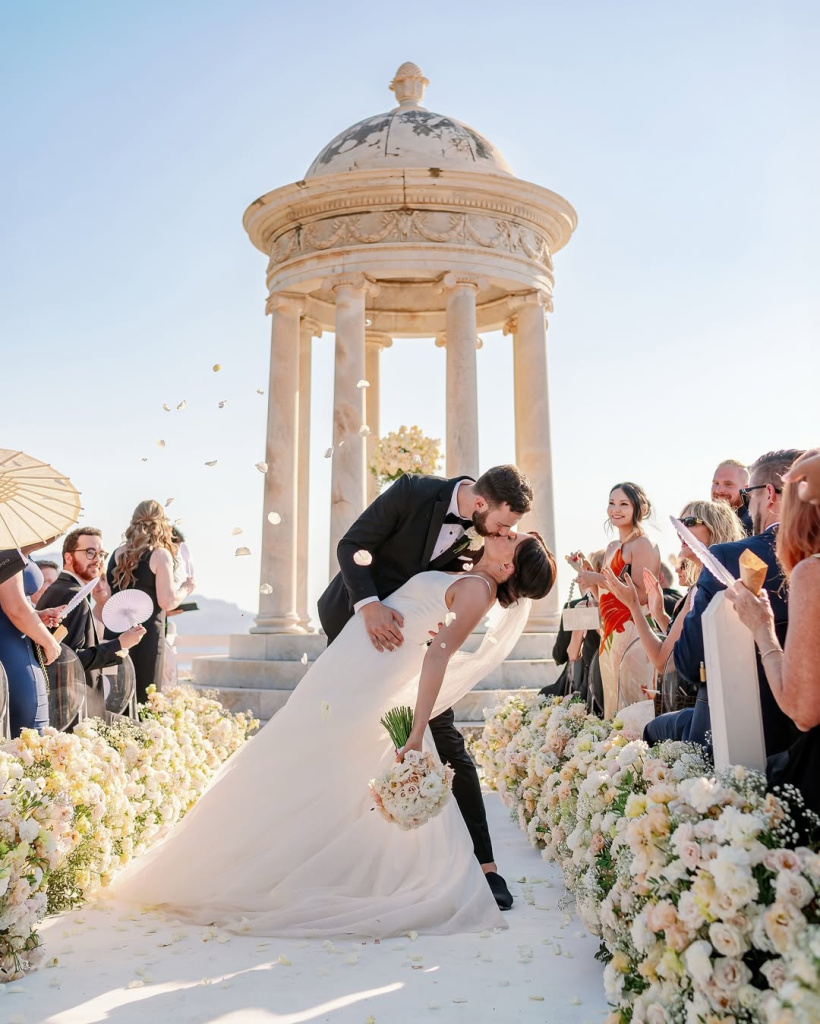
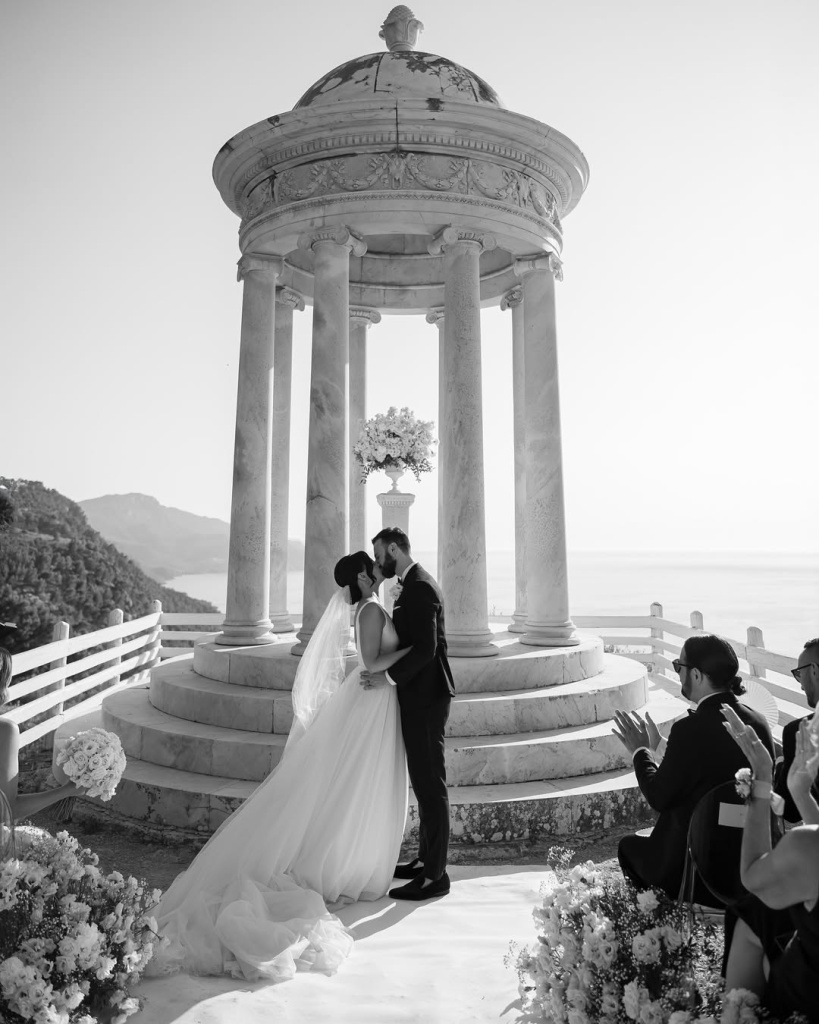
Mallorca offers everything you expect from a Mediterranean island, but without the overwhelm that often comes with ultra-popular destinations. Dramatic mountain landscapes, hidden coves, elegant beach clubs, timeless stone villages, and the cultural energy of Palma create an island that feels layered and authentic rather than resort-only. It’s a place where you can move effortlessly from a clifftop ceremony to sunset cocktails by the sea, or host an intimate celebration in a village where life slows down, and tradition still shapes daily rhythms.
What truly sets Mallorca apart is how easy it is to turn that beauty into a seamless destination wedding experience. With direct flights from most European cities, a well-run international airport, and infrastructure designed for global visitors, the island removes much of the logistical stress couples worry about. Add to that an exceptional range of venues—from private luxury villas to five-star hotels and relaxed coastal spaces—and Mallorca becomes a destination that adapts to your vision, whether you’re planning something intimate and understated or polished and indulgent.
Best Time to Get Married in Mallorca
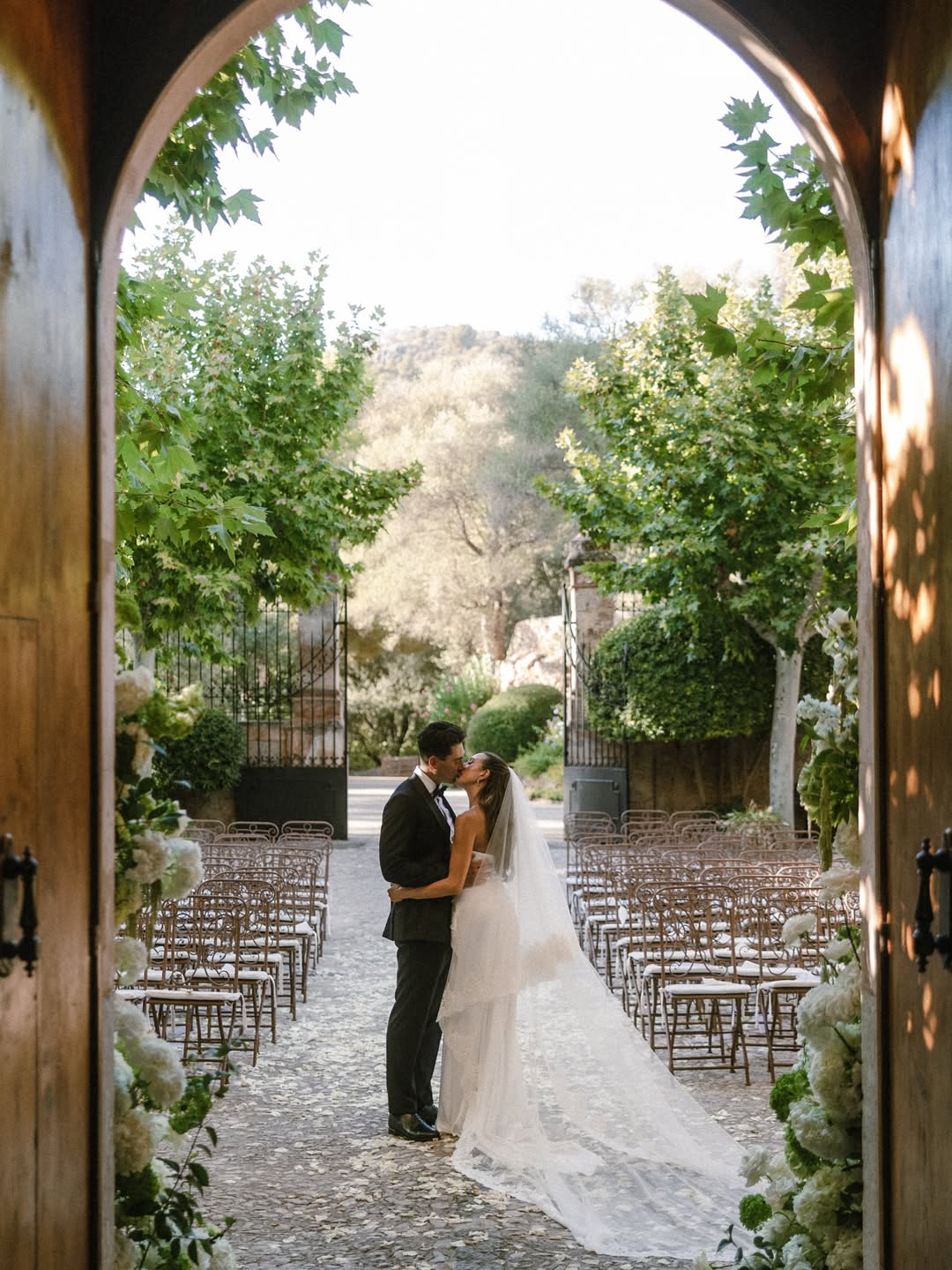
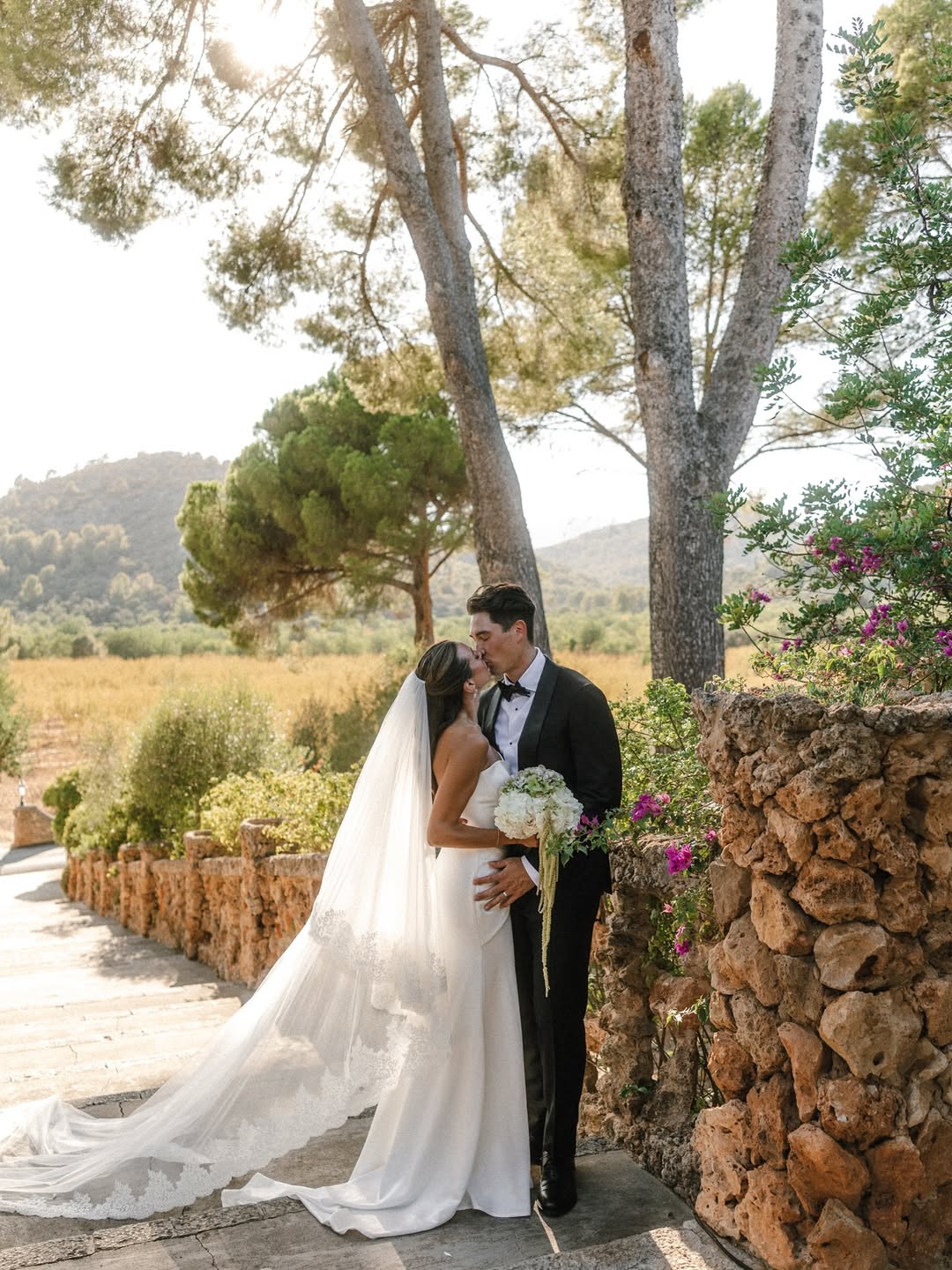
Spring (April–May) signals the start of Mallorca's wedding season, ushering in ideal conditions: temperatures in the low to mid-20s °C (70s °F), wildflowers blooming across the countryside, the start of the tourist season, and bright light without the harsh intensity of the summer sun. It's easy to see why this is peak wedding season—the weather is reliable without being oppressively hot, venues and vendors are busy but not overwhelmed, and the island feels alive without feeling crowded. Prices are at their highest during these months, and popular venues are booked a year or more in advance.
As spring gives way, summer (June–September) delivers guaranteed sunshine and the full Mediterranean experience: a warm sea for swimming, long daylight hours that extend the golden hour late into the evening, and the energy of the island in full holiday mode. July and August are hot (often reaching 30°C/86°F+), so it is advisable to plan ceremonies for the early morning or evening to avoid the midday heat. These are also the busiest months for tourists, meaning higher prices for everything and more crowded venues and beaches. June and September offer summer weather with slightly smaller crowds and lower prices — they're ideal for couples who want a summer vibe without the chaos of the peak season.
Autumn (October–November) provides a second ideal window. October stands out for warm temperatures (mid-20s °C), calm seas ideal for boat activities, and the wine harvest. As summer tourists depart, the island finds a more relaxed pace. By November, while weddings benefit from lower prices and greater vendor availability, the weather becomes less predictable and the chance of rain increases.
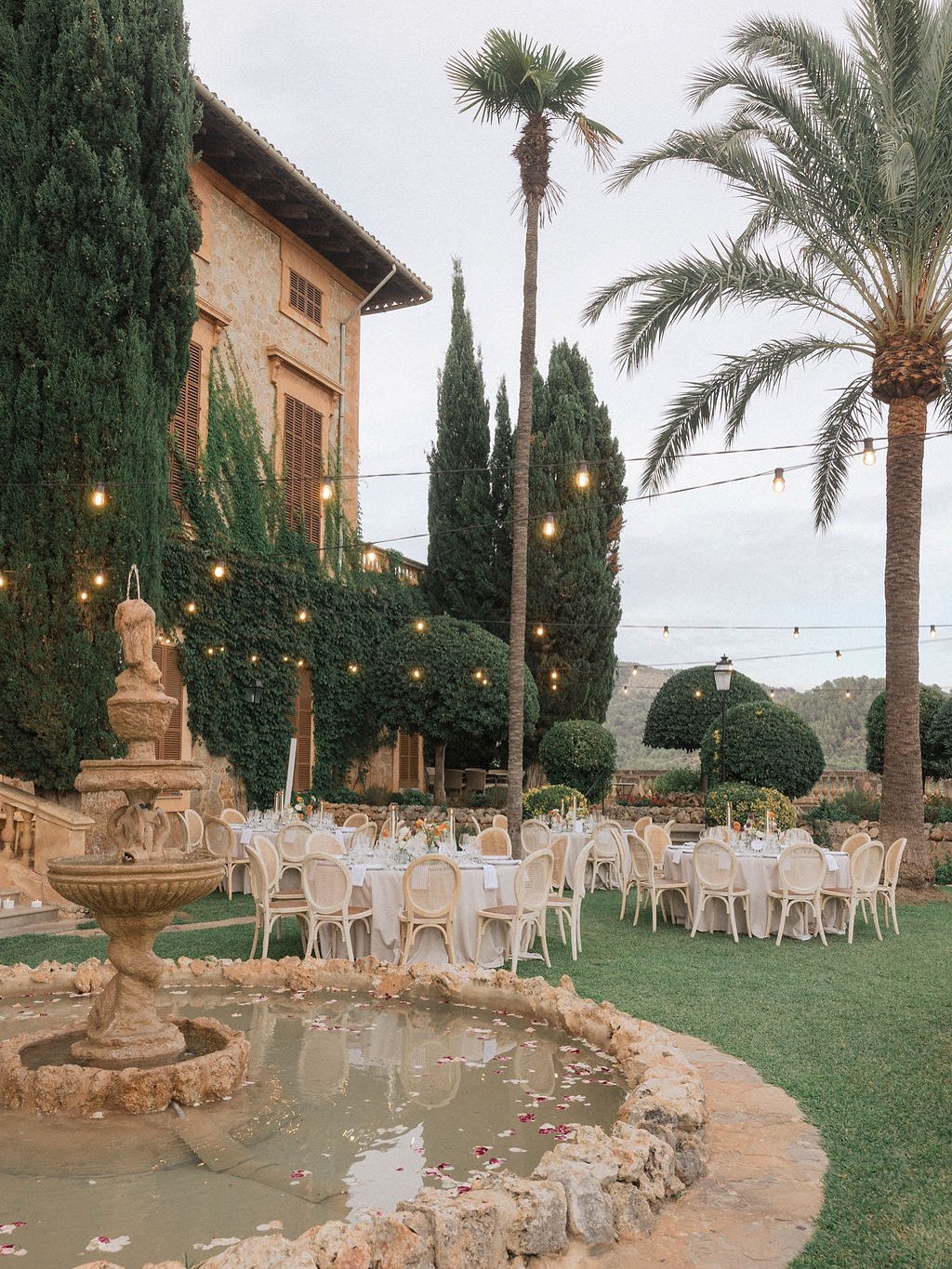
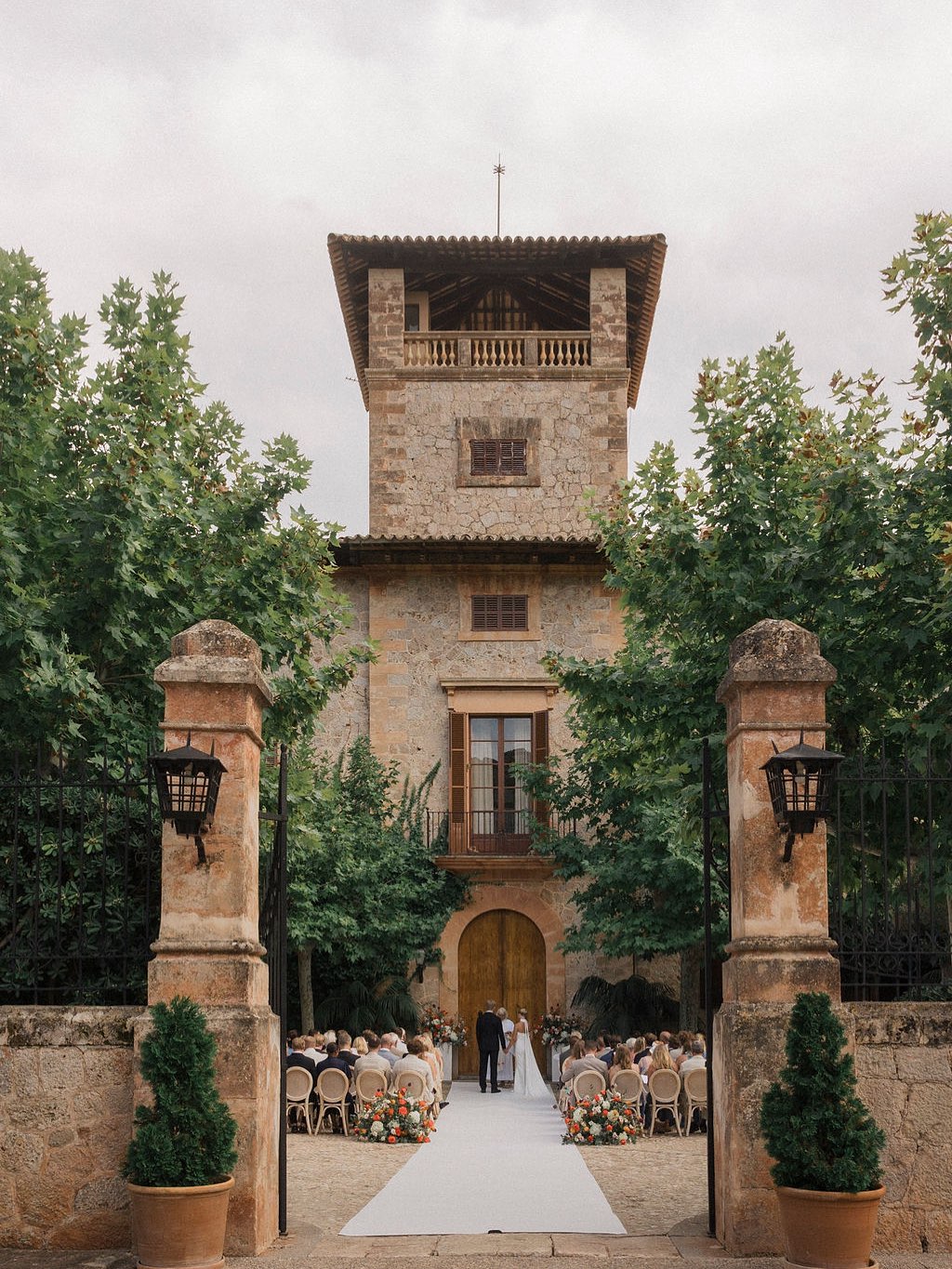
Winter (December–March) is ideal for elopements and very small celebrations where the priority is complete seclusion rather than a beach paradise. Temperatures are mild (10–15 °C / 50–60 °F), many tourist facilities are closed or have reduced opening hours, and you'll have the island largely to yourself. The advantages are dramatic savings, an authentic local experience, and the kind of solitude that's impossible during the high season. The downside is that the weather is genuinely unpredictable, you can't swim, and some wedding venues don't operate in winter. For couples who are having an intimate symbolic ceremony where the celebration is secondary to the commitment itself, winter in Mallorca offers something special — just not what most people imagine when they picture an island wedding.
Weather and light for photography: The light in the Mediterranean is famously beautiful, but timing is important. The harsh midday sun in summer creates unflattering shadows and makes people squint, so the golden hour (the hour before sunset and after sunrise) becomes sacred for outdoor photography. Spring and autumn offer softer, more diffused light throughout the day, giving photographers greater flexibility. Winter light is beautiful, but limited — sunset arrives by 6 pm in December, which affects timeline planning. Smart couples work with photographers who are familiar with Mallorca, because the island's microclimates (mountain versus coast, north versus south) can create different lighting conditions on the same day.
Legal vs Symbolic Wedding in Mallorca
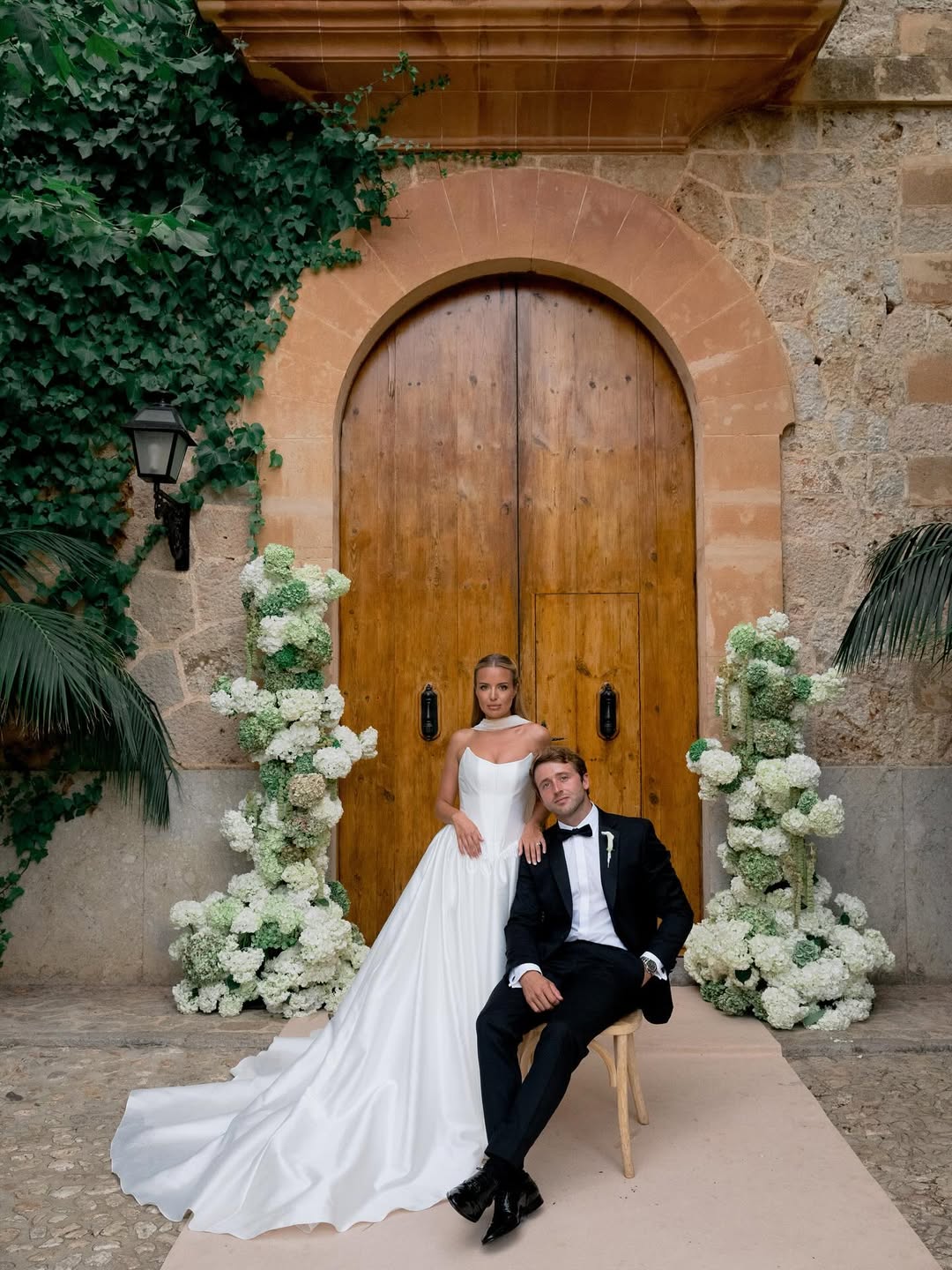
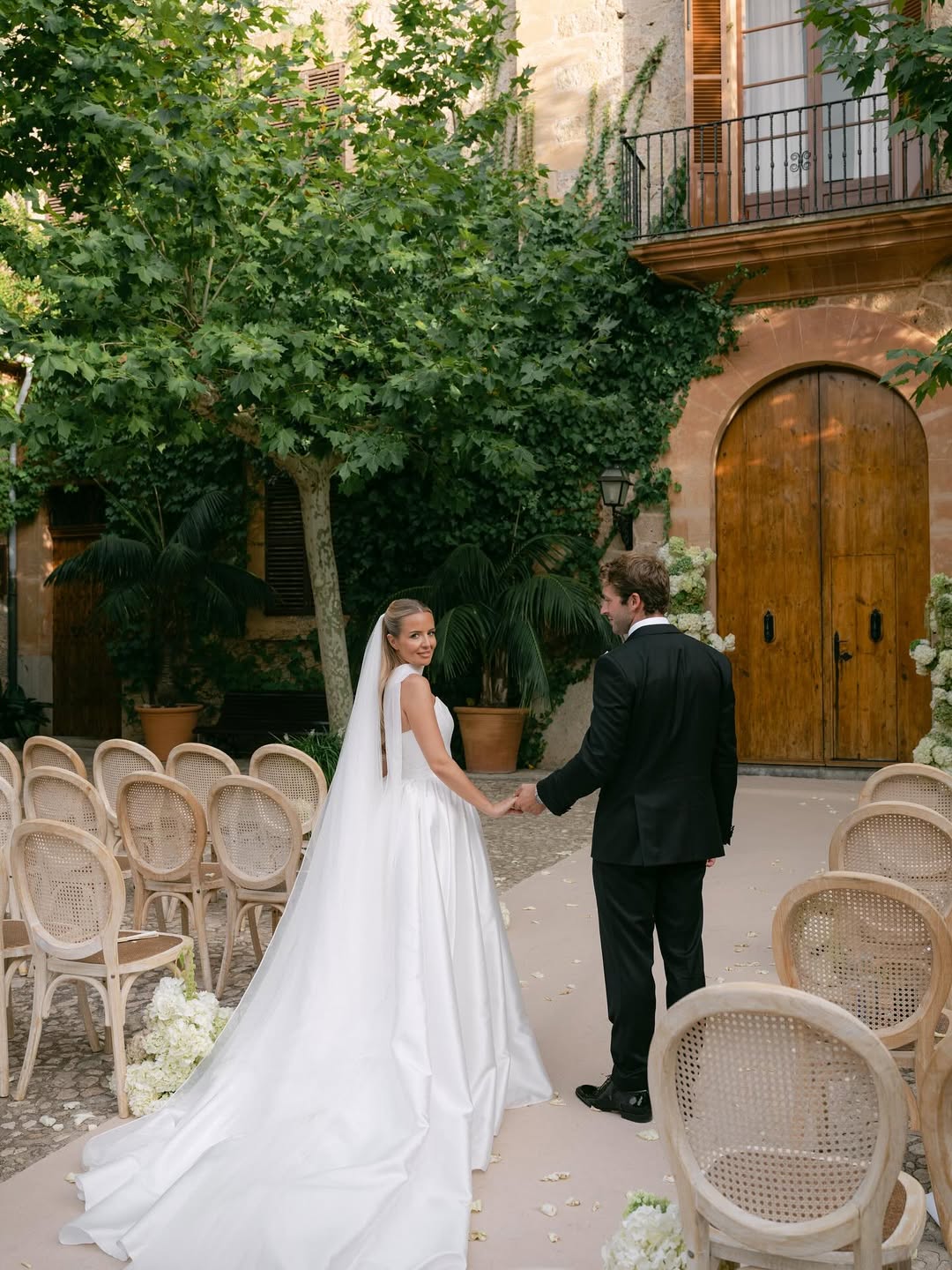
The legal process for non-residents to marry in Spain is so bureaucratically complex that most couples opting for a destination wedding don't pursue it. You need to establish residency in the municipality where you are getting married (which typically requires you to be physically present for several weeks), obtain certificates of legal capacity to marry from your home country (which must be apostilled and officially translated into Spanish), navigate Spanish administrative systems which are not known for their efficiency or English-language support, and comply with publication requirements for marriage banns. Even when it goes smoothly, the process takes months, requires you to be physically present in Mallorca for significant periods before the wedding, and involves so much paperwork that many couples simply find it prohibitive.
Symbolic ceremonies offer all the emotional significance and celebration without the legal complications. You can legally marry at home with a quick courthouse ceremony and a completed marriage licence, then have your actual celebration in Mallorca with a symbolic ceremony that carries the same meaning and commitment, but isn't legally binding in Spain. This option gives you complete freedom: you can marry anywhere (on the beach, on a private estate, on a boat or on a mountaintop); you can choose any officiant (a friend, a family member or a professional celebrant); you can write completely custom vows without any legal script requirements; and you can structure the ceremony exactly as you envision it, without any government constraints.
Many couples and wedding planners recommend going symbolic. The vast majority of international couples celebrating their weddings in Mallorca, Spain, choose this option because it eliminates bureaucratic stress while retaining all the important elements of the ceremony. You can still exchange vows and rings in front of your loved ones. You still have the reception, the celebration, and the photographs. The only difference is where the government paperwork is done, and this distinction matters very little when you're standing on a Mallorcan beach at sunset, saying vows you wrote yourself, rather than reading from a legal script in a town hall office.
Top Wedding Venues in Mallorca
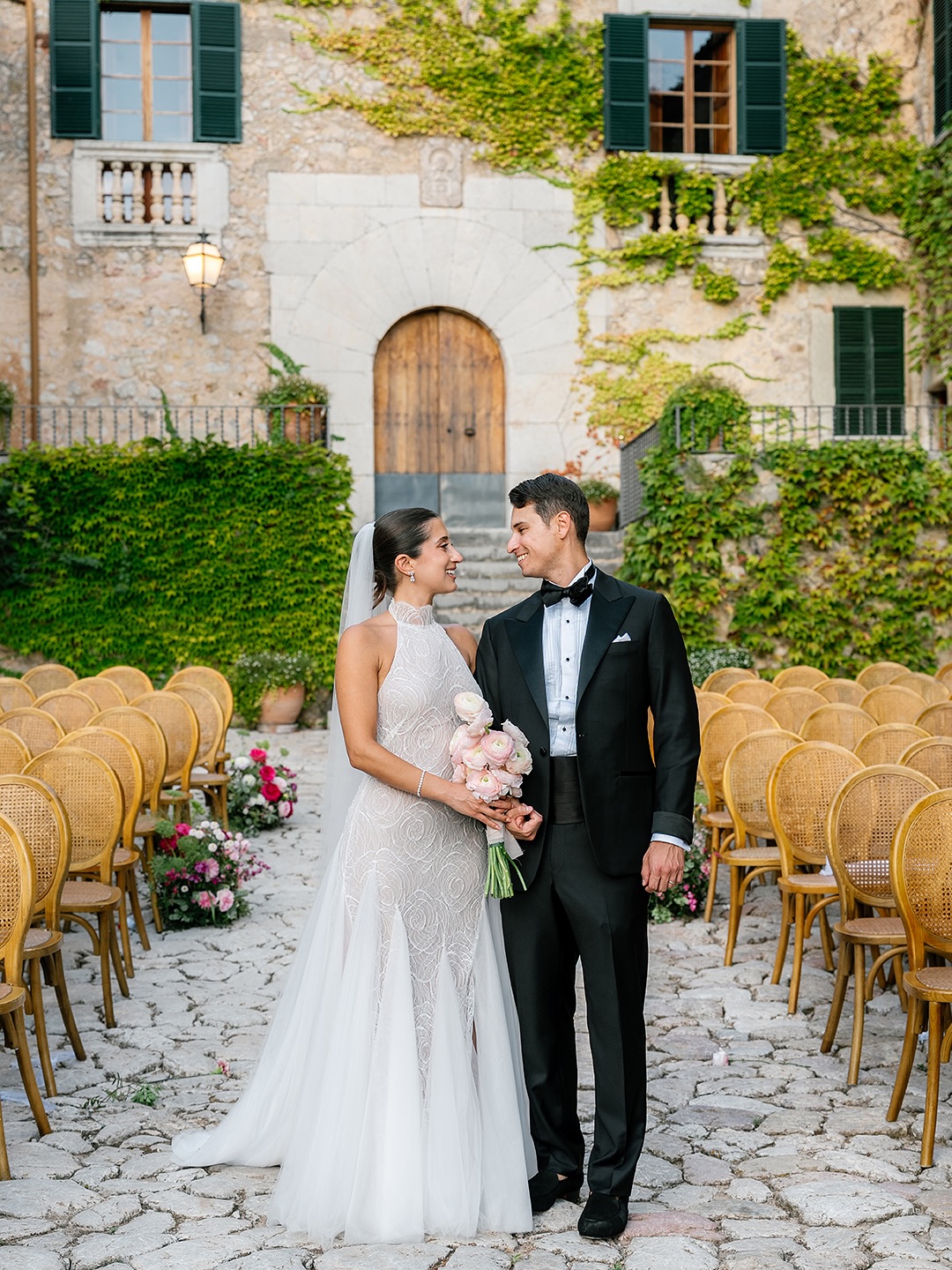
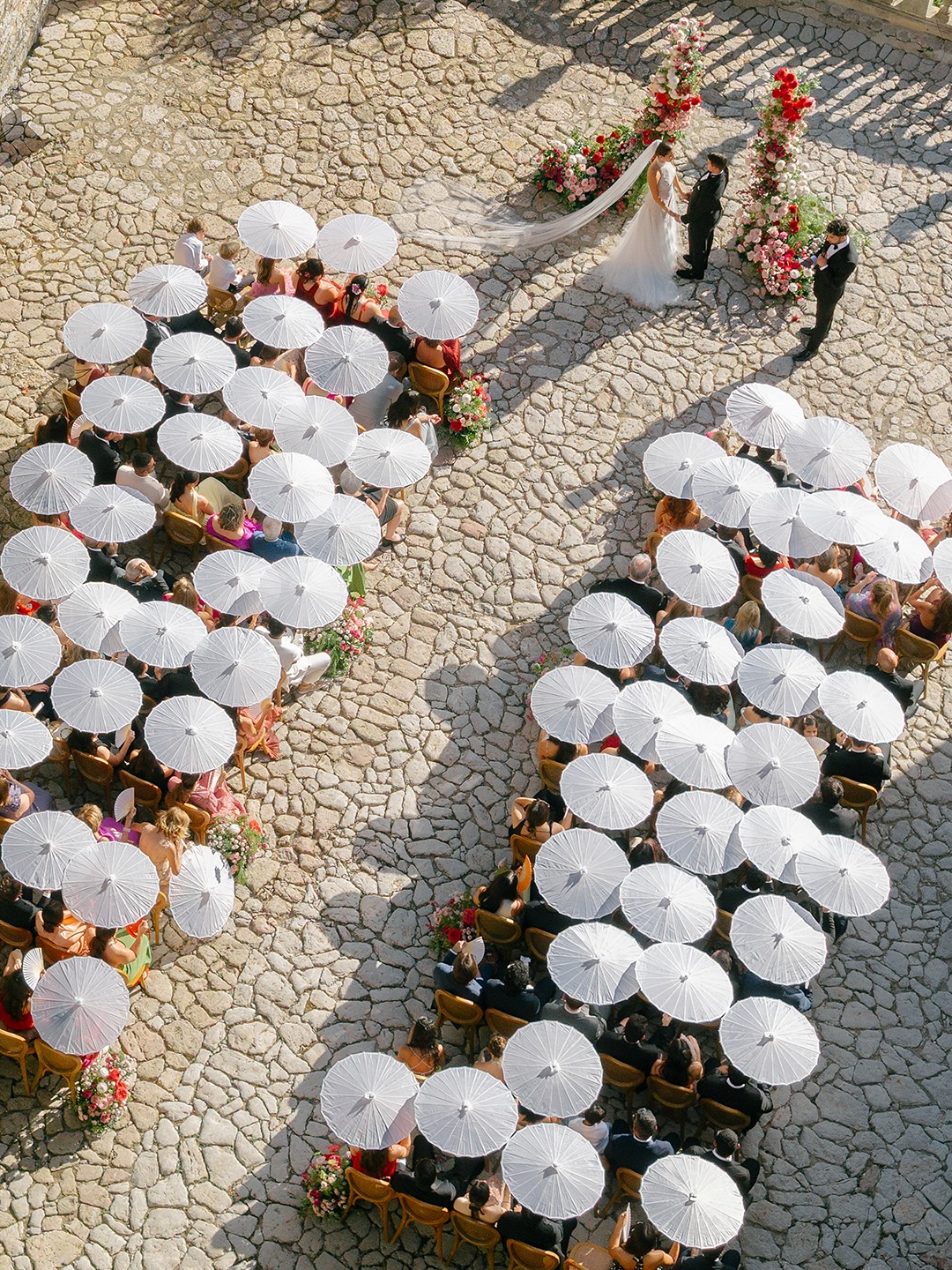
Fincas and estates dominate the luxury wedding scene. These traditional Mallorcan properties are stone manor houses surrounded by olive groves, citrus orchards, or vineyards. Often dating back centuries, they have been restored and converted for events. They offer privacy (you have the entire estate to yourself for the day), character (think exposed stone walls, wooden beams, and terracotta tiles), and outdoor space for ceremonies and receptions. They also offer the unique Mediterranean aesthetic found only in properties with a long agricultural history. Capacity varies widely — some can accommodate 150+ guests, while others max out at 50 — and prices scale accordingly. The best fincas are booked a year or more in advance for peak season.
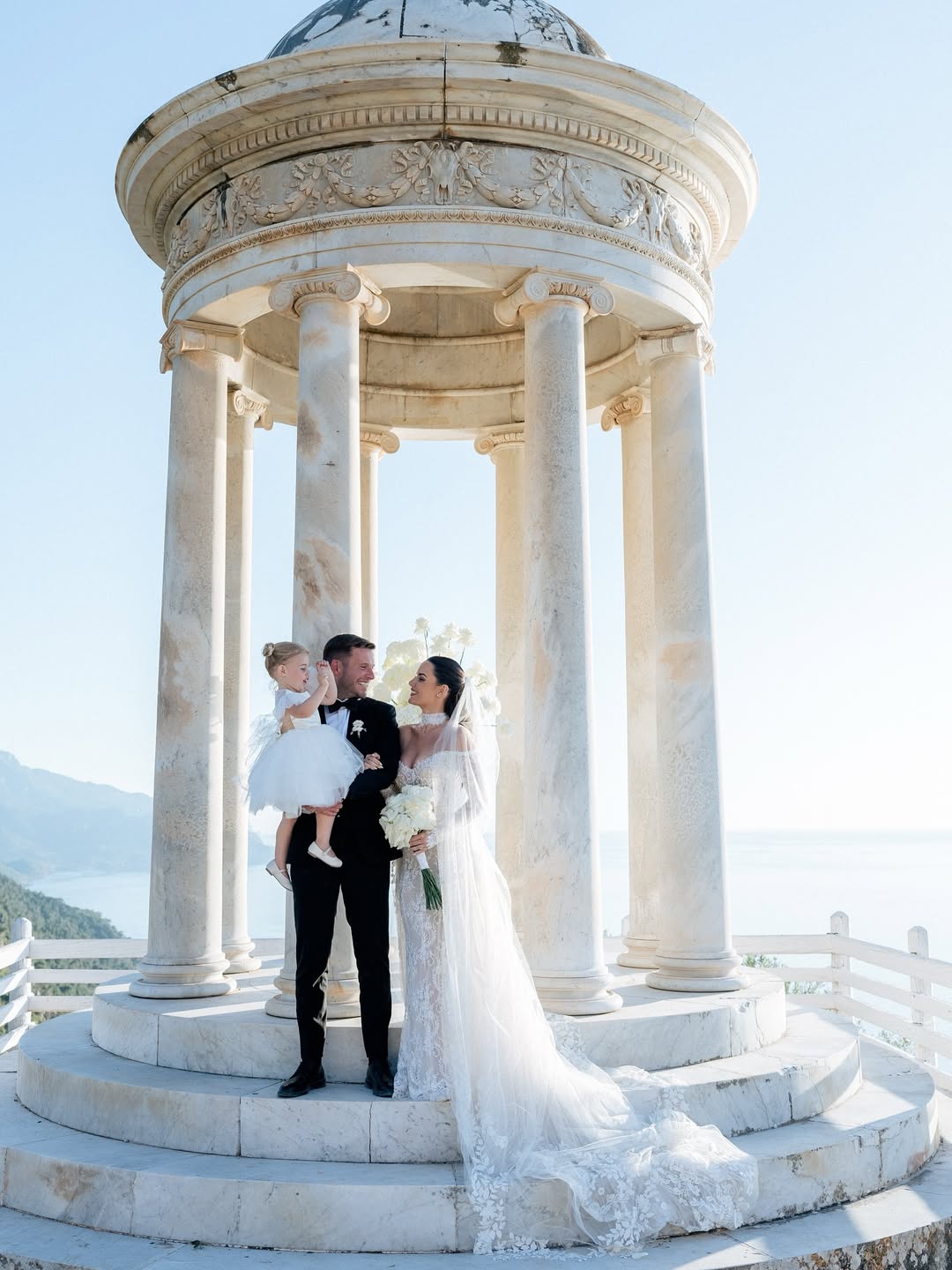
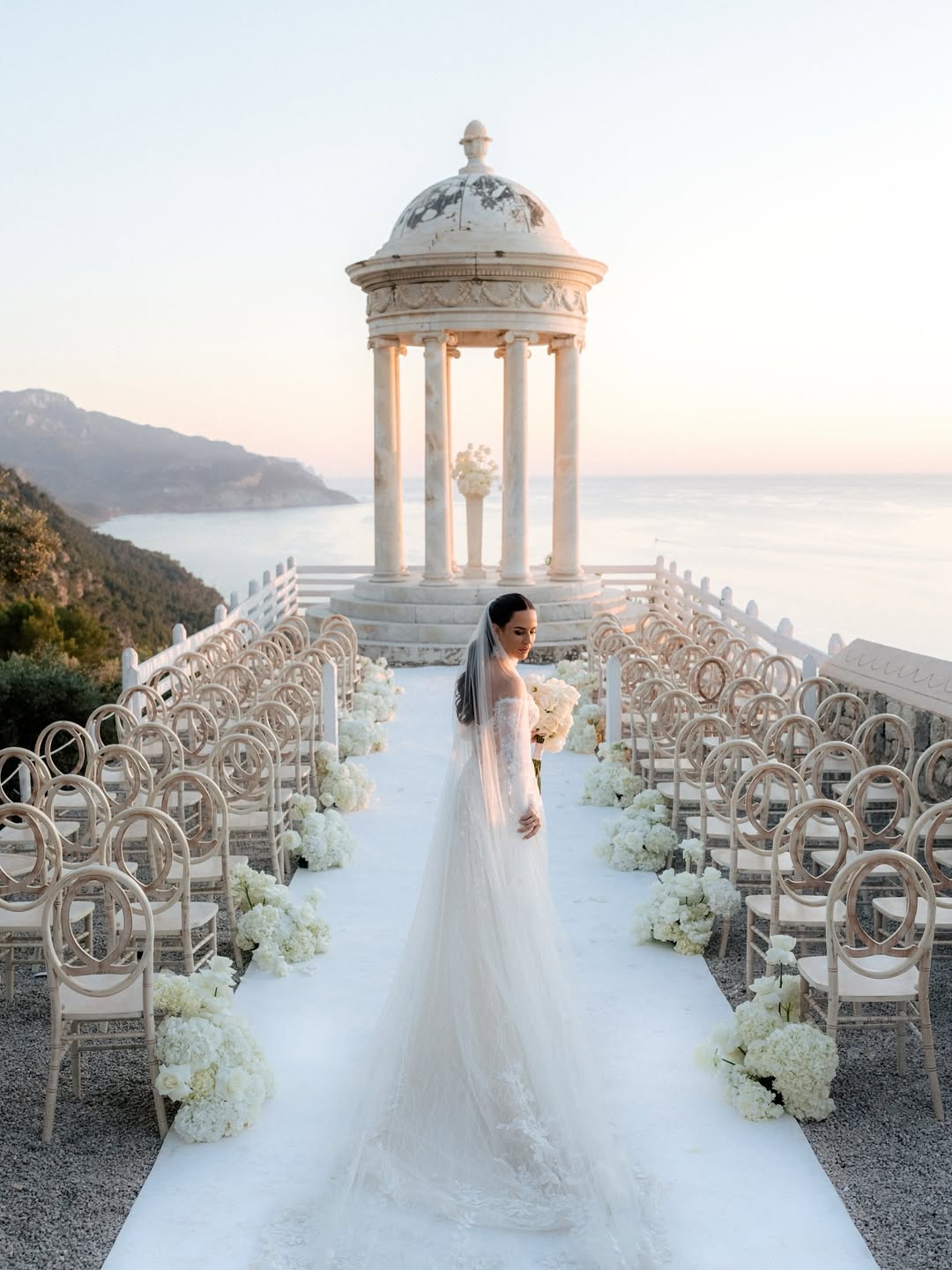
Seaside venues and beach clubs range from the most casual, which are literally on the sand with minimal infrastructure, to the most sophisticated, which are established clubs with full catering, sound systems, and coordination services. Beach venues are ideal for couples who want the ocean as a backdrop and don't require elaborate indoor spaces. The vibe is naturally relaxed and celebration-focused rather than formal. Potential challenges include weather dependency (you will definitely need backup plans), noise restrictions that many beaches enforce (music curfews can be early), and the fact that beaches are public spaces, so your ceremony may have curious onlookers.
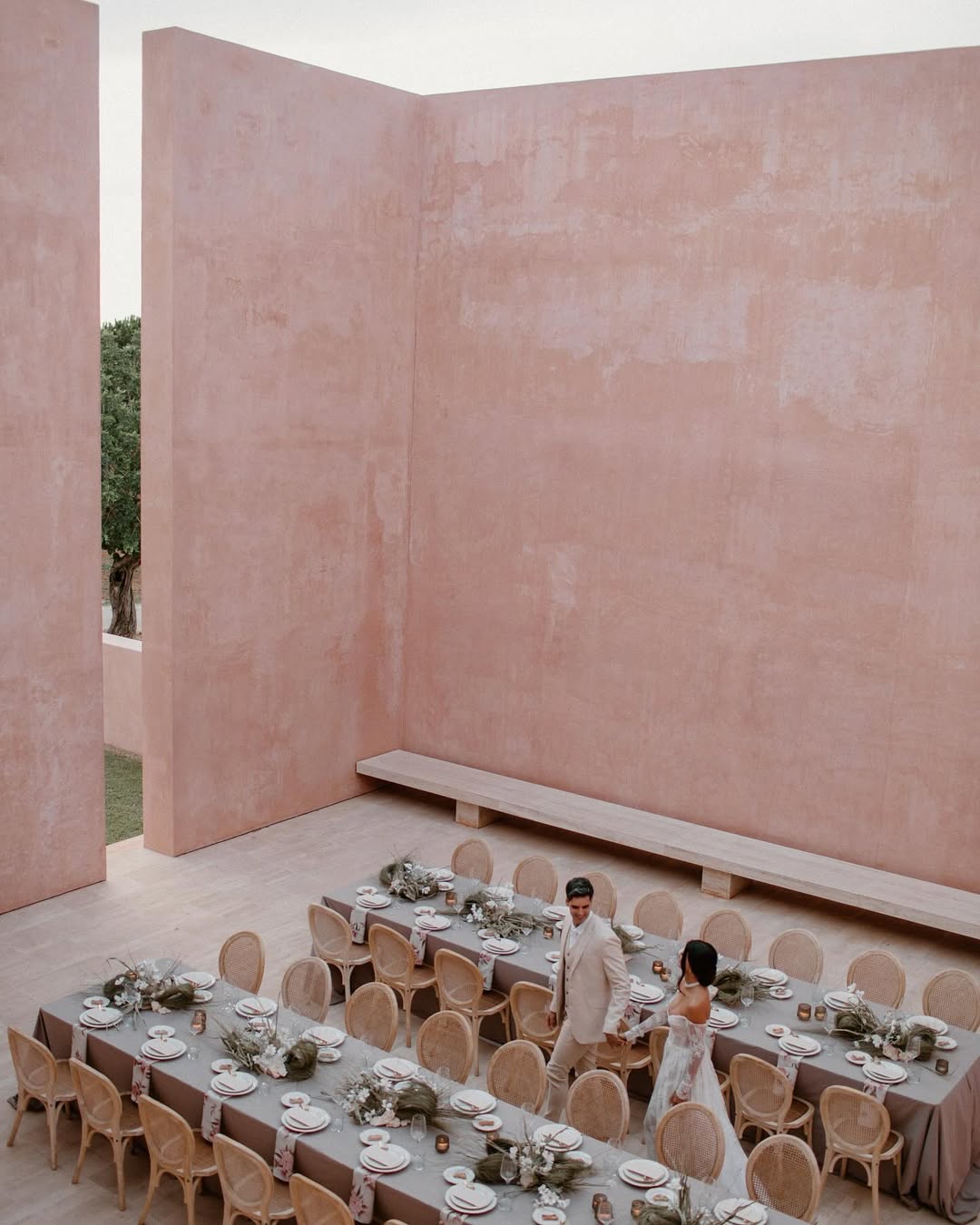
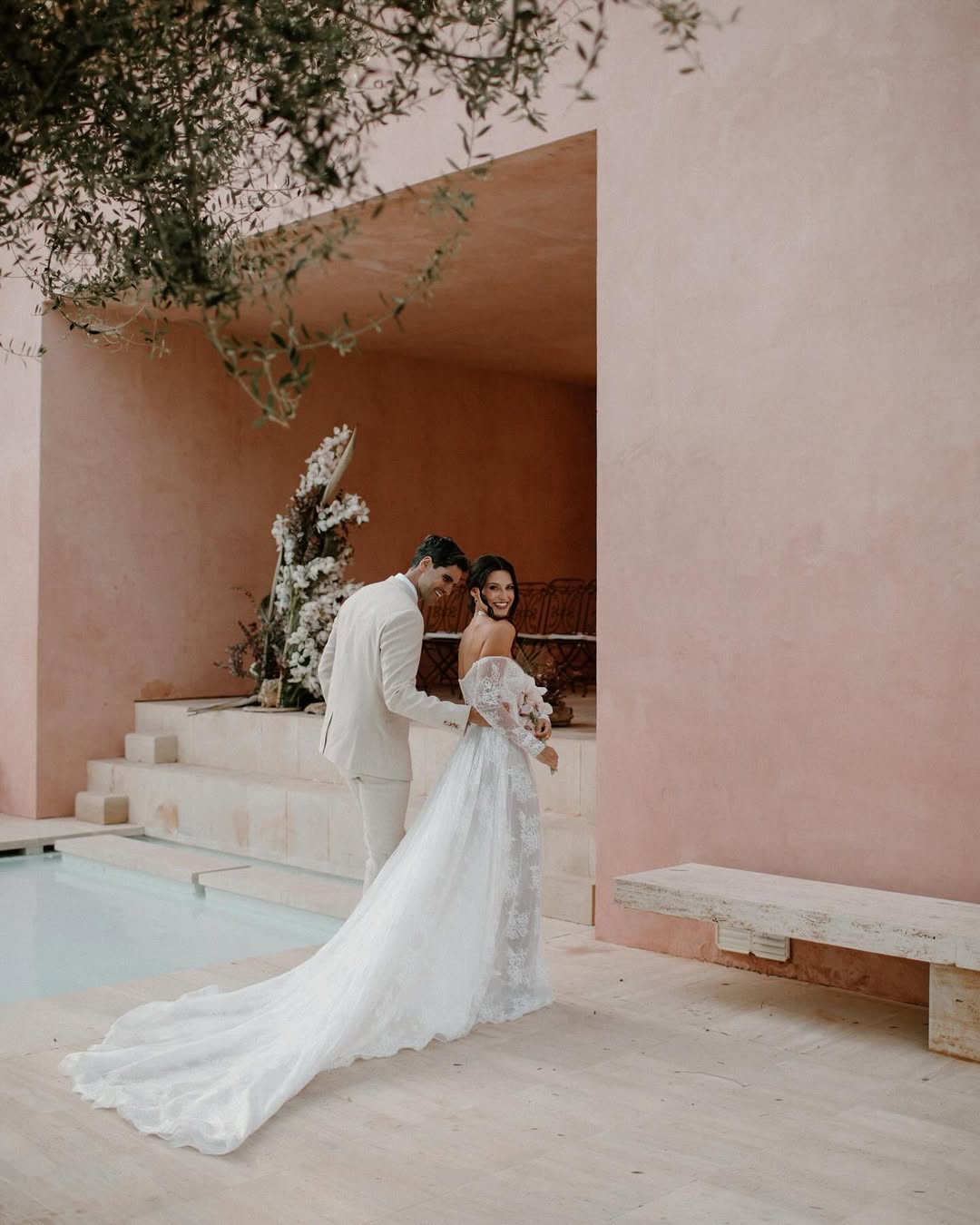
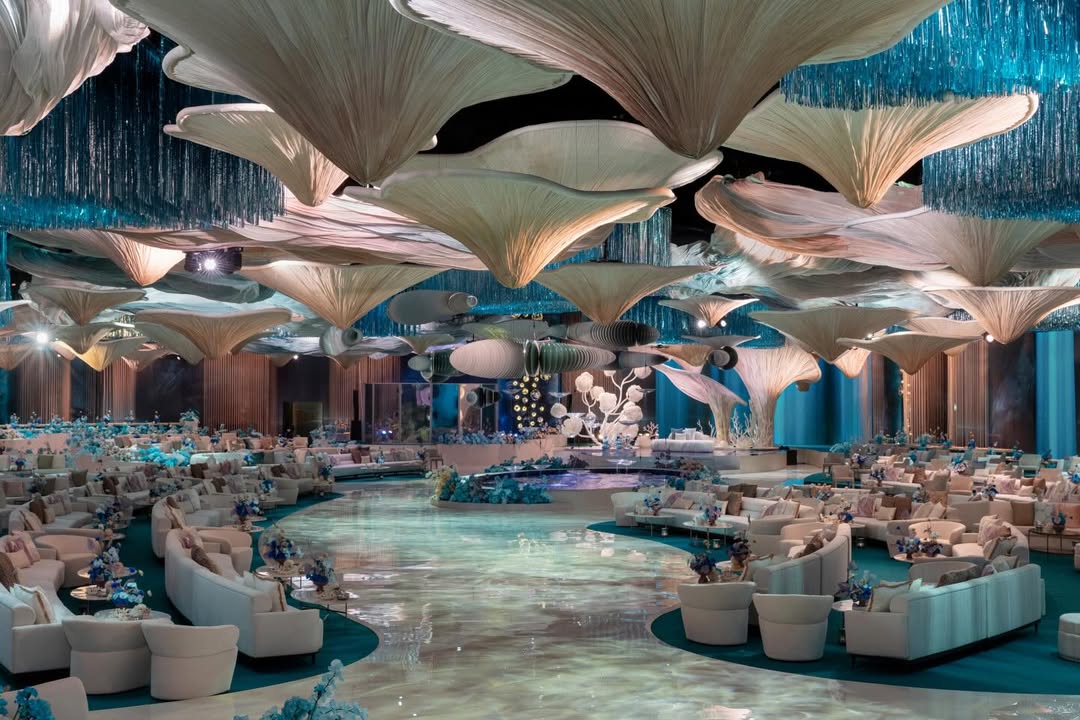
Luxury hotels and resorts offer comprehensive experiences, providing everything from venue hire and accommodation to catering and coordination. Properties such as Cap Rocat, St. Regis Mardavall, and Belmond La Residencia offer polished luxury, where everything is handled professionally, and your only task is to show up. These venues are ideal for couples who prioritise convenience, have a large guest list that requires significant infrastructure, and can afford premium pricing. The downside is that there is less personality and uniqueness — you're getting beautiful, professional service, but it may feel more like a generic hotel wedding than something deeply connected to Mallorca.
Intimate venues for elopements include small boutique hotels and private villas that can accommodate 10–15 people, as well as mountain refuges and coastal locations where you can marry with just an officiant and photographer. These are ideal for couples who want an intimate ceremony rather than a large-scale production. Despite being a popular island, Mallorca offers surprising privacy, with remote beaches, mountain locations, and small villages where you can hold incredibly personal ceremonies without the infrastructure required for larger weddings.
Wedding Styles That Work Perfectly in Mallorca
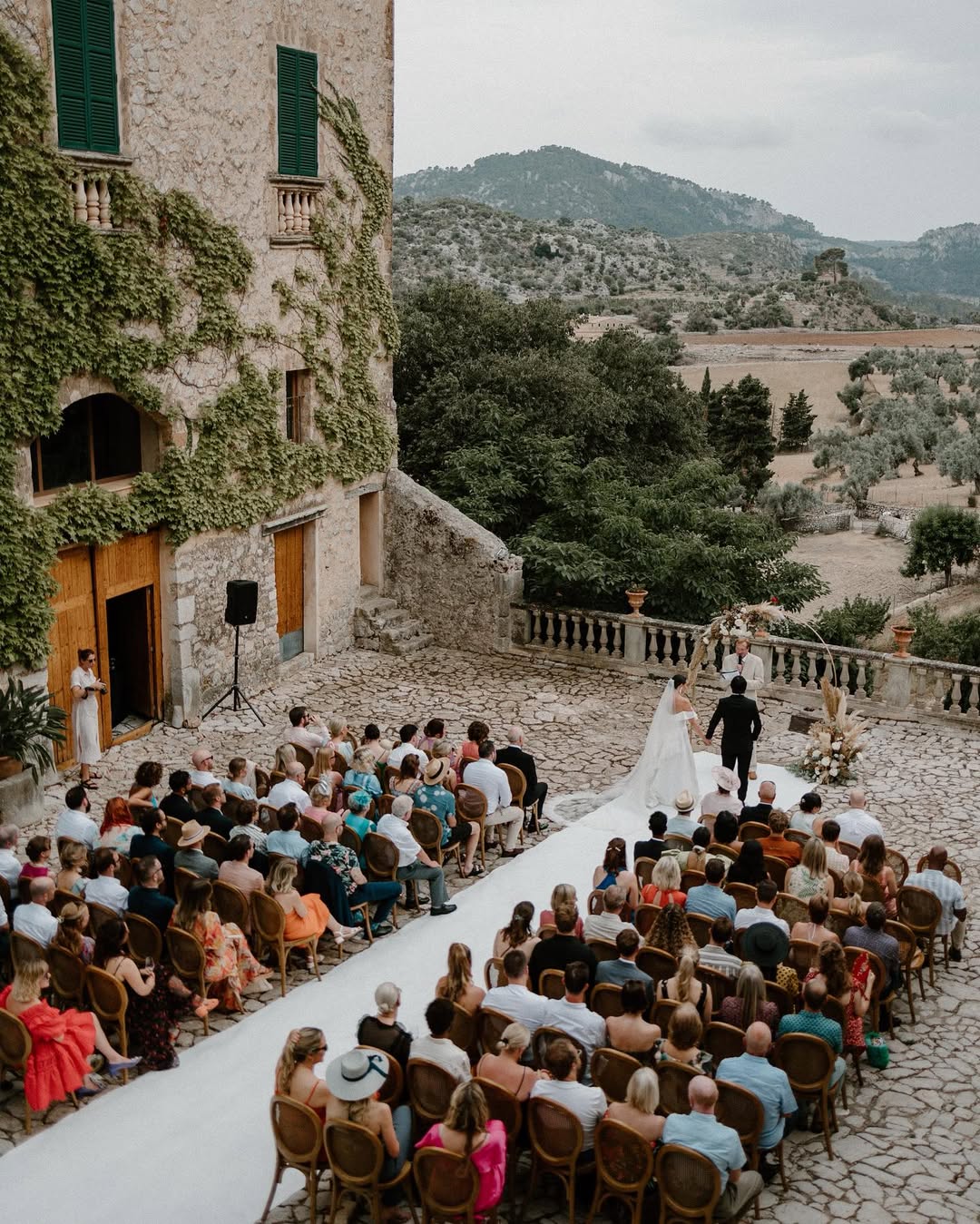
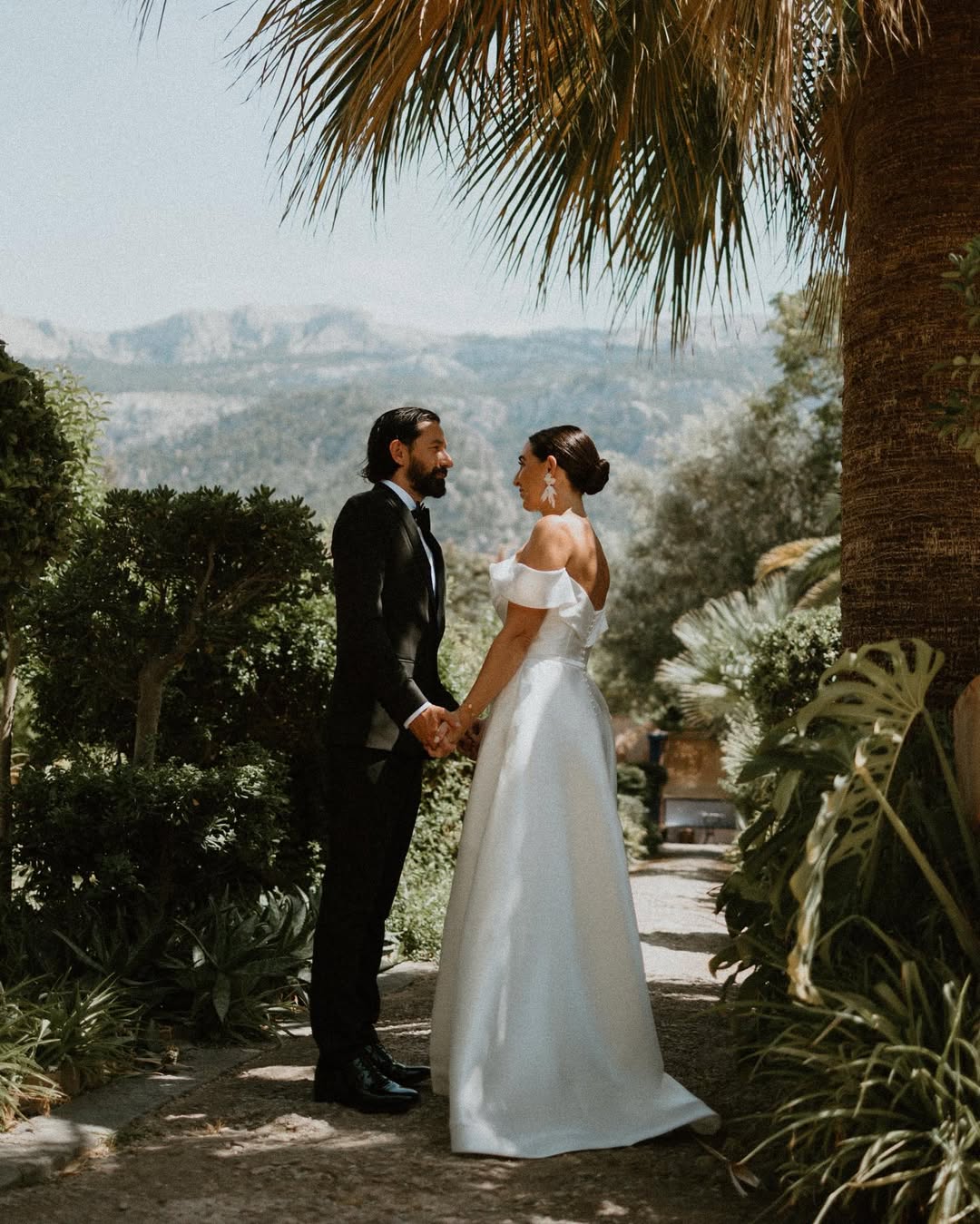
Mediterranean chic embraces the island's inherent character, incorporating whitewashed walls, natural materials, and local flowers such as bougainvillea, olive branches, and citrus fruits. Colour palettes are inspired by the landscape, incorporating shades of terracotta, sand, deep blue, and olive green. The styling feels organic rather than contrived, as if you gathered elements from the immediate environment and arranged them simply. Tables are dressed with linen in neutral tones, and centrepieces incorporate local ceramics, creating an elegant yet unpretentious overall effect. This style photographs beautifully because it blends in with the setting — nothing looks out of place because everything belongs.
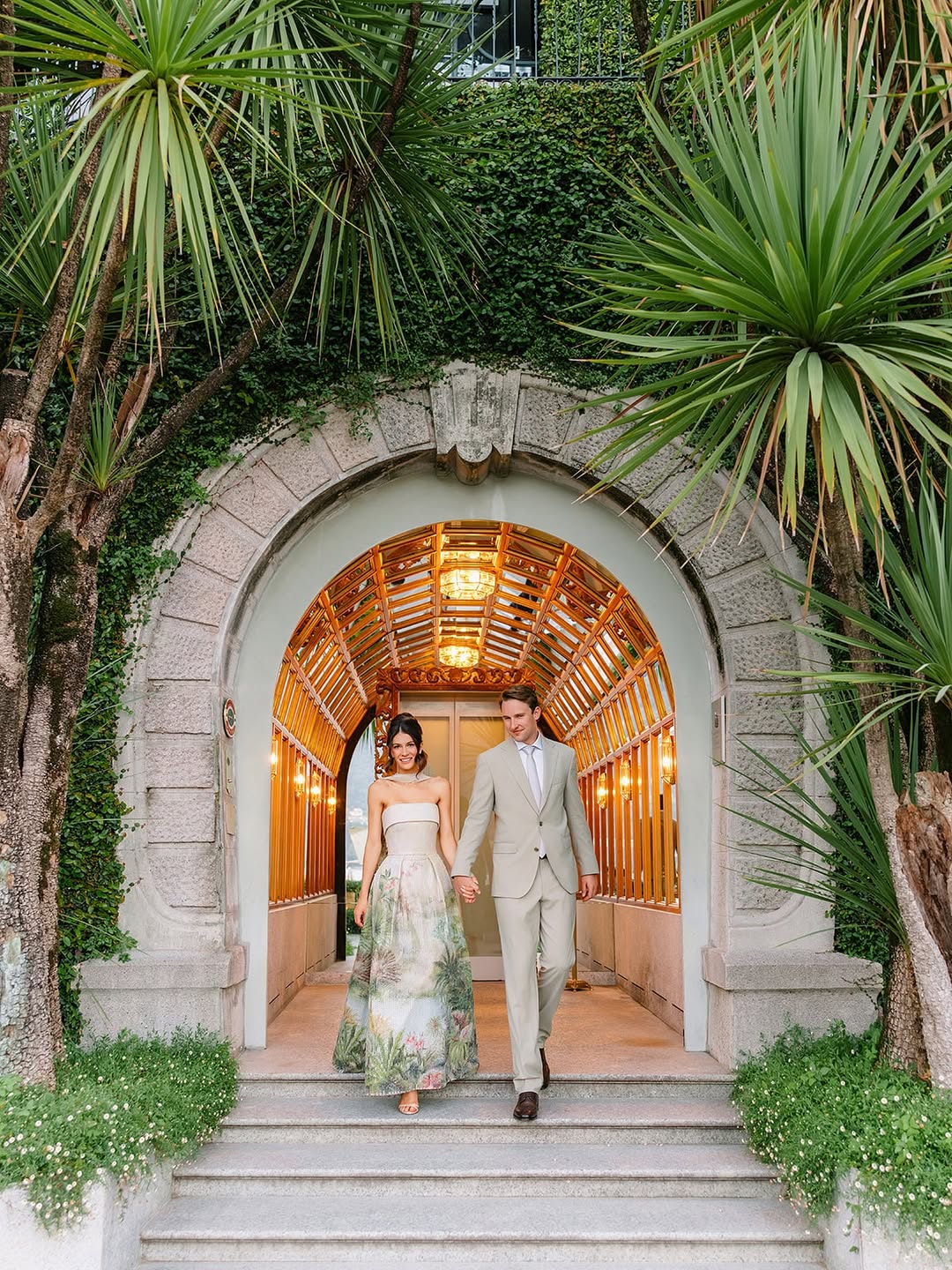
Luxury villa weddings capitalise on the exclusivity and privacy that comes with renting an entire estate. Imagine multi-day celebrations where guests arrive on Friday and leave on Sunday, with welcome dinners by the pool, ceremonies in the on-site olive groves, and receptions under the stars with long farm tables and candlelight everywhere. The whole weekend will feel more like a house party at a friend's incredible Mediterranean estate than a traditional wedding. The styling can be formal if the villa is grand enough, or relaxed with a casual elegance that matches villa living. The key is that everything happens on one property, creating an integrated feel rather than an event production.
The boho and relaxed island style suits beach and coastal venues particularly well. Think flowing fabrics, natural textures, bare feet, flower crowns, driftwood, macramé, and styling that looks slightly windswept and imperfect in the best possible way. Achieving this aesthetic successfully requires confidence — it's harder than it looks because there's a fine line between boho-chic and appearing disorganised. When done well with a stylist who understands the aesthetic, it creates images and atmospheres that feel free, joyful, and completely unforced.
Elegant city weddings in Palma offer something entirely different: urban sophistication in a genuinely beautiful historic city. Imagine ceremonies in centuries-old courtyards or on rooftop terraces overlooking the cathedral, followed by receptions in restored palaces or contemporary restaurants in the old town. Experience the energy of a city celebration rather than a beach getaway. This style is ideal for couples who want a Mediterranean setting with culture and architecture, who appreciate urban energy, and who want their wedding to have a European city elegance rather than a beach resort casualness.

How Much Does a Wedding in Mallorca Cost
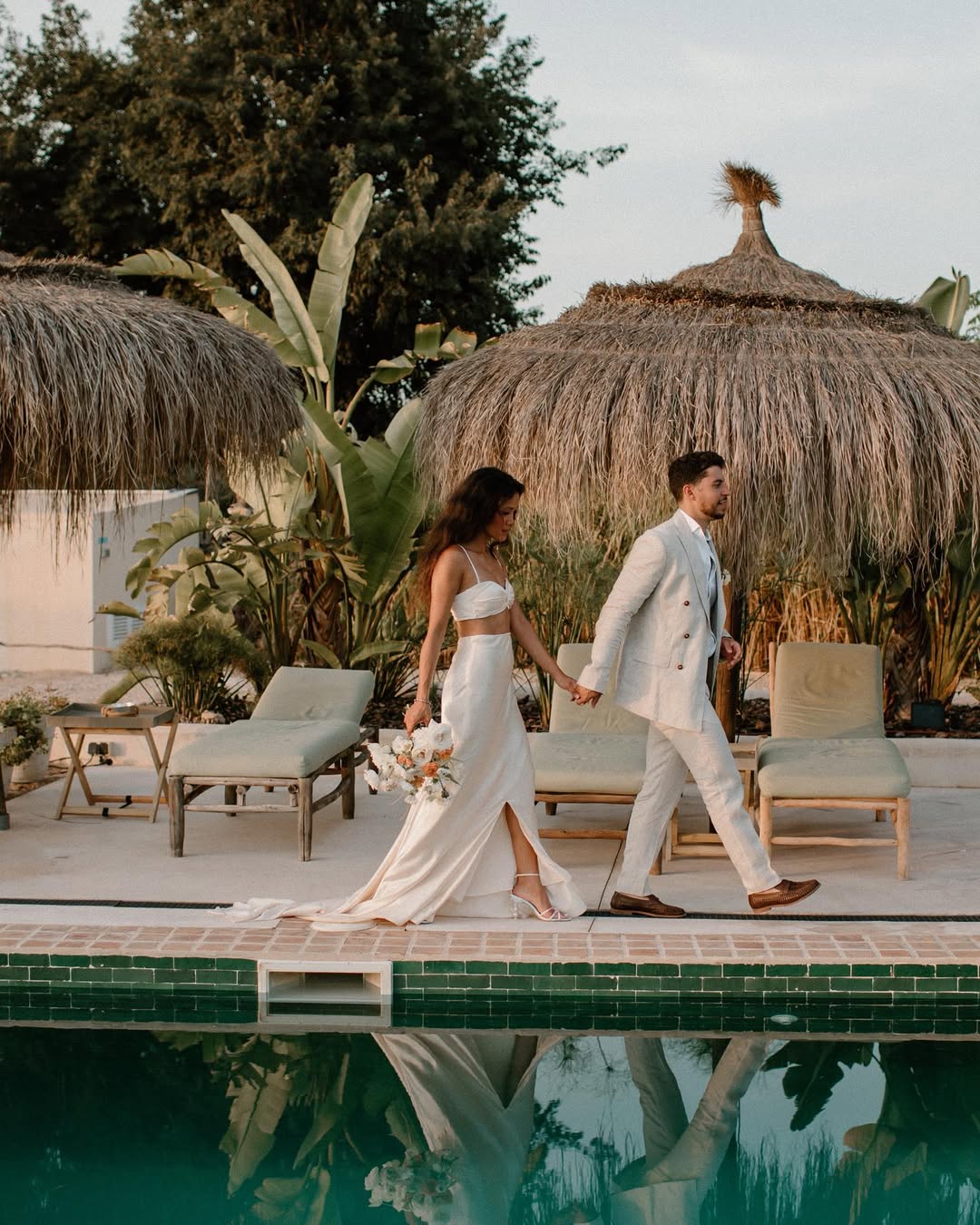
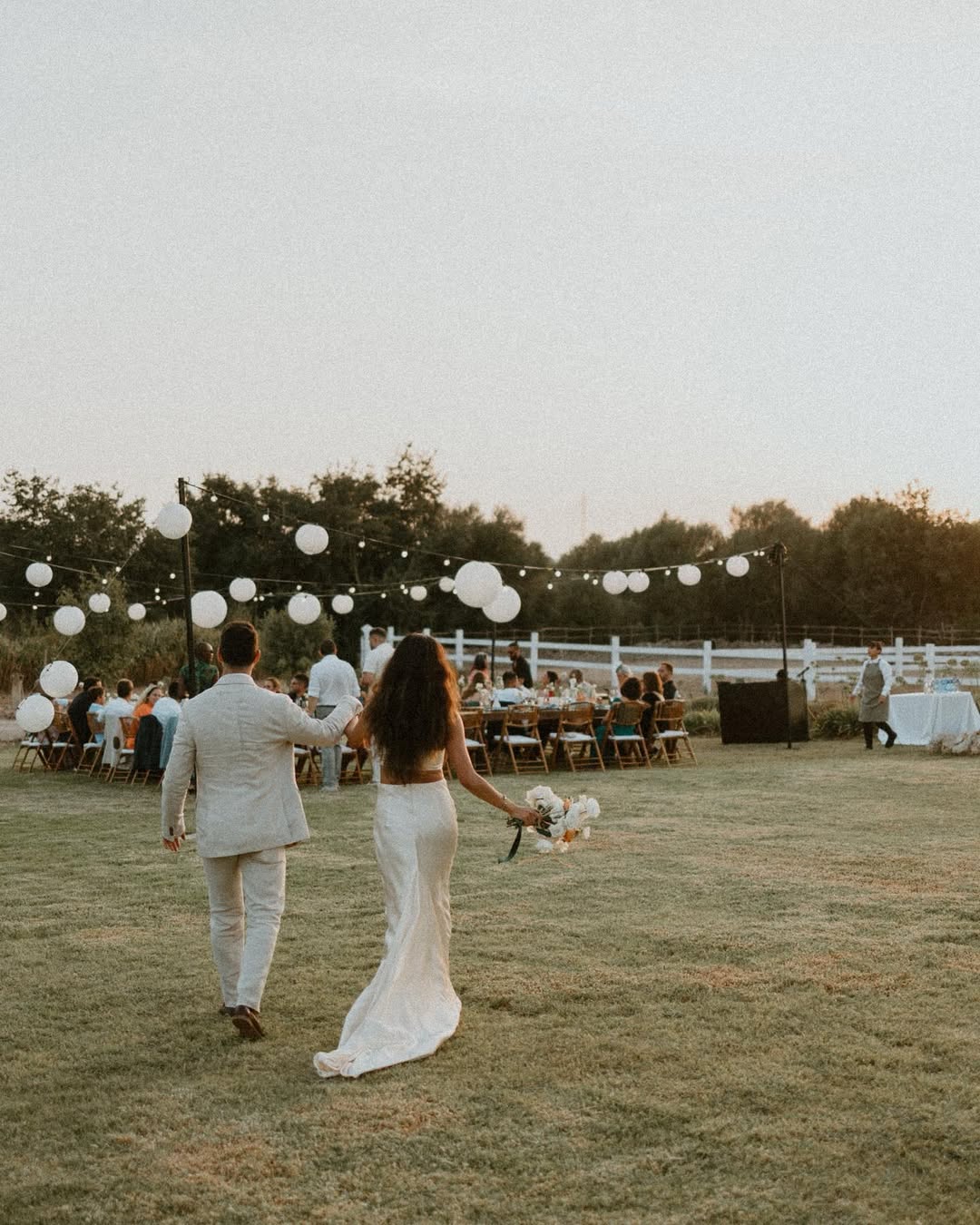
The total cost of a Mallorca wedding varies dramatically depending on several interconnected factors: the season (peak, shoulder or off-season), venue type and location (luxury hotel, private finca or beach club), guest numbers (10 versus 100 creates exponentially different costs, not just linear scaling), level of service (full coordination, partial planning or DIY), quality of vendors (established professionals or newer talent) and how much you're willing to compromise on important versus less important elements. There is no single answer to the question of cost — only ranges that depend entirely on your priorities, flexibility, and vision.
| Budget Level | Guest Count | What This Includes | What You're Prioritizing |
|---|---|---|---|
| €5,000-€15,000 | 2-10 people | Elopement package: officiant, photographer, simple venue, small meal | Intimacy, flexibility, low complexity |
| €20,000-€40,000 | 20-40 guests | Quality venue, good food, professional photos, basic styling, partial planning | Meaningful celebration without excess |
| €40,000-€80,000 | 50-80 guests | Full-service planning, beautiful venue, excellent catering, premium vendors | Polished execution, guest experience |
| €80,000-€150,000+ | 100+ guests | Luxury venue, multi-day events, top-tier everything, complete coordination | Comprehensive destination wedding experience |
Where you can save without sacrificing quality: Choose dates in the shoulder season (April or November instead of June or September) and watch nearly every cost drop by 30–40%. Reduce your guest numbers — the difference between 40 and 60 people isn't just an extra 20 plates; it also means a larger venue, more equipment to hire, a bigger budget for flowers, and additional transport. Embrace Mallorca's natural beauty to minimise spending on decorations — when you're in an olive grove or on a clifftop, elaborate centrepieces become redundant. Book local vendors directly rather than through hotel packages, which often include a markup. Consider morning ceremonies or weekday weddings to get significantly better venue rates. These choices can result in substantial savings without making your celebration feel cheap.
Where cutting costs can backfire: Photography is permanent — bad images cannot be fixed in post-production or redone, and you will live with that regret forever. The quality of food and beverages matters because hungry and thirsty guests will remember their experience poorly, no matter how beautiful everything looked. Wedding coordination, especially when planning from abroad, prevents the kind of stress and last-minute chaos that no amount of money saved could make up for on your wedding day itself. Transport logistics — getting guests safely and on schedule between hotels and the venue — fall into the unsexy but essential category: stranded or late guests disrupt timelines and create anxiety that permeates the entire celebration.
Planning a Destination Wedding in Mallorca
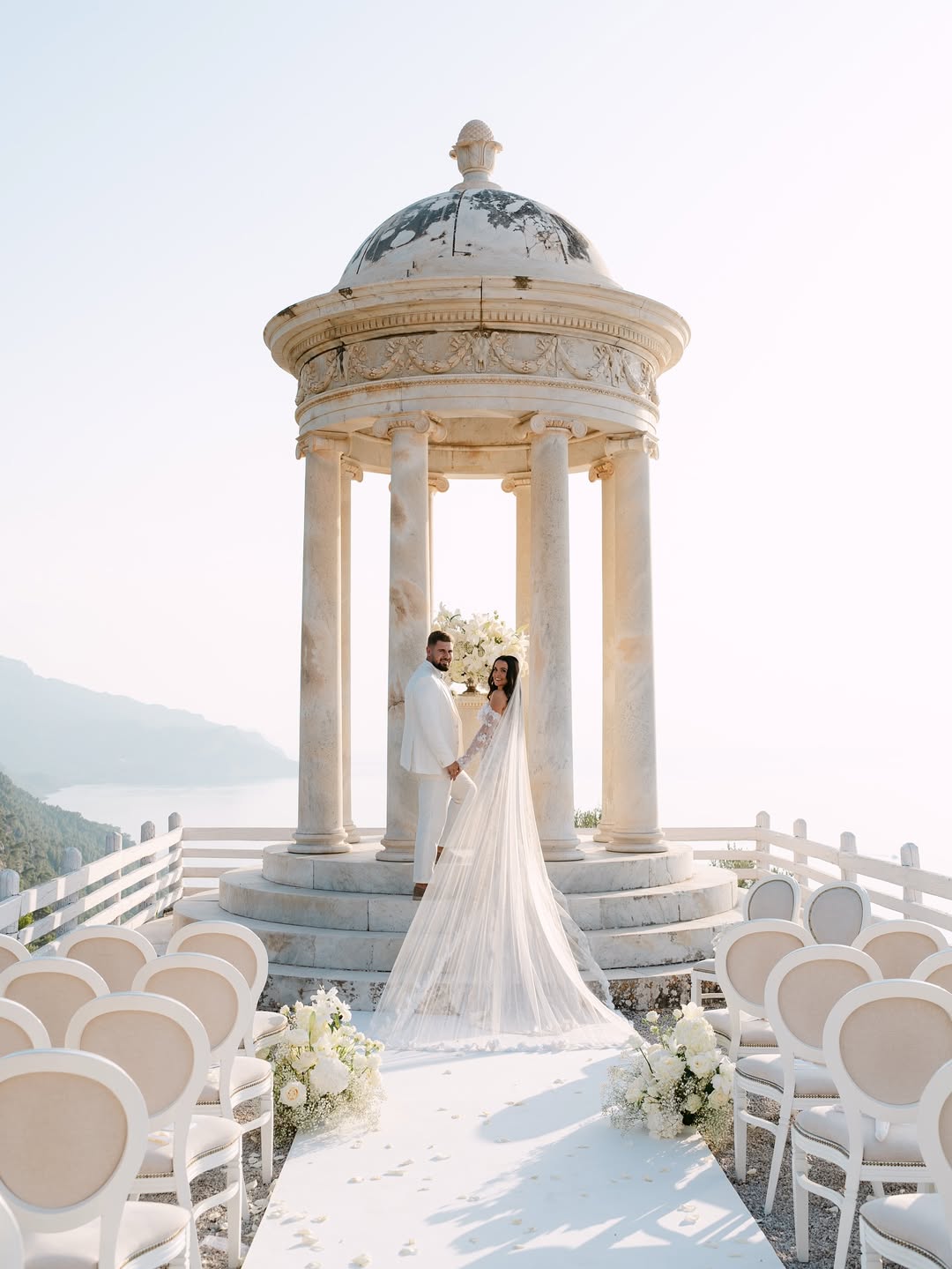
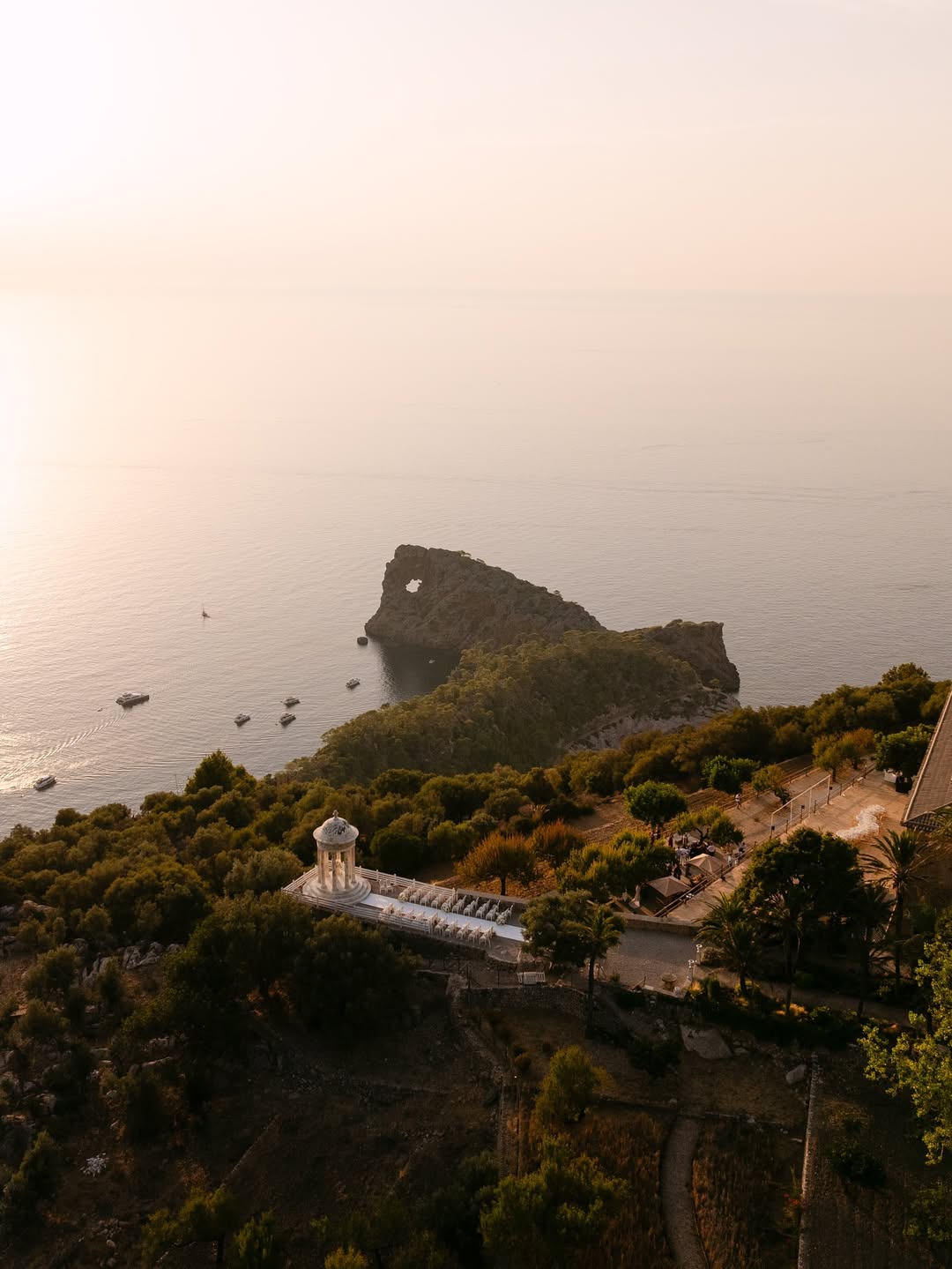
Do you need a local planner? Unless you speak Spanish, have months to spend in Mallorca coordinating everything, or have nerves of steel and enjoy logistical challenges, the answer is almost certainly yes. A local Mallorca wedding planner can offer you the following:
- Relationships with venues and vendors that can get you better rates and preferential treatment
- Language skills for nuanced communication that Google Translate can't handle
- An on-the-ground presence to visit venues and oversee setup
- Knowledge of what is actually realistic versus what looks good on Instagram
- The ability to solve day-of problems in real time without you even knowing they existed.
The investment (€3,000–€15,000+) is usually more than offset by savings from vendor negotiation, avoiding costly mistakes, and eliminating the stress of coordinating a celebration in a foreign country from your living room.
Timeline recommendations:
- 12-18 months before: Secure planner (if using one), book venue (popular properties book this far ahead), set the date accounting for peak versus shoulder season, and begin communicating with guests about the save-the-date.
- 9-12 months out: Lock in key vendors (photographer, caterer, florist), finalize design concept and styling direction, begin arranging accommodation for guests, and handle any legal paperwork if doing an official ceremony.
- 6-9 months before: Book secondary vendors (music, transportation, rentals), finalize menu and beverage selections, plan the ceremony structure, write vows if doing a symbolic ceremony, and coordinate guest travel and accommodation details.
- 3-6 months out: Confirm all vendor contracts and deliveries, create a detailed timeline for the wedding day, finalize the guest count and seating, arrange welcome activities and post-wedding events, and begin communicating detailed information to guests about what to expect and what to bring.
- 1-3 months before: Final payments to vendors, last confirmations and adjustments, pack and prepare, mentally transition from planning to experiencing mode.
Working with international vendors: Whether you bring your photographer or planner from home or hire locally is a personal decision with trade-offs. If you already know and trust international vendors, there will be less uncertainty about style and communication, but they will charge travel expenses and lack local knowledge. Local Mallorcan vendors know the island intimately, including the best times for photography, weather patterns, and local vendors. They can also solve problems when things go wrong, but you're hiring based on portfolios and video calls rather than personal history. Many couples compromise by hiring a local planner and most vendors, but bringing their own photographer if they have a strong relationship with someone whose work they love.
Local Wedding Vendors in Mallorca
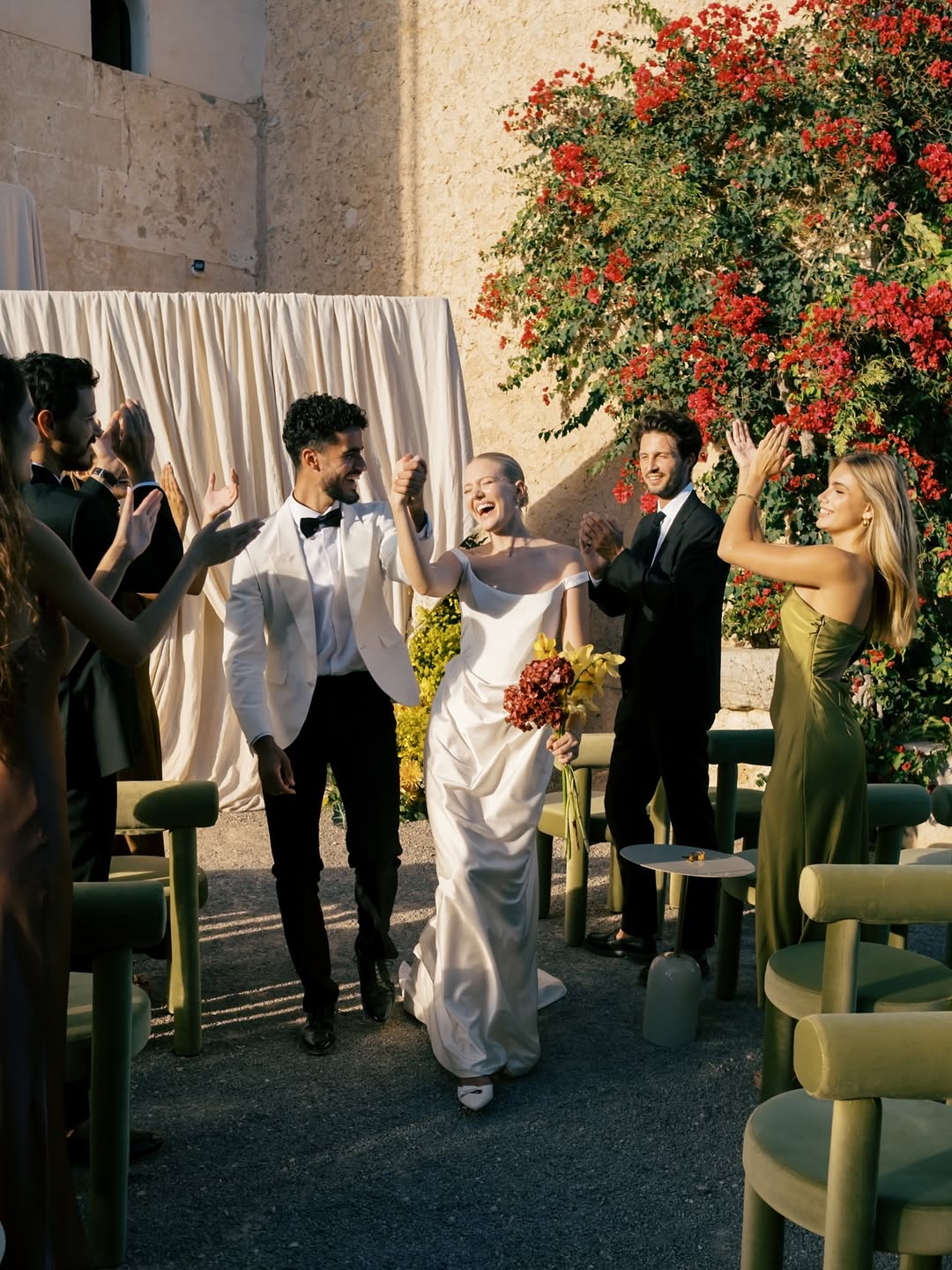
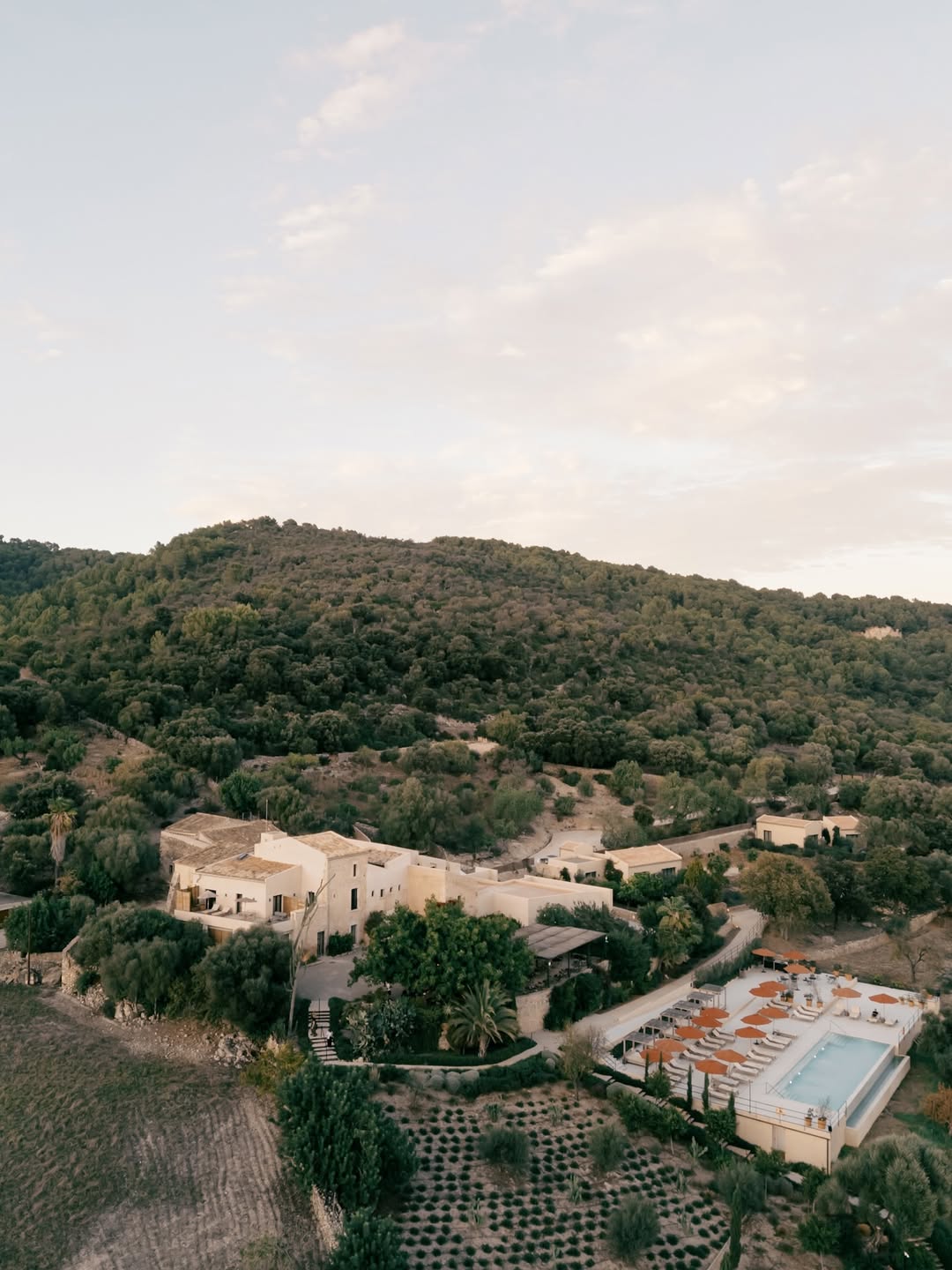
The quality of photographers and videographers on the island ranges from competent to exceptional, so choosing the right one is one of the most important decisions you will make. Look for professionals who regularly shoot destination weddings (they understand guest dynamics and travel logistics and are accustomed to working with international clients), whose portfolios demonstrate an understanding of Mediterranean light (the harsh sun requires different techniques from those used in overcast northern climates), and who can communicate clearly in your language. Local photographers know the best locations, have good relationships with venues to ensure smooth access and setup, and understand how the island's weather patterns affect shooting locations and timing.
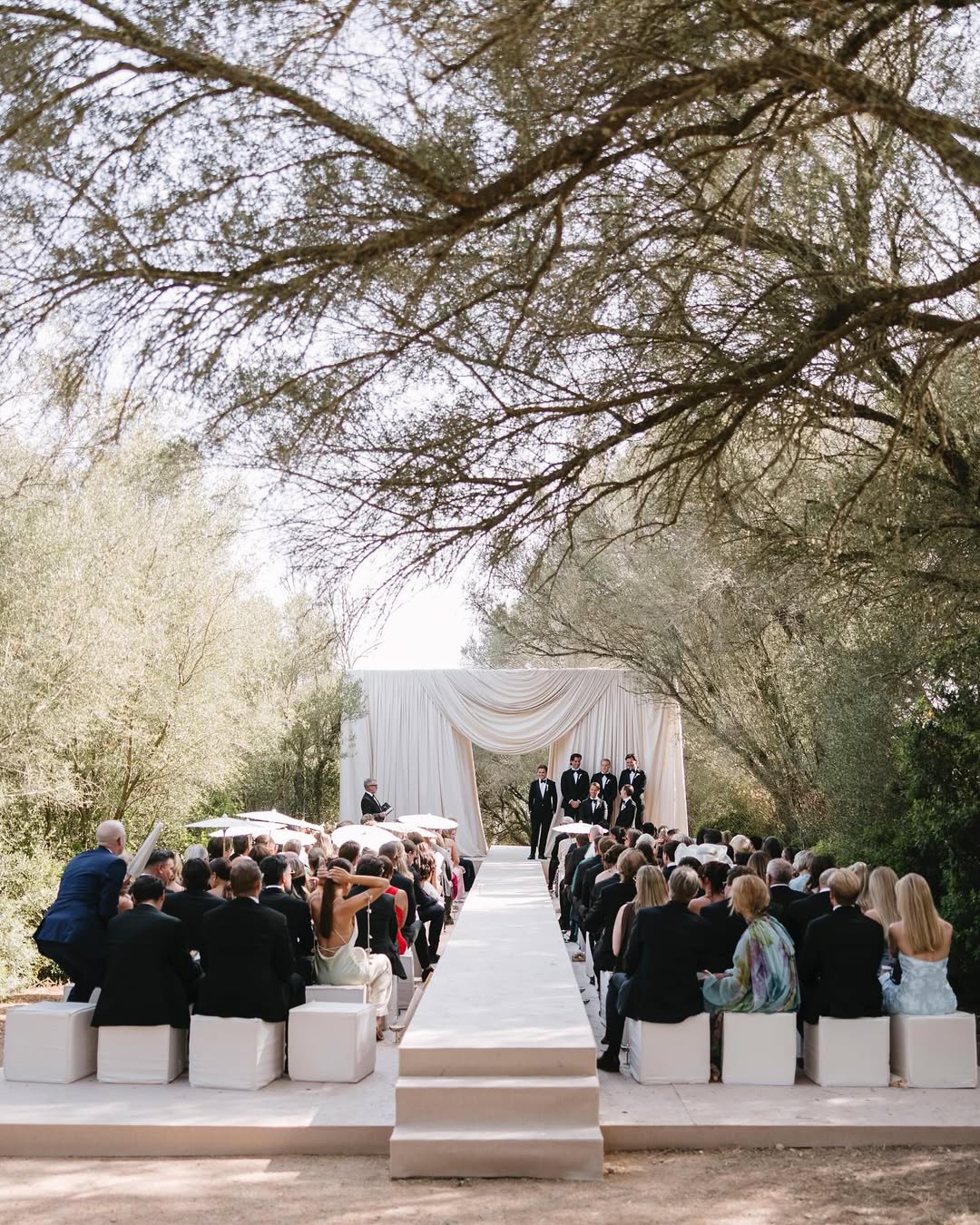
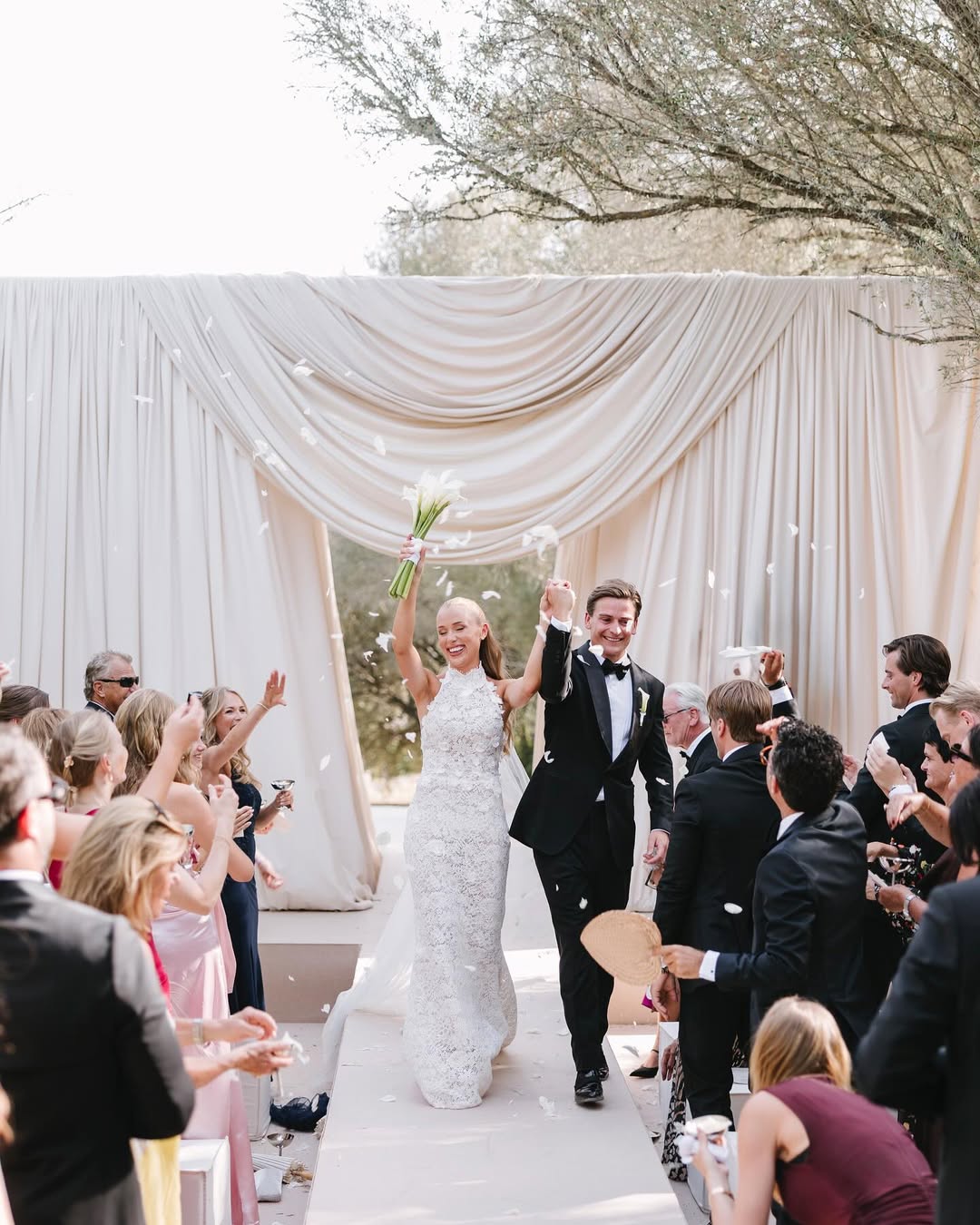
Florists in Mallorca work with both local and imported flowers, though the best ones use Mediterranean elements such as olive branches, bougainvillea, citrus fruits, and local greenery to great effect in their arrangements. These elements not only photograph beautifully, but also suit the environment, which is more appropriate than importing Dutch roses that wilt quickly in the summer heat. Local florists understand which flowers thrive in island conditions, can source produce from nearby growers, and usually charge less than those who import from mainland Europe. The key is to find a florist whose aesthetic matches your vision. Mallorca has both traditional floral designers and contemporary studios producing work of an editorial standard.
Catering and styling are often offered together, as many caterers provide equipment hire, table settings, and basic design alongside food service. The island's culinary scene has evolved significantly — you can enjoy traditional Mallorcan cuisine such as tumbet, sobrasada, and ensaimada, or contemporary Mediterranean and international menus, depending on your preference. However, quality can vary greatly, and this is where local planners earn their fee by recommending caterers who consistently deliver rather than making empty promises and disappointing. If you're looking to get married in Mallorca on a budget, consider caterers who specialise in simpler, family-style service rather than elaborate, multi-course, plated dinners.
Why local experience matters: Vendors who regularly work on the island understand the local area and its logistics better than outsiders do. They know which roads flood after rain, how wind patterns affect beach venues at different times of day, which vendors are reliable and which require constant follow-up, and how to navigate Spanish timing and communication styles. They have seen weather disrupt plans before and know how to adapt. They know that ferry service to the island can be delayed and account for this in their schedules. They are familiar with the quirks of different venues (e.g., difficult access, limited power, noise restrictions) and plan accordingly. This institutional knowledge prevents problems rather than just solving them after they occur.
Guest Experience: Turning Your Wedding into a Holiday
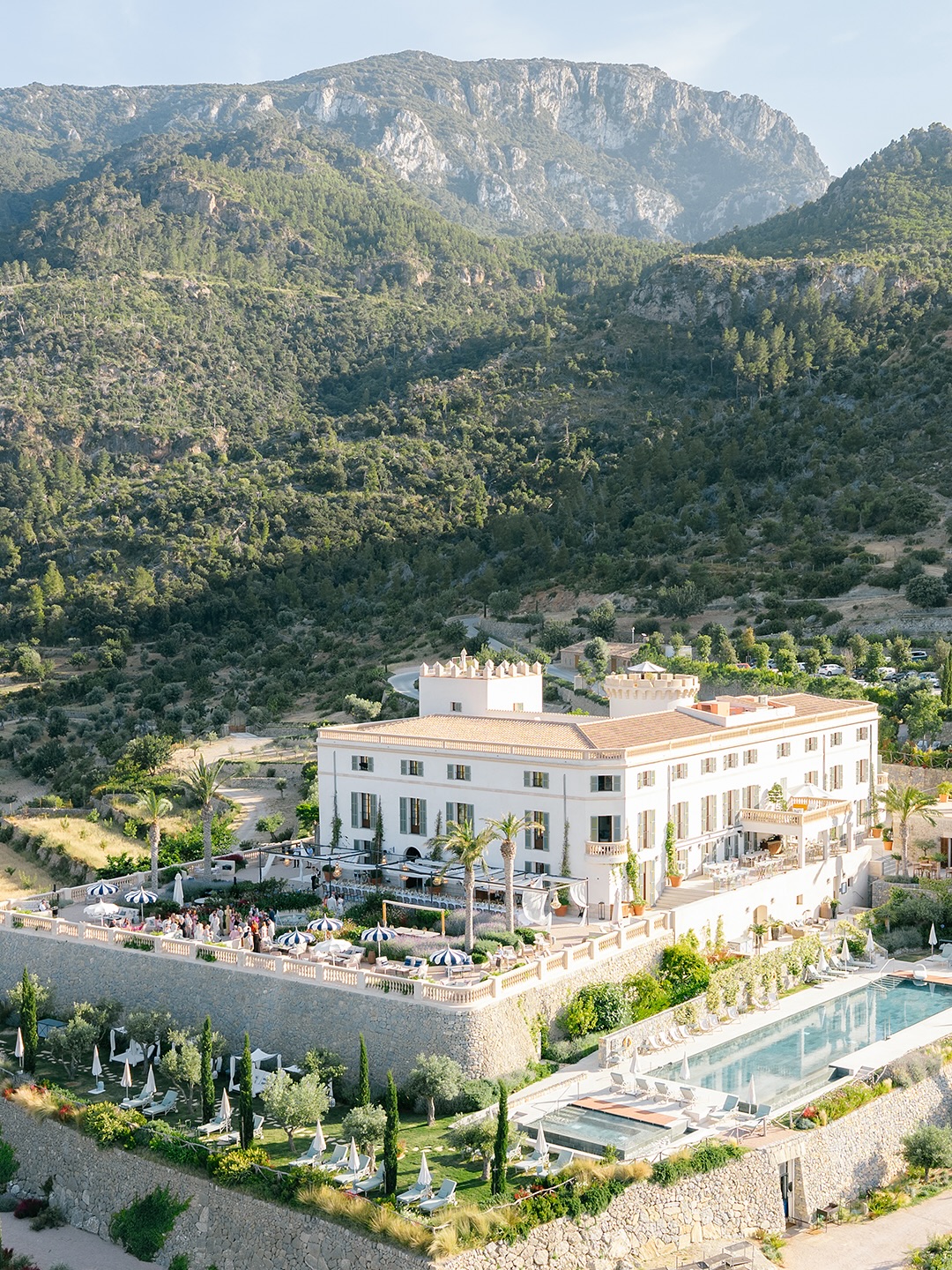
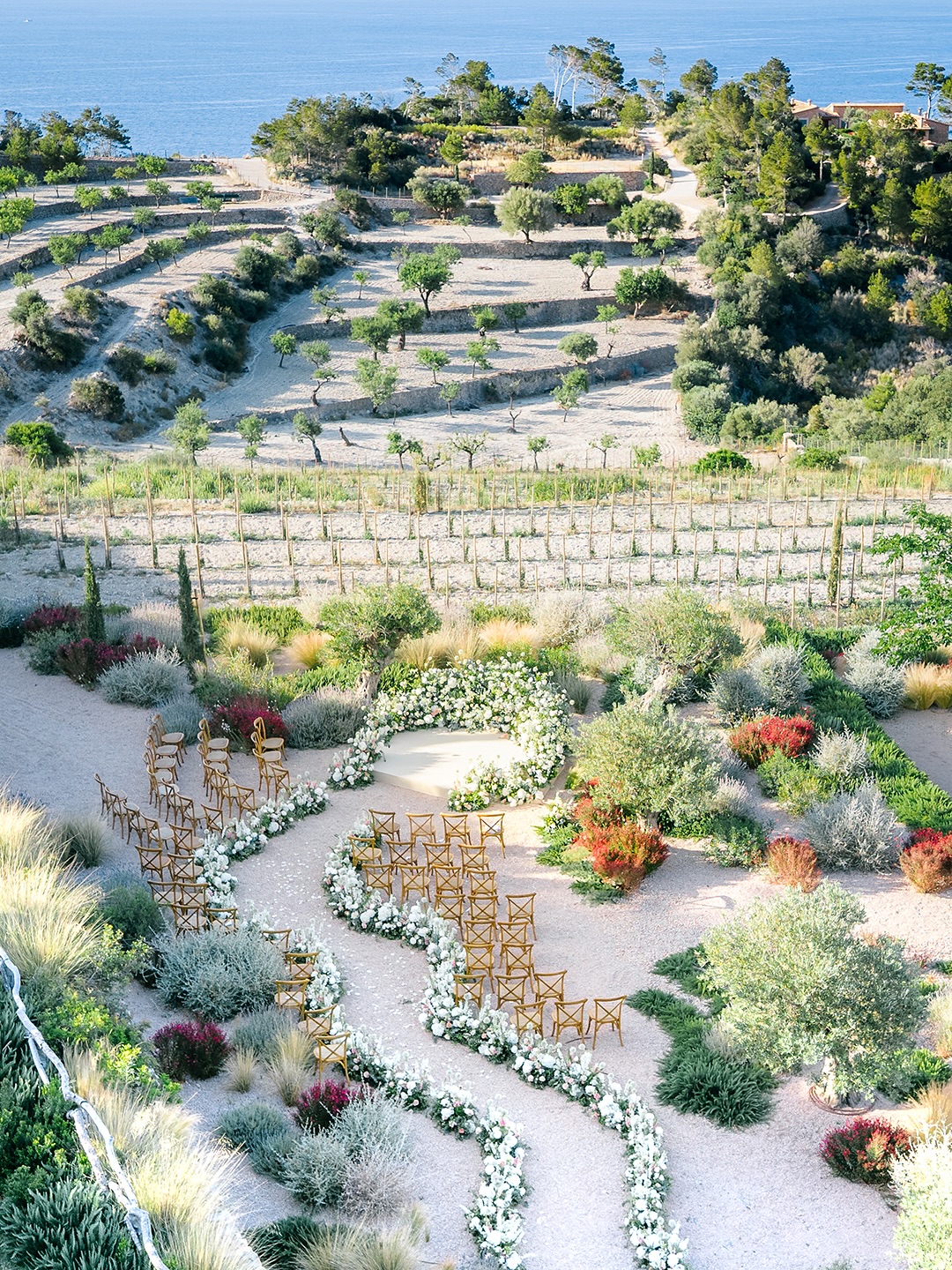
Welcome dinners set the tone for the entire weekend and solve the practical problem of guests arriving on different flights throughout the day. Rather than expecting everyone to arrive for a formal dinner at 8 pm, when half of your guests have landed two hours earlier and are tired, arrange a casual welcome gathering instead. Examples include tapas at a beach club, dinner at a traditional Mallorcan restaurant, or simply drinks and appetisers at your venue. This allows people to arrive at their convenience, meet each other informally before the wedding day, and begin to experience the island.
Guests can enjoy beach days and boat trips in addition to attending your wedding. Mallorca isn't just one attraction — there are dozens of beautiful beaches, boat trips to secluded coves, hiking in the Tramuntana mountains, wine tasting in the countryside, and historic sites in Palma. Providing a curated list of recommendations or even organising group activities, such as a boat trip the day after the wedding, can transform your celebration from a one-day event into a memorable vacation for your guests. Many couples arrange a post-wedding beach day where everyone can relax together before people start heading home.
Pre- or post-wedding celebrations can include rehearsal dinners (even for symbolic ceremonies, gathering close family and the wedding party the night before helps to create an intimate atmosphere), day-after brunches (a casual gathering where guests can share their favourite moments while they are still fresh in their memory), group excursions (such as a wine-tasting tour, a sailing trip or a guided hike) or simply giving guests the freedom to explore independently, safe in the knowledge that they will see you at the planned events.
The key to successful wedding packages in Mallorca is balance. Guests should feel welcomed and have access to clear activities if they wish, while still having enough freedom so that it doesn't feel like a controlled group holiday where everyone's schedule is managed minute-by-minute.
Travel & Accommodation Tips for You and Your Guests
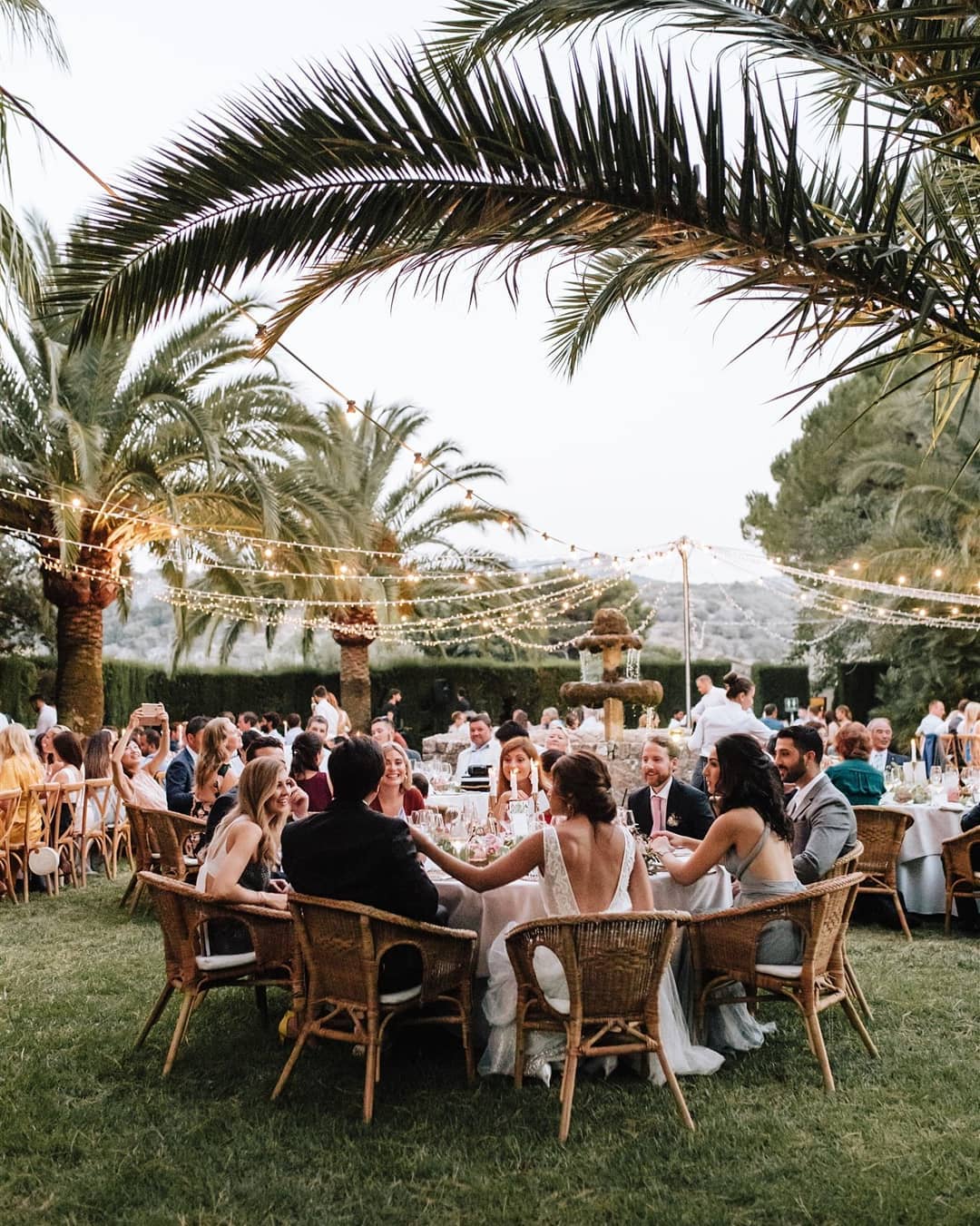
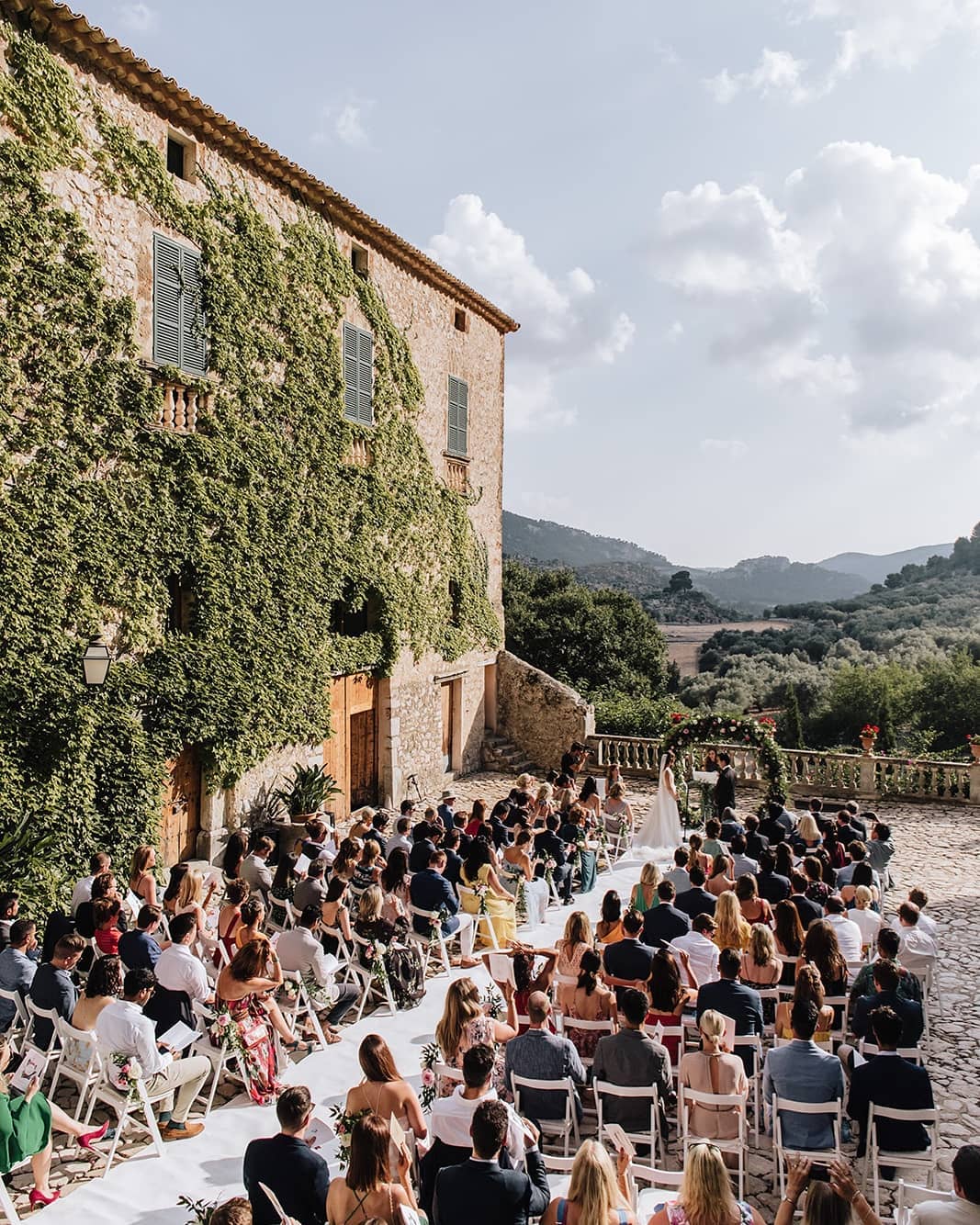
Where you stay in Mallorca shapes the overall experience, but for destination weddings, practicality matters just as much as atmosphere. Palma offers urban energy and easy airport access; the southwest coast combines resorts with smooth logistics; the northwest delivers dramatic mountain scenery with longer travel times; while the east and north of the island offer beaches, space, and a slower pace. For the couple and immediate family, staying close to the venue usually makes the most sense, while guests can choose accommodation based on their own priorities—some preferring convenience, others using the wedding as a chance to explore the island.
Where to Stay — Quick Overview
- Palma: city life, culture, dining, and nightlife
- Southwest (Santa Ponsa, Puerto Portals): resorts, beaches, and accessibility
- Northwest (Deyà, Sóller, Valldemossa): mountains, views, and character
- East Coast (Porto Cristo, Cala d’Or): relaxed beach towns and calm energy
- North (Pollença, Alcúdia): natural bays, charm, and mountain access
Mallorca is a compact and drivable island, making car rentals a popular option for guests who want flexibility. Roads are generally good, but summer traffic, winding mountain routes, and limited parking in popular areas can slow travel. For the wedding day itself, organized transportation is strongly recommended—Wedding transport Mallorca services specialize in coordinating group transfers and ensuring guests arrive comfortably and safely, especially for remote venues or celebrations involving alcohol.
Tips for guests flying in: Direct flights connect Mallorca with most major European cities, typically within two to three hours. Book accommodation early if your wedding falls in peak season, as availability tightens quickly. Renting a car is ideal for exploring beyond your immediate area, and packing light layers is wise—even on summer evenings and in inland areas, it can feel cooler. While English is widely spoken, a few Spanish phrases go a long way, and it helps to remember that local rhythms are relaxed: dinners start late, shops close for siesta, and the island doesn’t cater to early-morning schedules.
Common Mistakes to Avoid When Getting Married in Mallorca
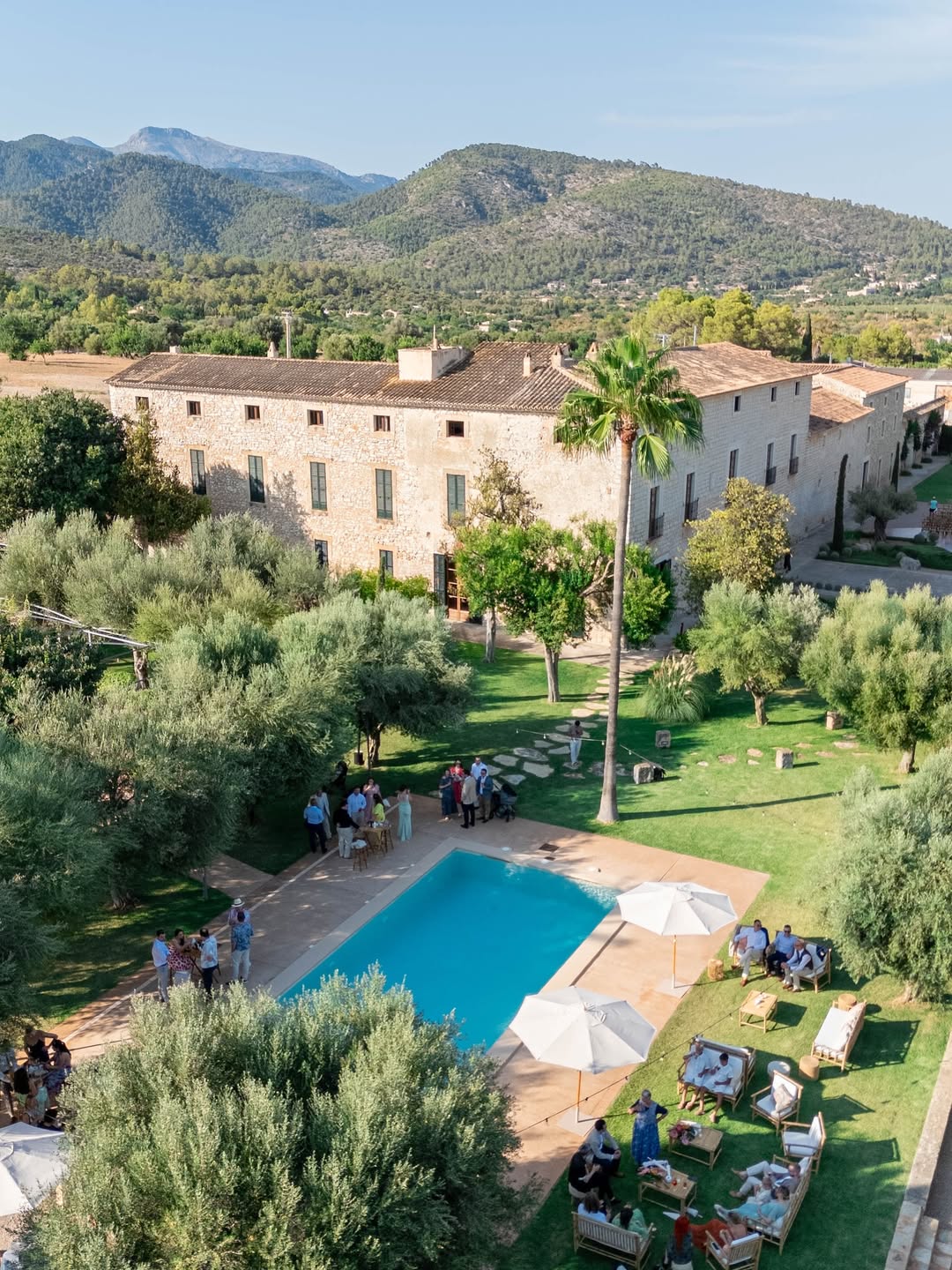
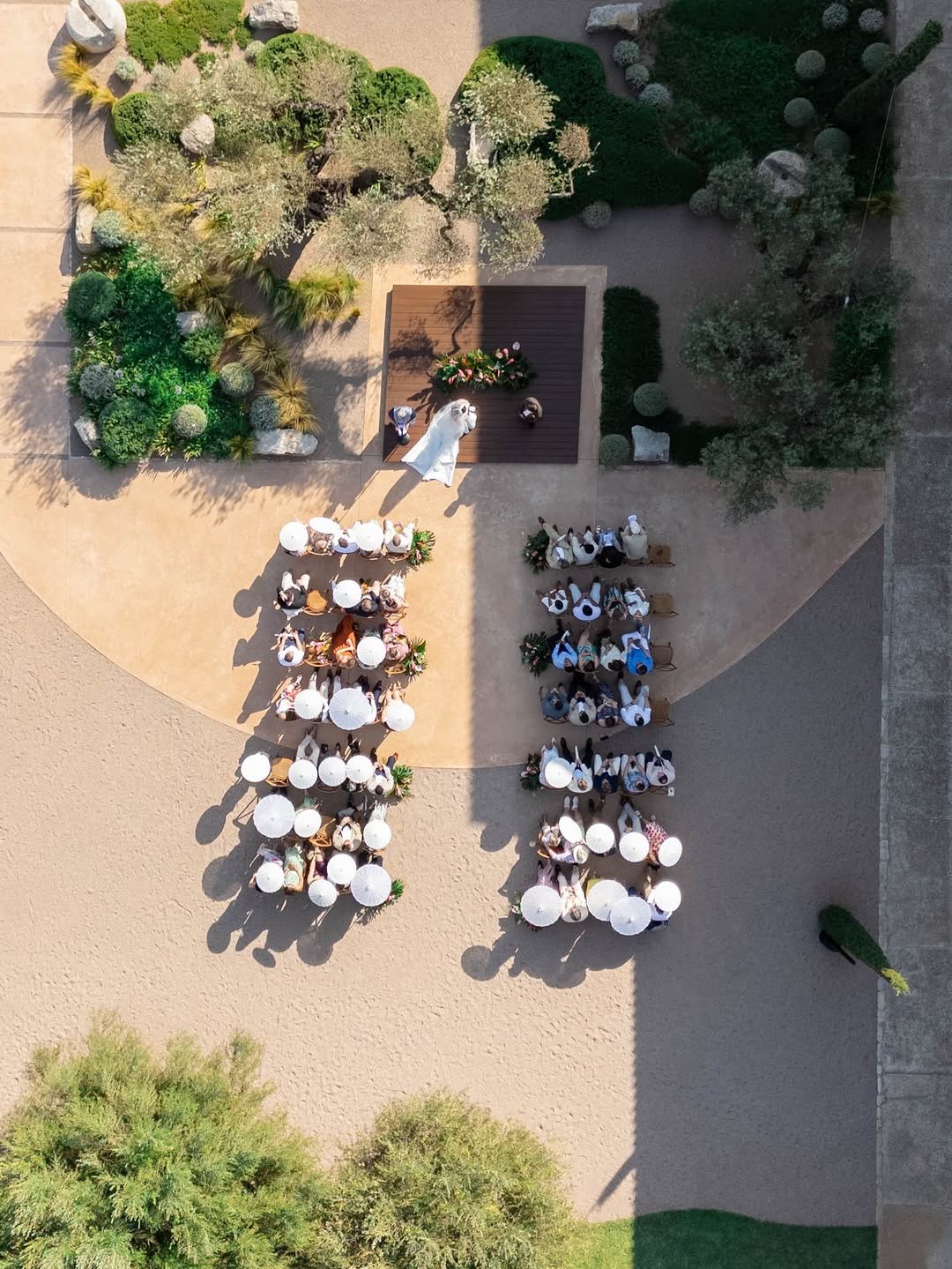
- Underestimating logistics is the classic error. The island looks small on a map, so couples assume everything is close and easy to reach. Reality: summer traffic means that a 30km drive to your venue can take an hour. Ferry schedules to the island are inflexible if guests miss flights. Mountain venues may require 4x4 access in certain conditions. Not all venues have backup generators in case of power failure. Assuming everything will just work out leads to stress that proper planning prevents. Hire a planner who knows the island, build extra time into schedules, and communicate clearly with guests about what to expect.
- Choosing a venue without a Plan B for the weather. Even in summer, unexpected rain happens. Wind can make beach ceremonies uncomfortable or impossible. Heat waves make midday outdoor events genuinely dangerous for guests. Every venue should have a credible indoor or covered backup option, and your contract should specify what happens if weather forces changes. Don't book that stunning clifftop location with no weather protection unless you're genuinely comfortable rolling the dice on the weather.
- Weather misconceptions go beyond just rain. Many couples assume the Mediterranean equals endless sunshine and forget that spring can be quite cool, summer can bring extreme heat requiring afternoon breaks or evening-only events, and winter is genuinely off-season for good reason. Also, the island has microclimates—the north coast is wetter and cooler than the south coast, the mountains are significantly cooler than the beaches, and wind patterns vary across the island. Weather research means understanding the specific conditions at your venue, not just generic "Mallorca weather."
- Ignoring Spanish timing and culture creates friction. Dinner won't start at 6 PM—it starts at 9 or 10. Vendors may not respond to emails with the urgency you expect from your home country. Siesta means businesses close midday. Planning around these realities rather than fighting them makes everything smoother. Your wedding timeline should reflect Spanish culture if you're marrying in Spain—early dinners feel weird, late dinners feel normal.
- Overlooking noise restrictions at beach and residential venues can derail receptions. Many locations have strict curfews on amplified music—sometimes as early as midnight, sometimes earlier. Confirm restrictions before booking, and be realistic about whether your celebration can work within those limits. If you want dancing until 2 AM, choose a venue where that's actually legal and won't result in police shutting down your reception.

Is Mallorca Right for Your Destination Wedding?
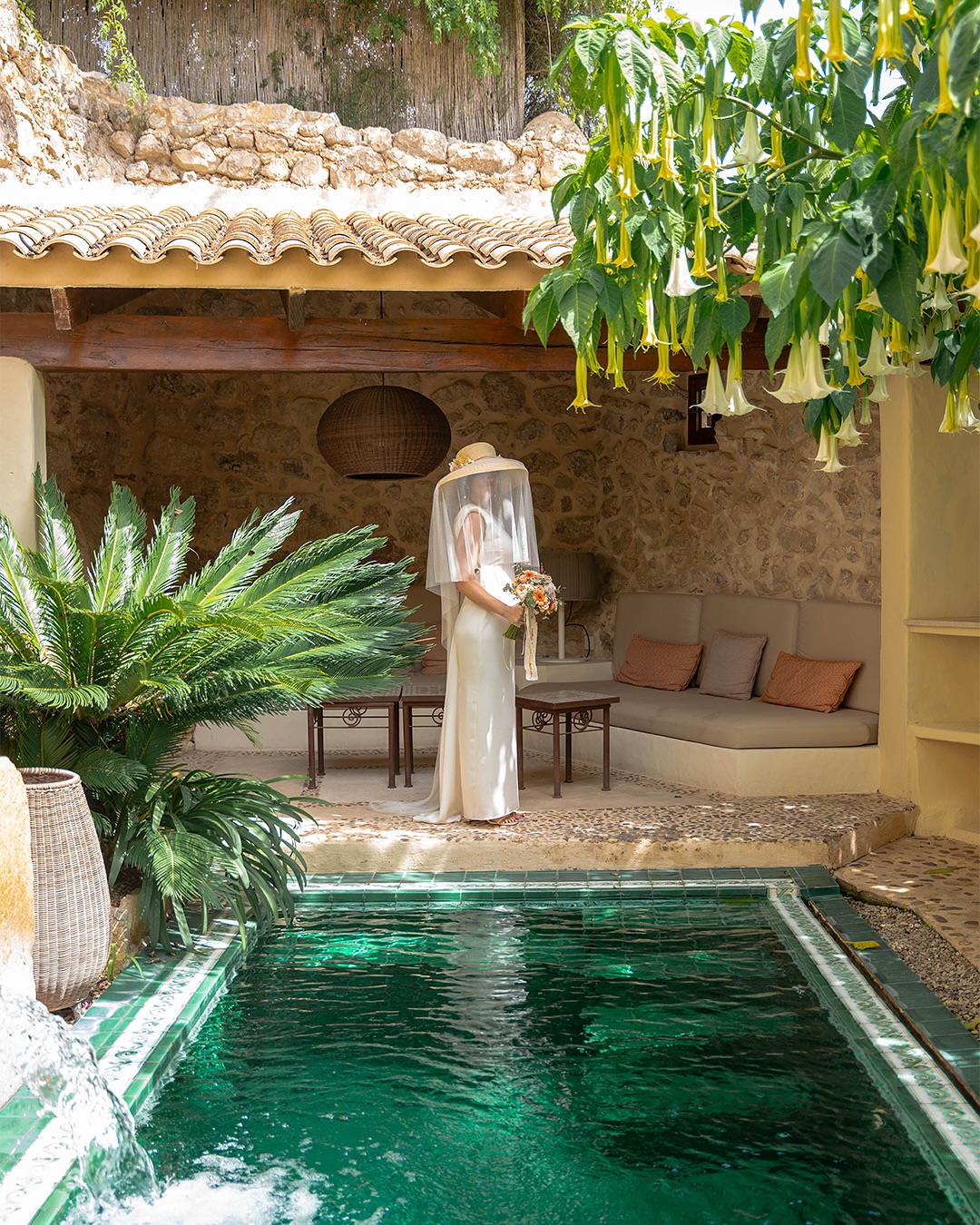
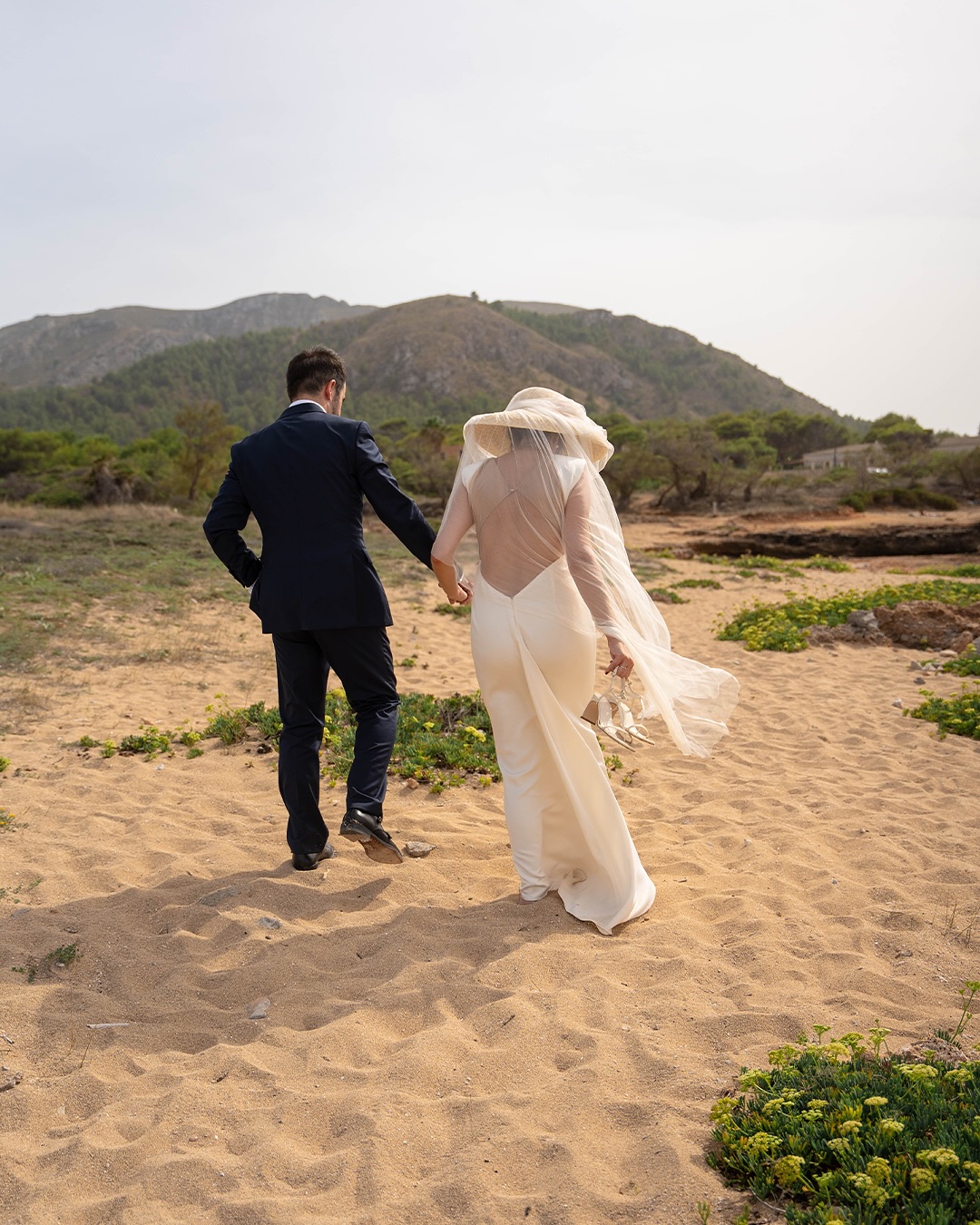
Mallorca is the ultimate choice for couples seeking accessible Mediterranean luxury, authentic culture, and endless versatility in their celebration, offering sun-drenched days, crystal-clear seas, exceptional cuisine, and the effortless elegance that only Mediterranean islands can deliver. For anyone getting married in Mallorca, the island rewards thoughtful planning with unforgettable settings—from centuries-old stone fincas and charming mountain villages to winding coastal paths where real life and tradition continue alongside breathtaking landscapes. While perfect weather, tropical beaches, absolute privacy, or a tight budget may call for alternatives, Mallorca’s true magic lies in its authenticity—your wedding here becomes more than a stunning backdrop; it’s an immersive experience in the island’s history, culture, and lifestyle, a celebration that feels at once exclusive, intimate, and undeniably refined.
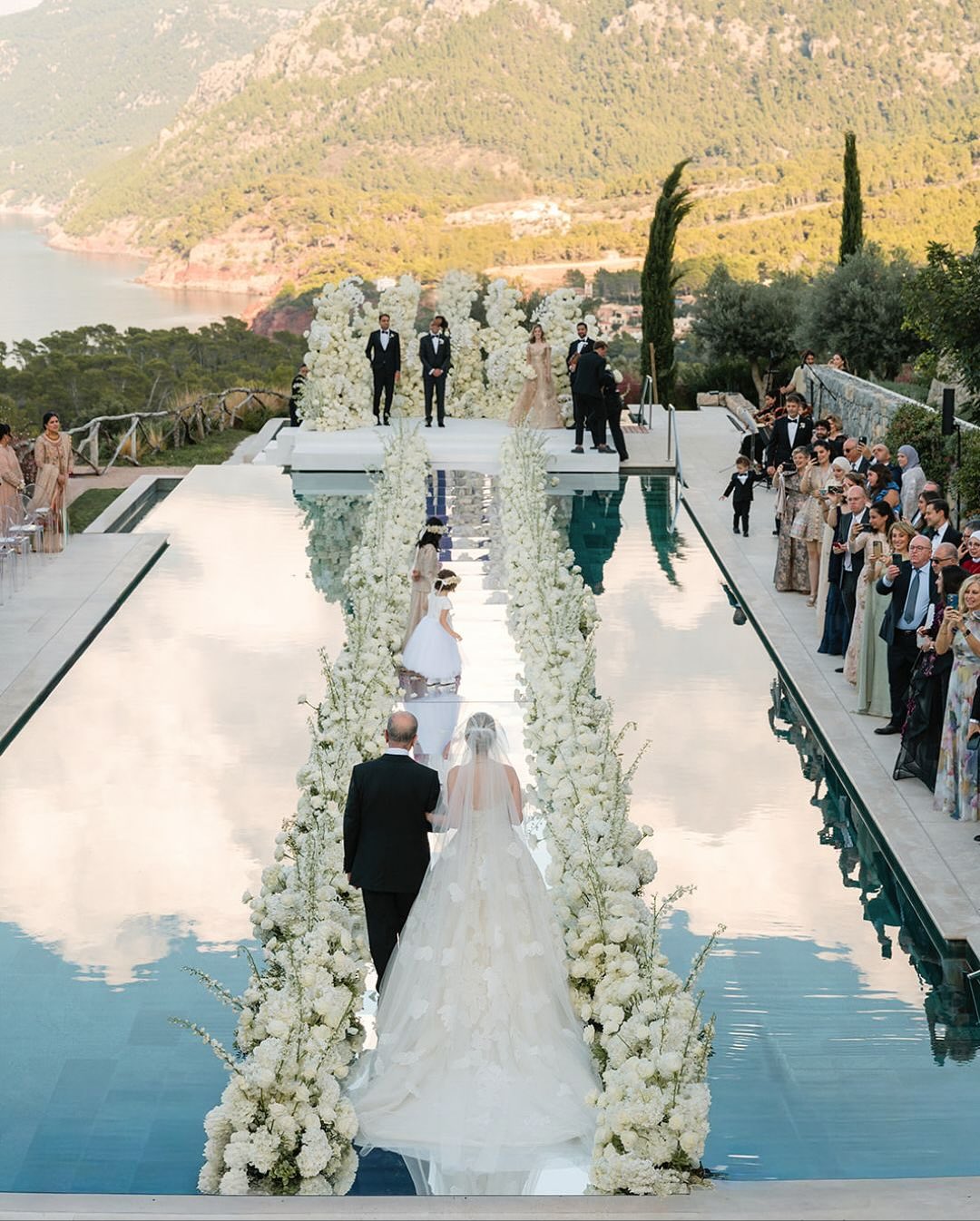
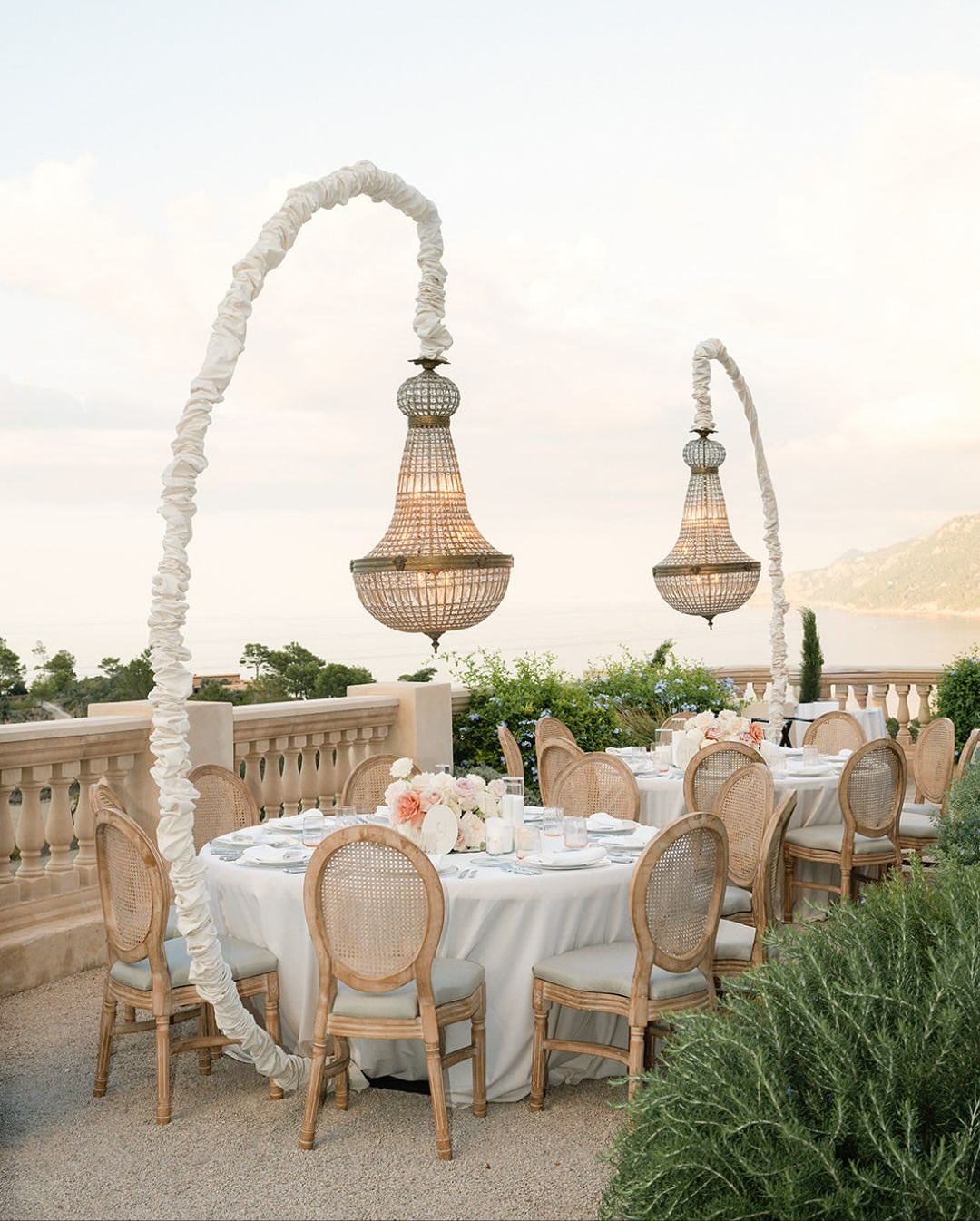
A Mallorca wedding invites you to embrace the Mediterranean pace of life, trust in the island's natural beauty, and accept that some things will unfold according to Spanish timing rather than your carefully planned schedule. In return, you will enjoy a celebration in one of Europe's most beautiful, accessible, and versatile destinations, where mountains meet the sea and centuries-old olive groves host modern celebrations. Your guests can easily reach this location without any logistical challenges, and the food, wine, light, and atmosphere will make even the simplest gatherings feel special. Plan well, hire local expertise, and build in flexibility. Then let the island do what it does best: provide the setting. You provide the love, and together you will create memories that feel as warm and golden as the Mediterranean sun that blessed your day.