Fruits and Vegetables in Wedding Decor


- Fruit Decoration for Wedding Tables
- Fruit and Vegetable Ideas for Photo Zones and Ceremony Arches
- Vegetable and Fruit Ideas for Wedding Bouquets
- Tiny Touches That Change Everything
- Styling Your Details for Photos
- Choosing and Caring for Wedding Fruit Decoration
- Bringing Your Fruit Wedding Decor to Life
- FAQ
Fruit and vegetables can do something for a wedding that flowers on their own very rarely can. They add weight, gloss and scent, and they give the whole thing a real sense of abundance that is both generous and a little surprising. A bowl of figs just split open by a candle, a waterfall of lemons down an arch or an artichoke tucked into a bouquet can totally change the feel of a space. Fruit decoration for a wedding can be rustic, painterly, playful, or sharply modern, depending on how it's styled. Seasonal, locally sourced produce may cost less than imported flowers, although elaborate installations can quickly offset those savings through additional materials, structural support, and design labor.
This guide has ideas for every aspect of the day, from the dinner table and the ceremony backdrop right through to the bouquet, the cake and the detail shots. It looks at what produce works in each season, what will hold up in a warm room and how to keep it looking elegant rather than cluttered. Use it to establish one strong direction or to mix a couple of ideas that work within the same palette.
Find Your Perfect Wedding Vendors


Fruit Decoration for Wedding Tables

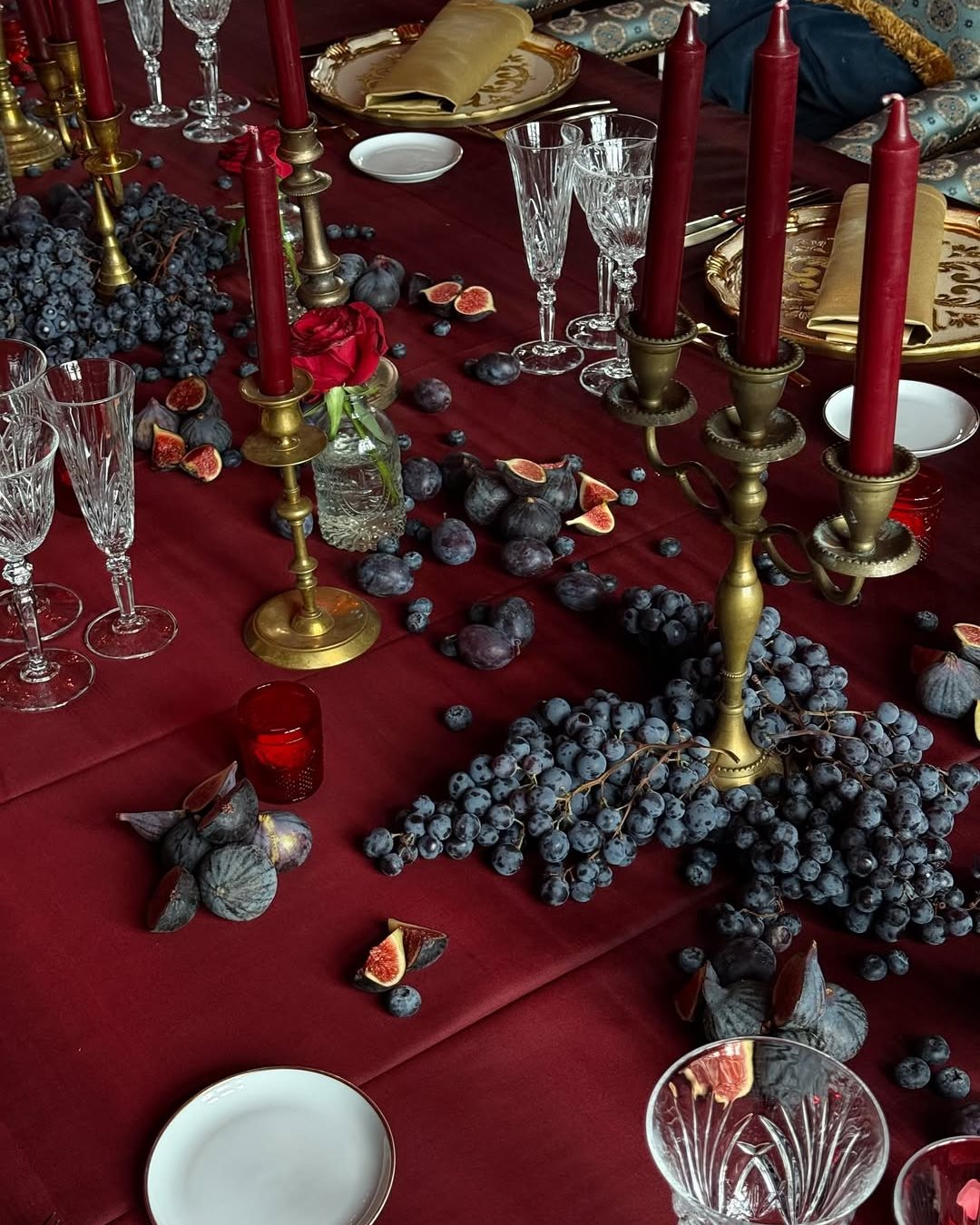
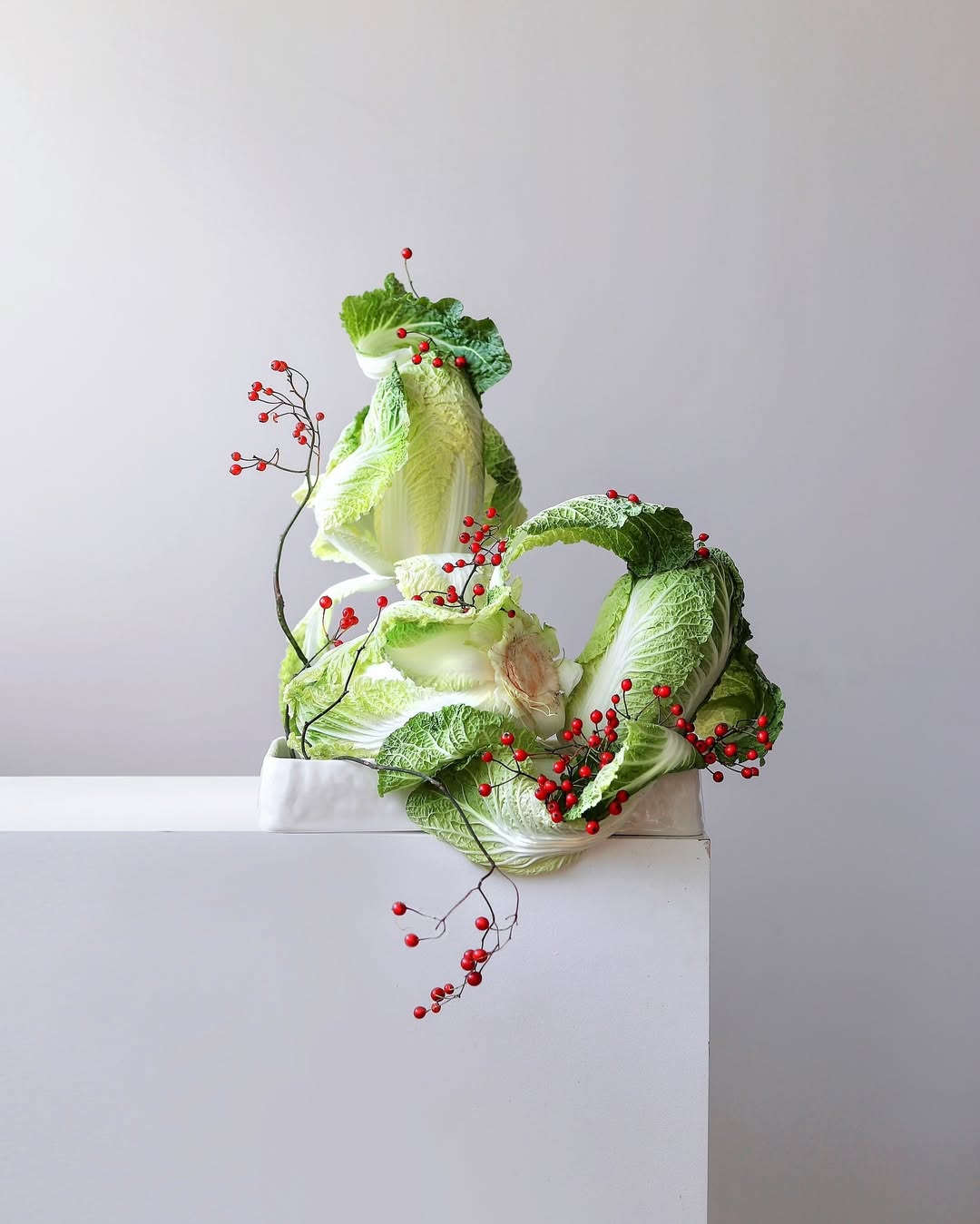
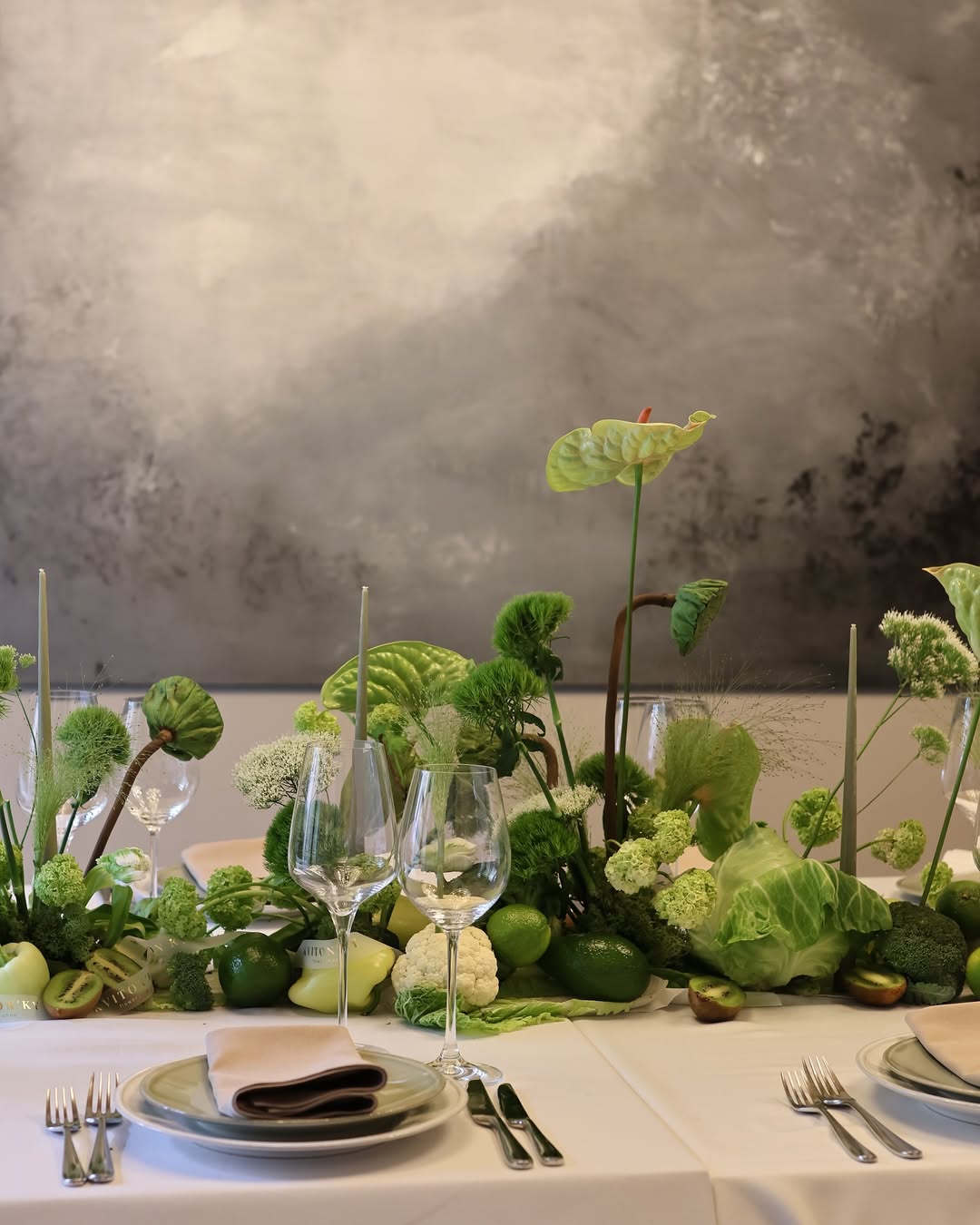
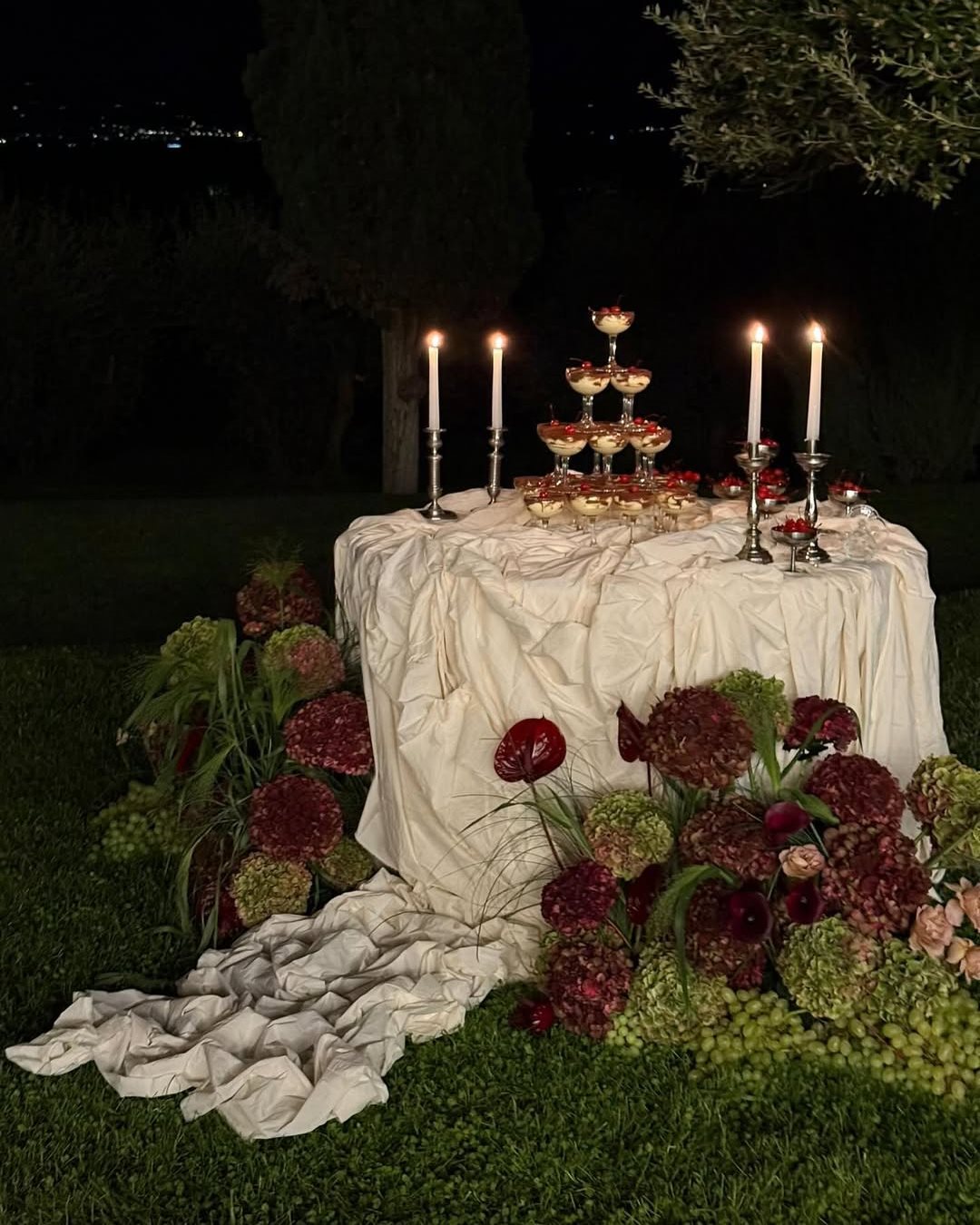
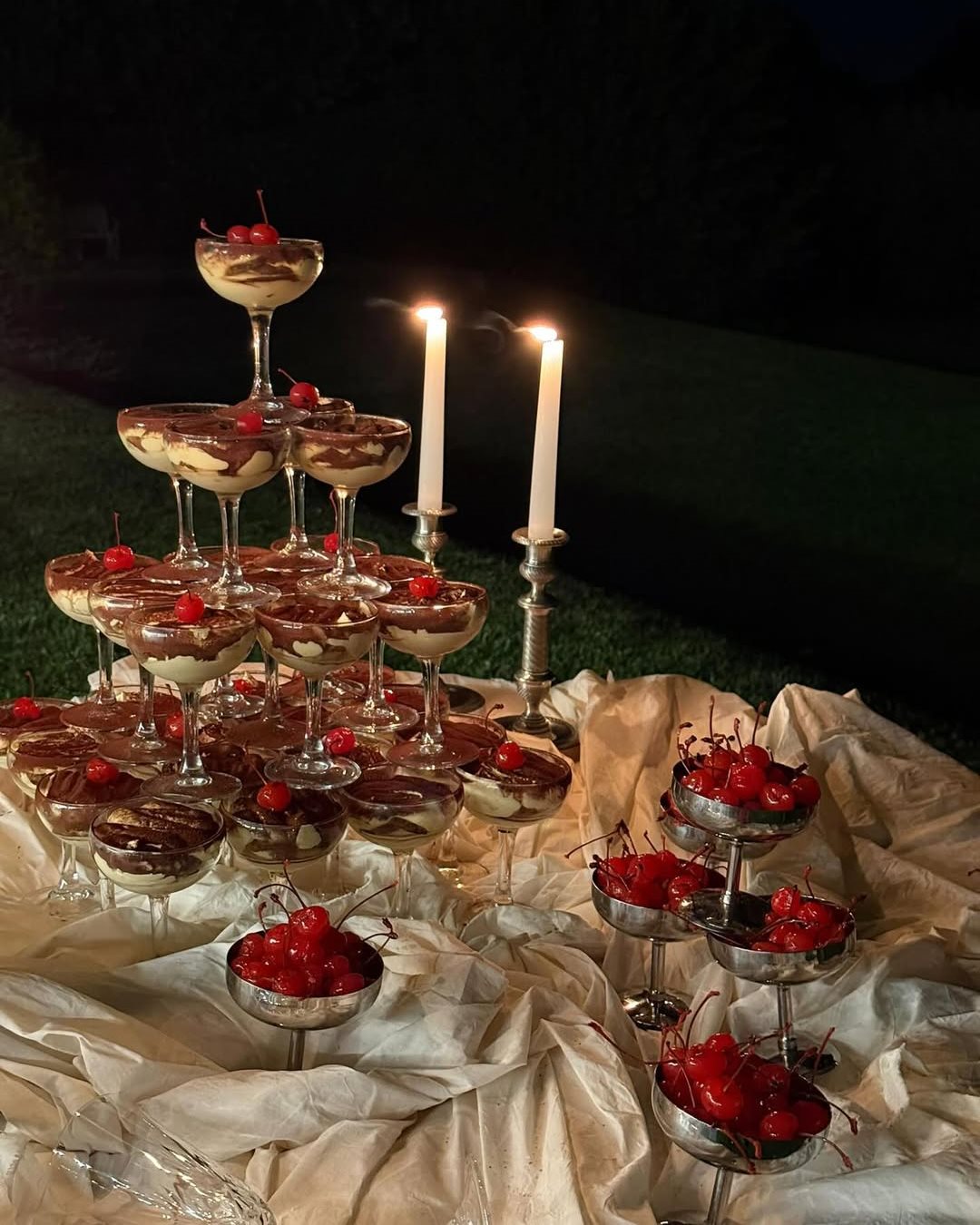
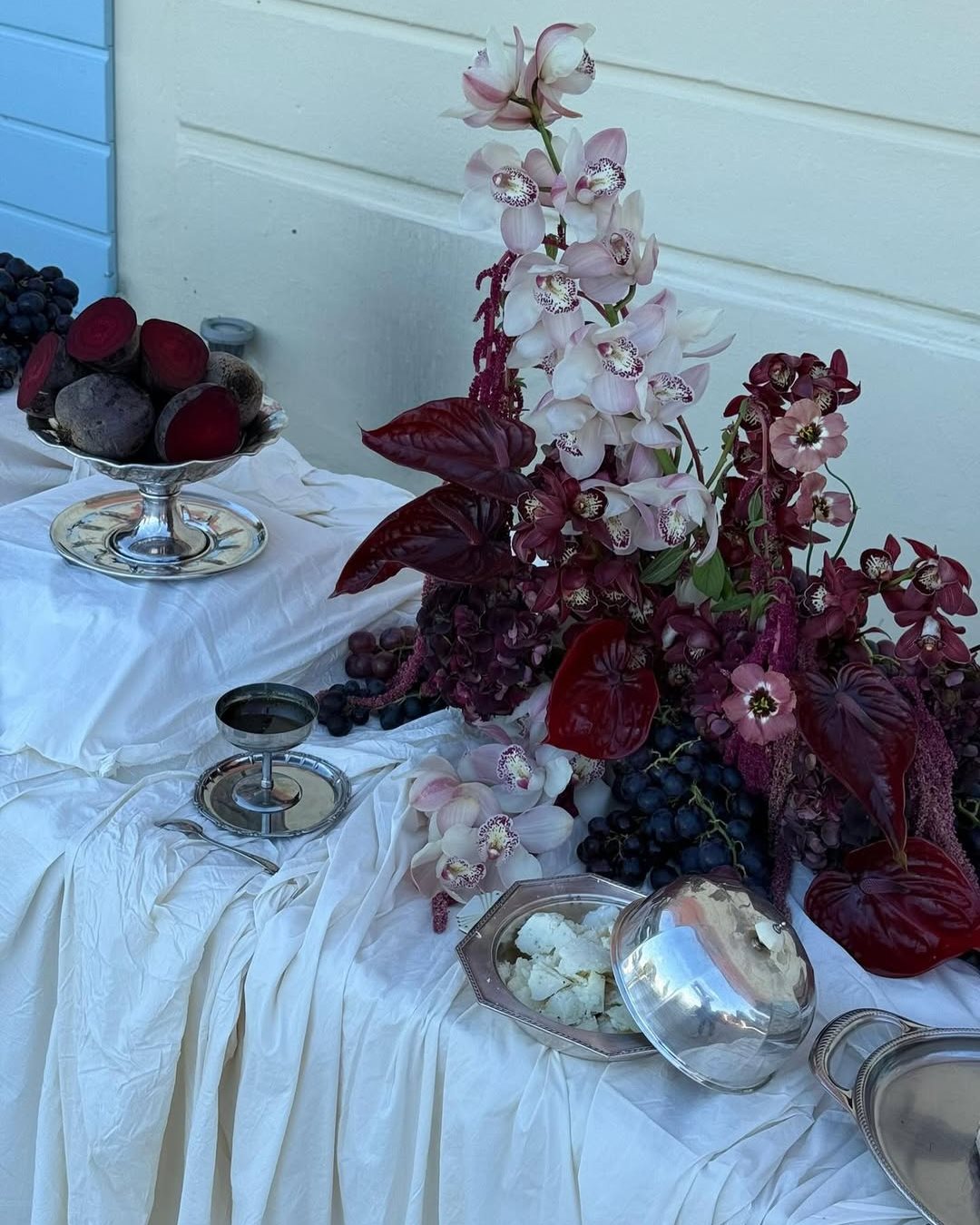
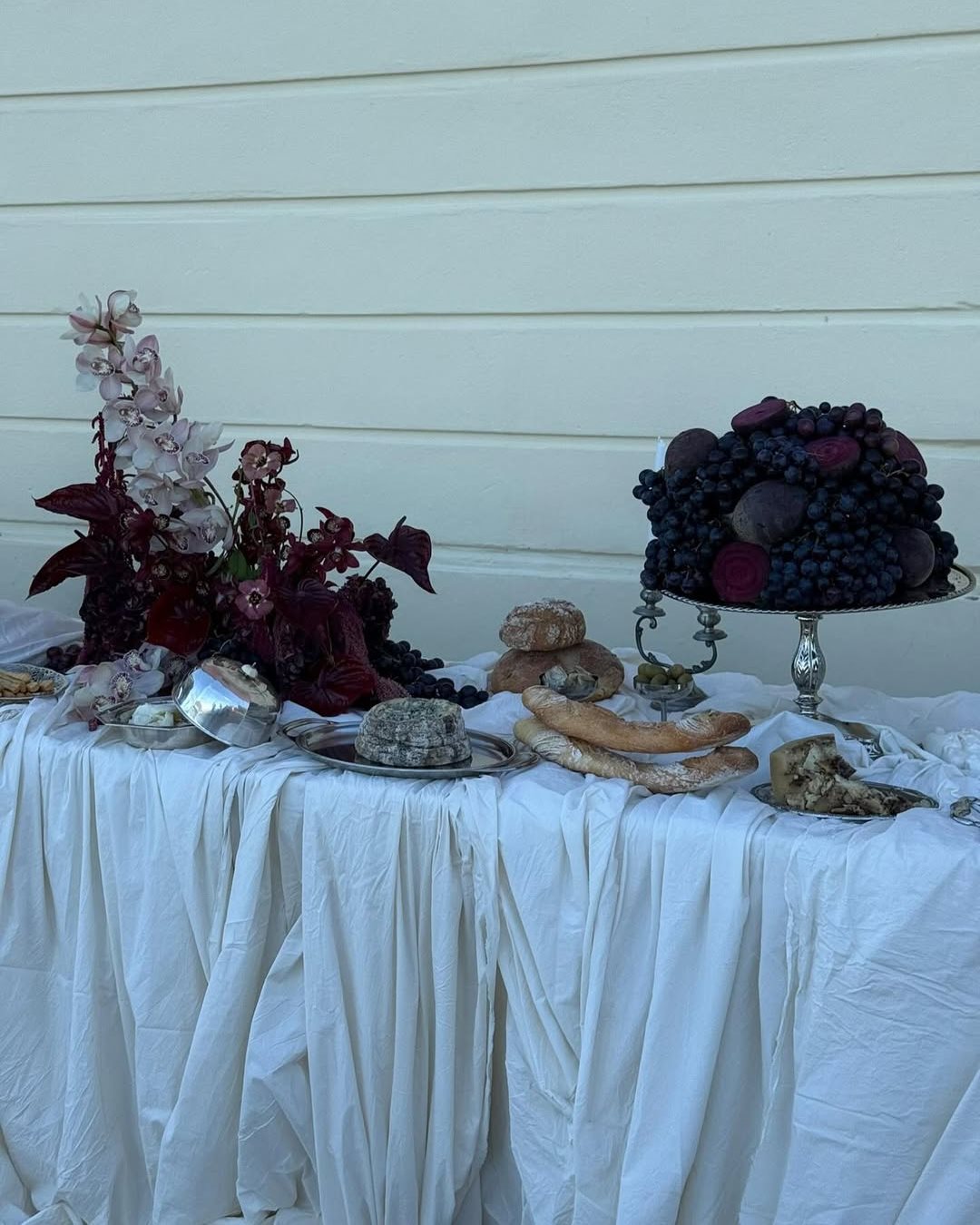
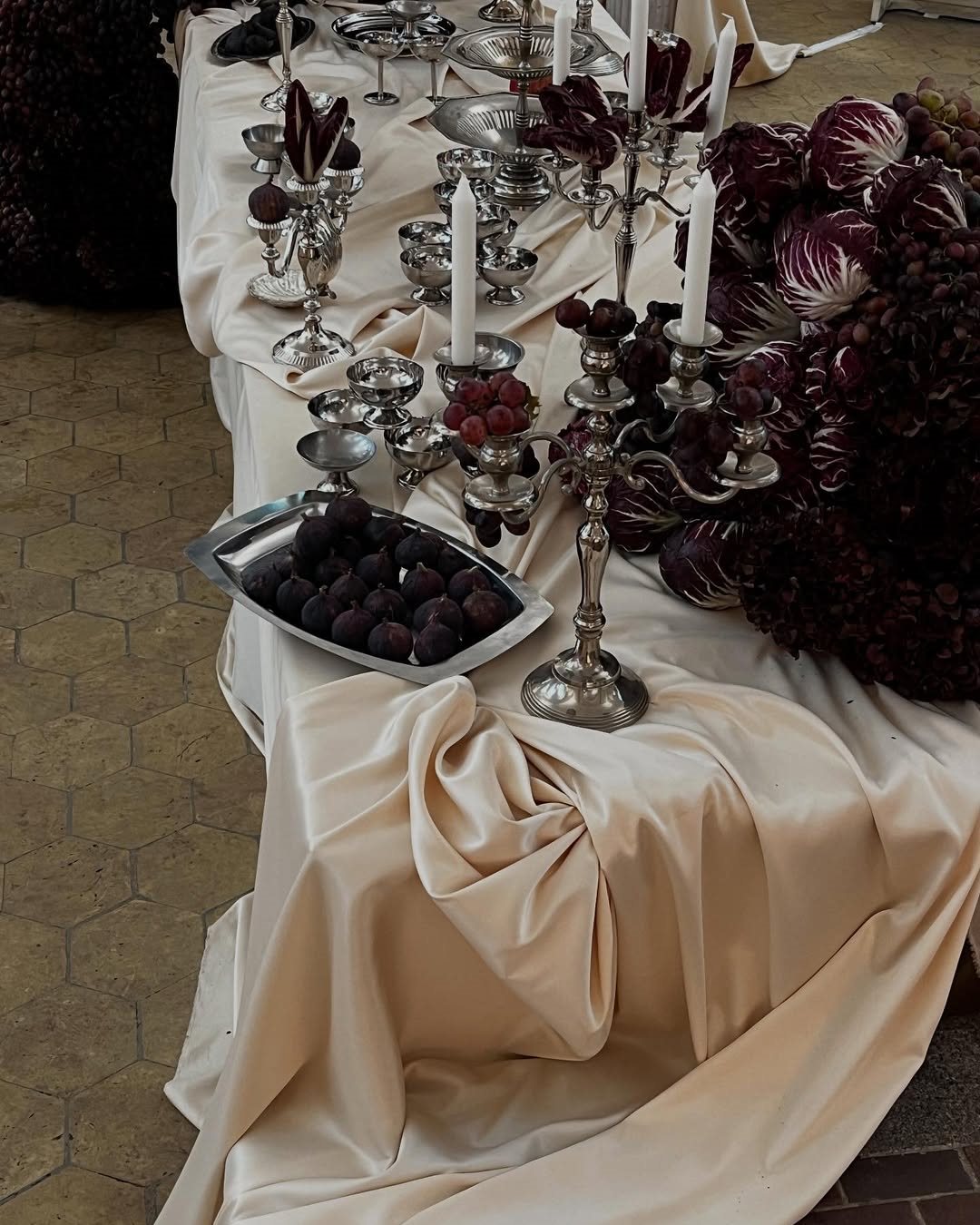
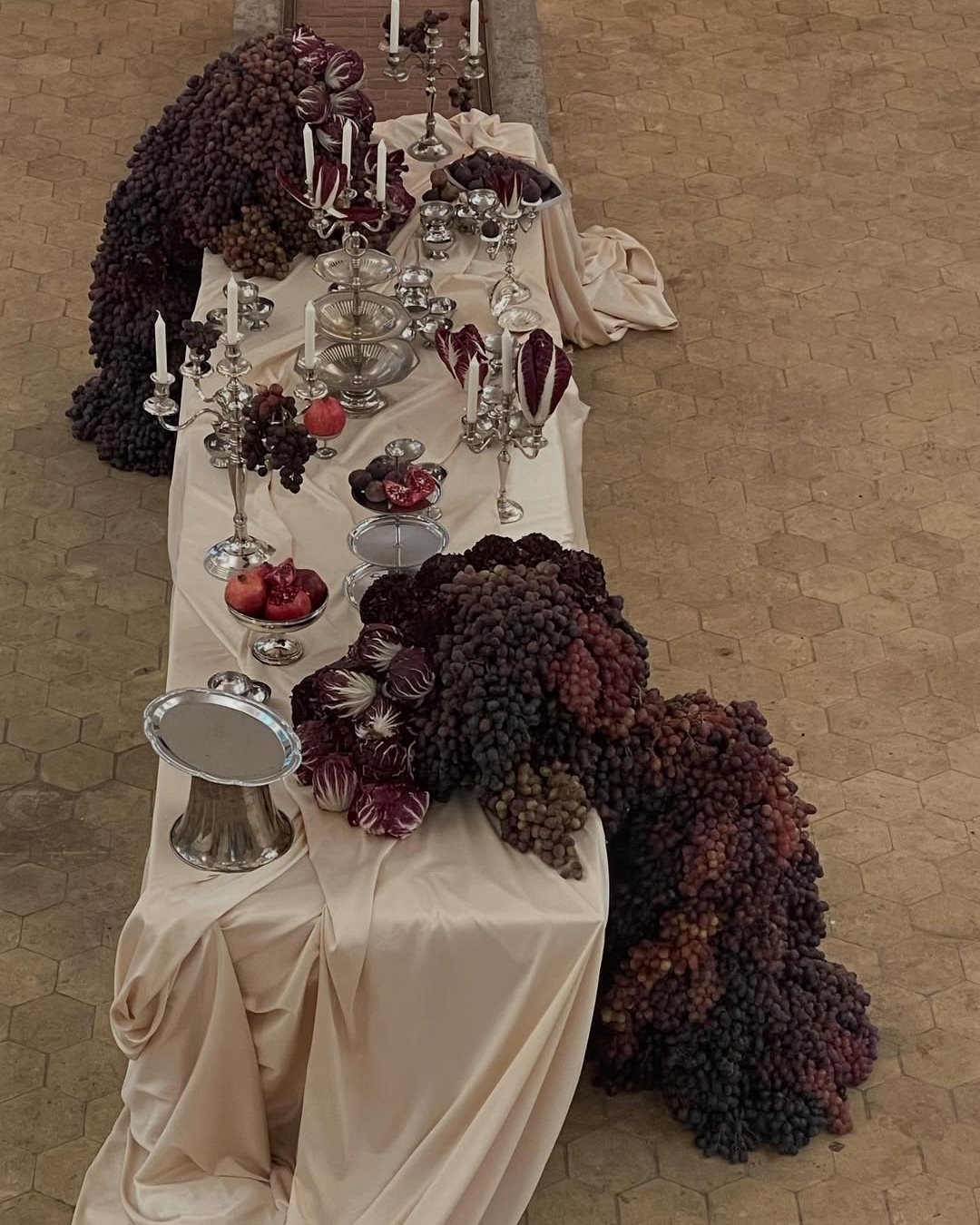
The dinner table is the place to start, as produce fits so naturally in with the food, the linen and the candlelight. It's the fruit and vegetables that provide the texture and color at eye level (that's where the guests are going to be looking), and they do encourage people to look closely. The ideas below move from the centerpiece outward to a full fruit table.
Fruit Wedding Centerpieces
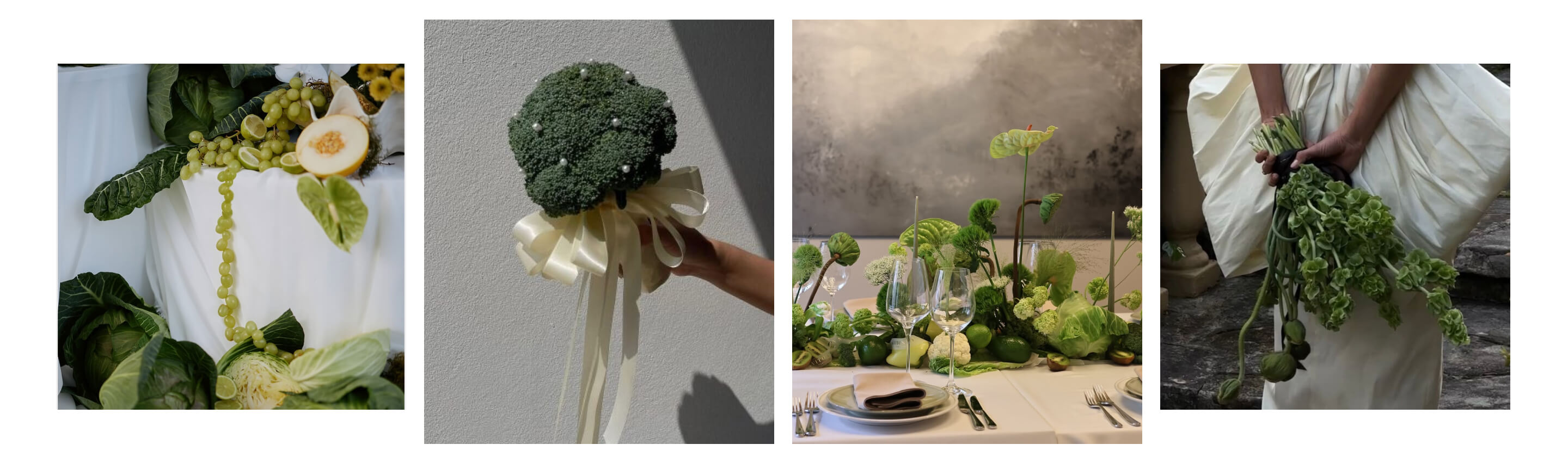
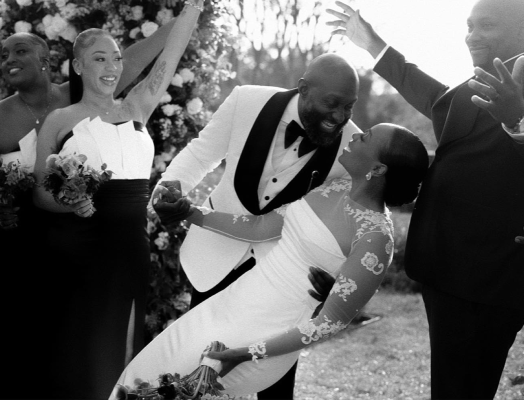
The most striking fruit wedding centerpieces are the still-life paintings of the fruit world: grapes spilling over the edge of a compote, pears piled on a pedestal, pomegranates half split. Mix the fruit with flowers in the same color palette, such as blood oranges with orange ranunculus, plums with burgundy dahlias or green apples with white hydrangeas, so it all feels like it's been thought out rather than just thrown together. Jewel-toned vegetables work too: purple cabbage, burgundy radicchio, glossy aubergines and heirloom tomatoes all add real depth, while kumquats, blood oranges or even dragon fruit bring an unexpected pop of color. You can also go for a lighter look by using one type of fruit in quantity, such as a row of lemons with their leaves. In fact, we'd often choose a single fruit repeated generously over a centerpiece crowded with five or six varieties. The repetition gives the table a clearer visual identity, particularly when the flowers, linens, and tableware already bring plenty of detail.
Table Runners and Candlelight
A produce runner will turn a long table into one continuous display. Start with a base of greenery, olive branches or vine leaves down the center, and then nest the smaller fruits into vintage compotes with citrus halves, figs and cherries all spilling out between the taper candles at various heights. Add some herb bundles (rosemary, sage, and basil) for scent as people sit down, and artichokes and kumquats will add height without impeding the conversation. Keep the arrangement low enough for guests to see one another, and leave generous space for shared platters if you're planning family-style dining. For narrow tables, we'd skip the continuous fruit runner altogether and use smaller arrangements between the serving dishes. A beautiful tablescape should never make dinner difficult. Check your venue's rules on open flames, and keep candles safely separated from dried leaves, herbs, and other combustible materials.
Wedding Fruit Table Ideas
A fruit table is really a three-in-one: it's decoration, dessert and a late-night snack. Rather than a buffet of cut fruit, it's more an edible installation, with towers of grapes, pyramids of peaches, halved melons and bowls of berries at various levels and some figs, cherries and pomegranates for color. A few fruit table ideas that work particularly well at a wedding:
- A citrus bar (oranges, grapefruit, lemons) and a fresh juice or cocktail station.
- A grazing table with fruit, cheese, honeycomb, nuts and bread.
- A summer watermelon and stone fruit table for the outdoor reception.
- An autumn harvest table with apples, pears, grapes and figs on wooden boards.
- A dessert table with a pretty mixture of fruit tarts, pavlovas and fresh fruit.
Work with your caterer on how the fruit will be washed, prepared, displayed, and replenished, particularly if guests will be eating it. Cut fruit needs appropriate temperature control and should not be left out indefinitely; your catering team should follow local food-safety requirements. A decorative display of whole fruit paired with separately prepared, properly chilled serving platters is often the more practical approach. Keep fruit used in floral installations separate from anything intended for consumption, and clearly label dishes containing common allergens, especially nuts and dairy.
Fruit and Vegetable Ideas for Photo Zones and Ceremony Arches
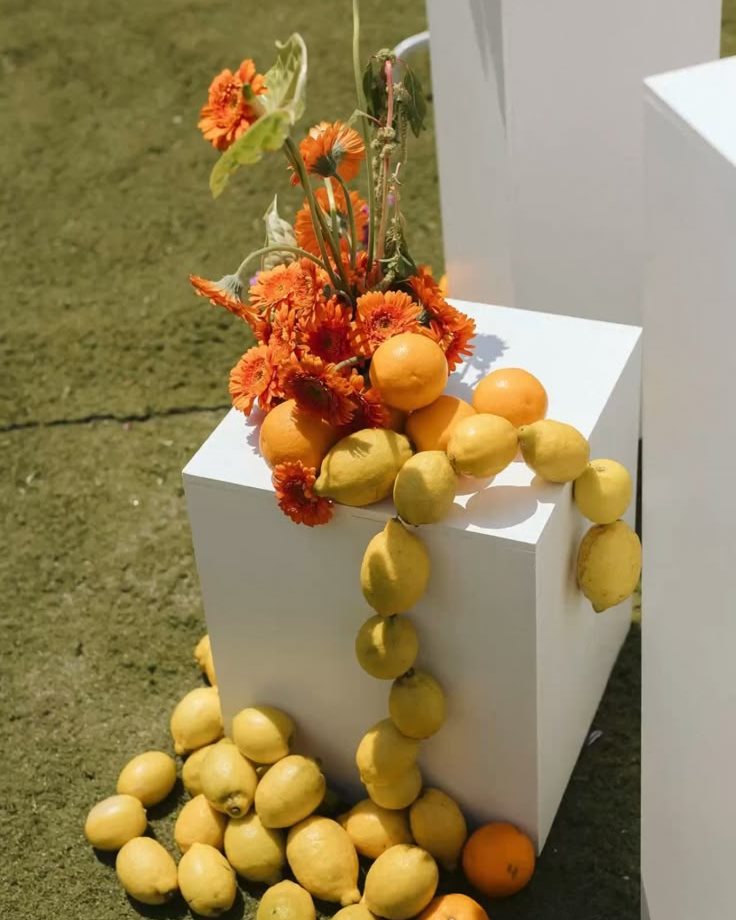
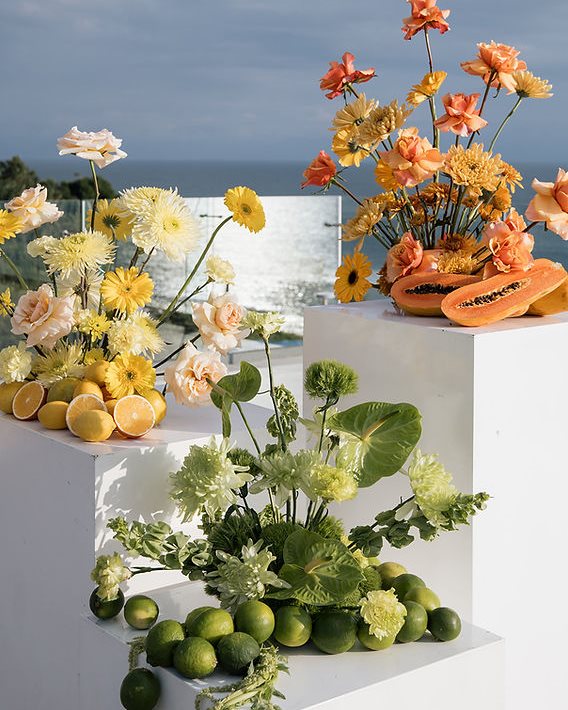
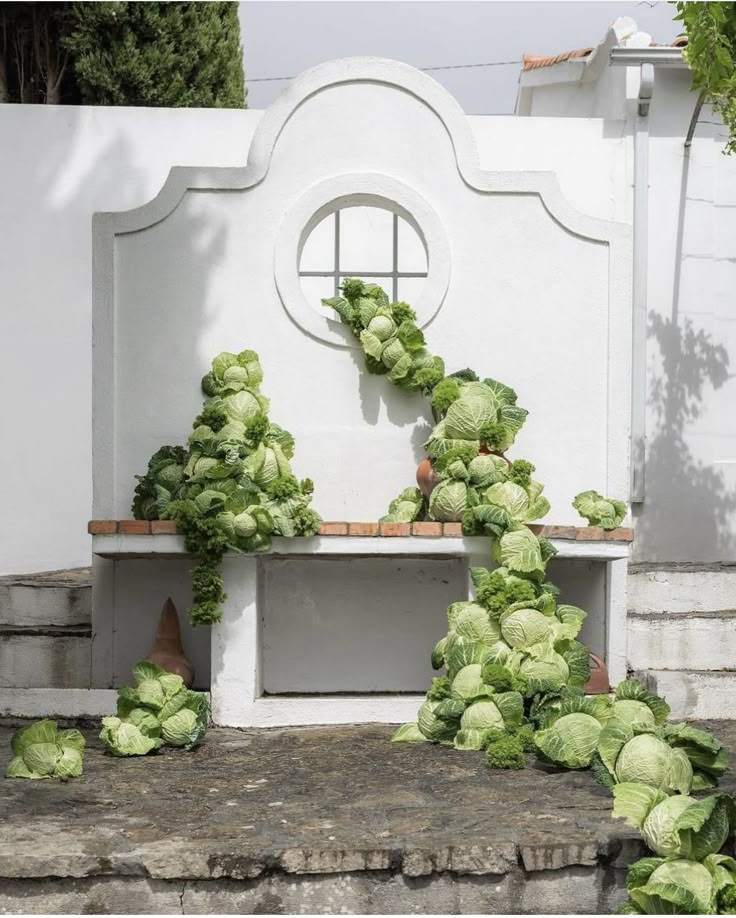
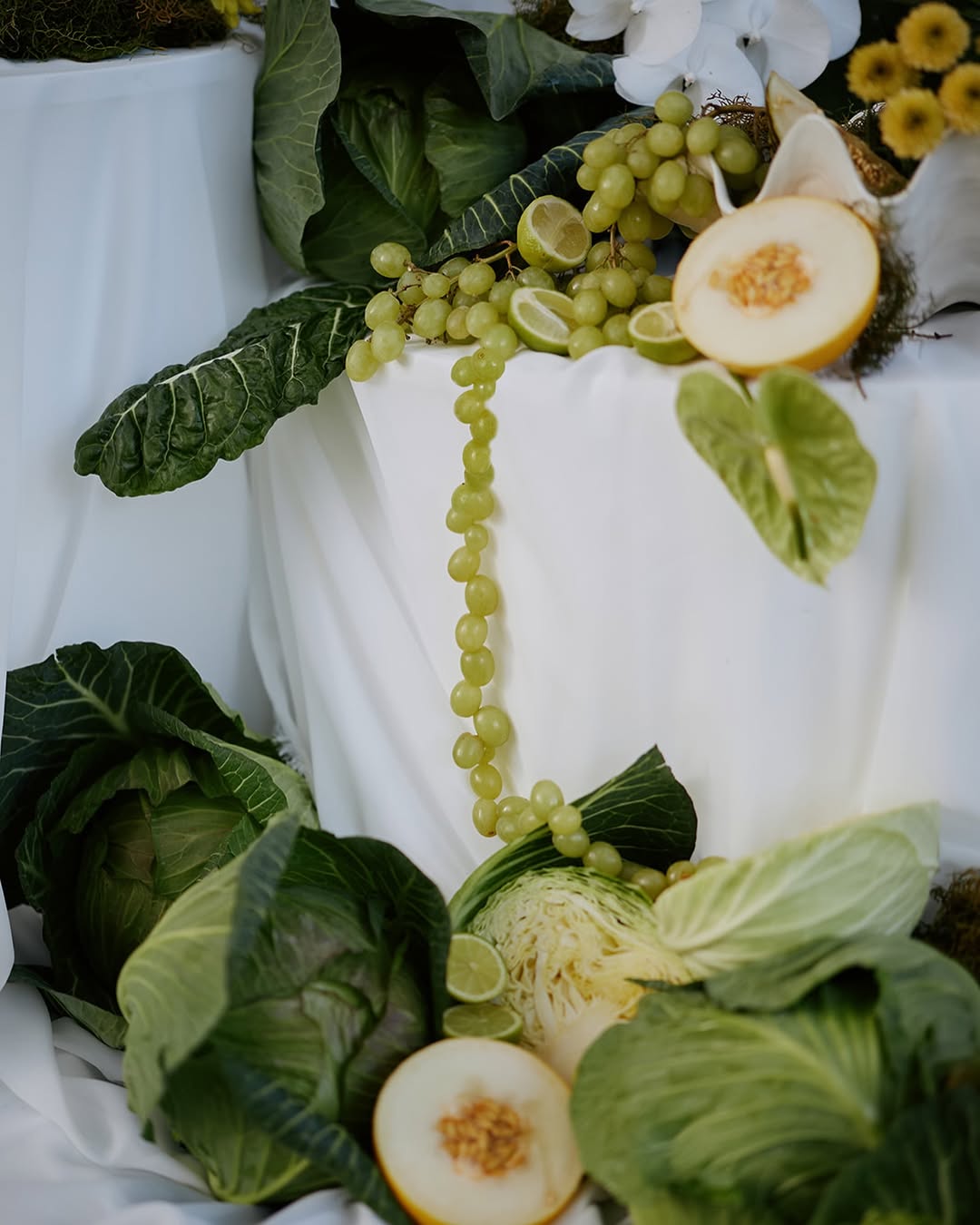
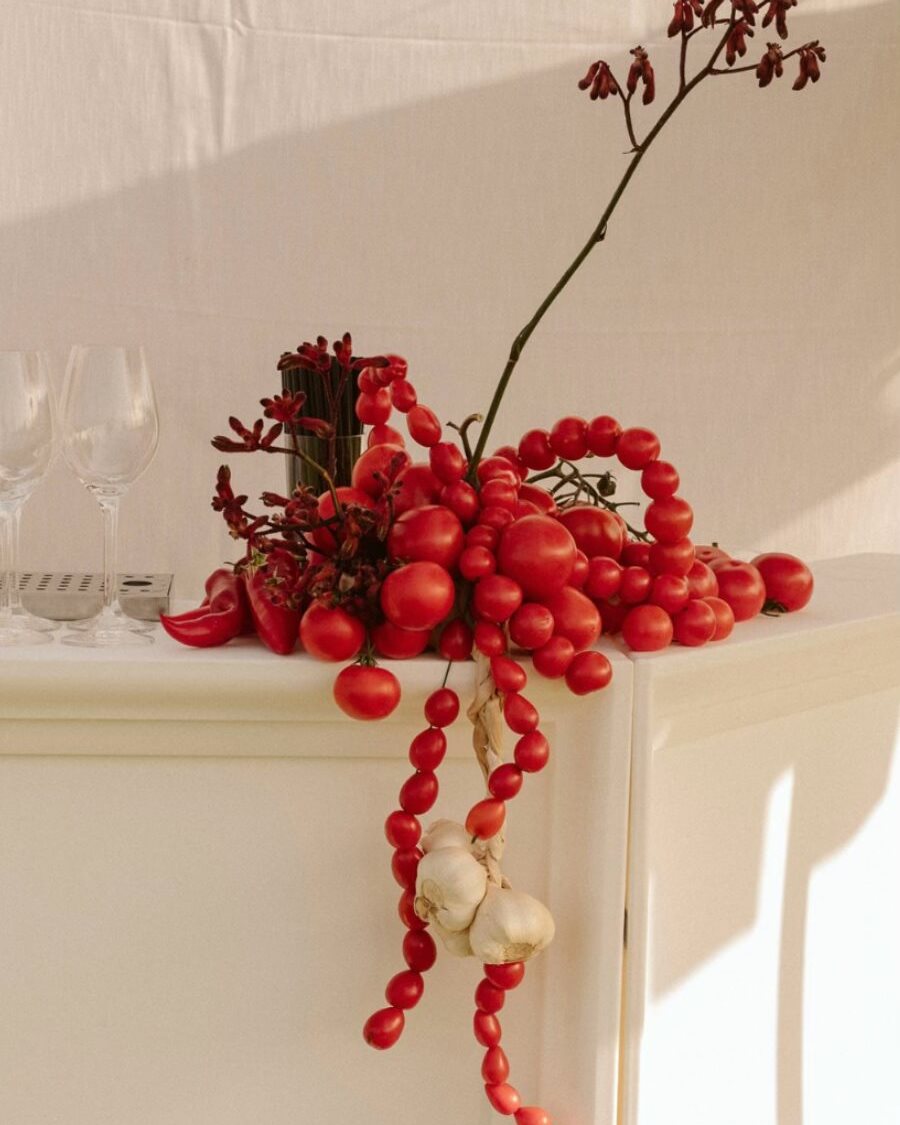
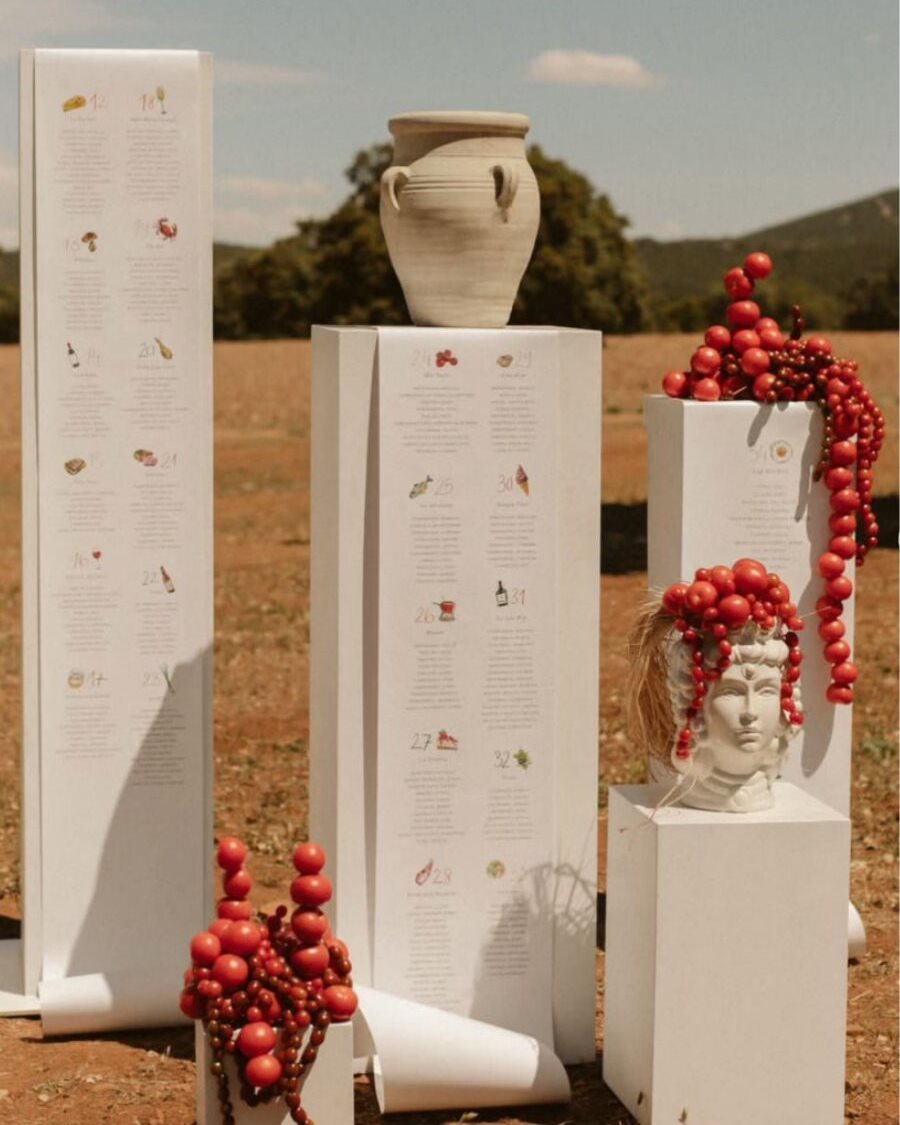
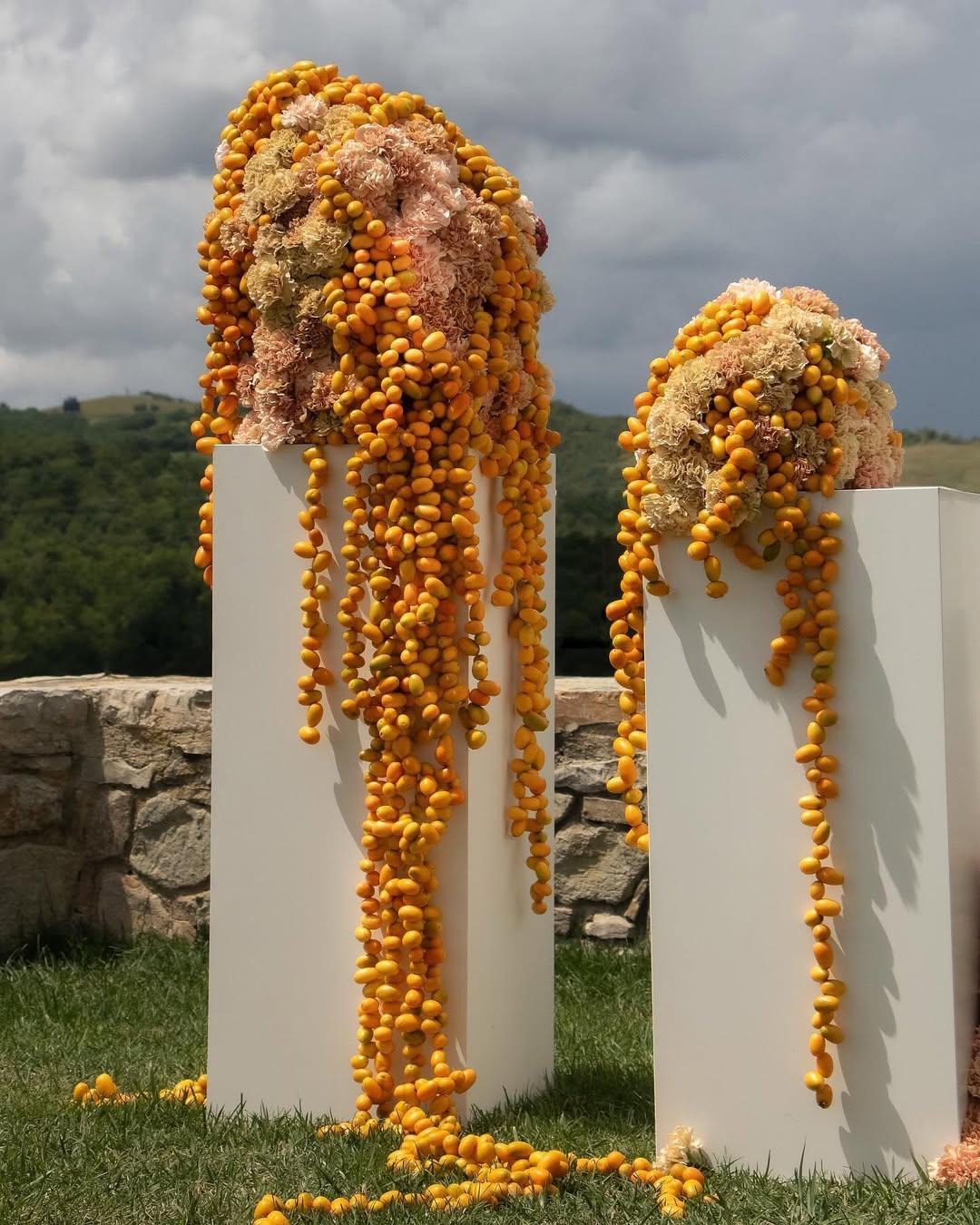
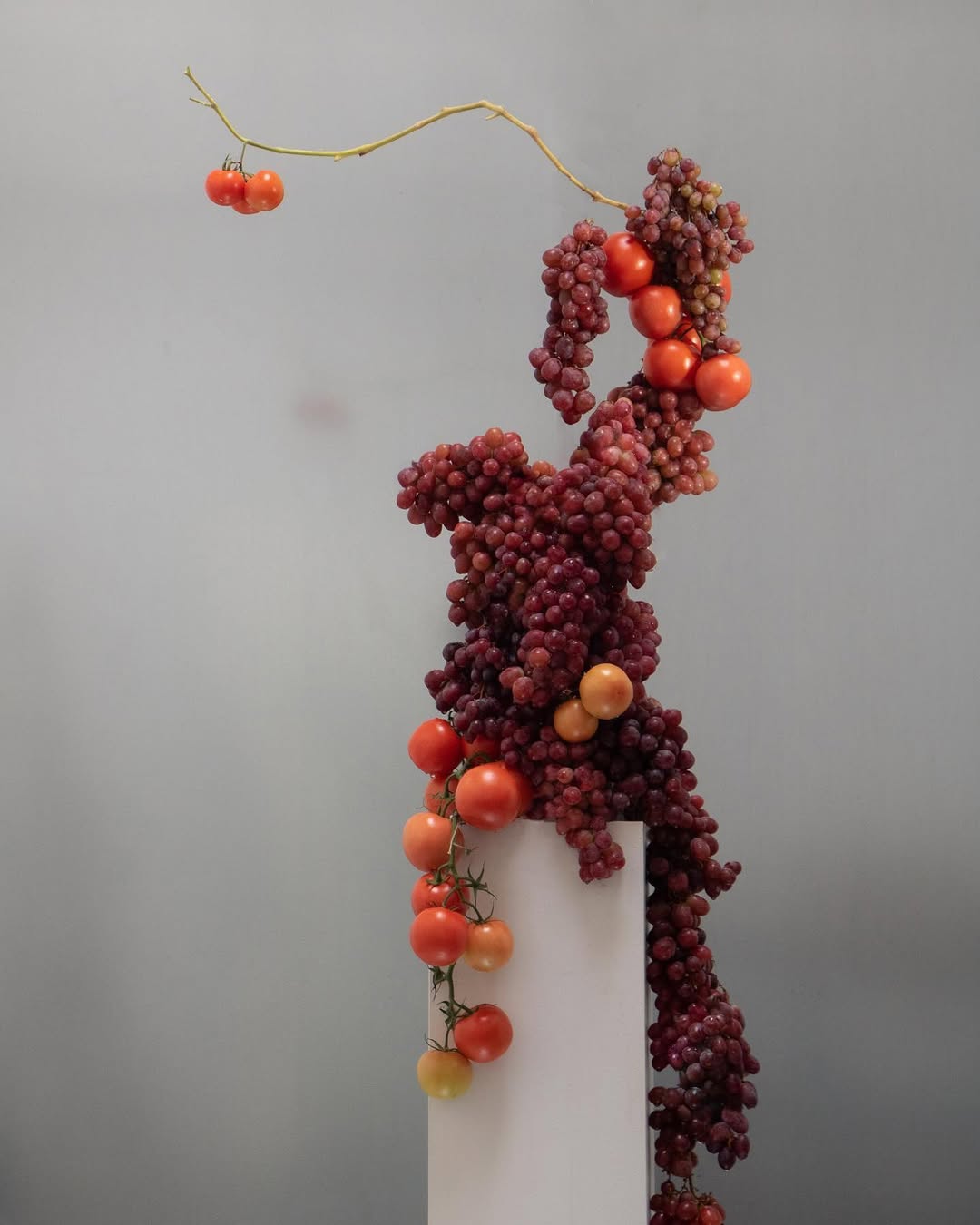
Ceremony arches and photo zones are where produce can really go wild. You can style fruit and vegetables like dramatic floral installations, albeit with a very different sense of weight, color and texture. In these instances, the piece is being viewed from a distance and is going to be photographed, so you're rewarded for having a lot of it and for having a clear color story. A few directions to consider:
- Citrus cascade: lemons, limes and oranges spilling down modern pedestals or around an arch, with the flowers in the same color palette, ideal for summer and coastal weddings.
- Garden abundance: cabbages, kale and lettuces arranged in the space as if they'd grown there (a very whimsical, slightly surreal effect).
- Red and dramatic: clusters of red tomatoes, peppers and grapes in cascades, especially striking against white architectural backgrounds.
- Golden glamour: hundreds of kumquats (or yellow plums) draped over a floral base for an almost couture installation.
- Autumn harvest: pumpkins, squashes and gourds stacked at the base of an arch, softened with dried grasses and seasonal blooms.
- Hanging fruit: bunches of grapes or citrus suspended above a table or doorway, like a fruit chandelier.
Produce is heavy, so these designs need a properly engineered structure and a florist or decorator experienced with fruit installations. Ask how everything will be secured, how long it can remain in place, and how the installation will be removed. We'd also resist the temptation to fill every available surface. One spectacular citrus installation at the ceremony can make a stronger impression than smaller fruit arrangements repeated at every entrance, wall, and photo corner.

Vegetable and Fruit Ideas for Wedding Bouquets
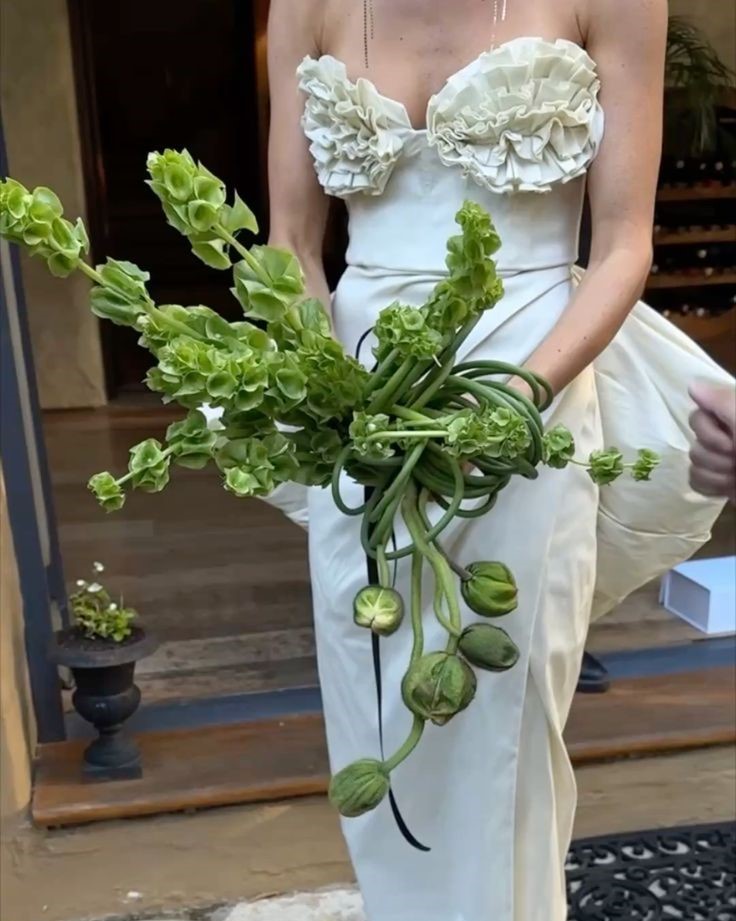
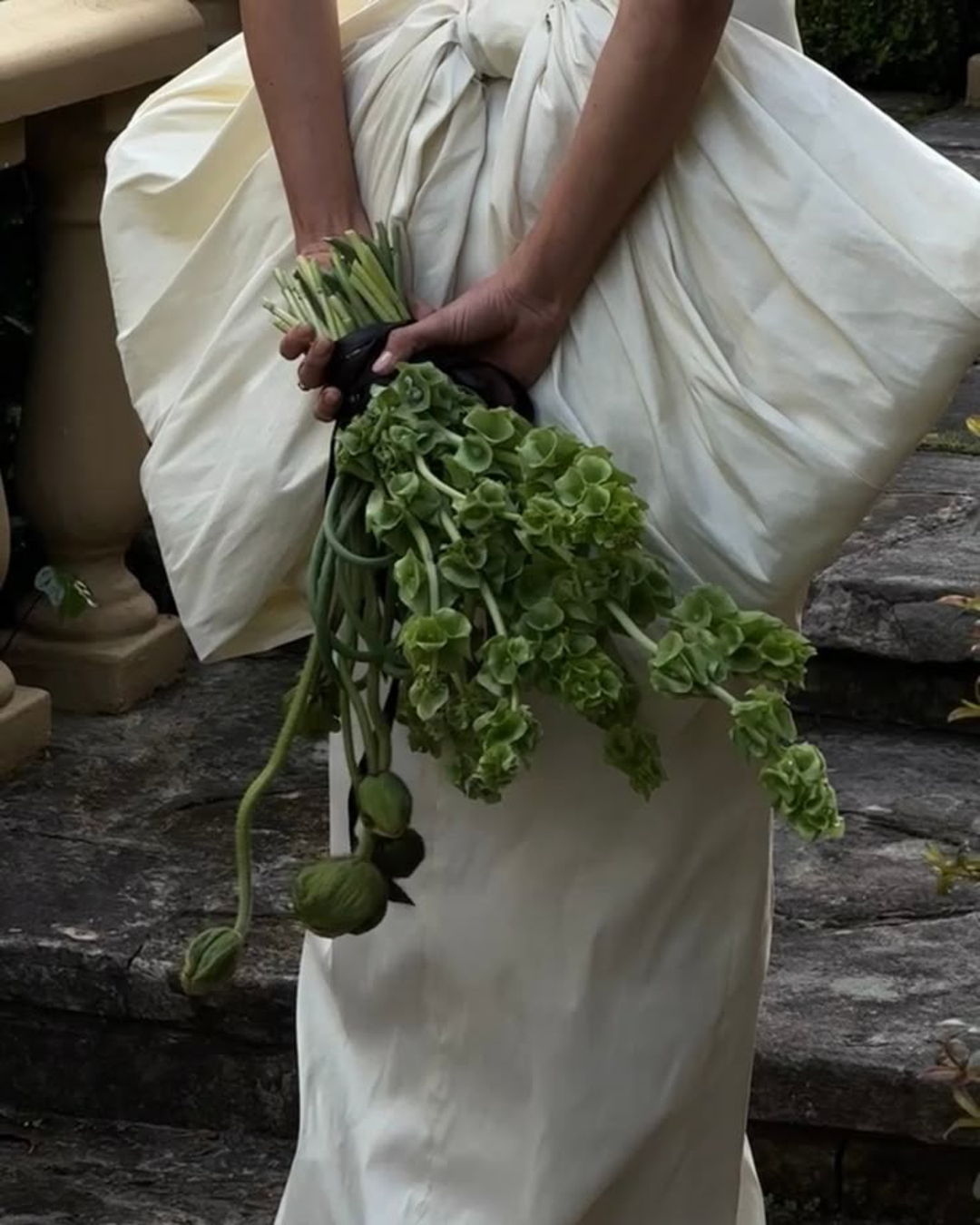
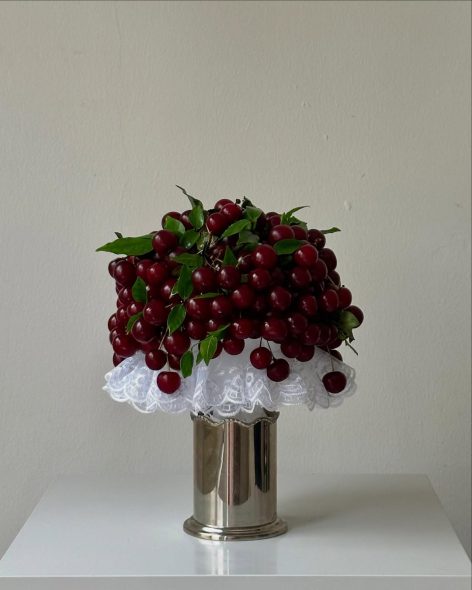
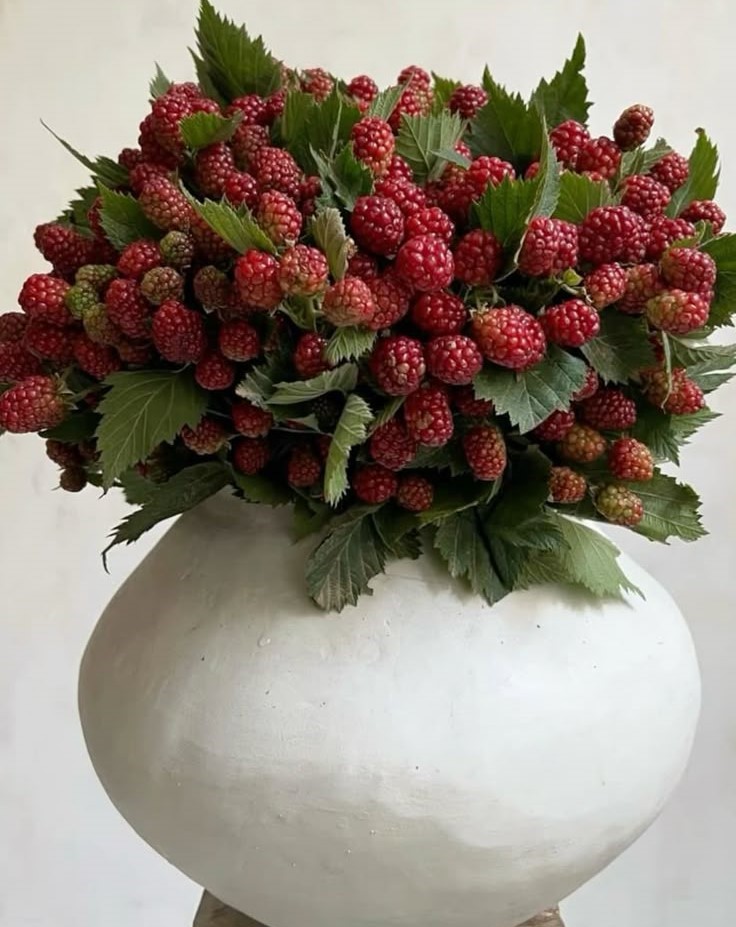
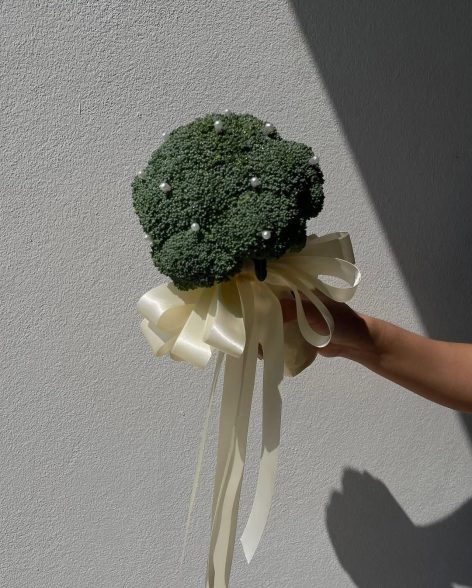
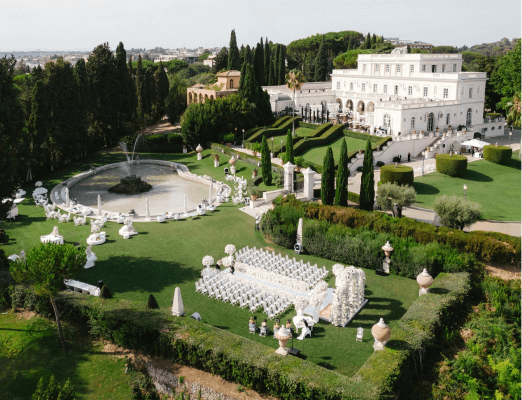
Fruit and vegetables can turn a bouquet into a fashion statement. They give it structure, bursts of color and a real sense of character, and they photograph stunningly against both simple and quite dramatic gowns. The trick is knowing how much produce the bouquet actually needs. One sculptural artichoke among delicate flowers can be more interesting than an entire arrangement of vegetables, especially for a bride carrying it through a long ceremony. We'd reserve the heaviest, most elaborate designs for portraits or a short entrance, where their visual impact matters more than how comfortable they are to hold for an hour.
Go Sculptural With Vegetables
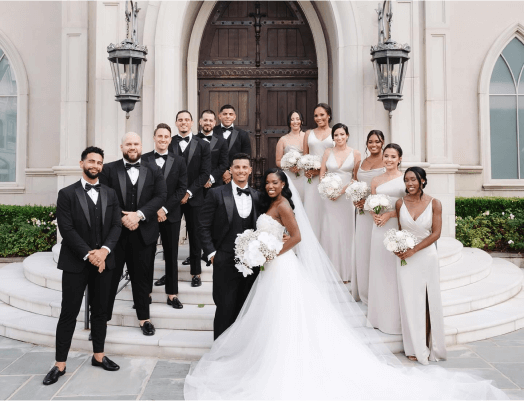
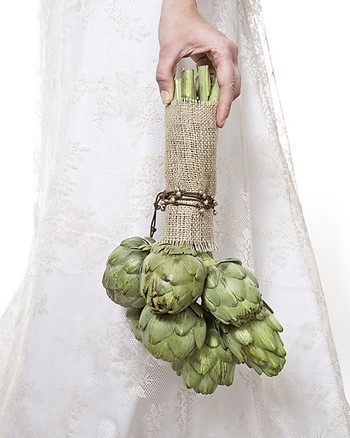
A vegetable wedding bouquet can be earthy and, in its own way, surprisingly chic. Artichokes, small cabbages, kale leaves and even broccoli can all be used to great effect, adding real structure and a very sculptural quality, particularly when paired with a very simple gown. A bunch of artichokes wrapped in textured fabric is a rather bold alternative to the conventional flower bouquet. Broccoli accented with a few pearls or a ribbon echoes the rounded form of a traditional posy. Wheat, oat grass and seed heads are all lovely for adding a softness and a sense of movement.
Add Whimsy With Fruits
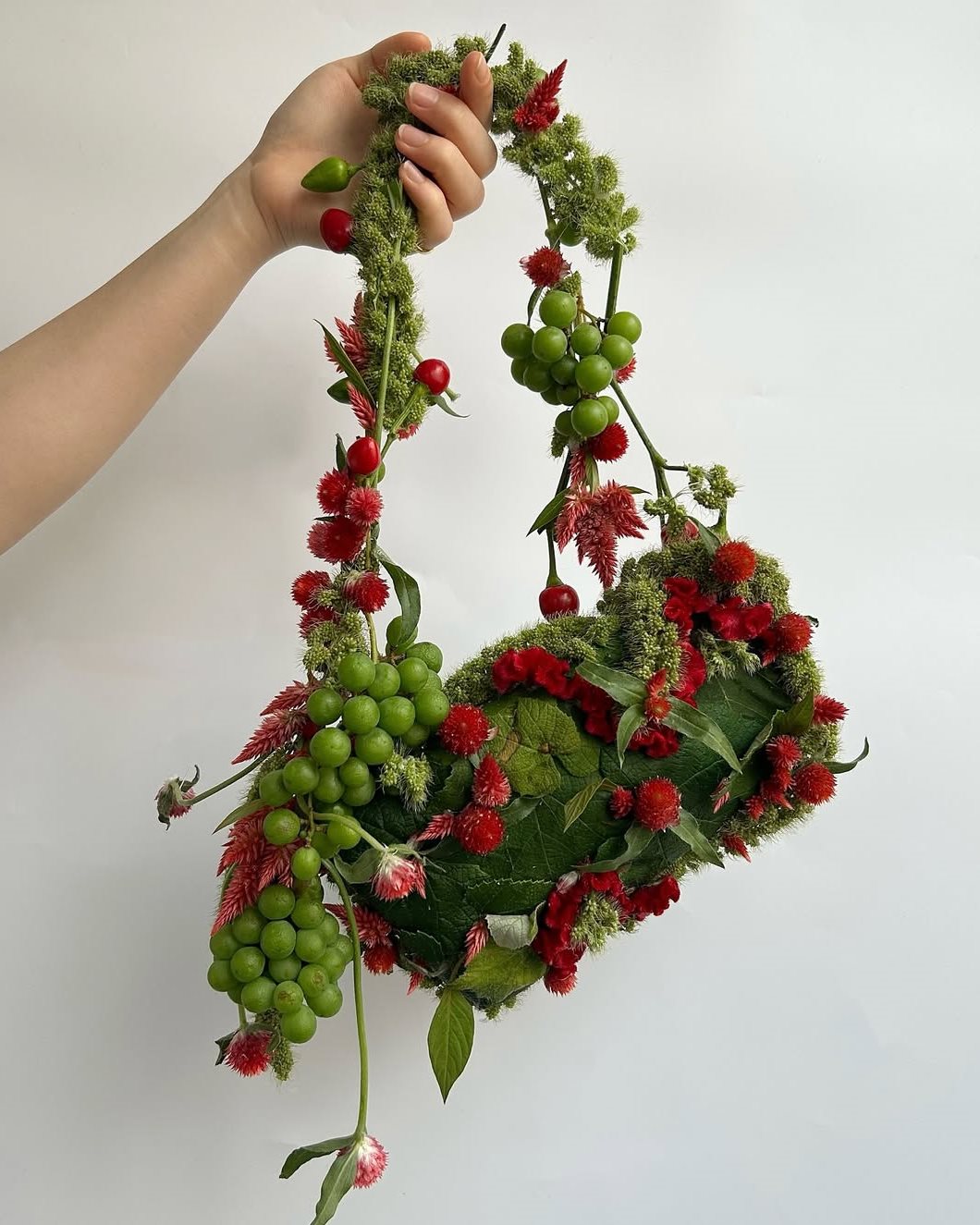
Fruits bring color and a real sense of play. Cherries, blackberries, small grapes and kumquats can all be wired into a bouquet to add real dimension and texture (a still life in flower form). A cherry bouquet in lace is both romantic and contemporary. Blackberries and raspberries in clusters add real depth, while trailing grapes add movement and drama. Citrus with leaves is a great way to add a pop of color, particularly when combined with white or cream flowers.
Minimalist Meets Modern
Not every bouquet has to be full-on. Sometimes a single produce item is all you need to make a real statement. Think of a bundle of artichokes tied in linen, a few stems of green almonds or a simple arrangement of seed pods and grasses. That sort of pared-down bouquet is ideal for a bride who's into minimalist fashion and wants her accessories to reflect that.
Boutonnieres and Hairpieces
The same concept can be applied to the wedding party. A tiny artichoke, a sprig of berries, a dried orange slice or a small chili pepper makes a witty boutonniere, and the bridesmaids can have small versions of the bride's produce bouquet. For hair, a few berries or kumquat leaves woven into a crown are a great way to add a splash of color without being too heavy. Ask your florist to wire and seal everything up so that nothing stains your clothes.
Style Tips for Bouquets With Produce
What makes these bouquets so memorable is their character, but they still need to be styled properly to feel bridal rather than rustic. A few rules of thumb will help with that:
- Keep balance in mind and soften any heavily vegetable bouquets with some ribbon, lace or very delicate flowers.
- Think of your gown. Sculptural bouquets work really well with modern gowns, whereas the more romantic gowns are ideally paired with the more colorful fruit accents.
- Play with contrast: deep red cherries or dark plums really do stand out on a white dress.
- Add some pearls or metallics: little accessories woven into a broccoli or berry bouquet can take it right into high fashion.
- Consider weight: hold the test bouquet for a few minutes to ensure it's comfortable.
Tiny Touches That Change Everything
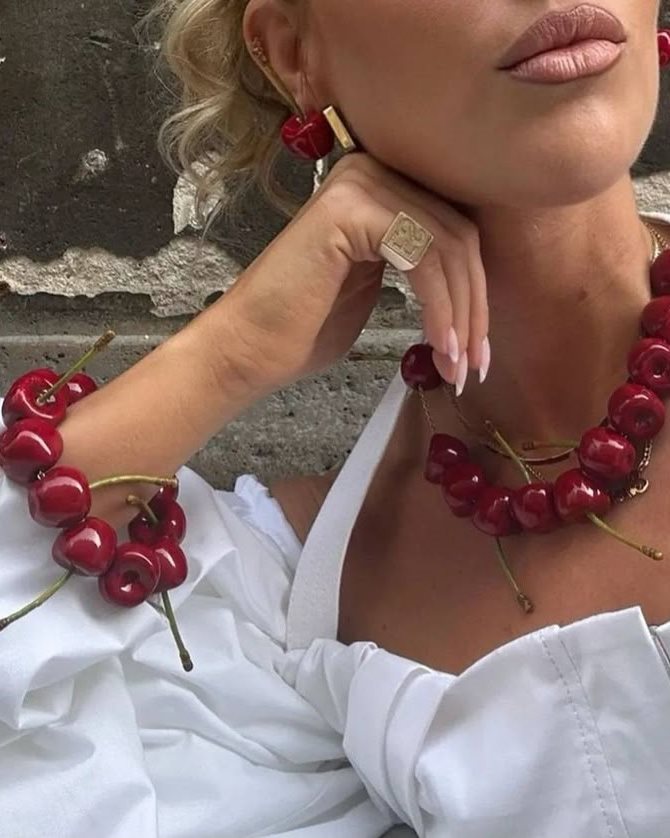
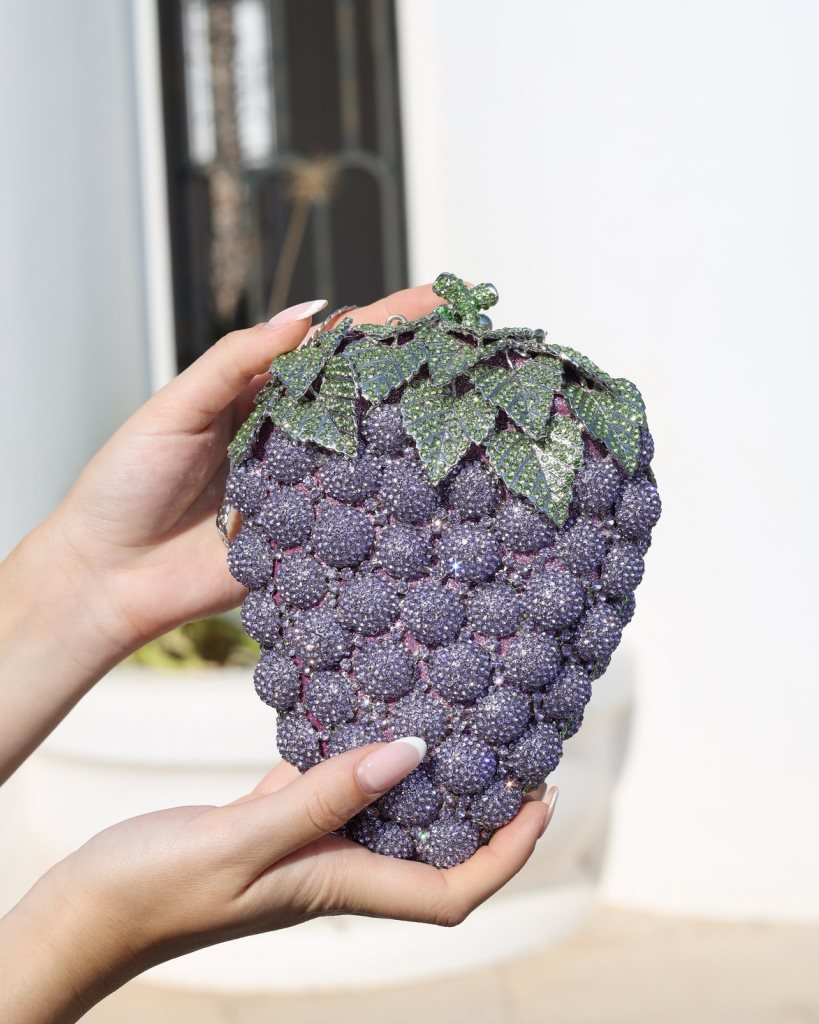
Not every fruit and vegetable detail has to be huge. Some of the most memorable touches are the ones you don't expect at all, the little things that happen throughout the day. A great wedding will have a sense of continuity if the accessories, the cake, the favors and the drinks are all styled with the produce.
Bridal Accessories
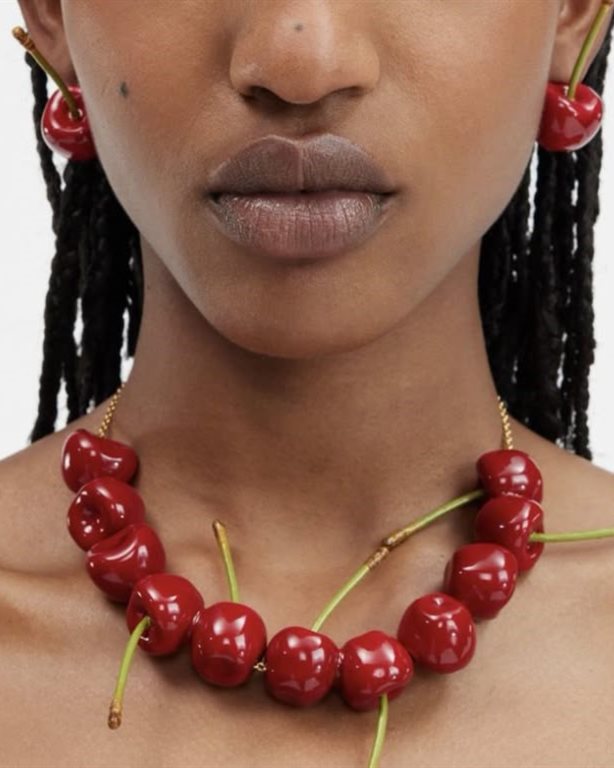
Fruit-inspired jewelry can be part of the story too. Cherry bracelets and earrings are a great way to make a fun, stylish statement for a rehearsal dinner, a pre-wedding look or an after-party outfit change. They inject some fun and fashion into a look and work beautifully with a simple dress.
Cakes With Fresh Fruit
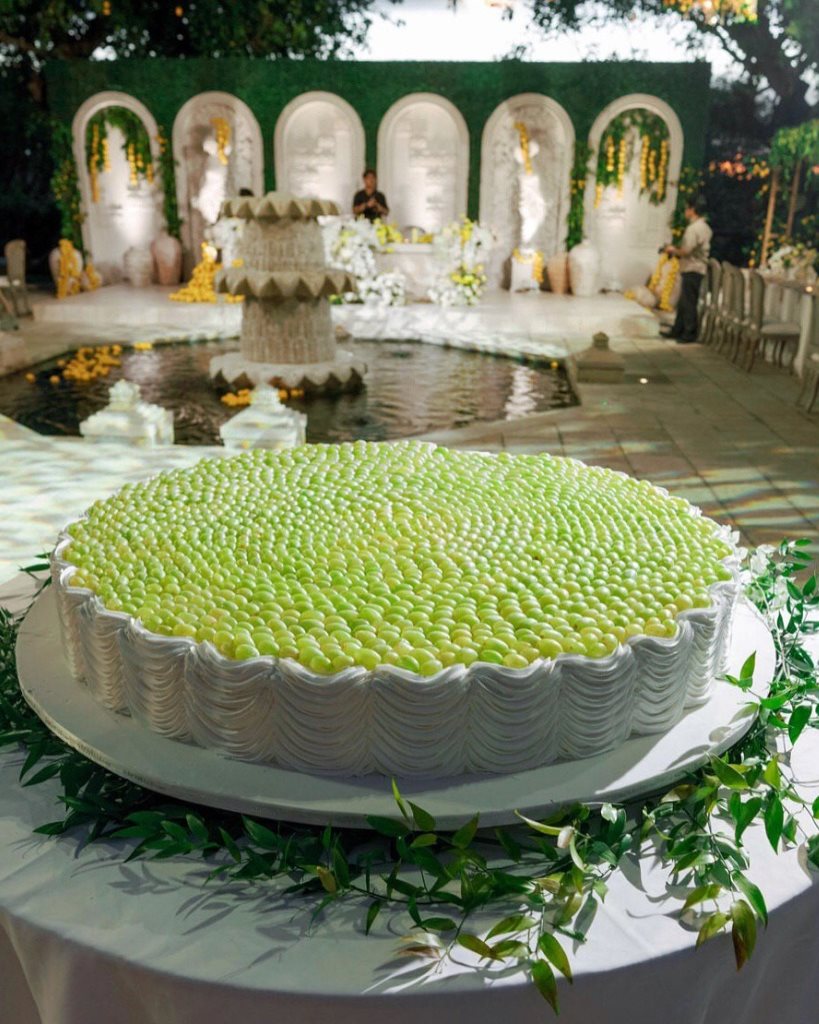
Fruit can be the sweetest kind of centerpiece. A cake with a row of glossy grapes or with candied citrus slices is a great example of how the fruit can be the decoration. A semi-naked cake with fruit between the layers is ideal for a more relaxed garden wedding. A cake with pears or plums forming the frame of the cake table is a good way to carry the theme of the decor through. Always ask your baker which fruits are safe to put directly on the cake and how they will be prepared.
Favors and Place Cards
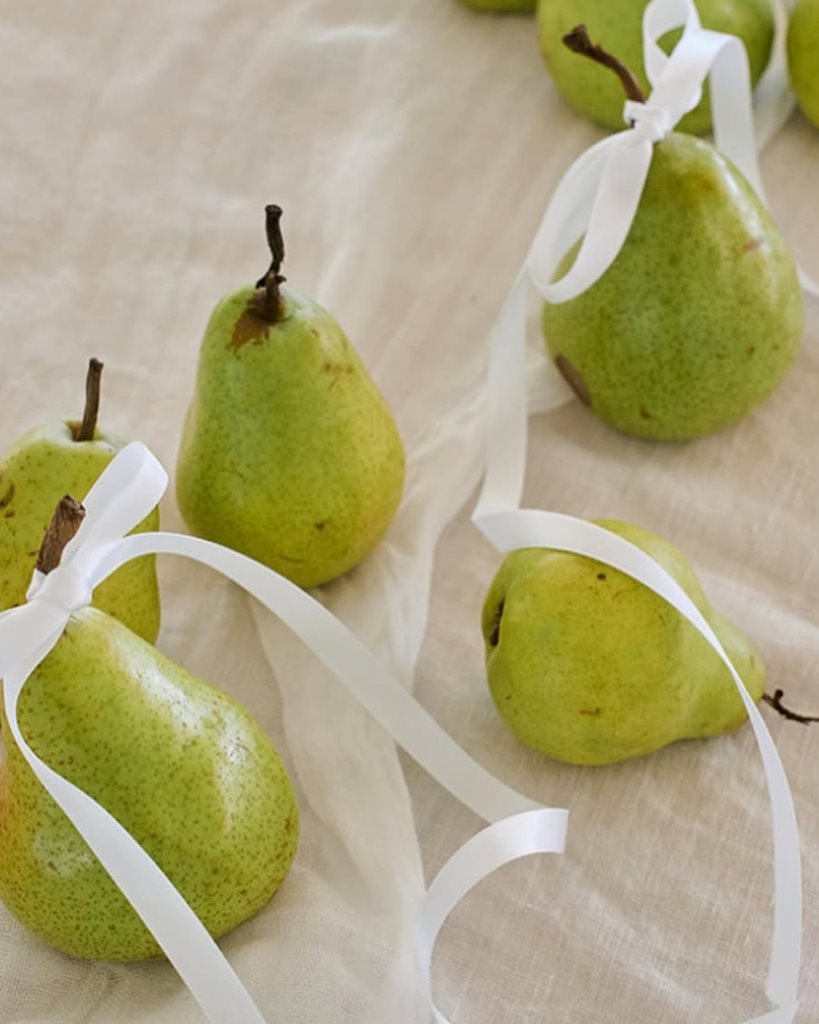
Edible favors are a generous choice that also helps reduce waste. A ripe pear at each place setting with a silk ribbon tied around it can double up as a place card if you simply add a little tag with the name on. A lemon or a pomegranate with a name tag is equally effective. A small jar of your own homemade jam or a bag of seasonal apples is another excellent option. Going with seasonal items (peaches in the summer, apples in the autumn) is the most natural approach. For loads more ideas, check out our guide to edible wedding favors.
The Bar and Drinks
The bar is a natural place for fruit. Bowls of citrus behind the bar, ice buckets full of lemons and limes or a wall of oranges along the drinks area all look very effective. Your signature cocktails can be a continuation of your palette, such as a blood orange spritz or a cucumber and mint cooler, and you can have fruit-infused water dispensers going at outdoor receptions. Garnishes such as dried citrus wheels or rosemary sprigs tie the glasses back to the tables.
Styling Your Details for Photos
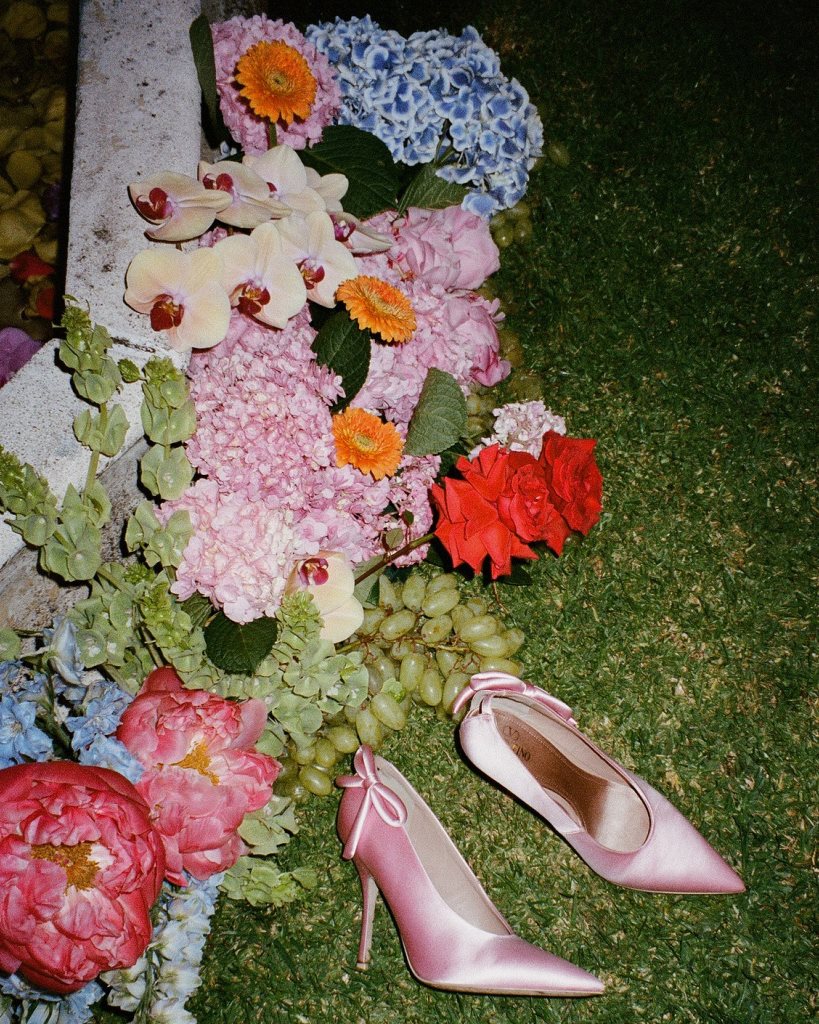
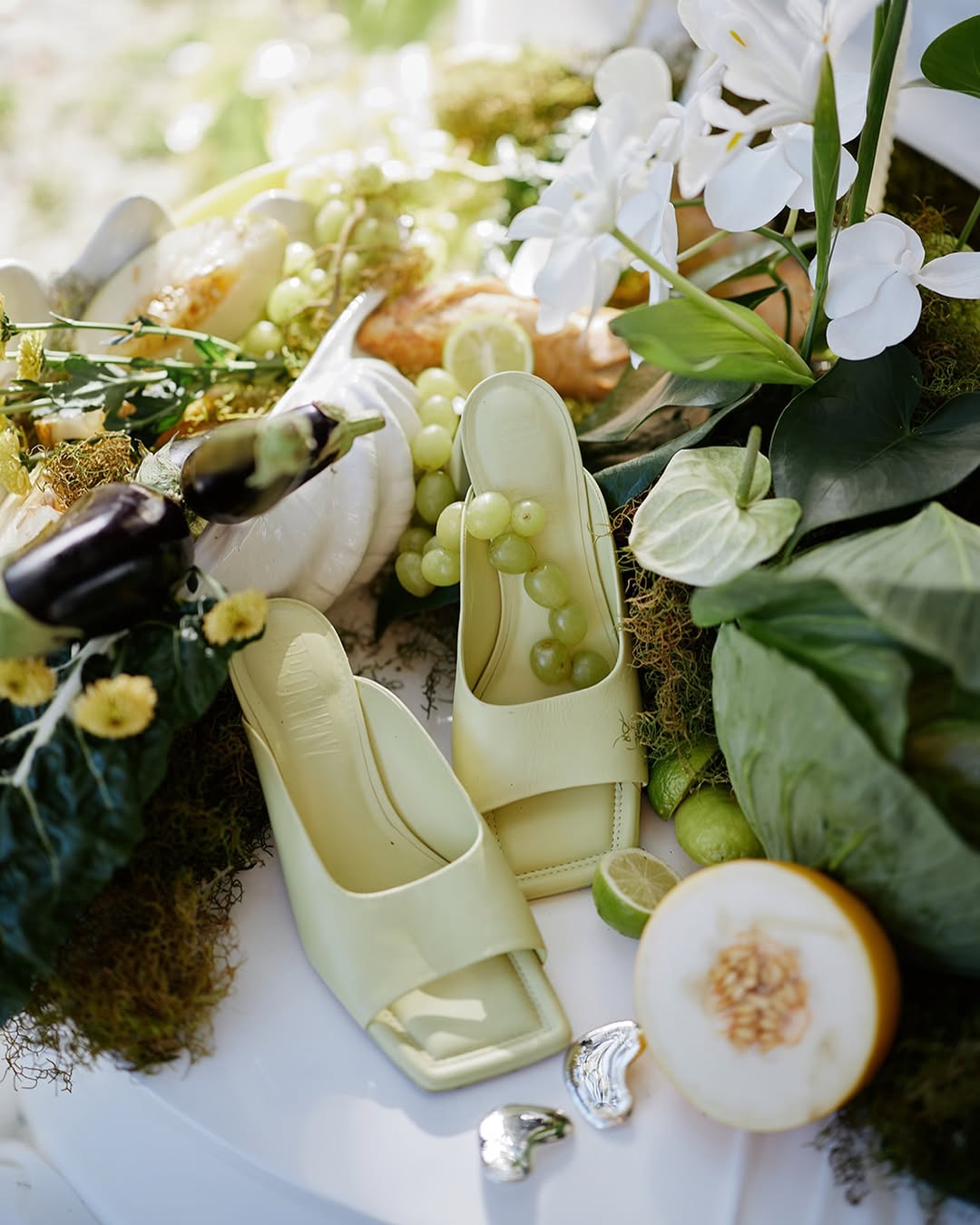
Wedding albums are all about the little details really (the shoes, the rings, the invitations, the perfume). Fruit and vegetables can turn those detail shots into an editorial still life, giving the flat lay real depth, color and texture. A few ideas to pass on to your photographer:
- Shoes and citrus: heels on a bed of sliced oranges or lemons for a bright, sunny image.
- Grapes for glamour: satin pumps styled alongside clusters of green and red grapes, almost like jewelry.
- Sandals and greens: modern sandals with melons, limes or leafy greens for a more playful arrangement.
- Rings among the produce: a ring box in cherries, figs or pomegranate halves.
- Invitations with herbs: stationery framed with rosemary, basil or lavender.
- Perfume and fruit: a bottle surrounded by fruit that reflects its notes, such as citrus or peach.
The trick is to let the produce act as a frame rather than the focal point. It's there to highlight your details and set the tone, not to compete with them.
Choosing and Caring for Wedding Fruit Decoration
The best fruits for a wedding are those in season where you're marrying, as they'll look fresher, cost less and last longer than fruit that's been shipped in from somewhere else. It will obviously depend on the region and the climate, so ask your florist and caterer what will be at its peak on your wedding day. The table below is a general guide for the Northern Hemisphere.
| Season | Fruits and vegetables to consider | Best for |
|---|---|---|
| Spring | Artichokes, cherries, strawberries, rhubarb, green almonds | Bouquets, light centerpieces |
| Summer | Peaches, plums, apricots, tomatoes, watermelon, figs | Fruit tables, colorful runners |
| Autumn | Grapes, pears, apples, pomegranates, pumpkins, squash | Arches, harvest tables, favors |
| Winter | Oranges, blood oranges, kumquats, cabbage, kale, radicchio | Citrus installations, moody tablescapes |
Fresh produce is quite different from flowers, so a bit of planning will go a long way toward ensuring your fruit wedding decor looks great from the ceremony right through to the final dance. Most problems are to do with heat, timing and handling, and these are all fairly easy to avoid with the right choices:
- Choose robust produce for your long displays (citrus, apples, pears, artichokes, squash) and add the more delicate berries right at the end.
- Keep the displays out of direct sun, as the heat will accelerate ripening and attract insects to cut fruit.
- Don't put any particularly juicy or staining fruit, such as pomegranate seeds or berries, directly onto the linen or near any dresses.
- Plan for leftovers before the wedding. Uncut produce that has been stored and handled safely may be suitable for reuse or donation, subject to local food-safety guidance. Anything exposed to floral chemicals, adhesives, or unsuitable display conditions should stay out of the food supply. Arrange for appropriate composting wherever possible.
- Use whole fruit for decoration and separate out the fruit that's going to be eaten.
Bringing Your Fruit Wedding Decor to Life
The most beautiful fruit and vegetable weddings adhere to one simple rule: pick a clear color scheme and stick to it. A scheme of citrus yellows, autumn reds or deep purples can run right through from the invitation to the bar and from the bouquet to the cake, so everything is in keeping. Start with the fruit and vegetables that are in season for your date and then work out where that will have the biggest impact.
For more decor ideas, color palettes and real wedding stories, explore Wezoree.

FAQ
What fruits are best for wedding decoration?
Firm, long-lasting fruits (citrus, apples, pears, pomegranates, grapes) are the best choice for wedding decoration, as they hold their shape for hours and are less likely to bruise, spoil or attract insects. Delicate fruits such as berries are best added shortly before guests arrive.
How do you make fruit centerpieces for a wedding?
Start with a base of greenery or a compote, build up the arrangement with fruit of all sizes and heights, in complementary shades, and incorporate some flowers. Use whole fruit as much as possible and add in a few cut or split pieces for interest and color. Keep it well below eye level so people can talk over it.
Can you use vegetables in a wedding bouquet?
Yes, you can absolutely use vegetables in a wedding bouquet (artichokes, small cabbages, kale, broccoli). They give a real sense of structure and a very sculptural, very modern look. You'll have to ask your florist to wire them in properly and make sure the bouquet isn't too heavy to carry.
What should be on a fruit table for a wedding?
A fruit table for a wedding can include grapes, melons, stone fruits, berries and citrus, arranged at different heights. Many couples add cheese, honey, nuts or desserts to create a grazing table. Cut fruit should be kept cool and served for a limited time.
Is fruit decor cheaper than flowers for a wedding?
Fruit decor can be more affordable than flowers, especially when you use seasonal, local produce. Costs depend on the quantity, the type of fruit and the labor involved in styling it. Large installations still need skilled design and secure structures.