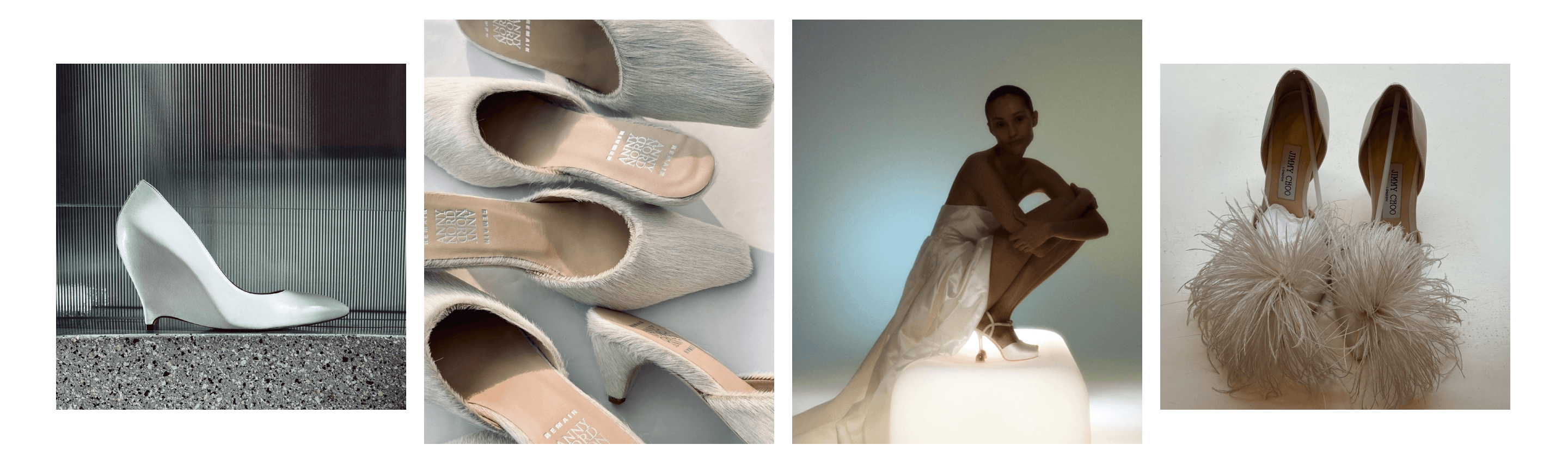
Custom Bridal Shoes: A Luxurious Collection of Haute Couture Footwear


- Hair On Calfskin Mules: Texture Instead of Satin
- The Heel Is the Whole Design: Sculpted Wedges and Cut Outs
- Fabric Shoes: Draped, Ruched and Lace
- Mirror Silver Mules
- Straight From the Pointe Shoe: Satin, Ribbons and Laces
- Mules Everywhere: The Open Back Is the Point
- Feathers on the Toe: Ostrich Puffs Instead of Buckles
- The Cut of the Vamp: Hearts and Squares Instead of a Plain Line
- Ruffled Trim Along the Vamp: Vintage Frills Are Back
- How We Would Choose Your Pair
- What to Know Before You Order a Custom Pair
- FAQ
Nobody was ever supposed to remember the shoes. They were a pale pair, tucked under the hem the week before and simply forgotten by the first dance. They then became quite interesting: calfskin with the hair left on, heels cut like a piece of sculpture, satin that remembers the ballet. Today's bridal shoes are less a finishing touch than a design object, and a very simple dress can often be the perfect setting. The nine directions below are ideas to pass on to a shoemaker or atelier, not nine ready-made models to order off the shelf. Each one shows how a particular material, construction, or unexpected detail can speak as much about the bride as her dress.
Find Your Perfect Wedding Vendors

Hair On Calfskin Mules: Texture Instead of Satin
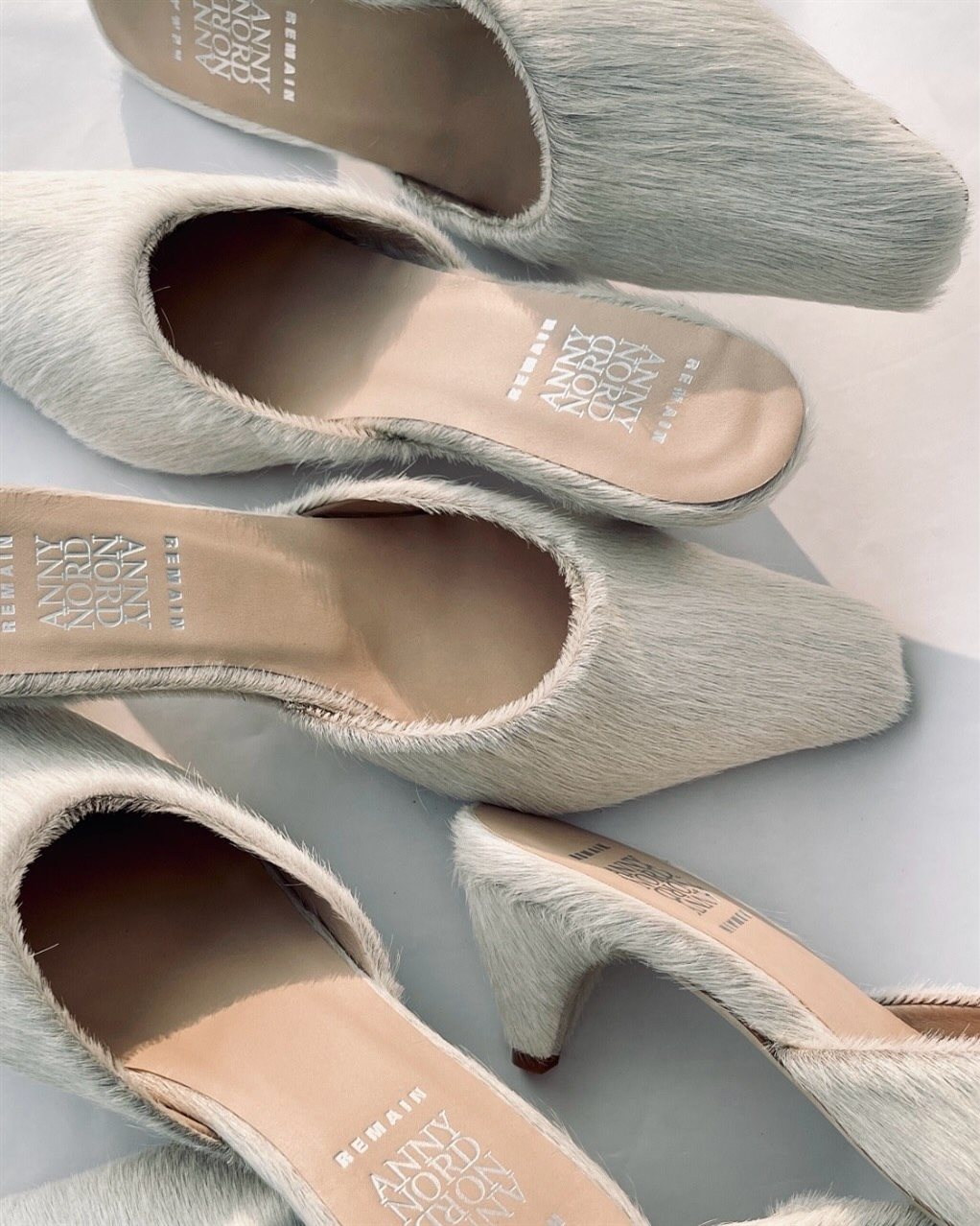
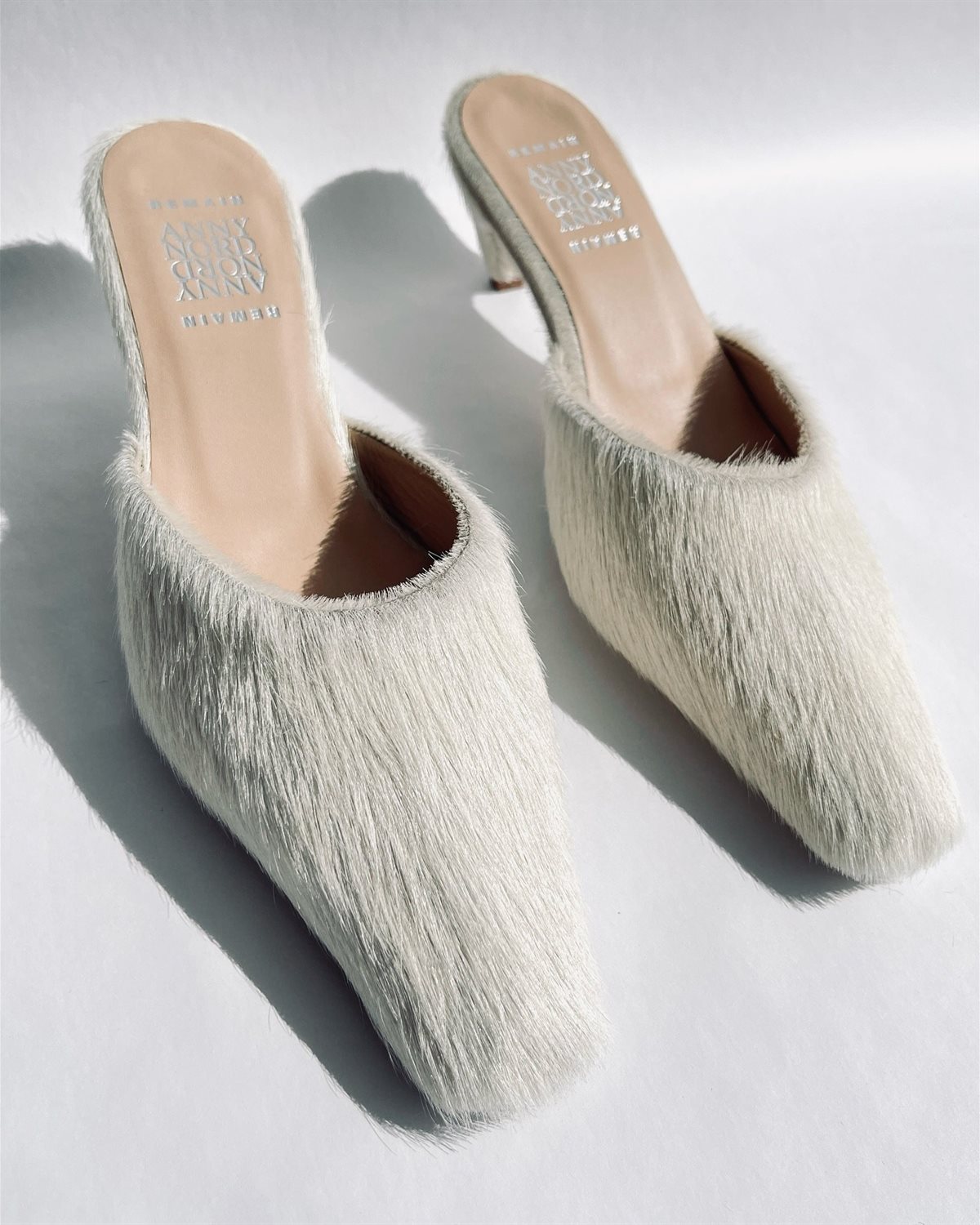
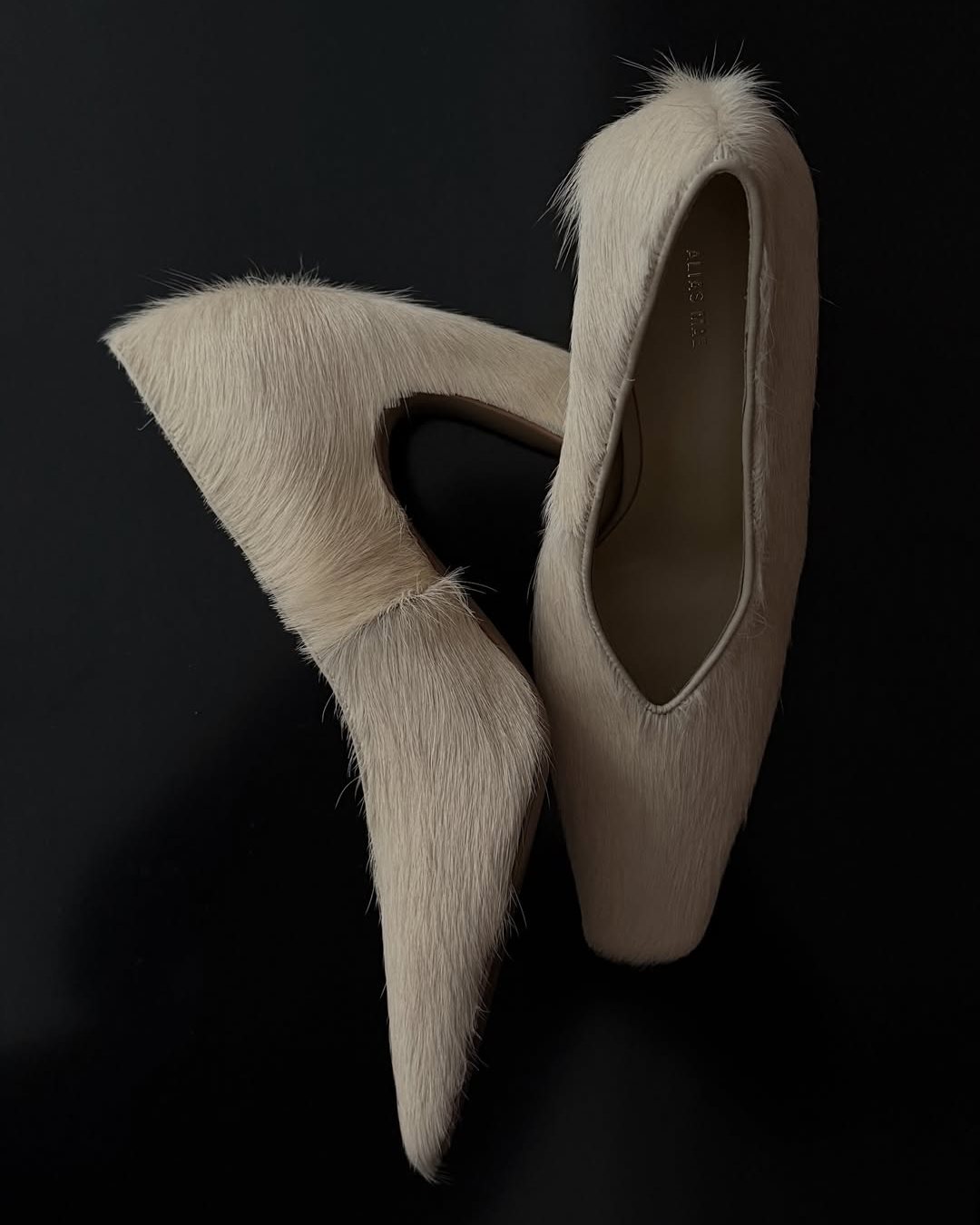
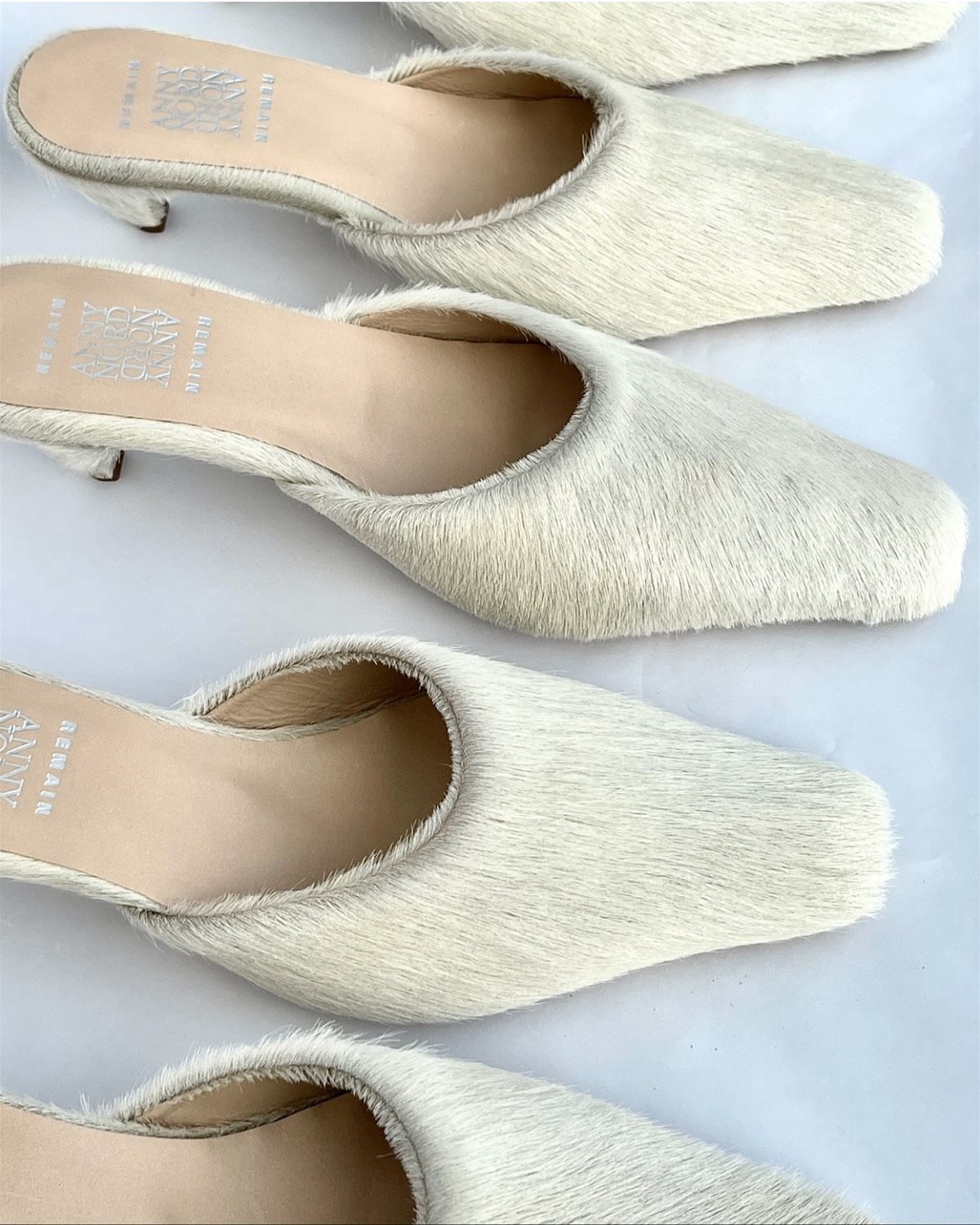
Hair-on calfskin is leather with the hair left in. Up close, it looks very different: a soft, slightly uneven surface, a color that shifts as you move, and a finish that seems to take in light rather than reflect it. It's luxury through texture rather than any flash of crystals, bows, or trim. It adds depth to silk, crepe, or a minimal column dress without adding any decoration, and it's ideal for the bride who wants understated luxury and something a bit different.
The material has habits worth learning before you order. Brush the hair gently in the direction it lies, blot any spills without rubbing, and keep the pair off damp lawns, as prolonged moisture will loosen the hair. Heat and strong sun will also dry it out, so keep it cool and shaded.
The Heel Is the Whole Design: Sculpted Wedges and Cut Outs
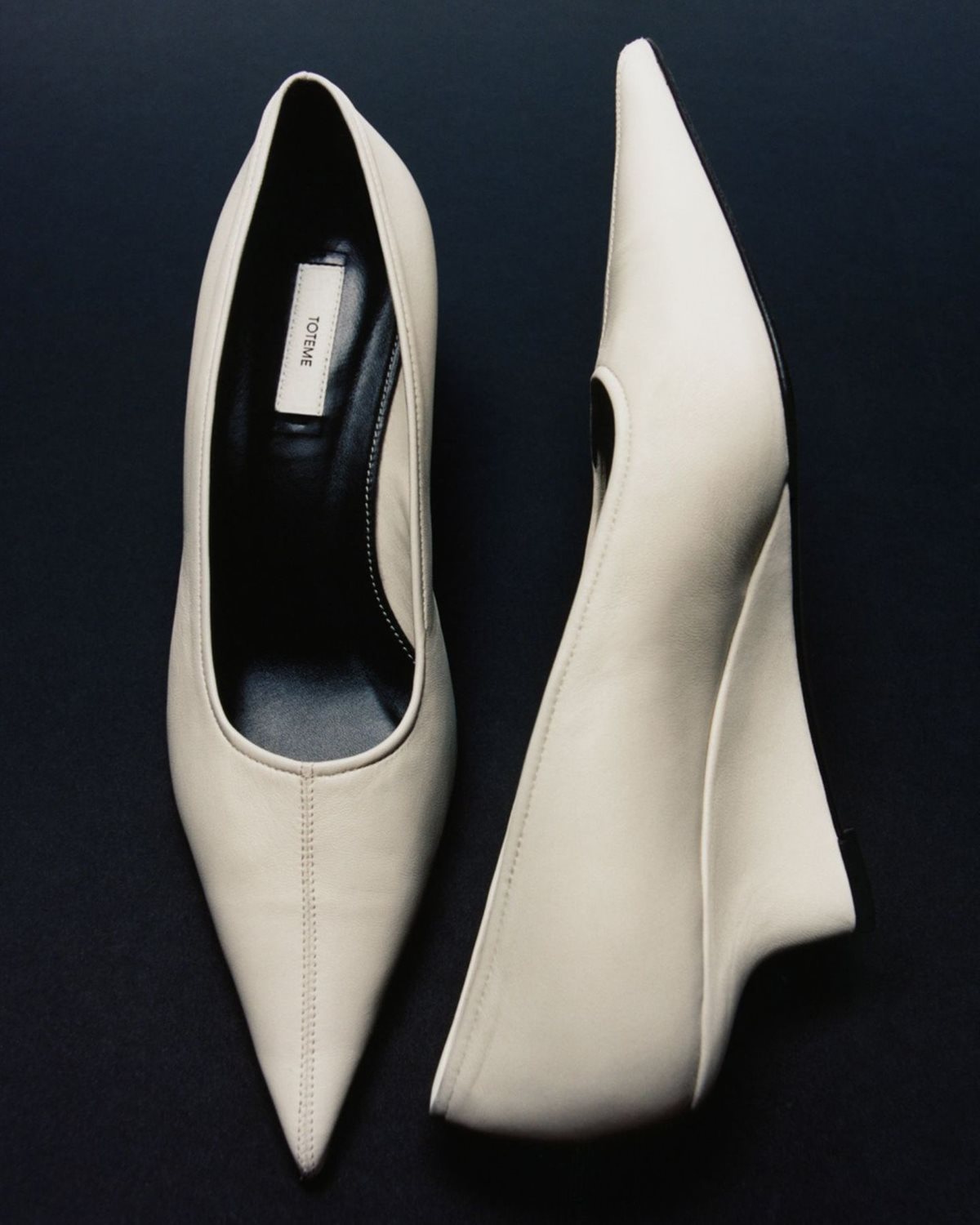
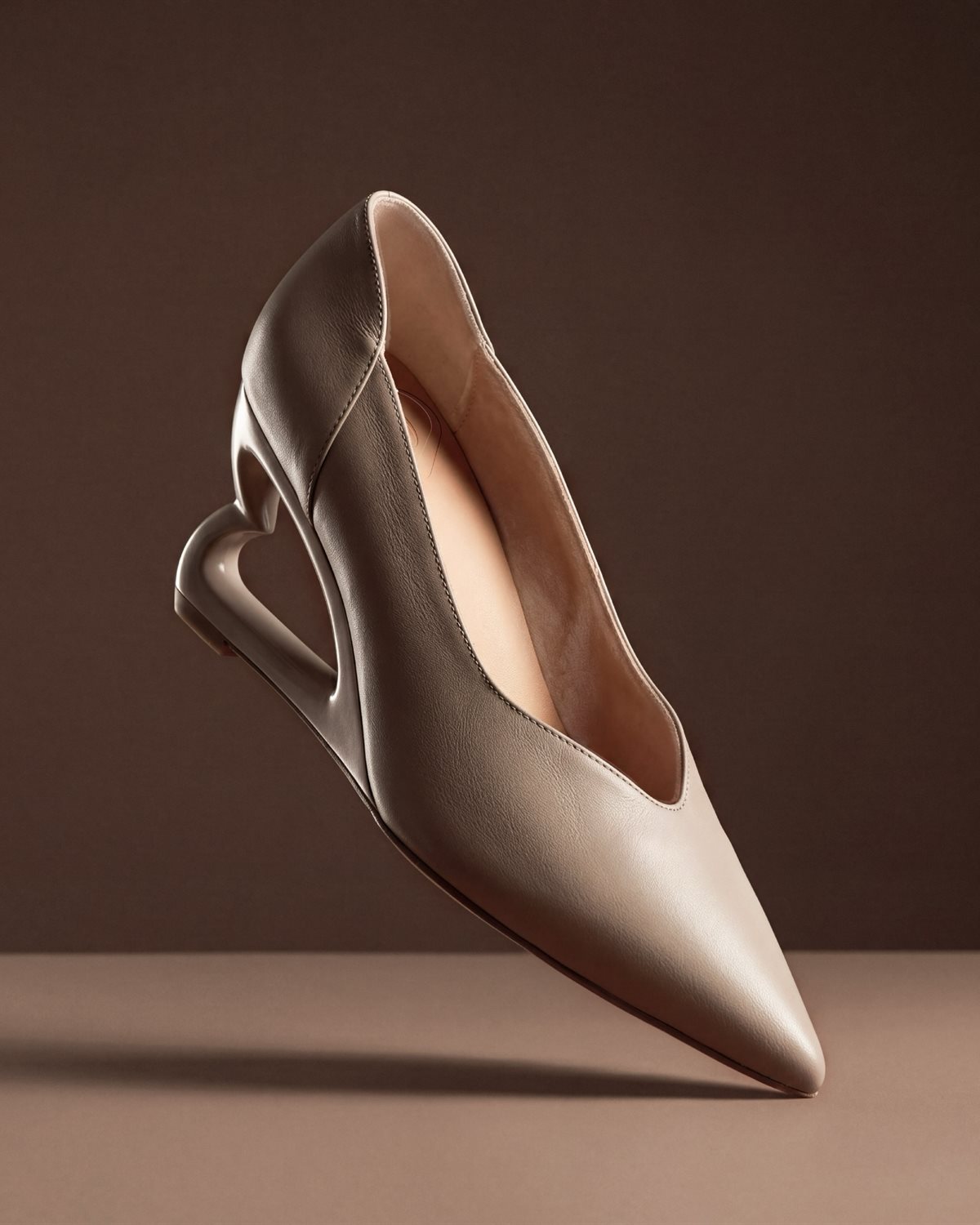
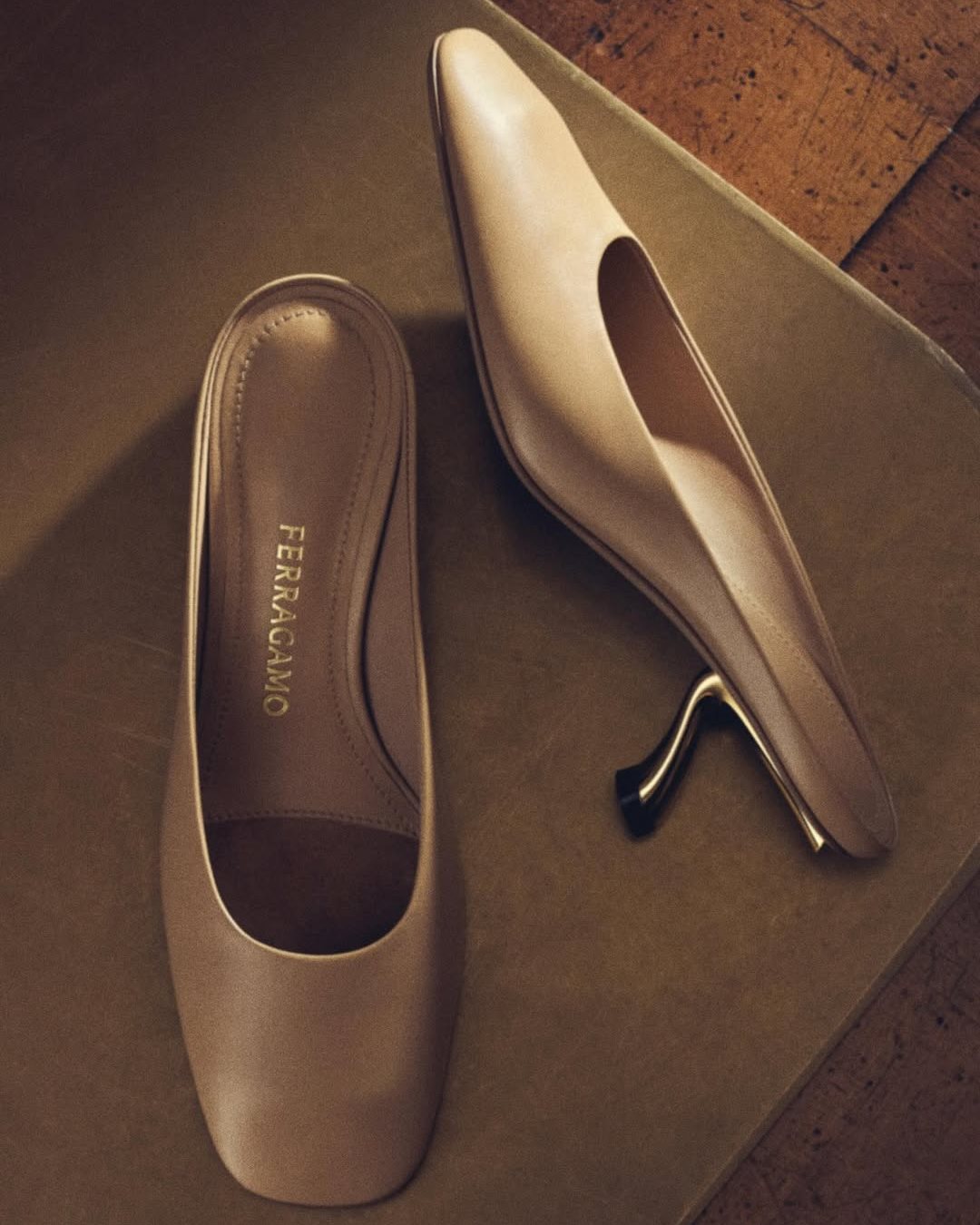
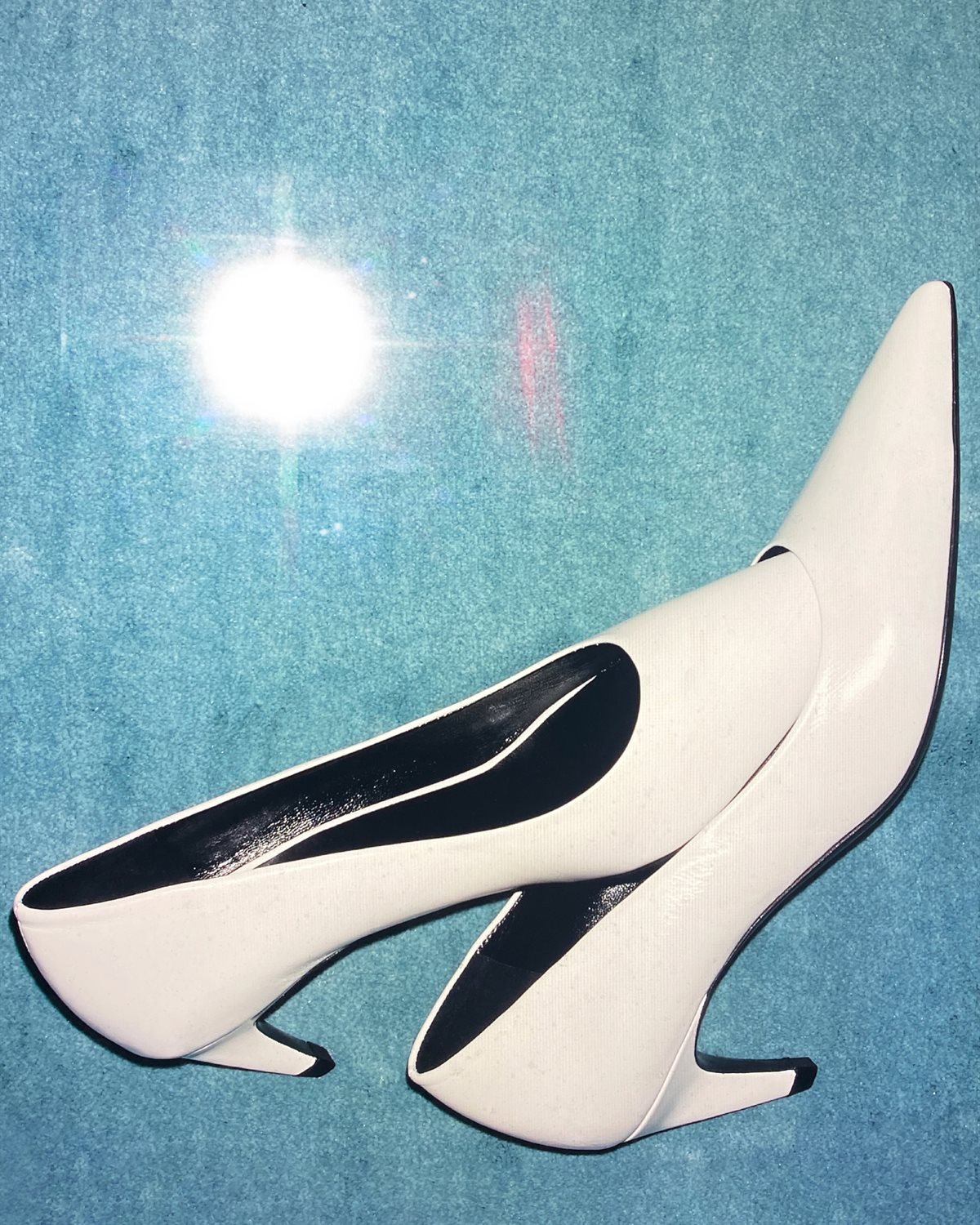
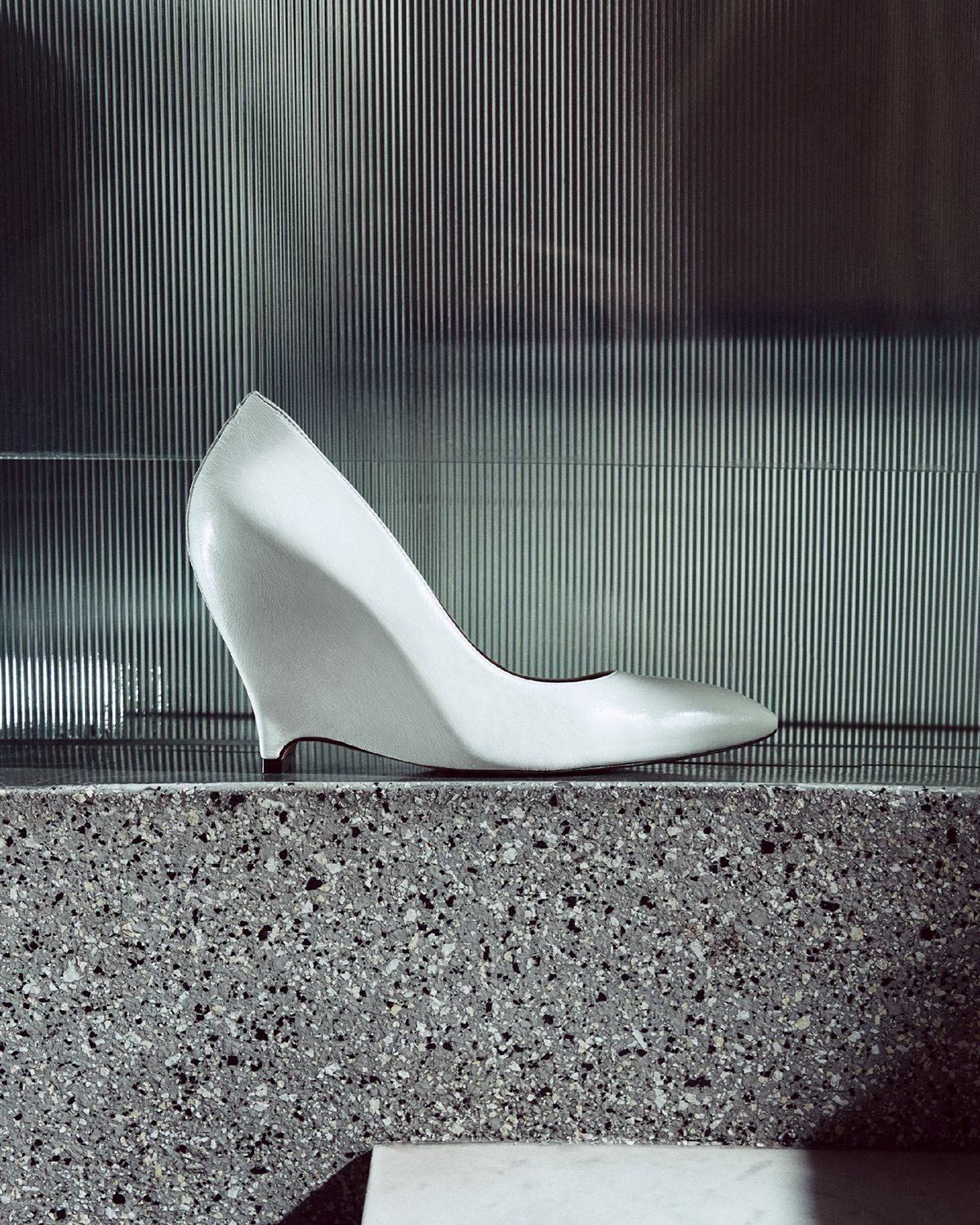
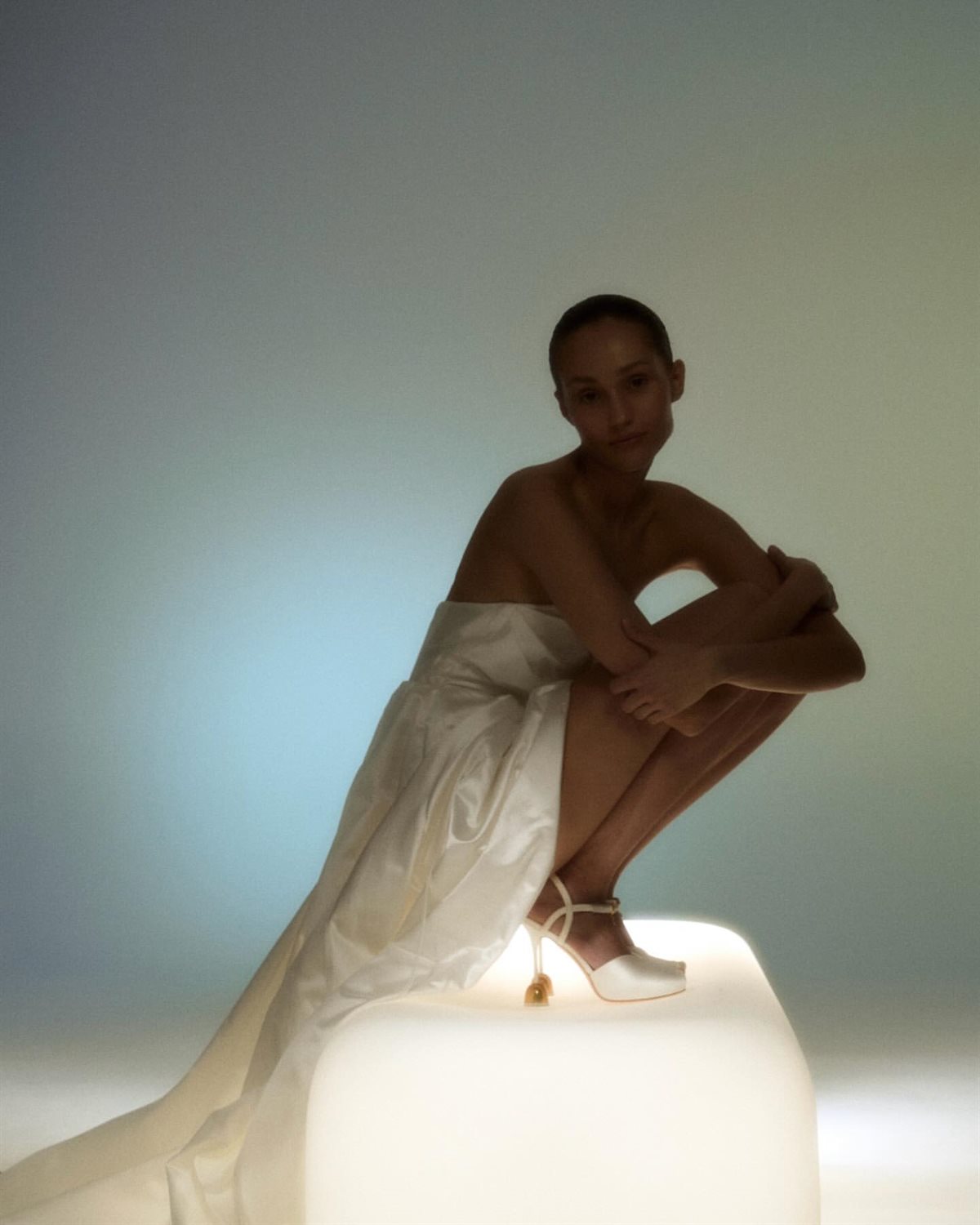
In this group, the heel is the statement, and it works best as architecture. Sculpted wedges, geometric bases, and heels with negative space cut right through the shoe's silhouette, and the effect is most apparent when you can see it: under a shorter hem or as you walk and the skirt moves. Clean lines and structured fabrics give these forms room to breathe, so a sleek crepe or sharply tailored bodice works far better than a detail-heavy gown. The kitten-heel bridal shoe with a sculpted stem brings the concept down to a more gentle height, and the chunky-heel bridal shoe takes it to its most extreme.
A very striking shape still has to hold you up for six hours. Look at the width of the base, the height, and the balance of weight over the foot and the surface you're standing on, since gravel or grass will have very different requirements than a ballroom floor. A sculptural wedge can have a very wide base, but geometry alone doesn't necessarily provide comfort, and a cut-out is only as stable as the structure around it. To our eye, the pair have to feel secure before they can be described as clever.
Ask for a fitting in the gown, or at least with the hem at its final length. The heel affects how a skirt falls, and even a small height difference can decide whether a hem skims the floor or drags across it. Do this early, while you still have time to make any necessary adjustments.
Fabric Shoes: Draped, Ruched and Lace
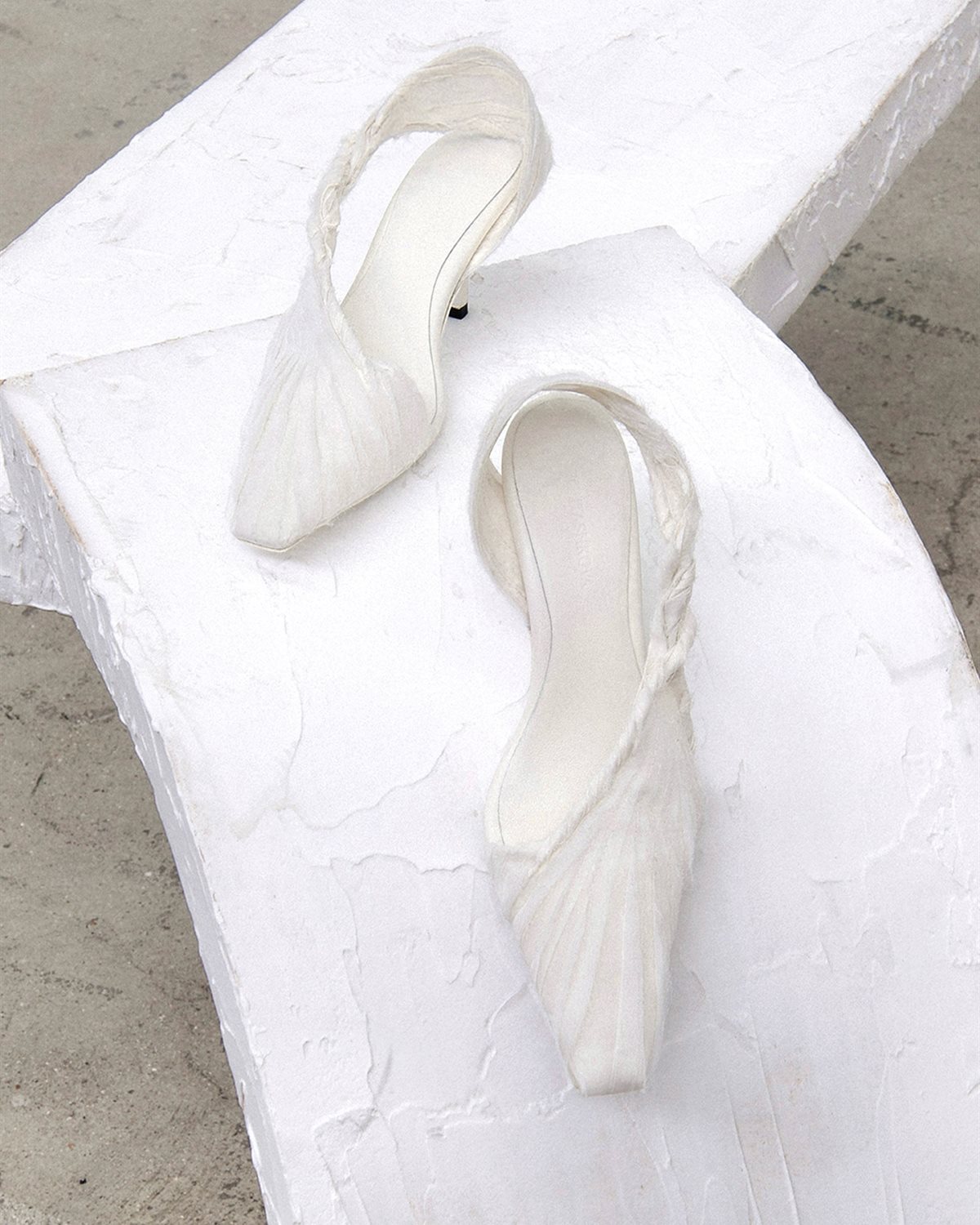
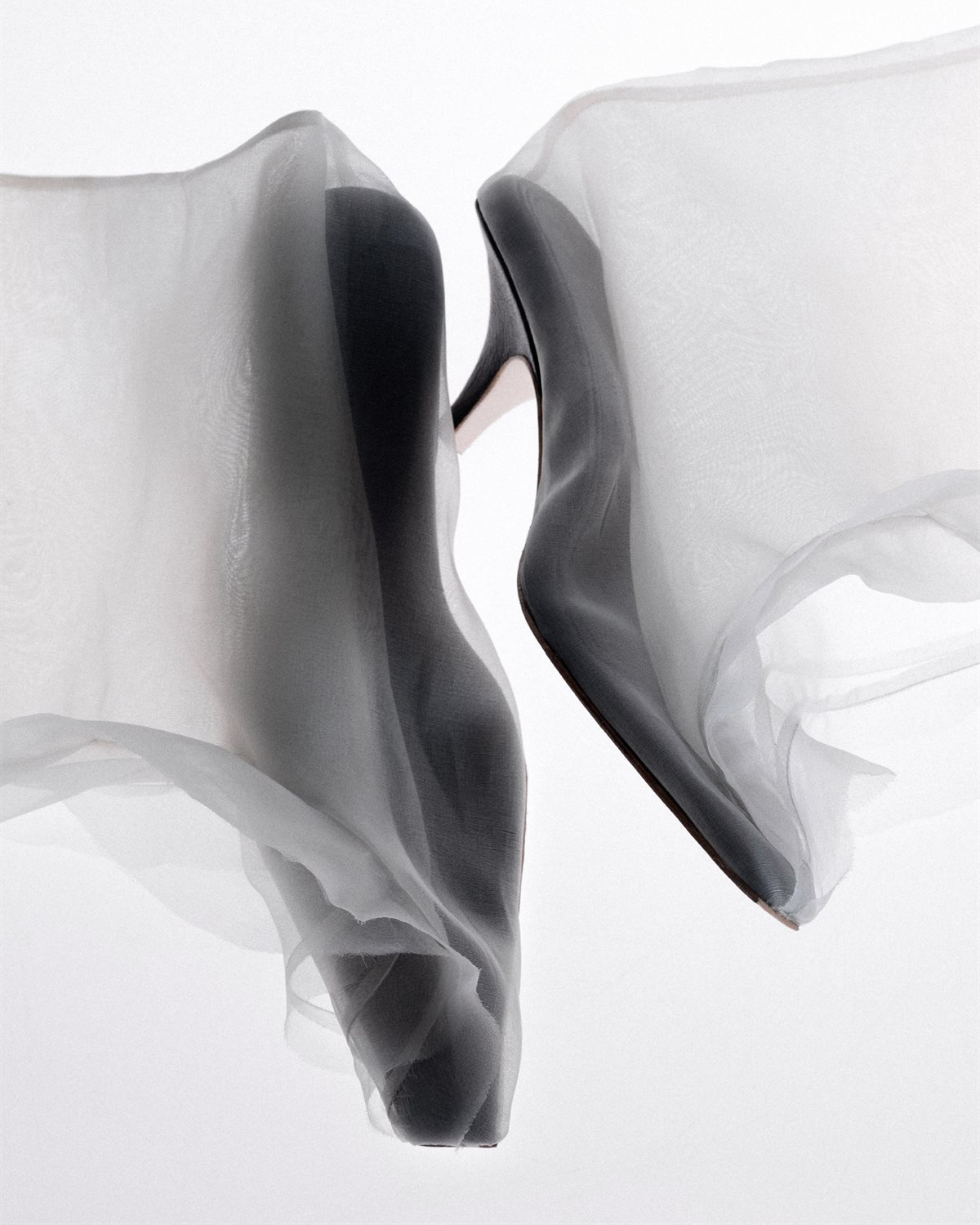
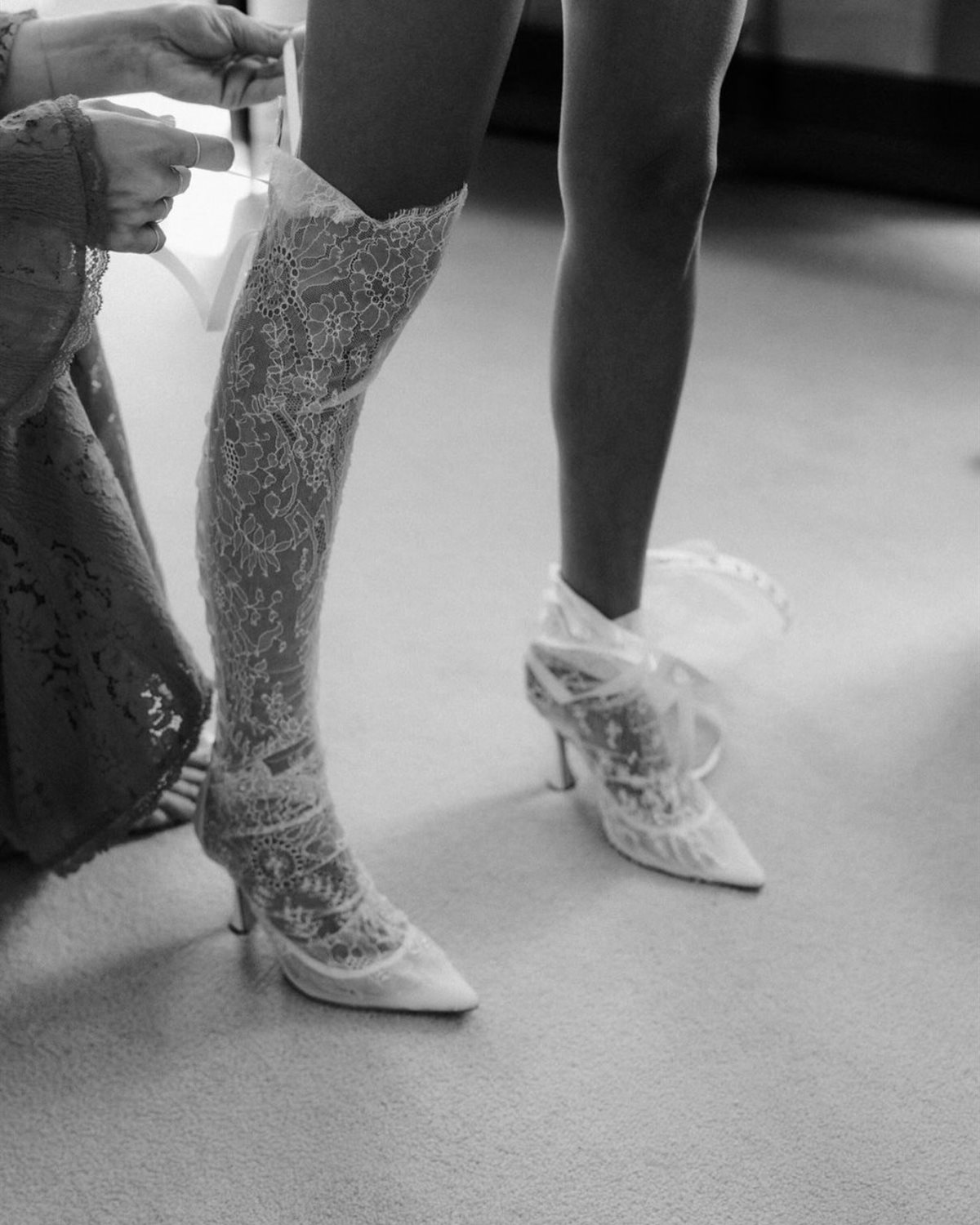
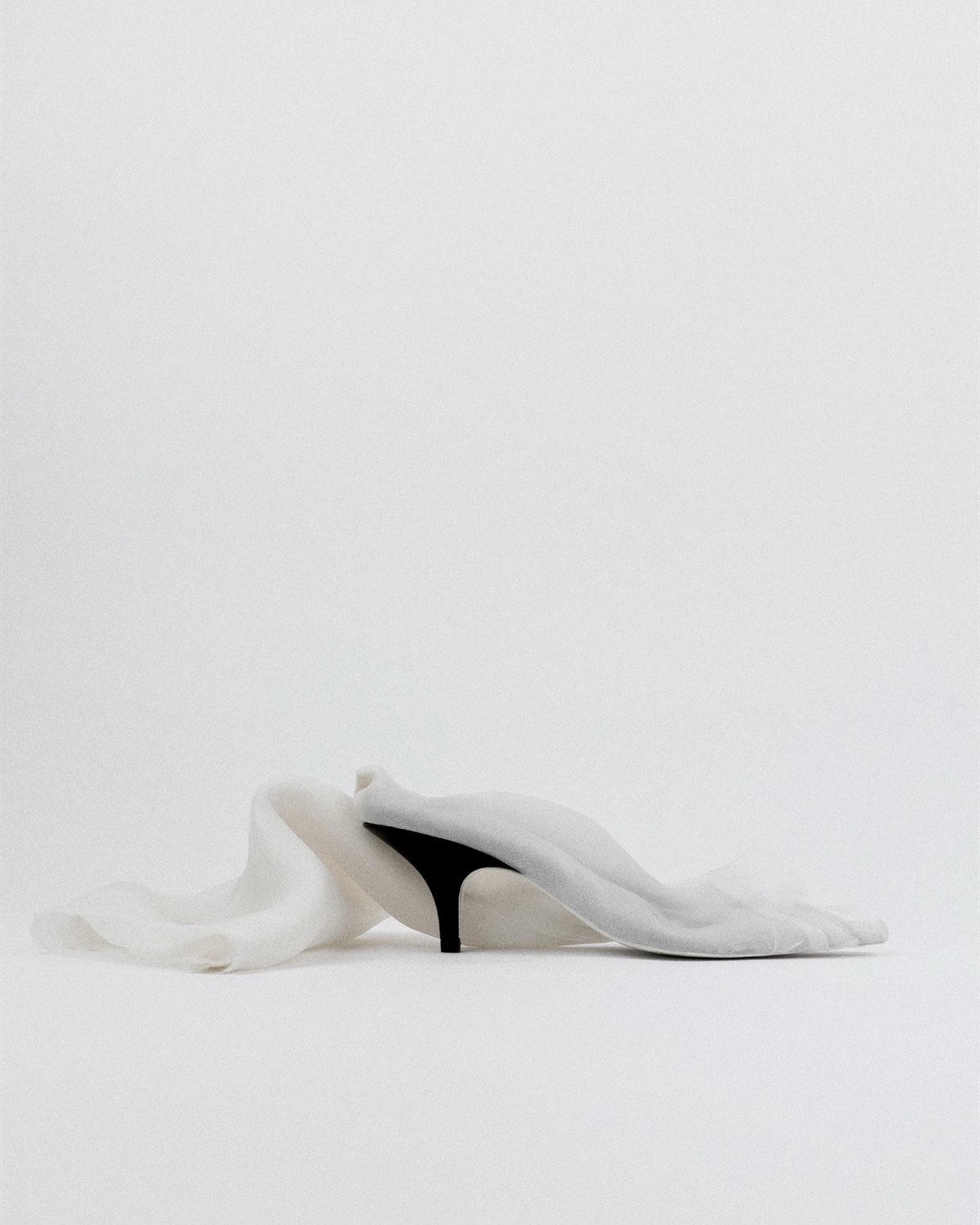
Draping, ruching and lace overlays are dressmaking techniques, and on a shoe they carry the language of the gown all the way to the floor. A gathered panel across the instep, a layer of lace over satin, a fold of fabric that holds its own shape: each is handwork that belongs as much to the atelier as to the cobbler’s bench. If a maker offers personalization, it may be possible to echo a particular texture or detail from the dress, and that’s where this idea becomes true couture.
Echoing a detail is different from copying the fabric. A more interesting effect often comes from a subtler conversation between two textures, lace against plain crepe, for instance, and contrast can be very effective. Draped satin is fluid, ruching adds volume, and lace is very much a romantic, slightly vintage thing. Let the day's mood dictate the choice. Fabric also marks, so keep the pair in their own box, and always have a soft cloth to hand for scuffs.
Mirror Silver Mules
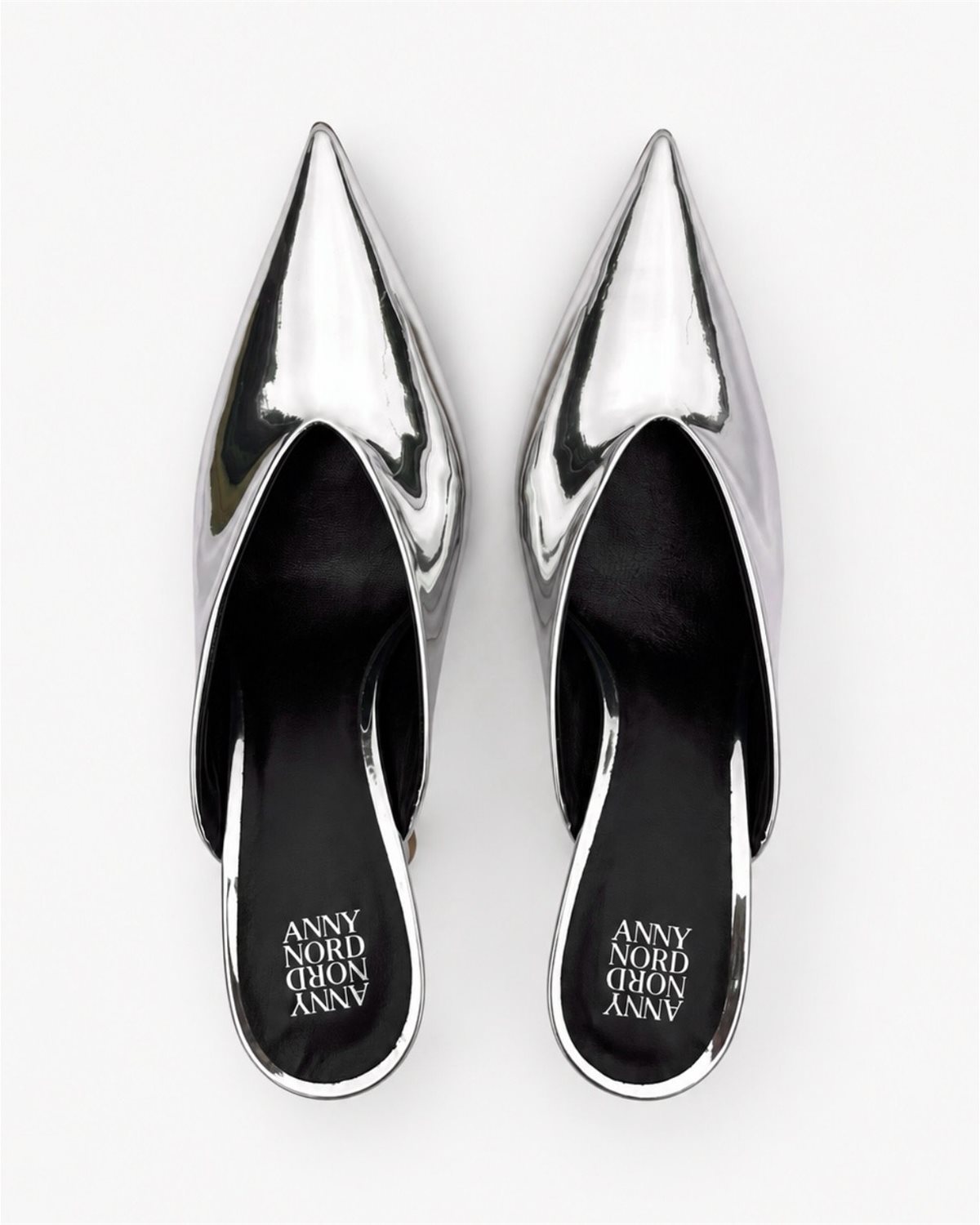
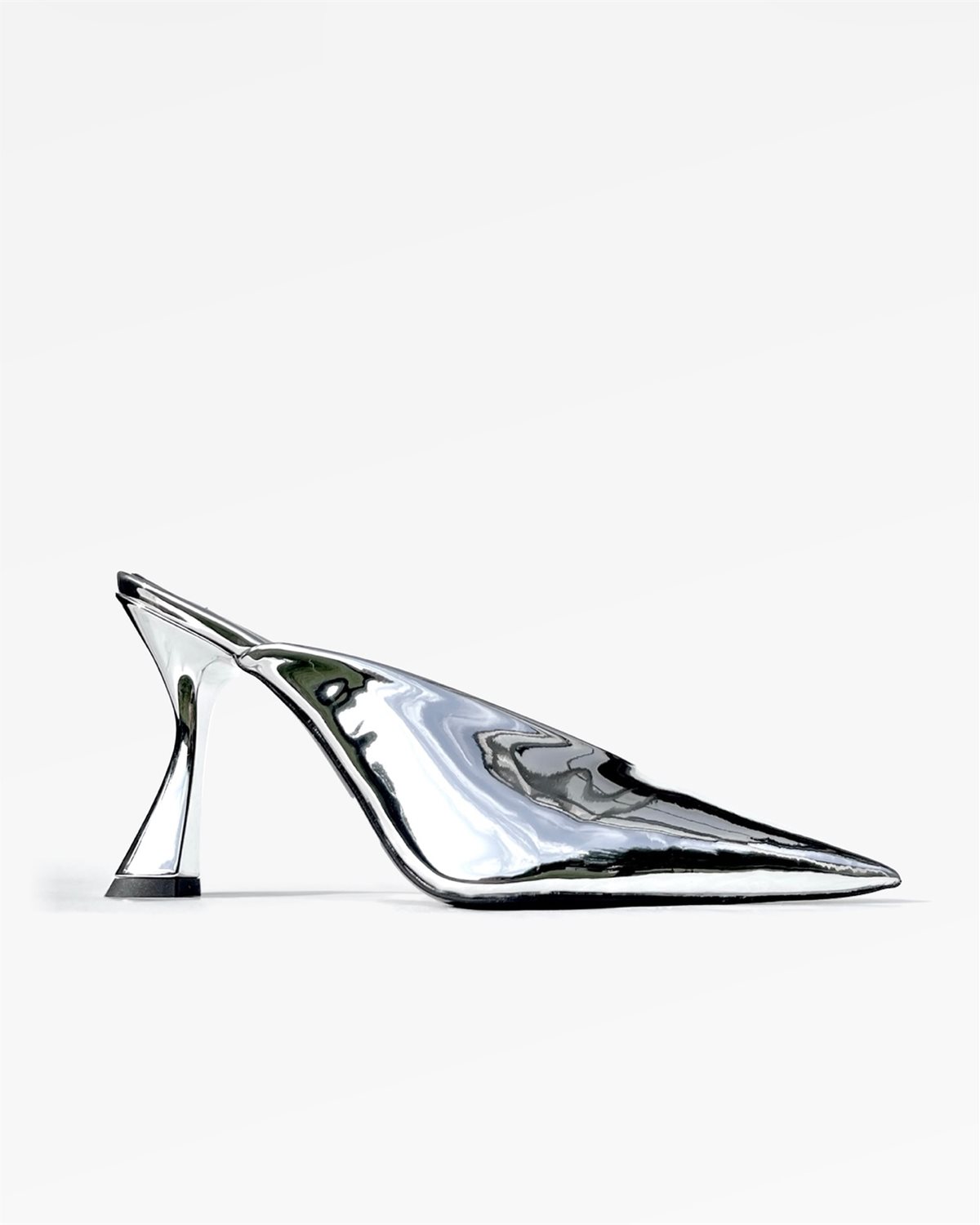
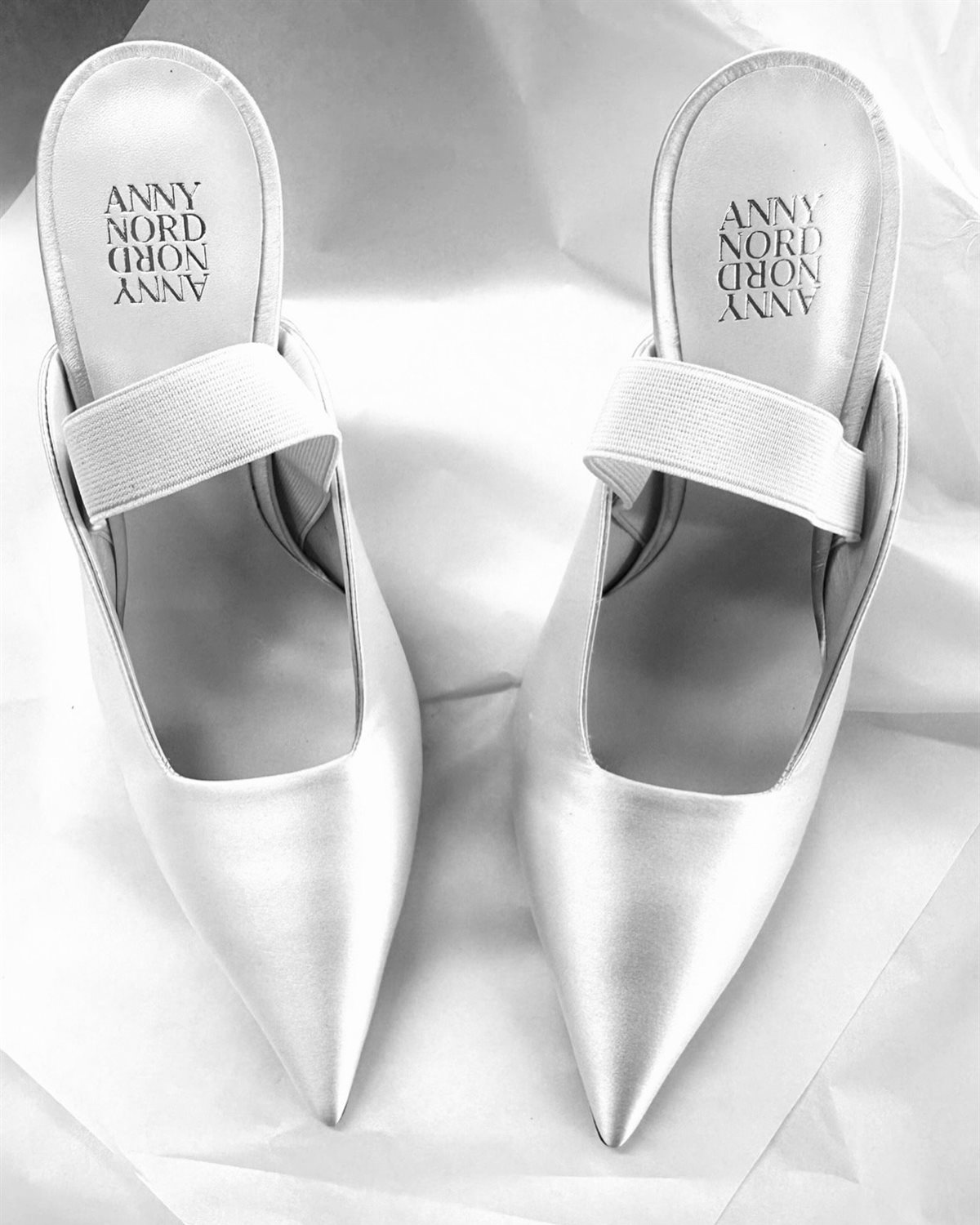
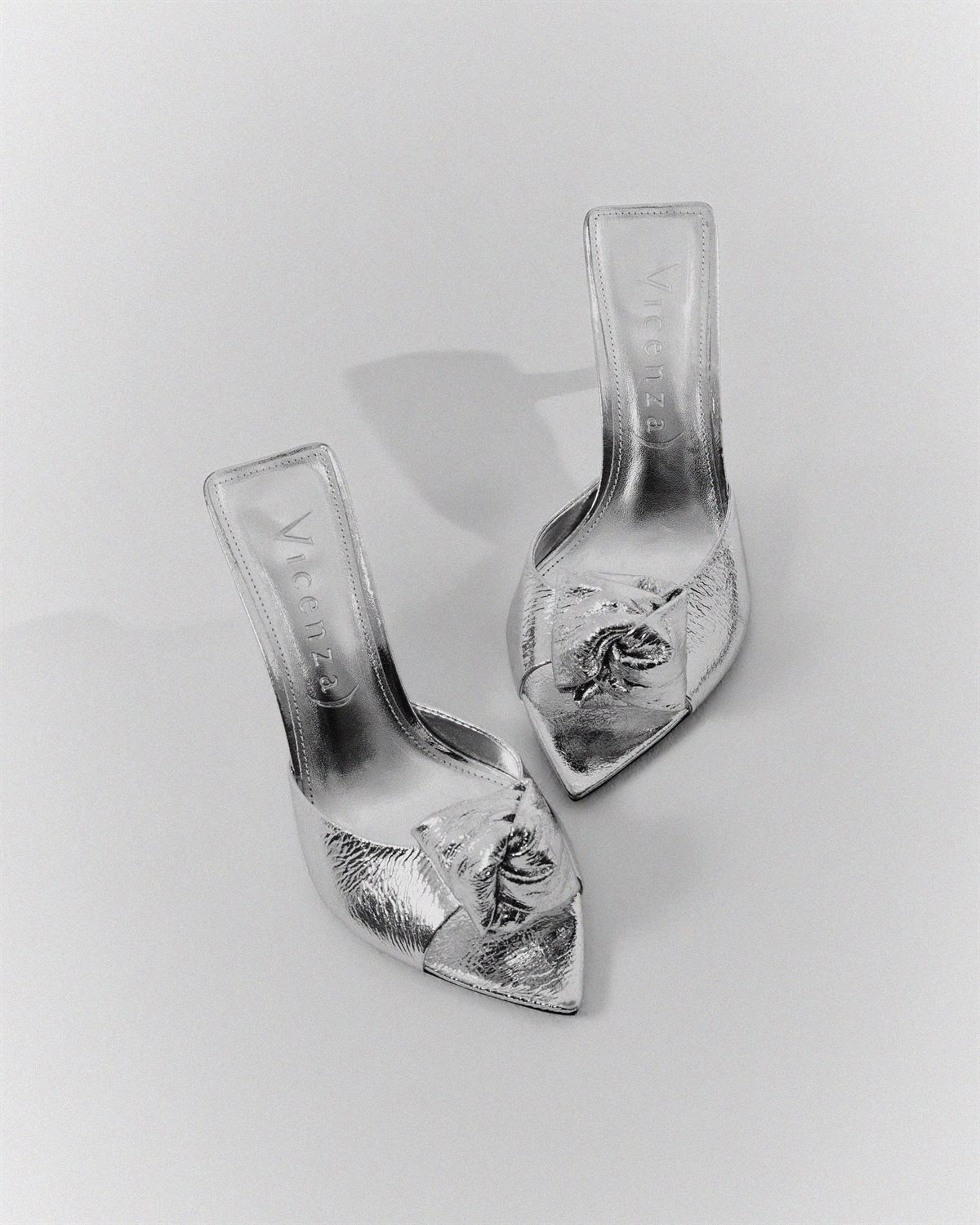
Mirror silver is color and light before it is anything else. It's a modern alternative to classic white or ivory shoes, and it's very different from glitter and sequins. It's also very different from crystal bridal shoes in that it gives you one clean sheet of reflection that picks up the room's colors, whereas crystals scatter a thousand little points of sparkle. It works well with white, ivory, champagne, and pearl, and matches cooler tones too, such as pale blue or gray, which is why it has become such a modern neutral for the bride. It suits a very simple dress as well as an evening gown. Polished surfaces show scratches and fingerprints quickly, so wrap each shoe individually and wipe it down with a soft cloth.
Straight From the Pointe Shoe: Satin, Ribbons and Laces
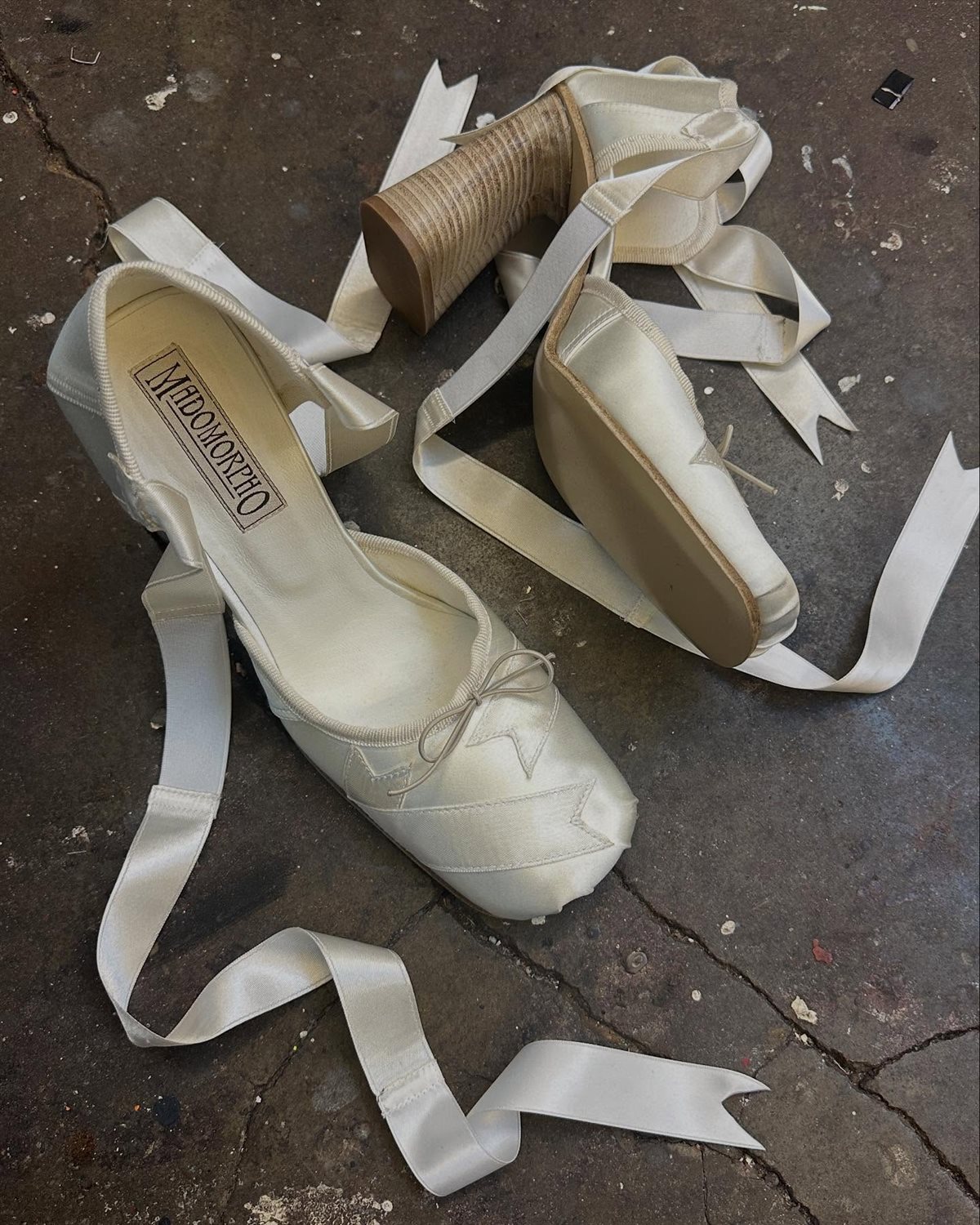
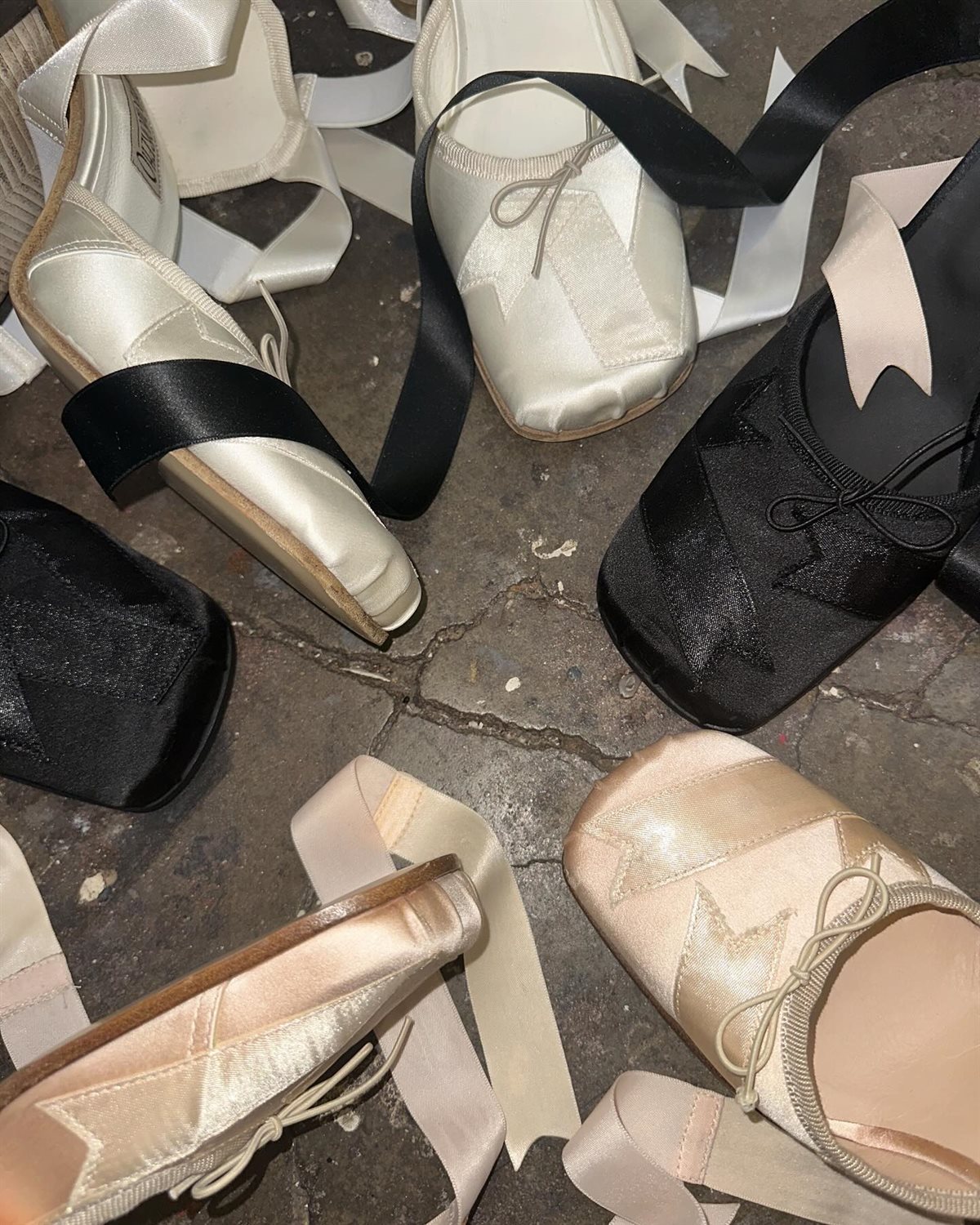
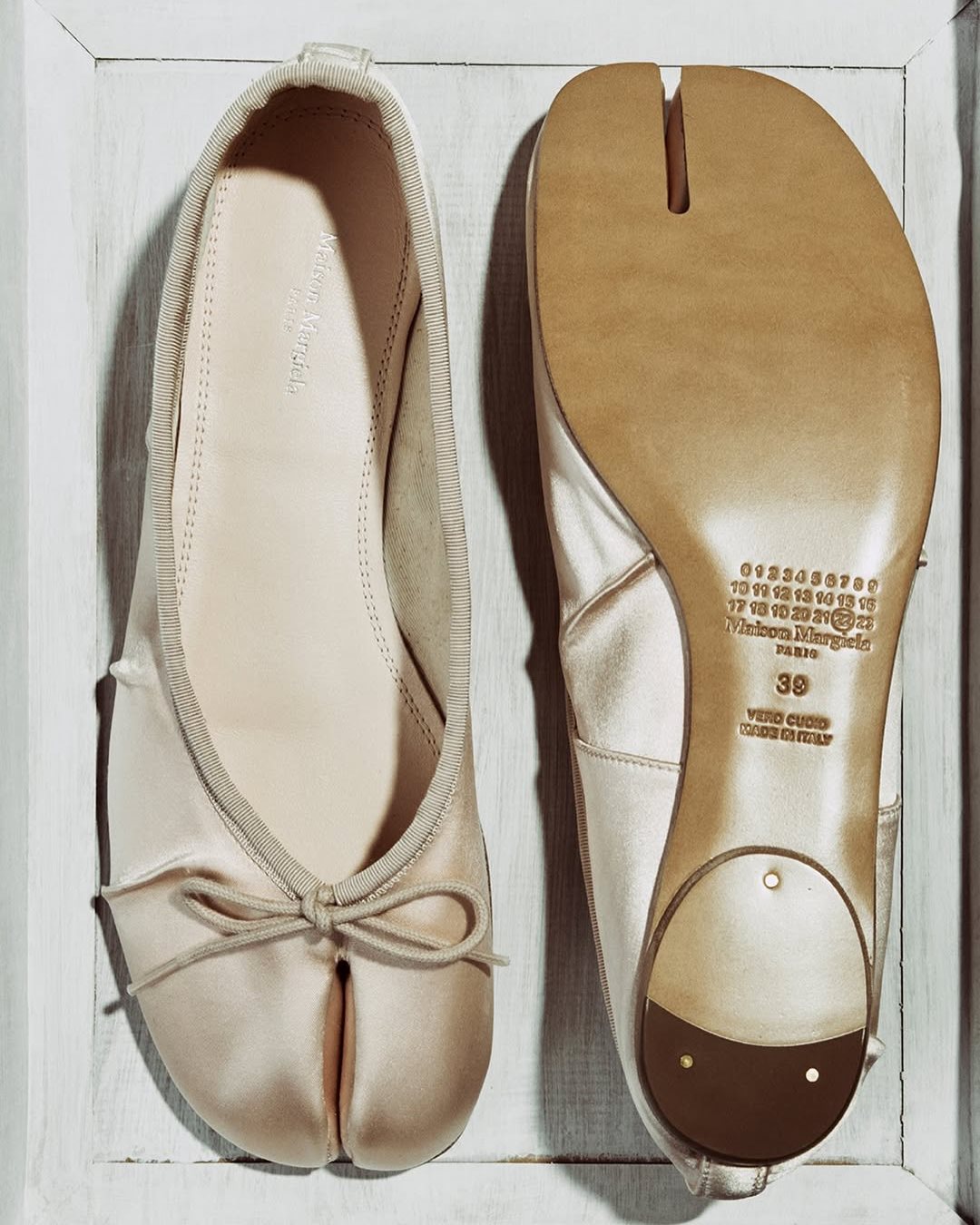
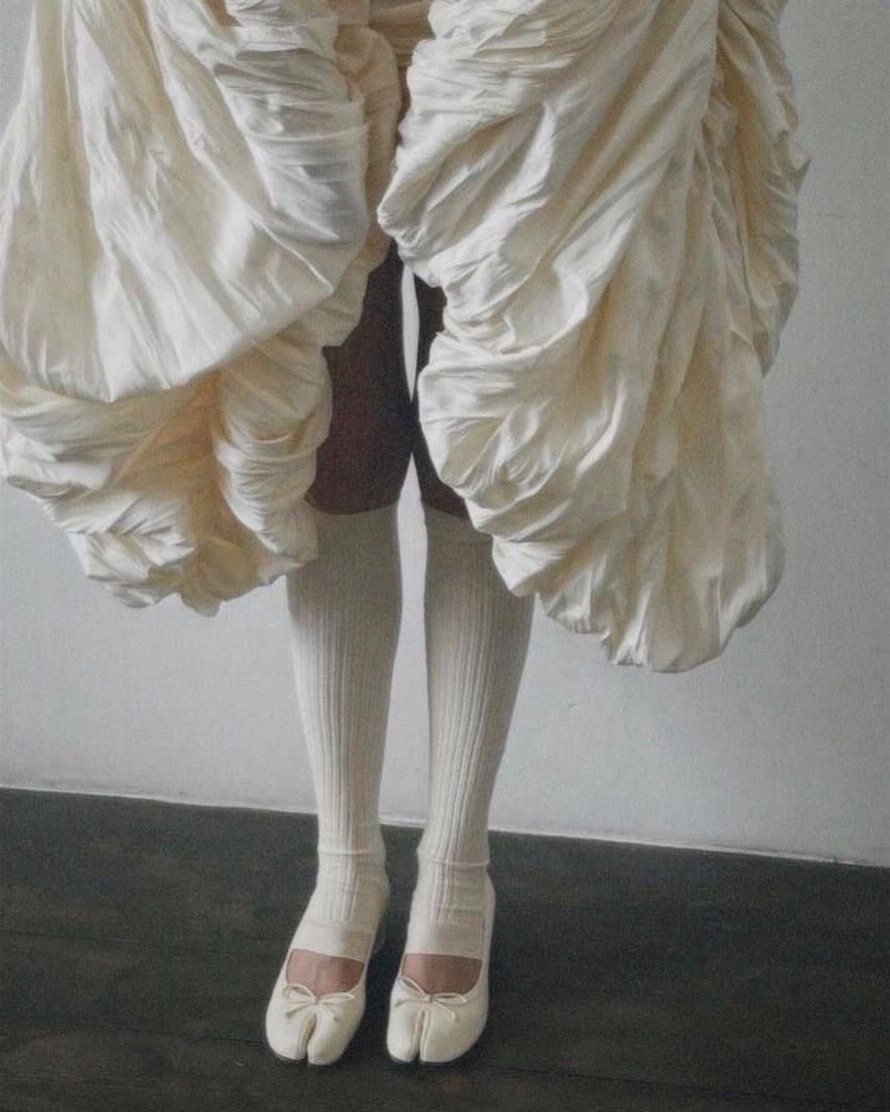
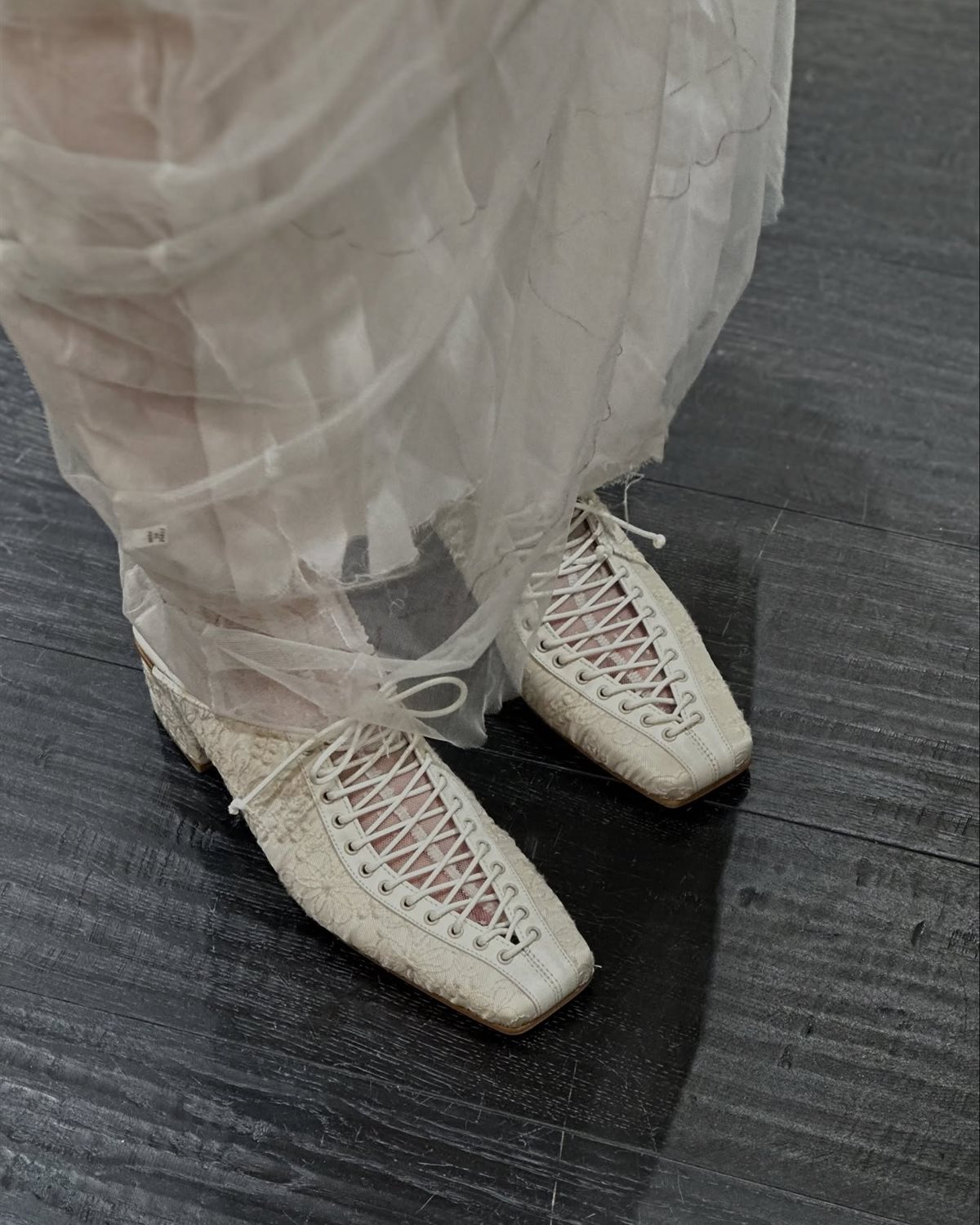
The pointe shoe works here as a fashion reference, a mood piece. The ballet silhouette is all about soft lines, satin, ribbons, and delicate lacing, and it translates easily into a modern bridal wardrobe, whether it's romantic and dreamy or quietly minimal. The color palette is a big part of the appeal: the very pale, powdery pinks of a pointe shoe make a nude bridal shoe look tender and a little poetic. They work very well with light fabrics, slip dresses, tulle, and shorter skirts where the ankle is on show.
A real pointe shoe is designed for a very different purpose, so a bridal pair that just goes for the look needs a proper sole, proper support, and a comfortable fit. The ribbons absolutely must not squeeze the ankle; they must stay loose all day, and they mustn't catch on a hem. It's worth testing the knot on a proper walk around the house. Think of the ballet as a mood and let the sole do the work.

Mules Everywhere: The Open Back Is the Point
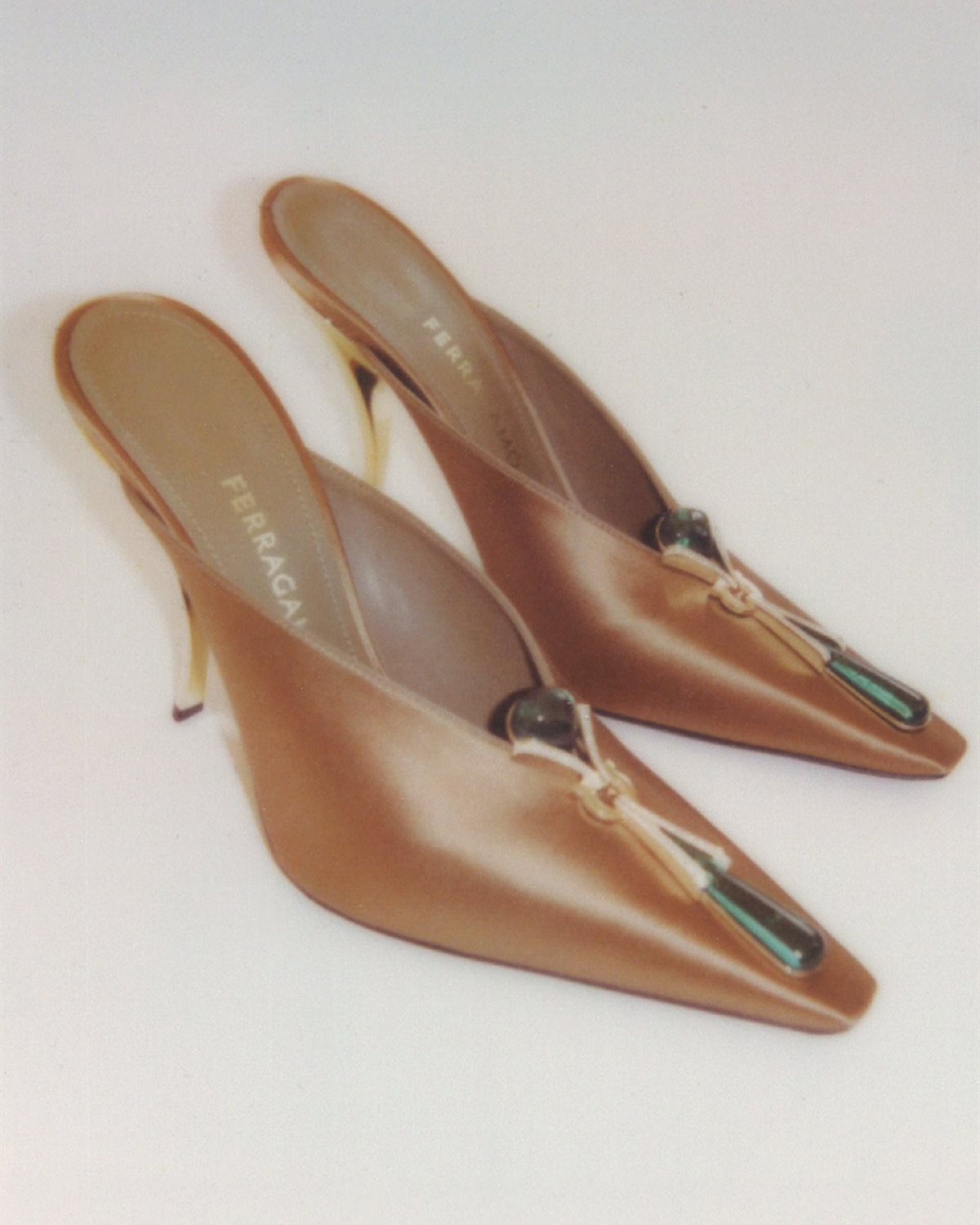
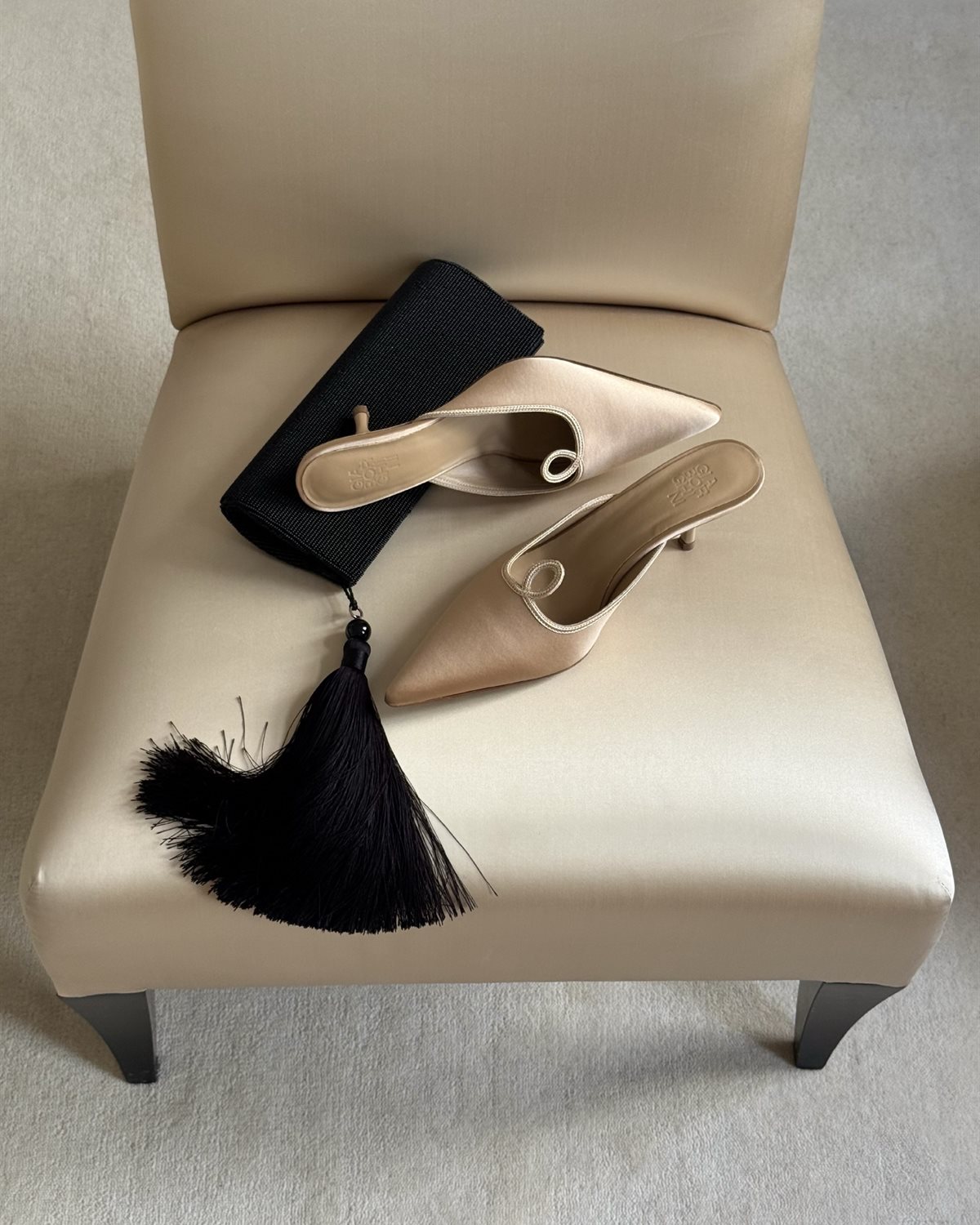
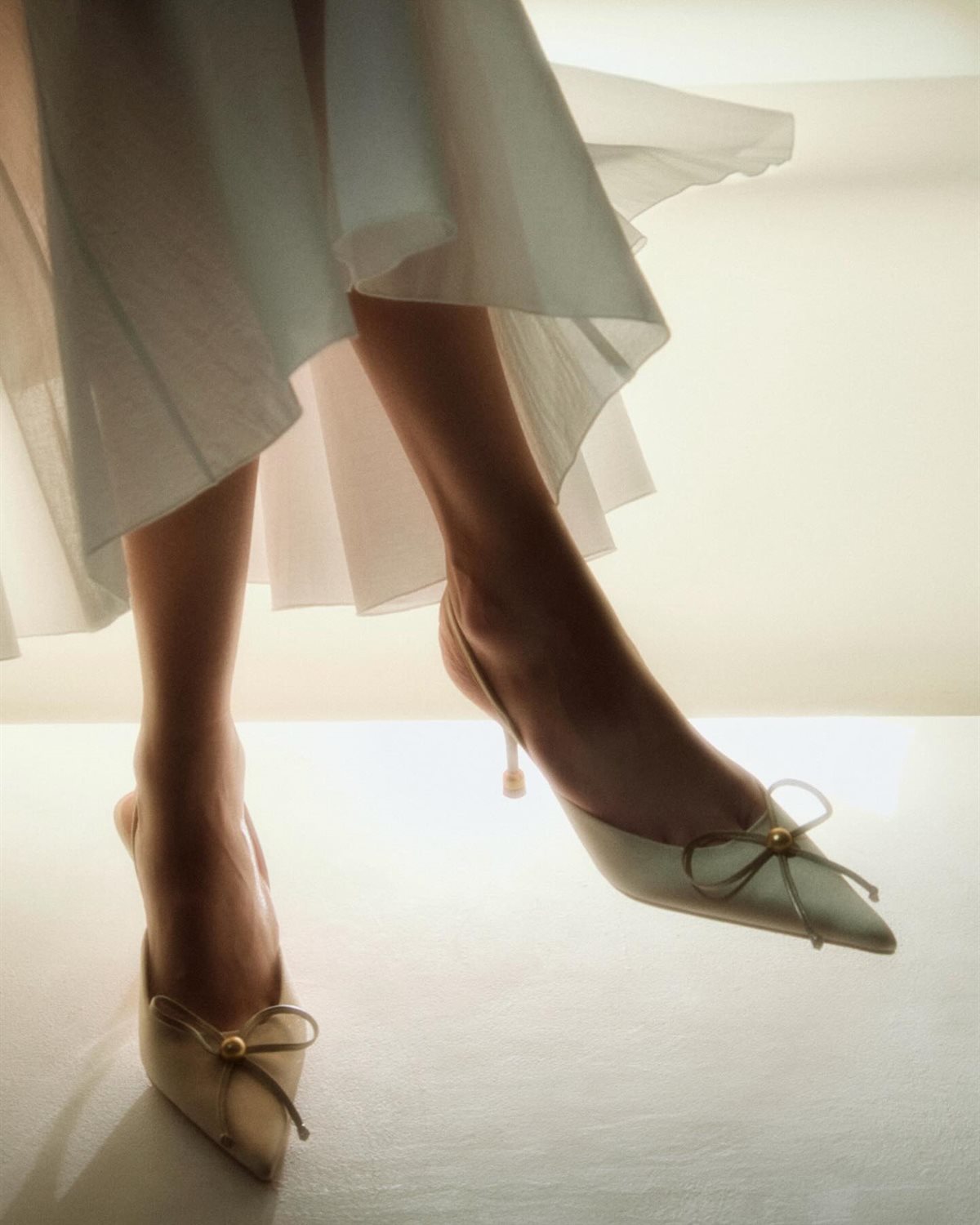
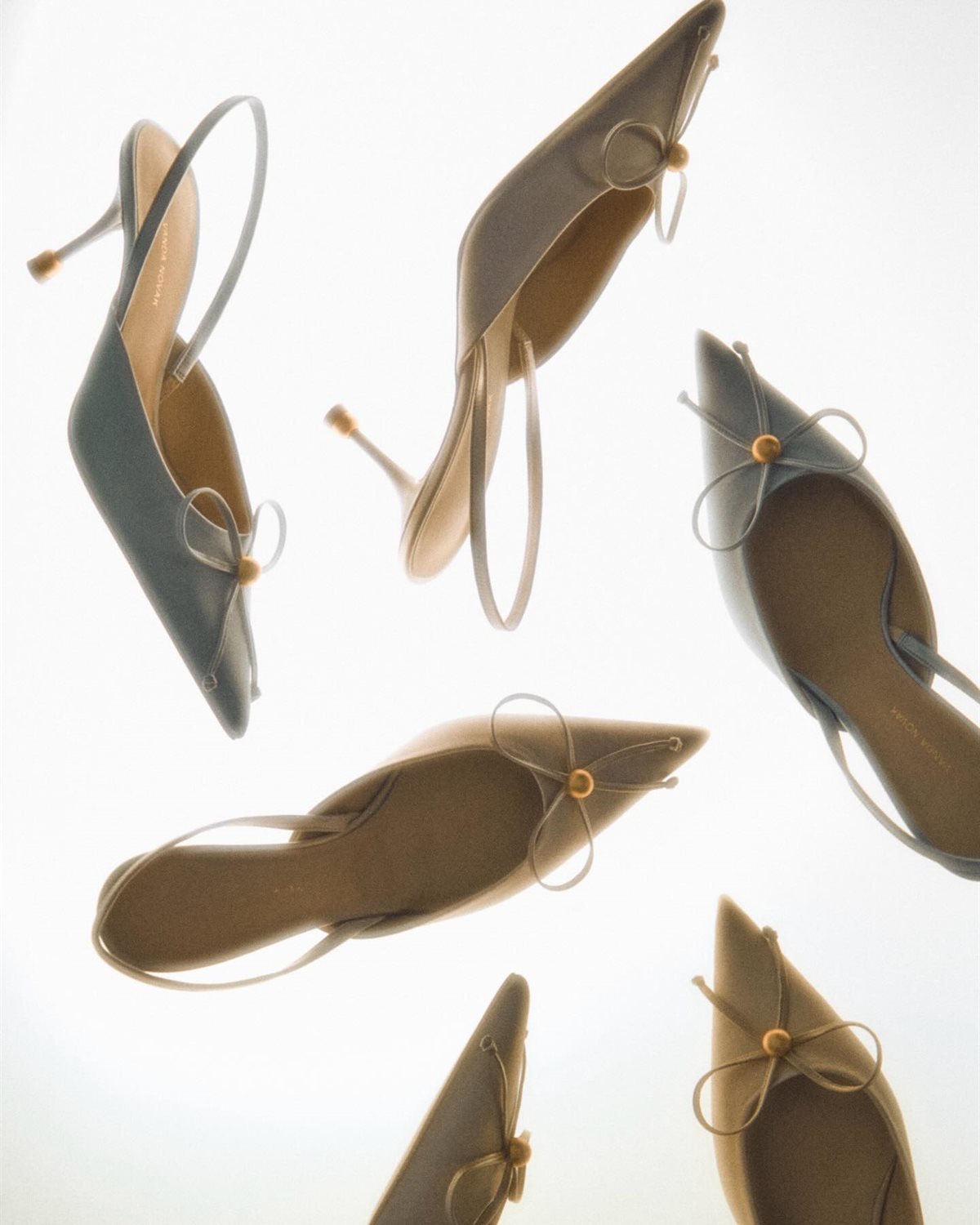
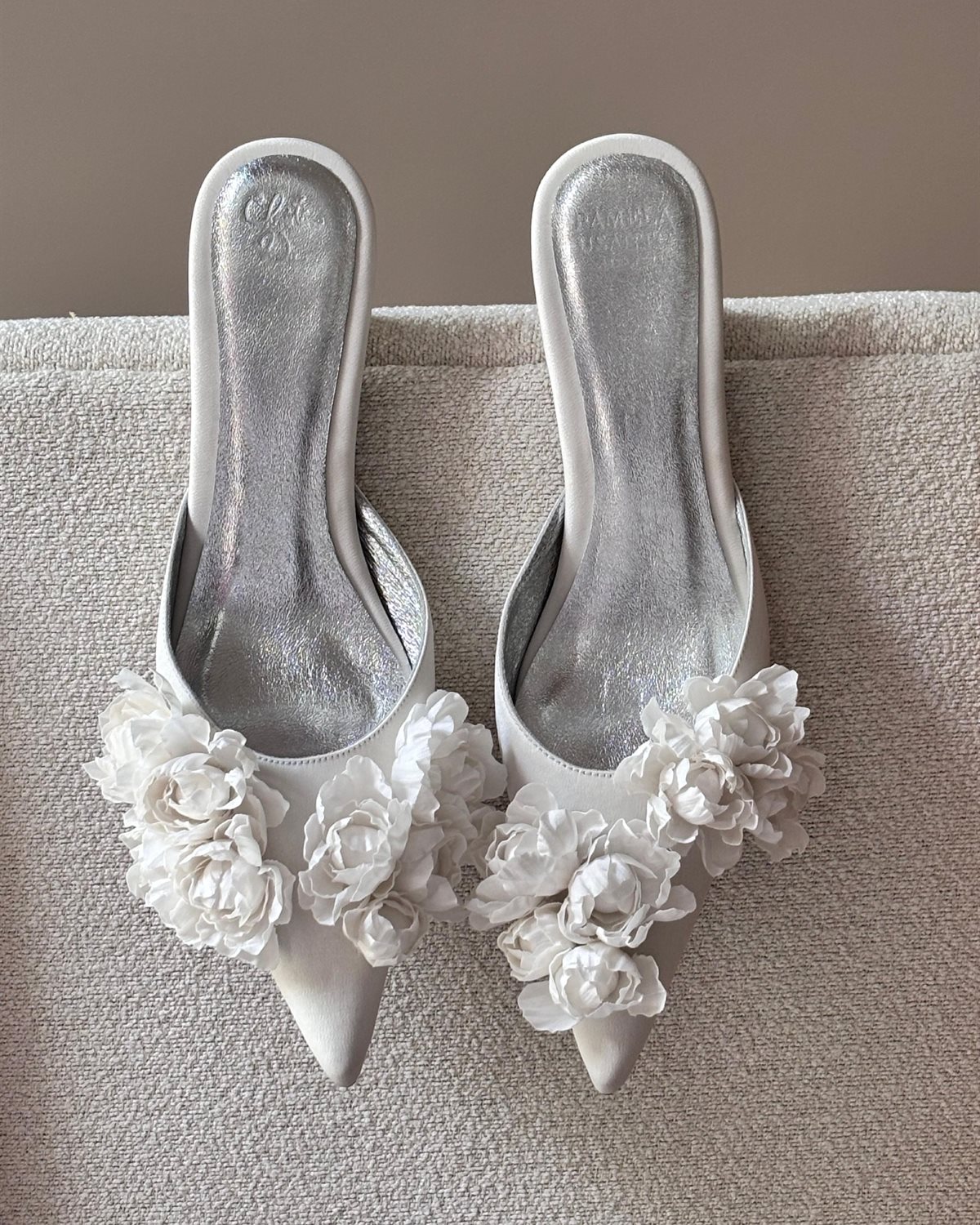
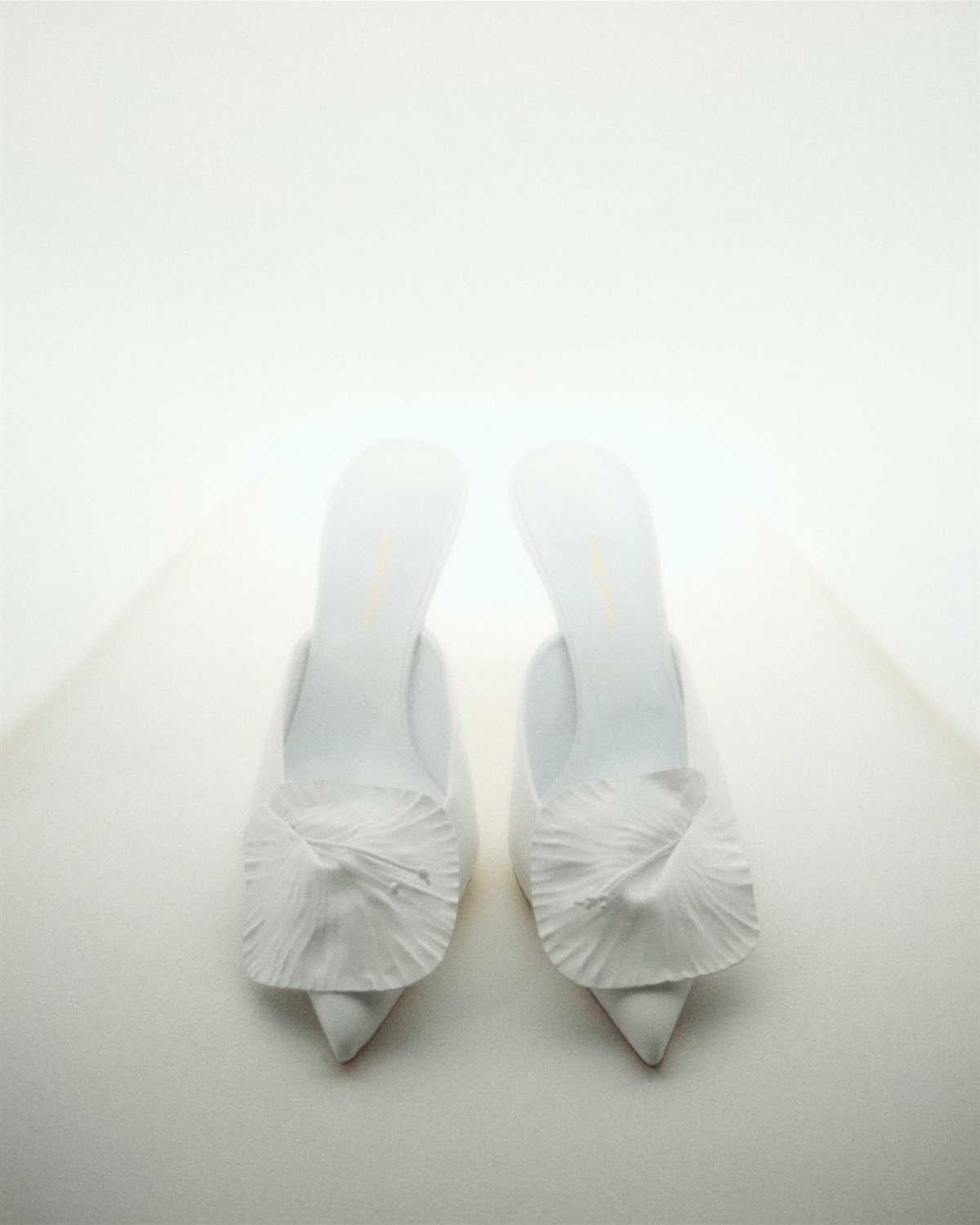
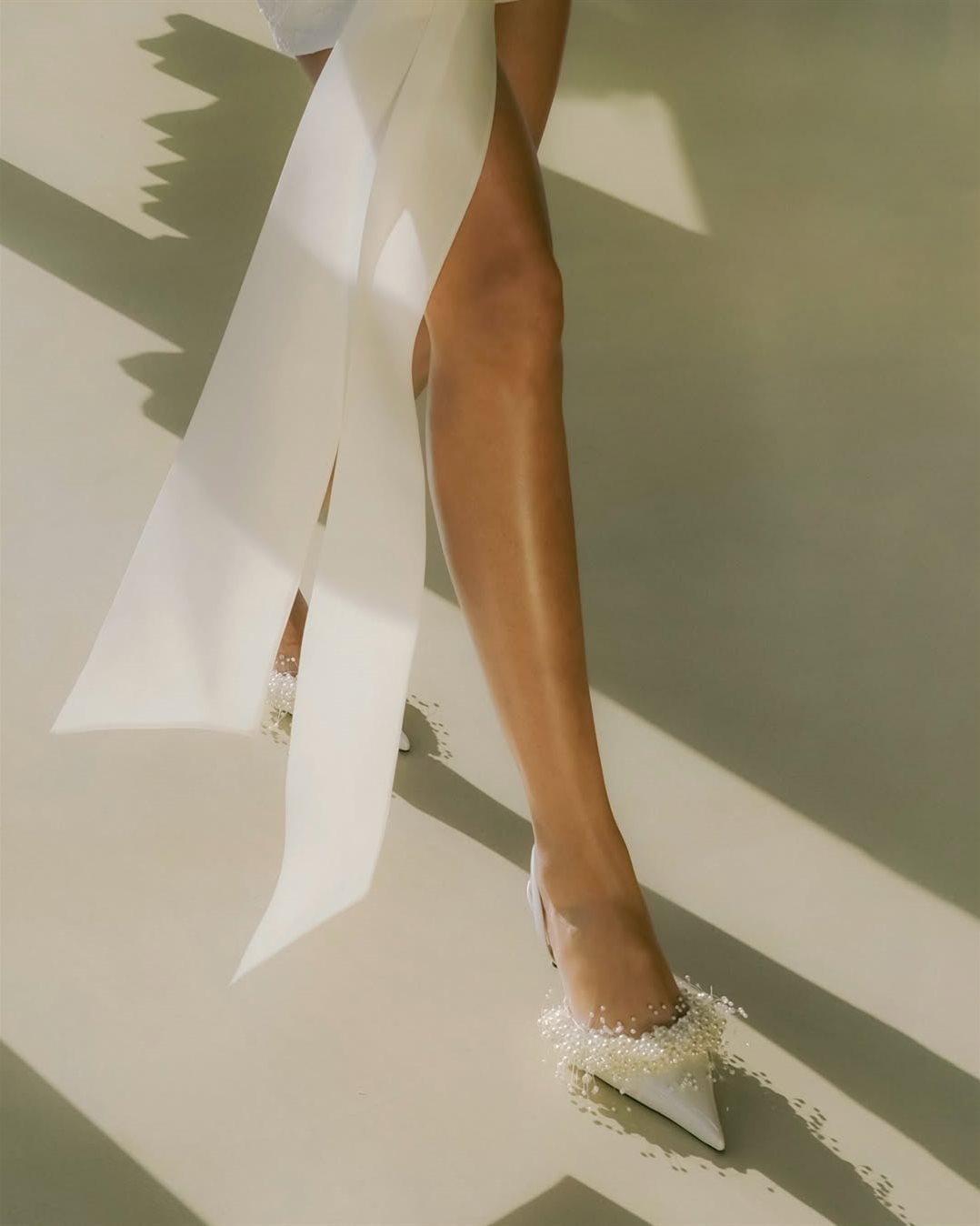
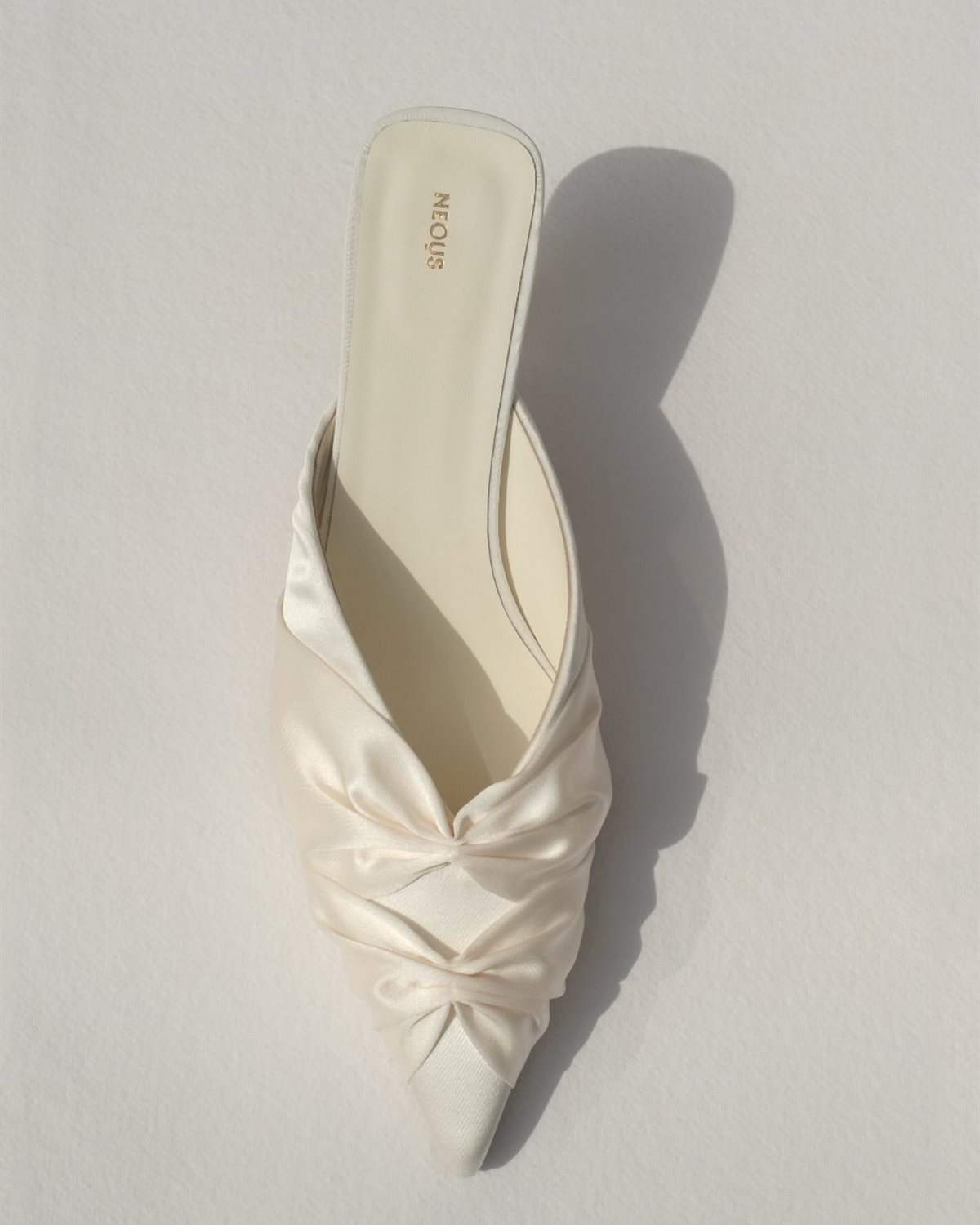
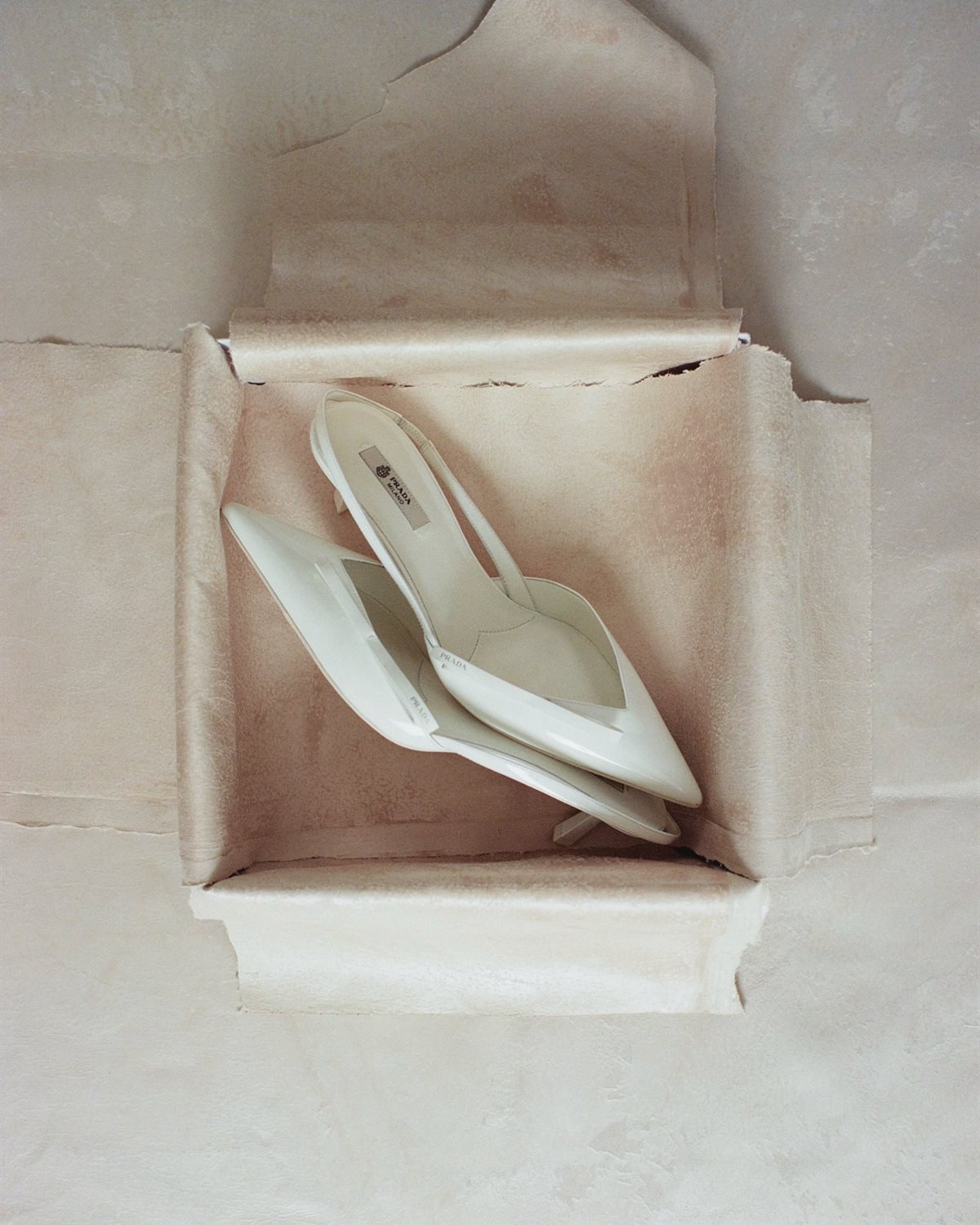
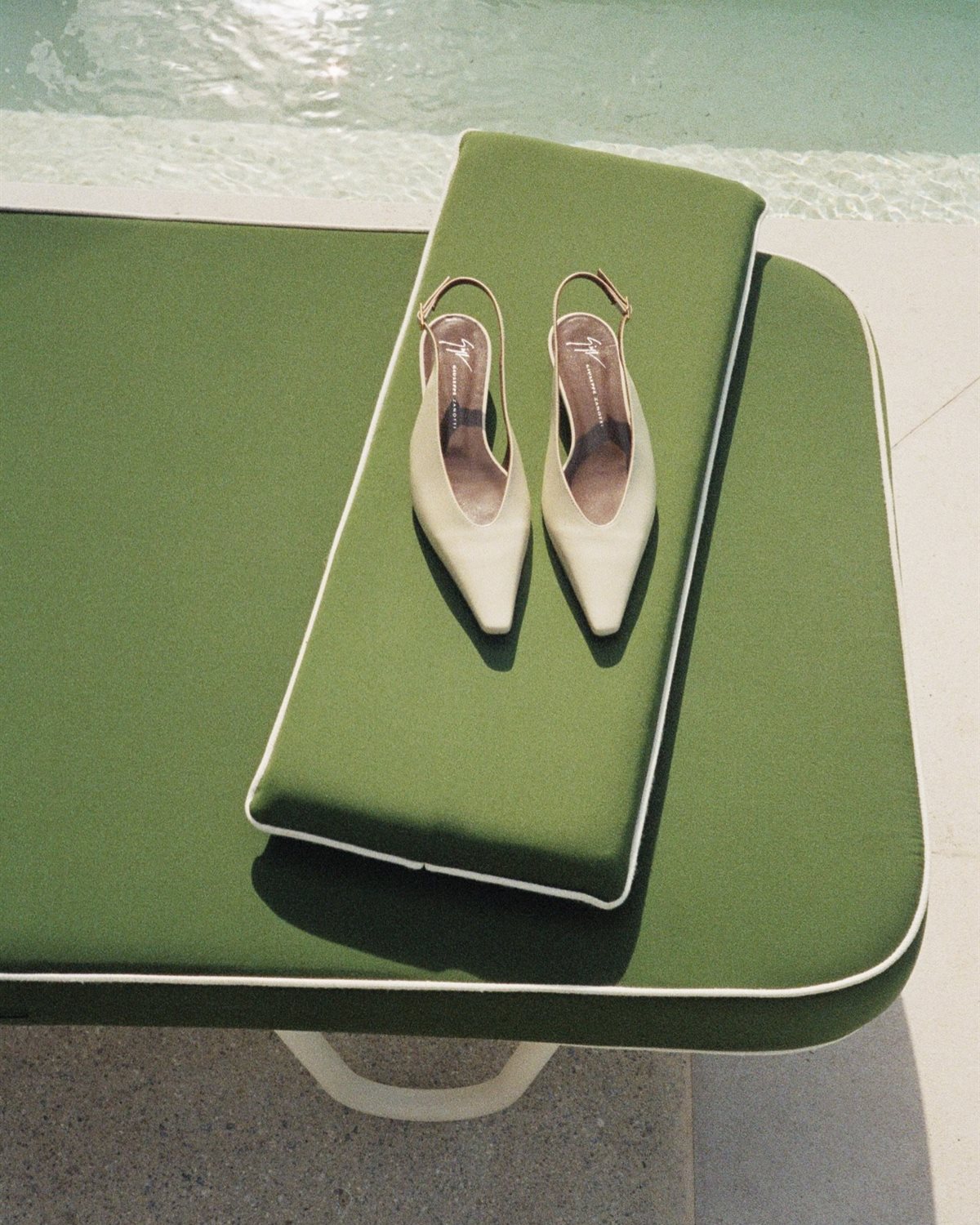
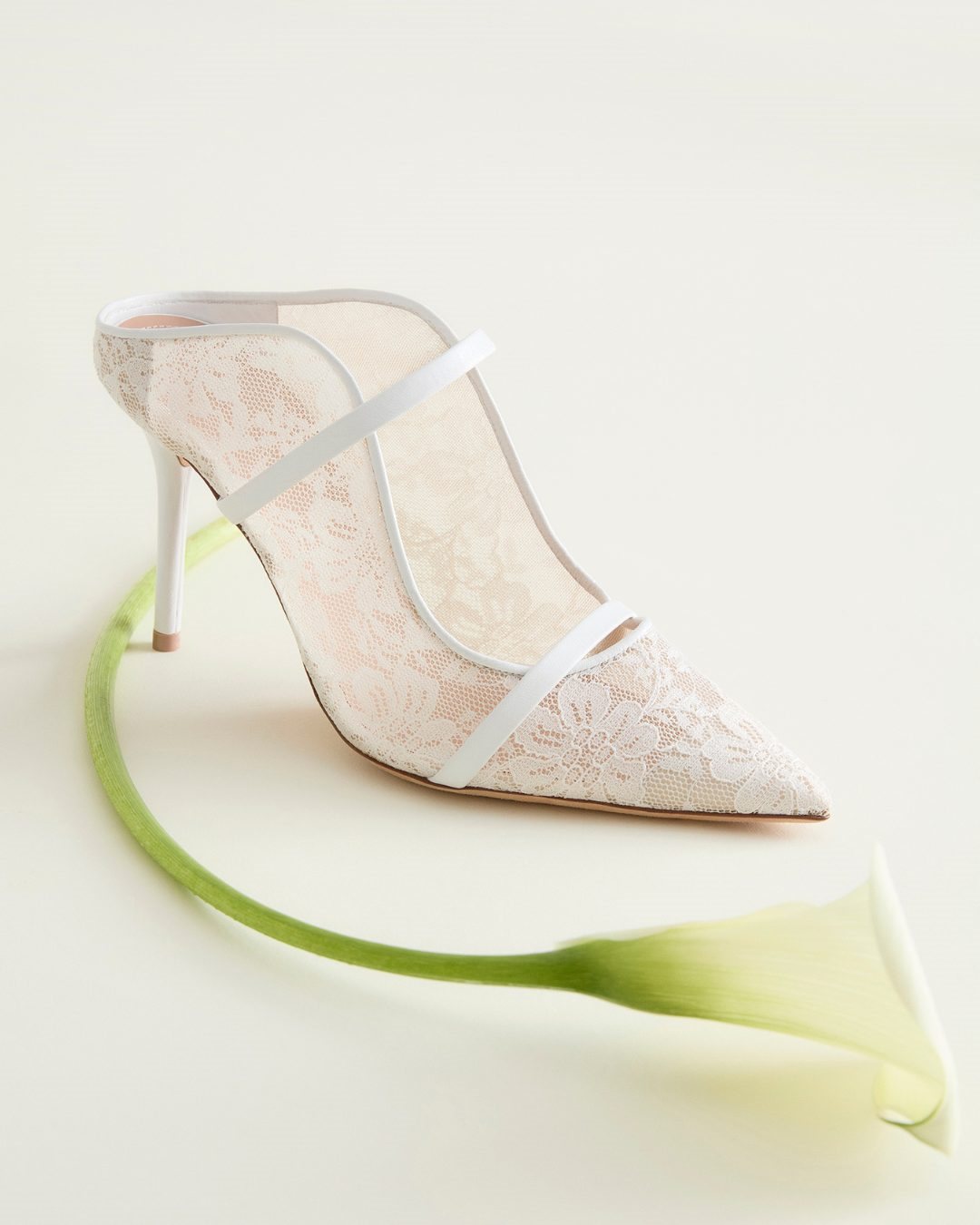
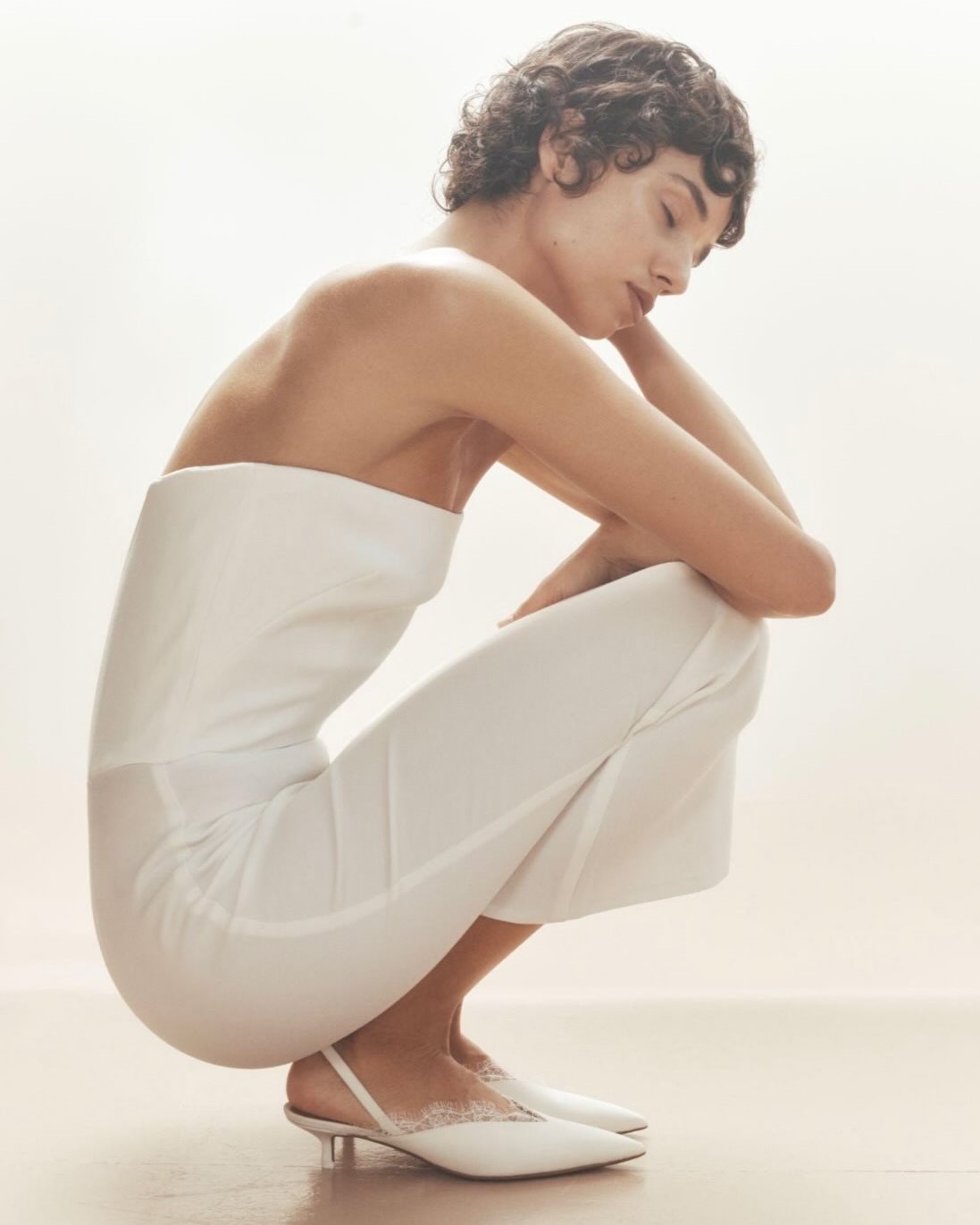
What defines this group is the construction: the back of the shoe is left open. That one decision changes the whole silhouette, with the heel free and the foot line longer and lighter. It gives a traditional bridal look a slightly less formal feel and works best for an intimate ceremony, a city hall wedding, a reception, or a second look for the evening.
Within it, height changes the mood. A flat mule is easy and relaxed, a kitten-heel mule adds polish, and a high-heel mule is all drama. Small-heel bridal shoes in this form are ideal for a long day, as they give you lift without making the step too heavy, and it all comes down to the level of formality required for the day.
Fit is absolutely everything here, as there's no rear hold at all. The heel must not slip as you walk, the front must keep the foot in place on the stairs, and you should be able to stand for long periods. A slingback strap or a slightly tighter last will handle most of it.
Feathers on the Toe: Ostrich Puffs Instead of Buckles
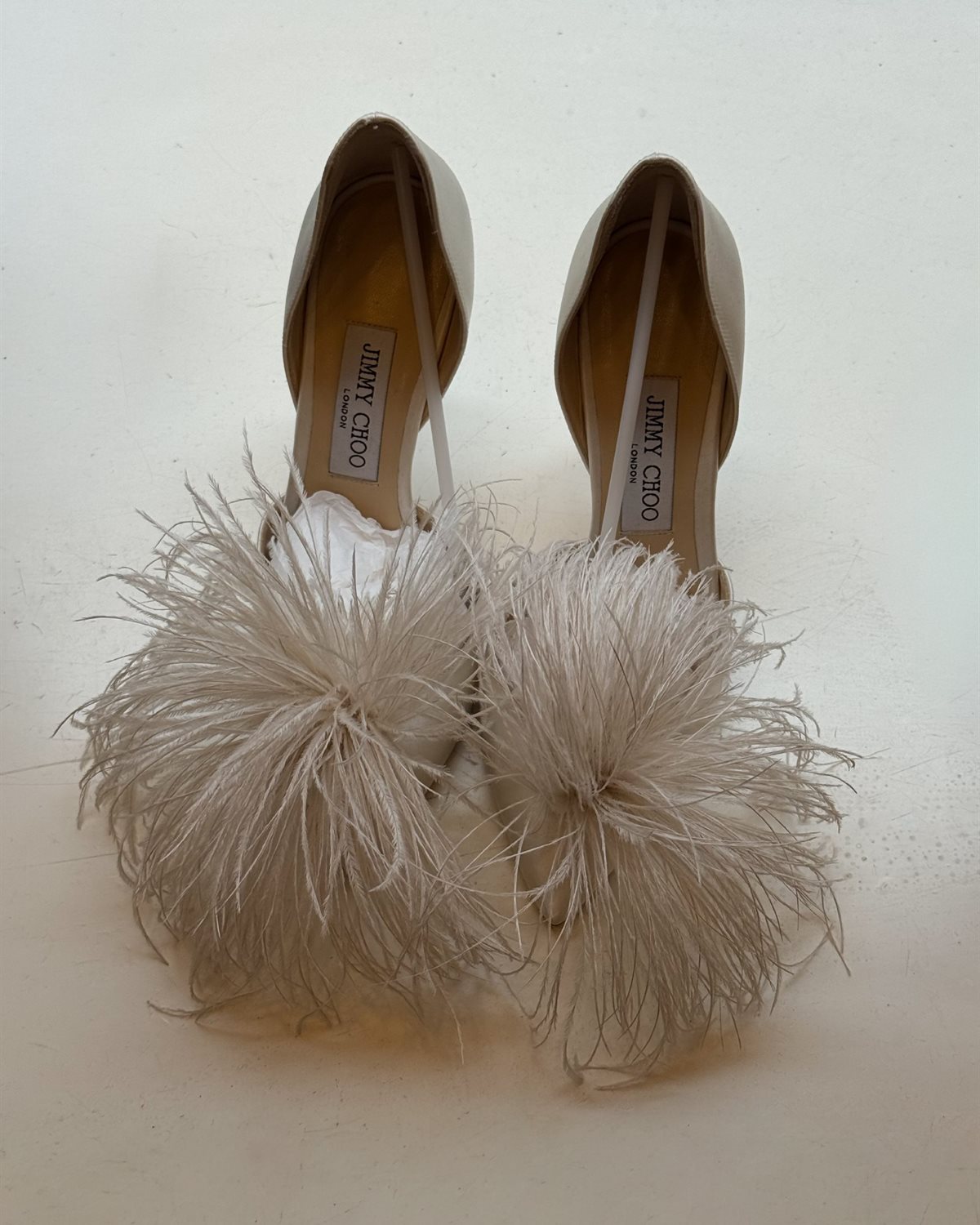
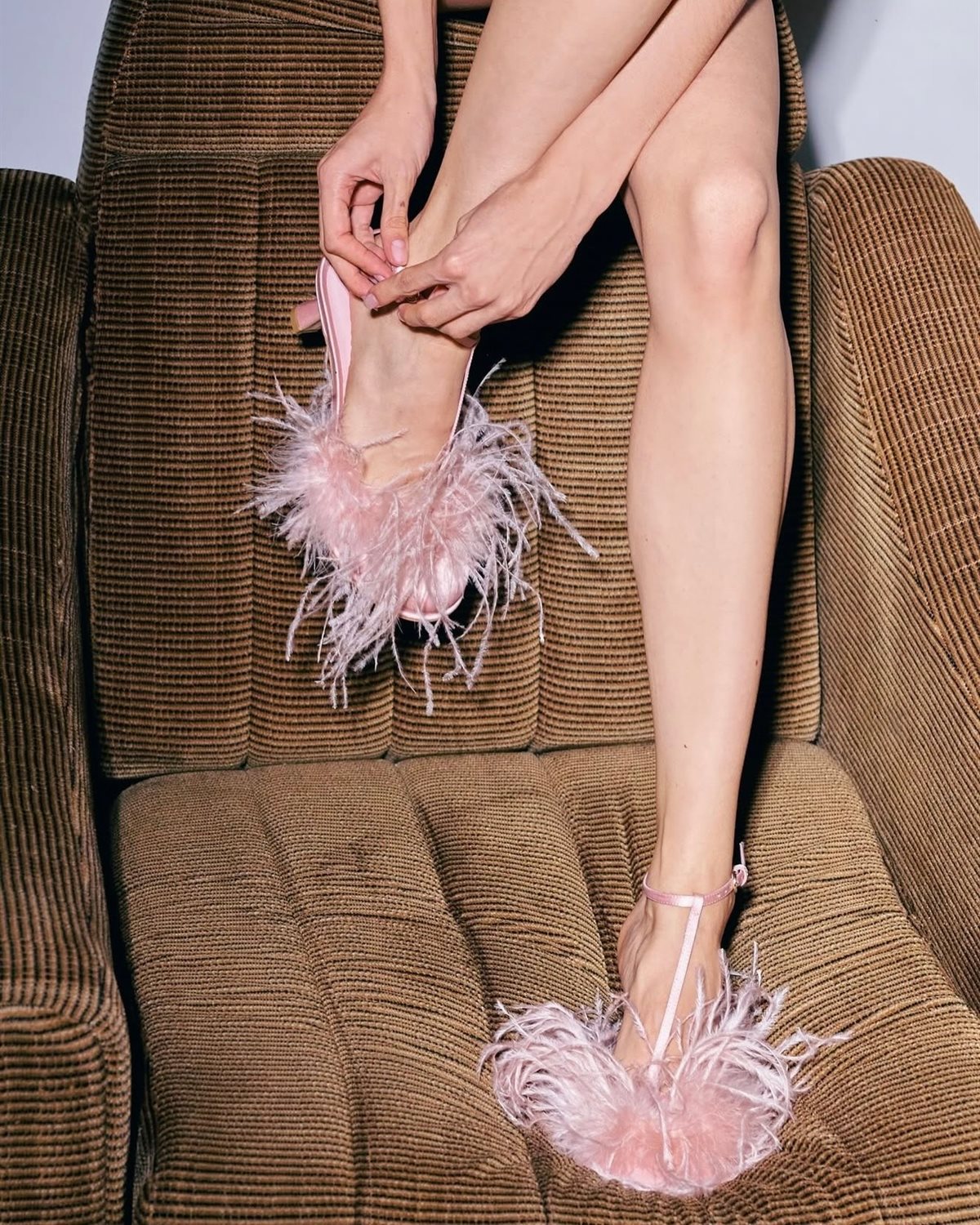
Feathers are the quirky, generous bit in this collection. An ostrich trim adds volume and movement, giving a slip dress or short gown a real touch of theater. Shoes do the job of several accessories at once, so a bride can leave the jewelry on and let her toes do the talking. It's one of the few times we'd actually recommend going all out on fun bridal shoes.
Scale is everything. A delicate trim is quite flirty; a big fluffy one is pure drama, and either works once you've decided which you want. Keep the feathers dry, store them with tissue, and be prepared for a very energetic dance floor to have a very detrimental effect on them.
The Cut of the Vamp: Hearts and Squares Instead of a Plain Line
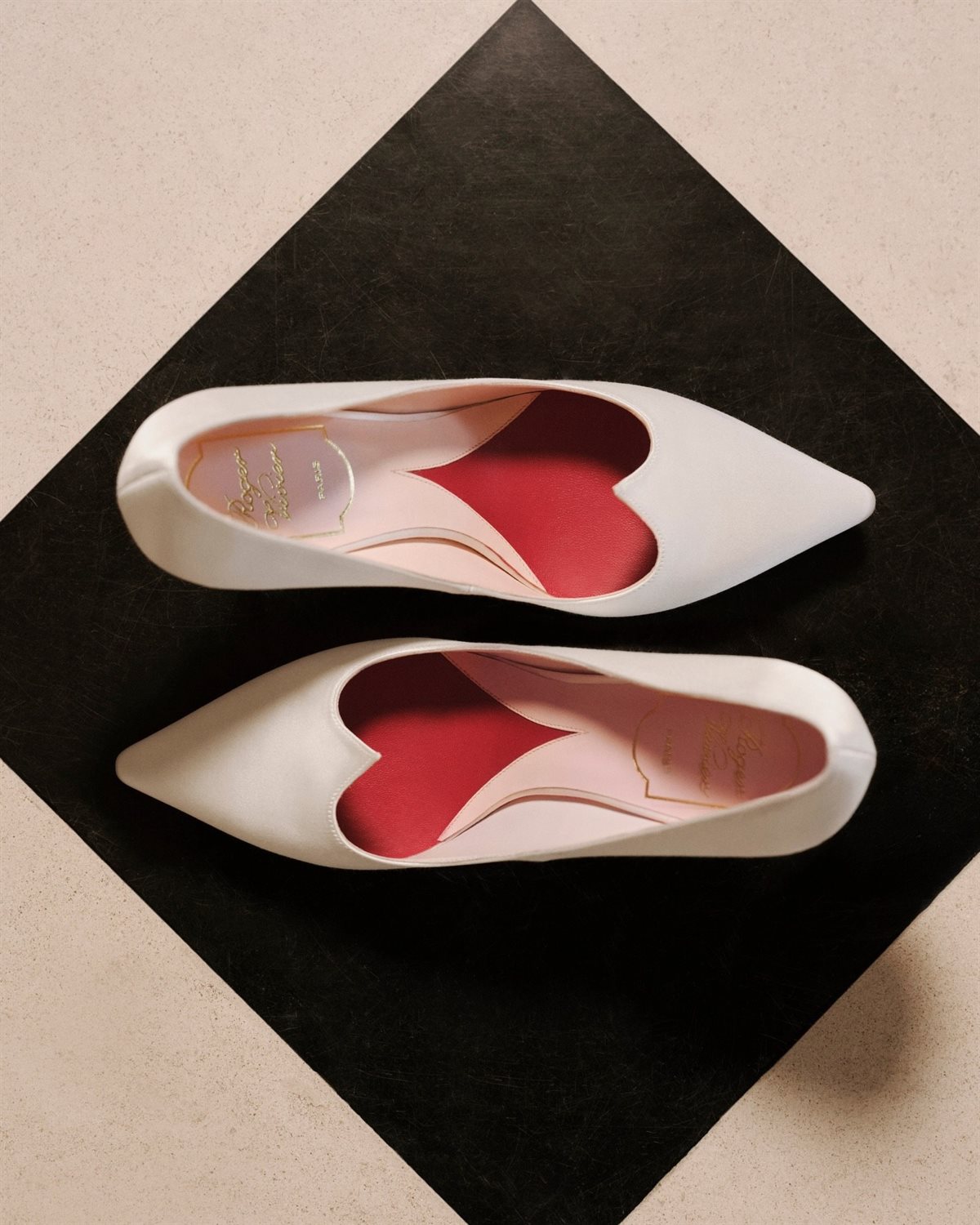
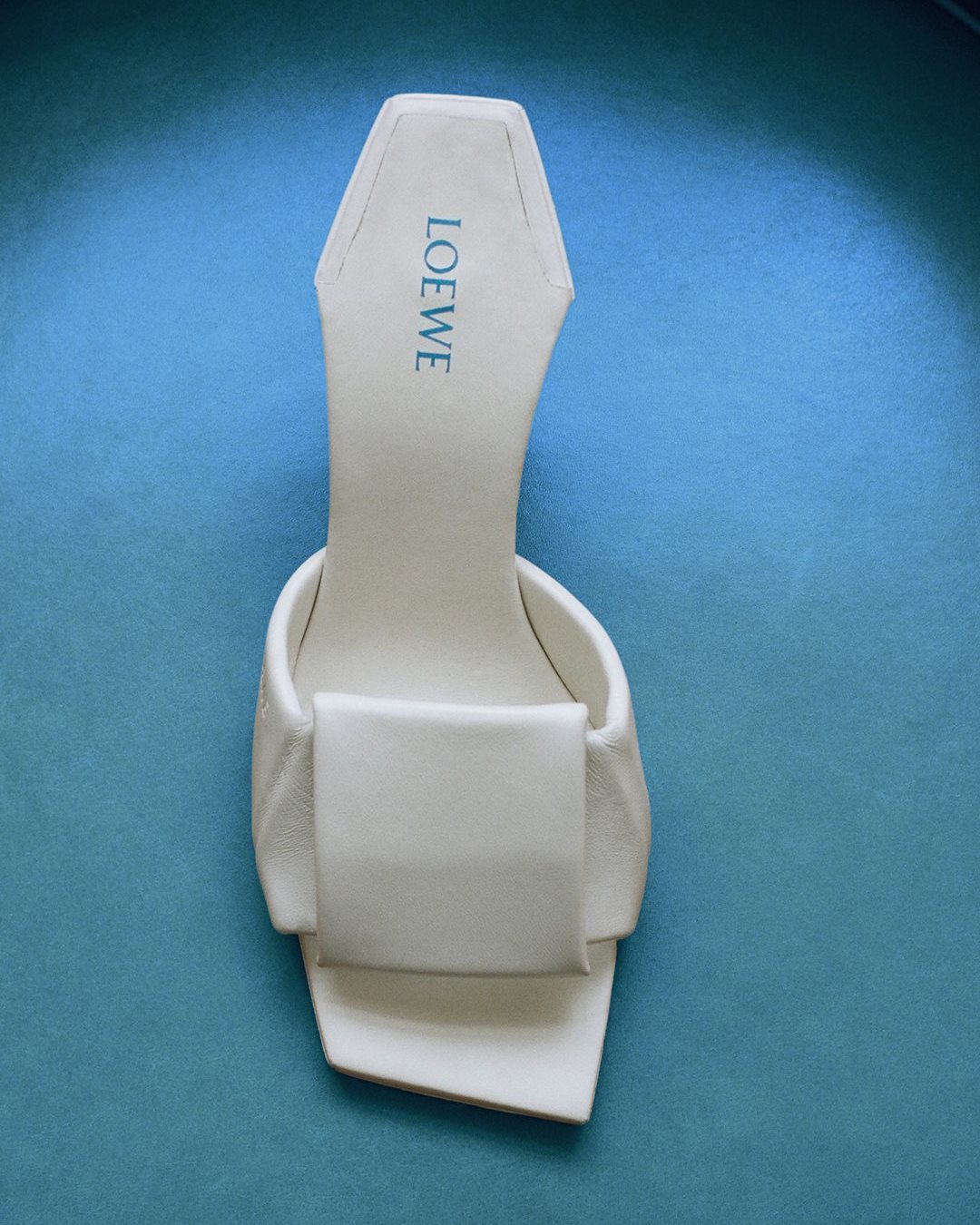
The vamp is the front section of the shoe which covers the top of the foot and is generally the part you don't really notice. If you cut it into a heart, a square, or another odd shape, you completely transform the character of a classic pump, like a dress neckline. They're the kind of unusual bridal shoes ideal for a bride who wants minimal decoration and something distinctly her own.
The cut will obviously change how the shoe sits with different dress styles. A heart shape works beautifully with a simple skirt; a squared-off line is ideal with a long flowing gown, and a deeper opening lengthens the foot. Look at the depth, the support it gives, and the room it leaves around the toes, because a good line will never pinch.
Ruffled Trim Along the Vamp: Vintage Frills Are Back
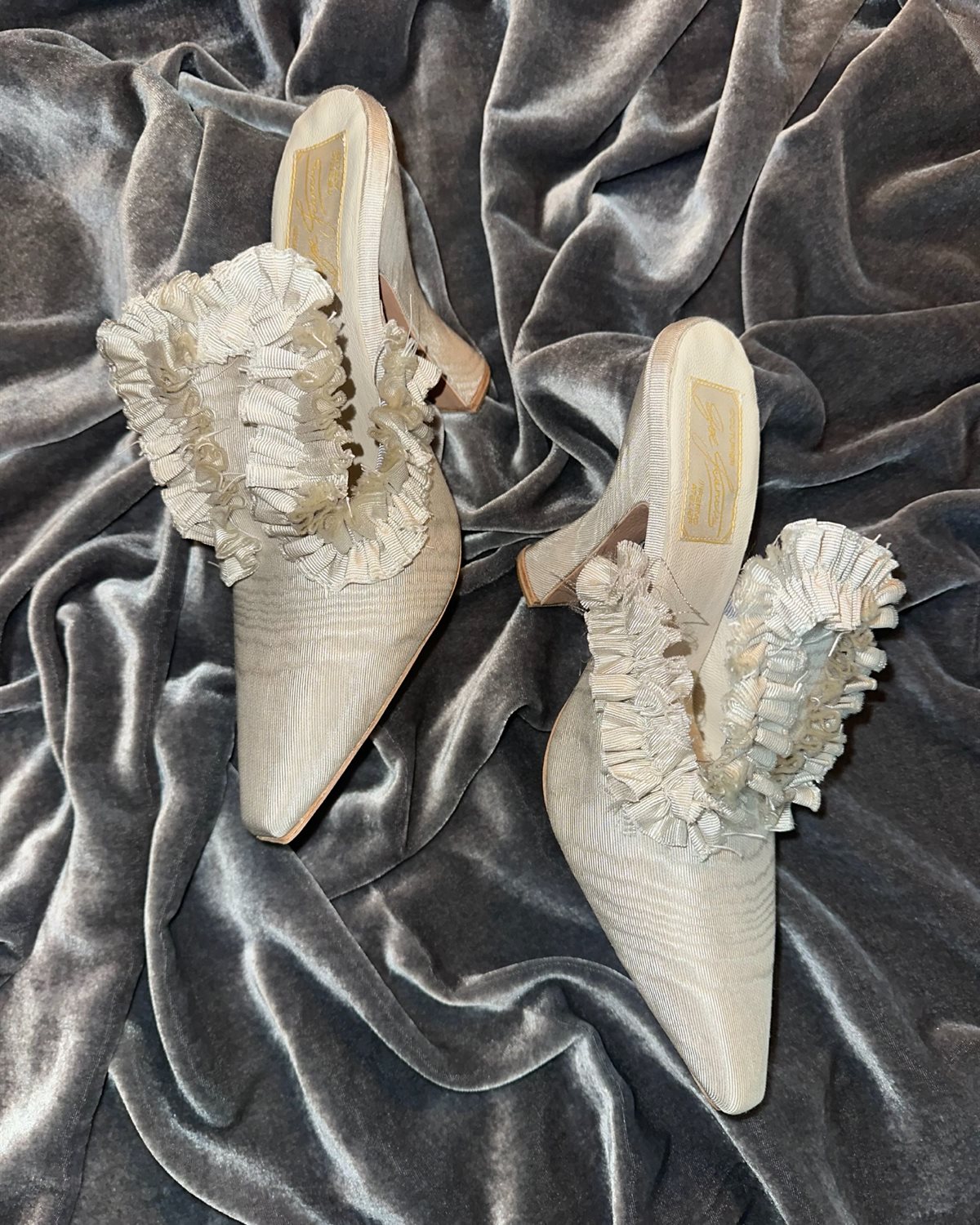
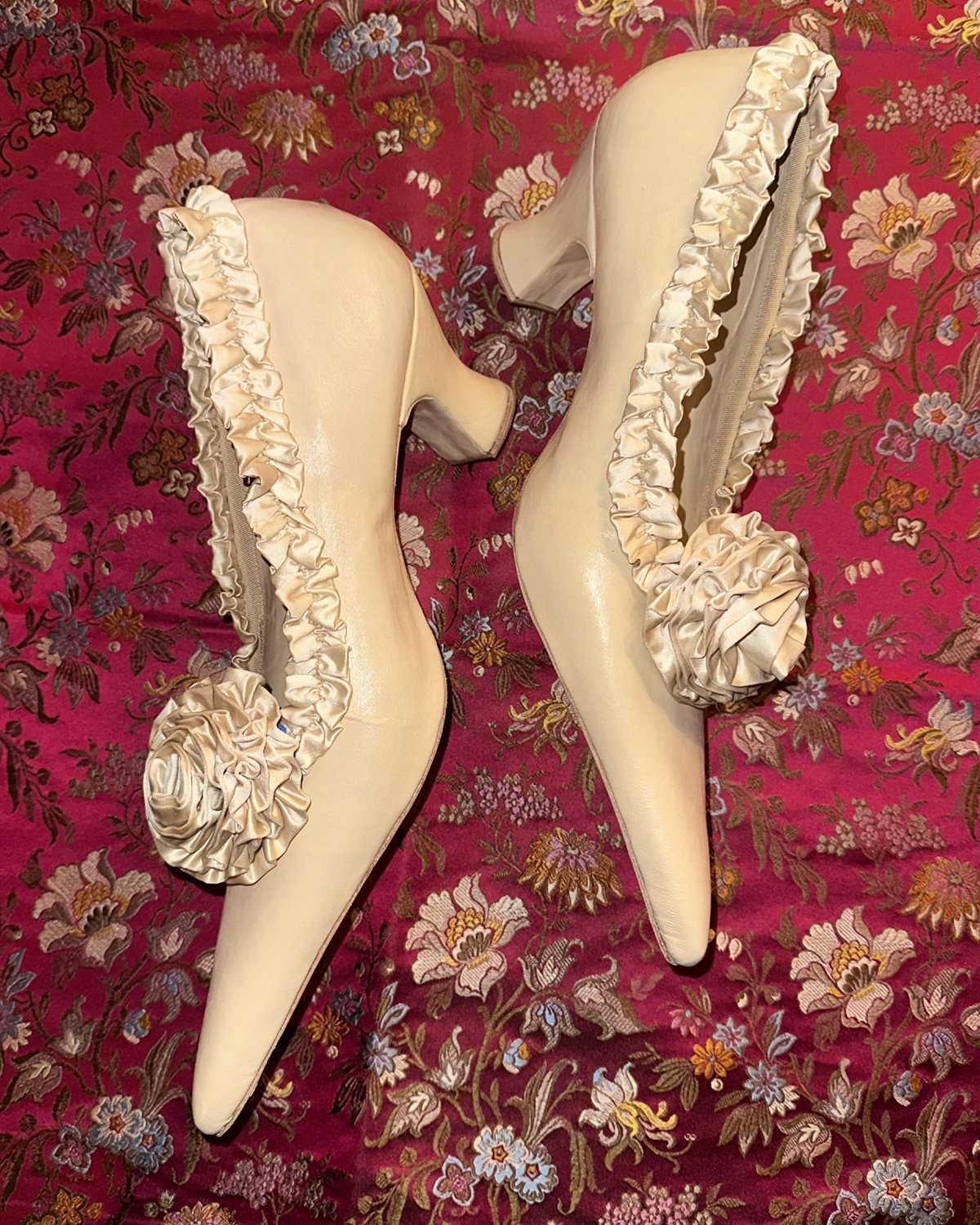
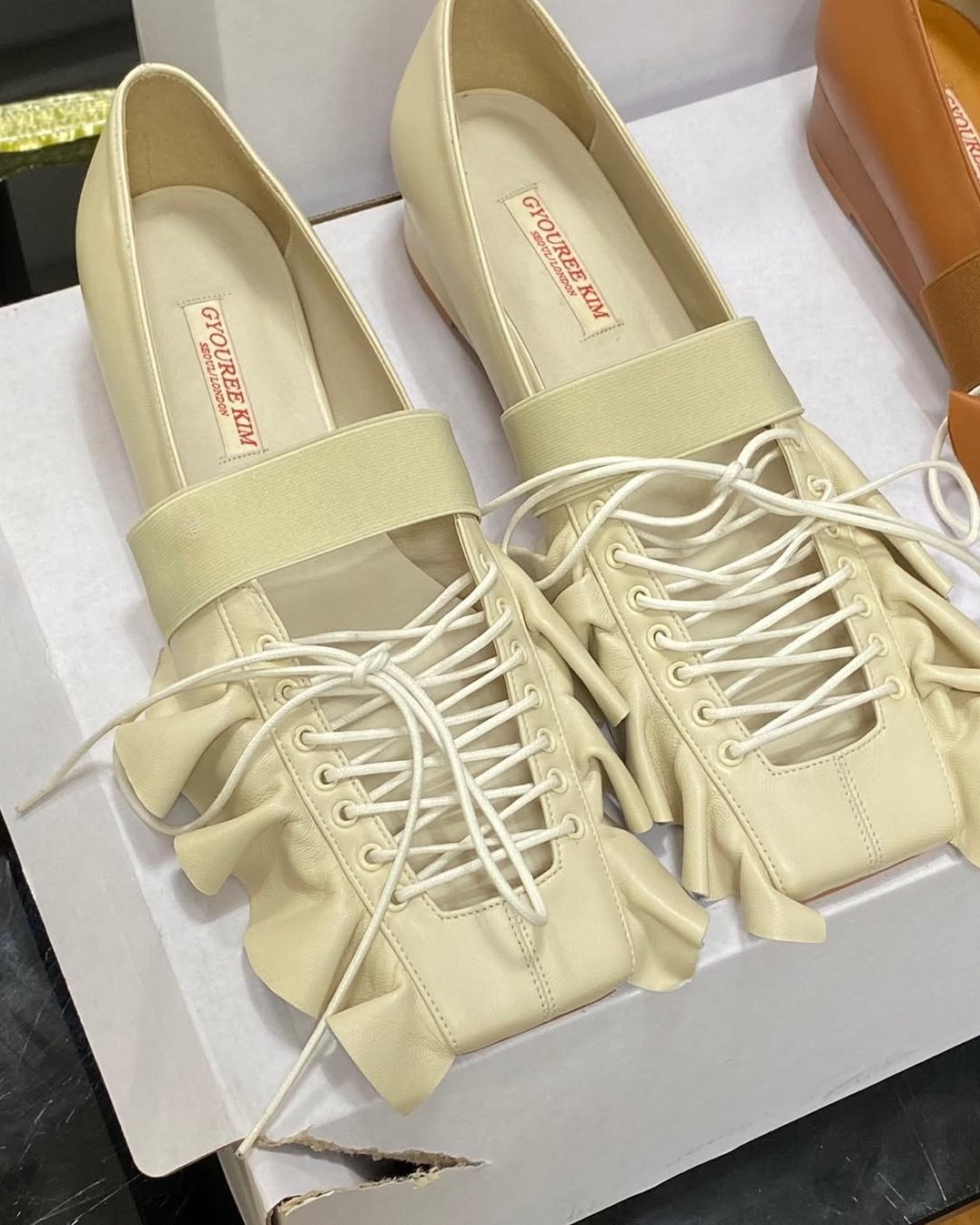
Ruffles and frills are an effective way to bring in the ornamental side of earlier eras, and they fit well with a shoe that's nostalgic and affectionate. A ruffle on the front of the shoe gives it a soft contour rather than the sharp, clean line of a straight vamp, and it works well with corseted gowns, lace dresses, and the like. Balance is the key, though. If you have a very busy gown, you need space, so keep everything else on the shoe simple. Make sure the ruffle sits flat enough so it doesn't catch on a long hem and that it maintains its shape throughout the day.
How We Would Choose Your Pair
We wouldn't start with heel height or a design's popularity. We'd notice first the gown's silhouette, the wedding atmosphere, and how noticeable the shoes should be. Only then would we choose the material, construction, and embellishments.
| Minimalist silk or crepe gown | Sculpted heels or mirror silver mules | Adds a focal point without overwhelming the dress |
| Romantic lace or tulle gown | Ballet-inspired shoes or delicate fabric styles | Echoes the softness and movement of the gown |
| Short bridal dress or mini | Feathered shoes or heart-shaped vamps | Makes the shoes part of the overall silhouette |
| Vintage-inspired wedding look | Ruffled trims or ruched fabric shoes | Brings historical detail into the styling |
| Modern tailored bridal suit | Hair-on calfskin or architectural heels | Creates contrast with structured tailoring |
| A second look for the reception | Low-heeled mules or playful feathered shoes | Changes the mood without requiring another gown |
These are styling suggestions, not rules. Contrast sometimes works better than a perfect match, and a soft gown can gain a great deal from a sharply architectural heel. What matters most is that the shoes suit the real format of the wedding day as well as they look in the pictures, whether that means a long outdoor ceremony, a crowded dance floor, or a quick change for the evening. That's when a custom commission starts to make sense.
What to Know Before You Order a Custom Pair
As the nine directions above are all about inspiration rather than ready-made models, the possibilities are entirely up to the maker. Some ateliers will build a pair from scratch around your foot; others will take an existing design and modify it, and that makes a huge difference in time, cost, and how much you can change. Custom bridal shoes can take one of those concepts and make it uniquely yours, as long as your expectations are clear from the first conversation.
- Customization or bespoke. Personalizing a ready-made model generally involves choosing the color and/or trim, whereas a bespoke pair is made for your foot from the outset
- What can be changed? This varies from atelier to atelier; it might be the material, color, embellishment, heel height, and fit
- Timing and fittings. As a very rough guide, made-to-order labels are about 4-12 weeks, and starting around 6 months in advance gives you plenty of room for fittings. Finish your shoes before the final fitting so the hem can be set against them
- Comfort and wearability. Walk in the pair for as long as you’ll wear them on the day, on a surface similar to your venue
- The final order. Confirm all the adjustments, the deadlines, the care instructions, and the return terms in writing, and keep a spare pair for the dance floor
Custom doesn't necessarily mean more comfortable. Comfort comes down to construction, the last, the fit, and plenty of testing. If you're short on time, a ready-to-wear design from an atelier can give you a very similar look, and your bridal salon can, of course, help you match the shape and shade of the gown. Our guide to this season's bridal shoe trends is a good place to start.
Follow a bridal pair through the day, and you'll see how hard it works: down the aisle, across the dance floor, up the stairs at midnight, and then in the last hour under a chair as the party continues. That's a long career for something most brides choose in ten minutes, so give the decision the time the dress gets. Choose the pair that feels like you, a pelt, a mirror, or a frill, and then ask the maker the question they love best: what's possible? That's where the best ideas start, and the Wezoree Inspiration Blog is full of them, with more bridal shoe ideas, fresh style stories, and practical tips from our experts.

FAQ
How far in advance should I order custom wedding shoes?
Plan on about six months as a rough guide, and earlier if you choose delicate materials such as feathers or hair-on leather, which can take longer. Busy wedding seasons stretch workshop schedules, so ask the maker for a delivery date a few weeks before the wedding. That gap gives you time to break the pair in and to fix anything that needs adjusting.
Can custom wedding shoes be made to fit my feet?
Often it's all within what the maker offers. Width, arch, instep, and length can all be adjusted, and a fully bespoke pair is made from a mold of your foot from the outset. Just give them your measurements, mention any sore spots, and ask about a trial pair, as a ready-made design can be adapted far less than a fully bespoke pair.
Which bridal shoes for women are comfortable enough to dance in?
Look for a heel of about 2 inches or lower, a wedge, or a solid base such as block-heel bridal shoes rather than a thin stiletto. A good cushioned insole is essential, and a rubber grip on the sole is a must. An ankle strap or slingback will keep the foot in place, and a wider toe box is a godsend after all-day standing. Ballet flats with a grippy sole are probably the easiest for a bride who is going to be dancing all night.
Should bridal shoes match the wedding dress exactly?
An exact match isn't necessary. Champagne under ivory is a shade you'd deliberately choose, whereas a white that's just a little off the gown would look like an error. Hold the shoe up to the fabric in daylight to see how it looks before you decide, or go for a contrast like silver or blush.
Can I wear colored or metallic shoes with a traditional wedding gown?
Yes, and a traditional dress is the perfect setting for them. Silver, blush, and champagne are the easiest as they sit so well alongside ivory and white. Echo the tone in an earring, a hair accessory, or the bouquet ribbon so the shoes feel like part of the whole.
What should I do if it rains on my wedding day?
Walk to the door in plain old flats or boots, take the wedding shoes in a bag or box, and change at the door. Satin, fabric, feathers and hair on leather all hate water. A clear umbrella and a small towel in the bridesmaids' bag will handle most of the problem.