Your Go-To Guide When Planning an Engagement Party


- What an Engagement Party Is and Who Hosts It
- When Do You Plan an Engagement Party
- How to Plan an Engagement Party
- How Do You Plan an Engagement Party on a Budget
- Guest List and Etiquette
- Choosing the Date and Time
- Venue Ideas
- How to Plan an Engagement Party at Home
- Themes, Style and Decor
- Invitations, Dress Code and Gifts
- Food and Drink
- Program, Toasts and Entertainment
- Photography and Memories
- Planning an Engagement Party Checklist
- What Can Go Wrong
- Wezoree’s Ideal Engagement Party Formula
- FAQ
An engagement party usually takes place within a couple of months of the proposal, and the couple and hosts often make these decisions for the first time. Planning an engagement party sounds easy, but it raises many questions: who pays, who is invited, how many guests the budget allows, and whether the toast comes before or after the cake. The answers to one question affect the answers to the others, so a good engagement party plan resolves them in order, starting with the host, then the budget and then the guest list.
Find Your Perfect Wedding Vendors

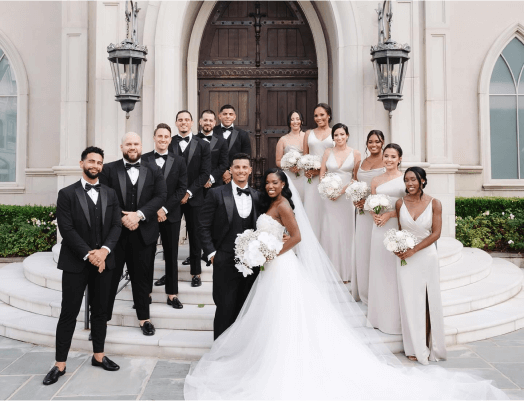
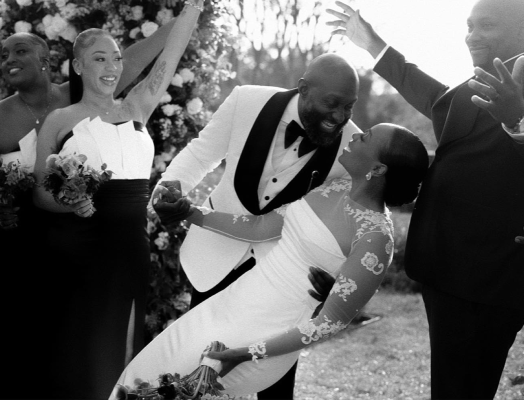


What an Engagement Party Is and Who Hosts It
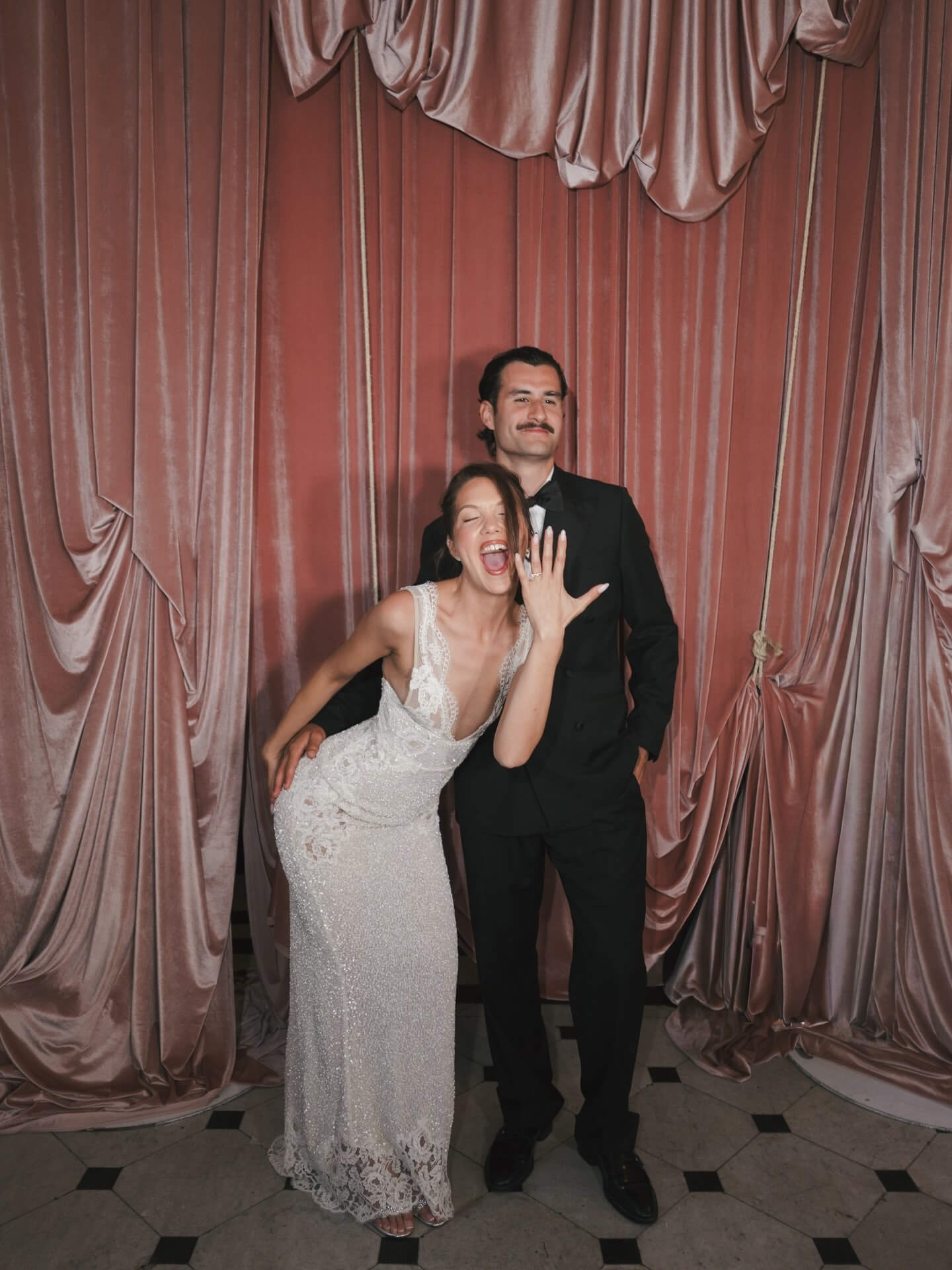
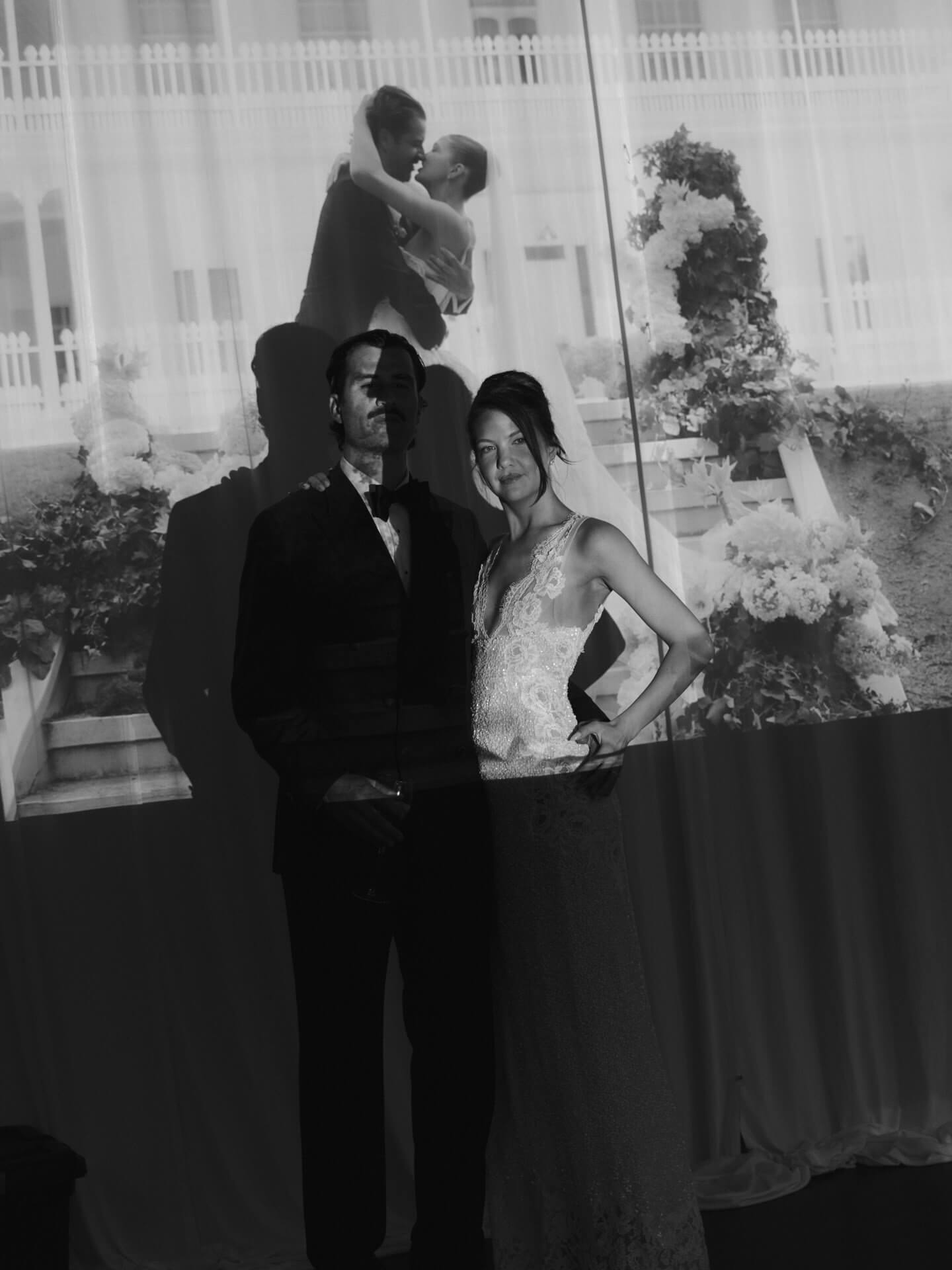
An engagement party is generally the first public celebration of the news. It's the occasion when both families and friend groups are in the same room, ideally before the save-the-dates go out and before wedding planning takes over the calendar. For the couple, it's also a chance to thank the people who have supported the relationship, so the atmosphere is generally warmer and more relaxed than at the wedding itself.
Traditionally, the bride's parents host and pay, but that's less rigid today. Either set of parents, a close friend, or the couple themselves can plan an engagement party and host it. The principle is that whoever is hosting pays. If both sets of parents want to contribute, agree on the split before the first deposit. Families who live far apart can have two smaller parties in two cities instead of one big one.
Some conversations are better had in person. Tell your parents and close relatives yourself before you send out any invites or post anything, and introduce the future in-laws before the party so it's not their first meeting. The bridal shower and the bachelorette come later and have their own guest lists. The engagement party itself gives both families a chance to come together.
When Do You Plan an Engagement Party
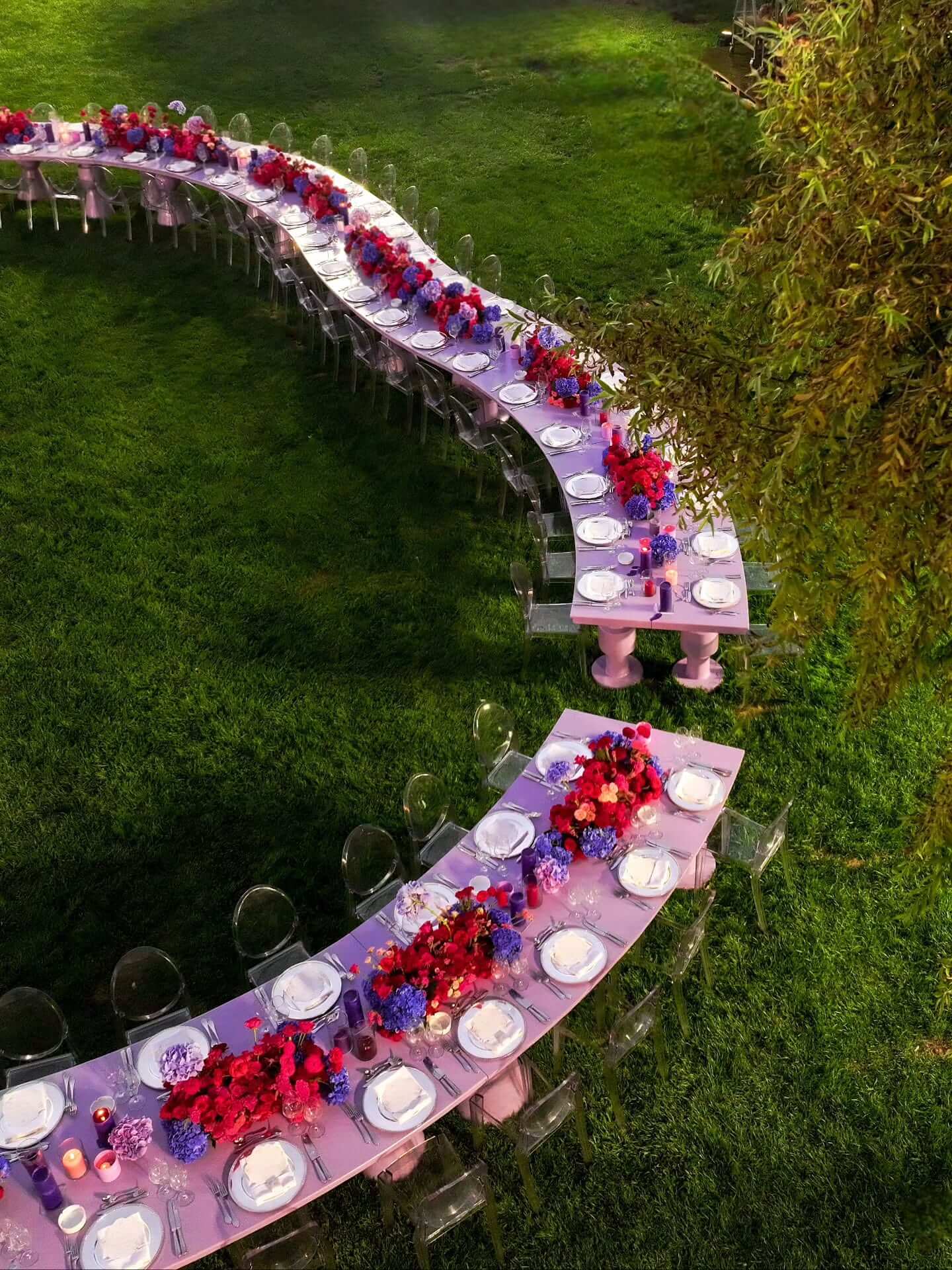
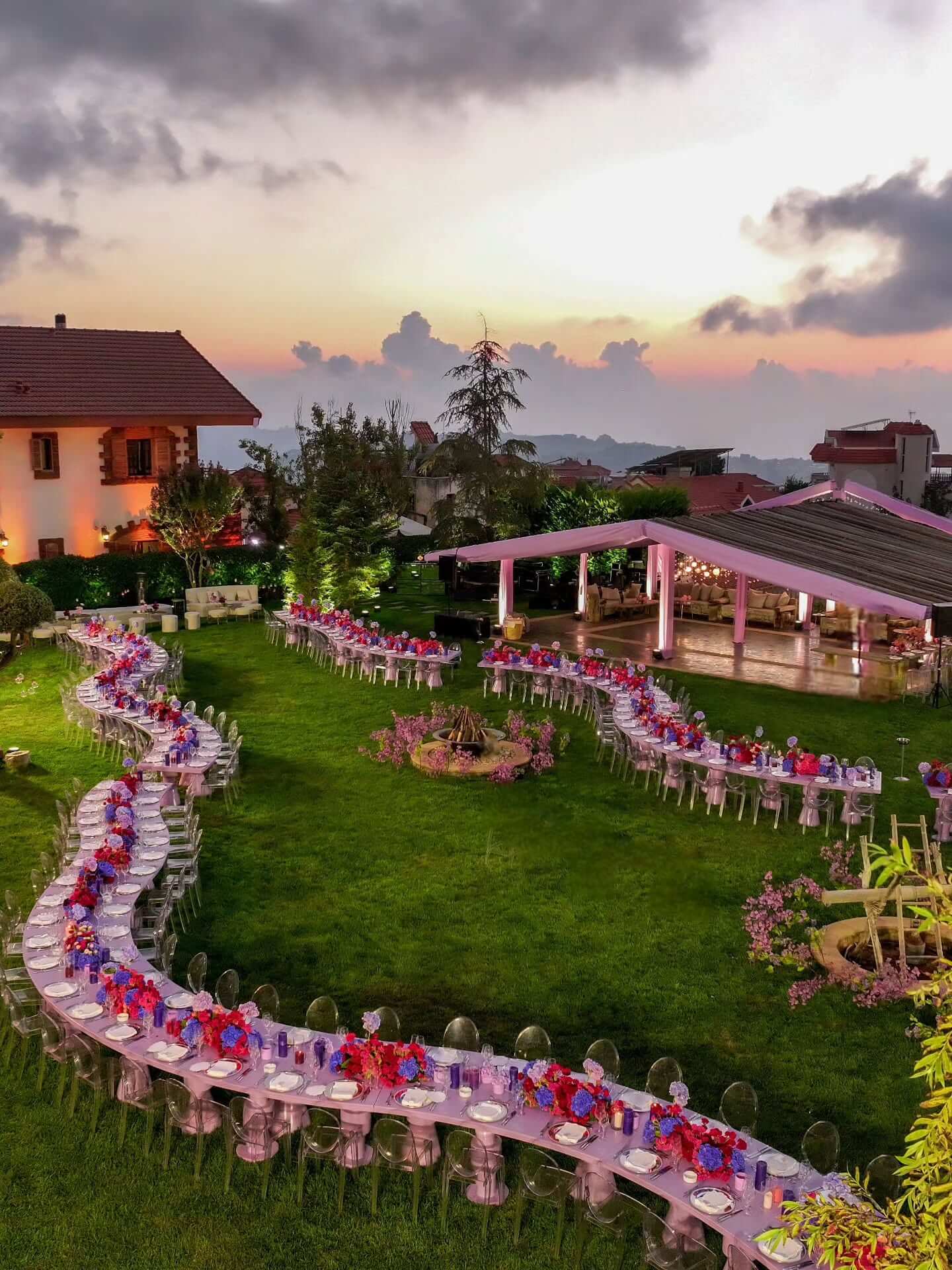
Most couples have the party in the one- to three-month window after the proposal, with two to three months being most typical. A fairly casual at-home affair in the first month is perfectly acceptable. A bit of a delay is fine, especially if it helps both families gather in one place. Start planning six to eight weeks in advance, or ten to twelve weeks if guests are traveling. That's plenty of time to book a venue and sort the food without rushing.
| Milestone | When |
|---|---|
| Planning starts | 6 to 8 weeks before |
| Invitations sent | 3 to 6 weeks before |
| RSVP deadline | 1 to 2 weeks before |
Invitations need more lead time in two cases: holiday-season dates require 6 to 8 weeks, and parties involving travel require 8 to 10 weeks. An engagement party can be in any season, so the ideal timing depends on the couple and the guests. The most popular venues book up year-round, so book yours as early as your guest list allows.
How to Plan an Engagement Party


Start with who hosts and who pays, because the answer sets the budget. The budget then sets the guest count, since food and drink typically take up more than half. The guest count narrows the venue to a short list. Date, menu, decor, and entertainment come last because they bend to fit what the first three have settled.
In our view, the guest list is the decision to protect because it quietly controls everything else. A list of twenty close people opens up a restaurant’s private room or a home dinner, while a list of eighty pushes the party into catered-venue territory with a very different price. For many couples, a practical range is twenty to fifty guests, where a couple can still speak to everyone. It is a better test of success than the size of the room. With the host, budget, and headcount settled, pick a format before anything else. Brunch, a cocktail evening, and a seated dinner each need their own kind of food and length, so decide which one it is before ordering a single flower. Two to four hours covers nearly every version without tiring the guests.
How Do You Plan an Engagement Party on a Budget
Published planning estimates put a typical engagement party in the US somewhere between $1,000 and $5,000, though the actual figure depends on the format and headcount. A small dinner at home might cost a few hundred dollars; a catered event for 100 guests could easily exceed $8,000.
| Format | Guests | Typical total |
|---|---|---|
| Small gathering at home | 10 to 25 | $200 to $1,500 |
| Bar, brewery or winery | 20 to 40 | $800 to $3,000 |
| Restaurant private dining room | 20 to 50 | $800 to $4,000 |
| Catered backyard or rented venue | 50 to 100 | $2,000 to $8,000 |
| Formal event space | 100 and up | $5,000 to $15,000 |
These are broad planning estimates, and prices vary widely by city and season. Food and drink will take somewhere between half and two-thirds of the budget. That makes them the biggest line in the budget and the last place to cut corners. Light refreshments run $15 to $25 per guest, and full catering with an open bar runs $40 to $100 or more. Invitations make up a small proportion of the total, around 2 to 5%, so printing is generally not where the money goes.
The best savings come from the format. Brunch is cheaper than dinner. A self-serve cocktail station costs far less than an open bar. Digital invites eliminate printing costs, and borrowing tables and chairs can reduce your rental costs. Set aside another 10-15% as a buffer for costs that always seem to pop up at the last minute, like extra ice, a second order of canapés, or a last-minute rental. Trim the list, and you'll save more than any of the above.
Guest List and Etiquette
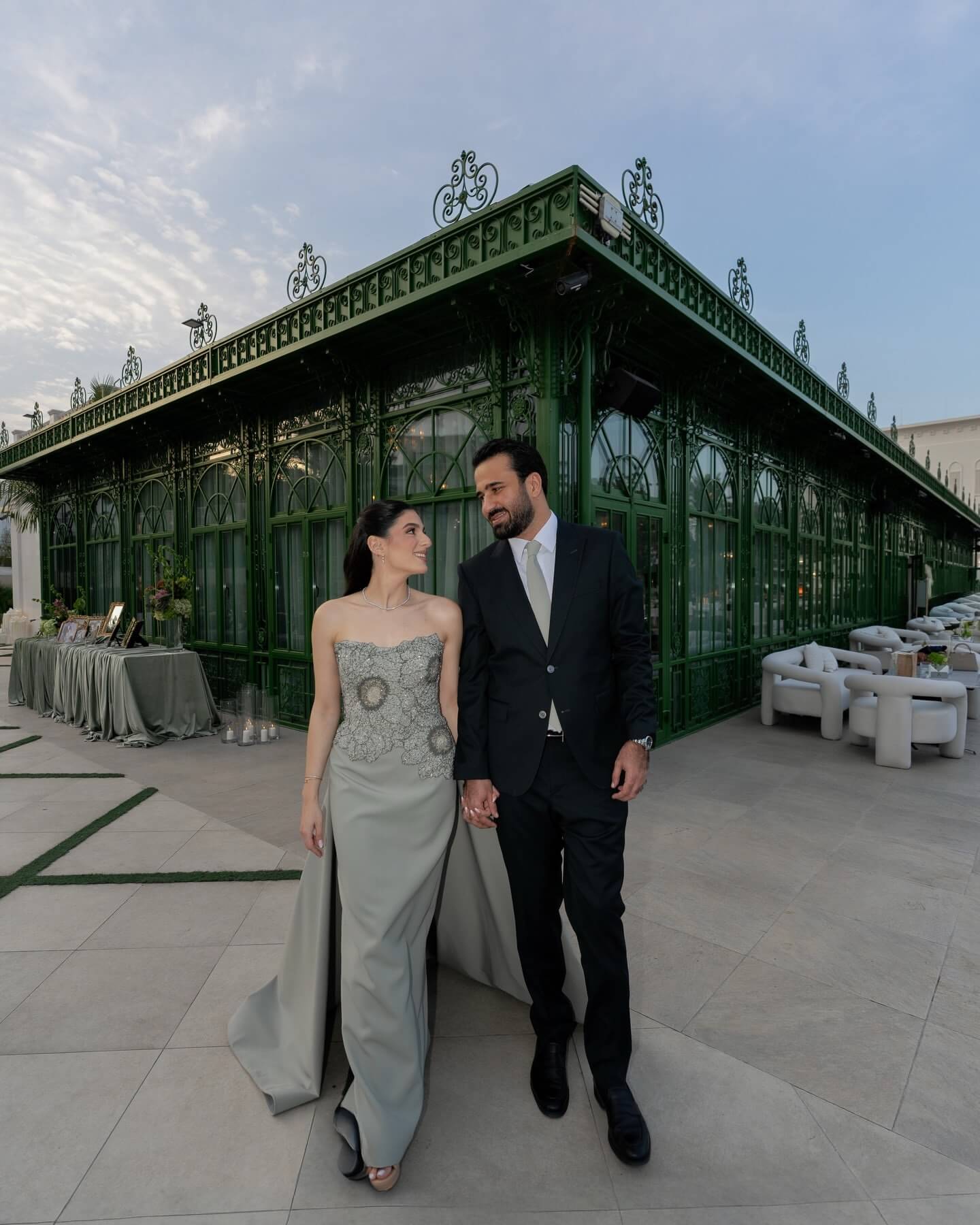
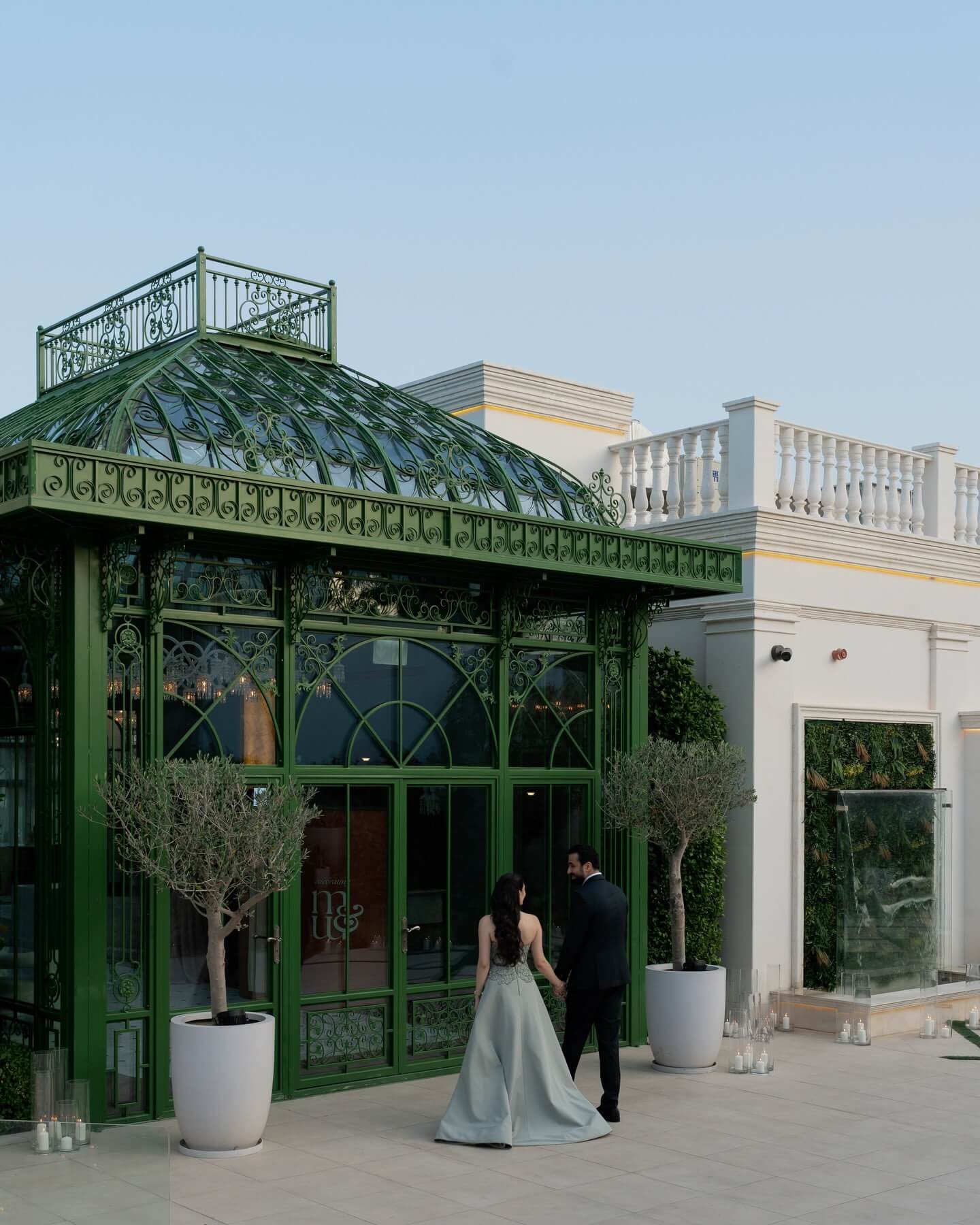
The safest rule to follow is that anyone invited to the engagement party is also invited to the wedding. If you break that rule, you end up in a bit of a pickle: someone attends the party and then finds out they're not on the wedding list. If the wedding list hasn't been finalized yet, it's better to keep the party to the inner circle.
In practice, that's immediate family and the closest friends from both sides, including grandparents. Only include coworkers if they will definitely be invited to the wedding; leave out acquaintances and neighbors. If you're having an elopement, a micro wedding or a destination wedding, then the engagement party may well be the main celebration for the wider family and friends, and in that case it's useful to make that clear when you're sending out the invites.
Try to balance the two families so neither side feels outnumbered, and sort out the plus-one and children policies before anyone asks. Older relatives and traveling guests benefit from an early heads-up. A simple livestream on a tablet or a quick call-in during the toast will let those who can't make it be part of the occasion.

Choosing the Date and Time

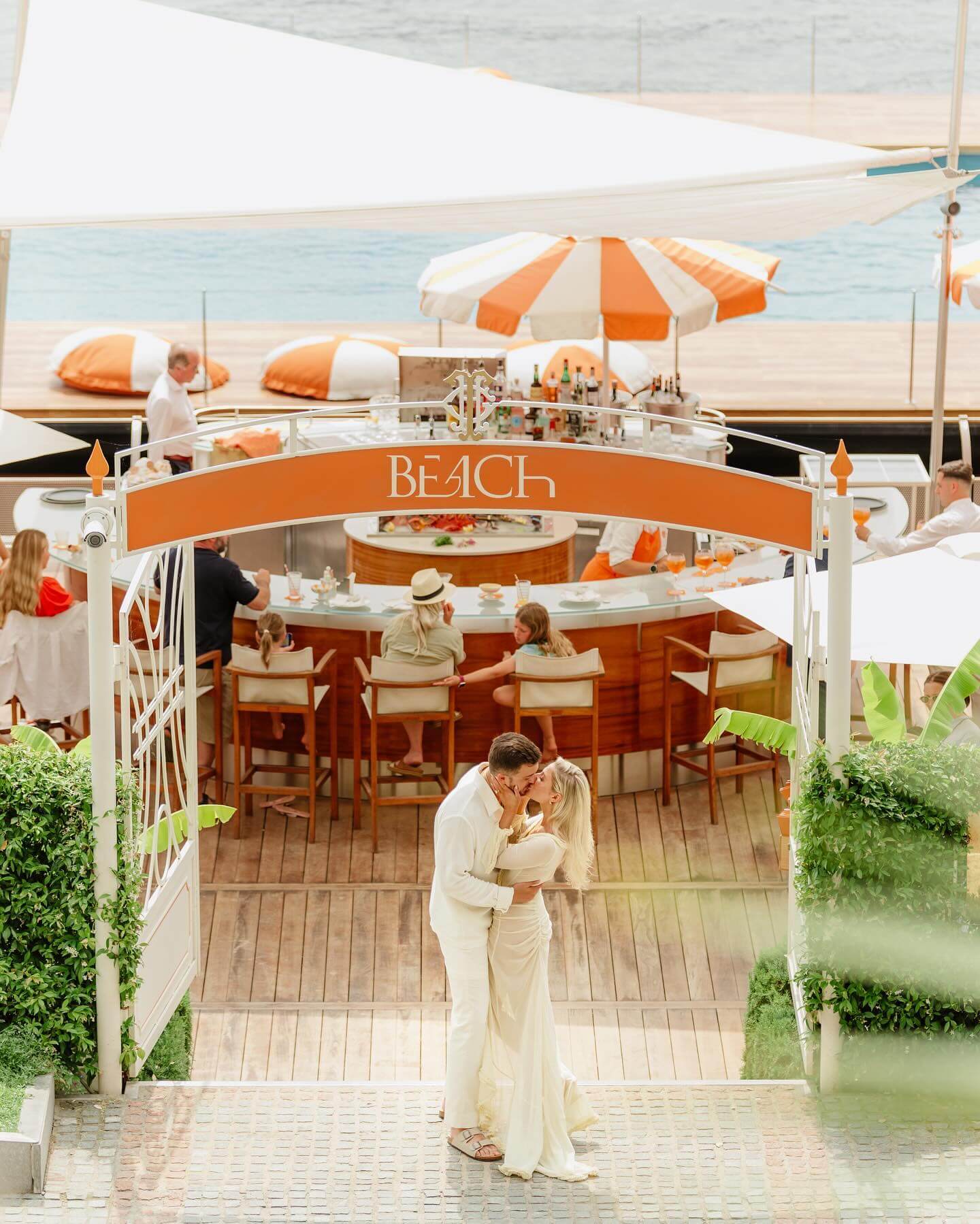
Weekends are generally best for most people. The time of day sets the tone: brunch and lunch are relaxed and cheaper, while an evening cocktail hour or seated dinner feels more formal. Always check the availability of the parents, grandparents, and closest friends before you pick a date, because a party without them is pretty much pointless. Don't book a date on a major holiday or in the two months before the wedding, when the calendar is already full. A genuinely meaningful date, like the proposal anniversary or the first date, is a great idea if you can manage it.
Venue Ideas
Choose the right venue size; match the space to the headcount before you even consider the style. A room that's too big makes a small gathering feel empty, and a room that's too small leaves guests queuing at the bar. Most couples will be choosing from the six formats listed below.
| Venue | Good for | Watch for |
|---|---|---|
| Restaurant private room | Seated dinners for 20 to 50 | Minimum spend and fixed menus |
| Home or backyard | Small groups, the lowest cost | Space, parking and weather |
| Rooftop or terrace | Cocktail parties with a view | Wind, noise limits and a backup indoors |
| Winery or brewery | Casual groups with built-in drinks | Closing times and outside-food rules |
| Garden or botanical space | Daytime parties with natural decor | Permits and seasonal bloom |
| Event space or hotel | Larger lists and formal setups | Deposits, contracts and service charges |
Whatever the format, ask the same questions before you sign. What's the capacity for dining and dancing? Is catering in-house? Are tables, chairs, and linens included in the price? Get the deposit and cancellation terms in writing and confirm what happens if it rains. A venue with an indoor alternative, or one with both indoor and outdoor space, removes the weather from the equation. In our view, a private room in a restaurant offers the best value for a first-time host because it includes food, service, and cleanup in one price.
How to Plan an Engagement Party at Home
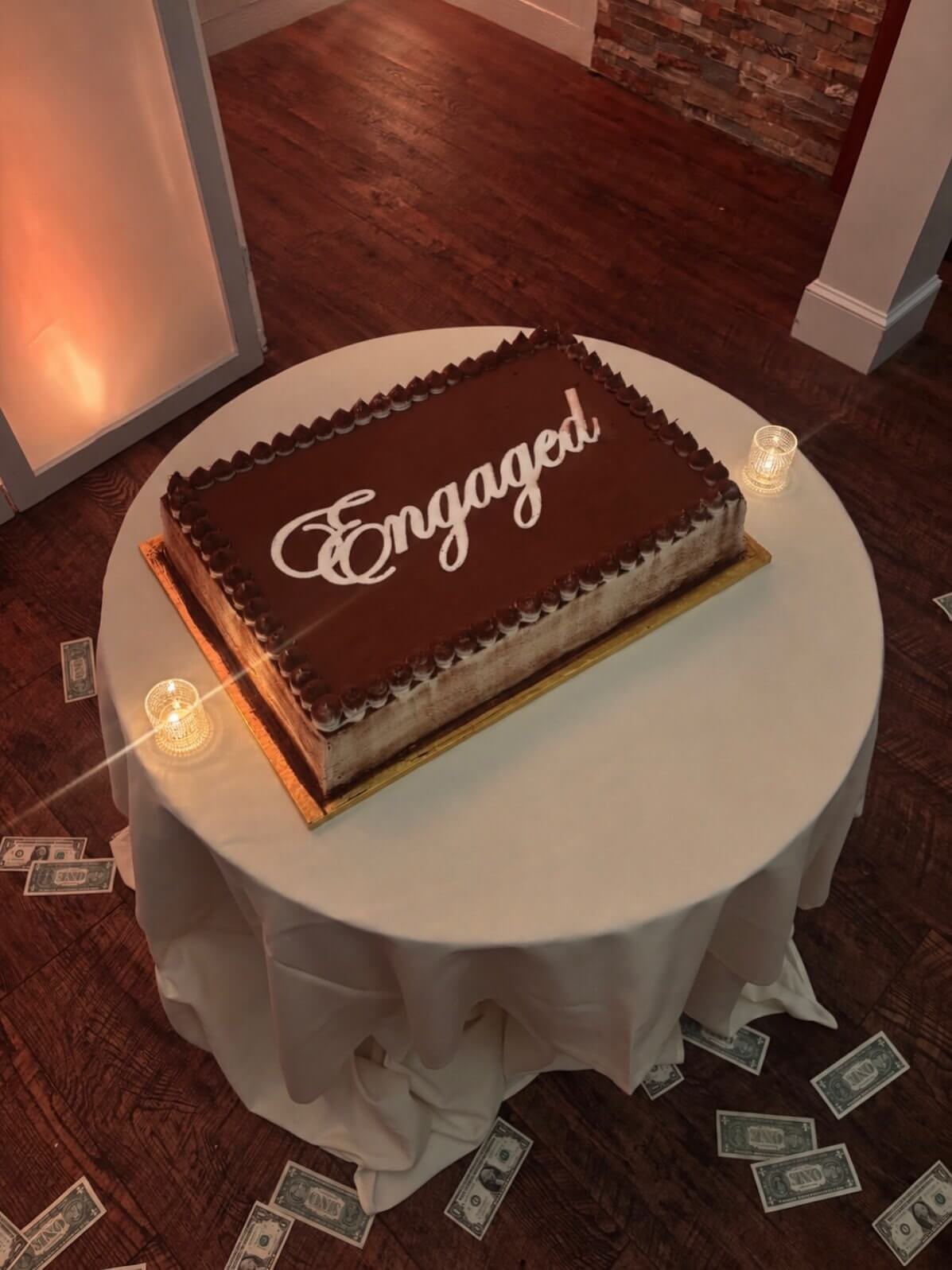
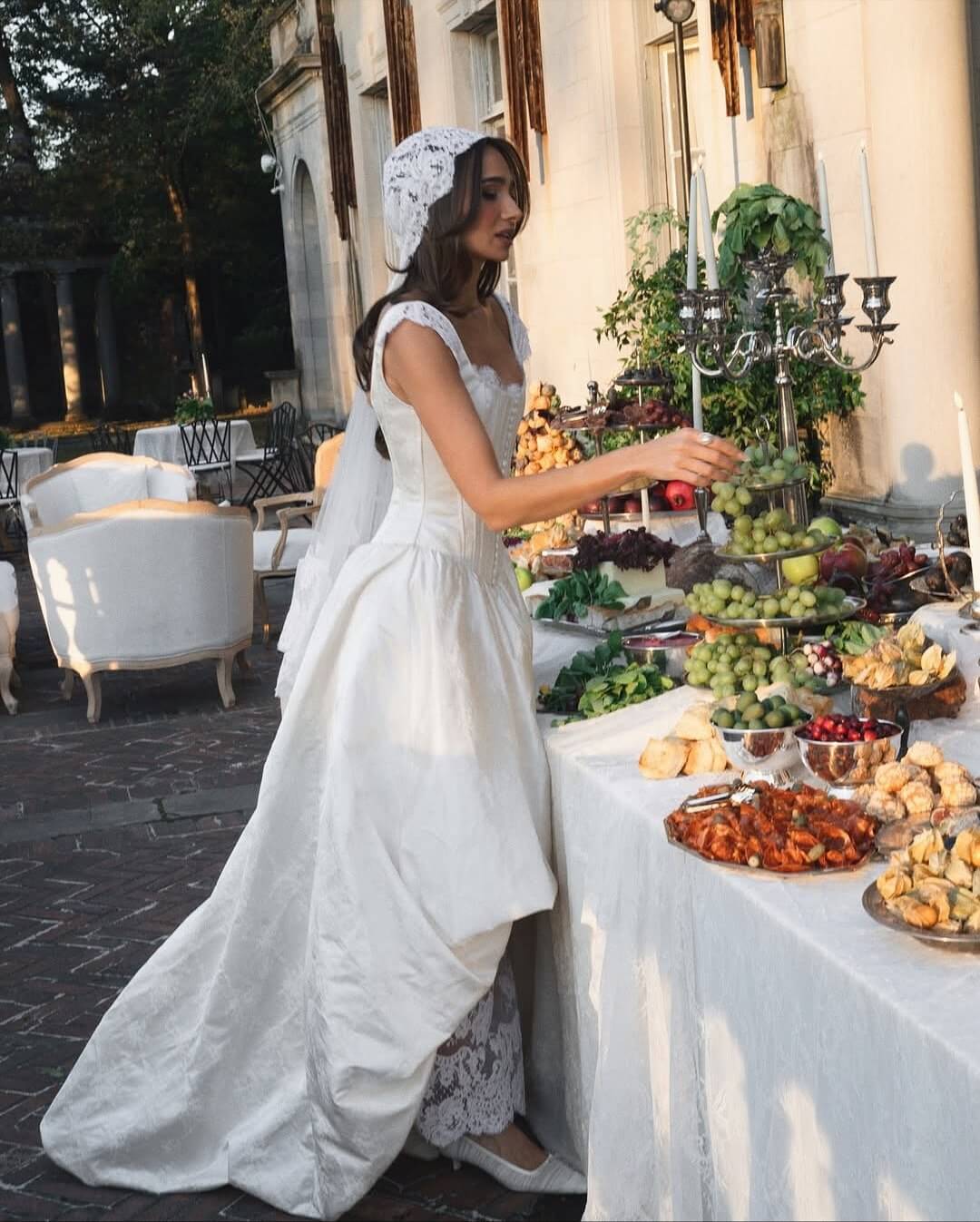
A home party costs the least and feels the most personal, but it places the greatest demands on the hosts. The couple or host family becomes the planner, caterer, and cleanup crew all at once, so many home parties run smoothly only if you assign one guest to handle logistics. The points below are things you need to sort before anyone arrives, and you can handle most of them in an afternoon.
- Count the seats and standing room honestly, and expect about a third of the guests to drift outdoors or into another room
- Plan food that can be served from a table or station without a kitchen crew
- Arrange parking and tell neighbors in advance if the party will run late or have music
- Set up a drink station away from the kitchen so guests do not crowd the cooking area
- Prepare a covered or indoor backup if the party extends into the garden
- Assign one reliable friend to greet guests, manage the playlist, and handle surprises
Skip any of these and the gap will show up at the worst possible moment, when guests are already at the door. A quiet corner with a few chairs helps older guests and anyone who needs a moment away from the noise. Order a bit more food than the headcount suggests, and borrow extra chairs. Finish everything an hour before guests arrive so the hosts can have their first drink with everyone else.
Themes, Style and Decor
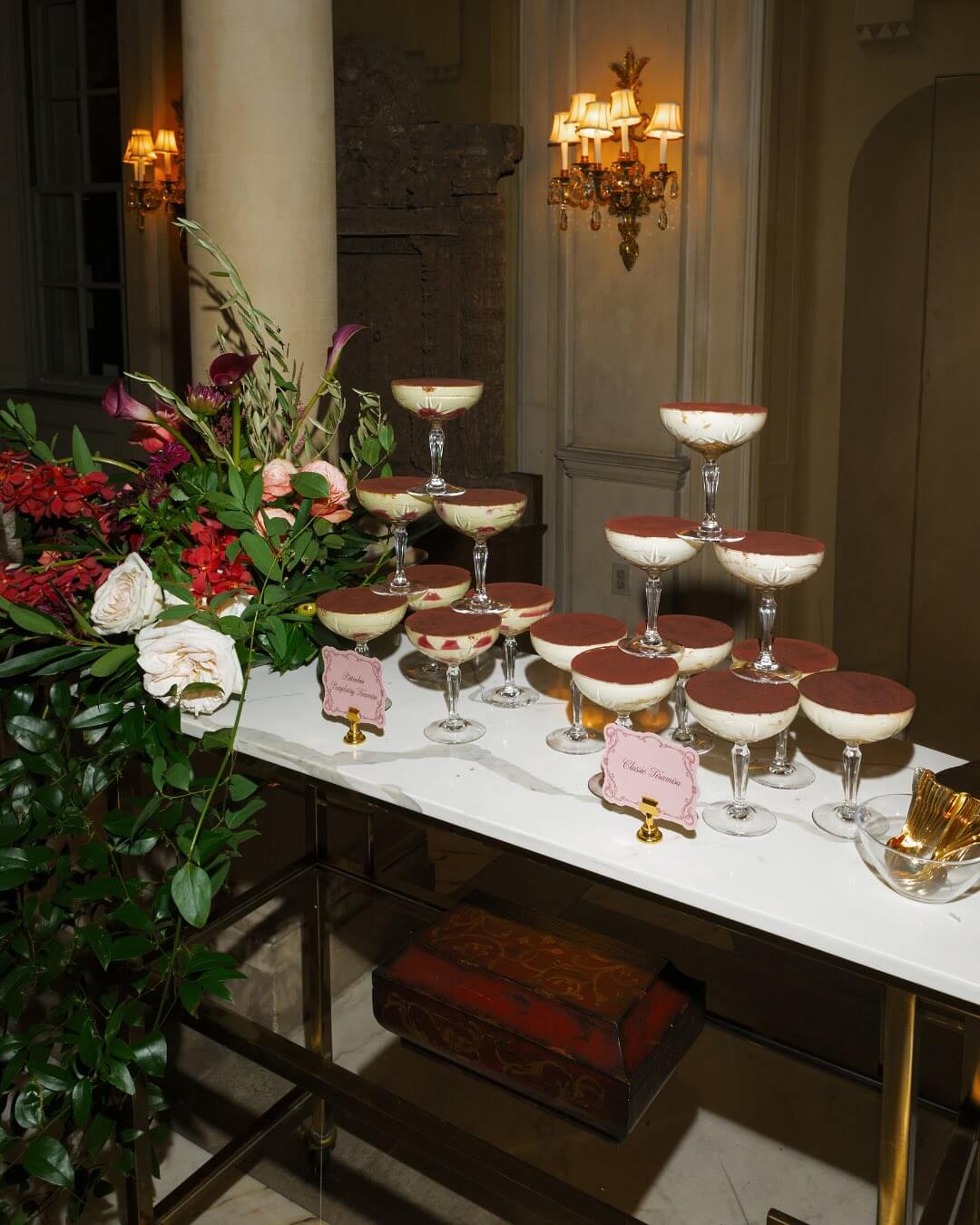
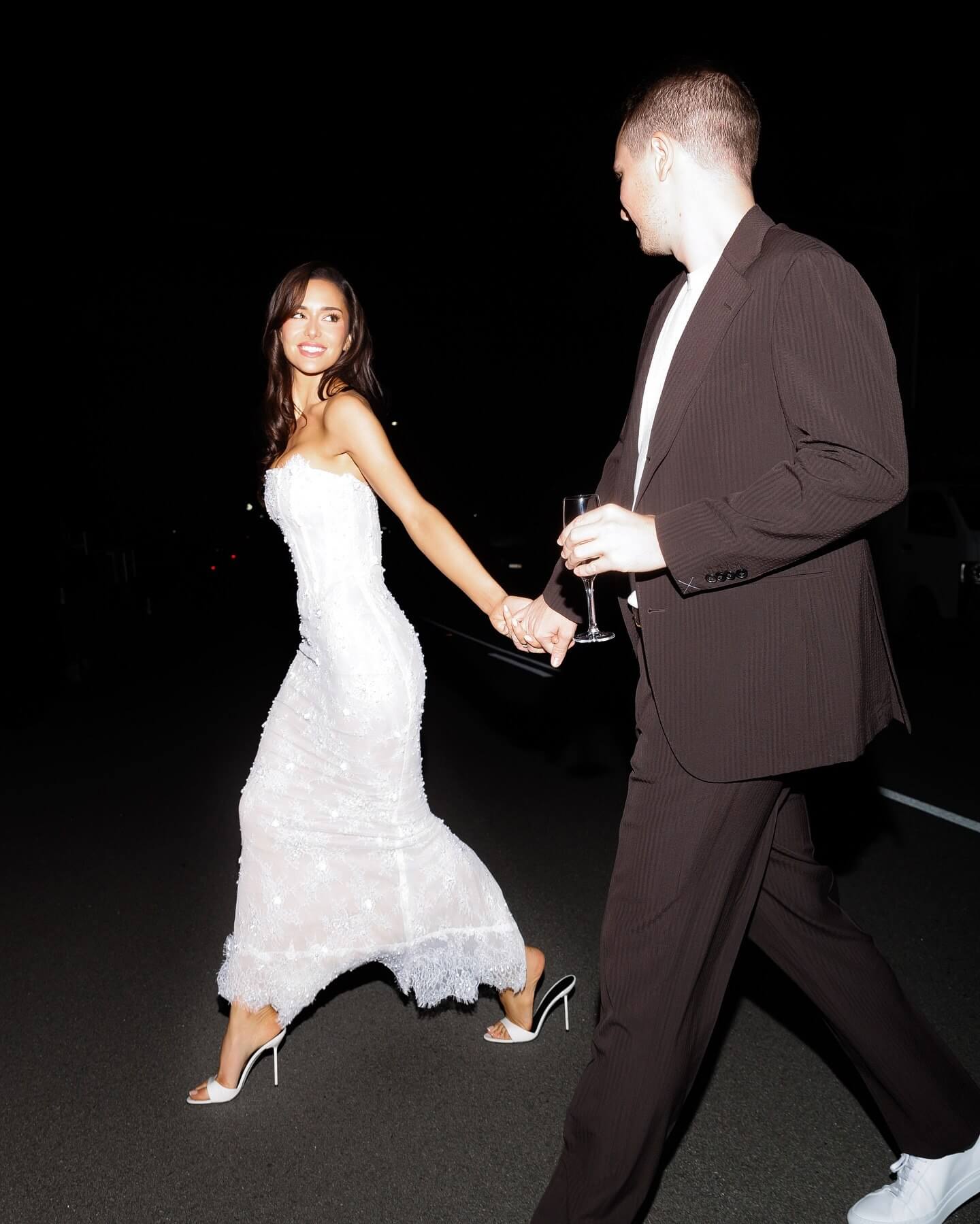
A theme works best as a loose guide to the overall feel, not a rigid structure that turns the whole thing into a costume party. Start with the season, really. A spring garden brunch, a summer barbecue or pool party, a fall harvest dinner, or a winter evening of cocktails and hot chocolate all come with a menu and a palette in place. Style-led themes can work too, such as a black-tie dinner, boho picnic, or modern loft evening, with one signature cocktail as the centerpiece.
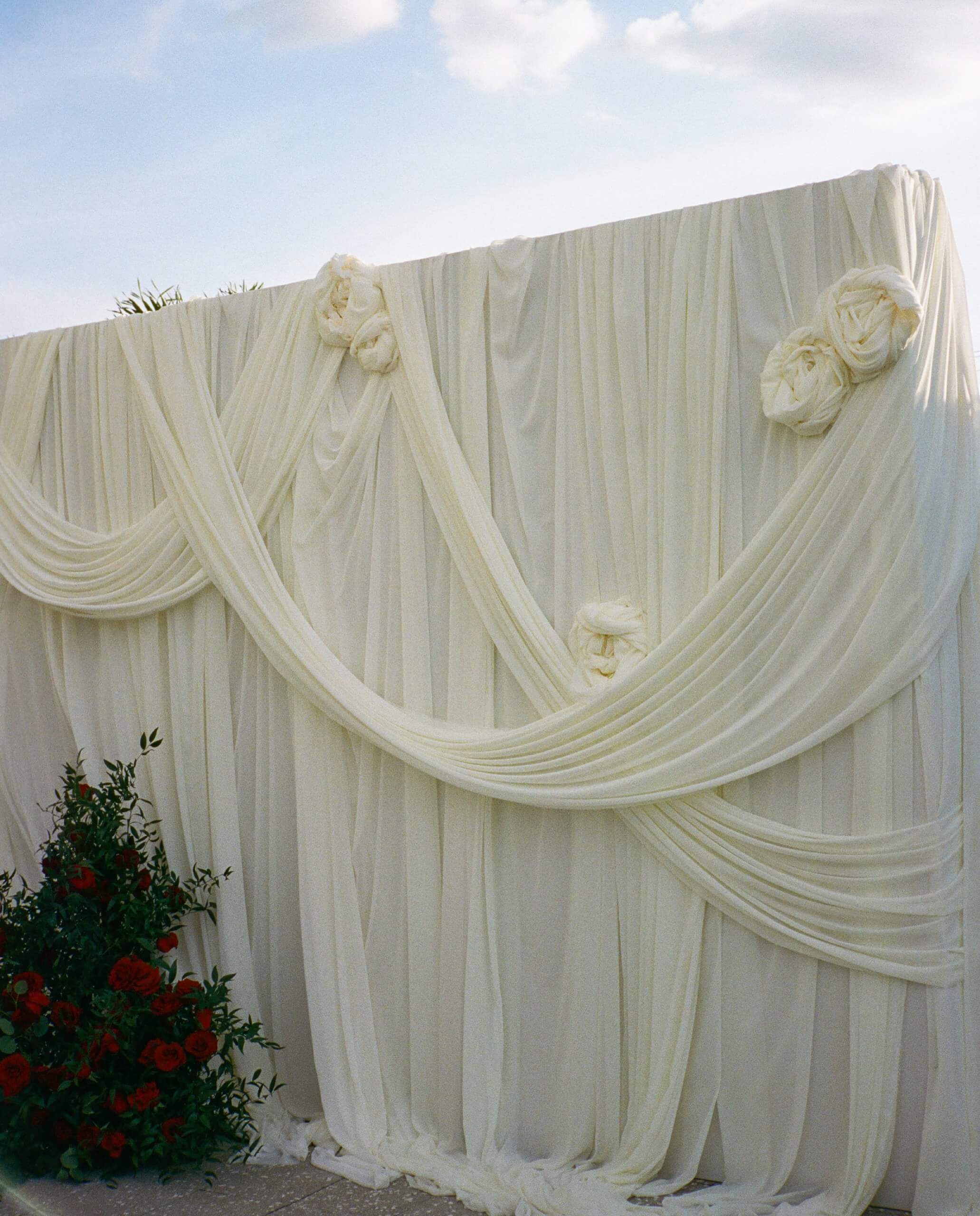
Decor is where parties really go off the rails, since it's so easy to spend money on things no one will notice. Pick a few decor items and leave it at that. Soft lighting and a welcome sign with the couple's names are a great start. Photos of the couple on the table or wall, a guest book, and a few candles will add warmth without cluttering the space. We'd spend the budget on lighting first, as a well-lit room makes everything else look purposeful, and then on flowers.
Invitations, Dress Code and Gifts
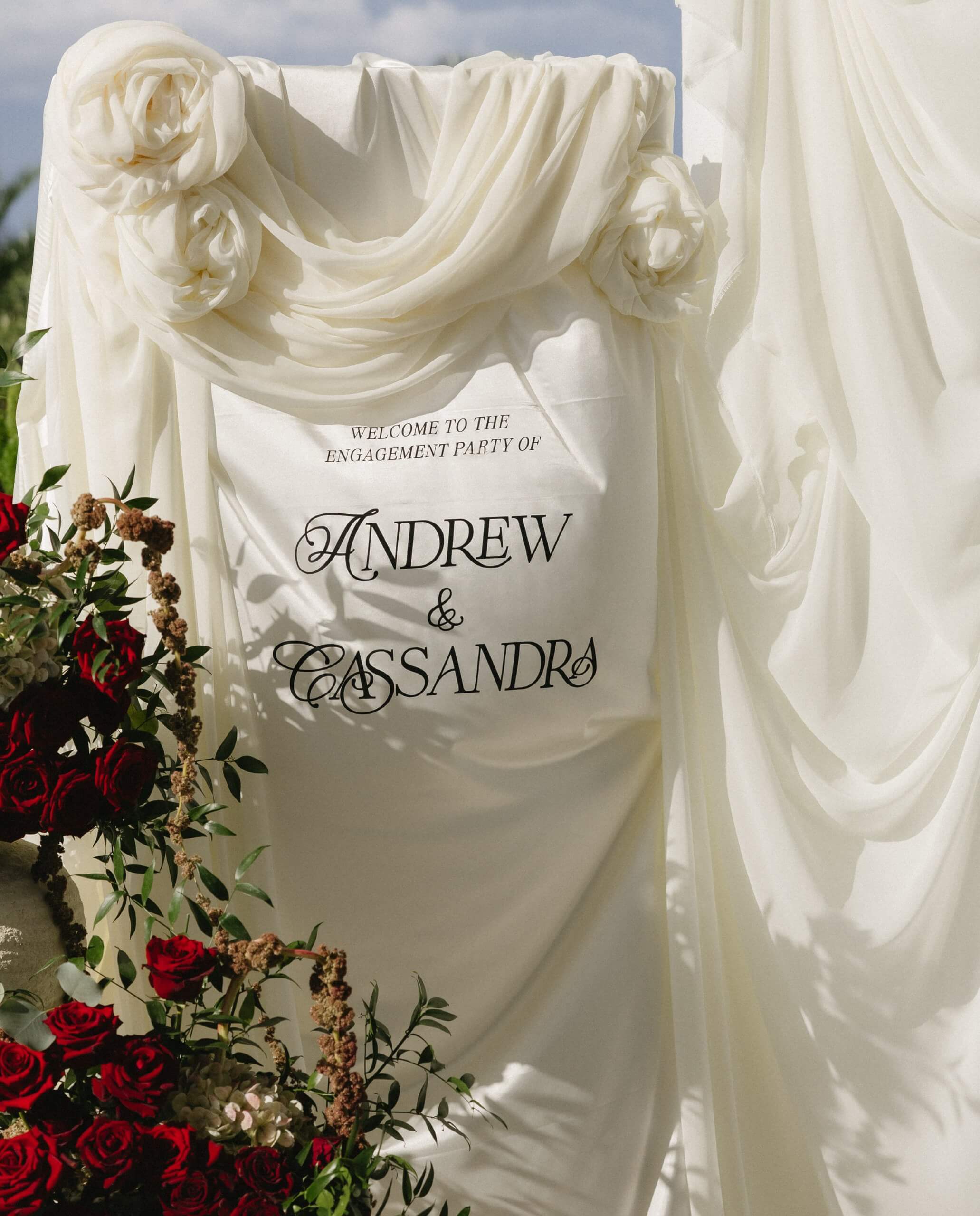
An invitation needs a host line, the couple's names, the date and time, the address, and an RSVP cutoff. A dress code, a wedding website link, and a note on dietary requirements are all optional but can be very useful. Match the tone to the nature of the event: chatty, informal for a backyard bash and more formal for a sit-down dinner.
Send invitations 3 to 6 weeks in advance, and add more time if guests will be traveling. Set your RSVP deadline 1 to 2 weeks prior to the event so the caterer gets a firm figure. Digital invites work well for a more casual affair, and printed ones suit a formal evening, so a mix is often best if you have guests coming from far away. A dress code line is a good idea, since those who don't see it will assume it's smart casual.
Gifts are very welcome but not required, and you don't mention them on the invitation. Leave registry details off the card and only share them if someone asks you in person or on the website. A couple who doesn’t want any gifts at all can simply say so. Guests who do bring a gift usually keep it modest, such as a bottle of wine or a framed photo, and skip anything monogrammed at this stage. Many hosts open gifts after the party, in the privacy of their own home. The etiquette is to write a handwritten thank-you note for every gift received within about two weeks, and many couples also send a short note to the host.
Food and Drink
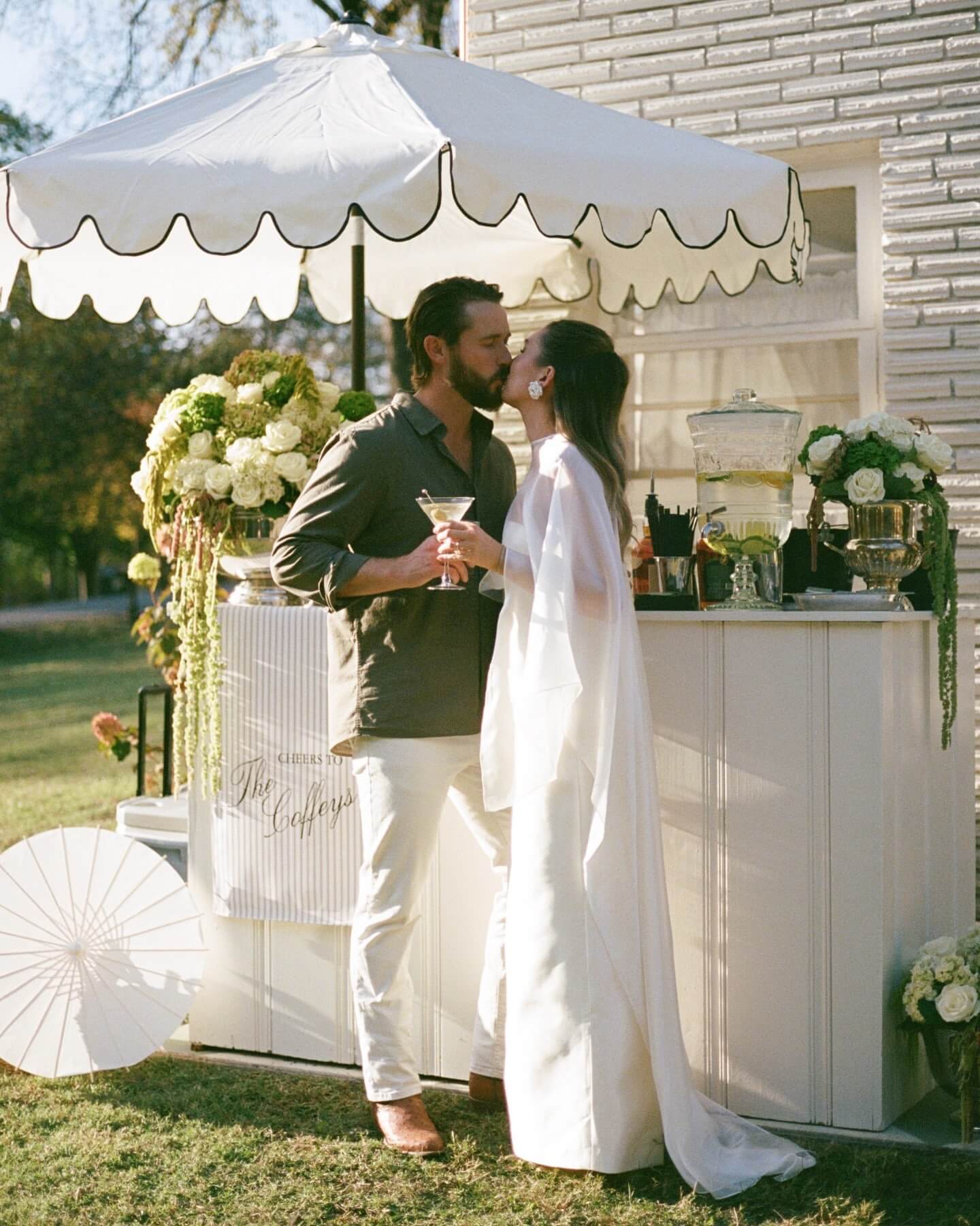
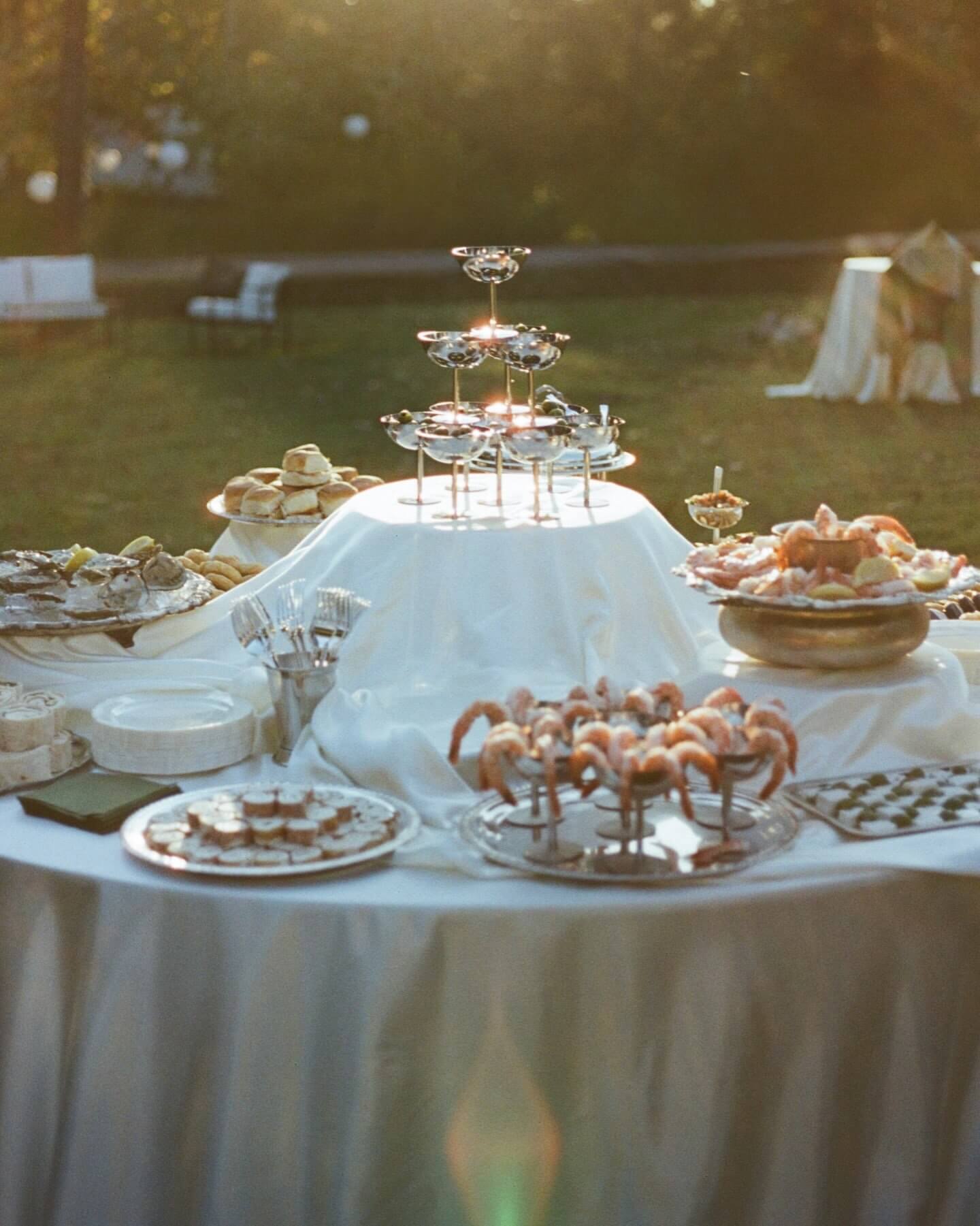
The format dictates the menu. Brunch is all about light fare and a bubbly. An evening cocktail party will have a heavier menu. A seated dinner will require a plated or family-style menu and sufficient staff to serve it. Seasonal produce tastes better and costs less, and a single signature cocktail named after the couple or a place that's significant to them adds character without a full bar.
Quantities are the part most hosts guess at, and they invariably end up with either a bare table by the second hour or a week’s worth of leftovers. With a cocktail-style party, caterers will work from their own rules of thumb, which vary from one to the next, so treat the figures below as a guide. They will all be dependent on the length of the event, the strength of the drinks, and the time of day, so it's worth rounding up a bit when in any doubt:
- Appetizers: roughly three to five pieces per guest per hour, fewer when a full meal follows
- Alcoholic drinks: roughly two to three per guest in the first hour, then about one per hour
- Non-alcoholic options: at least two choices, since a good share of guests will prefer one
- Dessert: a cake or a dessert table, served about two hours in
Check dietary requirements in the RSVP and be specific about vegetarian, vegan, gluten-free and nut-free guests. An allergy discovered on the day is much harder to manage than one you find out about two weeks in advance. Label the dishes on the table so people don't have to ask you during the party.
Program, Toasts and Entertainment
The evening runs best in a loose order: arrivals and drinks, a toast about an hour in, food and conversation, then cake around two hours in. After that, the party winds down naturally. The toast works best once everyone has a drink in hand and has settled in. Fill every glass first, including the non-alcoholic ones, so nobody is left out.
Plan for two or three speakers, such as a parent, the host, and the couple, and tell them in advance. Sixty to ninety seconds each is enough for a true story, what the couple brings out in each other, and a raised glass. Aim for a warm, positive tone, because jokes that work with close friends often fall flat in a mixed room.
Entertainment should stay light. A playlist of at least three hours is all you need, and a photo slideshow or video of the couple works well in the background. Games like a quiz about the couple, an advice card station, or a naming contest for the signature cocktail give guests from different circles something to talk about. Conversation-level music lets the two sides get to know each other, which is the real point of the evening.
Photography and Memories

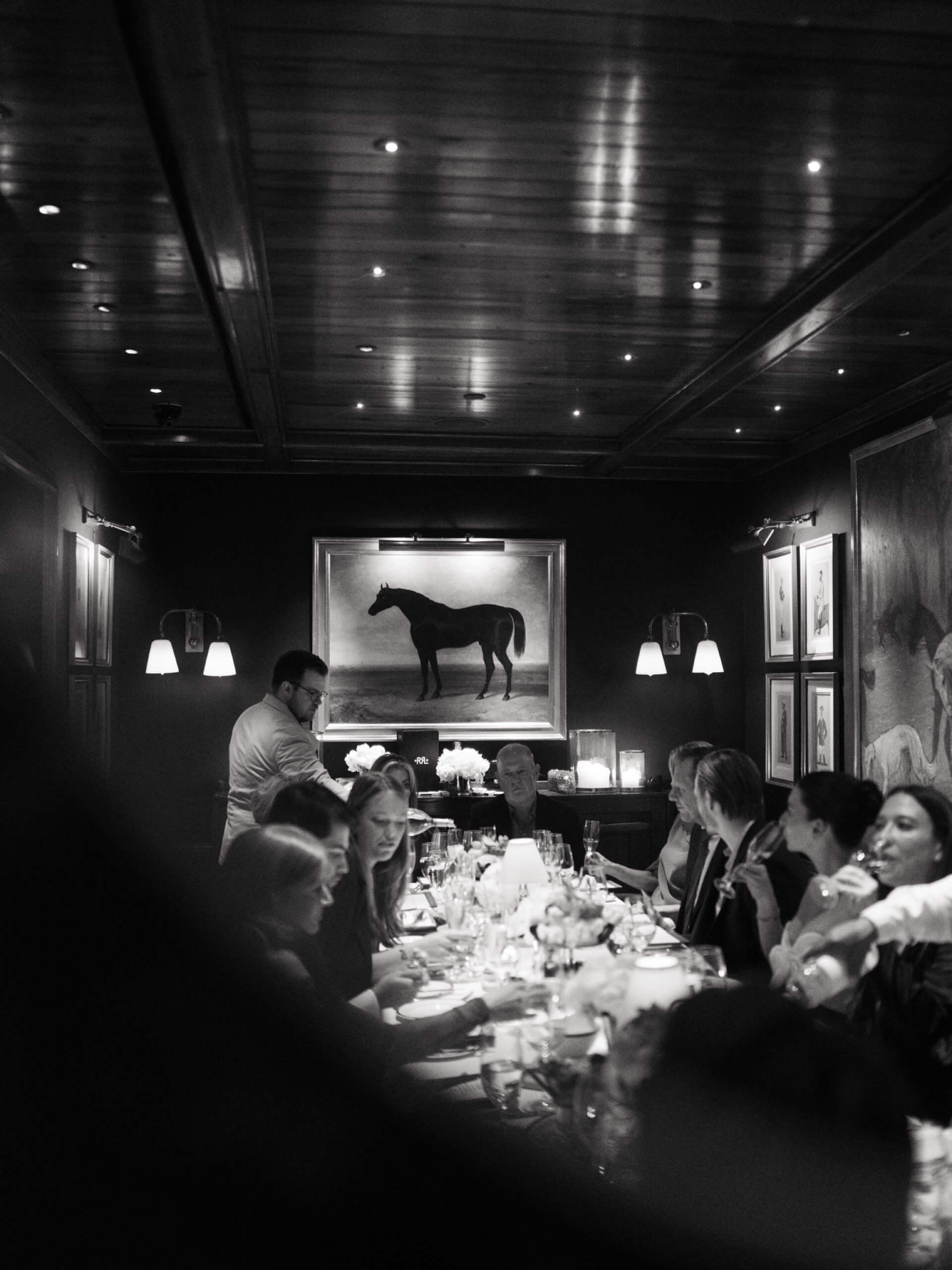
An engagement party brings more of the couple’s people together than almost any other pre-wedding event, so it's worth documenting. A professional photographer captures candid moments and group portraits while letting the hosts stay in the room. A talented friend is a reasonable choice for a casual home gathering if you agree on the role in advance. A quick couple portrait session before guests arrive often produces some of the night’s best images because the hosts are still relaxed and fresh.
Add a few inexpensive prompts for guests: a polaroid wall, a guest book where each person leaves a photo and a note, and an event hashtag. A video of the toast is easy to film on a phone and worth keeping.
Planning an Engagement Party Checklist
Everything above fits into one timeline, from the first decisions to the thank-you notes. Print it, share it with whoever is co-hosting, and check items off as vendors confirm. A single shared list also settles who is handling the rentals.
| When | What to do |
|---|---|
| 8 weeks before | Confirm hosts, set the budget, draft the guest list, choose two or three possible dates and start venue inquiries |
| 6 weeks before | Confirm the venue and caterer, choose the format and theme, order invitations |
| 4 weeks before | Send invitations, finalize the menu and drinks, book entertainment and photography |
| 2 weeks before | Follow up on RSVPs, give the caterer a headcount, confirm every vendor |
| 1 week before | Place final food and drink orders, buy backups, prepare signs and printed items |
| Day before | Confirm deliveries, charge devices, prepare food that can be made ahead |
| Day of | Set up two to three hours early, brief the helpers, greet guests, take the group photo |
| After the party | Return rentals, settle bills, send thank-you notes within two weeks |
The dates flex with the format. A casual party at home needs fewer steps, and a venue booked for a busy season may need to move earlier on the list, but the order of the steps stays the same.
What Can Go Wrong
Weather is the first risk for any outdoor party. Keep an indoor backup or a tent reserved, check the forecast a few days ahead, and have fans or heaters ready for extreme conditions. A vendor who cancels or runs late is the second risk, and a list of backup contacts plus a confirmation call a few days before the event keeps it manageable.
Guest-related issues tend to be smaller but harder to predict: more arrivals than expected, a guest who has had too much to drink, or a family disagreement that needs a quiet word. Flexible seating, a little extra food and a trusted friend on standby solve most of them. Test the microphone, speakers, and any slideshow before the party starts, because technical glitches are easy to prevent and awkward to fix in front of a room.
Wezoree’s Ideal Engagement Party Formula
Boiled down, our formula for an engagement party looks like this:
- Guests: 20 to 50 people from the inner circle of both families
- Length: two to three hours
- Food: one strong format done well, such as a cocktail menu or a plated dinner
- Toast: one moment, about an hour in
- Decor: minimal, with good lighting and a welcome sign
- Free time: a stretch of the evening with no program at all
That formula is deliberately modest, because a party at this scale lets the hosts talk to everyone and keeps money for the wedding itself. The unstructured stretch matters most, since that is when the two families actually talk. Once the party is behind you, the same guest list becomes the starting point for the wedding list. The Wezoree inspiration section is a good place to start collecting ideas for the day.

FAQ
How do you plan an engagement party when the two families live in different cities?
Keep the format small and the date early, because the calendar fills up quickly as the wedding approaches. A dinner or brunch for the closest family is realistic with a few months to go, and the guest list should stay within the wedding list. If the wedding is less than two months away, many couples skip the party and instead give a short toast at the rehearsal dinner or a family lunch.
Should you plan an engagement party before or after booking the wedding venue?
Before is easier. The party doesn't hinge on any wedding decision and can be arranged in the relatively short space of a few months after the proposal. The only real link between the two events is the guest list, so keep it small until the wedding list is in place. It only makes sense to book the wedding venue first if the engagement party is to be held there.
How do you plan engagement party toasts so nobody feels put on the spot?
Tell each speaker the length and running order before the evening. Have the host introduce them individually, which gives a nervous guest a clear signal about when it’s their turn. Have a parent open and keep the final toast for the couple so the evening closes on a high note. Only go in for an open mic if the group is very small and intimate because speaking without preparation is too much for many guests.
How do you plan an engagement party when guests have to travel?
Send an early heads-up message for any event that involves travel, then send the invitations 8 to 10 weeks in advance. Choose a venue that's either near a hotel or near public transit, include the full address and parking details on the invite, and offer a livestream for anyone who still can't make it.
Can a couple have more than one engagement party?
Yes, and it is common when the couple has distinct social circles, such as one with relatives and the other with coworkers, or when the families live in different cities. Keep each party to its own group, spread them a few weeks apart, and agree on a gift policy so guests who attend one aren't asked for more.
Do you need a coordinator to plan an engagement party?
For a home dinner or a small private room, one organized friend who greets guests, runs the playlist, and handles surprises is enough. A party of fifty or more is easier with a venue coordinator or a hired planner. Someone has to confirm vendors, track the headcount, and run the timeline while the hosts stay with the guests.
How to plan an engagement party as a surprise?
Keep the guest list tight and involve one or two people who can keep a secret. Give the couple a believable reason to be at the venue on the day. Have a friend coordinate arrivals so that nobody ruins the moment, and keep a backup plan in case the couple arrives early. Because surprise parties leave less room for dietary questions and RSVPs, collect those details through a trusted friend ahead of time.